EP4048709B1 - Arzneimittel zur behandlung von gebärmutterhalskrebs - Google Patents
Arzneimittel zur behandlung von gebärmutterhalskrebs Download PDFInfo
- Publication number
- EP4048709B1 EP4048709B1 EP21840418.4A EP21840418A EP4048709B1 EP 4048709 B1 EP4048709 B1 EP 4048709B1 EP 21840418 A EP21840418 A EP 21840418A EP 4048709 B1 EP4048709 B1 EP 4048709B1
- Authority
- EP
- European Patent Office
- Prior art keywords
- compound
- treatment
- iii
- cervical cancer
- indium
- Prior art date
- Legal status (The legal status is an assumption and is not a legal conclusion. Google has not performed a legal analysis and makes no representation as to the accuracy of the status listed.)
- Active
Links
Images

Classifications
-
- A—HUMAN NECESSITIES
- A61—MEDICAL OR VETERINARY SCIENCE; HYGIENE
- A61K—PREPARATIONS FOR MEDICAL, DENTAL OR TOILETRY PURPOSES
- A61K31/00—Medicinal preparations containing organic active ingredients
- A61K31/33—Heterocyclic compounds
- A61K31/555—Heterocyclic compounds containing heavy metals, e.g. hemin, hematin, melarsoprol
-
- A—HUMAN NECESSITIES
- A61—MEDICAL OR VETERINARY SCIENCE; HYGIENE
- A61K—PREPARATIONS FOR MEDICAL, DENTAL OR TOILETRY PURPOSES
- A61K41/00—Medicinal preparations obtained by treating materials with wave energy or particle radiation ; Therapies using these preparations
- A61K41/0057—Photodynamic therapy with a photosensitizer, i.e. agent able to produce reactive oxygen species upon exposure to light or radiation, e.g. UV or visible light; photocleavage of nucleic acids with an agent
- A61K41/0071—PDT with porphyrins having exactly 20 ring atoms, i.e. based on the non-expanded tetrapyrrolic ring system, e.g. bacteriochlorin, chlorin-e6, or phthalocyanines
-
- A—HUMAN NECESSITIES
- A61—MEDICAL OR VETERINARY SCIENCE; HYGIENE
- A61P—SPECIFIC THERAPEUTIC ACTIVITY OF CHEMICAL COMPOUNDS OR MEDICINAL PREPARATIONS
- A61P35/00—Antineoplastic agents
Definitions
- the invention relates to a compound named indium (III) phthalocyanine [1,8(11),15(18),22(25)-tetra-(3,5-di-tert-butylphenoxy) indium (III) phthalocyanine] for the treatment of cervical cancer, as defined in claim 1.
- This compound is applied in photodynamic therapy (PDT), a method that uses a photosensitizing agent activated by light to produce reactive oxygen species capable of destroying cancer cells.
- PDT photodynamic therapy
- the invention shows that this compound effectively reduces the viability of HeLa cells, a type of human cervical carcinoma cell, by causing cell death by various mechanisms depending on the concentration used.
- Cancer is abnormal cell growth that is caused by multiple changes in gene expression, which is defined as a phenomenon involving nearly a hundred complex diseases exhibiting different behaviors depending on the cell type they originate from. It disrupts the balance between cell proliferation and cell death. It may spread to various regions of the body due to its ability of invasion and metastasis, and cause tissue and organs to lose their function in the region where they spread. Cancers vary by their age of onset, growth rate, spread, stage, and response to treatment. However, all cancer types have common characteristics at the molecular level which unite all cancer types in a single unit family. Cancer, if not treated, generally results in the death of people, and today, the second leading cause of death worldwide is cancer-related deaths.
- Death caused by cancer can occur as a result of the side effects of existing conventional treatments as well as the damage caused by the disease. Patients cannot be administered sufficient doses in order to avoid the fatal results which may be induced by the side effects of the conventional drugs and as a result, complete and effective treatment cannot be provided. The disease may relapse due to the fact that all cells in the tumor population cannot be killed even in cases where the disease is thought to be cured.
- cancer treatment Today, three main treatment methods are implemented in cancer treatment, which include surgery, chemotherapy, and radiotherapy. Less frequently, hormonal therapies, biological therapies, and targeted therapies are also employed. Said treatment methods may be implemented individually or in combination.
- the surgical method cancerous tissue is removed from the body.
- Radiotherapy is a cancer treatment method in which high-energy X-rays or other types of radiation are used in order to kill cancerous cells or prevent their growth.
- This treatment method is divided into two types as external radiation and internal radiation.
- X-rays are directed from a machine directly to the cancerous cell and surrounding tissues.
- capsules that contain radioactive material are placed into the body cavity of a patient, on and around the tumor.
- Chemotherapy is a cancer treatment method that is applied in order to prevent tumor cell growth by either killing cancerous cells or stopping their division.
- Chemotherapy is performed in order to destroy cancer cells or to control the growth of said cells by means of using anticancer drugs.
- Chemotherapy can be administered to the patient in different ways.
- the drugs enter the bloodstream and may reach cancerous cells in the body (systemic chemotherapy) when chemotherapy is administered orally or injected into a vein or muscle.
- systemic chemotherapy cancerous cells in the body
- chemotherapeutic drugs are placed directly in the cerebrospinal fluid, an organ, or a body cavity such as the abdomen, they mainly affect cancer cells in said areas (regional chemotherapy).
- the method of administration of chemotherapy depends on the type and stage of cancer that is being treated.
- Chemotherapeutic drugs stop cell division by inhibiting enzymes involved in DNA replication or metabolism.
- chemotherapeutic drugs do not specifically target tumor cells, but also damage normally dividing cells of rapidly regenerating tissues such as bone marrow, intestinal mucosa, and hair follicles. Therefore, chemotherapy brings many problems along. Cancer cells and rapidly dividing normal cells are difficult to distinguish from each other due to their similarity, and cells may also develop resistance to drugs. Every drug cannot be applied to every patient since every person and tumor is genetically different. For this reason, some cells treated with chemotherapy can survive and turn into drug-resistant cancer cells, and even treatment-related diseases may develop afterwards.
- many of the drugs that kill tumors can also cause mutations that turn normal cells into cancerous cells. Consequently, all of the aforementioned reasons necessitate developing new drugs that target cancer cells but do not affect normal cells.
- Cervical cancer is one of the most common cancer types among women, in which 98% of said cancer is caused by HPV (Human Papillomavirus). It occurs as a result of the proliferation of cancer cells in the cervix that connects the uterus and the genital tract (vagina). Cervical cancer is a type of cancer that usually develops slowly. Cervical cells go through changes called dysplasia before cancer appears in the cervix. In cervical cancer, abnormal cells begin to appear in the cervical tissue and may become cancerous cells over time, and said abnormal cells begin growing and spreading more extensively in the cervix and surrounding areas. In some cases, the fact that being unable to provide a complete treatment for cervical cancer with the treatments available in the state of the art may result in a relapse of the disease just like in other types of cancer.
- HPV Human Papillomavirus
- the photodynamic therapy (PDT) method is a less harmful and effective cancer treatment method, which is performed in the existence of photosensitizer (photosensitive substance), light and oxygen molecules.
- Said photosensitizers are defined as chemical compounds that absorb the energy of light with a wavelength that suits their structure, that transform from the ground state to the excited state, and that transfer the energy they absorb into biomolecules.
- the first example of photodynamic therapy was recorded in 1900 when Raab has observed a toxic effect as a result of reacting the acridine orange with light.
- Raab's study has shown that it is possible to kill paramecium, which is a unicellular animal species, by means of using acridine dye and sunlight.
- HPD hematoporphyrin derivative
- PDT is based on a principle in which the drug accumulates in the tumor tissue and destroys the tumor by being stimulated with a light source of a certain wavelength after the photosensitive drug is administered to the patient through intravenous route.
- Said photosensitive drugs have a much higher tendency to accumulate and be retained in tumor tissues compared to normal tissues.
- Light may stay longer in tumor tissue compared to normal tissue.
- Singlet oxygen which is released as a result of occurring reactions, is extremely toxic when the light is absorbed by the photosensitive drug. Singlet oxygen causes necrosis in the desired region only and although its life in the tissue is noticeably short, it is local. Thus, the cells in the tumor region are destroyed without damaging the healthy tissues.
- photodynamic therapy light energy is converted into chemical energy by means of a non-toxic photosensitive substance, the photosensitizer, and said chemical energy is transferred to the target tissue.
- the administration of the photosensitizer into the body consists of two basic steps, including the production of a photochemical effect in the targeted area and the activation of said substance.
- the first feature is that the photosensitizer, which is a light-sensitive substance administered to the body, is accumulated especially in the target region, and the other is that the light activating said substance is applied only to the desired region.
- the mechanism of action of photodynamic therapy occurs such that the photosensitive substance, which is in the ground state, becomes a triplet with high energy after being excited by a light source of a wavelength that it can absorb, and activated photosensitizers follow two different paths, which are Type I and Type II reactions, so as to interact with biomolecules.
- One of the three essential elements in photodynamic therapy is oxygen, and the importance of oxygen is stemming from its transition to singlet oxygen form.
- the singlet oxygen which is formed as a result of changing the direction of one of said outer electrons, is highly reactive. Singlet oxygen interacts with other molecules and transfers its energy due to its high reactivity.
- the creation of singlet oxygen constitutes the basis of the PDT method.
- Type I reactions create electron transfer reactions which lead to the formation of ROS (Reactive Oxygen Species).
- Type II reactions are energy transfer reactions that cause ( 1 O 2 ) formation.
- radicals with highly reactive properties appear when the hydrogen atom of the excited photosensitizer is transferred to a molecule in the cell and said radicals react with molecular oxygen. As a result, oxygenated products are formed.
- Several photosensitive substances used in photosensitive substances show their effects through Type II reaction mechanisms over 1 O 2 , which is ROS most of the time.
- the excited photosensitizer gives its energy directly to molecular oxygen (O 2 ) and induces the formation of singlet oxygen ( 1 O 2 ).
- Type III reactions are immune complex related reactions. These reactions are also known as hypersensitivity reactions. Type III reaction occurs when the antibody against a soluble antigen binds with the antigen and activates the complex system. An immune complex is formed as a result of antigen-antibody binding. The intensity of the reaction is associated with the size and distribution of the immune complex. Immune complexes are observed quite frequently in the blood vessel wall, the synovial membrane of the joints, and the choroidal plexus of the brain. Type III reactions may be local or systemic. Type IV reactions are known as cell-mediated or delayed-type hypersensitivity. The conventional example of these reactions is the tuberculin (Mantoux) reaction, which peaks 48 hours after antigen injection. Type IV reactions are associated with many autoimmune and infectious diseases, foreign antigens, and infection-induced granuloma pathogenesis.
- Mantoux tuberculin
- the wavelength of the light used in photodynamic therapy is particularly important in terms of the depth that the light may reach in the tissue.
- the wavelength and the energy of the light used are inversely proportional. Therefore, the use of a light source with high wavelength should be preferred in order to minimize the side effects of the therapy that is being administered.
- the optimal wavelength range is between 650 and 850 nm for PDT applications, and said range is defined as 'Phototherapeutic window'.
- Arc lamps are utilized to stimulate photosensitizers since they are easy to use and inexpensive.
- UV and IR filters must be used in order to prevent heating since such lamps are light sources with a broad spectrum.
- LEDs with a wide wavelength range may also be used as a light source in PDT.
- laser light that may be emitted in a single color and in synchronized light waves with little deviation, which facilitates focusing the light rays.
- Lasers have characteristic features such as the operation of optical fibers in photodynamic therapy, the treatment of endoscopic internal tumors, and the placement of a light source in tumor tissue with respect to their use in photodynamic therapy.
- the laser light has high power.
- the photosensitizer used in the region of the body, which is threatened and damaged by cancer cells may vary based on the application of the light and photosensitizer agent that activates it.
- the type of photosensitizer agent also varies according to the light source and the type of treatment applied. After the photosensitizer agent used in the treatment is received by cancer cells, the light with a wavelength, which can be absorbed by the agent, is applied only to the part with cancerous cells.
- Photodynamic therapy is an important treatment method for inducing damage to the blood vessels feeding cancer cells and enabling the immune system to attack cancer cells.
- the time period between the administration of the photosensitizer agent and the application of light to the patient varies depending on the photosensitizer agent used.
- Photosensitizer to be used is determined based on characteristics such as; accumulation in tumor tissues, accumulation in the desired region in a short period of time, not containing any impurities, not getting accumulating in healthy tissues, not having any toxic effects in case there is no stimulating light, and tending to form singlet oxygen with high efficiency.
- Phthalocyanines are a class of compounds consisting of a 16-membered planar macro ring having a highly conjugated 18 ⁇ electron system. Phthalocyanines are not found in nature although they are structurally similar to porphyrins such as hemoglobin, chlorophyll a, and B12.
- phthalocyanines with the characteristics of blue and green colors are used in applications such as lasers, sensors, nanotubes, self-emitting compounds (OLED), photodynamic therapy (PDT), cancer treatment, and catalysts, in addition to their use as pigments in printing inks, coatings, paints, and plastics.
- OLED self-emitting compounds
- PDT photodynamic therapy
- cancer treatment cancer treatment
- catalysts in addition to their use as pigments in printing inks, coatings, paints, and plastics.
- indium (III) phthalocyanine for the treatment of cervical cancer is the subject of the invention.
- the full name of the compound subject to the invention is 1,8(11),15(18),22(25)-tetra-(3,5-di-tert-butylphenoxy) indium (III) phthalocyanine.
- 335In(III)Pc compound was applied to HeLa cells originating from human cervical carcinoma by means of employing the PDT method, and it was demonstrated that the cell viability decreased depending on the dose as a result of the proliferation rate analysis and that 100 ⁇ M of product concentration cause the survival of 47.45 % of the cells, in other words, the death of 52.55 % of the cells.
- the most important object of the present invention is to ensure that cervical cancer is treated effectively.
- more than half of HeLa cancer cells are killed by means of the indium (III) phthalocyanine compound, which is the active ingredient that is being synthesized.
- Another object of the present invention is to produce a drug with an anticarcinogenic effect for use in cervical cancer treatment by means of the photodynamic therapy method.
- a drug that contains indium (III) phthalocyanine compound ensures that the cancerous cells causing cervical cancer are killed and cancer is treated.
- Another object of the present invention is to obtain an anticancer drug by means of an eco-friendly synthesis method.
- no solvent is used in the synthesis of indium (III) phthalocyanine compound, which is the active ingredient of the drug synthesized for use in cervical cancer treatment.
- it is eco-friendly within the scope of green synthesis.
- Yet another object of the present invention is to obtain an active ingredient that has anticancer effects and high singlet oxygen production for being used in photodynamic therapy for the treatment of cervical cancer.
- the use of indium (III) phthalocyanine compound in photodynamic therapy produces exceedingly high amounts of singlet oxygen.
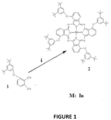
- the present invention relates to a 1,8(11), 15(18),22(25)-tetra-(3,5-di-tert-butylphenoxy) indium (III) phthalocyanine (Compound 2, In(III)Pc or 335In(III)Pc) compound in order to be applied with photodynamic therapy for use in the treatment of cervical cancer.
- the present invention further relates to an anticarcinogenic drug in which the 1,8(11),15(18),22(25)-tetra-(3,5-di-tert-butylphenoxy) indium (III) phthalocyanine compound is used as an active ingredient.
- the chemical structure of Compound 2 is as shown in Formula 1:
- Synthesis method of said indium (III) phthalocyanine compound comprises the process steps of;
- the compound obtained by means of the aforementioned method is in the form of a dark green crystal, and the yield thereof is 82 mg (16,14%).
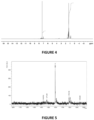
- the closed formula of Compound 2, which has a melting point >300°C is C 89 H 99 InN 8 O 6 , and its molecular weight is 1491,61 g/mol. It has been determined that C, 71.66; H, 6.69; 7.70; N, 7.51; O, 6.44 when the theoretical elemental analysis of the compound was performed.
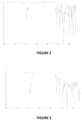
- FTIR analysis was conducted in order to shed light upon the structure of said Compound 2 and it is illustrated in Figure 3 . FTIR results have indicated that the Compound 2 structure was synthesized correctly.
- Said compound is capable of getting dissolved in common solvents such as chloroform (CHCl3), acetone (C3H6O), tetrahydrofuran (THF), ethanol (C2H5OH), methanol (CH3OH), dimethylformamide (DMF), or dimethyl sulfoxide (DMSO) (Table 1).
- common solvents such as chloroform (CHCl3), acetone (C3H6O), tetrahydrofuran (THF), ethanol (C2H5OH), methanol (CH3OH), dimethylformamide (DMF), or dimethyl sulfoxide (DMSO) (Table 1).
- Table 1 The solubility data of the In(III) Pc compound.
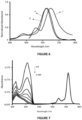
- Equation-1 was used in order to calculate the fluorescence quantum yield ( ⁇ F) of Compound 2.
- ⁇ F ⁇ F Std F . A Std . n 2 F Std . A . n Std 2
- DPBF DPBF with a concentration of 3 ⁇ 10 5 mol.L -1 was used in order to prevent chain reactions caused by the presence of singlet oxygen.
- In(III)Pc complex Different concentrations of In(III)Pc complex were applied to cultured human cervical cancer originated HeLa cells for 24 hours in order to determine the changes in mitochondrial dehydrogenase enzyme activity of cancer cells by means of the In(III)Pc complex obtained.
- In(III)Pc complex prepared at 50 ⁇ M, 100 ⁇ M, and 150 ⁇ M concentrations were applied to the cells after waiting for the cells to adhere and spread.
- the growth medium in the wells was withdrawn and 40 ⁇ l of 3-(4,5-dimethylthiazol-2-yl)-2,5-diphenyltetrazolium bromide (MTT) (5mg/ml) was added at the end of the experiment periods.
- 160 ⁇ l of dimethyl sulfoxide (DMSO) was added to the wells with MTT and incubated for 1 hour in a shaker incubator after waiting for approximately 4 hours.
- the absorbance values of the formed experimental groups were carried out by means of the spectrophotometer measurements at 570 nm with reference to the 690 nm wavelength after the formazan crystals formed are dissolved for the 1 hour incubation period.
- the absorbance values obtained as a result of this application were measured as 590 ⁇ 10 -3 for the control group; 460 ⁇ 10 -3 for 50 ⁇ M; 280 ⁇ 10 -3 for 100 ⁇ M, and 170 ⁇ 10 -3 for 150 ⁇ M.
- the control group which is considered 100% for HeLa cells, it was observed that 50 ⁇ M of Compound 2 concentration reduced the viability of cells to 78% that 100 ⁇ M of Compound 2 concentration increases the viability of cells to 47.45%, and 150 ⁇ M of Compound 2 concentration reduced the viability of cells to 28.81 %.
- the cell index parameter was evaluated by means of using a real-time cell analysis system in order to both support the results obtained and to determine the types of cell death, and an E-Plate with 16 wells was used in order to evaluate this parameter.
- 100 ⁇ l of growth medium was added to each well of the E-Plate, and background measurements were taken in the cell analyzer device. Then, cultivation is performed in each well such that the 100 ⁇ l of growth medium has 6000 cells for HeLa cells.
- the E-Plates were incubated for 20 minutes in a sterile working cabinet at room temperature, and then placed in the cell analyzer device and incubation was continued at 37°C under ambient conditions of 5% carbon dioxide (CO2) after the cultivation process.
- CO2 carbon dioxide
- the cell analyzer was issued a command to take the measurement every 15 minutes after the cell cultivation to the E-Plates was performed. After approximately 24 hours of cell cultivation, the growth medium in the E-Plates was changed with a growth medium containing different concentrations of In(III)Pc complex at the 1/3rd slice of the proliferation phase of the cells, and measurements were continued at 15-minute intervals for 72 hours. Subsequently, graphics of concentration and time-dependent cell index values were transferred to the computer screen. The antiproliferative effects of the In(III)Pc complex on HeLa cells are observed when the cell index values obtained from the real-time cell analysis system are examined.
- the 50 ⁇ M of In(III)Pc complex applied does not show a significant effect when the cell index values obtained are compared with the standard curves, however, 150 ⁇ M of In(III)Pc complex concentration produces a cytoskeletal effect, while 100 ⁇ M of In(III)Pc complex concentration, which is an optimum concentration, is causing DNA damage on cells.
- the preparations prepared according to the experimental groups were primarily hydrolyzed with 1 N hydrochloric acid (HCl) at room temperature for 1 minute and then with 1 N HCl at 60°C for 10 minutes in order to determine the effects on the mitotic index values of the cells.
- HCl hydrochloric acid
- the Feulgen method was applied to the preparations for 1 hour. Then, these preparations were washed 3 times for 2 minutes with a washing solution, which is specific to the Feulgen method, and air-dried. After the preparations were dried, they were prepared for counting by means of staining with Giemsa dye for 2 minutes.
- Late prophase, metaphase, anaphase, and telophase stages were counted in order to determine the mitosis index (MI) values of said preparations.
- MI mitosis index
- mitosis index values were determined by means of counting 3000 cells on average from each preparation.
- the mitosis index values have been decreased from 6% to 3,7% at the 24th hour; from 6,68% to 2,21% at the 48th hour, and from 7,56% to 1,19% at the 72nd hour.
- the values of cell kinetic parameters determined according to concentration and time applied in all experimental groups were evaluated according to control and each other, and to that end, a one-way ANOVA test was applied to the values determined from all experimental groups.
- the significances of the groups according to the control were evaluated with the DUNNETT'S test, and the significances of the groups with each other were evaluated with the t-test.
- a significance level of p ⁇ 0.01 was selected as a basis in statistical evaluations.
- the anticancer effects of Compound 2 in HeLa cell cultures originated from human cervical cancer were investigated by means of evaluating various cell kinetic parameters. The data obtained has indicated that Compound 2 caused a significant decrease in cell proliferation depending on the concentration and time, and at the same time, cell death has occurred with different death mechanisms at different concentrations.
- the mitosis index parameter using 100 ⁇ M of Compound 2 concentration indicates that mitosis cell division decreases significantly over time. Consequently, the significant death of human cervical cancer cells via different mechanisms indicates that the inventive compound may be a drug that can be used in the treatment of this cancer.
Landscapes
- Health & Medical Sciences (AREA)
- Life Sciences & Earth Sciences (AREA)
- Chemical & Material Sciences (AREA)
- Public Health (AREA)
- Veterinary Medicine (AREA)
- Medicinal Chemistry (AREA)
- Pharmacology & Pharmacy (AREA)
- Animal Behavior & Ethology (AREA)
- General Health & Medical Sciences (AREA)
- Epidemiology (AREA)
- Molecular Biology (AREA)
- Biochemistry (AREA)
- Chemical Kinetics & Catalysis (AREA)
- General Chemical & Material Sciences (AREA)
- Nuclear Medicine, Radiotherapy & Molecular Imaging (AREA)
- Organic Chemistry (AREA)
- Pharmaceuticals Containing Other Organic And Inorganic Compounds (AREA)
Claims (14)
- Indium(III)-Phthalocyanin-Verbindung, die 1,8(11), 15(18),22(25)-Tetra-(3,5-di-tert-butylphenoxy)-Indium(III)-Phthalocyanin ist, mit der folgenden Formel zur Verwendung bei der Behandlung von Gebärmutterhalskrebs;

- Verbindung zur Verwendung nach Anspruch 1, dadurch gekennzeichnet, dass ihr Schmelzpunkt höher als 300 °C ist.
- Verbindung zur Verwendung nach Anspruch 1, dadurch gekennzeichnet, dass die Verbindung eine Struktur aufweist, die in Chloroform (CHCl3), Aceton (C3H6O), Tetrahydrofuran (THF), Ethanol (C2H5OH), Methanol (CH3OH), Dimethylformamid (DMF) oder Dimethylsulfoxid (DMSO) löslich ist.
- Verbindung zur Verwendung nach Anspruch 1, dadurch gekennzeichnet, dass die Verbindung, nachdem sie dem Körper verabreicht wurde, den Tod von krebsartigen HeLa-Zellen durch Apoptose (programmierter Zelltod) oder Nekrose verursacht, wenn der krebsartige Bereich mit rotem Licht bestrahlt wird.
- Anticarcinogenes Arzneimittel zur Verwendung bei der Behandlung von Gebärmutterhalskrebs, umfassend die Verbindung nach einem der Ansprüche 1 bis 4 als Wirkstoff.
- Indium(III)-Phthalocyanin-Verbindung, die 1,8(11),15(18),22(25)-Tetra-(3,5-di-tert-butylphenoxy)-Indium(III)-Phthalocyanin ist, mit der folgenden Formel zur Verwendung in der photodynamischen Therapie zur Behandlung von Gebärmutterhalskrebs;

- Arzneimittel zur Verwendung bei der Behandlung von Gebärmutterhalskrebs, umfassend eine 1,8(11), 15(18),22(25)-Tetra-(3,5-di-tert-butylphenoxy)-Indium(III)-Phthalocyaninverbindung.
- 1,8(11),15(18),22(25)-Tetra-(3,5-di-tert-butylphenoxy) Indium(III)-phthalocyanin-Verbindung zur Verwendung bei der Herstellung eines Arzneimittels mit antikarzinogener Wirkung zur Behandlung von Gebärmutterhalskrebs.
- Verbindung zur Verwendung nach Anspruch 1 oder Anspruch 6, dadurch gekennzeichnet, dass ihre Photodegradationsquantenausbeute (Φd) = 2,0017×10-05 beträgt.
- Verbindung zur Verwendung nach Anspruch 1 oder Anspruch 6, dadurch gekennzeichnet, dass 50 µM der Verbindungskonzentration eine chemische Struktur aufweist, die die Lebensfähigkeit der Zellen auf 78% reduzieren kann, 100 µM der Verbindungskonzentration eine chemische Struktur aufweist, die die Lebensfähigkeit der Zellen auf 47,45% reduzieren kann und 150 µM eine chemische Struktur aufweist, die die Lebensfähigkeit der Zellen auf 28,81% reduzieren kann.
- Verbindung zur Verwendung nach Anspruch 1 oder 6, die eine antiproliferative Wirkung auf HeLa-Zellen hat.
- Verbindung zur Verwendung nach Anspruch 1 oder Anspruch 6, dadurch gekennzeichnet, dass die Verbindung eine chemische Struktur aufweist, die die Mitoseindexwerte von 6 % auf 3,7 % in der 24. Stunde, von 6,68 % auf 2,21 % in der 48. Stunde und von 7,56 % auf 1,19 % in der 72.
- Verbindung zur Verwendung bei der Behandlung von Gebärmutterhalskrebs nach Anspruch 1 oder Anspruch 6, dadurch gekennzeichnet, dass die Verbindung auf oralem oder intravenösem Wege verabreicht wird.
- Verbindung zur Verwendung bei der Behandlung von Gebärmutterhalskrebs nach Anspruch 1 oder Anspruch 6, dadurch gekennzeichnet, dass die Verbindung in Tablettenform oder in Pulverform, die mittels eines geeigneten Lösungsmittels in eine Lösung zu überführen ist, oder in Form einer Lösung zur Injektion vorliegt.
Applications Claiming Priority (2)
| Application Number | Priority Date | Filing Date | Title |
|---|---|---|---|
| TR2020/22158A TR202022158A1 (tr) | 2020-12-29 | 2020-12-29 | Rahim ağzı kanseri tedavisi için bir ilaç. |
| PCT/TR2021/050515 WO2022146292A1 (en) | 2020-12-29 | 2021-05-31 | A drug for the treatment of cervical cancer |
Publications (4)
| Publication Number | Publication Date |
|---|---|
| EP4048709A4 EP4048709A4 (de) | 2022-08-31 |
| EP4048709A1 EP4048709A1 (de) | 2022-08-31 |
| EP4048709C0 EP4048709C0 (de) | 2025-02-26 |
| EP4048709B1 true EP4048709B1 (de) | 2025-02-26 |
Family
ID=80784998
Family Applications (1)
| Application Number | Title | Priority Date | Filing Date |
|---|---|---|---|
| EP21840418.4A Active EP4048709B1 (de) | 2020-12-29 | 2021-05-31 | Arzneimittel zur behandlung von gebärmutterhalskrebs |
Country Status (3)
| Country | Link |
|---|---|
| EP (1) | EP4048709B1 (de) |
| TR (1) | TR202022158A1 (de) |
| WO (1) | WO2022146292A1 (de) |
Family Cites Families (1)
| Publication number | Priority date | Publication date | Assignee | Title |
|---|---|---|---|---|
| JP3617135B2 (ja) * | 1995-08-28 | 2005-02-02 | 三菱化学株式会社 | フタロシアニン化合物及びそれを用いた光学記録媒体 |
-
2020
- 2020-12-29 TR TR2020/22158A patent/TR202022158A1/tr unknown
-
2021
- 2021-05-31 EP EP21840418.4A patent/EP4048709B1/de active Active
- 2021-05-31 WO PCT/TR2021/050515 patent/WO2022146292A1/en not_active Ceased
Also Published As
| Publication number | Publication date |
|---|---|
| EP4048709A4 (de) | 2022-08-31 |
| EP4048709C0 (de) | 2025-02-26 |
| EP4048709A1 (de) | 2022-08-31 |
| WO2022146292A1 (en) | 2022-07-07 |
| TR202022158A1 (tr) | 2022-07-21 |
Similar Documents
| Publication | Publication Date | Title |
|---|---|---|
| Zou et al. | A single molecule drug targeting photosensitizer for enhanced breast cancer photothermal therapy | |
| US9040687B2 (en) | Process for the preparaton of novel porphyrin derivatives and their use as PDT agents and fluorescence probes | |
| EP2931728B1 (de) | Chlorinderivate für fotodynamische therapie und diagnose | |
| CN107057398B (zh) | 一种七甲川菁荧光染料及其肿瘤精准诊断和治疗的应用 | |
| CN113461697B (zh) | 一种二氢卟吩类化合物及其制备方法和用途 | |
| EP3292129B1 (de) | Niedermolekulare halogenierte porphyrin-carboxamid-chlorin- und -bacteriochlorin-derivate zur verwendung in der photodynamischen therapie zur behandlung von krebs | |
| CN113461740B (zh) | 一种铱配合物及其制备方法和应用 | |
| Yalçın et al. | Synthesis of axially disubstituted quaternized silicon phthalocyanines as a promising photosensitizer for the photodynamic treatment of HCT-116, A549 and SH-SY5Y cancer cell lines | |
| CN103143013B (zh) | 一种含有氨基多羧酸修饰四苯基卟啉化合物的光敏药物制剂及用途 | |
| JPS625912A (ja) | 新規なテトラピロ−ル医薬用組成物 | |
| WO2021143829A1 (zh) | 一种非周边季铵基修饰锌酞菁及其制备方法和应用 | |
| CN101591341B (zh) | 一种烷基卟啉类化合物及其制备和在医农药领域的应用 | |
| EP4048709B1 (de) | Arzneimittel zur behandlung von gebärmutterhalskrebs | |
| CN114014875B (zh) | 一种可降解近红外光敏剂、其制备方法及应用 | |
| RU2071320C1 (ru) | Сенсибилизатор для фотодинамического разрушения клеток злокачественных новообразований | |
| CN108743942A (zh) | 一种近红外光动力纳米药物的制备和应用 | |
| CN120209003A (zh) | 一类无重原子且具有聚集诱导发射能力的i型双光子光敏剂及其制备方法与应用 | |
| JPH02164825A (ja) | セレノー又はテルロピリリウム塩を含む光力学療法用組成物 | |
| Li et al. | Lysosome-targeted 5, 15-diaryltetraacenaphthoporphyrin as a promising immunoinducer for enhanced photodynamic therapy in melanoma | |
| CN120665054A (zh) | 一种最低分子量的小分子自组装超分子化合物在光疗中的应用 | |
| KR20230158342A (ko) | Egcg 및 광감작제-에틸렌글리콜 접합체를 포함하는 신규한 나노 구조체 및 이의 용도 | |
| RU2278119C1 (ru) | Тетраазахлорины как фотосенсибилизаторы для фотодинамической терапии | |
| Yan | EVALUATION OF PORPHYRIN DERIVATIVE FOR PHOTODYNAMIC THERAPY | |
| HK1216534B (en) | Chlorin derivative useful in photodynamic therapy and diagnosis | |
| PL222376B1 (pl) | Morfolinowe oraz morfolinowo-nitroimidazolowe pochodne ftalocyjanin, sposób ich otrzymywania oraz zastosowanie |
Legal Events
| Date | Code | Title | Description |
|---|---|---|---|
| STAA | Information on the status of an ep patent application or granted ep patent |
Free format text: STATUS: UNKNOWN |
|
| STAA | Information on the status of an ep patent application or granted ep patent |
Free format text: STATUS: THE INTERNATIONAL PUBLICATION HAS BEEN MADE |
|
| PUAI | Public reference made under article 153(3) epc to a published international application that has entered the european phase |
Free format text: ORIGINAL CODE: 0009012 |
|
| STAA | Information on the status of an ep patent application or granted ep patent |
Free format text: STATUS: REQUEST FOR EXAMINATION WAS MADE |
|
| 17P | Request for examination filed |
Effective date: 20220120 |
|
| A4 | Supplementary search report drawn up and despatched |
Effective date: 20220801 |
|
| AK | Designated contracting states |
Kind code of ref document: A1 Designated state(s): AL AT BE BG CH CY CZ DE DK EE ES FI FR GB GR HR HU IE IS IT LI LT LU LV MC MK MT NL NO PL PT RO RS SE SI SK SM TR |
|
| DAV | Request for validation of the european patent (deleted) | ||
| DAX | Request for extension of the european patent (deleted) | ||
| STAA | Information on the status of an ep patent application or granted ep patent |
Free format text: STATUS: EXAMINATION IS IN PROGRESS |
|
| 17Q | First examination report despatched |
Effective date: 20240717 |
|
| GRAP | Despatch of communication of intention to grant a patent |
Free format text: ORIGINAL CODE: EPIDOSNIGR1 |
|
| STAA | Information on the status of an ep patent application or granted ep patent |
Free format text: STATUS: GRANT OF PATENT IS INTENDED |
|
| INTG | Intention to grant announced |
Effective date: 20241108 |
|
| GRAS | Grant fee paid |
Free format text: ORIGINAL CODE: EPIDOSNIGR3 |
|
| GRAA | (expected) grant |
Free format text: ORIGINAL CODE: 0009210 |
|
| STAA | Information on the status of an ep patent application or granted ep patent |
Free format text: STATUS: THE PATENT HAS BEEN GRANTED |
|
| AK | Designated contracting states |
Kind code of ref document: B1 Designated state(s): AL AT BE BG CH CY CZ DE DK EE ES FI FR GB GR HR HU IE IS IT LI LT LU LV MC MK MT NL NO PL PT RO RS SE SI SK SM TR |
|
| REG | Reference to a national code |
Ref country code: GB Ref legal event code: FG4D |
|
| REG | Reference to a national code |
Ref country code: CH Ref legal event code: EP |
|
| REG | Reference to a national code |
Ref country code: DE Ref legal event code: R096 Ref document number: 602021026897 Country of ref document: DE |
|
| REG | Reference to a national code |
Ref country code: IE Ref legal event code: FG4D |
|
| U01 | Request for unitary effect filed |
Effective date: 20250226 |
|
| U07 | Unitary effect registered |
Designated state(s): AT BE BG DE DK EE FI FR IT LT LU LV MT NL PT RO SE SI Effective date: 20250306 |
|
| U20 | Renewal fee for the european patent with unitary effect paid |
Year of fee payment: 5 Effective date: 20250515 |
|
| PG25 | Lapsed in a contracting state [announced via postgrant information from national office to epo] |
Ref country code: RS Free format text: LAPSE BECAUSE OF FAILURE TO SUBMIT A TRANSLATION OF THE DESCRIPTION OR TO PAY THE FEE WITHIN THE PRESCRIBED TIME-LIMIT Effective date: 20250526 |
|
| PG25 | Lapsed in a contracting state [announced via postgrant information from national office to epo] |
Ref country code: PL Free format text: LAPSE BECAUSE OF FAILURE TO SUBMIT A TRANSLATION OF THE DESCRIPTION OR TO PAY THE FEE WITHIN THE PRESCRIBED TIME-LIMIT Effective date: 20250226 |
|
| PG25 | Lapsed in a contracting state [announced via postgrant information from national office to epo] |
Ref country code: ES Free format text: LAPSE BECAUSE OF FAILURE TO SUBMIT A TRANSLATION OF THE DESCRIPTION OR TO PAY THE FEE WITHIN THE PRESCRIBED TIME-LIMIT Effective date: 20250226 |
|
| PG25 | Lapsed in a contracting state [announced via postgrant information from national office to epo] |
Ref country code: IS Free format text: LAPSE BECAUSE OF FAILURE TO SUBMIT A TRANSLATION OF THE DESCRIPTION OR TO PAY THE FEE WITHIN THE PRESCRIBED TIME-LIMIT Effective date: 20250626 Ref country code: NO Free format text: LAPSE BECAUSE OF FAILURE TO SUBMIT A TRANSLATION OF THE DESCRIPTION OR TO PAY THE FEE WITHIN THE PRESCRIBED TIME-LIMIT Effective date: 20250526 |
|
| PG25 | Lapsed in a contracting state [announced via postgrant information from national office to epo] |
Ref country code: HR Free format text: LAPSE BECAUSE OF FAILURE TO SUBMIT A TRANSLATION OF THE DESCRIPTION OR TO PAY THE FEE WITHIN THE PRESCRIBED TIME-LIMIT Effective date: 20250226 |
|
| PG25 | Lapsed in a contracting state [announced via postgrant information from national office to epo] |
Ref country code: GR Free format text: LAPSE BECAUSE OF FAILURE TO SUBMIT A TRANSLATION OF THE DESCRIPTION OR TO PAY THE FEE WITHIN THE PRESCRIBED TIME-LIMIT Effective date: 20250527 |
|
| PG25 | Lapsed in a contracting state [announced via postgrant information from national office to epo] |
Ref country code: SM Free format text: LAPSE BECAUSE OF FAILURE TO SUBMIT A TRANSLATION OF THE DESCRIPTION OR TO PAY THE FEE WITHIN THE PRESCRIBED TIME-LIMIT Effective date: 20250226 |
|
| PG25 | Lapsed in a contracting state [announced via postgrant information from national office to epo] |
Ref country code: CZ Free format text: LAPSE BECAUSE OF FAILURE TO SUBMIT A TRANSLATION OF THE DESCRIPTION OR TO PAY THE FEE WITHIN THE PRESCRIBED TIME-LIMIT Effective date: 20250226 |
|
| PG25 | Lapsed in a contracting state [announced via postgrant information from national office to epo] |
Ref country code: SK Free format text: LAPSE BECAUSE OF FAILURE TO SUBMIT A TRANSLATION OF THE DESCRIPTION OR TO PAY THE FEE WITHIN THE PRESCRIBED TIME-LIMIT Effective date: 20250226 |
|
| REG | Reference to a national code |
Ref country code: CH Ref legal event code: H13 Free format text: ST27 STATUS EVENT CODE: U-0-0-H10-H13 (AS PROVIDED BY THE NATIONAL OFFICE) Effective date: 20251223 |
|
| PLBE | No opposition filed within time limit |
Free format text: ORIGINAL CODE: 0009261 |
|
| STAA | Information on the status of an ep patent application or granted ep patent |
Free format text: STATUS: NO OPPOSITION FILED WITHIN TIME LIMIT |
|
| PG25 | Lapsed in a contracting state [announced via postgrant information from national office to epo] |
Ref country code: CH Free format text: LAPSE BECAUSE OF NON-PAYMENT OF DUE FEES Effective date: 20250531 |
|
| GBPC | Gb: european patent ceased through non-payment of renewal fee |
Effective date: 20250531 |
|
| PG25 | Lapsed in a contracting state [announced via postgrant information from national office to epo] |
Ref country code: MC Free format text: LAPSE BECAUSE OF FAILURE TO SUBMIT A TRANSLATION OF THE DESCRIPTION OR TO PAY THE FEE WITHIN THE PRESCRIBED TIME-LIMIT Effective date: 20250226 |
|
| 26N | No opposition filed |
Effective date: 20251127 |