EP4043023A1 - Collagen production enhancer, pharmaceutical, cosmetic, and method for producing collagen production enhancer - Google Patents
Collagen production enhancer, pharmaceutical, cosmetic, and method for producing collagen production enhancer Download PDFInfo
- Publication number
- EP4043023A1 EP4043023A1 EP20870206.8A EP20870206A EP4043023A1 EP 4043023 A1 EP4043023 A1 EP 4043023A1 EP 20870206 A EP20870206 A EP 20870206A EP 4043023 A1 EP4043023 A1 EP 4043023A1
- Authority
- EP
- European Patent Office
- Prior art keywords
- agent
- collagen production
- promoting collagen
- production according
- plant
- Prior art date
- Legal status (The legal status is an assumption and is not a legal conclusion. Google has not performed a legal analysis and makes no representation as to the accuracy of the status listed.)
- Pending
Links
- 230000037319 collagen production Effects 0.000 title claims abstract description 88
- 239000002537 cosmetic Substances 0.000 title claims description 42
- 238000004519 manufacturing process Methods 0.000 title claims description 22
- 239000003623 enhancer Substances 0.000 title 2
- -1 pharmaceutical Substances 0.000 title 1
- 230000001737 promoting effect Effects 0.000 claims abstract description 85
- 238000000855 fermentation Methods 0.000 claims abstract description 53
- 230000004151 fermentation Effects 0.000 claims abstract description 53
- 241000207923 Lamiaceae Species 0.000 claims abstract description 43
- 239000003795 chemical substances by application Substances 0.000 claims description 84
- JVTAAEKCZFNVCJ-UHFFFAOYSA-N lactic acid Chemical compound CC(O)C(O)=O JVTAAEKCZFNVCJ-UHFFFAOYSA-N 0.000 claims description 74
- 241000894006 Bacteria Species 0.000 claims description 62
- 239000004310 lactic acid Substances 0.000 claims description 37
- 235000014655 lactic acid Nutrition 0.000 claims description 37
- 239000003814 drug Substances 0.000 claims description 34
- 241000186660 Lactobacillus Species 0.000 claims description 27
- 238000000034 method Methods 0.000 claims description 23
- 241001183967 Isodon Species 0.000 claims description 21
- 108010022452 Collagen Type I Proteins 0.000 claims description 13
- 102000012422 Collagen Type I Human genes 0.000 claims description 13
- 230000001580 bacterial effect Effects 0.000 claims description 13
- 241001365031 Isodon japonicus Species 0.000 claims description 9
- 102000008186 Collagen Human genes 0.000 claims description 7
- 108010035532 Collagen Proteins 0.000 claims description 7
- 230000001153 anti-wrinkle effect Effects 0.000 claims description 7
- 229920001436 collagen Polymers 0.000 claims description 7
- 241000894007 species Species 0.000 claims description 7
- 241000186679 Lactobacillus buchneri Species 0.000 claims description 6
- 241000925032 Lactobacillus harbinensis Species 0.000 claims description 6
- 241001635183 Lactobacillus nagelii Species 0.000 claims description 6
- 241001643453 Lactobacillus parabuchneri Species 0.000 claims description 6
- 241000831743 Lactobacillus parafarraginis Species 0.000 claims description 6
- 241000692127 Lactobacillus vini Species 0.000 claims description 6
- 230000003712 anti-aging effect Effects 0.000 claims description 6
- 238000010438 heat treatment Methods 0.000 claims description 6
- 239000007788 liquid Substances 0.000 description 34
- 210000004027 cell Anatomy 0.000 description 19
- 241000700605 Viruses Species 0.000 description 16
- 235000021110 pickles Nutrition 0.000 description 16
- 239000002609 medium Substances 0.000 description 13
- 210000003491 skin Anatomy 0.000 description 12
- 235000013322 soy milk Nutrition 0.000 description 11
- 239000006144 Dulbecco’s modified Eagle's medium Substances 0.000 description 10
- CIWBSHSKHKDKBQ-JLAZNSOCSA-N Ascorbic acid Chemical compound OC[C@H](O)[C@H]1OC(=O)C(O)=C1O CIWBSHSKHKDKBQ-JLAZNSOCSA-N 0.000 description 8
- 230000032683 aging Effects 0.000 description 7
- 235000011389 fruit/vegetable juice Nutrition 0.000 description 7
- XLYOFNOQVPJJNP-UHFFFAOYSA-N water Substances O XLYOFNOQVPJJNP-UHFFFAOYSA-N 0.000 description 6
- 230000037303 wrinkles Effects 0.000 description 6
- ZZZCUOFIHGPKAK-UHFFFAOYSA-N D-erythro-ascorbic acid Natural products OCC1OC(=O)C(O)=C1O ZZZCUOFIHGPKAK-UHFFFAOYSA-N 0.000 description 4
- 229930003268 Vitamin C Natural products 0.000 description 4
- 230000000840 anti-viral effect Effects 0.000 description 4
- 230000004888 barrier function Effects 0.000 description 4
- 230000000694 effects Effects 0.000 description 4
- 235000013305 food Nutrition 0.000 description 4
- 238000012360 testing method Methods 0.000 description 4
- 235000019154 vitamin C Nutrition 0.000 description 4
- 239000011718 vitamin C Substances 0.000 description 4
- 241000192125 Firmicutes Species 0.000 description 3
- MHAJPDPJQMAIIY-UHFFFAOYSA-N Hydrogen peroxide Chemical compound OO MHAJPDPJQMAIIY-UHFFFAOYSA-N 0.000 description 3
- 241000191967 Staphylococcus aureus Species 0.000 description 3
- 150000001720 carbohydrates Chemical class 0.000 description 3
- 230000007423 decrease Effects 0.000 description 3
- 241001493065 dsRNA viruses Species 0.000 description 3
- 210000002615 epidermis Anatomy 0.000 description 3
- 230000006870 function Effects 0.000 description 3
- 239000001963 growth medium Substances 0.000 description 3
- 230000006698 induction Effects 0.000 description 3
- 229940039696 lactobacillus Drugs 0.000 description 3
- 235000013379 molasses Nutrition 0.000 description 3
- 239000004033 plastic Substances 0.000 description 3
- 150000003839 salts Chemical class 0.000 description 3
- 239000000126 substance Substances 0.000 description 3
- 241000193830 Bacillus <bacterium> Species 0.000 description 2
- 241000193755 Bacillus cereus Species 0.000 description 2
- 244000063299 Bacillus subtilis Species 0.000 description 2
- 235000014469 Bacillus subtilis Nutrition 0.000 description 2
- 238000002965 ELISA Methods 0.000 description 2
- 241000196324 Embryophyta Species 0.000 description 2
- 241000709661 Enterovirus Species 0.000 description 2
- 241000588724 Escherichia coli Species 0.000 description 2
- LFQSCWFLJHTTHZ-UHFFFAOYSA-N Ethanol Chemical compound CCO LFQSCWFLJHTTHZ-UHFFFAOYSA-N 0.000 description 2
- 241000714201 Feline calicivirus Species 0.000 description 2
- 241000588747 Klebsiella pneumoniae Species 0.000 description 2
- 241001465754 Metazoa Species 0.000 description 2
- 241001263478 Norovirus Species 0.000 description 2
- 241000589517 Pseudomonas aeruginosa Species 0.000 description 2
- 241001138501 Salmonella enterica Species 0.000 description 2
- 241000607272 Vibrio parahaemolyticus Species 0.000 description 2
- 239000004480 active ingredient Substances 0.000 description 2
- 230000015572 biosynthetic process Effects 0.000 description 2
- 230000003750 conditioning effect Effects 0.000 description 2
- 210000002808 connective tissue Anatomy 0.000 description 2
- 239000006071 cream Substances 0.000 description 2
- 210000004207 dermis Anatomy 0.000 description 2
- 210000002950 fibroblast Anatomy 0.000 description 2
- 238000001914 filtration Methods 0.000 description 2
- GVALZJMUIHGIMD-UHFFFAOYSA-H magnesium phosphate Chemical compound [Mg+2].[Mg+2].[Mg+2].[O-]P([O-])([O-])=O.[O-]P([O-])([O-])=O GVALZJMUIHGIMD-UHFFFAOYSA-H 0.000 description 2
- 239000004137 magnesium phosphate Substances 0.000 description 2
- 229960002261 magnesium phosphate Drugs 0.000 description 2
- 229910000157 magnesium phosphate Inorganic materials 0.000 description 2
- 235000010994 magnesium phosphates Nutrition 0.000 description 2
- 239000000463 material Substances 0.000 description 2
- 230000007246 mechanism Effects 0.000 description 2
- 244000005700 microbiome Species 0.000 description 2
- 244000309711 non-enveloped viruses Species 0.000 description 2
- 235000015097 nutrients Nutrition 0.000 description 2
- 239000002674 ointment Substances 0.000 description 2
- 238000011160 research Methods 0.000 description 2
- 239000007787 solid Substances 0.000 description 2
- 230000001954 sterilising effect Effects 0.000 description 2
- 238000004659 sterilization and disinfection Methods 0.000 description 2
- 239000004575 stone Substances 0.000 description 2
- 239000004094 surface-active agent Substances 0.000 description 2
- 241000712461 unidentified influenza virus Species 0.000 description 2
- 230000029663 wound healing Effects 0.000 description 2
- 101150008656 COL1A1 gene Proteins 0.000 description 1
- 101150072801 COL1A2 gene Proteins 0.000 description 1
- 239000004215 Carbon black (E152) Substances 0.000 description 1
- 241000709687 Coxsackievirus Species 0.000 description 1
- 241000450599 DNA viruses Species 0.000 description 1
- 241000725619 Dengue virus Species 0.000 description 1
- 206010013786 Dry skin Diseases 0.000 description 1
- 241001115402 Ebolavirus Species 0.000 description 1
- 241001466953 Echovirus Species 0.000 description 1
- 102000016942 Elastin Human genes 0.000 description 1
- 108010014258 Elastin Proteins 0.000 description 1
- 241000991587 Enterovirus C Species 0.000 description 1
- 241000711549 Hepacivirus C Species 0.000 description 1
- 241000700721 Hepatitis B virus Species 0.000 description 1
- 241000724675 Hepatitis E virus Species 0.000 description 1
- 241000709721 Hepatovirus A Species 0.000 description 1
- 241000725303 Human immunodeficiency virus Species 0.000 description 1
- 241000701806 Human papillomavirus Species 0.000 description 1
- 241000702617 Human parvovirus B19 Species 0.000 description 1
- 241000712431 Influenza A virus Species 0.000 description 1
- 241000710842 Japanese encephalitis virus Species 0.000 description 1
- 241000712902 Lassa mammarenavirus Species 0.000 description 1
- 241000712079 Measles morbillivirus Species 0.000 description 1
- RJQXTJLFIWVMTO-TYNCELHUSA-N Methicillin Chemical compound COC1=CC=CC(OC)=C1C(=O)N[C@@H]1C(=O)N2[C@@H](C(O)=O)C(C)(C)S[C@@H]21 RJQXTJLFIWVMTO-TYNCELHUSA-N 0.000 description 1
- 241000711386 Mumps virus Species 0.000 description 1
- 241000283973 Oryctolagus cuniculus Species 0.000 description 1
- 102000016611 Proteoglycans Human genes 0.000 description 1
- 108010067787 Proteoglycans Proteins 0.000 description 1
- 241000702670 Rotavirus Species 0.000 description 1
- 241000710799 Rubella virus Species 0.000 description 1
- 241000315672 SARS coronavirus Species 0.000 description 1
- 241000369757 Sapovirus Species 0.000 description 1
- 241000700618 Vaccinia virus Species 0.000 description 1
- 241000710772 Yellow fever virus Species 0.000 description 1
- 230000009471 action Effects 0.000 description 1
- 150000001412 amines Chemical class 0.000 description 1
- 150000001413 amino acids Chemical class 0.000 description 1
- 239000002280 amphoteric surfactant Substances 0.000 description 1
- 239000003945 anionic surfactant Substances 0.000 description 1
- 230000000844 anti-bacterial effect Effects 0.000 description 1
- 230000000845 anti-microbial effect Effects 0.000 description 1
- 239000003963 antioxidant agent Substances 0.000 description 1
- 230000003078 antioxidant effect Effects 0.000 description 1
- 235000006708 antioxidants Nutrition 0.000 description 1
- 244000309743 astrovirus Species 0.000 description 1
- 102000005936 beta-Galactosidase Human genes 0.000 description 1
- 108010005774 beta-Galactosidase Proteins 0.000 description 1
- 239000003093 cationic surfactant Substances 0.000 description 1
- 230000008859 change Effects 0.000 description 1
- 239000011248 coating agent Substances 0.000 description 1
- 229940096422 collagen type i Drugs 0.000 description 1
- 238000004040 coloring Methods 0.000 description 1
- 239000002131 composite material Substances 0.000 description 1
- 238000013329 compounding Methods 0.000 description 1
- 210000004748 cultured cell Anatomy 0.000 description 1
- 230000003247 decreasing effect Effects 0.000 description 1
- 210000003298 dental enamel Anatomy 0.000 description 1
- 239000003241 dermatological agent Substances 0.000 description 1
- 229940000033 dermatological agent Drugs 0.000 description 1
- 238000013461 design Methods 0.000 description 1
- 239000000645 desinfectant Substances 0.000 description 1
- 235000014113 dietary fatty acids Nutrition 0.000 description 1
- 230000037336 dry skin Effects 0.000 description 1
- 238000001035 drying Methods 0.000 description 1
- 230000002500 effect on skin Effects 0.000 description 1
- 210000004177 elastic tissue Anatomy 0.000 description 1
- 229920002549 elastin Polymers 0.000 description 1
- 239000000839 emulsion Substances 0.000 description 1
- 210000000981 epithelium Anatomy 0.000 description 1
- 150000002148 esters Chemical class 0.000 description 1
- 238000002474 experimental method Methods 0.000 description 1
- 239000003889 eye drop Substances 0.000 description 1
- 229930195729 fatty acid Natural products 0.000 description 1
- 239000000194 fatty acid Substances 0.000 description 1
- 150000004665 fatty acids Chemical class 0.000 description 1
- 239000000835 fiber Substances 0.000 description 1
- 239000000796 flavoring agent Substances 0.000 description 1
- 235000013355 food flavoring agent Nutrition 0.000 description 1
- 238000004108 freeze drying Methods 0.000 description 1
- 238000007602 hot air drying Methods 0.000 description 1
- 229930195733 hydrocarbon Natural products 0.000 description 1
- 150000002430 hydrocarbons Chemical class 0.000 description 1
- GPRLSGONYQIRFK-UHFFFAOYSA-N hydron Chemical compound [H+] GPRLSGONYQIRFK-UHFFFAOYSA-N 0.000 description 1
- 208000015181 infectious disease Diseases 0.000 description 1
- 230000002458 infectious effect Effects 0.000 description 1
- 239000004615 ingredient Substances 0.000 description 1
- 239000006210 lotion Substances 0.000 description 1
- 230000014759 maintenance of location Effects 0.000 description 1
- 239000003550 marker Substances 0.000 description 1
- 230000004060 metabolic process Effects 0.000 description 1
- 229960003085 meticillin Drugs 0.000 description 1
- 239000000203 mixture Substances 0.000 description 1
- 230000003020 moisturizing effect Effects 0.000 description 1
- 210000000214 mouth Anatomy 0.000 description 1
- 239000002736 nonionic surfactant Substances 0.000 description 1
- 238000010899 nucleation Methods 0.000 description 1
- 239000003002 pH adjusting agent Substances 0.000 description 1
- 239000008363 phosphate buffer Substances 0.000 description 1
- 230000000243 photosynthetic effect Effects 0.000 description 1
- 239000011505 plaster Substances 0.000 description 1
- 229920001296 polysiloxane Polymers 0.000 description 1
- 239000013641 positive control Substances 0.000 description 1
- 239000000843 powder Substances 0.000 description 1
- 239000008213 purified water Substances 0.000 description 1
- 238000007665 sagging Methods 0.000 description 1
- 210000002374 sebum Anatomy 0.000 description 1
- 230000009758 senescence Effects 0.000 description 1
- 239000003352 sequestering agent Substances 0.000 description 1
- 230000021148 sequestering of metal ion Effects 0.000 description 1
- 230000004215 skin function Effects 0.000 description 1
- 239000002904 solvent Substances 0.000 description 1
- 239000007921 spray Substances 0.000 description 1
- 238000010186 staining Methods 0.000 description 1
- 210000000434 stratum corneum Anatomy 0.000 description 1
- 150000005846 sugar alcohols Polymers 0.000 description 1
- 239000000725 suspension Substances 0.000 description 1
- 230000001225 therapeutic effect Effects 0.000 description 1
- 239000002562 thickening agent Substances 0.000 description 1
- 210000001519 tissue Anatomy 0.000 description 1
- 241000701161 unidentified adenovirus Species 0.000 description 1
- 241001529453 unidentified herpesvirus Species 0.000 description 1
- 229930003231 vitamin Natural products 0.000 description 1
- 235000013343 vitamin Nutrition 0.000 description 1
- 239000011782 vitamin Substances 0.000 description 1
- 229940088594 vitamin Drugs 0.000 description 1
- 150000003722 vitamin derivatives Chemical class 0.000 description 1
- 238000005406 washing Methods 0.000 description 1
- 229920003169 water-soluble polymer Polymers 0.000 description 1
- 229940051021 yellow-fever virus Drugs 0.000 description 1
Images


Classifications
-
- A—HUMAN NECESSITIES
- A61—MEDICAL OR VETERINARY SCIENCE; HYGIENE
- A61K—PREPARATIONS FOR MEDICAL, DENTAL OR TOILETRY PURPOSES
- A61K35/00—Medicinal preparations containing materials or reaction products thereof with undetermined constitution
- A61K35/66—Microorganisms or materials therefrom
- A61K35/74—Bacteria
- A61K35/741—Probiotics
- A61K35/744—Lactic acid bacteria, e.g. enterococci, pediococci, lactococci, streptococci or leuconostocs
- A61K35/747—Lactobacilli, e.g. L. acidophilus or L. brevis
-
- A—HUMAN NECESSITIES
- A61—MEDICAL OR VETERINARY SCIENCE; HYGIENE
- A61K—PREPARATIONS FOR MEDICAL, DENTAL OR TOILETRY PURPOSES
- A61K36/00—Medicinal preparations of undetermined constitution containing material from algae, lichens, fungi or plants, or derivatives thereof, e.g. traditional herbal medicines
- A61K36/18—Magnoliophyta (angiosperms)
- A61K36/185—Magnoliopsida (dicotyledons)
- A61K36/53—Lamiaceae or Labiatae (Mint family), e.g. thyme, rosemary or lavender
-
- A—HUMAN NECESSITIES
- A61—MEDICAL OR VETERINARY SCIENCE; HYGIENE
- A61K—PREPARATIONS FOR MEDICAL, DENTAL OR TOILETRY PURPOSES
- A61K8/00—Cosmetics or similar toiletry preparations
- A61K8/18—Cosmetics or similar toiletry preparations characterised by the composition
- A61K8/96—Cosmetics or similar toiletry preparations characterised by the composition containing materials, or derivatives thereof of undetermined constitution
- A61K8/97—Cosmetics or similar toiletry preparations characterised by the composition containing materials, or derivatives thereof of undetermined constitution from algae, fungi, lichens or plants; from derivatives thereof
- A61K8/9783—Angiosperms [Magnoliophyta]
- A61K8/9789—Magnoliopsida [dicotyledons]
-
- A—HUMAN NECESSITIES
- A61—MEDICAL OR VETERINARY SCIENCE; HYGIENE
- A61K—PREPARATIONS FOR MEDICAL, DENTAL OR TOILETRY PURPOSES
- A61K8/00—Cosmetics or similar toiletry preparations
- A61K8/18—Cosmetics or similar toiletry preparations characterised by the composition
- A61K8/96—Cosmetics or similar toiletry preparations characterised by the composition containing materials, or derivatives thereof of undetermined constitution
- A61K8/99—Cosmetics or similar toiletry preparations characterised by the composition containing materials, or derivatives thereof of undetermined constitution from microorganisms other than algae or fungi, e.g. protozoa or bacteria
-
- A—HUMAN NECESSITIES
- A61—MEDICAL OR VETERINARY SCIENCE; HYGIENE
- A61P—SPECIFIC THERAPEUTIC ACTIVITY OF CHEMICAL COMPOUNDS OR MEDICINAL PREPARATIONS
- A61P17/00—Drugs for dermatological disorders
-
- A—HUMAN NECESSITIES
- A61—MEDICAL OR VETERINARY SCIENCE; HYGIENE
- A61P—SPECIFIC THERAPEUTIC ACTIVITY OF CHEMICAL COMPOUNDS OR MEDICINAL PREPARATIONS
- A61P17/00—Drugs for dermatological disorders
- A61P17/18—Antioxidants, e.g. antiradicals
-
- A—HUMAN NECESSITIES
- A61—MEDICAL OR VETERINARY SCIENCE; HYGIENE
- A61P—SPECIFIC THERAPEUTIC ACTIVITY OF CHEMICAL COMPOUNDS OR MEDICINAL PREPARATIONS
- A61P43/00—Drugs for specific purposes, not provided for in groups A61P1/00-A61P41/00
-
- A—HUMAN NECESSITIES
- A61—MEDICAL OR VETERINARY SCIENCE; HYGIENE
- A61Q—SPECIFIC USE OF COSMETICS OR SIMILAR TOILETRY PREPARATIONS
- A61Q19/00—Preparations for care of the skin
- A61Q19/08—Anti-ageing preparations
-
- A—HUMAN NECESSITIES
- A61—MEDICAL OR VETERINARY SCIENCE; HYGIENE
- A61K—PREPARATIONS FOR MEDICAL, DENTAL OR TOILETRY PURPOSES
- A61K2236/00—Isolation or extraction methods of medicinal preparations of undetermined constitution containing material from algae, lichens, fungi or plants, or derivatives thereof, e.g. traditional herbal medicine
- A61K2236/10—Preparation or pretreatment of starting material
- A61K2236/19—Preparation or pretreatment of starting material involving fermentation using yeast, bacteria or both; enzymatic treatment
-
- A—HUMAN NECESSITIES
- A61—MEDICAL OR VETERINARY SCIENCE; HYGIENE
- A61K—PREPARATIONS FOR MEDICAL, DENTAL OR TOILETRY PURPOSES
- A61K2800/00—Properties of cosmetic compositions or active ingredients thereof or formulation aids used therein and process related aspects
- A61K2800/80—Process related aspects concerning the preparation of the cosmetic composition or the storage or application thereof
- A61K2800/85—Products or compounds obtained by fermentation, e.g. yoghurt, beer, wine
-
- Y—GENERAL TAGGING OF NEW TECHNOLOGICAL DEVELOPMENTS; GENERAL TAGGING OF CROSS-SECTIONAL TECHNOLOGIES SPANNING OVER SEVERAL SECTIONS OF THE IPC; TECHNICAL SUBJECTS COVERED BY FORMER USPC CROSS-REFERENCE ART COLLECTIONS [XRACs] AND DIGESTS
- Y02—TECHNOLOGIES OR APPLICATIONS FOR MITIGATION OR ADAPTATION AGAINST CLIMATE CHANGE
- Y02A—TECHNOLOGIES FOR ADAPTATION TO CLIMATE CHANGE
- Y02A50/00—TECHNOLOGIES FOR ADAPTATION TO CLIMATE CHANGE in human health protection, e.g. against extreme weather
- Y02A50/30—Against vector-borne diseases, e.g. mosquito-borne, fly-borne, tick-borne or waterborne diseases whose impact is exacerbated by climate change
Definitions
- the agent for promoting collagen production according to the embodiments may include a lactic acid bacterium derived from a Lamiaceae plant.
- the lactic acid bacteria are, for example, Lactobacillus bacteria.
- the Lactobacillus bacteria are a species belonging to the genus Lactobacillus and is a Gram-positive facultative anaerobe.
- the Lactobacillus bacteria ferment saccharides to produce lactic acid.
- bacteria belonging to the genus Lactobacillus also reside in the body of an animal including a human
- the Lactobacillus bacteria according to the embodiments are Lactobacillus bacteria derived from a Lamiaceae plant.
- the Lactobacillus bacteria according to the embodiments are extracted after fermenting a Lamiaceae plant.
- Lactobacillus bacteria derived from a Lamiaceae plant examples include L. parafarraginis, L. parabuchneri, L. buchneri, and L. harbinensis.
- examples of the Lactobacillus bacteria derived from a Lamiaceae plant include L. vini and L. nagelii.
- the agent for promoting collagen production according to the embodiments may include a plurality of species belonging to the genus Lactobacillus.
- the agent for promoting collagen production promotes collagen production of cells.
- the collagen include type I collagen.
- the type I collagen gives firmness, elasticity, and strength to skin. Decrease in type I collagen becomes a cause of wrinkles and aging. Further, type I collagen is involved in wound healing.
- Type I collagen consists of two ⁇ 1 chains and one ⁇ 2 chain, wherein the ⁇ 1 chain is expressed from the COL1A1 gene and the ⁇ 2 chain is expressed from the COL1A2 gene.
- the agent for promoting collagen production according to the embodiments can be used as a medicament, a cosmetic, and/or a food for giving at least one of firmness, elasticity, and strength to skin. Further, the agent for promoting collagen production according to the embodiments can be used as a medicament, a cosmetic, and/or a food for improving an anti-wrinkle function. The agent for promoting collagen production according to the embodiments can be used as an anti-wrinkle medicament, an anti-aging medicament, an anti-wrinkle cosmetic, and an anti-aging cosmetic. Furthermore, the agent for promoting collagen production according to the embodiments can be used as a medicament, a cosmetic, and/or a food for wound healing. It should be noted that the wrinkles encompass fine wrinkles.
- the agent for promoting collagen production according to the embodiments also has a function of reducing microorganisms.
- the microorganism include bacteria and viruses.
- the bacteria include Gram-negative bacteria and Gram-positive bacteria.
- the agent for promoting collagen production reduces Gram-negative bacteria and Gram-positive bacteria by 80% or more, 85% or more, 90% or more, or 95% or more within 24 hours.
- Gram-negative bacteria include, but are not limited to, Escherichia coli, Salmonella enterica, Vibrio parahaemolyticus, Klebsiella pneumoniae, and Pseudomonas aeruginosa.
- Gram-positive bacteria include, but are not limited to, Staphylococcus aureus, methicillin-resistant Staphylococcus aureus (MRSA), spore-forming Bacillus cereus, and Bacillus subtilis.
- the agent for promoting collagen production according to the embodiments also has a function of reducing viruses.
- the agent for promoting collagen production according to the embodiments for example, reduces viruses by 80% or more, 85% or more, 90% or more, or 95% or more within 24 hours.
- the viruses include enveloped viruses, each of which is a virus having an envelope, and non-enveloped viruses, each of which is a virus lacking an envelope. Further, the enveloped viruses include DNA viruses and RNA viruses.
- DNA virus lacking an envelope examples include, but are not limited to, adenovirus, B19 virus, papovavirus, and human papilloma virus.
- RNA virus lacking an envelope examples include, but are not limited to, norovirus, calicivirus, poliovirus, echovirus, hepatitis A virus, hepatitis E virus, rhinovirus, astrovirus, rotavirus, Coxsackie virus, enterovirus, and sapovirus.
- the agent for promoting collagen production according to the embodiments contains an effective amount of a fermentation product of a Lamiaceae plant.
- the agent for promoting collagen production according to the embodiments may contain the fermentation product of a Lamiaceae plant in a solvent such as water or in a fermentation liquid of a plant. Examples of the plant from which the fermentation liquid is obtained include a Lamiaceae plant as in the Lactobacillus bacteria.
- the effective amount refers to an amount required for promoting collagen production of cells, and is appropriately determined depending on, for example, the age, the type, and the site applied of a human or animal as a subject.
- the lactic acid bacteria contained in the agent for promoting collagen production according to the embodiments may be live bacteria, or may be dead bacteria subjected to, for example, a heat treatment. Accordingly, the agent for promoting collagen production according to the embodiments may contain dead bacteria of lactic acid bacteria.
- the lactic acid bacteria may be a dried bacterial product. The dead bacteria of lactic acid bacteria or the dried bacterial product also exerts an effect of promoting collagen production. Further, the dead bacteria of lactic acid bacteria or the dried bacterial product is easy to transport and store for a long time.
- the agent for promoting collagen production can be, for example, a liquid, a cream, an ointment, a plaster, a gel, a wax, and a spray.
- the agent for promoting collagen production according to the embodiments can be, for example, a skin conditioning cosmetic.
- the skin conditioning cosmetic include a lotion, an essence, and a pack.
- the agent for promoting collagen production according to the embodiments can be, for example, a barrier cosmetic.
- the barrier cosmetic include a barrier emulsion and a barrier cream.
- the agent for promoting collagen production according to the embodiments can be, for example, a base makeup cosmetic.
- Examples of the base makeup cosmetic include a foundation, white makeup powder, and a foundation primer.
- the agent for promoting collagen production according to the embodiments can be, for example, a point makeup cosmetic.
- the point makeup cosmetic include a lipstick, an eye makeup, a cheek, and a nail enamel.
- the agent for promoting collagen production according to the embodiments is provided as, for example, a disinfectant, a dermatological agent such as a therapeutic ointment, an eye drop, and an oral medicine.
- the agent for promoting collagen production according to the embodiments is administered to, for example, skin of human body including a hand, a foot, and a finger, a hair, an oral cavity, and an eye.
- the agent for promoting collagen production can contain, in addition to the fermentation product of a Lamiaceae plant, compounding ingredients of a cosmetic and a medicament, such as a liquid oil and fat, a solid oil and fat, a wax, a hydrocarbon, a higher fatty acid, a higher alcohol, an ester, silicone, an anionic surfactant, a cationic surfactant, an amphoteric surfactant, a non-ionic surfactant, a moisturizing agent, a water-soluble polymer, a thickening agent, a coating agent, a metal ion sequestering agent, a lower alcohol, a polyhydric alcohol, a saccharide, an amino acid, an organic amine, a pH adjusting agent, a skin nutrient, a vitamin, an antioxidant, a flavoring agent, a powdery substance, a coloring material, and water, as appropriate, depending on the intended purpose.
- a cosmetic and a medicament such as a liquid oil and fat, a solid oil
- the concentration of the oily component in the agent for promoting collagen production according to the embodiments is not particularly limited, and examples include 0.1% or more by mass and 90% or less by mass, or 0.5% or more by mass and 90% or less by mass.
- the concentration of the aqueous component in the agent for promoting collagen production according to the embodiments is not particularly limited, and examples include 0.1% or more by mass and 90% or less by mass, or 0.5% or more by mass and 90% or less by mass.
- the ratio between the oily component and the aqueous component in the agent for promoting collagen production according to the embodiments is appropriately determined depending on whether the agent for promoting collagen production according to the embodiments is an oil-in-water (O/W) agent or a water-in-oil (W/O) agent.
- the agent for promoting collagen production according to the embodiments contains a surfactant
- the concentration of the surfactant in the agent for promoting collagen production according to the embodiments is not particularly limited, and examples include 2% or more by mass and 10% or less by mass.
- the agent for promoting collagen production is manufactured by fermenting a Lamiaceae plant to obtain a fermentation product.
- a Lamiaceae plant When the Lamiaceae plant is fermented, salt and saccharides such as molasses are added to the Lamiaceae plant.
- the fermentation temperature is, for example, 30°C.
- the hydrogen ion exponent (pH) of the resulting fermentation liquid is around 4.0. Materials secreted by the Lactobacillus bacteria can be extracted from the fermentation liquid.
- the resulting fermentation liquid, bacterial cells of the Lactobacillus bacteria, or the dried bacterial product of the Lactobacillus bacteria may be added to soy milk, and the soy milk is fermented to obtain a soy milk fermentation liquid.
- the soy milk fermentation liquid also exerts the effect as an agent for promoting collagen production.
- the agent for promoting collagen production or the like has the configuration and the action and effect in the following examples according to any one or a combination of two or more of those described above.
- the agent for promoting collagen production according to the present embodiments includes a fermentation product of a Lamiaceae plant.
- the Lamiaceae plant may be an Isodon plant.
- the Isodon plant may be Isodon japonicus HARA.
- the Isodon plant may be Isodonis Herba.
- the agent for promoting collagen production may promote expression of type I collagen in a cell.
- the medicament according to the present embodiments may include lactic acid bacteria derived from a Lamiaceae plant.
- the lactic acid bacteria may include Lactobacillus bacteria.
- the species of the Lactobacillus bacteria may be at least one selected from the group consisting of L. parafarraginis, L. parabuchneri, L. buchneri, L. harbinensis, L. vini, and L. nagelii.
- the method for manufacturing an agent for promoting collagen production according to the present embodiments may include obtaining lactic acid bacteria derived from a Lamiaceae plant.
- the lactic acid bacteria may include Lactobacillus bacteria.
- the species of the Lactobacillus bacteria may be at least one selected from the group consisting of L. parafarraginis, L. parabuchneri, L. buchneri, L. harbinensis, L. vini, and L. nagelii.
- lactic acid bacteria may be obtained as live bacteria, or lactic acid bacteria may be obtained as dead bacteria.
- the lactic acid bacteria may be subjected to a heat treatment.
- the lactic acid bacteria may be made into a dried bacterial product.
- the aging induction of the cells was confirmed by senescence-associated beta-galactosidase (SA- ⁇ -Gal, an aging marker) staining.
- SA- ⁇ -Gal senescence-associated beta-galactosidase
Landscapes
- Health & Medical Sciences (AREA)
- Life Sciences & Earth Sciences (AREA)
- Veterinary Medicine (AREA)
- Public Health (AREA)
- General Health & Medical Sciences (AREA)
- Animal Behavior & Ethology (AREA)
- Engineering & Computer Science (AREA)
- Epidemiology (AREA)
- Natural Medicines & Medicinal Plants (AREA)
- Biotechnology (AREA)
- Mycology (AREA)
- Microbiology (AREA)
- Chemical & Material Sciences (AREA)
- Medicinal Chemistry (AREA)
- Pharmacology & Pharmacy (AREA)
- Birds (AREA)
- Botany (AREA)
- Dermatology (AREA)
- Gerontology & Geriatric Medicine (AREA)
- Organic Chemistry (AREA)
- Bioinformatics & Cheminformatics (AREA)
- Chemical Kinetics & Catalysis (AREA)
- General Chemical & Material Sciences (AREA)
- Nuclear Medicine, Radiotherapy & Molecular Imaging (AREA)
- Tropical Medicine & Parasitology (AREA)
- Medical Informatics (AREA)
- Alternative & Traditional Medicine (AREA)
- Biochemistry (AREA)
- Molecular Biology (AREA)
- Cosmetics (AREA)
- Medicines Containing Plant Substances (AREA)
- Medicines Containing Material From Animals Or Micro-Organisms (AREA)
Abstract
Description
- The present invention relates to an agent for promoting collagen production, a medicament, a cosmetic, and a method for manufacturing an agent for promoting collagen production.
- In recent years, researches on the structure of human skin and the mechanism of its metabolism have progressed, which has gradually revealed the causes and mechanisms of changes in human skin with aging, such as wrinkles, fine wrinkles, blotches, and sagging. The skin is composed of an outer thin epidermis (epithelial tissue) and a thick dermis (connective tissue), which underlies the epidermis. The epidermis as the outmost layer of a living body protects the body against the external environment and prevents leakages of internal moisture and nutrients. The dermis is a connective tissue mainly composed of, for example, fibroblasts, collagen fibers (collagen), elastic fibers (elastin), and proteoglycans, which constitute a composite structure that spreads three-dimensionally, and plays a role in providing strength, stretchability, and elasticity to the skin. When the amount of sebum and moisture in the skin decreases with aging, the moisture retention capability of the stratum corneum on the skin is lost, which tends to result in small wrinkles and rough dry skin caused by drying. Under the circumstances, it has been proposed to improve the skin functions using a fermented product (see, e.g.,
Patent Documents 1 to 7). -
- Patent Document 1:
WO 2018/123828 - Patent Document 2:
Japanese Patent No. 5468183 - Patent Document 3:
Japanese Patent No. 2015-156832 - Patent Document 4:
Japanese Patent No. 5467106 - Patent Document 5:
Japanese Patent No. 4990297 - Patent Document 6:
Japanese Patent No. 2009-249366 - Patent Document 7:
Japanese Patent No. 2009-249365 - An object of the present invention is to provide an agent for promoting collagen production, a medicament, and a cosmetic that comprise a novel component derived from a naturally occurring substance as an active ingredient, and a method for manufacturing an agent for promoting collagen production.
- An agent for promoting collagen production according to one aspect of the present invention includes a fermentation product of a Lamiaceae plant. A medicament according to one aspect of the present invention includes a fermentation product of a Lamiaceae plant. A cosmetic according to one aspect of the present invention includes a fermentation product of a Lamiaceae plant. A method for manufacturing an agent for promoting collagen production according to one aspect of the present invention includes fermenting a Lamiaceae plant.
- According to the present invention, an agent for promoting collagen production, a medicament, and a cosmetic that comprise a novel component derived from a naturally occurring substance as an active ingredient, and a method for manufacturing an agent for promoting collagen production can be provided.
-
-
FIG. 1 is a table showing the amount of collagen produced according to Example 3. -
FIG. 2 is a table showing the results of an antibacterial test according to Example 4. -
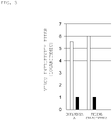
FIG. 3 is a table showing the results of an antiviral test according to Example 5. - Embodiments of the present invention are described in detail below. It should be noted that the following embodiments are provided for illustrating apparatuses and methods for embodying the technical ideas of the present invention, and the technical ideas of the present invention do not limit combinations of components or the like to those provided below. The technical ideas of the present invention allow various changes within the scope of the claims.
- The agent for promoting collagen production according to the embodiments includes a fermentation product of a Lamiaceae plant. Examples of the Lamiaceae or Labiatae plant include Isodon or Rabdosia plants. Examples of the Isodon plant include Isodon japonicus HARA or Rabdosia japonica HARA. The Isodon japonicus HARA is also referred to as Isodonis Herba.
- The agent for promoting collagen production according to the embodiments may include a lactic acid bacterium derived from a Lamiaceae plant. The lactic acid bacteria are, for example, Lactobacillus bacteria. The Lactobacillus bacteria are a species belonging to the genus Lactobacillus and is a Gram-positive facultative anaerobe. The Lactobacillus bacteria ferment saccharides to produce lactic acid. Although bacteria belonging to the genus Lactobacillus also reside in the body of an animal including a human, the Lactobacillus bacteria according to the embodiments are Lactobacillus bacteria derived from a Lamiaceae plant. For example, the Lactobacillus bacteria according to the embodiments are extracted after fermenting a Lamiaceae plant.
- Examples of the Lactobacillus bacteria derived from a Lamiaceae plant include L. parafarraginis, L. parabuchneri, L. buchneri, and L. harbinensis. Alternatively, examples of the Lactobacillus bacteria derived from a Lamiaceae plant include L. vini and L. nagelii. The agent for promoting collagen production according to the embodiments may include a plurality of species belonging to the genus Lactobacillus.
- The agent for promoting collagen production according to the embodiments promotes collagen production of cells. Examples of the collagen include type I collagen. The type I collagen gives firmness, elasticity, and strength to skin. Decrease in type I collagen becomes a cause of wrinkles and aging. Further, type I collagen is involved in wound healing. Type I collagen consists of two α1 chains and one α2 chain, wherein the α1 chain is expressed from the COL1A1 gene and the α2 chain is expressed from the COL1A2 gene.
- The agent for promoting collagen production according to the embodiments can be used as a medicament, a cosmetic, and/or a food for giving at least one of firmness, elasticity, and strength to skin. Further, the agent for promoting collagen production according to the embodiments can be used as a medicament, a cosmetic, and/or a food for improving an anti-wrinkle function. The agent for promoting collagen production according to the embodiments can be used as an anti-wrinkle medicament, an anti-aging medicament, an anti-wrinkle cosmetic, and an anti-aging cosmetic. Furthermore, the agent for promoting collagen production according to the embodiments can be used as a medicament, a cosmetic, and/or a food for wound healing. It should be noted that the wrinkles encompass fine wrinkles.
- Further, the agent for promoting collagen production according to the embodiments also has a function of reducing microorganisms. Examples of the microorganism include bacteria and viruses. Examples of the bacteria include Gram-negative bacteria and Gram-positive bacteria.
- The agent for promoting collagen production according to the embodiments, for example, reduces Gram-negative bacteria and Gram-positive bacteria by 80% or more, 85% or more, 90% or more, or 95% or more within 24 hours. Examples of the Gram-negative bacteria include, but are not limited to, Escherichia coli, Salmonella enterica, Vibrio parahaemolyticus, Klebsiella pneumoniae, and Pseudomonas aeruginosa. Examples of the Gram-positive bacteria include, but are not limited to, Staphylococcus aureus, methicillin-resistant Staphylococcus aureus (MRSA), spore-forming Bacillus cereus, and Bacillus subtilis.
- The agent for promoting collagen production according to the embodiments also has a function of reducing viruses. The agent for promoting collagen production according to the embodiments, for example, reduces viruses by 80% or more, 85% or more, 90% or more, or 95% or more within 24 hours. The viruses include enveloped viruses, each of which is a virus having an envelope, and non-enveloped viruses, each of which is a virus lacking an envelope. Further, the enveloped viruses include DNA viruses and RNA viruses.
- Examples of the DNA virus having an envelope include, but are not limited to, human herpes virus, vaccinia virus, and hepatitis B virus.
- Examples of the RNA virus having an envelope include, but are not limited to, influenza virus, SARS coronavirus, RS virus, mumps virus, Lassa virus, dengue virus, rubella virus, human immunodeficiency virus, measles virus, hepatitis C virus, Ebola virus, yellow fever virus, and Japanese encephalitis virus.
- Examples of the DNA virus lacking an envelope include, but are not limited to, adenovirus, B19 virus, papovavirus, and human papilloma virus.
- Examples of the RNA virus lacking an envelope include, but are not limited to, norovirus, calicivirus, poliovirus, echovirus, hepatitis A virus, hepatitis E virus, rhinovirus, astrovirus, rotavirus, Coxsackie virus, enterovirus, and sapovirus.
- The agent for promoting collagen production according to the embodiments contains an effective amount of a fermentation product of a Lamiaceae plant. The agent for promoting collagen production according to the embodiments may contain the fermentation product of a Lamiaceae plant in a solvent such as water or in a fermentation liquid of a plant. Examples of the plant from which the fermentation liquid is obtained include a Lamiaceae plant as in the Lactobacillus bacteria. The effective amount refers to an amount required for promoting collagen production of cells, and is appropriately determined depending on, for example, the age, the type, and the site applied of a human or animal as a subject.
- The lactic acid bacteria contained in the agent for promoting collagen production according to the embodiments may be live bacteria, or may be dead bacteria subjected to, for example, a heat treatment. Accordingly, the agent for promoting collagen production according to the embodiments may contain dead bacteria of lactic acid bacteria. The lactic acid bacteria may be a dried bacterial product. The dead bacteria of lactic acid bacteria or the dried bacterial product also exerts an effect of promoting collagen production. Further, the dead bacteria of lactic acid bacteria or the dried bacterial product is easy to transport and store for a long time.
- The agent for promoting collagen production according to the embodiments can be, for example, a liquid, a cream, an ointment, a plaster, a gel, a wax, and a spray.
- The agent for promoting collagen production according to the embodiments can be, for example, a skin conditioning cosmetic. Examples of the skin conditioning cosmetic include a lotion, an essence, and a pack. The agent for promoting collagen production according to the embodiments can be, for example, a barrier cosmetic. Examples of the barrier cosmetic include a barrier emulsion and a barrier cream. The agent for promoting collagen production according to the embodiments can be, for example, a base makeup cosmetic. Examples of the base makeup cosmetic include a foundation, white makeup powder, and a foundation primer. The agent for promoting collagen production according to the embodiments can be, for example, a point makeup cosmetic. Examples of the point makeup cosmetic include a lipstick, an eye makeup, a cheek, and a nail enamel.
- Further, the agent for promoting collagen production according to the embodiments is provided as, for example, a disinfectant, a dermatological agent such as a therapeutic ointment, an eye drop, and an oral medicine. The agent for promoting collagen production according to the embodiments is administered to, for example, skin of human body including a hand, a foot, and a finger, a hair, an oral cavity, and an eye.
- The agent for promoting collagen production according to the embodiments can contain, in addition to the fermentation product of a Lamiaceae plant, compounding ingredients of a cosmetic and a medicament, such as a liquid oil and fat, a solid oil and fat, a wax, a hydrocarbon, a higher fatty acid, a higher alcohol, an ester, silicone, an anionic surfactant, a cationic surfactant, an amphoteric surfactant, a non-ionic surfactant, a moisturizing agent, a water-soluble polymer, a thickening agent, a coating agent, a metal ion sequestering agent, a lower alcohol, a polyhydric alcohol, a saccharide, an amino acid, an organic amine, a pH adjusting agent, a skin nutrient, a vitamin, an antioxidant, a flavoring agent, a powdery substance, a coloring material, and water, as appropriate, depending on the intended purpose.
- When the agent for promoting collagen production according to the embodiments contains an oily component, the concentration of the oily component in the agent for promoting collagen production according to the embodiments is not particularly limited, and examples include 0.1% or more by mass and 90% or less by mass, or 0.5% or more by mass and 90% or less by mass. When the agent for promoting collagen production according to the embodiments contains an aqueous component, the concentration of the aqueous component in the agent for promoting collagen production according to the embodiments is not particularly limited, and examples include 0.1% or more by mass and 90% or less by mass, or 0.5% or more by mass and 90% or less by mass. The ratio between the oily component and the aqueous component in the agent for promoting collagen production according to the embodiments is appropriately determined depending on whether the agent for promoting collagen production according to the embodiments is an oil-in-water (O/W) agent or a water-in-oil (W/O) agent. When the agent for promoting collagen production according to the embodiments contains a surfactant, the concentration of the surfactant in the agent for promoting collagen production according to the embodiments is not particularly limited, and examples include 2% or more by mass and 10% or less by mass.
- The agent for promoting collagen production according to the embodiments is manufactured by fermenting a Lamiaceae plant to obtain a fermentation product. When the Lamiaceae plant is fermented, salt and saccharides such as molasses are added to the Lamiaceae plant. The fermentation temperature is, for example, 30°C. The hydrogen ion exponent (pH) of the resulting fermentation liquid is around 4.0. Materials secreted by the Lactobacillus bacteria can be extracted from the fermentation liquid.
- The resulting fermentation liquid may be heated to kill Lactobacillus bacteria contained in the fermentation liquid to obtain dead bacteria. Accordingly, the fermentation liquid can be a heat-treated fermentation liquid. Further, the fermentation liquid may be spray-dried to obtain a dried bacterial product of the Lactobacillus bacteria. The dried bacterial product can also be prepared by, for example, a freeze-drying method and a hot-air drying method.
- Furthermore, the resulting fermentation liquid, bacterial cells of the Lactobacillus bacteria, or the dried bacterial product of the Lactobacillus bacteria may be added to soy milk, and the soy milk is fermented to obtain a soy milk fermentation liquid. The soy milk fermentation liquid also exerts the effect as an agent for promoting collagen production.
- As described above, the agent for promoting collagen production or the like according to each of the embodiments of the present invention has the configuration and the action and effect in the following examples according to any one or a combination of two or more of those described above.
- The agent for promoting collagen production according to the present embodiments includes a fermentation product of a Lamiaceae plant. In the agent for promoting collagen production according to the present embodiments, the Lamiaceae plant may be an Isodon plant. In the agent for promoting collagen production according to the present embodiments, the Isodon plant may be Isodon japonicus HARA. In the agent for promoting collagen production according to the present embodiments, the Isodon plant may be Isodonis Herba.
- The agent for promoting collagen production according to the present embodiments may promote expression of type I collagen in a cell.
- The agent for promoting collagen production according to the present embodiments may include lactic acid bacteria derived from a Lamiaceae plant. In the agent for promoting collagen production according to the present embodiments, the lactic acid bacteria may include Lactobacillus bacteria. In the agent for promoting collagen production according to the present embodiments, the species of the Lactobacillus bacteria may be at least one selected from the group consisting of L. parafarraginis, L. parabuchneri, L. buchneri, L. harbinensis, L. vini, and L. nagelii.
- In the agent for promoting collagen production according to the present embodiments, the lactic acid bacteria may be live bacteria, or may be dead bacteria. In the agent for promoting collagen production according to the present embodiments, the lactic acid bacteria may be subjected to a heat treatment. In the agent for promoting collagen production according to the present embodiments, the lactic acid bacteria may be a dried bacterial product.
- The medicament according to the present embodiments includes a fermentation product of a Lamiaceae plant. In the medicament according to the present embodiments, the Lamiaceae plant may be an Isodon plant. In the medicament according to the present embodiments, the Isodon plant may be Isodon japonicus HARA. In the medicament according to the present embodiments, the Isodon plant may be Isodonis Herba.
- The medicament according to the present embodiments may include lactic acid bacteria derived from a Lamiaceae plant. In the medicament according to the present embodiments, the lactic acid bacteria may include Lactobacillus bacteria. In the medicament according to the present embodiments, the species of the Lactobacillus bacteria may be at least one selected from the group consisting of L. parafarraginis, L. parabuchneri, L. buchneri, L. harbinensis, L. vini, and L. nagelii.
- In the medicament according to the present embodiments, the lactic acid bacteria may be live bacteria, or may be dead bacteria. In the medicament according to the present embodiments, the lactic acid bacteria may be subjected to a heat treatment. In the medicament according to the present embodiments, the lactic acid bacteria may be a dried bacterial product.
- The medicament according to the present embodiments may promote expression of collagen in a cell. The medicament according to the present embodiments may promote expression of type I collagen in a cell.
- The medicament according to the present embodiments may be an anti-wrinkle medicament. The medicament according to the present embodiments may be an anti-aging medicament.
- The cosmetic according to the present embodiments includes a fermentation product of a Lamiaceae plant. In the cosmetic according to the present embodiments, the Lamiaceae plant may be an Isodon plant. In the cosmetic according to the present embodiments, the Isodon plant may be Isodon japonicus HARA. In the cosmetic according to the present embodiments, the Isodon plant may be Isodonis Herba.
- The cosmetic according to the present embodiments may include lactic acid bacteria derived from a Lamiaceae plant. In the cosmetic according to the present embodiments, the lactic acid bacteria may include Lactobacillus bacteria. In the cosmetic according to the present embodiments, the species of the Lactobacillus bacteria may be at least one selected from the group consisting of L. parafarraginis, L. parabuchneri, L. buchneri, L. harbinensis, L. vini, and L. nagelii.
- In the cosmetic according to the present embodiments, the lactic acid bacteria may be live bacteria, or may be dead bacteria. In the cosmetic according to the present embodiments, the lactic acid bacteria may be subjected to a heat treatment. In the cosmetic according to the present embodiments, the lactic acid bacteria may be a dried bacterial product.
- The cosmetic according to the present embodiments may promote expression of collagen in a cell. The cosmetic according to the present embodiments may promote expression of type I collagen in a cell.
- The cosmetic according to the present embodiments may be an anti-wrinkle cosmetic. The cosmetic according to the present embodiments may be an anti-aging cosmetic.
- In the method for manufacturing an agent for promoting collagen production according to the present embodiments, the manufacturing method includes fermenting a Lamiaceae plant. In the method for manufacturing an agent for promoting collagen production according to the present embodiments, the Lamiaceae plant may be an Isodon plant. In the method for manufacturing an agent for promoting collagen production according to the present embodiments, the Isodon plant may be Isodon japonicus HARA. In the method for manufacturing an agent for promoting collagen production according to the present embodiments, the Isodon plant may be Isodonis Herba.
- The method for manufacturing an agent for promoting collagen production according to the present embodiments may include obtaining lactic acid bacteria derived from a Lamiaceae plant. In the method for manufacturing an agent for promoting collagen production according to the present embodiments, the lactic acid bacteria may include Lactobacillus bacteria. In the method for manufacturing an agent for promoting collagen production according to the present embodiments, the species of the Lactobacillus bacteria may be at least one selected from the group consisting of L. parafarraginis, L. parabuchneri, L. buchneri, L. harbinensis, L. vini, and L. nagelii.
- In the method for manufacturing an agent for promoting collagen production according to the present embodiments, lactic acid bacteria may be obtained as live bacteria, or lactic acid bacteria may be obtained as dead bacteria. In the method for manufacturing an agent for promoting collagen production according to the present embodiments, the lactic acid bacteria may be subjected to a heat treatment. In the method for manufacturing an agent for promoting collagen production according to the present embodiments, the lactic acid bacteria may be made into a dried bacterial product.
- Examples of the present invention are described below. However, needless to say, the present invention is not limited to the following examples.
- In a Lamiaceae plant, it is thought that the number of lactic acid bacteria reaches a maximum between one hour before and after sunrise (i.e., in a total of 2 hours) in a day. Further, it is thought that lactic acid bacteria decrease and photosynthetic bacteria increase outside of the time period. Thus, during this time period of 2 hours, end portions of Isodonis Herba each having a length of about 20 cm were harvested. Immediately, 6.3 kg of the harvested Isodonis Herba was placed in a first pickle barrel with a plastic bag lining, the Isodonis Herba was sprinkled with 3.2 kg of molasses and 0.6 kg of coarse salt, and thereafter the opening of the plastic bag was closed and hermetically sealed. A stone weight was put on the plastic bag to pickle the Isodonis Herba.
- Several days after the time when the pickle juice rose above the Isodonis Herba, the stone weight was removed. Next, 10 L of chlorine-free water for rinsing was poured into a second pickle barrel, and the pickled Isodonis Herba was immersed in and 10 kg of the pickle juice was added to the water. Further, a third pickle barrel was prepared, and a wire mesh filter was placed on the opening of the third pickle barrel. The Isodonis Herba was retrieved with hand-washing by rubbing from the second pickle barrel piece by piece, and the Isodonis Herba was gently pressed against a wire mesh filter on the opening of a third pickle barrel by the palm to squeeze pickle juice.
- After squeezing all of the Isodonis Herba, the pickle juice remaining in the second juice of pickle was passed through a wire mesh filter for filtration. Next, in the pickle juice in the third pickle barrel, molasses (Hateruma brown sugar) was added and dissolved to give a final concentration of 10 wt%, and coarse salt was added and dissolved to give a final concentration of 3 wt%. Thereafter, fermentation was started in the third pickle barrel at an ambient temperature of about 30°C. It was observed that initially large bubbles formed, gradually the size of bubble formed decreased, and finally the bubble formation ceased. The bubble formation ceased after about 1 week, and the pH was about 3.8 at this time. The pickle juice at this time was used as an Isodonis Herba fermentation liquid. A portion of the obtained Isodonis Herba fermentation liquid was heated at 70°C for 30 minutes to kill bacteria such as lactic acid bacteria and obtain a heat-treated Isodonis Herba fermentation liquid.
- Soy milk was heated to 70°C to undergo superheating sterilization treatment for about 30 minutes. To the soy milk subjected to the heat sterilization treatment, the heat-untreated Isodonis Herba fermentation liquid prepared in Example 1 was added to give a final concentration of about 10 wt%, and the mixture was sufficiently stirred. Subsequently, the soy milk containing the heat-untreated Isodonis Herba fermentation liquid was fermented at 37°C for 24 hours. After fermentation, solid contents were removed by filtration to obtain a soy milk fermentation liquid containing the Isodonis Herba fermentation liquid.
- Normal human dermal fibroblasts were maintained using a DMEM medium (+5% FBS) in a culture vessel to confluence. After reaching confluence, the medium was removed from the culture vessel, DMEM (0% FBS) containing 600 µmol/L of hydrogen peroxide (H2O2) was added to the culture vessel, and the cells were cultured at 37°C for 1 hour. After cultured for 1 hour, the H2O2-containing DMEM (0% FBS) was removed from the culture vessel, and a DMEM medium (+10% FBS) was added to the culture vessel. After this procedure was repeated once daily for 4 days, the cells were further cultured in DMEM (10% FBS) for 3 days, and the cultured cells were obtained and used as aging induction-treated cells.
- The aging induction of the cells was confirmed by senescence-associated beta-galactosidase (SA-β-Gal, an aging marker) staining.
- The aging induction-treated cells were seeded in 48-well plate at a cell density of 5.0 × 10⁴ cells/well using a DMEM medium (+5% FBS). At 24 hours post-seeding, the medium in each well was replaced with one of the following media: a DMEM medium (+0.5% FBS) containing the heat-untreated Isodonis Herba fermentation liquid prepared in Example 1 at a concentration of 1.0% or 10.0%, a DMEM medium (+0.5% FBS) containing Vitamin C magnesium phosphate at a concentration of 25 µmol/L, a DMEM medium (+0.5% FBS) containing vitamin C at a concentration of 25 µmol/L, and a DMEM medium (+0.5% FBS). Then, the cells were cultured for 48 hours, thereafter the medium was collected, and the amount of type I collagen in the medium was quantified by an ELISA method (direct ELISA using an anti-Human Collagen Type I antibody (Rabbit)).
- As a result, as shown in
FIG. 1 , it was shown that when the cells were cultured in the medium containing Vitamin C magnesium phosphate or vitamin C (positive control), the production of type I collagen was promoted. Further, it was also shown that when the cells were cultured in the medium to which the Isodonis Herba fermentation liquid was added, the production of type I collagen was also promoted. - Escherichia coli, Salmonella enterica, Vibrio parahaemolyticus, and Klebsiella pneumoniae were prepared as Gram-negative cocci, and Pseudomonas aeruginosa was prepared as Gram-negative bacillus. Further, Staphylococcus aureus and MRSA were prepared as Gram-positive cocci, and Bacillus subtilis and Bacillus cereus were prepared as Gram-positive bacillus.
- In 10 mL of the heat-untreated Isodonis Herba fermentation liquid prepared in Example 1, 0.1 mL of the bacterial suspension containing any one of the above-described bacteria at a concentration of 107 cells/mL was seeded and allowed to be affected by the fermentation liquid at 25°C, and the number of bacteria seeded was counted over time for 24 hours. Control experiments were performed in the same way except that phosphate buffer (1/15 mol/L, pH 7.2) was used instead of the Isodonis Herba fermentation liquid. As a result, as shown in
FIG. 2 , the Isodonis Herba fermentation liquid reduced all types of the prepared bacteria within 24 hours. It should be noted that when the soy milk fermentation liquid containing the Isodonis Herba fermentation liquid prepared in Example 2 was used, the same results were obtained. - A virus growth medium in which influenza virus type A (H1N1) as an enveloped virus was grown was prepared. Further, a virus growth medium in which feline calicivirus, which was a virus alternative to norovirus, as a non-enveloped virus was grown was prepared. The virus growth medium was serially diluted 10-fold with purified water. Thereafter, according to 50% tissue culture infectious dose (TCID 50), an antiviral test with the heat-untreated Isodonis Herba fermentation liquid prepared in Example 1 was performed at room temperature. The antiviral test was performed in Japan Food Research Laboratories.
- As a result, as shown in
FIG. 3 , the Isodonis Herba fermentation liquid reduced infectivity titer of influenza virus and feline calicivirus within 1 hour. It should be noted that when the soy milk fermentation liquid containing the Isodonis Herba fermentation liquid prepared in Example 2 was used, the same results were obtained. - The above-described embodiments and examples are provided to facilitate the understanding of the present invention, and it is not intended that the present invention is limited thereto. The present invention can be changed/improved without departing from the spirit of the present invention, and the present invention also includes equivalents thereof. That is, when a change in design of each of the embodiments and examples is properly made by those of ordinary skill in the art, the changed embodiment or example is also encompassed within the scope of the present invention as long as it has features of the present invention. For example, each element or the like of the embodiments and examples is not limited to those exemplified herein, and can be suitably changed. Further, needless to say, the embodiments and examples are illustrative, elements shown in different embodiments can be replaced or combined in part, and the replaced or combined embodiment is also encompassed within the scope of the present invention as long as it has features of the present invention.
Claims (21)
- An agent for promoting collagen production, comprising a fermentation product of a Lamiaceae plant.
- The agent for promoting collagen production according to claim 1, wherein the Lamiaceae plant is an Isodon plant.
- The agent for promoting collagen production according to claim 2, wherein the Isodon plant is Isodon japonicus HARA.
- The agent for promoting collagen production according to claim 2, wherein the Isodon plant is Isodonis Herba.
- The agent for promoting collagen production according to any one of claims 1 to 4, wherein the collagen is type I collagen.
- The agent for promoting collagen production according to any one of claims 1 to 5, comprising lactic acid bacteria derived from the Lamiaceae plant.
- The agent for promoting collagen production according to claim 6, wherein the lactic acid bacteria include Lactobacillus bacteria.
- The agent for promoting collagen production according to claim 7, wherein a species of the Lactobacillus bacteria is at least one selected from the group consisting of L. parafarraginis, L. parabuchneri, L. buchneri, L. harbinensis, L. vini, and L. nagelii.
- The agent for promoting collagen production according to any one of claims 6 to 8, wherein the lactic acid bacteria are dead bacteria.
- The agent for promoting collagen production according to any one of claims 6 to 9, wherein the lactic acid bacteria are subjected to a heat treatment.
- The agent for promoting collagen production according to any one of claims 6 to 10, wherein the lactic acid bacteria are a dried bacterial product.
- A medicament comprising the agent for promoting collagen production according to any one of claims 1 to 11.
- The medicament according to claim 12, wherein the medicament is an anti-wrinkle medicament.
- The medicament according to claim 12, wherein the medicament is an anti-aging medicament.
- A cosmetic comprising the agent for promoting collagen production according to any one of claims 1 to 11.
- The cosmetic according to claim 15, wherein the cosmetic is an anti-wrinkle cosmetic.
- The cosmetic according to claim 15, wherein the cosmetic is an anti-aging cosmetic.
- A method for manufacturing an agent for promoting collagen production, comprising fermenting a Lamiaceae plant.
- The method for manufacturing an agent for promoting collagen production according to claim 18, wherein the Lamiaceae plant is an Isodon plant.
- The method for manufacturing an agent for promoting collagen production according to claim 19, wherein the Isodon plant is Isodon japonicus HARA.
- The method for manufacturing an agent for promoting collagen production according to claim 19, wherein the Isodon plant is Isodonis Herba.
Applications Claiming Priority (2)
| Application Number | Priority Date | Filing Date | Title |
|---|---|---|---|
| JP2019174008 | 2019-09-25 | ||
| PCT/JP2020/034171 WO2021059986A1 (en) | 2019-09-25 | 2020-09-09 | Collagen production enhancer, pharmaceutical, cosmetic, and method for producing collagen production enhancer |
Publications (2)
| Publication Number | Publication Date |
|---|---|
| EP4043023A1 true EP4043023A1 (en) | 2022-08-17 |
| EP4043023A4 EP4043023A4 (en) | 2023-11-22 |
Family
ID=75165703
Family Applications (1)
| Application Number | Title | Priority Date | Filing Date |
|---|---|---|---|
| EP20870206.8A Pending EP4043023A4 (en) | 2019-09-25 | 2020-09-09 | Collagen production enhancer, pharmaceutical, cosmetic, and method for producing collagen production enhancer |
Country Status (5)
| Country | Link |
|---|---|
| US (1) | US20220202696A1 (en) |
| EP (1) | EP4043023A4 (en) |
| JP (2) | JPWO2021059986A1 (en) |
| CN (2) | CN118370705A (en) |
| WO (1) | WO2021059986A1 (en) |
Family Cites Families (24)
| Publication number | Priority date | Publication date | Assignee | Title |
|---|---|---|---|---|
| JP2005029490A (en) * | 2003-07-10 | 2005-02-03 | Sosin:Kk | Tyrosinase inhibitor, active oxygen inhibitor, and external preparation for skin |
| JP4624742B2 (en) * | 2004-08-27 | 2011-02-02 | 株式会社東洋新薬 | Fermented material obtained from perilla leaves |
| WO2008093670A1 (en) | 2007-02-01 | 2008-08-07 | Tk Bio-Research Laboratory Co., Ltd. | Fermentation product of grape skin/seed by lactic acid bacteria, and pharmaceutical agent and food utilizing the same |
| JP5822423B2 (en) * | 2008-03-28 | 2015-11-24 | 丸善製薬株式会社 | Skin fibroblast proliferation promoter, transglutaminase-1 production promoter, elastase activity inhibitor, MMP-1 activity inhibitor, estrogen-like agent, type I collagen production promoter, and UV-B damage recovery agent |
| JP2009249366A (en) | 2008-04-10 | 2009-10-29 | Kose Corp | Collagen production promotor and anti-aging skin preparation for external use |
| JP2009249365A (en) | 2008-04-10 | 2009-10-29 | Kose Corp | Cell activator and anti-aging skin preparation for external use |
| JP5467106B2 (en) | 2008-07-31 | 2014-04-09 | コリアナ・コズメティック・カンパニー・リミテッド | Cosmetic composition for preventing skin aging containing mung bean fermentation-enzyme extract |
| KR20110032715A (en) * | 2009-09-24 | 2011-03-30 | 두리화장품 주식회사 | Anti-aging cosmetic composition and preparation method thereof |
| KR101176528B1 (en) * | 2009-12-31 | 2012-08-24 | 주식회사 코리아나화장품 | Cosmetic composition comprising the extract of salvia plebeia as active ingredient |
| JP2012144446A (en) * | 2011-01-07 | 2012-08-02 | Shiseido Co Ltd | Antioxidant and collagen production promotor |
| JP2013100236A (en) * | 2011-11-07 | 2013-05-23 | Dhc Co | Bbf2h7 expression increasing agent |
| JP5468183B2 (en) | 2011-12-28 | 2014-04-09 | 株式会社山田養蜂場本社 | Novel lactic acid bacteria having IgA production promoting action and use thereof |
| KR101211937B1 (en) * | 2012-09-18 | 2012-12-13 | 주식회사 들레네 | Functional fermented wild plants having anti-inflammatory effect using 101 wild plants extracts |
| KR102111752B1 (en) * | 2013-11-15 | 2020-05-15 | 주식회사 엘지생활건강 | Composition for promoting collagen synthesis |
| JP6462987B2 (en) | 2014-02-24 | 2019-01-30 | 株式会社ナガセビューティケァ | Fermented lactic acid bacteria of cruciferous plants, food containing the fermented product, cosmetics and epithelial barrier enhancer, and method for producing the fermented product |
| JP2017001960A (en) * | 2015-06-04 | 2017-01-05 | 株式会社日健総本社 | Antiinflammatory agent, antioxidant and antibacterial agent |
| CN105943577B (en) * | 2016-04-29 | 2018-02-13 | 刘东波 | The microbial fermentation of autonomic drug |
| JP6706422B2 (en) * | 2016-06-13 | 2020-06-10 | 株式会社村田製作所 | Electromagnetic wave absorber, sunscreen, optical component, glasses, and method of manufacturing electromagnetic wave absorber |
| EP3470075B1 (en) * | 2016-06-13 | 2024-03-20 | Murata Manufacturing Co., Ltd. | Antimicrobial agent for antifungal therapeutic use |
| WO2018123828A1 (en) | 2016-12-28 | 2018-07-05 | 株式会社山田養蜂場本社 | Fermented product and production method therefor |
| KR101917497B1 (en) * | 2017-02-18 | 2018-11-09 | 박병희 | Novel Lactobacillus buchneri and Use thereof |
| KR101889647B1 (en) * | 2017-02-18 | 2018-08-20 | 박병희 | Novel Lactobacillus Harbinensis and Use thereof |
| JP2019142817A (en) * | 2018-02-21 | 2019-08-29 | 国立大学法人岐阜大学 | Novel application of perilla fermented extract |
| JPWO2020090321A1 (en) * | 2018-10-30 | 2021-09-02 | 株式会社村田製作所 | Methods for producing heat shock protein gene expression regulators, pharmaceuticals, cosmetics, and heat shock protein gene expression regulators |
-
2020
- 2020-09-09 CN CN202410420344.1A patent/CN118370705A/en active Pending
- 2020-09-09 CN CN202080067186.6A patent/CN114450019A/en active Pending
- 2020-09-09 EP EP20870206.8A patent/EP4043023A4/en active Pending
- 2020-09-09 JP JP2021548779A patent/JPWO2021059986A1/ja active Pending
- 2020-09-09 WO PCT/JP2020/034171 patent/WO2021059986A1/en not_active Ceased
-
2022
- 2022-03-18 US US17/698,257 patent/US20220202696A1/en active Pending
-
2023
- 2023-11-24 JP JP2023198881A patent/JP2024009228A/en active Pending
Also Published As
| Publication number | Publication date |
|---|---|
| JPWO2021059986A1 (en) | 2021-04-01 |
| CN118370705A (en) | 2024-07-23 |
| EP4043023A4 (en) | 2023-11-22 |
| JP2024009228A (en) | 2024-01-19 |
| CN114450019A (en) | 2022-05-06 |
| US20220202696A1 (en) | 2022-06-30 |
| WO2021059986A1 (en) | 2021-04-01 |
Similar Documents
| Publication | Publication Date | Title |
|---|---|---|
| TW201538181A (en) | A semi-fluid composition for lubricating, moisture retaining, disinfecting and sterilizing | |
| JP2024124543A (en) | Antibacterial and antiviral drug, antibacterial and antiviral member, and method for producing antibacterial and antiviral drug | |
| US20250037152A1 (en) | Agents for modulating the expression of heat shock proteins and related methods | |
| CN103687582A (en) | Polyphosphoric acid composition containing polyphosphoric acid extracted from yeast cell, salt of polyphosphoric acid or solvate of polyphosphoric acid, and method for producing same | |
| KR20220144537A (en) | Skin moisturizing cosmetic composition | |
| JP6894991B2 (en) | Cosmetic composition containing mint vinegar as an active ingredient | |
| AU2019236633B2 (en) | Cosmetic composition comprising Mangifera indica irwin seed extract | |
| TW201733565A (en) | Uses of Mesembryanthemum crystallinum L. callus extract in delaying skin cell aging, nursing skin, treating and preventing skin cancer | |
| CN106420485A (en) | Oligopeptide skin smoothing rejuvenating powder | |
| KR20190062034A (en) | Method for preparing tea fermented materials and cosmetic composition comprising the same | |
| CN105169464B (en) | A kind of natural honey wound dressing and preparation method and application | |
| US20220202696A1 (en) | Agent for promoting collagen production, medicament, cosmetic, and method for manufacturing agent for promoting collagen production | |
| KR20200017912A (en) | Antibacterial Composition for Porphyromonas Gingivalis Comprising Plant Extract or Lactic Acid Bacteria Fermentation Product thereof | |
| JP2009191019A (en) | Cosmetics for skin or hair | |
| KR102017132B1 (en) | Cosmetic composition comprising a mixed fermentation extract of cinnamomum verum and angelica dahurica | |
| KR102139000B1 (en) | Antioxidant, anti-wrinkle, whitening and antibiotic cosmetic composition comprising fermented Methyl Sulfonyl methane extract and the preparation method of the same | |
| KR20230043873A (en) | Bombax costatum flower extract rich in polysaccharides | |
| CN111991431A (en) | A liniment for treating alopecia areata and its preparation method | |
| KR102661205B1 (en) | Cosmetic compostion for improving skin immune system, and its preparation method | |
| RU2803052C1 (en) | Method of producing liquid cosmetic for face and body skin care with microalgae extracts | |
| JP7094841B2 (en) | Fermented liquid of giant germ rice brown rice and an external skin preparation containing this fermented liquid | |
| Tunc et al. | Dermatological effects of royal jelly: From health to cosmetics | |
| KR20070012877A (en) | Skin disinfectant and its manufacturing method | |
| KR20160123714A (en) | The method for expression and concentration of kojic acid form nuruk | |
| CN110464662A (en) | A kind of freckle-removing beauty cream and preparation method thereof |
Legal Events
| Date | Code | Title | Description |
|---|---|---|---|
| STAA | Information on the status of an ep patent application or granted ep patent |
Free format text: STATUS: THE INTERNATIONAL PUBLICATION HAS BEEN MADE |
|
| PUAI | Public reference made under article 153(3) epc to a published international application that has entered the european phase |
Free format text: ORIGINAL CODE: 0009012 |
|
| STAA | Information on the status of an ep patent application or granted ep patent |
Free format text: STATUS: REQUEST FOR EXAMINATION WAS MADE |
|
| 17P | Request for examination filed |
Effective date: 20220228 |
|
| AK | Designated contracting states |
Kind code of ref document: A1 Designated state(s): AL AT BE BG CH CY CZ DE DK EE ES FI FR GB GR HR HU IE IS IT LI LT LU LV MC MK MT NL NO PL PT RO RS SE SI SK SM TR |
|
| DAV | Request for validation of the european patent (deleted) | ||
| DAX | Request for extension of the european patent (deleted) | ||
| A4 | Supplementary search report drawn up and despatched |
Effective date: 20231024 |
|
| RIC1 | Information provided on ipc code assigned before grant |
Ipc: A61Q 19/08 20060101ALI20231017BHEP Ipc: A61Q 19/00 20060101ALI20231017BHEP Ipc: A61P 43/00 20060101ALI20231017BHEP Ipc: A61P 17/00 20060101ALI20231017BHEP Ipc: A61K 35/747 20150101ALI20231017BHEP Ipc: A61K 8/99 20170101ALI20231017BHEP Ipc: A61K 8/9789 20170101ALI20231017BHEP Ipc: A61K 36/53 20060101AFI20231017BHEP |