EP3974408B1 - Verfahren zur trennung von doppelverbindungshaltigem, geradkettigem kohlenwasserstoff, in dem alle wasserstoffatome durch fluoratome oder chloratome substituiert sind - Google Patents
Verfahren zur trennung von doppelverbindungshaltigem, geradkettigem kohlenwasserstoff, in dem alle wasserstoffatome durch fluoratome oder chloratome substituiert sind Download PDFInfo
- Publication number
- EP3974408B1 EP3974408B1 EP20809193.4A EP20809193A EP3974408B1 EP 3974408 B1 EP3974408 B1 EP 3974408B1 EP 20809193 A EP20809193 A EP 20809193A EP 3974408 B1 EP3974408 B1 EP 3974408B1
- Authority
- EP
- European Patent Office
- Prior art keywords
- atom
- replaced
- double bond
- hydrogen atom
- compound
- Prior art date
- Legal status (The legal status is an assumption and is not a legal conclusion. Google has not performed a legal analysis and makes no representation as to the accuracy of the status listed.)
- Active
Links
Images

Classifications
-
- C—CHEMISTRY; METALLURGY
- C07—ORGANIC CHEMISTRY
- C07C—ACYCLIC OR CARBOCYCLIC COMPOUNDS
- C07C17/00—Preparation of halogenated hydrocarbons
- C07C17/35—Preparation of halogenated hydrocarbons by reactions not affecting the number of carbon or of halogen atoms in the reaction
-
- C—CHEMISTRY; METALLURGY
- C07—ORGANIC CHEMISTRY
- C07C—ACYCLIC OR CARBOCYCLIC COMPOUNDS
- C07C17/00—Preparation of halogenated hydrocarbons
- C07C17/38—Separation; Purification; Stabilisation; Use of additives
- C07C17/42—Use of additives, e.g. for stabilisation
-
- C—CHEMISTRY; METALLURGY
- C07—ORGANIC CHEMISTRY
- C07C—ACYCLIC OR CARBOCYCLIC COMPOUNDS
- C07C21/00—Acyclic unsaturated compounds containing halogen atoms
- C07C21/02—Acyclic unsaturated compounds containing halogen atoms containing carbon-to-carbon double bonds
- C07C21/18—Acyclic unsaturated compounds containing halogen atoms containing carbon-to-carbon double bonds containing fluorine
-
- C—CHEMISTRY; METALLURGY
- C07—ORGANIC CHEMISTRY
- C07C—ACYCLIC OR CARBOCYCLIC COMPOUNDS
- C07C21/00—Acyclic unsaturated compounds containing halogen atoms
- C07C21/02—Acyclic unsaturated compounds containing halogen atoms containing carbon-to-carbon double bonds
- C07C21/215—Halogenated polyenes with more than two carbon-to-carbon double bonds
-
- Y—GENERAL TAGGING OF NEW TECHNOLOGICAL DEVELOPMENTS; GENERAL TAGGING OF CROSS-SECTIONAL TECHNOLOGIES SPANNING OVER SEVERAL SECTIONS OF THE IPC; TECHNICAL SUBJECTS COVERED BY FORMER USPC CROSS-REFERENCE ART COLLECTIONS [XRACs] AND DIGESTS
- Y02—TECHNOLOGIES OR APPLICATIONS FOR MITIGATION OR ADAPTATION AGAINST CLIMATE CHANGE
- Y02C—CAPTURE, STORAGE, SEQUESTRATION OR DISPOSAL OF GREENHOUSE GASES [GHG]
- Y02C20/00—Capture or disposal of greenhouse gases
- Y02C20/30—Capture or disposal of greenhouse gases of perfluorocarbons [PFC], hydrofluorocarbons [HFC] or sulfur hexafluoride [SF6]
Definitions
- the present disclosure relates to a method of separating a double bond-containing linear hydrocarbon in which every hydrogen atom is replaced with a fluorine atom or a chlorine atom from a treatment subject that contains a double bond-containing linear hydrocarbon in which every hydrogen atom is replaced with a fluorine atom or a chlorine atom and a double bond-containing alicyclic hydrocarbon in which every hydrogen atom is replaced with a fluorine atom or a chlorine atom.
- Double bond-containing perfluorocarbons as ingredients for fluororesins and as alternatives to saturated perfluorocarbons such as tetrafluoromethane (CF 4 ) and hexafluoroethane (C 2 H 6 ) that have been used as etching gases and cleaning gases in production processes of semiconductors and liquid crystals.
- Double bond-containing perfluorocarbons are strictly regulated due to having global warming potential of a level that, despite being improved, cannot be disregarded, and also due to problems such as high vapor pressure and toxicity. For this reason, various proposals have been made in relation to methods of detecting and removing double bond-containing perfluorocarbons (Patent Literature (PTL) 1 to 5).
- the conventional techniques indicated above each treat double bond-containing perfluorocarbons collectively as a target of detection or removal and do not focus on the individual compounds included among double bond-containing perfluorocarbons.
- the characteristics of double bond-containing perfluorocarbons can differ depending on the skeleton of the compound (for example, whether the compound is linear, alicyclic, etc.). Therefore, the ability to selectively separate or remove a compound included among double bond-containing perfluorocarbons based on the skeleton of the compound would be useful in terms of enabling reuse, for example.
- This finding is applicable not only to perfluorocarbons, but also to hydrocarbon compounds that are completely substituted with chlorine atoms and hydrocarbon compounds that are completely substituted with fluorine and chlorine atoms.
- the present disclosure was completed in light of these findings.
- the present disclosure relates to a method of separating a double bond-containing linear hydrocarbon in which every hydrogen atom is replaced with a fluorine atom or a chlorine atom, comprising bringing a treatment subject containing a double bond-containing linear hydrocarbon in which every hydrogen atom is replaced with a fluorine atom or a chlorine atom and a double bond-containing alicyclic hydrocarbon in which every hydrogen atom is replaced with a fluorine atom or a chlorine atom into contact with at least one amine compound selected from the group consisting of a heterocyclic aromatic amine compound and a tertiary amine represented by a formula: NR 1 R 2 R 3 , where R 1 , R 2 , and R 3 are each independently an alkyl group, and two among R 1 , R 2 , and R 3 may in combination form an alkylene group that is optionally interrupted by an oxygen atom or a sulfur atom.
- double bond refers to a carbon-carbon double bond.
- the phrase "replaced with a fluorine atom or a chlorine atom" as used in the present specification is inclusive of a case in which the replacement is with only fluorine atoms, a case in which the replacement is with both fluorine and chlorine atoms, and a case in which the replacement is with only chlorine atoms.
- perfluoro refers to a compound in which every hydrogen atom of a hydrocarbon is replaced with a fluorine atom.
- heterocyclic aromatic amine compound refers to an amine compound that includes a nitrogen atom among ring-forming atoms of a heteroaromatic ring.
- Double bond-containing hydrocarbon compounds in which every hydrogen atom is replaced with a fluorine atom or a chlorine atom are generally difficult to selectively separate or remove by methods such as distillation purification and adsorption treatment because they have high reactivity as a result of including a double bond and often have similar boiling points to one another and high vapor pressures.
- the presently disclosed method makes it possible to separate a double bond-containing linear hydrocarbon in which every hydrogen atom is replaced with a fluorine atom or a chlorine atom from a treatment subject containing a double bond-containing linear hydrocarbon in which every hydrogen atom is replaced with a fluorine atom or a chlorine atom and a double bond-containing alicyclic hydrocarbon in which every hydrogen atom is replaced with a fluorine atom or a chlorine atom through a simple method of bringing the treatment subject into contact with a specific amine compound, and is also useful for reuse and the like.
- the presently disclosed separation method can also be used as a method of removing a double bond-containing alicyclic hydrocarbon in which every hydrogen atom is replaced with a fluorine atom or a chlorine atom from the aforementioned treatment subject.
- the presently disclosed method separates a double bond-containing linear hydrocarbon in which every hydrogen atom is replaced with a fluorine atom or a chlorine atom by exploiting the fact that when a treatment subject that contains a double bond-containing linear hydrocarbon in which every hydrogen atom is replaced with a fluorine atom or a chlorine atom and a double bond-containing alicyclic hydrocarbon in which every hydrogen atom is replaced with a fluorine atom or a chlorine atom is brought into contact with a specific amine compound, the double bond-containing alicyclic hydrocarbon in which every hydrogen atom is replaced with a fluorine atom or a chlorine atom selectively reacts.
- the amine compound that the treatment subject is brought into contact with is preferably in the form of a liquid.
- the amine compound that is in the form of a liquid may be a liquid phase amine compound or may be in the form of a liquid resulting from dissolution or dispersion of the amine compound in a solvent.
- the use of an amine compound that is in a liquid phase during contacting with the treatment subject is preferable in terms that a reaction proceeds quickly through the amine compound being in a liquid phase.
- the contacting of the treatment subject and the amine compound can be performed inside a reactor, and introduction of the treatment subject into the reactor in the form of a gas is preferable in terms that it is easy to finely adjust the introduced amount thereof and in terms of inhibiting runaway of the reaction.
- the treatment subject may be subjected to heating or the like such that it is a gas.
- the contacting of the treatment subject and the amine compound is preferably performed at a lower temperature than a boiling point of the double bond-containing alicyclic hydrocarbon in which every hydrogen atom is replaced with a fluorine atom or a chlorine atom in terms that it is easy to cause smooth progression of the reaction to an end point.
- the temperature can be set as lower than the boiling point of the compound that has the lowest boiling point.
- the double bond-containing linear hydrocarbon in which every hydrogen atom is replaced with a fluorine atom or a chlorine atom is preferably a compound having a boiling point of 50°C or lower in terms that introduction of the compound into a reactor in the form of a gas is easy.
- the double bond-containing alicyclic hydrocarbon in which every hydrogen atom is replaced with a fluorine atom or a chlorine atom can be a cycloalkene in which every hydrogen atom is replaced with a fluorine atom or a chlorine atom or a cycloalkadiene in which every hydrogen atom is replaced with a fluorine atom or a chlorine atom, and may be a perfluorocycloalkene or a perfluorocycloalkadiene.
- the double bond-containing alicyclic hydrocarbon in which every hydrogen atom is replaced with a fluorine atom or a chlorine atom is preferably a compound having a boiling point of 30°C or lower in terms that introduction of the compound into a reactor in the form of a gas is easy.
- the tertiary amine of the specific amine compound is preferably a trialkylamine, an N-alkylmorpholine, an N-alkyl piperidine, or an N-alkylpyrrolidine
- the heterocyclic aromatic amine compound of the specific amine compound is preferably pyridine, a derivative of pyridine, pyridazine, a derivative of pyridazine, isoquinoline, or a derivative of isoquinoline.
- the derivative may be a substituted derivative that is substituted with at least one substituent selected from an alkyl, an alkoxy, an acyl, an alkoxycarbonyl, and an acyloxy.
- the specific amine compound may be the tertiary amine or may be the heterocyclic aromatic amine compound.
- the amount of the amine compound that is used is preferably not less than 0.01 times and not more than 10 times the number of moles of the double bond-containing alicyclic hydrocarbon in which every hydrogen atom is replaced with a fluorine atom or a chlorine atom.
- the presently disclosed method is useful in a case in which a linear compound and an alicyclic compound are included among double bond-containing hydrocarbon compounds in which every hydrogen atom is replaced with a fluorine atom or a chlorine atom and makes it possible to selectively separate the linear compound by a simple method of contacting with a specific amine compound.
- the treatment subject in the presently disclosed method contains a double bond-containing linear hydrocarbon in which every hydrogen atom is replaced with a fluorine atom or a chlorine atom (hereinafter, also referred to as "compound X”) and a double bond-containing alicyclic hydrocarbon in which every hydrogen atom is replaced with a fluorine atom or a chlorine atom (hereinafter, also referred to as "compound Y").
- the compound X which is a double bond-containing linear hydrocarbon in which every hydrogen atom is replaced with a fluorine atom or a chlorine atom, may be any compound in which every hydrogen atom of a double bond-containing linear hydrocarbon is replaced with either a fluorine atom or a chlorine atom.
- replacement with a chlorine atom it is preferable that one or two hydrogen atoms in the compound X have each been replaced with a chlorine atom and that other hydrogen atoms in the compound X have each been replaced with a fluorine atom.
- the boiling point of the compound X is preferably 50°C or lower, and more preferably 15°C or lower.
- the boiling point can be -80°C or higher.
- the number of carbon atoms in the compound X may be 2 or more, and is preferably not less than 2 and not more than 5.
- the number of double bonds in the compound X may be 1 or more, and is preferably 1 or 2.
- Examples of the compound X that include only fluorine atoms include linear perfluoroalkenes and linear perfluoroalkadienes.
- the compound X in the treatment subject may be just one type of compound or may be two or more types of compounds.
- the compound Y which is a double bond-containing alicyclic hydrocarbon in which every hydrogen atom is replaced with a fluorine atom or a chlorine atom, may be any compound in which every hydrogen atom of a double bond-containing alicyclic hydrocarbon is replaced with either a fluorine atom or a chlorine atom.
- replacement with a chlorine atom it is preferable that one or two hydrogen atoms in the compound Y have each been replaced with a chlorine atom and that other hydrogen atoms in the compound Y have each been replaced with a fluorine atom because stability generally increases and reactivity decreases with increasing number of chlorine atoms.
- the boiling point of the compound Y is preferably 30°C or lower, and more preferably 15°C or lower.
- the boiling point can be -20°C or higher.
- the number of carbon atoms forming a carbocycle in the compound Y may be 3 or more, and is preferably not less than 3 and not more than 6.
- the compound Y may be a monocyclic compound or may be a polycyclic compound, but is preferably a monocyclic compound.
- the compound Y may include an alkyl group in which every hydrogen atom is replaced with a fluorine atom or a chlorine atom (for example, a perfluoroalkyl group such as a trifluoromethyl group or a pentafluoroethyl group) on the carbocycle.
- the number of double bonds in the compound Y may be 1 or more, and is preferably 1 or 2.
- Examples of the compound Y that include both chlorine and fluorine atoms include 1-chloropentafluorocyclobutene, 1,2-dichlorotetrafluorocyclobutene, 1,3-dichlorotetrafluorocyclobutene, and the like.
- Examples of the compound Y that include only fluorine atoms include perfluorocycloalkenes and perfluorocycloalkadienes.
- Examples of perfluorocycloalkenes include tetrafluorocyclopropene, hexafluorocyclobutene, octafluorocyclopentene, decafluorocyclohexene, and the like
- examples of perfluorocycloalkadienes include tetrafluorocyclobutadiene, hexafluorocyclopentadiene, octafluoro-1,3-cyclohexadiene, octafluoro-1,4-cyclohexadiene, and the like.
- These compounds may include an alkyl group in which every hydrogen atom is replaced with a fluorine atom or a chlorine atom (for example, a perfluoroalkyl group such as a trifluoromethyl group or a pentafluoroethyl group) on the carbocycle, and examples of such compounds include 3-trifluoromethyl-pentafluoro-cyclobutene, 3-trifluoromethyl-heptafluoro-cyclopentene, 4-trifluoromethyl-heptafluoro-cyclopentene, and the like.
- a perfluoroalkyl group such as a trifluoromethyl group or a pentafluoroethyl group
- examples of such compounds include 3-trifluoromethyl-pentafluoro-cyclobutene, 3-trifluoromethyl-heptafluoro-cyclopentene, 4-trifluoromethyl-heptafluoro-cyclopentene, and the like.
- the compound Y in the treatment subject may be just one type of compound or may be two or more types of compounds.
- a mass ratio thereof (mass of compound X:mass of compound Y) can be 0.1:99.9 to 99.9:0.1, for example.
- the mass ratio of the compound X and the compound Y is preferably 1:9 to 9:1, and more preferably 3:7 to 7:3.
- the treatment subject may contain other components to the extent that the effects of the presently disclosed method are not lost.
- other components include nitrogen, helium, argon, atmospheric air, aliphatic saturated hydrocarbons, ethers, aromatic hydrocarbons, and the like.
- Other components are preferably 99 mol% or less, and more preferably 50 mol% or less relative to the overall treatment subject.
- other components may be 0%, in which case, the treatment subject is composed of the compound X and the compound Y.
- the treatment subject should contain the compound X and the compound Y at the time when it is brought into contact with a specific amine compound.
- the presently disclosed method uses at least one amine compound selected from the group consisting of a heterocyclic aromatic amine compound and a tertiary amine represented by a formula: NR 1 R 2 R 3 (R 1 , R 2 , and R 3 are each independently an alkyl group, and two among R 1 , R 2 , and R 3 may in combination form an alkylene group that is optionally interrupted by an oxygen atom or a sulfur atom).
- the amine compound may be the tertiary amine, may be the heterocyclic aromatic amine compound, or may be a combination thereof.
- the specific amine compound is preferably a liquid at room temperature (23°C) under atmospheric pressure.
- the melting point of the specific amine is preferably -120°C or higher, and more preferably -50°C or higher, and is preferably 50°C or lower, and more preferably 30°C or lower.
- the tertiary amine is represented by a formula: NR 1 R 2 R 3 (R 1 , R 2 , and R 3 are each independently an alkyl group, and two among R 1 , R 2 , and R 3 may in combination form an alkylene group that is optionally interrupted by an oxygen atom or a sulfur atom).
- R 1 , R 2 , and R 3 are each an alkyl group
- these alkyl groups may be the same or may be different, but are preferably the same.
- the alkyl group may be linear or may be branched.
- the alkyl group may be an alkyl group in which the number of carbon atoms is not less than 1 and not more than 4, and is preferably an alkyl group in which the number of carbon atoms is not less than 1 and not more than 3, examples of which include methyl, ethyl, and propyl.
- R 1 , R 2 , and R 3 may in combination form an alkylene group that is optionally interrupted by an oxygen atom or a sulfur atom, examples of which include a -(CH 2 ) p - group (p is an integer of not less than 3 and not more than 6), a -(CH 2 ) q -O-(CH 2 ) q - group (q is an integer of not less than 1 and not more than 3, and each q may be the same or may be different), a -(CH 2 ) r -S-(CH 2 ) r - group (r is an integer of not less than 1 and not more than 3, and each r may be the same or may be different), and the like.
- the remaining one of R 1 , R 2 , and R 3 is an alkyl group, and examples and preferable examples of the alkyl group are as described above.
- the tertiary amine is preferably a trialkylamine such as triethylamine or methyldiethylamine, an N-alkylmorpholine such as N-methylmorpholine, N-ethylmorpholine, or N-butylmorpholine, an N-alkylpiperidine such as N-methylpiperidine or N-ethylpiperidine, an N-alkylpyrrolidine such as N-methylpyrrolidine or N-ethylpyrrolidine, or the like.
- a trialkylamine such as triethylamine or methyldiethylamine
- an N-alkylmorpholine such as N-methylmorpholine, N-ethylmorpholine, or N-butylmorpholine
- an N-alkylpiperidine such as N-methylpiperidine or N-ethylpiperidine
- an N-alkylpyrrolidine such as N-methylpyrrolidine or N-ethylpyrrolidine
- the heterocyclic aromatic amine compound may be a monocyclic compound or may be a polycyclic compound, but is preferably a monocyclic compound. It is preferable that a hydrogen atom is not present on a nitrogen atom that is a ring-forming atom of the heteroaromatic ring.
- heterocyclic aromatic amine compound examples include pyridine, pyrazine, pyrimidine, pyridazine, quinoline, isoquinoline, bipyridine, and derivatives thereof.
- the derivative may be a substituted derivative, with examples of possible substituents including an alkyl, an alkoxy, an acyl, an alkoxycarbonyl, an acyloxy, a cyano, and the like.
- the derivative may include one substituent or may include two or more substituents.
- An alkyl part in any of the substituents mentioned above may be linear or may be branched, and the number of carbon atoms included therein is preferably not less than 1 and not more than 5.
- the alkyl may be methyl, ethyl, propyl, butyl, or the like
- the alkoxy may be methoxy, ethoxy, propoxy, butoxy, or the like
- the acyl may be acetyl, propionyl, or the like
- the alkoxycarbonyl may be methoxycarbonyl, ethoxycarbonyl, or the like
- the acyloxy may be acetyloxy, propionyloxy, or the like.
- the heterocyclic aromatic amine compound is preferably pyridine, a derivative of pyridine, pyridazine, a derivative of pyridazine, isoquinoline or a derivative of isoquinoline.
- the treatment subject may be added into a reactor that contains the specific amine compound or the treatment subject may be introduced into a specific reactor and then the specific amine may subsequently be injected into the reactor.
- the specific amine compound can be brought into contact with the treatment subject as a liquid by adjusting the temperature of the specific amine compound to not lower than the melting point thereof or by dissolving or dispersing the specific amine compound in a solvent (for example, an aliphatic saturated hydrocarbon, an ether, an aromatic hydrocarbon, or the like).
- a solvent for example, an aliphatic saturated hydrocarbon, an ether, an aromatic hydrocarbon, or the like.
- the treatment subject can be introduced into a reactor in the form of a gas.
- the treatment subject may be subjected to heating or the like to place it in the form of a gas.
- the treatment subject may be brought into contact with the specific amine compound in a gas phase or may be partially or fully liquified through cooling inside the reactor and be brought into contact with the specific amine compound in a liquid phase.
- the treatment subject is preferably brought into contact with the specific amine compound at a lower temperature than the boiling point of the compound Y in the treatment subject.
- the temperature can be set as lower than the boiling point of the compound Y that has the lowest boiling point.
- the contact time of the treatment subject and the specific amine compound is not specifically limited but can be set as not less than 1 hour and not more than 24 hours, for example, and is preferably not less than 5 hours and not more than 18 hours.
- the reaction time can be shortened by performing stirring of the inside of the reactor during contacting.
- reaction product produced as a result of the contacting is collected.
- the compound X separates into the gas that is captured.
- the number of moles of the specific amine compound can be set as not less than 0.01 times and not more than 10 times, and preferably not less than 0.03 times and not more than 5.0 times the number of moles of the compound Y in the treatment subject.
- this number of moles is preferably 0.5 times or more, and more preferably 1.0 times or more, and is preferably 4.0 times or less, and more preferably 3.0 times or less.
- this number of moles is preferably 0.05 times or more, and more preferably 0.1 times or more, and is preferably 3.0 times or less, and more preferably 2.0 times or less.
- a first pressure-resistant vessel that had been internally depressurized and cooled to -20°C to -40°C was supplied with the compound X and the compound Y as a gas in a mass ratio indicated in Table 1 via a valve connected to the first pressure-resistant vessel, and then the specific amine compound was subsequently charged to the first pressure-resistant vessel.
- the amount corresponding to the number of moles relative to 1 mol of the compound Y is shown in Table 1.
- the first pressure-resistant vessel was loaded into a thermostatic tank having a temperature indicated in Table 1 and was left overnight (14 hours) while the inside of the vessel was being stirred.
- a second pressure-resistant vessel that had been internally depressurized and cooled to -20°C to -60°C was connected to the first pressure-resistant vessel, valves of these vessels were opened, and gas remaining in the first pressure-resistant vessel was transferred to the second pressure-resistant vessel.
- the first pressure-resistant vessel was gradually heated to 30°C over 30 minutes. The valves of the vessels were then closed, and the mass of residue in the first pressure-resistant vessel and the mass of gas captured in the second pressure-resistant vessel were determined.
- the first pressure-resistant vessel and the second pressure-resistant vessel were subsequently each cooled to -20°C to -40°C, deuterated chloroform for NMR analysis was loaded into each of the vessels, and compounds inside the vessels were dissolved and then taken out under cooling in order to perform fluorine NMR measurement thereof.
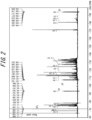
- Example 12 The results of fluorine NMR measurement in Example 12 are illustrated in FIG. 1 .
- FIG. 1 illustrates measurement results for compounds inside the second pressure-resistant vessel.
- the proportions of the compound X, compound Y, and reaction product inside each of the pressure-resistant vessels were calculated from integrated values of peaks for the compound X, compound Y, and reaction product in fluorine NMR measurement, and a conversion rate of the compound Y and a non-conversion rate of the compound X were calculated from the mass of the residue and the mass of the captured gas that were previously determined.
- the conversion rate of the compound Y is the proportion by which the compound Y is reduced after contacting relative to the charged amount of the compound Y.
- the conversion rate was evaluated as follows.
- Conversion rate 80% or more A Conversion rate: Not less than 20% and less than 80% B Conversion rate: Less than 20% C Conversion rate: No reaction product D
- the non-conversion rate of the compound X is the proportion of the compound X that remains after contacting relative to the charged amount of the compound X.
- the non-conversion rate was evaluated as follows. Non-conversion rate of compound X Non-conversion rate: 99% or more A Non-conversion rate: Not less than 95% and less than 99% B Non-conversion rate: Less than 95% C
- the presently disclosed method is useful in a case which a linear compound and an alicyclic compound are included among double bond-containing hydrocarbon compounds in which every hydrogen atom is replaced with a fluorine atom or a chlorine atom and makes it possible to selectively separate the linear compound by a simple method of contacting with a specific amine compound.
Landscapes
- Chemical & Material Sciences (AREA)
- Organic Chemistry (AREA)
- Chemical Kinetics & Catalysis (AREA)
- Organic Low-Molecular-Weight Compounds And Preparation Thereof (AREA)
- Gas Separation By Absorption (AREA)
Claims (14)
- Verfahren zur Abtrennung eines doppelbindungshaltigen linearen Kohlenwasserstoffs, in dem jedes Wasserstoffatom durch ein Fluoratom oder ein Chloratom ersetzt ist, umfassend das In-Kontakt-Bringen eines Behandlungsgegenstandes, der einen doppelbindungshaltigen linearen Kohlenwasserstoff, in dem jedes Wasserstoffatom durch ein Fluoratom oder ein Chloratom ersetzt ist, und einen doppelbindungshaltigen alicyclischen Kohlenwasserstoff, in dem jedes Wasserstoffatom durch ein Fluoratom oder ein Chloratom ersetzt ist, enthält, mit mindestens einer Aminverbindung, ausgewählt aus der Gruppe, bestehend aus einer heterocyclischen aromatischen Aminverbindung und einem tertiären Amin, dargestellt durch eine Formel:NR1R2R3, wobei R1, R2 und R3 jeweils unabhängig voneinander eine Alkylgruppe sind und zwei von R1, R2 undR3 in Kombination eine Alkylengruppe bilden können, die gegebenenfalls durch ein Sauerstoffatom oder ein Schwefelatom unterbrochen ist.
- Verfahren zur Abtrennung eines doppelbindungshaltigen linearen Kohlenwasserstoffs, in dem jedes Wasserstoffatom durch ein Fluoratom oder ein Chloratom ersetzt ist, nach Anspruch 1, wobei die Aminverbindung, mit der der Behandlungsgegenstand in Kontakt gebracht wird, in Form einer Flüssigkeit vorliegt.
- Verfahren zur Abtrennung eines doppelbindungshaltigen linearen Kohlenwasserstoffs, in dem jedes Wasserstoffatom durch ein Fluoratom oder ein Chloratom ersetzt ist, gemäß Anspruch 1 oder 2, wobei das Inkontaktbringen des Behandlungsgegenstandes und der Aminverbindung innerhalb eines Reaktors durchgeführt wird und der Behandlungsgegenstand in Form eines Gases in den Reaktor eingeführt wird.
- Verfahren zur Abtrennung eines doppelbindungshaltigen linearen Kohlenwasserstoffs, in dem jedes Wasserstoffatom durch ein Fluoratom oder ein Chloratom ersetzt ist, nach einem der Ansprüche 1 bis 3, wobei der Behandlungsgegenstand mit der Aminverbindung bei einer niedrigeren Temperatur als dem Siedepunkt des doppelbindungshaltigen alicyclischen Kohlenwasserstoffs, in dem jedes Wasserstoffatom durch ein Fluoratom oder ein Chloratom ersetzt ist, in Kontakt gebracht wird.
- Verfahren zur Abtrennung eines doppelbindungshaltigen linearen Kohlenwasserstoffs, in dem jedes Wasserstoffatom durch ein Fluoratom oder ein Chloratom ersetzt ist, nach einem der Ansprüche 1 bis 4, wobei der doppelbindungshaltige lineare Kohlenwasserstoff, in dem jedes Wasserstoffatom durch ein Fluoratom oder ein Chloratom ersetzt ist, ein lineares Alken, in dem jedes Wasserstoffatom durch ein Fluoratom oder ein Chloratom ersetzt ist, oder ein lineares Alkadien, in dem jedes Wasserstoffatom durch ein Fluoratom oder ein Chloratom ersetzt ist, ist.
- Verfahren zur Abtrennung eines doppelbindungshaltigen linearen Kohlenwasserstoffs, in dem jedes Wasserstoffatom durch ein Fluoratom oder ein Chloratom ersetzt ist, nach Anspruch 5, wobei der doppelbindungshaltige lineare Kohlenwasserstoff, in dem jedes Wasserstoffatom durch ein Fluoratom oder ein Chloratom ersetzt ist, ein lineares Perfluoralken oder ein lineares Perfluoralkadien ist.
- Verfahren zur Abtrennung eines doppelbindungshaltigen linearen Kohlenwasserstoffs, in dem jedes Wasserstoffatom durch ein Fluoratom oder ein Chloratom ersetzt ist, nach einem der Ansprüche 1 bis 6, wobei der doppelbindungshaltige lineare Kohlenwasserstoff, in dem jedes Wasserstoffatom durch ein Fluoratom oder ein Chloratom ersetzt ist, eine Verbindung mit einem Siedepunkt von 50°C oder niedriger ist.
- Verfahren zur Abtrennung eines doppelbindungshaltigen linearen Kohlenwasserstoffs, in dem jedes Wasserstoffatom durch ein Fluoratom oder ein Chloratom ersetzt ist, nach einem der Ansprüche 1 bis 7, wobei der doppelbindungshaltige alicyclische Kohlenwasserstoff, in dem jedes Wasserstoffatom durch ein Fluoratom oder ein Chloratom ersetzt ist, ein Cycloalken, in dem jedes Wasserstoffatom durch ein Fluoratom oder ein Chloratom ersetzt ist, oder ein Cycloalkadien, in dem jedes Wasserstoffatom durch ein Fluoratom oder ein Chloratom ersetzt ist, ist.
- Verfahren zur Abtrennung eines doppelbindungshaltigen linearen Kohlenwasserstoffs, in dem jedes Wasserstoffatom durch ein Fluoratom oder ein Chloratom ersetzt ist, nach Anspruch 8, wobei der doppelbindungshaltige alicyclische Kohlenwasserstoff, in dem jedes Wasserstoffatom durch ein Fluoratom oder ein Chloratom ersetzt ist, ein Perfluorcycloalken oder ein Perfluorcycloalkadien ist.
- Verfahren zur Abtrennung eines doppelbindungshaltigen linearen Kohlenwasserstoffs, in dem jedes Wasserstoffatom durch ein Fluoratom oder ein Chloratom ersetzt ist, nach einem der Ansprüche 1 bis 9, wobei der doppelbindungshaltige alicyclische Kohlenwasserstoff, in dem jedes Wasserstoffatom durch ein Fluoratom oder ein Chloratom ersetzt ist, eine Verbindung mit einem Siedepunkt von 30°C oder niedriger ist.
- Verfahren zur Abtrennung eines doppelbindungshaltigen linearen Kohlenwasserstoffs, in dem jedes Wasserstoffatom durch ein Fluoratom oder ein Chloratom ersetzt ist, nach einem der Ansprüche 1 bis 10, wobeidas tertiäre Amin ein Trialkylamin, ein N-Alkylmorpholin, ein N-Alkylpiperidin oder ein N-Alkylpyrrolidin ist, unddie heterozyklische aromatische Aminverbindung Pyridin, ein Derivat von Pyridin, Pyridazin, ein Derivat von Pyridazin, Isochinolin oder ein Derivat von Isochinolin ist.
- Verfahren zur Abtrennung eines doppelbindungshaltigen linearen Kohlenwasserstoffs, in dem jedes Wasserstoffatom durch ein Fluoratom oder ein Chloratom ersetzt ist, nach einem der Ansprüche 1 bis 11, wobei die Aminverbindung das tertiäre Amin ist.
- Verfahren zur Abtrennung eines doppelbindungshaltigen linearen Kohlenwasserstoffs, in dem jedes Wasserstoffatom durch ein Fluoratom oder ein Chloratom ersetzt ist, nach einem der Ansprüche 1 bis 11, wobei die Aminverbindung die heterocyclische aromatische Aminverbindung ist.
- Verfahren zur Abtrennung eines doppelbindungshaltigen linearen Kohlenwasserstoffs, in dem jedes Wasserstoffatom durch ein Fluoratom oder ein Chloratom ersetzt ist, nach einem der Ansprüche 1 bis 13, wobei die Molzahl der verwendeten Aminverbindung nicht weniger als das 0,01-fache und nicht mehr als das 10-fache der Molzahl des doppelbindungshaltigen alicyclischen Kohlenwasserstoffs, in dem jedes Wasserstoffatom durch ein Fluoratom oder ein Chloratom ersetzt ist, beträgt.
Applications Claiming Priority (2)
| Application Number | Priority Date | Filing Date | Title |
|---|---|---|---|
| JP2019094805 | 2019-05-20 | ||
| PCT/JP2020/019161 WO2020235425A1 (ja) | 2019-05-20 | 2020-05-13 | 全水素原子がフッ素原子又は塩素原子で置換されている二重結合を有する直鎖炭化水素の分離方法 |
Publications (3)
| Publication Number | Publication Date |
|---|---|
| EP3974408A1 EP3974408A1 (de) | 2022-03-30 |
| EP3974408A4 EP3974408A4 (de) | 2023-06-28 |
| EP3974408B1 true EP3974408B1 (de) | 2024-06-26 |
Family
ID=73458845
Family Applications (1)
| Application Number | Title | Priority Date | Filing Date |
|---|---|---|---|
| EP20809193.4A Active EP3974408B1 (de) | 2019-05-20 | 2020-05-13 | Verfahren zur trennung von doppelverbindungshaltigem, geradkettigem kohlenwasserstoff, in dem alle wasserstoffatome durch fluoratome oder chloratome substituiert sind |
Country Status (7)
| Country | Link |
|---|---|
| US (1) | US11697627B2 (de) |
| EP (1) | EP3974408B1 (de) |
| JP (1) | JP7147971B2 (de) |
| KR (1) | KR20220010489A (de) |
| CN (1) | CN113811522A (de) |
| TW (1) | TWI843852B (de) |
| WO (1) | WO2020235425A1 (de) |
Families Citing this family (1)
| Publication number | Priority date | Publication date | Assignee | Title |
|---|---|---|---|---|
| WO2025121089A1 (ja) * | 2023-12-05 | 2025-06-12 | Agc株式会社 | 組成物、組成物入り容器、システム、及び組成物の製造方法 |
Family Cites Families (10)
| Publication number | Priority date | Publication date | Assignee | Title |
|---|---|---|---|---|
| JPH10182516A (ja) * | 1996-12-25 | 1998-07-07 | Daikin Ind Ltd | オクタフルオロシクロブタンの精製方法 |
| JP3636617B2 (ja) | 1998-06-18 | 2005-04-06 | カンケンテクノ株式会社 | パーフルオロカーボンガスの除去方法及び除去装置 |
| US6482367B1 (en) | 1998-06-18 | 2002-11-19 | Kanken Techno Co., Ltd. | Method and apparatus for removing harmful components in an exhaust gas |
| JP4450944B2 (ja) * | 2000-04-19 | 2010-04-14 | 日本パイオニクス株式会社 | パーフルオロカーボンの回収方法及び分解方法 |
| JP4283420B2 (ja) | 2000-05-17 | 2009-06-24 | 日本パイオニクス株式会社 | フッ素化合物ガスの検知方法 |
| JP4767423B2 (ja) | 2001-01-15 | 2011-09-07 | 昭和電工株式会社 | オクタフルオロシクロブタンの精製方法および製造方法並びにその用途 |
| ATE308495T1 (de) * | 2001-01-15 | 2005-11-15 | Showa Denko Kk | Verfahren zur herstellung von octafluorocyclobutan |
| CN101743214B (zh) * | 2007-07-10 | 2013-07-17 | 巴斯夫欧洲公司 | 从其支化异构体分离未支化烃的方法 |
| JP5867730B2 (ja) | 2010-06-29 | 2016-02-24 | 国立研究開発法人産業技術総合研究所 | ハロゲン化物の検出剤、並びにそれを検出する方法及び検出センサー |
| JP2012121018A (ja) | 2010-11-16 | 2012-06-28 | National Institute Of Advanced Industrial Science & Technology | ガス状ハロゲン化物の除去・回収方法及びガス状ハロゲン化物の除去・回収剤 |
-
2020
- 2020-05-13 CN CN202080033412.9A patent/CN113811522A/zh active Pending
- 2020-05-13 KR KR1020217036827A patent/KR20220010489A/ko not_active Withdrawn
- 2020-05-13 JP JP2021520734A patent/JP7147971B2/ja active Active
- 2020-05-13 WO PCT/JP2020/019161 patent/WO2020235425A1/ja not_active Ceased
- 2020-05-13 EP EP20809193.4A patent/EP3974408B1/de active Active
- 2020-05-13 US US17/595,090 patent/US11697627B2/en active Active
- 2020-05-20 TW TW109116719A patent/TWI843852B/zh not_active IP Right Cessation
Also Published As
| Publication number | Publication date |
|---|---|
| TWI843852B (zh) | 2024-06-01 |
| EP3974408A1 (de) | 2022-03-30 |
| TW202100498A (zh) | 2021-01-01 |
| EP3974408A4 (de) | 2023-06-28 |
| JPWO2020235425A1 (de) | 2020-11-26 |
| WO2020235425A1 (ja) | 2020-11-26 |
| JP7147971B2 (ja) | 2022-10-05 |
| CN113811522A (zh) | 2021-12-17 |
| US11697627B2 (en) | 2023-07-11 |
| KR20220010489A (ko) | 2022-01-25 |
| US20220213010A1 (en) | 2022-07-07 |
Similar Documents
| Publication | Publication Date | Title |
|---|---|---|
| KR102432744B1 (ko) | 헥사플루오로부타디엔의 제조 방법 | |
| EP2483361B1 (de) | Vorrichtung mit einem hydrofluorether von hoher temperaturstabilität und anwendungen davon | |
| EP2552638B1 (de) | Stickstoffhaltige fluorketone für hochtemperatur-wärmeübertragung | |
| TW200922679A (en) | Acetaldehyde removal from methyl acetate by distillation at elevated pressure | |
| CN107382803B (zh) | 一种β-羟基苯基硒醚化合物的制备方法 | |
| CN109264682B (zh) | 一种高纯度二氟磺酰亚胺的制备方法 | |
| CN104672072B (zh) | 一种高纯度全氟己酮分离提纯工艺 | |
| EP3590912A1 (de) | Verfahren zur herstellung von perfluoralkadienverbindungen | |
| EP3974408A1 (de) | Verfahren zur trennung von doppelverbindungshaltigem, geradkettigem kohlenwasserstoff, in dem alle wasserstoffatome durch fluoratome oder chloratome substituiert sind | |
| JP5311009B2 (ja) | 含水素フルオロオレフィン化合物の製造方法 | |
| RU2804970C2 (ru) | Способ выделения линейного углеводорода, содержащего двойную связь, в котором каждый атом водорода заменен на атом фтора или атом хлора | |
| TWI689486B (zh) | 氟化烷之製造方法、脒鹼之分離、回收方法、及回收的脒鹼之使用方法 | |
| EP2433930B1 (de) | Verfahren zur herstellung von pyridinverbindungen und pyridinverbindung | |
| US10717690B2 (en) | Method of manufacturing octafluorocyclopentene | |
| JP2022080189A (ja) | 全水素原子がフッ素原子又は塩素原子で置換されている二重結合を有する直鎖炭化水素の分離方法 | |
| US10710946B2 (en) | Method of manufacturing octafluorocyclopentene | |
| KR101210511B1 (ko) | 냉매를 이용한 이온성 액체의 정제 방법 | |
| US7319158B2 (en) | Process for producing high-purity hafnium amide | |
| EP2522652B1 (de) | Verfahren zur herstellung von difluoressigsäureester | |
| JP2008509995A (ja) | クロロジフルオロメタンの製造方法 | |
| US12466786B2 (en) | Separation method | |
| JP2022080192A (ja) | 全水素原子がフッ素原子又は塩素原子で置換されている二重結合を有する直鎖炭化水素の分離方法 | |
| JP2022080796A (ja) | 含フッ素化合物の製造方法 | |
| WO2026074985A1 (ja) | 含フッ素ジエーテル化合物 | |
| KR20150135095A (ko) | 포름산 분리방법 및 포름산 분리 공정 시스템 |
Legal Events
| Date | Code | Title | Description |
|---|---|---|---|
| STAA | Information on the status of an ep patent application or granted ep patent |
Free format text: STATUS: THE INTERNATIONAL PUBLICATION HAS BEEN MADE |
|
| PUAI | Public reference made under article 153(3) epc to a published international application that has entered the european phase |
Free format text: ORIGINAL CODE: 0009012 |
|
| STAA | Information on the status of an ep patent application or granted ep patent |
Free format text: STATUS: REQUEST FOR EXAMINATION WAS MADE |
|
| 17P | Request for examination filed |
Effective date: 20211109 |
|
| AK | Designated contracting states |
Kind code of ref document: A1 Designated state(s): AL AT BE BG CH CY CZ DE DK EE ES FI FR GB GR HR HU IE IS IT LI LT LU LV MC MK MT NL NO PL PT RO RS SE SI SK SM TR |
|
| DAV | Request for validation of the european patent (deleted) | ||
| DAX | Request for extension of the european patent (deleted) | ||
| REG | Reference to a national code |
Ref country code: DE Ref legal event code: R079 Free format text: PREVIOUS MAIN CLASS: C07C0021180000 Ipc: C07C0017420000 Ref document number: 602020033086 Country of ref document: DE |
|
| A4 | Supplementary search report drawn up and despatched |
Effective date: 20230530 |
|
| RIC1 | Information provided on ipc code assigned before grant |
Ipc: C07C 21/19 20060101ALI20230523BHEP Ipc: C07C 21/18 20060101ALI20230523BHEP Ipc: C07C 17/42 20060101AFI20230523BHEP |
|
| GRAP | Despatch of communication of intention to grant a patent |
Free format text: ORIGINAL CODE: EPIDOSNIGR1 |
|
| STAA | Information on the status of an ep patent application or granted ep patent |
Free format text: STATUS: GRANT OF PATENT IS INTENDED |
|
| INTG | Intention to grant announced |
Effective date: 20240222 |
|
| GRAS | Grant fee paid |
Free format text: ORIGINAL CODE: EPIDOSNIGR3 |
|
| GRAA | (expected) grant |
Free format text: ORIGINAL CODE: 0009210 |
|
| STAA | Information on the status of an ep patent application or granted ep patent |
Free format text: STATUS: THE PATENT HAS BEEN GRANTED |
|
| P01 | Opt-out of the competence of the unified patent court (upc) registered |
Effective date: 20240515 |
|
| AK | Designated contracting states |
Kind code of ref document: B1 Designated state(s): AL AT BE BG CH CY CZ DE DK EE ES FI FR GB GR HR HU IE IS IT LI LT LU LV MC MK MT NL NO PL PT RO RS SE SI SK SM TR |
|
| REG | Reference to a national code |
Ref country code: GB Ref legal event code: FG4D |
|
| REG | Reference to a national code |
Ref country code: CH Ref legal event code: EP |
|
| REG | Reference to a national code |
Ref country code: DE Ref legal event code: R096 Ref document number: 602020033086 Country of ref document: DE |
|
| PG25 | Lapsed in a contracting state [announced via postgrant information from national office to epo] |
Ref country code: BG Free format text: LAPSE BECAUSE OF FAILURE TO SUBMIT A TRANSLATION OF THE DESCRIPTION OR TO PAY THE FEE WITHIN THE PRESCRIBED TIME-LIMIT Effective date: 20240626 |
|
| PG25 | Lapsed in a contracting state [announced via postgrant information from national office to epo] |
Ref country code: HR Free format text: LAPSE BECAUSE OF FAILURE TO SUBMIT A TRANSLATION OF THE DESCRIPTION OR TO PAY THE FEE WITHIN THE PRESCRIBED TIME-LIMIT Effective date: 20240626 Ref country code: FI Free format text: LAPSE BECAUSE OF FAILURE TO SUBMIT A TRANSLATION OF THE DESCRIPTION OR TO PAY THE FEE WITHIN THE PRESCRIBED TIME-LIMIT Effective date: 20240626 |
|
| REG | Reference to a national code |
Ref country code: LT Ref legal event code: MG9D |
|
| PG25 | Lapsed in a contracting state [announced via postgrant information from national office to epo] |
Ref country code: GR Free format text: LAPSE BECAUSE OF FAILURE TO SUBMIT A TRANSLATION OF THE DESCRIPTION OR TO PAY THE FEE WITHIN THE PRESCRIBED TIME-LIMIT Effective date: 20240927 |
|
| PG25 | Lapsed in a contracting state [announced via postgrant information from national office to epo] |
Ref country code: LV Free format text: LAPSE BECAUSE OF FAILURE TO SUBMIT A TRANSLATION OF THE DESCRIPTION OR TO PAY THE FEE WITHIN THE PRESCRIBED TIME-LIMIT Effective date: 20240626 |
|
| REG | Reference to a national code |
Ref country code: NL Ref legal event code: MP Effective date: 20240626 |
|
| PG25 | Lapsed in a contracting state [announced via postgrant information from national office to epo] |
Ref country code: NO Free format text: LAPSE BECAUSE OF FAILURE TO SUBMIT A TRANSLATION OF THE DESCRIPTION OR TO PAY THE FEE WITHIN THE PRESCRIBED TIME-LIMIT Effective date: 20240926 Ref country code: LV Free format text: LAPSE BECAUSE OF FAILURE TO SUBMIT A TRANSLATION OF THE DESCRIPTION OR TO PAY THE FEE WITHIN THE PRESCRIBED TIME-LIMIT Effective date: 20240626 Ref country code: HR Free format text: LAPSE BECAUSE OF FAILURE TO SUBMIT A TRANSLATION OF THE DESCRIPTION OR TO PAY THE FEE WITHIN THE PRESCRIBED TIME-LIMIT Effective date: 20240626 Ref country code: GR Free format text: LAPSE BECAUSE OF FAILURE TO SUBMIT A TRANSLATION OF THE DESCRIPTION OR TO PAY THE FEE WITHIN THE PRESCRIBED TIME-LIMIT Effective date: 20240927 Ref country code: FI Free format text: LAPSE BECAUSE OF FAILURE TO SUBMIT A TRANSLATION OF THE DESCRIPTION OR TO PAY THE FEE WITHIN THE PRESCRIBED TIME-LIMIT Effective date: 20240626 Ref country code: BG Free format text: LAPSE BECAUSE OF FAILURE TO SUBMIT A TRANSLATION OF THE DESCRIPTION OR TO PAY THE FEE WITHIN THE PRESCRIBED TIME-LIMIT Effective date: 20240626 Ref country code: RS Free format text: LAPSE BECAUSE OF FAILURE TO SUBMIT A TRANSLATION OF THE DESCRIPTION OR TO PAY THE FEE WITHIN THE PRESCRIBED TIME-LIMIT Effective date: 20240926 |
|
| PG25 | Lapsed in a contracting state [announced via postgrant information from national office to epo] |
Ref country code: NL Free format text: LAPSE BECAUSE OF FAILURE TO SUBMIT A TRANSLATION OF THE DESCRIPTION OR TO PAY THE FEE WITHIN THE PRESCRIBED TIME-LIMIT Effective date: 20240626 |
|
| REG | Reference to a national code |
Ref country code: AT Ref legal event code: MK05 Ref document number: 1697598 Country of ref document: AT Kind code of ref document: T Effective date: 20240626 |
|
| PG25 | Lapsed in a contracting state [announced via postgrant information from national office to epo] |
Ref country code: NL Free format text: LAPSE BECAUSE OF FAILURE TO SUBMIT A TRANSLATION OF THE DESCRIPTION OR TO PAY THE FEE WITHIN THE PRESCRIBED TIME-LIMIT Effective date: 20240626 |
|
| PG25 | Lapsed in a contracting state [announced via postgrant information from national office to epo] |
Ref country code: PT Free format text: LAPSE BECAUSE OF FAILURE TO SUBMIT A TRANSLATION OF THE DESCRIPTION OR TO PAY THE FEE WITHIN THE PRESCRIBED TIME-LIMIT Effective date: 20241028 |
|
| PG25 | Lapsed in a contracting state [announced via postgrant information from national office to epo] |
Ref country code: PT Free format text: LAPSE BECAUSE OF FAILURE TO SUBMIT A TRANSLATION OF THE DESCRIPTION OR TO PAY THE FEE WITHIN THE PRESCRIBED TIME-LIMIT Effective date: 20241028 |
|
| PG25 | Lapsed in a contracting state [announced via postgrant information from national office to epo] |
Ref country code: PL Free format text: LAPSE BECAUSE OF FAILURE TO SUBMIT A TRANSLATION OF THE DESCRIPTION OR TO PAY THE FEE WITHIN THE PRESCRIBED TIME-LIMIT Effective date: 20240626 |
|
| PG25 | Lapsed in a contracting state [announced via postgrant information from national office to epo] |
Ref country code: EE Free format text: LAPSE BECAUSE OF FAILURE TO SUBMIT A TRANSLATION OF THE DESCRIPTION OR TO PAY THE FEE WITHIN THE PRESCRIBED TIME-LIMIT Effective date: 20240626 |
|
| PG25 | Lapsed in a contracting state [announced via postgrant information from national office to epo] |
Ref country code: IS Free format text: LAPSE BECAUSE OF FAILURE TO SUBMIT A TRANSLATION OF THE DESCRIPTION OR TO PAY THE FEE WITHIN THE PRESCRIBED TIME-LIMIT Effective date: 20241026 Ref country code: AT Free format text: LAPSE BECAUSE OF FAILURE TO SUBMIT A TRANSLATION OF THE DESCRIPTION OR TO PAY THE FEE WITHIN THE PRESCRIBED TIME-LIMIT Effective date: 20240626 |
|
| PG25 | Lapsed in a contracting state [announced via postgrant information from national office to epo] |
Ref country code: CZ Free format text: LAPSE BECAUSE OF FAILURE TO SUBMIT A TRANSLATION OF THE DESCRIPTION OR TO PAY THE FEE WITHIN THE PRESCRIBED TIME-LIMIT Effective date: 20240626 |
|
| PG25 | Lapsed in a contracting state [announced via postgrant information from national office to epo] |
Ref country code: RO Free format text: LAPSE BECAUSE OF FAILURE TO SUBMIT A TRANSLATION OF THE DESCRIPTION OR TO PAY THE FEE WITHIN THE PRESCRIBED TIME-LIMIT Effective date: 20240626 Ref country code: SK Free format text: LAPSE BECAUSE OF FAILURE TO SUBMIT A TRANSLATION OF THE DESCRIPTION OR TO PAY THE FEE WITHIN THE PRESCRIBED TIME-LIMIT Effective date: 20240626 |
|
| PG25 | Lapsed in a contracting state [announced via postgrant information from national office to epo] |
Ref country code: SM Free format text: LAPSE BECAUSE OF FAILURE TO SUBMIT A TRANSLATION OF THE DESCRIPTION OR TO PAY THE FEE WITHIN THE PRESCRIBED TIME-LIMIT Effective date: 20240626 Ref country code: ES Free format text: LAPSE BECAUSE OF FAILURE TO SUBMIT A TRANSLATION OF THE DESCRIPTION OR TO PAY THE FEE WITHIN THE PRESCRIBED TIME-LIMIT Effective date: 20240626 |
|
| PG25 | Lapsed in a contracting state [announced via postgrant information from national office to epo] |
Ref country code: SM Free format text: LAPSE BECAUSE OF FAILURE TO SUBMIT A TRANSLATION OF THE DESCRIPTION OR TO PAY THE FEE WITHIN THE PRESCRIBED TIME-LIMIT Effective date: 20240626 Ref country code: SK Free format text: LAPSE BECAUSE OF FAILURE TO SUBMIT A TRANSLATION OF THE DESCRIPTION OR TO PAY THE FEE WITHIN THE PRESCRIBED TIME-LIMIT Effective date: 20240626 Ref country code: RO Free format text: LAPSE BECAUSE OF FAILURE TO SUBMIT A TRANSLATION OF THE DESCRIPTION OR TO PAY THE FEE WITHIN THE PRESCRIBED TIME-LIMIT Effective date: 20240626 Ref country code: PL Free format text: LAPSE BECAUSE OF FAILURE TO SUBMIT A TRANSLATION OF THE DESCRIPTION OR TO PAY THE FEE WITHIN THE PRESCRIBED TIME-LIMIT Effective date: 20240626 Ref country code: IS Free format text: LAPSE BECAUSE OF FAILURE TO SUBMIT A TRANSLATION OF THE DESCRIPTION OR TO PAY THE FEE WITHIN THE PRESCRIBED TIME-LIMIT Effective date: 20241026 Ref country code: ES Free format text: LAPSE BECAUSE OF FAILURE TO SUBMIT A TRANSLATION OF THE DESCRIPTION OR TO PAY THE FEE WITHIN THE PRESCRIBED TIME-LIMIT Effective date: 20240626 Ref country code: EE Free format text: LAPSE BECAUSE OF FAILURE TO SUBMIT A TRANSLATION OF THE DESCRIPTION OR TO PAY THE FEE WITHIN THE PRESCRIBED TIME-LIMIT Effective date: 20240626 Ref country code: CZ Free format text: LAPSE BECAUSE OF FAILURE TO SUBMIT A TRANSLATION OF THE DESCRIPTION OR TO PAY THE FEE WITHIN THE PRESCRIBED TIME-LIMIT Effective date: 20240626 Ref country code: AT Free format text: LAPSE BECAUSE OF FAILURE TO SUBMIT A TRANSLATION OF THE DESCRIPTION OR TO PAY THE FEE WITHIN THE PRESCRIBED TIME-LIMIT Effective date: 20240626 |
|
| REG | Reference to a national code |
Ref country code: DE Ref legal event code: R097 Ref document number: 602020033086 Country of ref document: DE |
|
| PG25 | Lapsed in a contracting state [announced via postgrant information from national office to epo] |
Ref country code: DK Free format text: LAPSE BECAUSE OF FAILURE TO SUBMIT A TRANSLATION OF THE DESCRIPTION OR TO PAY THE FEE WITHIN THE PRESCRIBED TIME-LIMIT Effective date: 20240626 |
|
| PLBE | No opposition filed within time limit |
Free format text: ORIGINAL CODE: 0009261 |
|
| STAA | Information on the status of an ep patent application or granted ep patent |
Free format text: STATUS: NO OPPOSITION FILED WITHIN TIME LIMIT |
|
| 26N | No opposition filed |
Effective date: 20250327 |
|
| PG25 | Lapsed in a contracting state [announced via postgrant information from national office to epo] |
Ref country code: SE Free format text: LAPSE BECAUSE OF FAILURE TO SUBMIT A TRANSLATION OF THE DESCRIPTION OR TO PAY THE FEE WITHIN THE PRESCRIBED TIME-LIMIT Effective date: 20240626 |
|
| REG | Reference to a national code |
Ref country code: DE Ref legal event code: R119 Ref document number: 602020033086 Country of ref document: DE |
|
| REG | Reference to a national code |
Ref country code: CH Ref legal event code: H13 Free format text: ST27 STATUS EVENT CODE: U-0-0-H10-H13 (AS PROVIDED BY THE NATIONAL OFFICE) Effective date: 20251223 |
|
| PG25 | Lapsed in a contracting state [announced via postgrant information from national office to epo] |
Ref country code: LU Free format text: LAPSE BECAUSE OF NON-PAYMENT OF DUE FEES Effective date: 20250513 |
|
| PG25 | Lapsed in a contracting state [announced via postgrant information from national office to epo] |
Ref country code: CH Free format text: LAPSE BECAUSE OF NON-PAYMENT OF DUE FEES Effective date: 20250531 |
|
| GBPC | Gb: european patent ceased through non-payment of renewal fee |
Effective date: 20250513 |
|
| REG | Reference to a national code |
Ref country code: BE Ref legal event code: MM Effective date: 20250531 |
|
| PG25 | Lapsed in a contracting state [announced via postgrant information from national office to epo] |
Ref country code: MC Free format text: LAPSE BECAUSE OF FAILURE TO SUBMIT A TRANSLATION OF THE DESCRIPTION OR TO PAY THE FEE WITHIN THE PRESCRIBED TIME-LIMIT Effective date: 20240626 |
|
| PG25 | Lapsed in a contracting state [announced via postgrant information from national office to epo] |
Ref country code: GB Free format text: LAPSE BECAUSE OF NON-PAYMENT OF DUE FEES Effective date: 20250513 |
|
| PG25 | Lapsed in a contracting state [announced via postgrant information from national office to epo] |
Ref country code: IE Free format text: LAPSE BECAUSE OF NON-PAYMENT OF DUE FEES Effective date: 20250513 Ref country code: DE Free format text: LAPSE BECAUSE OF NON-PAYMENT OF DUE FEES Effective date: 20251202 |
|
| PG25 | Lapsed in a contracting state [announced via postgrant information from national office to epo] |
Ref country code: BE Free format text: LAPSE BECAUSE OF NON-PAYMENT OF DUE FEES Effective date: 20250531 Ref country code: IT Free format text: LAPSE BECAUSE OF NON-PAYMENT OF DUE FEES Effective date: 20250513 |
|
| PG25 | Lapsed in a contracting state [announced via postgrant information from national office to epo] |
Ref country code: FR Free format text: LAPSE BECAUSE OF NON-PAYMENT OF DUE FEES Effective date: 20250531 |