EP3942298B1 - Verfahren zur erhöhung der zellanfälligkeit für komplementvermittelte lyse - Google Patents
Verfahren zur erhöhung der zellanfälligkeit für komplementvermittelte lyse Download PDFInfo
- Publication number
- EP3942298B1 EP3942298B1 EP20774343.6A EP20774343A EP3942298B1 EP 3942298 B1 EP3942298 B1 EP 3942298B1 EP 20774343 A EP20774343 A EP 20774343A EP 3942298 B1 EP3942298 B1 EP 3942298B1
- Authority
- EP
- European Patent Office
- Prior art keywords
- cells
- seq
- sequence
- population
- organ
- Prior art date
- Legal status (The legal status is an assumption and is not a legal conclusion. Google has not performed a legal analysis and makes no representation as to the accuracy of the status listed.)
- Active
Links
Images








Classifications
-
- G—PHYSICS
- G01—MEASURING; TESTING
- G01N—INVESTIGATING OR ANALYSING MATERIALS BY DETERMINING THEIR CHEMICAL OR PHYSICAL PROPERTIES
- G01N33/00—Investigating or analysing materials by specific methods not covered by groups G01N1/00 - G01N31/00
- G01N33/48—Biological material, e.g. blood, urine; Haemocytometers
- G01N33/50—Chemical analysis of biological material, e.g. blood, urine; Testing involving biospecific ligand binding methods; Immunological testing
- G01N33/68—Chemical analysis of biological material, e.g. blood, urine; Testing involving biospecific ligand binding methods; Immunological testing involving proteins, peptides or amino acids
-
- G—PHYSICS
- G01—MEASURING; TESTING
- G01N—INVESTIGATING OR ANALYSING MATERIALS BY DETERMINING THEIR CHEMICAL OR PHYSICAL PROPERTIES
- G01N33/00—Investigating or analysing materials by specific methods not covered by groups G01N1/00 - G01N31/00
- G01N33/48—Biological material, e.g. blood, urine; Haemocytometers
- G01N33/50—Chemical analysis of biological material, e.g. blood, urine; Testing involving biospecific ligand binding methods; Immunological testing
- G01N33/68—Chemical analysis of biological material, e.g. blood, urine; Testing involving biospecific ligand binding methods; Immunological testing involving proteins, peptides or amino acids
- G01N33/6893—Chemical analysis of biological material, e.g. blood, urine; Testing involving biospecific ligand binding methods; Immunological testing involving proteins, peptides or amino acids related to diseases not provided for elsewhere
-
- C—CHEMISTRY; METALLURGY
- C12—BIOCHEMISTRY; BEER; SPIRITS; WINE; VINEGAR; MICROBIOLOGY; ENZYMOLOGY; MUTATION OR GENETIC ENGINEERING
- C12N—MICROORGANISMS OR ENZYMES; COMPOSITIONS THEREOF; PROPAGATING, PRESERVING, OR MAINTAINING MICROORGANISMS; MUTATION OR GENETIC ENGINEERING; CULTURE MEDIA
- C12N15/00—Mutation or genetic engineering; DNA or RNA concerning genetic engineering, vectors, e.g. plasmids, or their isolation, preparation or purification; Use of hosts therefor
- C12N15/09—Recombinant DNA-technology
- C12N15/87—Introduction of foreign genetic material using processes not otherwise provided for, e.g. co-transformation
- C12N15/90—Stable introduction of foreign DNA into chromosome
-
- C—CHEMISTRY; METALLURGY
- C12—BIOCHEMISTRY; BEER; SPIRITS; WINE; VINEGAR; MICROBIOLOGY; ENZYMOLOGY; MUTATION OR GENETIC ENGINEERING
- C12N—MICROORGANISMS OR ENZYMES; COMPOSITIONS THEREOF; PROPAGATING, PRESERVING, OR MAINTAINING MICROORGANISMS; MUTATION OR GENETIC ENGINEERING; CULTURE MEDIA
- C12N5/00—Undifferentiated human, animal or plant cells, e.g. cell lines; Tissues; Cultivation or maintenance thereof; Culture media therefor
- C12N5/06—Animal cells or tissues; Human cells or tissues
- C12N5/0602—Vertebrate cells
- C12N5/0684—Cells of the urinary tract or kidneys
- C12N5/0686—Kidney cells
-
- C—CHEMISTRY; METALLURGY
- C12—BIOCHEMISTRY; BEER; SPIRITS; WINE; VINEGAR; MICROBIOLOGY; ENZYMOLOGY; MUTATION OR GENETIC ENGINEERING
- C12N—MICROORGANISMS OR ENZYMES; COMPOSITIONS THEREOF; PROPAGATING, PRESERVING, OR MAINTAINING MICROORGANISMS; MUTATION OR GENETIC ENGINEERING; CULTURE MEDIA
- C12N5/00—Undifferentiated human, animal or plant cells, e.g. cell lines; Tissues; Cultivation or maintenance thereof; Culture media therefor
- C12N5/06—Animal cells or tissues; Human cells or tissues
- C12N5/0602—Vertebrate cells
- C12N5/069—Vascular Endothelial cells
-
- G—PHYSICS
- G01—MEASURING; TESTING
- G01N—INVESTIGATING OR ANALYSING MATERIALS BY DETERMINING THEIR CHEMICAL OR PHYSICAL PROPERTIES
- G01N33/00—Investigating or analysing materials by specific methods not covered by groups G01N1/00 - G01N31/00
- G01N33/48—Biological material, e.g. blood, urine; Haemocytometers
- G01N33/50—Chemical analysis of biological material, e.g. blood, urine; Testing involving biospecific ligand binding methods; Immunological testing
- G01N33/68—Chemical analysis of biological material, e.g. blood, urine; Testing involving biospecific ligand binding methods; Immunological testing involving proteins, peptides or amino acids
- G01N33/6854—Immunoglobulins
- G01N33/6857—Antibody fragments
-
- C—CHEMISTRY; METALLURGY
- C12—BIOCHEMISTRY; BEER; SPIRITS; WINE; VINEGAR; MICROBIOLOGY; ENZYMOLOGY; MUTATION OR GENETIC ENGINEERING
- C12N—MICROORGANISMS OR ENZYMES; COMPOSITIONS THEREOF; PROPAGATING, PRESERVING, OR MAINTAINING MICROORGANISMS; MUTATION OR GENETIC ENGINEERING; CULTURE MEDIA
- C12N2310/00—Structure or type of the nucleic acid
- C12N2310/10—Type of nucleic acid
- C12N2310/20—Type of nucleic acid involving clustered regularly interspaced short palindromic repeats [CRISPR]
-
- C—CHEMISTRY; METALLURGY
- C12—BIOCHEMISTRY; BEER; SPIRITS; WINE; VINEGAR; MICROBIOLOGY; ENZYMOLOGY; MUTATION OR GENETIC ENGINEERING
- C12N—MICROORGANISMS OR ENZYMES; COMPOSITIONS THEREOF; PROPAGATING, PRESERVING, OR MAINTAINING MICROORGANISMS; MUTATION OR GENETIC ENGINEERING; CULTURE MEDIA
- C12N2510/00—Genetically modified cells
-
- G—PHYSICS
- G01—MEASURING; TESTING
- G01N—INVESTIGATING OR ANALYSING MATERIALS BY DETERMINING THEIR CHEMICAL OR PHYSICAL PROPERTIES
- G01N2800/00—Detection or diagnosis of diseases
- G01N2800/24—Immunology or allergic disorders
- G01N2800/245—Transplantation related diseases, e.g. graft versus host disease
Definitions
- Xenotransplantation transplant of organs, tissues and cells from a donor of a different species
- Xenotransplants are also advantageously (i) supplied on a predictable, non-emergency basis; (ii) produced in a controlled environment; and (iii) available for characterization and study prior to transplant.
- the xenotransplant can be described as concordant or discordant.
- Concordant species are phylogenetically closely related species (e.g., mouse to rat).
- Discordant species are not closely related (e.g., pig to human). Pigs have been the focus of most research in the xenotransplanation area, since the pig shares many anatomical and physiological characteristics with human. Pigs also have relatively short gestation periods, can be bred in pathogen-free environments and may not present the same ethical issues associated with animals not commonly used as food sources (e.g., primates).
- Xenograft rejection can be divided into three phases: hyperacute rejection, acute humoral xenograft rejection, and T cell-mediated cellular rejection.
- Hyperacute rejection is a very rapid event that results in irreversible graft damage and loss within minutes to hours following graft reperfusion. It is triggered by the presence of xenoreactive natural antibodies present within the recipient at the time of transplantation. Humans have a naturally-occurring antibody to the ⁇ 1,3-galactose (Gal) epitope found on pig cells. This antibody is produced in high quantity and is the principle mediator of HAR.
- Martens et al., Transplantation (2017);101(4):e86-e92 relates to humoral reactivity of renal transplant-waitlisted patients to cells from GGTA1/CMAH/B4GalNT2, and SLA class I knockout pigs.
- the invention provides a method of detecting transplant donor organ-reactive antibodies in a human patient, the method comprising the steps of: (a) reducing the expression of at least one complement inhibitor by a population of cells derived from a candidate animal transplant donor organ by genetically modifying the population of cells, wherein the transplant donor organ is an organ, tissue or cells from an animal for use as xenografts; (b) contacting the population of genetically-modified cells with a sample of serum isolated from a human patient desiring to receive the transplant donor organ; and (c) detecting lysis of the genetically modified population of cells, wherein lysis indicates if the patient desiring to receive the transplant donor organ expresses donor organ-reactive antibodies, and wherein the lysis is detectable or increased when compared with a population of cells derived from the organ and not genetically modified to have a reduction in at least one expressed complement inhibitor.
- the population of cells can be donor lymphocytes.
- the population of cells can be derived from a kidney.
- the population of cells can be renal endothelial cells.
- the method can further comprise: (i) obtaining a tissue sample from the organ; and (ii) generating a population of genetically-modified organ-derived cells comprising an inactive complement inhibitor encoding gene generated by transfecting the cells with at least one expression vector encoding a guide RNA and CRISPR Cas9, wherein the guide RNA is specific for a complement inhibitor.
- the inactive complement inhibitor encoding gene can be selected from the group consisting of CD46, CD55, and CD59.
- the complement inhibitor can be CD46.
- the guide RNA inactivating an inactive complement inhibitor encoding gene can comprise a nucleotide sequence selected from the group consisting of SEQ ID NO: 1, SEQ ID NO: 3; SEQ ID NO: 5, SEQ ID NO: 7, SEQ ID NO: 9, and SEQ ID NO: 11, and a nucleotide sequence complementary to a nucleotide sequence selected from the group consisting of SEQ ID NO: 2, SEQ ID NO: 4; SEQ ID NO: 6, SEQ ID NO: 8, SEQ ID NO: 10, and SEQ ID NO: 12.
- the complement inhibitor can be CD46-like and the guide RNA for CRISPR Cas9-based inactivation can hybridize under physiological conditions with the sequence of SEQ ID NO: 19, or a complement thereof, and can have a nucleotide sequence of SEQ ID NO: 20.
- the expression vector can comprise a nucleotide sequence having at least 85% similarity to a nucleotide sequence selected from the group consisting of SEQ ID Nos.: 13-18.
- Another aspect of the disclosure encompasses embodiments of a method of detecting transplant donor organ-reactive antibodies in a human patient, the method comprising the steps of: (a) reducing the expression of at least one complement inhibitor by a population of renal endothelial cells derived from a candidate animal transplant donor kidney by genetically modifying the population of the cells, wherein the genetic modification can be by the steps of: (i) obtaining a tissue sample from the kidney or lymphocytes; and (ii) generating a population of genetically-modified kidney-derived cells comprising an inactive CD46 complement inhibitor-encoding gene generated by transfecting the renal endothelial cells with at least one expression vector encoding a guide RNA and CRISPR Cas9, wherein the guide RNA is specific for the complement inhibitor CD46 and can comprises a nucleotide sequence selected from the group consisting of SEQ ID NO: 1 and SEQ ID NO: 7, and a nucleotide sequence complementary to a nucleotide sequence selected from the group consisting of SEQ
- Each genetically modified cell may be a mammalian cell, wherein the cell is derived from a candidate animal transplant donor organ tissue, and wherein the cell is genetically modified to have a reduced or no expression of a complement inhibitor.
- the complement inhibitor can be CD46, CD55, or CD59.
- the complement inhibitor can be CD46-like, CD46, CD55, or CD59.
- the complement inhibitor can be CD46-like and can have an amino acid sequence at least 90% similar to the amino acid sequence SEQ ID NO: 23.
- the complement inhibitor can be CD46-like and can be encoded by a nucleotide sequence having at least 90% similarity with the nucleotide sequence of SEQ ID NO: 19.
- the cell can be genetically modified by a deletion by CRISPR Cas9 of all or a fragment of the genome of the cell encoding the complement inhibitor.
- the cell can be a population of cultured cells.
- the donor tissue can be obtained from an organ selected from the group consisting of a kidney, a lung, a heart, muscle, a skin tissue, or lymphocytes.
- the candidate organ is selected from the group consisting of a kidney, a lung, a heart, muscle, and a skin tissue.
- the candidate organ is a kidney.
- the genetically modified mammalian cell is a renal endothelial cell or lymphocyte.
- complement-dependent cytotoxicity refers to an effector function of IgG and IgM antibodies.
- target cell e.g. bacterial or viral infected cell, or a foreign cell such as that of a transplanted organ
- the classical complement pathway is triggered by bonding protein C1q to these antibodies, resulting in formation of a membrane attack complex (MAC) and target cell lysis.
- MAC membrane attack complex
- Complement system is efficiently activated by human IgG1, IgG3 and IgM antibodies, weakly by IgG2 antibodies and it is not activated by IgG4 antibodies.
- CD46 complement regulatory protein also known as CD46, cluster of differentiation 46, Membrane Cofactor Protein
- CD46 complement regulatory protein refers to a protein encoded by the CD46 gene and which is CD46 is an inhibitory complement receptor.
- the gene is found in a cluster with other genes encoding structural components of the complement system. At least fourteen different transcript variants encoding fourteen different isoforms have been found for this gene.
- the protein encoded by this gene is a type I membrane protein and is a regulatory part of the complement system.
- the encoded protein has cofactor activity for inactivation (through cleavage) of complement components C3b and C4b by serum factor I, which protects the host cell from damage by complement.
- One advantageous target complement inhibitor homologous to CD46 is porcine CD46-like polypeptide having an amino acid sequence according to SEQ ID NO: 23 and which is encoded by a nucleotide sequence having at least 90% sequence identity with the nucleotidde sequence SEQ ID NO: 19.
- CD59 glycoprotein also known as MAC-inhibitory protein (MAC-IP), membrane inhibitor of reactive lysis (MIRL), or protectin, is a protein that in humans is encoded by the CD59 gene. It belongs to the LY6/uPAR/alpha-neurotoxin protein family. CD59 attaches to host cells via a glycophosphatidylinositol (GPI) anchor. When complement activation leads to deposition of C5b678 on host cells, CD59 can prevent C9 from polymerizing and forming the complement membrane attack complex. It may also signal the cell to perform active measures such as endocytosis of the CD59-CD9 complex.
- GPI glycophosphatidylinositol
- knockout refers to a transgenic non-human mammal or cell wherein a given gene has been altered, removed or disrupted.
- nucleic acid molecules or polypeptides mean that the nucleic acid molecule or the polypeptide is at least substantially free from at least one other component with which they are naturally associated in nature and as found in nature.
- complementarity refers to the ability of a nucleic acid to form hydrogen bonds) with another nucleic acid sequence by either traditional Watson-Crick or other non-traditional types.
- a percent complementarily indicates the percentage of residues in a nucleic acid molecule which can form hydrogen bonds (e.g., Watson-Crick base pairing) with a second nucleic acid sequence (e.g., 5, 6, 7, 8, 9, 10 out of 10 being 50%, 60%, 70%, 80%, 90%, and 100% complementary).
- Perfectly complementary means that all the contiguous residues of a nucleic acid sequence will hydrogen bond with the same number of contiguous residues in a second nucleic acid sequence.
- Substantially complementary refers to a degree of complementarity that is at least 60%, 65%, 70%, 75%, 80%, 85%. 90%, 95%. 97%, 98%, 99%, or 100% over a region of 8, 9, 10, 11, 12, 13, 14, 15, 16, 17, 18, 19, 20, 21, 22, 23, 24, 25, 30, 35, 40, 45, 50, or more nucleotides, or refers to two nucleic acids that hybridize under stringent conditions.
- stringent conditions for hybridization as used herein refers to conditions under which a nucleic acid having complementarity to a target sequence predominantly hybridizes with the target sequence, and substantially does not hybridize to non-target sequences.
- Stringent conditions are generally sequence-dependent, and vary depending on a number of factors. In general, the longer the sequence, the higher the temperature at which the sequence specifically hybridizes to its target sequence.
- Non-limiting examples of stringent conditions are described in detail in Tijssen (1993), Laboratory Techniques In Biochemistry And Molecular Biology-Hybridization With Nucleic Acid Probes Part 1, Second Chapter “Overview of principles of hybridization and the strategy of nucleic acid probe assay", Elsevier, N.Y .
- hybridization refers to a reaction in which one or more polynucleotides react to form a complex that is stabilized via hydrogen bonding between the bases of the nucleotide residues.
- the hydrogen bonding may occur by Watson Crick base pairing, Hoogstein binding, or in any other sequence specific manner.
- the complex may comprise two strands forming a duplex structure, three or more strands forming a multi stranded complex, a single self-hybridizing strand, or any combination of these.
- a hybridization reaction may constitute a step in a more extensive process, such as the initiation of PCR, or the cleavage of a polynucleotide by an enzyme.
- a sequence capable of hybridizing with a given sequence is referred to as the "complement" of the given sequence.
- expression refers to the process by which a polynucleotide is transcribed from a DNA template (such as into and mRNA or other RNA transcript) and/or the process by which a transcribed mRNA is subsequently translated into peptides, polypeptides, or proteins.
- Transcripts and encoded polypeptides may be collectively referred to as "gene product.” If the polynucleotide is derived from genomic DNA, expression may include splicing of the mRNA in a eukaryotic cell.
- CRISPR system refers collectively to transcripts and other elements involved in the expression of or directing the activity of CRISPR-associated (“Cas") genes, including sequences encoding a Cas gene, a guide sequence (also referred to as a "spacer” in the context of an endogenous CRISPR system), or other sequences and transcripts from a CRISPR locus.
- one or more elements of a CRISPR system is derived from a type I, type II, or type III CRISPR system.
- one or more elements of a CRISPR system is derived from a particular organism comprising an endogenous CRISPR system, such as Streptococcus pyogenes.
- a CRISPR system is characterized by elements that promote the formation of a CRISPR complex at the site of a target sequence (also referred to as a protospacer in the context of an endogenous CRISPR system).
- target sequence refers to a sequence to which a guide sequence is designed to have complementarity, where hybridization between a target sequence and a guide sequence promotes the formation of a CRISPR complex. Full complementarity is not necessarily required, provided there is sufficient complementarity to cause hybridization and promote formation of a CRISPR complex.
- a target sequence may comprise any polynucleotide, such as DNA or RNA polynucleotides.
- a target sequence is located in the nucleus or cytoplasm of a cell.
- the target sequence may be within an organelle of a eukaryotic cell, for example, mitochondrion or chloroplast.
- a sequence or template that may be used for recombination into the targeted locus comprising the target sequences is referred to as an "editing template” or “editing polynucleotide” or “editing sequence”.
- an exogenous template polynucleotide may be referred to as an editing template.
- the recombination is homologous recombination.
- a vector comprises one or more insertion sites, such as a restriction endonuclease recognition sequence (also referred to as a "cloning site").
- one or more insertion sites e.g. about or more than about 1, 2, 3, 4, 5, 6, 7, 8, 9, 10, or more insertion sites
- a single expression construct may be used to target CRISPR activity to multiple different, corresponding target sequences within a cell.
- a single vector may comprise about or more than about 1, 2, 3, 4, 5, 6, 7, 8, 9, 10, 15, 20, or more guide sequences.
- about or more than about 1, 2, 3, 4, 5, 6, 7, 8, 9, 10, or more such guide-sequence-containing vectors may be provided, and optionally delivered to a cell.
- a vector comprises a regulatory element operably linked to an enzyme-coding sequence encoding a CRISPR enzyme, such as a Cas protein.
- a CRISPR enzyme such as a Cas protein.
- the amino acid sequence of S. pyogenes Cas9 protein may be found in the Swissport database under accession number Q99ZW2.
- the unmodified CRISPR enzyme has DNA cleavage activity, such as Cas9.
- the CRISPR enzyme is Cas9, and may be Cas9 from S. pyogenes or S. pneumoniae.
- the CRISPR enzyme directs cleavage of one or both strands at the location of a target sequence, such as within the target sequence and/or within the complement of the target sequence. In some embodiments, the CRISPR enzyme directs cleavage of one or both strands within about 1, 2, 3, 4, 5, 6, 7, 8, 9, 10, 15, 20, 25, 50, 100, 200, 500, or more base pairs from the first or last nucleotide of a target sequence.
- a vector encodes a CRISPR enzyme that is mutated to with respect to a corresponding wild-type enzyme such that the mutated CRISPR enzyme lacks the ability to cleave one or both strands of a target polynucleotide containing a target sequence.
- an enzyme coding sequence encoding a CRISPR enzyme is codon optimized for expression in particular cells, such as eukaryotic cells.
- the eukaryotic cells may be those of or derived from a particular organism, such as a mammal, including but not limited to human, mouse, rat, rabbit, dog, or non-human primate.
- codon optimization refers to a process of modifying a nucleic acid sequence for enhanced expression in the host cells of interest by replacing at least one codon (e.g. about or more than about 1, 2, 3, 4, 5, 10, 15, 20, 25, 50, or more codons) of the native sequence with codons that are more frequently or most frequently used in the genes of that host cell while maintaining the native amino acid sequence.
- Codon bias differs in codon usage between organisms
- mRNA messenger RNA
- tRNA transfer RNA
- the predominance of selected tRNAs in a cell is generally a reflection of the codons used most frequently in peptide synthesis. Accordingly, genes can be tailored for optimal gene expression in a given organism based on codon optimization. Codon usage tables are readily available, for example, at the "Codon Usage Database", and these tables can be adapted in a number of ways.
- codon optimizing a particular sequence for expression in a particular host cell are also available.
- one or more codons e.g. 1, 2, 3, 4, 5, 10, 15, 20, 25, 50, or more, or all codons
- one or more codons in a sequence encoding a CRISPR enzyme correspond to the most frequently used codon for a particular amino acid.
- a guide sequence is any polynucleotide sequence having sufficient complementarity with a target polynucleotide sequence to hybridize with the target sequence and direct sequence-specific binding of a CRISPR complex to the target sequence.
- the degree of complementarity between a guide sequence and its corresponding target sequence, when optimally aligned using a suitable alignment algorithm is about or more than about 50%, 6/0, 75%, 80, 85%, 90%, 95%, 97.5%/0, 99%, or more.
- Optimal alignment may be determined with the use of any suitable algorithm for aligning sequences, non-limiting example of which include the Smith-Waterman algorithm, the Needleman-Wunsch algorithm, algorithms based on the Burrows-Wheeler Transform (e.g. the Burrows Wheeler Aligner), ClustalW, Clustal X, BLAT, Novoalign (Novocraft Technologies, ELAND (Illumina, San Diego, Calif.), SOAP (available at soap.genomics.org.cn), and Maq.
- a guide sequence is about or more than about 5, 10, 11, 12, 13, 14, 15, 16, 17, 18, 19, 20, 21, 22, 23, 24, 25, 26, 27, 28, 29, 30, 35, 40, 45, 50, 75, or more nucleotides in length. In some embodiments, a guide sequence is less than about 75, 50, 45, 40, 35, 30, 25, 20, 15, 12, or fewer nucleotides in length.
- the ability of a guide sequence to direct sequence-specific binding of a CRISPR complex to a target sequence may be assessed by any suitable assay.
- the components of a CRISPR system sufficient to form a CRISPR complex, including the guide sequence to be tested may be provided to a host cell having the corresponding target sequence, such as by transfection with vectors encoding the components of the CRISPR sequence, followed by an assessment of preferential cleavage within the target sequence, such as by Surveyor assay as described herein.
- cleavage of a target polynucleotide sequence may be evaluated in a test tube by providing the target sequence, components of a CRISPR complex, including the guide sequence to be tested and a control guide sequence different from the test guide sequence, and comparing binding or rate of cleavage at the target sequence between the test and control guide sequence reactions.
- Other assays are possible, and will occur to those skilled in the art.
- the application describes a typical non-human animal (pigs), cells of other animals can similarly be genetically modified.
- the pig is desirable in organ transplantation to humans.
- the term "pig” refers to any pig known to the art including, but not limited to, a wild pig, domestic pig, mini pigs, a Sus scrofa pig, a Sus scrofa domesticus pig, as well as in-bred pigs.
- Porcine organs, tissues or cells include organs, tissues, devitalized animal tissues, and cells from a pig.
- donor organ refers to organs, tissue and/or cells from an animal for use as xenografts.
- the transplant material may be used as temporary or permanent organ replacement for a human subject in need of an organ transplant.
- Any porcine organ can be used including, but not limited to, the brain, heart, lungs, eye, stomach, pancreas, kidneys, liver, intestines, uterus, bladder, skin, hair, nails, ears, glands, nose, mouth, lips, spleen, gums, teeth, tongue, salivary glands, tonsils, pharynx, esophagus, large intestine, small intestine, small bowel, rectum, anus, thyroid gland, thymus gland, bones, cartilage, tendons, ligaments, suprarenal capsule, skeletal muscles, smooth muscles, blood vessels, blood, spinal cord, trachea, ureters, urethra, hypothalamus, pituitary, pylorus, adrenal glands, o
- synthetic and engineered as used herein can used interchangeably and refer to a non-naturally occurring material that has been created or modified by the hand of man (e.g., a genetically modified animal or cell having one or predetermined engineered genetic modifications in its genome) or is derived using such material (e.g., a tissue or organ obtained from such genetically modified animal). Cells comprising one or more synthetic or engineered nucleic acids are considered to be engineered or genetically modified cells.
- engineered tissue refers to aggregates of engineered/genetically modified cells.
- Expression of a gene product is decreased when total expression of the gene product is decreased, a gene product of an altered size is produced, or when the gene product exhibits an altered functionality.
- a gene expresses a wild-type amount of product but the product has an altered enzymatic activity, altered size, altered cellular localization pattern, altered receptor-ligand binding or other altered activity, expression of that gene product is considered decreased.
- Expression may be analyzed by any means known in the art including, but not limited to, RT-PCR, Western blots, Northern blots, microarray analysis, immunoprecipitation, radiological assays, polypeptide purification, spectrophotometric analysis, Coomassie staining of acrylamide gels, ELISAs, 2-D gel electrophoresis, in situ hybridization, chemiluminescence, silver staining, enzymatic assays, ponceau S staining, multiplex RT-PCR, immunohistochemical assays, radioimmunoassay, colorimetric analysis, immunoradiometric assays, positron emission tomography, fluorometric assays, fluorescence activated cell sorter staining of permeabilized cells, radioimmunosorbent assays, real-time PCR, hybridization assays, sandwich immunoassays, flow cytometry, SAGE, differential amplification, or electronic analysis.
- RT-PCR Western blo
- antibody refers to an immunoglobulin which specifically binds to and is thereby defined as complementary with a particular spatial and polar organization of another molecule.
- the antibody can be monoclonal, polyclonal, or a recombinant antibody, and can be prepared by techniques that are well known in the art such as immunization of a host and collection of sera (polyclonal) or by preparing continuous hybrid cell lines and collecting the secreted protein (monoclonal), or by cloning and expressing nucleotide sequences, or mutagenized versions thereof, coding at least for the amino acid sequences required for specific binding of natural antibodies.
- antigen refers to any entity that binds to an antibody disposed on an antibody array and induces at least one shared conformational epitope on the antibody.
- Antigens could be proteins, peptides, antibodies, small molecules, lipid, carbohydrates, nucleic acid, and allergens.
- An antigen may be in its pure form or in a sample in which the antigen is mixed with other components.
- primer refers to an oligonucleotide complementary to a DNA segment to be amplified or replicated. Typically primers are used in PCR. A primer hybridizes with (or “anneals” to) the template DNA and is used by the polymerase enzyme as the starting point for the replication/amplification process.
- RNA nucleic acid molecule at least complementary in part to a region of one of the two nucleic acid strands of the gene.
- expression also refers to the translation from said RNA nucleic acid molecule to give a protein, an amino acid sequence or a portion thereof.
- expression vector refers to a nucleic acid useful for expressing the DNA encoding the protein used herein and for producing the protein.
- the expression vector is not limited as long as it expresses the gene encoding the protein in various prokaryotic and/or eukaryotic host cells and produces this protein.
- an expression vector preferably comprises, at least, a promoter, an initiation codon, the DNA encoding the protein and a termination codon.
- the expression vector may also contain, if required, a gene for gene amplification (marker) that is usually used.
- a promoter/operator region to express the protein in bacteria comprises a promoter, an operator, and a Shine-Dalgarno (SD) sequence (for example, AAGG).
- SD Shine-Dalgarno
- the host when the host is Escherichia, it preferably comprises Trp promoter, lac promoter, recA promoter, lambda.PL promoter, b 1pp promoter, tac promoter, or the like.
- the host is a eukaryotic cell such as a mammalian cell, examples thereof are SV40-derived promoter, retrovirus promoter, heat shock promoter, and so on.
- the promoter is not limited to the above examples.
- using an enhancer is effective for expression.
- a preferable initiation codon is, for example, a methionine codon (ATG).
- a commonly used termination codon (for example, TAG, TAA, and TGA) is exemplified as a termination codon.
- TAG, TAA, and TGA termination codon
- TAG, TAA, and TGA termination codon
- a selectable marker usually employed can be used according to the usual method. Examples thereof are resistance genes for antibiotics, such as tetracycline, ampicillin, or kanamycin.
- fragment of a molecule such as a protein or nucleic acid as used herein refers to any portion of the amino acid or nucleotide genetic sequence.
- gene refers to a functional protein-, polypeptide-, or peptide-encoding nucleic acid unit.
- identity refers to a relationship between two or more polypeptide sequences, as determined by comparing the sequences. In the art, “identity” also refers to the degree of sequence relatedness between polypeptides as determined by the match between strings of such sequences. "Identity” and “similarity” can be readily calculated by known methods, including, but not limited to, those described in Computational Molecular Biology, Lesk, A.M., Ed., Oxford University Press, NY, 1988 ; Biocomputing: Informatics and Genome Projects, Smith, D.W., Ed., Academic Press, NY, 1993 ; Computer Analysis of Sequence Data, Part I, Griffin, A.M.
- a polypeptide sequence may be identical to the reference sequence, that is be 100% identical, or it may include up to a certain integer number of amino acid alterations as compared to the reference sequence such that the percent identity is less than 100%.
- Such alterations are selected from: at least one amino acid deletion, substitution (including conservative and non-conservative substitution), or insertion, and wherein said alterations may occur at the amino- or carboxy-terminus positions of the reference polypeptide sequence or anywhere between those terminal positions, interspersed either individually among the amino acids in the reference sequence, or in one or more contiguous groups within the reference sequence.
- the base may be adenine (A), guanine (G) (or its substitute, inosine (I)), cytosine (C), or thymine (T) (or its substitute, uracil (U)).
- the sugar may be ribose (the sugar of a natural nucleotide in RNA) or 2-deoxyribose (the sugar of a natural nucleotide in DNA).
- a "nucleotide” refers to a nucleoside linked to a single phosphate group.
- oligonucleotide refers to a series of linked nucleotide residues, which oligonucleotide has a sufficient number of nucleotide bases to be used in a PCR reaction.
- a short oligonucleotide sequence may be based on, or designed from, a genomic or cDNA sequence and is used to amplify, confirm, or reveal the presence of an identical, similar or complementary DNA or RNA in a particular cell or tissue.
- Oligonucleotides may be chemically synthesized and may be used as primers or probes.
- Oligonucleotide means any nucleotide of more than 3 bases in length used to facilitate detection or identification of a target nucleic acid, including probes and primers.
- transformant refers to a recipient cell or cells wherein an expression vector is introduced.
- this functional term includes genomic sequences, cDNA sequences, probes, oligonucleotides or fragments thereof (and combinations thereof), as well as gene products, including those that may have been designed and/or altered by the user.
- Purified genes, nucleic acids, protein and the like are used to refer to these entities when identified and separated from at least one contaminating nucleic acid or protein with which it is ordinarily associated.
- transfection refers to a process by which agents are introduced into a cell.
- the list of agents that can be transfected is large and includes, but is not limited to, guide RNA, sense and/or anti-sense sequences, DNA encoding one or more genes and organized into an expression plasmid, proteins, protein fragments, and more.
- methods for transfecting agents into a cell including, but not limited to, electroporation, calcium phosphate-based transfections, DEAE-dextran-based transfections, lipid-based transfections, molecular conjugate-based transfections (e.g., polylysine-DNA conjugates), microinjection and others.
- CDC assays are used to find a suitable donor for organ or bone marrow transplantation, namely donor with matching phenotype of histocompatibility system HLA. After HLA typing is done for patient and donor to determine their HLA phenotypes a crossmatch test is done to exclude that patient produces donor-specific anti-HLA antibodies, which could cause graft rejection.
- CDC HLA typing uses batch of anti-HLA antibodies from characterized allogeneic antisera or monoclonal antibodies. These antibodies can be incubated one by one with patient's or donor's lymphocytes and a source of complement. The amount of dead cells (and thus positive result) is measured by dead or live cells staining.
- a CDC assay typically involves incubation of a patient's serum with donor's lymphocytes and second incubation after adding rabbit complement.
- the presence of dead cells means that donor isn't suitable for this particular patient.
- There are modifications available to increase test sensitivity including the extension of minimal incubation time, adding anti-human globulin (AHG), removing unbound antibodies before adding complement, separation of T cell and B cell subset.
- AHG anti-human globulin
- separation of T cell and B cell subset separation of T cell and B cell subset.
- flow-cytometric crossmatch there is flow-cytometric crossmatch available, that is more sensitive and can detect even complement non-activating antibodies. There is still a need, however, to be able to detect very low levels of patient antibodies that have the ability to lyse candidate donor cells, thereby ultimately generating tissue rejection.
- the present disclosure encompasses a method of increasing the sensitivity of the complement-dependent cellular cytotoxicity analysis that establishes whether a potential transplant recipient patient expresses donor organ-reactive antibodies that would reduce or prevent acceptance of the donor organ by a recipient.
- a CRISPR Cas9-based procedure expression from at least one gene encoding a complement inhibitor could be inactivated in cells derived from a candidate transplant organ.
- Such modified cells because they no longer produce at least one complement inhibitor, when placed in a serum sample from a potential transplant recipient, do not reduce the effective activity of serum complement. Consequently, a lower level of recipient patient serum antibodies becomes effective in inducing lysis of the donor cells.
- the methods of the disclosure may be usefully applied to cells derived from a potential donor organ, wherein the cells may be primary cells, cultured cells, or an immortalized cell line generated from isolated donor organ cells and immortalized by techniques known in the art, the methods are also useful when applied to cells such as donor lymphocytes.
- One aspect of the disclosure therefore, encompasses a method of determining whether a candidate donor organ will be the subject of rejection by antibodies of a potential recipient patient.
- transplant donor organ-reactive antibodies are detected in a human patient according to the methods defined in the appended claims.
- a tissue sample is removed from the candidate organ, and by means of the CRISPR Cas9 gene editing system a gene encoding a complement inhibitor is deleted from the genome of the cells.
- Suitable targeted complement inhibitors include, but are not limited to CD46-like, CD46, CD55, and CD59. It is contemplated in one embodiment of this method, the necessary time required to generate the genetically engineered cells will not significantly impact the patient.
- a genetically modified cells according to the disclosure may be immortalized and cultured or stored by methods well known to those in the art for use in testing multiple serum samples from multiple patients, thus avoiding the necessity of genetically modifying donor-derived cells for each test. This provides a more cost effective and rapidly conducted approach.
- the disclosure further provides guide RNA nucleotide sequences suitable for use in inactivating the expression of complement inhibitors by cells from multiple organs of a xenotransplant donor.
- the ability to express the complement inhibitor CD46 was eliminated from the genome of renal endothelial cells.
- Cleavage by the CRISPR system requires complementary base pairing of the gRNA to a 20-nucleotide DNA sequence and the requisite protospacer-adjacent motif (PAM), a short nucleotide motif found 3' to the target site ( Jinek et al., (2012) Science 337: 816-821 ).
- PAM protospacer-adjacent motif
- the DNA binding specificity of the PAM sequence which varies depending upon the species of origin of the specific Cas9 employed, provides one constraint.
- the least restrictive and most commonly used Cas9 protein is from S .
- pyogenes which recognizes the sequence NGG, and thus, any unique 21-nucleotide sequence in the genome followed by two guanosine nucleotides (N 20 NGG) can be targeted.
- Expansion of the available targeting space imposed by the protein component is limited to the discovery and use of novel Cas9 proteins with altered PAM requirements, or pending the generation of novel Cas9 variants via mutagenesis or directed evolution.
- the second technological constraint of the CRISPR system arises from gRNA expression initiating at a 5' guanosine nucleotide.
- Use of the type III class of RNA polymerase III promoters has been useful for gRNA expression because these short noncoding transcripts having well-defined ends, and all the necessary elements for transcription, with the exclusion of the 1+ nucleotide, are contained in the upstream promoter region.
- the commonly used U6 promoter requires a guanosine nucleotide to initiate transcription, use of the U6 promoter has further constrained genomic targeting sites to GN 19 NGG.
- the composition comprises (a) a non-naturally occurring nuclease system (e.g., CRISPR) comprising one or more vectors comprising: i) a promoter (e.g., bidirectional H1 promoter) operably linked to at least one nucleotide sequence encoding a nuclease system guide RNA (gRNA), wherein the gRNA hybridizes with a complement inhibitor-encoding target sequence of a DNA molecule in a cell of the subject, and wherein the DNA molecule encodes one or more gene products expressed in the cell; and ii) a regulatory element operable in a cell operably linked to a nucleotide sequence encoding a genome-targeted nuclease (e.g., Cas9 protein), wherein components (i) and
- the system is packaged into a single adeno-associated virus (AAV) particle or a plasmid.
- AAV adeno-associated virus
- the adeno-associated virus (AAV) may comprise any of the 51 human adenovirus serotypes (e.g., serotypes 2, 5, or 35).
- the system inactivates one or more gene products.
- the nuclease system excises at least one gene mutation.
- the promoter comprises: a) control elements that provide for transcription in one direction of at least one nucleotide sequence encoding a gRNA; and b) control elements that provide for transcription in the opposite direction of a nucleotide sequence encoding a genome-targeted nuclease.
- the Cas9 protein is codon optimized for expression in the cell.
- the promoter is operably linked to at least one, two, three, four, five, six, seven, eight, nine, or ten gRNA.
- the presently disclosed methods of the invention utilize a composition comprising a non-naturally occurring CRISPR system comprising one or more vectors comprising: a) an H1 promoter operably linked to at least one nucleotide sequence encoding a CRISPR system guide RNA (gRNA), wherein the gRNA hybridizes with a target sequence of a DNA molecule in a cell, and wherein the DNA molecule encodes one or more gene products expressed in the cell; and b) a regulatory element operable in a cell operably linked to a nucleotide sequence encoding a Cas9 protein, wherein components (a) and (b) are located on the same or different vectors of the system, wherein the gRNA targets and hybridizes with the target sequence and the Cas9 protein cleaves the DNA molecule to alter expression of the one or more gene products.
- gRNA CRISPR system guide RNA
- the methods of the invention can utilize a composition comprising a non-naturally occurring CRISPR system comprising one or more vectors comprising: a) an H1 promoter operably linked to at least one nucleotide sequence encoding a CRISPR system guide RNA (gRNA), wherein the gRNA hybridizes with a target sequence of a DNA molecule in a eukaryotic cell, and wherein the DNA molecule encodes one or more gene products expressed in the eukaryotic cell; and b) a regulatory element operable in a eukaryotic cell operably linked to a nucleotide sequence encoding a Type-II Cas9 protein, wherein components (a) and (b) are located on the same or different vectors of the system, whereby the gRNA targets and hybridizes with the target sequence and the Cas9 protein cleaves the DNA molecule, and whereby expression of the one or more gene products is altered.
- gRNA CRISPR system guide RNA
- the target sequence can be a target sequence that starts with any nucleotide, for example, N 20 NGG.
- the target sequence comprises the nucleotide sequence AN 19 NGG.
- the target sequence comprises the nucleotide sequence GN 19 NGG.
- the target sequence comprises the nucleotide sequence CN 19 NGG.
- the target sequence comprises the nucleotide sequence TN 19 NGG.
- the target sequence comprises the nucleotide sequence AN. 19 NGG or GN 19 NGG.
- the Cas9 protein is codon optimized for expression in the cell.
- the Cas9 protein is codon optimized for expression in the eukaryotic cell.
- the eukaryotic cell is a mammalian or human cell.
- the expression of the one or more gene products is decreased.
- the invention provides a method of detecting transplant donor organ-reactive antibodies in a patient, the method comprising the steps of: (a) reducing the expression of at least one complement inhibitor by a population of cells derived from a candidate animal transplant donor organ by genetically modifying the population of cells, wherein the transplant donor organ is an organ, tissue or cells from an animal for use as xenografts; (b) contacting the population of genetically-modified cells with a sample of serum isolated from a human patient desiring to receive the transplant donor organ; and (c) detecting lysis of the genetically modified population of cells, wherein lysis indicates if the patient desiring to receive the transplant donor organ expresses donor organ-reactive antibodies, and wherein the lysis is detectable or increased when compared with a population of cells derived from the organ and not genetically modified to have a reduction in at least one expressed complement inhibitor.
- the population of cells can be donor lymphocytes.
- the population of cells can be renal endothelial cells.
- the method can further comprise: (i) obtaining a tissue sample from the organ; and (ii) generating a population of genetically-modified organ-derived cells comprising an inactive complement inhibitor encoding gene generated by transfecting the cells with at least one expression vector encoding a guide RNA and CRISPR Cas9, wherein the guide RNA is specific for a complement inhibitor.
- the inactive complement inhibitor encoding gene can be selected from the group consisting of CD46, CD55, and CD59.
- the complement inhibitor can be CD46.
- the guide RNA inactivating an inactive complement inhibitor encoding gene can comprise a nucleotide sequence selected from the group consisting of SEQ ID NO: 1, SEQ ID NO: 3; SEQ ID NO: 5, SEQ ID NO: 7, SEQ ID NO: 9, and SEQ ID NO: 11, and a nucleotide sequence complementary to a nucleotide sequence selected from the group consisting of SEQ ID NO: 2, SEQ ID NO: 4; SEQ ID NO: 6, SEQ ID NO: 8, SEQ ID NO: 10, and SEQ ID NO: 12.
- the complement inhibitor can be CD46-like and the guide RNA for CRISPR Cas9-based inactivation can hybridize under physiological conditions with the sequence of SEQ ID NO: 19, or a complement thereof, and can have a nucleotide sequence of SEQ ID NO: 20.
- the expression vector can be plasmid PX330 or PX458 and the expression plasmid expresses Cas9 when the plasmid is transfected into a mammalian cell.
- the expression vector can comprise a nucleotide sequence having at least 85% similarity to a nucleotide sequence selected from the group consisting of SEQ ID Nos.: 13-18.
- the invention also encompasses a method of detecting transplant donor organ-reactive antibodies in a patient, the method comprising the steps of: (a) reducing the expression of at least one complement inhibitor by a population of renal endothelial cells derived from a candidate animal transplant donor kidney by genetically modifying the population of the cells, wherein the genetic modification can be by the steps of: (i) obtaining a tissue sample from the kidney or lymphocytes; and (ii) generating a population of genetically-modified kidney-derived cells comprising an inactive CD46 complement inhibitor-encoding gene generated by transfecting the renal endothelial cells with at least one expression vector encoding a guide RNA and CRISPR Cas9, wherein the guide RNA is specific for the complement inhibitor CD46 and can comprises a nucleotide sequence selected from the group consisting of SEQ ID NO: 1 and SEQ ID NO: 7, and a nucleotide sequence complementary to a nucleotide sequence selected from the group consisting of SEQ ID NO: 2 and S
- Each genetically modified cell may be a mammalian cell, wherein the cell is derived from a candidate animal transplant donor organ tissue, and wherein the cell is genetically modified to have a reduced or no expression of a complement inhibitor.
- the complement inhibitor can be CD46, CD55, or CD59.
- the complement inhibitor can be CD46-like, CD46, CD55, or CD59.
- the complement inhibitor can be CD46-like and can have an amino acid sequence at least 90% similar to the amino acid sequence SEQ ID NO: 23.
- the complement inhibitor can be CD46-like and can be encoded by a nucleotide sequence having at least 90% similarity with the nucleotide sequence of SEQ ID NO: 19.
- the cell can be genetically modified by a deletion by CRISPR Cas9 of all or a fragment of the genome of the cell encoding the complement inhibitor.
- the cell can be a population of cultured cells.
- the donor tissue can be obtained from an organ selected from the group consisting of a kidney, a lung, a heart, muscle, a skin tissue, or lymphocytes.
- the candidate organ is selected from the group consisting of a kidney, a lung, a heart, muscle, and a skin tissue.
- the candidate organ is a kidney.
- the genetically modified mammalian cell is a renal endothelial cell or lymphocyte.
- An Immortalized renal endothelial cell line with GGTA1/B4GaINT2/SLA1 KO was cultured in Rosewell Park Memorial Institute (RPMI) Medium 1640 (gibco,Carlsbad, CA) supplemented with 10% Cosmic calf serum (HyClone, Logan, UT), 100ug/ml endothelial cell-specific growth factor (Corning, Bedford, MA) and 1% Penicillin/Streptomycin (HyClone, Logan, UT) on attachment factor-coated plates (Thermo Fisher, Waltham, MA) at 37 °C and 5% CO 2 .
- RPMI Rosewell Park Memorial Institute
- Plasmid pSpCas9(BB)-2A-GFP(PX458) (Addgene plasmid 48138) was used to clone the designed annealed oligos (Table I) to generate guide RNA using the CRISPR associated Cas9 nuclease system.
- One ug of plasmid pX458 was digested with Bbsl (New England Biolabs, Ipswich, MA) for 30 min at 37 °C.
- Each pair of phosphorylated oligos were annealed using a Bio-RAD thermal cycler (Applied Biosystems, Foster city, California) starting at 37 °C for 30 min, followed by a step at 95 °C for 5 min and then ramp down to 25 °C at 5 °C/min.
- Digested pX458 was ligated to the annealed par of oligos for 10 min at room temperature. Ligation reaction was used to transform TOP10 competent cells (Invitrogen, Carlsbad, CA), following the manufacture's protocol.
- the QlAprep kit (Qiagen, Valencia, CA) was used to isolate plasmid from 8 colonies per treatment. DNA clones were sequenced (Heflin center Genomics Core-DNA, UAB).
- Porcine RECs were transfected by electroporation using the Neon transfection system (Life Technologies, Grand Island, NY, USA) according to the manufacturer's instruction. Concentrations of Cas9-expressing plasmid and cell number remained constant at 2 ⁇ g/ 1 x 10 6 cells per transfection. Cas9expression vectors differed only by the presence or absence of green fluorescent protein (GFP). Cells were cultured for 24 h in antibiotic free culture media. After 48 h, cells transfected with a GFP-expressing vector were sorted on a BD FACS Aria II. A gate was established to retain the brightest cells; this was limited to less than 5% of the total population. Cells with high levels of GFP expression were sorted one cell per well into 96-well plate by the FACS Aria flow cytometer. Cells retained in culture for 14 d until confluent after sorting.
- GFP green fluorescent protein
- Genotypic Analysis Genomic DNA was isolated from pig cells using the QIAmp.RTM DNA mini kit (Qiagen, Valencia, CA). RNA samples were isolated using the RNeasy Plus Mini Kit (Qiagen, Valencia, CA) following the manufacturer's protocol. RNA quality and quantity were affirmed by NanoDrop spectrophotometer (ND-1000, Wilmington, DE). RNA samples were reverse transcribed using OneStep RT-PCR Kit (Qiagen, Valencia, CA). PCR products were purified and ligated into the pCR4-TOPO TA (Invitrogen, Carlsbad, CA). Transformed bacteria were plated onto Luria-Bertani agar containing 50 ⁇ g/ml kanamycin for clone selection. Plasmids were isolated using the QlAprep Spin Miniprep Kit (Qiagen, Valencia, CA, USA). Nucleotide sequences were performed by the Sanger method..
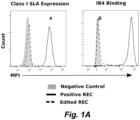
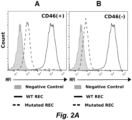
- Phenotypic analysis The phenotype-specific mutational efficiency was analyzed by measuring expression of the pig CD46. Cells were stained with Anti-CD46 Antibody (clone 6D8/8, FITC) (Lifespan Biosciences, Seattle, WA) to examine gene expression function. Unlabeled cells were used as a negative control. Flow cytometric data were collected on a BD FACS Aria II, analysis was performed with FlowJo version 10 (Treestar Inc, Ashland, OR).
- Sequence analysis Nucleotide sequences were analyzed using Geneious 11.0.4. Overlapping forward and reverse sequence fragments assembled the complete coding sequence of each allele. Multiple sequence alignment was created for each locus. Sequences were confirmed by using NCBI Reference Sequence: NM_213888.1.
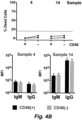
- Complement-mediated cytotoxicity In a 96-well V-bottom assay plate, 100 ⁇ l of serially diluted heat inactivated human serums from thirteen kidney transplant waiting list patients was mixed with a 100 ⁇ l aliquot of RECs from parental, Pig CD46KO. Human sera treated with or without the IgM disrupting agent dithiothreitol (DTT) (2.5mM in final) for 30 min at 37 °C. The final concentration of RECs in each well was 1 x 10 6 /ml and serum concentration varied by dilution (100, 50, 25, 12.5, 6.25, 3.125 %). The assay was incubated for 30 min at 4 °C.
- DTT IgM disrupting agent dithiothreitol
- Antibody binding 2 x 10 5 RECs of each group were incubated with 25% heat inactivated human sera from thirteen kidney transplant waiting list patients for 30 min at 4 °C. Samples were then washed three times with Hank's Buffered Salt Solution (HBSS). Human IgG and IgM were detected individually with antihuman secondary antibodies conjugated to Alexa Fluor 488 (Jackson ImmunoResearch Laboratories Inc., West Grove, PA, USA) for 30 min at 4 °C. PBMCs were washed three times in HBSS. Fluorescence detection was performed using an Accuri C6 flow cytometer (Accuri, Ann Arbor, MI, USA). Analysis of the data was performed with FlowJo version 10 (Treestar Inc., Ashland, OR, USA).
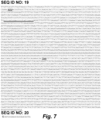
- Fig. 7 Shown in Fig. 7 is the nucleotide sequence (SEQ ID NO: 19) having the Accession Number XM_003482667.3 and which is an mRNA nucleotide sequence encoding a porcine CD46-like complement inhibitor.
- An advantageous gRNA sequence is hybridizing to the sequence of SEQ ID NO: 19 is given by SEQ ID NO: 20 ( Fig. 7 )
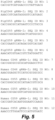
- Fig. 8 Shown in Fig. 8 is an amino acid sequence alignment showing the similarities between the amino acid sequences human CD46 (SEQ ID NO: 21); porcine CD46 (SEQ ID NO: 22), and porcine CD46-like (SEQ ID NO: 23) complement inhibitors.
Landscapes
- Health & Medical Sciences (AREA)
- Life Sciences & Earth Sciences (AREA)
- Engineering & Computer Science (AREA)
- Biomedical Technology (AREA)
- Chemical & Material Sciences (AREA)
- Genetics & Genomics (AREA)
- Biotechnology (AREA)
- Organic Chemistry (AREA)
- Wood Science & Technology (AREA)
- Zoology (AREA)
- Bioinformatics & Cheminformatics (AREA)
- Urology & Nephrology (AREA)
- Molecular Biology (AREA)
- Immunology (AREA)
- Microbiology (AREA)
- Biochemistry (AREA)
- General Health & Medical Sciences (AREA)
- Cell Biology (AREA)
- Hematology (AREA)
- General Engineering & Computer Science (AREA)
- Physics & Mathematics (AREA)
- Pathology (AREA)
- Medicinal Chemistry (AREA)
- Food Science & Technology (AREA)
- Analytical Chemistry (AREA)
- General Physics & Mathematics (AREA)
- Proteomics, Peptides & Aminoacids (AREA)
- Vascular Medicine (AREA)
- Mycology (AREA)
- Biophysics (AREA)
- Plant Pathology (AREA)
- Micro-Organisms Or Cultivation Processes Thereof (AREA)
- Measuring Or Testing Involving Enzymes Or Micro-Organisms (AREA)
- Peptides Or Proteins (AREA)
Claims (15)
- Ein Verfahren zum Nachweisen von transplantatspenderorganreaktiven Antikörpern bei einem menschlichen Patienten, wobei das Verfahren die folgenden Schritte umfasst:(a) Reduzieren der Expression von mindestens einem Komplementinhibitor durch eine Population von Zellen, die von einem Kandidatentiertransplantatspenderorgan abstammen, durch genetisches Modifizieren der Population von Zellen, wobei das Transplantatspenderorgan ein Organ, Gewebe oder Zellen aus einem Tier zur Verwendung als Xenotransplantate ist;(b) In-Kontakt-bringen der Population von genetisch modifizierten Zellen mit einer Probe von Serum, die aus einem menschlichen Patienten isoliert wird, der wünscht, das Transplantatspenderorgan zu empfangen; und(c) Nachweisen einer Lyse der genetisch modifizierten Population von Zellen, wobei die Lyse angibt, ob der Patient, der wünscht, das Transplantatspenderorgan zu empfangen, spenderorganreaktive Antikörper exprimiert, und wobei die Lyse nachweisbar oder erhöht ist, wenn mit einer Population von Zellen verglichen, die von dem Organ abstammen und nicht genetisch modifiziert sind, um eine Reduzierung in mindestens einem exprimierten Komplementinhibitor aufzuweisen.
- Verfahren nach Anspruch 1, wobei das Tier ein Schwein ist.
- Verfahren nach Anspruch 2, wobei das Transplantatspenderorgan ein Gehirn, ein Herz, eine Lunge, ein Auge, ein Magen, ein Pankreas, Nieren, eine Leber, Intestina, einen Uterus, eine Blase, Haut, Haar, Nägel, Ohren, Drüsen, eine Nase, ein Mund, Lippen, eine Milz, Zahnfleisch, Zähne, eine Zunge, Speicheldrüsen, Tonsillen, ein Pharynx, ein Ösophagus, ein großes Intestinum, ein kleines Intestinum, ein Dünndarm, ein Rektum, ein Anus, eine Thyroiddrüse, eine Thymusdrüse, Knochen, Knorpel, Sehnen, Bänder, eine Nebennierenkapsel, Skelettmuskel, glatte Muskel, Blutgefäße, Blut, Rückenmark, eine Trachea, Ureter, eine Urethra, ein Hypothalamus, eine Hypophyse, ein Pylorus, Adrenaldrüsen, Ovarien, Ovidukte, eine Vagina, Brustdrüsen, Testikel, Samenblasen, ein Penis, eine Lymphe, Lymphknoten und Lymphgefäße ist/sind.
- Verfahren nach Anspruch 1 oder 2, wobei die Population von Zellen Spenderlymphozyten sind.
- Verfahren nach Anspruch 1 oder 2, wobei die Population von Zellen von einer Niere abstammt.
- Verfahren nach Anspruch 5, wobei die Population von Zellen renale Endothelzellen sind.
- Verfahren nach einem der Ansprüche 1-3, wobei Schritt (a) ferner Folgendes umfasst:(i) Erhalten einer Gewebeprobe von dem Organ; und(ii) Erzeugen einer Population von genetisch modifizierten organabstammenden Zellen, die ein inaktives Komplementinhibitorcodierungsgen umfassen, das durch Transfizieren der Zellen mit mindestens einem Expressionsvektor erzeugt wird, der eine Guide-RNA und CRISPR-Cas9 codiert, wobei die Guide-RNA für einen Komplementinhibitor spezifisch ist.
- Verfahren nach Anspruch 7, wobei das inaktive Komplementinhibitorcodierungsgen aus der Gruppe ausgewählt ist, die aus CD46-like, CD46, CD55 und CD59 besteht.
- Verfahren nach Anspruch 7, wobei der Komplementinhibitor CD46-like ist und durch eine Nukleotidsequenz codiert ist, die mindestens 90% Ähnlichkeit mit der Nukleotidsequenz von SEQ-ID-Nr.: 19 aufweist.
- Verfahren nach Anspruch 7, wobei der Komplementinhibitor CD46-like ist und eine Aminosäuresequenz aufweist, die mindestens 90 % der Aminosäuresequenz SEQ-ID-Nr.: 23 ähnlich ist.
- Verfahren nach Anspruch 7, wobei die Guide-RNA-Inaktivierung eines inaktiven Komplementinhibitorcodierungsgens eine Nukleotidsequenz umfasst, die aus der Gruppe ausgewählt ist, die aus SEQ-ID-Nr.: 1, SEQ-ID-Nr.: 3; SEQ-ID-Nr.: 5, SEQ-ID-Nr.: 7, SEQ-ID-Nr.: 9 und SEQ-ID-Nr.: 11 besteht, und eine Nukleotidsequenz komplementär zu einer Nukleotidsequenz umfasst, die aus der Gruppe ausgewählt ist, die aus SEQ-ID-Nr.: 2, SEQ-ID-Nr.: 4; SEQ-ID-Nr.: 6, SEQ-ID-Nr.: 8, SEQ-ID-Nr.: 10 und SEQ-ID-Nr.: 12 besteht.
- Verfahren nach Anspruch 10, wobei der Komplementinhibitor CD46-like ist und die Guide-RNA für CRISPR-Cas9-basierte Inaktivierung, hybridisierend unter physiologischen Bedingungen mit einer Sequenz von SEQ-ID-Nr.: 19, oder ein Komplement davon, eine Nukleotidsequenz von SEQ-ID-Nr.: 20 aufweist.
- Verfahren nach einem der Ansprüche 7-12, wobei CRISPR-Konstrukte, die von der Nukleaseaktivität eines mit einer synthetischen Guide-RNA gekoppelten Cas9-Proteins abhängen, multiplexiert werden.
- Verfahren nach Anspruch 7, wobei der Expressionsvektor Plasmid PX330 oder PX458 ist und das Expressionsplasmid Cas9 exprimiert, wenn das Plasmid in eine Säugerzelle transfiziert wird.
- Verfahren nach Anspruch 7, wobei der Expressionsvektor eine Nukleotidsequenz umfasst, die mindestens 85 % Ähnlichkeit mit einer Nukleotidsequenz aufweist, die aus der Gruppe ausgewählt ist, die aus SEQ-ID-Nr.: 13-18 besteht.
Applications Claiming Priority (2)
| Application Number | Priority Date | Filing Date | Title |
|---|---|---|---|
| US201962821641P | 2019-03-21 | 2019-03-21 | |
| PCT/US2020/023747 WO2020191255A1 (en) | 2019-03-21 | 2020-03-20 | Method for increasing cell susceptibility to complement-mediated lysis |
Publications (3)
| Publication Number | Publication Date |
|---|---|
| EP3942298A1 EP3942298A1 (de) | 2022-01-26 |
| EP3942298A4 EP3942298A4 (de) | 2022-12-21 |
| EP3942298B1 true EP3942298B1 (de) | 2025-05-07 |
Family
ID=72520522
Family Applications (1)
| Application Number | Title | Priority Date | Filing Date |
|---|---|---|---|
| EP20774343.6A Active EP3942298B1 (de) | 2019-03-21 | 2020-03-20 | Verfahren zur erhöhung der zellanfälligkeit für komplementvermittelte lyse |
Country Status (8)
| Country | Link |
|---|---|
| US (1) | US20210405065A1 (de) |
| EP (1) | EP3942298B1 (de) |
| JP (1) | JP7502805B2 (de) |
| KR (1) | KR102904018B1 (de) |
| CN (1) | CN114127560A (de) |
| AU (1) | AU2020241879A1 (de) |
| BR (1) | BR112021018557A2 (de) |
| WO (1) | WO2020191255A1 (de) |
Family Cites Families (9)
| Publication number | Priority date | Publication date | Assignee | Title |
|---|---|---|---|---|
| US6166288A (en) * | 1995-09-27 | 2000-12-26 | Nextran Inc. | Method of producing transgenic animals for xenotransplantation expressing both an enzyme masking or reducing the level of the gal epitope and a complement inhibitor |
| US5962239A (en) * | 1996-05-06 | 1999-10-05 | The University Of Virginia Patent Foundation | Method for detection of anti-HLA antibodies |
| JP5050198B2 (ja) * | 2006-09-05 | 2012-10-17 | 国立大学法人大阪大学 | ヒト補体制御因子発現遺伝子およびその利用 |
| US8628932B2 (en) * | 2007-07-03 | 2014-01-14 | One Lambda | Methods of detecting antibodies specific for denatured HLA antigens |
| ES2680636T3 (es) * | 2011-02-14 | 2018-09-10 | Revivicor Inc. | Cerdos genéticamente modificados para xenotrasplante de xenoinjertos vascularizados y derivados de los mismos |
| WO2014151763A1 (en) | 2013-03-14 | 2014-09-25 | The Board Of Trustees Of The Leland Stanford Junior University | Methods of detecting donor-specific antibodies and systems for practicing the same |
| CA2920293A1 (en) * | 2013-08-16 | 2015-02-19 | Alexion Pharmaceuticals, Inc. | Treatment of graft rejection by administering a complement inhibitor to an organ prior to transplant |
| EP3633371A1 (de) * | 2014-12-18 | 2020-04-08 | F. Hoffmann-La Roche AG | Assay und verfahren zur bestimmung cdc-entlockender antikörper |
| HUE055500T2 (hu) * | 2015-03-09 | 2021-11-29 | Sinai Health Sys | Eszközök és módszerek a sejtdivíciós loci használatára a sejtek szaporodásának szabályozására |
-
2020
- 2020-03-20 CN CN202080035345.4A patent/CN114127560A/zh active Pending
- 2020-03-20 AU AU2020241879A patent/AU2020241879A1/en active Pending
- 2020-03-20 EP EP20774343.6A patent/EP3942298B1/de active Active
- 2020-03-20 WO PCT/US2020/023747 patent/WO2020191255A1/en not_active Ceased
- 2020-03-20 BR BR112021018557A patent/BR112021018557A2/pt unknown
- 2020-03-20 JP JP2021556418A patent/JP7502805B2/ja active Active
- 2020-03-20 KR KR1020217033593A patent/KR102904018B1/ko active Active
-
2021
- 2021-09-20 US US17/479,453 patent/US20210405065A1/en active Pending
Also Published As
| Publication number | Publication date |
|---|---|
| US20210405065A1 (en) | 2021-12-30 |
| KR102904018B1 (ko) | 2025-12-26 |
| AU2020241879A1 (en) | 2021-11-04 |
| EP3942298A4 (de) | 2022-12-21 |
| EP3942298A1 (de) | 2022-01-26 |
| KR20220004973A (ko) | 2022-01-12 |
| CN114127560A (zh) | 2022-03-01 |
| JP7502805B2 (ja) | 2024-06-19 |
| CA3134654A1 (en) | 2020-09-24 |
| JP2022525474A (ja) | 2022-05-16 |
| WO2020191255A1 (en) | 2020-09-24 |
| BR112021018557A2 (pt) | 2021-11-30 |
Similar Documents
| Publication | Publication Date | Title |
|---|---|---|
| CN114176043B (zh) | 用于治疗疾病的遗传修饰的细胞、组织和器官 | |
| Cowley et al. | The mSin3A chromatin-modifying complex is essential for embryogenesis and T-cell development | |
| CN111344020A (zh) | 靶向非病毒dna插入 | |
| KR20190100200A (ko) | 동종이형 종양 세포 백신 | |
| JP2022113700A (ja) | CRISPR-Casゲノム編集に基づく、Fel d1ノックアウト並びに関連組成物及び方法 | |
| CN113801881B (zh) | 超级增强子基因序列在促进人b2m基因表达中的用途 | |
| KR20210005661A (ko) | 변형된 아미노펩티다제 n(anpep) 유전자를 갖는 병원체-내성 동물 | |
| CN115176020A (zh) | 具有一个或多个用于增强异种移植物存活和/或耐受性的经修饰基因的细胞、组织、器官和/或动物 | |
| KR20220103928A (ko) | 시험관 내 활성화 및 연쇄 살해 t 세포 집단의 확장 및 종양 세포 사멸 세포로 암 환자의 수동 면역화를 위한 조성물 및 방법 | |
| US12207629B2 (en) | Identification of porcine xenoantigens | |
| Kanatsu-Shinohara et al. | Production of transgenic rats via lentiviral transduction and xenogeneic transplantation of spermatogonial stem cells | |
| CN117795065A (zh) | 使用细胞穿透crispr-cas系统在原代免疫细胞中进行基因编辑 | |
| EP3942298B1 (de) | Verfahren zur erhöhung der zellanfälligkeit für komplementvermittelte lyse | |
| CA3134654C (en) | Method for increasing cell susceptibility to complement-mediated lysis | |
| Michalski et al. | Generation of a new frizzled 2 flox mouse model to clarify its role in development | |
| CN114958761B (zh) | 一种胃癌模型猪的构建方法及应用 | |
| CN114846155A (zh) | 体外受精中的hla i类分子和进一步的医学意义 | |
| CN116875613B (zh) | 一种人源化h2-d基因敲入小鼠模型的构建方法及其应用 | |
| US20260116936A1 (en) | Myostatin protein mutant and preparation method thereof | |
| WO2026080842A1 (en) | Enhanced t cells and methods and compositions for use or preparation thereof | |
| CN118922074A (zh) | 在其基因组中包含至少两种人类白细胞抗原(hla)i类等位基因的非人哺乳动物、制备此类哺乳动物的方法及其用途 | |
| CN121793843A (zh) | 经基因修饰的猪细胞、经基因修饰的猪及其产生方法 | |
| EA050294B1 (ru) | Безопасный локус | |
| Regev | Rapid CLIP dissociation from MHC II promotes an unusual antigen presentation pathway in autoimmunity | |
| HK40082059A (en) | Cells, tissues, organs, and/or animals having one or more modified genes for enhanced xenograft survival and/or tolerance |
Legal Events
| Date | Code | Title | Description |
|---|---|---|---|
| STAA | Information on the status of an ep patent application or granted ep patent |
Free format text: STATUS: THE INTERNATIONAL PUBLICATION HAS BEEN MADE |
|
| PUAI | Public reference made under article 153(3) epc to a published international application that has entered the european phase |
Free format text: ORIGINAL CODE: 0009012 |
|
| STAA | Information on the status of an ep patent application or granted ep patent |
Free format text: STATUS: REQUEST FOR EXAMINATION WAS MADE |
|
| 17P | Request for examination filed |
Effective date: 20211005 |
|
| AK | Designated contracting states |
Kind code of ref document: A1 Designated state(s): AL AT BE BG CH CY CZ DE DK EE ES FI FR GB GR HR HU IE IS IT LI LT LU LV MC MK MT NL NO PL PT RO RS SE SI SK SM TR |
|
| DAV | Request for validation of the european patent (deleted) | ||
| DAX | Request for extension of the european patent (deleted) | ||
| A4 | Supplementary search report drawn up and despatched |
Effective date: 20221118 |
|
| RIC1 | Information provided on ipc code assigned before grant |
Ipc: G01N 33/68 20060101ALI20221114BHEP Ipc: G01N 33/53 20060101AFI20221114BHEP |
|
| P01 | Opt-out of the competence of the unified patent court (upc) registered |
Effective date: 20230512 |
|
| STAA | Information on the status of an ep patent application or granted ep patent |
Free format text: STATUS: EXAMINATION IS IN PROGRESS |
|
| 17Q | First examination report despatched |
Effective date: 20230818 |
|
| GRAP | Despatch of communication of intention to grant a patent |
Free format text: ORIGINAL CODE: EPIDOSNIGR1 |
|
| STAA | Information on the status of an ep patent application or granted ep patent |
Free format text: STATUS: GRANT OF PATENT IS INTENDED |
|
| INTG | Intention to grant announced |
Effective date: 20241112 |
|
| GRAS | Grant fee paid |
Free format text: ORIGINAL CODE: EPIDOSNIGR3 |
|
| GRAA | (expected) grant |
Free format text: ORIGINAL CODE: 0009210 |
|
| STAA | Information on the status of an ep patent application or granted ep patent |
Free format text: STATUS: THE PATENT HAS BEEN GRANTED |
|
| RAP3 | Party data changed (applicant data changed or rights of an application transferred) |
Owner name: THE UAB RESEARCH FOUNDATION |
|
| AK | Designated contracting states |
Kind code of ref document: B1 Designated state(s): AL AT BE BG CH CY CZ DE DK EE ES FI FR GB GR HR HU IE IS IT LI LT LU LV MC MK MT NL NO PL PT RO RS SE SI SK SM TR |
|
| REG | Reference to a national code |
Ref country code: GB Ref legal event code: FG4D |
|
| REG | Reference to a national code |
Ref country code: CH Ref legal event code: EP |
|
| REG | Reference to a national code |
Ref country code: DE Ref legal event code: R096 Ref document number: 602020050898 Country of ref document: DE |
|
| REG | Reference to a national code |
Ref country code: IE Ref legal event code: FG4D |
|
| REG | Reference to a national code |
Ref country code: NL Ref legal event code: FP |
|
| PG25 | Lapsed in a contracting state [announced via postgrant information from national office to epo] |
Ref country code: FI Free format text: LAPSE BECAUSE OF FAILURE TO SUBMIT A TRANSLATION OF THE DESCRIPTION OR TO PAY THE FEE WITHIN THE PRESCRIBED TIME-LIMIT Effective date: 20250507 Ref country code: ES Free format text: LAPSE BECAUSE OF FAILURE TO SUBMIT A TRANSLATION OF THE DESCRIPTION OR TO PAY THE FEE WITHIN THE PRESCRIBED TIME-LIMIT Effective date: 20250507 Ref country code: PT Free format text: LAPSE BECAUSE OF FAILURE TO SUBMIT A TRANSLATION OF THE DESCRIPTION OR TO PAY THE FEE WITHIN THE PRESCRIBED TIME-LIMIT Effective date: 20250908 |
|
| REG | Reference to a national code |
Ref country code: LT Ref legal event code: MG9D |
|
| PG25 | Lapsed in a contracting state [announced via postgrant information from national office to epo] |
Ref country code: NO Free format text: LAPSE BECAUSE OF FAILURE TO SUBMIT A TRANSLATION OF THE DESCRIPTION OR TO PAY THE FEE WITHIN THE PRESCRIBED TIME-LIMIT Effective date: 20250807 Ref country code: GR Free format text: LAPSE BECAUSE OF FAILURE TO SUBMIT A TRANSLATION OF THE DESCRIPTION OR TO PAY THE FEE WITHIN THE PRESCRIBED TIME-LIMIT Effective date: 20250808 |
|
| PG25 | Lapsed in a contracting state [announced via postgrant information from national office to epo] |
Ref country code: PL Free format text: LAPSE BECAUSE OF FAILURE TO SUBMIT A TRANSLATION OF THE DESCRIPTION OR TO PAY THE FEE WITHIN THE PRESCRIBED TIME-LIMIT Effective date: 20250507 |
|
| PG25 | Lapsed in a contracting state [announced via postgrant information from national office to epo] |
Ref country code: BG Free format text: LAPSE BECAUSE OF FAILURE TO SUBMIT A TRANSLATION OF THE DESCRIPTION OR TO PAY THE FEE WITHIN THE PRESCRIBED TIME-LIMIT Effective date: 20250507 |
|
| PG25 | Lapsed in a contracting state [announced via postgrant information from national office to epo] |
Ref country code: HR Free format text: LAPSE BECAUSE OF FAILURE TO SUBMIT A TRANSLATION OF THE DESCRIPTION OR TO PAY THE FEE WITHIN THE PRESCRIBED TIME-LIMIT Effective date: 20250507 |
|
| PG25 | Lapsed in a contracting state [announced via postgrant information from national office to epo] |
Ref country code: RS Free format text: LAPSE BECAUSE OF FAILURE TO SUBMIT A TRANSLATION OF THE DESCRIPTION OR TO PAY THE FEE WITHIN THE PRESCRIBED TIME-LIMIT Effective date: 20250807 |
|
| PG25 | Lapsed in a contracting state [announced via postgrant information from national office to epo] |
Ref country code: IS Free format text: LAPSE BECAUSE OF FAILURE TO SUBMIT A TRANSLATION OF THE DESCRIPTION OR TO PAY THE FEE WITHIN THE PRESCRIBED TIME-LIMIT Effective date: 20250907 |
|
| PG25 | Lapsed in a contracting state [announced via postgrant information from national office to epo] |
Ref country code: LV Free format text: LAPSE BECAUSE OF FAILURE TO SUBMIT A TRANSLATION OF THE DESCRIPTION OR TO PAY THE FEE WITHIN THE PRESCRIBED TIME-LIMIT Effective date: 20250507 |
|
| PG25 | Lapsed in a contracting state [announced via postgrant information from national office to epo] |
Ref country code: SM Free format text: LAPSE BECAUSE OF FAILURE TO SUBMIT A TRANSLATION OF THE DESCRIPTION OR TO PAY THE FEE WITHIN THE PRESCRIBED TIME-LIMIT Effective date: 20250507 Ref country code: DK Free format text: LAPSE BECAUSE OF FAILURE TO SUBMIT A TRANSLATION OF THE DESCRIPTION OR TO PAY THE FEE WITHIN THE PRESCRIBED TIME-LIMIT Effective date: 20250507 |
|
| PG25 | Lapsed in a contracting state [announced via postgrant information from national office to epo] |
Ref country code: CZ Free format text: LAPSE BECAUSE OF FAILURE TO SUBMIT A TRANSLATION OF THE DESCRIPTION OR TO PAY THE FEE WITHIN THE PRESCRIBED TIME-LIMIT Effective date: 20250507 |
|
| PG25 | Lapsed in a contracting state [announced via postgrant information from national office to epo] |
Ref country code: EE Free format text: LAPSE BECAUSE OF FAILURE TO SUBMIT A TRANSLATION OF THE DESCRIPTION OR TO PAY THE FEE WITHIN THE PRESCRIBED TIME-LIMIT Effective date: 20250507 |
|
| PG25 | Lapsed in a contracting state [announced via postgrant information from national office to epo] |
Ref country code: RO Free format text: LAPSE BECAUSE OF FAILURE TO SUBMIT A TRANSLATION OF THE DESCRIPTION OR TO PAY THE FEE WITHIN THE PRESCRIBED TIME-LIMIT Effective date: 20250507 Ref country code: SK Free format text: LAPSE BECAUSE OF FAILURE TO SUBMIT A TRANSLATION OF THE DESCRIPTION OR TO PAY THE FEE WITHIN THE PRESCRIBED TIME-LIMIT Effective date: 20250507 |
|
| PG25 | Lapsed in a contracting state [announced via postgrant information from national office to epo] |
Ref country code: IT Free format text: LAPSE BECAUSE OF FAILURE TO SUBMIT A TRANSLATION OF THE DESCRIPTION OR TO PAY THE FEE WITHIN THE PRESCRIBED TIME-LIMIT Effective date: 20250507 |
|
| REG | Reference to a national code |
Ref country code: DE Ref legal event code: R097 Ref document number: 602020050898 Country of ref document: DE |
|
| PLBE | No opposition filed within time limit |
Free format text: ORIGINAL CODE: 0009261 |
|
| STAA | Information on the status of an ep patent application or granted ep patent |
Free format text: STATUS: NO OPPOSITION FILED WITHIN TIME LIMIT |
|
| REG | Reference to a national code |
Ref country code: CH Ref legal event code: L10 Free format text: ST27 STATUS EVENT CODE: U-0-0-L10-L00 (AS PROVIDED BY THE NATIONAL OFFICE) Effective date: 20260318 |
|
| REG | Reference to a national code |
Ref country code: CH Ref legal event code: U11 Free format text: ST27 STATUS EVENT CODE: U-0-0-U10-U11 (AS PROVIDED BY THE NATIONAL OFFICE) Effective date: 20260401 |
|
| PGFP | Annual fee paid to national office [announced via postgrant information from national office to epo] |
Ref country code: GB Payment date: 20260327 Year of fee payment: 7 |
|
| PGFP | Annual fee paid to national office [announced via postgrant information from national office to epo] |
Ref country code: IE Payment date: 20260327 Year of fee payment: 7 Ref country code: DE Payment date: 20260327 Year of fee payment: 7 |
|
| PGFP | Annual fee paid to national office [announced via postgrant information from national office to epo] |
Ref country code: AT Payment date: 20260327 Year of fee payment: 7 |
|
| 26N | No opposition filed |
Effective date: 20260210 |
|
| PGFP | Annual fee paid to national office [announced via postgrant information from national office to epo] |
Ref country code: BE Payment date: 20260327 Year of fee payment: 7 |
|
| PGFP | Annual fee paid to national office [announced via postgrant information from national office to epo] |
Ref country code: NL Payment date: 20260326 Year of fee payment: 7 |
|
| PGFP | Annual fee paid to national office [announced via postgrant information from national office to epo] |
Ref country code: FR Payment date: 20260325 Year of fee payment: 7 |