EP3927365B1 - Cd80 extracellular domain-fc fusion proteins for treating pd-l1 negative tumors - Google Patents
Cd80 extracellular domain-fc fusion proteins for treating pd-l1 negative tumors Download PDFInfo
- Publication number
- EP3927365B1 EP3927365B1 EP20715521.9A EP20715521A EP3927365B1 EP 3927365 B1 EP3927365 B1 EP 3927365B1 EP 20715521 A EP20715521 A EP 20715521A EP 3927365 B1 EP3927365 B1 EP 3927365B1
- Authority
- EP
- European Patent Office
- Prior art keywords
- ecd
- human
- composition
- igg1
- domain
- Prior art date
- Legal status (The legal status is an assumption and is not a legal conclusion. Google has not performed a legal analysis and makes no representation as to the accuracy of the status listed.)
- Active
Links
Images






Classifications
-
- A—HUMAN NECESSITIES
- A61—MEDICAL OR VETERINARY SCIENCE; HYGIENE
- A61K—PREPARATIONS FOR MEDICAL, DENTAL OR TOILETRY PURPOSES
- A61K38/00—Medicinal preparations containing peptides
-
- A—HUMAN NECESSITIES
- A61—MEDICAL OR VETERINARY SCIENCE; HYGIENE
- A61K—PREPARATIONS FOR MEDICAL, DENTAL OR TOILETRY PURPOSES
- A61K38/00—Medicinal preparations containing peptides
- A61K38/16—Peptides having more than 20 amino acids; Gastrins; Somatostatins; Melanotropins; Derivatives thereof
- A61K38/17—Peptides having more than 20 amino acids; Gastrins; Somatostatins; Melanotropins; Derivatives thereof from animals; from humans
- A61K38/177—Receptors; Cell surface antigens; Cell surface determinants
- A61K38/1774—Immunoglobulin superfamily (e.g. CD2, CD4, CD8, ICAM molecules, B7 molecules, Fc-receptors, MHC-molecules)
-
- A—HUMAN NECESSITIES
- A61—MEDICAL OR VETERINARY SCIENCE; HYGIENE
- A61K—PREPARATIONS FOR MEDICAL, DENTAL OR TOILETRY PURPOSES
- A61K38/00—Medicinal preparations containing peptides
- A61K38/16—Peptides having more than 20 amino acids; Gastrins; Somatostatins; Melanotropins; Derivatives thereof
- A61K38/17—Peptides having more than 20 amino acids; Gastrins; Somatostatins; Melanotropins; Derivatives thereof from animals; from humans
- A61K38/177—Receptors; Cell surface antigens; Cell surface determinants
-
- A—HUMAN NECESSITIES
- A61—MEDICAL OR VETERINARY SCIENCE; HYGIENE
- A61P—SPECIFIC THERAPEUTIC ACTIVITY OF CHEMICAL COMPOUNDS OR MEDICINAL PREPARATIONS
- A61P35/00—Antineoplastic agents
-
- C—CHEMISTRY; METALLURGY
- C07—ORGANIC CHEMISTRY
- C07K—PEPTIDES
- C07K14/00—Peptides having more than 20 amino acids; Gastrins; Somatostatins; Melanotropins; Derivatives thereof
- C07K14/435—Peptides having more than 20 amino acids; Gastrins; Somatostatins; Melanotropins; Derivatives thereof from animals; from humans
- C07K14/705—Receptors; Cell surface antigens; Cell surface determinants
- C07K14/70503—Immunoglobulin superfamily
- C07K14/70532—B7 molecules, e.g. CD80, CD86
-
- C—CHEMISTRY; METALLURGY
- C12—BIOCHEMISTRY; BEER; SPIRITS; WINE; VINEGAR; MICROBIOLOGY; ENZYMOLOGY; MUTATION OR GENETIC ENGINEERING
- C12Q—MEASURING OR TESTING PROCESSES INVOLVING ENZYMES, NUCLEIC ACIDS OR MICROORGANISMS; COMPOSITIONS OR TEST PAPERS THEREFOR; PROCESSES OF PREPARING SUCH COMPOSITIONS; CONDITION-RESPONSIVE CONTROL IN MICROBIOLOGICAL OR ENZYMOLOGICAL PROCESSES
- C12Q1/00—Measuring or testing processes involving enzymes, nucleic acids or microorganisms; Compositions therefor; Processes of preparing such compositions
- C12Q1/68—Measuring or testing processes involving enzymes, nucleic acids or microorganisms; Compositions therefor; Processes of preparing such compositions involving nucleic acids
- C12Q1/6876—Nucleic acid products used in the analysis of nucleic acids, e.g. primers or probes
- C12Q1/6883—Nucleic acid products used in the analysis of nucleic acids, e.g. primers or probes for diseases caused by alterations of genetic material
- C12Q1/6886—Nucleic acid products used in the analysis of nucleic acids, e.g. primers or probes for diseases caused by alterations of genetic material for cancer
-
- G—PHYSICS
- G01—MEASURING; TESTING
- G01N—INVESTIGATING OR ANALYSING MATERIALS BY DETERMINING THEIR CHEMICAL OR PHYSICAL PROPERTIES
- G01N33/00—Investigating or analysing materials by specific methods not covered by groups G01N1/00 - G01N31/00
- G01N33/48—Biological material, e.g. blood, urine; Haemocytometers
- G01N33/50—Chemical analysis of biological material, e.g. blood, urine; Testing involving biospecific ligand binding methods; Immunological testing
- G01N33/53—Immunoassay; Biospecific binding assay; Materials therefor
- G01N33/575—Immunoassay; Biospecific binding assay; Materials therefor for cancer
- G01N33/5758—Immunoassay; Biospecific binding assay; Materials therefor for cancer involving compounds serving as markers for tumours, cancers or neoplasias, e.g. cellular determinants, receptors, heat shock/stress proteins, A-protein, oligosaccharides or metabolites
- G01N33/5759—Immunoassay; Biospecific binding assay; Materials therefor for cancer involving compounds serving as markers for tumours, cancers or neoplasias, e.g. cellular determinants, receptors, heat shock/stress proteins, A-protein, oligosaccharides or metabolites involving compounds localised on the membrane of tumour or cancer cells
-
- C—CHEMISTRY; METALLURGY
- C07—ORGANIC CHEMISTRY
- C07K—PEPTIDES
- C07K2319/00—Fusion polypeptide
- C07K2319/30—Non-immunoglobulin-derived peptide or protein having an immunoglobulin constant or Fc region, or a fragment thereof, attached thereto
-
- C—CHEMISTRY; METALLURGY
- C12—BIOCHEMISTRY; BEER; SPIRITS; WINE; VINEGAR; MICROBIOLOGY; ENZYMOLOGY; MUTATION OR GENETIC ENGINEERING
- C12Q—MEASURING OR TESTING PROCESSES INVOLVING ENZYMES, NUCLEIC ACIDS OR MICROORGANISMS; COMPOSITIONS OR TEST PAPERS THEREFOR; PROCESSES OF PREPARING SUCH COMPOSITIONS; CONDITION-RESPONSIVE CONTROL IN MICROBIOLOGICAL OR ENZYMOLOGICAL PROCESSES
- C12Q2600/00—Oligonucleotides characterized by their use
- C12Q2600/106—Pharmacogenomics, i.e. genetic variability in individual responses to drugs and drug metabolism
-
- C—CHEMISTRY; METALLURGY
- C12—BIOCHEMISTRY; BEER; SPIRITS; WINE; VINEGAR; MICROBIOLOGY; ENZYMOLOGY; MUTATION OR GENETIC ENGINEERING
- C12Q—MEASURING OR TESTING PROCESSES INVOLVING ENZYMES, NUCLEIC ACIDS OR MICROORGANISMS; COMPOSITIONS OR TEST PAPERS THEREFOR; PROCESSES OF PREPARING SUCH COMPOSITIONS; CONDITION-RESPONSIVE CONTROL IN MICROBIOLOGICAL OR ENZYMOLOGICAL PROCESSES
- C12Q2600/00—Oligonucleotides characterized by their use
- C12Q2600/158—Expression markers
-
- G—PHYSICS
- G01—MEASURING; TESTING
- G01N—INVESTIGATING OR ANALYSING MATERIALS BY DETERMINING THEIR CHEMICAL OR PHYSICAL PROPERTIES
- G01N2333/00—Assays involving biological materials from specific organisms or of a specific nature
- G01N2333/435—Assays involving biological materials from specific organisms or of a specific nature from animals; from humans
- G01N2333/705—Assays involving receptors, cell surface antigens or cell surface determinants
- G01N2333/70503—Immunoglobulin superfamily, e.g. VCAMs, PECAM, LFA-3
- G01N2333/70532—B7 molecules, e.g. CD80, CD86
-
- G—PHYSICS
- G01—MEASURING; TESTING
- G01N—INVESTIGATING OR ANALYSING MATERIALS BY DETERMINING THEIR CHEMICAL OR PHYSICAL PROPERTIES
- G01N2800/00—Detection or diagnosis of diseases
- G01N2800/52—Predicting or monitoring the response to treatment, e.g. for selection of therapy based on assay results in personalised medicine; Prognosis
Definitions
- fusion proteins comprising a human CD80 (B7-1) extracellular domain (ECD) and a human immunoglobulin G1 (IgG1) fragment crystallizable (Fc) domain are effective in treating tumors, regardless of the PD-L1 status. Accordingly, such fusion proteins can be used advantageously to treat PD-L1 negative tumors.
- PD-1 programmed cell death protein 1
- PD-L1 programmed cell death protein 1 ligand
- PD-L1 can also be expressed by antigen presenting cells in the tumor microenvironment. Both PD-1 and PD-L1 antagonists have been approved for the treatment of cancers.
- CD80 proteins could act therapeutically by antagonizing the inhibitory PD-L1/PD-1 pathway to drive potent anti-tumor immunity (Swanson et al., Cancer Research 78: Abstract 4550 (2016).) Indeed, CD80 extracellular domain (ECD)-Fc fusion proteins have been shown to elicit potent antitumor activity.
- PD-L1 is not expressed on all tumors.
- PD-L1 testing is required for the treatment of certain indications with inhibitors of PD-1 or PD-L1, such that tumors that do not express PD-L1 may not be eligible for the treatment.
- methods of treatment for PD-L1 negative tumors are needed, because PD-L1-negative cancers are difficult to treat; see for instance: Paz-Ares (2017); Annals Onc. 28(S2):ii50-ii51.
- fusion proteins comprising the extracellular domain (ECD) of human cluster of differentiation 80 (CD80) and the fragment crystallizable (Fc) domain of human immunoglobulin G 1 (IgG1) is mediated via CD28 and CTLA-4, but not via PD-L1. Therefore, these fusion proteins are surprisingly able to treat tumors, regardless of their PD-L1 status. Accordingly, provided herein are medical uses of compositions comprising fusion molecules comprising a human CD80 ECD and an Fc domain of human IgG1 for treating PD-L1 negative tumors.
- the present invention relates to a composition comprising CD80 ECD fusion molecules for use in the treatment of a PD-L1 negative tumor in a subject, wherein the CD80 ECD fusion molecules comprise a human CD80 ECD and a human IgG1 Fc domain.
- the tumor is a solid tumor.
- the subject is afflicted with colorectal cancer, breast cancer, gastric cancer, non-small cell lung cancer, melanoma, squamous cell carcinoma of the head and neck, ovarian cancer, pancreatic cancer, renal cell carcinoma, hepatocellular carcinoma, bladder cancer, or endometrial cancer.
- the subject is afflicted with a cancer that is recurrent or progressive after surgery, chemotherapy, radiation therapy, or a combination thereof.
- the composition comprises sialylated CD80 ECD fusion molecules.
- the sialylated CD80 ECD fusion molecules comprise 15-30 moles of sialic acid (SA) per mole of fusion protein.
- the Fc domain of human IgG1 is linked to the carboxy terminus of the human CD80 ECD.
- the CD80 ECD fusion molecules comprise the amino acid sequence of SEQ ID NO:5.
- the treatment comprises administration of 0.07 mg to 70 mg of the CD80 ECD fusion molecules. In preferred embodiments, the treatment comprises administration of 0.07 mg, 0.21 mg, 0.7 mg, 2.1 mg, 7 mg, 21 mg, 42 mg, or 70 mg of the CD80 ECD fusion molecules. In certain embodiments, the treatment comprises administration of the composition once every three weeks.
- the subject has not received prior therapy with a PD-1/PD-L1 antagonist. In other embodiments, the subject has received prior therapy with at least one anti-angiogenic agent.
- the anti-angiogenic agent is sunitinib, sorafenib, pazopanib, axitinib, tivozanib, ramucirumab, or bevacizumab.
- the subject is afflicted with a melanoma that has a BRAF mutation and has received prior therapy with at least one BRAF inhibitor.
- the BRAF inhibitor is vemurafenib or dabrafenib.
- the composition comprises 0.07 mg to 70 mg CD80 ECD fusion molecules comprising the amino acid sequence of SEQ ID NO:5.
- the CD80 ECD fusion molecules comprise 15-60 moles of SA per mole of fusion protein.
- fusion molecule refers to a molecule composed of two or more different molecules that do not occur together in nature being covalently or noncovalently joined to form a new molecule.
- fusion molecules may be comprised of a polypeptide and a polymer such as PEG, or of two different polypeptides.
- a “fusion protein” refers to a fusion molecule composed of two or more polypeptides that do not occur in a single molecule in nature.
- a " CD80 extracellular domain " or " CD80 ECD” refers to an extracellular domain polypeptide of CD80.
- a CD80 ECD can, for example, comprise, consist essentially of, or consist of the amino acid sequence set forth in SEQ ID NO: 1 or 2.
- a “ CD80 ECD fusion molecule " refers to a molecule comprising a CD80 ECD and a fusion partner. The fusion partner may be covalently attached, for example, to the N- or C- terminal of the CD80 ECD or at an internal location.
- a " CD80 ECD fusion protein is a CD80 ECD fusion molecule comprising a CD80 ECD and another polypeptide that is not naturally associated with the CD80 ECD, such as an Fc domain.
- a CD80 ECD fusion protein can, for example, comprise, consist essentially of, or consist of the amino acid sequence set forth in SEQ ID NO: 4 or 5.
- isolated refers to a molecule that has been separated from at least some of the components with which it is typically found in nature.
- a polypeptide is referred to as “isolated” when it is separated from at least some of the components of the cell in which it was produced.
- a polypeptide is secreted by a cell after expression, physically separating the supernatant containing the polypeptide from the cell that produced it is considered to be “isolating" the polypeptide.
- a polynucleotide is referred to as "isolated" when it is not part of the larger polynucleotide (such as, for example, genomic DNA or mitochondrial DNA, in the case of a DNA polynucleotide) in which it is typically found in nature, or is separated from at least some of the components of the cell in which it was produced, e.g., in the case of an RNA polynucleotide.
- a DNA polynucleotide that is contained in a vector inside a host cell may be referred to as “isolated” so long as that polynucleotide is not found in that vector in nature.
- subject and " patient” are used interchangeably herein to refer to a human.
- Medical uses for the treatment of other mammals including, but not limited to, rodents, simians, felines, canines, equines, bovines, porcines, ovines, caprines, mammalian laboratory animals, mammalian farm animals, mammalian sport animals, and mammalian pets, are also provided.
- cancer is used herein to refer to a group of cells that exhibit abnormally high levels of proliferation and growth.
- a cancer can be a solid tumor, for example, a colorectal cancer, breast cancer, gastric cancer, non-small cell lung cancer, small cell lung cancer, melanoma, squamous cell carcinoma of the head and neck, ovarian cancer, pancreatic cancer, renal cell carcinoma, hepatocellular carcinoma, bladder cancer, or endometrial cancer.
- treating refers to therapeutic measures that cure, slow down, lessen symptoms of, and/or halt progression of a pathologic condition or disorder.
- those in need of treatment include those already diagnosed with or suspected of having the disorder.
- a subject is successfully "treated” for cancer according to the medical uses of the present invention if the patient shows one or more of the following: a reduction in the number of or complete absence of cancer cells; a reduction in the tumor size; inhibition of or an absence of cancer cell infiltration into peripheral organs including, for example, the spread of cancer into soft tissue and bone; inhibition or an absence of tumor metastasis; inhibition or an absence of tumor growth; relief of one or more symptoms associated with the specific cancer; reduced morbidity and mortality; improvement in quality of life; reduction in tumorigenicity, tumorigenic frequency, or tumorigenic capacity, of a tumor; reduction in the number or frequency of cancer stem cells in a tumor; differentiation of tumorigenic cells to a non-tumorigenic state; increased progression-free survival (PFS), disease-free survival (DFS), overall survival (OS), complete response (CR), partial response (PR), stable disease (SD), a decrease in progressive disease (PD), a reduced time to progression (TTP), or any combination thereof.
- PFS progression-free survival
- DFS
- administer refers to methods that may be used to enable delivery of a drug, e.g., a CD80 ECD fusion protein to the desired site of biological action (e.g., intravenous administration).
- Administration techniques that can be employed with the agents and medical uses described herein are found in e.g., Goodman and Gilman, The Pharmacological Basis of Therapeutics, current edition, Pergamon ; and Remington's, Pharmaceutical Sciences, current edition, Mack Publishing Co., Easton, Pa .
- terapéuticaally effective amount refers to an amount of a drug, e.g., a CD80 ECD fusion protein, effective to treat a disease or disorder in a subject.
- the therapeutically effective amount of the drug can reduce the number of cancer cells; reduce the tumor size or burden; inhibit, to some extent, cancer cell infiltration into peripheral organs; inhibit, to some extent, tumor metastasis; inhibit, to some extent, tumor growth; relieve, to some extent, one or more of the symptoms associated with the cancer; and/or result in a favorable response such as increased progression-free survival (PFS), disease-free survival (DFS), overall survival (OS), complete response (CR), partial response (PR), or, in some cases, stable disease (SD), a decrease in progressive disease (PD), a reduced time to progression (TTP), or any combination thereof.
- PFS progression-free survival
- DFS disease-free survival
- OS overall survival
- CR complete response
- PR partial response
- SD stable disease
- SD stable disease
- PD progressive disease
- resistant or “ nonresponsive” when used in the context of treatment with a therapeutic agent, means that the subject shows decreased response or lack of response to a standard dose of the therapeutic agent, relative to the subject's response to the standard dose of the therapeutic agent in the past, or relative to the expected response of a similar subject with a similar disorder to the standard dose of the therapeutic agent.
- a subject may be resistant to a therapeutic agent although the subject has not previously been given the therapeutic agent, or the subject may develop resistance to the therapeutic agent after having responded to the agent on one or more previous occasions.
- a " refractory” cancer is one that progresses even though an anti-tumor treatment, such as a chemotherapy, is administered to the cancer patient.
- a " recurrent” cancer is one that has regrown, either at the initial site or at a distant site, after a response to initial therapy.
- programmed cell death 1 ligand 1 and "PD-L1” refer to one of two cell surface glycoprotein ligands for PD-1 (the other being PD-L2) that down regulate T-cell activation and cytokine secretion upon binding to PD-1.
- the term "PD-L1” as used herein includes human PD-L1 (hPD-L1), naturally occurring variants and isoforms of hPD-1, and species homologs of hPD-L1. A mature hPD-L1 sequence is provided as SEQ ID NO:6.
- PD-L1 negative tumor refers to a tumor that does not significantly express PD-L1 on the cell surface.
- the presence or absence of PD-L1 can be determined, for example, using immunohistochemistry, which can be quantitated using a tumor proportion score (TPS).
- TPS tumor proportion score
- a TPS (%) is equal to [Number of PD-L1-stained tumor cells/ total number of viable tumor cells] x 100. Accordingly, a PD-L1 negative tumor can be a tumor with a TPS score of less than 5% or less than 1%.
- PD-1/PD-L1 antagonist refers to a moiety that disrupts the PD-1/PD-L1 signaling pathway.
- the antagonist inhibits the PD-1/PD-L1 signaling pathway by binding to PD-1 and/or PD-L1.
- the PD-1/PD-L1 antagonist also binds to PD-L2.
- a PD-1/PD-L1 antagonist blocks binding of PD-1 to PD-L1 and optionally PD-L2.
- Nonlimiting exemplary PD-1/PD-L1 antagonists include PD-1 antagonists, such as antibodies that bind to PD-1 (e.g., nivolumab and pembrolizumab); PD-L1 antagonists, such as antibodies that bind to PD-L1 (e.g., atezolizumab, durvalumab and avelumab); fusion proteins, such as AMP-224; and peptides, such as AUR-012.
- PD-1 antagonists such as antibodies that bind to PD-1 (e.g., nivolumab and pembrolizumab)
- PD-L1 antagonists such as antibodies that bind to PD-L1 (e.g., atezolizumab, durvalumab and avelumab)
- fusion proteins such as AMP-224
- peptides such as AUR-012.
- an " anti-angiogenic agent” or " angiogenesis inhibitor” refers to an agent such as a small molecular weight substance, a polynucleotide (including, e.g ., an inhibitory RNA (RNAi or siRNA)), a polypeptide, an isolated protein, a recombinant protein, an antibody, or conjugates or fusion proteins thereof, that inhibits angiogenesis, vasculogenesis, or undesirable vascular permeability, either directly or indirectly.
- RNAi or siRNA inhibitory RNA
- an anti-angiogenic agent includes those agents that bind and block the angiogenic activity of the angiogenic factor or its receptor.
- an anti-angiogenic agent is an antibody to or other antagonist of an angiogenic agent, e.g ., antibodies to VEGF-A (e.g ., bevacizumab (Avastin ® )) or to the VEGF-A receptor (e.g., KDR receptor or Flt-1 receptor), anti-PDGFR inhibitors such as Gleevec ® (Imatinib Mesylate), small molecules that block VEGF receptor signaling (e.g ., PTK787/ZK2284, SU6668, Sutent ® /SU11248 (sunitinib malate), AMG706, or those described in, e.g.
- Anti-angiogensis agents also include native angiogenesis inhibitors, e.g. , angiostatin, endostatin, etc. See, e.g., Klagsbrun and D'Amore (1991) Annu. Rev. Physiol. 53:217-39 ; Streit and Detmar (2003) Oncogene 22:3172-3179 ( e.g ., Table 3 listing anti-angiogenic therapy in malignant melanoma); Ferrara & Alitalo (1999) Nature Medicine 5(12):1359-1364 ; Tonini et al.
- native angiogenesis inhibitors e.g., angiostatin, endostatin, etc. See, e.g., Klagsbrun and D'Amore (1991) Annu. Rev. Physiol. 53:217-39 ; Streit and Detmar (2003) Oncogene 22:3172-3179 ( e.g ., Table 3 listing anti-angiogenic therapy in malignant
- Oncogene 22:6549-6556 e.g ., Table 2 listing known anti-angiogenic factors
- Sato (2003) Int. J. Clin. Oncol. 8:200-206 e.g., Table 1 listing anti-angiogenic agents used in clinical trials
- Jayson (2016) Lancet 338(10043):518-529 e.g., Table 1 listing anti-angiogenic agents used in clinical trials
- composition refers to a preparation which is in such form as to permit the biological activity of the active ingredient to be effective, and which contains no additional components which are unacceptably toxic to a subject to which the formulation would be administered.
- the formulation can be sterile.
- a pharmaceutical composition may contain a " pharmaceutical carrier, " which refers to carrier that is nontoxic to recipients at the dosages and concentrations employed and is compatible with other ingredients of the formulation.
- the pharmaceutically acceptable carrier is appropriate for the formulation employed. For example, if the therapeutic agent is to be administered intravenously, the carrier ideally is not irritable to the skin and does not cause injection site reaction.
- compositions or medical uses provided herein can be combined with one or more of any of the other compositions and medical uses provided herein.
- CD80 ECD fusion proteins comprising a human CD80 ECD and a human IgG1 Fc domain
- exemplary CD80 ECD fusion proteins are provided, for example, in WO 2017/079117 .
- the CD80 ECD is a human CD80 ECD.
- the human CD80 ECD comprises, consists essentially of, or consists of the amino acid sequence set forth in SEQ ID NO:1.
- the Fc domain is a human IgG1 Fc domain.
- the human IgG1 Fc domain comprises, consists essentially of, or consists of the amino acid sequence set forth in SEQ ID NO:4.
- the human CD80 ECD and the human IgG1 Fc domain can be directly linked such that the N-terminal amino acid of the Fc domain immediately follows the C-terminal amino acid of the CD80 ECD.
- the human CD80 ECD and the human IgG1 Fc domain are translated as a single polypeptide from a coding sequence that encodes both the CD80 ECD and the Fc domain.
- the CD80 ECD Fc fusion protein comprises a human CD80 ECD and a human IgG1 Fc domain.
- the CD80 ECD IgG1 Fc fusion protein comprises, consists essentially of, or consists of the amino acid sequence set forth in SEQ ID NO:5.
- CD80 ECD Fc fusion proteins can, depending on how they are produced, have different levels of particular glycosylation modifications.
- a CD80 ECD Fc fusion protein can be sialylated and can have different amounts of sialic acid (SA) residues.
- SA sialic acid
- a CD80 ECD IgG1 Fc fusion protein (comprising a human CD80 ECD and a human IgG1 Fc domain, or comprising SEQ ID NO:5) comprises 10 to 60 molecules of SA.
- a CD80 ECD IgG1 Fc fusion protein (comprising a human CD80 ECD and a human IgG1 Fc domain, or comprising SEQ ID NO:5) comprises 15 to 60 molecules of SA.
- a CD80 ECD IgG1 Fc fusion protein (comprising a human CD80 ECD and a human IgG1 Fc domain, or comprising SEQ ID NO:5) comprises 10 to 40 molecules of SA.
- a CD80 ECD IgG1 Fc fusion protein (comprising a human CD80 ECD and a human IgG1 Fc domain, or comprising SEQ ID NO:5) comprises 15 to 30 molecules of SA.
- a CD80 ECD IgG1 Fc fusion protein (comprising a human CD80 ECD and a human IgG1 Fc domain, or comprising SEQ ID NO:5) comprises 15 to 25 molecules of SA.
- a CD80 ECD IgG1 Fc fusion protein (comprising a human CD80 ECD and a human IgG1 Fc domain, or comprising SEQ ID NO:5) comprises 20 to 40 molecules of SA.
- a CD80 ECD IgG1 Fc fusion protein (comprising a human CD80 ECD and a human IgG1 Fc domain, or comprising SEQ ID NO:5) comprises 20 to 30 molecules of SA.
- a CD80 ECD IgG1 Fc fusion protein (comprising a human CD80 ECD and a human IgG1 Fc domain, or comprising SEQ ID NO:5) comprises 30 to 40 molecules of SA.
- a CD80 ECD IgG1 Fc fusion protein (comprising a human CD80 ECD and a human IgG1 Fc domain, or comprising SEQ ID NO:5) comprises 10, 15, 20, 25, 30, 35, or 40 molecules of SA.
- a CD80 ECD IgG1 Fc fusion protein (comprising a human CD80 ECD and a human IgG1 Fc domain, or comprising SEQ ID NO:5) comprises at least 15 molecules of SA.
- a CD80 ECD IgG1 Fc fusion protein (comprising a human CD80 ECD and a human IgG1 Fc domain, or comprising SEQ ID NO:5) comprises at least 20 molecules of SA.
- a CD80 ECD IgG1 Fc fusion protein (comprising a human CD80 ECD and a human IgG1 Fc domain, or comprising SEQ ID NO:5) comprises at least 25 molecules of SA.
- a CD80 ECD IgG1 Fc fusion protein (comprising a human CD80 ECD and a human IgG1 Fc domain, or comprising SEQ ID NO:5) comprises at least 30 molecules of SA.
- a CD80 ECD IgG1 Fc fusion protein (comprising a human CD80 ECD and a human IgG1 Fc domain, or comprising SEQ ID NO:5) comprises at least 35 molecules of SA.
- a CD80 ECD IgG1 Fc fusion protein (comprising a human CD80 ECD and a human IgG1 Fc domain, or comprising SEQ ID NO:5) comprises at least 40 molecules of SA.
- compositions Comprising CD80 Extracellular Domain Fc Fusion Proteins
- compositions comprising CD80 ECD IgG1 Fc fusion proteins, e.g. having the desired degree of purity in a physiologically acceptable carrier, excipient, or stabilizer
- a physiologically acceptable carrier excipient, or stabilizer
- Acceptable carriers, excipients, or stabilizers are nontoxic to recipients at the dosages and concentrations employed. (See, e.g., Gennaro, Remington: The Science and Practice of Pharmacy with Facts and Comparisons: Drugfacts Plus, 20th ed.
- compositions to be used for in vivo administration can be sterile. This is readily accomplished by filtration through, e.g., sterile filtration membranes.
- a pharmaceutical composition comprising a CD80 ECD IgG1 Fc fusion protein (comprising a human CD80 ECD and a human IgG1 Fc domain, or comprising SEQ ID NO:5) is formulated for intravenous administration.
- a CD80 ECD IgG1 Fc fusion protein comprising a human CD80 ECD and a human IgG1 Fc domain, or comprising SEQ ID NO:5
- a pharmaceutical composition comprising a CD80 ECD IgG1 Fc fusion protein (comprising a human CD80 ECD and a human IgG1 Fc domain, or comprising SEQ ID NO:5) is formulated for intravenous administration.
- a pharmaceutical composition comprises 70 mg of a CD80 ECD IgG1 Fc fusion protein (comprising a human CD80 ECD and a human IgG1 Fc domain, or comprising SEQ ID NO:5). In certain aspects, a pharmaceutical composition comprises 42 mg of a CD80 ECD IgG1 Fc fusion protein (comprising a human CD80 ECD and a human IgG1 Fc domain, or comprising SEQ ID NO:5). In certain aspects, a pharmaceutical composition comprises 21 mg of a CD80 ECD IgG1 Fc fusion protein (comprising a human CD80 ECD and a human IgG1 Fc domain, or comprising SEQ ID NO:5).
- a pharmaceutical composition comprises 7 mg of a CD80 ECD IgG1 Fc fusion protein (comprising a human CD80 ECD and a human IgG1 Fc domain, or comprising SEQ ID NO:5). In certain aspects, a pharmaceutical composition comprises 2.1 mg of a CD80 ECD IgG1 Fc fusion protein (comprising a human CD80 ECD and a human IgG1 Fc domain, or comprising SEQ ID NO:5). In certain aspects, a pharmaceutical composition comprises 0.7 mg of a CD80 ECD IgG1 Fc fusion protein (comprising a human CD80 ECD and a human IgG1 Fc domain, or comprising SEQ ID NO:5).
- a pharmaceutical composition comprises 0.21 mg of a CD80 ECD IgG1 Fc fusion protein (comprising a human CD80 ECD and a human IgG1 Fc domain, or comprising SEQ ID NO:5). In certain aspects, a pharmaceutical composition comprises 0.07 mg of a CD80 ECD IgG1 Fc fusion protein (comprising a human CD80 ECD and a human IgG1 Fc domain, or comprising SEQ ID NO:5).
- a pharmaceutical composition comprises 0.07 to 70 mg of a CD80 ECD IgG1 Fc fusion protein (comprising a human CD80 ECD and a human IgG1 Fc domain, or comprising SEQ ID NO:5). In certain aspects, a pharmaceutical composition comprises 7 to 70 mg of a CD80 ECD IgG1 Fc fusion protein (comprising a human CD80 ECD and a human IgG1 Fc domain, or comprising SEQ ID NO:5).
- a pharmaceutical composition comprises CD80 ECD IgG1 Fc fusion proteins (comprising a human CD80 ECD and a human IgG1 Fc domain, or comprising SEQ ID NO:5) comprising 10 to 60 moles of SA per mole CD80 ECD IgG1 Fc fusion protein.
- a pharmaceutical composition comprises CD80 ECD IgG1 Fc fusion proteins (comprising a human CD80 ECD and a human IgG1 Fc domain, or comprising SEQ ID NO:5) comprising 15 to 60 moles of SA per mole CD80 ECD IgG1 Fc fusion protein.
- a pharmaceutical composition comprises CD80 ECD IgG1 Fc fusion proteins (comprising a human CD80 ECD and a human IgG1 Fc domain, or comprising SEQ ID NO:5) comprising 10 to 40 moles of SA per mole CD80 ECD IgG1 Fc fusion protein.
- a pharmaceutical composition comprises CD80 ECD IgG1 Fc fusion proteins (comprising a human CD80 ECD and a human IgG1 Fc domain, or comprising SEQ ID NO:5) comprising 15 to 30 moles of SA per mole CD80 ECD IgG1 Fc fusion protein.
- a pharmaceutical composition comprises CD80 ECD IgG1 Fc fusion proteins (comprising a human CD80 ECD and a human IgG1 Fc domain, or comprising SEQ ID NO:5) comprising 15 to 25 moles of SA per mole CD80 ECD IgG1 Fc fusion protein.
- a pharmaceutical composition comprises CD80 ECD IgG1 Fc fusion proteins (comprising a human CD80 ECD and a human IgG1 Fc domain, or comprising SEQ ID NO:5) comprising 20 to 40 moles of SA per mole CD80 ECD IgG1 Fc fusion protein.
- a pharmaceutical composition comprises CD80 ECD IgG1 Fc fusion proteins (comprising a human CD80 ECD and a human IgG1 Fc domain, or comprising SEQ ID NO:5) comprising 20 to 30 moles of SA per mole CD80 ECD IgG1 Fc fusion protein.
- a pharmaceutical composition comprises CD80 ECD IgG1 Fc fusion proteins (comprising a human CD80 ECD and a human IgG1 Fc domain, or comprising SEQ ID NO:5) comprising 30 to 40 moles of SA per mole CD80 ECD IgG1 Fc fusion protein.
- a pharmaceutical composition comprises CD80 ECD IgG1 Fc fusion proteins (comprising a human CD80 ECD and a human IgG1 Fc domain, or comprising SEQ ID NO:5) comprising 10, 15, 20, 25, 30, 35, or 40 moles of SA per mole CD80 ECD IgG1 Fc fusion protein.
- a pharmaceutical composition comprises CD80 ECD IgG1 Fc fusion proteins (comprising a human CD80 ECD and a human IgG1 Fc domain, or comprising SEQ ID NO:5) comprising at least 15 moles of SA per mole CD80 ECD IgG1 Fc fusion protein.
- a pharmaceutical composition comprises CD80 ECD IgG1 Fc fusion proteins (comprising a human CD80 ECD and a human IgG1 Fc domain, or comprising SEQ ID NO:5) comprising at least 20 moles of SA per mole CD80 ECD IgG1 Fc fusion protein.
- a pharmaceutical composition comprises CD80 ECD IgG1 Fc fusion proteins (comprising a human CD80 ECD and a human IgG1 Fc domain, or comprising SEQ ID NO:5) comprising at least 25 moles of SA per mole CD80 ECD IgG1 Fc fusion protein.
- a pharmaceutical composition comprises CD80 ECD IgG1 Fc fusion proteins (comprising a human CD80 ECD and a human IgG1 Fc domain, or comprising SEQ ID NO:5) comprising at least 30 moles of SA per mole CD80 ECD IgG1 Fc fusion protein.
- a pharmaceutical composition comprises CD80 ECD IgG1 Fc fusion proteins (comprising a human CD80 ECD and a human IgG1 Fc domain, or comprising SEQ ID NO:5) comprising at least 35 moles of SA per mole CD80 ECD IgG1 Fc fusion protein.
- a pharmaceutical composition comprises CD80 ECD IgG1 Fc fusion proteins (comprising a human CD80 ECD and a human IgG1 Fc domain, or comprising SEQ ID NO:5) comprising at least 40 moles of SA per mole CD80 ECD IgG1 Fc fusion protein.
- a PD-L1 negative tumor e.g., in a human
- a composition comprising CD80 ECD IgG1 Fc fusion proteins comprising the extracellular domain of human CD80 and the Fc domain of human IgG1.
- the CD80 ECD IgG1 Fc fusion protein comprises the sequence of SEQ ID NO:5.
- a tumor can be identified as a PD-L1 negative tumor by subjecting a tumor sample to Western blot, fluorescence-activated cell sorting (FACS), or immunohistochemistry (IHC) using such an agent.
- FACS fluorescence-activated cell sorting
- IHC immunohistochemistry
- IHC can be used to quantitate the amount of PD-L1 in a tumor sample, using for example, a tumor proportion score (TPS).
- TPS tumor proportion score
- a TPS (%) is equal to [Number of PD-L1-stained tumor cells/ total number of viable tumor cells] x 100.
- a PD-L1 negative tumor can be a tumor with a TPS score of less than 5%.
- a PD-L1 negative tumor can be a tumor with a TPS score of less than 1%.
- a tumor can be identified as a PD-L1 negative tumor by subjecting a tumor sample to quantitative reverse transcriptase (RT)-polymerase chain reaction (PCR), RNA-Seq, or microarray.
- RT quantitative reverse transcriptase
- PCR polymerase chain reaction
- RNA-Seq microarray
- a medical use for treating a PD-L1 negative tumor in a patient comprises administering to the patient about 70 mg of a CD80 ECD fusion protein comprising a human CD80 ECD and a human IgG1 Fc domain (e.g., comprising the amino acid sequence set forth in SEQ ID NO:5) e.g., once every three weeks.
- a medical use for treating a PD-L1 negative tumor in a patient comprises administering to the patient about 42 mg of a CD80 ECD fusion protein comprising a human CD80 ECD and a human IgG1 Fc domain (e.g., comprising the amino acid sequence set forth in SEQ ID NO:5) e.g., once every three weeks.
- a medical use for treating a PD-L1 negative tumor in a patient comprises administering to the patient about 21 mg of a CD80 ECD fusion protein comprising a human CD80 ECD and a human IgG1 Fc domain (e.g., comprising the amino acid sequence set forth in SEQ ID NO:5) e.g., once every three weeks.
- a medical use for treating a PD-L1 negative tumor in a patient comprises administering to the patient about 7 mg of a CD80 ECD fusion protein comprising a human CD80 ECD and a human IgG1 Fc domain (e.g., comprising the amino acid sequence set forth in SEQ ID NO:5) e.g., once every three weeks.
- a medical use for treating a PD-L1 negative tumor in a patient comprises administering to the patient about 2.1 mg of a CD80 ECD fusion protein comprising a human CD80 ECD and a human IgG1 Fc domain (e.g., comprising the amino acid sequence set forth in SEQ ID NO:5) e.g., once every three weeks.
- a medical use for treating a PD-L1 negative tumor in a patient comprises administering to the patient about 0.7 mg of a CD80 ECD fusion protein comprising a human CD80 ECD and a human IgG1 Fc domain (e.g., comprising the amino acid sequence set forth in SEQ ID NO:5) e.g., once every three weeks.
- a medical use for treating a PD-L1 negative tumor in a patient comprises administering to the patient about 0.21 mg of a CD80 ECD fusion protein comprising a human CD80 ECD and a human IgG1 Fc domain (e.g., comprising the amino acid sequence set forth in SEQ ID NO:5) e.g., once every three weeks.
- a medical use for treating a PD-L1 negative tumor in a patient comprises administering to the patient about 0.07 mg of a CD80 ECD fusion protein comprising a human CD80 ECD and a human IgG1 Fc domain (e.g., comprising the amino acid sequence set forth in SEQ ID NO:5) e.g., once every three weeks.
- a medical use for treating a PD-L1 negative tumor in a patient comprises administering to the patient 70 mg of a CD80 ECD fusion protein comprising a human CD80 ECD and a human IgG1 Fc domain (e.g., comprising the amino acid sequence set forth in SEQ ID NO:5) e.g., once every three weeks.
- a medical use for treating a PD-L1 negative tumor in a patient comprises administering to the patient 42 mg of a CD80 ECD fusion protein comprising a human CD80 ECD and a human IgG1 Fc domain (e.g., comprising the amino acid sequence set forth in SEQ ID NO:5) e.g., once every three weeks.
- a medical use for treating a PD-L1 negative tumor in a patient comprises administering to the patient 21 mg of a CD80 ECD fusion protein comprising a human CD80 ECD and a human IgG1 Fc domain (e.g., comprising the amino acid sequence set forth in SEQ ID NO:5) e.g., once every three weeks.
- a medical use for treating a PD-L1 negative tumor in a patient comprises administering to the patient 7 mg of a CD80 ECD fusion protein comprising a human CD80 ECD and a human IgG1 Fc domain (e.g., comprising the amino acid sequence set forth in SEQ ID NO:5) e.g., once every three weeks.
- a medical use for treating a PD-L1 negative tumor in a patient comprises administering to the patient 2.1 mg of a CD80 ECD fusion protein comprising a human CD80 ECD and a human IgG1 Fc domain (e.g., comprising the amino acid sequence set forth in SEQ ID NO:5) e.g., once every three weeks.
- a medical use for treating a PD-L1 negative tumor in a patient comprises administering to the patient 0.7 mg of a CD80 ECD fusion protein comprising a human CD80 ECD and a human IgG1 Fc domain (e.g., comprising the amino acid sequence set forth in SEQ ID NO:5) e.g., once every three weeks.
- a medical use for treating a PD-L1 negative tumor in a patient comprises administering to the patient 0.21 mg of a CD80 ECD fusion protein comprising a human CD80 ECD and a human IgG1 Fc domain (e.g., comprising the amino acid sequence set forth in SEQ ID NO:5) e.g., once every three weeks.
- a medical use for treating a PD-L1 negative tumor in a patient comprises administering to the patient 0.07 mg of a CD80 ECD fusion protein comprising a human CD80 ECD and a human IgG1 Fc domain (e.g., comprising the amino acid sequence set forth in SEQ ID NO:5) e.g., once every three weeks.
- a medical use for treating a PD-L1 negative tumor in a patient comprises administering to the patient about 0.07 mg to about 70 mg of a CD80 ECD fusion protein comprising a human CD80 ECD and a human IgG1 Fc domain (e.g., comprising the amino acid sequence set forth in SEQ ID NO:5) e.g., once every three weeks.
- a CD80 ECD fusion protein comprising a human CD80 ECD and a human IgG1 Fc domain (e.g., comprising the amino acid sequence set forth in SEQ ID NO:5) e.g., once every three weeks.
- a medical use for treating a PD-L1 negative tumor in a patient comprises administering to the patient about 7 mg to about 70 mg of a CD80 ECD fusion protein comprising a human CD80 ECD and a human IgG1 Fc domain (e.g., comprising the amino acid sequence set forth in SEQ ID NO:5) e.g., once every three weeks.
- a CD80 ECD fusion protein comprising a human CD80 ECD and a human IgG1 Fc domain (e.g., comprising the amino acid sequence set forth in SEQ ID NO:5) e.g., once every three weeks.
- a CD80 ECD fusion protein comprising a human CD80 ECD and a human IgG1 Fc domain (e.g., comprising the amino acid sequence set forth in SEQ ID NO:5) can be administered intravenously.
- the PD-L1 negative tumor can be, for example a solid tumor, including e.g., an advanced or metastatic solid tumor.
- the PD-L1 negative tumor is not a primary central nervous system tumor.
- the PD-L1 negative tumor is a renal cell carcinoma.
- the PD-L1 negative tumor is a melanoma.
- the PD-L1 negative tumor is a colorectal cancer, breast cancer, gastric cancer, non-small cell lung cancer, small cell lung cancer, melanoma, squamous cell carcinoma of the head and neck, ovarian cancer, pancreatic cancer, renal cell carcinoma, hepatocellular carcinoma, bladder cancer, or endometrial cancer.
- the patient to be treated according to the medical uses provided herein may have received prior therapy with at least one PD-1/PD-L1 antagonist selected from a PD-1 antagonist and a PD-L1 antagonist.
- the PD-1/PD-L1 antagonist can be, for example, nivolumab, pembrolizumab, atezolizumab, durvalumab, or avelumab.
- the PD-1/ PDL-1 antagonist may have been administered in an advanced or metastatic setting.
- the tumor is non-responsive to such treatment or recurrent during or after such treatment.
- the patient to be treated according to the medical uses provided herein has not received prior therapy with a PD-1/PDL-1 antagonist.
- the patient to be treated according to the medical uses provided herein may have received prior therapy with an anti-angiogenic agent.
- the anti-angiogenic agent can be, for example, sunitinib, sorafenib, pazopanib, axitinib, tivozanib, ramucirumab, or bevacizumab.
- the anti-angiogenic agent may have been administered in an advanced or metastatic setting.
- the patient to be treated according to the medical uses provided herein may have a BRAF mutation.
- the patient may have received prior therapy with a BRAF inhibitor.
- the BRAF inhibitor can be, for example, vemurafenib and dabrafenib.
- the BRAF inhibitor may have been administered in an advanced or metastatic setting.
- the tumor to be treated according to the medical uses provided herein can be recurrent or progressive after a therapy selected from surgery, chemotherapy, radiation therapy, and a combination thereof.
- the tumor to be treated according to the medical uses provided herein can be resistant or non-responsive to a PD-1/PD-L1 antagonist, such as nivolumab, pembrolizumab, atezolizumab, durvalumab, or avelumab.
- a PD-1/PD-L1 antagonist such as nivolumab, pembrolizumab, atezolizumab, durvalumab, or avelumab.
- the tumor to be treated according to the medical uses provided herein can be resistant or non-responsive to an anti-angiogenic agent, such as sunitinib, sorafenib, pazopanib, axitinib, tivozanib, ramucirumab, or bevacizumab.
- a BRAF inhibitor such as vemurafenib or dabrafenib.
- the tumor to be treated according to the medical uses provided herein can be refractory to a PD-1/PD-L1 antagonist, such as nivolumab, pembrolizumab, atezolizumab, durvalumab, or avelumab.
- the tumor to be treated according to the medical uses provided herein can be refractory to an anti-angiogenic agent, such as sunitinib, sorafenib, pazopanib, axitinib, tivozanib, ramucirumab, or bevacizumab.
- the tumor to be treated according to the medical uses provided herein can be refractory to a BRAF inhibitor, such as vemurafenib or dabrafenib.
- the tumor to be treated according to the medical uses provided herein can be recurrent after treatment with a PD-1/PD-L1 antagonist, such as nivolumab, pembrolizumab, atezolizumab, durvalumab, or avelumab.
- a PD-1/PD-L1 antagonist such as nivolumab, pembrolizumab, atezolizumab, durvalumab, or avelumab.
- the tumor to be treated according to the medical uses provided herein can be recurrent after treatment with an anti-angiogenic agent, such as sunitinib, sorafenib, pazopanib, axitinib, tivozanib, ramucirumab, or bevacizumab.
- a BRAF inhibitor such as vemurafenib or dabrafenib.
- mice surrogate fusion protein comprising the extracellular domain (ECD) of murine CD80 linked to the Fc domain of mouse IgG2a wild type (mCD80-Fc) engages CD80 ligands.
- Mouse splenocytes were prepared from adult BALB/c and C56Bl/6 mice by methods known to those of ordinary skill in the art.
- the splenocytes (2-4 ⁇ 10 6 cells/mL) were pelleted by centrifugation and the media discarded.
- the mCD80-Fc was added at various concentrations (0-1000 ⁇ g/mL) and incubated for 40 minutes on ice.
- Paraformaldehyde (4%) was added to the splenocytes and incubated for 10 minutes at room temperature.
- the splenocytes were washed and pelleted by centrifugation, followed by addition of biotin-labeled anti-mouse IgG in FACS buffer and further incubation for 20 minutes at room temperature.
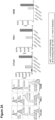
- FIG. 1A shows an example of the gating strategy used in this example.
- FIG. 1B demonstrates that mCD80-Fc bound, in a concentration-dependent manner, primarily to CD4+ T cells and CD8+ T cells in both types of splenocytes.
- mCD80-Fc did bind a greater proportion of T cells from BALB/c-derived splenocytes than C57Bl/6-derived splenocytes.
- mCD80-Fc binding to macrophages in both types of splenocytes.
- mCD80-Fc was shown to bind to CD4+ T cells, CD8+ T cells, and macrophages, but does not bind to CD11b+ or CD11b- dendritic cells.
- PD-L1 was detected on all immune cells tested, with the highest expression on macrophages. There were no changes in the amount of free PD-L1, even with increasing concentrations of mCD80-Fc, demonstrating that there is no interaction between mCD80-Fc and PD-L1 ( FIG. 1B ).
- CD4+ and CD8+ T cells are the only immune cells evaluated that displayed CD28 expression.
- mCD80-Fc there was a significant decrease in the amount of free CD28, demonstrating that mCD80-Fc binds to CD28 ( FIG. 1B ).
- CTLA-4 was not detected on any immune cell types evaluated.
- mCD80-Fc primarily binds CD4+ T cells and CD8+ T cells from BALB/c and C57Bl/6 splenocytes via CD28 engagement, and not PD-L1 engagement.
- CHO cells were evaluated for hCD80-Fc engagement of human CD80 ligands.
- CHO cells were engineered to express human CTLA-4, PD-L1, CD28, or all three CD80 ligands (i.e., CHO-CTLA4/PD-L1/CD28; "CHO-3").
- the protocol for determining hCD80-Fc engagement to ligands is the same as was performed in Example 1.
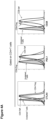
- FIG. 2A shows CD80 ligand expression in all CHO cell lines by flow cytometry. Representative staggered histograms are shown and Antibody Binding Capacity (ABC) values to determine the number of Ab binding sites per cell are enumerated in bar graphs to the right.
- FIG. 2B shows hCD80-Fc bound CHO-CTLA4, CHO-CD28, and CHO-3 cells in a concentration-dependent manner, with hCD80-Fc binding to CD80 ligands at as low as 0.5 ⁇ g/mL. Moreover, the binding of hCD80-Fc to the CD80 ligands caused a decrease in free CTLA-4 and CD28 in the respective cell lines ( FIG. 2B ). However, hCD80-Fc did not bind to CHO-PD-L1 or parental CHO cells, which demonstrates that hCD80-Fc does not engage PD-L1.
- FIG. 3A demonstrates an example FACS gating strategy for this study.
- FIG. 3B shows that hCD80-Fc bound, in a concentration-dependent manner, to both CD4+ and CD8+ T cells, with significant detection of bound drug at concentrations as low as 100 ⁇ g/mL.
- the binding of hCD80-Fc revealed a decrease in free CD28 on CD4+ and CD8+ T cells, but no changes were detected in PD-L1 levels on T cells or monocytes.
- CTLA-4 was not detected on any immune cell type evaluated.
- Example 3 mCD80-Fc Inhibits Growth of Tumors That Do Not Express PD-L1 in a CT26 Syngeneic Mouse Model
- CT26 PD-L1 knock-out tumor cells were used in an in vivo syngeneic mouse model. Unlike xenograft models, syngeneic mouse models possess a functional immune system and therefore are useful in evaluating cancer immunotherapies, which function by harnessing the endogenous immune response.
- CT26 is a murine colorectal carcinoma derived from BALB/c mice that expresses high levels of PD-L1.
- CT26 PD-L1 KO a genetically-engineered CT26 tumor that does not express PD-L1
- Immuno-competent BALB/c mice were inoculated with CT26 PD-L1 KO tumor cells. The mice were placed into three groups for treatment with the following: (1) Mouse IgG2a (control); (2) mCD80-Fc; or (3) untreated control. The mice were treated with 0.3 mg/kg mouse IgG2a (group 1) or 0.3 mg/kg mCD80-Fc (group 2) on days 4, 7, and 11 (days post-inoculation) by intravenous injection. See Table 1. The average tumor size when treatment began was 90 mm 3 . The study concluded on day 21.
- mice 1 Mouse IgG2a 0.3 mg/kg on D4, D7, D11 200 ⁇ L IV 15 2 mCD80-Fc 0.3 mg/kg on D4, D7, D11 200 ⁇ L IV 15 3 n/a n/a 15
Landscapes
- Health & Medical Sciences (AREA)
- Life Sciences & Earth Sciences (AREA)
- Chemical & Material Sciences (AREA)
- Immunology (AREA)
- Engineering & Computer Science (AREA)
- General Health & Medical Sciences (AREA)
- Organic Chemistry (AREA)
- Proteomics, Peptides & Aminoacids (AREA)
- Medicinal Chemistry (AREA)
- Molecular Biology (AREA)
- Zoology (AREA)
- Cell Biology (AREA)
- Analytical Chemistry (AREA)
- Biochemistry (AREA)
- Pathology (AREA)
- Veterinary Medicine (AREA)
- Public Health (AREA)
- Animal Behavior & Ethology (AREA)
- Pharmacology & Pharmacy (AREA)
- Bioinformatics & Cheminformatics (AREA)
- Genetics & Genomics (AREA)
- Urology & Nephrology (AREA)
- Hematology (AREA)
- Biomedical Technology (AREA)
- Gastroenterology & Hepatology (AREA)
- Physics & Mathematics (AREA)
- Biotechnology (AREA)
- Microbiology (AREA)
- Epidemiology (AREA)
- Wood Science & Technology (AREA)
- Biophysics (AREA)
- Food Science & Technology (AREA)
- General Physics & Mathematics (AREA)
- Oncology (AREA)
- Nuclear Medicine, Radiotherapy & Molecular Imaging (AREA)
- Chemical Kinetics & Catalysis (AREA)
- General Chemical & Material Sciences (AREA)
- Hospice & Palliative Care (AREA)
- General Engineering & Computer Science (AREA)
- Toxicology (AREA)
Applications Claiming Priority (3)
| Application Number | Priority Date | Filing Date | Title |
|---|---|---|---|
| US201962809319P | 2019-02-22 | 2019-02-22 | |
| US201962815249P | 2019-03-07 | 2019-03-07 | |
| PCT/US2020/019135 WO2020172482A2 (en) | 2019-02-22 | 2020-02-21 | Cd80 extracellular domain fc fusion proteins for treating pd-l1 negative tumors |
Publications (2)
| Publication Number | Publication Date |
|---|---|
| EP3927365A2 EP3927365A2 (en) | 2021-12-29 |
| EP3927365B1 true EP3927365B1 (en) | 2024-07-31 |
Family
ID=70057229
Family Applications (1)
| Application Number | Title | Priority Date | Filing Date |
|---|---|---|---|
| EP20715521.9A Active EP3927365B1 (en) | 2019-02-22 | 2020-02-21 | Cd80 extracellular domain-fc fusion proteins for treating pd-l1 negative tumors |
Country Status (10)
| Country | Link |
|---|---|
| US (1) | US12589132B2 (enExample) |
| EP (1) | EP3927365B1 (enExample) |
| JP (2) | JP7544728B2 (enExample) |
| KR (1) | KR20210130706A (enExample) |
| AU (1) | AU2020224137B2 (enExample) |
| ES (1) | ES2989890T3 (enExample) |
| MX (1) | MX2021010061A (enExample) |
| SG (1) | SG11202107966TA (enExample) |
| TW (1) | TW202045544A (enExample) |
| WO (1) | WO2020172482A2 (enExample) |
Families Citing this family (5)
| Publication number | Priority date | Publication date | Assignee | Title |
|---|---|---|---|---|
| US10273281B2 (en) | 2015-11-02 | 2019-04-30 | Five Prime Therapeutics, Inc. | CD80 extracellular domain polypeptides and their use in cancer treatment |
| KR20190139216A (ko) | 2017-04-28 | 2019-12-17 | 파이브 프라임 테라퓨틱스, 인크. | Cd80 세포외 도메인 폴리펩티드를 이용한 치료 방법 |
| US12589132B2 (en) | 2019-02-22 | 2026-03-31 | Five Prime Therapeutics, Inc. | CD80 extracellular domain Fc fusion proteins for treating PD-L1 negative tumors |
| EP4054721A1 (en) * | 2019-11-04 | 2022-09-14 | Five Prime Therapeutics, Inc. | Cd80 extracellular domain fc fusion protein dosing regimens |
| CN112326961B (zh) * | 2020-10-30 | 2021-08-06 | 福州迈新生物技术开发有限公司 | 一种非小细胞肺癌中pd-l1阳性肿瘤细胞比例的分析方法和存储设备 |
Family Cites Families (73)
| Publication number | Priority date | Publication date | Assignee | Title |
|---|---|---|---|---|
| US6641809B1 (en) | 1990-03-26 | 2003-11-04 | Bristol-Myers Squibb Company | Method of regulating cellular processes mediated by B7 and CD28 |
| US7070776B1 (en) | 1990-03-26 | 2006-07-04 | Bristol-Myers Squibb Company | Methods for blocking binding of CD28 receptor to B7 |
| US6071716A (en) | 1990-10-01 | 2000-06-06 | Dana-Farber Cancer Institute | DNA encoding, B7, a new member of the IG superfamily with unique expression on activated and neoplastic B cells |
| US6887471B1 (en) | 1991-06-27 | 2005-05-03 | Bristol-Myers Squibb Company | Method to inhibit T cell interactions with soluble B7 |
| US6824779B1 (en) | 1993-07-26 | 2004-11-30 | Dana-Farber Cancer Institute, Inc. | Methods for inhibiting the interaction of B7-2 with its natural ligand |
| US5858776A (en) | 1993-11-03 | 1999-01-12 | Repligen Corporation | Tumor cells with increased immunogenicity and uses therefor |
| US6130316A (en) | 1993-07-26 | 2000-10-10 | Dana Farber Cancer Institute | Fusion proteins of novel CTLA4/CD28 ligands and uses therefore |
| US6218510B1 (en) | 1994-03-02 | 2001-04-17 | Brigham & Woman's Hospital | B7-1 and B7-2 polypeptides |
| ES2153895T3 (es) | 1994-03-08 | 2001-03-16 | Dana Farber Cancer Inst Inc | Metodos para modular la insensibilidad de celulas t. |
| US6051227A (en) | 1995-07-25 | 2000-04-18 | The Regents Of The University Of California, Office Of Technology Transfer | Blockade of T lymphocyte down-regulation associated with CTLA-4 signaling |
| CA2257861A1 (en) | 1996-06-14 | 1997-12-18 | Smithkline Beecham Corporation | Hexameric fusion proteins and uses therefor |
| US6491925B2 (en) | 1996-08-15 | 2002-12-10 | Emory University | Compositions and methods for cancer prophylaxis and/or treatment |
| CA2292415A1 (en) | 1997-06-20 | 1998-12-30 | Innogenetics N.V. | B7-binding molecules for treating immune diseases |
| US7011833B1 (en) | 1999-05-06 | 2006-03-14 | Genetics Institute, Inc. | Enhancing immune responses with B7-1 or B7-2 in the absence of a crosslinking agent |
| US6429303B1 (en) | 1999-09-03 | 2002-08-06 | Curagen Corporation | Nucleic acids encoding members of the human B lymphocyte activation antigen B7 family and methods of using the same |
| US7064111B1 (en) | 1999-10-05 | 2006-06-20 | Georgetown University | Use of soluble costimulatory factor for tumor immuno-gene therapy |
| US6756481B2 (en) | 2000-05-10 | 2004-06-29 | Schering Corporation | IL-23 receptor binding compositions |
| US7183376B2 (en) | 2000-06-23 | 2007-02-27 | Maxygen, Inc. | Variant B7 co-stimulatory molecules |
| US20040236091A1 (en) | 2001-03-28 | 2004-11-25 | Chicz Roman M. | Translational profiling |
| AU2002368044A1 (en) | 2001-06-22 | 2004-04-19 | Maxygen, Inc. | Co-stimulatory molecules |
| AU2002346373A1 (en) | 2001-11-09 | 2003-05-19 | Idec Pharmaceuticals Corporation | Anti-cd80 antibody having adcc activity for adcc mediated killing of b cell lymphoma cells alone or in combination with other therapies |
| DK1638941T3 (da) | 2003-05-22 | 2010-10-11 | Abbott Lab | Indazol-, benzisoxazol- og benzisothiazolkinaseinhibitorer |
| SG144925A1 (en) | 2003-08-04 | 2008-08-28 | Bristol Myers Squibb Co | Methods for treating cardiovascular disease using a soluble ctla4 molecule |
| CA2585776A1 (en) | 2004-10-29 | 2006-05-11 | University Of Southern California | Combination cancer immunotherapy with co-stimulatory molecules |
| EP2083081A1 (en) | 2005-07-22 | 2009-07-29 | Five Prime Therapeutics, Inc. | Compositions and methods of treating disease with FGFR fusion proteins |
| WO2007123737A2 (en) | 2006-03-30 | 2007-11-01 | University Of California | Methods and compositions for localized secretion of anti-ctla-4 antibodies |
| WO2008037080A1 (en) | 2006-09-29 | 2008-04-03 | Universite De Montreal | Methods and compositions for immune response modulation and uses thereof |
| WO2008119071A1 (en) | 2007-03-28 | 2008-10-02 | Biogen Idec Inc. | Modulation of tumor microenvironment |
| US20100189716A1 (en) | 2007-03-28 | 2010-07-29 | Biogen Idec Inc. | Treatment of hodgkins lymphoma |
| SI2856876T1 (en) | 2007-03-30 | 2018-04-30 | Memorial Sloan-Kettering Cancer Center | Constitutive expression of costimulatory ligands on adoptively transferred T lymphocytes |
| US20100285039A1 (en) | 2008-01-03 | 2010-11-11 | The Johns Hopkins University | B7-H1 (CD274) Antagonists Induce Apoptosis of Tumor Cells |
| KR20160070165A (ko) | 2008-02-08 | 2016-06-17 | 메디뮨 엘엘씨 | Fc 리간드 친화성이 감소된 항-IFNAR1 항체 |
| JP2012500855A (ja) | 2008-08-25 | 2012-01-12 | アンプリミューン、インコーポレーテッド | Pd−1アンタゴニストおよび感染性疾患を処置するための方法 |
| AU2009288730B2 (en) | 2008-08-25 | 2013-06-20 | Amplimmune, Inc. | Compositions of PD-1 antagonists and methods of use |
| WO2011066342A2 (en) | 2009-11-24 | 2011-06-03 | Amplimmune, Inc. | Simultaneous inhibition of pd-l1/pd-l2 |
| ES2692268T5 (en) | 2011-03-29 | 2025-02-26 | Roche Glycart Ag | Antibody fc variants |
| CN103796681B (zh) | 2011-06-30 | 2018-07-20 | 建新公司 | T细胞活化的抑制剂 |
| MX368257B (es) | 2011-08-01 | 2019-09-26 | Genentech Inc | Antagonistas de unión al eje pd-1e inhibidores de mek y sus usos en el tratamiento de cáncer. |
| US8956619B2 (en) | 2011-10-25 | 2015-02-17 | University Of Maryland, Baltimore County | Soluble CD80 as a therapeutic to reverse immune supression in cancer patients |
| US9567642B2 (en) | 2012-02-02 | 2017-02-14 | Massachusetts Institute Of Technology | Methods and products related to targeted cancer therapy |
| WO2013116656A1 (en) | 2012-02-03 | 2013-08-08 | Emory University | Immunostimulatory compositions, particles, and uses related thereto |
| US20140377253A1 (en) | 2013-03-15 | 2014-12-25 | Abbvie Biotherapeutics Inc. | Fc variants |
| US9308236B2 (en) | 2013-03-15 | 2016-04-12 | Bristol-Myers Squibb Company | Macrocyclic inhibitors of the PD-1/PD-L1 and CD80(B7-1)/PD-L1 protein/protein interactions |
| WO2014144621A2 (en) | 2013-03-15 | 2014-09-18 | Pyranose Biotherapeutics, Inc. | Modified fc fusion proteins |
| BR112015023120A2 (pt) | 2013-03-15 | 2017-11-21 | Genentech Inc | método para identificar um indivíduo com uma doença ou disfunção, método para prever a responsividade de um indivíduo com uma doença ou disfunção, método para determinar a probabilidade de que um indivíduo com uma doença ou disfunção exibirá benefício do tratamento, método para selecionar uma terapia, usos de um antagonista de ligação do eixo pd-l1, ensaio para identificar um indivíduo com uma doença, kit de diagnóstico, método para avaliar uma resposta ao tratamento e método para monitorar a resposta de um indivíduo tratado |
| ES2714708T3 (es) | 2013-10-01 | 2019-05-29 | Mayo Found Medical Education & Res | Procedimientos para el tratamiento de cáncer en pacientes con niveles elevados de Bim |
| EP3087099A4 (en) | 2013-12-23 | 2017-07-19 | Oncomed Pharmaceuticals, Inc. | Immunotherapy with binding agents |
| TWI693232B (zh) | 2014-06-26 | 2020-05-11 | 美商宏觀基因股份有限公司 | 與pd-1和lag-3具有免疫反應性的共價結合的雙抗體和其使用方法 |
| RU2715038C2 (ru) * | 2014-07-11 | 2020-02-21 | Дженентек, Инк. | Антитела анти-pd-l1 и способы их диагностического применения |
| EP3194440A1 (en) | 2014-09-15 | 2017-07-26 | F. Hoffmann-La Roche AG | Methods of treating cancer using pd-1 axis binding antagonist and il-17 binding antagonists |
| US10584157B2 (en) | 2015-03-16 | 2020-03-10 | Yissum Research Development Company Of The Hebrew University Of Jerusalem Ltd | Isolated peptides derived from the B7 ligand dimer interface and uses thereof |
| US10478494B2 (en) | 2015-04-03 | 2019-11-19 | Astex Therapeutics Ltd | FGFR/PD-1 combination therapy for the treatment of cancer |
| CN121159719A (zh) | 2015-04-17 | 2025-12-19 | 高山免疫科学股份有限公司 | 具有可调的亲和力的免疫调节蛋白 |
| HRP20200439T1 (hr) | 2015-04-30 | 2020-06-12 | Psioxus Therapeutics Limited | Onkolitički adenovirus koji kodira protein b7 |
| HUE068868T2 (hu) | 2015-07-30 | 2025-02-28 | Macrogenics Inc | PD-1-hez kötõdõ molekulák és alkalmazásukra szolgáló eljárások |
| CN106397592A (zh) | 2015-07-31 | 2017-02-15 | 苏州康宁杰瑞生物科技有限公司 | 针对程序性死亡配体(pd-l1)的单域抗体及其衍生蛋白 |
| WO2017042814A1 (en) | 2015-09-10 | 2017-03-16 | Yeda Research And Development Co. Ltd. | Use of perforin positive immature dendritic cells in disease treatment |
| CN108513576A (zh) | 2015-09-14 | 2018-09-07 | 高山免疫科学股份有限公司 | 可调变体免疫球蛋白超家族结构域和工程改造的细胞治疗 |
| US10273281B2 (en) | 2015-11-02 | 2019-04-30 | Five Prime Therapeutics, Inc. | CD80 extracellular domain polypeptides and their use in cancer treatment |
| BR112018012180A2 (pt) | 2015-12-17 | 2018-12-04 | Psioxus Therapeutics Ltd | vírus de codificação de um anticorpo ou fragmento de complexo anti-tcr |
| US20190048085A1 (en) | 2016-02-25 | 2019-02-14 | Cell Medica Switzerland Ag | Modified cells for immunotherapy |
| WO2017151818A2 (en) | 2016-03-02 | 2017-09-08 | Cue Biopharma, Inc. | T-cell modulatory multimeric polypeptides and methods of use thereof |
| HRP20240052T1 (hr) | 2016-03-04 | 2024-03-29 | Io Biotech Aps | Kombinirana terapija protiv raka |
| WO2017181152A2 (en) | 2016-04-15 | 2017-10-19 | Alpine Immune Sciences, Inc. | Cd80 variant immunomodulatory proteins and uses thereof |
| MX2018012472A (es) | 2016-04-15 | 2019-08-12 | Alpine Immune Sciences Inc | Proteinas inmunomoduladoras variantes de ligando icos y sus usos. |
| JP2019519516A (ja) | 2016-05-18 | 2019-07-11 | モデルナティーエックス, インコーポレイテッド | がんの治療のためのmRNA併用療法 |
| WO2017201210A1 (en) | 2016-05-18 | 2017-11-23 | Cue Biopharma, Inc. | T-cell modulatory multimeric polypeptides and methods of use thereof |
| BR112019005964A2 (pt) | 2016-09-27 | 2019-06-18 | Epicentrx, Inc. | proteínas de fusão imunomoduladoras |
| WO2018075978A1 (en) | 2016-10-20 | 2018-04-26 | Alpine Immune Sciences, Inc. | Secretable variant immunomodulatory proteins and engineered cell therapy |
| KR20190139216A (ko) | 2017-04-28 | 2019-12-17 | 파이브 프라임 테라퓨틱스, 인크. | Cd80 세포외 도메인 폴리펩티드를 이용한 치료 방법 |
| CN112543642A (zh) | 2018-08-29 | 2021-03-23 | 戊瑞治疗有限公司 | CD80胞外结构域Fc融合蛋白给药方案 |
| US12589132B2 (en) | 2019-02-22 | 2026-03-31 | Five Prime Therapeutics, Inc. | CD80 extracellular domain Fc fusion proteins for treating PD-L1 negative tumors |
| EP3963079A1 (en) | 2019-05-03 | 2022-03-09 | Five Prime Therapeutics, Inc. | Pharmaceutical formulations containing cd80 extracellular domain-fc fusion proteins |
-
2020
- 2020-02-21 US US17/432,640 patent/US12589132B2/en active Active
- 2020-02-21 KR KR1020217023055A patent/KR20210130706A/ko not_active Withdrawn
- 2020-02-21 TW TW109105614A patent/TW202045544A/zh unknown
- 2020-02-21 SG SG11202107966TA patent/SG11202107966TA/en unknown
- 2020-02-21 WO PCT/US2020/019135 patent/WO2020172482A2/en not_active Ceased
- 2020-02-21 EP EP20715521.9A patent/EP3927365B1/en active Active
- 2020-02-21 MX MX2021010061A patent/MX2021010061A/es unknown
- 2020-02-21 AU AU2020224137A patent/AU2020224137B2/en active Active
- 2020-02-21 JP JP2021549275A patent/JP7544728B2/ja active Active
- 2020-02-21 ES ES20715521T patent/ES2989890T3/es active Active
-
2024
- 2024-05-13 JP JP2024077877A patent/JP2024097962A/ja active Pending
Also Published As
| Publication number | Publication date |
|---|---|
| TW202045544A (zh) | 2020-12-16 |
| US12589132B2 (en) | 2026-03-31 |
| CA3130752A1 (en) | 2020-08-27 |
| JP2022521299A (ja) | 2022-04-06 |
| AU2020224137A1 (en) | 2021-10-14 |
| WO2020172482A3 (en) | 2020-10-01 |
| EP3927365A2 (en) | 2021-12-29 |
| ES2989890T3 (es) | 2024-11-28 |
| AU2020224137B2 (en) | 2026-01-08 |
| JP2024097962A (ja) | 2024-07-19 |
| JP7544728B2 (ja) | 2024-09-03 |
| MX2021010061A (es) | 2021-12-10 |
| SG11202107966TA (en) | 2021-09-29 |
| US20220031806A1 (en) | 2022-02-03 |
| KR20210130706A (ko) | 2021-11-01 |
| WO2020172482A2 (en) | 2020-08-27 |
Similar Documents
| Publication | Publication Date | Title |
|---|---|---|
| EP3927365B1 (en) | Cd80 extracellular domain-fc fusion proteins for treating pd-l1 negative tumors | |
| EP2170366B1 (en) | Use of tlr-2 antagonists for treatment of reperfusion injury and tissue damage | |
| EP2062592A1 (en) | System for delivery into a XCR1 positive cell and uses thereof | |
| US20210340214A1 (en) | Cd80 extracellular domain fc fusion protein dosing regimens | |
| KR20200034958A (ko) | 암 요법에서 면역 관련된 유해 사례를 치료하기 위한 가용성 cd24의 사용 방법 | |
| KR20190134832A (ko) | 종양 형성 치료방법 | |
| AU2020343018B2 (en) | Method for increasing lymphocyte count by using IL-7 fusion protein in tumors | |
| KR20220015375A (ko) | Sephb4-hsa 융합 단백질을 이용한 암의 치료 | |
| CA3130752C (en) | Cd80 extracellular domain fc fusion proteins for treating pd-l1 negative tumors | |
| HK40062334B (en) | Cd80 extracellular domain-fc fusion proteins for treating pd-l1 negative tumors | |
| HK40062334A (en) | Cd80 extracellular domain-fc fusion proteins for treating pd-l1 negative tumors | |
| US20240228578A1 (en) | Cd80 extracellular domain fc fusion protein therapy | |
| US20230023174A1 (en) | Cd80 extracellular domain fc fusion protein regimens | |
| US20250312465A1 (en) | Stroma penetrating therapeutic t-cell engager for cancer immunotherapy | |
| US20230338423A1 (en) | Targetable immune checkpoint for immunotherapy | |
| KR20250089556A (ko) | 면역관문 억제제 및 세포외 기질 성분 결합제 조합 요법 및 이의 사용 방법 | |
| HK40077006A (en) | Pharmaceutical composition for cancer treatment comprising fusion protein including il-2 protein and cd80 protein and anticancer drug |
Legal Events
| Date | Code | Title | Description |
|---|---|---|---|
| STAA | Information on the status of an ep patent application or granted ep patent |
Free format text: STATUS: UNKNOWN |
|
| STAA | Information on the status of an ep patent application or granted ep patent |
Free format text: STATUS: THE INTERNATIONAL PUBLICATION HAS BEEN MADE |
|
| PUAI | Public reference made under article 153(3) epc to a published international application that has entered the european phase |
Free format text: ORIGINAL CODE: 0009012 |
|
| STAA | Information on the status of an ep patent application or granted ep patent |
Free format text: STATUS: REQUEST FOR EXAMINATION WAS MADE |
|
| 17P | Request for examination filed |
Effective date: 20210907 |
|
| AK | Designated contracting states |
Kind code of ref document: A2 Designated state(s): AL AT BE BG CH CY CZ DE DK EE ES FI FR GB GR HR HU IE IS IT LI LT LU LV MC MK MT NL NO PL PT RO RS SE SI SK SM TR |
|
| DAV | Request for validation of the european patent (deleted) | ||
| DAX | Request for extension of the european patent (deleted) | ||
| REG | Reference to a national code |
Ref country code: HK Ref legal event code: DE Ref document number: 40062334 Country of ref document: HK |
|
| STAA | Information on the status of an ep patent application or granted ep patent |
Free format text: STATUS: EXAMINATION IS IN PROGRESS |
|
| 17Q | First examination report despatched |
Effective date: 20220901 |
|
| GRAP | Despatch of communication of intention to grant a patent |
Free format text: ORIGINAL CODE: EPIDOSNIGR1 |
|
| STAA | Information on the status of an ep patent application or granted ep patent |
Free format text: STATUS: GRANT OF PATENT IS INTENDED |
|
| INTG | Intention to grant announced |
Effective date: 20230828 |
|
| GRAS | Grant fee paid |
Free format text: ORIGINAL CODE: EPIDOSNIGR3 |
|
| GRAJ | Information related to disapproval of communication of intention to grant by the applicant or resumption of examination proceedings by the epo deleted |
Free format text: ORIGINAL CODE: EPIDOSDIGR1 |
|
| GRAL | Information related to payment of fee for publishing/printing deleted |
Free format text: ORIGINAL CODE: EPIDOSDIGR3 |
|
| STAA | Information on the status of an ep patent application or granted ep patent |
Free format text: STATUS: EXAMINATION IS IN PROGRESS |
|
| INTC | Intention to grant announced (deleted) | ||
| GRAP | Despatch of communication of intention to grant a patent |
Free format text: ORIGINAL CODE: EPIDOSNIGR1 |
|
| STAA | Information on the status of an ep patent application or granted ep patent |
Free format text: STATUS: GRANT OF PATENT IS INTENDED |
|
| INTG | Intention to grant announced |
Effective date: 20240305 |
|
| GRAA | (expected) grant |
Free format text: ORIGINAL CODE: 0009210 |
|
| STAA | Information on the status of an ep patent application or granted ep patent |
Free format text: STATUS: THE PATENT HAS BEEN GRANTED |
|
| AK | Designated contracting states |
Kind code of ref document: B1 Designated state(s): AL AT BE BG CH CY CZ DE DK EE ES FI FR GB GR HR HU IE IS IT LI LT LU LV MC MK MT NL NO PL PT RO RS SE SI SK SM TR |
|
| REG | Reference to a national code |
Ref country code: CH Ref legal event code: EP Ref country code: GB Ref legal event code: FG4D |
|
| P01 | Opt-out of the competence of the unified patent court (upc) registered |
Free format text: CASE NUMBER: APP_39939/2024 Effective date: 20240704 |
|
| REG | Reference to a national code |
Ref country code: DE Ref legal event code: R096 Ref document number: 602020034840 Country of ref document: DE |
|
| REG | Reference to a national code |
Ref country code: IE Ref legal event code: FG4D |
|
| REG | Reference to a national code |
Ref country code: LT Ref legal event code: MG9D |
|
| REG | Reference to a national code |
Ref country code: ES Ref legal event code: FG2A Ref document number: 2989890 Country of ref document: ES Kind code of ref document: T3 Effective date: 20241128 |
|
| REG | Reference to a national code |
Ref country code: NL Ref legal event code: MP Effective date: 20240731 |
|
| PG25 | Lapsed in a contracting state [announced via postgrant information from national office to epo] |
Ref country code: PT Free format text: LAPSE BECAUSE OF FAILURE TO SUBMIT A TRANSLATION OF THE DESCRIPTION OR TO PAY THE FEE WITHIN THE PRESCRIBED TIME-LIMIT Effective date: 20241202 |
|
| REG | Reference to a national code |
Ref country code: AT Ref legal event code: MK05 Ref document number: 1707858 Country of ref document: AT Kind code of ref document: T Effective date: 20240731 |
|
| PG25 | Lapsed in a contracting state [announced via postgrant information from national office to epo] |
Ref country code: PT Free format text: LAPSE BECAUSE OF FAILURE TO SUBMIT A TRANSLATION OF THE DESCRIPTION OR TO PAY THE FEE WITHIN THE PRESCRIBED TIME-LIMIT Effective date: 20241202 |
|
| PG25 | Lapsed in a contracting state [announced via postgrant information from national office to epo] |
Ref country code: NO Free format text: LAPSE BECAUSE OF FAILURE TO SUBMIT A TRANSLATION OF THE DESCRIPTION OR TO PAY THE FEE WITHIN THE PRESCRIBED TIME-LIMIT Effective date: 20241031 |
|
| PG25 | Lapsed in a contracting state [announced via postgrant information from national office to epo] |
Ref country code: NL Free format text: LAPSE BECAUSE OF FAILURE TO SUBMIT A TRANSLATION OF THE DESCRIPTION OR TO PAY THE FEE WITHIN THE PRESCRIBED TIME-LIMIT Effective date: 20240731 Ref country code: PL Free format text: LAPSE BECAUSE OF FAILURE TO SUBMIT A TRANSLATION OF THE DESCRIPTION OR TO PAY THE FEE WITHIN THE PRESCRIBED TIME-LIMIT Effective date: 20240731 Ref country code: GR Free format text: LAPSE BECAUSE OF FAILURE TO SUBMIT A TRANSLATION OF THE DESCRIPTION OR TO PAY THE FEE WITHIN THE PRESCRIBED TIME-LIMIT Effective date: 20241101 Ref country code: FI Free format text: LAPSE BECAUSE OF FAILURE TO SUBMIT A TRANSLATION OF THE DESCRIPTION OR TO PAY THE FEE WITHIN THE PRESCRIBED TIME-LIMIT Effective date: 20240731 |
|
| PG25 | Lapsed in a contracting state [announced via postgrant information from national office to epo] |
Ref country code: BG Free format text: LAPSE BECAUSE OF FAILURE TO SUBMIT A TRANSLATION OF THE DESCRIPTION OR TO PAY THE FEE WITHIN THE PRESCRIBED TIME-LIMIT Effective date: 20240731 |
|
| PG25 | Lapsed in a contracting state [announced via postgrant information from national office to epo] |
Ref country code: LV Free format text: LAPSE BECAUSE OF FAILURE TO SUBMIT A TRANSLATION OF THE DESCRIPTION OR TO PAY THE FEE WITHIN THE PRESCRIBED TIME-LIMIT Effective date: 20240731 |
|
| PG25 | Lapsed in a contracting state [announced via postgrant information from national office to epo] |
Ref country code: IS Free format text: LAPSE BECAUSE OF FAILURE TO SUBMIT A TRANSLATION OF THE DESCRIPTION OR TO PAY THE FEE WITHIN THE PRESCRIBED TIME-LIMIT Effective date: 20241130 Ref country code: AT Free format text: LAPSE BECAUSE OF FAILURE TO SUBMIT A TRANSLATION OF THE DESCRIPTION OR TO PAY THE FEE WITHIN THE PRESCRIBED TIME-LIMIT Effective date: 20240731 |
|
| PG25 | Lapsed in a contracting state [announced via postgrant information from national office to epo] |
Ref country code: HR Free format text: LAPSE BECAUSE OF FAILURE TO SUBMIT A TRANSLATION OF THE DESCRIPTION OR TO PAY THE FEE WITHIN THE PRESCRIBED TIME-LIMIT Effective date: 20240731 |
|
| PG25 | Lapsed in a contracting state [announced via postgrant information from national office to epo] |
Ref country code: RS Free format text: LAPSE BECAUSE OF FAILURE TO SUBMIT A TRANSLATION OF THE DESCRIPTION OR TO PAY THE FEE WITHIN THE PRESCRIBED TIME-LIMIT Effective date: 20241031 |
|
| PG25 | Lapsed in a contracting state [announced via postgrant information from national office to epo] |
Ref country code: RS Free format text: LAPSE BECAUSE OF FAILURE TO SUBMIT A TRANSLATION OF THE DESCRIPTION OR TO PAY THE FEE WITHIN THE PRESCRIBED TIME-LIMIT Effective date: 20241031 Ref country code: PL Free format text: LAPSE BECAUSE OF FAILURE TO SUBMIT A TRANSLATION OF THE DESCRIPTION OR TO PAY THE FEE WITHIN THE PRESCRIBED TIME-LIMIT Effective date: 20240731 Ref country code: NO Free format text: LAPSE BECAUSE OF FAILURE TO SUBMIT A TRANSLATION OF THE DESCRIPTION OR TO PAY THE FEE WITHIN THE PRESCRIBED TIME-LIMIT Effective date: 20241031 Ref country code: NL Free format text: LAPSE BECAUSE OF FAILURE TO SUBMIT A TRANSLATION OF THE DESCRIPTION OR TO PAY THE FEE WITHIN THE PRESCRIBED TIME-LIMIT Effective date: 20240731 Ref country code: LV Free format text: LAPSE BECAUSE OF FAILURE TO SUBMIT A TRANSLATION OF THE DESCRIPTION OR TO PAY THE FEE WITHIN THE PRESCRIBED TIME-LIMIT Effective date: 20240731 Ref country code: IS Free format text: LAPSE BECAUSE OF FAILURE TO SUBMIT A TRANSLATION OF THE DESCRIPTION OR TO PAY THE FEE WITHIN THE PRESCRIBED TIME-LIMIT Effective date: 20241130 Ref country code: HR Free format text: LAPSE BECAUSE OF FAILURE TO SUBMIT A TRANSLATION OF THE DESCRIPTION OR TO PAY THE FEE WITHIN THE PRESCRIBED TIME-LIMIT Effective date: 20240731 Ref country code: GR Free format text: LAPSE BECAUSE OF FAILURE TO SUBMIT A TRANSLATION OF THE DESCRIPTION OR TO PAY THE FEE WITHIN THE PRESCRIBED TIME-LIMIT Effective date: 20241101 Ref country code: FI Free format text: LAPSE BECAUSE OF FAILURE TO SUBMIT A TRANSLATION OF THE DESCRIPTION OR TO PAY THE FEE WITHIN THE PRESCRIBED TIME-LIMIT Effective date: 20240731 Ref country code: BG Free format text: LAPSE BECAUSE OF FAILURE TO SUBMIT A TRANSLATION OF THE DESCRIPTION OR TO PAY THE FEE WITHIN THE PRESCRIBED TIME-LIMIT Effective date: 20240731 Ref country code: AT Free format text: LAPSE BECAUSE OF FAILURE TO SUBMIT A TRANSLATION OF THE DESCRIPTION OR TO PAY THE FEE WITHIN THE PRESCRIBED TIME-LIMIT Effective date: 20240731 |
|
| PG25 | Lapsed in a contracting state [announced via postgrant information from national office to epo] |
Ref country code: RO Free format text: LAPSE BECAUSE OF FAILURE TO SUBMIT A TRANSLATION OF THE DESCRIPTION OR TO PAY THE FEE WITHIN THE PRESCRIBED TIME-LIMIT Effective date: 20240731 Ref country code: DK Free format text: LAPSE BECAUSE OF FAILURE TO SUBMIT A TRANSLATION OF THE DESCRIPTION OR TO PAY THE FEE WITHIN THE PRESCRIBED TIME-LIMIT Effective date: 20240731 Ref country code: SM Free format text: LAPSE BECAUSE OF FAILURE TO SUBMIT A TRANSLATION OF THE DESCRIPTION OR TO PAY THE FEE WITHIN THE PRESCRIBED TIME-LIMIT Effective date: 20240731 |
|
| PG25 | Lapsed in a contracting state [announced via postgrant information from national office to epo] |
Ref country code: EE Free format text: LAPSE BECAUSE OF FAILURE TO SUBMIT A TRANSLATION OF THE DESCRIPTION OR TO PAY THE FEE WITHIN THE PRESCRIBED TIME-LIMIT Effective date: 20240731 |
|
| PG25 | Lapsed in a contracting state [announced via postgrant information from national office to epo] |
Ref country code: CZ Free format text: LAPSE BECAUSE OF FAILURE TO SUBMIT A TRANSLATION OF THE DESCRIPTION OR TO PAY THE FEE WITHIN THE PRESCRIBED TIME-LIMIT Effective date: 20240731 |
|
| PG25 | Lapsed in a contracting state [announced via postgrant information from national office to epo] |
Ref country code: SK Free format text: LAPSE BECAUSE OF FAILURE TO SUBMIT A TRANSLATION OF THE DESCRIPTION OR TO PAY THE FEE WITHIN THE PRESCRIBED TIME-LIMIT Effective date: 20240731 |
|
| REG | Reference to a national code |
Ref country code: DE Ref legal event code: R097 Ref document number: 602020034840 Country of ref document: DE |
|
| PLBE | No opposition filed within time limit |
Free format text: ORIGINAL CODE: 0009261 |
|
| STAA | Information on the status of an ep patent application or granted ep patent |
Free format text: STATUS: NO OPPOSITION FILED WITHIN TIME LIMIT |
|
| 26N | No opposition filed |
Effective date: 20250501 |
|
| PG25 | Lapsed in a contracting state [announced via postgrant information from national office to epo] |
Ref country code: SE Free format text: LAPSE BECAUSE OF FAILURE TO SUBMIT A TRANSLATION OF THE DESCRIPTION OR TO PAY THE FEE WITHIN THE PRESCRIBED TIME-LIMIT Effective date: 20240731 |
|
| PG25 | Lapsed in a contracting state [announced via postgrant information from national office to epo] |
Ref country code: MC Free format text: LAPSE BECAUSE OF FAILURE TO SUBMIT A TRANSLATION OF THE DESCRIPTION OR TO PAY THE FEE WITHIN THE PRESCRIBED TIME-LIMIT Effective date: 20240731 |
|
| PG25 | Lapsed in a contracting state [announced via postgrant information from national office to epo] |
Ref country code: LU Free format text: LAPSE BECAUSE OF NON-PAYMENT OF DUE FEES Effective date: 20250221 |
|
| REG | Reference to a national code |
Ref country code: BE Ref legal event code: MM Effective date: 20250228 |
|
| PG25 | Lapsed in a contracting state [announced via postgrant information from national office to epo] |
Ref country code: BE Free format text: LAPSE BECAUSE OF NON-PAYMENT OF DUE FEES Effective date: 20250228 |
|
| PG25 | Lapsed in a contracting state [announced via postgrant information from national office to epo] |
Ref country code: IE Free format text: LAPSE BECAUSE OF NON-PAYMENT OF DUE FEES Effective date: 20250221 |
|
| REG | Reference to a national code |
Ref country code: CH Ref legal event code: U11 Free format text: ST27 STATUS EVENT CODE: U-0-0-U10-U11 (AS PROVIDED BY THE NATIONAL OFFICE) Effective date: 20260301 |
|
| PGFP | Annual fee paid to national office [announced via postgrant information from national office to epo] |
Ref country code: GB Payment date: 20260121 Year of fee payment: 7 |
|
| PGFP | Annual fee paid to national office [announced via postgrant information from national office to epo] |
Ref country code: ES Payment date: 20260302 Year of fee payment: 7 |
|
| PGFP | Annual fee paid to national office [announced via postgrant information from national office to epo] |
Ref country code: DE Payment date: 20260121 Year of fee payment: 7 |
|
| PGFP | Annual fee paid to national office [announced via postgrant information from national office to epo] |
Ref country code: IT Payment date: 20260121 Year of fee payment: 7 |
|
| PGFP | Annual fee paid to national office [announced via postgrant information from national office to epo] |
Ref country code: FR Payment date: 20260121 Year of fee payment: 7 |
|
| PGFP | Annual fee paid to national office [announced via postgrant information from national office to epo] |
Ref country code: CH Payment date: 20260301 Year of fee payment: 7 |