EP3909591B1 - Pharmazeutische zusammensetzung zur behandlung von pankreatitis mit klonalen stammzellen - Google Patents
Pharmazeutische zusammensetzung zur behandlung von pankreatitis mit klonalen stammzellen Download PDFInfo
- Publication number
- EP3909591B1 EP3909591B1 EP19897505.4A EP19897505A EP3909591B1 EP 3909591 B1 EP3909591 B1 EP 3909591B1 EP 19897505 A EP19897505 A EP 19897505A EP 3909591 B1 EP3909591 B1 EP 3909591B1
- Authority
- EP
- European Patent Office
- Prior art keywords
- cells
- cell
- stem cells
- culture
- density
- Prior art date
- Legal status (The legal status is an assumption and is not a legal conclusion. Google has not performed a legal analysis and makes no representation as to the accuracy of the status listed.)
- Active
Links
Images













Classifications
-
- A—HUMAN NECESSITIES
- A61—MEDICAL OR VETERINARY SCIENCE; HYGIENE
- A61K—PREPARATIONS FOR MEDICAL, DENTAL OR TOILETRY PURPOSES
- A61K35/00—Medicinal preparations containing materials or reaction products thereof with undetermined constitution
- A61K35/12—Materials from mammals; Compositions comprising non-specified tissues or cells; Compositions comprising non-embryonic stem cells; Genetically modified cells
- A61K35/28—Bone marrow; Haematopoietic stem cells; Mesenchymal stem cells of any origin, e.g. adipose-derived stem cells
-
- A—HUMAN NECESSITIES
- A61—MEDICAL OR VETERINARY SCIENCE; HYGIENE
- A61P—SPECIFIC THERAPEUTIC ACTIVITY OF CHEMICAL COMPOUNDS OR MEDICINAL PREPARATIONS
- A61P1/00—Drugs for disorders of the alimentary tract or the digestive system
- A61P1/18—Drugs for disorders of the alimentary tract or the digestive system for pancreatic disorders, e.g. pancreatic enzymes
-
- C—CHEMISTRY; METALLURGY
- C12—BIOCHEMISTRY; BEER; SPIRITS; WINE; VINEGAR; MICROBIOLOGY; ENZYMOLOGY; MUTATION OR GENETIC ENGINEERING
- C12N—MICROORGANISMS OR ENZYMES; COMPOSITIONS THEREOF; PROPAGATING, PRESERVING, OR MAINTAINING MICROORGANISMS; MUTATION OR GENETIC ENGINEERING; CULTURE MEDIA
- C12N5/00—Undifferentiated human, animal or plant cells, e.g. cell lines; Tissues; Cultivation or maintenance thereof; Culture media therefor
- C12N5/06—Animal cells or tissues; Human cells or tissues
- C12N5/0602—Vertebrate cells
- C12N5/0652—Cells of skeletal and connective tissues; Mesenchyme
- C12N5/0662—Stem cells
- C12N5/0663—Bone marrow mesenchymal stem cells (BM-MSC)
Definitions
- the present disclosure relates to a pharmaceutical composition for use in preventing or treating, pancreatitis, the pharmaceutical composition comprising monoclonal stem cells obtained by improved subfractionation culture of said monocolonal stem cells, and to a method of producing a pharmaceutical composition comprising monoclonal stem cells.
- Pancreatitis is a disease developed by the inflammation in the pancreas, which is divided into acute pancreatitis and chronic pancreatitis. Pancreatitis is developed when autolysis of the pancreas is induced by the enzymes contained in pancreatic juice because the pancreatic juice does not flow smoothly due to alcohol abuse and gallstones, etc.
- pancreatitis There are two kinds of pancreatitis in general, which are mild type pancreatitis accompanied by interstitial edema and peripancreatic fat necrosis around the pancreas; and severe type pancreatitis accompanied by broad peripancreatic and intrapancreatic fat necrosis, pancreatic parenchymal necrosis, and hemorrhage.
- pancreatitis The exact pathophysiological mechanism of pancreatitis has not been disclosed but is believed to be an autolysis process caused by the early activation of protease precursors in the pancreas appearing as a representative symptom.
- protease precursors in the pancreas appearing as a representative symptom.
- pancreatic acinus itself is digested and accordingly the inflammation occurs to cause the separation and death of the pancreatic tissues.
- stem cells have potential to grow into tissues of all 210 organs in our body, which can be infinitely divided and can be differentiated into desired organs by the suitable manipulation. Due to such characteristics, stem cells are in the spotlight as a new therapeutic agent.
- the treatability of incurable diseases using stem cells is very high, and thus it is expected to be able to treat numerous diseases such as leukemia, osteoporosis, hepatitis, Parkinson's disease, senile dementia, and burns.
- stem cells still have many limitations in that it is difficult to obtain stem cells in large quantities. Although the method of obtaining stem cells from frozen embryonic cells may be effective, there is still a lot of controversy in terms of ethics. In order to address these issues, many studies have also been conducted on a method of obtaining stem cells using adult stem cells or a somatic cell nucleus transplantation method. The field that is more actively conducted than research on embryonic stem cells is adult stem cell research.
- Adult stem cells are cells that remain in various organs such as the central nervous system or bone marrow and participate in the organ development during the growth period and the regeneration of damage.
- adult stem cells are present in various organs, they can be obtained from various sites including bone marrow, spleen, adipocytes, and the like, but the method obtained from bone marrow is most commonly practiced. However, it is difficult to obtain uniformly shaped cells at all times while mesenchymal stem cells among many kinds of bone marrow cells are isolated and cultured. Thus, studies are conducted to address these issues.
- WO2012/092603 discloses a method of treating pancreatitis by administering to the patient mesenchymal stem cells that are obtained by manipulating a biological sample of cells, which includes multi-lineage stem cells, progenitor cells, other marrow stromal cells: allowing the sample of cells to settle in a container; transferring supernatant from the container to another container; and isolating cells from the supernatant, which has comparatively lower density in the sample.
- KR 2010 0120 532 discloses a method for reactivating multipotency and proliferation rate of aged adult stem cells.
- WO 2008/002914 discloses a method of expanding mesenchymal stem cells ex vivo including the steps of seeding a collection of cells containing the mesenchymal stem cells on a substrate so that a low density of mesenchymal stem cells adhere to the substrate; expanding the adhered mesenchymal stem cells on the substrate; removing the expanded mesenchymal stem cells from the substrate; and reseeding the mesenchymal stem cells on the same or different substrate.
- the present inventors have invented a method for isolating stem cells named as a novel subfractionation culturing method, and filed a patent application under Korean Patent Application No. 10-2006-0075676 , which was granted for patent.
- the subfractionation culturing method may be performed at a lower cost than other methods.
- cMSCs clonal mesenchymal stem cells
- the subfractionation culturing method shows the unexpected superiority compared to the other methods of obtaining stem cells.
- the subfractionation culturing method has limitations in which it is difficult to rapidly obtain the monoclonal mesenchymal stem cell group.
- the method requires production of a working cell bank which is used for carrying out the process of obtaining the final product, thereby obtaining a sufficient amount of mesenchymal stem cells and needs the culture with at least passage 10.
- stem cells to treat inflammatory diseases, particularly pancreatitis, still has various limitations, and there is no known stem cell preparation method for effectively treating pancreatitis and a method of treating pancreatitis using the same.
- the present inventors While conducting research to induce rapid proliferation of stem cells through the improvement of the subfractionation culturing method as described above, the present inventors identified that when an improved subfractionation culturing method in which culture cell density is adjusted low and an antioxidant is added was used, it was possible to induce an increase in the effective cell proliferation rate only with a few subcultures, and that the monoclonal stem cells obtained therethrough exhibited a very remarkable effect of treating pancreatitis compared to the stem cells of the conventional subfractionation culturing method, and then completed the present disclosure.
- an aspect of the present disclosure is directed to providing a pharmaceutical composition for use in preventing or treating pancreatitis, the pharmaceutical composition comprising monoclonal stem cells obtained through a method of subfractionation culture and proliferation of said monoclonal stem cells that has improved the conventional subfractionation culturing method, and a method of producing a pharmaceutical composition comprising monoclonal stem cells .
- An exemplary embodiment of the present disclosure provides a pharmaceutical composition for use in preventing or treating pancreatitis, the pharmaceutical composition comprising monoclonal stem cells obtained by steps of: 1) culturing bone marrow isolated from a subject in a first vessel; 2) transferring only a supernatant from the first vessel to a new vessel and culturing the supernatant; 3) culturing cells present in the new vessel and obtaining a supernatant; 4) obtaining the monoclonal stem cells by repeating steps 2) and 3) at least once using the supernatant of step 3) as the supernatant of the first vessel of step 2); 5) inoculating the monoclonal stem cells of step 4) in a medium at a cell density of 50 to 1,000 cells/cm 2 to culture the cells at passage 1; and 6) inoculating the subcultured monoclonal stem cells of step 5) in a medium at a cell density of 50 to 1000 cells/cm 2 to culture the cells at passages 2 to 8, wherein
- an exemplary embodiment of the present disclosure provides a method of producing a pharmaceutical composition comprising monoclonal stem cells, the method comprising steps of 1) culturing bone marrow isolated from a subject in a first vessel; 2) transferring only a supernatant from the first vessel to a new vessel and culturing the supernatant; 3) culturing cells present in the new vessel and obtaining a supernatant; 4) obtaining monoclonal stem cells by repeating steps 2) and 3) at least once using the supernatant of step 3) as the supernatant of the first vessel of step 2); 5) inoculating the monoclonal stem cells of step 4) in a medium at a cell density of 50 to 1,000 cells/cm 2 to culture the cells at passage 1; and 6) inoculating the subcultured monoclonal stem cells of step 5) in a medium at a cell density of 50 to 1000 cells/cm 2 to culture the cells at passages 2 to 8, wherein the culture medium in the step 5)
- the monoclonal mesenchymal stem cells obtained thereby are stem cells with enhanced therapeutic effects on pancreatitis, and thus may be usefully used as a therapeutic agent for pancreatitis.
- the present disclosure is directed to a pharmaceutical composition for use in preventing or treating pancreatitis, the pharmaceutical composition comprising monoclonal stem cells (cMSC1) obtained through an improved method of subfractionation culture and proliferation of mesenchymal stem cells.
- cMSC1 monoclonal stem cells
- the present disclosure is directed to a method of producing a pharmaceutical composition comprising monoclonal stem cells obtained through an improved method of subfractionation culture and proliferation of mesenchymal stem cells.
- the monoclonal stem cells which are active ingredients of the present disclosure, are stem cells obtained through an improved subfractionation culturing method capable of obtaining a large quantity of desired monoclonal stem cells in a short time without the need for a working cell bank (WCB) production process by rapid proliferation of monoclonal stem cells, preferably monoclonal mesenchymal stem cells.
- WB working cell bank
- the monoclonal stem cells obtained through the above method are stem cells with enhanced therapeutic effects on pancreatitis compared to the stem cells obtained through the conventional subfractionation culturing method.
- An exemplary embodiment of the present disclosure provides a pharmaceutical composition for use in preventing or treating pancreatitis, the pharmaceutical composition comprising monoclonal stem cells obtained by steps of 1) culturing bone marrow isolated from a subject in a first vessel; 2) transferring only a supernatant from the first vessel to a new vessel and culturing the supernatant; 3) culturing cells present in the new vessel and obtaining a supernatant; 4) obtaining monoclonal stem cells by repeating steps 2) and 3) at least once using the supernatant of step 3) as the supernatant of the first vessel of step 2); 5) inoculating the monoclonal stem cells of step 4) in a medium at a cell density of 50 to 1,000 cells/cm 2 to culture the cells at passage 1; and 6) inoculating the subcultured monoclonal stem cells of step 5) in a medium at a cell density of 50 to 1000 cells/cm 2 to culture the cells at passages 2 to 8, wherein the culture
- the culture in steps 2) and 3) is performed at 30 to 40°C for 4 hours or less, preferably for 1 to 3 hours, and more preferably for 1 hour 30 minutes to 2 hours 30 minutes.
- the repeated culture is performed at 30 to 40°C for 4 hours or less (preferably for 1 to 3 hours, more preferably for 1 hour 30 minutes to 2 hours 30 minutes) then is performed at 30 to 40°C for 12 to 36 hours (preferably for 18 to 30 hours) to be repeated 2 or 3 times.
- the culture is performed at 30 to 40°C for 24 to 72 hours and 36 to 60 hours (preferably for 36 to 60 hours). Each supernatant may be transferred to a new culture vessel to perform the next experiment.
- the cultured cells form monoclonal cell groups. These monoclonal cell groups may be isolated and then subcultured.
- the present disclosure includes a subculture step of step 5) and step 6) in addition to the conventional subfractionation culturing method.
- subfractionation culturing method refers to a method of isolating stem cells according to specific gravity, indicating a process in that first, human bone marrow is extracted and cultured in a cell culture medium, then, only a supernatant is obtained, transferred to a culture vessel with or without treatment of a coating agent, and cultured, and then the same processes are repeated several times.
- Such a subfractionation culturing method is characterized by repeatedly obtaining and culturing the supernatant without centrifugation. It is advantageous that monoclonal stem cells, preferably monoclonal mesenchymal stem cells may be obtained without contamination of other cells finally.
- Steps 1) to 4) of steps 1) to 6) of the present disclosure may be performed in the same or equivalent to the subfractionation culturing method described in Korean Patent Application No. 10-2006-0075676 , US Patent Application No. 12/982,738 , or Korean Patent Application No. 10-2013-7020033 , and Korean Patent Application No. 10-2006-0075676 .
- Korean Patent Application No. 10-2013-7020033 and US Patent Application No. 12/982,738 disclose a method of obtaining cells in connection with the treatment of pancreatitis, including: (i) obtaining a biological sample of bone marrow, peripheral blood, cord blood, fatty tissue sample, or cytokine-activated peripheral blood cells; (ii) allowing the biological sample of bone marrow, peripheral blood, cord blood, fatty tissue sample, or cytokine-activated peripheral blood cells to settle in a vessel; (iii) transferring supernatant which contains comparatively less dense cells compared to other cells from the vessel to another vessel in a serial manner at least two times; (iv) isolating less dense cells from the supernatant; and (v) administering the cells obtained in step (iv) to a subject suffering from pancreatitis, in which the bone marrow, peripheral blood, cord blood, fatty tissue sample, or cytokine-activated peripheral blood cells do not undergo centrifugation of
- the present disclosure relates to an "improved subfractionation culturing method" based on the fact that stem cells with excellent effects of preventing or treating pancreatitis may be effectively obtained by controlling the cell density in culture after passage 2, in which it is characterized in that the culturing after the seed cell is different from the conventional subfractionation culturing method.
- the method includes the step of 5) inoculating the monoclonal stem cells of step 4) in a medium at a cell density of 50 to 1,000 cells/cm 2 to culture the cells at passage 1; and the step of 6) inoculating the subcultured monoclonal stem cells of step 5) in a medium at a cell density of 50 to 1000 cells/cm 2 to culture the cells at passages 2 to 8, wherein the culture medium in the step 5) and 6) further includes an antioxidant.
- the improved subfractionation culturing method may induce rapid proliferation of monoclonal stem cells compared to the conventional subfractionation culturing method, and thus the final product may be obtained quickly, and preferably only with a culture of less than passage 10 such as P2 to P8, a master cell bank (MCB) may be prepared, and monoclonal stem cells exhibiting excellent pancreatitis prevention or treatment effects may be obtained.
- a master cell bank MBC
- the monoclonal stem cells When the monoclonal stem cells are cultured at a high density of 4,000 cells/cm 2 as in the conventional process, the cell proliferation ability may be markedly decreased, the markers of the mesenchymal stem cells may be changed, and the differentiation potential of stem cells may be eliminated.
- the monoclonal stem cells obtained through the improved subfractionation culturing method may be cultured at a low density, that is, at the cell density of 50 to 1,000 cells/cm 2 .
- the improved subfractionation culturing method of the present disclosure may perform the subculture step after seed cell at passage 10 or less, preferably passage 8 or less. Compared to a culture of up to passage 25 in order to secure a sufficient number of cells in the conventional subfractionation culturing method, it has an advantage of mass-producing monoclonal stem cells only with a small number of subcultures.
- the monoclonal mesenchymal stem cells when the monoclonal mesenchymal stem cells are cultured at the above-mentioned cell density, the cells have the advantage that their DNA may be less damaged, and they are less aged, thereby effectively maintaining the differentiation potential of the stem cells. Thus, monoclonal mesenchymal stem cells may be rapidly and quickly obtained to have excellent stem cell properties.
- the monoclonal stem cells obtained according to the method of the present disclosure exhibit excellent pancreatitis prevention or treatment effects compared to the monoclonal stem cells cultured at a high density such as 4,000 cells/cm 2 .
- the medium used in the present disclosure may include a medium supplemented with an antioxidant, or a medium containing an antioxidant.
- An antioxidant is added to the medium to perform the culture.
- ⁇ -MEM containing an antioxidant can be used to perform the culture.
- the antioxidants may include, without limitation, antioxidants that can be used in cell cultures. They may include one or more selected from the group consisting of glutathione, cysteine, cysteamine, ubiquinol, beta-mercaptoethanol and ascorbic acid (AA). When the medium is supplemented with an antioxidant, the antioxidant may be added at a concentration of 10 to 50 ⁇ g/ml, preferably 10 to 30 ⁇ g/ml, and more preferably 25 ⁇ g/ml.
- ⁇ -MEM is used as a medium containing ascorbic acid as an antioxidant.
- a process of producing WCB using MCB may be omitted. This is a simplification of the process compared to the conventional subfractionation culturing method that needs to involve a process of producing WCB after MCB production.
- the culture medium may be added with gentamicin as an antibiotic.
- the mesenchymal stem cells obtained through the method of the present disclosure may finally be preferably P2 to P10 (excluding P10) mesenchymal stem cells, more preferably P2 to P8 mesenchymal stem cells, and even more preferably P2 to P6 mesenchymal stem cells.
- P2 to P10 excluding P10
- P2 to P8 mesenchymal stem cells preferably P2 to P8 mesenchymal stem cells
- P2 to P6 mesenchymal stem cells may finally be preferably P2 to P6 mesenchymal stem cells.
- the monoclonal stem cells (hereinafter referred to as "cMSC1”) obtained by the improved subfractionation culturing method as described above with low density and antioxidant conditions, preferably 1,000 cells/cm 2 or less, are smaller in cell size and may be formed homogeneously compared to the monoclonal stem cells (hereinafter referred to as "cMSC2") obtained by the conventional subfractionation culturing method, and are capable of increasing the survival rate of mild type as well as severe type acute pancreatitis, alleviating the weight gain of the pancreas due to edema, and effectively reducing the increase in digestive enzymes and inflammation-related enzymes that are increased due to acute pancreatitis.
- pancreatitis refers to destruction of pancreatic secretory parenchyma and overall inflammation of the pancreas by pancreatic enzymes, including both chronic pancreatitis and acute pancreatitis, and may include acute pancreatitis and mild and severe acute pancreatitis without limitation.
- the monoclonal stem cells obtained through the improved subfractionation culturing method of the present disclosure may also efficiently prevent or treat not only pancreatitis but also diseases resulting from pancreatitis, such as one or more diseases selected from the group consisting of lung injury, sepsis, renal failure, pleural effusion, multiple organ failure, and multiple organ damage.
- diseases resulting from pancreatitis such as one or more diseases selected from the group consisting of lung injury, sepsis, renal failure, pleural effusion, multiple organ failure, and multiple organ damage.
- the monoclonal stem cells obtained through the method of the present disclosure may improve at least one pancreatitis pathological condition selected from the group consisting of edema, necrosis, hemorrhage, and inflammatory infiltration.
- cMSC1s the monoclonal stem cells obtained through the improved subfractionation culturing method of the present disclosure, are remarkably excellent in terms of all activities of an improvement in survival rate of pancreatic cells, a decrease in alpha-amylase or lipase activity, a decrease in myeloperoxidase (MPO) activity, an improvement in neutrophil infiltration and inflammation, a decrease in inflammatory cytokine secretion, and an increase in anti-inflammatory cytokine secretion as compared to cMSC2 obtained by the conventional subfractionation culturing method, and are excellent in improving at least one pathological condition of pancreatitis selected from the group consisting of edema, necrosis, hemorrhage, and inflammatory infiltration.
- MPO myeloperoxidase
- This difference in the therapeutic effect on pancreatitis is a remarkable effect of only the monoclonal stem cells of the present disclosure obtained by the improved subfractionation culturing method, and may result from enhanced at least one ability selected from the group consisting of TGF- ⁇ 1 secretion ability, sTNF-R1 secretion ability, IDO expression ability, and ICOSL expression ability compared to cMSC2 obtained by the conventional method.
- the pharmaceutical composition for use of the present disclosure may be prepared by including at least one pharmaceutically acceptable carrier in addition to the active ingredient for administration.
- the pharmaceutically acceptable carrier included in the pharmaceutical composition for use of the present disclosure is commonly used in preparation, and includes lactose, dextrose, sucrose, sorbitol, mannitol, starch, gum acacia, calcium phosphate, alginates, gelatin, calcium silicate, micro-crystalline cellulose, polyvinylpyrrolidone, cellulose, water, syrup, methyl cellulose, methyl hydroxybenzoate, propyl hydroxybenzoate, talc, magnesium stearate, and mineral oil, but is not limited thereto.
- the pharmaceutical composition for use of the present disclosure may further include a lubricant, a wetting agent, a sweetener, a flavor enhancer, an emulsifying agent, a suspension agent, a preservative, and the like.
- a dose of the pharmaceutical composition for use of the present disclosure may vary depending on the formulation method, administration manner, administration schedule and/or administration route of the pharmaceutical composition, and may vary according to various factors including the type and degree of the reaction to be achieved via administration of the pharmaceutical composition, the type, age, weight, general health conditions, the symptoms or severity of diseases, gender, diet, and excretion of subject to which the composition is administrated, drugs used concurrently in the subject or in combination for transplantation, and ingredients of other compositions, and similar factors well known in the medical field.
- the effective dose may be easily determined and prescribed for desired treatment by those of ordinary skill in the art.
- the dose of the pharmaceutical composition for use of the present disclosure may be, for example, 1 mg/kg to 1,000 mg/kg per day, but the dose is not intended to limit the scope of the present disclosure in any way.
- the administration route and administration manner of the pharmaceutical composition for use of the present disclosure may be independent of each other, the administration method is not particularly limited, and the administration route and the administration manner may be an arbitrary administration route and administration route as long as they enable the pharmaceutical composition to reach the desired corresponding site.
- the pharmaceutical composition may be administered orally or parenterally.
- the parenteral administration may be, for example, intravenous administration, intraperitoneal administration, intramuscular administration, transdermal administration, or subcutaneous administration, and the pharmaceutical composition may be applied or sprayed on a disease site, or inhaled, but are not limited thereto.
- subject used herein includes a subject in need of preventing or treating pancreatitis, and may be a mammal or a mammal other than a human.
- an exemplary embodiment of the present disclosure provides a method of producing a pharmaceutical composition comprising monoclonal stem cells, the method comprising steps of 1) culturing bone marrow isolated from a subject in a first vessel; 2) transferring only a supernatant from the first vessel to a new vessel and culturing the supernatant; 3) culturing cells present in the new vessel and obtaining a supernatant; 4) obtaining monoclonal stem cells by repeating steps 2) and 3) at least once using the supernatant of step 3) as the supernatant of the first vessel of step 2); 5) inoculating the monoclonal stem cells of step 4) in a medium at a cell density of 50 to 1,000 cells/cm 2 to culture the cells at passage 1; and 6) inoculating the subcultured monoclonal stem cells of step 5) in a medium at a cell density of 50 to 1000 cells/cm 2 to culture the cells at passages 2 to 8, wherein the culture medium in the step 5)
- the monoclonal stem cells exhibiting excellent pancreatitis prevention or treatment effect compared to the monoclonal stem cells obtained by the conventional subfractionation culturing method may be obtained rapidly and easily without WCB production.
- the culture of step 5) and step 6) above is performed by inoculating the monoclonal stem cells in a medium at a cell density of 1,000 cells/cm 2 .
- the medium in step 5) and step 6) is a medium supplemented with an antioxidant.
- the contents described above may be equally applied, and overlapping contents are omitted in order to avoid the complexity of the description.
- the improved method of subfractionation culture and proliferation of mesenchymal stem cells varies the cell density and culture medium in the culture conditions of the subfractionation culturing method disclosed in Korean Patent Application No. 10-2006-0075676 .
- the cell culture densities of the monoclonal mesenchymal stem cells (MSCs) obtained by the subfractionation culturing method were varied in 50 cells/cm 2 (low density), 1,000 cells/cm 2 (medium density) and 4,000 cells/cm 2 (high density), respectively, thereby analyzing the characteristics of the cells.
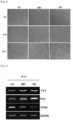
- the experiments were conducted to identify the morphological changes of MSCs according to cell density in long-term culture.
- the MSCs having passage 5 (P5), passage 10 (P10) and passage 15 (P15) were used to change the culture conditions.
- the MSCs were inoculated in LG-DMEM under the condition of low density, medium density and high density, respectively. Thereafter, the morphological changes of the cells were observed through a microscope to determine whether or not the stem cells were aged. The results are illustrated in FIG. 2 .
- the cell size and morphological pattern of P5 and P10 were different according to the cell density.
- P15 cultured under a high density culture condition had flat and enlarged MSCs.
- This morphology form indicates the typical aging of MSCs, which identifies that the cell density is controlled in the long-term culture, resulting in the control of MSC's aging.
- the cell size did not show a significant difference at P5, but P10 and P15 showed significant differences according to the cell density.
- the cell sizes in P10 and P15 were significantly increased under a culture condition of the high cell density, thereby further promoting aging of cells.
- the cell granularity also was significantly increased as the cell density was increased in all passages. Therefore, it was identified that controlling cell density of MSC in long-term culture may be a factor to control aging of cells. Further, the cell culture density is lowered to improve the morphological changes in the late passage.
- the beta-galactosidase-staining analysis was performed to identify whether the morphological changes confirmed in Examples 1.1 and 1.2 were actually an age-dependent phenomenon of MSC, which can selectively stain aging cells, and RT-PCR was performed to compare the expression of aging-related genes P15, P16 and PCNA gene, a proliferation marker.
- the results are illustrated in FIGS. 4 and 5 , respectively.
- P5 and P10 did not have the staining of aged cells at all cell densities, but P15 had the staining of aged cells markedly increased as the cell density increased.
- P15 gene expression of CDK inhibitors P15 and P16, which are genes related to aging, was increased as the culture density of cells increased, and PCNA, which is a proliferation marker, decreased.
- the fold increases were 88.4, 34.3 and 16.4 at P5, P10 and P15 in MSCs cultured at a low density. Meanwhile, the fold increases were 8.5, 4.9 and 3.1 in MSCs cultured at a medium density, and the fold increases were 3.0, 1.9, and 1.1 in MSCs cultured at a high density. As illustrated in FIG. 6 , the PDT and the PDL also had the same pattern as the fold increase.
- the differentiation potentials according to P5 to P15 cultures were compared to identify whether culture cell density affects the ability of stem cells.
- the ability of stem cells to differentiate into adipocytes and osteocytes was identified.
- Qualitative and quantitative analyzes were performed at each passage and density. Specifically, NCS (Newborn Calf Serum) (Gibco), 10 -7 mol dexamethasone (Sigma), 0.5 mM IBMX (Sigma), 10 ⁇ g/ml insulin (Sigma), and 100 ⁇ M indomethacin (Sigma) were added to a high glucose DMEM culture medium to prepare the adipocyte differentiation medium, and then the experiment was performed. After 7 days of differentiation, it was identified by Oil red O histochemical staining. After the Oil red O histochemical staining, it was eluted with isopropyl alcohol and measured at 500 nm and quantitatively analyzed.
- the osteoclast differentiation medium was prepared and used by adding FBS (Gibco), 50 ⁇ g/ml ascorbic 2-phosphate (Sigma), 10 -8 mol dexamethasone (Sigma) and 10 mM beta-glycerophosphate (Sigma) to ⁇ -MEM culture medium. After 21 days of differentiation, it was identified by Alizarin red S histochemical staining. After Alizarin red S histochemical staining, it was eluted with 10% acetic acid, measured at 405 nm and quantitatively analyzed. The adipocyte differentiation potential and the osteoclast differentiation potential were identified as described above. The results are illustrated in FIG. 7 .
- the adipocyte differentiation potential decreased overall as the passage progressed, but the difference according to the density was not apparent.
- the osteoclast differentiation potential significantly decreased in the P15 culture group under the condition of high density.
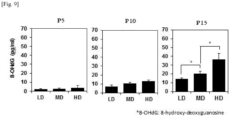
- total ROS production tended to increase as the cell culture density increased in all passages.
- ROS production significantly increased at P10 and P15 (A).
- the data were analyzed after classifying the data from CC1 with the weakest DNA damage to CC5 with the most severe DNA damage.
- the CC5 with the most severe DNA damage exhibited a significant increase as the cell culture density increased.
- the CC1 tended to decrease significantly as the cell density increased (B).
- the analysis method of 8-OHdG is as follows. 50 ⁇ l of the DNA sample collected from each cell was placed on an 8-OHdG conjugate coated plate and incubated at room temperature for 10 minutes. Then, an anti-8-OHdG antibody was added thereto and the mixture was incubated at room temperature for 1 hour. After washing three times, secondary antibody-enzyme conjugate was added to each well, and the mixture was incubated at room temperature for another 1 hour. After washing three times, a substrate solution was added thereto, and the mixture was incubated at room temperature for 30 minutes. Finally, a stop solution was added thereto. The absorbance intensity thereof was measured at 450 nm. The results are illustrated in FIG. 9 .
- the fold increase was 2.6, 1.9, and 1.6 at P11 to P15, respectively, in the high density culture condition.
- the proliferation ability decreased, and as a result, aging began.
- treating with the antioxidant induced to maintain high proliferation ability at about 50% in all passages.
- the growth fold increase was 3.8, 2.9 and 2.5 in P11 to P15, respectively. The proliferation ability was maintained high even at P15.
- ROS levels were confirmed between the high density culture condition alone and high density culture condition + antioxidant treatment group. The results are illustrated in FIG. 11 .
- the ROS level also decreased under the condition that proliferation was increased by treating ascorbic acid, an antioxidant. Therefore, MSC culture was preferably performed at a low cell density rather than a high density. ROS production induced by a high density of cell culture was eradicated with an antioxidant, thereby resulting in an increase of MSC proliferation ability. In other words, ROS at a high density inhibited MSC proliferation ability. As the cell density was lower, the ROS production was decreased, and the MSC proliferation ability was promoted.
- Example 1 has identified that the control of cell density, passage control, and the addition of an antioxidant may be critical factors in the MSC culture obtained by the subfractionation culturing method. Therefore, the experiments were conducted to compare the proliferation ability of single colony MSCs and their effect of obtaining cells by varying the cell culture density of monoclonal mesenchymal stem cells obtained by the conventional method of the subfractionation culturing method described in Korean Patent Application No. 10-2006-0075676 , and performing a subculture using a medium containing ascorbic acid as an antioxidant.
- Example 1 of Korean Patent Application No. 10-2006-0075676 discloses a method of separating and culturing mesenchymal stem cells from the bone marrow through the subfractionation culturing method as shown in FIG. 1 , and discloses that colonies, a single cell group, obtained through a subfractionation step were transferred to a culture vessel at 100 to 600 cells per well.
- Korean Patent Application No. 10-2013-0106432 and US Patent Application No. 2012/0171168 disclose a method of separating and culturing bone marrow-derived mesenchymal stem cells using a subfractionation culturing method, and disclose that colonies are smeared at 50 to 100 cells/cm 2 .
- Korean Patent Application Nos. 10-2006-0075676 , 10-2013-0106432 and US Patent Application No. 2012-0171168 merely disclose the configurations of counting single cell group colonies obtained by the subfractionation culturing method and transferring the same to a 6-well plate for culture, in other words, conditions for colony culture corresponding to passage 1, but do not disclose the configuration and effects of repetitive culture density control of individual cells other than colonies after passage 2.
- culture of at least passage 10 needs to be performed to obtain a sufficient amount of monoclonal stem cells with effects of preventing, treating, or alleviating pancreatitis.
- the improved subfractionation culturing method of the present disclosure it is possible to effectively obtain a large amount of the monoclonal stem cells effective in treating the desired pancreatitis through low cell density conditions after passage 2 and a small number of subcultures of up to passage 8 or less.
- colonies of passage 1 (P1) obtained through the subfractionation culturing method were cultured. Thereafter, in the subculture after passage 2 (P2), cells were seeded in 1,000 cells/cm 2 or less which is a low density. These were compared with the effect of 4,000 cells/cm 2 cells culture. Further, ⁇ -MEM medium containing antioxidant and LG-DMEM medium containing no antioxidant were used as a cell culture medium, thereby comparing their effects of cell proliferation.
- the conventional subfractionation culturing method and the improved subfractionation culturing method proceeded in the same process.
- the improved subfractionation culturing method used the expanded passage 1 cell as a seed cell.
- the conventional subfractionation culturing method performs high-density subculture of 4,000 cells/cm 2 or more for the purpose of obtaining lots of cells without awareness of the density condition.
- the improved subfractionation culturing method is capable of obtaining the final products only with the culture after passage 2 and up to passage 8 or less by controlling the density of subculture to a low density of 1,000 cells/cm 2 or less.
- the culture process after passage 2 is shown in detail in FIG. 12 .
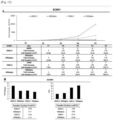
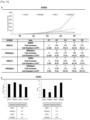
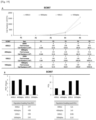
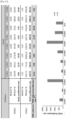
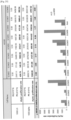
- the cells were cultured using the SCM01 to SCM08 cell lines. To identify the cell proliferation effect according to subculture of up to passage 5, which is less than passage 10, the cell number, population doubling time (PDT) and population doubling level (PDL) were compared, respectively. The results are illustrated in FIGS. 13 to 20 .
- the cell proliferation effect of all experimental groups inoculated and cultured with a cell density of 1,000 cells per cm 2 was superior to those of experimental groups inoculated and cultured with a cell density of 4,000 cells per cm 2 . Furthermore, even in the same 1,000 cell density group, the 1,000-alpha experimental group cultured in ⁇ -MEM containing ascorbic acid as an antioxidant showed more significant cell proliferation effect than other groups.
- LG-DMEM and ⁇ -MEM were set as a culture medium, and the cell proliferation effect according to the subculture of the cell inoculation density of 1,000 or 4,000 cells per cm 2 was compared.
- the results are illustrated in FIGS. 21 to 24 .
- the proliferation rate of P2 to P5 was significantly higher than that of the group inoculated with 4,000 cells/cm 2 .
- the proliferation rate of the group inoculated with 1,000 cells/cm 2 was at least 3.08 to at most 48.50 times compared with those of the group inoculated with 4,000 cells/cm 2 in passage 5 (P5).
- the PDT value of 1,000 cells/cm 2 cell inoculation group was also lower or similar to those of 4,000 cells/cm 2 cell line inoculation in all cell lines, and the PDL value was higher than those of 4,000 cells/cm 2 cell inoculation in all cell lines.
- the PDT value of 1,000 cells/cm 2 cell inoculation group was also lower or similar to those of 4,000 cells/cm 2 inoculation in all cell lines, and the PDL value was higher than those of 4000 cells/cm 2 cell inoculation in all cell lines.
- Example 2.2 identified that 1,000 cells/cm 2 culture showed excellent proliferation effect compared with 4,000 cells/cm 2 culture. Therefore, the experiment was conducted to compare the cell proliferation effect while the number of cells was set as 1,000 cells/cm 2 , and the medium varied as a variable. Thus, the proliferation effect was further verified according to the culture medium conditions. The results are illustrated in FIGS. 25 and 26 .
- the cell proliferation rates were compared between ⁇ -MEM and DMEM.
- the results showed that the cell proliferation rate of the experimental group using ⁇ -MEM was at least 1.77 to 6.39 times higher compared with those of the experimental group using LG-DMEM.
- the PDT was low in all ⁇ -MEM experimental groups and the PDL was increased in all ⁇ -MEM experimental groups.
- the cell proliferation efficiency may be maximized by culturing cells using a medium containing an antioxidant in addition to control of the cell inoculation density of 1,000 cells or less per cm 2 and culture of the cells in low passages of less than passage 10, such as passages 2 (P2) to 5 (P5).
- the subfractionation culture process and proliferation culture of the bone marrow-derived mesenchymal stem cells of the present disclosure were performed as follows.
- the hip of a bone marrow donor was anesthetized with local anesthetics. Then, the bone marrow was collected by piercing the needle into the hip bone. 14 ml of Dulbecco's modified Eagle's medium (DMEM, GIBCO-BRL, Life-technologies, MD, USA) containing 20% FBS and 1% penicillin/streptomycin, and 1 ml of human bone marrow were placed in a 100 mm culture vessel, and the mixture was cultured in a 5% CO 2 cell incubator at 37°C for 2 hours. After the culture, the culture vessel was slightly tilted to one side, and only the supernatant of the culture vessel was transferred to a new vessel while the cells attached to the bottom were prevented from falling down.
- DMEM Dulbecco's modified Eagle's medium
- GIBCO-BRL Life-technologies, MD, USA
- the same procedure was repeated one more time, and the resulting culture solution was transferred to a culture vessel (Becton Dickinson) coated with collagen on the bottom thereof and cultured at 37°C for 2 hours.
- the culture solution was transferred to a new vessel coated with collagen.
- the culture solution was transferred to a new vessel.
- the culture solution was transferred to a new vessel.
- the culture solution was transferred to a new vessel. Then, it was visually identified that remaining cells were grown and adhered to the bottom of the culture vessel. It can be assumed that cells which can come up to this step through the previous several subfractionation steps have a much smaller specific gravity of cells than other cells.
- the cells formed a single colony. These monoclonal cell groups were treated with trypsin to be isolated. Then, the cells were transferred to a 6-well culture vessel. The cells were cultured in a 5% CO 2 cell incubator at 37°C for 4 to 5 days. Then, when the cells were grown to about 80%, the cells were treated with 0.05% trypsin/1 mM EDTA (GIBCO-BRL), thereby obtaining the cells. Then, the cells were transferred to a T175 culture vessel and subcultured at a low cell density.
- the antioxidant treatment may effectively reduce the ROS stress induced in high density cell culture and restore the cell proliferation ability of MSCs, thereby shortening the cell passage significantly compared to the conventional process, and rapidly and stably obtaining single colony MSCs in a fresh state without aging, which maintains the characteristics of MSCs.
- the low density cell culture may not only obtain a large number of cells in the short term, thereby simplifying the production process, but also obtain cells with non-aging to maintain the intact characteristics of MSCs in the long-term culture. Therefore, this leads to high quality stem cell production.
- stem cells obtained through the improved method constructed through the above examples were used in the experiment for the treatment of pancreatitis below.
- the cell culture density during subculture was set as 1,000 cells/cm 2 or less, and the monoclonal mesenchymal stem cells were obtained using ⁇ -MEM medium containing an antioxidant after being passaged three times. Gentamicin was added as an antibiotic, and the cell culture was performed using ⁇ -MEM culture medium (see Table 5).
- the stem cells obtained through the improved subfractionation culturing method of low density of 1,000 cells/cm 2 or less and antioxidant conditions were named as "cMSC1.”
- the stem cells were obtained by the conventional subfractionation culturing method, which cultures cells by the culture method under the condition of the addition of no antioxidant and a density of 4,000 cells/cm 2 or more during subculture, and the 3 subcultured stem cells were named as "cMSC2.”
- mice used in the experiment were purchased from SPF (Specific Pathogen Free) Rats (Koatech Co., Ltd.) and used, and 15 male rats aged 5 weeks for each group, a total of 60 rats, were used in the following experiments.
- SPF Specific Pathogen Free Rats
- mice used in the experiment were purchased from SPF (Specific Pathogen Free) Rats (Koatech Co., Ltd.) and used, and 15 male rats aged 5 weeks for each group, a total of 60 rats, were used in the following experiments.
- SPF Specific Pathogen Free Rats
- FIG. 27 shows a schematic view of the construction of an acute pancreatitis animal model according to the present disclosure.
- pancreatitis marker level was checked. Specifically, two enzymes alpha-amylase and lipase were measured using a blood biochemical analyzer (7180 Hitachi, Japan) 72 hours after administration of cMSC1 or cMSC2, which is the end point of the test. The results are shown in FIG. 28 .
- FIG. 28 it was identified that the levels of alpha-amylase and lipase in the acute pancreatitis (SAP) model at 72 hours after administration of cMSC1 and 2 were significantly higher than those of the control group.
- the cMSC2 administration group showed no effect at the level of alpha-amylase compared to the SAP model, but it was identified that the increase in lipase was inhibited by about 13%.
- the cMSC1 administration group obtained through the improved subfractionation culturing method it was identified that the amylase level decreased by 51% compared to the SAP control group, and lipase also showed a significant level reduction of 64%.
- MPO Myeloperoxidase
- Myeloperoxidase is an enzyme that is abundantly expressed in neutrophil granulocytes, and is used as a predictor of myocardial infarction or acute myeloid leukemia and is a marker indicating the degree of inflammation.
- myeloperoxidase 150 kDa was measured according to the manufacturer's method using Myeloperoxidase activity assay kit (STA-803, Cell biolabs). The results are shown in FIG. 29 .
- Example 4.2.1 which is an acute pancreatitis animal model
- TNF- ⁇ , IL-6, IFN-y, and IL-10 was measured according to the manufacturer's method using the analysis tool of Table 8 below. The results are shown in FIG. 30 .
- Table 8 Item Cat No. Manufacturer Usage Rat TNF- ⁇ ELISA Kit SRTA00 R&D Systems Serum analysis Rat IL-6 ELISA Kit SR60008 R&D Systems Rat IFN- ⁇ ELISA Kit SRIF00 R&D Systems Rat IL-10 ELISA Kit SR1000 R&D Systems
- the levels of TNF- ⁇ , IL-6, and IFN-y were significantly increased compared to the control group, but in the cMSC1 and cMSC2 treatment groups, the expression level was significantly decreased compared to the control group.
- the cMSC1 treatment group showed reduction effects of 49%, 42%, and 61%, respectively, in TNF- ⁇ , IL-6, and IFN- ⁇ compared to the control group, thus identifying a remarkably excellent inhibitory effect on inflammatory cytokines.
- the anti-inflammatory cytokine IL-10 was increased in both the cMSC1 and cMSC2 treatment groups compared to the control group.
- the IL-10 level of cMCS1 increased by 69% compared to the control group, and thus it was identified that an increase in the expression of anti-inflammatory cytokines could be induced by cMSC treatment.
- the organs of the animal model of acute pancreatitis of Example 4.2.1 were excised, and histopathological analysis was performed to identify the change of the edema lesion according to the cMSC1 treatment. Specifically, blood was collected 72 hours after administration of the test substance, and then the animals were euthanized, and then the pancreas was excised and fixed with 10% neutral buffered formalin. Using the fixed tissue, general tissue processing procedures such as trimming, dehydration, paraffin embedding, and cutting were performed, and specimens for histopathological examination were prepared. Hematoxylin & Eosin (H&E) staining was performed, and histopathological changes were observed using an optical microscope (Olympus BX53, Japan). Histopathological evaluation was scored using Schmidt's score ( A better model of acute pancreatitis for evaluating therapy, Schmidt J et al, 1992 ). The results are shown in FIGS. 31 and 32 .
- cMSC1 may increase pancreatic cell survival rate in acute pancreatitis and effectively improve both blood biochemical and histopathological lesions, thus exhibiting excellent effects in the treatment of acute pancreatitis.
- the effect of cMSC1 on the treatment of acute pancreatitis was remarkably superior even when compared with cMSC2 obtained by the conventional subfractionation culturing method and subcultured at high density.
- Example 4 Since it was identified in Example 4 that the stem cells cMSC1 obtained by the improved subfractionation culturing method exhibited remarkably superior acute pancreatitis treatment effect compared to cMSC2 obtained by the conventional subfractionation culturing method, an experiment was conducted to compare the characteristics of these cells.
- Example 4.1 In the same manner as in Example 4.1, cMSC1 and cMSC2 were obtained, and these cells were cultured and the cell size was checked.
- cMSC2 had a large cell size and thus cells were generally widely distributed, whereas cMSC1 had a small cell size and thus was distributed within 50 K of side-scattered light (SSC).
- SSC side-scattered light
- cMSC1 As described above, as the cell size of cMSC1 was smaller and homogeneously formed, the amount of cytokines secreted while mesenchymal stem cells are cultured was changed. Thus, it was identified that the therapeutic effect on acute pancreatitis of cMSC1 was further enhanced.
- cMSC1 and cMSC2 which exhibit different effects on acute pancreatitis
- in vitro experiments were performed to compare cell-specific activities.
- MLR mixed lymphocyte reaction
- the experimental method is as follows. Two different donors' PBMCs were mixed to induce antigen-induced T cell activity (allogeneic MLR), and then cMSC1 or cMSC2 was added to identify whether T cell activity was inhibited. Human PBMC stained with each dye (CFSE and eFluor670) and cMSC1 or cMSC2 were co-cultured at a ratio of 4 : 1, respectively, and cultured for 8 days. The analysis was performed by flow cytometry using a FACS verse (BD Biosciences) device. The results are shown in FIG. 35 .
- MSC2 the cell line of the previous process
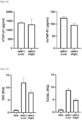
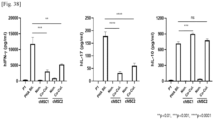
- cMSC1 and cMSC2 were cultured in vitro, and the expression levels of TGF- ⁇ 1, sTNF-R1 (soluble tumor necrosis factor receptor 1), and immune-related markers IDO (indoleamine 2,3-dioxygenase), ICOSL (induced T cell co-stimulator ligand) in the culture medium of each cell line were compared. The results are shown in FIGS. 36 and 37 .
- TGF- ⁇ 1 did not show a significant difference between the two cell lines, but it was identified that sTNF-R1 was secreted as high as 28 pg/ml in cMSC1, a cell line of an improved process.
- PBMC peripheral blood mononuclear cell
- IL-10 was increased by about 25% in the cell line cMSC1 of the improved process, whereas IL-10 was increased by 7% in the cell line cMSC2 of the previous process, thus identifying that cMSC1 further increased the secretion of anti-inflammatory cytokines by about three times more than that of cMSC2.
- cMSC1 obtained through the improved process may effectively reduce the increase in digestive enzymes and inflammation-related enzymes that are increased due to acute pancreatitis.
- secretion of inflammatory cytokines was reduced and the secretion of anti-inflammatory cytokines was more remarkably increased, and significant results were also identified through histological analysis of the pancreas.
- cMSC1 according to the present disclosure is capable of maintaining excellent proliferation ability and stem cell characteristics to effectively maintain proliferation.
- cMSC1 was identified to be more excellent in immunomodulatory ability, immune-related gene expression, , and secretion of inflammation and anti-inflammatory cytokines as compared to the cell line cMSC2 obtained by the previous process. Therefore, it can be understood that the cells obtained by the improved process may prevent and treat pancreatitis better than the cells obtained by the previous process.
Landscapes
- Health & Medical Sciences (AREA)
- Life Sciences & Earth Sciences (AREA)
- Engineering & Computer Science (AREA)
- Biomedical Technology (AREA)
- Chemical & Material Sciences (AREA)
- Developmental Biology & Embryology (AREA)
- Organic Chemistry (AREA)
- Cell Biology (AREA)
- Zoology (AREA)
- Biotechnology (AREA)
- Bioinformatics & Cheminformatics (AREA)
- Immunology (AREA)
- General Health & Medical Sciences (AREA)
- Public Health (AREA)
- Medicinal Chemistry (AREA)
- Wood Science & Technology (AREA)
- Genetics & Genomics (AREA)
- Hematology (AREA)
- Animal Behavior & Ethology (AREA)
- Veterinary Medicine (AREA)
- Pharmacology & Pharmacy (AREA)
- Virology (AREA)
- General Chemical & Material Sciences (AREA)
- Epidemiology (AREA)
- Rheumatology (AREA)
- Chemical Kinetics & Catalysis (AREA)
- Microbiology (AREA)
- Nuclear Medicine, Radiotherapy & Molecular Imaging (AREA)
- Biochemistry (AREA)
- General Engineering & Computer Science (AREA)
- Medicines Containing Material From Animals Or Micro-Organisms (AREA)
- Micro-Organisms Or Cultivation Processes Thereof (AREA)
- Preparation Of Compounds By Using Micro-Organisms (AREA)
Claims (4)
- Pharmazeutische Zusammensetzung zur Verwendung bei der Vorbeugung oder Behandlung von Pankreatitis, wobei die pharmazeutische Zusammensetzung monoklonale Stammzellen umfasst, die mit folgenden Schritten erhalten werden:1) Kultivieren von einem Individuum entnommenem Knochenmark in einem ersten Gefäß;2) Überführen nur eines Überstands aus dem ersten Gefäß in ein neues Gefäß und Kultivieren des Überstands;3) Kultivieren von im neuen Gefäß vorhandenen Zellen und Gewinnen eines Überstands;4) Gewinnen der monoklonalen Stammzellen durch wenigstens einmaliges Wiederholen der Schritte 2) and 3) unter Verwendung des Überstands aus Schritt 3) als Überstand aus dem ersten Gefäß in Schritt 2);5) Animpfen eines Mediums mit den monoklonalen Stammzellen aus Schritt 4) bei einer Zelldichte von 50 bis 1000 Zellen/cm2 zum Kultivieren der Zellen bei Passagierung l; und6) Animpfen eines Mediums mit den subkultivierten monoklonalen Stammzellen aus Schritt 5) bei einer Zelldichte von 50 bis 1000 Zellen/cm2 zum Kultivieren der Zellen bei Passagierung 2 bis 8,wobei das Kulturmedium in Schritt 5) und 6) ferner ein Antioxidationsmittel enthält.
- Zusammensetzung zur Verwendung nach Anspruch 1, wobei die Subkultur in Schritt 5) oder Schritt 6) durchgeführt wird, indem ein Medium mit den monoklonalen Stammzellen bei einer Zelldichte von 1.000 Zellen/cm2 angeimpft wird.
- Zusammensetzung zur Verwendung nach Anspruch 1, wobei es sich bei der Pankreatitis um eine chronische Pankreatitis oder eine akute Pankreatitis handelt.
- Zusammensetzung zur Verwendung nach Anspruch 1, wobei die monoklonalen Stammzellen zur Verbesserung wenigstens eines mit Pankreatitis verbundenen, aus der Gruppe bestehend aus Ödem, Nekrose, Blutung und entzündlicher Infiltration ausgewählten Krankheitszustands führen.
Applications Claiming Priority (2)
| Application Number | Priority Date | Filing Date | Title |
|---|---|---|---|
| KR20180160667 | 2018-12-13 | ||
| PCT/KR2019/017029 WO2020122498A1 (ko) | 2018-12-13 | 2019-12-04 | 클로날 줄기세포를 포함하는 췌장염 치료용 약학적 조성물 |
Publications (3)
| Publication Number | Publication Date |
|---|---|
| EP3909591A1 EP3909591A1 (de) | 2021-11-17 |
| EP3909591A4 EP3909591A4 (de) | 2022-09-14 |
| EP3909591B1 true EP3909591B1 (de) | 2024-07-24 |
Family
ID=71075685
Family Applications (1)
| Application Number | Title | Priority Date | Filing Date |
|---|---|---|---|
| EP19897505.4A Active EP3909591B1 (de) | 2018-12-13 | 2019-12-04 | Pharmazeutische zusammensetzung zur behandlung von pankreatitis mit klonalen stammzellen |
Country Status (7)
| Country | Link |
|---|---|
| US (1) | US20220047640A1 (de) |
| EP (1) | EP3909591B1 (de) |
| JP (1) | JP7389505B2 (de) |
| KR (1) | KR102247136B1 (de) |
| CN (1) | CN113382739A (de) |
| TW (1) | TWI796536B (de) |
| WO (1) | WO2020122498A1 (de) |
Families Citing this family (2)
| Publication number | Priority date | Publication date | Assignee | Title |
|---|---|---|---|---|
| EP3903794B1 (de) * | 2018-12-17 | 2024-07-24 | SCM Lifescience Co., Ltd. | Pharmazeutische zusammensetzung mit klonalen stammzellen zur behandlung von graft-versus-host-krankheit |
| CN116818634A (zh) * | 2022-03-22 | 2023-09-29 | 中山大学 | 一种可视化间充质干细胞状态的细胞形态变量模型以及预测间充质干细胞再生能力的方法 |
Family Cites Families (11)
| Publication number | Priority date | Publication date | Assignee | Title |
|---|---|---|---|---|
| US9969980B2 (en) | 2001-09-21 | 2018-05-15 | Garnet Biotherapeutics | Cell populations which co-express CD49c and CD90 |
| KR20060075676A (ko) | 2004-12-28 | 2006-07-04 | 현익근 | 비닐,고무,천막재료로 쥬부식 기둥과 지붕,벽,바닥을만들어 에이야를 주입시켜 야영하우스와 침실을 만드는 방법 |
| US20160296559A9 (en) | 2005-06-17 | 2016-10-13 | Sun Uk SONG | Method for treating pancreatitis with mesenchymal stem cells |
| WO2006138720A2 (en) | 2005-06-17 | 2006-12-28 | Sun Uk Song | Isolation of multi-lineage stem cells |
| KR100802011B1 (ko) * | 2005-08-10 | 2008-02-12 | 인하대학교 산학협력단 | 층분리배양법을 이용한 골수에서의 중간엽 줄기세포분리방법 |
| AU2007265147B2 (en) * | 2006-06-26 | 2013-11-07 | Terumo Bct, Inc. | Method of culturing mesenchymal stem cells |
| KR20100120532A (ko) * | 2009-05-06 | 2010-11-16 | 연세대학교 산학협력단 | 노화된 줄기세포의 다능성 및 증식률 재활성화 방법 |
| KR101655780B1 (ko) * | 2013-11-29 | 2016-09-09 | 인하대학교 산학협력단 | 클로날 중간엽 줄기세포를 포함하는, 아토피성 피부염 예방 또는 치료용 약학적 조성물 |
| KR101753557B1 (ko) * | 2014-06-30 | 2017-07-05 | 가톨릭대학교 산학협력단 | 줄기세포 증식 향상 배지 조성물 및 줄기세포의 배양방법 |
| KR20170111057A (ko) * | 2016-03-25 | 2017-10-12 | (주)안트로젠 | 면역 질환 또는 염증성 질환의 예방 또는 치료용 중간엽줄기세포 배양액 및 이의 제조방법 |
| CN108743618A (zh) * | 2018-04-25 | 2018-11-06 | 中国人民解放军成都军区总医院 | 一种可注射性干细胞水凝胶制剂的制备方法及其应用 |
-
2019
- 2019-12-04 EP EP19897505.4A patent/EP3909591B1/de active Active
- 2019-12-04 WO PCT/KR2019/017029 patent/WO2020122498A1/ko not_active Ceased
- 2019-12-04 CN CN201980082815.XA patent/CN113382739A/zh active Pending
- 2019-12-04 KR KR1020190159866A patent/KR102247136B1/ko active Active
- 2019-12-04 JP JP2021534195A patent/JP7389505B2/ja active Active
- 2019-12-04 US US17/413,641 patent/US20220047640A1/en not_active Abandoned
- 2019-12-13 TW TW108145873A patent/TWI796536B/zh active
Also Published As
| Publication number | Publication date |
|---|---|
| EP3909591A4 (de) | 2022-09-14 |
| US20220047640A1 (en) | 2022-02-17 |
| JP7389505B2 (ja) | 2023-11-30 |
| KR20200073128A (ko) | 2020-06-23 |
| WO2020122498A1 (ko) | 2020-06-18 |
| TW202034933A (zh) | 2020-10-01 |
| CN113382739A (zh) | 2021-09-10 |
| TWI796536B (zh) | 2023-03-21 |
| EP3909591A1 (de) | 2021-11-17 |
| KR102247136B1 (ko) | 2021-05-03 |
| JP2022513222A (ja) | 2022-02-07 |
| KR102247136B9 (ko) | 2022-04-11 |
Similar Documents
| Publication | Publication Date | Title |
|---|---|---|
| EP2175868B1 (de) | Aus knochenmark gevonnene zellen zur verwendung in der behandlung neuraler degeneration | |
| CN101748096B (zh) | 亚全能干细胞、其制备方法及其用途 | |
| US20240415894A1 (en) | Mitochondrial augmentation therapy with stem cells enriched with functional mitochondria | |
| US20080206208A1 (en) | Extramedullary adipose tissue cells and use thereof for regenerating hematopoietic and muscular tissues | |
| EP2511365A2 (de) | Verfahren zur herbeiführung der migration von aus adipösem gewebe gewonnenen erwachsenen stammzellen | |
| JP6648259B2 (ja) | 向上された臍帯由来付着型幹細胞、その製造方法及びその用途 | |
| TW200800273A (en) | Adipose tissue derived stromal cells for the treatment of neurological disorders | |
| JP2023085507A (ja) | 筋由来細胞を取得する方法 | |
| EP3909591B1 (de) | Pharmazeutische zusammensetzung zur behandlung von pankreatitis mit klonalen stammzellen | |
| JP2024040280A (ja) | クローナル幹細胞を含むアトピー皮膚炎の予防または治療用薬学的組成物 | |
| EP3903794B1 (de) | Pharmazeutische zusammensetzung mit klonalen stammzellen zur behandlung von graft-versus-host-krankheit | |
| EP4509128A1 (de) | Aus stammzellen isolierte extrazelluläre vesikel und verwendungen davon | |
| WO2012115298A1 (ko) | 양수 유래 줄기세포를 함유하는 요실금 치료제 | |
| HK40061064B (en) | Pharmaceutical composition for treating pancreatitis, comprising clonal stem cells | |
| HK40061064A (en) | Pharmaceutical composition for treating pancreatitis, comprising clonal stem cells | |
| EP4556012A1 (de) | Antikrebszusammensetzung mit exosomen aus stammzellen und herstellungsverfahren dafür | |
| KR20080091776A (ko) | 간 기능장애 치료에 간 전구체를 이용하는 방법 | |
| HK40060609A (en) | Pharmaceutical composition comprising clonal stem cells for treating graft-versus-host disease | |
| HK40060609B (en) | Pharmaceutical composition comprising clonal stem cells for treating graft-versus-host disease | |
| WO2010030199A1 (en) | Stem cell culture | |
| US20200384035A1 (en) | Pharmaceutical composition for preventing or treating atopic dermatitis comprising clonal stem cells | |
| HK40062933A (en) | Pharmaceutical composition comprising clonal stem cell for prevention or treatment of atopic dermatitis |
Legal Events
| Date | Code | Title | Description |
|---|---|---|---|
| STAA | Information on the status of an ep patent application or granted ep patent |
Free format text: STATUS: THE INTERNATIONAL PUBLICATION HAS BEEN MADE |
|
| PUAI | Public reference made under article 153(3) epc to a published international application that has entered the european phase |
Free format text: ORIGINAL CODE: 0009012 |
|
| STAA | Information on the status of an ep patent application or granted ep patent |
Free format text: STATUS: REQUEST FOR EXAMINATION WAS MADE |
|
| 17P | Request for examination filed |
Effective date: 20210617 |
|
| AK | Designated contracting states |
Kind code of ref document: A1 Designated state(s): AL AT BE BG CH CY CZ DE DK EE ES FI FR GB GR HR HU IE IS IT LI LT LU LV MC MK MT NL NO PL PT RO RS SE SI SK SM TR |
|
| DAV | Request for validation of the european patent (deleted) | ||
| DAX | Request for extension of the european patent (deleted) | ||
| REG | Reference to a national code |
Ref country code: HK Ref legal event code: DE Ref document number: 40061064 Country of ref document: HK |
|
| A4 | Supplementary search report drawn up and despatched |
Effective date: 20220816 |
|
| RIC1 | Information provided on ipc code assigned before grant |
Ipc: C12N 5/0775 20100101ALI20220809BHEP Ipc: A61P 1/18 20060101ALI20220809BHEP Ipc: A61K 35/28 20150101AFI20220809BHEP |
|
| STAA | Information on the status of an ep patent application or granted ep patent |
Free format text: STATUS: EXAMINATION IS IN PROGRESS |
|
| 17Q | First examination report despatched |
Effective date: 20230809 |
|
| GRAP | Despatch of communication of intention to grant a patent |
Free format text: ORIGINAL CODE: EPIDOSNIGR1 |
|
| STAA | Information on the status of an ep patent application or granted ep patent |
Free format text: STATUS: GRANT OF PATENT IS INTENDED |
|
| INTG | Intention to grant announced |
Effective date: 20240314 |
|
| GRAS | Grant fee paid |
Free format text: ORIGINAL CODE: EPIDOSNIGR3 |
|
| GRAA | (expected) grant |
Free format text: ORIGINAL CODE: 0009210 |
|
| STAA | Information on the status of an ep patent application or granted ep patent |
Free format text: STATUS: THE PATENT HAS BEEN GRANTED |
|
| AK | Designated contracting states |
Kind code of ref document: B1 Designated state(s): AL AT BE BG CH CY CZ DE DK EE ES FI FR GB GR HR HU IE IS IT LI LT LU LV MC MK MT NL NO PL PT RO RS SE SI SK SM TR |
|
| REG | Reference to a national code |
Ref country code: GB Ref legal event code: FG4D |
|
| REG | Reference to a national code |
Ref country code: CH Ref legal event code: EP |
|
| REG | Reference to a national code |
Ref country code: IE Ref legal event code: FG4D Ref country code: DE Ref legal event code: R096 Ref document number: 602019055920 Country of ref document: DE |
|
| REG | Reference to a national code |
Ref country code: LT Ref legal event code: MG9D |
|
| REG | Reference to a national code |
Ref country code: NL Ref legal event code: MP Effective date: 20240724 |
|
| PG25 | Lapsed in a contracting state [announced via postgrant information from national office to epo] |
Ref country code: PT Free format text: LAPSE BECAUSE OF FAILURE TO SUBMIT A TRANSLATION OF THE DESCRIPTION OR TO PAY THE FEE WITHIN THE PRESCRIBED TIME-LIMIT Effective date: 20241125 |
|
| REG | Reference to a national code |
Ref country code: AT Ref legal event code: MK05 Ref document number: 1705677 Country of ref document: AT Kind code of ref document: T Effective date: 20240724 |
|
| PG25 | Lapsed in a contracting state [announced via postgrant information from national office to epo] |
Ref country code: NL Free format text: LAPSE BECAUSE OF FAILURE TO SUBMIT A TRANSLATION OF THE DESCRIPTION OR TO PAY THE FEE WITHIN THE PRESCRIBED TIME-LIMIT Effective date: 20240724 |
|
| PG25 | Lapsed in a contracting state [announced via postgrant information from national office to epo] |
Ref country code: PT Free format text: LAPSE BECAUSE OF FAILURE TO SUBMIT A TRANSLATION OF THE DESCRIPTION OR TO PAY THE FEE WITHIN THE PRESCRIBED TIME-LIMIT Effective date: 20241125 Ref country code: NL Free format text: LAPSE BECAUSE OF FAILURE TO SUBMIT A TRANSLATION OF THE DESCRIPTION OR TO PAY THE FEE WITHIN THE PRESCRIBED TIME-LIMIT Effective date: 20240724 |
|
| PG25 | Lapsed in a contracting state [announced via postgrant information from national office to epo] |
Ref country code: NO Free format text: LAPSE BECAUSE OF FAILURE TO SUBMIT A TRANSLATION OF THE DESCRIPTION OR TO PAY THE FEE WITHIN THE PRESCRIBED TIME-LIMIT Effective date: 20241024 |
|
| PG25 | Lapsed in a contracting state [announced via postgrant information from national office to epo] |
Ref country code: FI Free format text: LAPSE BECAUSE OF FAILURE TO SUBMIT A TRANSLATION OF THE DESCRIPTION OR TO PAY THE FEE WITHIN THE PRESCRIBED TIME-LIMIT Effective date: 20240724 Ref country code: PL Free format text: LAPSE BECAUSE OF FAILURE TO SUBMIT A TRANSLATION OF THE DESCRIPTION OR TO PAY THE FEE WITHIN THE PRESCRIBED TIME-LIMIT Effective date: 20240724 Ref country code: GR Free format text: LAPSE BECAUSE OF FAILURE TO SUBMIT A TRANSLATION OF THE DESCRIPTION OR TO PAY THE FEE WITHIN THE PRESCRIBED TIME-LIMIT Effective date: 20241025 |
|
| PGFP | Annual fee paid to national office [announced via postgrant information from national office to epo] |
Ref country code: GB Payment date: 20241220 Year of fee payment: 6 |
|
| PG25 | Lapsed in a contracting state [announced via postgrant information from national office to epo] |
Ref country code: BG Free format text: LAPSE BECAUSE OF FAILURE TO SUBMIT A TRANSLATION OF THE DESCRIPTION OR TO PAY THE FEE WITHIN THE PRESCRIBED TIME-LIMIT Effective date: 20240724 |
|
| PG25 | Lapsed in a contracting state [announced via postgrant information from national office to epo] |
Ref country code: LV Free format text: LAPSE BECAUSE OF FAILURE TO SUBMIT A TRANSLATION OF THE DESCRIPTION OR TO PAY THE FEE WITHIN THE PRESCRIBED TIME-LIMIT Effective date: 20240724 |
|
| PG25 | Lapsed in a contracting state [announced via postgrant information from national office to epo] |
Ref country code: AT Free format text: LAPSE BECAUSE OF FAILURE TO SUBMIT A TRANSLATION OF THE DESCRIPTION OR TO PAY THE FEE WITHIN THE PRESCRIBED TIME-LIMIT Effective date: 20240724 Ref country code: IS Free format text: LAPSE BECAUSE OF FAILURE TO SUBMIT A TRANSLATION OF THE DESCRIPTION OR TO PAY THE FEE WITHIN THE PRESCRIBED TIME-LIMIT Effective date: 20241124 |
|
| PG25 | Lapsed in a contracting state [announced via postgrant information from national office to epo] |
Ref country code: HR Free format text: LAPSE BECAUSE OF FAILURE TO SUBMIT A TRANSLATION OF THE DESCRIPTION OR TO PAY THE FEE WITHIN THE PRESCRIBED TIME-LIMIT Effective date: 20240724 |
|
| PG25 | Lapsed in a contracting state [announced via postgrant information from national office to epo] |
Ref country code: ES Free format text: LAPSE BECAUSE OF FAILURE TO SUBMIT A TRANSLATION OF THE DESCRIPTION OR TO PAY THE FEE WITHIN THE PRESCRIBED TIME-LIMIT Effective date: 20240724 Ref country code: RS Free format text: LAPSE BECAUSE OF FAILURE TO SUBMIT A TRANSLATION OF THE DESCRIPTION OR TO PAY THE FEE WITHIN THE PRESCRIBED TIME-LIMIT Effective date: 20241024 |
|
| PG25 | Lapsed in a contracting state [announced via postgrant information from national office to epo] |
Ref country code: RS Free format text: LAPSE BECAUSE OF FAILURE TO SUBMIT A TRANSLATION OF THE DESCRIPTION OR TO PAY THE FEE WITHIN THE PRESCRIBED TIME-LIMIT Effective date: 20241024 Ref country code: PL Free format text: LAPSE BECAUSE OF FAILURE TO SUBMIT A TRANSLATION OF THE DESCRIPTION OR TO PAY THE FEE WITHIN THE PRESCRIBED TIME-LIMIT Effective date: 20240724 Ref country code: NO Free format text: LAPSE BECAUSE OF FAILURE TO SUBMIT A TRANSLATION OF THE DESCRIPTION OR TO PAY THE FEE WITHIN THE PRESCRIBED TIME-LIMIT Effective date: 20241024 Ref country code: LV Free format text: LAPSE BECAUSE OF FAILURE TO SUBMIT A TRANSLATION OF THE DESCRIPTION OR TO PAY THE FEE WITHIN THE PRESCRIBED TIME-LIMIT Effective date: 20240724 Ref country code: IS Free format text: LAPSE BECAUSE OF FAILURE TO SUBMIT A TRANSLATION OF THE DESCRIPTION OR TO PAY THE FEE WITHIN THE PRESCRIBED TIME-LIMIT Effective date: 20241124 Ref country code: HR Free format text: LAPSE BECAUSE OF FAILURE TO SUBMIT A TRANSLATION OF THE DESCRIPTION OR TO PAY THE FEE WITHIN THE PRESCRIBED TIME-LIMIT Effective date: 20240724 Ref country code: GR Free format text: LAPSE BECAUSE OF FAILURE TO SUBMIT A TRANSLATION OF THE DESCRIPTION OR TO PAY THE FEE WITHIN THE PRESCRIBED TIME-LIMIT Effective date: 20241025 Ref country code: FI Free format text: LAPSE BECAUSE OF FAILURE TO SUBMIT A TRANSLATION OF THE DESCRIPTION OR TO PAY THE FEE WITHIN THE PRESCRIBED TIME-LIMIT Effective date: 20240724 Ref country code: ES Free format text: LAPSE BECAUSE OF FAILURE TO SUBMIT A TRANSLATION OF THE DESCRIPTION OR TO PAY THE FEE WITHIN THE PRESCRIBED TIME-LIMIT Effective date: 20240724 Ref country code: BG Free format text: LAPSE BECAUSE OF FAILURE TO SUBMIT A TRANSLATION OF THE DESCRIPTION OR TO PAY THE FEE WITHIN THE PRESCRIBED TIME-LIMIT Effective date: 20240724 Ref country code: AT Free format text: LAPSE BECAUSE OF FAILURE TO SUBMIT A TRANSLATION OF THE DESCRIPTION OR TO PAY THE FEE WITHIN THE PRESCRIBED TIME-LIMIT Effective date: 20240724 |
|
| PG25 | Lapsed in a contracting state [announced via postgrant information from national office to epo] |
Ref country code: SM Free format text: LAPSE BECAUSE OF FAILURE TO SUBMIT A TRANSLATION OF THE DESCRIPTION OR TO PAY THE FEE WITHIN THE PRESCRIBED TIME-LIMIT Effective date: 20240724 Ref country code: RO Free format text: LAPSE BECAUSE OF FAILURE TO SUBMIT A TRANSLATION OF THE DESCRIPTION OR TO PAY THE FEE WITHIN THE PRESCRIBED TIME-LIMIT Effective date: 20240724 Ref country code: DK Free format text: LAPSE BECAUSE OF FAILURE TO SUBMIT A TRANSLATION OF THE DESCRIPTION OR TO PAY THE FEE WITHIN THE PRESCRIBED TIME-LIMIT Effective date: 20240724 |
|
| PG25 | Lapsed in a contracting state [announced via postgrant information from national office to epo] |
Ref country code: EE Free format text: LAPSE BECAUSE OF FAILURE TO SUBMIT A TRANSLATION OF THE DESCRIPTION OR TO PAY THE FEE WITHIN THE PRESCRIBED TIME-LIMIT Effective date: 20240724 |
|
| PG25 | Lapsed in a contracting state [announced via postgrant information from national office to epo] |
Ref country code: CZ Free format text: LAPSE BECAUSE OF FAILURE TO SUBMIT A TRANSLATION OF THE DESCRIPTION OR TO PAY THE FEE WITHIN THE PRESCRIBED TIME-LIMIT Effective date: 20240724 |
|
| REG | Reference to a national code |
Ref country code: DE Ref legal event code: R097 Ref document number: 602019055920 Country of ref document: DE |
|
| PG25 | Lapsed in a contracting state [announced via postgrant information from national office to epo] |
Ref country code: IT Free format text: LAPSE BECAUSE OF FAILURE TO SUBMIT A TRANSLATION OF THE DESCRIPTION OR TO PAY THE FEE WITHIN THE PRESCRIBED TIME-LIMIT Effective date: 20240724 Ref country code: SK Free format text: LAPSE BECAUSE OF FAILURE TO SUBMIT A TRANSLATION OF THE DESCRIPTION OR TO PAY THE FEE WITHIN THE PRESCRIBED TIME-LIMIT Effective date: 20240724 |
|
| PLBE | No opposition filed within time limit |
Free format text: ORIGINAL CODE: 0009261 |
|
| STAA | Information on the status of an ep patent application or granted ep patent |
Free format text: STATUS: NO OPPOSITION FILED WITHIN TIME LIMIT |
|
| REG | Reference to a national code |
Ref country code: DE Ref legal event code: R119 Ref document number: 602019055920 Country of ref document: DE |
|
| 26N | No opposition filed |
Effective date: 20250425 |
|
| PG25 | Lapsed in a contracting state [announced via postgrant information from national office to epo] |
Ref country code: MC Free format text: LAPSE BECAUSE OF FAILURE TO SUBMIT A TRANSLATION OF THE DESCRIPTION OR TO PAY THE FEE WITHIN THE PRESCRIBED TIME-LIMIT Effective date: 20240724 |
|
| REG | Reference to a national code |
Ref country code: CH Ref legal event code: PL |
|
| PG25 | Lapsed in a contracting state [announced via postgrant information from national office to epo] |
Ref country code: LU Free format text: LAPSE BECAUSE OF NON-PAYMENT OF DUE FEES Effective date: 20241204 |
|
| PG25 | Lapsed in a contracting state [announced via postgrant information from national office to epo] |
Ref country code: SE Free format text: LAPSE BECAUSE OF FAILURE TO SUBMIT A TRANSLATION OF THE DESCRIPTION OR TO PAY THE FEE WITHIN THE PRESCRIBED TIME-LIMIT Effective date: 20240724 |
|
| REG | Reference to a national code |
Ref country code: BE Ref legal event code: MM Effective date: 20241231 |
|
| PG25 | Lapsed in a contracting state [announced via postgrant information from national office to epo] |
Ref country code: DE Free format text: LAPSE BECAUSE OF NON-PAYMENT OF DUE FEES Effective date: 20250701 |
|
| PG25 | Lapsed in a contracting state [announced via postgrant information from national office to epo] |
Ref country code: BE Free format text: LAPSE BECAUSE OF NON-PAYMENT OF DUE FEES Effective date: 20241231 |
|
| PG25 | Lapsed in a contracting state [announced via postgrant information from national office to epo] |
Ref country code: FR Free format text: LAPSE BECAUSE OF NON-PAYMENT OF DUE FEES Effective date: 20241231 |
|
| PG25 | Lapsed in a contracting state [announced via postgrant information from national office to epo] |
Ref country code: CH Free format text: LAPSE BECAUSE OF NON-PAYMENT OF DUE FEES Effective date: 20241231 |
|
| PG25 | Lapsed in a contracting state [announced via postgrant information from national office to epo] |
Ref country code: IE Free format text: LAPSE BECAUSE OF NON-PAYMENT OF DUE FEES Effective date: 20241204 |
|
| PG25 | Lapsed in a contracting state [announced via postgrant information from national office to epo] |
Ref country code: CY Free format text: LAPSE BECAUSE OF FAILURE TO SUBMIT A TRANSLATION OF THE DESCRIPTION OR TO PAY THE FEE WITHIN THE PRESCRIBED TIME-LIMIT; INVALID AB INITIO Effective date: 20191204 |