EP3897694B1 - Kollagenhydrolysat zur verwendung gegen neurodermitis - Google Patents
Kollagenhydrolysat zur verwendung gegen neurodermitis Download PDFInfo
- Publication number
- EP3897694B1 EP3897694B1 EP19835661.0A EP19835661A EP3897694B1 EP 3897694 B1 EP3897694 B1 EP 3897694B1 EP 19835661 A EP19835661 A EP 19835661A EP 3897694 B1 EP3897694 B1 EP 3897694B1
- Authority
- EP
- European Patent Office
- Prior art keywords
- collagen hydrolysate
- collagen
- use according
- hydrolysate
- corticosteroid
- Prior art date
- Legal status (The legal status is an assumption and is not a legal conclusion. Google has not performed a legal analysis and makes no representation as to the accuracy of the status listed.)
- Active
Links
Images


Classifications
-
- A—HUMAN NECESSITIES
- A61—MEDICAL OR VETERINARY SCIENCE; HYGIENE
- A61K—PREPARATIONS FOR MEDICAL, DENTAL OR TOILETRY PURPOSES
- A61K38/00—Medicinal preparations containing peptides
- A61K38/04—Peptides having up to 20 amino acids in a fully defined sequence; Derivatives thereof
-
- A—HUMAN NECESSITIES
- A23—FOODS OR FOODSTUFFS; TREATMENT THEREOF, NOT COVERED BY OTHER CLASSES
- A23L—FOODS, FOODSTUFFS OR NON-ALCOHOLIC BEVERAGES, NOT OTHERWISE PROVIDED FOR; PREPARATION OR TREATMENT THEREOF
- A23L33/00—Modifying nutritive qualities of foods; Dietetic products; Preparation or treatment thereof
- A23L33/10—Modifying nutritive qualities of foods; Dietetic products; Preparation or treatment thereof using additives
- A23L33/17—Amino acids, peptides or proteins
- A23L33/18—Peptides; Protein hydrolysates
-
- A—HUMAN NECESSITIES
- A61—MEDICAL OR VETERINARY SCIENCE; HYGIENE
- A61K—PREPARATIONS FOR MEDICAL, DENTAL OR TOILETRY PURPOSES
- A61K31/00—Medicinal preparations containing organic active ingredients
- A61K31/56—Compounds containing cyclopenta[a]hydrophenanthrene ring systems; Derivatives thereof, e.g. steroids
- A61K31/57—Compounds containing cyclopenta[a]hydrophenanthrene ring systems; Derivatives thereof, e.g. steroids substituted in position 17 beta by a chain of two carbon atoms, e.g. pregnane or progesterone
- A61K31/573—Compounds containing cyclopenta[a]hydrophenanthrene ring systems; Derivatives thereof, e.g. steroids substituted in position 17 beta by a chain of two carbon atoms, e.g. pregnane or progesterone substituted in position 21, e.g. cortisone, dexamethasone, prednisone or aldosterone
-
- A—HUMAN NECESSITIES
- A61—MEDICAL OR VETERINARY SCIENCE; HYGIENE
- A61K—PREPARATIONS FOR MEDICAL, DENTAL OR TOILETRY PURPOSES
- A61K31/00—Medicinal preparations containing organic active ingredients
- A61K31/56—Compounds containing cyclopenta[a]hydrophenanthrene ring systems; Derivatives thereof, e.g. steroids
- A61K31/58—Compounds containing cyclopenta[a]hydrophenanthrene ring systems; Derivatives thereof, e.g. steroids containing heterocyclic rings, e.g. danazol, stanozolol, pancuronium or digitogenin
-
- A—HUMAN NECESSITIES
- A61—MEDICAL OR VETERINARY SCIENCE; HYGIENE
- A61K—PREPARATIONS FOR MEDICAL, DENTAL OR TOILETRY PURPOSES
- A61K35/00—Medicinal preparations containing materials or reaction products thereof with undetermined constitution
- A61K35/12—Materials from mammals; Compositions comprising non-specified tissues or cells; Compositions comprising non-embryonic stem cells; Genetically modified cells
- A61K35/32—Bones; Osteocytes; Osteoblasts; Tendons; Tenocytes; Teeth; Odontoblasts; Cartilage; Chondrocytes; Synovial membrane
-
- A—HUMAN NECESSITIES
- A61—MEDICAL OR VETERINARY SCIENCE; HYGIENE
- A61K—PREPARATIONS FOR MEDICAL, DENTAL OR TOILETRY PURPOSES
- A61K35/00—Medicinal preparations containing materials or reaction products thereof with undetermined constitution
- A61K35/12—Materials from mammals; Compositions comprising non-specified tissues or cells; Compositions comprising non-embryonic stem cells; Genetically modified cells
- A61K35/36—Skin; Hair; Nails; Sebaceous glands; Cerumen; Epidermis; Epithelial cells; Keratinocytes; Langerhans cells; Ectodermal cells
-
- A—HUMAN NECESSITIES
- A61—MEDICAL OR VETERINARY SCIENCE; HYGIENE
- A61K—PREPARATIONS FOR MEDICAL, DENTAL OR TOILETRY PURPOSES
- A61K38/00—Medicinal preparations containing peptides
- A61K38/01—Hydrolysed proteins; Derivatives thereof
- A61K38/012—Hydrolysed proteins; Derivatives thereof from animals
- A61K38/014—Hydrolysed proteins; Derivatives thereof from animals from connective tissue peptides, e.g. gelatin, collagen
-
- A—HUMAN NECESSITIES
- A61—MEDICAL OR VETERINARY SCIENCE; HYGIENE
- A61K—PREPARATIONS FOR MEDICAL, DENTAL OR TOILETRY PURPOSES
- A61K38/00—Medicinal preparations containing peptides
- A61K38/16—Peptides having more than 20 amino acids; Gastrins; Somatostatins; Melanotropins; Derivatives thereof
- A61K38/17—Peptides having more than 20 amino acids; Gastrins; Somatostatins; Melanotropins; Derivatives thereof from animals; from humans
- A61K38/39—Connective tissue peptides, e.g. collagen, elastin, laminin, fibronectin, vitronectin, cold insoluble globulin [CIG]
-
- A—HUMAN NECESSITIES
- A61—MEDICAL OR VETERINARY SCIENCE; HYGIENE
- A61K—PREPARATIONS FOR MEDICAL, DENTAL OR TOILETRY PURPOSES
- A61K45/00—Medicinal preparations containing active ingredients not provided for in groups A61K31/00 - A61K41/00
- A61K45/06—Mixtures of active ingredients without chemical characterisation, e.g. antiphlogistics and cardiaca
-
- A—HUMAN NECESSITIES
- A61—MEDICAL OR VETERINARY SCIENCE; HYGIENE
- A61K—PREPARATIONS FOR MEDICAL, DENTAL OR TOILETRY PURPOSES
- A61K8/00—Cosmetics or similar toiletry preparations
- A61K8/18—Cosmetics or similar toiletry preparations characterised by the composition
- A61K8/30—Cosmetics or similar toiletry preparations characterised by the composition containing organic compounds
- A61K8/64—Proteins; Peptides; Derivatives or degradation products thereof
- A61K8/65—Collagen; Gelatin; Keratin; Derivatives or degradation products thereof
-
- A—HUMAN NECESSITIES
- A61—MEDICAL OR VETERINARY SCIENCE; HYGIENE
- A61K—PREPARATIONS FOR MEDICAL, DENTAL OR TOILETRY PURPOSES
- A61K9/00—Medicinal preparations characterised by special physical form
- A61K9/0012—Galenical forms characterised by the site of application
- A61K9/0014—Skin, i.e. galenical aspects of topical compositions
-
- A—HUMAN NECESSITIES
- A61—MEDICAL OR VETERINARY SCIENCE; HYGIENE
- A61K—PREPARATIONS FOR MEDICAL, DENTAL OR TOILETRY PURPOSES
- A61K9/00—Medicinal preparations characterised by special physical form
- A61K9/0012—Galenical forms characterised by the site of application
- A61K9/0053—Mouth and digestive tract, i.e. intraoral and peroral administration
-
- A—HUMAN NECESSITIES
- A61—MEDICAL OR VETERINARY SCIENCE; HYGIENE
- A61P—SPECIFIC THERAPEUTIC ACTIVITY OF CHEMICAL COMPOUNDS OR MEDICINAL PREPARATIONS
- A61P1/00—Drugs for disorders of the alimentary tract or the digestive system
-
- A—HUMAN NECESSITIES
- A61—MEDICAL OR VETERINARY SCIENCE; HYGIENE
- A61P—SPECIFIC THERAPEUTIC ACTIVITY OF CHEMICAL COMPOUNDS OR MEDICINAL PREPARATIONS
- A61P17/00—Drugs for dermatological disorders
-
- A—HUMAN NECESSITIES
- A61—MEDICAL OR VETERINARY SCIENCE; HYGIENE
- A61P—SPECIFIC THERAPEUTIC ACTIVITY OF CHEMICAL COMPOUNDS OR MEDICINAL PREPARATIONS
- A61P17/00—Drugs for dermatological disorders
- A61P17/04—Antipruritics
-
- A—HUMAN NECESSITIES
- A61—MEDICAL OR VETERINARY SCIENCE; HYGIENE
- A61P—SPECIFIC THERAPEUTIC ACTIVITY OF CHEMICAL COMPOUNDS OR MEDICINAL PREPARATIONS
- A61P29/00—Non-central analgesic, antipyretic or antiinflammatory agents, e.g. antirheumatic agents; Non-steroidal antiinflammatory drugs [NSAID]
-
- A—HUMAN NECESSITIES
- A61—MEDICAL OR VETERINARY SCIENCE; HYGIENE
- A61Q—SPECIFIC USE OF COSMETICS OR SIMILAR TOILETRY PREPARATIONS
- A61Q19/00—Preparations for care of the skin
-
- C—CHEMISTRY; METALLURGY
- C07—ORGANIC CHEMISTRY
- C07K—PEPTIDES
- C07K14/00—Peptides having more than 20 amino acids; Gastrins; Somatostatins; Melanotropins; Derivatives thereof
- C07K14/435—Peptides having more than 20 amino acids; Gastrins; Somatostatins; Melanotropins; Derivatives thereof from animals; from humans
- C07K14/78—Connective tissue peptides, e.g. collagen, elastin, laminin, fibronectin, vitronectin or cold insoluble globulin [CIG]
-
- C—CHEMISTRY; METALLURGY
- C12—BIOCHEMISTRY; BEER; SPIRITS; WINE; VINEGAR; MICROBIOLOGY; ENZYMOLOGY; MUTATION OR GENETIC ENGINEERING
- C12N—MICROORGANISMS OR ENZYMES; COMPOSITIONS THEREOF; PROPAGATING, PRESERVING, OR MAINTAINING MICROORGANISMS; MUTATION OR GENETIC ENGINEERING; CULTURE MEDIA
- C12N9/00—Enzymes; Proenzymes; Compositions thereof; Processes for preparing, activating, inhibiting, separating or purifying enzymes
- C12N9/14—Hydrolases (3)
- C12N9/48—Hydrolases (3) acting on peptide bonds (3.4)
- C12N9/50—Proteinases, e.g. Endopeptidases (3.4.21-3.4.25)
- C12N9/52—Proteinases, e.g. Endopeptidases (3.4.21-3.4.25) derived from bacteria or Archaea
-
- C—CHEMISTRY; METALLURGY
- C12—BIOCHEMISTRY; BEER; SPIRITS; WINE; VINEGAR; MICROBIOLOGY; ENZYMOLOGY; MUTATION OR GENETIC ENGINEERING
- C12N—MICROORGANISMS OR ENZYMES; COMPOSITIONS THEREOF; PROPAGATING, PRESERVING, OR MAINTAINING MICROORGANISMS; MUTATION OR GENETIC ENGINEERING; CULTURE MEDIA
- C12N9/00—Enzymes; Proenzymes; Compositions thereof; Processes for preparing, activating, inhibiting, separating or purifying enzymes
- C12N9/14—Hydrolases (3)
- C12N9/48—Hydrolases (3) acting on peptide bonds (3.4)
- C12N9/50—Proteinases, e.g. Endopeptidases (3.4.21-3.4.25)
- C12N9/52—Proteinases, e.g. Endopeptidases (3.4.21-3.4.25) derived from bacteria or Archaea
- C12N9/54—Proteinases, e.g. Endopeptidases (3.4.21-3.4.25) derived from bacteria or Archaea bacteria being Bacillus
-
- A—HUMAN NECESSITIES
- A23—FOODS OR FOODSTUFFS; TREATMENT THEREOF, NOT COVERED BY OTHER CLASSES
- A23V—INDEXING SCHEME RELATING TO FOODS, FOODSTUFFS OR NON-ALCOHOLIC BEVERAGES AND LACTIC OR PROPIONIC ACID BACTERIA USED IN FOODSTUFFS OR FOOD PREPARATION
- A23V2002/00—Food compositions, function of food ingredients or processes for food or foodstuffs
-
- A—HUMAN NECESSITIES
- A23—FOODS OR FOODSTUFFS; TREATMENT THEREOF, NOT COVERED BY OTHER CLASSES
- A23V—INDEXING SCHEME RELATING TO FOODS, FOODSTUFFS OR NON-ALCOHOLIC BEVERAGES AND LACTIC OR PROPIONIC ACID BACTERIA USED IN FOODSTUFFS OR FOOD PREPARATION
- A23V2200/00—Function of food ingredients
- A23V2200/30—Foods, ingredients or supplements having a functional effect on health
- A23V2200/318—Foods, ingredients or supplements having a functional effect on health having an effect on skin health and hair or coat
-
- A—HUMAN NECESSITIES
- A23—FOODS OR FOODSTUFFS; TREATMENT THEREOF, NOT COVERED BY OTHER CLASSES
- A23V—INDEXING SCHEME RELATING TO FOODS, FOODSTUFFS OR NON-ALCOHOLIC BEVERAGES AND LACTIC OR PROPIONIC ACID BACTERIA USED IN FOODSTUFFS OR FOOD PREPARATION
- A23V2200/00—Function of food ingredients
- A23V2200/30—Foods, ingredients or supplements having a functional effect on health
- A23V2200/32—Foods, ingredients or supplements having a functional effect on health having an effect on the health of the digestive tract
-
- A—HUMAN NECESSITIES
- A23—FOODS OR FOODSTUFFS; TREATMENT THEREOF, NOT COVERED BY OTHER CLASSES
- A23V—INDEXING SCHEME RELATING TO FOODS, FOODSTUFFS OR NON-ALCOHOLIC BEVERAGES AND LACTIC OR PROPIONIC ACID BACTERIA USED IN FOODSTUFFS OR FOOD PREPARATION
- A23V2200/00—Function of food ingredients
- A23V2200/30—Foods, ingredients or supplements having a functional effect on health
- A23V2200/324—Foods, ingredients or supplements having a functional effect on health having an effect on the immune system
Definitions
- the present invention relates to collagen hydrolysate for use as an active ingredient in the treatment of neurodermatitis.
- Atopic dermatitis also known as atopic eczema, is a chronic skin disease that currently affects 1 to 3% of adults and 5 to 20% of children in industrialized countries.
- the prevalence of atopic dermatitis is generally increasing, with the disease's prevalence estimated to have increased four to six times since the mid-20th century.
- current research suggests it is an autoimmune disease in which both genetic predisposition and environmental influences play a role.
- atopic dermatitis manifests itself in a disturbed barrier function of the skin, with the specific symptoms primarily being reddened, scaly, and sometimes weeping eczema. This is associated with acute or chronic itching, which can be very severe and often persists at night. The itching, in particular, can significantly impair the quality of life of those affected.
- the severity of atopic dermatitis can be assessed using the SCORAD (Scoring Atopic Dermatitis) index.
- a complete cure for atopic dermatitis is not yet possible, but various approaches are available to treat the symptoms.
- the focus is on basic skin care in the form of topical treatment with ointments, creams, or lotions to stabilize the barrier function and reduce the skin's sensitivity to irritation and the penetration of allergens. If this measure is no longer effective in cases of severe disease or symptoms, If the anti-inflammatory effect is insufficient, corticosteroids are used as a therapeutic measure.
- cortisone These preparations with cortisol effects are often colloquially referred to as cortisone. They are usually applied topically to the affected skin areas.
- due to the known side effects of corticosteroids, especially on the skin should only be short-term.
- the DE 10 2012 101911 A1 discloses the use of collagen hydrolysate for the treatment and/or prevention of cellulite.
- the RO 115 690 B1 discloses an ointment against acne and seborrhea containing 1 to 3% collagen hydrolysate.
- the CN 104 382 943 A discloses the use of a fish scale extract containing collagen peptides for the treatment and/or prevention of psoriasis.
- the present invention proposes the use of collagen hydrolysate as an active ingredient in the treatment of atopic dermatitis.
- the corresponding efficacy of collagen hydrolysate is demonstrated in particular by a clinical study in which collagen hydrolysate or a placebo was administered to patients with atopic dermatitis.
- collagen hydrolysate As a degradation product of animal raw materials that are also used as food, collagen hydrolysate is completely safe for health and has no known harmful side effects. It does not require legal approval as a medicinal product, but can be marketed and used, particularly in the form of a dietary supplement.
- the present invention encompasses the use of collagen hydrolysate as a dietary supplement, as an over-the-counter (OTC) medicinal product, or as a prescription medicinal product (particularly in combination with other active ingredients).
- OTC over-the-counter
- the collagen hydrolysate is preferably administered orally. It is known that the peptides in collagen hydrolysate, even at relatively high molecular weights of up to 10,000 Da, are absorbed in the intestine to at least some extent.
- the preferred amount of orally administered collagen hydrolysate is a daily dose of 2 to 15 g, more preferably 3 to 10 g. A positive effect in atopic dermatitis, for example, has been demonstrated with a daily dose of 5 g of collagen hydrolysate.
- the collagen hydrolysate is used for supportive treatment alongside treatment of the skin disease with a corticosteroid.
- a corticosteroid often cannot be completely dispensed with to achieve sufficient symptom relief
- the administration of collagen hydrolysate at least allows for a reduction in the amount of corticosteroid administered, which already represents a significant improvement for those affected with regard to its side effects.
- the corticosteroid alongside which the collagen hydrolysate can be used according to the invention, is usually administered topically, especially in In the form of an ointment.
- oral administration of corticosteroids is also possible.
- a composition containing the collagen hydrolysate and the corticosteroid can be administered, i.e., in the form of a combination preparation.
- the corticosteroid is preferably a glucocorticoid, such as hydrocortisone.
- glucocorticoids are known, which are divided into four classes, from “weakly effective” (Class I) to “very potent” (Class IV).
- a further aspect of the disclosure relates to collagen hydrolysate for use as an active ingredient for alleviating the side effects of corticosteroids, in particular their side effects on the skin, such as skin atrophy, pigmentation disorders and ecchymoses.
- corticosteroids in particular their side effects on the skin, such as skin atrophy, pigmentation disorders and ecchymoses.
- Corresponding indications are given also from the clinical study already mentioned, which will be discussed in detail below.
- corticosteroids especially glucocorticoids
- glucocorticoids are at least partly caused by a reduction in collagen biosynthesis by the skin cells (fibroblasts) (see e.g. B. Oikarinen et al., Journal of Investigative Dermatology 98 (1992) 220-225 ).
- fibroblasts skin cells
- In vitro cell experiments have surprisingly shown (see below) that this reduction in collagen biosynthesis can be almost completely compensated by the presence of collagen hydrolysate.
- the collagen hydrolysate for use according to the invention typically has an average molecular weight of 500 to 15,000 Da, preferably of 1,000 to 8,000 Da, more preferably of 1,500 to 5,000 Da, most preferably of 1,800 to 2,200 Da. These figures always refer to the weight-average molecular weight, which can be determined in particular by gel permeation chromatography.
- the collagen hydrolysate is preferably produced by enzymatic hydrolysis of a collagen-containing starting material. Endopeptidases or exopeptidases of microbial or plant origin are particularly used for this hydrolysis. By appropriately selecting the peptidases and hydrolysis conditions, collagen hydrolysates can be produced in the desired molecular weight range.
- the collagen-containing starting material is generally selected from the skin or bones of vertebrates, preferably mammals or birds, and in particular from the skin of cattle or pigs (beef split or pork rind).
- the collagen-containing starting material can be selected from the skin, bones, and/or scales of fish, particularly cold- or warm-water fish.
- the collagen hydrolysate can be produced either in a one-step process from these starting materials or via the intermediate gelatin, in which case both type A and type B gelatin can be used.
- the collagen hydrolysate is produced by the sequential action of at least two endoproteases with different specificities, in particular at least two different metalloproteases and/or serine proteases, i.e., proteases that cleave the amino acid sequence of the collagen molecules before and after specific amino acids, respectively.
- the metalloproteases and/or serine proteases are enzymes from the microorganisms Bacillus subtilis, Bacillus licheniformis, Bacillus amyloliquefaciens, Aspergillus oryzae , and Aspergillus melleus.
- endoproteases not only can a specific molecular weight distribution of the collagen hydrolysate be achieved, but the nature of the amino acids at the termini of the peptides contained in the hydrolysate can also be influenced.
- the collagen hydrolysate can be produced by recombinant gene expression within the scope of the invention.
- natural collagen sequences particularly from cattle or pigs, and expressing them in genetically modified cells (e.g., yeasts, bacteria, or plant cells, especially tobacco)
- products can be produced that are essentially identical to the hydrolysis products of the corresponding collagen-containing raw materials. This makes it possible to obtain a narrower or precisely specified molecular weight distribution.
- the clinical study was conducted with thirty subjects (15 men and 15 women) diagnosed with atopic dermatitis, with the severity of atopic dermatitis according to the SCORAD index ranging from 15 to 40 for all subjects. This was a randomized, double-blind, placebo-controlled study, i.e., the subjects were randomly assigned to a treatment group and a placebo group of 15 people each. Neither the subjects nor the treating staff were informed of the allocation of the individual subjects.
- the subjects in the treatment group received a daily dose of 5 g of collagen hydrolysate throughout the entire 12-week study period.
- This product was Verisol B, a collagen hydrolysate produced by the enzymatic hydrolysis of bovine collagen with an average molecular weight of approximately 2,000 Da, marketed by the applicant.
- the manufacturing process for Verisol B is essentially the same as that described in the WO 2012/065782 A2 described manufacturing processes.
- the subjects in the placebo group received a daily dose of 5 g of maltodextrin instead of the collagen hydrolysate, with the collagen hydrolysate and the placebo being indistinguishable in terms of packaging, texture and taste.
- the subjects were free to decide whether and to what extent they used a skin care ointment (Ungentum leniens) or a corticosteroid-containing ointment (triamcinolone acetonide) to relieve their symptoms.
- a skin care ointment Ungentum leniens
- a corticosteroid-containing ointment triamcinolone acetonide
- the amounts of skin care ointment and corticosteroid used were recorded for each individual subject during the study period.
- the pH of the skin which is an indicator of its barrier function, was measured in all subjects at the start of the study, after four weeks, and after twelve weeks using a skin pH meter (Courage + Khazaka electronic GmbH). Measurements were taken on the upper arm, both on healthy and lesion-affected skin areas.
- the pH of lesional skin areas tended to approach the pH of healthy skin during the study period. Skin in the range of 5.3 to 5.6. In contrast, in the placebo group, the pH of both healthy skin and lesional skin was abnormally elevated after twelve weeks.
- TEWL transepidermal water loss
- 5-D Pruritus This scheme assesses the itch itself quantitatively and qualitatively (duration, severity, and tendency), its location on the body (distribution), and the impact of the itch on the following areas of life: sleep; leisure/social activities; housework/errands; and work/school.
- the treatment group showed a significant improvement in the index during the study period compared to the placebo group.
- the corresponding results are shown in the bar chart of the Figure 3 (mean index values at baseline, after four weeks, and after twelve weeks). This result directly supports the effectiveness of collagen hydrolysate in relieving itching.
- Topical treatment with corticosteroids is associated with negative side effects such as skin atrophy.
- a major cause of these side effects is the reduction in the biosynthesis of collagen, as well as other important matrix proteins such as proteoglycans, by fibroblasts.
- fibroblasts Primary human fibroblasts were cultured in HAM's F12 medium supplemented with 10% fetal calf serum, 20 U/ml penicillin-streptomycin, 50 ⁇ g/ml patricin, 0.05 mg/ml ascorbic acid, and 0.15 mg/ml glutamine. After reaching 80% cell confluence, the culture medium was replaced in three different batches with fresh medium supplemented with 0.5 mg/ml collagen hydrolysate, 0.05 mg/ml of a glucocorticoid (dexamethasone), or a combination of both. A control batch was further cultivated in the culture medium without any additives.
- the amount of extracellular matrix proteins synthesized by the fibroblasts was determined using the Sircol Soluble Collagen Assay and the determination of proteoglycans using the Glycosaminoglycan Assay Blyscan (Biocolor Ltd, UK), each according to the manufacturer's instructions.
- chondrocytes and osteoblasts show that the beneficial effects of collagen hydrolysate in combination with corticosteroids are not limited to the skin, but that side effects in other tissue types can also be expected to be alleviated.
Landscapes
- Health & Medical Sciences (AREA)
- Life Sciences & Earth Sciences (AREA)
- Chemical & Material Sciences (AREA)
- General Health & Medical Sciences (AREA)
- Medicinal Chemistry (AREA)
- Veterinary Medicine (AREA)
- Public Health (AREA)
- Animal Behavior & Ethology (AREA)
- Engineering & Computer Science (AREA)
- Pharmacology & Pharmacy (AREA)
- Epidemiology (AREA)
- Bioinformatics & Cheminformatics (AREA)
- Organic Chemistry (AREA)
- Zoology (AREA)
- Proteomics, Peptides & Aminoacids (AREA)
- Biomedical Technology (AREA)
- Dermatology (AREA)
- Immunology (AREA)
- General Chemical & Material Sciences (AREA)
- Nuclear Medicine, Radiotherapy & Molecular Imaging (AREA)
- Chemical Kinetics & Catalysis (AREA)
- Molecular Biology (AREA)
- Genetics & Genomics (AREA)
- Gastroenterology & Hepatology (AREA)
- Wood Science & Technology (AREA)
- Biotechnology (AREA)
- Nutrition Science (AREA)
- Biochemistry (AREA)
- Cell Biology (AREA)
- Mycology (AREA)
- Food Science & Technology (AREA)
- Polymers & Plastics (AREA)
- Rheumatology (AREA)
- Developmental Biology & Embryology (AREA)
- Virology (AREA)
- Microbiology (AREA)
- General Engineering & Computer Science (AREA)
- Physiology (AREA)
- Pain & Pain Management (AREA)
- Biophysics (AREA)
Description
- Die vorliegende Erfindung betrifft Kollagenhydrolysat zur Verwendung als Wirkstoff bei der Behandlung von Neurodermitis.
- Die Neurodermitis, die auch als atopisches Ekzem bezeichnet wird, ist eine chronische Hautkrankheit, von der aktuell in den Industriestaaten 1 bis 3% der Erwachsenen betroffen sind und 5 bis 20% der Kinder. Dabei nimmt die Häufigkeit der Neurodermitis generell zu, wobei seit der Mitte des 20. Jahrhunderts von einem vier- bis sechsmal häufigeren Auftreten der Krankheit ausgegangen wird. Auch wenn die genaue Krankheitsursache noch nicht vollständig geklärt ist, handelt es sich nach aktuellem Stand der Forschung um eine Autoimmunerkrankung, bei der sowohl eine genetische Veranlagung als auch Umwelteinflüsse eine Rolle spielen.
- Allgemein äußert sich die Neurodermitis in einer gestörten Barrierefunktion der Haut, wobei als konkrete Symptome vor allem gerötete, schuppende, manchmal auch nässende Ekzeme auftreten. Diese sind verbunden mit einem akuten oder chronischen Juckreiz, der sehr stark sein kann und oft auch nachts anhält. Insbesondere der Juckreiz kann zu einer erheblichen Beeinträchtigung der Lebensqualität der Betroffenen führen. Eine Bewertung des Schweregrades der Neurodermitis kann nach dem SCORAD-Index erfolgen (Scoring Atopic Dermatitis).
- Eine vollständige Heilung der Neurodermitis ist bisher nicht möglich, zur Behandlung der Symptome stehen jedoch verschiedene Ansätze zur Verfügung. Im Mittelpunkt steht dabei die Basispflege der Haut in Form einer topischen Behandlung mit Salben, Cremes oder Lotionen, um die Barrierefunktion zu stabilisieren und die Empfindlichkeit der Haut gegenüber Irritationen und dem Eindringen von Allergenen abzuschwächen. Sofern diese Maßnahme bei einer stärkeren Ausprägung der Krankheit bzw. der Symptome nicht mehr ausreicht, werden als therapeutische Maßnahme insbesondere Corticosteroide als entzündungshemmende Mittel eingesetzt. Diese Präparate mit Cortisolwirkung werden umgangssprachlich häufig als Cortison bezeichnet. Deren Anwendung erfolgt meistens topisch auf den betroffenen Hautstellen, wobei aufgrund der bekannten Nebenwirkungen von Corticosteroiden, insbesondere auch auf die Haut (wie z.B. Hautatrophie, Pigmentstörungen und Ekchymosen), die Anwendung nur kurzzeitig erfolgen sollte.
- Die
DE 10 2012 101911 A1 offenbart die Verwendung von Kollagenhydrolysat zur Behandlung und/oder Vorbeugung von Cellulite. - Die
RO 115 690 B1 - Die
CN 104 382 943 A offenbart die Verwendung eines Kollagenpeptide enthaltenden Extraktes aus Fischschuppen zur Behandlung und/oder Vorbeugung von Schuppenflechte. - Es besteht daher ein großer Bedarf an Wirkstoffen zur Behandlung von Neurodermitis und anderen Erkrankungen, die mit weniger Nebenwirkungen einhergehen und die alternativ oder ergänzend zu Corticosteroiden eingesetzt werden können.
- Zur Lösung dieser Aufgabe wird gemäß der vorliegenden Erfindung die Verwendung von Kollagenhydrolysat als Wirkstoff bei der Behandlung von Neurodermitis vorgeschlagen. Eine entsprechende Wirksamkeit von Kollagenhydrolysat ergibt sich insbesondere aus einer klinischen Studie, bei der Kollagenhydrolysat bzw. ein Placebo an Patienten mit Neurodermitis verabreicht wurde.
- Verschiedene vorteilhafte Wirkungen von Kollagenhydrolysat sind bereits seit längerer Zeit bekannt, insbesondere die Anwendung von Kollagenhydrolysat bei Osteoporose oder bei Gelenkbeschwerden. Auch positive Wirkungen von Kollagenhydrolysat auf die Gesundheit der Haut wurden bereits beschrieben, z.B. in der internationalen Patentanmeldung
WO 2012/065782 A2 . Dennoch ist die Wirksamkeit von Kollagenhydrolysat bei der Behandlung von Neurodermitis überraschend. - Kollagenhydrolysat ist als ein Abbauprodukt von tierischen Ausgangsmaterialien, die auch als Lebensmittel verwendet werden, ein gesundheitlich völlig unbedenkliches Produkt, von dem keine schädlichen Nebenwirkungen bekannt sind. Es bedarf keiner rechtlichen Zulassung als Arzneimittel, sondern kann insbesondere in Form eines Nahrungsergänzungsmittels in Verkehr gebracht und verwendet werden. Im Rahmen der vorliegenden Erfindung ist sowohl eine Verwendung von Kollagenhydrolysat als Nahrungsergänzungsmittel, als rezeptfreies Arzneimittel (OTC) oder als verschreibungspflichtiges Arzneimittel (insbesondere in Kombination mit anderen Wirkstoffen) umfasst.
- Das Kollagenhydrolysat wird günstigerweise oral verabreicht. Es ist bekannt, dass die Peptide des Kollagenhydrolysats selbst bei relativ hohen Molekulargewichten von bis zu 10.000 Da im Darm mindestens zu einem gewissen Anteil resorbiert werden. Die bevorzugte Menge an oral verabreichtem Kollagenhydrolysat liegt bei einer täglichen Dosis von 2 bis 15 g, weiter bevorzugt von 3 bis 10 g. Eine positive Wirkung bei Neurodermitis konnte z.B. mit einer täglichen Dosis von 5 g Kollagenhydrolysat gezeigt werden.
- Bei einer bevorzugten Ausführungsform der Erfindung wird das Kollagenhydrolysat zur unterstützenden Behandlung neben einer Behandlung der Hautkrankheit mit einem Corticosteroid verwendet. Auch wenn auf ein Corticosteroid häufig nicht vollständig verzichtet werden kann, um eine ausreichende Linderung der Symptome herbeizuführen, ermöglicht die Verabreichung von Kollagenhydrolysat doch zumindest eine Verringerung der verabreichten Menge an Corticosteroid, was im Hinblick auf dessen Nebenwirkungen bereits eine deutliche Verbesserung für die Betroffenen darstellt.
- Das Corticosteroid, neben dem das Kollagenhydrolysat erfindungsgemäß verwendet werden kann, wird in der Regel topisch verabreicht, insbesondere in Form einer Salbe. Alternativ ist auch eine orale Verabreichung von Corticosteroiden möglich. In diesem letzteren Fall kann gemäß einer weiteren Ausführungsform der Erfindung eine Zusammensetzung verabreicht werden, die das Kollagenhydrolysat und das Corticosteroid enthält, d.h. in Form eines Kombinationspräparates.
- Das Corticosteroid ist vorzugsweise ein Glucocorticoid, wie z.B. Hydrocortison. Es sind eine Vielzahl an Glucocorticoiden bekannt, die in vier Klassen von "schwach wirksam" (Klasse I) bis "sehr stark wirksam" (Klasse IV) eingeteilt werden.
- Ein weiterer Aspekt der Offenbarung betrifft Kollagenhydrolysat zur Verwendung als Wirkstoff zur Milderung von Nebenwirkungen von Corticosteroiden, insbesondere von deren Nebenwirkungen auf die Haut, wie z.B. Hautatrophie, Pigmentstörungen und Ekchymosen. Entsprechende Hinweise ergeben sich ebenfalls aus der bereits erwähnten klinischen Studie, auf die weiter unten im Detail eingegangen wird.
- Die oben genannten Nebenwirkungen von Corticosteroiden (insbesondere von Glucocorticoiden) sind zumindest teilweise durch eine Verminderung der Kollagenbiosynthese durch die Hautzellen (Fibroblasten) bedingt (siehe z.B. Oikarinen et al., Journal of Investigative Dermatology 98 (1992) 220-225). Zellversuche in vitro haben überraschenderweise gezeigt (siehe unten), dass diese Verminderung der Kollagenbiosynthese durch die Anwesenheit von Kollagenhydrolysat fast vollständig kompensiert werden kann.
- Das Kollagenhydrolysat zur Verwendung gemäß der Erfindung weist typischerweise ein mittleres Molekulargewicht von 500 bis 15.000 Da auf, bevorzugt von 1.000 bis 8.000 Da, weiter bevorzugt von 1.500 bis 5.000 Da, am meisten bevorzugt von 1.800 bis 2.200 Da. Mit diesen Angaben ist stets das gewichtsmittlere Molekulargewicht gemeint, welches insbesondere durch Gelpermeationschromatographie bestimmt werden kann.
- Das Kollagenhydrolysat ist vorzugsweise durch enzymatische Hydrolyse eines kollagenhaltigen Ausgansmaterials hergestellt. Für diese Hydrolyse werden insbesondere Endopeptidasen oder Exopeptidasen mikrobiellen oder pflanzlichen Ursprungs eingesetzt. Durch geeignete Auswahl der Peptidasen und der Hydrolysebedingungen können Kollagenhydrolysate in dem jeweils gewünschten Molekulargewichtsbereich hergestellt werden.
- Das kollagenhaltige Ausgangsmaterial ist in der Regel ausgewählt aus Haut oder Knochen von Wirbeltieren, bevorzugt von Säugetieren oder Vögeln, und insbesondere aus der Haut von Rindern oder Schweinen (Rinderspalt bzw. Schweineschwarte). Alternativ kann das kollagenhaltige Ausgangsmaterial ausgewählt sein aus Haut, Knochen und/oder Schuppen von Fischen, insbesondere Kalt- oder Warmwasserfischen.
- Das Kollagenhydrolysat kann entweder in einem einstufigen Verfahren aus diesen Ausgangsmaterialien hergestellt sein oder über die Zwischenstufe Gelatine, wobei in diesem Fall sowohl Gelatine vom Typ A als auch vom Typ B verwendet werden kann.
- Vorzugsweise ist das Kollagenhydrolysat durch die nacheinander folgende Einwirkung von mindestens zwei Endoproteasen mit einer unterschiedlichen Spezifität, insbesondere von mindestens zwei verschiedenen Metalloproteasen und/oder Serinproteasen, hergestellt, d.h. von Proteasen, die die Aminosäuresequenz der Kollagenmoleküle jeweils vor bzw. hinter bestimmten Aminosäuren spalten. Günstigerweise handelt es sich bei den Metalloproteasen und/oder Serinproteasen um Enzyme aus den Mikroorganismen Bacillus subtilis, Bacillus licheniformis, Bacillus amyloliquefaciens, Aspergillus oryzae und Aspergillus melleus.
- Durch die Auswahl geeigneter Endoproteasen kann nicht nur eine bestimmte Molekulargewichtsverteilung des Kollagenhydrolysats erhalten werden, sondern es wird auch die Art der Aminosäuren an den Termini der in dem Hydrolysat enthaltenen Peptide beeinflusst. In dieser Hinsicht ist es z.B. bevorzugt, wenn mindestens 50% der N-terminalen Aminosäuren des Kollagenhydrolysats hydrophobe Aminosäuren sind, insbesondere Alanin, Leucin und Isoleucin.
- Alternativ zur enzymatischen Hydrolyse kann das Kollagenhydrolysat im Rahmen der Erfindung durch rekombinante Genexpression hergestellt sein. Durch den Einsatz von natürlichen Kollagensequenzen, insbesondere aus Rindern oder Schweinen, und deren Expression in gentechnisch modifizierten Zellen (z.B. Hefen, Bakterien oder Pflanzenzellen, insbesondere Tabak) können Produkte hergestellt werden, die mit den Hydrolyseprodukten der entsprechenden kollagenhaltigen Rohstoffe im Wesentlichen identisch sind. Dabei ist es möglich, eine engere bzw. exakt vorgegebene Molekulargewichtsverteilung zu erhalten.
- Die Wirksamkeit von Kollagenhydrolysat bei der Behandlung von Neurodermitis wird anhand der nachfolgend beschriebenen klinischen Studie näher erläutert.
- Ferner werden Zellversuche in vitro beschrieben, welche die Wirksamkeit von Kollagenhydrolysat bei der Milderung der Nebenwirkungen von Corticosteroiden belegen.
- In den Figuren zeigen:
- Figur 1:
- Ein Säulendiagramm zum Verbrauch von Corticosteroid und Hautpflegesalbe während des Studienzeitraums;
- Figur 2:
- ein Säulendiagramm zur Entwicklung des pH-Wertes der Haut während des Studienzeitraums;
- Figur 3:
- ein Säulendiagramm zur Veränderung des Index "Beeinträchtigung von Hausarbeit/Erledigungen durch Juckreiz" während des Studienzeitraums;
- Figur 4:
- Säulendiagramme zur Biosynthese von Kollagen Typ I und Proteoglykanen durch Fibroblasten;
- Figur 5:
- Säulendiagramme zur Biosynthese von Kollagen Typ I und Proteoglykanen durch Chondrocyten; und
- Figur 6:
- Säulendiagramme zur Biosynthese von Kollagen Typ I und Proteoglykanen durch Osteoblasten.
- Die klinische Studie wurde durchgeführt mit dreißig Probanden (je 15 Männer und Frauen) mit der Diagnose Neurodermitis, wobei der Schweregrad der Neurodermitis gemäß dem SCORAD-Index bei allen Probanden im Bereich von 15 bis 40 lag. Es handelt sich um eine randomisierte, doppelblinde, placebokontrollierte Studie, d.h. die Probanden wurden zufällig in eine Behandlungsgruppe und eine Placebogruppe mit je 15 Personen eingeteilt, wobei weder die Probanden noch das behandelnde Personal über die Einteilung der einzelnen Probanden informiert waren.
- Die Probanden der Behandlungsgruppe erhielten während des gesamten Studienzeitraums von 12 Wochen eine tägliche Dosis von 5 g Kollagenhydrolysat. Hierbei handelt es sich um das von der Anmelderin vertriebene Produkt Verisol B, ein durch enzymatische Hydrolyse von Rinderkollagen hergestelltes Kollagenhydrolysat mit einem mittleren Molekulargewicht von ca. 2.000 Da. Das Herstellungsverfahren von Verisol B entspricht im Wesentlichen dem in der
WO 2012/065782 A2 beschriebenen Herstellungsverfahren. - Die Probanden der Placebogruppe erhielten statt des Kollagenhydrolysats eine tägliche Dosis von 5 g Maltodextrin, wobei das Kollagenhydrolysat und das Placebo hinsichtlich Verpackung, Textur und Geschmack nicht zu unterscheiden waren.
- Während der Studie war es den Probanden freigestellt, ob und in welchem Umfang sie zur Linderung der Beschwerden eine Hautpflegesalbe (Ungentum leniens) oder eine Corticosteroid enthaltende Salbe (Triamcinolonacetonid) anwenden. Dabei wurden die verbrauchten Mengen an Hautpflegesalbe und Corticosteroid für jeden einzelnen Probanden während des Studienzeitraums erfasst.
- Ein bemerkenswertes Ergebnis der Studie ist, dass der Verbrauch sowohl von Hautpflegesalbe als auch von Corticosteroid enthaltender Salbe in der Untersuchungsgruppe signifikant geringer ist als in der Placebogruppe. Dies gilt sowohl für das erste Drittel (4 Wochen) des Studienzeitraums als auch für den Zeitraum von der 5. bis zur 12. Woche, und jeweils besonders ausgeprägt für den Verbrauch an Corticosteroid.
- In der
Figur 1 sind die entsprechenden Ergebnisse als Säulendiagramm dargestellt, d.h. der durchschnittliche Verbrauch von Corticosteroid enthaltender Salbe und Hautpflegesalbe in Gramm in den beiden Gruppen für die jeweiligen Zeiträume. - Dieses Ergebnis belegt die Wirksamkeit von Kollagenhydrolysat bei der Behandlung von Neurodermitis. Da die Menge an Corticosteroid und Hautpflegesalbe von den Probanden je nach Bedarf frei gewählt werden konnte, kann die geringere benötigte Menge in der Untersuchungsgruppe nur dadurch erklärt werden, dass ein Teil der Symptome unmittelbar durch das oral verabreichte Kollagenhydrolysat gelindert werden konnte.
- Der pH-Wert der Haut, der ein Indikator für deren Barrierefunktion ist, wurde bei allen Probanden zu Beginn der Studie, nach vier Wochen und nach zwölf Wochen mit einem Skin-pH-Meter (Courage + Khazaka electronic GmbH) gemessen. Die Messungen erfolgten im Bereich des Oberarms, und zwar sowohl an gesunden als auch von Läsionen betroffenen Hautstellen.
- Die Ergebnisse sind in der
Figur 2 als Säulendiagramm dargestellt. - Bei der Behandlungsgruppe nähert sich der pH-Wert von Hautstellen mit Läsionen während des Studienzeitraums tendenziell dem pH-Wert von gesunder Haut im Bereich von 5,3 bis 5,6 an. Demgegenüber ist in der Placebogruppe der pH-Wert sowohl der gesunden Haut als auch der Hautstellen mit Läsionen nach zwölf Wochen abnormal erhöht.
- Dieses Ergebnis lässt den Schluss zu, dass die orale Verabreichung von Kollagenhydrolysat mindestens teilweise den Nebenwirkungen von Corticosteroiden auf die Haut entgegenwirkt.
- Es wurden während des Studienzeitraums ferner Messungen des transepidermalen Wasserverlustes (TEWL) mit einem Tewameter und der Hautfeuchtigkeit mit einem Corneometer (jeweils Courage + Khazaka electronic GmbH) durchgeführt. Beide Parameter sind, wie der pH-Wert, Indikatoren für die Barrierefunktion der Haut.
- Im Ergebnis fanden sich bei diesen beiden Parametern keine signifikanten Unterschiede zwischen der Behandlungsgruppe und der Placebogruppe, weder an gesunden Hautstellen noch an von Läsionen betroffenen Hautstellen. Indirekt lässt dies den Schluss zu, dass trotz der höheren Menge an eingesetztem Corticosteroid in der Placebogruppe und deren Nebenwirkungen dort keine Verschlechterung der Parameter eingetreten ist, was auf die Wirkung des Kollagenhydrolysats zurückzuführen sein könnte.
- Während des Studienzeitraums wurde von den Probanden eine Bewertung des Juckreizes nach einem als "5-D-Pruritus" bezeichneten Schema durchgeführt. Nach diesem Schema wird einerseits der Juckreiz als solcher quantitativ und qualitativ bewertet (Dauer, Ausmaß und Tendenz), die Lokalisation am Körper (Verteilung), sowie die Beeinträchtigung folgender Lebensbereiche durch den Juckreiz: Schlafen; Freizeit/soziale Aktivitäten; Hausarbeit/Erledigungen; Arbeit/Schule.
- Bei dem Bewertungskriterium "Beeinträchtigung von Hausarbeit/Erledigungen" zeigte sich in der Behandlungsgruppe eine signifikante Verbesserung des Index während des Studienzeitraums im Gegensatz zur Placebogruppe. Die entsprechenden Ergebnisse sind in dem Säulendiagramm der
Figur 3 dargestellt (Mittelwerte des Index zu Beginn der Studie nach vier Wochen und nach zwölf Wochen). Dieses Ergebnis spricht unmittelbar für eine Wirksamkeit des Kollagenhydrolysats bei der Linderung des Juckreizes. - Bei den übrigen Bewertungskriterien ergaben sich keine signifikanten Unterschiede in den jeweiligen Indices zwischen der Untersuchungsgruppe und der Placebogruppe. Unter Berücksichtigung der Tatsache, dass in der Placebogruppe deutlich mehr Corticosteroid verbraucht wurde, lässt aber auch dieser Befund indirekt den Schluss zu, dass die Wirkung des Corticosteroids zumindest teilweise durch Kollagenhydrolysat ersetzt werden konnte.
- Eine topische Behandlung mit Corticosteroiden ist insbesondere bei längerer Behandlungsdauer mit negativen Nebenwirkungen wie z.B. Hautatrophie verbunden. Eine wesentliche Ursache für diese Nebenwirkungen ist die Verminderung der Biosynthese von Kollagen, sowie von anderen wichtigen Matrixproteinen wie Proteoglykanen, durch die Fibroblasten.
- Durch Zellversuche mit humanen Fibroblasten wurde untersucht, ob Kollagenhydrolysat in Kombination mit Glucocorticoiden einen Einfluss auf die Biosynthese der Matrixproteine hat. Für diese Versuche wurde dasselbe Kollagenhydrolysat (Verisol B) verwendet wie in der oben beschriebenen klinischen Studie.
- Primäre humane Fibroblasten wurden in HAM's-F12-Medium kultiviert, welches supplementiert war mit 10% fetalem Kälberserum, 20 U/ml Penicillin-Streptomycin, 50 µg/ml Patricin, 0,05 mg/ml Ascorbinsäure und 0,15 mg/ml Glutamin. Nach Erreichen einer Konfluenz der Zellen von 80% wurde bei drei verschiedenen Ansätzen das Kulturmedium durch frisches Medium ersetzt, welches mit 0,5 mg/ml Kollagenhydrolysat, mit 0,05 mg/ml eines Glucocorticoids (Dexamethason) oder mit einer Kombination beider Komponenten supplementiert war. Ein Kontrollansatz wurde in dem Kulturmedium ohne Zusätze weiter kultiviert.
- Nach einer weiteren Kultivierung von sieben Tage wurde die Menge der von den Fibroblasten synthetisierten extrazellulären Matrixproteine ermittelt, wobei die Bestimmung von Kollagen Typ I mit dem "Sircol Soluble Collagen Assay" und die Bestimmung von Proteoglykanen mit dem "Glycosaminoglycan Assay Blyscan" erfolgte (Biocolor Ltd, Großbritannien), jeweils nach Vorgabe des Herstellers.
- Die Ergebnisse sind in den Säulendiagrammen der
Figur 4 dargestellt, wobeiFigur 4A die Biosynthese von Kollagen Typ I betrifft undFigur 4B die Biosynthese von Proteoglykanen. Es handelt sich jeweils um die Mittelwerte aus acht Versuchen, angegeben in Relation zum Kontrollansatz. In beiden Fällen zeigt sich zunächst, dass die Biosynthese von Kollagen und Proteoglykanen durch Glucocorticoide erwartungsgemäß stark vermindert ist. Durch zusätzliche Supplementierung mit Kollagenhydrolysat lässt sich diese Verminderung jedoch vollständig kompensieren. Kollagenhydrolysat alleine hat eine leicht stimulierende Wirkung auf die Biosynthese. - Diese Ergebnisse sind ein weiterer Hinweis darauf, dass die Nebenwirkungen von Corticosteroiden wie z.B. Hautatrophie, die durch eine Verminderung der Biosynthese von Matrixproteinen bei Hautzellen bedingt sind, durch die Verabreichung von Kollagenhydrolysat gemindert werden können.
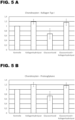
- Dieselben Zellversuche wurden auch mit humanen Chondrocyten (Knorpelzellen) durchgeführt. Die Kultivierung der Zellen und Bestimmung von Kollagen Typ I und Biproteoglykanen erfolgte wie bei den oben beschriebenen Versuchen mit Fibroblasten, mit dem Unterschied, dass ein Kollagenhydrolysat aus Rinderknochengelatine mit einem mittleren Molekulargewicht von ca. 4.000 Da eingesetzt wurde.
- Die Ergebnisse sind in den Säulendiagrammen der
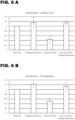
Figur 5 dargestellt, wobeiFigur 5A die Biosynthese von Kollagen Typ I betrifft undFigur 5B die Biosynthese von Proteoglykanen. Es handelt sich jeweils um die Mittelwerte aus drei Versuchen. Auch hier zeigt sich, dass die durch das Glucocorticoid bedingte Verminderung der Biosynthese durch den Zusatz von Kollagenhydrolysat im Wesentlichen vollständig kompensiert werden kann. - Entsprechende Versuche wurden auch mit humanen Osteoblasten (Knochenzellen) durchgeführt, die Versuchsdurchführung und Bestimmung von Kollagen Typ I und Proteoglykanen erfolgte wie bei den Versuchen mit Chondrocyten (einschließlich des Kollagenhydrolysats mit 4.000 Da). Die Säulendiagramme der
Figur 6 zeigen, dass auch im Fall von Osteoblasten die Verminderung der Biosynthese von Kollagen Typ I (Figur 6A ) und von Proteoglykanen (Figur 6B ) durch das Glucocorticoid im Wesentlichen vollständig durch den Zusatz von Kollagenhydrolysat kompensiert werden kann. - Die Ergebnisse mit Chondrocyten und Osteoblasten zeigen, dass sich die vorteilhaften Wirkungen von Kollagenhydrolysat in Kombination mit Corticosteroiden nicht auf die Haut beschränken, sondern dass auch bei Nebenwirkungen in anderen Gewebetypen mit einer Milderung gerechnet werden kann.
Claims (13)
- Kollagenhydrolysat zur Verwendung als Wirkstoff bei der Behandlung von Neurodermitis.
- Kollagenhydrolysat zur Verwendung nach Anspruch 1, wobei das Kollagenhydrolysat oral verabreicht wird, bevorzugt in einer täglichen Dosis von 2 bis 15 g, weiter bevorzugt von 3 bis 10 g.
- Kollagenhydrolysat zur Verwendung nach Anspruch 1 oder 2, wobei das Kollagenhydrolysat zur unterstützenden Behandlung neben einer Behandlung der Neurodermitis mit einem Corticosteroid verwendet wird.
- Kollagenhydrolysat zur Verwendung nach Anspruch 3, wobei die Verabreichung von Kollagenhydrolysat eine Verringerung der verabreichten Menge an Corticosteroid ermöglicht.
- Kollagenhydrolysat zur Verwendung nach einem der Ansprüche 3 bis 4, wobei das Corticosteroid topisch verabreicht wird, insbesondere in Form einer Salbe, oder wobei das Corticosteroid oral verabreicht wird, insbesondere in Form einer Zusammensetzung, die das Kollagenhydrolysat und das Corticosteroid enthält.
- Kollagenhydrolysat zur Verwendung nach einem der Ansprüche 3 bis 5, wobei das Corticosteroid ein Glucocorticoid ist, wie z.B. Hydrocortison.
- Kollagenhydrolysat zur Verwendung nach einem der vorhergehenden Ansprüche, wobei das Kollagenhydrolysat ein mittleres Molekulargewicht von 500 bis 15.000 Da aufweist, bevorzugt von 1.000 bis 8.000 Da, weiter bevorzugt von 1.500 bis 5.000 Da, am meisten bevorzugt von 1.800 bis 2.200 Da.
- Kollagenhydrolysat zur Verwendung nach einem der vorhergehenden Ansprüche, wobei das Kollagenhydrolysat durch enzymatische Hydrolyse eines kollagenhaltigen Ausgangsmaterials hergestellt ist.
- Kollagenhydrolysat zur Verwendung nach Anspruch 8, wobei das kollagenhaltige Ausgangsmaterial ausgewählt ist aus Haut oder Knochen von Wirbeltieren, bevorzugt von Säugetieren, Vögeln oder Fischen, insbesondere aus Haut von Rindern oder Schweinen.
- Kollagenhydrolysat zur Verwendung nach Anspruch 8 oder 9, wobei das Kollagenhydrolysat durch die nacheinander folgende Einwirkung von mindestens zwei Endoproteasen mit einer unterschiedlichen Spezifität, insbesondere von mindestens zwei verschiedenen Metalloproteasen und/oder Serinproteasen, hergestellt ist.
- Kollagenhydrolysat zur Verwendung nach Anspruch 10, wobei die Metalloproteasen und/ oder Serinproteasen ausgewählt sind aus Enzymen aus den Mikroorganismen Bacillus subtilis, Bacillus licheniformis, Bacillus amyloliquefaciens, Aspergillus oryzae und Aspergillus melleus.
- Kollagenhydrolysat zur Verwendung nach einem der vorangehenden Ansprüche, wobei mindestens 50% der N-terminalen Aminosäuren des Kollagenhydrolysats hydrophobe Aminosäuren sind, insbesondere Alanin, Leucin und Isoleucin.
- Kollagenhydrolysat zur Verwendung nach einem der Ansprüche 1 bis 7, wobei das Kollagenhydrolysat durch rekombinante Genexpression hergestellt ist.
Applications Claiming Priority (2)
| Application Number | Priority Date | Filing Date | Title |
|---|---|---|---|
| DE102018133374.9A DE102018133374A1 (de) | 2018-12-21 | 2018-12-21 | Kollagenhydrolysat zur Verwendung gegen Hautkrankheiten und Darmkrankheiten |
| PCT/EP2019/086839 WO2020128070A2 (de) | 2018-12-21 | 2019-12-20 | Kollagenhydrolysat zur verwendung gegen hautkrankheiten und darmkrankheiten |
Publications (2)
| Publication Number | Publication Date |
|---|---|
| EP3897694A2 EP3897694A2 (de) | 2021-10-27 |
| EP3897694B1 true EP3897694B1 (de) | 2025-04-23 |
Family
ID=69159741
Family Applications (1)
| Application Number | Title | Priority Date | Filing Date |
|---|---|---|---|
| EP19835661.0A Active EP3897694B1 (de) | 2018-12-21 | 2019-12-20 | Kollagenhydrolysat zur verwendung gegen neurodermitis |
Country Status (14)
| Country | Link |
|---|---|
| US (1) | US12138297B2 (de) |
| EP (1) | EP3897694B1 (de) |
| JP (1) | JP7717609B2 (de) |
| KR (1) | KR20210106443A (de) |
| CN (1) | CN113271961A (de) |
| AU (1) | AU2019410881B2 (de) |
| BR (1) | BR112021010046A2 (de) |
| CA (1) | CA3122046A1 (de) |
| DE (1) | DE102018133374A1 (de) |
| EA (1) | EA202191686A1 (de) |
| ES (1) | ES3033462T3 (de) |
| MX (1) | MX2021007486A (de) |
| PL (1) | PL3897694T3 (de) |
| WO (1) | WO2020128070A2 (de) |
Families Citing this family (6)
| Publication number | Priority date | Publication date | Assignee | Title |
|---|---|---|---|---|
| DE102020126594A1 (de) * | 2020-10-09 | 2022-04-14 | Gelita Ag | Kollagenhydrolysat als Wirkstoff zum Verzögern der Alterung |
| DE102021214899A1 (de) | 2021-12-22 | 2023-06-22 | Gelita Ag | Typ I-Kollagenpeptid zur therapeutischen Verwendung |
| WO2023213909A1 (en) | 2022-05-04 | 2023-11-09 | Rousselot Bv | Collagen hydrolysate composition for reducing joint pain after exercise |
| US20260027188A1 (en) * | 2022-07-29 | 2026-01-29 | Lonza Greenwood Llc | Method and Composition for Treating Conditions Associated with a Leaky Gut Barrier |
| JP7631623B2 (ja) | 2022-08-31 | 2025-02-18 | ルースロ ビーヴイ | 集中治療後症候群(pics)の予防及び/又は治療に使用するためのコラーゲン加水分解物 |
| IT202200022392A1 (it) | 2022-10-31 | 2024-05-01 | Uriach Consumer Healthcare S L | Collagene idrolizzato, processo per la sua preparazione e suoi usi |
Citations (1)
| Publication number | Priority date | Publication date | Assignee | Title |
|---|---|---|---|---|
| WO2020094728A1 (de) * | 2018-11-06 | 2020-05-14 | Gelita Ag | Rekombinante herstellung eines kollagenpeptidpräparates und dessen verwendung |
Family Cites Families (13)
| Publication number | Priority date | Publication date | Assignee | Title |
|---|---|---|---|---|
| RO115690B1 (ro) * | 1998-06-17 | 2000-05-30 | Institutul Naţional De Cercetare - Dezvoltare Pentru Ştiinţe Biologice | Unguent antiacneic şi antiseboreic |
| RO115691B1 (ro) * | 1998-06-17 | 2000-05-30 | Institutul Naţional De Cercetare - Dezvoltare Pentru Ştiinţe Biologice | Unguent antipsoriazis |
| HK1040629B (en) * | 1998-12-23 | 2005-01-28 | Idea Ag | Improved formulations for local non-diffusive administration in vivo |
| DE10058772A1 (de) * | 2000-11-27 | 2002-06-06 | Falk Pharma Gmbh | Verfahren zur Herstellung leicht löslicher Arzneimittelformulierungen und entsprechende Formulierungen |
| JP2011111434A (ja) | 2009-11-30 | 2011-06-09 | Obihiro Univ Of Agriculture & Veterinary Medicine | 皮膚機能改善剤及びそれを含む飲食品 |
| CN102652021A (zh) | 2009-12-10 | 2012-08-29 | 罗蒂株式会社 | 特应性皮炎预防剂 |
| DE102010060564A1 (de) * | 2010-11-15 | 2012-05-16 | Gelita Ag | Verwendung von Kollagenhydrolysat zur Verbesserung der Gesundheit der menschlichen Haut, Haare und/oder Nägel |
| ES2492672T3 (es) * | 2010-12-02 | 2014-09-10 | Medskin Solutions Dr. Suwelack Ag | Colágeno para su uso en el tratamiento de enfermedades cutáneas |
| AU2012344135B2 (en) * | 2011-11-29 | 2017-01-05 | Gelita Ag | Collagen hydrolysate and use thereof |
| DE102012101911A1 (de) * | 2012-03-07 | 2013-09-12 | Gelita Ag | Verwendung von Kollagenhydrolysat |
| US20160082087A1 (en) | 2013-04-26 | 2016-03-24 | Nitta Gelatin Inc. | Whitening promoting agent or atopic dermatitis ameliorating agent |
| CN104382943A (zh) * | 2014-10-20 | 2015-03-04 | 广西壮族自治区花红药业股份有限公司 | 鱼鳞提取物在制备治疗和/或预防银屑病药物方面的新用途 |
| WO2019224035A1 (en) * | 2018-05-24 | 2019-11-28 | Almirall, S.A. | Topical pharmaceutical compositions comprising a corticosteroid |
-
2018
- 2018-12-21 DE DE102018133374.9A patent/DE102018133374A1/de active Pending
-
2019
- 2019-12-20 EA EA202191686A patent/EA202191686A1/ru unknown
- 2019-12-20 CA CA3122046A patent/CA3122046A1/en active Pending
- 2019-12-20 BR BR112021010046-6A patent/BR112021010046A2/pt unknown
- 2019-12-20 JP JP2021535213A patent/JP7717609B2/ja active Active
- 2019-12-20 ES ES19835661T patent/ES3033462T3/es active Active
- 2019-12-20 CN CN201980083867.9A patent/CN113271961A/zh active Pending
- 2019-12-20 AU AU2019410881A patent/AU2019410881B2/en active Active
- 2019-12-20 MX MX2021007486A patent/MX2021007486A/es unknown
- 2019-12-20 PL PL19835661.0T patent/PL3897694T3/pl unknown
- 2019-12-20 KR KR1020217018852A patent/KR20210106443A/ko active Pending
- 2019-12-20 WO PCT/EP2019/086839 patent/WO2020128070A2/de not_active Ceased
- 2019-12-20 EP EP19835661.0A patent/EP3897694B1/de active Active
-
2021
- 2021-06-17 US US17/350,280 patent/US12138297B2/en active Active
Patent Citations (1)
| Publication number | Priority date | Publication date | Assignee | Title |
|---|---|---|---|---|
| WO2020094728A1 (de) * | 2018-11-06 | 2020-05-14 | Gelita Ag | Rekombinante herstellung eines kollagenpeptidpräparates und dessen verwendung |
Also Published As
| Publication number | Publication date |
|---|---|
| MX2021007486A (es) | 2021-08-05 |
| ES3033462T3 (en) | 2025-08-04 |
| EP3897694A2 (de) | 2021-10-27 |
| EA202191686A1 (ru) | 2021-11-08 |
| DE102018133374A1 (de) | 2020-06-25 |
| CN113271961A (zh) | 2021-08-17 |
| AU2019410881A1 (en) | 2021-06-10 |
| AU2019410881B2 (en) | 2025-07-10 |
| CA3122046A1 (en) | 2020-06-25 |
| WO2020128070A2 (de) | 2020-06-25 |
| KR20210106443A (ko) | 2021-08-30 |
| JP2022515392A (ja) | 2022-02-18 |
| US20210308231A1 (en) | 2021-10-07 |
| WO2020128070A3 (de) | 2020-08-13 |
| BR112021010046A2 (pt) | 2021-08-17 |
| JP7717609B2 (ja) | 2025-08-04 |
| PL3897694T3 (pl) | 2025-07-07 |
| US12138297B2 (en) | 2024-11-12 |
Similar Documents
| Publication | Publication Date | Title |
|---|---|---|
| EP3897694B1 (de) | Kollagenhydrolysat zur verwendung gegen neurodermitis | |
| DE60030766T2 (de) | Verwendung eines extraktes der gattung vaccinium als anti-glykations-agens | |
| EP2916855B1 (de) | Kollagenhydrolysat und dessen verwendung | |
| EP2785420B1 (de) | Kosmetische verwendung von kollagenhydrolysat | |
| DE69831269T2 (de) | Behandlung von narbengewebe mit liponsäure | |
| WO2010149596A1 (de) | Zusammensetzung zur behandlung von degenerativen gelenkerkrankungen | |
| DE102010060564A1 (de) | Verwendung von Kollagenhydrolysat zur Verbesserung der Gesundheit der menschlichen Haut, Haare und/oder Nägel | |
| US9687525B2 (en) | Cartilage product | |
| CN107137342A (zh) | 一种含有冬虫夏草提取物的舒敏修护喷雾及其制备方法 | |
| DE69400353T2 (de) | Schlankmachende Zusammensetzung | |
| KR20150120426A (ko) | 갈조류 추출물, 효모 추출물 및 아스코르브산을 함유하는 화장료 조성물 | |
| WO2021090284A1 (en) | Composition for the making of an emulsifiable triphasic formulation, and kit for the use of such composition | |
| DE69313261T2 (de) | Verwendung von LACTOFERRIN zur Herstellung eines THERAPEUTISCHEN MITTELS zur Behandlung von RHEUMATISMUS | |
| DE3543221C2 (de) | Kosmetische Zusammensetzungen für die Kopfhaut und Haarbehandlungsverfahren | |
| WO2021083968A1 (de) | Ernährungsphysiologisch optimiertes kollagenpeptid | |
| DE69519327T2 (de) | Proteinhydrolysat aus Seetieren, Verfahren zur Herstellung und Verwendung | |
| EP1447090A2 (de) | Verwendung von Hyaluronidase zur Prophylaxe und Behandlung von Herz-Kreislauf-Erkrankungen | |
| DE102005057292A1 (de) | Haarnährstoffschlucktablette | |
| EP4225262A1 (de) | Kollagenhydrolysat als wirkstoff zum verzögern der alterung | |
| DE102012101911A1 (de) | Verwendung von Kollagenhydrolysat | |
| DE102011055800A1 (de) | Verwendung von Kollagenhydrolysat | |
| CN121313527A (zh) | 一种具有调节皮肤微生态平衡功效的组合物及其应用 | |
| DE202006019112U1 (de) | Mittel zur Behandlung von neurodegenerativen Erkrankungen und/oder Hauterkrankungen |
Legal Events
| Date | Code | Title | Description |
|---|---|---|---|
| STAA | Information on the status of an ep patent application or granted ep patent |
Free format text: STATUS: UNKNOWN |
|
| STAA | Information on the status of an ep patent application or granted ep patent |
Free format text: STATUS: THE INTERNATIONAL PUBLICATION HAS BEEN MADE |
|
| PUAI | Public reference made under article 153(3) epc to a published international application that has entered the european phase |
Free format text: ORIGINAL CODE: 0009012 |
|
| STAA | Information on the status of an ep patent application or granted ep patent |
Free format text: STATUS: REQUEST FOR EXAMINATION WAS MADE |
|
| 17P | Request for examination filed |
Effective date: 20210504 |
|
| AK | Designated contracting states |
Kind code of ref document: A2 Designated state(s): AL AT BE BG CH CY CZ DE DK EE ES FI FR GB GR HR HU IE IS IT LI LT LU LV MC MK MT NL NO PL PT RO RS SE SI SK SM TR |
|
| DAV | Request for validation of the european patent (deleted) | ||
| DAX | Request for extension of the european patent (deleted) | ||
| P01 | Opt-out of the competence of the unified patent court (upc) registered |
Effective date: 20230519 |
|
| STAA | Information on the status of an ep patent application or granted ep patent |
Free format text: STATUS: EXAMINATION IS IN PROGRESS |
|
| 17Q | First examination report despatched |
Effective date: 20240507 |
|
| GRAP | Despatch of communication of intention to grant a patent |
Free format text: ORIGINAL CODE: EPIDOSNIGR1 |
|
| STAA | Information on the status of an ep patent application or granted ep patent |
Free format text: STATUS: GRANT OF PATENT IS INTENDED |
|
| INTG | Intention to grant announced |
Effective date: 20241210 |
|
| GRAS | Grant fee paid |
Free format text: ORIGINAL CODE: EPIDOSNIGR3 |
|
| GRAA | (expected) grant |
Free format text: ORIGINAL CODE: 0009210 |
|
| STAA | Information on the status of an ep patent application or granted ep patent |
Free format text: STATUS: THE PATENT HAS BEEN GRANTED |
|
| AK | Designated contracting states |
Kind code of ref document: B1 Designated state(s): AL AT BE BG CH CY CZ DE DK EE ES FI FR GB GR HR HU IE IS IT LI LT LU LV MC MK MT NL NO PL PT RO RS SE SI SK SM TR |
|
| REG | Reference to a national code |
Ref country code: GB Ref legal event code: FG4D Free format text: NOT ENGLISH |
|
| REG | Reference to a national code |
Ref country code: CH Ref legal event code: EP |
|
| REG | Reference to a national code |
Ref country code: DE Ref legal event code: R096 Ref document number: 502019013267 Country of ref document: DE |
|
| REG | Reference to a national code |
Ref country code: IE Ref legal event code: FG4D Free format text: LANGUAGE OF EP DOCUMENT: GERMAN |
|
| REG | Reference to a national code |
Ref country code: ES Ref legal event code: FG2A Ref document number: 3033462 Country of ref document: ES Kind code of ref document: T3 Effective date: 20250804 |
|
| REG | Reference to a national code |
Ref country code: NL Ref legal event code: MP Effective date: 20250423 |
|
| PG25 | Lapsed in a contracting state [announced via postgrant information from national office to epo] |
Ref country code: NL Free format text: LAPSE BECAUSE OF FAILURE TO SUBMIT A TRANSLATION OF THE DESCRIPTION OR TO PAY THE FEE WITHIN THE PRESCRIBED TIME-LIMIT Effective date: 20250423 |
|
| PG25 | Lapsed in a contracting state [announced via postgrant information from national office to epo] |
Ref country code: PT Free format text: LAPSE BECAUSE OF FAILURE TO SUBMIT A TRANSLATION OF THE DESCRIPTION OR TO PAY THE FEE WITHIN THE PRESCRIBED TIME-LIMIT Effective date: 20250825 Ref country code: FI Free format text: LAPSE BECAUSE OF FAILURE TO SUBMIT A TRANSLATION OF THE DESCRIPTION OR TO PAY THE FEE WITHIN THE PRESCRIBED TIME-LIMIT Effective date: 20250423 |
|
| REG | Reference to a national code |
Ref country code: LT Ref legal event code: MG9D |
|
| PG25 | Lapsed in a contracting state [announced via postgrant information from national office to epo] |
Ref country code: NO Free format text: LAPSE BECAUSE OF FAILURE TO SUBMIT A TRANSLATION OF THE DESCRIPTION OR TO PAY THE FEE WITHIN THE PRESCRIBED TIME-LIMIT Effective date: 20250723 Ref country code: GR Free format text: LAPSE BECAUSE OF FAILURE TO SUBMIT A TRANSLATION OF THE DESCRIPTION OR TO PAY THE FEE WITHIN THE PRESCRIBED TIME-LIMIT Effective date: 20250724 |
|
| PG25 | Lapsed in a contracting state [announced via postgrant information from national office to epo] |
Ref country code: BG Free format text: LAPSE BECAUSE OF FAILURE TO SUBMIT A TRANSLATION OF THE DESCRIPTION OR TO PAY THE FEE WITHIN THE PRESCRIBED TIME-LIMIT Effective date: 20250423 |
|
| PG25 | Lapsed in a contracting state [announced via postgrant information from national office to epo] |
Ref country code: HR Free format text: LAPSE BECAUSE OF FAILURE TO SUBMIT A TRANSLATION OF THE DESCRIPTION OR TO PAY THE FEE WITHIN THE PRESCRIBED TIME-LIMIT Effective date: 20250423 |
|
| PG25 | Lapsed in a contracting state [announced via postgrant information from national office to epo] |
Ref country code: RS Free format text: LAPSE BECAUSE OF FAILURE TO SUBMIT A TRANSLATION OF THE DESCRIPTION OR TO PAY THE FEE WITHIN THE PRESCRIBED TIME-LIMIT Effective date: 20250723 |
|
| PG25 | Lapsed in a contracting state [announced via postgrant information from national office to epo] |
Ref country code: IS Free format text: LAPSE BECAUSE OF FAILURE TO SUBMIT A TRANSLATION OF THE DESCRIPTION OR TO PAY THE FEE WITHIN THE PRESCRIBED TIME-LIMIT Effective date: 20250823 |
|
| PG25 | Lapsed in a contracting state [announced via postgrant information from national office to epo] |
Ref country code: LV Free format text: LAPSE BECAUSE OF FAILURE TO SUBMIT A TRANSLATION OF THE DESCRIPTION OR TO PAY THE FEE WITHIN THE PRESCRIBED TIME-LIMIT Effective date: 20250423 |
|
| PGFP | Annual fee paid to national office [announced via postgrant information from national office to epo] |
Ref country code: GB Payment date: 20251001 Year of fee payment: 7 |
|
| PG25 | Lapsed in a contracting state [announced via postgrant information from national office to epo] |
Ref country code: DK Free format text: LAPSE BECAUSE OF FAILURE TO SUBMIT A TRANSLATION OF THE DESCRIPTION OR TO PAY THE FEE WITHIN THE PRESCRIBED TIME-LIMIT Effective date: 20250423 Ref country code: SM Free format text: LAPSE BECAUSE OF FAILURE TO SUBMIT A TRANSLATION OF THE DESCRIPTION OR TO PAY THE FEE WITHIN THE PRESCRIBED TIME-LIMIT Effective date: 20250423 |
|
| PGFP | Annual fee paid to national office [announced via postgrant information from national office to epo] |
Ref country code: IT Payment date: 20251121 Year of fee payment: 7 |
|
| PGFP | Annual fee paid to national office [announced via postgrant information from national office to epo] |
Ref country code: FR Payment date: 20251008 Year of fee payment: 7 |
|
| PG25 | Lapsed in a contracting state [announced via postgrant information from national office to epo] |
Ref country code: CZ Free format text: LAPSE BECAUSE OF FAILURE TO SUBMIT A TRANSLATION OF THE DESCRIPTION OR TO PAY THE FEE WITHIN THE PRESCRIBED TIME-LIMIT Effective date: 20250423 |
|
| PGFP | Annual fee paid to national office [announced via postgrant information from national office to epo] |
Ref country code: PL Payment date: 20251013 Year of fee payment: 7 |
|
| PG25 | Lapsed in a contracting state [announced via postgrant information from national office to epo] |
Ref country code: EE Free format text: LAPSE BECAUSE OF FAILURE TO SUBMIT A TRANSLATION OF THE DESCRIPTION OR TO PAY THE FEE WITHIN THE PRESCRIBED TIME-LIMIT Effective date: 20250423 |
|
| REG | Reference to a national code |
Ref country code: DE Ref legal event code: R097 Ref document number: 502019013267 Country of ref document: DE |
|
| PG25 | Lapsed in a contracting state [announced via postgrant information from national office to epo] |
Ref country code: SK Free format text: LAPSE BECAUSE OF FAILURE TO SUBMIT A TRANSLATION OF THE DESCRIPTION OR TO PAY THE FEE WITHIN THE PRESCRIBED TIME-LIMIT Effective date: 20250423 Ref country code: RO Free format text: LAPSE BECAUSE OF FAILURE TO SUBMIT A TRANSLATION OF THE DESCRIPTION OR TO PAY THE FEE WITHIN THE PRESCRIBED TIME-LIMIT Effective date: 20250423 |
|
| PLBE | No opposition filed within time limit |
Free format text: ORIGINAL CODE: 0009261 |
|
| STAA | Information on the status of an ep patent application or granted ep patent |
Free format text: STATUS: NO OPPOSITION FILED WITHIN TIME LIMIT |
|
| REG | Reference to a national code |
Ref country code: CH Ref legal event code: L10 Free format text: ST27 STATUS EVENT CODE: U-0-0-L10-L00 (AS PROVIDED BY THE NATIONAL OFFICE) Effective date: 20260304 |