EP3891137B1 - Ire1 small molecule inhibitors - Google Patents
Ire1 small molecule inhibitors Download PDFInfo
- Publication number
- EP3891137B1 EP3891137B1 EP19828388.9A EP19828388A EP3891137B1 EP 3891137 B1 EP3891137 B1 EP 3891137B1 EP 19828388 A EP19828388 A EP 19828388A EP 3891137 B1 EP3891137 B1 EP 3891137B1
- Authority
- EP
- European Patent Office
- Prior art keywords
- compound
- alkyl
- unsubstituted
- pharmaceutically acceptable
- hydrogen
- Prior art date
- Legal status (The legal status is an assumption and is not a legal conclusion. Google has not performed a legal analysis and makes no representation as to the accuracy of the status listed.)
- Active
Links
Images

Classifications
-
- C—CHEMISTRY; METALLURGY
- C07—ORGANIC CHEMISTRY
- C07D—HETEROCYCLIC COMPOUNDS
- C07D401/00—Heterocyclic compounds containing two or more hetero rings, having nitrogen atoms as the only ring hetero atoms, at least one ring being a six-membered ring with only one nitrogen atom
- C07D401/02—Heterocyclic compounds containing two or more hetero rings, having nitrogen atoms as the only ring hetero atoms, at least one ring being a six-membered ring with only one nitrogen atom containing two hetero rings
- C07D401/12—Heterocyclic compounds containing two or more hetero rings, having nitrogen atoms as the only ring hetero atoms, at least one ring being a six-membered ring with only one nitrogen atom containing two hetero rings linked by a chain containing hetero atoms as chain links
-
- C—CHEMISTRY; METALLURGY
- C07—ORGANIC CHEMISTRY
- C07D—HETEROCYCLIC COMPOUNDS
- C07D401/00—Heterocyclic compounds containing two or more hetero rings, having nitrogen atoms as the only ring hetero atoms, at least one ring being a six-membered ring with only one nitrogen atom
- C07D401/14—Heterocyclic compounds containing two or more hetero rings, having nitrogen atoms as the only ring hetero atoms, at least one ring being a six-membered ring with only one nitrogen atom containing three or more hetero rings
-
- A—HUMAN NECESSITIES
- A61—MEDICAL OR VETERINARY SCIENCE; HYGIENE
- A61P—SPECIFIC THERAPEUTIC ACTIVITY OF CHEMICAL COMPOUNDS OR MEDICINAL PREPARATIONS
- A61P35/00—Antineoplastic agents
-
- C—CHEMISTRY; METALLURGY
- C07—ORGANIC CHEMISTRY
- C07D—HETEROCYCLIC COMPOUNDS
- C07D471/00—Heterocyclic compounds containing nitrogen atoms as the only ring hetero atoms in the condensed system, at least one ring being a six-membered ring with one nitrogen atom, not provided for by groups C07D451/00 - C07D463/00
- C07D471/02—Heterocyclic compounds containing nitrogen atoms as the only ring hetero atoms in the condensed system, at least one ring being a six-membered ring with one nitrogen atom, not provided for by groups C07D451/00 - C07D463/00 in which the condensed system contains two hetero rings
- C07D471/04—Ortho-condensed systems
Definitions
- Aggressive tumors have evolved strategies that enable them to thrive under constant adverse conditions. For example, cancer cells respond to hypoxia, nutrient starvation, oxidative stress, and high metabolic demand by adjusting their protein folding capacity via the endoplasmic reticulum (ER) stress response pathway.
- ER endoplasmic reticulum
- US 2018/265497 A1 also discloses pyrimidinyl-pyridyloxy-naphthyl compounds with inositol requiring enzyme 1 (IRE1) modulation activity or function, pharmaceutical compositions and medicaments that include such compounds, as well as methods of using such IRE1 modulators, alone and in combination with other therapeutic agents, for treating diseases or conditions that are mediated or dependent upon estrogen receptors.
- IRE1 enzyme 1
- WO2018/102751 A1 also provides small molecule inhibitors for the targeting of IRE1 protein family members, for example by direct or indirect binding, and that IRE1 small molecule inhibitors described therein are for the treatment of cancer, where the cancer is a solid or hematological cancer.
- the IREla comprises an RNase domain, a kinase domain, or any combination thereof.
- the kinase domain is an auto-transphosphorylation kinase domain.
- the kinase domain comprises an ATP-binding pocket.
- the kinase domain comprises an activation loop.
- at least one binding site is within the RNase domain. In some embodiments, at least one binding site is within the kinase domain.
- the at least one binding site is within the ATP-binding pocket of the kinase domain. In some embodiments, the at least one binding site is within the activation loop of the kinase domain. In some embodiments, binding occurs at a first binding site. In some embodiments, the first binding site is located within the RNase domain, kinase domain, ATP-binding pocket, or activation loop. In some embodiments, the first binding site comprises at least one amino acid residue of within amino acid residues 465-977 of SEQ ID NO: 1. In some embodiments, the first binding site comprises at least one amino acid residue within amino acid residues 568-833 of SEQ ID NO: 1.
- the first binding site comprises at least one amino acid residue within amino acid residues 577-586, 597, 599, 626, 642-643, 645, 648, 688, 692-693, 695, or 711 of SEQ ID NO: 1. In some embodiments, the first binding site comprises at least one amino acid residue within amino acid residues 710-725 or 729-736 of SEQ ID NO: 1. In some embodiments, the first binding site comprises at least one amino acid residue within amino acid residues 835-963 of SEQ ID NO: 1. In some embodiments, binding further occurs at a second binding site. In some embodiments, the second binding site is located within the RNase domain, the kinase domain, the ATP-binding pocket, or the activation loop.
- the second binding site comprises at least one amino acid residue of within amino acid residues 465-977 of SEQ ID NO: 1. In some embodiments, the second binding site comprises at least one amino acid residue within amino acid residues 568-833 of SEQ ID NO: 1. In some embodiments, the second binding site comprises at least one amino acid residue within amino acid residues 577-586, 597, 599, 626, 642-643, 645, 648, 688, 692-693, 695, or 711 of SEQ ID NO: 1. In some embodiments, the second binding site comprises at least one amino acid residue within amino acid residues 710-725 or 729-736 of SEQ ID NO: 1.
- the second binding site comprises at least one amino acid residue within amino acid residues 835-963 of SEQ ID NO: 1. In some embodiments, binding occurs when the IREla is in a homo-dimerized conformation. In some embodiments, binding occurs when the IRE1a is in an oligomerized conformation. In some embodiments, binding occurs when the IREla is in a non-oligomerized or non-dimerized conformation. In some embodiments, binding occurs when the IREla is in an ATP-bound state. In some embodiments, binding occurs when the IREla is in a non-ATP-bound state. In some embodiments, the compound selectively binds to a first IREla.
- selectively binding to the first IREla blocks dimerization of the first IREla to a second IREla. In some embodiments, selectively binding to the first IREla blocks auto-transphosphorylation of the first IREla. In some embodiments, selectively binding to the first IREla blocks auto-transphosphorylation of a second IREla to which the first IREla is dimerized. In some embodiments, selectively binding to the first IREla blocks activation of the first IREla. In some embodiments, selectively binding to the first IREla blocks activation a second IREla to which the first IREla is dimerized. In some embodiments, selectively binding to the first IREla blocks kinase activity of the first IREla.
- selectively binding to the first IREla blocks kinase activity of a second IREla to which the first IREla is dimerized. In some embodiments, selectively binding to the first IREla blocks RNase activity of the first IRE1a. In some embodiments, selectively binding to the first IRE1a blocks RNase activity of a second IRE1a to which the first IRE1a is dimerized.
- a compound that selectively binds a first IRE1a at two or more sites, wherein when the compound is bound to the first IRE1a protein, the compound binds to an ATP-binding pocket of the first IRE1a and blocks the binding of ATP to the first IRE1a.
- the ATP binding pocket is comprised within a kinase domain.
- the ATP binding pocket is comprised within amino acid residues 465-977 of SEQ ID NO: 1.
- the ATP binding pocket is comprised within amino acid residues 568-833 of SEQ ID NO: 1.
- the ATP binding pocket comprises one or more of amino acid resides 577-586, 597, 599, 626, 642-643, 645, 648, 688, 692-693, 695, or 711 of SEQ ID NO: 1.
- composition comprising any one of the compounds described herein, or a pharmaceutically acceptable salt or solvate thereof, and one or more pharmaceutically acceptable excipients.
- a compound for use as a medicament comprising administering to a subject in need thereof a pharmaceutical composition, wherein the pharmaceutical composition comprises the compound of any one of the compounds described herein.
- the disease is cancer.
- the cancer is a solid cancer or a hematologic cancer.
- the cancer is an ovarian cancer, a bladder cancer, a breast cancer, or a lung cancer.
- the breast cancer is triple negative breast cancer (TNBC).
- TNBC triple negative breast cancer
- the cancer is a leukemia, lymphoma, or multiple myeloma.
- the pharmaceutical composition is administered to the subject intravenously or orally.
- a compound for use in a method for treating or ameliorating a cell proliferative disorder comprising administering a pharmaceutical composition comprising a compound, or a pharmaceutically acceptable salt, or solvate thereof, that selectively binds to at least one amino acid residue of a IRE1 family protein comprising an RNase domain and kinase domain.
- the IRE1 family protein is IRE1a.
- the compound binds to an ATP-binding site of IREla.
- the cell proliferative disorder is cancer.
- the cancer is a solid cancer or a hematologic cancer.
- Amino refers to the -NH 2 radical.
- Niro refers to the -NO 2 radical.
- Oxa refers to the -O- radical.
- C 1 -C x includes C 1 -C 2 , C 1 -C 3 ... C 1 -C x .
- a group designated as “C 1 -C 4 " indicates that there are one to four carbon atoms in the moiety, i.e. groups containing 1 carbon atom, 2 carbon atoms, 3 carbon atoms or 4 carbon atoms.
- C 1 -C 4 alkyl indicates that there are one to four carbon atoms in the alkyl group, i.e., the alkyl group is selected from among methyl, ethyl, propyl, iso -propyl, n -butyl, iso -butyl, sec -butyl, and t -butyl.
- alkyl refers to an aliphatic hydrocarbon group.
- the alkyl group is branched or straight chain. Unless otherwise noted, the “alkyl” group has 1 to 10 carbon atoms, i.e. a C 1 -C 10 alkyl, preferably 1 to 6 carbon atoms.
- a numerical range such as “1 to 10” refers to each integer in the given range; e.g., "1 to 10 carbon atoms” means that the alkyl group consist of 1 carbon atom, 2 carbon atoms, 3 carbon atoms, 4 carbon atoms, 5 carbon atoms, 6 carbon atoms, etc., up to and including 10 carbon atoms, although the present definition also covers the occurrence of the term "alkyl” where no numerical range is designated.
- an alkyl is a C 1 -C 6 alkyl.
- the alkyl is methyl, ethyl, propyl, iso propyl, n-butyl, iso-butyl, sec-butyl, or t-butyl.
- Typical alkyl groups include, but are in no way limited to, methyl, ethyl, propyl, isopropyl, butyl, isobutyl, sec-butyl, tertiary butyl, pentyl, neopentyl, or hexyl.
- alkylene refers to a divalent alkyl radical. Any of the above mentioned monovalent alkyl groups may be an alkylene by abstraction of a hydrogen atom from the alkyl. Unless otherwise noted, an alkylene is a C 1 -C 6 alkylene. In other embodiments, an alkylene is a C 1 -C 4 alkylene. In certain embodiments, an alkylene comprises one to four carbon atoms ( e.g., C 1 -C 4 alkylene). In other embodiments, an alkylene comprises one to three carbon atoms ( e.g., C 1 -C 3 alkylene).
- an alkylene comprises one to two carbon atoms (e.g., C 1 -C 2 alkylene). In other embodiments, an alkylene comprises one carbon atom ( e.g., C 1 alkylene). In other embodiments, an alkylene comprises two carbon atoms ( e.g., C 2 alkylene). In other embodiments, an alkylene comprises two to four carbon atoms ( e.g., C 2 -C 4 alkylene).
- Typical alkylene groups include, but are not limited to, -CH 2 -, -CH(CH 3 )-, -C(CH 3 ) 2 -, -CH 2 CH 2 -, -CH 2 CH(CH 3 )-, - CH 2 C(CH 3 ) 2 -, -CH 2 CH 2 CH 2 -, and -CH 2 CH 2 CH 2 CH 2 -.
- alkoxy refers to a (alkyl)O- group, where alkyl is as defined herein.
- aromatic refers to a planar ring having a delocalized ⁇ -electron system containing 4n+2 ⁇ electrons, where n is an integer.
- aromatic includes both carbocyclic aryl ("aryl”, e.g., phenyl) and heterocyclic aryl (or “heteroaryl” or “heteroaromatic") groups ( e.g., pyridine).
- aryl e.g., phenyl
- heterocyclic aryl or “heteroaryl” or “heteroaromatic” groups
- pyridine e.g., pyridine
- the term includes monocyclic or fused-ring polycyclic ( i.e., rings which share adjacent pairs of carbon atoms) groups.
- Carbocyclic refers to a ring or ring system where the atoms forming the backbone of the ring are all carbon atoms. The term thus distinguishes carbocyclic from “heterocyclic” rings or “heterocycles” in which the ring backbone contains at least one atom which is different from carbon. In some embodiments, at least one of the two rings of a bicyclic carbocycle is aromatic. In some embodiments, both rings of a bicyclic carbocycle are aromatic. Carbocycle includes cycloalkyl and aryl.
- aryl refers to an aromatic ring wherein each of the atoms forming the ring is a carbon atom.
- aryl is phenyl or a naphthyl.
- an aryl is a phenyl.
- an aryl is a C 6 -C 10 aryl.
- an aryl group is a monoradical or a diradical (i.e., an arylene group).
- cycloalkyl refers to a monocyclic or polycyclic aliphatic, non-aromatic radical, wherein each of the atoms forming the ring (i.e. skeletal atoms) is a carbon atom.
- cycloalkyls are spirocyclic or bridged compounds.
- cycloalkyls are optionally fused with an aromatic ring, and the point of attachment is at a carbon that is not an aromatic ring carbon atom.
- cycloalkyl groups have from 3 to 10 ring atoms, preferably from 3 to 6 ring atoms.
- cycloalkyl groups are selected from among cyclopropyl, cyclobutyl, cyclopentyl, cyclopentenyl, cyclohexyl, cyclohexenyl, cycloheptyl, cyclooctyl, spiro[2.2]pentyl, norbornyl and bicycle[1.1.1]pentyl.
- a cycloalkyl is a C 3 -C 6 cycloalkyl.
- a cycloalkyl is a monocyclic cycloalkyl.
- Monocyclic cycloalkyls include, but are not limited to, cyclopropyl, cyclobutyl, cyclopentyl, cyclohexyl, cycloheptyl, and cyclooctyl.
- Polycyclic cycloalkyls include, for example, adamantyl, norbornyl ( i.e., bicyclo[2.2.1]heptanyl), norbornenyl, decalinyl, and 7,7-dimethyl-bicyclo[2.2.1]heptanyl.
- cycloalkylalkyl refers to a moiety of the formula -R b R d where R b is an alkylene group as defined herein and R d is a cycloalkyl moiety as defined herein.
- a cycloalkylalkyl moiety is a C 3 -C 10 cycloalkylalkyl moiety.
- the C 3 -C 10 cycloalkylalkyl includes a C 3 -C 10 cycloalkyl radical.
- a cycloalkylalkyl moiety is a C 3 -C 6 cycloalkylalkyl moiety.
- the C 3 -C 6 cycloalkylalkyl includes a C 3 -C 6 cycloalkyl radical.
- halo or, alternatively, "halogen” or “halide” means fluoro, chloro, bromo or iodo. In some embodiments, halo is fluoro, chloro, or bromo
- haloalkyl refers to an alkyl in which one or more hydrogen atoms are replaced by a halogen atom.
- a fluoroalkyl is a C 1 -C 6 fluoroalkyl.
- fluoroalkyl refers to an alkyl in which one or more hydrogen atoms are replaced by a fluorine atom.
- a fluoroalkyl is a C 1 -C 6 fluoroalkyl.
- a fluoroalkyl is selected from trifluoromethyl, difluoromethyl, fluoromethyl, 2,2,2-trifluoroethyl, and 1-fluoromethyl-2-fluoroethyl.
- heteroalkyl refers to, unless otherwise stated, a straight or branched alkyl group comprising at least one carbon atom and at least one heteroatom, such as O, N (e.g. -NH-, -N(alkyl)-), P, Si, S, and Se. In some embodiments, one or more heteroatoms may be oxidized.
- a heteroalkyl is a C 1 -C 6 heteroalkyl.
- heteroatom refers to an atom of any element other than carbon or hydrogen. Unless otherwise noted, the heteroatom is nitrogen, oxygen, or sulfur. In some embodiments, the heteroatom is nitrogen or oxygen. In some embodiments, the heteroatom is nitrogen.
- heterocycle refers to heteroaromatic rings (also known as heteroaryls) and heterocycloalkyl rings (also known as heteroalicyclic groups) containing one to four heteroatoms in the ring(s), where each heteroatom in the ring(s) is selected from O, S and N, wherein each heterocyclic group comprises from 3 to 14 atoms in its ring system comprising 2 to 10 carbon atoms and from one to 4 heteroatoms, and with the proviso that any ring does not contain two adjacent O or S atoms.
- heterocycles are monocyclic, bicyclic, polycyclic, spirocyclic or bridged compounds.
- Non-aromatic heterocyclic groups include rings having 3 to 10 atoms in its ring system and aromatic heterocyclic groups include rings having 5 to 10 atoms in its ring system.
- the heterocyclic groups include benzo-fused ring systems.
- non-aromatic heterocyclic groups are pyrrolidinyl, tetrahydrofuranyl, dihydrofuranyl, tetrahydrothienyl, oxazolidinonyl, tetrahydropyranyl, dihydropyranyl, tetrahydrothiopyranyl, piperidinyl, morpholinyl, thiomorpholinyl, thioxanyl, piperazinyl, aziridinyl, azetidinyl, oxetanyl, thietanyl, homopiperidinyl, oxepanyl, thiepanyl, oxazepinyl, diazepinyl, thiazepinyl, 1,2,3,6-tetrahydropyridinyl, pyrrolin-2-yl, pyrrolin-3-yl, indolinyl, 2H-pyranyl, 4H-pyranyl, dioxanyl,
- aromatic heterocyclic groups are pyridinyl, imidazolyl, pyrimidinyl, pyrazolyl, triazolyl, pyrazinyl, tetrazolyl, furyl, thienyl, isoxazolyl, thiazolyl, oxazolyl, isothiazolyl, pyrrolyl, quinolinyl, isoquinolinyl, indolyl, benzimidazolyl, benzofuranyl, cinnolinyl, indazolyl, indolizinyl, phthalazinyl, pyridazinyl, triazinyl, isoindolyl, pteridinyl, purinyl, oxadiazolyl, thiadiazolyl, furazanyl, benzofurazanyl, benzothiophenyl, benzothiazolyl, benzoxazolyl, quinazolinyl, quinox
- a group derived from pyrrole includes both pyrrol-l-yl ( N -attached) or pyrrol-3-yl (C-attached).
- a group derived from imidazole includes imidazol-1-yl or imidazol-3-yl (both N- attached) or imidazol-2-yl, imidazol-4-yl or imidazol-5-yl (all C-attached).
- the heterocyclic groups include benzo-fused ring systems.
- at least one of the two rings of a bicyclic heterocycle is aromatic.
- both rings of a bicyclic heterocycle are aromatic.
- heteroaryl or, alternatively, “heteroaromatic” refers to an aromatic ring that includes carbon rings atoms and one or more ring heteroatoms selected from nitrogen, oxygen and sulfur. Unless otherwise noted, a heteroaryl has 5 to 10 atoms in its ring system wherein one to four of the ring atoms are heteroatoms and each heteroatom in the ring(s) is selected from O, S and N, with the proviso that any ring does not contain two adjacent O or S atoms.
- Illustrative examples of heteroaryl groups include monocyclic heteroaryls and bicyclcic heteroaryls.
- Monocyclic heteroaryls include pyridinyl, imidazolyl, pyrimidinyl, pyrazolyl, triazolyl, pyrazinyl, tetrazolyl, furyl, thienyl, isoxazolyl, thiazolyl, oxazolyl, isothiazolyl, pyrrolyl, pyridazinyl, triazinyl, oxadiazolyl, thiadiazolyl, and furazanyl.
- Bicyclic heteroaryls include indolizine, indole, benzofuran, benzothiophene, indazole, benzimidazole, purine, quinolizine, quinoline, isoquinoline, cinnoline, phthalazine, quinazoline, quinoxaline, 1,8-naphthyridine, and pteridine.
- a heteroaryl contains 0-4 N atoms in the ring.
- a heteroaryl contains 1-4 N atoms in the ring.
- a heteroaryl contains 0-4 N atoms, 0-1 O atoms, and 0-1 S atoms in the ring.
- a heteroaryl contains 1-4 N atoms, 0-1 O atoms, and 0-1 S atoms in the ring.
- a heteroaryl is a C 1 -C 9 heteroaryl.
- monocyclic heteroaryl is a C 1 -C 5 heteroaryl.
- monocyclic heteroaryl is a 5-membered or 6-membered heteroaryl.
- bicyclic heteroaryl is a C 6 -C 9 heteroaryl.
- heterocycloalkyl or “heteroalicyclic” group refers to a cycloalkyl group that includes at least one heteroatom selected from nitrogen, oxygen and sulfur.
- a heterocycloalkyl is a spirocyclic or bridged compound.
- a heterocycloalkyl is fused with an aryl or heteroaryl.
- the heterocycloalkyl is oxazolidinonyl, pyrrolidinyl, tetrahydrofuranyl, tetrahydrothienyl, tetrahydropyranyl, tetrahydrothiopyranyl, piperidinyl, morpholinyl, thiomorpholinyl, piperazinyl, piperidin-2-onyl, pyrrolidine-2,5-dithionyl, pyrrolidine-2,5-dionyl, pyrrolidinonyl, imidazolidinyl, imidazolidin-2-onyl, or thiazolidin-2-onyl.
- heteroalicyclic also includes all ring forms of the carbohydrates, including but not limited to the monosaccharides, the disaccharides and the oligosaccharides.
- a heterocycloalkyl is a C 2 -C 10 heterocycloalkyl.
- a heterocycloalkyl is a C 4 -C 10 heterocycloalkyl.
- a heterocycloalkyl contains 0-2 N atoms in the ring.
- a heterocycloalkyl contains 0-2 N atoms, 0-2 O atoms and 0-1 S atoms in the ring.
- bond refers to a chemical bond between two atoms, or two moieties when the atoms joined by the bond are considered to be part of larger substructure.
- bond when a group described herein is a bond, the referenced group is absent thereby allowing a bond to be formed between the remaining identified groups.
- moiety refers to a specific segment or functional group of a molecule. Chemical moieties are often recognized chemical entities embedded in or appended to a molecule.
- optional substituents are independently selected from D, halogen, -CN, -NH 2 , -OH, -NH(CH 3 ), -N(CH 3 ) 2 , - CH 3 , -CH 2 CH 3 , -CH 2 NH 2 , -CF 3 , -OCH 3 , and -OCF 3 .
- substituted groups are substituted with one or two of the preceding groups.
- a "tautomer” refers to a molecule wherein a proton shift from one atom of a molecule to another atom of the same molecule is possible.
- the compounds presented herein may, in certain embodiments, exist as tautomers. In circumstances where tautomerization is possible, a chemical equilibrium of the tautomers will exist. The exact ratio of the tautomers depends on several factors, including physical state, temperature, solvent, and pH. Some examples of tautomeric equilibrium include:
- Optional or “optionally” means that a subsequently described event or circumstance may or may not occur and that the description includes instances when the event or circumstance occurs and instances in which it does not.
- optionally substituted aryl means that the aryl radical may or may not be substituted and that the description includes both substituted aryl radicals and aryl radicals having no substitution.
- “Pharmaceutically acceptable salt” includes both acid and base addition salts.
- a pharmaceutically acceptable salt of any one of the pyrazole compounds described herein is intended to encompass any and all pharmaceutically suitable salt forms.
- “Pharmaceutically acceptable acid addition salt” refers to those salts which retain the biological effectiveness and properties of the free bases, which are not biologically or otherwise undesirable, and which are formed with inorganic acids such as hydrochloric acid, hydrobromic acid, sulfuric acid, nitric acid, phosphoric acid, hydroiodic acid, hydrofluoric acid, and phosphorous acid. Also included are salts that are formed with organic acids such as aliphatic mono- and dicarboxylic acids, phenyl-substituted alkanoic acids, hydroxy alkanoic acids, alkanedioic acids, aromatic acids, aliphatic and. aromatic sulfonic acids, etc.
- acetic acid trifluoroacetic acid, propionic acid, glycolic acid, pyruvic acid, oxalic acid, maleic acid, malonic acid, succinic acid, fumaric acid, tartaric acid, citric acid, benzoic acid, cinnamic acid, mandelic acid, methanesulfonic acid, ethanesulfonic acid, p-toluenesulfonic acid, and salicylic acid.
- Exemplary salts thus include sulfates, pyrosulfates, bisulfates, sulfites, bisulfites, nitrates, phosphates, monohydrogenphosphates, dihydrogenphosphates, metaphosphates, pyrophosphates, chlorides, bromides, iodides, acetates, trifluoroacetates, propionates, caprylates, isobutyrates, oxalates, malonates, succinate suberates, sebacates, fumarates, maleates, mandelates, benzoates, chlorobenzoates, methylbenzoates, dinitrobenzoates, phthalates, benzenesulfonates, toluenesulfonates, phenylacetates, citrates, lactates, malates, tartrates, and methanesulfonates.
- salts of amino acids such as arginates, gluconates, and galacturonates (see, for example, Berge S.M. et al, "Pharmaceutical Salts," Journal of Pharmaceutical Science, 66:1-19 (1997 )).
- Acid addition salts of basic compounds may be prepared by contacting the free base forms with a sufficient amount of the desired acid to produce the salt according to methods and techniques with which a skilled artisan is familiar.
- “Pharmaceutically acceptable base addition salt” refers to those salts that retain the biological effectiveness and properties of the free acids, which are not biologically or otherwise undesirable. These salts are prepared from addition of an inorganic base or an organic base to the free acid. Pharmaceutically acceptable base addition salts may be formed with metals or amines, such as alkali and alkaline earth metals or organic amines. Salts derived from inorganic bases include, but are not limited to, sodium, potassium, lithium, ammonium, calcium, magnesium, iron, zinc, copper, manganese, and aluminum salts.
- Salts derived from organic bases include, but are not limited to, salts of primary, secondary, and tertiary amines, substituted amines including naturally occurring substituted amines, cyclic amines and basic ion exchange resins, for example, isopropylamine, trimethylamine, diethylamine, triethylamine, tripropylamine, ethanolamine, diethanolamine, 2-dimethylaminoethanol, 2-diethylaminoethanol, dicyclohexylamine, lysine, arginine, histidine, caffeine, procaine, N,N -dibenzylethylenediaine, chloroprocaine, hydrabamine, choline, betaine, ethylenediamine, ethylenedianiline, N- methylglucamine, glucosamine, methylglucamine, theobromine, purines, piperazine, piperidine, N -ethylpiperidine, and polyamine resins. See Berge et
- the compounds disclosed herein contain one or more asymmetric centers and thus give rise to enantiomers, diastereomers, and other stereoisomeric forms that are defined, in terms of absolute stereochemistry, as ( R ) - or ( S )-. Unless stated otherwise, it is intended that all stereoisomeric forms of the compounds disclosed herein are contemplated by this disclosure.
- the compounds described herein contain alkene double bonds, and unless specified otherwise, it is intended that this disclosure includes both E and Z geometric isomers ( e.g., cis or trans .) Likewise, all possible isomers, as well as their racemic and optically pure forms, and all tautomeric forms are also intended to be included.
- geometric isomer refers to E or Z geometric isomers ( e.g., cis or trans ) of an alkene double bond.
- positional isomer refers to structural isomers around a central ring, such as ortho-, meta-, and para- isomers around a benzene ring.
- module means to interact with a target either directly or indirectly so as to alter the activity of the target, including, by way of example only, to enhance the activity of the target, to inhibit the activity of the target, to limit the activity of the target, or to extend the activity of the target.
- modulator refers to a molecule that interacts with a target either directly or indirectly.
- the interactions include, but are not limited to, the interactions of an agonist, partial agonist, an inverse agonist, antagonist, degrader, or combinations thereof.
- a modulator is an agonist.
- administer refers to the methods that may be used to enable delivery of compounds or compositions to the desired site of biological action. These methods include, but are not limited to oral routes, intraduodenal routes, parenteral injection (including intravenous, subcutaneous, intraperitoneal, intramuscular, intravascular or infusion), topical and rectal administration. Those of skill in the art are familiar with administration techniques that can be employed with the compounds and methods described herein. In some embodiments, the compounds and compositions described herein are administered orally.
- co-administration are meant to encompass administration of the selected therapeutic agents to a single patient, and are intended to include treatment regimens in which the agents are administered by the same or different route of administration or at the same or different time.
- an “effective amount” or “therapeutically effective amount,” as used herein, refer to a sufficient amount of an agent or a compound being administered, which will relieve to some extent one or more of the symptoms of the disease or condition being treated. The result includes reduction and/or alleviation of the signs, symptoms, or causes of a disease, or any other desired alteration of a biological system.
- an “effective amount” for therapeutic uses is the amount of the composition comprising a compound as disclosed herein required to provide a clinically significant decrease in disease symptoms.
- An appropriate "effective" amount in any individual case is optionally determined using techniques, such as a dose escalation study.
- an “enhance” or “enhancing,” as used herein, means to increase or prolong either in potency or duration a desired effect.
- the term “enhancing” refers to the ability to increase or prolong, either in potency or duration, the effect of other therapeutic agents on a system.
- An “enhancing-effective amount,” as used herein, refers to an amount adequate to enhance the effect of another therapeutic agent in a desired system.
- pharmaceutical combination means a product that results from the mixing or combining of more than one active ingredient and includes both fixed and non-fixed combinations of the active ingredients.
- fixed combination means that the active ingredients, e.g. a compound described herein, or a pharmaceutically acceptable salt thereof, and a co-agent, are both administered to a patient simultaneously in the form of a single entity or dosage.
- non-fixed combination means that the active ingredients, e.g.
- a compound described herein, or a pharmaceutically acceptable salt thereof, and a co-agent are administered to a patient as separate entities either simultaneously, concurrently or sequentially with no specific intervening time limits, wherein such administration provides effective levels of the two compounds in the body of the patient.
- cocktail therapy e.g. the administration of three or more active ingredients.
- subject or “patient” encompasses mammals.
- mammals include, but are not limited to, any member of the Mammalian class: humans, non-human primates such as chimpanzees, and other apes and monkey species; farm animals such as cattle, horses, sheep, goats, swine; domestic animals such as rabbits, dogs, and cats; laboratory animals including rodents, such as rats, mice and guinea pigs.
- the mammal is a human.
- treatment or “treating” or “palliating” or “ameliorating” are used interchangeably herein. These terms refer to an approach for obtaining beneficial or desired results including but not limited to therapeutic benefit and/or a prophylactic benefit.
- therapeutic benefit is meant eradication or amelioration of the underlying disorder being treated.
- a therapeutic benefit is achieved with the eradication or amelioration of one or more of the physiological symptoms associated with the underlying disorder such that an improvement is observed in the patient, notwithstanding that the patient may still be afflicted with the underlying disorder.
- the compositions may be administered to a patient at risk of developing a particular disease, or to a patient reporting one or more of the physiological symptoms of a disease, even though a diagnosis of this disease may not have been made.
- Compounds described herein, including pharmaceutically acceptable salts, and pharmaceutically acceptable solvates thereof, are those that modulate IRE1 mediated signaling, directly or indirectly.
- R 2 is methyl or methoxy.
- R 1 , R 3 , R 4 , R 5 , R 6 , R 7 , R 7A , R 7B , R 8 , X 1 , X 2 , X 3 , Y 1 , Y 2 , Y 3 , Y 4 , Z 1 , Z 2 , Z 3 , and q are as defined above for Formulas (I) or (I') or are as defined in any of the embodiments described herein for those substituents in any combination thereof.
- R 1 is chlorine.
- R 2 , R 3 , R 4 , R 5 , R 6 , R 7 , R 7A , R 7B , R 8 , X 1 , X 2 , X 3 , Y 1 , Y 2 , Y 3 , Y 4 , Z 1 , Z 2 , Z 3 , and q are as defined above for Formulas (I), or (I') or are as defined in any of the embodiments described herein for those substituents in any combination thereof.
- each R 8 is H.
- R 1 , R 2 , R 3 , R 4 , R 5 , R 6 , R 7 , R 7A , R 7B , X 1 , X 2 , X 3 , Y 1 , Y 2 , Y 3 , Y 4 , Z 1 , Z 2 , Z 3 , and q are as defined above for Formulas (I)or (I') or are as defined in any of the embodiments described herein for those substituents in any combination thereof.
- R 6 is absent.
- R 1 , R 2 , R 3 , R 4 , R 5 , R 7 , R 7A , R 7B , R 8 , X 1 , X 2 , X 3 , Y 1 , Y 2 , Y 3 , Y 4 , Z 1 , Z 2 , Z 3 , and q are as defined above for Formulas (I)or (I') or are as defined in any of the embodiments described herein for those substituents in any combination thereof.
- q is 0 or 1. In some embodiments, q is 0. In some embodiments, q is 1. In some embodiments, q is 2. In all such embodiments, R 1 , R 2 , R 3 , R 4 , R 5 , R 6 , R 7 , R 7A , R 7B , R 8 , X 1 , X 2 , X 3 , Y 1 , Y 2 , Y 3 , Y 4 , Z 1 , Z 2 , and Z 3 are as defined above for Formulas (I) or (I') or are as defined in any of the embodiments described herein for those substituents in any combination thereof.
- R 3 is H or methyl or ethyl. In some embodiments, R 3 is H or methyl. In all such embodiments, R 1 , R 2 , R 4 , R 5 , R 6 , R 7 , R 7A , R 7B , R 8 , X 1 , X 2 , X 3 , Y 1 , Y 2 , Y 3 , Y 4 , Z 1 , Z 2 , Z 3 , and q are as defined above for Formulas (I) or (I') or are as defined in any of the embodiments described herein for those substituents in any combination thereof.
- R 5 is H or methyl or ethyl. In some embodiments, R 5 is H or methyl. In all such embodiments, R 1 , R 2 , R 3 , R 4 , R 6 , R 7 , R 7A , R 7B , R 8 , X 1 , X 2 , X 3 , Y 1 , Y 2 , Y 3 , Y 4 , Z 1 , Z 2 , Z 3 , and q are as defined above for Formulas (I) or (I') or are as defined in any of the embodiments described herein for those substituents in any combination thereof.
- R 7A is H.
- R 1 , R 2 , R 3 , R 4 , R 5 , R 6 , R 7 , R 7A , R 7B , R 8 , X 1 , X 2 , X 3 , Y 1 , Y 2 , Y 3 , Y 4 , Z 1 , Z 2 , Z 3 , and q are as defined above for Formulas (I) or (I') or are as defined in any of the embodiments described herein for those substituents in any combination thereof.
- R 7A is H.
- R 1 , R 2 , R 3 , R 4 , R 5 , R 6 , R 7 , R 7B , R 8 , X 1 , X 2 , X 3 , Y 1 , Y 2 , Y 3 , Y 4 , Z 1 , Z 2 , Z 3 , and q are as defined above for Formulas (I) or (I') or are as defined in any of the embodiments described herein for those substituents in any combination thereof.
- R 7B is unsubstituted C 1 -C 4 alkyl. In some embodiments, R 7B is ethyl. In all such embodiments, R 1 , R 2 , R 3 , R 4 , R 5 , R 6 , R 7 , R 7A , R 8 , X 1 , X 2 , X 3 , Y 1 , Y 2 , Y 3 , Y 4 , Z 1 , Z 2 , Z 3 , and q are as defined above for Formulas (I) or (I') or are as defined in any of the embodiments described herein for those substituents in any combination thereof.
- the compounds described herein are in the trans-configuration.
- the trans-configuration for formula (I) is as show below:
- a compound described herein is selected from any one of the compounds from Table 1.
- Table 1 Compound No. Structure Name 1 4-chloro-N-(5-(2-(((1r,4r)-4-(dimethylamino)cyclohe xyl)amino)-8-ethylquinazolin-6-yl)-6-methylpyridin-2-yl)pyridine-3-sulfonamide 2 2-chloro-N-(5-(2-(((1r,4r)-4-(dimethylamino)cyclohe xyl)amino)-8-ethylpyrido[3,2-d]pyrimidin-6-yl)-6-methylpyridin-2-yl)benzenesulfonamide
- the compounds described herein exist as geometric isomers. In some embodiments, the compounds described herein possess one or more double bonds. The compounds presented herein include all cis, trans, syn, anti,
- Z ) isomers as well as the corresponding mixtures thereof. In some situations, compounds exist as tautomers. The compounds described herein include all possible tautomers within the formulas described herein. In some situations, the compounds described herein possess one or more chiral centers and each center exists in the R configuration or S configuration. The compounds described herein include all diastereomeric, enantiomeric, and epimeric forms as well as the corresponding mixtures thereof.
- mixtures of enantiomers and/or diastereoisomers, resulting from a single preparative step, combination, or interconversion, are useful for the applications described herein.
- the compounds described herein are prepared as optically pure enantiomers by chiral chromatographic resolution of the racemic mixture.
- the compounds described herein are prepared as their individual stereoisomers by reacting a racemic mixture of the compound with an optically active resolving agent to form a pair of diastereoisomeric compounds, separating the diastereomers and recovering the optically pure enantiomers.
- dissociable complexes are preferred (e.g., crystalline diastereomeric salts).
- the diastereomers have distinct physical properties (e.g., melting points, boiling points, solubilities, reactivity, etc.) and are separated by taking advantage of these dissimilarities.
- the diastereomers are separated by chiral chromatography, or preferably, by separation/resolution techniques based upon differences in solubility.
- the optically pure enantiomer is then recovered, along with the resolving agent, by any practical means that does not result in racemization.
- the compounds described herein exist in their isotopically-labeled forms.
- the methods disclosed herein include methods of treating diseases by administering such isotopically-labeled compounds.
- the methods disclosed herein include methods of treating diseases by administering such isotopically-labeled compounds as pharmaceutical compositions.
- the compounds disclosed herein include isotopically-labeled compounds, which are identical to those recited herein, but for the fact that one or more atoms are replaced by an atom having an atomic mass or mass number different from the atomic mass or mass number usually found in nature.
- isotopes that are incorporated into compounds described herein include isotopes of hydrogen, carbon, nitrogen, oxygen, phosphorous, sulfur, fluorine and chloride, such as 2 H, 3 H, 13 C, 14 C, 15 N, 18 O, 17 O, 31 P, 32 P, 35 S, 18 F, and 36 Cl, respectively.
- Compounds described herein, and pharmaceutically acceptable salts, solvate, hydrates thereof which contain the aforementioned isotopes and/or other isotopes of other atoms are within the scope of this invention.
- Certain isotopically-labeled compounds for example those into which radioactive isotopes such as 3 H and 14 C are incorporated, are useful in drug and/or substrate tissue distribution assays.
- Tritiated, i.e., 3 H and carbon-14, i. e., 14 C, isotopes are particularly preferred for their ease of preparation and detectability. Further, substitution with heavy isotopes such as deuterium, i.e., 2 H, produces certain therapeutic advantages resulting from greater metabolic stability, for example increased in vivo half-life or reduced dosage requirements.
- the isotopically labeled compounds, pharmaceutically acceptable salt, solvate, hydrate, thereof is prepared by any suitable method.
- the compounds described herein are labeled by other means, including, but not limited to, the use of chromophores or fluorescent moieties, bioluminescent labels, or chemiluminescent labels.
- the compounds described herein exist as their pharmaceutically acceptable salts.
- the methods disclosed herein include methods of treating diseases by administering such pharmaceutically acceptable salts.
- the methods disclosed herein include methods of treating diseases by administering such pharmaceutically acceptable salts as pharmaceutical compositions.
- the compounds described herein possess acidic or basic groups and therefore react with any of a number of inorganic or organic bases, and inorganic and organic acids, to form a pharmaceutically acceptable salt.
- these salts are prepared in situ during the final isolation and purification of the compounds described herein, or by separately reacting a purified compound in its free form with a suitable acid or base, and isolating the salt thus formed.
- the compounds described herein exist as solvates. In some embodiments the compounds are for use in methods of treating diseases by administering such solvates. Further described herein are methods of treating diseases by administering such solvates as pharmaceutical compositions.
- Solvates contain either stoichiometric or non-stoichiometric amounts of a solvent, and, in some embodiments, are formed during the process of crystallization with pharmaceutically acceptable solvents such as water and ethanol. Hydrates are formed when the solvent is water, or alcoholates are formed when the solvent is alcohol. Solvates of the compounds described herein are conveniently prepared or formed during the processes described herein. By way of example only, hydrates of the compounds described herein are conveniently prepared by recrystallization from an aqueous/organic solvent mixture, using organic solvents including, but not limited to, dioxane, tetrahydrofuran or MeOH.
- the compounds provided herein exist in unsolvated as well as solvated forms. In general, the solvated forms are considered equivalent to the unsolvated forms for the purposes of the compounds and methods provided herein.
- a compound disclosed herein selectively binds to a protein of the serine/threonine-protein kinase/endoribonuclease inositol-requiring enzyme 1 (IRE1) family of proteins.
- IRE1 is encoded by the ERN1 gene.
- Exemplary IRE1 family proteins include isoforms IRE1 and IRE1a.
- Other exemplary IRE1 family proteins include IRE1 homologues or orthologues in other organisms. Exemplary organisms include human, non-human primate, mouse, rat, chicken, fruit fly, yeast, and others listed in Table 2.
- the IRE1 protein is human IREla. Table 2 Organism Accession # Homo sapiens NP_001424.3 Mus musculus NP_076402.1 Rattus norvegicus XP_006247696.1
- a compound disclosed herein selectively binds to an IRE1 family protein comprising a kinase domain and/or an RNase domain.
- the kinase domain is a trans-autophosphorylation kinase domain.
- the IRE1 family protein is IRE1a.
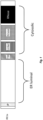
- An example arrangement of domains within an IREla protein is depicted in Fig. 1 .
- An example alignment of IRE1 family protein orthologues is depicted in Fig. 2
- a compound disclosed herein selectively binds to a trans-autophosphorylation kinase domain region of IREla. In some embodiments, a compound disclosed herein selectively binds to a trans-autophosphorylation kinase domain region of IREla, for example within amino acid residues 568-833 of SEQ ID NO: 1, or equivalent amino acid residues thereof.
- a compound disclosed herein selectively binds to an ATP-binding pocket within a trans-autophosphorylation kinase domain region of IREla. In some embodiments, a compound disclosed herein selectively binds to an ATP-binding pocket within a trans-autophosphorylation kinase domain region of IREla, for example, one or more of amino acid resides 577-711, 577-586, 597, 599, 626, 642-643, 645, 648, 688, 692-693, 695, or 711 of SEQ ID NO: 1, or equivalent amino acid residues thereof.
- a compound disclosed herein selectively binds to an activation loop within a trans-autophosphorylation kinase domain region of IREla. In some embodiments, a compound disclosed herein selectively binds to an activation loop within a trans-autophosphorylation kinase domain region of IREla, for example, one or more of amino acid residues 710-736, 710-725, or 729-736 of SEQ ID NO: 1, or equivalent amino acid residues thereof.
- a compound disclosed herein selectively binds to an RNase domain region of IREla. In some embodiments, a compound disclosed herein selectively binds to an RNase domain region of IREla, for example within amino acid residues 835-963 of SEQ ID NO: 1, or equivalent amino acid residues thereof.
- a compound disclosed herein selectively binds to a kinase domain dimer interface amino acid residue. In some embodiments, a compound disclosed herein selectively binds to a kinase domain dimer interface amino acid residue, such as one or more of amino acid residues 569-701, 569, 591, 592, 594, 617, 620 ,627, 628, 631, 674, 678, or 701 of SEQ ID NO: 1.
- a compound disclosed herein selectively binds to a first IRE1a and blocks dimerization between kinase domain dimer interface amino acid residues of the first IRE1a and a second IREla. In some embodiments, a compound disclosed herein selectively binds to a first IREla, and inhibit dimerization at one or more of amino acid residues 569-701, 569, 591, 592, 594, 617, 620 ,627, 628, 631, 674, 678, or 701 of SEQ ID NO: 1.
- a compound disclosed herein selectively binds to a kinase-extension nuclease (KEN) domain dimer interface amino acid residue of an IREla. In some embodiments, a compound disclosed herein selectively binds to a KEN domain dimer interface amino acid residue, such as one or more of amino acid residues 840-925, 840, 844, 851, 908, 912, or 925 of SEQ ID NO: 1.
- KEN kinase-extension nuclease
- a compound disclosed herein selectively binds to amino acid residues of a nuclease active site. In some embodiments, a compound disclosed herein selectively binds to amino acid residues of a nuclease active site, such as one or more of amino acid residues 847-910, 847, 850, 886, 888, 889, 890, 892, 902, 905, 906, or 910 of SEQ ID NO: 1
- a compound disclosed herein selectively binds to an RNase domain and a trans-autophosphorylation kinase domain region of IREla. In some embodiments, a compound disclosed herein selectively binds to an RNase domain and an ATP-binding pocket within a trans-autophosphorylation kinase domain region of IREla. In some embodiments, a compound disclosed herein selectively binds to an RNase domain and an activation loop within a trans autophosphorylation kinase domain region of IREla.
- a compound disclosed herein selectively binds to IRE1a at two sites located in an RNase domain, trans-autophosphorylation kinase domain region, ATP-binding pocket, activation loop, or any combination thereof. In some embodiments, a compound disclosed herein selectively binds to IREla at two or more sites. In some embodiments, a compound disclosed herein selectively binds to IREla at two or more sites located in an RNase domain, trans-autophosphorylation kinase domain region, ATP-binding pocket, activation loop, or any combination thereof. In some embodiments, a compound disclosed herein selectively binds to IREla at three sites located in an RNase domain, trans-autophosphorylation kinase domain region, ATP-binding pocket, activation loop, or any combination thereof.
- a compound disclosed herein selectively binds to IREla at a first site located in an RNase domain, trans-autophosphorylation kinase domain region, ATP-binding pocket, or activation loop.
- a first site comprises one or more of any amino acid residue within amino acid residues 465-977 of SEQ ID NO: 1.
- a compound disclosed herein selectively binds to IREla at a second site located in an RNase domain, trans-autophosphorylation kinase domain region, ATP-binding pocket, or activation loop.
- the first site is located within the same domain or region as the second site.
- the first site is located within a different domain or region as the second site.
- a compound disclosed herein selectively binds to first IREla, thereby blocking dimerization of the first IREla to a second IREla. In some embodiments, a compound disclosed herein selectively binds to first IREla, thereby blocking auto-transphosphorylation of the first IREla or a second IRE1a to which the first IRE1a is dimerized. In some embodiments, a compound disclosed herein selectively binds to a first IREla, thereby blocking activation of the first IREla or a second IREla to which the first IREla is dimerized.
- a compound disclosed herein selectively binds to a first IREla, thereby blocking kinase activity of the first IREla or a second IREla to which the first IREla is dimerized. In some embodiments, a compound disclosed herein selectively binds to a first IREla, thereby blocking RNase activity of the first IRE1a or a second IRE1a to which the first IRE1a is dimerized.
- a compound disclosed herein selectively binds to IREla when in a homo-dimerized conformation. In some embodiments, a compound disclosed herein selectively binds to IREla when in an oligomerized conformation. In some embodiments, a compound disclosed herein selectively binds to IRE1a when in a non-oligomerized or non-dimerized conformation. In some embodiments, a compound disclosed herein selectively binds to IREla when in an ATP-bound state. In some embodiments, a compound disclosed herein selectively binds to an IRE1 family protein when in a non-ATP-bound state. In some embodiments, the compound is a pharmaceutically acceptable salt, or solvate thereof.
- a compound disclosed herein selectively binds to an IRE1 family protein and alters a downstream signaling pathway. In some embodiments, a compound disclosed herein selectively binds to an IRE1 family protein and alters signaling of immunoglobulin heavy-chain binding protein (BIP), protein kinase R (PKR)-like endoplasmic reticulum kinase (PERK), glucose regulate protein 78 (Grp78), eukaryotic translation initiation factor 2 ⁇ (eIF2 ⁇ ), X-box binding protein 1 (XBP1), activating transcription factor 6 ⁇ (ATF6 ⁇ ), C/EBP homologous protein (CHOP), growth arrest and DNA damage-inducible protein 34 (GADD34), tumor necrosis factor receptor-associated factor 2 (TRAF2), JUN N-terminal kinase (JNK), regulated IRE1-dependent decay (RIDD), transcriptionally active XBP1 (XBP1s), or unspliced XBP1 (XBP1u).
- BIP
- a compound disclosed herein selectively binds to an IRE1 family protein and decreases or blocks a downstream signaling pathway. In some embodiments, a compound disclosed herein selectively binds to an IRE1 family protein and decreases or blocks activity or signaling of TXNIP, Caspase 1, Interleukin 1-beta, JNK, Bim, cytochrome C, Caspase 3, Caspase 8, mRNA degradation, miRNA degradation, apoptosis-inducing proteins, or inflammation-inducing proteins. In some embodiments, a compound disclosed herein selectively binds to an IRE1 family protein and decreases XBP1 mRNA levels.
- a compound disclosed herein selectively binds to an IRE1 family protein and decreases transcriptionally active XBP1 (XBP1s) mRNA levels. In some embodiments, a compound disclosed herein selectively binds to an IRE1 family protein and decreases spliced XBP1 mRNA levels. In some embodiments, an IRE1 family protein is IRE1, IRE1a, or ERN1.
- a compound disclosed herein selectively binds to an IRE1 family protein and increases, activates, or removes a block of a downstream signaling pathway. In some embodiments, a compound disclosed herein selectively binds to an IRE1 family protein and increases, activates, or removes a block of activity or signaling of Bcl2, Bcl-XL, Mcl-1, Bax, Bak, other anti-apoptotic proteins, or an mRNA translocon proteins. In some embodiments, an IRE1 family protein is IRE1, IRE1a, or ERN1.
- a compound disclosed herein selectively binds to an IRElfamily protein and disrupts binding with an effector protein.
- the effector protein binds to the IRE1 family protein when in a dimerized or oligomerized state.
- the effector protein binds to the IRE1 family protein when in a non-dimerized or non-oligomerized state.
- the effector protein is immunoglobulin heavy-chain binding protein (BIP), protein kinase R (PKR)-like endoplasmic reticulum kinase (PERK), glucose regulate protein 78 (Grp78), tumor necrosis factor receptor-associated factor 2 (TRAF2), JUN N-terminal kinase (JNK), transcriptionally active XBP1 (XBP1s), unspliced XBP1 (XBP1u), regulated IRE1-dependent decay (RIDD), Heat shock protein 90 kDa alpha (HSP 90-alpha), or misfolded protein.
- an IRE1 family protein is IRE1, IRE1a, or ERN1.
- a compound disclosed herein selectively binds to an IRE1 family protein and alters activity of a cellular process or cellular function, such as regulated IRE1-dependent decay (RIDD), RNA decay, translation, autophagy, cell survival, ER protein folding, ERAD, reactive oxygen species generation, transport, ER-associated protein degradation (ERAD), protein synthesis, or apoptosis.
- RIDD regulated IRE1-dependent decay
- ERAD reactive oxygen species generation
- transport ER-associated protein degradation
- protein synthesis or apoptosis.
- an altered or lack of a cellular process or cellular function is associate with a disease state
- selective binding of a compound disclosed herein results in inhibiting or alleviating the disease state, or inhibiting a deleterious activity associated with the disease state.
- an IRE1 family protein is IRE1, IRE1a, or ERN1.
- a compound disclosed herein is used to treat or ameliorate a disease associated with altered IRE1a pathway signaling when administered to a subject in need thereof. In some cases, a compound disclosed herein is used to treat or ameliorate the effects of a disease associated with altered IRE1a pathway signaling when administered to a subject in need thereof. Exemplary disease associated with altered IREla signaling include cancer. In some cases, a compound disclosed herein is used to treat or ameliorate a cancer when administered to a subject in need thereof. Exemplary cancers include tumors, solid and hematologic cancers. In some cases, a compound disclosed herein is used to treat or ameliorate a cell proliferative disorder when administered to a subject in need thereof.
- the cell proliferative disorder is a cancer.
- the solid cancer is ovarian cancer, lung cancer, breast cancer, bladder cancer, or triple negative breast cancer (TNBC).
- TNBC triple negative breast cancer
- the hematological cancer is a leukemia, lymphoma, and multiple myeloma.
- An IRE1a pathway can be involved in a variety of pathological conditions, including neurodegenerative diseases, inflammation, metabolic disorders, liver dysfunction, brain ischemia, heart ischemia, autoimmune diseases, and cancer. In some cases, modulation of this pathway provides therapeutic methods useful for treatment of such diseases.
- a compound disclosed herein is used to reinforce anti-tumor mechanisms.
- an anti-tumor mechanism comprises direct inhibition of tumor growth.
- an anti-tumor mechanism comprises induction of anti-tumor immunity.
- anti-tumor mechanisms comprise direct inhibition of tumor growth and simultaneous induction of anti-tumor immunity.
- a compound disclosed herein can prevent lipid accumulation in myeloid cells exposed to ovarian cancer-derived ascites supernatants.
- a compound disclosed herein can block myeloid cell immunosuppression mediated by tumor-associated factors.
- a compound disclosed herein can be employed as therapeutic compound that enhances dendritic cell and T cell anti-tumor activity in mammals.
- the compounds disclosed herein can be used to treat murine and human ovarian cancers.
- the compounds described herein, or a pharmaceutically acceptable salt thereof are used in the preparation of medicaments for the treatment of diseases or conditions in a mammal that would benefit from administration of any one of the compounds disclosed.
- Methods for treating any of the diseases or conditions described herein in a mammal in need of such treatment involves administration of pharmaceutical compositions that include at least one compound described herein or a pharmaceutically acceptable salt, active metabolite, prodrug, or pharmaceutically acceptable solvate thereof, in therapeutically effective amounts to said mammal.
- compositions containing the compound(s) described herein are administered for prophylactic and/or therapeutic treatments.
- the compositions are administered to a patient already suffering from a disease or condition, in an amount sufficient to cure or at least partially arrest at least one of the symptoms of the disease or condition. Amounts effective for this use depend on the severity and course of the disease or condition, previous therapy, the patient's health status, weight, and response to the drugs, and the judgment of the treating physician. Therapeutically effective amounts are optionally determined by methods including, but not limited to, a dose escalation and/or dose ranging clinical trial.
- compositions containing the compounds described herein are administered to a patient susceptible to or otherwise at risk of a particular disease, disorder or condition.
- a patient susceptible to or otherwise at risk of a particular disease, disorder or condition is defined to be a "prophylactically effective amount or dose.”
- dose a pharmaceutically effective amount or dose.
- the precise amounts also depend on the patient's state of health and weight.
- effective amounts for this use will depend on the severity and course of the disease, disorder or condition, previous therapy, the patient's health status and response to the drugs, and the judgment of the treating physician.
- prophylactic treatments include administering to a mammal, who previously experienced at least one symptom of the disease being treated and is currently in remission, a pharmaceutical composition comprising a compound described herein, or a pharmaceutically acceptable salt thereof, in order to prevent a return of the symptoms of the disease or condition.
- the administration of the compounds are administered chronically, that is, for an extended period of time, including throughout the duration of the patient's life in order to ameliorate or otherwise control or limit the symptoms of the patient's disease or condition.
- the dose of drug being administered is temporarily reduced or temporarily suspended for a certain length of time (e.g., a "drug holiday").
- the length of the drug holiday is between 2 days and 1 year, including by way of example only, 2 days, 3 days, 4 days, 5 days, 6 days, 7 days, 10 days, 12 days, 15 days, 20 days, 28 days, or more than 28 days.
- the dose reduction during a drug holiday is, by way of example only, by 10%-100%, including by way of example only 10%, 15%, 20%, 25%), 30%, 35%, 40%, 45%, 50%, 55%, 60%, 65%, 70%, 75%, 80%, 85%, 90%, 95%, and 100%.
- a maintenance dose is administered if necessary. Subsequently, in specific embodiments, the dosage or the frequency of administration, or both, is reduced, as a function of the symptoms, to a level at which the improved disease, disorder or condition is retained. In certain embodiments, however, the patient requires intermittent treatment on a long-term basis upon any recurrence of symptoms.
- the amount of a given agent that corresponds to such an amount varies depending upon factors such as the particular compound, disease condition and its severity, the identity (e.g., weight, sex) of the subject or host in need of treatment, but nevertheless is determined according to the particular circumstances surrounding the case, including, e.g., the specific agent being administered, the route of administration, the condition being treated, and the subject or host being treated.
- doses employed for adult human treatment are typically in the range of 0.01 mg to 5000 mg per day. In one aspect, doses employed for adult human treatment are from about 1 mg to about 1000 mg per day. In one embodiment, the desired dose is conveniently presented in a single dose or in divided doses administered simultaneously or at appropriate intervals, for example as two, three, four or more sub-doses per day.
- the daily dosages appropriate for the compound described herein, or a pharmaceutically acceptable salt thereof are from about 0.01 mg/kg to about 50 mg/kg per body weight. In some embodiments, the daily dosage or the amount of active in the dosage form are lower or higher than the ranges indicated herein, based on a number of variables in regard to an individual treatment regime. In various embodiments, the daily and unit dosages are altered depending on a number of variables including, but not limited to, the activity of the compound used, the disease or condition to be treated, the mode of administration, the requirements of the individual subject, the severity of the disease or condition being treated, and the judgment of the practitioner.
- Toxicity and therapeutic efficacy of such therapeutic regimens are determined by standard pharmaceutical procedures in cell cultures or experimental animals, including, but not limited to, the determination of the LD50 and the ED50.
- the dose ratio between the toxic and therapeutic effects is the therapeutic index and it is expressed as the ratio between LD50 and ED50.
- the data obtained from cell culture assays and animal studies are used in formulating the therapeutically effective daily dosage range and/or the therapeutically effective unit dosage amount for use in mammals, including humans.
- the daily dosage amount of the compounds described herein lies within a range of circulating concentrations that include the ED50 with minimal toxicity.
- the daily dosage range and/or the unit dosage amount varies within this range depending upon the dosage form employed and the route of administration utilized.
- the effective amount of the compound described herein, or a pharmaceutically acceptable salt thereof is: (a) systemically administered to the mammal; and/or (b) administered orally to the mammal; and/or (c) intravenously administered to the mammal; and/or (d) administered by injection to the mammal; and/or (e) administered topically to the mammal; and/or (f) administered non-systemically or locally to the mammal.
- any of the aforementioned aspects are further embodiments comprising single administrations of the effective amount of the compound, including further embodiments in which (i) the compound is administered once a day; or (ii) the compound is administered to the mammal multiple times over the span of one day, e.g., two, three, four or more times daily.
- any of the aforementioned aspects are further embodiments comprising multiple administrations of the effective amount of the compound, including further embodiments in which (i) the compound is administered continuously or intermittently: as in a single dose; (ii) the time between multiple administrations is every 6 hours; (iii) the compound is administered to the mammal every 8 hours; (iv) the compound is administered to the mammal every 12 hours; (v) the compound is administered to the mammal every 24 hours.
- the method comprises a drug holiday, wherein the administration of the compound is temporarily suspended or the dose of the compound being administered is temporarily reduced; at the end of the drug holiday, dosing of the compound is resumed.
- the length of the drug holiday varies from 2 days to 1 year.
- the therapeutic effectiveness of one of the compounds described herein is enhanced by administration of an adjuvant ⁇ i.e., by itself the adjuvant has minimal therapeutic benefit, but in combination with another therapeutic agent, the overall therapeutic benefit to the patient is enhanced).
- the benefit experienced by a patient is increased by administering one of the compounds described herein with another agent (which also includes a therapeutic regimen) that also has therapeutic benefit.
- the dosage regimen to treat, prevent, or ameliorate the condition(s) for which relief is sought is modified in accordance with a variety of factors (e.g. the disease, disorder or condition from which the subject suffers; the age, weight, sex, diet, and medical condition of the subject).
- factors e.g. the disease, disorder or condition from which the subject suffers; the age, weight, sex, diet, and medical condition of the subject.
- the dosage regimen actually employed varies and, in some embodiments, deviates from the dosage regimens set forth herein.
- dosages of the co-administered compounds vary depending on the type of co-drug employed, on the specific drug employed, on the disease or condition being treated and so forth.
- the compound provided herein when co-administered with one or more other therapeutic agents, is administered either simultaneously with the one or more other therapeutic agents, or sequentially.
- the multiple therapeutic agents are administered in any order or even simultaneously. If administration is simultaneous, the multiple therapeutic agents are, by way of example only, provided in a single, unified form, or in multiple forms ( e.g., as a single pill or as two separate pills).
- the compounds described herein, or a pharmaceutically acceptable salt thereof, as well as combination therapies, are administered before, during or after the occurrence of a disease or condition, and the timing of administering the composition containing a compound varies.
- the compounds described herein are used as a prophylactic and are administered continuously to subjects with a propensity to develop conditions or diseases in order to prevent the occurrence of the disease or condition.
- the compounds and compositions are administered to a subject during or as soon as possible after the onset of the symptoms.
- a compound described herein is administered as soon as is practicable after the onset of a disease or condition is detected or suspected, and for a length of time necessary for the treatment of the disease.
- the length required for treatment varies, and the treatment length is adjusted to suit the specific needs of each subject.
- a compound described herein or a formulation containing the compound is administered for at least 2 weeks, about 1 month to about 5 years.
- Step 3 8-Ethyl-2-fluoro-6-(4,4,5,5-tetramethyl-1,3,2-dioxaborolan-2-yl)quinazoline (2A-3)
- Step 2 (lr,4r)-Nl-(6-(6-amino-2-methylpyridin-3-yl)-8-ethylquinazolin-2-yl)-N4,N4-dimethyl cyclohexane-1, 4-diamine (1-3)
- Step 3 4-Chloro-N-(5-(2-(((lr,4r)-4-(dimethylamino)cyclohexyl)amino)-8-ethylquinazolin-6-yl)-6-methylpyridin-2-yl)pyridine-3-sulfonamide (1)
- Step 1 N-(5-bromo-6-methylpyridin-2-yl)-2-chlorobenzenesulfonamide (5A-1)
- Step 2 2-Chloro-N-(6-methyl-5-(4,4,5,5-tetramethyl-1,3,2-dioxaborolan-2-yl)pyridin-2-yl)benzenesulfonamide (5A-2)
- Step 7 2-Chloro-N-(5-(8-ethyl-2-fluoropyrido[3,2-d]pyrimidin-6-yl)-6-methylpyridin-2-yl) benzenesulfonamide (2-8)
- Step 8 2-Chloro-N-(5-(2-(((lr,4r)-4-(dimethylamino)cyclohexyl)amino)-8-ethylpyrido[3,2-d]pyrimidin-6-yl)-6-methylpyridin-2-yl)benzenesulfonamide (2)
- IX complete assay buffer (CAB; 1M DTT, 50 mM sodium citrate pH 7.15, 1mM magnesium acetate, 0.02% tween 20) was used to dilute SignalChem IREla protein to a final concentration of 2 nM. Selected compounds were serially diluted with DMSO in a non-binding black 384-well plate for a total of 15 ul in each well.
- RNA probes Two RNA probes were used, XBPl wildtype (SEQ ID NO: 2) which is able to be spliced by active IREla or XBPl mutant (SEQ ID NO: 3) which is unable to be spliced. Each probe contained a 5' 6-FAM modification and a 3' IOWA Black FQ modification.
- a second FRET assay was performed to assess ATP-mediated inhibition.
- compounds and IREla were prepared and combined as discussed above, with the addition of ATP up to 1 mM final concentration. This mixture was incubated at room temperature for 60 minutes and then 5 ul of 400 nM XBPl wildtype or mutant RNA probe was added. Plates were then read over 30 minutes in kinetic mode (485/515 nm).
- Table 3 Compound Ref. No. Mean IC 50 1; Formic Acid Salt A 2; Formic Acid Salt A Note: Biochemical assay Mean IC 50 data are designated within the following range: A: ⁇ 5 nM.
- IREla Endoribonuclease Nanoluciferase Assay Briefly, 2.5 x 10 6 293T cells were seeded in a 10 cm 2 tissue culture plate. About 24 hours later, the cells were transfected with Effectene. In a 15 mL tube, the following was added: 2 ug XBP1 luciferase reporter plasmid (PGK-Luc2-P2A-XBPlu-Nanoluciferase-PEST); 300 ul EC buffer; and 16 ul Enhancer, followed by incubation at room temp for 5 minutes.
- PGK-Luc2-P2A-XBPlu-Nanoluciferase-PEST 2 ug XBP1 luciferase reporter plasmid
- 300 ul EC buffer 300 ul EC buffer
- 16 ul Enhancer 16 ul Enhancer
- a growth assay is performed to evaluate the compounds disclosed in Table 1 for cytotoxicity. Briefly, 5,000,000 293T cells are resuspended in 18 mL of cDMEM for a final concentration of 277,777 cells/mL. 180 ⁇ L(50,000 cells) cDMEM was seeded per well in 96 well flat bottom plate, with some wells left unfilled. In a 96 well plate, 199 L cDMEM and 1 uL of any one of the compounds disclosed herein. 133.3 uL cDMEM is added to wells 1, 2, 3, 5, 6, 7, 9,10, and 11 of row A. Wells are serially diluted with 66.7 uL (highest concentration on right, lowest on left) to the total concentrations shown below.
- Compounds 1 and 2 had percentage growth at 5 uM greater than 90%.
- test compounds are incubated at 37°C with liver microsomes (pooled from multiple donors) at 1 ⁇ M in the presence of a NADPH regenerating system at 0.5 mg/ml microsomal protein.
- Positive controls included Testosterone (3A4 substrate), Propafenone (2D6) and Diclofenac (2C9), which are incubated with microsomes in the presence of an NADPH regenerating system.
- samples are removed and immediately mixed with cold acetonitrile containing internal standard (IS).
- Test compounds incubated with microsomes without the NADPH regenerating system for 60 min is also included.
Landscapes
- Chemical & Material Sciences (AREA)
- Organic Chemistry (AREA)
- Health & Medical Sciences (AREA)
- Chemical Kinetics & Catalysis (AREA)
- General Chemical & Material Sciences (AREA)
- Medicinal Chemistry (AREA)
- Nuclear Medicine, Radiotherapy & Molecular Imaging (AREA)
- Pharmacology & Pharmacy (AREA)
- Life Sciences & Earth Sciences (AREA)
- Animal Behavior & Ethology (AREA)
- General Health & Medical Sciences (AREA)
- Public Health (AREA)
- Veterinary Medicine (AREA)
- Pharmaceuticals Containing Other Organic And Inorganic Compounds (AREA)
- Plural Heterocyclic Compounds (AREA)
- Nitrogen Condensed Heterocyclic Rings (AREA)
Applications Claiming Priority (2)
| Application Number | Priority Date | Filing Date | Title |
|---|---|---|---|
| US201862774794P | 2018-12-03 | 2018-12-03 | |
| PCT/US2019/063921 WO2020117635A1 (en) | 2018-12-03 | 2019-12-02 | Ire1 small molecule inhibitors |
Publications (2)
| Publication Number | Publication Date |
|---|---|
| EP3891137A1 EP3891137A1 (en) | 2021-10-13 |
| EP3891137B1 true EP3891137B1 (en) | 2024-10-09 |
Family
ID=69024615
Family Applications (1)
| Application Number | Title | Priority Date | Filing Date |
|---|---|---|---|
| EP19828388.9A Active EP3891137B1 (en) | 2018-12-03 | 2019-12-02 | Ire1 small molecule inhibitors |
Country Status (8)
| Country | Link |
|---|---|
| US (1) | US12071426B2 (enExample) |
| EP (1) | EP3891137B1 (enExample) |
| JP (1) | JP7546299B2 (enExample) |
| AU (1) | AU2019393754A1 (enExample) |
| CA (1) | CA3121755A1 (enExample) |
| IL (1) | IL283433A (enExample) |
| SG (1) | SG11202105690TA (enExample) |
| WO (1) | WO2020117635A1 (enExample) |
Families Citing this family (9)
| Publication number | Priority date | Publication date | Assignee | Title |
|---|---|---|---|---|
| TWI831829B (zh) | 2018-09-12 | 2024-02-11 | 美商建南德克公司 | 苯氧基-吡啶基-嘧啶化合物及使用方法 |
| JP7546299B2 (ja) | 2018-12-03 | 2024-09-06 | コーネル・ユニバーシティー | Ire1小分子阻害物質 |
| WO2020142612A1 (en) | 2019-01-03 | 2020-07-09 | Genentech, Inc. | Pyrido-pyrimidinone and pteridinone compounds as inhibitors of endoribonuclease inositol requiring enzyme i (ire i alpha) for the treatment of cancer diseases. |
| TWI756636B (zh) * | 2019-02-18 | 2022-03-01 | 美商建南德克公司 | 嘧啶并嘧啶化合物及使用方法 |
| US12479818B2 (en) * | 2019-05-15 | 2025-11-25 | Cornell University | Treatment of fibrosis with IRE1 small molecule inhibitors |
| EP3983400B1 (en) * | 2019-06-11 | 2025-05-28 | Genentech, Inc. | Quinazolinyl compounds and methods of use |
| CN116710429A (zh) * | 2020-11-13 | 2023-09-05 | 加利福尼亚大学董事会 | IRE1α抑制剂及其用途 |
| PE20231311A1 (es) | 2020-11-18 | 2023-08-24 | Deciphera Pharmaceuticals Llc | Inhibidores de gcn2 y perk quinasas y metodos de uso de los mismos |
| MX2024006627A (es) | 2021-12-03 | 2024-08-22 | Deciphera Pharmaceuticals Llc | Inhibidores de gcn2 y perk quinasa y metodos de uso de los mismos. |
Family Cites Families (7)
| Publication number | Priority date | Publication date | Assignee | Title |
|---|---|---|---|---|
| US8664230B2 (en) * | 2011-03-17 | 2014-03-04 | The Asan Foundation | Pyridopyrimidine derivatives and use thereof |
| WO2018102751A1 (en) * | 2016-12-02 | 2018-06-07 | Quentis Therapeutics, Inc. | Ire1 small molecule inhibitors |
| CN108239074B (zh) | 2016-12-26 | 2021-07-06 | 中国医学科学院药物研究所 | 喹唑啉类化合物及其制备方法、用途和药物组合物 |
| TW201838981A (zh) * | 2017-03-17 | 2018-11-01 | 美商建南德克公司 | 嘧啶基-吡啶氧基-萘基化合物以及治療ire1相關之疾病及病症的方法 |
| AU2018278311B2 (en) | 2017-06-01 | 2021-10-07 | Cornell University | IRE1 small molecule inhibitors |
| WO2019094641A1 (en) | 2017-11-10 | 2019-05-16 | Quentis Therapeutics, Inc. | Ire1 small molecule inhibitors |
| JP7546299B2 (ja) | 2018-12-03 | 2024-09-06 | コーネル・ユニバーシティー | Ire1小分子阻害物質 |
-
2019
- 2019-12-02 JP JP2021531523A patent/JP7546299B2/ja active Active
- 2019-12-02 SG SG11202105690TA patent/SG11202105690TA/en unknown
- 2019-12-02 US US17/299,684 patent/US12071426B2/en active Active
- 2019-12-02 WO PCT/US2019/063921 patent/WO2020117635A1/en not_active Ceased
- 2019-12-02 EP EP19828388.9A patent/EP3891137B1/en active Active
- 2019-12-02 AU AU2019393754A patent/AU2019393754A1/en not_active Abandoned
- 2019-12-02 CA CA3121755A patent/CA3121755A1/en not_active Abandoned
-
2021
- 2021-05-25 IL IL283433A patent/IL283433A/en unknown
Also Published As
| Publication number | Publication date |
|---|---|
| CA3121755A1 (en) | 2020-06-11 |
| US20220356168A1 (en) | 2022-11-10 |
| AU2019393754A1 (en) | 2021-07-22 |
| JP2022511477A (ja) | 2022-01-31 |
| WO2020117635A1 (en) | 2020-06-11 |
| US12071426B2 (en) | 2024-08-27 |
| JP7546299B2 (ja) | 2024-09-06 |
| SG11202105690TA (en) | 2021-06-29 |
| IL283433A (en) | 2021-07-29 |
| EP3891137A1 (en) | 2021-10-13 |
Similar Documents
| Publication | Publication Date | Title |
|---|---|---|
| US12071426B2 (en) | IRE1 small molecule inhibitors | |
| US11649224B2 (en) | IRE1 small molecule inhibitors | |
| CN101723936B (zh) | 激酶抑制剂及其在药学中的用途 | |
| US10934275B2 (en) | IRE1 small molecule inhibitors | |
| EP3707126B1 (en) | Ire1 small molecule inhibitors | |
| EP3596084A1 (en) | 9,10,11,12-tetrahydro-8h-[1,4]diazepino[5',6':4,5]thieno[3,2-f]quinolin-8-one compounds and uses thereof | |
| EP3596085A1 (en) | Deuterated analogs of mk2 inhibitors and uses thereof | |
| WO2022268180A1 (zh) | 嘧啶并含氮六元芳香杂环类化合物及其用途 | |
| US12404248B2 (en) | IRE1 small molecule inhibitors | |
| US12479818B2 (en) | Treatment of fibrosis with IRE1 small molecule inhibitors | |
| CN114149424A (zh) | 用于治疗疾病的杂环化合物 | |
| JP2023530768A (ja) | Fgfrおよびその突然変異阻害剤、その製造方法と応用 | |
| WO2022237782A1 (zh) | 酰胺衍生物及其应用 | |
| WO2026024812A1 (en) | F-atp hydrolase inhibitors | |
| HK40070316A (en) | Heterocyclic compounds for the treatment of disease | |
| WO2025117677A1 (en) | Heterocyclic compounds useful as kcnt1 inhibitors | |
| HK1260375A1 (en) | Heterocyclic compounds for the treatment of disease |
Legal Events
| Date | Code | Title | Description |
|---|---|---|---|
| STAA | Information on the status of an ep patent application or granted ep patent |
Free format text: STATUS: UNKNOWN |
|
| STAA | Information on the status of an ep patent application or granted ep patent |
Free format text: STATUS: THE INTERNATIONAL PUBLICATION HAS BEEN MADE |
|
| PUAI | Public reference made under article 153(3) epc to a published international application that has entered the european phase |
Free format text: ORIGINAL CODE: 0009012 |
|
| STAA | Information on the status of an ep patent application or granted ep patent |
Free format text: STATUS: REQUEST FOR EXAMINATION WAS MADE |
|
| 17P | Request for examination filed |
Effective date: 20210630 |
|
| AK | Designated contracting states |
Kind code of ref document: A1 Designated state(s): AL AT BE BG CH CY CZ DE DK EE ES FI FR GB GR HR HU IE IS IT LI LT LU LV MC MK MT NL NO PL PT RO RS SE SI SK SM TR |
|
| DAV | Request for validation of the european patent (deleted) | ||
| DAX | Request for extension of the european patent (deleted) | ||
| STAA | Information on the status of an ep patent application or granted ep patent |
Free format text: STATUS: EXAMINATION IS IN PROGRESS |
|
| 17Q | First examination report despatched |
Effective date: 20220630 |
|
| GRAP | Despatch of communication of intention to grant a patent |
Free format text: ORIGINAL CODE: EPIDOSNIGR1 |
|
| STAA | Information on the status of an ep patent application or granted ep patent |
Free format text: STATUS: GRANT OF PATENT IS INTENDED |
|
| INTG | Intention to grant announced |
Effective date: 20240502 |
|
| P01 | Opt-out of the competence of the unified patent court (upc) registered |
Free format text: CASE NUMBER: APP_40514/2024 Effective date: 20240709 |
|
| GRAS | Grant fee paid |
Free format text: ORIGINAL CODE: EPIDOSNIGR3 |
|
| GRAA | (expected) grant |
Free format text: ORIGINAL CODE: 0009210 |
|
| STAA | Information on the status of an ep patent application or granted ep patent |
Free format text: STATUS: THE PATENT HAS BEEN GRANTED |
|
| AK | Designated contracting states |
Kind code of ref document: B1 Designated state(s): AL AT BE BG CH CY CZ DE DK EE ES FI FR GB GR HR HU IE IS IT LI LT LU LV MC MK MT NL NO PL PT RO RS SE SI SK SM TR |
|
| REG | Reference to a national code |
Ref country code: CH Ref legal event code: EP |
|
| REG | Reference to a national code |
Ref country code: DE Ref legal event code: R096 Ref document number: 602019060192 Country of ref document: DE |
|
| REG | Reference to a national code |
Ref country code: IE Ref legal event code: FG4D |
|
| REG | Reference to a national code |
Ref country code: LT Ref legal event code: MG9D |
|
| REG | Reference to a national code |
Ref country code: NL Ref legal event code: MP Effective date: 20241009 |
|
| REG | Reference to a national code |
Ref country code: AT Ref legal event code: MK05 Ref document number: 1730498 Country of ref document: AT Kind code of ref document: T Effective date: 20241009 |
|
| PG25 | Lapsed in a contracting state [announced via postgrant information from national office to epo] |
Ref country code: NL Free format text: LAPSE BECAUSE OF FAILURE TO SUBMIT A TRANSLATION OF THE DESCRIPTION OR TO PAY THE FEE WITHIN THE PRESCRIBED TIME-LIMIT Effective date: 20241009 |
|
| PG25 | Lapsed in a contracting state [announced via postgrant information from national office to epo] |
Ref country code: NL Free format text: LAPSE BECAUSE OF FAILURE TO SUBMIT A TRANSLATION OF THE DESCRIPTION OR TO PAY THE FEE WITHIN THE PRESCRIBED TIME-LIMIT Effective date: 20241009 |
|
| PG25 | Lapsed in a contracting state [announced via postgrant information from national office to epo] |
Ref country code: IS Free format text: LAPSE BECAUSE OF FAILURE TO SUBMIT A TRANSLATION OF THE DESCRIPTION OR TO PAY THE FEE WITHIN THE PRESCRIBED TIME-LIMIT Effective date: 20250209 Ref country code: HR Free format text: LAPSE BECAUSE OF FAILURE TO SUBMIT A TRANSLATION OF THE DESCRIPTION OR TO PAY THE FEE WITHIN THE PRESCRIBED TIME-LIMIT Effective date: 20241009 Ref country code: PT Free format text: LAPSE BECAUSE OF FAILURE TO SUBMIT A TRANSLATION OF THE DESCRIPTION OR TO PAY THE FEE WITHIN THE PRESCRIBED TIME-LIMIT Effective date: 20250210 |
|
| PG25 | Lapsed in a contracting state [announced via postgrant information from national office to epo] |
Ref country code: FI Free format text: LAPSE BECAUSE OF FAILURE TO SUBMIT A TRANSLATION OF THE DESCRIPTION OR TO PAY THE FEE WITHIN THE PRESCRIBED TIME-LIMIT Effective date: 20241009 |
|
| PG25 | Lapsed in a contracting state [announced via postgrant information from national office to epo] |
Ref country code: BG Free format text: LAPSE BECAUSE OF FAILURE TO SUBMIT A TRANSLATION OF THE DESCRIPTION OR TO PAY THE FEE WITHIN THE PRESCRIBED TIME-LIMIT Effective date: 20241009 |
|
| PG25 | Lapsed in a contracting state [announced via postgrant information from national office to epo] |
Ref country code: ES Free format text: LAPSE BECAUSE OF FAILURE TO SUBMIT A TRANSLATION OF THE DESCRIPTION OR TO PAY THE FEE WITHIN THE PRESCRIBED TIME-LIMIT Effective date: 20241009 |
|
| PG25 | Lapsed in a contracting state [announced via postgrant information from national office to epo] |
Ref country code: NO Free format text: LAPSE BECAUSE OF FAILURE TO SUBMIT A TRANSLATION OF THE DESCRIPTION OR TO PAY THE FEE WITHIN THE PRESCRIBED TIME-LIMIT Effective date: 20250109 |
|
| PG25 | Lapsed in a contracting state [announced via postgrant information from national office to epo] |
Ref country code: LV Free format text: LAPSE BECAUSE OF FAILURE TO SUBMIT A TRANSLATION OF THE DESCRIPTION OR TO PAY THE FEE WITHIN THE PRESCRIBED TIME-LIMIT Effective date: 20241009 Ref country code: AT Free format text: LAPSE BECAUSE OF FAILURE TO SUBMIT A TRANSLATION OF THE DESCRIPTION OR TO PAY THE FEE WITHIN THE PRESCRIBED TIME-LIMIT Effective date: 20241009 Ref country code: GR Free format text: LAPSE BECAUSE OF FAILURE TO SUBMIT A TRANSLATION OF THE DESCRIPTION OR TO PAY THE FEE WITHIN THE PRESCRIBED TIME-LIMIT Effective date: 20250110 |
|
| PG25 | Lapsed in a contracting state [announced via postgrant information from national office to epo] |
Ref country code: PL Free format text: LAPSE BECAUSE OF FAILURE TO SUBMIT A TRANSLATION OF THE DESCRIPTION OR TO PAY THE FEE WITHIN THE PRESCRIBED TIME-LIMIT Effective date: 20241009 |
|
| PG25 | Lapsed in a contracting state [announced via postgrant information from national office to epo] |
Ref country code: RS Free format text: LAPSE BECAUSE OF FAILURE TO SUBMIT A TRANSLATION OF THE DESCRIPTION OR TO PAY THE FEE WITHIN THE PRESCRIBED TIME-LIMIT Effective date: 20250109 |
|
| PG25 | Lapsed in a contracting state [announced via postgrant information from national office to epo] |
Ref country code: SM Free format text: LAPSE BECAUSE OF FAILURE TO SUBMIT A TRANSLATION OF THE DESCRIPTION OR TO PAY THE FEE WITHIN THE PRESCRIBED TIME-LIMIT Effective date: 20241009 |
|
| PG25 | Lapsed in a contracting state [announced via postgrant information from national office to epo] |
Ref country code: MC Free format text: LAPSE BECAUSE OF FAILURE TO SUBMIT A TRANSLATION OF THE DESCRIPTION OR TO PAY THE FEE WITHIN THE PRESCRIBED TIME-LIMIT Effective date: 20241009 |
|
| PG25 | Lapsed in a contracting state [announced via postgrant information from national office to epo] |
Ref country code: DK Free format text: LAPSE BECAUSE OF FAILURE TO SUBMIT A TRANSLATION OF THE DESCRIPTION OR TO PAY THE FEE WITHIN THE PRESCRIBED TIME-LIMIT Effective date: 20241009 |
|
| REG | Reference to a national code |
Ref country code: DE Ref legal event code: R097 Ref document number: 602019060192 Country of ref document: DE |
|
| PG25 | Lapsed in a contracting state [announced via postgrant information from national office to epo] |
Ref country code: EE Free format text: LAPSE BECAUSE OF FAILURE TO SUBMIT A TRANSLATION OF THE DESCRIPTION OR TO PAY THE FEE WITHIN THE PRESCRIBED TIME-LIMIT Effective date: 20241009 |
|
| PG25 | Lapsed in a contracting state [announced via postgrant information from national office to epo] |
Ref country code: RO Free format text: LAPSE BECAUSE OF FAILURE TO SUBMIT A TRANSLATION OF THE DESCRIPTION OR TO PAY THE FEE WITHIN THE PRESCRIBED TIME-LIMIT Effective date: 20241009 |
|
| PG25 | Lapsed in a contracting state [announced via postgrant information from national office to epo] |
Ref country code: SK Free format text: LAPSE BECAUSE OF FAILURE TO SUBMIT A TRANSLATION OF THE DESCRIPTION OR TO PAY THE FEE WITHIN THE PRESCRIBED TIME-LIMIT Effective date: 20241009 |
|
| PG25 | Lapsed in a contracting state [announced via postgrant information from national office to epo] |
Ref country code: CZ Free format text: LAPSE BECAUSE OF FAILURE TO SUBMIT A TRANSLATION OF THE DESCRIPTION OR TO PAY THE FEE WITHIN THE PRESCRIBED TIME-LIMIT Effective date: 20241009 |
|
| PG25 | Lapsed in a contracting state [announced via postgrant information from national office to epo] |
Ref country code: IT Free format text: LAPSE BECAUSE OF FAILURE TO SUBMIT A TRANSLATION OF THE DESCRIPTION OR TO PAY THE FEE WITHIN THE PRESCRIBED TIME-LIMIT Effective date: 20241009 |
|
| REG | Reference to a national code |
Ref country code: CH Ref legal event code: PL |
|
| PLBE | No opposition filed within time limit |
Free format text: ORIGINAL CODE: 0009261 |
|
| STAA | Information on the status of an ep patent application or granted ep patent |
Free format text: STATUS: NO OPPOSITION FILED WITHIN TIME LIMIT |
|
| PG25 | Lapsed in a contracting state [announced via postgrant information from national office to epo] |
Ref country code: LU Free format text: LAPSE BECAUSE OF NON-PAYMENT OF DUE FEES Effective date: 20241202 |
|
| PG25 | Lapsed in a contracting state [announced via postgrant information from national office to epo] |
Ref country code: SE Free format text: LAPSE BECAUSE OF FAILURE TO SUBMIT A TRANSLATION OF THE DESCRIPTION OR TO PAY THE FEE WITHIN THE PRESCRIBED TIME-LIMIT Effective date: 20241009 |
|
| 26N | No opposition filed |
Effective date: 20250710 |
|
| REG | Reference to a national code |
Ref country code: BE Ref legal event code: MM Effective date: 20241231 |
|
| PG25 | Lapsed in a contracting state [announced via postgrant information from national office to epo] |
Ref country code: BE Free format text: LAPSE BECAUSE OF NON-PAYMENT OF DUE FEES Effective date: 20241231 |
|
| PG25 | Lapsed in a contracting state [announced via postgrant information from national office to epo] |
Ref country code: CH Free format text: LAPSE BECAUSE OF NON-PAYMENT OF DUE FEES Effective date: 20241231 |
|
| PG25 | Lapsed in a contracting state [announced via postgrant information from national office to epo] |
Ref country code: IE Free format text: LAPSE BECAUSE OF NON-PAYMENT OF DUE FEES Effective date: 20241202 |
|
| PGFP | Annual fee paid to national office [announced via postgrant information from national office to epo] |
Ref country code: GB Payment date: 20251229 Year of fee payment: 7 |
|
| PGFP | Annual fee paid to national office [announced via postgrant information from national office to epo] |
Ref country code: FR Payment date: 20251226 Year of fee payment: 7 |
|
| PG25 | Lapsed in a contracting state [announced via postgrant information from national office to epo] |
Ref country code: CY Free format text: LAPSE BECAUSE OF FAILURE TO SUBMIT A TRANSLATION OF THE DESCRIPTION OR TO PAY THE FEE WITHIN THE PRESCRIBED TIME-LIMIT; INVALID AB INITIO Effective date: 20191202 |
|
| PGFP | Annual fee paid to national office [announced via postgrant information from national office to epo] |
Ref country code: DE Payment date: 20251229 Year of fee payment: 7 |
|
| PG25 | Lapsed in a contracting state [announced via postgrant information from national office to epo] |
Ref country code: TR Free format text: LAPSE BECAUSE OF FAILURE TO SUBMIT A TRANSLATION OF THE DESCRIPTION OR TO PAY THE FEE WITHIN THE PRESCRIBED TIME-LIMIT Effective date: 20241009 |
|
| PG25 | Lapsed in a contracting state [announced via postgrant information from national office to epo] |
Ref country code: HU Free format text: LAPSE BECAUSE OF FAILURE TO SUBMIT A TRANSLATION OF THE DESCRIPTION OR TO PAY THE FEE WITHIN THE PRESCRIBED TIME-LIMIT; INVALID AB INITIO Effective date: 20191202 |
|
| PG25 | Lapsed in a contracting state [announced via postgrant information from national office to epo] |
Ref country code: SI Free format text: LAPSE BECAUSE OF FAILURE TO SUBMIT A TRANSLATION OF THE DESCRIPTION OR TO PAY THE FEE WITHIN THE PRESCRIBED TIME-LIMIT Effective date: 20241009 |
|
| PG25 | Lapsed in a contracting state [announced via postgrant information from national office to epo] |
Ref country code: LT Free format text: LAPSE BECAUSE OF FAILURE TO SUBMIT A TRANSLATION OF THE DESCRIPTION OR TO PAY THE FEE WITHIN THE PRESCRIBED TIME-LIMIT Effective date: 20241009 |