EP3858136B1 - Wasserdispergierbare feine teilchen - Google Patents
Wasserdispergierbare feine teilchen Download PDFInfo
- Publication number
- EP3858136B1 EP3858136B1 EP19866123.3A EP19866123A EP3858136B1 EP 3858136 B1 EP3858136 B1 EP 3858136B1 EP 19866123 A EP19866123 A EP 19866123A EP 3858136 B1 EP3858136 B1 EP 3858136B1
- Authority
- EP
- European Patent Office
- Prior art keywords
- biofilm
- fine particle
- polycarboxylic acid
- drug
- gpe
- Prior art date
- Legal status (The legal status is an assumption and is not a legal conclusion. Google has not performed a legal analysis and makes no representation as to the accuracy of the status listed.)
- Active
Links
Images


Classifications
-
- A—HUMAN NECESSITIES
- A01—AGRICULTURE; FORESTRY; ANIMAL HUSBANDRY; HUNTING; TRAPPING; FISHING
- A01N—PRESERVATION OF BODIES OF HUMANS OR ANIMALS OR PLANTS OR PARTS THEREOF; BIOCIDES, e.g. AS DISINFECTANTS, AS PESTICIDES OR AS HERBICIDES; PEST REPELLANTS OR ATTRACTANTS; PLANT GROWTH REGULATORS
- A01N25/00—Biocides, pest repellants or attractants, or plant growth regulators, characterised by their forms, or by their non-active ingredients or by their methods of application, e.g. seed treatment or sequential application; Substances for reducing the noxious effect of the active ingredients to organisms other than pests
- A01N25/12—Powders or granules
-
- A—HUMAN NECESSITIES
- A01—AGRICULTURE; FORESTRY; ANIMAL HUSBANDRY; HUNTING; TRAPPING; FISHING
- A01N—PRESERVATION OF BODIES OF HUMANS OR ANIMALS OR PLANTS OR PARTS THEREOF; BIOCIDES, e.g. AS DISINFECTANTS, AS PESTICIDES OR AS HERBICIDES; PEST REPELLANTS OR ATTRACTANTS; PLANT GROWTH REGULATORS
- A01N37/00—Biocides, pest repellants or attractants, or plant growth regulators containing organic compounds containing a carbon atom having three bonds to hetero atoms with at the most two bonds to halogen, e.g. carboxylic acids
- A01N37/44—Biocides, pest repellants or attractants, or plant growth regulators containing organic compounds containing a carbon atom having three bonds to hetero atoms with at the most two bonds to halogen, e.g. carboxylic acids containing at least one carboxylic group or a thio analogue, or a derivative thereof, and a nitrogen atom attached to the same carbon skeleton by a single or double bond, this nitrogen atom not being a member of a derivative or of a thio analogue of a carboxylic group, e.g. amino-carboxylic acids
- A01N37/46—N-acyl derivatives
Definitions
- the present invention relates to a material to remove a biofilm produced by a microorganism.
- the present invention relates to a composition to efficiently inhibit and remove a biofilm even under an environment conducive to the formation of a biofilm and even under a biofilm formation condition.
- a biofilm is a structure produced by a microorganism which colonizes the surface of a material and known as so-called slime, and causes many problems such as an incidence of pathogen and a corrosion of a material in any environments of medical care, livelihood, industry or the like.
- a drug-resistant bacterium develops tolerance to a drug such as an antibacterial agent and an antibiotic drug.
- a drug-resistant bacterium is said to create an environment in which resistance to drugs and external stress can be easily acquired by forming a biofilm.
- a periodontal biofilm produced in the oral cavity of people who require long-term care may cause serious diseases such as aspiration pneumonia.
- a biofilm causes unpleasant odors, food poisoning and corrosion of a material in familiar water sections such as kitchen, bathroom and toilet.
- a biofilm is formed and grown in the process of a growth of the microorganism, and is released to the outside as a colony containing the microorganism and a pathogenic substance.
- a biofilm exhibits resistance to environmental stress, an antibacterial agent or the like, and it becomes difficult to remove a microorganism in the biofilm.
- a cleaning treatment using an oxidizing disinfectant such as hypochlorous acid, ozone and chlorine dioxide may be performed in some cases.
- an oxidizing disinfectant such as hypochlorous acid, ozone and chlorine dioxide
- the application range of such an oxidizing disinfectant is, however, limited from the viewpoint of environment and safety, since an oxidizing fungicide has high corrosiveness.
- IPMP isopropylmethylphenol
- Patent Document 2 discloses a biofilm remover using ⁇ -poly-L-lysine ( ⁇ -PL). It is described in this document that when an aqueous solution containing ⁇ -PL is allowed to act on a biofilm, the biofilm is removed.
- the ⁇ -PL is known as a highly safe antibacterial polyamino acid, has a high solubility in water, and is excellent in prescribability as an aqueous solution.
- ⁇ -PL when ⁇ -PL is used as a coating agent to inhibit a formation of a biofilm, ⁇ -PL can hardly remain on the surface of a material or a biofilm due to a high solubility in water. In particular, an effect of ⁇ -PL to inhibit and remove a biofilm may be lost in some cases depending on a usage environment such as water section where bacteria and a biofilm are easily increased.
- Non-Patent Document 1 discloses a content relating to an anti-biofilm silver nanoparticle.
- the anti-biofilm effect of a silver nanoparticle is considered to be exerted by the permeation of the nano-sized silver nanoparticle into a biofilm to destroy a bacterium in the biofilm and the biofilm itself.
- a silver nanoparticle easily agglutinates and an activity thereof is remarkably decreased due to the coexistence of an impurity such as a protein and a salt, though a silver nanoparticle is excellent in antibacterial property and antibiofilm property (Non-patent document 2).
- a silver nanoparticle is highly safe but persistent, and there is a concern about the occurrence of argyria and environmental pollution.
- An example of an agent to effectively inhibit and remove a biofilm includes a polymer micelle and a nanomaterial such as a metal nanoparticle as prior arts, but there remain many technical issues such as water dispersibility, persistence on the surface of a material, persistence in an environment such as water section, safety and biodegradability.
- the objective of the present invention is to provide a material to inhibit and/or remove a formation of a biofilm which material can be dispersed in water, of which effect can be sustained even in an environment such as water section, and which is highly safe and environmentally friendly.
- the inventor of the present invention repeated intensive studies; and as a result, completed the present invention by finding that the above-described problems can be solved by the following means.
- the fine particle of the present invention has excellent water dispersibility and biofilm removability, can also be used as a coating agent to suppress a biofilm formation, and can sustainably suppress a biofilm formation even in an aquatic environment where a bacterium can easily grow.
- the burden on the environment is small, since a raw material derived from a natural product is used.
- the present invention relates to a water dispersible polymer fine particle comprising a complex consisting of a polycarboxylic acid derivative and a drug.
- the polycarboxylic acid derivative is a graft polymer formed by introducing a substituent interacting with the drug to a polycarboxylic acid.
- the particle excellent in a dispersibility can be formed by the formation of a strong bond such as a hydrogen bond and a covalent bond between the polycarboxylic acid derivative and the drug.
- it is expected that the contained drug remains and the effect is sustained, since the particle can remain on the surface of a material and a biofilm for a long time and the permeability into a biofilm is improved.
- the drug of the present invention preferably has functions of anti-microorganism, microbicidal, sterilization and demicroorganism against a microorganism involved in a production of a biofilm.
- An example of the drug specifically includes an organic antimicrobial and antibacterial agent such as antimicrobial and antibacterial peptide, quaternary ammonium salt, biguanide compound, thiazoline compound, imidazole compound, glyceride compound, carbamate compound, sulfamide compound, pyridine compound, phenol compound and halogenated compound.
- An antimicrobial and antibacterial peptide is particularly preferred in terms of environmentally friendly property and high safety.
- the antimicrobial and antibacterial peptide is preferably exemplified by ⁇ -poly-L-lysine ( ⁇ -PL), protamine, lysozyme, nisin, defensin, colistin, indolicidin and melittin, and is more preferably ⁇ -PL in terms of availability of a raw material and general versatility.
- ⁇ -PL is an amino acid homopolymer formed by a peptide bond between the amino group at the ⁇ position and the carboxy group of L-lysine, which is one kind of an essential amino acid, and by bonding about 25 to 30 lysines in a linear state.
- a polylysine is available from, for example, Toronto Research Chemicals Inc.
- the polycarboxylic acid derivative of the present invention is a derivative formed by modifying a carboxylic acid having two or more carboxy groups in the molecule with at least one of propargyl amino acids.
- a carboxylic acid having two or more carboxy groups in the molecule includes a low molecular carboxylic acid such as malonic acid, succinic acid, glutaric acid, adipic acid, citric acid and tartaric acid; a high molecular synthetic polymer such as polyacrylic acid and polymethacrylic acid; a natural polysaccharide such as pectin, alginic acid, hyaluronic acid and carboxymethylcellulose; and a polypeptide such as poly- ⁇ -glutamic acid, poly- ⁇ -glutamic acid and polyaspartic acid.
- Poly- ⁇ -glutamic acid, polyacrylic acid, alginic acid and salts thereof are particularly preferred in terms of a plurality of cross-linking points in the molecule and high safety.
- the propargyl amino acid in the present invention is an amino acid derivative represented by the formula (1).
- R is a hydrogen atom or a C 1-8 hydrocarbon group.
- a plurality of hydrogen atom in the hydrocarbon group may be substituted with a nitrogen atom, an oxygen atom or a sulfur atom.
- the R in the formula may be the same as or different from each other.
- the n in the formula is an integer of 1 or more and 3 or less.
- the amino acid which constitutes the propargyl amino acid represented by the formula (1) is not restricted. If the amino acid is commercially available, the amino acid may be used.
- the amino acid which constitutes a biological protein is preferably used in terms of safety.
- An example of the amino acid which constitutes a biological protein includes asparagine, aspartic acid, alanine, arginine, cysteine-cystine, glutamine, glutamic acid, glycine, proline, serine, tyrosine, isoleucine, leucine, valine, histidine, lysine, methionine, phenylalanine, threonine and tryptophan, and the L-form of any of the amino acids is preferably used.
- Glycine is particularly preferably used, since glycine is easily available, highly safe and a material having the simplest structure.
- the propargyl amino acid represented by the general formula (1) can be obtained by condensing the above-described amino acid and a propargyl alcohol or a halogenated propargyl compound as described in the following reaction formula (2). More specifically, the propargyl amino acid can be easily produced by mixing the amino acid and propargyl alcohol or the like to be dissolved and adding a condensing agent such as thionyl chloride to be reacted.
- the X in the formula is a hydroxy group or a halogeno group.
- the R in the formula is a hydrogen atom or a C 1-8 hydrocarbon group. A plurality of the hydrogen atom in the hydrocarbon group may be substituted with a nitrogen atom, an oxygen atom or a sulfur atom.
- the R in the formula may be the same as or different from each other.
- the n is an integer of 1 or more and 3 or less.
- the polycarboxylic acid derivative of the present invention can be obtained by condensing the carboxy group of the polycarboxylic acid with the propargyl amino acid represented by the general formula (1) as the following reaction formula (3).
- the polycarboxylic acid derivative can be produced by reacting the polycarboxylic acid and the propargyl amino acid at room temperature, i.e. 1°C or higher and 30°C or lower, in the presence of a condensing agent as a method for condensing the polycarboxylic acid and the propargyl amino acid.
- the polycarboxylic acid derivative can be produced by dissolving the polycarboxylic acid in a solvent, then adding the above-described produced propargyl amino acid, and further adding a condensing agent and a reaction promoter if needed. It is preferred at the time that an equivalent amount of the propargyl amino acid as a carbonate active group to the carbonate unit constituting the polycarboxylic acid is adjusted to 0.25 or more and 1.0 or less. When the molar ratio of the propargyl amino acid to the carbonate unit is excessively small, the reaction may not be sufficiently proceed and a modification rate may be decreased in some cases. On the one hand, when the molar ratio of the propargyl amino acid to the carbonate unit is excessively large, amounts of an unreacted raw material and a by-product may be large in some cases.
- An example of the condensing agent in the present invention includes N,N'-dicyclohexylcarbodiimide (DCC), 1-ethyl-3-(3-dimethylaminopropyl)carbodiimide hydrochloride salt (WSC) and O-(benzotriazole-1-yl)-N,N,N' ,N'-tetramethyluronium hexafluorophosphate (HBTU).
- An equivalent amount of the condensing agent to the carbonate unit which constitutes the polycarboxylic acid is preferably 0.25 or more and 1.0 or less.
- a reaction solvent for the condensing reaction in the present invention is not particularly restricted as long as the solvent dissolves the polycarboxylic acid and is exemplified by water, dimethylformamide (DMF), dimethylsulfoxide (DMSO) and tetrahydrofuran (THF).
- DMF dimethylformamide
- DMSO dimethylsulfoxide
- THF tetrahydrofuran
- a base, a catalyst and an active ester compound are preferably added to the reaction mixture as a reaction promoter to accelerate the condensing reaction in the present invention.
- An example of the base includes an amine such as triethylamine (Et 3 N) and N,N-diisopropylethylamine; and a carbonate salt such as sodium carbonate and sodium hydrogencarbonate.
- An example of the catalyst includes N,N-dimethyl-4-aminopyridine (DMAP).
- An example of the active ester compound includes 1-hydroxybenzotriazole (HOBt) and N-hydroxysuccinimide (NHS) as a reaction intermediate ester.
- an equivalent amount of the base to the carbonate unit which constitutes the polycarboxylic acid is preferably adjusted to 0.5 or more and 1.5 or less.
- an equivalent amount of the active ester compound to the carbonate unit which constitutes the polycarboxylic acid is preferably adjusted to 0.25 or more and 1.0 or less.
- a modification rate of the polycarboxylic acid with the propargyl amino acid can be changed by changing a charge amount of each raw material such as the propargyl amino acid and the condensing agent.
- a modification rate with the propargyl amino acid per the carboxylate unit is preferably 1% or more and 55% or less, more preferably 5% or more and 50% or less, and even more preferably 10% or more and 50% or less.
- the modification rate exceeds 55%, a dissolubility in a solvent may become worse.
- a size of the fine particle containing a drug inside can be adjusted by adjusting the modification rate of the polycarboxylic acid with the polycarboxylic acid within the above-described range.
- the polycarboxylic acid is precipitated to be recovered after the reaction by adding a poor solvent in the present invention.
- a poor solvent is an organic solvent in which the polycarboxylic acid derivative is not dissolved.
- the poor solvent is not particularly restricted as long as the polycarboxylic acid derivative is not dissolved in the poor solvent and the poor solvent has a good dispersibility, and is exemplified by acetone, methanol, ethanol, isopropyl alcohol and an acetate ester.
- An amount of the poor solvent is preferably 3 times or more and 10 times or less to the reaction solvent. When an amount of the added poor solvent is excessively small, the polycarboxylic acid derivative may not be sufficiently precipitated in some cases. When an amount of the added poor solvent is excessively large, a cost for washing may be increased.
- the polycarboxylic acid derivative may be purified by a so-called dissolution-reprecipitation method. Specifically, the polycarboxylic acid derivative is dissolved in a good solvent such as water, and then the polycarboxylic acid derivative is precipitated again by adding a poor solvent in the stirred solution at room temperature. When the dissolution-reprecipitation method is repeated 1 to 3 times as needed, an impurity can be reduced down to equal to or lower than a detection limit.
- the good solvent is not particularly restricted as long as the polycarboxylic acid derivative is dissolved in the good solvent, and water is preferred in terms of safety and environmental impact.
- the poor solvent is not particularly restricted as long as the polycarboxylic acid derivative is difficult to be dissolved in the poor solvent and is preferably exemplified by acetone, methanol and ethanol.
- an amount of the good solvent can be adjusted depending on the dissolubility of the polycarboxylic acid derivative, and a high concentration is preferred in terms of an industrial productivity.
- an amount of the good solvent is preferably 10 wt% or more and 60 wt% or less and more preferably 10 wt% or more and 30 wt% or less.
- An amount of the poor solvent can be adjusted depending on the dissolubility of the polycarboxylic acid derivative, and may be a minimum amount to precipitate the polycarboxylic acid derivative.
- an amount of the poor solvent is preferably 2 times or more and 12 times or less to the good solvent.
- An impurity can be further reduced by repeating the above-described purification.
- the purification may be conducted 1 or 2 times in terms of a production cost.
- the thus obtained polycarboxylic acid derivative is a condensed compound formed by condensing the propargyl amino acid to the carboxy group of the polycarboxylic acid and is an amphiphatic molecule which is composed of the hydrophilic part of the carboxy group and the hydrophobic part of the propargyl amino group.
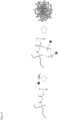
- the complex is formed by binding the drug to the propargyl amino acid part of the polycarboxylic acid derivative and the complex becomes self-assembled to form the fine particle ( Fig. 1 ).
- a particle diameter of the fine particle can be adjusted by the modification rate of the carboxy group of the polycarboxylic acid derivative with the propargyl amino acid and the concentration of the drug.
- An average particle diameter of the fine particle is not particularly restricted and is preferably 0.05 ⁇ m or more and 0.7 ⁇ m or less. When the particle diameter is excessively large, the particle cannot penetrate a biofilm.
- a molar ratio of the drug to the propargyl amino group of the polycarboxylic acid derivative is preferably 0.1 or more and 0.75 or less and more preferably 0.15 or more and 0.65 or less.
- the molar ratio is excessively large, the fine particle may be easily aggregated and a re-dispersibility in a liquid may become worse in some cases.
- the molar ratio is excessively small, the fine particle effective for anti-biofilm may not be obtained in some cases.
- a solvent to prepare the fine particle in the present invention is not particularly restricted as long as both of the polycarboxylic acid derivative and the drug are dissolved in the solvent, and water is preferred in terms of environment and safety. If needed, an additive such as dispersing agent, surfactant and solubilizing agent may be used.
- a concentration of the drug in the reaction mixture during the production of the fine particle may be determined in reference to the values of a minimum inhibitory concentration (MIC) and a minimum bactericidal concentration (MBC).
- MIC minimum inhibitory concentration
- MBC minimum bactericidal concentration
- the concentration is preferably 0.01 wt% or more and 1 wt% or less and more preferably 0.02 wt% or more and 0.1 wt% or less.
- the concentration over 1 wt% may become disadvantage in terms of a raw material cost in some cases, and when the concentration is less than 0.01 wt%, an anti-biofilm property may be decreased in some cases.
- the concentration of the polycarboxylic acid derivative in the reaction mixture during the production of the fine particle in the present invention may be determined depending on the balance between an effective concentration and a molar ratio of the drug.
- the concentration is preferably 0.1 wt% or more and 1 wt% or less and more preferably 0.5 wt% or more and 1 wt% or less.
- the concentration over 1 wt% may become disadvantage in terms of a raw material cost in some cases, and when the concentration is less than 0.01 wt%, an anti-biofilm property may be decreased in some cases due to a lower concentration of the drug in the fine particle.
- the obtained fine particle can be directly used as a fine particle suspension for a use application such as anti-microorganism, microbicidal, sterilization and demicroorganism and for removing a biofilm.
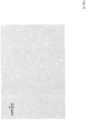
- a fine particle suspension in this disclosure means that the fine particle does not form an aggregate as described as Fig. 2 and the fine particle homogenously exists in the suspension.
- the fine particle suspension is diluted or concentrated as needed to be dispersed or sprayed to the already formed biofilm. It is preferred that the suspension is dispersed or sprayed on a biofilm and then left to be static at an ordinary temperature for at least one minute or more.
- a surfactant, a proteolytic enzyme, a polysaccharide degrading enzyme, a DNase, a bleaching agent or the like may be added or used in combination.
- the fine particle may be used by being dispersed or sprayed on an already formed biofilm; and in addition, a colonization of a microorganism or a formation of a biofilm on the surface of a material can be inhibited by preliminarily coating the surface of a material on which a biofilm has not been still formed as an anti-biofilm coating in the present invention.
- Such a coating membrane can inhibit a formation of a biofilm for a long time by maintaining an anti-microorganism property without being easily drained away, since the particle is immobilized on the surface of a material due to an interaction between the carboxylic acid group on the surface of the fine particle and the surface of a material or due to a physical adsorption of the fine particle on the surface of a material.
- an adsorption amount of the drug adsorbed on the surface of a material through the fine particle is preferably 0.04 ⁇ g/cm 2 or more and 0.12 ⁇ g/cm 2 or less.
- the adsorption amount of the drug is excessively small, the effect to inhibit a formation of a biofilm may not be sufficiently exerted in some cases.
- An excessively large adsorption amount of the drug may be disadvantageous in terms of cost-effectiveness.
- an example of such a material to be applied includes ceramic, metal, metal oxide, plastic, rubber, mineral and wood.
- the fine particle in the present invention can be applied to many industrial use applications in water section or the like, such as kitchen, toilet and bath, as a countermeasure in not only a general household but also a medical setting such as hospital and nursing care field, since the fine particle is composed of a material which is safe for an ecosystem and can be dispersed in water.
- GPE glycine 2-propyn-1-yl ester
- a mixed liquid containing 2.1 g of glycine manufactured by NACALAI TESQUE and 30 mL of 2-propyn-1-ol manufactured by NACALAI TESQUE was prepared, and 2.4 mL of thionyl chloride manufactured by NACALAI TESQUE was added thereto at room temperature.
- the reaction mixture was stirred at room temperature for 2 hours and further at 50°C for 2 hours.
- the reaction mixture was cooled to 5°C, and 90 mL of ethyl acetate was added thereto to obtain a precipitate.
- the precipitate was obtained by filtration, further washed using 30 mL of ethyl acetate three times, and dried at 50°C for 12 hours to obtain glycine 2-propyn-1-yl ester (2-propynyl aminoethanoate, GPE).
- a modification rate of the carboxy group constituting the polycarboxylic acid derivative with propargyl amino acid was determined by measuring 1 H-NMR spectrum in D 2 O using MR400 manufactured by BRUKER. The modification rate was calculated in accordance with the following formula by measuring an integrated strength ratios of the ⁇ -hydrogen of the carboxy group which was modified with the propargyl amino acid and the carboxy group which was not modified.
- Modification rate % ⁇ hydrogen of modified carboxy group / ⁇ hydrogen of unmodified carboxy group + ⁇ hydrogen of modified carboxy group ⁇ 100
- the fine particle suspension was centrifuged at 4000 rpm for precipitation.
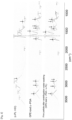
- the fine particle was washed using 2 mL of pure water three times and dried in vacuo at room temperature for 24 hours, and IR spectrum was measured using an infrared spectrometer (FT-IR apparatus manufactured by PerkinElmer, model number: SpectrumOne/MultiScope).
- a test piece was taken out after the cultivation and washed using normal saline, and a biofilm amount adhered on the test piece surface was measured.
- the biofilm amount was measured by CV (crystal violet) staining method. Specifically, a test piece was immersed in 0.1 wt% CV aqueous solution for 30 minutes, an excessive CV was washed out using water, an extraction from the stained region was carried out using 98% ethanol, and an absorbance of 500 nm was measured.
- CV crystal violet
- a number of a viable bacterium in the biofilm was measured by adding 1 mL of normal saline to the surface material on which a biofilm was adsorbed, destroying the biofilm using a ultrasonic washing machine, collecting an elution liquid, diluting the elution liquid from 10 2 to 10 8 using normal saline, inoculating the diluted solution into petri film TM broth manufactured by 3M, performing cultivation at 30°C for 1 week, and counting colonies.
- Production example 1 Production of GPE-ized ⁇ -PGA (40)
- the crude polymer was dissolved in 5.5 mL of water after drying, and 60 mL of acetone was added to precipitate the polymer again.
- the polymer was obtained by filtration.
- the polymer was dried at 60°C in vacuo for 12 hours to obtain the target GPE-ized ⁇ -PGA. It was determined by 1 H-NMR (D 2 O) that a modification rate of the carboxylate unit of ⁇ -PGA with GPE was 40%.
- the obtained polycarboxylic acid derivative is referred to as GPE-ized ⁇ -PGA (40).
- Production example 2 Production of GPE-ized ⁇ -PGA (25)
- the polycarboxylic acid derivative was produced by a similar method as Production example 1 except that 0.5 equivalents of GPE, WSC and HOBt were used as raw materials. It was determined by 1 H-NMR (D 2 O) that a modification rate of the carboxylate unit of ⁇ -PGA with GPE was 25%.
- the obtained polycarboxylic acid derivative is referred to as GPE-ized ⁇ -PGA (25).
- Production example 3 Production of GPE-ized ⁇ -PGA (15)
- the polycarboxylic acid derivative was produced by a similar method as Production example 1 except that 0.25 equivalents of GPE, WSC and HOBt were used as raw materials. It was determined by 1 H-NMR (D 2 O) that a modification rate of the carboxylate unit of ⁇ -PGA with GPE was 15%.
- the obtained polycarboxylic acid derivative is referred to as GPE-ized ⁇ -PGA (15).
- Production example 4 Production of GPE-ized PAC (19)
- the polycarboxylic acid derivative was produced by a similar method as Production example 1 except that sodium polyacrylate aqueous solution (PAC) manufactured by NIPPON SHOKUBAI CO., LTD., and 0.5 equivalents of GPE, WSC and HOBt were used as raw materials. It was determined by 1 H-NMR (D 2 O) that a modification rate of the carboxylate unit of PAC with GPE was 19%.
- PAC sodium polyacrylate aqueous solution
- D 2 O 1 H-NMR
- Production example 5 Production of GPE-ized ALG (22)
- the polycarboxylic acid derivative was produced by a similar method as Production example 1 except that sodium alginate (ALG) manufactured by NACALAI TESQUE, INC. was used as a raw material. It was determined by 1 H-NMR (D 2 O) that a modification rate of the carboxylate unit of ALG with GPE was 22%. The obtained polycarboxylic acid derivative is referred to as GPE-ized ALG (22).
- Test example 1 Preparation of P. Fluorescens liquid
- P. Fluorescens which is a gram-negative bacillus having high productivity of a biofilm, was used for evaluating an anti-biofilm property.
- a dried standard product of P. Fluorescens was obtained as NBRC No. 14160 and recovered by the following method.
- DAIGO growth medium 802 (8.4 g) manufactured by Wako Pure Chemical Corporation and 300 mL of purified water were weighed and added into a beaker, and the mixture was stirred at room temperature for about 30 minutes for dispersion.
- a recovering liquid was sterilized by an autoclave, 0.2 mL of the recovering liquid was taken out using a micropipette and added into an ample of a dried standard product of P. Fluorescens, and the mixture was stirred.
- SCD broth Soybean-Casein Digest Broth
- Wako Pure Chemical Corporation 25 mL of SCD broth (Soybean-Casein Digest Broth) manufactured by Wako Pure Chemical Corporation was added in a flask, and 100 ⁇ L of the above P. Fluorescens suspension was subsequently added thereto.
- the bacterium was cultivated at 30°C and a velocity of 150 rpm in a constant temperature incubator shaker for 24 hours for cultivation. After the cultivation, the bacterium was added in 80% glycerol, and the bacterium liquid was preserved at -80°C.
- Test example 2 Anti-biofilm coat test using fine particle suspension
- a fine particle suspension of ⁇ -PL was prepared by using the GPE-ized polycarboxylic acid of Production examples 1 to 5 as a test sample liquid for an anti-biofilm coat.
- a fine particle suspension was prepared by mixing the both of the aqueous solutions of the GPE-ized polycarboxylic acid and ⁇ -PL so that a concentration of the GPE-ized polycarboxylic acid in the fine particle suspension became 0.5 wt% and a concentration of ⁇ -PL became 0.045 wt%.
- a simple ⁇ -PL aqueous solution, an IPMP (4-isopropyl-3-methylphenol, manufactured by Wako Pure Chemical Corporation) ethanol solution and a silver nano particle aqueous suspension manufactured by JAPAN ION Corporation having concentrations of 0.045 wt% were respectively produced.
- a polyvinyl chloride test piece having an area of 1 cm 2 was coated with each test sample liquid so that an adhesion amount of each antimicrobial component became 0.04 to 0.12 ⁇ g/cm 2 , and was dried in vacuo at 30°C for 12 hours.
- the test piece coated with each drug was stirred at 25°C and 350 rpm for 1 minute for washing with water as a water section environment.
- Biofilm inhibition rate % measurement value of untreated test piece ⁇ measurement value of test piece coated with test liquid / measurement value of untreated test piece ⁇ 100
- test liquid was prepared by a similar method to Test example 2. Specifically, a fine particle suspension was prepared so that a concentration of GPE-ized polycarboxylic acid became 0.5 wt% and a concentration of ⁇ -PL became 0.04 wt% in the suspension.
- Biofilm removing rate % measurement value of untreatment ⁇ measurement value after immersion in test liquid / measurement value of untreatment ⁇ 100
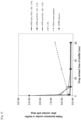
- a relation between the contact (immersion) time of each test drug with a biofilm and a biofilm removing rate is shown in Table 3 and Fig. 5 .
- a biofilm removing property of ⁇ -PL aqueous solution is the highest, and a biofilm removing property of GPE-ized polycarboxylic acid/ ⁇ -PL was 70% thereof.
- the biofilm removing property is similar to that of IPMP known as a biofilm sanitizer and higher than that of silver nanoparticle.
- Test example 4 Biofilm inhibition test after immersion in (contact with) drug
- Biofilm inhibition rate % measurement value of untreatment ⁇ measurement value after immersion in test liquid / measurement value of untreatment ⁇ 100
- Test example 5 Biofilm bactericidal property test
- test drug was contacted with a biofilm
- a bactericidal property against the bacterium in the biofilm was tested.
- 1 mL of each test drug was added for an immersion for 1 minute, 10 minutes, 30 minutes and 60 minutes.
- the test drug was removed after the lapse of contact time, and the reside was immediately washed using 1 mL of normal saline two times.
- 1 mL of normal saline was added.
- the bacterium was eluted in the normal saline by treating the mixture for 1 minute using an ultrasound bath to destroy the biofilm.
- the eluate was diluted from 10 2 to 10 8 using sterilized normal saline, and inoculated to Petrifilm TM broth manufactured by 3M for a cultivation at 30°C for 1 week. Then, the number of colonies was counted and the number of viable bacteria was measured. A relation between a contact time with the drug and the number of viable bacteria is shown in Table 4 and Fig. 7 .
- the number of viable bacteria was 40000 cfu/well in the untreatment case; on the one hand, it was confirmed that the bacteria number in a biofilm was reduced by an immersion in the fine particle suspension in Examples 37 to 39 as the number of viable bacteria was reduced.
- the fine particle of the present invention has a wide range of applications, since a biofilm can be effectively prevented from being formed or removed by coating a material or immersing a material in a suspension prepared by dispersing the fine particle.
- the fine particle is composed of a highly safe material and has an adhesive performance to a base material, the fine particle can be used as a countermeasure against a biofilm.
Landscapes
- Life Sciences & Earth Sciences (AREA)
- Health & Medical Sciences (AREA)
- General Health & Medical Sciences (AREA)
- Dentistry (AREA)
- Plant Pathology (AREA)
- Engineering & Computer Science (AREA)
- Pest Control & Pesticides (AREA)
- Agronomy & Crop Science (AREA)
- Wood Science & Technology (AREA)
- Zoology (AREA)
- Environmental Sciences (AREA)
- Toxicology (AREA)
- Agricultural Chemicals And Associated Chemicals (AREA)
Claims (8)
- Feinteilchen,umfassend einen Komplex, bestehend aus einem Polycarbonsäurederivat und einem Wirkstoff,wobei das Polycarbonsäurederivat eine Verbindung ist, die durch Kondensation einer Polycarbonsäure und einer Propargylaminosäure, dargestellt durch die nachstehende Formel (1), hergestellt ist:wobei
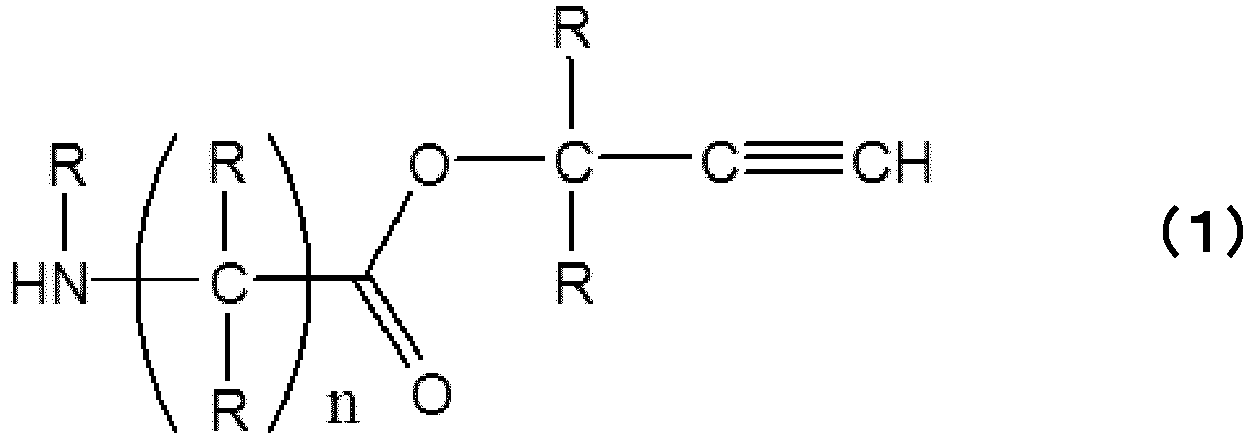 R ein Wasserstoffatom oder eine C1-8-Kohlenwasserstoffgruppe ist,mehrere Wasserstoffatome in der Kohlenwasserstoffgruppe durch ein Stickstoffatom, ein Sauerstoffatom oder ein Schwefelatom substituiert sein können,n eine ganze Zahl von 1 oder mehr und 3 oder weniger ist, undwobei das Feinteilchen wasserdispergierbar ist.
 - Feinteilchen nach Anspruch 1, wobei das Feinteilchen ein Aggregat des Komplexes ist.
- Feinteilchen nach Anspruch 1 oder 2, wobei der Wirkstoff ein antimikrobielles Peptid umfasst.
- Feinteilchen nach einem der Ansprüche 1 bis 3, wobei der Wirkstoff ε-Poly-L-Lysin umfasst.
- Feinteilchen nach einem der Ansprüche 1 bis 4, wobei die Polycarbonsäure eine oder mehrere, ausgewählt aus der Gruppe, bestehend aus Polyglutaminsäure, Polyacrylsäure, Alginsäure und deren Salzen, ist.
- Feinteilchen nach einem der Ansprüche 1 bis 5, wobei die durchschnittliche Teilchengröße 0,05 µm oder mehr und 0,7 µm oder weniger beträgt.
- Feinteilchen nach einem der Ansprüche 1 bis 6, wobei das molare Verhältnis des Wirkstoffs zur Propargylaminogruppe des Polycarbonsäurederivats 0,1 oder mehr und 0,75 oder weniger beträgt.
- Antimikrobielles Mittel und/oder Biofilm-Entferner, umfassend das Feinteilchen nach einem der Ansprüche 1 bis 7.
Applications Claiming Priority (2)
| Application Number | Priority Date | Filing Date | Title |
|---|---|---|---|
| JP2018178695 | 2018-09-25 | ||
| PCT/JP2019/037018 WO2020066912A1 (ja) | 2018-09-25 | 2019-09-20 | 水分散性の微粒子 |
Publications (3)
| Publication Number | Publication Date |
|---|---|
| EP3858136A1 EP3858136A1 (de) | 2021-08-04 |
| EP3858136A4 EP3858136A4 (de) | 2022-06-01 |
| EP3858136B1 true EP3858136B1 (de) | 2023-10-25 |
Family
ID=69953497
Family Applications (1)
| Application Number | Title | Priority Date | Filing Date |
|---|---|---|---|
| EP19866123.3A Active EP3858136B1 (de) | 2018-09-25 | 2019-09-20 | Wasserdispergierbare feine teilchen |
Country Status (7)
| Country | Link |
|---|---|
| US (1) | US12022829B2 (de) |
| EP (1) | EP3858136B1 (de) |
| JP (1) | JP7396289B2 (de) |
| KR (1) | KR20210064278A (de) |
| CN (1) | CN112739209B (de) |
| TW (1) | TWI725542B (de) |
| WO (1) | WO2020066912A1 (de) |
Families Citing this family (2)
| Publication number | Priority date | Publication date | Assignee | Title |
|---|---|---|---|---|
| US20240238283A1 (en) | 2021-05-18 | 2024-07-18 | Onconic Therapeutics Inc. | Parp inhibitor-resistant cancer therapeutic agent |
| CN115530181B (zh) * | 2022-09-28 | 2023-07-11 | 广东粤港澳大湾区国家纳米科技创新研究院 | 耐高温纳米抗菌剂及其制备方法、含有其的抗菌陶瓷制品 |
Family Cites Families (13)
| Publication number | Priority date | Publication date | Assignee | Title |
|---|---|---|---|---|
| JPS5827228Y2 (ja) | 1978-11-10 | 1983-06-13 | 松下電器産業株式会社 | 液体燃料燃焼装置 |
| JPS5771143U (de) | 1980-10-17 | 1982-04-30 | ||
| JPS5982088U (ja) | 1982-11-24 | 1984-06-02 | 松原 邦彦 | 人形用電動眼球 |
| JP2686638B2 (ja) * | 1988-03-17 | 1997-12-08 | 石原産業株式会社 | 抗菌性粉末及びその製造方法 |
| KR920702912A (ko) * | 1990-11-29 | 1992-12-17 | 후지이 야쓰오 | 고분자 전해질 착제 항균제 및 항균성 재료 |
| JP3111216B2 (ja) * | 1997-08-08 | 2000-11-20 | 農林水産省蚕糸・昆虫農業技術研究所長 | 抗菌性ブレンド塊状物およびその製造方法 |
| CA2730085A1 (en) | 2008-07-09 | 2010-01-14 | Board Of Regents Of The University Of Nebraska | Functional micelles for hard tissue targeted delivery of chemicals |
| JP2011042603A (ja) * | 2009-08-20 | 2011-03-03 | Chisso Corp | 微生物の不活化剤 |
| JP5573111B2 (ja) | 2009-11-06 | 2014-08-20 | ライオン株式会社 | イソプロピルメチルフェノール含有液体口腔用組成物 |
| CN103025829A (zh) * | 2010-03-24 | 2013-04-03 | 唯我活力农作物保护有限公司 | 配制具有聚合物纳米微粒的中性有机化合物的方法 |
| JP5982088B2 (ja) | 2010-09-28 | 2016-08-31 | 小林製薬株式会社 | バイオフィルム除去剤、および、バイオフィルム除去用組成物 |
| CN102552934B (zh) * | 2012-02-15 | 2013-08-14 | 中国科学院长春应用化学研究所 | 阿霉素纳米粒及其制备方法 |
| US20200190101A1 (en) | 2015-11-18 | 2020-06-18 | Nippon Kayaku Kabushiki Kaisha | Composition Containing Novel Glutamic Acid Derivative And Block Copolymer, And Use Thereof |
-
2019
- 2019-09-11 TW TW108132667A patent/TWI725542B/zh not_active IP Right Cessation
- 2019-09-20 KR KR1020217011546A patent/KR20210064278A/ko active Pending
- 2019-09-20 CN CN201980062499.XA patent/CN112739209B/zh active Active
- 2019-09-20 WO PCT/JP2019/037018 patent/WO2020066912A1/ja not_active Ceased
- 2019-09-20 US US17/278,839 patent/US12022829B2/en active Active
- 2019-09-20 JP JP2020549137A patent/JP7396289B2/ja active Active
- 2019-09-20 EP EP19866123.3A patent/EP3858136B1/de active Active
Also Published As
| Publication number | Publication date |
|---|---|
| EP3858136A1 (de) | 2021-08-04 |
| JP7396289B2 (ja) | 2023-12-12 |
| TW202019393A (zh) | 2020-06-01 |
| CN112739209A (zh) | 2021-04-30 |
| WO2020066912A1 (ja) | 2020-04-02 |
| US12022829B2 (en) | 2024-07-02 |
| CN112739209B (zh) | 2022-09-20 |
| JPWO2020066912A1 (ja) | 2021-09-02 |
| US20220030861A1 (en) | 2022-02-03 |
| TWI725542B (zh) | 2021-04-21 |
| KR20210064278A (ko) | 2021-06-02 |
| EP3858136A4 (de) | 2022-06-01 |
Similar Documents
| Publication | Publication Date | Title |
|---|---|---|
| Bai et al. | Antifogging/antibacterial coatings constructed by N-hydroxyethylacrylamide and quaternary ammonium-containing copolymers | |
| Qi et al. | Covalent immobilization of nisin on multi-walled carbon nanotubes: superior antimicrobial and anti-biofilm properties | |
| Banerjee et al. | Antifouling coatings: recent developments in the design of surfaces that prevent fouling by proteins, bacteria, and marine organisms | |
| Jayakumar et al. | Lipopeptide and zinc oxide nanoparticles blended polyvinyl alcohol-based nanocomposite films as antimicrobial coating for biomedical applications | |
| CA2835650C (en) | Compositions and methods for antimicrobial metal nanoparticles | |
| Gadenne et al. | Antiadhesive activity of ulvan polysaccharides covalently immobilized onto titanium surface | |
| Wang et al. | Integration of antifouling and bactericidal moieties for optimizing the efficacy of antibacterial coatings | |
| Li et al. | High durability and low toxicity antimicrobial coatings fabricated by quaternary ammonium silane copolymers | |
| US20120301528A1 (en) | Compositions and methods for antimicrobial metal nanoparticles | |
| US20070166344A1 (en) | Non-leaching surface-active film compositions for microbial adhesion prevention | |
| EP3380536B1 (de) | Polymere zusammensetzung | |
| Chen et al. | Enhancing the antibacterial property of chitosan through synergistic alkylation and chlorination | |
| US12022829B2 (en) | Water-dispersible fine particle | |
| Deng et al. | Dynamic Covalent Bond-Assisted Anchor of PEG Brushes on Cationic Surfaces with Antibacterial and Antithrombotic Dual Capabilities. | |
| US9505027B2 (en) | Method of immobilization of silver nanoparticles on solid substrates | |
| JPWO2016039412A1 (ja) | 抗菌剤および抗菌剤の製造方法 | |
| CN107258814A (zh) | 一种快速消毒杀菌的复合消毒液及其制备方法和应用 | |
| JP2021046385A (ja) | 水分散性の微粒子 | |
| US8771571B2 (en) | Method for preparing high water-absorption and anti-bacterial gamma polyglutamic acid fibers | |
| Wal et al. | Advanced antimicrobial materials and applications: maleic anhydride antimicrobial polymers | |
| Ospanova et al. | Obtaining thin-films based on chitosan and carboxymethylcellulose with antibacterial properties for biomedical devices | |
| CN118895074B (zh) | 一种具有杀菌功能的含强酸基团的高分子涂层、其制备方法和应用 | |
| Puspitasari et al. | Antibacterial properties of enzymatically treated PET fibers functionalized by nitric oxide | |
| Duraisamy et al. | An in-vitro study of antibacterial, cytocompatibility and physicochemical properties of nanoarchitecture TiO2-ZnO | |
| Negahdari et al. | Survey on the antibacterial effect of silver nanoparticles deposited on textile fabrics |
Legal Events
| Date | Code | Title | Description |
|---|---|---|---|
| STAA | Information on the status of an ep patent application or granted ep patent |
Free format text: STATUS: THE INTERNATIONAL PUBLICATION HAS BEEN MADE |
|
| PUAI | Public reference made under article 153(3) epc to a published international application that has entered the european phase |
Free format text: ORIGINAL CODE: 0009012 |
|
| STAA | Information on the status of an ep patent application or granted ep patent |
Free format text: STATUS: REQUEST FOR EXAMINATION WAS MADE |
|
| 17P | Request for examination filed |
Effective date: 20210415 |
|
| AK | Designated contracting states |
Kind code of ref document: A1 Designated state(s): AL AT BE BG CH CY CZ DE DK EE ES FI FR GB GR HR HU IE IS IT LI LT LU LV MC MK MT NL NO PL PT RO RS SE SI SK SM TR |
|
| DAV | Request for validation of the european patent (deleted) | ||
| DAX | Request for extension of the european patent (deleted) | ||
| A4 | Supplementary search report drawn up and despatched |
Effective date: 20220503 |
|
| RIC1 | Information provided on ipc code assigned before grant |
Ipc: A01P 1/00 20060101ALI20220427BHEP Ipc: A01N 37/46 20060101ALI20220427BHEP Ipc: A01N 25/10 20060101ALI20220427BHEP Ipc: A01N 25/00 20060101ALI20220427BHEP Ipc: A01N 25/12 20060101AFI20220427BHEP |
|
| RAP3 | Party data changed (applicant data changed or rights of an application transferred) |
Owner name: TOYOBO CO., LTD. |
|
| GRAP | Despatch of communication of intention to grant a patent |
Free format text: ORIGINAL CODE: EPIDOSNIGR1 |
|
| STAA | Information on the status of an ep patent application or granted ep patent |
Free format text: STATUS: GRANT OF PATENT IS INTENDED |
|
| INTG | Intention to grant announced |
Effective date: 20230614 |
|
| GRAS | Grant fee paid |
Free format text: ORIGINAL CODE: EPIDOSNIGR3 |
|
| GRAA | (expected) grant |
Free format text: ORIGINAL CODE: 0009210 |
|
| STAA | Information on the status of an ep patent application or granted ep patent |
Free format text: STATUS: THE PATENT HAS BEEN GRANTED |
|
| P01 | Opt-out of the competence of the unified patent court (upc) registered |
Effective date: 20230823 |
|
| AK | Designated contracting states |
Kind code of ref document: B1 Designated state(s): AL AT BE BG CH CY CZ DE DK EE ES FI FR GB GR HR HU IE IS IT LI LT LU LV MC MK MT NL NO PL PT RO RS SE SI SK SM TR |
|
| REG | Reference to a national code |
Ref country code: GB Ref legal event code: FG4D |
|
| REG | Reference to a national code |
Ref country code: CH Ref legal event code: EP |
|
| REG | Reference to a national code |
Ref country code: DE Ref legal event code: R096 Ref document number: 602019040291 Country of ref document: DE |
|
| REG | Reference to a national code |
Ref country code: IE Ref legal event code: FG4D |
|
| REG | Reference to a national code |
Ref country code: LT Ref legal event code: MG9D |
|
| REG | Reference to a national code |
Ref country code: NL Ref legal event code: MP Effective date: 20231025 |
|
| REG | Reference to a national code |
Ref country code: AT Ref legal event code: MK05 Ref document number: 1623685 Country of ref document: AT Kind code of ref document: T Effective date: 20231025 |
|
| PG25 | Lapsed in a contracting state [announced via postgrant information from national office to epo] |
Ref country code: NL Free format text: LAPSE BECAUSE OF FAILURE TO SUBMIT A TRANSLATION OF THE DESCRIPTION OR TO PAY THE FEE WITHIN THE PRESCRIBED TIME-LIMIT Effective date: 20231025 |
|
| PG25 | Lapsed in a contracting state [announced via postgrant information from national office to epo] |
Ref country code: GR Free format text: LAPSE BECAUSE OF FAILURE TO SUBMIT A TRANSLATION OF THE DESCRIPTION OR TO PAY THE FEE WITHIN THE PRESCRIBED TIME-LIMIT Effective date: 20240126 |
|
| PG25 | Lapsed in a contracting state [announced via postgrant information from national office to epo] |
Ref country code: IS Free format text: LAPSE BECAUSE OF FAILURE TO SUBMIT A TRANSLATION OF THE DESCRIPTION OR TO PAY THE FEE WITHIN THE PRESCRIBED TIME-LIMIT Effective date: 20240225 |
|
| PG25 | Lapsed in a contracting state [announced via postgrant information from national office to epo] |
Ref country code: LT Free format text: LAPSE BECAUSE OF FAILURE TO SUBMIT A TRANSLATION OF THE DESCRIPTION OR TO PAY THE FEE WITHIN THE PRESCRIBED TIME-LIMIT Effective date: 20231025 |
|
| PG25 | Lapsed in a contracting state [announced via postgrant information from national office to epo] |
Ref country code: AT Free format text: LAPSE BECAUSE OF FAILURE TO SUBMIT A TRANSLATION OF THE DESCRIPTION OR TO PAY THE FEE WITHIN THE PRESCRIBED TIME-LIMIT Effective date: 20231025 |
|
| PG25 | Lapsed in a contracting state [announced via postgrant information from national office to epo] |
Ref country code: ES Free format text: LAPSE BECAUSE OF FAILURE TO SUBMIT A TRANSLATION OF THE DESCRIPTION OR TO PAY THE FEE WITHIN THE PRESCRIBED TIME-LIMIT Effective date: 20231025 |
|
| PG25 | Lapsed in a contracting state [announced via postgrant information from national office to epo] |
Ref country code: LT Free format text: LAPSE BECAUSE OF FAILURE TO SUBMIT A TRANSLATION OF THE DESCRIPTION OR TO PAY THE FEE WITHIN THE PRESCRIBED TIME-LIMIT Effective date: 20231025 Ref country code: IS Free format text: LAPSE BECAUSE OF FAILURE TO SUBMIT A TRANSLATION OF THE DESCRIPTION OR TO PAY THE FEE WITHIN THE PRESCRIBED TIME-LIMIT Effective date: 20240225 Ref country code: GR Free format text: LAPSE BECAUSE OF FAILURE TO SUBMIT A TRANSLATION OF THE DESCRIPTION OR TO PAY THE FEE WITHIN THE PRESCRIBED TIME-LIMIT Effective date: 20240126 Ref country code: ES Free format text: LAPSE BECAUSE OF FAILURE TO SUBMIT A TRANSLATION OF THE DESCRIPTION OR TO PAY THE FEE WITHIN THE PRESCRIBED TIME-LIMIT Effective date: 20231025 Ref country code: BG Free format text: LAPSE BECAUSE OF FAILURE TO SUBMIT A TRANSLATION OF THE DESCRIPTION OR TO PAY THE FEE WITHIN THE PRESCRIBED TIME-LIMIT Effective date: 20240125 Ref country code: AT Free format text: LAPSE BECAUSE OF FAILURE TO SUBMIT A TRANSLATION OF THE DESCRIPTION OR TO PAY THE FEE WITHIN THE PRESCRIBED TIME-LIMIT Effective date: 20231025 Ref country code: PT Free format text: LAPSE BECAUSE OF FAILURE TO SUBMIT A TRANSLATION OF THE DESCRIPTION OR TO PAY THE FEE WITHIN THE PRESCRIBED TIME-LIMIT Effective date: 20240226 |
|
| PG25 | Lapsed in a contracting state [announced via postgrant information from national office to epo] |
Ref country code: SE Free format text: LAPSE BECAUSE OF FAILURE TO SUBMIT A TRANSLATION OF THE DESCRIPTION OR TO PAY THE FEE WITHIN THE PRESCRIBED TIME-LIMIT Effective date: 20231025 Ref country code: RS Free format text: LAPSE BECAUSE OF FAILURE TO SUBMIT A TRANSLATION OF THE DESCRIPTION OR TO PAY THE FEE WITHIN THE PRESCRIBED TIME-LIMIT Effective date: 20231025 Ref country code: PL Free format text: LAPSE BECAUSE OF FAILURE TO SUBMIT A TRANSLATION OF THE DESCRIPTION OR TO PAY THE FEE WITHIN THE PRESCRIBED TIME-LIMIT Effective date: 20231025 Ref country code: NO Free format text: LAPSE BECAUSE OF FAILURE TO SUBMIT A TRANSLATION OF THE DESCRIPTION OR TO PAY THE FEE WITHIN THE PRESCRIBED TIME-LIMIT Effective date: 20240125 Ref country code: LV Free format text: LAPSE BECAUSE OF FAILURE TO SUBMIT A TRANSLATION OF THE DESCRIPTION OR TO PAY THE FEE WITHIN THE PRESCRIBED TIME-LIMIT Effective date: 20231025 Ref country code: HR Free format text: LAPSE BECAUSE OF FAILURE TO SUBMIT A TRANSLATION OF THE DESCRIPTION OR TO PAY THE FEE WITHIN THE PRESCRIBED TIME-LIMIT Effective date: 20231025 |
|
| PG25 | Lapsed in a contracting state [announced via postgrant information from national office to epo] |
Ref country code: DK Free format text: LAPSE BECAUSE OF FAILURE TO SUBMIT A TRANSLATION OF THE DESCRIPTION OR TO PAY THE FEE WITHIN THE PRESCRIBED TIME-LIMIT Effective date: 20231025 |
|
| PG25 | Lapsed in a contracting state [announced via postgrant information from national office to epo] |
Ref country code: CZ Free format text: LAPSE BECAUSE OF FAILURE TO SUBMIT A TRANSLATION OF THE DESCRIPTION OR TO PAY THE FEE WITHIN THE PRESCRIBED TIME-LIMIT Effective date: 20231025 |
|
| REG | Reference to a national code |
Ref country code: DE Ref legal event code: R097 Ref document number: 602019040291 Country of ref document: DE |
|
| PG25 | Lapsed in a contracting state [announced via postgrant information from national office to epo] |
Ref country code: SK Free format text: LAPSE BECAUSE OF FAILURE TO SUBMIT A TRANSLATION OF THE DESCRIPTION OR TO PAY THE FEE WITHIN THE PRESCRIBED TIME-LIMIT Effective date: 20231025 |
|
| PG25 | Lapsed in a contracting state [announced via postgrant information from national office to epo] |
Ref country code: SM Free format text: LAPSE BECAUSE OF FAILURE TO SUBMIT A TRANSLATION OF THE DESCRIPTION OR TO PAY THE FEE WITHIN THE PRESCRIBED TIME-LIMIT Effective date: 20231025 Ref country code: SK Free format text: LAPSE BECAUSE OF FAILURE TO SUBMIT A TRANSLATION OF THE DESCRIPTION OR TO PAY THE FEE WITHIN THE PRESCRIBED TIME-LIMIT Effective date: 20231025 Ref country code: RO Free format text: LAPSE BECAUSE OF FAILURE TO SUBMIT A TRANSLATION OF THE DESCRIPTION OR TO PAY THE FEE WITHIN THE PRESCRIBED TIME-LIMIT Effective date: 20231025 Ref country code: EE Free format text: LAPSE BECAUSE OF FAILURE TO SUBMIT A TRANSLATION OF THE DESCRIPTION OR TO PAY THE FEE WITHIN THE PRESCRIBED TIME-LIMIT Effective date: 20231025 Ref country code: DK Free format text: LAPSE BECAUSE OF FAILURE TO SUBMIT A TRANSLATION OF THE DESCRIPTION OR TO PAY THE FEE WITHIN THE PRESCRIBED TIME-LIMIT Effective date: 20231025 Ref country code: CZ Free format text: LAPSE BECAUSE OF FAILURE TO SUBMIT A TRANSLATION OF THE DESCRIPTION OR TO PAY THE FEE WITHIN THE PRESCRIBED TIME-LIMIT Effective date: 20231025 |
|
| PLBE | No opposition filed within time limit |
Free format text: ORIGINAL CODE: 0009261 |
|
| STAA | Information on the status of an ep patent application or granted ep patent |
Free format text: STATUS: NO OPPOSITION FILED WITHIN TIME LIMIT |
|
| 26N | No opposition filed |
Effective date: 20240726 |
|
| PGFP | Annual fee paid to national office [announced via postgrant information from national office to epo] |
Ref country code: DE Payment date: 20240924 Year of fee payment: 6 Ref country code: IE Payment date: 20240919 Year of fee payment: 6 |
|
| PGFP | Annual fee paid to national office [announced via postgrant information from national office to epo] |
Ref country code: GB Payment date: 20240924 Year of fee payment: 6 |
|
| PGFP | Annual fee paid to national office [announced via postgrant information from national office to epo] |
Ref country code: FR Payment date: 20240924 Year of fee payment: 6 |
|
| PG25 | Lapsed in a contracting state [announced via postgrant information from national office to epo] |
Ref country code: SI Free format text: LAPSE BECAUSE OF FAILURE TO SUBMIT A TRANSLATION OF THE DESCRIPTION OR TO PAY THE FEE WITHIN THE PRESCRIBED TIME-LIMIT Effective date: 20231025 |
|
| PG25 | Lapsed in a contracting state [announced via postgrant information from national office to epo] |
Ref country code: SI Free format text: LAPSE BECAUSE OF FAILURE TO SUBMIT A TRANSLATION OF THE DESCRIPTION OR TO PAY THE FEE WITHIN THE PRESCRIBED TIME-LIMIT Effective date: 20231025 |
|
| PGFP | Annual fee paid to national office [announced via postgrant information from national office to epo] |
Ref country code: IT Payment date: 20240930 Year of fee payment: 6 |
|
| PG25 | Lapsed in a contracting state [announced via postgrant information from national office to epo] |
Ref country code: MC Free format text: LAPSE BECAUSE OF FAILURE TO SUBMIT A TRANSLATION OF THE DESCRIPTION OR TO PAY THE FEE WITHIN THE PRESCRIBED TIME-LIMIT Effective date: 20231025 |
|
| REG | Reference to a national code |
Ref country code: CH Ref legal event code: PL |
|
| PG25 | Lapsed in a contracting state [announced via postgrant information from national office to epo] |
Ref country code: LU Free format text: LAPSE BECAUSE OF NON-PAYMENT OF DUE FEES Effective date: 20240920 |
|
| REG | Reference to a national code |
Ref country code: BE Ref legal event code: MM Effective date: 20240930 |
|
| PG25 | Lapsed in a contracting state [announced via postgrant information from national office to epo] |
Ref country code: BE Free format text: LAPSE BECAUSE OF NON-PAYMENT OF DUE FEES Effective date: 20240930 |
|
| PG25 | Lapsed in a contracting state [announced via postgrant information from national office to epo] |
Ref country code: CH Free format text: LAPSE BECAUSE OF NON-PAYMENT OF DUE FEES Effective date: 20240930 |
|
| PG25 | Lapsed in a contracting state [announced via postgrant information from national office to epo] |
Ref country code: FI Free format text: LAPSE BECAUSE OF FAILURE TO SUBMIT A TRANSLATION OF THE DESCRIPTION OR TO PAY THE FEE WITHIN THE PRESCRIBED TIME-LIMIT Effective date: 20231025 |
|
| PG25 | Lapsed in a contracting state [announced via postgrant information from national office to epo] |
Ref country code: CY Free format text: LAPSE BECAUSE OF FAILURE TO SUBMIT A TRANSLATION OF THE DESCRIPTION OR TO PAY THE FEE WITHIN THE PRESCRIBED TIME-LIMIT; INVALID AB INITIO Effective date: 20190920 |
|
| PG25 | Lapsed in a contracting state [announced via postgrant information from national office to epo] |
Ref country code: HU Free format text: LAPSE BECAUSE OF FAILURE TO SUBMIT A TRANSLATION OF THE DESCRIPTION OR TO PAY THE FEE WITHIN THE PRESCRIBED TIME-LIMIT; INVALID AB INITIO Effective date: 20190920 |