EP3829196A2 - Verfahren, einrichtung, elektronische vorrichtung, speichermedium und programm zur sprachübertragung - Google Patents
Verfahren, einrichtung, elektronische vorrichtung, speichermedium und programm zur sprachübertragung Download PDFInfo
- Publication number
- EP3829196A2 EP3829196A2 EP21164301.0A EP21164301A EP3829196A2 EP 3829196 A2 EP3829196 A2 EP 3829196A2 EP 21164301 A EP21164301 A EP 21164301A EP 3829196 A2 EP3829196 A2 EP 3829196A2
- Authority
- EP
- European Patent Office
- Prior art keywords
- voice
- personalized
- broadcast
- client
- packet
- Prior art date
- Legal status (The legal status is an assumption and is not a legal conclusion. Google has not performed a legal analysis and makes no representation as to the accuracy of the status listed.)
- Withdrawn
Links
Images

Classifications
-
- G—PHYSICS
- G10—MUSICAL INSTRUMENTS; ACOUSTICS
- G10L—SPEECH ANALYSIS TECHNIQUES OR SPEECH SYNTHESIS; SPEECH RECOGNITION; SPEECH OR VOICE PROCESSING TECHNIQUES; SPEECH OR AUDIO CODING OR DECODING
- G10L13/00—Speech synthesis; Text to speech systems
- G10L13/02—Methods for producing synthetic speech; Speech synthesisers
- G10L13/04—Details of speech synthesis systems, e.g. synthesiser structure or memory management
-
- G—PHYSICS
- G10—MUSICAL INSTRUMENTS; ACOUSTICS
- G10L—SPEECH ANALYSIS TECHNIQUES OR SPEECH SYNTHESIS; SPEECH RECOGNITION; SPEECH OR VOICE PROCESSING TECHNIQUES; SPEECH OR AUDIO CODING OR DECODING
- G10L13/00—Speech synthesis; Text to speech systems
- G10L13/02—Methods for producing synthetic speech; Speech synthesisers
- G10L13/033—Voice editing, e.g. manipulating the voice of the synthesiser
-
- G—PHYSICS
- G10—MUSICAL INSTRUMENTS; ACOUSTICS
- G10L—SPEECH ANALYSIS TECHNIQUES OR SPEECH SYNTHESIS; SPEECH RECOGNITION; SPEECH OR VOICE PROCESSING TECHNIQUES; SPEECH OR AUDIO CODING OR DECODING
- G10L13/00—Speech synthesis; Text to speech systems
- G10L13/02—Methods for producing synthetic speech; Speech synthesisers
- G10L13/04—Details of speech synthesis systems, e.g. synthesiser structure or memory management
- G10L13/047—Architecture of speech synthesisers
-
- H—ELECTRICITY
- H04—ELECTRIC COMMUNICATION TECHNIQUE
- H04L—TRANSMISSION OF DIGITAL INFORMATION, e.g. TELEGRAPHIC COMMUNICATION
- H04L51/00—User-to-user messaging in packet-switching networks, transmitted according to store-and-forward or real-time protocols, e.g. e-mail
- H04L51/07—User-to-user messaging in packet-switching networks, transmitted according to store-and-forward or real-time protocols, e.g. e-mail characterised by the inclusion of specific contents
- H04L51/10—Multimedia information
-
- G—PHYSICS
- G06—COMPUTING OR CALCULATING; COUNTING
- G06F—ELECTRIC DIGITAL DATA PROCESSING
- G06F16/00—Information retrieval; Database structures therefor; File system structures therefor
- G06F16/60—Information retrieval; Database structures therefor; File system structures therefor of audio data
- G06F16/63—Querying
- G06F16/638—Presentation of query results
-
- G—PHYSICS
- G06—COMPUTING OR CALCULATING; COUNTING
- G06F—ELECTRIC DIGITAL DATA PROCESSING
- G06F3/00—Input arrangements for transferring data to be processed into a form capable of being handled by the computer; Output arrangements for transferring data from processing unit to output unit, e.g. interface arrangements
- G06F3/16—Sound input; Sound output
- G06F3/167—Audio in a user interface, e.g. using voice commands for navigating, audio feedback
-
- G—PHYSICS
- G06—COMPUTING OR CALCULATING; COUNTING
- G06Q—INFORMATION AND COMMUNICATION TECHNOLOGY [ICT] SPECIALLY ADAPTED FOR ADMINISTRATIVE, COMMERCIAL, FINANCIAL, MANAGERIAL OR SUPERVISORY PURPOSES; SYSTEMS OR METHODS SPECIALLY ADAPTED FOR ADMINISTRATIVE, COMMERCIAL, FINANCIAL, MANAGERIAL OR SUPERVISORY PURPOSES, NOT OTHERWISE PROVIDED FOR
- G06Q10/00—Administration; Management
- G06Q10/10—Office automation; Time management
-
- G—PHYSICS
- G06—COMPUTING OR CALCULATING; COUNTING
- G06Q—INFORMATION AND COMMUNICATION TECHNOLOGY [ICT] SPECIALLY ADAPTED FOR ADMINISTRATIVE, COMMERCIAL, FINANCIAL, MANAGERIAL OR SUPERVISORY PURPOSES; SYSTEMS OR METHODS SPECIALLY ADAPTED FOR ADMINISTRATIVE, COMMERCIAL, FINANCIAL, MANAGERIAL OR SUPERVISORY PURPOSES, NOT OTHERWISE PROVIDED FOR
- G06Q30/00—Commerce
- G06Q30/02—Marketing; Price estimation or determination; Fundraising
- G06Q30/0241—Advertisements
-
- H—ELECTRICITY
- H04—ELECTRIC COMMUNICATION TECHNIQUE
- H04L—TRANSMISSION OF DIGITAL INFORMATION, e.g. TELEGRAPHIC COMMUNICATION
- H04L12/00—Data switching networks
- H04L12/02—Details
- H04L12/16—Arrangements for providing special services to substations
- H04L12/18—Arrangements for providing special services to substations for broadcast or conference, e.g. multicast
-
- H—ELECTRICITY
- H04—ELECTRIC COMMUNICATION TECHNIQUE
- H04L—TRANSMISSION OF DIGITAL INFORMATION, e.g. TELEGRAPHIC COMMUNICATION
- H04L65/00—Network arrangements, protocols or services for supporting real-time applications in data packet communication
- H04L65/40—Support for services or applications
-
- H—ELECTRICITY
- H04—ELECTRIC COMMUNICATION TECHNIQUE
- H04L—TRANSMISSION OF DIGITAL INFORMATION, e.g. TELEGRAPHIC COMMUNICATION
- H04L67/00—Network arrangements or protocols for supporting network services or applications
- H04L67/01—Protocols
- H04L67/10—Protocols in which an application is distributed across nodes in the network
- H04L67/1095—Replication or mirroring of data, e.g. scheduling or transport for data synchronisation between network nodes
-
- H—ELECTRICITY
- H04—ELECTRIC COMMUNICATION TECHNIQUE
- H04L—TRANSMISSION OF DIGITAL INFORMATION, e.g. TELEGRAPHIC COMMUNICATION
- H04L67/00—Network arrangements or protocols for supporting network services or applications
- H04L67/2866—Architectures; Arrangements
- H04L67/30—Profiles
- H04L67/306—User profiles
-
- H—ELECTRICITY
- H04—ELECTRIC COMMUNICATION TECHNIQUE
- H04L—TRANSMISSION OF DIGITAL INFORMATION, e.g. TELEGRAPHIC COMMUNICATION
- H04L69/00—Network arrangements, protocols or services independent of the application payload and not provided for in the other groups of this subclass
- H04L69/04—Protocols for data compression, e.g. ROHC
-
- H—ELECTRICITY
- H04—ELECTRIC COMMUNICATION TECHNIQUE
- H04L—TRANSMISSION OF DIGITAL INFORMATION, e.g. TELEGRAPHIC COMMUNICATION
- H04L69/00—Network arrangements, protocols or services independent of the application payload and not provided for in the other groups of this subclass
- H04L69/24—Negotiation of communication capabilities
-
- H—ELECTRICITY
- H04—ELECTRIC COMMUNICATION TECHNIQUE
- H04M—TELEPHONIC COMMUNICATION
- H04M3/00—Automatic or semi-automatic exchanges
- H04M3/42—Systems providing special services or facilities to subscribers
- H04M3/50—Centralised arrangements for answering calls; Centralised arrangements for recording messages for absent or busy subscribers ; Centralised arrangements for recording messages
- H04M3/53—Centralised arrangements for recording incoming messages, i.e. mailbox systems
- H04M3/533—Voice mail systems
-
- H—ELECTRICITY
- H04—ELECTRIC COMMUNICATION TECHNIQUE
- H04N—PICTORIAL COMMUNICATION, e.g. TELEVISION
- H04N21/00—Selective content distribution, e.g. interactive television or video on demand [VOD]
- H04N21/40—Client devices specifically adapted for the reception of or interaction with content, e.g. set-top-box [STB]; Operations thereof
- H04N21/47—End-user applications
- H04N21/472—End-user interface for requesting content, additional data or services; End-user interface for interacting with content, e.g. for content reservation or setting reminders, for requesting event notification, for manipulating displayed content
- H04N21/47202—End-user interface for requesting content, additional data or services; End-user interface for interacting with content, e.g. for content reservation or setting reminders, for requesting event notification, for manipulating displayed content for requesting content on demand, e.g. video on demand
-
- H—ELECTRICITY
- H04—ELECTRIC COMMUNICATION TECHNIQUE
- H04N—PICTORIAL COMMUNICATION, e.g. TELEVISION
- H04N21/00—Selective content distribution, e.g. interactive television or video on demand [VOD]
- H04N21/80—Generation or processing of content or additional data by content creator independently of the distribution process; Content per se
- H04N21/81—Monomedia components thereof
- H04N21/8106—Monomedia components thereof involving special audio data, e.g. different tracks for different languages
-
- H—ELECTRICITY
- H04—ELECTRIC COMMUNICATION TECHNIQUE
- H04L—TRANSMISSION OF DIGITAL INFORMATION, e.g. TELEGRAPHIC COMMUNICATION
- H04L67/00—Network arrangements or protocols for supporting network services or applications
- H04L67/01—Protocols
- H04L67/06—Protocols specially adapted for file transfer, e.g. file transfer protocol [FTP]
-
- H—ELECTRICITY
- H04—ELECTRIC COMMUNICATION TECHNIQUE
- H04W—WIRELESS COMMUNICATION NETWORKS
- H04W4/00—Services specially adapted for wireless communication networks; Facilities therefor
- H04W4/06—Selective distribution of broadcast services, e.g. multimedia broadcast multicast service [MBMS]; Services to user groups; One-way selective calling services
Definitions
- the present disclosure relates to the technical field of artificial intelligence, and in particular, to a voice broadcast technology, and more in particular, to a method, apparatus, electronic device, storage medium and program for broadcasting a voice.
- text-to-voice methods are widely used in some scenarios that are not suitable for obtaining information through vision, for example, in scenarios of on-board navigation, text data can be converted into natural voices for output.
- Embodiments of the present disclosure provide a method, apparatus, electronic device and storage medium for broadcasting a voice, so that users can obtain consistent and personalized experiences in multiple scenarios, thereby improving the user satisfaction with voice broadcast.
- an embodiment of the present disclosure provides a method for broadcasting a voice, applied to a client, the method including:
- an embodiment of the present disclosure further provides a method for broadcasting the voice, applied to a server, the method including:
- an embodiment of the present disclosure provides an apparatus for broadcasting the voice, the apparatus including a request module, a first receiving module and a broadcast module.
- the request module is configured to send a voice broadcast request to a server, where the voice broadcast request includes at least one of scenario information, user information or voice packet setting information.
- the first receiving module is configured to receive a voice broadcast instruction corresponding to the voice broadcast request returned by the server.
- the broadcast module is configured to acquire a personalized voice packet corresponding to the voice broadcast instruction in a local database and broadcast the personalized voice packet.
- an embodiment of the present disclosure further provides an apparatus for broadcasting the voice, the apparatus including a second receiving module and a broadcast control module.
- the second receiving module is configured to receive a voice broadcast request sent by a client, where the voice broadcast request includes at least one of scenario information, user information or voice packet setting information.
- the broadcast control module is configured to return a voice broadcast instruction corresponding to the voice broadcast request to the client based on the voice broadcast request, so that the client acquires a personalized voice packet corresponding to the voice broadcast instruction in a local database and broadcasts the personalized voice packet.
- an embodiment of the present disclosure provides an electronic device, including: one or more processors; and a storage device for storing one or more programs, where the one or more programs, when executed by the one or more processors, cause the one or more processors to implement the method for broadcasting the voice described in any of the embodiments of the present disclosure.
- an embodiment of the present disclosure provides a computer readable storage medium storing a computer program, where the computer program, when executed by a processor, implements the method for broadcasting the voice described in any of the embodiments of the present disclosure.
- an embodiment of the present disclosure provides a computer program, which, when executed by a computer, cause the computer to implement the method for broadcasting the voice described in any of the embodiments of the present disclosure
- the method, apparatus, electronic device and storage medium for broadcasting the voice are provided.
- the voice broadcast request is sent to the server, where the voice broadcast request includes at least one of the scenario information, the user information or the voice packet setting information, and the voice broadcast instruction corresponding to the voice broadcast request returned by the server is received, and the personalized voice packet corresponding to the voice broadcast instruction is acquired in the local database and the personalized voice packet is broadcast.
- users can obtain personalized voice broadcast experiences in multiple scenarios, thereby improving the user satisfaction with voice broadcast.
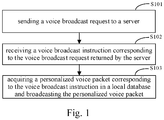
- Fig. 1 is a first flowchart of a method for broadcasting a voice according to an embodiment of the present disclosure. This embodiment is applicable to a case in which a voice is broadcast in a scenario of intelligent voice broadcast.
- the method for broadcasting the voice according to this embodiment may be executed by an apparatus for broadcasting the voice or an electronic device according to an embodiment of the present disclosure, and the apparatus or the electronic device may be implemented in software and/or hardware, and may be integrated in a server and client executing the present disclosure.
- the method of this embodiment includes, but is not limited to, the following steps S101 to S103.
- S101 includes sending a voice broadcast request to a server.
- the server may provide a voice broadcast service to a client, and the content of the service may include, for example providing resources to the client, saving client data and the like.
- the client is also known as a user, and corresponds to the server, which may control the client to perform personalized voice broadcast.
- the client needs to process the current voice broadcast scenario information. Specifically, the client may first parse a related content, such as scenario information and user information that the current scenario needs to broadcast, then send the voice broadcast request to the server, where the voice broadcast request includes at least one of the scenario information, the user information or voice packet setting information.
- S102 includes receiving a voice broadcast instruction corresponding to the voice broadcast request returned by the server.
- the client may be a mobile phone, a tablet, a smart watch, a wearable device or the like.
- a user may install APP software having a voice broadcast function on the client.
- the APP software may include an APP front-end and an APP back-end.
- the APP front-end may provide a display for recording a voice by the user
- the APP back-end may include a text voice reading software development kit, a broadcast control module and a broadcast text access layer.
- the server may be provided with a module for generating a personalized voice packet, that is, a voice broadcast generation center, and the voice broadcast generation center may provide a personalized broadcast service for the client.
- the server may return the voice broadcast instruction corresponding to the voice broadcast request to the client, and the APP back-end receives the voice broadcast instruction.
- the voice broadcast instruction may include personalized voice packet information, such as voice packet audio ID or text information.
- S103 includes acquiring a personalized voice packet corresponding to the voice broadcast instruction in a local database and broadcasting the personalized voice packet.
- the local database is used to store the personalized voice packet.
- the client may acquire the voice broadcast instruction from the voice broadcast generation center of the server, download the personalized voice packet corresponding to the acquired voice broadcast instruction at a voice packet information storage center, and broadcast the personalized voice packet using a corresponding copy or audio in the personalized voice packet.
- an APP may initiate a navigation service, access the voice broadcast generation center through the broadcast control module of the APP, and acquire a personalized voice packet related to the navigation service.
- the client may further be responsible for tasks related to exception handling, such as broadcast exception detection, broadcast exception handling, broadcast exception tolerance and voice packet content update. For example, the client receives the voice broadcast instruction from the voice broadcast generation center, and the client first detects whether an audio ID in the voice broadcast instruction exists in the local database. If yes, the client acquires an audio corresponding to the audio ID based on the audio ID, and finally performs personalized broadcast.
- exception handling such as broadcast exception detection, broadcast exception handling, broadcast exception tolerance and voice packet content update.
- the client receives the voice broadcast instruction from the voice broadcast generation center, and the client first detects whether an audio ID in the voice broadcast instruction exists in the local database. If yes, the client acquires an audio corresponding to the audio ID based on the audio ID, and finally performs personalized broadcast.
- the personalized voice packet corresponding to the voice broadcast instruction is acquired, and the personalized voice packet is broadcast.
- This embodiment solves the problem that the broadcast system in the existing technology uses the same copy or audio, which easily makes users feel that the products are very rigid and not flexible enough and causes poor user experiences, so that the users can obtain consistent and personalized experiences in multiple scenarios, thereby improving the user satisfaction with voice broadcast.
- Fig. 2 is a second flowchart of the method for broadcasting the voice according to an embodiment of the present disclosure. On the basis of the previous embodiment, this embodiment further adds original voice packet recording and information storage. Alternatively, this embodiment will explain the process of the voice broadcast in detail. As shown in Fig. 2 , the method of this embodiment includes, but is not limited to, the following steps S201 to S208.
- S201 includes acquiring an original voice packet recorded by a user on a voice recording interface.
- the original voice packet refers to the basic information of the voice packet, such as version information of the voice packet, generation time information of the voice packet, text information of the voice packet and voice information of the voice packet.
- the client may provide the user with the voice recording interface on the APP front-end, and the interface may have multiple selected or personalized options, such as scenario selection, title selection, style selection, script selection and voice recording.
- the user may select a scenario in which a voice packet generated by recording takes effect, a style and title of voice broadcast, record his own audio or text, and enable the audio or text to take effect in a specified scenario according to the personal preference.
- the positioning device of the client may detect the location information of the user, and then send the location information to the server by carrying the location information in the voice broadcast request.
- the server may send the voice broadcast instruction corresponding to the location information to the client, and then the client acquires a prompt voice (for example: drink less coffee and take a break) corresponding to the location information in the local database based on the voice broadcast instruction.
- the client may select different broadcast contents according to various information, such as personal preferences and current scenario information.
- various information such as personal preferences and current scenario information.
- the user sets the style in which the current voice packet takes effect to be playful, and the current navigation scenario is congestion.
- the corresponding broadcast content "The congestion is really not because of an accident ahead" is recalled according to the style and the scenario information.
- Targeted broadcast content push of operational or commercial activities is also supported.
- S202 includes sending the original voice packet and personalized setting information selected by the user on the voice recording interface to the server, so that the server generates one or more personalized voice packets based on the original voice packet and the personalized setting information.
- the user may set some personalized setting information on the voice recording interface, and the personalized setting information may include at least one of an effective scene, a broadcast style or a broadcast title.
- the client sends the original voice packet and the personalized information selected by the user on the voice recording interface to the server.
- the server may then pack the original voice packet and the personalized setting information into a voice packet according to the information selected or set by the user, and generate one or more personalized voice packets for downloading by the user.
- the voice packets may be in a compressed file form, or may be in an uncompressed file form.
- S203 includes receiving a network address of the one or more personalized voice packets returned by the server.
- the client sends the voice broadcast request to the server, where the voice broadcast request includes at least one of the scenario information, the user information or the voice packet setting information.
- the server sends the network address of the one or more personalized voice packets to the client in response to the voice broadcast request of the client.
- the client may then obtain the one or more personalized voice packets in the compressed file form based on the network address of the one or more personalized voice packets returned by the server.
- the one or more personalized voice packets are obtained based on the one or more personalized voice packets in the compressed file form.
- the one or more personalized voice packets are saved into the local database.
- S204 includes obtaining the one or more personalized voice packets in a compressed file form based on the network address of the one or more personalized voice packets.
- the client downloads the one or more personalized voice packets in the compressed file form at the server based on the network address of the one or more personalized voice packets.
- S205 includes obtaining the one or more personalized voice packets based on the one or more personalized voice packets in the compressed file form and storing the one or more personalized voice packets into the local database.
- the client may store the one or more personalized voice packets into the local database based on the download operation of the user for the one or more personalized voice packets in the compressed file form.
- the broadcast control module of the APP performs the personalized broadcast using the information in the voice packets.
- the voice packets may be stored into a cloud space for cloud backup.
- S206 includes sending the voice broadcast request to a server, where the voice broadcast request includes at least one of the scenario information, the user information or the voice packet setting information.
- S207 includes receiving a voice broadcast instruction corresponding to the voice broadcast request returned by the server.
- S208 includes acquiring a personalized voice packet corresponding to the voice broadcast instruction in the local database and broadcasting the personalized voice packet.
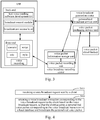
- Fig. 3 is a frame structure diagram of a voice broadcast system according to an embodiment of the present disclosure. This embodiment of the present disclosure is based on the previous embodiment, and an overall frame diagram of the voice broadcast system is explained in detail.
- the technical solution of this embodiment is mainly based on a personalized voice packet recorded by a user.
- the core architecture of the system mainly includes three sub-modules: a voice broadcast recording center, a voice broadcast generation center and an APP.
- the overall frame of the voice broadcast system is as follows.
- the voice broadcast recording center and the APP are sub-modules in the client.
- the voice broadcast generation center is a sub-module in the server.
- the voice packet recording center is composed of a voice packet information storage unit and a voice packet recording unit.
- the voice broadcast generation center is composed of a personalized broadcast service unit and a voice packet packaging service unit.
- the voice broadcast generation center provides personalized voice broadcast services for the voice broadcast recording center and the APP.
- APP software having a voice broadcast function is installed on the client, where the APP software includes an APP front-end and an APP back-end.
- the APP front-end includes options, such as scenario, title, style, script or voice recording.
- the APP back-end includes a text voice reading software development kit, a broadcast control module and a broadcast text access layer.
- a personalized voice packet front-end recording interface is generated on the APP, and the interface may include personalized options, such as scenario selection, title selection, style selection, script selection and voice recording.
- a user may select a scenario in which a voice packet generated by recording takes effect, a style and title of voice broadcast, record his own audio or text, and enable the audio or text to take effect in a specified scenario according to the personal preference.
- the client may then send the original voice packet and the personalized setting information selected by the user on the voice recording interface to the server, so that the server generates the one or more personalized voice packets based on the original voice packet and the personalized setting information.
- the client sends a voice broadcast request to the server, and the server then sends the network address of the personalized voice packet to the client in response to the voice broadcast request sent by the client, and the client may receive the network address of the personalized voice packet returned by the server, download the personalized voice packet in the compressed file form at the server based on the network address, obtain the personalized voice packet, and save the personalized voice packet into the local database.
- the server may also send the personalized voice packet to a cloud space for storage and backup.
- the client may access the voice broadcast generation center through the broadcast control module of the APP, acquire a personalized voice packet related to the navigation service, and broadcast the personalized voice packet using a corresponding copy or audio in the personalized voice packet.
- the generation and storage problems of personalized voice packets is solved by recording and generating voice packet services and storing voice packet information through some personalized information set on the voice recording interface, such as an effective scene, a broadcast style or a broadcast title, thereby realizing that the voice broadcast is more in line with the habits and styles of a user, thereby improving the stickiness of the user for products having a voice broadcast function.
- Fig. 4 is a third flowchart of the method for broadcasting the voice according to an embodiment of the present disclosure.
- this embodiment of the present disclosure applies the method for broadcasting the voice to a server to explain the process of the voice broadcast.
- the method of this embodiment includes, but is not limited to, the following steps S401 to S402.
- S401 includes receiving a voice broadcast request sent by a client.
- the client parses the current scenario related information and sends the voice broadcast request to the server.
- the server receives the voice broadcast request sent by the client, where the voice broadcast request includes at least one of scenario information, user information and voice packet setting information.
- S402 includes returning a voice broadcast instruction corresponding to the voice broadcast request to the client based on the voice broadcast request, so that the client acquires a personalized voice packet corresponding to the voice broadcast instruction in a local database and broadcasts the personalized voice packet.
- a pre-set voice broadcast instruction is sent to the client, so that the client acquires a targeted broadcast content corresponding to the pre-set voice broadcast instruction in the local database and broadcasts the targeted broadcast content; or when the user satisfies the pre-set personalized broadcast condition, a pre-stored personalized broadcast text is sent to the client, so that the client broadcasts based on the personalized broadcast text.
- the technical solution provided in this embodiment solves the problem that the broadcast system easily makes users feel that the products are very rigid and not flexible enough and thus causes poor user experiences by realizing the voice broadcast function at the server, thereby achieving the consistency, association and diversity effects of the voice broadcast.
- Fig. 5 is a fourth flowchart of the method for broadcasting the voice according to an embodiment of the present disclosure.
- this embodiment of the present disclosure applies the method for broadcasting the voice to the server.
- this embodiment will explain the process of the voice broadcast in detail.
- the method of this embodiment includes, but is not limited to, the following steps S501 to S504.
- S501 includes receiving an original voice packet sent by the client and personalized setting information selected by a user on a voice recording interface.
- the user sets some personalized information on the voice recording interface
- the client sends the original voice packet and the personalized information selected by the user on the voice recording interface to the server.
- the server receives the original voice packet and the personalized setting information selected by the user on the voice recording interface sent by the client.
- S502 includes generating one or more personalized voice packets based on the original voice packet and the personalized setting information.
- the server generates the one or more personalized voice packets based on the original voice packet and the personalized setting information, where the personalized setting information includes at least one of an effective scenario, a broadcast style or a broadcast title.
- S503 includes receiving a voice broadcast request sent by the client.
- S504 includes returning a voice broadcast instruction corresponding to the voice broadcast request to the client based on the voice broadcast request, so that the client acquires a personalized voice packet corresponding to the voice broadcast instruction in a local database and broadcasts the personalized voice packet.
- a weight coefficient corresponding to a candidate voice packet is adjusted based on the original voice packet and pre-stored historical broadcast information of the user.
- the broadcast information in the current session of the user is first acquired, and some to-be-broadcast candidate personalized voice packets are selected for the first time, and then, according to the historical broadcast information at the client, a series of weight coefficients are generated by performing strategies, such as broadcast deduplication, continuity check or scenario alignment, and these to-be-broadcast candidate personalized voice packets are re-selected.
- an optimal candidate voice packet is calculated based on the weight coefficient corresponding to the candidate voice packet and the optimal candidate voice packet is used as a voice packet corresponding to the personalized setting information of the user.
- a weight calculation is performed on each candidate to-be-broadcast personalized voice packet, and it finally takes effect on the candidate personalized broadcast content, and the corresponding broadcast content is sorted, and the personalized voice packet corresponding to the broadcast content sorted as top 1 is sent to the broadcast control module of the APP as the optimal voice packet, and the corresponding identification thereof is the voice broadcast instruction corresponding to the voice broadcast request.
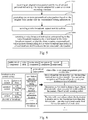
- Fig. 6 is a schematic diagram of consistency, association and diversity of voice broadcast according to an embodiment of the present disclosure. As shown in Fig. 6 , the overall process of the consistency, association and diversity of the voice broadcast will be explained below in detail.
- the client may be provided with various components, such as a public travel component, a voice SDK, a scenic area component, a navigation component, a search component and a broadcast central control service, respectively, which may reflect the consistency, association and diversity of the voice broadcast.
- the broadcast central control service the diversity of the broadcast is reflected by setting the contents or text forms of various voice broadcast, including a stylish content, a plain text form, a operation content, a self-recording forms, a commercial content, a star recording form and the like.
- the association of the voice broadcast is reflected by setting various features, including user feature analysis, user query fitting, component linkage decision, content information decision and the like. For example, when a like-to-eat young programmer goes to a XX hotel, the voice broadcast selects user-satisfied voice broadcast prompts through personalized voice packets set by the user and the above components.
- the technical solution provided in this embodiment solves the problem that the broadcast system easily makes users feel that the products are very rigid and not flexible enough and thus causes poor user experiences by realizing the voice broadcast function at the server and setting various components in the broadcast control module of the APP, thereby achieving the consistency, association and diversity effects of the voice broadcast.
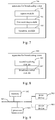
- Fig. 7 is a first schematic structural diagram of an apparatus for broadcasting the voice according to an embodiment of the present disclosure.
- the apparatus 700 may includes a request module 701, a first receiving module 702 and a broadcast module 703.
- the request module 701 is configured to send a voice broadcast request to a server, where the voice broadcast request includes at least one of scenario information, user information or voice packet setting information.
- the first receiving module 702 is configured to receive a voice broadcast instruction corresponding to the voice broadcast request returned by the server.
- the broadcast module 703 is configured to acquire a personalized voice packet corresponding to the voice broadcast instruction in a local database and broadcast the personalized voice packet.
- the apparatus includes a recording module 704 (not shown) configured to acquire an original voice packet recorded by a user on a voice recording interface and send the original voice packet and personalized setting information selected by the user on the voice recording interface to the server, so that the server generates one or more personalized voice packets based on the original voice packet and the personalized setting information, where the personalized setting information includes at least one of an effective scenario, a broadcast style or a broadcast title.
- a recording module 704 (not shown) configured to acquire an original voice packet recorded by a user on a voice recording interface and send the original voice packet and personalized setting information selected by the user on the voice recording interface to the server, so that the server generates one or more personalized voice packets based on the original voice packet and the personalized setting information, where the personalized setting information includes at least one of an effective scenario, a broadcast style or a broadcast title.
- the apparatus includes a storage module 705 (not shown) configured to: receive a network address of the one or more personalized voice packets returned by the server; obtain the one or more personalized voice packets in a compressed file form based on the network address of the one or more personalized voice packets; and obtain the one or more personalized voice packets based on the one or more personalized voice packets in the compressed file form and store the one or more personalized voice packets into the local database.
- a storage module 705 (not shown) configured to: receive a network address of the one or more personalized voice packets returned by the server; obtain the one or more personalized voice packets in a compressed file form based on the network address of the one or more personalized voice packets; and obtain the one or more personalized voice packets based on the one or more personalized voice packets in the compressed file form and store the one or more personalized voice packets into the local database.
- the broadcast module 703 is configured to: search, in response to the voice broadcast instruction, for an audio ID corresponding to the voice broadcast instruction in the local database; and acquire, if the audio ID corresponding the voice broadcast instruction is found in the local database, the personalized voice packet corresponding to the voice broadcast instruction in the local database based on the audio ID.
- the apparatus for broadcasting the voice may execute the method according to embodiment 1 or embodiment 2 of the present disclosure, and has functional modules and beneficial effects corresponding to the executed method.
- the technical details are not described in detail in this embodiment, and may refer to the method for broadcasting the voice according to embodiment 1 or embodiment 2 of the present disclosure.
- Fig. 8 is a second schematic structural diagram of the apparatus for broadcasting the voice according to an embodiment of the present disclosure.
- the apparatus 800 may include a second receiving module 801 and a broadcast control module 802.
- the second receiving module 801 is configured to receive a voice broadcast request sent by a client, where the voice broadcast request includes at least one of scenario information, user information or voice packet setting information.
- the broadcast control module 802 is configured to return a voice broadcast instruction corresponding to the voice broadcast request to the client based on the voice broadcast request, so that the client acquires a personalized voice packet corresponding to the voice broadcast instruction in a local database and broadcasts the personalized voice packet.
- the apparatus includes a generation module 803 configured to: receive an original voice packet and personalized setting information selected by a user on a voice recording interface sent by the client; and generate one or more personalized voice packets based on the original voice packet and the personalized setting information, where the personalized setting information includes at least one of an effective scenario, a broadcast style or a broadcast title.
- a generation module 803 configured to: receive an original voice packet and personalized setting information selected by a user on a voice recording interface sent by the client; and generate one or more personalized voice packets based on the original voice packet and the personalized setting information, where the personalized setting information includes at least one of an effective scenario, a broadcast style or a broadcast title.
- the generation module 803 is configured to: adjust a weight coefficient corresponding to a candidate voice packet based on the original voice packet and pre-stored historical broadcast information of the user; and calculate an optimal candidate voice packet based on the weight coefficient corresponding to the candidate voice packet and use the optimal candidate voice packet as a voice packet corresponding to the personalized setting information of the user.
- the broadcast control module is configured to: send, when a user satisfies a pre-set personalized broadcast condition, a pre-set voice broadcast instruction to the client, so that the client acquires a targeted broadcast content corresponding to the pre-set voice broadcast instruction in the local database and broadcasts the targeted broadcast content; or send, when a user satisfies a pre-set personalized broadcast condition, a pre-stored personalized broadcast text to the client, so that the client broadcasts based on the personalized broadcast text.
- the apparatus for broadcasting the voice may execute the method according to embodiment 3 or embodiment 4 of the present disclosure, and has functional modules and beneficial effects corresponding to the executed method.
- the technical details are not described in detail in this embodiment, and may refer to the method for broadcasting the voice according to embodiment 3 or embodiment 4 of the present disclosure.
- the present disclosure further provides an electronic and a readable storage medium.
- Fig. 9 is a block diagram of an electronic device adapted to implement the method for broadcasting the voice according to an embodiment of the present disclosure.
- the electronic device is intended to represent various forms of digital computers, such as laptops, desktops, worktables, personal digital assistants, servers, blade servers, mainframe computers and other suitable computers.
- the electronic device may also represent various forms of mobile devices, such as personal digital processing, cellular phones, smart phones, wearable devices and other similar computing devices.
- the parts, their connections and relationships, and their functions shown herein are examples only, and are not intended to limit the implementations of the present disclosure as described and/or claimed herein.
- the electronic device includes one or more processors 901, a memory 902 and interfaces for connecting components, including a high-speed interface and a low-speed interface.
- the components are interconnected by using different buses and may be mounted on a common motherboard or otherwise as required.
- the processor may process instructions executed within the electronic device, including instructions stored in memory or on memory to display graphical information of the GUI on an external input or output device (such as a display device coupled to an interface).
- multiple processors and/or multiple buses and multiple memories may be used with multiple memories, if required.
- multiple electronic devices may be connected (for example, used as a server array, a set of blade servers or a multiprocessor system), and the electronic device provides some of the necessary operations.
- An example of a processor 901 is shown in Fig. 9 .
- the memory 902 is a non-transitory computer readable storage medium according to the present disclosure.
- the memory stores instructions executable by at least one processor to cause the at least one processor to execute the method for broadcasting the voice according to the present disclosure.
- the non-transitory computer readable storage medium of the present disclosure stores computer instructions for causing a computer to execute the method for broadcasting the voice according to the present disclosure.
- the memory 902 may be used to store non-transitory software programs, non-transitory computer executable programs and modules, such as the program instructions or modules corresponding to the method for broadcasting the voice in the embodiment of the present disclosure (such as the request module 701, the first receiving module 702 and the broadcast module 703 in the apparatus for broadcasting the voice).
- the processor 901 runs the non-transitory software programs, instructions and modules stored in the memory 902 to execute various functional applications and data processing of the server, thereby implementing the method for broadcasting the voice in the embodiment of the method.
- the memory 902 may include a storage program area and a storage data area, where the storage program area may store an operating system and an application program required by at least one function; and the storage data area may store data created by the electronic device when executing the method for broadcasting the voice.
- the memory 902 may include a high-speed random access memory, and may further include a non-transitory memory, such as at least one magnetic disk storage device, a flash memory or other non-transitory solid state storage devices.
- the memory 902 may alternatively include a memory disposed remotely relative to the processor 901, which may be connected through a network to the electronic device adapted to execute the method for broadcasting the voice. Examples of such networks include, but are not limited to, the Internet, enterprise intranets, local area networks, mobile communication networks and combinations thereof.
- the electronic device adapted to execute the method for broadcasting the voice may further include an input device 903 and an output device 904.
- the processor 901, the memory 902, the input device 903 and the output device 904 may be interconnected through a bus or other means, and an example of a connection through a bus is shown in Fig. 9 .
- the input device 903 may receive input digit or character information, and generate key signal input related to user settings and functional control of the electronic device adapted to execute the method for broadcasting the voice, such as a touch screen, a keypad, a mouse, a track pad, a touch pad, a pointer bar, one or more mouse buttons, a trackball or a joystick.
- the output device 904 may include a display device, an auxiliary lighting device (such as an LED) and a tactile feedback device (such as a vibration motor).
- the display device may include, but is not limited to, a liquid crystal display (LCD), a light emitting diode (LED) display and a plasma display. In some embodiments, the display device may be a touch screen.
- the various embodiments of the systems and technologies described herein may be implemented in digital electronic circuit systems, integrated circuit systems, ASICs (application specific integrated circuits), computer hardware, firmware, software and/or combinations thereof.
- the various embodiments may include: being implemented in one or more computer programs, where the one or more computer programs may be executed and/or interpreted on a programmable system including at least one programmable processor, and the programmable processor may be a dedicated or general-purpose programmable processor, which may receive data and instructions from a memory system, at least one input device and at least one output device, and send the data and instructions to the memory system, the at least one input device and the at least one output device.
- machine readable medium and “computer readable medium” refer to any computer program product, device and/or apparatus (such as magnetic disk, optical disk, memory and programmable logic device (PLD)) for providing machine instructions and/or data to a programmable processor, including a machine readable medium that receives machine instructions as machine readable signals.
- machine readable signal refers to any signal used to provide machine instructions and/or data to a programmable processor.
- the systems and technologies described herein may be implemented on a computer having: a display device (such as a CRT (cathode ray tube) or LCD (liquid crystal display) monitor) for displaying information to the user; and a keyboard and a pointing device (such as a mouse or a trackball) through which the user may provide input to the computer.
- a display device such as a CRT (cathode ray tube) or LCD (liquid crystal display) monitor
- a keyboard and a pointing device such as a mouse or a trackball
- Other types of devices may also be used to provide interaction with the user.
- the feedback provided to the user may be any form of sensory feedback (such as visual feedback, auditory feedback or tactile feedback); and input from the user may be received in any form, including acoustic input, speech input or tactile input.
- the systems and technologies described herein may be implemented in: a computing system including a background component (such as a data server), or a computing system including a middleware component (such as an application server), or a computing system including a front-end component (such as a user computer having a graphical user interface or a web browser through which the user may interact with the implementation of the systems and technologies described herein), or a computing system including any combination of such background component, middleware component or front-end component.
- the components of the system may be interconnected by any form or medium of digital data communication (such as a communication network). Examples of communication networks include a local area network (LAN), a wide area network (WAN), the Internet and a blockchain network.
- the computer system may include a client and a server.
- the client and the server are typically remote from each other and typically interact through a communication network.
- the relationship between the client and the server is generated by a computer program running on the corresponding computer and having a client-server relationship with each other.
- the server may be a cloud server, also known as a cloud computing server or a cloud host, which is a host product in the cloud computing service system and may solve the defects of difficult management and weak service scalability existing among a conventional physical host and a VPS (Virtual Private Server) service.
- VPS Virtual Private Server
- the voice broadcast request is sent to the server, where the voice broadcast request includes at least one of the scenario information, the user information or the voice packet setting information, and the voice broadcast instruction corresponding to the voice broadcast request returned by the server is received, and the personalized voice packet corresponding to the voice broadcast instruction is acquired in the local database and the personalized voice packet is broadcast.
- the voice broadcast request includes at least one of the scenario information, the user information or the voice packet setting information
- the voice broadcast instruction corresponding to the voice broadcast request returned by the server is received
- the personalized voice packet corresponding to the voice broadcast instruction is acquired in the local database and the personalized voice packet is broadcast.
Landscapes
- Engineering & Computer Science (AREA)
- Signal Processing (AREA)
- Multimedia (AREA)
- Theoretical Computer Science (AREA)
- Physics & Mathematics (AREA)
- Business, Economics & Management (AREA)
- Computer Networks & Wireless Communication (AREA)
- General Physics & Mathematics (AREA)
- Strategic Management (AREA)
- Human Computer Interaction (AREA)
- Audiology, Speech & Language Pathology (AREA)
- Health & Medical Sciences (AREA)
- Entrepreneurship & Innovation (AREA)
- General Engineering & Computer Science (AREA)
- Data Mining & Analysis (AREA)
- Computational Linguistics (AREA)
- Acoustics & Sound (AREA)
- Development Economics (AREA)
- Finance (AREA)
- Human Resources & Organizations (AREA)
- General Business, Economics & Management (AREA)
- Accounting & Taxation (AREA)
- Marketing (AREA)
- Economics (AREA)
- Databases & Information Systems (AREA)
- General Health & Medical Sciences (AREA)
- Operations Research (AREA)
- Tourism & Hospitality (AREA)
- Quality & Reliability (AREA)
- Game Theory and Decision Science (AREA)
- Computer Security & Cryptography (AREA)
- Two-Way Televisions, Distribution Of Moving Picture Or The Like (AREA)
- Telephonic Communication Services (AREA)
Applications Claiming Priority (1)
| Application Number | Priority Date | Filing Date | Title |
|---|---|---|---|
| CN202010969944.5A CN112133281B (zh) | 2020-09-15 | 2020-09-15 | 一种语音播报方法、装置、电子设备和存储介质 |
Publications (2)
| Publication Number | Publication Date |
|---|---|
| EP3829196A2 true EP3829196A2 (de) | 2021-06-02 |
| EP3829196A3 EP3829196A3 (de) | 2021-07-21 |
Family
ID=73846386
Family Applications (1)
| Application Number | Title | Priority Date | Filing Date |
|---|---|---|---|
| EP21164301.0A Withdrawn EP3829196A3 (de) | 2020-09-15 | 2021-03-23 | Verfahren, einrichtung, elektronische vorrichtung, speichermedium und programm zur sprachübertragung |
Country Status (5)
| Country | Link |
|---|---|
| US (1) | US11470027B2 (de) |
| EP (1) | EP3829196A3 (de) |
| JP (1) | JP7377237B2 (de) |
| KR (1) | KR102489170B1 (de) |
| CN (1) | CN112133281B (de) |
Cited By (1)
| Publication number | Priority date | Publication date | Assignee | Title |
|---|---|---|---|---|
| CN115720121A (zh) * | 2022-11-14 | 2023-02-28 | 天翼数字生活科技有限公司 | 设备联动实时播报方法、装置、存储介质、计算机设备 |
Families Citing this family (14)
| Publication number | Priority date | Publication date | Assignee | Title |
|---|---|---|---|---|
| CN112133281B (zh) * | 2020-09-15 | 2024-08-02 | 北京百度网讯科技有限公司 | 一种语音播报方法、装置、电子设备和存储介质 |
| CN113066474A (zh) * | 2021-03-31 | 2021-07-02 | 北京猎户星空科技有限公司 | 一种语音播报方法、装置、设备及介质 |
| CN113516962B (zh) * | 2021-04-08 | 2024-04-02 | Oppo广东移动通信有限公司 | 语音播报方法、装置、存储介质及电子设备 |
| CN113299273B (zh) * | 2021-05-20 | 2024-03-08 | 广州小鹏汽车科技有限公司 | 语音数据合成方法、终端设备以及计算机可读存储介质 |
| CN113449141A (zh) * | 2021-06-08 | 2021-09-28 | 阿波罗智联(北京)科技有限公司 | 语音播报方法、装置、电子设备及存储介质 |
| CN113409615A (zh) * | 2021-06-18 | 2021-09-17 | 深圳市易流科技股份有限公司 | 一种驾驶员监控系统及驾驶员监控方法 |
| CN114302239B (zh) * | 2021-12-28 | 2023-12-15 | 阿维塔科技(重庆)有限公司 | 一种车机端语音播报配置方法、装置及设备 |
| CN114936014A (zh) * | 2022-02-12 | 2022-08-23 | 阿尔特汽车技术股份有限公司 | 一种基于soa服务的语音播报系统 |
| CN116645963A (zh) * | 2022-02-15 | 2023-08-25 | 博泰车联网科技(上海)股份有限公司 | 一种语音应答方法、装置、电子设备及可读存储介质 |
| CN114697375B (zh) * | 2022-02-18 | 2024-03-22 | 青岛海尔科技有限公司 | 语音包的切换方法和装置、存储介质及电子装置 |
| CN114842844A (zh) * | 2022-03-31 | 2022-08-02 | 苏州三六零机器人科技有限公司 | 清洁机器人语音播报方法、装置、设备及存储介质 |
| CN115509163B (zh) * | 2022-09-23 | 2025-09-26 | Oppo广东移动通信有限公司 | 驾驶建议的提供方法、装置、终端、存储介质及程序产品 |
| CN116319955B (zh) * | 2023-02-10 | 2024-05-24 | 银联商务股份有限公司 | 语音播报方法、装置、存储介质和计算机设备 |
| CN116499489A (zh) * | 2023-03-16 | 2023-07-28 | 阿里巴巴(中国)有限公司 | 基于地图导航应用的人机交互方法、装置、设备及产品 |
Citations (1)
| Publication number | Priority date | Publication date | Assignee | Title |
|---|---|---|---|---|
| CN110415678A (zh) * | 2019-06-13 | 2019-11-05 | 百度时代网络技术(北京)有限公司 | 自定义语音播报客户端、服务器、系统及方法 |
Family Cites Families (25)
| Publication number | Priority date | Publication date | Assignee | Title |
|---|---|---|---|---|
| JPH11223425A (ja) * | 1998-02-10 | 1999-08-17 | Fujikoki Corp | 膨張弁 |
| KR20020078320A (ko) * | 2001-04-09 | 2002-10-18 | (주)이너베이 | 인터넷을 이용한 사용자간 방송 컨텐츠 제공 장치 및 그방법 |
| JP2006146630A (ja) | 2004-11-22 | 2006-06-08 | Sony Corp | コンテンツ選択再生装置、コンテンツ選択再生方法、コンテンツ配信システムおよびコンテンツ検索システム |
| JP4438621B2 (ja) | 2004-12-16 | 2010-03-24 | ヤマハ株式会社 | サーバ装置、およびオーディオ再生システム |
| CN101110085B (zh) | 2006-07-21 | 2010-06-02 | 索尼株式会社 | 再现装置、再现方法 |
| US20130006769A1 (en) * | 2008-01-31 | 2013-01-03 | Thomas Barton Schalk | Criteria-Based Audio Messaging In Vehicles |
| US20100017455A1 (en) * | 2008-07-17 | 2010-01-21 | Lemi Technology, Llc | Customized media broadcast for a broadcast group |
| US9100458B2 (en) * | 2008-09-11 | 2015-08-04 | At&T Intellectual Property I, L.P. | Apparatus and method for delivering media content |
| ITPN20100067A1 (it) * | 2010-11-29 | 2012-05-30 | Infinite S R L | Procedimento per la trasmissione selettiva e personalizzata di dati ad un dispositivo mobile e sistema client/server che attua il procedimento |
| CA2823826C (en) * | 2011-01-14 | 2020-04-28 | Triton Digital Canada Inc. | Broadcast media streaming with customized playlist insertion method and system |
| US8175884B1 (en) * | 2011-02-08 | 2012-05-08 | Gary Jay Morris | Environmental condition detector with validated personalized verbal messages |
| US9152377B2 (en) | 2013-08-29 | 2015-10-06 | Thomson Licensing | Dynamic event sounds |
| JP6231205B2 (ja) | 2014-06-11 | 2017-11-15 | シャープ株式会社 | 出力メッセージ決定装置、および出力メッセージ決定装置の制御方法 |
| US11488397B2 (en) * | 2015-11-02 | 2022-11-01 | Magna Electronics Inc. | Vehicle customization system |
| CN107289964B (zh) * | 2016-03-31 | 2020-04-14 | 高德信息技术有限公司 | 一种导航语音播报方法及装置 |
| US10027662B1 (en) * | 2016-12-06 | 2018-07-17 | Amazon Technologies, Inc. | Dynamic user authentication |
| JP6934132B2 (ja) * | 2017-04-28 | 2021-09-15 | 日本電気株式会社 | 情報提示システム、プログラム及び情報提示方法 |
| JP7037909B2 (ja) | 2017-10-20 | 2022-03-17 | シャープ株式会社 | 端末装置、音声出力プログラム、サーバ、音声出力システム、及び音声出力方法 |
| CN109671421B (zh) * | 2018-12-25 | 2020-07-10 | 苏州思必驰信息科技有限公司 | 离线导航的定制和实现方法及装置 |
| US20200219140A1 (en) * | 2019-01-09 | 2020-07-09 | AdGreetz, Inc. | Messaging system for delivering audio and/or video messages |
| CN110751940B (zh) * | 2019-09-16 | 2021-06-11 | 百度在线网络技术(北京)有限公司 | 一种生成语音包的方法、装置、设备和计算机存储介质 |
| CN110674241B (zh) * | 2019-09-30 | 2020-11-20 | 百度在线网络技术(北京)有限公司 | 地图播报的管理方法、装置、电子设备和存储介质 |
| CN110795593A (zh) * | 2019-10-12 | 2020-02-14 | 百度在线网络技术(北京)有限公司 | 语音包的推荐方法、装置、电子设备和存储介质 |
| CN111578965B (zh) * | 2020-04-30 | 2022-07-08 | 百度在线网络技术(北京)有限公司 | 导航播报信息处理方法、装置、电子设备和存储介质 |
| CN112133281B (zh) * | 2020-09-15 | 2024-08-02 | 北京百度网讯科技有限公司 | 一种语音播报方法、装置、电子设备和存储介质 |
-
2020
- 2020-09-15 CN CN202010969944.5A patent/CN112133281B/zh active Active
-
2021
- 2021-02-22 KR KR1020210023671A patent/KR102489170B1/ko active Active
- 2021-03-19 JP JP2021046453A patent/JP7377237B2/ja active Active
- 2021-03-23 EP EP21164301.0A patent/EP3829196A3/de not_active Withdrawn
- 2021-03-25 US US17/212,061 patent/US11470027B2/en active Active
Patent Citations (2)
| Publication number | Priority date | Publication date | Assignee | Title |
|---|---|---|---|---|
| CN110415678A (zh) * | 2019-06-13 | 2019-11-05 | 百度时代网络技术(北京)有限公司 | 自定义语音播报客户端、服务器、系统及方法 |
| US20200394992A1 (en) * | 2019-06-13 | 2020-12-17 | Baidu.Com Times Technology (Beijing) Co., Ltd. | Client, system and method for customizing voice broadcast |
Cited By (1)
| Publication number | Priority date | Publication date | Assignee | Title |
|---|---|---|---|---|
| CN115720121A (zh) * | 2022-11-14 | 2023-02-28 | 天翼数字生活科技有限公司 | 设备联动实时播报方法、装置、存储介质、计算机设备 |
Also Published As
| Publication number | Publication date |
|---|---|
| US11470027B2 (en) | 2022-10-11 |
| EP3829196A3 (de) | 2021-07-21 |
| CN112133281A (zh) | 2020-12-25 |
| JP7377237B2 (ja) | 2023-11-09 |
| JP2022019523A (ja) | 2022-01-27 |
| KR102489170B1 (ko) | 2023-01-17 |
| KR20220036313A (ko) | 2022-03-22 |
| CN112133281B (zh) | 2024-08-02 |
| US20210211396A1 (en) | 2021-07-08 |
Similar Documents
| Publication | Publication Date | Title |
|---|---|---|
| US11470027B2 (en) | Method, apparatus, electronic device and storage medium for broadcasting voice | |
| US11144711B2 (en) | Webpage rendering method, device, electronic apparatus and storage medium | |
| US20190303088A1 (en) | Transferring an application interface from one device to another device | |
| EP3835954B1 (de) | Verfahren und vorrichtung zum anzeigen einer schnittstelle und speichermedium | |
| CN112269864B (zh) | 生成播报语音的方法、装置、设备和计算机存储介质 | |
| SG11202112489TA (en) | Method and apparatus for inserting information into online document | |
| US9250765B2 (en) | Changing icons for a web page | |
| JP7087121B2 (ja) | ランディングページの処理方法、装置、機器及び媒体 | |
| CN112652302B (zh) | 语音控制方法、装置、终端及存储介质 | |
| CN111651141B (zh) | 小程序落地页的展现方法、装置、电子设备和存储介质 | |
| US20150207854A1 (en) | External application request | |
| CN107291352A (zh) | 一种文字阅读中应用程序跳转的方法及其装置 | |
| US20160179752A1 (en) | Using voice-based web navigation to conserve cellular data | |
| KR20220141891A (ko) | 디지털 액션 실행을 위한 인터페이스 및 모드 선택 | |
| US20230297618A1 (en) | Information display method and electronic apparatus | |
| CN110727434A (zh) | 渲染方法、装置、电子设备及存储介质 | |
| CN112395027A (zh) | 微件界面生成方法、装置、存储介质与电子设备 | |
| JP2022504002A (ja) | 音声パッケージの推薦方法、装置、電子機器および記憶媒体 | |
| US20240281488A1 (en) | Method, apparatus, device, storage medium and program product for displaying search results | |
| US20240395285A1 (en) | Video editing method and apparatus, electronic device and medium | |
| US20210098012A1 (en) | Voice Skill Recommendation Method, Apparatus, Device and Storage Medium | |
| US20210294988A1 (en) | Machine Translation of Digital Content | |
| CN110147283B (zh) | 一种显示内容切换显示方法、装置、设备及介质 | |
| CN110708386A (zh) | 页面显示方法、终端设备和服务器 | |
| CN110622135B (zh) | 在涉及欠佳网络条件的情形下提供内容项的系统和方法 |
Legal Events
| Date | Code | Title | Description |
|---|---|---|---|
| PUAI | Public reference made under article 153(3) epc to a published international application that has entered the european phase |
Free format text: ORIGINAL CODE: 0009012 |
|
| STAA | Information on the status of an ep patent application or granted ep patent |
Free format text: STATUS: REQUEST FOR EXAMINATION WAS MADE |
|
| 17P | Request for examination filed |
Effective date: 20210323 |
|
| AK | Designated contracting states |
Kind code of ref document: A2 Designated state(s): AL AT BE BG CH CY CZ DE DK EE ES FI FR GB GR HR HU IE IS IT LI LT LU LV MC MK MT NL NO PL PT RO RS SE SI SK SM TR |
|
| REG | Reference to a national code |
Ref country code: DE Ref legal event code: R079 Free format text: PREVIOUS MAIN CLASS: H04W0004060000 Ipc: G06Q0030020000 |
|
| PUAL | Search report despatched |
Free format text: ORIGINAL CODE: 0009013 |
|
| AK | Designated contracting states |
Kind code of ref document: A3 Designated state(s): AL AT BE BG CH CY CZ DE DK EE ES FI FR GB GR HR HU IE IS IT LI LT LU LV MC MK MT NL NO PL PT RO RS SE SI SK SM TR |
|
| RIC1 | Information provided on ipc code assigned before grant |
Ipc: G06Q 30/02 20120101AFI20210614BHEP Ipc: G10L 13/047 20130101ALI20210614BHEP Ipc: H04L 29/08 20060101ALI20210614BHEP Ipc: G06F 3/16 20060101ALI20210614BHEP Ipc: G06F 40/20 20200101ALI20210614BHEP Ipc: G10L 13/033 20130101ALI20210614BHEP Ipc: G06Q 10/10 20120101ALI20210614BHEP Ipc: H04W 4/06 20090101ALI20210614BHEP |
|
| STAA | Information on the status of an ep patent application or granted ep patent |
Free format text: STATUS: EXAMINATION IS IN PROGRESS |
|
| 17Q | First examination report despatched |
Effective date: 20230207 |
|
| REG | Reference to a national code |
Ref country code: DE Ref legal event code: R079 Free format text: PREVIOUS MAIN CLASS: G06Q0030020000 Ipc: H04L0067306000 |
|
| GRAP | Despatch of communication of intention to grant a patent |
Free format text: ORIGINAL CODE: EPIDOSNIGR1 |
|
| STAA | Information on the status of an ep patent application or granted ep patent |
Free format text: STATUS: GRANT OF PATENT IS INTENDED |
|
| RIC1 | Information provided on ipc code assigned before grant |
Ipc: H04W 4/06 20090101ALI20250314BHEP Ipc: G06F 3/16 20060101ALI20250314BHEP Ipc: G06Q 10/10 20120101ALI20250314BHEP Ipc: G10L 13/033 20130101ALI20250314BHEP Ipc: H04L 69/24 20220101ALI20250314BHEP Ipc: H04L 69/04 20220101ALI20250314BHEP Ipc: H04L 12/18 20060101ALI20250314BHEP Ipc: G06Q 30/0241 20230101ALI20250314BHEP Ipc: H04L 67/306 20220101AFI20250314BHEP |
|
| INTG | Intention to grant announced |
Effective date: 20250327 |
|
| RIN1 | Information on inventor provided before grant (corrected) |
Inventor name: LEI, JINYI Inventor name: DING, SHIQIANG |
|
| STAA | Information on the status of an ep patent application or granted ep patent |
Free format text: STATUS: THE APPLICATION IS DEEMED TO BE WITHDRAWN |
|
| 18D | Application deemed to be withdrawn |
Effective date: 20250729 |