EP3788877B1 - Compositions and methods for prophylaxis and treatment of addictions - Google Patents
Compositions and methods for prophylaxis and treatment of addictions Download PDFInfo
- Publication number
- EP3788877B1 EP3788877B1 EP20189022.5A EP20189022A EP3788877B1 EP 3788877 B1 EP3788877 B1 EP 3788877B1 EP 20189022 A EP20189022 A EP 20189022A EP 3788877 B1 EP3788877 B1 EP 3788877B1
- Authority
- EP
- European Patent Office
- Prior art keywords
- pioglitazone
- agonist
- alcohol
- treatment
- nicotine
- Prior art date
- Legal status (The legal status is an assumption and is not a legal conclusion. Google has not performed a legal analysis and makes no representation as to the accuracy of the status listed.)
- Active
Links
Images











Classifications
-
- A—HUMAN NECESSITIES
- A61—MEDICAL OR VETERINARY SCIENCE; HYGIENE
- A61K—PREPARATIONS FOR MEDICAL, DENTAL OR TOILETRY PURPOSES
- A61K31/00—Medicinal preparations containing organic active ingredients
- A61K31/70—Carbohydrates; Sugars; Derivatives thereof
-
- A—HUMAN NECESSITIES
- A61—MEDICAL OR VETERINARY SCIENCE; HYGIENE
- A61K—PREPARATIONS FOR MEDICAL, DENTAL OR TOILETRY PURPOSES
- A61K31/00—Medicinal preparations containing organic active ingredients
- A61K31/33—Heterocyclic compounds
- A61K31/395—Heterocyclic compounds having nitrogen as a ring hetero atom, e.g. guanethidine or rifamycins
- A61K31/41—Heterocyclic compounds having nitrogen as a ring hetero atom, e.g. guanethidine or rifamycins having five-membered rings with two or more ring hetero atoms, at least one of which being nitrogen, e.g. tetrazole
- A61K31/425—Thiazoles
-
- A—HUMAN NECESSITIES
- A61—MEDICAL OR VETERINARY SCIENCE; HYGIENE
- A61K—PREPARATIONS FOR MEDICAL, DENTAL OR TOILETRY PURPOSES
- A61K31/00—Medicinal preparations containing organic active ingredients
-
- A—HUMAN NECESSITIES
- A61—MEDICAL OR VETERINARY SCIENCE; HYGIENE
- A61K—PREPARATIONS FOR MEDICAL, DENTAL OR TOILETRY PURPOSES
- A61K31/00—Medicinal preparations containing organic active ingredients
- A61K31/13—Amines
- A61K31/135—Amines having aromatic rings, e.g. ketamine, nortriptyline
- A61K31/138—Aryloxyalkylamines, e.g. propranolol, tamoxifen, phenoxybenzamine
-
- A—HUMAN NECESSITIES
- A61—MEDICAL OR VETERINARY SCIENCE; HYGIENE
- A61K—PREPARATIONS FOR MEDICAL, DENTAL OR TOILETRY PURPOSES
- A61K31/00—Medicinal preparations containing organic active ingredients
- A61K31/185—Acids; Anhydrides, halides or salts thereof, e.g. sulfur acids, imidic, hydrazonic or hydroximic acids
- A61K31/19—Carboxylic acids, e.g. valproic acid
- A61K31/195—Carboxylic acids, e.g. valproic acid having an amino group
-
- A—HUMAN NECESSITIES
- A61—MEDICAL OR VETERINARY SCIENCE; HYGIENE
- A61K—PREPARATIONS FOR MEDICAL, DENTAL OR TOILETRY PURPOSES
- A61K31/00—Medicinal preparations containing organic active ingredients
- A61K31/33—Heterocyclic compounds
- A61K31/335—Heterocyclic compounds having oxygen as the only ring hetero atom, e.g. fungichromin
- A61K31/35—Heterocyclic compounds having oxygen as the only ring hetero atom, e.g. fungichromin having six-membered rings with one oxygen as the only ring hetero atom
-
- A—HUMAN NECESSITIES
- A61—MEDICAL OR VETERINARY SCIENCE; HYGIENE
- A61K—PREPARATIONS FOR MEDICAL, DENTAL OR TOILETRY PURPOSES
- A61K31/00—Medicinal preparations containing organic active ingredients
- A61K31/33—Heterocyclic compounds
- A61K31/395—Heterocyclic compounds having nitrogen as a ring hetero atom, e.g. guanethidine or rifamycins
- A61K31/40—Heterocyclic compounds having nitrogen as a ring hetero atom, e.g. guanethidine or rifamycins having five-membered rings with one nitrogen as the only ring hetero atom, e.g. sulpiride, succinimide, tolmetin, buflomedil
- A61K31/4015—Heterocyclic compounds having nitrogen as a ring hetero atom, e.g. guanethidine or rifamycins having five-membered rings with one nitrogen as the only ring hetero atom, e.g. sulpiride, succinimide, tolmetin, buflomedil having oxo groups directly attached to the heterocyclic ring, e.g. piracetam, ethosuximide
-
- A—HUMAN NECESSITIES
- A61—MEDICAL OR VETERINARY SCIENCE; HYGIENE
- A61K—PREPARATIONS FOR MEDICAL, DENTAL OR TOILETRY PURPOSES
- A61K31/00—Medicinal preparations containing organic active ingredients
- A61K31/33—Heterocyclic compounds
- A61K31/395—Heterocyclic compounds having nitrogen as a ring hetero atom, e.g. guanethidine or rifamycins
- A61K31/41—Heterocyclic compounds having nitrogen as a ring hetero atom, e.g. guanethidine or rifamycins having five-membered rings with two or more ring hetero atoms, at least one of which being nitrogen, e.g. tetrazole
- A61K31/4164—1,3-Diazoles
- A61K31/4178—1,3-Diazoles not condensed 1,3-diazoles and containing further heterocyclic rings, e.g. pilocarpine, nitrofurantoin
-
- A—HUMAN NECESSITIES
- A61—MEDICAL OR VETERINARY SCIENCE; HYGIENE
- A61K—PREPARATIONS FOR MEDICAL, DENTAL OR TOILETRY PURPOSES
- A61K31/00—Medicinal preparations containing organic active ingredients
- A61K31/33—Heterocyclic compounds
- A61K31/395—Heterocyclic compounds having nitrogen as a ring hetero atom, e.g. guanethidine or rifamycins
- A61K31/435—Heterocyclic compounds having nitrogen as a ring hetero atom, e.g. guanethidine or rifamycins having six-membered rings with one nitrogen as the only ring hetero atom
- A61K31/44—Non condensed pyridines; Hydrogenated derivatives thereof
- A61K31/4427—Non condensed pyridines; Hydrogenated derivatives thereof containing further heterocyclic ring systems
- A61K31/4439—Non condensed pyridines; Hydrogenated derivatives thereof containing further heterocyclic ring systems containing a five-membered ring with nitrogen as a ring hetero atom, e.g. omeprazole
-
- A—HUMAN NECESSITIES
- A61—MEDICAL OR VETERINARY SCIENCE; HYGIENE
- A61K—PREPARATIONS FOR MEDICAL, DENTAL OR TOILETRY PURPOSES
- A61K31/00—Medicinal preparations containing organic active ingredients
- A61K31/33—Heterocyclic compounds
- A61K31/395—Heterocyclic compounds having nitrogen as a ring hetero atom, e.g. guanethidine or rifamycins
- A61K31/435—Heterocyclic compounds having nitrogen as a ring hetero atom, e.g. guanethidine or rifamycins having six-membered rings with one nitrogen as the only ring hetero atom
- A61K31/44—Non condensed pyridines; Hydrogenated derivatives thereof
- A61K31/445—Non condensed piperidines, e.g. piperocaine
-
- A—HUMAN NECESSITIES
- A61—MEDICAL OR VETERINARY SCIENCE; HYGIENE
- A61K—PREPARATIONS FOR MEDICAL, DENTAL OR TOILETRY PURPOSES
- A61K31/00—Medicinal preparations containing organic active ingredients
- A61K31/33—Heterocyclic compounds
- A61K31/395—Heterocyclic compounds having nitrogen as a ring hetero atom, e.g. guanethidine or rifamycins
- A61K31/435—Heterocyclic compounds having nitrogen as a ring hetero atom, e.g. guanethidine or rifamycins having six-membered rings with one nitrogen as the only ring hetero atom
- A61K31/47—Quinolines; Isoquinolines
- A61K31/485—Morphinan derivatives, e.g. morphine, codeine
-
- A—HUMAN NECESSITIES
- A61—MEDICAL OR VETERINARY SCIENCE; HYGIENE
- A61K—PREPARATIONS FOR MEDICAL, DENTAL OR TOILETRY PURPOSES
- A61K31/00—Medicinal preparations containing organic active ingredients
- A61K31/33—Heterocyclic compounds
- A61K31/395—Heterocyclic compounds having nitrogen as a ring hetero atom, e.g. guanethidine or rifamycins
- A61K31/495—Heterocyclic compounds having nitrogen as a ring hetero atom, e.g. guanethidine or rifamycins having six-membered rings with two or more nitrogen atoms as the only ring heteroatoms, e.g. piperazine or tetrazines
- A61K31/505—Pyrimidines; Hydrogenated pyrimidines, e.g. trimethoprim
- A61K31/519—Pyrimidines; Hydrogenated pyrimidines, e.g. trimethoprim ortho- or peri-condensed with heterocyclic rings
-
- A—HUMAN NECESSITIES
- A61—MEDICAL OR VETERINARY SCIENCE; HYGIENE
- A61K—PREPARATIONS FOR MEDICAL, DENTAL OR TOILETRY PURPOSES
- A61K45/00—Medicinal preparations containing active ingredients not provided for in groups A61K31/00 - A61K41/00
- A61K45/06—Mixtures of active ingredients without chemical characterisation, e.g. antiphlogistics and cardiaca
-
- A—HUMAN NECESSITIES
- A61—MEDICAL OR VETERINARY SCIENCE; HYGIENE
- A61K—PREPARATIONS FOR MEDICAL, DENTAL OR TOILETRY PURPOSES
- A61K9/00—Medicinal preparations characterised by special physical form
- A61K9/0012—Galenical forms characterised by the site of application
- A61K9/0019—Injectable compositions; Intramuscular, intravenous, arterial, subcutaneous administration; Compositions to be administered through the skin in an invasive manner
-
- A—HUMAN NECESSITIES
- A61—MEDICAL OR VETERINARY SCIENCE; HYGIENE
- A61P—SPECIFIC THERAPEUTIC ACTIVITY OF CHEMICAL COMPOUNDS OR MEDICINAL PREPARATIONS
- A61P25/00—Drugs for disorders of the nervous system
-
- A—HUMAN NECESSITIES
- A61—MEDICAL OR VETERINARY SCIENCE; HYGIENE
- A61P—SPECIFIC THERAPEUTIC ACTIVITY OF CHEMICAL COMPOUNDS OR MEDICINAL PREPARATIONS
- A61P25/00—Drugs for disorders of the nervous system
- A61P25/18—Antipsychotics, i.e. neuroleptics; Drugs for mania or schizophrenia
-
- A—HUMAN NECESSITIES
- A61—MEDICAL OR VETERINARY SCIENCE; HYGIENE
- A61P—SPECIFIC THERAPEUTIC ACTIVITY OF CHEMICAL COMPOUNDS OR MEDICINAL PREPARATIONS
- A61P25/00—Drugs for disorders of the nervous system
- A61P25/30—Drugs for disorders of the nervous system for treating abuse or dependence
-
- A—HUMAN NECESSITIES
- A61—MEDICAL OR VETERINARY SCIENCE; HYGIENE
- A61P—SPECIFIC THERAPEUTIC ACTIVITY OF CHEMICAL COMPOUNDS OR MEDICINAL PREPARATIONS
- A61P25/00—Drugs for disorders of the nervous system
- A61P25/30—Drugs for disorders of the nervous system for treating abuse or dependence
- A61P25/32—Alcohol-abuse
-
- A—HUMAN NECESSITIES
- A61—MEDICAL OR VETERINARY SCIENCE; HYGIENE
- A61P—SPECIFIC THERAPEUTIC ACTIVITY OF CHEMICAL COMPOUNDS OR MEDICINAL PREPARATIONS
- A61P25/00—Drugs for disorders of the nervous system
- A61P25/30—Drugs for disorders of the nervous system for treating abuse or dependence
- A61P25/34—Tobacco-abuse
-
- A—HUMAN NECESSITIES
- A61—MEDICAL OR VETERINARY SCIENCE; HYGIENE
- A61P—SPECIFIC THERAPEUTIC ACTIVITY OF CHEMICAL COMPOUNDS OR MEDICINAL PREPARATIONS
- A61P25/00—Drugs for disorders of the nervous system
- A61P25/30—Drugs for disorders of the nervous system for treating abuse or dependence
- A61P25/36—Opioid-abuse
-
- A—HUMAN NECESSITIES
- A61—MEDICAL OR VETERINARY SCIENCE; HYGIENE
- A61P—SPECIFIC THERAPEUTIC ACTIVITY OF CHEMICAL COMPOUNDS OR MEDICINAL PREPARATIONS
- A61P43/00—Drugs for specific purposes, not provided for in groups A61P1/00-A61P41/00
Definitions
- the present invention is directed generally to the treatment or prevention of nicotine addiction using a PPAR ⁇ agonist, wherein the PPAR ⁇ agonist is a thiazolidinedione (TZD), alone or in combination with other therapeutic agents.
- PPAR ⁇ agonist is a thiazolidinedione (TZD)
- the World Health Organization defines substance addiction as using a substance repeatedly, despite knowing and experiencing harmful effects.
- Substance addiction is a chronic, relapsing disease characterized by a loss of control over drug use, compulsive drug seeking and craving for a substance, use that persists despite negative consequences, and physical and/or psychological dependence on the substance.
- Substance addiction typically follows a course of tolerance, withdrawal, compulsive drug taking behaviour, drug seeking behaviour, and relapse.
- Substance abuse and addiction are public health issues with significant social and economic impact on both the addict and society by playing a major role in violent crime and the spread of infectious diseases.
- Addictive substances include alcohol, caffeine, nicotine, cannabis (marijuana) and cannabis derivatives, opiates and other morphine-like opioid agonists such as heroin, phencyclidine and phencyclidine-like compounds, sedative ipnotics such as benzodiazepines and barbiturates and psychostimulants such as cocaine, amphetamines and amphetamine-related drugs such as dextroamphetamine and methylamphetamine.
- Alcohol is one of the most commonly abused substances at a global level. Additionally, alcoholism leads to serious liver and cardiovascular disease and generates dependence resulting in severe mental disorders, social problems and adverse consequences including the division of families, tragic accidents and the reduction of work performance. According to the WHO, alcohol consumption is responsible for 20-30% of oesophageal and liver cancer, liver cirrhosis, homicides, epilepsy, and motor vehicle accidents world wide. Globally, alcohol abuse leads to about 1.8 million deaths per year. Compulsive behaviour towards the consumption of alcohol is a core symptom of the disorder. In recent years several approaches have been investigated to help alcoholic patients to not only control alcohol drinking but also alcohol cravings and relapse (Monti et al., 1993; Volpicelli et al. 1992; O'Brien et al. 1997).
- Medications such as naltrexone, acamprosate, ondansetron, disulfiram, gamma hydroxybutyrate (GHB), and topiramate tested for their potential therapeutic effect on alcohol abuse belong to several classes (Volpicelli et al. 1992; O'Brien et al. 1997). Few of these pharmacotherapeutics, such as naltrexone, acamprosate, and disulfiram, have been proven to be of a certain utility and approved for the treatment of alcoholism. Among these medications, the non-selective opioid antagonist naltrexone is currently considered the pharmacological gold standard. However, despite some promising results none of these medications, including naltrexone, is of sufficient efficacy in alcoholism and prognosis remains poor.
- Nicotine is one of the most widely used addictive drugs, and nicotine abuse is the most common form of substance abuse.
- the WHO estimates that there are 1.25 billion smokers worldwide, representing one third of the global population over the age of 15. The WHO further estimates that 5 million deaths occur each year as a direct result of tobacco use, making nicotine abuse the largest single preventable cause of death worldwide.
- 70-90% of lung cancer, 56-80% of chronic respiratory disease, and 22% of cardiovascular disease instances are attributed to nicotine addiction.
- Cigarette smoking is associated with 430,000 deaths a year in the US alone and is estimated to cost the nation 80 billion dollars yearly in health care costs.
- Tobacco use accounts for one third of all cancers, including cancer of the lung, mouth, pharynx, larynx, esophagus, cervix, kidney, ureter, and bladder.
- the overall rates of death from cancer are twice as high among smokers as among nonsmokers.
- Smoking also causes lung diseases such as chronic bronchitis and emphysema; exacerbates asthma symptoms; and increases the risk of heart disease, including stroke, heart attack, vascular disease, and aneurysm.
- An estimated 20% of the deaths from heart disease are attributable to smoking.
- Expectant women who smoke are at greater risk than nonsmokers for premature delivery, spontaneous abortion, and infants with decreased birth weight.
- Nicotine use results in increased levels of the neurotransmitter dopamine, which activates the reward pathways to regulate feelings of pleasure and to mediate the desire to consume nicotine.
- Symptoms associated with nicotine withdrawal include craving, irritability, anger, hostility, aggression, fatigue, depression, and cognitive impairment, which lead the abuser to seek more nicotine.
- Environmental conditioning factors and exposure to psychological stress represent additional factors motivating nicotine use in smokers. Repeated nicotine use results in the development of tolerance, requiring higher doses of nicotine to produce the same initial stimulation.
- Treatments include the use of nicotine replacement products, antidepressants, anti-hypersensitives, and behavioural therapy.
- the goals for treatment of opiate addiction are to discontinue the use of the opiate while minimizing painful withdrawal symptoms and preventing relapse.
- Current treatments involve replacing the addictive drug with a substitution of an opioid receptor agonist or mixed agonist/antagonist.
- An alternative approach consists of the use of an opioid receptor antagonist to block the effect of the agonist.
- Antagonists provide no relief from pain or other withdrawal symptoms; rather, they can precipitate withdrawal, and their therapeutic use was associated with increased accidental opioid agonists overdosing and increased lethality.
- Use of agonists with a lower affinity for the receptors results in the least severe withdrawal symptoms, but it can lead to a dependence on the substitute opiate.
- substitution therapies take 3-6 months, allowing time for addicts to stop treatment midway.
- Chronic cocaine abuse can result in hyperstimulation, tachycardia, hypertension, mydriasis, muscle twitching, sleeplessness, extreme nervousness, hallucinations, paranoia, aggressive behaviour, and depression.
- Cocaine overdose may lead to tremors, convulsions, delirium, and death resulting from heart arrhythmias and cardiovascular failure.
- Desipramine, amantadine and bromocriptine have been shown to decrease cocaine withdrawal symptoms.
- Amphetamine withdrawal symptoms include EEG changes, fatigue, and mental depression. Tolerance develops over time and may be associated with tachycardia, auditory and visual hallucinations, delusions, anxiety reactions, paranoid psychosis, exhaustion, confusion, memory loss, and prolonged depression with suicidal tendencies.
- Current treatments for amphetamine addiction include phenothiazines, haloperidol, and chlorpromazine for hallucinations, but potential side effects of these drugs include postural hypotension and severe extrapyramidal motor disorders.
- Homeostatic hypotheses relate relapse risk to neuroadaptive changes and disruption of neuroendocrine homeostasis that are thought to underlie anxiety, mood dysregulation and somatic symptoms that accompany acute withdrawal, and that can persist for considerable periods of time during what has been referred to as the "protracted withdrawal” phase.
- This view therefore, implicates alleviation of discomfort and negative affect as a motivational basis for relapse.
- Conditioning hypotheses are based on observations that relapse is often associated with exposure to drug-related environmental stimuli. This view holds that specific environmental stimuli that have become associated with the rewarding actions of a drug by means of classical conditioning can elicit subjective states that trigger resumption of drug use.
- the homeostatic and conditioning hypotheses are not mutually exclusive. In fact, homeostatic and conditioning factors are likely to exert additive effects in that exposure to drug-related environmental stimuli may augment vulnerability to relapse conveyed by homeostatic disturbances.
- the present invention is directed generally to a PPAR ⁇ agonist, wherein the PPAR ⁇ agonist is a thiazolidinedione (TZD), alone or in combination with one or more additional therapeutic agents, for use in the treatment and prevention of nicotine addiction.
- PPAR ⁇ agonist is a thiazolidinedione (TZD)
- references to methods of treatment in this description are to be interpreted as references to the compounds, pharmaceutical compositions and medicaments of the present invention for use in a method for treatment of the human (or animal) body by therapy.
- the present invention provides an agonist of a peroxisome proliferator-activated receptor gamma (PPAR ⁇ agonist) for use in the treatment of nicotine addiction, wherein the PPAR ⁇ agonist is a thiazolidinedione.
- PPAR ⁇ agonist peroxisome proliferator-activated receptor gamma
- PPAR ⁇ agonist a peroxisome proliferator-activated receptor gamma
- the PPAR ⁇ agonist is a thiazolidinedione
- the invention also provides a pharmaceutical composition for use in the treatment of nicotine addiction, comprising a peroxisome proliferator-activated receptor gamma (PPAR ⁇ ) agonist, wherein the PPAR ⁇ agonist is a thiazolidinedione.
- PPAR ⁇ peroxisome proliferator-activated receptor gamma
- a unit dosage form of a pharmaceutical composition for use in the treatment of nicotine addiction wherein the unit dosage form comprises a peroxisome proliferator-activated receptor gamma (PPAR ⁇ ) agonist and an additional therapeutic agent, wherein the unit dosage form comprises the PPAR ⁇ agonist and the additional therapeutic agent in a combined amount effective in the treatment of nicotine addiction, and wherein each of the PPAR ⁇ agonist and the additional therapeutic agent contribute to the effective treatment of nicotine addiction, and wherein the additional therapeutic agent is selected from the group consisting of nicotine, an antidepressant, an opioid antagonist, a CB1 receptor antagonist or inverse agonist, or varenicicline, wherein the PPAR ⁇ agonist is a thiazolidinedione.
- PPAR ⁇ peroxisome proliferator-activated receptor gamma
- kits for use in the treatment of nicotine addiction comprising: a first container comprising a PPAR ⁇ agonist; and a second container comprising an additional therapeutic agent, wherein each of the PPAR ⁇ agonist and the additional therapeutic agent contribute to the effective treatment of nicotine addiction, wherein the PPAR ⁇ agonist is a thiazolidinedione and wherein the additional therapeutic agent is selected from the group consisting of nicotine, an antidepressant, an opioid antagonist, a CB1 receptor antagonist or inverse agonist, and varenicicline.
- the present invention includes a method of treating or preventing nicotine addiction, comprising determining that a subject has or is at risk of developing nicotine addiction, and providing to the subject an amount of an agonist of a peroxisome proliferator-activated receptor gamma (PPARy agonist) effective for the treatment or prevention of the nicotine addiction, wherein the PPAR ⁇ agonist is a thiazolidinedione.
- PPARy agonist peroxisome proliferator-activated receptor gamma
- the present invention provides a method of treating or preventing nicotine addiction, comprising providing to a subject having nicotine addiction a peroxisome proliferator-activated receptor gamma (PPARy agonist) and an additional therapeutic agent, wherein the PPAR ⁇ agonist is a thiazolidinedione and wherein each of the PPAR ⁇ agonist and the additional therapeutic agent contribute to the effective treatment or prevention of the nicotine addiction.
- PPARy agonist peroxisome proliferator-activated receptor gamma
- the PPAR ⁇ agonist is a thiazolidinedione (TZD).
- the TZD is pioglitazone, rosiglitazone, ciglitazone, troglitazone, englitazone, rivoglitazone, or darglidazone.
- the additional therapeutic agent is an opioid antagonist, a mixed opioid partial agonist/antagonist, an antidepressant, an antiepileptic, an antiemetic, a corticotrophin-releasing factor-1 (CRF-1) receptor antagonist, a selective serotonin-3 (5-HT3) antagonist, a 5-HT 2A/2C antagonist, or a cannabinoid-1 (CB1) receptor antagonist.
- the opioid antagonist is naltrexone or nalmefene.
- the antidepressant is fluoxetine, mirtazapine, or bupropion.
- the antiepileptic is topiramate, levetiracetam, or gabapentin.
- the CRF-1 receptor antagonist is antalarmin.
- the selective serotonin-3 (5-HT3) antagonist is ondansetron.
- the cannabinoid-1 (CB1) receptor antagonist is rimonabant or abant.
- the mixed opioid agonist/antagonist is buprenorphine.
- the subject is addicted to nicotine, or at risk for relapse use of nicotine.
- the subject may be addicted to more than one addictive agent including nicotine, and the pharmaceutical compositions, unit dosage forms, and kits may be useful for treating or preventing addiction or relapse use of more than one addictive agent.
- the addictive agent is nicotine and the additional therapeutic agent is an antidepressant.
- the antidepressant is bupropion.
- the subject is addicted to two or more addictive agents and the additional therapeutic agent is an opioid antagonist or a mixed opioid partial agonist/antagonist.
- the opioid antagonist is naltrexone or nalmefene.
- the mixed opioid partial agonist/antagonist is buprenorphine.
- the PPAR ⁇ agonist is a thiazolidinedione (TZD)
- the present invention provides a method of preventing relapse use of nicotine, comprising providing an effective amount of the peroxisome proliferator-activated receptor gamma (PPARy agonist) to a subject who has undergone a period of abstinence from, or limited or reduced use of nicotine, wherein the PPAR ⁇ agonist is a thiazolidinedione.
- the subject has undergone physiological withdrawal from nicotine during the period of abstinence from, or limited or reduced use of nicotine or due to no longer being exposed to an effective amount of the anti-addiction treatment.
- the anti-addiction treatment may be an anti-addiction drug or may be a non-pharmacologic therapy such as counseling, psychotherapy or hypnosis therapy.
- the present invention includes a method of preventing relapse use of nicotine, comprising providing an effective amount of the peroxisome proliferator-activated receptor gamma (PPARy agonist) to a subject who has undergone a period of abstinence from, or limited or reduced use of nicotine, and also providing to the subject an additional therapeutic agent, wherein each of the PPARy agonist and the additional therapeutic agent contribute to the effective prevention of the relapse use or practice.
- the subject has undergone physiological withdrawal from nicotine during the period of abstinence from, or limited or reduced use of, nicotine or due to no longer being exposed to an effective amount of the anti-addiction treatment.
- the present invention provides a method of treating relapse use of nicotine, comprising providing an effective amount of the peroxisome proliferator-activated receptor gamma (PPAR ⁇ agonist) to a subject who has undergone a period of abstinence from, or limited or reduced use of nicotine.
- PPAR ⁇ agonist peroxisome proliferator-activated receptor gamma
- the subject has undergone physiological withdrawal from nicotine during the period of abstinence from, or limited or reduced use of nicotine or due to no longer being exposed to an effective amount of the anti-addiction treatment.
- the present invention includes a method of treating relapse use of nicotine, comprising providing an effective amount of the peroxisome proliferator-activated receptor gamma (PPAR ⁇ agonist) to a subject who has undergone a period of abstinence from, or limited or reduced use of nicotine, and also providing to the subject an additional therapeutic agent wherein each of the PPAR ⁇ agonist and the additional therapeutic agent contribute to the effective treatment of the relapse use or practice.
- the subject has undergone physiological withdrawal from nicotine during the period of abstinence from, or limited or reduced use of, nicotine or due to no longer being exposed to an effective amount of the anti-addiction treatment.
- the present invention provides a method of preventing relapse use of nicotine , comprising providing an effective amount of the peroxisome proliferator-activated receptor gamma (PPAR ⁇ agonist) to a subject, wherein the subject previously reduced or eliminated use of nicotine in response to treatment with an effective amount of an anti-addiction treatment, and wherein the subject is no longer exposed to an effective amount of the anti-addiction treatment.
- the subject is no longer exposed to an effective amount of an anti-addiction agent because the subject has become conditioned to the anti-addiction agent.
- the subject is no longer exposed to an effective amount of the anti-addiction treatment because the subject has reduced or eliminated exposure to the anti-addiction treatment.
- the present invention provides a method of preventing relapse use of nicotine, comprising providing an effective amount of the peroxisome proliferator-activated receptor gamma (PPAR ⁇ agonist) to a subject, wherein the subject previously reduced or eliminated use of nicotine in response to treatment with an effective amount of an anti-addiction treatment, and wherein the subject is no longer exposed to an effective amount of the anti-addiction treatment, and also providing to the subject an additional therapeutic agent, wherein each of the PPAR ⁇ agonist and the additional therapeutic agent contribute to the effective prevention of the relapse use or practice.
- the subject is no longer exposed to an effective amount of an anti-addiction agent because the subject has become conditioned to the anti-addiction agent.
- the subject is no longer exposed to an effective amount of the anti-addiction treatment because the subject has reduced or eliminated exposure to the anti-addiction treatment.
- the present invention includes a method of treating relapse use of nicotine, comprising providing an effective amount of the peroxisome proliferator-activated receptor gamma (PPAR ⁇ agonist) to a subject, wherein the subject previously reduced or eliminated use of nicotine in response to treatment with an effective amount of an anti-addiction treatment, and wherein the subject is no longer exposed to an effective amount of the anti-addiction treatment.
- the subject is no longer exposed to an effective amount of an anti-addiction agent because the subject has become conditioned to the anti-addiction agent.
- the subject is no longer exposed to an effective amount of the anti-addiction treatment because the subject has reduced or eliminated exposure to the anti-addiction treatment.
- the present invention includes a method of treating relapse use of nicotine, comprising providing an effective amount of the peroxisome proliferator-activated receptor gamma (PPAR ⁇ agonist) to a subject, wherein the subject previously reduced or eliminated use of nicotine in response to treatment with an effective amount of an anti-addiction treatment, and wherein the subject is no longer exposed to an effective amount of the anti-addiction treatment, and also providing to the subject an additional therapeutic agent, wherein each of the PPAR ⁇ agonist and the additional therapeutic agent contribute to the effective treatment of the relapse use or practice.
- the subject is no longer exposed to an effective amount of an anti-addiction agent because the subject has become conditioned to the anti-addiction agent.
- the subject is no longer exposed to an effective amount of the anti-addiction treatment because the subject has reduced or eliminated exposure to the anti-addiction treatment.
- the PPAR ⁇ agonist is pioglitazone and the additional therapeutic agent is naltrexone.
- the relapse use or relapse practice is stress-induced.
- the present invention provides a method of reducing one or more symptoms associated with physiological withdrawal from nicotine, comprising providing an effective amount of the peroxisome proliferator-activated receptor gamma (PPAR ⁇ ) agonist to a subject undergoing physiological withdrawal from nicotine.
- PPAR ⁇ peroxisome proliferator-activated receptor gamma
- the present invention provides a method of reducing one or more symptoms associated with physiological withdrawal from nicotine, comprising providing an effective amount of the peroxisome proliferator-activated receptor gamma (PPAR ⁇ ) agonist and an additional therapeutic agent to a subject undergoing physiological withdrawal from nicotine, wherein each of the PPAR ⁇ agonist and the additional therapeutic agent contribute to reducing one or more symptoms associated with physical withdrawal from nicotine.
- PPAR ⁇ peroxisome proliferator-activated receptor gamma
- the PPAR ⁇ agonist is a thiazolidinedione (TZD).
- the TZD is pioglitazone, rosiglitazone, ciglitazone, troglitazone, englitazone, rivoglitazone or darglidazone.
- the additional therapeutic agent is an opioid antagonist, a mixed opioid partial agonist/antagonist, an antidepressant, an antiepileptic, an antiemetic, a corticotrophin-releasing factor-1 (CRF-1) receptor antagonist, a selective serotonin-3 (5-HT3) antagonist, a 5-HT 2A/2C antagonist, or a cannabinoid-1 (CB1) receptor antagonist.
- the present invention includes a pharmaceutical composition, comprising a thiazolidinedione, which is a peroxisome proliferator-activated receptor gamma (PPAR ⁇ ) agonist, and an additional therapeutic agent, wherein each of the PPAR ⁇ agonist and the additional therapeutic agent contribute to the effective treatment or prevention of the nicotine addiction.
- a thiazolidinedione which is a peroxisome proliferator-activated receptor gamma (PPAR ⁇ ) agonist
- PPAR ⁇ peroxisome proliferator-activated receptor gamma
- the TZD is pioglitazone, rosiglitazone, ciglitazone, troglitazone, englitazone, rivoglitazone or darglidazone.
- the additional therapeutic agent is an opioid antagonist, a mixed opioid partial agonist/antagonist, an antidepressant, an antiepileptic, an antiemetic, a corticotrophin-releasing factor-1 (CRF-1) receptor antagonist, a selective serotonin-3 (5-HT3) antagonist, a 5-HT 2A/2C antagonist, and a cannabinoid-1 (CB1) receptor antagonist.
- the opioid antagonist is naltrexone or nalmefene.
- the antidepressant is fluoxetine, mirtazapine, or bupropion.
- the antiepileptic is selected from the group consisting of: topiramate, levetiracetam, and gabapentin.
- the CRF-1 receptor antagonist is antalarmin.
- the selective serotonin-3 (5-HT3) antagonist is ondansetron.
- the cannabinoid-1 (CB1) receptor antagonist is rimonabant or abant.
- the mixed opioid agonist/antagonist is buprenorphine.
- the addictive agent is nicotine and the additional therapeutic agent is an antidepressant.
- the antidepressant is bupropion.
- the addictive agent comprises two or more addictive agents and the additional therapeutic agent is an opioid antagonist or a mixed opioid partial agonist/antagonist.
- the opioid antagonist is naltrexone or nalmefene.
- the mixed opioid partial agonist/antagonist is buprenorphine.
- the PPAR ⁇ agonist is pioglitazone and the additional therapeutic agent is naltrexone.
- the present invention includes unit dosage forms of a pharmaceutical composition adapted for the treatment of nicotine addiction, wherein said unit dosage form comprises a peroxisome proliferator-activated receptor gamma (PPAR ⁇ ) agonist, wherein the PPAR ⁇ is a thiazolidinedione, and an additional therapeutic agent, wherein said unit dosage form comprises the PPAR ⁇ agonist and the additional therapeutic agent in a combined amount effective in the treatment of nicotine addiction, and wherein each of the PPAR ⁇ agonist and the additional therapeutic agent contribute to the effective treatment or prevention of the addiction.
- PPAR ⁇ peroxisome proliferator-activated receptor gamma
- the TZD is pioglitazone, rosiglitazone, ciglitazone, troglitazone, englitazone, rivoglitazone or darglidazone.
- the additional therapeutic agent is an opioid antagonist, a mixed opioid partial agonist/antagonist, an antidepressant, an antiepileptic, an antiemetic, a corticotrophin-releasing factor-1 (CRF-1) receptor antagonist, a selective serotonin-3 (5-HT3) antagonist, a 5-HT 2A/2C antagonist, or a cannabinoid-1 (CB1) receptor antagonist.
- the opioid antagonist is naltrexone or nalmefene.
- the antidepressant is fluoxetine, mirtazapine, or bupropion.
- the antiepileptic is selected from the group consisting of: topiramate, levetiracetam, and gabapentin.
- the CRF-1 receptor antagonist is antalarmin.
- the selective serotonin-3 (5-HT3) antagonist is ondansetron.
- the cannabinoid-1 (CB1) receptor antagonist is rimonabant or abant.
- the mixed opioid agonist/antagonist is buprenorphine.
- the PPARy agonist is pioglitazone and the additional therapeutic agent is naltrexone.
- the present invention includes a kit useful for the treatment or prevention of nicotine addiction, comprising: a first container comprising a peroxisome proliferator-activated receptor gamma (PPAR ⁇ ) agonist; and a second container comprising an additional therapeutic agent, wherein the PPAR ⁇ agonist is a thiazolidinedione and wherein each of the PPAR ⁇ agonist and the additional therapeutic agent contribute to the effective treatment of prevention of an addiction.
- the TZD is pioglitazone, rosiglitazone, ciglitazone, troglitazone, englitazone, rivoglitazone or darglidazone.
- the additional therapeutic agent is an opioid antagonist, a mixed opioid partial agonist/antagonist, an antidepressant, an antiepileptic, an antiemetic, a corticotrophin-releasing factor-1 (CRF-1) receptor antagonist, a selective serotonin-3 (5-HT3) antagonist, a 5-HT 2A/2C antagonist, or a cannabinoid-1 (CB1) receptor antagonist.
- the opioid antagonist is naltrexone or nalmefene.
- the antidepressant is fluoxetine, mirtazapine, or bupropion.
- the antiepileptic is selected from the group consisting of: topiramate, levetiracetam, and gabapentin.
- the CRF-1 receptor antagonist is antalarmin.
- the selective serotonin-3 (5-HT3) antagonist is ondansetron.
- the cannabinoid-1 (CB1) receptor antagonist is rimonabant or abant.
- the mixed opioid agonist/antagonist is buprenorphine.
- the PPARy agonist is pioglitazone and the additional therapeutic agent is naltrexone.
- the addictive agent is nicotine and the additional therapeutic agent is an antidepressant.
- the antidepressant is bupropion.
- the addictive agent comprises two or more addictive agents and the additional therapeutic agent is an opioid antagonist or a mixed opioid partial agonist/antagonist.
- the opioid antagonist is naltrexone or nalmefene.
- the mixed opioid partial agonist/antagonist is buprenorphine.
- the present invention includes a kit comprising one or more unit dosage forms of a peroxisome proliferator-activated receptor gamma (PPARy) agonist and one or more unit dosage forms of nicotine, wherein the PPAR ⁇ agonist is a thiazolidinedione (TZD).
- the one or more unit dosage forms of nicotine comprise two or more different amounts of nicotine.
- the TZD is pioglitazone, rosiglitazone, ciglitazone, troglitazone, englitazone, rivoglitazone or darglidazone.
- the present invention includes a method of preventing a subject from becoming addicted, or reducing the likelihood that a subject will become addicted, to nicotine, comprising providing to a subject in need thereof nicotine, and an effective amount of a peroxisome proliferator-activated receptor gamma (PPAR ⁇ agonist) which is a TZD, wherein the effective amount of the PPAR ⁇ agonist is an amount effective in preventing the subject from becoming addicted, or reducing the likelihood that the subject will become addicted, to nicotine.
- this method further comprises providing to the subject an additional therapeutic agent, wherein each of the PPAR ⁇ agonist and the additional therapeutic agent contribute to preventing the subject from becoming addicted, or reducing the likelihood that the subject will become addicted, to nicotine.
- the subject is addicted to nicotine, or at risk for relapse use of nicotine.
- the pharmaceutical compositions, unit dosage forms, and kits of the present invention are useful for the treatment or prevention of nicotine addiction or relapse use of nicotine.
- the subject may be addicted to more than one addictive agent, and the pharmaceutical compositions, unit dosage forms, and kits may be useful for treating or preventing addiction or relapse use of more than one addictive agent.
- the present invention is based, in large part, upon the finding described herein that peroxisome proliferator-activated receptor gamma (PPAR ⁇ ) agonists are useful in the treatment and prevention of addictions and relapse use of an addictive agent or behaviour. Accordingly, the present invention provides compounds and related compositions, formulations, unit dosage forms and kits for use in the treatment and prevention of nicotine addiction and relapse use, which include one or more PPAR ⁇ agonists, alone or in combination with one or more additional therapeutic agents in which each of the PPAR ⁇ agonist and the additional therapeutic agent(s) contribute to the effective treatment or prevention of the addiction, wherein the PPAR ⁇ agonist is a thiazolidinedione.
- PPAR ⁇ agonist is a thiazolidinedione.
- TZDs thiazolidinediones
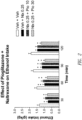
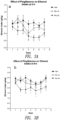
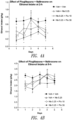
- PPAR ⁇ agonists used in combination with a variety of different therapeutic agents substantially reduced intake of an addictive agent For example, it is shown that acute or subchronic treatment with the TZD, pioglitazone, enhanced the inhibitor action of the opioid antagonist, naltrexone, on ethanol intake (Examples 2 and 4). These data demonstrate that the use of a PPAR ⁇ agonist in combination with an opioid antagonist would have increased, e.g. , additive or synergistic, efficacy in treating or preventing addiction.
- PPAR ⁇ agonists were also able to reduce or prevent relapse use, or reinstatement, of addictive agents.
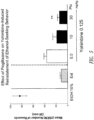
- treatment with pioglitazone significantly reduced stress-induced reinstatement of alcohol use.
- it did not significantly reduce cue-induced reinstatement of alcohol use (Example 6).
- the opioid antagonist, naltrexone reduced cue-induced reinstatement of alcohol use, but not stress-induced reinstatement of alcohol use (Examples 12 and 11).
- the data support the concept that the combination of a PPAR ⁇ agonist and an opioid antagonist would have an enhanced ability to prevent relapse use of an addictive agent, since such a combination would prevent both stress-induced and cue-induced relapse use.
- treatment with the combination of the PPAR ⁇ agonist, pioglitazone, and the opioid antagonist, naltrexone resulted in a significantly reduced reinstatement of both stress-induced and cue-induced alcohol use (Example 13).
- PPAR ⁇ agonists also worked synergistically with other classes of therapeutic agents in reducing or preventing addiction and relapse use.
- the TZD, pioglitazone used in combination with a variety of different classes of antidepressants, including fluoxetine and mirtazapine, worked synergistically in reducing ethanol consumption in an animal model of ethanol addiction (Examples 14 and 15).
- Anti-epileptics including topiramate, levetiracetam, and gabapentin, showed synergism in combination with a TZD in reducing ethanol intake (Examples 16-18), and antiemetics, including the serotonin-3 (5-HT3) receptor selective antagonist, ondansetron, and the corticotrophin releasing factor 1 receptor selective antagonist, antalarmin, also showed synergism in combination with a TZD in reducing alcohol consumption (Examples 19 and 20).
- antiemetics including the serotonin-3 (5-HT3) receptor selective antagonist, ondansetron, and the corticotrophin releasing factor 1 receptor selective antagonist, antalarmin
- the present disclosure demonstrates that treatment with PPAR ⁇ agonists represent a novel pharmacological approach for the treatment and prevention of addiction, since it reduces addictive agent consumption and recidivism associated to stress exposure.
- PPAR ⁇ agonists will be useful also for the treatment of dependence to other addictive agents or behaviours, including, e.g ., opiates (morphine, heroin methadone), psychostimulants (cocaine, methamphetamine, and amphetamine related compounds in general), nicotine, gamma hydroxybutyrate (GHB), phencyclidine, and phencyclidine derivatives, etc.
- addictive agents or behaviours including, e.g ., opiates (morphine, heroin methadone), psychostimulants (cocaine, methamphetamine, and amphetamine related compounds in general), nicotine, gamma hydroxybutyrate (GHB), phencyclidine, and phencyclidine derivatives, etc.
- PPAR ⁇ agonists showed efficacy also in combination with opioid antagonists; co-administration of the two drugs resulted in additivity with regard to the effect on ethanol drinking and expanded the efficacy of the opioid antagonist on stress induced reinstatement.
- co-administration regimen it is of particular significance to note the neuroprotective anticonvulsant and withdrawl-reducing effect of TDZs, especially during the early treatment phase.
- opioid antagonists do not result in any amelioration of withdrawal symptoms and this, in general, may contribute to the early treatment drop out and low compliance often reported with these drugs.
- TDZs to normalize hepatic function may also have positive consequences in exploitation of a combined treatment approach.
- the clinical condition of alcoholic patients is, in general, compromised, especially during the early detoxification phase.
- rapid recovery and amelioration from a pathological state could improve treatment retention.
- the present invention relates to methods of treating or preventing nicotine addiction, comprising providing one or more PPAR ⁇ agonists to a subject having nicotine addiction or at risk for developing nicotine addiction.
- the subject may be physically or physiologically dependent on the substance; the subject may be psychologically dependent; or the subject may be both physically and psychologically dependent.
- the subject may be addicted to one or more than one addictive agent.
- treat is an approach for obtaining beneficial or desired results, including and preferably clinical results.
- Treatment can involve optionally either the reducing or amelioration of a disease or condition, (e.g ., addiction, relapse use, withdrawal), or the delaying of the progression of the disease or condition (e.g ., addiction relapse use, withdrawal).
- prevent is an approach for preventing the onset or recurrence of a disease or condition, (e.g ., addiction, relapse use, withdrawal) or preventing the occurrence or recurrence of the symptoms of a disease or condition, or optionally an approach for delaying the onset or recurrence of a disease or condition or delaying the occurrence or recurrence of the symptoms of a disease or condition.
- an effective amount of a PPARy agonist is that amount sufficient to affect a desired biological or psychological effect, such as beneficial results, including clinical results.
- an effective amount of a PPAR ⁇ agonist is that amount sufficient to cause the subject to reduce or discontinue use of an addictive agent.
- a subject is provided with a PPAR ⁇ agonist alone, while in other embodiments, a subject is provided with a PPAR ⁇ agonist in combination with an additional therapeutic agent.
- the PPAR ⁇ agonist is a TZD. It is understood that the effective amount of either or both of a PPAR ⁇ agonist and an additional therapeutic agent may be different when either is provided alone than when provided in combination.
- a lower amount of the PPAR ⁇ agonist, a lower amount of the additional therapeutic agent, or lower amounts of both the PPAR ⁇ agonist or the additional therapeutic agent may be required to achieve the same therapeutic effect that would be provided by either the PPAR ⁇ agonist or the additional therapeutic agent alone.
- the same amount of the PPAR ⁇ agonist and the additional therapeutic agent are used to provide an enhanced therapeutic effect relative to the therapeutic effect provided by either the PPAR ⁇ agonist or the additional therapeutic agent alone.
- data in the Examples below indicate that patients addicted to alcohol and treated with the PPAR ⁇ agonist pioglitazone exhibit decreased depression, and treatment of addicted patients with a combination of a PPAR ⁇ agonist and an antidepressant agent in accordance with the present invention may provide an enhanced antidepressive therapeutic effect as part of the treatment of the addictive disorder.
- the subject may be any animal, including a mammal, and, particularly, a human.
- the subject is first determined or diagnosed to have an addiction, or to be at risk of developing an addiction, by diagnostic testing, observation or analysis by a medical care provider.
- An effective amount of a PPAR ⁇ agonist, or an effective amount of a PPAR ⁇ agonist and one additional therapeutic agent, are then provided to the subject for treatment or prevention of the addiction.
- the subject is first determined or diagnosed to have an addiction, or to be at risk of developing an addiction, by diagnostic testing, observation or analysis by a medical care provider, but the subject has not been diagnosed or determined to have diabetes or other insulin disorder.
- An effective amount of a PPAR ⁇ agonist, or an effective amount of a PPAR ⁇ agonist and one additional therapeutic agent, are then provided to the subject for treatment or prevention of the addiction.
- the dosage of the PPAR ⁇ agonist, or the PPAR ⁇ agonist and the one additional therapeutic agent, may be specifically determined by the medical practitioner for treatment or prevention of the addiction rather than for any other disorder or disease.
- the subject is provided with a PPAR ⁇ agonist, alone or in combination with an additional therapeutic agent for the primary purpose of treating or preventing an addiction.
- the subject has not previously been provided with a PPAR ⁇ agonist for the treatment or prevention of any disease or disorder other than an addiction.
- the subject has not previously been provided with a PPAR ⁇ agonist for the treatment of insulin resistance or diabetes.
- the subject has not been diagnosed with insulin resistance or diabetes.
- the subject may be provided with any PPAR ⁇ agonist.
- the PPAR ⁇ agonist is a TZD, including any of the TZDs described below.
- the TZD is pioglitazone, ciglitazone, rosiglitazone or trogalitazone.
- the subject is suffering from or at risk for addiction to nicotine.
- a subject is considered at risk of nicotine addiction or relapse to use of nicotine when the subject has previously been addicted to the same or a different addictive agent.
- the subject is considered at risk of addiction or relapse to use of nicotine when the subject is psychologically addicted to nicotine, even if the subject is no longer physically addicted.
- the subject is provided with the PPAR ⁇ agonist at the same time that the subject is using nicotine, after the subject has discontinued use of nicotine, or before the subject begins using nicotine.
- addiction is used to describe a recurring compulsion by an individual to engage in some specific activity, despite harmful consequences to the individual's health, mental state or social life.
- the term is often reserved for drug addictions, but it is sometimes applied to other compulsions, such as problem gambling, and compulsive overeating.
- Factors that have been suggested as causes of addiction include genetic, biological/pharmacological and social factors.
- Addiction is now narrowly defined as "uncontrolled, compulsive use.” If there is no harm being suffered by, or damage done to, the patient or another party, then clinically it may be considered compulsive, but to the definition of some it is not categorized as "addiction". In practice, the two kinds of addiction (physiological dependence and psychological dependence) are not always easy to distinguish. Addictions often have both physical and psychological components.
- Physical dependence refers to a state resulting from habitual use of a drug, where negative physical withdrawal symptoms result from abrupt discontinuation.
- addictive agents for which a user may develop a physical dependence include nicotine, opioids, barbiturates, benzodiazepines, alcohol, i.e ., ethyl alcohol, GHB, and methaqualone.
- addictive agents includes any and all agents to which a subject can become addicted, either physically or psychologically, or both.
- addiction includes addiction to chemical entities, such as drugs, e.g ., ethyl alcohol, nicotine, or cocaine, as well as addiction to other behaviours, e.g ., pathological gambling, pathological overeating, pathological use of electronic devices, e.g ., BlackBerry ® , pathological use of electronic video games, pathological use of electronic communication devices, pathological use of cellular telephones, addiction to pornography, sex addiction, obsessive compulsive disorder, compulsive spending, anorexia, bulimia, intermittent explosive disorder, kleptomania, pyromania, trichotillomania, compulsive overexercising, and compulsive overworking.
- Addictive agents include addictive recreational drugs, as well as addictive medications.
- addictive agents include, but are not limited to, alcohol, e.g., ethyl alcohol, gamma hydroxybutyrate (GHB), caffeine, nicotine, cannabis (marijuana) and cannabis derivatives, opiates and other morphine-like opioid agonists such as heroin, phencyclidine and phencyclidine-like compounds, sedative ipnotics such as benzodiazepines, methaqualone, mecloqualone, etaqualone and barbiturates and psychostimulants such as cocaine, amphetamines and amphetamine-related drugs such as dextroamphetamine and methylamphetamine.
- alcohol e.g., ethyl alcohol, gamma hydroxybutyrate (GHB), caffeine, nicotine, cannabis (marijuana) and cannabis derivatives
- opiates and other morphine-like opioid agonists such as heroin, phencyclidine and phen
- LSD low-density diclonuclear dextromoramide
- opioid medications include, e.g ., benzodiazepines, barbiturates, and pain medications including alfentanil, allylprodine, alphaprodine, anileridine benzylmorphine, bezitramide, buprenorphine, butorphanol, clonitazene, codeine, cyclazocine, desomorphine, dextromoramide, dezocine, diampromide, dihydrocodeine, dihydromorphine, dimenoxadol, dimepheptanol, dimethylthiambutene, dioxaphetyl butyrate, dipipanone, eptazocine, ethoheptazine, ethylmethylthiambutene, ethylmorphine, etonitazene fentanyl, heroin, hydrocodone, hydromorph
- the addictive agent is nicotine.
- a subject may be addicted to an opioid agonist.
- opioid agonist used interchangably herein and are used to designate a group of drugs that are, to varying degrees, opium- or morphine-like in their properties. Their main use is for pain relief. These agents work by binding to opioid receptors, which are found principally in the central nervous system and the gastrointestinal tract. Opiates are also addictive agents.
- Opiates include alfentanil, allylprodine, alphaprodine, anileridine, apomorphine, benzylmorphine, beta-hydroxy 3-methylfentanyl, bezitramide, carfentanil, clonitazene, codeine, desomorphine, dextromoramide, diacetylmorphine (heroin), diampromide, dihydrocodeine, dihydroetorphine, dihydromorphine, dimenoxadol, dimepheptanol, dimethylthiambutene, dioxaphetylbutyrate, dipipanone, eptazocine, ethoheptazine, ethylmethylthiambutene, ethylmorphine, etonitazene, etorphine, fentanyl, hydrocodone, hydromorphone, hydroxypethidine, isomethadone, ketobemidone, LMM, levorphan
- Naturally occurring opiates include codeine, morphine, noscapine, papaverine, and thebaine.
- Semi-synthetic opioids include diacetylmorphine, hydrocodone, hydromorphone, levorphanol, metapon, nalorphine, naloxone, naltrexone, oxycodone, oxymorphone, and tramadol.
- Synthetic opioids include ethoheptazine, fentanyl, levorphanol, meperidine, methadone, phenazocine, propoxyphene and sufentanil.
- phenanthrenes include codeine, etorpine, hydrocodone, hydromorphone, morphine, oxycodone, and oxymorphone.
- phenylheptylamines include dimeheptanol, dimenoxadol, dipipanone, isomethadone, methadone, methadyl acetate, and propoxyphene.
- phenylpiperidines include alfentanyl, alphaprodine, beta-promedol, carfentanyl, fentanyl, lofentanil, meperidine, properidine, and sufentanil.
- psychostimulants include, by way of example, amphetamine, cocaine, dextroamphetamine, methamphetamine, pemoline, and methylenedioxymethamphetamine.
- Addiction to two or more addictive agents or addictive behaviours is referred to as polyaddiction.
- Peroxisome proliferator-activated receptors are ligand-activated transcription factors of the nuclear hormone receptor superfamily. At present three distinct PPAR isoforms, namely PPAR ⁇ , PPAR ⁇ / ⁇ and PPAR ⁇ , have been identified (Breidert et al. , 2002; Feinstain et al. 2003).
- the PPAR ⁇ receptor isoform is highly expressed in the liver and kidney and it regulates fatty acid catabolism; the PPAR ⁇ / ⁇ is ubiquitously expressed and is involved in the regulation of different cellular processes including adipocytes, keratinocytes and oligodendrocytes differentiation.
- PPAR ⁇ receptors are predominantly expressed in adipose tissue and macrophages, where they are involved in adipocyte differentiation, regulation of sugar and lipid homeostasis and control of inflammatory responses (Heneka et al. 1999; Landreth and Heneka 2001; Harris and Phipps 2002).
- the endogenous ligands of PPAR receptors belong to various classes of unsaturated fatty acid compounds that include leukotrienes, retinoic acid metabolites and prostaglandins.
- the PPAR ⁇ receptor is mainly located in the cytoplasmatic fraction and is activated by the 15-deossi- ⁇ 12-14 -prostaglandin J 2 (Burstein 2005; Cernuda-Morollon, et al. , 2002).
- PPAR ⁇ / ⁇ and PPAR ⁇ receptors are expressed in neurons, and olygodendrocytes (but not in astrocytes) of the central nervous system (CNS). The exact role of these receptors in the brain is not well understood yet (Kainu et al. 1994).
- TDZs bind with high affinity and activate PPARy receptors; this has been proposed as the major mechanism through which these molecules exert their therapeutic effects.
- two TDZ compounds are used clinically to treat humans, pioglitazone (Actos ® ) and rosiglitazone (Avandia ® ).
- Pioglitazone and methods for synthesizing and formulating pioglitazone and pioglitazone compositions are further described in US Patents 4,687,777 , 5,965,584 and 6,150,383 .
- Suitable PPARy agonists for use in the present invention include selective PPARy agonists such as ciglitazone, troglitazone, pioglitazone, rosiglitazone, englitazone, rivoglitazone and darglidazone.
- Dual-acting PPAR agonists are a novel group of compounds that activate nuclear transcription factors. By activating both PPAR ⁇ and PPARy receptors, they simultaneously reduce atherogenic triglycerides, raise cardioprotective HDl levels, and improve insulin resistance. Examples of dual-acting PPAR agonists include tesaglitazar, aleglitazar, muraglitazar, and ragaglitazar.
- Additional PPAR ⁇ agonists are described in the following patents and patent applications: U.S. Patent Nos. 6,294,580 , 7,067,530 , 6,582,738 , 6,794,154 , 4,812,570 , 4,775,687 , 4,725,610 , 4,582,839 , and 4,572,912 ; and U.S. Patent Application Publication Nos. US2002/006942 , US2007/0299047 , US2004/0077525 , and US2008/0045580 .
- Examples of dual PPAR ⁇ agonists include, e.g ., those described in U.S. Patent Application Nos. 2007/037882 , US2006/0270722 , US2006/0211749 , US2006/0167045 , and US2005/0014833 .
- PPAR ⁇ agonists may be effectively used in combination with one or more additional therapeutic agents to treat or prevent addiction, including addiction to one or more of the addictive agents described infra and compulsive or addictive behaviour.
- the present disclosure includes methods of treating or preventing an addiction, comprising providing to a subject addicted to an addictive agent one or more PPAR ⁇ agonist(s) and one or more additional therapeutic agent(s), in which each of the PPARy agonist(s) and the additional therapeutic agent(s) contribute to the effective treatment or prevention of the addiction.
- a subject is provided with or administered one PPAR ⁇ agonist and one additional therapeutic agent.
- a subject is addicted to two or more addictive agents.
- the combination of a PPAR ⁇ agonist and another therapeutic agent may have advantageous additive or synergistic efficacy in treating or preventing addiction or relapse use of an addictive agent.
- the additional agent is another anti-addiction agent.
- the PPARy agonist and the additional therapeutic agent may be administered at the same time ( i.e ., concurrently), or either may be administered before the other ( i.e ., sequentially).
- both the PPAR ⁇ agonist and the additional therapeutic agent are present in the subject at the same time for a duration of time and at levels sufficient to provide a therapeutic benefit to the subject, i.e ., in the treatment or preventing of an addiction or the prevention of a relapse use (or reinstatement) of an addictive agent or compulsive or addictive behaviour.
- the PPARy agonist and the additional therapeutic agent may be administered by the same or different routes of administration.
- the PPARy agonist and the additional therapeutic agent are each provided to a subject according to a standard route of administration of a commercially available or other pharmaceutical composition.
- the PPARy agonist and the additional therapeutic agent are co-administered using a composition comprising both agents.
- the additional therapeutic agent provided in combination with a PPAR ⁇ agonist may be any therapeutic agent that contributes to an aspect of the effective treatment or prevention of the addiction.
- the additional therapeutic agent may be a drug used to treat an addiction or a drug used to alleviate side-effects associated with physiological withdrawal from an addictive agent.
- the additional therapeutic agent may be any drug that affects brain serotonin neurotransmission, such as selective serotonin reuptake inhibitors (SSRIs), and tricyclic and tetracyclic serotonin and norepinephrine reuptake inhibitors (SNRIs) as described below, and serotonin agonists such as sumatriptan, ergonovine, dihydroergotamine and buspirone.
- SSRIs selective serotonin reuptake inhibitors
- SNRIs tricyclic and tetracyclic serotonin and norepinephrine reuptake inhibitors
- the additional therapeutic agent is an opioid antagonist, including mixed opioid partial agonist/antagonists, an antidepressant, an antiepileptic, an antiemetic, a corticotrophin-releasing factor-1 (CRF-1) receptor antagonist, a selective serotonin-3 (5-HT3) antagonist, a 5-HT 2A/2C antagonist such as mianserin, mirtazapine and ketanserin, or a cannabinoid-1 (CB1) receptor antagonist, including but not limited to those therapeutic agents specifically described infra.
- an opioid antagonist including mixed opioid partial agonist/antagonists, an antidepressant, an antiepileptic, an antiemetic, a corticotrophin-releasing factor-1 (CRF-1) receptor antagonist, a selective serotonin-3 (5-HT3) antagonist, a 5-HT 2A/2C antagonist such as mianserin, mirtazapine and ketanserin, or a cannabinoid-1 (CB1) receptor antagonist, including but not limited to those therapeutic agents specifically described infr
- the addictive agent is nicotine and the additional therapeutic agent is an antidepressant.
- the antidepressant is bupropion.
- the subject is addicted to two or more addictive agents and the additional therapeutic agent is an opioid antagonist or a mixed opioid partial agonist/antagonist.
- the mixed opioid partial agonist/antagonist is buprenorphine.
- a subject is provided with a combination of: pioglitazone and naltrexone; ciglitazone and naltrexone; rosiglitazone and naltrexone; englitazone and naltrexone; rivoglitazone and naltrexone; darglidazone and naltrexone;pioglitazone and fluoxentine; ciglitazone and fluoxentine; rosiglitazone and fluoxentine; englitazone and fluoxentine; rivoglitazone and fluoxentine; darglidazone and fluoxentine; pioglitazone and mirtazapine; ciglitazone and mirtazapine; rosiglitazone and mirtazapine; englitazone and mirtazapine; rivoglitazone and mirtazapine; darglidazone and mirtazapine
- combinations to be administered in accordance with the present invention include, e.g ., a PPAR ⁇ agonist and an antidepressant, a PPAR ⁇ agonist and nicotine (as a replacement, in an oral, transcutaneous or other conventional formulation), a PPAR ⁇ agonist and an opioid antagonist, a PPAR ⁇ agonist and a CB1 receptor antagonist/inverse agonist, and a PPAR ⁇ agonist and varenicicline.
- the effective amount of either or both of a PPAR ⁇ agonist and an additional therapeutic agent may be reduced when administered in combination that when either is provided alone.
- a lower amount of the PPAR ⁇ agonist, a lower amount of the additional therapeutic agent, or lower amounts of both the PPAR ⁇ agonist or the additional therapeutic agent may be required to achieve the same therapeutic effect that would be provided by either the PPAR ⁇ agonist or the additional therapeutic agent alone.
- An opioid antagonist acts on one or more opioid receptors. At least three types of opioid receptors, mu, kappa, and delta opioid receptors, have been reported, and opioid antagonists are generally classified by their effects on the opioid receptors. Opioid antagonists may antagonize central receptors, peripheral receptors or both. Naloxone and naltrexone are commonly used opioid antagonist drugs that are competitive that bind to the opioid receptors with higher affinity than agonists, but that do not activate the receptors. This effectively blocks the receptor, preventing the body from responding to opiates and endorphins.
- opioid antagonists are not pure antagonists but also produce some weak opioid partial agonist effects, and can produce analgesic effects when administered in high doses to opioid-naive individuals.
- examples of such compounds include nalorphine, and levallorphan.
- the analgesic effects from these drugs are limited and tend to be accompanied by dysphoria, most likely due to action at the kappa opioid receptor. Since they induce opioid withdrawal effects in people who are taking, or have previously used, opioid full agonists, these drugs are considered to be antagonists.
- Naloxone is one example of an opioid antagonist that has no partial agonist effects. Instead, it is a weak inverse agonist at mu opioid receptors, and is used for treating opioid overdose.
- opioid antagonists that may be used according to the invention include alvimopan, binaltorphimine, buprenorphine, cyclazocine, cyclorphan, cypridime, dinicotinate, beta-funaltrexamine, levallorphan, methylnaltrexone, nalbuphine, nalide, nalmefene, nalmexone, nalorphine, nalorphine dinicotinate, naloxone, naloxonazine, naltrendol, naltrexone, naltrindole, oxilorphan, and pentazocine.
- Antidepressents are drugs used to treat depression.
- the three neurotransmitters believed to be involved in depression are serotonin, dopamine, and norepinephrine.
- Certain types of antidepressants increase the levels of one or more of these neurotransmitters in the brain by blocking their reabsorption.
- SSRIs selective serotonin reuptake inhibitors
- SNRIs tricyclic and tetracyclic serotonin and norepinephrine reuptake inhibitors
- NRIs norepinephrine reuptake inhibitors
- NDRIs norepinephrine and dopamine reuptake inhibitors
- MAOIs monoamine oxidase inhibitors
- SSRIs include, e.g. , cericlamine, citalopram, clomipramine, cyanodothiepin, dapoxetine, duloxetine, escitalopram, femoxetine, fluoxetine, fluvoxamine, ifoxetine, imipramine, indalpine, indeloxazine, litoxetine, lofepramine, mianserine, milnacipran, mirtazapine, nefazadone, nortriptyline, paroxetine, sertraline, sibutramine, tomoxetine, trazodone, venlafaxine, and zimeldine.
- SNRIs include, e.g ., amoxapine, atomoxetine, bicifadine, desipramine, desvenlafaxine, duloxetine, maprotiline, milnacipran, nefazodone, reboxetine, sibutramine, and venlafaxine.
- Nisoxetine, nortriptyline, reboxetine, talsupram, and tomoxetine are all examples of NRIs.
- NDRIs include, e.g ., bupropion, hydroxybupropion, and tesofensine.
- Azaspirones include, e.g. , buspirone, gepirone, ipsapirone, tandospirone, and tiaspirone.
- Buspirone is an anxiolytic (partial agonist at 5-HT1 autoreceptors) that may be provided with an anti-depressant such as an SSRI.
- MAOIs include, e.g ., amiflamine, brofaromine, clorgyline, alpha-ethyltryptamine, iproclozide, iproniazid, isocarboxazid, mebanazine, moclobemide, nialamide, pargyline, phenelzine, pheniprazine, pirlindole, safrazine, selegiline, toloxatone, and tranlcypromine.
- Atypical antidepressants include, e.g ., amesergide, amineptine, benactyzine, bupropion, clozapine, fezolamine, levoprotiline, lithium, medifoxamine, mianserin, minaprine, olanzapine, oxaflozane, oxitriptan, rolipram, teniloxazine, tofenacin, trazodone, tryptophan, and viloxazine.
- the anticonvulsants also called anti-epileptic drugs (AEDs) are a diverse group of drugs used in prevention of the occurrence of epileptic seizures and bipolar disorders. AEDs suppress the rapid and excessive firing of neurons that begins a seizure and/or prevents the spread of the seizure within the brain and offer protection against possible excitotoxic effects that may result in brain damage. Many anticonvulsants block sodium channels, calcium channels, AMPA receptors, or NMDA receptors.
- Anti-epileptic agents include, but are not limited to, benzodiazepines, barbituates, valproates, GABA agents, iminostilibenes, hydantoins, NMDA antagonists, sodium channel blockers and succinamides.
- Benzodiazepines include, e.g. , alprazolam, chlordiazepoxide, cholrazepate, clobazam, clonazepam, diazepam, halazapam, lorazepam, oxazepam, and prazepam.
- Barbiturates used as anti-epileptics include, e.g ., amobarbital, mepobarbital, methylphenobarbital, pentobarbital, phenobarbital, and primidone.
- Valproates used as anti-epileptics include, e.g ., sodium valporate, valproic acid, valproate semisodium, and valpromide.
- Anti-epileptic GABA agents include, e.g ., gabapentin, losigamone, pregabalin, retigabine, rufinamide, and vigabatrin.
- Carbamazepine and oxcarbazepine are examples of iminostilbenes.
- Hydantoins include, e.g ., fosphenytoin sodium, mephenytoin, and phenytoin sodium.
- NMDA antagonists such as harkoseramide are used as anti-epileptics.
- Sodium channel blockers such as lamotrigine are also anti-epileptic agents.
- Succinimides include, e.g ., ethosuximide, methsuximide, and phensuxim ide.
- anti-epileptic drugs include acetazolamide, briveracetam, CBD cannabis derivative, clomthiazole edisilate, divalproex sodium, felbamate, isovaleramide, lacosamide, lamotrigine, levetiracetam, methanesulphonamide, talampanel, tiagabine, topiramate, safinamide, seletracetam, soretolide, stiripentol, sultiam, valrocemide, and zonisamide.
- Anti-emetics are drugs effective against vomiting and nausea. Anti-emetics are typically used to treat motion sickness and the side effects of opioid analgesics, general anaesthetics, and chemotherapy.
- Classifications of anti-emetics include, e.g ., 5-hydroxytryptamine 3 (5-HT3) receptor antagonists, histamine receptor antagonists, dopamine receptor antagonists, muscarinic receptor antagonists, acetyl choline receptor antagonists, cannabinoid receptor antagonists, limbic system inhibitors, NK-1 receptor antagonists, corticosteroids, tachykinin antagonists, GABA agonists, cannabinoids, benzodiazepines, anticholinergics, and substance P inhibitors.
- 5-hydroxytryptamine 3 (5-HT3) receptor antagonists e.g ., 5-hydroxytryptamine 3 (5-HT3) receptor antagonists, histamine receptor antagonists, dopamine receptor antagonists, muscarinic receptor antagonists, acetyl choline receptor antagonists, cannabinoid receptor antagonists, limbic system inhibitors, NK-1 receptor antagonists, corticosteroids, tachykinin antagonists, GABA agonists, cann
- 5-HT3 receptor antagonists include, e.g ., alosetron, azasetron, bemesetron, cilansetron, dolasetron, granisetron, indisetron, itasetron, ondansetron, palonosetron, propisetron, ramosetron, renzapride, tropisetron, and zatosetron.
- Coritcosteroid anti-emetics include dexamethasone and methylprednisolone.
- Lymbic system inhibitors include alprazolam, lorazepam, and midazolam.
- Dopamine receptor antagonists include diphenhydramine, dronabinol, haloperidol, metoclopramide, and prochlorperazine.
- NK-1 receptor antagonists used as an anti-emetic include aprepitant and morpholine, and an example of a GABA agonist is propofol.
- Thiethylperazine is a type of histamine receptor antagonist.
- Cannabinoid receptor antagonists used as anti-emetics include dronabinol, nabilone, rimonabant,about, and tetrahydrocannabinol.
- anti-emetics examples include acetylleucine, monoethanolamine, alizapride, benzquinamide, bietanautine, bromopride, buclizine, chlorpromazine, clebopride, cyclizine, dimenhydrinate, dipheniodol, domperidone, dranisetron, meclizine, methalltal, metopimazine, oxypendyl, pipamazine, piprinhydrinate, scopolamine, thioproperzaine, and trimethobenzamide.
- the cannabinoid receptors are a class of the G-protein coupled receptor superfamily. Their ligands are known as cannabinoids. There are currently two known subtypes, CB1 which is expressed mainly in the brain, but also in the lungs, liver, and kidney, and CB2, which is mainly expressed in the immune system and in hematopoietic cells. It is also believed that there are novel cannabinoid receptors that is, non-CB1 and non-CB2, which are expressed in endothelial cells and in the CNS. Cannabinoid receptor antagonists may be selective for either the CB1 or CB2 receptor. The present invention contemplates the use of either or both CB1 and CB2 receptor antagonists.
- Addictive agents e.g ., alcohol, opiates, Delta(9)-tetrahydrocannabinol (Delta(9)-THC) and psychostimulants, including nicotine
- Addictive agents e.g ., alcohol, opiates, Delta(9)-tetrahydrocannabinol (Delta(9)-THC) and psychostimulants, including nicotine
- they share the common property of activating mesolimbic dopamine brain reward systems, and virtually all abused drugs elevate dopamine levels in the nucleus accumbens.
- Cannabinoid-1 (CB1) receptors are expressed in this brain reward circuit and modulate the dopamine-releasing effects of Delta(9)-THC and nicotine.
- Rimonabant (SR141716), a CB1 receptor antagonist, blocks both the dopamine-releasing and the discriminative and rewarding effects of Delta(9)-THC in animals.
- CB1 receptor blockade is generally ineffective in reducing the self-administration of cocaine in rodents and primates, it reduces the reinstatement of extinguished cocaine-seeking behaviour produced by cocaine-associated conditioned stimuli and cocaine priming injections.
- CB1 receptor blockade is effective in reducing nicotine-seeking behaviour induced by re-exposure to nicotine-associated stimuli.
- rimonabant was shown to block the subjective effects of Delta(9)-THC in humans and prevents relapse to smoking in ex-smokers.
- cannabinoid receptor CB1 antagonists include SR141716A (rimonabant), rosanabant, taranabant and CP-945598.
- Relapse use, or reinstatement refers to the process of returning to the use of alcohol or another addictive agent or the practice of an addictive behaviour after a period of abstinence from, or limited or reduced use of, an addictive agent or practice of an addictive behaviour.
- relapse use of an addictive agent refers to the return to use of an addictive agent by a subject who has undergone physical withdrawal from the addictive agent. Typically, the subject will have undergone physical withdrawal from the addictive agent during a period of non-use or limited or reduced use of the addictive agent.
- relapse use occurs in a subject who has previously undergone a treatment regime with an effective amount of an anti-addiction agent to reduce or eliminate use of an addictive agent, but who is no longer using an effective amount of the anti-addiction agent.
- Anti-addictive agents include any and all agents used to treat or prevent addiction or withdrawal symptoms.
- Alcoholism like many other addictions, is a chronic relapsing disorder characterized by high recidivism rates.
- Two major factors triggering relapse behaviour are stress and environmental conditioning experiences (O'Brien et al. 1997; Monti et al. 1993; Shaham et al. 1995), which probably facilitate relapse to alcohol-seeking via distinct brain mechanisms.
- activation of the mesolimbic dopamine system via an opioid-dependent mechanism or via direct alterations in dopamine transmission in the basolateral nucleus of amygdala
- seems to mediate the effect of drug-associated cues (Liu and Wiess 2002; Ciccocioppo et al.
- extrahypothalamic CRF within the bed nucleus of the stria terminalis and median raphe nucleus is likely to mediate stress-induced reinstatement of drug-seeking behaviour (Erb et al 1998; Shaham et al. 1995; Lê et al. 2000).
- Chronic drug abuse produces neuroadaptive changes not only within systems implicated in the acute reinforcing effects of ethanol, but also within other motivational systems, notably brain stress-regulatory mechanisms. Stress has an established role in the initiation and maintenance of drug abuse, and is a major determinant of relapse in abstinent individuals (Brown et al. 1995; Marlatt et al. 1985; McKay et al. 1995; Wallace 1989). The significance of stress in drug-seeking behaviour has also been amply documented in the animal literature. Physical, social, and emotional stress can facilitate acquisition or increase self-administration of cocaine (Goeders et al. 1995; Haney et al.
- HPA hypothalamic-pituitary-adrenal
- CRF non-neuroendocrine corticotropin-releasing factor
- the CeA is rich in CRF immunoreactive cell bodies, terminals, and receptors, and this neuronal CRF system has been implicated in the mediation of behavioural and emotional responses to stressful stimuli (Dunn and Berridge 1990; Koob et al. 1994).
- immobilization stress elevates extracellular CRF levels in the CeA (Merlo Pich et al. 1995; Merali et al. 1998) while intra-CeA injection of the CRF receptor antagonist, ⁇ -helical CRF9-41, reduces behavioural signs of anxiety produced by social and environmental stressors (Heinrichs et al. 1992; Swiergiel et al. 1993).
- Anxiety and stress-like symptoms are central to drug and alcohol withdrawal syndromes.
- CRF system in the CeA as well.
- Changes in the regulation of the activity of the CRF system within the CeA may represent a critical neuroadaptive mechanism responsible for the development of dependence and compulsive drug-seeking behaviour.
- relapse risk involves multiple determinants that are likely to interact. For example, exposure to drug cues may augment vulnerability to relapse imparted by protracted withdrawal symptoms resulting from neuroadaptive changes in dependent individuals. Interactive effects exacerbating relapse risk may also exist between the motivating effects of stress and drug-related cues. Recent work addressing these issues has confirmed that additive interactions between the response-reinstating effects of ethanol-associated cues and stress can indeed be demonstrated, and that these effects are enhanced in rats with a history of ethanol dependence (Liu and Weiss 2000).
- PPARy agonists significantly reduce stress-induced relapse use of an addictive agent (Example 5).
- pioglitazone a TZD, consistently reduced OCDS score (Example 22).
- Obsession for alcohol and the urge to drink (which are measured by OCDS scale) are the major predictors of relapse.
- naltrexone reduces the urge to drink elicited by presentation of alcohol cues in human alcoholics (Monti et al. 1993) and decreases the efficacy of an alcohol cue to reinstate extinguished responding at a previously drug-paired lever in rats (Katner et al. 1999).
- naltrexone does not reduce relapse behaviour elicited by stress ((Le A.D. Psychopharmacology 1998).
- the present disclosure relates to treatment methods and drug combinations that protect individuals from the effects of more than a single environmental risk factor (i.e ., stress and environmental conditioning factors).
- the present invention provides a method of treating or preventing stress-induced relapse use of nicotine, comprising providing a PPAR ⁇ agonist to a subject who has undergone physiological withdrawal from nicotine, wherein PPAR ⁇ agonist is a TZD.
- the invention includes a method of treating or preventing relapse use of nicotine, comprising providing an effective amount of a peroxisome proliferator-activated receptor gamma (PPAR ⁇ agonist) to a subject who previously reduced or eliminated use of nicotine in response to exposure to an effective amount of another anti-addiction treatment, wherein the subject is no longer exposed to an effective amount of the anti-addiction treatment.
- the anti-addiction treatment may be an anti-addiction drug or may be a non-pharmacologic therapy such as counseling, psychotherapy or hypnosis therapy.
- the relapse use may be triggered by stress.
- the subject is no longer exposed to an effective amount of an anti-addiction agent because the subject has become tolerant to the agent, such that the blood plasma concentration of the anti-addiction agent that was previously effective in treating the addiction is no longer effective.
- the subject is no longer exposed to an effective amount of an anti-addiction agent because the subject is now exposed to a lower blood plasma concentration of the anti-addiction agent, and this lower blood plasma concentration is not effective.
- the subject has undergone a period of abstinence from, or limited or reduced use of nicotine.
- This period of abstinence or limited or reduced use may be, e.g., at least 24 hours, at least 48 hours, at least 3 days, at least 5 days, at least one week, at least 2 weeks, at least 1 month, at least 2 months, at least 4 months, at least 6 months, at least 9 months, at least one year, at least 2 years, or at least 5 years.
- the present invention includes a method of treating or preventing relapse use of nicotine providing a PPAR ⁇ agonist and an opioid antagonist to a subject who has undergone physiological withdrawal from nicotine.
- the present invention includes a method of treating or preventing relapse use of nicotine, comprising providing a PPAR ⁇ agonist and a CB1 antagonist, e.g ., disulfiram, topiramate, levetiracetam, SSRIs, or ondansetron, to a subject who has undergone physiological withdrawal from nicotine.
- a PPAR ⁇ agonist and a CB1 antagonist e.g ., disulfiram, topiramate, levetiracetam, SSRIs, or ondansetron
- the relapse use is triggered by stress, an environmental conditioning factor, or both.
- the PPAR ⁇ agonists are TDZs, such as pioglitazone.
- TDZs such as pioglitazone.
- naltrexone is one example of a suitable opioid receptor antagonist.
- the methods of the present invention may be practiced in subjects addicted to nicotine, they may also be used in subjects addicted to two or more addictive agents. Similarly, while these methods may be used to prevent relapse use of nicotine from which the subject has undergone withdrawal, they may also be adapted to prevent relapse use or the commencement of use of an addictive agent different than the one from which the subject has undergone physiological withdrawal.
- Withdrawal also known as withdrawal/abstinence syndrome, refers to the characteristic signs and symptoms that appear when a drug or addictive agent that causes physical dependence is regularly used for a long time and then suddenly discontinued or decreased in dosage. Withdrawal symptoms can vary significantly among individuals, but there are some commonalities. Brain dysfunction associated with withdrawal is often characterized by depression, anxiety and craving, and, if extreme, can help drive the individual to continue the drug despite significant harm - the definition of addiction - or even to suicide.
- PPARy agonists reduce withdrawal symptoms (Example 21). In addition, they decreased anxiety and depression, which is also associated with withdrawal (Example 22). These data demonstrate that PPARy agonists may be successfully used to reduce withdrawal symptoms, including depression and anxiety, thus making withdrawal easier for subjects and encouraging them to complete the withdrawal process.
- the present disclosure relates to a method of reducing one or more withdrawal symptoms associated with reduced or discontinued use of an addictive agent, comprising providing an effective amount of a peroxisome proliferator-activated receptor gamma (PPARy) agonist to a subject undergoing physiological withdrawal from an addictive agent.
- PPARy peroxisome proliferator-activated receptor gamma
- the PPARy agonist may be provided to the subject before the subject begins withdrawal and/or during the withdrawal process.
- a subject is provided with a PPAR ⁇ agonist over a period of time during which the subject uses a reduced amount of an addictive agent.
- the subject uses a step-wise reduced amount of an addictive agent at the same time as a PPAR ⁇ agonist, until physical withdrawal is completed. The subject may then discontinue use of the PPAR ⁇ agonist or continue use of the PPAR ⁇ agonist to prevent relapse.
- the addictive agent is nicotine
- the subject reduces use of nicotine over a period of time during which the subject is provided with a TZD, e.g ., pioglitazone, alone or in combination with another therapeutic agent.
- the present invention has established the efficacy of using combinations of a TZD such as pioglitazone, in combination with one or more additional therapeutic agents, such as opioid antagonists, antidepressents, antiepileptics, antiemetics, and CB1 receptor antagonists.
- additional therapeutic agents such as opioid antagonists, antidepressents, antiepileptics, antiemetics, and CB1 receptor antagonists.
- the present invention further includes compositions comprising one or more PPARy agonists and one or more additional therapeutic agents, such as opioid antagonists, mixed opioid antagonists/partial agonist, antidepressents, antiepileptics, antiemetics, CRF1 receptor antagonists and CB1 receptor antagonists.
- the composition comprises a TZD and one additional therapeutic agent.
- the additional therapeutic agent is an opioid antagonist or a mixed opioid antagonist/partial agonist.
- the opioid antagonist is naltrexone.
- the mixed opioid partial agonist/antagonist is buprenorphine.
- the additional therapeutic agent is an antidepressant.
- the antidepressant is bupropion.
- the additional therapeutic agent is an antiepileptic, an antiemetic, or an opioid antagonist or a mixed opioid partial agonist/antagonist.
- the composition comprises: pioglitazone and naltrexone; ciglitazone and naltrexone; rosiglitazone and naltrexone; englitazone and naltrexone; rivoglitazone and naltrexone; darglidazone and naltrexone;pioglitazone and fluoxentine; ciglitazone and fluoxentine; rosiglitazone and fluoxentine; englitazone and fluoxentine; rivoglitazone and fluoxentine; darglidazone and fluoxentine; pioglitazone and mirtazapine; ciglitazone and mirtazapine; rosiglitazone and mirtazapine; englitazone and mirtazapine; rivoglitazone and mirtazapine; darglidazone and mirtazapine; pioglitazone
- compositions of the present invention may be administered to a subject as a pharmaceutical composition or formulation.
- pharmaceutical compositions of the present invention may be in any form which allows for the composition to be administered to a subject.
- the composition may be in the form of a solid, liquid or gas (aerosol).
- Typical routes of administration include, without limitation, oral, topical, parenteral, sublingual, rectal, vaginal, and intranasal.
- parenteral as used herein includes subcutaneous injections, intravenous, intramuscular, epidural, intrasternal injection or infusion techniques.
- compositions used according to the present invention comprise a PPARy agonist, another therapeutic agent, and a pharmaceutically acceptable diluent, excipient, or carrier.
- “Pharmaceutically acceptable carriers” for therapeutic use are well known in the pharmaceutical art, and are described, for example, in Remingtons Pharmaceutical Sciences, Mack Publishing Co. (A.R. Gennaro edit. 1985 ).
- sterile saline and phosphate-buffered saline at physiological pH may be used.
- Preservatives, stabilizers, dyes and even flavoring agents may be provided in the pharmaceutical composition.
- sodium benzoate, sorbic acid and esters of p-hydroxybenzoic acid may be added as preservatives. Id. at 1449.
- antioxidants and suspending agents may be used. Id.
- compositions of the invention are generally formulated so as to allow the active ingredients contained therein to be bioavailable upon administration of the composition to a subject.
- Compositions that will be administered to a subject may take the form of one or more dosage units, where for example, a tablet, capsule or cachet may be a single dosage unit, and a container comprising a combination of agents according to the present invention in aerosol form may hold a plurality of dosage units.
- the composition comprising a PPARy agonist and another therapeutic agent is administered in one or more doses of a tablet formulation, typically for oral administration.
- the tablet formulation may be, e.g. , an immediate release formulation, a controlled release formulation, or an extended release formulation.
- a tablet formulation comprises an effective amount of a composition comprising a PPARy agonist and another therapeutic agent.
- a tablet comprises about 1, 5, 10, 20, 30, 50 100, 150, 200, 250, or 300 mg of a PPARy agonist, such as pioglitazone, and about 1, 5, 10, 20, 30, 50 100, 150, 200, 250, or 300 mg of another therapeutic agent.
- the present invention further includes unit dosage forms of pharmaceutical compositions comprising a PPAR ⁇ agonist and another therapeutic agent.
- Each unit dosage form comprises a therapeutically effective amount of a pharmaceutical composition of the present invention, when used in the recommended amount.
- a unit dosage form may include a therapeutically effective amount in a single tablet, or a unit dosage form may include a therapeutically effective amount in two or more tablets, such that the prescribed amount comprises a therapeutically effective amount.
- PPAR ⁇ agonists and other therapeutic agents described herein are approved for human use at particular dosages.
- the present invention contemplates using these agents at their approved dosages or at other effective dosages. Since the combination of a PPAR ⁇ agonist and another therapeutic agent has been demonstrated to have synergistic efficacy, it is understood that effective amounts of one or both agents may be reduced when provided together, as compare to the effective amount of each when provided alone.
- a PPAR ⁇ agonist is provided to a subject in an amount in the range of 0.1-1000 mg/day, 1-1000 mg/day, 10-100 mg/day, or 25-50 mg/day.
- pioglitazone is provided to a patient at about 30 mg/day.
- Table 1 lists representative agents used in the present invention and provides the daily dosages at which these agents are conventionally administered to adults for other indications, which dosages are believed to be useful for administration in accordance with the methods of the present invention in the treatment or prevention of nicotine addiction. Dosages listed are oral unless otherwise indicated. It is believed that the dosages of these agents may be reduced when delivered in combinations of a PPAR ⁇ agonist and an additional therapeutic agent in accordance with the present invention for the treatment or prevention of nicotine addiction or for the treatment or prevention of relapse use. These reductions may be up to 10% of conventional dosages, or up to 20% of conventional dosages, or up to one third of conventional dosages, up to one half of conventional dosages or up to two thirds of conventional dosages.
- pioglitazone is most commonly dosed at 30 mg per day for treatment of diabetes, which dosage was found to be effective for the treatment of alcoholism (Example 22).
- naltrexone in accordance with the present invention for treatment of addiction, it is believed therapeutic effect may be seen at 10-15 mg per day of pioglitazone.
- a unit dosage form of a pharmaceutical composition of the present invention comprises about 30 mg of pioglitazone and about 50 mg of naltrexone.
- This unit dosage form may consist of one or more tablets.
- kits comprising one or more unit dosage forms of a PPAR ⁇ agonst and one or more unit dosage forms of another therapeutic agent, such that the two unit dosage forms may be provided to a subject in a therapeutically effective manner.
- a kit comprises unit dosage forms of pioglitazone and naltrexone; ciglitazone and naltrexone; rosiglitazone and naltrexone; englitazone and naltrexone; rivoglitazone and naltrexone; darglidazone and naltrexone;pioglitazone and fluoxentine; ciglitazone and fluoxentine; rosiglitazone and fluoxentine; englitazone and fluoxentine; rivoglitazone and fluoxentine; darglidazone and fluoxentine; pioglitazone and mirtazapine; ciglitazone and mirtazapine; rosiglitazone and mirtazapine; englitazone and mirtazapine; rivoglitazone and mirtazapine; darglidazone and mirtazapin
- the present invention includes a kit comprising unit dosage forms of a TZD and unit dosage forms of nicotine.
- the unit dosage forms of nicotine comprise a plurality of different unit dosage forms of nicotine, wherein the different dosage forms of nicotine represent decreasing amount that may be taken one after the other over a period of time, so as to overcome addiction and effectuate withdrawl from the nicotine.
- the unit dosage forms of nicotine may be present, e.g., in the form of a skin patch, gum, or a lozenge.
- Pioglitazone, rosiglitazone, fluoxetine, mirtazapine, topiramate, gabapentine, ondansetrone, and levetiracetam was purchased from commercial sources.
- Yohimbine and ciglitazone were purchased from SIGMA SRL(Mi, Italy).
- Naltrexone and GW9662 were obtained from TOCRIS (U.K).
- pioglitazone Prior to administration, pioglitazone was suspended in distilled water, and the resulting suspension was maintained under constant agitation until administration.
- the drug was given orally (OS) via gavage procedure in a volume of 1.0 ml/kg.
- Yohimbine was dissolved in distilled water and was administered intraperitoneally (IP) in a volume of 1.0 ml/kg.
- Naltrexone hydrochloride was dissolved in distilled water and administered IP in a volume of 1.0 ml/kg.
- Rosiglitazone, fluoxetine, mirtazapine, topiramate, gabapentin and levetiracetam were suspended in distilled water, and resulting suspensions were maintained under constant agitation until administration.
- msP rats were allowed free choice between water and 10% (v/v) alcohol 24 h/day for at least 15 days.
- the fluids were offered in graduated drinking tubes equipped with metallic drinking spouts.
- the position (to the right or left) of alcohol and water drinking tubes was changed daily to avoid the development of side preference.
- Water and food were available ad libitum, while alcohol access was either restricted to 2 hours/day (Examples 1 and 2) or was available 24 hours/day (Examples 3 and 4). Alcohol, water and food intakes were measured.
- Training and testing were conducted in standard operant chambers (Med Associate) located in sound-attenuating, ventilated environmental cubicles. Each chamber was equipped with a drinking reservoir (volume capacity: 0.30 ml) positioned 4 cm above the grid floor in the centre of the front panel of the chamber, and two retractable levers located 3 cm to the right or to the left of the drinking receptacle. Auditory and visual stimuli were presented via a speaker and a light located on the front panel. A microcomputer controlled the delivery of fluids, presentation of auditory and visual stimuli, and recording of the behavioural data.
- Rats were trained to self-administer 10% alcohol (v/v) in 30-min. daily sessions on a fixed-ratio 1 schedule of reinforcement, in which each response resulted in delivery of 0.1 ml of fluid as previously described (Economidou et al. 2006).
- rats were allowed to lever-press for a 0.2% (w/v) saccharin solution, and then trained to self-administer 10% alcohol by fading the saccharine (Weiss et al. 1993).
- rats were allowed to lever-press for a 5.0% (v/v) alcohol solution containing 0.2% (w/v) saccharin. Starting on day 7, the concentration of alcohol was gradually increased from 5.0% to 8.0% and finally to 10.0% (w/v), while the concentration of saccharin was correspondingly decreased to 0%.
- Cue-induced reinstatement of alcohol-seeking behaviour experimental procedures consisted of three phases: (1) conditioning phase; (2) extinction phase; and (3) reinstatement phase, as described below.
- the corresponding cue during water sessions was a 5 second tone (70 dB) (CS - ). Concurrently with the presentation of these stimuli, a 5 sec. time-out period was in effect, during which responses were recorded but not reinforced.
- the olfactory stimuli serving as S + or S - for alcohol availability were introduced one minute before extension of the levers and remained present throughout the 30-min. sessions.
- the bedding of the chamber was changed and bedding trays were cleaned between sessions.
- the rats were given alcohol sessions only. Subsequently, alcohol and water sessions were conducted in random order across training days, with the constraint that all rats received a total of 10 alcohol and 10 water sessions.
- extinction phase After the last conditioning day, rats were subjected to 30-min extinction sessions for 15 consecutive days. During this phase, sessions began by extension of the levers without presentation of the SD. Responses at the lever activated the delivery mechanism but did not result in the delivery of liquids or the presentation of the response-contingent cues (house light or tone).
- the reinstatement testing phase began the day after the last extinction session. This test lasted 30-min under conditions identical to those during the conditioning phase, except that alcohol and water were not made available. Sessions were initiated by the extension of both levers and presentation of either the alcohol S + or water S - paired stimuli. The respective SD remained present during the entire session and responses at the previously active lever were followed by activation of delivery mechanism and a 5-sec presentation of CS + in the S + condition or the CS - (tone) in the S - condition. Rats were tested under the S - /CS - condition on day 1 and under S + /CS + condition on day 2.
- msP rats were trained to self-administer 10% (v/v) alcohol for 15 days in 30-min daily sessions under a FR1 schedule of reinforcement.
- a stimulus house light was turned on for 5 s (time out; TO).
- Lever presses during the TO period were counted, but did not lead to further infusions.
- ANOVA Analysis of variance
- rats were tested for the effect of pioglitazone (0.0, 10.0, 30.0 mg/kg) using a within subject counterbalanced Latine square design where each animal received all drug doses. Before starting the treatment, rats were trained to gavage administration procedures for three days, during which they received vehicle (distilled water).
- Treatments were carried out at intervals of at least three days. Before each ethanol drinking experiment, msP rats received two doses of pioglitazone or vehicle at 12 hours and at 1 hour before access to ethanol. Drinking experiments were conducted right at the beginning of the dark cycle. Alcohol, water and food intakes were monitored at 30, 60, 90 and 120 minutes after ethanol was made available.
- Pioglitazone treatment was continued for seven consecutive days, and drug (or vehicle) was administered twice a day at 12 hour and at 1 hour before the beginning of dark period of the light/dark cycle. Alcohol, water and food intakes were monitored at 2, 8 and 24 hours. Fluids and food intakes were monitored for three additional days after the end of the drug treatment period.
- msP rats were tested for the effect of pioglitazone in combination with naltrexone.
- msP rats received pioglitazone treatments (0.0, 10.0, or 30.0 mg/kg) at 12 hour and at 1 hour before the beginning of the dark of the light/dark cycle, while naltrexone (0.0 and 0.25 mg/kg) was injected 2 minutes after the second pioglitazone administration.
- Alcohol, water and food intakes were monitored at 2, 8 and 24 hours. Fluids and food intakes were monitored for three additional days after the end of the drug treatment period.
- Analysis of inactive lever responding revealed absence of treatment effects at this lever. This indicated the selectivity of the effect of yohimbine in eliciting reinstatement of alcohol seeking.
- the reinstatement test was conducted by re-exposing them to the conditioned stimuli predictive of ethanol or water availability but in the absence of the fluids. Pioglitazone (0.0, 10.0, 30.0 mg/kg) was given 12 hours and 1 hour before the reinstatement test. Experiments were conducted at the beginning of the dark phase of the light/dark cycle. Animals received all drug treatments according to a counterbalance Latin square design, and a 3-day interval was allowed between reinstatement sessions. In the reinstatement test, active and inactive lever responses were recorded.
- Yohimbine (1.25 mg/kg, IP) was given 30 min after naltrexone administration. Animals received all drug treatments according to a counterbalance Latin square design. A 3-day interval, during which animals were subjected to extinction sessions, was allowed between drug tests. In the reinstatement test, active and inactive lever responses were recorded.
- naltrexone The ability of naltrexone to reduce cue-induced reinstatement of alcohol seeking was demonstrated.
- each lever press resulting in delivery of ethanol was paired with illumination of the house light for 5 s (S + /CS + ).
- anise odor and a 5 sec white noise were employed as discriminative and contiguous cues (S - /CS - ), respectively. Rats were than subjected to a daily extinction sessions during which lever presses progressively decreased.
- Reinstatement tests were conducted by re-exposing them to the conditioned stimuli predictive of ethanol or water availability, but in the absence of the fluids.
- Naltrexone (0.0, 0.25 and 1.0 mg/kg) was given one hour before the reinstatement test. Experiments were conducted at the beginning of the dark phase of the light/dark cycle. Animals received all drug treatments according to a counterbalance Latin square design, and a 3-day interval was allowed between reinstatement sessions. In the reinstatement test, active and inactive lever responses were recorded.
- mice were treated IP with the opioid antagonist (1.0 mg/kg) and OS with the TDZ (30 mg/kg) 1 hour before the reinstatement test.
- Yohimbine (1.25 mg/kg, IP) was given 30 min after naltrexone/pioglitazone administration. Animals received all drug treatments according to a counterbalance Latin square design. A 3-day interval, during which animals were subjected to extinction sessions, was allowed between drug tests. In the reinstatement test, active and inactive lever responses were recorded.
- a reinstatement test was conducted by re-exposing them to the conditioned stimuli predictive of ethanol or water availability, but in the absence of the fluids. Naltrexone (1.0 mg/kg) and pioglitazone were co-administered 1 hour before the reinstatement test. Experiments were conducted at the beginning of the dark phase of the light/dark cycle. Animals received all drug treatments according to a counterbalance Latin square design and a 3-day interval was allowed between reinstatement sessions. In the reinstatement test, active and inactive lever responses were recorded.
- mice Male Wistar rats were subjected to a six days of intermittent alcohol intoxication. During the dark phase, rats received 4 oral administration of 2.5-3.0 g/kg of 20% ethanol. The first ethanol dose was given at the beginning of the dark phase. The other 3 daily doses were administered at intervals of 3 hours. Rats were not injected during the light phase of the light/dark cycle. Targeted blood alcohol levels were 250-300 mg/dl. After 6 days of this treatment, rats undergo to spontaneous withdrawal, which generally appears between 8 and 14 hours after the last ethanol injection. Pioglitazone (0.0, 10 and 30 mg/kg) was administered twice, 12 hours and 1 hour before rating withdrawal symptoms.
- Behavioural signs of withdrawal included: (1) presence of the ventromedial distal flexion response; (2) tail stiffness/rigidity; and (3) tremors (Schulteis et al. 1995). Each sign was rated during a 3-5 min observation period on a scale of 0-2 (Macey et al., 1996; Schulteis, et al., 1995). All signs were cumulated to yield an overall withdrawal severity score.
- Patients were scored at Timepoint 0 (immediately before beginning the treatment) for various psychological indicators. Anxiety was determined using the S.T.A.I. Y-1 Questioner; obsession for alcohol was determined using the Obsessive Compulsive Drinking Scale questioner; and depression was determined using the M.A.D.R.S 10 Item questioner. Daily and weekly ethanol consumption was also scored. Patients were also tested one a week for anxiety, depression, and obsession to drink.
- MCV mean corpuscular volume
- AST aspartate aminotransferase
- ALT alanine aminotransferase
- CDT carbohydrate-deficient transferring
- the decrease of MCV and CDT indicated that patients' ethanol drinking progressively decreased over the two-months of drug treatment.
- Pioglitazone was more effective than naltrexone in reducing the values of MCV (P ⁇ 0.001), GGT (P ⁇ 0.001) and ALT (p ⁇ 0.001). No significant difference between naltrexone and pioglitazone were detected for CDT and AST.
- OCDS Obsessive compulsive drinking scale
- pioglitazone reduces anxiety and depressive symptoms in alcoholic patients. This could also explain why after two months of drug administration, all 4 patients under pioglitazone were still in treatment, whereas 2 patients of the control group and 1 of the naltrexone the group dropped out. It is also highly relevant that pioglitazone consistently reduced OCDS score. Obsession for alcohol and the urge to drink (which are measured by OCDS scale) are the major predictors of relapse. These data indicate, therefore, that pioglitazone has anti-relapse properties.
- pioglitazone was administered orally (OS) via gavage procedure 12 hours and 1 hour before the beginning of cocaine self-administration.
- mice Male Wistar rats weighing between 180 and 200 g at the time of arrival in the lab were used. The rats were housed in groups of three in a humidity- and temperature-controlled (22° C) vivarium on a 12 h: 12 h reverse light/dark cycle (on, 17:00; off, 05:00) with ad libitum access to food and water. One week after arrival, rats were subjected to surgery, and a silastic catheter was implanted into the right jugular vein.
- Cocaine self-administration training continued until a stable baseline of responding was reached (less than 10% variation for 3 consecutive days calculated for each single rat). At this point, drug testing begun.
- mice were treated with pioglitazone (0.0, 10.0 or 30.0 mg/kg) given OS 12 hours and 1 hour before the beginning of the self-administration session. The number of responses to the active and inactive levers was recorded. A 3-day interval was allowed between drug testing. During these intervals, cocaine self-administration was continued to re-establish baseline lever responses.
- Bupropion hydrochloride (Sigma, Milan, Italy) was dissolved in saline. Nicotine tartrate (Sigma, Milan, Italy) was dissolved in isotonic saline at a concentration of 0.03 mg/0.1 ml free base. The pH of the nicotine solution was adjusted to 7 with dilute NaOH. Drug or vehicle solution was infused at a volume of 0.1 ml over 4 s. Pioglitazone was obtained from commercial source; it was suspended in distilled water, and the resulting suspension was maintained under constant agitation until administration. Pioglitazone was given orally (OS) via gavage procedure at 12 hours and 1 hour before the beginning of nicotine self-administration.
- OS orally
- mice Male Wistar rats weighing between 180 and 200 g at the time of arrival in the lab were used. The rats were housed in groups of three in a humidity- and temperature-controlled (22° C) vivarium on a 12 h:12 h reverse light/dark cycle (on, 17:00; off, 05:00) with ad libitum access to food and water. One week after arrival, the rats were subjected to surgery, and a silastic catheter was implanted into the right jugular vein.
- rats were allowed to self-administer nicotine at the 0.03 mg/kg/infusion dose by switching the delivery of cocaine for the delivery of a nicotine infusion. Nicotine self-administration training continued until stable baseline of responding was established (less than 20% variation for 3 consecutive days calculated for each single rat). At this point, drug testing began.
- rats were treated with pioglitazone (0.0 and 30.0 mg/kg) given OS 12 hours and 1 hour before the beginning of the self-administration session.
- the number of responses to the active and inactive levers was recorded.
- a 3-day interval was allowed between drug testing. During these intervals, nicotine self-administration was continued to re-establish lever responses baseline.
- PPARy agonists in combination with other therapeutic agents, such as bupropion, nicotine replacement formulations, naltrexone, varenicicline, and CB1 receptor antagonist/inverse agonists, e.g., rimonabant, rosonabant, taranabant, and CP-945598, to synergistically reduce nicotine use is determined in a rat model of nicotine addiction.
- other therapeutic agents such as bupropion, nicotine replacement formulations, naltrexone, varenicicline, and CB1 receptor antagonist/inverse agonists, e.g., rimonabant, rosonabant, taranabant, and CP-945598
- rats are treated with pioglitazone (predicted dose range 5-30.0 mg/kg) or with other PPRy agonists in combination with bupropion, nicotine (replacement formulations; i.e., nicotine patches), naltrexone, varenicicline, or rimonabant.
- PPRy agonists indicted dose range 5-30.0 mg/kg
- other PPRy agonists in combination with bupropion, nicotine (replacement formulations; i.e., nicotine patches), naltrexone, varenicicline, or rimonabant.
- a dose range for bupropion is 10-100 mg/given OS; a dose range for naltrexone is 0.25-2.5 mg/kg given IP; a dose range for varenicline is 0.25-2.5 mg/kg given IP; and a dose range for rimonabant is (0.1-3.0 mg/kg given IP) (Bruijnzeel and Markou, 2003; Rauhut et al . 2003; Steensland P et al. 2007; Cohen et al. 2005). The number of responses to the active and inactive levers is recorded. A 3-day interval is allowed between drug testing. During these intervals, nicotine self-administration is continued to re-establish lever responses baseline.
- PPARy agonists in combination with antidepressants, bupropion, fluoxetine, or the opioid partial agonist agonist/antagonist, buprenorphine, to synergistically reduce cocaine use is determined in a rat model of cocaine addiction.
- Example 23 Experiments are conducted using operant self-administration paradigms as described in Example 23 (see also Glatz et al. 2002; Peltier et al. 1993). Briefly, male Wistar rats are implanted with a permanent silastic catheter into the right jugular vein for intravenous cocaine self-administration (0.25 mg/infusion). Using operant self-administration chambers, rats are trained to self-infuse cocaine under a fixed ratio 5 schedule of reinforcement (five lever presses to obtain one cocaine infusion). Cocaine self-administration training is continued until stable baseline of responding is established. At this point, drug testing is begun.
- rats are treated with pioglitazone (predicted dose range 5-30.0 mg/kg) or with another PPRy agonist in combination with bupropion, fluoxetine, or buprenorphine.
- a dose range for bupropion is 10.0-100.0 mg/kg given OS
- a dose range for fluoxetine is 3.0-15.0 mg/kg given OS
- a dose range for buprenorphine is 0.1-5.0 mg/kg given IP (Glatz et al. 2002; Peltier et al. 1993; Sorge et al. 2005).
- the number of responses to the active and inactive levers are recorded. A 3-day interval is allowed between drug testing. During these intervals, nicotine self-administration is continued to re-establish lever responses baseline.
- the ability of PPARy agonists to reduce opiate use and prevent opiate addiction is determined in a rat model of opiate addiction.
- the rats are conditioned during a conditioning phase of six days. Every other day, for three times, rats receive subcutaneous injections of 3 mg/kg of morphine or its vehicle. Pioglitazone (5.0-30.0 mg/kg) is injected one hour before morphine. During conditioning, the guillotine door remains closed, and the rats are confined for 1 h in one compartment of the box. The day following the last conditioning session, rats are allowed to explore the entire box for 15 min, and the time spent in each compartment is measured.
- Place preference score (referred to as ⁇ time) for each rat is obtained by subtracting the time spent in the compartment associated with morphine vehicle to the time spent in the compartment associated to morphine injections.
- the ⁇ time values are submitted to statistical analysis. Data is analyzed by analysis of variance followed by post-hoc tests (Newman-Keuls or Dunnets) where appropriate. Statistical significance is set at P ⁇ 0.05.
Landscapes
- Health & Medical Sciences (AREA)
- Life Sciences & Earth Sciences (AREA)
- Chemical & Material Sciences (AREA)
- Medicinal Chemistry (AREA)
- Pharmacology & Pharmacy (AREA)
- Animal Behavior & Ethology (AREA)
- General Health & Medical Sciences (AREA)
- Public Health (AREA)
- Veterinary Medicine (AREA)
- Epidemiology (AREA)
- Engineering & Computer Science (AREA)
- Bioinformatics & Cheminformatics (AREA)
- Chemical Kinetics & Catalysis (AREA)
- General Chemical & Material Sciences (AREA)
- Nuclear Medicine, Radiotherapy & Molecular Imaging (AREA)
- Organic Chemistry (AREA)
- Addiction (AREA)
- Biomedical Technology (AREA)
- Neurosurgery (AREA)
- Neurology (AREA)
- Psychiatry (AREA)
- Emergency Medicine (AREA)
- Dermatology (AREA)
- Molecular Biology (AREA)
- Pharmaceuticals Containing Other Organic And Inorganic Compounds (AREA)
- Medicines That Contain Protein Lipid Enzymes And Other Medicines (AREA)
- Acyclic And Carbocyclic Compounds In Medicinal Compositions (AREA)
Applications Claiming Priority (5)
| Application Number | Priority Date | Filing Date | Title |
|---|---|---|---|
| US91120107P | 2007-04-11 | 2007-04-11 | |
| EP16000588.0A EP3053440B1 (en) | 2007-04-11 | 2008-04-11 | Compositions and methods for prophylaxis and treatment of addictions |
| EP13001436.8A EP2612553B1 (en) | 2007-04-11 | 2008-04-11 | Compositions and Methods for Prophylaxis and Treatment of Addictions |
| EP08745703.2A EP2141989B1 (en) | 2007-04-11 | 2008-04-11 | Compositions and methods for prophylaxis and treatment of addictions |
| PCT/US2008/060146 WO2008128126A1 (en) | 2007-04-11 | 2008-04-11 | Compositions and methods for prophylaxis and treatment of addictions |
Related Parent Applications (3)
| Application Number | Title | Priority Date | Filing Date |
|---|---|---|---|
| EP16000588.0A Division EP3053440B1 (en) | 2007-04-11 | 2008-04-11 | Compositions and methods for prophylaxis and treatment of addictions |
| EP08745703.2A Division EP2141989B1 (en) | 2007-04-11 | 2008-04-11 | Compositions and methods for prophylaxis and treatment of addictions |
| EP13001436.8A Division EP2612553B1 (en) | 2007-04-11 | 2008-04-11 | Compositions and Methods for Prophylaxis and Treatment of Addictions |
Publications (2)
| Publication Number | Publication Date |
|---|---|
| EP3788877A1 EP3788877A1 (en) | 2021-03-10 |
| EP3788877B1 true EP3788877B1 (en) | 2024-08-07 |
Family
ID=39864359
Family Applications (4)
| Application Number | Title | Priority Date | Filing Date |
|---|---|---|---|
| EP20189022.5A Active EP3788877B1 (en) | 2007-04-11 | 2008-04-11 | Compositions and methods for prophylaxis and treatment of addictions |
| EP08745703.2A Active EP2141989B1 (en) | 2007-04-11 | 2008-04-11 | Compositions and methods for prophylaxis and treatment of addictions |
| EP13001436.8A Active EP2612553B1 (en) | 2007-04-11 | 2008-04-11 | Compositions and Methods for Prophylaxis and Treatment of Addictions |
| EP16000588.0A Active EP3053440B1 (en) | 2007-04-11 | 2008-04-11 | Compositions and methods for prophylaxis and treatment of addictions |
Family Applications After (3)
| Application Number | Title | Priority Date | Filing Date |
|---|---|---|---|
| EP08745703.2A Active EP2141989B1 (en) | 2007-04-11 | 2008-04-11 | Compositions and methods for prophylaxis and treatment of addictions |
| EP13001436.8A Active EP2612553B1 (en) | 2007-04-11 | 2008-04-11 | Compositions and Methods for Prophylaxis and Treatment of Addictions |
| EP16000588.0A Active EP3053440B1 (en) | 2007-04-11 | 2008-04-11 | Compositions and methods for prophylaxis and treatment of addictions |
Country Status (13)
| Country | Link |
|---|---|
| US (1) | US8426439B2 (https=) |
| EP (4) | EP3788877B1 (https=) |
| JP (2) | JP5548120B2 (https=) |
| KR (1) | KR101622403B1 (https=) |
| CN (3) | CN101711107A (https=) |
| AU (1) | AU2008240158B2 (https=) |
| BR (1) | BRPI0810525B8 (https=) |
| CA (1) | CA2684059C (https=) |
| ES (4) | ES2586433T3 (https=) |
| MX (2) | MX356965B (https=) |
| NZ (1) | NZ580963A (https=) |
| RU (1) | RU2492858C2 (https=) |
| WO (1) | WO2008128126A1 (https=) |
Families Citing this family (25)
| Publication number | Priority date | Publication date | Assignee | Title |
|---|---|---|---|---|
| US9308198B2 (en) | 2006-09-08 | 2016-04-12 | Rhode Island Hospital | Treatment, prevention, and reversal of alcohol-induced brain disease |
| AU2013202267B2 (en) * | 2007-04-11 | 2015-03-19 | Omeros Corporation | Compositions and methods for prophylaxis and treatment of addictions |
| EP3788877B1 (en) * | 2007-04-11 | 2024-08-07 | Omeros Corporation | Compositions and methods for prophylaxis and treatment of addictions |
| US11241420B2 (en) | 2007-04-11 | 2022-02-08 | Omeros Corporation | Compositions and methods for prophylaxis and treatment of addictions |
| US20160331729A9 (en) | 2007-04-11 | 2016-11-17 | Omeros Corporation | Compositions and methods for prophylaxis and treatment of addictions |
| WO2009158120A2 (en) * | 2008-05-30 | 2009-12-30 | Mylan Laboratories Inc. | Stabilized transdermal drug delivery system |
| US9226918B2 (en) | 2008-12-04 | 2016-01-05 | The Board Of Trustees Of The Leland Stanford Junior University | Methods and compositions for treating or preventing narcotic withdrawal symptoms |
| CN102348457A (zh) * | 2009-03-11 | 2012-02-08 | 奥默罗斯公司 | 预防和治疗成瘾的组合物和方法 |
| DK2846805T3 (en) * | 2012-05-07 | 2019-03-18 | Omeros Corp | TREATMENT OF DEPENDENCE AND IMPULSE CONTROL DISORDERS USING PDE7 INHIBITORS |
| SI2846805T1 (sl) * | 2012-05-07 | 2019-04-30 | Omeros Corporation | Zdravljenje zasvojenosti in motenj v obvladovanju impulzov z uporabo inhibitorjev PDE7 |
| CA2878402A1 (en) * | 2012-07-06 | 2014-01-09 | Omeros Corporation | Andrographis paniculata compositions and methods for treatment of addictions |
| US8652527B1 (en) | 2013-03-13 | 2014-02-18 | Upsher-Smith Laboratories, Inc | Extended-release topiramate capsules |
| US9101545B2 (en) | 2013-03-15 | 2015-08-11 | Upsher-Smith Laboratories, Inc. | Extended-release topiramate capsules |
| WO2015023871A1 (en) * | 2013-08-15 | 2015-02-19 | Medicinova, Inc. | Treatment of alcoholism using ibudilast |
| US20170173039A1 (en) * | 2014-04-02 | 2017-06-22 | Yale University | Compositions and methods to treat addiction |
| WO2016065177A1 (en) * | 2014-10-22 | 2016-04-28 | The Trustees Of The University Of Pennsylvania | Method of treating depression and other stress related disorders |
| KR101960262B1 (ko) * | 2016-04-08 | 2019-03-21 | 공주대학교 산학협력단 | 전자 담배 조성물 내 담배 특이 니트로스아민류 및 카르보닐 화합물을 제거 및 생성의 억제, 전자 담배 조성물 흡연 시 발생하는 카르보닐 화합물 제거, 및 니코틴액의 갈변을 막기 위한 전자 담배 니코틴액용 첨가제 및 이를 포함하는 전자 담배 조성물 |
| WO2018204689A1 (en) * | 2017-05-04 | 2018-11-08 | The Board Of Regents Of The University Of Texas System | Methods of treating synthetic cannabinoid toxicity or overdose with rimonabant |
| KR102208012B1 (ko) * | 2017-12-20 | 2021-01-27 | 가톨릭대학교 산학협력단 | 코카인 중독 특이적 바이오 마커 |
| EP3834888A4 (en) * | 2018-08-10 | 2022-05-11 | Servicio Andaluz De Salud | MEANS OF TREATMENT OF ALCOHOL ABUSE |
| US10966938B2 (en) | 2019-01-04 | 2021-04-06 | Jonand4, Llc | Composition and method for preventing or treating hangover symptoms |
| CN112569237B (zh) * | 2019-09-30 | 2022-12-02 | 武汉大学 | 伊马替尼及其衍生物与尼古丁或其类似物联用或复方在防治尼古丁成瘾与复吸中的应用 |
| CN114796446B (zh) * | 2021-01-22 | 2024-08-30 | 宁夏杞肽科技有限公司 | 孤啡肽治疗氯胺酮成瘾的用途 |
| WO2023168023A1 (en) | 2022-03-04 | 2023-09-07 | Reset Pharmaceuticals, Inc. | Co-crystals or salts comprising psilocin |
| US12303604B1 (en) | 2024-10-16 | 2025-05-20 | Currax Pharmaceuticals Llc | Pharmaceutical formulations comprising naltrexone and/or bupropion |
Family Cites Families (96)
| Publication number | Priority date | Publication date | Assignee | Title |
|---|---|---|---|---|
| US3788207A (en) | 1972-05-26 | 1974-01-29 | Doherty Silentaire | Top discharge roof ventilator |
| JPS6051189A (ja) | 1983-08-30 | 1985-03-22 | Sankyo Co Ltd | チアゾリジン誘導体およびその製造法 |
| US4582839A (en) | 1984-03-21 | 1986-04-15 | Takeda Chemical Industries, Ltd. | 2,4-thiazolidinediones |
| CN1003445B (zh) | 1984-10-03 | 1989-03-01 | 武田药品工业株式会社 | 噻唑烷二酮衍生物,其制备方法和用途 |
| AR240698A1 (es) | 1985-01-19 | 1990-09-28 | Takeda Chemical Industries Ltd | Procedimiento para preparar compuestos de 5-(4-(2-(5-etil-2-piridil)-etoxi)benzil)-2,4-tiazolidindiona y sus sales |
| JPH06779B2 (ja) | 1985-06-10 | 1994-01-05 | 武田薬品工業株式会社 | チアゾリジオン誘導体およびそれを含んでなる医薬組成物 |
| US4812570A (en) | 1986-07-24 | 1989-03-14 | Takeda Chemical Industries, Ltd. | Method for producing thiazolidinedione derivatives |
| TWI238064B (en) | 1995-06-20 | 2005-08-21 | Takeda Chemical Industries Ltd | A pharmaceutical composition for prophylaxis and treatment of diabetes |
| GB9604242D0 (en) | 1996-02-28 | 1996-05-01 | Glaxo Wellcome Inc | Chemical compounds |
| FR2749583B1 (fr) | 1996-06-07 | 1998-08-21 | Lipha | Nouveaux derives de thiazolidine -2,4- dione substitues, leurs procedes d'obtention et les compositions pharmaceutiques en renfermant |
| US6011049A (en) | 1997-02-19 | 2000-01-04 | Warner-Lambert Company | Combinations for diabetes |
| SE9702305D0 (sv) | 1997-06-17 | 1997-06-17 | Astra Ab | New thiazolidinedione, oxazolidinedione and oxadiazolidinedione derivatives |
| US7098025B1 (en) | 1997-07-25 | 2006-08-29 | Ligand Pharmaceuticals Incorporated | Human peroxisome proliferator activated receptor gamma (pparγ) gene regulatory sequences and uses therefor |
| AU749505B2 (en) | 1997-10-27 | 2002-06-27 | Dr. Reddy's Laboratories Limited | Novel tricyclic compounds and their use in medicine; process for their preparation and pharmaceutical compositions containing them |
| US20040028735A1 (en) | 1997-11-14 | 2004-02-12 | Unchalee Kositprapa | Pharmaceutical formulation |
| US6541669B1 (en) | 1998-06-08 | 2003-04-01 | Theravance, Inc. | β2-adrenergic receptor agonists |
| WO2000000194A1 (en) * | 1998-06-27 | 2000-01-06 | Photogenesis, Inc. | Ophthalmic uses of ppargamma agonists and ppargamma antagonists |
| WO2000073791A1 (fr) | 1999-05-27 | 2000-12-07 | Tanabe Seiyaku Co., Ltd. | Remedes pour affections renales et procede de criblage de tels medicaments |
| US6582738B2 (en) | 1999-09-13 | 2003-06-24 | Deseret Laboratories, Inc. | Process for preparing chewing gum containing a nutritional supplement |
| IL148903A0 (en) | 1999-09-30 | 2002-09-12 | Neurogen Corp | Certain alkylene diamine-substituted heterocycles |
| JP2003510325A (ja) | 1999-09-30 | 2003-03-18 | ニューロジェン・コーポレーション | ある種のアルキレンジアミン−置換ピラゾロ[1,5−a]−1,5−ピリミジン及びピラゾロ[1,5−a]−1,3,5−トリアジン |
| AU2001247233A1 (en) | 2000-02-24 | 2001-09-03 | San Diego State University | Ppar gamma agonists for the treatment of liver inflammatory disorders |
| KR20020081424A (ko) | 2000-03-09 | 2002-10-26 | 아벤티스 파마 도이칠란트 게엠베하 | Ppar 매개인자의 치료학적 용도 |
| US6620830B2 (en) | 2000-04-21 | 2003-09-16 | Pfizer, Inc. | Thyroid receptor ligands |
| CA2424770A1 (en) | 2000-10-06 | 2003-04-03 | Takeda Chemical Industries, Ltd. | Solid pharmaceutical preparation |
| GB0030845D0 (en) | 2000-12-18 | 2001-01-31 | Smithkline Beecham Plc | Novel treatment |
| MXPA03011558A (es) * | 2001-06-12 | 2004-03-26 | Wellstat Therapeutics Corp | Compuestos para el tratamiento de desordenes metabolicos. |
| US7067530B2 (en) | 2001-07-30 | 2006-06-27 | Novo Nordisk A/S | Compounds, their preparation and use |
| WO2003016265A1 (en) | 2001-08-17 | 2003-02-27 | Eisai Co., Ltd. | Cyclic compound and ppar agonist |
| AU2002337749A1 (en) | 2001-09-28 | 2003-04-07 | Teva Pharmaceutical Industries Ltd. | Pioglitazone hydrochloride |
| CN1599602A (zh) | 2001-10-11 | 2005-03-23 | 钟渊化学工业株式会社 | 过氧化物酶体增殖剂应答性受体配体剂及其制备方法 |
| US20110105748A1 (en) | 2001-10-16 | 2011-05-05 | Debnath Bhuniya | Novel beta-phenyl-alpha-oxysubstituted propionic derivatives: process for its preparation and their use in the preparation of pharmaceutically important compounds |
| IL161717A0 (en) | 2001-11-26 | 2004-09-27 | Schering Corp | Piperidine-based mch antagonists for treatment of obesity and cns disorders |
| AU2002348829A1 (en) | 2001-12-21 | 2003-07-09 | Dr. Reddy's Laboratories Ltd. | Novel compounds and their use in medicine, process for their preparation and pharmaceutical compositions containing them |
| SE0201937D0 (sv) | 2002-06-20 | 2002-06-20 | Astrazeneca Ab | Therapeutic agents |
| US7141561B2 (en) | 2002-07-25 | 2006-11-28 | Sanofi-Aventis Deutschland Gmbh | Substituted diaryl heterocycles, process for their preparation and their use as medicaments |
| US7297715B2 (en) | 2002-07-30 | 2007-11-20 | Merck & Co., Inc. | PPAR alpha selective compounds for the treatment of dyslipidemia and other lipid disorders |
| US7985422B2 (en) | 2002-08-05 | 2011-07-26 | Torrent Pharmaceuticals Limited | Dosage form |
| US7232828B2 (en) * | 2002-08-10 | 2007-06-19 | Bethesda Pharmaceuticals, Inc. | PPAR Ligands that do not cause fluid retention, edema or congestive heart failure |
| AU2003256419A1 (en) | 2002-08-21 | 2004-03-11 | Merck & Co., Inc. | Combination therapy using a dual ppar alpha/gamma agonist and an angiotensin ii type i receptor antagonist |
| JP2007504285A (ja) | 2003-01-17 | 2007-03-01 | メルク エンド カムパニー インコーポレーテッド | N−シクロヘキシルアミノカルボニルベンゼンスルホンアミド誘導体 |
| HUE036646T2 (hu) | 2003-01-23 | 2018-07-30 | Esperion Therapeutics Inc | Hidroxilvegyületek és kompozícióik koleszterin szabályozására és kapcsolódó alkalmazásokra |
| US20040204472A1 (en) | 2003-03-04 | 2004-10-14 | Pharmacia Corporation | Treatment and prevention of obesity with COX-2 inhibitors alone or in combination with weight-loss agents |
| WO2004092417A2 (en) | 2003-04-07 | 2004-10-28 | Emory University | Molecular correlates of cocaine addiction and methods for their use |
| JPWO2004093910A1 (ja) | 2003-04-22 | 2006-07-13 | アステラス製薬株式会社 | PPARδアゴニストによる脳神経変性疾患治療剤 |
| US20050004179A1 (en) | 2003-05-22 | 2005-01-06 | Pedersen Ward A. | Methods and materials for treating, detecting, and reducing the risk of developing Alzheimer's Disease |
| WO2005000217A2 (en) | 2003-06-06 | 2005-01-06 | Merck & Co., Inc. | Combination therapy for the treatment of dyslipidemia |
| WO2004110368A2 (en) | 2003-06-06 | 2004-12-23 | Merck & Co., Inc. | Combination therapy for the treatment of hypertension |
| EP1635832A2 (en) | 2003-06-06 | 2006-03-22 | Merck & Co., Inc. | Combination therapy for the treatment of diabetes |
| US7276608B2 (en) | 2003-07-11 | 2007-10-02 | Bristol-Myers Squibb Company | Tetrahydroquinoline derivatives as cannabinoid receptor modulators |
| US7326706B2 (en) | 2003-08-15 | 2008-02-05 | Bristol-Myers Squibb Company | Pyrazine modulators of cannabinoid receptors |
| AU2004272007B2 (en) | 2003-09-10 | 2009-05-28 | Merck Sharp & Dohme Corp. | 17-heterocyclic-4-azasteroid derivatives as androgen receptor modulators |
| WO2005037199A2 (en) | 2003-10-10 | 2005-04-28 | Bristol-Myers Squibb Company | Pyrazole derivatives as cannabinoid receptor modulators |
| CN1897939A (zh) | 2003-10-31 | 2007-01-17 | 詹森药业有限公司 | 适用作过氧化物酶体增生物激活受体(ppar)双重激动剂的苯氧基乙酸衍生物 |
| EP1696925A4 (en) | 2003-10-31 | 2009-11-18 | Merck & Co Inc | 21-Heterocyclic 4-AZASTEROID DERIVATIVES AS ANDROGEN RECEPTOR MODULATORS |
| NZ547752A (en) | 2003-11-12 | 2009-12-24 | Phenomix Corp | Heterocyclic boronic acid compounds for inhibiting dipeptidyl peptidase-IV |
| TW200528455A (en) | 2003-12-19 | 2005-09-01 | Bristol Myers Squibb Co | Azabicyclic heterocycles as cannabinoid receptor modulators |
| RU2006126122A (ru) | 2003-12-19 | 2008-01-27 | Бристол-Маерс Сквибб Компани (Us) | Азабициклические гетероциклы как модуляторы каннабиоидного рецептора |
| DK1697371T3 (da) | 2003-12-19 | 2007-09-17 | Bristol Myers Squibb Co | Azabicykliske heterocykliske forbindelser som cannabinoidreceptormodulatorer |
| ATE440085T1 (de) * | 2004-02-20 | 2009-09-15 | Astrazeneca Ab | 3-substituierte 1,5-diphenylpyrazolderivate, die sich als cb1-modulatoren eignen |
| EP1735287A1 (en) | 2004-04-03 | 2006-12-27 | Astrazeneca AB | Therapeutic agents |
| BRPI0506807A (pt) | 2004-04-22 | 2007-05-29 | Mor Research Applic Ltd | método de gerenciamento de consumo de alimento e composição farmacológica |
| MXPA06012679A (es) | 2004-05-06 | 2007-01-16 | Galderma Res & Dev | Nuevos compuestos biaromaticos que activan receptores tipo ppar (gama), procedimiento de preparacion y uso en composiciones cosmeticas o farmaceuticas. |
| CA2573848A1 (en) | 2004-07-12 | 2006-02-16 | Phenomix Corporation | Constrained cyano compounds |
| DE102004038270A1 (de) | 2004-08-06 | 2006-03-16 | Sanofi-Aventis Deutschland Gmbh | Substituierte, bizyklische 8-Amino-xanthine, Verfahren zu ihrer Herstellung und ihre Verwendung als Arzneimittel |
| EP1776121A2 (en) * | 2004-08-13 | 2007-04-25 | Omeros Corporation | Treatment for methamphetamine addiction and reduction of methamphetamine use using serotonin antagonists |
| JP2006065511A (ja) | 2004-08-25 | 2006-03-09 | Fujitsu Ltd | 閲覧履歴提示システム |
| EP1841749A1 (en) | 2004-09-02 | 2007-10-10 | Metabasis Therapeutics, Inc. | Derivatives of thiazole and thiadiazole inhibitors of tyrosine phosphatases |
| GT200500246A (es) * | 2004-09-09 | 2006-04-17 | Combinacion de compuestos organicos | |
| US20080045580A1 (en) | 2004-10-11 | 2008-02-21 | Dr Reddy's Laboratories Limited | Novel Isoxazole Compounds Having Ppar Agonist Activity |
| US20060252670A1 (en) | 2004-10-14 | 2006-11-09 | Intercept Pharmaceuticals Inc. | Method of reducing drug-induced adverse side effects in a patient |
| GB0425758D0 (en) | 2004-11-23 | 2004-12-22 | Vectura Ltd | Preparation of pharmaceutical compositions |
| GB0426301D0 (en) | 2004-11-30 | 2004-12-29 | Vectura Ltd | Pharmaceutical formulations |
| CN101098690A (zh) | 2004-12-06 | 2008-01-02 | 瑞莱恩特医药品有限公司 | 用于血脂治疗的ω-3脂肪酸和脂血异常剂 |
| US7411071B2 (en) | 2005-01-13 | 2008-08-12 | Bristol-Myers Squibb Company | Modulators of the glucocorticoid receptor, AP-1, and/or NF-κB activity and use thereof |
| US7737155B2 (en) | 2005-05-17 | 2010-06-15 | Schering Corporation | Nitrogen-containing heterocyclic compounds and methods of use thereof |
| US7750015B2 (en) | 2005-05-17 | 2010-07-06 | Schering Corporation | Nitrogen-containing heterocyclic compounds and methods of use thereof |
| US20060270722A1 (en) | 2005-05-31 | 2006-11-30 | Thornberry Nancy A | Combination of a dipeptidyl peptidase-IV inhibitor and a dual PPAR agonist for the treatment of diabetes and obesity |
| US7795436B2 (en) | 2005-08-24 | 2010-09-14 | Bristol-Myers Squibb Company | Substituted tricyclic heterocycles as serotonin receptor agonists and antagonists |
| EP1928437A2 (en) * | 2005-08-26 | 2008-06-11 | Braincells, Inc. | Neurogenesis by muscarinic receptor modulation |
| JP2009521448A (ja) | 2005-12-21 | 2009-06-04 | シェーリング コーポレイション | ヒスタミンh3アンタゴニストとして有用なフェノキシピペリジンおよびそのアナログ |
| WO2007079239A2 (en) | 2005-12-30 | 2007-07-12 | Acadia Pharmaceuticals Inc. | Bicyclic nitrogen compounds as modulators of ghrelin receptor and uses thereof |
| CN101395164A (zh) | 2006-01-10 | 2009-03-25 | 罗伊·J·于 | N-(膦酰基烷基)-氨基酸、其衍生物和组合物以及使用方法 |
| US20070197606A1 (en) | 2006-02-22 | 2007-08-23 | Burczynski Frank J | Use of ppar agonists as anti-oxidants |
| US20070232573A1 (en) | 2006-03-06 | 2007-10-04 | Avestha Gengraine Technologies Pvt. Ltd. | Ethanoic acid derivatives as dipeptidyl peptidase inhibitors |
| KR101333089B1 (ko) | 2006-05-22 | 2013-11-27 | 재단법인 아산사회복지재단 | 로지글리타존을 유효성분으로 함유하는 흡연-유발 만성폐쇄성 폐질환 예방 또는 치료용 약제학적 조성물 |
| JP5105297B2 (ja) | 2006-05-25 | 2012-12-26 | 味の素株式会社 | Ppar活性調節剤 |
| EP1867994B1 (en) | 2006-06-13 | 2012-09-26 | Euroscreen S.A. | Ligand for G-protein coupled receptor GPR72 and uses thereof |
| CA2589393C (en) | 2006-06-13 | 2016-04-12 | Euroscreen S.A. | Ligand for g-protein coupled receptor gpr72 and uses thereof |
| JP2008044932A (ja) | 2006-07-21 | 2008-02-28 | Daiichi Sankyo Co Ltd | チアゾリジンジオン化合物を含有する組成物 |
| US9308198B2 (en) * | 2006-09-08 | 2016-04-12 | Rhode Island Hospital | Treatment, prevention, and reversal of alcohol-induced brain disease |
| EP2068872A1 (en) | 2006-09-08 | 2009-06-17 | Braincells, Inc. | Combinations containing a 4-acylaminopyridine derivative |
| US20100184806A1 (en) | 2006-09-19 | 2010-07-22 | Braincells, Inc. | Modulation of neurogenesis by ppar agents |
| AU2007299920A1 (en) | 2006-09-19 | 2008-03-27 | Braincells, Inc. | PPAR Mediated Modulation of Neurogenesis |
| US7763601B2 (en) * | 2006-11-02 | 2010-07-27 | N-Gene Research Laboratories, Inc. | Prevention and treatment of obesity |
| EP3788877B1 (en) * | 2007-04-11 | 2024-08-07 | Omeros Corporation | Compositions and methods for prophylaxis and treatment of addictions |
-
2008
- 2008-04-11 EP EP20189022.5A patent/EP3788877B1/en active Active
- 2008-04-11 BR BRPI0810525A patent/BRPI0810525B8/pt active IP Right Grant
- 2008-04-11 CN CN200880019954A patent/CN101711107A/zh active Pending
- 2008-04-11 MX MX2014002627A patent/MX356965B/es unknown
- 2008-04-11 ES ES13001436.8T patent/ES2586433T3/es active Active
- 2008-04-11 EP EP08745703.2A patent/EP2141989B1/en active Active
- 2008-04-11 US US12/101,943 patent/US8426439B2/en active Active
- 2008-04-11 CA CA2684059A patent/CA2684059C/en active Active
- 2008-04-11 ES ES16000588T patent/ES2830073T3/es active Active
- 2008-04-11 RU RU2009141615/15A patent/RU2492858C2/ru active
- 2008-04-11 KR KR1020097023578A patent/KR101622403B1/ko active Active
- 2008-04-11 NZ NZ580963A patent/NZ580963A/xx unknown
- 2008-04-11 CN CN201910728456.2A patent/CN110403942A/zh active Pending
- 2008-04-11 EP EP13001436.8A patent/EP2612553B1/en active Active
- 2008-04-11 CN CN201510627336.5A patent/CN105250285B/zh active Active
- 2008-04-11 JP JP2010503260A patent/JP5548120B2/ja active Active
- 2008-04-11 ES ES20189022T patent/ES2992321T3/es active Active
- 2008-04-11 ES ES08745703.2T patent/ES2438768T3/es active Active
- 2008-04-11 WO PCT/US2008/060146 patent/WO2008128126A1/en not_active Ceased
- 2008-04-11 MX MX2009010854A patent/MX2009010854A/es active IP Right Grant
- 2008-04-11 AU AU2008240158A patent/AU2008240158B2/en active Active
- 2008-04-11 EP EP16000588.0A patent/EP3053440B1/en active Active
-
2014
- 2014-03-19 JP JP2014056079A patent/JP6010572B2/ja active Active
Also Published As
Similar Documents
| Publication | Publication Date | Title |
|---|---|---|
| EP3788877B1 (en) | Compositions and methods for prophylaxis and treatment of addictions | |
| AU2010224037B2 (en) | Compositions and methods for prophylaxis and treatment of addictions | |
| US10064850B2 (en) | Compositions and methods for prophylaxis and treatment of addictions | |
| US11241420B2 (en) | Compositions and methods for prophylaxis and treatment of addictions | |
| AU2013201887B2 (en) | Compositions and methods for prophylaxis and treatment of addictions | |
| AU2013202267B2 (en) | Compositions and methods for prophylaxis and treatment of addictions | |
| HK1227631A1 (en) | Compositions and methods for prophylaxis and treatment of addictions | |
| HK1262395A1 (en) | Compositions and methods for prophylaxis and treatment of addictions | |
| HK1140378B (en) | Compositions and methods for prophylaxis and treatment of addictions | |
| HK1140378A (en) | Compositions and methods for prophylaxis and treatment of addictions | |
| HK1227631B (en) | Compositions and methods for prophylaxis and treatment of addictions |
Legal Events
| Date | Code | Title | Description |
|---|---|---|---|
| PUAI | Public reference made under article 153(3) epc to a published international application that has entered the european phase |
Free format text: ORIGINAL CODE: 0009012 |
|
| STAA | Information on the status of an ep patent application or granted ep patent |
Free format text: STATUS: REQUEST FOR EXAMINATION WAS MADE |
|
| 17P | Request for examination filed |
Effective date: 20200731 |
|
| AC | Divisional application: reference to earlier application |
Ref document number: 2141989 Country of ref document: EP Kind code of ref document: P Ref document number: 2612553 Country of ref document: EP Kind code of ref document: P Ref document number: 3053440 Country of ref document: EP Kind code of ref document: P |
|
| AK | Designated contracting states |
Kind code of ref document: A1 Designated state(s): AT BE BG CH CY CZ DE DK EE ES FI FR GB GR HR HU IE IS IT LI LT LU LV MC MT NL NO PL PT RO SE SI SK TR |
|
| STAA | Information on the status of an ep patent application or granted ep patent |
Free format text: STATUS: EXAMINATION IS IN PROGRESS |
|
| 17Q | First examination report despatched |
Effective date: 20211022 |
|
| P01 | Opt-out of the competence of the unified patent court (upc) registered |
Effective date: 20230323 |
|
| REG | Reference to a national code |
Ref country code: DE Ref legal event code: R079 Free format text: PREVIOUS MAIN CLASS: A01N0043040000 Ipc: A61K0031138000 Ref country code: DE Ref legal event code: R079 Ref document number: 602008065084 Country of ref document: DE Free format text: PREVIOUS MAIN CLASS: A01N0043040000 Ipc: A61K0031138000 |
|
| GRAP | Despatch of communication of intention to grant a patent |
Free format text: ORIGINAL CODE: EPIDOSNIGR1 |
|
| STAA | Information on the status of an ep patent application or granted ep patent |
Free format text: STATUS: GRANT OF PATENT IS INTENDED |
|
| RIC1 | Information provided on ipc code assigned before grant |
Ipc: A61P 25/36 20060101ALI20231019BHEP Ipc: A61P 25/34 20060101ALI20231019BHEP Ipc: A61K 31/519 20060101ALI20231019BHEP Ipc: A61K 31/485 20060101ALI20231019BHEP Ipc: A61K 31/445 20060101ALI20231019BHEP Ipc: A61K 31/4439 20060101ALI20231019BHEP Ipc: A61K 31/4178 20060101ALI20231019BHEP Ipc: A61K 31/4015 20060101ALI20231019BHEP Ipc: A61K 31/35 20060101ALI20231019BHEP Ipc: A61K 31/195 20060101ALI20231019BHEP Ipc: A61K 31/00 20060101ALI20231019BHEP Ipc: A01N 43/04 20060101ALI20231019BHEP Ipc: A61K 31/70 20060101ALI20231019BHEP Ipc: A61K 31/138 20060101AFI20231019BHEP |
|
| INTG | Intention to grant announced |
Effective date: 20231113 |
|
| GRAJ | Information related to disapproval of communication of intention to grant by the applicant or resumption of examination proceedings by the epo deleted |
Free format text: ORIGINAL CODE: EPIDOSDIGR1 |
|
| STAA | Information on the status of an ep patent application or granted ep patent |
Free format text: STATUS: EXAMINATION IS IN PROGRESS |
|
| GRAP | Despatch of communication of intention to grant a patent |
Free format text: ORIGINAL CODE: EPIDOSNIGR1 |
|
| STAA | Information on the status of an ep patent application or granted ep patent |
Free format text: STATUS: GRANT OF PATENT IS INTENDED |
|
| INTC | Intention to grant announced (deleted) | ||
| INTG | Intention to grant announced |
Effective date: 20240402 |
|
| GRAS | Grant fee paid |
Free format text: ORIGINAL CODE: EPIDOSNIGR3 |
|
| GRAA | (expected) grant |
Free format text: ORIGINAL CODE: 0009210 |
|
| STAA | Information on the status of an ep patent application or granted ep patent |
Free format text: STATUS: THE PATENT HAS BEEN GRANTED |
|
| AC | Divisional application: reference to earlier application |
Ref document number: 2141989 Country of ref document: EP Kind code of ref document: P Ref document number: 2612553 Country of ref document: EP Kind code of ref document: P Ref document number: 3053440 Country of ref document: EP Kind code of ref document: P |
|
| AK | Designated contracting states |
Kind code of ref document: B1 Designated state(s): AT BE BG CH CY CZ DE DK EE ES FI FR GB GR HR HU IE IS IT LI LT LU LV MC MT NL NO PL PT RO SE SI SK TR |
|
| REG | Reference to a national code |
Ref country code: GB Ref legal event code: FG4D |
|
| REG | Reference to a national code |
Ref country code: CH Ref legal event code: EP |
|
| REG | Reference to a national code |
Ref country code: IE Ref legal event code: FG4D |
|
| REG | Reference to a national code |
Ref country code: DE Ref legal event code: R096 Ref document number: 602008065084 Country of ref document: DE |
|
| REG | Reference to a national code |
Ref country code: LT Ref legal event code: MG9D |
|
| REG | Reference to a national code |
Ref country code: NL Ref legal event code: MP Effective date: 20240807 Ref country code: ES Ref legal event code: FG2A Ref document number: 2992321 Country of ref document: ES Kind code of ref document: T3 Effective date: 20241211 |
|
| PG25 | Lapsed in a contracting state [announced via postgrant information from national office to epo] |
Ref country code: NO Free format text: LAPSE BECAUSE OF FAILURE TO SUBMIT A TRANSLATION OF THE DESCRIPTION OR TO PAY THE FEE WITHIN THE PRESCRIBED TIME-LIMIT Effective date: 20241107 |
|
| REG | Reference to a national code |
Ref country code: AT Ref legal event code: MK05 Ref document number: 1710155 Country of ref document: AT Kind code of ref document: T Effective date: 20240807 |
|
| PG25 | Lapsed in a contracting state [announced via postgrant information from national office to epo] |
Ref country code: NL Free format text: LAPSE BECAUSE OF FAILURE TO SUBMIT A TRANSLATION OF THE DESCRIPTION OR TO PAY THE FEE WITHIN THE PRESCRIBED TIME-LIMIT Effective date: 20240807 Ref country code: FI Free format text: LAPSE BECAUSE OF FAILURE TO SUBMIT A TRANSLATION OF THE DESCRIPTION OR TO PAY THE FEE WITHIN THE PRESCRIBED TIME-LIMIT Effective date: 20240807 Ref country code: GR Free format text: LAPSE BECAUSE OF FAILURE TO SUBMIT A TRANSLATION OF THE DESCRIPTION OR TO PAY THE FEE WITHIN THE PRESCRIBED TIME-LIMIT Effective date: 20241108 Ref country code: PL Free format text: LAPSE BECAUSE OF FAILURE TO SUBMIT A TRANSLATION OF THE DESCRIPTION OR TO PAY THE FEE WITHIN THE PRESCRIBED TIME-LIMIT Effective date: 20240807 Ref country code: PT Free format text: LAPSE BECAUSE OF FAILURE TO SUBMIT A TRANSLATION OF THE DESCRIPTION OR TO PAY THE FEE WITHIN THE PRESCRIBED TIME-LIMIT Effective date: 20241209 |
|
| PG25 | Lapsed in a contracting state [announced via postgrant information from national office to epo] |
Ref country code: BG Free format text: LAPSE BECAUSE OF FAILURE TO SUBMIT A TRANSLATION OF THE DESCRIPTION OR TO PAY THE FEE WITHIN THE PRESCRIBED TIME-LIMIT Effective date: 20240807 |
|
| PG25 | Lapsed in a contracting state [announced via postgrant information from national office to epo] |
Ref country code: LV Free format text: LAPSE BECAUSE OF FAILURE TO SUBMIT A TRANSLATION OF THE DESCRIPTION OR TO PAY THE FEE WITHIN THE PRESCRIBED TIME-LIMIT Effective date: 20240807 |
|
| PG25 | Lapsed in a contracting state [announced via postgrant information from national office to epo] |
Ref country code: AT Free format text: LAPSE BECAUSE OF FAILURE TO SUBMIT A TRANSLATION OF THE DESCRIPTION OR TO PAY THE FEE WITHIN THE PRESCRIBED TIME-LIMIT Effective date: 20240807 Ref country code: IS Free format text: LAPSE BECAUSE OF FAILURE TO SUBMIT A TRANSLATION OF THE DESCRIPTION OR TO PAY THE FEE WITHIN THE PRESCRIBED TIME-LIMIT Effective date: 20241207 |
|
| PG25 | Lapsed in a contracting state [announced via postgrant information from national office to epo] |
Ref country code: HR Free format text: LAPSE BECAUSE OF FAILURE TO SUBMIT A TRANSLATION OF THE DESCRIPTION OR TO PAY THE FEE WITHIN THE PRESCRIBED TIME-LIMIT Effective date: 20240807 |
|
| PG25 | Lapsed in a contracting state [announced via postgrant information from national office to epo] |
Ref country code: PT Free format text: LAPSE BECAUSE OF FAILURE TO SUBMIT A TRANSLATION OF THE DESCRIPTION OR TO PAY THE FEE WITHIN THE PRESCRIBED TIME-LIMIT Effective date: 20241209 Ref country code: PL Free format text: LAPSE BECAUSE OF FAILURE TO SUBMIT A TRANSLATION OF THE DESCRIPTION OR TO PAY THE FEE WITHIN THE PRESCRIBED TIME-LIMIT Effective date: 20240807 Ref country code: NO Free format text: LAPSE BECAUSE OF FAILURE TO SUBMIT A TRANSLATION OF THE DESCRIPTION OR TO PAY THE FEE WITHIN THE PRESCRIBED TIME-LIMIT Effective date: 20241107 Ref country code: NL Free format text: LAPSE BECAUSE OF FAILURE TO SUBMIT A TRANSLATION OF THE DESCRIPTION OR TO PAY THE FEE WITHIN THE PRESCRIBED TIME-LIMIT Effective date: 20240807 Ref country code: LV Free format text: LAPSE BECAUSE OF FAILURE TO SUBMIT A TRANSLATION OF THE DESCRIPTION OR TO PAY THE FEE WITHIN THE PRESCRIBED TIME-LIMIT Effective date: 20240807 Ref country code: IS Free format text: LAPSE BECAUSE OF FAILURE TO SUBMIT A TRANSLATION OF THE DESCRIPTION OR TO PAY THE FEE WITHIN THE PRESCRIBED TIME-LIMIT Effective date: 20241207 Ref country code: HR Free format text: LAPSE BECAUSE OF FAILURE TO SUBMIT A TRANSLATION OF THE DESCRIPTION OR TO PAY THE FEE WITHIN THE PRESCRIBED TIME-LIMIT Effective date: 20240807 Ref country code: GR Free format text: LAPSE BECAUSE OF FAILURE TO SUBMIT A TRANSLATION OF THE DESCRIPTION OR TO PAY THE FEE WITHIN THE PRESCRIBED TIME-LIMIT Effective date: 20241108 Ref country code: FI Free format text: LAPSE BECAUSE OF FAILURE TO SUBMIT A TRANSLATION OF THE DESCRIPTION OR TO PAY THE FEE WITHIN THE PRESCRIBED TIME-LIMIT Effective date: 20240807 Ref country code: BG Free format text: LAPSE BECAUSE OF FAILURE TO SUBMIT A TRANSLATION OF THE DESCRIPTION OR TO PAY THE FEE WITHIN THE PRESCRIBED TIME-LIMIT Effective date: 20240807 Ref country code: AT Free format text: LAPSE BECAUSE OF FAILURE TO SUBMIT A TRANSLATION OF THE DESCRIPTION OR TO PAY THE FEE WITHIN THE PRESCRIBED TIME-LIMIT Effective date: 20240807 |
|
| PG25 | Lapsed in a contracting state [announced via postgrant information from national office to epo] |
Ref country code: DK Free format text: LAPSE BECAUSE OF FAILURE TO SUBMIT A TRANSLATION OF THE DESCRIPTION OR TO PAY THE FEE WITHIN THE PRESCRIBED TIME-LIMIT Effective date: 20240807 |
|
| PG25 | Lapsed in a contracting state [announced via postgrant information from national office to epo] |
Ref country code: EE Free format text: LAPSE BECAUSE OF FAILURE TO SUBMIT A TRANSLATION OF THE DESCRIPTION OR TO PAY THE FEE WITHIN THE PRESCRIBED TIME-LIMIT Effective date: 20240807 |
|
| PG25 | Lapsed in a contracting state [announced via postgrant information from national office to epo] |
Ref country code: CZ Free format text: LAPSE BECAUSE OF FAILURE TO SUBMIT A TRANSLATION OF THE DESCRIPTION OR TO PAY THE FEE WITHIN THE PRESCRIBED TIME-LIMIT Effective date: 20240807 |
|
| PG25 | Lapsed in a contracting state [announced via postgrant information from national office to epo] |
Ref country code: SK Free format text: LAPSE BECAUSE OF FAILURE TO SUBMIT A TRANSLATION OF THE DESCRIPTION OR TO PAY THE FEE WITHIN THE PRESCRIBED TIME-LIMIT Effective date: 20240807 |
|
| REG | Reference to a national code |
Ref country code: DE Ref legal event code: R097 Ref document number: 602008065084 Country of ref document: DE |
|
| PLBE | No opposition filed within time limit |
Free format text: ORIGINAL CODE: 0009261 |
|
| STAA | Information on the status of an ep patent application or granted ep patent |
Free format text: STATUS: NO OPPOSITION FILED WITHIN TIME LIMIT |
|
| PGFP | Annual fee paid to national office [announced via postgrant information from national office to epo] |
Ref country code: DE Payment date: 20250429 Year of fee payment: 18 |
|
| PGFP | Annual fee paid to national office [announced via postgrant information from national office to epo] |
Ref country code: GB Payment date: 20250428 Year of fee payment: 18 Ref country code: ES Payment date: 20250505 Year of fee payment: 18 |
|
| 26N | No opposition filed |
Effective date: 20250508 |
|
| PGFP | Annual fee paid to national office [announced via postgrant information from national office to epo] |
Ref country code: FR Payment date: 20250425 Year of fee payment: 18 |
|
| PG25 | Lapsed in a contracting state [announced via postgrant information from national office to epo] |
Ref country code: SE Free format text: LAPSE BECAUSE OF FAILURE TO SUBMIT A TRANSLATION OF THE DESCRIPTION OR TO PAY THE FEE WITHIN THE PRESCRIBED TIME-LIMIT Effective date: 20240807 |
|
| REG | Reference to a national code |
Ref country code: CH Ref legal event code: H13 Free format text: ST27 STATUS EVENT CODE: U-0-0-H10-H13 (AS PROVIDED BY THE NATIONAL OFFICE) Effective date: 20251125 |
|
| PG25 | Lapsed in a contracting state [announced via postgrant information from national office to epo] |
Ref country code: LU Free format text: LAPSE BECAUSE OF NON-PAYMENT OF DUE FEES Effective date: 20250411 |
|
| PG25 | Lapsed in a contracting state [announced via postgrant information from national office to epo] |
Ref country code: MC Free format text: LAPSE BECAUSE OF FAILURE TO SUBMIT A TRANSLATION OF THE DESCRIPTION OR TO PAY THE FEE WITHIN THE PRESCRIBED TIME-LIMIT Effective date: 20240807 |
|
| REG | Reference to a national code |
Ref country code: BE Ref legal event code: MM Effective date: 20250430 |
|
| PG25 | Lapsed in a contracting state [announced via postgrant information from national office to epo] |
Ref country code: BE Free format text: LAPSE BECAUSE OF NON-PAYMENT OF DUE FEES Effective date: 20250430 |
|
| PG25 | Lapsed in a contracting state [announced via postgrant information from national office to epo] |
Ref country code: CH Free format text: LAPSE BECAUSE OF NON-PAYMENT OF DUE FEES Effective date: 20250430 |
|
| PG25 | Lapsed in a contracting state [announced via postgrant information from national office to epo] |
Ref country code: IE Free format text: LAPSE BECAUSE OF NON-PAYMENT OF DUE FEES Effective date: 20250411 |
|
| PG25 | Lapsed in a contracting state [announced via postgrant information from national office to epo] |
Ref country code: RO Free format text: LAPSE BECAUSE OF FAILURE TO SUBMIT A TRANSLATION OF THE DESCRIPTION OR TO PAY THE FEE WITHIN THE PRESCRIBED TIME-LIMIT Effective date: 20240807 Ref country code: IT Free format text: LAPSE BECAUSE OF NON-PAYMENT OF DUE FEES Effective date: 20250411 |