EP3784512B1 - Joint lecheur de vitre - Google Patents
Joint lecheur de vitre Download PDFInfo
- Publication number
- EP3784512B1 EP3784512B1 EP19718779.2A EP19718779A EP3784512B1 EP 3784512 B1 EP3784512 B1 EP 3784512B1 EP 19718779 A EP19718779 A EP 19718779A EP 3784512 B1 EP3784512 B1 EP 3784512B1
- Authority
- EP
- European Patent Office
- Prior art keywords
- lip
- window
- panel
- channel
- joint
- Prior art date
- Legal status (The legal status is an assumption and is not a legal conclusion. Google has not performed a legal analysis and makes no representation as to the accuracy of the status listed.)
- Active
Links
Images


Classifications
-
- B—PERFORMING OPERATIONS; TRANSPORTING
- B60—VEHICLES IN GENERAL
- B60J—WINDOWS, WINDSCREENS, NON-FIXED ROOFS, DOORS, OR SIMILAR DEVICES FOR VEHICLES; REMOVABLE EXTERNAL PROTECTIVE COVERINGS SPECIALLY ADAPTED FOR VEHICLES
- B60J10/00—Sealing arrangements
- B60J10/20—Sealing arrangements characterised by the shape
- B60J10/25—Sealing arrangements characterised by the shape characterised by water drainage means
-
- B—PERFORMING OPERATIONS; TRANSPORTING
- B60—VEHICLES IN GENERAL
- B60J—WINDOWS, WINDSCREENS, NON-FIXED ROOFS, DOORS, OR SIMILAR DEVICES FOR VEHICLES; REMOVABLE EXTERNAL PROTECTIVE COVERINGS SPECIALLY ADAPTED FOR VEHICLES
- B60J10/00—Sealing arrangements
- B60J10/20—Sealing arrangements characterised by the shape
- B60J10/27—Sealing arrangements characterised by the shape having projections, grooves or channels in the longitudinal direction
-
- B—PERFORMING OPERATIONS; TRANSPORTING
- B60—VEHICLES IN GENERAL
- B60J—WINDOWS, WINDSCREENS, NON-FIXED ROOFS, DOORS, OR SIMILAR DEVICES FOR VEHICLES; REMOVABLE EXTERNAL PROTECTIVE COVERINGS SPECIALLY ADAPTED FOR VEHICLES
- B60J10/00—Sealing arrangements
- B60J10/30—Sealing arrangements characterised by the fastening means
- B60J10/36—Sealing arrangements characterised by the fastening means using separately inserted fastening means, e.g. using clips, beads or strips
-
- B—PERFORMING OPERATIONS; TRANSPORTING
- B60—VEHICLES IN GENERAL
- B60J—WINDOWS, WINDSCREENS, NON-FIXED ROOFS, DOORS, OR SIMILAR DEVICES FOR VEHICLES; REMOVABLE EXTERNAL PROTECTIVE COVERINGS SPECIALLY ADAPTED FOR VEHICLES
- B60J10/00—Sealing arrangements
- B60J10/70—Sealing arrangements specially adapted for windows or windscreens
- B60J10/74—Sealing arrangements specially adapted for windows or windscreens for sliding window panes, e.g. sash guides
- B60J10/75—Sealing arrangements specially adapted for windows or windscreens for sliding window panes, e.g. sash guides for sealing the lower part of the panes
Definitions
- the invention relates to a vehicle window seal and a vehicle comprising such a seal.
- the licking seal is generally a profile comprising a flexible lip which extends over the entire length of the profile.
- the licking seal is fixed to the body panel, the lip rests against the surface of the window so as to create a seal between the body panel and said window.
- the lip slides against the surface of the window. If the surface of the window against which the lip rests is wet, this sliding of the lip on the window allows a large part of the water located on this surface of the window to be evacuated, and therefore to clean and improve visibility through this window.
- a licking seal is used for example on a vehicle door comprising a window sliding behind a body panel forming a door box.
- a licking seal fixed along the edge of an exterior vehicle door panel arranged opposite a sliding window, and forming a seal between the window and the exterior panel door.
- the licking seal comprises a body to which two lips are connected, an inner lip and an outer lip. The body and the two lips form a profile which extends along the edge of the outer panel facing the window.
- the inner lip, the outer lip and the part of the body to which said lips are connected form a channel with a "U" section, the opening of the "U” of which is oriented towards the top of the vehicle, like a gutter.
- the outer lip rests against the edge of the outer panel and the inner lip rests against the glass.
- the body of the licker seal is fixed to a stiffener of the exterior panel, fixed to said panel and located between this exterior panel and the window. Said body is hidden by the exterior panel from a person located outside the vehicle. Part of the lip exterior protrudes above the edge of the exterior panel, and is visible from outside the vehicle, while most of the seal is hidden by the exterior panel.
- the objective of the invention is to remedy these drawbacks.
- one of the aims of the invention is to provide a barely visible licking seal limiting the quantity of water which flows into the door.
- the licking seal can be placed behind a body panel, so as to hide said licking seal, to create a seal between said body panel and a window using the sealing lip pressing against the body panel, on the face of said panel located facing the window, and the contact lip pressing against the window, while limiting the quantity of water flowing at one end of the channel thanks to the closing element.
- water accumulates in the channel following runoff on the window, and flows in a limited manner at the end of the channel thanks to this closing element. For example, if the seal is placed on a vehicle door, between a body panel and a window, the quantity of water which risks flowing inside the door from the end of the channel is reduced .
- the water level in the channel may rise to overflow the channel over the body panel, and flow onto the exterior surface of the body panel facing the exterior of the vehicle, such as in case of heavy rain.
- a closing element at each end of the channel so that it completely closes each of these ends when the licking seal is attached to a vehicle with the contact lip pressed against the vehicle window and the lip sealing pressed against the body panel, in the event of rain, water accumulates in the channel until it overflows over the edge of the outer panel and does not flow through the ends of the channel.
- closing element reduces air noise when the vehicle is rolling by forming a barrier at the end of the channel. This closing element limits the quantity of air which strikes the structural elements of the vehicle located opposite the end of the channel, and/or the quantity of air which enters behind the body panel passing through the channel, for example inside a door to which such a seal is attached.
- the closure element is a closure wall, preferably substantially perpendicular to the longitudinal direction of the licking seal, arranged at the level of the end of the channel.
- the closing element can be narrow, therefore barely visible, while having a good capacity to at least partially close the end of the channel.
- This wall is arranged at the end of the channel, that is to say just at the end or a short distance from the end of the channel relative to the total length of the licking seal. For example, for a licking seal length of approximately 70 centimeters, the closing wall is placed less than 10 centimeters from the end of the licking seal, or even less than 7 centimeters.
- the licking seal comprises two closing elements, each at one end of the channel.
- the flow of water recovered by the licking seal in the channel is controlled at each of the ends of the channel.
- This flow can for example be limited to a given flow rate or completely blocked at each of these ends.
- the body is in the form of a substantially planar profile, one of the lips extending along one of the longitudinal edges of the profile, in the extension of said profile, and the other lip extending from one of the faces of the body and having a segment in its section which is substantially parallel to the previous lip so as to form a channel with a “U” shaped section.
- the space necessary between a window and a body panel to install such a seal can be reduced.
- the sealing lip resting against a body panel and the contact lip resting against a window located opposite the body panel the channel formed by the two lips plugs the space between the body panel and the window with the body extending vertically below the channel and which can be attached to the body panel.
- the closing element(s) come from the body, and/or the contact lip, and/or the sealing lip.
- the manufacture of the licking seal is simplified because the closing element(s) are not added parts, but obtained by a particular shape of the body, the contact lip and/or the sealing lip.
- the closure element(s) comprise a passage hole capable of allowing the water accumulating in the channel to flow.
- This embodiment is particularly interesting when the closure element(s) completely close the end(s) of the channel, particularly when the licking seal is installed on the vehicle, in order to allow a controlled flow in terms of flow rate and position of the water which can accumulate in the canal, and avoid stagnation of water in the canal.
- the licking seal comprises an evacuation hole disposed in one of the walls of the channel, between the two ends of said channel, so as to allow evacuation of the water accumulating in the channel following a given flow rate.
- the risks of wetting electrical equipment located on the side of the exterior panel facing the window are reduced.
- the water accumulating in the channel is evacuated at a chosen location and following a given maximum flow rate on the side of the body panel facing the window, thanks to the size and position chosen for the evacuation hole .
- the water running down the window and which accumulates in the channel does not flow onto the exterior face of the body panel facing the exterior of the vehicle, which avoids dirtying this exterior face of the body panel.
- the quantity of water which can flow from the side of the body panel opposite the exterior face being limited by the size of the drain hole, the water overflows the channel and flows on the exterior face of the body panel.
- the invention also relates to a vehicle door comprising a window part comprising a window located above a box part, the box part being formed by an exterior panel and an interior panel, remarkable in that said door comprises a seal wiper according to one of the preceding claims, in the box, fixed to the exterior panel, along and under a high edge of said exterior panel separating the box from the window part, the contact lip being resting against the surface of the window and the sealing lip resting against the exterior panel, along the top edge of said exterior panel.
- the licking seal is very barely visible from the outside of the vehicle and forms an effective seal between the body panel and the window.
- the sealing lip is preferably located less than 1 or 2 centimeters from the top edge of the exterior panel.
- the window slides in the box from a closed position in which it closes the window part and an open position in which it is at least partly in the box.
- the exterior panel comprises an exterior wall to which a stiffener is fixed, along the edge of the wall forming the top edge of the exterior panel, the licking joint being fixed to said stiffener.
- the invention also relates to a vehicle with an exterior body panel and a window located so that one of the edges of the exterior panel is facing the surface of the window, remarkable in that it comprises a licker seal according to one of claims 1 to 7 fixed along said edge of the exterior panel facing the window, arranged between the exterior panel and the window so that the contact lip rests against the surface of the window and the sealing lip rests against the interior face of the exterior panel located on the side of the window, said edge of the outer panel or below said edge of the outer panel.
- the exterior panel comprises a stiffener against the interior face of said panel and along the edge, on which the licking joint is fixed.
- FIG. 1 shows a vehicle 1 comprising a front side door 2 and a rear side door 3.
- the front door 2 comprises a front window 22 sliding vertically between a closed position and an open position. In the open position, most of the window 22 is lowered behind the outer panel 21, and in the closed position the window is raised so as to close a window portion located above the outer panel 21.
- the outer panel 21 forms with a interior door panel, not shown in the figures, a door box located under the window part.
- the window 22 slides between the closed position in which it closes the window part of the front door 2 and an open position in which it is at least for the most part inside the front door box 2.
- the exterior panel 21 has an upper edge 23 running along the window part of the front door 2. The upper edge 23 is substantially straight and parallel to a longitudinal axis X of vehicle 1.
- a licking seal 201 is arranged behind the outer panel 21, along the upper edge 23.
- This licking seal 201 comprises a contact lip 202 which rests on the window 22, and a sealing lip 203 which rests against the face of the exterior panel 21 oriented towards the side of the window 22, which is called the interior face, just below the upper edge 23 of the exterior panel 21.
- the sealing lip 203 is therefore practically invisible from the outside of the vehicle because it is hidden by the exterior panel 21.
- the contact lip 202 may no longer be in contact with said window 22 if the latter descends lower than the licking seal 201.
- the contact lip 202 and the sealing lip 203 are connected at their base to a body 204.
- the body 204 extends in a longitudinal direction, substantially along the length of the upper edge 23 and parallel to this upper edge 23. It comprises means of fixing 209 to the exterior panel 21, such as for example several fixing holes for the passage of screws or clips 210 (illustrated in figure 4 ).
- a stiffener 4 is fixed against the interior face of the exterior panel 21, below the upper edge 23 of this exterior panel 21.
- the body 204 is fixed to this stiffener 4.
- the stiffener 4 makes it possible to stiffen the exterior panel 21 along its upper edge 23.
- the two lips 202 and 203 extend along the length of the body 204. They are arranged one opposite the other so as to form the edges of an open channel 205, extending substantially over the entire length of the upper edge 23.
- the body 204 is of substantially planar shape, extending in a longitudinal direction, and the lips 202 and 203 are connected to the body 204 along one of the longitudinal edges of said body 204.
- the lick seal 201 is fixed to the exterior panel 21, the body 204 extends substantially vertically, placing itself in the reference frame of the vehicle 1, with the lips 202 and 203 located above the body 204 in this vertical direction, and parallel to the upper edge 23.
- the opening of the channel 205 is formed by the end of each of the lips 202 and 203 opposite the connection zone of each of these lips 202 and 203 with the body 204.
- the opening of the channel 205 therefore extends over the length of the licking seal 201 and of the body 204.
- the lips 202 and 203 are oriented towards the top of the vehicle 1, so that the opening of the channel 205 is opposite each other. -screw the space which exists between the upper edge 23 of the outer panel 21 and the window 22.
- the contact lip 202 forms a sealing barrier with the window 22, and the sealing lip 203 forms a sealing barrier sealing with the exterior panel 21, on the side of its interior face and along the upper edge 23.
- the water which flows over the window 22 is stopped by the contact lip 202 and enters the channel 205 through the opening of said channel 205, and cannot flow inside the door box 2 passing between the upper edge 23 of the outer panel 21 and the window 22.
- the sealing lip 203 prevents water from flowing along the interior face of the exterior panel 21.
- the licking seal 201 comprises at least at one of the ends of the channel 205 a closing element in the form of a closing wall 206 which at least partially closes the end of the channel 205, in order to at least partially close this end of the channel 205 when the licking seal 201 is fixed to the exterior panel 21 with the contact lip 202 resting against the window 22 and the sealing lip 203 in contact with the interior face of the exterior panel 21.
- the closing wall 206 is arranged at the end of the lips 202 and 203, at the level of the end of the channel 205, these ends of the lips 202 and 203 rubbing against the closing wall 206 to ensure sealing.
- the closing wall 206 extends between the lips 202 and 203.
- the closing element can be a bead coming from one of the lips 202 or 203, or even from the body 204.
- the closure element can be a part added in the channel 205, at the end of said channel 205, preferably a part capable of being elastically deformed. Other shapes for the closure element are possible.
- the two lips 202 and 203 are located below the upper edge 23 along the vertical axis of the vehicle 1 so as to be almost invisible when looking at the vehicle 1 from the outside of said vehicle 1.
- the closing wall 206 is in a plane substantially perpendicular to the longitudinal direction of the licking seal 201, and the ends of the lips 202 and 203 in the longitudinal direction each form a surface which extends in the same plane as the closing wall 206 in order to be in contact and to rub against one face of this closing wall when the licking seal 201 is installed on the vehicle 1, while ensuring watertightness.
- the licking seal 201 is arranged substantially parallel to the longitudinal axis , once fixed to the vehicle 1, is not parallel to the longitudinal axis vertical and extending transversely to the vehicle 1 when said licking seal 201 is fixed to the vehicle 1.
- This closing wall 206 limits the quantity of water which flows through the end of the channel 205 comprising said closing wall 206, and therefore limits the quantity of water which flows inside the door box by this end of channel 205, the part forming the bottom of channel 205 being in the box.
- the licking seal 201 comprises a closing wall 206 at each of the ends of the channel 205.
- the wall closure 206 closes the end of the channel 205 at least 50%. Alternatively, it closes the end of the channel 205 more, for example by more than 75% or even completely.
- a closing wall 206 closing the end of the channel 205 to 50% corresponds to a closing wall 206 which extends over half the section of the channel 205 at the end of said channel 205.
- the dimensioning of the closing wall 206 makes it possible to create a passage 207 at the end of the channel 205 of chosen size in order to create a passage for the evacuation of water at the end of the channel 205 with a voluntarily limited maximum flow rate.
- the dimension of the passage 207, and therefore of the closing wall 206, is a function of the maximum water flow that it is desired to pass through the end of the channel 205.
- the sealing lip 203 extends substantially in the extension of the body 204 and the contact lip 202 is arranged opposite the sealing lip 203, offset relative to the plane in which the seal extends. sealing lip 203.
- the contact lip 202 comprises a part at its base which connects it to said body 204, and which is substantially perpendicular to the plane of the body 204.
- the lip of contact 202 and the sealing lip 203 form between them the channel 205 and give it a section of substantially "U" shape, the contact lip 202 comprising a segment substantially parallel to a segment of the sealing lip 203.
- the body 204 and the two lips 202 and 203 can be considered to create the channel 205.
- the body 204 may include a part forming a U in its section following a plane perpendicular to its direction. longitudinal, and each of the lips can be arranged in the continuity of the branches of the “U”.
- the closing wall 206 is produced by a projection of the body 204.
- the body 204 is made of a first material and has a projection at one of its ends or at each of its ends, and the contact lip 202 and the sealing lip 203 are overmolded on the body 204.
- the two lips are for example overmolded at the same time, in the same material during a single operation.
- the closing wall(s) 206 are formed by an excrescence of one of the lips 202 or 203.
- the lips 202 and 203 are made of elastic and flexible material, such as rubber or a thermoplastic mixture known under the trade name Vegaprene.
- the body 204 is made of a more rigid material than the lips 202 and 203, such as polypropylene for example. Other materials known to those skilled in the art can be used.
- the licking seal comprises an evacuation hole 208 disposed between the two ends of said channel 205, passing through the contact lip 202, near the bottom of the channel 205.
- This arrangement makes it possible to evacuate the water accumulated in the channel 205 in a zone located between the two ends of said channel 205.
- the evacuation hole 208 is made in the sealing lip 203 or a part of the body 204 when the latter forms one of the walls of said channel 205.
- the closing wall 206 includes a through hole. This arrangement is particularly interesting when said closing wall 206 completely closes the end of the channel.
- the licking seal 201 comprises one or more passage holes in the closing wall or walls 206 and one or more evacuation holes 208 between the two ends of the channel 205.
- the dimensioning of the passage hole(s) makes it possible to create a passage at the end of the channel 205 of chosen size in order to create an evacuation of the water at the end of the channel 205 with a voluntarily limited maximum flow rate.
- the dimension of the passage hole is a function of the maximum water flow rate that we accept to pass through the end of the channel 205. This variant is particularly interesting when the closing wall 206 completely closes the end of the channel 205.
- the body 204 comprises clips 210 passing through the fixing holes 209 which form the fixing means 209.
- the clips 210 are fixed in holes located on the door stiffener 4.
- the body 204 comprises a centering pin 211 allowing a precise positioning of the licking seal 201 on the vehicle 1.
- the body 204 further comprises retaining tabs 212 extending in the plane of said body 204, opposite the edge of said body 4 comprising the lips 202 and 203. As illustrated in figure 2 , some of these retaining tabs 212 are positioned between the stiffener 4 and plating tabs 41 fixed to said stiffener 4. Fixing means 209 to the stiffener 4 are arranged in these retaining tabs 212. This interaction between the retaining tabs 212 and the fixing lugs 41 make it possible in particular to easily position and hold the licking seal 201 against the stiffener 4 to facilitate its fixing.
- the rear side door 3 comprises an exterior panel 31 with an upper edge 33 forming the edge of the exterior panel 31 along a window 32 opening by vertical sliding.
- This upper edge 33 does not form a straight line, but comprises a rear segment 33 1 substantially straight and parallel to the longitudinal axis X of the vehicle, and a front segment 33 2 rising towards the top of the vehicle towards the front in approaching a middle foot of the vehicle located between the front side door 2 and the rear side door 3.
- the front segment 33 2 can be curved or straight.
- the junction between the front 33 2 and rear 33 1 segment of the upper edge 33 forms a curved zone.
- the rear segment 33 1 is located towards the rear of the vehicle 1 and the front segment 33 2 towards the front of the vehicle 1.
- Figure 5 illustrates a seal 301 of similar design to the seal 201 of the front door 2, but the shape of which is adapted to be installed along the upper edge of the rear door 3.
- the seal 201 has a shape over its length comparable to that of said upper edge 33. It thus comprises a first part 301 1 of substantially straight shape and corresponding to the rear segment 33 1 of the upper edge 33, and a second part 301 2 of curved shape corresponding to the front segment 33 2 of said upper edge 33.
- the first part 301 1 follows the rear segment 33 1 of the upper edge 33
- the second part 301 2 follows the upper edge of the rear segment 33 1 of the upper edge 33.
- the licking seal 301 also comprises a contact lip 302 and a sealing lip 303, forming the edge of an open channel 305, fixed at their base to a body 304.
- the channel 305 follows the shape of the upper edge 33.
- the licking seal 301 comprises at the end of the channel 305 located in the first part 301 1 a closing wall 306. This closing wall 306 limits the quantity of water which flows through the end of the channel 305 located in the first part 301 1 .
- the licking seal 301 includes a drain hole, not visible in the Figure 5 , placed in the channel 305, at the junction between the first part 301 1 and 301 2 in order to evacuate the water which would stagnate in this zone.
- the water collected by the first part 301 1 of the licking seal 301 flows towards the second part 301 2 of the made of the slope on which the vehicle is parked.
- the water recovered by the second part 301 2 flows towards the first part 301 1 due to the orientation of this second part 301 2 .
- the water recovered by the licking joint 301 in the channel 305 therefore accumulates in the channel 205 at the junction between the first part 301 1 and the second part 301 2 .
- the drain hole placed at this junction makes it possible to drain the water which stagnates at this junction between the first part 301 1 and the second part 301 2 , following a maximum flow rate given by the size of the drain hole.
- the licking seal 301 also includes in its second part 301 2 a closing wall 306 at the end of the channel 305.
- the closing walls 306 extend substantially in a vertical plane and transverse to the vehicle, so as to be in the alignment of the amounts of a window frame surrounding the window 302 when the latter is in the closed position.
- the body 304 comprises fixing holes 309 crossed by clips 310 intended for said body 304 on the body panel 31, and more particularly on a stiffener of the exterior panel 31 not shown.
- the body 304 comprises retaining tabs 312 which cooperate with retaining tabs located on the external panel stiffener 31 of the rear door 3, in a manner similar to the licking seal 201 placed on the front door 2.
- This licking seal 301 is fixed on the rear door 3 so that the sealing lip 303 rests on the face of the exterior panel 31 facing the interior of the vehicle 1, and the contact lip 302 rests against the window 3.
- the sealing lip 303 is located below the upper edge 33 of the outer panel 31.
- the contact lip 302 is also located lower than the upper edge 33 in the vertical direction of the vehicle 1, so that these two lips 302 and 303 are very barely visible, or invisible, for a user located at a short distance from the vehicle 1, such as for example more than one meter.
- This type of licker seal 201, 301 makes it possible to limit the quantity of water flowing inside the door box, or to prevent water from flowing into the door box.
- the position of the licking seal 201, or respectively 301, lower than the upper edge 23, or respectively the upper edge 33 implies that the water recovered by the channel 205, or respectively 305, is located under the upper edge 23, or respectively under the upper edge 33.
- the installation of the closing walls 206, or respectively 306, blocks the flow of water at the ends of the channel 205, or respectively 305.
- the water accumulates in the channel 205, or respectively 305, until it overflows and flows along the exterior face of the exterior panel 21, or respectively 31, opposite the interior face of said exterior panel 21, or respectively 31.
- the evacuation holes 208 or the passage holes at the ends of the channel 205, or respectively 305, allow a controlled flow of the accumulated water: the flow rate and the flow area are defined so as to prevent the electrical systems located in door 2, or respectively 3, are not damaged by water.
- FIG. 6 illustrates an embodiment of the licking seal 201 in which the contact lip 203 extends to the closing wall 206 disposed at one end of the licking seal 201, but the end of the sealing lip 203 does not does not extend as far as the closing wall 206 but leaves a free space between it and this closing wall 206.
- This free space allows the passage for example of a window slide 5, shown with dotted lines.
- the sealing lip 202 has at its end which faces the slide 5 a secondary wall 2021, to block the flow of water accumulated by the channel 205. The slide 5 therefore passes between this secondary wall 2021 and the wall of closure 206.
- This same embodiment can be applied to the licking seal 301 of the Figure 5 .
- the body 204 or 304 is represented as a flat profile. Other body shapes can be used
- the licker seal 201 or 301 is fixed on an exterior body panel other than that on a side door 2 or 3, such as for example on a body panel forming a rear wing of a vehicle and running along a rear side window of vehicle.
- the sealing lip 203, or 303 is in the form of a flexible blade.
- other shapes for the sealing lip 203 or 303 may be applied.
- the sealing lip 203, or 303 may include a hollow body extending over its entire length.
Landscapes
- Engineering & Computer Science (AREA)
- Mechanical Engineering (AREA)
- Seal Device For Vehicle (AREA)
- Specific Sealing Or Ventilating Devices For Doors And Windows (AREA)
Description
- L'invention porte sur un joint lécheur de vitre de véhicule et un véhicule comportant un tel joint lécheur.
- Afin de créer une étanchéité entre le bord d'un panneau de carrosserie et une vitre mobile, il est connu de fixer à ce bord du panneau un joint lécheur. Le joint lécheur est généralement un profilé comportant une lèvre souple qui s'étend sur toute la longueur du profilé. Lorsque le joint lécheur est fixé au panneau de carrosserie, la lèvre s'appuie contre la surface de la vitre de sorte à réaliser une étanchéité entre le panneau de carrosserie et ladite vitre. Quand la vitre se déplace en coulissant derrière le panneau de carrosserie, la lèvre glisse contre la surface de la vitre. Si la surface de la vitre contre laquelle s'appuie la lèvre est mouillée, ce glissement de la lèvre sur la vitre permet d'évacuer une grande partie de l'eau située sur cette surface de la vitre, et donc de nettoyer et d'améliorer la visibilité au travers de cette vitre. Un tel joint lécheur est utilisée par exemple sur une porte de véhicule comportant une vitre coulissant derrière un panneau de carrosserie formant un caisson de porte.
- Afin de rendre moins visible le joint lécheur, il est connu de fixer ledit joint lécheur le long du bord du panneau de carrosserie et derrière ce panneau de carrosserie de sorte qu'une grande partie dudit joint lécheur soit caché par ledit panneau. Par exemple, le brevet
FR2975036 - L'inconvénient d'une telle solution est que lorsqu'il pleut, toute l'eau qui s'écoule le long de la vitre est récupérée par le canal ouvert formé par le joint lécheur, entre les deux lèvres, et s'écoule aux extrémités dudit canal dans la porte. Un autre inconvénient est que, lorsque le véhicule roule, l'air circulant à la surface du véhicule s'engouffre dans le canal du joint lécheur et vient frapper une partie de la structure de la porte située à l'extrémité du joint lécheur opposé au sens de l'avancement du véhicule et rentre dans la porte, générant des bruits aérodynamiques. Le document
JP 3 100292 B2 - L'objectif de l'invention est de remédier à ces inconvénients. En particulier, un des buts de l'invention est de proposer un joint lécheur peu visible limitant la quantité d'eau qui s'écoule dans la porte.
- Ce but est atteint selon l'invention, grâce à un joint lécheur de vitre selon la revendication 1.
- Ainsi avantageusement, le joint lécheur peut être placé derrière un panneau de carrosserie, de sorte à cacher ledit joint lécheur, pour réaliser une étanchéité entre ledit panneau de carrosserie et une vitre à l'aide de la lèvre d'étanchéité s'appuyant contre le panneau de carrosserie, sur la face dudit panneau située face à la vitre, et de la lèvre de contact s'appuyant contre la vitre, tout en limitant la quantité d'eau s'écoulant à l'une des extrémité du canal grâce à l'élément de fermeture. En cas de pluie, l'eau s'accumule dans le canal suite au ruissellement sur la vitre, et s'écoule de manière limitée au niveau de l'extrémité du canal grâce à cet élément de fermeture. Par exemple, si le joint lécheur est disposé sur une porte de véhicule, entre un panneau de carrosserie et une vitre, la quantité d'eau qui risque de s'écouler à l'intérieur de la porte depuis l'extrémité du canal est réduite. En limitant l'écoulement de l'eau à l'extrémité du canal, et notamment aux deux extrémités, le niveau d'eau dans le canal peut monter jusqu'à déborder du canal par-dessus le panneau de carrosserie, et s'écouler sur la surface extérieure du panneau de carrosserie orientée du côté de l'extérieur du véhicule, comme par exemple en cas de forte pluie. De même, en disposant un élément de fermeture à chaque extrémité du canal de sorte à ce qu'il ferme totalement chacune de ces extrémités lorsque le joint lécheur est fixé à un véhicule avec la lèvre de contact appuyée contre la vitre du véhicule et la lèvre d'étanchéité appuyée contre le panneau de carrosserie, en cas de pluie, l'eau s'accumule dans le canal jusqu'à déborder par-dessus le bord du panneau extérieur et ne s'écoule pas par les extrémités du canal.
- Un autre avantage est que l'élément de fermeture permet de réduire les bruits d'air lorsque le véhicule roule en formant une barrière en bout de canal. Cet élément de fermeture limite la quantité d'air qui frappe des éléments de structures du véhicule situés en vis-à-vis de l'extrémité du canal, et/ou la quantité d'air qui rentre derrière le panneau de carrosserie en passant par le canal, par exemple à l'intérieur d'une porte sur laquelle est fixé un tel joint lécheur.
- Dans un mode de réalisation particulier de l'invention, l'élément de fermeture est une paroi de fermeture, de préférence sensiblement perpendiculaire à la direction longitudinale du joint lécheur, disposée au niveau de l'extrémité du canal.
- Ainsi avantageusement, l'élément de fermeture peut être étroit, donc peu visible, tout en ayant une bonne capacité à fermer au moins partiellement l'extrémité du canal. Cette paroi est disposée au niveau de l'extrémité du canal, c'est-à-dire juste à l'extrémité ou une distance faible de l'extrémité du canal par rapport à la longueur totale du joint lécheur. Par exemple, pour une longueur de joint lécheur d'environ 70 centimètres, la paroi de fermeture est disposée à moins de 10 centimètre de l'extrémité du joint lécheur, ou encore à moins de 7 centimètres.
- Dans un autre mode de réalisation de l'invention, le joint lécheur comporte deux éléments de fermeture, chacun au niveau d'une extrémité du canal.
- Ainsi avantageusement, l'écoulement de l'eau récupérée par le joint lécheur dans le canal est maîtrisé au niveau de chacune des extrémités du canal. Cet écoulement peut être par exemple limité à un débit donner ou totalement bloquer au niveau de chacune de ces extrémités.
- Dans un mode de réalisation particulier de l'invention, le corps est sous la forme d'un profilé sensiblement plan, l'une des lèvres s'étendant le long d'un des bords longitudinaux du profilé, dans le prolongement dudit profilé, et l'autre lèvre s'étendant depuis l'une des faces du corps et comportant un segment dans sa section qui est sensiblement parallèle à la lèvre précédente de sorte à former un canal de section en forme de « U ».
- Ainsi avantageusement, l'espace nécessaire entre une vitre et un panneau de carrosserie pour installer un teljoint lécheur peut être réduit. En effet, lorsque le joint lécheur est fixé à un véhicule, la lèvre d'étanchéité s'appuyant contre un panneau de carrosserie et la lèvre de contact s'appuyant contre une vitre située en vis-à-vis du panneau de carrosserie, le canal formé par les deux lèvres bouche l'espace entre le panneau de carrosserie et la vitre avec le corps qui s'étend verticalement sous le canal et qui peut être fixé au panneau de carrosserie.
- Selon l'invention, la ou les éléments de fermeture sont issues du corps, et/ou de la lèvre de contact, et/ou de la lèvre d'étanchéité.
- Ainsi avantageusement, la fabrication du joint lécheur est simplifiée car la ou les éléments de fermeture ne sont pas des pièces rajoutées, mais obtenu par une forme particulière du corps, de la lèvre de contact et/ou de la lèvre d'étanchéité.
- Dans un mode de réalisation particulier de l'invention, la ou les éléments de fermeture comportent un trou de passage apte à laisser s'écouler l'eau s'accumulant dans le canal.
- Ce mode de réalisation est particulièrement intéressant lorsque la ou les éléments de fermetures ferment totalement la ou les extrémités du canal, notamment lorsque le joint lécheur est installé sur le véhicule, afin de permettre un écoulement contrôlé en débit et en position de l'eau qui peut s'accumuler dans le canal, et éviter une stagnation de l'eau dans le canal.
- Dans un mode de réalisation particulier de l'invention, le joint lécheur comporte un trou d'évacuation disposé dans l'une des parois du canal, entre les deux extrémités dudit canal, de sorte à permettre une évacuation de l'eau s'accumulant dans le canal suivant un débit donné.
- Ainsi, les risques de mouiller des équipements électriques situés du côté du panneau extérieur faisant face à la vitre sont réduits. En effet, lors de pluie de faible ou de moyenne intensité, l'eau s'accumulant dans le canal s'évacue à un endroit choisi et suivant un débit maximum donné du côté du panneau de carrosserie faisant face à la vitre, grâce à la dimension et la position choisie pour le trou d'évacuation. Ainsi, l'eau ruisselant sur la vitre et qui s'accumule dans le canal ne s'écoule pas sur la face extérieure du panneau de carrosserie orientée vers l'extérieur du véhicule, ce qui évite de salir cette face extérieure du panneau de carrosserie. Par contre, en cas de pluie intense occasionnelle, la quantité d'eau qui peut s'écouler du côté du panneau de carrosserie opposée à la face extérieure étant limitée par la taille du trou d'évacuation, l'eau déborde du canal et s'écoule sur la face extérieure du panneau de carrosserie.
- L'invention porte aussi sur une porte de véhicule comprenant une partie fenêtre comportant une vitre située au-dessus d'une partie caisson, la partie caisson étant formée par un panneau extérieur et un panneau intérieur, remarquable en ce que ladite porte comporte un joint lécheur suivant l'une des revendications précédentes, dans le caisson, fixé au panneau extérieur, le long et sous un bord haut dudit panneau extérieur séparant le caisson de la partie fenêtre, la lèvre de contact étant en appui contre la surface de la vitre et la lèvre d'étanchéité étant en appui contre le panneau extérieur, le long du bord haut dudit panneau extérieure.
- Ainsi avantageusement, le joint lécheur est très peu visible depuis l'extérieur du véhicule et forme une étanchéité efficace entre le panneau de carrosserie et la vitre. La lèvre d'étanchéité est de préférence située à moins de 1 ou 2 centimètres du bord haut du panneau extérieur.
- Dans un mode de réalisation particulier de la porte, la vitre coulisse dans le caisson depuis une position fermée dans laquelle elle ferme la partie fenêtre et une position ouverte dans laquelle elle est au moins en partie dans le caisson.
- Dans un mode de réalisation, le panneau extérieur comporte une paroi extérieure sur laquelle est fixée un raidisseur, le long du bord de la paroi formant le bord haut du panneau extérieur, le joint lécheur étant fixé sur ledit raidisseur.
- L'invention porte aussi sur un véhicule avec panneau de carrosserie extérieur et une vitre située de sorte que l'un des bords du panneau extérieure est en vis-à-vis de la surface de la vitre, remarquable en ce qu'il comporte un joint lécheur suivant l'une des revendications de 1 à 7 fixé le long dudit bord du panneau extérieur en vis-à-vis de la vitre, disposé entre le panneau extérieur et la vitre de sorte que la lèvre de contact est en appui contre la surface de la vitre et la lèvre d'étanchéité est en appui contre la face intérieure du panneau extérieur situé du côté de la vitre, ledit bord du panneau extérieure ou en dessous dudit bord du panneau extérieure.
- Dans un mode de réalisation particulier de l'invention, le panneau extérieur comporte un raidisseur contre la face intérieure dudit panneau et le long du bord, sur lequel est fixé le joint lécheur.
- L'invention sera mieux comprise à la lecture de la description qui va suivre, donnée uniquement à titre d'exemple et faite en se référant aux dessins annexés, sur lesquels :
- La
figure 1 est une vue en perspective d'un véhicule comportant une porte latérale avant et une porte latérale arrière. - La
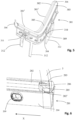
figure 2 est une vue en perspective d'un joint lécheur suivant l'invention fixé à un élément de carrosserie. - La
figure 3 est une vue en coupe du joint lécheur fixé à un élément de carrosserie, suivant un plan perpendiculaire à l'axe longitudinal dudit joint lécheur. - La
figure 4 est une vue en perspective du joint lécheur. - La
figure 5 est une vue en perspective d'un deuxième mode de réalisation du joint lécheur. - La
figure 6 est une vue d'une extrémité d'un joint lécheur suivant un troisième mode de réalisation. - Les dessins sont des représentations schématiques pour faciliter la compréhension de l'invention. Les composants ne sont pas forcément représentés à l'échelle. Les mêmes références correspondent aux mêmes composants d'une figure à l'autre.
- La
figure 1 montre un véhicule 1 comportant une porte latérale avant 2 et une porte latérale arrière 3. La porte avant 2 comporte une vitre avant 22 coulissant verticalement entre une position fermée et position ouverte. En position ouverte, la majeure partie de la vitre 22 est descendue derrière le panneau extérieur 21, et en position fermée la vitre est remontée de manière à fermer une partie fenêtre située au-dessus du panneau extérieur 21. Le panneau extérieur 21 forme avec un panneau intérieur de porte, non représenté dans les figures, un caisson de porte situé sous la partie fenêtre. La vitre 22 coulisse entre la position fermée dans laquelle elle ferme la partie fenêtre de la porte avant 2 et une position ouverte dans laquelle elle est au moins en majeure partie à l'intérieur du caisson de porte avant 2. Le panneau extérieur 21 comporte un bord supérieur 23 longeant la partie fenêtre de la porte avant 2. Le bord supérieur 23 est sensiblement droit et parallèle à un axe longitudinal X du véhicule 1. - Comme illustré en
figure 2 et3 , un joint lécheur 201 est disposé derrière le panneau extérieur 21, le long du bord supérieur 23. Ce joint lécheur 201 comporte une lèvre de contact 202 qui s'appuie sur la vitre 22, et une lèvre d'étanchéité 203 qui s'appuie contre la face du panneau extérieur 21 orientée du côté de la vitre 22, que l'on nomme face intérieure, juste en dessous du bord supérieur 23 du panneau extérieur 21. La lèvre d'étanchéité 203 est donc pratiquement invisible depuis l'extérieur du véhicule car cachée par le panneau extérieur 21. Lorsque la vitre 22 est en position ouverture, la lèvre de contact 202 peut ne plus être en contact avec ladite vitre 22 si celle-ci descend plus bas que le joint lécheur 201. - La lèvre de contact 202 et la lèvre d'étanchéité 203 sont reliées à leur base à un corps 204. Le corps 204 s'étend dans une direction longitudinale, sensiblement sur la longueur du bord supérieur 23 et parallèlement à ce bord supérieur 23. Il comporte des moyens de fixation 209 au panneau extérieur 21, comme par exemple plusieurs trous de fixation pour le passage de vis ou de clips 210 (illustrés en
figure 4 ). Dans le mode de réalisation illustré dans lesfigures 2 et3 , un raidisseur4 est fixé contre la face intérieure du panneau extérieur 21, en dessous du bord supérieur 23 de ce panneau extérieur 21. Le corps 204 est fixé à ce raidisseur 4. Le raidisseur 4 permet de rigidifier le panneau extérieur 21 le long de son bord supérieur 23. - Les deux lèvres 202 et 203 s'étendent dans la longueur du corps 204. Elles sont disposées l'une en vis-à-vis de l'autre de sorte à former les bords d'un canal 205 ouvert, s'étendant sensiblement sur toute la longueur du bord supérieur 23.
- Le corps 204 est de forme sensiblement plane, s'étendant dans une direction longitudinale, et les lèvres 202 et 203 sont reliées au corps 204 le long d'un des bords longitudinaux dudit corps 204. Lorsque le joint lécheur 201 est fixé au panneau extérieur 21, le corps 204 s'étend sensiblement verticalement, en se plaçant dans le référentiel du véhicule 1, avec les lèvres 202 et 203 situées au-dessus du corps 204 dans cette direction verticale, et parallèlement au bord supérieur 23.
- L'ouverture du canal 205 est formée par l'extrémité de chacune des lèvres 202 et 203 opposée à la zone de liaison de chacune de ces lèvres 202 et 203 avec le corps 204. L'ouverture du canal 205 s'étend donc sur la longueur du joint lécheur 201 et du corps 204. Lorsque le joint lécheur 201 est fixé au panneau extérieur 21, les lèvres 202 et 203 sont orientées vers le haut du véhicule 1, de sorte que l'ouverture du canal 205 soit en vis-à-vis de l'espace qui existe entre le bord supérieur 23 du panneau extérieur 21 et la vitre 22. La lèvre de contact 202 forme une barrière d'étanchéité avec la vitre 22, et la lèvre d'étanchéité 203 forme une barrière d'étanchéité avec le panneau extérieur 21, du côté de sa face intérieure et le long du bord supérieur 23. Ainsi, l'eau qui ruisselle sur la vitre 22 est arrêtée par la lèvre de contact 202 et rentre dans le canal 205 par l'ouverture dudit canal 205, et ne peut pas s'écouler à l'intérieur du caisson de porte 2 en passant entre le bord supérieur 23 du panneau extérieur 21 et la vitre 22. De plus, si le niveau de l'eau augmente dans le canal 205 et déborde dudit canal 205, la lèvre d'étanchéité 203 empêche l'eau de couler le long de la face intérieure du panneau extérieur 21.
- Le joint lécheur 201 comporte au moins à l'une des extrémités du canal 205 un élément de fermeture sous la forme d'une paroi de fermeture 206 qui ferme au moins partiellement l'extrémité du canal 205, afin de fermer au moins partiellement cette extrémité du canal 205 lorsque le joint lécheur 201 est fixé au panneau extérieur 21 avec la lèvre de contact 202 en appui contre la vitre 22 et la lèvre d'étanchéité 203 au contact de la face intérieure du panneau extérieur 21. La paroi de fermeture 206 est disposée à l'extrémité des lèvres 202 et 203, au niveau de l'extrémité du canal 205, ces extrémités des lèvres 202 et 203 frottant contre la paroi de fermeture 206 pour assurer l'étanchéité. En variante, la paroi de fermeture 206 s'étend entre les lèvres 202 et 203. En variante, l'élément de fermeture peut être un bourrelet issu d'une des lèvres 202 ou 203, ou encore du corps 204. En autre variante, l'élément de fermeture peut être une pièce ajoutée dans le canal 205, à l'extrémité dudit canal 205, de préférence une pièce pouvant se déformer élastiquement. D'autres formes pour l'élément de fermeture sont envisageable.
- Les deux lèvres 202 et 203 sont situées en dessous du bord supérieur 23 suivant l'axe vertical du véhicule 1 de sorte à être quasiment invisibles lorsque l'on regarde le véhicule 1 depuis l'extérieur dudit véhicule 1.
- Comme illustré en
figure 4 , la paroi de fermeture 206 est dans un plan sensiblement perpendiculaire à la direction longitudinale du joint lécheur 201, et les extrémités des lèvres 202 et 203 dans la direction longitudinale forment chacune une surface qui s'étend dans le même plan que la paroi de fermeture 206 afin d'être en contact et de frotter contre une face de cette paroi de fermeture lorsque le joint lécheur 201 est installé sur le véhicule 1, tout en assurant une étanchéité. Par exemple, lorsque le joint lécheur 201 est disposé sensiblement parallèle à l'axe longitudinal X du véhicule 1, la paroi de fermeture 206 peut s'étendre dans un plan sensiblement vertical et transversale au véhicule 1. En variante, si le joint lécheur 201, une fois fixé au véhicule 1, n'est pas parallèle à l'axe longitudinal X du véhicule 1, par exemple non parallèle au plan horizontal du véhicule 1, la paroi de fermeture 206 est disposée de sorte à être sensiblement parallèle à un plan vertical et s'étendant transversalement au véhicule 1 lorsque ledit joint lécheur 201 est fixé au véhicule 1. - Cette paroi de fermeture 206 limite la quantité d'eau qui s'écoule par l'extrémité du canal 205 comportant ladite paroi de fermeture 206, et donc limite la quantité d'eau qui s'écoule à l'intérieur du caisson de porte par cette extrémité du canal 205, la partie formant le fond du canal 205 étant dans le caisson. En variante, le joint lécheur 201 comporte une paroi de fermeture 206 à chacune des extrémités du canal 205.
- Lorsque le joint lécheur 201 est installé sur le véhicule 1 avec la lèvre de contact 202 en appui contre la vitre 22 et la lèvre d'étanchéité 203 au contact de la face intérieure du panneau extérieur 21, le long du bord supérieur 23, la paroi de fermeture 206 ferme au moins à 50 % l'extrémité du canal 205. En variante, elle ferme davantage l'extrémité du canal 205, comme par exemple de plus de 75% ou encore totalement. Une paroi de fermeture 206 fermant à 50 % l'extrémité du canal 205 correspond à une paroi de fermeture 206 qui s'étend sur la moitié de la section du canal 205 à l'extrémité dudit canal 205. Le dimensionnement de la paroi de fermeture 206 permet de créer un passage 207 à l'extrémité du canal 205 de dimension choisie afin de créer un passage pour l'évacuation de l'eau à l'extrémité du canal 205 avec un débit maximum volontairement limité. La dimension du passage 207, et donc de la paroi de fermeture 206, est fonction du débit d'eau maximal que l'on souhaite faire passer par l'extrémité du canal 205.
- Dans le mode de réalisation illustré dans la
figure 3 , la lèvre d'étanchéité 203 s'étend sensiblement dans le prolongement du corps 204 et la lèvre de contact 202 est disposée en vis-à-vis de la lèvre d'étanchéité 203, décalée par rapport au plan dans lequel s'étend la lèvre d'étanchéité 203. La lèvre de contact 202 comporte une partie à sa base qui la relie audit corps 204, et qui est sensiblement perpendiculaire au plan du corps 204. La lèvre de contact 202 et la lèvre d'étanchéité 203 forment entre elles le canal 205 et lui donne une section de forme sensiblement en "U", la lèvre de contact 202 comportant un segment sensiblement parallèle à un segment de la lèvre d'étanchéité 203. - En variante, d'autres formes pour le corps 204 et les deux lèvres 202 et 203 peuvent être envisagées pour créer le canal 205. Par exemple, le corps 204 peut comporter une partie formant un U dans sa section suivant un plan perpendiculaire à sa direction longitudinale, et chacune des lèvres peuvent être disposées dans la continuité des branches du « U ».
- La paroi de fermeture 206 est réalisée par une excroissance du corps 204. Par exemple, le corps 204 est réalisé dans un premier matériau et comporte une excroissance à l'une de ses extrémités ou à chacune de ses extrémités, et la lèvre de contact 202 et la lèvre d'étanchéité 203 sont surmoulées sur le corps 204. Les deux lèvres sont par exemple surmoulées en même temps, dans le même matériau au cours d'une seule opération. En variante, la ou les parois de fermeture 206 sont formées par une excroissance de l'une des lèvres 202 ou 203.
- Les lèvres 202 et 203 sont réalisées en matériau élastique et souple, comme par exemple en caoutchouc ou un mélange de thermoplastique connu sous la dénomination commerciale Végaprène. Le corps 204 est réalisé dans un matériau plus rigide que les lèvres 202 et 203, comme par exemple en polypropylène. D'autres matières connues de l'homme du métier peuvent être utilisées.
- Comme illustré en
figure 4 , le joint lécheur comporte un trou d'évacuation 208 disposé entre les deux extrémités dudit canal 205, traversant la lèvre de contact 202, à proximité du fond du canal 205. Cette disposition permet d'évacuer l'eau accumulée dans le canal 205 dans une zone située entre les deux extrémités dudit canal 205. En variante, le trou d'évacuation 208 est réalisé dans la lèvre d'étanchéité 203 ou une partie du corps 204 lorsque celui-ci forme l'une des parois dudit canal 205. - Dans une variante, la paroi de fermeture 206 comporte un trou de passage. Cette disposition est notamment intéressante lorsque ladite paroi de fermeture 206 ferme totalement l'extrémité du canal. En variante, le joint lécheur 201 comporte un ou des trous de passage dans la paroi ou les parois de fermeture 206 et un ou plusieurs trous d'évacuation 208 entre les deux extrémités du canal 205.
- Le dimensionnement du ou des trous de passage permet de créer un passage à l'extrémité du canal 205 de dimension choisie afin de créer une évacuation de l'eau à l'extrémité du canal 205 avec un débit maximum volontairement limitée. La dimension du trou de passage est fonction du débit d'eau maximale que l'on accepte de faire passer par l'extrémité du canal 205. Cette variante est particulièrement intéressante lorsque la paroi de fermeture 206 ferme totalement l'extrémité du canal 205.
- En
figure 4 , le corps 204 comporte des clips 210 passant dans les trous de fixation 209 qui forment les moyens de fixation 209. Les clips 210 se fixent dans des trous situés sur le raidisseur4 de porte 2. Le corps 204 comporte un pion de centrage 211 permettant un positionnement précis du joint lécheur 201 sur le véhicule 1. Le corps 204 comporte en outre des pattes de maintien 212 s'étendant dans le plan dudit corps 204, à l'opposé du bord dudit corps 4 comportant les lèvres 202 et 203. Comme illustré enfigure 2 , certaines de ces pattes de maintien 212 se positionnent entre le raidisseur 4 et des pattes de plaquages 41 fixées audit raidisseur 4. Des moyens de fixation 209 au raidisseur 4 sont disposés dans ces pattes de maintien 212. Cette interaction entre les pattes de maintien 212 et les pattes de fixation 41 permettent notamment de positionner facilement et maintenir le joint lécheur 201 contre le raidisseur 4 pour faciliter sa fixation. - En
figure 1 , la porte latérale arrière 3 comporte un panneau extérieur 31 avec un bord supérieur 33 formant le bord du panneau extérieur 31 le long d'une vitre 32 s'ouvrant par coulissement vertical. Ce bord supérieur 33 ne forme pas une ligne droite, mais comporte un segment arrière 331 sensiblement droit et parallèle à l'axe longitudinal X du véhicule, et un segment avant 332 montant vers le haut du véhicule en direction de l'avant en s'approchant d'un pied milieu du véhicule situé entre la porte latérale avant 2 et la porte latérale arrière 3. Le segment avant 332 peut être courbé ou droit. La jonction entre le segment avant 332 et arrière 331 du bord supérieur 33 forme une zone courbée. Le segment arrière 331 est situé vers l'arrière du véhicule 1 et le segment avant 332 vers l'avant du véhicule 1. Lafigure 5 illustre un joint lécheur 301 de conception similaire au joint lécheur 201 de la porte avant 2, mais dont la forme est adaptée pour être installé le long du bord supérieur de la porte arrière 3. Afin de suivre la forme du bord supérieur 33 du panneau extérieur 31 de la porte arrière 3, le joint lécheur 201 a une forme sur sa longueur comparable à celle dudit bord supérieur 33. Il comporte ainsi une première partie 3011 de forme sensiblement droite et correspondant au segment arrière 331 du bord supérieur 33, et une deuxième partie 3012 de forme courbée correspondant au segment avant 332 dudit bord supérieur 33. La première partie 3011 suit le segment arrière 331 du bord supérieur 33, et la deuxième partie 3012 suit le bord supérieur du segment arrière 331 du bord supérieur 33. Le joint lécheur 301 comporte aussi une lèvre de contact 302 et une lèvre d'étanchéité 303, formant les bord d'un canal ouvert 305, fixées à leur base à un corps 304. Le canal 305 suit la forme du bord supérieur 33. Le joint lécheur 301 comporte à l'extrémité du canal 305 située dans la première partie 3011 une paroi de fermeture 306. Cette paroi de fermeture 306 limite la quantité d'eau qui s'écoule par l'extrémité du canal 305 située dans la première partie 3011. Dans ce mode de réalisation, le joint lécheur 301 comporte un trou d'évacuation, non visible dans lafigure 5 , disposé dans le canal 305, à la jonction entre la première partie 3011 et 3012 afin d'évacuer l'eau qui stagnerait dans cette zone. Par exemple, lorsque le véhicule 1 est garé dans une descente, l'avant orienté vers la descente, en cas de pluie, l'eau récupérée par la première partie 3011 du joint lécheur 301 s'écoule vers la deuxième partie 3012 du fait de la pente dans laquelle est stationnée le véhicule. Mais l'eau récupérée par la deuxième partie 3012 s'écoule quant à elle vers la première partie 3011 du fait de l'orientation de cette deuxième partie 3012. L'eau récupérée par le joint 301 lécheur dans le canal 305 s'accumule donc dans le canal 205 au niveau de la jonction entre la première partie 3011 et la deuxième partie 3012. Le trou d'évacuation placé à cette jonction permet d'évacuer l'eau qui stagne à cette jonction entre la première partie 3011 et la deuxième partie 3012, suivant un débit maximum donné par la taille du trou d'évacuation. - Dans le mode de réalisation illustré en
figure 5 , le joint lécheur 301 comporte aussi dans sa deuxième partie 3012 une paroi de fermeture 306 à l'extrémité du canal 305. Les parois de fermeture 306 s'étendent sensiblement dans un plan vertical et transversal au véhicule, de sorte à être dans l'alignement des montant d'un cadre de fenêtre entourant la vitre 302 lorsque celle-ci est en position fermée. - Le corps 304 comporte des trous de fixation 309 traversés par des clips 310 destinés à ledit corps 304 sur le panneau de carrosserie 31, et plus particulièrement sur un raidisseur du panneau extérieur 31 non représenté.
- Le corps 304 comporte des pattes de maintien 312 qui coopèrent avec des pattes de maintien situé sur le raidisseur de panneau extérieur 31 de la porte arrière 3, de manière similaire au joint lécheur 201 disposé sur la porte avant 2.
- Ce joint lécheur 301 est fixé sur la porte arrière 3 de sorte que la lèvre d'étanchéité 303 s'appuie sur la face du panneau extérieur 31 orientée vers l'intérieur du véhicule 1, et la lèvre de contact 302 s'appuie contre la vitre 3. La lèvre d'étanchéité 303 est située en dessous du bord supérieur 33 du panneau extérieur 31. La lèvre de contact 302 est elle aussi située plus basse que le bord supérieur 33 suivant la direction verticale du véhicule 1, de sorte que ces deux lèvres 302 et 303 soient très peu visibles, ou invisibles, pour un usager situé à une distance faible du véhicule 1, comme par exemple à plus d'un mètre.
- Ce type de joint lécheur 201, 301, permet de limiter la quantité d'eau qui coule à l'intérieur du caisson de porte, ou d'éviter que de l'eau ne coule dans le caisson de porte. En effet, la position du joint lécheur 201, ou respectivement 301, plus bas que le bord supérieur 23, ou respectivement le bord supérieur 33, implique que l'eau récupérée par le canal 205, ou respectivement 305, se situe sous le bord supérieur 23, ou respectivement sous le bord supérieur 33. Sans paroi de fermeture 206, ou respectivement 306, l'eau accumulée dans le canal 205, ou respectivement 305, s'écoulerait dans le caisson par les extrémités du joint lécheur 201, ou respectivement 301. La mise en place des parois de fermeture 206, ou respectivement 306, bloque l'écoulement de l'eau aux extrémités du canal 205, ou respectivement 305. Lors de forte pluie, l'eau s'accumule dans le canal 205, ou respectivement 305, jusqu'à déborder et s'écouler le long de la face extérieure du panneau extérieur 21, ou respectivement 31, opposée à la face intérieure dudit panneau extérieur 21, ou respectivement 31.
- Les trous d'évacuation 208 ou les trous de passage aux extrémités du canal 205, ou respectivement 305, permettent un écoulement maîtrisé de l'eau accumulé : le débit et la zone d'écoulement sont définies de manière à éviter que les systèmes électriques situés dans la porte 2, ou respectivement 3, ne soient détériorés par l'eau.
- La
figure 6 illustre un mode de réalisation du joint lécheur 201 dans lequel la lèvre de contact 203 s'étend jusqu'à la paroi de fermeture 206 disposée à une extrémité du joint lécheur 201, mais l'extrémité de la lèvre d'étanchéité 203 ne s'étend pas jusqu'à la paroi de fermeture 206 mais laisse un espace libre entre elle et cette paroi de fermeture 206. Cette espace libre permet le passage par exemple d'une coulisse de vitre 5, représentée avec lignes pointillées. La lèvre d'étanchéité 202 comporte à son extrémité qui fait face à la coulisse 5 une paroi secondaire 2021, pour bloquer l'écoulement de l'eau accumulée par le canal 205. La coulisse 5 passe donc entre cette paroi secondaire 2021 et la paroi de fermeture 206. Ce même mode de réalisation peut s'appliquer au joint lécheur 301 de lafigure 5 . - Dans les modes de réalisation présentés, le corps 204 ou 304 est représenté comme un profilé plat. D'autres formes du corps peuvent être utilisés
- En variante, le joint lécheur 201 ou 301 est fixé sur un panneau extérieur de carrosserie autre que celui sur d'une porte latérale 2 ou 3, comme par exemple sur un panneau de carrosserie formant une aile arrière de véhicule et longeant une vitre latérale arrière de véhicule.
- En
figures 3, 4 et5 , la lèvre d'étanchéité 203, ou 303, est sous la forme d'une lame souple. En variante, d'autres formes pour la lèvre d'étanchéité 203 ou 303, peuvent être appliquée. Par exemple, la lèvre d'étanchéité 203, ou 303, peut comporter un corps creux s'étendant sur toute sa longueur.
Claims (10)
- Joint lécheur (201, 301) de vitre comprenant un corps (204, 304) s'étendant dans une direction longitudinale et comportant des moyens de fixation (209, 309) à un panneau de carrosserie (21, 31), une lèvre de contact (202, 302) et une lèvre d'étanchéité (203, 303), les deux lèvres (202, 302, 203, 303) étant en matériau élastique, reliées au corps (204, 304) et s'étendant sensiblement sur la longueur dudit corps (204, 304), la lèvre de contact (202, 302) et la lèvre d'étanchéité (203, 303) étant en vis-à-vis de sorte à former les bords d'un canal (205, 305) ouvert sur sa longueur et s'étendant sensiblement sur la longueur du corps (204, 304), le joint lécheur (201, 301) comporte un élément de fermeture (206, 306) à l'une des extrémités du canal (205, 305) de sorte à fermer au moins partiellement ladite extrémité du canal (205, 305), caractérisé en ce que ledit élément de fermeture (206, 306) est soit réalisé par une excroissance du corps (204), soit formé par une excroissance de la lèvre d'étanchéité (203, 303) ou de la lèvre de contact (202, 302).
- Joint lécheur (201, 301) suivant la revendication précédente, caractérisé en ce que l'élément de fermeture est une paroi de fermeture (206, 306), de préférence sensiblement perpendiculaire à la direction longitudinale du joint lécheur (201, 301), disposée au niveau de l'extrémité du canal (205, 305).
- Joint lécheur (201, 301) suivant l'une des revendications précédentes, caractérisé en ce qu'il comporte deux éléments de fermeture (206, 306), chacun au niveau d'une extrémité du canal (205, 305).
- Joint lécheur (201, 301) suivant l'une des revendications précédentes, caractérisé en ce que le corps (204, 304) est sous la forme d'un profilé sensiblement plan, l'une des lèvres (202, 203, 302, 303) s'étendant le long d'un des bords longitudinaux du profilé (204, 304), dans le prolongement dudit profilé (204, 304), et l'autre lèvre (202, 203, 302, 303) s'étendant depuis l'une des faces du corps (204, 304) et comportant un segment dans sa section qui est sensiblement parallèle à la lèvre précédente (202, 203, 302, 303) de sorte à former un canal (205, 305) de section en forme de « U ».
- Joint lécheur (201, 301) suivant l'une des revendications précédentes caractérisé en ce que la ou les éléments de fermeture (206, 306) sont issues du corps (204, 304), et/ou de la lèvre de contact (202, 302), et/ou de la lèvre d'étanchéité (203, 303).
- Joint lécheur (201, 301) suivant l'une des revendications précédentes, caractérisé en ce que la ou les éléments de fermeture (206, 306) comportent un trou de passage apte à laisser s'écouler l'eau s'accumulant dans le canal (205, 305).
- Joint lécheur (201, 301) suivant l'une des revendications précédentes, caractérisé en ce qu'il comporte un trou d'évacuation (208) disposé dans l'une des parois du canal (205), entre les deux extrémités dudit canal (205), de sorte à permettre une évacuation de l'eau s'accumulant dans le canal (205, 305) suivant un débit donné.
- Porte (2, 3) de véhicule (1) comprenant une partie fenêtre comportant une vitre (22, 32) située au-dessus d'une partie caisson, la partie caisson étant formée par un panneau extérieur (21, 31) et un panneau intérieur, caractérisé en ce que la porte comporte un joint lécheur (201, 301) suivant l'une des revendications précédentes, dans le caisson, fixé au panneau extérieur (21, 31), le long et sous un bord haut dudit panneau extérieur (21, 31) séparant le caisson de la partie fenêtre, la lèvre de contact (202, 302) étant en appui contre la surface de la vitre (22, 32) et la lèvre d'étanchéité (203, 303) étant en appui contre le panneau extérieur (21, 31), le long du bord haut dudit panneau extérieure (21, 31).
- Porte (2, 3) suivant la revendication précédente caractérisé en ce que la vitre (22, 32) coulisse dans le caisson depuis une position fermée dans laquelle elle ferme la partie fenêtre et une position ouverte dans laquelle elle est au moins en partie dans le caisson.
- Véhicule (1) avec panneau de carrosserie extérieur (21, 31) et une vitre (22, 32) située de sorte que l'un des bords du panneau extérieure (21, 31) est en vis-à-vis de la surface de la vitre (22, 32), caractérisé en ce qu'il comporte un joint lécheur (201, 301) suivant l'une des revendications de 1 à 7 fixé le long dudit bord du panneau extérieur (21, 31) en vis-à-vis de la vitre (22, 32), disposé entre le panneau extérieur (21, 31) et la vitre (22, 32) de sorte que la lèvre de contact (202, 302) est en appui contre la surface de la vitre (22, 32) et la lèvre d'étanchéité (203, 303) est en appui contre la face intérieure du panneau extérieur (21, 31) situé du côté de la vitre (22, 32), sur ledit bord du panneau extérieure (21, 31) ou en dessous dudit bord du panneau extérieure (21, 31).
Applications Claiming Priority (2)
| Application Number | Priority Date | Filing Date | Title |
|---|---|---|---|
| FR1853639A FR3080573B1 (fr) | 2018-04-26 | 2018-04-26 | Joint lecheur de vitre |
| PCT/FR2019/050603 WO2019207218A1 (fr) | 2018-04-26 | 2019-03-18 | Joint lecheur de vitre |
Publications (2)
| Publication Number | Publication Date |
|---|---|
| EP3784512A1 EP3784512A1 (fr) | 2021-03-03 |
| EP3784512B1 true EP3784512B1 (fr) | 2023-09-20 |
Family
ID=62455751
Family Applications (1)
| Application Number | Title | Priority Date | Filing Date |
|---|---|---|---|
| EP19718779.2A Active EP3784512B1 (fr) | 2018-04-26 | 2019-03-18 | Joint lecheur de vitre |
Country Status (3)
| Country | Link |
|---|---|
| EP (1) | EP3784512B1 (fr) |
| FR (1) | FR3080573B1 (fr) |
| WO (1) | WO2019207218A1 (fr) |
Families Citing this family (3)
| Publication number | Priority date | Publication date | Assignee | Title |
|---|---|---|---|---|
| FR3107476A1 (fr) | 2020-02-24 | 2021-08-27 | Psa Automobiles Sa | Porte de véhicule dotée d’un joint lécheur extérieur de vitre coulissante |
| CN111532115B (zh) * | 2020-04-09 | 2025-05-06 | 浙江极氪智能科技有限公司 | 车门外水切、车门及汽车 |
| GB2611778B (en) * | 2021-10-14 | 2024-07-17 | Jaguar Land Rover Ltd | A waist seal |
Family Cites Families (5)
| Publication number | Priority date | Publication date | Assignee | Title |
|---|---|---|---|---|
| JP3100292B2 (ja) * | 1994-07-06 | 2000-10-16 | 関東自動車工業株式会社 | 自動車用ドアのシール構造 |
| FR2975036B1 (fr) * | 2011-05-10 | 2013-05-17 | Hutchinson | Profile moule par multi-injection formant un joint d'etancheite ou un enjoliveur pour carrosserie de vehicule automobile, et son procede de fabrication. |
| JP2013028203A (ja) * | 2011-07-27 | 2013-02-07 | Kinugawa Rubber Ind Co Ltd | ドアウエストシール |
| US8572897B2 (en) * | 2011-09-14 | 2013-11-05 | Ford Global Technologies, Llc | Weatherstrip cinch clip |
| CN103587394B (zh) * | 2013-09-27 | 2016-04-27 | 宁波信泰机械有限公司 | 水切端部封盖连接结构及其封盖连接件 |
-
2018
- 2018-04-26 FR FR1853639A patent/FR3080573B1/fr not_active Expired - Fee Related
-
2019
- 2019-03-18 EP EP19718779.2A patent/EP3784512B1/fr active Active
- 2019-03-18 WO PCT/FR2019/050603 patent/WO2019207218A1/fr not_active Ceased
Also Published As
| Publication number | Publication date |
|---|---|
| FR3080573A1 (fr) | 2019-11-01 |
| EP3784512A1 (fr) | 2021-03-03 |
| FR3080573B1 (fr) | 2021-02-26 |
| WO2019207218A1 (fr) | 2019-10-31 |
Similar Documents
| Publication | Publication Date | Title |
|---|---|---|
| FR2727906A1 (fr) | Agencement de toit-ouvrant pour vehicules notamment voitures de tourisme | |
| WO2019207218A1 (fr) | Joint lecheur de vitre | |
| FR2503223A1 (fr) | Profile de chassis, notamment de capteur solaire, incorporable en toiture | |
| FR2901187A1 (fr) | Joint d'etancheite de vitre avec brin lecheur moule | |
| EP0333536B1 (fr) | Profil d'étanchéité de bas de glace mobile | |
| FR2458665A1 (fr) | Porte avec protection pour les doigts dans la zone de la battee | |
| FR3128412A1 (fr) | Ensemble de fixation et de positionnement de profilés décoratifs d’une porte de véhicule | |
| FR2901833A1 (fr) | Perfectionnements aux cadres serres/a meneau horizontal | |
| FR3107476A1 (fr) | Porte de véhicule dotée d’un joint lécheur extérieur de vitre coulissante | |
| EP3635210B1 (fr) | Traverse inférieure à étanchéité d'eau améliorée d'une fenêtre coulissante, fenêtre coulissante comportant une telle traverse inférieure | |
| FR3107670A1 (fr) | Vehicule avec au moins une vitre en deux parties dont une partie basculante et un joint dispose entre les deux parties | |
| EP3081719A1 (fr) | Profile de liaison pour un element de toiture, notamment pour abri telescopique de piscine | |
| FR2700793A1 (fr) | Lucarne perfectionnée. | |
| FR2585799A1 (fr) | Joint d'etancheite multifonction notamment pour portiere d'automobile et garniture de baie de portiere automobile constituee de ce joint | |
| EP0911478B1 (fr) | Dispositif de drainage des eaux d'infiltration pour châssis fixe, notamment pour châssis d'ouvrant de porte ou fenêtre | |
| FR2988125A1 (fr) | Seuil non-encastrable pour personnes a mobilite reduite pour chassis dormant a ouvrants coulissants | |
| FR2737242A1 (fr) | Embout pour lames tubulaires destinees a etre juxtaposees les unes aux autres et reliees par un systeme de charniere de facon a former un panneau developpable de fermeture ou couverture | |
| EP1743793A1 (fr) | Dispositif de guidage de l'eau pour une vitre de véhicule | |
| EP3887184B1 (fr) | Vehicule avec un joint chaussee sur une feuillure deformee | |
| EP0670408B1 (fr) | Déflecteur pour traverse basse d'un châssis, de porte, fenêtre ou analogue | |
| FR2938600A1 (fr) | Systeme de drainage pour facade de type mur-rideau ou analogue | |
| FR2740817A1 (fr) | Piece d'angle pour chassis d'ouvrant de porte ou fenetre | |
| FR3052180A1 (fr) | Porte comportant un joint de bas de porte | |
| EP2845983B1 (fr) | Tablier de volet roulant avec un dispositif de jonction de deux lames | |
| FR2703125A1 (fr) | Joint d'étanchéité auto-ajustable. |
Legal Events
| Date | Code | Title | Description |
|---|---|---|---|
| STAA | Information on the status of an ep patent application or granted ep patent |
Free format text: STATUS: UNKNOWN |
|
| STAA | Information on the status of an ep patent application or granted ep patent |
Free format text: STATUS: THE INTERNATIONAL PUBLICATION HAS BEEN MADE |
|
| PUAI | Public reference made under article 153(3) epc to a published international application that has entered the european phase |
Free format text: ORIGINAL CODE: 0009012 |
|
| STAA | Information on the status of an ep patent application or granted ep patent |
Free format text: STATUS: REQUEST FOR EXAMINATION WAS MADE |
|
| 17P | Request for examination filed |
Effective date: 20201022 |
|
| AK | Designated contracting states |
Kind code of ref document: A1 Designated state(s): AL AT BE BG CH CY CZ DE DK EE ES FI FR GB GR HR HU IE IS IT LI LT LU LV MC MK MT NL NO PL PT RO RS SE SI SK SM TR |
|
| AX | Request for extension of the european patent |
Extension state: BA ME |
|
| DAV | Request for validation of the european patent (deleted) | ||
| DAX | Request for extension of the european patent (deleted) | ||
| STAA | Information on the status of an ep patent application or granted ep patent |
Free format text: STATUS: EXAMINATION IS IN PROGRESS |
|
| 17Q | First examination report despatched |
Effective date: 20211111 |
|
| GRAP | Despatch of communication of intention to grant a patent |
Free format text: ORIGINAL CODE: EPIDOSNIGR1 |
|
| STAA | Information on the status of an ep patent application or granted ep patent |
Free format text: STATUS: GRANT OF PATENT IS INTENDED |
|
| INTG | Intention to grant announced |
Effective date: 20221202 |
|
| GRAJ | Information related to disapproval of communication of intention to grant by the applicant or resumption of examination proceedings by the epo deleted |
Free format text: ORIGINAL CODE: EPIDOSDIGR1 |
|
| STAA | Information on the status of an ep patent application or granted ep patent |
Free format text: STATUS: EXAMINATION IS IN PROGRESS |
|
| INTC | Intention to grant announced (deleted) | ||
| GRAP | Despatch of communication of intention to grant a patent |
Free format text: ORIGINAL CODE: EPIDOSNIGR1 |
|
| STAA | Information on the status of an ep patent application or granted ep patent |
Free format text: STATUS: GRANT OF PATENT IS INTENDED |
|
| INTG | Intention to grant announced |
Effective date: 20230517 |
|
| GRAS | Grant fee paid |
Free format text: ORIGINAL CODE: EPIDOSNIGR3 |
|
| GRAA | (expected) grant |
Free format text: ORIGINAL CODE: 0009210 |
|
| STAA | Information on the status of an ep patent application or granted ep patent |
Free format text: STATUS: THE PATENT HAS BEEN GRANTED |
|
| REG | Reference to a national code |
Ref country code: DE Ref legal event code: R084 Ref document number: 602019037793 Country of ref document: DE |
|
| AK | Designated contracting states |
Kind code of ref document: B1 Designated state(s): AL AT BE BG CH CY CZ DE DK EE ES FI FR GB GR HR HU IE IS IT LI LT LU LV MC MK MT NL NO PL PT RO RS SE SI SK SM TR |
|
| REG | Reference to a national code |
Ref country code: GB Ref legal event code: FG4D Free format text: NOT ENGLISH |
|
| REG | Reference to a national code |
Ref country code: CH Ref legal event code: EP |
|
| REG | Reference to a national code |
Ref country code: DE Ref legal event code: R096 Ref document number: 602019037793 Country of ref document: DE |
|
| REG | Reference to a national code |
Ref country code: IE Ref legal event code: FG4D Free format text: LANGUAGE OF EP DOCUMENT: FRENCH |
|
| REG | Reference to a national code |
Ref country code: GB Ref legal event code: 746 Effective date: 20231010 |
|
| RAP4 | Party data changed (patent owner data changed or rights of a patent transferred) |
Owner name: STELLANTIS AUTO SAS |
|
| REG | Reference to a national code |
Ref country code: LT Ref legal event code: MG9D |
|
| PG25 | Lapsed in a contracting state [announced via postgrant information from national office to epo] |
Ref country code: GR Free format text: LAPSE BECAUSE OF FAILURE TO SUBMIT A TRANSLATION OF THE DESCRIPTION OR TO PAY THE FEE WITHIN THE PRESCRIBED TIME-LIMIT Effective date: 20231221 |
|
| REG | Reference to a national code |
Ref country code: NL Ref legal event code: MP Effective date: 20230920 |
|
| PG25 | Lapsed in a contracting state [announced via postgrant information from national office to epo] |
Ref country code: SE Free format text: LAPSE BECAUSE OF FAILURE TO SUBMIT A TRANSLATION OF THE DESCRIPTION OR TO PAY THE FEE WITHIN THE PRESCRIBED TIME-LIMIT Effective date: 20230920 Ref country code: RS Free format text: LAPSE BECAUSE OF FAILURE TO SUBMIT A TRANSLATION OF THE DESCRIPTION OR TO PAY THE FEE WITHIN THE PRESCRIBED TIME-LIMIT Effective date: 20230920 Ref country code: NO Free format text: LAPSE BECAUSE OF FAILURE TO SUBMIT A TRANSLATION OF THE DESCRIPTION OR TO PAY THE FEE WITHIN THE PRESCRIBED TIME-LIMIT Effective date: 20231220 Ref country code: LV Free format text: LAPSE BECAUSE OF FAILURE TO SUBMIT A TRANSLATION OF THE DESCRIPTION OR TO PAY THE FEE WITHIN THE PRESCRIBED TIME-LIMIT Effective date: 20230920 Ref country code: LT Free format text: LAPSE BECAUSE OF FAILURE TO SUBMIT A TRANSLATION OF THE DESCRIPTION OR TO PAY THE FEE WITHIN THE PRESCRIBED TIME-LIMIT Effective date: 20230920 Ref country code: HR Free format text: LAPSE BECAUSE OF FAILURE TO SUBMIT A TRANSLATION OF THE DESCRIPTION OR TO PAY THE FEE WITHIN THE PRESCRIBED TIME-LIMIT Effective date: 20230920 Ref country code: GR Free format text: LAPSE BECAUSE OF FAILURE TO SUBMIT A TRANSLATION OF THE DESCRIPTION OR TO PAY THE FEE WITHIN THE PRESCRIBED TIME-LIMIT Effective date: 20231221 Ref country code: FI Free format text: LAPSE BECAUSE OF FAILURE TO SUBMIT A TRANSLATION OF THE DESCRIPTION OR TO PAY THE FEE WITHIN THE PRESCRIBED TIME-LIMIT Effective date: 20230920 |
|
| REG | Reference to a national code |
Ref country code: AT Ref legal event code: MK05 Ref document number: 1613174 Country of ref document: AT Kind code of ref document: T Effective date: 20230920 |
|
| PG25 | Lapsed in a contracting state [announced via postgrant information from national office to epo] |
Ref country code: NL Free format text: LAPSE BECAUSE OF FAILURE TO SUBMIT A TRANSLATION OF THE DESCRIPTION OR TO PAY THE FEE WITHIN THE PRESCRIBED TIME-LIMIT Effective date: 20230920 |
|
| PG25 | Lapsed in a contracting state [announced via postgrant information from national office to epo] |
Ref country code: IS Free format text: LAPSE BECAUSE OF FAILURE TO SUBMIT A TRANSLATION OF THE DESCRIPTION OR TO PAY THE FEE WITHIN THE PRESCRIBED TIME-LIMIT Effective date: 20240120 |
|
| REG | Reference to a national code |
Ref country code: DE Ref legal event code: R081 Ref document number: 602019037793 Country of ref document: DE Owner name: STELLANTIS AUTO SAS, FR Free format text: FORMER OWNER: PSA AUTOMOBILES SA, POISSY, FR |
|
| PG25 | Lapsed in a contracting state [announced via postgrant information from national office to epo] |
Ref country code: AT Free format text: LAPSE BECAUSE OF FAILURE TO SUBMIT A TRANSLATION OF THE DESCRIPTION OR TO PAY THE FEE WITHIN THE PRESCRIBED TIME-LIMIT Effective date: 20230920 |
|
| PG25 | Lapsed in a contracting state [announced via postgrant information from national office to epo] |
Ref country code: ES Free format text: LAPSE BECAUSE OF FAILURE TO SUBMIT A TRANSLATION OF THE DESCRIPTION OR TO PAY THE FEE WITHIN THE PRESCRIBED TIME-LIMIT Effective date: 20230920 |
|
| PG25 | Lapsed in a contracting state [announced via postgrant information from national office to epo] |
Ref country code: SM Free format text: LAPSE BECAUSE OF FAILURE TO SUBMIT A TRANSLATION OF THE DESCRIPTION OR TO PAY THE FEE WITHIN THE PRESCRIBED TIME-LIMIT Effective date: 20230920 Ref country code: RO Free format text: LAPSE BECAUSE OF FAILURE TO SUBMIT A TRANSLATION OF THE DESCRIPTION OR TO PAY THE FEE WITHIN THE PRESCRIBED TIME-LIMIT Effective date: 20230920 Ref country code: IS Free format text: LAPSE BECAUSE OF FAILURE TO SUBMIT A TRANSLATION OF THE DESCRIPTION OR TO PAY THE FEE WITHIN THE PRESCRIBED TIME-LIMIT Effective date: 20240120 Ref country code: ES Free format text: LAPSE BECAUSE OF FAILURE TO SUBMIT A TRANSLATION OF THE DESCRIPTION OR TO PAY THE FEE WITHIN THE PRESCRIBED TIME-LIMIT Effective date: 20230920 Ref country code: EE Free format text: LAPSE BECAUSE OF FAILURE TO SUBMIT A TRANSLATION OF THE DESCRIPTION OR TO PAY THE FEE WITHIN THE PRESCRIBED TIME-LIMIT Effective date: 20230920 Ref country code: CZ Free format text: LAPSE BECAUSE OF FAILURE TO SUBMIT A TRANSLATION OF THE DESCRIPTION OR TO PAY THE FEE WITHIN THE PRESCRIBED TIME-LIMIT Effective date: 20230920 Ref country code: AT Free format text: LAPSE BECAUSE OF FAILURE TO SUBMIT A TRANSLATION OF THE DESCRIPTION OR TO PAY THE FEE WITHIN THE PRESCRIBED TIME-LIMIT Effective date: 20230920 Ref country code: SK Free format text: LAPSE BECAUSE OF FAILURE TO SUBMIT A TRANSLATION OF THE DESCRIPTION OR TO PAY THE FEE WITHIN THE PRESCRIBED TIME-LIMIT Effective date: 20230920 Ref country code: PT Free format text: LAPSE BECAUSE OF FAILURE TO SUBMIT A TRANSLATION OF THE DESCRIPTION OR TO PAY THE FEE WITHIN THE PRESCRIBED TIME-LIMIT Effective date: 20240122 |
|
| PGFP | Annual fee paid to national office [announced via postgrant information from national office to epo] |
Ref country code: GB Payment date: 20240220 Year of fee payment: 6 |
|
| PG25 | Lapsed in a contracting state [announced via postgrant information from national office to epo] |
Ref country code: PL Free format text: LAPSE BECAUSE OF FAILURE TO SUBMIT A TRANSLATION OF THE DESCRIPTION OR TO PAY THE FEE WITHIN THE PRESCRIBED TIME-LIMIT Effective date: 20230920 Ref country code: IT Free format text: LAPSE BECAUSE OF FAILURE TO SUBMIT A TRANSLATION OF THE DESCRIPTION OR TO PAY THE FEE WITHIN THE PRESCRIBED TIME-LIMIT Effective date: 20230920 |
|
| REG | Reference to a national code |
Ref country code: DE Ref legal event code: R097 Ref document number: 602019037793 Country of ref document: DE |
|
| PG25 | Lapsed in a contracting state [announced via postgrant information from national office to epo] |
Ref country code: DK Free format text: LAPSE BECAUSE OF FAILURE TO SUBMIT A TRANSLATION OF THE DESCRIPTION OR TO PAY THE FEE WITHIN THE PRESCRIBED TIME-LIMIT Effective date: 20230920 |
|
| PLBE | No opposition filed within time limit |
Free format text: ORIGINAL CODE: 0009261 |
|
| STAA | Information on the status of an ep patent application or granted ep patent |
Free format text: STATUS: NO OPPOSITION FILED WITHIN TIME LIMIT |
|
| PG25 | Lapsed in a contracting state [announced via postgrant information from national office to epo] |
Ref country code: DK Free format text: LAPSE BECAUSE OF FAILURE TO SUBMIT A TRANSLATION OF THE DESCRIPTION OR TO PAY THE FEE WITHIN THE PRESCRIBED TIME-LIMIT Effective date: 20230920 |
|
| 26N | No opposition filed |
Effective date: 20240621 |
|
| PG25 | Lapsed in a contracting state [announced via postgrant information from national office to epo] |
Ref country code: SI Free format text: LAPSE BECAUSE OF FAILURE TO SUBMIT A TRANSLATION OF THE DESCRIPTION OR TO PAY THE FEE WITHIN THE PRESCRIBED TIME-LIMIT Effective date: 20230920 |
|
| PG25 | Lapsed in a contracting state [announced via postgrant information from national office to epo] |
Ref country code: SI Free format text: LAPSE BECAUSE OF FAILURE TO SUBMIT A TRANSLATION OF THE DESCRIPTION OR TO PAY THE FEE WITHIN THE PRESCRIBED TIME-LIMIT Effective date: 20230920 |
|
| REG | Reference to a national code |
Ref country code: CH Ref legal event code: PL |
|
| PG25 | Lapsed in a contracting state [announced via postgrant information from national office to epo] |
Ref country code: BG Free format text: LAPSE BECAUSE OF FAILURE TO SUBMIT A TRANSLATION OF THE DESCRIPTION OR TO PAY THE FEE WITHIN THE PRESCRIBED TIME-LIMIT Effective date: 20230920 |
|
| PG25 | Lapsed in a contracting state [announced via postgrant information from national office to epo] |
Ref country code: LU Free format text: LAPSE BECAUSE OF NON-PAYMENT OF DUE FEES Effective date: 20240318 |
|
| PG25 | Lapsed in a contracting state [announced via postgrant information from national office to epo] |
Ref country code: MC Free format text: LAPSE BECAUSE OF FAILURE TO SUBMIT A TRANSLATION OF THE DESCRIPTION OR TO PAY THE FEE WITHIN THE PRESCRIBED TIME-LIMIT Effective date: 20230920 |
|
| PG25 | Lapsed in a contracting state [announced via postgrant information from national office to epo] |
Ref country code: MC Free format text: LAPSE BECAUSE OF FAILURE TO SUBMIT A TRANSLATION OF THE DESCRIPTION OR TO PAY THE FEE WITHIN THE PRESCRIBED TIME-LIMIT Effective date: 20230920 Ref country code: LU Free format text: LAPSE BECAUSE OF NON-PAYMENT OF DUE FEES Effective date: 20240318 Ref country code: BG Free format text: LAPSE BECAUSE OF FAILURE TO SUBMIT A TRANSLATION OF THE DESCRIPTION OR TO PAY THE FEE WITHIN THE PRESCRIBED TIME-LIMIT Effective date: 20230920 |
|
| REG | Reference to a national code |
Ref country code: BE Ref legal event code: MM Effective date: 20240331 |
|
| PG25 | Lapsed in a contracting state [announced via postgrant information from national office to epo] |
Ref country code: BE Free format text: LAPSE BECAUSE OF NON-PAYMENT OF DUE FEES Effective date: 20240331 |
|
| PG25 | Lapsed in a contracting state [announced via postgrant information from national office to epo] |
Ref country code: IE Free format text: LAPSE BECAUSE OF NON-PAYMENT OF DUE FEES Effective date: 20240318 |
|
| PG25 | Lapsed in a contracting state [announced via postgrant information from national office to epo] |
Ref country code: IE Free format text: LAPSE BECAUSE OF NON-PAYMENT OF DUE FEES Effective date: 20240318 Ref country code: BE Free format text: LAPSE BECAUSE OF NON-PAYMENT OF DUE FEES Effective date: 20240331 Ref country code: CH Free format text: LAPSE BECAUSE OF NON-PAYMENT OF DUE FEES Effective date: 20240331 |
|
| PG25 | Lapsed in a contracting state [announced via postgrant information from national office to epo] |
Ref country code: CY Free format text: LAPSE BECAUSE OF FAILURE TO SUBMIT A TRANSLATION OF THE DESCRIPTION OR TO PAY THE FEE WITHIN THE PRESCRIBED TIME-LIMIT; INVALID AB INITIO Effective date: 20190318 |
|
| PG25 | Lapsed in a contracting state [announced via postgrant information from national office to epo] |
Ref country code: HU Free format text: LAPSE BECAUSE OF FAILURE TO SUBMIT A TRANSLATION OF THE DESCRIPTION OR TO PAY THE FEE WITHIN THE PRESCRIBED TIME-LIMIT; INVALID AB INITIO Effective date: 20190318 |
|
| GBPC | Gb: european patent ceased through non-payment of renewal fee |
Effective date: 20250318 |
|
| PG25 | Lapsed in a contracting state [announced via postgrant information from national office to epo] |
Ref country code: TR Free format text: LAPSE BECAUSE OF FAILURE TO SUBMIT A TRANSLATION OF THE DESCRIPTION OR TO PAY THE FEE WITHIN THE PRESCRIBED TIME-LIMIT Effective date: 20230920 |
|
| PG25 | Lapsed in a contracting state [announced via postgrant information from national office to epo] |
Ref country code: GB Free format text: LAPSE BECAUSE OF NON-PAYMENT OF DUE FEES Effective date: 20250318 |
|
| PGFP | Annual fee paid to national office [announced via postgrant information from national office to epo] |
Ref country code: DE Payment date: 20260219 Year of fee payment: 8 |
|
| PGFP | Annual fee paid to national office [announced via postgrant information from national office to epo] |
Ref country code: FR Payment date: 20260219 Year of fee payment: 8 |