EP3749372B1 - Edb targeting il-12 compositions - Google Patents
Edb targeting il-12 compositions Download PDFInfo
- Publication number
- EP3749372B1 EP3749372B1 EP19702649.5A EP19702649A EP3749372B1 EP 3749372 B1 EP3749372 B1 EP 3749372B1 EP 19702649 A EP19702649 A EP 19702649A EP 3749372 B1 EP3749372 B1 EP 3749372B1
- Authority
- EP
- European Patent Office
- Prior art keywords
- linker
- domain
- amino acid
- protein
- seq
- Prior art date
- Legal status (The legal status is an assumption and is not a legal conclusion. Google has not performed a legal analysis and makes no representation as to the accuracy of the status listed.)
- Active
Links
Images







Classifications
-
- A—HUMAN NECESSITIES
- A61—MEDICAL OR VETERINARY SCIENCE; HYGIENE
- A61K—PREPARATIONS FOR MEDICAL, DENTAL OR TOILETRY PURPOSES
- A61K38/00—Medicinal preparations containing peptides
- A61K38/16—Peptides having more than 20 amino acids; Gastrins; Somatostatins; Melanotropins; Derivatives thereof
- A61K38/17—Peptides having more than 20 amino acids; Gastrins; Somatostatins; Melanotropins; Derivatives thereof from animals; from humans
- A61K38/19—Cytokines; Lymphokines; Interferons
- A61K38/20—Interleukins [IL]
- A61K38/208—IL-12
-
- A—HUMAN NECESSITIES
- A61—MEDICAL OR VETERINARY SCIENCE; HYGIENE
- A61K—PREPARATIONS FOR MEDICAL, DENTAL OR TOILETRY PURPOSES
- A61K47/00—Medicinal preparations characterised by the non-active ingredients used, e.g. carriers or inert additives; Targeting or modifying agents chemically bound to the active ingredient
- A61K47/50—Medicinal preparations characterised by the non-active ingredients used, e.g. carriers or inert additives; Targeting or modifying agents chemically bound to the active ingredient the non-active ingredient being chemically bound to the active ingredient, e.g. polymer-drug conjugates
- A61K47/51—Medicinal preparations characterised by the non-active ingredients used, e.g. carriers or inert additives; Targeting or modifying agents chemically bound to the active ingredient the non-active ingredient being chemically bound to the active ingredient, e.g. polymer-drug conjugates the non-active ingredient being a modifying agent
- A61K47/62—Medicinal preparations characterised by the non-active ingredients used, e.g. carriers or inert additives; Targeting or modifying agents chemically bound to the active ingredient the non-active ingredient being chemically bound to the active ingredient, e.g. polymer-drug conjugates the non-active ingredient being a modifying agent the modifying agent being a protein, peptide or polyamino acid
- A61K47/65—Peptidic linkers, binders or spacers, e.g. peptidic enzyme-labile linkers
-
- A—HUMAN NECESSITIES
- A61—MEDICAL OR VETERINARY SCIENCE; HYGIENE
- A61K—PREPARATIONS FOR MEDICAL, DENTAL OR TOILETRY PURPOSES
- A61K47/00—Medicinal preparations characterised by the non-active ingredients used, e.g. carriers or inert additives; Targeting or modifying agents chemically bound to the active ingredient
- A61K47/50—Medicinal preparations characterised by the non-active ingredients used, e.g. carriers or inert additives; Targeting or modifying agents chemically bound to the active ingredient the non-active ingredient being chemically bound to the active ingredient, e.g. polymer-drug conjugates
- A61K47/51—Medicinal preparations characterised by the non-active ingredients used, e.g. carriers or inert additives; Targeting or modifying agents chemically bound to the active ingredient the non-active ingredient being chemically bound to the active ingredient, e.g. polymer-drug conjugates the non-active ingredient being a modifying agent
- A61K47/68—Medicinal preparations characterised by the non-active ingredients used, e.g. carriers or inert additives; Targeting or modifying agents chemically bound to the active ingredient the non-active ingredient being chemically bound to the active ingredient, e.g. polymer-drug conjugates the non-active ingredient being a modifying agent the modifying agent being an antibody, an immunoglobulin or a fragment thereof, e.g. an Fc-fragment
- A61K47/6801—Drug-antibody or immunoglobulin conjugates defined by the pharmacologically or therapeutically active agent
- A61K47/6803—Drugs conjugated to an antibody or immunoglobulin, e.g. cisplatin-antibody conjugates
- A61K47/6811—Drugs conjugated to an antibody or immunoglobulin, e.g. cisplatin-antibody conjugates the drug being a protein or peptide, e.g. transferrin or bleomycin
- A61K47/6813—Drugs conjugated to an antibody or immunoglobulin, e.g. cisplatin-antibody conjugates the drug being a protein or peptide, e.g. transferrin or bleomycin the drug being a peptidic cytokine, e.g. an interleukin or interferon
-
- A—HUMAN NECESSITIES
- A61—MEDICAL OR VETERINARY SCIENCE; HYGIENE
- A61K—PREPARATIONS FOR MEDICAL, DENTAL OR TOILETRY PURPOSES
- A61K47/00—Medicinal preparations characterised by the non-active ingredients used, e.g. carriers or inert additives; Targeting or modifying agents chemically bound to the active ingredient
- A61K47/50—Medicinal preparations characterised by the non-active ingredients used, e.g. carriers or inert additives; Targeting or modifying agents chemically bound to the active ingredient the non-active ingredient being chemically bound to the active ingredient, e.g. polymer-drug conjugates
- A61K47/51—Medicinal preparations characterised by the non-active ingredients used, e.g. carriers or inert additives; Targeting or modifying agents chemically bound to the active ingredient the non-active ingredient being chemically bound to the active ingredient, e.g. polymer-drug conjugates the non-active ingredient being a modifying agent
- A61K47/68—Medicinal preparations characterised by the non-active ingredients used, e.g. carriers or inert additives; Targeting or modifying agents chemically bound to the active ingredient the non-active ingredient being chemically bound to the active ingredient, e.g. polymer-drug conjugates the non-active ingredient being a modifying agent the modifying agent being an antibody, an immunoglobulin or a fragment thereof, e.g. an Fc-fragment
- A61K47/6835—Medicinal preparations characterised by the non-active ingredients used, e.g. carriers or inert additives; Targeting or modifying agents chemically bound to the active ingredient the non-active ingredient being chemically bound to the active ingredient, e.g. polymer-drug conjugates the non-active ingredient being a modifying agent the modifying agent being an antibody, an immunoglobulin or a fragment thereof, e.g. an Fc-fragment the modifying agent being an antibody or an immunoglobulin bearing at least one antigen-binding site
- A61K47/6843—Medicinal preparations characterised by the non-active ingredients used, e.g. carriers or inert additives; Targeting or modifying agents chemically bound to the active ingredient the non-active ingredient being chemically bound to the active ingredient, e.g. polymer-drug conjugates the non-active ingredient being a modifying agent the modifying agent being an antibody, an immunoglobulin or a fragment thereof, e.g. an Fc-fragment the modifying agent being an antibody or an immunoglobulin bearing at least one antigen-binding site the antibody targeting a material from animals or humans
-
- A—HUMAN NECESSITIES
- A61—MEDICAL OR VETERINARY SCIENCE; HYGIENE
- A61K—PREPARATIONS FOR MEDICAL, DENTAL OR TOILETRY PURPOSES
- A61K47/00—Medicinal preparations characterised by the non-active ingredients used, e.g. carriers or inert additives; Targeting or modifying agents chemically bound to the active ingredient
- A61K47/50—Medicinal preparations characterised by the non-active ingredients used, e.g. carriers or inert additives; Targeting or modifying agents chemically bound to the active ingredient the non-active ingredient being chemically bound to the active ingredient, e.g. polymer-drug conjugates
- A61K47/51—Medicinal preparations characterised by the non-active ingredients used, e.g. carriers or inert additives; Targeting or modifying agents chemically bound to the active ingredient the non-active ingredient being chemically bound to the active ingredient, e.g. polymer-drug conjugates the non-active ingredient being a modifying agent
- A61K47/68—Medicinal preparations characterised by the non-active ingredients used, e.g. carriers or inert additives; Targeting or modifying agents chemically bound to the active ingredient the non-active ingredient being chemically bound to the active ingredient, e.g. polymer-drug conjugates the non-active ingredient being a modifying agent the modifying agent being an antibody, an immunoglobulin or a fragment thereof, e.g. an Fc-fragment
- A61K47/6835—Medicinal preparations characterised by the non-active ingredients used, e.g. carriers or inert additives; Targeting or modifying agents chemically bound to the active ingredient the non-active ingredient being chemically bound to the active ingredient, e.g. polymer-drug conjugates the non-active ingredient being a modifying agent the modifying agent being an antibody, an immunoglobulin or a fragment thereof, e.g. an Fc-fragment the modifying agent being an antibody or an immunoglobulin bearing at least one antigen-binding site
- A61K47/6851—Medicinal preparations characterised by the non-active ingredients used, e.g. carriers or inert additives; Targeting or modifying agents chemically bound to the active ingredient the non-active ingredient being chemically bound to the active ingredient, e.g. polymer-drug conjugates the non-active ingredient being a modifying agent the modifying agent being an antibody, an immunoglobulin or a fragment thereof, e.g. an Fc-fragment the modifying agent being an antibody or an immunoglobulin bearing at least one antigen-binding site the antibody targeting a determinant of a tumour cell
-
- A—HUMAN NECESSITIES
- A61—MEDICAL OR VETERINARY SCIENCE; HYGIENE
- A61K—PREPARATIONS FOR MEDICAL, DENTAL OR TOILETRY PURPOSES
- A61K47/00—Medicinal preparations characterised by the non-active ingredients used, e.g. carriers or inert additives; Targeting or modifying agents chemically bound to the active ingredient
- A61K47/50—Medicinal preparations characterised by the non-active ingredients used, e.g. carriers or inert additives; Targeting or modifying agents chemically bound to the active ingredient the non-active ingredient being chemically bound to the active ingredient, e.g. polymer-drug conjugates
- A61K47/51—Medicinal preparations characterised by the non-active ingredients used, e.g. carriers or inert additives; Targeting or modifying agents chemically bound to the active ingredient the non-active ingredient being chemically bound to the active ingredient, e.g. polymer-drug conjugates the non-active ingredient being a modifying agent
- A61K47/68—Medicinal preparations characterised by the non-active ingredients used, e.g. carriers or inert additives; Targeting or modifying agents chemically bound to the active ingredient the non-active ingredient being chemically bound to the active ingredient, e.g. polymer-drug conjugates the non-active ingredient being a modifying agent the modifying agent being an antibody, an immunoglobulin or a fragment thereof, e.g. an Fc-fragment
- A61K47/6889—Conjugates wherein the antibody being the modifying agent and wherein the linker, binder or spacer confers particular properties to the conjugates, e.g. peptidic enzyme-labile linkers or acid-labile linkers, providing for an acid-labile immuno conjugate wherein the drug may be released from its antibody conjugated part in an acidic, e.g. tumoural or environment
-
- A—HUMAN NECESSITIES
- A61—MEDICAL OR VETERINARY SCIENCE; HYGIENE
- A61P—SPECIFIC THERAPEUTIC ACTIVITY OF CHEMICAL COMPOUNDS OR MEDICINAL PREPARATIONS
- A61P35/00—Antineoplastic agents
-
- C—CHEMISTRY; METALLURGY
- C07—ORGANIC CHEMISTRY
- C07K—PEPTIDES
- C07K14/00—Peptides having more than 20 amino acids; Gastrins; Somatostatins; Melanotropins; Derivatives thereof
- C07K14/435—Peptides having more than 20 amino acids; Gastrins; Somatostatins; Melanotropins; Derivatives thereof from animals; from humans
- C07K14/52—Cytokines; Lymphokines; Interferons
- C07K14/54—Interleukins [IL]
- C07K14/5434—IL-12
-
- C—CHEMISTRY; METALLURGY
- C07—ORGANIC CHEMISTRY
- C07K—PEPTIDES
- C07K14/00—Peptides having more than 20 amino acids; Gastrins; Somatostatins; Melanotropins; Derivatives thereof
- C07K14/435—Peptides having more than 20 amino acids; Gastrins; Somatostatins; Melanotropins; Derivatives thereof from animals; from humans
- C07K14/78—Connective tissue peptides, e.g. collagen, elastin, laminin, fibronectin, vitronectin or cold insoluble globulin [CIG]
-
- C—CHEMISTRY; METALLURGY
- C07—ORGANIC CHEMISTRY
- C07K—PEPTIDES
- C07K16/00—Immunoglobulins [IG], e.g. monoclonal or polyclonal antibodies
- C07K16/18—Immunoglobulins [IG], e.g. monoclonal or polyclonal antibodies against material from animals or humans
-
- C—CHEMISTRY; METALLURGY
- C07—ORGANIC CHEMISTRY
- C07K—PEPTIDES
- C07K2317/00—Immunoglobulins specific features
- C07K2317/60—Immunoglobulins specific features characterized by non-natural combinations of immunoglobulin fragments
- C07K2317/62—Immunoglobulins specific features characterized by non-natural combinations of immunoglobulin fragments comprising only variable region components
- C07K2317/622—Single chain antibody (scFv)
-
- C—CHEMISTRY; METALLURGY
- C07—ORGANIC CHEMISTRY
- C07K—PEPTIDES
- C07K2317/00—Immunoglobulins specific features
- C07K2317/60—Immunoglobulins specific features characterized by non-natural combinations of immunoglobulin fragments
- C07K2317/62—Immunoglobulins specific features characterized by non-natural combinations of immunoglobulin fragments comprising only variable region components
- C07K2317/626—Diabody or triabody
-
- C—CHEMISTRY; METALLURGY
- C07—ORGANIC CHEMISTRY
- C07K—PEPTIDES
- C07K2319/00—Fusion polypeptide
-
- C—CHEMISTRY; METALLURGY
- C07—ORGANIC CHEMISTRY
- C07K—PEPTIDES
- C07K2319/00—Fusion polypeptide
- C07K2319/33—Fusion polypeptide fusions for targeting to specific cell types, e.g. tissue specific targeting, targeting of a bacterial subspecies
-
- C—CHEMISTRY; METALLURGY
- C07—ORGANIC CHEMISTRY
- C07K—PEPTIDES
- C07K2319/00—Fusion polypeptide
- C07K2319/70—Fusion polypeptide containing domain for protein-protein interaction
- C07K2319/74—Fusion polypeptide containing domain for protein-protein interaction containing a fusion for binding to a cell surface receptor
- C07K2319/75—Fusion polypeptide containing domain for protein-protein interaction containing a fusion for binding to a cell surface receptor containing a fusion for activation of a cell surface receptor, e.g. thrombopoeitin, NPY and other peptide hormones
Definitions
- compositions comprising a cytokine, an antigen binding domain, and an improved linker.
- IL-12 Like many other cytokines, however, the administration of IL-12 is associated with severe toxicity (Car et al., 1999), even at doses as low as 1 ⁇ g per kg per day, discouraging its development as an anticancer drug.
- the present application relates to improved compositions and methods that can be used to effectively treat various diseases and disorders associated with the expression of EDB fibronectin.
- the present application relates to IL-12 linked EDB binding domains having preferred therapeutic properties over known recombinant IL-12 constructs.
- the compositions described herein surprisingly are superior to previously known IL-12 constructs designed to target EDB and solve the long-known problem of safely and effectively administering IL-12 for the targeted treatment of a disease or disorder, e.g., a cancer.
- the compositions and methods described herein provide for improved therapeutic potential of IL-12 by enhancing one or more of its biodistribution profile, its tolerability, its therapeutic window, and its efficacy in reaching the site of disease.
- the constructs described herein also surprisingly exhibit superior manufacturability.
- immunocytokines e.g., of protein therapeutics comprising an IL-12 and an EDB fibronectin binding domain. It is a further object of the present invention to provide immunocytokines which exhibit more efficient production. It is another object of the present invention to provide immunocytokines with improved in vivo performance, e.g., target binding or tissue penetration.
- compositions comprising an antigen-binding domain and a cytokine having such superior properties.
- the invention and general advantages of its features, including suitable linkers, will be discussed in detail below.
- composition comprising
- the two subunits of IL-12 are joined to one another by a given linker, according to the following scheme (N->C orientation): p40-linker 1-p35.
- IL-12 is human IL-12.
- the single chain diabody binds to a splice isoform of fibronectin.
- said extra-domain B (ED-B) of fibronectin is the extra-domain B of human fibronectin (UniProt: P02751).
- the linker between the IL-12 protein and the peptide or protein comprising the EDB binding domain comprises GSADGGSSAGGSDAG (SEQ ID NO: 4).
- the peptide or protein comprising the EDB binding domain comprises an scFv. In some embodiments disclosed, the peptide or protein comprising the EDB binding domain is a diabody. In some embodiments disclosed, the peptide or protein comprising the EDB binding domain is a single chain diabody.
- the first subunit of the IL-12 protein is a p40 and the second subunit is a p35.
- the first subunit of the IL-12 protein is a p40 comprising an amino acid sequence having at least 75%, 80%, 85%, 90%, 91%, 92%, 93%, 94%, 95%, 96%, 97%, 98%, 99%, or 100% identity to the amino acid sequence set forth in SEQ ID NO:1 or a fragment thereof, wherein the IL-12 protein can activate an IL-12 receptor.
- the peptide or protein comprising an EDB binding domain comprises each of the amino acid sequences of SEQ ID NOs: 28 to 33.
- the peptide or protein comprising an EDB binding domain comprises an amino acid sequence having at least 75%, 80%, 85%, 90%, 91%, 92%, 93%, 94%, 95%, 96%, 97%, 98%, 99%, or 100% identity to one or more of the amino acid sequences set forth in SEQ ID NOs: 7 and 5.
- the peptide or protein comprising an EDB binding domain comprises each of the amino acid sequences set forth in SEQ ID NOs: 7 and 5.
- the peptide or protein comprising an EDB binding domain comprises at least one of
- the peptide or protein comprises at least one amino acid substitution where the at least one amino acid substitution is a conservative amino acid substitution.
- the peptide or protein comprising an EDB binding domain
- the two L19 VH domains have the same amino acid sequence
- the peptide or protein comprising an EDB binding domain comprises one L19 VH domain and one L19 VL domain.
- the composition comprises:
- the third linker and fifth linker comprise the same amino acid sequence, and/or can be replaced against one another.
- the p40 domain comprises an amino acid sequence having at least 75%, 80%, 85%, 90%, 91%, 92%, 93%, 94%, 95%, 96%, 97%, 98%, 99%, or 100% identity to the amino acid sequence set forth in SEQ ID NO: 1 or a fragment thereof.
- the p35 domain comprises an amino acid sequence having at least 75%, 80%, 85%, 90%, 91%, 92%, 93%, 94%, 95%, 96%, 97%, 98%, 99%, or 100% identity to the amino acid sequence set forth in SEQ ID NO: 3 or a fragment thereof.
- the first linker (“linker 1”) is a GS linker.
- the first L19 VH domain, the second L19 VH domain, or both comprise an amino acid sequence having at least 75%, 80%, 85%, 90%, 91%, 92%, 93%, 94%, 95%, 96%, 97%, 98%, 99%, or 100% identity to at least one amino acid sequence set forth in SEQ ID NOs: 28-30.
- the first L19 VL domain, the second L19 VL domain, or both comprise an amino acid sequence having at least 75%, 80%, 85%, 90%, 91%, 92%, 93%, 94%, 95%, 96%, 97%, 98%, 99%, or 100% identity to at least one amino acid sequence set forth in SEQ ID NOs: 31-33.
- the first L19 VL domain, the second L19 VL domain, or both comprise an amino acid sequence having at least 75%, 80%, 85%, 90%, 91%, 92%, 93%, 94%, 95%, 96%, 97%, 98%, 99%, or 100% identity to the amino acid sequence set forth in SEQ ID NO: 5.
- the third linker (“linker 3") is a GS linker.
- the fifth linker (“linker 5”) is a GS linker.
- the fifth linker comprises an amino acid sequence having at least 75%, 80%, 85%, 90%, 91%, 92%, 93%, 94%, 95%, 96%, 97%, 98%, 99%, or 100% identity to the amino acid sequence set forth in SEQ ID NO: 6.
- the fourth linker (“linker 4") is a GS linker.
- the fourth linker comprises an amino acid sequence having at least 75%, 80%, 85%, 90%, 91%, 92%, 93%, 94%, 95%, 96%, 97%, 98%, 99%, or 100% identity to the amino acid sequence set forth in SEQ ID NO: 8.
- the composition comprises an amino acid sequence having at least 75%, 80%, 85%, 90%, 91%, 92%, 93%, 94%, 95%, 96%, 97%, 98%, 99%, or 100% identity to the amino acid sequence set forth in SEQ ID NO: 16.
- the composition consists of an amino acid sequence having at least 75%, 80%, 85%, 90%, 91%, 92%, 93%, 94%, 95%, 96%, 97%, 98%, 99%, or 100% identity to the amino acid sequence set forth in SEQ ID NO: 16.
- said composition is provided for use in the treatment of a human or animal subject
- said composition is provided for use in the inhibition of angiogenesis in a human or animal subject.
- composition comprising said composition according to the present invention, and one or more pharmaceutically acceptable excipients, is provided.
- a combination comprising (a) said composition according to the present invention or said pharmaceutical composition according to the present invention and (b) one or more therapeutically active compounds is provided.
- said composition according to the present invention, said pharmaceutical composition according to the present invention, or said combination according to the present invention is provided for use in treating or preventing a disorder or condition associated with expression or overexpression of ED-B fibronectin, comprising administering to a subject in need thereof an effective amount of said composition according to the present invention, said pharmaceutical composition according to the present invention, or said combination according to the present invention .
- a therapeutic kit of parts comprising:
- a membrane-bound form of an immunoglobulin C region also has membrane and intracellular domains.
- Each light chain has a V L at the N-terminus followed by a constant domain (C) at its other end.
- the constant domains of the light chain (CL) and the heavy chain (CH1, CH2 or CH3) confer important biological properties such as secretion, transplacental mobility, Fc receptor binding, complement binding, and the like.
- the numbering of the constant region domains increases as they become more distal from the antigen binding site or amino-terminus of the antibody.
- the N-terminus is a variable region and at the C-terminus is a constant region; the CH3 and CL domains actually comprise the carboxy-terminal domains of the heavy and light chain, respectively.
- an "antibody” encompasses conventional antibody structures and variations of antibodies. Thus, within the scope of this concept are full length antibodies, chimeric antibodies, humanized antibodies, human antibodies, and antibody fragments thereof.
- Antibodies exist as intact immunoglobulin chains or as a number of well-characterized antibody fragments produced by digestion with various peptidases.
- the term "antibody fragment,” as used herein, refers to one or more portions of an antibody that retain the ability to specifically interact with (e.g., by binding, steric hindrance, stabilizing/destabilizing, spatial distribution) an epitope of an antigen.
- pepsin digests an antibody below the disulfide linkages in the hinge region to produce F(ab)' 2 , a dimer of Fab' which itself is a light chain joined to V H -C H 1 by a disulfide bond.
- the F(ab)' 2 may be reduced under mild conditions to break the disulfide linkage in the hinge region, thereby converting the F(ab)' 2 dimer into a Fab' monomer.
- the Fab' monomer is essentially Fab with part of the hinge region. Paul, Fundamental Immunology 3d ed. (1993 ). While various antibody fragments are defined in terms of the digestion of an intact antibody, one of skill will appreciate that such fragments may be synthesized de novo either chemically or by using recombinant DNA methodology. As used herein, an "antibody fragment" refers to one or more portions of an antibody, either produced by the modification of whole antibodies, or those synthesized de novo using recombinant DNA methodologies, that retain binding specificity and functional activity.
- antibody fragments include Fv fragments, single chain antibodies (ScFv), Fab, Fab', Fd (Vh and CH1 domains), dAb (Vh and an isolated CDR); diabodies and single chain diabodies; and multimeric versions of these fragments (e.g., F(ab') 2 ,) with the same binding specificity.
- Antibody fragments can also be incorporated into cytokine engrafted proteins to achieve the binding specificity and activity provided in the present disclosure.
- Fabs were historically identified by papain digestion of an intact immunoglobulin, in the context of this disclosure, a "Fab" is typically produced recombinantly by any method. Each Fab fragment is monovalent with respect to antigen binding, i.e., it has a single antigen- binding site.
- Positions of CDRs and framework regions can be determined using various well known definitions in the art, e.g., Kabat, Chothia, international ImMunoGeneTics database (IMGT) and AbM (see, e.g., Johnson et al., Nucleic Acids Res., 29:205-206 (2001 ); Chothia and Lesk, J. Mol. Biol., 196:901-917 (1987 ); Chothia et al., Nature, 342:877-883 (1989 ); Chothia et al., J. Mol.
- IMGT ImMunoGeneTics database
- CDR amino acid residues in the V H are numbered 31-35 (HCDR1), 50-65 (HCDR2), and 95-102 (HCDR3); and the CDR amino acid residues in the V L are numbered 24-34 (LCDR1), 50-56 (LCDR2), and 89-97 (LCDR3).
- CDR amino acids in the V H are numbered 26-32 (HCDR1), 52-56 (HCDR2), and 95-102 (HCDR3); and the amino acid residues in V L are numbered 26-32 (LCDR1), 50-52 (LCDR2), and 91-96 (LCDR3).
- the CDRs consist of amino acid residues 26-35 (HCDR1), 50-65 (HCDR2), and 95-102 (HCDR3) in human VH and amino acid residues 24-34 (LCDR1), 50-56 (LCDR2), and 89-97 (LCDR3) in human VL.
- an “antibody variable light chain” or an “antibody variable heavy chain” as used herein refers to a polypeptide comprising the V L or V H , respectively.
- the endogenous V L is encoded by the gene segments V (variable) and J (junctional), and the endogenous V H by V, D (diversity), and J.
- Each of V L or V H includes the CDRs as well as the framework regions (FR).
- the term "variable region” or “V-region” interchangeably refer to a heavy or light chain comprising FR1-CDR1-FR2-CDR2-FR3-CDR3-FR4. A V-region can be naturally occurring, recombinant or synthetic.
- antibody light chains and/or antibody heavy chains may, from time to time, be collectively referred to as “antibody chains.”
- an “antibody variable light chain” or an “antibody variable heavy chain” and/or a “variable region” and/or an “antibody chain” optionally comprises a cytokine polypeptide sequence engrafted into a CDR.
- Fc region may refer to this region in isolation or this region in the context of an antibody or antibody fragment.
- Fc region includes naturally occurring allelic variants of the Fc region, e.g., in the CH2 and CH3 region, including, e.g., modifications that modulate effector function. Fc regions also include variants that don't result in alterations to biological function.
- one or more amino acids are deleted from the N-terminus or C-terminus of the Fc region of an immunoglobulin without substantial loss of biological function.
- a C-terminal lysine is modified replaced or removed.
- one or more C-terminal residues in the Fc region is altered or removed.
- one or more C-terminal residues in the Fc e.g., a terminal lysine
- one or more C-terminal residues in the Fc is substituted with an alternate amino acid (e.g., a terminal lysine is replaced).
- the Fc domain is the portion of the immunoglobulin (Ig) recognized by cell receptors, such as the FcR, and to which the complement-activating protein, C1 q, binds.
- the lower hinge region which is encoded in the 5' portion of the CH2 exon, provides flexibility within the antibody for binding to FcR receptors.
- a “chimeric antibody” is an antibody molecule in which (a) the constant region, or a portion thereof, is altered, replaced or exchanged so that the antigen binding site (variable region) is linked to a constant region of a different or altered class, effector function and/or species, or an entirely different molecule which confers new properties to the chimeric antibody, e.g., an enzyme, toxin, hormone, growth factor, and drug; or (b) the variable region, or a portion thereof, is altered, replaced or exchanged with a variable region having a different or altered antigen specificity.
- a “humanized” antibody is an antibody that retains the reactivity (e.g., binding specificity, activity) of a non-human antibody while being less immunogenic in humans. This can be achieved, for instance, by retaining non-human CDR regions and replacing remaining parts of an antibody with human counterparts. See, e.g., Morrison et al., Proc. Natl. Acad. Sci. USA, 81:6851-6855 (1984 ); Morrison and Oi, Adv. Immunol., 44:65-92 (1988 ); Verhoeyen et al., Science, 239:1534-1536 (1988 ); Padlan, Molec. Immun., 28:489-498 (1991 ); Padlan, Molec. Immun., 31(3):169-217 (1994 ).
- a "human antibody” includes antibodies having variable regions in which both the framework and CDR regions are derived from sequences of human origin. Furthermore, if an antibody contains a constant region, the constant region also is derived from such human sequences, e.g., human germline sequences, or mutated versions of human germline sequences or antibody containing consensus framework sequences derived from human framework sequences analysis, for example, as described in Knappik et al., J. Mol. Biol. 296:57-86, 2000 ). Human antibodies may include amino acid residues not encoded by human sequences ( e.g ., mutations introduced by random or site-specific mutagenesis in vitro or by somatic mutation in vivo, or a conservative substitution to promote stability or manufacturing).
- nucleic acid or protein when applied to a nucleic acid or protein, denotes that the nucleic acid or protein is essentially free of other cellular components with which it is associated in the natural state. It is preferably in a homogeneous state. It can be in either a dry or aqueous solution. Purity and homogeneity are typically determined using analytical chemistry techniques such as polyacrylamide gel electrophoresis or high performance liquid chromatography. A protein that is the predominant species present in a preparation is substantially purified. In particular, an isolated gene is separated from open reading frames that flank the gene and encode a protein other than the gene of interest. The term “purified” denotes that a nucleic acid or protein gives rise to essentially one band in an electrophoretic gel. Particularly, it means that the nucleic acid or protein is at least 85% pure, more preferably at least 95% pure, and most preferably at least 99% pure.
- nucleic acid refers to deoxyribonucleic acids (DNA) or ribonucleic acids (RNA) and polymers thereof in either single- or double-stranded form. Unless specifically limited, the term encompasses nucleic acids containing known analogues of natural nucleotides that have similar binding properties as the reference nucleic acid and are metabolized in a manner similar to naturally occurring nucleotides. Unless otherwise indicated, a particular nucleic acid sequence also implicitly encompasses conservatively modified variants thereof (e.g ., degenerate codon substitutions), alleles, orthologs, SNPs, and complementary sequences as well as the sequence explicitly indicated.
- DNA deoxyribonucleic acids
- RNA ribonucleic acids
- degenerate codon substitutions may be achieved by generating sequences in which the third position of one or more selected (or all) codons is substituted with mixed-base and/or deoxyinosine residues ( Batzer et al., Nucleic Acid Res. 19:5081 (1991 ); Ohtsuka et al., J. Biol. Chem. 260:2605-2608 (1985 ); and Rossolini et al., Mol. Cell. Probes 8:91-98 (1994 )).
- polypeptide peptide
- protein protein
- amino acid polymers in which one or more amino acid residue is an artificial chemical mimetic of a corresponding naturally occurring amino acid, as well as to naturally occurring amino acid polymers and non-naturally occurring amino acid polymer.
- peptide or protein comprising an EDB binding domain relates to a peptide or protein which, as a whole or by virtue of a portion/fragment thereof, binds to EDB, i.e., Extra domain-B containing fibronectin.
- a peptide can for example be a monomeric molecule having a length of ⁇ 3 amino acid residues and ⁇ 50 amino acid residues (hence, an oligo- or polypeptide), while a protein can for example be a monomeric or bi- or polymeric molecule with one or more protein each chain having a length of ⁇ 50 amino acid residues.
- amino acid refers to naturally occurring and synthetic amino acids, as well as amino acid analogs and amino acid mimetics that function in a manner similar to the naturally occurring amino acids.
- Naturally occurring amino acids are those encoded by the genetic code, as well as those amino acids that are later modified, e.g., hydroxyproline, ⁇ -carboxyglutamate, and O-phosphoserine.
- Amino acid analogs refer to compounds that have the same basic chemical structure as a naturally occurring amino acid, i.e., an ⁇ -carbon that is bound to a hydrogen, a carboxyl group, an amino group, and an R group, e.g., homoserine, norleucine, methionine sulfoxide, methionine methyl sulfonium. Such analogs have modified R groups (e.g., norleucine) or modified peptide backbones, but retain the same basic chemical structure as a naturally occurring amino acid.
- Amino acid mimetics refers to chemical compounds that have a structure that is different from the general chemical structure of an amino acid, but that functions in a manner similar to a naturally occurring amino acid.
- Constantly modified variants applies to both amino acid and nucleic acid sequences. With respect to particular nucleic acid sequences, conservatively modified variants refers to those nucleic acids which encode identical or essentially identical amino acid sequences, or where the nucleic acid does not encode an amino acid sequence, to essentially identical sequences. Because of the degeneracy of the genetic code, a large number of functionally identical nucleic acids encode any given protein. For instance, the codons GCA, GCC, GCG, and GCU all encode the amino acid alanine. Thus, at every position where an alanine is specified by a codon, the codon can be altered to any of the corresponding codons described without altering the encoded polypeptide.
- nucleic acid variations are "silent variations," which are one species of conservatively modified variations. Every nucleic acid sequence herein which encodes a polypeptide also describes every possible silent variation of the nucleic acid.
- each codon in a nucleic acid except AUG, which is ordinarily the only codon for methionine, and TGG, which is ordinarily the only codon for tryptophan
- TGG which is ordinarily the only codon for tryptophan
- amino acid sequences one of skill will recognize that individual substitutions, deletions or additions to a nucleic acid, peptide, polypeptide, or protein sequence which alter, add or delete a single amino acid or a small percentage of amino acids in the encoded sequence are a "conservatively modified variant" where the alteration results in the substitution of an amino acid with a chemically similar amino acid. Conservative substitution tables providing functionally similar amino acids are well known in the art. Such conservatively modified variants are in addition to and do not exclude polymorphic variants, interspecies homologs, and alleles.
- the following eight groups each contain amino acids that are conservative substitutions for one another: 1) Alanine (A), Glycine (G); 2) Aspartic acid (D), Glutamic acid (E); 3) Asparagine (N), Glutamine (Q); 4) Arginine (R), Lysine (K); 5) Isoleucine (I), Leucine (L), Methionine (M), Valine (V); 6) Phenylalanine (F), Tyrosine (Y), Tryptophan (W); 7) Serine (S), Threonine (T); and 8) Cysteine (C), Methionine (M) ( see, e.g., Creighton, Proteins (1984 )).
- a “conservative amino acid substitution” has a smaller effect on antibody function than a non-conservative substitution.
- amino acids are often sorted into six main groups on the basis of their structure and the general chemical characteristics of their R groups.
- a "conservative amino acid substitution” is one in which the amino acid residue is replaced with an amino acid residue having a similar side chain.
- Familie of amino acid residues having similar side chains have been defined in the art. These families include amino acids with
- amino acid side chain families can also occur across amino acid side chain families, such as when substituting an asparagine for aspartic acid in order to modify the charge of a peptide.
- Conservative changes can further include substitution of chemically homologous non-natural amino acids (i.e. a synthetic non-natural hydrophobic amino acid in place of leucine, a synthetic non-natural aromatic amino acid in place of tryptophan).
- nucleic acids or polypeptide sequences refer to two or more sequences or subsequences that are the same sequences.
- Two sequences are “substantially identical” if two sequences have a specified percentage of amino acid residues or nucleotides that are the same (i.e., at least 85%, 90%, 95%, 96%, 97%, 98% or 99% sequence identity over a specified region, or, when not specified, over the entire sequence of a reference sequence), when compared and aligned for maximum correspondence over a comparison window, or designated region as measured using one of the following sequence comparison algorithms or by manual alignment and visual inspection.
- polypeptides or polynucleotides that are substantially identical to the polypeptides or polynucleotides, respectively, exemplified herein.
- the identity exists over a region that is at least about 15, 25 or 50 nucleotides in length, or more preferably over a region that is 100 to 500 or 1000 or more nucleotides in length, or over the full length of the reference sequence.
- identity or substantial identity can exist over a region that is at least 5, 10, 15 or 20 amino acids in length, optionally at least about 25, 30, 35, 40, 50, 75 or 100 amino acids in length, optionally at least about 150, 200 or 250 amino acids in length, or over the full length of the reference sequence.
- shorter amino acid sequences e.g., amino acid sequences of 20 or fewer amino acids, substantial identity exists when one or two amino acid residues are conservatively substituted, according to the conservative substitutions defined herein.
- the terms "subject,” “patient,” and “individual” interchangeably refer to a mammal, for example, a human or a non-human primate mammal.
- the mammal can also be a laboratory mammal, e.g., mouse, rat, rabbit, hamster.
- the mammal can be an agricultural mammal (e.g., equine, ovine, bovine, porcine, camelid) or domestic mammal (e.g., canine, feline).
- the terms “treat,” “treating,” or “treatment” of any disease or disorder refer in some embodiments disclosed, to ameliorating the disease or disorder ( i.e., slowing or arresting or reducing the development of the disease or at least one of the clinical symptoms thereof).
- “treat,” “treating,” or “treatment” refers to alleviating or ameliorating at least one physical parameter including those which may not be discernible by the patient.
- “treat,” “treating,” or “treatment” refers to modulating the disease or disorder, either physically, ( e.g ., stabilization of a discernible symptom), physiologically, ( e.g. , stabilization of a physical parameter), or both.
- “treat,” “treating,” or “treatment” or “prophylaxis” refers to preventing or delaying the onset or development or progression of a disease or disorder.
- co-administer refers to the simultaneous presence of two (or more) active agents in an individual. Active agents that are co-administered can be concurrently or sequentially delivered.
- a “conservative amino acid substitution”, as used herein, has a smaller effect on antibody function than a non-conservative substitution. Although there are many ways to classify amino acids, they are often sorted into six main groups on the basis of their structure and the general chemical characteristics of their R groups.
- an "on-rate” or “rate of association” or “association rate” or “kon” and an “off-rate” or “rate of dissociation” or “dissociation rate” or “koff' are also determined with the surface plasmon resonance (SPR) technique.
- the "KD”, "kon”, and “koff” are measured using the Octet ® Systems.
- the term "competes for binding” is used in reference to one of the antibodies defined by the sequences as above, meaning that the actual antibody as an activity which binds to the same target, or target epitope or domain or subdomain, as does said sequence defined antibody, and is a variant of the latter.
- the efficiency e.g., kinetics or thermodynamics
- the efficiency of binding may be the same as or greater than or less than the efficiency of the latter.
- the equilibrium binding constant for binding to the substrate may be different for the two antibodies.
- the term "maintaining the capability to bind to a given target” means, for example, that the respective variant has a target binding affinity of ⁇ 50 % compared to that of the non-modified peptide.
- Fibronectin (UniProt: P02751) is a high-molecular weight ( ⁇ 440kDa) glycoprotein of the extracellular matrix that binds to membrane-spanning receptor proteins called integrins. Similar to integrins, fibronectin binds extracellular matrix components such as collagen, fibrin, and heparan sulfate proteoglycans (e.g. syndecans).
- Fibronectin has been implicated in carcinoma development. In lung carcinoma, fibronectin expression is increased, especially in non-small cell lung carcinoma. The adhesion of lung carcinoma cells to fibronectin enhances tumorigenicity and confers resistance to apoptosisinducing chemotherapeutic agents. Fibronectin may promote lung tumor growth/survival and resistance to therapy, and has been discussed to represent a novel target for the development of new anticancer drugs.
- Fibronectin exists as a protein dimer, consisting of two nearly identical monomers linked by a pair of disulfide bonds.
- the fibronectin protein is produced from a single gene, but alternative splicing of its precursor mRNA, produced from a single copy fibronectin gene, occurs at three sites coding for the EDA, EDB and IIICS domains and results in the creation of several isoforms.
- Fibronectin isoforms comprising the EDA or EDB domains are known as oncofetal forms due to their importance in embryonic development and their restricted presence in normal adult tissues. These isoforms are also recognized as important markers of angiogenesis, a crucial physiological process in development and required by tumor cells in cancer progression.
- ED-B fibronectin is expressed in tumor tissues, particularly in breast carcinomas, brain tumors, lymphoma cells, and prostate cancers. Due to its tissue specific expression profile, ED-B fibronectin is an attractive tumor antigen to utilize for treatment targeting.
- Interleukin-12 is a heterodimeric cytokine with multiple biological effects on the immune system. It is made up of two subunits, p35 and p40, both of which are required for the secretion of the active form of IL-12, p70. Interleukin-12 acts on dendritic cells (DC), leading to increased maturation and antigen presentation, which can allow for the initiation of a T cell response to tumor specific antigens. It also drives the secretion of IL-12 by DCs, creating a positive feedback mechanism to amplify the response.
- DC dendritic cells
- IL-12 plays a fundamental role in directing the immune system towards a Th1 cytokine profile, inducing CD4+ T cells to secrete interferon-gamma (IFN- ⁇ ) and leading to a CD8+ cytotoxic T cell response.
- IFN- ⁇ interferon-gamma
- IL-12 is also a strong pro-inflammatory cytokine that leads to the secretion of other cytokines including tumor necrosis factor-alpha (TNF- ⁇ ) which, combined with IFN- ⁇ , is a prerequisite for the development of CD4+ cytotoxic T lymphocytes (CTL).
- TNF- ⁇ tumor necrosis factor-alpha
- CTL cytotoxic T lymphocytes
- IL-12 can promote the activation of innate immune cells such as macrophages and eosinophils through its induction of IFN- ⁇ and other cytokines. This activation then leads to IL-12 secretion by these cells and further amplification of both the innate and acquired responses.
- high levels of IL-12, and consequently IFN- ⁇ have also been associated with induction of antagonistic molecules such as IL-10 and the depletion of signaling molecules downstream of IL-12, such as STAT4.
- IL-12 as a therapeutic agent were unsuccessful as IL-12 showed at best modest anti-tumor effects which were often accompanied by unacceptably toxic side effects, including fever, fatigue, hematological changes, hyperglycemia, and/or organ dysfunction.
- IL-12 as used herein means a polypeptide that (i) comprises both:
- one or more peptide linkers are independently selected from a (Gly n -Ser) m sequence, a (Gly n -Ala) m sequence, or any combination of a (Gly n -Ser) m /(Gly n -Ala) m sequence, wherein each n is independently an integer from 1 to 5 and each m is independently an integer from 0 to 10.
- a peptide linker is (Gly 4 -Ser) m wherein m is an integer from 0 to 10.
- a peptide linker is (Gly 4 -Ala) m wherein m is an integer from 0 to 10.
- the linker includes multiple repeats of GGGGS (SEQ ID NO:34), including, but is not limited to (GGGGS) 3 or (GGGGS) 4 .
- Ser can be replaced with Ala e.g., linkers G/A such as (GGGGA) (SEQ ID NO:35), or (GGGGA) m wherein m is a positive integer equal to or greater than 1.
- the linker includes multiple repeats of GGGGA (SEQ ID NO:35).
- a linker includes combinations and multiples of GGGGS (SEQ ID NO: 34), and GGGGA (SEQ ID NO: 35).
- a linker comprises the amino acid sequence GGGGSGGGGSGGGGS (SEQ ID NO:2). In some embodiments disclosed a linker comprises the amino acid sequence GSADGGSSAGGSDAG (SEQ ID NO:4). In some embodiments disclosed, a linker comprises the amino acid sequence GSSGG (SEQ ID NO:6). In some embodiments disclosed, a linker comprises the amino acid sequence SSSSGSSSSGSSSSG (SEQ ID NO:8). In some embodiments disclosed, a linker comprises the amino acid sequence GGGAKGGGGKAGGGS (SEQ ID NO:9). In some embodiments disclosed, a linker comprises the amino acid sequence GGGGDGGGGDGGGGS (SEQ ID NO:10).
- a linker comprises the amino acid sequence GGGGSGGGGSGGGGS (SEQ ID NO:11). In some embodiments disclosed, a linker comprises the amino acid sequence GGGGSGGGGEGGGGS (SEQ ID NO:12). In some embodiments disclosed, a linker comprises the amino acid sequence AEAAAKEAAAKEAAAKA (SEQ ID NO:13). In some embodiments disclosed, a linker comprises the amino acid sequence APAPAPAPAP (SEQ ID NO:14). In some embodiments disclosed, a linker comprises the amino acid sequence APAPAPAPAPAPAP (SEQ ID NO:15).
- the present application relates to methods and compositions for treating diseases or disorders associated with the expression of EDB-fibronectin, including cancers. Described herein are new compositions and methods which utilize fibronectin as a target to accomplish cancerdirected delivery of IL-12. This approach promises to fully exploit the therapeutic potential of IL-12, while reducing systemic toxicity and increasing the therapeutic window of IL-12.
- compositions are surprisingly superior.
- WO2006/119897 discloses three different molecular formats of IL-12 combined with an EDB fibronectin targeting antibody named "L19".
- SIP small immune protein
- miniantibody SIP is a homodimer consisting of two subunits comprising a scFv joined to the CH4 domain. The two CH4 domains are joined to one another by a disulfide bridge.
- IL-12 immunoconjugates comprises a "single chain diabody". It essentially consists of two scFv antibodies with a short - five amino acid - linker (therefore forming a "diabody”) joined to one another by a longer - fifteen amino acid - peptide linker.
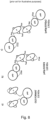
- a molecular format featuring IL-12 fused to a monospecific F8 single chain diabody proved to be superior in terms of tumor targeting to either (i) a scFv(F8)-p35/p40-scFv(F8) heterodimer ( Fig. 8A ) which, in its L19 variant, proved to be the best format disclosed in WO2006/119897 or (ii) two IL-12 molecules joined to a diabody ( Fig. 8C ).
- L19 antibody as used herein means any antibody that binds to EDB Fibronectin or any portion thereof and comprises an amino acid sequence having at least seventy-five percent (75%) identity to one or more of the following amino acid sequences:
- compositions of the present invention typically comprise a therapeutically effective amount of a conjugate according to the invention and optionally auxiliary substances such as pharmaceutically acceptable excipient(s).
- Said pharmaceutical compositions are prepared in a manner well known in the pharmaceutical art.
- a carrier or excipient may be a liquid material which can serve as a vehicle or medium for the active ingredient.
- Suitable carriers or excipients are well known in the art and include, for example, stabilisers, antioxidants, pH-regulating substances, controlled-release excipients.
- compositions for oral administration may be in tablet, capsule, powder or liquid form.
- a tablet may comprise a solid carrier such as gelatin or an adjuvant.
- Liquid pharmaceutical compositions generally comprise a liquid carrier such as water, petroleum, animal or vegetable oils, mineral oil or synthetic oil. Physiological saline solution, dextrose or other saccharide solution or glycols such as ethylene glycol, propylene glycol or polyethylene glycol may be included.
- the active ingredient will be in the form of a parenterally acceptable aqueous solution which is pyrogen-free and has suitable pH, isotonicity and stability.
- a parenterally acceptable aqueous solution which is pyrogen-free and has suitable pH, isotonicity and stability.
- isotonic vehicles such as Sodium Chloride Injection, Ringer's Injection, Lactated Ringer's Injection.
- Preservatives, stabilisers, buffers, antioxidants and/or other additives may be included, as required.
- composition of the present invention is capable of binding to specific target structures in a cell, tissue, organ or patient, which target structures are defined by the specificity of the protein comprising the EDB binding domain.
- IL-12 stimulates the production of IFN ⁇ from T-cells and natural killer cells, and also induces differentiation of Th1 helper cells.
- IL-12 is a key mediator of innate and cell-mediated immunity. If the peptide or protein comprising the EDB binding domain in the construct is specific for a target structure, e.g., a receptor or an extracellular matrix protein, which characterizes a neoplasticity, e.g., a tumor, a hematologic disease, or cells being in the process of transforming into cancer, the binding of the composition evokes an IL-12 mediated potent anti-cancer and anti-metastatic activity.
- a target structure e.g., a receptor or an extracellular matrix protein, which characterizes a neoplasticity, e.g., a tumor, a hematologic disease, or cells being in the process of transforming into cancer
- the "SAD" linker greatly enhances (i) the tumor targeting performance and (ii) the production yield of IL-12 joined to a peptide or protein comprising the EDB binding domain, without (iii) compromising the binding behaviour to ED-B as compared to the other clones.
- This is quite surprising as despite the consideration of the principles reported by Chen, only the SAD linker resulted in a composition having a number of superior properties when compared to both the "Old" clone (described in more detail below), and the other new variants described herein.
- the "SAD” linker shows a higher monomeric portion as compared to the "Old” linker, meaning that assembly of the entire conjugate is more efficient.
- the higher monomeric portion given by the "SAD” linker would be expected to increase the overall manufacturing yield.
- single chain diabody relates to a construct of two single chain Fv (scFv) antibodies with a short linker, preferably 3 - 10 amino acids long, more preferably 5 amino acid long (also known as “diabodies”), joined to one another by a longer linker, preferably 5 - 20 amino acids long, more preferably 15 amino acid long, according to the following scheme (N->C orientation): L19VB-linker3-L19VL-linker4-L19VB-linker3-L19VL.
- the first subunit of the heterodimeric IL-12 protein is p40 and the second subunit is p35.
- Fibronectin isoforms comprising the EDA or EDB domains are known as oncofetal forms due to their developmental importance and their re-expression in tumors, contrasting with restricted presence in normal adult tissues.
- isoforms are also recognized as important markers of angiogenesis, a crucial physiological process in development and required by tumor cells in cancer progression.
- extra-domain B (ED-B) of fibronectin is an attractive target for anti-cancer therapy, including the use of immunocytokines as discussed herein.
- the single-chain diabody may comprise an antigen-binding site having the complementarity determining regions (CDRs), or the VH and/or VL domains of an antibody capable of specifically binding to an antigen of interest, for example, one or more CDRs or VH and/or VL domains of an antibody capable of specifically binding to an antigen of the extra-domain B of fibronectin.
- CDRs complementarity determining regions
- An antigen binding site may be provided by means of arrangement of complementarity determining regions (CDRs).
- CDRs complementarity determining regions
- the structure for carrying a CDR or a set of CDRs will generally be an antibody heavy or light chain sequence or substantial portion thereof in which the CDR or set of CDRs is located at a location corresponding to the CDR or set of CDRs of naturally occurring VH and VL antibody variable domains encoded by rearranged immunoglobulin genes.
- the structures and locations of immunoglobulin variable domains may be determined by reference to Kabat et al. (1987) (Sequences of Proteins of Immunological Interest. 4th Edition. US Department of Health and Human Services .), and updates thereof, now available on the Internet (at immuno.bme.nwu.edu or find "Kabat" using any search engine).
- CDR region or CDR it is intended to indicate the hypervariable regions of the heavy and light chains of the immunoglobulin as defined by Kabat et al. (1987) Sequences of Proteins of Immunological Interest, 4th Edition, US Department of Health and Human Services ( Kabat et al., (1991a), Sequences of Proteins of Immunological Interest, 5th Edition, US Department of Health and Human Services, Public Service, NIH, Washington, and later editions ).
- An antibody typically contains 3 heavy chain CDRs and 3 light chain CDRs.
- CDR or CDRs is used here in order to indicate, according to the case, one of these regions or several, or even the whole, of these regions which contain the majority of the amino acid residues responsible for the binding by affinity of the antibody for the antigen or the epitope which it recognizes.
- the single-chain diabody may comprise an antigen-binding site having one, two, three, four, five or six CDR's, or the VH and/or VL domains of antibody L19.
- the single-chain diabody comprises an antigen binding site having the complementarity determining regions (CDRs) of antibody L19 set forth in SEQ ID NOs: 28-33.
- the antigen binding site comprises VH and/or VL domains of antibody L19 set forth in SEQ ID NOs: 7 and 5, respectively.
- An antigen-binding site disclosed may comprise one, two, three, four, five or six CDRs of antibody L19.
- Amino acid sequences of the CDRs of L19 are:
- SEQ ID Nos: 28-30 are the amino acid sequences of the VH CDR regions (1-3, respectively) of the human monoclonal antibody L19.
- SEQ ID Nos: 31-33 are the amino acid of the VL CDR regions (1-3, respectively) of the human monoclonal antibody L19.
- the amino acid sequence of the VH and VL domains of antibody L19 correspond to SEQ ID Nos: 7 and 5, respectively.
- the single chain diabody comprises at least one of
- At least one of the CDRs has a sequence identity of ⁇ 67, preferably ⁇ 68, more preferably any one of ⁇ 69, ⁇ 70, ⁇ 71, ⁇ 72, ⁇ 73, ⁇ 74, ⁇ 75, ⁇ 76, ⁇ 77, ⁇ 78, ⁇ 79, ⁇ 80, ⁇ 81, ⁇ 82, ⁇ 83, ⁇ 84, ⁇ 85, ⁇ 86, ⁇ 87, ⁇ 88, ⁇ 89, ⁇ 90, ⁇ 91, ⁇ 92, ⁇ 93, ⁇ 94, ⁇ 95, ⁇ 96, ⁇ 97, ⁇ 98 or most preferably ⁇ 99 % sequence identity relative to the respective CDRs.
- At least one of the CDRs has been modified by affinity maturation or other modifications, resulting in a sequence modification compared to the sequences disclosed above.
- At least one of the CDRs has up to 2, and preferably 1 amino acid substitutions relative to the respective CDR as specified in a) or b).
- the single chain diabody comprises at least one of
- At least one of the domains has a sequence identity of ⁇ 81, preferably ⁇ 82, more preferably ⁇ 83, ⁇ 84, ⁇ 85, ⁇ 86, ⁇ 87, ⁇ 88, ⁇ 89, ⁇ 90, ⁇ 91, ⁇ 92, ⁇ 93, ⁇ 94, ⁇ 95, ⁇ 96, ⁇ 97, ⁇ 98 or most preferably ⁇ 99 % relative to SEQ ID NO: 7, or SEQ ID NO: 5, respectively.
- At least one amino acid substitution in the single chain diabody is a conservative amino acid substitution.
- the composition has the full-length structure "[p40]-[linker1]-[p35]-[SADlinker]-[L19VH]-[linker3]-[L19VL]-[linker4]-[L19VH]-[linker3]-[L19VL]".
- the composition has a full-length sequence according to SEQ ID NO: 16.
- composition according to the present invention for use in the treatment of a human or animal subject
- composition according to the present invention for use in the inhibition of angiogenesis in a human or animal subject is provided.
- conjugate as herein described for use in the treatment of a neoplastic disease or for use in inhibiting angiogenesis by targeting IL-12 to the neovasculature in vivo is provided.
- Neoplastic disease encompasses malignant transformations and cancers, including tumors and hematological diseases.
- the present application relates to the targeting of an agent, in particular a therapeutic agent e.g. IL-12, to the neovasculature in a patient.
- Conditions treatable using the composition as described herein include cancer, other tumors and neoplastic conditions.
- the composition may be provided for use in inhibiting angiogenesis and thereby treating rheumatoid arthritis, diabetic retinopathy, age-related muscular degeneration, angiomas, tumors and cancer. Treatment may include prophylactic treatment.
- the composition may also be provided for use in diagnostic methods, e.g. targeting and diagnosis of angiogenesis, which may be associated with any of the above conditions. Other diseases and conditions may also be diagnosed and treated, according to the nature of the protein therapeutic or diagnostic agent contained in the composition, and the specificity of the targeting portion.
- Cancers suitable for treatment as described herein include any type of solid or non-solid cancer or malignant lymphoma and especially liver cancer, lymphoma, leukemia (e.g. acute myeloid leukemia), sarcomas, skin cancer, bladder cancer, breast cancer, uterine cancer, ovarian cancer, prostate cancer, lung cancer, colorectal cancer, cervical cancer, head and neck cancer, oesophageal cancer, pancreatic cancer, renal cancer, stomach cancer and cerebral cancer.
- Cancers may be familial or sporadic. Cancers may be metastatic or non-metastatic.
- the cancer is a cancer selected from the group of kidney cancer, breast cancer, liver cancer, lung cancer, lymphoma, sarcoma (e.g. gastrointestinal stromal tumor), skin cancer (e.g. melanoma), colorectal cancer, and neuroendocrine tumors.
- sarcoma e.g. gastrointestinal stromal tumor
- skin cancer e.g. melanoma
- colorectal cancer e.g. melanoma
- neuroendocrine tumors e.g., neuroendocrine tumors.
- the neoplastic disease is characterized by expression or overexpression of ED-B fibronectin.
- a subject responds to treatment if a parameter of a cancer (e.g., a hematological cancer, e.g., cancer cell growth, proliferation and/or survival) in the subject is retarded or reduced by a detectable amount, e.g., about 5%, 10%, 20%, 30%, 40%, 50%, 60%, 70%, 80%, 90% or more as determined by any appropriate measure, e.g ., by mass, cell count or volume.
- a subject responds to treatment if the subject experiences a life expectancy extended by about 5%, 10%, 20%, 30%, 40%, 50% or more beyond the life expectancy predicted if no treatment is administered.
- a subject responds to treatment, if the subject has an increased disease-free survival, overall survival or increased time to progression.
- Several methods can be used to determine if a patient responds to a treatment including, for example, criteria provided by NCCN Clinical Practice Guidelines in Oncology (NCCN Guidelines ® ).
- a composition may be administered alone or in combination with other treatments, either simultaneously or sequentially dependent upon the condition to be treated.
- Other treatments may include the administration of suitable doses of pain relief drugs such as non-steroidal antiinflammatory drugs (e.g. aspirin, ibuprofen or ketoprofen) or opiates such as morphine, or antiemetics.
- pain relief drugs such as non-steroidal antiinflammatory drugs (e.g. aspirin, ibuprofen or ketoprofen) or opiates such as morphine, or antiemetics.
- compositions or said pharmaceutical composition according to the present invention a combination of said composition or said pharmaceutical composition according to the present invention and one or more therapeutically active compounds is provided.
- the present application further relates to compositions for use in treating or preventing a disorder or condition associated with expression or overexpression of ED-B fibronectin, comprising administering to a subject in need thereof an effective amount of the composition, the pharmaceutical composition or the combination according to the above description.
- kits are preferably sterile and in sealed vials or other containers.
- kits may further comprise instructions for use of the components in a method described herein.
- the components of the kit may be comprised or packaged in a container, for example a bag, box, jar, tin or blister pack.
- the applicants have evaluated and characterized eight clones of human IL-12 joined to the L19 antibody in single chain diabody format (huIL-12L19L19) with different polypeptide linker between the cytokine and the L19 single chain diabody.
- variants tested in the examples have the following common structure: Domain (N->C) p40 Linker1 p35 Linker2 L19VH Linker3 L19VL Linker4 L19VH Linker3/5 L19VL SEQ ID NO 1 2 3 4, 9-15 7 6 5 8 7 6 5
- the huIL-12L19L19 coding sequence has been generated by assembling different PCR fragments: the L19 antibody and the IL12 payload.
- the L19 gene was PCR amplified from a previously generated fusion protein L19-IL2 template using suitable primers.
- a second L19 gene was PCR amplified with suitable primers.
- part of the gene of the p35 domain of IL-12 was PCR amplified from a previously generated IL12-based immunocytokine using suitable primers.
- the two intermediate fragments were PCR-assembled (to generate a P35-L19 fragment), double digested with BamHI/BspEI and cloned into the double digested vector containing a p35.
- the newly generated p35-L19 vector was subsequently double digested with BspEI/NotI-HF and ligated with a second L19 diabody fragment gene.
- the fragment p35-L19L19 was digested by BamHI/NotI-HF and cloned into the previously double digested mammalian cell expression vector pcDNA3.1 (+) carrying the p40 subunit gene, resulting in the full length IL12-L19L19.
- CHO-S cells in suspension were used for the production of the various human IL-12 fusions.
- the huIL-12L19L19 variants were expressed using transient gene expression.
- 1 ml of production 4 ⁇ 10 6 CHO-S cells in suspension were centrifuged and resuspended in 1 mL of a medium suitable for CHO-S.
- PEI polyethylene imine
- fusion proteins produced by transient gene expression were purified from the cell culture medium by protein A affinity chromatography and then dialyzed against PBS.
- Elisa plates were coated overnight with 50 ug/ml fibronectin domain 7B89 (see WO2001/062800 A1 ).
- the immunocytokines were tested at 10 ug/ml and 1 ug/ml.
- Protein A horseradish peroxidase was used as secondary reagent.
- the assay was developed with BM- Blue POD soluble substrate.
- the colorimetric reaction was stopped by the addition of 333 mM H 2 SO 4 and the absorbance was measured at wavelengths 450 nm and 650 nm using a microtiter plate reader.
- Size-exclusion chromatography was performed on an ⁇ KTA FPLC system using the Superdex 200 increase column.
- Surface plasmon resonance experiments affinity measurements were performed by Biacore X100 instrument with purified huIL-12L19L19 clones on a fibronectin 7B89 domain coated CM5 chip. Samples were injected as serial-dilution, concentration range from 1 ⁇ M to 250 nM.
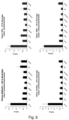
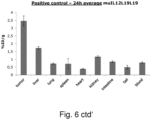
- each IL-12L19L19 clone were radioiodinated with 125 I and Chloramine T hydrate and purified on a PD10 column. Radiolabeled proteins were injected into the lateral tail vein of immunocompetent mice bearing s.c. implanted F9 murine teratocarcinoma. Injected dose per mouse varied between 4 and 9 ⁇ g. Mice were sacrificed 24 h after injection. Organs were weighed and radioactivity was counted using a Packard Cobra gamma counter. Radioactivity content of representative organs was expressed as the percentage of the injected dose per gram of tissue (%ID/g ⁇ standard error).
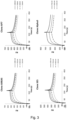
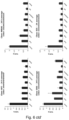
- the eight clones Alpha3, AP6, AP7, DDS, SES, AKKAS, (G4S) 3 and SAD were characterized on size exclusion chromatography (SEC-200increase), where all clones showed a comparable profile with the major peak corresponding to the monomeric immunocytokine ( Fig. 4 ).
- linker 2 SEQ ID NO Sequence SAD 4 GSADGGSSAGGSDAG Old 26 GSADGG
- Fusion proteins comprising huIL-12 fused via a 6 or 15 amino acids linker, to the L19 antibody in single chain diabody format (namely huIL-12L19L19 “Old”, and huIL-12L19L19 “SAD” variants respectively) were cloned along the lines described above.
- Fusion proteins comprising huIL-12 fused via a 6 or 15 amino acids linker, to the L19 antibody in single chain diabody format (namely huIL-12L19L19 “Old”, and huIL-12L19L19 “SAD” variants respectively) were produced by transient gene expression in suspension adapted CHO cell cultures. Following transfection cells were maintained in ProCHO-4 medium (supplemented with 4 mM ultraglutamine), for 6 days at 31°C under shaking conditions, after which the culture supernatant was harvest by centrifugation and further processed to purify the fusion protein.
- Transfected CHO cell suspension cultures were centrifuged for 30 minutes at 5000 rpm at 4 °C. The supernatant was further clarified by filtration using 0.45 um filters. Protein A resin was added to the filtered supernatant and the mixture incubated under shaking conditions for ca 1h. The resin was than collected into a liquid chromatography column, and washed with "buffer A” (100 mM NaCl, 0.5 mM EDTA, 0.1% Tween 20 in PBS pH 7.4) followed by a second wash with "buffer B” (500 mM NaCl 0.5 mM EDTA in PBS pH 7.4). The fusion proteins comprising huIL-12 were eluted by gravity flow using 100 mM TEA. Aliquots were collected and fractions containing the fusion protein, as confirmed by UV spectrometry, were pooled and dialyzed overnight against PBS.
- buffer A 100 mM NaCl, 0.5 mM EDTA, 0.1% Tween
- Size exclusion chromatography of fusion proteins was performed using a Superdex 200 increase 10/300 GL column with PBS as running buffer on a ⁇ KTA-FPLC system. 100 ⁇ l protein solutions were injected into a loop and automatically injected onto the column. UV absorbance at 280 nm was assessed over time. SEC profiles of the fusion proteins were analyzed using the peak integration function of the UNICORN software to quantify the percentage of the monomeric fraction with respect either to the total % area or to the peak % area. To exclude peak artifacts due to sample loading or to salts present in the sample buffers, only the interval between retention volume 5-17.5 mL was considered for quantification.
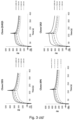
- the two huIL-12L19L19 "SAD”, and huIL-12L19L19 “Old” variants were produced by transient gene expression in CHO cells. Experiments were performed in duplicate, where two sets of production experiments were performed on different days giving rise to batches A and B respectively. Following single step purification by Protein-A affinity chromatography, and dialysis versus PBS, homogeneity of protein samples was assessed by size exclusion chromatography ( Fig. 9 ). Both protein variants showed a certain degree of protein aggregation as highlighted by the presence of high molecular weight variants eluting at early retention volume.
- the huIL-12L19L19 “SAD” in both cases showed a better profile as confirmed by quantification of the monomeric portion of the proteins using the peak integration function of the UNICORN software.
- the huIL-12L19L19 “SAD” variant showed lower tendency to aggregation when compared to huIL-12L19L19 “Old", this considering either the monomeric peak area as a percentage of the total area under the curve above the baseline (mean values: 54.57% vs 46.69%, respectively), or the monomeric peak area as a percentage of the sum of all integrated peaks (mean values: 58.83% vs 52.74%, respectively) (Table 1).
- Table 1 Quantification of the Monomeric fraction of the different fusion proteins assessed by the peak integration function of the UNICORN software. (*) Peak area as a percent of the total area under the curve above the baseline. (°) Peak area as a percent of the sum of all integrated peaks.
- the apparent KD was estimated by Biacore X100 Evaluation Software to be 6.7 nM for the "Old” clone (huIL-12L19L19 "Old” with the linker GSADGG) and 3.8 nM for the "SAD” clone (huIL-12L19L19 "SAD” with the linker GSADGGSSAGGSDAG) ( Fig. 10 ).
- Patients receive huIL-12L19L19 "SAD" variant by intravenous administration once-weekly for 8 weeks. Patients receive doses of 4 ⁇ g /kg; 8 ⁇ g /kg; 12 ⁇ g /kg; 16 ⁇ g /kg; or 20 ⁇ g /kg. Patients are followed for 6 months from the start of treatment, or until withdrawal of consent or progressive disease.
- IL12-L19L19L19-L12 Pharmacokinetic analysis of IL12-L19L19L19-L12 is assessed using sandwich capture of the fusion molecule and the IL12 moiety.
- Human anti-fusion protein antibodies HAFA
- Anti-tumor activity e.g., efficacy, will be assessed at week 8, week 16 and week 24 using RECIST (version 1.1) for solid tumors or by LUGANO criteria for malignant lymphoma evaluation criteria.
Landscapes
- Health & Medical Sciences (AREA)
- Life Sciences & Earth Sciences (AREA)
- Chemical & Material Sciences (AREA)
- Bioinformatics & Cheminformatics (AREA)
- Engineering & Computer Science (AREA)
- Medicinal Chemistry (AREA)
- General Health & Medical Sciences (AREA)
- Organic Chemistry (AREA)
- Public Health (AREA)
- Pharmacology & Pharmacy (AREA)
- Veterinary Medicine (AREA)
- Animal Behavior & Ethology (AREA)
- Immunology (AREA)
- Epidemiology (AREA)
- Molecular Biology (AREA)
- Proteomics, Peptides & Aminoacids (AREA)
- Zoology (AREA)
- Biochemistry (AREA)
- Biophysics (AREA)
- Genetics & Genomics (AREA)
- Gastroenterology & Hepatology (AREA)
- Toxicology (AREA)
- Chemical Kinetics & Catalysis (AREA)
- General Chemical & Material Sciences (AREA)
- Nuclear Medicine, Radiotherapy & Molecular Imaging (AREA)
- Cell Biology (AREA)
- Peptides Or Proteins (AREA)
- Medicines That Contain Protein Lipid Enzymes And Other Medicines (AREA)
- Preparation Of Compounds By Using Micro-Organisms (AREA)
- Medicinal Preparation (AREA)
- Pharmaceuticals Containing Other Organic And Inorganic Compounds (AREA)
- Acyclic And Carbocyclic Compounds In Medicinal Compositions (AREA)
- Micro-Organisms Or Cultivation Processes Thereof (AREA)
- Medicines Containing Antibodies Or Antigens For Use As Internal Diagnostic Agents (AREA)
Applications Claiming Priority (3)
| Application Number | Priority Date | Filing Date | Title |
|---|---|---|---|
| EP18156141 | 2018-02-09 | ||
| EP18179313 | 2018-06-22 | ||
| PCT/EP2019/053136 WO2019154986A1 (en) | 2018-02-09 | 2019-02-08 | Edb targeting il-12 compositions |
Publications (3)
| Publication Number | Publication Date |
|---|---|
| EP3749372A1 EP3749372A1 (en) | 2020-12-16 |
| EP3749372C0 EP3749372C0 (en) | 2025-04-16 |
| EP3749372B1 true EP3749372B1 (en) | 2025-04-16 |
Family
ID=65268973
Family Applications (1)
| Application Number | Title | Priority Date | Filing Date |
|---|---|---|---|
| EP19702649.5A Active EP3749372B1 (en) | 2018-02-09 | 2019-02-08 | Edb targeting il-12 compositions |
Country Status (25)
| Country | Link |
|---|---|
| US (1) | US12173044B2 (https=) |
| EP (1) | EP3749372B1 (https=) |
| JP (2) | JP7279054B2 (https=) |
| KR (2) | KR102488801B1 (https=) |
| CN (1) | CN111683687B (https=) |
| AU (2) | AU2019219201B2 (https=) |
| BR (1) | BR112020012888A2 (https=) |
| CA (1) | CA3087488C (https=) |
| CL (1) | CL2020002052A1 (https=) |
| CO (1) | CO2020009737A2 (https=) |
| CR (1) | CR20200342A (https=) |
| CU (1) | CU20200054A7 (https=) |
| EC (1) | ECSP20047171A (https=) |
| ES (1) | ES3035714T3 (https=) |
| IL (1) | IL275713A (https=) |
| JO (1) | JOP20200193A1 (https=) |
| MX (1) | MX2020008231A (https=) |
| MY (1) | MY200700A (https=) |
| PE (1) | PE20210122A1 (https=) |
| PH (1) | PH12020551230A1 (https=) |
| RU (2) | RU2758143C1 (https=) |
| SG (1) | SG11202006334XA (https=) |
| TW (1) | TWI844524B (https=) |
| UY (1) | UY38074A (https=) |
| WO (1) | WO2019154986A1 (https=) |
Families Citing this family (12)
| Publication number | Priority date | Publication date | Assignee | Title |
|---|---|---|---|---|
| TWI844524B (zh) * | 2018-02-09 | 2024-06-11 | 義大利商費洛根公司 | 靶向edb之il-12組合物 |
| AU2019346335B2 (en) | 2018-09-28 | 2024-07-25 | Massachusetts Institute Of Technology | Collagen-localized immunomodulatory molecules and methods thereof |
| KR102524247B1 (ko) * | 2018-12-21 | 2023-04-21 | 가톨릭대학교 산학협력단 | p40-EBI3의 복합체 및 이의 용도 |
| WO2021050789A1 (en) | 2019-09-10 | 2021-03-18 | Obsidian Therapeutics, Inc. | Ca2-il15 fusion proteins for tunable regulation |
| AU2021257594B2 (en) * | 2020-04-14 | 2024-02-15 | Philogen S.P.A. | Dosage units and regimen, uses, methods or formulations of compositions comprising a recombinant protein comprising interleukin-12 and an antibody binding the extra-domain B of fibronectin |
| KR102649794B1 (ko) * | 2020-10-19 | 2024-03-22 | 고려대학교 산학협력단 | 암 및/또는 뇌질환 바이오마커인 엑스트라-도메인 b 파이브로넥틴 및 이를 이용한 진단 방법 |
| JP7690131B2 (ja) * | 2022-01-04 | 2025-06-09 | フィロジェン ソチエタ ペル アツィオーニ | Il-12を含むイムノサイトカインとキナーゼ阻害剤の組合せ |
| CN118359730A (zh) * | 2023-01-17 | 2024-07-19 | 上海君赛生物科技有限公司 | 包含细胞因子的靶向型融合蛋白 |
| WO2025061801A1 (en) | 2023-09-19 | 2025-03-27 | Philochem Ag | Therapeutic combination of an anti-edb fibronectin domain antibody il2 or il12 fusion protein and a lutetium-177 radioconjugate |
| WO2025251110A1 (en) * | 2024-06-03 | 2025-12-11 | Selvax Pty Ltd | Anti-cd40 antibody il-2 fusion proteins |
| WO2026003203A1 (en) | 2024-06-27 | 2026-01-02 | Philogen S.P.A. | Combination of an immunocytokine comprising targeted il2 and a jak inhibitor |
| WO2026013184A1 (en) | 2024-07-10 | 2026-01-15 | Ac Immune Sa | Fusion protein peptide linkers and uses thereof |
Citations (4)
| Publication number | Priority date | Publication date | Assignee | Title |
|---|---|---|---|---|
| WO2005066348A2 (en) * | 2004-01-05 | 2005-07-21 | Emd Lexigen Research Center Corp. | Interleukin-12 targeted to oncofoetal fibronectin |
| WO2010078916A1 (en) * | 2008-12-19 | 2010-07-15 | Philogen S.P.A. | Immunocytokines for tumour therapy with chemotherapeutic agents |
| WO2014173570A1 (en) * | 2013-04-26 | 2014-10-30 | Philogen S.P.A. | Il4 conjugated to antibodies against extracellular matrix components |
| WO2018224550A1 (en) * | 2017-06-07 | 2018-12-13 | Philogen S.P.A | Vascular endothelial growth factor/anti-fibronectin antibody fusion proteins |
Family Cites Families (11)
| Publication number | Priority date | Publication date | Assignee | Title |
|---|---|---|---|---|
| US5595756A (en) * | 1993-12-22 | 1997-01-21 | Inex Pharmaceuticals Corporation | Liposomal compositions for enhanced retention of bioactive agents |
| US5994104A (en) * | 1996-11-08 | 1999-11-30 | Royal Free Hospital School Of Medicine | Interleukin-12 fusion protein |
| JP2003524018A (ja) | 2000-02-24 | 2003-08-12 | アイトゲネーシシェ テクニシェ ホッホシューレ チューリッヒ | フィブロネクチンのed‐bドメインに特異的な抗体、前記抗体を含む複合体、および血管形成を検出および治療するためのその使用 |
| AU2001239470A1 (en) * | 2000-02-24 | 2001-09-03 | Philogen S.R.L. | Compositions and methods for treatment of angiogenesis in pathological lesions |
| EP2174958A1 (en) | 2002-03-11 | 2010-04-14 | Philogen S.p.A. | Antibodies derived from anti ed-b l19 and targeting tumor vasculature |
| CA2607954A1 (en) * | 2005-05-11 | 2006-11-16 | Philogen S.P.A. | Conjugate for targeting of drug |
| JP5764127B2 (ja) | 2009-08-17 | 2015-08-12 | ロシュ グリクアート アーゲー | 標的化イムノコンジュゲート |
| ES2872964T3 (es) * | 2011-07-27 | 2021-11-03 | Philogen Spa | Inmunoconjugado de IL-12 |
| WO2017062953A1 (en) | 2015-10-10 | 2017-04-13 | Intrexon Corporation | Improved therapeutic control of proteolytically sensitive, destabilized forms of interleukin-12 |
| WO2018153865A1 (en) | 2017-02-24 | 2018-08-30 | Philogen S.P.A. | Immunoconjugates with optimized linkers and orientation |
| TWI844524B (zh) * | 2018-02-09 | 2024-06-11 | 義大利商費洛根公司 | 靶向edb之il-12組合物 |
-
2019
- 2019-02-01 TW TW108104259A patent/TWI844524B/zh not_active IP Right Cessation
- 2019-02-07 UY UY38074A patent/UY38074A/es not_active Application Discontinuation
- 2019-02-08 MX MX2020008231A patent/MX2020008231A/es unknown
- 2019-02-08 KR KR1020217015607A patent/KR102488801B1/ko active Active
- 2019-02-08 CA CA3087488A patent/CA3087488C/en active Active
- 2019-02-08 WO PCT/EP2019/053136 patent/WO2019154986A1/en not_active Ceased
- 2019-02-08 CU CU2020000054A patent/CU20200054A7/es unknown
- 2019-02-08 JO JOP/2020/0193A patent/JOP20200193A1/ar unknown
- 2019-02-08 KR KR1020207025138A patent/KR102259085B1/ko active Active
- 2019-02-08 JP JP2020542822A patent/JP7279054B2/ja active Active
- 2019-02-08 ES ES19702649T patent/ES3035714T3/es active Active
- 2019-02-08 PE PE2020001190A patent/PE20210122A1/es unknown
- 2019-02-08 US US16/968,445 patent/US12173044B2/en active Active
- 2019-02-08 BR BR112020012888-0A patent/BR112020012888A2/pt not_active IP Right Cessation
- 2019-02-08 CR CR20200342A patent/CR20200342A/es unknown
- 2019-02-08 RU RU2020127719A patent/RU2758143C1/ru active
- 2019-02-08 SG SG11202006334XA patent/SG11202006334XA/en unknown
- 2019-02-08 AU AU2019219201A patent/AU2019219201B2/en active Active
- 2019-02-08 CN CN201980012247.6A patent/CN111683687B/zh active Active
- 2019-02-08 RU RU2021130306A patent/RU2021130306A/ru unknown
- 2019-02-08 EP EP19702649.5A patent/EP3749372B1/en active Active
- 2019-02-08 MY MYPI2020002999A patent/MY200700A/en unknown
-
2020
- 2020-06-28 IL IL275713A patent/IL275713A/en unknown
- 2020-08-06 CO CONC2020/0009737A patent/CO2020009737A2/es unknown
- 2020-08-06 EC ECSENADI202047171A patent/ECSP20047171A/es unknown
- 2020-08-07 CL CL2020002052A patent/CL2020002052A1/es unknown
- 2020-08-07 PH PH12020551230A patent/PH12020551230A1/en unknown
-
2021
- 2021-06-16 AU AU2021203986A patent/AU2021203986A1/en not_active Abandoned
-
2023
- 2023-05-10 JP JP2023077703A patent/JP2023113648A/ja active Pending
Patent Citations (5)
| Publication number | Priority date | Publication date | Assignee | Title |
|---|---|---|---|---|
| WO2005066348A2 (en) * | 2004-01-05 | 2005-07-21 | Emd Lexigen Research Center Corp. | Interleukin-12 targeted to oncofoetal fibronectin |
| WO2010078916A1 (en) * | 2008-12-19 | 2010-07-15 | Philogen S.P.A. | Immunocytokines for tumour therapy with chemotherapeutic agents |
| US8580267B2 (en) * | 2008-12-19 | 2013-11-12 | Philogen S.P.A. | Immunocytokines for tumour therapy with chemotherapeutic agents |
| WO2014173570A1 (en) * | 2013-04-26 | 2014-10-30 | Philogen S.P.A. | Il4 conjugated to antibodies against extracellular matrix components |
| WO2018224550A1 (en) * | 2017-06-07 | 2018-12-13 | Philogen S.P.A | Vascular endothelial growth factor/anti-fibronectin antibody fusion proteins |
Non-Patent Citations (7)
| Title |
|---|
| B�RSCHEL NIKLAS ET AL: "Potentiating the activity of rituximab against mantle cell lymphoma in mice by targeting interleukin-2 to the neovasculature", LEUKEMIA RESEARCH, NEW YORK,NY, US, vol. 39, no. 7, 17 April 2015 (2015-04-17), pages 739 - 748, XP029140828, ISSN: 0145-2126, DOI: 10.1016/J.LEUKRES.2015.04.005 * |
| DATABASE COMPENDEX [online] ENGINEERING INFORMATION, INC., NEW YORK, NY, US; 10 February 2019 (2019-02-10), ONGARO T ET AL: "A novel anti-cancer L19-interleukin-12 fusion protein with an optimized peptide linker efficiently localizes in vivo at the site of tumors", Database accession no. E20185206317565 * |
| DATABASE EMBASE [online] ELSEVIER SCIENCE PUBLISHERS, AMSTERDAM, NL; 1 July 2018 (2018-07-01), MATASCI M ET AL: "A novel immunocytokine for the treatment of cancer", Database accession no. EMB-623506006 * |
| M. MATASCI: "Abstract 5553: A novel immunocytokine for the treatment of cancer", CANCER RESEARCH, 1 July 2018 (2018-07-01), XP055720611, Retrieved from the Internet <URL:https://cancerres.aacrjournals.org/content/78/13_Supplement/5553> [retrieved on 20200806], DOI: 10.1158/1538-7445.AM2018-5553 * |
| MATASCI M ET AL: "A novel immunocytokine for the treatment of cancer", CANCER RESEARCH 20180701 AMERICAN ASSOCIATION FOR CANCER RESEARCH INC. NLD, vol. 78, no. 13, Supplement 1, 1 July 2018 (2018-07-01), ISSN: 1538-7445 * |
| N. PASCHE ET AL: "The Antibody-Based Delivery of Interleukin-12 to the Tumor Neovasculature Eradicates Murine Models of Cancer in Combination with Paclitaxel", CLINICAL CANCER RESEARCH, vol. 18, no. 15, 12 June 2012 (2012-06-12), pages 4092 - 4103, XP055039930, ISSN: 1078-0432, DOI: 10.1158/1078-0432.CCR-12-0282 * |
| ONGARO T ET AL: "A novel anti-cancer L19-interleukin-12 fusion protein with an optimized peptide linker efficiently localizes in vivo at the site of tumors", JOURNAL OF BIOTECHNOLOGY 20190210 ELSEVIER B.V. NLD, vol. 291, 10 February 2019 (2019-02-10), pages 17 - 25, XP055584521, DOI: 10.1016/J.JBIOTEC.2018.12.004 * |
Also Published As
Similar Documents
| Publication | Publication Date | Title |
|---|---|---|
| EP3749372B1 (en) | Edb targeting il-12 compositions | |
| CN112105645A (zh) | Il-15/il-15ra异二聚体fc融合蛋白及其用途 | |
| IL284002B1 (en) | Bifunctional anti-pd-1/il-7 molecule | |
| CN116261595A (zh) | 抗vegf-抗pd-l1双特异性抗体、其药物组合物及用途 | |
| TW202221021A (zh) | 改良之抗原結合受體 | |
| CN116547302A (zh) | 靶向egfr的抗体及其用途 | |
| AU2016274897B2 (en) | Focused interferon immunotherapy for treatment of cancer | |
| CN115192718A (zh) | 抗cd47的单克隆抗体及其用途 | |
| JP2025026839A (ja) | Muc18に特異的な抗体 | |
| WO2023143535A1 (zh) | 一种靶向il-18bp的抗体及其应用 | |
| EP4582804A1 (en) | Method for screening and preparing immunomodulator | |
| WO2024113099A1 (en) | Protease cleavable recombinant bispecific antibodies and compositions and uses thereof | |
| WO2025185760A1 (en) | Multispecific antigen binding proteins and uses thereof | |
| EA043910B1 (ru) | Иммуноцитокин для нацеленной на злокачественную опухоль доставки il-12 и его применение | |
| EP4678186A1 (en) | Pharmaceutical composition comprising anti-ctla4-anti-pd-1 bispecific antibody and use thereof | |
| EP4578876A1 (en) | Bispecific antibody | |
| WO2024165403A1 (en) | Anti-cea antibodies | |
| WO2025106598A1 (en) | Modified mana-tces targeting tumor antigens and engaging t cell receptors, and methods of using thereof | |
| HK40081642A (en) | Anti-cd47 monoclonal antibody and use thereof | |
| WO2026085716A1 (zh) | 新型il-18替代物及其用途 | |
| CN120035611A (zh) | 双特异性多肽及其用途 | |
| CN121335922A (zh) | 抗pd-1/ctla-4/vegf抗体及其用途 | |
| CN120153079A (zh) | 新的PD1靶向性IL-2免疫细胞因子和VitoKine融合体 |
Legal Events
| Date | Code | Title | Description |
|---|---|---|---|
| STAA | Information on the status of an ep patent application or granted ep patent |
Free format text: STATUS: UNKNOWN |
|
| STAA | Information on the status of an ep patent application or granted ep patent |
Free format text: STATUS: THE INTERNATIONAL PUBLICATION HAS BEEN MADE |
|
| PUAI | Public reference made under article 153(3) epc to a published international application that has entered the european phase |
Free format text: ORIGINAL CODE: 0009012 |
|
| STAA | Information on the status of an ep patent application or granted ep patent |
Free format text: STATUS: REQUEST FOR EXAMINATION WAS MADE |
|
| 17P | Request for examination filed |
Effective date: 20200828 |
|
| AK | Designated contracting states |
Kind code of ref document: A1 Designated state(s): AL AT BE BG CH CY CZ DE DK EE ES FI FR GB GR HR HU IE IS IT LI LT LU LV MC MK MT NL NO PL PT RO RS SE SI SK SM TR |
|
| AX | Request for extension of the european patent |
Extension state: BA ME |
|
| REG | Reference to a national code |
Ref country code: HK Ref legal event code: DE Ref document number: 40033407 Country of ref document: HK |
|
| DAV | Request for validation of the european patent (deleted) | ||
| STAA | Information on the status of an ep patent application or granted ep patent |
Free format text: STATUS: EXAMINATION IS IN PROGRESS |
|
| 17Q | First examination report despatched |
Effective date: 20210927 |
|
| GRAP | Despatch of communication of intention to grant a patent |
Free format text: ORIGINAL CODE: EPIDOSNIGR1 |
|
| STAA | Information on the status of an ep patent application or granted ep patent |
Free format text: STATUS: GRANT OF PATENT IS INTENDED |
|
| INTG | Intention to grant announced |
Effective date: 20241111 |
|
| GRAS | Grant fee paid |
Free format text: ORIGINAL CODE: EPIDOSNIGR3 |
|
| GRAA | (expected) grant |
Free format text: ORIGINAL CODE: 0009210 |
|
| STAA | Information on the status of an ep patent application or granted ep patent |
Free format text: STATUS: THE PATENT HAS BEEN GRANTED |
|
| AK | Designated contracting states |
Kind code of ref document: B1 Designated state(s): AL AT BE BG CH CY CZ DE DK EE ES FI FR GB GR HR HU IE IS IT LI LT LU LV MC MK MT NL NO PL PT RO RS SE SI SK SM TR |
|
| REG | Reference to a national code |
Ref country code: GB Ref legal event code: FG4D |
|
| REG | Reference to a national code |
Ref country code: CH Ref legal event code: EP Ref country code: DE Ref legal event code: R096 Ref document number: 602019068658 Country of ref document: DE |
|
| REG | Reference to a national code |
Ref country code: IE Ref legal event code: FG4D |
|
| U01 | Request for unitary effect filed |
Effective date: 20250508 |
|
| U07 | Unitary effect registered |
Designated state(s): AT BE BG DE DK EE FI FR IT LT LU LV MT NL PT RO SE SI Effective date: 20250515 |
|
| REG | Reference to a national code |
Ref country code: ES Ref legal event code: FG2A Ref document number: 3035714 Country of ref document: ES Kind code of ref document: T3 Effective date: 20250908 |
|
| PG25 | Lapsed in a contracting state [announced via postgrant information from national office to epo] |
Ref country code: NO Free format text: LAPSE BECAUSE OF FAILURE TO SUBMIT A TRANSLATION OF THE DESCRIPTION OR TO PAY THE FEE WITHIN THE PRESCRIBED TIME-LIMIT Effective date: 20250716 Ref country code: GR Free format text: LAPSE BECAUSE OF FAILURE TO SUBMIT A TRANSLATION OF THE DESCRIPTION OR TO PAY THE FEE WITHIN THE PRESCRIBED TIME-LIMIT Effective date: 20250717 |
|
| PG25 | Lapsed in a contracting state [announced via postgrant information from national office to epo] |
Ref country code: PL Free format text: LAPSE BECAUSE OF FAILURE TO SUBMIT A TRANSLATION OF THE DESCRIPTION OR TO PAY THE FEE WITHIN THE PRESCRIBED TIME-LIMIT Effective date: 20250416 |
|
| PG25 | Lapsed in a contracting state [announced via postgrant information from national office to epo] |
Ref country code: HR Free format text: LAPSE BECAUSE OF FAILURE TO SUBMIT A TRANSLATION OF THE DESCRIPTION OR TO PAY THE FEE WITHIN THE PRESCRIBED TIME-LIMIT Effective date: 20250416 |
|
| PG25 | Lapsed in a contracting state [announced via postgrant information from national office to epo] |
Ref country code: RS Free format text: LAPSE BECAUSE OF FAILURE TO SUBMIT A TRANSLATION OF THE DESCRIPTION OR TO PAY THE FEE WITHIN THE PRESCRIBED TIME-LIMIT Effective date: 20250716 |
|
| PG25 | Lapsed in a contracting state [announced via postgrant information from national office to epo] |
Ref country code: IS Free format text: LAPSE BECAUSE OF FAILURE TO SUBMIT A TRANSLATION OF THE DESCRIPTION OR TO PAY THE FEE WITHIN THE PRESCRIBED TIME-LIMIT Effective date: 20250816 |
|
| PG25 | Lapsed in a contracting state [announced via postgrant information from national office to epo] |
Ref country code: SM Free format text: LAPSE BECAUSE OF FAILURE TO SUBMIT A TRANSLATION OF THE DESCRIPTION OR TO PAY THE FEE WITHIN THE PRESCRIBED TIME-LIMIT Effective date: 20250416 |
|
| PG25 | Lapsed in a contracting state [announced via postgrant information from national office to epo] |
Ref country code: CZ Free format text: LAPSE BECAUSE OF FAILURE TO SUBMIT A TRANSLATION OF THE DESCRIPTION OR TO PAY THE FEE WITHIN THE PRESCRIBED TIME-LIMIT Effective date: 20250416 |
|
| PG25 | Lapsed in a contracting state [announced via postgrant information from national office to epo] |
Ref country code: SK Free format text: LAPSE BECAUSE OF FAILURE TO SUBMIT A TRANSLATION OF THE DESCRIPTION OR TO PAY THE FEE WITHIN THE PRESCRIBED TIME-LIMIT Effective date: 20250416 |
|
| PLBE | No opposition filed within time limit |
Free format text: ORIGINAL CODE: 0009261 |
|
| STAA | Information on the status of an ep patent application or granted ep patent |
Free format text: STATUS: NO OPPOSITION FILED WITHIN TIME LIMIT |
|
| REG | Reference to a national code |
Ref country code: CH Ref legal event code: L10 Free format text: ST27 STATUS EVENT CODE: U-0-0-L10-L00 (AS PROVIDED BY THE NATIONAL OFFICE) Effective date: 20260225 |
|
| REG | Reference to a national code |
Ref country code: CH Ref legal event code: U11 Free format text: ST27 STATUS EVENT CODE: U-0-0-U10-U11 (AS PROVIDED BY THE NATIONAL OFFICE) Effective date: 20260301 |
|
| 26N | No opposition filed |
Effective date: 20260119 |
|
| U20 | Renewal fee for the european patent with unitary effect paid |
Year of fee payment: 8 Effective date: 20260217 |
|
| PGFP | Annual fee paid to national office [announced via postgrant information from national office to epo] |
Ref country code: GB Payment date: 20260119 Year of fee payment: 8 |
|
| PGFP | Annual fee paid to national office [announced via postgrant information from national office to epo] |
Ref country code: ES Payment date: 20260302 Year of fee payment: 8 |
|
| PGFP | Annual fee paid to national office [announced via postgrant information from national office to epo] |
Ref country code: CH Payment date: 20260301 Year of fee payment: 8 |