EP3744328B1 - Verwendung von oxadiazinverbindungen - Google Patents
Verwendung von oxadiazinverbindungen Download PDFInfo
- Publication number
- EP3744328B1 EP3744328B1 EP19382446.3A EP19382446A EP3744328B1 EP 3744328 B1 EP3744328 B1 EP 3744328B1 EP 19382446 A EP19382446 A EP 19382446A EP 3744328 B1 EP3744328 B1 EP 3744328B1
- Authority
- EP
- European Patent Office
- Prior art keywords
- compound
- group
- formula
- disease
- alkyl
- Prior art date
- Legal status (The legal status is an assumption and is not a legal conclusion. Google has not performed a legal analysis and makes no representation as to the accuracy of the status listed.)
- Active
Links
Images




Classifications
-
- A—HUMAN NECESSITIES
- A61—MEDICAL OR VETERINARY SCIENCE; HYGIENE
- A61K—PREPARATIONS FOR MEDICAL, DENTAL OR TOILETRY PURPOSES
- A61K31/00—Medicinal preparations containing organic active ingredients
- A61K31/33—Heterocyclic compounds
- A61K31/395—Heterocyclic compounds having nitrogen as a ring hetero atom, e.g. guanethidine or rifamycins
- A61K31/535—Heterocyclic compounds having nitrogen as a ring hetero atom, e.g. guanethidine or rifamycins having six-membered rings with at least one nitrogen and one oxygen as the ring hetero atoms, e.g. 1,2-oxazines
- A61K31/5395—Heterocyclic compounds having nitrogen as a ring hetero atom, e.g. guanethidine or rifamycins having six-membered rings with at least one nitrogen and one oxygen as the ring hetero atoms, e.g. 1,2-oxazines having two or more nitrogen atoms in the same ring, e.g. oxadiazines
-
- A—HUMAN NECESSITIES
- A23—FOODS OR FOODSTUFFS; TREATMENT THEREOF, NOT COVERED BY OTHER CLASSES
- A23B—PRESERVATION OF FOODS, FOODSTUFFS OR NON-ALCOHOLIC BEVERAGES; CHEMICAL RIPENING OF FRUIT OR VEGETABLES
- A23B2/00—Preservation of foods or foodstuffs, in general
- A23B2/70—Preservation of foods or foodstuffs, in general by treatment with chemicals
- A23B2/725—Preservation of foods or foodstuffs, in general by treatment with chemicals in the form of liquids or solids
- A23B2/729—Organic compounds; Microorganisms; Enzymes
- A23B2/771—Organic compounds containing hetero rings
-
- A—HUMAN NECESSITIES
- A23—FOODS OR FOODSTUFFS; TREATMENT THEREOF, NOT COVERED BY OTHER CLASSES
- A23B—PRESERVATION OF FOODS, FOODSTUFFS OR NON-ALCOHOLIC BEVERAGES; CHEMICAL RIPENING OF FRUIT OR VEGETABLES
- A23B70/00—Preservation of non-alcoholic beverages
- A23B70/10—Preservation of non-alcoholic beverages by addition of preservatives
-
- A—HUMAN NECESSITIES
- A61—MEDICAL OR VETERINARY SCIENCE; HYGIENE
- A61K—PREPARATIONS FOR MEDICAL, DENTAL OR TOILETRY PURPOSES
- A61K8/00—Cosmetics or similar toiletry preparations
- A61K8/18—Cosmetics or similar toiletry preparations characterised by the composition
- A61K8/30—Cosmetics or similar toiletry preparations characterised by the composition containing organic compounds
- A61K8/49—Cosmetics or similar toiletry preparations characterised by the composition containing organic compounds containing heterocyclic compounds
-
- A—HUMAN NECESSITIES
- A61—MEDICAL OR VETERINARY SCIENCE; HYGIENE
- A61P—SPECIFIC THERAPEUTIC ACTIVITY OF CHEMICAL COMPOUNDS OR MEDICINAL PREPARATIONS
- A61P17/00—Drugs for dermatological disorders
- A61P17/18—Antioxidants, e.g. antiradicals
-
- A—HUMAN NECESSITIES
- A61—MEDICAL OR VETERINARY SCIENCE; HYGIENE
- A61P—SPECIFIC THERAPEUTIC ACTIVITY OF CHEMICAL COMPOUNDS OR MEDICINAL PREPARATIONS
- A61P37/00—Drugs for immunological or allergic disorders
-
- A—HUMAN NECESSITIES
- A61—MEDICAL OR VETERINARY SCIENCE; HYGIENE
- A61P—SPECIFIC THERAPEUTIC ACTIVITY OF CHEMICAL COMPOUNDS OR MEDICINAL PREPARATIONS
- A61P9/00—Drugs for disorders of the cardiovascular system
-
- A—HUMAN NECESSITIES
- A61—MEDICAL OR VETERINARY SCIENCE; HYGIENE
- A61Q—SPECIFIC USE OF COSMETICS OR SIMILAR TOILETRY PREPARATIONS
- A61Q19/00—Preparations for care of the skin
- A61Q19/02—Preparations for care of the skin for chemically bleaching or whitening the skin
-
- A—HUMAN NECESSITIES
- A61—MEDICAL OR VETERINARY SCIENCE; HYGIENE
- A61Q—SPECIFIC USE OF COSMETICS OR SIMILAR TOILETRY PREPARATIONS
- A61Q19/00—Preparations for care of the skin
- A61Q19/08—Anti-ageing preparations
-
- A—HUMAN NECESSITIES
- A61—MEDICAL OR VETERINARY SCIENCE; HYGIENE
- A61K—PREPARATIONS FOR MEDICAL, DENTAL OR TOILETRY PURPOSES
- A61K2800/00—Properties of cosmetic compositions or active ingredients thereof or formulation aids used therein and process related aspects
- A61K2800/40—Chemical, physico-chemical or functional or structural properties of particular ingredients
- A61K2800/52—Stabilizers
- A61K2800/522—Antioxidants; Radical scavengers
Definitions
- the present invention relates to the use of compounds of formula (I) for preventing and/or treating a pathology associated with proinflammatory conditions, a disease associated with oxidative stress or production of reactive oxygen species or a skin pigmentation disorder.
- the invention also relates to a cosmetic method and to a method for inhibition of enzymatic browning in food or beverage.
- Inflammation is a complex biological response to pathogens, cell damage, and biological irritants that may help an organism to remove injurious stimuli, and initiate the healing process for the tissue.
- steroidal and non-steroidal Steroidal anti-inflammatory medicines are based on hormonal substances, such as cortisone. Steroidal medications have a stronger anti-inflammatory response than non-steroidal medicines.
- Non-steroidal anti-inflammatory drugs have three major actions, all of which are related to inhibition of cyclo-oxygenase resulting in decreased formation of prostanoids.
- There are side effects to both of these groups of medicines that include stomach upset, stomach bleeding, or ulcers, kidney problems, hearing problems and ankle swelling.
- EP3156400A1 and EP3395805A1 discloses compounds of formula (I) for treating melanoma or inflammation.
- the inventors have observed that the compounds of formula (I) acts as anti-inflammatory and antioxidants compounds by inhibiting TNF- ⁇ activity, NF- ⁇ B, STAT3, HIF-1 ⁇ and tyrosinase activities.
- the invention relates to a compound of formula (I) or a pharmaceutically acceptable salt, stereoisomer or solvate thereof wherein R 1 is selected from the group consisting of -H, -OR 4 , -SR 4 , -NR 4 R 5 ; wherein R 4 and R 5 are independently selected from the group consisting of -H, -CH 3 and -CH 2 CH 3 ; one Z is N and the other is -C-R 2 ; and R 2 and R 3 are independently selected from the group consisting of H, alkyl and aryl, for use in the prevention and/or treatment of a pathology associated with proinflammatory conditions, a disease associated with oxidative stress or production of reactive oxygen species or a skin pigmentation disorder, wherein the disease related to a proinflammatory condition is selected from the group consisting of psoriasis, eczema, vitiligo, impetigo, acne, rosacea, urticaria, melasma or a
- the invention relates to a cosmetic method for preventing and/or treating skin aging comprising administering a compound of formula (I) or a cosmetically acceptable salt, stereoisomer or solvate thereof wherein R 1 is selected from the group consisting of -H, -OR 4 , -SR 4 , -NR 4 R 5 ; wherein R 4 and R 5 are independently selected from the group consisting of -H, -CH 3 and -CH 2 CH 3 ; one Z is N and the other is -C-R 2 ; and R 2 and R 3 are independently selected from the group consisting of H, alkyl and aryl, to a subject in need thereof.
- R 1 is selected from the group consisting of -H, -OR 4 , -SR 4 , -NR 4 R 5 ; wherein R 4 and R 5 are independently selected from the group consisting of -H, -CH 3 and -CH 2 CH 3 ; one Z is N and the other is -C-R 2 ; and R 2
- the invention in a third aspect, relates to a method of inhibition of tyrosinase enzymatic browning in food or beverage comprising contacting said food or beverage with a compound of formula (I) or a salt, stereoisomer or solvate thereof wherein R 1 is selected from the group consisting of -H, -OR 4 , -SR 4 , -NR 4 R 5 ; wherein R 4 and R 5 are independently selected from the group consisting of -H, -CH 3 and -CH 2 CH 3 ; one Z is N and the other is -C-R 2 ; and R 2 and R 3 are independently selected from the group consisting of H, alkyl and aryl, under conditions sufficient to inhibit tyrosinase enzymatic browning of said food or beverage.
- a compound of formula (I) or a salt, stereoisomer or solvate thereof wherein R 1 is selected from the group consisting of -H, -OR 4 , -SR 4 ,
- Alkyl refers to a straight or branched hydrocarbon chain radical consisting of carbon and hydrogen atoms, containing no unsaturation, and which is attached to the rest of the molecule by a single bond. Alkyl groups having 1, 2, 3, 4, 5, 6, or 7 carbon atoms are particularly preferred. Methyl, ethyl, n-propyl, iso-propyl and butyl, pentyl, hexyl, heptyl, including n-butyl, tert-butyl, sec-butyl and iso-butyl are particularly preferred alkyl groups.
- alkyl refers to both cyclic and noncyclic groups, although cyclic groups will comprise at least three carbon ring members, such as cyclopropyl or cyclohexyl.
- Alkyl radicals may be optionally substituted by one or more substituents, such as an aryl group, like in benzyl or phenethyl.
- the alkyl is C 4 -C 6 alkyl.
- any compound referred to herein is intended to represent such specific compound as well as certain variations or forms.
- the compounds of the present invention represented by the above described formula (I) include stereoisomers.
- stereoisomer as used herein includes any enantiomer, diastereomer or geometric isomer (E/Z) of such compound.
- compounds referred to herein may have asymmetric centres and therefore exist in different enantiomeric or diastereomeric forms.
- any given compound referred to herein is intended to represent any one of a racemate, one or more enantiomeric forms, one or more diastereomeric forms, and mixtures thereof.
- stereoisomerism or geometric isomerism related to a double bond is also possible, therefore in some cases the molecule could exist as (E)-isomer or (Z)-isomer (trans and cis isomers). If the molecule contains several double bonds, each double bond will have its own stereoisomerism, that could be the same or different than the stereoisomerism of the other double bonds of the molecule. All the stereoisomers including enantiomers, diastereoisomers and geometric isomers of the compounds referred to herein, and mixtures thereof, are considered within the scope of the present invention.
- the compounds of formula (I) or their salts or solvates for use according to the invention are preferably in pharmaceutically acceptable or substantially pure form.
- pharmaceutically acceptable form is meant, inter alia, having a pharmaceutically acceptable level of purity excluding normal pharmaceutical additives such as diluents and carriers, and including no material considered toxic at normal dosage levels.
- Purity levels for the drug substance are preferably above 50%, more preferably above 70%, most preferably above 90%. In a preferred embodiment it is above 95% of the compound of formula (I), or of its pharmaceutically acceptable salt, stereoisomer or solvate.
- “Pharmaceutical composition” as used herein, relates to compositions and molecular entities that are physiologically tolerable and do not typically produce an allergic reaction or a similar unfavorable reaction as gastric disorders, dizziness and suchlike, when administered to a human or animal.
- the term “pharmaceutically acceptable” means it is approved by a regulatory agency of a state or federal government or is included in the U.S. Pharmacopoeia or other generally recognized pharmacopoeia for use in animals, and more particularly in humans.
- excipient refers to a vehicle, diluent or adjuvant that is administered with the active ingredient.
- Such pharmaceutical excipients can be sterile liquids, such as water and oils, including those of petroleum, animal, vegetable or synthetic origin, such as peanut oil, soybean oil, mineral oil, sesame oil and similars. Water or saline aqueous solutions and aqueous dextrose and glycerol solutions, particularly for injectable solutions, are preferably used as vehicles.
- Suitable pharmaceutical vehicles are described in " Remington's Pharmaceutical Sciences” by E.W. Martin, 21st Edition, 2005 ; or " Handbook of Pharmaceutical Excipients", Rowe C. R.; Paul J. S.; Marian E. Q., sixth Editi on.
- a compound of formula (I) as defined above or a pharmaceutically acceptable salt, stereoisomer or solvate thereof can be formulated with pharmaceutically acceptable excipients and/or carriers to obtain a pharmaceutical composition for use in the medical uses of the invention.
- Suitable pharmaceutically acceptable vehicles include, for example, water, salt solutions, alcohol, vegetable oils, polyethylene glycols, gelatin, lactose, amylose, magnesium stearate, talc, surfactants, silicic acid, viscous paraffin, perfume oil, monoglycerides and diglycerides of fatty acids, fatty acid esters petroetrals, hydroxymethyl cellulose, polyvinylpyrrolidone and similars.
- compositions containing the compound of formula (I) as defined above, or a pharmaceutically acceptable salt, stereoisomer or solvate thereof for use according to the invention can occur at any pharmaceutical form of administration considered appropriate for the selected administration route, for example, by systemic (e.g intravenous, subcutaneous, intramuscular injection), oral, parenteral or topical administration, for which it will include the pharmaceutically acceptable excipients necessary for formulation of the desired method of administration. Additionally, it is also possible to administer the composition comprising the compound of formula (I) as defined above, or a pharmaceutically acceptable salt, stereoisomer or solvate thereof for use according to the invention intranasally or sublingually which allows systemic administration by a non-aggressive mode of administration. Also, intraventricular administration may be adequate. A preferred route of delivery is oral.
- the compound of formula (I) as defined above, or a pharmaceutically acceptable salt, stereoisomer or solvate thereof for use according to the invention is comprised in a composition also including a solubilizing agent and a local anesthetic to ameliorate any pain at the site of the injection.
- the ingredients are supplied either separately or mixed together in unit dosage form, for example, as a dry lyophilized powder or water free concentrate in a hermetically sealed container such as an ampule or sachette indicating the quantity of active agent.
- the composition is to be administered by infusion, it can be dispensed with an infusion bottle containing sterile pharmaceutical grade water or saline.
- an ampule of sterile water for injection or saline can be provided so that the ingredients may be mixed prior to administration.
- the composition can contain minor amounts of wetting or emulsifying agents, or pH buffering agents.
- the composition can be a liquid solution, suspension, emulsion, gel, polymer, or sustained release formulation.
- the composition can be formulated with traditional binders and carriers, as would be known in the art.
- Formulations can include standard carriers such as pharmaceutical grades of mannitol, lactose, starch, magnesium stearate, sodium saccharide, cellulose, magnesium carbonate, etc., inert carriers having well established functionality in the manufacture of pharmaceuticals.
- Various delivery systems are known and can be used to administer a compound of the present invention including encapsulation in liposomes, microparticles, microcapsules and the like.
- Solid dosage forms for oral administration may include conventional capsules, sustained release capsules, conventional tablets, sustained-release tablets, chewable tablets, sublingual tablets, effervescent tablets, pills, suspensions, powders, granules and gels.
- the active compounds can be mixed with at least one inert excipient such as sucrose, lactose or starch.
- Such dosage forms can also comprise, as in normal practice, additional substances other than inert diluents, e.g. lubricating agents such as magnesium stearate.
- the dosage forms may also comprise buffering agents. Tablets and pills can be prepared with enteric coatings.
- Liquid dosage forms for oral administration may include emulsions, solutions, suspensions, syrups and elixirs pharmaceutically acceptable containing inert diluents commonly used in the technique, such as water. Those compositions may also comprise adjuvants such as wetting agents, emulsifying and suspending agents, and sweetening agents, flavoring and perfuming agents.
- Injectable preparations for example, aqueous or oleaginous suspensions
- sterile injectable may be formulated according with the technique known using suitable dispersing agents, wetting agents and/or suspending agents.
- suitable dispersing agents wetting agents and/or suspending agents.
- suitable vehicles and solvents water, Ringer's solution and isotonic sodium chloride solution.
- Sterile oils are also conventionally used as solvents or suspending media.
- compounds of the invention can be formulated as creams, gels, lotions, liquids, pomades, spray solutions, dispersions, solid bars, emulsions, microemulsions and similars which may be formulated according to conventional methods that use suitable excipients, such as, for example, emulsifiers, surfactants, thickening agents, coloring agents and combinations of two or more thereof.
- suitable excipients such as, for example, emulsifiers, surfactants, thickening agents, coloring agents and combinations of two or more thereof.
- Several drug delivery systems are known and can be used to administer the agents or compositions for use according to the invention, including, for example, encapsulation in liposomes, microbubbles, emulsions, microparticles, microcapsules and similars.
- the required dosage can be administered as a single unit or in a sustained release form.
- the orally administrable form of a compound for use according to the invention is in a sustained release form further comprises at least one coating or matrix.
- the coating or sustained release matrix include, without limitation, natural polymers, semisynthetic or synthetic water-insoluble, modified, waxes, fats, fatty alcohols, fatty acids, natural semisynthetic or synthetic plasticizers, or a combination of two or more of the them.
- Enteric coatings may be applied using conventional processes known to experts in the art, as described in, for example, Johnson, J. L., "Pharmaceutical tablet coating", Coatings Technology Handbook (Second Edition), Satas, D. and Tracton, A. A. (eds), Marcel Dekker, Inc. New York, (2001 ), Carstensen, T., "Coating Tablets in Advanced Pharmaceutical Solids", Swarbrick, J. (ed.), Marcel Dekker, Inc. New York (2001), 455-468 .
- prevention relates to the administration of a compound according to the invention or of a medicament comprising said compound to a subject who has not been diagnosed as possibly having a disease, but who would normally be expected to develop said disease or be at increased risk for said disease.
- the prevention intends to avoid the appearance of said disease.
- the prevention may be complete (e.g. the total absence of a disease).
- the prevention may also be partial, such that for example the occurrence of a disease in a subject is less than that which would have occurred without the administration of the compound of the present invention.
- Prevention also refers to reduced susceptibility to a clinical condition.
- treatment refers to any type of therapy, which is aimed at terminating, preventing, ameliorating or reducing the susceptibility to a clinical condition as described herein.
- the term treatment relates to prophylactic treatment (i.e. a therapy to reduce the susceptibility to a clinical condition), of a disorder or a condition as defined herein.
- prophylactic treatment i.e. a therapy to reduce the susceptibility to a clinical condition
- treatment refers to obtaining a desired pharmacologic or physiologic effect, covering any treatment of a pathological condition or disorder in a mammal, including a human.
- treatment includes (1) preventing the disorder from occurring or recurring in a subject, (2) inhibiting the disorder, such as arresting its development, (3) stopping or terminating the disorder or, at least, symptoms associated therewith, so that the host no longer suffers from the disorder or its symptoms, such as causing regression of the disorder or its symptoms, for example, by restoring or repairing a lost, missing or defective function, or stimulating an inefficient process, or (4) relieving, alleviating, or ameliorating the disorder, or symptoms associated therewith, where ameliorating is used in a broad sense to refer to at least a reduction in the magnitude of a parameter.
- subject as used herein, relates to any subject, particularly a mammalian subject, for whom therapy is desired.
- Mammalian subjects include humans, domestic animals, farm animals, and zoo, sports, or pet animals such as dogs, cats, guinea pigs, rabbits, rats, mice, horses, cattle, cows, and so on.
- the subject is a mammal.
- the subject is a human.
- the inventors have observed that the compounds of formula (I) show anti-inflammatory activity.
- the compounds of formula (I) can inhibit TNF- ⁇ activity and NF- ⁇ B which are known to be involved in several inflammatory diseases. Therefore, in a preferred embodiment, the invention relates to the compounds of formula (I) for use in the prevention and or treatment of a pathology associated with proinflammatory conditions.
- Pro-inflammatory conditions relate to disease caused by inflammation.
- Pro-inflammatory conditions are usually related with excess level of pro-inflammatory markers in blood such as IL-1 ⁇ , ⁇ , IL-2, IL-3, IL-6, IL-7, IL-9, IL-12, IL-17, IL-18, TNF- ⁇ , LT, LIF, Oncostatin, and IFNc1 ⁇ , ⁇ , ⁇ .
- the term proinflammatory condition includes both acute and chronic inflammatory disorders.
- acute inflammatory disorder is intended to include disorders, and episodes of disorders, characterized by rapid onset of symptoms associated with an inflammatory response and relatively short duration of symptoms
- chronic inflammatory disorder is intended to include disorders characterized by the continued presence of symptoms associated with an inflammatory response and ongoing duration of symptoms.
- diseases related to a proinflammatory condition not covered by the present invention are acute and chronic seropositive or seronegative, neurodegenerative diseases, age-related macular degeneration, systemic autoimmune diseases such as systemic lupus erythematosus, TNF- ⁇ dependent cellular degeneration, cachexia and autocrine and paracrine pathological cell growth, organ specific autoimmune diseases such as myasthenia gravis, multiple sclerosis, demyelinating diseases, meningitis, encephalitis, meningoencephalitis, inflammatory radiculopathies, peripheral neuropathies, inflammatory vacultides (e.g.
- idiopathic pulmonary fibrosis metabolic syndrome
- asthma allergic rhinitis, periodontal disease
- chronic hepatitis hepatitis
- cirrhosis celiac disease
- diabetes inflammatory Bowel Disease
- tubulointerstitial nephritis glomerulonephritis
- renal failure inflammatory cystitis, prostatitis, benign prostatic hyperplasia, rheumatoid arthritis, osteoarthritis, olygoarthritis, polyarthritis, spondiloarthropathies, inflammatory osteolysis, undifferentiated spondyloarthropathy, undifferentiated arthropathy, amyloidosis or sarcoidosis, dermatomyositis, atherosclerosis, colagenopathies, atopic dermatitis, sepsis, thyroiditis or insulinitis, organ transplantation, multiorganic failure, graft versus host disease, post-traumatic vascular angioplasty
- Tyrosinase is an enzyme that catalyzes the process of neuromelanin production in which the oxidation of dopamine produces dopaquinones.
- excessive production of dopaquinones results in neuronal damage and cell death. This suggests that tyrosinase might play a significant role in neuromelanin formation in the human brain and responsible for the neurodegeneration associated with Parkinson's disease and Huntington's diseases.
- the compounds of formula (I) are tyrosinase inhibitors. Therefore, in a preferred embodiment the neurodegenerative diseases treated by the medical use of the invention is Parkinson's disease or Huntington's disease.
- Hypoxia inducible factor-1 is a transcriptional factor responsible for cellular and tissue adaption to low oxygen tension.
- HIF-1 a heterodimer consisting of a constitutively expressed ⁇ subunit and an oxygen-regulated ⁇ subunit, regulates a series of genes that participate in angiogenesis, iron metabolism, glucose metabolism, and cell proliferation/survival. It is known that HIF-1 is a medicinal target for the neurodegenerative diseases.
- the inventors have observed that the compounds of formula (I) are HIF-1 inhibitors. Therefore, in a preferred embodiment the compounds of formula (I) are for use in the prevention and/or treatment of a neurodegenerative disease, particularly Alzheimer's disease, Parkinson's disease, Huntington's disease or amyotrophic lateral sclerosis.
- the compounds of formula (I) are capable of inhibiting STAT3. Therefore, in another preferred embodiment the compounds of formula (I) are for use in the treatment of psoriasis or psoriatic-like inflammatory conditions.
- Disease associated with oxidative stress or production of reactive oxygen species relates to a condition of a subject characterized by an oxidative stress wherein in said subject any harmful effect or symptom of oxidative stress can be shown, assessed, measured or diagnosed.
- Oxidative stress relates to the state of a subject characterized by an imbalance between reactive oxygen species (ROS) and antioxidant defence capacity or the subject, i.e. an increased level of ROS, in particular superoxide anion radical (O 2 - ), hydrogen peroxide (H 2 O 2 ) and hydroxyl free radical ( ⁇ OH).
- ROS reactive oxygen species
- Oxidative stress is a particularly destructive aspect of oxidative stress.
- Such species include free radicals, aldehydes and peroxides. Some of the less reactive of these species (such as superoxide) can be converted by oxidoreduction reactions with transition metals or other redox cycling compounds (including quinones) into more aggressive radical species that can cause extensive cellular damage. Damage of macromolecules due to oxidative stress is related to loss of optimal function of various organs and aging. Oxidative stress is also directly related to premature aging.
- the compounds of formula (I) are tyrosinase inhibitors.
- Tyrosinase is an oxidase that is the rate-limiting enzyme for controlling the production of melanin. Decreasing tyrosinase activity has been targeted for the treatment of conditions related to the hyperpigmentation of the skin. Therefore, in a preferred embodiment, the compound of formula (I) according to the invention is for use in the prevention and/or treatment of a skin pigmentation disorder selected from the group consisting of melasma, drug-induced hyperpigmentation, acanthosis nigricans, lentigines, Addison's disease and hemochromatosis.
- a skin pigmentation disorder selected from the group consisting of melasma, drug-induced hyperpigmentation, acanthosis nigricans, lentigines, Addison's disease and hemochromatosis.
- skin pigmentation disorder relates a disorder in the production of melanin, preferably a disorder due to hyperpigmentation, more preferably the disorder is melasma, drug-induced hyperpigmentation, acanthosis nigricans, lentigines, Addison's disease or hemochromatosis.
- an effective amount or a “therapeutically effective amount” of a drug or pharmacologically active agent is meant a nontoxic but sufficient amount of the drug or agent to provide the desired effect.
- the dosage needed to provide an effective amount of such compound which can be adjusted by one expert in the art will vary depending on age, health, fitness, sex, diet, weight, frequency of treatment and the nature and extent of impairment or illness, medical condition of the patient, route of administration, pharmacological considerations such as activity, efficacy, pharmacokinetic and toxicology profile of the particular compound used, if using a system drug delivery, and if the compound is administered as part of a combination of drugs.
- the effective quantity of the compound for use according to the invention can vary within a wide range and, in general, will vary depending on the particular circumstances of application, duration of the exposure and other considerations.
- the dose ranges between 0.05 mg/kg and 50 mg/kg, more preferably between 1 mg/kg and 20 mg/kg.
- the effective amount is between 0.005 % and 0.04 % weight, between 0.0075 % weight and 0.0375 % weight, between 0.001 % weight and 0.035 % weight, between 0.00125 % weight and 0.0325 % weight, between 0.0015 % weight and 0.0325 % weight, between 0.00175 % weight and 0.03 % weight, and more preferably between 0.0018 % weight and 0.032 % weight.
- the effective amount is between 0.005% and 0.02% weight, preferably between 0.005% weight and 0.015% weight, more preferably between 0.005% weight and 0.01% weight.
- the effective amount is expressed in ⁇ g/mL or ⁇ g/g ( ⁇ g of the compound of formula (I) or a pharmaceutically acceptable salt, solvate or isomer thereof by mL or g of the composition comprising the compound), therefore effective amount is 75 and 375 ⁇ g/mL (or ⁇ g/g), between 100 and 350 ⁇ g/mL (or ⁇ g/g), between 125 and 325 ⁇ g/mL (or ⁇ g/g), between 150 and 325 ⁇ g/mL (or ⁇ g/g), between 175 and 300 ⁇ g/mL (or ⁇ g/g), and more preferably between 180 and 320 ⁇ g/mL (or ⁇ g/g).
- the compound of formula (I) or a salt, solvate or isomer thereof as defined herein for use according to the invention is present on a surface, it is preferably in an effective amount of between 1 and 200 ⁇ g/cm 2 , preferably between 1 and 100 ⁇ g/cm 2 , preferably between 1 and 50 ⁇ g/cm 2 , more preferably between 5 and 300 ⁇ g/cm 2 .
- the preferences described above for the different groups and substituents in the formulae above are combined.
- the present invention is also directed to such combinations.
- the present invention covers any combination of compounds and diseases.
- Tyrosinase is a key enzyme which catalyzes a rate-limiting step of the melanin synthesis.
- An excessive production of melanin causes dermatological problems such as freckles, solar lentigo (age spots) and melasma.
- Upregulation of TNF- ⁇ is a key early response to UVB by keratinocytes and represents an important component of the inflammatory cascade in skin.
- NF- ⁇ B is activated upon UV irradiation and induces IL-1, TNF- ⁇ and matrix metalloprotease-1.
- the inventors have demonstrated that the compounds of formula (I) are tyrosinase inhibitors, as well as TNF- ⁇ and NF- ⁇ B inhibitors and act as antioxidants compounds. Therefore, the compounds of formula (I) are suitable in cosmetic methods for preventing and/or treating skin aging.
- the invention relates to a cosmetic method for preventing and/or treating skin aging comprising administering a compound of formula (I) or a cosmetically acceptable salt, stereoisomer or solvate thereof wherein R 1 is selected from the group consisting of -H, -OR 4 , -SR 4 , -NR 4 R 5 ; wherein R 4 and R 5 are independently selected from the group consisting of -H, -CH 3 and -CH 2 CH 3 ; one Z is N and the other is -C-R 2 ; and R 2 and R 3 are independently selected from the group consisting of H, alkyl and aryl, to a subject in need thereof.
- R 1 is selected from the group consisting of -H, -OR 4 , -SR 4 , -NR 4 R 5 ; wherein R 4 and R 5 are independently selected from the group consisting of -H, -CH 3 and -CH 2 CH 3 ; one Z is N and the other is -C-R 2 ; and R 2
- -OR 4 is -OH or -OCH 3 .
- -SR 4 is -SH or -SCH 3 .
- -NR 4 R 5 is -NH 2 or -N(CH 2 CH 3 ) 2 .
- the compound is N-(2-aminoethyl)-2-aminoethyl-N-(2-aminoethyl)-2-aminoethyl-N-(2-aminoethyl)-2-aminoethyl-N-(2-aminoethyl)-2-aminoethyl-N-(2-aminoethyl)-2-aminoethyl-N-(2-aminoethyl)-2-aminoethyl-N-(2-aminoethyl)-2-aminoethyl-N-(2-aminoethyl)-2-aminoethyl-N-(2-aminoethyl)-2-aminoethyl-N-(2-aminoethyl)-2-aminoethyl-N-(2-aminoethyl)-2-aminoethyl-N
- R 2 and R 3 are the same group.
- the compound of formula (I) is N-(2-aminoethyl)-2-aminoethyl-N-(2-aminoethyl)-2-aminoethyl-N-(2-aminoethyl)-2-aminoethyl-N-(2-aminoethyl)-2-aminoethyl-N-(2-aminoethyl)-2-aminoethyl
- cosmetic method relates to a method used to enhance the appearance of the skin in a subject.
- Cosmetic compositions used in the cosmetic method of the invention include skin-care creams, lotions, powders, lipsticks, eye and facial makeup, towelettes, gels, deodorants, hand sanitizer, baby products, bath oils, bubble baths, bath salts, butters and many other types of products.
- Skin aging as used herein relates to a multi-factorial process of the skin that affects nearly every aspect of its biology and function; it is driven by both intrinsic (e.g., time, genetic factors, hormones) and extrinsic (e.g., UV exposure, pollution, cigarette smoke) factors. Skin aging is also produced by senescence. The cosmetic adverse effects of aging relates to characteristics of intrinsic or chronological aging and include as a way of illustrative non limitative examples, visible signs such as thin and dry skin, fine wrinkles, decreased elasticity, aberrant pigmentation, hair graying and hair loss.
- the skin aging is photoaging.
- photoaging relates to the processes due to the prolonged exposure of the skin to ultraviolet radiation or HEV (also known as high energy visible light, or blue light) which result in the premature aging of the skin, and it presents the same physical characteristics as aging, such as and not restricted to, flaccidity, sagging, changes to the color or irregularities in the pigmentation, abnormal and/or excessive keratinization.
- HEV ultraviolet radiation
- blue light also known as high energy visible light, or blue light
- Irradiated skin as used herein relates to the damage on the skin caused by general radiation that can damage cells by directly disrupting DNA or through free radical production.
- the skin reactions include dryness, epilation, pigmentation changes and erythema.
- Skin whitening also known as lightening, brightening, depigmentation, and bleaching is the treatment to lighten skin color, usually by reducing the skin's melanin content.
- the compounds for use according to the cosmetic method of the invention may be in the form of a cosmeceutical, nutraceutical or cosmetic composition.
- the term "nutraceutical product” refers to a product suitable for use in human beings or animals, comprising one or more natural products with therapeutic action which provide a health benefit or have been associated with disease prevention or reduction, and it includes dietary supplements presented in a non-food matrix (e.g., capsules, powder, etc.) of a concentrated natural bioactive product usually present (or not) in the foods and which, when taken in a dose higher than that existing in those foods, exerts a favorable effect on health which is greater than effect which the normal food may have.
- a non-food matrix e.g., capsules, powder, etc.
- the term "nutraceutical product” includes isolated or purified food products as well as additives or food supplements which are generally presented in dosage forms normally used orally, for example, capsules, tablets, sachets, drinkable phials, etc.; such products provide a physiological benefit or protection against diseases, generally against chronic diseases.
- the nutraceutical product provided by the invention can contain, in addition to the compound of formula (I), one or more nutraceuticals (products or substances associated with disease prevention or reduction), for example, flavonoids, omega-3 fatty acids, etc., and/or one or more prebiotics (non-digestible food ingredients which stimulate probiotic activity and/or growth), for example, oligofructose, pectin, inulin, galacto-oligosaccharides, lactulose, human milk oligosaccharides, dietary fiber, etc.
- nutraceuticals products or substances associated with disease prevention or reduction
- prebiotics non-digestible food ingredients which stimulate probiotic activity and/or growth
- oligofructose for example, pectin, inulin, galacto-oligosaccharides, lactulose, human milk oligosaccharides, dietary fiber, etc.
- cosmetic composition or "personal care composition”, as used herein, refers to a composition suitable for use in personal hygiene of human beings or animals, or in order to enhance the natural beauty or change the body appearance without affecting the structure or functions of the human or animal body, comprising one or more products providing such effects.
- the cosmetic composition provided by the invention can contain, in addition to the compound of formula (I) of the invention, one or more cosmetics or cosmetic products, i.e., substances or mixtures intended to be placed in contact with the external parts of the human or animal body (e.g., epidermis, hair system, nails, lips, etc.) or with the teeth and the buccal mucosa, for the exclusive or main purpose of cleaning them, perfuming them, changing their appearance, protecting them, keeping them in good condition or correcting body odors.
- Illustrative examples of cosmetically acceptable vehicles include the products contained in the INCI (Intemational Nomenclature of Cosmetic Ingredients) list.
- Cosmetic or personal care compositions include products such as balms, pads, pomades, creams, etc. oils, surfactants, humectants, botanical extracts, vitamins, antioxidants, sunscreen agents, perfumes, preservatives, and the like.
- the ingredients as described hereinabove are preferably provided in a cosmetic composition that may be formulated into a cream, gel, lotion, oil, ointment, powder, stick, cake, or other forms that can be topically applied.
- the resulting cosmetic composition may be in the form of a liquid, solid, semi-solid, dispersion, suspension, solution or emulsion, and it can be either aqueous-based or anhydrous.
- the cosmetic compositions of the invention may also be in the form of color cosmetic compositions, such as foundation makeup, mascara, lip color, blush, eye shadow, and the like.
- the compound of formula (I) is administered by topical route.
- Adequate formulations for topical administration of the composition of the invention are detailed in the context of the medical uses of the invention and equally apply to the cosmetic method of the invention.
- the compound of formula (I) for the cosmetic method of the invention is incorporated in a fabric, a non-woven fabric or a medical device.
- a fabric, non-woven fabric or medical device include but are not limited to bandages, gauzes, t-shirts, panty hose, socks, underwear, girdles, gloves, diapers, sanitary napkins, dressings, bedspreads, towelettes, adhesive patches, non-adhesive patches, occlusive patches, microelectric patches and face masks.
- the compound for use according to the invention may be administered in a cosmetic effective amount.
- cosmetic effective amount relates to the sufficient amount of a compound of the invention to provide the desired effect and it will generally be determined, by among other causes, the characteristics of the compound itself and the cosmetic effect to be achieved.
- the dosage for obtaining a cosmetic effective amount it will also depend on a range of factors, such as, for example, age, weight, sex or tolerance of the animal, preferably a mammal and more preferably human.
- the cosmetic composition of the invention is administered by topical route.
- Adequate formulations for topical administration of the compound for use according to the invention have been detailed in the context of the medical uses of the invention and equally apply to the cosmetic method of the invention.
- Browning in fruits and vegetables is of great concern to growers and the food industry as it impairs the organoleptic properties of the product.
- the rate of tyrosinase enzymatic browning depends on the concentration of active tyrosinase and phenolic compounds, oxygen availability, pH and temperature conditions in the tissue.
- the inventors have demonstrated that the compounds of formula (I) are tyrosinase inhibitors. Therefore, the compounds of the invention can be used in a method for inhibiting tyrosinase enzymatic browning.
- the invention relates to a method of inhibition of tyrosinase enzymatic browning in food or beverage comprising contacting said food or beverage with a compound of formula (I) or a salt, stereoisomer or solvate thereof wherein
- -OR 4 is -OH or -OCH 3 .
- -SR 4 is -SH or -SCH 3 .
- -NR 4 R 5 is -NH 2 or -N(CH 2 CH 3 ) 2 .
- the alkyl of the compound of formula (I) is C1-C6 alkyl, preferably selected from the group consisting of -CH 3 , -CH 2 CH 3 , -(CH 2 ) 2 CH 3 , - (CH 2 ) 3 CH 3 , -(CH 2 ) 4 CH 3 , -(CH 2 ) 5 CH 3 .
- the term "food” relates preferably to fruits and vegetables.
- Tyrosinase (EC 1.14.18.1) is a multifunctional copper-containing enzyme, in which copper is bound by 6 or 7 histidine residues and a single cysteine residue. This enzyme possesses both monophenolase activity anddiphenolase activity. It is involved in the biosynthesis of melanin and catalyzes the ortho-hydroxylation of tyrosine (monophenol) to 3,4-dihydroxyphenylalanine or DOPA (o-diphenol), and the oxidation of DOPA to dopaquinone (o-quinone).
- inhibition of tyrosinase enzymatic browning is meant any significant slowing of the rate of browning up to and including preventing of browning.
- the inhibition may be at least 10%, 15%, 20%, 25%, 30%, 35%, 40%, 45%, 50%, 55% or at least 60% compared to the browning in the absence of the application of the compound of formula (I).
- Inhibition of tyrosinase enzymatic browning may be determined by methods including, but not limited to, visual inspection, spectrophotometric quantitation, taste, smell, etc. of the food or beverage. Additionally, inhibition may be measure by detecting reduction in tyrosinase activity, by any method known in the art, such as the methods used in the examples.
- the form of treatment will depend upon the food or beverage being treated, and the results sought, and can include e.g., dipping, spraying, dusting, sprinkling, immersing, mixing and/or soaking.
- the compounds can be added to an aqueous diluent, for example, water, salt water or buffer, and applied to the food, or can be added neat, e.g., to fruit juice.
- the amount needed will depend upon the susceptibility of the food or beverage to browning, the condition of the food and the storage conditions. The amount sufficient to prevent or inhibit browning can be determined empirically by one skilled in the food art.
- the contact between the inhibitor compound and the food or beverage may be partial or complete, and may be for any period of time which is sufficient to inhibit non-tyrosinase enzymatic browning.
- the compound can be obtained by the method disclosed in EP3156400A1 .
- the cell lines THP-1 (FiHM-IMDEA-USPCEU), NIH/3T3 (fibroblasts) and B16-F10 (melanoma) maintained in supplemented DMEM medium containing 10% FBS and 1% antibiotics penicillin/streptomycin (DMEM complete medium) at 37°C in a humidified atmosphere of 5% CO2.
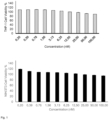
- the DPPH assay measures hydrogen atom (or one electron) donating activity and hence provides a measure of free-radical scavenging antioxidant activity.
- DPPH (1,1-Diphenyl-2-picrylhydrazine) is a purple coloured stable free radical that is reduced to the yellow-coloured diphenylpicrylhydrazine.
- Trolox 200 ⁇ M is included as a positive control. After 30 min of incubation at room temperature in the dark the absorbance measurements are read at 517 nm using Thermo Scientific Genesys 10 uv scanning spectrophotometer. Lower absorbance of the reaction mixtures indicated higher free radical-scavenging activity.
- the intracellular accumulation of ROS is detected by fluorimetry using 2',7'-dihydrofluorescein-diacetate (DCFH-DA).
- DCFH-DA 2',7'-dihydrofluorescein-diacetate
- the THP-1 cell (1x10 5 cells/well) are cultured in a 96-well black plate in DMEM supplemented with 10% FBS; culture medium is renewed when the cells reached 80% confluence.
- the cells are pre-incubated with the test substances for 30 min and treated with 0,4 mM Tert-butylhydroperoxide (TBHP). After 3 h the cells are incubated with 10 ⁇ M DCFH-DA in the culture medium at 37°C for 30 min.
- TBHP Tert-butylhydroperoxide
- the acetate groups on DCFH-DA are removed by an intracellular esterase, trapping the probe inside the THP-1 cell. Then, the cells are washed with PBS at 37°C and the production of ROS measured by changes in fluorescence due to the intracellular accumulation of DCF caused by the oxidation of DCFH. Intracellular ROS, as indicated by DCF fluorescence is detected using the Incucyte FLR software; the data are analyzed by the total green object integrated intensity (GCU x ⁇ m 2 x well) of the imaging system IncuCyte HD (Essen BioScience).
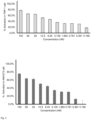
- TNF- ⁇ activity assays The protein expression levels of TNF- ⁇ were measured by using an enzyme-linked immunosorbent assay (ELISA) kit according to the manufacturer's instructions (Diaclone). Absorbance was read at 450 nm on a spectrophotometric ELISA plate reader (Anthos 2020, Version 2.0.5, Biochrom Ltd.,UK). The percentage of TNF- ⁇ inhibition was calculated from the ratio between the observed TNF- ⁇ amount secreted by treated cells (nM) and the baseline secretion of TNF- ⁇ (nM). Dexamethasone (Sigma-Aldrich; 50-02-2), was used as positive control (0.01 ⁇ M). Results were normalized to the solvent control DMSO (0.1%).
- NF- ⁇ B activity assays The NIH/3T3-KBF-Luc cells has been stably transfected with the plasmid KBF-Luc plasmid, which contains three copies of NF- ⁇ B binding site (from major histocompatibility complex promoter), fused to a minimal simian virus 40 promoter driving the luciferase gene.
- Cells (1x10 4 for NIH/3T3-KBF-Luc) are seeded the day before the assay on 96-well plate. Then the cells are treated with the test substances for 15 min and then stimulated with 30 ng/mL TNF- ⁇ .
- the cells are washed twice with PBS and lysed in 50 ⁇ l lysis buffer containing 25 mM Tris-phosphate (pH 7.8), 8 mM MgCl 2 , 1 mM DTT, 1% Triton X-100, and 7% glycerol during 15 min at RT in a horizontal shaker.
- Luciferase activity is measured using a GloMax 96 microplate luminometer (Promega) following the instructions of the luciferase assay kit (Promega, Madison, WI, USA). The RLU is calculated and the results are expressed as percentage of inhibition of NF- ⁇ B activity induced by TNF- ⁇ (100% activation). The experiments for each concentration of the test items will be done in triplicate wells.
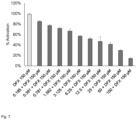
- the HeLa-STAT3-luc cells have been stably transfected with the plasmid 4xM67 pTATA TK-Luc.
- Cells (15 x10 3 cells/mL) are seeded 96-well plate the day before the assay. Then the cells are treated with the compound for 15 min and then stimulated with IFN- ⁇ 25 IU/mL.
- the cells are washed twice with PBS and lysed in 50 ⁇ L lysis buffer containing 25 mM Tris-phosphate (pH 7.8), 8 mM MgCl 2 , 1 mM DTT, 1% Triton X-100, and 7% glycerol during 15 min at RT in a horizontal shaker.
- Luciferase activity was measured using GloMax 96 microplate luminometer (Promega) following the instructions of the luciferase assay kit (Promega, Madison, WI, USA). The RLU is calculated and the results are expressed as percentage of inhibition of STAT3 activity induced by IFN- ⁇ (100% activation). The experiments for each concentration of the test items will be done in triplicate wells.
- HIF-1 ⁇ activity assay The NIH/3T3-EPO-luc cells have been stably transfected with the plasmid Epo-Luc plasmid.
- Cells (1x10 4 for NIH/3T3-EPO-luc) are seeded the day before the assay. The next day, the cells are stimulated either with the compound or Desferrioxamine (DFX) 150 ⁇ M as a positive control.
- DFX Desferrioxamine
- the cells are lysed in 25 mM Tris-phosphate pH 7.8, 8 mM MgCl 2 , 1 mM DTT, 1% Triton X-100, and 7% glycerol during 15 min at RT in a horizontal shaker.
- Luciferase activity is measured using a GloMax 96 microplate luminometer (Promega) following the instructions of the luciferase assay kit (Promega, Madison, WI, USA). The RLU is calculated and the results are expressed as percentage of inhibition induction/inhibition of EPO-luc activity. The experimentsfor each concentration of the test items will be done in triplicate wells.
Landscapes
- Health & Medical Sciences (AREA)
- Life Sciences & Earth Sciences (AREA)
- Animal Behavior & Ethology (AREA)
- Engineering & Computer Science (AREA)
- Veterinary Medicine (AREA)
- Chemical & Material Sciences (AREA)
- Public Health (AREA)
- General Health & Medical Sciences (AREA)
- Medicinal Chemistry (AREA)
- Pharmacology & Pharmacy (AREA)
- Chemical Kinetics & Catalysis (AREA)
- Bioinformatics & Cheminformatics (AREA)
- Organic Chemistry (AREA)
- General Chemical & Material Sciences (AREA)
- Nuclear Medicine, Radiotherapy & Molecular Imaging (AREA)
- Dermatology (AREA)
- Epidemiology (AREA)
- Wood Science & Technology (AREA)
- Polymers & Plastics (AREA)
- Food Science & Technology (AREA)
- Zoology (AREA)
- Birds (AREA)
- Gerontology & Geriatric Medicine (AREA)
- Cardiology (AREA)
- Heart & Thoracic Surgery (AREA)
- Immunology (AREA)
- Biochemistry (AREA)
- Pharmaceuticals Containing Other Organic And Inorganic Compounds (AREA)
- Acyclic And Carbocyclic Compounds In Medicinal Compositions (AREA)
- Cosmetics (AREA)
Claims (13)
- Verbindung der Formel (I) oder ein pharmazeutisch verträgliches Salz, Stereoisomer oder Solvat davon

R1 wird aus der Gruppe ausgewählt, die aus -H, -OR4, -SR4, -NR4R5 besteht, wobei R4 und R5 unabhängig voneinander aus der Gruppe bestehend aus -H, -CH3 und -CH2CH3 ausgewählt sind; ein Z ist N und das andere Z ist -C-R2; und R2 und R3 werden unabhängig voneinander ausgewählt aus der Gruppe bestehend aus H, Alkyl und Aryl , zur Verwendung bei der Prävention und/oder Behandlung einer Pathologie, die mit proinflammatorischen Zuständen verbunden ist, eine Krankheit, die mit oxidativem Stress oder der Produktion von reaktiven Sauerstoffspezies verbunden ist oder einer Hautpigmentierungsstörung, wobei die mit einem proinflammatorischen Zustand verbundene Krankheit aus der Gruppe bestehend aus Psoriasis, Ekzem, Vitiligo, Impetigo, Akne, Rosacea, Urtikaria, Melasma oder Alopezie ausgewählt wird, und wobei die mit oxidativem Stress oder der Produktion reaktiver Sauerstoffspezies verbundene Krankheit ausgewählt wird aus der Gruppe bestehend aus Ischämie-Reperfusionsschäden, altersbedingte Makuladegeneration, Netzhautablösung, hypertensive Netzhauterkrankung, Uveitis, degenerative Netzhautschäden, Kataraktogenese, Retinopathie, Morbus Menière, medikamenteninduzierte Toxizität, Alzheimer-Krankheit, Parkinson-Krankheit, Huntington-Krankheit und tardive Dyskinesie und wobei die Hautpigmentstörung ausgewählt wird aus der Gruppe bestehend aus Melasma, medikamenteninduzierter Hyperpigmentierung, Acanthosis nigricans, Lentigines, Morbus Addison und Hämochromatose. - Verbindung der Formel (I) zur Verwendung nach Anspruch 1, wobei das Alkyl ein C1-C6-Alkyl ist, vorzugsweise ausgewählt aus der Gruppe bestehend aus -CH3, -CH2CH3, - (CH2)2CH3, -(CH2)3CH3, -(CH2)4CH3, -(CH2)5CH3.
- Verbindung der Formel (I) zur Verwendung nach einem der Ansprüche 1 oder 2 der Formel

- Verbindung der Formel (I) zur Verwendung nach Anspruch 3, wobei R2 und R3 dieselbe Gruppe sind.
- Verbindung der Formel (I) zur Verwendung gemäß Anspruch 3 der Formel

- Kosmetisches Verfahren zur Vorbeugung und/oder Behandlung der Hautalterung, umfassend die Verabreichung einer Verbindung der Formel (I) oder eines kosmetisch akzeptablen Salzes, Stereoisomers oder Solvats davon

R1 wird aus der Gruppe ausgewählt, die aus -H, -OR4, -SR4, -NR4R5 besteht, wobei R4 und R5 unabhängig voneinander aus der Gruppe ausgewählt werden bestehend aus -H, -CH3 und -CH2CH3; ein Z ist N und das andere Z ist -C-R2; und R2 und R3 werden unabhängig voneinander ausgewählt aus der Gruppe bestehend aus H, Alkyl und Aryl, an ein Subjekt, das dies benötigt. - Kosmetisches Verfahren nach Anspruch 6, wobei das Alkyl der Verbindung (I) ein C1-C6-Alkyl ist, vorzugsweise ausgewählt aus der Gruppe bestehend aus -CH3, -CH2CH3, - (CH2)2CH3, -(CH2)3CH3, -(CH2)4CH3, -(CH2)5CH3.
- Kosmetisches Verfahren nach Anspruch 6 oder 7, wobei die Verbindung der Formel (I)
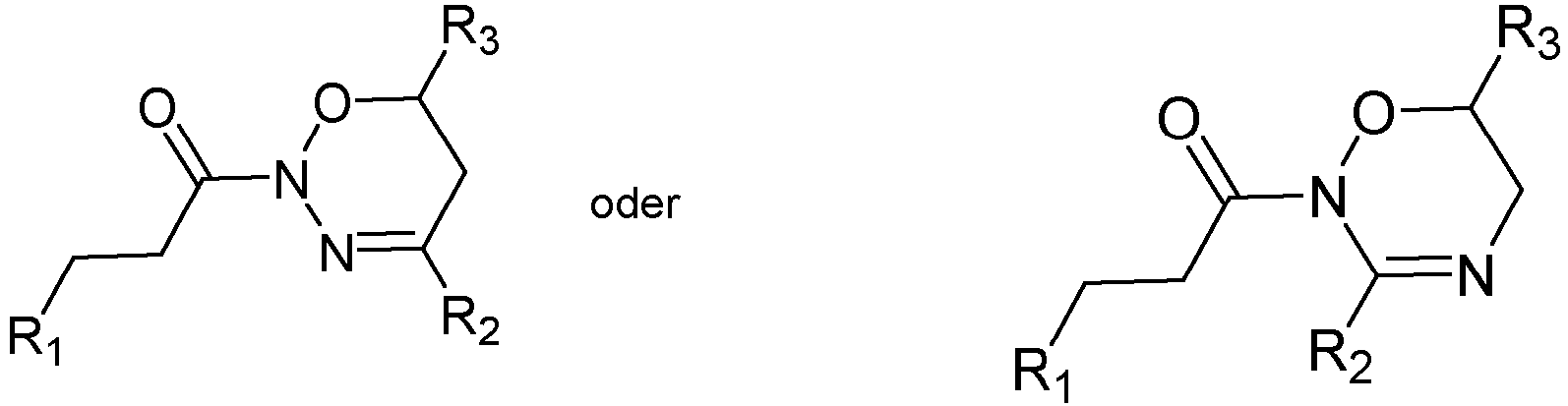
- Kosmetisches Verfahren nach Anspruch 8, wobei R2 und R3 die gleiche Gruppe sind.
- Kosmetisches Verfahren nach Anspruch 7, wobei die Verbindung der Formel (I)

- Kosmetisches Verfahren nach einem der Ansprüche 6 bis 10, wobei die Hautalterung die Lichtalterung der Haut ist.
- Verfahren zur Hemmung der enzymatischen Bräunung durch Tyrosinase in Lebensmitteln oder Getränken, umfassend das Kontaktieren des Lebensmittels oder Getränks mit einer Verbindung der Formel (I) oder einem Salz, Stereoisomer oder Solvat davon

R1 wird aus der Gruppe ausgewählt, die aus -H, -OR4, -SR4, -NR4R5 besteht, wobei R4 und R5 unabhängig voneinander aus der Gruppe bestehend aus -H, -CH3 und -CH2CH3 ausgewählt werden, ein Z ist N und das andere Z ist -C-R2; und R2 und R3 werden unabhängig voneinander ausgewählt aus der Gruppe bestehend aus H, Alkyl und Aryl , unter Bedingungen, die ausreichen, um die enzymatische Bräunung des Lebensmittels oder Getränks zu hemmen. - Verfahren nach Anspruch 12, wobei die Verbindung

Priority Applications (2)
| Application Number | Priority Date | Filing Date | Title |
|---|---|---|---|
| EP19382446.3A EP3744328B1 (de) | 2019-05-31 | 2019-05-31 | Verwendung von oxadiazinverbindungen |
| ES19382446T ES3036511T3 (en) | 2019-05-31 | 2019-05-31 | Uses of oxadiazine compounds |
Applications Claiming Priority (1)
| Application Number | Priority Date | Filing Date | Title |
|---|---|---|---|
| EP19382446.3A EP3744328B1 (de) | 2019-05-31 | 2019-05-31 | Verwendung von oxadiazinverbindungen |
Publications (2)
| Publication Number | Publication Date |
|---|---|
| EP3744328A1 EP3744328A1 (de) | 2020-12-02 |
| EP3744328B1 true EP3744328B1 (de) | 2025-07-02 |
Family
ID=66752029
Family Applications (1)
| Application Number | Title | Priority Date | Filing Date |
|---|---|---|---|
| EP19382446.3A Active EP3744328B1 (de) | 2019-05-31 | 2019-05-31 | Verwendung von oxadiazinverbindungen |
Country Status (2)
| Country | Link |
|---|---|
| EP (1) | EP3744328B1 (de) |
| ES (1) | ES3036511T3 (de) |
Citations (1)
| Publication number | Priority date | Publication date | Assignee | Title |
|---|---|---|---|---|
| CZ305944B6 (cs) * | 2015-03-27 | 2016-05-11 | Mikrobiologický Ústav Av Čr V.V.I. | Izolovaný sinicový kmen Nostoc sp. a izolovaný sinicový kmen Nodularia, sinicový metabolit, způsob přípravy sinicového metabolitu a použití sinicového metabolitu jako léčiva |
Family Cites Families (2)
| Publication number | Priority date | Publication date | Assignee | Title |
|---|---|---|---|---|
| ES2734773T3 (es) | 2016-05-27 | 2019-12-11 | Valoralia I Mas D Sl | Compuestos de dihidrooxadiazina para tratar infecciones y cáncer |
| EP3395805A1 (de) * | 2017-04-26 | 2018-10-31 | Horitzonts Technologics Hungary Korlatolt Felelossegu Tarsasag | Verbindungen mit antiinfektiöser, antitumoraler und antimykotischer wirkung |
-
2019
- 2019-05-31 ES ES19382446T patent/ES3036511T3/es active Active
- 2019-05-31 EP EP19382446.3A patent/EP3744328B1/de active Active
Patent Citations (1)
| Publication number | Priority date | Publication date | Assignee | Title |
|---|---|---|---|---|
| CZ305944B6 (cs) * | 2015-03-27 | 2016-05-11 | Mikrobiologický Ústav Av Čr V.V.I. | Izolovaný sinicový kmen Nostoc sp. a izolovaný sinicový kmen Nodularia, sinicový metabolit, způsob přípravy sinicového metabolitu a použití sinicového metabolitu jako léčiva |
Non-Patent Citations (9)
| Title |
|---|
| ASIMA BHATTACHARYYA, RANAJOY CHATTOPADHYAY, SANKAR MITRA, AND SHEILA E. CROWE: "OXIDATIVE STRESS: AN ESSENTIAL FACTOR INTHE PATHOGENESIS OF GASTROINTESTINALMUCOSAL DISEASES", PHYSIOL REVIEW, vol. 94, 2014 * |
| CHANDARLAPATY S ET AL: "Abstract S2-07: cfDNA analysis from BOLERO-2 plasma samples identifies a high rate of ESR1 mutations: Exploratory analysis for prognostic and predictive correlation of mutations reveals different efficacy outcomes of endocrine therapy-based regimens", CANCER RESEARCH, vol. 76, no. 4_Supplement, 15 February 2016 (2016-02-15), US, pages S2 - 07, XP093111657, ISSN: 0008-5472, Retrieved from the Internet <URL:https://aacrjournals.org/cancerres/article/76/4_Supplement/S2-07/615518/Abstract-S2-07-cfDNA-analysis-from-BOLERO-2-plasma> DOI: 10.1158/1538-7445.SABCS15-S2-07 * |
| CRISTINA CARVALHO, PAULA I. MOREIRA: "Oxidateive Stress: A Major Player in Cerebrovascular Alterations Associated to Neurodegenerative Events", FRONTIERS IN PHYSIOLOGY, vol. 9, July 2018 (2018-07-01) * |
| DANIEL L. STULBERG, NICOLE CLARK, DANIEL TOVEY: "Common Hyperpigmentation Disorders in Adults:Part I. Diagnostic Approach, Café au Lait Macules, DiffuseHyperpigmentation, Sun Exposure, and Phototoxic Reactions", AMERICAN FAMILY PHYSICIAN, vol. 68, no. 10, 2003, pages 1955 - 1960 * |
| FERNANDO HOLGUIN: "Oxidative Stress in Airway Diseases", ANNALSATS, vol. 10, 2013, pages s150 - s157 * |
| ILARIA LIGUORI ET AL: "Oxidative stress, aging, and diseases", CLINICAL INTERVENTIONS IN AGING, vol. Volume 13, 1 April 2018 (2018-04-01), pages 757 - 772, XP055624044, DOI: 10.2147/CIA.S158513 * |
| SERGIO GONZALEZ-GONZALEZ: "The role of mitochondrial oxidative stress in hearing loss", NEUROL DISORD THERAP, vol. q, no. 4, 2017, pages 1 - 5 * |
| SHARMISTHA BANERJEE, JYOTIRMOY GHOSH, PARAMES C SI: "Drug Metabolism and Oxidative Stress: Cellular Mechanism and NewTherapeutic Insights", BIOCHEM ANAL BIOCHEM, vol. 5, no. 1, 2016 * |
| WILLIAMS DAVID L: "Oxidative stress and the eye", VETERINARY CLINICS OF NORTH AMERICA: SMALL ANIMAL PRACTICE, SAUNDERS, PHILADELPHIA, US, vol. 38, no. 1, 1 January 2008 (2008-01-01), pages 179 - 192, XP009127185, ISSN: 0195-5616, DOI: 10.1016/J.CVSM.2007.10.006 * |
Also Published As
| Publication number | Publication date |
|---|---|
| ES3036511T3 (en) | 2025-09-19 |
| EP3744328A1 (de) | 2020-12-02 |
Similar Documents
| Publication | Publication Date | Title |
|---|---|---|
| US9675538B2 (en) | Anti-aging agent containing arctigenin derivative | |
| TW201118105A (en) | Steroidal compounds as melanogenesis modifiers and uses thereof | |
| US20110171247A1 (en) | Novel vascular endothelial growth factor expression inhibitors | |
| US20100093823A1 (en) | Steroidal compounds as melanogenesis modifiers and uses thereof | |
| KR101702441B1 (ko) | 피부 미백용 조성물 | |
| JP2023038290A (ja) | ロイシン誘導体、それを含む組成物及びその用途 | |
| JP2010100554A (ja) | メラニン生成抑制剤 | |
| US12325692B2 (en) | Uses of doxadiazines compounds | |
| KR102946256B1 (ko) | 신규 알티라티닙 유도체, 이의 제조방법, 및 이를 유효성분으로 포함하는 피부 색소침착의 예방, 개선, 또는 치료용 조성물 | |
| EP3744328A1 (de) | Verwendung von oxadiazinverbindungen | |
| CN105407863A (zh) | 含熊果苷衍生物的皮肤美白用组合物 | |
| US20090304615A1 (en) | Tricyclic compounds as melanogenesis modifiers and uses thereof | |
| JP5392742B2 (ja) | メラニン生成阻害剤 | |
| KR101366372B1 (ko) | 피부미백, 항산화 및 ppar 활성을 갖는 신규 화합물 및 이의 의학적 용도 | |
| KR101299013B1 (ko) | 망고스틴 추출물을 포함하는 색소화 질환의 치료용 조성물 | |
| WO2009064492A1 (en) | Quinoline compounds as melanogenesis modifiers and uses thereof | |
| KR102757367B1 (ko) | 미토콘드리아에 표적기능을 가지며 미토콘드리아의 활성을 증진하는 화합물 및 이의 용도 | |
| TWI308148B (en) | Novel compound of 6-methyl-3-phenethyl-3,4-dihydro-1h-quinazoline-2-thione, its preparation and a depigmentation composition containing the same as an effective component | |
| JP2011511063A (ja) | プラチコジン−dを含有する皮膚美白剤 | |
| KR102075560B1 (ko) | 피부 미백용 조성물 | |
| KR102693441B1 (ko) | 시스테인 유도체의 피부 미백 용도 | |
| KR20210017043A (ko) | 한약재 혼합 추출물 및 이의 용도 | |
| KR20070017246A (ko) | 아크릴레이트계 화합물을 포함하는 피부 미백용 조성물 | |
| KR102504364B1 (ko) | 류신 유도체, 이를 포함하는 조성물 및 이의 용도 | |
| KR20250178340A (ko) | 가노더마논트리올을 유효성분으로 함유하는 피부 미백 또는 항염증용 조성물 |
Legal Events
| Date | Code | Title | Description |
|---|---|---|---|
| PUAI | Public reference made under article 153(3) epc to a published international application that has entered the european phase |
Free format text: ORIGINAL CODE: 0009012 |
|
| STAA | Information on the status of an ep patent application or granted ep patent |
Free format text: STATUS: THE APPLICATION HAS BEEN PUBLISHED |
|
| AK | Designated contracting states |
Kind code of ref document: A1 Designated state(s): AL AT BE BG CH CY CZ DE DK EE ES FI FR GB GR HR HU IE IS IT LI LT LU LV MC MK MT NL NO PL PT RO RS SE SI SK SM TR |
|
| AX | Request for extension of the european patent |
Extension state: BA ME |
|
| STAA | Information on the status of an ep patent application or granted ep patent |
Free format text: STATUS: REQUEST FOR EXAMINATION WAS MADE |
|
| 17P | Request for examination filed |
Effective date: 20210602 |
|
| RBV | Designated contracting states (corrected) |
Designated state(s): AL AT BE BG CH CY CZ DE DK EE ES FI FR GB GR HR HU IE IS IT LI LT LU LV MC MK MT NL NO PL PT RO RS SE SI SK SM TR |
|
| RAP3 | Party data changed (applicant data changed or rights of an application transferred) |
Owner name: VALORALIA I MAS D, S.L.U. |
|
| STAA | Information on the status of an ep patent application or granted ep patent |
Free format text: STATUS: EXAMINATION IS IN PROGRESS |
|
| 17Q | First examination report despatched |
Effective date: 20220905 |
|
| P01 | Opt-out of the competence of the unified patent court (upc) registered |
Effective date: 20231129 |
|
| REG | Reference to a national code |
Ref country code: DE Ref legal event code: R079 Free format text: PREVIOUS MAIN CLASS: A61K0031539500 Ipc: A61K0008490000 Ref document number: 602019071889 Country of ref document: DE |
|
| GRAP | Despatch of communication of intention to grant a patent |
Free format text: ORIGINAL CODE: EPIDOSNIGR1 |
|
| STAA | Information on the status of an ep patent application or granted ep patent |
Free format text: STATUS: GRANT OF PATENT IS INTENDED |
|
| RIC1 | Information provided on ipc code assigned before grant |
Ipc: A61P 37/00 20060101ALI20250203BHEP Ipc: A61P 17/18 20060101ALI20250203BHEP Ipc: A61P 9/00 20060101ALI20250203BHEP Ipc: A61K 31/5395 20060101ALI20250203BHEP Ipc: A61Q 19/08 20060101ALI20250203BHEP Ipc: A61K 8/49 20060101AFI20250203BHEP |
|
| INTG | Intention to grant announced |
Effective date: 20250219 |
|
| GRAS | Grant fee paid |
Free format text: ORIGINAL CODE: EPIDOSNIGR3 |
|
| GRAA | (expected) grant |
Free format text: ORIGINAL CODE: 0009210 |
|
| STAA | Information on the status of an ep patent application or granted ep patent |
Free format text: STATUS: THE PATENT HAS BEEN GRANTED |
|
| AK | Designated contracting states |
Kind code of ref document: B1 Designated state(s): AL AT BE BG CH CY CZ DE DK EE ES FI FR GB GR HR HU IE IS IT LI LT LU LV MC MK MT NL NO PL PT RO RS SE SI SK SM TR |
|
| REG | Reference to a national code |
Ref country code: GB Ref legal event code: FG4D |
|
| REG | Reference to a national code |
Ref country code: CH Ref legal event code: EP |
|
| REG | Reference to a national code |
Ref country code: DE Ref legal event code: R096 Ref document number: 602019071889 Country of ref document: DE |
|
| REG | Reference to a national code |
Ref country code: IE Ref legal event code: FG4D |
|
| GRAF | Information related to payment of grant fee modified |
Free format text: ORIGINAL CODE: EPIDOSCIGR3 |
|
| REG | Reference to a national code |
Ref country code: ES Ref legal event code: FG2A Ref document number: 3036511 Country of ref document: ES Kind code of ref document: T3 Effective date: 20250919 |
|
| REG | Reference to a national code |
Ref country code: NL Ref legal event code: MP Effective date: 20250702 |
|
| PG25 | Lapsed in a contracting state [announced via postgrant information from national office to epo] |
Ref country code: PT Free format text: LAPSE BECAUSE OF FAILURE TO SUBMIT A TRANSLATION OF THE DESCRIPTION OR TO PAY THE FEE WITHIN THE PRESCRIBED TIME-LIMIT Effective date: 20251103 |
|
| PG25 | Lapsed in a contracting state [announced via postgrant information from national office to epo] |
Ref country code: NL Free format text: LAPSE BECAUSE OF FAILURE TO SUBMIT A TRANSLATION OF THE DESCRIPTION OR TO PAY THE FEE WITHIN THE PRESCRIBED TIME-LIMIT Effective date: 20250702 |
|
| REG | Reference to a national code |
Ref country code: AT Ref legal event code: MK05 Ref document number: 1808473 Country of ref document: AT Kind code of ref document: T Effective date: 20250702 |
|
| PG25 | Lapsed in a contracting state [announced via postgrant information from national office to epo] |
Ref country code: IS Free format text: LAPSE BECAUSE OF FAILURE TO SUBMIT A TRANSLATION OF THE DESCRIPTION OR TO PAY THE FEE WITHIN THE PRESCRIBED TIME-LIMIT Effective date: 20251102 |
|
| PG25 | Lapsed in a contracting state [announced via postgrant information from national office to epo] |
Ref country code: NO Free format text: LAPSE BECAUSE OF FAILURE TO SUBMIT A TRANSLATION OF THE DESCRIPTION OR TO PAY THE FEE WITHIN THE PRESCRIBED TIME-LIMIT Effective date: 20251002 |
|
| REG | Reference to a national code |
Ref country code: LT Ref legal event code: MG9D |
|
| PG25 | Lapsed in a contracting state [announced via postgrant information from national office to epo] |
Ref country code: AT Free format text: LAPSE BECAUSE OF FAILURE TO SUBMIT A TRANSLATION OF THE DESCRIPTION OR TO PAY THE FEE WITHIN THE PRESCRIBED TIME-LIMIT Effective date: 20250702 |
|
| PG25 | Lapsed in a contracting state [announced via postgrant information from national office to epo] |
Ref country code: FI Free format text: LAPSE BECAUSE OF FAILURE TO SUBMIT A TRANSLATION OF THE DESCRIPTION OR TO PAY THE FEE WITHIN THE PRESCRIBED TIME-LIMIT Effective date: 20250702 |
|
| PG25 | Lapsed in a contracting state [announced via postgrant information from national office to epo] |
Ref country code: HR Free format text: LAPSE BECAUSE OF FAILURE TO SUBMIT A TRANSLATION OF THE DESCRIPTION OR TO PAY THE FEE WITHIN THE PRESCRIBED TIME-LIMIT Effective date: 20250702 |
|
| PG25 | Lapsed in a contracting state [announced via postgrant information from national office to epo] |
Ref country code: SE Free format text: LAPSE BECAUSE OF FAILURE TO SUBMIT A TRANSLATION OF THE DESCRIPTION OR TO PAY THE FEE WITHIN THE PRESCRIBED TIME-LIMIT Effective date: 20250702 Ref country code: CZ Free format text: LAPSE BECAUSE OF FAILURE TO SUBMIT A TRANSLATION OF THE DESCRIPTION OR TO PAY THE FEE WITHIN THE PRESCRIBED TIME-LIMIT Effective date: 20250702 |
|
| PG25 | Lapsed in a contracting state [announced via postgrant information from national office to epo] |
Ref country code: LV Free format text: LAPSE BECAUSE OF FAILURE TO SUBMIT A TRANSLATION OF THE DESCRIPTION OR TO PAY THE FEE WITHIN THE PRESCRIBED TIME-LIMIT Effective date: 20250702 |
|
| PG25 | Lapsed in a contracting state [announced via postgrant information from national office to epo] |
Ref country code: BG Free format text: LAPSE BECAUSE OF FAILURE TO SUBMIT A TRANSLATION OF THE DESCRIPTION OR TO PAY THE FEE WITHIN THE PRESCRIBED TIME-LIMIT Effective date: 20250702 Ref country code: PL Free format text: LAPSE BECAUSE OF FAILURE TO SUBMIT A TRANSLATION OF THE DESCRIPTION OR TO PAY THE FEE WITHIN THE PRESCRIBED TIME-LIMIT Effective date: 20250702 |
|
| PG25 | Lapsed in a contracting state [announced via postgrant information from national office to epo] |
Ref country code: RS Free format text: LAPSE BECAUSE OF FAILURE TO SUBMIT A TRANSLATION OF THE DESCRIPTION OR TO PAY THE FEE WITHIN THE PRESCRIBED TIME-LIMIT Effective date: 20251002 |
|
| PG25 | Lapsed in a contracting state [announced via postgrant information from national office to epo] |
Ref country code: SM Free format text: LAPSE BECAUSE OF FAILURE TO SUBMIT A TRANSLATION OF THE DESCRIPTION OR TO PAY THE FEE WITHIN THE PRESCRIBED TIME-LIMIT Effective date: 20250702 |
|
| PG25 | Lapsed in a contracting state [announced via postgrant information from national office to epo] |
Ref country code: DK Free format text: LAPSE BECAUSE OF FAILURE TO SUBMIT A TRANSLATION OF THE DESCRIPTION OR TO PAY THE FEE WITHIN THE PRESCRIBED TIME-LIMIT Effective date: 20250702 |
|
| PG25 | Lapsed in a contracting state [announced via postgrant information from national office to epo] |
Ref country code: IT Free format text: LAPSE BECAUSE OF FAILURE TO SUBMIT A TRANSLATION OF THE DESCRIPTION OR TO PAY THE FEE WITHIN THE PRESCRIBED TIME-LIMIT Effective date: 20250702 |
|
| PG25 | Lapsed in a contracting state [announced via postgrant information from national office to epo] |
Ref country code: SK Free format text: LAPSE BECAUSE OF FAILURE TO SUBMIT A TRANSLATION OF THE DESCRIPTION OR TO PAY THE FEE WITHIN THE PRESCRIBED TIME-LIMIT Effective date: 20250702 Ref country code: EE Free format text: LAPSE BECAUSE OF FAILURE TO SUBMIT A TRANSLATION OF THE DESCRIPTION OR TO PAY THE FEE WITHIN THE PRESCRIBED TIME-LIMIT Effective date: 20250702 |
|
| PLBE | No opposition filed within time limit |
Free format text: ORIGINAL CODE: 0009261 |
|
| STAA | Information on the status of an ep patent application or granted ep patent |
Free format text: STATUS: NO OPPOSITION FILED WITHIN TIME LIMIT |