EP3737367B1 - Ccr2-antagonisten zur behandlung des kutanen t-zell-lymphoms - Google Patents
Ccr2-antagonisten zur behandlung des kutanen t-zell-lymphoms Download PDFInfo
- Publication number
- EP3737367B1 EP3737367B1 EP19735699.1A EP19735699A EP3737367B1 EP 3737367 B1 EP3737367 B1 EP 3737367B1 EP 19735699 A EP19735699 A EP 19735699A EP 3737367 B1 EP3737367 B1 EP 3737367B1
- Authority
- EP
- European Patent Office
- Prior art keywords
- alkyl
- group
- ccr2 antagonist
- ctcl
- aryl
- Prior art date
- Legal status (The legal status is an assumption and is not a legal conclusion. Google has not performed a legal analysis and makes no representation as to the accuracy of the status listed.)
- Active
Links
Images





Classifications
-
- A—HUMAN NECESSITIES
- A61—MEDICAL OR VETERINARY SCIENCE; HYGIENE
- A61K—PREPARATIONS FOR MEDICAL, DENTAL OR TOILETRY PURPOSES
- A61K31/00—Medicinal preparations containing organic active ingredients
- A61K31/33—Heterocyclic compounds
- A61K31/395—Heterocyclic compounds having nitrogen as a ring hetero atom, e.g. guanethidine or rifamycins
- A61K31/535—Heterocyclic compounds having nitrogen as a ring hetero atom, e.g. guanethidine or rifamycins having six-membered rings with at least one nitrogen and one oxygen as the ring hetero atoms, e.g. 1,2-oxazines
- A61K31/536—Heterocyclic compounds having nitrogen as a ring hetero atom, e.g. guanethidine or rifamycins having six-membered rings with at least one nitrogen and one oxygen as the ring hetero atoms, e.g. 1,2-oxazines ortho- or peri-condensed with carbocyclic ring systems
-
- A—HUMAN NECESSITIES
- A61—MEDICAL OR VETERINARY SCIENCE; HYGIENE
- A61K—PREPARATIONS FOR MEDICAL, DENTAL OR TOILETRY PURPOSES
- A61K31/00—Medicinal preparations containing organic active ingredients
- A61K31/33—Heterocyclic compounds
- A61K31/395—Heterocyclic compounds having nitrogen as a ring hetero atom, e.g. guanethidine or rifamycins
- A61K31/435—Heterocyclic compounds having nitrogen as a ring hetero atom, e.g. guanethidine or rifamycins having six-membered rings with one nitrogen as the only ring hetero atom
- A61K31/44—Non condensed pyridines; Hydrogenated derivatives thereof
- A61K31/4427—Non condensed pyridines; Hydrogenated derivatives thereof containing further heterocyclic ring systems
- A61K31/4433—Non condensed pyridines; Hydrogenated derivatives thereof containing further heterocyclic ring systems containing a six-membered ring with oxygen as a ring hetero atom
-
- A—HUMAN NECESSITIES
- A61—MEDICAL OR VETERINARY SCIENCE; HYGIENE
- A61K—PREPARATIONS FOR MEDICAL, DENTAL OR TOILETRY PURPOSES
- A61K31/00—Medicinal preparations containing organic active ingredients
- A61K31/33—Heterocyclic compounds
- A61K31/395—Heterocyclic compounds having nitrogen as a ring hetero atom, e.g. guanethidine or rifamycins
- A61K31/435—Heterocyclic compounds having nitrogen as a ring hetero atom, e.g. guanethidine or rifamycins having six-membered rings with one nitrogen as the only ring hetero atom
- A61K31/44—Non condensed pyridines; Hydrogenated derivatives thereof
- A61K31/445—Non condensed piperidines, e.g. piperocaine
- A61K31/4523—Non condensed piperidines, e.g. piperocaine containing further heterocyclic ring systems
- A61K31/453—Non condensed piperidines, e.g. piperocaine containing further heterocyclic ring systems containing a six-membered ring with oxygen as a ring hetero atom
-
- A—HUMAN NECESSITIES
- A61—MEDICAL OR VETERINARY SCIENCE; HYGIENE
- A61K—PREPARATIONS FOR MEDICAL, DENTAL OR TOILETRY PURPOSES
- A61K45/00—Medicinal preparations containing active ingredients not provided for in groups A61K31/00 - A61K41/00
- A61K45/06—Mixtures of active ingredients without chemical characterisation, e.g. antiphlogistics and cardiaca
-
- A—HUMAN NECESSITIES
- A61—MEDICAL OR VETERINARY SCIENCE; HYGIENE
- A61P—SPECIFIC THERAPEUTIC ACTIVITY OF CHEMICAL COMPOUNDS OR MEDICINAL PREPARATIONS
- A61P35/00—Antineoplastic agents
-
- A—HUMAN NECESSITIES
- A61—MEDICAL OR VETERINARY SCIENCE; HYGIENE
- A61K—PREPARATIONS FOR MEDICAL, DENTAL OR TOILETRY PURPOSES
- A61K2300/00—Mixtures or combinations of active ingredients, wherein at least one active ingredient is fully defined in groups A61K31/00 - A61K41/00
Definitions
- TAMs Tumor-associated macrophages
- TAMs contribute to the immunosuppressive tumor microenvironment (TME) by secreting a number of chemokines that are crucial to the recruitment of immunosuppressive cells. Furthermore, they produce angiogenetic factors such as VEGF, platelet-derived growth factor, and transforming growth factor ⁇ to induce neovascularization.
- VEGF vascular endothelial growth factor
- PD-L1 also known as B7H1
- B7H1 on macrophages confers TAMs with direct suppressive function by inducing antigen-specific tolerance in tumor-bearing hosts [3-5].
- CSF1R colony stimulating factor 1 receptor
- CCR2 antagonists have become attractive for targeting the CCL2-CCR2 axis in light of the limitations mentioned above [19, 20].
- CCR2 blockade by orally dosed small molecule CCR2 antagonist (PF-04136309) has demonstrated a reduction in TAM infiltration and an endogenous anti-tumor immune response in pancreatic ductal adenocarcinoma (PDAC) [21].
- PDAC pancreatic ductal adenocarcinoma
- the present invention provides CCR-2 antagonists for use in a method of treating cutaneous T-cell lymphoma (CTCL), said method comprising administering an effective amount of said CCR2 antagonist having the
- the CCR2 antagonist has the formula selected from the group consisting of or a pharmaceutically acceptable salt thereof.
- the CCR2 antagonist has the formula or a pharmaceutically acceptable salt thereof.
- the CCR2 antagonist has the formula or a pharmaceutically acceptable salt thereof.
- the CCR2 antagonist has the formula or a pharmaceutically acceptable salt thereof.
- CCR2 cutaneous T-cell lymphoma
- Cutaneous T cell lymphomas are a heterogeneous group of T cell neoplasms that are primarily localized to skin, comprising the two most common types, mycosis fungoides (MF) and Sezary syndrome (SS) [23].
- Evidence of skin inflammation is common in CTCLs [24, 25].
- the numbers of CD163-positive macrophages are increased and CC chemokine ligand 18 expression by macrophages promotes a T-helper (Th)2-dominant microenvironment by inducing chemotaxis of Th2 cells.
- Th T-helper
- Such a tumor microenvironment is regarded as a determining factor to progressive clinical behavior of CTCL [26, 27].
- CTCL cutaneous T cell lymphoma
- MF mycosis fungoides
- TME Tumor microenvironment
- DNFB 2,4-dinitro-1-fluorobenzene
- PD-1 programmed death ligand 1
- qRT-PCR Quantitative real-time PCR
- TAMs tumor-associated macrophages
- IP intraperitoneal
- mAb monoclonal antibody
- IHC immunohistochemistry
- alkyl by itself or as part of another substituent, means, unless otherwise stated, a straight or branched chain hydrocarbon radical, having the number of carbon atoms designated ( i.e . C 1-8 means one to eight carbons).
- alkyl groups include methyl, ethyl, n-propyl, isopropyl, n-butyl, t-butyl, isobutyl, sec-butyl, n-pentyl, n-hexyl, n-heptyl, n-octyl, and the like.
- alkenyl refers to an unsaturated alkyl group having one or more double bonds.
- alkynyl refers to an unsaturated alkyl group having one or more triple bonds.
- unsaturated alkyl groups include vinyl, 2-propenyl, crotyl, 2-isopentenyl, 2-(butadienyl), 2,4-pentadienyl, 3-(1,4-pentadienyl), ethynyl, 1- and 3-propynyl, 3-butynyl, and the higher homologs and isomers.
- cycloalkyl refers to hydrocarbon rings having the indicated number of ring atoms ( e.g.
- Cycloalkyl is also meant to refer to bicyclic and polycyclic hydrocarbon rings such as, for example, bicyclo[2.2.1]heptane, bicyclo[2.2.2]octane, etc.
- heterocycloalkyl refers to a cycloalkyl group that contain from one to five heteroatoms selected from N, O, and S, wherein the nitrogen and sulfur atoms are optionally oxidized, and the nitrogen atom(s) are optionally quaternized.
- the heterocycloalkyl may be a monocyclic, a bicyclic or a polycylic ring system.
- Non limiting examples of heterocycloalkyl groups include pyrrolidine, imidazolidine, pyrazolidine, butyrolactam, valerolactam, imidazolidinone, hydantoin, dioxolane, phthalimide, piperidine, 1,4-dioxane, morpholine, thiomorpholine, thiomorpholine-S-oxide, thiomorpholine-S,S-oxide, piperazine, pyran, pyridone, 3-pyrroline, thiopyran, pyrone, tetrahydrofuran, tetrhydrothiophene, quinuclidine, and the like.
- a heterocycloalkyl group can be attached to the remainder of the molecule through a ring carbon or a heteroatom.
- cycloalkylalkyl and heterocycloalkylalkyl it is meant that a cycloalkyl or a heterocycloalkyl group is attached through an alkyl or alkylene linker to the remainder of the molecule.
- cyclobutylmethyl - is a cyclobutyl ring that is attached to a methylene linker to the remainder of the molecule.
- alkylene by itself or as part of another substituent means a divalent radical derived from an alkane, as exemplified by -CH 2 CH 2 CH 2 CH 2 -.
- an alkyl (or alkylene) group will have from 1 to 24 carbon atoms, with those groups having 10 or fewer carbon atoms being preferred in the present invention.
- a “lower alkyl” or “lower alkylene” is a shorter chain alkyl or alkylene group, generally having four or fewer carbon atoms.
- alkenylene and “alkynylene” refer to the unsaturated forms of "alkylene” having double or triple bonds, respectively.
- heteroalkyl by itself or in combination with another term, means, unless otherwise stated, a stable straight or branched chain, or cyclic hydrocarbon radical, or combinations thereof, consisting of the stated number of carbon atoms and from one to three heteroatoms selected from the group consisting of O, N, Si and S, and wherein the nitrogen and sulfur atoms may optionally be oxidized and the nitrogen heteroatom may optionally be quaternized.
- the heteroatom(s) O, N and S may be placed at any interior position of the heteroalkyl group.
- the heteroatom Si may be placed at any position of the heteroalkyl group, including the position at which the alkyl group is attached to the remainder of the molecule.
- heteroalkenyl and “heteroalkynyl” by itself or in combination with another term, means, unless otherwise stated, an alkenyl group or alkynyl group, respectively, that contains the stated number of carbons and having from one to three heteroatoms selected from the group consisting of O, N, Si and S, and wherein the nitrogen and sulfur atoms may optionally be oxidized and the nitrogen heteroatom may optionally be quaternized.
- the heteroatom(s) O, N and S may be placed at any interior position of the heteroalkyl group.
- heteroatoms can also occupy either or both of the chain termini (e.g., alkyleneoxy, alkylenedioxy, alkyleneamino, alkylenediamino, and the like).
- alkoxy alkylamino and “alkylthio” (or thioalkoxy) are used in their conventional sense, and refer to those alkyl groups attached to the remainder of the molecule via an oxygen atom, an amino group, or a sulfur atom, respectively. Additionally, for dialkylamino groups, the alkyl portions can be the same or different and can also be combined to form a 3-7 membered ring with the nitrogen atom to which each is attached. Accordingly, a group represented as -NR a R b is meant to include piperidinyl, pyrrolidinyl, morpholinyl, azetidinyl and the like.
- halo or halogen
- substituents mean, unless otherwise stated, a fluorine, chlorine, bromine, or iodine atom.
- terms such as “haloalkyl,” are meant to include monohaloalkyl and polyhaloalkyl.
- C 1 - 4 haloalkyl is mean to include trifluoromethyl, 2,2,2-trifluoroethyl, 4-chlorobutyl, 3-bromopropyl, and the like.
- aryl means, unless otherwise stated, a polyunsaturated, typically aromatic, hydrocarbon group which can be a single ring or multiple rings (up to three rings) which are fused together or linked covalently.
- heteroaryl refers to aryl groups (or rings) that contain from one to five heteroatoms selected from N, O, and S, wherein the nitrogen and sulfur atoms are optionally oxidized, and the nitrogen atom(s) are optionally quaternized.
- a heteroaryl group can be attached to the remainder of the molecule through a heteroatom.
- Non-limiting examples of aryl groups include phenyl, naphthyl and biphenyl, while non-limiting examples of heteroaryl groups include pyridyl, pyridazinyl, pyrazinyl, pyrimindinyl, triazinyl, quinolinyl, quinoxalinyl, quinazolinyl, cinnolinyl, phthalaziniyl, benzotriazinyl, purinyl, benzimidazolyl, benzopyrazolyl, benzotriazolyl, benzisoxazolyl, isobenzofuryl, isoindolyl, indolizinyl, benzotriazinyl, thienopyridinyl, thienopyrimidinyl, pyrazolopyrimidinyl, imidazopyridines, benzothiaxolyl, benzofuranyl, benzothienyl, indolyl, quinoly
- aryl when used in combination with other terms (e.g. , aryloxy, arylthioxy, arylalkyl) includes both aryl and heteroaryl rings as defined above.
- arylalkyl is meant to include those radicals in which an aryl group is attached to an alkyl group that is attached to the remainder of the molecule (e.g., benzyl, phenethyl, pyridylmethyl and the like).
- alkyl in some embodiments, will include both substituted and unsubstituted forms of the indicated radical. Preferred substituents for each type of radical are provided below.
- aryl and heteroaryl will refer to substituted or unsubstituted versions as provided below, while the term “alkyl” and related aliphatic radicals is meant to refer to unsubstituted version, unless indicated to be substituted.
- R', R" and R′′′ each independently refer to hydrogen, unsubstituted C 1-8 alkyl, unsubstituted heteroalkyl, unsubstituted aryl, aryl substituted with 1-3 halogens, unsubstituted C 1-8 alkyl, C 1 - 8 alkoxy or C 1 - 8 thioalkoxy groups, or unsubstituted aryl-C 1 - 4 alkyl groups.
- R' and R" are attached to the same nitrogen atom, they can be combined with the nitrogen atom to form a 3-, 4-, 5-, 6-, or 7-membered ring.
- -NR'R is meant to include 1-pyrrolidinyl and 4-morpholinyl.
- Two of the substituents on adjacent atoms of the aryl or heteroaryl ring may optionally be replaced with a substituent of the formula -T-C(O)-(CH 2 ) q -U-, wherein T and U are independently -NH-, -O-, -CH 2 - or a single bond, and q is an integer of from 0 to 2.
- two of the substituents on adjacent atoms of the aryl or heteroaryl ring may optionally be replaced with a substituent of the formula -A-(CH 2 ) r -B-, wherein A and B are independently -CH 2 -, -O-, -NH-, -S-, -S(O)-, -S(O)z-, -S(O) 2 NR'- or a single bond, and r is an integer of from 1 to 3.
- One of the single bonds of the new ring so formed may optionally be replaced with a double bond.
- two of the substituents on adjacent atoms of the aryl or heteroaryl ring may optionally be replaced with a substituent of the formula -(CH 2 ) s -X-(CH 2 ) t - , where s and t are independently integers of from 0 to 3, and X is -O-, -NR'-, -S-, -S(O)-, - S(O)z-, or -S(O) 2 NR'-.
- the substituent R' in -NR'- and -S(O) 2 NR'- is selected from hydrogen or unsubstituted C 1 - 6 alkyl.
- heteroatom is meant to include oxygen (O), nitrogen (N), sulfur (S) and silicon (Si).
- a bond that is drawn from a substituent (typically an R group) to the center of an aromatic ring will be understood to refer to a bond providing a connection at any of the available vertices of the aromatic ring.
- the depiction will also include connection at a ring which is fused to the aromatic ring.
- a bond drawn to the center of the benzene portion of an indole will indicate a bond to any available vertex of the six- or five-membered ring portions of the indole.
- salts are meant to include salts of the active compounds which are prepared with relatively nontoxic acids or bases, depending on the particular substituents found on the compounds described herein.
- base addition salts can be obtained by contacting the neutral form of such compounds with a sufficient amount of the desired base, either neat or in a suitable inert solvent.
- salts derived from pharmaceutically-acceptable inorganic bases include aluminum, ammonium, calcium, copper, ferric, ferrous, lithium, magnesium, manganic, manganous, potassium, sodium, zinc and the like.
- Salts derived from pharmaceutically-acceptable organic bases include salts of primary, secondary and tertiary amines, including substituted amines, cyclic amines, naturally-occuring amines and the like, such as arginine, betaine, caffeine, choline, N,N'-dibenzylethylenediamine, diethylamine, 2-diethylaminoethanol, 2-dimethylaminoethanol, ethanolamine, ethylenediamine, N-ethylmorpholine, N-ethylpiperidine, glucamine, glucosamine, histidine, hydrabamine, isopropylamine, lysine, methylglucamine, morpholine, piperazine, piperadine, polyamine resins, procaine, purines, theobromine, triethylamine, trimethylamine, tripropylamine, tromethamine and the like.
- arginine betaine
- caffeine choline
- acid addition salts can be obtained by contacting the neutral form of such compounds with a sufficient amount of the desired acid, either neat or in a suitable inert solvent.
- pharmaceutically acceptable acid addition salts include those derived from inorganic acids like hydrochloric, hydrobromic, nitric, carbonic, monohydrogencarbonic, phosphoric, monohydrogenphosphoric, dihydrogenphosphoric, sulfuric, monohydrogensulfuric, hydriodic, or phosphorous acids and the like, as well as the salts derived from relatively nontoxic organic acids like acetic, propionic, isobutyric, malonic, benzoic, succinic, suberic, fumaric, mandelic, phthalic, benzenesulfonic, p-tolylsulfonic, citric, tartaric, methanesulfonic, and the like.
- salts of amino acids such as arginate and the like, and salts of organic acids like glucuronic or galactunoric acids and the like (see, for example, Berge, S.M., et al, "Pharmaceutical Salts", Journal of Pharmaceutical Science, 1977, 66, 1-19 ).
- Certain specific compounds of the present invention contain both basic and acidic functionalities that allow the compounds to be converted into either base or acid addition salts.
- the neutral forms of the compounds may be regenerated by contacting the salt with a base or acid and isolating the parent compound in the conventional manner.
- the parent form of the compound differs from the various salt forms in certain physical properties, such as solubility in polar solvents, but otherwise the salts are equivalent to the parent form of the compound for the purposes of the present invention.
- Certain compounds of the present invention possess asymmetric carbon atoms (optical centers) or double bonds; the racemates, diastereomers, geometric isomers, regioisomers and individual isomers (e.g., separate enantiomers) are all intended to be encompassed within the scope of the present invention.
- R or S or with dashed or wedge bond designations
- those compounds will be understood by one of skill in the art to be substantially free of other isomers (e.g., at least 80%, 90%, 95%, 98%, 99%, and up to 100% free of the other isomer).
- solid tumor refers to a malignant neoplasm.
- a solid tumor is generally localized mass of tissue; however, solid tumors are able to invade surrounding tissue and metastasize to new body sides.
- Solid tumors may be benign (not cancer), or malignant (cancer). Different types of solid tumors are named for the type of cells that form them. Examples of solid tumors are sarcomas, carcinomas, and lymphomas.
- the term “solid tumor” does not include leukemia. (cancers of the blood).
- Stearcomas are cancers arising from connective or supporting tissues such as bone or muscle.
- Carcinomas are cancers arising from glandular cells and epithelial cells, which line body tissues.
- lymphomas are cancers of the lymphoid organs such as the lymph nodes, spleen, and thymus. As these cells occur in most tissues of the body, lymphomas may develop in a wide variety of organs. Exemplary solid tumors include but are not limited to sarcomas and carcinomas such as fibrosarcoma, myxosarcoma, liposarcoma, chondrosarcoma, osteogenic sarcoma, chordoma, angiosarcoma, endotheliosarcoma, lymphangiosarcoma, lymphangioendotheliosarcoma, synovioma, mesothelioma, Ewing's tumor, leiomyosarcoma, rhabdomyosarcoma, colon carcinoma, pancreatic cancer, breast cancer, ovarian cancer, prostate cancer, squamous cell carcinoma, basal cell carcinoma, adenocarcinoma, sweat gland carcinoma, sebaceous gland
- the present invention relates to compounds for use in the treatment of lymphoma is cutaneous T cell lymphoma (CTCL).
- CTCL cutaneous T cell lymphoma
- CTCLs are a hetergenous group of T cell neoplasms primarily localized to the skin.
- Stage IA and IB Early stage CTCL (Stage IA and IB) includes the skin being covered in red patches or plaques. The difference between Stage IA and Stage IB is the amount of skin affected by red patches or plaques.
- Stage IIA in additional to skin patches/plaques, the lymph nodes of affected individuals are enlarged, but the cancer has not spread to the notes.
- Stage IIB is the stage where one or more tumors are found on the skin (i.e., "tumor-stage CTCL"), the lymph nodes may be enlarged, but cancer has not spread to the lymph nodes.
- lymph nodes may be enlarged, but cancer has not spread to the lymph nodes.
- the cancer has spread to the lymph nodes or to other organs.
- subjects have early stage CTCL (i.e. Stage IA, IB, or IIA).
- subjects with CTCL are in Stage IIB or a more advanced stage (i.e., the "tumor-stage CTCL).
- the subject is diagnosed with Stage IIB or a more advanced form of CTCL.
- the subject is diagnosed with Stage IIB CTCL.
- the CTCL is a specific subtype of CTCL.
- the CTCL is mycosis fungoides (MF).
- the CTCL is Sezary syndrome (SS).
- the CCR2 antagonist is a small molecule antagonist of CCR2 having the formula (I): or a pharmaceutically acceptable salt, hydrate, stereoisomer or rotamer thereof; wherein
- R 1 and R 2 are combined with the nitrogen atom to which each is attached to form a 6- to 11-membered monocyclic or fused bicyclic- heterocyclic ring
- the 6- to 11-membered monocyclic or fused bicyclic- heterocyclic ring encompasses monocyclic heterocyclic rings fused with an aryl or a heteroaryl ring.
- the substituent R 3 is, in one embodiment, selected from the group consisting of H, methyl, ethyl, propyl, isopropyl, buty, isobutyl, sec-butyl, cyclopropyl, cyclopropylmethyl, cyclobutyl and cyclobutylmethyl.
- the subscripts m and n are each integers selected from 0, 1 and 2, and m + n is ⁇ 3.
- the present invention includes the structures wherein the ring having A as a vertex is meant to include:
- m and n are both 0. In another selected group of embodiments, m and n are both 1. In yet another group of selected embodiments, m is 1 and n is 0. In still another group of embodiments, m is 1 and n is 2.
- the ring having vertex A is represented by a formula selected from:
- the compounds of formula (I) are represented by:
- formula (Ia) a number of selected embodiments are provided as formulae Ia1, Ia2, Ia3, Ia4 and Ia5.
- the compounds provided herein are represented by formulae selected from: wherein each compound is substantially free of other stereoisomers, and wherein the noted substituents (R 1 through R 6 , R x and R z ) and subscripts m and n have the meanings provided above with respect to formula I.
- the subscripts, p and q have the following meanings: for Ia1', Ia4' and Ia5', the subscript q is an integer of from 0 to 5; for Ia2' and Ia4', the subscript p is an integer of from 0 to 4; and for Ia3' and Ia5', the subscript p is an integer of from 0 to 5.
- A is C(R 5 )(R 6 ), wherein R 5 and R 6 are combined to form a ring.
- A is NR 5 (see formula Ic ). Selected embodiments are provided as follows:
- the compounds provided herein are represented by formulae selected from: wherein each compound is substantially free of other stereoisomers, and wherein the noted substituents (R 1 through R 6 , R x and R z ) and subscripts m and n have the meanings provided above with respect to formula I.
- the subscripts, p and q have the following meanings: for Ic1', Ic4' and Ic5', the subscript q is an integer of from 0 to 5; for Ic2' and Ic4', the subscript p is an integer of from 0 to 4; and for Ic3' and Ic5', the subscript p is an integer of from 0 to 5.
- compounds of formulae I, Ia, Ia2, Ia3, Ia2' and Ia3' are provided wherein A is C(R 5 )(R 6 ), or is shown in the formula as C(R 5 )(R 6 ), wherein R 5 is selected from aryl, aryloxy, arylamino, aryl-C 1-4 alkyl, heteroaryl, heteroaryloxy, heteroarylamino and heteroaryl-C 1-4 alkyl, wherein the aryl or heteroaryl groups or portions are selected from:
- compounds of formulae I, Ia, Ia2, Ia3, Ia2' and Ia3' are provided wherein A is C(R 5 )(R 6 ), or is shown in the formula as C(R 5 )(R 6 ), wherein R 5 is selected from aryl, aryloxy, arylamino and aryl-C 1-4 alkyl, wherein the aryl group or portion is selected from:
- compounds of formulae I, Ia, Ia2, Ia3, Ia2' and Ia3' are provided wherein A is C(R 5 )(R 6 ), or is shown in the formula as C(R 5 )(R 6 ), wherein R 5 is selected from heteroaryl, heteroaryloxy, heteroarylamino and heteroaryl-C 1-4 alkyl, wherein the heteroaryl group or portion is selected from:
- compounds of formulae I, Ic, Ic2, Ic3, Ic2' and Ic3' are provided wherein A is N(R 5 ), or is shown in the formula as N(R 5 ), wherein R 5 is selected from aryl, aryl-C 1-4 alkyl, heteroaryl and heteroaryl-C 1-4 alkyl, wherein the aryl or heteroaryl groups or portions are selected from Group 1 above.
- compounds of formulae I, Ic, Ic2, Ic3, Ic2' and Ic3' are provided wherein A is N(R 5 ), or is shown in the formula as N(R 5 ), wherein R 5 is selected from aryl and aryl-C 1-4 alkyl, wherein the aryl group or portion is selected from Subgroup 1a, above.
- compounds of formulae I, Ic, Ic2, Ic3, Ic2' and Ic3' are provided wherein A is N(R 5 ), or is shown in the formula as N(R 5 ), wherein R 5 is selected from heteroaryl and heteroaryl-C 1-4 alkyl, wherein the heteroaryl group or portion is selected from Subgroup 1b, above.
- the CCR2 antagonist has the formula selected from the group consisting of or a pharmaceutically acceptable salt thereof.
- the CCR2 antagonist has the formula of Compound 1 or a pharmaceutically acceptable salt thereof.
- the CCR2 antagonist has the formula of Compound 2 or a pharmaceutically acceptable salt thereof.
- the CCR2 antagonist has the formula of Compound 3 or a pharmaceutically acceptable salt thereof.
- the CCR2 antagonist is selected from the compounds or pharmaceutical compositions disclosed in US2016/0340356 , stemming from application No. 15/158,713, filed on May 19, 2016 by ChemoCentryx .
- the CCR2 chemokine receptor antagonist is selected from the group consisting of AZ889, AZD2423, INCB-8761, MK-0812, BMS-813160, INCB-003284, PF-04634817, BMS-741672, Cenicriviroc, CCX-140.
- terapéuticaally effective amount means the amount of the subject compound that will elicit the biological or medical response of a cell, tissue, system, or animal, such as a human, that is being sought by the researcher, veterinarian, medical doctor or other treatment provider.
- compounds for use in a method of treating of cutaneous T-cell lymphoma are provided herein wherein the method comprises administering to a patient an effective amount of a compound one or more compounds provided herein.
- the method preferably involves the administration of the compound(s) of the invention to a patient ( e.g. , a human) orally or topically.
- Treatment regimens may vary depending on the compound used, but a frequency of administration of 4 times daily or less is preferred. In general, a dosage regimen of 2 times daily is more preferred, with once a day dosing particularly preferred.
- the specific dose level and treatment regimen for any particular patient will depend upon a variety of factors including the activity of the specific compound employed, the age, body weight, general health, sex, diet, time of administration, route of administration, rate of excretion, drug combination ( i.e., other drugs being administered to the patient) and the severity of the CTCL, as well as the judgment of the prescribing medical practitioner. In general, the use of the minimum dose sufficient to provide effective therapy is preferred. Patients may generally be monitored for therapeutic effectiveness using medical or veterinary criteria suitable for the treatment of CTCL.
- the compounds and compositions of the present invention may be administered by oral, parenteral (e.g., intramuscular, intraperitoneal, intravenous, ICV, intracisternal injection or infusion, subcutaneous injection, or implant), inhalation, nasal, vaginal, rectal, sublingual, or topical routes of administration and may be formulated, alone or together, in suitable dosage unit formulations containing conventional nontoxic pharmaceutically acceptable carriers, adjuvants and vehicles appropriate for each rouse of administration.
- the present invention also contemplates administration of the compounds and compositions of the present invention in a depot formulation.
- Dosage levels of the order of from about 0.1 mg to about 140 mg per kilogram of body weight per day are useful in the treatment of CTCL (about 0.5 mg to about 7 g per human patient per day).
- the amount of active ingredient that may be combined with the carrier materials to produce a single dosage form will vary depending upon the host treated and the particular mode of administration. Dosage unit forms will generally contain between from about 1 mg to about 500 mg of an active ingredient.
- the compound be administered orally, transdermally, intravaneously, or subcutaneously, it is preferred that sufficient amount of the compound be administered to achieve a serum concentration of 5 ng (nanograms)/mL-10 ⁇ g (micrograms)/mL serum, more preferably sufficient compound to achieve a serum concentration of 20 ng-1 ⁇ g/ml serum should be administered, most preferably sufficient compound to achieve a serum concentration of 50 ng/ml-200 ng/ml serum should be administered.
- a serum concentration of approximately 1 micromolar for direct injection into the synovium (for the treatment of arthritis) sufficient compounds should be administered to achieve a local concentration of approximately 1 micromolar.
- Frequency of dosage may also vary depending on the compound used and the particular disease treated. However, a dosage regimen of 4 times daily, three times daily, or less is preferred, with a dosage regimen of once daily or 2 times daily being particularly preferred. It will be understood, however, that the specific dose level for any particular patient will depend upon a variety of factors including the activity of the specific compound employed, the age, body weight, general health, sex, diet, time of administration, route of administration, and rate of excretion, drug combination ( i.e., other drugs being administered to the patient), the severity of the CTCL, and other factors, including the judgment of the prescribing medical practitioner.
- an appropriate dosage level will generally be about 0.001 to 100 mg per kg patient body weight per day which can be administered in single or multiple doses.
- the dosage level will be about 0.01 to about 25 mg/kg per day; more preferably about 0.05 to about 10 mg/kg per day.
- a suitable dosage level may be about 0.01 to 25 mg/kg per day, about 0.05 to 10 mg/kg per day, or about 0.1 to 5 mg/kg per day. Within this range the dosage may be 0.005 to 0.05, 0.05 to 0.5, 0.5 to 5.0, or 5.0 to 50 mg/kg per day.
- compositions are preferably provided in the form of tablets containing 1.0 to 1000 milligrams of the active ingredient, particularly 1.0, 5.0, 10.0, 15.0, 20.0, 25.0, 50.0, 75.0, 100.0, 150.0, 200.0, 250.0, 300.0, 400.0, 500.0, 600.0, 750.0, 800.0, 900.0, and 1000.0 milligrams of the active ingredient for the symptomatic adjustment of the dosage to the patient to be treated.
- the compounds may be administered on a regimen of 1 to 4 times per day, preferably once or twice per day.
- the specific dose level and frequency of dosage for any particular patient may be varied and will depend upon a variety of factors including the activity of the specific compound employed, the metabolic stability and length of action of that compound, the age, body weight, hereditary characteristics, general health, sex, diet, mode and time of administration, rate of excretion, drug combination, the severity of the CTCL and the host undergoing therapy.
- the compounds of the present invention may be used in conjunction with the following: (1) cancer vaccination strategies, (2) immune-checkpoint modulators such as antagonistic antibodies against immune-checkpoint inhibitors (anti-PD1, anti-PD-L1, anti-CTLA4, anti-Tim3, anti-VISTA, anti-KIR) or agonistic antibodies against immune-accelators (anti-Lag3, anti-OX40, anti-ICOS, anti-4-1BB, (3) blocking or depleting antibodies against cell surface proteins commonly up-regulated in transformed cells (CEACAM1, Syndecan-2, GRP78), (4) anti-angiogenic therapies (anti-VEGF, anti-VEGFR, VEGFR small molecule inhibitors), (5) anti-lymphangiogenesis (blocking antibodies or inhibitors against VEGF, FDF2, PDGF as well as its respective receptors), (6) standard chemotherapeutic therapies (Gemcitabine, Paclitaxel, FOLFORINOX), (7) irradiation therapy, (8) other chemokine antagonists (CCR1, CCR1, CCR
- the compounds of the present invention may be used in conjunction with an anti-inflammatory or analgesic agent such as an opiate agonist, a lipoxygenase inhibitor, such as an inhibitor of 5-lipoxygenase, a cyclooxygenase inhibitor, such as a cyclooxygenase-2 inhibitor, an interleukin inhibitor, such as an interleukin-1 inhibitor, an NMDA antagonist, an inhibitor of nitric oxide or an inhibitor of the synthesis of nitric oxide, a non-steroidal antiinflammatory agent, or a cytokine-suppressing anti-inflammatory agent, for example with a compound such as acetaminophen, aspirin, codeine, biological TNF sequestrants, fentanyl, ibuprofen, indomethacin, ketorolac, morphine, naproxen, phenacetin, piroxicam, a steroidal analgesic, sufentanyl, sunlindac,
- the immune checkpoint inhibitor is a PD-1 and/or PD-L1 inhibitor.
- a PD-L1 inhibitor can be durvalumab or atezolizumab or avelumab or BMS-936559 (MDX-1105) or ALN-PDL or TSR-042 or KD-033 or CA-170 or CA-327 or STI-1014 or MEDI-0680 or KY-1003.
- Durvalumab (MEDI4736) is a human monoclonal antibody directed against PD-L1.
- Atrexolizumab MPDL3280A
- Avelumab (MSB0010718C) is a fully humanized, engineered IgG1 monoclonal antibody against PD-L1.
- BMS-936559 (MDX-1105) is a fully human IgG4 monoclonal antibody against PD-L1.
- ALN-PDL is an inhibitory RNA (RNAi) targeting PD-L1.
- TSR-042 refers to an engineered chimeric antibody that is directed against the PD-1/PD-L1 pathway.
- KD-033 refers to a bifunctional anti-PD-L1/IL-15 fusion protein wherein the anti-PD-L1 antibody is linked at its tail to the cytokine IL-15 by the sushi domain of the IL-15 receptor.
- CA-170 refers to a small molecule antagonist of PD-L1 and VISTA.
- STI-1014 refers to an anti-PD-L1 antibody.
- KY-1003 is a monoclonal antibody against PD-L1.
- CA-327 refers to a small molecule antagonist of PD-L1 and TIM3.
- the PD-1 and/or PD-L1 inhibitor is selected from the group consisting of durvalumab, atezolizumab, pembrolizuxnab, nivolumab, AP-106, AP-105, MSB-2311, CBT-501, avelumab, AK-105, IO-102, IO-103, PDR-001, CX-072, SHR-1316, JTX-4014, GNS-1480, recombinant humanized anti-PD1 mAb (Shanghai Junshi Biosciences), REGN-2810, pelareorep, SHR-1210, PD1/PDL1 inhibitor vaccine (THERAVECTYS), BGB-A317, recombinant humanized anti-PD-1 mAb (Bio-Thera Solutions), Probody targeting PD-1 (CytomX), XmAb-20717, FS-118, PSI-001, SN-PDL01, SN-PD07
- a PD-1 inhibitor can be pembrolizumab or nivolumab or IBI-308 or mDX-400 or BGB-108 or MEDI-0680 or SHR-1210 or PF-06801591 or PDR-001 or GB-226 or STI-1110.
- Nivoluxnab also known as OPDIVO TM , MDX-1106, BMS-936558, and ONO-4538
- Pembrolizumab also known as KEYTRUDA ® , lambrolizumab, and MK-34
- IBI-308 refers to a monoclonal antibody directed to PD-1.
- mDX-400 refers to a mouse antibody against PD-1.
- BGB-108 is a humanized monoclonal antibody against PD-1.
- MEDI-0680 (AMP-514) is a humanized IgG4 monoclonal antibody against PD-1.
- SHR-1210 refers to a monoclonal antibody against PD-1.
- PF-06801591 is a monoclonal antibody against PD-1.
- PDR-001 refers to a monoclonal antibody against PD-1.
- GB-226 refers to a monoclonal antibody against PD-1.
- STI-1110 refers to a monoclonal antibody against PD-1.
- the PD-1 inhibitor is RPM1-14.
- the PD-1 inhibitor is an antibody selected from Nivolumab, Pembrolizumab, and Pidilizumab.
- anti-PD-1 antibodies, and antibody fragments described herein encompass proteins having amino acid sequences that vary from those of the described antibodies, but that retain the ability to bind PD-1.
- the anti-PD-1 antibodies include bispecific antibodies and antibody-like therapeutic proteins including DARTs ® , DUOBODIES ® , BITES ® , XmAbs ® , TandAbs ® , Fab derivatives, and the like that bind to PD-1.
- anti-PD-L1 antibodies and antibody fragments described herein encompass proteins having amino acid sequences that vary from those of the described antibodies, but that retain the ability to bind PD-L1.
- Such variant antibodies and fragments thereof can comprise one or more additions, deletions, or substitutions of amino acids when compared to the parent sequence, but exhibit biological activity that is essentially equivalent or essentially bioequivalent to that of the described antibodies.
- the anti-PD-L1 antibodies include bispecific antibodies and antibody-like therapeutic proteins including DARTs ® , DUOBODIES ® , BITES ® , XmAbs ® , TandAbs ® , Fab derivatives, and the like that bind to PD-L1.
- Non-limiting examples of additional PD-1/PD-L1 pathway inhibitors are described in, e.g., Chen and Han, Jour Clin Invest, 2015, 125(9):3384-3391 , U.S. Patent Nos. 8,168,757 ; 8,354,509 ; 8,552,154 ; 8,741,295 ; and 9,212,224 ; U.S. Patent App. Publ. Nos. 2014/0341917 ; 2015/0203580 and 2015/0320859 ; International Patent App. Publ. No. WO2015/026634 .
- the immune checkpoint inhibitor is a CTLA-4 inhibitor.
- CTLA-4 inhibitor A number of CTLA-4 inhibitors are known in the art.
- the CTLA-4 inhibitor is an antibody.
- the CTLA-4 inhibitor antibody is selected from Ipilimumab, Tremelimumab, AGEN1884, and AGEN2041.
- the CTLA-4 inhibitor antibody is Ipilimuxnab.
- the CTLA-4 inhibitor antibody is Tremelimumab.
- the CTLA-4 inhibitor antibody is AGEN1884.
- the CTLA-4 inhibitor antibody is AGEN2041.
- a biological product e.g., an antibody or a fragment thereof, is considered a biosimilar if, for example, the biological product is highly similar to an already FDA-approved biological product, known as the reference product.
- a biosimilar has no clinically meaningful differences in terms of safety and effectiveness from the reference product.
- a biosimilar can also have the same mechanism of action, route of administration, dosage form, and strength as its reference product.
- Two biological products e.g., antibodies or fragments thereof, are considered bioequivalent if, for example, they are pharmaceutical equivalents or pharmaceutical alternatives whose rate and extent of absorption do not show a significant difference when administered at the same molar dose under similar experimental conditions, either single dose or multiple doses.
- Some antibodies will be considered equivalents or pharmaceutical alternatives if they are equivalent in the extent of their absorption but not in their rate of absorption and yet may be considered bioequivalent because such differences in the rate of absorption are intentional and are reflected in the labeling, are not essential to the attainment of effective body drug concentrations on, e.g., chronic use, and are considered medically insignificant for the particular drug product studied.
- two biological products e.g., two antibodies or fragments thereof
- two biological products are bioequivalent if there are no clinically meaningful differences in their safety, purity, or potency.
- two biological products are bioequivalent if a patient can be switched one or more times between the reference product and the biological product without an expected increase in the risk of adverse effects, including a clinically significant change in immunogenicity, or diminished effectiveness, as compared to continued therapy without such switching.
- two biological products e.g., two antibodies or fragments thereof
- two biological products are bioequivalent if they both act by a common mechanism of action for the condition of use, to the extent that such mechanisms are known.
- Bioequivalence may be demonstrated by in vivo and/or in vitro methods.
- Bioequivalence measures include, e.g., (a) an in vivo test in humans or other mammals, in which the concentration of the antibody or its metabolites is measured in blood, plasma, serum, or other biological fluid as a function of time; (b) an in vitro test that has been correlated with and is reasonably predictive of human in vivo bioavailability data; (c) an in vivo test in humans or other mammals in which the appropriate acute pharmacological effect of the antibody (or its target) is measured as a function of time; and (d) in a well-controlled clinical trial that establishes safety, efficacy, or bioavailability or bioequivalence of an antibody.
- Biobetter variants of the antibodies described herein may be based on an existing reference antibody specific for an target antigen, e.g., PD-1 or PD-L1, which has undergone changes such that, for example, it has a higher binding affinity to its target antigen and/or binds to a different epitope than the reference antibody, or has more desirable therapeutic efficacy, expression and/or biophysical characteristics.
- an target antigen e.g., PD-1 or PD-L1
- Biobetter variants of the antibodies described herein may be based on an existing reference antibody specific for an target antigen, e.g., PD-1 or PD-L1, which has undergone changes such that, for example, it has a higher binding affinity to its target antigen and/or binds to a different epitope than the reference antibody, or has more desirable therapeutic efficacy, expression and/or biophysical characteristics.
- the PD-1 and/or PD-L1 inhibitor is a small molecule PD-1/PD-L1 inhibitor of having the formula:
- the PD-1 and/or PD-L1 inhibitor is a small molecule PD-1/PD-L1 inhibitor having the formula (II) or a pharmaceutically acceptable salt thereof; wherein:
- the small molecule PD-1/PD-L1 inhibitor is selected from the compounds or pharmaceutical compositions disclosed in WO 2018/005374 filed by ChemoCentryx on June 26, 2017 .
- the PD-1 and/or PD-L1 inhibitors of the present disclosure can be formulated to retard the degradation of the compound or antibody or to minimize the immunogenicity of the antibody. A variety of techniques are known in the art to achieve this purposes.
- the CCR2 antagonist can be formulated together with the additional therapeutic agent or separately. Both the CCR2 antagonist and the additional therapy will be formulated in suitable dosage unit formulations (either alone or together) containing conventional nontoxic pharmaceutically acceptable carriers, adjuvants and vehicles appropriate for each rouse of administration. It will be understood, that the specific dose level and frequency of dosage for any particular patient may be varied and will depend upon a variety of factors including the activity of the specific compound employed, the metabolic stability and length of action of that compound, the age, body weight, hereditary characteristics, general health, sex, diet, mode and time of administration, rate of excretion, drug combination, the severity of the CTCL, and the host undergoing therapy.
- Biological products such as antibodies may be constituted in a pharmaceutical composition containing one or antibodies or a fragment thereof and a pharmaceutically acceptable carrier.
- a pharmaceutically acceptable carrier includes any and all solvents, dispersion media, coatings, antibacterial and antifungal agents, isotonic and absorption delaying agents, and the like that are physiologically compatible.
- the carrier is suitable for intravenous, intramuscular, subcutaneous, parenteral, spinal or epidermal administration (e.g., by injection or infusion).
- a pharmaceutical composition of the invention may include one or more pharmaceutically acceptable salts, anti-oxidant, aqueous and nonaqueous carriers, and/or adjuvants such as preservatives, wetting agents, emulsifying agents and dispersing agents.
- the therapeutic compound and agent are each provided in an amount that would be sub-therapeutic if provided alone or without the other.
- “combinations” can involve combinations in treatments (i.e., two or more drugs can be administered as a mixture, or at least concurrently or at least introduced into a subject at different times but such that both are in a subject at the same time).
- compounds, agents and compositions of the present invention may be used in combination with other drugs that are used in the treatment, prevention, suppression or amelioration of cancer.
- Such other drugs may be administered, by a route and in an amount commonly used therefor, contemporaneously or sequentially with a compound, agent or composition of the present invention.
- a pharmaceutical composition containing such other drugs in addition to the compound, agent or composition of the present invention is preferred.
- pharmaceutical compositions can include those that also contain one or more other active ingredients or therapeutic agents, in addition to a compound, agent or composition of the present invention.
- Combination therapy includes co-administration of the CCR2 antagonist and an additional therapeutic agent, sequential administration of the CCR2 antagonist and an additional therapeutic agent, administration of a composition containing the CCR2 antagonist and an additional therapeutic agent 1 inhibitor, or simultaneous administration of separate compositions such that one composition contains the CCR2 antagonist and another composition contains an additional therapeutic agent.
- the MBL2 cell line is an established cell line derived from Moloney MuLV-induced T-cell lymphoma in C57BL/6 mice, in which the gag gene was deleted from the genome in order to lower virus-dependent immunogenicity. MBL2 cells were cultured in DMEM (Invitrogen, Carlsbad, CA) with 10% heat-inactivated FBS.
- Tumor growth was assessed for maximum ear thickness using a digital caliper, or by weight for the whole tumor-bearing ears removed from ear baseline.
- the endpoint determination is based on the allowed maximal ear tumor size, or local erosion and bleeding, which usually occurred within two weeks after implantation.
- Compound 1 Tumor treatment by CCR2 antagonist and/or anti-PD1.
- Small molecule compounds, Compound 1 either in a high concentration (6mg/ml) or a low concentration (2mg/ml), as well as vehicle control were all provided by ChemoCentryx (Mountain View, CA) in a lab-ready formulation.
- oral administration through gavage of Compound 1 or vehicle started on the same day of MBL2 cell inoculation, usually two hours apart.
- Compound 1 was adminstrated once a day (60mg/kg for high dose or 20mg/kg for low dose) for up to two weeks following tumor implantation. Mice were euthanized on day 3 or day 7 for analysis of early immune responses to the treatment.
- mice ear tumors were surgically removed at the ear base, the ear sample was cut into two parts along the long axis and placed in RNAlater for RNA extraction or into 10% formalin for hematoxylin and eosin (H&E) staining or immunohistochemical staining with purified mouse antibodies (anti-CD8 and anti-F4/80 from Biolegend, San Diego, CA).
- RNA ( ⁇ 2 ⁇ g per sample) was converted into cDNA with the high-capacity first- strand cDNA Kit (Qiagen).
- Real-time PCR was performed on a StepOne Plus Real-time PCR system (Applied Biosystem, Carlsbad, CA).
- QPCR primer paires were purchased from Integrated DNA technologies (Coralville, Iowa).
- CD8 T cell depletion in tumor model In Vivo Plus anti-mouse CD8 ⁇ (Clone 53-6.7), purchased from BioXcell, was injected via intraperitoneal route (250 ⁇ g per injection) in mice the day before tumor implantation. A second injection was performed after 7 days with the same dose. To analyze the effect of CD8 depletion, ear tumor-inoculated mice were euthanized three days after the first administration. Cervical draining lymph nodes were collected and cell suspension was isolated for flow cytometry analysis that included staining with FITC-anti-CD8 (a different clone 5H10-1, Biolegend, San Diego, CA).
- Anti-mouse CD45 (clone 30-F11), CD11b (M1/70), F4/80 (BM8), Ly6G (1A8), Ly6C (HK1.4), IFN- ⁇ (XMG1.2) and CD8 (5H10-1) Abs were purchased from BioLegend (San Diego, CA). Ears or tumor tissues were digested to obtain skin cell suspensions as described [30]. Lymph nodes or spleens were directly minced and filtered through cell strainers with 100 ⁇ m micron pores (Thermo Fisher Scientific, Waltham, MA). Red blood cells in the spleen samples were removed by RBC lysis buffer (BioLegend).
- Intracellular staining was done after incubating cells for 4 h with brefeldin A and PMA/ionomycin as described.
- Flow cytometry was performed using an Acuri C6 or LSR II (BD Biosciences, San Jose, CA) in conjunction with FlowJo analysis software (Tree Star, San Carlos, CA).
- Example 1 A small molecule CCR2 antagonist depletes tumor macrophages and stimulates CD8 T cell accumulation in a murine model of cutaneous T cell lymphoma (CTCL)
- CCL cutaneous T cell lymphoma
- TAMs Tumor-associated macrophages recruited from blood monocytes have been implicated to play a critical role in establishing an immunosuppressive tumor microenvironment (TME) that supports tumor growth.
- TEM immunosuppressive tumor microenvironment
- Example 2 Compound 1, a CCR2 antagonist, inhibited tumor progression in a mouse model of skin T cell lymphoma
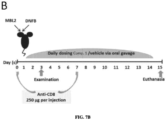
- mice have previously reported an inflammation-dependent mouse T cell lymphoma model that was generated by implantation of MBL2 cells in subcutaneous skin followed by a single topical application of 2, 4-Dinitro-1-fluorobenzene (DNFB) in the ears.
- DNFB 4-Dinitro-1-fluorobenzene
- mice are applied a single dose of DNFB, a well-studied contact allergen, on the dorsal skin immediately following tumor cell implantation, the resultant tumor microenvironments (TME) allows reproducible tumor generation in two weeks.
- DNFB DNFB induces large amount of inflammatory cells infiltrating in the TME, which contains mainly myeloid cell populations, i.e. macrophages and neutrophils.
- macrophages i.e. macrophages and neutrophils.
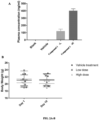
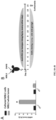
- Compound 1 is an orally-bioavailable CCR2 antagonist. After being administered with two different doses, 20mg/kg or 60mg/kg, through daily oral gavage, plasma concentration of Compound 1 in mice correlated well to the feeding doses ( FIG. 2A ). In addition, neither of the dosing schemes resulted in significant (>20%) weight changes in the mice ( FIG. 2B ), suggesting that the drug was well tolerated.
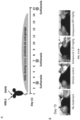
- For the experimental treatment regimen we administered Compound 1 daily via oral gavage, starting on the same day of tumor implantation ( Figure 1a ). Ear tumors in the mice treated with two different doses of Compound 1, but not the vehicle treated mice, showed visible reduction in tumor growth ( FIG. 1C ).
- Example 3 CCR2 + macrophages are specifically depleted in the /tumor microenvironment (TME) after Compound 1 treatment
- DNFB induces an inflammatory TME in the ear skin in the MBL2/DNFB model, i.e. ears exhibit redness, edema, and rapid accumulation of large numbers of inflammatory cells in just two days [28].
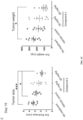
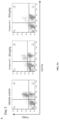
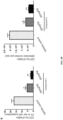
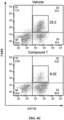
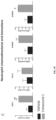
- mice that were treated with Compound 1 for two days after tumor implantation showed that levels of CD11b + /F4/80 + macrophages were significantly decreased by the Compound 1 treatment, which included both percentage values of live cells and absolute numbers by calculation in whole ears ( FIG. 3A & B ). Since both flow data and tumor measurement indicated that the higher dosage of Compound 1 generated better treatment outcomes without side effects, we used 60mg/kg per day as a standard dosage in subsequent experiments.
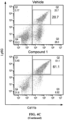
- the other major cell population is comprised of CD11band Ly6G-positive cells, which also co-express Ly6C, but not CCR2 ( FIG. 3C ). Although these cells show neutrophil markers, we call them neutrophil-like cells because of their potentially immature nature and features similar to MDSCs (myeloid-derived suppressor cells) in the setting of the tumor microenvironment. As shown in FIG. 3C , accumulation of neutrophils was not blocked by Compound 1; on the contrary, their relative abundance increased because of the depletion of macrophages by CCR2 antagonism.
- Example 4 Compound 1 treatment enhances intratumoral inflammation
- mice treated with Compound 1 showed significantly enhanced skin inflammation in the ears, which were redder and scalier than the control mice.
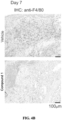
- Histological examination of tissues from day 7 revealed that ear surfaces on the dorsal side, i.e. DNFB-exposed side, exhibited surface ulceration, scaling, and obvious accumulation of inflammatory infiltrates microscopically ( FIG. 4A ).
- IHC staining with anti-F4/80 confirmed that macrophages were largely absent in the TME ( FIG. 4B ).
- Flow cytometry analysis on the tissues from the same time point showed a significant increase of neutrophil-like cells, which is consistent with histological manifestation ( FIG. 4C ).
- Example 5 Compound 1 treatment alters cytokine and immune biomarkers in the TME
- cytokines and chemokines known to be involved in anti-tumor immunity were all significantly increased in ears at the mRNA level by treatment with Compound 1.
- IL-12 another Th1 marker, was found to increase in Compound 1-treated mouse ears.
- FIG. 5A The upregulation of granzyme B, another indication of activation of anti-tumor cytotoxic pathways.
- FIG. 6 expression of IL-10 and TGF-beta, representative Th2 cytokines, were similarly expressed between Compound 1-treated mice and controls ( FIG. 6 ).
- cytokines such as IL-17a, IL-1beta, and IL-6 were upregulated to variable extents in Compound 1-treated mice.
- Upregulation of CCL2, the ligand of CCR2, and its closely related chemokine CCL7, during CCR2 antagonism in the TME may reflect enhanced transcription of CCL2 in the setting of effective CCR2 inhibition ( FIG. 5B ).
- the last group of biomarkers noticeably increased in the TME after Compound 1 treatment are recognized neutrophil chemoattractants and biomakers, i.e. CXCL1/2 and S100A8/9 ( FIG. 5C ), which is consistent with the recruitment of neutrophil-like cells as shown by flow cytometry ( FIG. 4C ).
- Example 6 CD8 T cells mediate the anti-tumor activities following macrophage blockade in the TME
- CD8 T cells were required for Compound 1 to effectively block tumor growth.
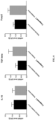
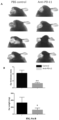
- the tumor tissues were collected from tumor bearing mice receiving two weeks of treatment. Few CD8 T cells were observed in untreated and vehicle treated tumors by IHC staining ( FIG. 7A ).
- Compound 1 treatment markedly increased the numbers of CD8 + T cells infiltration in the TME in a dose-dependent manner ( FIG. 7A ).
- FIG. 7B we administrated neutralizing CD8 antibodies by IP injection concurrently with the Compound 1 treatment.
- FIG. 7C Three days after the first injection of depleting anti-CD8 antibodies, we saw that CD3+/CD8+ T cells were virtually absent in the cervical draining lymph nodes in the antibody-treated mice ( FIG. 7C ).
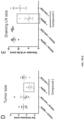
- FIG. 7D Two weeks after anti-CD8 treatment, measurement of the ear tumor size at the endpoint showed again that Compound 1-treatment inhibited tumor growth as indicated (outlined green triangles), whereas anti-CD8 abrogated this effect (similar to the levels of the vehicle treated groups) ( FIG. 7D ).
- the size of the ipsilateral cervical draining lymph nodes correlated well with nodal metastasis.
- FIG. 7E reduction of cervical LN size with Compound 1 treatment was reversed by CD8 T cells depletion.
- Compound 1 treatment requires the presence of CD8+ T cells for effective reduction of tumor growth as well as LN metastasis.
- Example 7 Macrophage blockade synergizes with anti-PD1 in constraining MBL2 tumor growth
- mice were treated with anti-PD1 at 10 mg/kg every other day beginning on the same day of the first Compound 1 treatment and tumor implantation ( FIG. 8B ).
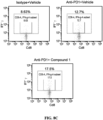
- mice were euthanized after completing the two weeks treatment, we analyzed the spleens in each group and found that the number of IFN- ⁇ -producing CD8-T cells significantly increased in the group treated with the combination of Compound 1 and anti-PD1, suggesting these mice exhibit more robust anti-tumor immunity ( FIG. 8C ).
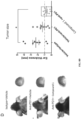
- the combination therapy but not the anti-PD1 and vehicle treatment, significantly inhibited the ear tumor growth compared to the control group treated with isotype and vehicle.
- mice with an ear thickness less than 1 mm at two weeks rarely, if ever, develop tumors.
- nearly 75% of the mice from combined treatment group had a tumor thickness less than 1 mm, suggestive of long term tumor clearance ( FIG. 8D ).
Landscapes
- Health & Medical Sciences (AREA)
- Veterinary Medicine (AREA)
- Life Sciences & Earth Sciences (AREA)
- Animal Behavior & Ethology (AREA)
- General Health & Medical Sciences (AREA)
- Public Health (AREA)
- Chemical & Material Sciences (AREA)
- Medicinal Chemistry (AREA)
- Pharmacology & Pharmacy (AREA)
- Epidemiology (AREA)
- Chemical Kinetics & Catalysis (AREA)
- General Chemical & Material Sciences (AREA)
- Nuclear Medicine, Radiotherapy & Molecular Imaging (AREA)
- Organic Chemistry (AREA)
- Pharmaceuticals Containing Other Organic And Inorganic Compounds (AREA)
- Medicines That Contain Protein Lipid Enzymes And Other Medicines (AREA)
- Medicines Containing Antibodies Or Antigens For Use As Internal Diagnostic Agents (AREA)
Claims (16)
- Chemokin-Rezeptor 2 (CCR2-) Antagonist für die Verwendung in einem Verfahren zum Behandeln von kutanem T-Zelllymphom (CTCL), wobei das Verfahren das Verabreichen einer wirksamen Menge des CCR2-Antagonisten mit der Formel
 A C(R5)(R6) oder N(R5) istdie Indizes m und n jeweils unabhängig voneinander ganze Zahlen von 0 bis 2 sind, und m + n ≤ 3 ist;R1 aus der Gruppe ausgewählt ist, bestehend aus Aryl, Aryl-C1-4-Alkyl, Heteroaryl und Heteroaryl-C1-4-Alkyl, wobei der Heteroarylabschnitt 1-3 Heteroatome als Ringglieder aufweist, die aus N, O und S ausgewählt sind; und wobei die Aryl- und Heteroarylgruppen oder -abschnitte optional mit von 1 bis 5 Rx Substituenten substituiert sind;R2 aus der Gruppe ausgewählt ist, bestehend aus H, C1-8-Alkyl, C3-8-Cycloalkyl, C3-8-Cycloalkyl-C1-4-Alkyl, Aryl, Aryl-C1-4-Alkyl, Heteroaryl und Heteroaryl-C1-4-Alkyl, wobei der Heteroarylabschnitt 1-3 Heteroatome als Ringglieder aufweist, ausgewählt aus N, O und S; und wobei die Aryl- und Heteroarylgruppen oder -abschnitte optional mit 1 bis 4 Rx Substituenten substituiert sind;oder optional R1 und R2 mit dem Stickstoffatom, an das jedes gebunden ist, kombiniert sind, um einen 6-bis 11-gliedrigen monocyclischen oder kondensierten bicyclischenheterocyclischen oder Heteroarylring auszubilden, wobei der -NR1R2 optional ferner mit 1 bis 4 Rx Substituenten substituiert ist;R3 aus der Gruppe ausgewählt ist, bestehend aus H, C1-8-Alkyl, C3-8-Cycloalkyl und C3-8-Cycloalkyl-C1-4-Alkyl, von denen jedes optional mit 1-3 Ry-Substituenten substituiert ist;R4 aus der Gruppe ausgewählt ist, bestehend aus H, C1-8-Alkyl, optional substituiert mit 1 bis 2 Ry, und -CO2H;R5 aus der Gruppe ausgewählt ist, bestehend aus C1-8-Alkyl, C1-8-Alkoxy, C3-8-Cycloalkyl, C3-8-Cycloalkyloxy, C3-8-Cycloalkyl-C1-4-Alkyl, C1-8-Alkylamino, Di-C1-8-Alkylamino, Aryl, Aryloxy, Arylamino, Aryl-C1-4-Alkyl, Heteroaryl, Heteroaryloxy, Heteroarylamino und Heteroaryl-C1-4-Alkyl, die jeweils optional mit 1 bis 5 Rz Substituenten substituiert sind;R6 aus der Gruppe ausgewählt ist, bestehend aus H, F, OH, C1-8-Alkyl und C1-8-Alkoxy, wobei die C1-8-Alkyl- und C1-8-Alkoxygruppen optional mit 1 bis 3 Rz Substituenten substituiert sind;oder optional R5 und R6 verbunden sind, um einen spirozyklischen 5- oder 6-gliedrigen Cycloalkylring auszubilden, der optional ungesättigt ist und eine kondensierte Arylgruppe aufweist, die optional mit 1 bis 4 Rz Substituenten substituiert ist;jedes Rx unabhängig aus der Gruppe ausgewählt ist, bestehend aus Halogen, -CN, -Rc, -CO2Ra, -CONRaRb, -C(O)Ra, -OC(O)NRaRb, -NRbC(O)Ra, - NRbC(O)2Rc, -NRa-C(O)NRaRb, -NRaC(O)NRaRb, -NRaRb, -ORa, -O-X1-ORa, -O-X1-NRaRb, -O-X1-CO2Ra, -O-X1-CONRaRb, -X1-ORa, -X1-NRaRb, -X1-CO2Ra, -X1-CONRaRb, -SF5, -S(O)2NRaRb und 5- oder 6-gliedrigem Aryl oder Heteroaryl, wobei jedes X1 ein C1-4-Alkylen ist; jedes Ra und Rb unabhängig voneinander aus Wasserstoff, C1-8-Alkyl und C1-8-Haloalkyl ausgewählt sind, oder, wenn sie an das gleiche Stickstoffatom gebunden sind, mit dem Stickstoffatom kombiniert sein können, um einen fünf- oder sechsgliedrigen Ring auszubilden, der von 0 bis 2 zusätzliche Heteroatome als Ringglieder aufweist, ausgewählt aus N, O oder S, und optional substituiert mit Oxo; jedes Rc unabhängig aus der Gruppe ausgewählt ist, bestehend aus C1-8-Alkyl, C1-8-Haloalkyl und C3-6-Cycloalkyl; und optional, wenn zwei Rx Substituenten an benachbarten Atomen sind, kombiniert werden, um einen kondensierten fünf- oder sechsgliedrigen carbocyclischen Ring auszubilden, und wobei die Aryl- oder Heteroarylgruppen optional mit 1-3 Gliedern substituiert sind, die aus Halogen, Hydroxyl, C1-4-Alkyl, C1-4-Alkoxy, C1-4-Haloalkyl und C1-4-Haloalkoxy ausgewählt sind;jedes RY unabhängig aus der Gruppe ausgewählt ist, bestehend aus Halogen, -CN, -Rf, -CO2Rd, -CONRdRe, -C(O)Rd, -OC(O)NRdRe, -NReC(O)Rd, - NReC(O)2Rf, -NRdC(O)NRdRe, -NRdC(O)NRdRe, -NRdRe, -ORd, und -S(O)2NRdRe; wobei Rd und Re jeweils unabhängig voneinander aus Wasserstoff, C1-8-Alkyl und C1-8-Haloalkyl, ausgewählt sind oder optional, wenn sie an das gleiche Stickstoffatom gebunden sind, mit dem Stickstoffatom kombiniert werden können, um einen fünf- oder sechsgliedrigen Ring mit 0 bis 2 zusätzlichen Heteroatomen als Ringglieder auszubilden, ausgewählt aus N, O oder S; jedes Rf unabhängig aus der Gruppe ausgewählt ist, bestehend aus C1-8-Alkyl, C1-8-Haloalkyl und C3-6-Cycloalkyl;
jedes Rz unabhängig aus der Gruppe ausgewählt ist, bestehend aus Halogen, - CN, -R', -CO2Rg, -CONRgRh, -C(O)Rg, -OC(O)NRgRh, -NRhC(O)Rg, -NRhC(O)2Ri, - NRgC(O)NRgRh, -NRgRh, -ORg, -S(O)2NRgRh, -X1-Rj, -X1NRgRh, -X1-CONRgRh, -X1-NRhC(O)Rg, -NHRj, -NHCH2Rj und Tetrazol; wobei jedes Rg und Rh unabhängig voneinander aus Wasserstoff, C1-8-Alkyl, C3-6-Cycloalkyl und C1-8-Haloalkyl ausgewählt ist, oder optional, wenn sie an das gleichen Stickstoffatom gebunden sind, mit dem Stickstoffatom kombiniert werden können, um einen fünf- oder sechsgliedrigen Ring mit 0 bis 2 zusätzlichen Heteroatomen als Ringglieder auszubilden, ausgewählt aus N, O oder S und optional mit einem oder zwei Oxo substituiert ist; jedes R' unabhängig aus der Gruppe ausgewählt ist, bestehend aus C1-8-Alkyl, C1-8-Haloalkyl und C3-6-Cycloalkyl; und jedes Rj aus der Gruppe ausgewählt ist, bestehend aus C3-6-Cycloalkyl, Pyrrolinyl, Piperidinyl, Morpholinyl, Tetrahydrofuranyl und Tetrahydropyranyl. - CCR2-Antagonist für die Verwendung nach Anspruch 1, wobei der CCR2-Antagonist die Formel aufweist:
 die Indizes m und n jeweils unabhängig voneinander 1 sind;R3 aus der Gruppe ausgewählt ist, bestehend aus C1-8-Alkyl und C3-8-Cycloalkyl,R4 aus der Gruppe ausgewählt ist, bestehend aus H und C1-8-Alkyl;der tiefgestellte Index p 1 oder 2 ist;jedes Rx unabhängig aus der Gruppe ausgewählt ist, bestehend aus Halogen, -Rc, -ORa, -O-X1-ORa und -X1-ORa, wobei jedes X1 ein C1-4-Alkylen ist; jedes Ra aus Wasserstoff, C1-8-Alkyl und C1-8-Haloalkyl ausgewählt ist; jedes Rc unabhängig voneinander aus der Gruppe ausgewählt ist, die aus C1-8-Alkyl und C1-8-Haloalkyl besteht;der tiefgestellte Index q 1 oder 2 ist;jedes Rz unabhängig voneinander aus der Gruppe ausgewählt ist, die aus Halogen, -Ri, - CO2Rg und Tetrazol besteht; wobei jedes Rg aus Wasserstoff, C1-8-Alkyl und C1-8-Haloalkyl ausgewählt ist; jedes R' unabhängig aus der Gruppe ausgewählt ist, bestehend aus C1-8-Alkyl und C1-8-Haloalkyl.
 - CCR2-Antagonist für die Verwendung nach Anspruch 1, wobei der CCR2-Antagonist aus der Gruppe ausgewählt ist, bestehend aus
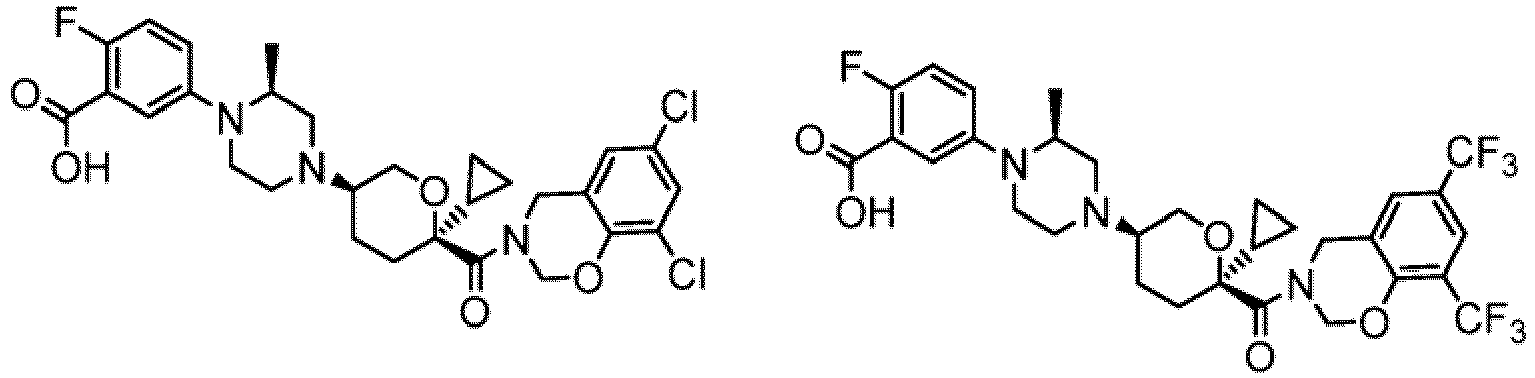


- CCR2-Antagonist für die Verwendung nach Anspruch 1, wobei der CCR2-Antagonist die Formel von Verbindung 1 aufweist:

- CCR2-Antagonist für die Verwendung nach Anspruch 1, wobei der CCR2-Antagonist die Formel von Verbindung 2 aufweist:

- CCR2-Antagonist für die Verwendung nach Anspruch 1, wobei der CCR2-Antagonist die Formel von Verbindung 3 aufweist:

- CCR2-Antagonist für die Verwendung nach einem der Ansprüche 1 bis 6 zum Behandeln eines soliden Tumors, wobei der CCR2-Antagonist oral verabreicht wird.
- CCR2-Antagonist für die Verwendung nach einem der Ansprüche 1 bis 6 zum Behandeln von CTCL bei einem Subjekt, das dessen bedarf, wobei das Subjekt CTCL im Stadium IA hat.
- CCR2-Antagonist für die Verwendung nach einem der Ansprüche 1 bis 6 zum Behandeln von CTCL bei einem Subjekt, das dessen bedarf, wobei das Subjekt CTCL im Stadium IB hat.
- CCR2-Antagonist für die Verwendung nach einem der Ansprüche 1 bis 6 zum Behandeln von CTCL bei einem Subjekt, das dessen bedarf, wobei das Subjekt CTCL im Stadium IIA hat.
- CCR2-Antagonist für die Verwendung nach einem der Ansprüche 1 bis 6 zum Behandeln von CTCL bei einem Subjekt, das dessen bedarf, wobei das Subjekt CTCL im Stadium IIB hat.
- CCR2-Antagonist für die Verwendung nach einem der Ansprüche 1 bis 6 zum Behandeln von CTCL bei einem Subjekt, das dessen bedarf, wobei das Subjekt CTCL im Stadium III hat.
- CCR2-Antagonist für die Verwendung nach einem der Ansprüche 1 bis 6 zum Behandeln von CTCL bei einem Subjekt, das dessen bedarf, wobei das Subjekt CTCL im Stadium IV hat.
- CCR2-Antagonist für die Verwendung nach einem der Ansprüche 1 bis 13 zum Behandeln eines soliden Tumors oder von CTCL, ferner umfassend das Verabreichen eines oder mehrerer zusätzlicher therapeutischer Mittel.
- CCR2-Antagonist für die Verwendung nach Anspruch 14, wobei das eine oder die mehreren zusätzlichen therapeutischen Mittel ein Immun-Checkpoint-Inhibitor ist, optional
wobei der Immun-Checkpoint-Inhibitor ein PD-1- und/oder PD-L1-Inhibitor ist. - CCR2-Antagonist für die Verwendung nach Anspruch 15, wobei der Immun-Checkpoint-Inhibitor ein PD-1- und/oder PD-L1-Inhibitor ist, der(i) aus der Gruppe ausgewählt ist, bestehend aus Pembrolizumab, Nivolumab, IBI-308, mDX-400, BGB-108, MEDI-0680, SHR-1210, PF-06801591, PDR-001, GB-226, und STI-1110; oder(ii) aus der Gruppe ausgewählt ist, bestehend aus Nivolumab, Pembrolizumab und Pidilizumab; oder(iii) aus der Gruppe ausgewählt ist, bestehend aus Durvalumab, Atezolizumab, Avelumab, BMS-936559, ALN-PDL, TSR-042, KD-033, CA-170, CA-327, STI-1014 und KY-1003.
Applications Claiming Priority (2)
| Application Number | Priority Date | Filing Date | Title |
|---|---|---|---|
| US201862614923P | 2018-01-08 | 2018-01-08 | |
| PCT/US2019/012515 WO2019136368A2 (en) | 2018-01-08 | 2019-01-07 | Methods of treating solid tumors with ccr2 antagonists |
Publications (3)
| Publication Number | Publication Date |
|---|---|
| EP3737367A2 EP3737367A2 (de) | 2020-11-18 |
| EP3737367A4 EP3737367A4 (de) | 2022-11-09 |
| EP3737367B1 true EP3737367B1 (de) | 2024-10-02 |
Family
ID=67139234
Family Applications (1)
| Application Number | Title | Priority Date | Filing Date |
|---|---|---|---|
| EP19735699.1A Active EP3737367B1 (de) | 2018-01-08 | 2019-01-07 | Ccr2-antagonisten zur behandlung des kutanen t-zell-lymphoms |
Country Status (11)
| Country | Link |
|---|---|
| US (2) | US11154556B2 (de) |
| EP (1) | EP3737367B1 (de) |
| JP (1) | JP7442141B2 (de) |
| CN (1) | CN112105353B (de) |
| AU (1) | AU2019205784B2 (de) |
| CA (1) | CA3087765A1 (de) |
| ES (1) | ES2991280T3 (de) |
| IL (1) | IL275898B2 (de) |
| MA (1) | MA50423A (de) |
| TW (1) | TWI882953B (de) |
| WO (1) | WO2019136368A2 (de) |
Families Citing this family (4)
| Publication number | Priority date | Publication date | Assignee | Title |
|---|---|---|---|---|
| CN108135168B (zh) | 2015-05-21 | 2021-07-20 | 凯莫森特里克斯股份有限公司 | Ccr2调节剂 |
| US20190275015A1 (en) * | 2017-09-25 | 2019-09-12 | Chemocentryx, Inc. | Combination therapy using a chemokine receptor 2 (ccr2) antagonist and a pd-1/pd-l1 inhibitor |
| AR112831A1 (es) | 2017-09-25 | 2019-12-18 | Chemocentryx Inc | Terapia de combinación usando un antagonista del receptor 2 de quimiocina (ccr2) y un inhibidor de pd-1 / pd-l1 |
| US20190269664A1 (en) | 2018-01-08 | 2019-09-05 | Chemocentryx, Inc. | Methods of treating solid tumors with ccr2 antagonists |
Family Cites Families (62)
| Publication number | Priority date | Publication date | Assignee | Title |
|---|---|---|---|---|
| AR034257A1 (es) | 2000-06-30 | 2004-02-18 | Du Pont Pharm Co | Compuesto ureido, composicion farmaceutica que lo comprende y metodo para modular la actividad del receptor de quimiocinas |
| AU8334501A (en) | 2000-08-17 | 2002-02-25 | Merck & Co Inc | Cyclopentyl modulators of chemokine receptor activity |
| EP1604982A1 (de) | 2001-07-02 | 2005-12-14 | AstraZeneca AB | Zwischenverbindungen für die herstellung von piperidinverbindungen, die sich als modulatoren der chemokinrezeptoraktivität eignen |
| ATE404538T1 (de) | 2002-04-29 | 2008-08-15 | Merck & Co Inc | Tetrahydropyranylcyclopentyltetrahydroisochino- linmodulatoren der chemokinrezeptoraktivität |
| WO2003092586A2 (en) | 2002-04-29 | 2003-11-13 | Merck & Co., Inc. | Tetrahydropyranyl cyclopentyl tetrahydropyridopyridine modulators of chemokine receptor activity |
| TWI262077B (en) | 2002-04-29 | 2006-09-21 | Merck & Co Inc | Tetrahydropyranyl cyclopentyl tetrahydropyridopyridine modulators of chemokine receptor activity |
| US20060030582A1 (en) | 2002-04-29 | 2006-02-09 | Demartino Julie | Tetrahydropyranyl cyclopentyl tetrahydropyridopyridine modulators of chemokine receptor activity |
| US7491737B2 (en) | 2002-10-30 | 2009-02-17 | Merck & Co., Inc. | Heterarylpiperidine modulators of chemokine receptor activity |
| AU2004215409B2 (en) | 2003-02-24 | 2008-11-20 | Merck Sharp & Dohme Corp. | Aminocyclopentyl fused heterotricylicamide modulators of chemokine receptor activity |
| CA2519220A1 (en) | 2003-03-18 | 2004-09-30 | Merck & Co., Inc. | Amino cyclobutylamide modulators of chemokine receptor activity |
| AU2004231087B2 (en) | 2003-04-15 | 2007-01-04 | Merck Sharp & Dohme Corp. | Benzoxazinyl-amidocyclopentyl-heterocyclic modulators of chemokine receptors |
| WO2004094371A2 (en) | 2003-04-17 | 2004-11-04 | Merck & Co., Inc. | Heterocyclic cyclopentyl tetrahydroisoquinoline and tetrahydropyridopyridine modulators of chemokine receptor activity |
| US20060205761A1 (en) | 2003-06-06 | 2006-09-14 | Catherine Abbadie | Ccr-2 antagonists for treatment of neuropathic pain |
| UA81365C2 (en) | 2003-10-27 | 2007-12-25 | Merck & Co Inc | Ccr-2 antagonist salt, method for modulation of chemokine receptor activity, method for treating (variants) and pharmaceutical composition |
| AR045875A1 (es) | 2003-10-27 | 2005-11-16 | Merck & Co Inc | Procedimiento para la preparacion del antagonista ccr-2 |
| AU2004313486A1 (en) | 2004-01-02 | 2005-07-28 | Merck & Co., Inc. | Alkylamino, arylamino, and sulfonamido cyclopentyl amide modulators of chemokine receptor activity |
| AU2005214319B2 (en) | 2004-02-12 | 2009-02-19 | Merck Sharp & Dohme Corp. | Amino heterocyclic modulators of chemokine receptor activity |
| CN1950085A (zh) | 2004-05-11 | 2007-04-18 | 因赛特公司 | 作为趋化因子受体调节剂的3-(4-杂芳基环己基氨基)环戊烷羧酰胺 |
| UY29219A1 (es) | 2004-11-22 | 2006-04-28 | Incyte Corp | Sales de la n-(2- (((3r)-1-(trans-4-hidroxi-4-(6-metoxipiridin-3-il)-cilohexil) pirrolidin-3-il)amino)-2-oxoetil)-3- (trifluorometil) benzamida |
| JP2008526861A (ja) | 2005-01-06 | 2008-07-24 | メルク エンド カムパニー インコーポレーテッド | 炎症性障害を治療するための薬剤併用療法および医薬組成物 |
| US8519135B2 (en) | 2006-07-14 | 2013-08-27 | Chemocentryx, Inc. | Heteroaryl sulfonamides and CCR2/CCR9 |
| US7671062B2 (en) | 2006-07-28 | 2010-03-02 | Bristol-Myers Squibb Company | Modulators of chemokine receptor activity, crystalline forms and process |
| NZ582150A (en) | 2007-06-18 | 2012-08-31 | Msd Oss Bv | Antibodies to human programmed death receptor pd-1 |
| KR101617050B1 (ko) | 2007-07-12 | 2016-05-02 | 케모센트릭스, 인크. | 염증의 치료를 위한 ccr2 조절물질로서 융합된 헤테로아릴 피리딜과 페닐 벤젠술폰아마이드 |
| WO2009114335A2 (en) | 2008-03-12 | 2009-09-17 | Merck & Co., Inc. | Pd-1 binding proteins |
| MX2011003195A (es) | 2008-09-26 | 2011-08-12 | Dana Farber Cancer Inst Inc | Anticuerpos anti-pd-1, pd-l1 y pd-l2 humanos y usos de los mismos. |
| CA2745969C (en) | 2008-12-10 | 2017-04-25 | Janssen Pharmaceutica Nv | 4-azetidinyl-1-heteroaryl-cyclohexanol antagonists of ccr2 |
| WO2010089411A2 (en) | 2009-02-09 | 2010-08-12 | Universite De La Mediterranee | Pd-1 antibodies and pd-l1 antibodies and uses thereof |
| KR20120061060A (ko) | 2009-04-16 | 2012-06-12 | 얀센 파마슈티카 엔.브이. | Ccr2의 4-아제티디닐-1-헤테로아릴-사이클로헥산 길항제 |
| CN102459227B (zh) | 2009-04-17 | 2014-08-20 | 詹森药业有限公司 | Ccr2的4-氮杂环丁烷基-1-苯基-环己烷拮抗剂 |
| PL2513093T3 (pl) | 2009-12-17 | 2015-03-31 | Centrexion Therapeutics Corp | Nowi antagoniści receptora CCR2 i ich zastosowanie |
| ES2449379T3 (es) | 2010-02-09 | 2014-03-19 | Bristol-Myers Squibb Company | Derivados de bencilpirrolidinona como moduladores de la actividad de receptores de quimiocinas |
| JP2013526507A (ja) | 2010-05-12 | 2013-06-24 | ベーリンガー インゲルハイム インターナショナル ゲゼルシャフト ミット ベシュレンクテル ハフツング | 新規ccr2受容体アンタゴニスト、その製造方法及び薬物としてのその使用 |
| US8642622B2 (en) | 2010-06-16 | 2014-02-04 | Bristol-Myers Squibb Company | Piperidinyl compound as a modulator of chemokine receptor activity |
| AU2011268375B2 (en) | 2010-06-17 | 2015-02-05 | Janssen Pharmaceutica Nv | Cyclohexyl-azetidinyl antagonists of CCR2 |
| WO2012121361A1 (ja) | 2011-03-10 | 2012-09-13 | 第一三共株式会社 | ジスピロピロリジン誘導体 |
| RS61033B1 (sr) | 2011-11-28 | 2020-12-31 | Merck Patent Gmbh | Antitela na pd-l1 i njihova upotreba |
| US8822460B2 (en) | 2012-04-06 | 2014-09-02 | Janssen Pharmaceutica Nv | Fused cyclopentyl antagonists of CCR2 |
| CA2873402C (en) | 2012-05-15 | 2023-10-24 | Bristol-Myers Squibb Company | Cancer immunotherapy by disrupting pd-1/pd-l1 signaling |
| KR102129636B1 (ko) | 2012-05-31 | 2020-07-03 | 제넨테크, 인크. | Pd-l1 축 결합 길항제 및 vegf 길항제를 사용하여 암을 치료하는 방법 |
| HK1208236A1 (en) * | 2012-06-22 | 2016-02-26 | Sorrento Therapeutics, Inc. | Antigen binding proteins that bind ccr2 |
| US9308236B2 (en) | 2013-03-15 | 2016-04-12 | Bristol-Myers Squibb Company | Macrocyclic inhibitors of the PD-1/PD-L1 and CD80(B7-1)/PD-L1 protein/protein interactions |
| SI3010503T1 (sl) * | 2013-06-21 | 2020-07-31 | Zenith Epigenetics Ltd. | Novi biciklični inhibitorji bromodomene |
| CN105451770B (zh) | 2013-08-20 | 2020-02-07 | 默沙东公司 | 使用PD-1拮抗剂和dinaciclib的组合治疗癌症 |
| JP6417419B2 (ja) | 2013-09-04 | 2018-11-07 | ブリストル−マイヤーズ スクイブ カンパニーBristol−Myers Squibb Company | 免疫調節剤として有用な化合物 |
| TWI680138B (zh) | 2014-01-23 | 2019-12-21 | 美商再生元醫藥公司 | 抗pd-l1之人類抗體 |
| US9850225B2 (en) | 2014-04-14 | 2017-12-26 | Bristol-Myers Squibb Company | Compounds useful as immunomodulators |
| BR112017003718B1 (pt) | 2014-09-11 | 2023-04-11 | Bristol-Myers Squibb Company | Inibidores macrocíclicos das interações de proteína/proteína de pd- 1/pd-l1 e cd80(b7-1)/pd-l1 |
| US9732119B2 (en) | 2014-10-10 | 2017-08-15 | Bristol-Myers Squibb Company | Immunomodulators |
| US9856292B2 (en) | 2014-11-14 | 2018-01-02 | Bristol-Myers Squibb Company | Immunomodulators |
| US9861680B2 (en) | 2014-12-18 | 2018-01-09 | Bristol-Myers Squibb Company | Immunomodulators |
| US9944678B2 (en) | 2014-12-19 | 2018-04-17 | Bristol-Myers Squibb Company | Immunomodulators |
| US20160222060A1 (en) | 2015-02-04 | 2016-08-04 | Bristol-Myers Squibb Company | Immunomodulators |
| US9809625B2 (en) | 2015-03-18 | 2017-11-07 | Bristol-Myers Squibb Company | Immunomodulators |
| CN108135168B (zh) | 2015-05-21 | 2021-07-20 | 凯莫森特里克斯股份有限公司 | Ccr2调节剂 |
| WO2017165125A1 (en) | 2016-03-24 | 2017-09-28 | Millennium Pharmaceuticals, Inc. | Use of a pd-1 antagonist and an anti-ccr2 antibody in the treatment of cancer |
| US10195188B2 (en) | 2016-06-13 | 2019-02-05 | Chemocentryx, Inc. | Method of treating pancreatic cancer |
| US10251888B2 (en) | 2016-06-13 | 2019-04-09 | Chemocentryx, Inc. | Method of treating pancreatic cancer |
| US10639284B2 (en) * | 2016-06-27 | 2020-05-05 | Chemocentryx, Inc. | Immunomodulator compounds |
| AR112831A1 (es) | 2017-09-25 | 2019-12-18 | Chemocentryx Inc | Terapia de combinación usando un antagonista del receptor 2 de quimiocina (ccr2) y un inhibidor de pd-1 / pd-l1 |
| US20190275015A1 (en) | 2017-09-25 | 2019-09-12 | Chemocentryx, Inc. | Combination therapy using a chemokine receptor 2 (ccr2) antagonist and a pd-1/pd-l1 inhibitor |
| US20190269664A1 (en) | 2018-01-08 | 2019-09-05 | Chemocentryx, Inc. | Methods of treating solid tumors with ccr2 antagonists |
-
2019
- 2019-01-07 CN CN201980017482.2A patent/CN112105353B/zh active Active
- 2019-01-07 ES ES19735699T patent/ES2991280T3/es active Active
- 2019-01-07 US US16/241,391 patent/US11154556B2/en active Active
- 2019-01-07 MA MA050423A patent/MA50423A/fr unknown
- 2019-01-07 EP EP19735699.1A patent/EP3737367B1/de active Active
- 2019-01-07 AU AU2019205784A patent/AU2019205784B2/en active Active
- 2019-01-07 IL IL275898A patent/IL275898B2/en unknown
- 2019-01-07 CA CA3087765A patent/CA3087765A1/en active Pending
- 2019-01-07 JP JP2020537565A patent/JP7442141B2/ja active Active
- 2019-01-07 WO PCT/US2019/012515 patent/WO2019136368A2/en not_active Ceased
- 2019-01-08 TW TW108100692A patent/TWI882953B/zh active
-
2021
- 2021-09-22 US US17/481,829 patent/US20220241290A1/en active Pending
Also Published As
| Publication number | Publication date |
|---|---|
| AU2019205784A1 (en) | 2020-07-30 |
| JP7442141B2 (ja) | 2024-03-04 |
| ES2991280T3 (es) | 2024-12-03 |
| US20190209573A1 (en) | 2019-07-11 |
| IL275898A (en) | 2020-08-31 |
| EP3737367A2 (de) | 2020-11-18 |
| TWI882953B (zh) | 2025-05-11 |
| AU2019205784B2 (en) | 2024-07-25 |
| TW201938160A (zh) | 2019-10-01 |
| IL275898B1 (en) | 2025-01-01 |
| CA3087765A1 (en) | 2019-07-11 |
| US11154556B2 (en) | 2021-10-26 |
| CN112105353A (zh) | 2020-12-18 |
| JP2021509678A (ja) | 2021-04-01 |
| WO2019136368A3 (en) | 2020-04-16 |
| US20220241290A1 (en) | 2022-08-04 |
| WO2019136368A2 (en) | 2019-07-11 |
| IL275898B2 (en) | 2025-05-01 |
| MA50423A (fr) | 2020-08-26 |
| CN112105353B (zh) | 2024-04-19 |
| EP3737367A4 (de) | 2022-11-09 |
Similar Documents
| Publication | Publication Date | Title |
|---|---|---|
| US11986466B2 (en) | Methods of treating solid tumors with CCR2 antagonists | |
| JP7611189B2 (ja) | Pd-1阻害剤又はpd-l1阻害剤と組み合わせてccr1アンタゴニストを投与することによる腫瘍負荷の低減 | |
| US20220241290A1 (en) | Methods of treating solid tumors with ccr2 antagonists | |
| CN111712242B (zh) | 使用趋化因子受体2(ccr2)拮抗剂和pd-1/pd-l1抑制剂的联合治疗 | |
| US20240285593A1 (en) | Combination therapy using a chemokine receptor 2 (ccr2) antagonist and a pd-1/pd-l1 inhibitor | |
| US20230404986A1 (en) | Combination therapy using a chemokine receptor 2 (ccr2) antagonist and a pd-1 and/or pd-l1 inhibitor | |
| EP3551629B1 (de) | Oxabicycloheptane zur modulation von immunreaktionen | |
| KR20240023629A (ko) | 디아실글리세롤 키나제 조절 화합물 | |
| AU2021369590A1 (en) | Combination of an ahr inhibitor with a pdx inhibitor or doxorubicine | |
| RU2810717C2 (ru) | Комбинированная терапия с использованием антагонистов c-c хемокинового рецептора 4 (ccr4) и одного или более ингибиторов контрольных точек | |
| WO2020191240A1 (en) | Combination therapy using a chemokine receptor 2 (ccr2) antagonist and a pd-1 and/or pd-l1 inhibitor | |
| HK40015901A (en) | Oxabicycloheptanes for modulation of immune response | |
| HK40015901B (en) | Oxabicycloheptanes for modulation of immune response |
Legal Events
| Date | Code | Title | Description |
|---|---|---|---|
| STAA | Information on the status of an ep patent application or granted ep patent |
Free format text: STATUS: THE INTERNATIONAL PUBLICATION HAS BEEN MADE |
|
| PUAI | Public reference made under article 153(3) epc to a published international application that has entered the european phase |
Free format text: ORIGINAL CODE: 0009012 |
|
| STAA | Information on the status of an ep patent application or granted ep patent |
Free format text: STATUS: REQUEST FOR EXAMINATION WAS MADE |
|
| 17P | Request for examination filed |
Effective date: 20200716 |
|
| AK | Designated contracting states |
Kind code of ref document: A2 Designated state(s): AL AT BE BG CH CY CZ DE DK EE ES FI FR GB GR HR HU IE IS IT LI LT LU LV MC MK MT NL NO PL PT RO RS SE SI SK SM TR |
|
| AX | Request for extension of the european patent |
Extension state: BA ME |
|
| REG | Reference to a national code |
Ref country code: HK Ref legal event code: DE Ref document number: 40043115 Country of ref document: HK |
|
| REG | Reference to a national code |
Ref country code: DE Ref legal event code: R079 Free format text: PREVIOUS MAIN CLASS: A61K0031351000 Ipc: A61K0031536000 Ref document number: 602019059711 Country of ref document: DE |
|
| A4 | Supplementary search report drawn up and despatched |
Effective date: 20221010 |
|
| RIC1 | Information provided on ipc code assigned before grant |
Ipc: C07D 405/04 20060101ALI20221004BHEP Ipc: C07D 405/02 20060101ALI20221004BHEP Ipc: C07D 405/00 20060101ALI20221004BHEP Ipc: A61P 35/00 20060101ALI20221004BHEP Ipc: A61K 45/06 20060101ALI20221004BHEP Ipc: A61K 31/453 20060101ALI20221004BHEP Ipc: A61K 31/536 20060101AFI20221004BHEP |
|
| RAP3 | Party data changed (applicant data changed or rights of an application transferred) |
Owner name: THE REGENTS OF THE UNIVERSITY OF CALIFORNIA Owner name: CHEMOCENTRYX, INC. |
|
| GRAP | Despatch of communication of intention to grant a patent |
Free format text: ORIGINAL CODE: EPIDOSNIGR1 |
|
| STAA | Information on the status of an ep patent application or granted ep patent |
Free format text: STATUS: GRANT OF PATENT IS INTENDED |
|
| INTG | Intention to grant announced |
Effective date: 20240508 |
|
| GRAS | Grant fee paid |
Free format text: ORIGINAL CODE: EPIDOSNIGR3 |
|
| GRAA | (expected) grant |
Free format text: ORIGINAL CODE: 0009210 |
|
| STAA | Information on the status of an ep patent application or granted ep patent |
Free format text: STATUS: THE PATENT HAS BEEN GRANTED |
|
| P01 | Opt-out of the competence of the unified patent court (upc) registered |
Free format text: CASE NUMBER: APP_47906/2024 Effective date: 20240820 |
|
| AK | Designated contracting states |
Kind code of ref document: B1 Designated state(s): AL AT BE BG CH CY CZ DE DK EE ES FI FR GB GR HR HU IE IS IT LI LT LU LV MC MK MT NL NO PL PT RO RS SE SI SK SM TR |
|
| REG | Reference to a national code |
Ref country code: GB Ref legal event code: FG4D |
|
| REG | Reference to a national code |
Ref country code: CH Ref legal event code: EP |
|
| REG | Reference to a national code |
Ref country code: IE Ref legal event code: FG4D |
|
| REG | Reference to a national code |
Ref country code: DE Ref legal event code: R096 Ref document number: 602019059711 Country of ref document: DE |
|
| REG | Reference to a national code |
Ref country code: ES Ref legal event code: FG2A Ref document number: 2991280 Country of ref document: ES Kind code of ref document: T3 Effective date: 20241203 |
|
| PGFP | Annual fee paid to national office [announced via postgrant information from national office to epo] |
Ref country code: GB Payment date: 20241219 Year of fee payment: 7 |
|
| PGFP | Annual fee paid to national office [announced via postgrant information from national office to epo] |
Ref country code: FR Payment date: 20241219 Year of fee payment: 7 |
|
| REG | Reference to a national code |
Ref country code: LT Ref legal event code: MG9D |
|
| REG | Reference to a national code |
Ref country code: NL Ref legal event code: MP Effective date: 20241002 |
|
| REG | Reference to a national code |
Ref country code: AT Ref legal event code: MK05 Ref document number: 1727982 Country of ref document: AT Kind code of ref document: T Effective date: 20241002 |
|
| PG25 | Lapsed in a contracting state [announced via postgrant information from national office to epo] |
Ref country code: NL Free format text: LAPSE BECAUSE OF FAILURE TO SUBMIT A TRANSLATION OF THE DESCRIPTION OR TO PAY THE FEE WITHIN THE PRESCRIBED TIME-LIMIT Effective date: 20241002 |
|
| PG25 | Lapsed in a contracting state [announced via postgrant information from national office to epo] |
Ref country code: NL Free format text: LAPSE BECAUSE OF FAILURE TO SUBMIT A TRANSLATION OF THE DESCRIPTION OR TO PAY THE FEE WITHIN THE PRESCRIBED TIME-LIMIT Effective date: 20241002 |
|
| PG25 | Lapsed in a contracting state [announced via postgrant information from national office to epo] |
Ref country code: PT Free format text: LAPSE BECAUSE OF FAILURE TO SUBMIT A TRANSLATION OF THE DESCRIPTION OR TO PAY THE FEE WITHIN THE PRESCRIBED TIME-LIMIT Effective date: 20250203 Ref country code: IS Free format text: LAPSE BECAUSE OF FAILURE TO SUBMIT A TRANSLATION OF THE DESCRIPTION OR TO PAY THE FEE WITHIN THE PRESCRIBED TIME-LIMIT Effective date: 20250202 Ref country code: HR Free format text: LAPSE BECAUSE OF FAILURE TO SUBMIT A TRANSLATION OF THE DESCRIPTION OR TO PAY THE FEE WITHIN THE PRESCRIBED TIME-LIMIT Effective date: 20241002 |
|
| PGFP | Annual fee paid to national office [announced via postgrant information from national office to epo] |
Ref country code: DE Payment date: 20241218 Year of fee payment: 7 |
|
| PG25 | Lapsed in a contracting state [announced via postgrant information from national office to epo] |
Ref country code: FI Free format text: LAPSE BECAUSE OF FAILURE TO SUBMIT A TRANSLATION OF THE DESCRIPTION OR TO PAY THE FEE WITHIN THE PRESCRIBED TIME-LIMIT Effective date: 20241002 |
|
| PG25 | Lapsed in a contracting state [announced via postgrant information from national office to epo] |
Ref country code: BG Free format text: LAPSE BECAUSE OF FAILURE TO SUBMIT A TRANSLATION OF THE DESCRIPTION OR TO PAY THE FEE WITHIN THE PRESCRIBED TIME-LIMIT Effective date: 20241002 |
|
| PGFP | Annual fee paid to national office [announced via postgrant information from national office to epo] |
Ref country code: ES Payment date: 20250203 Year of fee payment: 7 |
|
| PG25 | Lapsed in a contracting state [announced via postgrant information from national office to epo] |
Ref country code: NO Free format text: LAPSE BECAUSE OF FAILURE TO SUBMIT A TRANSLATION OF THE DESCRIPTION OR TO PAY THE FEE WITHIN THE PRESCRIBED TIME-LIMIT Effective date: 20250102 |
|
| PG25 | Lapsed in a contracting state [announced via postgrant information from national office to epo] |
Ref country code: AT Free format text: LAPSE BECAUSE OF FAILURE TO SUBMIT A TRANSLATION OF THE DESCRIPTION OR TO PAY THE FEE WITHIN THE PRESCRIBED TIME-LIMIT Effective date: 20241002 Ref country code: GR Free format text: LAPSE BECAUSE OF FAILURE TO SUBMIT A TRANSLATION OF THE DESCRIPTION OR TO PAY THE FEE WITHIN THE PRESCRIBED TIME-LIMIT Effective date: 20250103 Ref country code: LV Free format text: LAPSE BECAUSE OF FAILURE TO SUBMIT A TRANSLATION OF THE DESCRIPTION OR TO PAY THE FEE WITHIN THE PRESCRIBED TIME-LIMIT Effective date: 20241002 |
|
| PGFP | Annual fee paid to national office [announced via postgrant information from national office to epo] |
Ref country code: CH Payment date: 20250201 Year of fee payment: 7 |
|
| PG25 | Lapsed in a contracting state [announced via postgrant information from national office to epo] |
Ref country code: PL Free format text: LAPSE BECAUSE OF FAILURE TO SUBMIT A TRANSLATION OF THE DESCRIPTION OR TO PAY THE FEE WITHIN THE PRESCRIBED TIME-LIMIT Effective date: 20241002 Ref country code: CZ Free format text: LAPSE BECAUSE OF FAILURE TO SUBMIT A TRANSLATION OF THE DESCRIPTION OR TO PAY THE FEE WITHIN THE PRESCRIBED TIME-LIMIT Effective date: 20241002 |
|
| PGFP | Annual fee paid to national office [announced via postgrant information from national office to epo] |
Ref country code: IT Payment date: 20250107 Year of fee payment: 7 |
|
| PG25 | Lapsed in a contracting state [announced via postgrant information from national office to epo] |
Ref country code: RS Free format text: LAPSE BECAUSE OF FAILURE TO SUBMIT A TRANSLATION OF THE DESCRIPTION OR TO PAY THE FEE WITHIN THE PRESCRIBED TIME-LIMIT Effective date: 20250102 |
|
| PG25 | Lapsed in a contracting state [announced via postgrant information from national office to epo] |
Ref country code: SM Free format text: LAPSE BECAUSE OF FAILURE TO SUBMIT A TRANSLATION OF THE DESCRIPTION OR TO PAY THE FEE WITHIN THE PRESCRIBED TIME-LIMIT Effective date: 20241002 |
|
| REG | Reference to a national code |
Ref country code: DE Ref legal event code: R097 Ref document number: 602019059711 Country of ref document: DE |
|
| PG25 | Lapsed in a contracting state [announced via postgrant information from national office to epo] |
Ref country code: DK Free format text: LAPSE BECAUSE OF FAILURE TO SUBMIT A TRANSLATION OF THE DESCRIPTION OR TO PAY THE FEE WITHIN THE PRESCRIBED TIME-LIMIT Effective date: 20241002 |
|
| VS25 | Lapsed in a validation state [announced via postgrant information from nat. office to epo] |
Ref country code: MD Free format text: LAPSE BECAUSE OF FAILURE TO SUBMIT A TRANSLATION OF THE DESCRIPTION OR TO PAY THE FEE WITHIN THE PRESCRIBED TIME-LIMIT Effective date: 20241002 |
|
| PG25 | Lapsed in a contracting state [announced via postgrant information from national office to epo] |
Ref country code: EE Free format text: LAPSE BECAUSE OF FAILURE TO SUBMIT A TRANSLATION OF THE DESCRIPTION OR TO PAY THE FEE WITHIN THE PRESCRIBED TIME-LIMIT Effective date: 20241002 |
|
| PG25 | Lapsed in a contracting state [announced via postgrant information from national office to epo] |
Ref country code: RO Free format text: LAPSE BECAUSE OF FAILURE TO SUBMIT A TRANSLATION OF THE DESCRIPTION OR TO PAY THE FEE WITHIN THE PRESCRIBED TIME-LIMIT Effective date: 20241002 |
|
| PG25 | Lapsed in a contracting state [announced via postgrant information from national office to epo] |
Ref country code: SK Free format text: LAPSE BECAUSE OF FAILURE TO SUBMIT A TRANSLATION OF THE DESCRIPTION OR TO PAY THE FEE WITHIN THE PRESCRIBED TIME-LIMIT Effective date: 20241002 |
|
| PLBE | No opposition filed within time limit |
Free format text: ORIGINAL CODE: 0009261 |
|
| STAA | Information on the status of an ep patent application or granted ep patent |
Free format text: STATUS: NO OPPOSITION FILED WITHIN TIME LIMIT |
|
| PG25 | Lapsed in a contracting state [announced via postgrant information from national office to epo] |
Ref country code: SE Free format text: LAPSE BECAUSE OF FAILURE TO SUBMIT A TRANSLATION OF THE DESCRIPTION OR TO PAY THE FEE WITHIN THE PRESCRIBED TIME-LIMIT Effective date: 20241002 |
|
| 26N | No opposition filed |
Effective date: 20250703 |
|
| PG25 | Lapsed in a contracting state [announced via postgrant information from national office to epo] |
Ref country code: LU Free format text: LAPSE BECAUSE OF NON-PAYMENT OF DUE FEES Effective date: 20250107 Ref country code: MC Free format text: LAPSE BECAUSE OF FAILURE TO SUBMIT A TRANSLATION OF THE DESCRIPTION OR TO PAY THE FEE WITHIN THE PRESCRIBED TIME-LIMIT Effective date: 20241002 |
|
| PG25 | Lapsed in a contracting state [announced via postgrant information from national office to epo] |
Ref country code: BE Free format text: LAPSE BECAUSE OF NON-PAYMENT OF DUE FEES Effective date: 20250131 |
|
| REG | Reference to a national code |
Ref country code: BE Ref legal event code: MM Effective date: 20250131 |