EP3704466B1 - Analyte detection method - Google Patents
Analyte detection method Download PDFInfo
- Publication number
- EP3704466B1 EP3704466B1 EP18874086.4A EP18874086A EP3704466B1 EP 3704466 B1 EP3704466 B1 EP 3704466B1 EP 18874086 A EP18874086 A EP 18874086A EP 3704466 B1 EP3704466 B1 EP 3704466B1
- Authority
- EP
- European Patent Office
- Prior art keywords
- sample
- cms
- blood
- iso
- subject
- Prior art date
- Legal status (The legal status is an assumption and is not a legal conclusion. Google has not performed a legal analysis and makes no representation as to the accuracy of the status listed.)
- Active
Links
Images




Classifications
-
- B—PERFORMING OPERATIONS; TRANSPORTING
- B01—PHYSICAL OR CHEMICAL PROCESSES OR APPARATUS IN GENERAL
- B01L—CHEMICAL OR PHYSICAL LABORATORY APPARATUS FOR GENERAL USE
- B01L3/00—Containers or dishes for laboratory use, e.g. laboratory glassware; Droppers
- B01L3/50—Containers for the purpose of retaining a material to be analysed, e.g. test tubes
- B01L3/502—Containers for the purpose of retaining a material to be analysed, e.g. test tubes with fluid transport, e.g. in multi-compartment structures
- B01L3/5023—Containers for the purpose of retaining a material to be analysed, e.g. test tubes with fluid transport, e.g. in multi-compartment structures with a sample being transported to, and subsequently stored in an absorbent for analysis
-
- G—PHYSICS
- G01—MEASURING; TESTING
- G01N—INVESTIGATING OR ANALYSING MATERIALS BY DETERMINING THEIR CHEMICAL OR PHYSICAL PROPERTIES
- G01N33/00—Investigating or analysing materials by specific methods not covered by groups G01N1/00 - G01N31/00
- G01N33/48—Biological material, e.g. blood, urine; Haemocytometers
- G01N33/50—Chemical analysis of biological material, e.g. blood, urine; Testing involving biospecific ligand binding methods; Immunological testing
-
- A—HUMAN NECESSITIES
- A61—MEDICAL OR VETERINARY SCIENCE; HYGIENE
- A61B—DIAGNOSIS; SURGERY; IDENTIFICATION
- A61B5/00—Measuring for diagnostic purposes; Identification of persons
- A61B5/15—Devices for taking samples of blood
- A61B5/150007—Details
- A61B5/150015—Source of blood
- A61B5/150022—Source of blood for capillary blood or interstitial fluid
-
- A—HUMAN NECESSITIES
- A61—MEDICAL OR VETERINARY SCIENCE; HYGIENE
- A61B—DIAGNOSIS; SURGERY; IDENTIFICATION
- A61B5/00—Measuring for diagnostic purposes; Identification of persons
- A61B5/15—Devices for taking samples of blood
- A61B5/151—Devices specially adapted for taking samples of capillary blood, e.g. by lancets, needles or blades
-
- G—PHYSICS
- G01—MEASURING; TESTING
- G01N—INVESTIGATING OR ANALYSING MATERIALS BY DETERMINING THEIR CHEMICAL OR PHYSICAL PROPERTIES
- G01N33/00—Investigating or analysing materials by specific methods not covered by groups G01N1/00 - G01N31/00
- G01N33/48—Biological material, e.g. blood, urine; Haemocytometers
- G01N33/483—Physical analysis of biological material
- G01N33/487—Physical analysis of biological material of liquid biological material
- G01N33/49—Blood
-
- G—PHYSICS
- G01—MEASURING; TESTING
- G01N—INVESTIGATING OR ANALYSING MATERIALS BY DETERMINING THEIR CHEMICAL OR PHYSICAL PROPERTIES
- G01N33/00—Investigating or analysing materials by specific methods not covered by groups G01N1/00 - G01N31/00
- G01N33/48—Biological material, e.g. blood, urine; Haemocytometers
- G01N33/50—Chemical analysis of biological material, e.g. blood, urine; Testing involving biospecific ligand binding methods; Immunological testing
- G01N33/68—Chemical analysis of biological material, e.g. blood, urine; Testing involving biospecific ligand binding methods; Immunological testing involving proteins, peptides or amino acids
- G01N33/6893—Chemical analysis of biological material, e.g. blood, urine; Testing involving biospecific ligand binding methods; Immunological testing involving proteins, peptides or amino acids related to diseases not provided for elsewhere
-
- G—PHYSICS
- G01—MEASURING; TESTING
- G01N—INVESTIGATING OR ANALYSING MATERIALS BY DETERMINING THEIR CHEMICAL OR PHYSICAL PROPERTIES
- G01N33/00—Investigating or analysing materials by specific methods not covered by groups G01N1/00 - G01N31/00
- G01N33/48—Biological material, e.g. blood, urine; Haemocytometers
- G01N33/50—Chemical analysis of biological material, e.g. blood, urine; Testing involving biospecific ligand binding methods; Immunological testing
- G01N33/94—Chemical analysis of biological material, e.g. blood, urine; Testing involving biospecific ligand binding methods; Immunological testing involving narcotics or drugs or pharmaceuticals, neurotransmitters or associated receptors
-
- G—PHYSICS
- G01—MEASURING; TESTING
- G01N—INVESTIGATING OR ANALYSING MATERIALS BY DETERMINING THEIR CHEMICAL OR PHYSICAL PROPERTIES
- G01N33/00—Investigating or analysing materials by specific methods not covered by groups G01N1/00 - G01N31/00
- G01N33/48—Biological material, e.g. blood, urine; Haemocytometers
- G01N33/50—Chemical analysis of biological material, e.g. blood, urine; Testing involving biospecific ligand binding methods; Immunological testing
- G01N33/94—Chemical analysis of biological material, e.g. blood, urine; Testing involving biospecific ligand binding methods; Immunological testing involving narcotics or drugs or pharmaceuticals, neurotransmitters or associated receptors
- G01N33/9486—Analgesics, e.g. opiates, aspirine
-
- A—HUMAN NECESSITIES
- A61—MEDICAL OR VETERINARY SCIENCE; HYGIENE
- A61B—DIAGNOSIS; SURGERY; IDENTIFICATION
- A61B10/00—Instruments for taking body samples for diagnostic purposes; Other methods or instruments for diagnosis, e.g. for vaccination diagnosis, sex determination or ovulation-period determination; Throat striking implements
- A61B10/0045—Devices for taking samples of body liquids
- A61B10/0051—Devices for taking samples of body liquids for taking saliva or sputum samples
-
- A—HUMAN NECESSITIES
- A61—MEDICAL OR VETERINARY SCIENCE; HYGIENE
- A61B—DIAGNOSIS; SURGERY; IDENTIFICATION
- A61B10/00—Instruments for taking body samples for diagnostic purposes; Other methods or instruments for diagnosis, e.g. for vaccination diagnosis, sex determination or ovulation-period determination; Throat striking implements
- A61B10/0045—Devices for taking samples of body liquids
- A61B10/0058—Devices for taking samples of body liquids for taking sperm samples
-
- A—HUMAN NECESSITIES
- A61—MEDICAL OR VETERINARY SCIENCE; HYGIENE
- A61B—DIAGNOSIS; SURGERY; IDENTIFICATION
- A61B10/00—Instruments for taking body samples for diagnostic purposes; Other methods or instruments for diagnosis, e.g. for vaccination diagnosis, sex determination or ovulation-period determination; Throat striking implements
- A61B10/0045—Devices for taking samples of body liquids
- A61B10/0064—Devices for taking samples of body liquids for taking sweat or sebum samples
-
- A—HUMAN NECESSITIES
- A61—MEDICAL OR VETERINARY SCIENCE; HYGIENE
- A61B—DIAGNOSIS; SURGERY; IDENTIFICATION
- A61B10/00—Instruments for taking body samples for diagnostic purposes; Other methods or instruments for diagnosis, e.g. for vaccination diagnosis, sex determination or ovulation-period determination; Throat striking implements
- A61B10/0045—Devices for taking samples of body liquids
- A61B10/007—Devices for taking samples of body liquids for taking urine samples
-
- A—HUMAN NECESSITIES
- A61—MEDICAL OR VETERINARY SCIENCE; HYGIENE
- A61B—DIAGNOSIS; SURGERY; IDENTIFICATION
- A61B10/00—Instruments for taking body samples for diagnostic purposes; Other methods or instruments for diagnosis, e.g. for vaccination diagnosis, sex determination or ovulation-period determination; Throat striking implements
- A61B10/0045—Devices for taking samples of body liquids
- A61B2010/0067—Tear or lachrymal fluid
-
- A—HUMAN NECESSITIES
- A61—MEDICAL OR VETERINARY SCIENCE; HYGIENE
- A61B—DIAGNOSIS; SURGERY; IDENTIFICATION
- A61B10/00—Instruments for taking body samples for diagnostic purposes; Other methods or instruments for diagnosis, e.g. for vaccination diagnosis, sex determination or ovulation-period determination; Throat striking implements
- A61B10/0045—Devices for taking samples of body liquids
- A61B2010/0077—Cerebrospinal fluid
-
- A—HUMAN NECESSITIES
- A61—MEDICAL OR VETERINARY SCIENCE; HYGIENE
- A61B—DIAGNOSIS; SURGERY; IDENTIFICATION
- A61B2503/00—Evaluating a particular growth phase or type of persons or animals
- A61B2503/04—Babies, e.g. for SIDS detection
- A61B2503/045—Newborns, e.g. premature baby monitoring
-
- B—PERFORMING OPERATIONS; TRANSPORTING
- B01—PHYSICAL OR CHEMICAL PROCESSES OR APPARATUS IN GENERAL
- B01L—CHEMICAL OR PHYSICAL LABORATORY APPARATUS FOR GENERAL USE
- B01L2300/00—Additional constructional details
- B01L2300/06—Auxiliary integrated devices, integrated components
- B01L2300/0627—Sensor or part of a sensor is integrated
- B01L2300/0636—Integrated biosensor, microarrays
-
- B—PERFORMING OPERATIONS; TRANSPORTING
- B01—PHYSICAL OR CHEMICAL PROCESSES OR APPARATUS IN GENERAL
- B01L—CHEMICAL OR PHYSICAL LABORATORY APPARATUS FOR GENERAL USE
- B01L2300/00—Additional constructional details
- B01L2300/12—Specific details about materials
- B01L2300/126—Paper
Definitions
- This invention relates to diagnostic measurement of drug or metabolite levels.
- the DBS method has been the method of choice for diagnostic tests performed in neonates since 1963 because phlebotomy is not required, the DBS is easily stored, and the DBS can be mailed to an analytical site. More recently, the DBS has been used to monitor the levels of drugs with a narrow therapeutic index, analyze transcriptomic changes, and measure biomarkers.
- a standard volume of blood (usually 40 to 50 microliters) from a pinprick is spotted within pre-printed circles (usually 2-4 per subject) on filter paper.
- the blood is dried, and the material is material subsequently eluted from the filter paper for analysis.
- DBS measurements are for genetic testing; they determine whether a particular metabolite is present or absent, and accurate quantitation of the analyte amount is not required.
- drug and analyte measurements require high accuracy.
- a DBS measurement to be accurate a standard blood volume must be placed within a pre-printed circle. Any inhomogeneity introduces variability, and the analyte must be able to be efficiently deposited and eluted from the filter paper.
- a growing number of genetic diseases are screened for, especially in babies (phenylketonuria, maple syrup urine disease, etc.). Such testing, especially those assessing whether an analyte or drug level is changed, require careful quantitation.
- Heath care could be improved if low amounts of a sample (such as blood) can be obtained in a minimally invasive manner and if the analytes in samples could be measured accurately.
- a sample such as blood
- the present disclosure addresses this need and provides a number of advantages as well.
- the present disclosure provides a method of preparing and testing low amounts of sample, such as blood, that it is far more accurate than DBS measurements.
- the methods described herein utilize solvents that are safe for clinical environments, such as isopropanol.
- the method requires only 10 microliter of blood or less, such as 8 microliter.
- isopropanol is a commonly used solvent; it is often used for many different analytical purposes, which include: precipitating DNA or RNA, and as a solvent in many column chromatographic procedures that are used for HPLC, mass spectrometry and other analytic methods.
- isopropanol can be used as a stabilizing solvent that can be added very small volumes of biological samples, and this enables these samples to be used for analytic testing for determining the levels of many important drugs and metabolites.
- the present disclosure provides a method of detecting an analyte, the method comprising: (a) performing an assay on a test solution comprising a sample and a biocompatible solution; and (b) detecting the presence and/or concentration of the analyte in the sample, wherein the biocompatible solution comprises a stabilizing solvent and water, and wherein the sample was obtained through capillary microsampling (CMS).
- CMS capillary microsampling
- the present disclosure provides a method of detecting an analyte, the method comprising: (a) performing an assay on a test solution comprising a sample and a biocompatible solution; and (b) detecting the presence and/or concentration of the analyte in the sample, wherein the biocompatible solution comprises a stabilizing solvent and water, and wherein the sample is in the amount of approximately 1-50 ⁇ L.
- the present disclosure provides a method of performing an assay, the method comprising performing an assay on a test solution comprising a sample and a biocompatible solution, wherein the sample is in the amount of 1-50 ⁇ L, and wherein the error ratio of the assay is ⁇ 20%.
- a method for serial monitoring of an analyte in a sample taken from a subject comprising adding said sample obtained through capillary microsampling (CMS) to a biocompatible solution, wherein the biocompatible solution comprises water and a stabilizing solvent comprising methanol, ethanol, isopropanol or a mixture thereof; wherein the one or more samples are taken at specified time intervals.
- the method further comprises comparing one or more of the sample.
- the present disclosure provides a method of preparing a sample for detecting an analyte, the method comprising: adding said sample obtained through capillary microsampling (CMS) to a biocompatible solution, wherein the biocompatible solution comprises water and a stabilizing solvent comprising methanol, ethanol, isopropanol or a mixture thereof.
- CMS capillary microsampling
- the sample is a biological fluid used for diagnostic testing.
- the biological fluid may be blood, urine, tears, saliva, sweat, sperm or cerebrospinal fluid.
- the biological fluid is neonatal blood.
- the analyte is a drug, nutrient, or metabolite.
- the stabilizing solvent comprises methanol, ethanol, isopropanol or a mixture thereof.
- the stabilizing solvent may comprise isopropanol.
- the stabilizing solvent is suitable for clinical settings.
- the biocompatible solution comprises 10-75% V/V of the stabilizing solvent. In some embodiments, the biocompatible solution is substantially free of acetonitrile.
- the assay is a standard analytic method used for diagnostic testing.
- the analytic method may be mass spectrometry, chromatography, electrophoresis or enzyme-linked immunosorbent assay (ELISA).
- approximately 2-50 ⁇ L of the sample is obtained from the subject.
- the sample is diluted by the biocompatible solution approximately 10-fold.
- the method further comprises cooling the sample.
- kits comprising: (a) a container configured to obtain a sample from a subject by capillary action; (b) a biocompatible solution; and (c) instructions.
- the biocompatible solution comprises water and a stabilizing solvent.
- the stabilizing solvent may comprise methanol, ethanol, isopropanol or a mixture thereof.
- the biocompatible solution comprises isopropanol and water.
- the kit further comprises a device configured to puncture the skin of a subject.
- the present disclosure provides a method of detecting an analyte, the method comprising: (a) performing an assay on a test solution comprising a sample and a biocompatible solution; and (b) detecting the presence and/or concentration of the analyte in the sample, wherein the biocompatible solution comprises a stabilizing solvent and water, and wherein the sample was obtained through capillary microsampling (CMS), wherein the sample is in the amount of approximately 1-50 ⁇ L, and wherein the stabilizing solvent contains isopropanol.
- CMS capillary microsampling
- the sample is a biological fluid used for diagnostic testing.
- the biological fluid may be blood, urine, tears, saliva, sweat, sperm or cerebrospinal fluid.
- the biological fluid is neonatal blood.
- the sample is obtained from the subject at a clinical site.
- the analyte is a drug, nutrient, or metabolite.
- the metabolite is a marker of a genetic disease or a drug metabolite.
- the stabilizing solvent may be suitable for clinical settings.
- the biocompatible solution may comprise 20-30% V/V of the stabilizing solvent.
- the biocompatible solution is substantially free of acetonitrile.
- the assay is a standard analytic method used for diagnostic testing.
- the analytic method may be mass spectrometry, chromatography, electrophoresis or enzyme-linked immunosorbent assay (ELISA).
- sample may be obtained from the subject. In some embodiments, approximately 8 ⁇ L of sample is obtained from the subject. In some embodiments, the sample is diluted by the biocompatible solution approximately 10-fold.
- the method may further comprise cooling the sample prior to performing an assay.
- This disclosure describes a method for the accurate measurement of molecules in a small sample of biological fluid. These molecules can be metabolites, drugs, components of blood, or other molecules. The measurement could be to diagnose a genetic disease by the measurement of a physiological marker or to determine the amount of drug in vivo.
- the term "subject” or “individual” includes mammals.
- Non-limiting examples of mammals include humans and animals, such as mice, including transgenic and non-transgenic mice.
- the methods described herein can be useful in both human therapeutics, preclinical, and veterinary applications.
- the subject is an animal, and in some embodiments, the subject is human.
- Other mammals include, and are not limited to, apes, chimpanzees, orangutans, monkeys; domesticated animals (pets) such as dogs, cats, guinea pigs, hamsters, mice, rats, rabbits, and ferrets; domesticated farm animals such as cows, buffalo, bison, horses, donkey, swine, sheep, and goats; or exotic animals typically found in zoos, such as bear, lions, tigers, panthers, elephants, hippopotamus, rhinoceros, giraffes, antelopes, sloth, gazelles, zebras, wildebeests, prairie dogs, koala bears, kangaroo, pandas, giant pandas, hyena, seals, sea lions, and elephant seals.
- domesticated animals such as dogs, cats, guinea pigs, hamsters, mice, rats, rabbits, and ferrets
- domesticated farm animals
- compositions that have less than about 10%, less than about 5%, less than about 1%, less than about 0.5%, less than 0.1% or even less of a specified component.
- a composition that is substantially free of acetonitrile may have less than about 10% of acetonitrile.
- any figure or number or amount presented herein is approximate, and that any numerical range includes the minimum number and the maximum number defining the range, whether the word “inclusive” or the like is employed or not, unless implicitly or explicitly understood or stated otherwise.
- the term “approximately” or “about” or the symbol “ ⁇ ” in reference to a figure or number or amount includes numbers that fall within a range of ⁇ 5% of same, unless implicitly or explicitly understood or stated otherwise.
- any heading employed is by way of convenience, not by way of limitation. Additionally, it will be understood that any permissive, open, or open-ended language encompasses any relatively permissive to restrictive language, less open to closed language, or less open-ended to closed-ended language, respectively, unless implicitly or explicitly understood or stated otherwise.
- opioid abuse epidemic has had a major impact on America over the last 10 years. More people are misusing prescription opioids than all other illicit drugs combined. Beginning in 2006, there was a markedly increased number of doctor visits to obtain opioids (32 million per year); and a dramatic shift toward prescribing high potency opioids (such as hydrocodone, and oxycodone) whose ⁇ street value' now far exceeded that of heroin. Because of widespread opiate abuse, laboratory testing for opiate drugs has been integrated into the clinical care of chronic opiate users, as well as for mandated surveillance that is performed in federal and other workplaces.
- Urine drug testing for opiates is a commonly used surveillance method, it has substantial problems, which could be addressed by the methods, systems, and kits disclosed herein, such as with an iso-CMS-based opiate analysis method (iCOAM). Since urine is collected in private, there are many ways to dilute a sample or to substitute a clean urine specimen. With UDTO, a urine sample can be altered by adding agents that interfere with immunoassays used for opiate detection, which include household products (such as bleach, vinegar, and detergent) or over the counter medications [such as eye drops, NaCl, glutaraldehyde (“Clean-X”), potassium nitrate ( ⁇ Klear”)].
- iCOAM could alleviate these problems since a blood sample is directly obtained via a finger stick from a subject that has properly identified him/herself, and an authorized agent places it into the stabilizing buffer, which eliminates the chance for substitution or alteration.
- the concentrations of a drug (ondansetron or [ONDS]) measured in plasma samples substantially differed from those measured using DBS.
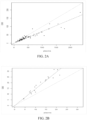
- the slopes of the trend lines comparing the plasma and DBS measurements generated from healthy adults and from babies were quite different (0.71 vs 1.47) ( FIG. 2A and FIG. 2B , respectively).
- the [ONDS] measured in DBS obtained from neonates was less than that measured in plasma, while this relationship was reversed in adults.
- the discrepant results were caused by inconsistency in the volume of neonatal blood that was spotted on the filter paper at the clinical site.
- Our results also indicate that when neonates are analyzed, there is a systematic bias toward placing a smaller amount of blood on the filter paper. This explains why the slope of the trend line for the [ONDS] measurements in neonates ( FIG. 2A and FIG. 2B ) was dramatically below that of the adult samples.
- a larger blood volume was placed on the filter papers when blood was obtained from the adults. This variation will significantly alter the results of drug concentration measurements obtained using DBS.
- the lab results indicate that if the correct volume of blood is spotted, DBS measurements can produce excellent results; but this can be difficult to achieve when blood is obtained from neonates in a clinical setting.
- CMS Capillary Microsampling
- CMS has enabled serial measurement of drug concentrations in rodents for pharmacokinetic and toxicokinetic studies. Moreover, it has been shown in over 50 mouse CMS studies that if the diluted sample is properly vortexed, the sample can be frozen for later analysis. In light of these positive outcomes, the results of CMS studies have been routinely accepted by regulatory authorities.
- the mouse CMS studies use 8 microLiter glass EDTA-coated capillary tubes, which are obtained from a commercial supplier. After 8 microLiter of mouse blood is collected after a pinprick is made, the capillary tube is placed into a screw cap vial (1.10 ml, V-bottom), with 72 microLiter of an extraction buffer (comprising 25% V/V acetonitrile in water) pre-added. The capped vial is shaken and vortexed vigorously until the blood in the capillary is dissolved in the extraction buffer ( FIG. 5 ). The vials are kept on wet ice for 20 minutes, before they are stored in a -80 °C freezer.
- the present disclosure provides a method of preparing a sample for detecting an analyte, the method comprising: adding said sample obtained through capillary microsampling (CMS) to a biocompatible solution, wherein the biocompatible solution comprises water and a stabilizing solvent comprising methanol, ethanol, isopropanol or a mixture thereof.
- CMS capillary microsampling
- the extraction buffer in the CMS experiments described in the previous section contained 25% acetonitrile as a solvent, which creates significant safety issues in a clinical setting.
- Acetonitrile is metabolized by cytochrome P450 molecules in the liver to produce hydrogen cyanide and formaldehyde, which are both toxic molecules.
- Toxic effects typically present 2 to 13 hours after exposure, as cyanide accumulates in the body. Toxic effects can be induced by inhaling air containing as little as 100 ppm acetonitrile.
- acetonitrile was banned from cosmetics by the European Union in 2000. Therefore, a less toxic extraction buffer is required to enable the clinical personnel obtaining and processing the samples to safely process each sample, and possibly many samples, for analysis and measurement of drugs, metabolites, and other components.
- the present disclosure provides a biocompatible solution (or an "extraction buffer") with a solvent with lower toxicity than acetonitrile.
- the extraction buffer of the present disclosure is used in clinical settings, such as at a pharmacy or drug store. The extraction may be considered safe to use. Since the extraction buffer has a lower toxicity than acetonitrile, personnel at the clinical site may obtain the sample from the subject and subsequently extract the sample into the extraction buffer at the clinical site. The extracted sample in extraction buffer may be tested on-site for analysis.
- the extraction buffer as described herein comprises water and a stabilizing solvent, such as a polar protic solvent.
- the stabilizing solvent is isopropanol, methanol, ethanol or a mixture thereof.
- the stabilizing solvent is isopropanol. Isopropanol, also known as "rubbing alcohol,” may be used given its nontoxic properties. 25% of isopropanol in water can be used in clinical settings.
- the extraction buffer comprises water and the stabilizing solution in a ratio of 75/25 (V/V).
- the extraction buffer is water and isopropanol at a ratio of 75/25 (V/V), herein referred as "iso-CMS.”
- the stabilizing solvent is not a polar aprotic solvent.
- FIG. 1 shows an illustrative example of a method of detecting an analyte.
- the methods and systems described herein for the detection of an analyte generally proceed as follows.
- a sample is obtained from a subject (e.g., 101 ).
- the sample may be obtained at a clinical site, such as a doctor's office, a pharmacy, a clinic, a drug store, an urgent care center, or the like.
- the individual collecting the sample from the subject is able to collect the sample in an accurate manner.
- the individual may use a capillary or a like device to obtain a small volume of a sample, such as biological fluid, from the subject (e.g., 103 ).
- 1-50 ⁇ L, such as approximately 8 ⁇ L, of sample is obtained.
- the capillary with the sample is then transferred to a container containing a volume of a biocompatible solution, also known as the extraction buffer, wherein the biocompatible solution comprises water and a stabilizing solvent as described herein, such as isopropanol.
- the sample is mixed with the stabilizing solvent, such that the sample is transferred into the biocompatible solution and is diluted by the biocompatible solution (e.g., 105 ).
- the sample diluted in the biocompatible solution is the diluted sample.
- the diluted sample may then be processed or analyzed (e.g., 107 ) by one or more techniques as described herein, such as mass spectrometry, to detect and/or measure one or more analytes in the solution (e.g., 109).
- the diluted sample may also be tested at the clinical site.
- the sample is a raw sample or an unprocessed sample.
- the present disclosure provides a method of detecting an analyte, the method comprising: (a) performing an assay on a test solution comprising a sample and a biocompatible solution; and (b) detecting the presence and/or concentration of the analyte in the sample, wherein the biocompatible solution comprises a stabilizing solvent as defined in claim 1 and water, and wherein the sample was obtained through capillary microsampling (CMS).
- the amount of sample obtained through CMS is about 1-50 ⁇ L.
- the stabilizing solvent comprises a polar protic solvent, such as isopropanol.
- the present disclosure provides a method of detecting an analyte, the method comprising: (a) performing an assay on a test solution comprising a sample and a biocompatible solution; and (b) detecting the presence and/or concentration of the analyte in the sample, wherein the biocompatible solution comprises a stabilizing solvent as defined in claim 1 and water, and wherein the sample is in the amount of approximately 1-50 ⁇ L.
- a method for serial monitoring of an analyte in a sample taken from a subject comprising adding said sample obtained through capillary microsampling (CMS) to a biocompatible solution, wherein the biocompatible solution comprises water and a stabilizing solvent comprising methanol, ethanol, isopropanol or a mixture thereof; wherein the one or more samples are taken at specified time intervals.
- the method further comprises comparing one or more of the sample.
- the samples may be from the same subject or from different subjects.
- the sample may be compared against a standard or control.
- the sample may be monitored for changes in the presence or concentration of an analyte.
- serial monitoring protocol comprises collecting more than one sample from the patient using the methods described herein at more than one time interval.
- the time intervals may be regular or non-regular.
- the samples may be monitored every minute, every hour, every 2 hours, every 6 hours, every 12 hours, every 24 hours, every 2 days, every week, every month, every year, or an interval comparable to one of these intervals.
- a patient may be administered a drug over time, and the plasma levels of the drug are monitored to determine whether the drug concentration in the plasma is in the therapeutic window for that drug.
- Blood samples may be obtained daily or at some other interval using the CMS methods described herein, and these samples are analyzed to determine the plasma concentration of the drug.
- Also described herein is a method of determining a disease or disorder, the method comprising: (a) performing an assay on a test solution comprising a sample and a biocompatible solution; and (b) detecting the presence and/or concentration of the analyte in the sample, wherein the biocompatible solution comprises a stabilizing solvent and water, and wherein the sample was obtained through capillary microsampling (CMS).
- CMS capillary microsampling
- the amount of sample obtained through CMS is about 1-50 ⁇ L.
- the disease or disorder is a genetic disease.
- the biocompatible solution comprises water and a stabilizing solvent.
- the stabilizing solvent may be a solvent that has a lower toxicity than acetonitrile.
- the stabilizing solvent is one or more polar protic solvents.
- the stabilizing solvent may be an optionally substituted alkyl alcohol.
- the stabilizing solvent comprises methanol, ethanol, isopropanol or a mixture thereof.
- the stabilizing solvent comprises isopropanol.
- the stabilizing solvent consists essentially of isopropanol.
- the stabilizing solvent may be considered safe to use and may be suitable for clinical settings.
- the biocompatible solution is used for extracting the sample from a capillary, such as blood, into the solution.
- the stabilizing solvent is not a polar aprotic solvent.
- the biocompatible solution comprises 10-80% V/V of the stabilizing solvent, such as isopropanol.
- the biocompatible solution may comprise approximately 10%, 15%, 20%, 25%, 30%, 35%, 40%, 45%, 50%, 55%, 60%, 65%, 70%, 75% or 80% V/V of the stabilizing solvent.
- the biocompatible solution may comprise 10-75%, 15-50%, 15-40%, or 20-30% V/V of the stabilizing solvent.
- the biocompatible solution comprises 50-80% V/V of the stabilizing solvent.
- the biocompatible solution comprises 75% V/V of isopropanol.
- the biocompatible solution comprises 20-30% V/V of the stabilizing solvent.
- the biocompatible solution comprises approximately 25% V/V of the stabilizing solvent.
- the biocompatible solution comprises 25% V/V of isopropanol.
- the test solution comprises a low amount of sample in approximately 50-1000 ⁇ L of the biocompatible solution, such as 50, 75, 100, 150, 200, 250, 300, 350, 400, 450, 500, 550, 600, 650, 700, 750, 800, 900, or 1000 ⁇ L of the biocompatible solution.
- the test solution may comprise approximately 50-100 ⁇ L, 100-200 ⁇ L, 200-300 ⁇ E, 300-400 ⁇ L, or 400-500 ⁇ L of biocompatible solution.
- the test solution comprises a low amount of sample in approximately 50-100 ⁇ L of biocompatible solution, such as approximately 72 ⁇ L of biocompatible solution.
- the biocompatible solution comprises 10-500 ⁇ L of the stabilizing solvent, such as isopropanol.
- the biocompatible solution may comprise approximately 10, 20, 30, 40, 50, 60, 70, 80, or 90 ⁇ L of the stabilizing solvent.
- the biocompatible solution may comprise approximately 100, 110, 120, 130, 140, 150, 160, 170, 180, or 190 ⁇ L of the stabilizing solvent.
- the biocompatible solution may comprise approximately 200, 210, 220, 230, 240, 250, 260, 270, 280, or 290 ⁇ L of the stabilizing solvent.
- the biocompatible solution may comprise approximately 300, 310, 320, 330, 340, 350, 360, 370, 380, or 390 ⁇ L of the stabilizing solvent.
- the biocompatible solution may comprise approximately 400, 410, 420, 430, 440, 450, 460, 470, 480, 490 or 500 ⁇ L of the stabilizing solvent.
- the biocompatible solution comprises 10-100 ⁇ L, 10-75 ⁇ L, 10-50 ⁇ L, 50-150 ⁇ L, 50-125 ⁇ L, 50-100 ⁇ L or 50-90 ⁇ L of the stabilizing solvent.
- the biocompatible solution is substantially free of a toxic solvent.
- the biocompatible solution may be free of a toxic solvent.
- the biocompatible solution comprises less than 25% of a toxic solvent, such as less than 1%, 2%, 3%, 4%, 5%, 6%, 7%, 8%, 9%, 10%, 11%, 12%, 13%, 14%, 15%, 17%, 18%, 19%, 20%, 21%, 22%, 23%, 24% or 25% of a toxic solvent.
- the biocompatible solution comprises less than 5% of a toxic solvent.
- the biocompatible solution comprises less than 1% of a toxic solvent.
- the biocompatible solution is substantially free of acetonitrile.
- the biocompatible solution may be free of acetonitrile.
- the biocompatible solution comprises less than 25% of acetonitrile, such as less than 1%, 2%, 3%, 4%, 5%, 6%, 7%, 8%, 9%, 10%, 11%, 12%, 13%, 14%, 15%, 17%, 18%, 19%, 20%, 21%, 22%, 23%, 24% or 25% of acetonitrile.
- the biocompatible solution comprises less than 5% of acetonitrile.
- the biocompatible solution comprises less than 1% of acetonitrile.
- the methods or systems described herein may be used to measure one or more analytes in a sample. These analytes may be derivatized, preserved, purified, or otherwise subjected to additional processing before, during, or after the performing of any of the methods described herein. Additionally, the analytes may be measured immediately after the collection of the sample, or there may be a delay during which the sample is stored, diluted, derivatized, verified, or otherwise manipulated.
- the sample is a raw sample or an unprocessed sample.
- the analyte is a drug, a metabolite, or a nutrient.
- anti-cancer agents, antiepileptics, opiates, analgesics, hormonal therapeutic agents, such as steroids, vitamin A, vitamin D and the like are tested for diagnosing a disease or disorder.
- the analyte is a drug.
- the drug may be a cancer drug, an opioid or pharmaceutically active agent.
- the analyte is dexamethasone. These drug types include pro-drugs and drug metabolites.
- the drug is a combination of drugs.
- Cancer drugs Some drugs which can be detected by this method are drugs which are used for the treatment of cancer, known herein as cancer drugs. Cancer is a group of diseasing involving abnormal cell growth, with the potential to invade or spread to other parts of the body, or metastasize. Cancer drugs can be chemotherapeutics, targeted therapeutics, or hormonal therapeutics.
- Chemotherapeutics include alkylating agents, antimetabolites, anti-microtubule agents, topoisomerase inhibitors, and cytotoxic antibiotics.
- Targeted therapeutics include hormone therapies, signal transduction inhibitors, gene expression modulators, apoptosis inducers, angiogenesis inhibitors, immunotherapies, and toxin delivery molecules.
- Hormonal therapies include drugs which interfere with hormones to stop or slow the growth of hormone-sensitive tumors.
- chemotherapeutic drugs which can be detected by the methods described herein include but are not limited to cyclophosphamide, methotrexate, 5-fluorouracil, doxorubicin, docetaxel, bleomycin, vinblastine, dacarbazine, mustine vincristine, procarbazine, prednisolone, etoposide, cisplatin, epirubicin, capecitabine, folinic acid, and oxaliplatin.
- the drug may be an opiate.
- Iso-CMS based opiate analysis methods are presented for several opiates of interest, including, but are not limited to, heroin, morphine, codeine, oxycodone and its metabolites (noroxycodone, oxymorphone), hydrocodone and its metabolite (hydromorphone), methadone, buprenorphine fentanyl, hydromorphone, and diamorphine.
- drugs which may be measured using the methods described herein include anti-anxiety, antibiotic, anticoagulant, anticonvulsant, antidepressant, antihistamine, antihypertensive, antihyperlipidemic, antimigrane, antipsychotic, antiviral, beta-adrenergic blocking, benzodiazepine, bronchodilating, calcium channel blocking, corticosteroid, diuretic, anesthetic, neuromuscular blocking, or proton pump inhibiting drugs.
- the drugs measured may be agonists, inverse agonists, or antagonists.
- Some examples of other drugs which can be measured by the methods described herein include but are not limited to warfarin, bosentan, clemazole, gapabentin, and furosemide. Metabolites of drugs which can be measured by the methods described herein include but are not limited to SN-38, oxymorphone, and noroxycodone.
- the analyte is a metabolite.
- Metabolites as discussed herein are substances formed during metabolism, which includes anabolism and catabolism of a molecule. Metabolites may be intermediate or final products of metabolism. A metabolite may be formed from the metabolism of a drug, a nutrient, or other molecule.
- Metabolites located in a biological fluid which can be measured using standard analytic methods including but not limited to mass spectrometry, spectrometry, chromatography, electrophoresis, or ELISA can be measured using the methods described herein.
- the metabolite provides some additional benefit, so its levels should be monitored to ensure the benefit is reaped. In some instances, it is desirable to measure the metabolite, because a drug has a very short half-life, but the metabolite has a longer half-life, so the levels of the metabolite may be more indicative of the status of the subject. In some instances, it is desirable to measure the metabolite, because the metabolite is more stable than the drug or nutrient, so the method is more easily or more accurately performed when the metabolite is used. In some instances, it is desirable to measure the metabolite, because the metabolite may provide additional information for research purposes.
- the analyte is a nutrient. If the analyte is a nutrient, it may be a micronutrient or a macronutrient. If the nutrient is a macronutrient, it may be a protein, an amino acid, a carbohydrate, a sterol, or a lipid. If the nutrient is a micronutrient, it may be a vitamin or a mineral.
- the nutrient is a protein or amino acid.
- Amino acids are organic compounds containing amine and carboxyl functional groups, along with a side chain. Proteins are assembled chains of amino acids.
- Amino acids measured by the methods described herein may be aliphatic, aromatic, acidic, basic, hydroxylic, sulfur-containing, amidic, non-essential, or essential.
- the nutrient is an amino acid
- it may be phenylalanine, leucine, isoleucine, alloisoleucine, alanine, glycine, proline valine, tryptophan, tyrosine, aspartic acid, glutamic acid, arginine, histidine, lysine, serine, threonine, cysteine, methionine, asparagine, or glutamine.
- amino acids are measured to be used as a diagnostic tool because they are a marker of a genetic disease.
- phenylalanine is a marker of phenylketonuria (PKU), so phenylalanine may be measured using the methods described herein to diagnose PKU.
- leucine, isoleucine, and alloisoleucine are markers of maple syrup urine disease (MSUD), so they may be measured using the methods described herein to diagnose MSUD. More details regarding these embodiments may be found in the examples section.
- Carbohydrates In some embodiments, the methods or systems disclosed herein may be used to measure carbohydrates.
- Carbohydrates and their metabolism are essential for health. As such, testing and monitoring of carbohydrates is in the interest of public health. Iso-CMS and the methods described herein can detect carbohydrates in a small volume of sample.
- the analyte is a sterol.
- the methods or systems disclosed herein are used to measure the sterol cholesterol in the sample. Cholesterol is required by the body to make hormones, vitamin D, and digestive aids. In addition to dietary sources, the body also makes cholesterol. Too much cholesterol can lead to heart disease and other disorders, so monitoring the levels of this molecule is essential.
- the methods or systems disclosed herein are used to measure other sterols, including plant sterols and stanols.
- plant sterols and stanols When plant sterols and stanols are consumed, they can reduce the circulating cholesterol levels in the subject, thus reducing the subject's risk for heart disease.
- the analyte is a lipid.
- Lipids are fatty acids and their derivative, including triglycerides, diglycerides, monoglycerides, and phospholipids, as well as other sterol-containing metabolites. These molecules are typically insoluble in water, but are soluble in other solvents, including the solvents described in the methods herein.
- Lipids may be fatty acids, glycerolipids, glycerophospholipids, sphingolipids, sterol lipids, prenol lipids, saccharolipids, or polyketides.
- lipids It is of interest to measure and monitor lipids in a subject given the importance of monitoring dietary fat intake and bodily fat status.
- the methods described herein may be used to measure the lipids using a small sample size.
- the vitamin may be a vitamin, a provitamin, or a precursor therof.
- the vitamin may be vitamin A, a B vitamin, vitamin C, vitamin D, or vitamin E.
- the analyte is vitamin D. Since these vitamins are essential for health, testing and monitoring them to prevent deficiency or excess and diseases associated with these conditions is in the interest of public health.
- Measurement of B-vitamins and their metabolites is possible using several currently available measurement techniques, including mass-spectrometry, chromatographic techniques, and other techniques.
- the methods provided herein will provide useful for measuring B-vitamins from small samples of biological fluid.
- Vitamin C is a key circulating antioxidant with anti-inflammatory and immune-supporting effects, and a cofactor for important mono and dioxygenase enzymes.
- An increasing number of preclinical studies in trauma, ischemia/reperfusion, and sepsis models show that vitamin C administered at pharmacological doses attenuates oxidative stress and inflammation, and restores endothelial and organ function. Older studies showed less organ dysfunction when vitamin C was administered in repletion dose (2-3 g intravenous vitamin C/day). Recent small controlled studies using pharmacological doses (6-16g/day) suggest that vitamin C reduces vasopressor support and organ dysfunction, and may even decrease mortality.
- Testing and monitoring of vitamin C levels is in the interest of public health. Such testing and monitoring can be performed using small volumes of sample using the methods described herein.
- Vitamin D is capable of measuring the amount of a nutrient in the blood. This could be a macronutrient or a micronutrient, such as a vitamin or mineral. As an example, vitamin D can be measured by using samples collected using iso-CMS. In some embodiments, the sample can be tested to assess bone health.
- Vitamin D is known to play an important role in calcium and bone metabolism, in maternal health during pregnancy and in child development. It has recently been implicated in multiple other medical conditions, which include diabetes, cardiovascular diseases, arthritis, multiple sclerosis and cancer.
- Vitamin E is a general term describing ⁇ -, ⁇ -, ⁇ -, and ⁇ -forms of tocopherol and tocotrienol chemical classes.
- Testing and monitoring of vitamin E levels is in the interest of public health. Such testing and monitoring can be performed using small volumes of sample using the methods described herein.
- the methods described herein may be used to measure the amount of minerals in a sample from a subject.
- Minerals are consumed as part of the diet of the subject.
- Minerals are the chemical elements required by living organisms. Appropriate intake levels of each dietary mineral must be sustained to maintain physical health.
- the minerals which can be measured by the methods described herein include but are not limited to calcium, phosphorus, potassium, sulfur, sodium chloride, magnesium, iron, zinc, copper, manganese, iodine, selenium, molybdenum, chromium, and fluoride. In each of these cases, the amount of the mineral is essential to health, since either too much or too little can have a deleterious effect on the health of the subject.
- the present disclosure provides a method of determining a disease or disorder, the method comprising: (a) performing an assay on a test solution comprising a sample and a biocompatible solution; and (b) detecting the presence and/or concentration of the analyte in the sample, wherein the biocompatible solution comprises a stabilizing solvent and water, and wherein the sample is in the amount of approximately 1-50 ⁇ L.
- the disease or disorder is a genetic disease.
- IEM inborn errors of metabolism
- any of the methods or systems described herein, including iso-CMS, are also useful for measurements of samples, such as blood and other biological fluids.
- the sample is a biological fluid used for diagnostic testing.
- Iso-CMS allows for the non-invasive sampling of blood, tears, sweat, cerebrospinal fluid (CSF), and other bodily fluids for analysis.
- CSF cerebrospinal fluid
- the sample is selected from the group consisting of blood, serum, plasma, nasal swab or nasopharyngeal wash, saliva, urine, tears, gastric fluid, spinal fluid, stool, mucus, sweat, earwax, oil, glandular secretion, cerebral spinal fluid, tissue, semen, and vaginal fluid, throat swab, breath, hair, finger nails, skin, biopsy, placental fluid, amniotic fluid, cord blood, emphatic fluids, cavity fluids, sputum, mucus, puss, micropiota, meconium, breast milk and/or other excretions.
- the biological fluid is blood, urine, tears, saliva, sweat, sperm or cerebrospinal fluid.
- the sample is blood.
- the sample is neonatal blood.
- low amounts of sample such as blood is obtained from a subject.
- the amount of sample obtained from a subject is about or at least about 2 ⁇ L, 3 ⁇ L, 4 ⁇ L, 5 ⁇ L, 6 ⁇ L, 7 ⁇ L, 8 ⁇ L, 9 ⁇ L, 10 ⁇ L, 15 ⁇ L, 20 ⁇ L, 25 ⁇ L, 30 ⁇ L, 40 ⁇ L, 50 ⁇ L, 60 ⁇ L, 70 ⁇ L, 80 ⁇ L, 90 ⁇ L, 100 ⁇ L, 500 ⁇ L, 1mL, 2mL, 3 mL, 4 mL, 5mL, 6mL, 7mL, 8mL, 9mL, or 10mL.
- approximately 2-100 ⁇ L of sample is obtained from the subject and/or used for testing.
- 2, 3, 4, 5, 6, 7, 8, 9, 10, 15, 20, 25, 30, 40, 50, 60, 70, 80, 90 or 100 ⁇ L of sample is obtained from the subject and/or used for testing.
- the amount of sample obtained from the subject is or is approximately 2-25 ⁇ L, 4-15 ⁇ L, or 4-10 ⁇ L and/or is used for testing.
- approximately 8 ⁇ L of sample is obtained from the subject and/or used for testing.
- the amount of sample obtained from a subject is diluted with a biocompatible solution prior to analysis.
- the sample is diluted by the biocompatible solution. In some embodiments, the sample is diluted by the biocompatible solution approximately 3 to 20-fold, for example 3, 4, 5, 6, 7, 8, 9, 10, 11, 12, 13, 14, 15, 16, 17, 18, 19, or 20-fold. The sample may be diluted by the biocompatible solution approximately 5 to 15-fold. In some embodiments, the sample is diluted by the biocompatible solution approximately 10-fold.
- the methods further comprise cooling the sample.
- the samples may be cooled to preserve the sample for use at a later time.
- the sample may be placed on ice, in cool water, or in temperature-controlled unit, such as a fridge or freezer. Cooling the sample may comprise maintaining the sample at a temperature approximately below 0°F.
- the sample is cooled prior to performing the assay.
- the sample may be previously frozen and thawed prior to performing an assay.
- the methods further comprise adding an anticoagulant or a preserving agent.
- the qualitative and/or quantitative evaluation of the sample may be effected with or without transporting the sample from the site where the sample is collected to a facility capable of testing the sample.
- the facility is a clinical site, such as a pharmacy or drug store.
- the methods or systems described herein may be combined with one or more of any assay that is a standard analytic method that can be used for diagnostic testing.
- the set of assays include, but is not limited to mass spectrometry, spectroscopy, chromatography, electrophoresis, or enzyme-linked immunosorbent assays (ELISA).
- Mass spectrometry is an analytical technique that analyzes chemical species, and it separates the ions generated from the analytes based on their mass-to-charge ratio. Mass spectrometry can be applied for the analysis of pure samples, as well as complex samples such as the biological fluids described herein.
- Spectroscopy is the analysis of the sample on the basis on the interaction between electromagnetic radiation and the sample.
- Devises used for the spectroscopic analysis of a sample include spectrometers, spectrophotometers, spectrographs, and spectral analysers.
- Chromatography is the separation of a mixture by passing it in solution or as a vapor through a medium in which the components move at different rates. In this way, the components of the sample can be separated; which enables them to be identified and quantified.
- Chromatography may be combined with mass spectrometry or spectroscopy for the analysis of the sample.
- Examples of such a combination include LCMS (liquid chromatography / mass spectrometry), and GCMS (gas chromatography / mass spectrometry).
- the present disclosure provides a method of performing an assay, the method comprising performing an assay on a test solution comprising a sample and a biocompatible solution, wherein the sample is in the amount of 1-50 ⁇ L, and wherein the error ratio of the assay is equal to or less than 20%.
- the present disclosure provides a method of performing an assay, the method comprising performing an assay on a test solution comprising a sample and a biocompatible solution, wherein the sample is obtained by CMS, and wherein the error ratio of the assay is less than 20%.
- a CMS is the amount of the analyte measured from the sample obtained by means of the CMS methods described herein
- a Plasma is the amount of the analyte measured from a sample obtained at the same time by means of a gold standard method, where the gold standard method can be plasma obtained by venipuncture.
- An ER of 0 means that the method is in perfect agreement with the gold standards.
- a low ER (approaching 0) indicates that the method produces results similar to those of the gold standard, while a high ER indicates that the method produces results dissimilar to those of the gold standard.
- the range of the ER may be from 0 to 100%.
- the subject is a human or an animal.
- the subject may be an infant, a child, an adolescent, an adult, or an elderly subject.
- the subject may have or be at risk for a genetic disease, chronic pain, cancer, an infectious disease, cardiovascular disease, nutrient deficiency, a metabolic disease, drug addiction, or other ailment.
- the subject may be pregnant, such as a pregnant female.
- the subject is a neonate.
- the subject has a nutrient deficiency.
- the subject is a human.
- the human subject may be an adult, a child, or an infant.
- the human subject is a human adult.
- the human subject may be a human adult 18 years old or older.
- the human subject may be between the ages 18 and 90 years old.
- the human subject is between 40 and 85 years old.
- the human subject is between 65 and 80 years old.
- the subject is an animal.
- the animal subject may be a domesticated animal, such as a dog or cat.
- the animal subject may be a mouse or rat.
- the animal subject may be a mouse or rat at least 7 weeks old.
- the animal subject may be a mouse or rat between 7 and 15 weeks old.
- the animal subject may be a mouse or rat between 10 and 11 weeks old.
- any of the methods described herein may be used to analyze the sample for the presence of a marker of that genetic disease.
- the subject is at risk for PKU or MSUD.
- any of the methods described herein may be used to measure phenylalanine levels, since phenylalanine is a marker for PKU.
- any of the methods described herein may be used to analyze levels of branched chain amino acids, including leucine, isoleucine, and alloisoleucine, which are markers for MSUD.
- the subject may be at risk for a genetic disease, and any of the methods described herein can be used to test the subject for PKU, MSUD, or any other genetic disease as described herein.
- Chronic pain If the subject is a chronic pain patient, the patient may have a prescription for one or more opioids or other pain medications.
- the sample for the patient may be analyzed for the presence of prescribed or non-prescribed opioids or other pain medications to monitor treatment safety and dependence risk.
- the nutrient may be a macronutrient or a micronutrient. If the nutrient is a macronutrient, it may be a protein, an amino acid, a carbohydrate, or a lipid. If the nutrient is a micronutrient, it may be a vitamin or a mineral. If the nutrient is a vitamin, it may be vitamin A, vitamin B, vitamin C, vitamin D, vitamin E, vitamin K, or any of the precursors or metabolites of these vitamins.
- the nutrient is a mineral, it may be calcium, phosphorus, potassium, sulfur, sodium chloride, magnesium, iron, zinc, copper, manganese, iodine, selenium, molybdenum, chromium, or fluoride.
- any of the methods described herein may be used to analyze the sample for markers of the infectious disease or for antibiotics, antivirals, antifungals, or antiparasitic drugs given to the subject for the treatment of the infectious disease.
- Cardiovascular disease If the subject has or is at risk for cardiovascular disease, any or the methods described herein may be used to analyze the sample for cholesterol. Also in this embodiment, any of the methods described herein may be used to analyze the sample for drugs used in the treatment of cardiovascular disease, including but not limited to statins, inotropic drugs, chronotropic drugs, or other drugs which can treat cardiovascular disease.
- Subjects utilizing the methods of the present disclosure include subjects that have been diagnosed as having acute myeloid leukemia, acute myeloid leukemia, cancer in adolescents, adrenocortical carcinoma childhood, AIDS-related cancers (e.g., Lymphoma and Kaposi's Sarcoma), anal cancer, appendix cancer, astrocytomas, atypical teratoid, basal cell carcinoma, bile duct cancer, bladder cancer, bone cancer, brain stem glioma, brain tumor, breast cancer, bronchial tumors, burkitt lymphoma, carcinoid tumor, atypical teratoid, embryonal tumors, germ cell tumor, primary lymphoma, cervical cancer, childhood cancers, chordoma, cardiac tumors, chronic lymphocytic leukemia (CLL), chronic myelogenous leukemia (CML), chronic myleoproliferative disorders colon cancer, colorectal cancer, craniopharyngioma, cutaneous T-cell
- the subjects treated with a food composition, liquid composition, and/or dry composition of the present disclosure include subjects that have been diagnosed as having a non-cancerous hyperproliferative disorder such as benign hyperplasia of the skin (e.g., psoriasis), restenosis, and prostate (e.g., benign prostatic hypertrophy (BPH).
- a non-cancerous hyperproliferative disorder such as benign hyperplasia of the skin (e.g., psoriasis), restenosis, and prostate (e.g., benign prostatic hypertrophy (BPH).
- BPH benign prostatic hypertrophy
- the subject may have a genetic predisposition for cancer.
- a system for evaluation of a sample collected from a subject to aid in diagnosis, treatment, or prevention of a disease may be provided in accordance with an additional aspect of the invention.
- a system of evaluating a sample collected from a subject comprising (a) a communication unit configured to receive data from a device, wherein the device is configured to process the sample, thereby generating data necessary for a subsequent qualitative and/or quantitative evaluation of said sample, and wherein the device comprises (i) a sample collection unit configured to receive the sample; (ii) a sample preparation unit configured to prepare the biological sample for the subsequent qualitative and/or quantitative evaluation, wherein the sample preparation unit permits the biocompatible solution to be added to the blood sample; and (iii) transmission unit configured to transmit the data to an authorized analytical facility and/or an affiliate thereof; and (b) a processor that processes said data for the subsequent qualitative and/or quantitative evaluation of said blood sample at the authorized analytical facility and/or the affiliate thereof, wherein the biocompatible solution comprises water and a stabilizing solvent.
- the systems described above or elsewhere herein, alone or in combination may include a device that is configured to receive information relating to said qualitative and/or quantitative evaluation and optionally display said information on said device.
- the systems described above or elsewhere herein, alone or in combination may include the detection of an analyte, such as a drug, metabolite or nutrient.
- the sample is collected by CMS.
- the sample is collected at health care provider's office, hospital, clinic, drug store, pharmacy, or medical facility.
- the sample is collected at a pharmacy.
- the sample is collected at home.
- the qualitative and/or quantitative evaluation may involve detecting the presence or concentration of an analyte.
- the biological sample may be collected from a pinprick. In some embodiments, approximately 2-100 ⁇ L of sample is obtained from the subject and/or used for testing.
- the biological fluid is blood, urine, tears, saliva, sweat, sperm or cerebrospinal fluid.
- kits described herein are facilities for making and/or administering the kits described herein as well as facilities for using the methods described herein.
- the present description provides a facility comprising a plurality of kits described herein.
- the facility manufactures the kits described herein or components thereof.
- the facility is a manufacturing site.
- the facility distributes the kits described herein or components thereof.
- the facility may be a distribution center.
- the facility provides the kits described herein and components thereof to a patient, health care provider, hospital, clinic, drug store, pharmacy, medical facility and the like.
- the facility may sell the kit to a drug store.
- the facility may prepare the kit disclosed herein.
- the facility may administer the kit to the subject.
- the facility may be a hospital, clinic, drug store, pharmacy or a medical facility.
- the facility may be located in or within the vicinity of a hospital, clinic, drug store, pharmacy or a medical facility, such as within 0.1, 0.5, 1, or 5 miles of a hospital, clinic, drug store, pharmacy or a medical facility.
- kits may be used for any of the methods and/or systems disclosed herein.
- the kits may include containers and solutions described herein, in suitable packaging, and written material that can include instructions for use, listing of side effects, and the like.
- the present description provides a kit comprising: (a) a container configured to obtain a sample from a subject by capillary action, (b) a biocompatible solution, and (c) instructions.
- Such kits may also include information, such as scientific literature references, package insert materials, and/or summaries of these and the like, which indicate or establish the activities and/or advantages of the methods described herein, and/or which describe administration, side effects, or other information useful to the health care provider and/or patient.
- the container may be configured to extract low amounts of sample from the subject, such as 1-50 ⁇ L.
- the biocompatible solution comprises water and a stabilizing solvent.
- the stabilizing solvent may comprise a polar protic solvent.
- the stabilizing solvent may comprise methanol, ethanol, isopropanol or a mixture thereof.
- the biocompatible solution comprises isopropanol and water.
- the kit further comprises an anticoagulant or the like for sample preservation.
- the kit further comprises a device configured to puncture the skin of a subject.
- the kit further comprising a capillary.
- the instructions describe performing capillary microsampling (CMS) to draw a sample into a capillary, inserting the capillary into the container with the biocompatible solution, and agitating the container until the sample is transferred to the biocompatible solution.
- CMS capillary microsampling
- the container for the sample and the biocompatible solution are provided in separate containers within the kit. In some embodiments, the container for the sample and the biocompatible solution are provided as one container within the kit. Suitable packaging and additional articles for use (e.g., measuring cup for liquid preparations, foil wrapping to minimize exposure to air, and the like) are known in the art and may be included in the kit. Kits described herein can be provided, marketed and/or promoted to health providers, including physicians, nurses, pharmacists, formulary officials, and the like. Kits may also, in some embodiments, be provided, marketed and/or promoted directly to the consumer.
- a kit described herein can comprise a supply for multiple testing.
- the kit can comprise instructions directing the use of the supply over a period of multiple days, weeks or months.
- Example 1 Stabilizing solvent identification for CMS and iso-CMS methods.
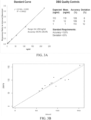
- Isopropanol was selected for further testing and use as the stabilizing solvent for [ONDS] measurements in clinical settings. Again, these tests and measurements were performed as described above. The study demonstrated that the performing the CMS method using a stabilizing solution comprising isopropanol (25% V/V) in water. (iso-CMS) could accurately determine the [ONDS] in mice after dosing with ondansetron ( FIG. 7B ). Importantly, the [ONDS] determined by the iso-CMS measurements were identical to those measured by analysis of plasma.
- iso-CMS accurately measured the concentrations of bosentan, furosemide, clemizole, irinotecan, and the irinotecan metabolite SN-38.
- Known amounts of these drugs were added to small volume blood samples which had been collected and diluted into the stabilizing solution used for either the CMS (with acetonitrile) or iso-CMS (isopropanol) method.
- whole blood was diluted 10-fold into stabilizing solutions with either 25% acetonitrile or 25% isopropanol and 75% water Concentrations of the drugs were then measured using LC-MS analysis.
- Phenylketonuria provides one example of a treatable IEM.
- PKU (OMIM 261600)) is an autosomal recessive IEM that results from a deficiency of a 452 amino acid enzyme (phenylalanine hydroxylase, PAH) encoded by 171 kB gene on chromosome 12q23.2 that mediates in phenylalanine (Phe) metabolism.
- PAH phenylalanine hydroxylase
- the accumulation of toxic Phe metabolites causes growth failure, microcephaly, seizures, developmental delay, and severe intellectual impairment.
- PKU is the first genetic disease to have an effective treatment, which is dietary restriction of ingested phenylalanine. Because of this, newborn screening for PKU is essential. Usually, blood from a newborn is obtained via a heel stick and collected on filter paper, and this is then analyzed via tandem MS. The upper reference limit for Phe in whole blood or plasma in neonates is ⁇ 150 ⁇ mol/L (and is slightly lower ( ⁇ 120 ⁇ mol/L) in older children. Dietary Phe restriction is highly effective in preventing impaired neurological development, and should be continued at least throughout the period of neurodevelopment. Periodic monitoring of blood Phe levels is performed to assess dietary compliance.
- Plasma samples were collected from 10 subjects, five were normal and five had PKU. Eight ul of plasma from each sample was place in 8 ⁇ L glass capillary tubes that were coated with EDTA (Vitrex Medical A/S, Denmark). The tube was placed in a centrifuge tube with 72 ⁇ L of a solution, which consisted of 25% isopropanol alcohol in water. The mixture was then vortexed thoroughly, and subsequent dilutions were prepared from this 1/10 dilution of the plasma sample. An aliquot of the diluted samples was mixed with an equal volume of 0.8 ⁇ M D8-phenylalanine, which was added as an internal standard.
- the samples were dansylated using our previously described method ( Wu M, Zheng M, Zhang W, Suresh S, Schlecht U, Fitch WL, Aronova S, Baumann S, Davis R, St Onge R, Dill DL, Peltz G. 2012. Identification of drug targets by chemogenomic and metabolomic profiling in yeast. Pharmacogenet Genomics 22: 877-86 ), and the dansylated samples were analyzed on an Agilent QTOF 6520 (Agilent, Santa Clara, CA), that was equipped with an Infinity 1290 UPLC system. Phenylalanine concentrations were calculated relative to those of a standard curve using Agilent QTOF Quantitative Analysis software.
- Maple Syrup Urine Disease ( MSUD , MIM #248600) is an autosomal recessive inborn error of metabolism ( IEM ).
- IEM autosomal recessive inborn error of metabolism
- BCKAD branched-chain ⁇ -ketoacid dehydrogenase
- BCAAs branched chain amino acids
- MSUD is characterized by neurological and developmental delay, encephalopathy, feeding problems and a maple syrup odor to the urine. If untreated, MSUD can lead to metabolic decompensation, irreversible neurologic damage and death.
- MS/MS screening data for five IEMs indicated that their birth prevalence ranged from 0.5 to 1.06 per 100K live births in Western populations: MSUD 0.71; Homocystinuria 0.53; Glutaric aciduria 1.06; Isovaleric Acidemia 0.79; Long-chain 3-hydroxyacyl CoA dehydrogenase deficiency 0.65. Their prevalence was usually higher when worldwide populations were examined.
- BCAA catabolism is essential for normal physiological function, and most BCAA catabolism occurs in skeletal muscle (not liver).
- BCAA metabolism is critical for maintaining glutamate levels, which is a neurotransmitter that plays important roles in brain development and function.
- leucine accumulation is highly neurotoxic.
- BKAD is composed of E1 ⁇ , E1 ⁇ , E2 and E3 subunits. Homozygous or compound heterozygous mutations in these subunits, which BKAD activity cause MSUD.
- the classic forms of MSUD present in the neonatal period and are associated with ⁇ 2% of BCKAD enzymatic activity.
- There are also intermediate forms of MSUD which are associated with 30% of normal BCKAD enzyme activity; and they present with episodic symptoms that are usually associated with catabolic states.
- BCAAs are present in protein rich diets, and are among the 9 amino acids that are essential for human life.
- MSUD treatment consists of dietary BCAA restriction and metabolic monitoring. If treatment is initiated early, the outcome is very good. Therefore, newborns are routinely screened for MSUD.
- a rapidly performed high throughput reverse phase LC/MS method for quantitation of branched chain amino acid levels in blood spots and plasma was developed in 2011. This method can separate and quantitate leucine, isoleucine and alloisoleucine. Over 2.2M babies were screened in California over a 4-year period; 17 MSUD cases were detected and 3 were missed.
- BCAA branched-chain amino acids
- the plasma concentration ( ⁇ M of branched-chain amino acids (BCAA) was measured in five normals (#1-#5) and five PKU subjects (#6-#10).
- the BCAA concentrations in each plasma sample were measured by two different methods: (i) the iso-CMS method with dansyl labeling; and (ii) direct amino acid measurement by ion pairing LCMS.
- the Pearson's correlation coefficient and Spearman's rho statistic that was calculated for comparing the data obtained by the two different methods is shown below each amino acid. The results obtained by the two methods were very highly correlated. TABLE 2.
- Plasma concentration ( ⁇ M) of branched-chain amino acids (BCAA) Valine Leucine Isoleucine Subject Iso-CMS Clinical Lab Iso-CMS Clinical Lab Iso-CMS Clinical Lab 1 320 327 236 233 129 132 2 132 141 62 65 30 33 3 247 263 116 117 59 60 4 257 249 142 124 72 62 5 362 402 283 290 187 197 6 188 212 95 101 44 51 7 193 219 84 89 33 36 8 232 259 146 151 83 92 9 316 350 153 163 56 62 10 247 248 138 142 71 79 Pearson's Cor 0.981 0.993 0.994 Spearman's rho 0.891 0.988 0.960
- the plasma concentration ( ⁇ M) of 3 other amino acids was measured in five normals (#1-#5) and five PKU subjects (#6-#10).
- the concentrations in each plasma sample were measured by two different methods: (i) the iso-CMS method with dansyl labeling; and (ii) direct amino acid measurement by ion pairing LCMS.
- the Pearson's correlation coefficient and Spearman's rho statistic that was calculated for comparing the data obtained by the two different methods is shown below each amino acid. The results obtained by the two methods were very highly correlated. TABLE 3.
- the plasma concentration ( ⁇ M) of Arginine, Methionine, and Tyrosine Arginine Methionine Tyrosine Subject Iso-CMS Clinical Lab Iso-CMS Clinical Lab Iso-CMS Clinical Lab 1 87 46 18 17 53 54 2 77 57 17 17 34 42 3 99 71 24 24 40 43 4 121 105 20 17 80 71 5 81 59 14 15 35 40 6 84 78 17 18 53 62 7 72 59 12 13 66 82 8 130 110 30 31 56 68 9 117 109 20 21 92 112 10 136 119 27 25 78 85 Pearson's Cor 0.925 0.964 0.934 Spearman's rho 0.821 0.902 0.939
- tertiary amines in the opiates described above ensure that they can be efficiently detected after electrospray ionization.
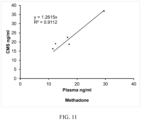
- Very sensitive and specific LC/MS assays have been developed, and they are extensively used for opiate quantitation. These assays are adapted here as iCOAMs for heroin, morphine, codeine, oxycodone and its metabolites (noroxycodone, oxymorphone), hydrocodone and its metabolite (hydromorphone), methadone, buprenorphine and fentanyl.
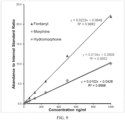
- Standard curves to assess the detection sensitivity for 8 of these opiates (morphine, codeine, oxymorphone, oxycodone, noroxycodone, hydrocodone, hydromorphone and fentanyl) (3 are shown in FIG . 9 ) were developed.
- the whole blood from the 8 ⁇ L CMS sample was diluted 10-fold into a stabilizing solution comprising isopropanol in water (25%/75% V/V) (stabilizing solution). This was accomplished by inserting the capillary into a microcentrifuge tube and vortexing the sample until the blood had dispersed into the stabilizing solution. This is the iso-CMS sample.
- the lowest limit of quantitation (LoQ) for each opiate was determined from the calibration curve.
- LoQ The known minimally effective plasma analgesic concentrations (MEAC) (ng/ml) for these opioids are: fentanyl (0.6), hydromorphone (1.5), morphine (8), and methadone (60).
- iso-CMS could be used to measure the plasma concentration of many therapeutic drugs and their metabolites. This is of great interest to patient safety, since when drugs are present outside of their therapeutic window, or the range of doses that produces therapeutic response without causing significant adverse effect in patients, they can become useless or dangerous. When drugs are present outside their therapeutic window, they no longer exert a therapeutic effect. When drugs are present above their therapeutic window, they begin to exert effects which are toxic to the patient. This is true even for drugs which are typically seen by the public as "safe.”
- warfarin which is a vitamin K antagonist with anticoagulant properties, and is commonly prescribed as an oral medication for the prevention and treatment of venous thrombosis as well as the prevention and treatment of the thromboembolic complications associated with atrial fibrillation. Warfarin has also been used to prevent recurrent transient ischemic attacks and to reduce the risk of recurrent myocardial infarction.
- Warfarin therapy has an extremely narrow therapeutic window, and is associated with many drug-drug and drug-food interactions. This means that patients on warfarin therapy are at constant risk of adverse reactions due to overdose, which include severe bleeding and can lead to death. Thus patients on warfarin therapy must be constantly monitored and must submit to frequent blood tests.
- Venipuncture-based blood tests can be painful and inconvenient.
- the iso-CMS method can make blood tests less painful and faster, and can reduce the amount of blood taken from a patient for each test. Thus this method can improve patient care outcomes for those on warfarin therapy or other drug therapy.
- the whole blood from the CMS sample can be diluted 10-fold into a stabilizing solution comprising isopropanol in water (25%/75% V/V) (stabilizing solution. This may be accomplished by inserting the capillary into a microcentrifuge tube and vortexing the sample until the blood had dispersed into the stabilizing solution.
- This is the prepared CMS sample.
- This prepared CMS sample may then be subjected to LCMS analysis to determine the amount of warfarin in the blood, and compared with a gold standard for measurement.
- the iso-CMS method could be used to obtain a sample from which it is possible to measure warfarin or any other drug in the blood or other bodily fluid.
- CMS sample In each of the four groups described above, at least 1 mL of blood was taken via venipuncture and the plasma was separated from the blood and stored (venipuncture sample). At the same time, 8 ⁇ L of blood was taken into a capillary using one embodiment of the methods described herein, which the iso-CMS method, as detailed below (CMS sample).
- the whole blood from the CMS sample was diluted 10-fold into a stabilizing solution comprising isopropanol in water (25%/75% V/V) (stabilizing solution) This was accomplished by inserting the capillary into a microcentrifuge tube and vortexing the sample until the blood had dispersed into the stabilizing solution. This is the prepared CMS sample.
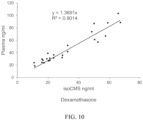
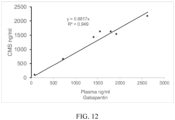
- a standard curve for each drug was also prepared and analyzed on the LCMS instrument, such that the amount of drug in each sample could be quantified and compared with other samples. Using the appropriate standard curve for each drug, the amount of drug in each sample was calculated. The data were plotted as the plasma drug quantity as determined using the venipuncture sample versus the plasma drug quantity as determined using the prepared CMS sample. In this way, the reliability of the iso-CMS method to accurately measure amount of each drug in a sample was visualized.
- the R 2 value is a measure of the correlation of the measurements, and ranges from 0 to 1, where 0 represents no correlation, and 1 represents a perfect 1: 1 correlation, or identical measurements between each sampling method. Additionally, the Pearson correlation and Spearman rank correlation were calculated for some of these datasets.
- the Pearson correlation is a measure of the linear correlation between two variables, ranging from 0 to 1, where 1 represents a perfect correlation.
- the Spearman rank correlation is a non-parametric measure of rank correlation that assesses how well the relationship between two variables can be described using a monotonic function. In brief, it ranges from 0 to 1 as well, where 1 again represents a perfect correlation between two variables.
- the dexamethasone concentrations as measured by LCMS analysis of the two sampling methods are depicted in the plot, where each dot represents one patient, the x axis represents the plasma dexamethasone concentration in ng/ml as measured in the sample obtained using the iso-CMS method, and the y axis represents the plasma dexamethasone concentration in ng/ml as measured in the sample obtained using the venipuncture method.
- the linear fit was calculated and is depicted as the dashed line.
- the Pearson and Spearman rank correlation values were 0.95 and 0.93, respectively, indicating good correlation, suggesting that iso-CMS is able to accurately measure dexamethasone.
- the methadone concentrations as measured by LCMS analysis of the two sampling methods are depicted in the plot, where each dot represents one patient, the x axis represents the plasma methadone concentration in ng/ml as measured in the sample obtained using the venipuncture method, and the y axis represents the plasma methadone concentration in ng/ml as measured in the sample obtained using the iso-CMS method.
- the linear fit was calculated and is depicted as the dashed line.
- the R 2 value was calculated as 0.91, indicating good correlation, suggesting that iso-CMS is able to accurately measure methadone.
- the gabapentin concentrations as measured by LCMS analysis of the two sampling methods are depicted in the plot, where each dot represents one patient the x axis represents the plasma gabapentin concentration in ng/ml as measured in the sample obtained using the venipuncture method, and the y axis represents the plasma gabapentin concentration in ng/ml as measured in the sample obtained using the iso-CMS method.
- the linear fit was calculated and is depicted as the dashed line
- the R 2 value was calculated as 0.95, indicating good correlation, suggesting that iso-CMS is able to accurately measure gabapentin.
- FIG. 13A and FIG. 13B the ondansetron concentrations as measured by LCMS analysis of the two sampling methods are depicted in the plot, where each dot represents one patient the x axis represents the plasma ondansetron concentration in ng/ml as measured in the sample obtained using the venipuncture method, and the y axis represents the plasma ondansetron concentration in ng/ml as measured in the sample obtained using the iso-CMS method.
- FIG. 13A represents data from all patients, including a subject with an unusually high level of plasma ondansetron.
- FIG. 13B shows the data for the subjects with ondansetron concentrations ranging from 15 to 60 ng/ml. The linear fit was calculated and is depicted as the dashed line. The R 2 value was calculated as 0.999, indicating excellent correlation, suggesting that iso-CMS is able to accurately measure ondansetron.
Landscapes
- Health & Medical Sciences (AREA)
- Life Sciences & Earth Sciences (AREA)
- Engineering & Computer Science (AREA)
- Molecular Biology (AREA)
- Hematology (AREA)
- Chemical & Material Sciences (AREA)
- Biomedical Technology (AREA)
- General Health & Medical Sciences (AREA)
- Immunology (AREA)
- Urology & Nephrology (AREA)
- Physics & Mathematics (AREA)
- Pathology (AREA)
- Analytical Chemistry (AREA)
- Biochemistry (AREA)
- Medicinal Chemistry (AREA)
- General Physics & Mathematics (AREA)
- Food Science & Technology (AREA)
- Biotechnology (AREA)
- Cell Biology (AREA)
- Microbiology (AREA)
- Biophysics (AREA)
- Medical Informatics (AREA)
- Pharmacology & Pharmacy (AREA)
- Bioinformatics & Cheminformatics (AREA)
- Veterinary Medicine (AREA)
- Public Health (AREA)
- Animal Behavior & Ethology (AREA)
- Surgery (AREA)
- Heart & Thoracic Surgery (AREA)
- Chemical Kinetics & Catalysis (AREA)
- Clinical Laboratory Science (AREA)
- Proteomics, Peptides & Aminoacids (AREA)
- Emergency Medicine (AREA)
- Pain & Pain Management (AREA)
- Ecology (AREA)
- Investigating Or Analysing Biological Materials (AREA)
- Sampling And Sample Adjustment (AREA)
Applications Claiming Priority (3)
| Application Number | Priority Date | Filing Date | Title |
|---|---|---|---|
| US201762580277P | 2017-11-01 | 2017-11-01 | |
| US201862615576P | 2018-01-10 | 2018-01-10 | |
| PCT/US2018/058440 WO2019089746A1 (en) | 2017-11-01 | 2018-10-31 | Analyte detection method |
Publications (3)
| Publication Number | Publication Date |
|---|---|
| EP3704466A1 EP3704466A1 (en) | 2020-09-09 |
| EP3704466A4 EP3704466A4 (en) | 2021-08-11 |
| EP3704466B1 true EP3704466B1 (en) | 2023-10-11 |
Family
ID=66332715
Family Applications (1)
| Application Number | Title | Priority Date | Filing Date |
|---|---|---|---|
| EP18874086.4A Active EP3704466B1 (en) | 2017-11-01 | 2018-10-31 | Analyte detection method |
Country Status (6)
| Country | Link |
|---|---|
| US (1) | US20210086176A1 (https=) |
| EP (1) | EP3704466B1 (https=) |
| JP (1) | JP7359772B2 (https=) |
| CN (1) | CN111295577A (https=) |
| CA (1) | CA3079837A1 (https=) |
| WO (1) | WO2019089746A1 (https=) |
Families Citing this family (5)
| Publication number | Priority date | Publication date | Assignee | Title |
|---|---|---|---|---|
| US20230178190A1 (en) * | 2020-05-19 | 2023-06-08 | Sanofi | Systems for verification of drug levels using dried blood samples |
| CN114740127A (zh) * | 2022-05-16 | 2022-07-12 | 杭州度安医学检验实验室有限公司 | 一种基于lc-ms/ms检测5种抗肿瘤药物的试剂盒和方法 |
| CN114994198B (zh) * | 2022-05-20 | 2023-02-28 | 上海市精神卫生中心(上海市心理咨询培训中心) | 一种液相色谱质谱联用法同时定量检测78种神经精神类药物的方法 |
| KR102826451B1 (ko) * | 2023-09-01 | 2025-06-27 | 사회복지법인 삼성생명공익재단 | 신생아로부터 비침습적으로 분리된 검체를 이용한 신생아의 검체 분석 방법 |
| CN117783507B (zh) * | 2024-02-27 | 2024-06-04 | 广州科方生物技术股份有限公司 | 一种通用于(1-3)-β-D葡聚糖及半乳甘露聚糖检测中组分液及其制备方法和应用 |
Citations (1)
| Publication number | Priority date | Publication date | Assignee | Title |
|---|---|---|---|---|
| WO2016191738A1 (en) * | 2015-05-27 | 2016-12-01 | Quest Diagnostics Investments Llc | Methods for mass spectrometric quantitation of analytes extracted from a microsampling device |
Family Cites Families (24)
| Publication number | Priority date | Publication date | Assignee | Title |
|---|---|---|---|---|
| US6503198B1 (en) * | 1997-09-11 | 2003-01-07 | Jack L. Aronowtiz | Noninvasive transdermal systems for detecting an analyte obtained from or underneath skin and methods |
| US6916608B2 (en) * | 1999-09-10 | 2005-07-12 | Becton, Dickinson And Company | Composition for providing long term stability to cells for diagnostic testing |
| US20010016317A1 (en) * | 1999-09-13 | 2001-08-23 | Dolores M. Berger | Method for providing long term stability to cells for diagnostic testing |
| ATE403145T1 (de) * | 2000-01-31 | 2008-08-15 | Univ Texas | Tragbare vorrichtung mit einer sensor-array- anordnung |
| US20030029254A1 (en) * | 2001-06-26 | 2003-02-13 | Hvidtfeldt Kristian J. | Blood analyzer |
| US20120003685A1 (en) * | 2001-07-19 | 2012-01-05 | Amnon Kritzman | Diagnostic composition and article for monitoring intravaginal infections |
| GB0411387D0 (en) * | 2004-05-21 | 2004-06-23 | Chiron Srl | Analysis of saccharide length |
| US20070248628A1 (en) * | 2005-12-06 | 2007-10-25 | Keller Lorraine H | Immunogens in cancer stem cells |
| US8460859B2 (en) * | 2006-10-30 | 2013-06-11 | George Mason Intellectual Properties, Inc. | Tissue preservation and fixation method |
| US7914999B2 (en) | 2006-12-29 | 2011-03-29 | Abbott Laboratories | Non-denaturing lysis reagent |
| GB0716427D0 (en) * | 2007-08-23 | 2007-10-03 | Smartsensor Telemed Ltd | Glucose tolerance test device |
| JP2011513331A (ja) * | 2008-02-29 | 2011-04-28 | アレイ バイオファーマ、インコーポレイテッド | ピラゾール[3,4−b]ピリジンRAF阻害剤 |
| AU2010336016B2 (en) * | 2009-12-23 | 2017-07-27 | Qiagen Sciences Llc | An assay for measuring cell-mediated immunoresponsiveness |
| IT1397866B1 (it) * | 2009-12-23 | 2013-02-04 | Azienda Ospedaliero Universitaria Meyer | Metodo e kit per la determinazione di metaboliti su campioni di sangue depositato su carta bibula (dried blood spot). |
| CA2766635C (en) * | 2011-02-04 | 2019-08-06 | Phytronix Technologies Inc. | Sample preparation for mass spectrometry analysis systems |
| CA2768796A1 (en) * | 2011-02-22 | 2012-08-22 | Wellspring Pharmaceutical Corporation | Phenoxybenzamine assay |
| TW201741663A (zh) * | 2011-12-29 | 2017-12-01 | 陶氏農業科學公司 | 利用鹼皂化作用來對植物組織樣本總油含量進行比色測定之技術 |
| WO2014150900A1 (en) * | 2013-03-15 | 2014-09-25 | Baylor Research Institute | Methods and compositions for enhanced analyte detection from blood |
| JP6773951B2 (ja) | 2014-05-30 | 2020-10-21 | 学校法人東京医科大学 | 唾液試料の調製方法 |
| WO2016011798A1 (zh) * | 2015-01-27 | 2016-01-28 | 深圳华大基因研究院 | 用于保存生物样品的稳定剂 |
| WO2016134324A1 (en) * | 2015-02-20 | 2016-08-25 | Neoteryx, Llc | Method and apparatus for acquiring blood for testing |
| EP3139171B1 (en) * | 2015-09-02 | 2020-02-12 | Labsystems Diagnostics Oy | Novel methods and kits for detecting of urea cycle disorders using mass spectrometry |
| JP6622050B2 (ja) | 2015-10-07 | 2019-12-18 | キヤノンメディカルシステムズ株式会社 | 毛細管、試料採取具、及び試料採取器 |
| WO2017165630A1 (en) * | 2016-03-23 | 2017-09-28 | Truvian Sciences, Inc. | Systems and methods for multianalyte detection |
-
2018
- 2018-10-31 EP EP18874086.4A patent/EP3704466B1/en active Active
- 2018-10-31 US US16/755,679 patent/US20210086176A1/en not_active Abandoned
- 2018-10-31 JP JP2020544343A patent/JP7359772B2/ja active Active
- 2018-10-31 WO PCT/US2018/058440 patent/WO2019089746A1/en not_active Ceased
- 2018-10-31 CN CN201880071411.6A patent/CN111295577A/zh active Pending
- 2018-10-31 CA CA3079837A patent/CA3079837A1/en active Pending
Patent Citations (1)
| Publication number | Priority date | Publication date | Assignee | Title |
|---|---|---|---|---|
| WO2016191738A1 (en) * | 2015-05-27 | 2016-12-01 | Quest Diagnostics Investments Llc | Methods for mass spectrometric quantitation of analytes extracted from a microsampling device |
Also Published As
| Publication number | Publication date |
|---|---|
| JP7359772B2 (ja) | 2023-10-11 |
| JP2021503609A (ja) | 2021-02-12 |
| EP3704466A4 (en) | 2021-08-11 |
| CN111295577A (zh) | 2020-06-16 |
| CA3079837A1 (en) | 2019-05-09 |
| EP3704466A1 (en) | 2020-09-09 |
| WO2019089746A1 (en) | 2019-05-09 |
| US20210086176A1 (en) | 2021-03-25 |
Similar Documents
| Publication | Publication Date | Title |
|---|---|---|
| EP3704466B1 (en) | Analyte detection method | |
| Kapur et al. | What the lab can and cannot do: clinical interpretation of drug testing results | |
| Green | Indicators for assessing folate and vitamin B12 status and for monitoring the efficacy of intervention strategies | |
| Heltsley et al. | Oral fluid drug testing of chronic pain patients. II. Comparison of paired oral fluid and urine specimens | |
| Wang et al. | Treatment of rheumatoid arthritis using combination of methotrexate and tripterygium glycosides tablets—a quantitative plasma pharmacochemical and pseudotargeted metabolomic approach | |
| Kameda et al. | Reduced uremic metabolites are prominent feature of sarcopenia, distinct from antioxidative markers for frailty | |
| WO2018184112A1 (en) | Methods of high-throughput mass spectrometry based urine test for colorectal states | |
| Patel et al. | Improved detection and precise relative quantification of the urinary cancer metabolite biomarkers–Creatine riboside, creatinine riboside, creatine and creatinine by UPLC-ESI-MS/MS: Application to the NCI-Maryland cohort population controls and lung cancer cases | |
| Rizzo et al. | Measurement of succinyl-carnitine and methylmalonyl-carnitine on dried blood spot by liquid chromatography-tandem mass spectrometry | |
| de Leeuw et al. | Quantitation of osimertinib, alectinib and lorlatinib in human cerebrospinal fluid by UPLC-MS/MS | |
| Bai et al. | Use of ultra high performance liquid chromatography with high resolution mass spectrometry to analyze urinary metabolome alterations following acute kidney injury in post-cardiac surgery patients | |
| Lehikoinen et al. | Alcohol and substance use are associated with altered metabolome in the first trimester serum samples of pregnant mothers | |
| Banoei et al. | Metabolomic in severe traumatic brain injury: exploring primary, secondary injuries, diagnosis, and severity | |
| Klupczynska-Gabryszak et al. | Metabolomics-based search for lung cancer markers among patients with different smoking status | |
| Lin et al. | The identification of a potential plasma metabolite marker for Alzheimer’s disease by LC-MS untargeted metabolomics | |
| Konieczna et al. | Bioanalysis of a panel of neurotransmitters and their metabolites in plasma samples obtained from pediatric patients with neuroblastoma and Wilms' tumor | |
| Flint et al. | Simultaneous quantification of fentanyl, sufentanil, cefazolin, doxapram and keto‐doxapram in plasma using liquid chromatography–tandem mass spectrometry | |
| Janzen et al. | UPLC–MS/MS analysis of C5-acylcarnitines in dried blood spots | |
| Liu et al. | Untargeted metabolomic analysis of urine samples for diagnosis of inherited metabolic disorders | |
| Li et al. | Targeted drug monitoring in oncology for personalized treatment with use of next generation analytics | |
| Zheng et al. | Metabolic signature of pregnant women with neural tube defects in offspring | |
| Gupta et al. | Metabolomics of neurological disorders in India | |
| van der Ham et al. | Suitability of methylmalonic acid and total homocysteine analysis in dried bloodspots | |
| KR20250079116A (ko) | 바이오마커 세트를 이용한 조산 예측정보 획득방법 | |
| Franzin et al. | A new proof of evidence of cysteamine quantification for therapeutic drug monitoring in patients with cystinosis |
Legal Events
| Date | Code | Title | Description |
|---|---|---|---|
| STAA | Information on the status of an ep patent application or granted ep patent |
Free format text: STATUS: THE INTERNATIONAL PUBLICATION HAS BEEN MADE |
|
| PUAI | Public reference made under article 153(3) epc to a published international application that has entered the european phase |
Free format text: ORIGINAL CODE: 0009012 |
|
| STAA | Information on the status of an ep patent application or granted ep patent |
Free format text: STATUS: REQUEST FOR EXAMINATION WAS MADE |
|
| 17P | Request for examination filed |
Effective date: 20200417 |
|
| AK | Designated contracting states |
Kind code of ref document: A1 Designated state(s): AL AT BE BG CH CY CZ DE DK EE ES FI FR GB GR HR HU IE IS IT LI LT LU LV MC MK MT NL NO PL PT RO RS SE SI SK SM TR |
|
| AX | Request for extension of the european patent |
Extension state: BA ME |
|
| DAV | Request for validation of the european patent (deleted) | ||
| DAX | Request for extension of the european patent (deleted) | ||
| A4 | Supplementary search report drawn up and despatched |
Effective date: 20210712 |
|
| RIC1 | Information provided on ipc code assigned before grant |
Ipc: G01N 1/40 20060101AFI20210706BHEP Ipc: G01N 33/48 20060101ALI20210706BHEP Ipc: G01N 33/49 20060101ALI20210706BHEP |
|
| STAA | Information on the status of an ep patent application or granted ep patent |
Free format text: STATUS: EXAMINATION IS IN PROGRESS |
|
| 17Q | First examination report despatched |
Effective date: 20220510 |
|
| GRAP | Despatch of communication of intention to grant a patent |
Free format text: ORIGINAL CODE: EPIDOSNIGR1 |
|
| STAA | Information on the status of an ep patent application or granted ep patent |
Free format text: STATUS: GRANT OF PATENT IS INTENDED |
|
| INTG | Intention to grant announced |
Effective date: 20230130 |
|
| GRAS | Grant fee paid |
Free format text: ORIGINAL CODE: EPIDOSNIGR3 |
|
| GRAA | (expected) grant |
Free format text: ORIGINAL CODE: 0009210 |
|
| STAA | Information on the status of an ep patent application or granted ep patent |
Free format text: STATUS: THE PATENT HAS BEEN GRANTED |
|
| AK | Designated contracting states |
Kind code of ref document: B1 Designated state(s): AL AT BE BG CH CY CZ DE DK EE ES FI FR GB GR HR HU IE IS IT LI LT LU LV MC MK MT NL NO PL PT RO RS SE SI SK SM TR |
|
| REG | Reference to a national code |
Ref country code: GB Ref legal event code: FG4D |
|
| REG | Reference to a national code |
Ref country code: CH Ref legal event code: EP |
|
| REG | Reference to a national code |
Ref country code: DE Ref legal event code: R096 Ref document number: 602018059358 Country of ref document: DE |
|
| P01 | Opt-out of the competence of the unified patent court (upc) registered |
Effective date: 20231004 |
|
| REG | Reference to a national code |
Ref country code: IE Ref legal event code: FG4D |
|
| REG | Reference to a national code |
Ref country code: LT Ref legal event code: MG9D |
|
| REG | Reference to a national code |
Ref country code: NL Ref legal event code: MP Effective date: 20231011 |
|
| REG | Reference to a national code |
Ref country code: AT Ref legal event code: MK05 Ref document number: 1620663 Country of ref document: AT Kind code of ref document: T Effective date: 20231011 |
|
| PG25 | Lapsed in a contracting state [announced via postgrant information from national office to epo] |
Ref country code: NL Free format text: LAPSE BECAUSE OF FAILURE TO SUBMIT A TRANSLATION OF THE DESCRIPTION OR TO PAY THE FEE WITHIN THE PRESCRIBED TIME-LIMIT Effective date: 20231011 |
|
| PG25 | Lapsed in a contracting state [announced via postgrant information from national office to epo] |
Ref country code: GR Free format text: LAPSE BECAUSE OF FAILURE TO SUBMIT A TRANSLATION OF THE DESCRIPTION OR TO PAY THE FEE WITHIN THE PRESCRIBED TIME-LIMIT Effective date: 20240112 |
|
| PG25 | Lapsed in a contracting state [announced via postgrant information from national office to epo] |
Ref country code: IS Free format text: LAPSE BECAUSE OF FAILURE TO SUBMIT A TRANSLATION OF THE DESCRIPTION OR TO PAY THE FEE WITHIN THE PRESCRIBED TIME-LIMIT Effective date: 20240211 |
|
| PG25 | Lapsed in a contracting state [announced via postgrant information from national office to epo] |
Ref country code: LT Free format text: LAPSE BECAUSE OF FAILURE TO SUBMIT A TRANSLATION OF THE DESCRIPTION OR TO PAY THE FEE WITHIN THE PRESCRIBED TIME-LIMIT Effective date: 20231011 |
|
| PG25 | Lapsed in a contracting state [announced via postgrant information from national office to epo] |
Ref country code: AT Free format text: LAPSE BECAUSE OF FAILURE TO SUBMIT A TRANSLATION OF THE DESCRIPTION OR TO PAY THE FEE WITHIN THE PRESCRIBED TIME-LIMIT Effective date: 20231011 |
|
| PG25 | Lapsed in a contracting state [announced via postgrant information from national office to epo] |
Ref country code: ES Free format text: LAPSE BECAUSE OF FAILURE TO SUBMIT A TRANSLATION OF THE DESCRIPTION OR TO PAY THE FEE WITHIN THE PRESCRIBED TIME-LIMIT Effective date: 20231011 |
|
| PG25 | Lapsed in a contracting state [announced via postgrant information from national office to epo] |
Ref country code: LT Free format text: LAPSE BECAUSE OF FAILURE TO SUBMIT A TRANSLATION OF THE DESCRIPTION OR TO PAY THE FEE WITHIN THE PRESCRIBED TIME-LIMIT Effective date: 20231011 Ref country code: IS Free format text: LAPSE BECAUSE OF FAILURE TO SUBMIT A TRANSLATION OF THE DESCRIPTION OR TO PAY THE FEE WITHIN THE PRESCRIBED TIME-LIMIT Effective date: 20240211 Ref country code: GR Free format text: LAPSE BECAUSE OF FAILURE TO SUBMIT A TRANSLATION OF THE DESCRIPTION OR TO PAY THE FEE WITHIN THE PRESCRIBED TIME-LIMIT Effective date: 20240112 Ref country code: ES Free format text: LAPSE BECAUSE OF FAILURE TO SUBMIT A TRANSLATION OF THE DESCRIPTION OR TO PAY THE FEE WITHIN THE PRESCRIBED TIME-LIMIT Effective date: 20231011 Ref country code: BG Free format text: LAPSE BECAUSE OF FAILURE TO SUBMIT A TRANSLATION OF THE DESCRIPTION OR TO PAY THE FEE WITHIN THE PRESCRIBED TIME-LIMIT Effective date: 20240111 Ref country code: AT Free format text: LAPSE BECAUSE OF FAILURE TO SUBMIT A TRANSLATION OF THE DESCRIPTION OR TO PAY THE FEE WITHIN THE PRESCRIBED TIME-LIMIT Effective date: 20231011 Ref country code: PT Free format text: LAPSE BECAUSE OF FAILURE TO SUBMIT A TRANSLATION OF THE DESCRIPTION OR TO PAY THE FEE WITHIN THE PRESCRIBED TIME-LIMIT Effective date: 20240212 |
|
| REG | Reference to a national code |
Ref country code: DE Ref legal event code: R119 Ref document number: 602018059358 Country of ref document: DE |
|
| PG25 | Lapsed in a contracting state [announced via postgrant information from national office to epo] |
Ref country code: SE Free format text: LAPSE BECAUSE OF FAILURE TO SUBMIT A TRANSLATION OF THE DESCRIPTION OR TO PAY THE FEE WITHIN THE PRESCRIBED TIME-LIMIT Effective date: 20231011 Ref country code: RS Free format text: LAPSE BECAUSE OF FAILURE TO SUBMIT A TRANSLATION OF THE DESCRIPTION OR TO PAY THE FEE WITHIN THE PRESCRIBED TIME-LIMIT Effective date: 20231011 Ref country code: PL Free format text: LAPSE BECAUSE OF FAILURE TO SUBMIT A TRANSLATION OF THE DESCRIPTION OR TO PAY THE FEE WITHIN THE PRESCRIBED TIME-LIMIT Effective date: 20231011 Ref country code: NO Free format text: LAPSE BECAUSE OF FAILURE TO SUBMIT A TRANSLATION OF THE DESCRIPTION OR TO PAY THE FEE WITHIN THE PRESCRIBED TIME-LIMIT Effective date: 20240111 Ref country code: LV Free format text: LAPSE BECAUSE OF FAILURE TO SUBMIT A TRANSLATION OF THE DESCRIPTION OR TO PAY THE FEE WITHIN THE PRESCRIBED TIME-LIMIT Effective date: 20231011 Ref country code: HR Free format text: LAPSE BECAUSE OF FAILURE TO SUBMIT A TRANSLATION OF THE DESCRIPTION OR TO PAY THE FEE WITHIN THE PRESCRIBED TIME-LIMIT Effective date: 20231011 |
|
| REG | Reference to a national code |
Ref country code: CH Ref legal event code: PL |
|
| REG | Reference to a national code |
Ref country code: BE Ref legal event code: MM Effective date: 20231031 |
|
| PG25 | Lapsed in a contracting state [announced via postgrant information from national office to epo] |
Ref country code: LU Free format text: LAPSE BECAUSE OF NON-PAYMENT OF DUE FEES Effective date: 20231031 |
|
| PG25 | Lapsed in a contracting state [announced via postgrant information from national office to epo] |
Ref country code: LU Free format text: LAPSE BECAUSE OF NON-PAYMENT OF DUE FEES Effective date: 20231031 |
|
| PG25 | Lapsed in a contracting state [announced via postgrant information from national office to epo] |
Ref country code: DK Free format text: LAPSE BECAUSE OF FAILURE TO SUBMIT A TRANSLATION OF THE DESCRIPTION OR TO PAY THE FEE WITHIN THE PRESCRIBED TIME-LIMIT Effective date: 20231011 |
|
| PG25 | Lapsed in a contracting state [announced via postgrant information from national office to epo] |
Ref country code: CH Free format text: LAPSE BECAUSE OF NON-PAYMENT OF DUE FEES Effective date: 20231031 |
|
| PG25 | Lapsed in a contracting state [announced via postgrant information from national office to epo] |
Ref country code: CZ Free format text: LAPSE BECAUSE OF FAILURE TO SUBMIT A TRANSLATION OF THE DESCRIPTION OR TO PAY THE FEE WITHIN THE PRESCRIBED TIME-LIMIT Effective date: 20231011 |
|
| PG25 | Lapsed in a contracting state [announced via postgrant information from national office to epo] |
Ref country code: SK Free format text: LAPSE BECAUSE OF FAILURE TO SUBMIT A TRANSLATION OF THE DESCRIPTION OR TO PAY THE FEE WITHIN THE PRESCRIBED TIME-LIMIT Effective date: 20231011 |
|
| PG25 | Lapsed in a contracting state [announced via postgrant information from national office to epo] |
Ref country code: SM Free format text: LAPSE BECAUSE OF FAILURE TO SUBMIT A TRANSLATION OF THE DESCRIPTION OR TO PAY THE FEE WITHIN THE PRESCRIBED TIME-LIMIT Effective date: 20231011 Ref country code: SK Free format text: LAPSE BECAUSE OF FAILURE TO SUBMIT A TRANSLATION OF THE DESCRIPTION OR TO PAY THE FEE WITHIN THE PRESCRIBED TIME-LIMIT Effective date: 20231011 Ref country code: RO Free format text: LAPSE BECAUSE OF FAILURE TO SUBMIT A TRANSLATION OF THE DESCRIPTION OR TO PAY THE FEE WITHIN THE PRESCRIBED TIME-LIMIT Effective date: 20231011 Ref country code: IT Free format text: LAPSE BECAUSE OF FAILURE TO SUBMIT A TRANSLATION OF THE DESCRIPTION OR TO PAY THE FEE WITHIN THE PRESCRIBED TIME-LIMIT Effective date: 20231011 Ref country code: EE Free format text: LAPSE BECAUSE OF FAILURE TO SUBMIT A TRANSLATION OF THE DESCRIPTION OR TO PAY THE FEE WITHIN THE PRESCRIBED TIME-LIMIT Effective date: 20231011 Ref country code: DK Free format text: LAPSE BECAUSE OF FAILURE TO SUBMIT A TRANSLATION OF THE DESCRIPTION OR TO PAY THE FEE WITHIN THE PRESCRIBED TIME-LIMIT Effective date: 20231011 Ref country code: DE Free format text: LAPSE BECAUSE OF NON-PAYMENT OF DUE FEES Effective date: 20240501 Ref country code: CZ Free format text: LAPSE BECAUSE OF FAILURE TO SUBMIT A TRANSLATION OF THE DESCRIPTION OR TO PAY THE FEE WITHIN THE PRESCRIBED TIME-LIMIT Effective date: 20231011 Ref country code: CH Free format text: LAPSE BECAUSE OF NON-PAYMENT OF DUE FEES Effective date: 20231031 |
|
| PLBE | No opposition filed within time limit |
Free format text: ORIGINAL CODE: 0009261 |
|
| STAA | Information on the status of an ep patent application or granted ep patent |
Free format text: STATUS: NO OPPOSITION FILED WITHIN TIME LIMIT |
|
| PG25 | Lapsed in a contracting state [announced via postgrant information from national office to epo] |
Ref country code: MC Free format text: LAPSE BECAUSE OF FAILURE TO SUBMIT A TRANSLATION OF THE DESCRIPTION OR TO PAY THE FEE WITHIN THE PRESCRIBED TIME-LIMIT Effective date: 20231011 |
|
| PG25 | Lapsed in a contracting state [announced via postgrant information from national office to epo] |
Ref country code: MC Free format text: LAPSE BECAUSE OF FAILURE TO SUBMIT A TRANSLATION OF THE DESCRIPTION OR TO PAY THE FEE WITHIN THE PRESCRIBED TIME-LIMIT Effective date: 20231011 Ref country code: BE Free format text: LAPSE BECAUSE OF NON-PAYMENT OF DUE FEES Effective date: 20231031 |
|
| 26N | No opposition filed |
Effective date: 20240712 |
|
| GBPC | Gb: european patent ceased through non-payment of renewal fee |
Effective date: 20240111 |
|
| PG25 | Lapsed in a contracting state [announced via postgrant information from national office to epo] |
Ref country code: IE Free format text: LAPSE BECAUSE OF NON-PAYMENT OF DUE FEES Effective date: 20231031 |
|
| PG25 | Lapsed in a contracting state [announced via postgrant information from national office to epo] |
Ref country code: GB Free format text: LAPSE BECAUSE OF NON-PAYMENT OF DUE FEES Effective date: 20240111 |
|
| PG25 | Lapsed in a contracting state [announced via postgrant information from national office to epo] |
Ref country code: FR Free format text: LAPSE BECAUSE OF NON-PAYMENT OF DUE FEES Effective date: 20231211 |
|
| PG25 | Lapsed in a contracting state [announced via postgrant information from national office to epo] |
Ref country code: SI Free format text: LAPSE BECAUSE OF FAILURE TO SUBMIT A TRANSLATION OF THE DESCRIPTION OR TO PAY THE FEE WITHIN THE PRESCRIBED TIME-LIMIT Effective date: 20231011 |
|
| PG25 | Lapsed in a contracting state [announced via postgrant information from national office to epo] |
Ref country code: SI Free format text: LAPSE BECAUSE OF FAILURE TO SUBMIT A TRANSLATION OF THE DESCRIPTION OR TO PAY THE FEE WITHIN THE PRESCRIBED TIME-LIMIT Effective date: 20231011 Ref country code: IE Free format text: LAPSE BECAUSE OF NON-PAYMENT OF DUE FEES Effective date: 20231031 Ref country code: GB Free format text: LAPSE BECAUSE OF NON-PAYMENT OF DUE FEES Effective date: 20240111 Ref country code: FR Free format text: LAPSE BECAUSE OF NON-PAYMENT OF DUE FEES Effective date: 20231211 |
|
| PG25 | Lapsed in a contracting state [announced via postgrant information from national office to epo] |
Ref country code: FI Free format text: LAPSE BECAUSE OF FAILURE TO SUBMIT A TRANSLATION OF THE DESCRIPTION OR TO PAY THE FEE WITHIN THE PRESCRIBED TIME-LIMIT Effective date: 20231011 |
|
| PG25 | Lapsed in a contracting state [announced via postgrant information from national office to epo] |
Ref country code: CY Free format text: LAPSE BECAUSE OF FAILURE TO SUBMIT A TRANSLATION OF THE DESCRIPTION OR TO PAY THE FEE WITHIN THE PRESCRIBED TIME-LIMIT; INVALID AB INITIO Effective date: 20181031 |
|
| PG25 | Lapsed in a contracting state [announced via postgrant information from national office to epo] |
Ref country code: HU Free format text: LAPSE BECAUSE OF FAILURE TO SUBMIT A TRANSLATION OF THE DESCRIPTION OR TO PAY THE FEE WITHIN THE PRESCRIBED TIME-LIMIT; INVALID AB INITIO Effective date: 20181031 |
|
| PG25 | Lapsed in a contracting state [announced via postgrant information from national office to epo] |
Ref country code: TR Free format text: LAPSE BECAUSE OF FAILURE TO SUBMIT A TRANSLATION OF THE DESCRIPTION OR TO PAY THE FEE WITHIN THE PRESCRIBED TIME-LIMIT Effective date: 20231011 |