EP3691625B1 - Gluconic acid derivatives for use in the treatment and/or prevention of microbial infections - Google Patents
Gluconic acid derivatives for use in the treatment and/or prevention of microbial infections Download PDFInfo
- Publication number
- EP3691625B1 EP3691625B1 EP18788687.4A EP18788687A EP3691625B1 EP 3691625 B1 EP3691625 B1 EP 3691625B1 EP 18788687 A EP18788687 A EP 18788687A EP 3691625 B1 EP3691625 B1 EP 3691625B1
- Authority
- EP
- European Patent Office
- Prior art keywords
- vaginal
- compound
- infection
- formula
- spp
- Prior art date
- Legal status (The legal status is an assumption and is not a legal conclusion. Google has not performed a legal analysis and makes no representation as to the accuracy of the status listed.)
- Active
Links
Images




Classifications
-
- A—HUMAN NECESSITIES
- A61—MEDICAL OR VETERINARY SCIENCE; HYGIENE
- A61K—PREPARATIONS FOR MEDICAL, DENTAL OR TOILETRY PURPOSES
- A61K31/00—Medicinal preparations containing organic active ingredients
- A61K31/185—Acids; Anhydrides, halides or salts thereof, e.g. sulfur acids, imidic, hydrazonic or hydroximic acids
- A61K31/19—Carboxylic acids, e.g. valproic acid
- A61K31/191—Carboxylic acids, e.g. valproic acid having two or more hydroxy groups, e.g. gluconic acid
-
- A—HUMAN NECESSITIES
- A61—MEDICAL OR VETERINARY SCIENCE; HYGIENE
- A61K—PREPARATIONS FOR MEDICAL, DENTAL OR TOILETRY PURPOSES
- A61K31/00—Medicinal preparations containing organic active ingredients
- A61K31/33—Heterocyclic compounds
- A61K31/335—Heterocyclic compounds having oxygen as the only ring hetero atom, e.g. fungichromin
- A61K31/365—Lactones
-
- A—HUMAN NECESSITIES
- A61—MEDICAL OR VETERINARY SCIENCE; HYGIENE
- A61K—PREPARATIONS FOR MEDICAL, DENTAL OR TOILETRY PURPOSES
- A61K31/00—Medicinal preparations containing organic active ingredients
- A61K31/33—Heterocyclic compounds
- A61K31/335—Heterocyclic compounds having oxygen as the only ring hetero atom, e.g. fungichromin
- A61K31/365—Lactones
- A61K31/366—Lactones having six-membered rings, e.g. delta-lactones
-
- A—HUMAN NECESSITIES
- A61—MEDICAL OR VETERINARY SCIENCE; HYGIENE
- A61K—PREPARATIONS FOR MEDICAL, DENTAL OR TOILETRY PURPOSES
- A61K31/00—Medicinal preparations containing organic active ingredients
- A61K31/74—Synthetic polymeric materials
- A61K31/765—Polymers containing oxygen
-
- A—HUMAN NECESSITIES
- A61—MEDICAL OR VETERINARY SCIENCE; HYGIENE
- A61P—SPECIFIC THERAPEUTIC ACTIVITY OF CHEMICAL COMPOUNDS OR MEDICINAL PREPARATIONS
- A61P31/00—Antiinfectives, i.e. antibiotics, antiseptics, chemotherapeutics
- A61P31/04—Antibacterial agents
-
- A—HUMAN NECESSITIES
- A61—MEDICAL OR VETERINARY SCIENCE; HYGIENE
- A61P—SPECIFIC THERAPEUTIC ACTIVITY OF CHEMICAL COMPOUNDS OR MEDICINAL PREPARATIONS
- A61P31/00—Antiinfectives, i.e. antibiotics, antiseptics, chemotherapeutics
- A61P31/10—Antimycotics
-
- C—CHEMISTRY; METALLURGY
- C07—ORGANIC CHEMISTRY
- C07C—ACYCLIC OR CARBOCYCLIC COMPOUNDS
- C07C53/00—Saturated compounds having only one carboxyl group bound to an acyclic carbon atom or hydrogen
- C07C53/126—Acids containing more than four carbon atoms
-
- C—CHEMISTRY; METALLURGY
- C07—ORGANIC CHEMISTRY
- C07D—HETEROCYCLIC COMPOUNDS
- C07D307/00—Heterocyclic compounds containing five-membered rings having one oxygen atom as the only ring hetero atom
- C07D307/02—Heterocyclic compounds containing five-membered rings having one oxygen atom as the only ring hetero atom not condensed with other rings
- C07D307/26—Heterocyclic compounds containing five-membered rings having one oxygen atom as the only ring hetero atom not condensed with other rings having one double bond between ring members or between a ring member and a non-ring member
- C07D307/30—Heterocyclic compounds containing five-membered rings having one oxygen atom as the only ring hetero atom not condensed with other rings having one double bond between ring members or between a ring member and a non-ring member with hetero atoms or with carbon atoms having three bonds to hetero atoms with at the most one bond to halogen, e.g. ester or nitrile radicals, directly attached to ring carbon atoms
- C07D307/32—Oxygen atoms
- C07D307/33—Oxygen atoms in position 2, the oxygen atom being in its keto or unsubstituted enol form
-
- A—HUMAN NECESSITIES
- A61—MEDICAL OR VETERINARY SCIENCE; HYGIENE
- A61K—PREPARATIONS FOR MEDICAL, DENTAL OR TOILETRY PURPOSES
- A61K45/00—Medicinal preparations containing active ingredients not provided for in groups A61K31/00 - A61K41/00
- A61K45/06—Mixtures of active ingredients without chemical characterisation, e.g. antiphlogistics and cardiaca
-
- A—HUMAN NECESSITIES
- A61—MEDICAL OR VETERINARY SCIENCE; HYGIENE
- A61K—PREPARATIONS FOR MEDICAL, DENTAL OR TOILETRY PURPOSES
- A61K9/00—Medicinal preparations characterised by special physical form
- A61K9/0012—Galenical forms characterised by the site of application
- A61K9/0034—Urogenital system, e.g. vagina, uterus, cervix, penis, scrotum, urethra, bladder; Personal lubricants
-
- Y—GENERAL TAGGING OF NEW TECHNOLOGICAL DEVELOPMENTS; GENERAL TAGGING OF CROSS-SECTIONAL TECHNOLOGIES SPANNING OVER SEVERAL SECTIONS OF THE IPC; TECHNICAL SUBJECTS COVERED BY FORMER USPC CROSS-REFERENCE ART COLLECTIONS [XRACs] AND DIGESTS
- Y02—TECHNOLOGIES OR APPLICATIONS FOR MITIGATION OR ADAPTATION AGAINST CLIMATE CHANGE
- Y02A—TECHNOLOGIES FOR ADAPTATION TO CLIMATE CHANGE
- Y02A50/00—TECHNOLOGIES FOR ADAPTATION TO CLIMATE CHANGE in human health protection, e.g. against extreme weather
- Y02A50/30—Against vector-borne diseases, e.g. mosquito-borne, fly-borne, tick-borne or waterborne diseases whose impact is exacerbated by climate change
Definitions
- the present invention relates to a compound of Formula XX, or a lactone thereof, for use in the treatment and/or prevention of bacterial infections.
- Antimicrobial agents have been used for the last 70 years to treat patients who have infectious diseases. Since the 1940s, these drugs have greatly reduced illness and death from infectious diseases. However, these drugs have been used so widely, and for so long, that the infectious organisms the antimicrobial agents are designed to kill have adapted to them. As a result, the medicines become ineffective and infections persist in the body, increasing the risk of spread to others.
- Antimicrobial resistance threatens the effective prevention and treatment of an ever-increasing range of infections caused by bacteria, parasites, viruses and fungi.
- antimicrobial resistance is an increasingly serious threat to global public health that requires action across all government sectors and society.
- fungi develop antifungal resistance
- viruses develop antiviral resistance
- protozoa develop antiprotozoal resistance
- bacteria develop antibiotic resistance
- antibiotic resistance is a common phenomenon. Fungal infections that are resistant to treatment are an emerging public health problem. Overall, antifungal resistance is still relatively uncommon, but the problem will likely continue to evolve unless more is done to prevent further resistance from developing and prevent the spread of these infections. Although most antifungal resistance occurs in Candida species, resistance in other types of fungi, such as Aspergillus, is also an emerging issue.
- fungi are eukaryotes, just like the human hosts they infect, there are only few distinct targets that can be employed for antifungal drug development. Hence antifungals are mostly restricted to drugs targeting a few metabolic pathways.
- Biofilm is a product of a microbial developmental process.
- Biofilms are formed by microbial cells stuck to each other and surrounded by the self-produced extracellular polymeric matrix. Formation of biofilm is a survival strategy for bacteria and fungi to adapt to their living environment, especially in a hostile environment. When a cell switches to the biofilm mode of growth, it undergoes a phenotypic shift in behaviour in which large suites of genes are differentially regulated.
- Biofilms can contain many different types of microorganism, e.g. bacteria, archaea, protozoa, fungi and algae.
- Biofilms are estimated to be associated with 80% of microbial infections and growth of micro-organisms in biofilms may enhance their resistance to antimicrobial agents.
- biofilm bacteria are up to 1000-fold more tolerant and/or resistant to antibiotics than planktonic cells.
- hyphae are the main mode of vegetative growth, and are collectively called a mycelium.
- the virulence of Candida albicans is mediated by a transformation from planktonic cells into hyphae.
- the hyphal form i.e. filamentous cells, has the ability to invade tissue and induce inflammation, mediated by candidalysin, a cytotoxic peptide toxin that destroys the epithelial cells ( Moyes et. al., Nature, 2016, 532, 64 ).
- Antimicrobial resistance is not only problematic in primary infections, but also in secondary infections. Without effective antimicrobials for prevention and treatment of infections, medical procedures such as organ transplantation, cancer chemotherapy, diabetes management and major surgery become very high risk. Furthermore, fungal infections have become one of the major causes of morbidity and mortality in immunocompromised patients, such as those with HIV/AIDS, tuberculosis or receiving chemotherapy. Despite increased awareness and improved treatment strategies, the frequent development of resistance to the antifungal drugs used in clinical settings contributes to the increasing toll of mycoses.
- EP 1 764 100 discloses that the antibacterial effect of an antifungal agent such as miconazole can be enhanced by a buffering system comprising an organic acid.
- WO 2010/129443 discloses calcium sugar acid salts, such as calcium gluconate, and their ability to reduce TSST-1 production of S . aureus.
- WO 2016/141946 discloses the effect of zinc gluconate on salmonella in pigs.
- WO 2008/108834 discloses the effect of a series of lactones on Streptococcus pneumoniae.
- the present inventors have developed a method for preventing and/or reducing biofilm formation.
- the individual microbial cells can no longer attach to the surface. Hence, further infection is prevented and the microbial cells, which no longer form a biofilm, are discarded.
- the present inventors have shown that treatment with a compound of Formula XX, or a lactone thereof, such as a compound of formula XIX or XXI, reduces the presence of biofilm of fungi species, and to have a cytotoxic effect on several fungi species.
- a compound of formula I is useful as an antibacterial agent.
- the present invention concerns a compound of Formula XX, or a lactone thereof, or a pharmaceutical composition comprising a compound of Formula XX, or a lactone thereof, for use in the treatment and/or prevention of bacterial infections.
- the present invention relates to glucono- ⁇ -lactone for use in the treatment of a bacterial infection caused by Gardnerella vaginalis, Mobiluncus spp, Ureaplasma urealyticum, Mycoplasma hominis, Prevotella spp, Enterococci, Bacteroides spp, Peptostreptococcus spp, Porphyromonas gingivalis, Escherichia coli, Pseudomonas aeruginosa, Acetinobacter baumanii, Streptococcus pyogenes, Beta-Hemolytic Streptococci Group C, Beta-Hemolytic Streptococci Group G, and/or Streptococcus agalactiae.
- the present invention concerns a compound of Formula XX, or a lactone thereof, such as a compound of Formula XIX or XXI, for use in preventing preterm birth caused by bacterial vulvovaginitis.
- references to methods of treatment in this description are to be interpreted as references to the compounds, pharmaceutical compositions and medicaments of the present invention for use in a method for the treatment of the human (or animal) body by therapy (or for diagnosis).
- the present invention concerns a pharmaceutical composition
- a pharmaceutical composition comprising a compound of Formula XX, or a lactone thereof, such as a compound of formula XIX or XXI, for use in the treatment and/or prevention of a bacterial infection selected from the group consisting of Gardnerella vaginalis, Mobiluncus spp, Ureaplasma urealyticum, Mycoplasma hominis, Prevotella spp, Enterococci, Bacteroides spp, Peptostreptococcus spp, Porphyromonas gingivalis, Escherichia coli, Pseudomonas aeruginosa, Acetinobacter baumanii, Streptococcus pyogenes, Beta-Hemolytic Streptococci Group C, Beta-Hemolytic Streptococci Group G-, and/or Streptococcus agalactiae infection.
- a bacterial infection selected from the group consist
- compounds XIX, XX and XXI are in equilibrium in aqueous solution.
- the compound of Formula I is glucono- ⁇ -lactone (GDA, Formula XIX),
- the compound of Formula XX, or lactone thereof such as a compound of Formula XIX or XXI
- the compound of Formula XX, or lactone thereof, such as a compound of Formula XIX or XXI is polymerized to form a polymer.
- the oligomer or polymer comprises one compound of Formula XX, or lactone thereof, such as a compound of Formula XIX or XXI,, i.e. is a homo-oligomer/polymer wherein one compound of Formula XX, or lactone thereof, such as a compound of Formula XIX or XXI, is the monomer.
- the oligomer or polymer is a mixed oligomer/polymer, i.e. a hetero-oligomer/polymer.
- the oligomer or polymer further comprises lactic acid, i.e. is a lactic acid oligomer/polymer.
- the present invention concerns a compound of Formula XX, or lactone thereof, such as a compound of Formula XIX or XXI, or a pharmaceutical composition comprising said compound for use in the treatment and/or prevention of a bacterial infection selected from the group consisting of Gardnerella vaginalis, Mobiluncus spp, Ureaplasma urealyticum, Mycoplasma hominis, Prevotella spp, Enterococci, Bacteroides spp, Peptostreptococcus spp, Porphyromonas gingivalis, Escherichia coli, Pseudomonas aeruginosa, Acetinobacter baumanii, Streptococcus pyogenes, Beta-Hemolytic Streptococci Group C, Beta-Hemolytic Streptococci Group G-, and/or Streptococcus agalactiae infection.
- a bacterial infection selected from the group consisting of Gardnerella va
- the bacterial infection is a urogenital infection. In one embodiment, the bacterial infection is a vaginal infection.
- the infection is an infection in a mammal, i.e. the subject in need of said treatment is a mammal.
- the mammal is a human.
- the human is a woman. Said woman may be a woman who is pregnant.
- the infection is dermatitis and/or eczema.
- Said dermatitis and/or eczema may be Seborrhoeic dermatitis.
- the infection may also be a secondary infection of said dermatitis or eczema.
- second infection refers to a sequela or complication of a root cause. Said root cause may be a primary infection.
- the infection is acne of all severities, or acneiform conditions such as rosacea, perioral or periorbital dermatitis.
- the infection is furunculosis, carbunculosis or folliculitis.
- the infection is an infection of the face, scalp, torso and/or groin.
- the infection may be an infection of infected skin wounds in said areas.
- the infection may also be located in skinfolds of the body.
- the infection is impetigo or erysipelas.
- the infection is an infection of the feet. Said infection of the feet may be associated with diabetic foot wounds. In one embodiment, the infection of the feet is secondary to ingrown toenails or blisters of the feet.
- the infection is a secondary infection arising after an animal bite. Said animal may be an insect. In one embodiment, the infection is a secondary infection arising after insect bites, mosquito bites, tic bites, erythema migrans or lymphadenosis benigna cutis.
- the infection is a secondary infection of herpes simplex, dermatological, oral or genital, or a secondary infection of herpes zoster or varicella zoster.
- the infection is a secondary infection of injury to the skin, such as burns or cuts.
- the bacterial infection is periodontitis.
- the bacterial infection is bacterial vaginosis.
- the present invention concerns a compound of formula XX, or a lactone thereof, such as a compound of formula XIX or XXI, for use in the treatment of bacterial vaginosis, wherein the bacterial vaginosis is caused by Gardnerella vaginalis, Mobiluncus spp, Ureaplasma urealyticum, Mycoplasma hominis, Prevotella spp, Enterococci, Bacteroides spp, Peptostreptococcus spp, Porphyromonas gingivalis, Escherichia coli, Pseudomonas aeruginosa, Acetinobacter baumanii, Streptococcus pyogenes, Beta-Hemolytic Streptococci Group C, Beta-Hemolytic Streptococci Group G, and/or Streptococcus agalactiae.
- Gardnerella vaginalis Mobiluncus spp, Ureaplasma
- the infection is secondary to oral, nasal or anogential colonization of group A or group B streptococci or multiresistant bacteria.
- the infection is perianal streptococcal dermatitis.
- the present invention relates to a pharmaceutical composition
- a pharmaceutical composition comprising a compound of formula XX, or lactone thereof, such as a compound of Formula XIX or XXI, for use in the treatment of a bacterial infection.
- the pharmaceutical composition is formulated as a tablet, orally disintegrating tablet (or orally dissolving tablet (ODT)), lozenge, gum, chewing gum, cream, lotion, gel, emulsion, solution, foam, ointment, spray, suspension mouthwash, mouth rinse, oral rinse, mouth bath, nail polish, dermal patch or shampoo.
- said solution as adapted for use in a bandage, dressing and/or compress.
- the pharmaceutical composition comprises at least 5 wt %, such as at least 10 wt %, such as at least 15 wt %, such as at least 20 wt %, such as at least 25 wt %, such as at least 30 wt %, such as at least 40 wt %, such as at least 50 wt %, such as at least 60 wt % of the compound of Formula (I).
- the pharmaceutical composition for use according to any one of the preceding claims wherein the pharmaceutical composition comprises no more than 99 wt %, such as no more than 95 wt %, such as no more than 90 wt %, such as no more than 85 wt %, such as no more than 80 wt %, such as no more than 75 wt % of the compound of Formula (I).
- the pharmaceutical composition comprises 5 to 99 wt %, such as in 10 to 95 wt %, such as in 15 to 95 wt %, such as in 20 to 90 wt %, such as in 40 to 95 wt %, such as in 40 to 95 wt %, such as in 50 to 95 wt % of the compound of Formula (I).
- the pharmaceutical composition comprises no more than 10 wt % water, such as no more than 5 wt % water.
- an “antimicrobial agent”, as used herein, refers to an agent that is capable of decreasing or eliminating or inhibiting the growth of microorganisms such as that term is known in the art (exemplary microorganisms include microbes such as bacteria, fungi, viruses and other pathogens).
- exemplary microorganisms include microbes such as bacteria, fungi, viruses and other pathogens.
- antifungal agent refers to an agent that is capable of decreasing or eliminating or inhibiting the growth of fungi
- antibacterial agent refers to an agent that is capable of decreasing or eliminating or inhibiting the growth of bacteria.
- the pharmaceutical composition is formulated as a tampon, vagitorium, vaginal aerosol, vaginal cup, vaginal gel, vaginal insert, vaginal patch, vaginal ring, vaginal sponge, vaginal suppository, vaginal cream, vaginal emulsion, vaginal foam, vaginal lotion, vaginal ointment, vaginal powder, vaginal shampoo, vaginal solution, vaginal spray, vaginal suspension, vaginal tablet, vaginal rod, vaginal disc, vaginal device, and any combination thereof, or wherein the pharmaceutical composition is present on a sanitary article, such as a tampon, a sanitary napkin, an incontinence pad or diaper, or a panty liner.
- a sanitary article such as a tampon, a sanitary napkin, an incontinence pad or diaper, or a panty liner.
- the pharmaceutical composition is adapted for administration at least once daily, such as at least twice daily, such as at least three times daily.
- the pharmaceutical composition is adapted for administration no more than every second day, such as no more than every third day, such as no more than once a week.
- the pharmaceutical composition is adapted for administration for no more than six days.
- the pharmaceutical composition is adapted for administration during at least one week, such as during at least two weeks, such as during at least three weeks, such as during at least four weeks.
- the pharmaceutical composition is adapted for administration for at least once daily during at least a week.
- the pharmaceutical composition is formulated to release the compound according to Formula I over an extended period of time, such as over at least 4 hours, such as over at least 6 hours, such as over at least 24 hours after administration.
- biofilm refers to an aggregate of microorganisms in which microbial cells adhere to each other and/or to a surface. These adherent cells are often covered with a matrix of extracellular polymeric substance, e.g. comprising extracellular DNA, proteins, and polysaccharides, which is produced by the cells. Microbial cells growing in a biofilm are often physiologically distinct from planktonic cells of the same organism. Such biofilms may form on any living or non-living surfaces
- the bacterial infection is bacterial vulvovaginitis.
- the said infection may migrate to the uterus and cause chorioamnionitis and subsequently preterm birth.
- excessive inflammation such as a vaginitis or cervicitis
- prostaglandin production can cause premature contractions and preterm birth even in the absence of manifest chorioamnionitis.
- the preterm neonate can subsequently face invasive bacterial infection; pneumonia, meningitis or sepsis, due to neonatal immunodeficiency in the preterm infant.
- group A and B streptococci and multiresistent bacteria can give rise to serious perinatal infection in the infant and postpartum endometritis in the newly delivered woman and be the cause of both neonatal and maternal serious morbidity and mortality.
- the present invention concerns a compound of Formula XX, or lactone thereof, such as a compound of Formula XIX or XXI, for use in preventing preterm birth caused by bacterial vulvovaginitis.
- said compound is administered vaginally.
- the compound may be formulated as a tampon, vagitorium, vaginal aerosol, vaginal cup, vaginal gel, vaginal insert, vaginal patch, vaginal ring, vaginal sponge, vaginal suppository, vaginal cream, vaginal emulsion, vaginal foam, vaginal lotion, vaginal ointment, vaginal powder, vaginal shampoo, vaginal solution, vaginal spray, vaginal suspension, vaginal tablet, vaginal rod, vaginal disc, vaginal device, and any combination thereof, or wherein the compound is present on a sanitary article, such as a tampon, a sanitary napkin, an incontinence pad or diaper, or a panty liner.
- a sanitary article such as a tampon, a sanitary napkin, an incontinence pad or diaper, or a panty liner.
- Yeast strains (Table 1) were grown at 37 °C in complete medium YPD (0.5% yeast extract, 1% peptone, 2% glucose) or minimal medium consisting of YNB (yeast nitrogen base without amino acids and ammonium sulphate, FORMEDIUM TM , CYN0505) supplemented with 0.5% ammonium sulphate, 0.2% glucose and 100 mM L-proline. If needed 2% agar was used to solidify media.
- the liquid minimal medium (YNB (yeast nitrogen base without amino acids and ammonium sulphate, FORMEDIUM TM , CYN0505) supplemented with 0.5% ammonium sulphate, 0.2% glucose and 100 mM L-proline) was used for biofilm assay (biofilm medium).
- Biofilm was measured in liquid culture as described [ K. Scherz et al., G3 (Bethesda), 2014, 4, 1671-1680 . I. Serrano-Fujarte et al. Biomed Res Int. 2015;2015:783639 ] with some modifications.
- yeast cultures Prior the biofilm assay, yeast cultures were grown in liquid YPD medium for 24 hours until stationary phase (OD 600 11-17) 2 , cells were then pelleted by centrifugation (1699 g), washed with sterile water and cells were further inoculated into test biofilm medium (YNB (yeast nitrogen base without amino acids and ammonium sulphate) supplemented with 0.5% ammonium sulphate, 0.2% glucose and 100 mM L-proline pH7.0) at final concentration 0.2 OD 600 /ml and incubated in 96-well flat-bottom polystyrene microtiter plates (Sigma Aldrich, Corning ® Costar ® culture plates, CLS3596-50EA) for 72 hours at 37 °C thermostat.
- YNB yeast nitrogen base without amino acids and ammonium sulphate
- 0.5% ammonium sulphate 0.2% glucose and 100 mM L-proline pH7.0
- crystal violet (HT901-8FOZ; Sigma Aldrich) was added to the media at the final concentration 0.05%, in addition total biomass was measured. After 24 hours of cells staining, plate wells were washed four times with 200 ⁇ l of water to remove planktonic cells, biofilms were then dried and dissolved in 200 ⁇ l of 96% ethanol. Total biomass and crystal violet biofilm staining measurements were performed at OD 560 with FLUOstar OPTIMA plate reader, BMG LABTECH. Crystal violet biofilm measurements were normalized to the total biomass (OD 560 Biofilm/OD 560 total biomass).
- gluconic acid is the most efficient compound, followed by lactic acid and citric acid. Replacing lactic acid by gluconic acid resulted in >50% less biofilm formation (6% vs 13% of control). Given that the biofilm formation is very sensitive to low pH and that gluconic acid only induces a moderate lowering of the pH in comparison with lactic acid and citric acid, the result is striking.
- Example 2 Biofilm formation of Candida albicans at different pH
- biofilm formation at different pH were determined (as described in Example 1) for gluconic acid, lactic acid and citric acid.
- Example 3 Biofilm formation of Candida glabrata at different pH
- Candida glabrata is much more complicated to treat, compared to Candida albicans. However, a clear effect is obtained by longer treatment, i.e. 72 h with gluconic acid (Table 4). Table 4. Biofilm formation of Candida glabrata by addition of gluconic acid, lactic acid or citric acid.(72 h treatment). gluconic acid lactic acid citric acid buffer normalized biofilm (OD 560 ) at pH 6.1 1.6 2.8 2.9 4.7 normalized biofilm (OD 560 ) at pH 2.6 0.07 0.9 1.0 4.8
- gluconic acid has superior effect in targeting biofilm formation by candida compared to lactic acid and citric acid.
- the effect observed for gluconic acid is not merely a pH-related effect. The effect is present even at pH 6.
- gluconic acid is useful as antifungal compound, as indicated by reduction of biofilm formation.
- the compound is physiologically and pharmaceutically acceptable.
- Gluconic acid is thus useful for providing pharmaceutical formulations for use in treating vulvovaginal candidosis.
- Gluconic acid 50 wt% in H 2 O, 4 g was poured in an open vial and heated to 120 °C. After 24 h, the mixture was cooled down to room temperature, whereas it solidified.
- Lactonized/oligomerized gluconic acid (cf. above) was dissolved in DMSO- d 6 and analyzed by 1 H- and 13 C-NMR, see Table 5. Table 5. Composition of GA, lactonized and oligomerized GA, analyzed by 1 H- and 13 C-NMR. Compound DMSO- d 6 ( 1 H and 13 C) GA [526-95-4] 70% gluconic acid 15% glucono- ⁇ -lactone 15% ⁇ -gluconolactone Lactonized and oligomerized GA 10% gluconic acid 25% ⁇ -gluconolactone 50% ⁇ -gluconolactone 15% oligomerized material
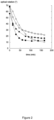
- Pellet of lactonized/oligomerized gluconic acid (1.3 g, duplicate samples) were added to buffer solution of pH 3.71 (0.5 M KH 2 PO/ortho phosphoric acid, 10 mL) at 37 °C. Samples (4 mL) were taken every hour (1, 2, 3, 4, 5, 6 and 24 h) and new buffer solution (4 mL) was added. The samples were diluted 50 times with biofilm medium (vide supra) and the amount of biofilm formation was measured after 24 h as described above. As seen from Fig 4A , the released GA significantly reduces the amount of biofilm formation in Candida albicans. Further, the hydrolysis of the pellet is seemingly slow enough to provide a preventive effect for at least up to 6 hours, likely far more.
- Example 7 Biofilm formation in a model of in vivo conditions using glucono- ⁇ -lactone
- GDA glucono- ⁇ -lactone
- Example 8 Viability of mature biofilms of C . albicans and C . glabrata treated with glucono- ⁇ -lactone
- XXT is a colorimetric assay for quantification of cellular viability, and cytotoxicity. The assay is based on the cleavage of the tetrazolium salt XTT, a conversion that only occurs in viable cells.
- the mature biofilm was exposed to GDA for 24 h. Then the cells were washed 2 times with PBS, after which the XTT reaction mixture was added. After 30 min the optical density measured at 485 nm.
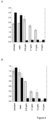
- the XTT assay showed a strong decrease in viability for C. glabrata already after 24 h of incubation ( Fig 6A ). The effect was less pronounced for C. albicans but clearly seen after 48 h ( Fig 6B ).
- the plated cells were incubated for 24 h at 37°C and visually analyzed.
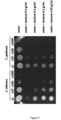
- the cells from the mature biofilm treated with water were used as a control. It was found that the GDA decreases cell viability of C. albicans and C. glabrata, particularly at high concentrations. At the concentrations of 0.2 and 0.5 g/ml after 5 h of incubation the cell viability was decreased by about 100 times for both C. albicans and C. glabrata. After 73 h of incubation with 0.5 g/ml of GDA the cell viability of C. albicans was decreased by about 1000 times (data not shown). C. glabrata proved to be more sensitive to GDA ( Fig 7 ).
- Fig 8A shows untreated cells after 5 h.
- a pellet of glucono- ⁇ -lactone (2.5 g) was added to buffer solution of pH 3.71 (0.5 M KH 2 PO 4 /ortho phosphoric acid, 10 mL) at 37 °C.
- a sample was taken after 1 h and diluted 50 times with biofilm medium and added to C. albicans. After 5 h most treated cells were planctonic ( Fig 8B ).
- Example 10 Viability of different Candida species in the presence of glucono- ⁇ -lactone
- Candida sp. studied were also sensitive (i.e. cell viability measure using the XTT assay, cf Example 8) to glucono- ⁇ -lactone (GDA). However, they displayed different levels of sensitivity.
- Candida albicans SC5314 displayed the lowest susceptibility and Candida krusei silicone isolate A4-1 displayed the highest susceptibility.
- the GDA-toxicity is mediated through cell wall damage as the cells exposed to GDA had lower viability on the medium with calcofluor white compared to that supplemented with osmotic stabilizer (0.5M sucrose) and compared to the untreated cells on these media.
- Table 3 summarizes qualitative effects shown by GDA. Table 8.
- GDA can break mature biofilm formed by C. albicans and C. glabrata
- C. albicans upon exposure to GDA, C. albicans transforms into yeast form, while the viability of C. glabrata decreases
- the effect is clear even on other strains, i.e. C . tropicalis and C. krusei.
- DL-Lactic acid (563 mg, 6.26 mmol) and D-gluconic acid (50% in water, 0.50 mL, 1.57 mmol) was mixed in a test tube and heated to 130 °C. After 4 h, the temperature was increased to 140 °C. After a total of 27 h, the reaction mixture was allowed to reach rt. The reaction mixture solidified upon cooling.
- DL-Lactic acid (569 mg, 6.32 mmol) and D-gluconic acid (50% in water, 0.25 mL, 0.78 mmol) was mixed in a test tube and heated to 130 °C. After 4 h, the temperature was increased to 140 °C. After a total of 27 h, the reaction mixture was allowed to reach rt. The reaction mixture solidified upon cooling.
- DL-Lactic acid (1 g, 11 mmol) and D-gluconic acid (50% in water, 0.35 mL, 0.78 mmol) were mixed in a test tube and heated to 130 °C under vaccum. After a total of 22 h, the reaction mixture was allowed to reach rt. The reaction mixture became almost totally solid upon cooling.
- DL-Lactic acid (1 g, 11 mmol) was pre-heated at 130 °C under vacuum. After for 5 h, D-gluconic acid (50% in water, 0.35 mL, 1.1 mmol) was added. After another 16 h under vacuum at 130 °C, the reaction mixture was allowed to reach rt. The reaction mixture solidified upon cooling.
- D-gluconic acid 50% in water, 4 g
- citric acid monohydrate 20 mg, 1 wt. % were mixed in a test tube and heated to 120 °C. After a total of 15 h, the reaction mixture was allowed to reach rt. The reaction mixture did not solidify upon cooling.
- D-gluconic acid 50% in water, 4 g
- citric acid monohydrate 105 mg, 5 wt. %
- D-gluconic acid 50% in water, 4 g
- citric acid monohydrate 222 mg, 10 wt. % were mixed in a test tube and heated to 120 °C. After a total of 15 h, the reaction mixture was allowed to reach rt. The reaction mixture did not solidify upon cooling.
- gluconic acid can be oligomerized with lactic acid to form a solid, in contrary to pure gluconic acid or lactic acid that both are liquids.
- the bacterial strain Escherichia coli K12 was used for the biofilm study. This strain was maintained on LB medium at 37 °C.
- the biofilm was studied in synthetic medium M9 (x1 M9 minimal salts (Sigma M6030), 2 mM MgSO 4 , 0.1 mM CaCl 2 , and 0.2% glucose), which contained either phosphate buffer, citric acid, lactic acid, gluconic acid or glucono- ⁇ -lactone to obtain media with different pH (2.6-6.6).
- E. coli K12 (OD 600 ⁇ 5.0) was washed with sterile water and inoculated to the final concentration 0.2 OD/ml of M9 medium with different pH of different compounds.
- the biofilm development was studied in 96-well flat-bottom polystyrene microtiter plates (Sigma Aldrich, Corning ® Costar ® culture plates, CLS3596-50EA). The biofilm was stained with crystal violet.
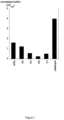
- the bacterial strain had increased its biomass (2-3-fold) only in the M9 medium supplemented with phosphate buffer at pH 6.1 and pH 6.6 ( Fig.9 ).
- the biomass was lower on other media and we observed the decrease in bacterial biomass with lowering of the pH of the medium.
- Acids citric acid, lactic acid, gluconic acid
- glucono- ⁇ -lactone had inhibiting effect on the growth.
- the lowering of the pH of the medium resulted in decreased biofilm formation.
- the lowest amount of biofilm was observed in the medium supplemented with gluconic acid.
- the second most effective in biofilm inhibition was lactic acid followed by glucono- ⁇ -lactone.
- the biofilm on gluconic acid medium was 38-fold lower at pH 2.6 and 15-fold lower at pH 3.0.
- pH 6.6 the gluconic and lactic lowered the biofilm ⁇ 2-fold.
- the glucono- ⁇ -lactone at pH 2.6 decreased the biofilm formation 14.2 times at 24h and 30 times at 48h correspondingly.
- Example 13 MIC test of glucono- ⁇ -lactone on Gardnerella vaginalis, Lactobacillus crsipatus, and Lactobacillus iners
- Gardnerella vaginalis, Lactobacillus iners, and Lactobacillus crispatus were recovered by CCUG (Culture Collection of University of Gothenburg). Subculture plates were made for G . vaginalis on Chocolate-GL plates and Lactobacillus spp. on M.R.S. agar plates at 5% CO 2 , 36°C. The inoculums were prepared from the subculture plates. Colonies were inoculated to culture tubes with 5 ml test medium and vortexed 2 min with about 10 glass beads à 3mm in diameter. Colonies were taken until the turbidity of the solution was OD 475 of 0.4-0.5.
- the bacterial solutions were checked in light microscopy at x40 with phase contrast to make sure that the cells were dispersed. Each bacterial suspension was diluted in its test medium, 1:100, to equal 1-3 x 10 6 CFU/ml. The microbial solutions were stored at 20°C during the preparation of the inoculums
- MIC microdilution assays were run in triplicate to assess the MIC values for GDA against G . vaginalis (CAMHB) and L. crispatus (IsoS-M.R.S.) after 48 hours incubation at 5% CO 2 and L. iners cultured under anaerobic conditions after 120 hours (Table 7).
- Table 9 Minimum inhibitory concentrations (MICs) for GDA against G . vaginalis (CAMHB), L. crispatus (IsoS-M.R.S.), and L. iners (CAMHB).
- Strain CCUG identification MIC g/ml
- G. vaginalis CCUG 3717 0.001 L. crispatus CCUG 44128 0.0078 L. iners CCUG 44025 0.0078
- the minimum inhibitory concentration (MIC) value of GDA against Gardnerella vaginalis is much lower than the MIC value of GDA against Lactobacillus iners and Lactobacillus crispatus. Thus, GDA is more efficient against the Gardnerella vaginalis than against the benign Lactobacillus iners and Lactobacillus crispatus.
- Example 14 MIC test of GDA on Escherichia coli, Staphylococcus epidermidis, Staphylococcus aureus, Pseudomonas aeruginosa, Acetinobacter baumanii, Streptococcus pyogenes, Streptococcus agalactiae, Beta-Hemolytic Streptococci Groups C and G and Porphyromonas gingivalis.
- the anaerobes were suspended in Concept 400 and the diluent was reduced Brucella broth supplemented with hemin (5 ⁇ g/ml), vitamin K1 (1 ⁇ g/ml), and lysed horse blood (5%). The cell suspensions were then vortexed vigorously for 1 minute to obtain a turbid suspension. Each suspension of the aerobes and fastidious aerobes was adjusted to equal OD 0.28 at 475 nm using a spectrophotometer, which correlates approximately to 1-3 x 10⁸ CFU/ml with most species. For the anaerobe, the OD measurement turned out to be difficult due to the use of blood in the culture medium.
- MIC microdilution assays were run in triplicate to assess the MIC values for glucono- ⁇ -lactone (GDA) (Table 10).
- GDA glucono- ⁇ -lactone
- Table 10 Minimum inhibitory concentrations (MICs) for GDA against Escherichia coli, Staphylococcus epidermidis, Staphylococcus aureus, Pseudomonas aeruginosa, Acetinobacter baumanii, Streptococcus pyogenes, Streptococcus agalactiae, Beta-Hemolytic Streptococci Groups C and G and Porphyromonas gingivalis.
- the minimum inhibitory concentration (MIC) value of GDA against Escherichia coli, Staphylococcus epidermidis, Staphylococcus aureus, Pseudomonas aeruginosa, Acetinobacter baumanii, Streptococcus pyogenes, Streptococcus agalactiae, Beta-Hemolytic Streptococci Groups C and G and Porphyromonas gingivalis is generally lower than the MIC value of GDA against Lactobacillus iners and Lactobacillus crispatus (Example 13) .
- GDA is more efficient against the these patogens than against the benign Lactobacillus iners and Lactobacillus crispatus.
Landscapes
- Health & Medical Sciences (AREA)
- Chemical & Material Sciences (AREA)
- Medicinal Chemistry (AREA)
- Pharmacology & Pharmacy (AREA)
- Life Sciences & Earth Sciences (AREA)
- Animal Behavior & Ethology (AREA)
- General Health & Medical Sciences (AREA)
- Public Health (AREA)
- Veterinary Medicine (AREA)
- Organic Chemistry (AREA)
- Epidemiology (AREA)
- Chemical Kinetics & Catalysis (AREA)
- Oncology (AREA)
- General Chemical & Material Sciences (AREA)
- Nuclear Medicine, Radiotherapy & Molecular Imaging (AREA)
- Communicable Diseases (AREA)
- Urology & Nephrology (AREA)
- Reproductive Health (AREA)
- Gynecology & Obstetrics (AREA)
- Pharmaceuticals Containing Other Organic And Inorganic Compounds (AREA)
- Acyclic And Carbocyclic Compounds In Medicinal Compositions (AREA)
- Medicinal Preparation (AREA)
- Organic Low-Molecular-Weight Compounds And Preparation Thereof (AREA)
- Agricultural Chemicals And Associated Chemicals (AREA)
- Polyesters Or Polycarbonates (AREA)
- Pyrane Compounds (AREA)
- Medicines That Contain Protein Lipid Enzymes And Other Medicines (AREA)
Applications Claiming Priority (2)
| Application Number | Priority Date | Filing Date | Title |
|---|---|---|---|
| EP17195192 | 2017-10-06 | ||
| PCT/EP2018/077129 WO2019068862A1 (en) | 2017-10-06 | 2018-10-05 | GLUCONIC ACID DERIVATIVES FOR USE IN THE TREATMENT AND / OR PREVENTION OF MICROBIAL INFECTIONS |
Publications (3)
| Publication Number | Publication Date |
|---|---|
| EP3691625A1 EP3691625A1 (en) | 2020-08-12 |
| EP3691625C0 EP3691625C0 (en) | 2025-02-19 |
| EP3691625B1 true EP3691625B1 (en) | 2025-02-19 |
Family
ID=60185986
Family Applications (1)
| Application Number | Title | Priority Date | Filing Date |
|---|---|---|---|
| EP18788687.4A Active EP3691625B1 (en) | 2017-10-06 | 2018-10-05 | Gluconic acid derivatives for use in the treatment and/or prevention of microbial infections |
Country Status (21)
| Country | Link |
|---|---|
| US (3) | US11612584B2 (enExample) |
| EP (1) | EP3691625B1 (enExample) |
| JP (1) | JP7424636B2 (enExample) |
| KR (1) | KR102650182B1 (enExample) |
| CN (1) | CN111182895B (enExample) |
| AU (1) | AU2018346361B2 (enExample) |
| BR (1) | BR112020006931A2 (enExample) |
| CA (1) | CA3078451A1 (enExample) |
| CL (1) | CL2020000859A1 (enExample) |
| EA (1) | EA202090750A1 (enExample) |
| ES (1) | ES3017694T3 (enExample) |
| HU (1) | HUE070746T2 (enExample) |
| IL (1) | IL273297B2 (enExample) |
| MX (1) | MX2020003660A (enExample) |
| MY (1) | MY205944A (enExample) |
| PH (1) | PH12020550222A1 (enExample) |
| PL (1) | PL3691625T3 (enExample) |
| SG (1) | SG11202002494WA (enExample) |
| UA (1) | UA126590C2 (enExample) |
| WO (1) | WO2019068862A1 (enExample) |
| ZA (1) | ZA202001605B (enExample) |
Families Citing this family (4)
| Publication number | Priority date | Publication date | Assignee | Title |
|---|---|---|---|---|
| WO2019068862A1 (en) | 2017-10-06 | 2019-04-11 | Gedea Biotech Ab | GLUCONIC ACID DERIVATIVES FOR USE IN THE TREATMENT AND / OR PREVENTION OF MICROBIAL INFECTIONS |
| MA56011A (fr) | 2019-04-05 | 2022-04-06 | Gedea Biotech Ab | Formulation de comprimé vaginal |
| CN114751878B (zh) * | 2022-03-29 | 2023-06-16 | 青岛农业大学 | 一种BcTol1基因靶向剂及其应用 |
| EP4731203A1 (en) * | 2023-06-22 | 2026-04-29 | Gedea Biotech AB | Compositions for promoting growth of lactobacillus crispatus |
Family Cites Families (28)
| Publication number | Priority date | Publication date | Assignee | Title |
|---|---|---|---|---|
| IT1278868B1 (it) | 1995-10-27 | 1997-11-28 | Sanitaria Scaligera Spa | Metodo per l'ottenimento di un materiale riassorbibile atto ad essere utilizzato come elemento di rivestimento per la prevenzione di |
| AUPP839499A0 (en) | 1999-01-29 | 1999-02-25 | Australian National University, The | A method for controlling plant pathogens, and agents useful for same |
| JP3745612B2 (ja) | 2000-10-31 | 2006-02-15 | 西川ゴム工業株式会社 | ポリヒドロキシカルボン酸の製造方法 |
| US20060172007A1 (en) * | 2001-05-01 | 2006-08-03 | Nawaz Ahmad | Compositions and methods for reducing vaginal pH |
| US20030017207A1 (en) * | 2001-05-01 | 2003-01-23 | Lin Shun Y. | Compositions and methods for treating vulvovaginitis and vaginosis |
| US20060105008A1 (en) * | 2002-03-28 | 2006-05-18 | Nawaz Ahmad | Compositions and methods for reducing vaginal pH |
| US7569530B1 (en) | 2003-06-20 | 2009-08-04 | The Procter & Gamble Company | Antimicrobial compositions, products and methods employing same |
| CA2487270C (en) | 2002-06-21 | 2010-10-26 | The Procter & Gamble Company | Antimicrobial compositions, products and methods employing same |
| US7547454B2 (en) * | 2002-11-07 | 2009-06-16 | Shyam K Gupta | Hydroxy acid complexes for antiaging and skin renovation |
| US20040126369A1 (en) * | 2002-12-30 | 2004-07-01 | Richard Payne | Delivery of peroxide-generating enzymes to the vaginal tract |
| US8795693B2 (en) | 2003-08-04 | 2014-08-05 | Foamix Ltd. | Compositions with modulating agents |
| US20050260243A1 (en) * | 2004-04-26 | 2005-11-24 | The Procter & Gamble Company | Method of treating microbial plant diseases |
| US20050271711A1 (en) | 2004-04-26 | 2005-12-08 | The Procter & Gamble Company | Therapeutic antimicrobial compositions and methods |
| AU2006209263A1 (en) | 2005-09-12 | 2007-03-29 | Mcneil-Ppc, Inc. | Anhydrous composition containing an acid-acid buffer system |
| US20070059278A1 (en) | 2005-09-12 | 2007-03-15 | Nawaz Ahmad | Anhydrous composition containing an acid-acid buffer system |
| US20080058421A1 (en) | 2006-09-05 | 2008-03-06 | John Alex Lopes | Compositions for cleaning and disinfecting nasal tract and sinus cavity |
| WO2008108834A2 (en) * | 2006-11-09 | 2008-09-12 | Northwestern University | Inhibitors of the mevalonate pathway of streptococcus pneumoniae |
| JP2008283893A (ja) * | 2007-05-16 | 2008-11-27 | Sumitomo Chemical Co Ltd | 家禽用コクシジウム感染抑制剤及びそれを用いたコクシジウム感染抑制方法 |
| US20100285095A1 (en) * | 2009-05-05 | 2010-11-11 | Kimberly Ann Nemeth | Hygiene Article Having Calcium Sugar Acid Salt |
| CN102070774B (zh) | 2010-11-25 | 2012-08-22 | 华南师范大学 | 单糖或其糖醇与乳酸的共聚物的制备方法 |
| EP2704694A4 (en) | 2011-05-02 | 2014-11-19 | Aptalis Pharmatech Inc | RAPID DISSOLUTION TABLET COMPOSITIONS FOR VAGINAL DELIVERY |
| US9937214B2 (en) | 2013-11-08 | 2018-04-10 | Suzhou Osel Bio-Pharm Co., Ltd. | Lactobacillus crispatus and application thereof |
| DK178786B1 (en) * | 2015-03-11 | 2017-02-06 | Dantrace-Danfeed Ivs | Use of zinc and copper gluconate in the treatment of methicillin-resistant staphylococcus aureus |
| MX382396B (es) * | 2016-04-06 | 2025-03-13 | Gedea Biotech Ab | Glucono delta-lactona para el tratamiento de infecciones fúngicas vaginales. |
| CA3040422A1 (en) | 2016-10-13 | 2018-04-19 | Catalent U.K. Swindon Zydis Limited | Lyophilized pharmaceutical compositions for vaginal delivery |
| KR101841976B1 (ko) | 2017-06-07 | 2018-05-14 | 조영진 | 식물 추출물을 포함하는 항진균 및 항균 조성물 |
| WO2019068862A1 (en) | 2017-10-06 | 2019-04-11 | Gedea Biotech Ab | GLUCONIC ACID DERIVATIVES FOR USE IN THE TREATMENT AND / OR PREVENTION OF MICROBIAL INFECTIONS |
| MA56011A (fr) | 2019-04-05 | 2022-04-06 | Gedea Biotech Ab | Formulation de comprimé vaginal |
-
2018
- 2018-10-05 WO PCT/EP2018/077129 patent/WO2019068862A1/en not_active Ceased
- 2018-10-05 KR KR1020207010202A patent/KR102650182B1/ko active Active
- 2018-10-05 US US16/753,899 patent/US11612584B2/en active Active
- 2018-10-05 HU HUE18788687A patent/HUE070746T2/hu unknown
- 2018-10-05 ES ES18788687T patent/ES3017694T3/es active Active
- 2018-10-05 PL PL18788687.4T patent/PL3691625T3/pl unknown
- 2018-10-05 JP JP2020519028A patent/JP7424636B2/ja active Active
- 2018-10-05 CA CA3078451A patent/CA3078451A1/en active Pending
- 2018-10-05 CN CN201880065162.XA patent/CN111182895B/zh active Active
- 2018-10-05 EP EP18788687.4A patent/EP3691625B1/en active Active
- 2018-10-05 AU AU2018346361A patent/AU2018346361B2/en active Active
- 2018-10-05 SG SG11202002494WA patent/SG11202002494WA/en unknown
- 2018-10-05 IL IL273297A patent/IL273297B2/en unknown
- 2018-10-05 UA UAA202002422A patent/UA126590C2/uk unknown
- 2018-10-05 MX MX2020003660A patent/MX2020003660A/es unknown
- 2018-10-05 EA EA202090750A patent/EA202090750A1/ru unknown
- 2018-10-05 BR BR112020006931-0A patent/BR112020006931A2/pt active IP Right Grant
- 2018-10-05 MY MYPI2020001657A patent/MY205944A/en unknown
-
2020
- 2020-03-13 ZA ZA2020/01605A patent/ZA202001605B/en unknown
- 2020-03-31 CL CL2020000859A patent/CL2020000859A1/es unknown
- 2020-04-06 PH PH12020550222A patent/PH12020550222A1/en unknown
-
2023
- 2023-02-02 US US18/163,321 patent/US12226396B2/en active Active
-
2025
- 2025-01-08 US US19/013,187 patent/US20250144070A1/en active Pending
Also Published As
| Publication number | Publication date |
|---|---|
| ZA202001605B (en) | 2023-12-20 |
| IL273297B1 (en) | 2024-02-01 |
| US11612584B2 (en) | 2023-03-28 |
| UA126590C2 (uk) | 2022-11-02 |
| EP3691625C0 (en) | 2025-02-19 |
| JP7424636B2 (ja) | 2024-01-30 |
| PL3691625T3 (pl) | 2025-05-12 |
| AU2018346361B2 (en) | 2024-07-25 |
| IL273297A (en) | 2020-04-30 |
| BR112020006931A2 (pt) | 2020-10-06 |
| HUE070746T2 (hu) | 2025-07-28 |
| ES3017694T3 (en) | 2025-05-13 |
| EP3691625A1 (en) | 2020-08-12 |
| WO2019068862A1 (en) | 2019-04-11 |
| US20200253925A1 (en) | 2020-08-13 |
| AU2018346361A1 (en) | 2020-05-14 |
| US12226396B2 (en) | 2025-02-18 |
| US20230181523A1 (en) | 2023-06-15 |
| CL2020000859A1 (es) | 2020-10-02 |
| PH12020550222A1 (en) | 2021-02-15 |
| MX2020003660A (es) | 2020-08-03 |
| IL273297B2 (en) | 2024-06-01 |
| JP2020536862A (ja) | 2020-12-17 |
| SG11202002494WA (en) | 2020-04-29 |
| CN111182895B (zh) | 2024-05-14 |
| KR102650182B1 (ko) | 2024-03-21 |
| CN111182895A (zh) | 2020-05-19 |
| CA3078451A1 (en) | 2019-04-11 |
| EA202090750A1 (ru) | 2020-11-11 |
| MY205944A (en) | 2024-11-21 |
| US20250144070A1 (en) | 2025-05-08 |
| KR20200060413A (ko) | 2020-05-29 |
Similar Documents
| Publication | Publication Date | Title |
|---|---|---|
| US12226396B2 (en) | Gluconic acid derivatives for use in the treatment and/or prevention of microbial infections | |
| JP6549556B2 (ja) | ポリマーベースのヒドロゲル | |
| US9393249B2 (en) | Antimicrobial composition | |
| CA2819632C (en) | Vaginal composition based on alkyl polyglucosides | |
| US11696891B2 (en) | Glucono delta-lactone for treatment of vaginal fungal infections | |
| HK40029669B (en) | Gluconic acid derivatives for use in the treatment and/or prevention of microbial infections | |
| HK40029669A (en) | Gluconic acid derivatives for use in the treatment and/or prevention of microbial infections | |
| JP2023093008A (ja) | デーデルライン桿菌の増殖促進剤および微生物選択的増殖促進剤 | |
| WO2024262189A1 (ja) | 細菌の増殖抑制剤、それを含む化粧品、医薬部外品、及び医薬組成物、並びに細菌の増殖抑制方法 | |
| BR112018070370B1 (pt) | Glucono delta-lactona para tratamento de candidíase vulvovaginal |
Legal Events
| Date | Code | Title | Description |
|---|---|---|---|
| STAA | Information on the status of an ep patent application or granted ep patent |
Free format text: STATUS: UNKNOWN |
|
| STAA | Information on the status of an ep patent application or granted ep patent |
Free format text: STATUS: THE INTERNATIONAL PUBLICATION HAS BEEN MADE |
|
| PUAI | Public reference made under article 153(3) epc to a published international application that has entered the european phase |
Free format text: ORIGINAL CODE: 0009012 |
|
| STAA | Information on the status of an ep patent application or granted ep patent |
Free format text: STATUS: REQUEST FOR EXAMINATION WAS MADE |
|
| 17P | Request for examination filed |
Effective date: 20200506 |
|
| AK | Designated contracting states |
Kind code of ref document: A1 Designated state(s): AL AT BE BG CH CY CZ DE DK EE ES FI FR GB GR HR HU IE IS IT LI LT LU LV MC MK MT NL NO PL PT RO RS SE SI SK SM TR |
|
| AX | Request for extension of the european patent |
Extension state: BA ME |
|
| STAA | Information on the status of an ep patent application or granted ep patent |
Free format text: STATUS: EXAMINATION IS IN PROGRESS |
|
| 17Q | First examination report despatched |
Effective date: 20201019 |
|
| DAV | Request for validation of the european patent (deleted) | ||
| DAX | Request for extension of the european patent (deleted) | ||
| REG | Reference to a national code |
Ref country code: HK Ref legal event code: DE Ref document number: 40029669 Country of ref document: HK |
|
| RAP3 | Party data changed (applicant data changed or rights of an application transferred) |
Owner name: GEDEA BIOTECH AB |
|
| GRAP | Despatch of communication of intention to grant a patent |
Free format text: ORIGINAL CODE: EPIDOSNIGR1 |
|
| STAA | Information on the status of an ep patent application or granted ep patent |
Free format text: STATUS: GRANT OF PATENT IS INTENDED |
|
| INTG | Intention to grant announced |
Effective date: 20240920 |
|
| GRAS | Grant fee paid |
Free format text: ORIGINAL CODE: EPIDOSNIGR3 |
|
| GRAA | (expected) grant |
Free format text: ORIGINAL CODE: 0009210 |
|
| STAA | Information on the status of an ep patent application or granted ep patent |
Free format text: STATUS: THE PATENT HAS BEEN GRANTED |
|
| AK | Designated contracting states |
Kind code of ref document: B1 Designated state(s): AL AT BE BG CH CY CZ DE DK EE ES FI FR GB GR HR HU IE IS IT LI LT LU LV MC MK MT NL NO PL PT RO RS SE SI SK SM TR |
|
| REG | Reference to a national code |
Ref country code: GB Ref legal event code: FG4D |
|
| REG | Reference to a national code |
Ref country code: CH Ref legal event code: EP |
|
| REG | Reference to a national code |
Ref country code: IE Ref legal event code: FG4D |
|
| REG | Reference to a national code |
Ref country code: DE Ref legal event code: R096 Ref document number: 602018079337 Country of ref document: DE |
|
| U01 | Request for unitary effect filed |
Effective date: 20250314 |
|
| U07 | Unitary effect registered |
Designated state(s): AT BE BG DE DK EE FI FR IT LT LU LV MT NL PT RO SE SI Effective date: 20250319 |
|
| REG | Reference to a national code |
Ref country code: ES Ref legal event code: FG2A Ref document number: 3017694 Country of ref document: ES Kind code of ref document: T3 Effective date: 20250513 |
|
| PG25 | Lapsed in a contracting state [announced via postgrant information from national office to epo] |
Ref country code: RS Free format text: LAPSE BECAUSE OF FAILURE TO SUBMIT A TRANSLATION OF THE DESCRIPTION OR TO PAY THE FEE WITHIN THE PRESCRIBED TIME-LIMIT Effective date: 20250519 |
|
| PG25 | Lapsed in a contracting state [announced via postgrant information from national office to epo] |
Ref country code: IS Free format text: LAPSE BECAUSE OF FAILURE TO SUBMIT A TRANSLATION OF THE DESCRIPTION OR TO PAY THE FEE WITHIN THE PRESCRIBED TIME-LIMIT Effective date: 20250619 |
|
| PG25 | Lapsed in a contracting state [announced via postgrant information from national office to epo] |
Ref country code: HR Free format text: LAPSE BECAUSE OF FAILURE TO SUBMIT A TRANSLATION OF THE DESCRIPTION OR TO PAY THE FEE WITHIN THE PRESCRIBED TIME-LIMIT Effective date: 20250219 |
|
| PG25 | Lapsed in a contracting state [announced via postgrant information from national office to epo] |
Ref country code: GR Free format text: LAPSE BECAUSE OF FAILURE TO SUBMIT A TRANSLATION OF THE DESCRIPTION OR TO PAY THE FEE WITHIN THE PRESCRIBED TIME-LIMIT Effective date: 20250520 |
|
| REG | Reference to a national code |
Ref country code: HU Ref legal event code: AG4A Ref document number: E070746 Country of ref document: HU |
|
| PG25 | Lapsed in a contracting state [announced via postgrant information from national office to epo] |
Ref country code: SM Free format text: LAPSE BECAUSE OF FAILURE TO SUBMIT A TRANSLATION OF THE DESCRIPTION OR TO PAY THE FEE WITHIN THE PRESCRIBED TIME-LIMIT Effective date: 20250219 |
|
| PGFP | Annual fee paid to national office [announced via postgrant information from national office to epo] |
Ref country code: TR Payment date: 20250922 Year of fee payment: 8 |
|
| PG25 | Lapsed in a contracting state [announced via postgrant information from national office to epo] |
Ref country code: CZ Free format text: LAPSE BECAUSE OF FAILURE TO SUBMIT A TRANSLATION OF THE DESCRIPTION OR TO PAY THE FEE WITHIN THE PRESCRIBED TIME-LIMIT Effective date: 20250219 |
|
| PG25 | Lapsed in a contracting state [announced via postgrant information from national office to epo] |
Ref country code: SK Free format text: LAPSE BECAUSE OF FAILURE TO SUBMIT A TRANSLATION OF THE DESCRIPTION OR TO PAY THE FEE WITHIN THE PRESCRIBED TIME-LIMIT Effective date: 20250219 |
|
| REG | Reference to a national code |
Ref country code: CH Ref legal event code: U11 Free format text: ST27 STATUS EVENT CODE: U-0-0-U10-U11 (AS PROVIDED BY THE NATIONAL OFFICE) Effective date: 20251101 |
|
| U20 | Renewal fee for the european patent with unitary effect paid |
Year of fee payment: 8 Effective date: 20251009 |
|
| PGFP | Annual fee paid to national office [announced via postgrant information from national office to epo] |
Ref country code: HU Payment date: 20251003 Year of fee payment: 8 |
|
| PLBE | No opposition filed within time limit |
Free format text: ORIGINAL CODE: 0009261 |
|
| STAA | Information on the status of an ep patent application or granted ep patent |
Free format text: STATUS: NO OPPOSITION FILED WITHIN TIME LIMIT |
|
| REG | Reference to a national code |
Ref country code: CH Ref legal event code: L10 Free format text: ST27 STATUS EVENT CODE: U-0-0-L10-L00 (AS PROVIDED BY THE NATIONAL OFFICE) Effective date: 20251231 |
|
| PGFP | Annual fee paid to national office [announced via postgrant information from national office to epo] |
Ref country code: GB Payment date: 20251008 Year of fee payment: 8 |
|
| PGFP | Annual fee paid to national office [announced via postgrant information from national office to epo] |
Ref country code: NO Payment date: 20251010 Year of fee payment: 8 |
|
| PGFP | Annual fee paid to national office [announced via postgrant information from national office to epo] |
Ref country code: CH Payment date: 20251101 Year of fee payment: 8 |
|
| PGFP | Annual fee paid to national office [announced via postgrant information from national office to epo] |
Ref country code: IE Payment date: 20251008 Year of fee payment: 8 |
|
| PGFP | Annual fee paid to national office [announced via postgrant information from national office to epo] |
Ref country code: PL Payment date: 20250925 Year of fee payment: 8 |
|
| 26N | No opposition filed |
Effective date: 20251120 |
|
| PGFP | Annual fee paid to national office [announced via postgrant information from national office to epo] |
Ref country code: ES Payment date: 20251112 Year of fee payment: 8 |
|
| PG25 | Lapsed in a contracting state [announced via postgrant information from national office to epo] |
Ref country code: MC Free format text: LAPSE BECAUSE OF FAILURE TO SUBMIT A TRANSLATION OF THE DESCRIPTION OR TO PAY THE FEE WITHIN THE PRESCRIBED TIME-LIMIT Effective date: 20250219 |