EP3662906A1 - Agonist von 67-kda-lamininrezeptor und seine verwendung - Google Patents
Agonist von 67-kda-lamininrezeptor und seine verwendung Download PDFInfo
- Publication number
- EP3662906A1 EP3662906A1 EP17919792.6A EP17919792A EP3662906A1 EP 3662906 A1 EP3662906 A1 EP 3662906A1 EP 17919792 A EP17919792 A EP 17919792A EP 3662906 A1 EP3662906 A1 EP 3662906A1
- Authority
- EP
- European Patent Office
- Prior art keywords
- ohbfb
- agonist
- formula
- cells
- cancer
- Prior art date
- Legal status (The legal status is an assumption and is not a legal conclusion. Google has not performed a legal analysis and makes no representation as to the accuracy of the status listed.)
- Withdrawn
Links
- 0 *c(cccc1*)c1I Chemical compound *c(cccc1*)c1I 0.000 description 7
Images






Classifications
-
- A—HUMAN NECESSITIES
- A61—MEDICAL OR VETERINARY SCIENCE; HYGIENE
- A61K—PREPARATIONS FOR MEDICAL, DENTAL OR TOILETRY PURPOSES
- A61K31/00—Medicinal preparations containing organic active ingredients
- A61K31/33—Heterocyclic compounds
- A61K31/335—Heterocyclic compounds having oxygen as the only ring hetero atom, e.g. fungichromin
- A61K31/35—Heterocyclic compounds having oxygen as the only ring hetero atom, e.g. fungichromin having six-membered rings with one oxygen as the only ring hetero atom
- A61K31/352—Heterocyclic compounds having oxygen as the only ring hetero atom, e.g. fungichromin having six-membered rings with one oxygen as the only ring hetero atom condensed with carbocyclic rings, e.g. methantheline
- A61K31/353—3,4-Dihydrobenzopyrans, e.g. chroman, catechin
-
- A—HUMAN NECESSITIES
- A23—FOODS OR FOODSTUFFS; TREATMENT THEREOF, NOT COVERED BY OTHER CLASSES
- A23L—FOODS, FOODSTUFFS OR NON-ALCOHOLIC BEVERAGES, NOT OTHERWISE PROVIDED FOR; PREPARATION OR TREATMENT THEREOF
- A23L33/00—Modifying nutritive qualities of foods; Dietetic products; Preparation or treatment thereof
- A23L33/10—Modifying nutritive qualities of foods; Dietetic products; Preparation or treatment thereof using additives
- A23L33/105—Plant extracts, their artificial duplicates or their derivatives
-
- A—HUMAN NECESSITIES
- A61—MEDICAL OR VETERINARY SCIENCE; HYGIENE
- A61K—PREPARATIONS FOR MEDICAL, DENTAL OR TOILETRY PURPOSES
- A61K31/00—Medicinal preparations containing organic active ingredients
- A61K31/33—Heterocyclic compounds
- A61K31/395—Heterocyclic compounds having nitrogen as a ring hetero atom, e.g. guanethidine or rifamycins
- A61K31/53—Heterocyclic compounds having nitrogen as a ring hetero atom, e.g. guanethidine or rifamycins having six-membered rings with three nitrogens as the only ring hetero atoms, e.g. chlorazanil, melamine
-
- A—HUMAN NECESSITIES
- A61—MEDICAL OR VETERINARY SCIENCE; HYGIENE
- A61K—PREPARATIONS FOR MEDICAL, DENTAL OR TOILETRY PURPOSES
- A61K31/00—Medicinal preparations containing organic active ingredients
- A61K31/70—Carbohydrates; Sugars; Derivatives thereof
- A61K31/7042—Compounds having saccharide radicals and heterocyclic rings
- A61K31/7048—Compounds having saccharide radicals and heterocyclic rings having oxygen as a ring hetero atom, e.g. leucoglucosan, hesperidin, erythromycin, nystatin, digitoxin or digoxin
-
- A—HUMAN NECESSITIES
- A61—MEDICAL OR VETERINARY SCIENCE; HYGIENE
- A61K—PREPARATIONS FOR MEDICAL, DENTAL OR TOILETRY PURPOSES
- A61K36/00—Medicinal preparations of undetermined constitution containing material from algae, lichens, fungi or plants, or derivatives thereof, e.g. traditional herbal medicines
- A61K36/18—Magnoliophyta (angiosperms)
- A61K36/185—Magnoliopsida (dicotyledons)
- A61K36/82—Theaceae (Tea family), e.g. camellia
-
- A—HUMAN NECESSITIES
- A61—MEDICAL OR VETERINARY SCIENCE; HYGIENE
- A61K—PREPARATIONS FOR MEDICAL, DENTAL OR TOILETRY PURPOSES
- A61K45/00—Medicinal preparations containing active ingredients not provided for in groups A61K31/00 - A61K41/00
- A61K45/06—Mixtures of active ingredients without chemical characterisation, e.g. antiphlogistics and cardiaca
-
- A—HUMAN NECESSITIES
- A61—MEDICAL OR VETERINARY SCIENCE; HYGIENE
- A61K—PREPARATIONS FOR MEDICAL, DENTAL OR TOILETRY PURPOSES
- A61K9/00—Medicinal preparations characterised by special physical form
- A61K9/0012—Galenical forms characterised by the site of application
- A61K9/0053—Mouth and digestive tract, i.e. intraoral and peroral administration
- A61K9/0056—Mouth soluble or dispersible forms; Suckable, eatable, chewable coherent forms; Forms rapidly disintegrating in the mouth; Lozenges; Lollipops; Bite capsules; Baked products; Baits or other oral forms for animals
-
- A—HUMAN NECESSITIES
- A61—MEDICAL OR VETERINARY SCIENCE; HYGIENE
- A61P—SPECIFIC THERAPEUTIC ACTIVITY OF CHEMICAL COMPOUNDS OR MEDICINAL PREPARATIONS
- A61P21/00—Drugs for disorders of the muscular or neuromuscular system
-
- A—HUMAN NECESSITIES
- A61—MEDICAL OR VETERINARY SCIENCE; HYGIENE
- A61P—SPECIFIC THERAPEUTIC ACTIVITY OF CHEMICAL COMPOUNDS OR MEDICINAL PREPARATIONS
- A61P29/00—Non-central analgesic, antipyretic or antiinflammatory agents, e.g. antirheumatic agents; Non-steroidal antiinflammatory drugs [NSAID]
-
- A—HUMAN NECESSITIES
- A61—MEDICAL OR VETERINARY SCIENCE; HYGIENE
- A61P—SPECIFIC THERAPEUTIC ACTIVITY OF CHEMICAL COMPOUNDS OR MEDICINAL PREPARATIONS
- A61P3/00—Drugs for disorders of the metabolism
- A61P3/04—Anorexiants; Antiobesity agents
-
- A—HUMAN NECESSITIES
- A61—MEDICAL OR VETERINARY SCIENCE; HYGIENE
- A61P—SPECIFIC THERAPEUTIC ACTIVITY OF CHEMICAL COMPOUNDS OR MEDICINAL PREPARATIONS
- A61P3/00—Drugs for disorders of the metabolism
- A61P3/06—Antihyperlipidemics
-
- A—HUMAN NECESSITIES
- A61—MEDICAL OR VETERINARY SCIENCE; HYGIENE
- A61P—SPECIFIC THERAPEUTIC ACTIVITY OF CHEMICAL COMPOUNDS OR MEDICINAL PREPARATIONS
- A61P35/00—Antineoplastic agents
-
- A—HUMAN NECESSITIES
- A61—MEDICAL OR VETERINARY SCIENCE; HYGIENE
- A61P—SPECIFIC THERAPEUTIC ACTIVITY OF CHEMICAL COMPOUNDS OR MEDICINAL PREPARATIONS
- A61P35/00—Antineoplastic agents
- A61P35/02—Antineoplastic agents specific for leukemia
-
- A—HUMAN NECESSITIES
- A61—MEDICAL OR VETERINARY SCIENCE; HYGIENE
- A61P—SPECIFIC THERAPEUTIC ACTIVITY OF CHEMICAL COMPOUNDS OR MEDICINAL PREPARATIONS
- A61P37/00—Drugs for immunological or allergic disorders
- A61P37/02—Immunomodulators
- A61P37/04—Immunostimulants
-
- A—HUMAN NECESSITIES
- A61—MEDICAL OR VETERINARY SCIENCE; HYGIENE
- A61P—SPECIFIC THERAPEUTIC ACTIVITY OF CHEMICAL COMPOUNDS OR MEDICINAL PREPARATIONS
- A61P37/00—Drugs for immunological or allergic disorders
- A61P37/08—Antiallergic agents
-
- A—HUMAN NECESSITIES
- A61—MEDICAL OR VETERINARY SCIENCE; HYGIENE
- A61P—SPECIFIC THERAPEUTIC ACTIVITY OF CHEMICAL COMPOUNDS OR MEDICINAL PREPARATIONS
- A61P7/00—Drugs for disorders of the blood or the extracellular fluid
- A61P7/02—Antithrombotic agents; Anticoagulants; Platelet aggregation inhibitors
-
- A—HUMAN NECESSITIES
- A61—MEDICAL OR VETERINARY SCIENCE; HYGIENE
- A61P—SPECIFIC THERAPEUTIC ACTIVITY OF CHEMICAL COMPOUNDS OR MEDICINAL PREPARATIONS
- A61P9/00—Drugs for disorders of the cardiovascular system
- A61P9/10—Drugs for disorders of the cardiovascular system for treating ischaemic or atherosclerotic diseases, e.g. antianginal drugs, coronary vasodilators, drugs for myocardial infarction, retinopathy, cerebrovascula insufficiency, renal arteriosclerosis
Definitions
- the present invention relates to a 67 kDa laminin receptor (hereinafter sometimes referred to as "67LR") agonist and an use thereof. More specifically, the present invention relates to a 67LR agonist, a 67LR agonist composition, a food composition for preventing or ameliorating a 67LR-related disease, and a method for preventing or ameliorating a 67LR-related disease.
- 67LR 67 kDa laminin receptor
- EGCG Epigallocatechin-O-gallate
- EGCG exerts an anti-cancer action by binding to 67LR on the cell membrane (see, for example, Non-Patent Document 3).
- Expression of 67LR is abnormally elevated in cancer cells.
- Akt is activated
- an endothelial nitric oxide synthase (eNOS) is activated
- production of nitric oxide (NO) and cyclic guanosine monophosphate (cGMP) is induced
- a protein kinase C ⁇ (PKC ⁇ ) is activated
- an acid sphingomyelinase (ASM) is activated, and as a result, cell death is induced. That is, EGCG activates an eNOS/PKC ⁇ /ASM pathway via 67LR and exhibits a cell killing activity.
- the present invention includes the following aspects.
- a 67LR agonist which is more potent than EGCG can be provided.
- the present invention provides a 67LR agonist containing an oolong tea polymerized polyphenol or a derivative thereof as an active ingredient.
- the 67LR agonist of the present embodiment activates a signaling pathway downstream of 67LR more potently than EGCG.
- the expression, being more potent than EGCG means, for example, that a 50% inhibitory concentration (IC 50 ) is lower than that of EGCG.
- the IC 50 can be measured, for example, by adding a 67LR agonist serially diluted to a cancer cell medium and measuring a cell viability after 96 hours of culture.
- the oolong tea polymerized polyphenol is a generic term for compounds in which catechins are intricately bound and formed by an enzyme reaction or a thermal polymerization reaction in a unique production method of oolong tea, referred to as semi-fermentation, and examples of the oolong tea polymerized polyphenol include dimers of catechins and trimers of catechins.
- Examples of the dimers of catechins include oolong homobisflavans such as an oolong homobisflavan A, a monodesgalloyl oolong homobisflavan A, an oolong homobisflavan B, and an oolong homobisflavan C, which will be described below.
- the molecular weight of the 67LR agonist of the present embodiment may be, for example, 800 or more, for example, 900 or more, or for example, 1,000 or more.
- the upper limit of the molecular weight of the 67LR agonist is not particularly limited, but may be approximately 3,000.
- a compound having a molecular weight of 500 or more has poor absorption into a living body in a case where it is orally administered. For this reason, it is considered that the oolong tea polymerized polyphenol is hardly absorbed into a living body even in a case where it is orally administered.
- the present inventors have found that the 67LR agonist of the present embodiment reaches a cancer tissue in a living body by oral administration in spite of its relatively large molecular weight and can activate a signaling pathway downstream of 67LR, as described later in Examples.
- the 67LR agonist of the present embodiment may be a solvate of the oolong tea polymerized polyphenol or a derivative thereof, may be a pharmaceutically acceptable salt of the oolong tea polymerized polyphenol or a derivative thereof, and may be a solvate of the pharmaceutically acceptable salt.
- the pharmaceutically acceptable salt examples include inorganic acid salts, alkali metal salts, alkaline earth metal salts, metal salts, ammonium salts, organic amine addition salts, and amino acid addition salts. More specific examples of the pharmaceutically acceptable salt include inorganic acid salts such as hydrochloride, sulfate, hydrobromide, nitrate, and phosphate; organic acid salts such as acetate, mesylate, succinate, maleate, fumarate, citrate, and tartrate; alkali metal salts such as a sodium salt and a potassium salt; alkaline earth metal salts such as a magnesium salt and a calcium salt; metal salts such as an aluminum salt and a zinc salt; ammonium salts such as an ammonium salt and a tetramethylammonium salt; organic amine addition salts such as morpholine and piperidine; and amino acid addition salts such as glycine, phenylalanine, lysine, aspartic acid, and glut
- the solvate of the oolong tea polymerized polyphenol or a derivative thereof, or the solvate of a salt of the oolong tea polymerized polyphenol or a derivative thereof is not particularly limited as long as it is a pharmaceutically acceptable solvate, and examples thereof include a hydrate and an organic solvate.
- each of R 1 independently represents a hydrogen atom, a hydroxyl group, an alkyl group having 1 to 3 carbon atoms or -OR 2 (in which R 2 represents a group formed by removing one hydrogen atom from glucose, mannose, xylose, galactose, or maltose), each of R 3 is independently absent or represents a halogen atom or an alkyl group having 1 to 3 carbon atoms, and each of R 4 independently represents a hydrogen atom or a group represented by Formula (1A)].
- R 1A R 1 and R 3 have the same definitions as in Formula (1)].
- Formula (2), R 1 , R 3 , and R 4 have the same definitions as in Formula (1)].
- the compound represented by Formula (1) includes a compound referred to as oolong homobisflavans, or a derivative thereof.
- the compound represented by Formula (1) is a compound having dimers of catechins as a skeleton.
- the compound represented by Formula (2) is a compound having trimers of catechins as a skeleton.
- the 67LR agonist of the present embodiment may be a derivative of the oolong tea polymerized polyphenol as long as it has an agonist activity of 67LR.
- Examples of the derivative of the oolong tea polymerized polyphenol include a compound obtained by modifying a part of a functional group, and the like while the oolong tea polymerized polyphenol being as a basic skeleton.
- oolong tea polymerized polyphenol By derivatizing the oolong tea polymerized polyphenol, it is possible to control, for example, physical properties such as water solubility and oil solubility, and biological activities such as a 67LR agonist activity, a blood retention, and biotoxicity to desired ranges.
- Examples of the derivative of the oolong tea polymerized polyphenol include the compound of Formula (1), Formula (1A), or Formula (2), in which each of R 1 independently represents a hydrogen atom, a hydroxyl group, an alkyl group having 1 to 3 carbon atoms or -OR 2 (in which R 2 represents a group formed by removing one hydrogen atom from glucose, mannose, xylose, galactose, or maltose), and each of R 3 is independently absent or represent a halogen atom or an alkyl group having 1 to 3 carbon atoms.
- examples of the alkyl group having 1 to 3 carbon atoms, represented by R 1 or R 3 include a methyl group, an ethyl group, an n-propyl group, and an isopropyl group.
- the alkyl group having 1 to 3 carbon atoms may be substituted.
- examples of the substituent of the alkyl group having 1 to 3 carbon atoms include a halogen atom.
- examples of the halogen atom include fluorine, fluorine, chlorine, bromine, and iodine.
- examples of the halogen atom represented by R 3 include fluorine, fluorine, chlorine, bromine, and iodine.
- 67LR agonist of the present embodiment include compounds represented by any of Formulae (3) to (6). [in Formula (3), R 1 , R 3 , and R 4 have the same definitions as in Formula (1)].
- a compound represented by Formula (3), in which R 1 is a hydroxyl group, R 3 is not present, and R 4 is represented by Formula (1A), in which R 1 is a hydroxyl group and R 3 is not present, is a compound known as an oolong homobisflavan A. That is, the 67LR agonist of the present embodiment may be the oolong homobisflavan A or a derivative thereof.
- the compound in which one of the groups represented by R 4 is a hydrogen atom is a compound known as a monodesgalloyl oolong homobisflavan A. That is, the 67LR agonist of the present embodiment may be the monodesgalloyl oolong homobisflavan A or a derivative thereof. [in Formula (4), R 1 , R 3 , and R 4 have the same definitions as in Formula (1)].
- a compound represented by Formula (4), in which R 1 is a hydroxyl group, R 3 is not present, and R 4 is represented by Formula (1A), in which R 1 is a hydroxyl group and R 3 is not present, is a compound known as an oolong homobisflavan B. That is, the 67LR agonist of the present embodiment may be the oolong homobisflavan B or a derivative thereof. [in Formula (5), R 1 , R 3 , and R 4 have the same definitions as in Formula (1)].
- a compound represented by Formula (5), in which R 1 is a hydroxyl group, R 3 is not present, and R 4 is represented by Formula (1A), in which R 1 is a hydroxyl group and R 3 is not present, is a compound known as an oolong homobisflavan C. That is, the 67LR agonist of the present embodiment may be the oolong homobisflavan C or a derivative thereof. [in Formula (6), R 1 , R 3 , and R 4 have the same definitions as in Formula (1)].
- the compound represented by Formula (6) can be produced, for example, by the following production method. That is, it can be produced by reacting a flavan-3-ol such as epigallocatechin-3-O-gallate with formaldehyde in a solvent such as methanol and ethanol in the presence of an acid such as hydrochloric acid and sulfuric acid.
- a flavan-3-ol such as epigallocatechin-3-O-gallate
- formaldehyde in a solvent such as methanol and ethanol
- the concentration of formaldehyde in the reaction solution is preferably 3 to 37 w/v%.
- the resulting product may be derivatized by esterification, hydrolysis, or the like as necessary.
- the 67LR agonist of the present embodiment can be suitably used for preventing or treating a 67LR-related disease.
- examples of the 67LR-related disease include cancer, allergy, obesity, arteriosclerosis, inflammation, muscular atrophy, hypercholesterolemia, thrombosis, and immunodeficiency.
- a cancer cell killing activity that is, an anti-cancer activity by administering the 67LR agonist of the present embodiment to a living body.
- the cancer is not particularly limited as long as it is a cancer having enhanced expression of 67LR, and examples thereof include multiple myeloma, chronic lymphocytic leukemia, acute myeloid leukemia, chronic myelogenous leukemia, prostate cancer, melanoma, breast cancer, Lung cancer, cervical cancer, and colon cancer.
- 67LR agonist of the present embodiment can be used in applications similar to those found in EGCG.
- the present invention provides a 67LR agonist composition containing the 67LR agonist, and a phosphodiesterase (PDE) inhibitor, or a flavanone or a glycoside thereof, as described above.
- the 67LR agonist may be used alone or a combination of two or more kinds may be used.
- the 67LR agonist composition of the present embodiment may contain the 67LR agonist and the PDE inhibitor as described above.
- the PDE inhibitor is a substance which inhibits an enzyme hydrolyzing a cyclic phosphodiesters such as cAMP and cGMP, and a non-selective PDE inhibitor and a selective PDE inhibitor are known.
- the PDE inhibitor contained in the 67LR agonist composition of the present embodiment may be the non-selective PDE inhibitor or the selective PDE inhibitor.
- non-selective PDE inhibitor examples include caffeine, theophylline, theobromine, 3-isobutyl-1-methylxanthine (IBMX), and pentoxifylline.
- Examples of the selective PDE inhibitors include a PDE1 inhibitor such as 8-methoxy-3-isobutyl-1-methylxanthine; a PDE2 inhibitor such as erythro-9-(2-hydroxy-3-nonyl)adenine hydrochloride; a PDE3 inhibitor such as cilostamide, milrinone, and trexin; a PDE4 inhibitor such as etazolate hydrochloride and denbufilin; and a PDE5 inhibitor such as vardenafil, sildenafil, zaprinast, tadalafil, dipyridamole, 4- ⁇ [3',4'-(methylenedioxy)benzyl]amino ⁇ -6-methoxyquinazoline, 1-(3-chloroanilino)-4-phenylphthalazine (MY-5445), and hydrogen sulfide.
- the PDE3 inhibitor or the PDE5 inhibitor is preferable.
- polysulfides are administered to a living body, they are metabolized to generate hydrogen sulfide. For this reason, it can be said that the polysulfides are the PDE5 inhibitors.
- the polysulfides include diallyl disulfide and diallyl trisulfide.
- the PDE inhibitor may be used alone or a combination of two or more kinds may be used. Further, the 67LR agonist may be used alone or a combination of two or more kinds may be used.
- the blend ratio of the 67LR agonist with respect to 100 parts by mass of the PDE inhibitor may be, for example, 1 to 1,000 parts by mass, for example, 1 to 500 parts by mass, for example, 10 to 100 parts by mass, or for example, 10 to 80 parts by mass.
- the 67LR agonist composition of the present embodiment may contain the 67LR agonist, and flavanone or a glycoside thereof as described above.
- flavanone or a glycoside thereof examples include eriodictyol, naringenin, hesperetin, eriodictyol glycoside, naringenin glycoside, and hesperetin glycoside.
- the flavanone or a glycoside thereof may be used alone or a combination of two or more kinds may be used. Further, the 67LR agonist may be used alone or a combination of two or more kinds may be used.
- the blend ratio of the 67LR agonist with respect to 100 parts by mass of the flavanone or a glycoside thereof may be, for example, 1 to 100 parts by mass, for example, 10 to 100 parts by mass, or for example, 20 to 100 parts by mass.
- the 67LR agonist composition of the present embodiment may contain the 67LR agonist, the PDE inhibitor, and the flavanone or a glycoside thereof as described above.
- the 67LR agonist composition of the present embodiment may be used for preventing or treating a 67LR-related disease.
- a 67LR-related disease examples include the same as those described above.
- the above-mentioned 67LR agonist or 67LR agonist composition may be formulated as a pharmaceutical composition including a pharmaceutically acceptable carrier.
- the pharmaceutical composition can be, for example, orally administered in the form of a tablet, a capsule, an elixir, a microcapsule, or the like, or parenterally administered in the form of an injection, a suppository, an external preparation for skin, or the like. More specific examples of the external preparation for skin include a dosage form such as an ointment and a patch.
- those usually used for the preparation of a pharmaceutical composition can be used without any particular limitation. More specific examples thereof include a binder such as gelatin, corn starch, tragacanth gum, and gum arabic; an excipient such as starch and crystalline cellulose; a leavening agent such as alginic acid; a solvent for an injection, such as water, ethanol, and glycerin; and an adhesive such as a rubber-based adhesive and a silicone-based adhesive.
- a binder such as gelatin, corn starch, tragacanth gum, and gum arabic
- an excipient such as starch and crystalline cellulose
- a leavening agent such as alginic acid
- a solvent for an injection such as water, ethanol, and glycerin
- an adhesive such as a rubber-based adhesive and a silicone-based adhesive.
- the pharmaceutical composition may include an additive.
- the additive include a lubricant such as calcium stearate and magnesium stearate; a sweetener such as sucrose, lactose, saccharin, and maltitol; a flavorant such as peppermint and red oil; a stabilizer such as benzyl alcohol and phenol; a buffer such as phosphate and sodium acetate; a dissolution aid such as benzyl benzoate and benzyl alcohol; an antioxidant; and a preservative.
- a lubricant such as calcium stearate and magnesium stearate
- a sweetener such as sucrose, lactose, saccharin, and maltitol
- a flavorant such as peppermint and red oil
- a stabilizer such as benzyl alcohol and phenol
- a buffer such as phosphate and sodium acetate
- a dissolution aid such as benzyl benzoate and benzyl alcohol
- an antioxidant and
- the pharmaceutical composition can be formulated by being mixed with the 67LR agonist or 67LR agonist composition as described above, and the pharmaceutically acceptable carrier and additive as described above as appropriate, and being blended into a unit dose form required for generally accepted pharmaceutical practice.
- the dose of the pharmaceutical composition varies depending on the condition, the body weight, the age, the sex, and the like of a patient and cannot be unconditionally determined, but in a case of oral administration, the active ingredient (67LR agonist) may be administered at a dose of, for example, 0.1 to 100 mg/kg body weight per dosage unit form. In addition, in a case of the injection, the active ingredient may be administered at a dose of, for example, 0.01 to 50 mg per dosage unit form.
- a daily dose of the pharmaceutical composition varies depending on the condition, body weight, age, sex, or the like of a patient and cannot be unconditionally determined, but the active ingredient may be administered, for example, once or twice to four times a day at a dose of 0.1 to 100 mg/kg body weight per day for an adult.
- the present invention provides a food composition for preventing or ameliorating a 67LR-related disease, containing the above-mentioned 67LR agonist.
- the food composition of the present embodiment may further contain a PDE inhibitor or a flavanone or a glycoside thereof.
- the 67LR-related disease can be prevented or ameliorated by ingesting the food composition of the present embodiment into a living body.
- Examples of the 67LR-related disease include those as described above.
- the 67LR agonist those which are approved to be added to food can be used as appropriate.
- 67LR agonist examples include an oolong tea polymerized polyphenol, an oolong homobisflavan A, a monodesgalloyl oolong homobisflavan A, an oolong homobisflavan B, and an oolong homobisflavan C, which are each extracted from oolong tea.
- the 67LR agonist chemically synthesized ones or those purified from natural products may be added, or may be contained by using food including the 67LR agonist as a raw material of a food composition.
- the food containing the 67LR agonist include oolong tea, an oolong tea extract, black tea, and a black tea extract.
- the PDE inhibitor is preferably a component which is approved to be added to food, and examples thereof include caffeine, theophylline, theobromine, and polysulfides.
- the polysulfides include diallyl disulfide and diallyl trisulfide.
- the PDE inhibitor chemically synthesized ones or those purified from natural products may be added, or may be contained by using a food including the PDE inhibitor as a raw material of a food composition.
- Examples of the food containing caffeine include coffee, green tea, oolong tea, black tea, and cocoa.
- Examples of the food containing theophylline include tea leaves.
- the food containing theobromine include cacao.
- the food containing polysulfides include vegetables of genus Allium, such as garlic, spring onion, leek, onion, and Allium bakeri.
- the flavanone or a glycoside thereof is preferably a component which is approved to be added to food, and examples thereof include eriodictyol, naringenin, hesperetin, eriodictyol glycoside, naringenin glycoside, and hesperetin glycoside.
- the flavanone or a glycoside thereof chemically synthesized ones or those purified from natural products may be added, or may be contained by using food including the flavanone or a glycoside thereof as a raw material of a food composition.
- the food containing the flavanone or a glycoside thereof include citrus fruits.
- the citrus fruits include the genus Citrus such as orange, grapefruit, Citrus junos, bitter orange, Citrus sphaerocarpa, Citrus sudachi, Citrus yuko hort.
- Yukou (a native Japanese citrus), Citrus depressa, lemon, lime, Citrus natsudaidai, Citrus hassaku, Citrus iyo, Citrus grandis, mandarin orange, satsuma mandarin, Cirus reticulata, Citrus tachibana, Citrus kinokuni, Valencia orange, navel orange, blood orange, Jaffa ⁇ orange, bergamot orange, and Chinotto orange; trifoliate oranges; and kumquats.
- each of the 67LR agonist, the PDE inhibitor, and the flavanone or a glycoside thereof may be added alone or a combination of two or more kinds may be used.
- the food composition of the present embodiment may be used such that the 67LR agonist may be ingested at 0.1 to 100 mg/kg body weight per day. Further, the food composition may be ingested all at once or divided and taken two to four times a day.
- the food composition of the present embodiment may be, for example, in the form of a supplement, may be in the form of a beverage, may be in the form of solid, semi-solid, or gel food, or may be in the form of any prepared food.
- a supplement may be in the form of a beverage, may be in the form of solid, semi-solid, or gel food, or may be in the form of any prepared food.
- Examples of the shape of the supplement include the shapes of a capsule and the like used in Examples.
- the food composition of the present embodiment may be a food with function claims.
- the "food with function claims” means food that has been notified to the Consumer Affairs Agency as claiming a function on a product package on a scientific basis. Examples of such the claim include, but are not limited to, "reducing blood cholesterol” and "enhancing innate immunity to contribute to protection from infectious factors.”
- the food composition of the present embodiment may be a food for special dietary uses.
- the food for special dietary uses means a food which is claimed for special dietary uses suitable for the development of infants, toddlers, pregnant women, the sick, and the like, maintenance and recovery of health, and the like under the permission of the government.
- the food composition of the present embodiment may be a food for the sick among the foods for special dietary uses.
- the food composition of the present embodiment may be food for specific health uses among the foods for special dietary uses.
- the specific health food means a food which is approved to be helpful in maintaining and promoting health on a scientific basis and is permitted to claim its effects. The claimed effects and safety are reviewed by a nation and permitted for each food by the Minister of Consumer Affairs Agency.
- the present invention provides a method for preventing or ameliorating a 67LR-related disease (excluding medical practice on humans), including a step of ingesting the food composition described above into a human or an animal.
- a 67LR-related disease include those described above.
- the medical practice means practice that a physician (including a person instructed by a physician) carries out for a treatment on a human.
- examples of the amount of the food composition to be ingested by a human or an animal include an amount of 0.1 to 100 mg 67LR agonist/kg body weight per day.
- the food composition may be ingested all at once or divided and taken two to four times a day.
- the present invention provides a method for treating a 67LR-related disease, including administering to a patient in need thereof an effective amount of an oolong tea polymerized polyphenol or a derivative thereof.
- an oolong tea polymerized polyphenol or a derivative thereof include the 67LR agonist described above.
- examples of the 67LR-related diseases include those described above.
- the present invention provides a method for treating a 67LR-related disease, including administering to a patient in need of treatment a composition containing an oolong tea polymerized polyphenol or derivative thereof and a phosphodiesterase inhibitor, or flavanone or glycoside thereof.
- a composition containing an oolong tea polymerized polyphenol or derivative thereof and a phosphodiesterase inhibitor, or flavanone or glycoside thereof are the same as those described above.
- the present invention provides a method for activating a signaling pathway downstream of 67LR more potently than in a case of bringing EGCG into contact with a 67LR-expressing cell, the method including a step of bringing an oolong tea polymerized polyphenol or a derivative thereof into contact with a 67LR-expressing cell.
- the oolong tea polymerized polyphenol or a derivative thereof include those described above.
- the present invention provides a method for activating a signaling pathway downstream of 67LR more potently than in a case of bringing EGCG into contact with a 67LR-expressing cell, the method including a step of bringing an oolong tea polymerized polyphenol or a derivative thereof, and a phosphodiesterase inhibitor, or a flavanone or a glycoside thereof into contact with a 67LR-expressing cell.
- the oolong tea polymerized polyphenol or a derivative thereof, the phosphodiesterase inhibitor, the flavanone, or a glycoside thereof include those described above.
- the present invention provides an oolong tea polymerized polyphenol or a derivative thereof for treatment of a 67LR-related disease.
- examples of the oolong tea polymerized polyphenol or a derivative thereof include the 67LR agonist described above.
- examples of the 67LR-related diseases include those described above.
- the present invention provides a pharmaceutical composition for treating a 67LR-related disease, containing an oolong tea polymerized polyphenol or a derivative thereof, and a phosphodiesterase inhibitor, or a flavanone or a glycoside thereof.
- a pharmaceutical composition for treating a 67LR-related disease containing an oolong tea polymerized polyphenol or a derivative thereof, and a phosphodiesterase inhibitor, or a flavanone or a glycoside thereof.
- the 67LR-related disease, the oolong tea polymerized polyphenol or a derivative thereof, the phosphodiesterase inhibitor, and the flavanone or a glycoside thereof are the same as those described above.
- the present invention provides a use of an oolong tea polymerized polyphenol or a derivative thereof for production of a drug for preventing or treating a 67LR-related disease.
- examples of the oolong tea polymerized polyphenol or a derivative thereof include the 67LR agonist described above.
- examples of the 67LR-related diseases include those described above.
- the present invention provides a use of an oolong tea polymerized polyphenol or a derivative thereof, and a phosphodiesterase inhibitor, or a flavanone or a glycoside thereof for production of a pharmaceutical composition for preventing or treating a 67LR-related disease.
- a pharmaceutical composition for preventing or treating a 67LR-related disease for preventing or treating a 67LR-related disease.
- the 67LR-related disease, the oolong tea polymerized polyphenol or a derivative thereof, the phosphodiesterase inhibitor, and the flavanone or a glycoside thereof are the same as those described above.
- OHBFB Oolong Homobisflavan B
- EGCG epigallocatechin gallate
- cancer cell lines examples include U266 which is a human multiple myeloma cell line, ARH77 which is a human multiple myeloma cell line, RPMI8226 which is a human multiple myeloma cell line, Mec-1 which is a human chronic lymphocytic leukemia cell line, HL60 which is a human acute myeloid leukemia cell line, Kasumi-1 which is a human acute myeloid leukemia cell line, and KU812 which is human chronic myeloid leukemia cell line were used.
- FCS fetal calf serum
- EGCG manufactured by Sigma-Aldrich
- OHBFB manufactured by Nagara Bioscience
- Each of the cancer cell lines was suspended in an RPMI 1640 medium supplemented with a 1% FCS, superoxide dismutase (SOD) (5 U/mL), and a catalase (200 U/mL) to 5 ⁇ 10 4 cells/mL, the suspension was seeded at 100 ⁇ L/well in a 96-well plate, OHBFB or EGCG at a final concentration of 0, 5, 10, or 25 ⁇ M was added thereto, and the cells were cultured for 96 hours. Thereafter, the number of viable cells was measured using a commercially available kit (trade name "ATPlite," PerkinElmer).
- FIG. 1 (a) to (n) are graphs showing the survival rates of the respective cancer cell lines.
- FIG. 1 (a) to (n) show the results obtained by adding OHBFB to a medium
- FIG. 1 (h) to (n) show the results obtained by adding EGCG to the medium.
- FIG. 1 (a) and (h) show the results for U266 cells
- FIG. 1 (b) and (i) show the results for ARH77 cells
- FIG. 1 (c) and (j) show the results for RPMI8226 cells
- FIG. 1 (d) and (k) show the results of Mec-1 cells
- FIG. 1 (e) and (1) show the results of HL60 cells
- FIG. 1 (f) and (m) show the results of Kasumi-1 cells
- FIG. 1 (g) and (n) show the results for KU812 cells.
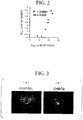
- OHBFB has at least about three times more potent anti-cancer action than EGCG.
- FIG. 2 is a graph in which the IC 50 of OHBFB and the IC 50 of EGCG for each of cancer cell lines are plotted.
- lipid rafts of cancer cells The effect of OHBFB on lipid rafts of cancer cells was evaluated. Specifically, first, a human multiple myeloma cell line U266 was suspended in an RPMI 1640 medium supplemented with 1% FCS at 1 ⁇ 10 7 cells/mL and added to a 96-well plate at 200 ⁇ L/well.
- Alexa Fluor registered trademark
- Cholera Toxin B subunit manufactured by Thermo Fisher Scientific, Inc.
- 1 mg/mL was added thereto at 3 ⁇ L per well, and the cells were stained on ice for 15 minutes. After staining, the supernatant was removed by centrifugation, an RPMI 1640 medium containing OHBFB at a final concentration of 5 ⁇ M was added thereto, and the cells were incubated for 3 hours. Subsequently, the resultant was observed with a fluorescence microscope using an oil immersion lens (60 magnification).
- PBS phosphate buffer
- FIG. 3 (a) and (b) are fluorescence micrographs.
- FIG. 3 (a) is a photograph showing the result of the control sample
- FIG. 3 (b) is a photograph showing the result obtained by adding OHBFB.
- OHBFB exhibited a lipid raft association action in the same manner to EGCG.
- a human multiple myeloma cell line U266 was suspended in an RPMI 1640 medium supplemented with 1% FCS, SOD (5 U/mL), and a catalase (200 U/mL) to 5 ⁇ 10 4 cells/mL, the suspension was seeded at 1 mL per well in a 24-well plate, Desipramine (manufactured by Sigma-Aldrich) which is an acid sphingomyelinase inhibitor was added thereto to a final concentration of 5 ⁇ M, and the cells were incubated for 3 hours. Thereafter, OHBFB was added to a final concentration of 5 ⁇ M and the cells were further cultured for 96 hours. Subsequently, the cell viability was measured by trypan blue staining.
- Desipramine manufactured by Sigma-Aldrich
- Desipramine manufactured by Sigma-Aldrich was dissolved in ultrapure water to 5 mM, stored at -30°C, and appropriately thawed before use.
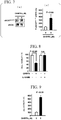
- FIG. 4 is a graph showing the measurement results of the cell viability. As a result, it became clear that the cancer cell killing activity of OHBFB was inhibited by the addition of Desipramine. From these results, it became clear that OHBFB exhibits an anti-cancer action in an acid sphingomyelinase-dependent fashion in the same manner to EGCG.
- the cGMP production inducing action of OHBFB on cancer cells was evaluated. Specifically, U266 which is a human multiple myeloma cell line was seeded in a 96-well plate at a cell density of 5.0 ⁇ 10 5 cells/well in an RPMI 1640 medium containing OHBFB at a final concentration of 5 ⁇ M and 1% FCS, and the cells were incubated for 3 hours. Thereafter, the amount of cGMP in the cell was measured using a commercially available kit (trade name "cGMP EIA kit,” manufactured by Cayman Chemical Co., Ltd.).
- FIG. 5 is a graph showing the measurement results of intracellular cGMP. As a result, it became clear that OHBFB had a cGMP production inducing action against cancer cells, in the same manner to EGCG.
- U266 which is a human multiple myeloma cell line was suspended in an RPMI 1640 medium supplemented with 1% FCS, SOD (5 U/mL), and a catalase (200 U/mL) to 5 ⁇ 10 4 cells/mL, and the suspension was seeded at 1 mL per well in a 24-well plate.
- NS2028 manufactured by Sigma-Aldrich
- sGC inhibitor an sGC inhibitor
- NS2028 (manufactured by Sigma-Aldrich) was dissolved in ultrapure water to 5 mM, stored at -30°C, and appropriately thawed before use.
- FIG. 6 is a graph showing the measurement results of the cell viability.
- OHBFB On eNOS in cancer cells was evaluated. Specifically, U266 which is a human multiple myeloma cell line was suspended in an RPMI 1640 medium supplemented with 1% FCS at 1 ⁇ 10 6 cells/mL and the suspension was seeded at 1 mL per well in a 24-well plate. Subsequently, OHBFB was added to a final concentration of 5 ⁇ M and the cells were cultured for 1 hour. As a control, cells to which OHBFB had not been added were used.
- the phosphorylation level of eNOS Ser1177 which an indicator of eNOS activation was measured by a Western blotting method using an anti-phosphorylated eNOS Ser1177 antibody.
- FIG. 7 (a) is a photograph showing the results obtained by detecting phosphorylated eNOS Ser1177 and eNOS by a Western blotting method.
- FIG. 7 (b) is a graph showing the result obtained by quantifying the result of FIG. 7 (a) and calculating the amount of phosphorylated eNOS Ser1177 with respect to the amount of eNOS. The results are shown in a percentage (%) with a value in the control being defined as 100.
- OHBFB induces eNOSser1177 phosphorylation of cancer cells, that is, activates eNOS, in the same manner to EGCG.
- U266 which is a human multiple myeloma cell line was suspended in an RPMI 1640 medium supplemented with 1% FCS, SOD (5 U/mL), and a catalase (200 U/mL) to 5 ⁇ 10 4 cells/mL, and the suspension was seeded at 1 mL per well in a 24-well plate.
- L-NAME manufactured by Wako Pure Chemical Industries, Ltd.
- OHBFB was added to a final concentration of 5 ⁇ M and the cells were cultured for 96 hours. Thereafter, the cell viability was measured by trypan blue staining.
- L-NAME (manufactured by Wako Pure Chemical Industries, Ltd.) was dissolved in ultrapure water to 1 M, stored at -30°C, and appropriately thawed before use.
- FIG. 8 is a graph showing the measurement results of the cell viability.
- the cancer cell killing activity of OHBFB was inhibited by the addition of the eNOS inhibitor. That is, it became clear that OHBFB exhibits an anti-cancer action in an eNOS-dependent fashion in the same manner to EGCG.
- the Akt activating ability of OHBFB in cancer cells was evaluated. Specifically, U266 which is a human multiple myeloma cell line was suspended in an RPMI 1640 medium supplemented with 1% FCS at 1 ⁇ 10 7 cells/mL and the suspension was seeded at 1 mL per well in a 24-well plate. Subsequently, OHBFB was added to a final concentration of 5 ⁇ M and incubated for 1 hour. As a control, cells to which OHBFB had not been added were used. Subsequently, a cell lysis buffer was added to lyse and recover the cells.
- Akt activity of the recovered sample was measured using a commercially available kit ("K-LISA (trade name) Akt Activity Kit", model "CBA019", manufactured by Merck Millipore).
- FIG. 9 is a graph showing the measurement results of the Akt activity. The results are shown in a percentage (%) with a value in the control being defined as 100. As a result, it became clear that OHBFB exhibits an Akt activating action on cancer cells in the same manner to EGCG.
- U266 which is a human multiple myeloma cell line was suspended in an RPMI 1640 medium supplemented with 1% FCS, SOD (5 U/mL), and a catalase (200 U/mL) to 5 ⁇ 10 4 cells/mL, and the suspension was seeded at 100 ⁇ L per well in a 96-well plate.
- an anti-67LR monoclonal antibody (model "MLuc5,” manufactured by Abcam) or a control antibody was added to a final concentration of 20 ⁇ g/mL, and the cells were incubated for 3 hours.
- OHBFB was added to a final concentration of 5 ⁇ M and the cells were further cultured for 96 hours. Thereafter, the cell viability was measured by trypan blue staining.
- FIG. 10 is a graph showing the measurement results of the cell viability.
- 67LR The involvement of 67LR in the anti-cancer action of OHBFB was evaluated. Specifically, a mouse melanoma cell line B16 was suspended in a DMEM medium supplemented with 5% FCS to 1 ⁇ 10 4 cells/mL, and the suspension was seeded at 1 mL per well in a 24-well plate. Subsequently, 67LR siRNA (manufactured by Life Technologies) or a control siRNA (manufactured by Life Technologies) was introduced thereinto and the cells were cultured for 72 hours. For introduction of siRNA, a commercially available kit (trade name "RNAiMAX,” manufactured by Thermo Fisher Scientific) was used.
- each cell was seeded again at a cell density of 1 ⁇ 10 4 cells/mL in a 96-well plate at 100 ⁇ L per well and incubated for 24 hours.
- the medium used was a DMEM medium supplemented with 5% FCS.
- OHBFB was added to a final concentration of 5 ⁇ M and the cells were further cultured for 72 hours. Thereafter, the cell viability was measured by trypan blue staining.
- FIG. 11 is a graph showing the measurement results of the cell viability.
- the anti-cancer activity enhancing action of OHBFB by the PDE5 inhibitor was evaluated. Specifically, a human multiple myeloma cell line U266 was suspended in an RPMI 1640 medium supplemented with 1% FCS, SOD (5 U/mL), and a catalase (200 U/mL) to 5 ⁇ 10 4 cells/mL, and the suspension was seeded at 100 ⁇ L per well in a 96-well plate.
- vardenafil manufactured by Cayman Chemical Co.
- OHBFB OHBFB at final concentrations of 0, 0.5, 1.0 and 2.5 ⁇ M was added thereto and the cells were further cultured for 96 hours. Thereafter, the cell viability was measured using a commercially available kit (trade name "ATPlite,” PerkinElmer).
- the IC 50 of OHBFB in a case of a combined use of OHBFB and vardenafil was calculated to be 1.07 ⁇ M.
- FIG. 12 is a graph showing the results of the isobologram analysis.
- the IC 50 of OHBFB (4.0 ⁇ M) was plotted on the x-axis
- the IC 50 of vardenafil (92.68 ⁇ M) was plotted on the y-axis, and a straight line connecting these values was drawn.
- the IC 50 (1.07 ⁇ M) of OHBFB in a case of being used in combination with vardenafil (final concentration of 5 ⁇ M) was plotted.
- the PDE5 inhibitor synergistically enhances the anti-cancer activity of OHBFB from the viewpoint that the plot in a case of the combined use of OHBFB and vardenafil was closer to the origin point than the straight line.
- U266 which is a human multiple myeloma cell line was suspended in an RPMI 1640 medium supplemented with 1% FCS, SOD (5 U/mL), and a catalase (200 U/mL) to 5 ⁇ 10 4 cells/mL, and the suspension was seeded at 100 ⁇ L per well in a 96-well plate.
- the IC 50 of OHBFB when used in combination with OHBFB and eriodictyol was calculated to be 1.16 ⁇ M.
- FIG. 13 is a graph showing the results of isobologram analysis.
- the IC 50 of OHBFB (4.0 ⁇ M) was plotted on the x-axis
- the IC 50 of eriodictyol (89.4 ⁇ M) was plotted on the y-axis
- a straight line connecting these values was drawn.
- the IC 50 (1.16 ⁇ M) of OHBFB in a case of being used in combination with eriodictyol (final concentration of 5 ⁇ M) was plotted.
- U266 which is a human multiple myeloma cell line was suspended in an RPMI 1640 medium supplemented with 1% FCS, SOD (5 U/mL), and a catalase (200 U/mL) to 5 ⁇ 10 4 cells/mL, and the suspension was seeded at 100 ⁇ L per well in a 96-well plate. Subsequently, a flavanone at a final concentration of 5 ⁇ M and OHBFB at a final concentration of 0 ⁇ M or 2.5 ⁇ M were each added thereto and the cells were cultured for 96 hours. As a control, a sample to which the same volume of PBS had been added instead of flavanone was used.
- eriodictyol manufactured by Extrasynthese Corp.
- naringenin manufactured by Tokyo Chemical Industry Co., Ltd.
- hesperetin manufactured by Wako Pure Chemical Industries, Ltd.
- FIG. 14 is a graph showing the measurement results of the cell viability. As a result, it became clear that eriodictyol, naringenin, and hesperetin all enhance the anti-cancer activity of OHBFB.
- OHBFB was orally administered to mice and the 67LR-dependent cancer cell killing activity inducing ability was evaluated.
- a 5-week-old female Balb/c mouse was preliminarily raised for 2 weeks. Subsequently, 200 ⁇ L of a suspension obtained by suspending MPC-11 which is a mouse multiple myeloma cell line in an RPMI 1640 medium to 5 ⁇ 10 6 cells/mL was subcutaneously injected and transplanted into the right back of the mouse. Then, 5 days after transplantation, OHBFB was orally administered at a dose of 10 mg/kg. Subsequently, 5 hours later, the mouse was sacrificed and the tumor was excised therefrom to prepare a tissue section. As a control, a tumor tissue section prepared in the same manner as described above, except that OHBFB had not been administered, was used.
- the tumor tissue section was immunostained to detect the presence of Cleaaved (CV)-caspase-3 (CV-caspase-3), phosphorylated eNOS Ser1177 , and phosphorylated PKC ⁇ Ser662 .
- FIG. 15 (a) and (b) are fluorescence micrographs showing the results obtained by immunostaining CV-caspase-3.
- FIG. 15 (a) is a photograph showing the results obtained by staining the tumor tissue section as a control
- FIG. 15 (b) is a photograph showing the results obtained by staining the tumor tissue section of a mouse to which OHBFB was administered.
- FIG. 15 (c) is a graph showing the results obtained by counting the number of CV-caspase-3 positive cells in FIG. 15 (a) and FIG. 15 (b) .
- FIG. 16 (a) and (b) are fluorescence micrographs showing the results obtained by immunostaining phosphorylated eNOS Ser1177 .
- FIG. 16 (a) is a photograph showing the results obtained by staining the tumor tissue section as a control
- FIG. 16 (b) is a photograph showing the results obtained by staining the tumor tissue section of a mouse to which OHBFB had been administered.
- FIG. 17 (a) and (b) are fluorescence micrographs showing the results obtained by immunostaining phosphorylated PKC ⁇ Ser662 .
- FIG. 17 (a) is a photograph showing the results obtained by staining the tumor tissue section as a control
- FIG. 17 (b) is a photograph showing the results obtained by staining the tumor tissue section of a mouse to which OHBFB was administered.
- the acid sphingomyelinase (ASM) activity of the tumor tissue was measured.
- the ASM activity was measured as follows. The mouse to which OHBFB had been orally administered at a dose of 10 mg/kg were sacrificed 6 hours after the administration of OHBFB, and the tumor tissue was excised. As a control, a tumor tissue excised from a mouse in the OHBFB non-administered group was used.
- each of the extracted tumor tissues was crushed and centrifuged, the supernatant was adjusted to 2 mg protein/mL with PBS, and then 20 ⁇ L of the supernatant was dispensed into a tube.
- 8 ⁇ L of a substrate mixed liquid (2 ⁇ L of BODIPY-C12-sphingomyelin (manufactured by Thermo Fisher Scientific), 10 ⁇ L of 10% Triton X-100, 20 ⁇ L of 1 M sodium acetate (pH 4.5), and 78 ⁇ L of water) was added into the tube, and mixed and incubated at 37°C for 8 hours.
- BODIPY-labeled ceramide is produced from BODIPY-C12-sphingomyelin by the activity of ASM.
- the thin-layer chromatography plate was irradiated with ultraviolet light, and the fluorescence signal of the BODIPY-labeled ceramide was detected using a fluorescent image analyzer (trade name "Fusion System,” manufactured by Bilber-Rumat Co., Ltd.), analyzed using an analysis software (trade name "Kyplot,” Keyence), and quantified.
- a fluorescent image analyzer trade name "Fusion System,” manufactured by Bilber-Rumat Co., Ltd.
- an analysis software trade name "Kyplot,” Keyence
- FIG. 18 is a graph showing the measurement results of an ASM activity in the tumor tissues of an OHBFB non-administered group (control) and an OHBFB administered group. The results are shown as a percentage (%) with the measured value of the ASM activity in the control as 100.
- FIG. 19 shows a schematic view of the eNOS/PKC ⁇ /ASM pathway activated by OHBFB.
- a compound having a molecular weight of 500 or more has poor absorption into a living body in a case where it is orally administered. For this reason, it is considered that the oolong tea polymerized polyphenol is hardly absorbed into a living body even in a case where it is orally administered. Thus, it was studied whether the orally administered OHBFB reaches the tumor tissue.
- mice five-week-old female
- MPC-11 which is a mouse plasmacytoma cell line was subcutaneously injected and transplanted into the right back at 1 ⁇ 10 6 cells/mouse.
- OHBFB (10 mg/kg) was orally administered (i.g.) to the mouse in which tumor formation had been confirmed, and 5 hours after the administration, the mouse was sacrificed by cardiac blood sampling under isoflurane anesthesia to excise the tumor tissue.
- a sample was subjected to LCMS-IT-TOF (Shimadzu Corporation) at an injection volume of 5 ⁇ L.
- a mobile phase (A) ultrapure water containing 0.05% formic acid and (B) acetonitrile containing 0.05% formic acid were used. The flow rate was 0.15 mL/min, and the concentration of mobile phase B was measured under the gradient conditions of 0 to 2 min: 5%, 2 to 3.5 min: 5 to 20%, 3.5 to 10 min: 20 to 40%, 10 to 13 min: 40 to 100%, 13 to 15.5 min 100%, 15.5 to 16 min: 100 to 5%, and 16 to 20 min: 5%.
- L-column 2 ODS (2.1 ⁇ 150 mm, 3 ⁇ m, CERI) was used (column oven: 40°C). That is, the ionization was performed by an Electrospray ionization (ESI) method (negative ion mode), the CDL and the heat block temperature were set to 200°C, and data were obtained in a scan mode (m/z 350 to 1,400).
- ESI Electrospray ionization
- HUVEC which is a human umbilical vein endothelial cell was suspended in an EGM-2 medium to be adjusted to 5 ⁇ 10 6 cells/mL. Subsequently, OHBFB was added thereto to a final concentration of 5 ⁇ M and the cells were seeded at 50 ⁇ L/well in a 96-well plate. Then, after incubation at 37°C for 1 hour, the amount of cGMP in the cells was measured by an RT-FRET method (cGMP assay, Cisbio).
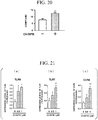
- FIG. 20 is a graph showing the measurement results of intracellular cGMP.
- "**" indicates that a statistically significant difference exists at p ⁇ 0.01 by a Student's t-test.
- OHBFB promotes the production of intracellular cGMP for human umbilical vein endothelial cells HUVEC. This result further supports that OHBFB has a cGMP-related physiological action in a similar manner to EGCG.
- OHBFB immune function enhancing action of OHBFB was studied. Specifically, first, mononuclear cells were collected from the spleen of a Balb/c mouse (6-week old, female) and seeded at 2 mL per well in a 12-well plate at 2 ⁇ 10 6 cells/mL.
- TLR Toll-like receptor
- TLR7 TLR7
- CCR5 CCR5 which is involved in the proliferation of CD8-positive T cells were measured by a real-time PCR method.
- the expression levels of TLR5, TLR7, and CCR5 were normalized using the expression level of a ⁇ -actin gene which is a housekeeping gene.
- a sense primer whose nucleotide sequence is shown in SEQ ID NO: 1 and an antisense primer whose nucleotide sequence is shown in SEQ ID NO: 2 were used.
- a sense primer whose nucleotide sequence is shown in SEQ ID NO: 3 and an antisense primer whose nucleotide sequence is shown in SEQ ID NO: 4 were used.
- a sense primer whose nucleotide sequence is shown in SEQ ID NO: 5 and an antisense primer whose nucleotide sequence is shown in SEQ ID NO: 6 were used.
- a sense primer whose nucleotide sequence is shown in SEQ ID NO: 7 and an antisense primer whose nucleotide sequence is shown in SEQ ID NO: 8 were used.
- FIG. 21 (a) to (c) are graphs showing the results of a real-time PCR.
- FIG. 21 (a) is a graph showing the measurement results of the expression level of TLR5.
- FIG. 21 (b) is a graph showing the measurement results of the expression level of TLR7.
- FIG. 21 (c) is a graph showing the measurement results of the expression level of CCR5.
- "*" indicates that a statistically significant difference exists at p ⁇ 0.05 for the results with 0 ⁇ M of OHBFB by a Dunnett's test.
- "**" indicates that a statistically significant difference exists at p ⁇ 0.01 for the results with 0 ⁇ M of OHBFB by a Dunnett's test.
- OHBFB promotes the expression of TLR5, TLR7, and CCR5 on spleen monocytes. That is, it became clear that OHBFB has an action of enhancing an ability to prevent bacterial infection and viral infection by promoting the expression of these molecules. Therefore, it can be said that OHBFB has an immune function enhancing action.
- HUVEC which is a human umbilical vein endothelial cell was suspended in a 10% fetal bovine serum (FBS)-EGM-2 medium to be adjusted to 1.5 ⁇ 10 5 cells/mL, and the suspension was seeded at 2 mL per well in a 12-well plate. Subsequently, after pre-culturing for 24 hours, the medium was replaced with a 10% FBS-EGM-2 medium including OHBFB at final concentrations of 0, 1, and 5 ⁇ M, and the cells were further cultured for 24 hours.
- FBS fetal bovine serum
- TFPI tissue factor pathway inhibitor
- the expression level of TFPI was normalized using the expression level of a ⁇ -actin gene which is a housekeeping gene.
- a sense primer whose nucleotide sequence is shown in SEQ ID NO: 9 and an antisense primer whose nucleotide sequence is shown in SEQ ID NO: 10 were used.
- a sense primer whose nucleotide sequence is shown in SEQ ID NO: 11 and an antisense primer whose nucleotide sequence is shown in SEQ ID NO: 12 were used.
- FIG. 22 is a graph showing the results of real-time PCR.
- "**" indicates that a statistically significant difference exists at p ⁇ 0.01 for the results with 0 ⁇ M of OHBFB by a Dunnett's test.
- OHBFB promotes the expression of TFPI for human umbilical vein endothelial cells HUVEC. That is, it became clear that OHBFB has an arteriosclerosis preventing action and a thrombosis preventing action.
- C2C12 which is a mouse myoblast cell line was suspended in a 10% fetal calf serum (FCS)-DMEM medium to be adjusted to 2 ⁇ 10 4 cells/mL, the suspension was seeded at 2 mL per well in a 12-well plate, and the cells were pre-cultured for 24 hours. Subsequently, the medium was replaced with a differentiation inducing medium with 0.5% FCS-DMEM and the cells were further cultured for 72 hours. After differentiation into myotube cells, the cells were replaced with a differentiation inducing medium containing OHBFB at a final concentration of 0, 1, or 2.5 ⁇ M, and further cultured for 48 hours.
- FCS fetal calf serum
- the expression level of MuRF1 was normalized using the expression level of a glyceraldehyde-3-phosphate dehydrogenase (GAPDH) gene, which is a housekeeping gene.
- GPDH glyceraldehyde-3-phosphate dehydrogenase
- a sense primer whose nucleotide sequence is shown in SEQ ID NO: 13 and an antisense primer whose nucleotide sequence is shown in SEQ ID NO: 14 were used.
- a sense primer whose nucleotide sequence is shown in SEQ ID NO: 15 and an antisense primer whose nucleotide sequence is shown in SEQ ID NO: 16 were used.
- FIG. 23 is a graph showing the results of a real-time PCR.
- n.s.” indicates that there is no statistically significant difference for the results with 0 ⁇ M of OHBFB by a Dunnett's test
- "*" indicates that a statistically significant difference exists at p ⁇ 0.05 for the results with 0 ⁇ M of OHBFB by a Dunnett's test.
- OHBFB suppressed the expression of MuRF1 in skeletal muscle cells. That is, it became clear that OHBFB has a muscular atrophy suppressing action.
- RAW264.7 which is a mouse macrophage-like cell line was suspended in a 5% FBS-DMEM medium to be adjusted to 1 ⁇ 10 4 cells/mL, the suspension was seeded at 1 mL per well in a 24-well plate, and the cells were pre-cultured for 24 hours.
- the medium was replaced with 5% FBS-DMEM containing OHBFB at a final concentration of 1 ⁇ M and the cells were further cultured for 1 hour. Furthermore, for comparison, a group to which OHBFB had not been added was also prepared. Subsequently, lipopolysaccharide (LPS) at a final concentration of 50 ng/mL was added thereto and the cells were further cultured for 24 hours. In addition, for comparison, a group to which LPS had not been added was also prepared.
- LPS lipopolysaccharide
- the culture supernatant was recovered and the concentration of TNF- ⁇ which is an inflammatory cytokine was quantified by an ELISA method.
- the amount of protein in the culture supernatant was measured and the amount of TNF- ⁇ per unit protein amount was calculated.
- FIG. 24 is a graph showing the calculation results of the amount of a TNF- ⁇ .
- "***" indicates that a statistically significant difference exists at p ⁇ 0.001 by a Tukey's test.
- OHBFB suppressed LPS-induced TNF- ⁇ expression induction in macrophages. That is, it became clear that OHBFB has anti-inflammatory properties.
- OHBFB anti-allergic action
- 2 ⁇ 10 5 KU812 which are human basophil cells were suspended in 100 mL of a Tyrode's solution. Subsequently, 100 mL of the cell suspension was mixed with 100 mL of a Tyrode's solution including CaCl 2 at a final concentration of 1 mM, calcium ionophore A23187 at a final concentration of 50 mM, and OHBFB at a final concentration of 0, 5, or 25 ⁇ M, and kept at a constant temperature of 37°C for 20 minutes. Thereafter, the mixture was left to stand on ice for 5 minutes to stop the reaction.
- a Tyrode's solution including CaCl 2 at a final concentration of 1 mM, calcium ionophore A23187 at a final concentration of 50 mM, and OHBFB at a final concentration of 0, 5, or 25 ⁇ M
- the mixture was centrifuged at 4°C and 200 ⁇ g for 5 minutes, and the supernatant was recovered.
- 50 mL of a substrate solution 0.5 mM p-nitrophenyl-N-acetyl-b-D-glucosaminide
- a substrate solution 0.5 mM p-nitrophenyl-N-acetyl-b-D-glucosaminide
- reaction stop solution 0.1 M sodium bicarbonate buffer, pH 10.
- ⁇ -Hexosaminidase release rate % ⁇ -Hexosaminidase activity in supernatant absorbance at wavelength of 405 nm / ⁇ -Hexosaminidase activity in cells absorbance at wavelength of 405 nm ⁇ 100
- FIG. 25 is a graph showing the calculation results of the release rate of the ⁇ -hexosaminidase.
- "**" indicates that a statistically significant difference exists at p ⁇ 0.01 for the results with 0 ⁇ M of OHBFB by a Dunnett's test.
- a 67LR agonist which is more potent than EGCG can be provided.
Landscapes
- Health & Medical Sciences (AREA)
- Life Sciences & Earth Sciences (AREA)
- Veterinary Medicine (AREA)
- Chemical & Material Sciences (AREA)
- Medicinal Chemistry (AREA)
- Pharmacology & Pharmacy (AREA)
- Animal Behavior & Ethology (AREA)
- General Health & Medical Sciences (AREA)
- Public Health (AREA)
- Organic Chemistry (AREA)
- Chemical Kinetics & Catalysis (AREA)
- General Chemical & Material Sciences (AREA)
- Nuclear Medicine, Radiotherapy & Molecular Imaging (AREA)
- Engineering & Computer Science (AREA)
- Epidemiology (AREA)
- Bioinformatics & Cheminformatics (AREA)
- Hematology (AREA)
- Natural Medicines & Medicinal Plants (AREA)
- Immunology (AREA)
- Diabetes (AREA)
- Nutrition Science (AREA)
- Botany (AREA)
- Obesity (AREA)
- Mycology (AREA)
- Zoology (AREA)
- Physiology (AREA)
- Heart & Thoracic Surgery (AREA)
- Rheumatology (AREA)
- Pain & Pain Management (AREA)
- Cardiology (AREA)
- Food Science & Technology (AREA)
- Polymers & Plastics (AREA)
- Vascular Medicine (AREA)
- Urology & Nephrology (AREA)
- Pulmonology (AREA)
- Alternative & Traditional Medicine (AREA)
- Biotechnology (AREA)
- Medical Informatics (AREA)
- Microbiology (AREA)
- Physical Education & Sports Medicine (AREA)
Applications Claiming Priority (3)
| Application Number | Priority Date | Filing Date | Title |
|---|---|---|---|
| JP2016158139 | 2016-08-10 | ||
| JP2017151708A JP7061303B2 (ja) | 2016-08-10 | 2017-08-04 | 67kDaラミニンレセプター活性化剤及びその使用 |
| PCT/JP2017/041248 WO2019026302A1 (ja) | 2016-08-10 | 2017-11-16 | 67kDaラミニンレセプターアゴニスト及びその使用 |
Publications (2)
| Publication Number | Publication Date |
|---|---|
| EP3662906A1 true EP3662906A1 (de) | 2020-06-10 |
| EP3662906A4 EP3662906A4 (de) | 2021-04-28 |
Family
ID=61248266
Family Applications (1)
| Application Number | Title | Priority Date | Filing Date |
|---|---|---|---|
| EP17919792.6A Withdrawn EP3662906A4 (de) | 2016-08-10 | 2017-11-16 | Agonist von 67-kda-lamininrezeptor und seine verwendung |
Country Status (5)
| Country | Link |
|---|---|
| US (1) | US20200230100A1 (de) |
| EP (1) | EP3662906A4 (de) |
| JP (1) | JP7061303B2 (de) |
| CN (1) | CN111163769A (de) |
| WO (1) | WO2019026302A1 (de) |
Families Citing this family (3)
| Publication number | Priority date | Publication date | Assignee | Title |
|---|---|---|---|---|
| JP6967261B2 (ja) * | 2017-03-01 | 2021-11-17 | 国立大学法人九州大学 | メタボリックシンドロームの予防又は改善用食品組成物及び医薬組成物 |
| JP2019151568A (ja) * | 2018-03-01 | 2019-09-12 | アサヒ飲料株式会社 | 酸性スフィンゴミエリナーゼ活性向上剤、酸性スフィンゴミエリナーゼ活性向上用組成物、及び抗アレルギー用組成物 |
| ES2983427T3 (es) * | 2018-07-06 | 2024-10-23 | Univ Johannesburg Witwatersrand | Agentes biofarmacéuticos para uso en la reducción del contenido de lípidos en las células |
Family Cites Families (10)
| Publication number | Priority date | Publication date | Assignee | Title |
|---|---|---|---|---|
| JPH083054A (ja) * | 1994-06-14 | 1996-01-09 | Lohmann Kogyo:Kk | 癌の予防及び治療剤 |
| JPH1077231A (ja) * | 1996-07-12 | 1998-03-24 | Suntory Ltd | 抗アレルギー剤 |
| JP2001039881A (ja) * | 1999-07-26 | 2001-02-13 | Asahi Breweries Ltd | 茶抽出物を有効成分とする癌細胞転移抑制剤 |
| JP2005075790A (ja) * | 2003-09-02 | 2005-03-24 | Fumio Hashimoto | Apoptosis誘導剤 |
| JP4668553B2 (ja) * | 2004-05-27 | 2011-04-13 | サントリーホールディングス株式会社 | リパーゼ阻害活性および/または抗酸化活性を有するエピガロカテキン二量体および三量体 |
| JP5076136B2 (ja) * | 2005-10-28 | 2012-11-21 | 国立大学法人 鹿児島大学 | 抗炎症剤または抗炎症作用を有する飲食品 |
| US8901166B2 (en) * | 2008-08-29 | 2014-12-02 | Suntory Holdings Limited | Epigallocatechin gallate tetramer and vascular endothelial function improving agent containing the same |
| WO2011162320A1 (ja) * | 2010-06-23 | 2011-12-29 | 国立大学法人九州大学 | Egcgまたはメチル化egcgとpde阻害剤との組み合わせ |
| JP6912763B2 (ja) * | 2014-06-27 | 2021-08-04 | 国立大学法人九州大学 | カテキンの機能性増強法 |
| JP2017151708A (ja) | 2016-02-24 | 2017-08-31 | 富士通株式会社 | 情報処理システム、検査装置、情報処理装置、セキュリティ管理方法およびセキュリティ管理プログラム |
-
2017
- 2017-08-04 JP JP2017151708A patent/JP7061303B2/ja active Active
- 2017-11-16 US US16/635,671 patent/US20200230100A1/en not_active Abandoned
- 2017-11-16 CN CN201780095277.9A patent/CN111163769A/zh active Pending
- 2017-11-16 EP EP17919792.6A patent/EP3662906A4/de not_active Withdrawn
- 2017-11-16 WO PCT/JP2017/041248 patent/WO2019026302A1/ja not_active Ceased
Also Published As
| Publication number | Publication date |
|---|---|
| CN111163769A (zh) | 2020-05-15 |
| JP7061303B2 (ja) | 2022-04-28 |
| US20200230100A1 (en) | 2020-07-23 |
| JP2018027935A (ja) | 2018-02-22 |
| EP3662906A4 (de) | 2021-04-28 |
| WO2019026302A1 (ja) | 2019-02-07 |
Similar Documents
| Publication | Publication Date | Title |
|---|---|---|
| Wang et al. | Esculetin, a coumarin derivative, exerts in vitro and in vivo antiproliferative activity against hepatocellular carcinoma by initiating a mitochondrial-dependent apoptosis pathway | |
| EP3087064B1 (de) | Prodrugs von urolithinen und verwendungen davon | |
| US20100069481A1 (en) | Methods and compositions for the treatment of cancer | |
| EP3662906A1 (de) | Agonist von 67-kda-lamininrezeptor und seine verwendung | |
| JP2014527999A (ja) | フェニレフリンおよび他のフェノール性生物活性物質の経口生物学的有用性向上への選択的代謝アプローチ | |
| EP4342466A1 (de) | Therapeutisches oder prophylaktisches verfahren für diabetes unter verwendung einer kombinationsmedikation | |
| US9125928B2 (en) | Agent for suppressing the formation of abnormal skin cells caused by exposure to light | |
| EP2586441A1 (de) | Kombination von egcg oder methyliertem egcg und einem pde-hemmer | |
| JP2017534578A (ja) | ジペノサイド(gypenoside)lxxvを含む、子宮頸癌の予防又は治療用組成物 | |
| CA2756452A1 (en) | Methods and compositions for the treatment of cancer | |
| US20090214682A1 (en) | Composition and methods for weight loss in a subject | |
| US11957728B2 (en) | Compositions for targeting receptor for advanced glycation end-products (RAGE) in a chronic inflammatory condition | |
| Chen et al. | The novel synthesized 6-fluoro-(3-fluorophenyl)-4-(3-methoxyanilino) quinazoline (LJJ-10) compound exhibits anti-metastatic effects in human osteosarcoma U-2 OS cells through targeting insulin-like growth factor-I receptor | |
| TW201004614A (en) | Use of diterpenes for treating prostate cancer | |
| KR20100137748A (ko) | 항산화 단백질 엔알에프-2의 활성 증진, 간염 치료 및 예방 또는 간 보호에 유용한 3, 4-디히드록시벤잘아세톤 | |
| Richmond et al. | Cytotoxic effect of bitter melon (Momordica charantia L.) ethanol extract and Its fractions on Pancreatic cancer cells in vitro | |
| JP2016020338A (ja) | 新規化合物 | |
| US20130309187A1 (en) | Skin-whitening agent containing 3-hydroxy-2-pyrone | |
| KR101620022B1 (ko) | 닥나무로부터 추출된 폴리페놀을 유효성분으로 함유하는 제1형 당뇨병 예방 및 치료용 약학적 조성물 | |
| KR20140070735A (ko) | 두충 추출물로부터 분리된 화합물을 유효성분으로 함유하는 간보호 및 간 질환의 예방 및 치료용 조성물 | |
| Aryadnyani et al. | Hepatoprotective Effect of Spondias pinnata in Isoniazid-Rifampicin-Induced Toxicity in Wistar rats. | |
| AU2016101447A4 (en) | Synergistic combination of a phyllanthus amarus extract and 5-fluorouracil for treatment of subjects with cancer | |
| WO2020153406A1 (en) | Isoquercitrin compositions | |
| CN103140223A (zh) | 茉莉酮酸酯用于治疗心力衰竭及相关心脏病症的用途 | |
| Saudi et al. | Synthesis of substituted pyrimidinedione derivatives as potential schistosomicidal agents |
Legal Events
| Date | Code | Title | Description |
|---|---|---|---|
| STAA | Information on the status of an ep patent application or granted ep patent |
Free format text: STATUS: THE INTERNATIONAL PUBLICATION HAS BEEN MADE |
|
| PUAI | Public reference made under article 153(3) epc to a published international application that has entered the european phase |
Free format text: ORIGINAL CODE: 0009012 |
|
| STAA | Information on the status of an ep patent application or granted ep patent |
Free format text: STATUS: REQUEST FOR EXAMINATION WAS MADE |
|
| 17P | Request for examination filed |
Effective date: 20200302 |
|
| AK | Designated contracting states |
Kind code of ref document: A1 Designated state(s): AL AT BE BG CH CY CZ DE DK EE ES FI FR GB GR HR HU IE IS IT LI LT LU LV MC MK MT NL NO PL PT RO RS SE SI SK SM TR |
|
| AX | Request for extension of the european patent |
Extension state: BA ME |
|
| DAV | Request for validation of the european patent (deleted) | ||
| DAX | Request for extension of the european patent (deleted) | ||
| A4 | Supplementary search report drawn up and despatched |
Effective date: 20210329 |
|
| RIC1 | Information provided on ipc code assigned before grant |
Ipc: A61K 31/353 20060101AFI20210323BHEP Ipc: A61P 3/04 20060101ALI20210323BHEP Ipc: A61P 3/06 20060101ALI20210323BHEP Ipc: A61P 7/02 20060101ALI20210323BHEP Ipc: A61P 9/10 20060101ALI20210323BHEP Ipc: A61P 21/00 20060101ALI20210323BHEP Ipc: A61P 29/00 20060101ALI20210323BHEP Ipc: A61P 35/00 20060101ALI20210323BHEP Ipc: A61P 35/02 20060101ALI20210323BHEP Ipc: A61P 37/04 20060101ALI20210323BHEP Ipc: A61P 37/08 20060101ALI20210323BHEP Ipc: A23L 33/105 20160101ALI20210323BHEP Ipc: C12N 15/09 20060101ALI20210323BHEP Ipc: A61K 31/53 20060101ALI20210323BHEP Ipc: A61K 31/7048 20060101ALI20210323BHEP Ipc: A61K 45/06 20060101ALI20210323BHEP Ipc: A61K 36/82 20060101ALI20210323BHEP |
|
| STAA | Information on the status of an ep patent application or granted ep patent |
Free format text: STATUS: THE APPLICATION IS DEEMED TO BE WITHDRAWN |
|
| 18D | Application deemed to be withdrawn |
Effective date: 20211026 |