EP3661518B1 - Verfahren zur behandlung von symptomen von gastroparese unter verwendung von velusetrag - Google Patents
Verfahren zur behandlung von symptomen von gastroparese unter verwendung von velusetrag Download PDFInfo
- Publication number
- EP3661518B1 EP3661518B1 EP18756041.2A EP18756041A EP3661518B1 EP 3661518 B1 EP3661518 B1 EP 3661518B1 EP 18756041 A EP18756041 A EP 18756041A EP 3661518 B1 EP3661518 B1 EP 3661518B1
- Authority
- EP
- European Patent Office
- Prior art keywords
- velusetrag
- placebo
- symptoms
- baseline
- gastroparesis
- Prior art date
- Legal status (The legal status is an assumption and is not a legal conclusion. Google has not performed a legal analysis and makes no representation as to the accuracy of the status listed.)
- Active
Links
Images


















Classifications
-
- A—HUMAN NECESSITIES
- A61—MEDICAL OR VETERINARY SCIENCE; HYGIENE
- A61K—PREPARATIONS FOR MEDICAL, DENTAL OR TOILETRY PURPOSES
- A61K31/00—Medicinal preparations containing organic active ingredients
- A61K31/33—Heterocyclic compounds
- A61K31/395—Heterocyclic compounds having nitrogen as a ring hetero atom, e.g. guanethidine or rifamycins
- A61K31/435—Heterocyclic compounds having nitrogen as a ring hetero atom, e.g. guanethidine or rifamycins having six-membered rings with one nitrogen as the only ring hetero atom
- A61K31/47—Quinolines; Isoquinolines
- A61K31/4709—Non-condensed quinolines and containing further heterocyclic rings
-
- A—HUMAN NECESSITIES
- A61—MEDICAL OR VETERINARY SCIENCE; HYGIENE
- A61K—PREPARATIONS FOR MEDICAL, DENTAL OR TOILETRY PURPOSES
- A61K31/00—Medicinal preparations containing organic active ingredients
- A61K31/33—Heterocyclic compounds
- A61K31/395—Heterocyclic compounds having nitrogen as a ring hetero atom, e.g. guanethidine or rifamycins
- A61K31/435—Heterocyclic compounds having nitrogen as a ring hetero atom, e.g. guanethidine or rifamycins having six-membered rings with one nitrogen as the only ring hetero atom
- A61K31/47—Quinolines; Isoquinolines
- A61K31/4704—2-Quinolinones, e.g. carbostyril
-
- A—HUMAN NECESSITIES
- A61—MEDICAL OR VETERINARY SCIENCE; HYGIENE
- A61K—PREPARATIONS FOR MEDICAL, DENTAL OR TOILETRY PURPOSES
- A61K31/00—Medicinal preparations containing organic active ingredients
- A61K31/33—Heterocyclic compounds
- A61K31/395—Heterocyclic compounds having nitrogen as a ring hetero atom, e.g. guanethidine or rifamycins
- A61K31/55—Heterocyclic compounds having nitrogen as a ring hetero atom, e.g. guanethidine or rifamycins having seven-membered rings, e.g. azelastine, pentylenetetrazole
-
- A—HUMAN NECESSITIES
- A61—MEDICAL OR VETERINARY SCIENCE; HYGIENE
- A61K—PREPARATIONS FOR MEDICAL, DENTAL OR TOILETRY PURPOSES
- A61K9/00—Medicinal preparations characterised by special physical form
- A61K9/48—Preparations in capsules, e.g. of gelatin, of chocolate
- A61K9/4841—Filling excipients; Inactive ingredients
- A61K9/4858—Organic compounds
-
- A—HUMAN NECESSITIES
- A61—MEDICAL OR VETERINARY SCIENCE; HYGIENE
- A61K—PREPARATIONS FOR MEDICAL, DENTAL OR TOILETRY PURPOSES
- A61K9/00—Medicinal preparations characterised by special physical form
- A61K9/48—Preparations in capsules, e.g. of gelatin, of chocolate
- A61K9/4841—Filling excipients; Inactive ingredients
- A61K9/4866—Organic macromolecular compounds
-
- A—HUMAN NECESSITIES
- A61—MEDICAL OR VETERINARY SCIENCE; HYGIENE
- A61P—SPECIFIC THERAPEUTIC ACTIVITY OF CHEMICAL COMPOUNDS OR MEDICINAL PREPARATIONS
- A61P1/00—Drugs for disorders of the alimentary tract or the digestive system
- A61P1/04—Drugs for disorders of the alimentary tract or the digestive system for ulcers, gastritis or reflux esophagitis, e.g. antacids, inhibitors of acid secretion, mucosal protectants
-
- A—HUMAN NECESSITIES
- A61—MEDICAL OR VETERINARY SCIENCE; HYGIENE
- A61P—SPECIFIC THERAPEUTIC ACTIVITY OF CHEMICAL COMPOUNDS OR MEDICINAL PREPARATIONS
- A61P1/00—Drugs for disorders of the alimentary tract or the digestive system
- A61P1/06—Anti-spasmodics, e.g. drugs for colics, esophagic dyskinesia
-
- A—HUMAN NECESSITIES
- A61—MEDICAL OR VETERINARY SCIENCE; HYGIENE
- A61P—SPECIFIC THERAPEUTIC ACTIVITY OF CHEMICAL COMPOUNDS OR MEDICINAL PREPARATIONS
- A61P1/00—Drugs for disorders of the alimentary tract or the digestive system
- A61P1/08—Drugs for disorders of the alimentary tract or the digestive system for nausea, cinetosis or vertigo; Antiemetics
Definitions
- the present invention relates to velusetrag (1-isopropyl-2-oxo-1,2-dihydroquinoline-3-carboxylic acid ⁇ (1 S ,3 R ,5 R )-8-[( R )-2-hydroxy-3-(methanesulfonyl-methyl-amino)propyl]-8-azabicyclo[3.2.1]oct-3-yl ⁇ amide) and pharmaceutical compositions comprising thereof for use in the treatment of one or more of the core symptoms associated with idiopathic or diabetic gastroparesis in a human patient by administering velusetrag or a pharmaceutically-acceptable salt thereof between 0.5 mg/day and 5 mg/day, to the human patient.
- Alterations in the basic digestive functions occurring at the gastroduodenal region of the upper gastrointestinal tract are a very common condition affecting a large number of people.
- Disorders of various nature of the gastrointestinal tract impair one or more of its functions.
- Structural and neural abnormalities can slow, obstruct, or accelerate the movement of intestinal content at any level of the gastrointestinal tract.
- Inflammatory and ulcerative conditions of the gastrointestinal wall disrupt secretion, motility, and absorption.
- Inflammation or obstruction of the liver, pancreas, or gallbladder can alter metabolism and result in local or systemic symptoms, or both.
- Many clinical manifestations of gastrointestinal tract disorders are nonspecific and can be caused by a variety of impairments.
- At least 20% of the population has chronic symptoms that can be attributed to disorders of gastroduodenal function, the condition significantly impacts on the usual activities of the patient and is characterized by one or more of the following symptoms: nausea, bloating, postprandial fullness, early satiety, vomiting, upper abdominal pain, epigastric burning, gastric reflux with or without burning, and disordered gastrointestinal motility.
- Symptoms may be chronic, occurring at least weekly and over a period of at least 6 months, in the absence of an organic explanation ( Tack, J., et al. Gastroenterology. 2006; 130; 1466-1479 ).
- a similar set of clinical manifestations present in patients affected by gastroparesis which is a common, yet serious, chronic sensorimotor disorder of the upper gastrointestinal tract, is defined by the presence of delayed gastric emptying (GE) in the absence of mechanical obstruction and is associated with significant symptomatology (e.g., nausea, vomiting, early satiation, bloating, and abdominal pain) that can profoundly impair quality of life (QOL) ( Parkman, H.P. et al., Gastroenterology, 2004, 127(5), 1592-1622 ; Stein, B. et al, J. Clin. Gastroenterol., 2015, 49(7 ); Parkman, etal., Clin. Gastroenterol. Hepatol., 2011, 9(12), 1056-1064 ).
- GE delayed gastric emptying
- gastroparesis as well as in other upper gastrointestinal tract diseases symptoms definitions remain somewhat vague, and potentially difficult to be understood and interpreted by patients, physicians and investigators, thereby delaying the arrival to the positive therapeutic outcome.
- the pathophysiologic mechanisms basing these symptoms are complex and multifactorial.
- the gastroparesis symptomatology largely overlaps with that of upper gastrointestinal tract diseases with associated GE delay. More than one in four patients with upper gastrointestinal tract impairment have evidence of delayed gastric emptying ( Sarnelli G. et al.
- metoclopramide a dopamine D 2 receptor antagonist and 5-HT 3 receptor antagonist with weak 5-HT 4 agonist activity, which is indicated for the relief of symptoms associated with acute and recurrent diabetic gastric stasis for no longer than 12 weeks of treatment.
- Metoclopramide has been found to be equally as effective in the short-term control of symptoms of diabetic gastroparesis when compared with domperidone; however, CNS side effects are significantly more common and generally of greater severity with metoclopramide ( Patterson, D., et al., Am. J. Gastroenterol., 1999, 94(5), 1230-1234 ).
- metoclopramide rapidly diminish over time and long-term use is limited by relatively common adverse CNS effects (reported in up to 30% of patients on daily therapy), including sedation and restlessness as well as less frequent extrapyramidal effects, most commonly acute dystonia. Therefore, metoclopramide is not recommended routinely because of its uncertain efficacy and side effects (including irreversible tardive dyskinesia).
- Acotiamide is an acetylcholinesterase inhibitor accelerating gastric emptying and enhancing gastric accommodation ( Kusunoki H. et al. Neurogastroenterol Motil 2012; 24: 540-545 ).
- symptoms improved in 52% of those assigned to active therapy, as compared with 35% of those assigned to placebo ( Matsueda K. et al. Gut 2012; 61: 821-828 ); significant improvements were identified in postprandial fullness, upper abdominal bloating and early satiety, but not in upper abdominal pain or discomfort.
- Buspirone and tandospirone acting on the 5-hydroxytryptamine-1 A receptor and leading to relaxation of the gastric fundus
- buspirone demonstrated to be effective in relaxing the gastric fundus and reduced bloating and postprandial fullness in 17 patients with functional dyspepsia enrolled in a randomized crossover trial ( Tack J. et al. Clin Gastroenterol Hepatol 2012; 10: 1239-1245 ).
- the response rate after 4 weeks of treatment with tandospirone was 31.5%, as compared with 12.7% with placebo ( Miwa H. et al. Am J Gastroenterol 2009; 104: 2779-2787 ).
- Erythromycin is a macrolide antibiotic and motilin receptor activator that has been shown to improve gastric emptying; however, clinical data regarding efficacy in gastroparesis symptom management are inconsistent ( Camilleri, M., et al., Am. J. Gastroenterol., 2013, 108(1), 18-37 ; Maganti, K., et al., Am. J. Gastroenterol., 2003, 98(2), 259-263 ; Sturm, A., et al., Digestion, 1999, 60(5), 422-427 ). Similar to metoclopramide, effectiveness is limited by rapid development of tachyphylaxis.
- Erythromycin prolongs the QT interval and has been associated with cardiac arrhythmias (including torsade's de pointes), particularly in patients with coexisting risk factors (e.g., female gender, congestive heart failure, cardiomyopathies, long QT syndrome). Other adverse effects associated with erythromycin include hypotension and C . difficile colitis. In addition, the development of antibiotic resistance is possible.
- Domperidone is a D 2 receptor antagonist, similar to metoclopramide, but generally associated with a lower risk of serious adverse effects. Domperidone has demonstrated similar efficacy to metoclopramide; however, it is not FDA approved for any indication and is available only through an Expanded Access to Investigational Drugs program for patients where the benefit likely outweighs potential risks. The expanded access program requires prescribing physicians to obtain an IND and IRB approval, which further limits access of domperidone. Domperidone is associated with an increased risk for adverse cardiovascular effects including cardiac arrest and sudden death primarily due to prolongation of the QT interval; the incidence of these events is low ( Camilleri, M., et al., Am. J. Gastroenterol., 2013, 108(1), 18-37 ).
- Angela Ahn et al. "Su1426 Velusetrag Improves Gastric Emptying Time in Subjects With Diabetic or Idiopathic Gastroparesis", GASTROENTEROLOGY, Vol. 148, No. 4, April 1, 2015 , page S-507 discloses the use of velusetrag in the treatment of diabetic or idiopathic gastroparesis in humans in patients with delayed gastric emptying and shows that daily doses of 5 mg, 15 mg and 30 mg were effective to accelerate gastric emptying whereby significant levels are reached for the 30 mg dose.
- Velusetrag is a novel potent, pan-GI, potent, highly selective 5-hydroxytryptamine subtype 4 (5-HT 4 ) receptor agonist with prokinetic activity that was developed in part for the treatment of gastroparesis.
- the chemical name of velusetrag is 1-isopropyl-2-oxo-1,2-dihydroquinoline-3-carboxylic acid ⁇ (1 S ,3 R ,5 R )-8-[( R )-2-hydroxy-3-(methanesulfonyl-methyl-amino)propyl]-8-azabicyclo[3.2.1]oct-3-yl ⁇ amide and its chemical structure is shown below in Formula I: Velusetrag was previously disclosed in commonly-assigned U.S. Provisional Application No.
- Velusetrag is currently being tested in the clinical setting as the hydrochloride salt for the treatment of gastroparesis. Based on the unmet medical need and supported by the data on improvement in gastric emptying with velusetrag treatment, a development program was initiated in diabetic and idiopathic gastroparesis evaluating the effect of velusetrag (5 mg, 15 mg, and 30 mg) on the symptoms of gastroparesis and assessing gastric emptying using gastric emptying scintigraphy.
- velusetrag when used to treat gastroparesis in diabetic or idiopathic adult patients, symptom relief as reported by the patient is not correlated with increased motility. It was expected that patient symptoms would improve with maximal gastric emptying based on an earlier Phase 2a study but instead and unexpectedly, patients report greater symptom relief at a dose of about 5 mg/day, or lower, compared to higher doses that provide greater gastric emptying, such as the 15 mg/day or 30 mg/day, or higher doses. Until now, it was not appreciated that an inverse relationship existed between a lower dose and patient-reported symptoms. Thus, the invention generally relates to finding the right balance between amount of gastric emptying and patient reported symptoms to effectively treat gastroparetic patients.
- the invention is directed to 1-isopropyl-2-oxo-1,2-dihydroquinoline-3-carboxylic acid ⁇ (1 S ,3 R ,5 R )-8-[( R )-2-hydroxy-3-(methanesulfonyl-methyl-amino)propyl]-8-azabicyclo[3.2.1]oct-3-yl ⁇ amide (velusetrag) or a pharmaceutically-acceptable salt thereof for use in a method of preventing, alleviating, ameliorating, giving relief to, treating one or more of the core symptoms of gastroparesis consisting of postprandial fullness, early satiety, bloating, upper abdominal pain, epigastric burning, nausea and vomiting in diabetic or idiopathic human patient, wherein velusetrag is administered in a dosage of 0.5 mg/day to 5 mg/day, for a treatment period of one week, two, four, eight, twelve weeks or longer.
- the invention is also directed to the corresponding compositions for use in said methods
- the invention relates to the above use in diabetic patients.
- the invention relates to the above use in idiopathic patients.
- the patient may have diabetic or idiopathic gastroparesis and in another embodiment, the administration of velusetrag in the diabetic gastroparesis patient results in little to no increase in hyperglycemia and/or glucose.
- the pharmaceutically-acceptable salt is a hydrochloride salt.
- velusetrag is in a crystalline form as described in U.S. Patent No. 7,728,004 .
- the invention relates to the above use in methods of treating, preventing, alleviating, ameliorating, giving relief to, and/or treating one or more of the above core symptoms of gastroparesis wherein a therapeutically amount of velusetrag is administered to the above subject with delayed gastric emptying, in an amount from 0.5 mg/day to 5 mg/day, or 5 mg/day.
- the invention relates to the above use in methods of treating, preventing, alleviating, and/or ameliorating symptoms selected between nausea and vomiting wherein a therapeutically amount of velusetrag is administered to the above subject with delayed gastric emptying, in an amount from 0.5 mg/day to 5 mg/day, or 5 mg/day.
- the invention relates to the above use in methods of preventing, alleviating, ameliorating, giving relief to, and/or treating symptoms selected between postprandial fullness and early satiety wherein a therapeutically amount of velusetrag is administered to the above subject with delayed gastric emptying, in an amount from 0.5 mg/day to 5 mg/day, or 5 mg/day.
- velusetrag is administered to the above subject with delayed gastric emptying, in an amount from 0.5 mg/day to 5 mg/day, 5 mg/day.
- a further embodiment relates to the above use in methods of preventing, alleviating, ameliorating, giving relief to, and/or treating epigastric burning wherein a therapeutically amount of velusetrag is administered to the above subject with delayed gastric emptying, in an amount from 0.5 mg/day to 5 mg/day, or 5 mg/day.
- velusetrag is administered to the above subject with delayed gastric emptying, in an amount from 0.5 mg/day to 5 mg/day, or 5 mg/day.
- Another embodiment relates to the above use in methods wherein symptom changes with velusetrag administration from 0.5 to 5 mg/day represent a reduction greater than 0.5 to 1.5 point change in level of symptom severity, from severe symptoms to moderate symptoms, from moderate to mild symptoms.
- the invention relates to the above use in methods for preventing, alleviating, ameliorating, giving relief to, and/or treating wherein velusetrag will be administered in an amount from 0.5 to 5 mg/day for as long as necessary, for example, for 1 week, 4 weeks, 8 weeks, 12 weeks or longer. In yet another embodiment of the previous use velusetrag will be administered in an amount from 0.5 mg/day to 5 mg/day, and most preferably in an amount of 5 mg/day.
- Described is a method for preventing, and/or alleviating, and/or ameliorating, and/or treating, and/or reducing, and/or giving adequate relief to, one or more of the symptoms correlated with gastroparesis effectively.
- gastroparesis symptoms comprising a reduction of one or more of the symptoms selected from: nausea, vomiting, postprandial fullness, early satiety, bloating, upper abdominal pain, epigastric burning, and bowel movements.
- the reduction of the symptom is identified by a reduction from the symptom's baseline value.
- symptoms baseline is established prior to treatment.
- adequate relief of gastroparesis symptoms comprises a 'yes' response from a subject asked the question and by the compilation of a questionnaire.
- QOL quality of life
- described herein are methods of improving QOL measures in subject with gastroparesis symptoms comprising administering velusetrag.
- velusetrag in a daily dosage from 0.5 mg/day to 5 mg/day for a period of 1 week, 2 weeks, 4 weeks, 8 weeks, 12 weeks, 14 weeks or longer.
- this method will be administered in an amount from 0.5 mg/day to 5 mg/day, or 5 mg/day.
- one or more QOL measures comprising symptoms selected from: nausea, vomiting, postprandial fullness, early satiety, bloating, upper abdominal pain, epigastric burning, bowel movements, dysphoria, body image, health worry, social reaction, and relationship, are improved upon administration of velusetrag.
- compositions for use in the above treatment of gastroparesis are provided.
- pharmaceutical compositions for the above use are a solid blend consisting essentially of drug substance (velusetrag HCl), hydroxypropyl methylcellulose, microcrystalline cellulose, lactose monohydrate, and magnesium stearate.
- a further embodiment relates to a controlled release pharmaceutical composition for the above use comprising an effective amount of velusetrag.
- the invention relates to the above use in a method for reducing, preventing, alleviating, ameliorating, giving relief to, and/or treating symptoms selected from: nausea vomiting, postprandial fullness, early satiety, bloating, upper abdominal pain, burning, in male or female in need thereof.
- the invention relates to the above use in a method of reducing, preventing, alleviating, ameliorating, giving relief to, and/or treating one or more of the core symptoms of gastroparesis in idiopathic and diabetic subjects about 50 years old or greater than 55 years of age or older.
- the invention also relates to the above use in a method for reducing, preventing, ameliorating, alleviating, giving relief to, and/or treating the one or more of the above core symptoms of gastroparesis in a subject suffering by the symptoms for about 1 week to 1 years, before the treatment with velusetrag.
- compositions for the above use with different routes of administration of velusetrag to the human patient are encompasses.
- the routes of administration comprise, inter alia, oral, parenteral, buccal, sublingual, rectal, intraperitoneal, or endotracheal routes of administration.
- parenteral administration may be by infusion, injection, or implantation.
- Parenteral may also include percutaneous administration via subcutaneous, intramuscular, intravenous, transdermal, or by implantation routes.
- velusetrag is administered parenterally, it may be in the form of a liquid, solid or gel.
- velusetrag is administered orally, it may be in the form of a liquid, capsule, tablet, chewable tablet or dissolvable film.
- kits comprising using and dosing instructions on a package insert of a pharmaceutical product comprising velusetrag for use according to the invention.
- the package insert instructs the patient to administer velusetrag for a period of 1 weeks, 2 weeks, 4 weeks, 8 weeks, 12 weeks or longer.
- the product for the above use comprises velusetrag in an amount from 0.5 mg to 30 mg labeled for treatment of one or more of the above core symptoms of gastroparesis. In yet another embodiment, the product for the above use comprises velusetrag in an amount from 0.5 mg to 15 mg, from 0.5 mg to 5 mg, or 5 mg labeled for treatment of symptoms of gastroparesis.
- the product for the above use comprises velusetrag in an amount from 0.5 mg to 30 mg, 0.5 mg to 15 mg, 0.5 mg to 5 mg, or 5 mg, labeled for treatment of one or more of the above core symptoms of gastroparesis in subject with diabetic or idiopathic gastroparesis.
- the invention provided the above use in methods of preventing, alleviating, ameliorating, reducing, giving relief to, and/or treating nausea, vomiting, postprandial fullness, early satiety, bloating, upper abdominal pain, epigastric burning, by administering to a subject in need thereof, a daily dosage of velusetrag from 0.5 mg/day to 5 mg/day, or 5 mg/day.
- the invention provides the above use in methods for preventing, reducing, ameliorating, alleviating, giving relief to, and/or treating, one or more of the core symptoms of gastroparesis in a subject wherein said symptoms are occurring for at least 1 week before the treatment of velusetrag from 0.5 mg/day to 5 mg/day, or 5 mg/day.
- the invention also provides a reverse dose response in the majority of symptoms domains for the GCSI-24H when administering velusetrag at daily dosage from 0.5 mg to 5 mg.
- invention provides the above use in a method for preventing, alleviating, ameliorating, reducing, giving relief to, and/or treating one or more of the gastroparesis core symptoms, wherein a reverse dose response in the majority of symptoms domains is achieved.
- the invention relates to the above use in a method for preventing, alleviating, ameliorating, reducing, giving relief to, and/or treating one or more of the core gastroparesis symptoms, wherein the reduction of symptoms in GCSI-24H Total Score is at least 0.4 or higher, compared to placebo during the velusetrag treatment in a daily dosage from 0.5 mg to 5 mg.
- Another embodiment includes the above use in a method for preventing, alleviating, ameliorating, reducing, giving relief to, and/or treating one or more of the core gastroparesis symptoms, wherein the reduction of symptoms in the Week 4, GCSI-24H total Score is at least 0.4 or higher, compared to placebo.
- the invention provides the above use in a method for preventing, alleviating, ameliorating, reducing, giving relief to, and/or treating one or more of the gastroparesis core symptoms, wherein the reduction of symptoms from baseline and from placebo in the 7 day mean GCSI-24H composite score at Week 4 is provided.
- the invention also provides the above use in a method for preventing, alleviating, ameliorating, reducing, giving relief to, and/or treating one or more of the gastroparesis core symptoms, wherein a reduction of symptoms from baseline in daily and 7-day mean composite GCSI-24 H score over Week 1 through 3 and Weeks 5 through 12 of treatment is provided.
- the invention also provides the above use in a method for preventing, alleviating, ameliorating, reducing, giving relief to, and/or treating one or more of the gastroparesis core symptoms, wherein a reduction of symptoms from baseline in daily and 7-day mean composite GCSI-24 H individual component scores of the symptoms over Week 1 through 12 of treatment is provided.
- the invention provides the above use in a method for preventing, alleviating, ameliorating, reducing, giving relief to, and/or treating one or more of the gastroparesis core symptoms, wherein there is a higher reduction of symptoms from baseline in daily and 7-day mean composite GCSI-24 H score in idiopathic patients compared to diabetic patients with higher efficacy with velusetrag at daily dosages from 0.5 mg/day to 5 mg/day or 5 mg/day.
- the invention provides a higher reduction of symptoms from baseline in daily and 7-day mean composite GCSI-24H score in idiopathic patients compared to diabetic patients with higher efficacy at more than 4 weeks.
- the invention moreover relates to velusetrag for the above use, wherein a change from baseline in daily and 7-day mean composite GCSI-24 H score in diabetic patients is higher than 0.2 points at week 4 at daily dosage of 5 mg velusetrag compared to placebo, or wherein a change from baseline in daily and 7-day mean composite GCSI-24 H score in diabetic patients is higher than 0.1 points at week 8 at daily dosage of 5 mg velusetrag compared to placebo, or wherein a change from baseline in daily and 7-day mean composite GCSI-24 H score in diabetic patients is maintained along the treatment time at daily dosage of 5 mg Velusetrag compared to placebo.
- the invention moreover relates to velusetrag for the above use, wherein a change from baseline in daily and 7-day mean composite GCSI-24 H score in idiopathic patients is higher than 0.6 points at week 4 at daily dosage of 5 mg velusetrag compared to placebo, or wherein a change from baseline in daily and 7-day mean composite GCSI-24 H score in idiopathic patients is higher than 0.6 points at week 8 at daily dosage of 5 mg velusetrag compared to placebo, or wherein a change from baseline in daily and 7-day mean composite GCSI-24 H score in idiopathic patients is maintained along the treatment time at daily dosage of 5 mg Velusetrag compared to placebo.
- One embodiment includes the above use to provide at least 1-point improvement from baseline in the GCSI-24 H individual components at each Week (1-12) score over Week 1 through 3 and Weeks 5 through 12 and along all the velusetrag treatment from 0.5 mg/day to 5 mg/day.
- Another embodiment includes the above use to provide a statistically significant difference, or reduction, or improvement in the week 4 GCSI-24H total score and along all the treatment time by administration of 5 mg velusetrag or lower.
- the invention provides the above use in a method for preventing, alleviating, ameliorating, reducing, giving relief to, and/or treating one or more of the gastroparesis core symptoms, wherein a proportion of subject with at least 1-point improvement from baseline in the GCSI-24 H individual components at each week (1-12) score over week 1 through 3 and Weeks 5 through 12 of treatment.
- the invention provides a statistically significant difference, or reduction, or improvement in the week 4 GCSI-24H total score.
- the invention relates to the above use in a method to provide a statistically significant difference, reduction, and/or improvement in the Week 4 GCSI-24H total score and along all the treatment time by administration of 5 mg velusetrag or lower.
- the invention provides a significant improvement in symptoms of postprandial fullness/early satiety, bloating, upper abdominal pain, epigastric burning, nausea and vomiting by administration of 5 mg velusetrag or lower.
- the invention provides a significant improvement in symptoms of postprandial fullness/early satiety, bloating, upper abdominal pain, epigastric burning, nausea and vomiting by administration of 5 mg velusetrag or lower along all the treatment time.
- the invention provides the above use in a method for preventing, alleviating, ameliorating, reducing, giving relief to, and/or treating one or more of the gastroparesis core symptoms, wherein a reduction of symptoms from baseline in the treatment period mean composite GRS score over Week 1 through 3 and Weeks 5 through 12 or more of treatment.
- the invention also provides the above use in a method for preventing, alleviating, ameliorating, reducing, giving relief to, and/or treating one or more of the gastroparesis core symptoms, wherein a reduction of symptoms from baseline in daily in the treatment period mean composite GRS individual component scores of the symptoms over Week 1 through 12 of treatment is provided.
- the invention provides a method for preventing, alleviating, ameliorating, reducing, giving relief to, and/or treating gastroparesis symptoms, wherein a proportion of subjects provides at least 1-point improvement from baseline in the GRS individual components at each week (1-12) score over Week 1 through 3 and Weeks 5 through 12 of treatment and more in diabetic or idiopathic patients.
- the invention provides the above use in a method for preventing, alleviating, ameliorating, reducing, giving relief to, and/or treating one or more of the gastroparesis core symptoms, wherein a statistically significant difference, or reduction, or improvement in the week 4 GRS total score.
- the invention provides a statistically significant difference, or reduction, or improvement in GRS total score in the Week 4, 8, 12 or along the treatment time in diabetic and idiopathic patients.
- the invention relates to the above use in a method to provide statistically significant difference, or reduction, or improvement in the Week 4 GRS total score by administration of velusetrag at a daily dosage from 0.5 mg to 5 mg, or 5 mg.
- the invention also provides the above use in a method for preventing, alleviating, ameliorating, reducing, giving relief to, and/or treating one or more of the core symptoms of gastroparesis by administration of a compound with a direct mechanism through the 5-HT4 receptor complex.
- the invention provides for the above use in a method for preventing, alleviating, ameliorating, reducing, giving relief to, and/or treating fullness/early satiety, bloating, upper abdominal pain, and epigastric burning wherein a statistically significant LS mean difference higher than 0.4 points is obtained compared to placebo.
- the invention relates to the above use in a method for preventing, alleviating, ameliorating, reducing, giving relief to, and/or treating one or more of the core symptoms of gastroparesis by providing a significant improvement in symptoms associated to gastroparesis in the Week 4 GRS total score with no tachyphylaxis effect with velusetrag from 0.5 mg/day to 5 mg/day, or 5 mg/day.
- the invention relates to the above use in a method for preventing, alleviating, ameliorating, reducing, giving relief to, and/or treating one or more of the core symptoms of gastroparesis, wherein at velusetrag daily dosage of 5 mg, the reduction of symptoms of baseline GRS (Factor 1: fullness/early satiety, bloating, upper abdominal pain, epigastric burning) is higher than 0.2 for all the treatment time.
- GRS Vector 1: fullness/early satiety, bloating, upper abdominal pain, epigastric burning
- the invention provides the above use in a method for preventing, alleviating, ameliorating, reducing, giving relief to, and/or treating one or more of the core symptoms of gastroparesis in idiopathic patients, wherein at velusetrag daily dosage of 5 mg, the reduction of symptoms of baseline GRS (Factor 1) is higher than 0.5 for all the treatment time.
- the reduction of symptoms in velusetrag administration at daily dosage from 0.5 mg to 5 mg are greater than 0.1 to 1.5 points from baseline in level of total symptom burden from severe symptoms to moderate /mild symptoms, or from moderate to mild/no symptoms.
- the invention relates to the above use in a method to normalize the gastric function by the administration of velusetrag at daily dosage from 0.5 mg to 5 mg.
- the invention provides the above use in a method for preventing, reducing, ameliorating, alleviating, giving relief to, and/or treating, nausea and vomiting wherein a statistically significant LS mean difference higher than 0.2 points compared to placebo.
- the invention also relates to the above use in methods of preventing, alleviating, ameliorating, reducing, giving relief to, and/or treating one or more of the core symptoms of gastroparesis comprising administering a therapeutically amount of velusetrag to a subject in need thereof, in an amount from 0.5 mg/day to 5 mg/day without worsening the remaining symptoms of gastroparesis.
- Velusetrag is a compound of Formula I and forms a crystalline hydrochloride salt as shown in Formula II: Velusetrag, and its pharmaceutically-acceptable salt, is a highly selective 5-hydroxytryptamine subtype 4 (5-HT 4 ) useful for treatment of gastroparesis, chronic idiopathic constipation, as well as other indications, see, e.g., indications found in U.S. Patent Nos. 7,375,114 , 7,728,004 , and 8,404,711.
- 5-HT 4 5-hydroxytryptamine subtype 4
- the current invention relates to 1-isopropyl-2-oxo-1,2-dihydroquinoline-3-carboxylic acid ⁇ (1 S ,3 R ,5 R )-8-[( R )-2-hydroxy-3-(methanesulfonyl-methyl-amino)propyl]-8-azabicyclo[3.2.1]oct-3-yl ⁇ amide (velusetrag) or a pharmaceutically-acceptable salt thereof for use in a method of preventing, alleviating, ameliorating, giving relief to, treating one or more of the core symptoms of gastroparesis consisting of postprandial fullness, early satiety, bloating, upper abdominal pain, epigastric burning, nausea and vomiting in diabetic or idiopathic human patient, wherein velusetrag is administered in a dosage of 0.5 mg/day to 5 mg/day, for a treatment period of one week, two, four, eight, twelve weeks or longer.
- gastroparesis is a multi-symptom disorder of the stomach characterized by delayed gastric emptying in the absence of mechanical obstruction ( Parkman, H.P., et al., Gastroenterology, 2004, 127(5), 1592-1622 ).
- the underlying gastric delay is thought to be the mechanism through which the symptoms arise, although the exact relationship between functional delay and symptomology has not been demonstrated consistently ( Ardila-Hani, et al., Dig. Dis. Sci., 2013, 58(2), 478-487 ).
- a Phase 2b (DIGEST I) study was conducted. The study enrolled a total of 233 patients with gastroparesis, with approximately 50% having diabetic gastroparesis and 50% having idiopathic gastroparesis.
- a pharmaceutically effective amount or therapeutically effective amount for the claimed use is a daily dosage between 0.5 mg and 5 mg, including 0.5 mg, 1 mg, 1.2 mg, 1.4 mg, 1.6 mg, 1.8 mg, 2.0 mg, 2.2 mg, 2.4 mg, 2.6 mg, 2.8 mg, 3.0 mg, 3.2 mg, 3.4 mg, 3.6 mg, 3.8 mg, 4.0 mg, 4.2 mg, 4.4 mg, 4.6 mg, 4.8 mg, 5.0 mg of velusetrag.
- the daily dosage may be between about 1 mg and 5 mg, including 1.0 mg, 1.5 mg, 2.0 mg, 2.5 mg, 3.0 mg, 3.5 mg, 4.0 mg, 4.5 mg, 5.0 mg of velusetrag.
- velusetrag optionally in the form of a pharmaceutically-acceptable salt thereof, is administered at a daily dose of 5 mg. If a pharmaceutically-acceptable salt of velusetrag is used, the amount of velusetrag listed above is adjusted for the weight of the salt.
- the pharmaceutically-acceptable salt of velusetrag is a hydrochloride salt of velusetrag.
- a crystalline hydrochloride salt of the invention typically contains between about 0.8 and about 1.2 molar equivalents of hydrochloric acid per molar equivalent of the compound of formula I, including between about 0.9 and about 1.1 molar equivalents of hydrochloric acid per molar equivalent of the compound of formula I.
- velusetrag may be in crystalline and/or hydrated form. In yet another embodiment, velusetrag is in a crystalline form as described in U.S. Patent No. 7,728,004 and described herein in the Examples.
- Gastroparesis can occur secondary to various chronic diseases such as diabetes, neurological disorders (Parkinson's disease, Myotonic dystrophy, migraines, and autonomic dysfunction), collagen vascular diseases (scleroderma or Ehlers-Danlos Syndrome), and chronic fatigue syndrome. Gastroparesis can also occur following surgery (Nissen fundoplication, Whipple, transplant) or viral infection. More commonly, the cause of gastroparesis is unknown or idiopathic. Diabetic and idiopathic gastroparesis comprise the majority of patients ( Soykan, I., et al., Dig Dis Sci., 1998, 43(11), 2398-2404 ; Karamanolis, et al., Gut, 2007, 56(1), 29-36 ).
- the claimed use for the treatment focuses on the symptoms connected with diabetic or idiopathic gastroparesis.
- velusetrag for the above use in the diabetic gastroparesis patient results in little to no increase in hyperglycemia and/or glucose.
- Gastroparesis symptoms are typically chronic with episodic exacerbation and can be highly burdensome to both the individual (morbidity and mortality) and society (healthcare utilization) ( Parkman, H.P., et al., Gastroenterology, 2004, 127(5), 1592-1622 ; Parkman, H.P., et al., Clin. Gastroenterol. Hepatol., 2011, 9(12), 1056-1064 ; Jung, et al., Gastroenterology, 2009, 136(4), 1225-1233 ). In an analysis of subjects enrolled in a gastroparesis registry, 89% of subjects had chronic symptoms with 75% of those subjects having a worsening of symptoms over time or periodic exacerbations.
- the cardinal gastroparesis symptoms include nausea, vomiting, bloating, postprandial fullness, early satiety, and upper abdominal pain ( Soykan, I., et al., Dig Dis Sci., 1998, 43(11), 2398-2404 ). Patients may experience any combination of symptoms with varying degrees of severity across each symptom. Nausea is a nearly universal symptom, to some degree, in patients with gastroparesis and is the most common reason for gastroparesis evaluation ( Parkman, H.P., et al., Clin. Gastroenterol. Hepatol., 2011, 9(12), 1056-1064 ).
- Severe symptoms may cause complications such as malnutrition, dehydration, metabolic derangements, esophagitis, and Mallory-Weiss tears which can result from retching and vomiting ( O'Donovan, D., et al., Curr. Treat. Options Gastroenterol., 2003, 6(4), 299-309 ; Parrish, C. R., Gastroenterol. Clin. North Am., 2015, 44(1), 83-95 ; Parkman, H. P., and Schwartz, S. S., Arch. Intern. Med., 1987, 147(8), 1477-1480 ; Younes, Z., and Johnson, D. A., J. Clin. Gastroenterol., 1999, 29(4), 306-317 ).
- gastroparesis There are many other examples of the health consequences of gastroparesis, including hospitalizations and morbidity.
- an important objective of the instant invention was to provide evidence of dose-dependent symptom relief as shown by patient-reported symptom score measured by the Gastroparesis Cardinal Symptom Index (GCSI) after 4 weeks of dosing, by Gastroparesis Rating Score (GRS) at 4 and 12 weeks, the Patient Assessment of Upper Gastrointestinal Symptom Severity Index (PAGI-SYM) and objective measurement of improved gastric emptying time.
- GCSI Gastroparesis Cardinal Symptom Index
- GRS Gastroparesis Rating Score
- PAGI-SYM Patient Assessment of Upper Gastrointestinal Symptom Severity Index
- Symptoms measured in the clinical setting include, but are not limited to, nausea, bloating, postprandial fullness, early satiety, vomiting, upper abdominal pain, epigastric burning, gastric reflux with or without burning, and bowel movements.
- the patient reported outcomes for once-daily administration of velusetrag was monitored for 14 weeks at placebo, 5 mg velusetrag, 15 mg velusetrag, and 30 mg velusetrag, and the change from baseline in weekly GRS total score was evaluated over 14 weeks, with the last two weeks reflecting scores where the patient was off therapy.
- Management goals for patients with gastroparesis include correction of the nutritional state, reduction in symptoms, improvement of gastric emptying, and in diabetics, achieving glycemic control ( Camilleri, M., et al., Am. J. Gastroenterol., 2013, 108(1), 18-37 ).
- management goals are often unmet, and there is an urgent medical need for development of drugs with a favorable risk-benefit profile to treat patients with gastroparesis (FDA Draft Guidance, July 2015).
- This invention presents an evaluation of the efficacy of velusetrag on symptoms in subjects with gastroparesis. Those symptoms include nausea, bloating, postprandial fullness, early satiety, vomiting, abdominal pain, epigastric burning, gastric reflux with or without burning, and bowel movements evaluated at different levels of gastric emptying. Patient reported outcomes were measured by psychometric properties of CGSI-24 H and GRS as discussed below.
- all symptoms includes the following: nausea, bloating, postprandial fullness, early satiety, vomiting, abdominal pain, epigastric burning, gastric reflux with or without burning, and bowel movements.
- all symptoms are defined as at least 3 of the total symptoms above, preferably 5 of the total symptoms, and most preferably 9 of the total symptoms.
- GCSI Gastroparesis Cardinal Symptom Index
- Gastroparesis Rating Score is a patient reported outcome that measures 9 symptoms: (1) nausea, (2) bloating, (3) postprandial fullness, (4) early satiety, (5) vomiting, (6) abdominal pain, (7) epigastric burning, (8) gastric reflux with or without burning, and (9) bowel movements, using up to 27 questions assessing the severity of the symptom, the daily frequency of the symptom, the length of time on a daily basis of the symptom, and whether the symptom continues over a 24-hour period.
- human patient includes pediatric, adolescent and adult patients.
- PGI-SYM Upper Gastrointestinal Symptom Severity Index
- Gastric emptying and gastric emptying delay is defined using the following criteria based on the assessment used: gastric emptying half time (GE t 1/2 ), estimated time in which half the stomach contents are emptied after a test meal, exceeding 180 minutes for a 4-hour octanoic breathe test, percentage of solid meal retention in the stomach over 10% at hour 4 after a test meal for gastric emptying scintigraphy, rate of 13 CO 2 excretion per minute after consumption of a test meal below the following thresholds, 12.9 at 45 minutes, 26.9 at 90 minutes, 34.4 at 12 minutes, 39.5 at 150 minutes, 43 at 180 minutes and 35 at 240 minutes, for the spirulina breath test.
- GE t 1/2 gastric emptying half time
- percentage of solid meal retention in the stomach over 10% at hour 4 after a test meal for gastric emptying scintigraphy rate of 13 CO 2 excretion per minute after consumption of a test meal below the following thresholds, 12.9 at 45 minutes, 26.9 at 90 minutes, 34.4 at 12
- pharmaceutically acceptable refers to a material that is not biologically or otherwise unacceptable when used in the invention.
- pharmaceutically acceptable carrier refers to a material that can be incorporated into a composition and administered to a patient without causing unacceptable biological effects or interacting in an unacceptable manner with other components of the composition.
- Such pharmaceutically acceptable materials typically have met the required standards of toxicological and manufacturing testing, and include those materials identified as suitable inactive ingredients by the U.S. Food and Drug administration.
- pharmaceutically acceptable salt means a salt prepared from a base or an acid which is acceptable for administration to a patient, such as a mammal (for example, salts having acceptable mammalian safety for a given dosage regime).
- Pharmaceutically acceptable salts can be derived from pharmaceutically acceptable inorganic or organic bases and from pharmaceutically acceptable inorganic or organic acids.
- a compound contains both a basic moiety, such as an amine, pyridine or imidazole, and an acidic moiety such as a carboxylic acid or tetrazole, zwitterions may be formed and are included within the term "salt" as used herein.
- Salts derived from pharmaceutically acceptable inorganic bases include ammonium, calcium, copper, ferric, ferrous, lithium, magnesium, manganic, manganous, potassium, sodium, and zinc salts, and the like.
- Salts derived from pharmaceutically acceptable organic bases include salts of primary, secondary and tertiary amines, including substituted amines, cyclic amines, naturally-occurring amines and the like, such as arginine, betaine, caffeine, choline, N,N'- dibenzylethylenediamine, diethylamine, 2-diethylaminoethanol, 2-dimethylaminoethanol, ethanolamine, ethylenediamine, N-ethylmorpholine, N-ethylpiperidine, glucamine, glucosamine, histidine, hydrabamine, isopropylamine, lysine, methylglucamine, morpholine, piperazine, piperadine, polyamine resins, procaine, purines, the
- Salts derived from pharmaceutically acceptable inorganic acids include salts of boric, carbonic, hydrohalic (hydrobromic, hydrochloric, hydrofluoric or hydroiodic), nitric, phosphoric, sulfamic and sulfuric acids.
- Salts derived from pharmaceutically acceptable organic acids include salts of aliphatic hydroxyl acids (for example, citric, gluconic, glycolic, lactic, lactobionic, malic, and tartaric acids), aliphatic monocarboxylic acids (for example, acetic, butyric, formic, propionic and trifluoroacetic acids), amino acids (for example, aspartic and glutamic acids), aromatic carboxylic acids (for example, benzoic, p-chlorobenzoic, diphenylacetic, gentisic, hippuric, and triphenylacetic acids), aromatic hydroxyl acids (for example, o-hydroxybenzoic, p-hydroxybenzoic, 1-hydroxynaphthalene-2-carboxylic and 3-hydroxynaphthalene-2-carboxylic acids), ascorbic, dicarboxylic acids (for example, fumaric, maleic, oxalic and succinic acids), glucoronic, mandelic, mucic, nicot
- treating includes preventing, alleviating ameliorating, giving relief to symptoms associated to gastroparesis.
- unit dosage form refers to a physically discrete unit suitable for dosing a patient, i.e., each unit containing a predetermined quantity of active agent calculated to produce the desired therapeutic effect either alone or in combination with one or more additional units.
- the invention also relates to pharmaceutical compositions for the above use.
- the crystalline hydrochloride salt forms of the invention are typically administered to a patient in the form of a pharmaceutical composition.
- Such pharmaceutical compositions may be administered to the patient by any acceptable route of administration including, but not limited to, oral, rectal, vaginal, nasal, inhaled, topical (including transdermal) and parenteral modes of administration.
- Described is a pharmaceutical composition comprising a pharmaceutically-acceptable carrier or excipient and a therapeutically effective amount of a crystalline hydrochloride salt of a compound of Formula I.
- such pharmaceutical compositions may contain other therapeutic and/or formulating agents if desired.
- compositions for use in the present invention typically contain a therapeutically effective amount of a crystalline salt of the present invention.
- such pharmaceutical compositions will contain from 0.1 to 95% by weight of the active agent; including from 1 to 70% by weight, such as from 5 to 60% by weight of the active agent.
- any conventional carrier or excipient may be used in the pharmaceutical compositions for use in the present invention.
- the choice of a particular carrier or excipient, or combinations of carriers or excipients, will depend on the mode of administration being used to treat a particular patient or type of medical condition or disease state.
- the preparation of a suitable pharmaceutical composition for a particular mode of administration is well within the scope of those skilled in the pharmaceutical arts.
- the ingredients for such compositions are commercially-available from, for example, Sigma, P.O. Box 14508, St. Louis, MO 63178.
- conventional formulation techniques are described in Remington: The Science and Practice of Pharmacy, 20th Edition, Lippincott Williams & White, Baltimore, Maryland (2000 ); and H.C. Ansel et al., Pharmaceutical Dosage Forms and Drug Delivery Systems, 7th Edition, Lippincott Williams & White, Baltimore, Maryland (1999 ).
- compositions which can serve as pharmaceutically acceptable carriers include, but are not limited to, the following: (1) sugars, such as lactose, glucose and sucrose; (2) starches, such as corn starch and potato starch; (3) cellulose, such as microcrystalline cellulose, and its derivatives, such as sodium carboxymethyl cellulose, ethyl cellulose and cellulose acetate; (4) powdered tragacanth; (5) malt; (6) gelatin; (7) talc; (8) excipients, such as cocoa butter and suppository waxes; (9) oils, such as peanut oil, cottonseed oil, safflower oil, sesame oil, olive oil, corn oil and soybean oil; (10) glycols, such as propylene glycol; (11) polyols, such as glycerin, sorbitol, mannitol and polyethylene glycol; (12) esters, such as ethyl oleate and ethyl laurate; (13) agar; (14)
- compositions for use in the present invention are typically prepared by thoroughly and intimately mixing or blending a compound of the invention with a pharmaceutically-acceptable carrier and one or more optional ingredients. If necessary or desired, the resulting uniformly blended mixture can then be shaped or loaded into tablets, capsules, pills and the like using conventional procedures and equipment.
- compositions for use in the present invention are preferably packaged in a unit dosage form.
- unit dosage forms may be capsules, tablets, pills, and the like.
- the pharmaceutical compositions for use in the present invention are suitable for oral administration.
- Suitable pharmaceutical compositions for oral administration may be in the form of capsules, tablets, pills, lozenges, cachets, sachets, stick-packs, dragees, powders, granules; or as a solution or a suspension in an aqueous or non-aqueous liquid; or as an oil-in-water or water-in-oil liquid emulsion; or as an elixir or syrup; and the like; each containing a predetermined amount of a velusetrag or a pharmaceutically acceptable salt thereof as an active ingredient.
- the pharmaceutical compositions for use in the present invention will typically comprise velusetrag or a pharmaceutically acceptable salt thereof as the active ingredient and one or more pharmaceutically-acceptable carriers, such as sodium citrate or dicalcium phosphate.
- such solid dosage forms may also comprise: (1) fillers or extenders, such as starches, microcrystalline cellulose, lactose, sucrose, glucose, mannitol, and/or silicic acid; (2) binders, such as carboxymethylcellulose, alginates, gelatin, polyvinyl pyrrolidone, sucrose and/or acacia; (3) humectants, such as glycerol; (4) disintegrating agents, such as agar-agar, calcium carbonate, potato or tapioca starch, alginic acid, certain silicates, and/or sodium carbonate; (5) solution retarding agents, such as paraffin; (6) absorption accelerators, such as quaternary ammonium compounds; (7) wetting agents, such as cetyl alcohol and/or glycerol monostearate; (8) absorbents, such as kaolin and/or bentonite clay; (9) lubricants, such as talc, calcium stearate, magnesium stea
- antioxidants can also be present in the pharmaceutical compositions for use in the present invention.
- pharmaceutically-acceptable antioxidants include: (1) water-soluble antioxidants, such as ascorbic acid, cysteine hydrochloride, sodium bisulfate, sodium metabisulfate sodium sulfite and the like; (2) oil-soluble antioxidants, such as ascorbyl palmitate, butylated hydroxyanisole (BHA), butylated hydroxytoluene (BHT), lecithin, propyl gallate, alpha-tocopherol, and the like; and (3) metal-chelating agents, such as citric acid, ethylenediamine tetraacetic acid (EDTA), sorbitol, tartaric acid, phosphoric acid, and the like.
- water-soluble antioxidants such as ascorbic acid, cysteine hydrochloride, sodium bisulfate, sodium metabisulfate sodium sulfite and the like
- oil-soluble antioxidants such as ascorbyl palmitate, butylated hydroxy
- Coating agents for tablets, capsules, pills and like include those used for enteric coatings, such as cellulose acetate phthalate (CAP), polyvinyl acetate phthalate (PVAP), hydroxypropyl methylcellulose phthalate, methacrylic acid, methacrylic acid ester, cellulose acetate trimellitate (CAT), carboxymethyl ethyl cellulose (CMEC), hydroxypropyl methyl cellulose acetate succinate (HPMCAS), and the like.
- enteric coatings such as cellulose acetate phthalate (CAP), polyvinyl acetate phthalate (PVAP), hydroxypropyl methylcellulose phthalate, methacrylic acid, methacrylic acid ester, cellulose acetate trimellitate (CAT), carboxymethyl ethyl cellulose (CMEC), hydroxypropyl methyl cellulose acetate succinate (HPMCAS), and the like.
- enteric coatings such as cellulose acetate phthalate (CAP), polyvinyl
- compositions for use in the present invention may also be formulated to provide slow or controlled release of the active ingredient using, by way of example, hydroxypropyl methyl cellulose in varying proportions; or other polymer matrices, liposomes and/or microspheres.
- compositions for use in the present invention may optionally contain opacifying agents and may be formulated so that they release the active ingredient only, or preferentially, in a certain portion of the gastrointestinal tract, optionally, in a delayed manner.
- opacifying agents include polymeric substances and waxes.
- the active ingredient can also be in micro-encapsulated form, if appropriate, with one or more of the above-described excipients.
- Suitable liquid dosage forms for oral administration include, by way of illustration, pharmaceutically-acceptable emulsions, microemulsions, solutions, suspensions, syrups and elixirs.
- Such liquid dosage forms typically comprise the active ingredient and an inert diluent, such as, for example, water or other solvents, solubilizing agents and emulsifiers, such as ethyl alcohol, isopropyl alcohol, ethyl carbonate, ethyl acetate, benzyl alcohol, benzyl benzoate, propylene glycol, 1,3-butylene glycol, oils (esp., cottonseed, groundnut, corn, germ, olive, castor and sesame oils), glycerol, tetrahydrofuryl alcohol, polyethylene glycols and fatty acid esters of sorbitan, and mixtures thereof.
- an inert diluent such as, for example, water or other solvents, solubilizing agents and emul
- Suspensions in addition to the active ingredient, may contain suspending agents such as, for example, ethoxylated isostearyl alcohols, polyoxyethylene sorbitol and sorbitan esters, microcrystalline cellulose, aluminum metahydroxide, bentonite, agar-agar and tragacanth, and mixtures thereof.
- suspending agents such as, for example, ethoxylated isostearyl alcohols, polyoxyethylene sorbitol and sorbitan esters, microcrystalline cellulose, aluminum metahydroxide, bentonite, agar-agar and tragacanth, and mixtures thereof.
- compositions for use in the invention are formulated for administration by inhalation.
- suitable pharmaceutical compositions for administration by inhalation will typically be in the form of an aerosol or a powder.
- Such compositions are generally administered using well-known delivery devices, such as a metered-dose inhaler, a dry powder inhaler, a nebulizer or a similar delivery device.
- the pharmaceutical compositions of the invention When administered by inhalation using a pressurized container, the pharmaceutical compositions of the invention will typically comprise the active ingredient and a suitable propellant, such as dichlorodifluoromethane, trichlorofluoromethane, dichlorotetrafluoroethane, carbon dioxide or other suitable gas.
- a suitable propellant such as dichlorodifluoromethane, trichlorofluoromethane, dichlorotetrafluoroethane, carbon dioxide or other suitable gas.
- the pharmaceutical composition may be in the form of a capsule or cartridge (made, for example, from gelatin) comprising a compound of the invention and a powder suitable for use in a powder inhaler.
- Suitable powder bases include, by way of example, lactose or starch.
- Velusetrag or a pharmaceutically acceptable salt thereof can also be administered transdermally using known transdermal delivery systems and excipients.
- it can be admixed with permeation enhancers, such as propylene glycol, polyethylene glycol monolaurate, azacycloalkan-2-ones and the like, and incorporated into a patch or similar delivery system.
- permeation enhancers such as propylene glycol, polyethylene glycol monolaurate, azacycloalkan-2-ones and the like
- Additional excipients including gelling agents, emulsifiers and buffers, may be used in such transdermal compositions if desired.
- Hard gelatin capsules for oral administration are prepared as follows: Ingredients Amount Velusetrag salt 50 mg Lactose (spray-dried) 200 mg Magnesium stearate 10 mg
- Hard gelatin capsules for oral administration are prepared as follows: Ingredients Amount Velusetrag salt 20 mg Starch 89 mg Microcrystalline cellulose 89 mg Magnesium stearate 2 mg
- Capsules for oral administration are prepared as follows: Ingredients Amount Velusetrag salt 10 mg Polyoxyethylene sorbitan monooleate 50 mg Starch powder 250 mg
- Tablets for oral administration are prepared as follows: Ingredients Amount Velusetrag salt 5 mg Starch 50 mg Microcrystalline cellulose 35 mg Polyvinylpyrrolidone (10 wt. % in water) 4 mg Sodium carboxymethyl starch 4.5 mg Magnesium stearate 0.5 mg Talc 1 mg
- Tablets for oral administration are prepared as follows: Ingredients Amount Velusetrag salt 25 mg Microcrystalline cellulose 400 mg Silicon dioxide fumed 10 mg Stearic acid 5 mg
- Single-scored tablets for oral administration are prepared as follows: Ingredients Amount Velusetrag salt 15 mg Cornstarch 50 mg Croscarmellose sodium 25 mg Lactose 120 mg Magnesium stearate 5 mg
- a suspension for oral administration is prepared as follows: Ingredients Amount Velusetrag salt 0.1 g Fumaric acid 0.5 g Sodium chloride 2.0 g Methyl paraben 0.15 g Propyl paraben 0.05 g Granulated sugar 25.5 g Sorbitol (70% solution) 12.85 g Veegum k (Vanderbilt Co.) 1.0 g Flavoring 0.035 mL Colorings 0.5 mg Distilled water q.s. to 100 mL
- a dry powder for administration by inhalation is prepared as follows: Ingredients Amount Velusetrag salt 1.0 mg Lactose 25 mg
- a dry powder for administration by inhalation in a metered dose inhaler is prepared as follows: Representative Procedure: A suspension containing 5 wt. % of a salt of the invention and 0.1 wt. % lecithin is prepared by dispersing 10 g of active compound as micronized particles with mean size less than 10 ⁇ m in a solution formed from 0.2 g of lecithin dissolved in 200 mL of demineralized water. The suspension is spray dried and the resulting material is micronized to particles having a mean diameter less than 1.5 ⁇ m. The particles are loaded into cartridges with pressurized 1,1,1,2-tetrafluoroethane.
- An injectable formulation is prepared as follows: Ingredients Amount Velusetrag salt 0.2 g Sodium acetate buffer solution (0.4 M) 40 mL HCl (0.5 N) or NaOH (0.5 N) q.s. to pH 4 Water (distilled, sterile) q.s. to 20 mL
- Capsules for oral administration are prepared as follows: Ingredients Amount Velusetrag salt 4.05 mg Microcrystalline cellulose (Avicel PH 103) 259.2 mg Magnesium stearate 0.75 mg
- Capsules for oral administration are prepared as follows: Ingredients Amount Velusetrag salt 8.2 mg Microcrystalline cellulose (Avicel PH 103) 139.05 mg Magnesium stearate 0.75 mg
- the invention also relates to an acceptable route of administration of velusetrag to the human patient, including, but not limited to, oral, parenteral, buccal, sublingual, rectal, intraperitoneal, or endotracheal routes of administration.
- parenteral administration may be by infusion, injection, or implantation.
- Parenteral may also include percutaneous administration via subcutaneous, intramuscular, intravenous, transdermal, or by implantation routes. If velusetrag is administered parenterally, it may be in the form of a liquid, solid or gel. Similarly, if velusetrag is administered orally, it may be in the form of a liquid, capsule, tablet, chewable tablet or dissolvable film.
- the suspension was stirred and allowed to sit overnight at ambient temperature resulting in a white precipitate.
- the solid was collected by filtration and dried for 2 min at ambient conditions (approximately 40-50 % relative humidity) to provide the title compound (130 mg, 91 % yield).
- the pharmaceutical composition tested in the clinical setting was a solid blend consisting essentially of drug substance (velusetrag HCl), hydroxypropyl methylcellulose, microcrystalline cellulose, lactose monohydrate, and magnesium stearate.
- Three blended formulations, each having 5 mg, 15 mg, or 30 mg velusetrag, were manufactured at Novast Lab.
- the compositions of the blended formulations are shown in Table 1 below: Table 1.
- Velusetrag, Blended Capsule Batch Formula for Strengths Ingredient Weight (mg)/Capsule Strength (FBE) 5 mg 15 mg 30 mg Velusetrag HCl Drug Substance b 5.35 16.06 32.12 Hydroxypropyl Methylcellulose 6.25 6.25 6.25 Microcrystalline Cellulose 100 100 100 Lactose Monohydrate a 137.15 126.44 110.38 Magnesium Stearate 1.25 1.25 1.25 Total 250 250 250 a Excipient levels are adjusted to accommodate different dosage strengths. b The velusetrag HCl salt weight is corrected for free base.
- Gastric emptying half-time (GE t 1/2 ) > 180 mins (the upper bound of the 95% confidence interval for healthy subjects) for the octanoate breathe test.
- Gastric emptying half-time is defined as the estimated time, through the gastric emptying curve, when half the stomach contents are considered to have been emptied.
- Velusetrag 5 mg and 15 mg numerically increased the proportion of subjects with a 20% reduction in GE t 1/2 from baseline to 26% and 20%, respectively, although neither increase was statistically significant.
- AEs adverse events
- TEAEs treatment-emergent Aes
- TEAEs treatment-emergent Aes
- the majority of TEAEs were reported following velusetrag 5- and 15-mg, with one subject receiving velusetrag 5 mg withdrawing from the study due to mild diarrhea, dyspepsia, and nausea.
- Most Aes were reported during treatment with velusetrag 5- and 15-mg, but may have been due to desensitization related to administration of velusetrag 30 mg last in the treatment sequence.
- velusetrag accelerated gastric emptying in subjects with diabetic or idiopathic gastroparesis and was well tolerated in these populations. Patients receiving the 30 mg dose of velusetrag had the greatest amount of gastric emptying and least amount of Aes.
- DIGEST I was a global Phase 2b, 12-week, multicenter, randomized, double-blind, placebo-controlled, parallel 4-group study to evaluate 3 dose levels of velusetrag (5 mg (invention), 15 mg (reference), and 30 mg (reference)) compared to placebo when administered once daily for approximately 12 weeks in subjects with diabetic or idiopathic gastroparesis (GP).
- the total duration of study participation for each completed subject was approximately 19 weeks including:
- Subjects also underwent a gastric emptying test (either a 4-hour technetium-labelled Sulphur colloid [ 99m Tc] gastric emptying scintigraphy [GES] or 4-hours 13 C-spirulina Gastric Emptying Breath Test [GEBT] during the screening period unless the subjects had a comparable, qualifying gastric emptying test performed within one year of screening.
- a gastric emptying test either a 4-hour technetium-labelled Sulphur colloid [ 99m Tc] gastric emptying scintigraphy [GES] or 4-hours 13 C-spirulina Gastric Emptying Breath Test [GEBT] during the screening period unless the subjects had a comparable, qualifying gastric emptying test performed within one year of screening.
- the study was designed to have at least 50% of the subjects enrolled qualify for enrollment by a gastric emptying test performed during the screening period instead of relying on a qualifying historical test.
- subjects were instructed to take 1 capsule of study drug once daily approximately 30 minutes prior to eating at approximately the same time each morning and to record the time of drug ingestion in the electronic diary.
- Subjects also completed the GCSl-24H and GRS on a daily basis using an electronic diary.
- subjects also completed the PAGl-QOL questionnaire to assess QOL metrics and the Treatment Satisfaction Questionnaire.
- subjects and clinicians completed the Overall Treatment Effect (OTE) and Overall Gastroparesis Severity (OGS) instruments to serve as anchor instruments for the psychometric evaluation of the GRS measure.
- Subjects returned to the study center for safety and efficacy assessments as detailed in the Schedule of Study Procedures.
- the primary objectives of the study were to evaluate the effect of velusetrag on the symptoms of gastroparesis and gastric emptying. Approximately half the patients were intended to be diabetic with the other half idiopathic gastroparetic.
- GRS Gastroparesis Rating Scale
- Standard safety and tolerability monitoring was also evaluated. Specifically, velusetrag was studied in idiopathic and diabetic gastroparesis patients in order to evaluate: (1) the effect of oral velusetrag (5 mg (invention), 15 mg (reference) and 30 mg (reference)), compared with placebo, administered once daily over a 12-week treatment period on symptoms in patients with either diabetic or idiopathic gastroparesis; (2) the effect of oral velusetrag (5 mg (invention), 15 mg (reference) and 30 mg (reference)), compared with placebo on gastric emptying; and (3) the safety of oral velusetrag (5 mg (invention), 15 mg (reference) and 30 mg (reference)), compared with placebo over 12 weeks of treatment.
- AEs Adverse Events
- the highest baseline symptom scores were for post-prandial fullness/early satiety and bloating with mean scores in the 3.6-3.7 points range.
- the nausea and/or vomiting subscale(s) was the lowest in severity with a mean of 1.7 to 2.1 points.
- the GCSI-24H did not have a pain subscale as the original GCSI-2 week recall PRO did not include a pain question.
- the baseline upper abdominal pain sub score was derived from the GRS PRO with a mean (SD) score of 3.3 (0.96) points. Table 4.
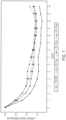
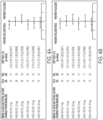
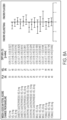
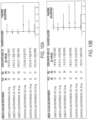
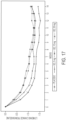
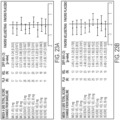
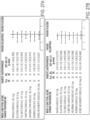
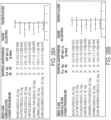
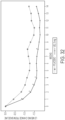
- Figures 2-8 show the results demonstrating the efficacy of velusetrag versus placebo administration in reducing and alleviating the symptoms associated with gastroparesis by GCSI-24H total score.
- LS Mean Differences in each subgroup are calculated based on repeated measures mixed effect model with change from baseline in weekly GCSI-24H total score as dependent variable, treatment, gastroparesis type (diabetic vs. idiopathic), GE test time (historical vs.
- baseline GCSI 24H total score is replaced with GCSI baseline categorical variable.
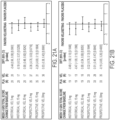
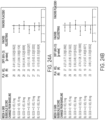
- Figures 9-16 show the results of velusetrag administration versus placebo in reducing and alleviating the symptoms associated with gastroparesis by GCSI-24H responder Odds Ratio. These results demonstrate the efficacy of velusetrag administration.
- the responder is intended to decrease of at least 1 point from baseline. Odd ratios in each subgroup are calculated based on logistic repeated measures mixed effect model using binomial distribution with responders (Y/N) in weekly GCSI-24H total score as dependent variable, treatment, gastroparesis type (diabetic vs. idiopathic), GE test time (historical vs.
- baseline GCSI 24H total score time, subgroup variable, interaction effect of treatment by time
- baseline GCSI 24H total score by time
- treatment by subgroup variable time by subgroup variable
- treatment by time by subgroup variable as fixed effect
- a random effect of subject within site using an autoregressive covariance structure.
- baseline 24H total score is replaced with GCSI baseline categorical variable. Nominal p-value are reported without multiplicity adjustment.
- the bifactor model was not computable with errors that stated the standard errors of the model parameter estimates could not be computed.
- the higher order model was also not computable with no convergence even with iterations at 200,000.
- the primary endpoint evaluation time point was Week 4 with sensitivity analyses conducted at Weeks 8 and 12. Secondary endpoints at 12 weeks were chosen to evaluate the persistence and/or tachiphylaxis of treatment effect.
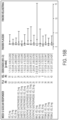
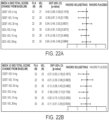
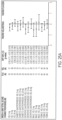
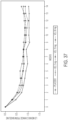
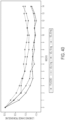
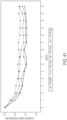
- Figures 18 to 25 illustrate the results demonstrating the efficacy of velusetrag versus placebo administration in reducing, ameliorating, and alleviating, giving relief to, treating, the symptoms associated with gastroparesis by GRS total score.
- LS Mean Differences in each subgroup are calculated based on repeated measures mixed effect model with change from baseline in weekly GRS total score as dependent variable, treatment, gastroparesis type (diabetic vs. idiopathic), GE test time (historical vs.
- baseline GRS total score, time, subgroup variable, interaction effect of treatment by time baseline GRS total score by time, treatment by subgroup variable, time by subgroup variable and treatment by time by subgroup variable as fixed effect, a random effect of subject within site, using an unstructured covariance structure.
- GRS Factor 1 (also Summary Score 1) comprised fullness/early satiety, bloating, upper abdominal pain, and epigastric burning domains
- GRS Factor 2 (also Summary Score 2) comprised nausea and vomiting domains.
- Item and scale psychometric at baseline data revealed that no special weighting of the items was required.
- Item and scale level psychometric at baseline data revealed strong findings for all domains and summary scores, except for a slightly higher than expected equality for variance score for the vomiting domain.
- Fullness/early satiety domain had low test- retest reliability which may be a characteristic of the symptom.
- Summary Score 1 combined the fullness/early satiety, bloating, upper abdominal pain, and epigastric burning domains
- Summary Score 2 combined the nausea and vomiting domains. Larger effects were observed in Summary Score 1 relative to Summary Score 2 as noted in the individual symptom domains where nausea and vomiting were the least affected symptom domains with velusetrag treatment, though trends for improvement were noted in these two symptoms.
- GRS Summary Score 1 A clear separation in GRS Summary Score 1 and GRS Summary Score 2 was observed with the velusetrag 5 mg group to the higher doses and to placebo through the full 12 weeks of treatment. No evidence of tachyphylaxis or diminution of effect was observed over the 12 weeks of treatment. There was a slight increase in symptom score in Weeks 13 and 14 when subjects were off therapy.
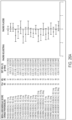
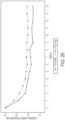
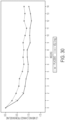
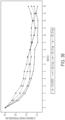
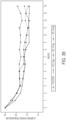
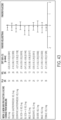
- Figures 26-28 illustrate the results demonstrating the efficacy of velusetrag versus placebo administration in reducing and alleviating the symptoms associated with gastroparesis by GRS subscale score.
- LS Mean Differences are calculated based on repeated measures mixed effect model with change from baseline in weekly GRS total score as dependent variable, treatment, gastroparesis type (diabetic vs. idiopathic), GE test time (historical vs. prospective), baseline subscale score, time, interaction effect of treatment by time, baseline using an unstructured covariance structure.
- GRS Factors 1 and 2 demonstrate that there is a 16% and 20%, respectively, increase in favorable scores compared to placebo (see Table 13).
- Table 13 Comparison of GRS Factors 1 and 2 to placebo Placebo Velusetrag 5 mg Difference GRS Factor 1 37% 53% 16% GRS Factor 2 33% 53% 20%
- Factor 1 Fullness, early satiety, bloating, upper abdominal pain, and epigastric burning Factor 2: Nausea and vomiting
- both the 5 and the 15 mg Velusetrag groups showed similar efficacy, while only the 5 mg dose showed efficacy greater than placebo in the ITT and diabetic subgroup.
- Summary Score 1 and Summary Score 2 were observed at Week 4 regardless of subgroups. A trend existed for greater effect as disease severity increased. A larger treatment effect was observed in subjects with higher baseline GCSI total score (>3; moderate to very severe symptoms) compared to those with lower baseline GCSI total score ( ⁇ 3; none to mild symptoms) When considering the summary score change based on gastric emptying severity (mild, moderate, and severe) a greater response was observed in severity delayed subjects. No conclusions can be made on differences male and female subjects, as the number of male subjects in the study was small. In the individual symptoms, given the small size.
- a weekly responder was defined as a subject who experienced a clinically relevant change in symptoms from baseline.
- the response thresholds or MCIOs for change from baseline are summarized in Table 18.
- a responder is any subject being a weekly responder for at least 6 of 12 weeks and at least 3 of the last 4 weeks of treatment. Subjects with missing data in the week (drop out) were defined as a non-responder for that week.
- velusetrag 5 mg More than half of subjects (54%) who received velusetrag 5 mg met the responder definition for Summary Score 1. The difference in the proportion of responders between velusetrag 5 mg (LS proportion: 0. 53) and placebo (LS proportion: 0.37) was 16%, rendering subjects 1.9 times more likely to have demonstrated sustained clinical response in symptoms for the ITT analysis set (Table 16). For the weekly responders, velusetrag 5 mg had a higher response rate over placebo from Weeks 1 through 14. The differences between velusetrag 5 mg and placebo were statistically significant at Weeks 1 through 4 and Week 9.
- Treatment emergent adverse events were reported in at least 50% of subjects in each treatment group; the proportion was lowest in the 30 mg velusetrag group (50.0%). The majority of adverse events were mild and unrelated to study drug. The incidence of adverse events leading to discontinuation of study drug was low, and no treatment-emergent adverse events led to death during study. Velusetrag 5 mg led to the lowest frequency of study drug discontinuation due to an adverse event, of moderate or severe adverse events, as well as the frequency of adverse events deemed possibly related to study drug. Table 29.
- velusetrag is a highly selective 5-HT 4 receptor agonist with 3,000-fold higher intrinsic activity for the 5-HT 4 receptor vs. 5-HT 3 receptor and 70-fold intrinsic activity vs. other serotonergic receptor subtypes, there is low likelihood for adverse reactions associated with other 5-HT subtypes to be observed with velusetrag.
- Velusetrag has low risk for off-target effects with no effects on coronary artery tone (across multiple species including human) or platelet aggregation.
- Velusetrag was generally well-tolerated with no evidence of safety signals based on collected data. Velusetrag has demonstrated improvements across all the cardinal symptoms of gastroparesis in both idiopathic and diabetic subjects. There was no observed evidence of tachyphylaxis or diminution of treatment effect over 12 weeks of therapy suggestive that velusetrag may provide the first chronic maintenance therapy for the symptoms of gastroparesis.
- Velusetrag presents an opportunity to provide patients with gastroparesis a robust once-daily oral option to improve their symptoms, gastric delay, and overall quality of life and potentially reduce the overall mortality associated with the disease-state.
- the treatment with velusetrag resulted in numerical improvements in all the core symptoms of gastroparesis: fullness/early satiety, bloating, upper abdominal pain, epigastric burning, nausea, and vomiting.
- a reverse dose response was observed in the majority of symptom domains for the GCSl-24H and the GRS PROs where the 5-mg group (invention) had the largest reduction in symptoms compared to the 15- and 30-mg dose groups (reference groups).
- the reverse dose response pattern was also observed in the summary scores. Only the 5-mg dose showed nominal statistical improvements relative to placebo for the summary scores.
- velusetrag at 5 (invention) and 15 mg (reference) daily dosage showed a greater point reduction of the GCSI-24H total score, expressing a greater effectiveness, in the idiopathic subgroup of patients than in the diabetic subgroup.
- a 0.3 points reduction has been observed at 14 weeks following 5 mg treatment in the idiopathic subgroup, and 0.3 points reduction has been observed at 8 weeks following 15 mg treatment (reference).
- the velusetrag 5-mg group (invention) had a responder rate (defined as having at least a I-point improvement from baseline for at least 6 of 12 weeks and at least 3 of the last 4 weeks of treatment) of 53% for GRS Summary Score 1 compared to 37% for placebo, resulting in a 16% improvement in the difference in proportions or an odds ratio of 1.9 (i.e., subjects on velusetrag 5 mg (invention) were 1.9 times more likely to observe a clinically relevant reduction in symptom scores than on placebo for the ITT analysis set).
- Velusetrag 5 mg (invention) showed improvements in symptoms of postprandial fullness, early satiety, bloating, upper abdominal pain, epigastric burning, nausea and vomiting.
- the change from baseline for every symptom was observed within the first week and continued to improve through week 6, stabilizing through week 12 (end of therapy). No tachyphylaxis effect was observed. Larger effects were observed in GRS Summary score 1 relative to Summary score 2 as noted in the individual symptom domain where nausea and vomiting were the least affected symptom domains likely due to the low baseline scores in these domains, though trends for improvement were noted in these two symptoms.
- GRS Summary Score 1 for each treatment group showed no difference between subgroups (-1.5 points for the diabetic group and -1.5 points for the idiopathic group).
- GRS Summary Score 2 where there was no to minimal difference in change from baseline in the velusetrag groups compared to the placebo group.
- a difference was observed in the placebo response with the diabetic subgroup having a larger placebo response relative to the idiopathic subgroup, resulting in a higher treatment effect in the idiopathic subgroup, although there was no difference in baseline or change from baseline between the 2 subgroups.
Landscapes
- Health & Medical Sciences (AREA)
- Chemical & Material Sciences (AREA)
- Medicinal Chemistry (AREA)
- Pharmacology & Pharmacy (AREA)
- Life Sciences & Earth Sciences (AREA)
- Animal Behavior & Ethology (AREA)
- General Health & Medical Sciences (AREA)
- Public Health (AREA)
- Veterinary Medicine (AREA)
- Epidemiology (AREA)
- Engineering & Computer Science (AREA)
- Bioinformatics & Cheminformatics (AREA)
- Chemical Kinetics & Catalysis (AREA)
- General Chemical & Material Sciences (AREA)
- Nuclear Medicine, Radiotherapy & Molecular Imaging (AREA)
- Organic Chemistry (AREA)
- Hospice & Palliative Care (AREA)
- Otolaryngology (AREA)
- Pharmaceuticals Containing Other Organic And Inorganic Compounds (AREA)
- Medicines Containing Material From Animals Or Micro-Organisms (AREA)
- Medicinal Preparation (AREA)
Claims (15)
Priority Applications (5)
| Application Number | Priority Date | Filing Date | Title |
|---|---|---|---|
| RS20241118A RS66049B1 (sr) | 2017-07-31 | 2018-07-30 | Postupci lečenja simptoma gastropareze upotrebom velusetraga |
| HRP20241359TT HRP20241359T1 (hr) | 2017-07-31 | 2018-07-30 | Postupci liječenja simptoma gastropareze lijekom velusetrag |
| SI201831158T SI3661518T1 (sl) | 2017-07-31 | 2018-07-30 | Načini zdravljenja simptomov gastropareze z zdravilom velusetrag |
| MA49754A MA49754B1 (fr) | 2017-07-31 | 2018-07-30 | Méthodes de traitement de symptômes de gastroparésie au moyen de velusetrag |
| SM20240447T SMT202400447T1 (it) | 2017-07-31 | 2018-07-30 | Metodi di trattamento di sintomi di gastroparesi usando velusetrag |
Applications Claiming Priority (2)
| Application Number | Priority Date | Filing Date | Title |
|---|---|---|---|
| US201762539229P | 2017-07-31 | 2017-07-31 | |
| PCT/US2018/044337 WO2019027881A1 (en) | 2017-07-31 | 2018-07-30 | METHODS OF TREATING SYMPTOMS OF GASTROPARESIA USING VELUSETRAG |
Publications (2)
| Publication Number | Publication Date |
|---|---|
| EP3661518A1 EP3661518A1 (de) | 2020-06-10 |
| EP3661518B1 true EP3661518B1 (de) | 2024-08-28 |
Family
ID=63245036
Family Applications (1)
| Application Number | Title | Priority Date | Filing Date |
|---|---|---|---|
| EP18756041.2A Active EP3661518B1 (de) | 2017-07-31 | 2018-07-30 | Verfahren zur behandlung von symptomen von gastroparese unter verwendung von velusetrag |
Country Status (31)
| Country | Link |
|---|---|
| US (1) | US11642339B2 (de) |
| EP (1) | EP3661518B1 (de) |
| JP (2) | JP7431721B2 (de) |
| KR (1) | KR102692887B1 (de) |
| CN (1) | CN110996961A (de) |
| AU (1) | AU2018309667B2 (de) |
| BR (1) | BR112020000482A2 (de) |
| CA (1) | CA3069989C (de) |
| CL (1) | CL2019003598A1 (de) |
| DK (1) | DK3661518T3 (de) |
| EA (1) | EA202090416A1 (de) |
| ES (1) | ES2991549T3 (de) |
| FI (1) | FI3661518T3 (de) |
| HR (1) | HRP20241359T1 (de) |
| HU (1) | HUE068595T2 (de) |
| IL (1) | IL272023B2 (de) |
| LT (1) | LT3661518T (de) |
| MA (1) | MA49754B1 (de) |
| MD (1) | MD3661518T2 (de) |
| MX (1) | MX2020001217A (de) |
| NZ (1) | NZ760329A (de) |
| PL (1) | PL3661518T3 (de) |
| PT (1) | PT3661518T (de) |
| RS (1) | RS66049B1 (de) |
| SG (1) | SG11201912266QA (de) |
| SI (1) | SI3661518T1 (de) |
| SM (1) | SMT202400447T1 (de) |
| TW (1) | TW201909896A (de) |
| UA (1) | UA125596C2 (de) |
| WO (1) | WO2019027881A1 (de) |
| ZA (1) | ZA201908495B (de) |
Families Citing this family (1)
| Publication number | Priority date | Publication date | Assignee | Title |
|---|---|---|---|---|
| CA3263063A1 (en) | 2022-09-20 | 2024-03-28 | Alfasigma S.P.A. | VELUSETRAG INTENDED FOR USE IN THE TREATMENT OF CHRONIC INTESTINAL PSEUDO-OBSTRUCTION (CIPO) |
Family Cites Families (8)
| Publication number | Priority date | Publication date | Assignee | Title |
|---|---|---|---|---|
| US8309575B2 (en) | 2004-04-07 | 2012-11-13 | Theravance, Inc. | Quinolinone-carboxamide compounds as 5-HT4 receptor agonists |
| TWI351282B (en) * | 2004-04-07 | 2011-11-01 | Theravance Inc | Quinolinone-carboxamide compounds as 5-ht4 recepto |
| US7728006B2 (en) | 2004-04-07 | 2010-06-01 | Theravance, Inc. | Quinolinone-carboxamide compounds as 5-HT4 receptor agonists |
| TWI377206B (en) * | 2005-04-06 | 2012-11-21 | Theravance Inc | Crystalline form of a quinolinone-carboxamide compound |
| CA2637214C (en) | 2006-02-16 | 2014-04-22 | Theravance, Inc. | Process for preparing 8-azabicylo[3.2.1]octan-3-one intermediates to 5-ht4 receptor agonist compounds |
| BRPI1013777A8 (pt) * | 2009-04-13 | 2017-09-19 | Theravance Biopharma R&D Ip Llc | Compostos agonistas do receptor 5-ht4 para tratamento de distúrbios cognitivos. |
| CA2845039A1 (en) * | 2011-08-18 | 2013-02-21 | Shire Ag | Combinations of a 5-ht4 receptor agonist and a pde4 inhibitor for use in therapy |
| PT2747561T (pt) * | 2011-08-25 | 2018-09-28 | Evoke Pharma Inc | Tratamento de sintomas associados com a gastroparesia feminina |
-
2018
- 2018-07-30 MA MA49754A patent/MA49754B1/fr unknown
- 2018-07-30 MD MDE20200610T patent/MD3661518T2/ro unknown
- 2018-07-30 ES ES18756041T patent/ES2991549T3/es active Active
- 2018-07-30 HU HUE18756041A patent/HUE068595T2/hu unknown
- 2018-07-30 PL PL18756041.2T patent/PL3661518T3/pl unknown
- 2018-07-30 HR HRP20241359TT patent/HRP20241359T1/hr unknown
- 2018-07-30 FI FIEP18756041.2T patent/FI3661518T3/fi active
- 2018-07-30 WO PCT/US2018/044337 patent/WO2019027881A1/en not_active Ceased
- 2018-07-30 SG SG11201912266QA patent/SG11201912266QA/en unknown
- 2018-07-30 EP EP18756041.2A patent/EP3661518B1/de active Active
- 2018-07-30 US US16/048,933 patent/US11642339B2/en active Active
- 2018-07-30 KR KR1020207005532A patent/KR102692887B1/ko active Active
- 2018-07-30 SI SI201831158T patent/SI3661518T1/sl unknown
- 2018-07-30 MX MX2020001217A patent/MX2020001217A/es unknown
- 2018-07-30 UA UAA202001354A patent/UA125596C2/uk unknown
- 2018-07-30 LT LTEPPCT/US2018/044337T patent/LT3661518T/lt unknown
- 2018-07-30 RS RS20241118A patent/RS66049B1/sr unknown
- 2018-07-30 IL IL272023A patent/IL272023B2/en unknown
- 2018-07-30 CN CN201880047606.7A patent/CN110996961A/zh active Pending
- 2018-07-30 CA CA3069989A patent/CA3069989C/en active Active
- 2018-07-30 PT PT187560412T patent/PT3661518T/pt unknown
- 2018-07-30 BR BR112020000482-0A patent/BR112020000482A2/pt not_active Application Discontinuation
- 2018-07-30 SM SM20240447T patent/SMT202400447T1/it unknown
- 2018-07-30 NZ NZ760329A patent/NZ760329A/en unknown
- 2018-07-30 DK DK18756041.2T patent/DK3661518T3/da active
- 2018-07-30 JP JP2020505338A patent/JP7431721B2/ja active Active
- 2018-07-30 AU AU2018309667A patent/AU2018309667B2/en active Active
- 2018-07-30 EA EA202090416A patent/EA202090416A1/ru unknown
- 2018-07-31 TW TW107126573A patent/TW201909896A/zh unknown
-
2019
- 2019-12-09 CL CL2019003598A patent/CL2019003598A1/es unknown
- 2019-12-19 ZA ZA2019/08495A patent/ZA201908495B/en unknown
-
2022
- 2022-08-26 JP JP2022134792A patent/JP7529952B2/ja active Active
Also Published As
Similar Documents
| Publication | Publication Date | Title |
|---|---|---|
| TW200911275A (en) | Pharmaceutical composition comprising a pyrazole-O-glucoside derivative | |
| US11147820B2 (en) | Methods for treating GI tract disorders | |
| US20110070319A1 (en) | Bifeprunox doses for treating schizophrenia | |
| KR20180051560A (ko) | 비만 및 비만 관련 장애의 치료를 위한 카나글리플로진 및 펜테르민을 포함하는 공동 요법 | |
| US9801858B2 (en) | Progress-supressing or improving agent for chronic kidney disease | |
| US11642339B2 (en) | Methods of treating symptoms of gastroparesis using velusetrag | |
| JP2025514817A (ja) | 胃不全麻痺を処置するための重水素化ドンペリドン | |
| EP3972599B1 (de) | Kombination zur senkung des serum-phosphatspiegels bei einem patienten | |
| HK40026663A (en) | Methods of treating symptoms of gastroparesis using velusetrag | |
| HK40026663B (en) | Methods of treating symptoms of gastroparesis using velusetrag | |
| WO2020194042A1 (en) | Treating influenza using substituted polycyclic pyridone derivatives and prodrugs thereof in a subject having influenza and a severe influenza condition | |
| CN102210866B (zh) | 延缓α-糖苷酶抑制剂吸收及增强降糖药效的口服制剂 | |
| EA041645B1 (ru) | Способы лечения симптомов гастропареза с использованием велусетрага | |
| JP2026511098A (ja) | 糖尿病性胃不全麻痺を治療するための方法 | |
| NZ724285B2 (en) | Agent for improving or preventing progression of chronic kidney disease | |
| HK1126125A (en) | Remedy for diabetic | |
| HK1216848B (en) | Methods for treating gi tract disorders |
Legal Events
| Date | Code | Title | Description |
|---|---|---|---|
| REG | Reference to a national code |
Ref country code: HR Ref legal event code: TUEP Ref document number: P20241359T Country of ref document: HR |
|
| STAA | Information on the status of an ep patent application or granted ep patent |
Free format text: STATUS: UNKNOWN |
|
| STAA | Information on the status of an ep patent application or granted ep patent |
Free format text: STATUS: THE INTERNATIONAL PUBLICATION HAS BEEN MADE |
|
| PUAI | Public reference made under article 153(3) epc to a published international application that has entered the european phase |
Free format text: ORIGINAL CODE: 0009012 |
|
| STAA | Information on the status of an ep patent application or granted ep patent |
Free format text: STATUS: REQUEST FOR EXAMINATION WAS MADE |
|
| 17P | Request for examination filed |
Effective date: 20200113 |
|
| AK | Designated contracting states |
Kind code of ref document: A1 Designated state(s): AL AT BE BG CH CY CZ DE DK EE ES FI FR GB GR HR HU IE IS IT LI LT LU LV MC MK MT NL NO PL PT RO RS SE SI SK SM TR |
|
| AX | Request for extension of the european patent |
Extension state: BA ME |
|
| RAV | Requested validation state of the european patent: fee paid |
Extension state: MA Effective date: 20200113 Extension state: MD Effective date: 20200113 Extension state: TN Effective date: 20200113 |
|
| REG | Reference to a national code |
Ref country code: HK Ref legal event code: DE Ref document number: 40026663 Country of ref document: HK |
|
| STAA | Information on the status of an ep patent application or granted ep patent |
Free format text: STATUS: EXAMINATION IS IN PROGRESS |
|
| 17Q | First examination report despatched |
Effective date: 20230426 |
|
| P01 | Opt-out of the competence of the unified patent court (upc) registered |
Effective date: 20230418 |
|
| GRAP | Despatch of communication of intention to grant a patent |
Free format text: ORIGINAL CODE: EPIDOSNIGR1 |
|
| STAA | Information on the status of an ep patent application or granted ep patent |
Free format text: STATUS: GRANT OF PATENT IS INTENDED |
|
| INTG | Intention to grant announced |
Effective date: 20231030 |
|
| GRAJ | Information related to disapproval of communication of intention to grant by the applicant or resumption of examination proceedings by the epo deleted |
Free format text: ORIGINAL CODE: EPIDOSDIGR1 |
|
| STAA | Information on the status of an ep patent application or granted ep patent |
Free format text: STATUS: EXAMINATION IS IN PROGRESS |
|
| RAP1 | Party data changed (applicant data changed or rights of an application transferred) |
Owner name: ALFASIGMA S.P.A. |
|
| GRAS | Grant fee paid |
Free format text: ORIGINAL CODE: EPIDOSNIGR3 |
|
| STAA | Information on the status of an ep patent application or granted ep patent |
Free format text: STATUS: GRANT OF PATENT IS INTENDED |
|
| GRAP | Despatch of communication of intention to grant a patent |
Free format text: ORIGINAL CODE: EPIDOSNIGR1 |
|
| INTC | Intention to grant announced (deleted) | ||
| INTG | Intention to grant announced |
Effective date: 20240326 |
|
| GRAA | (expected) grant |
Free format text: ORIGINAL CODE: 0009210 |
|
| STAA | Information on the status of an ep patent application or granted ep patent |
Free format text: STATUS: THE PATENT HAS BEEN GRANTED |
|
| AK | Designated contracting states |
Kind code of ref document: B1 Designated state(s): AL AT BE BG CH CY CZ DE DK EE ES FI FR GB GR HR HU IE IS IT LI LT LU LV MC MK MT NL NO PL PT RO RS SE SI SK SM TR |
|
| REG | Reference to a national code |
Ref country code: GB Ref legal event code: FG4D Ref country code: TN Ref legal event code: VAGR Ref document number: TN/P/2024/000338 Country of ref document: TN |
|
| REG | Reference to a national code |
Ref country code: CH Ref legal event code: EP |
|
| REG | Reference to a national code |
Ref country code: DE Ref legal event code: R096 Ref document number: 602018073637 Country of ref document: DE |
|
| REG | Reference to a national code |
Ref country code: IE Ref legal event code: FG4D |
|
| REG | Reference to a national code |
Ref country code: NL Ref legal event code: FP |
|
| REG | Reference to a national code |
Ref country code: DK Ref legal event code: T3 Effective date: 20240930 |
|
| REG | Reference to a national code |
Ref country code: FI Ref legal event code: FGE |
|
| REG | Reference to a national code |
Ref country code: SE Ref legal event code: TRGR |
|
| REG | Reference to a national code |
Ref country code: MA Ref legal event code: VAGR Ref document number: 49754 Country of ref document: MA Kind code of ref document: B1 |
|
| REG | Reference to a national code |
Ref country code: PT Ref legal event code: SC4A Ref document number: 3661518 Country of ref document: PT Date of ref document: 20241104 Kind code of ref document: T Free format text: AVAILABILITY OF NATIONAL TRANSLATION Effective date: 20241028 |
|
| REG | Reference to a national code |
Ref country code: GR Ref legal event code: EP Ref document number: 20240402357 Country of ref document: GR Effective date: 20241111 |
|
| REG | Reference to a national code |
Ref country code: SK Ref legal event code: T3 Ref document number: E 45153 Country of ref document: SK Ref country code: ES Ref legal event code: FG2A Ref document number: 2991549 Country of ref document: ES Kind code of ref document: T3 Effective date: 20241204 |
|
| REG | Reference to a national code |
Ref country code: EE Ref legal event code: FG4A Ref document number: E024656 Country of ref document: EE Effective date: 20241013 |
|
| REG | Reference to a national code |
Ref country code: MD Ref legal event code: VAGR Ref document number: 3661518 Country of ref document: MD Date of ref document: 20241231 Kind code of ref document: T2 |
|
| REG | Reference to a national code |
Ref country code: HU Ref legal event code: AG4A Ref document number: E068595 Country of ref document: HU |
|
| REG | Reference to a national code |
Ref country code: HR Ref legal event code: T1PR Ref document number: P20241359 Country of ref document: HR |
|
| REG | Reference to a national code |
Ref country code: DE Ref legal event code: R097 Ref document number: 602018073637 Country of ref document: DE |
|
| PGFP | Annual fee paid to national office [announced via postgrant information from national office to epo] |
Ref country code: SM Payment date: 20250630 Year of fee payment: 8 |
|
| PLBE | No opposition filed within time limit |
Free format text: ORIGINAL CODE: 0009261 |
|
| STAA | Information on the status of an ep patent application or granted ep patent |
Free format text: STATUS: NO OPPOSITION FILED WITHIN TIME LIMIT |
|
| PGFP | Annual fee paid to national office [announced via postgrant information from national office to epo] |
Ref country code: MC Payment date: 20250626 Year of fee payment: 8 |
|
| PGFP | Annual fee paid to national office [announced via postgrant information from national office to epo] |
Ref country code: PL Payment date: 20250504 Year of fee payment: 8 |
|
| PGFP | Annual fee paid to national office [announced via postgrant information from national office to epo] |
Ref country code: GB Payment date: 20250605 Year of fee payment: 8 |
|
| PGFP | Annual fee paid to national office [announced via postgrant information from national office to epo] |
Ref country code: LT Payment date: 20250619 Year of fee payment: 8 |
|
| PGFP | Annual fee paid to national office [announced via postgrant information from national office to epo] |
Ref country code: RS Payment date: 20250618 Year of fee payment: 8 |
|
| VSFP | Annual fee paid to validation state [announced via postgrant information from national office to epo] |
Ref country code: MD Payment date: 20250610 Year of fee payment: 8 |
|
| PGFP | Annual fee paid to national office [announced via postgrant information from national office to epo] |
Ref country code: NL Payment date: 20250613 Year of fee payment: 8 Ref country code: BE Payment date: 20250619 Year of fee payment: 8 |
|
| PGFP | Annual fee paid to national office [announced via postgrant information from national office to epo] |
Ref country code: HR Payment date: 20250604 Year of fee payment: 8 |
|
| PGFP | Annual fee paid to national office [announced via postgrant information from national office to epo] |
Ref country code: PT Payment date: 20250630 Year of fee payment: 8 Ref country code: LV Payment date: 20250520 Year of fee payment: 8 |
|
| PGFP | Annual fee paid to national office [announced via postgrant information from national office to epo] |
Ref country code: EE Payment date: 20250620 Year of fee payment: 8 Ref country code: FR Payment date: 20250610 Year of fee payment: 8 |
|
| PGFP | Annual fee paid to national office [announced via postgrant information from national office to epo] |
Ref country code: GR Payment date: 20250618 Year of fee payment: 8 Ref country code: BG Payment date: 20250521 Year of fee payment: 8 |
|
| PGFP | Annual fee paid to national office [announced via postgrant information from national office to epo] |
Ref country code: RO Payment date: 20250625 Year of fee payment: 8 |
|
| PGFP | Annual fee paid to national office [announced via postgrant information from national office to epo] |
Ref country code: SK Payment date: 20250624 Year of fee payment: 8 |
|
| PGFP | Annual fee paid to national office [announced via postgrant information from national office to epo] |
Ref country code: CZ Payment date: 20250626 Year of fee payment: 8 |
|
| PGFP | Annual fee paid to national office [announced via postgrant information from national office to epo] |
Ref country code: IE Payment date: 20250610 Year of fee payment: 8 |
|
| PGFP | Annual fee paid to national office [announced via postgrant information from national office to epo] |
Ref country code: SE Payment date: 20250610 Year of fee payment: 8 Ref country code: SI Payment date: 20250526 Year of fee payment: 8 |
|
| REG | Reference to a national code |
Ref country code: HR Ref legal event code: ODRP Ref document number: P20241359 Country of ref document: HR Payment date: 20250604 Year of fee payment: 8 |
|
| 26N | No opposition filed |
Effective date: 20250530 |
|
| PGFP | Annual fee paid to national office [announced via postgrant information from national office to epo] |
Ref country code: HU Payment date: 20250630 Year of fee payment: 8 |
|
| PGFP | Annual fee paid to national office [announced via postgrant information from national office to epo] |
Ref country code: LU Payment date: 20250714 Year of fee payment: 8 |
|
| PGFP | Annual fee paid to national office [announced via postgrant information from national office to epo] |
Ref country code: ES Payment date: 20250807 Year of fee payment: 8 Ref country code: FI Payment date: 20250715 Year of fee payment: 8 |
|
| PGFP | Annual fee paid to national office [announced via postgrant information from national office to epo] |
Ref country code: DE Payment date: 20250604 Year of fee payment: 8 Ref country code: DK Payment date: 20250714 Year of fee payment: 8 |
|
| PGFP | Annual fee paid to national office [announced via postgrant information from national office to epo] |
Ref country code: NO Payment date: 20250709 Year of fee payment: 8 |
|
| PGFP | Annual fee paid to national office [announced via postgrant information from national office to epo] |
Ref country code: TR Payment date: 20250723 Year of fee payment: 8 Ref country code: IT Payment date: 20250623 Year of fee payment: 8 |
|
| PGFP | Annual fee paid to national office [announced via postgrant information from national office to epo] |
Ref country code: AT Payment date: 20250625 Year of fee payment: 8 Ref country code: AL Payment date: 20250711 Year of fee payment: 8 |
|
| PGFP | Annual fee paid to national office [announced via postgrant information from national office to epo] |
Ref country code: MT Payment date: 20250717 Year of fee payment: 8 Ref country code: CH Payment date: 20250801 Year of fee payment: 8 |
|
| PGFP | Annual fee paid to national office [announced via postgrant information from national office to epo] |
Ref country code: IS Payment date: 20250709 Year of fee payment: 8 |
|
| PGFP | Annual fee paid to national office [announced via postgrant information from national office to epo] |
Ref country code: MK Payment date: 20250519 Year of fee payment: 8 |
|
| VSFP | Annual fee paid to validation state [announced via postgrant information from national office to epo] |
Ref country code: MA Payment date: 20250805 Year of fee payment: 8 |
|
| PGFP | Annual fee paid to national office [announced via postgrant information from national office to epo] |
Ref country code: CY Payment date: 20250606 Year of fee payment: 8 |
|
| REG | Reference to a national code |
Ref country code: AT Ref legal event code: UEP Ref document number: 1717221 Country of ref document: AT Kind code of ref document: T Effective date: 20240828 |