EP3659614B9 - Oncolytic vaccinia virus - Google Patents
Oncolytic vaccinia virus Download PDFInfo
- Publication number
- EP3659614B9 EP3659614B9 EP19203305.8A EP19203305A EP3659614B9 EP 3659614 B9 EP3659614 B9 EP 3659614B9 EP 19203305 A EP19203305 A EP 19203305A EP 3659614 B9 EP3659614 B9 EP 3659614B9
- Authority
- EP
- European Patent Office
- Prior art keywords
- tumour
- therapy
- cancer
- virus
- gene
- Prior art date
- Legal status (The legal status is an assumption and is not a legal conclusion. Google has not performed a legal analysis and makes no representation as to the accuracy of the status listed.)
- Active
Links
Images



Classifications
-
- A—HUMAN NECESSITIES
- A61—MEDICAL OR VETERINARY SCIENCE; HYGIENE
- A61K—PREPARATIONS FOR MEDICAL, DENTAL OR TOILETRY PURPOSES
- A61K35/00—Medicinal preparations containing materials or reaction products thereof with undetermined constitution
- A61K35/66—Microorganisms or materials therefrom
- A61K35/76—Viruses; Subviral particles; Bacteriophages
- A61K35/768—Oncolytic viruses not provided for in groups A61K35/761 - A61K35/766
-
- C—CHEMISTRY; METALLURGY
- C12—BIOCHEMISTRY; BEER; SPIRITS; WINE; VINEGAR; MICROBIOLOGY; ENZYMOLOGY; MUTATION OR GENETIC ENGINEERING
- C12N—MICROORGANISMS OR ENZYMES; COMPOSITIONS THEREOF; PROPAGATING, PRESERVING, OR MAINTAINING MICROORGANISMS; MUTATION OR GENETIC ENGINEERING; CULTURE MEDIA
- C12N15/00—Mutation or genetic engineering; DNA or RNA concerning genetic engineering, vectors, e.g. plasmids, or their isolation, preparation or purification; Use of hosts therefor
- C12N15/09—Recombinant DNA-technology
- C12N15/63—Introduction of foreign genetic material using vectors; Vectors; Use of hosts therefor; Regulation of expression
- C12N15/79—Vectors or expression systems specially adapted for eukaryotic hosts
- C12N15/85—Vectors or expression systems specially adapted for eukaryotic hosts for animal cells
- C12N15/86—Viral vectors
-
- A—HUMAN NECESSITIES
- A61—MEDICAL OR VETERINARY SCIENCE; HYGIENE
- A61K—PREPARATIONS FOR MEDICAL, DENTAL OR TOILETRY PURPOSES
- A61K38/00—Medicinal preparations containing peptides
- A61K38/16—Peptides having more than 20 amino acids; Gastrins; Somatostatins; Melanotropins; Derivatives thereof
- A61K38/17—Peptides having more than 20 amino acids; Gastrins; Somatostatins; Melanotropins; Derivatives thereof from animals; from humans
- A61K38/19—Cytokines; Lymphokines; Interferons
- A61K38/193—Colony stimulating factors [CSF]
-
- A—HUMAN NECESSITIES
- A61—MEDICAL OR VETERINARY SCIENCE; HYGIENE
- A61K—PREPARATIONS FOR MEDICAL, DENTAL OR TOILETRY PURPOSES
- A61K38/00—Medicinal preparations containing peptides
- A61K38/16—Peptides having more than 20 amino acids; Gastrins; Somatostatins; Melanotropins; Derivatives thereof
- A61K38/17—Peptides having more than 20 amino acids; Gastrins; Somatostatins; Melanotropins; Derivatives thereof from animals; from humans
- A61K38/19—Cytokines; Lymphokines; Interferons
- A61K38/20—Interleukins [IL]
-
- A—HUMAN NECESSITIES
- A61—MEDICAL OR VETERINARY SCIENCE; HYGIENE
- A61K—PREPARATIONS FOR MEDICAL, DENTAL OR TOILETRY PURPOSES
- A61K38/00—Medicinal preparations containing peptides
- A61K38/16—Peptides having more than 20 amino acids; Gastrins; Somatostatins; Melanotropins; Derivatives thereof
- A61K38/17—Peptides having more than 20 amino acids; Gastrins; Somatostatins; Melanotropins; Derivatives thereof from animals; from humans
- A61K38/19—Cytokines; Lymphokines; Interferons
- A61K38/20—Interleukins [IL]
- A61K38/208—IL-12
-
- A—HUMAN NECESSITIES
- A61—MEDICAL OR VETERINARY SCIENCE; HYGIENE
- A61K—PREPARATIONS FOR MEDICAL, DENTAL OR TOILETRY PURPOSES
- A61K39/00—Medicinal preparations containing antigens or antibodies
- A61K39/12—Viral antigens
- A61K39/275—Poxviridae, e.g. avipoxvirus
- A61K39/285—Vaccinia virus or variola virus
-
- A—HUMAN NECESSITIES
- A61—MEDICAL OR VETERINARY SCIENCE; HYGIENE
- A61K—PREPARATIONS FOR MEDICAL, DENTAL OR TOILETRY PURPOSES
- A61K48/00—Medicinal preparations containing genetic material which is inserted into cells of the living body to treat genetic diseases; Gene therapy
- A61K48/005—Medicinal preparations containing genetic material which is inserted into cells of the living body to treat genetic diseases; Gene therapy characterised by an aspect of the 'active' part of the composition delivered, i.e. the nucleic acid delivered
- A61K48/0066—Manipulation of the nucleic acid to modify its expression pattern, e.g. enhance its duration of expression, achieved by the presence of particular introns in the delivered nucleic acid
-
- A—HUMAN NECESSITIES
- A61—MEDICAL OR VETERINARY SCIENCE; HYGIENE
- A61P—SPECIFIC THERAPEUTIC ACTIVITY OF CHEMICAL COMPOUNDS OR MEDICINAL PREPARATIONS
- A61P35/00—Antineoplastic agents
-
- C—CHEMISTRY; METALLURGY
- C07—ORGANIC CHEMISTRY
- C07K—PEPTIDES
- C07K14/00—Peptides having more than 20 amino acids; Gastrins; Somatostatins; Melanotropins; Derivatives thereof
- C07K14/435—Peptides having more than 20 amino acids; Gastrins; Somatostatins; Melanotropins; Derivatives thereof from animals; from humans
- C07K14/52—Cytokines; Lymphokines; Interferons
- C07K14/53—Colony-stimulating factor [CSF]
- C07K14/535—Granulocyte CSF; Granulocyte-macrophage CSF
-
- C—CHEMISTRY; METALLURGY
- C07—ORGANIC CHEMISTRY
- C07K—PEPTIDES
- C07K14/00—Peptides having more than 20 amino acids; Gastrins; Somatostatins; Melanotropins; Derivatives thereof
- C07K14/435—Peptides having more than 20 amino acids; Gastrins; Somatostatins; Melanotropins; Derivatives thereof from animals; from humans
- C07K14/52—Cytokines; Lymphokines; Interferons
- C07K14/54—Interleukins [IL]
-
- C—CHEMISTRY; METALLURGY
- C07—ORGANIC CHEMISTRY
- C07K—PEPTIDES
- C07K14/00—Peptides having more than 20 amino acids; Gastrins; Somatostatins; Melanotropins; Derivatives thereof
- C07K14/435—Peptides having more than 20 amino acids; Gastrins; Somatostatins; Melanotropins; Derivatives thereof from animals; from humans
- C07K14/52—Cytokines; Lymphokines; Interferons
- C07K14/54—Interleukins [IL]
- C07K14/5434—IL-12
-
- C—CHEMISTRY; METALLURGY
- C12—BIOCHEMISTRY; BEER; SPIRITS; WINE; VINEGAR; MICROBIOLOGY; ENZYMOLOGY; MUTATION OR GENETIC ENGINEERING
- C12N—MICROORGANISMS OR ENZYMES; COMPOSITIONS THEREOF; PROPAGATING, PRESERVING, OR MAINTAINING MICROORGANISMS; MUTATION OR GENETIC ENGINEERING; CULTURE MEDIA
- C12N7/00—Viruses; Bacteriophages; Compositions thereof; Preparation or purification thereof
-
- C—CHEMISTRY; METALLURGY
- C12—BIOCHEMISTRY; BEER; SPIRITS; WINE; VINEGAR; MICROBIOLOGY; ENZYMOLOGY; MUTATION OR GENETIC ENGINEERING
- C12N—MICROORGANISMS OR ENZYMES; COMPOSITIONS THEREOF; PROPAGATING, PRESERVING, OR MAINTAINING MICROORGANISMS; MUTATION OR GENETIC ENGINEERING; CULTURE MEDIA
- C12N2710/00—MICROORGANISMS OR ENZYMES; COMPOSITIONS THEREOF; PROPAGATING, PRESERVING, OR MAINTAINING MICROORGANISMS; MUTATION OR GENETIC ENGINEERING; CULTURE MEDIA dsDNA viruses
- C12N2710/00011—Details
- C12N2710/24011—Poxviridae
- C12N2710/24111—Orthopoxvirus, e.g. vaccinia virus, variola
- C12N2710/24121—Viruses as such, e.g. new isolates, mutants or their genomic sequences
-
- C—CHEMISTRY; METALLURGY
- C12—BIOCHEMISTRY; BEER; SPIRITS; WINE; VINEGAR; MICROBIOLOGY; ENZYMOLOGY; MUTATION OR GENETIC ENGINEERING
- C12N—MICROORGANISMS OR ENZYMES; COMPOSITIONS THEREOF; PROPAGATING, PRESERVING, OR MAINTAINING MICROORGANISMS; MUTATION OR GENETIC ENGINEERING; CULTURE MEDIA
- C12N2710/00—MICROORGANISMS OR ENZYMES; COMPOSITIONS THEREOF; PROPAGATING, PRESERVING, OR MAINTAINING MICROORGANISMS; MUTATION OR GENETIC ENGINEERING; CULTURE MEDIA dsDNA viruses
- C12N2710/00011—Details
- C12N2710/24011—Poxviridae
- C12N2710/24111—Orthopoxvirus, e.g. vaccinia virus, variola
- C12N2710/24132—Use of virus as therapeutic agent, other than vaccine, e.g. as cytolytic agent
-
- C—CHEMISTRY; METALLURGY
- C12—BIOCHEMISTRY; BEER; SPIRITS; WINE; VINEGAR; MICROBIOLOGY; ENZYMOLOGY; MUTATION OR GENETIC ENGINEERING
- C12N—MICROORGANISMS OR ENZYMES; COMPOSITIONS THEREOF; PROPAGATING, PRESERVING, OR MAINTAINING MICROORGANISMS; MUTATION OR GENETIC ENGINEERING; CULTURE MEDIA
- C12N2710/00—MICROORGANISMS OR ENZYMES; COMPOSITIONS THEREOF; PROPAGATING, PRESERVING, OR MAINTAINING MICROORGANISMS; MUTATION OR GENETIC ENGINEERING; CULTURE MEDIA dsDNA viruses
- C12N2710/00011—Details
- C12N2710/24011—Poxviridae
- C12N2710/24111—Orthopoxvirus, e.g. vaccinia virus, variola
- C12N2710/24141—Use of virus, viral particle or viral elements as a vector
- C12N2710/24143—Use of virus, viral particle or viral elements as a vector viral genome or elements thereof as genetic vector
-
- C—CHEMISTRY; METALLURGY
- C12—BIOCHEMISTRY; BEER; SPIRITS; WINE; VINEGAR; MICROBIOLOGY; ENZYMOLOGY; MUTATION OR GENETIC ENGINEERING
- C12N—MICROORGANISMS OR ENZYMES; COMPOSITIONS THEREOF; PROPAGATING, PRESERVING, OR MAINTAINING MICROORGANISMS; MUTATION OR GENETIC ENGINEERING; CULTURE MEDIA
- C12N2710/00—MICROORGANISMS OR ENZYMES; COMPOSITIONS THEREOF; PROPAGATING, PRESERVING, OR MAINTAINING MICROORGANISMS; MUTATION OR GENETIC ENGINEERING; CULTURE MEDIA dsDNA viruses
- C12N2710/00011—Details
- C12N2710/24011—Poxviridae
- C12N2710/24111—Orthopoxvirus, e.g. vaccinia virus, variola
- C12N2710/24161—Methods of inactivation or attenuation
- C12N2710/24162—Methods of inactivation or attenuation by genetic engineering
Definitions
- the present invention relates to cancer therapy.
- the invention relates to an oncolytic vaccinia virus and virus vectors for cancer therapy.
- Oncolytic viruses are viruses that can specifically target and kill cancer cells. Additionally, oncolytic viruses can also provide the immunostimulatory signals necessary to increase the host's own anticancer response.
- Vaccinia virus is a double stranded DNA virus with many features which make it an attractive candidate for oncolytic therapy. It shows rapid replication, efficient spread to tumours and strong lytic ability. Additionally, vaccinia has been studied extensively and has a well-defined molecular biology with a large cloning capacity and a variety of commercially available natural and synthetic promoters making it ideal as a vector for carrying heterologous nucleic acid sequences. Vaccinia has well established safety profile and treatments for uncontrolled infections are readily available. Furthermore, a hypoxic microenvironment commonly found in solid tumours is detrimental to the replication and efficacy of many types of oncolytic viruses, but not to vaccinia virus.
- cytokine encoding genes can further drive the immune response.
- the insertion of cytokines can decrease the efficacy of viral replication through early viral clearance. This has indeed been observed in vivo with vaccinia armed with some immunomodulatory genes such as IL-2, IL-15, TNF and CD40 ligand.
- Hiley et al. (Gene Therapy. 2010, 17; 281-287 ) describes Lister strain vaccinia virus as a potential therapeutic vector targeting hypoxic tumours.
- Dimier et al. (Journal of Virology. 2011, 85, 10; 5016-5026 ) describes that deletion of major nonessential genomic regions in the vaccinia virus Lister strain enhances attenuation without altering vaccine efficacy in mice.
- Bartlett et al. Journal Of General Virology. 2002, 83, 8; 1965 - 1976 ) describes that vaccinia virus N1L protein is an intracellular homodimer that promotes virulence.
- Billings et al. (Ann. N.Y. Acad. Sci.
- the present invention provides a composition comprising a TK-deficient vaccinia virus for use in the treatment of a cancer and/or a tumour in a subject wherein the subject is also receiving a cancer therapy, wherein the TK-deficient virus comprises an inactivated N1L gene, wherein the N1L gene is inactivated by the insertion of a nucleic acid sequence encoding a heterologous polypeptide, and wherein the nucleic acid sequence comprises at least three vaccinia virus promoters, said vaccinia virus promoters are positioned in the same orientation which is opposite to that of the intact vaccinia virus ORF L024.
- the heterologous polypeptide may be a cytokine.
- the heterologous polypeptide may be selected from the group consisting of GM-CSF, IL-7, IL-10, IL-12, IL-15 and IL-21.
- the cancer therapy may be chemotherapy, biological therapy, radiotherapy, immunotherapy, hormone therapy, anti-vascular therapy, cryotherapy, toxin therapy, molecular cancer therapy, gene therapy and/or any combination thereof.
- the gene therapy may be tumour suppressor gene therapy, suicide gene therapy, viral vector immunisation strategies, anti-angiogenic therapy, pro-apoptosis gene therapy or gene replacement therapy.
- the cancer and/or tumour may be a non-resectable cancer and/or tumour prior to treatment.
- nucleic acid sequence comprising at least three vaccinia virus promoters wherein the at least three promoters are positioned in the same orientation in the nucleic acid sequence.
- a linear DNA has two possible orientations - the 5' to 3' direction and the 3' to 5' direction. For example, if one promoter is positioned in the 5' to 3' direction, and if a second promoter is also positioned in the 5' to 3' direction within the same polynucleotide molecule/strand, then the two promoters are positioned in the same orientation.
- the nucleic acid sequence may be natural, synthetic or recombinant. It may, for example, be cDNA, PCR product or a genomic sequence. It may be isolated, or as part of a plasmid, vector or host cell.
- a plasmid is a circular extrachromosomal DNA molecule with the ability to replicate independently of chromosomal DNA.
- a plasmid may be used to introduce an expression cassette into a host cell. Plasmids may also be used to express a polypeptide in a host cell. For example a bacterial host cell may be transfected with a plasmid capable of encoding a particular polypeptide, in order to express that polypeptide.
- the term also includes yeast artificial chromosomes and bacterial artificial chromosomes which are capable of accommodating longer portions of DNA.
- a promoter is a region of DNA with a specific sequence that initiates the transcription of a particular gene or genes. Promoters used for the expression of heterologous genes in vaccinia include promoters controlling early and late transcriptional activity, for example mH5, H5, P7.5 and PE/L.
- a heterologous gene, as used herein, is a gene that is not normally found in the virus.
- the modified H5 promoter, mH5, has a predominantly early activity and shows greater stability than the naturally occurring H5.
- the at least three promoters are mH5.
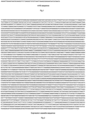
- the promoter comprises a nucleotide sequence that is substantially homologous to the sequence set forth in Fig 1 .
- Nucleic acid sequences with greater than 20% identity are considered to be homologous sequences.
- substantially homologous refers to sequences exhibiting at least 60% or 70%, preferably means at least 80%, more preferably at least 90%, and most preferably at least 95%, 96%, 97%, 98%, 99% or greater identity.
- the sequence has at least 80% or more (e.g., 85%, 90%, 95%, 96%, 97%, 98%, 99%, 99.5%, etc.) homology with the sequence set forth in Fig 1 .
- Sequence comparisons to determine homology can be carried out using readily available sequence comparison software. Examples include but are not limited to BLAST (see Ausubel et al., 1999 Short Protocols in Molecular Biology, 4th Ed - Chapter 18 ) and FASTA ( Altschul et al., 1990 J. Mol. Biol. 403-410 ). Both BLAST and FASTA are available for offline and online searching (see Ausubel et al., 1999, Short Protocols in Molecular Biology, pages 7-58 to 7-60 ).
- the nucleic acid sequence is present in a vector.
- a vector as used herein refers to a construct for introducing a nucleic acid sequence into a cell or a virus for expression or replication. It refers to a recombinant construct for example a plasmid, a virus or any other construct capable of expression or replication of the nucleic acid sequence upon introduction into a cell or virus.
- the nucleic acid sequence as described herein, may be part of an expression cassette.
- An expression cassette is a part of a vector. It comprises a promoter, an open reading frame and a 3' untranslated region.
- the vaccinia virus vector comprises a nucleotide sequence that has at least 80% or more (e.g., 85%, 90%, 95%, 96%, 97%, 98%, 99%, 99.5%, etc.) homology with the sequence set forth in Fig 2 .
- nucleic acid sequence encodes a heterologous polypeptide.
- polypeptide refers to a plurality of amino acid residues joined together by peptide bonds. It is used interchangeably with protein, peptide, oligopeptide and includes glycoproteins and derivatives thereof.
- polypeptide is also intended to cover analogues and derivatives of polypeptides which retain the same biological function or activity as the original polypeptide.
- a heterologous polypeptide as used herein refers to any polypeptide that is not normally expressed by the virus in nature.
- the heterologous polypeptide can be biologically active.
- a biologically active polypeptide as used herein refers to a polypeptide that has a biological function or activity.
- the biologically active polypeptide is therapeutic.
- a therapeutic polypeptide is a polypeptide that has been or is being developed for therapeutic use. Examples of a therapeutic polypeptide include but are not limited to cytokines, chemokines and growth factors.
- the cytokine may be an immunomodulating agent such as an interleukin (e.g. IL-1, IL-2, IL-3, IL-4, IL-5, IL-6, IL-7, IL-8, IL-9, IL-10, IL-11, IL-12, IL-13, IL-14, IL-15, IL-16, IL-17, IL-18, IL-19, IL-20, IL-21, IL-22, IL-23, IL-24, IL-25, IL-26, IL-27, IL-28, IL-29, IL-30, IL-31, IL-32, IL-33, IL-34, IL-35 and IL-36), an interferon (INF- ⁇ , INF- ⁇ , INF- ⁇ and INF- ⁇ ), tumour necrosis factor (TNF) and/or granulocyte macrophage colony-stimulating factor (GM-CSF).
- an interleukin e.g. IL-1, IL
- the polypeptide is an interleukin.
- the polypeptide is IL-12.
- IL-12 may be derived from any animal e.g. human (hIL-12), mouse (mlL-12), horse, cow, pig, etc. It may be natural or recombinant.
- the nucleotide sequence encoding IL-12 is a full length IL-12 gene.
- the nucleotide sequence encodes 30%, 40%, 50%, 60%, 70%, 75%, 80%, 85%, 90%, 95%, 97%, 98%, or 99% of a full-length gene.
- the polypeptide is GM-CSF, or the polypeptide may be IL-21. All features which refer to IL-12 as described above shall apply mutatis mutandis to GM-CSF and IL-21.
- References to IL-12 herein include IL-12A (for example GenBank Accession no. AF404773.1 GI:15128214) and/or IL-12B (for example GenBank Accession no. AY008847.1 GI:11192034).
- the mature IL-12 protein includes both subunits.
- References to IL-21 herein include isoform 1 (for example GenBank Accession no. NP_068575.1 GI:11141875) and/or isoform 2 (GenBank Accession no. NP_001193935.1 GI:333033767).
- References to GM-CSF herein include GenBank Accession no. AF373868.2 GI:14278709. Generally, the sequences are human sequences.
- a heterologous polypeptide could also be a reporter polypeptide.
- Reporter polypeptide refers to a polypeptide whose expression is indicative of the presence of the nucleic acid sequence, expression cassette or vector in a host cell or virus.
- reporter polypeptides include but are not limited to fluorescent polypeptides, chemiluminescent polypeptides, bioluminescent polypeptides, phosphorescent polypeptides as well as enzymes.
- the reporter polypeptide is a fluorescent polypeptide.
- Fluorescent polypeptides include but are not limited to green fluorescent protein, red fluorescent protein, yellow fluorescent protein, cyan fluorescent protein and their derivatives.
- Restriction sites are specific nucleotide sequences that are recognised and cleaved by restriction enzymes.
- restriction enzymes are Sall, Bglll, Hindlll, Smal, BamHI and Mlul.
- a BamHI restriction site is a restriction site recognised by BamHl.
- the restriction sites for other enzymes are similarly named.
- the nucleic acid sequence or vector comprises one or more restriction sites.
- nucleic acid sequence or vector is comprised within a vaccinia virus.
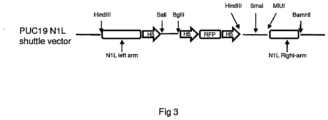
- nucleic acid sequence has the formula shown in Fig 3 .
- Vaccinia has evolved a number of strategies to evade the host immune system.
- the virus secretes a number of proteins that inhibit cytokines and chemokines which are involved in the host's antiviral response.
- One such protein is the N1 gene product, N1L, which is believed to inhibit apoptosis of infected cells as well as NF-kB activation.
- NF-kB is a transcription factor that controls the production of a number of cytokines that are involved in viral clearance.
- N1L gene deletion has been shown to lead to an increase in pro-inflammatory antiviral cytokines controlled by NF-kB such as IL1 ⁇ , TNF ⁇ and IFN ⁇ / ⁇ .
- N1L has also been shown to modulate natural killer (NK) cell response.
- NK cells are generally the first line of host defence to viral infection. Deletion of N1L has been shown to induce an increased NK cell local activity. Consistent with these findings, Bartlett et al (J General Virology, 2002, 83:1965-1976 ) have shown that compared to a wild-type VV strain, an N1L-deleted Western Reserve vaccinia strain is cleared more rapidly by the host immune response.
- immune response means the reaction of the immune system against a foreign substance.
- a vaccinia virus comprising a nucleic acid sequence or vector wherein the nucleic acid sequence is inserted into the N1L gene.
- Insertion of a nucleic acid sequence into a target sequence can be facilitated by methods well known to the person skilled in the art. For example, methods described in Molecular Cloning, A Laboratory Manual, Second Edition, by J. Sambrook, E. F. Fritsch and T. Maniatis (2003), Cold Spring Harbor Laboratory Press , Virology Methods Manual, edited by Brian W J Mahy and Hillar O Kangro (1996) Academic Press and Expression of genes by Vaccinia virus vectors. Current Protocols in Molecular Biology, published by John Wiley and Son (1998), Chapter 16 . As described herein, the nucleic acid sequence is inserted into the N1L gene by homologous recombination.
- TK-deficient vaccinia virus comprising an inactivated N1L gene.
- a TK-deficient vaccinia virus as used herein refers to a vaccinia virus that shows a phenotype consistent with a lack of endogenous thymidine kinase (TK).
- TK thymidine kinase
- a TK-deficient vaccinia virus is dependent on thymidine kinase produced by the host cell. Thymidine kinase is constitutively produced in tumour cells but not in normal cells.
- a TK-deficient vaccinia virus can therefore survive selectively in tumour cells, especially with activation of EGFR/Ras/ERK pathways.
- a host cell is any cell that the virus can infect.
- the TK-deficient vaccinia virus comprises an inactivated N1L gene.
- Inactivation refers to silencing of the gene at the transcriptional or post transcriptional level, deletion of the gene, mutation in the gene, disruption of the gene by insertion of a nucleic acid sequence or any other method that renders the virus unable to create a fully functional gene product.
- Inactivation of a gene can be partial or complete.
- the inactivation of N1L is by insertion of a nucleic acid sequence. The insertion can be facilitated by homologous recombination.
- the inserted nucleic acid sequence may be comprised in a vector or an expression cassette.
- the nucleic acid sequence encodes a heterologous polypeptide.
- the heterologous polypeptide could be biologically active.
- the invention the biologically active polypeptide is therapeutic.
- the nucleic acid sequence encodes an RNAi-inducing agent, RNAi agent, siRNA, shRNA, miRNA, antisense RNA, ribozymes, catalytic DNA and the like. As described herein, the nucleic acid sequence encodes a radiation and/or chemotherapy sensitiser.
- composition comprising a TK-deficient vaccinia viru.
- the composition optionally comprises a pharmaceutically acceptable carrier, diluent or excipient.
- composition may be adapted for administration by any appropriate route, for example by the oral (including buccal or sublingual), topical (including buccal, sublingual or transdermal), or parenteral (including subcutaneous, intramuscular, intravenous, intra-arterial, intra-thecal, intra-pleural, intra-ophthalmological, intra-cardiac, intraperitoneal or intradermal) route.
- oral including buccal or sublingual
- topical including buccal, sublingual or transdermal
- parenteral including subcutaneous, intramuscular, intravenous, intra-arterial, intra-thecal, intra-pleural, intra-ophthalmological, intra-cardiac, intraperitoneal or intradermal
- compositions adapted for parenteral administration include aqueous and non-aqueous sterile injection solution which may contain anti-oxidants, buffers, bacteriostats and solutes which render the formulation substantially isotonic with the blood of the intended recipient; and aqueous and non-aqueous sterile suspensions which may include suspending agents and thickening agents.
- Excipients which may be used for injectable solutions include water, alcohols, polyols, glycerine and vegetable oils, for example.
- the compositions may be presented in unit-dose or multidose containers, for example sealed ampoules and vials, and may be stored in a freeze-dried (lyophilized) condition requiring only the addition of the sterile liquid carried, for example water for injections, immediately prior to use.
- Extemporaneous injection solutions and suspensions may be prepared from sterile powders, granules and tablets.
- compositions may contain preserving agents, solubilising agents, stabilising agents, wetting agents, emulsifiers, sweeteners, colourants, odourants, salts (substances of the present invention may themselves be provided in the form of a pharmaceutically acceptable salt), buffers, coating agents or antioxidants. They may also contain therapeutically active agents in addition to the substance of the present invention.
- a method of treating cancer comprising administrating to a subject a therapeutically effective amount of a TK-deficient vaccinia virus comprising a vector or nucleic acid sequence encoding a heterologous polypeptide wherein said virus further comprises an inactivated N1L gene.
- a subject refers to an animal, including a human being.
- An animal can include mice, rats, fowls such as chicken, ruminants such as cows, goat, deer, sheep and other animals such as pigs, cats, dogs and primates such as humans, chimpanzees, gorillas and monkeys.
- a therapeutically effective amount is the dose sufficient to induce oncolysis.
- Doses for delivery and administration can be based upon current existing protocols, empirically determined, using animal disease models or optionally in human clinical trials. Initial study doses can be based upon animal studies set forth herein, for a mouse, for example. Doses can vary and depend upon whether the treatment is prophylactic or therapeutic, the type, onset, progression, severity, frequency, duration, or probability of the disease to which treatment is directed, the clinical endpoint desired, previous or simultaneous treatments, the general health, age, gender, race or immunological competency of the subject and other factors that will be appreciated by the skilled artisan.
- the dose amount, number, frequency or duration may be proportionally increased or reduced, as indicated by any adverse side effects, complications or other risk factors of the treatment or therapy and the status of the subject.
- the skilled artisan will appreciate the factors that may influence the dosage and timing required to provide an amount sufficient for providing a therapeutic or prophylactic benefit.
- the method further comprises administering to the subject an additional cancer therapy.
- Cancer therapy as used herein refers to refers to treatment of cancer by any medical or physical means.
- the additional cancer therapy can be chemotherapy, biological therapy, radiotherapy, immunotherapy, hormone therapy, anti-vascular therapy, cryotherapy, toxin therapy and/or surgery, including combinations thereof.
- Methods and uses of the invention as disclosed herein can be practiced immediately or days, months or years after a subject has been identified as having the disease targeted for treatment.
- the methods include administering the virus at different schedules.
- a single dose of the virus may be administered to a subject or a tumour over a 1, 2, 5, 10, 15, 20, or 24 hour period.
- the virus may be administered over 1, 2, 3, 4, 5, 6, 7 or more days or weeks.
- the interval between injections can be 1, 2, 3, 4, 5, 6, 7 days or weeks.
- multiple doses are administered to the same general target region, such as in the proximity of a tumour or in the case of intravenous administration a particular entry point in the blood stream or lymphatic system of a subject.
- the vaccinia virus vector may be administered 2, 3, 4, 5, or more times.
- the vaccinia virus vector could be given before resection of tumours at different schedule and doses.
- the methods include administering the virus at different viral concentrations.
- the subject is administered at least 5 ⁇ 10 7 , 1 ⁇ 10 8 , 2 ⁇ 10 8 , 5 ⁇ 10 8 , 1 ⁇ 10 9 ,2 ⁇ 10 9 , 5 ⁇ 10 9 , 1 ⁇ 10 10 , 5 ⁇ 10 10 , 1 ⁇ 10 11 , 5 ⁇ 10 11 ,1 ⁇ 10 12 or more viral particles or plaque forming units (pfu), including the various values and ranges there between.
- the viral dose can be administered in 0.1mL, 1mL, 2 mL, 3 mL, 4 mL, 5 mL, 6 mL, 7 mL, 8 mL, 9 mL, 10 mL or more, including all values and ranges there between.
- the dose may be spread over time or by separate injection.
- the subject is a human with cancer and/or a tumour.
- the cancer may be a gastrointestinal cancer, a respiratory tract cancer, a genitourinary tract cancer, a hematopoietic cancer, a sarcoma, an adenocarcinoma, a squamous cell carcinoma or a non-malignant tumor/hyperplasia.
- the tumour may be non-resectable prior to treatment and resectable after treatment.
- the tumour can be a recurrent, primary, metastatic, and/or multi-drug resistant tumour.
- the tumor is located on or in the pancreas.
- the tumour can be a neuroendocrine tumour, an endocrine tumour, a peripheral central nervous system tumour, a brain cancer tumor, a head and neck cancer tumor, an esophageal cancer tumour, a skin cancer tumor, a lung cancer tumor, a liver tumour, a thymic tumor, a stomach cancer tumor, a colon cancer tumour, an ovarian cancer tumor, a uterine cancer tumor, a bladder cancer tumor, a testicular cancer tumour, a bladder tumour, a rectal cancer tumour, melanoma or a breast cancer tumour.
- compositions and methods disclosed may be used in different types of gene therapy for example tumor suppressor gene therapy, suicide gene therapy, viral vector immunisation strategies, anti-angiogenic therapy, pro-apoptosis gene therapy and gene replacement therapy.
- Oncolytic Viruses for Cancer Therapy Overcoming the Obstacles” (Wong et al. Viruses 2010, 2, 78-106 ).
- compositions and methods disclosed may be used in combination with additional therapeutic means or methods in the treatment of cancer, for example surgery, chemotherapy, radiation therapy, molecular cancer therapy or a further gene therapy, which may be used for administering genes that are different from the herein described nucleic acids of the invention.
- tumour cell lines All tumour cell lines used were stored in the inventors' lab, either from ATCC or Cancer Research UK Cell line Service Unit or kindly provided by collaborators. All human cancer cell lines were genotyped by STR assay.
- the murine tumour cell lines used in this study include: the colorectal cancer cell line CT26 was derived from the BALB/c strain, whilst CMT93 (colorectal), LLC (Lewis lung cancer) and B16-F10 (metastatic melanoma) originated from the C57BL/6 strain.
- SCC7 is a head and neck cancer-derived squamous carcinoma, from C3H/HeN mice and was kindly donated by Dr Osam Mazda (Department of Microbiology, Kyoto Prefectural University of Medicine, Japan), MOSEC is a murine ovarian carcinoma cell line.
- Panc02 is a chemically induced murine pancreatic carcinoma cell line; DT6606 (pancreatic carcinoma) originated from a C57BL/6 strain transgenic mouse with mutation in the K-Ras conditional to the pancreas. This was a kind gift of Professor David Tuveson (CRUK, Cambridge Research Institute, Cambridge, UK).
- CV1 is an African Green Monkey "normal" kidney cell line obtained from the ATCC, VA, USA and was used as a stock cell line to facilitate the mass production of viruses as well as in all viral titration assays.
- the human cancer cell lines used in this invention include: the human pancreatic carcinoma cell lines SUIT-2, MIAPaCa2, PANC1, PT-45 and Capan-2; the human colorectal carcinoma cell lines HT29, HCT116, and SW620, gastric adenocarcinoma MKN45 and the human ovarian carcinoma cell line A2780.
- VVL15 was constructed by the insertion of the lacZ reporter and the firefly luciferase genes into the TK region of the Lister strain of vaccinia virus under the control of the synthetic early/late and p7.5 promoters respectively using an in vitro intracellular recombination technique previously described in Timiryasova TM et al. Biotechniques. 2001; 31:534, 6, 8-40 .
- VVL15 is TK-deficient.
- WRLuc, TK deletion, and WRDD, double deletion (TK and VGF) viruses were kindly provided by Dr Steve Thorne (University of Pittsburgh, USA) and Dr A. McCart (University of Toronto, Canada) respectively.
- Mass viral production The primary viral expansion from above was rapidly freeze-thawed twice and diluted into the necessary volume of 5% FCS CM required to infect between 36-40 T175 flasks containing CV1 cells (at 80-90% confluence). 48 hr later, infected CV1 cells were harvested and through repeated rounds of centrifugation at a speed of 2,000 rpm for 5 minutes (at 4°C), collected into a single pellet. The pellet was washed in PBS, re-suspended in 12ml of 10 mM Tris-HCl (pH 9) buffer and stored at -80°C for purification at a later date.
- Viral purification The concentrated viral lysate suspension from above was freeze-thawed twice and transferred to a dounce homogeniser (Thermofisher) and homogenised via 60 strokes. It was then subjected to ultrasonication for 30 seconds. Following centrifugation at 2,000 rpm at 4°C for 5 minutes, the supernatant (containing released virion particles) was collected and diluted to a total volume of 30ml with 10mM Tris-HCl buffer. The solution was divided into four aliquots; each layered gently onto 17 ml of a 36% glucose solution in a 36ml Beckman ultracentrifuge tube and centrifuged at 13,500 rpm for 80 minutes at 4°C.
- the resulting pellets were re-suspended to a total of 16ml in 10 mM Tris-HCl, divided into four again and carefully layered onto another four glucose gradients, this time graded from 25% w/m near the surface to 40% at the base of each tube. A second round of ultracentrifugation was performed. This was necessary to remove further particulate cellular debris, which could be toxic when administered intravenously into mice.
- the final pellets were re-suspended in 1-4ml of viral re-suspension buffer (PBS; 10% glycerol; 138mM NaCl; pH 7.4). A sample of purified virus was titrated via a TCID50 assay as described below.
- Viral replication Cells were seeded at 2 to 4 ⁇ 10 5 cells per well, depending on growth rates, in three wells of 6-well plates in medium with 10% FCS, and infected with 1 PFU/cell of vaccinia viruses 16-18 hours later. Samples were harvested in triplicate at 24-hour intervals up to 72 hours. Viral replication was detected by TCID50 (50% tissue culture infective dose) as described in Wang et al (J Clin Invest, 2009, 119:1604-1615 ).
- Graphpad Prism 5 was used for comparative statistical analysis. Dual condition comparisons were made using the unpaired student t test. For more than one condition or for an additional variable such as time, a 1 or 2-way ANOVA respectively was performed. Post hoc tests (Knewman-Keuls for one-way ANOVA and Bonferroni for 2-way ANOVA) compared specific pairs of conditions within the experiment. Survival data were represented as a Kaplan-Meier plot with log rank analysis to delineate whether any differences between groups were statistically significant.
- the inventors constructed a pUC19-N1L shuttle vector illustrated in Fig 3 comprising a specific expression cassette flanked by a fragment containing L024 as well as 31bp of L025 (left arm), and a fragment containing 22bp of L025 as well as L026 (right arm).
- the expression cassette has the following features: (1) there are three vaccinia virus mH5 promoters, and under each promoter there is a cloning restriction enzyme site for easy insertion of any gene of interest; (2) a reporter gene RFP is driven by one mH5 promoter for positive selection of recombination virus; (3) mH5 promoter only drives the expression of the inserted gene from left to right.
- the homologous recombination strategy used in this invention was designed to replace almost the entirety of the coding sequence of the L025 (N1L) locus. Sequence analysis at the junctions of L024/25 and L025/26 confirmed that the ORFs upstream (22bp) and downstream (31bp) of L025 remained intact.
- cDNA of m-GM-CSF, h-GM-CSF, m-IL12 and h-IL12 were cloned using standard techniques into the vector for expression under control of the mH5 promoter using the appropriate restriction enzyme to synthesise pUC19 super shuttle vectors.
- FIG. 4 depicts vaccinia virus Lister strain and various vaccinia virus constructs created by the inventors.
- Each pUC19 super-shuttle vector was transfected (using an Effectene-based protocol - Qiagen) into CV1 cells that had been pre-infected (2 hr earlier) with VVL15 (0.1 PFU per cell).
- VVL15 0.1 PFU per cell.
- red fluorescence under fluorescence microscope confirmed expression of the relevant cassette, either from the cytoplasmic plasmid or from the relatively few viruses in which homologous recombination had been successful.
- These latter were selected out as follows. Cells and supernatant were harvested by scraping the cells from the dish and freeze-thawing twice. 1 ⁇ l of this lysate was used to infect all 6 wells of a six-well plate containing CV1 cells grown to 80-90% confluence. This low viral load would ensure the emergence of well separated plaques.
- each well was carefully scrutinized under fluorescence microscope searching for those virus-induced plaques that fluoresced red. Upon identification of positive colonies, their location was marked on the under surface of the plate with a fine-tipped permanent marker. The colony was carefully picked with a 20 ⁇ l tip filled with 5 ul 5% FCS CM after aspirating the medium from the well. The tip was then submerged into a cryotube containing 250 ⁇ l of 5% FCS CM. Following further freeze-thaw cycles, 5-20 ⁇ l of this virus solution was added to each well of a new 6-well plate containing CV1 cells as before.
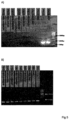
- the N1L gene was deleted in all novel VVL recombinants ( Fig 5a ).
- Sense and anti-sense N1L gene primers were used to amplify via PCR viral DNA that had been extracted from infected CV1 cells. Only the VVL15 viruses contained this gene.
- the N1L gene containing segment spanning the primer pair was expected to measure approximately 750 bp.
- the A52R gene was present in all VVL recombinants.
- Sense and anti-sense A52R gene primers were used to PCR amplify this locus from DNA extracted from infected CV1 cells.
- the A52R gene segment spanning the primer pair was expected to measure approximately 880 bp ( Fig 5b ).
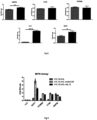
- a sample of supernatant from the final plaque purification round of each transgene-armed recombinant virus was analysed using the relevant cytokine-specific ELISA kit, according to the manufacturer's protocol (ebioscience, Biolegend). To assess whether each cytokine transgene was expressed by the relevant recombinant virus upon tumour cell infection, the same experimental set up as described in the viral replication assay above was conducted. At 24, 48 and 72 hr after viral infection, supernatant was collected from each duplicate set of wells and the concentration of cytokine was determined by ELISA according to the manufacturer's instructions. The control samples were supernatants collected from VVL15-N1L infected wells.
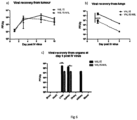
- VVL15-N1L virus was not recovered from any other organs or blood within 24 hr post-injection. After 24 hr, VVL15-N1L viral recovery was significantly less than VVL15 from liver and spleen tissue and completely absent from kidney tissue. Neither virus was recovered at detectable levels from brain, heart, ovaries or the circulation at any time point in this experiment ( Fig 6b ). In contrast, virus persisted in the lungs until at least 3 days. Even in this organ, recovery of VVL15-N1L was significantly less in comparison to VVL15. The novel backbone VVL15N1L therefore appeared to have an even greater selectivity for tumour tissue than WL15.
- tumour cell may be killed by vaccinia virus.
- vaccinia virus innate host defences triggering apoptosis, death from virus-mediated cellular burst and host immunological defence mechanisms. If a virus is excessively cytotoxic to a cell, it may not generate enough progeny to self-propagate throughout a tumour. Furthermore its ability to replicate might be expected to correlate positively with expression of its therapeutic transgene since there will be more copies of the virus present.
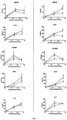
- VVL15-N1L was compared with VVL15-RFP for its cytotoxicity in a range of murine cancer cell lines in vitro.
- Cells were seeded at 1 ⁇ 10 3 or 1 ⁇ 10 4 cells per well, depending on growth rates, in 96-well plates, and infected with viruses 16-18 hours later.
- Cell survival on day 6 after viral infection was determined by MTS assay and EC50 value (viral dose killing 50% of tumour cells) was calculated as described in Wang et al (J Clin Invest, 2009, 119:1604-1615 ). All assays were performed at least three times. Based on the EC50 values, (i.e.
- VVL15-N1L was significantly more potent compared to WL15 at killing CMT93, LLC and SCC7 cells ( Fig 8 ).
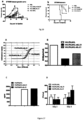
- VVL15N1L The cytotoxic potency of armed VVL15N1L was also compared. EC50 values were significantly higher than VVL15-N1L (i.e., they were less potent than VVL15-N1L at killing the relevant cell line) in all cell lines except LLC and CMT93. The VVL15-N1L-mIL12 recombinant appeared to be more potent than VVL15-N1L-mGMCSF in all cell lines, a feature that reached statistical significance in SCC7 and DT6606 cells ( Fig 9 ).
- Example 8 VVL15N1L induces a higher level of host immune response against tumour antigen
- Subcutaneous flank tumour models were established and treated with a single dose of virus or PBS as outlined in Table 2.
- spleens were harvested at 14 days post infection. IFN- ⁇ release assays were performed on the subsequently generated splenocyte suspensions.
- mice were randomized into three groups. 1 ⁇ 10 8 PFU of either VVL15 or VVL15-N1L virus in 50 ⁇ l of PBS was injected intratumorally (IT) using a 1 ml insulin syringe attached to a 29-gauge needle. The needle was passed a number of times in different directions throughout the tumour during virus deployment in order for broad dissemination. The third group was injected with the equivalent volume of vehicle buffer, i.e. 50 ⁇ l of PBS. 14 days after infection, animals were euthanized via CO2 inhalation.
- TCM T cell culture media
- Pelleted splenocytes were re-suspended in 5 ml of RBC lysis buffer (Sigma-Aldrich) following centrifugation at 1,200 rpm and left on ice for 5 minutes. After a wash-centrifugation cycle, they were re-suspended with TCM to a final concentration of 5 ⁇ 10 6 cells/ml.
- a single cell suspension of 5 ⁇ 10 6 / ml of stimulator cells i.e., the relevant target or control tumour cell line-SCC7, LLC or DT6606-ova
- CM cell culture medium
- a 1 mg/ml solution of Mitomycin C (MMC) (Roche) was added to this suspension to achieve a final concentration of 100 ⁇ g/ml and incubated in a humidified incubator at 37°C in air with 5% CO 2 for 1 hr.
- the cells were subsequently washed twice with 40ml of PBS, re-suspended in 40 ml CM and incubated until ready to seed (within 30-60 minutes).
- the now growth-arrested stimulator cells were re-suspended in TCM to achieve a final concentration of 5 ⁇ 10 5 cells/ml.
- This assay is based on the release of IFN ⁇ when memory T cells are activated by their cognate epitope-MHC complex.
- the splenocyte pool should contain all the cellular types (e.g. APCs, Th cells) necessary for the stimulation of CD8+ T cells.
- 100 ⁇ l of each of the splenocyte suspensions from (1) were co-cultured with 100 ⁇ l of the target-tumour stimulator cell suspension from above in triplicate wells of a round-bottomed 96-well plate (i.e. 5 ⁇ 10 5 splenocytes with 5 ⁇ 10 4 growth arrested tumour cells).
- Splenocyte-only control wells contained 5 ⁇ 10 5 splenocytes in 200 ⁇ l TCM.
- splenocytes were also co-cultured with 100 ⁇ l of ova-peptide (H-2Kb/ SIINFEKL, Proimmune) in TCM (to achieve a final concentration of 5 ⁇ g/ml) or 100 ⁇ l of TCM containing 5 ⁇ 10 4 MHC-compatible, growth-arrested control tumour cells (B16-F10 when a C56BL/6 mouse-derived tumour model was used).
- ova-peptide H-2Kb/ SIINFEKL, Proimmune
- splenocytes were additionally co-cultured as above with either heat-inactivated VVL15 (100 PFU per cell, heated to 56°C for 2 hr) or a VV B8R peptide (H-2Kb/ TSYKFESV, Prolmmune), a strongly antigenic Vaccinia viral epitope (to achieve a final concentration of 5 ⁇ g/ml).
- VVL15 100 PFU per cell, heated to 56°C for 2 hr
- VV B8R peptide H-2Kb/ TSYKFESV, Prolmmune
- This experiment would also serve as a positive control for the assay itself.
- the SCC model is an aggressive murine head and neck squamous cancer model that like its counterpart in human head and neck cancers is poorly immunogenic.
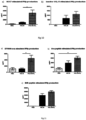
- splenocytes from the VVL15-N1L-treated group produced significantly higher levels of IFN- ⁇ than the VVL15 group in response to co-culture with growth-arrested SCC7 cells.
- IFN- ⁇ production from PBS-treated splenocytes This likely reflected the host's natural immune response against tumour.
- the VVL-N1L-treated group demonstrated a significantly higher IFN- ⁇ response from harvested splenocytes compared to the VVL15 or PBS treatment groups upon co-culture with growth-arrested DT6606-ova cells ( Fig11a ).
- IFN- ⁇ production in the PBS group indeed no different from the VVL15 treatment group.
- Ovalbumin is a foreign antigen, with the propensity to stimulate a robust anti-ova response, so this result is unsurprising.
- the N1L treatment group also produced the highest level of IFN- ⁇ when splenocytes were co-cultured with the ovalbumin antigen (although this did not reach statistical significance) ( Fig 11b ).
- the splenocyte IFN- ⁇ response between viral groups was not statistically different following co-culture with the B8R epitope, although the magnitude of the response was nearly 10-fold higher in comparison with tumour/tumour antigen co-culture assays.
- VVL15-RFP was used as the control virus (instead of WL15) in a subcutaneous syngeneic LLC flank model (see Table 2).
- the experimental set up was again otherwise identical to those in SSCVII and DT6606 experiments.
- tumour volumes were subcutaneously implanted into the shaved right flanks of C57BL/6 male mice as described above. Once tumour volumes had reached approximately 100mm 3 , they were randomised into three groups and a dose of 1 ⁇ 10 8 PFU of virus in 50 ⁇ l PBS or 50 ⁇ l PBS vehicle buffer control was injected as per the treatment schedules outlined in Table 3 (schedule 1 and 2). Tumour volumes were monitored via twice-weekly calliper measurement and mice were weighed weekly. Tumour growth was tracked twice weekly and animals were euthanized as governed by Home Office guidelines when tumour volumes approached 1000 mm 3 .
- Non contrast-enhanced CT scans of the lungs were used to assess the lung volumes of individual mice over a period of three weeks and any reduction used to extrapolate tumour burden.
- three doses of IV virus/PBS were administered as outlined in Table 3 (schedule 5). Mice were weighed twice weekly and were sacrificed if they showed signs of distress or if weight loss exceeded 20% of their maximal weight.
- mice developed tumours, with deaths occurring between 14 to 21 days, at which time thoracotomy confirmed extensive lung tumours. Tumours were initially apparent on CT between 4 and 7 days post-injection of LLC cells, thus day 5 post-injection was chosen as the start time for therapy.
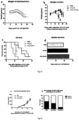
- mice were administered with tail vein injections of 0.5 ⁇ 10 6 LLC cells in 100 ⁇ l serum-free DMEM. They were randomised into three groups and treatment (see Table 3, schedule 5) commenced from day 5. All mice in the PBS treatment group were symptomatic after 10 days post-injection of LLC cells as evidenced by weight loss and all had died by 21 days ( Fig 14 ). The median survival was extended by 5 days with VVL15 and 6.5 days with VVL15-N1L viral treatments respectively, in comparison to the PBS group, although there was no statistically significant difference in survival between the viral groups.
- Example 11 Metastatic dissemination in lung cancer model following VVL15N1L administration
- LLC is a very aggressive tumour model with a propensity to metastasise to the lung following subcutaneous flank injections. Indeed it has been reported that surgical excision of subcutaneously grown LLC tumour enhanced the rate of lung metastases, perhaps by the removal an angiogenesis inhibitor secreted by the primary.
- Lung lobes were separated, fixed in 4% formalin, embedded in paraffin, stained with haematoxylin and eosin and sectioned through the largest cross-sectional dimension. For each lobe, slices were also performed above and below the largest cross section. All three sections were scrutinized for tumour deposits by a pathologist who was blinded to the treatment schedule.
- VVL15N1L GM-CSF and IL-12 were inserted into the N1L region of the VVL15N1L vector.
- the potency of each of these recombinants was tested in vivo against a syngeneic DT6606 subcutaneous flank model (see Table 3, schedule 1).
- schedule 1x10⁸ PFU of virus VVL15-N1L, VVL15-N1L-mGMCSF or VVL15-N1L-mIL12
- vehicle buffer control 50ul of PBS
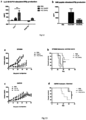
- Fig 16a Tumour growth was followed up via twice weekly calliper measurement ( Fig 16a ).
- the corresponding Kaplan Meir survival curves ( Fig 16b ) were based on the necessity for humane animal sacrifice when tumour volumes exceeded 1,000mm3.
- Figures 16a-b demonstrate that the GMCSF transgene-armed virus alone was not significantly better than VVL15-N1L, however the IL12-armed virus demonstrated significant potency, leading to cures in 6/7 mice and 100% survival at the end of the experiment. These armed viruses will be tested in other models to establish the universality of this result.
- Murine pancreatic cancer model DT6606 subcutaneous syngeneic tumours were established in male C57BL/6 mice. When tumours reached 5-6mm in diameter, PBS, VV- ⁇ Tk ⁇ N1L-mIL-21, VV- ⁇ Tk ⁇ N1L-hIL-21 or control virus VV- ⁇ Tk ⁇ N1L was administered intra-tumourally (5 ⁇ 10 7 pfu/injection) on day 1, 3, 7, 9 and 11. Tumour growth was measured twice weekly and animal survival was monitored. Survival data were compared using Prism ® (GraphPad Software, CA, USA) and a log rank (Mantel Cox) test was used to determine significance of survival differences. Significance was determined using an unpaired students T test (*p ⁇ 0.05; **p>0.01; ***p ⁇ 0.001).
- Example 13 Generation of IL-21 armed VV and assessment of anti-tumour potency in vitro
- Human and mouse IL-21 cDNA sequences were inserted into the puc19N1L shuttle vector (as shown in Figure 3 ).
- the standard homologous recombinations were carried out in the TK-deleted backbone of Lister strain vaccinia virus (VVL15) by co-transfecting the resultant plasmid pShuttleN1L- mIL-21, or pShuttleN1L- hIL-21into CV-1 (African green monkey kidney) cells that were pre-infected with VVL15 at 0.05 PFU/cell.
- the transfected CV-1 cell lysates were subjected to plaque assay.
- the resultant viruses are named as VV- ⁇ Tk ⁇ N1L-mIL-21 and VV- ⁇ Tk ⁇ N1L-hIL-21.
- MTS assay cell death assay
- Figure 17 shows the assessment of IL-21 armed VV in vitro.
- Fig. 17A &B show cytotoxicity of different oncolytic vaccinia viruses in a murine pancreatic cancer cell line.
- Cultures of the murine pancreatic cancer cell line DT6606 derived from Ras-p53 transgenic pancreatic cancer mice were infected with different viruses, and cell killing detected by MTS assay six days after viral infection.
- the curve of cell death induced by virus is shown in Fig. 17 A; the EC50 values (viral dose to kill 50% of cancer cells) were calculated ( Fig. 17B ).
- a higher EC50 value means that the virus has less potency.
- FIG. 17C & D show detection of IL-21 expression and viral replication of different mutants of new generation of vaccinia virus in pancreatic cancer cells in vitro.
- Cultures of the murine pancreatic cancer cell line DT6606 derived from Ras-p53 transgenic pancreatic cancer mice were infected with different viruses, and IL-21 expression was detected by ELISA assay 24 hours after viral infection ( Fig. 17C ).
- the viral replication was detected by TCID50 assay is shown in Fig 17D .
- the experiments was triplicated.
- VV- ⁇ Tk ⁇ N1L oncolytic vaccinia virus
- ELISA was used to detect the expression of the IL-21 protein from the VV- ⁇ Tk ⁇ N1L-mIL-21, VV- ⁇ Tk ⁇ N1L-hIL-21 and control virus VV- ⁇ Tk ⁇ N1L infected-pancreatic cancer cells (DT6606).
- IL-21 was expressed at a very high level in the cells after infection with VV- ⁇ Tk ⁇ N1L-mIL-21, VV- ⁇ Tk ⁇ N1L-hlL-21, but the control virus VV- ⁇ Tk ⁇ N1L infection did not produce any IL-21 protein.
- the replication of IL-21 armed virus was not attenuated compare to backbone virus ( Fig 17D ).
- Figure 18 show the anti-tumour efficacy of VV- ⁇ Tk ⁇ N1L-mIL-21, VV- ⁇ Tk ⁇ N1L-hlL-21 and control virus VV- ⁇ Tk ⁇ N1L.
- Fig. 18E shows the anti-tumour efficacy of the viral strains in the immunocompetent Syrian hamster peritoneal cavity disseminated pancreatic cancer model.
- the IL21-armed virus demonstrated significant potency, regressed tumour growth ( Fig18A ) and marked prolonged the survival ( Fig 18B ) of the mice bearing pancreatic cancer.
- Fig18A regressed tumour growth
- Fig 18B prolonged the survival
- human cytokines may function better in Syrian hamster than mouse
- a subcutaneous Syrian hamster pancreatic cancer model was employed to evaluate the antitumour efficacy of IL21-armed virus.
- Strikingly the IL21-armed virus demonstrated significant potency, leading to cures in 6 of 7 animals and 86% survival at the end of the experiment ( Figure 18C and D ).
- IL12 or IL21-armed VV demonstrate promising efficacy compared to control virus.
Landscapes
- Health & Medical Sciences (AREA)
- Life Sciences & Earth Sciences (AREA)
- Chemical & Material Sciences (AREA)
- General Health & Medical Sciences (AREA)
- Engineering & Computer Science (AREA)
- Zoology (AREA)
- Medicinal Chemistry (AREA)
- Genetics & Genomics (AREA)
- Virology (AREA)
- Bioinformatics & Cheminformatics (AREA)
- Organic Chemistry (AREA)
- Animal Behavior & Ethology (AREA)
- Public Health (AREA)
- Veterinary Medicine (AREA)
- Pharmacology & Pharmacy (AREA)
- Epidemiology (AREA)
- Immunology (AREA)
- Proteomics, Peptides & Aminoacids (AREA)
- Gastroenterology & Hepatology (AREA)
- Microbiology (AREA)
- Biochemistry (AREA)
- Wood Science & Technology (AREA)
- Biotechnology (AREA)
- Molecular Biology (AREA)
- General Engineering & Computer Science (AREA)
- Biomedical Technology (AREA)
- Biophysics (AREA)
- Mycology (AREA)
- Toxicology (AREA)
- Plant Pathology (AREA)
- Physics & Mathematics (AREA)
- Oncology (AREA)
- General Chemical & Material Sciences (AREA)
- Nuclear Medicine, Radiotherapy & Molecular Imaging (AREA)
- Chemical Kinetics & Catalysis (AREA)
- Medicines Containing Material From Animals Or Micro-Organisms (AREA)
- Micro-Organisms Or Cultivation Processes Thereof (AREA)
Priority Applications (3)
| Application Number | Priority Date | Filing Date | Title |
|---|---|---|---|
| RS20230724A RS64497B1 (sr) | 2014-04-01 | 2015-04-01 | Onkolitički virus vakcinije |
| SM20230224T SMT202300224T1 (it) | 2014-04-01 | 2015-04-01 | Virus di vaiolo vaccino oncolitico |
| HRP20231025TT HRP20231025T1 (hr) | 2014-04-01 | 2015-04-01 | Onkolitički virus vakcinije |
Applications Claiming Priority (3)
| Application Number | Priority Date | Filing Date | Title |
|---|---|---|---|
| GBGB1405834.1A GB201405834D0 (en) | 2014-04-01 | 2014-04-01 | Oncolytic virus |
| EP15716121.7A EP3126505B1 (en) | 2014-04-01 | 2015-04-01 | Oncolytic vaccinia virus |
| PCT/GB2015/051023 WO2015150809A1 (en) | 2014-04-01 | 2015-04-01 | Oncolytic vaccinia virus |
Related Parent Applications (1)
| Application Number | Title | Priority Date | Filing Date |
|---|---|---|---|
| EP15716121.7A Division EP3126505B1 (en) | 2014-04-01 | 2015-04-01 | Oncolytic vaccinia virus |
Publications (4)
| Publication Number | Publication Date |
|---|---|
| EP3659614A1 EP3659614A1 (en) | 2020-06-03 |
| EP3659614B1 EP3659614B1 (en) | 2023-06-07 |
| EP3659614C0 EP3659614C0 (en) | 2023-06-07 |
| EP3659614B9 true EP3659614B9 (en) | 2023-10-04 |
Family
ID=50737799
Family Applications (2)
| Application Number | Title | Priority Date | Filing Date |
|---|---|---|---|
| EP19203305.8A Active EP3659614B9 (en) | 2014-04-01 | 2015-04-01 | Oncolytic vaccinia virus |
| EP15716121.7A Active EP3126505B1 (en) | 2014-04-01 | 2015-04-01 | Oncolytic vaccinia virus |
Family Applications After (1)
| Application Number | Title | Priority Date | Filing Date |
|---|---|---|---|
| EP15716121.7A Active EP3126505B1 (en) | 2014-04-01 | 2015-04-01 | Oncolytic vaccinia virus |
Country Status (13)
| Country | Link |
|---|---|
| US (2) | US20170020938A1 (pl) |
| EP (2) | EP3659614B9 (pl) |
| JP (1) | JP6616319B2 (pl) |
| KR (1) | KR102409147B1 (pl) |
| CN (1) | CN106795527B (pl) |
| ES (1) | ES2954676T3 (pl) |
| GB (1) | GB201405834D0 (pl) |
| HR (1) | HRP20231025T1 (pl) |
| HU (1) | HUE062816T2 (pl) |
| PL (1) | PL3659614T3 (pl) |
| RS (1) | RS64497B1 (pl) |
| SM (1) | SMT202300224T1 (pl) |
| WO (1) | WO2015150809A1 (pl) |
Families Citing this family (28)
| Publication number | Priority date | Publication date | Assignee | Title |
|---|---|---|---|---|
| JP2018510143A (ja) | 2015-02-25 | 2018-04-12 | メモリアル スローン ケタリング キャンサー センター | 不活化非複製改変ワクシニアウイルスアンカラ(mva)の固形腫瘍のための単独療法又は免疫チェックポイント遮断剤併用における使用 |
| CN107847534B (zh) | 2015-04-17 | 2022-10-04 | 纪念斯隆凯特琳癌症中心 | Mva或mvaδe3l作为抗实体瘤的免疫治疗剂的应用 |
| WO2017079746A2 (en) | 2015-11-07 | 2017-05-11 | Multivir Inc. | Methods and compositions comprising tumor suppressor gene therapy and immune checkpoint blockade for the treatment of cancer |
| WO2017122000A1 (en) | 2016-01-11 | 2017-07-20 | Queen Mary University Of London | Inhibitors of pi3k p-delta 110 for use in delivery of viruses in the treatment of cancer |
| EP3419648A4 (en) | 2016-02-25 | 2019-09-11 | Memorial Sloan-Kettering Cancer Center | REPLICATING COMPETENTES WEAKENED VACCINIA VIRUSES WITH DELETION OF THYMIDINE KINASE WITH AND WITHOUT EXPRESSION OF HUMAN FLT3L OR GM-CSF FOR CANCER IMMUNOTHERAPY |
| BR112018016948A2 (pt) | 2016-02-25 | 2019-01-08 | Memorial Sloan Kettering Cancer Center | mva recombinante ou mva¿e3l que expressa flt3l humano e uso do mesmo como agente imunoterapêutico contra tumores sólidos |
| US10888594B2 (en) | 2016-05-30 | 2021-01-12 | National University Corporation Tottori University | Genetically engineered vaccinia viruses |
| AU2017272721B2 (en) | 2016-05-30 | 2023-03-30 | Astellas Pharma Inc. | Novel genetically engineered vaccinia viruses |
| US20190336552A1 (en) | 2016-05-30 | 2019-11-07 | Astellas Pharma Inc. | Genetically engineered vaccinia viruses |
| US20200046784A1 (en) * | 2016-09-30 | 2020-02-13 | University Health Network | Recombinant oncolytic viruses for cancer therapy |
| JP2020510624A (ja) * | 2016-12-12 | 2020-04-09 | マルチビア インコーポレイテッド | がんおよび感染性疾患の治療および予防のための、ウイルス遺伝子治療および免疫チェックポイント阻害剤を含む方法および組成物 |
| US11242509B2 (en) | 2017-05-12 | 2022-02-08 | Memorial Sloan Kettering Cancer Center | Vaccinia virus mutants useful for cancer immunotherapy |
| CN109554353B (zh) * | 2017-09-26 | 2021-08-06 | 杭州康万达医药科技有限公司 | 分离的重组溶瘤痘病毒、药物组合物及其在治疗肿瘤和/或癌症的药物中的用途 |
| US20220347244A1 (en) * | 2018-01-19 | 2022-11-03 | Kolon Life Science, Inc. | Recombinant vaccinia virus and pharmaceutical composition comprising same |
| CN110101843A (zh) * | 2018-02-01 | 2019-08-09 | 北京科诺科服生物科技有限公司 | 一种抗肿瘤蛋白质及其应用 |
| WO2020036635A2 (en) | 2018-03-19 | 2020-02-20 | Multivir Inc. | Methods and compositions comprising tumor suppressor gene therapy and cd122/cd132 agonists for the treatment of cancer |
| US12252702B2 (en) | 2018-09-15 | 2025-03-18 | Memorial Sloan Kettering Cancer Center | Recombinant poxviruses for cancer immunotherapy |
| US11638730B2 (en) | 2018-09-26 | 2023-05-02 | Astellas Pharma Inc. | Cancer therapy by combination use of oncolytic vaccinia virus and immune checkpoint inhibitor, and pharmaceutical composition and combination medicine for use in the cancer therapy |
| GB201816547D0 (en) * | 2018-10-10 | 2018-11-28 | Univ London Queen Mary | Oncolytic virus for the treatment of cancer |
| US11739302B2 (en) * | 2019-07-12 | 2023-08-29 | Shenzhen Hua Yao Kang Ming Biopharmaceutical Co., Ltd. | Engineered vaccinia virus |
| CA3151667A1 (en) | 2019-08-29 | 2021-03-04 | Astellas Pharma Inc. | Genetically engineered oncolytic vaccinia viruses and methods of uses thereof |
| WO2021055731A1 (en) * | 2019-09-20 | 2021-03-25 | University Of Pittsburgh - Of The Commonwealth System Of Higher Education | Il-36 cytokine expressing oncolytic viruses for treating cancer |
| WO2021113644A1 (en) | 2019-12-05 | 2021-06-10 | Multivir Inc. | Combinations comprising a cd8+ t cell enhancer, an immune checkpoint inhibitor and radiotherapy for targeted and abscopal effects for the treatment of cancer |
| JP7659395B2 (ja) | 2020-02-06 | 2025-04-09 | 住友化学株式会社 | 塩、酸発生剤、レジスト組成物及びレジストパターンの製造方法 |
| WO2021163874A1 (zh) * | 2020-02-18 | 2021-08-26 | 苏州工业园区唯可达生物科技有限公司 | 一种重组病毒载体、包含其的免疫组合物以及用途 |
| WO2022109503A1 (en) * | 2020-11-23 | 2022-05-27 | Devacell, Inc. | Recombinant oncolytic viruses, surface-engineered delivery systems and related methods |
| WO2022115767A1 (en) * | 2020-11-30 | 2022-06-02 | University Of Pittsburgh-Of The Commonwealth System Of Higher Education | Methods of treating cancer |
| CN115820739B (zh) * | 2022-11-23 | 2025-04-04 | 郑州大学 | 一种单拷贝vgf基因溶瘤痘苗病毒载体的构建方法及应用 |
Family Cites Families (14)
| Publication number | Priority date | Publication date | Assignee | Title |
|---|---|---|---|---|
| US5955310A (en) * | 1998-02-26 | 1999-09-21 | Novo Nordisk Biotech, Inc. | Methods for producing a polypeptide in a bacillus cell |
| US20050063947A1 (en) * | 2002-03-27 | 2005-03-24 | Patrick Hwu | Method for treating cancer in humans |
| KR101246862B1 (ko) * | 2004-03-05 | 2013-03-27 | 베니텍 리미티드 | RNAi 제제의 동시 전달을 위한 다중 프로모터 발현카세트 |
| CN1560248A (zh) * | 2004-03-10 | 2005-01-05 | 中国疾病预防控制中心性病艾滋病预防 | IFN-γ受体基因(B8R)缺失的天坛株重组痘苗病毒及用途 |
| EP1933857A2 (en) * | 2005-09-07 | 2008-06-25 | Jennerex Biotherapeutics ULC | Systemic treatment of metastatic and/or systemically-disseminated cancers using gm-csf-expressing poxviruses |
| BRPI0618441B8 (pt) * | 2005-11-10 | 2021-07-27 | Genvec Inc | vetor adenoviral |
| US20090098529A1 (en) * | 2006-10-16 | 2009-04-16 | Nanhai Chen | Methods for attenuating virus strains for diagnostic and therapeutic uses |
| CN101658670A (zh) * | 2008-08-25 | 2010-03-03 | 中国疾病预防控制中心性病艾滋病预防控制中心 | 基于n1l和b8r基因缺失的痘苗病毒载体的艾滋病疫苗 |
| EP2199400A1 (en) * | 2008-12-22 | 2010-06-23 | Emergent Product Development Germany GmbH | Single recombination system and methods of use |
| US8580276B2 (en) * | 2009-06-05 | 2013-11-12 | City Of Hope | Genetically stable recombinant modified vaccinia ankara (rMVA) vaccines and methods of preparation thereof |
| CA2795695A1 (en) * | 2010-04-09 | 2011-10-13 | The University Of Tokyo | Microrna-controlled recombinant vaccinia virus and use thereof |
| CN102206679B (zh) * | 2011-03-30 | 2013-03-13 | 中国人民解放军军事医学科学院军事兽医研究所 | 一种痘苗病毒穿梭载体及其应用 |
| CN103110939A (zh) * | 2012-10-23 | 2013-05-22 | 郑州大学 | 诱导肿瘤特异性免疫的疫苗及其应用 |
| CN103305477B (zh) * | 2013-06-08 | 2014-12-03 | 中国人民解放军疾病预防控制所 | 痘苗病毒的gfp示踪系统及其应用 |
-
2014
- 2014-04-01 GB GBGB1405834.1A patent/GB201405834D0/en not_active Ceased
-
2015
- 2015-04-01 PL PL19203305.8T patent/PL3659614T3/pl unknown
- 2015-04-01 US US15/301,304 patent/US20170020938A1/en not_active Abandoned
- 2015-04-01 HR HRP20231025TT patent/HRP20231025T1/hr unknown
- 2015-04-01 ES ES19203305T patent/ES2954676T3/es active Active
- 2015-04-01 EP EP19203305.8A patent/EP3659614B9/en active Active
- 2015-04-01 SM SM20230224T patent/SMT202300224T1/it unknown
- 2015-04-01 EP EP15716121.7A patent/EP3126505B1/en active Active
- 2015-04-01 RS RS20230724A patent/RS64497B1/sr unknown
- 2015-04-01 JP JP2016559868A patent/JP6616319B2/ja active Active
- 2015-04-01 HU HUE19203305A patent/HUE062816T2/hu unknown
- 2015-04-01 KR KR1020167030636A patent/KR102409147B1/ko active Active
- 2015-04-01 CN CN201580029323.6A patent/CN106795527B/zh active Active
- 2015-04-01 WO PCT/GB2015/051023 patent/WO2015150809A1/en not_active Ceased
-
2023
- 2023-01-18 US US18/156,184 patent/US20230293608A1/en active Pending
Also Published As
| Publication number | Publication date |
|---|---|
| US20230293608A1 (en) | 2023-09-21 |
| PL3659614T3 (pl) | 2023-10-09 |
| EP3126505A1 (en) | 2017-02-08 |
| JP6616319B2 (ja) | 2019-12-04 |
| GB201405834D0 (en) | 2014-05-14 |
| US20170020938A1 (en) | 2017-01-26 |
| CN106795527A (zh) | 2017-05-31 |
| CN106795527B (zh) | 2020-10-30 |
| SMT202300224T1 (it) | 2023-09-06 |
| JP2017511136A (ja) | 2017-04-20 |
| HRP20231025T1 (hr) | 2023-12-08 |
| HUE062816T2 (hu) | 2023-12-28 |
| EP3659614B1 (en) | 2023-06-07 |
| WO2015150809A1 (en) | 2015-10-08 |
| ES2954676T3 (es) | 2023-11-23 |
| KR20170003920A (ko) | 2017-01-10 |
| KR102409147B1 (ko) | 2022-06-16 |
| RS64497B1 (sr) | 2023-09-29 |
| EP3126505B1 (en) | 2019-10-16 |
| EP3659614A1 (en) | 2020-06-03 |
| EP3659614C0 (en) | 2023-06-07 |
Similar Documents
| Publication | Publication Date | Title |
|---|---|---|
| US20230293608A1 (en) | Oncolytic Vaccinia Virus | |
| ES2882538T3 (es) | Nuevos virus de la vaccinia modificados por ingeniería genética | |
| US20230022757A1 (en) | Modified vaccinia vectors | |
| US10888594B2 (en) | Genetically engineered vaccinia viruses | |
| JP6719642B2 (ja) | 組換えワクシニアウイルスおよびその使用 | |
| WO2013038066A1 (en) | Modified oncolytic vaccinia virus | |
| CN104159609B (zh) | 用于预防锦鲤疱疹病毒(khv)引起的疾病的重组khv和疫苗 | |
| US20230059344A1 (en) | Medical Uses of 4-1BBL Adjuvanted Recombinant Modified Vaccinia Virus Ankara (MVA) | |
| US11344589B2 (en) | Genetically engineered vaccinia viruses | |
| JP2020528890A (ja) | 腫瘍を治療するためのウイルス | |
| WO2020011754A1 (en) | Chimeric vaccinia viruses | |
| JP7410139B2 (ja) | 癌治療のための修飾b5r遺伝子を有する腫瘍溶解性ワクシニアウイルス | |
| HK40019406B (en) | Oncolytic vaccinia virus | |
| HK40019406A (en) | Oncolytic vaccinia virus | |
| US12509704B2 (en) | Oncolytic vaccinia virus with modified B5R gene for the treatment of cancer | |
| JP2025188115A (ja) | 新規遺伝子組換えワクシニアウイルス及びその利用 | |
| HK40088421A (en) | Modified vaccinia vectors |
Legal Events
| Date | Code | Title | Description |
|---|---|---|---|
| PUAI | Public reference made under article 153(3) epc to a published international application that has entered the european phase |
Free format text: ORIGINAL CODE: 0009012 |
|
| STAA | Information on the status of an ep patent application or granted ep patent |
Free format text: STATUS: THE APPLICATION HAS BEEN PUBLISHED |
|
| AC | Divisional application: reference to earlier application |
Ref document number: 3126505 Country of ref document: EP Kind code of ref document: P |
|
| AK | Designated contracting states |
Kind code of ref document: A1 Designated state(s): AL AT BE BG CH CY CZ DE DK EE ES FI FR GB GR HR HU IE IS IT LI LT LU LV MC MK MT NL NO PL PT RO RS SE SI SK SM TR |
|
| REG | Reference to a national code |
Ref country code: HK Ref legal event code: DE Ref document number: 40019406 Country of ref document: HK |
|
| STAA | Information on the status of an ep patent application or granted ep patent |
Free format text: STATUS: REQUEST FOR EXAMINATION WAS MADE |
|
| 17P | Request for examination filed |
Effective date: 20201203 |
|
| RBV | Designated contracting states (corrected) |
Designated state(s): AL AT BE BG CH CY CZ DE DK EE ES FI FR GB GR HR HU IE IS IT LI LT LU LV MC MK MT NL NO PL PT RO RS SE SI SK SM TR |
|
| GRAP | Despatch of communication of intention to grant a patent |
Free format text: ORIGINAL CODE: EPIDOSNIGR1 |
|
| STAA | Information on the status of an ep patent application or granted ep patent |
Free format text: STATUS: GRANT OF PATENT IS INTENDED |
|
| INTG | Intention to grant announced |
Effective date: 20220906 |
|
| GRAS | Grant fee paid |
Free format text: ORIGINAL CODE: EPIDOSNIGR3 |
|
| GRAA | (expected) grant |
Free format text: ORIGINAL CODE: 0009210 |
|
| STAA | Information on the status of an ep patent application or granted ep patent |
Free format text: STATUS: THE PATENT HAS BEEN GRANTED |
|
| AC | Divisional application: reference to earlier application |
Ref document number: 3126505 Country of ref document: EP Kind code of ref document: P |
|
| AK | Designated contracting states |
Kind code of ref document: B1 Designated state(s): AL AT BE BG CH CY CZ DE DK EE ES FI FR GB GR HR HU IE IS IT LI LT LU LV MC MK MT NL NO PL PT RO RS SE SI SK SM TR |
|
| REG | Reference to a national code |
Ref country code: GB Ref legal event code: FG4D |
|
| REG | Reference to a national code |
Ref country code: CH Ref legal event code: EP Ref country code: AT Ref legal event code: REF Ref document number: 1572876 Country of ref document: AT Kind code of ref document: T Effective date: 20230615 |
|
| REG | Reference to a national code |
Ref country code: DE Ref legal event code: R096 Ref document number: 602015084110 Country of ref document: DE |
|
| U01 | Request for unitary effect filed |
Effective date: 20230630 |
|
| U07 | Unitary effect registered |
Designated state(s): AT BE BG DE DK EE FI FR IT LT LU LV MT NL PT SE SI Effective date: 20230707 |
|
| REG | Reference to a national code |
Ref country code: CH Ref legal event code: PK Free format text: BERICHTIGUNG B9 |
|
| REG | Reference to a national code |
Ref country code: LT Ref legal event code: MG9D |
|
| REG | Reference to a national code |
Ref country code: NO Ref legal event code: T2 Effective date: 20230607 |
|
| REG | Reference to a national code |
Ref country code: SK Ref legal event code: T3 Ref document number: E 42197 Country of ref document: SK |
|
| REG | Reference to a national code |
Ref country code: GR Ref legal event code: EP Ref document number: 20230401462 Country of ref document: GR Effective date: 20231010 |
|
| REG | Reference to a national code |
Ref country code: HR Ref legal event code: T1PR Ref document number: P20231025 Country of ref document: HR |
|
| REG | Reference to a national code |
Ref country code: HU Ref legal event code: AG4A Ref document number: E062816 Country of ref document: HU |
|
| REG | Reference to a national code |
Ref country code: DE Ref legal event code: R097 Ref document number: 602015084110 Country of ref document: DE |
|
| PLBE | No opposition filed within time limit |
Free format text: ORIGINAL CODE: 0009261 |
|
| STAA | Information on the status of an ep patent application or granted ep patent |
Free format text: STATUS: NO OPPOSITION FILED WITHIN TIME LIMIT |
|
| U20 | Renewal fee for the european patent with unitary effect paid |
Year of fee payment: 10 Effective date: 20240321 |
|
| REG | Reference to a national code |
Ref country code: HR Ref legal event code: ODRP Ref document number: P20231025 Country of ref document: HR Payment date: 20240328 Year of fee payment: 10 |
|
| 26N | No opposition filed |
Effective date: 20240308 |
|
| PGFP | Annual fee paid to national office [announced via postgrant information from national office to epo] |
Ref country code: CY Payment date: 20240328 Year of fee payment: 10 |
|
| PGFP | Annual fee paid to national office [announced via postgrant information from national office to epo] |
Ref country code: HR Payment date: 20250326 Year of fee payment: 11 |
|
| REG | Reference to a national code |
Ref country code: HR Ref legal event code: ODRP Ref document number: P20231025 Country of ref document: HR Payment date: 20250326 Year of fee payment: 11 |
|
| PGFP | Annual fee paid to national office [announced via postgrant information from national office to epo] |
Ref country code: RO Payment date: 20250327 Year of fee payment: 11 |
|
| PGFP | Annual fee paid to national office [announced via postgrant information from national office to epo] |
Ref country code: PL Payment date: 20250325 Year of fee payment: 11 Ref country code: CZ Payment date: 20250321 Year of fee payment: 11 |
|
| PGFP | Annual fee paid to national office [announced via postgrant information from national office to epo] |
Ref country code: SK Payment date: 20250321 Year of fee payment: 11 |
|
| PGFP | Annual fee paid to national office [announced via postgrant information from national office to epo] |
Ref country code: RS Payment date: 20250326 Year of fee payment: 11 |
|
| PGFP | Annual fee paid to national office [announced via postgrant information from national office to epo] |
Ref country code: TR Payment date: 20250324 Year of fee payment: 11 |
|
| U20 | Renewal fee for the european patent with unitary effect paid |
Year of fee payment: 11 Effective date: 20250414 |
|
| PGFP | Annual fee paid to national office [announced via postgrant information from national office to epo] |
Ref country code: SM Payment date: 20250417 Year of fee payment: 11 |
|
| PGFP | Annual fee paid to national office [announced via postgrant information from national office to epo] |
Ref country code: MC Payment date: 20250429 Year of fee payment: 11 |
|
| PGFP | Annual fee paid to national office [announced via postgrant information from national office to epo] |
Ref country code: GB Payment date: 20250415 Year of fee payment: 11 Ref country code: ES Payment date: 20250519 Year of fee payment: 11 |
|
| PGFP | Annual fee paid to national office [announced via postgrant information from national office to epo] |
Ref country code: IS Payment date: 20250416 Year of fee payment: 11 Ref country code: HU Payment date: 20250430 Year of fee payment: 11 Ref country code: NO Payment date: 20250422 Year of fee payment: 11 |
|
| PGFP | Annual fee paid to national office [announced via postgrant information from national office to epo] |
Ref country code: AL Payment date: 20250425 Year of fee payment: 11 |
|
| PGFP | Annual fee paid to national office [announced via postgrant information from national office to epo] |
Ref country code: GR Payment date: 20250416 Year of fee payment: 11 |
|
| PGFP | Annual fee paid to national office [announced via postgrant information from national office to epo] |
Ref country code: CH Payment date: 20250501 Year of fee payment: 11 |
|
| PGFP | Annual fee paid to national office [announced via postgrant information from national office to epo] |
Ref country code: IE Payment date: 20250428 Year of fee payment: 11 |
|
| PGFP | Annual fee paid to national office [announced via postgrant information from national office to epo] |
Ref country code: MK Payment date: 20250321 Year of fee payment: 11 |