EP3658194B1 - Dual mode radiotracer and -therapeutics - Google Patents
Dual mode radiotracer and -therapeutics Download PDFInfo
- Publication number
- EP3658194B1 EP3658194B1 EP18743540.9A EP18743540A EP3658194B1 EP 3658194 B1 EP3658194 B1 EP 3658194B1 EP 18743540 A EP18743540 A EP 18743540A EP 3658194 B1 EP3658194 B1 EP 3658194B1
- Authority
- EP
- European Patent Office
- Prior art keywords
- psma
- sifa
- nat
- tumor
- pet
- Prior art date
- Legal status (The legal status is an assumption and is not a legal conclusion. Google has not performed a legal analysis and makes no representation as to the accuracy of the status listed.)
- Active
Links
Images












Classifications
-
- A—HUMAN NECESSITIES
- A61—MEDICAL OR VETERINARY SCIENCE; HYGIENE
- A61K—PREPARATIONS FOR MEDICAL, DENTAL OR TOILETRY PURPOSES
- A61K51/00—Preparations containing radioactive substances for use in therapy or testing in vivo
- A61K51/02—Preparations containing radioactive substances for use in therapy or testing in vivo characterised by the carrier, i.e. characterised by the agent or material covalently linked or complexing the radioactive nucleus
- A61K51/04—Organic compounds
- A61K51/08—Peptides, e.g. proteins, carriers being peptides, polyamino acids, proteins
-
- A—HUMAN NECESSITIES
- A61—MEDICAL OR VETERINARY SCIENCE; HYGIENE
- A61K—PREPARATIONS FOR MEDICAL, DENTAL OR TOILETRY PURPOSES
- A61K51/00—Preparations containing radioactive substances for use in therapy or testing in vivo
- A61K51/02—Preparations containing radioactive substances for use in therapy or testing in vivo characterised by the carrier, i.e. characterised by the agent or material covalently linked or complexing the radioactive nucleus
- A61K51/04—Organic compounds
- A61K51/0402—Organic compounds carboxylic acid carriers, fatty acids
-
- A—HUMAN NECESSITIES
- A61—MEDICAL OR VETERINARY SCIENCE; HYGIENE
- A61K—PREPARATIONS FOR MEDICAL, DENTAL OR TOILETRY PURPOSES
- A61K51/00—Preparations containing radioactive substances for use in therapy or testing in vivo
- A61K51/02—Preparations containing radioactive substances for use in therapy or testing in vivo characterised by the carrier, i.e. characterised by the agent or material covalently linked or complexing the radioactive nucleus
- A61K51/04—Organic compounds
- A61K51/0474—Organic compounds complexes or complex-forming compounds, i.e. wherein a radioactive metal (e.g. 111In3+) is complexed or chelated by, e.g. a N2S2, N3S, NS3, N4 chelating group
- A61K51/0482—Organic compounds complexes or complex-forming compounds, i.e. wherein a radioactive metal (e.g. 111In3+) is complexed or chelated by, e.g. a N2S2, N3S, NS3, N4 chelating group chelates from cyclic ligands, e.g. DOTA
-
- A—HUMAN NECESSITIES
- A61—MEDICAL OR VETERINARY SCIENCE; HYGIENE
- A61K—PREPARATIONS FOR MEDICAL, DENTAL OR TOILETRY PURPOSES
- A61K51/00—Preparations containing radioactive substances for use in therapy or testing in vivo
- A61K51/02—Preparations containing radioactive substances for use in therapy or testing in vivo characterised by the carrier, i.e. characterised by the agent or material covalently linked or complexing the radioactive nucleus
- A61K51/04—Organic compounds
- A61K51/0497—Organic compounds conjugates with a carrier being an organic compounds
-
- A—HUMAN NECESSITIES
- A61—MEDICAL OR VETERINARY SCIENCE; HYGIENE
- A61P—SPECIFIC THERAPEUTIC ACTIVITY OF CHEMICAL COMPOUNDS OR MEDICINAL PREPARATIONS
- A61P35/00—Antineoplastic agents
-
- A—HUMAN NECESSITIES
- A61—MEDICAL OR VETERINARY SCIENCE; HYGIENE
- A61K—PREPARATIONS FOR MEDICAL, DENTAL OR TOILETRY PURPOSES
- A61K2121/00—Preparations for use in therapy
-
- A—HUMAN NECESSITIES
- A61—MEDICAL OR VETERINARY SCIENCE; HYGIENE
- A61K—PREPARATIONS FOR MEDICAL, DENTAL OR TOILETRY PURPOSES
- A61K2123/00—Preparations for testing in vivo
Definitions
- the present disclosure relates to a ligand-SIFA-chelator conjugate, comprising, within in a single molecule: (a) one or more ligands which are capable of binding to a disease-relevant target molecule, (b) a silicon-fluoride acceptor (SIFA) moiety which comprises a covalent bond between a silicon and a fluorine atom and which can be labeled with 18 F by isotopic exchange of 19 F by 18 F or which is labeled with 18 F, and (c) one or more chelating groups, optionally containing a chelated nonradioactive or radioactive cation.
- SIFA silicon-fluoride acceptor
- PCa Prostate Cancer
- Prostate-specific membrane antigen is an extracellular hydrolase whose catalytic center comprises two zinc(II) ions with a bridging hydroxido ligand. It is highly upregulated in metastatic and hormone-refractory prostate carcinomas, but its physiologic expression has also been reported in kidneys, salivary glands, small intestine, brain and, to a low extent, also in healthy prostate tissue.
- PSMA facilitates absorption of folate by conversion of pteroylpoly- ⁇ -glutamate to pteroylglutamate (folate).
- Folate pteroylglutamate
- NAAG N-acetyl-Laspartyl-L-glutamate
- PSMA Prostate-specific membrane antigen
- PSMA Prostate-specific membrane antigen
- PSMA targeting molecules comprise a binding unit that encompasses a zinc-binding group (such as urea ( Zhou et al., Nature Reviews Drug Discovery 4, 1015-1026 (2005 )), phosphinate or phosphoramidate) connected to a P1' glutamate moiety, which warrants high affinity and specificity to PSMA and is typically further connected to an effector functionality (Machulkin et al., Journal of drug targeting, 1-15 (2016)).
- the effector part is more flexible and to some extent tolerant towards structural modifications.
- the entrance tunnel accommodates two other prominent structural features, which are important for ligand binding.
- the first one is an arginine patch, a positively charged area at the wall of the entrance funnel and the mechanistic explanation for the preference of negatively charged functionalities at the P1 position of PSMA. This appears to be the reason for the preferable incorporation of negative charged residues within the ligand-scaffold. An in-depth analysis about the effect of positive charges on PSMA ligands has been, to our knowledge, so far not conducted.
- Zhang et al. discovered a remote binding site of PSMA, which can be employed for bidentate binding mode ( Zhang et al., Journal of the American Chemical Society 132, 12711-12716 (2010 )).
- the so called arene-binding site is a simple structural motif shaped by the side chains of Arg463, Arg511 and Trp541, and is part of the GCPII entrance lid.
- the engagement of the arene binding site by a distal inhibitor moiety can result in a substantial increase in the inhibitor affinity for PSMA due to avidity effects.
- PSMA I&T was developed with the intention to interact this way with PSMA, albeit no crystal structure analysis of binding mode is available. A necessary feature according to Zhang et al.
- linker unit (Suberic acid in the case of PSMA I&T) which facilitates an open conformation of the entrance lid of GCPII and thereby enabling the accessibility of the arene-binding site. It was further shown that the structural composition of the linker has a significant impact on the tumor-targeting and biologic activity as well as on imaging contrast and pharmacokinetics ( Liu et al., Bioorganic & medicinal chemistry letters 21, 7013-7016 (2011 )), properties which are crucial for both high imaging quality and efficient targeted endoradiotherapy.
- PSMA targeting inhibitors Two categories of PSMA targeting inhibitors are currently used in clinical settings. On the one side there are tracers with chelating units for radionuclide complexation such as PSMA I&T or related compounds ( Kiess et al., The quarterly journal of nuclear medicine and molecular imaging 59, 241 (2015 )). On the other side there are small molecules, comprising a targeting unit and effector molecules.
- PSMA HBED-CC Eder et al., Bioconjugate chemistry 23, 688-697 (2012 )
- PSMA-617 Bosset chemistry 23, 688-697 (2012 )
- PSMA I&T Weineisen et al.; Journal of Nuclear Medicine 55, 1083-1083 (2014 )
- 68 Ga-PSMA-HBED-CC also known as 68 Ga-PSMA-11
- 68 Ga-PSMA-11 is so far considered as the golden standard for PET imaging of PCa.
- the 18 F-labelled urea-based PSMA inhibitor 18 F-DCFPyl demonstrated promising results in the detection of primary and metastatic PCa ( Rowe et al., Molecular Imaging and Biology, 1-9 (2016 )) and superiority to 68 Ga-PSMA-HBED-CC in a comparative study ( Dietlein et al., Molecular Imaging and Biology 17, 575-584 (2015 )).
- Silicon fluoride acceptors are described, for example, in Lindner et al., Bioconjugate Chemistry 25, 738-749 (2014 ).
- silicon fluoride acceptors introduces the necessity of sterically demanding groups around the silicone atom. This in turn renders silicon fluoride acceptors highly hydrophobic.
- the hydrophobic moiety provided by the silicone fluoride acceptor may be exploited for the purpose of establishing interactions of the radio-diagnostic or -therapeutic compound with the hydrophobic pocket described in Zhang et al., Journal of the American Chemical Society 132, 12711-12716 (2010 ). Yet, prior to binding, the higher degree of lipophilicity introduced into the molecule poses a severe problem with respect to the development of radiopharmaceuticals with suitable in vivo biodistribution, i.e. low unspecific binding in non-target tissue.
- hydrophilic linkers and pharmacokinetic modifiers were introduced between the peptide and the SIFA-moiety, i.e. a carbohydrate and a PEG linker plus a carbohydrate.
- the log P(ow) was determined and found to be 0.96 for SIFA-Asn(AcNH- ⁇ -Glc)-PEG-Tyr 3 -octreotate and 1.23 for SIFA-Asn(AcNH- ⁇ -Glc)-Tyr 3 -octreotate.
- PEGylated bombesin (PESIN) derivatives as specific GRP receptor ligands and RGD (one-letter codes for arginine-glycine-aspartic acid) peptides as specific ⁇ v ⁇ 3 binders were synthesized and tagged with a silicon-fluorine-acceptor (SIFA) moiety.
- SIFA silicon-fluorine-acceptor
- the technical problem underlying the present invention can be seen in providing radio-diagnostics and radio-therapeutics which contain a silicone fluoride acceptor and which are, at the same time, characterized by favourable in-vivo properties.
- a ligand-SIFA-chelator conjugate comprising, within in a single molecule: (a) one or more ligands which are capable of binding to a disease-relevant target molecule, (b) a silicon-fluoride acceptor (SIFA) moiety which comprises a covalent bond between a silicon and a fluorine atom and which can be labeled with 18 F by isotopic exchange of 19 F by 18 F or which is labeled with 18 F, and (c) one or more chelating groups, optionally containing a chelated nonradioactive or radioactive cation.
- SIFA silicon-fluoride acceptor
- the ligand-SIFA-chelator conjugate comprises three separate moieties.
- the three separate moieties are a) one or more ligands which are capable of binding to a disease-relevant target molecule, (b) a silicon-fluoride acceptor (SIFA) moiety which comprises a covalent bond between a silicon and a fluorine atom, and (c) one or more chelating groups, optionally containing a chelated nonradioactive or radioactive cation.
- the fluorine atom on the SIFA moiety can be 19 F or 18 F.
- ligands which are capable of binding to a disease-relevant target molecule may be cyclic peptides, such cyclic peptides are not chelating groups as envisaged herein, as the problem of the hydrophobic SIFA moiety is not solved in the absence of a further chelating moiety.
- the compounds require a hydrophilic chelating group in addition to the ligands which are capable of binding to a disease-relevant target molecule.
- the hydrophilic chelating group is required to reduce the hydrophobic nature of the compounds caused by the presence of the SIFA moiety.
- a key aspect is the combination, within a single molecule, of a silicon fluoride acceptor and a chelator or a chelate.
- These two structural elements, SIFA and the chelator exhibit a spatial proximity.
- the shortest distance between two atoms of the two elements is less or equal 25 ⁇ , more preferably less than 20 ⁇ and even more preferably less than 15 ⁇ .
- the cation in accordance with item (c) may be a radioactive or non-radioactive cation. It is preferably a radioactive or non-radioactive metal cation, and more preferably a radioactive metal cation. Examples are given further below.
- the disclosure includes conjugates which are radioactively labelled at both the SIFA moiety and the chelating group, molecules which are radioactive labelled at only one of the two sides, as well as molecules which are not radiolabelled at all.
- the chelating group may be either a complex of a cold (non-radioactive) ion or may devoid of any ion.
- the present inventors surprisingly discovered that placement of the silicone fluoride acceptor in the neighbourhood of a hydrophilic chelator such as, but not limited to, DOTAGA or DOTA, shields or compensates efficiently the lipophilicity of the SIFA moiety to an extent which shifts the overall hydrophobicity of the radio-therapeutic or -diagnostic compound in a range which renders the compound suitable for in-vivo administration.
- a hydrophilic chelator such as, but not limited to, DOTAGA or DOTA
- radiopharmaceuticals and/or diagnostics can be directly compared and thus will allow to link such data (e.g. data from a center in Europe working with F-18 and another center in India working with Ga-68).
- the chelate can also be used for labelling with a therapeutic isotope, such as the beta-emitting isotopes Lu-177, Y-90, or the alpha emitting isotope Ac-225, thus allowing to expand the concept of "paired" tracers to bridge diagnostic ([ 18 F][ nat Lu]tracers) and therapeutic radiopharmaceuticals ([ nat F][ 177 Lu],
- a therapeutic isotope such as the beta-emitting isotopes Lu-177, Y-90, or the alpha emitting isotope Ac-225
- logP value (sometimes also referred to as logD value) is an art-established measure.
- a molecule is ionizable, a plurality of distinct microspecies (ionized and not ionized forms of the molecule) will in principle be present in both phases.
- D [sum of the concentrations of all microspecies] n-octanol / [sum of the concentrations of all microspecies] water .
- logD logarithm of the distribution coefficient
- a buffer system such as phosphate buffered saline is used as alternative to water in the above described determination of logP.
- the logP value of the compounds may be between -5 and -1.5.
- the logP value may be between -3.5 and -2.0.
- the ligands may bind with high affinity to disease-relevant target molecules or disease-relevant biomolecules including, but not limited to somatostatin receptors, bombesin receptors, chemokine receptors, integrin receptors, cholecystokinin receptors, melanocortin receptors, vasoactive intestinal peptide receptors, neurotensin receptors, neuropeptide Y receptors, neurokinin receptors, glucacon-like peptide 1 receptors, Her2- receptors, PD-L1, PD-1, gonadotropin releasing hormone receptors and prostate-specific membrane antigen (PSMA).
- PSMA prostate-specific membrane antigen
- the disclosure includes silicon-fluoride acceptor (SIFA) moieties which may have the structure represented by formula (I): wherein R 1S and R 2S are independently a linear or branched C3 to C10 alkyl group, preferably R 1S and R 2S are selected from isopropyl and tert-butyl, and are more preferably R 1S and R 2S are tert-butyl; R 3S is a C1 to C20 hydrocarbon group which may comprise one or more aromatic and one or more aliphatic units and/or up to 3 heteroatoms selected from O and S, preferably R 3S is a C6 to C10 hydrocarbon group which comprises an aromatic ring and which may comprise one or more aliphatic units; more preferably R 3S is a phenyl ring, and most preferably, R 3S is a phenyl ring wherein the Si-containing substituent and the bond marked by are in a para-position, and wherein the SIFA moiety is attached to the remainder of the
- the silicon-fluoride acceptor (SIFA) moiety in the compounds as claimed has the structure represented by formula (Ia): wherein t-Bu indicates a tert-butyl group.
- the chelating group is as defined in the claims.
- the disclosure includes chelating groups which may comprise at least one of the following (i), (ii) or (iii).
- the disclosure includes chelating groups which may be a residue of a chelating agent selected from bis(carboxymethyl)-1,4,8,11-tetraazabicyclo[6.6.2]hexadecane (CBTE2a), cyclohexyl-1,2-diaminetetraacetic acid (CDTA), 4-(1,4,8,11-tetraazacyclotetradec-1-yl)-methylbenzoic acid (CPTA), N'-[5-[acetyl(hydroxy)amino]pentyl]-N-[5-[[4-[5-aminopentyl-(hydroxy)amino]-4-oxobutanoyl]amino]pentyl]-N-hydroxybutandiamide (DFO), 4,11-bis(carboxymethyl)-1,4,8,11-tetraazabicyclo[6.6.2]hexadecan (DO2A) 1,4,7,10-tetracyclododecan-N,N
- the chelating group may be a residue of a chelating agent selected from TRAP, DOTA and DOTAGA.
- Metal- or cation-chelating macrocyclic and acyclic compounds are well-known in the art and available from a number of manufacturers. While the chelating moiety in accordance with the present disclosure is not particularly limited, it is understood that numerous moieties can be used in an off-the-shelf manner by a skilled person without further ado.
- the chelating group may comprise a chelated cation which may be radioactive or non-radioactive, preferably a chelated metal cation which may be radioactive or non-radioactive. More preferred is a chelated radioactive metal isotope.
- Examples of cations that may be chelated by the chelating group are the cations of 43 Sc, 44 Sc, 47 Sc, 51 Cr, 52m Mn, 58 Co, 52 Fe, 56 Ni, 57 Ni, 62 Cu, 64 Cu, 67 Cu, 66 Ga, 67 Ga 68 Ga, , 89 Zr, 90 Y, 89 Y, ⁇ Tc, 99m Tc, 97 Ru, 105 Rh, 109 Pd, 111 Ag, 110m In, 111 In, 113m In, 114m In, 117m Sn, 121 Sn, 127 Te, 142 Pr, 143 Pr, 149 Pm, 151 Pm, 149 Tb, 152 Tb, 155 Tb, 161 Tb, 153 Sm, 157 Gd, 161 Tb, 166 Ho, 165 Dy, 169 Er, 169 Yb, 175 Yb, 172 Tm, 177 Lu, 186 Re, 188 Re, 191 Pt, 197 H
- the cation may be selected from the cations of 44 Sc, 47 Sc, 64 Cu, 67 Cu, 68 Ga, 90 Y, 111 In, 161 Tb, 166 Ho, 177 Lu, 188 Re, 212 Pb, 212 Bi, 213 Bi, 225 Ac, and 227 Th or a cationic molecule comprising 18 F.
- PSMA binders As an example, the present inventors reduced the above disclosed disclosure to practice. Yet, the surprising finding made by the present inventors - compensation of the lipophilicity of the SIFA moiety to a surprising extent - is not limited to molecules comprising a PSMA binder.
- the ligand may be capable of binding to prostate-specific membrane antigen (PSMA).
- PSMA prostate-specific membrane antigen
- the ligand may have the structure represented by formula (II): wherein m is an integer of 2 to 6, preferably 2 to 4, more preferably 2; n is an integer of 2 to 6, preferably 2 to 4, more preferably 2 or 3; R 1L is CH 2 , NH or O, preferably NH; R 3L is CH 2 , NH or O, preferably NH; R 2L is C or P(OH), preferably C; and wherein the ligand is attached to the remainder of the conjugate via the bond marked by .
- formula (II) wherein m is an integer of 2 to 6, preferably 2 to 4, more preferably 2; n is an integer of 2 to 6, preferably 2 to 4, more preferably 2 or 3; R 1L is CH 2 , NH or O, preferably NH; R 3L is CH 2 , NH or O, preferably NH; R 2L is C or P(OH), preferably C; and wherein the ligand is attached to the remainder of the conjugate via the bond marked by .
- the ligand can have the structure represented by formula (IIa): wherein n is an integer of 2 to 6; and wherein the ligand is attached to the remainder of the conjugate via the bond marked by .
- PSMA binders are known in the art which are all suitable in accordance with the disclosure.
- the above preferred embodiment is a structural definition of a preferred group of PSMA binders.
- L 1 can be optionally substituted with one or more substitutents independently selected from -OH, -OCH 3 , -COOH, -COOCH 3 , -NH 2 , and -NHC(NH)NH 2 .
- X 3 is selected from an amide bond, and ester bond, an ether, an amine, and a linking group of the formula: wherein the bond marked by at the NH group is bound to R B and the other bond marked by is bound to SIFA; preferably X 3 is an amide bond; R B is a trivalent coupling group;
- X 4 is selected from an amide bond, an ether bond, a thioether bond, and ester bond, a thioester bond, a urea bridge, an amine bond, a linking group of the formula: wherein the amide bond marked by is formed with the chelating group, and the other bond marked by is bound to R B ; and a linking group of the formula:
- oligo as used in oligoamide, oligoether, oligothioether, oligoester, oligothioester, oligourea, oligo(ether-amide), oligo(thioether-amide), oligo(ester-amide), oligo(thioester-amide), oligo(urea-amide), oligo(ether-thioether), oligo(ether-ester), oligo(ether-thioester), oligo (ether-urea), oligo(thioether-ester), oligo(thioether-thioester), oligo(thioether-urea), oligo(ester-thioester), oligo(ester-urea), and oligo(thioester-urea) is preferably to be understood as referring to a group wherein 2 to 20, more preferably wherein 2 to 10 subunits are linked by the type of bonds specified in the same terms. As will be understood by the skilled reader, where two
- L 1 may comprise a total of 1 to 5, a total of 1 to 3, or a total of 1 or 2 amide and/or ester bonds, preferably amide bonds, within its backbone.
- oligoamide therefore describes a moiety having a chain of CH 2 or CHR groups interspersed with groups selected from NHCO or CONH.
- R moiety is an optional substituent selected from -OH, -OCH 3 , -COOH, -COOCH 3 , -NH 2 , and -NHC(NH)NH 2 .
- -X 1 -L 1 -X 2 - may represent one of the following structures (L-1) and (L-2): -NH-C(O)-R 6 -C(O)-NH-R'-NH-C(O)- (L-1) -C(O)-NH-R 8 -NH-C(O)-R 9 -C(O)-NH-R 10 -NH-C(O)- (L-2) wherein R 6 to R 10 are independently selected from C2 to C10 alkylene, preferably linear C2 to C10 alkylene, which alkylene groups may each be substituted by one or more substitutents independently selected from -OH, -OCH 3 , -COOH, -COOCH 3 , -NH 2 , and -NHC(NH)NH 2 .
- the total number of carbon atoms in R 6 and R 7 may be 4 to 20, or 4 to 16, without carbon atoms contained in optional substituents.
- the total number of carbon atoms in R 8 to R 10 may be 6 to 20, or 6 to 16, without carbon atoms contained in optional substituents.
- -X 1 -L 1 -X 2 - may represent one of the following structures (L-3) and (L-4): -NH-C(O)-R 11 -C(O)-NH-R 12 -CH(COOH)-NH-C(O)- (L-3) -C(O)-NH-CH(COOH)-R 13 -NH-C(O)-R 14 -C(O)-NH-R 15 -CH(COOH)-NH-C(O)- (L-4) wherein R 11 to R 15 are independently selected from C2 to C8 alkylene, preferably linear C2 to C8 alkylene.
- the total number of carbon atoms in R 11 and R 12 or R 13 to R 15 may be 8 to 18, 8 to 12, or 9 or 10.
- R B may have the structure represented by formula (IV): wherein: A is selected from N, CR 16 , wherein R 16 is H or C1-C6 alkyl, and a 5 to 7 membered carbocyclic or heterocyclic group; preferably A is selected from N and CH, and more preferably A is CH; the bond marked by at (CH 2 ) a is formed with X 2 , and a is an integer of 0 to 4, preferably 0 or 1, and most preferably 0; the bond marked by at (CH 2 ) b is formed with X 3 , and b is an integer of 0 to 4, preferably of 0 to 2, and more preferably 0 or 1; and the bond marked by at (CH 2 ) c is formed with X 4 , and c is an integer of 0 to 4, preferably of 0 to 2, and more preferably 0 or 1.
- A is selected from N, CR 16 , wherein R 16 is H or C1-C6 alkyl, and a 5 to 7 member
- the compound of formula (III)-X 4 -R CH may represent a residue of a chelating agent selected from DOTA and DOTAGA bound with one of its carboxylic groups via an amide bond to the remainder of the conjugate.
- the compound of formula (III), may be a compound of formula (IIIb): or a pharmaceutically acceptable salt thereof, wherein m, n, R 1L , R 2L , R 3L , X 1 , L 1 , b, c, X 4 and R CH are as defined above; and r is 0 or 1.
- -N(H)-R CH may represent a residue of a chelating agent selected from DOTA and DOTAGA bound with one of its carboxylic groups via an amide bond to the remainder of the conjugate.
- composition comprising or consisting of one or more conjugates or compounds of the disclosure as disclosed herein above.
- composition comprising or consisting of one or more conjugates or compounds of the disclosure as disclosed herein above.
- composition comprising or consisting of one or more conjugates or compounds of the disclosure as disclosed herein above.
- the pharmaceutical composition may further comprise pharmaceutically acceptable carriers, excipients and/or diluents.
- suitable pharmaceutical carriers, excipients and/or diluents are well known in the art and include phosphate buffered saline solutions, water, emulsions, such as oil/water emulsions, various types of wetting agents, sterile solutions etc.
- Compositions comprising such carriers can be formulated by well known conventional methods. These pharmaceutical compositions can be administered to the subject at a suitable dose. Administration of the suitable compositions may be effected by different ways, e.g., by intravenous, intraperitoneal, subcutaneous, intramuscular, topical, intradermal, intranasal or intrabronchial administration.
- said administration is carried out by injection and/or delivery, e.g., to a site in the pancreas or into a brain artery or directly into brain tissue.
- the compositions may also be administered directly to the target site, e.g., by biolistic delivery to an external or internal target site, like the pancreas or brain.
- the dosage regimen will be determined by the attending physician and clinical factors. As is well known in the medical arts, dosages for any one patient depends upon many factors, including the patient's size, body surface area, age, the particular compound to be administered, sex, time and route of administration, general health, and other drugs being administered concurrently. Pharmaceutically active matter may be present in amounts between 0,1 ng and 10 mg/kg body weight per dose; however, doses below or above this exemplary range are envisioned, especially considering the aforementioned factors.
- nuclear diagnostic imaging also named nuclear molecular imaging
- targeted radiotherapy of diseases associated with an overexpression preferably of PSMA on the diseased tissue.
- Prostate cancer is not the only cancer to express PSMA.
- Nonprostate cancers to demonstrate PSMA expression include breast, lung, colorectal, and renal cell carcinoma.
- any compound described herein having a PSMA binding moiety can be used in the diagnosis, imaging or treatment of a cancer having PSMA expression.
- Preferred indications are the detection or staging of cancer, such as, but not limited high grade gliomas, lung cancer and especially prostate cancer and metastasized prostate cancer, the detection of metastatic disease in patients with primary prostate cancer of intermediate-risk to high-risk, and the detection of metastatic sites, even at low serum PSA values in patients with biochemically recurrent prostate cancer.
- Another preferred indication is the imaging and visualization of neoangiogensis.
- cancer is a preferred indication.
- Prostate cancer is a particularly preferred indication.
- conjugate or compound of the disclosure as defined herein above for use in a method of diagnosing and/or staging cancer, preferably prostate cancer.
- the Fmoc-(9-fluorenylmethoxycarbonyl-) and all other protected amino acid analogs were purchased from Bachem (Bubendorf, Switzerland) or Iris Biotech (Marktredwitz, Germany).
- the tritylchloride polystyrene (TCP) resin was obtained from PepChem (Tübingen, Germany).
- Chematech (Dijon, France) delivered the chelators DOTAGA-anhydride and NOTA.
- the TRAP chelator (1,4,7-triazacyclononane-1,4,7-tris[methylene(2-carboxyethyl)phosphinic acid]) was synthesized as described previously ( Notni et al., Chemistry (Weinheim an der Bergstrasse, Germany) 16), 7174-85 (2010 )). Synthesis of the silicon fluoride acceptor SIFA-benzoic acid was performed according to a previously published procedure ( lovkova et al., Chemistry (Weinheim an der Bergstrasse, Germany) 15, 2140-7 (2009 )).
- a Nucleosil 100 C18 (125 ⁇ 4.6 mm, 5 ⁇ m particle size) column (CS GmbH, Langerwehe, Germany) was used for analytical measurements at a flow rate of 1 mL/min. Both specific gradients and the corresponding retention times t R are cited in the text.
- Preparative HPLC purification was done with a Multospher 100 RP 18 (250 ⁇ 10 mm, 5 ⁇ m particle size) column (CS GmbH, Langerwehe, Germany) at a constant flow rate of 5 mL/min.
- Analytical and preparative radio RP-HPLC was performed using a Nucleosil 100 C18 (5 ⁇ m, 125 ⁇ 4.0 mm) column (CS GmbH, Langerwehe, Germany).
- Eluents for all HPLC operations were water (solvent A) and acetonitrile (solvent B), both containing 0.1% trifluoroacetic acid.
- Electrospray ionization-mass spectra for characterization of the substances were acquired on an expression L CMS mass spectrometer (Advion Ltd., Harlow, UK). Radioactivity was detected through connection of the outlet of the UV-photometer to a Nal(TI) well-type scintillation counter from EG&G Ortec (Munich, Germany).
- Gel permeation chromatography (GPC) was done on Sephadex GP-10 (100 g, bed size approx. 30 ⁇ 3 cm) with water as eluent, separating the eluate in 20 mL fractions.
- NMR spectra were recorded on Bruker AVHD-300 or AVHD-400 spectrometers at 300 K. pH values were measured with a SevenEasy pH-meter (Mettler Toledo, G simplifyen, Germany).
- TCP tritylchloride polystyrene
- AA Fmoc-protected amino acid
- the respective side-chain protected Fmoc-AA-OH (1.5 eq.) was dissolved in DMF (8 mL/g resin) and pre-activated by adding TBTU (1.5 eq.), HOBt (1.5 eq.) and DIPEA (4.5 eq.).
- Pre-activation for SIFA-BA was performed analogously.
- the resin-bound Fmoc-peptide was treated with 20% piperidine in DMF (v/v, 8 mL/g resin) for 5 min and subsequently for 15 min. Afterwards, the resin was washed thoroughly with DMF (8 ⁇ 5 mL/g resin).
- the Dde-protected peptide (1.0 eq.) was dissolved in a solution of 2% hydrazine monohydrate in DMF (v/v, 5 mL/g resin) and shaken for 15 min.
- Dde-deprotection was performed by adding a solution of imidazole (0.46 g), hydroxylamine hydrochloride (0.63 g) in NMP (2.5 mL) and DMF (0.5 mL) for 3 h at room temperature. After deprotection the resin was washed with DMF (6 ⁇ 5 mL/g resin).
- the allyloxy-protecting group was removed by the addition of triisopropylsilane (TIPS) (50.0 eq.) and tetrakis(triphenylphosphine)palladium(0) (Pd(PPh 3 ) 4 ) (0.3 eq.) dissolved in DCM (6 mL). After 1.5 h at room temperature, the resin was washed with DCM (6 ⁇ 5 mL/g resin). tBu / Boc deprotection
- N-terminal deprotected peptide (1.0 eq.) was added to a solution of 3 (1.2 eq.) in DMF and TEA (8 eq.) was added. After stirring the solution for 2 h at room temperature, DMF was removed in vacuo. For cleavage of the tBu-esters, TFA was added and the solution was stirred for 45 min at room temperature. After removing TFA under a stream of nitrogen, the crude product was purified by RP-HPLC.
- PSMA-SIFA1 was synthesized according to standard Fmoc-solid-phase peptide synthesis (SPPS) on a tritylchloride polystyrene (TCP) resin, applying the above mentioned methods. Briefly, resin bound Fmoc-D-Lys(Boc) was Fmoc deprotected with 20% piperidine in DMF and Fmoc-D-Dap(Dde)-OH (2.0 eq.) was conjugated applying HOBt (2.0 eq.), TBTU (2.0 eq.) and DIPEA (6.0 eq.) in DMF.
- SPPS Fmoc-solid-phase peptide synthesis
- TCP tritylchloride polystyrene
- PSMA-SIFA3 was synthesized applying the standard Fmoc-SPPS protocol described above. Briefly, resin bound Fmoc-D-Orn(Dde)-OH was Fmoc-deprotected with 20% piperidine in DMF and (tBuO)EuE(OtBu) 2 (2.0 eq.) was conjugated with HOBt (2.0 eq.), TBTU (2.0 eq.) and DIPEA (6.0 eq.) in DMF. After cleavage of the Dde-group with a mixture of 2% hydrazine in DMF, a solution of succinic anhydride (7.0 eq.) and DIPEA (7.0 eq.) in DMF was added.
- succinic anhydride 7.0 eq.
- DIPEA 7.0 eq.
- Conjugation of Fmoc-D-Lys-OAlI ⁇ HCl was achieved by adding a mixture of HOBt (1.5 eq.), TBTU (1.5 eq.) and DIPEA (4.5 eq.) in DMF. After cleavage of the Fmoc-group with 20% piperidine in DMF, the free amine was conjugated to Fmoc-D-Dap(Dde)-OH (2.0 eq.) after pre-activation of the amino acid in a mixture of HOBt (2.0 eq.), TBTU (2.0 eq.) and DIPEA (6.0 eq.) in DMF.
- PSMA-SIFA4 was synthesized through SPPS as compound 7, with one deviation; After conjugation of Fmoc-D-Dap(Dde)-OH, the Fmoc-protecting group was cleaved first with 20% piperidine in DMF and SIFA-BA was reacted with the free N-terminus of the peptide. The remaining Dde-group was cleaved after removing the allyloxy-protecting group by using imidazole and hydroxylamine hydrochloride dissolved in a mixture of NMP and DMF. Following reaction steps were identical to PSMA-SIFA3. After RP-HPLC purification, PSMA-SIFA4 (11%) was obtained as a colorless solid.
- the peptide backbone of PSMA-SIFA5 was prepared analogously to ligand 7 and 8. A difference was the use of N 3 -L-Dap(Fmoc)-OH instead of Fmoc-D-Dap(Dde)-OH, which was required for the final click reaction with propargyl-TRAP.
- the azido-substituted amino acid (2.0 eq.) was conjugated with HATU (3.0 eq.), HOAt (3.0 eq.) and DIPEA (6.0 eq.) in DMF. After Fmoc-deprotection of its side chain with 20% piperidine, SIFA-BA (1.5 eq.) was reacted as mentioned above.
- Synthesis of nat Ga-TRAP complexes 500 ⁇ L of a 2 mM stock solution of the PSMA precursor in DMSO was combined with 750 ⁇ L of a 2 mM Ga(NO 3 ) 3 solution in water. Complexation occurred instantaneously at room temperature. Completeness of the reaction was controlled by RP-HPLC and subsequent mass spectrometry.
- nat Ga-DOTAGA complexes 500 ⁇ L of a 2 mM stock solution of the PSMA precursor in DMSO was combined with 1500 ⁇ L of a 2 mM Ga(NO 3 ) 3 solution in water. The reaction mixture was heated for 30 min at 60 °C. Outcome of the reaction was monitored by RP-HPLC and subsequent mass spectrometry. For radioactive labelling of [ nat Ga]PSMA-SIFA ligands with 18 F, the complexed compound was purified by RP-HPLC before the labelling reaction.
- nat Lu-complexation The corresponding nat Lu III -complexes were prepared from a 2 mM aqueous solution of the PSMA inhibitor with a 2.5 molar excess of LuCl 3 (20 mM solution), heated to 95 °C for 30 min. After cooling, the nat Lu III -chelate formation was confirmed using HPLC and MS. The resulting 1 mM aqueous solutions of the respective nat Lu-complexes were then diluted and used in the in vitro IC 50 studies without further processing.
- 68 Ga-labelling was done using an automated system (GallElut + by Scintomics, Germany) as described previously ( Notni et al., EJNMMI research, 28 (2012 )).Briefly, the 68 Ge/ 68 Ga-generator with SnO 2 matrix (IThemba LABS) was eluted with 1.0 M aqueous HCl, from which a fraction (1.25 mL) of approximately 80% of the activity (500-700 MBq), was transferred into a reaction vial (ALLTECH, 5 mL).
- the reactor was loaded before elution with 2-5 nmol of respective chelator conjugate in an aqueous 2.7 M HEPES solution (DOTAGA-conjugates: 900 ⁇ L, TRAP-conjugates: 400 ⁇ L). After elution the vial was heated for 5 minutes at 95 °C. Purification was done by passing the reaction mixture over a solid phase extraction cartridge (C 8 light, SepPak), which was purged with water (10 mL) and the product eluted with 50% aqueous ethanol (2 mL), phosphate buffered saline (PBS, 1 mL) and again water (1 mL).
- radio-TLC ILC-SG chromatography paper, mobile phase: 0.1 M trisodium citrate and 1:1 mixture (v/v) of 1 M ammonium acetate and methanol).
- 18 F-labelling For 18 F-labelling a previously published procedure ( Wangler et al., Nat Protoc 7, 1946-55 (2012 )). was applied, which was slightly modified. Briefly, aqueous 18 F - was passed through a SAX cartridge (Sep-Pak Accell Plus QMA Carbonate light), which was preconditioned with 10 mL of water. After drying with 10 mL of air, water was removed, by rinsing the cartridge with 10 mL of anhydrous acetonitrile followed by 20 mL of air. 18 F was eluted with 100 ⁇ mol of [K + ⁇ 2.2.2]OH - dissolved in 500 ⁇ L of anhydrous acetonitrile.
- SAX cartridge Sep-Pak Accell Plus QMA Carbonate light
- the peptide was eluted with 500 ⁇ L of a 4:1 mixture (v/v) of EtOH in water. Radiochemical purity of the labelled compound was determined by radio RP-HPLC and radio-TLC (Silica gel 60 RP-18 F 264 s, mobile phase: 3:2 mixture (v/v) of MeCN in H 2 O supplemented with 10% of 2 M NaOAc solution and 1% of TFA).
- 125 I-labelling The reference ligand for in vitro studies ([ 125 I]I-BA)KuE was prepared according to a previously published procedure ( Weineisen et al., EJNMMI research, 4, 63 (2014 )).
- 0.1 mg of the stannylated precursor (SnBu 3 -BA)(OtBu)KuE(OtBu) 2 was dissolved in a solution containing 20 ⁇ L peracetic acid, 5.0 ⁇ L (21 MBq) [ 125 I]NaI (74 TBq/mmol, 3.1 GBq/mL, 40 mM NaOH, Hartmann Analytic, Braunschweig, Germany), 20 ⁇ L MeCN and 10 ⁇ L acetic acid.
- the reaction solution was incubated for 10 min at RT, loaded on a cartridge and rinsed with 10 mL water (C18 Sep Pak Plus cartridge, preconditioned with 10 mL MeOH and 10 mL water).
- the PSMA-posivite LNCaP cells were grown in Dublecco modified Eagle medium/Nutrition Mixture F-12 with Glutamax-I (1:1) (Invitrigon), supplemented with 10% fetal calf serum and maintained at 37 °C in a humidified 5% CO 2 atmosphere.
- IC 50 the PSMA affinity
- cells were harvested 24 ⁇ 2 hours before the experiment and seeded in 24-well plates (1.5 ⁇ 10 5 cells in 1 mL/well).
- HBSS Hybrid Cell Sorting
- BSA bovine serum albumin
- the experiment was terminated by removal of the medium and consecutive rinsing with 200 ⁇ L of HBSS.
- the media of both steps were combined in one fraction and represent the amount of free radioligand.
- the cells were lysed with 250 ⁇ L of 1 M NaOH and united with the 200 ⁇ L HBSS of the following wash step. Quantification of bound and free radioligand was accomplished in a ⁇ -counter.
- LNCaP cells were harvested 24 ⁇ 2 hours before the experiment and seeded in 24-well plates (1.25 ⁇ 10 5 cells in 1 mL/well). Subsequent to the removal of the culture medium, the cells were washed once with 500 ⁇ L DMEM-F12 (5% BSA) and left to equilibrate for at least 15 min at 37 °C in 200 ⁇ L DMEM-F12 (5% BSA). Each well was treated with either 25 ⁇ L of either DMEM-F12 (5% BSA) or a 100 ⁇ M PMPA solution for blockade.
- PBS phosphate buffered saline
- a Chiralpak HSA column (50 ⁇ 3 mm, 5 ⁇ m, H13H-2433) was used at a constant flow rate of 0.5 mL/min.
- the mobile phase (A: NH 4 OAc, 50 mM in water, pH 7 and B: isopropanol) was freshly prepared for each experiment and only used for one day. The column was kept at room temperature and each run was stopped after detection of the signal to reduce the acquisition time. All substances were dissolved in a 0.5mg/ml concentration in 50% 2-propanol and 50% 50 mM pH 6.9 ammonium acetate buffer.
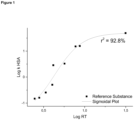
- the chosen reference substances display a range of HSA binding from 13% to 99% since a broad variety of albumin binding regarding the peptides was assumed. All nine reference substances (see Table 1) were injected consecutively to establish a non-linear regression with OriginPro 2016G; see Figure 1 .
- Table 1 Reference substances (Yamazaki et al., Journal of pharmaceutical sciences 93, 1480-94 (2004)) used for the calibration of the HSA-column. Reference t R Log t R Lit.
- the retention time is shown exemplary for a conducted experiment; t R retention time; Lit. HSA literature value of human serum albumin binding in [%]; Log K HAS logarithmic K of human serum albumin binding.
- LNCaP cells (10 7 cells / 200 ⁇ L) were suspended in a 1:1 mixture (v/v) of Dulbecco modified Eagle medium / Nutrition Mixture F-12 with Glutamax-I (1:1) and Matrigel (BD Biosciences, Germany), and inoculated subcutaneously onto the right shoulder of 6-8 weeks old CB17-SCID mice (Charles River, Sulzfeld, Germany). Mice were used for when tumors had grown to a diameter of 5-8 mm (3-4 weeks after inoculation).
- a proof-of-concept evaluation of use in humans was conducted under compassionate use.
- the agent was applied in compliance with The German Medicinal Products Act, AMG ⁇ 13 2b, and in accordance with the responsible regulatory body (Government of Oberbayern).
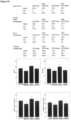
- the mean and maximum standardized uptake values (SUVmean/SUVmax) of parotid glands, submandibular glands, lungs, mediastinal blood pool, liver, spleen, pancreas head, duodenum, kidneys, bladder and non-diseased bone were analysed.
- SUV three-dimensional volume of interest
- VOI three-dimensional volume of interest
- Lesions that were visually considered as suggestive of relapses or metastases of prostate cancer were counted.
- One or two lesions from the same type were analysed per patient using SUVmax and SUVmean as described above. Gluteal muscle served as background.
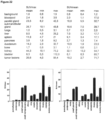
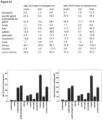
- the determined octanol/water partition coefficients (log D) of the 68 Ga- or 18 F-labelled compounds are presented in Table 2.
- the TRAP-functionalized compound (5) was found to be more hydrophilic than 6, where DOTAGA was used as a chelator. This result was also found for the 68 Ga-labelled EuE-based agents, where the TRAP-derivative (9) showed the highest lipophilicity. All of the 18 F-labelled compounds showed lower hydrophilicities, compared to the 68 Ga-labelled tracers.
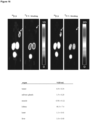
- Figure 21 demonstrates the maximum intensity projection (MIR) from PET of a subject with normal biodistribution (no tumor lesions detectable). Images were acquired 76 min post injection of 272 MBq 18F-labelled PSMA-SIFA3 (7). Figure 21 right demonstrates the maximum intensity projection (MIP) from PET of a subject with moderately advanced disease exhibiting multiple tumor lesions with high lesion-to-background ratio. Images were acquired 102 min post injection of 312 MBq 18F-labelled PSMA-SIFA3 (7).
- MIR maximum intensity projection
- MIP maximum intensity projection
- Imaging examples show favorable characteristics. Both small subcentimeter lesions and diffuse metastatic disease involving different tissue types are shown.
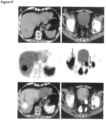
- Figure 26 shows: MIR (A) and transaxial images (B-D) of a 70 year old patient with biochemical recurrence 1.5 years after radical prostatectomy (Gleason 8, pT2c, pN1).
- a single prostate cancer typical lesion with 5 mm diameter in right pelvis with high uptake of 18F-labelled PSMA-SIFA3 (7) is present. Malignant nature of the lesion was verified by histopathology.
- Figure 27 shows: Set of images of an 80 year old patient with progressive advanced castration resistant prostate cancer (PSA 66.4 ng/ml). Images shows high uptake of 18F-labelled PSMA-SIFA3 (7) in different classes of prostate cancer lesions (local tumor, lymph node metastases, bone metastases, liver metastases). Lesions demonstrated are as small as 2 mm (arrows indicate representative, not all tumor lesions).
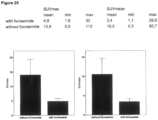
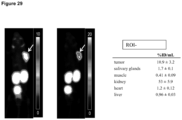
- Figure 28 shows proof of concept investigation of a 68 Ga-labelled SiFA substituted chelator-based PET tracer.
Landscapes
- Health & Medical Sciences (AREA)
- Life Sciences & Earth Sciences (AREA)
- General Health & Medical Sciences (AREA)
- Public Health (AREA)
- Chemical & Material Sciences (AREA)
- Medicinal Chemistry (AREA)
- Veterinary Medicine (AREA)
- Pharmacology & Pharmacy (AREA)
- Animal Behavior & Ethology (AREA)
- Proteomics, Peptides & Aminoacids (AREA)
- Epidemiology (AREA)
- Physics & Mathematics (AREA)
- Optics & Photonics (AREA)
- Nuclear Medicine, Radiotherapy & Molecular Imaging (AREA)
- General Chemical & Material Sciences (AREA)
- Chemical Kinetics & Catalysis (AREA)
- Organic Chemistry (AREA)
- Medicines Containing Antibodies Or Antigens For Use As Internal Diagnostic Agents (AREA)
- Medicines That Contain Protein Lipid Enzymes And Other Medicines (AREA)
- Medicinal Preparation (AREA)
- Peptides Or Proteins (AREA)
- Nuclear Medicine (AREA)
Priority Applications (2)
| Application Number | Priority Date | Filing Date | Title |
|---|---|---|---|
| EP22150556.3A EP4000640A1 (en) | 2017-07-28 | 2018-07-30 | Dual mode radiotracer and therapeutic |
| EP24184312.7A EP4424378A3 (en) | 2017-07-28 | 2018-07-30 | Dual mode radiotracer and -therapeutics |
Applications Claiming Priority (2)
| Application Number | Priority Date | Filing Date | Title |
|---|---|---|---|
| EP17183795 | 2017-07-28 | ||
| PCT/EP2018/070533 WO2019020831A1 (en) | 2017-07-28 | 2018-07-30 | AGENTS WITH TWO RADIOTRATIVE AND THERAPEUTIC MODES |
Related Child Applications (4)
| Application Number | Title | Priority Date | Filing Date |
|---|---|---|---|
| EP22150556.3A Division-Into EP4000640A1 (en) | 2017-07-28 | 2018-07-30 | Dual mode radiotracer and therapeutic |
| EP22150556.3A Division EP4000640A1 (en) | 2017-07-28 | 2018-07-30 | Dual mode radiotracer and therapeutic |
| EP24184312.7A Division EP4424378A3 (en) | 2017-07-28 | 2018-07-30 | Dual mode radiotracer and -therapeutics |
| EP24184312.7A Division-Into EP4424378A3 (en) | 2017-07-28 | 2018-07-30 | Dual mode radiotracer and -therapeutics |
Publications (2)
| Publication Number | Publication Date |
|---|---|
| EP3658194A1 EP3658194A1 (en) | 2020-06-03 |
| EP3658194B1 true EP3658194B1 (en) | 2024-11-27 |
Family
ID=59501286
Family Applications (3)
| Application Number | Title | Priority Date | Filing Date |
|---|---|---|---|
| EP18743540.9A Active EP3658194B1 (en) | 2017-07-28 | 2018-07-30 | Dual mode radiotracer and -therapeutics |
| EP24184312.7A Pending EP4424378A3 (en) | 2017-07-28 | 2018-07-30 | Dual mode radiotracer and -therapeutics |
| EP22150556.3A Withdrawn EP4000640A1 (en) | 2017-07-28 | 2018-07-30 | Dual mode radiotracer and therapeutic |
Family Applications After (2)
| Application Number | Title | Priority Date | Filing Date |
|---|---|---|---|
| EP24184312.7A Pending EP4424378A3 (en) | 2017-07-28 | 2018-07-30 | Dual mode radiotracer and -therapeutics |
| EP22150556.3A Withdrawn EP4000640A1 (en) | 2017-07-28 | 2018-07-30 | Dual mode radiotracer and therapeutic |
Country Status (20)
| Country | Link |
|---|---|
| US (3) | US11413360B2 (enExample) |
| EP (3) | EP3658194B1 (enExample) |
| JP (2) | JP7059372B2 (enExample) |
| KR (2) | KR102752620B1 (enExample) |
| CN (1) | CN111132700B (enExample) |
| AU (2) | AU2018308699B2 (enExample) |
| BR (1) | BR112020001785A2 (enExample) |
| CA (1) | CA3071315A1 (enExample) |
| DK (1) | DK3658194T3 (enExample) |
| EA (1) | EA202090370A1 (enExample) |
| ES (1) | ES3011272T3 (enExample) |
| FI (1) | FI3658194T3 (enExample) |
| HU (1) | HUE070098T2 (enExample) |
| IL (2) | IL318092A (enExample) |
| MX (2) | MX2020000352A (enExample) |
| PL (1) | PL3658194T3 (enExample) |
| PT (1) | PT3658194T (enExample) |
| SG (1) | SG11202000725WA (enExample) |
| WO (1) | WO2019020831A1 (enExample) |
| ZA (1) | ZA202000467B (enExample) |
Families Citing this family (26)
| Publication number | Priority date | Publication date | Assignee | Title |
|---|---|---|---|---|
| US11413360B2 (en) * | 2017-07-28 | 2022-08-16 | Technische Universität München | Dual mode radiotracer and—therapeutics |
| AU2020213678B2 (en) | 2019-01-30 | 2024-05-30 | Technische Universität München | PSMA binding dual mode radiotracer and therapeutic |
| WO2020157128A1 (en) * | 2019-01-30 | 2020-08-06 | Technische Universität München | Silicon-fluoride acceptor substituted radiopharmaceuticals and precursors thereof |
| IL303420A (en) * | 2019-01-30 | 2023-08-01 | Univ Muenchen Tech | Diagnostic imaging materials for cancer |
| CN112168978B (zh) * | 2019-07-03 | 2022-01-11 | 北京大学 | 一种抗体偶联药物及其药物组合物与应用 |
| CA3155519A1 (en) * | 2019-10-29 | 2021-05-06 | Steve Shih-Lin Huang | Psma-targeting imaging agents |
| CN113350531A (zh) * | 2020-03-02 | 2021-09-07 | 上海核力星医药科技有限公司 | 前列腺特异性膜抗原结合配体偶联物及其应用 |
| GB202005282D0 (en) * | 2020-04-09 | 2020-05-27 | Blue Earth Diagnostics Ltd | Pharmaceutical Formulations |
| EP4185336A1 (en) | 2020-07-23 | 2023-05-31 | Technische Universität München | Silicon-containing ligand compounds |
| WO2022051684A1 (en) | 2020-09-03 | 2022-03-10 | Curium Us Llc | Radiolabeling and formulation for scale up of 64cu-dotatate |
| EP4023250A1 (en) | 2021-01-04 | 2022-07-06 | Technische Universität München | Dual mode radiotracer and -therapeutics |
| JP2024507343A (ja) * | 2021-02-15 | 2024-02-19 | テクニシェ ユニバーシタット ミュンヘン | デュアルモード放射性トレーサーおよびその療法 |
| IL308414A (en) * | 2021-05-14 | 2024-01-01 | Technische Universit?T M?Nchen | Radiopharmaceutical somatostatin receptor ligands and their precursors |
| GB202108779D0 (en) | 2021-06-18 | 2021-08-04 | Blue Earth Diagnostics Ltd | Si-at therapeutic/diagnostic compounds |
| GB202109922D0 (en) | 2021-07-09 | 2021-08-25 | Blue Earth Diagnostics Ltd | Radiotracers and therapeutics binding to fibroblast activation protein (fap) |
| WO2023012282A1 (en) * | 2021-08-05 | 2023-02-09 | Technische Universität München | Ligand compounds comprising a chelating group as a bridging group |
| GB202113646D0 (en) | 2021-09-24 | 2021-11-10 | Blue Earth Diagnostics Ltd | Method of preparation of 18F labelled silyl-fluoride compounds |
| CN114671806B (zh) * | 2022-04-08 | 2024-03-01 | 上海如絮生物科技有限公司 | 一种亲水性吡啶衍生物、中间体、其制备方法及应用 |
| GB202207372D0 (en) | 2022-05-19 | 2022-07-06 | Blue Earth Diagnostics Ltd | Synthesis of fluorosilyl compounds |
| CA3257852A1 (en) | 2022-07-29 | 2024-02-01 | Technische Universitat Munchen | Silicon Fluoride Accepting Groups for Radiopharmaceutical Products |
| WO2024054226A1 (en) * | 2022-09-06 | 2024-03-14 | Hoang Ba Xuan | Gallium nitrate and dimethyl sulfoxide composition for respiratory treatment |
| JP2025532619A (ja) * | 2022-09-20 | 2025-10-01 | テクニシェ ユニバーシタット ミュンヘン | イメージングおよび標的化放射線治療のための新規ミニガストリン由来コレシストキニン2受容体結合分子 |
| TW202426433A (zh) | 2022-09-23 | 2024-07-01 | 瑞士商紐利迪姆股份公司 | 成纖維細胞活化蛋白(fap)抑制劑、fap結合物及其診斷與治療用途 |
| JP2025539087A (ja) * | 2022-11-14 | 2025-12-03 | アクティス オンコロジー, インコーポレイテッド | 腎臓におけるミニタンパク質の減少された保持 |
| WO2025072791A2 (en) | 2023-09-29 | 2025-04-03 | Aktis Oncology, Inc. | Miniproteins, conjugates & uses thereof |
| GB202316239D0 (en) | 2023-10-24 | 2023-12-06 | Blue Earth Diagnostics Ltd | Therapeutic combination |
Family Cites Families (11)
| Publication number | Priority date | Publication date | Assignee | Title |
|---|---|---|---|---|
| WO1995001346A1 (en) * | 1993-06-30 | 1995-01-12 | Akzo Nobel N.V. | Chelating compounds |
| CA2455598A1 (en) | 2001-07-27 | 2003-02-13 | Targesome, Inc. | Lipid constructs as therapeutic and imaging agents |
| CN102626522B (zh) * | 2012-04-12 | 2014-09-10 | 韩彦江 | 基于趋化因子受体cxcr4多肽类拮抗剂的多肽放射性诊断与治疗药物 |
| AU2015273934B2 (en) * | 2014-06-10 | 2020-08-20 | 3B Pharmaceuticals Gmbh | Conjugate comprising a neurotensin receptor ligand and use thereof |
| WO2016062370A1 (en) | 2014-10-20 | 2016-04-28 | Deutsches Krebsforschungszentrum | 18f-tagged inhibitors of prostate specific membrane antigen (psma), their use as imaging agents and pharmaceutical agents for the treatment of prostate cancer |
| US20160287730A1 (en) * | 2015-03-31 | 2016-10-06 | The United States Of America, As Represented By The Secretary, Department Of Health And Human Serv | Labeled evans blue dye derivative for in vivo serum albumin labeling |
| US10800797B2 (en) * | 2015-05-26 | 2020-10-13 | California Institute Of Technology | Heteroaromatic silicon-fluoride-acceptors useful for 18F labeling of molecules and biomolecules, and methods of preparing same |
| US11413360B2 (en) | 2017-07-28 | 2022-08-16 | Technische Universität München | Dual mode radiotracer and—therapeutics |
| WO2019115547A1 (en) * | 2017-12-11 | 2019-06-20 | Technische Universität München | Psma ligands for imaging and endoradiotherapy |
| IL303420A (en) | 2019-01-30 | 2023-08-01 | Univ Muenchen Tech | Diagnostic imaging materials for cancer |
| AU2020213678B2 (en) | 2019-01-30 | 2024-05-30 | Technische Universität München | PSMA binding dual mode radiotracer and therapeutic |
-
2018
- 2018-07-30 US US16/634,759 patent/US11413360B2/en active Active
- 2018-07-30 PL PL18743540.9T patent/PL3658194T3/pl unknown
- 2018-07-30 MX MX2020000352A patent/MX2020000352A/es unknown
- 2018-07-30 IL IL318092A patent/IL318092A/en unknown
- 2018-07-30 WO PCT/EP2018/070533 patent/WO2019020831A1/en not_active Ceased
- 2018-07-30 EA EA202090370A patent/EA202090370A1/ru unknown
- 2018-07-30 SG SG11202000725WA patent/SG11202000725WA/en unknown
- 2018-07-30 IL IL272291A patent/IL272291B2/en unknown
- 2018-07-30 PT PT187435409T patent/PT3658194T/pt unknown
- 2018-07-30 ES ES18743540T patent/ES3011272T3/es active Active
- 2018-07-30 BR BR112020001785-0A patent/BR112020001785A2/pt unknown
- 2018-07-30 CN CN201880062949.0A patent/CN111132700B/zh active Active
- 2018-07-30 FI FIEP18743540.9T patent/FI3658194T3/fi active
- 2018-07-30 HU HUE18743540A patent/HUE070098T2/hu unknown
- 2018-07-30 JP JP2020526688A patent/JP7059372B2/ja active Active
- 2018-07-30 DK DK18743540.9T patent/DK3658194T3/da active
- 2018-07-30 EP EP18743540.9A patent/EP3658194B1/en active Active
- 2018-07-30 AU AU2018308699A patent/AU2018308699B2/en active Active
- 2018-07-30 EP EP24184312.7A patent/EP4424378A3/en active Pending
- 2018-07-30 EP EP22150556.3A patent/EP4000640A1/en not_active Withdrawn
- 2018-07-30 CA CA3071315A patent/CA3071315A1/en active Pending
- 2018-07-30 KR KR1020207005589A patent/KR102752620B1/ko active Active
- 2018-07-30 KR KR1020247006169A patent/KR20240027896A/ko not_active Ceased
-
2020
- 2020-01-10 MX MX2023007914A patent/MX2023007914A/es unknown
- 2020-01-23 ZA ZA2020/00467A patent/ZA202000467B/en unknown
-
2022
- 2022-04-12 JP JP2022065524A patent/JP2022101601A/ja active Pending
- 2022-06-24 US US17/849,297 patent/US12390540B2/en active Active
-
2024
- 2024-01-24 AU AU2024200440A patent/AU2024200440B2/en active Active
- 2024-11-15 US US18/948,808 patent/US12453787B2/en active Active
Non-Patent Citations (1)
| Title |
|---|
| GHESQUIÈRE BART ET AL: "Metabolism of stromal and immune cells in health and disease", CLEO: APPLICATIONS AND TECHNOLOGY 2019 SAN JOSE, CALIFORNIA UNITED STATES 5-10 MAY 2019, OPTICA, vol. 511, no. 7508, 9 July 2014 (2014-07-09), pages 167 - 176, XP037438218, DOI: 10.1038/NATURE13312 * |
Also Published As
Similar Documents
| Publication | Publication Date | Title |
|---|---|---|
| US12453787B2 (en) | Dual mode radiotracer and-therapeutics | |
| EP3917582B1 (en) | Cancer diagnostic imaging agents | |
| CN113677400B (zh) | 结合psma的双模式放射性示踪剂及治疗剂 | |
| US20250375544A1 (en) | Dual mode radiotracer and -therapeutics | |
| EP4291250B1 (en) | Dual mode radiotracer and therapeutics | |
| US20230277698A1 (en) | Silicon-containing ligand compounds | |
| HK40022705B (en) | Dual mode radiotracer and -therapeutics | |
| HK40022705A (en) | Dual mode radiotracer and -therapeutics | |
| EA046402B1 (ru) | Двухрежимная радиоактивная метка и радиотерапевтическое средство |
Legal Events
| Date | Code | Title | Description |
|---|---|---|---|
| STAA | Information on the status of an ep patent application or granted ep patent |
Free format text: STATUS: UNKNOWN |
|
| STAA | Information on the status of an ep patent application or granted ep patent |
Free format text: STATUS: THE INTERNATIONAL PUBLICATION HAS BEEN MADE |
|
| PUAI | Public reference made under article 153(3) epc to a published international application that has entered the european phase |
Free format text: ORIGINAL CODE: 0009012 |
|
| STAA | Information on the status of an ep patent application or granted ep patent |
Free format text: STATUS: REQUEST FOR EXAMINATION WAS MADE |
|
| 17P | Request for examination filed |
Effective date: 20200211 |
|
| AK | Designated contracting states |
Kind code of ref document: A1 Designated state(s): AL AT BE BG CH CY CZ DE DK EE ES FI FR GB GR HR HU IE IS IT LI LT LU LV MC MK MT NL NO PL PT RO RS SE SI SK SM TR |
|
| AX | Request for extension of the european patent |
Extension state: BA ME |
|
| DAV | Request for validation of the european patent (deleted) | ||
| DAX | Request for extension of the european patent (deleted) | ||
| REG | Reference to a national code |
Ref country code: HK Ref legal event code: DE Ref document number: 40022705 Country of ref document: HK |
|
| STAA | Information on the status of an ep patent application or granted ep patent |
Free format text: STATUS: EXAMINATION IS IN PROGRESS |
|
| 17Q | First examination report despatched |
Effective date: 20230420 |
|
| RIC1 | Information provided on ipc code assigned before grant |
Ipc: A61P 35/00 20060101ALI20240229BHEP Ipc: A61K 51/08 20060101ALI20240229BHEP Ipc: A61K 51/04 20060101AFI20240229BHEP |
|
| GRAP | Despatch of communication of intention to grant a patent |
Free format text: ORIGINAL CODE: EPIDOSNIGR1 |
|
| STAA | Information on the status of an ep patent application or granted ep patent |
Free format text: STATUS: GRANT OF PATENT IS INTENDED |
|
| INTG | Intention to grant announced |
Effective date: 20240503 |
|
| GRAJ | Information related to disapproval of communication of intention to grant by the applicant or resumption of examination proceedings by the epo deleted |
Free format text: ORIGINAL CODE: EPIDOSDIGR1 |
|
| STAA | Information on the status of an ep patent application or granted ep patent |
Free format text: STATUS: EXAMINATION IS IN PROGRESS |
|
| GRAP | Despatch of communication of intention to grant a patent |
Free format text: ORIGINAL CODE: EPIDOSNIGR1 |
|
| STAA | Information on the status of an ep patent application or granted ep patent |
Free format text: STATUS: GRANT OF PATENT IS INTENDED |
|
| INTC | Intention to grant announced (deleted) | ||
| INTG | Intention to grant announced |
Effective date: 20240624 |
|
| P01 | Opt-out of the competence of the unified patent court (upc) registered |
Free format text: CASE NUMBER: APP_43772/2024 Effective date: 20240726 |
|
| GRAS | Grant fee paid |
Free format text: ORIGINAL CODE: EPIDOSNIGR3 |
|
| GRAA | (expected) grant |
Free format text: ORIGINAL CODE: 0009210 |
|
| STAA | Information on the status of an ep patent application or granted ep patent |
Free format text: STATUS: THE PATENT HAS BEEN GRANTED |
|
| AK | Designated contracting states |
Kind code of ref document: B1 Designated state(s): AL AT BE BG CH CY CZ DE DK EE ES FI FR GB GR HR HU IE IS IT LI LT LU LV MC MK MT NL NO PL PT RO RS SE SI SK SM TR |
|
| REG | Reference to a national code |
Ref country code: GB Ref legal event code: FG4D |
|
| REG | Reference to a national code |
Ref country code: CH Ref legal event code: EP |
|
| REG | Reference to a national code |
Ref country code: DE Ref legal event code: R096 Ref document number: 602018076971 Country of ref document: DE |
|
| REG | Reference to a national code |
Ref country code: IE Ref legal event code: FG4D |
|
| REG | Reference to a national code |
Ref country code: NL Ref legal event code: FP |
|
| REG | Reference to a national code |
Ref country code: PT Ref legal event code: SC4A Ref document number: 3658194 Country of ref document: PT Date of ref document: 20250213 Kind code of ref document: T Free format text: AVAILABILITY OF NATIONAL TRANSLATION Effective date: 20250207 |
|
| REG | Reference to a national code |
Ref country code: DK Ref legal event code: T3 Effective date: 20250213 |
|
| REG | Reference to a national code |
Ref country code: FI Ref legal event code: FGE |
|
| REG | Reference to a national code |
Ref country code: SE Ref legal event code: TRGR |
|
| REG | Reference to a national code |
Ref country code: LT Ref legal event code: MG9D |
|
| REG | Reference to a national code |
Ref country code: ES Ref legal event code: FG2A Ref document number: 3011272 Country of ref document: ES Kind code of ref document: T3 Effective date: 20250407 |
|
| REG | Reference to a national code |
Ref country code: SK Ref legal event code: T3 Ref document number: E 45917 Country of ref document: SK |
|
| PG25 | Lapsed in a contracting state [announced via postgrant information from national office to epo] |
Ref country code: IS Free format text: LAPSE BECAUSE OF FAILURE TO SUBMIT A TRANSLATION OF THE DESCRIPTION OR TO PAY THE FEE WITHIN THE PRESCRIBED TIME-LIMIT Effective date: 20250327 Ref country code: HR Free format text: LAPSE BECAUSE OF FAILURE TO SUBMIT A TRANSLATION OF THE DESCRIPTION OR TO PAY THE FEE WITHIN THE PRESCRIBED TIME-LIMIT Effective date: 20241127 |
|
| PG25 | Lapsed in a contracting state [announced via postgrant information from national office to epo] |
Ref country code: BG Free format text: LAPSE BECAUSE OF FAILURE TO SUBMIT A TRANSLATION OF THE DESCRIPTION OR TO PAY THE FEE WITHIN THE PRESCRIBED TIME-LIMIT Effective date: 20241127 |
|
| PG25 | Lapsed in a contracting state [announced via postgrant information from national office to epo] |
Ref country code: LV Free format text: LAPSE BECAUSE OF FAILURE TO SUBMIT A TRANSLATION OF THE DESCRIPTION OR TO PAY THE FEE WITHIN THE PRESCRIBED TIME-LIMIT Effective date: 20241127 |
|
| PG25 | Lapsed in a contracting state [announced via postgrant information from national office to epo] |
Ref country code: RS Free format text: LAPSE BECAUSE OF FAILURE TO SUBMIT A TRANSLATION OF THE DESCRIPTION OR TO PAY THE FEE WITHIN THE PRESCRIBED TIME-LIMIT Effective date: 20250227 |
|
| REG | Reference to a national code |
Ref country code: GR Ref legal event code: EP Ref document number: 20250400423 Country of ref document: GR Effective date: 20250409 |
|
| REG | Reference to a national code |
Ref country code: HU Ref legal event code: AG4A Ref document number: E070098 Country of ref document: HU |
|
| PG25 | Lapsed in a contracting state [announced via postgrant information from national office to epo] |
Ref country code: SM Free format text: LAPSE BECAUSE OF FAILURE TO SUBMIT A TRANSLATION OF THE DESCRIPTION OR TO PAY THE FEE WITHIN THE PRESCRIBED TIME-LIMIT Effective date: 20241127 |
|
| PG25 | Lapsed in a contracting state [announced via postgrant information from national office to epo] |
Ref country code: EE Free format text: LAPSE BECAUSE OF FAILURE TO SUBMIT A TRANSLATION OF THE DESCRIPTION OR TO PAY THE FEE WITHIN THE PRESCRIBED TIME-LIMIT Effective date: 20241127 |
|
| PG25 | Lapsed in a contracting state [announced via postgrant information from national office to epo] |
Ref country code: RO Free format text: LAPSE BECAUSE OF FAILURE TO SUBMIT A TRANSLATION OF THE DESCRIPTION OR TO PAY THE FEE WITHIN THE PRESCRIBED TIME-LIMIT Effective date: 20241127 |
|
| PGFP | Annual fee paid to national office [announced via postgrant information from national office to epo] |
Ref country code: SK Payment date: 20250630 Year of fee payment: 8 |
|
| PGFP | Annual fee paid to national office [announced via postgrant information from national office to epo] |
Ref country code: HU Payment date: 20250704 Year of fee payment: 8 |
|
| PGFP | Annual fee paid to national office [announced via postgrant information from national office to epo] |
Ref country code: NL Payment date: 20250726 Year of fee payment: 8 |
|
| REG | Reference to a national code |
Ref country code: DE Ref legal event code: R097 Ref document number: 602018076971 Country of ref document: DE |
|
| PLBE | No opposition filed within time limit |
Free format text: ORIGINAL CODE: 0009261 |
|
| STAA | Information on the status of an ep patent application or granted ep patent |
Free format text: STATUS: NO OPPOSITION FILED WITHIN TIME LIMIT |
|
| PGFP | Annual fee paid to national office [announced via postgrant information from national office to epo] |
Ref country code: ES Payment date: 20250801 Year of fee payment: 8 Ref country code: PT Payment date: 20250703 Year of fee payment: 8 Ref country code: FI Payment date: 20250725 Year of fee payment: 8 |
|
| PGFP | Annual fee paid to national office [announced via postgrant information from national office to epo] |
Ref country code: DK Payment date: 20250725 Year of fee payment: 8 Ref country code: DE Payment date: 20250729 Year of fee payment: 8 |
|
| PGFP | Annual fee paid to national office [announced via postgrant information from national office to epo] |
Ref country code: NO Payment date: 20250729 Year of fee payment: 8 Ref country code: GR Payment date: 20250729 Year of fee payment: 8 |
|
| PGFP | Annual fee paid to national office [announced via postgrant information from national office to epo] |
Ref country code: PL Payment date: 20250703 Year of fee payment: 8 Ref country code: TR Payment date: 20250711 Year of fee payment: 8 Ref country code: IT Payment date: 20250721 Year of fee payment: 8 |
|
| PGFP | Annual fee paid to national office [announced via postgrant information from national office to epo] |
Ref country code: BE Payment date: 20250728 Year of fee payment: 8 Ref country code: GB Payment date: 20250728 Year of fee payment: 8 |
|
| PGFP | Annual fee paid to national office [announced via postgrant information from national office to epo] |
Ref country code: FR Payment date: 20250728 Year of fee payment: 8 Ref country code: AT Payment date: 20250702 Year of fee payment: 8 |
|
| PGFP | Annual fee paid to national office [announced via postgrant information from national office to epo] |
Ref country code: CH Payment date: 20250801 Year of fee payment: 8 Ref country code: SE Payment date: 20250727 Year of fee payment: 8 |
|
| PGFP | Annual fee paid to national office [announced via postgrant information from national office to epo] |
Ref country code: IE Payment date: 20250728 Year of fee payment: 8 Ref country code: CZ Payment date: 20250708 Year of fee payment: 8 |
|
| 26N | No opposition filed |
Effective date: 20250828 |