EP3559086B1 - Poudre de particules spheriques de polyamide reticulable, procede de preparation et utilisation avec la technique de frittage par laser selectif - Google Patents
Poudre de particules spheriques de polyamide reticulable, procede de preparation et utilisation avec la technique de frittage par laser selectif Download PDFInfo
- Publication number
- EP3559086B1 EP3559086B1 EP17832528.8A EP17832528A EP3559086B1 EP 3559086 B1 EP3559086 B1 EP 3559086B1 EP 17832528 A EP17832528 A EP 17832528A EP 3559086 B1 EP3559086 B1 EP 3559086B1
- Authority
- EP
- European Patent Office
- Prior art keywords
- polyamide
- powder
- crosslinkable
- spherical particles
- crosslinking
- Prior art date
- Legal status (The legal status is an assumption and is not a legal conclusion. Google has not performed a legal analysis and makes no representation as to the accuracy of the status listed.)
- Active
Links
Images


Classifications
-
- C—CHEMISTRY; METALLURGY
- C08—ORGANIC MACROMOLECULAR COMPOUNDS; THEIR PREPARATION OR CHEMICAL WORKING-UP; COMPOSITIONS BASED THEREON
- C08G—MACROMOLECULAR COMPOUNDS OBTAINED OTHERWISE THAN BY REACTIONS ONLY INVOLVING UNSATURATED CARBON-TO-CARBON BONDS
- C08G69/00—Macromolecular compounds obtained by reactions forming a carboxylic amide link in the main chain of the macromolecule
- C08G69/48—Polymers modified by chemical after-treatment
-
- B—PERFORMING OPERATIONS; TRANSPORTING
- B29—WORKING OF PLASTICS; WORKING OF SUBSTANCES IN A PLASTIC STATE IN GENERAL
- B29B—PREPARATION OR PRETREATMENT OF THE MATERIAL TO BE SHAPED; MAKING GRANULES OR PREFORMS; RECOVERY OF PLASTICS OR OTHER CONSTITUENTS OF WASTE MATERIAL CONTAINING PLASTICS
- B29B9/00—Making granules
- B29B9/12—Making granules characterised by structure or composition
-
- B—PERFORMING OPERATIONS; TRANSPORTING
- B29—WORKING OF PLASTICS; WORKING OF SUBSTANCES IN A PLASTIC STATE IN GENERAL
- B29C—SHAPING OR JOINING OF PLASTICS; SHAPING OF MATERIAL IN A PLASTIC STATE, NOT OTHERWISE PROVIDED FOR; AFTER-TREATMENT OF THE SHAPED PRODUCTS, e.g. REPAIRING
- B29C64/00—Additive manufacturing, i.e. manufacturing of three-dimensional [3D] objects by additive deposition, additive agglomeration or additive layering, e.g. by 3D printing, stereolithography or selective laser sintering
- B29C64/10—Processes of additive manufacturing
- B29C64/141—Processes of additive manufacturing using only solid materials
- B29C64/153—Processes of additive manufacturing using only solid materials using layers of powder being selectively joined, e.g. by selective laser sintering or melting
-
- B—PERFORMING OPERATIONS; TRANSPORTING
- B33—ADDITIVE MANUFACTURING TECHNOLOGY
- B33Y—ADDITIVE MANUFACTURING, i.e. MANUFACTURING OF THREE-DIMENSIONAL [3-D] OBJECTS BY ADDITIVE DEPOSITION, ADDITIVE AGGLOMERATION OR ADDITIVE LAYERING, e.g. BY 3-D PRINTING, STEREOLITHOGRAPHY OR SELECTIVE LASER SINTERING
- B33Y10/00—Processes of additive manufacturing
-
- B—PERFORMING OPERATIONS; TRANSPORTING
- B33—ADDITIVE MANUFACTURING TECHNOLOGY
- B33Y—ADDITIVE MANUFACTURING, i.e. MANUFACTURING OF THREE-DIMENSIONAL [3-D] OBJECTS BY ADDITIVE DEPOSITION, ADDITIVE AGGLOMERATION OR ADDITIVE LAYERING, e.g. BY 3-D PRINTING, STEREOLITHOGRAPHY OR SELECTIVE LASER SINTERING
- B33Y70/00—Materials specially adapted for additive manufacturing
- B33Y70/10—Composites of different types of material, e.g. mixtures of ceramics and polymers or mixtures of metals and biomaterials
-
- C—CHEMISTRY; METALLURGY
- C08—ORGANIC MACROMOLECULAR COMPOUNDS; THEIR PREPARATION OR CHEMICAL WORKING-UP; COMPOSITIONS BASED THEREON
- C08J—WORKING-UP; GENERAL PROCESSES OF COMPOUNDING; AFTER-TREATMENT NOT COVERED BY SUBCLASSES C08B, C08C, C08F, C08G or C08H
- C08J3/00—Processes of treating or compounding macromolecular substances
- C08J3/20—Compounding polymers with additives, e.g. colouring
- C08J3/203—Solid polymers with solid and/or liquid additives
-
- C—CHEMISTRY; METALLURGY
- C08—ORGANIC MACROMOLECULAR COMPOUNDS; THEIR PREPARATION OR CHEMICAL WORKING-UP; COMPOSITIONS BASED THEREON
- C08J—WORKING-UP; GENERAL PROCESSES OF COMPOUNDING; AFTER-TREATMENT NOT COVERED BY SUBCLASSES C08B, C08C, C08F, C08G or C08H
- C08J3/00—Processes of treating or compounding macromolecular substances
- C08J3/24—Crosslinking, e.g. vulcanising, of macromolecules
-
- C—CHEMISTRY; METALLURGY
- C08—ORGANIC MACROMOLECULAR COMPOUNDS; THEIR PREPARATION OR CHEMICAL WORKING-UP; COMPOSITIONS BASED THEREON
- C08J—WORKING-UP; GENERAL PROCESSES OF COMPOUNDING; AFTER-TREATMENT NOT COVERED BY SUBCLASSES C08B, C08C, C08F, C08G or C08H
- C08J5/00—Manufacture of articles or shaped materials containing macromolecular substances
- C08J5/12—Bonding of a preformed macromolecular material to the same or other solid material such as metal, glass, leather, e.g. using adhesives
-
- C—CHEMISTRY; METALLURGY
- C08—ORGANIC MACROMOLECULAR COMPOUNDS; THEIR PREPARATION OR CHEMICAL WORKING-UP; COMPOSITIONS BASED THEREON
- C08K—Use of inorganic or non-macromolecular organic substances as compounding ingredients
- C08K5/00—Use of organic ingredients
- C08K5/54—Silicon-containing compounds
- C08K5/541—Silicon-containing compounds containing oxygen
- C08K5/5415—Silicon-containing compounds containing oxygen containing at least one Si—O bond
- C08K5/5419—Silicon-containing compounds containing oxygen containing at least one Si—O bond containing at least one Si—C bond
-
- C—CHEMISTRY; METALLURGY
- C08—ORGANIC MACROMOLECULAR COMPOUNDS; THEIR PREPARATION OR CHEMICAL WORKING-UP; COMPOSITIONS BASED THEREON
- C08L—COMPOSITIONS OF MACROMOLECULAR COMPOUNDS
- C08L77/00—Compositions of polyamides obtained by reactions forming a carboxylic amide link in the main chain; Compositions of derivatives of such polymers
- C08L77/02—Polyamides derived from omega-amino carboxylic acids or from lactams thereof
-
- C—CHEMISTRY; METALLURGY
- C08—ORGANIC MACROMOLECULAR COMPOUNDS; THEIR PREPARATION OR CHEMICAL WORKING-UP; COMPOSITIONS BASED THEREON
- C08L—COMPOSITIONS OF MACROMOLECULAR COMPOUNDS
- C08L77/00—Compositions of polyamides obtained by reactions forming a carboxylic amide link in the main chain; Compositions of derivatives of such polymers
- C08L77/06—Polyamides derived from polyamines and polycarboxylic acids
-
- C—CHEMISTRY; METALLURGY
- C09—DYES; PAINTS; POLISHES; NATURAL RESINS; ADHESIVES; COMPOSITIONS NOT OTHERWISE PROVIDED FOR; APPLICATIONS OF MATERIALS NOT OTHERWISE PROVIDED FOR
- C09D—COATING COMPOSITIONS, e.g. PAINTS, VARNISHES OR LACQUERS; FILLING PASTES; CHEMICAL PAINT OR INK REMOVERS; INKS; CORRECTING FLUIDS; WOODSTAINS; PASTES OR SOLIDS FOR COLOURING OR PRINTING; USE OF MATERIALS THEREFOR
- C09D11/00—Inks
- C09D11/02—Printing inks
- C09D11/10—Printing inks based on artificial resins
- C09D11/101—Inks specially adapted for printing processes involving curing by wave energy or particle radiation, e.g. with UV-curing following the printing
-
- C—CHEMISTRY; METALLURGY
- C09—DYES; PAINTS; POLISHES; NATURAL RESINS; ADHESIVES; COMPOSITIONS NOT OTHERWISE PROVIDED FOR; APPLICATIONS OF MATERIALS NOT OTHERWISE PROVIDED FOR
- C09D—COATING COMPOSITIONS, e.g. PAINTS, VARNISHES OR LACQUERS; FILLING PASTES; CHEMICAL PAINT OR INK REMOVERS; INKS; CORRECTING FLUIDS; WOODSTAINS; PASTES OR SOLIDS FOR COLOURING OR PRINTING; USE OF MATERIALS THEREFOR
- C09D11/00—Inks
- C09D11/02—Printing inks
- C09D11/10—Printing inks based on artificial resins
- C09D11/102—Printing inks based on artificial resins containing macromolecular compounds obtained by reactions other than those only involving unsaturated carbon-to-carbon bonds
-
- B—PERFORMING OPERATIONS; TRANSPORTING
- B29—WORKING OF PLASTICS; WORKING OF SUBSTANCES IN A PLASTIC STATE IN GENERAL
- B29K—INDEXING SCHEME ASSOCIATED WITH SUBCLASSES B29B, B29C OR B29D, RELATING TO MOULDING MATERIALS OR TO MATERIALS FOR MOULDS, REINFORCEMENTS, FILLERS OR PREFORMED PARTS, e.g. INSERTS
- B29K2077/00—Use of PA, i.e. polyamides, e.g. polyesteramides or derivatives thereof, as moulding material
-
- B—PERFORMING OPERATIONS; TRANSPORTING
- B29—WORKING OF PLASTICS; WORKING OF SUBSTANCES IN A PLASTIC STATE IN GENERAL
- B29K—INDEXING SCHEME ASSOCIATED WITH SUBCLASSES B29B, B29C OR B29D, RELATING TO MOULDING MATERIALS OR TO MATERIALS FOR MOULDS, REINFORCEMENTS, FILLERS OR PREFORMED PARTS, e.g. INSERTS
- B29K2105/00—Condition, form or state of moulded material or of the material to be shaped
- B29K2105/24—Condition, form or state of moulded material or of the material to be shaped crosslinked or vulcanised
-
- C—CHEMISTRY; METALLURGY
- C08—ORGANIC MACROMOLECULAR COMPOUNDS; THEIR PREPARATION OR CHEMICAL WORKING-UP; COMPOSITIONS BASED THEREON
- C08J—WORKING-UP; GENERAL PROCESSES OF COMPOUNDING; AFTER-TREATMENT NOT COVERED BY SUBCLASSES C08B, C08C, C08F, C08G or C08H
- C08J2377/00—Characterised by the use of polyamides obtained by reactions forming a carboxylic amide link in the main chain; Derivatives of such polymers
- C08J2377/02—Polyamides derived from omega-amino carboxylic acids or from lactams thereof
-
- C—CHEMISTRY; METALLURGY
- C08—ORGANIC MACROMOLECULAR COMPOUNDS; THEIR PREPARATION OR CHEMICAL WORKING-UP; COMPOSITIONS BASED THEREON
- C08J—WORKING-UP; GENERAL PROCESSES OF COMPOUNDING; AFTER-TREATMENT NOT COVERED BY SUBCLASSES C08B, C08C, C08F, C08G or C08H
- C08J2377/00—Characterised by the use of polyamides obtained by reactions forming a carboxylic amide link in the main chain; Derivatives of such polymers
- C08J2377/06—Polyamides derived from polyamines and polycarboxylic acids
-
- C—CHEMISTRY; METALLURGY
- C08—ORGANIC MACROMOLECULAR COMPOUNDS; THEIR PREPARATION OR CHEMICAL WORKING-UP; COMPOSITIONS BASED THEREON
- C08L—COMPOSITIONS OF MACROMOLECULAR COMPOUNDS
- C08L2205/00—Polymer mixtures characterised by other features
- C08L2205/14—Polymer mixtures characterised by other features containing polymeric additives characterised by shape
- C08L2205/18—Spheres
Definitions
- SLS Selective Laser Sintering
- any chemical modification of a polymer in the molten state and in particular by "pendant grafting" on the macromolecular chains, is likely to modify the crystalline structure and, therefore, the thermal properties of the polymer, namely its melting and crystallization temperatures and the enthalpies.
- the request EP 1 686 142 describes the process for preparing powder of surface-grafted polyamide particles with a functionalized grafting monomer in order to improve the compatibility of the polyamide with the surface coatings.
- the process comprises a step of mixing the polyamide particles with a grafting monomer, followed by a step of photonic or electronic irradiation.
- the particles obtained are then grafted only on the surface and have a size not suitable for the SLS technique (10 microns ⁇ 2 microns in the examples).
- the Applicant proposes to solve the aforementioned drawbacks, by providing a powder of polyamide particles suitable for the SLS technique, in particular in terms of size and shape of particles onto and into which crosslinking groups are grafted. More specifically, the solution proposed by the Applicant relates to the use of a powder of spherical particles of polyamide (I) functionalized by Rt crosslinking functions, chosen from alkoxysilane, chlorosilane and acyloxysilane groups, making it crosslinkable, said functions of crosslinking Rt being present on the surface and in the mass of said particles and said particles of crosslinkable polyamide (I) having an average diameter d50 belonging to the range going from 20 to 100 microns.
- Rt crosslinking functions chosen from alkoxysilane, chlorosilane and acyloxysilane groups
- the thermal profile of the crosslinkable polyamide particles according to the invention is little modified compared to the particles of this same non-crosslinkable polyamide: small variation in the enthalpies of fusion and crystallization (less than 10%) as well as the melting temperatures ( onset and peak), and slight drop in crystallization temperatures (offset and peak, maximum 5°C), thus contributing to widening the sintering window (ie the difference between the offset crystallization temperature and the onset melting temperature).
- the present invention also relates to a process for preparing an intermediate article from a powder of spherical particles of polyamide (I) according to the invention by the selective laser sintering technique, in particular by forming superimposed elementary layers and successively linked together.
- the crosslinking in step ii) can be carried out by hydrolysis, and in particular in ambient air.
- the present invention relates to an article formed from a powder of spherical particles of crosslinkable polyamide (I) as described in the context of the present invention and obtained after crosslinking at least some of the crosslinkable functions Rt of said polyamide cross-linkable (I).
- the present invention relates to a polyamide (I) functionalized by Rt crosslinking functions making it crosslinkable.
- the crosslinkable polyamide (I) of the present invention is in the form of a powder of spherical particles.
- spherical particle is meant a particle which has a sphericity index, that is to say a ratio between its largest diameter and its smallest diameter, of less than 1.2.
- the particles of crosslinkable polyamide (I) of the present invention have an average diameter d50 belonging to the range going from 20 to 100 microns, preferably from 35 to 50 microns.
- the particles of crosslinkable polyamide (I) of the present invention have an average diameter d90 belonging to the range ranging from 45 to 80 microns, preferably from 50 to 75 microns.
- the particles of crosslinkable polyamide (I) have an average diameter d10 belonging to the range ranging from 10 to 35 microns, preferably from 15 to 30 microns.
- the spherical particles of crosslinkable polyamide (I) are of homogeneous size.
- the distribution of the size of the particles is narrow, and in particular that the average diameters of the particles are such that (d90-d10) belongs to the range going from 10 to 80 microns, preferably 20 to 60 microns.
- the crosslinkable polyamide (I) has a glass transition temperature Tg (I) belonging to the range ranging from 30 to 90°C, and preferably from 40 to 60°C.
- the glass transition temperature of a material corresponds to a temperature of change of mechanical properties at which the material changes from a glassy state (rigid solid) to a rubbery state with a greater capacity for deformation. It characterizes the amorphous phase of a polymer. In the case of a polymer such as a polyamide, it is a phenomenon linked to movements of segments of macromolecular chains located in the amorphous domains.
- the glass transition temperatures are measured by Differential Scanning Calorimetric Analysis (Differential Scanning Calorimetry, DSC).
- the melting temperature corresponds to the temperature measured at the maximum of the peak of the thermal phenomenon corresponding to melting (named Tfus peak).
- the melting temperatures are measured by Differential Scanning Calorimetry (DSC).
- DSC Differential Scanning Calorimetry
- the frequently measured Onset value corresponds to the beginning of the crystallite melting phenomenon and is an extrapolated temperature, corresponding to the intersection of the base line of the peak and the tangent at the point of greatest slope of the first part of the melting peak for temperatures below the peak maximum temperature.
- the crosslinkable polyamide (I) has a crystallization temperature Tcrist (I) belonging to the range going from 110 to 170°C, preferably from 145 to 165°C.
- the crystallization temperature corresponds to the temperature measured at the maximum of the peak of the thermal phenomenon corresponding to the crystallization (named Tcrist peak).
- the crystallization temperature can be measured by Differential Scanning Calorimetry (DSC).
- DSC Differential Scanning Calorimetry
- the frequently measured Offset value corresponds to the end of the crystallite crystallization phenomenon and is an extrapolated temperature, corresponding to the intersection of the base line of the peak and the tangent to the point of greatest slope of the second part of the peak of crystallization for temperatures above the peak maximum temperature.
- the enthalpy of fusion of the polyamide (I) belongs to the range going from -120 J/g to -80 J/g.
- the polyamide is an aliphatic polyamide, preferably chosen from PA 6, PA 6.6, PA 6.10, PA10.10, PA10.12, PA 11 and PA 12, and preferably PA 11 and PA 12.
- the crosslinkable polyamide (I) of the present invention comprises Rt crosslinking functions present at the surface and in the mass of said polyamide particles.
- carboxylic acid group i.e. a —COOH group.
- the polyamide comprises an acid function at the end of the chain of the polyamide.
- alkoxy is meant within the meaning of the present invention a group -O(C1-C10)alkyl, preferably -O(C1-C6)alkyl, and better still -O(C1-C3)alkyl.
- alkoxy groups suitable for the purposes of the present invention include methoxy, ethoxy, propyloxy, iso -propyloxy, butyloxy, iso -butyloxy, sec-butyloxy, tert -butyloxy, pentyloxy, hexyloxy groups.
- an alkoxy group of the present invention is a methoxy group or an ethoxy group.
- alkyl is meant a linear or branched, acyclic alkyl group.
- alkyl groups suitable for the purposes of the present invention include methyl, ethyl, propyl, iso -propyl, butyl, iso -butyl, sec -butyl, tert-butyl, pentyl, iso -pentyl , sec-pentyl, neo -pentyl, hexyl, heptyl, octyl, nonyl, and decyl.
- acyl groups suitable within the meaning of the present invention, mention may in particular be made of formyl, acetyl and propionyl groups.
- halogen atom is meant a fluorine, chlorine, bromine or iodine atom, preferably a chlorine atom.
- the Rt crosslinking functions are chosen from alkoxysilane, chlorosilane and acyloxysilane, preferably alkoxysilane, groups.
- ethylenic unsaturation is meant a carbon-carbon double bond.
- groups comprising one or more ethylenic unsaturations suitable in the present invention mention may be made of the vinyl, allyl or methacryloyl groups.
- the grafting function Rg of the crosslinking agent (III) comprises at least one group chosen from epoxy groups and halogen atoms.
- Rg is an epoxy group, preferably glycidoxy.
- Rg represents a halogen atom, preferably chlorine.
- R1 is a divalent hydrocarbon group, preferably chosen from the groups ethylene, propylene and butylene, preferably propylene.
- Rg represents an epoxy group, preferably glycidoxy
- R1 represents a divalent hydrocarbon group, preferably propylene.
- R3 is a methyl group.
- R1 is a divalent hydrocarbon group, preferably a propylene group
- R2 is an alkoxy group, preferably methoxy or ethoxy
- Rg is an epoxy group, preferably a glycidoxy group.
- R1 is a covalent bond
- R2 is an alkoxy group, preferably methoxy or ethoxy
- Rg is a halogen atom, and preferably chlorine.
- R1 is a covalent bond
- R2 is an alkoxy group, preferably methoxy or ethoxy
- R3 is an alkyl group, preferably methyl
- Rg is an atom of halogen, and preferably chlorine.
- crosslinking agents which may be suitable in the present invention include glycidoxypropyl trimethoxysilane, glycidoxypropyl triethoxysilane, aminopropyl trimethoxysilane, aminopropyl triethoxysilane, ⁇ -isocyanatopropyl trimethoxysilane, vinyl trimethoxysilane, vinyl triethoxysilane , allyl trimethoxysilane, vinyl triacetoxysilane, vinyl tris-(2-methoxyethoxy)silane, chlorotrimethoxysilane, chlorotriethoxysilane, chloromethyl (methyl)diethoxysilane and chloromethyl (methyl)dimethoxysilane.
- the present invention also relates to a method for preparing a powder of spherical particles of crosslinkable polyamide (I) as defined in the context of the invention.
- the preparation process makes it possible to obtain a powder of spherical particles of crosslinkable polyamide (I) with crosslinkable functions present at the surface and in the mass of the particles.
- the powder of crosslinkable polyamide particles (I) obtained is dry.
- the starting polyamide (II) has a glass transition temperature Tg (II) belonging to the range going from 30°C to 90°C, preferably from 40°C to 60°C.
- the starting polyamide (II) has a melting temperature Tfus (II) belonging to the range going from 170 to 220°C, preferably 175 to 205°C.
- the starting polyamide (II) has a crystallization temperature Tcrist (II) belonging to the range going from 110 to 170°C, preferably 145 to 165°C.
- the enthalpy of fusion of the polyamide (I) belongs to the range going from -120 J/g to -80 J/g.
- the polyamide (II) is in the form of spherical particles with an average diameter d50 belonging to the range going from 20 to 100 microns, preferably from 35 to 50 microns.
- Polyamide (II) is aliphatic or semi-aromatic semi-crystalline.
- the polyamide (II) is an aliphatic polyamide.
- the polyamide (II) is chosen from PA 6 (polycaprolactam: [NH-(CH 2 ) 5 -CO] n ), PA 6.6 (polyhexamethylene adipamide: [NH-(CH 2 ) 6 - NH-CO-(CH 2 ) 4 -CO] n ), PA 6.9 (polyhexamethylene nonanediamide: [NH-(CH 2 ) 6 -NH-CO-(CH 2 ) 7 -CO] n ), PA 6.10 ( polyhexamethylene sebacamide: [NH-(CH 2 ) 6 -NH-CO-(CH 2 ) 8 -CO] n ), PA6.12 (polyhexamethylene dodecanediamide: [NH-(CH 2 ) 6 -NH-CO-(CH 2 ) 10 -CO] n ), PA 10.10 (polydecamethylene sebacamide: [
- the polyamide (II) is a semi-crystalline semi-aromatic polyamide.
- semi-crystalline semi-aromatic polyamides suitable for the purposes of the present invention, mention may be made of PA mXD.6 (Polymetaxylylene adipamide) and PA mXD.10 (Polymetaxylylene sebacamide).
- PA mXD.6 Polymetaxylylene adipamide
- PA mXD.10 Polymetaxylylene sebacamide
- the polyamide (II) is PA mXD.10.
- the polyamide (II) is an aliphatic polyamide, preferably chosen from PA 6, PA 6.6, PA 6.10, PA10.10, PA10.12, PA 11 and PA 12, and preferably PA 11 and PA 12.
- the Rt crosslinking functions are introduced during the synthesis of the polyamide (II).
- the Rt crosslinking functions are provided by direct grafting onto the polyamide (II).
- the polyamide (II) carries reactive functions on which a crosslinking agent will react.
- the crosslinking functions Rt are provided by direct grafting onto the amine and/or carboxyl and/or amide functions of the polyamide (II), called reactive functions Rr, of a crosslinking agent (III).
- the crosslinkable polyamide (I) is characterized in that, when it is obtained, the Rg functions of the crosslinking agents (III) react with the reactive Rr functions of the polyamide (II) to lead to the grafting of the functions crosslinking Rt.
- crosslinking agent (III) is as previously defined.
- Starting polyamides (II) and crosslinking agents (III) are commercially available, in particular from the companies Arkema and Momentive Performance Materials Inc respectively.
- the crosslinkable polyamide (I) differs from the starting polyamide (II) only by the presence of crosslinkable functions.
- the mixture in step c) is carried out with a quantity of crosslinking agent (III) belonging to the range ranging from 1 to 10% by weight, preferably from 3 to 8% by weight, and better still from 4 to 6% by weight, relative to the total weight of crosslinking agent (III) and of polyamide (II).
- the level of crosslinking functions present in the crosslinking agent (III) represents 30 to 90% by weight of the crosslinking agent (III).
- the latter advantageously has a rate of crosslinking functions Rt belonging to the range going from 0.3 to 9% by weight, and preferably from 1 to 5% by weight, relative to the total weight of the crosslinkable polyamide (I).
- the degree of grafting belongs to the range from 50 to 100%, preferably from 60 to 100% and better still from 70 to 100%.
- the degree of grafting here is the yield of the grafting step.
- the mixing in step c) is carried out at a temperature belonging to the range going from 20 to 30°C.
- the mixing in step c) is carried out dry, without solvent, in particular in a sealed container or mixer, in an inert atmosphere or not.
- the heating in step d) is carried out at a temperature T1 belonging to the range going from Tg (II) + 5°C to Tg (II) + 70°C, preferably Tg (II) + 10°C to Tg (II) + 70°C, preferably from Tg (II) + 20°C to Tg (II) + 70°C.
- the heating step d) is carried out in a sealed container, stirred or not, preferably under an inert atmosphere, in particular nitrogen or argon.
- the heating in step e) is carried out at a temperature T2 greater than or equal to T1 + 10° C. and less than Tcrist (II) , preferably from T1 + 20° C. to Tcrist (II) - 5°C, and better still from T1 + 30°C to Tcrist (II) - 10°C.
- the heating at the temperature T1 of step d) will be maintained for a duration of 1 to 4 hours and the heating at the temperature T2 of step e) will be maintained for a duration of 3 to 12 hours.
- the preparation process comprises a step f), subsequent to step e), of adding a flow agent, preferably chosen from silicas or fumed silicas , a reinforcing filler, preferably chosen from solid or hollow glass beads, carbon fibers, wollastonite fibers or aluminas, a flame retardant, a heat stabilizer, an antistatic agent or conductor, of a coloring agent.
- a flow agent preferably chosen from silicas or fumed silicas
- a reinforcing filler preferably chosen from solid or hollow glass beads, carbon fibers, wollastonite fibers or aluminas, a flame retardant, a heat stabilizer, an antistatic agent or conductor, of a coloring agent.
- the present invention also relates to the use of a powder of spherical particles of crosslinkable polyamide (I) as defined in the context of the invention for the preparation of articles, called intermediate articles, by the selective laser sintering technique. (SLS).
- SLS selective laser sintering
- the present invention also relates to a process for preparing articles, called intermediate articles, by the technique of selective laser sintering (SLS) from a powder of spherical particles of crosslinkable polymer (I) of the present invention.
- the continuous bed of powder in step a) is of constant thickness and extends along a surface greater than the section of the desired intermediate article, taken at the level of the stratum, this to guarantee the precision at the ends of the article.
- the thickness of the powder bed advantageously belongs to the range going from 40 ⁇ m to 120 ⁇ m.
- any SLS printing machine known to those skilled in the art such as for example a 3D printer of the SnowWhite type from the company Sharebot, of the Vanguard HS type from the company 3D Systems or of the type P396 from the EOS company.
- the DSC analysis of the modified PA 12 powder shows that the thermal profile of the PA 12 powder is not modified by the grafting (cf. table 1).
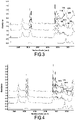
- the infrared analysis shows that the absorbance peak at 760 cm -1 characteristic of the epoxide function of the silane, present in the initial mixture (cf. picture 3 , curve 3), disappeared after the grafting phase (cf. picture 3 , curve 4). These epoxy functions are consumed by the grafting reaction.
- the film obtained by thermo compression is perfectly homogeneous.
- the PA 11 powder grafted with 6% w/w of glycidoxypropyl triethoxy silane is always thermoplastic.
- the granules obtained are dried at 80° C. for 4 hours to remove surface moisture.
- the granules obtained are then cryo-ground with a Retsch ZM 200 laboratory grinder (250 ⁇ m grid, blade speed of 12,000 rpm). For this, the granules are cooled with liquid nitrogen for 30 min before being introduced into the grinder.
- the powder obtained is then sieved at 100 ⁇ m with a Retsch AS200 laboratory sieve.
- the granulometry of the powder obtained is measured by laser granulometry and the shape of the particles is observed by optical microscopy.
- PA 12 powder Orgasol invent smooth marketed by Arkema
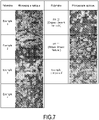
- the distribution of particle sizes is modified and the shape of the particles is very heterogeneous, irregular and non-spherical (see Table 2 and figure 7 ).
- PA 12 modified by reactive extrusion and ground, is therefore unsuitable for the 3D printing process by selective laser sintering, in particular because of the distribution of the size and shape of the particles, and the reduced sintering window resulting from decreasing melting temperature and increasing crystallization temperature.
- the film pressed from the powder is immersed in water at 90° C. for 12 hours, in order to obtain crosslinking by hydrolysis condensation of the alkoxysilane groups. After the immersion cycle, the film is dried at 90°C for 6 hours in a ventilated oven. Test specimens are then cut out with a punch.
- the sintering parameters are shown in Table 3. These parameters are laser power, laser scan speed and temperature environment.
- the power of the laser radiation and the scanning speed of the laser have been modified so as to transfer more energy to the powder to melt it correctly and obtain good sintering of the parts.
- thermoplasticity of the H2 specimens obtained by laser sintering is validated by the production of a thin film by thermo compression with a thermo-regulated hydraulic press.
- the DSC analysis of the sintered H2 test piece shows that the thermal profile of the powder after the melting and the recrystallization that occur during sintering is comparable to that of the PA powder modified according to the comparative example.
- the crosslinking is demonstrated by a dynamic thermo-mechanical analysis (DMTA) carried out in tension, at a frequency of 1 Hz and with a temperature ramp of 5° C./min.
- DMTA dynamic thermo-mechanical analysis
- the powder of PA 12 particles grafted with 5% w/w of glycidoxypropyl triethoxysilane according to the invention does not crosslink and remains thermoplastic during the passage of the laser during the sintering step.
- the thermomechanical properties are improved compared to those of a part sintered from a powder of non-crosslinkable PA 12 particles.
- the layer thickness used for carrying out this test is 100 ⁇ m and the mode of regulation is by measuring the Environment temperature.
- thermoplasticity of the H2 specimens obtained by laser sintering and the thermoplasticity of the powder of grafted PA 12 particles, which have not been sintered but which have undergone the complete thermal cycle of the sintering procedure, are validated by the production of a film end by thermo compression with a thermo-regulated hydraulic press.
- the specimens After the crosslinking of the parts obtained by sintering from the modified PA, carried out by immersion in water at 90°C for 12 hours, the specimens are dried at 90°C for 6 hours in a ventilated oven before being evaluated by analysis. dynamic thermo-mechanical (carried out in traction, at a frequency of 1 Hz and with a temperature ramp of 5°C/min).
- the variation curves of the elastic modulus and of the tangent of the loss angle Delta show that after the melting of the crystalline phase of the modified PA 12, the elastic modulus does not collapse and is maintained up to 300°C. , whereas that of the reference PA 12 (Orgasol Invent Smooth from Arkema) completely collapses when the crystalline phase melts (cf. figure 5 ).
- the decrease in modulus associated with melting is shifted by around ten degrees towards the high temperature compared to the reference PA 12 and the crosslinked PA 12 of Example 5. This shift is probably linked to the excess of non-silane grafted with the powder prepared according to Example 3, which despite everything participates in the hydrolysis-condensation process and contributes to increasing the crosslinking density.
- the powder of PA 12 particles grafted with 8% w/w of glycidoxypropyl triethoxysilane according to the invention does not crosslink and remains thermoplastic during the passage of the laser during the sintering step.
- the thermomechanical properties are improved compared to those of a part sintered from a powder of non-crosslinkable PA 12 particles.
- thermomechanical properties of PA12 modified according to the invention and crosslinked after selective laser sintering shows as for Example 5 that the grafting of the crosslinking agent according to the invention leads to a level of crosslinking close to that obtained when the grafting is carried out by reactive extrusion.
- Example 7 use of the powder of spherical particles of crosslinkable polyamide of example 4 in SLS
- the powder of PA 11 particles grafted with 5% w/w of glycidoxypropyl triethoxysilane according to example 4 is sintered on a 3D printer of the SnowWhite type from the company Sharebot to produce an H2 type specimen.
- the layer thickness used for carrying out this test is 100 ⁇ m and the mode of regulation by measuring the Environment temperature is chosen.
- the sintering parameters are shown in Table 3.
- the modified PA 11 powder according to Example 4 requires a greater energy input to the passage of the laser to melt correctly and obtain good sintering of the rooms.
- thermoplasticity of the H2 specimens obtained by laser sintering and the thermoplasticity of the powder of modified PA 11 particles, which have not been sintered but which have undergone the complete thermal cycle of the sintering procedure, are validated by the production of a film end by thermo compression with a thermo-regulated hydraulic press.
- the specimens After the crosslinking of the parts obtained by sintering from the powder of grafted PA 11 particles according to Example 4, carried out by immersion in water at 90° C. for 12 hours, the specimens are dried at 90° C. for 6 hours in a ventilated oven before being evaluated by dynamic thermo-mechanical analysis (carried out in tension, at a frequency of 1 Hz and with a temperature ramp of 5°C/min).
- the variation curves of the elastic modulus and the tangent of the loss angle Delta show that after the melting of the crystalline phase of the modified PA 11, the elastic modulus does not collapse and is maintained up to 300°C. , while that of Reference PA 11 (Rilsan Invent Natural marketed by Arkema) completely collapses when the crystalline phase melts (cf. figure 6 ).
- thermomechanical properties indicate, as for Examples 5 and 6, that the grafting on the PA11 of the crosslinking agent according to the invention indeed leads to a grafting on the surface and in the heart of the particles of the PA11 adapted to the selective laser sintering process.
Landscapes
- Chemical & Material Sciences (AREA)
- Engineering & Computer Science (AREA)
- Organic Chemistry (AREA)
- Chemical Kinetics & Catalysis (AREA)
- Materials Engineering (AREA)
- Medicinal Chemistry (AREA)
- Health & Medical Sciences (AREA)
- Polymers & Plastics (AREA)
- Manufacturing & Machinery (AREA)
- Wood Science & Technology (AREA)
- Life Sciences & Earth Sciences (AREA)
- Mechanical Engineering (AREA)
- Optics & Photonics (AREA)
- Physics & Mathematics (AREA)
- Ceramic Engineering (AREA)
- Civil Engineering (AREA)
- Composite Materials (AREA)
- Structural Engineering (AREA)
- General Chemical & Material Sciences (AREA)
- Processes Of Treating Macromolecular Substances (AREA)
- Polyamides (AREA)
- Compositions Of Macromolecular Compounds (AREA)
- Treatments Of Macromolecular Shaped Articles (AREA)
Applications Claiming Priority (2)
| Application Number | Priority Date | Filing Date | Title |
|---|---|---|---|
| FR1663160A FR3061182B1 (fr) | 2016-12-22 | 2016-12-22 | Poudre de particules spheriques de polyamide reticulable, procede de preparation et utilisation avec la technique de frittage par laser selectif |
| PCT/FR2017/053776 WO2018115767A1 (fr) | 2016-12-22 | 2017-12-21 | Poudre de particules spheriques de polyamide reticulable, procede de preparation et utilisation avec la technique de frittage par laser selectif |
Publications (2)
| Publication Number | Publication Date |
|---|---|
| EP3559086A1 EP3559086A1 (fr) | 2019-10-30 |
| EP3559086B1 true EP3559086B1 (fr) | 2022-06-15 |
Family
ID=58501565
Family Applications (1)
| Application Number | Title | Priority Date | Filing Date |
|---|---|---|---|
| EP17832528.8A Active EP3559086B1 (fr) | 2016-12-22 | 2017-12-21 | Poudre de particules spheriques de polyamide reticulable, procede de preparation et utilisation avec la technique de frittage par laser selectif |
Country Status (8)
| Country | Link |
|---|---|
| US (2) | US11236242B2 (enExample) |
| EP (1) | EP3559086B1 (enExample) |
| JP (1) | JP7106233B2 (enExample) |
| KR (1) | KR102534351B1 (enExample) |
| CN (2) | CN114773592A (enExample) |
| ES (1) | ES2926150T3 (enExample) |
| FR (1) | FR3061182B1 (enExample) |
| WO (1) | WO2018115767A1 (enExample) |
Families Citing this family (6)
| Publication number | Priority date | Publication date | Assignee | Title |
|---|---|---|---|---|
| EP3594272A1 (de) * | 2018-07-10 | 2020-01-15 | Basf Se | Verfahren zur kontinuierlichen herstellung eines polyamidpulvers |
| FR3085254A1 (fr) | 2018-08-28 | 2020-03-06 | Jlz | Sacs personnalisables |
| WO2020043754A1 (fr) | 2018-08-28 | 2020-03-05 | Jlz | Sacs personnalisables |
| JP7338316B2 (ja) * | 2018-08-31 | 2023-09-05 | 株式会社リコー | 樹脂粉末、及び立体造形物の製造方法 |
| WO2020060572A1 (en) | 2018-09-22 | 2020-03-26 | Hewlett-Packard Development Company, L.P. | Three-dimensional printing |
| US11458677B2 (en) * | 2019-12-26 | 2022-10-04 | Industrial Technology Research Institute | Selective laser sintering composition and selective laser sintering 3D printing method employing the same |
Family Cites Families (23)
| Publication number | Priority date | Publication date | Assignee | Title |
|---|---|---|---|---|
| US4225650A (en) | 1975-10-22 | 1980-09-30 | Exxon Research & Engineering Co. | Crosslinkable polymer powder and laminate |
| CH660744A5 (de) | 1982-11-05 | 1987-06-15 | Inventa Ag | Verfahren zur herstellung hochviskoser bzw. thermisch formstabiler, mindestens teilvernetzter polyamide. |
| JPS62240355A (ja) * | 1986-04-11 | 1987-10-21 | Agency Of Ind Science & Technol | シラン変性ポリアミド樹脂の安定化方法 |
| US5648450A (en) | 1992-11-23 | 1997-07-15 | Dtm Corporation | Sinterable semi-crystalline powder and near-fully dense article formed therein |
| US5527877A (en) | 1992-11-23 | 1996-06-18 | Dtm Corporation | Sinterable semi-crystalline powder and near-fully dense article formed therewith |
| FR2721035B1 (fr) | 1994-06-08 | 1997-05-23 | Atochem Elf Sa | Polyamides à performances thermomécaniques améliorées, leur procédé de préparation et leur utilisation après réticulation. |
| DE19708946A1 (de) | 1997-03-05 | 1998-09-10 | Huels Chemische Werke Ag | Herstellung von Polyamid-Fällpulvern mit enger Korngrößenverteilung und niedriger Porosität |
| DE19747309B4 (de) | 1997-10-27 | 2007-11-15 | Degussa Gmbh | Verwendung eines Polyamids 12 für selektives Laser-Sintern |
| FR2776295B1 (fr) | 1998-03-18 | 2000-06-23 | Trl | Polyamide thermofusible et reticulable, l'un de ses procedes d'obtention et colle le comprenant |
| US6399714B1 (en) * | 2000-09-27 | 2002-06-04 | Michigan Biotechnology Institute | Crosslinked polyamide |
| JP4419013B2 (ja) | 2003-09-22 | 2010-02-24 | 大阪府 | 機能性ポリアミド微粒子及びその製造方法 |
| FR2881431B1 (fr) | 2005-01-28 | 2008-12-05 | Arkema Sa | Greffage d'une poudre de polyamide par irradiation gamma. |
| FR2877948B1 (fr) | 2004-11-12 | 2007-01-05 | Arkema Sa | Procede de synthese de poudres de polyamide |
| FR2899591B1 (fr) | 2006-04-10 | 2008-05-23 | Rhodia Recherches & Tech | Procede de preparation de particules a base de polymere thermoplastique et poudre ainsi obtenue |
| JP5214313B2 (ja) | 2007-06-07 | 2013-06-19 | 群栄化学工業株式会社 | 選択的レーザー焼結用複合材料粉末 |
| FR2968664B1 (fr) * | 2010-12-10 | 2014-02-14 | Rhodia Operations | Realisation d'article par fusion selective de couches de poudre de polymere |
| EP2716692A1 (de) * | 2012-10-08 | 2014-04-09 | WKP Products SA | Verbundwerkstoffe zur Nutzung in Spritzguss-Verfahren |
| FR3005660B1 (fr) | 2013-05-17 | 2015-04-24 | Arkema France | Procede de reticulation en surface de particules de polymere |
| KR101790241B1 (ko) * | 2014-08-04 | 2017-10-26 | 주식회사 엘지화학 | 고흡수성 수지 및 이의 제조 방법 |
| CN104910614B (zh) * | 2015-06-23 | 2017-06-27 | 青岛科技大学 | 一种3d打印用低翘曲尼龙粉末复合材料及其制备方法 |
| CN105238041B (zh) * | 2015-10-22 | 2019-09-06 | 深圳光韵达光电科技股份有限公司 | 一种用于选择性激光烧结的尼龙粉末材料及其制备方法 |
| CN105542200B (zh) * | 2015-12-18 | 2017-11-24 | 福建瑞森新材料股份有限公司 | 一种规则球形尼龙粉末的制备方法 |
| CN105754333B (zh) * | 2016-03-03 | 2019-01-18 | 湖南华曙高科技有限责任公司 | 一种选择性激光烧结用尼龙粉末及其制备方法 |
-
2016
- 2016-12-22 FR FR1663160A patent/FR3061182B1/fr active Active
-
2017
- 2017-12-21 EP EP17832528.8A patent/EP3559086B1/fr active Active
- 2017-12-21 CN CN202210362837.5A patent/CN114773592A/zh active Pending
- 2017-12-21 KR KR1020197020791A patent/KR102534351B1/ko active Active
- 2017-12-21 US US16/472,318 patent/US11236242B2/en active Active
- 2017-12-21 WO PCT/FR2017/053776 patent/WO2018115767A1/fr not_active Ceased
- 2017-12-21 JP JP2019534672A patent/JP7106233B2/ja active Active
- 2017-12-21 ES ES17832528T patent/ES2926150T3/es active Active
- 2017-12-21 CN CN201780079481.1A patent/CN110099945B/zh active Active
-
2021
- 2021-12-20 US US17/555,889 patent/US11891528B2/en active Active
Non-Patent Citations (1)
| Title |
|---|
| None * |
Also Published As
| Publication number | Publication date |
|---|---|
| JP7106233B2 (ja) | 2022-07-26 |
| CN110099945A (zh) | 2019-08-06 |
| ES2926150T3 (es) | 2022-10-24 |
| WO2018115767A1 (fr) | 2018-06-28 |
| FR3061182B1 (fr) | 2019-05-31 |
| EP3559086A1 (fr) | 2019-10-30 |
| ES2926150T8 (es) | 2023-02-14 |
| KR20190099460A (ko) | 2019-08-27 |
| CN114773592A (zh) | 2022-07-22 |
| JP2020514457A (ja) | 2020-05-21 |
| KR102534351B1 (ko) | 2023-05-22 |
| FR3061182A1 (fr) | 2018-06-29 |
| US20220112386A1 (en) | 2022-04-14 |
| US20190375952A1 (en) | 2019-12-12 |
| CN110099945B (zh) | 2022-06-17 |
| US11891528B2 (en) | 2024-02-06 |
| US11236242B2 (en) | 2022-02-01 |
Similar Documents
| Publication | Publication Date | Title |
|---|---|---|
| EP3559086B1 (fr) | Poudre de particules spheriques de polyamide reticulable, procede de preparation et utilisation avec la technique de frittage par laser selectif | |
| CN101970557B (zh) | 粉末组合物以及由其制造制件的方法 | |
| EP2352636B1 (fr) | Realisation d'article par fusion selective de couches de poudre de polymere | |
| EP3385307B1 (fr) | Procédé pour augmenter l écart entre la température de fusion et la température de cristallisation d'une poudre de polyamide | |
| CA2518410C (fr) | Article polyamide renforce par des fibres longues | |
| EP0141733B1 (fr) | Procédé de réticulation de polymères d'éthylène contenant des fonctions anhydride, compositions polymères réticulables et application de ces compositions à l'enduction de substrats | |
| EP1571173B1 (fr) | Procédé de fabrication de poudre de polyamide-12 à point de fusion élevé | |
| CN1534063A (zh) | 激光烧结粉末、其制备方法及其制得的模制品 | |
| JP2007270122A5 (enExample) | ||
| EP2858809A1 (fr) | Procede de traitement thermique de poudres | |
| FR2754825A1 (fr) | Composition de resine a base de chlorure de vinyle et son procede de preparation | |
| FR2982869A1 (fr) | Additif a base de poudre de charbon vegetal pour matrice polymere ou similaire | |
| KR100889256B1 (ko) | 코어 쉘 구조로 이루어진 레이저 소결용 메탈 고분자복합분말 및 이의 제조방법 | |
| EP1737917B1 (fr) | Compositions solides divisees a forte teneur en talc, destinees a etre incorporees dans une matiere thermoplastique | |
| JP3594950B2 (ja) | 粉末加工用フッ素樹脂粉末組成物 | |
| EP4157515A1 (fr) | Zéolithes à compatibilité améliorée | |
| WO2025133192A1 (fr) | Composition de poudres de polymères thermoplastiques pour impression 3d | |
| EP4633951A1 (fr) | Procede de fabrication d'objets frittes a rugosite amelioree | |
| WO2025133204A1 (fr) | Poudre à base de polyamide 12 pour impression 3d | |
| EP2938671B1 (fr) | Composition elastomere autoadherente | |
| EP4430108A1 (fr) | Poudre polymère pour la fabrication de pièces de haute définition et de faible rugosité | |
| FR3144138A1 (fr) | Poudre de polymère thermoplastique à large distribution granulométrique |
Legal Events
| Date | Code | Title | Description |
|---|---|---|---|
| STAA | Information on the status of an ep patent application or granted ep patent |
Free format text: STATUS: UNKNOWN |
|
| STAA | Information on the status of an ep patent application or granted ep patent |
Free format text: STATUS: THE INTERNATIONAL PUBLICATION HAS BEEN MADE |
|
| PUAI | Public reference made under article 153(3) epc to a published international application that has entered the european phase |
Free format text: ORIGINAL CODE: 0009012 |
|
| STAA | Information on the status of an ep patent application or granted ep patent |
Free format text: STATUS: REQUEST FOR EXAMINATION WAS MADE |
|
| 17P | Request for examination filed |
Effective date: 20190716 |
|
| AK | Designated contracting states |
Kind code of ref document: A1 Designated state(s): AL AT BE BG CH CY CZ DE DK EE ES FI FR GB GR HR HU IE IS IT LI LT LU LV MC MK MT NL NO PL PT RO RS SE SI SK SM TR |
|
| AX | Request for extension of the european patent |
Extension state: BA ME |
|
| DAV | Request for validation of the european patent (deleted) | ||
| DAX | Request for extension of the european patent (deleted) | ||
| STAA | Information on the status of an ep patent application or granted ep patent |
Free format text: STATUS: EXAMINATION IS IN PROGRESS |
|
| 17Q | First examination report despatched |
Effective date: 20200518 |
|
| RAP1 | Party data changed (applicant data changed or rights of an application transferred) |
Owner name: SETUP PERFORMANCE SAS |
|
| GRAP | Despatch of communication of intention to grant a patent |
Free format text: ORIGINAL CODE: EPIDOSNIGR1 |
|
| STAA | Information on the status of an ep patent application or granted ep patent |
Free format text: STATUS: GRANT OF PATENT IS INTENDED |
|
| INTG | Intention to grant announced |
Effective date: 20210922 |
|
| GRAS | Grant fee paid |
Free format text: ORIGINAL CODE: EPIDOSNIGR3 |
|
| GRAA | (expected) grant |
Free format text: ORIGINAL CODE: 0009210 |
|
| STAA | Information on the status of an ep patent application or granted ep patent |
Free format text: STATUS: THE PATENT HAS BEEN GRANTED |
|
| APBM | Appeal reference recorded |
Free format text: ORIGINAL CODE: EPIDOSNREFNO |
|
| PUAC | Information related to the publication of a b1 document modified or deleted |
Free format text: ORIGINAL CODE: 0009299EPPU |
|
| STAA | Information on the status of an ep patent application or granted ep patent |
Free format text: STATUS: GRANT OF PATENT IS INTENDED |
|
| GRAJ | Information related to disapproval of communication of intention to grant by the applicant or resumption of examination proceedings by the epo deleted |
Free format text: ORIGINAL CODE: EPIDOSDIGR1 |
|
| GRAL | Information related to payment of fee for publishing/printing deleted |
Free format text: ORIGINAL CODE: EPIDOSDIGR3 |
|
| STAA | Information on the status of an ep patent application or granted ep patent |
Free format text: STATUS: EXAMINATION IS IN PROGRESS |
|
| AK | Designated contracting states |
Kind code of ref document: B1 Designated state(s): AL AT BE BG CH CY CZ DE DK EE ES FI FR GB GR HR HU IE IS IT LI LT LU LV MC MK MT NL NO PL PT RO RS SE SI SK SM TR |
|
| REG | Reference to a national code |
Ref country code: GB Ref legal event code: FG4D Free format text: NOT ENGLISH |
|
| REG | Reference to a national code |
Ref country code: AT Ref legal event code: REF Ref document number: 1467491 Country of ref document: AT Kind code of ref document: T Effective date: 20220215 |
|
| DB1 | Publication of patent cancelled |
Effective date: 20220128 |
|
| REG | Reference to a national code |
Ref country code: IE Ref legal event code: FG4D Free format text: LANGUAGE OF EP DOCUMENT: FRENCH |
|
| REG | Reference to a national code |
Ref country code: DE Ref legal event code: R096 Ref document number: 602017053242 Country of ref document: DE |
|
| INTC | Intention to grant announced (deleted) | ||
| GRAP | Despatch of communication of intention to grant a patent |
Free format text: ORIGINAL CODE: EPIDOSNIGR1 |
|
| STAA | Information on the status of an ep patent application or granted ep patent |
Free format text: STATUS: GRANT OF PATENT IS INTENDED |
|
| REG | Reference to a national code |
Ref country code: DE Ref legal event code: R107 Ref document number: 602017053242 Country of ref document: DE |
|
| INTG | Intention to grant announced |
Effective date: 20220311 |
|
| REG | Reference to a national code |
Ref country code: AT Ref legal event code: REZ Ref document number: 1467491 Country of ref document: AT Kind code of ref document: T Effective date: 20220209 |
|
| APBV | Interlocutory revision of appeal recorded |
Free format text: ORIGINAL CODE: EPIDOSNIRAPE |
|
| GRAA | (expected) grant |
Free format text: ORIGINAL CODE: 0009210 |
|
| STAA | Information on the status of an ep patent application or granted ep patent |
Free format text: STATUS: THE PATENT HAS BEEN GRANTED |
|
| AK | Designated contracting states |
Kind code of ref document: B1 Designated state(s): AL AT BE BG CH CY CZ DE DK EE ES FI FR GB GR HR HU IE IS IT LI LT LU LV MC MK MT NL NO PL PT RO RS SE SI SK SM TR |
|
| REG | Reference to a national code |
Ref country code: CH Ref legal event code: EP Ref country code: GB Ref legal event code: FG4D Free format text: NOT ENGLISH |
|
| REG | Reference to a national code |
Ref country code: DE Ref legal event code: R096 Ref document number: 602017053242 Country of ref document: DE |
|
| REG | Reference to a national code |
Ref country code: AT Ref legal event code: REF Ref document number: 1467491 Country of ref document: AT Kind code of ref document: T Effective date: 20220715 |
|
| PG25 | Lapsed in a contracting state [announced via postgrant information from national office to epo] |
Ref country code: PL Free format text: LAPSE BECAUSE OF FAILURE TO SUBMIT A TRANSLATION OF THE DESCRIPTION OR TO PAY THE FEE WITHIN THE PRESCRIBED TIME-LIMIT Effective date: 20220615 |
|
| REG | Reference to a national code |
Ref country code: NL Ref legal event code: FP |
|
| REG | Reference to a national code |
Ref country code: LT Ref legal event code: MG9D |
|
| REG | Reference to a national code |
Ref country code: ES Ref legal event code: FG2A Ref document number: 2926150 Country of ref document: ES Kind code of ref document: T3 Effective date: 20221024 |
|
| PG25 | Lapsed in a contracting state [announced via postgrant information from national office to epo] |
Ref country code: NO Free format text: LAPSE BECAUSE OF FAILURE TO SUBMIT A TRANSLATION OF THE DESCRIPTION OR TO PAY THE FEE WITHIN THE PRESCRIBED TIME-LIMIT Effective date: 20220915 Ref country code: LT Free format text: LAPSE BECAUSE OF FAILURE TO SUBMIT A TRANSLATION OF THE DESCRIPTION OR TO PAY THE FEE WITHIN THE PRESCRIBED TIME-LIMIT Effective date: 20220615 Ref country code: HR Free format text: LAPSE BECAUSE OF FAILURE TO SUBMIT A TRANSLATION OF THE DESCRIPTION OR TO PAY THE FEE WITHIN THE PRESCRIBED TIME-LIMIT Effective date: 20220615 Ref country code: FI Free format text: LAPSE BECAUSE OF FAILURE TO SUBMIT A TRANSLATION OF THE DESCRIPTION OR TO PAY THE FEE WITHIN THE PRESCRIBED TIME-LIMIT Effective date: 20220615 Ref country code: BG Free format text: LAPSE BECAUSE OF FAILURE TO SUBMIT A TRANSLATION OF THE DESCRIPTION OR TO PAY THE FEE WITHIN THE PRESCRIBED TIME-LIMIT Effective date: 20220915 |
|
| REG | Reference to a national code |
Ref country code: AT Ref legal event code: MK05 Ref document number: 1467491 Country of ref document: AT Kind code of ref document: T Effective date: 20220615 |
|
| PG25 | Lapsed in a contracting state [announced via postgrant information from national office to epo] |
Ref country code: LV Free format text: LAPSE BECAUSE OF FAILURE TO SUBMIT A TRANSLATION OF THE DESCRIPTION OR TO PAY THE FEE WITHIN THE PRESCRIBED TIME-LIMIT Effective date: 20220615 Ref country code: AL Free format text: LAPSE BECAUSE OF FAILURE TO SUBMIT A TRANSLATION OF THE DESCRIPTION OR TO PAY THE FEE WITHIN THE PRESCRIBED TIME-LIMIT Effective date: 20220615 |
|
| PG25 | Lapsed in a contracting state [announced via postgrant information from national office to epo] |
Ref country code: SM Free format text: LAPSE BECAUSE OF FAILURE TO SUBMIT A TRANSLATION OF THE DESCRIPTION OR TO PAY THE FEE WITHIN THE PRESCRIBED TIME-LIMIT Effective date: 20220615 Ref country code: SK Free format text: LAPSE BECAUSE OF FAILURE TO SUBMIT A TRANSLATION OF THE DESCRIPTION OR TO PAY THE FEE WITHIN THE PRESCRIBED TIME-LIMIT Effective date: 20220615 Ref country code: RO Free format text: LAPSE BECAUSE OF FAILURE TO SUBMIT A TRANSLATION OF THE DESCRIPTION OR TO PAY THE FEE WITHIN THE PRESCRIBED TIME-LIMIT Effective date: 20220615 Ref country code: PT Free format text: LAPSE BECAUSE OF FAILURE TO SUBMIT A TRANSLATION OF THE DESCRIPTION OR TO PAY THE FEE WITHIN THE PRESCRIBED TIME-LIMIT Effective date: 20221017 Ref country code: EE Free format text: LAPSE BECAUSE OF FAILURE TO SUBMIT A TRANSLATION OF THE DESCRIPTION OR TO PAY THE FEE WITHIN THE PRESCRIBED TIME-LIMIT Effective date: 20220615 Ref country code: AT Free format text: LAPSE BECAUSE OF FAILURE TO SUBMIT A TRANSLATION OF THE DESCRIPTION OR TO PAY THE FEE WITHIN THE PRESCRIBED TIME-LIMIT Effective date: 20220615 |
|
| REG | Reference to a national code |
Ref country code: DE Ref legal event code: R097 Ref document number: 602017053242 Country of ref document: DE |
|
| PLBE | No opposition filed within time limit |
Free format text: ORIGINAL CODE: 0009261 |
|
| STAA | Information on the status of an ep patent application or granted ep patent |
Free format text: STATUS: NO OPPOSITION FILED WITHIN TIME LIMIT |
|
| PG25 | Lapsed in a contracting state [announced via postgrant information from national office to epo] |
Ref country code: DK Free format text: LAPSE BECAUSE OF FAILURE TO SUBMIT A TRANSLATION OF THE DESCRIPTION OR TO PAY THE FEE WITHIN THE PRESCRIBED TIME-LIMIT Effective date: 20220615 Ref country code: CZ Free format text: LAPSE BECAUSE OF FAILURE TO SUBMIT A TRANSLATION OF THE DESCRIPTION OR TO PAY THE FEE WITHIN THE PRESCRIBED TIME-LIMIT Effective date: 20220615 |
|
| 26N | No opposition filed |
Effective date: 20230316 |
|
| PG25 | Lapsed in a contracting state [announced via postgrant information from national office to epo] |
Ref country code: SI Free format text: LAPSE BECAUSE OF FAILURE TO SUBMIT A TRANSLATION OF THE DESCRIPTION OR TO PAY THE FEE WITHIN THE PRESCRIBED TIME-LIMIT Effective date: 20220615 |
|
| PG25 | Lapsed in a contracting state [announced via postgrant information from national office to epo] |
Ref country code: LU Free format text: LAPSE BECAUSE OF NON-PAYMENT OF DUE FEES Effective date: 20221221 |
|
| PG25 | Lapsed in a contracting state [announced via postgrant information from national office to epo] |
Ref country code: IE Free format text: LAPSE BECAUSE OF NON-PAYMENT OF DUE FEES Effective date: 20221221 |
|
| PG25 | Lapsed in a contracting state [announced via postgrant information from national office to epo] |
Ref country code: HU Free format text: LAPSE BECAUSE OF FAILURE TO SUBMIT A TRANSLATION OF THE DESCRIPTION OR TO PAY THE FEE WITHIN THE PRESCRIBED TIME-LIMIT; INVALID AB INITIO Effective date: 20171221 |
|
| PG25 | Lapsed in a contracting state [announced via postgrant information from national office to epo] |
Ref country code: CY Free format text: LAPSE BECAUSE OF FAILURE TO SUBMIT A TRANSLATION OF THE DESCRIPTION OR TO PAY THE FEE WITHIN THE PRESCRIBED TIME-LIMIT Effective date: 20220615 |
|
| PG25 | Lapsed in a contracting state [announced via postgrant information from national office to epo] |
Ref country code: MK Free format text: LAPSE BECAUSE OF FAILURE TO SUBMIT A TRANSLATION OF THE DESCRIPTION OR TO PAY THE FEE WITHIN THE PRESCRIBED TIME-LIMIT Effective date: 20220615 |
|
| PG25 | Lapsed in a contracting state [announced via postgrant information from national office to epo] |
Ref country code: MC Free format text: LAPSE BECAUSE OF FAILURE TO SUBMIT A TRANSLATION OF THE DESCRIPTION OR TO PAY THE FEE WITHIN THE PRESCRIBED TIME-LIMIT Effective date: 20220615 |
|
| PG25 | Lapsed in a contracting state [announced via postgrant information from national office to epo] |
Ref country code: SE Free format text: LAPSE BECAUSE OF FAILURE TO SUBMIT A TRANSLATION OF THE DESCRIPTION OR TO PAY THE FEE WITHIN THE PRESCRIBED TIME-LIMIT Effective date: 20220615 Ref country code: MC Free format text: LAPSE BECAUSE OF FAILURE TO SUBMIT A TRANSLATION OF THE DESCRIPTION OR TO PAY THE FEE WITHIN THE PRESCRIBED TIME-LIMIT Effective date: 20220615 Ref country code: RS Free format text: LAPSE BECAUSE OF FAILURE TO SUBMIT A TRANSLATION OF THE DESCRIPTION OR TO PAY THE FEE WITHIN THE PRESCRIBED TIME-LIMIT Effective date: 20220615 |
|
| PG25 | Lapsed in a contracting state [announced via postgrant information from national office to epo] |
Ref country code: MT Free format text: LAPSE BECAUSE OF FAILURE TO SUBMIT A TRANSLATION OF THE DESCRIPTION OR TO PAY THE FEE WITHIN THE PRESCRIBED TIME-LIMIT Effective date: 20220615 |
|
| PG25 | Lapsed in a contracting state [announced via postgrant information from national office to epo] |
Ref country code: BG Free format text: LAPSE BECAUSE OF FAILURE TO SUBMIT A TRANSLATION OF THE DESCRIPTION OR TO PAY THE FEE WITHIN THE PRESCRIBED TIME-LIMIT Effective date: 20220615 |
|
| PG25 | Lapsed in a contracting state [announced via postgrant information from national office to epo] |
Ref country code: BG Free format text: LAPSE BECAUSE OF FAILURE TO SUBMIT A TRANSLATION OF THE DESCRIPTION OR TO PAY THE FEE WITHIN THE PRESCRIBED TIME-LIMIT Effective date: 20220615 |
|
| PG25 | Lapsed in a contracting state [announced via postgrant information from national office to epo] |
Ref country code: GR Free format text: LAPSE BECAUSE OF NON-PAYMENT OF DUE FEES Effective date: 20220615 |
|
| PG25 | Lapsed in a contracting state [announced via postgrant information from national office to epo] |
Ref country code: GR Free format text: LAPSE BECAUSE OF NON-PAYMENT OF DUE FEES Effective date: 20220615 |
|
| PGFP | Annual fee paid to national office [announced via postgrant information from national office to epo] |
Ref country code: NL Payment date: 20241224 Year of fee payment: 8 Ref country code: BE Payment date: 20241224 Year of fee payment: 8 |
|
| PGFP | Annual fee paid to national office [announced via postgrant information from national office to epo] |
Ref country code: GB Payment date: 20241217 Year of fee payment: 8 |
|
| PGFP | Annual fee paid to national office [announced via postgrant information from national office to epo] |
Ref country code: FR Payment date: 20241227 Year of fee payment: 8 |
|
| PGFP | Annual fee paid to national office [announced via postgrant information from national office to epo] |
Ref country code: IT Payment date: 20241220 Year of fee payment: 8 |
|
| PGFP | Annual fee paid to national office [announced via postgrant information from national office to epo] |
Ref country code: DE Payment date: 20241227 Year of fee payment: 8 |
|
| PGFP | Annual fee paid to national office [announced via postgrant information from national office to epo] |
Ref country code: ES Payment date: 20250113 Year of fee payment: 8 |
|
| PGFP | Annual fee paid to national office [announced via postgrant information from national office to epo] |
Ref country code: CH Payment date: 20250101 Year of fee payment: 8 |
|
| PG25 | Lapsed in a contracting state [announced via postgrant information from national office to epo] |
Ref country code: TR Free format text: LAPSE BECAUSE OF FAILURE TO SUBMIT A TRANSLATION OF THE DESCRIPTION OR TO PAY THE FEE WITHIN THE PRESCRIBED TIME-LIMIT Effective date: 20220615 |