EP3556620A1 - Steuerventil einer druckluftanlage - Google Patents
Steuerventil einer druckluftanlage Download PDFInfo
- Publication number
- EP3556620A1 EP3556620A1 EP19166192.5A EP19166192A EP3556620A1 EP 3556620 A1 EP3556620 A1 EP 3556620A1 EP 19166192 A EP19166192 A EP 19166192A EP 3556620 A1 EP3556620 A1 EP 3556620A1
- Authority
- EP
- European Patent Office
- Prior art keywords
- sealing ring
- control piston
- sealing
- control valve
- piston
- Prior art date
- Legal status (The legal status is an assumption and is not a legal conclusion. Google has not performed a legal analysis and makes no representation as to the accuracy of the status listed.)
- Granted
Links
Images


Classifications
-
- B—PERFORMING OPERATIONS; TRANSPORTING
- B60—VEHICLES IN GENERAL
- B60T—VEHICLE BRAKE CONTROL SYSTEMS OR PARTS THEREOF; BRAKE CONTROL SYSTEMS OR PARTS THEREOF, IN GENERAL; ARRANGEMENT OF BRAKING ELEMENTS ON VEHICLES IN GENERAL; PORTABLE DEVICES FOR PREVENTING UNWANTED MOVEMENT OF VEHICLES; VEHICLE MODIFICATIONS TO FACILITATE COOLING OF BRAKES
- B60T15/00—Construction arrangement, or operation of valves incorporated in power brake systems and not covered by groups B60T11/00 or B60T13/00
- B60T15/02—Application and release valves
- B60T15/18—Triple or other relay valves which allow step-wise application or release and which are actuated by brake-pipe pressure variation to connect brake cylinders or equivalent to compressed air or vacuum source or atmosphere
- B60T15/182—Trailer brake valves
-
- B—PERFORMING OPERATIONS; TRANSPORTING
- B60—VEHICLES IN GENERAL
- B60T—VEHICLE BRAKE CONTROL SYSTEMS OR PARTS THEREOF; BRAKE CONTROL SYSTEMS OR PARTS THEREOF, IN GENERAL; ARRANGEMENT OF BRAKING ELEMENTS ON VEHICLES IN GENERAL; PORTABLE DEVICES FOR PREVENTING UNWANTED MOVEMENT OF VEHICLES; VEHICLE MODIFICATIONS TO FACILITATE COOLING OF BRAKES
- B60T15/00—Construction arrangement, or operation of valves incorporated in power brake systems and not covered by groups B60T11/00 or B60T13/00
- B60T15/02—Application and release valves
- B60T15/025—Electrically controlled valves
- B60T15/027—Electrically controlled valves in pneumatic systems
-
- B—PERFORMING OPERATIONS; TRANSPORTING
- B60—VEHICLES IN GENERAL
- B60T—VEHICLE BRAKE CONTROL SYSTEMS OR PARTS THEREOF; BRAKE CONTROL SYSTEMS OR PARTS THEREOF, IN GENERAL; ARRANGEMENT OF BRAKING ELEMENTS ON VEHICLES IN GENERAL; PORTABLE DEVICES FOR PREVENTING UNWANTED MOVEMENT OF VEHICLES; VEHICLE MODIFICATIONS TO FACILITATE COOLING OF BRAKES
- B60T15/00—Construction arrangement, or operation of valves incorporated in power brake systems and not covered by groups B60T11/00 or B60T13/00
- B60T15/02—Application and release valves
- B60T15/18—Triple or other relay valves which allow step-wise application or release and which are actuated by brake-pipe pressure variation to connect brake cylinders or equivalent to compressed air or vacuum source or atmosphere
- B60T15/181—Trailer control valves
-
- F—MECHANICAL ENGINEERING; LIGHTING; HEATING; WEAPONS; BLASTING
- F16—ENGINEERING ELEMENTS AND UNITS; GENERAL MEASURES FOR PRODUCING AND MAINTAINING EFFECTIVE FUNCTIONING OF MACHINES OR INSTALLATIONS; THERMAL INSULATION IN GENERAL
- F16J—PISTONS; CYLINDERS; SEALINGS
- F16J15/00—Sealings
- F16J15/16—Sealings between relatively-moving surfaces
- F16J15/32—Sealings between relatively-moving surfaces with elastic sealings, e.g. O-rings
- F16J15/3204—Sealings between relatively-moving surfaces with elastic sealings, e.g. O-rings with at least one lip
- F16J15/3232—Sealings between relatively-moving surfaces with elastic sealings, e.g. O-rings with at least one lip having two or more lips
-
- F—MECHANICAL ENGINEERING; LIGHTING; HEATING; WEAPONS; BLASTING
- F16—ENGINEERING ELEMENTS AND UNITS; GENERAL MEASURES FOR PRODUCING AND MAINTAINING EFFECTIVE FUNCTIONING OF MACHINES OR INSTALLATIONS; THERMAL INSULATION IN GENERAL
- F16J—PISTONS; CYLINDERS; SEALINGS
- F16J15/00—Sealings
- F16J15/16—Sealings between relatively-moving surfaces
- F16J15/32—Sealings between relatively-moving surfaces with elastic sealings, e.g. O-rings
- F16J15/3204—Sealings between relatively-moving surfaces with elastic sealings, e.g. O-rings with at least one lip
- F16J15/3232—Sealings between relatively-moving surfaces with elastic sealings, e.g. O-rings with at least one lip having two or more lips
- F16J15/3236—Sealings between relatively-moving surfaces with elastic sealings, e.g. O-rings with at least one lip having two or more lips with at least one lip for each surface, e.g. U-cup packings
Definitions
- the invention relates to a control valve of a compressed air system of a vehicle, with at least one control piston, which is guided axially movable in a housing-fixed cylinder, wherein by means of the control piston, sealed via at least one arranged on the outer circumference of the control piston sealing ring, two pressure chambers are separated from each other.
- control valves are frequently used with at least one axially guided in a housing-fixed cylinder control piston.
- the control piston separates, sealed by means of at least one arranged on the outer circumference of the control piston sealing ring, two pressure chambers from each other.
- One of the pressure chambers is usually a working pressure chamber which is connected to a working pressure connection of a consumer and, depending on the axial position of the control piston, can be connected to a supply pressure connection or a venting outlet or can be shut off from both.
- the other pressure chamber may be a control pressure chamber or a compensation chamber communicating with the environment via a ventilation bore.
- the control piston can be adjusted to adjust its axial position mechanically, pneumatically or electromagnetically.
- a piston-type control valve may be used as a towing vehicle brake valve, a trailer control valve, a trailer brake valve, or a relay valve.
- a relay valve of a compressed air brake system with a pneumatically adjustable control piston is known in which the control piston is guided axially movable in a cylinder of a valve housing and a working pressure chamber separates from a control pressure chamber.
- the control pressure chamber can be acted upon by a solenoid valve alternately with a control pressure or pressure switchable.
- a radial sealing ring is used with a trained as an outer annular web attachment web in a groove formed as an annular groove in the inner wall of the cylinder, and the piston is provided with a correspondingly long, effective as a sealing surface cylindrical outer wall.
- a similar relay valve of a pneumatic brake system with a pneumatically adjustable control piston is also from the DE 10 20014 009 179 A1 known.
- the control piston is guided axially movable in a cylinder of a valve housing and also separates here a working pressure chamber from a control pressure chamber.
- a Z-shaped profiled sealing ring is inserted into an annular groove which is formed in the cylindrical outer wall of the control piston.
- For its axial guidance of the control piston is mounted by means of a central guide sleeve slidably mounted on a bearing pin fixed to the housing.
- control piston of the known control valves Due to their sliding over a central guide sleeve or a central bearing journal, the control piston of the known control valves each have an unfavorable large axial height, which in particular increases the axial dimensions of the respective control valve.
- sealing of the separated by the respective control piston pressure chambers by means of only one arranged on the outer circumference of the control piston sealing ring in the two latter embodiments of the known control valves is relatively weak.
- the present invention is therefore based on the object to propose a spool with a less axial space-requiring radial guidance and with an improved seal of the separated by the control piston pressure chambers in a piston constructed in the control valve of the type mentioned.
- the sealing ring is designed as a radial sealing ring with a substantially the axial thickness of the control piston corresponding axial width, that the sealing ring at its two axial edges in each case a radially obliquely outwards directed, abutting the inner wall of the cylinder sealing lip, and that a plurality of circumferentially distributed guide body are formed between the two sealing lips on the sealing ring.
- the invention is therefore based on a known control valve of a compressed air system of a vehicle, with at least one control piston which is guided axially movable in a housing-fixed cylinder, wherein by means of the control piston, sealed via at least one arranged on the outer circumference of the control piston sealing ring, two pressure chambers separated from each other are
- the sealing ring is designed as a radial sealing ring whose axial width substantially corresponds to the axial thickness of the control piston.
- the sealing ring in each case has a radially obliquely outwardly directed, on the inner wall of the cylinder acting as a sealing surface sealing lip, so that the separated by the control piston pressure chambers are well sealed against each other.
- Between the two sealing lips of the sealing ring are several arranged distributed circumferentially guide body or at least one circumferential guide body, by means of which the control piston is slidably guided on the inner wall of the housing-fixed cylinder.
- the sealing ring For its stable attachment to the control piston, the sealing ring according to a development on its inner side designed as a radial annular groove mounting groove which engages in the assembled state arranged on the outer circumference of the control piston, designed as a radial annular web attachment web.
- these guide bodies are preferably designed as radially raised, round guide knobs with radially outer cylindrical sliding surface, which are arranged axially centrally between the sealing lips.
- the guide body of the sealing ring is formed as a radially raised annular land with an outer cylindrical sliding surface, which is arranged axially centrally between the sealing lips and circumferentially related interruptions.
- an annular venting space via at least one arranged in the sealing ring radial vent hole with a between the sealing lips of the sealing ring and the inner wall of the Cylinder enclosed gap and with a arranged in the control piston vent passage is in communication.
- the annular venting space is preferably bounded by a radial annular groove, which is formed axially centrally in the bottom wall of the fastening groove of the sealing ring.
- annular vent space is bounded by a radial annular groove, which is formed axially centrally in the outer wall of the fastening web of the control piston.
- the vent holes in the sealing ring expediently largely circumferentially arranged centrally between the guide bodies to allow an unobstructed inflow of compressed air penetrated into the intermediate space from both axial directions.
- sealing ring with a circumferential, annular web-shaped guide body is provided that this interrupted in the vent holes of the sealing ring to allow an unobstructed inflow of compressed air penetrated into the intermediate space from both axial directions.
- the vent passage is preferably formed as a cylindrical pipe or as a ring-cylindrical pipe, which is formed centrally in or coaxially with the central axis of the control piston in the same.
- the annular venting space is then connected to the venting channel via at least one radial venting bore formed in the control piston.
- Fig. 5 is shown in a section of a central section through a valve unit 1, which has two constructed in piston construction control valves 2, 3.
- the valve unit 1 can be used, for example, in a pneumatic brake system of a motor vehicle with two brake circuits as a trailer control valve or as a trailer brake valve.
- the valve unit 1 has a valve housing 4 which comprises an upper housing part 5 and a lower housing part 6 which are connected to one another.
- stepped cylindrical interior a largely pot-cylindrical upper housing insert 7 and a largely pot-cylindrical lower housing insert 8 are arranged immovably.
- first control valve 2 is disposed in the upper part of the valve housing 4 and has a control piston 9 and a cooperating with this sealing piston 11 of an upper seat valve 10.
- the control piston 9 is axially movably guided in a cylinder 12 of the upper housing part 5, is loaded axially upward from a compression spring 13, which is supported on a shoulder 54 of the upper housing part 5, and has on its underside a ring-shaped inner valve seat 14 of the upper seat valve 10.
- the sealing piston 11 of the upper poppet valve 10 is axially movably guided on a cylindrical guide portion 15 of the upper housing insert 7 and of a coil spring designed as a compression spring 16 which is supported on the upper housing insert 7, axially upwards in the direction of a housing upper part 5 arranged annular ridge outer Valve seat 17 loaded.
- An enclosed by the control piston 9 in the cylinder 12 of the upper housing part 5 working pressure chamber 19 to which, for example, a leading to the wheel brake cylinders of a brake circuit brake line can be connected, is dependent on the axial position of the control piston 9 with a below the outer valve seat 17 between the upper housing part 5 and the upper housing insert 7 located annular supply pressure chamber 20 or via a central vent passage 18 with a valve housing 4 in the bottom center venting pressure chamber 21 connectable or shut off against these two pressure chambers 20, 21.
- the vent passage 18 is centrally formed in and coaxial with the center axis 53 of the control piston 22 in the same.
- the working pressure chamber 19 When the control piston 9 rests with its inner valve seat 14 on the sealing piston 11 of the upper seat valve 10 and has pushed away from the outer valve seat 17, the working pressure chamber 19 is connected to the supply pressure chamber 20 communicating with a compressed air source or a supply pressure line, so that the Working pressure in the working pressure chamber 19 is increased. If the control piston 9 has lifted with its inner valve seat 14 from the sealing piston 11 of the upper seat valve 10, and the sealing piston 11 rests against the outer valve seat 17, the working pressure chamber 19 is connected to the non-illustrated muffler with the environment in connection venting pressure chamber 21st connected, so that the working pressure in the working pressure chamber 19 is reduced.
- This in Fig. 5 completely mapped second control valve 3 is arranged in the lower part of the valve housing 4 and has a control piston 22 and a cooperating with this sealing piston 24 of a lower seat valve 23.
- the control piston 22 is axially movably guided in a cylinder 25 of the upper housing insert 7, is loaded by a coil spring designed as a compression spring 26 which is supported on the lower housing insert 8 upwards, and has on its underside a ring-web-shaped inner valve seat 27 of the lower seat valve 23 on.
- the sealing piston 24 of the lower seat valve 23 is axially movably guided on a cylindrical guide section 28 of the lower housing part 6 and by a coil spring designed as a compression spring 29 which is supported on the lower housing part 6 upwards in the direction of a arranged in the lower housing insert 8 annular web-shaped outer valve seat 30th loaded.
- An enclosed by the control piston 22 in the cylinder 25 of the upper housing insert 7 working pressure chamber 32 is dependent on the axial position of the control piston 22 with a located below the outer valve seat 30 between the lower housing insert 8 and the lower housing part 6 annular supply pressure chamber 33 or via a central opening 31st in the sealing piston 24 of the lower seat valve 23 connected to the venting pressure chamber 21 or against two pressure chambers 21, 33 shut off.
- the axial position of the control piston 22 can be adjusted by appropriately setting a control pressure effective in a control pressure space 34, for example by means of a solenoid valve.
- the control pressure chamber 34 is the working pressure chamber 32 axially enclosed by the control piston 22 in the cylinder 25 of the upper housing insert 7.
- the working pressure chamber 32 is connected to the supply pressure chamber 33 communicating with a compressed air source, so that the working pressure in the Working pressure chamber 32 is increased.
- the control piston 22 of the second control valve 3 has at the top a central tubular body 35 and below a circular disk-shaped piston body 36, which are integrally connected to each other. Within the tubular body 35 is the vent channel 18 of the first control valve 2.
- the piston body 36 separates the control pressure chamber 34 from the working pressure chamber 32 and has for sealing a arranged on its outer circumference sealing ring 37, 37 '.
- the sealing ring 37, 37 ' is formed as a radial sealing ring with a substantially the thickness of the piston body 36 corresponding axial width.
- the sealing ring 37, 37 ' has at its two axial edges in each case a radially obliquely outwardly directed first or second sealing lip 39, 40, which bear against the effective inner surface as a sealing surface 38 of the cylinder 25 of the upper housing insert 7. Between the two sealing lips 39, 40 of the sealing ring 37, 37 'with a plurality of circumferentially distributed arranged guide bodies 50 or with a circumferential guide body 51, which in Fig. 5 are not visible.
- control piston 22 is thus also on the sealing ring 37, 37 'radially guided ,
- annular venting chamber 46, 47 is formed, which has a plurality of in the sealing ring 37, 37' formed radial vent holes 45 is connected to a between the two sealing lips 39, 40 of the sealing ring 37, 37 'and the inner wall 38 of the cylinder 25 of the upper housing insert 7 enclosed space 44 and a valve disposed in the control piston 22 vent 49 in conjunction.
- the vent channel 49 is formed as a ring-cylindrical pipe, which is arranged in the lower part of the control piston 22 coaxially around the central tubular body 35 and closed at the top, and which opens downwardly open into the venting pressure chamber 21.
- the annular venting chamber 46, 47 communicates with the venting channel 49 via a plurality of radial venting bores 48 arranged in the piston body 36.
- FIG. 1 has the sealing ring 37 axially centrally between the two sealing lips 39, 40 a plurality of exemplary present four circumferentially distributed arranged guide body 50, which are formed as radially raised and round guide knobs, each with radially outer cylindrical sliding surfaces.
- the circumference largely centrally between each two adjacent guide bodies 50, a respective radial vent hole 45 is formed in the sealing ring 37, so that an inflow of about both sealing lips 39, 40 penetrated into the intermediate space 44 compressed air to the vent holes 45 is possible.
- the sealing ring 37 'axially centrally between the two sealing lips 39, 40 a circumferential guide body 51 which is formed as a radially raised annular land with an outer cylindrical sliding surface.
- this guide body 51 consists of several comparatively long ring land segments, which are slightly spaced from each other by interruptions 52.
- Distributed on the circumference are a plurality of exemplary four radial vent holes 45 formed in the sealing ring 37 ', in the region of the guide body 51 is interrupted in each case to allow an inflow of over both sealing lips 39, 40 penetrated into the gap 44 compressed air.
- annular venting space 46 is formed as a radial annular groove which is axially centrally formed in the bottom wall of the fastening groove 42 of the sealing ring 37, 37 '.
- the arranged in the sealing ring 37, 37 'vent holes 45 are characterized relatively short.
- annular venting chamber 47 is formed by a radial annular groove, which is formed axially centrally in the outer wall of the fastening web 43 of the control piston 22.
- the arranged in the sealing ring 37, 37 'vent holes 45 are therefore made slightly longer with a thicker sealing ring wall.
Landscapes
- Engineering & Computer Science (AREA)
- Transportation (AREA)
- Mechanical Engineering (AREA)
- Valves And Accessory Devices For Braking Systems (AREA)
Abstract
Description
- Die Erfindung betrifft ein Steuerventil einer Druckluftanlage eines Fahrzeugs, mit mindestens einem Steuerkolben, der axialbeweglich in einem gehäusefesten Zylinder geführt ist, wobei mittels dem Steuerkolben, abgedichtet über mindestens einen am Außenumfang des Steuerkolbens angeordneten Dichtring, zwei Druckräume voneinander getrennt sind.
- Straßenfahrzeuge, insbesondere schwere Nutzfahrzeuge und Schienenfahrzeuge, sind häufig mit einer Druckluftversorgungsanlage ausgerüstet, von der Druckluft-Verbraucherkreise, wie Betriebsbremskreise, ein Feststellbremskreis, ein Luftfederungskreis, ein Niveauregelungskreis und/oder Nebenverbraucherkreise mit Druckluft versorgt werden. Um den Arbeitsdruck von Druckluftverbrauchern einzustellen, werden häufig Steuerventile mit mindestens einem axialbeweglich in einem gehäusefesten Zylinder geführten Steuerkolben verwendet. Der Steuerkolben trennt, abgedichtet mittels mindestens einen am Außenumfang des Steuerkolbens angeordneten Dichtring, zwei Druckräume voneinander. Bei einem der Druckräume handelt es sich üblicherweise um einen Arbeitsdruckraum, der mit einem Arbeitsdruckanschluss eines Verbrauchers in Verbindung ist und abhängig von der Axialposition des Steuerkolbens mit einem Versorgungsdruckanschluss oder einem Entlüftungsausgang verbindbar oder gegenüber beiden absperrbar ist. Bei dem anderen Druckraum kann es sich um einen Steuerdruckraum oder um einen über eine Entlüftungsbohrung mit der Umgebung in Verbindung stehenden Ausgleichsraum handeln. Der Steuerkolben kann zur Einstellung seiner Axialposition mechanisch, pneumatisch oder elektromagnetisch verstellt werden. In einer Druckluft-Bremsanlage eines Fahrzeugs kann ein derartiges, in Kolbenbauweise ausgeführtes Steuerventil als ein Motorwagen-Bremsventil, als ein Anhänger-Steuerventil, als ein Anhänger-Bremsventil oder als ein Relaisventil verwendet werden.
- Aus der
DE 101 20 321 B4 ist ein Relaisventil einer Druckluft-Bremsanlage mit einem pneumatisch verstellbaren Steuerkolben bekannt, bei dem der Steuerkolben in einem Zylinder eines Ventilgehäuses axialbeweglich geführt ist und einen Arbeitsdruckraum von einem Steuerdruckraum trennt. Der Steuerdruckraum ist über ein Magnetventil wechselweise mit einem Steuerdruck beaufschlagbar oder drucklos schaltbar. Zur Abdichtung des Steuerkolbens ist ein Radialdichtring mit einem als äußerer Ringsteg ausgebildeten Befestigungssteg in eine als Ringnut ausgebildete Befestigungsnut in der Innenwand des Zylinders eingesetzt, und der Kolben ist mit einer entsprechend langen, als Dichtfläche wirksamen zylindrischen Außenwand versehen. - In der
DE 10 2009 040 759 A1 ist ein weiteres Relaisventil einer Druckluft-Bremsanlage mit einem pneumatisch verstellbaren Steuerkolben beschrieben, bei dem der Steuerkolben in einem Zylinder eines Ventilgehäuses axialbeweglich geführt ist und einen Arbeitsdruckraum von einem Steuerdruckraum trennt. Der Steuerdruckraum ist über ein nicht näher beschriebenes Vorsteuerventil wechselweise mit einem Steuerdruck beaufschlagbar oder drucklos schaltbar. Zur Abdichtung des Steuerkolbens ist ein O-Ring in eine Ringnut eingelegt, welche in der zylindrischen Außenwand des Steuerkolbens ausgebildet ist. Zu seiner axialen Führung ist der Steuerkolben mit einem relativ langen zentralen Lagerzapfen gleitbeweglich in einer zentralen Lagerbohrung eines Gehäusedeckels gelagert. - Ein ähnliches Relaisventil einer Druckluft-Bremsanlage mit einem pneumatisch verstellbaren Steuerkolben ist auch aus der
DE 10 20014 009 179 A1 - Aufgrund ihrer Gleitführung über eine zentrale Führungshülse oder einen zentralen Lagerzapfen weisen die Steuerkolben der bekannten Steuerventile jeweils eine ungünstig große axiale Bauhöhe auf, durch welche insbesondere die axialen Abmessungen des betreffenden Steuerventils vergrößert werden. Zudem ist die Abdichtung der durch den jeweiligen Steuerkolben getrennten Druckräume mittels jeweils nur einem am Außenumfang des Steuerkolbens angeordneten Dichtrings bei den beiden letztgenannten Ausführungen der bekannten Steuerventile relativ schwach ausgebildet.
- Der vorliegenden Erfindung liegt daher die Aufgabe zu Grunde, bei einem in Kolbenbauweise ausgeführten Steuerventil der eingangs genannten Bauart einen Steuerkolben mit einer weniger axialen Bauraum erfordernden radialen Führung und mit einer verbesserten Abdichtung der durch den Steuerkolben getrennten Druckräume vorzuschlagen.
- Diese Aufgabe ist in Verbindung mit den Merkmalen des Oberbegriffs des Anspruchs 1 dadurch gelöst, dass der Dichtring als ein Radialdichtring mit einer weitgehend der axialen Dicke des Steuerkolbens entsprechenden axialen Breite ausgebildet ist, dass der Dichtring an seinen beiden axialen Rändern jeweils eine radial schräg nach außen gerichtete, an der Innenwand des Zylinders anliegende Dichtlippe aufweist, und dass zwischen den beiden Dichtlippen an dem Dichtring mehrere umfangsseitig verteilt angeordnete Führungskörper ausgebildet sind.
- Die Erfindung geht demnach aus von einem an sich bekannten Steuerventil einer Druckluftanlage eines Fahrzeugs, mit mindestens einem Steuerkolben, der axialbeweglich in einem gehäusefesten Zylinder geführt ist, wobei mittels dem Steuerkolben, abgedichtet über mindestens einen am Außenumfang des Steuerkolbens angeordneten Dichtring, zwei Druckräume voneinander getrennt sind
- Erfindungsgemäß ist der Dichtring als ein Radialdichtring ausgebildet, dessen axiale Breite weitgehend der axialen Dicke des Steuerkolbens entspricht. An seinen beiden axialen Rändern weist der Dichtring jeweils eine radial schräg nach außen gerichtete, an der als Dichtfläche wirksamen Innenwand des Zylinders anliegende Dichtlippe auf, so dass die durch den Steuerkolben voneinander getrennten Druckräume gut gegeneinander abgedichtet sind. Zwischen den beiden Dichtlippen des Dichtrings sind mehrere umfangsseitig verteilt angeordnete Führungskörper oder zumindest ein umlaufender Führungskörper angeordnet, mittels denen der Steuerkolben an der Innenwand des gehäusefesten Zylinders gleitbeweglich geführt ist.
- Somit kann auf die radiale Führung des Steuerkolbens über eine zentrale Führungshülse oder einen zentralen Führungszapfen verzichtet oder eine derartige Gleitführung axial kürzer als bisher üblich ausgebildet sein. Die erforderliche axiale Gesamthöhe des erfindungsgemäßen Steuerkolbens ist dadurch kleiner, so dass das betreffende Steuerventil zumindest in seinen axialen Abmessungen kompakter ausgebildet ist. Zudem wird die Abdichtung der Druckräume durch die beziehungsweise durch den an den Dichtring integrierten Führungskörper unterstützt, indem eine gekippte oder exzentrische Lage des Steuerkolbens verhindert wird, durch welche mindestens eine der Dichtlippen umfangsseitig lokal stark eingedrückt und die andere oder dieselbe Dichtlippe diagonal gegenüberliegend schwächer an die Innenwand des Zylinders angedrückt oder sogar von dieser abgehoben werden könnte.
- Zu seiner stabilen Befestigung auf dem Steuerkolben weist der Dichtring gemäß einer Weiterbildung an seiner Innenseite eine als radiale Ringnut ausgebildete Befestigungsnut auf, die im montierten Zustand einen am Außenumfang des Steuerkolbens angeordneten, als radialen Ringsteg ausgebildeten Befestigungssteg umgreift.
- Bei der Ausführung des Dichtrings mit mehreren umfangsseitig verteilt angeordneten Führungskörpern sind diese Führungskörper bevorzugt als radial erhabene, runde Führungsnoppen mit radial äußerer zylindrischer Gleitfläche ausgebildet, die axial mittig zwischen den Dichtlippen angeordnet sind.
- Bei einer anderen Ausführungsform des Dichtrings ist vorgesehen, dass der Führungskörper des Dichtrings als ein radial erhabener Ringsteg mit einer äußeren zylindrischen Gleitfläche ausgebildet ist, der axial mittig zwischen den Dichtlippen angeordnet ist sowie umfangsbezogene Unterbrechungen aufweist.
- Zur Ableitung von leckagebedingt über eine der beiden Dichtlippen eingedrungener Druckluft ist zwischen dem Außenumfang des Kolbens und der radialen Innenseite des Dichtrings vorteilhaft ein ringförmiger Entlüftungsraum ausgebildet, der über mindestens eine in dem Dichtring angeordnete radiale Entlüftungsbohrung mit einem zwischen den Dichtlippen des Dichtrings und der Innenwand des Zylinders eingeschlossenen Zwischenraum sowie mit einem in dem Steuerkolben angeordneten Entlüftungskanal in Verbindung steht.
- Der ringförmige Entlüftungsraum ist bevorzugt von einer radialen Ringnut umgrenzt, die axial mittig in der Bodenwand der Befestigungsnut des Dichtrings ausgebildet ist.
- Alternativ dazu ist es auch möglich, dass der ringförmige Entlüftungsraum von einer radialen Ringnut umgrenzt ist, die axial mittig in der Außenwand des Befestigungssteges des Steuerkolbens ausgebildet ist.
- Bei einer Ausführung des Dichtrings mit mehreren umfangsseitig verteilt angeordneten Führungskörpern sind die Entlüftungsbohrungen in dem Dichtring zweckmäßig umfangsseitig weitgehend mittig zwischen den Führungskörpern angeordnet, um aus beiden axialen Richtungen eine ungehinderte Zuströmung von in den Zwischenraum eingedrungener Druckluft zu ermöglichen.
- Bei einer Ausführung des Dichtrings mit einem umlaufenden, ringstegförmigen Führungskörper ist vorgesehen, dass dieser im Bereich der Entlüftungsbohrungen des Dichtrings unterbrochen, um aus beiden axialen Richtungen eine ungehinderte Zuströmung von in den Zwischenraum eingedrungener Druckluft zu ermöglichen.
- Der Entlüftungskanal ist bevorzugt als eine zylindrische Rohrleitung oder als eine ringzylindrische Rohrleitung ausgebildet, welcher zentral in oder koaxial zu der Mittelachse des Steuerkolbens in demselben ausgebildet ist. Der ringförmige Entlüftungsraum steht dann über mindestens eine in dem Steuerkolben ausgebildete radiale Entlüftungsbohrung mit dem Entlüftungskanal in Verbindung.
- Die Erfindung wird nachstehend anhand von zwei in der beigefügten Zeichnung dargestellten Ausführungsbeispielen näher erläutert. In der Zeichnung zeigt
-
Fig. 1 eine erste Ausführungsform eines Steuerkolbens des erfindungsgemäßen Steuerventils in einer perspektivischen Ansicht, -
Fig. 2 eine zweite Ausführungsform eines Steuerkolbens des erfindungsgemäßen Steuerventils in einer perspektivischen Ansicht, -
Fig. 3 eine erste Variante beider Ausführungen des Steuerkolbens des erfindungsgemäßen Steuerventils gemäßFig. 1 undFig. 2 in einer perspektivischen Schnittansicht, -
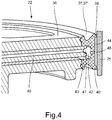
Fig. 4 eine zweite Variante beider Ausführungen des Steuerkolbens des erfindungsgemäßen Steuerventils gemäßFig. 1 undFig. 2 in einer perspektivischen Schnittansicht, und -
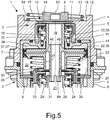
Fig. 5 das erfindungsgemäße Steuerventil in einem teilweisen Mittelschnitt. - In
Fig. 5 ist in einem Ausschnitt eines Mittelschnitts durch eine Ventileinheit 1 abgebildet, die zwei in Kolbenbauweise ausgeführte Steuerventile 2, 3 aufweist. Die Ventileinheit 1 kann beispielsweise in einer Druckluft-Bremsanlage eines Kraftfahrzeugs mit zwei Bremskreisen als ein Anhänger-Steuerventil oder als ein Anhänger-Bremsventil verwendet werden. Die Ventileinheit 1 weist ein Ventilgehäuse 4 auf, das ein Gehäuseoberteil 5 und ein Gehäuseunterteil 6 umfasst, die miteinander verbunden sind. In einem von den beiden Gehäuseteilen 5, 6 eingeschlossenen, abgestuft zylindrischen Innenraum sind ein weitgehend topfzylindrischer oberer Gehäuseeinsatz 7 und ein weitgehend topfzylindrischer unterer Gehäuseeinsatz 8 unverschiebbar angeordnet. - Das in
Fig. 5 nur teilweise abgebildete erste Steuerventil 2 ist im oberen Teil des Ventilgehäuses 4 angeordnet und weist einen Steuerkolben 9 und einen mit diesem zusammenwirkenden Dichtkolben 11 eines oberen Sitzventils 10 auf. Der Steuerkolben 9 ist in einem Zylinder 12 des Gehäuseoberteils 5 axialbeweglich geführt, wird von einer als Schraubenfeder ausgebildeten Druckfeder 13, die an einem Absatz 54 des Gehäuseoberteils 5 abgestützt ist, nach axial oben belastet, und weist auf seiner Unterseite einen ringstegförmigen inneren Ventilsitz 14 des oberen Sitzventils 10 auf. - Der Dichtkolben 11 des oberen Sitzventils 10 ist auf einem zylindrischen Führungsabschnitt 15 des oberen Gehäuseeinsatzes 7 axialbeweglich geführt und von einer als Schraubenfeder ausgebildeten Druckfeder 16, die an dem oberen Gehäuseeinsatz 7 abgestützt ist, nach axial oben in Richtung eines in dem Gehäuseoberteil 5 angeordneten ringstegförmigen äußeren Ventilsitzes 17 belastet. Ein von dem Steuerkolben 9 in dem Zylinder 12 des Gehäuseoberteils 5 eingeschlossener Arbeitsdruckraum 19, an den zum Beispiel eine zu den Radbremszylindern eines Bremskreises führende Bremsleitung angeschlossen sein kann, ist abhängig von der Axialposition des Steuerkolbens 9 mit einem unterhalb des äußeren Ventilsitzes 17 zwischen dem Gehäuseoberteil 5 und dem oberen Gehäuseeinsatz 7 befindlichen ringförmigen Versorgungsdruckraum 20 oder über einen zentralen Entlüftungskanal 18 mit einem in dem Ventilgehäuse 4 unten mittig angeordneten Entlüftungsdruckraum 21 verbindbar oder gegenüber diesen beiden Druckräumen 20, 21 absperrbar. Der Entlüftungskanal 18 ist zentral in und koaxial zu der Mittelachse 53 des Steuerkolbens 22 in demselben ausgebildet.
- Wenn der Steuerkolben 9 mit seinem inneren Ventilsitz 14 an dem Dichtkolben 11 des oberen Sitzventils 10 anliegt und diesen von dem äußeren Ventilsitz 17 weggedrückt hat, ist der Arbeitsdruckraum 19 mit dem mit einer Druckluftquelle beziehungsweise einer Versorgungsdruckleitung in Verbindung stehenden Versorgungsdruckraum 20 verbunden, so dass der Arbeitsdruck in dem Arbeitsdruckraum 19 erhöht wird. Sofern der Steuerkolben 9 mit seinem inneren Ventilsitz 14 von dem Dichtkolben 11 des oberen Sitzventils 10 abgehoben hat, und der Dichtkolben 11 an dem äußeren Ventilsitz 17 anliegt, ist der Arbeitsdruckraum 19 mit dem über einen nicht abgebildeten Schalldämpfer mit der Umgebung in Verbindung stehenden Entlüftungsdruckraum 21 verbunden, so dass der Arbeitsdruck in dem Arbeitsdruckraum 19 verringert wird. Wenn der Steuerkolben 9 mit seinem inneren Ventilsitz 14 an dem Dichtkolben 11 des oberen Sitzventils 10 anliegt, ohne diesen von dem äußeren Ventilsitz 17 abzuheben, ist der Arbeitsdruckraum 19 gegenüber dem Versorgungsdruckraum 20 und dem Entlüftungsdruckraum 21 abgesperrt, so dass der Arbeitsdruck in dem Arbeitsdruckraum 19 konstant gehalten wird.
- Das in
Fig. 5 vollständig abgebildete zweite Steuerventil 3 ist im unteren Teil des Ventilgehäuses 4 angeordnet und weist einen Steuerkolben 22 sowie ein mit diesem zusammenwirkenden Dichtkolben 24 eines unteren Sitzventils 23 auf. Der Steuerkolben 22 ist in einem Zylinder 25 des oberen Gehäuseeinsatzes 7 axialbeweglich geführt, wird von einer als Schraubenfeder ausgebildeten Druckfeder 26, die an dem unteren Gehäuseeinsatz 8 abgestützt ist, nach oben belastet, und weist auf seiner Unterseite einen ringstegförmigen inneren Ventilsitz 27 des unteren Sitzventils 23 auf. Der Dichtkolben 24 des unteren Sitzventils 23 ist auf einem zylindrischen Führungsabschnitt 28 des Gehäuseunterteils 6 axialbeweglich geführt und von einer als Schraubenfeder ausgebildeten Druckfeder 29, die an dem Gehäuseunterteil 6 abgestützt ist, nach oben in Richtung eines in dem unteren Gehäuseeinsatz 8 angeordneten ringstegförmigen äußeren Ventilsitzes 30 belastet. Ein von dem Steuerkolben 22 in dem Zylinder 25 des oberen Gehäuseeinsatzes 7 eingeschlossener Arbeitsdruckraum 32 ist abhängig von der Axialposition des Steuerkolbens 22 mit einem unterhalb des äußeren Ventilsitzes 30 zwischen dem unteren Gehäuseeinsatz 8 und dem Gehäuseunterteil 6 befindlichen ringförmigen Versorgungsdruckraum 33 oder über eine zentrale Öffnung 31 in dem Dichtkolben 24 des unteren Sitzventils 23 mit dem Entlüftungsdruckraum 21 verbindbar oder gegenüber beiden Druckräumen 21, 33 absperrbar. - Die Axialposition des Steuerkolbens 22 ist dadurch einstellbar, dass ein in einem Steuerdruckraum 34 wirksamer Steuerdruck zum Beispiel mittels eines Magnetventils in geeigneter Weise eingestellt wird. Der Steuerdruckraum 34 ist dem Arbeitsdruckraum 32 axial gegenüberliegend von dem Steuerkolben 22 in dem Zylinder 25 des oberen Gehäuseeinsatzes 7 eingeschlossen. Wenn der Steuerkolben 22 mit seinem inneren Ventilsitz 27 an dem Dichtkolben 24 des unteren Sitzventils 23 anliegt und diesen von dem äußeren Ventilsitz 30 weggedrückt hat, ist der Arbeitsdruckraum 32 mit dem mit einer Druckluftquelle in Verbindung stehenden Versorgungsdruckraum 33 verbunden, so dass der Arbeitsdruck in dem Arbeitsdruckraum 32 erhöht wird. Sofern der Steuerkolben 22 mit seinem inneren Ventilsitz 27 von dem Dichtkolben 24 des unteren Sitzventils 23 abgehoben hat, und der Dichtkolben 24 an dem äußeren Ventilsitz 30 anliegt, ist der Arbeitsdruckraum 32 mit dem Entlüftungsdruckraum 21 verbunden, so dass der Arbeitsdruck in dem Arbeitsdruckraum 32 verringert wird. Diese Betriebsstellung ist in
Fig. 5 dargestellt. Wenn der Steuerkolben 22 mit seinem inneren Ventilsitz 27 an dem Dichtkolben 24 des unteren Sitzventils 23 anliegt, ohne diesen von dem äußeren Ventilsitz 30 abzuheben, ist der Arbeitsdruckraum 32 gegenüber dem Versorgungsdruckraum 33 und dem Entlüftungsdruckraum 21 abgesperrt, so dass der Arbeitsdruck in dem Arbeitsdruckraum 32 konstant gehalten wird. - Der Steuerkolben 22 des zweiten Steuerventils 3 weist oben einen zentralen Rohrkörper 35 und darunter einen kreisscheibenförmigen Kolbenkörper 36 auf, die einstückig miteinander verbunden sind. Innerhalb des Rohrkörpers 35 befindet sich der Entlüftungskanal 18 des ersten Steuerventils 2. Der Kolbenkörper 36 trennt den Steuerdruckraum 34 von dem Arbeitsdruckraum 32 und weist zur Abdichtung einen an seinem Außenumfang angeordneten Dichtring 37, 37' auf. Der Dichtring 37, 37' ist als ein Radialdichtring mit einer weitgehend der Dicke des Kolbenkörpers 36 entsprechenden axialen Breite ausgebildet. Der Dichtring 37, 37' weist an seinen beiden axialen Rändern jeweils eine radial schräg nach außen gerichtete erste beziehungsweise zweite Dichtlippe 39, 40 auf, welche an der als Dichtfläche wirksamen Innenwand 38 des Zylinders 25 des oberen Gehäuseeinsatzes 7 anliegen. Zwischen den beiden Dichtlippen 39, 40 ist der Dichtring 37, 37' mit mehreren umfangsseitig verteilt angeordneten Führungskörpern 50 oder mit einem umlaufenden Führungskörper 51 versehen, die in
Fig. 5 nicht sichtbar sind. Außer über eine Gleitführung des Rohrkörpers 35 des Steuerkolbens 22 in einem zylindrischen Führungsabschnitt 41 des oberen Gehäuseeinsatzes 7 sowie über eine radial an dem Kolbenkörper 36 und dem unteren Gehäuseeinsatz 8 abgestützte Schraubenfeder 26 ist der Steuerkolben 22 somit auch über den Dichtring 37, 37' radial geführt. - Wie in den
Figuren 1 bis 4 besser erkennbar ist, weist der Dichtring 37, 37' zu seiner formschlüssigen Fixierung auf dem Steuerkolben 22 an seiner radialen Innenseite eine als radiale Ringnut ausgebildete Befestigungsnut 42 auf, die einen am Außenumfang des Kolbenkörpers 36 ausgebildeten, als radialen Ringsteg ausgebildeten Befestigungssteg 43 umgreift. Zwischen dem Außenumfang des Kolbenkörpers 36 und der radialen Innenseite des Dichtrings 37, 37' ist ein ringförmiger Entlüftungsraum 46, 47 ausgebildet, der über mehrere in dem Dichtring 37, 37' ausgebildete radiale Entlüftungsbohrungen 45 mit einem zwischen den beiden Dichtlippen 39, 40 des Dichtrings 37, 37' und der Innenwand 38 des Zylinders 25 des oberen Gehäuseeinsatzes 7 eingeschlossenen Zwischenraum 44 sowie mit einem in dem Steuerkolben 22 angeordneten Entlüftungskanal 49 in Verbindung ist. - Der Entlüftungskanal 49 ist als eine ringzylindrische Rohrleitung ausgebildet, die im unteren Teil des Steuerkolbens 22 koaxial um den zentralen Rohrkörper 35 angeordnet und nach oben geschlossen ist, und die nach unten offen in den Entlüftungsdruckraum 21 mündet. Der ringförmige Entlüftungsraum 46, 47 steht über mehrere in dem Kolbenkörper 36 angeordnete radiale Entlüftungsbohrungen 48 mit dem Entlüftungskanal 49 in Verbindung.
- Zwei bevorzugte Ausführungsformen des Dichtrings 37, 37' werden nachfolgend anhand der perspektivischen Ansichten des Steuerkolbens 22 in
Fig. 1 undFig. 2 näher erläutert. In der ersten Ausführungsform gemäßFig. 1 weist der Dichtring 37 axial mittig zwischen den beiden Dichtlippen 39, 40 mehrere, vorliegend beispielhaft vier umfangsseitig verteilt angeordnete Führungskörper 50 auf, die als radial erhabene und runde Führungsnoppen mit jeweils radial äußeren zylindrischen Gleitflächen ausgebildet sind. Umfangsseitig weitgehend mittig zwischen jeweils zwei benachbarten Führungskörpern 50 ist jeweils eine radiale Entlüftungsbohrung 45 in dem Dichtring 37 ausgebildet, so dass eine Zuströmung von über beide Dichtlippen 39, 40 in den Zwischenraum 44 eingedrungener Druckluft zu dem Entlüftungsbohrungen 45 möglich ist. - Bei der zweiten Ausführungsform gemäß
Fig. 2 weist der Dichtring 37' axial mittig zwischen den beiden Dichtlippen 39, 40 einen umlaufenden Führungskörper 51 auf, der als ein radial erhabener Ringsteg mit einer äußeren zylindrischen Gleitfläche ausgebildet ist. Genau genommen besteht dieser Führungskörper 51 aus mehreren vergleichsweise langen Ringstegsegmenten, die durch Unterbrechungen 52 gering voneinander beabstandet sind. Umfangsseitig verteilt sind mehrere, vorliegend beispielhaft vier radiale Entlüftungsbohrungen 45 in dem Dichtring 37' ausgebildet, in deren Bereich der Führungskörper 51 jeweils unterbrochen ist, um eine Zuströmung von über beide Dichtlippen 39, 40 in den Zwischenraum 44 eingedrungener Druckluft zu ermöglichen. - Zwei mögliche Varianten des Steuerkolbens 22 und des Dichtrings 37, 37', die in Verbindung mit beiden vorbeschriebenen Ausführungen des Dichtrings 37, 37' zur Anwendung kommen können, werden nachfolgend anhand der perspektivischen Schnittansichten des Steuerkolbens 22 mit abgestuften Schnittflächen in
Fig. 3 undFig. 4 näher erläutert. In der ersten Variante des Steuerkolbens 22 und des Dichtrings 37, 37' gemäßFig. 3 ist der ringförmige Entlüftungsraum 46 als eine radiale Ringnut ausgebildet, die axial mittig in der Bodenwand der Befestigungsnut 42 des Dichtrings 37, 37' ausgebildet ist. Die in dem Dichtring 37, 37' angeordneten Entlüftungsbohrungen 45 sind dadurch bedingt relativ kurz ausgebildet. In der zweiten Variante des Steuerkolbens 22 und des Dichtrings 37, 37' gemäßFig. 4 ist der ringförmige Entlüftungsraum 47 durch eine radiale Ringnut gebildet, die axial mittig in der Außenwand des Befestigungssteges 43 des Steuerkolbens 22 ausgebildet ist. Die in dem Dichtring 37, 37' angeordneten Entlüftungsbohrungen 45 sind daher bei einer dickeren Dichtringswand etwas länger ausgeführt. -
- 1
- Ventileinheit
- 2
- Erstes Steuerventil
- 3
- Zweites Steuerventil
- 4
- Ventilgehäuse
- 5
- Gehäuseoberteil des Ventilgehäuses
- 6
- Gehäuseunterteil des Ventilgehäuses
- 7
- Oberer Gehäuseeinsatz
- 8
- Unterer Gehäuseeinsatz
- 9
- Steuerkolben
- 10
- Oberes Sitzventil
- 11
- Dichtkolben
- 12
- Zylinder des Gehäuseoberteils
- 13
- Druckfeder, Schraubenfeder
- 14
- Innerer Ventilsitz
- 15
- Führungsabschnitt
- 16
- Druckfeder, Schraubenfeder
- 17
- Äußerer Ventilsitz
- 18
- Entlüftungskanal
- 19
- Arbeitsdruckraum
- 20
- Versorgungsdruckraum
- 21
- Entlüftungsdruckraum
- 22
- Steuerkolben
- 23
- Unteres Sitzventil
- 24
- Dichtkolben
- 25
- Zylinder des oberen Gehäuseeinsatzes
- 26
- Druckfeder, Schraubenfeder
- 27
- Innerer Ventilsitz
- 28
- Führungsabschnitt
- 29
- Druckfeder, Schraubenfeder
- 30
- Äußerer Ventilsitz
- 31
- Öffnung
- 32
- Arbeitsdruckraum
- 33
- Versorgungsdruckraum
- 34
- Steuerdruckraum
- 35
- Rohrkörper
- 36
- Kolbenkörper
- 37, 37'
- Dichtring, Radialdichtring
- 38
- Innenwand
- 39
- Erste Dichtlippe
- 40
- Zweite Dichtlippe
- 41
- Führungsabschnitt
- 42
- Befestigungsnut, Ringnut
- 43
- Befestigungssteg, Ringsteg
- 44
- Zwischenraum
- 45
- Entlüftungsbohrung
- 46
- Entlüftungsraum, Ringnut
- 47
- Entlüftungsraum, Ringnut
- 48
- Entlüftungsbohrung
- 49
- Entlüftungskanal
- 50
- Führungskörper, Führungsnoppe
- 51
- Führungskörper, Ringsteg
- 52
- Unterbrechung im Ringsteg
- 53
- Mittelachse des Steuerkolbens
- 54
- Absatz am Gehäuseoberteil
Claims (11)
- Steuerventil (3) einer Druckluftanlage eines Fahrzeugs, mit mindestens einem Steuerkolben (22), der axialbeweglich in einem gehäusefesten Zylinder (25) geführt ist, wobei mittels dem Steuerkolben (22), abgedichtet über mindestens einen am Außenumfang des Steuerkolbens (22, 36) angeordneten Dichtring (37, 37'), zwei Druckräume (32, 34) voneinander getrennt sind, dadurch gekennzeichnet, dass der Dichtring (37, 37') als ein Radialdichtring mit einer weitgehend der axialen Dicke des Steuerkolbens (22, 36) entsprechenden axialen Breite ausgebildet ist, dass der Dichtring (37, 37') an seinen beiden axialen Rändern jeweils eine radial schräg nach außen gerichtete, an der Innenwand (38) des Zylinders (25) anliegende Dichtlippe (39, 40) aufweist, und dass zwischen den beiden Dichtlippen (39, 40) an dem Dichtring (37, 37') mehrere umfangsseitig verteilt angeordnete Führungskörper (50, 51) ausgebildet sind.
- Steuerventil nach Anspruch 1, dadurch gekennzeichnet, dass der Dichtring (37, 37') an seiner Innenseite eine als radiale Ringnut ausgebildete Befestigungsnut (42) aufweist, die im montierten Zustand einen am Außenumfang des Steuerkolbens (22, 36) angeordneten, als radialen Ringsteg ausgebildeten Befestigungssteg (43) umgreift.
- Steuerventil nach Anspruch 1 oder 2, dadurch gekennzeichnet, dass die Führungskörper (50) des Dichtrings (37) als radial erhabene, runde Führungsnoppen mit einer äußeren zylindrischen Gleitfläche ausgebildet sind, welche axial mittig zwischen den Dichtlippen (39, 40) angeordnet sind.
- Steuerventil nach Anspruch 1 oder 2, dadurch gekennzeichnet, dass der Führungskörper (51) des Dichtrings (37') als ein radial erhabener Ringsteg mit einer äußeren zylindrischen Gleitfläche ausgebildet ist, der axial mittig zwischen den Dichtlippen (39, 40) angeordnet ist sowie umfangsbezogene Unterbrechungen (52) aufweist.
- Steuerventil nach einem der Ansprüche 1 bis 4, dadurch gekennzeichnet, dass zwischen dem Außenumfang des Kolbens (22, 36) und der radialen Innenseite des Dichtrings (37, 37') ein ringförmiger Entlüftungsraum (46, 47) ausgebildet ist, der über mindestens eine in dem Dichtring (37, 37') ausgebildete radiale Entlüftungsbohrung (45) mit einem zwischen den Dichtlippen (39, 40) des Dichtrings (37, 37') und der Innenwand (38) des Zylinders (25) eingeschlossenen Zwischenraum (44) sowie mit einem in dem Steuerkolben (22) ausgebildeten Entlüftungskanal (49) in Verbindung ist.
- Steuerventil nach Anspruch 5, dadurch gekennzeichnet, dass der ringförmige Entlüftungsraum (46) von einer radialen Ringnut umgrenzt ist, die axial mittig in der Bodenwand der Befestigungsnut (42) des Dichtrings (37, 37') ausgebildet ist.
- Steuerventil nach Anspruch 5, dadurch gekennzeichnet, dass der ringförmige Entlüftungsraum (47) von einer radialen Ringnut umgrenzt ist, die axial mittig in der Außenwand des Befestigungssteges (43) des Steuerkolbens (22, 36) ausgebildet ist.
- Steuerventil nach einem der Ansprüche 3 und 5 bis 7, dadurch gekennzeichnet, dass die Entlüftungsbohrungen (45) in dem Dichtring (37) umfangsseitig weitgehend mittig zwischen den noppenförmigen Führungskörpern (50) ausgebildet sind.
- Steuerventil nach einem der Ansprüche 4 bis 7, dadurch gekennzeichnet, dass die Entlüftungsbohrungen (45) in dem Dichtring (37) im Bereich der Unterbrechungen (52) des ringstegförmigen Führungskörpers (51) ausgebildet sind.
- Steuerventil nach einem der Ansprüche 5 bis 9, dadurch gekennzeichnet, dass der Entlüftungskanal (49) als eine zylindrische Rohrleitung oder als eine ringzylindrische Rohrleitung ausgebildet, welcher zentral in oder koaxial zu der Mittelachse (53) des Steuerkolbens (22) in demselben ausgebildet ist.
- Steuerventil nach einem der Ansprüche 5 bis 9, dadurch gekennzeichnet, dass der ringförmige Entlüftungsraum (46, 47) über mindestens eine in dem Steuerkolben (22, 36) ausgebildete radiale Entlüftungsbohrung (48) mit dem Entlüftungskanal (49) in Verbindung ist.
Applications Claiming Priority (1)
| Application Number | Priority Date | Filing Date | Title |
|---|---|---|---|
| DE102018108975.9A DE102018108975A1 (de) | 2018-04-16 | 2018-04-16 | Steuerventil einer Druckluftanlage |
Publications (2)
| Publication Number | Publication Date |
|---|---|
| EP3556620A1 true EP3556620A1 (de) | 2019-10-23 |
| EP3556620B1 EP3556620B1 (de) | 2020-09-16 |
Family
ID=66041220
Family Applications (1)
| Application Number | Title | Priority Date | Filing Date |
|---|---|---|---|
| EP19166192.5A Active EP3556620B1 (de) | 2018-04-16 | 2019-03-29 | Steuerventil einer druckluftanlage |
Country Status (3)
| Country | Link |
|---|---|
| US (1) | US10723338B2 (de) |
| EP (1) | EP3556620B1 (de) |
| DE (1) | DE102018108975A1 (de) |
Families Citing this family (14)
| Publication number | Priority date | Publication date | Assignee | Title |
|---|---|---|---|---|
| US10839203B1 (en) * | 2016-12-27 | 2020-11-17 | Amazon Technologies, Inc. | Recognizing and tracking poses using digital imagery captured from multiple fields of view |
| DE102018106975A1 (de) * | 2018-03-23 | 2019-09-26 | Wabco Gmbh | Relaisventil einer Druckluftanlage |
| US11468698B1 (en) | 2018-06-28 | 2022-10-11 | Amazon Technologies, Inc. | Associating events with actors using digital imagery and machine learning |
| US11482045B1 (en) | 2018-06-28 | 2022-10-25 | Amazon Technologies, Inc. | Associating events with actors using digital imagery and machine learning |
| US11468681B1 (en) | 2018-06-28 | 2022-10-11 | Amazon Technologies, Inc. | Associating events with actors using digital imagery and machine learning |
| US11443516B1 (en) | 2020-04-06 | 2022-09-13 | Amazon Technologies, Inc. | Locally and globally locating actors by digital cameras and machine learning |
| US12592096B1 (en) | 2020-09-30 | 2026-03-31 | Amazon Technologies, Inc. | Modeling and detecting shopping events using visual images and machine learning |
| DE102021110256A1 (de) * | 2021-04-22 | 2022-10-27 | Zf Cv Systems Europe Bv | Kolben, Verdichter, Druckluftversorgungsanlage, Fahrzeug und Verfahren zum Betreiben einer Druckluftversorgungsanlage |
| US12382179B1 (en) | 2022-03-30 | 2025-08-05 | Amazon Technologies, Inc. | Detecting events by streaming pooled location features from cameras |
| US12131539B1 (en) | 2022-06-29 | 2024-10-29 | Amazon Technologies, Inc. | Detecting interactions from features determined from sequences of images captured using one or more cameras |
| CN115342096B (zh) * | 2022-08-30 | 2025-07-29 | 盐城朋美实机械制造有限公司 | 一种活塞密封为金属包胶型的扇形旋转气缸 |
| US12518537B1 (en) | 2022-09-23 | 2026-01-06 | Amazon Technologies, Inc. | Detecting shopping events based on contents of hands depicted within images |
| US12540682B2 (en) * | 2023-04-14 | 2026-02-03 | Bendix Commercial Vehicle Systems Llc | Foot brake module with a guiding feature on a relay piston |
| US12573237B1 (en) | 2023-06-29 | 2026-03-10 | Amazon Technologies, Inc. | Detecting events by actors using dynamically cropped images |
Citations (7)
| Publication number | Priority date | Publication date | Assignee | Title |
|---|---|---|---|---|
| DE2730112A1 (de) * | 1977-07-04 | 1979-01-25 | Festo Maschf Stoll G | Kolbenanordnung, insbesondere fuer trockenlaufkompressoren, sowie verfahren zu deren herstellung |
| DE3031012A1 (de) * | 1979-12-29 | 1981-07-02 | VEB Bremshydraulik, DDR 9102 Limbach-Oberfrohna | Bremshydraulikzylinder, insbesondere fuer kraftfahrzeuge |
| GB2273541A (en) * | 1992-12-17 | 1994-06-22 | Fichtel & Sachs Ag | A hydraulic friction clutch actuator having a brake fluid and mineral oil resistant seal |
| DE10120321A1 (de) * | 2001-04-26 | 2002-11-14 | Knorr Bremse Systeme | Elektropneumatisches Regelventil mit einer Führungsanordnung für einen Steuerkolben |
| DE102008002325A1 (de) * | 2008-06-10 | 2009-12-17 | Zf Friedrichshafen Ag | Dichtelment zur Abdichtung eines Kolbens |
| DE102009040759A1 (de) | 2009-09-09 | 2011-03-10 | Wabco Gmbh | Relaisventileinrichtung |
| DE102014009179A1 (de) | 2014-06-21 | 2015-12-24 | Wabco Gmbh | Ventilanordnung |
Family Cites Families (3)
| Publication number | Priority date | Publication date | Assignee | Title |
|---|---|---|---|---|
| US553738A (en) * | 1896-01-28 | Metallic packing | ||
| DE688624C (de) * | 1937-09-11 | 1940-02-26 | Adolf Winterhoff | Dichtungsring fuer Kolben, insbesondere fuer Kolbenpumpen, von im Querschnitt W-foermigem Profil |
| BE557047A (de) * | 1956-05-07 |
-
2018
- 2018-04-16 DE DE102018108975.9A patent/DE102018108975A1/de not_active Withdrawn
-
2019
- 2019-03-29 EP EP19166192.5A patent/EP3556620B1/de active Active
- 2019-04-08 US US16/377,819 patent/US10723338B2/en active Active
Patent Citations (8)
| Publication number | Priority date | Publication date | Assignee | Title |
|---|---|---|---|---|
| DE2730112A1 (de) * | 1977-07-04 | 1979-01-25 | Festo Maschf Stoll G | Kolbenanordnung, insbesondere fuer trockenlaufkompressoren, sowie verfahren zu deren herstellung |
| DE3031012A1 (de) * | 1979-12-29 | 1981-07-02 | VEB Bremshydraulik, DDR 9102 Limbach-Oberfrohna | Bremshydraulikzylinder, insbesondere fuer kraftfahrzeuge |
| GB2273541A (en) * | 1992-12-17 | 1994-06-22 | Fichtel & Sachs Ag | A hydraulic friction clutch actuator having a brake fluid and mineral oil resistant seal |
| DE10120321A1 (de) * | 2001-04-26 | 2002-11-14 | Knorr Bremse Systeme | Elektropneumatisches Regelventil mit einer Führungsanordnung für einen Steuerkolben |
| DE10120321B4 (de) | 2001-04-26 | 2004-12-16 | Knorr-Bremse Systeme für Nutzfahrzeuge GmbH | Elektropneumatisches Regelventil mit einer Führungsanordnung für einen Steuerkolben |
| DE102008002325A1 (de) * | 2008-06-10 | 2009-12-17 | Zf Friedrichshafen Ag | Dichtelment zur Abdichtung eines Kolbens |
| DE102009040759A1 (de) | 2009-09-09 | 2011-03-10 | Wabco Gmbh | Relaisventileinrichtung |
| DE102014009179A1 (de) | 2014-06-21 | 2015-12-24 | Wabco Gmbh | Ventilanordnung |
Also Published As
| Publication number | Publication date |
|---|---|
| EP3556620B1 (de) | 2020-09-16 |
| DE102018108975A1 (de) | 2019-10-17 |
| US20190315329A1 (en) | 2019-10-17 |
| US10723338B2 (en) | 2020-07-28 |
Similar Documents
| Publication | Publication Date | Title |
|---|---|---|
| EP3556620B1 (de) | Steuerventil einer druckluftanlage | |
| DE102004012526B4 (de) | Steuerventil zum Steuern der Fluidströmung in einer Hydrauliksteuereinheit | |
| EP2952365B1 (de) | Drehdurchführung für ein kraftfahrzeugrad | |
| DE4409252C2 (de) | Luftfederungsanlage | |
| DE69702807T2 (de) | Mehrzweck-Ventil | |
| EP0197320B1 (de) | Radialkolbenpumpe | |
| EP1212517B1 (de) | Nockenwellenversteller für brennkraftmaschinen | |
| DE10203886B4 (de) | Vorsteuerventil | |
| DE19919015C2 (de) | Hydraulische Ventilanordnung mit Verriegelungs- und Schwimmfunktion | |
| DE112016003470T5 (de) | Hauptzylindereinheit | |
| EP2451681A1 (de) | Anhängersteuerventil für eine druckluftbremsanlage | |
| EP0223935B1 (de) | Zweikreisig ansteuerbares Bremsdruck-Steuerventil | |
| DE69203374T2 (de) | Hydraulischer Stossdämpfer. | |
| EP4375092B1 (de) | Reifendruckventilbaugruppe und gruppe mit reifendruckventilbaugruppen | |
| EP3768562A1 (de) | Relaisventil einer druckluftanlage | |
| EP1817216B1 (de) | Elektromagnetisch betätigbares ventil, insbesondere in einer bremsanlage eines kraftfahrzeuges | |
| DE3443608A1 (de) | Doppelbremsventilanordnung | |
| DE10120323C1 (de) | Elektropneumatisches Regelventil mit einer Dichtungsanordnung | |
| DE3837055C2 (de) | ||
| DE112004001028T5 (de) | Ventilsitz für ein Steuerventil in einem Fahrzeugbremssystem | |
| EP1385729A2 (de) | Elektropneumatisches doppelregelventil mit einer dichtungsanordnung | |
| DE102013002883A1 (de) | Pneumatisches Wechselventil zur wechselweisen Versorgung beziehungsweise gleichzeitigen Entlüftung zweier Verbraucherleitungen | |
| EP4114698B1 (de) | Fluidventil, ventilanordnung und bremsanlage | |
| WO2019057373A1 (de) | Pumpengehäuse eines hydraulikaggregats mit einer pumpenaufnahme | |
| EP0151988A2 (de) | Zweikreis-Bremsventil |
Legal Events
| Date | Code | Title | Description |
|---|---|---|---|
| PUAI | Public reference made under article 153(3) epc to a published international application that has entered the european phase |
Free format text: ORIGINAL CODE: 0009012 |
|
| STAA | Information on the status of an ep patent application or granted ep patent |
Free format text: STATUS: THE APPLICATION HAS BEEN PUBLISHED |
|
| AK | Designated contracting states |
Kind code of ref document: A1 Designated state(s): AL AT BE BG CH CY CZ DE DK EE ES FI FR GB GR HR HU IE IS IT LI LT LU LV MC MK MT NL NO PL PT RO RS SE SI SK SM TR |
|
| AX | Request for extension of the european patent |
Extension state: BA ME |
|
| STAA | Information on the status of an ep patent application or granted ep patent |
Free format text: STATUS: REQUEST FOR EXAMINATION WAS MADE |
|
| 17P | Request for examination filed |
Effective date: 20200423 |
|
| RBV | Designated contracting states (corrected) |
Designated state(s): AL AT BE BG CH CY CZ DE DK EE ES FI FR GB GR HR HU IE IS IT LI LT LU LV MC MK MT NL NO PL PT RO RS SE SI SK SM TR |
|
| GRAP | Despatch of communication of intention to grant a patent |
Free format text: ORIGINAL CODE: EPIDOSNIGR1 |
|
| STAA | Information on the status of an ep patent application or granted ep patent |
Free format text: STATUS: GRANT OF PATENT IS INTENDED |
|
| INTG | Intention to grant announced |
Effective date: 20200619 |
|
| GRAS | Grant fee paid |
Free format text: ORIGINAL CODE: EPIDOSNIGR3 |
|
| GRAA | (expected) grant |
Free format text: ORIGINAL CODE: 0009210 |
|
| STAA | Information on the status of an ep patent application or granted ep patent |
Free format text: STATUS: THE PATENT HAS BEEN GRANTED |
|
| AK | Designated contracting states |
Kind code of ref document: B1 Designated state(s): AL AT BE BG CH CY CZ DE DK EE ES FI FR GB GR HR HU IE IS IT LI LT LU LV MC MK MT NL NO PL PT RO RS SE SI SK SM TR |
|
| REG | Reference to a national code |
Ref country code: GB Ref legal event code: FG4D Free format text: NOT ENGLISH |
|
| REG | Reference to a national code |
Ref country code: CH Ref legal event code: EP |
|
| REG | Reference to a national code |
Ref country code: DE Ref legal event code: R096 Ref document number: 502019000215 Country of ref document: DE |
|
| REG | Reference to a national code |
Ref country code: IE Ref legal event code: FG4D Free format text: LANGUAGE OF EP DOCUMENT: GERMAN |
|
| REG | Reference to a national code |
Ref country code: AT Ref legal event code: REF Ref document number: 1313916 Country of ref document: AT Kind code of ref document: T Effective date: 20201015 |
|
| PG25 | Lapsed in a contracting state [announced via postgrant information from national office to epo] |
Ref country code: FI Free format text: LAPSE BECAUSE OF FAILURE TO SUBMIT A TRANSLATION OF THE DESCRIPTION OR TO PAY THE FEE WITHIN THE PRESCRIBED TIME-LIMIT Effective date: 20200916 Ref country code: BG Free format text: LAPSE BECAUSE OF FAILURE TO SUBMIT A TRANSLATION OF THE DESCRIPTION OR TO PAY THE FEE WITHIN THE PRESCRIBED TIME-LIMIT Effective date: 20201216 Ref country code: NO Free format text: LAPSE BECAUSE OF FAILURE TO SUBMIT A TRANSLATION OF THE DESCRIPTION OR TO PAY THE FEE WITHIN THE PRESCRIBED TIME-LIMIT Effective date: 20201216 Ref country code: GR Free format text: LAPSE BECAUSE OF FAILURE TO SUBMIT A TRANSLATION OF THE DESCRIPTION OR TO PAY THE FEE WITHIN THE PRESCRIBED TIME-LIMIT Effective date: 20201217 Ref country code: SE Free format text: LAPSE BECAUSE OF FAILURE TO SUBMIT A TRANSLATION OF THE DESCRIPTION OR TO PAY THE FEE WITHIN THE PRESCRIBED TIME-LIMIT Effective date: 20200916 Ref country code: HR Free format text: LAPSE BECAUSE OF FAILURE TO SUBMIT A TRANSLATION OF THE DESCRIPTION OR TO PAY THE FEE WITHIN THE PRESCRIBED TIME-LIMIT Effective date: 20200916 |
|
| REG | Reference to a national code |
Ref country code: NL Ref legal event code: MP Effective date: 20200916 |
|
| PG25 | Lapsed in a contracting state [announced via postgrant information from national office to epo] |
Ref country code: RS Free format text: LAPSE BECAUSE OF FAILURE TO SUBMIT A TRANSLATION OF THE DESCRIPTION OR TO PAY THE FEE WITHIN THE PRESCRIBED TIME-LIMIT Effective date: 20200916 Ref country code: LV Free format text: LAPSE BECAUSE OF FAILURE TO SUBMIT A TRANSLATION OF THE DESCRIPTION OR TO PAY THE FEE WITHIN THE PRESCRIBED TIME-LIMIT Effective date: 20200916 |
|
| REG | Reference to a national code |
Ref country code: LT Ref legal event code: MG4D |
|
| PG25 | Lapsed in a contracting state [announced via postgrant information from national office to epo] |
Ref country code: SM Free format text: LAPSE BECAUSE OF FAILURE TO SUBMIT A TRANSLATION OF THE DESCRIPTION OR TO PAY THE FEE WITHIN THE PRESCRIBED TIME-LIMIT Effective date: 20200916 Ref country code: LT Free format text: LAPSE BECAUSE OF FAILURE TO SUBMIT A TRANSLATION OF THE DESCRIPTION OR TO PAY THE FEE WITHIN THE PRESCRIBED TIME-LIMIT Effective date: 20200916 Ref country code: EE Free format text: LAPSE BECAUSE OF FAILURE TO SUBMIT A TRANSLATION OF THE DESCRIPTION OR TO PAY THE FEE WITHIN THE PRESCRIBED TIME-LIMIT Effective date: 20200916 Ref country code: RO Free format text: LAPSE BECAUSE OF FAILURE TO SUBMIT A TRANSLATION OF THE DESCRIPTION OR TO PAY THE FEE WITHIN THE PRESCRIBED TIME-LIMIT Effective date: 20200916 Ref country code: PT Free format text: LAPSE BECAUSE OF FAILURE TO SUBMIT A TRANSLATION OF THE DESCRIPTION OR TO PAY THE FEE WITHIN THE PRESCRIBED TIME-LIMIT Effective date: 20210118 Ref country code: CZ Free format text: LAPSE BECAUSE OF FAILURE TO SUBMIT A TRANSLATION OF THE DESCRIPTION OR TO PAY THE FEE WITHIN THE PRESCRIBED TIME-LIMIT Effective date: 20200916 |
|
| RAP4 | Party data changed (patent owner data changed or rights of a patent transferred) |
Owner name: ZF CV SYSTEMS EUROPE BV |
|
| PG25 | Lapsed in a contracting state [announced via postgrant information from national office to epo] |
Ref country code: ES Free format text: LAPSE BECAUSE OF FAILURE TO SUBMIT A TRANSLATION OF THE DESCRIPTION OR TO PAY THE FEE WITHIN THE PRESCRIBED TIME-LIMIT Effective date: 20200916 Ref country code: AL Free format text: LAPSE BECAUSE OF FAILURE TO SUBMIT A TRANSLATION OF THE DESCRIPTION OR TO PAY THE FEE WITHIN THE PRESCRIBED TIME-LIMIT Effective date: 20200916 Ref country code: IS Free format text: LAPSE BECAUSE OF FAILURE TO SUBMIT A TRANSLATION OF THE DESCRIPTION OR TO PAY THE FEE WITHIN THE PRESCRIBED TIME-LIMIT Effective date: 20210116 Ref country code: PL Free format text: LAPSE BECAUSE OF FAILURE TO SUBMIT A TRANSLATION OF THE DESCRIPTION OR TO PAY THE FEE WITHIN THE PRESCRIBED TIME-LIMIT Effective date: 20200916 |
|
| REG | Reference to a national code |
Ref country code: DE Ref legal event code: R097 Ref document number: 502019000215 Country of ref document: DE |
|
| PG25 | Lapsed in a contracting state [announced via postgrant information from national office to epo] |
Ref country code: SK Free format text: LAPSE BECAUSE OF FAILURE TO SUBMIT A TRANSLATION OF THE DESCRIPTION OR TO PAY THE FEE WITHIN THE PRESCRIBED TIME-LIMIT Effective date: 20200916 |
|
| PLBE | No opposition filed within time limit |
Free format text: ORIGINAL CODE: 0009261 |
|
| STAA | Information on the status of an ep patent application or granted ep patent |
Free format text: STATUS: NO OPPOSITION FILED WITHIN TIME LIMIT |
|
| 26N | No opposition filed |
Effective date: 20210617 |
|
| PG25 | Lapsed in a contracting state [announced via postgrant information from national office to epo] |
Ref country code: SI Free format text: LAPSE BECAUSE OF FAILURE TO SUBMIT A TRANSLATION OF THE DESCRIPTION OR TO PAY THE FEE WITHIN THE PRESCRIBED TIME-LIMIT Effective date: 20200916 Ref country code: DK Free format text: LAPSE BECAUSE OF FAILURE TO SUBMIT A TRANSLATION OF THE DESCRIPTION OR TO PAY THE FEE WITHIN THE PRESCRIBED TIME-LIMIT Effective date: 20200916 |
|
| REG | Reference to a national code |
Ref country code: DE Ref legal event code: R081 Ref document number: 502019000215 Country of ref document: DE Owner name: ZF CV SYSTEMS EUROPE BV, BE Free format text: FORMER OWNER: WABCO EUROPE BVBA, BRUESSEL, BE |
|
| PG25 | Lapsed in a contracting state [announced via postgrant information from national office to epo] |
Ref country code: MC Free format text: LAPSE BECAUSE OF FAILURE TO SUBMIT A TRANSLATION OF THE DESCRIPTION OR TO PAY THE FEE WITHIN THE PRESCRIBED TIME-LIMIT Effective date: 20200916 Ref country code: IT Free format text: LAPSE BECAUSE OF FAILURE TO SUBMIT A TRANSLATION OF THE DESCRIPTION OR TO PAY THE FEE WITHIN THE PRESCRIBED TIME-LIMIT Effective date: 20200916 |
|
| REG | Reference to a national code |
Ref country code: BE Ref legal event code: MM Effective date: 20210331 |
|
| PG25 | Lapsed in a contracting state [announced via postgrant information from national office to epo] |
Ref country code: LU Free format text: LAPSE BECAUSE OF NON-PAYMENT OF DUE FEES Effective date: 20210329 Ref country code: IE Free format text: LAPSE BECAUSE OF NON-PAYMENT OF DUE FEES Effective date: 20210329 |
|
| PG25 | Lapsed in a contracting state [announced via postgrant information from national office to epo] |
Ref country code: BE Free format text: LAPSE BECAUSE OF NON-PAYMENT OF DUE FEES Effective date: 20210331 |
|
| REG | Reference to a national code |
Ref country code: CH Ref legal event code: PL |
|
| PG25 | Lapsed in a contracting state [announced via postgrant information from national office to epo] |
Ref country code: LI Free format text: LAPSE BECAUSE OF NON-PAYMENT OF DUE FEES Effective date: 20220331 Ref country code: CH Free format text: LAPSE BECAUSE OF NON-PAYMENT OF DUE FEES Effective date: 20220331 |
|
| PG25 | Lapsed in a contracting state [announced via postgrant information from national office to epo] |
Ref country code: NL Free format text: LAPSE BECAUSE OF NON-PAYMENT OF DUE FEES Effective date: 20200923 Ref country code: CY Free format text: LAPSE BECAUSE OF FAILURE TO SUBMIT A TRANSLATION OF THE DESCRIPTION OR TO PAY THE FEE WITHIN THE PRESCRIBED TIME-LIMIT Effective date: 20200916 |
|
| P01 | Opt-out of the competence of the unified patent court (upc) registered |
Effective date: 20230528 |
|
| PG25 | Lapsed in a contracting state [announced via postgrant information from national office to epo] |
Ref country code: HU Free format text: LAPSE BECAUSE OF FAILURE TO SUBMIT A TRANSLATION OF THE DESCRIPTION OR TO PAY THE FEE WITHIN THE PRESCRIBED TIME-LIMIT; INVALID AB INITIO Effective date: 20190329 |
|
| PG25 | Lapsed in a contracting state [announced via postgrant information from national office to epo] |
Ref country code: MK Free format text: LAPSE BECAUSE OF FAILURE TO SUBMIT A TRANSLATION OF THE DESCRIPTION OR TO PAY THE FEE WITHIN THE PRESCRIBED TIME-LIMIT Effective date: 20200916 |
|
| PG25 | Lapsed in a contracting state [announced via postgrant information from national office to epo] |
Ref country code: MT Free format text: LAPSE BECAUSE OF FAILURE TO SUBMIT A TRANSLATION OF THE DESCRIPTION OR TO PAY THE FEE WITHIN THE PRESCRIBED TIME-LIMIT Effective date: 20200916 |
|
| PGFP | Annual fee paid to national office [announced via postgrant information from national office to epo] |
Ref country code: FR Payment date: 20250210 Year of fee payment: 7 |
|
| PGFP | Annual fee paid to national office [announced via postgrant information from national office to epo] |
Ref country code: GB Payment date: 20250102 Year of fee payment: 7 |
|
| REG | Reference to a national code |
Ref country code: AT Ref legal event code: MM01 Ref document number: 1313916 Country of ref document: AT Kind code of ref document: T Effective date: 20240329 |
|
| PG25 | Lapsed in a contracting state [announced via postgrant information from national office to epo] |
Ref country code: AT Free format text: LAPSE BECAUSE OF NON-PAYMENT OF DUE FEES Effective date: 20240329 |
|
| PG25 | Lapsed in a contracting state [announced via postgrant information from national office to epo] |
Ref country code: TR Free format text: LAPSE BECAUSE OF FAILURE TO SUBMIT A TRANSLATION OF THE DESCRIPTION OR TO PAY THE FEE WITHIN THE PRESCRIBED TIME-LIMIT Effective date: 20200916 |
|
| PGFP | Annual fee paid to national office [announced via postgrant information from national office to epo] |
Ref country code: DE Payment date: 20260102 Year of fee payment: 8 |
|
| PGFP | Annual fee paid to national office [announced via postgrant information from national office to epo] |
Ref country code: AT Payment date: 20260410 Year of fee payment: 5 |