EP3554532B1 - Hbd2 zur verwendung in der behandlung von entzündungen der lunge - Google Patents
Hbd2 zur verwendung in der behandlung von entzündungen der lunge Download PDFInfo
- Publication number
- EP3554532B1 EP3554532B1 EP17835461.9A EP17835461A EP3554532B1 EP 3554532 B1 EP3554532 B1 EP 3554532B1 EP 17835461 A EP17835461 A EP 17835461A EP 3554532 B1 EP3554532 B1 EP 3554532B1
- Authority
- EP
- European Patent Office
- Prior art keywords
- defensin
- hbd
- asthma
- seq
- hbd2
- Prior art date
- Legal status (The legal status is an assumption and is not a legal conclusion. Google has not performed a legal analysis and makes no representation as to the accuracy of the status listed.)
- Active
Links
Images











Classifications
-
- A—HUMAN NECESSITIES
- A61—MEDICAL OR VETERINARY SCIENCE; HYGIENE
- A61K—PREPARATIONS FOR MEDICAL, DENTAL OR TOILETRY PURPOSES
- A61K38/00—Medicinal preparations containing peptides
- A61K38/16—Peptides having more than 20 amino acids; Gastrins; Somatostatins; Melanotropins; Derivatives thereof
- A61K38/17—Peptides having more than 20 amino acids; Gastrins; Somatostatins; Melanotropins; Derivatives thereof from animals; from humans
- A61K38/1703—Peptides having more than 20 amino acids; Gastrins; Somatostatins; Melanotropins; Derivatives thereof from animals; from humans from vertebrates
- A61K38/1709—Peptides having more than 20 amino acids; Gastrins; Somatostatins; Melanotropins; Derivatives thereof from animals; from humans from vertebrates from mammals
- A61K38/1729—Cationic antimicrobial peptides, e.g. defensins
-
- A—HUMAN NECESSITIES
- A61—MEDICAL OR VETERINARY SCIENCE; HYGIENE
- A61K—PREPARATIONS FOR MEDICAL, DENTAL OR TOILETRY PURPOSES
- A61K38/00—Medicinal preparations containing peptides
- A61K38/16—Peptides having more than 20 amino acids; Gastrins; Somatostatins; Melanotropins; Derivatives thereof
- A61K38/17—Peptides having more than 20 amino acids; Gastrins; Somatostatins; Melanotropins; Derivatives thereof from animals; from humans
- A61K38/38—Albumins
-
- A—HUMAN NECESSITIES
- A61—MEDICAL OR VETERINARY SCIENCE; HYGIENE
- A61K—PREPARATIONS FOR MEDICAL, DENTAL OR TOILETRY PURPOSES
- A61K45/00—Medicinal preparations containing active ingredients not provided for in groups A61K31/00 - A61K41/00
- A61K45/06—Mixtures of active ingredients without chemical characterisation, e.g. antiphlogistics and cardiaca
-
- A—HUMAN NECESSITIES
- A61—MEDICAL OR VETERINARY SCIENCE; HYGIENE
- A61K—PREPARATIONS FOR MEDICAL, DENTAL OR TOILETRY PURPOSES
- A61K47/00—Medicinal preparations characterised by the non-active ingredients used, e.g. carriers or inert additives; Targeting or modifying agents chemically bound to the active ingredient
- A61K47/50—Medicinal preparations characterised by the non-active ingredients used, e.g. carriers or inert additives; Targeting or modifying agents chemically bound to the active ingredient the non-active ingredient being chemically bound to the active ingredient, e.g. polymer-drug conjugates
- A61K47/51—Medicinal preparations characterised by the non-active ingredients used, e.g. carriers or inert additives; Targeting or modifying agents chemically bound to the active ingredient the non-active ingredient being chemically bound to the active ingredient, e.g. polymer-drug conjugates the non-active ingredient being a modifying agent
- A61K47/62—Medicinal preparations characterised by the non-active ingredients used, e.g. carriers or inert additives; Targeting or modifying agents chemically bound to the active ingredient the non-active ingredient being chemically bound to the active ingredient, e.g. polymer-drug conjugates the non-active ingredient being a modifying agent the modifying agent being a protein, peptide or polyamino acid
- A61K47/64—Drug-peptide, drug-protein or drug-polyamino acid conjugates, i.e. the modifying agent being a peptide, protein or polyamino acid which is covalently bonded or complexed to a therapeutically active agent
-
- A—HUMAN NECESSITIES
- A61—MEDICAL OR VETERINARY SCIENCE; HYGIENE
- A61K—PREPARATIONS FOR MEDICAL, DENTAL OR TOILETRY PURPOSES
- A61K9/00—Medicinal preparations characterised by special physical form
- A61K9/0012—Galenical forms characterised by the site of application
- A61K9/0053—Mouth and digestive tract, i.e. intraoral and peroral administration
-
- A—HUMAN NECESSITIES
- A61—MEDICAL OR VETERINARY SCIENCE; HYGIENE
- A61K—PREPARATIONS FOR MEDICAL, DENTAL OR TOILETRY PURPOSES
- A61K9/00—Medicinal preparations characterised by special physical form
- A61K9/0012—Galenical forms characterised by the site of application
- A61K9/007—Pulmonary tract; Aromatherapy
-
- A—HUMAN NECESSITIES
- A61—MEDICAL OR VETERINARY SCIENCE; HYGIENE
- A61P—SPECIFIC THERAPEUTIC ACTIVITY OF CHEMICAL COMPOUNDS OR MEDICINAL PREPARATIONS
- A61P11/00—Drugs for disorders of the respiratory system
- A61P11/06—Antiasthmatics
-
- A—HUMAN NECESSITIES
- A61—MEDICAL OR VETERINARY SCIENCE; HYGIENE
- A61P—SPECIFIC THERAPEUTIC ACTIVITY OF CHEMICAL COMPOUNDS OR MEDICINAL PREPARATIONS
- A61P29/00—Non-central analgesic, antipyretic or antiinflammatory agents, e.g. antirheumatic agents; Non-steroidal antiinflammatory drugs [NSAID]
-
- A—HUMAN NECESSITIES
- A61—MEDICAL OR VETERINARY SCIENCE; HYGIENE
- A61P—SPECIFIC THERAPEUTIC ACTIVITY OF CHEMICAL COMPOUNDS OR MEDICINAL PREPARATIONS
- A61P31/00—Antiinfectives, i.e. antibiotics, antiseptics, chemotherapeutics
- A61P31/04—Antibacterial agents
-
- C—CHEMISTRY; METALLURGY
- C07—ORGANIC CHEMISTRY
- C07K—PEPTIDES
- C07K14/00—Peptides having more than 20 amino acids; Gastrins; Somatostatins; Melanotropins; Derivatives thereof
- C07K14/435—Peptides having more than 20 amino acids; Gastrins; Somatostatins; Melanotropins; Derivatives thereof from animals; from humans
- C07K14/46—Peptides having more than 20 amino acids; Gastrins; Somatostatins; Melanotropins; Derivatives thereof from animals; from humans from vertebrates
- C07K14/47—Peptides having more than 20 amino acids; Gastrins; Somatostatins; Melanotropins; Derivatives thereof from animals; from humans from vertebrates from mammals
- C07K14/4701—Peptides having more than 20 amino acids; Gastrins; Somatostatins; Melanotropins; Derivatives thereof from animals; from humans from vertebrates from mammals not used
- C07K14/4723—Cationic antimicrobial peptides, e.g. defensins
Definitions
- the present invention relates to a defensin selected from the group consisting of hBD2 (SEQ ID NO: 2) and truncated hBD2 (SEQ ID NO:7), or a functionally equivalent variant thereof differing in 1 to 4 amino acids compared to hBD-2 (SEQ ID NO.: 2) or truncated hBD-2 (SEQ ID NO.: 7), for use in a method of treatment and/or prevention of asthma, bronchiectasis, chronic obstructive pulmonary disorder (COPD) or emphysema the method comprising oral or intrapulmonary administration of said defensin.
- hBD2 SEQ ID NO: 2
- truncated hBD2 SEQ ID NO:7
- COPD chronic obstructive pulmonary disorder
- emphysema the method comprising oral or intrapulmonary administration of said defensin.
- Asthma is a heterogenous inflammatory disorder of the airways characterized by chronic inflammation, airway hyper responsiveness, and by symptoms of recurrent wheezing, coughing, and shortness of breath. Asthma is a major public health problem affecting 300 million people worldwide, and has increased considerably in prevalence over the past three decades, particularly in the western world (Cosmi et al., 2011). The mechanisms of pathogenesis however, remain elusive. Steroids and combination therapies with long-acting ⁇ -agonists are the mainstay of asthma treatment. These therapies effectively suppress acute inflammatory symptoms and cytokine release but there are no preventions or cure of disease to date.
- Mild to moderate allergic asthma is generally characterized by acute or chronic airway inflammation consisting of activated Th2 lymphocytes and eosinophil infiltrates in association with IgE production, mucus secreting cells, hyperplasia and metaplasia, remodeling of the airway wall and airway hyper responsiveness (AHR).
- the AHR is characterized by enhanced responsiveness and constriction of the airways to nonspecific spasmogenic stimuli, such as methacholine (Hansbro et al., 2011).
- Th2 cells through the secretion of their cytokines IL-3, IL-4, IL-5, IL-9, IL-13, amongst others, contribute to various pathological features of the disease.
- Severe, neutrophilic or steroid refractory asthma has different pathological features to mild to moderate allergic asthma and is characterized by a mixed Th2/Th1 phenotype with a possible contribution of Th17 cells.
- Tumor necrosis factor (TNF)- ⁇ , Interferon (IFN)- ⁇ , IL-17 and IL-27 are elevated and may induce the influx of neutrophils (rather than eosinophils) or a mixed granulocytic airway infiltrate that is characteristic for this subtype of asthma.
- Patients with this subtype of asthma are refractory to glucocorticoid treatment and both bacterial and viral infections are implicated in the induction and progression of disease (Hansbro et al., 2004).
- asthmatic patients and patients with atopic dermatitis are more likely to develop infections e.g. pneumonia compared with non-atopic individuals.
- COPD chronic obstructive pulmonary disease
- Microbiome Infant microbiota is initially uniform across various body sites, differing in subsequent days and weeks into site-specific communities.
- the lung microbiome of healthy adults is dominated by the phylae Bacteroidetes , Firmicutes , and Proteobacteria with the core microbiota consisting of Pseudomonas, Streptococcus, Prevotella, Fusobacteria, Veillonella, Haemophilus, Neisseria and Porphyromonas (Charlson et al, 2011).
- Proteobacteria in particular Haemophilus, Moraxella and Neisseria
- Firmicutes in particular Lactobacillus spp.
- Defensins represent one of the dominant innate host defences that serve to maintain a healthy microbiome and ward off potential pathogens (Wehkamp et al, 2002 and Salzman et al, 2007). Defensins are peptides possessing antimicrobial activity against Gram positive and negative bacteria, fungi and archaea as well as anti-inflammatory activity. Defensins, and in particular hBD2 have shown therapeutic potential in the treatment of Inflammatory Bowel Disease ( WO 2010/007166 ; WO 2013/007596 ).
- the inventors have surprisingly demonstrated that mammalian defensins have the ability to reduce airway hyperresponsiveness (AHR) and increase airway compliance (Cdyn); reduce lung inflammation; reduce neutrophil -, eosinophil - and macrophage count in bronchio-alveolar-lavage-fluid (BALF) as well as decrease IFN- ⁇ , TNF- ⁇ , IL-4, IL-5, IL-6, IL-8, IL-9, IL-10 and IL-13 in lung cells.
- the inventors have also demonstrated efficacy in reduction of histological inflammation parameters in an asthma model, for example a reduction in perivascular inflammation and peribronchial inflammation.
- the data indicate that administration of mammalian defensins results in normalization or reduction of the cardinal characteristics of asthma, and COPD and therefore are useful in treatment or prevention of inflammatory conditions of the lung including asthma, mild intermittent asthma, mild persistent asthma, moderate persistent asthma, severe persistent asthma, eosinophilic asthma, neutrophilic asthma, steroid refractory asthma, status asthmaticus, bronchiectasis, and Chronic Obstructive Pulmonary Disease (COPD).
- COPD Chronic Obstructive Pulmonary Disease
- a dosage of human beta-defensin 2 is capable of reducing AHR, increasing Cdyn, reducing histological lung inflammation, inflammatory cell count in BALF and inflammatory cytokine production in a steroid-insensitive murine model, where mice are sensitized to ovalbumin (OVA) and infected with C.
- OVA ovalbumin
- defensins rebalance the immune system by completely normalizing cytokine levels thus preventing a cytokine storm contrary to current asthma treatment with e.g. interleukin antibodies, that knocks out a given cytokine or general immune suppression, which results in general suppression of the innate immune system. Therefore defensins represent a promising alternative to current treatments.
- Oral administration in the treatment of an asthma attack as well as for maintenance treatment will facilitate the life of asthmatics across the world.
- a method for treatment and/or prevention of a disease selected from the group consisting of asthma such as mild intermittent asthma, mild persistent asthma, moderate persistent asthma, severe persistent asthma, eosinophilic asthma, neutrophilic asthma, steroid refractory asthma, status asthmaticus, bronchiectasis, COPD, and emphysema
- said method comprising administration of a defensin selected from the group consisting of: hBD-2 (SEQ ID NO: 2) truncated hBD-2 (SEQ ID NO: 7) or a functionally equivalent variant thereof differing in 1 to 4 amino acids compared to hBD-2 (SEQ ID NO.: 2) or truncated hBD-2 (SEQ ID NO.: 7), the method comprising oral or intrapulmonary administration of said defensin.
- the therapeutic effects include increasing pulmonary compliance, reducing airway hyper responsivenes, and/or increasing the peak expiratory flow in a.
- the number of phylae can be increased, butyrate and/or tryptophan production can be increased and acetate production from lung microbiota can be decreased in a subject in need thereof.
- the medical uses may result in maintaining and/or stabilizing a normal microbiota in the lung, increasing the presence and abundance of key commensal bacteria and short chain fatty acid and/or butyrate and/or tryptophan producers.
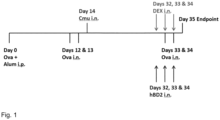
- FIG. 1 Schematic outline of the experimental setup for investigating the effects of mammalian ⁇ -defensins in a murine steroid-insensitive model of asthma, where the mice are sensitized by Ovalbumin and infected with C. muridarum (Essilfie et al., 2015).
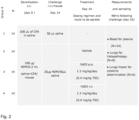
- Figure 2 Schematic outline of the experimental set up for investigating the effects of mammalian ⁇ -defensins in a murine steroid-sensitive model of asthma, where the mice are immunized by house dust mite (HDM) + Freund's adjuvant and challenged with HDM.
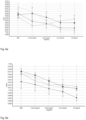
- FIG 3a Clustal W (2.1) multiple sequence alignment of human beta defensin 1-4: In the Clustal W alignments:
- Defensin refers to polypeptides belonging to the defensin class of antimicrobial peptides. Defensins represent one of the dominant innate host defences that serve to maintain a healthy microbiome and ward off potential pathogens (Wehkamp et al.et al., 2002 and Salzman et al., 2007). Defensins are peptides possessing antimicrobial activity against Gram positive and negative bacteria, fungi and archaea as well as exerting anti-inflammatory activity.
- Human defensins are small cationic peptides divided into ⁇ - and ⁇ -defensins based on the topology of their three intramolecular cysteine disulphide bonds. ⁇ -defensins can be further subdivided into those expressed in neutrophil granules (HNP1-4) and those expressed by Paneth cells in the crypts of the small intestine (HD5 and HD6 or DEFA5 and DEFA6).
- ⁇ -defensins are mainly produced by epithelial cells in various tissues and organs including the skin, eye, middle ear, mouth, trachea, lungs, gastrointestinal tract, urogenital system, kidneys, vagina, liver, pancreas and mammary glands.
- defensins examples include human intestinal alpha defensin 5 (HD5; SEQ ID NO: 5); human intestinal alpha defensin 6 (HD6; SEQ ID NO: 6); human neutrophil peptide 1 (HNP-1); human neutrophil peptide 2 (HNP-2); human neutrophil peptide 3 (HNP-3), all belonging to the alfa defensin class; and also human beta defensin 1 (hBD1; SEQ ID NO: 1); human beta defensin 2 (hBD2; SEQ ID NO: 2); human beta defensin 3 (hBD3; SEQ ID NO: 3); human beta defensin 4 (hBD4; SEQ ID NO: 4); and truncated human beta defensin 2 (SEQ ID NO:7).
- WO 2013/026794 documents that truncated hBD2 and non-truncated hBD2 have the same bioactivity.
- Defensins are expressed as precursors and are processed by cleavage of the signal peptide and in some cases pro-peptides as well before secretion into the extracellular space.
- the best characterized members of the human ⁇ -defensin family are hBD1-4.
- Some of the human defensins e.g. hBD-1 are produced constitutively, whereas others e.g. hBD-2, hBD-3 and hBD-4 are induced by pro-inflammatory cytokines or exogenous microbial products.
- the above-identified sequences represent the predicted mature bioactive defensins. It will be understood by one of skill in the art that processing may differ from cell to cell and that the resulting secreted mature peptide may differ by one or two C- or N-terminal amino acids from the predicted sequences and still retain bioactivity.
- Identity The relatedness between two amino acid sequences or between two nucleotide sequences is described by the parameter "identity”.
- the degree of identity between two amino acid sequences is determined using the Needleman-Wunsch algorithm ( Needleman and Wunsch, 1970, J. Mol. Biol. 48: 443-453 ) as implemented in the Needle program of the EMBOSS package (Rice et al .,2000, http://emboss.org), preferably version 3.0.0 or later.
- the optional parameters used are gap open penalty of 10, gap extension penalty of 0.5, and the EBLOSUM62 (EMBOSS version of BLOSUM62) substitution matrix.
- Normal microbiota The term "normal microbiota" is used herein to indicate a microbiota that is not dysbiotic. Normal microbiota is characterized by having large gene richness. Normal intestinal microbiota is characterized by comprising bacteria belonging to the genera Bacteriodetes, Faecalibacterium, Roseburia, Blautia, Ruminococcus, Coprococcus, Bifidobacterium, Methanobrevibacter, Lactobacillus, Coprococcus, Clostridium, Akkermansia, Eubacterium.
- Normal lung microbiota is characterized by comprising bacteria belonging to the genera Bacteroidetes, Firmicutes, and Proteobacteria with the core microbiota consisting of Pseudomonas, Streptococcus, Prevotella, Fusobacteria, Veillonella, Haemophilus, Neisseria and Porphyromonas
- treatment refers to the management and care of a patient for the purpose of combating a condition, disease or disorder.
- the term is intended to include the full spectrum of treatments for a given condition from which the patient is suffering, such as administration of the active compound for the purpose of: alleviating or relieving symptoms or complications; delaying the progression of the condition, disease or disorder; curing or eliminating the condition, disease or disorder; and/or preventing the condition, disease or disorder, wherein "preventing” or “prevention” is to be understood to refer to the management and care of a patient for the purpose of hindering, reducing the active compounds to prevent or reduce the risk of the onset of symptoms or complications.
- the patient to be treated is preferably a mammalian, in particular a human being.
- the patients to be treated can be of various ages.
- a patient is a subject, which has been diagnosed with a particular disorder such as an inflammatory disorder of the lungs or suffers from particular symptoms indicative of a disorder, such as an inflammatory disorder of the lungs.
- This disclosure relates to a defensin selected from the group consisting of: hBD-2 (SEQ ID NO: 2) truncated hBD-2 (SEQ ID NO: 7) or a functionally equivalent variant thereof differing in 1 to 4 amino acids compared to hBD-2 (SEQ ID NO.: 2) or truncated hBD-2 (SEQ ID NO.: 7).
- hBD-2 SEQ ID NO: 2
- SEQ ID NO: 7 truncated hBD-2
- a defensin differs from one of the SEQ ID NO: 2 or 7 by less than 5, such as less than 4, for example less than 3, such as less than 2 amino acids.
- the mammalian beta defensins consist of human beta defensin 2 (SEQ ID NO: 2), or truncated human beta defensin 2 (SEQ ID NO:7).
- the human beta defensins consists of human beta defensin 2 (SEQ ID NO: 2) or truncated human beta defensin 2 (SEQ ID NO:7).
- the mammalian beta defensins consist of human beta defensin 2, and functionally equivalent variants or orthologues thereof differing in 1 to 4 amino acids compared to hBD-2 (SEQ ID NO.: 2) or truncated hBD-2 (SEQ ID NO.: 7).
- the methods for treatment and/or prevention of asthma, bronchiectasis, chronic obstructive pulmonary disorder (COPD) or emphysema comprise oral or intrapulmonary administration of an effective amount of at least one defensin selected from the group consisting of: hBD-2 (SEQ ID NO: 2) truncated hBD-2 (SEQ ID NO: 7) or a functionally equivalent variant thereof differing in 1 to 4 amino acids compared to hBD-2 (SEQ ID NO.: 2) or truncated hBD-2 (SEQ ID NO.: 7)to a subject in need of such treatment.
- hBD-2 SEQ ID NO: 2
- truncated hBD-2 SEQ ID NO: 7
- a functionally equivalent variant thereof differing in 1 to 4 amino acids compared to hBD-2 (SEQ ID NO.: 2) or truncated hBD-2 (SEQ ID NO.: 7)to a subject in need of such treatment.
- a "functionally equivalent variant" of a mammalian (e.g. human) alfa or beta defensin is a modified mammalian (e.g. human) alfa or beta defensin exhibiting approximatively the same effect on microbiota in the lung or the intestine as the parent mammalian (e.g. human) alfa and/or beta defensins.
- a functionally equivalent variant of a mammalian e.g.
- human defensin may comprise 1-4 amino acid modifications, more preferably 1-3 amino acid modifications, most preferably 1-2 amino acid modification(s), and in particular one amino acid modification, as compared to human beta defensin 2, having SEQ ID NO 2 or truncated human beta defensin 2 (SEQ ID NO:7).
- modification means herein any chemical modification of a mammalian (e.g. human) defensin.
- the modification(s) can be substitution(s), deletion(s) and/or insertions(s) of the amino acid(s) as well as replacement(s) of amino acid side chain(s); or use of unnatural amino acids with similar characteristics in the amino acid sequence.
- the modification(s) can be amidations, such as amidation of the C-terminus.
- amino acid modifications are of a minor nature, that is conservative amino acid substitutions or insertions that do not significantly affect the folding and/or activity of the polypeptide; single deletions; small amino- or carboxyl-terminal extensions; or a small extension that facilitates purification by changing net charge or another function, such as a poly-histidine tag, an antigenic epitope or a binding domain.
- the small extension such as a poly-histidine tag, an antigenic epitope or a binding domain is attached to the defensin for use according to claim 1 through a small linker peptide of up to about 20-25 residues and said linker may contain a restriction enzyme cleavage site.
- the Clustal W alignments in Figure 3 can be used to predict which amino acid residues can be substituted without substantially affecting the biological activity of the protein.
- the sequences were aligned using Clustal W 2.1 ( hftp://www.geno,me.jp/tools/clustalw/ ) and the following settings: Gap Open Penalty:10, Gap Extension Penalty: 0,05, Weight Transition: NO, Hydrophilic Residues for Proteins:GPSNDQE, Hydrophilic Gaps: YES, Weight Matrix: BLOSUM (for PROTEIN). Substitutions within the following group (Clustal W, 'strong' conservation group) are to be regarded as conservative substitutions:
- conservative substitutions are substitutions made within the group of basic amino acids (arginine, lysine and histidine), acidic amino acids (glutamic acid and aspartic acid), polar amino acids (glutamine and asparagine), hydrophobic amino acids (leucine, isoleucine and valine), aromatic amino acids (phenylalanine, tryptophan and tyrosine), and small amino acids (glycine, alanine, serine, threonine and methionine).
- Amino acid substitutions which do not generally alter specific activity are known in the art and are described, for example, by Neurath and Hill (1979).
- the most commonly occurring exchanges are Ala/Ser, Val/Ile, Asp/Glu, Thr/Ser, Ala/Gly, Ala/Thr, Ser/Asn, Ala/Val, Ser/Gly, Tyr/Phe, Ala/Pro, Lys/Arg, Asp/Asn, Leu/Ile, Leu/Val, Ala/Glu, and Asp/Gly.
- non-standard amino acids such as 4-hydroxyproline, 6-N-methyl lysine, 2-aminoisobutyric acid, isovaline, and alpha-methyl serine
- a limited number of non-conservative amino acids, amino acids that are not encoded by the genetic code, and unnatural amino acids may be substituted for amino acid residues.
- "Unnatural amino acids” have been modified after protein synthesis, and/or have a chemical structure in their side chain(s) different from that of the standard amino acids.
- Unnatural amino acids can be chemically synthesized, and preferably, are commercially available, and include pipecolic acid, thiazolidine carboxylic acid, dehydroproline, 3- and 4-methylproline, and 3,3-dimethylproline.
- Essential amino acids in a mammalian alfa and/or beta defensin can be identified according to procedures known in the art, such as site-directed mutagenesis or alanine-scanning mutagenesis ( Cunningham and Wells, 1989, Science 244: 1081-1085 ). In the latter technique, single alanine mutations are introduced at every residue in the molecule, and the resultant mutant molecules are tested for biological activity (i.e., activity against an airway hyper responsiveness or suppression cytokines e.g. TNF-alpha activity) to identify amino acid residues that are critical to the activity of the molecule. See also, Hilton et al., 1996, J. Biol. Chem. 271: 4699-4708 . The identities of essential amino acids can also be inferred from analysis of identities with polypeptides which are related to mammalian alfa and/or beta defensins (see Clustal W alignment in figure 3 ).
- Single or multiple amino acid substitutions can be made and tested using known methods of mutagenesis, recombination, and/or shuffling, followed by a relevant screening procedure, such as those disclosed by Reidhaar-Olson and Sauer, 1988, Science 241: 53-57 ; Bowie and Sauer, 1989, Proc. Natl. Acad. Sci. USA 86: 2152-2156 ; WO 95/17413 ; or WO 95/22625 .
- Other methods that can be used include error-prone PCR, phage display (e.g., Lowman et al., 1991, Biochem. 30:10832-10837 ; U.S. Patent No.
- the half-life of a defensin for use according to claim 1 may be extended by fusing or conjugating the ⁇ -defensin with another moiety or molecule i.e. constructing a long acting biologically active ⁇ -defensin linked to a pharmaceutically acceptable molecule providing an in vivo plasma half-life of the ⁇ -defensin, which is increased substantially compared to the in vivo plasma half-life of the un-conjugated ⁇ -defensin administered in the same manner as the conjugated ⁇ -defensin.
- a long acting biologically active defensin for use according to claim 1 may be linked to a pharmaceutically acceptable molecule selected from a molecule having binding to neonatal Fc receptor (FcRn), transferrin, albumin (HAS), XTEN ® or PEG, a homo-amino acid polymer (HAP), a proline-alanine-serine polymer (PAS), or an elastin-like peptide (ELP), hyaluronic acid, a negatively charged highly siasylated peptide such as the carboxy-terminal peptide (CTP) of chorionic gonadotropin (CG) ⁇ -chain, human IgG, and CH3(CH2) n CO- wherein n is 8 to 22.
- FcRn neonatal Fc receptor
- HAP homo-amino acid polymer
- PAS proline-alanine-serine polymer
- ELP elastin-like peptide
- the defensins for use according to claim 1 may be linked to the pharmaceutically acceptable molecule in various ways as described in the prior art literature, such as without limitation chemical coupling through a bifunctional linker, by coupling the N-terminal or C-terminal of the defensins for use according to claim 1to the pharmaceutically acceptable molecule, such as albumin or albumin analog.
- the N-terminal of albumin or an albumin analogue e.g. human albumin
- human albumin can be coupled to the C-terminal of a defensin for use according to claim 1, or the N-terminal of a defensin for use according to claim 1.
- a linker sequence can be inserted between the albumin and defensin for use according to claim 1.
- the defensin for use according to claim 1 may be linked to the pharmaceutically acceptable molecule through a stable linker or a more labile linker.
- linkers are known in the art, including bifunctional PEG molecules (e.g. see Paige et.al Pharmaceutical Research, vol. 12, no. 12, 1995 ), hydrolysable linkers ( Shechter et al. Bioconjugate Chem. 2005,16: 913- 920 and International Journal of Peptide Research and Therapeutics, Vol. 13, Nos. 1-2, June 2007 and WO2009095479 ), PDPH and EMCH see e.g. in WO2010092135 .
- Half-life extension may also be accomplished through acylation of the peptide backbone with a spacer e.g. ⁇ -L-glutamyl spacer and a C-18 fatty di-acid chain to Lysine.
- a spacer e.g. ⁇ -L-glutamyl spacer and a C-18 fatty di-acid chain to Lysine.
- the fatty di-acid site chain and the spacer mediate a strong but reversible binding to albumin, slowing release from the injection site and reducing renal clearance.
- Human beta defensin 2 is found to be able to reduce airway hyper responsiveness; increase pulmonary compliance; reduce lung inflammation; reduce BALF neutrophil -, eosinophil - and macrophage count as well as rebalance the immune system with normalization of IFN- ⁇ , TNF- ⁇ , IL-4, IL-5, IL-6, IL-8, IL-9, IL-10 and IL-13 concentrations preventing a cytokine storm; thus showing potent activity as a medicament for prevention or treatment of inflammatory conditions of the lungs, such as asthma and COPD.
- the administration is oral.
- Oral administration is advantageous for patients with compromised breathing or patients undergoing medical ventilation.
- a defensin selected from the group consisting of: hBD-2 (SEQ ID NO: 2) truncated hBD-2 (SEQ ID NO: 7) or a functionally equivalent variant thereof differing in 1 to 4 amino acids compared to hBD-2 (SEQ ID NO.: 2) or truncated hBD-2 (SEQ ID NO.: 7) to a subject in need of such treatmentby intrapulmonary administration, or oraladministration.
- the uses results in reduced cytokine production wherein the cytokine is IFN- ⁇ , TNF- ⁇ , IL-4, IL-5, IL-6, IL-9, IL-10, or IL-13.
- the methods may reduce the amount of IFN- ⁇ , TNF- ⁇ , IL-4, IL-5, IL-9 and IL-13.
- the amount of cytokines can be determined in a lung biopsy or in BALF.
- the uses according to claim 1 may reduce airway hyperresponsiveness and increase pulmonary compliance in a subject affected by one of asthma, bronchiectasis, chronic obstructive pulmonary disorder (COPD) or emphysema as described herein.
- COPD chronic obstructive pulmonary disorder
- the provided uses according to claim 1 can treat or prevent lung inflammation by changing bacterial phenotypes through a change at the transcriptional level as well as structure and composition of the lung bacterial flora or the lung metabolome of a subject affected by one of the said conditions as described herein.
- the effects observed using oral administration may be ascribed to a change in the gut microflora and gut metabolome that may have an effect on the lungs through the so-called gut-lung axis.
- Chronic lung disorders such as asthma, COPD and cystic fibrosis all exhibit a component of intestinal disease manifestation indicating that there is a vital cross talk between these two mucosal sites of the human body and a variety of respiratory diseases have been associated with a dysbiosis not only of the airway microbiota but also the intestinal microbiota (Marsland et al, 2015). Caesarian birth reduces the diversity and alters the composition of the intestinal microbiota early in life and is at the same time linked to a predisposition toward asthma during childhood (Jakobsson et al, 2014).
- TNF- ⁇ and IFN- ⁇ production capacity appeared to be more strongly influenced by the microbiome, whereas other cytokines such as IL-1 ⁇ , IL-6 and Th17 derived IL-17 and IL-22 exhibited fewer, but more specific, associations with the gut microbiota.
- a further aspect provides methods for prevention or treatment of asthma, such as mild intermittent asthma, mild persistent asthma, moderate persistent asthma, severe persistent asthma, eosinophilic asthma, neutrophilic asthma, steroid refractory asthma, status asthmaticus, bronchiectasis, COPD by administering an effective amount of a defensin selected from the group consisting of: hBD-2 (SEQ ID NO: 2) truncated hBD-2 (SEQ ID NO: 7) or a functionally equivalent variant thereof differing in 1 to 4 amino acids compared to hBD-2 (SEQ ID NO.: 2) or truncated hBD-2 (SEQ ID NO.: 7) to a subject in need of such treatment, the method comprising oral or intrapulmonary administration of said defensin.
- a defensin selected from the group consisting of: hBD-2 (SEQ ID NO: 2) truncated hBD-2 (SEQ ID NO: 7) or a functionally equivalent variant thereof differing in 1 to
- the asthma is steroid refractory asthma.
- the administration is oral, buccal, sublingual, intratracheal, intrapulmonary, or intranasal.
- the administration is oral or intrapulmonary.
- Oral administration may be advantageous for patients with compromised breathing or undergoing medical ventilation.
- the methods of treatment described herein can be treated by administration of a composition comprising at least a defensin selected from the group consisting of: hBD-2 (SEQ ID NO: 2) truncated hBD-2 (SEQ ID NO: 7) or a functionally equivalent variant thereof differing in 1 to 4 amino acids compared to hBD-2 (SEQ ID NO.: 2) or truncated hBD-2 (SEQ ID NO.: 7) in combination with either glucocorticoids, ⁇ -agonists, leukotriene receptor antagonists, theophylline, antibiotics, rifaximin, chemo- or immunotherapy, immunosuppressants, prebiotics, probiotics, tryptophane, short chain fatty acids, HNP-1, HNP-2, HNP-3, HNP-4, cathelicidin, lactoferrin, lactoferricin, lysozyme, faecal transplants or a combination of these.
- hBD-2 SEQ ID NO: 2
- the defensins for use according to claim 1 can be used to alleviate one or more symptoms of antibiotics, chemotherapy, radiation therapy, immunotherapy, or immunosuppressive therapy.
- the defensins for use according to claim 1 can be administered separately or together with one or more of these therapies.
- the defensins for use according to claim 1 can also be administered together with other medicaments which can be used to treat asthma.
- the disclosed methods can be used for treatment, prevention or normalization of a dysbiotic microbiota/metabolome in the lung of a subject that has undertaken and/or is undertaking an antibiotic treatment or chemotherapy or immunotherapy or immunosuppressive therapy or radiation therapy, or another treatment that has negative effects on the lung or intestinal microbiota.
- Normalizing the lung microbiota may include stimulating the population of lung bacteria belonging to the genera Bacteroidetes, Firmicutes, and Proteobacteria with the core microbiota consisting of Pseudomonas, Streptococcus, Prevotella, Fusobacteria, Veillonella, Haemophilus, Neisseria and Porphyromonas.
- Normalizing the lung microbiota may also involve changing the metabolome to one that produces relatively more tryptophane and/or butyrate and relatively less acetate.
- the subject to be treated may have asthmatic symptoms ⁇ 2 times per week, such as daily symptoms, such as continuous symptoms.
- the subject to be treated may have asthmatic attacks of varying intensity, such as attacks affecting activity, such as attacks limiting physical activity, and/or asthmatic symptoms at night > 2 times per month, such as > 2 times a week that may last for days, such as frequent night time symptoms.
- the subject to be treated has a forced expiratory volume at 1 second (FEV1) ⁇ 80%, such as a FEV1 of 60 - 80%, such as a FEV1 ⁇ 60% of the predicted value.
- FEV1 forced expiratory volume at 1 second
- the subject may have a peak expiratory flow rate PEFR with a variability of > 20 %, such as PEFR variability of 20-30%, such as a PEFR variability > 30%, such as a PEFR variability > 60%.
- the subject in need of the treatment provided by the disclosed methods may present one or more of the following symptoms before treatment:
- the treatment results in an improvement of at least one symptom so that a treated subject changes from severe persistent to moderate persistent, mild persistent, or mild intermittent.
- the treatment may result in an improvement of symptoms to that a treated subject changes from moderate persistent, to mild persistent, or mild intermittent, or from mild persistent to mild intermittent.
- Defensins for use according to claim 1 may be prepared by in vitro synthesis, using conventional methods as known in the art.
- Various commercial synthetic apparatuses are available, for example automated synthesizers by Applied Biosystems Inc., Beckman, etc.
- synthesizers Naturally occurring amino acids may be substituted with unnatural amino acids, particularly D-isomers (or D-forms) e.g. D-alanine and D-isoleucine, diastereoisomers, side chains having different lengths or functionalities, and the like.
- D-isomers or D-forms
- diastereoisomers diastereoisomers
- side chains having different lengths or functionalities, and the like.
- the particular sequence and the manner of preparation will be determined by convenience, economics, purity required, and the like.
- Chemical linking may be provided to various peptides or proteins comprising convenient functionalities for bonding, such as amino groups for amide or substituted amine formation, e.g. reductive amination, thiol groups for thioether or disulphide formation, carboxyl groups for amide formation, and the like.
- various groups may be introduced into the peptide during synthesis or during expression, which allow for linking to other molecules or to a surface.
- cysteines can be used to make thioethers, histidines for linking to a metal ion complex, carboxyl groups for forming amides or esters, amino groups for forming amides, and the like.
- the defensins for use according to claim 1 may also be isolated and purified in accordance with conventional methods of recombinant synthesis.
- Recombinant synthesis may be performed using appropriate expression vectors and a eukaryotic or prokaryotic expression system.
- a solution may be prepared of the expression host and the media and the defensins present purified using HPLC, exclusion chromatography, gel electrophoresis, affinity chromatography, or other purification technique.
- Methods for recombinant expression of human beta defensin-2 in E. coli are disclosed in WO 2010/007166 (Novozymes ).
- the mammalian alfa and beta defensins may also be induced by administration of the corresponding mRNA.
- Defensins selected from the group consisting of: hBD-2 (SEQ ID NO: 2) truncated hBD-2 (SEQ ID NO: 7) or a functionally equivalent variant thereof differing in 1 to 4 amino acids compared to hBD-2 (SEQ ID NO.: 2) or truncated hBD-2 (SEQ ID NO.: 7), are preferably employed in pharmaceutical compositions for use in a method of treatment and/or prevention of as described in claim 1 in an amount for treatment of mild intermittent asthma, mild persistent asthma, moderate persistent asthma, severe persistent asthma, eosinophilic asthma, neutrophilic asthma, steroid refractory asthma, status asthmaticus, bronchiectasis, COPD, preferably with acceptable toxicity to the patient.
- Defensins selected from the group consisting of: hBD-2 (SEQ ID NO: 2) truncated hBD-2 (SEQ ID NO: 7) or a functionally equivalent variant thereof differing in 1 to 4 amino acids compared to hBD-2 (SEQ ID NO.: 2) or truncated hBD-2 (SEQ ID NO.: 7), may also be employed in pharmaceutical compositions for use in a method of treatment and/or prevention as described in claim 1 in an amount which is additionally effective to maintain a normal microbiota composition in the lung and/or the intestine or to treat or normalize a dysbiotic microbiota in the lung and/or the intestine, preferably with acceptable toxicity to the patient in need of the treatment.
- the appropriate dosage will, of course, vary depending upon, for example, the chemical nature and the pharmacokinetic data of a compound used, the individual host, the mode of administration and the nature and severity of the conditions being treated.
- an indicated daily dosage of a human alfa defensin is preferably from about 0.1 mg HD5 /kg body weight to about 10 mg HD5 /kg body weight, more preferably from about 0.5 mg HD5 /kg body weight to about 10 mg HD5 /kg body weight; such as 1 mg HD5 /kg body weight to 10 mg HD5 /kg body weight, more preferably from about 1.2 mg HD5 /kg body weight to about 10 mg HD5 /kg body weight, preferably from about 1.2 mg HD5 /kg body weight to about 5 mg HD5 /kg body weight, even more preferably 1.2 mg HD5 /kg body weight, for example, administered in divided doses up to one, two or three times a day.
- an indicated daily dosage of a human beta defensin is preferably from about 0.1 mg hBD-2 /kg body weight to about 10 mg hBD-2 /kg body weight, more preferably from about 0.5 mg hBD-2 /kg body weight to about 10 mg hBD-2 /kg body weight; such as 1 mg hBD-2 /kg body weight to 10 mg hBD-2 /kg body weight, more preferably from about 1.2 mg hBD-2 /kg body weight to about 10 mg hBD-2 /kg body weight, preferably from about 1.2 mg hBD-2 /kg body weight to about 5 mg hBD-2 /kg body weight, even more preferably 1.2 mg hBD-2 /kg body weight, for example, administered in divided doses up to one, two or three times a day.
- the dosage may comprise equal or approximately equal amounts of the two defensins determined on a weight basis or on a molar basis.
- the ratio may also differ so that the ratio of alpha defensin to beta-defensin varies from 10:1 to 1:10, such as 5:1 to 1:5, for example 2:1 to 1:2 determined on a weight or molar basis.
- defensin selected from the group consisting of: hBD-2 (SEQ ID NO: 2) truncated hBD-2 (SEQ ID NO: 7) or a functionally equivalent variant thereof differing in 1 to 4 amino acids compared to hBD-2 (SEQ ID NO.: 2) or truncated hBD-2 (SEQ ID NO.: 7) can be administered to mammals, for example humans, by similar modes of administration at similar dosages than conventionally used.
- the daily dosage is between 0.1 and 10 mg defensin/kg, such as between 0.5 and 5 mg defensin/kg, such as between 1 and 2 mg defensin/kg, such as 1.2 mg defensin/kg per day.
- the pharmaceutical compositions of preferred embodiments can include a mammalian alfa defensin and a defensin for use according to claim 1, such as in an amount of about 0.5 mg or less to about 1500 mg or more per unit dosage form, preferably from about 0.5, 0.6, 0.7, 0.8, or 0.9 mg to about 150, 200, 250, 300, 350, 400, 450, 500, 600, 700, 800, 900, or 1000 mg, and more preferably from about 1, 2, 3, 4, 5, 6, 7, 8, 9, 10, 15, 20, or 25 mg to about 30, 35, 40, 45, 50, 55, 60, 65, 70, 75, 80, 85, 90, 95, or 100 mg. In certain embodiments, however, lower or higher dosages than those mentioned above may be preferred.
- the optional alfa defensin and the beta defensins of claim 1 may be present in equal amounts on a molarity basis or on a mg/mL basis.
- the optional mammalian alfa and the beta defensin for use according to claim 1 is administered at least once daily, such as at least twice daily, for example at least 3 times daily or continuously.
- the optional mammalian alfa and the beta defensin of claim 1 is administered intrapulmonary by continuous mechanical ventilation in a patient on an external ventilator.
- the administration of at least a defensin selected from the group consisting of: hBD-2 (SEQ ID NO: 2) truncated hBD-2 (SEQ ID NO: 7) or a functionally equivalent variant thereof differing in 1 to 4 amino acids compared to hBD-2 (SEQ ID NO.: 2) or truncated hBD-2 (SEQ ID NO.: 7), according to the disclosed methods, is generally intranasal. Intranasal administration is normal for pulmonary drug delivery.
- the administration of at least a defensin selected from the group consisting of: hBD-2 (SEQ ID NO: 2) truncated hBD-2 (SEQ ID NO: 7) or a functionally equivalent variant thereof differing in 1 to 4 amino acids compared to hBD-2 (SEQ ID NO.: 2) or truncated hBD-2 (SEQ ID NO.: 7), according to the disclosed methods, is oral.
- compositions may be formulated as a lyophilizate, utilizing appropriate excipients that provide stability as a lyophilizate, and subsequently after rehydration.
- Pharmaceutical compositions containing a a defensin selected from the group consisting of: hBD-2 (SEQ ID NO: 2) truncated hBD-2 (SEQ ID NO: 7) or a functionally equivalent variant thereof differing in 1 to 4 amino acids compared to hBD-2 (SEQ ID NO.: 2) or truncated hBD-2 (SEQ ID NO.: 7), can be manufactured according to conventional methods, e.g., by mixing, granulating, coating, dissolving or lyophilizing processes.
- compositions containing a defensin selected from the group consisting of: hBD-2 (SEQ ID NO: 2) truncated hBD-2 (SEQ ID NO: 7) or a functionally equivalent variant thereof differing in 1 to 4 amino acids compared to hBD-2 (SEQ ID NO.: 2) or truncated hBD-2 (SEQ ID NO.: 7) are formulated as a sterile and isotonic solution.
- Pharmaceutically acceptable carriers and/or diluents are familiar to those skilled in the art.
- acceptable carriers and/or diluents include saline and sterile water should be included, and the composition may optionally include antioxidants, buffers, bacteriostats, and other common additives.
- defensin selected from the group consisting of: hBD-2 (SEQ ID NO: 2) truncated hBD-2 (SEQ ID NO: 7) or a functionally equivalent variant thereof differing in 1 to 4 amino acids compared to hBD-2 (SEQ ID NO.: 2) or truncated hBD-2 (SEQ ID NO.: 7) may be formulated in a wide variety of formulations for oral administration.
- Solid form preparations may include powders, tablets, drops, capsules, cachets, lozenges, and dispersible granules.
- liquid form preparations including emulsions, syrups, elixirs, aqueous solutions, aqueous suspensions, toothpaste, gel dentifrice, chewing gum, or solid form preparations which are intended to be converted shortly before use to liquid form preparations, such as solutions, suspensions, and emulsions.
- defensin selected from the group consisting of: hBD-2 (SEQ ID NO: 2) truncated hBD-2 (SEQ ID NO: 7) or a functionally equivalent variant thereof differing in 1 to 4 amino acids compared to hBD-2 (SEQ ID NO.: 2) or truncated hBD-2 (SEQ ID NO.: 7) may be formulated in a wide variety of formulations for intranasal, administration.
- the formulation can contain carriers, fillers, disintegrators, flow conditioners, sugars and sweeteners, fragrances, preservatives, stabilizers, wetting agents, emulsifiers, solubilizers, salts for regulating osmotic pressure, buffers, diluents, dispersing and surface-active agents, binders, lubricants, and/or other pharmaceutical excipients as are known in the art.
- hBD-2 (SEQ ID NO: 2) truncated hBD-2 (SEQ ID NO: 7) or a functionally equivalent variant thereof differing in 1 to 4 amino acids compared to hBD-2 (SEQ ID NO.: 2) or truncated hBD-2 (SEQ ID NO.: 7)in an appropriate manner, and in accordance with accepted practices, such as those described in Remington's Pharmaceutical Sciences, Gennaro (1990).
- a defensin selected from the group consisting of: hBD-2 (SEQ ID NO: 2) truncated hBD-2 (SEQ ID NO: 7) or a functionally equivalent variant thereof differing in 1 to 4 amino acids compared to hBD-2 (SEQ ID NO.: 2) or truncated hBD-2 (SEQ ID NO.: 7), can be used alone, or in combination therapies with one, two, or more other pharmaceutical compounds or drug substances, for example with glucocorticoids, ⁇ -agonists, leukotriene receptor antagonists, theophylline, antibiotics, Chemo- or Immune therapy or a combination of these and/or with one or more pharmaceutically acceptable excipient(s).
- Airway administration may be used for administering the compositions of the disclosure.
- intrapulmonary administration is meant topical administration to the lungs.
- intratracheal, intrabronchial or intra alveolar administration include all forms of such administration whereby a defensin is applied into the trachea, the bronchi or the alveoli, respectively, whether by instillation of a solution of a defensin, by applying a defensin in a powder form, or by allowing a defensin to reach the relevant part of the airway by inhalation of a defensin as an aerosolized or nebulized solution or suspension or inhaled powder or gel, with or without added stabilizers or other excipients.
- Methods of intrabronchial/alveolar administration include, but are not limited to, bronchoalveolar lavage (BAL) according to methods well known to those skilled in the art, using as a lavage fluid a physiologically acceptable composition in which a defensin has been dissolved or indeed by any other effective form of intrabronchial administration including the use of inhaled powders containing defensins in dry form, with or without excipients, or the direct application of a defensin, in solution or suspension or powder form during bronchoscopy.
- BAL bronchoalveolar lavage
- Methods for intratracheal administration include, but are not limited to, blind tracheal washing with a similar solution of dissolved defensins or a defensin suspension, or the inhalation of nebulized fluid droplets containing dissolved defensins or a defensin suspension obtained by use of any nebulizing apparatus adequate for this purpose.
- intratracheal, intrabronchial or intra alveolar administration does not include inhalation of the product but the instillation or application of a solution of a defensin or a powder or a gel containing defensin into the trachea or lower airways.
- the aerosol may be delivered via a) facemasks or b) via endotracheal tubes in intubated patients during mechanical ventilation (device 1, 2 and 3).
- the devices 4 and 5 can also be used by the patient without assistance provided that the patient is able to self-activate the aerosol device.
- Preferred concentrations for a solution comprising a defensin and/or functional homologues or variants of a defensin are in the range of from about 0.1 ⁇ g to 1000 ⁇ g per ml solution, such as in the range of from about 0.1 ⁇ g to 250 ⁇ g per ml solution.
- composition for intrapulmonary administration is provided.
- compositions or formulations for use in the present disclosure include a defensin selected from the group consisting of: hBD-2 (SEQ ID NO: 2) truncated hBD-2 (SEQ ID NO: 7) or a functionally equivalent variant thereof differing in 1 to 4 amino acids compared to hBD-2 (SEQ ID NO.: 2) or truncated hBD-2 (SEQ ID NO.: 7) in combination with, preferably dissolved in, a pharmaceutically acceptable carrier, preferably an aqueous carrier or diluent, or carried to the lower airways as a pegylated preparation or as a liposomal or nanoparticle preparation administered as an aerosol via inhalation, or as a lavage fluid administered via a bronchoscope as a bronchoalveloar lavage or as a blind intratracheal wash or lavage.
- a defensin selected from the group consisting of: hBD-2 (SEQ ID NO: 2) truncated hBD-2
- aqueous carriers may be used, including, but not limited to 0.9% saline, buffered saline, physiologically compatible buffers and the like.
- the compositions may be sterilized by conventional techniques well known to those skilled in the art.
- the resulting aqueous solutions may be packaged for use or filtered under aseptic conditions and freeze-dried, the freeze-dried preparation being dissolved in a sterile aqueous solution prior to administration
- a freeze-dried defensin preparation may be pre-packaged for example in single dose units.
- the single dose unit is adjusted to the patient.
- compositions may contain pharmaceutically acceptable auxiliary substances or adjuvants, including, without limitation, pH adjusting and buffering agents and/or tonicity adjusting agents, such as, for example, sodium acetate, sodium lactate, sodium chloride, potassium chloride, calcium chloride, etc.
- pH adjusting and buffering agents and/or tonicity adjusting agents such as, for example, sodium acetate, sodium lactate, sodium chloride, potassium chloride, calcium chloride, etc.
- the formulations may contain pharmaceutically acceptable carriers and excipients including microspheres, liposomes, microcapsules, nanoparticles or the like.
- Conventional liposomes are typically composed of phospholipids (neutral or negatively charged) and/or cholesterol.
- the liposomes are vesicular structures based on lipid bilayers surrounding aqueous compartments. They can vary in their physiochemical properties such as size, lipid composition, surface charge and number and fluidity of the phospholipids bilayers.
- lipid for liposome formation are: 1,2-Dilauroyl- sn -Glycero-3-Phosphocholine (DLPC), 1,2-Dimyristoyl-sn-Glycero-3-Phosphocholine (DMPC), 1,2-Dipalmitoyl-sn-Glycero-3-Phosphocholine (DPPC), 1,2-Distearoyl-sn-Glycero-3-Phosphocholine (DSPC), 1,2-Dioleoyl-sn-Glycero-3-Phosphocholine (DOPC), 1,2-Dimyristoyl-sn-Glycero-3-Phosphoethanolamine (DMPE), 1,2-Dipalmitoyl- sn -Glycero-3-Phosphoethanolamine (DPPE), 1,2-Dioleoyl-sn-Glycero-3-Phosphoethanolamine (DOPE), 1,2-Dimyristoyl-sn-Glycero-3-Phosphoethanol
- Long-circulating liposomes are characterized by their ability to extravasate at body sites where the permeability of the vascular wall is increased.
- the most popular way of producing long-circulating liposomes is to attach hydrophilic polymer polyethylene glycol (PEG) covalently to the outer surface of the liposome.
- PEG polyethylene glycol
- lipids are: 1,2-Dipalmitoyl-sn-Glycero-3-Phosphoethanolamine-N-[Methoxy(Polyethylene glycol)-2000] (Ammonium Salt), 1,2-Dipalmitoyl-sn-Glycero-3-Phosphoethanolamine-N-[Methoxy(Polyethylene glycol)-5000] (Ammonium Salt), 1,2-Dioleoyl-3-Trimethylammonium-Propane (Chloride Salt) (DOTAP).
- the liposome suspension may include lipid-protective agents which protect lipids against free-radical and lipid-peroxidative damage on storage.
- Lipophilic free-radical quenchers such as alpha-tocopherol and water-soluble iron-specific chelators, such as ferrioxianine, are preferred.
- a variety of methods are available for preparing liposomes, as described in, e.g., Szoka et al., Ann. Rev. Biophys. Bioeng. 9:467 (1980 ), U.S. Pat. Nos. 4, 235,871 , 4,501,728 and 4,837,028 .
- Another method produces multilamellar vesicles of heterogeneous sizes.
- the vesicle-forming lipids are dissolved in a suitable organic solvent or solvent system and dried under vacuum or an inert gas to form a thin lipid film.
- the film may be redissolved in a suitable solvent, such as tertiary butanol, and then lyophilized to form a more homogeneous lipid mixture which is in a more easily hydrated powder-like form.
- a suitable solvent such as tertiary butanol
- This film is covered with an aqueous solution of the targeted drug and the targeting component and allowed to hydrate, typically over a 15-60 minute period with agitation.
- the size distribution of the resulting multilamellar vesicles can be shifted toward smaller sizes by hydrating the lipids under more vigorous agitation conditions or by adding solubilizing detergents such as deoxycholate.
- Micelles are formed by surfactants (molecules that contain a hydrophobic portion and one or more ionic or otherwise strongly hydrophilic groups) in aqueous solution.
- Suitable surfactants include sodium laureate, sodium oleate, sodium lauryl sulfate, octaoxyethylene glycol monododecyl ether, octoxynol 9 and PLURONIC F-127 (Wyandotte Chemicals Corp.).
- Preferred surfactants are nonionic polyoxyethylene and polyoxypropylene detergents compatible with IV injection such as, TWEEN-80, PLURONIC F-68, n-octyl-beta-D-glucopyranoside, and the like.
- phospholipids such as those described for use in the production of liposomes, may also be used for micelle formation.
- Treatment regimen Treatment regimen:
- mice Female 6-8 weeks old BALB/c mice were intraperitoneally (IP) sensitized to ovalbumin 50 ⁇ g with the adjuvant alum 1mg in 200 ⁇ L 0.9% saline. Mice were intranasally (IN) challenged with Ova on day 12-13 and day 33-34 (10 ⁇ g in 50 ⁇ L sterile saline). On day 14, mice were inoculated IN with the natural mouse pathogen Chlamydia muridarum (Cmu: 100 inclusion forming units, ATCCVR-123, 30 ⁇ L sucrose phosphate glutamate buffer (SPG).
- Cmu 100 inclusion forming units, ATCCVR-123, 30 ⁇ L sucrose phosphate glutamate buffer (SPG).
- Dexamethasone (DEX) was administered IN (2 mg/kg; 50 ⁇ L phosphate buffered saline (PBS)) on day 32-34 with Ova challenges.
- hBD-2 was administered IN (5 mg/kg; 50 ⁇ L phosphate buffered saline) on day 30, 32 and 34.
- Drugs administered through intranasal delivery to mice are expected to reach the lungs via the airways and is an art-recognized model of intrapulmonary administration.
- Airway inflammation Differential leucocyte counts were obtained from May-Grunwald Giemsa stained BALF cells, using a light microscope.
- AHR was measured by anaesthetized, cannulated mice using the Scireq Flexivent FX1 system. Data are represented as airway resistance at 10 mg/kg methacholine and as dose responsive curves.
- Airway inflammation The Ova sensitized and C. muridarum infected mice developed a highly statistically significant increase of total leucocytes, macrophages, lymphocytes, neutrophils and to a lesser extent eosinophils.
- the IN hBD-2 treated group showed a complete normalization of neutrophil count and to a lesser extent lymphocytes, whereas macrophages and eosinophils did not change.
- the IN hBD-2 plus DEX group showed complete normalization of eosinophils, but aside from this no additive effect was observed ( figure 7 ).
- the Ova sensitized mice had a greater AHR compared with Saline (Sal) (non-asthmatic) controls. The difference is statistically highly significant.
- the IN hBD-2 treated group (Cmu/Ova/hBD2) showed a completely normalized AHR on par with the Saline control group.
- the IN hBD-2 plus DEX group showed a completely normalized AHR on par with the Saline control group but DEX did not seem to have an additive effect ( Figure 4 ).
- mice Female 7-10 weeks old BALB/c mice were randomly allocated into 7 study groups one day prior to study start and subcutaneously (SC) sensitized to house dust mite (100 ⁇ g HDM in 200 ⁇ L saline plus Freunds complete adjuvant in 0.9% saline). Mice were then intranasally (IN) challenged with HDM on day 14 (HDM 25 ⁇ g in 50 ⁇ L of saline). Dexamethasone was administered orally (1 mg/kg BID; 50 ⁇ L phosphate buffered saline (PBS)) on day 14.
- hBD-2 was administered IN or orally (1.7 mg/kg TID IN; 0.4 mg/kg TID IN; 0.4 mg/kg TID orally, 50 ⁇ L phosphate buffered saline) on day 14.
- the initial dose was administered 60 minutes prior to challenge, and the subsequent doses approximately 6 hours apart.
- Airway inflammation At 48 hours post challenge, bronchoalveolar lavage was performed washing the lungs with 3 volumes of cold PBS (0.4; 0.3 and 0.3 mL, total 1 mL). Total and differential leucocyte cell counts were determined on an automated haematological analyser Sysmex XT-2000iV.
- Lung function Starting 48 hours after HDM challenge, measurements of lung resistance and lung compliance were carried out after methacholine challenge (3.125 MCH1; 6.25 MCH2; 12.5 MCH3 and 25 mg/mL MCH4) by anaesthetized, cannulated mice using DSI's Buxco Finepoint RC system. Data are represented as airway resistance at 10 mg/kg methacholine and as dose responsive curves.
- Lung sampling for cytokine analysis After completion of every BAL, lungs were removed from the thorax, snap frozen in liquid nitrogen and stored frozen at -80 degrees Celcius until analysis of cytokine concentration of IL-1 ⁇ , TNF- ⁇ , IL-6, IL-10 and IFN ⁇ by ELISA.
- Dexamethasone treatment significantly inhibited total cell and eosinophil counts but not neutrophil, macrophage and lymphocyte counts in BALF.
- dexamethasone did not influence levels of IL-1 ⁇ , TNF- ⁇ , IL-6, IL-10 and IFN- ⁇ in lung tissue homogenates as compared to HDM/vehicle control.
- it influenced AHR measurements related to eosinophil counts. Obtained results indicate that this model is steroid resistant to a certain degree.
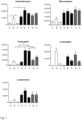
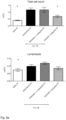
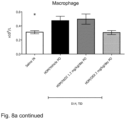
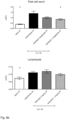
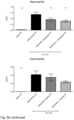
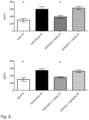
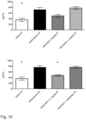
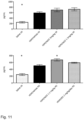
- Test item hBD-2 both after oral and intranasal application TID, on day 14, effectively inhibited increase of airway resistance ( Figure 5a and 5b ) and decrease of pulmonary compliance ( Figure 6a and 6b ) as compared to HDM challenged vehicle treated animals. More prominent effect was observed on some measured parameters after intranasal application, such as cellular influx in BALF, where both doses (0.4 mg/kg/day TID and 1.7 mg/kg/day TID) significantly inhibited neutrophil counts, while the steroid standard dexamethasone failed to inhibit them. Similar significant effects were observed on IL-6, IL-10 and IFN- ⁇ cytokine levels in lung tissue homogenates with both dosing routes ( Figure 9 , 14 , 17 ). Perorally administered hBD2 significantly reduced TNF- ⁇ ( Figure 10 ), while the intranasally administered hBD2 was not significantly different from the control. Figure 11 shows the effect on IL-1 ⁇ .
- mice Female 7-10 weeks old BALB/c mice randomly allocated into 4 study groups one day prior to study start were subcutaneously (SC) sensitized to house dust mite (100 ⁇ g HDM in 200 ⁇ L saline plus Freund's complete adjuvant in 0.9% saline). Mice were intranasally (IN) challenged with HDM on day 14 (HDM 25 ⁇ g in 50 ⁇ L of saline). hBD-2 was administered IN or orally (0.4 mg/kg TID IN; 0.4 mg/kg TID orally, 50 ⁇ L phosphate buffered saline) on day 14. The initial dose was administered 60 minutes prior to challenge, and the subsequent doses approximately 6 hours apart.
- SC subcutaneously
- house dust mite 100 ⁇ g HDM in 200 ⁇ L saline plus Freund's complete adjuvant in 0.9% saline.
- mice were intranasally (IN) challenged with HDM on day 14 (HDM 25 ⁇ g in 50 ⁇ L of saline).
- Lung tissue sampling Lungs were removed from the thorax, snap frozen in liquid nitrogen and stored frozen at -80 degrees Celsius until analysis of cytokine concentration of IL-4, IL-5, IL-8 (KC), IL-9 and IL-13 by ELISA.
- Lungs were inflated in situ in 10% buffered formalin, removed from thorax, placed individually in 10% buffered formalin, paraffin embedded in toto , sectioned and H&E/PAS stained.
- the lungs were exposed and excised by gently opening the thorax and by cutting down either side of the sternum and ribs and trimming back. Lungs from first 6 animals per group were removed from thorax, snap frozen in liquid nitrogen and stored frozen at - 80°C until analysis of cytokine concentration by ELISA.
- Lungs from other 8 animals per group were inflated in situ with 10% buffered formalin, removed from thorax, placed individually in 10% buffered formalin, paraffin embedded in toto , sectioned and H&E/PAS stained. The paraffin blocks were retained for the IHC analysis.
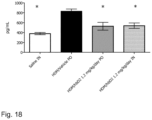
- Test item hBD-2 both after oral and intranasal application TID, on day 14, effectively inhibited increase in histological inflammation of lung tissue as compared to HDM challenged vehicle treated animals ( Figure 19, 20 , 21 ). Similar significant effects were observed on IL-4, IL-5, IL-8, IL-9 and IL-13 cytokine levels in lung tissue homogenates with both dosing routes ( Figure 12 , 13 , 15, 16 , 18 ).
- Treatment regimen 21 female NMRI mice were dosed by oral gavage 5 ml/kg using a gavage tube and a 1 ml syringe according to the individual body weight obtained on the day of dosing. Urine was strived sampled at random time points by gently massaging the inguinal area of the abdomen. The first blood sample was taken using a submandibular sampling method. The second blood sample was collected from Isoflurane anaesthetised mice. Intestinal samples were taken after euthanasia. The abdomen of each mouse was opened and three sections of the intestines were sampled.
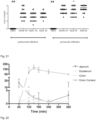
- hBD-2 could not be detected by HPLC in any of the serum or urine samples as all values were below the detection level of ⁇ 10 pg/ml. This indicates that hBD-2 is not systemically available after oral dosing of 4 mg/kg in mice ( Figure 22 ).
- hBD-2 fused to the C-terminal (molecular weight 71.336 Da) or N-terminal (molecular weight 71.666 Da) of human serum albumin following subcutaneous or intravenous administration of a molar equivalent to 1 mg/kg hBD-2 (molecular weight 66437 Da) to NMRI female mice.
- Treatment regimen The animals were dosed 10 ml/kg of stock concentration of 1.65 mg/ml according to the individual body weight (300 ⁇ L for a 30 gram mouse). First blood sample was taken using a submandibular sampling method and the second following Isoflurane anaesthesia and euthanasi.
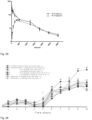
- hBD-2 showed a half-life of 1 hour and the two fused proteins a half-life of 12 hours. AUC was changed dramatically. Renal clearances were also changed from 10 ml/min for hBD-2 to 0.5-2.2 ml/min for the two fused molecules ( Figure 23, 24 , 25 ).
- the example demonstrates that the half life of hBD2 can be extended markedly by Cor N-terminal conjugation to albumin.
- Dextran Sodium Sulphate (DSS) induced colitis model in mice.
- Treatment regimen "hBD-2-albumin N-terminal” was administered intravenously via the tail vein or subcutaneously with the use of a sterile 25G needle in a dosing volume of 10 ml/kg body weight. The animals received 1 dose daily for 10 executive days.
- the active control Dexamethasone (DEX) was given subcutaneously at a dose of 1 mg/kg in a dosing volume of 10 ml/kg body weight OD.
- hBD-2-albumin N-terminal Treatment with "hBD-2-albumin N-terminal” resulted in a significant inhibition of the disease activity index (DAI) when administered daily at a dose of 1.65 mg/kg via the intravenous route (p ⁇ 0.05). Additionally, on day 10 a significant inhibition of the DAI score was also observed when the "hBD-2-albumin N-terminal” was administered daily at a dose of 1.65 mg/kg and at a dose of 125 mg/kg subcutaneously respectively (p ⁇ 0.05).
- DAI disease activity index
- the example demonstrates the hBD2-albumin fusion N-terminal is biologically active in an animal model of an inflammatory condition.
- Dextran Sodium Sulphate (DSS) induced colitis model in mice.
- Treatment regimen "hBD-2-albumin C-terminal" was administered intravenously via the tail vein or subcutaneously with the use of a sterile 25G needle in a dosing volume of 10 ml/kg body weight. The animals received 1 dose daily for 10 executive days. The active control Prednisolone (Pred) was given orally by gavage at a dose of 1 mg/kg in a dosing volume of 10 ml/kg body weight OD.
- Pred Prednisolone
- the example demonstrates the hBD2-albumin fusion C-terminal is biologically active in an animal model of an inflammatory condition.
- mice Female 7-10 weeks old BALB/c mice were randomly allocated into 5 study groups one day prior to study start and subcutaneously (SC) sensitized to house dust mite (100 ⁇ g HDM in 200 ⁇ L saline plus Freund's complete adjuvant in 0.9% saline). The mice were treated with hBD-2 orally and intranasally respectively at a dose of 1.2 mg/kg/day (0.4 mg/kg TID) starting on day 12 in the morning and continued TID at approximately 6 hours intervals. The last dose was administered on day 14 one hour prior to challenge. The total number of doses were 8 doses or a total of 2 mg/kg hBD-2. Mice were then intranasally (IN) challenged with HDM on day 14 (HDM 25 ⁇ g in 50 ⁇ L of saline).
- SC subcutaneously
- Airway inflammation At 48 hours post challenge, bronchoalveolar lavage was performed washing the lungs with 3 volumes of cold PBS (0.4; 0.3 and 0.3 mL, total 1 mL). Total and differential leucocyte cell counts were determined on an automated haematological analyser Sysmex XT-2000iV.
- Lung function Starting 48 hours after HDM challenge, measurements of lung resistance and lung compliance were carried out after methacholine challenge (3.125 MCH1; 6.25 MCH2; 12.5 MCH3 and 25 mg/mL MCH4) by anaesthetized, cannulated mice using DSI's Buxco Finepoint RC system. Data are represented as airway resistance at 10 mg/kg methacholine and as dose responsive curves.
- Lung sampling for cytokine analysis After completion of every BAL, lungs were removed from the thorax, snap frozen in liquid nitrogen and stored frozen at -80 degrees Celcius until analysis of cytokine concentration of TNF- ⁇ , IL-4, IL-5, IL-6, IL-9, IL-13 and IL-33 in lung homogenate by ELISA.
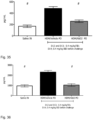
- hBD-2 both after oral and intranasal application TID, administered from day 12 to day 14 (a total of 2.0 mg/kg in 8 administrations), effectively preserved a normal lung function inhibiting the increase of airway resistance ( Figure 29 ) and the decrease of pulmonary compliance ( Figure 30 ) as compared to HDM challenged vehicle treated animals.
- An effect on cellular influx in BALF was observed after oral application, that significantly inhibited neutrophil counts ( Figure 31 ), but otherwise immune cells migrated into BALF as normally observed in asthma, but importantly the cytokine storm often observed in asthma and the basis for an asthma attack was prevented with a complete normalization of cytokine concentrations in lung tissue homogenates especially after oral administration of hBD-2.
- TNF- ⁇ , IL-4, IL-5, IL-6, IL-9 and IL-13 cytokine levels following oral administration are shown in Figures 32-37 .
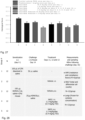
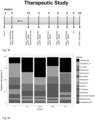
- mice were housed in trios, 4 cages per group. Feed intake was registered daily just before lights were turned off at 6 pm. Individual mice were subjected to experimental procedures in altered order both group and cage wise. Mice were kept at room temperature under a 12-hour light/dark cycle at SPF standard conditions. The treatment regime is described in Figure 38 .
- mice were fed either a high fat diet (HFD) or a low fat (LF) control diet.
- HFD contained 4 subgroups; 1 hBD2, 1 HD5, 1 hBD2/HD5 and 1 standard HFD without supplementation of defensins.
- Defensin concentration was 1.2 mg hBD2 per kg mouse per day.
- HD5 was given in equimolar concentration to hBD2.
- the combinatory group was given 50% hBD2 + 50% HD5, hence a total amount of defensins equivalent to the remaining test groups.
- Microbial analyses were carried out to study the microbiota of the intestine.
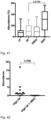
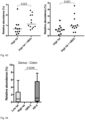
- hBD2 affected primarily the microbial presence, whereas HD5 and hBD2+HD5 affected primarily the microbial abundance.
- Figure 40 shows the relative abundance of species in the different treatment groups and illustrate the profound effect of hBD2 and HD5 on intestinal flora.
- Allobaculum is a short chain fatty acid producing species. Short chain fatty acids play an important role in regulating colonic Treg cell homeostasis mediated via GPCR43.
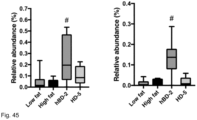
- a statistically significant increase in abundance of Barnesiella in the colon was observed following prophylactic treatment with hBD2 (p ⁇ 0.03; Figure 43 ).
- Example 11 Treatment of dysbiosis by interventional treatment with defensins.
- mice and diets mice and diets .
- the experiment elucidates the effect of hBD2 and HD5 on the microbiota in diet-induced obese mice.
- mice meeting the criteria of a minimum of 12 gram weight gain (approximately 50% of initial bodyweight) during the run-in period were included in the final analyses. Mice that did not meet these criteria stayed in their respective cages as hierarchy 'keepers'. They were exposed to all experimental tests, but excluded from the analyses.
- mice were MR scanned. Cages of mice were allocated to experimental groups based on their fat mass. All subsequent measures were paired with data from the same mouse before the intervention. A LFD (low fat diet) reference group was running in parallel. As controls for the intervention 2 additional groups were included: 1 very HFD and 1 LFD. Experimental mice stayed on the very HFD during the intervention. The mice were on the experimental diet for 10 weeks. They were co-housed throughout the experiment, 4 mice per cage, 3 cages per group. All tests ran over 3 days, 1 cage per group per day. The treatment regime is shown in Figure 39 .
Landscapes
- Health & Medical Sciences (AREA)
- Life Sciences & Earth Sciences (AREA)
- Chemical & Material Sciences (AREA)
- General Health & Medical Sciences (AREA)
- Medicinal Chemistry (AREA)
- Pharmacology & Pharmacy (AREA)
- Animal Behavior & Ethology (AREA)
- Public Health (AREA)
- Veterinary Medicine (AREA)
- Epidemiology (AREA)
- Engineering & Computer Science (AREA)
- Bioinformatics & Cheminformatics (AREA)
- Pulmonology (AREA)
- Organic Chemistry (AREA)
- Proteomics, Peptides & Aminoacids (AREA)
- Nuclear Medicine, Radiotherapy & Molecular Imaging (AREA)
- General Chemical & Material Sciences (AREA)
- Chemical Kinetics & Catalysis (AREA)
- Gastroenterology & Hepatology (AREA)
- Zoology (AREA)
- Immunology (AREA)
- Marine Sciences & Fisheries (AREA)
- Nutrition Science (AREA)
- Physiology (AREA)
- Molecular Biology (AREA)
- Pain & Pain Management (AREA)
- Rheumatology (AREA)
- Genetics & Genomics (AREA)
- Biophysics (AREA)
- Biochemistry (AREA)
- Toxicology (AREA)
- Communicable Diseases (AREA)
- Oncology (AREA)
- Medicines That Contain Protein Lipid Enzymes And Other Medicines (AREA)
- Peptides Or Proteins (AREA)
- Pharmaceuticals Containing Other Organic And Inorganic Compounds (AREA)
- Medicinal Preparation (AREA)
- Medicines Containing Material From Animals Or Micro-Organisms (AREA)
Claims (11)
- Defensin, ausgewählt aus der Gruppe, bestehend aus hBD2 (SEQ ID NO: 2) und verkürztem hBD2 (SEQ ID NO: 7) oder eine funktionell äquivalente Variante davon, die sich in 1 bis 4 Aminosäuren im Vergleich zu hBD-2 (SEQ ID NO: 2) oder verkürztem hBD-2 (SEQ ID NO: 7) unterscheidet, zur Verwendung in einem Verfahren zur Behandlung und/oder Prävention von Asthma, Bronchiektasie, chronisch obstruktiver Lungenerkrankung (chronic obstructive pulmonary disorder, COPD) oder Emphysem, wobei das Verfahren eine orale oder intrapulmonale Verabreichung des Defensins umfasst.
- Defensin zur Verwendung nach Anspruch 1, wobei das Asthma ausgewählt ist aus der Gruppe, bestehend aus mildem intermittierendem Asthma, mildem persistierendem Asthma, mäßigem persistierendem Asthma, schwerem persistierendem Asthma, eosinophilem Asthma, neutrophilem Asthma, steroidrefraktärem Asthma und Status asthmaticus.
- Defensin zur Verwendung nach Anspruch 1 oder 2, wobei die Verabreichung oral erfolgt.
- Defensin zur Verwendung nach einem der vorhergehenden Ansprüche, wobei die Behandlung Verringern von histologischer Lungenentzündung, der Anzahl von Entzündungszellen in bronchoalveolärer Lavageflüssigkeit, Wiederherstellen des Gleichgewichts des Immunsystems mit Normalisierung der Produktion entzündlicher Zytokine in Lungengewebshomogenaten und Verhinderung/Behandlung eines Zytokinsturms umfasst.
- Defensin zur Verwendung nach einem der vorhergehenden Ansprüche, wobei die Behandlung Erhöhen der Lungen-Compliance durch das Verringern der Überempfindlichkeit der Atemwege und/oder Erhöhen des exspiratorischen Spitzenflusses bei einem Subjekt der dies benötigt, umfasst.
- Defensin zur Verwendung nach einem der vorhergehenden Ansprüche, wobei die Behandlung das Erhöhen des Genreichtums, der Anzahl der Phylae, das Erhöhen der Butyratproduktion und/oder der Tryptophanproduktion, das Verringern der Acetatproduktion von und/oder aus der Lungenmikrobiota umfasst.
- Defensin zur Verwendung gemäß einem der vorhergehenden Ansprüche, wobei der Subjekta. Asthmasymptome > 2 Mal pro Woche, wie tägliche Symptome, wie Dauersymptome,b. Asthmaanfälle unterschiedlicher Intensität, wie Anfälle, die die Aktivität beeinträchtigen, wie Anfälle, die die körperliche Aktivität einschränken,c. Asthmasymptome in der Nacht > 2 Mal pro Monat, wie > 2 Mal pro Woche, die tagelang anhalten können, wie häufige nächtliche Symptome,d. ein forciertes Ausatmungsvolumen nach 1 Sekunde (forced expiratory volume, FEV1) < 80 %, wie ein FEV1 von 60-80 %, wie ein FEV1 < 60 %, und/odere. eine exspiratorische Spitzenflussrate (peak expiratory flow rate, PEFR) mit einer Variabilität von > 20 %, wie eine PEFR-Variabilität von 20-30 %, wie eine PEFR-Variabilität > 30 %, wie eine PEFR-Variabilität > 60 % aufweist.
- Defensin zur Verwendung gemäß einem der vorhergehenden Ansprüche, wobei das Defensin in Kombination mit Glucocorticoiden, β-Agonisten, Leukotrienrezeptorantagonisten, Theo-phyllin, Antibiotika, Rifaximin, Immunsuppressiva, Chemo- oder Immuntherapie, kurzkettigen Fettsäuren, HNP-1, HNP-2, HNP-3, HNP-4, Fäkaltransplantaten oder einer Kombination davon verabreicht wird.
- Defensin zur Verwendung gemäß einem der vorhergehenden Ansprüche, wobei die Tagesdosis zwischen 0,1 und 10 mg Defensin/kg, wie zwischen 0,5 und 5 mg Defensin/kg, wie zwischen 1 und 2 mg Defensin/kg pro Tag, wie 1,2 mg Defensin/kg pro Tag, liegt.
- Defensin zur Verwendung gemäß einem der vorhergehenden Ansprüche, wobei das Defensin mindestens einmal pro Tag, wie mindestens zweimal pro Tag, wie mindestens dreimal pro Tag, wie mindestens viermal pro Tag, wie fünfmal pro Tag, verabreicht wird.
- Defensin zur Verwendung gemäß einem der vorhergehenden Ansprüche, wobei die intrapulmonale Verabreichung intratracheal, intrabronchial oder bronchioalveolär erfolgt.
Applications Claiming Priority (2)
| Application Number | Priority Date | Filing Date | Title |
|---|---|---|---|
| DKPA201670991 | 2016-12-13 | ||
| PCT/EP2017/082535 WO2018108971A2 (en) | 2016-12-13 | 2017-12-13 | Methods for treating inflammatory conditions of the lungs |
Publications (3)
| Publication Number | Publication Date |
|---|---|
| EP3554532A2 EP3554532A2 (de) | 2019-10-23 |
| EP3554532B1 true EP3554532B1 (de) | 2024-09-25 |
| EP3554532C0 EP3554532C0 (de) | 2024-09-25 |
Family
ID=61024712
Family Applications (1)
| Application Number | Title | Priority Date | Filing Date |
|---|---|---|---|
| EP17835461.9A Active EP3554532B1 (de) | 2016-12-13 | 2017-12-13 | Hbd2 zur verwendung in der behandlung von entzündungen der lunge |
Country Status (13)
| Country | Link |
|---|---|
| US (2) | US11413328B2 (de) |
| EP (1) | EP3554532B1 (de) |
| JP (2) | JP2020512287A (de) |
| KR (1) | KR20190108106A (de) |
| CN (1) | CN110290799A (de) |
| AU (1) | AU2017376400A1 (de) |
| BR (1) | BR112019011844A2 (de) |
| CA (1) | CA3045079A1 (de) |
| ES (1) | ES2994381T3 (de) |
| MX (1) | MX2019006848A (de) |
| RU (1) | RU2019120956A (de) |
| SG (1) | SG10202012106WA (de) |
| WO (1) | WO2018108971A2 (de) |
Families Citing this family (11)
| Publication number | Priority date | Publication date | Assignee | Title |
|---|---|---|---|---|
| KR20200095472A (ko) * | 2017-11-10 | 2020-08-10 | 디펜신 테라퓨틱스 에이피에스 | 조산아에서의 점막 방어 및 장/폐 기능의 성숙화 |
| CN108815199B (zh) * | 2018-08-03 | 2021-10-01 | 南华大学 | 鼠衣原体在制备抗溃疡性结肠炎药物中的应用 |
| US11331269B2 (en) * | 2018-09-06 | 2022-05-17 | Massachusetts Institute Of Technology | Methods and compositions targeting lung microbiota and its responding immune pathways for lung cancer treatment |
| KR102742007B1 (ko) | 2018-10-09 | 2024-12-12 | 유니버시티 오브 서던 캘리포니아 | 양이온성 마크로사이클릭 펩티드의 전신 전달성, 내약성, 및 효능을 향상시키기 위한 조성물 및 방법(compositions and methods for enhancing systemic deliverability, tolerability, and efficacy of cationic macrocyclic peptides) |
| JP7479381B2 (ja) * | 2019-01-07 | 2024-05-08 | アエスクルス バイオ エーピーエス | 治療または予防に使用するためのディフェンシン断片 |
| WO2020182970A1 (en) * | 2019-03-14 | 2020-09-17 | Om Pharma Sa | Process for making stable bacterial extracts and their use as pharmaceuticals |
| US12472231B2 (en) | 2020-03-18 | 2025-11-18 | The University Of Hong Kong | Compositions of anti-viral peptides and methods of use thereof |
| CN113262297A (zh) * | 2020-11-02 | 2021-08-17 | 中南大学湘雅二医院 | 一种基于巴氏菌的治疗性肺癌疫苗及其配置方法和应用 |
| CN113521047B (zh) * | 2021-08-23 | 2022-10-04 | 新疆医科大学第四附属医院 | 丁酸盐在制备慢性阻塞性肺疾病药物中的应用 |
| EP4457237A4 (de) * | 2021-12-27 | 2025-11-12 | Versitech Ltd | Antivirale peptide und verfahren zu ihrer verwendung |
| CN121360148B (zh) * | 2025-12-18 | 2026-06-30 | 白山市林源春生态科技股份有限公司 | 一种经特定发酵获得的太岁分子生态液提取物及其制备方法和应用 |
Citations (5)
| Publication number | Priority date | Publication date | Assignee | Title |
|---|---|---|---|---|
| WO2013026794A1 (en) * | 2011-08-19 | 2013-02-28 | Novozymes | Novel immunomodulatory peptide |
| EP2583684A2 (de) * | 2010-06-16 | 2013-04-24 | Nano Intelligent Biomedical Engineering Corporation Co., Ltd. | Peptid mit antimikrobieller oder entzündungshemmender wirkung und pharmazeutische zusammensetzung mit diesem peptid als wirkstoff |
| WO2014089480A1 (en) * | 2012-12-06 | 2014-06-12 | Pin Pharma, Inc. | Treatment of inflammation, autoimmune, and neurodegenerative disorders with immunosuppressive tat derivative polypeptides |
| US20150056253A1 (en) * | 2011-09-12 | 2015-02-26 | Moderna Therapeutics, Inc. | Engineered nucleic acids and methods of use thereof |
| WO2019092201A2 (en) * | 2017-11-10 | 2019-05-16 | Defensin Therapeutics Aps | Maturation of mucosal defense and gut/lung function in the preterm infant |
Family Cites Families (22)
| Publication number | Priority date | Publication date | Assignee | Title |
|---|---|---|---|---|
| US4235871A (en) | 1978-02-24 | 1980-11-25 | Papahadjopoulos Demetrios P | Method of encapsulating biologically active materials in lipid vesicles |
| US4501728A (en) | 1983-01-06 | 1985-02-26 | Technology Unlimited, Inc. | Masking of liposomes from RES recognition |
| US4837028A (en) | 1986-12-24 | 1989-06-06 | Liposome Technology, Inc. | Liposomes with enhanced circulation time |
| US5223409A (en) | 1988-09-02 | 1993-06-29 | Protein Engineering Corp. | Directed evolution of novel binding proteins |
| IL99552A0 (en) | 1990-09-28 | 1992-08-18 | Ixsys Inc | Compositions containing procaryotic cells,a kit for the preparation of vectors useful for the coexpression of two or more dna sequences and methods for the use thereof |
| DE4343591A1 (de) | 1993-12-21 | 1995-06-22 | Evotec Biosystems Gmbh | Verfahren zum evolutiven Design und Synthese funktionaler Polymere auf der Basis von Formenelementen und Formencodes |
| US5605793A (en) | 1994-02-17 | 1997-02-25 | Affymax Technologies N.V. | Methods for in vitro recombination |
| US7713705B2 (en) * | 2002-12-24 | 2010-05-11 | Biosite, Inc. | Markers for differential diagnosis and methods of use thereof |
| CA2841097A1 (en) * | 2001-12-21 | 2003-07-24 | Human Genome Sciences, Inc. | Albumin and g-csf fusion proteins |
| US7511015B2 (en) * | 2002-02-19 | 2009-03-31 | The United States Of America As Represented By The Department Of Health And Human Services | Modified defensins and their use |
| US20040091498A1 (en) | 2002-05-31 | 2004-05-13 | Aaron Diamond Aids Research Center | Defensins: use as antiviral agents |
| GB0521139D0 (en) * | 2005-10-18 | 2005-11-23 | Univ Sheffield | Therapeutic agent |
| US7528107B2 (en) | 2005-11-30 | 2009-05-05 | Auburn University | Methods of treating inflammation in mammalian tissues comprising administering human alpha-defensins |
| WO2008115390A2 (en) | 2007-03-16 | 2008-09-25 | The Hamner Institutes For Health Sciences | Methods of using defensins to treat diabetes |
| LT2237799T (lt) | 2008-02-01 | 2019-07-25 | Ascendis Pharma A/S | Provaistas, apimantis besiskaidantį linkerį |
| CN102159233A (zh) | 2008-07-18 | 2011-08-17 | 诺维信阿德宁生物技术公司 | 使用哺乳动物β防御素的炎性肠病的治疗 |
| MX2011000569A (es) * | 2008-07-18 | 2011-02-23 | Novozymes Adenium Biotech As | Tratamiento de enfermedades inflamatorias con beta-defensinas de mamifero. |
| SG172789A1 (en) | 2009-02-11 | 2011-08-29 | Novozymes Biopharma Dk As | Albumin variants and conjugates |
| US8828380B2 (en) * | 2009-09-10 | 2014-09-09 | The United States Of America, As Represented By The Secretary, Department Of Health And Human Services | Method for the treatment of pulmonary disease and method of producing proteins of use therein |
| US8410049B2 (en) | 2009-10-28 | 2013-04-02 | Cebix | Methods and kits for preventing hypoglycemia |
| WO2012064601A1 (en) * | 2010-11-08 | 2012-05-18 | Pulmatrix, Inc. | Methods of treating and preventing rhinovirus infection |
| JP6219277B2 (ja) | 2011-07-08 | 2017-10-25 | ディフェンシン セラピューティクス アンパルトセルスカブDefensin Therapeutics Aps | 炎症性腸疾患の経口治療 |
-
2017
- 2017-12-13 CA CA3045079A patent/CA3045079A1/en active Pending
- 2017-12-13 CN CN201780086292.7A patent/CN110290799A/zh active Pending
- 2017-12-13 EP EP17835461.9A patent/EP3554532B1/de active Active
- 2017-12-13 AU AU2017376400A patent/AU2017376400A1/en not_active Abandoned
- 2017-12-13 US US16/468,051 patent/US11413328B2/en active Active
- 2017-12-13 MX MX2019006848A patent/MX2019006848A/es unknown
- 2017-12-13 JP JP2019531167A patent/JP2020512287A/ja not_active Ceased
- 2017-12-13 WO PCT/EP2017/082535 patent/WO2018108971A2/en not_active Ceased
- 2017-12-13 BR BR112019011844A patent/BR112019011844A2/pt not_active Application Discontinuation
- 2017-12-13 RU RU2019120956A patent/RU2019120956A/ru unknown
- 2017-12-13 SG SG10202012106WA patent/SG10202012106WA/en unknown
- 2017-12-13 ES ES17835461T patent/ES2994381T3/es active Active
- 2017-12-13 KR KR1020197019175A patent/KR20190108106A/ko not_active Ceased
-
2022
- 2022-07-11 US US17/861,912 patent/US20230067261A1/en not_active Abandoned
-
2024
- 2024-10-22 JP JP2024186110A patent/JP2025013922A/ja not_active Withdrawn
Patent Citations (5)
| Publication number | Priority date | Publication date | Assignee | Title |
|---|---|---|---|---|
| EP2583684A2 (de) * | 2010-06-16 | 2013-04-24 | Nano Intelligent Biomedical Engineering Corporation Co., Ltd. | Peptid mit antimikrobieller oder entzündungshemmender wirkung und pharmazeutische zusammensetzung mit diesem peptid als wirkstoff |
| WO2013026794A1 (en) * | 2011-08-19 | 2013-02-28 | Novozymes | Novel immunomodulatory peptide |
| US20150056253A1 (en) * | 2011-09-12 | 2015-02-26 | Moderna Therapeutics, Inc. | Engineered nucleic acids and methods of use thereof |
| WO2014089480A1 (en) * | 2012-12-06 | 2014-06-12 | Pin Pharma, Inc. | Treatment of inflammation, autoimmune, and neurodegenerative disorders with immunosuppressive tat derivative polypeptides |
| WO2019092201A2 (en) * | 2017-11-10 | 2019-05-16 | Defensin Therapeutics Aps | Maturation of mucosal defense and gut/lung function in the preterm infant |
Non-Patent Citations (8)
| Title |
|---|
| AMERICAN JOURNAL OF HUMAN GENETICS, vol. 71, no. 4 Supplement, October 2002 (2002-10-01), 52ND ANNUAL MEETING OF THE AMERICAN SOCIETY OF HUMAN GENETICS; BALTIMORE, MD, USA; OCTOBER 15-19, 2002, pages 462, ISSN: 0002-9297 * |
| CHRISTOPH BEISSWENGER ET AL: "Allergic Airway Inflammation Inhibits Pulmonary Antibacterial Host Defense", THE JOURNAL OF IMMUNOLOGY, vol. 177, no. 3, 18 July 2006 (2006-07-18), US, pages 1833 - 1837, XP055656994, ISSN: 0022-1767, DOI: 10.4049/jimmunol.177.3.1833 * |
| DAGLI ELIF ET AL: "WHO Prevention of Allergy and Allergic Asthma Based on the WHO/WAO Meeting on the Prevention of Allergy and Allergic Asthma WORLD HEALTH ORGANIZATION I World Health Organization 2003", 1 January 2003 (2003-01-01), pages 1 - 14, XP055773295, Retrieved from the Internet <URL:https://apps.who.int/iris/bitstream/handle/10665/68361/WHO_NMH_MNC_CRA_03.2.pdf> [retrieved on 20210208] * |
| DATABASE BIOSIS [online] BIOSCIENCES INFORMATION SERVICE, PHILADELPHIA, PA, US; October 2002 (2002-10-01), HAWKINS G A ET AL: "Analysis of the defensin gene family for DNA sequence variants", XP009504312, Database accession no. PREV200200624898 * |
| JANSSENS WIM ET AL: "Genomic Copy Number Determines Functional Expression of [beta]-Defensin 2 in Airway Epithelial Cells and Associates with Chronic Obstructive Pulmonary Disease", AMERICAN JOURNAL OF RESPIRATORY AND CRITICAL CARE MEDICINE, vol. 182, no. 2, 15 July 2010 (2010-07-15), US, pages 163 - 169, XP093080850, ISSN: 1073-449X, DOI: 10.1164/rccm.200905-0767OC * |
| NAM HAE YUN ET AL: "Diesel exhaust particles increase IL-1[beta]-induced human [beta]-defensin expression via NF-[kappa]B-mediated pathway in human lung epithelial cells", PARTICLE AND FIBRE TOXICOLOGY, BIOMED CENTRAL, LONDON, GB, vol. 3, no. 1, 25 May 2006 (2006-05-25), pages 9, XP021019449, ISSN: 1743-8977, DOI: 10.1186/1743-8977-3-9 * |
| NIYONSABA F ET AL: "Protective roles of the skin against infection: Implication of naturally occurring human antimicrobial agents @b-defensins, cathelicidin LL-37 and lysozyme", JOURNAL OF DERMATOLOGICAL SCIENCE, ELSEVIER, AMSTERDAM, NL, vol. 40, no. 3, 1 December 2005 (2005-12-01), pages 157 - 168, XP027792983, ISSN: 0923-1811, [retrieved on 20051201] * |
| PROUD DAVID: "The role of defensins in virus-induced asthma", CURRENT ALLERGY AND ASTHMA REPORTS, vol. 6, no. 1, 1 January 2006 (2006-01-01), New York, pages 81 - 85, XP093080817, ISSN: 1529-7322, Retrieved from the Internet <URL:https://link.springer.com/content/pdf/10.1007/s11882-006-0015-6.pdf?pdf=button> DOI: 10.1007/s11882-006-0015-6 * |
Also Published As
| Publication number | Publication date |
|---|---|
| JP2020512287A (ja) | 2020-04-23 |
| US20230067261A1 (en) | 2023-03-02 |
| US20190336576A1 (en) | 2019-11-07 |
| CA3045079A1 (en) | 2018-06-21 |
| AU2017376400A1 (en) | 2019-06-20 |
| WO2018108971A3 (en) | 2018-07-26 |
| RU2019120956A (ru) | 2021-01-15 |
| EP3554532A2 (de) | 2019-10-23 |
| BR112019011844A2 (pt) | 2022-05-10 |
| CN110290799A (zh) | 2019-09-27 |
| KR20190108106A (ko) | 2019-09-23 |
| ES2994381T3 (en) | 2025-01-23 |
| MX2019006848A (es) | 2019-10-07 |
| JP2025013922A (ja) | 2025-01-28 |
| SG10202012106WA (en) | 2021-01-28 |
| RU2019120956A3 (de) | 2021-04-13 |
| US11413328B2 (en) | 2022-08-16 |
| WO2018108971A2 (en) | 2018-06-21 |
| EP3554532C0 (de) | 2024-09-25 |
Similar Documents
| Publication | Publication Date | Title |
|---|---|---|
| US20230067261A1 (en) | Methods for treating inflammatory conditions of the lungs | |
| US20250009844A1 (en) | Maturation of mucosal defense and gut/lung function in the preterm infant | |
| JP6001151B2 (ja) | 顆粒球マクロファージコロニー刺激因子を投与することによる肺の宿主防御の増強 | |
| Smaldone | Repurposing of gamma interferon via inhalation delivery | |
| EP3713590B1 (de) | Humanes beta 2 defensin zur verwendung in der vorbeugung und behandlung der transplantat-wirt-reaktion | |
| US20130281361A1 (en) | Methods of treating and preventing rhinovirus infection | |
| US20210386668A1 (en) | Cyclodextrin for use in the treatment and prevention of late phase bronchoconstriction in allergen-induced asthma | |
| RU2737799C1 (ru) | Ингаляционный гексапептид для лечения респираторных заболеваний, связанных с интерлейкином-6 | |
| US20150174204A1 (en) | Granulocyte-macrophage colony-stimulating factor for the treatment of bronchial asthma | |
| US20120060834A1 (en) | Pharmaceutical preparation to be administered into respiratory organs for treating or preventing inflammatory respiratory diseases, and method for treating or preventing such diseases | |
| BRPI0611710A2 (pt) | administração às vias aéreas de inibidor do passo de fator tissular, em condições inflamatórias que afetam o trato respiratório | |
| US20200299331A1 (en) | Composition Comprising a Peptide and an Inhibitor of Viral Neuraminidase | |
| WO2015110536A1 (en) | Granulocyte-macrophage colony-stimulating factor for the treatment and prevention of severe forms of bronchial asthma |
Legal Events
| Date | Code | Title | Description |
|---|---|---|---|
| STAA | Information on the status of an ep patent application or granted ep patent |
Free format text: STATUS: UNKNOWN |
|
| STAA | Information on the status of an ep patent application or granted ep patent |
Free format text: STATUS: THE INTERNATIONAL PUBLICATION HAS BEEN MADE |
|
| PUAI | Public reference made under article 153(3) epc to a published international application that has entered the european phase |
Free format text: ORIGINAL CODE: 0009012 |
|
| STAA | Information on the status of an ep patent application or granted ep patent |
Free format text: STATUS: REQUEST FOR EXAMINATION WAS MADE |
|
| 17P | Request for examination filed |
Effective date: 20190624 |
|
| AK | Designated contracting states |
Kind code of ref document: A2 Designated state(s): AL AT BE BG CH CY CZ DE DK EE ES FI FR GB GR HR HU IE IS IT LI LT LU LV MC MK MT NL NO PL PT RO RS SE SI SK SM TR |
|
| AX | Request for extension of the european patent |
Extension state: BA ME |
|
| DAV | Request for validation of the european patent (deleted) | ||
| DAX | Request for extension of the european patent (deleted) | ||
| REG | Reference to a national code |
Ref country code: HK Ref legal event code: DE Ref document number: 40014735 Country of ref document: HK |
|
| PUAG | Search results despatched under rule 164(2) epc together with communication from examining division |
Free format text: ORIGINAL CODE: 0009017 |
|
| STAA | Information on the status of an ep patent application or granted ep patent |
Free format text: STATUS: EXAMINATION IS IN PROGRESS |
|
| 17Q | First examination report despatched |
Effective date: 20210212 |
|
| B565 | Issuance of search results under rule 164(2) epc |
Effective date: 20210212 |
|
| RIC1 | Information provided on ipc code assigned before grant |
Ipc: A61P 31/04 20060101ALI20210209BHEP Ipc: A61P 11/06 20060101ALI20210209BHEP Ipc: A61K 38/17 20060101AFI20210209BHEP Ipc: A61P 29/00 20060101ALI20210209BHEP |
|
| GRAP | Despatch of communication of intention to grant a patent |
Free format text: ORIGINAL CODE: EPIDOSNIGR1 |
|
| STAA | Information on the status of an ep patent application or granted ep patent |
Free format text: STATUS: GRANT OF PATENT IS INTENDED |
|
| INTG | Intention to grant announced |
Effective date: 20231006 |
|
| GRAJ | Information related to disapproval of communication of intention to grant by the applicant or resumption of examination proceedings by the epo deleted |
Free format text: ORIGINAL CODE: EPIDOSDIGR1 |
|
| STAA | Information on the status of an ep patent application or granted ep patent |
Free format text: STATUS: EXAMINATION IS IN PROGRESS |
|
| INTC | Intention to grant announced (deleted) | ||
| GRAP | Despatch of communication of intention to grant a patent |
Free format text: ORIGINAL CODE: EPIDOSNIGR1 |
|
| STAA | Information on the status of an ep patent application or granted ep patent |
Free format text: STATUS: GRANT OF PATENT IS INTENDED |
|
| INTG | Intention to grant announced |
Effective date: 20240424 |
|
| GRAS | Grant fee paid |
Free format text: ORIGINAL CODE: EPIDOSNIGR3 |
|
| GRAA | (expected) grant |
Free format text: ORIGINAL CODE: 0009210 |
|
| STAA | Information on the status of an ep patent application or granted ep patent |
Free format text: STATUS: THE PATENT HAS BEEN GRANTED |
|
| AK | Designated contracting states |
Kind code of ref document: B1 Designated state(s): AL AT BE BG CH CY CZ DE DK EE ES FI FR GB GR HR HU IE IS IT LI LT LU LV MC MK MT NL NO PL PT RO RS SE SI SK SM TR |
|
| REG | Reference to a national code |
Ref country code: GB Ref legal event code: FG4D |
|
| REG | Reference to a national code |
Ref country code: CH Ref legal event code: EP |
|
| REG | Reference to a national code |
Ref country code: DE Ref legal event code: R096 Ref document number: 602017085111 Country of ref document: DE |
|
| REG | Reference to a national code |
Ref country code: IE Ref legal event code: FG4D |
|
| U01 | Request for unitary effect filed |
Effective date: 20241024 |
|
| U07 | Unitary effect registered |
Designated state(s): AT BE BG DE DK EE FI FR IT LT LU LV MT NL PT RO SE SI Effective date: 20241105 |
|
| U20 | Renewal fee for the european patent with unitary effect paid |
Year of fee payment: 8 Effective date: 20241203 |
|
| PG25 | Lapsed in a contracting state [announced via postgrant information from national office to epo] |
Ref country code: NO Free format text: LAPSE BECAUSE OF FAILURE TO SUBMIT A TRANSLATION OF THE DESCRIPTION OR TO PAY THE FEE WITHIN THE PRESCRIBED TIME-LIMIT Effective date: 20241225 |
|
| PG25 | Lapsed in a contracting state [announced via postgrant information from national office to epo] |
Ref country code: GR Free format text: LAPSE BECAUSE OF FAILURE TO SUBMIT A TRANSLATION OF THE DESCRIPTION OR TO PAY THE FEE WITHIN THE PRESCRIBED TIME-LIMIT Effective date: 20241226 |
|
| REG | Reference to a national code |
Ref country code: ES Ref legal event code: FG2A Ref document number: 2994381 Country of ref document: ES Kind code of ref document: T3 Effective date: 20250123 |
|
| PG25 | Lapsed in a contracting state [announced via postgrant information from national office to epo] |
Ref country code: RS Free format text: LAPSE BECAUSE OF FAILURE TO SUBMIT A TRANSLATION OF THE DESCRIPTION OR TO PAY THE FEE WITHIN THE PRESCRIBED TIME-LIMIT Effective date: 20241225 |
|
| PG25 | Lapsed in a contracting state [announced via postgrant information from national office to epo] |
Ref country code: RS Free format text: LAPSE BECAUSE OF FAILURE TO SUBMIT A TRANSLATION OF THE DESCRIPTION OR TO PAY THE FEE WITHIN THE PRESCRIBED TIME-LIMIT Effective date: 20241225 Ref country code: NO Free format text: LAPSE BECAUSE OF FAILURE TO SUBMIT A TRANSLATION OF THE DESCRIPTION OR TO PAY THE FEE WITHIN THE PRESCRIBED TIME-LIMIT Effective date: 20241225 Ref country code: GR Free format text: LAPSE BECAUSE OF FAILURE TO SUBMIT A TRANSLATION OF THE DESCRIPTION OR TO PAY THE FEE WITHIN THE PRESCRIBED TIME-LIMIT Effective date: 20241226 |
|
| PG25 | Lapsed in a contracting state [announced via postgrant information from national office to epo] |
Ref country code: IS Free format text: LAPSE BECAUSE OF FAILURE TO SUBMIT A TRANSLATION OF THE DESCRIPTION OR TO PAY THE FEE WITHIN THE PRESCRIBED TIME-LIMIT Effective date: 20250125 |
|
| PG25 | Lapsed in a contracting state [announced via postgrant information from national office to epo] |
Ref country code: SM Free format text: LAPSE BECAUSE OF FAILURE TO SUBMIT A TRANSLATION OF THE DESCRIPTION OR TO PAY THE FEE WITHIN THE PRESCRIBED TIME-LIMIT Effective date: 20240925 |
|
| PG25 | Lapsed in a contracting state [announced via postgrant information from national office to epo] |
Ref country code: PL Free format text: LAPSE BECAUSE OF FAILURE TO SUBMIT A TRANSLATION OF THE DESCRIPTION OR TO PAY THE FEE WITHIN THE PRESCRIBED TIME-LIMIT Effective date: 20240925 Ref country code: CZ Free format text: LAPSE BECAUSE OF FAILURE TO SUBMIT A TRANSLATION OF THE DESCRIPTION OR TO PAY THE FEE WITHIN THE PRESCRIBED TIME-LIMIT Effective date: 20240925 |
|
| PG25 | Lapsed in a contracting state [announced via postgrant information from national office to epo] |
Ref country code: SK Free format text: LAPSE BECAUSE OF FAILURE TO SUBMIT A TRANSLATION OF THE DESCRIPTION OR TO PAY THE FEE WITHIN THE PRESCRIBED TIME-LIMIT Effective date: 20240925 |
|
| PG25 | Lapsed in a contracting state [announced via postgrant information from national office to epo] |
Ref country code: MC Free format text: LAPSE BECAUSE OF FAILURE TO SUBMIT A TRANSLATION OF THE DESCRIPTION OR TO PAY THE FEE WITHIN THE PRESCRIBED TIME-LIMIT Effective date: 20240925 |
|
| REG | Reference to a national code |
Ref country code: CH Ref legal event code: PL |
|
| PLBE | No opposition filed within time limit |
Free format text: ORIGINAL CODE: 0009261 |
|
| STAA | Information on the status of an ep patent application or granted ep patent |
Free format text: STATUS: NO OPPOSITION FILED WITHIN TIME LIMIT |
|
| GBPC | Gb: european patent ceased through non-payment of renewal fee |
Effective date: 20241225 |
|
| 26N | No opposition filed |
Effective date: 20250626 |
|
| PG25 | Lapsed in a contracting state [announced via postgrant information from national office to epo] |
Ref country code: GB Free format text: LAPSE BECAUSE OF NON-PAYMENT OF DUE FEES Effective date: 20241225 |
|
| PG25 | Lapsed in a contracting state [announced via postgrant information from national office to epo] |
Ref country code: CH Free format text: LAPSE BECAUSE OF NON-PAYMENT OF DUE FEES Effective date: 20241231 |
|
| PG25 | Lapsed in a contracting state [announced via postgrant information from national office to epo] |
Ref country code: IE Free format text: LAPSE BECAUSE OF NON-PAYMENT OF DUE FEES Effective date: 20241213 |
|
| U20 | Renewal fee for the european patent with unitary effect paid |
Year of fee payment: 9 Effective date: 20251209 |
|
| PG25 | Lapsed in a contracting state [announced via postgrant information from national office to epo] |
Ref country code: HR Free format text: LAPSE BECAUSE OF FAILURE TO SUBMIT A TRANSLATION OF THE DESCRIPTION OR TO PAY THE FEE WITHIN THE PRESCRIBED TIME-LIMIT Effective date: 20240925 |
|
| PGFP | Annual fee paid to national office [announced via postgrant information from national office to epo] |
Ref country code: ES Payment date: 20260108 Year of fee payment: 9 |
|
| PG25 | Lapsed in a contracting state [announced via postgrant information from national office to epo] |
Ref country code: CY Free format text: LAPSE BECAUSE OF FAILURE TO SUBMIT A TRANSLATION OF THE DESCRIPTION OR TO PAY THE FEE WITHIN THE PRESCRIBED TIME-LIMIT Effective date: 20240925 |
|
| PG25 | Lapsed in a contracting state [announced via postgrant information from national office to epo] |
Ref country code: TR Free format text: LAPSE BECAUSE OF FAILURE TO SUBMIT A TRANSLATION OF THE DESCRIPTION OR TO PAY THE FEE WITHIN THE PRESCRIBED TIME-LIMIT Effective date: 20240925 |
|
| PG25 | Lapsed in a contracting state [announced via postgrant information from national office to epo] |
Ref country code: HU Free format text: LAPSE BECAUSE OF FAILURE TO SUBMIT A TRANSLATION OF THE DESCRIPTION OR TO PAY THE FEE WITHIN THE PRESCRIBED TIME-LIMIT; INVALID AB INITIO Effective date: 20171213 |
|
| REG | Reference to a national code |
Ref country code: HK Ref legal event code: WD Ref document number: 40014735 Country of ref document: HK |