EP3553045B1 - Verfahren zur herstellung von methacrylsäuremonomer aus von biomasse stammenden carbonsäuren - Google Patents
Verfahren zur herstellung von methacrylsäuremonomer aus von biomasse stammenden carbonsäuren Download PDFInfo
- Publication number
- EP3553045B1 EP3553045B1 EP18166315.4A EP18166315A EP3553045B1 EP 3553045 B1 EP3553045 B1 EP 3553045B1 EP 18166315 A EP18166315 A EP 18166315A EP 3553045 B1 EP3553045 B1 EP 3553045B1
- Authority
- EP
- European Patent Office
- Prior art keywords
- catalyst
- acid
- maa
- bha
- catalysts
- Prior art date
- Legal status (The legal status is an assumption and is not a legal conclusion. Google has not performed a legal analysis and makes no representation as to the accuracy of the status listed.)
- Active
Links
Images


Classifications
-
- C—CHEMISTRY; METALLURGY
- C07—ORGANIC CHEMISTRY
- C07C—ACYCLIC OR CARBOCYCLIC COMPOUNDS
- C07C51/00—Preparation of carboxylic acids or their salts, halides or anhydrides
- C07C51/347—Preparation of carboxylic acids or their salts, halides or anhydrides by reactions not involving formation of carboxyl groups
- C07C51/377—Preparation of carboxylic acids or their salts, halides or anhydrides by reactions not involving formation of carboxyl groups by splitting-off hydrogen or functional groups; by hydrogenolysis of functional groups
- C07C51/38—Preparation of carboxylic acids or their salts, halides or anhydrides by reactions not involving formation of carboxyl groups by splitting-off hydrogen or functional groups; by hydrogenolysis of functional groups by decarboxylation
-
- B—PERFORMING OPERATIONS; TRANSPORTING
- B01—PHYSICAL OR CHEMICAL PROCESSES OR APPARATUS IN GENERAL
- B01J—CHEMICAL OR PHYSICAL PROCESSES, e.g. CATALYSIS OR COLLOID CHEMISTRY; THEIR RELEVANT APPARATUS
- B01J23/00—Catalysts comprising metals or metal oxides or hydroxides, not provided for in group B01J21/00
- B01J23/38—Catalysts comprising metals or metal oxides or hydroxides, not provided for in group B01J21/00 of noble metals
- B01J23/40—Catalysts comprising metals or metal oxides or hydroxides, not provided for in group B01J21/00 of noble metals of the platinum group metals
- B01J23/44—Palladium
-
- B—PERFORMING OPERATIONS; TRANSPORTING
- B01—PHYSICAL OR CHEMICAL PROCESSES OR APPARATUS IN GENERAL
- B01J—CHEMICAL OR PHYSICAL PROCESSES, e.g. CATALYSIS OR COLLOID CHEMISTRY; THEIR RELEVANT APPARATUS
- B01J23/00—Catalysts comprising metals or metal oxides or hydroxides, not provided for in group B01J21/00
- B01J23/38—Catalysts comprising metals or metal oxides or hydroxides, not provided for in group B01J21/00 of noble metals
- B01J23/54—Catalysts comprising metals or metal oxides or hydroxides, not provided for in group B01J21/00 of noble metals combined with metals, oxides or hydroxides provided for in groups B01J23/02 - B01J23/36
- B01J23/56—Platinum group metals
- B01J23/58—Platinum group metals with alkali- or alkaline earth metals
-
- B—PERFORMING OPERATIONS; TRANSPORTING
- B01—PHYSICAL OR CHEMICAL PROCESSES OR APPARATUS IN GENERAL
- B01J—CHEMICAL OR PHYSICAL PROCESSES, e.g. CATALYSIS OR COLLOID CHEMISTRY; THEIR RELEVANT APPARATUS
- B01J35/00—Catalysts, in general, characterised by their form or physical properties
- B01J35/60—Catalysts, in general, characterised by their form or physical properties characterised by their surface properties or porosity
- B01J35/61—Surface area
- B01J35/613—10-100 m2/g
-
- B—PERFORMING OPERATIONS; TRANSPORTING
- B01—PHYSICAL OR CHEMICAL PROCESSES OR APPARATUS IN GENERAL
- B01J—CHEMICAL OR PHYSICAL PROCESSES, e.g. CATALYSIS OR COLLOID CHEMISTRY; THEIR RELEVANT APPARATUS
- B01J35/00—Catalysts, in general, characterised by their form or physical properties
- B01J35/60—Catalysts, in general, characterised by their form or physical properties characterised by their surface properties or porosity
- B01J35/63—Pore volume
- B01J35/633—Pore volume less than 0.5 ml/g
-
- C—CHEMISTRY; METALLURGY
- C01—INORGANIC CHEMISTRY
- C01F—COMPOUNDS OF THE METALS BERYLLIUM, MAGNESIUM, ALUMINIUM, CALCIUM, STRONTIUM, BARIUM, RADIUM, THORIUM, OR OF THE RARE-EARTH METALS
- C01F7/00—Compounds of aluminium
- C01F7/02—Aluminium oxide; Aluminium hydroxide; Aluminates
- C01F7/16—Preparation of alkaline-earth metal aluminates or magnesium aluminates; Aluminium oxide or hydroxide therefrom
- C01F7/168—Barium aluminates
-
- B—PERFORMING OPERATIONS; TRANSPORTING
- B01—PHYSICAL OR CHEMICAL PROCESSES OR APPARATUS IN GENERAL
- B01J—CHEMICAL OR PHYSICAL PROCESSES, e.g. CATALYSIS OR COLLOID CHEMISTRY; THEIR RELEVANT APPARATUS
- B01J2235/00—Indexing scheme associated with group B01J35/00, related to the analysis techniques used to determine the catalysts form or properties
-
- B—PERFORMING OPERATIONS; TRANSPORTING
- B01—PHYSICAL OR CHEMICAL PROCESSES OR APPARATUS IN GENERAL
- B01J—CHEMICAL OR PHYSICAL PROCESSES, e.g. CATALYSIS OR COLLOID CHEMISTRY; THEIR RELEVANT APPARATUS
- B01J2235/00—Indexing scheme associated with group B01J35/00, related to the analysis techniques used to determine the catalysts form or properties
- B01J2235/15—X-ray diffraction
-
- B—PERFORMING OPERATIONS; TRANSPORTING
- B01—PHYSICAL OR CHEMICAL PROCESSES OR APPARATUS IN GENERAL
- B01J—CHEMICAL OR PHYSICAL PROCESSES, e.g. CATALYSIS OR COLLOID CHEMISTRY; THEIR RELEVANT APPARATUS
- B01J2235/00—Indexing scheme associated with group B01J35/00, related to the analysis techniques used to determine the catalysts form or properties
- B01J2235/30—Scanning electron microscopy; Transmission electron microscopy
-
- B—PERFORMING OPERATIONS; TRANSPORTING
- B01—PHYSICAL OR CHEMICAL PROCESSES OR APPARATUS IN GENERAL
- B01J—CHEMICAL OR PHYSICAL PROCESSES, e.g. CATALYSIS OR COLLOID CHEMISTRY; THEIR RELEVANT APPARATUS
- B01J35/00—Catalysts, in general, characterised by their form or physical properties
- B01J35/70—Catalysts, in general, characterised by their form or physical properties characterised by their crystalline properties, e.g. semi-crystalline
- B01J35/737—Hexaaluminate-type AB12O19
-
- B—PERFORMING OPERATIONS; TRANSPORTING
- B01—PHYSICAL OR CHEMICAL PROCESSES OR APPARATUS IN GENERAL
- B01J—CHEMICAL OR PHYSICAL PROCESSES, e.g. CATALYSIS OR COLLOID CHEMISTRY; THEIR RELEVANT APPARATUS
- B01J35/00—Catalysts, in general, characterised by their form or physical properties
- B01J35/80—Catalysts, in general, characterised by their form or physical properties characterised by their amorphous structures
Definitions
- the present invention relates to the developing of a sustainable and selective catalytic process for methacrylic acid synthesis from inexpensive and abundant biomass derived feedstocks to reduce the overall production cost and provide benefits to pertinent industries and society. Accordingly the present invention provides a sustainable catalytic process for production of methacrylic acid from biomass derived feedstocks.
- the method comprises the decarboxylation of bio-based carboxylic acids at temperature range from 150-300 °C and pressure range from 5 to 100 bar over heterogeneous catalysts.
- MAA Methacrylic acid
- Copolymers of MAA are also essential components found in surface coatings, paints, adhesives, and emulsion polymers.
- the properties of MAA derived polymers include good mechanical strength, scratch resistant and outstanding optical properties.
- ACH acetone-cyanohydrin
- This method relies on expensive and extremely toxic feedstocks and corrosive concentrated acids. Besides the use of harmful substrates, low atom economy, poor product selectivity and the net emission of greenhouse gases are other drawbacks, associated with this industrial process, while the production is based exclusively on a non-renewable fossil-based resource.
- An improved process (Alpha process) to produce MAA involves catalytic carbonylation of petroleum-derived ethylene to methyl propionate followed by condensation of methyl propionate with formaldehyde to produce MAA.
- the Alpha process requires the provision of multiple feedstocks in one location, which can lead to availability issues.
- WO2012135789A discloses a biotechnological process for the synthesis of MAA from biomass derived glucose using a recombinant microbe introducing with non-natural occurring plural enzyme genes. Smith et al., (BioorganicMed. Chem. 1994, 2(7), 589-594 ) has utilized a naturally occurring photosynthetic microbe to produce MAA from 3-mercaptoisobutyric acid. Further, in US2009/013079A1 a method of producing MAA employing the activity of a biocatalyst in the presence of methacrylyl-CoA and an alcohol is disclosed.
- Catalysis is regarded as a key enabling technology for biomass conversion in general, and for improving the yield and selectivity of MAA production.
- Carlsson et al. (Ind. Eng. Chem. Res. 1994, 33, 1989-1996 ) has disclosed a method to produce MAA from the homogenous mineral base catalyzed decarboxylation of citric acid at high temperatures of 360 °C and with a maximum yield of 70%.
- Citric acid is present naturally in the juices of citrus fruits, as well as in agro-industrial by-products or residual products, such as sugarcane molasses or vinasse.
- EP2643283B1 discloses the preparation of MAA and its derivatives from biomass derived dicarboxylic acids in the presence of base catalysts.
- US patent 9096512B2 uses a 3 step process to prepare MAA from biomass derived isobutyraldehyde and isobutanol.
- isobutyraldehyde or isobutanol is oxidized to isobutyric acid.
- Oxidizing agents are selected from ozone, nitric acid, potassium permanganate, chromic acid and chromium trioxide.
- isobutyric acid is halogenated to 3-haloisobutyric acid. The halogen is selected from chlorine, fluorine, bromine and iodine.
- 3-haloisobutyric acid is dehalogenated to MAA in the presence of sodium hydroxide or potassium hydroxide.
- Citric acid is a widely available renewable resource produced via high yield fermentation process.
- Aconitic acid is the dehydration product of citric acid. Itaconic acid is produced on an industrial scale by the fermentation of biomass with Aspergillus terreus fungus frequently found in the nature. Itaconic acid can also be produced from the dehydration and decarboxylation of citric acid.
- the present invention solves the problems outlined above and provides the method as defined in claim 1, as well as the use of a catalyst in the method of claim 1 defined in claim 7.
- Preferred embodiments of the method and the use of a catalyst are disclosed in claims 2 to 6 and 8 to 9 respectively, as well as in the following description.
- the present invention is based on a judiciously designed heterogeneous catalyst for the decarboxylation of bio-based feedstocks.
- heterogeneous catalysts In most of the reported routes to MAA homogeneous base catalysts have been utilized but these catalysts have disadvantages in relation to separation, recyclability and disposal.
- Heterogeneous catalytic systems offer distinct advantages in terms of cost reduction, high activity and selectivity easy separation and reusability. Another merit of heterogeneous catalysts is their stability to high temperature and pressure.
- the present invention accordingly provides a process for the decarboxylation of bio-based feedstocks to MAA with a heterogeneous catalytic system that offers high selectivity and yield under relatively mild reaction conditions.
- the heterogeneous catalyst to be employed in the present invention is a catalyst not requiring any base co-catalyst, in liquid or other form, as required in the prior art using a Pt catalyst supported on Al 2 O 3 .
- the heterogeneous catalyst of the present invention is a catalyst which in particular enables production of MAA under relatively mild conditions and furthermore allows an easy separation of the used catalyst from the reaction mixture.
- the catalysts of the present invention can be reused, in many instances even without any re-activation (for example by reductive treatments to remove any undesired oxidation of the transition metals, if contained in the catalysts or other conventional processes known to the skilled person to re-activate a spent catalyst).
- the catalyst in accordance with the present invention is not a hydrotalcite.
- Preferred examples of catalysts are listed in the following:
- the catalysts are based on hexa-aluminate. Accordingly, the catalysts to be employed in the present invention comprise a hexa-aluminate.
- hexa-aluminate based catalysts examples include lanthanum hexa-aluminate, barium hexa-aluminate (BHA), sodium hexa-aluminate, calcium hexa-aluminate, magnesium hexa-aluminate, preferably BHA, as well as transition metal based catalysts, wherein the transition metal is supported on a hexa-aluminate, preferably selected among those exemplified above.
- the transition metals to be employed in accordance with the present invention are preferably selected among Ru, Rh, Pd, Pt, most preferably Pd.
- the catalysts in accordance with the present invention preferably are barium hexa-aluminate and transition metals supported on this material.
- the suitable amount of transition metal in the catalysts of the present invention is in the range of from 1 to 10 weight percent relative to the support.
- the BET specific surface area of the catalysts of the present invention is generally from 0.01 to 200 m 2 /g, preferably from 0.1 to 150 m 2 /g, in particular from 1 to 100 m 2 /g.
- the pore volume preferably is between 0.1 to 0.50 cm 3 per gram, preferably between 0.15 to 0.40 cm 3 per gram.
- the BET surface is from 0.1 to 150 m 2 , preferably from 1 to 100 m 2 , in combination with a pore volume of between 0.1 to 0.50 cm 3 per gram, preferably between 0.15 to 0.40 cm 3 per gram.
- BET specific surface area and pore volume are determined according to the methods disclosed in Lowell, S., Shields, J.E., Thomas, M.A., and T79s, M., (2012). Characterization of porous solids and powders: surface area, pore size and density (Vol. 16), Springer Science & Business Media ).
- the catalysts disclosed herein in particular the hexa-aluminate catalytic system disclosed herein has particularly shown to efficiently decarboxylate biomass derived feedstocks. Without being bound to the following explanation, it may be that the superior and unexpected activity is based on the fact that the surface of hexa-aluminate catalysts have a strong basic character, probably due to the preferential exposition at the crystallite surface of the so-called "mirror planes" containing the barium ions.
- the M 2+ -O 2- couples in hexa-aluminate catalyst are directly bonded to the alumina blocks at the crystallite surface.
- the "layered structure of aluminate” provides stability to hexa-aluminate catalyst and the Lewis acid sites (Al 3+ ) may also contribute to the decarboxylation step.
- the excellent activity of the hexa-aluminate catalyst accordingly may be attributed to the high basicity and layered structure that facilitates the dissociation of carboxylic acid to the corresponding carboxylate anions.
- the hexa-aluminate catalytic system disclosed here shows very high activity, selectivity and yield of MAA from bio-based feedstocks - higher than other catalysts tested or reported in the literature for the decarboxylation of bio-based feedstocks to MAA.
- these following catalysts have been evaluated in relation with the catalytic conversion to MAA, including dolomite, sodium silicate, gamma alumina, zeolite-Y, barium oxide, hydromagnesite, perovskite (calcium titanate), NaY zeolite, NaX zeolite, zeolites CBV-300, zeolites CBV-500, zeolites CBV-712, zeolites CBV-720, zeolites CBV-760, zeolites CBV-780, zeolites CBV-3024E, zeolites CBV-8014, Mg-Al hydrotalcite (Mg/Al molar ratios 0.5, 1 and 2), Ca-Mg-Al hydrotalcite, Mg-Zr mixed oxide (Mg/Zr molar ratios 0.5, 1 and 2), Mg-Fe mixed oxide (Mg/Fe molar ratios 0.5, 1 and 2), La-Mg
- the process in accordance with the present invention comprises the step of converting a starting material, selected among citric acid, aconitic acid, itaconic acid, mesaconic acid, and citraconic acid, preferably obtained from renewable resources (bio-based) to MAA in the presence of a catalyst as defined above, selected among catalysts based on hexa-aluminate, preferably selected among lanthanum hexa-aluminate, barium hexa-aluminate (BHA), sodium hexa-aluminate, calcium hexa-aluminate, magnesium hexa-aluminate, preferably BHA, as well as transition metal based catalysts, wherein the transition metal is supported on a hexa-aluminate, preferably selected among those exemplified above.
- the transition metals to be employed in accordance with the present invention are preferably selected among Ru, Rh, Pd, Pt, most preferably Pd.
- the starting materials to be converted in accordance with the present invention typically are provided in a polar solvent, preferably water. It has been found that the concentration of the starting material in the polar solvent preferably is at least 0.01 M and not more than 1 M, such as from 0.05M to 0.5M, preferably 0.1M to 0.3 M, such as 0.1m, 0.2M, 0.3M, or 0.4M. It has been found that the amount of catalyst in the reaction mixture (calculated for a batch reaction, suitable adaptations have to be made for continuous processes) is not less than 10 mass percent and not higher than 150 mass percent with respect to substrate (i.e. the above identified starting material), such as from 25 to 100 mass percent.
- reaction is carried out under inert gas, and nitrogen gas is a preferred example of a suitable inert gas, due to its abundance and low cost.
- the process disclosed here typically is carried out at a temperature of from 150°C to 300°C, preferably from 200°C to 275°C, more preferably from 225°C to 260°C, such as 250°C.
- the pressure typically is in the range of from 5 to 100 bar, preferably from 10 to 70 bar and more preferably from 10 to 40 bar, and in particular 30 bar or less and 15 bar or more, such as 20 bar.
- a preferred combination of reaction conditions is a temperature of from 225°C to 260°c and a pressure of from 15 to 30 bar.
- reaction time is not critical and may depend from the desired balance of conversion and efficiency as well as selectivity, but generally reaction times of form 30 to 1000 min are suitable, such as from 60 to 600 min, from 60 to 300 min and in embodiments from 80 to 200 min.
- the reaction may be carried out in any suitable reactors known to the skilled person, but stainless steel reactors (autoclave) are in particular suitable. However, other materials may also be suitable as reactor materials and it is of course also possible to provide the inner surface of such a reactor, completely or partially with a coating of a material inert towards the reaction, such as a polymer coating, a ceramic coating etc.
- the catalytic decarboxylation of all substrates was performed using a stainless steel high pressure reactor under the standard operation conditions.
- the novel process of the present invention was carried out at a temperature greater than 150 °C, most preferably between 150 °C and 300 °C, especially between 200°C and 275°C.
- the reactions were carried out under pressure.
- the processes are carried out at pressures of at least 10 bar of N 2 , more preferably at least 20 bar, in some embodiments at least 30 bar, in some embodiments pressure is in the range of 10 bar to 70 bar.
- the reaction should be conducted under conditions where the residence time of the feedstock solution over the catalyst is appropriate to generate the desired products.
- the reaction time is in the range of between 60 and 500 minutes, typically 60-300 minutes, more preferably 60-250 minutes, most preferably 80-200 minutes.
- Table 1 Screening of reaction conditions for decarboxylation of itaconic acid with Pd@BHA catalyst. Entry [a] T[°C] P[bar] IA [M] Conversion [%] Selectivity [mol %] MAA Isomers [b] 2-HIBA AA Others [c] 1 175 40 0.15 78 5 24 - 15 56 2 200 40 0.15 84 8 21 2 20 49 3 225 40 0.15 90 26 14 10 18 32 4 250 40 0.15 100 30 2 9 14 45 5 275 40 0.15 100 24 - 7 10 59 6 250 10 0.15 100 22 2 9 24 43 7 250 20 0.15 100 37 2 11 21 29 8 250 20 0.19 95 30 5 11 23 31 9 250 20 0.10 100 46 3 12 26 13 10 [d] 250 20 0.10 87 28 12 11 15 34 [a] Reaction conditions : Pressure reactors, IA, solvent (water), time (3 h), Pd@BHA catalyst (1 g, 10 wt
- results are shown in table 1 for the palladium supported barium hexa-aluminate (Pd@BHA) catalyzed decarboxylation.
- the effect of the reaction temperature on the performance of the Pd@BHA catalyst was investigated in the temperature range of 175-275 °C (Table 1, entry 1-5).
- the conversion of IA is incomplete and selectivity of MAA is low, however still better compared with many prior art approaches. It appears that degradation had already occurred from the observation of the high amount of byproducts at low temperatures.
- the selectivity of MAA was increased from 8 to 30 % with complete conversion of IA.
- Barium hexa-aluminate was prepared by the following procedure. 5.23 g of Ba(NO 3 ) 2 and 90.03 g of Al(NO 3 ) 3 9H 2 O were dissolved in 1000 mL deionized water at 60 °C, then 40 g CB (carbon black) was added and the mixture was vigorously stirred overnight to obtain a precursor slurry. Likewise, 96.09 g of (NH 4 ) 2 CO 3 was dissolved in 200 mL deionized water and stirred for 1 h at 60°C. Subsequently, BHA the precursor slurry was poured into an (NH 4 ) 2 CO 3 solution and the mixture was vigorously stirred for 4 h to obtain a gel.
- BHA Barium hexa-aluminate
- the obtained gel was filtrated, washed with deionized water and vacuum dried at 110°C overnight.
- the powders thus obtained were calcined in Ar at 1250 °C for 5 h followed by calcined at 900 °C in air for 12 h to entirely remove the carbon and to obtain barium hexa-aluminate.
- Palladium supported barium hexa-aluminate (Pd@BHA) catalyst was prepared by a deposition-precipitation (DP) procedure. 1 g of BHA support was added to 20 mL of an aqueous solution of Pd(NO 3 ) 2 . The pH of the solution was adjusted to 9 by adding 0.2 M NH 4 OH under vigorous stirring. The mixture was then stirred for 1 h at 60 °C. After cooling to room temperature, the solid was recovered by filtration and washed with distilled water. The mixture was then placed in a vacuum oven and allowed to dry overnight at 40 °C. The dried material was then transferred to a Schwartz-type drying tube and reduced in H 2 at 350 °C for 3 h. The Pd@BHA catalyst was then cooled to RT under flowing N 2 .
- DP deposition-precipitation
- Powder X-ray diffraction (XRD) studies were conducted using the PANalytical X'Pert Pro instrument. Scanning from 10 to 90° was carried out using the CuK ⁇ radiation source with the wavelength of 0.15406 nm. Nitrogen physisorption analyses were carried out by degassing the catalysts under N2 flow for 4 h at 200 °C. The degassed samples were analyzed in the Micromeritics ASAP 2020 multi-point surface area and porosity analyzer.
- Temperature programmed desorption was performed using the Micromeritics 2920 Autochem II Chemisorption Analyzer. The catalysts were pre-treated at 350 °C under the stream of helium for 60 min. The temperature was consequently decreased to 80 °C. 9.8 mol. % CO 2 in He was passed over the catalysts at the flow rate of 30 mL min -1 for 60 min. The excess gas was removed by purging with helium for 30 min. The temperature was after that gradually raised to 900 °C by ramping at 10 °C min -1 under the flow of helium, wherein the desorption data of NH3, is recorded.
- the structure and morphology of the prepared catalysts was studied using field emission scanning electron microscope (SEM) (Carl Zeiss, Supra 35VP), equipped with energy-dispersive X-ray spectroscopy (EDXS) hardware (Oxford Instruments, INCA 400).
- SEM field emission scanning electron microscope
- EDXS energy-dispersive X-ray spectroscopy
- the amount of chemisorbed CO was measured with a pulse method using the Micromeritics 2920 Autochem II Chemisorption Analyser.
- the sample was first reduced with H2 at 400 °C for 1 h and then cooled to room temperature in flowing He. Several pulses of CO were introduced into the sample until no more adsorption was observed.
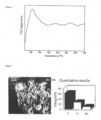
- the powder XRD pattern of the Pd@BHA catalyst is shown in Figure 5 .
- an orthorhombic barium carbonate can be detected to be the major crystalline phase present with the peaks at a 2 ⁇ of 24.3°, 34.4° and 47.0° together with the boehmite ( ⁇ -AlOOH) phase at a 20 of peaks present at 14.7°, 28.8° and 38.5°.
- the BHA structure retains well and there are no specific peaks for metallic palladium, signifying that PdO phases are highly dispersed.
- the catalyst showed the characteristic lines of BaAl 2 O 3 at a d-spacing of 3.2 and 4.5 ⁇ , having relative intensities of 55 and 18 % respectively.
- the Pd@BHA catalyst is characterized by the highest specific surface area (52.4 m 2 /g) and pore volume (0.40 cm 3 /g).
- the basicity was determined by CO 2 -TPD and the profiles of the Pd@BHA catalyst exhibited only a large peak of CO 2 desorption.
- CO 2 is a weak acidic molecule and can be adsorbed on weak and strong basic sites.
- Figure 6 shows the desorption profile of CO 2 of the Pd@BHA catalyst.
- the weak, strong and some moderate basic sites were ascribed to the three peaks, namely the weak basic sites at 150-300 °C, the moderate basic sites at 300-600 °C, and the strong basic sites above 600 °C, resepctively.
- weak basic sites are attributed to alumina and barium, and are modified by the presence of Pd on the surface of the prepared catalysts.
- multicomponent mixed oxides a simpler situation is represented by the case, in which only two types of cations are present. When the two cations have similar oxidation states and electronegativity, acidic-alkaline characteristics are often dominated by one of the cations.
- the basic character of the Pd@BHA catalyst is strongly pronounced by the presence of Pd when compared to Ba and Al.
- the amount of CO 2 desorbed was taken as measures for weak, medium and strong basic sites with corresponding base density values of 0.00464 mmol g -1 .
- Figure 7a shows the fine intermixing of two main phases of BaO, having irregular block shaped morphology (marked red) and boehmite (having fabric morphology, marked green) which are visible in the micrograph. It should be noted that the catalyst is calcined at a high temperature and still attained the boehmite morphology. It is evident that Pd is well dispersed on the surface of the support which showed an amorphous morphology. To identify the dispersion of Pd on the support an EDS (pattern shown in Figure 7b ) on this catalyst is carried out and showed the qualitative presence of barium, aluminums and palladium.
- EDS pattern shown in Figure 7b
- Decarboxylation reactions were performed in a high pressure batch reactor (250 mL, Amar Equipment Pvt. Ltd., India) equipped with a thermocouple, pressure gauge, rupture disk, and gas release valve.
- desired amount of biomass derived feedstock was dissolved in deionized water.
- the solution was loaded into the autoclave reactor with catalyst and sealed.
- the reactor was pressurized with N 2 to 10 bar and vented three times to remove any residual oxygen atmosphere. Finally the reactor was pressurized to desired pressure, stirred (600 rpm) and continued heating at desired temperature for desired time. Once the reaction was completed the reactor was cooled to room temperature. After collecting gas and liquid samples, headspace pressure was released.
- the crude reaction mixture was analyzed by HPLC.
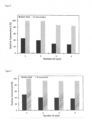
- the recycling efficiency of the catalyst was determined for the decarboxylation of IA as a representative reaction.
- an aqueous solution of itaconic acid and the catalyst were placed in a high pressure reactor for the desired time, and at desired temperatures and pressures. After each cycle, the catalyst was recovered, washed with distilled water, dried and reused for the next cycle by adding fresh IA and water. Fresh catalyst was not added to replenish any loss of the catalyst mass during recovery.
- the yield of MAA was determined from each run and Figures 8 and 9 display the relevant results
- HPLC analysis was performed by using Ultra-high-pressure liquid chromatography - UHPLC (Thermo-Fisher Scientific UltiMate TM 3000) equipped with an Acclaim TM Organic Acid LC Column (5.0 ⁇ m; 4 ⁇ 25 mm) heated to 45°C and a DAD detector.
- Compounds listed in Table (S1) were identified by retention time and UV-Vis spectra comparison to reference standards using both ultraviolet detections at a wavelength of 210 nm and the UV-VIS specter from 205 nm - 400 nm. Individual compounds were quantified by prepared calibration standards.
- the mobile phase with a flow rate 1 ml/min consisted of an aqueous phase (2.5 mM H 2 SO 4 solution with pH 4) and organic phase (acetonitrile) with a flow rate of 1.0 mL/min.
- A1 or 50 ⁇ L of the sample was injected and a gradient method, starting with 100% of aqueous phase (2.5 mM H 2 SO 4 at pH 2.4) with addition of organic phase (acetonitrile) for 5 minutes to reach 90% of acetonitrile and kept it for 3 min, the gradient was reversed to reach again 100% of aqueous phase at 9 min, which was kept until 10 min.
- Figure 10 shows the HPLC chromatogram of the reaction mixture. All the peaks shown in the chromatogram were identified and quantified.
Landscapes
- Chemical & Material Sciences (AREA)
- Organic Chemistry (AREA)
- Chemical Kinetics & Catalysis (AREA)
- Engineering & Computer Science (AREA)
- Materials Engineering (AREA)
- Oil, Petroleum & Natural Gas (AREA)
- Life Sciences & Earth Sciences (AREA)
- Geology (AREA)
- Inorganic Chemistry (AREA)
- Organic Low-Molecular-Weight Compounds And Preparation Thereof (AREA)
- Catalysts (AREA)
Claims (9)
- Verfahren zur Herstellung von Methacrylsäure (MAA), umfassend die Schritte:(a) Einspeisen einer Mischung, die ein Ausgangsmaterial und einen heterogenen Katalysator enthält, in einen Reaktor,(b) Erhitzen des Gemisches bei einer Temperatur von 150°C bis 300°C und einem Druck von 5 bis 100 bar über einen Zeitraum (Reaktionszeit / Verweilzeit) von 30 bis 1000 Minuten, um rohe Methacrylsäure zu erhalten,(c) und Abtrennen der rohen Methacrylsäure von dem Katalysator,
wobei das Ausgangsmaterial unter Carbonsäuren aus mindestens einer der folgenden Substanzen ausgewählt wird: Zitronensäure, Aconitsäure, Itaconsäure, Mesaconsäure und Citraconsäure, die vorzugsweise aus erneuerbaren Ressourcen gewonnen werden,(d) und wobei der Katalysator ein heterogener Katalysator ist, der ein Hexa-Aluminat umfasst, wobei keine flüssigen Basen als Co-Katalysator verwendet werden. - Verfahren nach Anspruch 1, wobei das Gemisch ferner ein polares Lösungsmittel, vorzugsweise Wasser, enthält.
- Verfahren nach mindestens einem der vorhergehenden Ansprüche, wobei die Menge an Katalysatoren im Bereich von 10 bis 150 Massenprozent, bezogen auf das Substrat, liegt.
- Verfahren nach einem der vorangehenden Ansprüche, wobei die Konzentration der biobasierten Carbonsäure im Bereich von 0,10 M bis 0,5 M liegt.
- Verfahren nach einem der vorangehenden Ansprüche, wobei die Temperatur 200°C bis 250°C, der Druck 10 bis 30 bar und die Zeitdauer 80 bis 200 min beträgt.
- Verfahren nach einem der vorhergehenden Ansprüche, wobei der Katalysator Bariumhexaaluminat (BHA) oder Pd unterstützt auf BHA ist.
- Verwendung eines Katalysators in dem Verfahren nach Anspruch 1 zur Herstellung von MAA aus Carbonsäuren, ausgewählt aus mindestens einer der Säuren Zitronensäure, Aconitsäure, Itaconsäure, Mesaconsäure und Citraconsäure, die vorzugsweise aus nachwachsenden Rohstoffen gewonnen werden, wobei der Katalysator ein heterogener Katalysator auf Basis von Hexa-Aluminat ist.
- Verwendung nach Anspruch 7, wobei der Katalysator eine BET-Oberfläche von 1 bis 100m2 und/oder ein Porenvolumen von 0,1 bis 0,50 cm3 aufweist.
- Verwendung nach mindestens einem der Ansprüche 7 bis 8, wobei der Katalysator ausgewählt ist aus BHA und Pd unterstützt auf BHA.
Priority Applications (2)
| Application Number | Priority Date | Filing Date | Title |
|---|---|---|---|
| SI201831184T SI3553045T1 (sl) | 2018-04-09 | 2018-04-09 | Postopek za proizvodnjo monomera metakrilne kisline iz karboksilnih kislin, ki izvirajo iz biomase |
| EP18166315.4A EP3553045B1 (de) | 2018-04-09 | 2018-04-09 | Verfahren zur herstellung von methacrylsäuremonomer aus von biomasse stammenden carbonsäuren |
Applications Claiming Priority (1)
| Application Number | Priority Date | Filing Date | Title |
|---|---|---|---|
| EP18166315.4A EP3553045B1 (de) | 2018-04-09 | 2018-04-09 | Verfahren zur herstellung von methacrylsäuremonomer aus von biomasse stammenden carbonsäuren |
Publications (2)
| Publication Number | Publication Date |
|---|---|
| EP3553045A1 EP3553045A1 (de) | 2019-10-16 |
| EP3553045B1 true EP3553045B1 (de) | 2024-09-04 |
Family
ID=62063266
Family Applications (1)
| Application Number | Title | Priority Date | Filing Date |
|---|---|---|---|
| EP18166315.4A Active EP3553045B1 (de) | 2018-04-09 | 2018-04-09 | Verfahren zur herstellung von methacrylsäuremonomer aus von biomasse stammenden carbonsäuren |
Country Status (2)
| Country | Link |
|---|---|
| EP (1) | EP3553045B1 (de) |
| SI (1) | SI3553045T1 (de) |
Families Citing this family (1)
| Publication number | Priority date | Publication date | Assignee | Title |
|---|---|---|---|---|
| CN114618585B (zh) * | 2020-12-10 | 2023-06-20 | 中国科学院大连化学物理研究所 | 一种铂基催化剂及其制备方法和应用 |
Family Cites Families (8)
| Publication number | Priority date | Publication date | Assignee | Title |
|---|---|---|---|---|
| US7309480B2 (en) * | 2004-04-16 | 2007-12-18 | H2Gen Innovations, Inc. | Catalyst for hydrogen generation through steam reforming of hydrocarbons |
| US7882240B2 (en) | 2007-07-03 | 2011-02-01 | Microsoft Corporation | Disconnecting selected participant in multicast session |
| CN102958606A (zh) * | 2010-07-08 | 2013-03-06 | 三井金属矿业株式会社 | 排气气体净化用催化剂及其制造方法 |
| EA201390751A1 (ru) | 2010-11-24 | 2013-11-29 | ЛУСАЙТ ИНТЕРНЭШНЛ ЮКей ЛИМИТЕД | Способ получения метакриловой кислоты и ее производных и полимеры, полученные из них |
| WO2012135789A2 (en) | 2011-04-01 | 2012-10-04 | Genomatica, Inc. | Microorganisms for producing methacrylic acid and methacrylate esters and methods related thereto |
| US9403749B2 (en) | 2012-10-31 | 2016-08-02 | Washington State University | Processes for making methacrylic acid |
| CA2922180C (en) * | 2013-08-26 | 2020-04-14 | Stichting Dienst Landbouwkundig Onderzoek | Process for the production of methacrylic acid |
| CA2861524A1 (en) | 2013-09-16 | 2014-11-03 | Armstrong World Industries, Inc. | Methods for preparing methacrylic acid from biobased starting materials |
-
2018
- 2018-04-09 SI SI201831184T patent/SI3553045T1/sl unknown
- 2018-04-09 EP EP18166315.4A patent/EP3553045B1/de active Active
Also Published As
| Publication number | Publication date |
|---|---|
| SI3553045T1 (sl) | 2025-03-31 |
| EP3553045A1 (de) | 2019-10-16 |
Similar Documents
| Publication | Publication Date | Title |
|---|---|---|
| Shen et al. | Vapor phase butanal self-condensation over unsupported and supported alkaline earth metal oxides | |
| Tang et al. | Conversion of biomass-derived ethyl levulinate into γ-valerolactone via hydrogen transfer from supercritical ethanol over a ZrO2 catalyst | |
| Chambon et al. | Cellulose hydrothermal conversion promoted by heterogeneous Brønsted and Lewis acids: Remarkable efficiency of solid Lewis acids to produce lactic acid | |
| USRE38283E1 (en) | Catalyst for use in producing carboxylic esters | |
| Edake et al. | Catalytic glycerol hydrogenolysis to 1, 3-propanediol in a gas–solid fluidized bed | |
| EP2429980B1 (de) | Carbonylierungsverfahren | |
| US9861965B2 (en) | Process for preparing modified V—Ti—P catalysts for synthesis of 2,3-unsaturated carboxylic acids | |
| Lu et al. | Insights into the improvement effect of Fe doping into the CeO2 catalyst for vapor phase ketonization of carboxylic acids | |
| KR20150088235A (ko) | 고급 알코올의 제조방법 | |
| KR20150090019A (ko) | 고급 알코올을 제조하기 위한 촉매 | |
| US20120101298A1 (en) | Carbonylation process | |
| CA2825120A1 (en) | Process for the production of methyl acetate/acetic acid | |
| CA2903670A1 (en) | Process for the carbonylation of dimethyl ether | |
| CN113908841A (zh) | 一种Cu基催化剂在糠醇氢解制备戊二醇中的应用 | |
| Gundekari et al. | Preparation of cyclohexanol from lignin-based phenolic concoction using controlled hydrogen delivery tool over in-situ Ru catalyst | |
| TW201538471A (zh) | 脫水-水解之製程及用於該製程之催化劑 | |
| Gu et al. | Styrene epoxidation with hydrogen peroxide over calcium oxide catalysts prepared from various precursors | |
| JP7332871B2 (ja) | メタノールの製造方法、及びメタノール製造触媒 | |
| EP3553045A1 (de) | Verfahren und katalysatoren zur herstellung von methacrylsäuremonomer aus von biomasse stammenden carbonsäuren | |
| EP3828155B1 (de) | Verfahren zur herstellung funktionalisierter styrolmonomere aus benzol oder aromatischen oxygenaten | |
| Nuhu et al. | Methanol oxidation on Au/TiO2 catalysts | |
| Luque-Álvarez et al. | Mechanistic insights into methanol carbonylation to methyl acetate over an efficient organic template-free Cu-exchanged mordenite | |
| CN109824634A (zh) | 一种糠醛直接氧化酯化制备糠酸甲酯的方法 | |
| Azzahra et al. | Thermocatalytic synthesis of 2-butanol from biomass-derived levulinic acid using carbon-doped titania-supported ruthenium | |
| Guo et al. | One-step synthesis of methylmethacrylate from methacrolein over Keggin-type heteropoly compounds |
Legal Events
| Date | Code | Title | Description |
|---|---|---|---|
| PUAI | Public reference made under article 153(3) epc to a published international application that has entered the european phase |
Free format text: ORIGINAL CODE: 0009012 |
|
| STAA | Information on the status of an ep patent application or granted ep patent |
Free format text: STATUS: THE APPLICATION HAS BEEN PUBLISHED |
|
| AK | Designated contracting states |
Kind code of ref document: A1 Designated state(s): AL AT BE BG CH CY CZ DE DK EE ES FI FR GB GR HR HU IE IS IT LI LT LU LV MC MK MT NL NO PL PT RO RS SE SI SK SM TR |
|
| AX | Request for extension of the european patent |
Extension state: BA ME |
|
| STAA | Information on the status of an ep patent application or granted ep patent |
Free format text: STATUS: REQUEST FOR EXAMINATION WAS MADE |
|
| 17P | Request for examination filed |
Effective date: 20200416 |
|
| RBV | Designated contracting states (corrected) |
Designated state(s): AL AT BE BG CH CY CZ DE DK EE ES FI FR GB GR HR HU IE IS IT LI LT LU LV MC MK MT NL NO PL PT RO RS SE SI SK SM TR |
|
| STAA | Information on the status of an ep patent application or granted ep patent |
Free format text: STATUS: EXAMINATION IS IN PROGRESS |
|
| 17Q | First examination report despatched |
Effective date: 20210518 |
|
| RIC1 | Information provided on ipc code assigned before grant |
Ipc: B01J 35/63 20240101ALI20240214BHEP Ipc: B01J 35/61 20240101ALI20240214BHEP Ipc: B01J 35/30 20240101ALI20240214BHEP Ipc: B01J 23/44 20060101ALI20240214BHEP Ipc: B01J 23/58 20060101ALI20240214BHEP Ipc: C07C 57/04 20060101ALI20240214BHEP Ipc: C07C 51/38 20060101AFI20240214BHEP |
|
| RIC1 | Information provided on ipc code assigned before grant |
Ipc: C01F 7/168 20220101ALI20240226BHEP Ipc: B01J 35/63 20240101ALI20240226BHEP Ipc: B01J 35/61 20240101ALI20240226BHEP Ipc: B01J 35/30 20240101ALI20240226BHEP Ipc: B01J 23/44 20060101ALI20240226BHEP Ipc: B01J 23/58 20060101ALI20240226BHEP Ipc: C07C 57/04 20060101ALI20240226BHEP Ipc: C07C 51/38 20060101AFI20240226BHEP |
|
| GRAP | Despatch of communication of intention to grant a patent |
Free format text: ORIGINAL CODE: EPIDOSNIGR1 |
|
| STAA | Information on the status of an ep patent application or granted ep patent |
Free format text: STATUS: GRANT OF PATENT IS INTENDED |
|
| INTG | Intention to grant announced |
Effective date: 20240417 |
|
| RIN1 | Information on inventor provided before grant (corrected) |
Inventor name: STEINBUECHER, MIHA Inventor name: VENTURINI, PETER Inventor name: OCEPEK, MARTIN Inventor name: GRILC, MIHA Inventor name: BOHRE, ASHISH Inventor name: LIKOZAR, BLAZ |
|
| GRAS | Grant fee paid |
Free format text: ORIGINAL CODE: EPIDOSNIGR3 |
|
| GRAA | (expected) grant |
Free format text: ORIGINAL CODE: 0009210 |
|
| STAA | Information on the status of an ep patent application or granted ep patent |
Free format text: STATUS: THE PATENT HAS BEEN GRANTED |
|
| AK | Designated contracting states |
Kind code of ref document: B1 Designated state(s): AL AT BE BG CH CY CZ DE DK EE ES FI FR GB GR HR HU IE IS IT LI LT LU LV MC MK MT NL NO PL PT RO RS SE SI SK SM TR |
|
| REG | Reference to a national code |
Ref country code: GB Ref legal event code: FG4D |
|
| REG | Reference to a national code |
Ref country code: CH Ref legal event code: EP |
|
| REG | Reference to a national code |
Ref country code: IE Ref legal event code: FG4D |
|
| REG | Reference to a national code |
Ref country code: DE Ref legal event code: R096 Ref document number: 602018073863 Country of ref document: DE |
|
| REG | Reference to a national code |
Ref country code: LT Ref legal event code: MG9D |
|
| REG | Reference to a national code |
Ref country code: NL Ref legal event code: MP Effective date: 20240904 |
|
| PG25 | Lapsed in a contracting state [announced via postgrant information from national office to epo] |
Ref country code: NO Free format text: LAPSE BECAUSE OF FAILURE TO SUBMIT A TRANSLATION OF THE DESCRIPTION OR TO PAY THE FEE WITHIN THE PRESCRIBED TIME-LIMIT Effective date: 20241204 |
|
| PG25 | Lapsed in a contracting state [announced via postgrant information from national office to epo] |
Ref country code: FI Free format text: LAPSE BECAUSE OF FAILURE TO SUBMIT A TRANSLATION OF THE DESCRIPTION OR TO PAY THE FEE WITHIN THE PRESCRIBED TIME-LIMIT Effective date: 20240904 Ref country code: GR Free format text: LAPSE BECAUSE OF FAILURE TO SUBMIT A TRANSLATION OF THE DESCRIPTION OR TO PAY THE FEE WITHIN THE PRESCRIBED TIME-LIMIT Effective date: 20241205 Ref country code: PL Free format text: LAPSE BECAUSE OF FAILURE TO SUBMIT A TRANSLATION OF THE DESCRIPTION OR TO PAY THE FEE WITHIN THE PRESCRIBED TIME-LIMIT Effective date: 20240904 |
|
| PG25 | Lapsed in a contracting state [announced via postgrant information from national office to epo] |
Ref country code: BG Free format text: LAPSE BECAUSE OF FAILURE TO SUBMIT A TRANSLATION OF THE DESCRIPTION OR TO PAY THE FEE WITHIN THE PRESCRIBED TIME-LIMIT Effective date: 20240904 |
|
| PG25 | Lapsed in a contracting state [announced via postgrant information from national office to epo] |
Ref country code: LV Free format text: LAPSE BECAUSE OF FAILURE TO SUBMIT A TRANSLATION OF THE DESCRIPTION OR TO PAY THE FEE WITHIN THE PRESCRIBED TIME-LIMIT Effective date: 20240904 |
|
| PG25 | Lapsed in a contracting state [announced via postgrant information from national office to epo] |
Ref country code: HR Free format text: LAPSE BECAUSE OF FAILURE TO SUBMIT A TRANSLATION OF THE DESCRIPTION OR TO PAY THE FEE WITHIN THE PRESCRIBED TIME-LIMIT Effective date: 20240904 |
|
| PG25 | Lapsed in a contracting state [announced via postgrant information from national office to epo] |
Ref country code: ES Free format text: LAPSE BECAUSE OF FAILURE TO SUBMIT A TRANSLATION OF THE DESCRIPTION OR TO PAY THE FEE WITHIN THE PRESCRIBED TIME-LIMIT Effective date: 20240904 Ref country code: RS Free format text: LAPSE BECAUSE OF FAILURE TO SUBMIT A TRANSLATION OF THE DESCRIPTION OR TO PAY THE FEE WITHIN THE PRESCRIBED TIME-LIMIT Effective date: 20241204 |
|
| PG25 | Lapsed in a contracting state [announced via postgrant information from national office to epo] |
Ref country code: RS Free format text: LAPSE BECAUSE OF FAILURE TO SUBMIT A TRANSLATION OF THE DESCRIPTION OR TO PAY THE FEE WITHIN THE PRESCRIBED TIME-LIMIT Effective date: 20241204 Ref country code: PL Free format text: LAPSE BECAUSE OF FAILURE TO SUBMIT A TRANSLATION OF THE DESCRIPTION OR TO PAY THE FEE WITHIN THE PRESCRIBED TIME-LIMIT Effective date: 20240904 Ref country code: NO Free format text: LAPSE BECAUSE OF FAILURE TO SUBMIT A TRANSLATION OF THE DESCRIPTION OR TO PAY THE FEE WITHIN THE PRESCRIBED TIME-LIMIT Effective date: 20241204 Ref country code: LV Free format text: LAPSE BECAUSE OF FAILURE TO SUBMIT A TRANSLATION OF THE DESCRIPTION OR TO PAY THE FEE WITHIN THE PRESCRIBED TIME-LIMIT Effective date: 20240904 Ref country code: HR Free format text: LAPSE BECAUSE OF FAILURE TO SUBMIT A TRANSLATION OF THE DESCRIPTION OR TO PAY THE FEE WITHIN THE PRESCRIBED TIME-LIMIT Effective date: 20240904 Ref country code: GR Free format text: LAPSE BECAUSE OF FAILURE TO SUBMIT A TRANSLATION OF THE DESCRIPTION OR TO PAY THE FEE WITHIN THE PRESCRIBED TIME-LIMIT Effective date: 20241205 Ref country code: FI Free format text: LAPSE BECAUSE OF FAILURE TO SUBMIT A TRANSLATION OF THE DESCRIPTION OR TO PAY THE FEE WITHIN THE PRESCRIBED TIME-LIMIT Effective date: 20240904 Ref country code: ES Free format text: LAPSE BECAUSE OF FAILURE TO SUBMIT A TRANSLATION OF THE DESCRIPTION OR TO PAY THE FEE WITHIN THE PRESCRIBED TIME-LIMIT Effective date: 20240904 Ref country code: BG Free format text: LAPSE BECAUSE OF FAILURE TO SUBMIT A TRANSLATION OF THE DESCRIPTION OR TO PAY THE FEE WITHIN THE PRESCRIBED TIME-LIMIT Effective date: 20240904 |
|
| REG | Reference to a national code |
Ref country code: AT Ref legal event code: MK05 Ref document number: 1720269 Country of ref document: AT Kind code of ref document: T Effective date: 20240904 |
|
| PG25 | Lapsed in a contracting state [announced via postgrant information from national office to epo] |
Ref country code: NL Free format text: LAPSE BECAUSE OF FAILURE TO SUBMIT A TRANSLATION OF THE DESCRIPTION OR TO PAY THE FEE WITHIN THE PRESCRIBED TIME-LIMIT Effective date: 20240904 |
|
| PG25 | Lapsed in a contracting state [announced via postgrant information from national office to epo] |
Ref country code: IS Free format text: LAPSE BECAUSE OF FAILURE TO SUBMIT A TRANSLATION OF THE DESCRIPTION OR TO PAY THE FEE WITHIN THE PRESCRIBED TIME-LIMIT Effective date: 20250104 Ref country code: PT Free format text: LAPSE BECAUSE OF FAILURE TO SUBMIT A TRANSLATION OF THE DESCRIPTION OR TO PAY THE FEE WITHIN THE PRESCRIBED TIME-LIMIT Effective date: 20250106 |
|
| PG25 | Lapsed in a contracting state [announced via postgrant information from national office to epo] |
Ref country code: RO Free format text: LAPSE BECAUSE OF FAILURE TO SUBMIT A TRANSLATION OF THE DESCRIPTION OR TO PAY THE FEE WITHIN THE PRESCRIBED TIME-LIMIT Effective date: 20240904 Ref country code: SM Free format text: LAPSE BECAUSE OF FAILURE TO SUBMIT A TRANSLATION OF THE DESCRIPTION OR TO PAY THE FEE WITHIN THE PRESCRIBED TIME-LIMIT Effective date: 20240904 |
|
| PG25 | Lapsed in a contracting state [announced via postgrant information from national office to epo] |
Ref country code: EE Free format text: LAPSE BECAUSE OF FAILURE TO SUBMIT A TRANSLATION OF THE DESCRIPTION OR TO PAY THE FEE WITHIN THE PRESCRIBED TIME-LIMIT Effective date: 20240904 Ref country code: AT Free format text: LAPSE BECAUSE OF FAILURE TO SUBMIT A TRANSLATION OF THE DESCRIPTION OR TO PAY THE FEE WITHIN THE PRESCRIBED TIME-LIMIT Effective date: 20240904 |
|
| PG25 | Lapsed in a contracting state [announced via postgrant information from national office to epo] |
Ref country code: CZ Free format text: LAPSE BECAUSE OF FAILURE TO SUBMIT A TRANSLATION OF THE DESCRIPTION OR TO PAY THE FEE WITHIN THE PRESCRIBED TIME-LIMIT Effective date: 20240904 |
|
| PG25 | Lapsed in a contracting state [announced via postgrant information from national office to epo] |
Ref country code: SK Free format text: LAPSE BECAUSE OF FAILURE TO SUBMIT A TRANSLATION OF THE DESCRIPTION OR TO PAY THE FEE WITHIN THE PRESCRIBED TIME-LIMIT Effective date: 20240904 |
|
| REG | Reference to a national code |
Ref country code: DE Ref legal event code: R097 Ref document number: 602018073863 Country of ref document: DE |
|
| PG25 | Lapsed in a contracting state [announced via postgrant information from national office to epo] |
Ref country code: DK Free format text: LAPSE BECAUSE OF FAILURE TO SUBMIT A TRANSLATION OF THE DESCRIPTION OR TO PAY THE FEE WITHIN THE PRESCRIBED TIME-LIMIT Effective date: 20240904 |
|
| PLBE | No opposition filed within time limit |
Free format text: ORIGINAL CODE: 0009261 |
|
| STAA | Information on the status of an ep patent application or granted ep patent |
Free format text: STATUS: NO OPPOSITION FILED WITHIN TIME LIMIT |
|
| 26N | No opposition filed |
Effective date: 20250605 |
|
| PG25 | Lapsed in a contracting state [announced via postgrant information from national office to epo] |
Ref country code: SE Free format text: LAPSE BECAUSE OF FAILURE TO SUBMIT A TRANSLATION OF THE DESCRIPTION OR TO PAY THE FEE WITHIN THE PRESCRIBED TIME-LIMIT Effective date: 20240904 |
|
| REG | Reference to a national code |
Ref country code: CH Ref legal event code: H13 Free format text: ST27 STATUS EVENT CODE: U-0-0-H10-H13 (AS PROVIDED BY THE NATIONAL OFFICE) Effective date: 20251125 |
|
| PG25 | Lapsed in a contracting state [announced via postgrant information from national office to epo] |
Ref country code: LU Free format text: LAPSE BECAUSE OF NON-PAYMENT OF DUE FEES Effective date: 20250409 |
|
| PG25 | Lapsed in a contracting state [announced via postgrant information from national office to epo] |
Ref country code: MC Free format text: LAPSE BECAUSE OF FAILURE TO SUBMIT A TRANSLATION OF THE DESCRIPTION OR TO PAY THE FEE WITHIN THE PRESCRIBED TIME-LIMIT Effective date: 20240904 |
|
| GBPC | Gb: european patent ceased through non-payment of renewal fee |
Effective date: 20250409 |
|
| REG | Reference to a national code |
Ref country code: BE Ref legal event code: MM Effective date: 20250430 |
|
| PG25 | Lapsed in a contracting state [announced via postgrant information from national office to epo] |
Ref country code: GB Free format text: LAPSE BECAUSE OF NON-PAYMENT OF DUE FEES Effective date: 20250409 |
|
| PG25 | Lapsed in a contracting state [announced via postgrant information from national office to epo] |
Ref country code: FR Free format text: LAPSE BECAUSE OF NON-PAYMENT OF DUE FEES Effective date: 20250430 |
|
| PG25 | Lapsed in a contracting state [announced via postgrant information from national office to epo] |
Ref country code: BE Free format text: LAPSE BECAUSE OF NON-PAYMENT OF DUE FEES Effective date: 20250430 |
|
| PG25 | Lapsed in a contracting state [announced via postgrant information from national office to epo] |
Ref country code: CH Free format text: LAPSE BECAUSE OF NON-PAYMENT OF DUE FEES Effective date: 20250430 |
|
| PG25 | Lapsed in a contracting state [announced via postgrant information from national office to epo] |
Ref country code: IE Free format text: LAPSE BECAUSE OF NON-PAYMENT OF DUE FEES Effective date: 20250409 |
|
| PG25 | Lapsed in a contracting state [announced via postgrant information from national office to epo] |
Ref country code: CY Free format text: LAPSE BECAUSE OF FAILURE TO SUBMIT A TRANSLATION OF THE DESCRIPTION OR TO PAY THE FEE WITHIN THE PRESCRIBED TIME-LIMIT Effective date: 20240904 |
|
| PG25 | Lapsed in a contracting state [announced via postgrant information from national office to epo] |
Ref country code: LT Free format text: LAPSE BECAUSE OF FAILURE TO SUBMIT A TRANSLATION OF THE DESCRIPTION OR TO PAY THE FEE WITHIN THE PRESCRIBED TIME-LIMIT Effective date: 20240904 |
|
| PGFP | Annual fee paid to national office [announced via postgrant information from national office to epo] |
Ref country code: IT Payment date: 20260428 Year of fee payment: 9 |
|
| PGFP | Annual fee paid to national office [announced via postgrant information from national office to epo] |
Ref country code: DE Payment date: 20260427 Year of fee payment: 9 |
|
| PGFP | Annual fee paid to national office [announced via postgrant information from national office to epo] |
Ref country code: SI Payment date: 20260410 Year of fee payment: 9 |