EP3550007B1 - Verfahren zur entfernung von ethanol aus einem alkoholhaltigen gärprodukt - Google Patents
Verfahren zur entfernung von ethanol aus einem alkoholhaltigen gärprodukt Download PDFInfo
- Publication number
- EP3550007B1 EP3550007B1 EP18165481.5A EP18165481A EP3550007B1 EP 3550007 B1 EP3550007 B1 EP 3550007B1 EP 18165481 A EP18165481 A EP 18165481A EP 3550007 B1 EP3550007 B1 EP 3550007B1
- Authority
- EP
- European Patent Office
- Prior art keywords
- ethanol
- fermentation product
- saccharomyces
- oxygen
- fermentation
- Prior art date
- Legal status (The legal status is an assumption and is not a legal conclusion. Google has not performed a legal analysis and makes no representation as to the accuracy of the status listed.)
- Not-in-force
Links
Images

Classifications
-
- C—CHEMISTRY; METALLURGY
- C12—BIOCHEMISTRY; BEER; SPIRITS; WINE; VINEGAR; MICROBIOLOGY; ENZYMOLOGY; MUTATION OR GENETIC ENGINEERING
- C12G—WINE; PREPARATION THEREOF; ALCOHOLIC BEVERAGES; PREPARATION OF ALCOHOLIC BEVERAGES NOT PROVIDED FOR IN SUBCLASSES C12C OR C12H
- C12G3/00—Preparation of other alcoholic beverages
- C12G3/08—Preparation of other alcoholic beverages by methods for altering the composition of fermented solutions or alcoholic beverages not provided for in groups C12G3/02 - C12G3/07
-
- C—CHEMISTRY; METALLURGY
- C12—BIOCHEMISTRY; BEER; SPIRITS; WINE; VINEGAR; MICROBIOLOGY; ENZYMOLOGY; MUTATION OR GENETIC ENGINEERING
- C12C—BEER; PREPARATION OF BEER BY FERMENTATION; PREPARATION OF MALT FOR MAKING BEER; PREPARATION OF HOPS FOR MAKING BEER
- C12C12/00—Processes specially adapted for making special kinds of beer
- C12C12/04—Beer with low alcohol content
Definitions
- the invention relates to an aftertreatment process for removing ethanol from a ready-to-sell alcohol-containing fermentation product such as beer, wine or kombucha, with which the ethanol content of the fermentation product is subsequently reduced through the use of yeast-specific metabolic activities of selected yeast strains.
- a ready-to-sell alcohol-containing fermentation product such as beer, wine or kombucha
- yeast-specific metabolic activities of selected yeast strains Non-alcoholic drinks with a taste that are equal to the alcoholic variants are increasingly in demand in retail outlets. Particularly in countries where the consumption of alcohol is prohibited for religious or traditional reasons, the demand for absolutely alcohol-free beers or wines is increasing.
- the industry distinguishes two main methods by which originally alcoholic beverages can be offered non-alcoholic in stores.
- the first method provides for reducing or preventing the formation of alcohol during the manufacturing process from the outset, but this usually leads to non-alcoholic beverages that only approximately have the aroma of their alcoholic equivalents.
- the second method is to remove the alcohol afterwards.
- the following prior art describes methods which disclose ethanol removal by metabolizing the ethanol in beer or wine by yeast: Sohrabvandi et al. ( Sohrabvandi, Sarah, et al. "Application of Saccharomyces rouxii for the production of non-alcoholic beer.” Food Science and Biotechnology 18.5 (2009): 1132-1137 .) describe an ethanol removal process in which the yeast Saccharomyces rouxii is added to a wort fermented with Saccharomyces cerevisiae with an ethanol content of 1.5% vol after inactivation of the S. cerevisiae. Subsequently, the ethanol of the fermented and still sugary wort is metabolized under aerobic conditions with periodic aeration, which leads to a reduction in the ethanol content.
- the EP 0 245 845 B1 also discloses the use of Saccharomyces yeasts, particularly the yeasts S. rouxii DSM 2531 and 70535, for removing ethanol from beers.
- the WO2017 / 115156 also teaches a process for the production of alcoholic beverages with a lower alcohol content, in which first must with non-Saccharomyces yeasts (e.g. Pichia anomala) is aerobically fermented.
- the EP 0 440 975 B1 describes a method of ethanol removal that uses non- Saccharomyces yeasts to metabolize the ethanol.
- an ethanol-containing fermentation product is formed in a first process step, the ethanol content of which is significantly lower than after conventional production.
- the ethanol is broken down under aerobic conditions and with the addition of a sugar-containing supplement in order to preserve the aroma bouquet.
- the object is to provide an aftertreatment process for removing ethanol from an ethanol-containing fermentation product, which can be used in conventionally produced fermentation products, in particular in ethanol-containing beverages obtained through fermentation, without the fermentation product having to be aromatized after the ethanol has been removed.
- An alcohol-containing fermentation product is in particular an alcohol-containing beverage such as a beer produced according to a conventional brewing process or a wine or sparkling wine that is stored in storage.
- the aftertreatment process can also be used for kombucha or other, advantageously liquid, alcohol-containing foods.
- the non-Saccharomyces yeasts suitable for the aftertreatment process are, in particular, yeasts of the strains " Candida utilis , Hansenula / Pichia anomala , Pichia cactophila , Saccharomycodes ludwigii , Kluyveromyces marxianus , Brettanomyces bruxellensis ".
- mixtures of non- Saccharomyces yeasts from different strains can also be used for the degradation of ethanol.
- non- Saccharomyces yeasts are able to use ethanol as a carbon source under the conditions of the aftertreatment process according to the invention, whereby, in addition to cell mass, secondary metabolic products such as higher alcohols and esters, which are important aroma components in beer and wine, are formed.
- the advantage of the process according to the invention is that the ethanol can be broken down in alcohol-containing fermentation products which are already fully matured and have also been stored.
- conventionally produced beers, wines or even kombucha can be post-treated by fermentation and thus be marketed as alcohol-free products.
- the claimed post-treatment process is characterized by the fact that non-alcoholic fermentation products, in particular non-alcoholic beverages, can be produced in which the ethanol content is so greatly reduced that these products also meet the very strict requirements of national beverage regulations, e.g. those of the Middle East.
- the post-treatment method according to the invention can also be applied to incomplete fermentation products such as young beers or young wine.
- the aftertreatment process according to the invention offers the advantage that fumigation with oxygen-containing gas during the degradation of ethanol by the added non- Saccharomyces yeast replaces storage and also brings about ripening.
- the gassing can take place with an oxygen-containing gas or with pure oxygen, preferably with a volume flow that can be varied between 0.0 vvm - 0.1 vvm (vvm: gassing unit, "vessel volume per minute", volume of gas per volume of culture medium per Minute).
- the gassing with an oxygen-containing gas or with pure oxygen can be pulsed.
- Another advantageous process parameter is to carry out the aerobic fermentation at a temperature of 20 ° C - 30 ° C.
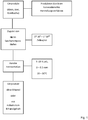
- the Figure 1 gives a schematic representation of some process parameters of the claimed aftertreatment process.
- the fermentation product which serves as the substrate, is transferred to a fermenter in a sterile manner under nitrogen.
- the oxygen partial pressure (pO 2 ) is then set to 10% by means of synthetic air, which is introduced into the substrate sterile and with stirring via a suitable gas supply unit.
- the substrate is tempered to a temperature at which the non-Saccharomyces yeast selected for the degradation of ethanol shows its optimal metabolic properties.
- the yeast is fed into the fermenter via a sterile port.
- the cell concentration in the substrate is advantageously 1 * 10 7 cells / mL. However, other cell concentrations may also be required as inoculation concentrations.
- the yeasts are grown as a preculture in the same substrate as the main fermentation, but without any oxygen limitation.
- the dealcoholization process begins.
- the oxygen partial pressure pO 2 is kept constant at 10% by means of a PID controller.
- oxygen partial pressure minimizes any negative effect of oxygen on the end product.
- the available oxygen means that the non- Saccharomyces yeasts sufficiently metabolize the ethanol while consuming oxygen and forming aroma-active substances based on it.
- the claimed dissolved oxygen concentration in the substrate leads to the formation of new aroma-active substances by the non- Saccharomyces yeasts. This behavior offers the unique effect that any loss due to stripping that cannot be completely prevented is counteracted, and an aromatic product is obtained that is not inferior to the original product in terms of taste.
- the aftertreatment process can be carried out using the following fumigation strategies and follow-up controls:
- the gassing is initially carried out with air depending on the oxygen demand of the non-Saccharomyces yeast. For example with 0.0 vvm if there is no change in pO 2 and with a maximum of 0.1 vvm if there is a high oxygen demand. If the pO 2 falls below a value of 10%, the stirrer speed can first be increased, to achieve a better distribution of the air bubbles in the substrate. Once the stirrer reaches its maximum output, pure oxygen can be gradually added through a valve.
- the gassing is pulsed, ie the air volume flow varies as a function of time, for example the air volume flow increases within one hour from 0.0 vvm to 0.1 vvm and vice versa in the next hour. If the oxygen demand of the non-Saccharomyces yeasts increases, which is characterized by a drop in pO 2 in the absence of counter-control, the stirrer speed can again be increased and oxygen can be metered in via a valve.
- the degradation of the ethanol can be tracked via an ethanol sensor so that the ethanol content of the substrate can be recorded online. This makes it possible to end the process at a defined ethanol content.
- the oxygen demand of the non-Saccharomyces yeasts can be used as a further indicator of the degree of degradation.
- An indication of the complete degradation of ethanol is that the yeast's oxygen demand falls again, ie when the slave controllers return to their original state.
- the product from which the ethanol has been removed is filtered and bottled.
- the cultivation of the non- Saccharomyces yeast takes place in a two-stage process.
- the first step of pre-cultivation takes place in a sugar-free medium with ethanol as the carbon source (5% vol.) And yeast extract (1% (w / v)).
- the non- Saccharomyces yeast is cultivated in the target substrate, e.g. in a beer with an ethanol content of 5% vol., If the non- Saccharomyces yeast is to be used to subject a conventionally produced beer to the ethanol-degrading post-treatment .
- the second cultivation step takes place over a period of 24 hours with an inoculation concentration of 1 * 10 7 cells / mL with the purpose of adapting the non-Saccharomyces yeast to the beverage to be post-treated, which means that the non- Saccharomyces yeast grows faster in the fermentation process is ensured.
- the pre-cultivation takes place on media that do not contain sugar, whereby the metabolic activity of the non-Saccharomyces yeast is programmed to metabolize the ethanol.
- the duration of the dealcoholization process depends on the selected yeast strain and the control parameters used (5 - 20% pO 2 ; 20 - 30 ° C). The end of the process is reached when the ethanol content drops to 0.0% vol. was reduced. The usual process time is between three and five days.
- yeast-typical aromas can be detected in all strains. A general grouping or delimitation of the strains based on specific metabolic activities is not possible.
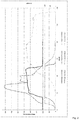
- the Figures 2 and 3 show by way of example two fermentation processes at an oxygen partial pressure of 10% pO 2 and a temperature of 30 ° C.
- the diagram of the Figure 2 shows a fermentation profile for strain 01 " P. cactophila ", strain 02 “H. anomala” and strain 03 “ S. ludwigii” at 30 ° C. and a constant pO 2 of 10% in complete medium with 5% vol ethanol as sole carbon source.
- the gassing took place with synthetic air at a maximum of 0.1 vvm.
- the valve opening for the air supply and the stirrer speed are also shown. The latter were regulated as a function of the oxygen partial pressure.
- the diagram of the Figure 3 shows the decrease in ethanol as well as the determined concentration of aromatic substances (HAA; higher alcohols and esters) of three fermentations.
Landscapes
- Organic Chemistry (AREA)
- Chemical & Material Sciences (AREA)
- Life Sciences & Earth Sciences (AREA)
- Engineering & Computer Science (AREA)
- Genetics & Genomics (AREA)
- Bioinformatics & Cheminformatics (AREA)
- General Engineering & Computer Science (AREA)
- General Health & Medical Sciences (AREA)
- Health & Medical Sciences (AREA)
- Biochemistry (AREA)
- Wood Science & Technology (AREA)
- Zoology (AREA)
- Microbiology (AREA)
- Food Science & Technology (AREA)
- Distillation Of Fermentation Liquor, Processing Of Alcohols, Vinegar And Beer (AREA)
- Preparation Of Compounds By Using Micro-Organisms (AREA)
Description
- Die Erfindung betrifft ein Nachbehandlungsverfahren zur Entfernung von Ethanol aus einem handelsfertigen alkoholhaltigen Gärprodukt wie Bier, Wein oder Kombucha, mit dem der Ethanolgehalt des Gärproduktes nachträglich durch die Nutzung von hefespezifischen Stoffwechselaktivitäten ausgewählter Hefestämme reduziert wird. Alkoholfreie Getränke, die den alkoholhaltigen Varianten im Geschmack ebenbürtig sind, werden zunehmend im Handel nachgefragt. Insbesondere in Ländern, in denen der Genuss von Alkohol aus religiösen oder traditionellen Gründen untersagt ist, steigt die Nachfrage nach absolut alkoholfreien Bieren oder Weinen.
- Die Industrie unterscheidet zwei Hauptmethoden, durch die ursprünglich alkoholhaltige Getränke alkoholfrei im Handel angeboten werden können.
- Die erste Methode sieht vor, von vornherein die Alkoholbildung während des Herstellungsprozesses zu drosseln oder zu unterbinden, was in der Regel aber zu alkoholfreien Getränken führt, die nur näherungsweise über das Aroma ihrer alkoholhaltigen Äquivalente verfügen.
- Die zweite Methode sieht vor, den Alkohol nachträglich zu entfernen. Nachstehender Stand der Technik beschreibt Verfahren, die eine Ethanolentfernung durch Verstoffwechselung des Ethanols bei Bier oder Wein durch Hefen offenbaren: Sohrabvandi et al. (Sohrabvandi, Sarah, et al. "Application of Saccharomyces rouxii for the production of non-alcoholic beer." Food Science and Biotechnology 18.5 (2009): 1132-1137.) beschreiben ein Ethanolentfernungsverfahren, bei dem einer mit Saccharomyces cerevisiae angegorenen Würze mit einem Ethanolgehalt von 1,5 %vol nach der Inaktivierung der S. cerevisiae die Hefe Saccharomyces rouxii zugesetzt wird. Anschließend wird unter aeroben Bedingungen bei periodischer Belüftung der Ethanol der angegorenen und noch zuckerhaltigen Würze verstoffwechselt, was zu einer Reduzierung des Ethanolgehaltes führt.
- Die
EP 0 245 845 B1 offenbart ebenfalls die Verwendung von Saccharomyces-Hefen, insbesondere der Hefen S. rouxii DSM 2531 und 70535, zur Entfernung von Ethanol aus Bieren. - Die
WO2017/115156 lehrt auch ein Verfahren zur Herstellung von alkoholischen Getränken mit einem geringerem Alkoholgehalt, wobei zunächst Most mit Nicht-Saccharomyces-Hefen (z. B. Pichia anomala) aerob vergoren wird. DieEP 0 440 975 B1 beschreibt ein Verfahren zur Ethanolentfernung, das Nicht-Saccharomyces-Hefen zur Verstoffwechselung des Ethanols einsetzt. Bei dem offenbarten zweistufigen Verfahren wird in einem ersten Verfahrensschritt ein ethanolhaltiges Gärprodukt gebildet, dessen Ethanolgehalt deutlich niedriger als nach einer konventionellen Herstellung ist. In einem zweiten Verfahrensschritt erfolgt der Ethanolabbau unter aeroben Bedingungen und unter Zugabe einer zuckerhaltigen Supplementierung, um das Aromabuketts zu erhalten. - Aufgabe ist es, ein Nachbehandlungsverfahren zur Entfernung von Ethanol aus einem ethanolhaltigem Gärprodukt anzugeben, das bei konventionell hergestellten Gärprodukten, insbesondere bei durch Gärung erhaltenen ethanolhaltigen Getränken, anwendbar ist, ohne dass das Gärprodukt nach der Ethanolentfernung nacharomatisiert werden muss.
- Zur Lösung der Aufgabe wird ein Nachbehandlungsverfahren zur Entfernung von Ethanol aus einem alkoholhaltigen Gärprodukt, das den nach dem vollständigen Durchlaufen des gärproduktspezifischen Herstellungsverfahrens verfahrenstypischen End-Ethanolgehalt aufweist, angegeben, das die Verfahrensschritte aufweist:
- a) Zusetzen einer Nicht-Saccharomyces-Hefe oder einem Gemisch von Nicht-Saccharomyces-Hefen zum alkoholhaltigen Gärprodukt und
- b) Durchführung einer aeroben Fermentation des alkoholhaltigen Gärprodukts unter sauerstofflimitierten Bedingungen und ohne weitere Supplementierung mit zuckerhaltigen Medien, bei der der im alkoholhaltigen Gärprodukt enthaltene Ethanol durch die Nicht-Saccharomyces-Hefen abgebaut und unter Bildung von für das Gärprodukt typischer Aromastoffe verstoffwechselt wird.
- Ein alkoholhaltiges Gärprodukt ist insbesondere ein alkoholhaltiges Getränk wie ein nach einem herkömmlichen Brauverfahren hergestelltes Bier oder ein die Lagerung durchlaufender Wein oder Schaumwein. Desweiteren ist das Nachbehandlungsverfahren bei Kombucha oder anderweitigen, vorteilhafterweise flüssigen, alkoholhaltigen Lebensmitteln einsetzbar.
- Bei den für das Nachbehandlungsverfahren geeigneten Nicht-Saccharomyces-Hefen handelt es sich insbesondere um Hefen der Stämme "Candida utilis, Hansenula/Pichia anomala, Pichia cactophila, Saccharomycodes ludwigii, Kluyveromyces marxianus, Brettanomyces bruxellensis".
- Neben dem Einsatz von reinen Stämmen von Nicht-Saccharomyces-Hefen können auch Gemische von Nicht-Saccharomyces-Hefen unterschiedlicher Stämme für den Ethanolabbau eingesetzt werden.
- Die benannten Nicht-Saccharomyces-Hefen sind unter den Bedingungen des erfindungsgemäßen Nachbehandlungsverfahrens in der Lage, Ethanol als Kohlenstoffquelle zu nutzen, wobei neben Zellmasse auch sekundäre Stoffwechselprodukte wie höhere Alkohole und Ester, die wichtige Aromakomponenten in Bier und Wein darstellen, gebildet werden.
- Vorteilhaft am erfindungsgemäßen Verfahren ist, dass der Ethanolabbau in alkoholhaltigen Gärprodukten vollzogen werden kann, die bereits vollausgereift sind und auch die Lagerung durchlaufen haben. Insbesondere können herkömmlich hergestellte Biere, Weine oder auch Kombucha fermentativ nachbehandelt werden und so als alkoholfreie Produkte in den Handel gebracht werden.
- Das beanspruchte Nachbehandlungsverfahren zeichnet sich dadurch aus, dass alkoholfreie Gärprodukte, insbesondere alkoholfreie Getränke, hergestellt werden können, in denen der Ethanolgehalt derart stark reduziert ist, dass diese Produkte auch sehr strengen Anforderungen nationaler Getränkeverordnungen z.B. auch der des Nahen Ostens genügen.
- Zusätzlich zu der beschriebenen Anwendung bei den genannten, den Herstellungsprozess vollständig durchlaufenden und vollausgereiften alkoholhaltigen Gärprodukten oder Getränken kann das erfindungsgemäße Nachbehandlungsverfahren auch bei nichtfertigen Gärprodukten wie beispielsweise Jungbieren oder jungem Wein angewandt werden.
- Bei Jungbier und jungem Wein bietet das erfindungsgemäße Nachbehandlungsverfahren den Vorteil, dass die Begasung mit sauerstoffhaltigem Gas während des Ethanolabbaus durch die zugesetzten Nicht-Saccharomyces-Hefen die Lagerung ersetzt und zudem eine Reifung herbeiführt.
- Positiv auf den Ethanolabbau durch Nicht-Saccharomyces-Hefen wirkt sich aus, die aerobe Fermentation bei einem konstant gehaltenen Sauerstoffpartialdruck von 5-20 % pO2, insbesondere mit einem Sauerstoffpartialdruck von 10 % pO2, durchzuführen.
- Die Begasung kann mit einem sauerstoffhaltigen Gas oder mit reinem Sauerstoff erfolgen, bevorzugt mit einem Volumenstrom, der zwischen 0,0 vvm - 0,1 vvm variiert werden kann (vvm: Begasungseinheit, "Vessel Volumen pro Minute", Volumen Gas pro Volumen Kulturmedium pro Minute).
- In einer Verfahrensvariante des Nachbehandlungsverfahrens kann die Begasung mit einem sauerstoffhaltigen Gas oder mit reinem Sauerstoff gepulst erfolgen.
- Ein weiterer vorteilhafter Prozessparameter besteht darin, die aerobe Fermentation bei einer Temperatur von 20°C - 30°C durchzuführen.
- Nachstehend wird das Verfahren anhand von Verfahrensbeispielen und Versuchsergebnissen näher erläutert.
- Die
Figur 1 gibt eine schematische Darstellung einiger Prozessparameter des beanspruchten Nachbehandlungsverfahrens wieder. - Die als Substrat dienenden konventionell hergestellten Gärprodukte weisen nach dem vollständigen Durchlaufen ihres gärproduktspezifischen Herstellungsverfahrens im Durchschnitt einen verfahrenstypischen End-Ethanolgehalt von
- 5 - 7,5 %vol. für Bier,
- 10 - 15 %vol. für Wein und
- ≤0,5 %vol. für Kombucha
- Das als Substrat dienende Gärprodukt wird steril unter Stickstoff in einen Fermenter überführt. Der Sauerstoffpartialdruck (pO2) wird dann auf 10 % mittels synthetischer Luft, welche über eine geeignete Begasungseinheit steril und unter Rühren in das Substrat eingetragen wird, eingestellt. Gleichzeitig erfolgt die Temperierung des Substrats auf eine Temperatur, bei der die für den Ethanolabbau ausgewählte Nicht-Saccharomyces-Hefe ihre optimalen Stoffwechseleigenschaften zeigt.
- Ist der pO2 eingestellt und die gewünschte Fermentationstemperatur erreicht, wird die Hefe über einen sterilen Port in den Fermenter gegeben. Die Zellkonzentration im Substrat beträgt vorteilhafterweise 1*107 Zellen/mL. Als Animpfkonzentrationen können aber auch andere Zellkonzentrationen erforderlich sein.
- Die Anzucht der Hefen als Vorkultur erfolgt ebenfalls im gleichen Substrat wie die Hauptfermentation, allerdings ohne eine Sauerstofflimitierung.
- Nach Zugabe der Nicht-Saccharomyces-Hefen beginnt der Entalkoholisierungsprozess. Während des Ethanolabbaus aufgrund von Stoffwechselaktivitäten der Nicht-Saccharomyces-Hefe wird der Sauerstoffpatialdruck pO2 über einen PID-Regler konstant bei 10 % gehalten.
- Durch den benannten Sauerstoffpartialdruck wird ein negativer Effekt des Sauerstoffs auf das Endprodukt minimiert. Trotz des geringen Sauerstoffpartialdruckes bedingt der verfügbare Sauerstoff, dass die Nicht-Saccharomyces-Hefen ausreichend den Ethanol unter Sauerstoffverbrauch verstoffwechseln und darauf basierende aromaaktive Substanzen bilden.
- Die beanspruchte Gelöstsauerstoffkonzentration im Substrat führt neben dem Ethanolabbau zu einer Neubildung aromaaktiver Substanzen durch die Nicht-Saccharomyces-Hefen. Dieses Verhalten bietet den einzigartigen Effekt, dass dem etwaigen Verlust durch nicht vollständig zu unterbindendes Stripping entgegen gewirkt wird, und ein aromatisches Produkt gewonnen wird, das dem Ausgangsprodukt geschmacklich nicht nachsteht.
- Unter den dargestellten Bedingungen ist ein Stripping des Ethanols nahezu unterbunden, sodass der Ethanolabbau im Gärprodukt im Wesentlichen vollständig auf die Aktivität der Hefen zurück zu führen ist. Oxidationsprozesse, welche im Gärprodukt aufgrund des gelösten Sauerstoffs induziert werden können, werden dadurch minimiert, dass der Sauerstoffgehalt limitiert gehalten wird, sodass der Sauerstoffverbrauch durch die Stoffwechselaktivitäten der Nicht-Saccharomyces-Hefen einer unerwünschten Oxidation von Bestandteilen des Gärprodukt entgegenwirkt bzw. diese verhindert.
- Das Nachbehandlungsverfahren kann unter folgenden Begasungsstrategien und Folgereglern geführt werden:
- Die Begasung erfolgt zunächst mit Luft in Abhängigkeit des Sauerstoffbedarfs der Nicht-Saccharomyces-Hefen. Beispielsweise mit 0,0 vvm, wenn keine Änderung des pO2 stattfindet und mit maximal 0,1 vvm bei hohem Sauerstoffbedarf. Sinkt der pO2 unter einen Wert von 10 %, kann zunächst die Rührergeschwindigkeit erhöht werden, um eine bessere Verteilung der Luftblasen im Substrat zu erreichen. Erreicht der Rührer seine maximale Leistung, kann sukzessive reiner Sauerstoff über ein Ventil zudosiert werden.
- Die Begasung erfolgt gepulst, d.h. der Luft-Volumenstrom variiert zeitabhängig, beispielsweise steigt der Luft-Volumenstrom innerhalb einer Stunde von 0,0 vvm auf 0,1 vvm an und umgekehrt in der nächsten Stunde. Bei erhöhtem Sauerstoffbedarf der Nicht-Saccharomyces-Hefen, der gekennzeichnet ist durch einen Abfall des pO2 bei fehlender Gegensteuerung, kann wiederum die Rührergeschwindigkeit erhöht sowie Sauerstoff über ein Ventil zudosiert werden.
- Bei der Regelung der Sauerstoffzufuhr über einen konstanten pO2 findet im Gegensatz zu einer Regelung über eine konstante Begasungsrate der Metabolismus der Hefen Berücksichtigung, wodurch durchgängig eine ausreichende Sauerstoffversorgung der Hefen gewährleistet ist.
- Der Abbau des Ethanols kann über einen Ethanolsensor verfolgt werden, sodass online der Ethanolgehalt des Substrats erfasst werden kann. Dies ermöglicht, den Prozess bei einem definierten Ethanolgehalt zu beenden.
- Als weiterer Indikator des Abbaugrades kann der Sauerstoffbedarf der Nicht-Saccharomyces-Hefen herangezogen werden. Ein Indiz für den vollständigen Ethanolabbau besteht darin, dass der Sauerstoffbedarf der Hefen wieder sinkt, d.h. wenn die Folgeregler wieder in ihren Urzustand zurückkehren.
- Ist ein Ethanolgehalt von 0,0 %vol. angestrebt, ist das Absinken des Sauerstoffbedarfs ein deutliches Zeichen, dass die Nicht-Saccharomyces-Hefen den Ethanol verstoffwechselt haben.
- Zum Abschluss des erfindungsgemäßen Nachbehandlungsverfahrens wird das vom Ethanol befreite Produkt filtriert und abgefüllt.
- Die Anzucht der Nicht-Saccharomyces-Hefe erfolgt in einem zweistufigen Verfahren.
- Der erste Schritt der Vorkultivierung erfolgt in einem zuckerfreien Medium mit Ethanol als C-Quelle (5 %vol.) und Hefeextrakt (1 % (w/v)).
- Im zweiten Schritt der Vorkultivierung wird die Nicht-Saccharomyces-Hefe im Zielsubstrat kultiviert, z.B. in einem Bier mit einem Ethanolgehalt von 5 %vol., wenn die Nicht-Saccharomyces-Hefe eingesetzt werden soll, um ein konventionell hergestelltes Bier der ethanolabbauenden Nachbehandlung zu unterziehen.
- Der zweite Kultivierungsschritt erfolgt über eine Dauer von 24 h mit einer Animpfkonzentration von 1 * 107 Zellen/mL mit dem Zweck, die Nicht-Saccharomyces-Hefe an das nachzubehandelnde Getränk zu adaptieren, wodurch ein schnelleres Anwachsen der Nicht-Saccharomyces-Hefe im Fermentationsprozess sichergestellt wird.
- Bereits die Vorkultivierung erfolgt auf Medien, die keinen Zucker enthalten, wodurch die Stoffwechselaktivität der Nicht-Saccharomyces-Hefe auf die Verstoffwechselung des Ethanols programmiert wird.
- Die Dauer des Entalkoholisierungsprozesses ist abhängig vom gewählten Hefe-Stamm und den verwendeten Regelungsparametern (5 - 20 % pO2; 20 - 30 °C). Das Ende des Prozesses ist erreicht, wenn der Ethanolgehalt auf einen Gehalt von 0,0 %vol. reduziert wurde. Die übliche Prozessdauer liegt zwischen drei und fünf Tagen.
- Die ausgewählten Stämme
- Candida utilis
- Hansenula/Pichia anomala
- Pichia cactophila
- Saccharomycodes ludwigii
- Kluyveromyces marxianus
- Brettanomyces bruxellensis
- Bei allen Stämmen kann eine Bildung hefetypischer Aromen nachgewiesen werden. Eine allgemeine Gruppierung oder Abgrenzung der Stämme aufgrund spezifischer Stoffwechselleistungen ist nicht möglich.
- Die
Figuren 2 und3 zeigen beispielhaft zwei Fermentationsverläufe bei einem Sauerstoffpartialdruck von 10% pO2 und einer Temperatur von30 °C. - Das Diagramm der
Figur 2 zeigt ein Fermentationsprofil für den Stamm 01 "P. cactophila", den Stamm 02 "H. anomala" und den Stamm 03 "S. ludwigii" bei 30 °C und einem konstanten pO2 von 10 % in Vollmedium mit 5 %vol Ethanol als alleinige C-Quelle. - Die Begasung erfolgte mit synthetischer Luft bei maximal 0,1 vvm. Dargestellt sind zusätzlich die Ventilöffnung für die Luft-Zufuhr sowie die Rührergeschwindigkeit. Letztere wurden in Abhängigkeit vom Sauerstoffpartialdruck geregelt.
- Das Diagramm der
Figur 3 zeigt die Ethanolabnahmen sowie die ermittelte Konzentration aromaaktiver Substanzen (HAA; höhere Alkohole und Ester) dreier Fermentationen. - Dargestellt sind die Ethanolabnahme (runde Markierung) sowie die Bildung höherer Alkohole und Ester (eckige Markierung) des Stammes 01 "P. cactophila", des Stammes 02 "H. anomala" und des Stammes 03 "S. ludwigii" in Vollmedium mit 5 %vol Ethanol als alleinige C-Quelle bei 10 % pO2 (konst.) und 30 °C.
Claims (10)
- Verfahren zur Entfernung von Ethanol aus einem alkoholhaltigen Gärprodukt, das den nach dem vollständigen Durchlaufen des gärproduktspezifischen Herstellungsverfahrens verfahrenstypischen End-Ethanolgehalt aufweist, aufweisend die Verfahrensschritte:a) Zusetzen einer Nicht-Saccharomyces-Hefe oder eines Gemischs von Nicht-Saccharomyces-Hefen zu dem alkoholhaltigen Gärprodukt, undb) aerobe Fermentation des alkoholhaltigen Gärprodukts unter sauerstofflimitierten Bedingungen und
ohne weitere Supplementierung mit zuckerhaltigen Medien,
bei der der im alkoholhaltigen Gärprodukt enthaltene Ethanol durch die Nicht-Saccharomyces-Hefen abgebaut und unter Bildung von für das Gärprodukt typischen Aromastoffen verstoffwechselt wird. - Verfahren nach Anspruch 1, dadurch gekennzeichnet, dass das Gärprodukt ein durch Lagerung ausgereiftes alkoholhaltiges Getränk ist.
- Verfahren nach Anspruch 1 oder 2, dadurch gekennzeichnet, dass das Gärprodukt ein Getränk ist, das ausgewählt ist aus der Gruppe bestehend aus Bier, Wein und Kombucha.
- Verfahren nach einem der Ansprüche 1 bis 3, dadurch gekennzeichnet, dass die aerobe Fermentation bei einem konstant gehaltenen Sauerstoffpartialdruck von 5 % bis 20 % pO2 durchgeführt wird.
- Verfahren nach Anspruch 4, dadurch gekennzeichnet, dass die aerobe Fermentation bei einem konstant gehaltenen Sauerstoffpartialdruck von 10 % pO2 durchgeführt wird.
- Verfahren nach einem der Ansprüche 1 bis 5, dadurch gekennzeichnet, dass die Begasung mit einem sauerstoffhaltigen Gas gepulst erfolgt.
- Verfahren nach einem der Ansprüche 1 bis 6, dadurch gekennzeichnet, dass die Begasung mit einem sauerstoffhaltigen Gas mit einem Volumenstrom von 0,0 vvm bis 0,1 vvm geführt wird.
- Verfahren nach einem der Ansprüche 1 bis 7, dadurch gekennzeichnet, dass die Begasung mit reinem Sauerstoff erfolgt.
- Verfahren nach einem der Ansprüche 1 bis 8, dadurch gekennzeichnet, dass die aerobe Fermentation bei einer Temperatur von 20 °C bis 30 °C geführt wird.
- Verfahren nach einem der Ansprüche 1 bis 9, dadurch gekennzeichnet, dass die Nicht-Saccharomyces-Hefe oder das Gemisch von Nicht-Saccharomyces-Hefen ausgewählt ist aus der Gruppe der Nicht-Saccharomyces-Hefen bestehend aus Candida utilis, Hansenula/Pichia anomala, Pichia cactophila, Saccharomycodes ludwigii, Kluyveromyces marxianus und Brettanomyces bruxellensis.
Priority Applications (1)
| Application Number | Priority Date | Filing Date | Title |
|---|---|---|---|
| EP18165481.5A EP3550007B1 (de) | 2018-04-03 | 2018-04-03 | Verfahren zur entfernung von ethanol aus einem alkoholhaltigen gärprodukt |
Applications Claiming Priority (1)
| Application Number | Priority Date | Filing Date | Title |
|---|---|---|---|
| EP18165481.5A EP3550007B1 (de) | 2018-04-03 | 2018-04-03 | Verfahren zur entfernung von ethanol aus einem alkoholhaltigen gärprodukt |
Publications (2)
| Publication Number | Publication Date |
|---|---|
| EP3550007A1 EP3550007A1 (de) | 2019-10-09 |
| EP3550007B1 true EP3550007B1 (de) | 2021-10-27 |
Family
ID=61912976
Family Applications (1)
| Application Number | Title | Priority Date | Filing Date |
|---|---|---|---|
| EP18165481.5A Not-in-force EP3550007B1 (de) | 2018-04-03 | 2018-04-03 | Verfahren zur entfernung von ethanol aus einem alkoholhaltigen gärprodukt |
Country Status (1)
| Country | Link |
|---|---|
| EP (1) | EP3550007B1 (de) |
Cited By (1)
| Publication number | Priority date | Publication date | Assignee | Title |
|---|---|---|---|---|
| AT528237A1 (de) * | 2024-04-24 | 2025-11-15 | Maximilian Hardegg | Verfahren zur Herstellung eines Getränks und durch das Verfahren erhältliches Getränk |
Families Citing this family (3)
| Publication number | Priority date | Publication date | Assignee | Title |
|---|---|---|---|---|
| CN108118004B (zh) * | 2017-12-15 | 2021-06-25 | 北京工商大学 | 一株喜仙人掌毕赤酵母在水果采后病害防治中的应用 |
| WO2021256479A1 (ja) * | 2020-06-17 | 2021-12-23 | アサヒグループホールディングス株式会社 | 麦芽発酵液の製造方法 |
| FR3126989B1 (fr) | 2021-09-10 | 2024-07-12 | M H C S | Procede de desalcoolisation d’un vin |
Family Cites Families (4)
| Publication number | Priority date | Publication date | Assignee | Title |
|---|---|---|---|---|
| CH602025A5 (en) * | 1975-02-04 | 1978-07-14 | Mueller Hans | Prepn. of alcohol-free or -deficient beverages, e.g. beer |
| DE3616093A1 (de) | 1986-05-13 | 1987-11-19 | Holsten Brauerei Ag | Verfahren zur herstellung von alkoholarmen oder alkoholfreien bieren |
| DE4003404A1 (de) | 1990-02-05 | 1991-08-08 | Moselland Eg Winzergenossensch | Gaerprodukt mit vermindertem ethanolgehalt |
| CL2015003744A1 (es) * | 2015-12-28 | 2016-07-29 | Neobiotec S A | Metodología para la elaboración de bebidas fermentadas reducidas en etanol |
-
2018
- 2018-04-03 EP EP18165481.5A patent/EP3550007B1/de not_active Not-in-force
Cited By (1)
| Publication number | Priority date | Publication date | Assignee | Title |
|---|---|---|---|---|
| AT528237A1 (de) * | 2024-04-24 | 2025-11-15 | Maximilian Hardegg | Verfahren zur Herstellung eines Getränks und durch das Verfahren erhältliches Getränk |
Also Published As
| Publication number | Publication date |
|---|---|
| EP3550007A1 (de) | 2019-10-09 |
Similar Documents
| Publication | Publication Date | Title |
|---|---|---|
| Morata et al. | Lachancea thermotolerans as a tool to improve pH in red wines from warm regions | |
| Vaquero et al. | Biocompatibility in ternary fermentations with Lachancea thermotolerans, other non-Saccharomyces and Saccharomyces cerevisiae to control pH and improve the sensory profile of wines from warm areas | |
| EP0440975B1 (de) | Gärprodukt mit vermindertem Ethanolgehalt | |
| Krieger-Weber | Application of yeast and bacteria as starter cultures | |
| EP3550007A1 (de) | Verfahren zur entfernung von ethanol aus einem alkoholhaltigen gärprodukt | |
| EP3258794B1 (de) | Verfahren und vorrichtung zur biotechnologischen reduzierung von zuckerstoffen in fruchtedukten zwecks erhalts zuckerreduzierter fruchtprodukte | |
| DE60219426T2 (de) | Verfahren zur herstellung aromatischen essigs | |
| DE3522744A1 (de) | Verfahren zur herstellung von alkoholfreiem bzw. alkoholarmem bier | |
| Butnariu et al. | The evolution and the development phases of wine | |
| Kučerová et al. | Study of changes organic acids in red wines during malolactic fermentation | |
| EP1487959B1 (de) | Verfahren zur gesteuerten garfuhrung von getranken mit hilfe von sensoren bzw. automatisierter analysemethoden | |
| DE102019211242A1 (de) | Herstellung eines alkoholfreien oder alkoholarmen Bieres | |
| DE2212263A1 (de) | Verfahren zur herstellung eines erfrischungs- oder diaet-getraenks und nach dem verfahren hergestellte getraenke | |
| Ough et al. | Studies on aldehyde production under pressure, oxygen, and agitation | |
| Badotti et al. | -Brazilian Cachaça: Fermentation and Production | |
| EP0098826B1 (de) | Verfahren zur chargenweisen Herstellung von Essig | |
| DE202019005003U1 (de) | Nicht-alkoholisch fermentiertes Getränk als Alternative zu Wein | |
| DE3701193C2 (de) | ||
| EP2024489B1 (de) | Verfahren zur produktion von hefe | |
| EP1842901B1 (de) | Verfahren zur Herstellung eines alkoholischen Getränks | |
| EP1476534A1 (de) | "doublesse"-verfahren zur herstellung von schaumwein | |
| DE202771C (de) | ||
| SU1745124A3 (ru) | Способ производства газированного вина | |
| DE3939064A1 (de) | Verfahren zur herstellung alkoholarmer bis alkoholfreier getraenke | |
| DE826743C (de) | Verfahren zur Herstellung von Malzwein |
Legal Events
| Date | Code | Title | Description |
|---|---|---|---|
| PUAI | Public reference made under article 153(3) epc to a published international application that has entered the european phase |
Free format text: ORIGINAL CODE: 0009012 |
|
| STAA | Information on the status of an ep patent application or granted ep patent |
Free format text: STATUS: THE APPLICATION HAS BEEN PUBLISHED |
|
| AK | Designated contracting states |
Kind code of ref document: A1 Designated state(s): AL AT BE BG CH CY CZ DE DK EE ES FI FR GB GR HR HU IE IS IT LI LT LU LV MC MK MT NL NO PL PT RO RS SE SI SK SM TR |
|
| AX | Request for extension of the european patent |
Extension state: BA ME |
|
| STAA | Information on the status of an ep patent application or granted ep patent |
Free format text: STATUS: REQUEST FOR EXAMINATION WAS MADE |
|
| 17P | Request for examination filed |
Effective date: 20200408 |
|
| RBV | Designated contracting states (corrected) |
Designated state(s): AL AT BE BG CH CY CZ DE DK EE ES FI FR GB GR HR HU IE IS IT LI LT LU LV MC MK MT NL NO PL PT RO RS SE SI SK SM TR |
|
| REG | Reference to a national code |
Ref country code: DE Ref legal event code: R079 Ref document number: 502018007553 Country of ref document: DE Free format text: PREVIOUS MAIN CLASS: C12G0003080000 Ipc: C12C0012040000 |
|
| GRAP | Despatch of communication of intention to grant a patent |
Free format text: ORIGINAL CODE: EPIDOSNIGR1 |
|
| STAA | Information on the status of an ep patent application or granted ep patent |
Free format text: STATUS: GRANT OF PATENT IS INTENDED |
|
| RIC1 | Information provided on ipc code assigned before grant |
Ipc: C12C 12/04 20060101AFI20210426BHEP |
|
| INTG | Intention to grant announced |
Effective date: 20210512 |
|
| GRAS | Grant fee paid |
Free format text: ORIGINAL CODE: EPIDOSNIGR3 |
|
| GRAA | (expected) grant |
Free format text: ORIGINAL CODE: 0009210 |
|
| STAA | Information on the status of an ep patent application or granted ep patent |
Free format text: STATUS: THE PATENT HAS BEEN GRANTED |
|
| AK | Designated contracting states |
Kind code of ref document: B1 Designated state(s): AL AT BE BG CH CY CZ DE DK EE ES FI FR GB GR HR HU IE IS IT LI LT LU LV MC MK MT NL NO PL PT RO RS SE SI SK SM TR |
|
| REG | Reference to a national code |
Ref country code: GB Ref legal event code: FG4D Free format text: NOT ENGLISH |
|
| REG | Reference to a national code |
Ref country code: CH Ref legal event code: EP |
|
| REG | Reference to a national code |
Ref country code: AT Ref legal event code: REF Ref document number: 1441816 Country of ref document: AT Kind code of ref document: T Effective date: 20211115 |
|
| REG | Reference to a national code |
Ref country code: DE Ref legal event code: R096 Ref document number: 502018007553 Country of ref document: DE |
|
| REG | Reference to a national code |
Ref country code: IE Ref legal event code: FG4D Free format text: LANGUAGE OF EP DOCUMENT: GERMAN |
|
| REG | Reference to a national code |
Ref country code: LT Ref legal event code: MG9D |
|
| REG | Reference to a national code |
Ref country code: NL Ref legal event code: MP Effective date: 20211027 |
|
| PG25 | Lapsed in a contracting state [announced via postgrant information from national office to epo] |
Ref country code: RS Free format text: LAPSE BECAUSE OF FAILURE TO SUBMIT A TRANSLATION OF THE DESCRIPTION OR TO PAY THE FEE WITHIN THE PRESCRIBED TIME-LIMIT Effective date: 20211027 Ref country code: LT Free format text: LAPSE BECAUSE OF FAILURE TO SUBMIT A TRANSLATION OF THE DESCRIPTION OR TO PAY THE FEE WITHIN THE PRESCRIBED TIME-LIMIT Effective date: 20211027 Ref country code: FI Free format text: LAPSE BECAUSE OF FAILURE TO SUBMIT A TRANSLATION OF THE DESCRIPTION OR TO PAY THE FEE WITHIN THE PRESCRIBED TIME-LIMIT Effective date: 20211027 Ref country code: BG Free format text: LAPSE BECAUSE OF FAILURE TO SUBMIT A TRANSLATION OF THE DESCRIPTION OR TO PAY THE FEE WITHIN THE PRESCRIBED TIME-LIMIT Effective date: 20220127 |
|
| PG25 | Lapsed in a contracting state [announced via postgrant information from national office to epo] |
Ref country code: IS Free format text: LAPSE BECAUSE OF FAILURE TO SUBMIT A TRANSLATION OF THE DESCRIPTION OR TO PAY THE FEE WITHIN THE PRESCRIBED TIME-LIMIT Effective date: 20220227 Ref country code: SE Free format text: LAPSE BECAUSE OF FAILURE TO SUBMIT A TRANSLATION OF THE DESCRIPTION OR TO PAY THE FEE WITHIN THE PRESCRIBED TIME-LIMIT Effective date: 20211027 Ref country code: PT Free format text: LAPSE BECAUSE OF FAILURE TO SUBMIT A TRANSLATION OF THE DESCRIPTION OR TO PAY THE FEE WITHIN THE PRESCRIBED TIME-LIMIT Effective date: 20220228 Ref country code: PL Free format text: LAPSE BECAUSE OF FAILURE TO SUBMIT A TRANSLATION OF THE DESCRIPTION OR TO PAY THE FEE WITHIN THE PRESCRIBED TIME-LIMIT Effective date: 20211027 Ref country code: NO Free format text: LAPSE BECAUSE OF FAILURE TO SUBMIT A TRANSLATION OF THE DESCRIPTION OR TO PAY THE FEE WITHIN THE PRESCRIBED TIME-LIMIT Effective date: 20220127 Ref country code: NL Free format text: LAPSE BECAUSE OF FAILURE TO SUBMIT A TRANSLATION OF THE DESCRIPTION OR TO PAY THE FEE WITHIN THE PRESCRIBED TIME-LIMIT Effective date: 20211027 Ref country code: LV Free format text: LAPSE BECAUSE OF FAILURE TO SUBMIT A TRANSLATION OF THE DESCRIPTION OR TO PAY THE FEE WITHIN THE PRESCRIBED TIME-LIMIT Effective date: 20211027 Ref country code: HR Free format text: LAPSE BECAUSE OF FAILURE TO SUBMIT A TRANSLATION OF THE DESCRIPTION OR TO PAY THE FEE WITHIN THE PRESCRIBED TIME-LIMIT Effective date: 20211027 Ref country code: GR Free format text: LAPSE BECAUSE OF FAILURE TO SUBMIT A TRANSLATION OF THE DESCRIPTION OR TO PAY THE FEE WITHIN THE PRESCRIBED TIME-LIMIT Effective date: 20220128 Ref country code: ES Free format text: LAPSE BECAUSE OF FAILURE TO SUBMIT A TRANSLATION OF THE DESCRIPTION OR TO PAY THE FEE WITHIN THE PRESCRIBED TIME-LIMIT Effective date: 20211027 |
|
| REG | Reference to a national code |
Ref country code: DE Ref legal event code: R097 Ref document number: 502018007553 Country of ref document: DE |
|
| PG25 | Lapsed in a contracting state [announced via postgrant information from national office to epo] |
Ref country code: SM Free format text: LAPSE BECAUSE OF FAILURE TO SUBMIT A TRANSLATION OF THE DESCRIPTION OR TO PAY THE FEE WITHIN THE PRESCRIBED TIME-LIMIT Effective date: 20211027 Ref country code: SK Free format text: LAPSE BECAUSE OF FAILURE TO SUBMIT A TRANSLATION OF THE DESCRIPTION OR TO PAY THE FEE WITHIN THE PRESCRIBED TIME-LIMIT Effective date: 20211027 Ref country code: RO Free format text: LAPSE BECAUSE OF FAILURE TO SUBMIT A TRANSLATION OF THE DESCRIPTION OR TO PAY THE FEE WITHIN THE PRESCRIBED TIME-LIMIT Effective date: 20211027 Ref country code: EE Free format text: LAPSE BECAUSE OF FAILURE TO SUBMIT A TRANSLATION OF THE DESCRIPTION OR TO PAY THE FEE WITHIN THE PRESCRIBED TIME-LIMIT Effective date: 20211027 Ref country code: DK Free format text: LAPSE BECAUSE OF FAILURE TO SUBMIT A TRANSLATION OF THE DESCRIPTION OR TO PAY THE FEE WITHIN THE PRESCRIBED TIME-LIMIT Effective date: 20211027 Ref country code: CZ Free format text: LAPSE BECAUSE OF FAILURE TO SUBMIT A TRANSLATION OF THE DESCRIPTION OR TO PAY THE FEE WITHIN THE PRESCRIBED TIME-LIMIT Effective date: 20211027 |
|
| PLBE | No opposition filed within time limit |
Free format text: ORIGINAL CODE: 0009261 |
|
| STAA | Information on the status of an ep patent application or granted ep patent |
Free format text: STATUS: NO OPPOSITION FILED WITHIN TIME LIMIT |
|
| 26N | No opposition filed |
Effective date: 20220728 |
|
| PG25 | Lapsed in a contracting state [announced via postgrant information from national office to epo] |
Ref country code: AL Free format text: LAPSE BECAUSE OF FAILURE TO SUBMIT A TRANSLATION OF THE DESCRIPTION OR TO PAY THE FEE WITHIN THE PRESCRIBED TIME-LIMIT Effective date: 20211027 |
|
| REG | Reference to a national code |
Ref country code: DE Ref legal event code: R119 Ref document number: 502018007553 Country of ref document: DE |
|
| PG25 | Lapsed in a contracting state [announced via postgrant information from national office to epo] |
Ref country code: SI Free format text: LAPSE BECAUSE OF FAILURE TO SUBMIT A TRANSLATION OF THE DESCRIPTION OR TO PAY THE FEE WITHIN THE PRESCRIBED TIME-LIMIT Effective date: 20211027 |
|
| REG | Reference to a national code |
Ref country code: CH Ref legal event code: PL |
|
| GBPC | Gb: european patent ceased through non-payment of renewal fee |
Effective date: 20220403 |
|
| REG | Reference to a national code |
Ref country code: BE Ref legal event code: MM Effective date: 20220430 |
|
| PG25 | Lapsed in a contracting state [announced via postgrant information from national office to epo] |
Ref country code: MC Free format text: LAPSE BECAUSE OF FAILURE TO SUBMIT A TRANSLATION OF THE DESCRIPTION OR TO PAY THE FEE WITHIN THE PRESCRIBED TIME-LIMIT Effective date: 20211027 Ref country code: LU Free format text: LAPSE BECAUSE OF NON-PAYMENT OF DUE FEES Effective date: 20220403 Ref country code: LI Free format text: LAPSE BECAUSE OF NON-PAYMENT OF DUE FEES Effective date: 20220430 Ref country code: GB Free format text: LAPSE BECAUSE OF NON-PAYMENT OF DUE FEES Effective date: 20220403 Ref country code: FR Free format text: LAPSE BECAUSE OF NON-PAYMENT OF DUE FEES Effective date: 20220430 Ref country code: CH Free format text: LAPSE BECAUSE OF NON-PAYMENT OF DUE FEES Effective date: 20220430 Ref country code: DE Free format text: LAPSE BECAUSE OF NON-PAYMENT OF DUE FEES Effective date: 20221103 |
|
| PG25 | Lapsed in a contracting state [announced via postgrant information from national office to epo] |
Ref country code: BE Free format text: LAPSE BECAUSE OF NON-PAYMENT OF DUE FEES Effective date: 20220430 |
|
| PG25 | Lapsed in a contracting state [announced via postgrant information from national office to epo] |
Ref country code: IE Free format text: LAPSE BECAUSE OF NON-PAYMENT OF DUE FEES Effective date: 20220403 |
|
| PG25 | Lapsed in a contracting state [announced via postgrant information from national office to epo] |
Ref country code: IT Free format text: LAPSE BECAUSE OF FAILURE TO SUBMIT A TRANSLATION OF THE DESCRIPTION OR TO PAY THE FEE WITHIN THE PRESCRIBED TIME-LIMIT Effective date: 20211027 |
|
| PG25 | Lapsed in a contracting state [announced via postgrant information from national office to epo] |
Ref country code: HU Free format text: LAPSE BECAUSE OF FAILURE TO SUBMIT A TRANSLATION OF THE DESCRIPTION OR TO PAY THE FEE WITHIN THE PRESCRIBED TIME-LIMIT; INVALID AB INITIO Effective date: 20180403 |
|
| PG25 | Lapsed in a contracting state [announced via postgrant information from national office to epo] |
Ref country code: MK Free format text: LAPSE BECAUSE OF FAILURE TO SUBMIT A TRANSLATION OF THE DESCRIPTION OR TO PAY THE FEE WITHIN THE PRESCRIBED TIME-LIMIT Effective date: 20211027 Ref country code: CY Free format text: LAPSE BECAUSE OF FAILURE TO SUBMIT A TRANSLATION OF THE DESCRIPTION OR TO PAY THE FEE WITHIN THE PRESCRIBED TIME-LIMIT Effective date: 20211027 |
|
| REG | Reference to a national code |
Ref country code: AT Ref legal event code: MM01 Ref document number: 1441816 Country of ref document: AT Kind code of ref document: T Effective date: 20230403 |
|
| PG25 | Lapsed in a contracting state [announced via postgrant information from national office to epo] |
Ref country code: AT Free format text: LAPSE BECAUSE OF NON-PAYMENT OF DUE FEES Effective date: 20230403 |
|
| PG25 | Lapsed in a contracting state [announced via postgrant information from national office to epo] |
Ref country code: AT Free format text: LAPSE BECAUSE OF NON-PAYMENT OF DUE FEES Effective date: 20230403 |
|
| PG25 | Lapsed in a contracting state [announced via postgrant information from national office to epo] |
Ref country code: MT Free format text: LAPSE BECAUSE OF FAILURE TO SUBMIT A TRANSLATION OF THE DESCRIPTION OR TO PAY THE FEE WITHIN THE PRESCRIBED TIME-LIMIT Effective date: 20211027 |
|
| PG25 | Lapsed in a contracting state [announced via postgrant information from national office to epo] |
Ref country code: TR Free format text: LAPSE BECAUSE OF FAILURE TO SUBMIT A TRANSLATION OF THE DESCRIPTION OR TO PAY THE FEE WITHIN THE PRESCRIBED TIME-LIMIT Effective date: 20211027 |
|
| PGFP | Annual fee paid to national office [announced via postgrant information from national office to epo] |
Ref country code: AT Payment date: 20260410 Year of fee payment: 5 |