EP3511021A1 - Capsid - Google Patents
Capsid Download PDFInfo
- Publication number
- EP3511021A1 EP3511021A1 EP18210522.1A EP18210522A EP3511021A1 EP 3511021 A1 EP3511021 A1 EP 3511021A1 EP 18210522 A EP18210522 A EP 18210522A EP 3511021 A1 EP3511021 A1 EP 3511021A1
- Authority
- EP
- European Patent Office
- Prior art keywords
- aav
- capsid protein
- sequence
- vector
- amino acid
- Prior art date
- Legal status (The legal status is an assumption and is not a legal conclusion. Google has not performed a legal analysis and makes no representation as to the accuracy of the status listed.)
- Pending
Links
Images

Classifications
-
- A—HUMAN NECESSITIES
- A61—MEDICAL OR VETERINARY SCIENCE; HYGIENE
- A61K—PREPARATIONS FOR MEDICAL, DENTAL OR TOILETRY PURPOSES
- A61K48/00—Medicinal preparations containing genetic material which is inserted into cells of the living body to treat genetic diseases; Gene therapy
- A61K48/0008—Medicinal preparations containing genetic material which is inserted into cells of the living body to treat genetic diseases; Gene therapy characterised by an aspect of the 'non-active' part of the composition delivered, e.g. wherein such 'non-active' part is not delivered simultaneously with the 'active' part of the composition
-
- C—CHEMISTRY; METALLURGY
- C07—ORGANIC CHEMISTRY
- C07K—PEPTIDES
- C07K14/00—Peptides having more than 20 amino acids; Gastrins; Somatostatins; Melanotropins; Derivatives thereof
- C07K14/005—Peptides having more than 20 amino acids; Gastrins; Somatostatins; Melanotropins; Derivatives thereof from viruses
-
- A—HUMAN NECESSITIES
- A61—MEDICAL OR VETERINARY SCIENCE; HYGIENE
- A61K—PREPARATIONS FOR MEDICAL, DENTAL OR TOILETRY PURPOSES
- A61K48/00—Medicinal preparations containing genetic material which is inserted into cells of the living body to treat genetic diseases; Gene therapy
-
- C—CHEMISTRY; METALLURGY
- C12—BIOCHEMISTRY; BEER; SPIRITS; WINE; VINEGAR; MICROBIOLOGY; ENZYMOLOGY; MUTATION OR GENETIC ENGINEERING
- C12N—MICROORGANISMS OR ENZYMES; COMPOSITIONS THEREOF; PROPAGATING, PRESERVING, OR MAINTAINING MICROORGANISMS; MUTATION OR GENETIC ENGINEERING; CULTURE MEDIA
- C12N15/00—Mutation or genetic engineering; DNA or RNA concerning genetic engineering, vectors, e.g. plasmids, or their isolation, preparation or purification; Use of hosts therefor
- C12N15/09—Recombinant DNA-technology
- C12N15/63—Introduction of foreign genetic material using vectors; Vectors; Use of hosts therefor; Regulation of expression
- C12N15/79—Vectors or expression systems specially adapted for eukaryotic hosts
- C12N15/85—Vectors or expression systems specially adapted for eukaryotic hosts for animal cells
- C12N15/86—Viral vectors
-
- C—CHEMISTRY; METALLURGY
- C12—BIOCHEMISTRY; BEER; SPIRITS; WINE; VINEGAR; MICROBIOLOGY; ENZYMOLOGY; MUTATION OR GENETIC ENGINEERING
- C12N—MICROORGANISMS OR ENZYMES; COMPOSITIONS THEREOF; PROPAGATING, PRESERVING, OR MAINTAINING MICROORGANISMS; MUTATION OR GENETIC ENGINEERING; CULTURE MEDIA
- C12N2750/00—MICROORGANISMS OR ENZYMES; COMPOSITIONS THEREOF; PROPAGATING, PRESERVING, OR MAINTAINING MICROORGANISMS; MUTATION OR GENETIC ENGINEERING; CULTURE MEDIA ssDNA viruses
- C12N2750/00011—Details
- C12N2750/14011—Parvoviridae
- C12N2750/14111—Dependovirus, e.g. adenoassociated viruses
- C12N2750/14122—New viral proteins or individual genes, new structural or functional aspects of known viral proteins or genes
-
- C—CHEMISTRY; METALLURGY
- C12—BIOCHEMISTRY; BEER; SPIRITS; WINE; VINEGAR; MICROBIOLOGY; ENZYMOLOGY; MUTATION OR GENETIC ENGINEERING
- C12N—MICROORGANISMS OR ENZYMES; COMPOSITIONS THEREOF; PROPAGATING, PRESERVING, OR MAINTAINING MICROORGANISMS; MUTATION OR GENETIC ENGINEERING; CULTURE MEDIA
- C12N2750/00—MICROORGANISMS OR ENZYMES; COMPOSITIONS THEREOF; PROPAGATING, PRESERVING, OR MAINTAINING MICROORGANISMS; MUTATION OR GENETIC ENGINEERING; CULTURE MEDIA ssDNA viruses
- C12N2750/00011—Details
- C12N2750/14011—Parvoviridae
- C12N2750/14111—Dependovirus, e.g. adenoassociated viruses
- C12N2750/14141—Use of virus, viral particle or viral elements as a vector
- C12N2750/14143—Use of virus, viral particle or viral elements as a vector viral genome or elements thereof as genetic vector
Definitions
- the invention relates to adeno-associated virus (AAV) capsid variants.
- AAV adeno-associated virus
- Gene transfer vectors based on adeno-associated virus i.e., AAV vectors
- AAV vectors are preferred due to their ability to transduce different types of dividing and non-dividing cells of different tissues and the ability to establish stable, long-term transgene expression.
- vectors based on other viruses such as adenoviruses and retroviruses may possess certain desirable characteristics, they have also been associated with undesirable side effects. Such side effects have not been detected with gene transfer vectors based on AAV ( Manno et al., Nature Medicine, 12(3):342 (2006 )).
- AAV serotypes have been identified, cloned, sequenced, and converted into vectors. These serotypes include AAV8, AAV5, AAV3B and the more recently described AAV-LK03 ( WO 2013/029030 ).
- AAV8 vectors have a 20-fold lower transduction in humans than in mice as well as transient, prednisolone responsive, transaminitis which occurred in two-thirds of a high dose cohort.
- a need remains for new AAV vectors to improve potency and safety, as well as promoting wider clinical applicability.
- AAV8 AAV8
- AAV5 AAV5
- AAV3B AAV3B
- AAV-LK03 AAV-LK03
- an AAV capsid protein having an amino acid sequence which has at least 98% identity to SEQ ID NO: 3 or at least 94% identity to SEQ ID NO: 4.
- the inventors have surprisingly found that the novel capsid protein produces a capsid which provides a higher transduction rate than currently used AAV vectors. Further, it has been found that the prevalence of antibodies to the capsid in patients is lower than for some currently used AAV vectors.
- the amino acid sequence has at least 95% identity to the sequence of SEQ ID NO: 4. In particular embodiments, the amino acid sequence has at least 96% identity to the sequence of SEQ ID NO: 4. In further embodiments, the amino acid sequence has at least 97% identity to the sequence of SEQ ID NO: 4. In some embodiments, the amino acid sequence has at least 98% identity to the sequence of SEQ ID NO: 4. In other embodiments, the amino acid sequence has at least 99% identity to the sequence of SEQ ID NO: 4. In particular embodiments, the amino acid sequence has the sequence of SEQ ID NO: 4.
- the amino acid sequence has at least 98.5% identity to the sequence of SEQ ID NO: 3, preferably at least 99% identity to the sequence of SEQ ID NO: 3 and more preferably at least 99.5% identity to the sequence of SEQ ID NO: 3. In particular embodiments, the amino acid sequence has the sequence of SEQ ID NO: 3.
- the amino acid sequence has identity to the sequence of SEQ ID NO: 3. In other embodiments, the amino acid sequence has identity to the sequence of SEQ ID NO: 4. In preferred embodiments, the amino acid sequence has the sequence of SEQ ID NO: 4. More preferably, the amino acid sequence has the sequence of SEQ ID NO: 3.
- the capsid protein having the amino acid sequence defined above is a functional capsid protein which can form a functional capsid, along with other necessary capsid proteins.
- a functional capsid is one which can enclose genetic material, enter a cell and transduce the cell with the genetic material. It would be well within the capabilities of a skilled person to determine whether a capsid is functional. For example, the experiments described below in the detailed description of the invention can be used to determine whether a capsid can successfully transduce a cell.
- SEQ ID NO: 3 is generated by cloning a 146 amino acid region encompassing the AAV8 VP1 region upstream of the VP2 and VP3 domains of the AAV3B capsid.
- SEQ ID NO: 4 is generated by cloning the AAV5 VP1 region upstream of the AAV3B VP2 and VP3 regions. Further details of AAV serotypes and capsid proteins is provided below.
- a second aspect of the invention provides an AAV capsid comprising the AAV capsid protein described above.
- An AAV capsid is a protein shell made up of VP1, VP2 and VP3 proteins and which encapsidates (or encloses) the genetic material of the virus.
- a viral particle comprising the AAV capsid protein described above.
- the viral particle comprises the AAV capsid and the genetic material of the virus.
- a recombinant AAV (rAAV) vector comprising a nucleotide sequence which encodes for the amino acid sequence described above. This means that the vector contains a nucleotide sequence encoding for a functional capsid protein.
- the vector further comprises a promoter such that the nucleotide sequence is expressible.
- the vector comprises the AAV2 p40 viral promoter, which is constitutionally active in most mammalian cell types.
- the present invention provides gene delivery vectors based on adeno-associated virus (AAV), which normally infects humans (e.g., serotypes 1, 2, 3A, 3B, 4, 5, and 6) or primates (e.g., serotypes 1 and 4). Further information on this virus is described in Kenneth I. Berns, "Parvoviridae: The Viruses and Their Replication," Chapter 69 in Fields Virology (3d Ed. 1996 ).
- AAV adeno-associated virus
- the genomic organization of all known AAV serotypes is very similar.
- the genome of AAV is a linear, single-stranded DNA molecule that is less than about 5,000 nucleotides (nt) in length.
- Inverted terminal repeats (ITRs) flank the unique coding nucleotide sequences for the non-structural replication (Rep) proteins and the structural (VP) proteins.
- the VP proteins (VP1, VP2 and VP3) form the capsid.
- the terminal 145 nt are self-complementary and are organized so that an energetically stable intramolecular duplex forming a T-shaped hairpin may be formed. These hairpin structures function as an origin for viral DNA replication, serving as primers for the cellular DNA polymerase complex.
- Rep genes i.e. encoding Rep78 and Rep52 proteins
- both Rep proteins have a function in the replication of the viral genome.
- a splicing event in the Rep ORF results in the expression of actually four Rep proteins (i.e. Rep78, Rep68, Rep52 and Rep40).
- Rep78, Rep68, Rep52 and Rep40 Rep proteins
- the vector genome typically comprises a nucleic acid of interest to be packaged for delivery to a target cell.
- the nucleic acid is located between the viral ITRs at either end of the vector genome. It is possible for an AAV genome to function with only one ITR.
- the vector genome is flanked by at least one ITR, but, more typically, by two AAV ITRs (generally with one either side of the vector genome, i.e. one at the 5' end and one at the 3' end). There may be intervening sequences between the nucleic acid in the vector genome and one or more of the ITRs.
- At least one ITR is understood to mean a palindromic sequence, comprising mostly complementary, symmetrically arranged sequences also referred to as "A,” "B,” and “C” regions.
- the ITR functions as an origin of replication, a site having a "cis” role in replication, i.e., being a recognition site for trans-acting replication proteins such as e.g. Rep 78 (or Rep68) which recognize the palindrome and specific sequences internal to the palindrome.
- Rep 78 or Rep68
- One exception to the symmetry of the ITR sequence is the "D" region of the ITR. It is unique (not having a complement within one ITR). Nicking of single-stranded DNA occurs at the junction between the A and D regions.
- the D region normally sits to one side of the palindrome and provides directionality to the nucleic acid replication step.
- An AAV replicating in a mammalian cell typically has two ITR sequences. It is, however, possible to engineer an ITR so that binding sites are on both strands of the A regions and D regions are located symmetrically, one on each side of the palindrome.
- the Rep78- or Rep68-assisted nucleic acid replication then proceeds in both directions and a single ITR suffices for parvoviral replication of a circular vector.
- one ITR nucleotide sequence can be used in the context of the present invention.
- two or another even number of regular ITRs are used.
- two ITR sequences are used.
- AAV with a chimeric ITR as described in US 2003148506 .
- the viral Rep protein(s) used for producing an AAV vector of the invention may be selected with consideration for the source of the viral ITRs.
- the AAV5 ITR typically interacts more efficiently with the AAV5 Rep protein, although it is not necessary that the serotype of ITR and Rep protein(s) are matched.
- the ITR(s) used in the invention are typically functional, i.e. they may be fully resolvable and are AAV sequences, with serotypes 1, 2, 3, 4, 5 or 6 being preferred.
- Resolvable AAV ITRs according to the present invention need not have a wild-type ITR sequence (e. g., a wild-type sequence may be altered by insertion, deletion, truncation or missense mutations), as long as the ITR mediates the desired functions, e.g., virus packaging, integration, and/or provirus rescue, and the like.
- the AAV cap genes and AAV rep genes are deleted from the template genome (and thus from the virion DNA produced therefrom). This configuration maximizes the size of the nucleic acid sequence(s) that can be carried by the AAV capsid.
- AAV sequences that may be used in the present invention for the production of AAV gene therapy vectors can be derived from the genome of any AAV serotype.
- the AAV serotypes have genomic sequences of significant homology at the amino acid and the nucleic acid levels, provide an identical set of genetic functions, produce virions which are essentially physically and functionally equivalent, and replicate and assemble by practically identical mechanisms.
- GenBank Accession number U89790; GenBank Accession number J01901; GenBank Accession number AF043303; GenBank Accession number AF085716 For the genomic sequence of the various AAV serotypes and an overview of the genomic similarities see e.g. GenBank Accession number U89790; GenBank Accession number J01901; GenBank Accession number AF043303; GenBank Accession number AF085716.
- AAV serotype 1, 2, 3, 4, 5, 6, 7, 8 or 9 may be used in the present invention.
- AAV serotypes 1, 5 or 8 are preferred sources of AAV sequences
- the AAV ITR sequences for use in the context of the present invention are derived from AAV1, AAV2, AAV4 and/or AAV6.
- the Rep (Rep78 and Rep52) coding sequences are preferably derived from AAV1, AAV2, AAV4 and/or AAV6.
- AAV Rep and ITR sequences are particularly conserved among most serotypes.
- the Rep78 proteins of various AAV serotypes are e.g. more than 89% identical and the total nucleotide sequence identity at the genome level between AAV2, AAV3A, AAV3B, and AAV6 is around 82%.
- the Rep sequences and ITRs of many AAV serotypes are known to efficiently cross-complement (i.e., functionally substitute) corresponding sequences from other serotypes in production of AAV particles in mammalian cells.
- US 2003148506 reports that AAV Rep and ITR sequences also efficiently cross-complement other AAV Rep and ITR sequences in insect cells.
- the AAV VP proteins are known to determine the cellular tropicity of the AAV virion.
- the VP protein-encoding sequences are significantly less conserved than Rep proteins and genes among different AAV serotypes.
- the ability of Rep and ITR sequences to cross-complement corresponding sequences of other serotypes allows for the production of pseudotyped AAV particles comprising the capsid proteins of a serotype (e.g., AAV1, 5 or 8) and the Rep and/or ITR sequences of another AAV serotype (e.g., AAV2).
- pseudotyped rAAV particles are part of the present invention as the Rep and/or ITR sequences of any AAV serotype can be used with the modified capsid protein of the invention.
- Modified "AAV" sequences also can be used in the context of the present invention, e.g. for the production of AAV gene therapy vectors.
- modified sequences e.g. include sequences having at least about 70%, at least about 75%, at least about 80%, at least about 85%, at least about 90%, at least about 95%, or more nucleotide and/or amino acid sequence identity (e.g., a sequence having about 75-99% nucleotide sequence identity) to an AAV1, AAV2, AAV3, AAV4, AAV5, AAV6, AAV7, AAV8 or AAV9 ITR, or Rep can be used in place of wild-type AAV ITR, or Rep sequences.
- AAV5 differs from other human and simian AAV serotypes more than other known human and simian serotypes.
- the production of rAAV5 can differ from production of other serotypes in insect cells.
- one or more constructs comprising, collectively in the case of more than one construct, a nucleotide sequence comprising an AAV5 ITR, a nucleotide sequence comprises an AAV5 Rep coding sequence (i.e. a nucleotide sequence comprises an AAV5 Rep78).
- ITR and Rep sequences can be modified as desired to obtain efficient production of AAV5 or pseudotyped AAV5 vectors.
- virus subtype or virus serotype it is within the technical skills of the skilled person to select the most appropriate virus, virus subtype or virus serotype. Some subtypes or serotypes may be more appropriate than others for a certain type of tissue.
- liver-specific expression of a nucleic acid of interest may advantageously be induced by AAV-mediated transduction of liver cells.
- Liver is amenable to AAV-mediated transduction, and different serotypes may be used (for example, AAV1, AAV5 or AAV8).
- Transduction of muscle may be accomplished by administration of an AAV encoding a nucleic acid via the blood stream.
- intravenous or intra-arterial administration is applicable.
- a greater degree of cellular transduction can be obtained. This is particularly the case in liver cells.
- the vectors of the invention therefore represent a tool for the development of strategies for the in vivo delivery of a therapeutic nucleotide sequence, by engineering the nucleic acid within a gene therapy vector that efficiently transduces an appropriate cell type, such as a liver cell.
- the vector may comprise other elements to allow the functional therapeutic protein to be expressed. Such elements are well known to a person skilled in the art.
- nucleic acids and amino acid sequences described above are isolated.
- the invention also relates to a method of transferring a nucleic acid of interest into a mammal comprising introducing a recombinant AAV vector into a mammal, the recombinant AAV vector comprising a gene of interest which is encapsidated into a capsid comprising the capsid protein described above.
- the invention also provides a host cell comprising the capsid protein having the amino acid sequences described above or the vectors described above.
- the term "host” refers to organisms and/or cells which harbour a protein or a vector of the invention, as well as organisms and/or cells that are suitable for use in expressing a recombinant gene or protein. It is not intended that the present invention be limited to any particular type of cell or organism. Indeed, it is contemplated that any suitable organism and/or cell will find use in the present invention as a host.
- a host cell may be in the form of a single cell, a population of similar or different cells, for example in the form of a culture (such as a liquid culture or a culture on a solid substrate), an organism or part thereof.
- a host cell according to the invention may permit the expression of a therapeutic nucleic acid molecule.
- the host cell may be, for example, a bacterial, a yeast, an insect or a mammalian cell.
- the invention provides a transgenic animal comprising cells comprising the capsid protein having the amino acid sequence described above or a vector described above.
- the animal is a non-human mammal, especially a primate.
- the animal may be a rodent, especially a mouse; or may be canine, feline, ovine or porcine.
- the invention provides a pharmaceutical composition
- a pharmaceutical composition comprising the capsid protein having the amino acid sequence of the present invention or a vector of the invention and one or more pharmaceutically acceptable excipients.
- the one or more excipients include carriers, diluents and/or other medicinal agents, pharmaceutical agents or adjuvants, etc.
- sequences and vector of the present invention may have a clinical applicability to disorders such as congenital FVII deficiency, Gaucher's disease, OTC deficiency, Fabry's disease, glycogen storage diseases, ⁇ -1-antitrypsin deficiency, progressive familial intrahepatic cholestasis, Wilson's disease, Crigler Najjar syndrome and hepatocellular carcinoma amongst others.
- the invention may provide a method of treating one or more of the diseases listed above comprising administering a therapeutically effective amount of a vector as described above to a patient suffering from said disease.
- the patient is human.
- a “therapeutically effective amount” refers to an amount effective, at dosages and for periods of time necessary, to achieve the desired therapeutic result.
- the invention may provide the capsid protein as described above, or a vector as described above for use in therapy, preferably for one of the afore-mentioned diseases.
- the invention may provide for the use of the capsid protein as described above or a vector as described above in the manufacture of a medicament for treating one of the diseases as mentioned above.
- the term "identity" is used to refer to the similarity of two sequences.
- the sequences are aligned for optimal comparison purposes (e.g., gaps can be introduced in the sequence of a amino acid for optimal alignment with a second amino acid sequence).
- the amino acid residues are then compared.
- a position in the first sequence is occupied by the same amino acid or amino acid residue as the corresponding position in the second sequence, then the molecules are identical at that position.
- the two sequences are the same length.
- a sequence comparison may be carried out over the entire lengths of the two sequences being compared or over fragment of the two sequences. Typically, the comparison will be carried out over the full length of the two sequences being compared. However, sequence identity may be carried out over a region of, for example, about twenty, about fifty, about one hundred, about two hundred, about five hundred, about 1000 or about 2000 or more contiguous amino acid residues.
- the identity between two sequences is analysed using the software package Clone Manager Professional version 9 (preferably, version 9.4).
- This analysis tool is produced by Sci-Ed Software (Scientific & Educational Software, 11010 Lake Grove Blvd, Ste 100, PMB 122, Morrisville, NC 27560, USA - http://www.scied.com/index.htm).
- the settings used to compare the sequences are preferably as follows: alignment: Global DNA alignment; parameters: both strands; scoring matrix: linear (mismatch 2, OpenGap 4, ExtGap 1).
- methods such as Fast Scan -MaxScore and Fast Scan MaxQual can also be used with the same software and local settings.
- sequence identity can be determined using the Needleman and Wunsch (1970) algorithm which has been incorporated into the GAP program in the Accelrys GCG software package (available at http://www.accelrys.com/products/gcg/), using either a Blosum 62 matrix or a PAM250 matrix, and a gap weight of 16, 14, 12, 10, 8, 6, or 4 and a length weight of 1, 2, 3, 4, 5, or 6.
- aspects of the invention are equally applicable to all other aspects of the invention.
- aspects of the method of treatment for example, the administration of the vector
- aspects of the method of treatment may have been described in greater detail than in some of the other aspects of the invention, for example, relating to the use of the vector in therapy.
- this information is generally equally applicable to other aspects of the invention.
- the description relating to the method of treatment is equally applicable to the use of vector in therapy.
- the inventors' research program was designed to establish an AAV vector which has a relatively high transduction rate and minimal side effects. As a result, the inventors have developed new hybrid capsids and vectors.
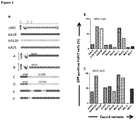
- New hybrid capsids were generated by empirically swapping various domains from 4 different AAV capsids: (1) AAV8, (2) AAV5, (3) AAV3B, and (4) AAV-LK03 (see Figure 1 ). The latter has been reported to transduce human hepatocytes more efficiently than the currently available naturally occurring AAV capsids. Notably, LK03 has >95% amino acid sequence homology with AAV3B.
- the capsid protein of the present invention is a synthetic capsid that has been developed by selection of motifs from wild type AAV capsids from serotypes 1-rh10.
- mutants A SEQ ID NO: 1 (Mut A) and B (SEQ ID NO: 2) (Mut B) respectively.
- mutant C SEQ ID NO: 3 (Mut C)
- mutant D SEQ ID NO: 4
- mutant D the AAV5-VP1 region was cloned upstream of the AAV3B VP2 and VP3 regions.
- mutant E SEQ ID NO: 5
- mutant F SEQ ID NO: 6
- a 262 amino acid region containing the hepatocyte growth factor receptor binding site of AAV3B was cloned into the corresponding region of the AAV8 capsid.
- the ratio of VP1, VP2 and VP3 for the synthetic capsids, in particular mutant C and mutant D, is similar to that observed for AAV2, 3b, 5 or 8. Both mutant C and mutant D have a strong tropism for human liver cells and are able to mediate higher levels of gene transfer into these cells when compared to wild type AAV capsids including AAV5 and AAV8.
- the capsid sequences were assembled by overlapping PCR or generated by gene synthesis (GenScript; Mut C, Mut E and F). The capsid sequences were cloned into an AAV helper plasmid containing the Rep78 coding sequence of AAV2 which has a modified start codon (ATG to ACG).
- Vector stocks were prepared by standard triple plasmid transfection of HEK293 cells with pCMV-eGFP, pRep2Cap and the adenoviral helper plasmid, pHGTI. Vector was purified by density gradient centrifugation with iodixanol. Vector genomes were titered by QPCR with primers specific for eGFP.
- the yield of the hybrid AAV vectors was comparable to that previously observed with AAV8.
- Gene transfer efficiency of these hybrid capsids was assessed in vitro using the HUH7 hepatocellular carcinoma cell line at multiplicity of infection (MOI) 1x10 4 and 1x10 5 .
- Level of gene transfer was determined by detection of the reporter gene, eGFP, by flow cytometry. The highest level of gene transfer was achieved with mutant C at levels that were at least 5-fold higher than AAV8 ( Figure 1B ). This mutant mediated similar levels of gene transfer as AAV3B and novel serotype LK03. Efficiency of gene transfer of mutant D was lower than that of mutant C but 3-fold higher than parental serotype, AAV5.
- Mutants E and F had much lower levels of gene transfer when compared to mutant C with similar levels of GFP positive cells as seen with wild type AAV8 and AAV5.
- AAV vectors were made by co-transfection of adherent HEK293 T-cells with a combination of plasmids consisting of the vector plasmid in which the EGFP reporter gene was under the control of CMV promoter, an adenoviral helper plasmid, and a packaging plasmids in which the respective AAV cap gene was downstream of AAV2 Rep gene under the control of the endogenous promoters.
- Vectors were purified using AVB column chromatography. Titration of all vectors was performed by qPCR assay as well as alkaline gel analysis.
- Liver cancer cell lines grown in monolayer were transduced with AAV at various MOI's followed by assessment of transduction efficiency using flow cytometry at -72 hours after gene transfer.
- 3D cultures of encapsulated HepG2 cells were exposed to different MOI's of AAV followed by assessment of by quantify green fluorescence using a plate reader or by direct fluorescent microscopy.
- Anti-AAV-antibody titre An immunoabsorption method was used to assess anti-AAV antibody titre in plasma samples obtained from severe haemophilia patients. Anti-AAV antibody titres were expressed as the end-point titre (Relative units/ml) defined as the reciprocal of the interpolated dilution with an absorbance value equal to five times the mean absorbance background value.
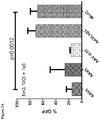
- AAV8, AAV5 and AAV-rh10 vectors were less efficient at transducing Huh7 cells with mean GFP expression ranging from 15% - 26%.
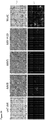
- higher levels of gene transfer were observed with AAV-LK03, and Mut C with transduction efficiency approaching 70% for vectors pseudotyped with these capsid proteins ( Figure 2A ).
- the inventors next looked at AAV mediated gene transfer into 3D cultures of HepG2 cells encapsulated in alginate using a JetCutter to produce approximately 500 ⁇ m spherical beads containing HepG2 cells at an approximate concentration of 1.7M per ml beads.
- the strength of this model is that within the beads encapsulated cells proliferate to form compact cell spheroids (AELS) with good cell to cell contact and cell function.
- AELS compact cell spheroids
- AELS exhibit better growth and upregulated liver specific function compared to monolayer cultures, with typical cell architecture demonstrating desmosomes, tight junctions and micro-villi, high representation of endoplasmic reticulum and mitochondria, and generation of extracellular matrix reminiscent of that in normal liver.
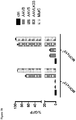
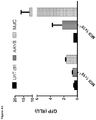
- the 3D bead cultures were transduced with either AAV8 or AAV Mut C at an MOI of 1x10 4 or 1x10 5 using a vector containing the CMV GFP expression cassette.
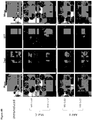
- transduction efficiency was determined by quantify green fluorescence using a plate reader ( Figure 4A ) or direct fluorescent microscopy ( Figure 4B ).
- Figure 4A plate reader
- Figure 4B direct fluorescent microscopy
- a 3-5 fold higher gene transfer efficiency of the 3D spheroids was observed with AAV Mut C when compared to GFP expression in beads transduced with AAV8. This difference in gene transfer efficiency was also noted using direct florescent microscopy.
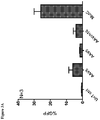
- Plasma samples from unselected severe haemophilia patients were screened to assess the prevalence of pre-existing antibodies against AAV Mut C using an ELISA immune-adsorption method. 63% of the patients displayed no detectable antibodies against AAV Mut C. The corresponding levels for AAV8 and AAV-LK03 were 51%. This therefore suggests that fewer patients with severe haemophilia have antibodies to AAV Mut C.
Landscapes
- Health & Medical Sciences (AREA)
- Life Sciences & Earth Sciences (AREA)
- Genetics & Genomics (AREA)
- Chemical & Material Sciences (AREA)
- Organic Chemistry (AREA)
- Engineering & Computer Science (AREA)
- Biotechnology (AREA)
- General Health & Medical Sciences (AREA)
- Molecular Biology (AREA)
- Biomedical Technology (AREA)
- General Engineering & Computer Science (AREA)
- Bioinformatics & Cheminformatics (AREA)
- Biophysics (AREA)
- Wood Science & Technology (AREA)
- Zoology (AREA)
- Virology (AREA)
- Biochemistry (AREA)
- Medicinal Chemistry (AREA)
- Microbiology (AREA)
- Physics & Mathematics (AREA)
- Gastroenterology & Hepatology (AREA)
- Plant Pathology (AREA)
- Proteomics, Peptides & Aminoacids (AREA)
- Animal Behavior & Ethology (AREA)
- Epidemiology (AREA)
- Pharmacology & Pharmacy (AREA)
- Public Health (AREA)
- Veterinary Medicine (AREA)
- Micro-Organisms Or Cultivation Processes Thereof (AREA)
- Medicines Containing Material From Animals Or Micro-Organisms (AREA)
- Medicines That Contain Protein Lipid Enzymes And Other Medicines (AREA)
- Peptides Or Proteins (AREA)
- Medicinal Preparation (AREA)
Applications Claiming Priority (3)
| Application Number | Priority Date | Filing Date | Title |
|---|---|---|---|
| GBGB1508026.0A GB201508026D0 (en) | 2015-05-11 | 2015-05-11 | Capsid |
| PCT/GB2016/051329 WO2016181123A1 (en) | 2015-05-11 | 2016-05-10 | Capsid |
| EP16721917.9A EP3250239B1 (en) | 2015-05-11 | 2016-05-10 | Capsid |
Related Parent Applications (1)
| Application Number | Title | Priority Date | Filing Date |
|---|---|---|---|
| EP16721917.9A Division EP3250239B1 (en) | 2015-05-11 | 2016-05-10 | Capsid |
Publications (1)
| Publication Number | Publication Date |
|---|---|
| EP3511021A1 true EP3511021A1 (en) | 2019-07-17 |
Family
ID=53489438
Family Applications (2)
| Application Number | Title | Priority Date | Filing Date |
|---|---|---|---|
| EP18210522.1A Pending EP3511021A1 (en) | 2015-05-11 | 2016-05-10 | Capsid |
| EP16721917.9A Active EP3250239B1 (en) | 2015-05-11 | 2016-05-10 | Capsid |
Family Applications After (1)
| Application Number | Title | Priority Date | Filing Date |
|---|---|---|---|
| EP16721917.9A Active EP3250239B1 (en) | 2015-05-11 | 2016-05-10 | Capsid |
Country Status (18)
| Country | Link |
|---|---|
| US (3) | US10414803B2 (enExample) |
| EP (2) | EP3511021A1 (enExample) |
| JP (2) | JP6619454B2 (enExample) |
| KR (1) | KR20180019543A (enExample) |
| CN (1) | CN107864653B (enExample) |
| AU (1) | AU2016261454B2 (enExample) |
| CA (1) | CA2985945C (enExample) |
| DK (1) | DK3250239T3 (enExample) |
| ES (1) | ES2711349T3 (enExample) |
| GB (1) | GB201508026D0 (enExample) |
| HR (1) | HRP20190442T1 (enExample) |
| HU (1) | HUE042693T2 (enExample) |
| LT (1) | LT3250239T (enExample) |
| PL (1) | PL3250239T3 (enExample) |
| PT (1) | PT3250239T (enExample) |
| TR (1) | TR201901582T4 (enExample) |
| TW (1) | TW201704253A (enExample) |
| WO (1) | WO2016181123A1 (enExample) |
Cited By (8)
| Publication number | Priority date | Publication date | Assignee | Title |
|---|---|---|---|---|
| US10745447B2 (en) | 2015-09-28 | 2020-08-18 | The University Of North Carolina At Chapel Hill | Methods and compositions for antibody-evading virus vectors |
| US11905523B2 (en) | 2019-10-17 | 2024-02-20 | Ginkgo Bioworks, Inc. | Adeno-associated viral vectors for treatment of Niemann-Pick Disease type-C |
| US11976096B2 (en) | 2018-04-03 | 2024-05-07 | Ginkgo Bioworks, Inc. | Antibody-evading virus vectors |
| US11981914B2 (en) | 2019-03-21 | 2024-05-14 | Ginkgo Bioworks, Inc. | Recombinant adeno-associated virus vectors |
| US12060390B2 (en) | 2018-04-03 | 2024-08-13 | Ginkgo Bioworks, Inc. | Antibody-evading virus vectors |
| US12104163B2 (en) | 2020-08-19 | 2024-10-01 | Sarepta Therapeutics, Inc. | Adeno-associated virus vectors for treatment of Rett syndrome |
| US12116384B2 (en) | 2018-04-03 | 2024-10-15 | Ginkgo Bioworks, Inc. | Virus vectors for targeting ophthalmic tissues |
| US12611436B2 (en) | 2019-10-17 | 2026-04-28 | Sarepta Therapeutics, Inc. | AAV transfer cassette |
Families Citing this family (40)
| Publication number | Priority date | Publication date | Assignee | Title |
|---|---|---|---|---|
| GB201420139D0 (en) | 2014-11-12 | 2014-12-24 | Ucl Business Plc | Factor IX gene therapy |
| GB201508026D0 (en) * | 2015-05-11 | 2015-06-24 | Ucl Business Plc | Capsid |
| GB201608046D0 (en) | 2016-05-09 | 2016-06-22 | Cambridge Entpr Ltd And Syndey Children S Hospitals Network Randwick And Westmead Incorporating The | Treatment of complement-mediated disorders |
| EP3562514B1 (en) | 2016-12-30 | 2026-04-29 | The Trustees Of The University Of Pennsylvania | Gene therapy for treating wilson's disease |
| JP2020530307A (ja) * | 2017-06-30 | 2020-10-22 | インティマ・バイオサイエンス,インコーポレーテッド | 遺伝子治療のためのアデノ随伴ウイルスベクター |
| CN112004820B (zh) * | 2018-03-30 | 2023-09-12 | 利兰斯坦福初级大学董事会 | 具有增强的人胰腺向性的新型重组腺相关病毒衣壳 |
| US10842885B2 (en) | 2018-08-20 | 2020-11-24 | Ucl Business Ltd | Factor IX encoding nucleotides |
| GB201813528D0 (en) | 2018-08-20 | 2018-10-03 | Ucl Business Plc | Factor IX encoding nucleotides |
| KR102114249B1 (ko) | 2018-08-21 | 2020-05-22 | 코나아이 (주) | 가상 화폐 결제 방법 및 시스템 |
| GB201817810D0 (en) | 2018-10-31 | 2018-12-19 | Ucl Business Plc | Modified factor IX polypeptides |
| SG11202106855YA (en) | 2019-01-04 | 2021-07-29 | Ultragenyx Pharmaceutical Inc | Gene therapy constructs for treating wilson disease |
| EP3715358A1 (en) * | 2019-03-28 | 2020-09-30 | Universität zu Köln | Mutated adeno-associated virus capsid proteins, aav particle comprising the same and liver directed aav vector gene therapy |
| ES2928689T3 (es) | 2019-04-12 | 2022-11-22 | Freeline Therapeutics Ltd | Sistema de plásmidos |
| WO2020208379A1 (en) | 2019-04-12 | 2020-10-15 | Freeline Therapeutics Limited | Plasmid system |
| EP4006160A4 (en) * | 2019-07-12 | 2023-06-28 | Gene Therapy Research Institution Co., Ltd. | Adeno-associated virus virion for gene transfer to human liver |
| WO2021030764A1 (en) * | 2019-08-14 | 2021-02-18 | University Of Florida Research Foundation, Incorporated | Aav capsid variants for gene therapy |
| WO2021041489A1 (en) * | 2019-08-29 | 2021-03-04 | The Board Of Trustees Of The Leland Stanford Junior University | Adeno-associated viral vectors for crossing the human blood brain barrier |
| EP4110792A4 (en) * | 2020-02-25 | 2024-08-21 | Children's Medical Research Institute | POLYPEPTIDES AND CAPSIDIC VECTORS OF ADENO-ASSOCIATED VIRUSES |
| WO2022003211A1 (en) * | 2020-07-03 | 2022-01-06 | Genethon | Method for engineering novel hybrid aav capsids through hypervariable regions swapping |
| CN116121275B (zh) * | 2020-07-29 | 2024-11-29 | 北京三诺佳邑生物技术有限责任公司 | 一组肝靶向新型腺相关病毒的获得及其应用 |
| WO2022060916A1 (en) | 2020-09-15 | 2022-03-24 | Regenxbio Inc. | Vectorized antibodies for anti-viral therapy |
| EP4213890A1 (en) | 2020-09-15 | 2023-07-26 | RegenxBio Inc. | Vectorized lanadelumab and administration thereof |
| GB202016254D0 (en) | 2020-10-13 | 2020-11-25 | Freeline Therapeutics Ltd | Plasmid system |
| WO2022094157A1 (en) | 2020-10-28 | 2022-05-05 | Regenxbio Inc. | Vectorized anti-cgrp and anti-cgrpr antibodies and administration thereof |
| JP2023547832A (ja) | 2020-10-28 | 2023-11-14 | リジェネックスバイオ インコーポレイテッド | 眼の適応症に対するベクター化抗TNF-α抗体 |
| EP4236974A2 (en) | 2020-10-29 | 2023-09-06 | RegenxBio Inc. | Vectorized factor xii antibodies and administration thereof |
| CN113121654B (zh) * | 2021-04-19 | 2023-11-17 | 信念医药科技(上海)有限公司 | 腺相关病毒衣壳蛋白及包含其的腺相关病毒载体 |
| WO2022226301A1 (en) * | 2021-04-23 | 2022-10-27 | The University Of North Carolina At Chapel Hill | Chimeric heart tropic aav capsids |
| GB202109231D0 (en) | 2021-06-25 | 2021-08-11 | Freeline Therapeutics Ltd | Promoter |
| WO2023072181A1 (en) * | 2021-10-28 | 2023-05-04 | Shanghai Vitalgen Biopharma Co., Ltd. | Adeno-associated virus capsid |
| GB202205514D0 (en) | 2022-04-13 | 2022-05-25 | Freeline Therapeutics Ltd | Mechanical lysis |
| WO2023215806A2 (en) | 2022-05-03 | 2023-11-09 | Regenxbio Inc. | Vectorized anti-complement antibodies and complement agents and administration thereof |
| WO2023215807A1 (en) | 2022-05-03 | 2023-11-09 | Regenxbio Inc. | VECTORIZED ANTI-TNF-α INHIBITORS FOR OCULAR INDICATIONS |
| GB202214328D0 (en) | 2022-09-29 | 2022-11-16 | Freeline Therapeutics Ltd | Method |
| AU2024271004A1 (en) | 2023-05-16 | 2026-01-15 | Regenxbio Inc. | Vectorized anti-complement antibodies and administration thereof |
| WO2024238859A1 (en) | 2023-05-16 | 2024-11-21 | Regenxbio Inc. | Vectorized c5 inhibitor agents and administration thereof |
| WO2025087695A1 (en) | 2023-10-23 | 2025-05-01 | Ascend Advanced Therapies Ltd | Method for producing recombinant adeno-associated virus particles |
| EP4628576A1 (en) | 2024-04-07 | 2025-10-08 | Ascend Advanced Therapies GmbH | Microrna molecules for use in methods for improving recombinant aav production |
| WO2025217230A1 (en) | 2024-04-08 | 2025-10-16 | Regenxbio Inc. | Vectorized anti-complement antibodies and complement agents and administration thereof |
| WO2025238067A1 (en) | 2024-05-15 | 2025-11-20 | Ascend Advanced Therapies Gmbh | Novel vector system for aav production |
Citations (2)
| Publication number | Priority date | Publication date | Assignee | Title |
|---|---|---|---|---|
| WO2008145400A2 (en) * | 2007-05-31 | 2008-12-04 | Medigene Ag | Mutated structural protein of a parvovirus |
| WO2015054653A2 (en) * | 2013-10-11 | 2015-04-16 | Massachusetts Eye & Ear Infirmary | Methods of predicting ancestral virus sequences and uses thereof |
Family Cites Families (99)
| Publication number | Priority date | Publication date | Assignee | Title |
|---|---|---|---|---|
| US6156303A (en) | 1997-06-11 | 2000-12-05 | University Of Washington | Adeno-associated virus (AAV) isolates and AAV vectors derived therefrom |
| EP1030861A4 (en) | 1997-10-31 | 2001-09-05 | Maxygen Inc | MODIFICATION OF VIRUSTROPISMIUS AND THE ECONOMIC SPECTRUM BY VIRAL GENOM MIXING |
| ATE454445T1 (de) | 1998-11-10 | 2010-01-15 | Univ North Carolina | Virusvektoren und verfahren für ihre herstellung und verabreichung. |
| EP1026250A1 (en) | 1998-12-02 | 2000-08-09 | Aventis Behring GmbH | DNA-constructs of blood clotting factors and P-selectin |
| EP1010762A1 (en) | 1998-12-02 | 2000-06-21 | Aventis Behring Gesellschaft mit beschränkter Haftung | DNA constructs of blood clotting factors and P-Selectin |
| EP1038959A1 (en) | 1999-03-17 | 2000-09-27 | Aventis Behring Gesellschaft mit beschränkter Haftung | Factor VIII without B-domain, comprising one or more insertions of a truncated intron I of factor IX |
| EP1048726B1 (en) | 1999-04-27 | 2006-07-26 | Négrier, Claude | Modified factor VIII cDNA |
| US20020045264A1 (en) * | 2000-03-14 | 2002-04-18 | During Matthew J. | Production of chimeric capsid vectors |
| WO2002053703A2 (en) | 2001-01-05 | 2002-07-11 | Children's Hospital, Inc. | Aav2 vectors and methods |
| US7749492B2 (en) | 2001-01-05 | 2010-07-06 | Nationwide Children's Hospital, Inc. | AAV vectors and methods |
| US6723551B2 (en) | 2001-11-09 | 2004-04-20 | The United States Of America As Represented By The Department Of Health And Human Services | Production of adeno-associated virus in insect cells |
| SG10202108118RA (en) | 2001-11-13 | 2021-08-30 | Univ Pennsylvania | A method of detecting and/or identifying adeno-associated virus (aav) sequences and isolating novel sequences identified thereby |
| ES2975413T3 (es) | 2001-12-17 | 2024-07-05 | Univ Pennsylvania | Secuencias de serotipo 8 de virus adenoasociado (AAV), vectores que las contienen y usos de las mismas |
| AU2003223775A1 (en) | 2002-04-30 | 2003-11-17 | Duke University | Adeno-associated viral vectors and methods for their production from hybrid adenovirus and for their use |
| PL2357189T3 (pl) | 2003-06-19 | 2017-08-31 | Genzyme Corporation | Wiriony AAV o zmniejszonej immunoreaktywności i ich zastosowanie |
| US9441244B2 (en) | 2003-06-30 | 2016-09-13 | The Regents Of The University Of California | Mutant adeno-associated virus virions and methods of use thereof |
| HUE054805T2 (hu) | 2003-09-30 | 2021-09-28 | Univ Pennsylvania | Adeno-asszociált vírus (AAV) kládok, szekvenciák, az azokat tartalmazó vektorok és alkalmazásaik |
| US20060166363A1 (en) | 2004-01-27 | 2006-07-27 | Sergei Zolotukhin | Modified baculovirus expression system for production of pseudotyped rAAV vector |
| AU2005316476A1 (en) | 2004-12-15 | 2006-06-22 | University Of Florida Research Foundation, Inc. | Chimeric vectors |
| CA2610164A1 (en) | 2005-05-31 | 2006-12-07 | Neurologix, Inc. | Novel glutamic acid decarboxylase (gad) chimera and methods of use |
| US7867484B2 (en) | 2006-01-27 | 2011-01-11 | University Of North Carolina At Chapel Hill | Heparin and heparan sulfate binding chimeric vectors |
| WO2007120542A2 (en) | 2006-03-30 | 2007-10-25 | The Board Of Trustees Of The Leland Stanford Junior University | Aav capsid library and aav capsid proteins |
| EP2069359B1 (en) | 2006-08-21 | 2014-11-12 | Genentech, Inc. | Aza-benzothiophenyl compounds and methods of use |
| HUE030719T2 (en) | 2007-04-09 | 2017-05-29 | Univ Florida | Raav vector compositions having tyrosine-modified capsid proteins and methods for use |
| US9725485B2 (en) | 2012-05-15 | 2017-08-08 | University Of Florida Research Foundation, Inc. | AAV vectors with high transduction efficiency and uses thereof for gene therapy |
| WO2009137006A2 (en) | 2008-04-30 | 2009-11-12 | The University Of North Carolina At Chapel Hill | Directed evolution and in vivo panning of virus vectors |
| US8889641B2 (en) | 2009-02-11 | 2014-11-18 | The University Of North Carolina At Chapel Hill | Modified virus vectors and methods of making and using the same |
| CN102341406B (zh) | 2009-03-04 | 2016-06-08 | 德国癌症研究中心 | 组装活化蛋白(aap)及其用于制备基本上由vp3组成的细小病毒颗粒的应用 |
| GB0911870D0 (en) | 2009-07-08 | 2009-08-19 | Ucl Business Plc | Optimised coding sequence and promoter |
| EP3147295B2 (en) * | 2011-08-24 | 2023-11-22 | The Board of Trustees of the Leland Stanford Junior University | New avv capsid proteins for nucleic acid transfer |
| CA2853482C (en) | 2011-10-28 | 2020-05-19 | Joshua Grieger | Cell line for production of adeno-associated virus |
| PL2900686T3 (pl) | 2012-09-28 | 2021-01-25 | The University Of North Carolina At Chapel Hill | Wektory aav ukierunkowane na oligodendrocyty |
| AU2013336601B2 (en) | 2012-10-26 | 2018-01-25 | Vrije Universiteit Brussel | Vector for liver-directed gene therapy of hemophilia and methods and use thereof |
| EP2968612B1 (en) | 2013-03-14 | 2018-02-14 | Asklepios Biopharmaceutical, Inc. | Modified soluble vegf receptor-1 genes and vectors for gene therapy |
| AU2014227766B2 (en) | 2013-03-15 | 2018-10-04 | The University Of North Carolina At Chapel Hill | Methods and compositions for dual glycan binding AAV vectors |
| KR102298579B1 (ko) | 2013-05-21 | 2021-09-07 | 유니버시티 오브 플로리다 리서치 파운데이션, 인코포레이티드 | 캡시드-변형된 raav3 벡터 조성물, 및 인간 간암의 유전자 요법에서의 용도 |
| PT3024498T (pt) | 2013-07-22 | 2020-03-06 | Childrens Hospital Philadelphia | Variante aav e composições, métodos e usos para transferência genética em células, órgãos e tecidos |
| RS63942B1 (sr) | 2013-08-27 | 2023-02-28 | Res Inst Nationwide Childrens Hospital | Proizvodi i postupci za lečenje amiotrofične lateralne skleroze |
| GB201403684D0 (en) | 2014-03-03 | 2014-04-16 | King S College London | Vector |
| WO2015126972A1 (en) | 2014-02-21 | 2015-08-27 | University Of Florida Research Foundation, Inc. | Methods and compositions for gene delivery to on bipolar cells |
| ES2768763T3 (es) | 2014-03-04 | 2020-06-23 | Univ Florida | Vectores rAAV mejorados y métodos para la transducción de fotorreceptores y células EPR |
| CA3205555A1 (en) | 2014-04-25 | 2015-10-29 | Genethon | Treatment of hyperbilirubinemia |
| EP3137497B2 (en) | 2014-05-02 | 2025-03-05 | Genzyme Corporation | Aav vectors for retinal and cns gene therapy |
| US10577627B2 (en) | 2014-06-09 | 2020-03-03 | Voyager Therapeutics, Inc. | Chimeric capsids |
| RU2020140209A (ru) | 2014-10-21 | 2021-01-25 | Юниверсити Оф Массачусетс | Варианты рекомбинантных aav и их применения |
| GB201420139D0 (en) | 2014-11-12 | 2014-12-24 | Ucl Business Plc | Factor IX gene therapy |
| EP4344741A3 (en) | 2014-11-21 | 2024-08-28 | The University of North Carolina at Chapel Hill | Aav vectors targeted to the central nervous system |
| GB201502137D0 (en) | 2015-02-09 | 2015-03-25 | Ucl Business Plc | Treatment |
| US10648000B2 (en) | 2015-02-16 | 2020-05-12 | University Of Florida Research Foundation, Incorporated | rAAV vector compositions, methods for targeting vascular endothelial cells and use in treatment of type I diabetes |
| EP3262162A4 (en) | 2015-02-23 | 2018-08-08 | Voyager Therapeutics, Inc. | Regulatable expression using adeno-associated virus (aav) |
| JP7095994B2 (ja) | 2015-03-02 | 2022-07-05 | アドヴェラム バイオテクノロジーズ, インコーポレイテッド | ポリヌクレオチドを網膜錐体に硝子体内送達するための組成物及び方法 |
| ES2860712T3 (es) | 2015-03-24 | 2021-10-05 | Univ California | Variantes de virus adenoasociados y métodos de uso de las mismas |
| US10081659B2 (en) | 2015-04-06 | 2018-09-25 | The United States Of America, As Represented By The Secretary, Dept. Of Health And Human Services | Adeno-associated vectors for enhanced transduction and reduced immunogenicity |
| EP4491733A3 (en) | 2015-04-23 | 2025-03-26 | University of Massachusetts | Modulation of aav vector transgene expression |
| GB201508026D0 (en) * | 2015-05-11 | 2015-06-24 | Ucl Business Plc | Capsid |
| PT3313991T (pt) | 2015-06-23 | 2024-09-27 | Childrens Hospital Philadelphia | Fator ix modificado e composições, métodos e utilizações para transferência de genes para células, órgãos e tecidos |
| US20180216133A1 (en) | 2015-07-17 | 2018-08-02 | The Trustees Of The University Of Pennsylvania | Compositions and methods for achieving high levels of transduction in human liver cells |
| US20190000940A1 (en) | 2015-07-31 | 2019-01-03 | Voyager Therapeutics, Inc. | Compositions and methods for the treatment of aadc deficiency |
| IL314171A (en) | 2015-09-28 | 2024-09-01 | Univ Florida | Methods and compositions for antibody-evading virus vectors |
| WO2017066764A2 (en) | 2015-10-16 | 2017-04-20 | William Marsh Rice University | Modification of n-terminal region of capsid proteins for enhanced properties of adeno-associated viruses |
| EP3368054A4 (en) | 2015-10-28 | 2019-07-03 | Voyager Therapeutics, Inc. | REGULATORY EXPRESSION USING THE ADENO-ASSOCIATED VIRUS (AAV) |
| WO2017075338A2 (en) | 2015-10-29 | 2017-05-04 | Voyager Therapeutics, Inc. | Delivery of central nervous system targeting polynucleotides |
| PE20231949A1 (es) | 2015-10-30 | 2023-12-05 | Spark Therapeutics Inc | VARIANTES DEL FACTOR VIII REDUCIDO CON CpG, COMPOSICIONES Y METODOS Y USOS PARA EL TRATAMIENTO DE TRASTORNOS DE LA HEMOSTASIA |
| PE20181156A1 (es) | 2015-11-05 | 2018-07-19 | Bamboo Therapeutics Inc | Genes de ataxia de friedreich modificados y vectores para terapia genica |
| WO2017096164A1 (en) | 2015-12-02 | 2017-06-08 | The Board Of Trustees Of The Leland Stanford Junior University | Novel recombinant adeno-associated virus capsids with enhanced human skeletal muscle tropism |
| US10406244B2 (en) | 2015-12-02 | 2019-09-10 | The Board Of Trustees Of The Leland Stanford Junior University | AAV vectors with expanded packaging capacity |
| EP3875593A1 (en) | 2015-12-11 | 2021-09-08 | California Institute of Technology | Targeting peptides for directing adeno-associated viruses (aavs) |
| BR112018011881A2 (pt) | 2015-12-14 | 2018-12-04 | The University Of North Carolina At Chapel Hill | proteínas capsidiais modificadas para liberação aumentada de vetores de parvovírus |
| JP6947739B2 (ja) | 2016-02-16 | 2021-10-13 | ザ ボード オブ トラスティーズ オブ ザ レランド スタンフォード ジュニア ユニバーシティー | 既存のヒト中和抗体に対して耐性である新規組換えアデノ随伴ウイルスカプシド |
| CA3018076A1 (en) | 2016-03-18 | 2017-09-21 | The Children's Hospital Of Philadelphia | Therapeutic for treatment of diseases including the central nervous system |
| US11433116B2 (en) | 2016-04-14 | 2022-09-06 | Cedars-Sinai Medical Center | GJA1 isoforms protect against metabolic stress |
| US20190224339A1 (en) | 2016-04-29 | 2019-07-25 | Voyager Therapeutics, Inc. | Compositions for the treatment of disease |
| US11326182B2 (en) | 2016-04-29 | 2022-05-10 | Voyager Therapeutics, Inc. | Compositions for the treatment of disease |
| SG11201809699XA (en) | 2016-05-18 | 2018-12-28 | Voyager Therapeutics Inc | Modulatory polynucleotides |
| CA3027784A1 (en) | 2016-06-16 | 2017-12-21 | Charite - Universitatsmedizin Berlin | Neuropeptide-expressing vectors and methods for the treatment of epilepsy |
| AU2017301600B2 (en) | 2016-07-26 | 2022-08-04 | Biomarin Pharmaceutical Inc. | Novel adeno-associated virus capsid proteins |
| SG10201913002QA (en) | 2016-08-15 | 2020-03-30 | Genzyme Corp | Methods for detecting aav |
| BR112019004353A2 (pt) | 2016-09-02 | 2019-05-28 | Spark Therapeutics, Inc. | métodos e vetores para tratar distúrbios do cns |
| EP3293259A1 (en) | 2016-09-12 | 2018-03-14 | Genethon | Acid-alpha glucosidase variants and uses thereof |
| PE20191203A1 (es) | 2016-09-12 | 2019-09-10 | Genethon | Variantes de alfa-glucosidasa acida y usos de las mismas |
| EP3293203A1 (en) | 2016-09-12 | 2018-03-14 | Genethon | Acid-alpha glucosidase variants and uses thereof |
| CA3040483A1 (en) | 2016-10-13 | 2018-04-19 | University Of Massachusetts | Aav capsid designs |
| CN111344396A (zh) | 2016-10-27 | 2020-06-26 | 因提玛生物科学公司 | 制备遗传修饰细胞的病毒方法 |
| CA3052829A1 (en) | 2017-02-15 | 2018-08-23 | The University Of North Carolina At Chapel Hill | Methods and compositions for gene transfer across the vasculature |
| WO2018162748A1 (en) | 2017-03-10 | 2018-09-13 | Genethon | Treatment of glycogen storage disease iii |
| IL316259A (en) | 2017-03-15 | 2024-12-01 | Univ North Carolina Chapel Hill | Polyploid gland associated with virus vectors and methods for preparing and using the same. |
| WO2018189244A1 (en) | 2017-04-11 | 2018-10-18 | Ruprecht-Karls-Universität Heidelberg | Adeno-associated virus library |
| WO2018200419A1 (en) | 2017-04-23 | 2018-11-01 | The Trustees Of The University Of Pennsylvania | Viral vectors comprising engineered aav capsids and compositions containing the same |
| JP2020518259A (ja) | 2017-05-05 | 2020-06-25 | ボイジャー セラピューティクス インコーポレイテッドVoyager Therapeutics,Inc. | ハンチントン病治療組成物および方法 |
| SG11201909870SA (en) | 2017-05-05 | 2019-11-28 | Voyager Therapeutics Inc | Compositions and methods of treating amyotrophic lateral sclerosis (als) |
| KR20250030036A (ko) | 2017-06-07 | 2025-03-05 | 스파크 테라퓨틱스, 인코포레이티드 | 개선된 세포 트랜스펙션 및/또는 rAAV 벡터 생산을 위한 증진제 |
| JOP20190269A1 (ar) | 2017-06-15 | 2019-11-20 | Voyager Therapeutics Inc | بولي نوكليوتيدات aadc لعلاج مرض باركنسون |
| SG11201913157RA (en) | 2017-06-30 | 2020-01-30 | Spark Therapeutics Inc | Aav vector column purification methods |
| CN120989074A (zh) | 2017-07-31 | 2025-11-21 | 映像生物有限公司 | 眼部疾病的细胞模型及用于眼部疾病的疗法 |
| KR20240160648A (ko) | 2017-08-01 | 2024-11-11 | 스파크 테라퓨틱스, 인코포레이티드 | 인자 viii (fviii) 유전자 요법 방법 |
| TWI832036B (zh) | 2017-08-03 | 2024-02-11 | 美商航海家醫療公司 | 用於aav之遞送之組合物及方法 |
| EP3676284A1 (en) | 2017-08-29 | 2020-07-08 | Ruprecht-Karls-Universität Heidelberg | Rationally designed virus-like particles for modulation of chimeric antigen receptor (car)-t-cell therapy |
| EP3684388A4 (en) | 2017-09-22 | 2021-09-22 | Voyager Therapeutics, Inc. | COMPOSITIONS AND METHODS OF TREATMENT OF HUNTINGTON'S DISEASE |
| WO2019073059A1 (en) | 2017-10-12 | 2019-04-18 | Freeline Therapeutics Limited | ADENOVIRAL AUXILIARY VIRUSES WITH DEFECTIVE CYCLE LIFE, PRODUCTION AND USE FOR THE PRODUCTION OF RAAV |
-
2015
- 2015-05-11 GB GBGB1508026.0A patent/GB201508026D0/en not_active Ceased
-
2016
- 2016-05-10 KR KR1020177035515A patent/KR20180019543A/ko not_active Ceased
- 2016-05-10 LT LTEP16721917.9T patent/LT3250239T/lt unknown
- 2016-05-10 EP EP18210522.1A patent/EP3511021A1/en active Pending
- 2016-05-10 HU HUE16721917A patent/HUE042693T2/hu unknown
- 2016-05-10 CN CN201680027100.0A patent/CN107864653B/zh active Active
- 2016-05-10 TR TR2019/01582T patent/TR201901582T4/tr unknown
- 2016-05-10 EP EP16721917.9A patent/EP3250239B1/en active Active
- 2016-05-10 PL PL16721917T patent/PL3250239T3/pl unknown
- 2016-05-10 CA CA2985945A patent/CA2985945C/en active Active
- 2016-05-10 ES ES16721917T patent/ES2711349T3/es active Active
- 2016-05-10 US US15/573,350 patent/US10414803B2/en active Active
- 2016-05-10 AU AU2016261454A patent/AU2016261454B2/en active Active
- 2016-05-10 JP JP2017558723A patent/JP6619454B2/ja active Active
- 2016-05-10 HR HRP20190442TT patent/HRP20190442T1/hr unknown
- 2016-05-10 WO PCT/GB2016/051329 patent/WO2016181123A1/en not_active Ceased
- 2016-05-10 DK DK16721917.9T patent/DK3250239T3/en active
- 2016-05-10 PT PT16721917T patent/PT3250239T/pt unknown
- 2016-05-11 TW TW105114580A patent/TW201704253A/zh unknown
-
2019
- 2019-08-15 US US16/541,516 patent/US12138318B2/en active Active
- 2019-11-14 JP JP2019206191A patent/JP2020096587A/ja active Pending
-
2024
- 2024-10-09 US US18/911,006 patent/US20250127922A1/en active Pending
Patent Citations (2)
| Publication number | Priority date | Publication date | Assignee | Title |
|---|---|---|---|---|
| WO2008145400A2 (en) * | 2007-05-31 | 2008-12-04 | Medigene Ag | Mutated structural protein of a parvovirus |
| WO2015054653A2 (en) * | 2013-10-11 | 2015-04-16 | Massachusetts Eye & Ear Infirmary | Methods of predicting ancestral virus sequences and uses thereof |
Non-Patent Citations (1)
| Title |
|---|
| CHOI VIVIAN W ET AL: "AAV hybrid serotypes: Improved vectors for gene delivery", CURRENT GENE THERAPY, BENTHAM SCIENCE PUBLISHERS LTD, NL, vol. 5, no. 3, 1 June 2005 (2005-06-01), pages 299 - 310, XP002462124, ISSN: 1566-5232, DOI: 10.2174/1566523054064968 * |
Cited By (11)
| Publication number | Priority date | Publication date | Assignee | Title |
|---|---|---|---|---|
| US10745447B2 (en) | 2015-09-28 | 2020-08-18 | The University Of North Carolina At Chapel Hill | Methods and compositions for antibody-evading virus vectors |
| US11208438B2 (en) | 2015-09-28 | 2021-12-28 | The University Of North Carolina At Chapel Hill | Methods and compositions for antibody-evading virus vectors |
| US11840555B2 (en) | 2015-09-28 | 2023-12-12 | The University Of North Carolina At Chapel Hill | Methods and compositions for antibody-evading virus vectors |
| US11976096B2 (en) | 2018-04-03 | 2024-05-07 | Ginkgo Bioworks, Inc. | Antibody-evading virus vectors |
| US12060390B2 (en) | 2018-04-03 | 2024-08-13 | Ginkgo Bioworks, Inc. | Antibody-evading virus vectors |
| US12091435B2 (en) | 2018-04-03 | 2024-09-17 | Ginkgo Bioworks, Inc. | Antibody-evading virus vectors |
| US12116384B2 (en) | 2018-04-03 | 2024-10-15 | Ginkgo Bioworks, Inc. | Virus vectors for targeting ophthalmic tissues |
| US11981914B2 (en) | 2019-03-21 | 2024-05-14 | Ginkgo Bioworks, Inc. | Recombinant adeno-associated virus vectors |
| US11905523B2 (en) | 2019-10-17 | 2024-02-20 | Ginkgo Bioworks, Inc. | Adeno-associated viral vectors for treatment of Niemann-Pick Disease type-C |
| US12611436B2 (en) | 2019-10-17 | 2026-04-28 | Sarepta Therapeutics, Inc. | AAV transfer cassette |
| US12104163B2 (en) | 2020-08-19 | 2024-10-01 | Sarepta Therapeutics, Inc. | Adeno-associated virus vectors for treatment of Rett syndrome |
Also Published As
| Publication number | Publication date |
|---|---|
| AU2016261454B2 (en) | 2019-07-11 |
| JP2020096587A (ja) | 2020-06-25 |
| CA2985945A1 (en) | 2016-11-17 |
| EP3250239B1 (en) | 2018-12-12 |
| TW201704253A (zh) | 2017-02-01 |
| US20180111965A1 (en) | 2018-04-26 |
| ES2711349T3 (es) | 2019-05-03 |
| LT3250239T (lt) | 2019-03-25 |
| PT3250239T (pt) | 2019-02-19 |
| TR201901582T4 (tr) | 2019-02-21 |
| US12138318B2 (en) | 2024-11-12 |
| CN107864653B (zh) | 2022-06-21 |
| US20250127922A1 (en) | 2025-04-24 |
| JP2018520997A (ja) | 2018-08-02 |
| AU2016261454A1 (en) | 2017-11-23 |
| DK3250239T3 (en) | 2019-03-11 |
| HUE042693T2 (hu) | 2019-07-29 |
| KR20180019543A (ko) | 2018-02-26 |
| GB201508026D0 (en) | 2015-06-24 |
| US20200079821A1 (en) | 2020-03-12 |
| CA2985945C (en) | 2022-09-06 |
| JP6619454B2 (ja) | 2019-12-11 |
| US10414803B2 (en) | 2019-09-17 |
| CN107864653A (zh) | 2018-03-30 |
| HRP20190442T1 (hr) | 2019-05-03 |
| EP3250239A1 (en) | 2017-12-06 |
| PL3250239T3 (pl) | 2019-05-31 |
| WO2016181123A1 (en) | 2016-11-17 |
Similar Documents
| Publication | Publication Date | Title |
|---|---|---|
| US20250127922A1 (en) | Capsid | |
| US20220331409A1 (en) | Factor ix gene therapy | |
| Balakrishnan et al. | Basic biology of adeno-associated virus (AAV) vectors used in gene therapy | |
| Grieger et al. | Adeno-associated virus as a gene therapy vector: vector development, production and clinical applications | |
| JP5305913B2 (ja) | 昆虫細胞で産生される改良されたaavベクター | |
| AU2018200657B2 (en) | Methods of predicting ancestral virus sequences and uses thereof | |
| JP4573437B2 (ja) | アデノ随伴ウイルス血清型1核酸配列、ベクターおよび同一物を含有する宿主細胞 | |
| CN102212558B (zh) | 腺伴随病毒(aav)进化支、序列、含有这些序列的载体及它们的应用 | |
| Park et al. | Scalable production of adeno‐associated virus type 2 vectors via suspension transfection | |
| CN106884014B (zh) | 腺相关病毒反向末端重复序列突变体及其应用 | |
| EP3390623B1 (en) | Wilson's disease gene therapy | |
| JP2024515902A (ja) | 組織向性が改善されたアデノ随伴ウイルスベクターカプシド | |
| HK40020047A (en) | Capsid | |
| US20250295810A1 (en) | Erythroparvovirus with a modified capsid for gene therapy | |
| CN120209091A (zh) | 靶向肝细胞的重组aav衣壳蛋白及其应用 |
Legal Events
| Date | Code | Title | Description |
|---|---|---|---|
| PUAI | Public reference made under article 153(3) epc to a published international application that has entered the european phase |
Free format text: ORIGINAL CODE: 0009012 |
|
| STAA | Information on the status of an ep patent application or granted ep patent |
Free format text: STATUS: THE APPLICATION HAS BEEN PUBLISHED |
|
| AC | Divisional application: reference to earlier application |
Ref document number: 3250239 Country of ref document: EP Kind code of ref document: P |
|
| AK | Designated contracting states |
Kind code of ref document: A1 Designated state(s): AL AT BE BG CH CY CZ DE DK EE ES FI FR GB GR HR HU IE IS IT LI LT LU LV MC MK MT NL NO PL PT RO RS SE SI SK SM TR |
|
| STAA | Information on the status of an ep patent application or granted ep patent |
Free format text: STATUS: REQUEST FOR EXAMINATION WAS MADE |
|
| 17P | Request for examination filed |
Effective date: 20200109 |
|
| RBV | Designated contracting states (corrected) |
Designated state(s): AL AT BE BG CH CY CZ DE DK EE ES FI FR GB GR HR HU IE IS IT LI LT LU LV MC MK MT NL NO PL PT RO RS SE SI SK SM TR |
|
| RAP1 | Party data changed (applicant data changed or rights of an application transferred) |
Owner name: UCL BUSINESS LTD |
|
| REG | Reference to a national code |
Ref country code: HK Ref legal event code: DE Ref document number: 40020047 Country of ref document: HK |
|
| STAA | Information on the status of an ep patent application or granted ep patent |
Free format text: STATUS: EXAMINATION IS IN PROGRESS |
|
| 17Q | First examination report despatched |
Effective date: 20210121 |
|
| RAP3 | Party data changed (applicant data changed or rights of an application transferred) |
Owner name: UCL BUSINESS LTD |