EP3484888B1 - Solid forms of ttk inhibitor - Google Patents
Solid forms of ttk inhibitor Download PDFInfo
- Publication number
- EP3484888B1 EP3484888B1 EP17830139.6A EP17830139A EP3484888B1 EP 3484888 B1 EP3484888 B1 EP 3484888B1 EP 17830139 A EP17830139 A EP 17830139A EP 3484888 B1 EP3484888 B1 EP 3484888B1
- Authority
- EP
- European Patent Office
- Prior art keywords
- crystal
- compound
- cancer
- hydrobromide salt
- phosphoric acid
- Prior art date
- Legal status (The legal status is an assumption and is not a legal conclusion. Google has not performed a legal analysis and makes no representation as to the accuracy of the status listed.)
- Active
Links
Images


Classifications
-
- A—HUMAN NECESSITIES
- A61—MEDICAL OR VETERINARY SCIENCE; HYGIENE
- A61K—PREPARATIONS FOR MEDICAL, DENTAL OR TOILETRY PURPOSES
- A61K31/00—Medicinal preparations containing organic active ingredients
- A61K31/33—Heterocyclic compounds
- A61K31/395—Heterocyclic compounds having nitrogen as a ring hetero atom, e.g. guanethidine or rifamycins
- A61K31/495—Heterocyclic compounds having nitrogen as a ring hetero atom, e.g. guanethidine or rifamycins having six-membered rings with two or more nitrogen atoms as the only ring heteroatoms, e.g. piperazine or tetrazines
- A61K31/505—Pyrimidines; Hydrogenated pyrimidines, e.g. trimethoprim
- A61K31/519—Pyrimidines; Hydrogenated pyrimidines, e.g. trimethoprim ortho- or peri-condensed with heterocyclic rings
-
- A—HUMAN NECESSITIES
- A61—MEDICAL OR VETERINARY SCIENCE; HYGIENE
- A61P—SPECIFIC THERAPEUTIC ACTIVITY OF CHEMICAL COMPOUNDS OR MEDICINAL PREPARATIONS
- A61P35/00—Antineoplastic agents
-
- C—CHEMISTRY; METALLURGY
- C07—ORGANIC CHEMISTRY
- C07D—HETEROCYCLIC COMPOUNDS
- C07D487/00—Heterocyclic compounds containing nitrogen atoms as the only ring hetero atoms in the condensed system, not provided for by groups C07D451/00 - C07D477/00
- C07D487/02—Heterocyclic compounds containing nitrogen atoms as the only ring hetero atoms in the condensed system, not provided for by groups C07D451/00 - C07D477/00 in which the condensed system contains two hetero rings
- C07D487/04—Ortho-condensed systems
-
- C—CHEMISTRY; METALLURGY
- C30—CRYSTAL GROWTH
- C30B—SINGLE-CRYSTAL GROWTH; UNIDIRECTIONAL SOLIDIFICATION OF EUTECTIC MATERIAL OR UNIDIRECTIONAL DEMIXING OF EUTECTOID MATERIAL; REFINING BY ZONE-MELTING OF MATERIAL; PRODUCTION OF A HOMOGENEOUS POLYCRYSTALLINE MATERIAL WITH DEFINED STRUCTURE; SINGLE CRYSTALS OR HOMOGENEOUS POLYCRYSTALLINE MATERIAL WITH DEFINED STRUCTURE; AFTER-TREATMENT OF SINGLE CRYSTALS OR A HOMOGENEOUS POLYCRYSTALLINE MATERIAL WITH DEFINED STRUCTURE; APPARATUS THEREFOR
- C30B29/00—Single crystals or homogeneous polycrystalline material with defined structure characterised by the material or by their shape
- C30B29/54—Organic compounds
- C30B29/58—Macromolecular compounds
-
- C—CHEMISTRY; METALLURGY
- C30—CRYSTAL GROWTH
- C30B—SINGLE-CRYSTAL GROWTH; UNIDIRECTIONAL SOLIDIFICATION OF EUTECTIC MATERIAL OR UNIDIRECTIONAL DEMIXING OF EUTECTOID MATERIAL; REFINING BY ZONE-MELTING OF MATERIAL; PRODUCTION OF A HOMOGENEOUS POLYCRYSTALLINE MATERIAL WITH DEFINED STRUCTURE; SINGLE CRYSTALS OR HOMOGENEOUS POLYCRYSTALLINE MATERIAL WITH DEFINED STRUCTURE; AFTER-TREATMENT OF SINGLE CRYSTALS OR A HOMOGENEOUS POLYCRYSTALLINE MATERIAL WITH DEFINED STRUCTURE; APPARATUS THEREFOR
- C30B7/00—Single-crystal growth from solutions using solvents which are liquid at normal temperature, e.g. aqueous solutions
- C30B7/02—Single-crystal growth from solutions using solvents which are liquid at normal temperature, e.g. aqueous solutions by evaporation of the solvent
-
- C—CHEMISTRY; METALLURGY
- C30—CRYSTAL GROWTH
- C30B—SINGLE-CRYSTAL GROWTH; UNIDIRECTIONAL SOLIDIFICATION OF EUTECTIC MATERIAL OR UNIDIRECTIONAL DEMIXING OF EUTECTOID MATERIAL; REFINING BY ZONE-MELTING OF MATERIAL; PRODUCTION OF A HOMOGENEOUS POLYCRYSTALLINE MATERIAL WITH DEFINED STRUCTURE; SINGLE CRYSTALS OR HOMOGENEOUS POLYCRYSTALLINE MATERIAL WITH DEFINED STRUCTURE; AFTER-TREATMENT OF SINGLE CRYSTALS OR A HOMOGENEOUS POLYCRYSTALLINE MATERIAL WITH DEFINED STRUCTURE; APPARATUS THEREFOR
- C30B7/00—Single-crystal growth from solutions using solvents which are liquid at normal temperature, e.g. aqueous solutions
- C30B7/14—Single-crystal growth from solutions using solvents which are liquid at normal temperature, e.g. aqueous solutions the crystallising materials being formed by chemical reactions in the solution
-
- C—CHEMISTRY; METALLURGY
- C07—ORGANIC CHEMISTRY
- C07B—GENERAL METHODS OF ORGANIC CHEMISTRY; APPARATUS THEREFOR
- C07B2200/00—Indexing scheme relating to specific properties of organic compounds
- C07B2200/13—Crystalline forms, e.g. polymorphs
Definitions
- TTK protein kinase also known as tyrosine threonine kinase, dual specificity protein kinase TTK, Monopolar Spindle 1 (Mpsl) and Phosphotyrosine-Picked Threonine Kinase (PYT), is a conserved multispecific kinase that is capable of phosphorylating serine, threonine and tyrosine residues when expressed in E. coli ( Mills et al., J. Biol. Chem. 22(5): 16000-16006 (1992 )). TTK mRNA is not expressed in the majority of physiologically normal tissues in human ( Id ).
- TTK mRNA is expressed in some rapidly proliferating tissues, such as testis and thymus, as well as in some tumors (for example, TTK mRNA was not expressed in renal cell carcinoma, was expressed in 50% of breast cancer samples, was expressed in testicular tumors and ovarian cancer samples) ( Id ). TTK is expressed in some cancer cell lines and tumors relative to normal counterparts ( Id. ; see also WO 02/068444 A1 ).
- TTK inhibitors which inhibit TTK have the potential to treat cancer.
- a number of potent TTK inhibitors are disclosed in International Patent Application Publication Nos. WO 2014/075168 and WO 2015/070349 .
- One representative TTK inhibitor is N -cyclopropyl-4-(7-((((1 s ,3 s )-3-hydroxy-3-methylcyclobutyl)methyl)amino)-5-(pyridin-3-yloxy)pyrazolo[1,5-a]pyrimidin-3-yl)-2-methylbenzamide, the structure of which is reproduced below as compound (I):
- the present invention relates to a novel co-crystal of compound (I) and a co-former molecule, wherein the co-former molecule is phosphoric acid.
- the present invention also relates to a hydrobromide salt of compound (I), wherein the molar ratio between compound (I) and hydrobromic acid is 1:1.
- the new solid forms exhibit significantly improved properties including increased water solubility, melting points, and pharmacokinetic exposure.
- the co-crystal of compound (I) and phosphoric acid and the hydrobromic acid salt of compound (I) in crystalline form result in significantly increased plasma concentrations relative to free base compound (I) in both rats and dogs, following oral administration. This has a major advantage because the new solid forms can be administered orally to result in effective plasma levels of the drug.
- the present invention is directed to a co-crystal of compound (I) and a co-former molecule, or a solvate of the co-crystal, wherein the co-former molecule is phosphoric acid.
- the invention provides a co-crystal according to the first embodiment, wherein the molar ratio of compound (I) : phosphoric acid in the co-crystal is 1:2.
- the invention provides a co-crystal according to the first or second embodiment, wherein the co-crystal is a hydrate.
- the invention provides a co-crystal according to the first, second, or third embodiment, wherein the molar ratio of compound (I) : phosphoric acid : H 2 O in the co-crystal is 1:2:1/2.
- the invention provides a co-crystal according to the first, second, third, or fourth embodiment, wherein the co-crystal is characterized by any three, four, or five of X-ray powder diffraction pattern peaks at 7.6°, 12.0°, 20.3°, 23.5°, and 24.5° ⁇ 0.2 in 2 ⁇ .
- the invention provides a co-crystal according to the first, second, third, or fourth embodiment, wherein the co-crystal is characterized by any three, four, five, six, seven, eight, nine, ten, or eleven of X-ray powder diffraction pattern peaks at 7.6°, 11.1°, 12.0°, 15.4°, 17.5°, 19.8°, 20.0°, 20.3°, 21.2°, 23.5°, 23.6°, and 24.5° ⁇ 0.2 in 2 ⁇ .
- the invention provides a co-crystal according to the first, second, third, or fourth embodiment, wherein the co-crystal is characterized by X-ray powder diffraction pattern peaks at 7.6°, 11.1°, 12.0°, 15.4°, 17.5°, 19.8°, 20.0°, 20.3°, 21.2°, 23.5°, 23.6°, and 24.5° ⁇ 0.2 in 2 ⁇ .
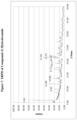
- the invention provides a co-crystal according to the first, second, third, or fourth embodiment, wherein the co-crystal is characterized by the X-ray powder diffraction pattern shown in Figure 1 .
- the invention provides a co-crystal according to the first, second, third, fourth, fifth, sixth, seventh, or eighth embodiment, wherein the co-crystal is characterized by differential scanning calorimeter (DSC) peak phase transition temperatures of 160 ⁇ 4 °C.
- DSC differential scanning calorimeter
- the invention provides a co-crystal according to the first, second, third, fourth, fifth, sixth, seventh, eighth, or ninth embodiment, wherein a hydrogen bonding is formed between the hydrogen of the phosphoric acid and the nitrogen atom of the pyridine ring of compound (I) and the hydrogen bonding has a distance between 2.5-2.9 ⁇ .
- the invention provides a co-crystal according to the first, second, third, fourth, fifth, sixth, seventh, eighth, ninth, or tenth embodiment, wherein the co-crystal is characterized by an 15 N- Solid State Nuclear Magnetic Resonance Spectroscopy ( 15 N-ssNMR) peak at -122.5 ⁇ 2 ppm, and the intensity of the peak at -122.5 ppm is at least 40-70% less than the peak at -302 ppm. In one embodiment, the intensity of the peak at - 122.5 ppm is at least 40%, 50%, 60%, or 70% less than the peak at -302 ppm. In another embodiment, the co-crystal is characterized by the 15 N- Solid State Nuclear Magnetic Resonance Spectroscopy ( 15 N-ssNMR) peaks shown in Figure 3B .
- 15 N-ssNMR 15 N- Solid State Nuclear Magnetic Resonance Spectroscopy
- the invention provides a pharmaceutical composition
- a pharmaceutical composition comprising the co-crystal according to the first, second, third, fourth, fifth, sixth, seventh, eighth, ninth, tenth, or eleventh embodiment, and a pharmaceutically acceptable carrier or diluent.
- the invention provides a hydrobromide salt of compound (I) or a solvate thereof, wherein the molar ratio between compound (I) and hydrobromic acid is 1:1.
- the invention provides a hydrobromide salt according to the thirteenth embodiment, wherein the salt is in unsolvated form.
- the invention provides a hydrobromide salt according to the thirteenth or fourteenth embodiment, wherein the hydrobromide salt of the present invention is crystalline.
- the invention provides a hydrobromide salt according to the fifteenth embodiment, wherein the crystalline hydrobromide salt is characterized by three or four of X-ray powder diffraction pattern peaks at 5.9°, 11.9°, 21.6°, and 22.0° ⁇ 0.2 in 2 ⁇ .
- the invention provides a hydrobromide salt according to the fifteenth embodiment, wherein the crystalline hydrobromide salt is characterized by any three, four, five, six, seven, or eight of X-ray powder diffraction pattern peaks at 5.9°, 10.0°, 11.9°, 13.8°, 17.3°, 19.4°, 21.3°, 21.6°, and 22.0° ⁇ 0.2 in 2 ⁇ .
- the invention provides a hydrobromide salt according to the fifteenth embodiment, wherein the crystalline hydrobromide salt is characterized by X-ray powder diffraction pattern peaks at 5.9°, 10.0°, 11.9°, 13.8°, 17.3°, 19.4°, 21.3°, 21.6°, and 22.0° ⁇ 0.2 in 2 ⁇ .
- the invention provides a hydrobromide salt according to the fifteenth, sixteenth, seventeenth, or eighteenth embodiment, wherein the hydrobromide salt is characterized by X-ray powder diffraction pattern peaks shown in Figure 7 .
- the invention provides a hydrobromide salt according to the thirteenth, fourteenth, fifteenth, sixteenth, seventeenth, eighteenth, or nineteenth embodiment, wherein the hydrobromide salt is characterized by differential scanning calorimeter (DSC) peak phase transition temperatures of 221 ⁇ 2 °C.
- DSC differential scanning calorimeter
- the invention provides a pharmaceutical composition
- a pharmaceutical composition comprising the hydrobromide salt of according to the thirteenth, fourteenth, fifteenth, sixteenth, seventeenth, eighteenth, nineteenth, or twentieth embodiment, and a pharmaceutically acceptable carrier or diluent.
- Another aspect of the present invention is the co-crystal according to the first, second, third, fourth, fifth, sixth, seventh, eighth, ninth, tenth, or eleventh embodiment or the hydrobromide salt according to the thirteenth, fourteenth, fifteenth, sixteenth, seventeenth, eighteenth, nineteenth, or twentieth embodiment for use in the treatment of cancer.
- the present invention provides new solid forms of compound (I), which is N- cyclopropyl-4-(7-((((1 s ,3 s )-3-hydroxy-3-methylcyclobutyl)methyl)amino)-5-(pyridin-3-yloxy)pyrazolo[1,5-a]pyrimidin-3-yl)-2-methylbenzamide.
- compound (I) and phosphoric acid can form a co-crystal under well-defined conditions to provide a non-hygroscopic crystalline form.
- the 1:1 hydrobromic acid salt of compound (I) can be crystallized under well-defined conditions to provide non-hygroscopic crystalline forms. Both solid forms provide high bioavailability when administered orally.
- co-crystal refers to a multicomponent system in which there exists a host active pharmaceutical ingredient molecule or molecules (API, e.g., compound (I)) and a guest or co-former molecule or molecules (e.g., phosphoric acid).
- API active pharmaceutical ingredient molecule or molecules
- co-former molecule or molecules e.g., phosphoric acid
- the API and co-former molecules interact by hydrogen bonding and possibly other non-covalent interactions without ionic interactions and without significant or complete proton exchange occurs between the API molecule and the guest molecule.
- solvates including hydrates of the disclosed co-crystal.
- both the API molecule and the guest (or co-former) molecule exist as a solid at room temperature when alone in their pure form.
- Solid form refers to a solid or a crystalline form of compound (I) in free base or a salt, where a solvent molecule is combined with free base compound (I) or the corresponding salt in a definite ratio (e.g., a molar ratio of compound (I):solvent 1:1 or 1:2) as an integral part of the solid or a crystal.
- Unsolvated form refers to a form which is unsolvated, i.e., no definite ratio between a solvent molecule and the free base of compound (I) or the corresponding salt of compound (I), and the solvent molecule is not substantially (e.g., less that 10% by weight) present in the solid form.
- Well known solvent molecules include water, methanol, ethanol, n-propanol, and isopropanol.
- the new solid forms disclosed in the present invention include solvated form or unsolvated form.
- crystalline refers to a solid having a crystal structure wherein the individual molecules have a highly homogeneous regular locked-in chemical configuration.
- Co-crystal of compound (I) and phosphoric acid can be crystals of a single crystalline form of 1:2 compound (I):phosphoric acid, or a mixture of crystals of different single crystalline forms.
- a single crystalline form means 1:2 compound (I) phosphoric acid as a single crystal or a plurality of crystals in which each crystal has the same crystal form.
- Compound (I) phosphoric acid co-crystal with a molar ratio of approximately 1:2 (see Examples herein).
- the invention also encompasses the co-crystal in other molar ratios of Compound (I):phosphoric acid.
- the co-crystal of the present invention is in a solvate form (e.g., water).
- the molar ratio of the co-crystal is as follows: the compound (I) x 2 phosphoric acid x 1/2 H 2 O.
- At least a particular percentage by weight of co-crystal of compound (I) and phosphoric acid is a single crystalline form.
- Particular weight percentages include 70%, 72%, 75%, 77%, 80%, 82%, 85%, 86%, 87%, 88%, 89%, 90%, 91%, 92%, 93%, 94%, 95%, 96%, 97%, 98%, 99%, 99.5%, 99.9%, or a weight percentage of 70%-75%, 75%-80%, 80%-85%, 85%-90%, 90%-95%, 95%-100%, 70-80%, 80-90%, 90-100%.
- At least 80% (e.g., at least 90% or 99%) by weight of the particular is in a single crystalline form. It is to be understood that all values and ranges between these values and ranges are meant to be encompassed by the present invention.
- co-crystal of 1:2 compound (I) and phosphoric acid When a particular percentage by weight of co-crystal of 1:2 compound (I) and phosphoric acid is a single crystalline form, the remainder of the co-crystal is some combination of amorphous compound (I)/phosphoric acid, and/or one or more other crystalline forms of compound (I)/phosphoric acid excluding the single crystalline form.
- compound (I) is at least 60%, 70%, 80%, 90%, 99% or 99.9% by weight pure relative to the other stereoisomers, i.e., the ratio of the weight of the stereoisomer over the weight of all the stereoisomers.
- Compound (I) hydrobromide acid with a molar ratio of approximately 1:1 see Examples herein. In one embodiment, at least a particular percentage by weight of 1:1 compound (I) hydrobromide is crystalline.
- At least a particular percentage by weight of 1:1 compound (I) hydrobromide is a single crystalline form.
- Particular weight percentages include 70%, 72%, 75%, 77%, 80%, 82%, 85%, 86%, 87%, 88%, 89%, 90%, 91%, 92%, 93%, 94%, 95%, 96%, 97%, 98%, 99%, 99.5%, 99.9%, or a weight percentage of 70%-75%, 75%-80%, 80%-85%, 85%-90%, 90%-95%, 95%-100%, 70-80%, 80-90%, 90-100%.
- at least 80% (e.g. , at least 90% or 99%) by weight of the 1:1 compound (I) hydrobromide is in a single crystalline form. It is to be understood that all values and ranges between these values and ranges are meant to be encompassed by the present invention.
- Crystalline 1:1 compound (I) hydrobromide can be crystals of a single crystalline form of 1:1 compound (I) hydrobromide, or a mixture of crystals of different single crystalline forms.
- a single crystalline form means 1:1 compound (I) hydrobromide as a single crystal or a plurality of crystals in which each crystal has the same crystal form.
- 1:1 compound (I) hydrobromide When a particular percentage by weight of 1:1 compound (I) hydrobromide is a single crystalline form, the remainder of the 1:1 compound (I) hydrobromide is some combination of amorphous 1:1 compound (I) hydrobromide, and/or one or more other crystalline forms of 1:1 compound (I) hydrobromide excluding the single crystalline form.
- compound (I) is at least 60%, 70%, 80%, 90%, 99% or 99.9% by weight pure relative to the other stereoisomers, i.e., the ratio of the weight of the stereoisomer over the weight of all the stereoisomers.
- the particular solid forms of 1:1 compound (I) hydrobromide and co-crystal of compound (I) and phosphoric acid can be prepared, for example, by slow evaporation, slow cooling, and antisolvent precipitation.
- anti-solvent refers to a solvent, in which 1:1 compound (I) hydrobromide or co-crystal of compound (I) and phosphoric acid has low solubility and causes the bromide salt or co-crystal to precipitate out of solution in the form of fine powder or crystals.
- the 1:1 compound (I) hydrobromide (or compound (I) and phosphoric acid co-crystal) can be recrystallized from a suitable solvent with or without the addition of a seed crystal.
- the present invention provides a method of preparing a co-crystal of compound (I) and phosphoric acid, the method comprising: mixing a suspension of compound (I) and phosphoric acid in a suitable solvent; and removing the solvent.
- the suitable solvent includes, but not limited to, acetone, diethyl ether, MeOH/THF, acetic acid and 1,4-dioxane.
- MeOH/THF When MeOH/THF are used in the preparation method, the ratio between the two solvents is 3:2 to 2:3 (V:V).
- the molar ratio between compound (I) and phosphoric acid used in the preparation is 1:2 to 1:8.
- the present invention provides a method of preparing 1:1 compound (I) hydrobromide. Specifically, to a suspension of compound (I) in a suitable solvent (e.g., butanol and/or MEK), was added a solution of HBr (e.g., in a solution of butanol and/or MEK); the mixture was heated at 60°C for 2 hours and then 5°C overnight. The solid was then recovered by filtration.
- a suitable solvent includes, but not limited to, butanol and/or MEK, and/or water.
- Another aspect of the present teachings relates to a co-crystal of compound (I) and phosphoric acid (or a hydrobromide salt of compound (I)) described herein for use in the treatment of cancer.
- the co-crystals (or the hydrobromic acid salts of compound (I)) described herein inhibit the growth of a tumor.
- the co-crystals (or the hydrobromic acid salts of compound (I)) described herein inhibit the growth of a tumor that overexpresses TTK.
- Cancers that can be treated (including reduction in the likelihood of recurrence) by the methods of the present teachings include lung cancer, breast cancer, colon cancer, brain cancer, neuroblastoma, prostate cancer, melanoma, glioblastoma multiform, ovarian cancer, lymphoma, leukemia, melanoma, sarcoma, paraneoplasia, osteosarcoma, germinoma, glioma and mesothelioma.
- the cancer is selected from leukemia, acute myeloid leukemia, chronic myelogenous leukemia, breast cancer, brain cancer, colon cancer, colorectal cancer, head and neck cancer, hepatocellular carcinoma, lung adenocarcinoma, metastatic melanoma, pancreatic cancer, prostate cancer, ovarian cancer and renal cancer.
- the cancer is lung cancer, colon cancer, brain cancer, neuroblastoma, prostate cancer, melanoma, glioblastoma mutiform or ovarian cancer.
- the cancer is pancreatic cancer, prostate cancer, lung cancer, melanoma, breast cancer, colon cancer, or ovarian cancer.
- the cancer is breast cancer, colon cancer and ovarian cancer. In yet another embodiment, the cancer is a breast cancer. In yet another embodiment, the cancer is a basal sub-type breast cancer or a luminal B sub-type breast cancer. In yet another embodiment, the cancer is a basal sub-type breast cancer that overexpresses TTK. In yet another embodiment, the basal sub-type breast cancer is ER (estrogen receptor), HER2 and PR (progesterone receptor) negative breast cancer. In yet another embodiment, the cancer is a soft tissue cancer. A "soft tissue cancer" is an art-recognized term that encompasses tumors derived from any soft tissue of the body.
- soft tissue connects, supports, or surrounds various structures and organs of the body, including, but not limited to, smooth muscle, skeletal muscle, tendons, fibrous tissues, fatty tissue, blood and lymph vessels, perivascular tissue, nerves, mesenchymal cells and synovial tissues.
- soft tissue cancers can be of fat tissue, muscle tissue, nerve tissue, joint tissue, blood vessels, lymph vessels, and fibrous tissues.
- Soft tissue cancers can be benign or malignant. Generally, malignant soft tissue cancers are referred to as sarcomas, or soft tissue sarcomas.
- soft tissue tumors including lipoma, lipoblastoma, hibemoma, liposarcoma, leiomyoma, leiomyosarcoma, rhabdomyoma, rhabdomyosarcoma, neurofibroma, schwannoma (neurilemoma), neuroma, malignant schwannoma, neurofibrosarcoma, neurogenic sarcoma, nodular tenosynovitis, synovial sarcoma, hemangioma, glomus tumor, hemangiopericytoma, hemangioendothelioma, angiosarcoma, Kaposi sarcoma, lymphangioma, fibroma, elastofibroma, superficial fibromatosis, fibrous histiocytoma, fibrosarcoma, fibromatosis, dermatofibrosarcoma protuberans (DFSP), malignant fibrous
- the soft tissue cancer is a sarcoma selected from the group consisting of a fibrosarcoma, a gastrointestinal sarcoma, a leiomyosarcoma, a dedifferentiated liposarcoma, a pleomorphic liposarcoma, a malignant fibrous histiocytoma, a round cell sarcoma, and a synovial sarcoma.
- treating a subject with a cancer includes achieving, partially or substantially, one or more of the following: arresting the growth, reducing the extent of the cancer (e.g., reducing size of a tumor), inhibiting the growth rate of the cancer, ameliorating or improving a clinical symptom or indicator associated with the cancer (such as tissue or serum components) or increasing longevity of the subject; and reducing the likelihood of recurrence of the cancer.
- the term "reducing the likelihood of recurrence of a cancer” means partially or totally inhibiting, delaying the return of a cancer at or near a primary site and/or at a secondary site after a period of remission. It also means that the cancer is less likely to return with treatment described herein than in its absence.
- the term “remission” refers to a state of cancer, wherein the clinical symptoms or indicators associated with a cancer have disappeared or cannot be detected, typically after the subject has been successfully treated with an anti-cancer therapy.
- an effective amount of a compound taught herein varies depending upon various factors, such as the given drug or compound, the pharmaceutical formulation, the route of administration, the type of disease or disorder, the identity of the subject or host being treated, and the like, but can nevertheless be routinely determined by one skilled in the art.
- An effective amount of a compound of the present teachings may be readily determined by one of ordinary skill by routine methods known in the art.
- an "effective amount” means an amount when administered to the subject which results in beneficial or desired results, including clinical results, e.g., inhibits, suppresses or reduces the cancer (e.g., as determined by clinical symptoms or the amount of cancer cells) in a subject as compared to a control.
- an effective amount of 1:1 compound (I) hydrobromide (or compound (I) and phosphoric acid co-crystal) ranges from about 0.01 to about 1000 mg/kg body weight.
- certain factors may influence the dosage required to effectively treat a subject suffering from cancer and these factors include, but are not limited to, the severity of the disease or disorder, previous treatments, the general health and/or age of the subject and other diseases present.
- a "treatment" regime of a subject with an effective amount of the compound of the present invention may consist of a single administration, or alternatively comprise a series of applications.
- the 1:1 compound (I) hydrobromide (or compound (I) and phosphoric acid co-crystal) may be administered at least once a week.
- the compound may be administered to the subject from about one time per week to once daily for a given treatment.
- the length of the treatment period depends on a variety of factors, such as the severity of the disease, the age of the patient, the concentration and the activity of the compounds of the present invention, or a combination thereof.
- the effective dosage of the compound used for the treatment or prophylaxis may increase or decrease over the course of a particular treatment or prophylaxis regime. Changes in dosage may result and become apparent by standard diagnostic assays known in the art. In some instances, chronic administration may be required.
- a "subject” is a mammal, preferably a human, but can also be an animal in need of veterinary treatment, e.g., companion animals (e.g., dogs, cats, and the like), farm animals (e.g., cows, sheep, pigs, horses, and the like) and laboratory animals (e.g., rats, mice, guinea pigs, and the like).
- companion animals e.g., dogs, cats, and the like
- farm animals e.g., cows, sheep, pigs, horses, and the like
- laboratory animals e.g., rats, mice, guinea pigs, and the like.
- the compounds of the invention can be administered to a patient in a variety of forms depending on the selected route of administration, as will be understood by those skilled in the art.
- the compounds of the invention may be administered, for example, by oral, parenteral, buccal, sublingual, nasal, rectal, patch, pump or transdermal administration and the pharmaceutical compositions formulated accordingly.
- Parenteral administration includes intravenous, intraperitoneal, subcutaneous, intramuscular, transepithelial, nasal, intrapulmonary, intrathecal, rectal and topical modes of administration. Parenteral administration can be by continuous infusion over a selected period of time.
- the 1:1 compound (I) hydrobromide (or compound (I) and phosphoric acid co-crystal) disclosed herein can be suitably formulated into pharmaceutical compositions for administration to a subject.
- the present invention provides a pharmaceutical composition
- a pharmaceutical composition comprising the 1:1 compound (I) hydrobromide (or compound (I) and phosphoric acid co-crystal) as described above, and a pharmaceutically acceptable carrier or diluent.
- compositions of the present teachings optionally include one or more pharmaceutically acceptable carriers and/or diluents therefor, such as lactose, starch, cellulose and dextrose.
- pharmaceutically acceptable carriers and/or diluents therefor such as lactose, starch, cellulose and dextrose.
- Other excipients such as flavoring agents; sweeteners; and preservatives, such as methyl, ethyl, propyl and butyl parabens, can also be included. More complete listings of suitable excipients can be found in the Handbook of Pharmaceutical Excipients (5th Ed., Pharmaceutical Press (2005 )). A person skilled in the art would know how to prepare formulations suitable for various types of administration routes.
- a compound of the present teachings may be incorporated with excipient and used in the form of ingestible tablets, buccal tablets, troches, capsules, elixirs, suspensions, syrups, wafers, and the like.
- solutions of a compound of the present teachings can generally be prepared in water suitably mixed with a surfactant such as hydroxypropylcellulose.
- Dispersions can also be prepared in glycerol, liquid polyethylene glycols, DMSO and mixtures thereof with or without alcohol, and in oils. Under ordinary conditions of storage and use, these preparations contain a preservative to prevent the growth of microorganisms.
- sterile aqueous solutions or dispersion of, and sterile powders of, a compound described herein for the extemporaneous preparation of sterile injectable solutions or dispersions are appropriate.
- XRPD analysis was carried out using a Bruker D8 Discover diffractometer with DAVINCI configuration, scanning the samples between 1.5 and 45° 20 angles. Approximately, 1-2 mg of each screening sample was used.
- SC-XRD analysis was performed at 293 K on a X-Calibur diffractometer from Oxford Diffractions with Mo K ⁇ source and graphite monochromator. Structure solutions and refinement were performed using SHELXS-97 and SHELXL-97 respectively.
- Nuclear magnetic resonance measurements were recorded on a Bruker Avance DRX 400 instrument at 400 MHz and rt, using DMSO-d 6 or CD 3 OD as solvent without internal standard.
- a salt screen was performed using six solvents (H 2 O, DMSO, 1,4-dioxane, acetic acid, MeOH/THF (1:1), 1-BuOH/MEK 1:1, and NMP) and twelve pharmaceutically acceptable acids (HCl, HBr, H 3 PO 4 , H 2 SO 4 , pTSA, BSA, naphthalene sulfonic acid, ethane sulfonic acid, methane sulfonic acid, ethane disulfonic acid, L-maleic acid, and 2-aminosulfonic acid).
- solvents H 2 O, DMSO, 1,4-dioxane, acetic acid, MeOH/THF (1:1), 1-BuOH/MEK 1:1, and NMP
- twelve pharmaceutically acceptable acids HCl, HBr, H 3 PO 4 , H 2 SO 4 , pTSA, BSA, naphthalene sulfonic acid, ethane sulfonic acid, me
- Crystalline material was obtained with eleven of the twelve counterions examined. Experiments with 2-aminosulfonic acid resulted only in recovery of free base material. Multiple crystalline forms were obtained from HCl, methanesulfonic acid, ethane disulfonic acid and p-TSA experiments. Stress testing resulted in conversion to additional crystalline forms, indicating a propensity for polymorphism. Salts obtained from maleic acid experiments were solvated, of low crystallinity and decomposed during DSC analysis. Salts obtained from naphthalene sulfonic acid, benzene sulfonic acid and sulfuric acid were highly hygroscopic.
- Method A Compound (I) (605.5 mg, 1 equiv) was slurried in acetone (14 mL). The slurry was stirred at rt for 5 min to allow homogenization. Next, a solution of H 3 PO 4 (459.46 mg, 4 equiv) in acetone (6 mL) was rapidly added. A yellow gel was obtained, and the mixture was kept at rt under stirring for 2 d. The precipitate then filtered, washed with acetone (20 mL) and dried at 4°C/10 mbar. The solid obtained was further characterized as a bisphosphate hemihydrate by TGA, XRPD, DSC, 1 H NMR, solid state 15 N NMR, IR, Raman, and single crystal X-ray crystallography.
- Method B a solution of H 3 PO 4 (494.7 g, 4 equiv) in MeOH/THF (10.5 ml, 1:1 v/v) was added to a vial containing compound (I) (506.88 mg, 1 equiv). The resulting mixture was stirred at rt until a yellow solution was obtained. The solution was allowed to evaporate at 50 °C and atmospheric pressure under stirring with the aid of a vortex. A yellow gel was obtained and acetone was then added (15 mL) and let to vortex at rt for 1 d. The slurry was let to stir for additional 3 d. Crystalline solids were then filtered and further characterized as identical in crystal form to the material obtained in Method A.
- Single crystal X-ray crystallography data of the phosphate complex of compound (I) indicates that each unit cell contains 2 molecules of Compound (I), 4 molecules of phosphoric acid and 1 molecule of water.
- the hydrogen bonds within the complex all measure between 2.5-2.9 ⁇ , indicating that there is no ionic character observed between phosphoric acid protons and the basic nitrogen of the pyridine ring. This result is consistent with observations from solid state 15 N-NMR. Taken together, these results confirm the form of Compound (I) bisphosphate hemihydrate as a co-crystal complex.
- the crystallographic data for Compound (I) bisphosphate hemihydrate is presented in Table 3.
- the ORTEP representation is presented in Figure 4 . Table 3.
- Compound (I) bisphosphate hemihydrate can also be generated by crystallization of amorphous or semi-crystalline co-crystal of compound (I) and H 3 PO 4 using the conditions shown in Table 4. Alternatively, crystallization of the viscous gel can be induced to give Compound (I) bisphosphate hemihydrate by depositing the gel along with small amount of solids on a larger glass surface and scratching it with a spatula. Also, the gel can be crystallized by sonication. Table 4. Crystallization of Compound (I) Bisphosphate Hemihydrate Solvent system Temperature (°C) RH (%) MeOH/THF (1:1 V/V) 40 75 Acetone rt - Diethyl ether 30 -
- Amorphous material can also be obtained dissolving Compound (I) into 1,4-dioxane and adding ethyl acetate or acetone as an antisolvent or dissolving Compound (I) into 1-ethoxyethanol and added ethyl acetate as an antisolvent.
- the plasma was then analyzed for compound plasma levels by LC/MS.
- Plasma samples (20 ⁇ L) and spiked plasma standard samples were diluted five-fold with ice cold acetonitrile containing 100 ng/mL verapamil as internal standard. Samples and standards were filtered through 0.22 ⁇ m membranes in a 96-well format. Filtrates were then diluted with water to 30% acetonitrile.
- Plasma samples (20 ⁇ L) and spiked plasma standard samples were diluted eleven fold with ice cold acetonitrile containing 40 ng/mL Diclofenac as internal standard. The mixture was vortexed for 2 min and centrifuged. The 0.5 ⁇ L supernatant was injected into a Waters Acquity BEH 1.7 ⁇ m 2.1x50 mm column at 0.6 mL/min by an Acquity UPLC. The column was equilibrated with 10% methanol in water. Compounds were eluted with a gradient to 95% methanol. Mobile phases contained 0.025% (v/v) formic acid and 1mM NH 4 OAc.
- the co-crystal bisphosphate hemihydrate and hydrobromide salt of compound (I) display superior pharmacokinetics relative to the free base.
- the compounds were dosed orally as powder in capsule to Sprague Dawley rats and beagle dogs.
- Table 6 the bisphosphate hemihydrate co-crystal and crystalline hydrobromide salt of Compound (I) exhibit increased plasma concentrations relative to free base compound (I). Table 6.
Landscapes
- Chemical & Material Sciences (AREA)
- Organic Chemistry (AREA)
- Health & Medical Sciences (AREA)
- General Health & Medical Sciences (AREA)
- Veterinary Medicine (AREA)
- Medicinal Chemistry (AREA)
- Public Health (AREA)
- Pharmacology & Pharmacy (AREA)
- Life Sciences & Earth Sciences (AREA)
- Animal Behavior & Ethology (AREA)
- Engineering & Computer Science (AREA)
- Crystallography & Structural Chemistry (AREA)
- Materials Engineering (AREA)
- Metallurgy (AREA)
- Chemical Kinetics & Catalysis (AREA)
- General Chemical & Material Sciences (AREA)
- Nuclear Medicine, Radiotherapy & Molecular Imaging (AREA)
- Epidemiology (AREA)
- Pharmaceuticals Containing Other Organic And Inorganic Compounds (AREA)
- Medicines That Contain Protein Lipid Enzymes And Other Medicines (AREA)
- Medicines Containing Plant Substances (AREA)
- Nitrogen Condensed Heterocyclic Rings (AREA)
Priority Applications (4)
| Application Number | Priority Date | Filing Date | Title |
|---|---|---|---|
| HRP20230481TT HRP20230481T1 (hr) | 2016-07-18 | 2017-07-13 | Čvrsti oblici inhibitora ttk |
| RS20230383A RS64210B1 (sr) | 2016-07-18 | 2017-07-13 | Čvrsti oblici inhibitora ttk |
| SI201731352T SI3484888T1 (sl) | 2016-07-18 | 2017-07-13 | Trdne oblike inhibitorja ttk |
| SM20230156T SMT202300156T1 (it) | 2016-07-18 | 2017-07-13 | Forme solide di inibitore di ttk |
Applications Claiming Priority (2)
| Application Number | Priority Date | Filing Date | Title |
|---|---|---|---|
| US201662363424P | 2016-07-18 | 2016-07-18 | |
| PCT/CA2017/050848 WO2018014116A1 (en) | 2016-07-18 | 2017-07-13 | Solid forms of ttk inhibitor |
Publications (3)
| Publication Number | Publication Date |
|---|---|
| EP3484888A1 EP3484888A1 (en) | 2019-05-22 |
| EP3484888A4 EP3484888A4 (en) | 2020-01-08 |
| EP3484888B1 true EP3484888B1 (en) | 2023-02-22 |
Family
ID=60991755
Family Applications (1)
| Application Number | Title | Priority Date | Filing Date |
|---|---|---|---|
| EP17830139.6A Active EP3484888B1 (en) | 2016-07-18 | 2017-07-13 | Solid forms of ttk inhibitor |
Country Status (25)
| Country | Link |
|---|---|
| US (3) | US10584130B2 (https=) |
| EP (1) | EP3484888B1 (https=) |
| JP (2) | JP6961675B2 (https=) |
| KR (2) | KR102700233B1 (https=) |
| CN (2) | CN115093416B (https=) |
| AU (2) | AU2017299850B2 (https=) |
| BR (1) | BR112019000813A2 (https=) |
| DK (1) | DK3484888T3 (https=) |
| ES (1) | ES2945108T3 (https=) |
| FI (1) | FI3484888T5 (https=) |
| HR (1) | HRP20230481T1 (https=) |
| HU (1) | HUE061872T2 (https=) |
| IL (1) | IL264173B2 (https=) |
| LT (1) | LT3484888T (https=) |
| MA (1) | MA45691A (https=) |
| MX (2) | MX385289B (https=) |
| PL (1) | PL3484888T3 (https=) |
| PT (1) | PT3484888T (https=) |
| RS (1) | RS64210B1 (https=) |
| RU (2) | RU2753905C2 (https=) |
| SG (2) | SG10202103332UA (https=) |
| SI (1) | SI3484888T1 (https=) |
| SM (1) | SMT202300156T1 (https=) |
| TW (2) | TWI745400B (https=) |
| WO (1) | WO2018014116A1 (https=) |
Families Citing this family (2)
| Publication number | Priority date | Publication date | Assignee | Title |
|---|---|---|---|---|
| AU2017299850B2 (en) | 2016-07-18 | 2021-05-27 | University Health Network | Solid forms of TTK inhibitor |
| KR20240175121A (ko) | 2023-06-12 | 2024-12-19 | 한국재료연구원 | 희토류 산화물을 이용한 입계확산물질의 제조방법 및 이를 이용한 R-Fe-B계 영구자석의 제조방법 |
Family Cites Families (8)
| Publication number | Priority date | Publication date | Assignee | Title |
|---|---|---|---|---|
| CA2438092C (en) | 2001-02-21 | 2011-08-09 | Chiron Corporation | Ttk in diagnosis and as a therapeutic target in cancer |
| ATE482213T1 (de) * | 2004-11-04 | 2010-10-15 | Vertex Pharma | Als inhibitoren von proteinkinasen geeignete pyrazoloä1,5-aüpyrimidine |
| TW201107329A (en) * | 2009-07-30 | 2011-03-01 | Oncotherapy Science Inc | Fused imidazole derivative having ttk inhibitory action |
| TWI541243B (zh) * | 2010-09-10 | 2016-07-11 | 拜耳知識產權公司 | 經取代咪唑并嗒 |
| CN103415518A (zh) * | 2010-12-17 | 2013-11-27 | 拜耳知识产权有限责任公司 | 在过度增殖性病症的治疗中用作mps-1和tkk抑制剂的咪唑并吡嗪 |
| US9573954B2 (en) * | 2012-11-16 | 2017-02-21 | University Health Network | Pyrazolopyrimidine compounds |
| JP6095857B2 (ja) * | 2013-11-15 | 2017-03-15 | ユニバーシティ・ヘルス・ネットワーク | ピラゾロピリミジン化合物 |
| AU2017299850B2 (en) | 2016-07-18 | 2021-05-27 | University Health Network | Solid forms of TTK inhibitor |
-
2017
- 2017-07-13 AU AU2017299850A patent/AU2017299850B2/en active Active
- 2017-07-13 ES ES17830139T patent/ES2945108T3/es active Active
- 2017-07-13 JP JP2019501928A patent/JP6961675B2/ja active Active
- 2017-07-13 EP EP17830139.6A patent/EP3484888B1/en active Active
- 2017-07-13 HR HRP20230481TT patent/HRP20230481T1/hr unknown
- 2017-07-13 CN CN202210644487.1A patent/CN115093416B/zh active Active
- 2017-07-13 SI SI201731352T patent/SI3484888T1/sl unknown
- 2017-07-13 KR KR1020237017039A patent/KR102700233B1/ko active Active
- 2017-07-13 SG SG10202103332UA patent/SG10202103332UA/en unknown
- 2017-07-13 BR BR112019000813-6A patent/BR112019000813A2/pt active Search and Examination
- 2017-07-13 FI FIEP17830139.6T patent/FI3484888T5/fi active
- 2017-07-13 RU RU2019101109A patent/RU2753905C2/ru active
- 2017-07-13 CN CN201780043473.1A patent/CN109476667B/zh active Active
- 2017-07-13 SG SG11201900113UA patent/SG11201900113UA/en unknown
- 2017-07-13 IL IL264173A patent/IL264173B2/en unknown
- 2017-07-13 HU HUE17830139A patent/HUE061872T2/hu unknown
- 2017-07-13 US US16/318,426 patent/US10584130B2/en active Active
- 2017-07-13 KR KR1020197001829A patent/KR102537088B1/ko active Active
- 2017-07-13 MA MA045691A patent/MA45691A/fr unknown
- 2017-07-13 PT PT178301396T patent/PT3484888T/pt unknown
- 2017-07-13 RU RU2021124795A patent/RU2021124795A/ru unknown
- 2017-07-13 RS RS20230383A patent/RS64210B1/sr unknown
- 2017-07-13 MX MX2019000744A patent/MX385289B/es unknown
- 2017-07-13 WO PCT/CA2017/050848 patent/WO2018014116A1/en not_active Ceased
- 2017-07-13 LT LTEPPCT/CA2017/050848T patent/LT3484888T/lt unknown
- 2017-07-13 PL PL17830139.6T patent/PL3484888T3/pl unknown
- 2017-07-13 SM SM20230156T patent/SMT202300156T1/it unknown
- 2017-07-13 DK DK17830139.6T patent/DK3484888T3/da active
- 2017-07-18 TW TW106123975A patent/TWI745400B/zh active
- 2017-07-18 TW TW110137560A patent/TWI824313B/zh active
-
2019
- 2019-01-17 MX MX2021008658A patent/MX2021008658A/es unknown
-
2020
- 2020-03-02 US US16/806,392 patent/US11104681B2/en active Active
-
2021
- 2021-08-24 AU AU2021221447A patent/AU2021221447B2/en active Active
- 2021-08-27 US US17/459,725 patent/US11878980B2/en active Active
- 2021-10-13 JP JP2021167806A patent/JP7263473B2/ja active Active
Also Published As
Similar Documents
| Publication | Publication Date | Title |
|---|---|---|
| US11667627B2 (en) | Salt and crystal forms of PLK-4 inhibitor | |
| AU2014336929A1 (en) | Salt and crystal forms of PLK-4 inhibitor | |
| US11878980B2 (en) | Solid forms of TTK inhibitor | |
| CA3030230C (en) | Solid forms of ttk inhibitor | |
| HK40007702B (en) | Solid forms of ttk inhibitor | |
| HK40007702A (en) | Solid forms of ttk inhibitor | |
| NZ790209A (en) | Solid forms of ttk inhibitor | |
| HK1227404B (en) | Salt and crystal forms of plk-4 inhibitor | |
| HK1227404A1 (en) | Salt and crystal forms of plk-4 inhibitor |
Legal Events
| Date | Code | Title | Description |
|---|---|---|---|
| REG | Reference to a national code |
Ref country code: HR Ref legal event code: TUEP Ref document number: P20230481T Country of ref document: HR |
|
| STAA | Information on the status of an ep patent application or granted ep patent |
Free format text: STATUS: THE INTERNATIONAL PUBLICATION HAS BEEN MADE |
|
| PUAI | Public reference made under article 153(3) epc to a published international application that has entered the european phase |
Free format text: ORIGINAL CODE: 0009012 |
|
| STAA | Information on the status of an ep patent application or granted ep patent |
Free format text: STATUS: REQUEST FOR EXAMINATION WAS MADE |
|
| 17P | Request for examination filed |
Effective date: 20190116 |
|
| AK | Designated contracting states |
Kind code of ref document: A1 Designated state(s): AL AT BE BG CH CY CZ DE DK EE ES FI FR GB GR HR HU IE IS IT LI LT LU LV MC MK MT NL NO PL PT RO RS SE SI SK SM TR |
|
| AX | Request for extension of the european patent |
Extension state: BA ME |
|
| A4 | Supplementary search report drawn up and despatched |
Effective date: 20191205 |
|
| RIC1 | Information provided on ipc code assigned before grant |
Ipc: A61P 35/00 20060101ALI20191130BHEP Ipc: C07D 487/04 20060101AFI20191130BHEP Ipc: A61K 31/519 20060101ALI20191130BHEP Ipc: C30B 7/02 20060101ALI20191130BHEP |
|
| REG | Reference to a national code |
Ref country code: HK Ref legal event code: DE Ref document number: 40007702 Country of ref document: HK |
|
| GRAP | Despatch of communication of intention to grant a patent |
Free format text: ORIGINAL CODE: EPIDOSNIGR1 |
|
| STAA | Information on the status of an ep patent application or granted ep patent |
Free format text: STATUS: GRANT OF PATENT IS INTENDED |
|
| INTG | Intention to grant announced |
Effective date: 20220826 |
|
| GRAS | Grant fee paid |
Free format text: ORIGINAL CODE: EPIDOSNIGR3 |
|
| GRAA | (expected) grant |
Free format text: ORIGINAL CODE: 0009210 |
|
| STAA | Information on the status of an ep patent application or granted ep patent |
Free format text: STATUS: THE PATENT HAS BEEN GRANTED |
|
| AK | Designated contracting states |
Kind code of ref document: B1 Designated state(s): AL AT BE BG CH CY CZ DE DK EE ES FI FR GB GR HR HU IE IS IT LI LT LU LV MC MK MT NL NO PL PT RO RS SE SI SK SM TR |
|
| REG | Reference to a national code |
Ref country code: GB Ref legal event code: FG4D |
|
| REG | Reference to a national code |
Ref country code: CH Ref legal event code: EP |
|
| REG | Reference to a national code |
Ref country code: DE Ref legal event code: R096 Ref document number: 602017066252 Country of ref document: DE |
|
| REG | Reference to a national code |
Ref country code: AT Ref legal event code: REF Ref document number: 1549453 Country of ref document: AT Kind code of ref document: T Effective date: 20230315 Ref country code: IE Ref legal event code: FG4D |
|
| REG | Reference to a national code |
Ref country code: NL Ref legal event code: FP |
|
| REG | Reference to a national code |
Ref country code: PT Ref legal event code: SC4A Ref document number: 3484888 Country of ref document: PT Date of ref document: 20230526 Kind code of ref document: T Free format text: AVAILABILITY OF NATIONAL TRANSLATION Effective date: 20230522 |
|
| REG | Reference to a national code |
Ref country code: DK Ref legal event code: T3 Effective date: 20230524 |
|
| REG | Reference to a national code |
Ref country code: SE Ref legal event code: TRGR |
|
| P01 | Opt-out of the competence of the unified patent court (upc) registered |
Effective date: 20230511 |
|
| REG | Reference to a national code |
Ref country code: ES Ref legal event code: FG2A Ref document number: 2945108 Country of ref document: ES Kind code of ref document: T3 Effective date: 20230628 |
|
| REG | Reference to a national code |
Ref country code: NO Ref legal event code: T2 Effective date: 20230222 |
|
| REG | Reference to a national code |
Ref country code: GR Ref legal event code: EP Ref document number: 20230400747 Country of ref document: GR Effective date: 20230613 |
|
| REG | Reference to a national code |
Ref country code: HR Ref legal event code: T1PR Ref document number: P20230481 Country of ref document: HR |
|
| REG | Reference to a national code |
Ref country code: HU Ref legal event code: AG4A Ref document number: E061872 Country of ref document: HU |
|
| REG | Reference to a national code |
Ref country code: HR Ref legal event code: ODRP Ref document number: P20230481 Country of ref document: HR Payment date: 20230919 Year of fee payment: 7 |
|
| PG25 | Lapsed in a contracting state [announced via postgrant information from national office to epo] |
Ref country code: RO Free format text: LAPSE BECAUSE OF FAILURE TO SUBMIT A TRANSLATION OF THE DESCRIPTION OR TO PAY THE FEE WITHIN THE PRESCRIBED TIME-LIMIT Effective date: 20230222 Ref country code: EE Free format text: LAPSE BECAUSE OF FAILURE TO SUBMIT A TRANSLATION OF THE DESCRIPTION OR TO PAY THE FEE WITHIN THE PRESCRIBED TIME-LIMIT Effective date: 20230222 |
|
| VS25 | Lapsed in a validation state [announced via postgrant information from nat. office to epo] |
Ref country code: MD Free format text: LAPSE BECAUSE OF FAILURE TO SUBMIT A TRANSLATION OF THE DESCRIPTION OR TO PAY THE FEE WITHIN THE PRESCRIBED TIME-LIMIT Effective date: 20230222 |
|
| REG | Reference to a national code |
Ref country code: DE Ref legal event code: R097 Ref document number: 602017066252 Country of ref document: DE |
|
| PG25 | Lapsed in a contracting state [announced via postgrant information from national office to epo] |
Ref country code: SK Free format text: LAPSE BECAUSE OF FAILURE TO SUBMIT A TRANSLATION OF THE DESCRIPTION OR TO PAY THE FEE WITHIN THE PRESCRIBED TIME-LIMIT Effective date: 20230222 Ref country code: AL Free format text: LAPSE BECAUSE OF FAILURE TO SUBMIT A TRANSLATION OF THE DESCRIPTION OR TO PAY THE FEE WITHIN THE PRESCRIBED TIME-LIMIT Effective date: 20230222 |
|
| PGFP | Annual fee paid to national office [announced via postgrant information from national office to epo] |
Ref country code: LT Payment date: 20230919 Year of fee payment: 8 |
|
| PLBE | No opposition filed within time limit |
Free format text: ORIGINAL CODE: 0009261 |
|
| STAA | Information on the status of an ep patent application or granted ep patent |
Free format text: STATUS: NO OPPOSITION FILED WITHIN TIME LIMIT |
|
| REG | Reference to a national code |
Ref country code: AT Ref legal event code: UEP Ref document number: 1549453 Country of ref document: AT Kind code of ref document: T Effective date: 20230222 |
|
| 26N | No opposition filed |
Effective date: 20231123 |
|
| PG25 | Lapsed in a contracting state [announced via postgrant information from national office to epo] |
Ref country code: AL Free format text: LAPSE BECAUSE OF FAILURE TO SUBMIT A TRANSLATION OF THE DESCRIPTION OR TO PAY THE FEE WITHIN THE PRESCRIBED TIME-LIMIT Effective date: 20230222 |
|
| PGRI | Patent reinstated in contracting state [announced from national office to epo] |
Ref country code: AL Effective date: 20230420 |
|
| PGFP | Annual fee paid to national office [announced via postgrant information from national office to epo] |
Ref country code: IS Payment date: 20240618 Year of fee payment: 8 |
|
| PGFP | Annual fee paid to national office [announced via postgrant information from national office to epo] |
Ref country code: LT Payment date: 20240618 Year of fee payment: 8 |
|
| PGFP | Annual fee paid to national office [announced via postgrant information from national office to epo] |
Ref country code: MC Payment date: 20240621 Year of fee payment: 8 |
|
| PGFP | Annual fee paid to national office [announced via postgrant information from national office to epo] |
Ref country code: HR Payment date: 20240619 Year of fee payment: 8 Ref country code: RS Payment date: 20240618 Year of fee payment: 8 |
|
| REG | Reference to a national code |
Ref country code: HR Ref legal event code: ODRP Ref document number: P20230481 Country of ref document: HR Payment date: 20240619 Year of fee payment: 8 |
|
| PGFP | Annual fee paid to national office [announced via postgrant information from national office to epo] |
Ref country code: CZ Payment date: 20240620 Year of fee payment: 8 |
|
| PGFP | Annual fee paid to national office [announced via postgrant information from national office to epo] |
Ref country code: SM Payment date: 20240627 Year of fee payment: 8 |
|
| PGFP | Annual fee paid to national office [announced via postgrant information from national office to epo] |
Ref country code: PL Payment date: 20240620 Year of fee payment: 8 Ref country code: PT Payment date: 20240626 Year of fee payment: 8 |
|
| PGFP | Annual fee paid to national office [announced via postgrant information from national office to epo] |
Ref country code: LU Payment date: 20240729 Year of fee payment: 8 |
|
| PGFP | Annual fee paid to national office [announced via postgrant information from national office to epo] |
Ref country code: TR Payment date: 20240620 Year of fee payment: 8 Ref country code: MT Payment date: 20240619 Year of fee payment: 8 Ref country code: LV Payment date: 20240618 Year of fee payment: 8 |
|
| PGFP | Annual fee paid to national office [announced via postgrant information from national office to epo] |
Ref country code: NL Payment date: 20240726 Year of fee payment: 8 |
|
| PGFP | Annual fee paid to national office [announced via postgrant information from national office to epo] |
Ref country code: FI Payment date: 20240725 Year of fee payment: 8 Ref country code: IE Payment date: 20240729 Year of fee payment: 8 |
|
| PGFP | Annual fee paid to national office [announced via postgrant information from national office to epo] |
Ref country code: DK Payment date: 20240725 Year of fee payment: 8 Ref country code: GR Payment date: 20240726 Year of fee payment: 8 |
|
| PGFP | Annual fee paid to national office [announced via postgrant information from national office to epo] |
Ref country code: BE Payment date: 20240729 Year of fee payment: 8 |
|
| PGFP | Annual fee paid to national office [announced via postgrant information from national office to epo] |
Ref country code: ES Payment date: 20240801 Year of fee payment: 8 Ref country code: CH Payment date: 20240801 Year of fee payment: 8 |
|
| PGFP | Annual fee paid to national office [announced via postgrant information from national office to epo] |
Ref country code: AT Payment date: 20240620 Year of fee payment: 8 |
|
| PGFP | Annual fee paid to national office [announced via postgrant information from national office to epo] |
Ref country code: CY Payment date: 20240621 Year of fee payment: 8 |
|
| PGFP | Annual fee paid to national office [announced via postgrant information from national office to epo] |
Ref country code: HU Payment date: 20240625 Year of fee payment: 8 Ref country code: SI Payment date: 20240617 Year of fee payment: 8 |
|
| PGFP | Annual fee paid to national office [announced via postgrant information from national office to epo] |
Ref country code: NO Payment date: 20240729 Year of fee payment: 8 Ref country code: SE Payment date: 20240727 Year of fee payment: 8 |
|
| PG25 | Lapsed in a contracting state [announced via postgrant information from national office to epo] |
Ref country code: BG Free format text: LAPSE BECAUSE OF FAILURE TO SUBMIT A TRANSLATION OF THE DESCRIPTION OR TO PAY THE FEE WITHIN THE PRESCRIBED TIME-LIMIT Effective date: 20230222 |
|
| PG25 | Lapsed in a contracting state [announced via postgrant information from national office to epo] |
Ref country code: BG Free format text: LAPSE BECAUSE OF FAILURE TO SUBMIT A TRANSLATION OF THE DESCRIPTION OR TO PAY THE FEE WITHIN THE PRESCRIBED TIME-LIMIT Effective date: 20230222 |
|
| PGFP | Annual fee paid to national office [announced via postgrant information from national office to epo] |
Ref country code: AL Payment date: 20240710 Year of fee payment: 8 |
|
| VS25 | Lapsed in a validation state [announced via postgrant information from nat. office to epo] |
Ref country code: MA Free format text: FAILURE TO ELECT DOMICILE IN THE NATIONAL COUNTRY Effective date: 20230523 |
|
| PGFP | Annual fee paid to national office [announced via postgrant information from national office to epo] |
Ref country code: MK Payment date: 20240620 Year of fee payment: 8 |
|
| REG | Reference to a national code |
Ref country code: HR Ref legal event code: PBON Ref document number: P20230481 Country of ref document: HR Effective date: 20250713 |
|
| REG | Reference to a national code |
Ref country code: CH Ref legal event code: U11 Free format text: ST27 STATUS EVENT CODE: U-0-0-U10-U11 (AS PROVIDED BY THE NATIONAL OFFICE) Effective date: 20260128 |
|
| REG | Reference to a national code |
Ref country code: LT Ref legal event code: MM4D Effective date: 20250713 |
|
| REG | Reference to a national code |
Ref country code: DK Ref legal event code: EBP Effective date: 20250731 |
|
| REG | Reference to a national code |
Ref country code: NL Ref legal event code: MM Effective date: 20250801 |
|
| REG | Reference to a national code |
Ref country code: AT Ref legal event code: MM01 Ref document number: 1549453 Country of ref document: AT Kind code of ref document: T Effective date: 20250713 |
|
| PG25 | Lapsed in a contracting state [announced via postgrant information from national office to epo] |
Ref country code: LU Free format text: LAPSE BECAUSE OF NON-PAYMENT OF DUE FEES Effective date: 20250713 |
|
| PG25 | Lapsed in a contracting state [announced via postgrant information from national office to epo] |
Ref country code: HU Free format text: LAPSE BECAUSE OF NON-PAYMENT OF DUE FEES Effective date: 20250714 |
|
| REG | Reference to a national code |
Ref country code: BE Ref legal event code: MM Effective date: 20250731 |
|
| PG25 | Lapsed in a contracting state [announced via postgrant information from national office to epo] |
Ref country code: SM Free format text: LAPSE BECAUSE OF NON-PAYMENT OF DUE FEES Effective date: 20260218 |
|
| PG25 | Lapsed in a contracting state [announced via postgrant information from national office to epo] |
Ref country code: LT Free format text: LAPSE BECAUSE OF NON-PAYMENT OF DUE FEES Effective date: 20250713 |
|
| PGFP | Annual fee paid to national office [announced via postgrant information from national office to epo] |
Ref country code: GB Payment date: 20260128 Year of fee payment: 9 |
|
| PG25 | Lapsed in a contracting state [announced via postgrant information from national office to epo] |
Ref country code: NO Free format text: LAPSE BECAUSE OF NON-PAYMENT OF DUE FEES Effective date: 20250731 |
|
| PGFP | Annual fee paid to national office [announced via postgrant information from national office to epo] |
Ref country code: DE Payment date: 20260202 Year of fee payment: 9 |
|
| PG25 | Lapsed in a contracting state [announced via postgrant information from national office to epo] |
Ref country code: FI Free format text: LAPSE BECAUSE OF NON-PAYMENT OF DUE FEES Effective date: 20250713 Ref country code: HR Free format text: LAPSE BECAUSE OF NON-PAYMENT OF DUE FEES Effective date: 20250713 Ref country code: AT Free format text: LAPSE BECAUSE OF NON-PAYMENT OF DUE FEES Effective date: 20250713 |
|
| PG25 | Lapsed in a contracting state [announced via postgrant information from national office to epo] |
Ref country code: BE Free format text: LAPSE BECAUSE OF NON-PAYMENT OF DUE FEES Effective date: 20250731 |
|
| PGFP | Annual fee paid to national office [announced via postgrant information from national office to epo] |
Ref country code: IT Payment date: 20260128 Year of fee payment: 9 |
|
| PG25 | Lapsed in a contracting state [announced via postgrant information from national office to epo] |
Ref country code: NL Free format text: LAPSE BECAUSE OF NON-PAYMENT OF DUE FEES Effective date: 20250801 |
|
| PG25 | Lapsed in a contracting state [announced via postgrant information from national office to epo] |
Ref country code: RS Free format text: LAPSE BECAUSE OF NON-PAYMENT OF DUE FEES Effective date: 20250713 |
|
| PGFP | Annual fee paid to national office [announced via postgrant information from national office to epo] |
Ref country code: FR Payment date: 20260128 Year of fee payment: 9 |