EP3470424B1 - Sequence of antibody heavy chain constant region for enhancing agonist antibody activity - Google Patents
Sequence of antibody heavy chain constant region for enhancing agonist antibody activity Download PDFInfo
- Publication number
- EP3470424B1 EP3470424B1 EP17809760.6A EP17809760A EP3470424B1 EP 3470424 B1 EP3470424 B1 EP 3470424B1 EP 17809760 A EP17809760 A EP 17809760A EP 3470424 B1 EP3470424 B1 EP 3470424B1
- Authority
- EP
- European Patent Office
- Prior art keywords
- antibody
- human
- heavy chain
- antibodies
- chain constant
- Prior art date
- Legal status (The legal status is an assumption and is not a legal conclusion. Google has not performed a legal analysis and makes no representation as to the accuracy of the status listed.)
- Active
Links
Images



Classifications
-
- C—CHEMISTRY; METALLURGY
- C07—ORGANIC CHEMISTRY
- C07K—PEPTIDES
- C07K16/00—Immunoglobulins [IG], e.g. monoclonal or polyclonal antibodies
- C07K16/18—Immunoglobulins [IG], e.g. monoclonal or polyclonal antibodies against material from animals or humans
- C07K16/28—Immunoglobulins [IG], e.g. monoclonal or polyclonal antibodies against material from animals or humans against receptors, cell surface antigens or cell surface determinants
- C07K16/30—Immunoglobulins [IG], e.g. monoclonal or polyclonal antibodies against material from animals or humans against receptors, cell surface antigens or cell surface determinants from tumour cells
-
- A—HUMAN NECESSITIES
- A61—MEDICAL OR VETERINARY SCIENCE; HYGIENE
- A61K—PREPARATIONS FOR MEDICAL, DENTAL OR TOILETRY PURPOSES
- A61K39/00—Medicinal preparations containing antigens or antibodies
- A61K39/39—Medicinal preparations containing antigens or antibodies characterised by the immunostimulating additives, e.g. chemical adjuvants
-
- A—HUMAN NECESSITIES
- A61—MEDICAL OR VETERINARY SCIENCE; HYGIENE
- A61K—PREPARATIONS FOR MEDICAL, DENTAL OR TOILETRY PURPOSES
- A61K39/00—Medicinal preparations containing antigens or antibodies
- A61K39/395—Antibodies; Immunoglobulins; Immune serum, e.g. antilymphocytic serum
-
- A—HUMAN NECESSITIES
- A61—MEDICAL OR VETERINARY SCIENCE; HYGIENE
- A61P—SPECIFIC THERAPEUTIC ACTIVITY OF CHEMICAL COMPOUNDS OR MEDICINAL PREPARATIONS
- A61P35/00—Antineoplastic agents
-
- A—HUMAN NECESSITIES
- A61—MEDICAL OR VETERINARY SCIENCE; HYGIENE
- A61P—SPECIFIC THERAPEUTIC ACTIVITY OF CHEMICAL COMPOUNDS OR MEDICINAL PREPARATIONS
- A61P37/00—Drugs for immunological or allergic disorders
- A61P37/02—Immunomodulators
- A61P37/04—Immunostimulants
-
- C—CHEMISTRY; METALLURGY
- C07—ORGANIC CHEMISTRY
- C07K—PEPTIDES
- C07K16/00—Immunoglobulins [IG], e.g. monoclonal or polyclonal antibodies
-
- C—CHEMISTRY; METALLURGY
- C07—ORGANIC CHEMISTRY
- C07K—PEPTIDES
- C07K16/00—Immunoglobulins [IG], e.g. monoclonal or polyclonal antibodies
- C07K16/18—Immunoglobulins [IG], e.g. monoclonal or polyclonal antibodies against material from animals or humans
- C07K16/28—Immunoglobulins [IG], e.g. monoclonal or polyclonal antibodies against material from animals or humans against receptors, cell surface antigens or cell surface determinants
-
- C—CHEMISTRY; METALLURGY
- C07—ORGANIC CHEMISTRY
- C07K—PEPTIDES
- C07K16/00—Immunoglobulins [IG], e.g. monoclonal or polyclonal antibodies
- C07K16/46—Hybrid immunoglobulins
-
- G—PHYSICS
- G01—MEASURING; TESTING
- G01N—INVESTIGATING OR ANALYSING MATERIALS BY DETERMINING THEIR CHEMICAL OR PHYSICAL PROPERTIES
- G01N33/00—Investigating or analysing materials by specific methods not covered by groups G01N1/00 - G01N31/00
- G01N33/48—Biological material, e.g. blood, urine; Haemocytometers
- G01N33/50—Chemical analysis of biological material, e.g. blood, urine; Testing involving biospecific ligand binding methods; Immunological testing
- G01N33/68—Chemical analysis of biological material, e.g. blood, urine; Testing involving biospecific ligand binding methods; Immunological testing involving proteins, peptides or amino acids
-
- G—PHYSICS
- G01—MEASURING; TESTING
- G01N—INVESTIGATING OR ANALYSING MATERIALS BY DETERMINING THEIR CHEMICAL OR PHYSICAL PROPERTIES
- G01N33/00—Investigating or analysing materials by specific methods not covered by groups G01N1/00 - G01N31/00
- G01N33/48—Biological material, e.g. blood, urine; Haemocytometers
- G01N33/50—Chemical analysis of biological material, e.g. blood, urine; Testing involving biospecific ligand binding methods; Immunological testing
- G01N33/68—Chemical analysis of biological material, e.g. blood, urine; Testing involving biospecific ligand binding methods; Immunological testing involving proteins, peptides or amino acids
- G01N33/6854—Immunoglobulins
-
- A—HUMAN NECESSITIES
- A61—MEDICAL OR VETERINARY SCIENCE; HYGIENE
- A61K—PREPARATIONS FOR MEDICAL, DENTAL OR TOILETRY PURPOSES
- A61K39/00—Medicinal preparations containing antigens or antibodies
- A61K2039/505—Medicinal preparations containing antigens or antibodies comprising antibodies
-
- A—HUMAN NECESSITIES
- A61—MEDICAL OR VETERINARY SCIENCE; HYGIENE
- A61K—PREPARATIONS FOR MEDICAL, DENTAL OR TOILETRY PURPOSES
- A61K39/00—Medicinal preparations containing antigens or antibodies
- A61K2039/58—Medicinal preparations containing antigens or antibodies raising an immune response against a target which is not the antigen used for immunisation
- A61K2039/585—Medicinal preparations containing antigens or antibodies raising an immune response against a target which is not the antigen used for immunisation wherein the target is cancer
-
- A—HUMAN NECESSITIES
- A61—MEDICAL OR VETERINARY SCIENCE; HYGIENE
- A61K—PREPARATIONS FOR MEDICAL, DENTAL OR TOILETRY PURPOSES
- A61K39/00—Medicinal preparations containing antigens or antibodies
-
- C—CHEMISTRY; METALLURGY
- C07—ORGANIC CHEMISTRY
- C07K—PEPTIDES
- C07K16/00—Immunoglobulins [IG], e.g. monoclonal or polyclonal antibodies
- C07K16/18—Immunoglobulins [IG], e.g. monoclonal or polyclonal antibodies against material from animals or humans
- C07K16/28—Immunoglobulins [IG], e.g. monoclonal or polyclonal antibodies against material from animals or humans against receptors, cell surface antigens or cell surface determinants
- C07K16/2878—Immunoglobulins [IG], e.g. monoclonal or polyclonal antibodies against material from animals or humans against receptors, cell surface antigens or cell surface determinants against the NGF-receptor/TNF-receptor superfamily, e.g. CD27, CD30, CD40, CD95
-
- C—CHEMISTRY; METALLURGY
- C07—ORGANIC CHEMISTRY
- C07K—PEPTIDES
- C07K2317/00—Immunoglobulins specific features
- C07K2317/20—Immunoglobulins specific features characterized by taxonomic origin
- C07K2317/21—Immunoglobulins specific features characterized by taxonomic origin from primates, e.g. man
-
- C—CHEMISTRY; METALLURGY
- C07—ORGANIC CHEMISTRY
- C07K—PEPTIDES
- C07K2317/00—Immunoglobulins specific features
- C07K2317/20—Immunoglobulins specific features characterized by taxonomic origin
- C07K2317/24—Immunoglobulins specific features characterized by taxonomic origin containing regions, domains or residues from different species, e.g. chimeric, humanized or veneered
-
- C—CHEMISTRY; METALLURGY
- C07—ORGANIC CHEMISTRY
- C07K—PEPTIDES
- C07K2317/00—Immunoglobulins specific features
- C07K2317/50—Immunoglobulins specific features characterized by immunoglobulin fragments
- C07K2317/52—Constant or Fc region; Isotype
-
- C—CHEMISTRY; METALLURGY
- C07—ORGANIC CHEMISTRY
- C07K—PEPTIDES
- C07K2317/00—Immunoglobulins specific features
- C07K2317/50—Immunoglobulins specific features characterized by immunoglobulin fragments
- C07K2317/52—Constant or Fc region; Isotype
- C07K2317/522—CH1 domain
-
- C—CHEMISTRY; METALLURGY
- C07—ORGANIC CHEMISTRY
- C07K—PEPTIDES
- C07K2317/00—Immunoglobulins specific features
- C07K2317/50—Immunoglobulins specific features characterized by immunoglobulin fragments
- C07K2317/52—Constant or Fc region; Isotype
- C07K2317/524—CH2 domain
-
- C—CHEMISTRY; METALLURGY
- C07—ORGANIC CHEMISTRY
- C07K—PEPTIDES
- C07K2317/00—Immunoglobulins specific features
- C07K2317/50—Immunoglobulins specific features characterized by immunoglobulin fragments
- C07K2317/52—Constant or Fc region; Isotype
- C07K2317/526—CH3 domain
-
- C—CHEMISTRY; METALLURGY
- C07—ORGANIC CHEMISTRY
- C07K—PEPTIDES
- C07K2317/00—Immunoglobulins specific features
- C07K2317/50—Immunoglobulins specific features characterized by immunoglobulin fragments
- C07K2317/52—Constant or Fc region; Isotype
- C07K2317/528—CH4 domain
-
- C—CHEMISTRY; METALLURGY
- C07—ORGANIC CHEMISTRY
- C07K—PEPTIDES
- C07K2317/00—Immunoglobulins specific features
- C07K2317/50—Immunoglobulins specific features characterized by immunoglobulin fragments
- C07K2317/52—Constant or Fc region; Isotype
- C07K2317/53—Hinge
-
- C—CHEMISTRY; METALLURGY
- C07—ORGANIC CHEMISTRY
- C07K—PEPTIDES
- C07K2317/00—Immunoglobulins specific features
- C07K2317/50—Immunoglobulins specific features characterized by immunoglobulin fragments
- C07K2317/56—Immunoglobulins specific features characterized by immunoglobulin fragments variable (Fv) region, i.e. VH and/or VL
- C07K2317/569—Single domain, e.g. dAb, sdAb, VHH, VNAR or nanobody®
-
- C—CHEMISTRY; METALLURGY
- C07—ORGANIC CHEMISTRY
- C07K—PEPTIDES
- C07K2317/00—Immunoglobulins specific features
- C07K2317/70—Immunoglobulins specific features characterized by effect upon binding to a cell or to an antigen
- C07K2317/72—Increased effector function due to an Fc-modification
-
- C—CHEMISTRY; METALLURGY
- C07—ORGANIC CHEMISTRY
- C07K—PEPTIDES
- C07K2317/00—Immunoglobulins specific features
- C07K2317/70—Immunoglobulins specific features characterized by effect upon binding to a cell or to an antigen
- C07K2317/73—Inducing cell death, e.g. apoptosis, necrosis or inhibition of cell proliferation
-
- C—CHEMISTRY; METALLURGY
- C07—ORGANIC CHEMISTRY
- C07K—PEPTIDES
- C07K2317/00—Immunoglobulins specific features
- C07K2317/70—Immunoglobulins specific features characterized by effect upon binding to a cell or to an antigen
- C07K2317/75—Agonist effect on antigen
-
- C—CHEMISTRY; METALLURGY
- C07—ORGANIC CHEMISTRY
- C07K—PEPTIDES
- C07K2317/00—Immunoglobulins specific features
- C07K2317/70—Immunoglobulins specific features characterized by effect upon binding to a cell or to an antigen
- C07K2317/76—Antagonist effect on antigen, e.g. neutralization or inhibition of binding
-
- C—CHEMISTRY; METALLURGY
- C07—ORGANIC CHEMISTRY
- C07K—PEPTIDES
- C07K2317/00—Immunoglobulins specific features
- C07K2317/90—Immunoglobulins specific features characterized by (pharmaco)kinetic aspects or by stability of the immunoglobulin
- C07K2317/92—Affinity (KD), association rate (Ka), dissociation rate (Kd) or EC50 value
Definitions
- the present invention belongs to the field of biopharmaceuticals, and specifically relates to a class of heavy chain constant region sequences and molecules, which enhance activity of agonistic antibodies or agonistic molecules (fusion proteins comprising a heavy chain constant region sequence).
- the present invention also relates to antibodies or fusion proteins constructed on basis of these heavy chain constant regions.
- Antitumor immunotherapy achieved important breakthroughs these years. This is attributable to the use of antibodies that are capable of blocking check-points in immunosuppression and improving the activity of immune cell to kill tumors. Still, a lot of cancer patients are irresponsive to existing therapies. Therefore, on one hand, there is a need to improve existing antitumor immunotherapies, and on the other hand, there is a need for new medicaments useful in antitumor immunotherapies. Particularly notable is the class of antitumor immunotherapeutics that are called "agonistic antibodies". They bind to the target molecules on surface of immune cells that transmit immunostimulatory signals to activate the important immunostimulatory signaling pathway controlled by these molecules, which, in turn, enhances antitumor immune responses and kills tumor cells indirectly.
- agonistic antitumor immunotherapeutic antibodies have been proven highly potential in animal models and have become a widely acknowledged and expected antitumor immunotherapy concept, the development of such antibodies has not been succeeded yet and is still a challenge in the field of antitumor immunotherapy.
- agonistic antibody stimulation is also favorable as a means to intervene and to modulate critical signaling pathways in other biological events, and has broad application prospects in the field of disease prevention and treatment. For instance, activation of immunosupression signaling pathways may advantageously reduce inflammation and autoimmune symptoms.
- the document WO2016/081746 describes antibodies comprising modified heavy chain constant regions.
- a major objective of the invention is to provide a heavy chain constant region sequence and molecule that enhances activity of an agonistic antibody or an agonistic molecule (a fusion protein comprising a heavy chain constant region sequence) and antibodies or fusion proteins constructed on basis of the heavy chain constant region.
- the invention is as defined in the claims.
- a heavy chain constant region comprising the sequence of SEQ ID NO: 11; or the sequence of SEQ ID NO: 12; or the sequence of SEQ ID NO: 14.
- the affinity of the antibody heavy chain constant region to human FcyRIIB is 3.2 times or more higher than that of human IgG1 to human FcyRIIB, and the antibody heavy chain constant region has an I/A ratio equal to or higher than 0.32.
- the affinity of the antibody heavy chain constant region to human FcyRIIB is equal to or higher than that of human IgG1 to human FcyRIIB, and the antibody heavy chain constant region has an I/A ratio equal to or higher than 1.
- the affinity of the antibody heavy chain constant region to human FcyRIIB 30 times or more higher than that of human IgG1 to human FcyRIIB, and the antibody heavy chain constant region has an I/A ratio equal to or higher than 1.
- the affinity of the antibody heavy chain constant region to human FcyRIIB is 60 times or more higher than that of human IgG1 to human FcyRIIB, and the antibody heavy chain constant region has an I/A ratio equal to or higher than 40. Even more preferably, the affinity of the antibody heavy chain constant region to human FcyRIIB is 90 times or more higher than that of human IgG1 to human FcyRIIB, and the antibody heavy chain constant region has an I/A ratio equal to or higher than 100.
- the heavy chain constant region has an increased affinity to the inhibitory Fc receptor, which enables significantly enhanced crosslinking between the agonistic antibody or agonistic molecule (e.g., agonistic fusion protein) and the Fc receptor and thereby increased agonistic activity of the agonistic antibody or agonistic molecule, and it also has a decreased affinity to an activating Fc receptor, which leads to reduced cytotoxicity mediated thereby, including ADCC.
- the heavy chain constant region of the invention makes it possible to develop agonistic antibodies or agonistic molecules with improved activities.
- a fusion protein that comprises a heavy chain constant region according to the above and an antigen binding module at the N-terminal or the C-terminal of the heavy chain constant region.
- the antigen binding module is selected from antigen binding fragments of antibodies, adnectins, heavy chain variable regions of alpaca antibodies, miniantibodies, affibodies, affilins, target-binding regions of receptors, cell adhesion molecules, ligands, enzymes, cytokines or chemokines. More preferably, the antigen binding module is a heavy chain variable region of alpaca antibody.
- Nanobodies are derived from the heavy chain variable regions of alpaca antibodies.
- a variable region can be fused with the heavy chain constant region of the invention to form a chimeric antibody molecule having the structure of a whole camel antibody (consisting of two heavy chains).
- These chimeric antibody molecules may inherit the high affinity and the high specificity from the nanobody as well as the enhanced agonistic activity from the heavy chain variable region of the invention, which promises a good prospect of development.
- the antigen binding module is a ligand.
- the ligand may be an immune costimulatory molecule.
- the costimulatory molecule may be one selected from CD80, CD86, ICOSL, OX40L, CD137L, CD40L, CD30L, CD27L, CD244, CD150, CD48, CD84, CD319, Ly118 and CD229. These fusion proteins are useful as anticancer agents.
- the antigen binding module targets an antigen selected from the group consisting of CD40, DR5, OX40, CD137, CD27, CD30, GITR, HVEM, TACI, DR4 and FAS.
- the CD40-targeted agonistic molecules (fusion proteins) of the invention are useful as an adjuvant in vaccines.
- Such an adjuvant may be used in combination with a vaccine (e.g., OVA) to form a vaccine composition for use in prevention and/or treatment of tumors or for use in prevention and/or treatment of infections.
- a vaccine e.g., OVA
- the antigen binding module targets an antigen selected from the group consisting of PD-1, CTLA-4, VISTA, TIM-3, BTLA and LAG-3. Acting on these targets, the fusion proteins are useful for reducing inflammation and/or for ameliorating autoimmune diseases, such as asthma.
- the antigen binding module is a ligand.
- the ligand may be an immuno-inhibitory ligand.
- the immuno-inhibitory ligand may be one selected from the group consisting of PD-L1, PD-L2, B7-H3, B7-H4, CD47, VISTA, HVEM and GAL9. Acting on these targets, the fusion proteins are useful for reducing inflammation and/or for ameliorating autoimmune diseases, such as asthma.
- an antibody comprising a heavy chain constant region of the invention according to the above.
- the antibody is an agonistic antibody.
- the antibody is an IgG.
- the antibody is a human antibody or a humanized antibody or a chimeric antibody.
- the antibody targets an antigen selected from the group consisting of CD40, DR5, OX40, CD137, CD27, CD30, GITR, HVEM, TACI, DR4 and FAS.
- the target antigen is CD40.
- the antibody comprises a heavy chain having the sequence of SEQ ID NO: 27 and a light chain having the sequence of SEQ ID NO: 47; or the antibody comprises a heavy chain having the sequence of SEQ ID NO: 43 and a light chain having the sequence of SEQ ID NO: 47.
- the agonistic antibodies of the invention targeting CD40 are useful as an adjuvant in vaccines.
- Such an adjuvant may be used in combination with a vaccine (e.g., OVA) to form a vaccine composition for use in prevention and/or treatment of tumors or for use in prevention and/or treatment of infections
- a vaccine e.g., OVA
- the antibody targets an antigen which is an immuno-inhibitory receptor molecule.
- the immuno-inhibitory receptor molecule may be one selected from the group consisting of PD-1, CTLA-4, VISTA, TIM-3, BTLA and LAG-3. Acting on these targets, the antibodies are useful for producing medicaments for reducing inflammation and/or for ameliorating autoimmune diseases, such as asthma.
- fusion protein or the antibody of the invention for use for treating cancers.
- the medicament is for treating colon cancer or fibrosarcoma.
- a pharmaceutical composition comprising a fusion protein or an antibody according to the invention and a pharmaceutically acceptable carrier.
- the pharmaceutical composition is useful for producing anticancer medicines.
- the medicine is for treating colon cancer or fibrosarcoma.
- fusion protein or antibody according to the invention for enhancing endogenous immune response in a human subject, comprising administering to the human subject a therapeutically effective dosage of a fusion protein or an antibody according to the invention.
- fusion protein or antibody according to the invention for use in an immunotherapy method, comprising administering to a human subject a therapeutically effective dosage of a fusion protein or an antibody according to the invention.
- a heavy chain constant region sequence is provided, which, as compared to existing molecules of the same class, significantly enhances the activity of an agonistic antibody or fusion protein comprising said heavy chain constant region sequence; the agonistic antibodies or fusion proteins comprising the heavy chain constant region sequence of the invention possess not only improved activity but also broadened range of effective dosage and improved safety, as well as significant market value.
- Enzymatic reactions and purifications are performed by following manufacturers' instructions or as known in the art or as specified in the present disclosure.
- nomenclatures, test methods and techniques in biology, pharmacology, medicine and pharmaceutical chemistry are those already known and commonly used in the art.
- Chemical synthesis, chemical analysis, pharmaceutical manufacturing, formulation and delivery and patient treatment all follow standard practices.
- antibody and “monoclonal antibody” (“mAb”) refer to a preparation of antibody molecules that are homogeneous in molecular composition (i.e., antibody molecules having substantially the same primary sequence and exhibiting the same binding specificity and affinity to a specific epitope).
- Antibodies can be produced by hybridoma technique, recombinant methods, transgenic techniques or other techniques known in the art.
- antibody includes inter alias immunoglobulins (Igs). According to their chemistry and biologics, these antibodies are classified as IgM, IgG, IgA, IgE and IgD.
- Human IgGs include the four subclasses being IgG1, IgG2, IgG3 and IgG4 (Vidarsson G, Dekkers G and Rispens T (2014) IgG subclasses and allotypes: from structure to effector functions. Front. Immunol. 5:520).
- “hIgG1”, “hIgG2", “hIgG3” and “hIgG4" refer to human IgG1, IgG2, IgG3 and IgG4, respectively.
- Antibodies specifically bind to corresponding antigens, and each comprises at least two heavy (H) chains and two light (L) chains that bind to one another through disulfide bonds.
- Each heavy chain comprises a heavy chain variable region (VH) and a heavy chain constant region (CH); and each light chain comprises a light chain variable region (VL) and a light chain constant region (CL).
- the "heavy chain constant region” may comprise three domains identified as CH1, CH2 and CH3, as well as a hinge region (Hinge) between the CH1 domain and the CH2 domain.
- Figure 1 is a schematic diagram of the basic structure of an IgG antibody.
- the CH1 domain in the heavy chain constant region refers to positions 118-215 numbered according to the Kabat EU index; the CH2 domain in the heavy chain constant region refers positions 231-340 numbered according to the Kabat EU index; the CH3 domain in the heavy chain constant region refers positions 341-447 numbered according to the Kabat EU index; and the hinge region (Hinge) in the heavy chain constant region spans across position 216 (E216 in IgG1) to position 230 (P230 in IgG1) numbered according to the Kabat EU index.
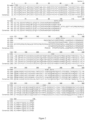
- Figure 2 shows the sequence alignment among the heavy chain variable regions of human IgG1, IgG2, IgG3 and IgG4.
- Each light chain comprises a "light chain variable region” (VL) and a “light chain constant region”.
- the light chain constant region is composed of a CL domain.
- VH and VL can each be subdivided into hypervariable regions called “complementary determining regions (CDRs)" and the interspersed relatively conserved regions called “frame regions (FRs)”.
- CDRs complementary determining regions
- FRs frame regions
- VH and VL are each composed of three CDRs and four FRs as arranged in the following order from the amino end to the carboxyl end: FR1, CDR1, FR2, CDR2, FR3, CDR3, FR4.
- the heavy chain and the light chain variable regions provide the domains that interact with antigens.
- Fc region (crystallizable fragment region) or “Fc domain” or “Fc” refers to the C-terminal portion of the heavy chain, which mediates the binding between the immunoglobulin and host tissues or factors, including the binding to Fc receptors on various immune cells (e.g., effector cells) or to the first component of the classic complement system (C1q).
- the Fc region is composed of two identical protein fragments from CH2 and CH3 domains of the two heavy chains; and in IgM and IgE, the Fc region comprises in each polypeptide chain three heavy chain constant domains (CHs 2-4).
- Fc regions in heavy chains of immunoglobulins are variable, Fc regions in heavy chains of human IgGs are normally defined as the segment spanning position C226 or P230 to the carboxyl end of the heavy chains, as numbered according to the EU index, the same as in the Kabat system.
- the Fc region may be a naturally occuring or native Fc sequence or an Fc variant.
- Fc receptor or “FcR” is the receptor binding to the Fc region of an immunoglobulin.
- FcRs binding to IgG antibodies include the Fc ⁇ R family, including their allelic variants and alternative splicing variants.
- Members of the human Fcy receptor family include Fc ⁇ RI (CD64), Fc ⁇ RIIA (CD32a), Fc ⁇ RIIB (CD32b), Fc ⁇ RIIIA (CD16a), Fc ⁇ RIIIB (CD16b).
- Fc ⁇ RIIB is the only inhibitory Fc ⁇ receptor, and the rest are all activating Fcy receptors.
- FcyRIII activating Fcy receptor
- Fc ⁇ RIIIA activating Fcy receptor
- Fc ⁇ RIIB activating Fc ⁇ RIIB
- Fc ⁇ RIIIA activating Fcy receptor
- Most dominant genetic polymorphisms include the R131/H131 in Fc ⁇ RIIA and the V158/F158 in Fc ⁇ RIIIA. Some of these polymorphisms are found diseases-associated. And, responsiveness to certain therapeutic antibodies depends on presence of certain polymorphism in Fcy receptors.
- sequence should be understood as encompassing sequences that are substantially identical to a specified one according to the invention.
- substantially identical sequences refers sequences sharing a sequence identity of at least 70, 75 or 80%, preferably at least 90 or 95%, more preferably at least 97, 98 or 99% in the optimal alignment using, for example, GAP or BESTFIT and the default gap value.
- the differential residues are conservative amino acid substitution.
- conservative amino acid substitution refers to substitution between amino acid residues having similar chemistry (e.g., charge or hydrophilicity) in the side-chain R group. Generally, conservative amino acid substitution does not substantially change a protein's functional properties.
- sequence identity percentage or similarity value can be up-adjusted to correct for the conservativeness of substitution. See , for example, Pearson, Methods Mol.Biol.243: 307-31(1994 ).
- amino acids having side-chains with similar chemistry include: 1) aliphatic side chains, including glycine, alanine, valine, leucine and isoleucine; 2) aliphatic-hydroxy side chains, including serine and threonine; 3) amide-containing side chains, including asparagine and glutamine; 4) aromatic side chains, including phenylalanine, tyrosine and tryptophan; 5) basic side chains, including lysine, arginine and histidine; 6) acidic side chains, including aspartic acid and glutamic acid; and 7) sulfur-containing side chain, including cysteine and methionine.
- Preferred conservative amino acid substitutions include valine -leucine-isoleucine, phenylalanine-tyrosine, lysine-arginine, alanine-valine, glutamate-aspartate, and asparagine-glutamine.
- Amino acids of the antibody and a fragment or domain thereof according to the invention are numbered according to the EU numbering system for IgGs (http://www.imgt.org/ IMGTScientificChart/ Numbering/Hu_IGHGnber.html).
- Antibodies usually specifically bind to the corresponding antigens with a high affinity, as indicated by, for example, a dissociation constant (KD) of 10-5 -10-11 M or less.
- KD dissociation constant
- a KD above about 10-4 M-1 is usually understood as indicating a nonspecific binding.
- an antibody "specifically binding to" an antigen means that the antibody binds to the antigen or a substantially identical antigen with a high affinity as measured by a KD of 10-7 M or less, preferably 10-8 M or less, more preferably 5x 10⁻⁹ M or less and most preferably 10-8 -10-10 M or less, and does not bind to any irrelevant antigen with a significant affinity.
- An antigen is "substantially identical" to a specified antigen, if they share a high sequence identity, such as a sequence identity of at least 80%, at least 90%, preferably at least 95%, more preferably at least 97%, or even more preferably at least 99%.
- ratio of the affinity to the inhibitory Fcy receptor to the affinity to the activating Fcy receptor and “I/A ratio” both refer to the ratio of a protein molecule's affinity to the inhibitory Fc receptor to its affinity to the activating Fc receptor.
- I/A ratio [the lower of KD (hFcyRIIA) and KD (hFc ⁇ RIIIA)]/KD (hFcyRIIB), wherein “KD (hFcyRIIA)” refers to the molecule's equilibrium dissociation constant for hFcyRIIA receptor (as represented by the variant hFcyRIIA-R131), “KD (hFcyRIIIA)” refers to the molecule's equilibrium dissociation constant for hFcyRIIIA receptor (as represented by the variant hFc ⁇ RIIIA-F158), “KD (hFc ⁇ RIIB)” refers to the molecule's equilibrium dissociation constant for hFc ⁇ RIIB receptor, “hFcyRIIA” refers to human FcyRIIA receptor, “hFcyRIIIA” refers to human Fc ⁇ RIIIA receptor, and "hF
- KD refers to the equilibrium dissociation constant of interaction between two molecules (e.g., a specific antibody vs. an antigen or a specific ligand vs. a receptor).
- An "antigen binding module” is a protein specifically binding to an antigen with high affinity, and the examples include, but are not limited to antigen binding fragments of antibodies, adnectins, nanobodies, miniantibodies, affibodies, affilins, target-binding regions of receptors, cell adhesion molecules, ligands, enzymes, cytokines and chemokines.
- Antigens targeted by the antigen binding modules include, but are not limited to the TNF receptor superfamily and immuno-inhibitory receptor molecules.
- variable domain in either the light chain or the heavy chain includes, from the N-terminal to the C-terminal, FR1, CDR1, FR2, CDR2, FR3, CDR3 and FR4 regions. Particularly, CDR3 of the heavy chain contributes the most to antigen binding and defines the property of an antibody.
- CDRs and FRs can be determined according to the standard definitions and/or the residues from " hypervariable loops" in Kabat et al., Sequences of Proteins of Immunological Interest, the 5th Edition, Public Health Service, National Institutes of Health, Bethesda, MD(1991 ).
- antibodies include naturally occurring and non-naturally occurring antibodies, monoclonal and polyclonal antibodies, chimeric and humanized antibodies, human and non-human antibodies and wholly synthetic antibodies.
- Human antibodies refer to such antibodies wherein the variable regions comprise FRs and CDRs from human immunoglobulins. And, the antibody may also comprise a constant region from a human immunoglobulin, if present.
- a human antibody according to the invention may include amino acid residues not encoded by human immunoglobulin sequences, such as mutations introduced by random or site-directed mutagenesis in vitro or somatic mutation in vivo.
- the term "human antibody” has no intention to include such antibodies that comprise non-human mammalian (e.g., mouse) CDR sequences grafted between human frame sequences.
- the term "human” antibody and “wholly human” antibody are used as synonymous to each other.
- a “humanized” antibody refers to an antibody wherein some, majority or all of the amino acids outside the non-human CDR domains are replaced by corresponding amino acids from a human immunoglobulin. In an example of a humanized antibody, some, majority or all of the amino acids outside the non-human antibody CDR domains are replaced by corresponding amino acids from a human immunoglobulin, and some, majority or all of the amino acids in one or more of the CDRs remain unchanged. Minor addition, deletion, insertion, substitution or modification of amino acid(s) is tolerable, as long as it does not destroy the antibody's capability of binding to the corresponding antigen.
- a “humanized "antibody retains the antigen binding specificity of the original antibody.
- a “chimeric antibody” refers to an antibody wherein the variable region(s) come(s) from a species and the constant region(s) from another, for example, an antibody in which the variable region(s) may come from a mouse antibody and the constant region(s) from a human antibody.
- An “agonistic antibody” is an antibody that binds to and activates a receptor.
- agonism include, but are not limited to: 1) anti-DR5 agonistic antibody binding to DR5 and inducing apoptosis of cells expressing DR5 receptor; 2) anti-CD40 agonistic antibody binding to target molecule on surface of immune cells to transmit immunostimulatory signals and activating the important immunostimulatory signaling pathway controlled thereby, which, in turn, enhances antitumor immune responses to indirectly kill tumor cells.
- agonistic antibodies in clinical studies include the followings in Table 1.
- OX40 MEDI6469 Providence Health & Services
- murine originated antibody cancers solid tumor, prostate cancer
- CD27 CDX-1127 Celldex Therapeutics
- human antibody various cancers CD40 Dacetuzumab/SGN-40(Genentec h) humanized antibody cancers (CLL, non-Hodgkin's lymphoma, multiple myeloma) HCD122(Novartis) multiple myeloma
- ADC-1013 Alligator Bioscience wholly human antibody tumors
- solid tumor RO7009789 Laudigator Bioscience
- agonistic antibodies may have their heavy chain constant region replaced with a heavy chain constant region according to the invention to obtain a higher agonistic activity.
- an agonistic antibody according to the invention may incorporate an antigen binding fragment of one in the list to form an enhanced agonistic antibody specific for a particular member of the TNF receptor superfamily.
- Immunomediastiatory factors are ligand molecules that provide secondary stimulating signals to activate immune cells.
- T-cells besides the first signal provided by MHC/antigen peptide-T-cells receptor (TCR), their activation further involves the costimulatory factors, including B7/CD28, ICOSL/ICOS, OX40L/OX40, 4-1BBL/4-1BB, etc., to provide costimulatory signals.
- costimulatory factors such as CD40L/CD40 to provide costimulatory signals, in addition to antigen/B-cell receptor (BCR).
- BCR antigen/B-cell receptor
- examples of preferred immune costimulatory factors include, but are not limited to B7 (CD80, CD86), ICOSL, OX40L/CD134, 4-1BBL/CD137L, CD40L/CD154, CD30L/CD153, CD27L/CD70 or SLAM family members (CD244, CD150, CD48, CD84, CD319, Ly108, CD229, SLAMF8), etc.
- tumor necrosis factor receptor superfamily and “TNF receptor superfamily” both refer to receptor polypeptides that bind to cytokines of the TNF family. Generally, these receptors are type I transmembrane receptors comprising one or more cysteine-rich repeats in their extracellular domain.
- cytokines of TNF family include tumor necrosis factor- ⁇ (TNF- ⁇ ), tumor necrosis factor- ⁇ (TNF- ⁇ or lymphotoxin), CD30a ligand, CD27a ligand, CD40a ligand, OX-40a ligand, 4-1BB ligand, Apo-1 ligand (also known as Fas ligand or CD95 ligand), Apo-2 ligand (also known as TRAIL), Apo-3 ligand (also known as TWEAK), osteoprotegerin (OPG), APRIL, RANK ligand (also known as TRANCE) and TALL-1 (also known as BlyS, BAFF or THANK).
- TNF- ⁇ tumor necrosis factor- ⁇
- TNF- ⁇ or lymphotoxin CD30a ligand
- CD27a ligand CD40a ligand
- OX-40a ligand 4-1BB ligand
- Apo-1 ligand also known as Fas ligand or CD95 ligand
- receptors of the TNF receptor superfamily include type 1 tumor necrosis factor receptor (TNFR1), type 2 tumor necrosis factor receptor (TNFR2), p75 nerve growth factor receptor (NGFR), B-cell surface antigen CD40, T-cell antigen OX-40, Apo-1 receptor (also known as Fas or CD95), Apo-3 receptor (also known as DR3, sw1-1, TRAMP and LARD), receptors called "transmembrane activator and CAML- interactor" or "TACI”, BCMA protein, DR4, DR5 (also known as Apo-2; TRAIL-R2, TR6, Tango-63, hAPO8, TRICK2 or KILLER), DR6, DcR1 (also known as TRID, LIT or TRAIL-R3), DcR2 (also known as TRAIL-R4 or TRUNDD), OPG, DcR3 (also known as TR6 or M68), CAR1, HVEM (also known as ATAR or TR2), GITR, ZTNFR
- Immuno-inhibitory receptors are such a class of transmembrane glycoproteins that inhibit or block the transmission of activating signals in immune cells.
- immuno-inhibitory receptor include, but are not limited to PD-1, CTLA-4, VISTA, TIM-3, BTLA and LAG-3 etc.
- Immune responses refers to the biological responses induced against exogenous agents in vertebrates, which protect the subject against damages from these agents or the diseases caused thereby. Immune responses are mediated by actions of immune cells (e.g., T-lymphocytes, B-lymphocytes, natural killer cells (NK), macrophages, eosinophils, mast cells, dendritic cells and neutrophils) and soluble molecules (including antibodies, cytokines and complements) produced by any one of these cells or liver, which lead to selectively targeting, binding, injuring, destroying and/or eliminating of intruding pathogens, cells or tissues infected by pathogens, cancer cells or other abnormal cells, or, in the case of autoimmune diseases or pathological inflammations, normal human cells or tissues.
- immune cells e.g., T-lymphocytes, B-lymphocytes, natural killer cells (NK), macrophages, eosinophils, mast cells, dendritic cells and neutrophils
- soluble molecules including
- Immunotherapy refers to treatment of a subject having a disease, at risk of a disease or in relapse of a disease by means of inducing, enhancing, inhibiting or modifying corresponding immune responses.
- “Enhancing an endogenous immune response” means to enhance efficacy or strength of a native immune response in a subject. Such enhancement of efficacy and potential may be realized via, for example, overcoming the suppression action on endogenous host immunity or stimulating the enhancing action on endogenous host immunity.
- a therapeutically effective amount or “a therapeutically effective dosage” of a pharmaceutical or a therapeutic agent refers to such an amount of said agent that, when used alone or in combination with one or more other therapeutic agent(s), promotes regression of a disease as demonstrated by reduced severity of symptoms, increased frequency and duration of symptom-free period or prevention of disorders or disabilities caused by the disease.
- a therapeutically effective amount/dosage encompasses "a prophylactically effective amount” or “a prophylactically effective dosage”.
- a prophylactically effective amount” or “a prophylactically effective dosage” of an agent refers to such an amount that, when applied alone or in combination with one or more other therapeutic agent(s) to a subject at risk of a disease or suffering relapse of the disease, precludes occurrence or relapse of the disease.
- the capability of a therapeutic agent to promote recession or to inhibit progress or relapse of a disease can be determined using various methods known to a skilled on in the art in, for example, clinical trials in human subjects, animal models predictive of effects in human beings or in vitro and ex vivo assays on activity of an agent.
- anticancer agents promote regression of tumor in subjects.
- a therapeutically effective amount of an agent promotes reduction in cancer cells or even elimination of the cancer.
- "Promote regression of cancer” means that an agent, when used at a therapeutically effective amount alone or in combination with one or more other anti-neoplastic agent(s), leads to a decrease in tumor growth or size, tumor necrosis, reduced severity of at least one symptom, increased frequency and duration of symptom-free period, prevention of disorders or disabilities caused by the disease, or improvement in symptom in other forms in the patient.
- "effective” or “effectiveness” comprises both pharmacological effectiveness and physiological safety.
- Pharmacological effectiveness refers to the capability of an agent to promote regression of cancer in patients.
- Physiological safety refers to the level of toxicity or other physiologically adverse effects (adverse effects) at the level of cell, organ and/or organism due to administration of the drug.
- a therapeutically effective amount or dosage of an agent preferably inhibits cell growth or tumor growth by at least about 20%, more preferably at least about 40%, even more preferably at least about 60%, further more preferably at least about 80%.
- a therapeutically effective amount or dosage of an agent completely inhibits cell growth or tumor growth, that is, preferably inhibits cell growth or tumor growth by 100%.
- a compound's capability to inhibit tumor growth can be evaluated in an animal model, such as the MC38 colonic adenocarcinoma model in mouse as described below, which is predictive of antitumor effect in human.
- composition can be evaluated according to the compound's capability to inhibit cell growth, and such inhibition can be detected in vitro using various methods known to a skilled person in the art.
- regression of tumor can be observed lasting for a period of at least about 20 days, more preferably at least about 40 days, or even more preferably at least about 60 days.
- Treatment of or “therapy” for a subject refers to any type of intervention or treatment or administration of an active agent applied on a subject for the purpose of reversing, mitigating, ameliorating, inhibiting, delaying or preventing occurrence, progression, development, deterioration or recurrence of a symptom, a complication, a condition or a biochemical indicia associated with a disease.
- the subject is a human being.
- Cancers include various diseases characterized by uncontrolled growth of abnormal cells in body. Uncontrolled cell division and growth lead to the formation of malignant tumors or cells. They invade adjacent tissues and can also migrate to distal parts of body through the lymphatic system or blood circulation.
- treating cancer is synonymous to “treating tumor” or “anticancer” or “antitumor”.
- the present invention includes use of an antibody or a fusion protein comprising a heavy chain constant region sequence according to the invention for treating proliferative diseases, such as cancers.
- Cancers are characterized in uncontrolled cell growth that interfere normal functioning of organs and systems in body. Subjects having cancers are those have objectively measurable presence of cancer cells in their body. Subjects at risk of developing cancers are those prone to developing cancers attributable to, for example, family history or genetic predisposition, those exposed to radiation or other agents that are carcinogenic. Cancers that migrate from their primary focuses and implant in vital organs can lead to decline of the affected organs and eventually death.
- Hematopoietic cancers such as leukemia compete with the normal hematopoietic compartments in the subject and cause hematopoietic failure (in forms of anemia, thrombocytopenia and neutropenia), and ultimately lead to death.
- the antibodies or fusion proteins comprising a heavy chain constant region sequence according to the invention are useful in treating various cancers or subjects at risk of developing cancers.
- cancers include breast cancer, prostate cancer, lung cancer, ovarian cancer, cervical cancer, skin cancer, melanoma, colon cancer, gastric cancer, liver cancer, esophageal cancer, kidney cancer, pharyngeal cancer, thyroid cancer, pancreatic cancer, testicle cancer, brain cancer, bone cancer and blood cancer (e.g., leukemia, chronic lymphocytic leukemia), etc.
- a vaccine composition according to the invention can be used to treat tumor by stimulating an immune response to inhibit or delay tumor growth or reduce tumor size.
- Tumor-associated antigens may also be those that are primarily but not exclusively expressed by tumor cells.
- cancers further include, but are not limited to basal cell carcinoma, biliary tract cancer, bladder cancer, bone cancer, cancer in brain and central nervous system (CNS), cervical cancer, choriocarcinoma, colorectal cancer, connective tissue cancer, digestive system cancer, endometrial cancer, esophageal cancer, eye cancer, head and neck cancer, gastric cancer, intraepithelial neoplasm, kidney cancer, laryngeal cancer, liver cancer, lung cancer (small cell, large cell), lymphomas (including Hodgkin Lymphoma and Non-Hodgkin Lymphoma); melanoma; neuroblastoma; oral (e.g.
- lip, tongue, mouth and pharynx cancer
- ovarian cancer pancreatic cancer
- retinoblastoma retinoblastoma
- rhabdomyosarcoma rectal cancer
- respiratory cancer sarcoma
- skin cancer gastric cancer
- testicle cancer thyroid cancer
- uterine cancer urinary system cancer
- other cancers and sarcomas other cancers and sarcomas.
- Vaccine refers to a composition that, when administered alone or in combination with an adjuvant, induces an antigen-specific immune response. This includes protective prophylaxis vaccines and therapeutic vaccines.
- Infections that can be treated or prevented with the vaccine compositions of the invention include those of bacteria, viruses, fungi or parasites.
- unusual types of infections include scrapie, Bovine Spongiform Encephalopathy (BSE) and prion disease (e.g., kuru disease and Creutzfeldt-Jacob disease) caused by rickettsiae, mycoplasms and pathogens.
- BSE Bovine Spongiform Encephalopathy
- prion disease e.g., kuru disease and Creutzfeldt-Jacob disease
- bacteria, viruses, fungi or parasites that infect humans are already known.
- Infections can be acute, subacute, chronic or latent, and it can be local or systemic. Further, infection can be largely intracellular or extracellular during at least one stage of the life cycle of a factor of an infectious organism in the host.
- Bacterial infections that can be treated using the vaccine compositions and methods of the invention include Gram-negative and Gram-positive bacteria.
- Gram-positive bacteria include, but are not limited to the genus of Pasteurella, Staphylococci and Streptococci.
- Gram-negative bacteria include, but are not limited to the genus of Escherichiacoli, Pseudomonas and Salmonella.
- infectious bacteria include, but are not limited to Heliobacter pyloris, Borrelia burgdorferi, Legionella pneumophilia, Mycobacteria (e.g., M. tuberculosis, M. avium, M. intracellilare, M. kansaii, M.
- Streptococcus pyogenes Group A Streptococcus
- Streptococcus agalactiae Group B Streptococcus
- Streptococcus grass green group
- Streptococcus faecalis streptococcus bovis
- Streptococcus (aenorobic spp.)
- Streptococcus pneumoniae pathogenic Campylobacter, Enterococcus, Haemophilus influenzae, Bacillus anthracis, Corynebacterium diptheriae, Corynebacterium sp., Erysipelothrix rhusiopathie, Clostridium perfringens, Clostridium tetani, Enterobacter aerogenes, Klebsiella pneumoniae
- Retroviridae such as human immunodeficiency virus, e.g., HIV-1(i.e., HTLV-III), HIV-II, LAC or IDLV-III/LAV or HIV-III, and other isolates, such as HIV-LP
- Picornaviridae such as poliovirus, Hepatitis A virus, enteroviruses, human Coxsackie viruses, rhinoviruses, echoviruses), Calciviridae (such as those strains causing gastroenteritis), Togaviridae (such as equine encephalitis viruses, rubella viruses), Flaviviridae (such as dengue viruses, encephalitis viruses, yellow fever viruses), Coronaviridae (such as coronaviruses), Rhabdoviridae (such as vesicular stomata viruses, rabies viruses), Filoviridae (such as Ebola viruses), Paramyxoviridae (
- fungi examples include Aspergillus, Coccidioides immitis, Cryptococcus neoformans, Candida albicans) and other Candida species, Blastomyces dermatidis, Histoplasma capsulatum, Chlamydia trachomatis, Nocardia and Pneumocystis carinii.
- Parasites include, but are not limited to, blood-borne and/or tissue parasites, such as Babesia microti), Babesia divergans, Entomoeba histolytica, Giarda lamblia, Leishmania tropica, Leishmania, Leishmania braziliensis, Leishmania donovdni, Plasmodium falciparum, Plasmodium malariae, Plasmodium ovale, Plasmodium vivax, Toxoplasma gondii, Trypanosoma gambiense, Trypanosoma rhodesiense (African sleeping sickness), Trypanosoma cruzi (Chagus' disease) and Toxoplasma gondii, flatworm and roundworms.
- tissue parasites such as Babesia microti), Babesia divergans, Entomoeba histolytica, Giarda lamblia, Leishmania tropica, Leishmania, Leishmania bra
- “Pharmaceutically acceptable carriers” include any and all physiologically compatible solvents, dispersion media, coatings, antibacterial and antifungal agents, isotonic agents and absorption delaying agents, etc. Preferred are carriers that are suitable for intravenous, intramuscular, subcutaneous, parenteral, spinal or epidermal administration, for example, by injection or infusion.
- a pharmaceutical composition/vaccine composition of the invention may be administered in various manners as known in the art. As would be understood, path and/or manner of administration depend on the effect as desired.
- the compound may be coated or co-administered with a material that prevents deactivation.
- a compound may be administered to a subject as comprised in a suitable carrier such as liposome or diluent.
- Pharmaceutically acceptable diluents include saline and aqueous buffers.
- Pharmaceutically acceptable carriers include sterile aqueous solutions or dispersions, as well as sterile powders for immediate preparation of sterile injections or dispersions. These media and agents for use with pharmaceutically active substances are well known in the art.
- the heavy chain variable region sequences and the light chain sequences of the anti-murine CD40 antibodies and DR5 antibodies were as obtained in previous studies ( Li F, Ravetch JV. 2011. Inhibitory Fcgamma receptor engagement drives adjuvant and anti-tumor activities of agonistic CD40 antibodies. Science 333: 1030-4 ; Li F, Ravetch JV. 2012. Apoptotic and antitumor activity of death receptor antibodies require inhibitory Fcgamma receptor engagement. Proc Natl Acad Sci U S A 109: 10966-71 ).
- the anti-human CD40 heavy chain variable region and light chain sequences were as described in US7338660 .
- the heavy chain constant region sequences of human IgGs (including human IgG1, IgG2, IgG3 and IgG4 heavy chain constant regions) according to the invention were as obtained in previous studies ( Li F, Ravetch JV. 2011. Inhibitory Fcgamma receptor engagement drives adjuvant and anti-tumor activities of agonistic CD40 antibodies. Science 333: 1030-4 ; Li F, Ravetch JV. 2012. Apoptotic and antitumor activity of death receptor antibodies require inhibitory Fcgamma receptor engagement. Proc Natl Acad Sci U S A 109: 10966-71 ), or otherwise synthesized according to genes.
- the heavy chain constant region variants of the invention are constructed from said human IgG heavy chain constant region sequences by, for example, site-directed mutagenesis.
- the antibodies were all expressed in transient transfected HEK 293T cells, and purified from supernatant by protein G Sepharose 4 Fast Flow (GE Healthcare).
- Mouse and human Control IgG antibodies were purchased from Jackson ImmunoResearch Laboratory.
- Fcy receptor deficient mice i.e., Fcy receptor ⁇ chain deficient mice (FcgR-/- ), and mice with humanized Fcy receptor (FcgR-/- hFCGRTg , abbr: hFCGRTg ) were as previously reported ( Smith P, DiLillo DJ, Bournazos S, Li F, Ravetch JV. 2012. Mouse model recapitulating human Fcgamma receptor structural and functional diversity. Proc Natl Acad Sci U S A 109: 6181-6 ).
- Fc ⁇ II receptor deficient mice R2-/- (FcgR2b-/- ) and Fc ⁇ RIIB mice with humanized Fcy receptor R2-/- hR2BTg (FcgR2b-/- hFCGR2BTg ) were as previously reported ( Li F, Ravetch JV. 2011. Inhibitory Fcgamma receptor engagement drives adjuvant and anti-tumor activities of agonistic CD40 antibodies. Science 333: 1030-4 ; Li F, Ravetch JV. 2012. Apoptotic and antitumor activity of death receptor antibodies require inhibitory Fcgamma receptor engagement. Proc Natl Acad Sci U S A 109: 10966-71 ).
- Human CD40-expressing transgenic mice were BAC transgenic mice that express human CD40 (hCD40Tg ).
- An hCD40+ mouse and an hFCGRTg mouse may be crossed to give a mouse with CD40 and Fcy receptor both humanized (hCD40Tg hFCGRTg ), or mice expressing hCD40+ and hFCGRTg other than hFCGR2BTg (hCD40Tg hR2B-/- ). All the experimental animals were cultured at the Animal Science Experimental Center of Shanghai Jiao Tong University School of Medicine. All experiments were carried out in accordance with laws and regulations and as approved by the Animal Care and Use Committee of Shanghai Jiao Tong University School of Medicine.
- an ELISA plate was coated with recombinant human CD40 protein (Novoprotein Scientific Inc.) overnight at atmospheric temperature, blocked using 1% BSA at room temperature for 2h, and then washed three times with PBST (0.05% Tween 20 in PBS). To each well was added 100 ⁇ L gradient dilutions of the human agonistic CD40 antibody. The plate was incubated at room temperature for 1h and washed four times with PBST. Then, 100ng/ml biotinylated secondary antibody against human IgK light chain was added, incubated at room temperature for 1h and washed 4 times with PBST. SAV-HRP at an appropriate concentration was added, incubated at room temperature for 1h. Then, chromogenic substrate was added to react for 5 minutes, and optical absorbance was determined at 650nm.
- mice Two to four months old mice received adoptive transfer of 2 x 10⁶ OT-I spleen cells (CD45.1+ ) resuspended in 200 ⁇ l PBS via tail vein injection, followed by immunization via intraperitoneal injection.
- the control group received injection of 2 ⁇ g DEC-OVA protein and control antibody ( Li F, Ravetch JV. 2011. Inhibitory Fcgamma receptor engagement drives adjuvant and anti-tumor activities of agonistic CD40 antibodies. Science 333: 1030-4 ).
- the other groups received simultaneous injection of 2 ⁇ g DEC-OVA protein and anti-CD40 antibody.
- mouse spleen cells were collected, treated with ACK lysis buffer to remove red blood cells, and resuspended in FACS buffer (PBS supplemented with 0.5% FBS, 2mM EDTA and 0.1% NaN3) to obtain single-cell suspension of spleen cells.
- FACS buffer PBS supplemented with 0.5% FBS, 2mM EDTA and 0.1% NaN3
- the suspension was assayed for OVA-specific CD8+ T-cell (OT-1) amplification by flow-cytometry staining.
- the antibodies used include fluorescently labeled antibodies against mouse CD45.1, CD4, CD8 and TCR-V ⁇ 2.
- DAPI staining was used to exclude dead cells in flow-cytometry, and CD45.1+ /CD8+ /TCR-V ⁇ 2+ cells were identified as OT-1/CD8+ T-cells.
- Mouse spleen cells were treated with ACK lysis buffer to lyse red blood cells, then resuspended in spleen cell culture medium (RPMI + 10% FBS + 1% P/S double antibody). The cells were plated at 2x 10⁵ cells/well, treated with gradient dilutions of agonistic anti-CD40 antibody and incubated at 37 °C for 48 hours. Then, expression of mouse B-cell surface markers of activation (CD80, CD86) was detected by FACS. Expression of the activation markers was measured as mean fluorescence intensity (MFI), which was positively correlated with the activity of agonistic anti-CD40 antibodies in B-cell activation.
- MFI mean fluorescence intensity
- PBMCs were isolated from health human subjects by Ficoll. The cells were plated at 2 x 10⁵ cells/well, treated with gradient dilutions of agonistic anti-CD40 antibody and incubated at 37°C for 48 hours. Then, expression of activation markers (CD54, CD80, CD86, HLA-DR) on surface of B-cells in PBMCs was assayed by FACS. Expression of the activation markers was measured as mean fluorescence intensity (MFI), which was positively correlated with the activity of agonistic anti-CD40 antibodies in B-cell activation.
- MFI mean fluorescence intensity
- the ELISA plate was coated with 100 ⁇ L antibody at an appropriate concentration overnight, supernatant being discarded.
- the plate was blocked with 1% BSA in PBS for 2 hours, followed by washing with PBST (PBS with 0.05% Tween 20).
- PBST PBS with 0.05% Tween 20
- biotinylated Fc ⁇ R extracellular domain protein (Sino Biologic Inc., Beijing China) at a concentration as appropriate was added and incubated at room temperature for 1 hour, supernatant being discarded, followed by PBST wash.
- Streptavidin-HRP (BD Biosciences) was added and incubated at room temperature for 1 hour for detection of biotin protein. After removal of supernatant, developing solution was added to react for 20-40 minutes, and absorbance was determined at 650 nm (A650).
- the buffer system was 10 mM Hepes (pH 7.4), 150 mM NaCl, 3.4 mM EDTA, 0.005% surfactant P20.
- the experiment was conducted on the Biacore T100 (GE Healthcare) SPR system set to 25 °C.
- His-tagged soluble murine Fc ⁇ R extracellular domain protein (Sino Biologic Inc., Beijing China) was immobilized onto chip CM5 through amine group to the density of 2000 response unites (RUs).
- Double gradient dilutions of antibody sample at specified concentration was added into the mobile phase at the rate of 30 ⁇ L/min. Each cycle consists of 3 minutes of binding followed by 5 minutes of dissociation.
- the senor was regenerated by surface infusion of NaOH at 50 ⁇ L/min for 30 seconds.
- value of the affinity constant KD was calculated using the 1:1 binding dynamic model.
- MO38 is a mouse colon cancer cell line. Two to four months old hFCGRTg mice were subcutaneously inoculated with 2 x 10⁶ MC38 cells. On an interval of three days, tumor size was callipered and tumor volume calculated by (L12 x L2)/2, wherein, L1 was the shortest diameter of the tumor tissue and L2 the longest. Seven days after the inoculation of tumor cells, mice were randomly divided into groups according to tumor size (Day 0), wherein mice of the control group were intraperitoneally injected with 31.6 ⁇ g of isotype control IgGs, while the rest 31.6 ⁇ g of corresponding antibodies. At Day 3, the treatment of Day 0 was repeated, i.e., the control group was given control IgG, while the rest corresponding antibodies. Tumor size was continuously monitored and tumor volume calculated.
- MO4 is a mouse fibrosarcoma cell line. Two to four months old hFCGRTg mice were subcutaneously inoculated with 2 x 10⁶ MO4 cells. Every four days, tumor size was measured with caliper and tumor volume was calculated by (L12 x L2)/2, wherein, L1 was the longest diameter of the tumor tissue and L2 the shortest.
- mice were randomly divided into groups according to tumor size (Day 0), wherein the control group were intraperitoneally injected with 31.6 ⁇ g of isotype control IgG and 2 ⁇ g of OVA antigen (in form of a fusion protein of antibody DEC205 and OVA) while the rest 31.6 ⁇ g of corresponding antibodies and 2 ⁇ g of OVA antigen (in the form of a fusion protein of antibody DEC205 and OVA).
- Tumor size was continuously monitored and tumor volume calculated.
- MC38 cells were resuspended in ice-cold FACS buffer (PBS + 0.5%FBS + 2mM EDTA + 0.1%NaN3), to which 3.16-fold gradient dilutions of control and anti-DR5 antibody at concentrations ranging from 2ng to 20 ⁇ g/mL were added, and the reaction was incubated at room temperature for 15 minutes.
- the system was washed twice with ice-cold FACS buffer, then flow-cytometry stained using FITC-labeled goat anti-human antibody (VECTOR FI-3080) on ice for 25 minutes in dark, which was then washed twice with FACS buffer and analyzed by flow-cytometry.
- the DR5 binding capacity was positively correlated to FITC mean fluorescence intensity (MFI).
- MFI mean fluorescence intensity
- the MC38 cells were plated on a flat bottom 96-well plate and incubated overnight. The supernatant was discarded and 100 ⁇ L/well fresh medium with or without 106 murine spleen cells (with red blood cell removed) from FcgR-/- , hFCGRTg mouse (B6 background) were added, and another 100 ⁇ L/well fresh medium comprising anti-DR5 antibodies or 1 ⁇ g/mL control with or without 1 ⁇ g/mL 2B6 antibody and incubated at 37 °C for 4 hours. The 96-well plate was then placed on ice and washed with 200 ⁇ L ice-cold PBS after the supernatant being pipetted off.
- a series of example heavy chain constant regions were constructed, cloned, expressed and purified as described above, based on which anti-human CD40 or anti-murine CD40 antibodies and anti-murine DR5 antibodies were further constructed.
- the heavy chain constant region was divided into two parts for optimization: the CH1-hinge part and the CH2-CH3 part.
- the CH1-hinge part refers to the segment consisting of the CH1 domain and the hinge region of antibody
- the CH2-CH3 part refers to the segment consisting of the CH2 domain and the CH3 domain of antibody.
- the CH1-hinge region was non-mutated CH1-hinge region of hIgG1 (SEQ ID NO:1), CH1-hinge region of hIgG2 (SEQ ID NO:2), CH1-hinge region of hIgG3 (SEQ ID NO:3) or CH1-hinge region of hIgG4 (SEQ ID NO:4);
- the CH2-CH3 domain was non-mutated CH2-CH3 domain of hIgG1 (SEQ ID NO:5), CH2-CH3 domain of hIgG2 (SEQ ID NO:6), CH2-CH3 domain of hIgG3 (SEQ ID NO:7) or CH2-CH3 domain of hIgG4 (SEQ ID NO:8), or was a CH2-CH3 domain comprising amino acid mutation relative to the origin hIgG CH2-CH3 domain, such as the CH2-CH3 domain with the V11 mutation (SEQ ID NO:9) obtained by creating the five mutations of G2
- heavy chain constant region sequence was composed from the corresponding CH1-hinge region sequence and CH2-CH3 domain sequence.
- Example heavy chain constant regions according to the invention are provided in Table 2.
- hIgG1, hIgG2, hIgG3 and hIgG4 respectively refer to human IgG1, IgG2, IgG3 and IgG4.
- some sequences comprise mutations in the parenthesis, wherein, the position of amino acid mutation is numbered according to the EU numbering for IgGs.
- the heavy chain constant region named "G1" comprises the CH1-hinge region from hIgG1 and the CH2-CH3 domain from hIgG1, and accordingly, the sequence of G1 is composed of the sequence of the non-mutated CH1-hinge region of hIgG1 and the sequence of the non-mutated CH2-CH3 domain of hIgG1.
- V11 (H2) (also called “JAC1” herei) comprises the CH1-hinge region from hIgG2 and the CH2-CH3 domain from hIgG1 comprising the mutation of G237D/P238D/H268D/P271G/A330R, and accordingly, the sequence of V11 (H2) (SEQ ID NO:11) is composed of sequence of the non-mutated CH1-hinge region of hIgG2 and sequence of the hIgG1 CH2-CH3 domain comprising the mutation of G237D/P238D/H268D/P271G/A330R. More heavy chain constant region sequences can be obtained from the sequences in Table 2 and the appended Sequence Listing (whereby SEQ ID NO.13 is not part of the claimed invention).
- all the obtained antibodies were human antibodies or chimeric antibodies (constant regions being all human originated, anti-human CD40 CDRs being human originated, anti-murine CD40 and anti-murine DR5 CDRs being murine originated), wherein, the human anti-human CD40 or human anti-murine CD40 antibodies and the human anti-murine DR5 antibodies were all based on the heavy chain constant regions of the invention, and were thus identified mainly according to their distinct heavy chain constant regions. Details of example antibodies are provided in Table 3. In the examples, antibodies against the same antigen had the same light chain sequence and the same heavy chain variable region sequence, while their heavy chain constant regions were different.
- human anti-human CD40 antibodies had the same light chain sequence (SEQ ID NO:47) and the same heavy chain variable region sequence.
- the light chain sequence and the heavy chain variable region sequence of the anti-human CD40 antibody were identical to the light chain sequence and the heavy chain variable region sequence of the agonistic antibody CP-870893.
- CP-870893 was first developed by Pfizer as a wholly human IgG2 agonistic antibody specific for hCD40 target for use in immunotherapy of solid tumors and vaccine enhancement.
- the human anti-murine CD40 antibodies had the same light chain sequence (SEQ ID NO:48) and the same heavy chain variable region sequence.
- the human anti-murine DR5 antibodies had the same light chain sequence (SEQ ID NO:49) and the same heavy chain variable region sequence.
- example antibodies can be deemed as fusion proteins composed from separate antibody segments, which retain the structure and configuration of antibody while having functional moieties from different IgG subclasses optionally with amino acid mutation. Accordingly, it should be understood that the heavy chain constant region sequences in the examples may also be incorporated into agonistic antibodies or fusion proteins other than those exemplified here.
- the heavy chain variable region and the light chain of an antibody specifically binding to an antigen may be fused with a heavy chain constant region according to the invention to give a distinct antibody with enhanced efficacy.
- the heavy chain variable region and the light chain of any of the agonistic antibodies listed in Table 1 can be combined with JAC1 to give an antibody with enhanced activity against the corresponding TNFR.
- an antigen binding module that specifically binds to an antigen may be fused with a heavy chain constant region according to the invention to give a fusion protein with enhanced activity.
- a nanobody specifically binding CD40 may be fused with JAC1 to give a fusion protein with enhanced activity.
- the antibody of the invention may also be a chimeric antibody, a humanized antibody etc.
- the example anti-CD40 antibodies according to the invention were tested for CD40 binding capacity by enzyme-linked immunosorbent assay (ELISA) as described above.
- ELISA enzyme-linked immunosorbent assay
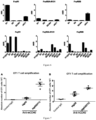
- the anti-murine CD40 antibodies ( Figure 3A ) and the anti-human CD40 antibodies ( Figure 3B ) were all tested for CD40 binding capacity.
- the anti-CD40 antibodies as constructed all retained CD40 binding capacity.
- Anti-hCD40-hIgG2 and Anti-hCD40-hIgG2 V11
- agonistic anti-murine CD40 antibodies of the four IgG subclasses i.e., Anti-mCD40-hIgG1, Anti-mCD40-hIgG2, Anti-mCD40-hIgG3 and Anti-mCD40-hIgG4, were used as model antibodies ( Figure 2A ) to first investigate whether their immuno-activating ability is influenced by expression of the Fcy receptor.
- agonistic CD40 promotes activation of antigen presenting cells and induces antigen-specific CD8 positive T-cell activation and proliferation
- agonistic human anti-murine CD40 antibodies Anti-mCD40-hIgGs
- their immuno-activating capability were evaluated through the assay on ability to promote OVA model antigen specific CD8 positive T-cell activation and amplification in OVA immunized mice ( Science. 2011 Aug 19;333(6045):1030-4 ).
- mice were first given adoptive transfer of OVA-specific CD8 positive T-cells (OT-I T-cells), and one day later, immunized with antigen DEC-OVA (a fusion protein of OVA and anti-DEC205 antibody, which is an effective means of delivering OVA antigen) and the corresponding anti-CD40 antibody.
- DEC-OVA a fusion protein of OVA and anti-DEC205 antibody, which is an effective means of delivering OVA antigen
- OT-I T-cell proliferation was evaluated.
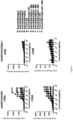
- Anti-mCD40-hIgG1, Anti-mCD40-hIgG2 and Anti-mCD40-hIgG4 antibodies were active in mice with humanized Fcy receptor (hFCGRTg ), while under the same condition, Anti-mCD40-hIgG1, Anti-mCD40-hIgG2 and Anti-mCD40-hIgG4 were not observed with apparent activity in Fcy receptor-deficient mice (FcgR-/- ) ( Figure 3A ). This suggests that activity of agonistic human IgG anti-murine CD40 antibodies requires expression of Fcy receptor.
- Anti-mCD40-hIgG2 antibody was not active in Fcgr2b-/- mice ( Figure 4C ), while equivalently active in mice with humanized inhibitory Fc ⁇ receptor (Fcgr2b-/- hFCGR2BTg ) (about 80% OT-I CD8+ , Figure 4C ) and in humanized mice expression wholly human Fcy receptor (hFCGRTg ) (about 60-80% OT-I CD8+ , Figure 4A ). This suggests that the human inhibitory Fcy receptor is sufficient to support the activity of Anti-mCD40-hIgG2.
- Human Anti-hCD40-hIgG1, Anti-hCD40-hIgG2 and Anti-hCD40-hIgG4 are fairly active in hCD40Tg / hFCGRTg , while very weak or even totally inactive in the environment of hCD40Tg hR2B-/- .
- antibody 2B6 which is specific for human inhibitory Fcy receptor (hFcgRIIB), significantly inhibited activity of Anti-hCD40-hIgG antibodies, which suggests that the human inhibitory Fcy receptor plays a critical roll of positive regulation on activity of human IgG (hIgG1, hIgG2, hIgG4) anti-human CD40 antibodies.
- an agonistic antibody's agonistic activity relies on its binding to the inhibitory Fcy receptor.
- the present disclosure further demonstrates that grafting with identical heavy chain constant regions makes agonistic antibodies specific for different antigens tend to have substantially the same Fcy binding pattern and agonistic activity.
- Anti-mCD40-hIgG2 and Anti-hCD40-hIgG2 have the same heavy chain constant region, while Anti-mCD40-hIgG2 is specific for mCD40 and Anti-hCD40-hIgG2 for hCD40.
- Anti-mCD40-hIgG2 and Anti-hCD40-hIgG2 consistently exhibit substantially identical Fcy binding pattern and agonistic activity. Accordingly, heavy chain constant region is important for optimization of agonistic activity of agonistic antibodies, and a preferred heavy chain constant region can be widely applied to agonistic antibodies with different specificities to provide substantially identical Fcy binding pattern and agonistic activity. Thus, we conducted a screen among heavy chain constant regions.
- human IgG hIgG2, hIgG4 heavy chain constant region with superior binding capacity and preference for the human inhibitory Fcy receptor
- human Fcy receptors including the inhibitory Fcy receptor (human Fc ⁇ RIIB) and the activating Fcy receptors (including human Fc ⁇ RI, Fc ⁇ RIIA, Fc ⁇ RIIIA, Fc ⁇ RIIIB)
- human Fc ⁇ RIIB the inhibitory Fcy receptor
- activating Fcy receptors including human Fc ⁇ RI, Fc ⁇ RIIA, Fc ⁇ RIIIA, Fc ⁇ RIIIB
- the antibody heavy chain constant regions have an affinity to human Fc ⁇ RIIB 3.2 times or more higher than human IgG1 to human Fc ⁇ RIIB and an I/A ratio equal to or higher than 0.32; or the antibody heavy chain constant regions have an affinity to human Fc ⁇ RIIB equal to or higher than human IgG1 to human Fc ⁇ RIIB and an I/A ratio equal to or higher than 1; more preferably, the antibody heavy chain constant regions have an affinity to human Fc ⁇ RIIB 30 times or more higher than human IgG1 to human Fc ⁇ RIIB and an I/A ratio equal to or higher than 1; more preferably, the antibody heavy chain constant regions have an affinity to human Fc ⁇ RIIB 60 times or higher than human IgG1 to human Fc ⁇ RIIB and an I/A ratio equal to or higher than 40; particularly preferred is the antibody heavy chain constant regions having an affinity to human Fc ⁇ RIIB 90 times or higher than human IgG1 to human Fc ⁇ RIIB and an I/A ratio equal to or higher than
- Candidate heavy chain constant region sequences included naturally occurring human IgG heavy chain constant region sequences, those having one or more site-directed mutations or those having one or more random mutations.
- Candidate Fc fragments of heavy chain constant region include naturally occurring Fc sequences, those having one or more site-directed mutations or those having one or more random mutations.
- the Fc variants V11 and V9 based on human IgG1 constant region were observed with superior binding capacity and preference for the human inhibitory Fcy receptor (Table 4).
- Fc fragments of heavy chain constant region can be conjugated to another part (e.g., CH1-hinge region) of human IgG heavy chain constant region to obtain candidate human IgG heavy chain constant regions.
- the whole human IgG heavy chain constant region sequence candidates were further evaluated for their Fcy receptor binding capacity to see whether these antibodies possess superior binding capacity and preference for the human inhibitory Fc ⁇ receptor.
- Heavy chain constant regions comprising JAC1 (human IgG2 heavy chain constant region comprising the Fc sequence of V11) and JAC2 (human IgG2 heavy chain constant region comprising the Fc sequence of V9) turned out to be human IgG2 heavy chain constant region sequences with superior binding capacity and preference for the human inhibitory Fcy receptor ( Figure 6 ).
- JAC3 human IgG2 heavy chain constant region sequence with the mutation of S267E/L328F; not part of the claimed invention
- JAC4 human IgG2 heavy chain constant region sequence with the mutation of H268D/P271G turned out to be heavy chain constant region sequences with superior binding capacity and preference for the human inhibitory Fcy receptor ( Figure 6 ).
- more CH1-hinge regions and CH2-CH3 domains can be screened to obtain more human IgG (hIgG2, hIgG4) heavy chain constant regions with superior binding capacity and preference for the human inhibitory Fcy receptor.
- the preferred heavy chain constant regions according to the invention have higher I/A ratio, which means lower binding to activating Fcy receptors, agonistic antibodies constructed using these preferred heavy chain constant regions of the invention will be less active in ADCC induction and have less non-specific cytotoxicity.
- EXAMPLE 5 Human IgG heavy chain constant regions with superior binding capacity and preference for the human inhibitory Fcy receptor (hFc ⁇ RIIB) support stronger activity of agonistic anti-CD40 antibody.
- the anti-murine CD40 antibody and the anti-human CD40 antibody comprising JAC1 heavy chain constant region were tested in the OVA vaccine model for activity to induce activation and proliferation of OT-I T-cells.
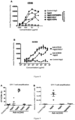
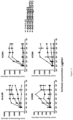
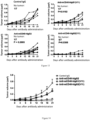
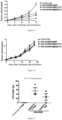
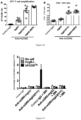
- Anti-mCD40-hIgG2(V11) is significantly superior to Anti-mCD40-hIgG2 ( Figure 7A ), and Anti-hCD40-hIgG2(V11) is significantly superior to Anti-hCD40-hIgG2 ( Figure 7B ), as demonstrated by enhanced capability of immune stimulation.
- the absolute number of OT1 cells and the percentage of CD8+T-cells are significantly increased.
- the anti-human CD40 antibodies comprising JAC3 (not part of the claimed invention) and JAC4 (Anti-hCD40-hIgG2-SELF, Anti-hCD40-hIgG2-HDPG) were tested for activity of B-cell activation.
- Anti-hCD40-hIgG2-SELF and Anti-hCD40-hIgG2-HDPG are significantly superior to human IgG2antibody ( Figure 8 ), as demonstrated by increased expression of the surface activation molecule CD86 by stimulated mouse B-cells and increased expression of the surface activation molecule CD54 by stimulated human B-cells.
- human IgG hIgG2, hIgG4
- heavy chain constant regions having superior binding capacity and preference for the human inhibitory Fcy receptor (hFc ⁇ RIIB) support enhanced agonistic anti-CD40 antibody activity.
- Anti-mCD40-hIgG1 In the activity test on agonistic human IgG anti-CD40 antibody at low dosage (10 ⁇ g/mouse), among Anti-mCD40-hIgG1, Anti-mCD40-hIgG2, Anti-mCD40-hIgG3 and Anti-mCD40-hIgG4, Anti-mCD40-hIgG2 exhibited the highest activity in Fcy receptor humanized mice (hFCGRTg ) while Anti-mCD40-hIgG3 the lowest ( Figure 9A ).
- anti-CD40 antibodies comprising the same Fc and different CH1-hinge regions were prepared. As the activity test showed, their performances were significantly different, wherein, the antibody having the CH1-hinge region from human IgG2 (Anti-mCD40-hIgG2(V11)) was the most active, followed by the antibody having the CH1-hinge region from human IgG1 (Anti-mCD40-hIgG1(V11)), and the antibody having the CH1-hinge region from human IgG3 (Anti-mCD40-hIgG3(V11)) had the lowest activity ( Figure 10 ). This indicates that human IgG2 hinge region supports higher activity of agonistic human IgG anti-CD40 antibodies than hinge regions from IgG1 and IgG3.
- EXAMPLE 8 Preferred human IgG2 hinge region and Fc having superior binding capacity and preference for the human inhibitory Fcy receptor synergistically enhance activity of agonistic human IgG anti-CD40 antibody
- Anti-mCD40-hIgG2 (V11) comprising the combined Fc optimization and CH1-hinge region optimization exhibited the highest activity, as demonstrated by increased absolute number of OT-I cells and percentage of CD8+ T-cells in the OVA vaccine model ( Figure 11 ).
- PMBC stimulation test was conducted to compare Anti-hCD40-hIgG1(V11), Anti-hCD40-hIgG2 and Anti-hCD40-hIgG2 (V11) on immuno-stimulatory activity ( Figure 12 ), wherein, it was also Anti-hCD40-hIgG2 (V11) comprising the combined Fc optimization and CH1-hinge region optimization that exhibited the highest activity.
- Anti-mCD40-hIgG1(V11), Anti-mCD40-hIgG2 and Anti-mCD40-hIgG2 (V11) were further tested for antitumor activity in the MC38 tumor model (as described in the part of Materials and Methods above).
- Anti-mCD40-hIgG2 (V11) significantly outperformed Anti-mCD40-hIgG1(V11) and Anti-mCD40-hIgG2 in antitumor activity ( Figure 13, 14 ).
- 5 out of 7 were observed with complete elimination of tumor in vivo, which indicates an excellent response to the antitumor therapy.
- Anti-mCD40-hIgG1(V11), Anti-mCD40-hIgG2 and Anti-mCD40-hIgG2 (V11) were further tested for antitumor activity in the MO4 tumor model (as described in the part of Materials and Methods above).
- Anti-mCD40-hIgG2 (V11) significantly outperforms Anti-mCD40-hIgG1(V11) and Anti-mCD40-hIgG2 antibody in antitumor activity ( Figure 15 ).
- Fcy receptor binding is essential to antitumor activity of the agonistic antibodies, and that the heavy chain constant regions of the invention, such as G2(V11), also known as JAC1, can improve not only the adjuvant activity of the human IgG anti-CD40 antibody in vaccine but also antitumor activity of the antibody.
- G2(V11) also known as JAC1
- Anti-mCD40-hIgG2 (V11) exhibited significant activity at the dosage of 3.16 ⁇ g/mouse and the dosage of 1 ⁇ g/mouse ( Figure 17 ), while Anti-mCD40-IgG1 antibody became no more active at the dosage of 10 ⁇ g/mouse ( Figure 9A ).
- the OVA vaccine model was further used to compare the anti-CD40 antibody comprising the JAC4 sequence (Anti-mCD40-hIgG2-HDPG) and the non-mutated IgG2anti-CD40 antibody (Anti-mCD40-hIgG2) on their immuno-agonistic activity.
- Anti-mCD40-hIgG2-HDPG is significantly superior to Anti-mCD40-hIgG2, as demonstrated by the significant increase in the percentage of OT-I cells in CD8+ T-cells and the percentage of CD8+ T-cells ( Figure 18 ).
- Anti-mCD40-hIgG2-HDPG's activity is at least equivalent to Anti-mCD40-hIgG1 (V11), or higher ( Figure 18 ).
- agonistic anti-CD40 antibodies constructed based on the heavy chain constant regions of the invention have superior immuno-stimulatory activity and antitumor activity, while their minimal effective dosage is only 1/10 that of the IgG1-based agonistic antibodies under development, or even lower. This indicates that they have higher activity, broader effective dosage range and improved safety, which allows development into antitumor therapeutics or vaccine adjuvants to improve the immunological efficacy of vaccines against tumor or infectious diseases.
- EXAMPLE 9 Preferred human IgG2 CH1-hinge region and Fc having superior binding capacity and preference for the human inhibitory Fcy receptor synergistically provide enhanced and additional activity of agonistic human IgG antibodies
- agonistic anti-DR5 antibodies comprising different CH1-hinge regions and Fc fragments were prepared and tested for their activity to induce apoptosis of MC38 cells.
- human IgG2 anti-DR5 antibody(Anti-mDR5-IgG2) was inactive, while anti-DR5 antibody(Anti-mDR5-IgG2(V11)), which comprises the JAC1 sequence, was active only in the presence of expression of Fcy receptor (hFCGRTg ) ( Figure 19 ). And, this activity could be completely blocked by antibody 2B6 specific for the human inhibitory Fcy receptor.
- activity of the anti-DR5 antibody with the JAC1 sequence is specifically regulated by the interaction with the human inhibitory Fcy receptor and that the agonistic anti-DR5 antibodies are subject to the same mechanism of regulation on activity as the anti-CD40 antibodies.
- the preferred human IgG2 CH1-hinge region in combination with the Fc having superior binding capacity and preference for the human inhibitory Fcy receptor provides the agonistic human IgG anti-DR5 antibody with enhanced activity.
- a preferred antibody constant region not only requires a preferred human IgG2 CH1-hinge region and an Fc with superior binding capacity for the human inhibitory Fcy receptor but also requires the Fc to have increased binding preference for the human inhibitory Fcy receptor, i.e., a higher I/A ratio.
- anti-murine CD40 antibodies Anti-mCD40-hIgG2-SDIE, Anti-mCD40-hIgG2-GASDALIE and Anti-mCD40-hIgG1 (H2) respectively based on heavy chain constant regions G2-SDIE, G2-GASDALIE and G1 (H2) and compared their immuno-activating activity in the OVA vaccine model.
- the three antibodies all possessed preferred CH1-hinge regions of human IgG2.
- Anti-mCD40-hIgG2-SDIE and Anti-mCD40-hIgG2-GASDALIE exhibited superior binding capacity for the human inhibitory Fcy receptor (Table 4), while also superior binding capacity for the human activating Fcy receptors (Table 4), thus a lower I/A ratio (Table 4).
- Anti-mCD40-hIgG2-SDIE and Anti-mCD40-hIgG2-GASDALIE did not perform better than Anti-mCD40-hIgG1 (H2), and even worse ( Figure 20 ). This suggests that, a preferred antibody is not only required to have superior binding capacity for the human inhibitory Fcy receptor but also binding preference for the human inhibitory Fcy receptor. Such preference can be expressed by an I/A ratio of 0.32 or above.
- the examples of preferred antibody heavy chain constant region according to the present invention not only improve activity of agonistic anti-CD40 and anti-DR5 antibodies, but are also applicable on agonistic antibodies for other members in TNF receptor superfamily, such as OX40, CD137, CD27, CD30, GITR, HVEM, TACI, DR4, FAS etc., and agonistic antibodies of specificity (e.g., CD28, SLAM family members) other than TNF receptor superfamily.
- agonistic antibodies of specificity e.g., CD28, SLAM family members
- agonistic antibodies for regulatory receptors involved in immuno-activation and induction of apoptosis include agonistic antibodies for regulatory receptors involved in immuno-activation and induction of apoptosis, but also agonistic antibodies for receptor molecules having other biological activities, such as agonistic antibodies for immuno-inhibitory receptor molecules (immune check-points) (e.g., PD-1, CTLA-4, VISTA, TIM-3, BTLA, LAG-3 etc.).
- immuno-inhibitory receptor molecules immuno-inhibitory receptor molecules
- Included herein are not only agonistic antibodies based on human IgG antibodies, but also those based on chimeric antibodies comprising sequences of other species.
- IgG agonistic antibodies in the classic IgG form comprising two heavy chains and two light chains, but also IgG agonistic antibodies only comprising the heavy chain(s) and other variant forms of IgG derivatives (e.g., antibodies comprising more than two antigen binding sites, bispecific or multispecific antibodies comprising antigen binding site(s) at C-terminal of the heavy chain).
- fusion proteins comprising an antibody constant region sequence and having target activating activity, such as CD40L-Fc fusion protein, OX40L-Fc fusion protein, 4-1BBL-Fc fusion protein, CD27L-Fc fusion protein, CD30L-Fc fusion protein, CD95L-Fc fusion protein, TRAIL-Fc fusion protein, PD-L1-Fc fusion protein etc, more specifically CD40L-JAC1, CD40L-JAC4, OX40L-JAC1, OX40L-JAC4, PD-L1-JAC1, PD-L1-JAC4 etc. (Table 5).
Landscapes
- Health & Medical Sciences (AREA)
- Chemical & Material Sciences (AREA)
- Life Sciences & Earth Sciences (AREA)
- Immunology (AREA)
- Organic Chemistry (AREA)
- Medicinal Chemistry (AREA)
- General Health & Medical Sciences (AREA)
- Molecular Biology (AREA)
- Proteomics, Peptides & Aminoacids (AREA)
- Biochemistry (AREA)
- Engineering & Computer Science (AREA)
- Genetics & Genomics (AREA)
- Biophysics (AREA)
- Animal Behavior & Ethology (AREA)
- Veterinary Medicine (AREA)
- Pharmacology & Pharmacy (AREA)
- Public Health (AREA)
- Microbiology (AREA)
- General Chemical & Material Sciences (AREA)
- Chemical Kinetics & Catalysis (AREA)
- Urology & Nephrology (AREA)
- Hematology (AREA)
- Biomedical Technology (AREA)
- Epidemiology (AREA)
- Bioinformatics & Cheminformatics (AREA)
- Nuclear Medicine, Radiotherapy & Molecular Imaging (AREA)
- Mycology (AREA)
- Cell Biology (AREA)
- General Physics & Mathematics (AREA)
- Analytical Chemistry (AREA)
- Physics & Mathematics (AREA)
- Pathology (AREA)
- Food Science & Technology (AREA)
- Biotechnology (AREA)
- Peptides Or Proteins (AREA)
- Medicines Containing Antibodies Or Antigens For Use As Internal Diagnostic Agents (AREA)
- Medicines That Contain Protein Lipid Enzymes And Other Medicines (AREA)
- Preparation Of Compounds By Using Micro-Organisms (AREA)
- Medicinal Preparation (AREA)
Applications Claiming Priority (2)
| Application Number | Priority Date | Filing Date | Title |
|---|---|---|---|
| CN201610404956 | 2016-06-08 | ||
| PCT/CN2017/087620 WO2017211321A1 (zh) | 2016-06-08 | 2017-06-08 | 增强激动型抗体活性的抗体重链恒定区序列 |
Publications (4)
| Publication Number | Publication Date |
|---|---|
| EP3470424A1 EP3470424A1 (en) | 2019-04-17 |
| EP3470424A4 EP3470424A4 (en) | 2020-03-04 |
| EP3470424B1 true EP3470424B1 (en) | 2025-04-23 |
| EP3470424C0 EP3470424C0 (en) | 2025-04-23 |
Family
ID=60578403
Family Applications (1)
| Application Number | Title | Priority Date | Filing Date |
|---|---|---|---|
| EP17809760.6A Active EP3470424B1 (en) | 2016-06-08 | 2017-06-08 | Sequence of antibody heavy chain constant region for enhancing agonist antibody activity |
Country Status (5)
| Country | Link |
|---|---|
| US (1) | US12145993B2 (enExample) |
| EP (1) | EP3470424B1 (enExample) |
| JP (3) | JP2019528082A (enExample) |
| CN (2) | CN115304669A (enExample) |
| WO (1) | WO2017211321A1 (enExample) |
Families Citing this family (18)
| Publication number | Priority date | Publication date | Assignee | Title |
|---|---|---|---|---|
| AU2016286108B2 (en) | 2015-06-30 | 2021-03-11 | Pfizer Inc. | BTLA fusion protein agonists and uses thereof |
| US12145993B2 (en) * | 2016-06-08 | 2024-11-19 | Shanghai Jiao Tong University School Of Medicine | Sequence of antibody heavy chain constant region for enhancing agonistic antibody activity |
| EA202091521A1 (ru) * | 2017-12-19 | 2020-10-22 | Дзе Рокфеллер Юниверсити | ВАРИАНТЫ ДОМЕНА Fc IgG ЧЕЛОВЕКА С УЛУЧШЕННОЙ ЭФФЕКТОРНОЙ ФУНКЦИЕЙ |
| CN109970856B (zh) | 2017-12-27 | 2022-08-23 | 信达生物制药(苏州)有限公司 | 抗lag-3抗体及其用途 |
| CN111788227B (zh) * | 2017-12-27 | 2025-02-25 | 百时美施贵宝公司 | 抗cd40抗体及其用途 |
| CN110144009B (zh) * | 2018-02-14 | 2020-01-21 | 上海洛启生物医药技术有限公司 | Cd47单域抗体及其用途 |
| JP2022513653A (ja) * | 2018-11-28 | 2022-02-09 | ブリストル-マイヤーズ スクイブ カンパニー | 修飾された重鎖定常領域を含む抗体 |
| TWI756621B (zh) * | 2019-01-25 | 2022-03-01 | 大陸商信達生物製藥(蘇州)有限公司 | 新型雙特異性抗體分子以及同時結合pd-l1和lag-3的雙特異性抗體 |
| AU2020256828A1 (en) * | 2019-04-10 | 2021-11-18 | Nankai University | Anti-CD40 antibody and use thereof |
| CN110981958B (zh) * | 2019-08-23 | 2020-10-20 | 四川大学华西医院 | 一种pd-l1抗体 |
| CN112592404B (zh) * | 2019-09-20 | 2023-07-25 | 上海交通大学医学院 | 抗体活性改造及其筛选方法 |
| CA3163358A1 (en) | 2019-12-03 | 2021-06-10 | Evotec International Gmbh | Interferon-associated antigen binding proteins and uses thereof |
| CN110862455B (zh) * | 2019-12-03 | 2021-12-21 | 源道隆(苏州)医学科技有限公司 | 可结合cd47的多肽及其应用 |
| MX2022006670A (es) * | 2019-12-03 | 2023-03-17 | Shanghai Jiao Tong Univ School Of Medicine | Region fc de anticuerpo teniendo mayor afinidad de union al fcyriib. |
| CA3181776A1 (en) | 2020-05-26 | 2021-12-02 | Boehringer Ingelheim International Gmbh | Anti-pd-1 antibodies |
| CN114591428B (zh) * | 2020-12-04 | 2024-05-28 | 上海交通大学医学院 | 抗Dsg1抗体及其应用 |
| KR102671409B1 (ko) * | 2021-03-02 | 2024-05-31 | 진화섭 | Cd30을 발현하는 세포에 독성을 나타내는 재조합 단백질 및 이를 유효성분으로 포함하는 암의 치료용 약학적 조성물 |
| CN118339300A (zh) * | 2024-01-02 | 2024-07-12 | 江苏集萃药康生物科技股份有限公司 | 产生人源化抗体的动物模型及其构建方法 |
Citations (1)
| Publication number | Priority date | Publication date | Assignee | Title |
|---|---|---|---|---|
| WO2017087678A2 (en) * | 2015-11-19 | 2017-05-26 | Bristol-Myers Squibb Company | Antibodies against glucocorticoid-induced tumor necrosis factor receptor (gitr) and uses thereof |
Family Cites Families (29)
| Publication number | Priority date | Publication date | Assignee | Title |
|---|---|---|---|---|
| AR039067A1 (es) | 2001-11-09 | 2005-02-09 | Pfizer Prod Inc | Anticuerpos para cd40 |
| US7388079B2 (en) * | 2002-11-27 | 2008-06-17 | The Regents Of The University Of California | Delivery of pharmaceutical agents via the human insulin receptor |
| EP3342782B1 (en) | 2004-07-15 | 2022-08-17 | Xencor, Inc. | Optimized fc variants |
| ES2473587T3 (es) * | 2004-08-03 | 2014-07-07 | Transtech Pharma, Inc. | Proteínas de fusión de RAGE y métodos de uso |
| KR20070090036A (ko) * | 2004-12-22 | 2007-09-04 | 센토코 인코포레이티드 | Glp-1 작용제, 조성물, 방법 및 용도 |
| AU2006321743A1 (en) * | 2005-10-24 | 2007-06-14 | Centocor, Inc. | GLP-2 mimetibodies, polypeptides, compositions, methods and uses |
| JP5694921B2 (ja) * | 2009-04-20 | 2015-04-01 | 協和発酵キリン株式会社 | アミノ酸変異が導入されたIgG2を有する抗体 |
| SG191233A1 (en) | 2010-12-23 | 2013-07-31 | Janssen Biotech Inc | Active protease-resistant antibody fc mutants |
| SG10201609665PA (en) * | 2011-02-25 | 2017-01-27 | Chugai Pharmaceutical Co Ltd | FcɣRIIb-SPECIFIC Fc ANTIBODY |
| EP2537864B1 (en) * | 2011-06-24 | 2019-08-07 | Laboratoire Français du Fractionnement et des Biotechnologies | Fc variants with reduced effector functions |
| JP6322411B2 (ja) * | 2011-09-30 | 2018-05-09 | 中外製薬株式会社 | 複数の生理活性を有する抗原の消失を促進する抗原結合分子 |
| CA2865158C (en) | 2012-02-24 | 2022-11-01 | Chugai Seiyaku Kabushiki Kaisha | Antigen-binding molecule for promoting disappearance of antigen via fc.gamma.riib |
| CN104271816A (zh) * | 2012-05-11 | 2015-01-07 | 默沙东公司 | 表面锚定的轻链诱饵抗体展示系统 |
| TWI855488B (zh) * | 2012-08-24 | 2024-09-11 | 日商中外製藥股份有限公司 | FcγRIIb特異性Fc區域變異體 |
| CA2888763A1 (en) | 2012-10-30 | 2014-05-08 | Apexigen, Inc. | Anti-cd40 antibodies and methods of use |
| TWI682941B (zh) | 2013-02-01 | 2020-01-21 | 美商再生元醫藥公司 | 含嵌合恆定區之抗體 |
| RS57840B1 (sr) * | 2013-03-18 | 2018-12-31 | Biocerox Prod Bv | Humanizovana anti-cd 134 (ox40) antitela i njihove upotrebe |
| EP3068798B1 (en) * | 2013-11-12 | 2020-10-07 | OGD2 Pharma | Human igg1 derived antibody with pro-apoptotic activity |
| PL3099717T3 (pl) * | 2014-01-31 | 2019-10-31 | Novartis Ag | Cząsteczki przeciwciała dla TIM-3 i ich zastosowanie |
| JP2017513481A (ja) * | 2014-04-16 | 2017-06-01 | ユーシービー バイオファルマ エスピーアールエル | 多量体Fcタンパク質 |
| LT3148579T (lt) * | 2014-05-28 | 2021-05-25 | Agenus Inc. | Anti-gitr antikūnai ir jų panaudojimo būdai |
| SG11201609965XA (en) * | 2014-06-05 | 2016-12-29 | Univ Arkansas | Antibody guided vaccines and methods of use for generation of rapid mature immune responses |
| ES2826566T3 (es) * | 2014-11-21 | 2021-05-18 | Bristol Myers Squibb Co | Anticuerpos que comprenden regiones constantes pesadas modificadas |
| JP6805142B2 (ja) * | 2014-11-21 | 2020-12-23 | ブリストル−マイヤーズ スクイブ カンパニーBristol−Myers Squibb Company | Cd73に対する抗体およびその使用 |
| US12145993B2 (en) * | 2016-06-08 | 2024-11-19 | Shanghai Jiao Tong University School Of Medicine | Sequence of antibody heavy chain constant region for enhancing agonistic antibody activity |
| CN108623686A (zh) | 2017-03-25 | 2018-10-09 | 信达生物制药(苏州)有限公司 | 抗ox40抗体及其用途 |
| MX2022006670A (es) * | 2019-12-03 | 2023-03-17 | Shanghai Jiao Tong Univ School Of Medicine | Region fc de anticuerpo teniendo mayor afinidad de union al fcyriib. |
| IL297782A (en) * | 2020-05-01 | 2022-12-01 | Bolt Biotherapeutics Inc | Anti-dectin-2 antibodies |
| CN114106174A (zh) * | 2020-08-27 | 2022-03-01 | 苏州景涞医疗科技有限公司 | 低毒性抗ox40抗体、其药物组合物及应用 |
-
2017
- 2017-06-08 US US16/308,156 patent/US12145993B2/en active Active
- 2017-06-08 JP JP2019517135A patent/JP2019528082A/ja active Pending
- 2017-06-08 EP EP17809760.6A patent/EP3470424B1/en active Active
- 2017-06-08 WO PCT/CN2017/087620 patent/WO2017211321A1/zh not_active Ceased
- 2017-06-08 CN CN202210729123.3A patent/CN115304669A/zh active Pending
- 2017-06-08 CN CN201710429281.6A patent/CN107474136B/zh active Active
-
2021
- 2021-05-26 JP JP2021088589A patent/JP2021143186A/ja active Pending
-
2024
- 2024-05-29 JP JP2024087108A patent/JP7809372B2/ja active Active
Patent Citations (1)
| Publication number | Priority date | Publication date | Assignee | Title |
|---|---|---|---|---|
| WO2017087678A2 (en) * | 2015-11-19 | 2017-05-26 | Bristol-Myers Squibb Company | Antibodies against glucocorticoid-induced tumor necrosis factor receptor (gitr) and uses thereof |
Non-Patent Citations (5)
| Title |
|---|
| ANN L. WHITE ET AL: "Conformation of the Human Immunoglobulin G2 Hinge Imparts Superagonistic Properties to Immunostimulatory Anticancer Antibodies", CANCER CELL, vol. 27, no. 1, 1 January 2015 (2015-01-01), pages 138 - 148, XP055193819, ISSN: 1535-6108, DOI: 10.1016/j.ccell.2014.11.001 * |
| CANFIELD S M ET AL: "THE BINDING AFFINITY OF HUMAN IGG FOR ITS HIGH AFFINITY FC RECEPTOR IS DETERMINED BY MULTIPLE AMINO ACIDS IN THE CH2 DOMAIN AND IS MODULATED BY THE HINGE REGION", JOURNAL OF EXPERIMENTAL MEDICINE, ROCKEFELLER UNIVERSITY PRESS, US, vol. 173, no. 6, 1 June 1991 (1991-06-01), pages 1483 - 1491, XP001181027, ISSN: 0022-1007, DOI: 10.1084/JEM.173.6.1483 * |
| L. P. RICHMAN ET AL: "Role of Crosslinking for Agonistic CD40 Monoclonal Antibodies as Immune Therapy of Cancer", CANCER IMMUNOLOGY RESEARCH, vol. 2, no. 1, 1 January 2014 (2014-01-01), US, pages 19 - 26, XP055393427, ISSN: 2326-6066, DOI: 10.1158/2326-6066.CIR-13-0152 * |
| LIU XIAOBO ET AL: "Human immunoglobulin G hinge regulates agonistic anti-CD40 immunostimulatory and antitumour activities through biophysical flexibility", NATURE COMMUNICATIONS, vol. 10, no. 1, 27 September 2019 (2019-09-27), XP093026634, Retrieved from the Internet <URL:https://www.nature.com/articles/s41467-019-12097-6> DOI: 10.1038/s41467-019-12097-6 * |
| RICHMAN LEE P ET AL: "Anti-human CD40 monoclonal antibody therapy is potent without FcR crosslinking", ONCOIMMUNOLOGY, vol. 3, no. 4, April 2014 (2014-04-01) * |
Also Published As
| Publication number | Publication date |
|---|---|
| US20190263918A1 (en) | 2019-08-29 |
| EP3470424A1 (en) | 2019-04-17 |
| CN107474136A (zh) | 2017-12-15 |
| EP3470424C0 (en) | 2025-04-23 |
| JP2024112978A (ja) | 2024-08-21 |
| JP2021143186A (ja) | 2021-09-24 |
| WO2017211321A1 (zh) | 2017-12-14 |
| JP7809372B2 (ja) | 2026-02-02 |
| CN107474136B (zh) | 2023-03-07 |
| EP3470424A4 (en) | 2020-03-04 |
| JP2019528082A (ja) | 2019-10-10 |
| US12145993B2 (en) | 2024-11-19 |
| CN115304669A (zh) | 2022-11-08 |
Similar Documents
| Publication | Publication Date | Title |
|---|---|---|
| JP7809372B2 (ja) | アゴニスト抗体の活性を増強する抗体重鎖定常領域配列 | |
| JP7679347B2 (ja) | 抗デスレセプター抗体およびその使用方法 | |
| AU2021200972B2 (en) | MULTISPECIFIC NKp46 BINDING PROTEINS | |
| EP3160994B1 (en) | Multispecific antigen binding proteins | |
| CN113557245A (zh) | 人源化的抗人pd-1抗体 | |
| KR20190115057A (ko) | 폴리펩티드 변이체 및 그의 용도 | |
| JP2022513653A (ja) | 修飾された重鎖定常領域を含む抗体 | |
| US12570759B2 (en) | Polypeptides | |
| WO2019145455A1 (en) | Polypeptide variants and uses thereof | |
| KR20250135302A (ko) | 항-cmet 항체 및 사용 방법 | |
| JP2019535282A (ja) | Gitrおよびctla−4に対する二重特異性ポリペプチド | |
| JP2024544531A (ja) | 位置429に変異を有するfc領域成分を含む免疫療法タンパク質 | |
| US20250197499A1 (en) | Novel formats of anti-CD28/sPD-1 fusion constructs | |
| TWI866210B (zh) | 雙功能蛋白質及其製劑和用途 | |
| HK40118860A (en) | Anti-death receptor antibodies and methods of use thereof | |
| TW202544031A (zh) | 抗tigit/抗pd-l1雙特異性抗體及其用途 |
Legal Events
| Date | Code | Title | Description |
|---|---|---|---|
| STAA | Information on the status of an ep patent application or granted ep patent |
Free format text: STATUS: THE INTERNATIONAL PUBLICATION HAS BEEN MADE |
|
| PUAI | Public reference made under article 153(3) epc to a published international application that has entered the european phase |
Free format text: ORIGINAL CODE: 0009012 |
|
| STAA | Information on the status of an ep patent application or granted ep patent |
Free format text: STATUS: REQUEST FOR EXAMINATION WAS MADE |
|
| 17P | Request for examination filed |
Effective date: 20190104 |
|
| AK | Designated contracting states |
Kind code of ref document: A1 Designated state(s): AL AT BE BG CH CY CZ DE DK EE ES FI FR GB GR HR HU IE IS IT LI LT LU LV MC MK MT NL NO PL PT RO RS SE SI SK SM TR |
|
| AX | Request for extension of the european patent |
Extension state: BA ME |
|
| RIN1 | Information on inventor provided before grant (corrected) |
Inventor name: ZHANG, HUIHUI Inventor name: LI, FUBIN Inventor name: LIU, XIAOBO Inventor name: ZHAO, YINGJIE Inventor name: ZHANG, YAN Inventor name: SHI, HUAN |
|
| RIN1 | Information on inventor provided before grant (corrected) |
Inventor name: ZHANG, YAN Inventor name: LI, FUBIN Inventor name: ZHAO, YINGJIE Inventor name: ZHANG, HUIHUI Inventor name: SHI, HUAN Inventor name: LIU, XIAOBO |
|
| DAV | Request for validation of the european patent (deleted) | ||
| DAX | Request for extension of the european patent (deleted) | ||
| RIC1 | Information provided on ipc code assigned before grant |
Ipc: A61P 37/04 20060101ALI20200121BHEP Ipc: A61K 39/395 20060101ALI20200121BHEP Ipc: C07K 16/30 20060101ALI20200121BHEP Ipc: C07K 16/46 20060101ALI20200121BHEP Ipc: G01N 33/68 20060101ALI20200121BHEP Ipc: C07K 16/00 20060101AFI20200121BHEP Ipc: C07K 16/28 20060101ALI20200121BHEP Ipc: A61P 35/00 20060101ALI20200121BHEP Ipc: A61K 39/39 20060101ALI20200121BHEP |
|
| A4 | Supplementary search report drawn up and despatched |
Effective date: 20200131 |
|
| STAA | Information on the status of an ep patent application or granted ep patent |
Free format text: STATUS: EXAMINATION IS IN PROGRESS |
|
| 17Q | First examination report despatched |
Effective date: 20220105 |
|
| GRAP | Despatch of communication of intention to grant a patent |
Free format text: ORIGINAL CODE: EPIDOSNIGR1 |
|
| STAA | Information on the status of an ep patent application or granted ep patent |
Free format text: STATUS: GRANT OF PATENT IS INTENDED |
|
| RAP3 | Party data changed (applicant data changed or rights of an application transferred) |
Owner name: SHANGHAI JIAO TONG UNIVERSITY SCHOOL OF MEDICINE |
|
| INTG | Intention to grant announced |
Effective date: 20241115 |
|
| GRAS | Grant fee paid |
Free format text: ORIGINAL CODE: EPIDOSNIGR3 |
|
| GRAA | (expected) grant |
Free format text: ORIGINAL CODE: 0009210 |
|
| STAA | Information on the status of an ep patent application or granted ep patent |
Free format text: STATUS: THE PATENT HAS BEEN GRANTED |
|
| AK | Designated contracting states |
Kind code of ref document: B1 Designated state(s): AL AT BE BG CH CY CZ DE DK EE ES FI FR GB GR HR HU IE IS IT LI LT LU LV MC MK MT NL NO PL PT RO RS SE SI SK SM TR |
|
| REG | Reference to a national code |
Ref country code: GB Ref legal event code: FG4D |
|
| REG | Reference to a national code |
Ref country code: CH Ref legal event code: EP |
|
| REG | Reference to a national code |
Ref country code: DE Ref legal event code: R096 Ref document number: 602017089067 Country of ref document: DE |
|
| REG | Reference to a national code |
Ref country code: IE Ref legal event code: FG4D |
|
| U01 | Request for unitary effect filed |
Effective date: 20250520 |
|
| U07 | Unitary effect registered |
Designated state(s): AT BE BG DE DK EE FI FR IT LT LU LV MT NL PT RO SE SI Effective date: 20250526 |
|
| U20 | Renewal fee for the european patent with unitary effect paid |
Year of fee payment: 9 Effective date: 20250627 |
|
| PG25 | Lapsed in a contracting state [announced via postgrant information from national office to epo] |
Ref country code: ES Free format text: LAPSE BECAUSE OF FAILURE TO SUBMIT A TRANSLATION OF THE DESCRIPTION OR TO PAY THE FEE WITHIN THE PRESCRIBED TIME-LIMIT Effective date: 20250423 |
|
| PG25 | Lapsed in a contracting state [announced via postgrant information from national office to epo] |
Ref country code: NO Free format text: LAPSE BECAUSE OF FAILURE TO SUBMIT A TRANSLATION OF THE DESCRIPTION OR TO PAY THE FEE WITHIN THE PRESCRIBED TIME-LIMIT Effective date: 20250723 Ref country code: GR Free format text: LAPSE BECAUSE OF FAILURE TO SUBMIT A TRANSLATION OF THE DESCRIPTION OR TO PAY THE FEE WITHIN THE PRESCRIBED TIME-LIMIT Effective date: 20250724 |
|
| PG25 | Lapsed in a contracting state [announced via postgrant information from national office to epo] |
Ref country code: PL Free format text: LAPSE BECAUSE OF FAILURE TO SUBMIT A TRANSLATION OF THE DESCRIPTION OR TO PAY THE FEE WITHIN THE PRESCRIBED TIME-LIMIT Effective date: 20250423 |
|
| PG25 | Lapsed in a contracting state [announced via postgrant information from national office to epo] |
Ref country code: HR Free format text: LAPSE BECAUSE OF FAILURE TO SUBMIT A TRANSLATION OF THE DESCRIPTION OR TO PAY THE FEE WITHIN THE PRESCRIBED TIME-LIMIT Effective date: 20250423 |
|
| PGFP | Annual fee paid to national office [announced via postgrant information from national office to epo] |
Ref country code: CH Payment date: 20250701 Year of fee payment: 9 |
|
| PG25 | Lapsed in a contracting state [announced via postgrant information from national office to epo] |
Ref country code: RS Free format text: LAPSE BECAUSE OF FAILURE TO SUBMIT A TRANSLATION OF THE DESCRIPTION OR TO PAY THE FEE WITHIN THE PRESCRIBED TIME-LIMIT Effective date: 20250723 |
|
| PG25 | Lapsed in a contracting state [announced via postgrant information from national office to epo] |
Ref country code: IS Free format text: LAPSE BECAUSE OF FAILURE TO SUBMIT A TRANSLATION OF THE DESCRIPTION OR TO PAY THE FEE WITHIN THE PRESCRIBED TIME-LIMIT Effective date: 20250823 |
|
| PG25 | Lapsed in a contracting state [announced via postgrant information from national office to epo] |
Ref country code: SM Free format text: LAPSE BECAUSE OF FAILURE TO SUBMIT A TRANSLATION OF THE DESCRIPTION OR TO PAY THE FEE WITHIN THE PRESCRIBED TIME-LIMIT Effective date: 20250423 |
|
| PG25 | Lapsed in a contracting state [announced via postgrant information from national office to epo] |
Ref country code: CZ Free format text: LAPSE BECAUSE OF FAILURE TO SUBMIT A TRANSLATION OF THE DESCRIPTION OR TO PAY THE FEE WITHIN THE PRESCRIBED TIME-LIMIT Effective date: 20250423 |
|
| PG25 | Lapsed in a contracting state [announced via postgrant information from national office to epo] |
Ref country code: SK Free format text: LAPSE BECAUSE OF FAILURE TO SUBMIT A TRANSLATION OF THE DESCRIPTION OR TO PAY THE FEE WITHIN THE PRESCRIBED TIME-LIMIT Effective date: 20250423 |
|
| PG25 | Lapsed in a contracting state [announced via postgrant information from national office to epo] |
Ref country code: MC Free format text: LAPSE BECAUSE OF FAILURE TO SUBMIT A TRANSLATION OF THE DESCRIPTION OR TO PAY THE FEE WITHIN THE PRESCRIBED TIME-LIMIT Effective date: 20250423 |
|
| PLBE | No opposition filed within time limit |
Free format text: ORIGINAL CODE: 0009261 |
|
| STAA | Information on the status of an ep patent application or granted ep patent |
Free format text: STATUS: NO OPPOSITION FILED WITHIN TIME LIMIT |
|
| REG | Reference to a national code |
Ref country code: CH Ref legal event code: L10 Free format text: ST27 STATUS EVENT CODE: U-0-0-L10-L00 (AS PROVIDED BY THE NATIONAL OFFICE) Effective date: 20260304 |
|
| 26N | No opposition filed |
Effective date: 20260126 |
|
| PG25 | Lapsed in a contracting state [announced via postgrant information from national office to epo] |
Ref country code: IE Free format text: LAPSE BECAUSE OF NON-PAYMENT OF DUE FEES Effective date: 20250608 |
|
| REG | Reference to a national code |
Ref country code: CH Ref legal event code: U11 Free format text: ST27 STATUS EVENT CODE: U-0-0-U10-U11 (AS PROVIDED BY THE NATIONAL OFFICE) Effective date: 20260701 |
|
| PGFP | Annual fee paid to national office [announced via postgrant information from national office to epo] |
Ref country code: GB Payment date: 20260626 Year of fee payment: 10 |
|
| U20 | Renewal fee for the european patent with unitary effect paid |
Year of fee payment: 10 Effective date: 20260629 |
|
| PG25 | Lapsed in a contracting state [announced via postgrant information from national office to epo] |
Ref country code: CY Free format text: LAPSE BECAUSE OF FAILURE TO SUBMIT A TRANSLATION OF THE DESCRIPTION OR TO PAY THE FEE WITHIN THE PRESCRIBED TIME-LIMIT Effective date: 20250423 |