EP3452102B9 - Gene therapy for treating hemophilia a - Google Patents
Gene therapy for treating hemophilia a Download PDFInfo
- Publication number
- EP3452102B9 EP3452102B9 EP17734159.1A EP17734159A EP3452102B9 EP 3452102 B9 EP3452102 B9 EP 3452102B9 EP 17734159 A EP17734159 A EP 17734159A EP 3452102 B9 EP3452102 B9 EP 3452102B9
- Authority
- EP
- European Patent Office
- Prior art keywords
- vector
- hfviii
- raav
- aav
- sequence
- Prior art date
- Legal status (The legal status is an assumption and is not a legal conclusion. Google has not performed a legal analysis and makes no representation as to the accuracy of the status listed.)
- Active
Links
Images








Classifications
-
- A—HUMAN NECESSITIES
- A61—MEDICAL OR VETERINARY SCIENCE; HYGIENE
- A61K—PREPARATIONS FOR MEDICAL, DENTAL OR TOILETRY PURPOSES
- A61K38/00—Medicinal preparations containing peptides
- A61K38/16—Peptides having more than 20 amino acids; Gastrins; Somatostatins; Melanotropins; Derivatives thereof
- A61K38/17—Peptides having more than 20 amino acids; Gastrins; Somatostatins; Melanotropins; Derivatives thereof from animals; from humans
- A61K38/36—Blood coagulation or fibrinolysis factors
- A61K38/37—Factors VIII
-
- A—HUMAN NECESSITIES
- A61—MEDICAL OR VETERINARY SCIENCE; HYGIENE
- A61K—PREPARATIONS FOR MEDICAL, DENTAL OR TOILETRY PURPOSES
- A61K48/00—Medicinal preparations containing genetic material which is inserted into cells of the living body to treat genetic diseases; Gene therapy
- A61K48/005—Medicinal preparations containing genetic material which is inserted into cells of the living body to treat genetic diseases; Gene therapy characterised by an aspect of the 'active' part of the composition delivered, i.e. the nucleic acid delivered
- A61K48/0058—Nucleic acids adapted for tissue specific expression, e.g. having tissue specific promoters as part of a contruct
-
- A—HUMAN NECESSITIES
- A61—MEDICAL OR VETERINARY SCIENCE; HYGIENE
- A61K—PREPARATIONS FOR MEDICAL, DENTAL OR TOILETRY PURPOSES
- A61K48/00—Medicinal preparations containing genetic material which is inserted into cells of the living body to treat genetic diseases; Gene therapy
- A61K48/0075—Medicinal preparations containing genetic material which is inserted into cells of the living body to treat genetic diseases; Gene therapy characterised by an aspect of the delivery route, e.g. oral, subcutaneous
-
- A—HUMAN NECESSITIES
- A61—MEDICAL OR VETERINARY SCIENCE; HYGIENE
- A61K—PREPARATIONS FOR MEDICAL, DENTAL OR TOILETRY PURPOSES
- A61K9/00—Medicinal preparations characterised by special physical form
- A61K9/0012—Galenical forms characterised by the site of application
- A61K9/0019—Injectable compositions; Intramuscular, intravenous, arterial, subcutaneous administration; Compositions to be administered through the skin in an invasive manner
-
- A—HUMAN NECESSITIES
- A61—MEDICAL OR VETERINARY SCIENCE; HYGIENE
- A61K—PREPARATIONS FOR MEDICAL, DENTAL OR TOILETRY PURPOSES
- A61K9/00—Medicinal preparations characterised by special physical form
- A61K9/10—Dispersions; Emulsions
-
- A—HUMAN NECESSITIES
- A61—MEDICAL OR VETERINARY SCIENCE; HYGIENE
- A61P—SPECIFIC THERAPEUTIC ACTIVITY OF CHEMICAL COMPOUNDS OR MEDICINAL PREPARATIONS
- A61P7/00—Drugs for disorders of the blood or the extracellular fluid
- A61P7/04—Antihaemorrhagics; Procoagulants; Haemostatic agents; Antifibrinolytic agents
-
- C—CHEMISTRY; METALLURGY
- C12—BIOCHEMISTRY; BEER; SPIRITS; WINE; VINEGAR; MICROBIOLOGY; ENZYMOLOGY; MUTATION OR GENETIC ENGINEERING
- C12N—MICROORGANISMS OR ENZYMES; COMPOSITIONS THEREOF; PROPAGATING, PRESERVING, OR MAINTAINING MICROORGANISMS; MUTATION OR GENETIC ENGINEERING; CULTURE MEDIA
- C12N15/00—Mutation or genetic engineering; DNA or RNA concerning genetic engineering, vectors, e.g. plasmids, or their isolation, preparation or purification; Use of hosts therefor
- C12N15/09—Recombinant DNA-technology
- C12N15/63—Introduction of foreign genetic material using vectors; Vectors; Use of hosts therefor; Regulation of expression
- C12N15/79—Vectors or expression systems specially adapted for eukaryotic hosts
- C12N15/85—Vectors or expression systems specially adapted for eukaryotic hosts for animal cells
- C12N15/86—Viral vectors
-
- C—CHEMISTRY; METALLURGY
- C12—BIOCHEMISTRY; BEER; SPIRITS; WINE; VINEGAR; MICROBIOLOGY; ENZYMOLOGY; MUTATION OR GENETIC ENGINEERING
- C12N—MICROORGANISMS OR ENZYMES; COMPOSITIONS THEREOF; PROPAGATING, PRESERVING, OR MAINTAINING MICROORGANISMS; MUTATION OR GENETIC ENGINEERING; CULTURE MEDIA
- C12N7/00—Viruses; Bacteriophages; Compositions thereof; Preparation or purification thereof
-
- C—CHEMISTRY; METALLURGY
- C12—BIOCHEMISTRY; BEER; SPIRITS; WINE; VINEGAR; MICROBIOLOGY; ENZYMOLOGY; MUTATION OR GENETIC ENGINEERING
- C12N—MICROORGANISMS OR ENZYMES; COMPOSITIONS THEREOF; PROPAGATING, PRESERVING, OR MAINTAINING MICROORGANISMS; MUTATION OR GENETIC ENGINEERING; CULTURE MEDIA
- C12N2750/00—MICROORGANISMS OR ENZYMES; COMPOSITIONS THEREOF; PROPAGATING, PRESERVING, OR MAINTAINING MICROORGANISMS; MUTATION OR GENETIC ENGINEERING; CULTURE MEDIA ssDNA viruses
- C12N2750/00011—Details
- C12N2750/14011—Parvoviridae
- C12N2750/14111—Dependovirus, e.g. adenoassociated viruses
- C12N2750/14132—Use of virus as therapeutic agent, other than vaccine, e.g. as cytolytic agent
Definitions
- the application relates to embodiments useful for a gene therapy for treating hemophilia A.
- Hemophilia A is the most common inherited bleeding disorder. According to the US Centers for Disease Control and Prevention, hemophilia A occurs in approximately 1 in 5,000 live births. There are about 20,000 people with hemophilia A in the US. Hemophilia A is four times as common as hemophilia B, and more than half of patients with hemophilia A have the severe form of hemophilia. HA is caused by a deficiency of factor VIII (FVIII) and is well suited for a gene replacement approach, primarily because a modest increase in the level of FVIII (>1% of normal) can ameliorate the severe bleeding phenotype.
- Adeno-associated viral (AAV) vectors currently show the greatest promise for gene therapy applications because of their excellent safety profile and ability to direct long-term transgene expression from postmitotic tissues such as the liver.
- hFVIII human FVIII
- BDD deleted
- FVIII SQ short 14 amino acid linker
- Another obstacle to AAV-mediated gene transfer for HA gene therapy is the size of the FVIII coding sequence, which at 7.0 kb, far exceeds the normal packaging capacity of AAV vectors.
- Packaging of large expression cassettes into AAV vectors has been reported, but this is a highly inconsistent process resulting in low yields of vector particles with reduced infectivity and requiring a high dose that might induce liver damage. See, e.g. Sarkar, R., W. Xiao, and H. H. Kazazian.
- a single adeno-associated virus (AAV)-murine factor VIII vector partially corrects the hemophilia A phenotype. Journal of Thrombosis and Haemostasis 1.2 (2003): 220-226 ; and McIntosh, Jenny, et al. "Therapeutic levels of FVIII following a single peripheral vein administration of rAAV vector encoding a novel human factor VIII variant.” Blood 121.17 (2013): 3335-3344 .
- Vectors containing liver-specific regulatory sequences and codon-optimized factor IX or factor VIII genes have been discussed in WO 2014/064277 . Also disclosed are expression cassettes and vectors containing liver-specific regulatory elements and codon-optimized factor IX or factor VIII genes.
- compositions for expression of a gene or nucleotide sequence of interest in the liver comprise an expression cassette comprising a synthetic enhancer, a transthyretin promoter, and a nucleotide sequence operably under control of said enhancer and promoter.
- Whijian Wu et al. discloses a study systematically screening transcriptional regulatory elements to produce constitutive and liver-specific scAAV factor IX expression cassettes. Expression could be increased via optimization of GC content, cis -regulatory elements and codon usage resulting in requirement of lower vector doses.
- WO 2015/038625 discloses AAV Factor VIII vectors that produce a functional Factor VIII polypeptide (full-length or truncated) having high expression activity, methods of making those vectors and associated therapeutic uses thereof.
- the embodiments described herein relate to an AAV gene therapy vector for delivering normal human FVIII to a subject in need thereof, following intravenous administration of the vector resulting in long-term, perhaps 10 years or more, of clinically meaningful correction of the bleeding defect.
- the subject patient population is patients with moderate to severe hemophilia A.
- the intended vector dose is intended to deliver FVIII blood levels of approximately 3-10% or 5%.
- the goal for the AAV vector treatment is conversion of severe hemophilia A patients to either moderate or mild hemophilia A thus relieving such patients of the need to be on a prophylaxis regimen.
- the gene therapy product described herein provides multiple important advantages to currently available prophylactic approaches to the management of severe Hemophilia A.
- First, preclinical results with the investigational product are consistent with its potential to achieve circulating levels of Factor VIII of 10% or more of normal, levels which would be transformative in the target patient population.
- Second, the product should lead to effectively constant Factor VIII blood levels, avoiding the trough levels currently seen with administration of exogenous factor.
- This application provides the use of a replication deficient adeno-associated virus (AAV) to deliver a h uman F actor VIII (hFVIII or hF8) gene to liver cells of patients (human subjects) diagnosed with hemophilia A.
- AAV replication deficient adeno-associated virus
- the recombinant AAV vector (rAAV) used for delivering the hFVIII gene (“rAAV.hFVIII”) should have a tropism for the liver (e.g., a rAAV bearing an AAVhu.37. or an AAVrh. 10 capsid), and the hFVIII transgene should be controlled by liver-specific expression control elements.
- a recombinant adeno-associated virus (rAAV) useful as a liver-directed therapeutic for haemophilia comprises an AAV capsid, and a vector genome packaged therein, said vector genome comprising:
- the coding sequence comprises the nucleotide sequence as set forth in SEQ ID NO: 2.
- the expression control elements further include a poly A signal.
- the expression control elements may further include one or more of the following: a shortened ⁇ 1-microglogulin/bikunin precursor (ABPS) enhancer, and/or an alpha 1 anti-trypsin (A1AT) promoter. Such elements are further described herein.
- the hFVIII gene encodes a B-domain deleted (BDD) form of factor VIII, in which the B-domain is replaced by a short amino acid linker (FVIII-BDD-SQ, also referred to herein as hFVIII).
- BDD B-domain deleted
- FVIII-BDD-SQ short amino acid linker
- the FVIII-BDD-SQ protein sequence may be the sequence set forth in SEQ ID NO: 3 or SEQ ID NO: 1.
- the coding sequence for hFVIII may be codon optimized for expression in humans. Such sequence shares less than 80% identity to the native hFVIII coding sequence (SEQ ID NO: 1).
- the hFVIII coding sequence is that shown in SEQ ID NO: 2.
- an aqueous suspension suitable for administration to a hemophilia A patient which includes the rAAV described herein.
- the suspension includes an aqueous suspending liquid and about 1 ⁇ 10 12 to about 1 ⁇ 10 14 genome copies (GC) of the rAAV/mL.
- the suspension is, in one embodiment, suitable for intravenous injection.
- the suspension further includes a surfactant, preservative, and/or buffer dissolved in the aqueous suspending liquid.
- an rAAV according to the invention for use in a method of treating a patient having hemophilia A with an rAAV as described herein.
- about 1 ⁇ 10 12 to about 1 ⁇ 10 14 genome copies (GC) of the rAAV/kg patient body weight are delivered the patient in an aqueous suspension.
- the goal of the treatment is to functionally replace the patient's defective hFVIII via rAAV-based liver-directed gene therapy as a viable approach to treat this disease and improve response to current therapies.
- the embodiments described in the application are based, in part, on the development of therapeutic compositions and methods that allow for the safe delivery of efficacious doses; and improved manufacturing methods to meet the purification production requirement for efficacious dosing in human subjects.
- the embodiments described in the application relate to the use of a replication deficient adeno-associated virus (AAV) to deliver a h uman F actor VIII (hFVIII) gene to liver cells of patients (human subjects) diagnosed with hemophilia A (HA).
- AAV replication deficient adeno-associated virus
- hFVIII h uman F actor VIII
- HA hemophilia A
- the recombinant AAV vector (rAAV) used for delivering the hFVIII gene (“rAAV.hFVIII”) should have a tropism for the liver (e.g ., an rAAV bearing an AAVhu.37 or AAVrh. 10 capsid), and the hFVIII transgene should be controlled by liver-specific expression control elements.
- a recombinant adeno-associated virus (rAAV) useful as a liver-directed therapeutic for haemophilia comprises an AAV capsid, and a vector genome packaged therein, said vector genome comprising:
- the coding sequence comprises the nucleotide sequence as set forth in SEQ ID NO: 2.
- the expression control elements further include a poly A signal. Such elements are further described herein.
- AAVhu.37 capsid refers to the hu.37 having the amino acid sequence of GenBank, accession: AAS99285, SEQ ID NO: 17. Some variation from this encoded sequence is permitted, which may include sequences having about 99% identity to the referenced amino acid sequence in AAS99285 and US 2015/0315612 (i.e., less than about 1% variation from the referenced sequence). Methods of generating the capsid, coding sequences therefore, and methods for production of rAAV viral vectors have been described. See, e.g., Gao, et al, Proc. Natl. Acad. Sci. U.S.A. 100 (10), 6081-6086 (2003 ) and US 2015/0315612 .
- AAVrh10 capsid refers to the rh. 10 having the amino acid sequence of GenBank, accession: AAO88201, SEQ ID NO: 18 . Some variation from this encoded sequence is permitted, which may include sequences having about 99% identity to the referenced amino acid sequence in AAO88201 and US 2013/0045186A1 (i.e., less than about 1% variation from the referenced sequence), provided that the integrity of the ligand-binding site for the affinity capture purification is maintained and the change in sequences does not substantially alter the pH range for the capsid for the ion exchange resin purification (as discussed further herein).
- NAb titer a measurement of how much neutralizing antibody (e.g., anti-AAV Nab) is produced which neutralizes the physiologic effect of its targeted epitope (e.g., an AAV).
- Anti-AAV NAb titers may be measured as described in, e.g., Calcedo, R., et al., Worldwide Epidemiology of Neutralizing Antibodies to Adeno-Associated Viruses. Journal of Infectious Diseases, 2009. 199(3): p. 381-390 .
- Percent identity refers to the residues in the two sequences which are the same when aligned for correspondence. Percent identity may be readily determined for amino acid sequences over the full-length of a protein, polypeptide, about 32 amino acids, about 330 amino acids, or a peptide fragment thereof or the corresponding nucleic acid sequence coding sequencers.
- a suitable amino acid fragment may be at least about 8 amino acids in length, and may be up to about 700 amino acids.
- aligned sequences or alignments refer to multiple nucleic acid sequences or protein (amino acids) sequences, often containing corrections for missing or additional bases or amino acids as compared to a reference sequence. Alignments are performed using any of a variety of publicly or commercially available Multiple Sequence Alignment Programs.
- Sequence alignment programs are available for amino acid sequences, e.g., the "Clustal Omega”, “Clustal X”, “MAP”, “PIMA”, “MSA”, “BLOCKMAKER”, “MEME”, and “Match-Box” programs. Generally, any of these programs are used at default settings, although one of skill in the art can alter these settings as needed. Alternatively, one of skill in the art can utilize another algorithm or computer program which provides at least the level of identity or alignment as that provided by the referenced algorithms and programs. See, e.g., J. D. Thomson et al, Nucl. Acids. Res., "A comprehensive comparison of multiple sequence alignments", 27(13):2682-2690 (1999 ).
- operably linked refers to both expression control sequences that are contiguous with the gene of interest and expression control sequences that act in trans or at a distance to control the gene of interest.
- a “replication-defective virus” or “viral vector” refers to a recombinant, synthetic or artificial viral particle in which an expression cassette containing a gene of interest is packaged in a viral capsid or envelope, where any viral genomic sequences also packaged within the viral capsid or envelope are replication-deficient; i.e., they cannot generate progeny virions but retain the ability to infect target cells,
- the genome of the viral vector may not include genes encoding the enzymes required to replicate (the genome can be engineered to be "gutless" - containing only the transgene of interest flanked by the signals required for amplification and packaging of the artificial genome), but these genes may be supplied during production. Therefore, it is deemed safe for use in gene therapy since replication and infection by progeny virions cannot occur except in the presence of the viral enzyme required for replication.
- a recombinant adeno-associated virus (rAAV) vector carrying the human clotting factor 8 (hF8 or hFVIII) gene is provided for use in gene therapy.
- the rAAV.hFVIII vector has a tropism for the liver (e.g ., a rAAV bearing an AAVhu.37 or AAVrh.10 capsid) and the hFVIII transgene is controlled by liver-specific expression control elements.
- the vector is formulated in a buffer/carrier suitable for infusion in human subjects.
- the buffer/carrier should include a component that prevents the rAAV from sticking to the infusion tubing but does not interfere with the rAAV binding activity in vivo.
- Human coagulation factor VIII is produced as a large 330-kDa glycoprotein with the domain structure A1-A2-B-A3-C1-C2, where both the A and C domains have internal sequence homology and approximately 40% sequence identity to the A and C domains of factor V (FV), which shares the same domain structure.
- the B domain which constitutes 38% of the total sequence, is dispensable for procoagulant activity.
- FVIII in which the B domain is deleted (BDD) and replaced by a short 14 amino acid linker (FVIII SQ) is in clinical use as a replacement recombinant FVIII product, and has been shown to result in a 17-fold increase in mRNA levels over full-length wild-type FVIII and a 30% increase in secreted protein.
- the hFVIII gene used in the invention encodes the hFVIII protein shown in SEQ ID NO: 3, which is a FVIII in which the B domain is deleted (BDD) and replaced by a short 14 amino acid linker (FVIII-BDD-SQ).
- the hFVIII transgene can include the sequences provided by SEQ ID NO: 2 which is provided in the attached Sequence Listing.
- SEQ ID NO: 2 provides an engineered cDNA for human FVIII-BDD-SQ, which has been codon optimized for expression in humans (sometimes referred to herein as hFVIIIco-SQ or hFVIIIco-BDD-SQ).
- hFVIII herein may, refer to the hFVIII-BDD-SQ native or codon optimized sequence.
- web-based or commercially available computer programs, as well as service based companies may be used to back translate the amino acid sequences to nucleic acid coding sequences, including both RNA and/or cDNA. See, e.g., backtranseq by EMBOSS, www.ebi.ac.uk/Tools/st/ ; Gene Infinity (www.geneinfinity.org/sms-/sms_backtranslation.html ); ExPasy (www.expasy.org/tools/ ).
- nucleic acids encoding the described hFVIII polypeptide sequences are encompassed, including nucleic acid sequences which have been optimized for expression in the desired target subject (e.g., by codon optimization).
- the nucleic acid sequence encoding hFVIII is SEQ ID NO: 2.
- the nucleic acid sequence encoding hFVIII shares at least 95, 96, 97, 98, or 99% identity with the hFVIII coding sequence of SEQ ID NO: 2.
- Codon-optimized coding regions can be designed by various different methods. This optimization may be performed using methods which are available on-line (e.g., GeneArt,), published methods, or a company which provides codon optimizing services, e.g., as DNA2.0 (Menlo Park, CA).
- GeneArt GeneArt
- a company which provides codon optimizing services e.g., as DNA2.0 (Menlo Park, CA).
- One codon optimizing approach is described, e.g., in International Patent Publication No. WO 2015/012924 . See also, e.g., US Patent Publication No. 2014/0032186 and US Patent Publication No. 2006/0136184 .
- the entire length of the open reading frame (ORF) for the product is modified. However, alternatively, only a fragment of the ORF may be altered.
- oligonucleotide pairs are synthesized such that upon annealing, they form double stranded fragments of 80-90 base pairs, containing cohesive ends, e.g., each oligonucleotide in the pair is synthesized to extend 3, 4, 5, 6, 7, 8, 9, 10, or more bases beyond the region that is complementary to the other oligonucleotide in the pair.
- the single-stranded ends of each pair of oligonucleotides are designed to anneal with the single-stranded end of another pair of oligonucleotides.
- the oligonucleotide pairs are allowed to anneal, and approximately five to six of these double-stranded fragments are then allowed to anneal together via the cohesive single stranded ends, and then they ligated together and cloned into a standard bacterial cloning vector, for example, a TOPO ® vector available from Thermo Fisher Scientific Inc.
- the construct is then sequenced by standard methods. Several of these constructs consisting of 5 to 6 fragments of 80 to 90 base pair fragments ligated together, i.e., fragments of about 500 base pairs, are prepared, such that the entire desired sequence is represented in a series of plasmid constructs.
- the inserts of these plasmids are then cut with appropriate restriction enzymes and ligated together to form the final construct.
- the final construct is then cloned into a standard bacterial cloning vector, and sequenced. Additional methods would be immediately apparent to the skilled artisan. In addition, gene synthesis is readily available commercially.
- the AAV supplying the capsid is AAVrh.37.
- the AAV supplying the capsid may be AAVrh. 10.
- any of a number of rAAV vectors with liver tropism can be used.
- the gene therapy vector is an AAVhu.37 vector expressing an hFVIII transgene under control of a transthyretin promoter referred to as rAAVhu.37.TTR.hFVIII.
- the capsid contains a single-stranded DNA rAAV vector genome.
- the rAAVhu.37.TTR.hFVIII genome contains an hFVIII transgene flanked by two AAV inverted terminal repeats (ITRs).
- the hFVIII transgene includes an enhancer, promoter, an hFVIII coding sequence, and polyadenylation (polyA) signal. These control sequences are "operably linked" to the hFVIII gene sequences.
- the expression cassette may be engineered onto a plasmid which is used for production of a viral vector.
- the ITRs are the genetic elements responsible for the replication and packaging of the genome during vector production and are the only viral cis elements required to generate rAAV.
- the minimal sequences required to package the expression cassette into an AAV viral particle are the AAV 5' and 3' ITRs, which may be of the same AAV origin as the capsid, or which of a different AAV origin (to produce an AAV pseudotype).
- the ITR sequences from AAV2, or the deleted version thereof ( ⁇ ITR) are used.
- ITRs from other AAV sources may be selected. Where the source of the ITRs is from AAV2 and the AAV capsid is from another AAV source, the resulting vector may be termed pseudotyped.
- an expression cassette for an AAV vector comprises an AAV 5' ITR, the hFVIII coding sequences and any regulatory sequences, and an AAV 3' ITR.
- a shortened version of the 5' ITR termed ⁇ ITR, has been described in which the D-sequence and terminal resolution site (trs) are deleted.
- trs terminal resolution site
- the full-length AAV 5' and 3' ITRs are used.
- the 5' ITR sequence is shown in SEQ ID NO: 11.
- the 3' ITR sequence is shown in SEQ ID NO: 12.
- TTR transthyretin
- liver-specific promoters may be used such as the thyroxin binding globulin (TBG) (also referred to herein as P1) promoter, or a shortened version thereof, TBG-S1, which sequence is shown in SEQ ID NO: 8, the alpha 1 anti-trypsin (A1AT), or a modified version thereon (also referred to herein as P2), shown in SEQ ID NO:
- TBG thyroxin binding globulin
- P2 the alpha 1 anti-trypsin
- Other suitable promoters not claimed herein include human albumin ( Miyatake et al., J. Virol., 71:5124 32 (1997 )), humAlb; and hepatitis B virus core promoter, ( Sandig et al., Gene Ther., 3:1002 9 (1996 ).
- promoters not claimed herein are viral promoters, constitutive promoters, regulatable promoters [ see, e.g., WO 2011/126808 and WO 2013/04943 ], or a promoter responsive to physiologic cues may be used may be utilized in the vectors described herein.
- the expression control sequences include an enhancer.
- the transthyretin (enTTR) (100 bp enhancer sequence from transthyretin) is included, which sequence is shown in SEQ ID NO: 5. See, Wu et al, Molecular Therapy, 16(2):280-289, Feb. 2008 .
- the En34 enhancer may be included (34 bp core enhancer from the human apolipoprotein hepatic control region), which is shown in SEQ ID NO: 4.
- the ABPS shortened version of the 100 bp distal enhancer from the ⁇ 1-microglogulin/bikunin precursor [ABP] to 42 bp
- enhancer may be included.
- Enhancer combinations Combination name En34 ABPS EnTTR Net length (bp) E01 1 0 0 34 E02 0 1 0 42 E03 0 0 1 100 E04 1 1 0 76 E05 0 1 1 142 E06 1 0 1 134 E07 2 0 0 68 E08 0 2 0 84 E09 0 0 2 200 E10 1 1 1 176 E11 2 0 1 168 E12 0 2 1 184 E13 1 2 0 118 E14 2 1 0 110
- the enhancers may be combined in the following sequence: 5'-EnTTR-ABPS-En34-Promoter-3'.
- the enhancers may be combined in the following sequence: 5'-Promoter-EnTTR-ABPS-En34-3'.
- the expression control sequences include enTTR.
- the expression control sequences may include two copies of ABPS and 1 copy of enTTR.
- an expression cassette and/or a vector may contain other appropriate transcription initiation, termination, enhancer sequences, and efficient RNA processing signals.
- sequences include splicing and polyadenylation (polyA) signals; sequences that stabilize cytoplasmic mRNA; sequences that enhance translation efficiency (i.e., Kozak consensus sequence); sequences that enhance protein stability; and when desired, sequences that enhance secretion of the encoded product.
- a polyadenylation (polyA) signal is included to mediate termination of hFVIII mRNA transcripts.
- a polyA signal useful herein is an artificial polyA which is about 75bp in size (PA75) shown in SEQ ID NO: 10. Examples of other suitable polyA sequences include, e.g., bovine growth hormone, SV40, rabbit beta globin, and TK poly A, amongst others.
- the regulatory sequences are selected such that the total rAAV vector genome is about 5 to about 5.5 kilobases in size. In another embodiment, the regulatory sequences are selected such that the total rAAV vector genome is about 5.1kb in size. In another embodiment, the regulatory sequences are selected such that the total rAAV vector genome is about 5.2kb in size. The total rAAV vector genome may be less than 5kb in size.
- the vector genome is nt 1 to nt 5110 of SEQ ID NO: 13.
- the vector genome may be nt 1 to nt 5194 of SEQ ID NO: 14, nt 1 to nt 5138 of SEQ ID NO: 15, or nt 1 to nt 5222 of SEQ ID NO: 16.
- the rAAV.hFVIII vector may be provided in a pharmaceutical composition which comprises an aqueous carrier, excipient, diluent or buffer.
- a pharmaceutical composition which comprises an aqueous carrier, excipient, diluent or buffer.
- the invention provides an aqueous suspension suitable for administration to a haemophilia A patient, said suspension comprising an aqueous suspending liquid and about 1 ⁇ 10 12 GC/mL to about 1 ⁇ 10 14 GC/mL of the rAAV of the invention.
- the buffer may be PBS.
- the rAAV.hFVIII formulation is a suspension containing an effective amount of rAAV.hFVIII vector suspended in an aqueous solution containing 0.001% Pluronic F-68 in TMN200 (200 mM sodium chloride, 1 mM magnesium chloride, 20 mM Tris, pH 8.0).
- Pluronic F-68 in TMN200 200 mM sodium chloride, 1 mM magnesium chloride, 20 mM Tris, pH 8.0.
- suitable solutions are known including those which include one or more of: buffering saline, a surfactant, and a physiologically compatible salt or mixture of salts adjusted to an ionic strength equivalent to about 100 mM sodium chloride (NaCl) to about 250 mM sodium chloride, or a physiologically compatible salt adjusted to an equivalent ionic concentration.
- a suspension as provided herein may contain both NaCl and KCl.
- the pH may be in the range of 6.5 to 8.5, or 7 to 8.5, or 7.5 to 8.
- a suitable surfactant, or combination of surfactants may be selected from among Poloxamers, i.e., nonionic triblock copolymers composed of a central hydrophobic chain of polyoxypropylene (poly(propylene oxide)) flanked by two hydrophilic chains of polyoxyethylene (poly(ethylene oxide)), SOLUTOL HS 15 (Macrogol-15 Hydroxystearate), LABRASOL (Polyoxy capryllic glyceride), polyoxy 10 oleyl ether, TWEEN (polyoxyethylene sorbitan fatty acid esters), ethanol and polyethylene glycol.
- Poloxamers i.e., nonionic triblock copolymers composed of a central hydrophobic chain of polyoxypropylene (poly(propylene oxide)) flanked by two hydro
- the formulation may contains a poloxamer. These copolymers are commonly named with the letter "P" (for poloxamer) followed by three digits: the first two digits ⁇ 100 give the approximate molecular mass of the polyoxypropylene core, and the last digit ⁇ 10 gives the percentage polyoxyethylene content. Poloxamer 188 may be selected. The surfactant may be present in an amount up to about 0.0005 % to about 0.001% of the suspension.
- the vector may be suspended in an aqueous solution containing 180 mM sodium chloride, 10 mM sodium phosphate, 0.001% Poloxamer 188, pH 7.3.
- the formulation is suitable for use in human subjects and may be administered intravenously.
- the formulation may be delivered via a peripheral vein by bolus injection.
- the formulation may be delivered via a peripheral vein by infusion over about 10 minutes ( ⁇ 5 minutes).
- the formulation may be delivered via a peripheral vein by infusion over about 90 minutes ( ⁇ 10 minutes).
- the formulation may be delivered via a peripheral vein by infusion over about 20 minutes ( ⁇ 5 minutes).
- the formulation may be delivered via a peripheral vein by infusion over about 30 minutes ( ⁇ 5 minutes).
- the formulation may be delivered via a peripheral vein by infusion over about 40 minutes ( ⁇ 5 minutes).
- the formulation may be delivered via a peripheral vein by infusion over about 50 minutes ( ⁇ 5 minutes).
- the formulation may be delivered via 15 a peripheral vein by infusion over about 60 minutes ( ⁇ 5 minutes).
- the formulation may be delivered via a peripheral vein by infusion over about 70 minutes ( ⁇ 5 minutes).
- the The formulation may be delivered via a peripheral vein by infusion over about 80 minutes ( ⁇ 5 minutes). However, this time may be adjusted as needed or desired.
- Any suitable method or route can be used to administer an AAV-containing composition as described herein, and optionally, to co-administer other active drugs or therapies in conjunction with the AAV-mediated delivery of hFVIII described herein.
- Routes of administration include, for example, systemic, oral, inhalation, intranasal, intratracheal, intraarterial, intraocular, intravenous, intramuscular, subcutaneous, intradermal, and other parenteral routes of administration.
- the formulation contains about 1 ⁇ 10 12 to about 1 ⁇ 10 14 GC/kg, as measured by oqPCR or digital droplet PCR (ddPCR) as described in, e.g., M. Lock et al, Hum Gene Ther Methods. 2014 Apr;25(2):115-25. doi: 10.1089/hgtb.2013.131. Epub 2014 Feb 14 .
- the rAAV.hFVIII formulation is a suspension containing about 1 ⁇ 10 12 to about 1 ⁇ 10 14 genome copies (GC)/mL, as measured by oqPCR or digital droplet PCR (ddPCR) as described in, e.g., M. Lock et al, supra.
- empty capsids are separated from vector particles during the vector purification process, e.g., using the method discussed herein.
- the vector particles containing packaged genomes may be purified from empty capsids using the process described in International Patent Application No. PCT/US2016/066013, filed December 9, 2016 and US Patent Appln No. 62/322,055, filed on April 13, 2016 , and entitled "Scalable Purification Method for AAVrh.10", Briefly, a two-step purification scheme is described which selectively captures and isolates the genome-containing rAAV vector particles from the clarified, concentrated supernatant of a rAAV production cell culture.
- the process utilizes an affinity capture method performed at a high salt concentration followed by an anion exchange resin method performed at high pH to provide rAAV vector particles which are substantially free of rAAV intermediates.
- Similar purification methods can be used for AAVhu.37 based vectors.
- Other purification methods are described, e.g., in US Patent Application Nos. 62/266,347 , 62/266,357 , 62/322,071 , 62/266,351 , 62/322,083 , 62/266,341 , and 62/322,098 .
- the process described herein yields vector preparations wherein between 50 and 70% of the particles have a vector genome, i.e., 50 to 70% full particles.
- a dose of 1.6 ⁇ 10 12 GC/kg and the total particle dose will be between 2.3 ⁇ 10 12 and 3 ⁇ 10 12 particles.
- the proposed dose is one half log higher, or 5 ⁇ 10 12 GC/kg, and the total particle dose will be between 7.6 ⁇ 10 12 and 1.1 ⁇ 10 13 particles.
- the formulation may be be characterized by an rAAV stock having a ratio of "empty" to "full" of 1 or less, preferably less than 0.75, more preferably, 0.5, preferably less than 0.3.
- a method for separating AAV viral particles from AAV capsid intermediates involves: subjecting a mixture comprising recombinant AAV viral particles and AAV capsid intermediates to fast performance liquid chromatography, wherein the AAV viral particles and AAV intermediates are bound to an anion exchange resin equilibrated at a pH of about 10.0 and subjected to a salt gradient while monitoring eluate for ultraviolet absorbance at about 260 and about 280, wherein the AAV full capsids are collected from a fraction which is eluted when the ratio of A260/A280 reaches an inflection point.
- the method may further includes (a) mixing a suspension comprising recombinant AAV viral particles and AAV capsid intermediates and a Buffer A comprising 20mM to 50 mM Bis-Tris propane (BTP) and a pH of about 10.0; (b) loading the suspension of (a) onto a strong anion exchange resin column; (c) washing the loaded anion exchange resin with Buffer 1% B which comprises a salt having the ionic strength of 10mM to 40 mM NaCl and BTP with a pH of about 10.0; (d) applying an increasing salt concentration gradient to the loaded and washed anion exchange resin, wherein the salt gradient is the equivalent of about 10 mM to about 40 mM NaCl; and (e) collecting rAAV particles from elute obtained at a salt concentration equivalent to at least 70 mM NaCl, where the rAAV particles are at least about 90% purified from AAV intermediates. This may be determined by genome copies.
- the intermediates may be eluted from the anion exchange resin when the salt concentration is the equivalent of greater than about 50 mM NaCl.
- Buffer A may be further admixed with NaCl to a final concentration of 1M in order to form or prepare Buffer B.
- the salt gradient may have an ionic strength equivalent to 10 mM to about 190 mM NaCl.
- the elutio gradient may be from 1% buffer B to about 19% Buffer B.
- the vessel containing the anion exchange resin is a monolith column and where Buffer A, Buffer B, and the salt gradient are in about 60 column volumes.
- a stock or preparation of rAAV particles is "substantially free" of AAV empty capsids (and other intermediates) when the rAAV particles in the stock are at least about 75% to about 100%, at least about 80%, at least about 85%, at least about 90%, at least about 95%, or at least 99% of the rAAV in the stock and "empty capsids" are less than about 1%, less than about 5%, less than about 10%, less than about 15% of the rAAV in the stock or preparation.
- the average yield of rAAV particles may be at least about 70%. This may be calculated by determining titer (genome copies) in the mixture loaded onto the column and the amount presence in the final elutions. Further, these may be determined based on q-PCR analysis and/or SDS-PAGE techniques such as those described herein or those which have been described in the art.
- the number of particles (pt) per 20 ⁇ L loaded is then multiplied by 50 to give particles (pt) /mL.
- Pt/mL divided by GC/mL gives the ratio of particles to genome copies (pt/GC).
- Pt/mL-GC/mL gives empty pt/mL.
- Empty pt/mL divided by pt/mL and ⁇ 100 gives the percentage of empty particles.
- the methods include subjecting the treated AAV stock to SDS-polyacrylamide gel electrophoresis, consisting of any gel capable of separating the three capsid proteins, for example, a gradient gel containing 3-8% Tris-acetate in the buffer, then running the gel until sample material is separated, and blotting the gel onto nylon or nitrocellulose membranes, preferably nylon.
- Anti-AAV capsid antibodies are then used as the primary antibodies that bind to denatured capsid proteins, preferably an anti-AAV capsid monoclonal antibody, most preferably the B1 anti-AAV-2 monoclonal antibody ( Wobus et al., J. Virol. (2000) 74:9281-9293 ).
- a secondary antibody is then used, one that binds to the primary antibody and contains a means for detecting binding with the primary antibody, more preferably an anti-IgG antibody containing a detection molecule covalently bound to it, most preferably a sheep anti-mouse IgG antibody covalently linked to horseradish peroxidase.
- a method for detecting binding is used to semi-quantitatively determine binding between the primary and secondary antibodies, preferably a detection method capable of detecting radioactive isotope emissions, electromagnetic radiation, or colorimetric changes, most preferably a chemiluminescence detection kit.
- a detection method capable of detecting radioactive isotope emissions, electromagnetic radiation, or colorimetric changes, most preferably a chemiluminescence detection kit.
- samples from column fractions can be taken and heated in SDS-PAGE loading buffer containing reducing agent (e . g ., DTT), and capsid proteins were resolved on pre-cast gradient polyacylamide gels ( e.g ., Novex).
- Silver staining may be performed using SilverXpress (Invitrogen, CA) according to the manufacturer's instructions.
- the concentration of AAV vector genomes (vg) in column fractions can be measured by quantitative real time PCR (Q-PCR).
- Samples are diluted and digested with DNase I (or another suitable nuclease) to remove exogenous DNA. After inactivation of the nuclease, the samples are further diluted and amplified using primers and a TaqMan TM fluorogenic probe specific for the DNA sequence between the primers.
- the number of cycles required to reach a defined level of fluorescence (threshold cycle, Ct) is measured for each sample on an Applied Biosystems Prism 7700 Sequence Detection System.
- Plasmid DNA containing identical sequences to that contained in the AAV vector is employed to generate a standard curve in the Q-PCR reaction.
- the cycle threshold (Ct) values obtained from the samples are used to determine vector genome titer by normalizing it to the Ct value of the plasmid standard curve. End-point assays based on the digital PCR can also be used.
- an optimized q-PCR method is described but not claimed herein which utilizes a broad spectrum serine protease, e.g., proteinase K (such as is commercially available from Qiagen).
- the optimized qPCR genome titer assay is similar to a standard assay, except that after the DNase I digestion, samples are diluted with proteinase K buffer and treated with proteinase K followed by heat inactivation. Suitably samples are diluted with proteinase K buffer in an amount equal to the sample size.
- the proteinase K buffer may be concentrated to 2 fold or higher.
- proteinase K treatment is about 0.2 mg/mL, but may be varied from 0.1 mg/mL to about 1 mg/mL.
- the treatment step is generally conducted at about 55 °C for about 15 minutes, but may be performed at a lower temperature (e.g., about 37 °C to about 50 °C) over a longer time period (e.g., about 20 minutes to about 30 minutes), or a higher temperature (e.g., up to about 60 °C) for a shorter time period (e.g., about 5 to 10 minutes).
- heat inactivation is generally at about 95 °C for about 15 minutes, but the temperature may be lowered (e.g., about 70 to about 90 °C) and the time extended (e.g., about 20 minutes to about 30 minutes). Samples are then diluted (e.g., 1000 fold) and subjected to TaqMan analysis as described in the standard assay.
- droplet digital PCR may be used.
- ddPCR droplet digital PCR
- methods for determining single-stranded and self-complementary AAV vector genome titers by ddPCR have been described. See, e.g., M. Lock et al, Hu Gene Therapy Methods, Hum Gene Ther Methods. 2014 Apr;25(2):115-25. doi: 10.1089/hgtb.2013.131. Epub 2014 Feb 14 .
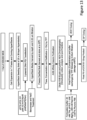
- the rAAV.hFVIII vector can be manufactured as shown in the flow diagram shown in FIG. 13 . Briefly, cells (e.g. HEK 293 cells) are propagated in a suitable cell culture system and transfected for vector generation. The rAAV.hFVIII vector can then be harvested, concentrated and purified to prepare bulk vector which is then filled and finished in a downstream process.
- cells e.g. HEK 293 cells
- the rAAV.hFVIII vector can then be harvested, concentrated and purified to prepare bulk vector which is then filled and finished in a downstream process.
- Methods for manufacturing the gene therapy vectors described herein include methods well known in the art such as generation of plasmid DNA used for production of the gene therapy vectors, generation of the vectors, and purification of the vectors.
- the gene therapy of the invention an AAV vector and the plasmids generated may be an AAV cis-plasmid encoding the AAV genome and the gene of interest, an AAV trans-plasmid containing AAV rep and cap genes, and an adenovirus helper plasmid.
- the vector generation process can include method steps such as initiation of cell culture, passage of cells, seeding of cells, transfection of cells with the plasmid DNA, post-transfection medium exchange to serum free medium, and the harvest of vector-containing cells and culture media.
- the harvested vector-containing cells and culture media are referred to herein as crude cell harvest.
- the crude cell harvest may thereafter be subject method steps such as concentration of the vector harvest, diafiltration of the vector harvest, microfluidization of the vector harvest, nuclease digestion of the vector harvest, filtration of microfluidized intermediate, purification by chromatography, purification by ultracentrifugation, buffer exchange by tangential flow filtration, and formulation and filtration to prepare bulk vector.
- the production plasmid is that shown in SEQ ID NO: 13, in SEQ ID NO: 14, in SEQ ID NO: 15, or in SEQ ID NO: 16. Methods used for manufacturing the gene therapy vectors are described in Section 8, infra.
- Severe or moderate hemophilia A (HemA) patients are the chosen study population for several reasons. Severe hemophilia A patients are defined as having less than 1% of normal Factor VIII (FVIII) activity thus requiring frequent infusions of FVIII to control their bleeding diathesis. This represents a significant burden with respect to carrying on a normal life and in addition, the blood levels of FVIII go through the well-known peaks and troughs pattern, which is not optimal. The fact that FVIII blood levels in severe patients is less than 1% makes it possible to reliably measure even low to moderate increases in FVIII blood levels after rAAV.hVIII has been administered. Recent clinical trials have borne out the validity of this approach. Moderate HemA patients are defined as having 1% up to 5% of FVIII levels in blood.
- FVIII Factor VIII
- Patients who are candidates for treatment are preferably adult males ⁇ 18 years of age, diagnosed with moderate/severe or severe hemophilia A.
- the patient may be a baseline FVIII activity ⁇ 2% of normal or documented history of FVIII activity ⁇ 2%.
- a patient ⁇ 18 years of age can be treated.
- Candidates for treatment include subjects who have had at least 3 bleeding episodes per year that require on-demand treatment with FVIII.
- Other candidates for treatment include subjects who are treated with a prophylactic regimen of FVIII.
- Other criteria demonstrating that the subject is appropriate for treatment includes at least 100 days exposure history to FVIII; no documented history of inhibitors (neutralizing antibodies) to exogenous FVIII; no known allergic reaction to exogenous FVIII or any component of the rAAV.FVIII vector composition.
- the hemophilia A patient Prior to treatment, the hemophilia A patient should be assessed for NAb to the AAV serotype used to deliver the hFVIII gene (e.g, AAVhu.37 or AAVrh. 10). Such NAbs can interfere with transduction efficiency and reduce therapeutic efficacy. Hemophilia A patients that have a baseline serum NAb titer ⁇ 1:5 are good candidates for treatment with the rAAV.hFVIII gene therapy protocol.
- Subjects may be permitted to continue their standard of care treatment(s) (e.g., recombinant FVIII therapy) prior to and concurrently with the gene therapy treatment at the discretion of their caring physician.
- the physician may prefer to stop standard of care therapies prior to administering the gene therapy treatment and, optionally, resume standard of care treatments as a co-therapy after administration of the gene therapy.
- Desirable endpoints of the gene therapy regimen are an increase in FVIII activity to 3% of normal from baseline up to 52 weeks after administration of the gene therapy treatment.
- Patients may achieve desired circulating FVIII levels (e.g., 5% or greater) after treatment with rAAV.hFVIII, alone and/or combined with the use of adjunctive treatments.
- Patients may achieve circulating FVIII levels of 10%, 15%, 20% or greater after treatment with rAAV.hFVIII, alone and/or combined with the use of adjunctive treatments.
- Patients may achieve circulating FVIII levels of 25%, 30%, 35%, 40%, 45%, 50%, 55%, 60%, 65%, 70%, 75%, 80%, 85%, 95%, 95% or greater after treatment with rAAV.hFVIII, alone and/or combined with the use of adjunctive treatments.
- a caring physician may determine that the presence of one or more of these physical characteristics (medical history) should not preclude treatment as provided herein.
- the rAAV.hFVIII vector may be delivered as a single dose per patient or as multiple doses per patient for example, the rAAV.hFVIII vector is delivered as two doses per patient.
- the subject may be delivered the minimal effective dose (MED) (as determined by preclinical study described in the Examples herein).
- MED refers to the rAAV.hFVIII dose required to achieve 5% of normal Factor VIII activity.
- the vector titer is determined on the basis of the DNA content of the vector preparation.
- Quantitative PCR or optimized quantitative PCR as described in the Examples may be used to determine the DNA content of the rAAV.hFVIII vector preparations.
- digital droplet PCR as described in the Examples may be used to determine the DNA content of the rAAV.hFVIII vector preparations.
- the dosage is about 1 ⁇ 10 12 genome copies (GC)/kg body weight to about 1 ⁇ 10 14 GC/kg, inclusive of endpoints. In an embodiment, the dosage is 5 ⁇ 10 12 GC/kg.
- the dose of rAAV.hFVIII administered to a patient is at least 1 ⁇ 10 12 GC/kg, 1.5 ⁇ 10 12 GC/kg, 2.0 ⁇ 10 12 GC/kg, 2.5 ⁇ 10 12 GC/kg, 3.0 ⁇ 10 12 GC/kg, 3.5 ⁇ 10 12 GC/kg, 4.0 ⁇ 10 12 GC/kg, 4.5 ⁇ 10 12 GC/kg, 5.0 ⁇ 10 12 GC/kg, 5.5 ⁇ 10 12 GC/kg, 6.0 ⁇ 10 12 GC/kg, 6.5 ⁇ 10 12 GC/kg, 7.0 ⁇ 10 12 GC/kg, or 7.5 ⁇ 10 12 GC/kg.
- the term "dosage" can refer to the total dosage delivered to the subject in the course of treatment, or the amount delivered in a single (of multiple) administration.
- the composition is readministered at a later date.
- more than one readministration is permitted.
- Such readministration may be with the same type of vector or a different viral vector as described herein.
- the vector may be readministered about 6 months after the first administration.
- the vector may be readministered about 1 year after the first administration.
- the vector may be readministered about 2 years after the first administration.
- the vector may be readministered about 3 years after the first administration.
- the vector may be readministered about 4 years after the first administration.
- the vector may be readministered about 5 years after the first administration.
- the vector may be readministered about 6 years after the first administration.
- the vector may be readministered about 7 years after the first administration.
- the vector may be readministered about 8 years after the first administration.
- the vector may be readministered about 9 years after the first administration.
- the vector may be readministered about 10 years or more after the first administration.
- the dosage may be sufficient to increase the Factor VIII levels in the patient to 1% of normal.
- the dosage may be sufficient to increase the Factor VIII levels in the patient to 2% of normal.
- the dosage may be sufficient to increase the Factor VIII levels in the patient to 3% of normal.
- the dosage is sufficient to increase the Factor VIII levels in the patient to 4% of normal.
- the dosage may be sufficient to increase the Factor VIII levels in the patient to 5% of normal.
- the dosage is sufficient to increase the Factor VIII levels in the patient to 6, 7, 8, 9, 10, 11, 12, 13, 14, 15, 16, 17, 18, 19, 20, 25, 30, 35, 40, 45, 50, 55, 60, 65, 70, 75, 80, 85, 90, 95% or greater of normal.
- rAAV.hFVIII may be administered in combination with one or more therapies for the treatment of hemophilia A, such as administration of recombinant FVIII.
- Measurements of efficacy of treatment can be measured by transgene expression and activity as determined by plasma Factor VIII levels and Factor VIII activity. Further assessment of efficacy can be determined by clinical assessment of replacement Factor VIII requirements and frequency of spontaneous bleeding episodes. Such assessments may be conducted twice a week for 4 weeks after the administration of the product, weekly from week 6 to week 12, monthly throughout the remainder of the first year and at 6 month intervals for a total period of 5 years.
- Safety of the gene therapy vector after administration can be assessed by the number of adverse events, changes noted on physical examination, and/or clinical laboratory parameters assessed at multiple time points up to about 52 weeks post vector administration. Although physiological effect may be observed earlier, e.g., in about one week, steady state levels expression levels may be reached by about 12 weeks.
- the following assessments may be conducted twice a week for 4 weeks after the administration of the product, weekly from week 6 to week 12, monthly throughout the remainder of the first year and at 6 month intervals for a total period of 5 years. Such assessments include:
- hFVIII increase achieved with rAAV.hFVIII administration can be assessed as a defined percent change in hFVIII at about 12 weeks, or at other desired timepoints, compared to hFVIII levels of a patient not having hemophilia A, i.e., so-called normal hFVIII levels of about 100%.
- the change is compared to the patient's baseline hFVIII levels.
- the desired efficacy may be an increase in the Factor VIII levels in the patient to 3% of normal.
- the desired efficacy may be an increase in the Factor VIII levels in the patient to 4% of normal.
- the desired efficacy may be an increase in the Factor VIII levels in the patient to 5% of normal.
- the desired efficacy may be an increase in the Factor VIII levels in the patient to 6% of normal.
- the desired efficacy may be an increase in the Factor VIII levels in the patient to 7% of normal.
- the desired efficacy may be an increase in the Factor VIII levels in the patient to 8% of normal.
- the desired efficacy may be an increase in the Factor VIII levels in the patient to 9% of normal.
- the dosage may be sufficient to increase the Factor VIII levels in the patient to 10% of normal.
- the dosage may be sufficient to increase the Factor VIII levels in the patient to 15% of normal.
- the dosage may be sufficient to increase the Factor VIII levels in the patient to 20% or greater of normal.
- Coagulation panels are performed as a part of standard testing to infer FVIII activity.
- the rAAV.hFVIII vector herein "functionally replaces” or “functionally supplements” the patients defective FVIII with active FVIII when the patient expresses a sufficient level of FVIII to achieve at least one of these clinical endpoints.
- Expression levels of hFVIII which achieve as low as about 1% to less than 100% of normal wild-type clinical endpoint levels in a non-hemophilia patient may provide functional replacement.
- Expression may be observed as early as about 8 hours to about 24 hours post-dosing.
- One or more of the desired clinical effects described above may be observed within several days to several weeks post-dosing.
- a regimen for delivery of a hFVIII gene product to a human patient comprises (a) delivery of a first rAAV.hFVIII vector comprising-an expression cassette as described herein; and (b) delivery of a second rAAV.hFVIII vector comprising an expression cassette as described herein, wherein the first recombinant AAV vector or the second AAV vector has an AAV3B capsid.
- the sequence of AAV3B is shown in SEQ ID NO: 20 and Accession No. AAB95452.1.
- the other of the first or the second AAV vector may have an rh.10 capsid.
- the other of the first or the second AAV vector may have an AAVhu.37 capsid.
- Such regimens are described in International Patent Application No. PCT/US16/42472 .
- an rAAV.hFIII vector as described herein is provided for use in treating hemophilia A.
- the invention provides an rAAV according to the invention for use in treating a patient having haemophilia A, wherein the rAAV is to be delivered about 1 ⁇ 10 12 GC/kg to about 1 ⁇ 10 14 GC/kg in an aqueous suspension. Multiple doses may be provided for use in treating hemophilia A.
- a second administration of a rAAV.hFVIII vector may be given.
- the rAAV.hFVIII vector of the second administration may have the same AAV capsid as provided with the first dosage.
- rAAV.hFVIII vector of the second administration may have an AAVrh.10 capsid.
- the rAAV.hFVIII vector of the second administration may have a different AAV capsid as the vector of the first dose.
- the rAAV.hFVIII vector of the second administration may have a tropism for liver.
- the rAAV.hFVIII vector of the second administration may have an AAV3B capsid.
- a further aspect not claimed herein involves targeting hepatocytes of the patient.
- the delivery of the first rAAV and the second rAAV may be temporally separated by at least about one month, at least about three months, or about 1 year to about 10 years.
- hFIX human factor FIX
- BDD B Domain Deleted
- hFVIII activity and immunogenicity of the transgene were evaluated in FVIII KO mice following administration of AAV vectors.
- enhancer combinations were generated containing one of the enhancer/promoter combinations. 14 enhancer combinations were generated using three enhancer sequences; En34 (34 bp core enhancer from the human apolipoprotein hepatic control region), ABPS (shortened version of the 100 bp distal enhancer from the ⁇ 1-microglogulin/bikunin precursor [ABP] to 42 bp), and EnTTR (100 bp enhancer sequence from transthyretin). The number of enhancer combinations was restricted due to the total ITR-ITR size and by combination of the enhancers in the following sequence: 5'-EnTTR-ABPS-En34-Promoter-3'. Table 1.
- TBG-S1 P1, shortened version of the liver-specific thyroxine binding globulin or TBG promoter
- A1AT P2, modified SERINA1 [ ⁇ 1-antitrypsin] promoter
- TTR P3, transthyretin promoter
- All AAV vectors were produced as described in Gao G, Lu Y, Calcedo R, et al. Biology of AAV serotype vectors in liver-directed gene transfer to nonhuman primates. Mol Ther. 2006;13(1):77-87 . Briefly, plasmids expressing hFVIII from one of the 42 enhancer/promoter combinations were packaged with the AAVrh10 viral capsid. Plasmids expressing hFVIII from E06.TTR were also packaged in AAV8, AAV9, AAVhu37, and AAVrh64R1 viral capsids.
- the AAVrh10 enhancer/promoter combination vector lots used in the study were subjected to purity assessment by sodium dodecyl sulfate-polyacrylamide gel electrophoresis (SDS-PAGE) as described in Lock M, Alvira M, Vandenberghe LH, et al. Rapid, simple, and versatile manufacturing of recombinant adeno-associated viral vectors at scale.
- Hum Gene Ther. 2010;21(10):1259-1271 Briefly, denatured and reduced vector samples containing 5 ⁇ 10 9 GC were loaded for SDS-PAGE.
- Proteins were stained by SYPRO ruby stain (Invitrogen, Carlsbad, CA, USA) following fixation, visualized, and then quantified using Syngene imaging analysis system and GeneTool software (Syngene, Frederick, MD). The percent purity of the capsid (VP1, VP2, and VP3 proteins indicated over total protein) was calculated. The percentage purity of the 42 vectors ranged from 29% (AAVrh10.E12.P3) to 100%, with a mean purity of 90% (data not shown).
- FVIII KO mice Breeding pairs of FVIII KO mice were obtained from The Jackson Laboratory (Bar Harbor, ME, USA) and a colony was maintained at the University of Pennsylvania's Translational Research Laboratories housed under specific pathogen-free conditions. All animal procedures and protocols were approved by the Institutional Animal Care and Use Committee (IACUC) of the University of Pennsylvania. Male FVIII KO at 6-12 weeks of age were injected IV with 10 10 GC of vector per mouse into the tail vein. Vector was diluted in phosphate buffered saline (PBS) and 100 ⁇ l of the vector dilution was injected. Plasma was collected biweekly by retro-orbital bleeds into sodium citrate collection tubes.
- PBS phosphate buffered saline
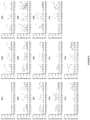
- hFVIII activity was measured in plasma by COATEST SP4 kit according to the manufacturer's protocol (DiaPharma, OH, USA). At week 2 post-injection, mice showed a vast range in hFVIII activity from 0.12 - 2.12 IU/ml ( FIG. 5 ).
- IgG antibodies against hFVIII in mouse plasma were measured by ELISA, where all reagents were from Sigma-Aldrich (St. Louis, MO, USA) unless otherwise stated.
- ELISA plates were coated with 1 ⁇ g/ml BDD-hFVIII-SQ (Xyntha, Wyeth Pharmaceuticals Inc., Dallas, TX, USA) in 0.1 M carbonate buffer (pH 9.6) and incubated overnight at 4°C. Wells were washed five times with 0.05% Tween 20 in PBS and blocked with 5% non-fat milk (Bio Rad, Hercules, CA, USA) in PBS for one hour at room temperature.
- Plasma samples diluted in 5% non-fat milk were added to the plates and incubated for one hour at room temperature. Plasma samples from naive mice were used as the control. Plates were then washed five times and HRP-conjugated anti-mouse IgG was added at a 1:1000 dilution in non-fat milk. Following incubation at room temperature for 90 minutes, plates were washed eight times and 3,3',5,5'-tetramethylbenzidine (TMB) was added for detection. The reaction was stopped after 5 minutes at room temperature using 2N sulfuric acid and plates were read at 450 nm using a BioTek ⁇ Quant plate reader (Winooski, VT, USA).
- TMB 3,3',5,5'-tetramethylbenzidine
- FVIII KO mice showed antibody generation to hFVIII at week 4 post-vector administration and by week 8 mice in most of the 42 vector groups had detectable anti-hFVIII IgG levels with a corresponding decrease in hFVIII activity levels ( FIG. 6 ).
- Time courses of hFVIII activity and antibody generation quantified by titer are presented in FIG.s 7 and 8 , respectively. More than 50% of mice injected with constructs E05.A1AT, E10.A1AT, and all promoters with the E06 enhancer combination had antibodies to the transgene by week 8. However, antibodies to the transgene were not seen in all groups.
- mice injected with vectors using E01.A1AT, E11.TTR, E01.TBG-S1, E11.A1AT, and E13.TBG-S1 for expression had the longest time to antibody expression, whereas constructs containing E06.TTR, E06.A1AT, E05.A1AT, E09.TBG-S1, and E14.TTR had the shortest time to antibody expression.
- the same vector genome using the E06 enhancer combination with the liver-specific TTR promoter was packaged with one of five AAV capsids; AAVrh10, AAV8, AAV9, AAVhu37 and AAVrh64R1.
- FVIII KO mice were injected IV at a dose of 10 10 GC per mouse and plasma hFVIII activity levels and anti-hFVIII IgG titers were followed throughout a 12 week study. Stark differences in expression and immunogenicity of the transgene were seen based on the AAV vector used for gene transfer ( FIG. 9 ).
- hFVIII activity in plasma varied from 0.51 IU/ml following AAVrh64R1 administration to 1.26 IU/ml with AAVrh10 (FIG. 9A).
- AAV8 or AAV9 vectors generated anti-hFVIII antibodies ranging from 20% of mice administered with AAV8 or AAV9 vectors to 63% of mice that received AAVrh10 (FIG. 9B). Therefore, even with a highly immunogenic enhancer and promoter combination, the immune response to the transgene can vary based on the AAV capsid used for gene transfer.
- the AAV capsid used for gene transfer of the same transgene cassette significantly influenced both immunogenicity to hFVIIII and peak hFVIII activity.
- the most immunogenic transgene cassette was used (E06.TTR).
- the five vector capsids studied could be divided into two groups; those were ⁇ 20% of mice generated anti-hFVIII antibodies (AAV8 and AAV9) and those were > 20% of mice developed a humoral immune response (AAVrh10, AAVhu37, and AAVrh64R1).
- the tolerance towards the hFVIII transgene associated with the AAV8 capsid is perhaps unsurprising due to previous studies that demonstrate that IV delivery of this capsid may activate transgene-specific regulatory T cells in the context of the tolerogenic nature of the liver.
- hFVIII activity levels in plasma following administration of the five different AAV capsids also varied significantly from 0.51 IU/ml with AAVrh64R1 to 1.26 IU/ml with AAVrh10 at week 2 post-vector administration.
- Expression from the AAVrh10 vector was significantly elevated compared to AAV8 and coincided with the generation of anti-hFVIII antibodies in 63% of mice.
- This capsid comparison study was performed using a highly immunogenic transgene cassette and likely does not model that seen in humans where -30% of hemophilia A patients generate antibodies to the recombinant protein. Therefore, the higher expression levels produced following administration of the AAVrh10 vector may be more beneficial to the clinical situation where a lower dose of vector would be required for significant improvements in the incidence of bleeding events and supplementation with the recombinant hFVIII protein.
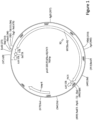
- E03.TTR FIG. 1 ; SEQ ID NO: 13
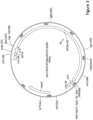
- E03.A1AT FIG. 3 ; SEQ ID NO: 15
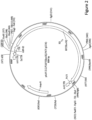
- E12.TTR FIG. 2 ; SEQ ID NO: 14
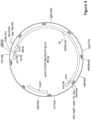
- E12.A1AT FIG. 4 ; SEQ ID NO: 16 constructs were selected for further testing.
- FVIII KO mice in C57BL/6 and 129 background receive a tail vein injection of one of four vector doses of AAVhu37.E03.TTR.hFVIIIco-SQ.PA75.
- vector doses are 5 ⁇ 10 10 GC/kg, 5 ⁇ 10 11 GC/kg, 5 ⁇ 10 12 GC/kg, and 5 ⁇ 10 13 GC/kg.
- a cohort of animals receiving control article only is included as a vehicle control. After vector administration, the animals are monitored daily for general observations. Blood is collected from the animals at the appropriate time points to capture the hFVIII activity levels.
- mice in subset A are sacrificed on day 60 after dosing, animals in subset B are sacrificed on day 28 after dosing, and animals in subset C are sacrificed on day 3 after dosing.
- Blood is also collected at necropsy for a serum chemistry panel and hematology. Sacrificed animals will be necropsied; the organs, such as right Inguinal lymph node, right testis, pancreas, duodenum, colon, brain, right gastrocnemius muscle, stomach, right kidney, right lung, spleen, heart, liver and gross lesions if any, are harvested for biodistribution and histopathology examinations. Total cellular DNA and RNA are extracted for mice that received the highest dose of vector and those that received the control article.
- qPCR and RT-qPCR assays are performed on the extracted DNA/RNA to measure vector genome copies and transcript levels in the organs, respectively.
- the efficacy of the test article is determined by the hFVIII protein activity levels in plasma by COATEST assay. Also, anti-hFVIII antibodies re monitored by anti-hFVIII IgG ELISA assay and the extrinsic pathway of coagulation is evaluated by prothrombin time (PT) assay.
- PT prothrombin time
- the primary objective of this non-GLP study is to evaluate the potential vector related toxicity and biodistribution in NHP.
- Blood samples were taken prior to the initiation of the study and biweekly during the study via venipuncture of the femoral vein. All clinical pathology tests on blood samples were conducted by Antech Diagnostics (Irvine, CA), including complete blood counts and differentials, complete clinical chemistries, and coagulation panels.
- hFVIII expression was measured by ELISA, where all reagents were from Sigma-Aldrich (St. Louis, MO, USA) unless otherwise stated.
- ELISA plates were coated with anti-hFVIII IgG (Green Mountain Antibodies, VT, USA) at a 1:500 dilution in 0.1 M carbonate buffer (pH 9.6) and incubated overnight at 4°C.
- Wells were washed four times with 0.1% Tween 20 in PBS and blocked with 5% non-fat milk (Bio Rad, Hercules, CA, USA) in PBS for one hour at room temperature. Following removal of the blocking buffer, plasma samples diluted in 5% non-fat milk were added to the plates and incubated for one hour at room temperature.
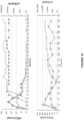
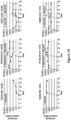
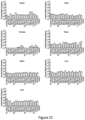
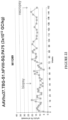
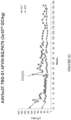
- Results of long-term stable expression of human FVIII in a cynomolgus macaque (35 months) following a single intravenous injection of AA Vhu37.TBG-S 1.hFVIII-SQ.PA75 are shown in FIG 22 . Results show stable expression until necropsy at 35 months. Results of liver enzyme testing are shown in FIG. 23 Results show that liver enzyme levels where within the normal range, except for transient elevation after liver biopsy. Neutralizing antibody (Nab) response to the AAVhu.37 capsid is shown in FIG. 24 .
- Single cell technology was used to detect AAV vector DNA and RNA in the hepatocytes of NHP M11269, discussed above, who received intravenous administration of of AAVhu37.TBG-S1.hFVIII-SQ.PA75 at 3E12 GC/kg.
- Single cell hepatocytes were evaluated for presence of AAV genomes and expression.
- 150 weeks post vector hepatocytes were isolated from a liver wedge by perfusing with a mixture of collagenase/protease.
- Single cells were sorted into individual wells of a 96 well plate. Cells from one 96 well plate were whole genome amplified (WGA) and AAV genomes in cells quantified by digital PCR using a probe against human FVIII.
- a second 96 well plate was whole-transcriptome amplified (WTA) for evaluating FVIII expression.
- Table 3 Percent DNA and RNA Positive Single Cells Single cell (w152) Sample Positives/total Percent positive DNA 23/96 24% RNA 4/96 4% RNA/DNA positive cells 4/23 17% liver homogenate Sample w42 biopsy w152 necropsy DNA (GC/cell) 10 7.6 +/-1.1 HFVIII RNA (copies ug RNA) 4.4 +/- 1.1 E4 6.4 +/- 0.7E4
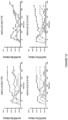
- IgG antibodies against hFVIII in NHP plasma were measured by ELISA as described previously, with the exception that HRP-conjugated anti-NHP IgG was added at a 1:2000 dilution in non-fat milk for detection ( FIG. 12 ).
- Inhibitory antibody against human FVIII was measured by Nijmegen modified Bethesday assay (Giles et al., 1998).
- One Bethesda unit represents inhibition of coagulation activity of normal human plasma by 50%.
- An immunosuppression regimen was initiated as required in animals where the ability to detect hFVIII expression was lost in the presence of detectable antibodies to hFVIII (Bethesda unit >1) following vector administration.
- the immunosuppression regimen was performed with rituximab (250 mg/m 2 , IV at 4 weekly intervals, total of 4 infusions) and cyclophosphamide (300 mg/m 2 , slow intravenous infusions every 15 days, total of 8 doses over 4 months) as described previously ( Mcintosh et al. (2013) Therapeutic levels of FVIII following a single peripheral vein administration of rAAV vector encoding a novel human factor VIII variant. Blood, 121, 3335-44 .).
- Tissue samples (inguinal lymph nodes, lumbar lymph nodes, muscle [right gastrocnemius], right testis, pancreas, right kidney, spleen, right lung, heart, and liver) from C57BL/6J mice were snap frozen at the time of necropsy, and DNA was extracted using the QIAamp DNA Mini Kit (Qiagen, Valencia, CA, USA).
- AAVrh10 vectors expressing hFVIIIco IV were administered at a dose of 10 11 GC per mouse into 6 to 8 week old C57BL/6J wild type mice. Mice were necropsied at day 14 post-vector administration and muscle (right gastrocnemius), right testis, pancreas, right kidney, spleen, right lung, heart, and liver was collected. DNA and RNA were extracted and vector GCs and RNA transcript levels, respectively, were quantified using primers/probe designed against the hFVIII transgene sequence of the vector. There were no significant differences in liver vector GC ( Fig.
- RNA transcript levels FIG. 20A or RNA transcript levels ( FIG. 20B ) across the vector administered groups, and there were no detectable GC or RNA in the control (PBS) administered groups.
- PBS control
- FIG. 20B RNA transcript levels in the liver for vectors that used the A1AT promoter for expression, regardless of the enhancer sequences.
- hFVIII RNA transcript levels were on average 1000-fold lower than in the liver but high extrahepatic expression was seen in muscle and heart in the C57BL/6J mice following administration of E01.TBG-S1, E02.A1AT, E09.A1AT, and E09.TTR ( FIG. 21 ).
- An optimized quantitative PCR (oqPCR) assay is used to determine genomic copy titer by comparison with a cognate plasmid standard.
- the oqPCR assay utilizes sequential digestion with DNase I and Proteinase K, followed by qPCR analysis to measure encapsidated vector genomic copies. DNA detection is accomplished using sequence specific primers targeting the PA75 polyA region in combination with a fluorescently tagged probe hybridizing to this same region. Comparison to the plasmid DNA standard curve allows titer determination without the need of any post-PCR sample manipulation. A number of standards, validation samples and controls (for background and DNA contamination) have been introduced into the assay. This assay has been qualified by establishing and defining assay parameters including sensitivity, limit of detection, range of qualification and intra and inter assay precision. An internal AAVrh. 10 reference lot was established and used to perform the qualification studies.
- Confirmation of the AAV2/hu.37 or AAV2/rh.10 serotype of the vector is achieved by an assay based upon analysis of peptides of the VP3 capsid protein by mass spectrometry (MS).
- MS mass spectrometry
- the method involves multi-enzyme digestion (trypsin, chymotrypsin and endoproteinase Glu-C) of the VP3 protein band excised from SDS-PAGE gels followed by characterization on a UPLC-MS/MS on a Q-Exactive Orbitrap mass spectrometer to sequence the capsid protein.
- MS tandem mass spectrometry
- Vector particle profiles are using analytical ultracentrifugation (AUC) Sedimentation velocity as measured in an analytical ultracentrifuge is an excellent method for obtaining information about macromolecular structure heterogeneity, difference in confirmation and the state of association or aggregation.
- Sample was loaded into cells and sedimented at 12000 RPM in a Beckman Coulter Proteomelab XL-I analytical ultracentrifuge. Refractive index scans were recorded every two minutes for 3.3 hours. Data are analyzed by a c(s) model (Sedfit program) and calculated sedimentation coefficients plotted versus normalized c(s) values. A major peak representing the monomeric vector should be observed.
- peaks migrating slower than the major monomeric peak indicate empty/misassembled particles.
- the sedimentation coefficient of the empty particle peak is established using empty AAV8 particle preparations. Direct quantitation of the major monomeric peak and preceding peaks allow for the determination of the empty to full particle ratio.
- the infectious unit (IU) assay is used to determine the productive uptake and replication of vector in RC32 cells (rep2 expressing HeLa cells). Briefly, RC32 cell in 96 well plates are co-infected by serial dilutions of vector and a uniform dilution of Ad5 with 12 replicates at each dilution of rAAV. Seventy-two hours after infection the cells are lysed, and qPCR performed to detect rAAV vector amplification over input. An end-point dilution TCID50 calculation (Spearman-Karber) is performed to determine a replicative titer expressed as IU/ml.
- infectivity Since “infectivity” values are dependent on particles coming into contact with cells, receptor binding, internalization, transport to the nucleus and genome replication, they are influenced by assay geometry and the presence of appropriate receptors and post-binding pathways in the cell line used. Receptors and post-binding pathways critical for AAV vector import are usually maintained in immortalized cell lines and thus infectivity assay titers are not an absolute measure of the number of "infectious” particles present. However, the ratio of encapsidated GC to "infectious units” (described as GC/IU ratio) can be used as a measure of product consistency from lot to lot.
- This Example relates to a gene therapy treatment for patients with genetically confirmed X-linked hemophilia A due to mutations in the clotting factor 8 (FVIII) gene.
- the gene therapy vector, AAVhu.37.hFVIII, a replication deficient adeno-associated viral vector hu.37 (AAVhu.37) expressing hFVIII is administered to patients with hemophilia A.
- Efficacy of treatment can be assessed using FVIII levels as a surrogate for transgene expression.
- Primary efficacy assessments include FVIII levels at about 12 weeks post treatment, with persistence of effect followed thereafter for at least 1 year. Long term safety and persistence of transgene expression may be measured posttreatment in liver biopsy samples.
- the AAVhu.37.hFVIII vector consists of the AAV vector active ingredient and a formulation buffer.
- the capsid contains a single-stranded DNA recombinant AAV (rAAV) vector genome ( FIG. 1-FIG. 4 ).
- the genome contains a human factor VIII (FVIII) transgene flanked by the two AAV inverted terminal repeats (ITRs).
- An enhancer, promoter, human factor VIII (hFVIII) coding sequence, and polyadenylation (polyA) signal comprise a B domain deleted, codon optimized human FVIII transgene.
- the ITRs are the genetic elements responsible for the replication and packaging of the genome during vector production and are the only viral cis elements required to generate rAAV.
- expression of the human FVIII coding sequence is driven from the transthyretin promoter (SEQ ID NO: 7).
- expression of the human FVIII coding sequence may be driven from the modified A1AT promoter (SEQ ID NO: 9).
- the construct includes an one enhancer element to stimulate promoter activity.
- an enTTR enhancer (SEQ ID NO: 5) is included.
- two copies of the ABP-S enhancer (SEQ ID NO: 6) may preceed one copy of the enTTR enhancer (SEQ ID NO: 5).
- a synthetic polyA signal of about 75 nt (SEQ ID NO: 10) is included to mediate termination of human FVIII mRNA transcripts.
- the vector may be supplied as a suspension of AAVhu.37.hFVIII vector in formulation buffer.
- the formulation buffer may be 0.001% Pluronic F-68 in TMN200 (200 mM sodium chloride, 1 mM magnesium chloride, 20 mM Tris, pH 8.0).
- the comparative AAVrh.10.hFVIII vector consists of the AAV vector active ingredient and a formulation buffer.
- the capsid contains a single-stranded DNA recombinant AAV (rAAV) vector genome ( FIG. 1-FIG. 4 ).
- the genome contains a human factor VIII (FVIII) transgene flanked by the two AAV inverted terminal repeats (ITRs).
- An enhancer, promoter, human factor VIII (hFVIII) coding sequence, and polyadenylation (polyA) signal comprise a B domain deleted, codon optimized human FVIII transgene.
- the ITRs are the genetic elements responsible for the replication and packaging of the genome during vector production and are the only viral cis elements required to generate rAAV.
- expression of the human FVIII coding sequence is driven from the transthyretin promoter (SEQ ID NO: 7). Expression of the human FVIII coding sequence may be driven from the modified A1AT promoter (SEQ ID NO: 9).
- the construct may include at least one enhancer element to stimulate promoter activity.
- An enTTR enhancer (SEQ ID NO: 5) may be included.
- Two copies of the ABP-S enhancer (SEQ ID NO: 6) may preceed one copy of the enTTR enhancer (SEQ ID NO: 5).
- a synthetic polyA signal of about 75 nt (SEQ ID NO: 10) may be included to mediate termination of human FVIII mRNA transcripts.
- the vector may be supplied as a suspension of AAVrh.10.hFVIII vector in formulation buffer.
- the formulation buffer may be 0.001% Pluronic F-68 in TMN200 (200 mM sodium chloride, 1 mM magnesium chloride, 20 mM Tris, pH 8.0).
- Severe hemophilia A patients are the chosen study population for several reasons. Severe hemophilia A patients are defined as having less than 1% of normal Factor VIII (FVIII) activity thus requiring frequent infusions of FVIII to control their bleeding diathesis. This represents a significant burden with respect to carrying on a normal life and in addition, the blood levels of FVIII go through the well-known peaks and troughs pattern, which is not optimal. The fact that FVIII blood levels in severe patients is less than 1% makes it possible to reliably measure even low to moderate increases in FVIII blood levels after AAV.hFVIII has been administered. Recent clinical trials have borne out the validity of this approach.
- FVIII Factor VIII
- Patients who are candidates for treatment are preferably adult males ⁇ 18 years of age, diagnosed with moderate/severe or severe hemophilia A.
- the patient may have a baseline FVIII activity ⁇ 2% of normal or documented history of FVIII activity ⁇ 2%.
- a patient ⁇ 18 years of age can be treated.
- Candidates for treatment include subjects who have had at least 3 bleeding episodes per year that require on-demand treatment with FVIII.
- Other candidates for treatment include subjects who are treated with a prophylactic regimen of FVIII.
- Other criteria demonstrating that the subject is appropriate for treatment includes at least 100 days exposure history to FVIII; no documented history of inhibitors (neutralizing antibodies) to exogenous FVIII; no known allergic reaction to exogenous FIX or any component of AAV.hFVIII.
- Patients that are treated can have a baseline serum AAVhu.37 or AAVrh. 10 (as appropriate for the chosen vector) neutralizing antibody (Nab) titer ⁇ 1:5.
- Subjects may be permitted to continue their standard of care treatment(s) (e.g., replacment FVIII) prior to and concurrently with the gene therapy treatment at the discretion of their caring physician.
- the physician may prefer to stop standard of care therapies prior to administering the gene therapy treatment and, optionally, resume standard of care treatments as a co-therapy after administration of the gene therapy.
- Patients receive a single dose of AA Vrh.10.hFVIII or AAVhu.37.hFVIII administered via a peripheral vein by infusion.
- the dose of AAVrh. 10.hFVIII or AAVhu.37.hFVIII administered to a patient is about 5 ⁇ 10 11 GC/kg or 1.6 ⁇ 10 12 GC/kg or 5 ⁇ 10 12 GC/kg or 1 ⁇ 10 13 GC/kg. In order to ensure that empty capsids are removed from the dose of AAVrh.
- Primary assessments are for safety of the administered product. The following assessments are conducted twice a week for 4 weeks after the administration of the product, weekly from week 6 to week 12, monthly throughout the remainder of the first year and at 6 month intervals for a total period of 5 years.
- AAVrh.lO.hFVIII is produced by 3 plasmid DNA transfection of human HEK 293 MCB cells with:
- AAVhu.37.hFVIII is produced by 3 plasmid DNA transfection of human HEK 293 MCB cells with:
- Cis plasmids vector genome expression construct
- FIG. 1 8.2.1.1 pAAV.E03.p3.hF8co-SQ.PA75 containing the human FVIII expression cassette ( FIG. 1 ).
- This cis plasmid encodes the rAAV vector genome. Expression of the human FVIII-SQco cDNA is driven from the TTR promoter with an enTTR enhancer.
- the polyA signal for the expression cassette is an artificial polyA sequence of about 75nt.
- FIG. 2 This cis plasmid encodes the rAAV vector genome. Expression of the human FVIII-SQco cDNA is driven from the TTR promoter with a ABPS and enTTR enhancer.
- the polyA signal for the expression cassette is an artificial poly A sequence of about 75nt.
- pAAV.E03.p2.hF8co-SQ.PA75 containing the human FVIII expression cassette ( FIG. 3 ).
- This cis plasmid encodes the rAAV vector genome.
- Expression of the human FVIII-SQco cDNA is driven from a modified A1AT promoter with a enTTR enhancer.
- the polyA signal for the expression cassette is an artificial polyA sequence of about 75nt.
- This cis plasmid encodes the rAAV vector genome. Expression of the human FVIII-SQco cDNA is driven from the TTR promoter with a ABPS and enTTR enhancer.
- the polyA signal for the expression cassette is an artificial poly A sequence of about 75nt.
- This AAVrh10 helper plasmid (8,036 bp) encodes the 4 wild-type AAV2 rep proteins and the 3 wild-type AAV VP capsid proteins from serotype rh10.
- a novel AAV sequence was obtained from the liver tissue DNA of a rhesus monkey and designated AAV serotype rh10.
- the AAV2 cap gene was removed from plasmid p5E18 and replaced with a PCR fragment of the AAVrh10 cap gene amplified from a primate liver DNA to give plasmid p5E18VD2/rh10.
- the AAV p5 promoter which normally drives rep expression is moved in this construct from the 5' end of rep to the 3' end of the rh10 cap gene.
- This arrangement serves to introduce a spacer between the promoter and the rep gene (i.e., the plasmid backbone) to down-regulate expression of rep and increase the ability to support high titer vector production.
- the plasmid backbone in p5E18 is from pBluescript KS. All component parts of the plasmid have been verified by direct sequencing. Finally the ampicillin resistance gene was replaced by the kanamycin resistance gene to give pAAV2/rh10 (Kan).
- This AAVhu.37 helper plasmid (8,036 bp) encodes the 4 wild-type AAV2 rep proteins and the 3 wild-type AAV VP capsid proteins from serotype hu.37.
- a schematic of the pAAV2.rh10.KanR plasmid is shown below.
- the AAV2 cap gene was removed from plasmid p5E18 and replaced with a PCR fragment of the AAVhu.37 cap gene amplified from a primate liver DNA to give plasmid p5E18VD2/hu.37.
- the plasmid backbone in p5E18 is from pBluescript KS. All component parts of the plasmid have been verified by direct sequencing.
- the ampicillin resistance gene was replaced by the kanamycin resistance gene to give pAAV2/hu.37 (Kan).
- Plasmid pAdDeltaF6(Kan) is 15,774 bp in size.
- the plasmid contains the regions of adenovirus genome that are important for AAV replication, namely E2A, E4, and VA RNA (the adenovirus E1 functions are provided by the 293 cells), but does not contain other adenovirus replication or structural genes.
- the plasmid does not contain the cis elements critical for replication such as the adenoviral inverted terminal repeats and therefore, no infectious adenovirus is expected to be generated. It was derived from an E1, E3 deleted molecular clone of Ad5 (pBHG10, a pBR322 based plasmid).
- Bacterial MCBs for the three DNA production plasmids that are used to support the manufacture of DTX101 were produced by Aldevron Inc. Cell banks were made from the expansion of selected cultures and extensive testing was performed for qualification of each bacterial MCB following Aldevron SOPs and in accordance with CBER recommendations. Information regarding the specifics of bacterial MCB generation and testing for each of the three plasmids are performed and recorded.
- All plasmids used in the production process were produced by Aldevron Inc. under its GMP-S TM quality system and infrastructure utilizing the most salient features of cGMP manufacturing; traceability, document control, and materials segregation. Information regarding the specifics of plasmid DNA generation and testing for each plasmid are performed and recorded.
- HEK 293 cells were originally generated by transforming HEK cells with sheared adenovirus type 5 DNA by Frank Graham and colleagues. The cells express the E1a and E1b gene products required for high-titer rAAV production. HEK293 cells are adherent and highly transfectable yielding high-titers of rAAV upon DNA plasmid transfection.
- Vectors as shown in Table 4 were produced as previously described in which the vector was recovered from the supernatant following triple transfection in HEK293 cells and purified on an iodixanol gradient. Vector titer was determined by a digital PCR method.
- transgenes rhCG - rhesus chorionic gonadotropin b subunit; rhAFP - rhesus alpha fetoprotein
- ELISA enzyme-linked immunosorbent assay
- FIG 15 shows a comparison of rhCG expression levels by AAVrh10, AAV8, AAV3B and AAV5 vectors (first vector injection).
- FIG 16A-16D shows rhCG vector DNA copies in liver at different time points.
- FIG 17A-17B shows rhAFP levels after readministration (second vector injection) with AAV3B ( FIG. 17A ) or AAV5 ( FIG. 17B ) vectors expressing rhAFP.
- FIG 188 and FIG. 18B shows rhAFP vector genome copies in liver.
- FIG 19 shows differential AAV Nab response in macaques.
- clade E vectors (AAVrh10 & AAV8) demonstrated the highest levels of periportal gene transfer with AAV5 vectors having the lowest; the periportal zone is nearest to the entering vascular supply, receives the most oxygenated blood, and is an important region of the liver for metabolic processes.
- AAVrh10 and AAV5 elicited higher levels of neutralizing antibodies (NAb) than AAV8 and AAV3B.
- Significant animal-to-animal variation in transgene expression was noted with AAV3B in seronegative animals.
- NAb elicited from AAVrh10 appears to have inhibited subsequent in vivo transduction with the serologically distinct AAV3B serotype; prior exposure to AAV8 did not interfere with AAV3B transduction.
- sequences containing free text under numeric identifier ⁇ 223> SEQ ID NO: (containing free text) Free text under ⁇ 223> 4 ⁇ 223> constructed sequence 5 ⁇ 223> constructed sequence 6 ⁇ 223> constructed sequence 7 ⁇ 223> constructed sequence 8 ⁇ 223> constructed sequence 9 ⁇ 223> constructed sequence 10 ⁇ 223> constructed sequence 11 ⁇ 223> constructed sequence 12 ⁇ 223> constructed sequence 13 ⁇ 223> constructed sequence 14 ⁇ 223> constructed sequence 15 ⁇ 223> constructed sequence 16 ⁇ 223> constructed sequence 17 ⁇ 223> AAVhu.37 capsid 18 ⁇ 223> AAVrh.10 capsid 19 ⁇ 223> constructed sequence 20 ⁇ 223> AAV3B capsid
Landscapes
- Health & Medical Sciences (AREA)
- Life Sciences & Earth Sciences (AREA)
- Chemical & Material Sciences (AREA)
- Engineering & Computer Science (AREA)
- Genetics & Genomics (AREA)
- General Health & Medical Sciences (AREA)
- Medicinal Chemistry (AREA)
- Pharmacology & Pharmacy (AREA)
- Animal Behavior & Ethology (AREA)
- Public Health (AREA)
- Veterinary Medicine (AREA)
- Bioinformatics & Cheminformatics (AREA)
- Biotechnology (AREA)
- Organic Chemistry (AREA)
- Biomedical Technology (AREA)
- Epidemiology (AREA)
- Zoology (AREA)
- Molecular Biology (AREA)
- Wood Science & Technology (AREA)
- Biochemistry (AREA)
- General Engineering & Computer Science (AREA)
- Hematology (AREA)
- Microbiology (AREA)
- Virology (AREA)
- Plant Pathology (AREA)
- Diabetes (AREA)
- Biophysics (AREA)
- Physics & Mathematics (AREA)
- Nuclear Medicine, Radiotherapy & Molecular Imaging (AREA)
- General Chemical & Material Sciences (AREA)
- Chemical Kinetics & Catalysis (AREA)
- Dermatology (AREA)
- Immunology (AREA)
- Gastroenterology & Hepatology (AREA)
- Proteomics, Peptides & Aminoacids (AREA)
- Dispersion Chemistry (AREA)
- Medicines Containing Material From Animals Or Micro-Organisms (AREA)
- Medicines That Contain Protein Lipid Enzymes And Other Medicines (AREA)
- Medicinal Preparation (AREA)
- Pharmaceuticals Containing Other Organic And Inorganic Compounds (AREA)
Applications Claiming Priority (4)
| Application Number | Priority Date | Filing Date | Title |
|---|---|---|---|
| US201662323336P | 2016-04-15 | 2016-04-15 | |
| US201662331807P | 2016-05-04 | 2016-05-04 | |
| US201662428866P | 2016-12-01 | 2016-12-01 | |
| PCT/US2017/027396 WO2017180857A1 (en) | 2016-04-15 | 2017-04-13 | Gene therapy for treating hemophilia a |
Publications (3)
| Publication Number | Publication Date |
|---|---|
| EP3452102A1 EP3452102A1 (en) | 2019-03-13 |
| EP3452102B1 EP3452102B1 (en) | 2024-06-12 |
| EP3452102B9 true EP3452102B9 (en) | 2024-09-04 |
Family
ID=59253992
Family Applications (1)
| Application Number | Title | Priority Date | Filing Date |
|---|---|---|---|
| EP17734159.1A Active EP3452102B9 (en) | 2016-04-15 | 2017-04-13 | Gene therapy for treating hemophilia a |
Country Status (17)
| Country | Link |
|---|---|
| US (3) | US11779656B2 (enExample) |
| EP (1) | EP3452102B9 (enExample) |
| JP (2) | JP7347933B2 (enExample) |
| KR (1) | KR102450833B1 (enExample) |
| CN (1) | CN109562191A (enExample) |
| AU (1) | AU2017248659B2 (enExample) |
| BR (1) | BR112018071200A2 (enExample) |
| CA (1) | CA3019425A1 (enExample) |
| IL (1) | IL262215B2 (enExample) |
| MX (1) | MX2018012537A (enExample) |
| PE (2) | PE20181922A1 (enExample) |
| RU (1) | RU2762257C2 (enExample) |
| SA (1) | SA518400233B1 (enExample) |
| SG (2) | SG10202009849WA (enExample) |
| TW (1) | TWI791433B (enExample) |
| WO (1) | WO2017180857A1 (enExample) |
| ZA (1) | ZA201806477B (enExample) |
Families Citing this family (30)
| Publication number | Priority date | Publication date | Assignee | Title |
|---|---|---|---|---|
| ES2985035T3 (es) | 2008-09-15 | 2024-11-04 | Uniqure Biopharma B V | Mutante de polipéptido de factor IX, sus usos y su procedimiento de producción |
| CN108463211B (zh) | 2015-11-16 | 2022-09-27 | 全国儿童医院研究所 | 用于治疗肌联蛋白类肌病和其它肌联蛋白病变的材料和方法 |
| PE20181922A1 (es) * | 2016-04-15 | 2018-12-11 | Univ Pennsylvania | Terapia genica para tratar la hemofilia a |
| US11191847B2 (en) | 2016-04-15 | 2021-12-07 | The Trustees Of The University Of Pennsylvania | Gene therapy for treating hemophilia B |
| AU2019216257B2 (en) | 2018-01-31 | 2025-11-20 | Research Institute At Nationwide Children's Hospital | Gene therapy for limb-girdle muscular dystrophy type 2C |
| IL279789B2 (en) | 2018-06-29 | 2026-04-01 | Res Inst Nationwide Childrens Hospital | Recombinant adeno-associated virus products and methods for treating limb girdle muscular dystrophy 2A |
| TW202028225A (zh) * | 2018-09-21 | 2020-08-01 | 英商夜星克有限公司 | 用於治療色素性視網膜炎之組合物及方法 |
| CN120349985A (zh) * | 2018-10-12 | 2025-07-22 | 建新公司 | 通过肝导向基因替代疗法治疗严重pku的改良的人pah的产生 |
| JP2022514112A (ja) * | 2018-10-15 | 2022-02-09 | リジェネクスバイオ インコーポレイテッド | 複製欠損型ウイルスベクター及びウイルスの感染性を測定するための方法 |
| IL326835A (en) | 2018-10-16 | 2026-04-01 | Blueallele Llc | Methods for targeted insertion of dna genes |
| GB201818816D0 (en) * | 2018-11-19 | 2019-01-02 | Synpromics Ltd | Regulatory nucleic acid sequences |
| TWI851647B (zh) * | 2019-01-16 | 2024-08-11 | 日商武田藥品工業股份有限公司 | 用於a型血友病基因治療之編碼表現增加之重組fviii變異體的病毒載體 |
| KR20210133242A (ko) * | 2019-02-26 | 2021-11-05 | 더 리서치 인스티튜트 앳 네이션와이드 칠드런스 하스피탈 | B-사르코글리칸의 아데노 관련 바이러스 벡터 전달 및 근이영양증의 치료 |
| KR20210151785A (ko) * | 2019-03-13 | 2021-12-14 | 제너레이션 바이오 컴퍼니 | 비바이러스성 dna 벡터 및 fviii 치료제 발현을 위한 이의 용도 |
| CA3150964A1 (en) | 2019-08-21 | 2021-02-25 | Research Institute At Nationwide Children's Hospital | Adeno-associated virus vector delivery of alpha-sarcoglycan and the treatment of muscular dystrophy |
| WO2021084276A2 (en) * | 2019-11-01 | 2021-05-06 | Freeline Therapeutics Limited | Factor viii construct |
| CN111218446B (zh) * | 2019-12-25 | 2023-03-28 | 劲帆生物医药科技(武汉)有限公司 | 一种肝脏特异性启动子及其应用 |
| WO2021144649A2 (en) * | 2020-01-16 | 2021-07-22 | Takeda Pharmaceutical Company Limited | Adeno associated virus based gene therapy for phenylketonuria |
| US20230175014A1 (en) * | 2020-04-27 | 2023-06-08 | The Trustees Of The University Of Pennsylvania | Compositions and methods for reducing nuclease expression and off-target activity using a promoter with low transcriptional activity |
| IL298138A (en) | 2020-05-12 | 2023-01-01 | Univ Pennsylvania | Compositions for drg-specific reduction of transgene expression |
| KR20230042513A (ko) * | 2020-07-29 | 2023-03-28 | 프리라인 테라퓨틱스 리미티드 | 폴리펩티드 |
| WO2022165246A1 (en) * | 2021-01-29 | 2022-08-04 | The Trustees Of The University Of Pennsylvania | Compositions and method of use of mutant ace2 decoy variants |
| AU2022214529A1 (en) * | 2021-02-01 | 2023-08-03 | The Trustees Of The University Of Pennsylvania | Compositions and methods for treatment of niemann pick type a disease |
| MX2023008826A (es) | 2021-02-01 | 2023-09-15 | Regenxbio Inc | Terapia génica para lipofuscinosis neuronal ceroidea. |
| US12285497B2 (en) | 2021-10-15 | 2025-04-29 | Research Institute At Nationwide Children's Hospital | Self-complementary adeno-associated virus vector and its use in treatment of muscular dystrophy |
| WO2023078220A1 (zh) * | 2021-11-02 | 2023-05-11 | 苏州华毅乐健生物科技有限公司 | 分离的核酸分子及其应用 |
| WO2023087019A2 (en) | 2021-11-15 | 2023-05-19 | The Trustees Of The University Of Pennsylvania | Compositions for drg-specific reduction of transgene expression |
| EP4511055A4 (en) * | 2022-04-20 | 2026-04-01 | Askbio Inc | Adeno-associated virus therapy using a codon-optimized nucleic acid encoding factor VIII |
| US20250352626A1 (en) * | 2022-06-10 | 2025-11-20 | University Of Florida Research Foundation, Incorporated | Immune tolerance induction to viral capsids |
| WO2025180508A1 (en) * | 2024-02-29 | 2025-09-04 | Shanghai Vitalgen Biopharma Co., Ltd. | Human factor viii variant expression cassettes and uses thereof for treating hemophilia a |
Family Cites Families (66)
| Publication number | Priority date | Publication date | Assignee | Title |
|---|---|---|---|---|
| US5595886A (en) | 1986-01-27 | 1997-01-21 | Chiron Corporation | Protein complexes having Factor VIII:C activity and production thereof |
| US5661008A (en) | 1991-03-15 | 1997-08-26 | Kabi Pharmacia Ab | Recombinant human factor VIII derivatives |
| US5439824A (en) | 1993-05-06 | 1995-08-08 | The United States Of America | Increased expression of α-1-antitrypsin in expression vectors through the inclusion of intron II |
| US6268212B1 (en) | 1993-10-18 | 2001-07-31 | Amgen Inc. | Tissue specific transgene expression |
| US6818439B1 (en) | 1994-12-30 | 2004-11-16 | Chiron Corporation | Methods for administration of recombinant gene delivery vehicles for treatment of hemophilia and other disorders |
| WO1998000542A2 (en) * | 1996-07-03 | 1998-01-08 | Chiron Corporation | Methods for administration of recombinant gene delivery vehicles for treatment of hemophilia |
| JP2002517180A (ja) | 1997-12-05 | 2002-06-18 | ジ・イミユーン・リスポンス・コーポレーシヨン | 増大された発現を示す新規ベクターおよび遺伝子 |
| US6783961B1 (en) | 1999-02-26 | 2004-08-31 | Genset S.A. | Expressed sequence tags and encoded human proteins |
| US6797505B2 (en) | 1998-05-27 | 2004-09-28 | Cell Genesys, Inc. | Recombinant AAV vectors for gene therapy of hemophilia A |
| US6200560B1 (en) * | 1998-10-20 | 2001-03-13 | Avigen, Inc. | Adeno-associated virus vectors for expression of factor VIII by target cells |
| US6221349B1 (en) * | 1998-10-20 | 2001-04-24 | Avigen, Inc. | Adeno-associated vectors for expression of factor VIII by target cells |
| EP1038959A1 (en) | 1999-03-17 | 2000-09-27 | Aventis Behring Gesellschaft mit beschränkter Haftung | Factor VIII without B-domain, comprising one or more insertions of a truncated intron I of factor IX |
| US6610906B1 (en) | 1999-06-09 | 2003-08-26 | The Regents Of The University Of Michigan | Nucleotide sequences for gene regulation and methods of use thereof |
| JP2003511082A (ja) | 1999-10-12 | 2003-03-25 | ザ・ユニヴァーシティ・オヴ・ノース・キャロライナ・アト・チャペル・ヒル | 第viii因子をコードするアデノ随伴ウィルスベクターとその使用法 |
| WO2001036620A2 (en) | 1999-11-16 | 2001-05-25 | Genzyme Corporation | Vectors and transgenies with regulatory elements for gene delivery to the liver |
| DK1266006T3 (da) | 2000-03-22 | 2006-01-16 | Octagene Gmbh | Fremstilling af rekombinante muteiner af blodkoagulationsfaktor VIII i humane cellelinier |
| US6974667B2 (en) | 2000-06-14 | 2005-12-13 | Gene Logic, Inc. | Gene expression profiles in liver cancer |
| US7351813B2 (en) | 2000-06-20 | 2008-04-01 | The Board Of Trustees Of The Leland Stanford Junior University | Liver-specific gene expression cassettes, and methods of use |
| US6812339B1 (en) | 2000-09-08 | 2004-11-02 | Applera Corporation | Polymorphisms in known genes associated with human disease, methods of detection and uses thereof |
| CA2441454A1 (en) | 2001-03-14 | 2002-09-19 | Avigen, Inc. | Recombinant adeno-associated virus-mediated gene transfer via retroductal infusion of virions |
| US8021875B2 (en) | 2001-08-27 | 2011-09-20 | Roche Madison Inc. | Methods for expression of transgenes |
| DE60230456D1 (de) | 2001-10-05 | 2009-01-29 | Expression Therapeutics Llc | Faktor-viii-polypeptide auf hohem expressionsnivea und verwendungsverfahren |
| CN103589692B (zh) | 2001-11-13 | 2018-07-24 | 宾夕法尼亚大学托管会 | 检测和/或鉴定腺伴随病毒(aav)序列以及分离所鉴定的新型序列的方法 |
| DK2359869T3 (en) | 2001-12-17 | 2019-04-15 | Univ Pennsylvania | Sequences of adeno-associated virus (AAV) serotype 8, vectors containing these, and uses thereof |
| WO2005012877A2 (en) | 2003-08-01 | 2005-02-10 | Dna Twopointo Inc. | Systems and methods for antibody engineering |
| US8005620B2 (en) | 2003-08-01 | 2011-08-23 | Dna Twopointo Inc. | Systems and methods for biopolymer engineering |
| EP1668143B1 (en) | 2003-09-30 | 2013-03-20 | The Trustees of The University of Pennsylvania | Adeno-associated virus (aav) clades, sequences, vectors containing same, and uses therefor |
| JP4804356B2 (ja) | 2003-10-16 | 2011-11-02 | クラウド ネグリエー | 第VIII因子及びその誘導体の高発現レベルのための改変されたcDNA |
| ATE463572T1 (de) | 2003-12-03 | 2010-04-15 | Univ Rochester | Rekombinanter faktor viii mit erhöhter spezifischer aktivität |
| ES2436741T3 (es) | 2004-09-22 | 2014-01-07 | St. Jude Children's Research Hospital | Expresión mejorada de Factor IX en vectores de terapia génica |
| US8008468B2 (en) | 2005-02-16 | 2011-08-30 | Benitec, Inc. | RNAi expression constructs with liver-specific enhancer/promoter |
| WO2006102072A2 (en) | 2005-03-23 | 2006-09-28 | The Trustees Of The University Of Pennsylvania | Use of a pa131 polypeptide in treatment of atherosclerosis |
| KR20080007226A (ko) | 2005-04-14 | 2008-01-17 | 체에스엘 베링 게엠베하 | 증가된 안정성을 가진 변형된 응고 인자 ⅷ 및 이의 유도체 |
| WO2007016331A2 (en) | 2005-07-29 | 2007-02-08 | Children's Hospital Medical Center | Classification and diagnosis of the molecular basis of cholestasis |
| US7943374B2 (en) | 2005-08-21 | 2011-05-17 | Markus Hildinger | Super-size adeno-associated viral vector harboring a recombinant genome larger than 5.7 kb |
| WO2007078599A2 (en) | 2005-12-16 | 2007-07-12 | The Board Of Trustees Of The Leland Stanford Junior University | Functional arrays for high throughput characterization of gene expression regulatory elements |
| WO2008016391A2 (en) | 2006-01-31 | 2008-02-07 | The Board Of Trustees Of The Leland Stanford Junior University | Self-complementary parvoviral vectors, and methods for making and using the same |
| WO2007120533A2 (en) * | 2006-03-30 | 2007-10-25 | The Board Of Trustees Of The Leland Stanford Junior University | Minigene expression cassette |
| CN101511373B (zh) | 2006-06-19 | 2015-12-09 | 阿斯克肋匹奥生物制药公司 | 用于基因治疗的修饰的因子ⅷ和因子ⅸ基因和载体 |
| EP2097538A4 (en) | 2006-12-07 | 2011-11-30 | Switchgear Genomics | TRANSCRIPTION REAGULATION ELEMENTS OF BIOLOGICAL PATHS, TOOLS AND METHODS |
| WO2008077616A1 (en) | 2006-12-22 | 2008-07-03 | Csl Behring Gmbh | Modified coagulation factors with prolonged in vivo half-life |
| US20100120628A1 (en) | 2007-02-06 | 2010-05-13 | Genizon Biosciences Inc. | Genemap of the human genes associated with adhd |
| US8309698B2 (en) | 2008-02-14 | 2012-11-13 | Mogam Biotechnology Research Institute | Expression vector suitable for expression of a coding sequence for gene therapy |
| KR100981092B1 (ko) | 2008-02-29 | 2010-09-08 | 고려대학교 산학협력단 | 제8 혈액응고 인자와 폰 빌리 블란트 인자 변이체의 재조합발현 벡터 시스템 |
| EP2271763A2 (en) | 2008-04-03 | 2011-01-12 | Yeda Research And Development Company Ltd. | Methods of expressing a polypeptide in the brain and nucleic acid constructs capable of same |
| US9617548B2 (en) | 2008-04-22 | 2017-04-11 | Vib Vzw | Liver-specific nucleic acid regulatory elements and methods and use thereof |
| EP2313531A1 (en) | 2008-06-25 | 2011-04-27 | Source Precision Medicine, Inc. | Gene expression profiling for identification, monitoring, and treatment of osteoarthritis |
| KR101034811B1 (ko) | 2008-08-25 | 2011-05-16 | 단국대학교 산학협력단 | 조직 특이적 프로모터와 암 특이 유전자를 타겟팅하는트랜스-스플라이싱 라이보자임을 포함하는 재조합아데노바이러스 및 이의 용도 |
| AU2010227419A1 (en) | 2009-03-27 | 2011-10-20 | Proyecto De Biomedicina Cima, S.L. | Methods and compositions for the treatment of cirrhosis and liver fibrosis |
| CN101935674A (zh) * | 2009-06-30 | 2011-01-05 | 中国医学科学院血液学研究所 | 一种用于血友病b基因治疗的腺病毒载体及其用途 |
| GB0911870D0 (en) | 2009-07-08 | 2009-08-19 | Ucl Business Plc | Optimised coding sequence and promoter |
| WO2011109380A1 (en) | 2010-03-01 | 2011-09-09 | The Children's Hospital Of Philadelphia | Nucleic acids for targeting multiple regions of the hcv genome |
| US9315825B2 (en) * | 2010-03-29 | 2016-04-19 | The Trustees Of The University Of Pennsylvania | Pharmacologically induced transgene ablation system |
| WO2011126808A2 (en) | 2010-03-29 | 2011-10-13 | The Trustees Of The University Of Pennsylvania | Pharmacologically induced transgene ablation system |
| EP2394667A1 (en) | 2010-06-10 | 2011-12-14 | Laboratorios Del Dr. Esteve, S.A. | Vectors and sequences for the treatment of diseases |
| WO2012028681A1 (en) * | 2010-09-02 | 2012-03-08 | Molmed Spa | Stable production of lentiviral vectors |
| FR2977562B1 (fr) | 2011-07-06 | 2016-12-23 | Gaztransport Et Technigaz | Cuve etanche et thermiquement isolante integree dans une structure porteuse |
| DK2911687T3 (da) * | 2012-10-26 | 2019-05-13 | Univ Brussel Vrije | Vektor til levermålrettet genterapi af hæmofili og fremgangsmåder og anvendelse deraf |
| EP3513802B1 (en) * | 2012-10-26 | 2023-11-29 | Vrije Universiteit Brussel | Vector for liver-directed gene therapy of hemophilia and methods and use thereof |
| US9719106B2 (en) | 2013-04-29 | 2017-08-01 | The Trustees Of The University Of Pennsylvania | Tissue preferential codon modified expression cassettes, vectors containing same, and uses thereof |
| ES2813698T3 (es) | 2013-09-12 | 2021-03-24 | Biomarin Pharm Inc | Vectores de AAV que comprenden un gen que codifica el factor VIII |
| KR102554850B1 (ko) * | 2015-02-06 | 2023-07-13 | 더 유니버시티 오브 노쓰 캐롤라이나 엣 채플 힐 | 최적화된 인간 응고 인자 viii 유전자 발현 카세트 및 그의 용도 |
| JP6851319B2 (ja) * | 2015-04-27 | 2021-03-31 | ザ・トラステイーズ・オブ・ザ・ユニバーシテイ・オブ・ペンシルベニア | ヒト疾患のCRISPR/Cas9媒介性の修正のためのデュアルAAVベクター系 |
| CN108884145B (zh) * | 2015-11-13 | 2023-08-22 | 武田药品工业株式会社 | 用于血友病a的基因治疗的具有增加的表达的编码重组fviii变体的病毒载体 |
| EP3992283A1 (en) | 2015-12-11 | 2022-05-04 | The Trustees Of The University Of Pennsylvania | Scalable purification method for aavrh10 |
| PE20181922A1 (es) * | 2016-04-15 | 2018-12-11 | Univ Pennsylvania | Terapia genica para tratar la hemofilia a |
-
2017
- 2017-04-13 PE PE2018001994A patent/PE20181922A1/es unknown
- 2017-04-13 BR BR112018071200-0A patent/BR112018071200A2/pt not_active Application Discontinuation
- 2017-04-13 JP JP2018554331A patent/JP7347933B2/ja active Active
- 2017-04-13 TW TW106112302A patent/TWI791433B/zh not_active IP Right Cessation
- 2017-04-13 EP EP17734159.1A patent/EP3452102B9/en active Active
- 2017-04-13 KR KR1020187032617A patent/KR102450833B1/ko not_active Expired - Fee Related
- 2017-04-13 AU AU2017248659A patent/AU2017248659B2/en not_active Ceased
- 2017-04-13 SG SG10202009849WA patent/SG10202009849WA/en unknown
- 2017-04-13 RU RU2018136611A patent/RU2762257C2/ru active
- 2017-04-13 US US16/093,798 patent/US11779656B2/en active Active
- 2017-04-13 PE PE2023002954A patent/PE20250736A1/es unknown
- 2017-04-13 SG SG11201808422QA patent/SG11201808422QA/en unknown
- 2017-04-13 CN CN201780023787.5A patent/CN109562191A/zh active Pending
- 2017-04-13 WO PCT/US2017/027396 patent/WO2017180857A1/en not_active Ceased
- 2017-04-13 MX MX2018012537A patent/MX2018012537A/es unknown
- 2017-04-13 CA CA3019425A patent/CA3019425A1/en active Pending
-
2018
- 2018-09-28 ZA ZA2018/06477A patent/ZA201806477B/en unknown
- 2018-10-08 IL IL262215A patent/IL262215B2/en unknown
- 2018-10-14 SA SA518400233A patent/SA518400233B1/ar unknown
-
2019
- 2019-11-22 US US16/691,822 patent/US10888628B2/en active Active
-
2022
- 2022-01-27 JP JP2022011052A patent/JP2022062121A/ja active Pending
-
2023
- 2023-08-08 US US18/446,243 patent/US20240000974A1/en not_active Abandoned
Also Published As
Similar Documents
| Publication | Publication Date | Title |
|---|---|---|
| US20240000974A1 (en) | Gene therapy for treating hemophilia a | |
| US20220288233A1 (en) | Gene therapy for treating hemophilia b | |
| US12569525B2 (en) | Gene therapy for treating phenylketonuria | |
| US12385065B2 (en) | Gene therapy for treating citrullenemia | |
| US12023386B2 (en) | Composition for treatment of Crigler-Najjar syndrome | |
| US20210285013A1 (en) | Gene therapy for treating familial hypercholesterolemia | |
| WO2022076803A1 (en) | Compositions and methods for treatment of fabry disease | |
| JP2023513487A (ja) | Gm1ガングリオシドーシスを治療するのに有用な組成物 | |
| WO2023102517A1 (en) | Compositions and methods for treatment of fabry disease |
Legal Events
| Date | Code | Title | Description |
|---|---|---|---|
| STAA | Information on the status of an ep patent application or granted ep patent |
Free format text: STATUS: UNKNOWN |
|
| STAA | Information on the status of an ep patent application or granted ep patent |
Free format text: STATUS: THE INTERNATIONAL PUBLICATION HAS BEEN MADE |
|
| PUAI | Public reference made under article 153(3) epc to a published international application that has entered the european phase |
Free format text: ORIGINAL CODE: 0009012 |
|
| STAA | Information on the status of an ep patent application or granted ep patent |
Free format text: STATUS: REQUEST FOR EXAMINATION WAS MADE |
|
| 17P | Request for examination filed |
Effective date: 20181114 |
|
| AK | Designated contracting states |
Kind code of ref document: A1 Designated state(s): AL AT BE BG CH CY CZ DE DK EE ES FI FR GB GR HR HU IE IS IT LI LT LU LV MC MK MT NL NO PL PT RO RS SE SI SK SM TR |
|
| AX | Request for extension of the european patent |
Extension state: BA ME |
|
| RAV | Requested validation state of the european patent: fee paid |
Extension state: MD Effective date: 20181114 |
|
| STAA | Information on the status of an ep patent application or granted ep patent |
Free format text: STATUS: EXAMINATION IS IN PROGRESS |
|
| 17Q | First examination report despatched |
Effective date: 20191015 |
|
| REG | Reference to a national code |
Ref country code: HK Ref legal event code: DE Ref document number: 1262143 Country of ref document: HK |
|
| P01 | Opt-out of the competence of the unified patent court (upc) registered |
Effective date: 20230809 |
|
| GRAP | Despatch of communication of intention to grant a patent |
Free format text: ORIGINAL CODE: EPIDOSNIGR1 |
|
| STAA | Information on the status of an ep patent application or granted ep patent |
Free format text: STATUS: GRANT OF PATENT IS INTENDED |
|
| INTG | Intention to grant announced |
Effective date: 20240104 |
|
| GRAS | Grant fee paid |
Free format text: ORIGINAL CODE: EPIDOSNIGR3 |
|
| GRAA | (expected) grant |
Free format text: ORIGINAL CODE: 0009210 |
|
| STAA | Information on the status of an ep patent application or granted ep patent |
Free format text: STATUS: THE PATENT HAS BEEN GRANTED |
|
| AK | Designated contracting states |
Kind code of ref document: B1 Designated state(s): AL AT BE BG CH CY CZ DE DK EE ES FI FR GB GR HR HU IE IS IT LI LT LU LV MC MK MT NL NO PL PT RO RS SE SI SK SM TR |
|
| RAP3 | Party data changed (applicant data changed or rights of an application transferred) |
Owner name: THE TRUSTEES OF THE UNIVERSITY OF PENNSYLVANIA |
|
| REG | Reference to a national code |
Ref country code: GB Ref legal event code: FG4D |
|
| REG | Reference to a national code |
Ref country code: CH Ref legal event code: EP |
|
| REG | Reference to a national code |
Ref country code: IE Ref legal event code: FG4D |
|
| REG | Reference to a national code |
Ref country code: DE Ref legal event code: R096 Ref document number: 602017082532 Country of ref document: DE |
|
| REG | Reference to a national code |
Ref country code: CH Ref legal event code: PK Free format text: BERICHTIGUNG B9 |
|
| PG25 | Lapsed in a contracting state [announced via postgrant information from national office to epo] |
Ref country code: BG Free format text: LAPSE BECAUSE OF FAILURE TO SUBMIT A TRANSLATION OF THE DESCRIPTION OR TO PAY THE FEE WITHIN THE PRESCRIBED TIME-LIMIT Effective date: 20240612 |
|
| PG25 | Lapsed in a contracting state [announced via postgrant information from national office to epo] |
Ref country code: HR Free format text: LAPSE BECAUSE OF FAILURE TO SUBMIT A TRANSLATION OF THE DESCRIPTION OR TO PAY THE FEE WITHIN THE PRESCRIBED TIME-LIMIT Effective date: 20240612 Ref country code: FI Free format text: LAPSE BECAUSE OF FAILURE TO SUBMIT A TRANSLATION OF THE DESCRIPTION OR TO PAY THE FEE WITHIN THE PRESCRIBED TIME-LIMIT Effective date: 20240612 |
|
| REG | Reference to a national code |
Ref country code: LT Ref legal event code: MG9D |
|
| PG25 | Lapsed in a contracting state [announced via postgrant information from national office to epo] |
Ref country code: GR Free format text: LAPSE BECAUSE OF FAILURE TO SUBMIT A TRANSLATION OF THE DESCRIPTION OR TO PAY THE FEE WITHIN THE PRESCRIBED TIME-LIMIT Effective date: 20240913 |
|
| REG | Reference to a national code |
Ref country code: NL Ref legal event code: MP Effective date: 20240612 |
|
| PG25 | Lapsed in a contracting state [announced via postgrant information from national office to epo] |
Ref country code: ES Free format text: LAPSE BECAUSE OF FAILURE TO SUBMIT A TRANSLATION OF THE DESCRIPTION OR TO PAY THE FEE WITHIN THE PRESCRIBED TIME-LIMIT Effective date: 20240612 |
|
| PG25 | Lapsed in a contracting state [announced via postgrant information from national office to epo] |
Ref country code: LV Free format text: LAPSE BECAUSE OF FAILURE TO SUBMIT A TRANSLATION OF THE DESCRIPTION OR TO PAY THE FEE WITHIN THE PRESCRIBED TIME-LIMIT Effective date: 20240612 |
|
| PG25 | Lapsed in a contracting state [announced via postgrant information from national office to epo] |
Ref country code: NO Free format text: LAPSE BECAUSE OF FAILURE TO SUBMIT A TRANSLATION OF THE DESCRIPTION OR TO PAY THE FEE WITHIN THE PRESCRIBED TIME-LIMIT Effective date: 20240912 Ref country code: LV Free format text: LAPSE BECAUSE OF FAILURE TO SUBMIT A TRANSLATION OF THE DESCRIPTION OR TO PAY THE FEE WITHIN THE PRESCRIBED TIME-LIMIT Effective date: 20240612 Ref country code: HR Free format text: LAPSE BECAUSE OF FAILURE TO SUBMIT A TRANSLATION OF THE DESCRIPTION OR TO PAY THE FEE WITHIN THE PRESCRIBED TIME-LIMIT Effective date: 20240612 Ref country code: GR Free format text: LAPSE BECAUSE OF FAILURE TO SUBMIT A TRANSLATION OF THE DESCRIPTION OR TO PAY THE FEE WITHIN THE PRESCRIBED TIME-LIMIT Effective date: 20240913 Ref country code: FI Free format text: LAPSE BECAUSE OF FAILURE TO SUBMIT A TRANSLATION OF THE DESCRIPTION OR TO PAY THE FEE WITHIN THE PRESCRIBED TIME-LIMIT Effective date: 20240612 Ref country code: ES Free format text: LAPSE BECAUSE OF FAILURE TO SUBMIT A TRANSLATION OF THE DESCRIPTION OR TO PAY THE FEE WITHIN THE PRESCRIBED TIME-LIMIT Effective date: 20240612 Ref country code: BG Free format text: LAPSE BECAUSE OF FAILURE TO SUBMIT A TRANSLATION OF THE DESCRIPTION OR TO PAY THE FEE WITHIN THE PRESCRIBED TIME-LIMIT Effective date: 20240612 Ref country code: RS Free format text: LAPSE BECAUSE OF FAILURE TO SUBMIT A TRANSLATION OF THE DESCRIPTION OR TO PAY THE FEE WITHIN THE PRESCRIBED TIME-LIMIT Effective date: 20240912 |
|
| PG25 | Lapsed in a contracting state [announced via postgrant information from national office to epo] |
Ref country code: NL Free format text: LAPSE BECAUSE OF FAILURE TO SUBMIT A TRANSLATION OF THE DESCRIPTION OR TO PAY THE FEE WITHIN THE PRESCRIBED TIME-LIMIT Effective date: 20240612 |
|
| REG | Reference to a national code |
Ref country code: AT Ref legal event code: MK05 Ref document number: 1693671 Country of ref document: AT Kind code of ref document: T Effective date: 20240612 |
|
| PG25 | Lapsed in a contracting state [announced via postgrant information from national office to epo] |
Ref country code: NL Free format text: LAPSE BECAUSE OF FAILURE TO SUBMIT A TRANSLATION OF THE DESCRIPTION OR TO PAY THE FEE WITHIN THE PRESCRIBED TIME-LIMIT Effective date: 20240612 |
|
| PG25 | Lapsed in a contracting state [announced via postgrant information from national office to epo] |
Ref country code: PT Free format text: LAPSE BECAUSE OF FAILURE TO SUBMIT A TRANSLATION OF THE DESCRIPTION OR TO PAY THE FEE WITHIN THE PRESCRIBED TIME-LIMIT Effective date: 20241014 |
|
| PG25 | Lapsed in a contracting state [announced via postgrant information from national office to epo] |
Ref country code: PT Free format text: LAPSE BECAUSE OF FAILURE TO SUBMIT A TRANSLATION OF THE DESCRIPTION OR TO PAY THE FEE WITHIN THE PRESCRIBED TIME-LIMIT Effective date: 20241014 |
|
| PG25 | Lapsed in a contracting state [announced via postgrant information from national office to epo] |
Ref country code: PL Free format text: LAPSE BECAUSE OF FAILURE TO SUBMIT A TRANSLATION OF THE DESCRIPTION OR TO PAY THE FEE WITHIN THE PRESCRIBED TIME-LIMIT Effective date: 20240612 |
|
| PG25 | Lapsed in a contracting state [announced via postgrant information from national office to epo] |
Ref country code: EE Free format text: LAPSE BECAUSE OF FAILURE TO SUBMIT A TRANSLATION OF THE DESCRIPTION OR TO PAY THE FEE WITHIN THE PRESCRIBED TIME-LIMIT Effective date: 20240612 |
|
| PG25 | Lapsed in a contracting state [announced via postgrant information from national office to epo] |
Ref country code: AT Free format text: LAPSE BECAUSE OF FAILURE TO SUBMIT A TRANSLATION OF THE DESCRIPTION OR TO PAY THE FEE WITHIN THE PRESCRIBED TIME-LIMIT Effective date: 20240612 Ref country code: IS Free format text: LAPSE BECAUSE OF FAILURE TO SUBMIT A TRANSLATION OF THE DESCRIPTION OR TO PAY THE FEE WITHIN THE PRESCRIBED TIME-LIMIT Effective date: 20241012 |
|
| PG25 | Lapsed in a contracting state [announced via postgrant information from national office to epo] |
Ref country code: CZ Free format text: LAPSE BECAUSE OF FAILURE TO SUBMIT A TRANSLATION OF THE DESCRIPTION OR TO PAY THE FEE WITHIN THE PRESCRIBED TIME-LIMIT Effective date: 20240612 |
|
| PG25 | Lapsed in a contracting state [announced via postgrant information from national office to epo] |
Ref country code: SK Free format text: LAPSE BECAUSE OF FAILURE TO SUBMIT A TRANSLATION OF THE DESCRIPTION OR TO PAY THE FEE WITHIN THE PRESCRIBED TIME-LIMIT Effective date: 20240612 Ref country code: RO Free format text: LAPSE BECAUSE OF FAILURE TO SUBMIT A TRANSLATION OF THE DESCRIPTION OR TO PAY THE FEE WITHIN THE PRESCRIBED TIME-LIMIT Effective date: 20240612 |
|
| PG25 | Lapsed in a contracting state [announced via postgrant information from national office to epo] |
Ref country code: SM Free format text: LAPSE BECAUSE OF FAILURE TO SUBMIT A TRANSLATION OF THE DESCRIPTION OR TO PAY THE FEE WITHIN THE PRESCRIBED TIME-LIMIT Effective date: 20240612 |
|
| PG25 | Lapsed in a contracting state [announced via postgrant information from national office to epo] |
Ref country code: SM Free format text: LAPSE BECAUSE OF FAILURE TO SUBMIT A TRANSLATION OF THE DESCRIPTION OR TO PAY THE FEE WITHIN THE PRESCRIBED TIME-LIMIT Effective date: 20240612 Ref country code: SK Free format text: LAPSE BECAUSE OF FAILURE TO SUBMIT A TRANSLATION OF THE DESCRIPTION OR TO PAY THE FEE WITHIN THE PRESCRIBED TIME-LIMIT Effective date: 20240612 Ref country code: RO Free format text: LAPSE BECAUSE OF FAILURE TO SUBMIT A TRANSLATION OF THE DESCRIPTION OR TO PAY THE FEE WITHIN THE PRESCRIBED TIME-LIMIT Effective date: 20240612 Ref country code: PL Free format text: LAPSE BECAUSE OF FAILURE TO SUBMIT A TRANSLATION OF THE DESCRIPTION OR TO PAY THE FEE WITHIN THE PRESCRIBED TIME-LIMIT Effective date: 20240612 Ref country code: IS Free format text: LAPSE BECAUSE OF FAILURE TO SUBMIT A TRANSLATION OF THE DESCRIPTION OR TO PAY THE FEE WITHIN THE PRESCRIBED TIME-LIMIT Effective date: 20241012 Ref country code: EE Free format text: LAPSE BECAUSE OF FAILURE TO SUBMIT A TRANSLATION OF THE DESCRIPTION OR TO PAY THE FEE WITHIN THE PRESCRIBED TIME-LIMIT Effective date: 20240612 Ref country code: CZ Free format text: LAPSE BECAUSE OF FAILURE TO SUBMIT A TRANSLATION OF THE DESCRIPTION OR TO PAY THE FEE WITHIN THE PRESCRIBED TIME-LIMIT Effective date: 20240612 Ref country code: AT Free format text: LAPSE BECAUSE OF FAILURE TO SUBMIT A TRANSLATION OF THE DESCRIPTION OR TO PAY THE FEE WITHIN THE PRESCRIBED TIME-LIMIT Effective date: 20240612 |
|
| PG25 | Lapsed in a contracting state [announced via postgrant information from national office to epo] |
Ref country code: IT Free format text: LAPSE BECAUSE OF FAILURE TO SUBMIT A TRANSLATION OF THE DESCRIPTION OR TO PAY THE FEE WITHIN THE PRESCRIBED TIME-LIMIT Effective date: 20240612 |
|
| REG | Reference to a national code |
Ref country code: DE Ref legal event code: R097 Ref document number: 602017082532 Country of ref document: DE |
|
| PG25 | Lapsed in a contracting state [announced via postgrant information from national office to epo] |
Ref country code: DK Free format text: LAPSE BECAUSE OF FAILURE TO SUBMIT A TRANSLATION OF THE DESCRIPTION OR TO PAY THE FEE WITHIN THE PRESCRIBED TIME-LIMIT Effective date: 20240612 |
|
| PLBE | No opposition filed within time limit |
Free format text: ORIGINAL CODE: 0009261 |
|
| STAA | Information on the status of an ep patent application or granted ep patent |
Free format text: STATUS: NO OPPOSITION FILED WITHIN TIME LIMIT |
|
| 26N | No opposition filed |
Effective date: 20250313 |
|
| VS25 | Lapsed in a validation state [announced via postgrant information from nat. office to epo] |
Ref country code: MD Free format text: LAPSE BECAUSE OF FAILURE TO SUBMIT A TRANSLATION OF THE DESCRIPTION OR TO PAY THE FEE WITHIN THE PRESCRIBED TIME-LIMIT Effective date: 20240612 |
|
| PG25 | Lapsed in a contracting state [announced via postgrant information from national office to epo] |
Ref country code: SE Free format text: LAPSE BECAUSE OF FAILURE TO SUBMIT A TRANSLATION OF THE DESCRIPTION OR TO PAY THE FEE WITHIN THE PRESCRIBED TIME-LIMIT Effective date: 20240612 |
|
| REG | Reference to a national code |
Ref country code: DE Ref legal event code: R119 Ref document number: 602017082532 Country of ref document: DE |
|
| REG | Reference to a national code |
Ref country code: HK Ref legal event code: WD Ref document number: 1262143 Country of ref document: HK |
|
| REG | Reference to a national code |
Ref country code: CH Ref legal event code: H13 Free format text: ST27 STATUS EVENT CODE: U-0-0-H10-H13 (AS PROVIDED BY THE NATIONAL OFFICE) Effective date: 20251125 |
|
| PG25 | Lapsed in a contracting state [announced via postgrant information from national office to epo] |
Ref country code: LU Free format text: LAPSE BECAUSE OF NON-PAYMENT OF DUE FEES Effective date: 20250413 |
|
| PG25 | Lapsed in a contracting state [announced via postgrant information from national office to epo] |
Ref country code: MC Free format text: LAPSE BECAUSE OF FAILURE TO SUBMIT A TRANSLATION OF THE DESCRIPTION OR TO PAY THE FEE WITHIN THE PRESCRIBED TIME-LIMIT Effective date: 20240612 |
|
| GBPC | Gb: european patent ceased through non-payment of renewal fee |
Effective date: 20250413 |
|
| REG | Reference to a national code |
Ref country code: BE Ref legal event code: MM Effective date: 20250430 |
|
| PG25 | Lapsed in a contracting state [announced via postgrant information from national office to epo] |
Ref country code: DE Free format text: LAPSE BECAUSE OF NON-PAYMENT OF DUE FEES Effective date: 20251104 |
|
| PG25 | Lapsed in a contracting state [announced via postgrant information from national office to epo] |
Ref country code: GB Free format text: LAPSE BECAUSE OF NON-PAYMENT OF DUE FEES Effective date: 20250413 |
|
| PG25 | Lapsed in a contracting state [announced via postgrant information from national office to epo] |
Ref country code: FR Free format text: LAPSE BECAUSE OF NON-PAYMENT OF DUE FEES Effective date: 20250430 |
|
| PG25 | Lapsed in a contracting state [announced via postgrant information from national office to epo] |
Ref country code: BE Free format text: LAPSE BECAUSE OF NON-PAYMENT OF DUE FEES Effective date: 20250430 |
|
| PG25 | Lapsed in a contracting state [announced via postgrant information from national office to epo] |
Ref country code: CH Free format text: LAPSE BECAUSE OF NON-PAYMENT OF DUE FEES Effective date: 20250430 |
|
| PG25 | Lapsed in a contracting state [announced via postgrant information from national office to epo] |
Ref country code: IE Free format text: LAPSE BECAUSE OF NON-PAYMENT OF DUE FEES Effective date: 20250413 |
|
| PG25 | Lapsed in a contracting state [announced via postgrant information from national office to epo] |
Ref country code: CY Free format text: LAPSE BECAUSE OF FAILURE TO SUBMIT A TRANSLATION OF THE DESCRIPTION OR TO PAY THE FEE WITHIN THE PRESCRIBED TIME-LIMIT Effective date: 20240612 |
|
| PG25 | Lapsed in a contracting state [announced via postgrant information from national office to epo] |
Ref country code: LT Free format text: LAPSE BECAUSE OF FAILURE TO SUBMIT A TRANSLATION OF THE DESCRIPTION OR TO PAY THE FEE WITHIN THE PRESCRIBED TIME-LIMIT Effective date: 20240612 |