EP3409694A1 - Process methods for fucoidan purification from seaweed extracts - Google Patents
Process methods for fucoidan purification from seaweed extracts Download PDFInfo
- Publication number
- EP3409694A1 EP3409694A1 EP18172045.9A EP18172045A EP3409694A1 EP 3409694 A1 EP3409694 A1 EP 3409694A1 EP 18172045 A EP18172045 A EP 18172045A EP 3409694 A1 EP3409694 A1 EP 3409694A1
- Authority
- EP
- European Patent Office
- Prior art keywords
- fucoidan
- factor
- composition
- acid
- purified
- Prior art date
- Legal status (The legal status is an assumption and is not a legal conclusion. Google has not performed a legal analysis and makes no representation as to the accuracy of the status listed.)
- Withdrawn
Links
Images
Classifications
-
- C—CHEMISTRY; METALLURGY
- C08—ORGANIC MACROMOLECULAR COMPOUNDS; THEIR PREPARATION OR CHEMICAL WORKING-UP; COMPOSITIONS BASED THEREON
- C08B—POLYSACCHARIDES; DERIVATIVES THEREOF
- C08B37/00—Preparation of polysaccharides not provided for in groups C08B1/00 - C08B35/00; Derivatives thereof
- C08B37/006—Heteroglycans, i.e. polysaccharides having more than one sugar residue in the main chain in either alternating or less regular sequence; Gellans; Succinoglycans; Arabinogalactans; Tragacanth or gum tragacanth or traganth from Astragalus; Gum Karaya from Sterculia urens; Gum Ghatti from Anogeissus latifolia; Derivatives thereof
- C08B37/0063—Glycosaminoglycans or mucopolysaccharides, e.g. keratan sulfate; Derivatives thereof, e.g. fucoidan
-
- C—CHEMISTRY; METALLURGY
- C12—BIOCHEMISTRY; BEER; SPIRITS; WINE; VINEGAR; MICROBIOLOGY; ENZYMOLOGY; MUTATION OR GENETIC ENGINEERING
- C12P—FERMENTATION OR ENZYME-USING PROCESSES TO SYNTHESISE A DESIRED CHEMICAL COMPOUND OR COMPOSITION OR TO SEPARATE OPTICAL ISOMERS FROM A RACEMIC MIXTURE
- C12P19/00—Preparation of compounds containing saccharide radicals
- C12P19/04—Polysaccharides, i.e. compounds containing more than five saccharide radicals attached to each other by glycosidic bonds
-
- A—HUMAN NECESSITIES
- A61—MEDICAL OR VETERINARY SCIENCE; HYGIENE
- A61K—PREPARATIONS FOR MEDICAL, DENTAL OR TOILETRY PURPOSES
- A61K31/00—Medicinal preparations containing organic active ingredients
- A61K31/70—Carbohydrates; Sugars; Derivatives thereof
- A61K31/715—Polysaccharides, i.e. having more than five saccharide radicals attached to each other by glycosidic linkages; Derivatives thereof, e.g. ethers, esters
- A61K31/726—Glycosaminoglycans, i.e. mucopolysaccharides
-
- A—HUMAN NECESSITIES
- A61—MEDICAL OR VETERINARY SCIENCE; HYGIENE
- A61K—PREPARATIONS FOR MEDICAL, DENTAL OR TOILETRY PURPOSES
- A61K31/00—Medicinal preparations containing organic active ingredients
- A61K31/70—Carbohydrates; Sugars; Derivatives thereof
- A61K31/715—Polysaccharides, i.e. having more than five saccharide radicals attached to each other by glycosidic linkages; Derivatives thereof, e.g. ethers, esters
- A61K31/737—Sulfated polysaccharides, e.g. chondroitin sulfate, dermatan sulfate
-
- A—HUMAN NECESSITIES
- A61—MEDICAL OR VETERINARY SCIENCE; HYGIENE
- A61K—PREPARATIONS FOR MEDICAL, DENTAL OR TOILETRY PURPOSES
- A61K36/00—Medicinal preparations of undetermined constitution containing material from algae, lichens, fungi or plants, or derivatives thereof, e.g. traditional herbal medicines
- A61K36/02—Algae
- A61K36/03—Phaeophycota or phaeophyta (brown algae), e.g. Fucus
-
- A—HUMAN NECESSITIES
- A61—MEDICAL OR VETERINARY SCIENCE; HYGIENE
- A61K—PREPARATIONS FOR MEDICAL, DENTAL OR TOILETRY PURPOSES
- A61K45/00—Medicinal preparations containing active ingredients not provided for in groups A61K31/00 - A61K41/00
- A61K45/06—Mixtures of active ingredients without chemical characterisation, e.g. antiphlogistics and cardiaca
-
- A—HUMAN NECESSITIES
- A61—MEDICAL OR VETERINARY SCIENCE; HYGIENE
- A61P—SPECIFIC THERAPEUTIC ACTIVITY OF CHEMICAL COMPOUNDS OR MEDICINAL PREPARATIONS
- A61P17/00—Drugs for dermatological disorders
- A61P17/02—Drugs for dermatological disorders for treating wounds, ulcers, burns, scars, keloids, or the like
-
- A—HUMAN NECESSITIES
- A61—MEDICAL OR VETERINARY SCIENCE; HYGIENE
- A61P—SPECIFIC THERAPEUTIC ACTIVITY OF CHEMICAL COMPOUNDS OR MEDICINAL PREPARATIONS
- A61P29/00—Non-central analgesic, antipyretic or antiinflammatory agents, e.g. antirheumatic agents; Non-steroidal antiinflammatory drugs [NSAID]
-
- A—HUMAN NECESSITIES
- A61—MEDICAL OR VETERINARY SCIENCE; HYGIENE
- A61P—SPECIFIC THERAPEUTIC ACTIVITY OF CHEMICAL COMPOUNDS OR MEDICINAL PREPARATIONS
- A61P31/00—Antiinfectives, i.e. antibiotics, antiseptics, chemotherapeutics
- A61P31/12—Antivirals
-
- A—HUMAN NECESSITIES
- A61—MEDICAL OR VETERINARY SCIENCE; HYGIENE
- A61P—SPECIFIC THERAPEUTIC ACTIVITY OF CHEMICAL COMPOUNDS OR MEDICINAL PREPARATIONS
- A61P35/00—Antineoplastic agents
-
- A—HUMAN NECESSITIES
- A61—MEDICAL OR VETERINARY SCIENCE; HYGIENE
- A61P—SPECIFIC THERAPEUTIC ACTIVITY OF CHEMICAL COMPOUNDS OR MEDICINAL PREPARATIONS
- A61P43/00—Drugs for specific purposes, not provided for in groups A61P1/00-A61P41/00
-
- A—HUMAN NECESSITIES
- A61—MEDICAL OR VETERINARY SCIENCE; HYGIENE
- A61P—SPECIFIC THERAPEUTIC ACTIVITY OF CHEMICAL COMPOUNDS OR MEDICINAL PREPARATIONS
- A61P7/00—Drugs for disorders of the blood or the extracellular fluid
- A61P7/02—Antithrombotic agents; Anticoagulants; Platelet aggregation inhibitors
-
- A—HUMAN NECESSITIES
- A61—MEDICAL OR VETERINARY SCIENCE; HYGIENE
- A61P—SPECIFIC THERAPEUTIC ACTIVITY OF CHEMICAL COMPOUNDS OR MEDICINAL PREPARATIONS
- A61P7/00—Drugs for disorders of the blood or the extracellular fluid
- A61P7/04—Antihaemorrhagics; Procoagulants; Haemostatic agents; Antifibrinolytic agents
-
- C—CHEMISTRY; METALLURGY
- C08—ORGANIC MACROMOLECULAR COMPOUNDS; THEIR PREPARATION OR CHEMICAL WORKING-UP; COMPOSITIONS BASED THEREON
- C08B—POLYSACCHARIDES; DERIVATIVES THEREOF
- C08B37/00—Preparation of polysaccharides not provided for in groups C08B1/00 - C08B35/00; Derivatives thereof
-
- C—CHEMISTRY; METALLURGY
- C08—ORGANIC MACROMOLECULAR COMPOUNDS; THEIR PREPARATION OR CHEMICAL WORKING-UP; COMPOSITIONS BASED THEREON
- C08B—POLYSACCHARIDES; DERIVATIVES THEREOF
- C08B37/00—Preparation of polysaccharides not provided for in groups C08B1/00 - C08B35/00; Derivatives thereof
- C08B37/0006—Homoglycans, i.e. polysaccharides having a main chain consisting of one single sugar, e.g. colominic acid
- C08B37/0036—Galactans; Derivatives thereof
Definitions
- Heparin-like sulfated polysaccharides exhibit differential anticoagulant activity mediated through antithrombin III and/or heparin cofactor II interactions ( Toida TC, Linhardt, RJ., Trends in Glycoscience and Glycotechnology 2003;15:29-46 ).
- heparin While one such sulfated polysaccharide, oral heparin, has been considered for development as an anticoagulant ( A Dunn, Idrugs, 3:817-824, 2000 ), heparin is inadequate because of its serious complications which include intraoperative and postoperative bleeding, osteoporosis, alopecia, heparin resistance, heparin rebound, heparin-induced thrombocytopenia (HIT), heparin-induced thrombocytopenia thrombosis syndrome (HITTS), and other disadvantages including multiple days for anticoagulation to attenuate after discontinuing the drug ( Iqbal O, et al., Fareed J, Expert Opin Emerg Drugs 6: 111-135, 2001 ; Roberts, HR, Anesthesiology 100:722-730, 2004 ). Heparin is conventionally administered parenterally, and possesses an oral uptake level of only about 1% ( Fitton, J.H., Glycoscience, The Nutrition Science Site, modified January 01
- fucoidan can have an anti-coagulant effect similar to heparin.
- agents such as fucoidan, that can overcome one or more of the problems associated with currently available anticoagulant therapy.
- the chelating agent is selected from the group consisting of ethylene diamine tetra acetic acid (EDTA), ethyleneglycol-bis-(beta-aminoethyl ether) N,N,N',N'-tetraacetic acid (EGTA), 2,3-dimercaptopropanel-1-sulfonic acid (DMPS), and 2,3-dimercaptosuccinic acid (DMSA).
- EDTA ethylene diamine tetra acetic acid
- EGTA ethyleneglycol-bis-(beta-aminoethyl ether) N,N,N',N'-tetraacetic acid (EGTA), 2,3-dimercaptopropanel-1-sulfonic acid (DMPS), and 2,3-dimercaptosuccinic acid (DMSA).
- EDTA ethylene diamine tetra acetic acid
- EGTA ethyleneglycol-bis-(beta-aminoe
- derived from is used herein to identify the original source of a molecule but is not meant to limit the method by which the molecule is made which can be, for example, by chemical synthesis or recombinant means.
- derivative is intended any suitable modification of the reference molecule of interest or of an analog thereof, such as sulfation, acetylation, glycosylation, phosphorylation, polymer conjugation (such as with polyethylene glycol), or other addition of foreign moieties, so long as the desired biological activity (e.g ., clotting activity) of the reference molecule is retained.
- Fucoidan may be chemically altered, for example, to improve procoagulant function. Such modifications may include, but are not limited to, sulfation, polysulfation, esterification, and methylation. Methods for making analogs and derivatives are generally available in the art.
- fragment is intended a molecule consisting of only a part of the intact full-length sequence and structure.
- a fragment of a fucoidan may be generated by degradation (e.g., hydrolysis) of a larger fucoidan polysaccharide.
- Active fragments of fucoidan will generally include at least about 2-20 saccharide units of the full-length polysaccharide, preferably at least about 5-10 saccharide units of the full-length molecule, or any integer between 2 saccharide units and the full-length molecule, provided that the fragment in question retains biological activity, such as procoagulant activity.
- “Pharmaceutically acceptable excipient or carrier” refers to an excipient that may optionally be included in the compositions of the invention and that causes no significant adverse toxicological effects to the patient.
- “Pharmaceutically acceptable salt” includes, but is not limited to, amino acid salts, salts prepared with inorganic acids, such as chloride, sulfate, phosphate, diphosphate, hydrobromide, and nitrate salts, or salts prepared with an organic acid, such as malate, maleate, fumarate, tartrate, succinate, ethylsuccinate, citrate, acetate, lactate, methanesulfonate, benzoate, ascorbate, para-toluenesulfonate, palmoate, salicylate and stearate, as well as estolate, gluceptate and lactobionate salts.
- salts containing pharmaceutically acceptable cations include, but are not limited to, sodium, potassium, calcium, aluminum, lithium, and ammonium (including substituted ammonium).
- Active molecule or “active agent” as described herein includes any agent, drug, compound, composition of matter or mixture which provides some pharmacologic, often beneficial, effect that can be demonstrated in-vivo or in vitro. This includes foods, food supplements, nutrients, nutriceuticals, drugs, vaccines, antibodies, vitamins, and other beneficial agents. As used herein, the terms further include any physiologically or pharmacologically active substance that produces a localized or systemic effect in a patient.
- subject refers to a vertebrate, preferably a mammal.
- Mammals include, but are not limited to, murines, rodents, simians, humans, farm animals, sport animals and pets.
- fucoidan from other sources including but not limited to, Chorda filum, Cladosiphon okamuranus, Undaria pinnatifida, Leathesia difformis, Ascophyllum nodosum, Ecklonia kurome, Pelvetia fastigiata, Saundersella simplex, Chordaria flagelliformis, or any other species of sea plant or animal containing fucoidan can also be used in the practice of the invention.
- Any chelating agent capable of binding metal ions can be used to remove metal ion contaminants from a heterogeneous mixture containing fucoidan.
- chelating agents include, but are not limited to, ethylene diamine tetra acetic acid (EDTA), ethyleneglycol-bis-(beta-aminoethyl ether) N,N,N',N'-tetraacetic acid (EGTA), 2,3-dimercaptopropanel-1-sulfonic acid (DMPS), and 2,3-dimercaptosuccinic acid (DMSA), and the like.
- EDTA ethylene diamine tetra acetic acid
- EGTA ethyleneglycol-bis-(beta-aminoethyl ether) N,N,N',N'-tetraacetic acid
- DMPS 2,3-dimercaptopropanel-1-sulfonic acid
- DMSA 2,3-dimercaptosuccinic acid
- the fucoidan extract is further purified by selective precipitation of fucoidan with ethanol. Selective precipitation removes some chelating agents and other contaminants from the fucoidan mixture.
- the fucoidan is selectively precipitated one or more times with ethanol at a concentration of about 40% to 50% (v/v) in the fucoidan mixture.
- the pH of the fucoidan mixture is adjusted to between about pH 5.7 to about pH 6.0, and NaCl is added to the fucoidan mixture at a concentration of about 20-24 g/liter.
- the supernatant is removed from the precipitated fucoidan, and the precipitated fucoidan is resuspended in aqueous solution. Repeated cycles of such purification can improve the purity of fucoidan.
- the fucoidan is filtered through a 0.2 ⁇ m positively charged filter to remove bacterial and endotoxin contaminants.
- the filtered product can be dried using lyophilization or spray drying.
- the yield of fucoidan will be about 50% or more, more preferably about 60% to about 80% or more.
- the purified fucoidan can be formulated into pharmaceutical compositions optionally comprising one or more pharmaceutically acceptable excipients.
- excipients include, without limitation, carbohydrates, inorganic salts, antimicrobial agents, antioxidants, surfactants, buffers, acids, bases, and combinations thereof.
- Excipients suitable for injectable compositions include water, alcohols, polyols, glycerine, vegetable oils, phospholipids, and surfactants.
- a carbohydrate such as a sugar, a derivatized sugar such as an alditol, aldonic acid, an esterified sugar, and/or a sugar polymer may be present as an excipient.
- carbohydrate excipients include, for example: monosaccharides, such as fructose, maltose, galactose, glucose, D-mannose, sorbose, and the like; disaccharides, such as lactose, sucrose, trehalose, cellobiose, and the like; polysaccharides, such as raffinose, melezitose, maltodextrins, dextrans, starches, and the like; and alditols, such as mannitol, xylitol, maltitol, lactitol, xylitol, sorbitol (glucitol), pyranosyl sorbitol, myoinositol, and the like.
- the excipient can also include an inorganic salt or buffer such as citric acid, sodium chloride, potassium chloride, sodium sulfate, potassium nitrate, sodium phosphate monobasic, sodium phosphat
- antioxidant can be present in the composition as well. Antioxidants are used to prevent oxidation, thereby preventing the deterioration of the fucoidan or other components of the preparation. Suitable antioxidants for use in the present invention include, for example, ascorbyl palmitate, butylated hydroxyanisole, butylated hydroxytoluene, hypophosphorous acid, monothioglycerol, propyl gallate, sodium bisulfite, sodium formaldehyde sulfoxylate, sodium metabisulfite, and combinations thereof.
- Acids or bases can be present as an excipient in the composition.
- acids that can be used include those acids selected from the group consisting of hydrochloric acid, acetic acid, phosphoric acid, citric acid, malic acid, lactic acid, formic acid, trichloroacetic acid, nitric acid, perchloric acid, phosphoric acid, sulfuric acid, fumaric acid, and combinations thereof.
- Suitable bases include, without limitation, bases selected from the group consisting of sodium hydroxide, sodium acetate, ammonium hydroxide, potassium hydroxide, ammonium acetate, potassium acetate, sodium phosphate, potassium phosphate, sodium citrate, sodium formate, sodium sulfate, potassium sulfate, potassium fumerate, and combinations thereof.
- the amount of the fucoidan (e.g., when contained in a drug delivery system) in the composition will vary depending on a number of factors, but will optimally be a therapeutically effective dose when the composition is in a unit dosage form or container ( e.g., a vial).
- a therapeutically effective dose can be determined experimentally by repeated administration of increasing amounts of the composition in order to determine which amount produces a clinically desired endpoint.
- compositions encompass all types of formulations and in particular those that are suited for injection, e.g., powders or lyophilates that can be reconstituted with a solvent prior to use, as well as ready for injection solutions or suspensions, dry insoluble compositions for combination with a vehicle prior to use, and emulsions and liquid concentrates for dilution prior to administration.
- suitable diluents for reconstituting solid compositions prior to injection include bacteriostatic water for injection, dextrose 5% in water, phosphate buffered saline, Ringer's solution, saline, sterile water, deionized water, and combinations thereof.
- solutions and suspensions are envisioned.
- Additional preferred compositions include those for oral, ocular, or localized delivery.
- the pharmaceutical preparations herein can also be housed in a syringe, an implantation device, or the like, depending upon the intended mode of delivery and use.
- the fucoidan compositions described herein are in unit dosage form, meaning an amount of a conjugate or composition of the invention appropriate for a single dose, in a premeasured or pre-packaged form.
- At least one therapeutically effective cycle of treatment with fucoidan will be administered to a subject.
- therapeutically effective cycle of treatment is intended a cycle of treatment that when administered, brings about a positive therapeutic response with respect to treatment of an individual for a bleeding disorder.
- a cycle of treatment with fucoidan that improves hemostasis.
- positive therapeutic response is intended that the individual undergoing treatment according to the invention exhibits an improvement in one or more symptoms of a bleeding disorder, including such improvements as shortened blood clotting times and reduced bleeding and/or reduced need for factor replacement therapy.
- compositions comprising fucoidan and/or one or more other therapeutic agents, such as hemostatic agents, blood factors, or other medications will be administered.
- the compositions of the present invention are typically, although not necessarily, administered orally, via injection (subcutaneously, intravenously or intramuscularly), by infusion, or locally.
- the pharmaceutical preparation can be in the form of a liquid solution or suspension immediately prior to administration, but may also take another form such as a syrup, cream, ointment, tablet, capsule, powder, gel, matrix, suppository, or the like.
- compositions comprising fucoidan and other agents may be administered using the same or different routes of administration in accordance with any medically acceptable method known in the art.
- a composition of the invention is used for localized delivery of fucoidan, for example, for the treatment of bleeding as a result of a lesion, injury, or surgery.
- the preparations according to the invention are also suitable for local treatment.
- fucoidan may be administered by injection at the site of bleeding or topically in the form of a solid, liquid, or ointment, preferably via an adhesive tape or a wound cover. Suppositories, capsules, in particular gastric-juice-resistant capsules, drops or sprays may also be used.
- the particular preparation and appropriate method of administration are chosen to target the site of bleeding.
- compositions comprising fucoidan and/or other agents are administered prophylactically, e.g. before planned surgery.
- prophylactic uses will be of particular value for subjects with known pre-existing blood coagulation disorders.
- the pharmaceutical compositions comprising fucoidan and/or other agents are in a sustained-release formulation, or a formulation that is administered using a sustained-release device.
- sustained-release devices include, for example, transdermal patches, and miniature implantable pumps that can provide for drug delivery over time in a continuous, steady-state fashion at a variety of doses to achieve a sustained-release effect with a non-sustained-release pharmaceutical composition.
- the invention also provides a method for administering a conjugate comprising fucoidan as provided herein to a patient suffering from a condition that is responsive to treatment with fucoidan contained in the conjugate or composition.
- the method comprises administering, via any of the herein described modes, a therapeutically effective amount of the conjugate or drug delivery system, preferably provided as part of a pharmaceutical composition.
- the method of administering may be used to treat any condition that is responsive to treatment with fucoidan.
- compositions herein are effective in treating bleeding disorders, including hemophilia A, hemophilia B, von Willebrand disease, idiopathic thrombocytopenia, a deficiency of one or more contact factors, such as Factor XI, Factor XII, prekallikrein, and high molecular weight kininogen (HMWK), a deficiency of one or more factors associated with clinically significant bleeding, such as Factor V, Factor VII, Factor VIII, Factor IX, Factor X, Factor XIII, Factor II (hypoprothrombinemia), and von Willebrands factor, a vitamin K deficiency, a disorder of fibrinogen, including afibrinogenemia, hypofibrinogenemia, and dysfibrinogenemia, an alpha 2 -antiplasmin deficiency, and excessive bleeding such as caused by liver disease, renal disease, thrombocytopenia, platelet dysfunction, hematomas, internal hemorr
- a therapeutically effective amount will range from about 0.01 mg/kg to 200 mg/kg of a fucoidan daily, more preferably from about 0.01 mg/kg to 20 mg/kg daily, even more preferably from about 0.02 mg/kg to 2 mg/kg daily.
- such doses are in the range of 0.01-50 mg/kg four times a day (QID), 0.01-10 mg/kg QID, 0.01-2 mg/kg QID, 0.01-0.2 mg/kg QID, 0.01-50 mg/kg three times a day (TID), 0.01-10 mg/kg TID, 0.01-2 mg/kg TID, 0.01-0.2 mg/kg TID, 0.01-100 mg/kg twice daily (BID), 0.01-10 mg/kg BID, 0.01-2 mg/kg BID, or 0.01-0.2 mg/kg BID and 0.1 to 10% for topical single and multiple applications a day.
- the amount of compound administered will depend on the potency of the specific fucoidan and the magnitude or procoagulant effect desired and the route of administration.
- Fucoidan can be administered prior to, concurrent with, or subsequent to other agents. If provided at the same time as other agents, the fucoidan can be provided in the same or in a different composition. Thus, fucoidan and other agents can be presented to the individual by way of concurrent therapy.
- concurrent therapy is intended administration to a subject such that the therapeutic effect of the combination of the substances is caused in the subject undergoing therapy.
- concurrent therapy may be achieved by administering a dose of a pharmaceutical composition comprising a fucoidan and a dose of a pharmaceutical composition comprising at least one other agent, such as a hemostatic agent or coagulation factor (e.g. FVIII or FIX), which in combination comprise a therapeutically effective dose, according to a particular dosing regimen.
- a hemostatic agent or coagulation factor e.g. FVIII or FIX
- fucoidan and one or more other therapeutic agents can be administered in at least one therapeutic dose.
- Administration of the separate pharmaceutical compositions can be performed simultaneously or at different times ( i.e., sequentially, in either order, on the same day, or on different days), so long as the therapeutic effect of the combination of these substances is caused in the subject undergoing therapy.
- fucoidan extract can be used for a variety of purposes.
- fucoidan can be used, e.g., as a procoagulant to promote blood clotting, reduce bleeding, counteract the effects of treatment of a subject with an anti-coagulant, as a anti-inflammatory agent, as a anti-cancer agent, as a anti-viral agent or as a hematopoietic cell mobilizing agent
- an anti-coagulant as a anti-inflammatory agent
- anti-cancer agent as a anti-viral agent
- the ability of purified fucoidan extract to promote clotting and reduce bleeding is readily determined using various in vitro clotting assays (e.g ., dPT and aPTT assays) and in vivo bleeding models (e.g.
- purified fucoidan extract may be used in the methods of the invention for improving hemostasis in treating bleeding disorders, particularly those associated with deficiencies of coagulation factors or for reversing the effects of anticoagulants in a subject.
- Fucoidan may be administered to a subject to treat bleeding disorders, including congenital coagulation disorders, acquired coagulation disorders, and hemorrhagic conditions induced by trauma.
- Examples of bleeding disorders that may be treated with Fucoidan include, but are not limited to, hemophilia A, hemophilia B, von Willebrand disease, idiopathic thrombocytopenia, a deficiency of one or more contact factors, such as Factor XI, Factor XII, prekallikrein, and high molecular weight kininogen (HMWK), a deficiency of one or more factors associated with clinically significant bleeding, such as Factor V, Factor VII, Factor VIII, Factor IX, Factor X, Factor XIII, Factor II (hypoprothrombinemia), and von Willebrands factor, a vitamin K deficiency, a disorder of fibrinogen, including afibrinogenemia, hypofibrinogenemia, and dysfibrinogenemia, an alpha 2 -antiplasmin deficiency, and excessive bleeding such as caused by liver disease, renal disease, thrombocytopenia, platelet dysfunction, hematoma
- fucoidan is used to treat congenital coagulation disorders including hemophilia A, hemophilia B, and von Willebrands disease.
- fucoidanis used to treat acquired coagulation disorders, including deficiencies of factor VIII, von Willebrand factor, factor IX, factor V, factor XI, factor XII and factor XIII, particularly disorders caused by inhibitors or autoimmunity against blood coagulation factors, or haemostatic disorders caused by a disease or condition that results in reduced synthesis of coagulation factors.
- a fucoidan may be administered to treat a chronic condition (e.g., a congenital or acquired coagulation factor deficiency) in multiple doses over an extended period.
- a fucoidan may be administered to treat an acute condition (e.g., bleeding caused by surgery or trauma, or factor inhibitor/autoimmune episodes in subjects receiving coagulation replacement therapy) in single or multiple doses for a relatively short period, for example one to two weeks.
- fucoidan therapy may be used in combination with other hemostatic agents, blood factors, and medications.
- the subject may be administered a therapeutically effective amount of one or more factors selected from the group consisting of factor XI, factor XII, prekallikrein, high molecular weight kininogen (HMWK), factor V, factor VII, factor VIII, factor IX, factor X, factor XIII, factor II, factor VIIa, and von Willebrands factor.
- factors selected from the group consisting of factor XI, factor XII, prekallikrein, high molecular weight kininogen (HMWK), factor V, factor VII, factor VIII, factor IX, factor X, factor XIII, factor II, factor VIIa, and von Willebrands factor.
- Treatment may further comprise administering a procoagulant, such as an activator of the intrinsic coagulation pathway, including factor Xa, factor IXa, factor XIa, factor XIIa, and VIIIa, prekallekrein, and high-molecular weight kininogen; or an activator of the extrinsic coagulation pathway, including tissue factor, factor VIIa, factor Va, and factor Xa.
- a procoagulant such as an activator of the intrinsic coagulation pathway, including factor Xa, factor IXa, factor XIa, factor XIIa, and VIIIa, prekallekrein, and high-molecular weight kininogen
- an activator of the extrinsic coagulation pathway including tissue factor, factor VIIa, factor Va, and factor Xa.
- transfusion of blood products may be necessary to replace blood loss in subjects experiencing excessive bleeding, and in cases of injury, surgical repair may be appropriate to stop bleeding.
- Treatment may further comprise administering a procoagulant, such as an activator of the intrinsic coagulation pathway, including factor Xa, factor IXa, factor XIa, factor XIIa, and VIIIa, prekallekrein, and high-molecular weight kininogen; or an activator of the extrinsic coagulation pathway, including tissue factor, factor VIIa, factor Va, and factor Xa.
- a procoagulant such as an activator of the intrinsic coagulation pathway, including factor Xa, factor IXa, factor XIa, factor XIIa, and VIIIa, prekallekrein, and high-molecular weight kininogen
- an activator of the extrinsic coagulation pathway including tissue factor, factor VIIa, factor Va, and factor Xa.
- the invention provides a method for improving clotting in a subject undergoing a surgical or invasive procedure, the method comprising administering a therapeutically effective amount of a composition comprising purified fucoidan to the subject.
- the fucoidan can be administered alone or coadministered with one or more different fucoidans and/or in combination with one or more other therapeutic agents to the subject undergoing a surgical or invasive procedure.
- the subject may be administered a therapeutically effective amount of one or more factors selected from the group consisting of factor XI, factor XII, prekallikrein, high molecular weight kininogen (HMWK), factor V, factor VII, factor VIII, factor IX, factor X, factor XIII, factor II, factor VIIa, and von Willebrands factor.
- factors selected from the group consisting of factor XI, factor XII, prekallikrein, high molecular weight kininogen (HMWK), factor V, factor VII, factor VIII, factor IX, factor X, factor XIII, factor II, factor VIIa, and von Willebrands factor.
- Treatment may further comprise administering a procoagulant, such as an activator of the intrinsic coagulation pathway, including factor Xa, factor IXa, factor XIa, factor XIIa, and VIIIa, prekallekrein, and high-molecular weight kininogen; or an activator of the extrinsic coagulation pathway, including tissue factor, factor VIIa, factor Va, and factor Xa.
- a procoagulant such as an activator of the intrinsic coagulation pathway, including factor Xa, factor IXa, factor XIa, factor XIIa, and VIIIa, prekallekrein, and high-molecular weight kininogen
- an activator of the extrinsic coagulation pathway including tissue factor, factor VIIa, factor Va, and factor Xa.
- the invention provides a method of inhibiting TFPI activity comprising combining a composition comprising TFPI with a sufficient amount of a fucoidan to inhibit TFPI activity.
- TFPI activity is inhibited in a subject by a method comprising administering a therapeutically effective amount of a composition comprising purified fucoidan extract to the subject.
- the invention provides a method of inhibiting TFPI activity in a biological sample, the method comprising combining the biological sample (e.g., blood or plasma) with a sufficient amount of purified fucoidan extract to inhibit TFPI activity.
- the supernatant solution was removed by aspiration from the polysaccharide precipitate.
- the precipitate was then re-dissolved by addition of 1 liter (1,000 mL) of room-temperature, high purity water, followed by 30-60 minutes of vigorous stirring. Once the precipitate was in solution, 20 grams (2% w/v) of sodium chloride was dissolved by continued mixing of the solution.
- the polysaccharide was again precipitated by admixing 800 mL of absolute ethanol with the resolubilized, resalinized precipitate from Day 1. Again, the polysaccharide was allowed to precipitate overnight.
- the entire filtered solution ( ⁇ 1.05 liters) was then loaded into a single freeze-dryer tray and frozen at -40 °C for 3 hours. Freeze-drying was then conducted over the next approximately 48 hours with the following program: First 4 hours, shelf temperature at 10 °C, next 20 hours, shelf temperature at 20 °C, final 24 hours, shelf temperature at 50 °C. The dried product was then removed from the dryer and tray and placed into a pre-tared plastic container.
- the product yield was 26.4 grams (52.8% weight yield). The product was labeled as Lot/trial 1 and placed into double poly bags for storage.
- Fucoidan extract 50 grams, NPNutra lot #050316-FU-85 was dissolved in 1,000 mL of high-purity water (NERL, lot #0808036) by stirring for 30-45 minutes at 40-45 °C in a water bath.
- the solution was at a pH of 5.83 and a temperature of 42.5 °C when 1.25 grams of disodium EDTA was added with stirring (1.25% wEDTA/w fucoidan extract, EDTA lot#006139 from Fisher).
- the solution pH dropped to 4.90 as the EDTA dissolved, but was then adjusted upwards to 6.04 with 0.1 M NaOH.
- the reaction was then mixed and maintained for 1 hour at 40-45 °C and pH 6.0 ( ⁇ 0.2).
- the solution pH was 6.15 at the end of the 1 hour incubation, as 22 grams of sodium chloride was admixed into the solution. The pH dropped slightly to 55.72 but was then adjusted to 6.08 with 1 M NaOH. Fucoidan was precipitated by addition of 1 liter (1,000 mL) of absolute ETOH. The precipitate was allowed to settle at room temperature overnight.
- the entire filtered solution ( ⁇ 1.1 liters) was then loaded into a single freeze-dryer tray and frozen at -40 °C for 3 hours. Freeze-drying was then conducted over the next approximately 48 hours with the following program: First 4 hours, shelf temperature at 10 °C, next 20 hours, shelf temperature at 20 °C, final 24 hours, shelf temperature at 50 °C. The dried product was then removed from the dryer and tray and placed into a pre-tared plastic container.
- the product yield was 25.4 grams (50.8% weight yield). The product was labeled as Lot/trial 2 and placed into double poly bags for storage.
- the Complex Carbohydrate Research Center (University of Georgia, Athens, Georgia) performed monosaccharide analysis via GC/MS following preparation of per-O-trimethylsilylated methyl glycosides from the sample. Endotoxin by LAL was determined at Avigen. The results are summarized in Table 1. Table 1.
- the fucoidan extracts were analyzed for molecular weight using size exclusion HPLC with detection by laser light scattering (LLS) and refractive index (RI), as described in BBL publication SOP-059, herein incorporated by reference. Each sample was dissolved in the mobile phase at a final concentration of approximately 10 mg/mL. Dextran obtained from American Polymer Standards was used as a system control.
- the fucose and xylose contents in the three fucoidan extracts were determined by HPLC following hydrolysis in 2N HCl at 60 °C for 22 hours. The results are summarized in Table 3A.
- the %w/w values in the tables have been corrected for gain of water during hydrolysis: ((164-18)/164)fucose %w/w or ((150-18)/150) xylose %w/w. Table 3A.
- the samples were also analyzed for total neutral sugars by the phenol-sulfuric acid assay, a classic colorimetric assay. Fucose was used as the standard.
- each fucoidan extracts was determined by Karl Fischer (KF) assay, according to BBL publication SOP-009 v6 "Karl Fischer Moisture Content Assay of Bulk Drug Using Anhydrous Methanol Extraction," herein incorporated by reference.
- Karl Fischer assays approximately 15 mg of each sample was weighed into a clean 1.8 mL autosampler vial. Samples were prepared in triplicate. Water was extracted from the samples by injecting approximately 1 mL of methanol into the closed sample vials. The results are summarized in Table 4. Table 4.
- a heavy metals screen was performed using ICP-MS by West Coast Analytical Services, Inc. Sulfur was determined quantitatively by ICP-MS. Analysis for carbon, hydrogen, nitrogen, and sulfur (CHNS) content was also performed by West Coast Analytical Services using an elemental analyzer. Sulfate was also determined by ion chromatography at West Coast Analytical Services on fucoidan samples hydroylzed in 6N HCl for 6 hours.
- Results of the screen of elements by ICP-MS are shown in Tables 6A and 6B. Values are reported in ⁇ g/g (ppm). Table 6A. Most Abundant Elements Metal NP Nutra 050316-FU-85 (MC514) Processed Lot #1 (AN50) Processed Lot #2 (AN51) Sodium 50000 75000 80000 Magnesium 8200 1200 1200 Potassium 4900 550 530 Calcium 6300 5400 6900 Iron 370 60 102 Strontium 310 460 480 Phosphorus 160 27 30 Aluminum 43 27 40 Manganese 35 0.19 0.14 Barium 33 52 52 Titanium 15 11 15 Table 6B.
- the results of the elemental composition analysis are shown in Tables 7A and 7B.
- the elemental composition determined for all lots agree well with the expected theoretical value with the exception of sulfur. Thus, it is unlikely that each fucose residue is sulfated.
- the sulfur values correlate well with the sulfate ion analysis.
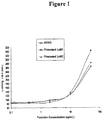
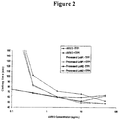
- the dPT assay was similar to that previously described (14). Simplastin (bioMeriex, Durham, NC) was diluted with saline to 1:100 or 1:300, depending on the assay format, and mixed with 25 mM CaCl 2 . The plasma sample was also pre-warmed to 37°C and then ⁇ 75 ⁇ L of each were mixed together and time to clot was measured with a fibrometer. For evaluation of fucoidan activity, 5 ⁇ L of 20X fucoidan was pre-incubated with plasma at room temperature for 30min before initiating the dPT assay.
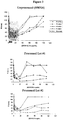
- TEG analysis- For activation of the plasma samples, 20 ⁇ L of 0.2 M CaCl 2 were added into a plastic cup mounted on an aluminum cup holder. The mixtures of plasma sample and fucoidan (340 ⁇ L) were dispensed into the CaCl 2 solution and immediately measured. The TEG analyzer incubated the samples continuously at 37 °C. The tests were stopped after the following clot formation parameters were calculated by the TEG®Analytical Software Version 4: R, latency period for initial coagulation from the time the measurement started; angle a, representing the rapidity of clot strengthening; and MA (maximum amplitude), equivalent to the maximum strength of the formed clot. In plasma samples without clot formation the measurement was ended after 2 h. The average values and standard deviations were calculated from three independent measurements.
- Purified fucoidan extract as described in Examples 1 and 2 had increased neutral sugar and sulfate content and reduced heavy metal contamination and endotoxin levels, while maintaining the monosaccharide profile.
- the purified fucoidan extracts had non-detectable (ND) levels of arsenic, bromine, cerium, cobalt, lead, lithium, molybdenum, tin, tungsten, and vanadium.
- ND non-detectable
- purification reduced levels of iodine, iron, magnesium, manganese, nickel, phosphorus, potassium, and rubidium by at least two-fold. Endotoxin levels were reduced approximately 50%.
- Purified fucoidan extracts containing enriched fucoidan had accelerated clotting activity (and enhanced TFPI inhibition) and minimal change in anti-coagulant activity when compared to the crude fucoidan extract.
Landscapes
- Health & Medical Sciences (AREA)
- Life Sciences & Earth Sciences (AREA)
- Chemical & Material Sciences (AREA)
- General Health & Medical Sciences (AREA)
- Medicinal Chemistry (AREA)
- Engineering & Computer Science (AREA)
- Public Health (AREA)
- Veterinary Medicine (AREA)
- Pharmacology & Pharmacy (AREA)
- Animal Behavior & Ethology (AREA)
- Organic Chemistry (AREA)
- Chemical Kinetics & Catalysis (AREA)
- Molecular Biology (AREA)
- Epidemiology (AREA)
- General Chemical & Material Sciences (AREA)
- Biotechnology (AREA)
- Nuclear Medicine, Radiotherapy & Molecular Imaging (AREA)
- Natural Medicines & Medicinal Plants (AREA)
- Dermatology (AREA)
- Biochemistry (AREA)
- Bioinformatics & Cheminformatics (AREA)
- Materials Engineering (AREA)
- Polymers & Plastics (AREA)
- Microbiology (AREA)
- Alternative & Traditional Medicine (AREA)
- Medical Informatics (AREA)
- Mycology (AREA)
- Botany (AREA)
- Zoology (AREA)
- Hematology (AREA)
- Diabetes (AREA)
- Wood Science & Technology (AREA)
- Virology (AREA)
- Rheumatology (AREA)
- Communicable Diseases (AREA)
- Oncology (AREA)
- Pain & Pain Management (AREA)
- General Engineering & Computer Science (AREA)
- Genetics & Genomics (AREA)
- Pharmaceuticals Containing Other Organic And Inorganic Compounds (AREA)
Applications Claiming Priority (4)
| Application Number | Priority Date | Filing Date | Title |
|---|---|---|---|
| US89128707P | 2007-02-23 | 2007-02-23 | |
| EP12175889.0A EP2532686B1 (en) | 2007-02-23 | 2008-02-01 | Process methods for fucoidan purification from seaweed extracts |
| EP08725114.6A EP2121767B1 (en) | 2007-02-23 | 2008-02-01 | Process methods for fucoidan purification from seaweed extracts |
| PCT/US2008/001425 WO2008103234A1 (en) | 2007-02-23 | 2008-02-01 | Process methods for fucoidan purification from seaweed extracts |
Related Parent Applications (2)
| Application Number | Title | Priority Date | Filing Date |
|---|---|---|---|
| EP12175889.0A Division EP2532686B1 (en) | 2007-02-23 | 2008-02-01 | Process methods for fucoidan purification from seaweed extracts |
| EP08725114.6A Division EP2121767B1 (en) | 2007-02-23 | 2008-02-01 | Process methods for fucoidan purification from seaweed extracts |
Publications (1)
| Publication Number | Publication Date |
|---|---|
| EP3409694A1 true EP3409694A1 (en) | 2018-12-05 |
Family
ID=39545010
Family Applications (3)
| Application Number | Title | Priority Date | Filing Date |
|---|---|---|---|
| EP18172045.9A Withdrawn EP3409694A1 (en) | 2007-02-23 | 2008-02-01 | Process methods for fucoidan purification from seaweed extracts |
| EP08725114.6A Active EP2121767B1 (en) | 2007-02-23 | 2008-02-01 | Process methods for fucoidan purification from seaweed extracts |
| EP12175889.0A Active EP2532686B1 (en) | 2007-02-23 | 2008-02-01 | Process methods for fucoidan purification from seaweed extracts |
Family Applications After (2)
| Application Number | Title | Priority Date | Filing Date |
|---|---|---|---|
| EP08725114.6A Active EP2121767B1 (en) | 2007-02-23 | 2008-02-01 | Process methods for fucoidan purification from seaweed extracts |
| EP12175889.0A Active EP2532686B1 (en) | 2007-02-23 | 2008-02-01 | Process methods for fucoidan purification from seaweed extracts |
Country Status (7)
| Country | Link |
|---|---|
| US (2) | US8748595B2 (OSRAM) |
| EP (3) | EP3409694A1 (OSRAM) |
| JP (1) | JP5679663B2 (OSRAM) |
| KR (1) | KR101486931B1 (OSRAM) |
| CN (2) | CN101663326B (OSRAM) |
| ES (2) | ES2683948T3 (OSRAM) |
| WO (1) | WO2008103234A1 (OSRAM) |
Families Citing this family (38)
| Publication number | Priority date | Publication date | Assignee | Title |
|---|---|---|---|---|
| KR101486931B1 (ko) * | 2007-02-23 | 2015-01-27 | 박스터 인터내쇼날 인코포레이티드 | 해조류 추출물로부터 푸코이단을 정제하는 방법 |
| WO2010071894A2 (en) | 2008-12-19 | 2010-06-24 | Baxter International Inc. | Tfpi inhibitors and methods of use |
| JO3676B1 (ar) * | 2009-07-27 | 2020-08-27 | Arc Medical Devices Inc | مركبات صيدلانية تضم فوكانات معدلة وطرق تتعلق بها |
| CN101659709B (zh) * | 2009-09-18 | 2011-09-07 | 集美大学 | 岩藻聚糖的制备方法 |
| EP2523553B1 (en) * | 2010-01-14 | 2020-04-08 | Baxalta GmbH | Methods and compositions for treating bleeding disorders |
| CN105566490A (zh) | 2010-03-19 | 2016-05-11 | 巴克斯特国际公司 | Tfpi抑制剂及使用方法 |
| BR112012029995A2 (pt) * | 2010-05-27 | 2016-08-02 | Leti Sl Lab | composição farmacêutica ou cosmética tópica útil para o tratamento de doenças ou condições que transcursam por meio de um déficit de maturação do envelope cornificado |
| EP3153173A1 (en) * | 2010-06-28 | 2017-04-12 | Stemtech International, Inc. | Methods and compositions for enhancing stem cell mobilization |
| US10590207B2 (en) | 2010-11-23 | 2020-03-17 | DuPont Nutrition USA, Inc. | Process for isolating fucoidan and laminarin from live, harvested seaweed |
| WO2012086853A1 (en) * | 2010-12-20 | 2012-06-28 | Korea Food Research Institute | Composition for positively allosterically modulating gabaa-benzodiazepine receptor and composition for producing sedative-hypnotic effects containing ecklonia cava extract and ecklonia kurome extract |
| CN102321052B (zh) * | 2011-05-26 | 2013-08-21 | 天津市尖峰天然产物研究开发有限公司 | 综合利用海带提取纯化岩藻黄质和岩藻聚糖硫酸酯的方法 |
| DK2734213T3 (en) * | 2011-07-19 | 2018-08-13 | Baxalta GmbH | RESORPTION PROMOTERS ADDITIVES TO IMPROVE ORAL FORMULATION OF NON-ANTI-COATING SULPHATE POLYSACCHARIDS |
| CA2846416C (en) * | 2011-08-25 | 2019-10-01 | Lillian Day | Tripartite bioactive composition providing anti-oxidant and anti-inflammatory effects with immune system and stem cell production enhancement |
| CN102417549B (zh) * | 2011-11-07 | 2013-07-24 | 沈阳科思高科技有限公司 | 一种基于微波化学的褐藻活性多糖的提取方法 |
| EA201490995A1 (ru) | 2011-11-18 | 2014-08-29 | Стемтек Интернэшнл, Инк. | Использование фо-ти для усиления мобилизации и пролиферации стволовых клеток |
| CN109111505A (zh) | 2012-03-21 | 2019-01-01 | 百深有限责任公司 | Tfpi抑制剂及其使用方法 |
| CA2881785A1 (en) | 2012-08-14 | 2014-02-20 | Baxter International Inc. | Methods and systems for screening compositions comprising non-anticoagulant sulfated polysaccharides |
| JP6336487B2 (ja) * | 2013-01-25 | 2018-06-06 | マリノヴァ プロプライエタリー リミテッド | 処理方法 |
| CN104698159B (zh) * | 2015-03-10 | 2017-03-08 | 中国科学院苏州生物医学工程技术研究所 | 一种内毒素含量的检测方法 |
| KR102510256B1 (ko) * | 2016-06-27 | 2023-03-16 | 다케다 야쿠힌 고교 가부시키가이샤 | 주사기 안정화기 |
| KR101721998B1 (ko) * | 2016-08-16 | 2017-03-31 | (주)한국바이오엔지니어링 | 이미, 이취, 및 염분 제거를 위한 반용매 정제기술이 적용된 후코이단 제조 방법 |
| KR101866906B1 (ko) * | 2017-04-05 | 2018-06-12 | 한남대학교 산학협력단 | 후코이단의 추출방법 |
| CN108641008B (zh) * | 2018-05-11 | 2020-07-24 | 大连工业大学 | 裙带菜孢子叶提取岩藻聚糖硫酸酯及脱除重金属的方法 |
| US12186334B2 (en) | 2018-07-27 | 2025-01-07 | ARC Medical Inc. | High-molecular-weight fucans for treating fibrous adhesions and other diseases and conditions |
| EP3830182A4 (en) | 2018-07-27 | 2022-06-29 | Arc Medical Devices, Inc. | High-molecular-weight fucans for treating fibrous adhesions and other diseases and conditions |
| CN109134680B (zh) * | 2018-09-10 | 2021-03-09 | 深圳华创生物医药科技有限公司 | 一种褐藻糖胶的提取和纯化方法及其应用 |
| GB2579600B (en) | 2018-12-05 | 2023-07-05 | Byotrol Plc | Anti-viral composition |
| AU2020230466B2 (en) | 2019-03-05 | 2021-05-13 | Arc Medical Devices Inc. | Systems and methods for tangential flow filtration of viscous compositions |
| RU2717672C1 (ru) * | 2019-04-05 | 2020-03-25 | Гордейчук Владимир Евгеньевич | Способ стимуляции клеток иммунной системы человека |
| SE1950885A1 (en) * | 2019-07-11 | 2021-01-12 | Faelker Knut | Treatment of patients undergoing antiplatelet medication experiencing acute bleeding complications during / after surgery |
| KR102309085B1 (ko) | 2019-12-13 | 2021-10-08 | 한국프라임제약주식회사 | 비소가 저감된 해조류 추출물 및 이의 제조방법 |
| EP3932411A1 (en) * | 2020-06-30 | 2022-01-05 | GSK Consumer Healthcare SARL | Antiviral pharmaceutical composition |
| CN112062871B (zh) * | 2020-10-14 | 2022-06-28 | 福州海王福药制药有限公司 | 一种红藻多糖的制备方法 |
| JP7770121B2 (ja) * | 2021-06-30 | 2025-11-14 | ポーラ化成工業株式会社 | ヒアルロン酸受容体発現促進剤、これを含む皮膚外用剤並びに高分子ヒアルロン酸の保持効率向上方法 |
| EP4490042A1 (en) | 2022-03-08 | 2025-01-15 | Equashield Medical Ltd. | Fluid transfer station in a robotic pharmaceutical preparation system |
| CN115386013B (zh) * | 2022-04-19 | 2023-05-12 | 广西中医药大学 | 一种具有强效抗凝活性的海带多糖及其制备方法和应用 |
| EP4590285A1 (en) | 2022-09-21 | 2025-07-30 | Bioatlantis Limited | Phlorotannins and alpha-fucans to treat type 2 diabetes mellitus |
| EP4389251A1 (en) | 2022-12-23 | 2024-06-26 | Max-Planck-Gesellschaft zur Förderung der Wissenschaften e.V. | Means and methods to purify and/or quantify fucoidan |
Citations (3)
| Publication number | Priority date | Publication date | Assignee | Title |
|---|---|---|---|---|
| US6593311B2 (en) * | 1996-01-26 | 2003-07-15 | Takara Shuzo Co., Ltd. | Apoptosis inducers |
| EP1327448A1 (en) * | 2000-09-13 | 2003-07-16 | Takara Bio Inc. | Homeostasis-maintaining agents |
| US20050282771A1 (en) | 2004-05-27 | 2005-12-22 | Avigen, Inc. | Methods for treating bleeding disorders using sulfated polysaccharides |
Family Cites Families (15)
| Publication number | Priority date | Publication date | Assignee | Title |
|---|---|---|---|---|
| US4431546A (en) * | 1981-04-27 | 1984-02-14 | The Public Health Laboratory Services Board | Affinity chromatography using metal ions |
| JPS6157520A (ja) * | 1984-08-29 | 1986-03-24 | Kibun Food Chemiphar:Kk | フコイダン純度の高い溶液又は、フコイダンの製造方法 |
| JP3714426B2 (ja) | 1994-02-01 | 2005-11-09 | 株式会社糖鎖工学研究所 | フコイダンオリゴ糖組成物含有癌転移抑制剤 |
| JP3371124B2 (ja) * | 1996-12-24 | 2003-01-27 | 正邦 田幸 | 養殖オキナワモズクを原料とするアセチルフコイダンおよ びそれの製造法 |
| JPH10195106A (ja) * | 1997-01-13 | 1998-07-28 | Masakuni Tako | 養殖イトモズクからの純度の高いフコイダンの製造法 |
| JP4347950B2 (ja) * | 1999-06-14 | 2009-10-21 | 株式会社ヤクルト本社 | 高純度フコイダンおよびその製造方法 |
| US20030039670A1 (en) * | 1999-11-30 | 2003-02-27 | Shigetoshi Mizutani | Cosmetics |
| JP3676682B2 (ja) * | 2001-01-26 | 2005-07-27 | 株式会社スペース商事 | フコイダン含有抽出物の簡易な製造方法 |
| JP4768142B2 (ja) * | 2001-03-08 | 2011-09-07 | 協同乳業株式会社 | フコイダンの簡易製造方法 |
| CN1173997C (zh) * | 2001-04-28 | 2004-11-03 | 武汉大学 | 高纯度魔芋葡甘聚糖的提取工艺 |
| CN1344565A (zh) * | 2001-10-19 | 2002-04-17 | 汤洁 | 岩藻多糖酯作为抗病毒及免疫调节剂及其制备方法 |
| JP2003155244A (ja) * | 2002-09-13 | 2003-05-27 | Kyodo Milk Industry Co Ltd | モズク由来のフコイダンを含む食品 |
| CN1229393C (zh) * | 2003-01-02 | 2005-11-30 | 合肥学院 | 酶法制备低分子量岩藻多糖工艺 |
| WO2006019804A2 (en) * | 2004-07-14 | 2006-02-23 | Wyeth | Compositions and methods of purifying myelin-associated glycoprotein (mag) |
| KR101486931B1 (ko) * | 2007-02-23 | 2015-01-27 | 박스터 인터내쇼날 인코포레이티드 | 해조류 추출물로부터 푸코이단을 정제하는 방법 |
-
2008
- 2008-02-01 KR KR1020097019831A patent/KR101486931B1/ko active Active
- 2008-02-01 CN CN2008800079552A patent/CN101663326B/zh active Active
- 2008-02-01 ES ES12175889.0T patent/ES2683948T3/es active Active
- 2008-02-01 CN CN201210417761.8A patent/CN102911281B/zh active Active
- 2008-02-01 WO PCT/US2008/001425 patent/WO2008103234A1/en not_active Ceased
- 2008-02-01 ES ES08725114.6T patent/ES2476250T3/es active Active
- 2008-02-01 US US12/449,712 patent/US8748595B2/en active Active
- 2008-02-01 EP EP18172045.9A patent/EP3409694A1/en not_active Withdrawn
- 2008-02-01 EP EP08725114.6A patent/EP2121767B1/en active Active
- 2008-02-01 EP EP12175889.0A patent/EP2532686B1/en active Active
- 2008-02-01 JP JP2009550877A patent/JP5679663B2/ja active Active
-
2014
- 2014-05-01 US US14/267,791 patent/US9234051B2/en active Active
Patent Citations (3)
| Publication number | Priority date | Publication date | Assignee | Title |
|---|---|---|---|---|
| US6593311B2 (en) * | 1996-01-26 | 2003-07-15 | Takara Shuzo Co., Ltd. | Apoptosis inducers |
| EP1327448A1 (en) * | 2000-09-13 | 2003-07-16 | Takara Bio Inc. | Homeostasis-maintaining agents |
| US20050282771A1 (en) | 2004-05-27 | 2005-12-22 | Avigen, Inc. | Methods for treating bleeding disorders using sulfated polysaccharides |
Non-Patent Citations (35)
| Title |
|---|
| "Methods In Enzymology", ACADEMIC PRESS, INC. |
| "PDR Staff. Physicians' Desk Reference", 2004 |
| "Physician's Desk Reference", 1998, article "Medical Economics" |
| "Protein Purification Applications: A Practical Approach", 1990 |
| "Protein Purification Methods: A Practical Approach", 1989 |
| "Remington: The Science & Practice of Pharmacy", 1995, WILLIAMS & WILLIAMS |
| "Remington: The Science and Practice of Pharmacy" |
| A DUNN, IDRUGS, vol. 3, 2000, pages 817 - 824 |
| A.L. LEHNINGER: "Biochemistry", WORTH PUBLISHERS, INC. |
| ANDERSON ET AL., THROMB. RES., vol. 9, 1976, pages 575 - 580 |
| BROZE ET AL., THROMB HAEMOST, vol. 85, 2001, pages 747 - 748 |
| DAVIE ET AL., BIOCHEMISTRY, vol. 30, 1991, pages 10363 |
| FITTON, J.H.: "The Nutrition Science Site", GLYCOSCIENCE, 1 January 2005 (2005-01-01) |
| GILES ET AL., BLOOD, vol. 60, 1982, pages 727 - 730 |
| IQBAL O ET AL., FAREED J, EXPERT OPIN EMERG DRUGS, vol. 6, 2001, pages 111 - 135 |
| J. GRIFFITH HARDMAN; L. L. LIMBIRD; A. GILMAN: "Goodman & Gilman The Pharmacological Basis of Therapeutics" |
| J. MARCH: "Advanced Organic Chemistry", MCGRAW HILL |
| JOHNSON, K.W., THROMBOSIS AND HAEMOSTASIS, vol. 95, 2006, pages 68 - 76 |
| KIBBE, A.H.: "Handbook of Pharmaceutical Excipients", 2000, AMERICAN PHARMACEUTICAL ASSOCIATION |
| KITAMURA K ET AL: "FUCOIDAN FROM BROWN SEAWEED LAMINARIA AUGUSTATA VAR. LONGISSIMA", AGRICULTURAL AND BIOLOGICAL CHEMISTRY, JAPAN SOC. FOR BIOSCIENCE, BIOTECHNOLOGY AND AGROCHEM, TOKYO, JP, vol. 55, no. 2, 1 January 1991 (1991-01-01), pages 615/616, XP002030705, ISSN: 0002-1369 * |
| MABEAU S ET AL: "FRACTIONATION AND ANALYSIS OF FUCANS FROM BROWN ALGAE", PHYTOCHEMISTRY (OXFORD), vol. 29, no. 8, 1990, pages 2441 - 2446, XP026605407, ISSN: 0031-9422 * |
| MARAIS M-F ET AL: "A fucoidan fraction from Ascophyllum nodosum", CARBOHYDRATE RESEARCH, ELSEVIER SCIENTIFIC PUBLISHING COMPANY. AMSTERDAM, NL, vol. 336, no. 2, 8 November 2001 (2001-11-08), pages 155 - 159, XP004311618, ISSN: 0008-6215 * |
| MERKLE; POPPE, METHODS ENZYMOL., vol. 230, 1994, pages 1 - 15 |
| MORRISON; BOYD: "Organic Chemistry", ALLYN AND BACON, INC. |
| NISHINO T ET AL: "ISOLATION AND PARTIAL CHARACTERIZATION OF A NOVEL AMINO SUGAR-CONTAINING FUCAN SULFATE FROM COMMERCIAL FUCUS VESICULOSUS FUCOIDAN", CARBOHYDRATE RESEARCH, ELSEVIER SCIENTIFIC PUBLISHING COMPANY. AMSTERDAM, NL, vol. 255, 1 January 1994 (1994-01-01), pages 213 - 224, XP000914778, ISSN: 0008-6215 * |
| NORDFANG ET AL., THROMB HAEMOST., vol. 66, 1991, pages 464 - 467 |
| PIJNAPPELS ET AL., THROMB. HAEMOST., vol. 55, 1986, pages 70 - 73 |
| ROBERTS, HR, ANESTHESIOLOGY, vol. 100, 2004, pages 722 - 730 |
| SCALLAN ET AL., BLOOD, vol. 102, 2003, pages 2031 - 2037 |
| SPRINGER G F ET AL: "Isolation of anticoagulant fractions from crude fucoidin", PROCEEDINGS OF THE SOCIETY FOR EXPERIMENTAL BIOLOGY & MEDICINE, ACADEMIC PRESS INC. NEW YORK, US, vol. 94, no. 2, 1 February 1957 (1957-02-01), pages 404 - 409, XP009090254, ISSN: 0037-9727 * |
| T.E. CREIGHTON: "Proteins: Structures and Molecular Properties", 1993, W.H. FREEMAN AND COMPANY |
| TOIDA TC; LINHARDT, RJ., TRENDS IN GLYCOSCIENCE AND GLYCOTECHNOLOGY, vol. 15, 2003, pages 29 - 46 |
| WEITZ, J. I. ET AL., CHEST, vol. 126, no. 3, September 2004 (2004-09-01), pages 265S |
| WELSCH ET AL., THROMBOSIS RESEARCH, vol. 64, 1991, pages 213 - 222 |
| YORK ET AL., METHODS ENZYMOL, vol. 118, 1985, pages 3 - 40 |
Also Published As
| Publication number | Publication date |
|---|---|
| WO2008103234A1 (en) | 2008-08-28 |
| US20140328827A1 (en) | 2014-11-06 |
| JP2010519383A (ja) | 2010-06-03 |
| EP2121767A1 (en) | 2009-11-25 |
| KR101486931B1 (ko) | 2015-01-27 |
| EP2532686A1 (en) | 2012-12-12 |
| JP5679663B2 (ja) | 2015-03-04 |
| CN102911281B (zh) | 2015-04-15 |
| HK1135120A1 (en) | 2010-05-28 |
| ES2476250T3 (es) | 2014-07-14 |
| KR20090127142A (ko) | 2009-12-09 |
| CN101663326B (zh) | 2013-03-20 |
| ES2683948T3 (es) | 2018-09-28 |
| CN101663326A (zh) | 2010-03-03 |
| US8748595B2 (en) | 2014-06-10 |
| CN102911281A (zh) | 2013-02-06 |
| US9234051B2 (en) | 2016-01-12 |
| EP2121767B1 (en) | 2014-04-09 |
| EP2532686B1 (en) | 2018-05-16 |
| US20100144667A1 (en) | 2010-06-10 |
Similar Documents
| Publication | Publication Date | Title |
|---|---|---|
| EP2532686B1 (en) | Process methods for fucoidan purification from seaweed extracts | |
| US20190030066A1 (en) | Antithrombin-heparin compositions and methods | |
| EP2165711B1 (en) | Methods for treating bleeding disorders using sulfated polysaccharides | |
| AU2013215237B2 (en) | Non-anticoagulant sulfated or sulfonated polysaccharides | |
| Fonseca et al. | Improved anticoagulant effect of fucosylated chondroitin sulfate orally administered as gastroresistant tablets | |
| US20090098185A1 (en) | Method for treating thrombotic disorders using sulfated polysaccharides | |
| EP2734213B1 (en) | Resorption enhancers as additives to improve the oral formulation of non-anticoagulant sulfated polysaccharides | |
| US20030092671A1 (en) | Antithrombotic composition | |
| EP2968400B1 (en) | Resorption enhancers as additives to improve the oral formulation of low molecular weight heparins | |
| HK1135120B (en) | Process methods for fucoidan purification from seaweed extracts | |
| HK40002622A (en) | Resorption enhancers as additives to improve the oral formulation of non-anticoagulant sulfated polysaccharides | |
| HK1142276B (en) | Methods for treating bleeding disorders using sulfated polysaccharides |
Legal Events
| Date | Code | Title | Description |
|---|---|---|---|
| PUAI | Public reference made under article 153(3) epc to a published international application that has entered the european phase |
Free format text: ORIGINAL CODE: 0009012 |
|
| STAA | Information on the status of an ep patent application or granted ep patent |
Free format text: STATUS: REQUEST FOR EXAMINATION WAS MADE |
|
| 17P | Request for examination filed |
Effective date: 20180514 |
|
| AC | Divisional application: reference to earlier application |
Ref document number: 2532686 Country of ref document: EP Kind code of ref document: P Ref document number: 2121767 Country of ref document: EP Kind code of ref document: P |
|
| AK | Designated contracting states |
Kind code of ref document: A1 Designated state(s): AT BE BG CH CY CZ DE DK EE ES FI FR GB GR HR HU IE IS IT LI LT LU LV MC MT NL NO PL PT RO SE SI SK TR |
|
| RIN1 | Information on inventor provided before grant (corrected) |
Inventor name: PRASAD, SRINIVASA Inventor name: JOHNSON, KIRK Inventor name: BAHR-DAVIDSON, JENNIFER Inventor name: SHAKLEE, PATRICK N. |
|
| RAP1 | Party data changed (applicant data changed or rights of an application transferred) |
Owner name: BAXALTA GMBH Owner name: BAXALTA INCORPORATED |
|
| RAP1 | Party data changed (applicant data changed or rights of an application transferred) |
Owner name: TAKEDA PHARMACEUTICAL COMPANY LIMITED |
|
| STAA | Information on the status of an ep patent application or granted ep patent |
Free format text: STATUS: EXAMINATION IS IN PROGRESS |
|
| 17Q | First examination report despatched |
Effective date: 20220302 |
|
| P01 | Opt-out of the competence of the unified patent court (upc) registered |
Effective date: 20230510 |
|
| GRAP | Despatch of communication of intention to grant a patent |
Free format text: ORIGINAL CODE: EPIDOSNIGR1 |
|
| STAA | Information on the status of an ep patent application or granted ep patent |
Free format text: STATUS: GRANT OF PATENT IS INTENDED |
|
| INTG | Intention to grant announced |
Effective date: 20240312 |
|
| STAA | Information on the status of an ep patent application or granted ep patent |
Free format text: STATUS: THE APPLICATION IS DEEMED TO BE WITHDRAWN |
|
| 18D | Application deemed to be withdrawn |
Effective date: 20240713 |