EP3409130B1 - Zusammensetzung zur prävention, linderung oder behandlung neurologischer erkrankungen mit neuartigem peptid zur aktivierung von adiponectin-rezeptoren als wirkstoff - Google Patents
Zusammensetzung zur prävention, linderung oder behandlung neurologischer erkrankungen mit neuartigem peptid zur aktivierung von adiponectin-rezeptoren als wirkstoff Download PDFInfo
- Publication number
- EP3409130B1 EP3409130B1 EP17744589.7A EP17744589A EP3409130B1 EP 3409130 B1 EP3409130 B1 EP 3409130B1 EP 17744589 A EP17744589 A EP 17744589A EP 3409130 B1 EP3409130 B1 EP 3409130B1
- Authority
- EP
- European Patent Office
- Prior art keywords
- app
- disease
- active ingredient
- peptide
- functional food
- Prior art date
- Legal status (The legal status is an assumption and is not a legal conclusion. Google has not performed a legal analysis and makes no representation as to the accuracy of the status listed.)
- Active
Links
Images






Classifications
-
- A—HUMAN NECESSITIES
- A23—FOODS OR FOODSTUFFS; TREATMENT THEREOF, NOT COVERED BY OTHER CLASSES
- A23L—FOODS, FOODSTUFFS OR NON-ALCOHOLIC BEVERAGES, NOT OTHERWISE PROVIDED FOR; PREPARATION OR TREATMENT THEREOF
- A23L33/00—Modifying nutritive qualities of foods; Dietetic products; Preparation or treatment thereof
- A23L33/10—Modifying nutritive qualities of foods; Dietetic products; Preparation or treatment thereof using additives
- A23L33/17—Amino acids, peptides or proteins
- A23L33/18—Peptides; Protein hydrolysates
-
- A—HUMAN NECESSITIES
- A61—MEDICAL OR VETERINARY SCIENCE; HYGIENE
- A61K—PREPARATIONS FOR MEDICAL, DENTAL OR TOILETRY PURPOSES
- A61K38/00—Medicinal preparations containing peptides
- A61K38/04—Peptides having up to 20 amino acids in a fully defined sequence; Derivatives thereof
- A61K38/08—Peptides having 5 to 11 amino acids
-
- A—HUMAN NECESSITIES
- A61—MEDICAL OR VETERINARY SCIENCE; HYGIENE
- A61P—SPECIFIC THERAPEUTIC ACTIVITY OF CHEMICAL COMPOUNDS OR MEDICINAL PREPARATIONS
- A61P25/00—Drugs for disorders of the nervous system
- A61P25/08—Antiepileptics; Anticonvulsants
-
- A—HUMAN NECESSITIES
- A61—MEDICAL OR VETERINARY SCIENCE; HYGIENE
- A61P—SPECIFIC THERAPEUTIC ACTIVITY OF CHEMICAL COMPOUNDS OR MEDICINAL PREPARATIONS
- A61P25/00—Drugs for disorders of the nervous system
- A61P25/14—Drugs for disorders of the nervous system for treating abnormal movements, e.g. chorea, dyskinesia
- A61P25/16—Anti-Parkinson drugs
-
- A—HUMAN NECESSITIES
- A61—MEDICAL OR VETERINARY SCIENCE; HYGIENE
- A61P—SPECIFIC THERAPEUTIC ACTIVITY OF CHEMICAL COMPOUNDS OR MEDICINAL PREPARATIONS
- A61P25/00—Drugs for disorders of the nervous system
- A61P25/18—Antipsychotics, i.e. neuroleptics; Drugs for mania or schizophrenia
-
- A—HUMAN NECESSITIES
- A61—MEDICAL OR VETERINARY SCIENCE; HYGIENE
- A61P—SPECIFIC THERAPEUTIC ACTIVITY OF CHEMICAL COMPOUNDS OR MEDICINAL PREPARATIONS
- A61P25/00—Drugs for disorders of the nervous system
- A61P25/24—Antidepressants
-
- A—HUMAN NECESSITIES
- A61—MEDICAL OR VETERINARY SCIENCE; HYGIENE
- A61P—SPECIFIC THERAPEUTIC ACTIVITY OF CHEMICAL COMPOUNDS OR MEDICINAL PREPARATIONS
- A61P25/00—Drugs for disorders of the nervous system
- A61P25/28—Drugs for disorders of the nervous system for treating neurodegenerative disorders of the central nervous system, e.g. nootropic agents, cognition enhancers, drugs for treating Alzheimer's disease or other forms of dementia
-
- C—CHEMISTRY; METALLURGY
- C07—ORGANIC CHEMISTRY
- C07K—PEPTIDES
- C07K14/00—Peptides having more than 20 amino acids; Gastrins; Somatostatins; Melanotropins; Derivatives thereof
- C07K14/435—Peptides having more than 20 amino acids; Gastrins; Somatostatins; Melanotropins; Derivatives thereof from animals; from humans
- C07K14/705—Receptors; Cell surface antigens; Cell surface determinants
- C07K14/72—Receptors; Cell surface antigens; Cell surface determinants for hormones
-
- C—CHEMISTRY; METALLURGY
- C07—ORGANIC CHEMISTRY
- C07K—PEPTIDES
- C07K7/00—Peptides having 5 to 20 amino acids in a fully defined sequence; Derivatives thereof
- C07K7/04—Linear peptides containing only normal peptide links
- C07K7/06—Linear peptides containing only normal peptide links having 5 to 11 amino acids
-
- A—HUMAN NECESSITIES
- A23—FOODS OR FOODSTUFFS; TREATMENT THEREOF, NOT COVERED BY OTHER CLASSES
- A23V—INDEXING SCHEME RELATING TO FOODS, FOODSTUFFS OR NON-ALCOHOLIC BEVERAGES AND LACTIC OR PROPIONIC ACID BACTERIA USED IN FOODSTUFFS OR FOOD PREPARATION
- A23V2002/00—Food compositions, function of food ingredients or processes for food or foodstuffs
Definitions
- the present disclosure relates to a composition for the prevention, improvement, or treatment of a neurological disorder, the composition including an adiponectin receptor-activating novel peptide as an active ingredient.
- Degenerative neurological disorder is a disorder in which degenerative changes in the nervous system of the central nervous system cause various symptoms due to the motor and sensory impairment and inhibition of functions such as memory, learning, and computational reasoning.
- Degenerative neurological disorders occur in a specific part of the nervous system, causing symptoms such as dementia, extrapyramidal abnormality, cerebellar abnormality, sensory disturbance, and movement disorder. In some cases, many parts may be affected at the same time, resulting in complex symptoms. The diagnosis is based on the clinical manifestations of the patient. In this case, it is difficult to diagnose since various other disorders show common clinical symptoms ( Soc. Sci. Med. Vol. 40(6), pp. 847-858, 1995 ).
- Dementia one of the degenerative neurological disorders, is a disorder with general impairment of systemic function, including memory impairment and loss of judgment. Dementia is a geriatric disease: before age 50, its symptoms rarely occur, but after age 60, its frequency of occurrence is gradually increased. As the elderly population increases due to the development of medical technology and quality of life, the number of affected population is rapidly increased not only in Korea but also globally. The number of dementia patients aged 65 years or older registered in 2008 is 421,000, accounting for 8.4% of the total population of the elderly population. In 2030, the number is expected to be 1,135,000, being greater than 9.6% of the total elderly population.
- AD Alzheimer disease
- the major onset form of dementia is characterized by two distinct lesions: one is formation of neurofibrillary tangles in the cells caused by hyperphosphorylation and aggregation of tau proteins in neurons of the cortex and hippocampus, and the other one is a plaque formed outside the cells by the aggregation of amyloid ⁇ -1/42.
- Alzheimer's disease Although the cause of Alzheimer's disease has not yet been clarified, tangles, plaques, or precursors, which are the aggregation form of two proteins involved in aggregation, is deposited on neuronal cells responsible for brain memory and recognition, causing neuronal dysfunction and death, causing Alzheimer.
- APP ⁇ -amyloid precursor protein
- PS1 presenilin-1
- PS2 presenilin-2
- Korean Patent Publication No. 2014-0042148 discloses a composition for preventing or treating a degenerative neurological disorder including a bioactive peptide as an active ingredient
- Japanese Patent Registration No. 5221633 discloses low molecular weight peptides for the treatment of Alzheimer's disease and other ⁇ -amyloid protein fibrillogenesis disorder
- U.S. Patent Publication No. 2014-0271690 discloses a peptide vaccine for the prevention of Alzheimer-type dementia and immunotherapy.
- a composition for the prevention, improvement, or treatment of a neurological disorder containing an adiponectin receptor-activating novel peptide as an active ingredient according to the present disclosure has not yet been disclosed.
- the present disclosure is introduced in response to the need described above, and it was found that the present disclosure provides a composition for the prevention, improvement, or treatment of a neurological disorder including an adiponectin receptor-activating novel peptide as an active ingredient, wherein the active ingredient is not cytotoxic, reduces the expression levels of APP and A ⁇ proteins, and enhances the cognitive or memory function of animal models.
- the present disclosure provides a health functional food composition for the prevention or improvement of a neurological disorder including at least one peptide selected from peptides consisting of the amino acid sequences of SEQ ID NOS: 1 to 10 as an active ingredient.
- the present disclosure also provides a pharmaceutical composition for the prevention or treatment of a neurological disorder including at least one peptide selected from peptides consisting of the amino acid sequences of SEQ ID NOS: 1 to 10 as an active ingredient.
- the present disclosure also provides a method of preventing or treating a neurological disorder, the method including administering, to a subject, a composition including at least one peptide selected from peptides consisting of the amino acid sequences of SEQ ID NOS: 1 to 10 as an active ingredient.
- the present disclosure relates to a composition for the prevention, improvement, or treatment of a neurological disorder including an adiponectin receptor-activating novel peptide as an active ingredient.
- the composition according to the present disclosure was administrated to Alzheimer's model mice and then their behavioral changes were identified. The results show that the memory and cognitive functions were remarkably increased, the ⁇ -amyloid precursor protein (APP) and amyloid beta (A ⁇ ) proteins were remarkably reduced, and cytotoxicity does not occur, and accordingly, it was identified that the composition is useful for use as a composition for the prevention, improvement, or treatment of neurological disorders.
- the adiponectin receptor-activating novel peptide is a peptide consisting of five amino acids, high productivity may be obtained through protein synthesis, leading to an increased industrial availability.
- the present disclosure provides a health functional food composition for the prevention or improvement of a neurological disorder including at least one peptide selected from peptides consisting of the amino acid sequences of SEQ ID NOS: 1 to 10 as an active ingredient.
- the peptides consisting of the amino acid sequences of SEQ ID NOS: 1 to 10 is an adiponectin receptor-activating peptide and a sequence designed through bioinformatics analysis.
- the peptides consisting of the amino acid sequences of SEQ ID NOS: 1 to 10 may be synthesized by peptide synthesis, but preparation methods for the peptides are not limited thereto.
- the neurological disorder may include at least one selected from Alzheimer's disease, dementia, Parkinson's disease, epilepsy, schizophrenia, depression, bipolar disorder, neurogenic disorders, autism, stroke, Lou Gehrig, Huntington's disease, and multiple sclerosis.
- the neurological disorder may be Alzheimer's disease, but is not limited thereto.
- the at least one peptide selected from peptides consisting of the amino acid sequences of SEQ ID NOS: 1 to 10 may be included in an amount of 0.1 % by weight to 100 % by weight based on the total weight of the composition.
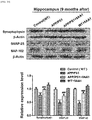
- composition reduces the expression levels of A ⁇ oligomers or ⁇ -amyloid precursor (APP) protein in the hippocampus and cortex of the brain, and increases the expression level of adiponectin receptor 1 (AdipoR1) or p-AMPK protein.
- AdipoR1 adiponectin receptor 1
- p-AMPK adiponectin receptor 1
- the health functional food composition may be included in any one formulation selected from a beverage, a pill, a tablet, a capsule, and a powder, or may be included in other foods or components of the other foods.
- the health functional food composition may be appropriately prepared by using a method of the related art.
- Examples of a food to which the composition according to the present disclosure is able to be added are meat, sausage, bread, chocolate, candy, snacks, confectionery, pizza, instant noodles, other kinds of noodles, gum, dairy products including ice cream, soups, beverages, tea, drinks, alcoholic beverages, and vitamin complex, and the food may include any food that is conventionally regarded as a health functional food.
- the health functional food composition may include various nutrients, vitamins, minerals (electrolytes), synthetic and natural flavoring agents, colorants and enhancers (cheese, chocolate etc.), pectic acid and salts thereof, alkynic acid and salts thereof, organic acids, protective colloid thickeners, pH adjusting agents, stabilizers, preservatives, glycerin, alcohols, carbonating agents used in carbonated drinks, and the like.
- the health functional food composition may include fruits for the production of natural fruit juices and vegetable drinks. These ingredients may be used independently or in combination, and the health functional food composition may further include various flavoring agents or natural carbohydrates as additional ingredients.
- the natural carbohydrates are monosaccharides such as glucose and fructose; disaccharides such as maltose or sucrose; polysaccharides such as dextrin or cyclodextrin; and sugar alcohols, such as xylitol, sorbitol, and erythritol.
- a sweetening agent natural sweetening agents, such as Tau Martin and Stevia extract, and synthetic sweetening agents such as saccharin and aspartame may be used.
- the present disclosure also provides a pharmaceutical composition for the prevention or treatment of a neurological disorder including at least one peptide selected from peptides consisting of the amino acid sequences of SEQ ID NOS: 1 to 10 as an active ingredient.
- the pharmaceutical composition according to one embodiment of the present disclosure may include, in addition to the active ingredient, at least one carrier selected from pharmaceutically acceptable saline, sterilized water, a Ringer's solution, buffered saline, a dextrose solution, a maltodextrin solution, glycerol, ethanol, lactose, dextrose, sucrose, sorbitol, mannitol, starch, acacia rubber, calcium phosphate, alginate, gelatin, calcium silicate, microcrystalline cellulose, polyvinylpyrrolidone, cellulose, syrup, methyl cellulose, methylhydroxybenzoate, propylhydroxybenzoate, talc, magnesium stearate, and mineral oil.
- at least one carrier selected from pharmaceutically acceptable saline, sterilized water, a Ringer's solution, buffered saline, a dextrose solution, a maltodextrin solution, glycerol, ethanol, lactos
- the pharmaceutical composition according to one embodiment of the present disclosure may include, in addition to the active ingredient, at least one adjuvant selected from pharmaceutically acceptable antioxidants, buffers, bacteriostats, diluents, surfactants, binders, lubricants, wetting agents, sweetening agents, flavoring agents, emulsifiers, suspending agents, and preservatives
- at least one adjuvant selected from pharmaceutically acceptable antioxidants, buffers, bacteriostats, diluents, surfactants, binders, lubricants, wetting agents, sweetening agents, flavoring agents, emulsifiers, suspending agents, and preservatives
- the pharmaceutical composition may be administered orally or parenterally in accordance with a conventional method.
- diluents or excipients such as a filler, an extender, a binder, a wetting agent, a disintegrant, a surfactant, or the like
- Solid formulations for oral administration include tablets, pills, powders, granules, capsules and the like, and these solid formulations may be prepared by using at least one excipient such as starch, calcium carbonate, sucrose, lactose, gelatin and the like.
- lubricants such as magnesium stearate and talc may be used.
- Liquid formulations for oral administration include suspensions, solutions, emulsions, and syrups. These liquid formulations may include, in addition to commonly used simple diluents, such as water and liquid paraffin, various excipients such as wetting agents, sweetening agents, fragrances, preservatives, etc.
- Formulations for parenteral administration include sterile aqueous solutions, non-aqueous solvents, suspensions, emulsions, freeze-dried preparations, and suppositories.
- non-aqueous solvents and suspensions propylene glycol, polyethylene glycol, vegetable oil such as olive oil, injectable ester such as ethyl oleate, and the like may be used.
- Examples of a support for the suppositories are witepsol, macrogol, tween 61, cacao bean, laurin, glycerogelatin, and the like.
- the present disclosure also provides a method of preventing or treating a neurological disorder, the method including administering, to a subject, a composition including at least one peptide selected from peptides consisting of the amino acid sequences of SEQ ID NOS: 1 to 10 as an active ingredient.
- the subject may be an animal or an animal other than a human. In one embodiment, the subject may be a human.
- mice Male C57BL/6J wild type mice and double transgenic B6.Cg-Tg (APPswe, PSENdE9) 85Dbo Mmjax (APP/PS1) AD-model mice were obtained from Jackson Laboratories (Bar Harbor, ME, USA).
- the brains of the double transfected mice express Swedish mutation-containing chimeric mouse-human amyloid precursor protein (Mo/HuAPP695swe) and mutant human presenilin 1 protein (PS1-dE9).
- the mice were fed with an unlimited supply of food and water at an animal breeding ground of a university at a temperature of 23 °C, at the relative humidity of 60 ⁇ 10% and in the black and light cycle of 12h/12h.
- mice When the mice reached 10 months of age, they were transferred to the injection and behavior observation room for 1 week for purification.
- the maintenance and treatment for mice were performed according to the guidelines of the Animal Ethics Committee (IACUC) issued by Department of Biology, Division of Applied Life Science of Gyeongsang National University in Korea.
- Experiments according to the present disclosure were conducted according to the guidelines approved by the guidelines of the Animal Ethics Committee (IACUC) issued by Department of Biology, Division of Applied Life Science of Gyeongsang National University in Korea (approval ID: 125).
- the novel peptide according to the present disclosure was dissolved in bi-deionized distilled water, and administered while being finally included in physiological saline.
- the novel peptide according to the present disclosure was intraperitoneal injection (IP) administered to APP/PS1 and wild-type (WT) mice in a dose of 5 mg/kg/day at an interval of 2.5 days for 30 days to 45 days. Wild-type mice and APP/PS1 transfected mice were treated with the same volume of physiological saline, and after behavioral analysis, the animal models were sacrificed for further biochemical and immunohistochemical analysis.
- the human APPswe/ind gene under the transcriptional control of the SV40 promoter/enhancer linked to the pCAX mammalian expression vector was obtained from addgene; The gene was deposited in the APP reservoir by Dennis Solkoe (plasmid 30145). The plasmid was amplified by DH5alpha strain in LB medium containing 50 ⁇ g/Ml of ampicillin. The plasmid was purified by using a Qiagen plasmid mini kit (Cat # 12143) and digested with EcoRV restriction enzyme and confirmed.
- the human neuroblastoma cell line SHYSY5Y used in the present in vitro experiments was cultured in DMEM medium containing 10% fetal bovine serum and 1% penicillin-streptomycin antibiotic (stock solutions concentrations of 10,000 U and 10,000 pg/ml, respectively)).
- SH-SY5Y cells and HT-22 cells were inoculated into a culture flask containing the medium, and cultured until reaching the confluency of 70% to 75%.
- the pCAX vector with the APPswe/ind gene was transfected for 48 hours by using Lipofectamine 3000 (Life technologies) according to the manufacturer's instructions.
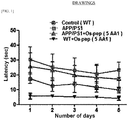
- the Morris Underwater Maze Test System was constructed as a circular water tank with a diameter of 100 cm and a height of 40 cm containing 15.5 cm depth of water (temperature of 23 ⁇ 1) which was opaque with white ink added.
- a transparent escape platform (10 cm in diameter, 20 cm in height) was hidden 1 cm below the water surface, and placed in the center of one of the quadrants.
- Each mouse was trained daily for five consecutive days by using three quadrants of rotational starting and one platform hidden in one quadrant. The delay time for escaping from the water maze (the time to find the hidden escape platform) was calculated for each trial. Twenty-four hours on the fifth day, a probe experiment was conducted to evaluate memory enhancement.
- the platform was removed, each mouse was allowed to freely swim for 60 seconds, the amount of time the mouse spent in the target quadrant was measured, and the number of platform positions the mouse passed by (where the platform was located during the hidden platform training). The time spent in the target quadrant was used as a reference for determining the degree of memory enhancement. All data were recorded by using video-tracking software (SMART, Panlab Harward Apparatus, Bioscience Company, Holliston, MA, USA).
- the APP/PS1 model mice showed a significant decrease in the time for staying in the place where the platform was located, and when the APP/PS1 model mice were treated with 5AA1, the time for staying where the platform was located was increased compared to the APP/PS1 model mice.
- the Y-maze was made of black painted wood, and each arm of the Y-maze had a length of 50 cm, a height of 20 cm, and a width between a floor and the top of 10 cm.
- Each mouse was placed in the center of the maze device, and was allowed to move freely in the maze during three 8-minute sessions. The series of arm entries were visually observed. Spontaneous alteration was defined as the case in which the mice sequentially entered three different arms in the overlapping triplet sets.
- Alteration behavior ratio (%) was calculated as [set of overlapping triplets (consecutive entry into 3 different arms)/total entry-2] ⁇ 100. The higher spontaneous alternation behavior ratio was considered as improved memory function.
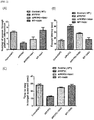
- Results of the Y-maze test show that the spontaneous alteration was reduced in the APP/PS1 model mice as compared with the normal mice, and restored by treatment with 5AA1.
- MTT assay was performed to measure the survival rate of cells treated with various concentrations of adiponectin receptor-activating novel peptide (5AA1).
- the cells were inoculated at 1 x 10 5 cells/well in a 96-well plate containing 200 ⁇ l of Dulbecco's modified Eagle's medium (DMEM). After 70% of cell confluence, SH-SY5Y cells were treated with 0.5 ⁇ M, 1 ⁇ M, 5 ⁇ M, 10 ⁇ M, and 20 ⁇ M of adiponectin receptor-activating novel peptide, and then cultured for 4 hours.
- DMEM Dulbecco's modified Eagle's medium
- MTT (5 mg/ml in PBS) was added to each well, and the plate was cultured at a temperature of 37°C for 4 hours.
- the formazan dissolved in dimethyl sulfoxide (DMSO) was added to the well and the plate was stirred in the agitator for 10 to 20 minutes. Then, the absorbance was measured at a wavelength of 550 nm to 570 nm (L1) and 620 nm to 650 nm (L2) by using a scanning microplate reader.
- the cell viability decreased in APP-transfected cells was concentration-dependently increased, and when 5AA3 and 5AA4 were used, the cell viability of the treated groups was increased compared to the APP group, although the increase was not dependent on concentration. Accordingly, it was confirmed that the adiponectin receptor-activating novel peptides (5AA1-5AA4) according to the present disclosure has no cytotoxicity.
- Protein concentrations were measured by using a BioRad protein assay kit (BioRad Laboratories, CA, USA). Equal amounts of protein (15 to 25 ⁇ g) were electrophoresed under the same experimental conditions using 4 to 12% blotTM minigel and MES SDS electrophoresis buffer (running buffer) 1 ⁇ (Novex, Life Technologies, Kiryat Shmona, Israel), and a broad range prestained protein marker (GangNam stain TM, Intron Biotechnology) was used as the control for the molecular size. To reduce nonspecific binding, the membranes used were blocked with 5% (w/v) skim milk and reacted with a primary antibody (a 1:1000 dilution) overnight at 4°C.
- HRP horseradish peroxidase
- anti-amyloid ⁇ A ⁇
- anti-APP anti-AdipoR1(Adiponectin receptor 1)
- anti-phospho-AMPK anti-SNAP-25(Synaptosomal-Associated Protein 25)
- anti-SAP-102 anti-Syanpatophysin
- phospho-Tau(Ser 413) anti-p-mTOR
- anti-p-ULK1 anti- ⁇ -actin
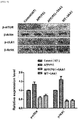
- FIG. 5 shows the quantification value obtained by normalizing the result of FIG. 5(A) with ⁇ -actin.
- FIG. 5(B) it was confirmed that in the normal cells, amyloid ⁇ (A ⁇ ) and APP proteins were hardly expressed, and in the APP-transfected cells, the expression of APP proteins were significantly increased, and when the APP proteins were treated with the novel peptide (5AA1) according to the present disclosure, the expression level was reduced.
- the APP-transfected cells when treated with the adiponectin receptor-activating novel peptide (5AA1) according to the present disclosure, the cells expressed more AdipoR1 and p-AMPK proteins ( FIG. 6 ).
- Example 4 Immunofluorescence analysis of brain after intraperitoneal injection and tail vein injection of adiponectin receptor-activating novel peptide using animal model
- Adiponectin receptor-activating novel peptide (5AA1) was IP administered to 10 week old APP/PS1 mice once every 2.5 days for 45 days, and then, to prepare a slide section, the brains of the mice were fixed by transcardial perfusion of ice-cold 4% paraformaldehyde. The brains were fixed in 4% paraformaldehyde for 72 hours, and then, transferred to 20% sucrose and maintained at a temperature of 4°C for 72 hours. The brains were placed in an optimal cutting temperature (OCT) compound (A.O., USA), frozen in liquid nitrogen, and sectioned into coronal plane (14 ⁇ m) in CM 3050C cryostat (Leica, Germany). Pictures of tissue sections were taken on ProbeOn Plus charged slides (Fisher, USA).
- OCT optimal cutting temperature
- the slides were reacted overnight with the primary antibody (the same antibody used in the 'Western blot analysis') and then reacted with secondary TRITC- or FITC-conjugated antibodies (diluted 1:50 in PBS; Santa Cruz) at room temperature for 90 minutes.
- the slides were dipped in Prolong Antifade reagent (Molecular Probe, Eugene, OR, USA) and stained. All stained slides were analyzed with a confocal laser scanning microscope (Flouview FV 1000).
- Amyloid plaques were visualized in brain slices after Thioflavin S staining.
- the brain slices were washed twice with 0.01 M PBS for 10 minutes, and then immersed in fresh 1% Thioflavin S solution at room temperature for 10 minutes.
- the brain slices were then immersed in 70% ethanol for 5 minutes, then washed twice with water, counterstained with propidium iodide (PI) and covered with cover glass.
- PI propidium iodide
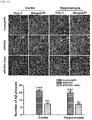
- the results show, as illustrated in FIG. 13 , that the amyloid ⁇ plaque generated in the cortex and hippocampus of the brain was remarkably reduced due to the treatment with adiponectin receptor-activating novel peptide (5AA1) according to the present disclosure.
- AMPA receptor (AMPAR)-mediated miniature excitatory postsynaptic currents (mEPSCs) were recorded by using conventional whole-cell techniques.
- AMPAR AMPA receptor
- mEPSCs miniature excitatory postsynaptic currents
- the inventors of the present specification performed current measurements by using an Axopatch 200A patch-clamp amplifier (Molecular Devices, Sunnyvale, California).
- the voltage of the membrane and the voltage of current, commands, and digitization were adjusted by using Digidata 1322A connected to Clampex 9.2 (Molecular Devices, Sunnyvale, California) of the pClamp software package on an IBM-compatible computer.
- the inventors of the present specification analyzed data by using Clampfit (Molecular Devices, Sunnyvale, CA) and Prism 4.0 (GraphPad, San Diego, California).
- the current was low-pass filtered at 2 kHz by using an amplifier's four-pole Bessel filter.
- AMPAR-mEPSCs 1 mM tetrodotoxin was added, and the membrane potential of -70 mV, Cl - equilibrium potential in the internal and external solution configurations according to the present disclosure, was maintained to perform electrophysiological assay
- An intracellular recording solution included 125 mM Cs methanesulfonate, 8 mM NaCl, 10 mM HEPES, 0.5 mM EGTA, 4 mM Mg-ATP, 0.3 mM Na-GTP, and 5 mM QX-315CI (pH 7.25, titrated with CsOH, 285 mosmol - 1 ).
- An extracellular recording solution included 134 mM NaCl, 5.4 mM KCI, 2.5 mM CaCl 2 , 1.2 mM MgCl 2 , 10 mM D-glucose, and 10 mM HEPES (pH 7.4, titrated with NaOH).
- data was filtered at 2 kHz and analyzed by using template-based miniature synaptic current detection algorithms implemented in Clampfit 9.0 software (Molecular Devices, Union City, California).
- Each estimated mEPSC detected by software was accepted or rejected based on whether its general form was visually the same as expected for synapse phenomena. 300 consecutive mEPSCs, which conform to rise time criteria, were analyzed in each cell.
- the AMPAR-mediated EPSC amplitude was measured at the peak of the current at -70 mV ( FIG. 14 ).
- the cumulative probability curve of mEPSCs was calculated by using Clampfit 9.0 software and Prism 4.0 (GraphPad, San Diego, California). As shown in FIG. 14 , the frequency (Hz) of the A ⁇ group in this Example 5 was remarkably reduced compared to that of the vehicle, and the reduced frequency (Hz) was statistically significantly increased due to the treatment with 5AA1.
- the inventors of the present specification used Student's t-test for comparison of the two groups. Differences were considered statistically significant at p ⁇ 0.05.
- a hippocampus slice was prepared from adult mice to examine the CA1 circuit from the cross-sectional schaffer collateral (SC) input in the hippocampus slice (400 ⁇ M thickness). Briefly, after anesthetizing the mice with isoflurane, the brains were quickly cooled by transcardiac perfusion with ice-cold cross-cerebrospinal fluid (CSF). After the brain was removed, the brains were stored in ice-cold sucrose-artificial CSF. A coronal section was cultured in artificial CSF at a temperature of 35°C for 30 minutes, and cultured in artificial CSF at room temperature (23°C to 25°C) for 1 to 4 hours before being transferred to the recording chamber.
- CSF cross-cerebrospinal fluid
- the standard artificial CSF includes 95% O 2 and 5% CO 2 -saturated 119mM NaCl, 2.5mM KCI, 2.5mM CaCl 2 , 1.3mM MgSO 4 , 1.0mM NaH 2 PO 4 , 26.2mM NaH 2 CO 3 , 11mM glucose, 1mM Na pyruvic acid, 0.4mM Na ascorbic acid, and the sucrose-artificial CSF includes 95% O 2 and 5% CO 2 -saturated 198mM sucrose, 2.5mM KCl, 1mM NaH 2 PO 4 , 26.2mM NaHCO 3 , 11mM glucose, 1mM Na pyruvic acid, and 0.4mM Na ascorbic acid.
- LTP experiments were performed at 27°C to 29°C.
- electrodes with a pipette resistance of 3 M ⁇ to 6 M ⁇ were used, and whole-cell recordings were obtained from neurons under visualized guidance by using infrared (IR)-differential interference contrast (DIC).
- IR infrared
- DIC infrared-differential interference contrast
- the CA3 and DG regions were cleaved just before the start of LTP experiments to isolate CA1 lesions.
- Stimulation was applied to the shaper-side branch (SC) pathway using a concentrated bipolar electrode located at 100 to 200 mM from the soma of the recorded cells.
- the whole cell recording solution is as follows: 135mM Cs methanesulfonate, 8mM NaCl, 10mM HEPES, 0.5mM EGTA, 4mM Mg-ATP, 0.3mM Na-GTP and 5mM QX-315 CI (pH 7.25, titrated with CsOH, 285 mOsm) Cells were maintained at -70 mV during recording, unless otherwise indicated. The recordings were made using a multiclamp 700B (molecular devices, Sunnyvale, California) which is digitized at 10 kHz and filtered at 2 kHz. Input resistance and series resistance were continuously observed during recording.
- the test stimulus for all EPSC experiments was set at 0.1 Hz and the duration of 0.2 ms and its intensity (100 ⁇ A to 900 ⁇ A) were adjusted to induce excitatory postsynaptic current (EPSC) amplitudes from 50 to 100 pA with a maintenance potential of -70 mV.
- ESC excitatory postsynaptic current
- baseline EPSCs were measured for 3 min before applying the pairing stimuli (2 Hz, 2-minute stimulation, and post-synaptic depolarization to 0 mV). After pairing stimuli (2 Hz, 2-minute stimulation, and post-synaptic depolarization at 0 mV), EPSCs were collected every 10 minutes for 30 minutes.
Landscapes
- Health & Medical Sciences (AREA)
- Life Sciences & Earth Sciences (AREA)
- Chemical & Material Sciences (AREA)
- Engineering & Computer Science (AREA)
- Bioinformatics & Cheminformatics (AREA)
- Organic Chemistry (AREA)
- General Health & Medical Sciences (AREA)
- Medicinal Chemistry (AREA)
- Neurosurgery (AREA)
- Neurology (AREA)
- Biomedical Technology (AREA)
- Animal Behavior & Ethology (AREA)
- Pharmacology & Pharmacy (AREA)
- Public Health (AREA)
- Veterinary Medicine (AREA)
- Nuclear Medicine, Radiotherapy & Molecular Imaging (AREA)
- General Chemical & Material Sciences (AREA)
- Chemical Kinetics & Catalysis (AREA)
- Proteomics, Peptides & Aminoacids (AREA)
- Molecular Biology (AREA)
- Psychiatry (AREA)
- Gastroenterology & Hepatology (AREA)
- Pain & Pain Management (AREA)
- Immunology (AREA)
- Biophysics (AREA)
- Biochemistry (AREA)
- Genetics & Genomics (AREA)
- Food Science & Technology (AREA)
- Polymers & Plastics (AREA)
- Mycology (AREA)
- Nutrition Science (AREA)
- Epidemiology (AREA)
- Hospice & Palliative Care (AREA)
- Psychology (AREA)
- Cell Biology (AREA)
- Toxicology (AREA)
- Endocrinology (AREA)
- Zoology (AREA)
- Medicines That Contain Protein Lipid Enzymes And Other Medicines (AREA)
- Peptides Or Proteins (AREA)
Claims (10)
- Funktionale Gesundheitslebensmittelzusammensetzung zur Verwendung in einem Verfahren zur Vermeidung oder Verbesserung einer neurologischen Erkrankung, umfassend mindestens ein Peptid, ausgewählt aus Peptiden, bestehend aus der Aminosäuresequenz von SEQ ID NO:1 bis 10, als aktiven Inhaltsstoff.
- Funktionale Gesundheitslebensmittelzusammensetzung zur Verwendung gemäß Anspruch 1, wobei die neurologische Erkrankung mindestens eine Krankheit umfasst, ausgewählt aus Alzheimer'scher Krankheit, Demenz, Parkinson'scher Krankheit, Epilepsie, Schizophrenie, Depression, bipolarer Störung, neurogenen Erkrankungen, Autismus, Schlaganfall, Lou Gehrig, Huntington-Krankheit und multipler Sklerose.
- Funktionale Gesundheitslebensmittelzusammensetzung zur Verwendung gemäß Anspruch 1 oder 2, wobei die Menge des mindestens einen Peptids im Bereich von 0,1 Gew.-% bis 100 Gew.-%, basierend auf dem Gesamtgewicht der funktionalen Gesundheitslebensmittelzusammensetzung, liegt.
- Funktionale Gesundheitslebensmittelzusammensetzung zur Verwendung gemäß einem der Ansprüche 1 bis 3, wobei die funktionale Gesundheitslebensmittelzusammensetzung in einer Formulierung hergestellt wurde, ausgewählt aus einem Getränk, einer Pille, einer Tablette, einer Kapsel oder einem Pulver.
- Funktionale Gesundheitslebensmittelzusammensetzung zur Verwendung gemäß einem der Ansprüche 1 bis 4, wobei das wenigstens eine Peptid im Hippocampus und Cortex eines Gehirns die Expressionshöhe des Amyloid β (Aß)-Oligomers oder β-Amyloidprecursorprotein (APP)-Proteins reduziert und die Expressionshöhe des Adiponectinrezeptors 1 (AdipoR2) oder p-AMPK-Proteins erhöht.
- Pharmazeutische Zusammensetzung zur Verwendung in einem Verfahren zur Vermeidung oder zur Behandlung einer neurologischen Erkrankung, umfassend mindestens ein Peptid, ausgewählt aus Peptiden bestehend aus den Aminosäuresequenzen von SEQ ID NO:1 bis 10, als aktiven Inhaltsstoff.
- Pharmazeutische Zusammensetzung zur Verwendung gemäß Anspruch 6, wobei die neurologische Erkrankung mindestens eine umfasst, ausgewählt aus Alzheimer'scher Krankheit, Demenz, Parkinson'scher Krankheit, Epilepsie, Schizophrenie, Depression, bipolarer Störung, neurogenen Erkrankungen, Autismus, Schlaganfall, Lou Gehrig, Huntington-Krankheit und multipler Sklerose.
- Pharmazeutische Zusammensetzung zur Verwendung gemäß Anspruch 6 oder 7, wobei die Menge des mindestens einen Peptids im Bereich von 0,1 Gew.-% bis 100 Gew.-%, basierend auf dem Gesamtgewicht der pharmazeutischen Zusammensetzung, liegt.
- Pharmazeutische Zusammensetzung zur Verwendung gemäß einem der Ansprüche 6 bis 8, weiterhin umfassend, zusätzlich zu dem aktiven Inhaltsstoff, mindestens einen Trägerstoff, ausgewählt aus pharmazeutisch verträglicher physiologischer Kochsalzlösung, sterilisiertem Wasser, einer Ringerlösung, gepufferter physiologischer Kochsalzlösung, einer Dextroselösung, einer Maltodextrinlösung, Glycerin, Ethanol, Lactose, Dextrose, Saccharose, Sorbitol, Mannitol, Stärke, Akaziengummi, Calciumphosphat, Alginat, Gelatine, Calciumsilicat, mikrokristalliner Cellulose, Polyvinylpyrrolidon, Cellulose, Sirup, Methylcellulose, Methylhydroxybenzoat, Propylhydroxybenzoat, Talk, Magnesiumstearat und Mineralöl.
- Pharmazeutische Zusammensetzung zur Verwendung gemäß einem der Ansprüche 6 bis 9, wobei die pharmazeutische Zusammensetzung zusätzlich zum aktiven Inhaltsstoff umfasst: mindestens ein Adjuvans, ausgewählt aus pharmazeutisch verträglichen Antioxidantien, Puffern, Bakteriostatika, Verdünnungsmitteln, Surfactants, Bindemitteln, Schmiermitteln, benetzenden Agenzien, Süßungsmitteln, Geschmacksstoffen, Emulgatoren, Suspendiermitteln und Konservierungsmitteln.
Applications Claiming Priority (2)
| Application Number | Priority Date | Filing Date | Title |
|---|---|---|---|
| KR20160010090 | 2016-01-27 | ||
| PCT/KR2017/000957 WO2017131468A1 (ko) | 2016-01-27 | 2017-01-26 | 아디포넥틴 수용체 활성화 신규 펩티드를 유효성분으로 포함하는 신경질환의 예방, 개선 또는 치료용 조성물 |
Publications (3)
| Publication Number | Publication Date |
|---|---|
| EP3409130A1 EP3409130A1 (de) | 2018-12-05 |
| EP3409130A4 EP3409130A4 (de) | 2019-10-16 |
| EP3409130B1 true EP3409130B1 (de) | 2020-11-25 |
Family
ID=59398972
Family Applications (1)
| Application Number | Title | Priority Date | Filing Date |
|---|---|---|---|
| EP17744589.7A Active EP3409130B1 (de) | 2016-01-27 | 2017-01-26 | Zusammensetzung zur prävention, linderung oder behandlung neurologischer erkrankungen mit neuartigem peptid zur aktivierung von adiponectin-rezeptoren als wirkstoff |
Country Status (4)
| Country | Link |
|---|---|
| US (1) | US10618937B2 (de) |
| EP (1) | EP3409130B1 (de) |
| KR (1) | KR101901669B1 (de) |
| WO (1) | WO2017131468A1 (de) |
Families Citing this family (2)
| Publication number | Priority date | Publication date | Assignee | Title |
|---|---|---|---|---|
| CN108676072B (zh) * | 2018-05-24 | 2021-05-14 | 华南理工大学 | 一种具有抗Aβ42蛋白聚集功能的多肽及其应用与编码该多肽的基因 |
| WO2021256619A1 (ko) * | 2020-06-18 | 2021-12-23 | 연세대학교 산학협력단 | 시냅스 가소성 조절 기능의 펩타이드를 포함하는 인지기능 장애 질환의 예방, 개선 또는 치료용 조성물 |
Family Cites Families (9)
| Publication number | Priority date | Publication date | Assignee | Title |
|---|---|---|---|---|
| US7384910B2 (en) | 1997-10-08 | 2008-06-10 | Castillo Gerardo M | Small peptides for the treatment of Alzheimer's disease and other beta-amyloid protein fibrillogenesis disorders |
| EP1474445A4 (de) * | 2002-01-18 | 2007-02-21 | Protemix Corp Ltd | Glykoisoformen vom adiponektin und deren verwendung |
| KR100864380B1 (ko) * | 2006-10-17 | 2008-10-21 | 주식회사 브레인가드 | 두뇌기능 향상과 뇌신경계 질환 예방 또는 치료용 펩타이드 |
| CA2770104C (en) * | 2009-08-11 | 2019-03-19 | Opko Curna, Llc | Treatment of adiponectin (adipoq) related diseases by inhibition of natural antisense transcript to an adiponectin (adipoq) |
| MX2013010910A (es) * | 2011-03-24 | 2014-03-27 | Neurim Pharma 1991 | Peptidos neuroprotectores. |
| KR101977417B1 (ko) * | 2012-09-28 | 2019-08-28 | 부경대학교 산학협력단 | 바이오활성 펩타이드를 유효성분으로 포함하는 퇴행성 신경질환 예방 또는 치료용 조성물 |
| US9102752B2 (en) * | 2013-03-15 | 2015-08-11 | United Biomedical, Inc. | Peptide vaccine for prevention and immunotherapy of dementia of the Alzheimer's type |
| KR20150064423A (ko) * | 2013-12-03 | 2015-06-11 | 경상대학교산학협력단 | 오스모틴을 유효성분으로 함유하는 인지기능 개선용 조성물 |
| EP3266317B1 (de) * | 2015-03-04 | 2020-09-16 | Industry-Academic Cooperation Foundation Gyeongsang National University | Zusammensetzung zur prävention, linderung oder behandlung von neurologischen erkrankungen mit osmotinpeptid als wirkstoff |
-
2017
- 2017-01-26 EP EP17744589.7A patent/EP3409130B1/de active Active
- 2017-01-26 WO PCT/KR2017/000957 patent/WO2017131468A1/ko not_active Ceased
- 2017-01-26 KR KR1020170012687A patent/KR101901669B1/ko not_active Expired - Fee Related
-
2018
- 2018-07-12 US US16/033,725 patent/US10618937B2/en active Active
Non-Patent Citations (1)
| Title |
|---|
| None * |
Also Published As
| Publication number | Publication date |
|---|---|
| EP3409130A4 (de) | 2019-10-16 |
| KR20170089784A (ko) | 2017-08-04 |
| US10618937B2 (en) | 2020-04-14 |
| KR101901669B1 (ko) | 2018-09-28 |
| EP3409130A1 (de) | 2018-12-05 |
| WO2017131468A1 (ko) | 2017-08-03 |
| US20180312540A1 (en) | 2018-11-01 |
Similar Documents
| Publication | Publication Date | Title |
|---|---|---|
| EP3266317B1 (de) | Zusammensetzung zur prävention, linderung oder behandlung von neurologischen erkrankungen mit osmotinpeptid als wirkstoff | |
| Yong et al. | Neuroprotective effects of lactoferrin in Alzheimer’s and Parkinson’s diseases: A narrative review | |
| KR102282883B1 (ko) | 승마 추출물, 이의 분획물 또는 승마에서 유래된 화합물을 유효성분으로 포함하는 퇴행성 뇌질환의 예방 또는 치료용 조성물 | |
| KR20210102208A (ko) | 신경계 질환의 치료 | |
| US10618937B2 (en) | Method of treating Alzheimer's disease | |
| US20150126464A1 (en) | Therapeutic drug and therapeutic method for neurological diseases including alzheimer's disease associated with 1,25d3-marrs | |
| US12274708B2 (en) | Composition for ameliorating or treating dementia containing 2′-fucosyllactose | |
| WO2016191323A1 (en) | Lithium co-crystals for treatment of neuropsychiatric disorders | |
| KR101918530B1 (ko) | 해파리 독소를 유효성분으로 함유하는 섬유증의 예방, 개선 또는 치료용 조성물 | |
| US20220031680A1 (en) | Donecopride As Neuroprotective Agent In the Treatment of Neurodegenerative Diseases | |
| KR102035109B1 (ko) | 미크란디락톤 c를 포함하는 신경계 질환의 예방 또는 치료용 조성물 | |
| KR102634982B1 (ko) | 오스모틴 단백질을 유효성분으로 함유하는 파킨슨병의 예방, 개선 또는 치료용 조성물 | |
| Yaghoubi | The Effects of Aerobic Training and Omega-3 Intake on Aβ42, Neprilysin, and γ-Secretase in the Hippocampus of Male Rats Alzheimer’s model | |
| KR102587315B1 (ko) | 카보플라틴을 포함하는 퇴행성 신경질환예방 또는 치료용 약학적 조성물 | |
| KR20220076375A (ko) | 신규 퇴행성 신경질환 치료용 약학적 조성물 | |
| KR20150086429A (ko) | 오스모틴을 포함하는 흥분독성 또는 시냅스 기능 장애에 의한 신경 질환의 예방 또는 치료용 조성물, 및 이를 이용한 신경 질환의 예방 또는 치료 방법 | |
| KR102612229B1 (ko) | N-[(4'-브로모[1,1'-바이페닐]-4-일)설포닐]-l-발린 또는 이의 약제학적으로 허용 가능한 염을 포함하는 아밀로이드 베타의 올리고머화 및 피브릴화 억제용 조성물 | |
| US9844519B1 (en) | Method of treating TDP-43 proteinopathies using hexachlorophene | |
| KR102538278B1 (ko) | 진토닌을 유효성분으로 포함하는 헌팅턴병 예방 또는 치료용 조성물 | |
| RU2800802C2 (ru) | Донекоприд как нейропротекторный агент при лечении нейродегенеративных заболеваний | |
| KR102670134B1 (ko) | 시냅스 가소성 조절 기능의 펩타이드를 포함하는 인지기능 장애 질환의 예방, 개선 또는 치료용 조성물 | |
| CN121895407A (zh) | 一种治疗或减轻阿尔茨海默病的方法 | |
| KR20170115020A (ko) | 멜라토닌을 유효성분으로 함유하는 퇴행성 신경질환의 예방 또는 치료용 약학적 조성물 | |
| KR20210113491A (ko) | N-아세틸글루코사민 키나아제를 이용한 퇴행성 뇌질환 치료용 조성물의 스크리닝 방법 및 n-아세틸글루코사민을 포함하는 퇴행성 뇌질환 예방, 개선 또는 치료용 조성물 | |
| JP2020176111A (ja) | アルツハイマー型認知症予防・治療用組成物、アミロイドβオリゴマー神経毒性低減用組成物 |
Legal Events
| Date | Code | Title | Description |
|---|---|---|---|
| STAA | Information on the status of an ep patent application or granted ep patent |
Free format text: STATUS: THE INTERNATIONAL PUBLICATION HAS BEEN MADE |
|
| PUAI | Public reference made under article 153(3) epc to a published international application that has entered the european phase |
Free format text: ORIGINAL CODE: 0009012 |
|
| STAA | Information on the status of an ep patent application or granted ep patent |
Free format text: STATUS: REQUEST FOR EXAMINATION WAS MADE |
|
| 17P | Request for examination filed |
Effective date: 20180803 |
|
| AK | Designated contracting states |
Kind code of ref document: A1 Designated state(s): AL AT BE BG CH CY CZ DE DK EE ES FI FR GB GR HR HU IE IS IT LI LT LU LV MC MK MT NL NO PL PT RO RS SE SI SK SM TR |
|
| AX | Request for extension of the european patent |
Extension state: BA ME |
|
| DAV | Request for validation of the european patent (deleted) | ||
| DAX | Request for extension of the european patent (deleted) | ||
| RIC1 | Information provided on ipc code assigned before grant |
Ipc: A61P 25/08 20060101ALI20190903BHEP Ipc: A61P 25/16 20060101ALI20190903BHEP Ipc: A61K 38/08 20190101AFI20190903BHEP Ipc: A23L 33/18 20160101ALI20190903BHEP Ipc: A61P 25/18 20060101ALI20190903BHEP Ipc: A61P 25/24 20060101ALI20190903BHEP Ipc: C07K 7/06 20060101ALI20190903BHEP Ipc: C07K 14/72 20060101ALI20190903BHEP Ipc: A61P 25/28 20060101ALI20190903BHEP |
|
| A4 | Supplementary search report drawn up and despatched |
Effective date: 20190912 |
|
| REG | Reference to a national code |
Ref country code: DE Ref legal event code: R079 Ref document number: 602017028295 Country of ref document: DE Free format text: PREVIOUS MAIN CLASS: A23L0033180000 Ipc: A61K0038080000 |
|
| GRAP | Despatch of communication of intention to grant a patent |
Free format text: ORIGINAL CODE: EPIDOSNIGR1 |
|
| STAA | Information on the status of an ep patent application or granted ep patent |
Free format text: STATUS: GRANT OF PATENT IS INTENDED |
|
| RIC1 | Information provided on ipc code assigned before grant |
Ipc: A61P 25/24 20060101ALI20200615BHEP Ipc: A61P 25/16 20060101ALI20200615BHEP Ipc: A61K 38/08 20190101AFI20200615BHEP Ipc: A61P 25/18 20060101ALI20200615BHEP Ipc: C07K 14/72 20060101ALI20200615BHEP Ipc: A61P 25/28 20060101ALI20200615BHEP Ipc: A61P 25/08 20060101ALI20200615BHEP Ipc: A23L 33/18 20160101ALI20200615BHEP Ipc: C07K 7/06 20060101ALI20200615BHEP |
|
| INTG | Intention to grant announced |
Effective date: 20200707 |
|
| GRAS | Grant fee paid |
Free format text: ORIGINAL CODE: EPIDOSNIGR3 |
|
| GRAA | (expected) grant |
Free format text: ORIGINAL CODE: 0009210 |
|
| STAA | Information on the status of an ep patent application or granted ep patent |
Free format text: STATUS: THE PATENT HAS BEEN GRANTED |
|
| AK | Designated contracting states |
Kind code of ref document: B1 Designated state(s): AL AT BE BG CH CY CZ DE DK EE ES FI FR GB GR HR HU IE IS IT LI LT LU LV MC MK MT NL NO PL PT RO RS SE SI SK SM TR |
|
| REG | Reference to a national code |
Ref country code: GB Ref legal event code: FG4D |
|
| REG | Reference to a national code |
Ref country code: CH Ref legal event code: EP |
|
| REG | Reference to a national code |
Ref country code: DE Ref legal event code: R096 Ref document number: 602017028295 Country of ref document: DE |
|
| REG | Reference to a national code |
Ref country code: AT Ref legal event code: REF Ref document number: 1337501 Country of ref document: AT Kind code of ref document: T Effective date: 20201215 |
|
| REG | Reference to a national code |
Ref country code: IE Ref legal event code: FG4D |
|
| REG | Reference to a national code |
Ref country code: AT Ref legal event code: MK05 Ref document number: 1337501 Country of ref document: AT Kind code of ref document: T Effective date: 20201125 |
|
| REG | Reference to a national code |
Ref country code: NL Ref legal event code: MP Effective date: 20201125 |
|
| PG25 | Lapsed in a contracting state [announced via postgrant information from national office to epo] |
Ref country code: FI Free format text: LAPSE BECAUSE OF FAILURE TO SUBMIT A TRANSLATION OF THE DESCRIPTION OR TO PAY THE FEE WITHIN THE PRESCRIBED TIME-LIMIT Effective date: 20201125 Ref country code: GR Free format text: LAPSE BECAUSE OF FAILURE TO SUBMIT A TRANSLATION OF THE DESCRIPTION OR TO PAY THE FEE WITHIN THE PRESCRIBED TIME-LIMIT Effective date: 20210226 Ref country code: PT Free format text: LAPSE BECAUSE OF FAILURE TO SUBMIT A TRANSLATION OF THE DESCRIPTION OR TO PAY THE FEE WITHIN THE PRESCRIBED TIME-LIMIT Effective date: 20210325 Ref country code: RS Free format text: LAPSE BECAUSE OF FAILURE TO SUBMIT A TRANSLATION OF THE DESCRIPTION OR TO PAY THE FEE WITHIN THE PRESCRIBED TIME-LIMIT Effective date: 20201125 Ref country code: NO Free format text: LAPSE BECAUSE OF FAILURE TO SUBMIT A TRANSLATION OF THE DESCRIPTION OR TO PAY THE FEE WITHIN THE PRESCRIBED TIME-LIMIT Effective date: 20210225 |
|
| PG25 | Lapsed in a contracting state [announced via postgrant information from national office to epo] |
Ref country code: AT Free format text: LAPSE BECAUSE OF FAILURE TO SUBMIT A TRANSLATION OF THE DESCRIPTION OR TO PAY THE FEE WITHIN THE PRESCRIBED TIME-LIMIT Effective date: 20201125 Ref country code: IS Free format text: LAPSE BECAUSE OF FAILURE TO SUBMIT A TRANSLATION OF THE DESCRIPTION OR TO PAY THE FEE WITHIN THE PRESCRIBED TIME-LIMIT Effective date: 20210325 Ref country code: LV Free format text: LAPSE BECAUSE OF FAILURE TO SUBMIT A TRANSLATION OF THE DESCRIPTION OR TO PAY THE FEE WITHIN THE PRESCRIBED TIME-LIMIT Effective date: 20201125 Ref country code: PL Free format text: LAPSE BECAUSE OF FAILURE TO SUBMIT A TRANSLATION OF THE DESCRIPTION OR TO PAY THE FEE WITHIN THE PRESCRIBED TIME-LIMIT Effective date: 20201125 Ref country code: SE Free format text: LAPSE BECAUSE OF FAILURE TO SUBMIT A TRANSLATION OF THE DESCRIPTION OR TO PAY THE FEE WITHIN THE PRESCRIBED TIME-LIMIT Effective date: 20201125 Ref country code: BG Free format text: LAPSE BECAUSE OF FAILURE TO SUBMIT A TRANSLATION OF THE DESCRIPTION OR TO PAY THE FEE WITHIN THE PRESCRIBED TIME-LIMIT Effective date: 20210225 |
|
| REG | Reference to a national code |
Ref country code: LT Ref legal event code: MG9D |
|
| PG25 | Lapsed in a contracting state [announced via postgrant information from national office to epo] |
Ref country code: HR Free format text: LAPSE BECAUSE OF FAILURE TO SUBMIT A TRANSLATION OF THE DESCRIPTION OR TO PAY THE FEE WITHIN THE PRESCRIBED TIME-LIMIT Effective date: 20201125 |
|
| PG25 | Lapsed in a contracting state [announced via postgrant information from national office to epo] |
Ref country code: LT Free format text: LAPSE BECAUSE OF FAILURE TO SUBMIT A TRANSLATION OF THE DESCRIPTION OR TO PAY THE FEE WITHIN THE PRESCRIBED TIME-LIMIT Effective date: 20201125 Ref country code: EE Free format text: LAPSE BECAUSE OF FAILURE TO SUBMIT A TRANSLATION OF THE DESCRIPTION OR TO PAY THE FEE WITHIN THE PRESCRIBED TIME-LIMIT Effective date: 20201125 Ref country code: CZ Free format text: LAPSE BECAUSE OF FAILURE TO SUBMIT A TRANSLATION OF THE DESCRIPTION OR TO PAY THE FEE WITHIN THE PRESCRIBED TIME-LIMIT Effective date: 20201125 Ref country code: SM Free format text: LAPSE BECAUSE OF FAILURE TO SUBMIT A TRANSLATION OF THE DESCRIPTION OR TO PAY THE FEE WITHIN THE PRESCRIBED TIME-LIMIT Effective date: 20201125 Ref country code: RO Free format text: LAPSE BECAUSE OF FAILURE TO SUBMIT A TRANSLATION OF THE DESCRIPTION OR TO PAY THE FEE WITHIN THE PRESCRIBED TIME-LIMIT Effective date: 20201125 Ref country code: SK Free format text: LAPSE BECAUSE OF FAILURE TO SUBMIT A TRANSLATION OF THE DESCRIPTION OR TO PAY THE FEE WITHIN THE PRESCRIBED TIME-LIMIT Effective date: 20201125 |
|
| REG | Reference to a national code |
Ref country code: DE Ref legal event code: R097 Ref document number: 602017028295 Country of ref document: DE |
|
| PG25 | Lapsed in a contracting state [announced via postgrant information from national office to epo] |
Ref country code: DK Free format text: LAPSE BECAUSE OF FAILURE TO SUBMIT A TRANSLATION OF THE DESCRIPTION OR TO PAY THE FEE WITHIN THE PRESCRIBED TIME-LIMIT Effective date: 20201125 Ref country code: MC Free format text: LAPSE BECAUSE OF FAILURE TO SUBMIT A TRANSLATION OF THE DESCRIPTION OR TO PAY THE FEE WITHIN THE PRESCRIBED TIME-LIMIT Effective date: 20201125 |
|
| REG | Reference to a national code |
Ref country code: CH Ref legal event code: PL |
|
| PG25 | Lapsed in a contracting state [announced via postgrant information from national office to epo] |
Ref country code: LU Free format text: LAPSE BECAUSE OF NON-PAYMENT OF DUE FEES Effective date: 20210126 |
|
| PLBE | No opposition filed within time limit |
Free format text: ORIGINAL CODE: 0009261 |
|
| STAA | Information on the status of an ep patent application or granted ep patent |
Free format text: STATUS: NO OPPOSITION FILED WITHIN TIME LIMIT |
|
| REG | Reference to a national code |
Ref country code: BE Ref legal event code: MM Effective date: 20210131 |
|
| PG25 | Lapsed in a contracting state [announced via postgrant information from national office to epo] |
Ref country code: NL Free format text: LAPSE BECAUSE OF FAILURE TO SUBMIT A TRANSLATION OF THE DESCRIPTION OR TO PAY THE FEE WITHIN THE PRESCRIBED TIME-LIMIT Effective date: 20201125 Ref country code: AL Free format text: LAPSE BECAUSE OF FAILURE TO SUBMIT A TRANSLATION OF THE DESCRIPTION OR TO PAY THE FEE WITHIN THE PRESCRIBED TIME-LIMIT Effective date: 20201125 Ref country code: IT Free format text: LAPSE BECAUSE OF FAILURE TO SUBMIT A TRANSLATION OF THE DESCRIPTION OR TO PAY THE FEE WITHIN THE PRESCRIBED TIME-LIMIT Effective date: 20201125 |
|
| 26N | No opposition filed |
Effective date: 20210826 |
|
| PG25 | Lapsed in a contracting state [announced via postgrant information from national office to epo] |
Ref country code: LI Free format text: LAPSE BECAUSE OF NON-PAYMENT OF DUE FEES Effective date: 20210131 Ref country code: CH Free format text: LAPSE BECAUSE OF NON-PAYMENT OF DUE FEES Effective date: 20210131 Ref country code: SI Free format text: LAPSE BECAUSE OF FAILURE TO SUBMIT A TRANSLATION OF THE DESCRIPTION OR TO PAY THE FEE WITHIN THE PRESCRIBED TIME-LIMIT Effective date: 20201125 |
|
| PG25 | Lapsed in a contracting state [announced via postgrant information from national office to epo] |
Ref country code: IE Free format text: LAPSE BECAUSE OF NON-PAYMENT OF DUE FEES Effective date: 20210126 Ref country code: ES Free format text: LAPSE BECAUSE OF FAILURE TO SUBMIT A TRANSLATION OF THE DESCRIPTION OR TO PAY THE FEE WITHIN THE PRESCRIBED TIME-LIMIT Effective date: 20201125 |
|
| PG25 | Lapsed in a contracting state [announced via postgrant information from national office to epo] |
Ref country code: IS Free format text: LAPSE BECAUSE OF FAILURE TO SUBMIT A TRANSLATION OF THE DESCRIPTION OR TO PAY THE FEE WITHIN THE PRESCRIBED TIME-LIMIT Effective date: 20210325 |
|
| PG25 | Lapsed in a contracting state [announced via postgrant information from national office to epo] |
Ref country code: BE Free format text: LAPSE BECAUSE OF NON-PAYMENT OF DUE FEES Effective date: 20210131 |
|
| PG25 | Lapsed in a contracting state [announced via postgrant information from national office to epo] |
Ref country code: CY Free format text: LAPSE BECAUSE OF FAILURE TO SUBMIT A TRANSLATION OF THE DESCRIPTION OR TO PAY THE FEE WITHIN THE PRESCRIBED TIME-LIMIT Effective date: 20201125 |
|
| PG25 | Lapsed in a contracting state [announced via postgrant information from national office to epo] |
Ref country code: HU Free format text: LAPSE BECAUSE OF FAILURE TO SUBMIT A TRANSLATION OF THE DESCRIPTION OR TO PAY THE FEE WITHIN THE PRESCRIBED TIME-LIMIT; INVALID AB INITIO Effective date: 20170126 |
|
| PG25 | Lapsed in a contracting state [announced via postgrant information from national office to epo] |
Ref country code: MK Free format text: LAPSE BECAUSE OF FAILURE TO SUBMIT A TRANSLATION OF THE DESCRIPTION OR TO PAY THE FEE WITHIN THE PRESCRIBED TIME-LIMIT Effective date: 20201125 |
|
| PG25 | Lapsed in a contracting state [announced via postgrant information from national office to epo] |
Ref country code: TR Free format text: LAPSE BECAUSE OF FAILURE TO SUBMIT A TRANSLATION OF THE DESCRIPTION OR TO PAY THE FEE WITHIN THE PRESCRIBED TIME-LIMIT Effective date: 20201125 |
|
| PG25 | Lapsed in a contracting state [announced via postgrant information from national office to epo] |
Ref country code: MT Free format text: LAPSE BECAUSE OF FAILURE TO SUBMIT A TRANSLATION OF THE DESCRIPTION OR TO PAY THE FEE WITHIN THE PRESCRIBED TIME-LIMIT Effective date: 20201125 |
|
| PGFP | Annual fee paid to national office [announced via postgrant information from national office to epo] |
Ref country code: FR Payment date: 20250123 Year of fee payment: 9 |
|
| PGFP | Annual fee paid to national office [announced via postgrant information from national office to epo] |
Ref country code: GB Payment date: 20250123 Year of fee payment: 9 |
|
| REG | Reference to a national code |
Ref country code: DE Ref legal event code: R081 Ref document number: 602017028295 Country of ref document: DE Owner name: KIM, MYEONG OK, JINJU-SI, KR Free format text: FORMER OWNER: INDUSTRY-ACADEMIC COOPERATION FOUNDATION GYEONGSANG NATIONAL UNIVERSITY, JINJU-SI, GYEONGSANGNAM-DO, KR |
|
| PGFP | Annual fee paid to national office [announced via postgrant information from national office to epo] |
Ref country code: DE Payment date: 20260128 Year of fee payment: 10 |