EP3375452B1 - Verwendung von lambda-interferonen bei der behandlung einer mit fettleibigkeit in zusammenhang stehenden störung, von atherosklerose oder einer gerinnungsstörung - Google Patents
Verwendung von lambda-interferonen bei der behandlung einer mit fettleibigkeit in zusammenhang stehenden störung, von atherosklerose oder einer gerinnungsstörung Download PDFInfo
- Publication number
- EP3375452B1 EP3375452B1 EP17161461.3A EP17161461A EP3375452B1 EP 3375452 B1 EP3375452 B1 EP 3375452B1 EP 17161461 A EP17161461 A EP 17161461A EP 3375452 B1 EP3375452 B1 EP 3375452B1
- Authority
- EP
- European Patent Office
- Prior art keywords
- ifnλ
- activator
- receptor
- obesity
- diabetes
- Prior art date
- Legal status (The legal status is an assumption and is not a legal conclusion. Google has not performed a legal analysis and makes no representation as to the accuracy of the status listed.)
- Active
Links
Images


Classifications
-
- A—HUMAN NECESSITIES
- A61—MEDICAL OR VETERINARY SCIENCE; HYGIENE
- A61K—PREPARATIONS FOR MEDICAL, DENTAL OR TOILETRY PURPOSES
- A61K38/00—Medicinal preparations containing peptides
- A61K38/16—Peptides having more than 20 amino acids; Gastrins; Somatostatins; Melanotropins; Derivatives thereof
- A61K38/17—Peptides having more than 20 amino acids; Gastrins; Somatostatins; Melanotropins; Derivatives thereof from animals; from humans
- A61K38/19—Cytokines; Lymphokines; Interferons
- A61K38/21—Interferons [IFN]
-
- A—HUMAN NECESSITIES
- A61—MEDICAL OR VETERINARY SCIENCE; HYGIENE
- A61K—PREPARATIONS FOR MEDICAL, DENTAL OR TOILETRY PURPOSES
- A61K45/00—Medicinal preparations containing active ingredients not provided for in groups A61K31/00 - A61K41/00
- A61K45/06—Mixtures of active ingredients without chemical characterisation, e.g. antiphlogistics and cardiaca
-
- A—HUMAN NECESSITIES
- A61—MEDICAL OR VETERINARY SCIENCE; HYGIENE
- A61K—PREPARATIONS FOR MEDICAL, DENTAL OR TOILETRY PURPOSES
- A61K8/00—Cosmetics or similar toiletry preparations
- A61K8/18—Cosmetics or similar toiletry preparations characterised by the composition
- A61K8/30—Cosmetics or similar toiletry preparations characterised by the composition containing organic compounds
- A61K8/64—Proteins; Peptides; Derivatives or degradation products thereof
-
- A—HUMAN NECESSITIES
- A61—MEDICAL OR VETERINARY SCIENCE; HYGIENE
- A61P—SPECIFIC THERAPEUTIC ACTIVITY OF CHEMICAL COMPOUNDS OR MEDICINAL PREPARATIONS
- A61P3/00—Drugs for disorders of the metabolism
- A61P3/04—Anorexiants; Antiobesity agents
-
- A—HUMAN NECESSITIES
- A61—MEDICAL OR VETERINARY SCIENCE; HYGIENE
- A61P—SPECIFIC THERAPEUTIC ACTIVITY OF CHEMICAL COMPOUNDS OR MEDICINAL PREPARATIONS
- A61P3/00—Drugs for disorders of the metabolism
- A61P3/06—Antihyperlipidemics
-
- A—HUMAN NECESSITIES
- A61—MEDICAL OR VETERINARY SCIENCE; HYGIENE
- A61P—SPECIFIC THERAPEUTIC ACTIVITY OF CHEMICAL COMPOUNDS OR MEDICINAL PREPARATIONS
- A61P3/00—Drugs for disorders of the metabolism
- A61P3/08—Drugs for disorders of the metabolism for glucose homeostasis
- A61P3/10—Drugs for disorders of the metabolism for glucose homeostasis for hyperglycaemia, e.g. antidiabetics
-
- A—HUMAN NECESSITIES
- A61—MEDICAL OR VETERINARY SCIENCE; HYGIENE
- A61P—SPECIFIC THERAPEUTIC ACTIVITY OF CHEMICAL COMPOUNDS OR MEDICINAL PREPARATIONS
- A61P7/00—Drugs for disorders of the blood or the extracellular fluid
- A61P7/02—Antithrombotic agents; Anticoagulants; Platelet aggregation inhibitors
-
- A—HUMAN NECESSITIES
- A61—MEDICAL OR VETERINARY SCIENCE; HYGIENE
- A61P—SPECIFIC THERAPEUTIC ACTIVITY OF CHEMICAL COMPOUNDS OR MEDICINAL PREPARATIONS
- A61P9/00—Drugs for disorders of the cardiovascular system
- A61P9/10—Drugs for disorders of the cardiovascular system for treating ischaemic or atherosclerotic diseases, e.g. antianginal drugs, coronary vasodilators, drugs for myocardial infarction, retinopathy, cerebrovascula insufficiency, renal arteriosclerosis
-
- A—HUMAN NECESSITIES
- A61—MEDICAL OR VETERINARY SCIENCE; HYGIENE
- A61Q—SPECIFIC USE OF COSMETICS OR SIMILAR TOILETRY PREPARATIONS
- A61Q19/00—Preparations for care of the skin
- A61Q19/06—Preparations for care of the skin for countering cellulitis
-
- A—HUMAN NECESSITIES
- A61—MEDICAL OR VETERINARY SCIENCE; HYGIENE
- A61K—PREPARATIONS FOR MEDICAL, DENTAL OR TOILETRY PURPOSES
- A61K38/00—Medicinal preparations containing peptides
-
- C—CHEMISTRY; METALLURGY
- C07—ORGANIC CHEMISTRY
- C07K—PEPTIDES
- C07K14/00—Peptides having more than 20 amino acids; Gastrins; Somatostatins; Melanotropins; Derivatives thereof
- C07K14/435—Peptides having more than 20 amino acids; Gastrins; Somatostatins; Melanotropins; Derivatives thereof from animals; from humans
- C07K14/52—Cytokines; Lymphokines; Interferons
- C07K14/555—Interferons [IFN]
-
- C—CHEMISTRY; METALLURGY
- C07—ORGANIC CHEMISTRY
- C07K—PEPTIDES
- C07K14/00—Peptides having more than 20 amino acids; Gastrins; Somatostatins; Melanotropins; Derivatives thereof
- C07K14/435—Peptides having more than 20 amino acids; Gastrins; Somatostatins; Melanotropins; Derivatives thereof from animals; from humans
- C07K14/52—Cytokines; Lymphokines; Interferons
- C07K14/555—Interferons [IFN]
- C07K14/57—IFN-gamma
Definitions
- the present invention relates to medical uses for the treatment or prevention of obesity-related disorders, such as obesity, prediabetes, diabetes, insulin resistance, metabolic disease, metabolic syndrome, atherosclerosis, coagulation, hyperlipidemia and dyslipidemia, cardiovascular diseases and pathological conditions associated therewith.
- obesity-related disorders such as obesity, prediabetes, diabetes, insulin resistance, metabolic disease, metabolic syndrome, atherosclerosis, coagulation, hyperlipidemia and dyslipidemia, cardiovascular diseases and pathological conditions associated therewith.
- the present invention relates to the use of an activator of IFN ⁇ , receptor for the treatment or prevention of such disorders or conditions.
- the present invention further relates to the use of an activator of IFN ⁇ for the non-therapeutic reduction of body weight.
- Lambda IFNs IFN ⁇ s
- type III IFNs or IL-28/29 constitute one of the most recent additions to the interferon family (Lazear et al., 2015). They consist of four members in humans (IFN ⁇ 1/IL-29, IFN ⁇ 2/IL-28A, IFN ⁇ 3/IL-28B and IFN ⁇ 4) and two in mice (IFN ⁇ 2/IL-28A, IFN ⁇ 3/IL-28B) (Kotenko et al., 2003; Sheppard et al., 2003; Prokunina-Olsson et al., 2013; Galani et al. 2015). In humans, all of the corresponding genes are closely positioned on chromosome 19.
- mice In mice, a similar genomic organization is found on chromosome 5, although in this case IFN ⁇ 1 is a pseudogene; there is a stop codon in the first exon that prevents the full length transcript from been expressed (Lasfar et al., 2006).
- IFN ⁇ s type III IFNs
- IL-10 superfamily and are structurally more similar to IL-10 family members than type I IFNs
- this homology is low: 15-19% in amino acid sequence identity with IFN ⁇ and IL-22, and 11-13% in amino acid sequence identity with IL-10 (Sheppard et al., 2003).
- IFN ⁇ 2 and IFN ⁇ 3 are more closely related to one another than either of them is to IFN ⁇ 1: IFN ⁇ 1 and IFN ⁇ 2 share 81% amino acid sequence identity, while IFN ⁇ 2 and IFN ⁇ 3 are almost identical, with 96% amino acid sequence identity (Sheppard et al., 2003). This is because IFN ⁇ 2 and IFN ⁇ 3 are the result of a recent duplication event during evolution.
- IFN- ⁇ genes have an organization similar to the IL-10 gene family, with multiple exons and introns (Sheppard et al., 2003).
- IFN ⁇ s signal through a distinct heterodimeric receptor complex consisting of the unique IFN ⁇ R ⁇ (IL28R/IL28R ⁇ /CRF2-12) chain, which provides high affinity for the ligand and confers ligand specificity, and the IL-10R ⁇ /CRF2-4 chain, which is common to all IL-1 0 superfamily members (IL-10, IL-19, IL-20, IL-22, IL-24 and IL-26) and has a relatively long intracellular domain comprising a docking site for downstream signaling (Kotenko et al., 2003, Sheppard et al., 2003).
- IFN ⁇ s induce downstream signaling that bears notable resemblance to that of type I IFNs; it involves the phosphorylation of JAK-family kinases, and the activation of STAT and interferon-regulated (transcription) factors (IRFs), driving the expression of interferon-stimulated genes (ISGs) and the induction of antiviral responses (Durbin et al., 2013; Kotenko, 2011).
- IRFs interferon-regulated transcription factors
- IFN ⁇ s are induced in response to viral infection.
- Numerous viruses have now been shown to trigger IFN ⁇ production in many cell types including influenza, rhinovirus, Sendai Virus, Hepatitis C virus, hepatotropic viruses, vesicular stomatitis virus (VSV), lymphocytic choriomeningitis virus (LCMV), VSV or HSV-2, Reovirus (Reo), Sindbis virus (SV), Dengue virus 2 (DV) and encephalomyocarditis virus (Ank et al., 2006, Kotenko et al., 2003, Sheppard et al., 2003).
- TLR and RIG-I ligands constitute potent inducers of IFN ⁇ s in vitro and in vivo.
- IFN ⁇ s are regulated at the level of transcription and depend on intracellular sensors of viral infection and downstream molecules such as TLR3, retinoic acid-inducible gene I (RIG-I), interferon- ⁇ promoter stimulator 1 (IPS-1), TANK-binding kinase 1 (TBK1), and IRFs, which also control type I IFN production (Onoguchi et al., 2007).
- IFN ⁇ 1 is mostly regulated by virus-activated IRF3 and IRF7, similar to the IFN ⁇ gene, whereas IFN ⁇ 2/3 gene expression is mainly controlled by IRF7, resembling the induction of IFN ⁇ genes (Osterlund et al., 2007).
- IRF1 may be equally important for IFN ⁇ 1 mRNA induction (Odendall et al., 2014).
- NF- ⁇ B is also involved in the induction of IFN ⁇ s.
- a cluster of NF- ⁇ B-binding sites distal to the IFN ⁇ 1 promoter has been found that are required for maximal IFN ⁇ 1 production in human monocyte-derived DCs following LPS stimulation (Thomson et al., 2009).
- disruption of both IRF and NF- ⁇ B sites significantly reduces transcription of IFN ⁇ s, residual activation can still be detected, suggesting yet unidentified cis-regulatory elements that guide IFN ⁇ expression (Onoguchi et al., 2007).
- the organization of IFN ⁇ genes with multiple exons and introns suggests additional post-transcriptional regulation, absent from type I IFN genes, which may be crucial for IFN ⁇ production.
- IFN ⁇ s share homology, expression patterns, signaling cascades and antiviral functions with type I IFNs fueled initial speculation that IFN ⁇ s are functionally redundant to type I IFNs.
- IFN ⁇ s and IFN ⁇ R1 exhibit a much more restricted pattern of expression compared to type I IFNs and the type I IFN receptor (IFNAR1/IFNAR2) which is present ubiquitously in all nucleated cells.
- IFN ⁇ R1 is mostly expressed in cells of epithelial origin including respiratory or intestinal epithelial cells, hepatocytes and keratinocytes (Sommereyns et al., 2008), although cells of the myeloid lineage such as cDCs (Mennechet and Uze, 2006) and pDCs also express the receptor.
- IFN ⁇ s may be particularly important at mucosal interfaces and the liver, with their 'rate-limiting' role being governed by ligand availability and receptor distribution (Durbin et al., 2013).
- ligand availability and receptor distribution Durbin et al., 2013.
- compartmentalization of the two IFN systems in the gastrointestinal tract (Hernandez et al., 2015; Mahlakoiv et al., 2015; Pott et al., 2011) and the liver has been demonstrated.
- IFN ⁇ s have attracted great interest in the treatment of viral infections.
- IFN ⁇ s were shown to inhibit hepatitis B and C replication in vitro in hepatocyte cell lines. Inhibition was equally efficient as that of type I IFNs (Robek et al., 2005), which are currently used in combination with the antiviral compound ribavirin as the standard method of care for hepatitis C patients.
- type I IFNs are toxic leading to several adverse effects including flu-like disease and neurological as well as neuropsychiatric manifestations (Aspinall and Pockros, 2004), IFN ⁇ s have attracted attention as a safer alternative.
- IFN ⁇ 1 ZymoGenetics Inc./Bristol Myers Squibb
- a pegylated form of IFN ⁇ 1 reached phase 3 trials for the treatment of hepatitis C infection.
- Data reported showed a positive outcome of the therapy which is advantageous over IFN- ⁇ treatments, with fewer side effects and good clinical response. This is likely to be due to the more restricted pattern of expression of the IFN ⁇ R, which is absent from hematopoietic progenitor cells and the CNS, and thus does not provoke cytopenia, or neurological disorders commonly seen following IFN- ⁇ treatment (Ramos, 2010; Sommereyns et al., 2008).
- IFN ⁇ production has been linked to asthma severity and disease exacerbations due to higher viral load and airway inflammation (Bullens et al., 2008, Contoli et al., 2006, Koltsida et al., 2011).
- IFN ⁇ administration has been further shown to suppress respiratory viral infections and inhibit allergic airway inflammation and disease. This provides a strong rationale for the therapeutic administration of recombinant IFN ⁇ s in asthma exacerbations with the aim to reduce viral load while at the same time inhibiting the underlying immunological basis of the disease. Clinical trials in that respect are therefore eagerly awaited.
- IFN ⁇ s are promising therapeutics for the treatment of diverse viral infections and cancer.
- keratinocytes and melanocytes express IFN ⁇ R and respond to IFN ⁇ s (Witte et al., 2009)
- several skin viral infections and carcinomas may be treatable through the application of these cytokines.
- several gastrointestinal and systemic infections may also be tackled through the administration of IFN ⁇ s.
- IFN ⁇ s may also instruct adaptive immunity and potentiate CD8+ T cell cytotoxic functions in vivo in mice (Misumi and Whitmire, 2014) and macaques (Morrow et al., 2010). They are therefore attractive candidates for boosting anti-microbial immune defenses and enhancing the efficacy of vaccines.
- type III IFNs may also influence the innate and adaptive immune response.
- IFN ⁇ s Initial experiments with IFN ⁇ s showed that these cytokines can up-regulate MHC class I expression comparable to type I IFNs (Kotenko et al., 2003).
- High expression of MHC class I and II molecules on antigen presenting cells, tumor cells or infected epithelial cells is generally associated with induction of more effective host immunity.
- IFN ⁇ 1 can up-regulate IL-6, -8 and -10 cytokine production in human monocytes (Jordan et al., 2007a) and induce MIG/CXCL9, IP-10/CXCL10 and I-TAC/CXCL11, chemokines typically triggered by IFN ⁇ (Pekarek et al., 2007).
- the caveat in these studies has been that they were all performed in mixed human peripheral blood mononuclear cell cultures, leaving open the possibility that many of these effects are indirect.
- Several reports have also proposed a role of IFN ⁇ s in the regulation of DC function. Megjugorac et al. and Yin et al.
- IFN ⁇ s signal on cDCs to down-regulate OX40L, up-regulate IL-12 and mediate Th1 polarization in the context of respiratory inflammation (Koltsida et al., 2011).
- Other studies in vitro have also suggested a role of IFN ⁇ s in the modulation of the Th1/Th2 response through the reduction of GATA3 and IL-13, and possibly the increase of IFN- ⁇ (Jordan et al., 2007b) (Dai et al., 2009).
- IFN ⁇ s can directly act on human CD4+ T cells, or whether this is mediated through professional antigen-presenting cells such as DCs has remained controversial.
- Contoli et al. reported an impaired production of IFN ⁇ s by primary bronchial epithelial cells and alveolar macrophages during allergic asthma exacerbations in patients upon RV infections. IFN ⁇ levels were inversely correlated to viral load and disease severity (Contoli et al., 2006). Bullens et al.
- IFN ⁇ mRNA detected increased levels of IFN ⁇ mRNA in the sputum of asthmatics versus healthy individuals, in the absence of evidence of viral infection, and these correlated to milder asthma symptoms in steroid-naive patients (Bullens et al., 2008). Yet, an immunoprotective role of IFN ⁇ s in asthma was demonstrated later on by a third study that provided in vivo evidence that IFN ⁇ s could up-regulate IL-12, induce Th1 immunity and suppress pathogenic Th2 mediated immune responses that drive asthma (Koltsida et al., 2011). These concerted antiviral and anti-inflammatory actions of IFN ⁇ s in the lung establish them as attractive potential immunotherapeutic compounds for the treatment of asthma exacerbations usually triggered by viruses and mediated by augmented Th2 responses.
- Type III IFNs were also shown to exhibit anti-tumor activity.
- IFN ⁇ s exerted anti-proliferative effects in the pancreatic neuroendocrine cell line BON-1 (Zitzmann et al., 2006) and the human keratinocyte cell line HaCaT (Maher et al., 2008), and induced apoptosis in HT29 colorectal adenocarcinoma cells (Li et al., 2008).
- B16 melanoma cells engineered to constitutively express mouse IFN ⁇ 2 were less tumorigenic in mice in vivo, an effect that was mediated via the action of IFN ⁇ 2 on host immune cells, rather than directly on tumor cells (Lasfar et al., 2006).
- Numasaki et al. documented reduced tumor growth and fibrosarcoma metastases in the lungs of mice treated with IFN ⁇ , in a process that involved the action of immune cells (Numasaki et al., 2007).
- IFN ⁇ acted on DCs to potentiate the anti-tumor action of NK cells (Abushahba et al., 2010).
- disorders such as obesity, prediabetes, diabetes, insulin resistance, metabolic syndrome, atherosclerosis, cardiovascular diseases, hyperlipidemia or dyslipidemia and the pathologies related thereto represent major challenges to public health and the healthcare systems in terms of morbidity, mortality and costs. They are highly prevalent diseases that can also lead to myocardial infarction, heart disease and stroke, or even increase the risk for various forms of cancer.
- Obesity in particular, is formally recognized as a global epidemic of our times, with an estimated worldwide prevalence of 1.9 billion overweight (30% of the global population) and 600 million obese adults (World Health Organization 2014).
- World Health Organization 2014 worldwide prevalence of 1.9 billion overweight (30% of the global population) and 600 million obese adults.
- the present invention is based on the surprising finding that an activator of IFN ⁇ receptor is effective in preventing or treating obesity-related disorders, atherosclerosis and coagulation disorders.
- the present invention provides an activator of IFN ⁇ receptor for use in (a) the prevention or treatment of an obesity-related disorder, atherosclerosis or a coagulation disorder in a subject; or (b) determining susceptibility of a subject suffering from an obesity-related disorder, atherosclerosis or a coagulation disorder to treatment with an activator of IFN ⁇ receptor, wherein the activator of IFN ⁇ receptor is administered to the subject and the effect on the obesity-related disorder, atherosclerosis or the coagulation discorder is determined, respectively, wherein the obesity-related disorder is selected from the group consisting of obesity, prediabetes, diabetes (including type 1 diabetes, type 2 diabetes, and gestational diabetes), insulin resistance, metabolic disease, metabolic syndrome, coronary heart disease, carotid artery disease, myocardial infarction, stroke, thrombosis, dyslipidemia, hyperlipidemia, hypercholesterolemia, and wherein the activator of IFNA receptor is IFN ⁇ , or a polynucleotide expressing IFN ⁇
- the present invention relates to an activator of IFN ⁇ receptor for use in the therapeutic reduction of body weight in a subject, wherein the activator of IFN ⁇ receptor is IFN ⁇ , or a polynucleotide expressing IFN ⁇ .
- the invention thus provides a medical use for reducing body weight in a subject comprising administering an activator of IFN ⁇ receptor to the subject wherein the activator of IFNA receptor is IFNA, or a polynucleotide expressing IFNA.
- the present invention relates to the use of an activator of IFN ⁇ receptor for the non-therapeutic reduction of body weight, wherein the activator of IFN ⁇ receptor is IFN ⁇ , or a polynucleotide expressing IFN ⁇ .
- the invention thus provides a therapeutic use for reducing body weight in a subject comprising administering an activator of IFN ⁇ receptor to the subject, wherein the activator of IFNA receptor is IFNA, or a polynucleotide expressing IFNA.
- a pharmaceutical composition comprising an activator of IFN ⁇ receptor and a pharmaceutically acceptable excipient for use in the treatment of an obesity-related disorders, atherosclerosis or a coagulation disorders
- the obesity-related disorder is selected from the group consisting of obesity, prediabetes, diabetes (including type 1 diabetes, type 2 diabetes, and gestational diabetes), insulin resistance, metabolic disease, metabolic syndrome, coronary heart disease, carotid artery disease, myocardial infarction, stroke, thrombosis, dyslipidemia, hyperlipidemia, hypercholesterolemia, and wherein the activator of IFNA receptor is IFNA, or a polynucleotide expressing IFN ⁇ .
- the activator of IFN ⁇ receptor is IFN ⁇ .
- the IFN ⁇ is human IFN ⁇ .
- the IFN ⁇ , and in particular the human IFN ⁇ may be selected from the group consisting of IFN ⁇ 1, IFN ⁇ 2, IFN ⁇ 3 and IFN ⁇ 4.
- the term "activator of IFN ⁇ receptor” refers to any substance, compound or molecule activating IFN ⁇ receptor.
- IFN ⁇ receptor comprises subunits IL10R2 (CRF2-4) and IFN ⁇ R1 (IL28RA, CRF2-12).
- Activation of IFN ⁇ receptor triggers Janus kinase activation (Jak1 and Tyk2) and phosphorylation and activation of the transcription factors STAT1, STAT2 and STAT3, and interferon-regulated transcription factors IRFs.
- STATs Upon phosphorylation, STATs translocate into the nucleus to induce hundreds of genes altogether termed IFN-stimulated genes or ISGs.
- an activator of IFN ⁇ receptor may be any substance, compound or molecule triggering these (or other) signaling events via the IFN ⁇ receptor.
- the activator of IFN ⁇ receptor is a polynucleotide expressing IFN ⁇ , or an IFN ⁇ .
- an activator of IFN ⁇ receptor may also be an agent that triggers an increase of endogenous IFN ⁇ in a subject after administration of the agent to the subject.
- IFNK refers to lambda interferons, also known as type III IFNs or IL-28/29.
- the IFN ⁇ family currently comprises four known members in humans (IFN ⁇ 1/IL-29, IFN ⁇ 2/IL-28A, IFN ⁇ 3/IL-28B and IFN ⁇ 4) and two in mice (IFN ⁇ 2/IL-28A, IFN ⁇ 3/IL-28B).
- human IFN ⁇ 1 has the amino acid sequence depicted in SEQ ID NO: 1.
- human IFN ⁇ 2 has the amino acid sequence depicted in SEQ ID NO: 2.
- human IFN ⁇ 3 has the amino acid sequence depicted in SEQ ID NO: 3 or the amino acid sequence depicted in SEQ ID NO: 4. In a more preferred embodiment, human IFN ⁇ 3 has the amino acid sequence depicted in SEQ ID NO: 4. In a preferred embodiment, human IFN ⁇ 4 has the amino acid sequence depicted in SEQ ID NO: 5. In a further preferred embodiment, human IFN ⁇ 1 comprises the amino acid sequence depicted in SEQ ID NO: 1. In a further preferred embodiment, human IFN ⁇ 2 comprises the amino acid sequence depicted in SEQ ID NO: 2. In a further preferred embodiment, human IFN ⁇ 3 comprises the amino acid sequence depicted in SEQ ID NO: 3 or the amino acid sequence depicted in SEQ ID NO: 4. In a more preferred embodiment, human IFN ⁇ 3 comprises the amino acid sequence depicted in SEQ ID NO: 4. In a further preferred embodiment, human IFN ⁇ 4 comprises the amino acid sequence depicted in SEQ ID NO: 5.
- IFN ⁇ further comprises variants and functional equivalents of IFN ⁇ 1/IL-29, IFN ⁇ 2/IL-28A, IFN ⁇ 3/IL-28B and IFN ⁇ 4.
- variants substantially similar amino acid sequences are intended.
- the IFN ⁇ polypeptides in accordance with the present invention may be altered in various ways including amino acid substitutions, deletions, truncations and insertions. They may also undergo posttranslational modification. Novel proteins having properties of interest may be created by combining elements and fragments of IFN ⁇ proteins or their receptors, as well as with other proteins. Methods for such manipulations are generally known in the art.
- the IFN ⁇ proteins encompass naturally occurring proteins as well as variations and modified forms thereof. Such variants will continue to possess the desired IFN ⁇ activity.
- variants that will be made in the DNA encoding the variant must not place the sequence out of reading frame and should preferably not create complementary regions that could produce secondary mRNA structure.
- Variants of a particular protein sequence will have generally at least about 90%, preferably at least about 95% and more preferably at least about 98% sequence identity to that particular protein sequence as determined by sequence alignment programs. In calculating percent identity, the sequences being compared are typically aligned in a way that gives the largest match between the sequences.
- GCG program package which includes GAP ( Devereux et al., 1984, Nucl. Acid Res. 12:387 ; Genetics Computer Group, University of Wisconsin, Madison, Wl).
- the computer algorithm GAP is used to align the two polypeptides or polynucleotides for which the percent sequence identity is to be determined.
- the sequences are aligned for optimal matching of their respective amino acids (the "matched span", as determined by the algorithm).
- a gap opening penalty (which is calculated as 3x the average diagonal, wherein the "average diagonal” is the average of the diagonal of the comparison matrix being used; the “diagonal” is the score or number assigned to each perfect amino acid match by the particular comparison matrix) and a gap extension penalty (which is usually 1/10 times the gap opening penalty), as well as a comparison matrix such as PAM 250 or BLOSUM 62 are used in conjunction with the algorithm.
- obesity-related disorders refers to any disease or condition directly or indirectly linked to overweight and/or obesity.
- Obesity-related disorders may be inherited or acquired. Examples of obesity-related disorders are obesity, prediabetes, diabetes, insulin resistance, metabolic disease, metabolic syndrome, atherosclerosis, coronary heart disease, carotid artery disease, myocardial infarction, stroke, hyperglycemia, impaired glucose tolerance, beta cell deficiency, non-alcoholic steatotic liver disease, steatosis of the liver, polycystic ovarian syndrome, dyslipidemia, hyperlipidemia, hypercholesterolemia, hyperketonemia, hyperglucagonemia, pancreatitis, pancreatic neoplasms, cardiovascular disease, hypertension, coronary artery disease, renal failure, neuropathy, diabetic retinopathy, cataracts, endocrine disorders, sleep apnea, polycystic ovarian syndrome, neoplasms of the breast, colon, prostate, rectum and
- an "obesity-related disorder” is selected from the group consisting of obesity, prediabetes, diabetes (including type 1 diabetes, type 2 diabetes, and gestational diabetes), insulin resistance, metabolic disease, metabolic syndrome, coronary heart disease, carotid artery disease, myocardial infarction, stroke, thrombosis, dyslipidemia, hyperlipidemia, hypercholesterolemia.
- the term "atherosclerosis” refers to a disease affecting arterial blood vessels, involving the hardening (calcification) of arteries, the development of atheromatous plaques within the arteries and the formation of thrombi, triggering thrombotic or thromboembolytic events.
- Atherosclerosis can be viewed as a problem of wound healing and chronic inflammation. It results in inward or outward remodeling causing blood vessel stenosis and infarction or blood vessel enlargement and aneurysm, respectively. In either case, atherosclerotic plaques can erode or rupture and trigger acute clinical complications such as brain strokes, heart attacks and peripheral artery occlusive diseases in the lower extremities.
- the pathophysiology of atherosclerosis comprises various important steps, including enhanced endothelial focal adhesiveness, permeability and pro-coagulation (endothelial dysfunction), expression of adhesion molecules, monocyte adhesion and immigration, formation of foam cell and fatty streaks, smooth muscle cell (SMC) migration from the tunica media into the tunica intima, plaque formation and finally, plaque rupture and thrombus formation.
- endothelial focal adhesiveness endothelial focal adhesiveness
- permeability and pro-coagulation endothelial dysfunction
- adhesion molecules monocyte adhesion and immigration
- formation of foam cell and fatty streaks formation of foam cell and fatty streaks
- SMC smooth muscle cell migration from the tunica media into the tunica intima
- plaque formation and finally, plaque rupture and thrombus formation.
- a prevalent theme in atherosclerosis is thus the presence of oxidative stress and inflammation, due to the oxidation of LDL and other lipid-rich material.
- coagulation disorder refers to conditions wherein increased blood clotting (hypercoagulation) occurs. Increased blood clotting may result in the formation of thrombi, e.g., formation of thrombi in veins, arteries or cardiac chambers. Thrombi can block blood flow at the site of formation. Thrombi can also detach and block distant blood vessels.
- the coagulation cascade involves >50 mediators with pro- or anti-coagulant activities and is triggered through the activation of platelets and or the induction of tissue factor that activate the contact (intrinsic) and tissue factor (extrinsic) pathways, respectively.
- Coagulation disorder may be the result of predisposing factors, e.g., genetic mutations. Coagulation disorder may also be a consequence of, e.g., surgery or trauma, prolonged immobilization, medication, obesity or atherosclerosis.
- the term "obesity” means obese according to any classification system of body weight. Such systems include, but are not limited to, the body mass index (BMI), BMI prime or equivalents.
- BMI for example, is an analytical tool used to compare a person's height with their weight, as a rough measure of adiposity. BMI is calculated by dividing a person's mass (in kg) by the height (in m) squared. A human individual is classified as obese, when the BMI value is greater than or equal to 30 (kg/m 2 ).
- the term "obesity" includes morbid obesity (i.e.
- Obesity occurs as a result of complex interactions between genes and the environment regulating energy balance, linked pathophysiological processes, and weight.
- central mechanisms and peripheral signals including sensory nervous system inputs, neuroendocrine axes, and multiple cells and processes within adipose tissue, stomach, pancreas and liver, food intake and energy expenditure are controlled and can lead to excess adiposity, weight gain and diverse metabolic and physiological effects.
- overweight means overweight according to any classification system of body weight. An individual is classified as overweight, per BMI for example, when their BMI value is equal to or greater than 25.
- diabetes refers to any disease characterized by a high concentration of blood glucose (hyperglycemia).
- diabetes is diagnosed by demonstrating any one of the following: (i) a fasting plasma glucose level at or above 126 mg/dL (7.0 mmol/l), (ii) a plasma glucose at or above 200 mg/dL (11.1 mmol/l) two hours after a 75 g oral glucose load as in a glucose tolerance test or (iii) symptoms of hyperglycemia and casual plasma glucose at or above 200 mg/dL (11.1 mmol/l).
- type 1 diabetes also known as childhood-onset diabetes, juvenile diabetes and insulin-dependent diabetes.
- diabetes also refers to "type 2 diabetes” also known as adult-onset diabetes, obesity-related diabetes and non-insulin-dependent diabetes.
- diabetes also refers to other forms of diabetes including gestational diabetes, insulin-resistant type 1 diabetes (or "double diabetes"), latent autoimmune diabetes of adults and maturity onset diabetes of the young, which is a group of several single gene (monogenic) disorders with strong family histories that present as type 2 diabetes before 30 years of age.
- insulin resistance refers to a condition wherein the cells of the body, in particular muscle, fat and liver cells, fail to effectively respond to insulin. Accordingly, the pancreas increases insulin production. Excess weight also contributes to the development of insulin resistance, as excess fat interferes with the body's ability to use insulin. Lack of exercise further reduces the body's ability to use insulin. Further risk factors for developing insulin resistance include genetic factors, hypertension, age and lifestyle.
- metabolic syndrome refers to the physiological condition in mammals that is typically characterized by obesity, insulin resistance, hyperlipidemia and hypertension. It may further encompass vascular abnormalities such as endothelial dysfunction, vascular pro-inflammatory condition and vascular pro-coagulative and pro-thrombotic conditions. Metabolic syndrome also refers to syndromes accompanied by health risk factors such as hypertriglyceridemia, hypertension, carbohydrate metabolism disorders, blood coagulation disorders and obesity.
- Metabolic syndrome may also include glucose intolerance, dyslipidemia with elevated triglycerides, low HDL-cholesterol, microalbuminuria, predominance of small dense LDL-cholesterol particles, endothelial dysfunction, oxidative stress, inflammation and related disorders of polycystic ovarian syndrome, fatty liver disease and gout.
- Metabolic disease or metabolic syndrome is a suspected precursor to a wide range of diseases, including type 2 diabetes, cardiovascular disease, stroke, cancer, polycystic ovary syndrome, gout and asthma.
- dyslipidemia refers to abnormal levels of lipids (e.g., triglycerides, cholesterol and/or fat phospholipids) in the blood.
- Dyslipidemia in the sense of the present invention is in particular hyperlipidemia.
- hyperlipidemia refers to abnormally elevated levels of any or all lipids and/or lipoproteins in the blood.
- Hyperlipidemias may basically be classified as either familial (also called primary) caused by specific genetic abnormalities, or acquired (also called secondary) when resulting from another underlying disorder that leads to alterations in plasma lipid and lipoprotein metabolism.
- hyperlipidemia may be idiopathic, that is, without known cause.
- Hyperlipidemias are also classified according to which types of lipids are elevated, that is hypercholesterolemia, hypertriglyceridemia or both in combined hyperlipidemia. Elevated levels of Lipoprotein(a) may also be classified as a form of hyperlipidemia.
- hypocholesterolemia refers to the presence of abnormally high levels of cholesterol in the blood. It is a form of high blood lipids and “hyperlipoproteinemia” (elevated levels of lipoproteins in the blood). Elevated levels of non-HDL cholesterol and LDL in the blood may be a consequence of diet, obesity, inherited (genetic) diseases (such as LDL receptor mutations in familial hypercholesterolemia), or the presence of other diseases such as diabetes and an underactive thyroid.
- cardiovascular disorder refers to conditions involving the heart and/or blood vessels.
- Cardiovascular disease includes, but is not limited to, coronary artery diseases, stroke, heart failure, hypertensive heart disease, rheumatic heart disease, cardiomyopathy, heart arrhythmia, congenital heart disease, valvular heart disease, carditis, aortic aneurysms, peripheral artery disease, and venous thrombosis.
- coronary heart disease refers to is a group of diseases that includes: stable angina, unstable angina, myocardial infarction, and sudden cardiac death. It belongs to the group of cardiovascular diseases. Risk factors for developing coronary heart disease include: high blood pressure, smoking, diabetes, lack of exercise, obesity, high blood cholesterol, poor diet, and excessive alcohol.
- an activator of IFN ⁇ receptor for use in the treatment of an obesity-related disorders is provided, wherein the obesity-related disorder is selected from the group consisting of obesity, prediabetes, diabetes (including type 1 diabetes, type 2 diabetes, and gestational diabetes), insulin resistance, metabolic disease, metabolic syndrome, coronary heart disease, carotid artery disease, myocardial infarction, stroke, thrombosis, dyslipidemia, hyperlipidemia, hypercholesterolemia, and wherein the activator of IFNA receptor is IFNA, or a polynucleotide expressing IFNA.
- the medical use for treating an obesity-related disorder may comprise administering a therapeutically effective amount of an activator of IFN ⁇ receptor to a subject in need of such treatment.
- an activator of IFN ⁇ receptor for use in the prevention of an obesity-related disorders is provided, wherein the obesity-related disorder is selected from the group consisting of obesity, prediabetes, diabetes (including type 1 diabetes, type 2 diabetes, and gestational diabetes), insulin resistance, metabolic disease, metabolic syndrome, coronary heart disease, carotid artery disease, myocardial infarction, stroke, thrombosis, dyslipidemia, hyperlipidemia, hypercholesterolemia, and wherein the activator of IFNA receptor is IFN ⁇ , or a polynucleotide expressing IFNA.
- the medical use for preventing an obesity-related disorder may comprise administering a therapeutically effective amount of an activator of IFN ⁇ receptor to a subject in need of such prevention.
- An obesity-related disorder may be obesity, prediabetes, diabetes (including type 1 diabetes, type 2 diabetes, and gestational diabetes), insulin resistance, metabolic disease, metabolic syndrome, atherosclerosis, coronary heart disease, carotid artery disease, myocardial infarction, stroke, thrombosis, coagulation, dyslipidemia, hyperlipidemia or hypercholesterolemia.
- an activator of IFN ⁇ receptor for use in the treatment of atherosclerosis wherein the activator of IFN ⁇ receptor is IFN ⁇ , or a polynucleotide expressing IFN ⁇ .
- the medical use for treating atherosclerosis may comprise administering a therapeutically effective amount of an activator of IFN ⁇ receptor to a subject in need of such treatment.
- an activator of IFN ⁇ receptor for use in the prevention of atherosclerosis is provided, wherein the activator of IFN ⁇ receptor is IFN ⁇ , or a polynucleotide expressing IFN ⁇ .
- the medical use for preventing atherosclerosis may comprise administering a therapeutically effective amount of an activator of IFN ⁇ receptor to a subject in need of such prevention.
- the atherosclerosis is atherosclerosis, Mönckeberg's arteriosclerosis or arteriolosclerosis.
- an activator of IFN ⁇ receptor for use in the treatment of a coagulation disorders wherein the activator of IFNA receptor is IFNA, or a polynucleotide expressing IFNA.
- the medical use for treating a coagulation disorder may comprise administering a therapeutically effective amount of an activator of IFN ⁇ receptor to a subject in need of such treatment.
- an activator of IFN ⁇ receptor for use in the prevention of coagulation disorders is provided, wherein the activator of IFN ⁇ receptor is IFN ⁇ , or a polynucleotide expressing IFN ⁇ .
- the medical use for preventing a coagulation disorders may comprise administering a therapeutically effective amount of an activator of IFN ⁇ receptor to a subject in need of such prevention.
- the coagulation disorder is thrombosis, venous thrombosis, deep vein thrombosis, arterial thrombosis, limb ischemia, stroke or myocardial infarction.
- the activator of IFN ⁇ receptor is for use in the treatment of obesity.
- the activator of IFN ⁇ receptor is for use in the treatment of prediabetes or diabetes (including type 1 diabetes, type 2 diabetes, and gestational diabetes)
- the activator of IFN ⁇ receptor is for use in the treatment of metabolic disease or metabolic syndrome.
- the activator of IFN ⁇ receptor is for use in the treatment of coronary heart disease.
- the activator of IFN ⁇ receptor is for use in the treatment of stroke.
- the activator of IFN ⁇ receptor is for use in the treatment of thrombosis.
- the activator of IFN ⁇ receptor is for use in the treatment of hypercholesterolemia.
- the activator of IFN ⁇ receptor is for use in the prevention of obesity.
- the activator of IFN ⁇ receptor is for use in the prevention of prediabetes or diabetes (including type 1 diabetes, type 2 diabetes, and gestational diabetes).
- the activator of IFN ⁇ receptor is for use in the prevention of metabolic disease or metabolic syndrome.
- the activator of IFN ⁇ receptor is for use in the prevention of coronary heart disease.
- the activator of IFN ⁇ receptor is for use in the prevention of stroke.
- the activator of IFN ⁇ receptor is for use in the prevention of thrombosis.
- the activator of IFN ⁇ receptor is for use in the prevention of hypercholesterolemia.
- IFN ⁇ receptor for use for the reduction of atheromatic plaque formation and rupture.
- Also provided in a preferred embodiment of the present invention is the activator of IFN ⁇ receptor for use for the prevention of atheromatic plaque formation and rupture.
- an activator of IFN ⁇ receptor for the non-therapeutic reduction of body weight, wherein the activator of IFN ⁇ receptor is IFN ⁇ , or a polynucleotide expressing IFN ⁇ .
- Such reduction of weight may be achieved by the suppression of appetite.
- such reduction of weight may be achieved by the reduction of overeating.
- a use of the activator of IFN ⁇ receptor for the reduction of weight in an individual is provided.
- the use of an activator of IFN ⁇ receptor for maintaining a certain weight in an individual is also described herein. Weight maintenance may be desirable after weight loss.
- an activator of IFN ⁇ receptor for use in the therapeutic reduction of body weight, wherein the activator of IFN ⁇ receptor is IFN ⁇ , or a polynucleotide expressing IFN ⁇ .
- the activator of IFN ⁇ receptor for use in the therapeutic reduction of weight in an individual is provided. Described herein is furthermore an activator of IFN ⁇ receptor for use in maintaining a certain weight in an individual. Weight maintenance may be desirable after weight loss.
- the non-therapeutic or therapeutic use for the reduction of body weight in a subject may comprise administering an effective amount of an activator of IFN ⁇ receptor to the subject.
- Such reduction of weight may be achieved by the suppression of appetite.
- such reduction of weight may be achieved by the reduction of overeating.
- a method for maintaining weight in an individual comprising administering an effective amount of an activator of IFN ⁇ receptor to the subject. Weight maintenance may be desirable after weight loss.
- the patients or subjects to be treated, analyzed or diagnosed in accordance with the uses of the present invention may be any kind of mammals, such as mice, rats, hamsters, guinea pigs, cats, dogs, horses, monkeys, camels, lamas, lions, tigers and elephants.
- the patient or subject is a human.
- the activator of the IFN ⁇ receptor is a small molecule. As described herein, the activator of the IFN ⁇ receptor is an antibody or an antibody fragment. The activator of the IFN ⁇ receptor may be a peptide. In yet another embodiment, the activator of the IFN ⁇ receptor is a polynucleotide expressing IFN ⁇ . Further, the activator of the IFN ⁇ receptor may be an IFN ⁇ As described herein, the activator of the IFN ⁇ receptor is an agent that triggers an increase of endogenous IFN ⁇ .
- the activator of the IFN ⁇ receptor binds to the IFN ⁇ receptor and triggers Jak1 and Tyk2 activation. In a further embodiment, the activator of the IFN ⁇ receptor binds to the IFN ⁇ receptor and mediates STAT1, STAT2 and/or STAT3 phosphorylation. In another embodiment, the activator of the IFN ⁇ receptor binds to the IFN ⁇ receptor and mediates STAT1, STAT2 and/or STAT3 translocation into the nucleus. In another embodiment, the activator of the IFN ⁇ receptor binds to the IFN ⁇ receptor and mediates gene transcription.
- the activator of IFN ⁇ receptor is IFN ⁇ .
- the IFN ⁇ may be human IFN ⁇ .
- the IFN ⁇ is IFN ⁇ 1, in particular human IFN ⁇ 1.
- the IFN ⁇ is IFN ⁇ 2, in particular human IFN ⁇ 2.
- the IFN ⁇ is IFN ⁇ 3, in particular human IFN ⁇ 3.
- the IFN ⁇ is IFN ⁇ 4, in particular human IFN ⁇ 4.
- the IFN ⁇ to be used or administered in accordance with the present invention may be derived from any mammalian species.
- the IFN ⁇ is homologous with respect to the mammal, i.e., it represents IFN ⁇ from the same species as the mammal to be treated.
- murine IFN ⁇ is to be administered.
- the IFN ⁇ that is to be used or administered in connection with the treatment or prevention of the present invention is human IFN ⁇ .
- IFN ⁇ may be prepared from a number of different sources. For example, recombinant IFN ⁇ can be expressed in a cell using a number of different expression systems (both prokaryotic or eukaryotic) and isolated. Optionally, IFN ⁇ may be fused to a protein tag. Recombinant IFN ⁇ may be expressed, secreted into the supernatant, and IFN ⁇ may then be purified from the supernatant. Methods by which recombinant polypeptide can be expressed and purified from cells are well known in the art. Such methods are disclosed, e.g, in Sambrook et al, Molecular Cloning: A Laboratory Manual. 2001. 3rd editi on. IFN ⁇ may also be synthetically synthesized in a cell-free in vitro system. This may use purified RNA polymerase, ribosomes, tRNA and ribonucleotides.
- the IFN ⁇ is conjugated to PEG.
- the IFN ⁇ is monopegylated.
- PEGylation is a method wherein a polypeptide or peptidomimetic compound is modified such that one or more polyethylene glycol (PEG) molecules are covalently attached to the side chain of one or more amino acids or derivatives thereof. It is one of the most important molecule altering structural chemistry techniques (MASC). Other MASC techniques may be used as well. Such techniques may improve the pharmacodynamic properties of the IFN ⁇ , for example increasing the half-life in vivo.
- a PEG-protein conjugate may be formed by first activating the PEG moiety so that it will react with, and couple to, the protein or peptidomimetic compound.
- PEG moieties can vary considerably in molecular weight and conformation.
- PEG2 involves coupling of a 30 kDa (or less) PEG to a lysine animo acid (although PEGylation can be extended to the addition of PEG to other amino acids) that is further reacted to form a branched structure that behaves like a linear PEG of much greater molecular weight ( Kozlowski et al., (2001), Biodrugs 15, 419 - 429 ).
- Methods that may be used to covalently attach the PEG molecules to polypeptides are further described in Roberts et al., (2002) Adv.
- Pegylated IFN ⁇ can also be prepared as described in, e.g., WO 2013028233 .
- IFN ⁇ may be conjugated to any other suitable moiety.
- the IFN ⁇ may be conjugated with a polyalkyl oxide moiety.
- an activator of IFN ⁇ receptor for use in determining susceptibility of a patient suffering from an obesity-related disorder to treatment with the activator of IFN ⁇ receptor is provided, wherein the activator of IFN ⁇ receptor is administered to the patient and the effect on the obesity-related disorder is determined, wherein the obesity-related disorder is selected from the group consisting of obesity, prediabetes, diabetes (including type 1 diabetes, type 2 diabetes, and gestational diabetes), insulin resistance, metabolic disease, metabolic syndrome, coronary heart disease, carotid artery disease, myocardial infarction, stroke, thrombosis, dyslipidemia, hyperlipidemia, hypercholesterolemia, and wherein the activator of IFNA receptor is IFNA, or a polynucleotide expressing IFNA.
- the activator of IFNA receptor is IFNA, or a polynucleotide expressing IFNA.
- Also described herein is a method of determining susceptibility of a patient suffering from an obesity-related disorder to treatment with an activator of IFN ⁇ receptor, wherein the method comprises administering the activator of IFN ⁇ receptor to the patient and determining the effect on the obesity-related disorder.
- An improvement of the obesity-related disorder indicates that the patient is susceptible to treatment with an activator of IFN ⁇ receptor. Improvement of the obesity-related disorder may be measured using established means, such as determining levels of metabolic compounds in a subject or determining weight loss in a subject.
- an activator of IFN ⁇ receptor for use in determining susceptibility of a patient suffering from atherosclerosis to treatment with the activator of IFN ⁇ receptor is provided, wherein the activator of IFN ⁇ , receptor is administered to the patient and the effect on the atherosclerosis is determined, wherein the activator of IFN ⁇ receptor is IFNA, or a polynucleotide expressing IFN ⁇ . Also described herein is a method of determining susceptibility of a patient suffering from atherosclerosis to treatment with an activator of IFN ⁇ receptor, wherein the method comprises administering the activator of IFN ⁇ receptor to the patient and determining the effect on the atherosclerosis.
- An improvement of the atherosclerosis indicates that the patient is susceptible to treatment with an activator of IFN ⁇ receptor.
- an activator of IFN ⁇ receptor for use in determining susceptibility of a patient suffering from a coagulation disorder to treatment with the activator of IFN ⁇ receptor is provided, wherein the activator of IFN ⁇ receptor is administered to the patient and the effect on the coagulation disorder is determined, wherein the activator of IFNA receptor is IFNA, or a polynucleotide expressing IFNA. Also described herein is a method of determining susceptibility of a patient suffering from a coagulation disorder to treatment with an activator of IFN ⁇ receptor, wherein the method comprises administering the activator of IFN ⁇ receptor to the patient and determining the effect on the coagulation disorder.
- An improvement of the coagulation disorder indicates that the patient is susceptible to treatment with an activator of IFN ⁇ receptor.
- the activator of IFN ⁇ receptor may be formulated as a pharmaceutical composition comprising the activator of IFN ⁇ receptor and a pharmaceutically acceptable excipient.
- the activator of IFN ⁇ receptor, or the composition comprising the activator of IFN ⁇ receptor may be employed alone or in combination with further therapeutic agents (combination) for the treatment or prevention of the conditions, or for the diagnostic purposes, described or claimed herein.
- the further therapeutic agent(s) may be one or more agents that exhibit therapeutic activity in one or more of the metabolic disorders described herein, or the pathological conditions associated therewith.
- Further therapeutic agents that can be administered in combination with the activator of IFN ⁇ receptor include, but are not limited to, insulin, metformin (Glucophage), meglitinides (Prandin and Starlix), sulfonylureas (glyburide/DiaBeta, glipizide/Glucotrol and Glimepiride/Amaryl), canagliflozin (Invokana) and dapagliflozin (Farxiga), thiazolidinediones such as pioglitazone (Actos), acarbose (Precose), pramlintide (Symlin), exenatide (Byetta), liraglutide (Victoza), long-acting exenatide (Bydureon), albiglutide (Tanzeum), dulaglutide (Trulicity), DPP-IV inhibitors (sitagliptin, saxagliptin, linagliptin), phen
- the compounds or compositions provided herein and the further therapeutic agent or agents are administered together, while in other embodiments, the compounds or compositions provided herein and the additional therapeutic agent or agents are administered separately. When administered separately, administration may occur simultaneously or sequentially, in any order.
- the amounts of the compounds or compositions provided herein and the other therapeutic agent(s) and the relative timing of administration will be selected by the skilled artisan in order to achieve the desired combined therapeutic effect.
- the administration in combination of a compound or composition provided herein with other treatment agents may be in combination by administration concomitantly in a unitary composition including both therapeutic agents or in separate compositions each including one of the therapeutic agents.
- the combination may be administered separately in a sequential manner wherein one treatment agent is administered first and the other second or vice versa. Such sequential administration may be close in time or remote in time.
- the activator of IFN ⁇ receptor, the composition comprising the activator of IFN ⁇ receptor and the combinations can be administered by any route, including intravenous, intraperitoneal, subcutaneous, and intramuscular injection; via oral, topical, transmucosal administration; or via nasal or pulmonary inhalation. Depot injection may likewise be employed.
- Methods for formulating and delivering polypeptides for various routes of administration are known in the art. See, for example, Pharmaceutical Formulation Development of Peptides and Proteins, Second Edition, Lars Hovgaard, Sven Frokjaer, Marco van de Weert; November 14, 2012 by CRC Press .
- IFN ⁇ may be administered via gene therapy.
- IFN ⁇ is administered via gene therapy.
- a nucleic acid molecule encoding IFN ⁇ is administered to a patient so that it is delivered into the patient's cells, where the nucleic acid is transcribed and translated into IFN ⁇ polypeptide. Such delivery may be achieved by viral and non-viral methods.
- the compounds and combinations of the invention may be delivered via a miniature device such as an implantable infusion pump which is designed to provide long-term continuous or intermittent drug infusion.
- a miniature device such as an implantable infusion pump which is designed to provide long-term continuous or intermittent drug infusion.
- Such devices can be used to administer an activator of IFN ⁇ receptor via intravenous, intra-arterial, subcutaneous, intraperitoneal, intrathecal, epidural or intraventricular routes.
- the activator of the IFN ⁇ receptor may be administered according to any suitable dosing scheme.
- the activator of IFN ⁇ receptor, the compositions comprising the activator of IFN ⁇ receptor and the combinations can be administered at various intervals.
- the dosing intervals are selected in order to achieve the desired therapeutic effect. In case of non-therapeutic uses and methods, the dosing interval is selected in order to achieve the desired effect on weight loss or weight maintenance.
- the activator of IFN ⁇ receptor, the compositions comprising the activator of IFN ⁇ receptor and the combinations are administered at a weekly dosing interval.
- the activator of IFN ⁇ receptor, the compositions comprising the activator of IFN ⁇ receptor and the combinations are administered twice per week. In another embodiment, the activator of IFN ⁇ receptor, the compositions comprising the activator of IFN ⁇ receptor and the combinations are administered every two days. In yet another embodiment, the activator of IFN ⁇ receptor, the compositions comprising the activator of IFN ⁇ receptor and the combinations are administered daily.
- the activator of IFN ⁇ receptor, the compositions comprising the activator of IFN ⁇ receptor and the combinations are administered every other week.
- the activator of IFNF ⁇ receptor, the compositions comprising the activator of IFN ⁇ receptor and the combinations are administered every three weeks.
- the activator of INF ⁇ receptor, the compositions comprising the activator of IFN ⁇ receptor and the combinations are administered once per month.
- the amount of the activator of IFN ⁇ receptor administered is selected in order to achieve the desired therapeutic effect. In case of non-therapeutic uses, the amount of the activator of IFN ⁇ receptor administered is selected in order to achieve the desired effect on weight loss or weight maintenance.
- the activator of IFN ⁇ receptor may be administered as a fixed dose or as a weight-based dose.
- a fixed dose of 10 ⁇ g to 10 mg IFN ⁇ is administered. In a further embodiment, a fixed dose of 100 ⁇ g to 9 mg IFN ⁇ is administered. In another embodiment, a fixed dose of 500 ⁇ g to 8 mg IFN ⁇ is administered. In yet another embodiment, a fixed dose of 1 mg to 7 mg IFN ⁇ is administered. In a preferred embodiment, a fixed dose of 2 mg to 6 mg IFN ⁇ is administered. In a more preferred embodiment, a fixed dose of 5 mg IFN ⁇ is administered.
- a dose of IFN ⁇ of 0.1 ⁇ g/kg body weight to 150 ⁇ g/kg body weight is administered.
- a dose of IFN ⁇ of 0.5 ⁇ g/kg body weight to 100 ⁇ g/kg body weight is administered.
- a dose of IFN ⁇ of 1 ⁇ g/kg body weight to 90 ⁇ g/kg body weight is administered.
- a dose of IFN ⁇ of 10 ⁇ g/kg body weight to 80 ⁇ g/kg body weight is administered.
- a dose of IFN ⁇ of 20 ⁇ g/kg body weight to 70 ⁇ g/kg body weight is administered.
- a dose of IFN ⁇ of 60 ⁇ g/kg body weight is administered.
- a dose of 10 ⁇ g to 10 mg IFN ⁇ is administered at a weekly dosing interval.
- a fixed dose of 2 mg to 6 mg IFN ⁇ is administered at a weekly dosing interval.
- a fixed dose of 5 mg IFN ⁇ is administered at a weekly dosing interval.
- a dose of IFN ⁇ of 0.1 ⁇ g/kg body weight to 150 ⁇ g/kg body weight is administered at a weekly dosing interval.
- a dose of IFN ⁇ of 10 ⁇ g/kg body weight to 80 ⁇ g/kg body weight is administered at a weekly dosing interval.
- a dose of IFN ⁇ of 60 ⁇ g/kg body weight is administered at a weekly dosing interval.
- the activator of the IFN ⁇ receptor may be present or administered in any suitable formulation.
- the IFN ⁇ and the compositions comprising IFN ⁇ provided herein can be lyophilized for storage and reconstituted in a suitable liquid prior to use.
- the liquid may be sterile water or a suitable sterile solution. Any suitable lyophilization method (e.g., spray drying, cake drying) and/or reconstitution techniques can be employed.
- the invention provides a composition comprising a lyophilized (freeze dried) IFN ⁇ .
- the lyophilized IFN ⁇ or the lyophilized composition comprising IFN ⁇ is provided together with a liquid suitable for reconstitution and a syringe for injection.
- a liquid formulation of IFN ⁇ is provided.
- the liquid formulation may comprise one or more stabilizers.
- the liquid formulation is stabilizer-free.
- the liquid formulation is stable for a time period of 3 months, preferably 6 months and more preferably 12 months upon storage at 4°C.
- the liquid formulation is stable for a time period of 3 months, preferably 6 months and more preferably 12 months upon storage at room temperature.
- the formulation comprises a carrier protein.
- the carrier protein may be albumin.
- the role of albumin as a carrier molecule and its inert nature are desirable properties for use as a carrier and transporter of polypeptides in vivo.
- the carrier protein is fused to IFN ⁇ .
- IFN ⁇ may be fused to albumin. Fusion of the carrier protein, such as albumin, to IFN ⁇ may be achieved by genetic manipulation, such that the DNA coding for the carrier protein, e.g., albumin, or a fragment thereof, is joined to the DNA coding for IFN ⁇ .
- a slow release formulation is provided. Such formulations allow for therapeutically effective amounts of the IFN ⁇ or the composition comprising IFN ⁇ to be delivered into the bloodstream over many hours or days following injection or delivery.
- the compounds or compositions may also be administered in an in situ gel formulation.
- Such formulations typically are administered as liquids which form a gel either by dissipation of the water miscible organic solvent or by aggregation of hydrophobic domains present in the matrix.
- Non-limiting examples include the FLUID CRYSTAL technology (Camurus) and the SABER technology (Durect), and the formulations described in US 5714159 , US 6413539 , US 6004573 and US 6117949 .
- Recombinant replication-deficient E1/E3-deleted adenovirus expressing IFN ⁇ 2 (AdIFN ⁇ 2) and mock control adenovirus (Ad0) were constructed using the Gateway system (Invitrogen).
- the IFN ⁇ 2 cDNA used has been previously described (Koltsida et al. 2011).
- Recombinant mouse IFN ⁇ 3 was purchased by eBioscience.
- mice Male Apoe-/- mice (Jackson Laboratories) were fed a normal chow diet containing 18.5% protein and 5.5% fat (Harlan Tekland) and analyzed at various time points as indicated.
- IFN ⁇ 10-week old male Apoe -/- mice were treated intravenously every three weeks with 5 ⁇ 10 8 AdIFN ⁇ 2 in 200 ⁇ l sterile PBS, Ad0 or vehicle control (PBS) as indicated.
- mice 5 ⁇ g of recombinant mouse IFN ⁇ 3 (eBioscience) in 200 ⁇ l of sterile PBS were administered intraperitoneally twice per week to 10-week old male Apoe -/- mice. At the end of the treatment, mice were euthanized and serum and tissues were collected.
- Serum insulin and leptin levels were measured by the Milliplex Map Mouse Adipokine Magnetic Bead Panel (Merck Millipore).
- GTT Glucose tolerance testing
- ITT insulin tolerance testing
- Mice received an intraperitoneal injection of 10% D-glucose (1 g/kg body weight) for GTT and an intraperitoneal injection of human regular insulin (Eli Lilly and Co.) at a dose of 0.75 U/Kg body weight for ITT.
- Tail vein blood (5-10 ⁇ l) for GTT was assayed for glucose at 0, 20, 40, 60, 90 and 120 minutes and for ITT at 0, 20, 40, 60 and 120 minutes with Bayer's Contour Next Meter (Bayer AG).
- Oxymax indirect calorimetry system Coldbus Instruments
- mice were housed individually in specifically designed Oxymax calorimeter chambers with ad libitum access to the diet and water for 72h with a 12h light/12h dark cycle in an ambient temperature of 22°C. Mice were singly housed for 2 days prior to transferring into the calorimeter chamber.
- VO2, VCO2 and rates were determined under Oxymax system settings as follows: air flow, 0.6 l/min, sample flow, 0.5 l/min. The system was calibrated against a standard gas mixture to measure O2 consumed (VO2, ml/kg/h) and CO2 generated (VCO2, ml/kg/h).
- Metabolic rate, respiratory quotient (ratio of VCO2/VO2, RER), and activity (counts) were evaluated over a 48-h period. Energy expenditure was calculated as the product of the calorific value of oxygen (3.815+1.232 ⁇ respiratory quotient) and the volume of O 2 consumed.
- Oil Red O (Sigma-Aldrich) stained serial sections of the aortic valve, spanning a 500 ⁇ m area and Sudan V (Sigma-Aldrich) stained entire aortas were analyzed using the Image J software (Wayne Rasband).
- Mouse aortic sinus cryosections were stained with anti-mouse CD68 (clone FA-11; Serotec), alpha smooth muscle actin (clone 1A4, Sigma-Aldrich), or isotype control monoclonal antibodies and counterstained with 4-,6-diamidino-2-phenylindole (DAPI, Molecular Probes). Positive staining areas were quantified by use of the Image J software (Wayne Rasband).
- neutrophil isolation bone marrow cells were flushed from femora and tibiae of WT C57BL/6J male mice and suspensions filtered through a 40 ⁇ m cell strainer. Neutrophils were purified to >99.7% purity with the EasySep TM Mouse Neutrophil Enrichment Kit (StemCell Technologies), according to the manufacturer's instructions. Purified neutrophils were plated at 1 ⁇ 10 6 cells/ml in 24-well plates and left untreated or cultured for 8h in complete RPMI medium in the presence of 100 ng/ml IFN ⁇ 3 (eBioscience).
- RNA seq libraries were prepared with the TruSeq RNA Library Prep Kit v2 (Illumina) according to the manufacturer's instructions. Quality of the libraries was validated with an Agilent DNA 1000 kit run on an Agilent 2100 Bioanalyzer. Bar-coded cDNA libraries were pooled together in equal concentrations in one pool, and were sequenced on a HiSeq2000 (Illumina) at the Genomics Core Facility of EMBL (Heidelberg, Germany). Samples were then analyzed using standard protocols.
- raw reads were preprocessed using FastQC v.0.11.2 and cutadapt v.1.6, and then mapped to the mouse genome (Mus musculus UCSC version mm10) using the TopHat version 2.0.13, Bowtie v.1.1.1 and Samtools version v.1.1.
- the read count table was produced using HTSeq v.0.6 . Normalization and differential expression analysis was performed using R/Bioconductor DESeq2.
- Example 1 IFN ⁇ lowers insulin levels in the serum.
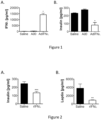
- Control groups received saline. Sera were then collected and analyzed for the presence of insulin and leptin. As indicated in Figure 2 , recombinant IFN ⁇ 3 profoundly reduced circulating insulin and leptin levels (p ⁇ 0.05). As insulin secretion is triggered by increased blood glucose levels and as reduced insulin levels in the circulation indicate improved insulin responsiveness of cells and tissues and improved glucose uptake, these data suggest an important role of IFN ⁇ in body metabolism. The observation that IFN ⁇ treatment also suppresses the production of leptin, a key hormone secreted by adipocytes in direct proportion to the amount of stored body fat with the aim to counteract appetite and increase energy expenditure, further points to a central effect of IFN ⁇ in fat storage and weight gain.
- Example 2 IFN ⁇ promotes insulin sensitivity and enhances glucose uptake.
- mice were treated with recombinant IFN ⁇ 3 (5 ⁇ g/mouse) or saline control, intraperitoneally twice per week for a total of 16 weeks. Control groups received saline. Glucose tolerance testing (GTT) preceded insulin tolerance testing (ITT) by 1 week. GTT was performed following overnight fasting. Mice received an intraperitoneal injection of 10% D-glucose (1 g/kg body weight) for GTT and an intraperitoneal injection of human regular insulin at a dose of 0.75 U/kg body weight for ITT.
- GTT Glucose tolerance testing
- ITT insulin tolerance testing
- Tail vein blood (5-10 ⁇ l) for GTT was assayed for glucose at 0, 20, 40, 60, 90 and 120 minutes and for ITT at 0, 20, 40, 60 and 120 minutes with Bayer's Contour Next Meter. Results are shown in Figure 3 .
- Recombinant IFN ⁇ treatment profoundly improved insulin sensitivity in mice by enhancing glucose uptake following exogenous insulin administration. It is well known that insulin resistance co-exists with obesity. It is also well established that increased insulin levels promote obesity, and obesity in turn drives insulin resistance. This finding therefore provides direct evidence that IFN ⁇ is therapeutically effective in enhancing insulin sensitivity and treating insulin resistance. As insulin resistance promotes obesity, metabolic disease and eventually progresses to diabetes, this finding indicates that IFN ⁇ can also be used to treat or prevent obesity, metabolic disease, diabetes and related comorbidities.
- Example 4 IFN ⁇ lowers food consumption and reduces the carbohydrate burning rate.
- Example 5 IFN ⁇ reduces atherosclerosis and prevents atherosclerotic plaque vulnerability
- 10-week old Apoe - / - mice were treated intravenously with vehicle (PBS), 5 ⁇ 10 8 mock (Ad0) or 5 ⁇ 10 8 IFN ⁇ 2-expressing adenovirus (AdIFN ⁇ ) over 3-week intervals for 12 weeks.
- 10-week old Apoe - / - mice were administered biweekly intraperitoneally recombinant IFN ⁇ 3 (5 ⁇ g/mouse) for a total of 12 weeks.
- Control mice received saline.
- mice were analyzed for the development of atherosclerosis at 22-weeks. Representative light photomicrographs of ORO-stained sections and fluorescent photomicrographs of CD68-stained sections at the level of the aortic valve are shown in Figure 6 and Figure 7 .
- Results include their respective morphometric analyses. Macroscopic analysis of the aortic arch with Sudan IV staining is shown in Figure 8 . As Apoe - / - mice are the most well established animal model of atherosclerosis, these data demonstrate the potency of IFN ⁇ in treating atherosclerosis by reducing lesion size and macrophage accumulation in the developing atherosclerotic lesions. Moreover, as lipid and CD68 + cell presence indicate a more prone to rupture or 'vulnerable' plaque phenotype, these findings underline the beneficial effects of IFN ⁇ treatment in reducing the risk of atherosclerotic lesions to rupture and give myocardial infarction or stroke.
- Example 6 IFN ⁇ reduces co-aqulation and thrombosis
- IFN ⁇ 2 treatment reduces the relative expression levels of tissue factor (TF), Cathepsin G (CTSG), elastase (ELANE), peptidyl arginine deiminase type IV (PADI4) and IL-1ra as shown in Figure 9 .
- TF tissue factor
- CSG Cathepsin G
- ELANE elastase
- PADI4 peptidyl arginine deiminase type IV
- IL-1ra IL-1ra
Landscapes
- Health & Medical Sciences (AREA)
- Life Sciences & Earth Sciences (AREA)
- General Health & Medical Sciences (AREA)
- Animal Behavior & Ethology (AREA)
- Veterinary Medicine (AREA)
- Public Health (AREA)
- Chemical & Material Sciences (AREA)
- Engineering & Computer Science (AREA)
- Bioinformatics & Cheminformatics (AREA)
- Medicinal Chemistry (AREA)
- Pharmacology & Pharmacy (AREA)
- Diabetes (AREA)
- Organic Chemistry (AREA)
- Chemical Kinetics & Catalysis (AREA)
- General Chemical & Material Sciences (AREA)
- Nuclear Medicine, Radiotherapy & Molecular Imaging (AREA)
- Epidemiology (AREA)
- Hematology (AREA)
- Obesity (AREA)
- Gastroenterology & Hepatology (AREA)
- Zoology (AREA)
- Proteomics, Peptides & Aminoacids (AREA)
- Immunology (AREA)
- Child & Adolescent Psychology (AREA)
- Heart & Thoracic Surgery (AREA)
- Cardiology (AREA)
- Vascular Medicine (AREA)
- Urology & Nephrology (AREA)
- Birds (AREA)
- Dermatology (AREA)
- Endocrinology (AREA)
- Emergency Medicine (AREA)
- Medicines That Contain Protein Lipid Enzymes And Other Medicines (AREA)
- Peptides Or Proteins (AREA)
- Toxicology (AREA)
- Biochemistry (AREA)
- Biophysics (AREA)
- Genetics & Genomics (AREA)
- Molecular Biology (AREA)
Claims (14)
- Aktivator des IFNλ-Rezeptors zur Verwendung bei der(a) Vorbeugung oder Behandlung einer mit Fettleibigkeit in Zusammenhang stehenden Störung, einer Atherosklerose oder einer Gerinnungsstörung bei einem Subjekt; oder(b) Bestimmung der Empfänglichkeit eines Subjekts, das an einer mit Fettleibigkeit in Zusammenhang stehenden Störung, einer Atherosklerose oder einer Gerinnungsstörung leidet für eine Behandlung mit dem Aktivator des IFNλ-Rezeptors, wobei dem Subjekt der Aktivator des IFNλ-Rezeptors verabreicht wird und die Wirkung auf die mit Fettleibigkeit in Zusammenhang stehende Störung, die Atherosklerose bzw. die Gerinnungsstörung bestimmt wird,
wobei die mit Fettleibigkeit in Zusammenhang stehende Störung ausgewählt ist aus der Gruppe bestehend aus Fettleibigkeit, Prädiabetes, Diabetes (einschließlich Typ-1-Diabetes, Typ-2-Diabetes und Schwangerschaftsdiabetes), Insulinresistenz, Stoffwechselerkrankung, metabolischem Syndrom, koronarer Herzerkrankung, Erkrankung der Halsschlagader, Myokardinfarkt, Schlaganfall, Thrombose, Dyslipidämie, Hyperlipidämie, Hypercholesterinämie, und wobei der Aktivator des IFNλ-Rezeptors IFNλ oder ein IFNλ exprimierendes Polynukleotid ist. - Aktivator des IFNλ-Rezeptors zur Verwendung nach Anspruch 1, wobei die Atherosklerose Bildung und Ruptur atheromatöser Plaques verursacht, oder die Gerinnungsstörung eine Thrombose ist.
- Aktivator des IFNλ-Rezeptors zur Verwendung bei der therapeutischen Reduktion von Körpergewicht oder Übergewicht in einem Subjekt, wobei der Aktivator des IFNλ-Rezeptors IFNλ oder ein IFNλ exprimierendes Polynukleotid ist.
- Verwendung eines Aktivators des IFNλ-Rezeptors zur nicht-therapeutischen Reduktion von Körpergewicht oder Übergewicht in einem Subjekt, wobei die nichttherapeutische Reduktion von Körpergewicht oder Übergewicht optional die Unterdrückung des Appetits und/oder die Unterdrückung von übermäßigem Essen beinhaltet, wobei der Aktivator des IFNλ-Rezeptors IFNλ oder ein IFNλ exprimierendes Polynukleotid ist.
- Aktivator des IFNλ-Rezeptors zur Verwendung nach einem der Ansprüche 1-3 oder zur Verwendung nach Anspruch 4, wobei das Subjekt ein Säugetier-Subjekt ist, wobei das Subjekt optional ein menschliches Subjekt ist.
- Aktivator des IFNλ-Rezeptors zur Verwendung nach einem der Ansprüche 1-3 oder 5 oder zur Verwendung nach Anspruch 4 oder Anspruch 5, wobei der Aktivator des IFNλ-Rezeptors in Kombination mit einem oder mehreren weiteren therapeutischen Mitteln verabreicht wird, wobei das/die weitere(n) therapeutische(n) Mittel optional ausgewählt ist/sind aus der Gruppe bestehend aus Insulin, Metformin (Glucophage), Meglitiniden (Prandin und Starlix), Sulfonylharnstoffen (Glyburid/DiaBeta, Glipizid/Glucotrol und Glimepirid/Amaryl), Canagliflozin (Invokana) und Dapagliflozin (Farxiga), Thiazolidindionen wie Pioglitazon (Actos), Acarbose (Precose), Pramlintid (Symlin), Exenatid (Byetta), Liraglutid (Victoza), lang wirksamem Exenatid (Bydureon), Albiglutid (Tanzeum), Dulaglutid (Trulicity), DPP-IV-Hemmern (Sitagliptin, Saxagliptin, Linagliptin), Phentermin, Diethylpropion, Phendimetrazin, Benzphetamin, Oxyntomodulin, Fluoxetinhydrochlorid, Qnexa (Topiramat und Phentermin), Excalia (Bupropion und Zonisamid), Contrave (Bupropion und Naltrexon), Xenical (Orlistat), Cetilistat und GT 389-255, Statinen, cholesterinsenkenden Medikamenten wie Proprotein-Konvertase-Subtilisin-Kexin Typ 9 (PCSK9)-Hemmern, ACE-Hemmern, Aldosteronhemmern, Angiotensin-II-Rezeptorblockern, Betablockern, Kalziumkanalblockern, Thrombozytenaggregationshemmern wie Aspirin, Clopidogrel (Plavix) oder Dipyridamol (Persantine), Antikoagulanzien wie Warfarin (Coumadin), Heparin, direkten Faktor-Xa-Hemmern, direkten Thrombinhemmern, Hydralazin, Diuretika, Kortikosteroiden, nichtsteroidalen entzündungshemmenden Medikamenten, Anti-TNF, Anti-IL-1 und Anti-IL-6.
- Aktivator des IFNλ-Rezeptors zur Verwendung nach einem der Ansprüche 1-3 oder 5-6 oder zur Verwendung nach einem der Ansprüche 4-6, wobei der Aktivator des IFNλ-Rezeptors IFNλ ist.
- Aktivator des IFNλ-Rezeptors zur Verwendung nach einem der Ansprüche 1-3 oder 5-7 oder zur Verwendung nach einem der Ansprüche 4-7, wobei das IFNλ humanes IFNλ ist, wobei das IFNλ optional ausgewählt ist aus der Gruppe bestehend aus IFNλ1, IFNλ2, IFNAλ und IFNλ4.
- Aktivator des IFNλ-Rezeptors zur Verwendung nach einem der Ansprüche 1-3 oder 5-8 oder zur Verwendung nach einem der Ansprüche 4-8, wobei ein Säugetier mit homologem IFNλ behandelt wird.
- Aktivator des IFNλ-Rezeptors zur Verwendung nach einem der Ansprüche 1-3 oder 5-9 oder zur Verwendung nach einem der Ansprüche 4-9, wobei das IFNλ pegyliert, insbesondere monopegyliert oder mit einer Polyalkyloxid-Einheit konjugiert ist.
- Aktivator des IFNλ-Rezeptors zur Verwendung nach einem der Ansprüche 1-3 oder 5-10 oder zur Verwendung nach einem der Ansprüche 4-10, wobei das IFNλ verabreicht wird durch intravenöse, intraperitoneale, subkutane oder intramuskuläre Injektion; durch orale, topische oder transmukosale Verabreichung; durch nasale oder pulmonale Inhalation oder durch Gentherapie.
- Aktivator des IFNλ-Rezeptors zur Verwendung nach einem der Ansprüche 1-3 oder 5-11 oder zur Verwendung nach einem der Ansprüche 4-11, wobei das IFNλ folgendermaßen verabreicht wird:i) wöchentlich,ii) alle zwei Wochen, oder(iii) zweimal pro Woche.
- Aktivator des IFNλ-Rezeptors zur Verwendung nach einem der Ansprüche 1-3 oder 5-12 oder zur Verwendung nach einem der Ansprüche 4-12, wobei das IFNλ in einer Dosis verabreicht wird, ausgewählt aus(i) 10 µg bis 10 mg, 100 µg bis 9 mg, 500 µg bis 8 mg, 1 mg bis 7 mg, 2 mg bis 6 mg und 5 mg; oder(ii) 0,1-150 µg/kg Körpergewicht, 0,5-100 µg/kg Körpergewicht, 1-90 µg/kg Körpergewicht, 10-80 µg/kg Körpergewicht, 20-70 µg/kg Körpergewicht und 60 µg/kg Körpergewicht.
- Pharmazeutische Zusammensetzung, die einen Aktivator des IFNλ-Rezeptors und einen pharmazeutisch verträglichen Hilfsstoff umfasst, zur Verwendung bei der Behandlung einer mit Fettleibigkeit in Zusammenhang stehenden Störung, einer Atherosklerose oder einer Gerinnungsstörung, wobei die mit Fettleibigkeit in Zusammenhang stehende Störung ausgewählt ist aus der Gruppe bestehend aus Fettleibigkeit, Prädiabetes, Diabetes (einschließlich Typ-1-Diabetes, Typ-2-Diabetes und Schwangerschaftsdiabetes), Insulinresistenz, Stoffwechselerkrankung, metabolischem Syndrom, koronarer Herzerkrankung, Erkrankung der Halsschlagader, Herzinfarkt, Schlaganfall, Thrombose, Dyslipidämie, Hyperlipidämie, Hypercholesterinämie, und wobei der Aktivator des IFNλ-Rezeptors IFNλ oder ein IFNλ exprimierendes Polynukleotid ist.
Priority Applications (8)
| Application Number | Priority Date | Filing Date | Title |
|---|---|---|---|
| EP17161461.3A EP3375452B1 (de) | 2017-03-16 | 2017-03-16 | Verwendung von lambda-interferonen bei der behandlung einer mit fettleibigkeit in zusammenhang stehenden störung, von atherosklerose oder einer gerinnungsstörung |
| ES17161461T ES3015227T3 (en) | 2017-03-16 | 2017-03-16 | Use of lambda interferons in the treatment of an obesity-related disorder, atherosclerosis or a coagulation disorder |
| DE112018001364.2T DE112018001364T5 (de) | 2017-03-16 | 2018-03-16 | Verwendung von Lambda-Interferonen bei der Behandlung von mit Adipositas zusammenhängenden Störungen und verwandten Erkrankungen |
| CA3093480A CA3093480A1 (en) | 2017-03-16 | 2018-03-16 | Use of lambda interferons in the treatment of obesity-related disorders and related diseases |
| EP18714182.5A EP3595700A1 (de) | 2017-03-16 | 2018-03-16 | Verwendung von lambda-interferonen bei der behandlung von adipositasbedingten störungen und verwandten erkrankungen |
| US16/604,378 US12121564B2 (en) | 2017-03-16 | 2018-03-16 | Use of lambda interferons in the treatment of obesity-related disorders and related diseases |
| GB1913183.8A GB2574747B (en) | 2017-03-16 | 2018-03-16 | Use of lambda interferons in the treatment of obesity-related disorders and related diseases |
| PCT/EP2018/056712 WO2018167287A1 (en) | 2017-03-16 | 2018-03-16 | Use of lambda interferons in the treatment of obesity-related disorders and related diseases |
Applications Claiming Priority (1)
| Application Number | Priority Date | Filing Date | Title |
|---|---|---|---|
| EP17161461.3A EP3375452B1 (de) | 2017-03-16 | 2017-03-16 | Verwendung von lambda-interferonen bei der behandlung einer mit fettleibigkeit in zusammenhang stehenden störung, von atherosklerose oder einer gerinnungsstörung |
Publications (3)
| Publication Number | Publication Date |
|---|---|
| EP3375452A1 EP3375452A1 (de) | 2018-09-19 |
| EP3375452C0 EP3375452C0 (de) | 2025-01-08 |
| EP3375452B1 true EP3375452B1 (de) | 2025-01-08 |
Family
ID=58360897
Family Applications (2)
| Application Number | Title | Priority Date | Filing Date |
|---|---|---|---|
| EP17161461.3A Active EP3375452B1 (de) | 2017-03-16 | 2017-03-16 | Verwendung von lambda-interferonen bei der behandlung einer mit fettleibigkeit in zusammenhang stehenden störung, von atherosklerose oder einer gerinnungsstörung |
| EP18714182.5A Pending EP3595700A1 (de) | 2017-03-16 | 2018-03-16 | Verwendung von lambda-interferonen bei der behandlung von adipositasbedingten störungen und verwandten erkrankungen |
Family Applications After (1)
| Application Number | Title | Priority Date | Filing Date |
|---|---|---|---|
| EP18714182.5A Pending EP3595700A1 (de) | 2017-03-16 | 2018-03-16 | Verwendung von lambda-interferonen bei der behandlung von adipositasbedingten störungen und verwandten erkrankungen |
Country Status (7)
| Country | Link |
|---|---|
| US (1) | US12121564B2 (de) |
| EP (2) | EP3375452B1 (de) |
| CA (1) | CA3093480A1 (de) |
| DE (1) | DE112018001364T5 (de) |
| ES (1) | ES3015227T3 (de) |
| GB (1) | GB2574747B (de) |
| WO (1) | WO2018167287A1 (de) |
Families Citing this family (3)
| Publication number | Priority date | Publication date | Assignee | Title |
|---|---|---|---|---|
| CN114129711B (zh) * | 2020-09-03 | 2024-02-09 | 南京大学 | 度拉糖肽在制备抗肿瘤药物中的应用 |
| CN118141928A (zh) * | 2024-03-11 | 2024-06-07 | 上海交通大学 | P2ry12抑制剂在制备治疗肥胖症、超重和代谢综合征疾病的药物中的用途 |
| US12303604B1 (en) | 2024-10-16 | 2025-05-20 | Currax Pharmaceuticals Llc | Pharmaceutical formulations comprising naltrexone and/or bupropion |
Citations (1)
| Publication number | Priority date | Publication date | Assignee | Title |
|---|---|---|---|---|
| EP3558342A1 (de) * | 2016-12-20 | 2019-10-30 | UCB Biopharma SPRL | Medizinische verwendung von interferon-lambda zur behandlung von fibrose |
Family Cites Families (8)
| Publication number | Priority date | Publication date | Assignee | Title |
|---|---|---|---|---|
| US5612052A (en) | 1995-04-13 | 1997-03-18 | Poly-Med, Inc. | Hydrogel-forming, self-solvating absorbable polyester copolymers, and methods for use thereof |
| US6413539B1 (en) | 1996-10-31 | 2002-07-02 | Poly-Med, Inc. | Hydrogel-forming, self-solvating absorbable polyester copolymers, and methods for use thereof |
| US6117949A (en) | 1998-10-01 | 2000-09-12 | Macromed, Inc. | Biodegradable low molecular weight triblock poly (lactide-co-glycolide) polyethylene glycol copolymers having reverse thermal gelation properties |
| US6004573A (en) | 1997-10-03 | 1999-12-21 | Macromed, Inc. | Biodegradable low molecular weight triblock poly(lactide-co-glycolide) polyethylene glycol copolymers having reverse thermal gelation properties |
| ES2405209T3 (es) * | 2003-08-07 | 2013-05-30 | Zymogenetics, Inc. | Preparaciones homogéneas de lL-29 |
| WO2009152152A1 (en) * | 2008-06-09 | 2009-12-17 | Amarillo Biosciences, Inc. | Treatment of obesity with an interferon |
| JP2014525939A (ja) | 2011-08-25 | 2014-10-02 | ナノジェン・ファーマシューティカル・バイオテクノロジー | ペグインターフェロンλ1複合体 |
| WO2014080350A1 (en) * | 2012-11-21 | 2014-05-30 | The Governors Of The University Of Alberta | Immunomodulatory peptides and methods of use thereof |
-
2017
- 2017-03-16 EP EP17161461.3A patent/EP3375452B1/de active Active
- 2017-03-16 ES ES17161461T patent/ES3015227T3/es active Active
-
2018
- 2018-03-16 EP EP18714182.5A patent/EP3595700A1/de active Pending
- 2018-03-16 US US16/604,378 patent/US12121564B2/en active Active
- 2018-03-16 DE DE112018001364.2T patent/DE112018001364T5/de active Pending
- 2018-03-16 CA CA3093480A patent/CA3093480A1/en active Pending
- 2018-03-16 WO PCT/EP2018/056712 patent/WO2018167287A1/en not_active Ceased
- 2018-03-16 GB GB1913183.8A patent/GB2574747B/en active Active
Patent Citations (1)
| Publication number | Priority date | Publication date | Assignee | Title |
|---|---|---|---|---|
| EP3558342A1 (de) * | 2016-12-20 | 2019-10-30 | UCB Biopharma SPRL | Medizinische verwendung von interferon-lambda zur behandlung von fibrose |
Also Published As
| Publication number | Publication date |
|---|---|
| GB2574747B (en) | 2023-01-18 |
| EP3375452A1 (de) | 2018-09-19 |
| US12121564B2 (en) | 2024-10-22 |
| US20200157167A1 (en) | 2020-05-21 |
| WO2018167287A1 (en) | 2018-09-20 |
| DE112018001364T5 (de) | 2019-12-05 |
| EP3375452C0 (de) | 2025-01-08 |
| EP3595700A1 (de) | 2020-01-22 |
| ES3015227T3 (en) | 2025-04-30 |
| CA3093480A1 (en) | 2018-09-20 |
| GB2574747A (en) | 2019-12-18 |
| GB201913183D0 (en) | 2019-10-30 |
Similar Documents
| Publication | Publication Date | Title |
|---|---|---|
| Wang et al. | Targeting IL-10 family cytokines for the treatment of human diseases | |
| US10981966B2 (en) | IL-10 variant molecules conjugated with antibody variable domain regions | |
| RU2404795C2 (ru) | Способы лечения почечно-клеточной карциномы | |
| TW593336B (en) | Low-toxicity human interferon-alpha analog | |
| CN110396133B (zh) | 一种以白介素12为活性成分的融合蛋白型药物前体 | |
| TWI500629B (zh) | 介白素-6抗體及其用途 | |
| CN113286604B (zh) | 治疗炎症性疾病的蛋白质 | |
| US12121564B2 (en) | Use of lambda interferons in the treatment of obesity-related disorders and related diseases | |
| JP2021512056A (ja) | 細胞活性状態を調節することにより免疫細胞の炎症状態をインビボで変更すること | |
| TWI694084B (zh) | Uti融合蛋白質 | |
| TW201828973A (zh) | 使用λ干擾素治療纖維化疾病之方法 | |
| JP2022518628A (ja) | Ccl21をコードする組換えラブドウイルス | |
| CA3148827A1 (en) | Compositions and methods of using c/ebp alpha sarna | |
| EP4448016A2 (de) | Doppelzytokinfusionsproteine mit zytokinen mit mehreren untereinheiten | |
| JP2019505570A (ja) | 放射性および化学的損傷を予防及び治療するための方法 | |
| Tian et al. | Suppression of hepatocellular carcinoma proliferation and hepatitis B surface antigen secretion with interferon‐λ1 or PEG‐interferon‐λ1 | |
| Lu et al. | Targeted blockade of interleukin 9 inhibits tumor growth in murine model of pancreatic cancer. | |
| JP2023546298A (ja) | 多機能性及び多価インターロイキン-tgf-ベータ受容体融合ポリペプチド | |
| JP2007501813A (ja) | 新生血管形成と関連した症状を治療および診断するためのインターロイキン−20 | |
| CN118715239A (zh) | 包含多亚基细胞因子的双细胞因子融合蛋白 | |
| WO2024031297A1 (en) | A replicative oncolytic adenovirus capable of inhibiting tumor progression and prolonging survival time in tumor-bearing individuals and use thereof | |
| Lasfar¹ et al. | Emergence of IFN-lambda as a potential antitumor agent | |
| WO2024245445A1 (zh) | Malt1肿瘤抑制剂、含有其的药物及应用 | |
| Wick et al. | Disturbances of Iron Distribution Diagnosis and Therapy | |
| Li | Inhibition of vascular permeability by semaphorin 3F in acute inflammation |
Legal Events
| Date | Code | Title | Description |
|---|---|---|---|
| PUAI | Public reference made under article 153(3) epc to a published international application that has entered the european phase |
Free format text: ORIGINAL CODE: 0009012 |
|
| STAA | Information on the status of an ep patent application or granted ep patent |
Free format text: STATUS: THE APPLICATION HAS BEEN PUBLISHED |
|
| AK | Designated contracting states |
Kind code of ref document: A1 Designated state(s): AL AT BE BG CH CY CZ DE DK EE ES FI FR GB GR HR HU IE IS IT LI LT LU LV MC MK MT NL NO PL PT RO RS SE SI SK SM TR |
|
| AX | Request for extension of the european patent |
Extension state: BA ME |
|
| STAA | Information on the status of an ep patent application or granted ep patent |
Free format text: STATUS: REQUEST FOR EXAMINATION WAS MADE |
|
| 17P | Request for examination filed |
Effective date: 20190319 |
|
| RAX | Requested extension states of the european patent have changed |
Extension state: ME Payment date: 20190319 Extension state: BA Payment date: 20190319 |
|
| RBV | Designated contracting states (corrected) |
Designated state(s): AL AT BE BG CH CY CZ DE DK EE ES FI FR GB GR HR HU IE IS IT LI LT LU LV MC MK MT NL NO PL PT RO RS SE SI SK SM TR |
|
| STAA | Information on the status of an ep patent application or granted ep patent |
Free format text: STATUS: EXAMINATION IS IN PROGRESS |
|
| 17Q | First examination report despatched |
Effective date: 20200430 |
|
| GRAP | Despatch of communication of intention to grant a patent |
Free format text: ORIGINAL CODE: EPIDOSNIGR1 |
|
| STAA | Information on the status of an ep patent application or granted ep patent |
Free format text: STATUS: GRANT OF PATENT IS INTENDED |
|
| INTG | Intention to grant announced |
Effective date: 20240229 |
|
| GRAS | Grant fee paid |
Free format text: ORIGINAL CODE: EPIDOSNIGR3 |
|
| GRAJ | Information related to disapproval of communication of intention to grant by the applicant or resumption of examination proceedings by the epo deleted |
Free format text: ORIGINAL CODE: EPIDOSDIGR1 |
|
| GRAL | Information related to payment of fee for publishing/printing deleted |
Free format text: ORIGINAL CODE: EPIDOSDIGR3 |
|
| STAA | Information on the status of an ep patent application or granted ep patent |
Free format text: STATUS: EXAMINATION IS IN PROGRESS |
|
| GRAP | Despatch of communication of intention to grant a patent |
Free format text: ORIGINAL CODE: EPIDOSNIGR1 |
|
| STAA | Information on the status of an ep patent application or granted ep patent |
Free format text: STATUS: GRANT OF PATENT IS INTENDED |
|
| RAP3 | Party data changed (applicant data changed or rights of an application transferred) |
Owner name: BIOMEDICAL RESEARCH FOUNDATION OF THE ACADEMYOF ATHENS Owner name: SALAGIANNI, MARIA Owner name: ANDREAKOS, EVANGELOS |
|
| INTC | Intention to grant announced (deleted) | ||
| INTG | Intention to grant announced |
Effective date: 20240801 |
|
| GRAA | (expected) grant |
Free format text: ORIGINAL CODE: 0009210 |
|
| STAA | Information on the status of an ep patent application or granted ep patent |
Free format text: STATUS: THE PATENT HAS BEEN GRANTED |
|
| AK | Designated contracting states |
Kind code of ref document: B1 Designated state(s): AL AT BE BG CH CY CZ DE DK EE ES FI FR GB GR HR HU IE IS IT LI LT LU LV MC MK MT NL NO PL PT RO RS SE SI SK SM TR |
|
| RAP3 | Party data changed (applicant data changed or rights of an application transferred) |
Owner name: BIOMEDICAL RESEARCH FOUNDATION OF THE ACADEMYOF ATHENS Owner name: SALAGIANNI, MARIA Owner name: ANDREAKOS, EVANGELOS |
|
| REG | Reference to a national code |
Ref country code: GB Ref legal event code: FG4D |
|
| REG | Reference to a national code |
Ref country code: CH Ref legal event code: EP |
|
| REG | Reference to a national code |
Ref country code: DE Ref legal event code: R096 Ref document number: 602017087206 Country of ref document: DE |
|
| REG | Reference to a national code |
Ref country code: IE Ref legal event code: FG4D |
|
| U01 | Request for unitary effect filed |
Effective date: 20250210 |
|
| U07 | Unitary effect registered |
Designated state(s): AT BE BG DE DK EE FI FR IT LT LU LV MT NL PT RO SE SI Effective date: 20250214 |
|
| U1N | Appointed representative for the unitary patent procedure changed after the registration of the unitary effect |
Representative=s name: DOERRIES, HANS ULRICH; DE |
|
| PGFP | Annual fee paid to national office [announced via postgrant information from national office to epo] |
Ref country code: IE Payment date: 20250320 Year of fee payment: 9 |
|
| REG | Reference to a national code |
Ref country code: ES Ref legal event code: FG2A Ref document number: 3015227 Country of ref document: ES Kind code of ref document: T3 Effective date: 20250430 |
|
| U20 | Renewal fee for the european patent with unitary effect paid |
Year of fee payment: 9 Effective date: 20250430 |
|
| PG25 | Lapsed in a contracting state [announced via postgrant information from national office to epo] |
Ref country code: RS Free format text: LAPSE BECAUSE OF FAILURE TO SUBMIT A TRANSLATION OF THE DESCRIPTION OR TO PAY THE FEE WITHIN THE PRESCRIBED TIME-LIMIT Effective date: 20250408 |
|
| PG25 | Lapsed in a contracting state [announced via postgrant information from national office to epo] |
Ref country code: PL Free format text: LAPSE BECAUSE OF FAILURE TO SUBMIT A TRANSLATION OF THE DESCRIPTION OR TO PAY THE FEE WITHIN THE PRESCRIBED TIME-LIMIT Effective date: 20250108 |
|
| PGFP | Annual fee paid to national office [announced via postgrant information from national office to epo] |
Ref country code: ES Payment date: 20250416 Year of fee payment: 9 |
|
| PG25 | Lapsed in a contracting state [announced via postgrant information from national office to epo] |
Ref country code: NO Free format text: LAPSE BECAUSE OF FAILURE TO SUBMIT A TRANSLATION OF THE DESCRIPTION OR TO PAY THE FEE WITHIN THE PRESCRIBED TIME-LIMIT Effective date: 20250408 Ref country code: IS Free format text: LAPSE BECAUSE OF FAILURE TO SUBMIT A TRANSLATION OF THE DESCRIPTION OR TO PAY THE FEE WITHIN THE PRESCRIBED TIME-LIMIT Effective date: 20250508 |
|
| PG25 | Lapsed in a contracting state [announced via postgrant information from national office to epo] |
Ref country code: HR Free format text: LAPSE BECAUSE OF FAILURE TO SUBMIT A TRANSLATION OF THE DESCRIPTION OR TO PAY THE FEE WITHIN THE PRESCRIBED TIME-LIMIT Effective date: 20250108 |
|
| PG25 | Lapsed in a contracting state [announced via postgrant information from national office to epo] |
Ref country code: GR Free format text: LAPSE BECAUSE OF FAILURE TO SUBMIT A TRANSLATION OF THE DESCRIPTION OR TO PAY THE FEE WITHIN THE PRESCRIBED TIME-LIMIT Effective date: 20250409 |
|
| PGFP | Annual fee paid to national office [announced via postgrant information from national office to epo] |
Ref country code: CH Payment date: 20250401 Year of fee payment: 9 |
|
| PG25 | Lapsed in a contracting state [announced via postgrant information from national office to epo] |
Ref country code: SM Free format text: LAPSE BECAUSE OF FAILURE TO SUBMIT A TRANSLATION OF THE DESCRIPTION OR TO PAY THE FEE WITHIN THE PRESCRIBED TIME-LIMIT Effective date: 20250108 |
|
| PG25 | Lapsed in a contracting state [announced via postgrant information from national office to epo] |
Ref country code: MC Free format text: LAPSE BECAUSE OF FAILURE TO SUBMIT A TRANSLATION OF THE DESCRIPTION OR TO PAY THE FEE WITHIN THE PRESCRIBED TIME-LIMIT Effective date: 20250108 |
|
| PG25 | Lapsed in a contracting state [announced via postgrant information from national office to epo] |
Ref country code: CZ Free format text: LAPSE BECAUSE OF FAILURE TO SUBMIT A TRANSLATION OF THE DESCRIPTION OR TO PAY THE FEE WITHIN THE PRESCRIBED TIME-LIMIT Effective date: 20250108 |
|
| PG25 | Lapsed in a contracting state [announced via postgrant information from national office to epo] |
Ref country code: SK Free format text: LAPSE BECAUSE OF FAILURE TO SUBMIT A TRANSLATION OF THE DESCRIPTION OR TO PAY THE FEE WITHIN THE PRESCRIBED TIME-LIMIT Effective date: 20250108 |
|
| PLBE | No opposition filed within time limit |
Free format text: ORIGINAL CODE: 0009261 |
|
| STAA | Information on the status of an ep patent application or granted ep patent |
Free format text: STATUS: NO OPPOSITION FILED WITHIN TIME LIMIT |
|
| 26N | No opposition filed |
Effective date: 20251009 |
|
| GBPC | Gb: european patent ceased through non-payment of renewal fee |
Effective date: 20250408 |
|
| PG25 | Lapsed in a contracting state [announced via postgrant information from national office to epo] |
Ref country code: GB Free format text: LAPSE BECAUSE OF NON-PAYMENT OF DUE FEES Effective date: 20250408 |