EP3365351B1 - Hydroxamate triterpenoid derivatives - Google Patents
Hydroxamate triterpenoid derivatives Download PDFInfo
- Publication number
- EP3365351B1 EP3365351B1 EP17790966.0A EP17790966A EP3365351B1 EP 3365351 B1 EP3365351 B1 EP 3365351B1 EP 17790966 A EP17790966 A EP 17790966A EP 3365351 B1 EP3365351 B1 EP 3365351B1
- Authority
- EP
- European Patent Office
- Prior art keywords
- hydroxy
- amide
- carbon
- present
- hif
- Prior art date
- Legal status (The legal status is an assumption and is not a legal conclusion. Google has not performed a legal analysis and makes no representation as to the accuracy of the status listed.)
- Active
Links
- 0 CC[*@@](C)(C(C)CC(C)[C@](C)C(C)C)C=CCCCC(CC1*=CCCC1)C(CC1)*1=C Chemical compound CC[*@@](C)(C(C)CC(C)[C@](C)C(C)C)C=CCCCC(CC1*=CCCC1)C(CC1)*1=C 0.000 description 4
- AOVGWOQXOOYRBC-AJNNAGPSSA-N CC(C)([C@H](CC1)[C@](C)(C2)[C@@H](CC3)[C@]1(C)[C@](C)(CC1)[C@H]3[C@@H]([C@@H](CC3)C(C)=C)[C@@]13C(NO)=O)c1c2cn[o]1 Chemical compound CC(C)([C@H](CC1)[C@](C)(C2)[C@@H](CC3)[C@]1(C)[C@](C)(CC1)[C@H]3[C@@H]([C@@H](CC3)C(C)=C)[C@@]13C(NO)=O)c1c2cn[o]1 AOVGWOQXOOYRBC-AJNNAGPSSA-N 0.000 description 3
- HLBLUQFNAUQXMD-LLICELPBSA-N CC(C)(CC1)C[C@H]2C3=CC[C@H]([C@@](C)(C[C@H]4O)[C@@H](CC5)C(C)(C)[C@H]4O)[C@]5(C)[C@]3(C)CC[C@@]12C(NO)=O Chemical compound CC(C)(CC1)C[C@H]2C3=CC[C@H]([C@@](C)(C[C@H]4O)[C@@H](CC5)C(C)(C)[C@H]4O)[C@]5(C)[C@]3(C)CC[C@@]12C(NO)=O HLBLUQFNAUQXMD-LLICELPBSA-N 0.000 description 2
- PVQQSSDTNASPPB-LYQIAVTOSA-N CC(C)(CC[C@@]1(CC[C@@]2(C)[C@](C)(CC3)[C@H]4[C@@](C)(CC5)[C@@H]3C(C)(C)[C@H]5OC(C)=O)C(NO)=O)C[C@H]1C2=CC4=O Chemical compound CC(C)(CC[C@@]1(CC[C@@]2(C)[C@](C)(CC3)[C@H]4[C@@](C)(CC5)[C@@H]3C(C)(C)[C@H]5OC(C)=O)C(NO)=O)C[C@H]1C2=CC4=O PVQQSSDTNASPPB-LYQIAVTOSA-N 0.000 description 2
- RIUWNCHJPCEYNG-QRARIYCASA-N CC(C)(CC[C@@]1(CC[C@@]2(C)[C@]3(C)CC[C@H]4C(C)(C)C5=O)C(NO)=O)C[C@H]1C2=CC[C@@H]3[C@@]4(C)C=C5O Chemical compound CC(C)(CC[C@@]1(CC[C@@]2(C)[C@]3(C)CC[C@H]4C(C)(C)C5=O)C(NO)=O)C[C@H]1C2=CC[C@@H]3[C@@]4(C)C=C5O RIUWNCHJPCEYNG-QRARIYCASA-N 0.000 description 2
- ITLBFOYZUQXDTD-BPTQZAATSA-N CC(C)(C(CC[C@@]1(C)[C@](C)(CC[C@@](C)(CC2)[C@@H]3C[C@@]2(C)C(NO)=O)C3=C2)[C@](C)(CC3)[C@H]1C2=O)C3=O Chemical compound CC(C)(C(CC[C@@]1(C)[C@](C)(CC[C@@](C)(CC2)[C@@H]3C[C@@]2(C)C(NO)=O)C3=C2)[C@](C)(CC3)[C@H]1C2=O)C3=O ITLBFOYZUQXDTD-BPTQZAATSA-N 0.000 description 1
- UBRUVPQJBKJZCB-ISIARLJFSA-N CC(C)(CC1)C[C@H]2C3=CC[C@H]([C@@](C)(CC4)[C@@H](CC5)C(C)(C)/C4=N/O)[C@]5(C)[C@]3(C)CC[C@@]12C(N(C)O)=O Chemical compound CC(C)(CC1)C[C@H]2C3=CC[C@H]([C@@](C)(CC4)[C@@H](CC5)C(C)(C)/C4=N/O)[C@]5(C)[C@]3(C)CC[C@@]12C(N(C)O)=O UBRUVPQJBKJZCB-ISIARLJFSA-N 0.000 description 1
- HMPJMXOOTJWLPG-DKCYGXGMSA-N CC(C)(CC1)C[C@H]2C3=CC[C@H]([C@@](C)(CC4)[C@@H](CC5)C(C)(C)/C4=N/O)[C@]5(C)[C@]3(C)CC[C@@]12C(NO)=O Chemical compound CC(C)(CC1)C[C@H]2C3=CC[C@H]([C@@](C)(CC4)[C@@H](CC5)C(C)(C)/C4=N/O)[C@]5(C)[C@]3(C)CC[C@@]12C(NO)=O HMPJMXOOTJWLPG-DKCYGXGMSA-N 0.000 description 1
- NMPQNBFMGIAHQQ-CDNBJWEZSA-N CC(C)(CC1)C[C@H]2C3=CC[C@H]([C@]4(C)[C@@H](CC5)C(C)(C)C=CC4)[C@]5(C)[C@]3(C)CC[C@@]12C(NO)=O Chemical compound CC(C)(CC1)C[C@H]2C3=CC[C@H]([C@]4(C)[C@@H](CC5)C(C)(C)C=CC4)[C@]5(C)[C@]3(C)CC[C@@]12C(NO)=O NMPQNBFMGIAHQQ-CDNBJWEZSA-N 0.000 description 1
- DFFZHMMRBSLZNT-INPVNEGFSA-N CC(C)([C@@H]1CC2)C=CC[C@]1(C)[C@@H](CC1)[C@]2(C)[C@](C)(CC2)[C@H]1[C@@H]([C@@H](CC1)C(C)=C)[C@@]21C(NO)=O Chemical compound CC(C)([C@@H]1CC2)C=CC[C@]1(C)[C@@H](CC1)[C@]2(C)[C@](C)(CC2)[C@H]1[C@@H]([C@@H](CC1)C(C)=C)[C@@]21C(NO)=O DFFZHMMRBSLZNT-INPVNEGFSA-N 0.000 description 1
- XNJMICUWXYERTB-FZFNOLFKSA-N CC(C)([C@H](CC1)[C@](C)(CC2)[C@@H](CC3)[C@]1(C)[C@](C)(CC1)[C@H]3[C@@H]([C@@H](CC3)C(C)=C)[C@@]13C(NO)=O)[C@H]2O Chemical compound CC(C)([C@H](CC1)[C@](C)(CC2)[C@@H](CC3)[C@]1(C)[C@](C)(CC1)[C@H]3[C@@H]([C@@H](CC3)C(C)=C)[C@@]13C(NO)=O)[C@H]2O XNJMICUWXYERTB-FZFNOLFKSA-N 0.000 description 1
- JUFZJZPEXVPOCZ-JAMMHHFISA-N CCC1[C@@H](C)C=CC1 Chemical compound CCC1[C@@H](C)C=CC1 JUFZJZPEXVPOCZ-JAMMHHFISA-N 0.000 description 1
- LFTVTVGPVHRWLX-MMXZKTKHSA-N C[C@H](CC1)[C@H](C)[C@H]2C3=CC[C@H]([C@@](C)(CC4)C(CC5)C(C)(C)/C4=N\O)[C@]5(C)[C@]3(C)CC[C@@]12C(NO)=O Chemical compound C[C@H](CC1)[C@H](C)[C@H]2C3=CC[C@H]([C@@](C)(CC4)C(CC5)C(C)(C)/C4=N\O)[C@]5(C)[C@]3(C)CC[C@@]12C(NO)=O LFTVTVGPVHRWLX-MMXZKTKHSA-N 0.000 description 1
- DXMDXBIXLLHEFM-JJWDWEPMSA-N C[C@H](CC1)[C@H](C)[C@H]2C3=CC[C@H]([C@@](C)(CC4)C(CC5)C(C)(C)[C@H]4O)[C@]5(C)[C@]3(C)CC[C@@]12C(NO)=O Chemical compound C[C@H](CC1)[C@H](C)[C@H]2C3=CC[C@H]([C@@](C)(CC4)C(CC5)C(C)(C)[C@H]4O)[C@]5(C)[C@]3(C)CC[C@@]12C(NO)=O DXMDXBIXLLHEFM-JJWDWEPMSA-N 0.000 description 1
Images








Classifications
-
- C—CHEMISTRY; METALLURGY
- C07—ORGANIC CHEMISTRY
- C07C—ACYCLIC OR CARBOCYCLIC COMPOUNDS
- C07C259/00—Compounds containing carboxyl groups, an oxygen atom of a carboxyl group being replaced by a nitrogen atom, this nitrogen atom being further bound to an oxygen atom and not being part of nitro or nitroso groups
- C07C259/04—Compounds containing carboxyl groups, an oxygen atom of a carboxyl group being replaced by a nitrogen atom, this nitrogen atom being further bound to an oxygen atom and not being part of nitro or nitroso groups without replacement of the other oxygen atom of the carboxyl group, e.g. hydroxamic acids
- C07C259/08—Compounds containing carboxyl groups, an oxygen atom of a carboxyl group being replaced by a nitrogen atom, this nitrogen atom being further bound to an oxygen atom and not being part of nitro or nitroso groups without replacement of the other oxygen atom of the carboxyl group, e.g. hydroxamic acids having carbon atoms of hydroxamic groups bound to carbon atoms of rings other than six-membered aromatic rings
-
- C—CHEMISTRY; METALLURGY
- C07—ORGANIC CHEMISTRY
- C07J—STEROIDS
- C07J63/00—Steroids in which the cyclopenta(a)hydrophenanthrene skeleton has been modified by expansion of only one ring by one or two atoms
- C07J63/008—Expansion of ring D by one atom, e.g. D homo steroids
-
- C—CHEMISTRY; METALLURGY
- C07—ORGANIC CHEMISTRY
- C07J—STEROIDS
- C07J63/00—Steroids in which the cyclopenta(a)hydrophenanthrene skeleton has been modified by expansion of only one ring by one or two atoms
-
- A—HUMAN NECESSITIES
- A61—MEDICAL OR VETERINARY SCIENCE; HYGIENE
- A61P—SPECIFIC THERAPEUTIC ACTIVITY OF CHEMICAL COMPOUNDS OR MEDICINAL PREPARATIONS
- A61P1/00—Drugs for disorders of the alimentary tract or the digestive system
- A61P1/04—Drugs for disorders of the alimentary tract or the digestive system for ulcers, gastritis or reflux esophagitis, e.g. antacids, inhibitors of acid secretion, mucosal protectants
-
- A—HUMAN NECESSITIES
- A61—MEDICAL OR VETERINARY SCIENCE; HYGIENE
- A61P—SPECIFIC THERAPEUTIC ACTIVITY OF CHEMICAL COMPOUNDS OR MEDICINAL PREPARATIONS
- A61P11/00—Drugs for disorders of the respiratory system
-
- A—HUMAN NECESSITIES
- A61—MEDICAL OR VETERINARY SCIENCE; HYGIENE
- A61P—SPECIFIC THERAPEUTIC ACTIVITY OF CHEMICAL COMPOUNDS OR MEDICINAL PREPARATIONS
- A61P13/00—Drugs for disorders of the urinary system
- A61P13/12—Drugs for disorders of the urinary system of the kidneys
-
- A—HUMAN NECESSITIES
- A61—MEDICAL OR VETERINARY SCIENCE; HYGIENE
- A61P—SPECIFIC THERAPEUTIC ACTIVITY OF CHEMICAL COMPOUNDS OR MEDICINAL PREPARATIONS
- A61P17/00—Drugs for dermatological disorders
- A61P17/02—Drugs for dermatological disorders for treating wounds, ulcers, burns, scars, keloids, or the like
-
- A—HUMAN NECESSITIES
- A61—MEDICAL OR VETERINARY SCIENCE; HYGIENE
- A61P—SPECIFIC THERAPEUTIC ACTIVITY OF CHEMICAL COMPOUNDS OR MEDICINAL PREPARATIONS
- A61P25/00—Drugs for disorders of the nervous system
- A61P25/28—Drugs for disorders of the nervous system for treating neurodegenerative disorders of the central nervous system, e.g. nootropic agents, cognition enhancers, drugs for treating Alzheimer's disease or other forms of dementia
-
- A—HUMAN NECESSITIES
- A61—MEDICAL OR VETERINARY SCIENCE; HYGIENE
- A61P—SPECIFIC THERAPEUTIC ACTIVITY OF CHEMICAL COMPOUNDS OR MEDICINAL PREPARATIONS
- A61P3/00—Drugs for disorders of the metabolism
-
- A—HUMAN NECESSITIES
- A61—MEDICAL OR VETERINARY SCIENCE; HYGIENE
- A61P—SPECIFIC THERAPEUTIC ACTIVITY OF CHEMICAL COMPOUNDS OR MEDICINAL PREPARATIONS
- A61P3/00—Drugs for disorders of the metabolism
- A61P3/06—Antihyperlipidemics
-
- A—HUMAN NECESSITIES
- A61—MEDICAL OR VETERINARY SCIENCE; HYGIENE
- A61P—SPECIFIC THERAPEUTIC ACTIVITY OF CHEMICAL COMPOUNDS OR MEDICINAL PREPARATIONS
- A61P3/00—Drugs for disorders of the metabolism
- A61P3/08—Drugs for disorders of the metabolism for glucose homeostasis
- A61P3/10—Drugs for disorders of the metabolism for glucose homeostasis for hyperglycaemia, e.g. antidiabetics
-
- A—HUMAN NECESSITIES
- A61—MEDICAL OR VETERINARY SCIENCE; HYGIENE
- A61P—SPECIFIC THERAPEUTIC ACTIVITY OF CHEMICAL COMPOUNDS OR MEDICINAL PREPARATIONS
- A61P37/00—Drugs for immunological or allergic disorders
- A61P37/02—Immunomodulators
- A61P37/06—Immunosuppressants, e.g. drugs for graft rejection
-
- A—HUMAN NECESSITIES
- A61—MEDICAL OR VETERINARY SCIENCE; HYGIENE
- A61P—SPECIFIC THERAPEUTIC ACTIVITY OF CHEMICAL COMPOUNDS OR MEDICINAL PREPARATIONS
- A61P7/00—Drugs for disorders of the blood or the extracellular fluid
- A61P7/12—Antidiuretics, e.g. drugs for diabetes insipidus
-
- A—HUMAN NECESSITIES
- A61—MEDICAL OR VETERINARY SCIENCE; HYGIENE
- A61P—SPECIFIC THERAPEUTIC ACTIVITY OF CHEMICAL COMPOUNDS OR MEDICINAL PREPARATIONS
- A61P9/00—Drugs for disorders of the cardiovascular system
-
- A—HUMAN NECESSITIES
- A61—MEDICAL OR VETERINARY SCIENCE; HYGIENE
- A61P—SPECIFIC THERAPEUTIC ACTIVITY OF CHEMICAL COMPOUNDS OR MEDICINAL PREPARATIONS
- A61P9/00—Drugs for disorders of the cardiovascular system
- A61P9/10—Drugs for disorders of the cardiovascular system for treating ischaemic or atherosclerotic diseases, e.g. antianginal drugs, coronary vasodilators, drugs for myocardial infarction, retinopathy, cerebrovascula insufficiency, renal arteriosclerosis
-
- C—CHEMISTRY; METALLURGY
- C07—ORGANIC CHEMISTRY
- C07D—HETEROCYCLIC COMPOUNDS
- C07D231/00—Heterocyclic compounds containing 1,2-diazole or hydrogenated 1,2-diazole rings
- C07D231/54—Heterocyclic compounds containing 1,2-diazole or hydrogenated 1,2-diazole rings condensed with carbocyclic rings or ring systems
- C07D231/56—Benzopyrazoles; Hydrogenated benzopyrazoles
-
- C—CHEMISTRY; METALLURGY
- C07—ORGANIC CHEMISTRY
- C07D—HETEROCYCLIC COMPOUNDS
- C07D261/00—Heterocyclic compounds containing 1,2-oxazole or hydrogenated 1,2-oxazole rings
- C07D261/20—Heterocyclic compounds containing 1,2-oxazole or hydrogenated 1,2-oxazole rings condensed with carbocyclic rings or ring systems
Definitions
- the present invention relates to novel triterpenoid derivatives, and the synthesis of said compounds. Furthermore, the present invention relates to their use as a medicament and in therapy, particularly as stabilizer of HIF-1 ⁇ and HIF-2 ⁇ proteins, activator of the HIF-1 pathway and in treating diseases and conditions responsive to HIF-1 ⁇ and HIF-2 stabilization.
- This invention also provides pharmaceutical compositions comprising said compounds and said compounds or said pharmaceutical compositions for use as a medicament or in the treatment of a condition or disease responsive to the activation of the HIF pathway.
- HIF hypoxia-inducible factor-1
- signaling mechanisms underlying oxygen-sensing by HIF transcription factors have been extensively studied in biological contexts ( Wang et al., Redox Rep. 1996 Apr.;2(2) :89-96 ).
- HIFs composed of oxygen-labile ⁇ and constitutively expressed ⁇ subunits, drive the transcription of numerous genes involved in diverse cellular processes including erythropoiesis, angiogenesis, energy metabolism, ischemia, and inflammation ( Semenza et al., J. Biol. Chem.
- HIF is present in cells almost exclusively in two forms: HIF-1 and HIF-2. They are heterodimeric transcription factors consisting of a constitutively produced highly abundant HIF- ⁇ subunit and either a HIF-1 ⁇ or HIF-2 ⁇ partner, in the case of HIF-1 and HIF-2, respectively, sharing 48% sequence homology ( Rabinowitz MH, J. Med. Chem. 2013 Dec 12;56(23):9369-4025 ).
- HIF-1 is frequently associated with metabolic and vascular responses to hypoxia
- HIF-2 is associated with vascular systems but also somewhat more with erythropoiesis ( Ratcliffe PJ, J. Clin. Invest. 2007 Apr;117(4):862-5 ).
- HIF prolyl hydroxylases PHDs
- ODD oxygen dependent degradation
- PHDs belong to the family of the dioxygenase enzymes that require oxygen, iron, and 2-oxyglutarate (2-OG) for their catalytic activity. Their low affinity to oxygen, which is about 2 to 10 times higher than physiological oxygen concentrations, enables the enzymes to act as oxygen sensors.
- PHD1, PHD2, and PHD3 Three PHD isoforms (PHD1, PHD2, and PHD3) have been identified, and their substrates are known to be quite diverse and isoform-specific ( Rabinowitz MH, J. Med. Chem. 2013 Dec 12;56(23):9369-4025 and; Eltzschig et al., Nat. Rev. Drug Discov. 2014 Nov; 13(11):852-69 ).
- PHD2 is considered critical in regulating the HIF pathway. Specifically, enhanced angiogenesis, and increased levels of vascular endothelial growth factor (VEGF)-A and erythropoietin (EPO) were observed in conditional knockout of PHD2 ( Takeda et al., Circulation 2007 Aug. 14;116(7):774-81 ). Such observations, along with the previous report that HIF enhanced EPO release and concomitantly increased erythropoiesis, imply that activation of HIF by modulating PHDs could be beneficial for patients with anemia and ischemia-related diseases.
- VEGF vascular endothelial growth factor
- EPO erythropoietin
- hypoxia and inflammation are intimately linked on many levels and have functional roles in many human diseases. Indeed, a wide range of clinical conditions is characterized by hypoxia- or ischemia-driven inflammation or by inflammation-associated hypoxia. Accumulating evidence shows that inflammatory lesions are characterized by the occurrence of tissue hypoxia that is probably a result of increased metabolism and diminished oxygen supply. For example, this is the case during the intestinal inflammation observed in patients suffering from inflammatory bowel disease (IBD), including ulcerative colitis and Crohn's disease ( Karhausen et al., J. Clin Invest. 2004 Oct;114(8):1098-106 ). Such inflammatory hypoxia is caused by dramatic shifts in metabolic supply and demand ratios.
- IBD inflammatory bowel disease
- ulcerative colitis and Crohn's disease Karhausen et al., J. Clin Invest. 2004 Oct;114(8):1098-106 .
- HP activates a great variety of endogenous protective mediators including HIF-1 ⁇ and HIF-2 ⁇ stabilization increasing the capability of cell survival under severe oxygen deprivation ( Wu et al., 2012, The protective role of hypoxic preconditioning in CNS, Anoxia, Dr. Pamela Padilla (Ed.), InTech, DOI: 10.5772/27621 ).
- HIF-1 vascular endothelial growth factor
- GLUTs glucose transmitters
- hypoximimetic agents i.e. agents producing the same biological responses as the ones produced when hypoxia occurs
- hypoximimetic agents such as desferrioxamine (DFX) protect neuronal insults induced by 3-nitropoionic acid ( Yang et al., J. Neurochem. 2005 May;96(3):513-25 ). Therefore, PHDs inhibition by hypoximimetic small-molecules represents an interesting strategy or the development of neuroprotective therapies for the clinical management of conditions where hypoxia is present such as stroke, cerebral palsy, traumatic injuries and neurodegenerative diseases such as Multiple Sclerosis, Huntington disease, Alzheimer disease and Parkinson disease.
- HIF-selective PHDs as regulators of HIF expression has provided a template for the development of PHD-based molecular tools and therapies.
- Pharmacological inactivation of the PHDs by 2-OG analogues is sufficient to stabilize HIF-1 ⁇ , but this action is nonspecific with respect to individual PHD isoforms and in vitro studies showed that the ODD sequence of HIF1 ⁇ is hydroxylated most efficiently by PHD2 ( Rabinowitz MH, J. Med. Chem. 2013 Dec 12;56(23):9369-4025 ).
- iron chelators such as DFX, hydralazine, AKB-4924, FG-2229, TM-6008 and 1-mimosine
- CUL2 deneddylators such as MLN4924
- 2-OG mimics such as ximethyloxalylglycine and N -oxalyl-d-phenylalanine
- PHD active-site blockers such as pyrazolopyridines, 8-hydroxyquinolines, compound A, FG-4497 and TM-6089
- Fe 2+ substitutes such as Co 2+ , Ni 2+ and Cu 2+ .
- DFX is an hydroxamic acid derivative acting as a metal chelator that is in clinical use for the treatment of acute iron intoxication and of chronic iron overload due to transfusion-dependent anemias.
- DFX is not indicated for the treatment of chronic diseases and it is contraindicated in severe renal diseases since primarily the kidney excretes the drug and the iron chelate.
- DFX only induces HIF-1 ⁇ stabilization and activation at relatively high concentrations in the cells.
- Triterpenoids are widely distributed in edible and medicinal plants and are an integral part of the human diet. Among them, pentacyclic triterpenoids are derived from the linear hydrocarbon squalene and they are highly multifunctional and, thus, have a wide range of commercial applications in the agriculture, food, cosmetics and pharmaceutical sectors as pesticides, drugs, adjuvants, antimicrobials, anticancer agents, surfactants, preservatives, etc. ( Sheng et al., Nat. Prod. Rep. 2011 Mar;28(3):543-93 ; Yadav et al., Toxins (Basel) 2010 Oct;2(10):2428-66 ).
- the acidic function and hydroxyl (-OH) groups of the triterpenoids cannot interact with the stationary phase, as the two groups are located on the opposite sides of the compound.
- triterpene families oleane, ursane, and lupane triterpenes.
- the main triterpenoids found in the oleane family are oleanolic acid, maslinic acid, erythrodiol, and ⁇ -amyrin; in the ursane family are ursolic acid and uvaol; and in the lupane family are lupeol, betulin, and betulinic acid ( Yadav et al., Toxins (Basel) 2010 Oct;2(10):2428-66 ).
- Triterpenoids such as oleanolic, ursolic, betulinic acid and maslinic acids have been extensively studied for bioactivity and pharmaceutical application and they have been widely used also as templates to produce novel derivatives with improved bioactivities. Triterpenoids have been shown to inhibit the activation of the transcription factors NF- ⁇ B (Nuclear factor-kappa B) and STAT3 (Signal transducer and activator of transcription 3), to modulate the Nrf2 (NFE2L2 or Nuclear factor (erythroid-derived 2)-like 2) pathway and to bind and activate the bile receptor TGR5 ( Sato et al., Biochem. Biophys. Res. Comm. 2007 Nov 3;362(4):793-8 ).
- NF- ⁇ B Nuclear factor-kappa B
- STAT3 Signal transducer and activator of transcription 3
- HIF-1 ⁇ inhibition by some triterpenoids has been suggested as a potential strategy for anti-cancer therapies ( Dasgupta et al., Angiogenesis. 2015 Jul; 18(3): 283-99 ; Jin et al., Arch Pharm Res. 2007 Apr; 30(4): 412-8 ; Dai et al., J Nat Prod. 2006 Dec; 69(12): 1715-20 ).
- Some studies Mol. Cell. Biochem., 2010, Vol. 340(1-2):15-20 ; Oncol. Rep 2014, Vol 31(5): 2399-2406 , Molecules, 2014, Vol. 19(12): 19892-19906 , Br. J. Nutrition, 2013, Vol.
- the problem of the present invention is to provide novel pentacyclic triterpenoid derivatives (triterpenoid derivatives) that induce HIF-1 ⁇ and HIF-2 ⁇ stabilization and activate the HIF pathway.
- Present invention is defined by claims 1 to 16 and relates to triterpene derivatives of Formula ( Ia ) or a pharmaceutically acceptable salt or pharmaceutically acceptable solvate thereof, wherein independently,
- present invention refers to pharmaceutical compositions comprising at least one triterpene derivative of Formula ( Ia ), as described above herein, as a first active ingredient and further comprising at least a second active ingredient and/or at least one excipient or carrier, and optionally further comprising at least a second active ingredient
- Another aspect of present invention refers to a triterpene derivative of Formula ( Ia ), and the pharmaceutical compositions thereof, as described above herein, for use as a medicament.
- Present invention also refers to a triterpene derivative of Formula ( I ) or a pharmaceutically acceptable salt or pharmaceutically acceptable solvate thereof, wherein independently,
- Present invention further relates to a pharmaceutical composition
- a pharmaceutical composition comprising a triterpene derivative of Formula (I), as described above herein, and at least one excipient or carrier for use in the treatment of a condition or disease responsive to the activation of the HIF pathway.
- triterpenoid derivatives comprising an hydroxamate functional group at position 28, and compositions comprising said triterpenoids derivatives, which show capacity to bind PHD2, stabilize HIF-1 ⁇ and HIF-2 ⁇ proteins, activate the HIF pathway in different cell types, induce angiogenesis in human endothelial vascular cell, show neuroprotective activity in vitro and in vivo, antidiabetic activity in vivo, and increase the plasma levels of Erythropoietin in vivo.
- Said triterpenoid derivatives act also in a selective manner and do not induce Nrf2 activation, NF- ⁇ B inhibition, STAT3 inhibition, and TGR5 activation, which are known activities of their natural triterpenoid precursors.
- Said triterpenoid derivatives are useful in the treatment of conditions and or diseases responsive to the activation of the HIF pathway. Therefore, present description relates to diseases, the treatment of which benefits or is responsive to HIF-1 ⁇ and HIF-2 ⁇ activation, and thus, present description does not refer to diseases or conditions the treatment of which benefits or is responsive to HIF-1 ⁇ inhibition.
- B-C can be part of a heterocyclic ring comprising one or more heteroatoms wherein at least one of said heteroatoms is nitrogen, and wherein said heterocyclic ring is a five-membered ring.
- B-C can be part of a heterocyclic ring comprising one or more heteroatoms wherein at least one of said heteroatoms is nitrogen, and wherein said heterocyclic ring is a five-membered ring comprising two nitrogen atoms.
- B-C can be part of a heterocyclic ring comprising one or more heteroatoms wherein at least one of said heteroatoms is nitrogen, and wherein said heterocyclic ring is a five-membered ring comprising one nitrogen and one oxygen.
- triterpene derivatives of Formula ( Ia ), as disclosed in present description, also comprise their analogs, derivatives, tautomeric forms, isomers, stereoisomers, polymorphs, pharmaceutically acceptable salts or pharmaceutically acceptable solvates.
- analogue/s refers to any entity structurally derived or homologous to the compounds disclosed in present description.
- the term "derivative/s" of the compounds disclosed herein should be interpreted as any triterpenoid analogue, always substituted in the position 28, according to the definition of R in present description, which provides with the pharmacological properties described herein to the triterpenoid compounds, but also featuring other substitutions in the other positions of the triterpenoid molecule, different to the substitutions described herein.
- tautomers are constitutional isomers of organic compounds that readily interconvert by a chemical process (tautomerization).
- polymorph refers to crystalline forms having the same chemical composition but different spatial arrangements of the molecules, atoms, and/or ions forming the crystal.
- salts refers to any pharmaceutically acceptable salt, which upon administration to the patient is capable of providing (directly or indirectly) a compound as described herein.
- Such salts preferably are acid addition salts with physiologically acceptable organic or inorganic acids.
- the acid addition salts include mineral acid addition salts such as, for example, hydrochloride, hydrobromide, hydroiodide, sulphate, nitrate, phosphate, and organic acid addition salts such as, for example, acetate, trifluoroacetate, maleate, fumarate, citrate, oxalate, succinate, tartrate, malate, mandelate, methanesulphonate and p-toluenesulphonate.
- alkali addition salts examples include inorganic salts such as, for example, sodium, potassium, calcium and ammonium salts, and organic alkali salts such as, for example, ethylenediamine, ethanolamine, N,N-dialkylenethanolamine, triethanolamine and basic aminoacids salts.
- organic alkali salts such as, for example, ethylenediamine, ethanolamine, N,N-dialkylenethanolamine, triethanolamine and basic aminoacids salts.
- non-pharmaceutically acceptable salts also fall within the scope of the invention since those may be useful in the preparation of pharmaceutically acceptable salts. Procedures for salt formation are conventional in the art.
- solvate in accordance with this invention should be understood as meaning any form of the active compound in accordance with the invention in which said compound is bonded by a non-covalent bond to another molecule (normally a polar solvent), including especially hydrates and alcoholates.
- the triterpene derivatives disclosed refer to the compounds of Formula ( III ), (IV), (V) and (VI) of the present invention and for use according to the present invention, the compound of Formula (VIII) for use according to the present invention, the compound of Formula (IX) of the description, the compounds of Formula (X) and (XI) for use according to the present invention, and the compounds of Formula (XIV) and (XV) of the present invention and for use according to the present invention, or analogs, derivatives, tautomeric forms, isomers, stereoisomers, polymorphs, pharmaceutically acceptable salts or pharmaceutically acceptable solvates thereof.
- the triterpene derivative of Formula ( Ia ) of the present invention when C is an acyloxymethine [-CH(OCOR')-], the triterpene derivative of Formula ( Ia ) of present invention is (3 ⁇ ) 3-Acetyloxy-11-oxo-olean-12-en- N -hydroxy-28-amide;
- the modifications comprised in the general Formula ( Ia ) of present description confer the compounds disclosed herein with the capacity to bind PHD2, stabilize HIF-1 ⁇ and HIF-2 ⁇ proteins, activate the HIF pathway in different cell types, induce angiogenesis in human endothelial vascular cell, show neuroprotective activity in vitro and in vivo, antidiabetic activity in vivo, and increase the plasma levels of Erythropoietin in vivo.
- compositions particularly pharmaceutical compositions, comprising at least a compound of Formula ( Ia ) of present description, or analog, derivative, tautomeric form, isomer, stereoisomer polymorph, pharmaceutically acceptable salt or pharmaceutically acceptable solvate thereof, as described above herein, and at least one excipient or carrier.
- Said excipient or carrier refers, for the purpose of presentdescription, to an inert ingredient such as, but not limited to, cosolvents, surfactants, oils, humectants, emollients, preservatives, stabilizers and antioxidants.
- Any pharmacologically acceptable buffer may be used, such as TRIS or any phosphate buffer.
- compositions particularly pharmaceutical compositions, comprising at least a compound of Formula ( Ia ) of present description, or analog, derivative, tautomeric form, isomer, stereoisomer, polymorph, pharmaceutically acceptable salt or pharmaceutically acceptable solvate thereof, as described above herein, and at least a second active compound having additive or synergistic biological activities.
- active compound or active principle should be taken as synonyms and mean a chemical entity which exerts therapeutic effects when administered to human or animal beings.
- a further embodiment of present description refers to the compounds of Formula ( Ia ) of present description, or analogs, derivatives, tautomeric forms, isomers, stereoisomers, polymorphs, pharmaceutically acceptable salts or pharmaceutically acceptable solvates thereof, for use as a medicament.
- a further embodiment of present description refers to the pharmaceutical compositions described above herein, comprising the compounds of Formula ( Ia ) of present description, or analogs, derivatives, tautomeric forms, isomers, stereoisomers, polymorphs, pharmaceutically acceptable salts or pharmaceutically acceptable solvates thereof, for use as a medicament.
- Said compounds of Formula ( Ia ) of present description, or analogs, derivatives, tautomeric forms, isomers, stereoisomers, polymorphs, pharmaceutically acceptable salts or pharmaceutically acceptable solvates thereof, show capacity to bind PHD2, stabilize HIF-la and HIF-2 ⁇ proteins, activate the HIF pathway in different cell types, induce angiogenesis in human endothelial vascular cell, show neuroprotective activity in vitro and in vivo, antidiabetic activity in vivo, and increase the plasma levels of Erythropoietin in vivo.
- Said compounds of Formula ( Ia ) of present description act in a selective manner and do not induce Nrf2 activation, NF- ⁇ B inhibition, STAT3 inhibition, and TGR5 activation, which are known activities of their natural triterpenoid precursors.
- Said triterpenoid derivatives of Formula Ia, and pharmaceutical compositions thereof, as disclosed in present description, are useful in the treatment of conditions and diseases which are responsive to the activation of the HIF pathway.
- the triterpene derivatives of Formula ( Ia ), as disclosed in present description, are useful in conditions or diseases responsive to the activation of the HIF pathway, wherein thus, the treatment of said conditions or diseases benefits or is responsive to the activation of the HIF pathway.
- the conditions and diseases responsive to the activation of the HIF pathway do not include solid tumors. This is the case since solid tumors develop neoangiogenesis that facilitate metastatic spread and therefore HIF-1 inhibitors are being developed as anticancer drugs to block abnormal vessel growth and function ( Potente et al. Cell. 2011 Sep 16;146(6):873-87 ).
- one embodiment discloses the triterpene derivatives of Formula ( Ia ) described in present description, and pharmaceutical compositions thereof, for use in the treatment of a range of conditions or diseases which are responsive to the activation of the HIF pathway which comprise but are not limited to stroke, cerebral palsy, traumatic injuries and neurodegenerative diseases.
- neurodegenerative diseases include but are not limited to Multiple Sclerosis, Huntington disease, Alzheimer disease or Parkinson disease.
- stroke refers to neurological deficit of cerebrovascular cause. Strokes can be classified into two major categories: ischemic and hemorrhagic. Ischemic strokes are caused by interruption of the blood supply to the brain, while hemorrhagic strokes result from the rupture of a blood vessel or an abnormal vascular structure.
- cerebral palsy refers to a group of permanent movement disorders that appear in early childhood and are caused by abnormal development or damage to the parts of the brain that control movement, balance, and posture.
- Traumatic injuries refer to physical injuries of sudden onset and severity, which require immediate medical attention. Traumatic injuries are the result of a wide variety of blunt, penetrating and burn mechanisms. Said traumatic injuries include motor vehicle collisions, sports injuries, falls, natural disasters and a multitude of other physical injuries.
- Another embodiment of present description discloses the triterpene derivatives of Formula ( Ia ) of present description, and pharmaceutical compositions thereof, for use in the treatment of a range of conditions or diseases which are responsive to the activation of the HIF pathway, wherein said conditions or diseases comprise, but are not limited to IBD, myocardial ischaemia-reperfusion injury, acute lung injury, diabetic and chronic wounds, organ transplantation, acute kidney injury or arterial diseases. More preferably said condition or disease is selected from IBD, myocardial ischaemia-reperfusion injury, acute lung injury, organ transplantation, acute kidney injury or arterial diseases.
- IBD refers to a group of inflammatory conditions of the colon and small intestine. Crohn's disease and ulcerative colitis are the principal types of inflammatory bowel disease within others.
- myocardial ischaemia-reperfusion injury refers to the tissue damage caused when blood supply returns to the tissue after a period of myocardial ischemia or lack of oxygen (anoxia, hypoxia).
- acute lung injury refers to a condition that is characterized by acute severe hypoxia and where its diagnosis is based on the presence of non-cardiogenic pulmonary oedema and respiratory failure in a critically ill patient.
- infectious diseases refer to diseases caused by pathogenic microorganisms, such as bacteria, viruses, parasites or fungi, and wherein said diseases can be spread, directly or indirectly, from one person to another.
- diabetic and chronic wounds refer to wounds, which may be caused by a diabetic condition, that do not heal in an orderly set of stages and in a predictable amount of time the way most wounds do. In general, wounds that do not heal within three months are often considered chronic
- acute kidney injury refers an abrupt loss of kidney function from numerous causes that develops within 7 days. Said abrupt loss of kidney function causes damage to the kidney tissue and it is generally caused by decreased renal blood flow (renal ischemia).
- arterial diseases include a class of diseases that involve the blood vessels.
- one embodiment of present description discloses the compounds of Formula ( Ia ) of present description, and pharmaceutical compositions thereof, for use in the treatment of a condition or disease responsive to the activation of the HIF pathway selected from IBD, myocardial ischaemia-reperfusion injury, acute lung injury, diabetic and chronic wounds, organ transplantation, acute kidney injury or arterial diseases.
- a condition or disease responsive to the activation of the HIF pathway selected from IBD myocardial ischaemia-reperfusion injury, acute lung injury, organ transplantation, acute kidney injury or arterial diseases
- One embodiment of present description also discloses the compounds of Formula (Ia) of present description, and pharmaceutical compositions thereof, for use in the treatment of a condition or disease responsive to the activation of the HIF pathway wherein said condition or disease responsive to the activation of the HIF pathway a metabolic pathology.
- said metabolic pathology is diabetes.
- said metabolic pathology is a lipid metabolism disorder.
- said metabolic pathology is hyperlipidemia.
- said metabolic pathology is hypertriglyceridemia. It has been described that PHD2 inhibitors improve glucose and lipid metabolism and protects against obesity and metabolic syndrome ( Rahtu-Korpela et al. Diabetes. 2014 Oct;63(10):3324-33 ).
- metabolic pathologies refers to pathologies where the normal metabolic process has been altered.
- diabetes refers a group of metabolic disorders in which high blood sugar levels are present over a prolonged period. Diabetes is due to either a low production of insulin by the pancreas or to an inappropriate response of the body to the insulin produced.
- “Hyperlipidemia” refers to a condition wherein the subject presents an abnormally elevated level of any, or all, lipids, or lipoproteins in the blood.
- “Hypertriglyceridemia” refers to a condition wherein the subject presents high blood levels of triglycerides. Elevated levels of triglycerides are associated with atherosclerosis, even in the absence of hypercholesterolemia (high cholesterol levels), and predispose to cardiovascular disease. Very high triglyceride levels also increase the risk of acute pancreatitis.
- the triterpene derivatives of Formula (I) of present description are useful in conditions or diseases responsive to the activation of the HIF pathway, wherein thus, the treatment of said conditions or diseases benefits or is responsive to the activation of the HIF pathway.
- the triterpene derivatives of Formula ( I ), as disclosed in present description, also comprise their analogs, derivatives, tautomeric forms, isomers, stereoisomers, polymorphs, pharmaceutically acceptable salts or pharmaceutically acceptable solvates, as defined above herein for the purposes of present description.
- the triterpene derivatives of Formula (I) of present description comprise all stereoisomers, and any pharmaceutically acceptable salts or pharmaceutically acceptable solvates thereof.
- B-C in the triterpene derivatives of Formula ( I ), as disclosed in present description, B-C can be part of a heterocyclic ring comprising one or more heteroatoms wherein at least one of said heteroatoms is nitrogen, and wherein said heterocyclic ring is a five-membered ring.
- B-C in the triterpene derivatives of Formula ( I ), as disclosed in present description, B-C can be part of a heterocyclic ring comprising one or more heteroatoms wherein at least one of said heteroatoms is nitrogen, and wherein said heterocyclic ring is a five-membered ring comprising two nitrogen atoms.
- B-C in the triterpene derivatives of Formula ( I ), as disclosed for use according to present invention, B-C can be part of a heterocyclic ring comprising one or more heteroatoms wherein at least one of said heteroatoms is nitrogen, and wherein said heterocyclic ring is a five-membered ring comprising one nitrogen and one oxygen.
- the triterpene derivative of Formula ( I ) disclosed for use according to present invention when C is an acyloxymethine [-CH(OCOR')-], the triterpene derivative of Formula ( I ) disclosed for use according to present invention is (3 ⁇ ) 3-Acetyloxy-11-oxo-olean-12-en- N -hydroxy-28-amide;
- Said triterpenoid derivatives act also in a selective manner and do not induce Nrf2 activation, NF- ⁇ B inhibition, STAT3 inhibition, and TGR5 activation, which are known activities of their natural triterpenoid precursors (as shown in Example 3 of present description).
- Example 3 of present description shows, as mentioned above, how the compounds of Formula (I) of present description activate the HIF pathway in different cell types.
- Example 3 also tested two comparative compounds XX and CDDO-ME.
- Comparative compound XX derived from glycyrrethinic acid, comprises an hydroxamate group in position 20 and thus not in position 28 as the compounds of present description. (3 ⁇ ) 3-Hydroxy-11-oxo-olean-12-en- N- hydroxy-29-amide
- Example 3 indicate that the change of the position of the hydroxamate, from the position 28 featured by the compounds of present description, results in the absence of the activation of the HIF pathway.
- comparative compound CDDO-Me (2-Cyano-3,12-dioxo-oleana-1,9(11)-dien-28-oic acid methyl ester, CAS num. 218600-53-4 ), is an oleanolic acid derivative, but which includes a cyano group in position 2 (substituent at the position B of Formula I of present description) which is a substituent substantively different from the ones featured in said position by the compounds of Formula I disclosed in present description.
- Example 3 show that CDDO-Me does not provide activation of the HIF pathway and thus, none of comparative compounds XX and CDDO-Me, which do not present the structural characteristics of the compounds of Formula I of present description, provide activation of the HIF pathway.
- the triterpenoid derivatives defined by Formula I are useful in the treatment of conditions or diseases which are responsive to the activation of the HIF pathway, i.e., conditions or diseases the treatment of which benefits from HIF-la and HIF-2 ⁇ activation.
- one embodiment of present description discloses the triterpene derivatives of Formula ( I ) of present description described above herein for use in the treatment of conditions or diseases which are responsive to the activation of the HIF pathway, which comprise but are not limited to stroke, cerebral palsy, traumatic injuries and neurodegenerative diseases.
- diseases which are responsive to the activation of the HIF pathway
- neurodegenerative diseases include but are not limited to Multiple Sclerosis, Huntington disease, Alzheimer disease or Parkinson disease.
- Another embodiment of present description discloses the triterpene derivatives of Formula ( I ) of present description described above herein, for use in the treatment of conditions or diseases which are responsive to the activation of the HIF pathway, which comprise but are not limited to IBD, myocardial ischaemia-reperfusion injury, acute lung injury, diabetic and chronic wounds, organ transplantation, acute kidney injury or arterial diseases. More preferably said condition or disease is selected from IBD, myocardial ischaemia-reperfusion injury, acute lung injury, organ transplantation, acute kidney injury or arterial diseases.
- One embodiment of present description also discloses the compounds of Formula (I) of present description for use in the treatment of a condition or disease responsive to the activation of the HIF pathway wherein said condition or disease responsive to the activation of the HIF pathway a metabolic pathology.
- said metabolic pathology is diabetes.
- said metabolic pathology is a lipid metabolism disorder.
- said metabolic pathology is hyperlipidemia.
- said metabolic pathology is hypertriglyceridemia.
- Another embodiment disclosed in present description refers to the compounds of Formula ( I ) of present description, or analogs, derivatives, tautomeric forms, isomers, stereoisomers, polymorphs, pharmaceutically acceptable salts or pharmaceutically acceptable solvates thereof selected from ( II ), ( III ), ( IV ), ( V ), ( VI ), ( VII ), ( VIII ), ( IX ), ( X ), ( XI ), ( XII ), ( XIII ), ( XIV ) or (XV) of present description (compound (IX) not being part of the present invention and compounds (II), (VII), (VIII), (X), (XI), (XII) and (XIII) only being a part of the present invention in respect of their being for use in the treatment of conditions or diseases responsive to the activation of the HIF pathway).
- a preferred embodiment disclosed in present description but not forming part of the present invention refers to the compounds of Formula ( I ) of present description, or analogs, derivatives, tautomeric forms, isomers, stereoisomers, polymorphs, pharmaceutically acceptable salts or pharmaceutically acceptable solvates thereof selected from ( II ), ( III ), ( IV ), ( V ), ( VI ), ( VII ), ( VIII ), ( X ), ( XI ), ( XII ), ( XIII ), ( XIV ) or ( XV ) of present description for use in the treatment of conditions or diseases responsive to the activation of the HIF pathway.
- Example 1 As shown in Example 1, starting from a known derivative of a natural triterpenic acid (betulinic, oleanolic, ursolic, or maslinic acids) or a natural triterpenic acid itself, and ending with the compounds of general Formula ( I ) of present description, a common synthetic route was used to convert the acid group of position 28 into the hydroxamate derivative, wherein, depending on the functionalization of the final compound of Formula ( I ) of present description other extra synthetic steps were carried out for each of the specific compounds of Formula ( I ) of present description.
- Compounds III to VI of present invention and for use according to present invention can be synthesized starting from known derivatives of natural oleanolic acid.
- Compound VIII for use according to present invention, compound IX of the present description, and compounds X and XI for use according to the present description can be synthesized by starting from natural betulinic acid or a known derivative thereof.
- Compounds XIV and XV of the present invention and for use according to present invention can be synthesized starting from a known derivative of natural maslinic acid.
- Example 1 also describes compound XVII of present description and compound XVIII of present invention, and XIX of present invention that are compounds intermediate in the synthesis of compounds XV and XIV each of the present invention and for use according to present invention, respectively.
- compositions comprising at least one triterpene derivative of Formula ( I ) or analogs, derivatives, tautomeric forms, isomers, stereoisomers, polymorphs, pharmaceutically acceptable salts or pharmaceutically acceptable solvates thereof, wherein independently,
- B-C can be part of a heterocyclic ring comprising one or more heteroatoms wherein at least one of said heteroatoms is nitrogen, and wherein said heterocyclic ring is a five-membered ring.
- B-C can be part of a heterocyclic ring comprising one or more heteroatoms wherein at least one of said heteroatoms is nitrogen, and wherein said heterocyclic ring is a five-membered ring comprising two nitrogen atoms.
- B-C can be part of a heterocyclic ring comprising one or more heteroatoms wherein at least one of said heteroatoms is nitrogen, and wherein said heterocyclic ring is a five-membered ring comprising one nitrogen and one oxygen.
- the triterpene derivative for use according to present invention is (3 ⁇ ) 3-Acetyloxy-11-oxo-olean-12-en- N -hydroxy-28-amide;
- compositions not forming part of the present invention, as disclosed in present description, comprising compounds of Formula ( I ) or analogs, derivatives, tautomeric forms, isomers, stereoisomers, polymorphs, pharmaceutically acceptable salts or pharmaceutically acceptable solvates thereof, as disclosed in present description, show capacity to bind PHD2, stabilize HIF-1 ⁇ and HIF-2 ⁇ proteins, activate the HIF pathway in different cell types, induce angiogenesis in human endothelial vascular cell, show neuroprotective activity in vitro and in vivo, antidiabetic activity and reduce the levels of lipids in vivo, and increase the plasma levels of Erythropoietin in vivo.
- compositions comprising compounds of Formula ( I ) or analogs, derivatives, tautomeric forms, isomers, stereoisomers, polymorphs, pharmaceutically acceptable salts or pharmaceutically acceptable solvates thereof, as disclosed in present description, act in a selective manner and do not induce Nrf2 activation, NF- ⁇ B inhibition, STAT3 inhibition, and TGR5 activation, which are known activities of their natural triterpenoid precursors.
- Another embodiment disclosed in present description and not forming part of the present invention refers to the pharmaceutical compositions comprising at least one triterpene derivative of Formula ( I ) or analogs, derivatives, tautomeric forms, isomers, stereoisomers, polymorphs, pharmaceutically acceptable salts or pharmaceutically acceptable solvates thereof, as described in present description,, for use in the treatment of conditions or diseases responsive to the activation of the HIF pathway, which comprise but are not limited to stroke, cerebral palsy, traumatic injuries and neurodegenerative diseases; or for use in the treatment of conditions or diseases responsive to the activation of the HIF pathway, which comprise but are not limited to IBD, myocardial ischaemia-reperfusion injury, acute lung injury, , diabetic and chronic wounds, organ transplantation, acute kidney injury or arterial diseases. More preferably said condition or disease is selected from IBD, myocardial ischaemia-reperfusion injury, acute lung injury, organ transplantation, acute kidney injury or arterial diseases.
- Another embodiment disclosed in present description and not forming part of the present invention refers to the pharmaceutical compositions comprising at least one triterpene derivative of Formula ( I ) or analogs, derivatives, tautomeric forms, isomers, stereoisomers, polymorphs, pharmaceutically acceptable salts or pharmaceutically acceptable solvates thereof, as described in present description, for use in the treatment of a condition or disease responsive to the activation of the HIF pathway wherein said condition or disease responsive to the activation of the HIF pathway a metabolic pathology.
- said metabolic pathology is diabetes.
- said metabolic pathology is a lipid metabolism disorder.
- said metabolic pathology is hyperlipidemia.
- said metabolic pathology is hypertriglyceridemia.
- compositions may further comprise another active ingredient which exerts therapeutic effects when administered to human or animal beings.
- compositions disclosed in present description and not forming part of the present invention include the compounds of Formula ( I ), or analogs, derivatives, tautomeric forms, isomers, stereoisomers, polymorphs, pharmaceutically acceptable salts or pharmaceutically acceptable solvates thereof, described in present description, associated with pharmaceutically acceptable excipients, which may be a carrier or a diluent, as a way of example.
- pharmaceutically acceptable excipients which may be a carrier or a diluent, as a way of example.
- Such compositions can be in the form of a capsule, sachet, paper or other container.
- conventional techniques for the preparation of pharmaceutical compositions may be used.
- the compounds of Formula ( I ) disclosed in present description may be mixed with a carrier, or diluted by a carrier, or enclosed within a carrier that may be in the form of an ampoule, capsule, sachet, paper, or other container.
- a carrier When the carrier serves as a diluent, it may be solid, semi-solid, or liquid material that acts as a vehicle, excipient, or medium for the active compound.
- the compounds of Formula ( I ) as described in present description can be adsorbed on a granular solid container for example in a sachet.
- suitable carriers are water, salt solutions, alcohols, polyethylene glycols, polyhydroxyethoxylated castor oil, peanut oil, olive oil, lactose, terra alba, sucrose, cyclodextrin, amylose, magnesium stearate, talc, gelatin, agar, pectin, acacia, stearic acid or lower alkyl ethers of cellulose, silicic acid, fatty acids, fatty acid amines, fatty acid monoglycerides and diglycerides, pentaerythritol fatty acid esters, polyoxyethylene, hydroxymethylcellulose, and polyvinylpyrrolidone.
- the carrier or diluent may include any sustained release material known in the art, such as glyceryl monostearate or glyceryl distearate, alone or mixed with a wax.
- Said compositions may also include wetting agents, emulsifying and suspending agents, preserving agents, sweetening agents or flavouring agents.
- the compositions of the description may be formulated so as to provide quick, sustained, or delayed release of the compounds of Formula (I) disclosed in present description after administration to the patient by employing procedures well known in the art.
- compositions can be sterilized and mixed, if desired, with auxiliary agents, emulsifiers, salt for influencing osmotic pressure, buffers and/or colouring substances and the like, which do not deleteriously react with the compounds disclosed in present description.
- One preferred embodiment disclosed in present description and not forming part of the present invention refers to the route of administration, that may be any route which effectively transports the compound of Formula ( I ) or analogs, derivatives, tautomeric forms, isomers, stereoisomers, polymorphs, pharmaceutically acceptable salts or pharmaceutically acceptable solvates thereof, disclosed in present description, to the appropriate or desired site of action, such as oral, nasal, topical, pulmonary, transdermal or parenteral, e. g., rectal, subcutaneous, intravenous, intraurethral, intramuscular, intranasal, ophthalmic solution or an ointment.
- compositions may contain the compound of Formula ( I ) or analogs, derivatives, tautomeric forms, isomers, stereoisomers, polymorphs, pharmaceutically acceptable salts or pharmaceutically acceptable solvates thereof, disclosed in present description, dissolved or suspended in a liquid carrier, in particular an aqueous carrier, for aerosol application.
- the carrier may contain additives such as solubilizing agents, e.g., propylene glycol, surfactants, absorption enhancers such as lecithin (phosphatidylcholine), or cyclodextrin, or preservatives such as parabens.
- the compound of Formula ( I ) or analogs, derivatives, tautomeric forms, isomers, stereoisomers, polymorphs, pharmaceutically acceptable salts or pharmaceutically acceptable solvates thereof, disclosed in present description is placed in a dermatological vehicle as is known in the art.
- the amount of the compound of Formula ( I ) or analogs, derivatives, tautomeric forms, isomers, stereoisomers, polymorphs, pharmaceutically acceptable salts or pharmaceutically acceptable solvates thereof, disclosed in present description to be administered and the compound's concentration in the topical formulations depend upon the vehicle, delivery system or device selected, the clinical condition of the patient, the side effects and the stability of the compound in the formulation.
- the physician employs the appropriate preparation containing the appropriate concentration of the compound of Formula ( I ) or analogs, derivatives, tautomeric forms, isomers, stereoisomers, polymorphs, pharmaceutically acceptable salts or pharmaceutically acceptable solvates thereof, disclosed in present description, and selects the amount of formulation administered, depending upon clinical experience with the patient in question or with similar patients.
- the compound of Formula ( I ) or analogs, derivatives, tautomeric forms, isomers, stereoisomers, polymorphs, pharmaceutically acceptable salts or pharmaceutically acceptable solvates thereof, disclosed in present description is formulated into solutions, suspensions, and ointments appropriate for use in the eye.
- concentrations are usually as discussed in present description for local preparations.
- either solid or fluid unit dosage forms can be prepared.
- solid compositions such as tablets
- the compound of Formula ( I ) or analogs, derivatives, tautomeric forms, isomers, stereoisomers, polymorphs, pharmaceutically acceptable salts or pharmaceutically acceptable solvates thereof, disclosed in present description is mixed into formulations with conventional ingredients such as talc, magnesium stearate, di-calcium phosphate, magnesium aluminum silicate, calcium sulfate, starch, lactose, acacia, methylcellulose, and functionally similar materials as pharmaceutical diluents or carriers.
- Capsules are prepared by mixing the compound of Formula ( I ) or analogs, derivatives, tautomeric forms, isomers, stereoisomers, polymorphs, pharmaceutically acceptable salts or pharmaceutically acceptable solvates thereof, disclosed in present description with an inert pharmaceutical diluent, and filling the mixture into a hard gelatin capsule of appropriate size.
- Soft gelatin capsules are prepared by machine encapsulation of slurry of the compound of Formula ( I ) of present description with an acceptable vegetable oil, light liquid petrolatum or other inert oil.
- Fluid unit dosage forms for oral administration such as syrups, elixirs and suspensions can be prepared.
- the water-soluble forms can be dissolved in an aqueous vehicle together with sugar, aromatic flavoring agents and preservatives to form syrup.
- An elixir is prepared by using a hydroalcoholic (e. g., ethanol) vehicle with suitable sweeteners such as sugar and saccharin, together with an aromatic flavoring agent.
- Suspensions can be prepared with an aqueous vehicle with the aid of a suspending agent such as acacia, tragacanth, methylcellulose and the like.
- compositions for parenteral use are apparent to the practitioner of ordinary skill, such as the use of suitable injectable solutions or suspensions.
- the composition which is sterile, is suitable for various topical or parenteral routes including intra-dermal, intramuscular, intravascular, and subcutaneous.
- compositions may include, depending on the composition and mode of delivery desired, pharmaceutically- acceptable, non-toxic carriers or diluents, which include vehicles commonly used to form pharmaceutical compositions for animal or human administration.
- diluents are selected so as not to unduly affect the biological activity of the combination.
- diluents that are especially useful for injectable formulations are water, the various saline, organic or inorganic salt solutions, Ringer's solution, dextrose solution, and Hank's solution.
- the pharmaceutical composition or formulation may include additives such as other carriers; adjuvants; or non-toxic, non-therapeutic, non-immunogenic stabilizers and the like.
- excipients can be included in the compositions disclosed in present description. Examples include but are not limited to cosolvents, surfactants, oils, humectants, emollients, preservatives, stabilizers and antioxidants. Any pharmacologically acceptable buffer may be used, such as, tris or phosphate buffers. Effective amounts of diluents, additives, and excipients are those amounts that are effective to obtain a pharmaceutically acceptable formulation in terms of solubility, biological activity, etc.
- compositions comprising the compound of Formula ( I ) or analogs, derivatives, tautomeric forms, isomers, stereoisomers, polymorphs, pharmaceutically acceptable salts or pharmaceutically acceptable solvates thereof, disclosed in present description may be incorporated into a microsphere.
- the compound of Formula ( I ) or analogs, derivatives, tautomeric forms, isomers, stereoisomers, polymorphs, pharmaceutically acceptable salts or pharmaceutically acceptable solvates thereof, disclosed in present description can be loaded into albumin microspheres, from which it is possible to recover such microspheres in a dry powder for nasal administration.
- microspheres include agar, alginate, chitosan, starch, hydroxyethyl starch, albumin, agarose, dextran, hyaluronic acid, gelatin, collagen, and casein.
- the microspheres can be produced by various processes known to the person skilled in the art such as a spray drying process or an emulsification process.
- albumin microspheres can be prepared by adding rabbit serum albumin in phosphate buffer to olive oil with stirring to produce water in oil emulsion. Glutaraldehyde solution is then added to the emulsion and the emulsion stirred to cross-link the albumin. The microspheres can then be isolated by centrifugation, the oil removed and the spheres washed, e. g., with petroleum ether followed by ethanol. Finally, the microspheres can be sieved and collected and dried by filtration.
- Starch microspheres can be prepared by adding a warm aqueous starch solution, e. g. of potato starch, to a heated solution of polyethylene glycol in water with stirring to form an emulsion. When the two-phase system has formed (with the starch solution as the inner phase) the mixture is then cooled to room temperature under continued stirring whereupon the inner phase is converted into gel particles. These particles are then filtered off at room temperature and slurred in a solvent such as ethanol, after which the particles are again filtered off and laid to dry in air.
- the microspheres can be hardened by well-known cross-linking procedures such as heat treatment or by using chemical cross-linking agents.
- Suitable agents include dialdehydes, including glyoxal, malondialdehyde, succinicaldehyde, adipaldehyde, glutaraldehyde and phthalaldehyde, diketones such as butadione, epichlorohydrin, polyphosphate, and borate. Dialdehydes are used to cross-link proteins such as albumin by interaction with amino groups, and diketones form schiff bases with amino groups. Epichlorohydrin activates compounds with nucleophiles such as amino or hydroxyl to an epoxide derivative.
- unit dosage form refers to physically discrete units suitable as unitary dosages for subjects, e. g., mammalian subjects, e. g. humans, dogs, cats, and rodents, each unit containing a predetermined quantity of active material calculated to produce the desired pharmaceutical effect in association with the required pharmaceutical diluent, carrier or vehicle.
- unit dosage forms are tablets, capsules, pills, powder packets, wafers, suppositories, granules, cachets, teaspoonfuls, tablespoonfuls, dropperfuls, ampoules, vials, aerosols with metered discharges, segregated multiples of any of the foregoing, and other forms as described in present description.
- the compositions disclosed in present description can be included in kits, which can contain one or more-unit dosage forms of the composition and instructions for use to treat one or more of the diseases described in present description.
- Slow or extended-release delivery systems including any of a number of biopolymers (biological-based systems), systems employing liposomes, colloids, resins, and other polymeric delivery systems or compartmentalized reservoirs, can be utilized with the compositions described in present description to provide a continuous or long-term source of therapeutic compound.
- Such slow release systems are applicable to formulations for delivery via topical, intraocular, oral, and parenteral routes.
- an effective amount of the compound of Formula ( I ) or analogs, derivatives, tautomeric forms, isomers, stereoisomers, polymorphs, pharmaceutically acceptable salts or pharmaceutically acceptable solvates thereof, as describedin present description, is comprised in the compositions.
- the dosage of compounds used in accordance with the description varies depending on the compound and the condition being treated for example the age, weight, and clinical condition of the recipient patient. Other factors include: the route of administration, the patient, the patient's medical history, the severity of the disease process, and the potency of the particular compound.
- the dose should be sufficient to ameliorate symptoms or signs of the disease treated without producing unacceptable toxicity to the patient.
- an effective amount of the compound is that which provides either subjective relief of symptoms or an objectively identifiable improvement as noted by the clinician or other qualified observer.
- One embodiment disclosed in present description and not forming part of the present invention refers to a method of use of the compounds of Formula ( I ) or analogs, derivatives, tautomeric forms, isomers, stereoisomers, polymorphs, pharmaceutically acceptable salts or pharmaceutically acceptable solvates thereof, as disclosed in present description, in the treatment of conditions or diseases responsive to the activation of the HIF pathway.
- Said compounds of Formula ( I ) or analogs, derivatives, tautomeric forms, isomers, stereoisomers, polymorphs, pharmaceutically acceptable salts or pharmaceutically acceptable solvates thereof, as disclosed in present description, show capacity to bind PHD2, stabilize HIF-1 ⁇ and HIF-2 ⁇ proteins, activate the HIF pathway in different cell types, induce angiogenesis in human endothelial vascular cell, show neuroprotective activity in vitro and in vivo, antidiabetic activity and reduce the levels of lipids in vivo, and increase the plasma levels of Erythropoietin in vivo.
- Another embodiment disclosed in present description and not forming part of the present invention refers to a method of use of the compounds of Formula ( I ) of present description for treating diseases responsive to the activation of the HIF pathway such as IBD, myocardial ischaemia-reperfusion injury, acute lung injury, diabetic and chronic wounds, organ transplantation, acute kidney injury or arterial diseases.
- diseases responsive to the activation of the HIF pathway such as IBD, myocardial ischaemia-reperfusion injury, acute lung injury, diabetic and chronic wounds, organ transplantation, acute kidney injury or arterial diseases.
- said diseases are selected from IBD, myocardial ischaemia-reperfusion injury, acute lung injury, organ transplantation, acute kidney injury or arterial diseases.
- Another embodiment disclosed in present description and not forming part of the present invention refers to a method of use of the compounds of Formula ( I ) of present description in the treatment of a condition or disease responsive to the activation of the HIF pathway, selected from to stroke, cerebral palsy, traumatic injuries or neurodegenerative diseases.
- One embodiment disclosed in present description and not forming part of the present invention refers to a method of treatment of a condition or disease responsive to the activation of the HIF pathway selected from IBD, myocardial ischaemia-reperfusion injury, acute lung injury, diabetic and chronic wounds, organ transplantation, acute kidney injury or arterial diseases, said method comprising administering an effective amount of a compound of Formula ( I ) or analogs, derivatives, tautomeric forms, isomers, stereoisomers, polymorphs, pharmaceutically acceptable salts or pharmaceutically acceptable solvates thereof, as described in present description, to an individual in need of said treatment.
- said diseases are selected from IBD, myocardial ischaemia-reperfusion injury, acute lung injury, organ transplantation, acute kidney injury or arterial diseases.
- Another embodiment disclosed in present description and not forming part of the present invention refers to a method of treatment of a condition or disease responsive to the activation of the HIF pathway, said method comprising administering an effective amount of a compound of Formula ( I ) or analogs, derivatives, tautomeric forms, isomers, stereoisomers, polymorphs, pharmaceutically acceptable salts or pharmaceutically acceptable solvates thereof, as described in present description, to an individual in need of said treatment.
- conditions or diseases responsive to the activation of the HIF pathway include but are not limited to stroke, cerebral palsy, traumatic injuries and neurodegenerative diseases.
- neurodegenerative diseases include but are not limited to Alzheimer disease, Parkinson disease, Huntington disease or Multiple Sclerosis.
- Example 1 Synthesis of triterpenoid derivatives of Formula (I) of present description and of comparative compound XX.
- AutoDock Vina provides the estimated binding affinity value, which is the sum of the intermolecular energy, due to the interaction between both molecules, and the torsional free-energy penalty, due to the conformation adopted by these molecules to properly fit the interaction surface.
- a negative value indicates that bond is thermodynamically stable, whereas a positive value means instability.
- Table I shows the PHD2-binding energy (Kcal/mol) for the compounds III, IV, V, VI, XIV and XV of present invention and for use according to present invention, for the compounds II, VII, VIII, X, XI, XII and XIII for use according to present invention, and for compound IX of present description and for reference compounds oleanolic acid, betulinic acid, ursolic acid and maslinic acid and, also, for positive (IOX-2) and negative (glycyrrethinic acid) controls. Mean values from AutoDock-Vina using the structure 4BQW (from Protein Data Bank) are shown. Average values from three independent experiments are shown. Table I. Energy binding of triterpenoids and derivatives to PDH2.
- the resulting binding energy found for Compound VII for use according to present invention was -6.55 Kcal/mol, Ki 15.74 uM (at 298.15°K), intermolecular energy -7.38 Kcal/mol and root mean square deviation from atomic position 0.0 ⁇ , thus improving the binding features found for its natural precursor betulinic acid, with a binding energy of -4.76 Kcal/mol.
- HIF-1 ⁇ transactivation assays were performed either in NIH-3T3-EPO-Luc cells ( Table II ) or in HaCaT-EPO-luc cells ( Fig . 2 ).
- the NIH3T3-EPO-luc and HaCaT-EPO-luc cells have been stably transfected with the plasmid Epo-Luc plasmid.
- the EPO-Hypoxia Response Element (HRE)-luciferase reporter plasmid contains three copies of the HRE consensus sequence from the promoter of the erythropoietin gene fused to the luciferase gene.
- NIH3T3-EPO-luc cells were maintained at 37 °C in a humidified atmosphere containing 5% CO 2 in DMEM supplemented with 10% fetal calf serum (FBS), and 1% (v/v) penicillin/streptomycin.
- FBS fetal calf serum
- DFX was purchased from Sigma-Aldrich (USA). Cells (1x10 4 /well in 96 well plates) were seeded the day before the assay.
- OA Oleanolic acid
- BA Betulinic acid
- U Ursolic acid
- MA Maslinic acid
- the cells were lysed in 25 mM Tris-phosphate pH 7.8, 8 mM MgCl 2 , 1 mM DTT, 1% Triton X-100, and 7% glycerol during 15 min at RT in a horizontal shaker.
- Luciferase activity is measured using a microplate luminometer (Berthold) following the instructions of the luciferase assay kit (Promega, Madison, WI, USA).
- IRA coefficient (EC 50-DFX x E max ) / (EC 50 x E max-DFX ), where EC 50 and E max denote EC 50 and E max of the agonist, and EC 50-DFX and E max-DFX denote EC 50 and E max values of the standard agonist DFX ( Table II ).
- compound II for use according to present invention and compounds III to VI of present invention and for use according to present invention which are oleanolic acid derivatives of Formula I provide activation of the HIF pathway
- an oleanolic derivative such as CDDO-Me, comprising a cyanide group at position 2 (corresponding to position B of Formula I) does not result in activation of the HIF pathway.
- Table II also shows that GA and its hydroxamate derivative compound XX, do not activate the HIF-la pathway.
- the chemical modifications introduced at the position 28 of the backbone defined in the present invention is critical to inhibit the enzymatic activity of PHD2, and as a consequence, to activate the HIF pathway, but not for the binding of the compounds to the protein.
- Table II HIF-1 ⁇ transactivation assays in NIH-3T3-EPO Luc fibroblast cells.
- NIH3T3-EPO-luc cell line stably transfected with the Epo-Luc plasmid, which contains three copies of the Hypoxia Response Element consensus sequence from the promoter of the erythropoietin gene fused to luciferase gene. The efficacy and potency for HIF-1 ⁇ activation is shown.
- the activity of the compound in another cell type such as the keratinocyte cell line HaCaT-EPO-Luc was studied.
- the cells were maintained at 37°C in a humidified atmosphere containing 5% CO 2 in DMEM supplemented with 10% fetal calf serum (FBS), and 1% (v/v) penicillin/streptomycin.
- FBS fetal calf serum
- the cells (1x10 5 /well in 24 well plates) were seeded the day before the assay and then stimulated with either DFX (150 ⁇ M) or with increasing concentrations of compounds II, VII, VIII, X, XI, XII and XIII for use according to present invention, compounds III to VI, and XIV to XV of present invention and for use according to present invention, and compound IX of present description, for 6 h. Then, the cells were lysed in 25 mM Tris-phosphate pH 7.8, 8 mM MgCl 2 , 1 mM DTT, 1% Triton X-100, and 7% glycerol.
- Luciferase activity was measured in the cell lysate using a TriStar LB 941 multimode microplate reader (Berthold) following the instructions of the Luciferase Assay Kit (Promega, Madison, WI, USA).
- Figure 2 shows the hypoximimetic effects of DFX and compounds II, VII, VIII, X, XI and XII and XIII for use according to present invention, compounds III to VI, and XIV to XV of present invention and for use according to present invention, and compound IX of present description, in HaCaT-EPO-Luc cells. Data are given as percentage of activation considering DFX (150 ⁇ M) as 100% induction over untreated cells. A significant increase in luciferase activity was seen with all triterpenoid derivatives as compared with untreated cells.
- cell lines NIH-3T3-KBF-Luc, HeLa-STAT3-Luc, HaCaT-ARE-Luc and CHO-TGR5-CRE-luc were used respectively.
- the NIH3T3-KBF-Luc cell line stably transfected with the plasmid KBF-Luc plasmid, which contains three copies of NF- ⁇ B binding site (from major histocompatibility complex promoter), fused to a minimal simian virus 40 promoter driving the luciferase gene.
- Cells (1x10 4 /well) were seeded in 96-well plates, treated with increasing concentrations of the compounds II, VII, VIII, X, XI, XII and XIII for use according to present invention, compounds III to VI, and XIV to XV of present invention and for use according to present invention, and compound IX of present description, for 15 min and then stimulated with 30 ng/ml TNF ⁇ . After 6 h the luciferase activity in the cell lysates was measured as indicated above. The RLU is calculated and the results are expressed as percentage of inhibition of NF- ⁇ B activity induced by TNF ⁇ (100% activation) ( Table III ). Table III.
- the HeLa-STAT3-luc cells stably transfected with the plasmid 4xM67 pTATA TK-Luc.
- Cells (20 x10 3 cells/ml) were seeded in 96-well plates, treated with increasing concentrations of the compounds II, VII, VIII, X, XI, XII and XIII for use according to present invention, III to VI, and XIV of present invention and for use according to present invention, and compound IX of present description, and of comparative compound CDDO-Me, for 15 min and then stimulated with IFN- ⁇ 25 IU/ml. After 6 h the luciferase activity in the cell lysates was measured as indicated above.
- the RLU was calculated and the results expressed as percentage of inhibition of STAT3 activity induced by IFN- ⁇ (100% activation) ( Table III ).
- the HaCaT-ARE-Luc cell line contains the Nqo1 Antioxidant Response Element (ARE)-Luc reporter plasmid. ARE is activated by all members of the CNC family of factors (Nrf1, Nrf2, Nrf3 and p45 NF-E2). The cells were cultivated in 96-well plates at the concentration of 25x10 3 cells/well in a CO 2 incubator at 37°C.
- the cells were treated with increasing concentrations of the compounds II, VII, VIII, X, XI, XII and XIII for use according to present invention, compounds III to VI, and XIV to XV of present invention and for use according to present invention, compound IX of present description, and of comparative compound CDDO-Me, for 6 h.
- As a positive control the cells were treated with 0.02 mM of the antioxidant Tert-butyl-hydroquinone (TBHQ). Luciferase activity in the cell lysates was measured as indicated above and the EC50 calculated ( Table III ).
- the CHO-TGR5-CRE-Luc cells stably transfected with the pTGR5 and CRE-Luc.
- the CRE-responsive luciferase construct encodes the firefly luciferase reporter gene under the control of a minimal (m)CMV promoter and tandem repeats of the CRE transcriptional response element (TRE) and is useful to monitor cAMP signaling pathways activated by TGR5 agonists.
- Cells (1x10 4 /well) were seeded in 96-well plates, treated with increasing concentrations of the compounds II, VII, VIII, X, XI, XII and XIII for use according to present invention, compounds III to VI, and XIV to XV of present invention and for use according to present invention, compound IX of present description, and CDDO-Me, for 6h.
- the cells were treated with 10 ⁇ M of LCA (lithocholic acid). Luciferase activity in the cell lysates was measured as indicated above and the EC50 calculated ( Table III ).
- HIF-1 ⁇ stabilization by the compounds described in the present invention the effect on HIF-1 ⁇ expression in different cell types was investigated.
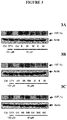
- Human oligodendrocyte MO13.3 cells were stimulated for 3 h with either 150 ⁇ DFX or 10 ⁇ M of Olenaolic acid (OA), compound II for use according to present invention, compounds III, IV, V and VI of present invention and for use according to present invention ( Fig. 3A ), betulinic acid (BA), compounds VII and VIII for use according to present invention, compound IX of present description, compounds X, and XI for use according to present invention ( Fig.
- OA Olenaolic acid
- BA betulinic acid
- BA betulinic acid
- compounds VII and VIII for use according to present invention
- compound IX of present description compound X, and XI for use according to present invention
- ursolic acid U
- maslinic acid MA
- compounds XII and XIII for use according to present invention
- compounds XIV and XV of present invention and for use according to present invention Fig. 3C .
- the cells were washed with PBS and incubated in 50 ⁇ l of NP-40 buffer (50 mM Tris-HCl pH 7.5, 150 mM NaCl, 10% glycerol and 1% NP-40) supplemented with 10 mM NaF, 1 mM Na 3 VO 4 , 10 ⁇ g/ml leupeptine, 1 ⁇ g/ml pepstatin and aprotinin, and 1 ⁇ l/ml PMSF saturated.
- NP-40 buffer 50 mM Tris-HCl pH 7.5, 150 mM NaCl, 10% glycerol and 1% NP-40
- All the compounds described in the present invention elevated HIF-1 ⁇ protein level under normoxia conditions (21% O 2 ).
- the extent of induction was comparable to that of desferrioxamine (DFX), an iron chelator known to stabilize HIF-la ( Fig. 3A, 3B and 3C ).
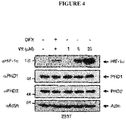
- Human Embryonic Kidney 293 cells (293T) were stimulated with the increasing concentrations of compound VII for use according to present invention or with DFX (150 ⁇ M) during 3 h. After that, proteins isolation and western blots were performed as in Fig. 3 .
- the antibody against HIF-la (610959) was from BD Biosciences (USA), the antibodies anti-PHDl (ab80361) and anti-PHD2 (ab109088) were from Abcam (Cambrigde, UK), and the antibody anti- ⁇ -actin (AC-74) was purchased from Sigma-Aldrich (Saint Louis, MO, USA).
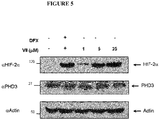
- HIF-2 ⁇ Human Islet-Derived Precursor Cells (hIPCs) obtained from Innoprot SL (Spain) (reference p10472) was investigated.
- hIPCs were stimulated with the increasing concentrations of compound VII, for use according to present invention, or with DFX (150 ⁇ M) during 3 h. After that, proteins isolation and western blots were performed as in Fig. 3 .
- HIF-2 ⁇ (ab8365) and PHD3 (ab30782) were from Abcam (Cambrigde, UK), and the antibody anti- ⁇ -actin (AC-74) was purchased from Sigma-Aldrich (Saint Louis, MO, USA). ( Fig. 5 ).
- Example 5 Compound VII, for use according to present invention, induces angiogenesis.
- endothelial cell tube formation was measured as a model of angiogenesis.
- CellPlayerTM GFP AngioKit-96 (Essen BioScience Inc., Welwyn Garden City, UK) was supplied as growing co-cultures of human matrix (normal human dermal fibroblast, NHDF) and endothelial cells (HUVEC) at the earliest stages of tubule formation.
- CellPlayer 96-well kinetic angiogenesis assay was performed according to the manufacturer's protocol. Briefly, lentivirally infected green fluorescent protein (GFP)-HUVECs were cocultured with normal human dermal fibroblasts in a 96-well microplate.
- GFP green fluorescent protein
- the plate was placed in IncuCyte, and images were automatically acquired in both phase and fluorescence every 6 hours for 7 days.
- compound VII (1 and 2,5 ⁇ M) or VEGF (10 ng/ml) were added on the endothelial tube networks and kept throughout the experiment.
- Tube formation over the 7-day assay was quantified using the Essen BioScience Angiogenesis Analysis Module. This module provides multiple assay metrics, including tube length and branch point formation, which are used to assess angiogenic effects on network formation. Briefly, the fluorescent images were analyzed to generate a segmentation mask closely resembling the in vitro network. The mask was then refined to specifically identify tube-forming events, and the kinetic response was plotted using the IncuCyte and GraphPad Prism software (La Jolla, CA).
- Example 6 Compound VII, for use according to present invention, increases the plasma levels of Erythropoietin (EPO).
- EPO Erythropoietin
- EPO Erythropoietin
- ST Hdh Q111/Q111 cells express a mutated form of the huntingtin protein and ST Hdh Q7/Q7 cells express the wild type form of this protein.
- Clonal striatal cell lines established from E14 striatal primordia of Hdh Q111 / Q111 (mutant) and Hdh Q7 / Q7 (wild-type) knock-in mouse littermates were immortalized using a replication defective retrovirus transducing the tsA58/U19 large T-antigen ( Trettel F. et al., Hum Mol Genet. 2000; 9:2799-2809 ).
- Striatal Q7 and Q111 cells were maintained in Dulbecco's modified Eagle medium (DMEM) containing 25 mM D-glucose, 1 mM L-glutamine, 10% fetal bovine serum (FBS), 1 mM sodium pyruvate, and 400 ⁇ g/mL Geneticin and were incubated at 33°C with 5% CO 2 .
- DMEM Dulbecco's modified Eagle medium
- 3-Nitropropionic acid (3-NP) is a potent irreversible inhibitor of mitochondrial complex II enzyme and leads to mitochondrial dysfunction and oxidative stress.
- ST Hdh Q7/Q7 and ST Hdh Q111/Q111 cells (10 4 cells/well in 96-well plates) were incubated with YOYO-1 (Life Technologies) and then treated with 3-NP (10 mM) and or DFX (50 ⁇ M) as a positive control for PHDs inhibition.
- YOYO-1 is diluted in cell culture medium and added to a final concentration of 0.1 ⁇ M to both experimental and control wells.
- YOYO-1 is a cell impermeant cyanine dimer nucleic acid stain that can only enter cells with a compromised plasma membrane and fluorescently stain the nuclear DNA. The uptake of YOYO-1 by damaged cells correlates with the increase in YOYO-1 fluorescence.
- Treated cells are placed in an Incucyte FLR imaging system, and the YOYO-1 fluorescence is measured after 24 h of 3-NP treatment. Following the incubation period object counting analysis was performed using the Incucyte FLR software to calculate the total number of YOYO-1 fluorescence positive cells and total DNA containing objects (end point). The cytotoxicity index is calculated by dividing the number of YOYO-1 fluorescence positive objects by the total number of DNA containing objects for each treatment group and converted to percentage of cell death.
- ST Hdh Q111/Q111 cells were more sensitive than ST Hdh Q7/Q7 cells to the exposure to 3-NP and compound VII, for use according to present invention, clearly provided a significant level of neuroprotection to 3-NP-induced cytotoxicity ( Fig. 8 ). Although to a lesser extent, DFX also protected the cells from the cytotoxic activity of 3-NP.
- mice with 3-Nitropropionic acid results in a myriad of neurological, biochemical and histological effects that are pronounced of some aspects of Huntington disease (HD) pathology.
- 3NP-treated mice exhibited high scores in hindlimb clasping, dystonia, kyphosis and in general locomotor activity compared to control animals (non-intoxicated with 3-NP).
- Striatal neurodegeneration was induced in 16-week-old C57BL/6 male mice (Harlan Ibérica, Barcelona, Spain) by six intraperitoneal (i.p.) injections of 3-nitropropionic acid (3NP) (30 mg/kg; one injection each every 12 h prepared in PBS).
- 3NP-treated animals and the non-lesioned control group were used for pharmacological studies with Betulinic acid (30 mg/Kg) and compound VII (30 mg/Kg), for use according to present invention. Treatments consisted of 5 i.p.
- mice were subjected to behavioral tests for determining their neurological status. General locomotor activity, the hindlimb clasping and dystonia, and the truncal dystonia were evaluated. All behavioral tests were conducted prior to drug injections to avoid acute effects of the compounds under investigation. All behavioral tests were conducted prior to drug injections to avoid acute effects of the compounds under investigation and all animals were euthanized 12 h after the last injection of 3NP. Once euthanized, animals were dissected and their brains were rapidly removed.
- the right hemisphere was used to dissect the striatum, which was quickly frozen in RNAlater (Sigma-Aldrich, Germany) to analyzed inflammatory markers were by Real Time PCR.
- the left hemisphere was fixed in fresh 4% paraformaldehyde (in 0.1M phosphate buffered-saline) for 48 hours at 4°C and embedded in paraffin wax for histological analysis.
- Figure 9 shows that compound VII, for use according to present invention, clearly alleviated the clinical symptoms induced by 3-NP intoxication.
- Betulinic acid (BA) also showed some neuroprotective activity although to a lesser extent.
- striatal parenchyma of 3NP-lesioned mice was also used for analysis of some histological and molecular markers related to inflammation and neurodegeneration, which are affected in this experimental model.
- the striatal parenchyma of these 3NP-treated animals showed an important reduction in Nissl-stained cells, which indicates an important degree of neuronal death caused by 3NP, that was clearly prevented by treatment with compound VII, for use according to present invention, but not by Betulinic acid (BA) ( Figure 10 ).
- compound VII for use according to present invention, mediated neuroprotection was associated with reduced 3NP-induced microgliosis and astrogliosis as determined by Iba1 and GFAP immunohistochemistry ( Figure 11 ).
- intoxicated mice with 3-Nitropropionic acid (3-NP) were used for determining microglia activation and astrogliosis including a Control with non-intoxicated mice (3NP, 3NP+BA and 3NP + Compound VII ).
- Iba-1 and glial fibrillary acidic protein (GFAP) expression were determined by immunostaining of brain sections through the different group of mice. Quantification of the different markers was performed with Image J software. Total average number of microglia (Iba1 + ) and astrocytes (GFAP + ) is shown in Figure 11 .
- Example 8 Real-Time Quantitative PCR used in the invention (example 7).
- the iQTM SYBR Green Supermix (Bio-Rad) was used to quantify mRNA levels for COX-2, IL-6, IL-1 ⁇ , and iNOS.
- Real-time PCR was performed using a CFX96 Real-Time PCR Detection System (Bio-Rad).
- the GAPDH housekeeping gene was used to standardize the mRNA expression levels in every sample. Expression levels were calculated using the 2 - ⁇ Ct method. Sequences of oligonucleotide primers are given in Table IV. Table IV. List of mouse primer sequences used in quantitative Polymerase Chain Reaction.
- the present results substantiate the therapeutic use of the compounds described in the present inventions, for the clinical management of conditions and diseases the treatment of which is responsive to HIF activation such as stroke, cerebral palsy, traumatic injuries, neurodegenerative diseases such as Multiple Sclerosis, Huntington disease, Alzheimer disease and Parkinson disease, IBD, myocardial ischaemia-reperfusion injury, acute lung injury, organ transplantation, acute kidney injury and arterial diseases.
- HIF activation such as stroke, cerebral palsy, traumatic injuries, neurodegenerative diseases such as Multiple Sclerosis, Huntington disease, Alzheimer disease and Parkinson disease, IBD, myocardial ischaemia-reperfusion injury, acute lung injury, organ transplantation, acute kidney injury and arterial diseases.
- High-fat diet-fed mouse is a widely used model for impaired glucose tolerance (IGT) and type 2 diabetes.
- ITT impaired glucose tolerance
- Eight-week-old male C57BL/6 mice (Charles River-France) were used for experiments. Mice were maintained under controlled conditions [12 h light/dark cycle; temperature 20°C ( ⁇ 2°C) and 40-50% relative humidity] with free access to tap water and standard rodent chow ad libitum.
- mice were divided into two groups and fed ad libitum with a standard diet -CD- (Code U8220G10R, SAFE Diets, Augy, France) or a High-Fat diet - HFD- (D12451; Research Diets, New Brunswick, NJ) in order to induce obesity for 15 weeks (diet-induced obesity, DIO).
- a standard diet -CD- Code U8220G10R, SAFE Diets, Augy, France
- HFD- High-Fat diet - HFD-
- pharmacological administration of the compound (30 mg/kg body weight) was performed by intraperitoneal (i.p.) injection every 24 h from 12 th to 15 th week of diet exposure. Control animals received the corresponding vehicle injections (1:1:18 Ethanol:Cremophor:Saline).
- mice were injected intraperitoneally with 2 mg of glucose/g body weight and blood glucose was measured before and 30, 60 and 120 min after injection utilizing an Accu-Chek Advantage® (Roche) glucometer.
- mice were sacrificed and blood samples were collected using EDTA-coated tubes and plasma stored at -80 °C. Plasma triglycerides were measured using and enzymatic colorimetric kit (QCA, Barcelona, Spain).
- compound VII for use according to present invention, alleviated weight gain ( Fig . 13A ), increase in Fat Mass ( Fig.13B ) and adiposity ( Fig. 13C ). Moreover, compound VII , for use according to present invention, improved glucose tolerance ( Fig. 14 ) and normalize the plasma levels of triglycerides ( Fig. 15 ) in HFD mice.
- PDH inhibitors improves glucose and lipid metabolism in murine models of obesity and diabetes induced by HFD ( Rahtu-Korpela et al., Diabetes. 2014 Oct;63(10):3324-33 ). Therefore, said results indicate that the compounds described herein are useful in the treatment of diabetes or other related metabolic pathologies such as hypertriglyceridemia.
Landscapes
- Health & Medical Sciences (AREA)
- Chemical & Material Sciences (AREA)
- Organic Chemistry (AREA)
- Engineering & Computer Science (AREA)
- Bioinformatics & Cheminformatics (AREA)
- General Health & Medical Sciences (AREA)
- Public Health (AREA)
- Life Sciences & Earth Sciences (AREA)
- Veterinary Medicine (AREA)
- Chemical Kinetics & Catalysis (AREA)
- General Chemical & Material Sciences (AREA)
- Medicinal Chemistry (AREA)
- Nuclear Medicine, Radiotherapy & Molecular Imaging (AREA)
- Animal Behavior & Ethology (AREA)
- Pharmacology & Pharmacy (AREA)
- Diabetes (AREA)
- Neurology (AREA)
- Biomedical Technology (AREA)
- Neurosurgery (AREA)
- Hematology (AREA)
- Obesity (AREA)
- Hospice & Palliative Care (AREA)
- Psychiatry (AREA)
- Heart & Thoracic Surgery (AREA)
- Cardiology (AREA)
- Urology & Nephrology (AREA)
- Immunology (AREA)
- Vascular Medicine (AREA)
- Dermatology (AREA)
- Pulmonology (AREA)
- Endocrinology (AREA)
- Emergency Medicine (AREA)
- Transplantation (AREA)
- Steroid Compounds (AREA)
- Pharmaceuticals Containing Other Organic And Inorganic Compounds (AREA)
- Acyclic And Carbocyclic Compounds In Medicinal Compositions (AREA)
- Medicines That Contain Protein Lipid Enzymes And Other Medicines (AREA)
Applications Claiming Priority (2)
| Application Number | Priority Date | Filing Date | Title |
|---|---|---|---|
| EP16193684 | 2016-10-13 | ||
| PCT/EP2017/075042 WO2018069086A1 (en) | 2016-10-13 | 2017-10-03 | Hydroxamate triterpenoid derivatives |
Publications (2)
| Publication Number | Publication Date |
|---|---|
| EP3365351A1 EP3365351A1 (en) | 2018-08-29 |
| EP3365351B1 true EP3365351B1 (en) | 2019-12-04 |
Family
ID=57136723
Family Applications (1)
| Application Number | Title | Priority Date | Filing Date |
|---|---|---|---|
| EP17790966.0A Active EP3365351B1 (en) | 2016-10-13 | 2017-10-03 | Hydroxamate triterpenoid derivatives |
Country Status (14)
| Country | Link |
|---|---|
| US (1) | US10766855B2 (https=) |
| EP (1) | EP3365351B1 (https=) |
| JP (1) | JP6598224B2 (https=) |
| KR (1) | KR102038930B1 (https=) |
| CN (1) | CN108368150B (https=) |
| AU (1) | AU2017341257B2 (https=) |
| BR (1) | BR112018068996A2 (https=) |
| CA (1) | CA3020387C (https=) |
| ES (1) | ES2774198T3 (https=) |
| HK (1) | HK1254200A1 (https=) |
| IL (1) | IL259391B (https=) |
| MX (2) | MX364919B (https=) |
| RU (1) | RU2018136782A (https=) |
| WO (1) | WO2018069086A1 (https=) |
Families Citing this family (5)
| Publication number | Priority date | Publication date | Assignee | Title |
|---|---|---|---|---|
| WO2020157494A1 (en) * | 2019-01-30 | 2020-08-06 | Rothamsted Research Ltd | Cylodimer of dehydrosalicortin and derivatives thereof isolated from plant of the genus salix for use in cancer therapy |
| CN114805469A (zh) * | 2021-01-27 | 2022-07-29 | 中国科学院上海药物研究所 | 含吡唑的白桦脂酸类衍生物,其制备方法及用途 |
| CN117567544A (zh) * | 2021-04-27 | 2024-02-20 | 中国医学科学院药物研究所 | 一类具有α,β-不饱和酮结构五环三萜类化合物在预防和治疗神经退行性疾病中的用途 |
| WO2024145502A1 (en) * | 2022-12-29 | 2024-07-04 | The Board Of Regents Of The University Of Texas System | Synthetic triterpenoids and compositions thereof in weight management, skeletal muscle function, and appetite suppression |
| CN119504913B (zh) * | 2024-11-18 | 2025-09-26 | 南京中医药大学 | 一类五环三萜衍生物及其医药用途 |
Family Cites Families (10)
| Publication number | Priority date | Publication date | Assignee | Title |
|---|---|---|---|---|
| JP2002322068A (ja) * | 2001-02-26 | 2002-11-08 | Japan Science & Technology Corp | 血管再生促進剤 |
| KR100821649B1 (ko) * | 2006-01-24 | 2008-04-11 | 서울시립대학교 산학협력단 | 클리오퀴놀을 유효성분으로 포함하는 HIF-1α 활성제 |
| CN101367861A (zh) * | 2007-08-15 | 2009-02-18 | 中国药科大学 | 2-羟基-3-脱氧五环三萜类化合物及其衍生物、其制备方法及用途 |
| PL2252283T3 (pl) * | 2008-01-11 | 2019-09-30 | Reata Pharmaceuticals, Inc. | Syntetyczne triterpenoidy i sposoby zastosowania w leczeniu choroby |
| WO2009146216A2 (en) * | 2008-04-18 | 2009-12-03 | Reata Pharmaceuticals. Inc. | Antioxidant inflammation modulators: novel derivatives of oleanolic acid |
| US20100144688A1 (en) * | 2008-12-10 | 2010-06-10 | Advanced Life Sciences, Inc. | 23-Substituted Derivatives of Lupane-type Pentacyclic Triterpenoids |
| KR101811462B1 (ko) * | 2010-01-11 | 2018-01-25 | 피닉스 바이오테크놀러지 인코포레이티드. | 협죽도 추출물을 포함하는 신경질환 치료용 조성물 |
| CN102180939B (zh) | 2011-03-30 | 2013-02-20 | 沈阳化工大学 | 一种抗肿瘤活性的熊果酸化学修饰物及其制备方法 |
| US8324264B1 (en) * | 2011-07-22 | 2012-12-04 | Sequoia Sciences, Inc. | Inhibitors of bacterial biofilms and related methods |
| CN102499925B (zh) * | 2011-10-21 | 2015-11-11 | 上海中医药大学 | 一种中性粒细胞弹性蛋白酶抑制剂 |
-
2017
- 2017-10-03 EP EP17790966.0A patent/EP3365351B1/en active Active
- 2017-10-03 WO PCT/EP2017/075042 patent/WO2018069086A1/en not_active Ceased
- 2017-10-03 US US16/099,800 patent/US10766855B2/en active Active
- 2017-10-03 KR KR1020187028923A patent/KR102038930B1/ko not_active Expired - Fee Related
- 2017-10-03 CN CN201780004882.0A patent/CN108368150B/zh not_active Expired - Fee Related
- 2017-10-03 CA CA3020387A patent/CA3020387C/en active Active
- 2017-10-03 MX MX2018006429A patent/MX364919B/es active IP Right Grant
- 2017-10-03 BR BR112018068996A patent/BR112018068996A2/pt not_active Application Discontinuation
- 2017-10-03 ES ES17790966T patent/ES2774198T3/es active Active
- 2017-10-03 JP JP2018524188A patent/JP6598224B2/ja active Active
- 2017-10-03 HK HK18113340.0A patent/HK1254200A1/zh unknown
- 2017-10-03 AU AU2017341257A patent/AU2017341257B2/en active Active
- 2017-10-03 RU RU2018136782A patent/RU2018136782A/ru not_active Application Discontinuation
-
2018
- 2018-05-15 IL IL25939118A patent/IL259391B/en active IP Right Grant
- 2018-05-24 MX MX2019005448A patent/MX2019005448A/es unknown
Non-Patent Citations (1)
| Title |
|---|
| None * |
Also Published As
| Publication number | Publication date |
|---|---|
| KR102038930B1 (ko) | 2019-11-05 |
| AU2017341257A1 (en) | 2018-11-01 |
| AU2017341257B2 (en) | 2019-08-08 |
| IL259391A (en) | 2018-07-31 |
| MX2019005448A (es) | 2019-07-04 |
| CN108368150A (zh) | 2018-08-03 |
| RU2018136782A (ru) | 2020-04-20 |
| US10766855B2 (en) | 2020-09-08 |
| WO2018069086A1 (en) | 2018-04-19 |
| MX2018006429A (es) | 2018-09-27 |
| CA3020387C (en) | 2020-07-28 |
| IL259391B (en) | 2019-10-31 |
| RU2018136782A3 (https=) | 2020-04-20 |
| BR112018068996A2 (pt) | 2019-01-22 |
| KR20180117700A (ko) | 2018-10-29 |
| ES2774198T3 (es) | 2020-07-17 |
| EP3365351A1 (en) | 2018-08-29 |
| CN108368150B (zh) | 2022-02-25 |
| US20190367447A1 (en) | 2019-12-05 |
| CA3020387A1 (en) | 2018-04-19 |
| JP6598224B2 (ja) | 2019-10-30 |
| MX364919B (es) | 2019-05-13 |
| JP2019519464A (ja) | 2019-07-11 |
| HK1254200A1 (zh) | 2019-07-12 |
Similar Documents
| Publication | Publication Date | Title |
|---|---|---|
| EP3365351B1 (en) | Hydroxamate triterpenoid derivatives | |
| KR102101774B1 (ko) | 바독솔론 메틸의 2,2-다이플루오로프로피온아미드 유도체, 그의 다형태 및 사용 방법 | |
| CN104688745B (zh) | 用于抑制肌萎缩的方法 | |
| Moreau et al. | A novel pregnane X receptor and S14‐mediated lipogenic pathway in human hepatocyte | |
| Maitraie et al. | Synthesis, anti-inflammatory, and antioxidant activities of 18β-glycyrrhetinic acid derivatives as chemical mediators and xanthine oxidase inhibitors | |
| Moodley et al. | Phosphodiesterase 4 inhibitors augment the ability of formoterol to enhance glucocorticoid-dependent gene transcription in human airway epithelial cells: a novel mechanism for the clinical efficacy of roflumilast in severe chronic obstructive pulmonary disease | |
| KR20170081213A (ko) | Ezh2 억제제 및 그의 용도 | |
| EP3830103B1 (en) | Fluorinated bile acid derivatives | |
| US11312676B2 (en) | Small molecule stimulators of steroid receptor coactivator proteins and their use in the treatment of cancer | |
| EP2868662A1 (en) | Stable pantetheine derivatives for the treatment of pantothenate kinase associated neurodegeneration (pkan) and methods for the synthesis of such compounds | |
| WO2006003012A1 (de) | NEUE 2-SUBSTITUIERTE D-HOMO ESTRA-1,3,5(10)-TRIENE ALS INHIBITOREN DER 17ß-HYDROXYSTEROIDDEHYDROGENASE TYP 1 | |
| EP2913321B1 (en) | Novel cannabigerol derivatives | |
| CN112898371B (zh) | 一类人参三醇类化合物及其制备方法和医用用途 | |
| Zuo et al. | Design, synthesis and biological evaluation of novel arylpropionic esters for the treatment of acute kidney injury | |
| Saito et al. | Synthesis and biological evaluation of biotin conjugates of (±)-(4bS, 8aR, 10aS)-10a-ethynyl-4b, 8, 8-trimethyl-3, 7-dioxo-3, 4b, 7, 8, 8a, 9, 10, 10a-octahydro-phenanthrene-2, 6-dicarbonitrile, an activator of the Keap1/Nrf2/ARE pathway, for the isolation of its protein targets | |
| US10919843B2 (en) | Cannabidiol derivatives as inhibitors of the HIF prolyl hydroxylases activity | |
| Honda et al. | Synthesis and biological evaluation of 1-[2-cyano-3, 12-dioxooleana-1, 9 (11)-dien-28-oyl]-4-ethynylimidazole. A novel and highly potent anti-inflammatory and cytoprotective agent | |
| Yang et al. | Design, Semi-Synthesis, and Antibacterial Activities of Triterpenoid-Hydrazone Conjugates | |
| JP2015160847A (ja) | 小分子のキサンチンオキシダーゼ阻害剤および使用方法 | |
| HK40055914A (en) | Fluorinated bile acid derivatives | |
| HK40055914B (en) | Fluorinated bile acid derivatives | |
| JP2006131595A (ja) | 発癌予防剤及びシクロアルタン型トリテルペン系化合物の製造方法 | |
| EP2188301A2 (en) | Novel steroidal esters of 17-oximino-5-androsten-3 beta-ol | |
| WO2019016103A1 (en) | ISOXAZOLE DERIVATIVES AS FETAL HEMOGLOBIN INDUCERS IN ERYTHROID PRECURSOR CELLS FROM BETA-THALASSEMIC PATIENTS | |
| WO2017050970A1 (en) | Highly efficient nrf2 activators-co-releasing molecule hybrids, their use in the treatment of inflammatory or cardiovascular diseases and their process of preparation |
Legal Events
| Date | Code | Title | Description |
|---|---|---|---|
| STAA | Information on the status of an ep patent application or granted ep patent |
Free format text: STATUS: UNKNOWN |
|
| STAA | Information on the status of an ep patent application or granted ep patent |
Free format text: STATUS: THE INTERNATIONAL PUBLICATION HAS BEEN MADE |
|
| PUAI | Public reference made under article 153(3) epc to a published international application that has entered the european phase |
Free format text: ORIGINAL CODE: 0009012 |
|
| STAA | Information on the status of an ep patent application or granted ep patent |
Free format text: STATUS: REQUEST FOR EXAMINATION WAS MADE |
|
| 17P | Request for examination filed |
Effective date: 20180525 |
|
| AK | Designated contracting states |
Kind code of ref document: A1 Designated state(s): AL AT BE BG CH CY CZ DE DK EE ES FI FR GB GR HR HU IE IS IT LI LT LU LV MC MK MT NL NO PL PT RO RS SE SI SK SM TR |
|
| AX | Request for extension of the european patent |
Extension state: BA ME |
|
| GRAP | Despatch of communication of intention to grant a patent |
Free format text: ORIGINAL CODE: EPIDOSNIGR1 |
|
| STAA | Information on the status of an ep patent application or granted ep patent |
Free format text: STATUS: GRANT OF PATENT IS INTENDED |
|
| INTG | Intention to grant announced |
Effective date: 20190724 |
|
| GRAS | Grant fee paid |
Free format text: ORIGINAL CODE: EPIDOSNIGR3 |
|
| GRAA | (expected) grant |
Free format text: ORIGINAL CODE: 0009210 |
|
| STAA | Information on the status of an ep patent application or granted ep patent |
Free format text: STATUS: THE PATENT HAS BEEN GRANTED |
|
| AK | Designated contracting states |
Kind code of ref document: B1 Designated state(s): AL AT BE BG CH CY CZ DE DK EE ES FI FR GB GR HR HU IE IS IT LI LT LU LV MC MK MT NL NO PL PT RO RS SE SI SK SM TR |
|
| DAV | Request for validation of the european patent (deleted) | ||
| DAX | Request for extension of the european patent (deleted) | ||
| REG | Reference to a national code |
Ref country code: GB Ref legal event code: FG4D |
|
| REG | Reference to a national code |
Ref country code: CH Ref legal event code: EP |
|
| REG | Reference to a national code |
Ref country code: AT Ref legal event code: REF Ref document number: 1209279 Country of ref document: AT Kind code of ref document: T Effective date: 20191215 |
|
| REG | Reference to a national code |
Ref country code: DE Ref legal event code: R096 Ref document number: 602017009463 Country of ref document: DE |
|
| REG | Reference to a national code |
Ref country code: IE Ref legal event code: FG4D |
|
| REG | Reference to a national code |
Ref country code: NL Ref legal event code: MP Effective date: 20191204 |
|
| REG | Reference to a national code |
Ref country code: LT Ref legal event code: MG4D |
|
| PG25 | Lapsed in a contracting state [announced via postgrant information from national office to epo] |
Ref country code: GR Free format text: LAPSE BECAUSE OF FAILURE TO SUBMIT A TRANSLATION OF THE DESCRIPTION OR TO PAY THE FEE WITHIN THE PRESCRIBED TIME-LIMIT Effective date: 20200305 Ref country code: LT Free format text: LAPSE BECAUSE OF FAILURE TO SUBMIT A TRANSLATION OF THE DESCRIPTION OR TO PAY THE FEE WITHIN THE PRESCRIBED TIME-LIMIT Effective date: 20191204 Ref country code: FI Free format text: LAPSE BECAUSE OF FAILURE TO SUBMIT A TRANSLATION OF THE DESCRIPTION OR TO PAY THE FEE WITHIN THE PRESCRIBED TIME-LIMIT Effective date: 20191204 Ref country code: BG Free format text: LAPSE BECAUSE OF FAILURE TO SUBMIT A TRANSLATION OF THE DESCRIPTION OR TO PAY THE FEE WITHIN THE PRESCRIBED TIME-LIMIT Effective date: 20200304 Ref country code: SE Free format text: LAPSE BECAUSE OF FAILURE TO SUBMIT A TRANSLATION OF THE DESCRIPTION OR TO PAY THE FEE WITHIN THE PRESCRIBED TIME-LIMIT Effective date: 20191204 Ref country code: NO Free format text: LAPSE BECAUSE OF FAILURE TO SUBMIT A TRANSLATION OF THE DESCRIPTION OR TO PAY THE FEE WITHIN THE PRESCRIBED TIME-LIMIT Effective date: 20200304 Ref country code: LV Free format text: LAPSE BECAUSE OF FAILURE TO SUBMIT A TRANSLATION OF THE DESCRIPTION OR TO PAY THE FEE WITHIN THE PRESCRIBED TIME-LIMIT Effective date: 20191204 |
|
| PG25 | Lapsed in a contracting state [announced via postgrant information from national office to epo] |
Ref country code: RS Free format text: LAPSE BECAUSE OF FAILURE TO SUBMIT A TRANSLATION OF THE DESCRIPTION OR TO PAY THE FEE WITHIN THE PRESCRIBED TIME-LIMIT Effective date: 20191204 Ref country code: HR Free format text: LAPSE BECAUSE OF FAILURE TO SUBMIT A TRANSLATION OF THE DESCRIPTION OR TO PAY THE FEE WITHIN THE PRESCRIBED TIME-LIMIT Effective date: 20191204 |
|
| PG25 | Lapsed in a contracting state [announced via postgrant information from national office to epo] |
Ref country code: AL Free format text: LAPSE BECAUSE OF FAILURE TO SUBMIT A TRANSLATION OF THE DESCRIPTION OR TO PAY THE FEE WITHIN THE PRESCRIBED TIME-LIMIT Effective date: 20191204 |
|
| REG | Reference to a national code |
Ref country code: ES Ref legal event code: FG2A Ref document number: 2774198 Country of ref document: ES Kind code of ref document: T3 Effective date: 20200717 |
|
| PG25 | Lapsed in a contracting state [announced via postgrant information from national office to epo] |
Ref country code: EE Free format text: LAPSE BECAUSE OF FAILURE TO SUBMIT A TRANSLATION OF THE DESCRIPTION OR TO PAY THE FEE WITHIN THE PRESCRIBED TIME-LIMIT Effective date: 20191204 Ref country code: NL Free format text: LAPSE BECAUSE OF FAILURE TO SUBMIT A TRANSLATION OF THE DESCRIPTION OR TO PAY THE FEE WITHIN THE PRESCRIBED TIME-LIMIT Effective date: 20191204 Ref country code: PT Free format text: LAPSE BECAUSE OF FAILURE TO SUBMIT A TRANSLATION OF THE DESCRIPTION OR TO PAY THE FEE WITHIN THE PRESCRIBED TIME-LIMIT Effective date: 20200429 Ref country code: RO Free format text: LAPSE BECAUSE OF FAILURE TO SUBMIT A TRANSLATION OF THE DESCRIPTION OR TO PAY THE FEE WITHIN THE PRESCRIBED TIME-LIMIT Effective date: 20191204 Ref country code: CZ Free format text: LAPSE BECAUSE OF FAILURE TO SUBMIT A TRANSLATION OF THE DESCRIPTION OR TO PAY THE FEE WITHIN THE PRESCRIBED TIME-LIMIT Effective date: 20191204 |
|
| PG25 | Lapsed in a contracting state [announced via postgrant information from national office to epo] |
Ref country code: SK Free format text: LAPSE BECAUSE OF FAILURE TO SUBMIT A TRANSLATION OF THE DESCRIPTION OR TO PAY THE FEE WITHIN THE PRESCRIBED TIME-LIMIT Effective date: 20191204 Ref country code: IS Free format text: LAPSE BECAUSE OF FAILURE TO SUBMIT A TRANSLATION OF THE DESCRIPTION OR TO PAY THE FEE WITHIN THE PRESCRIBED TIME-LIMIT Effective date: 20200404 Ref country code: SM Free format text: LAPSE BECAUSE OF FAILURE TO SUBMIT A TRANSLATION OF THE DESCRIPTION OR TO PAY THE FEE WITHIN THE PRESCRIBED TIME-LIMIT Effective date: 20191204 |
|
| REG | Reference to a national code |
Ref country code: DE Ref legal event code: R097 Ref document number: 602017009463 Country of ref document: DE |
|
| REG | Reference to a national code |
Ref country code: AT Ref legal event code: MK05 Ref document number: 1209279 Country of ref document: AT Kind code of ref document: T Effective date: 20191204 |
|
| PLBE | No opposition filed within time limit |
Free format text: ORIGINAL CODE: 0009261 |
|
| STAA | Information on the status of an ep patent application or granted ep patent |
Free format text: STATUS: NO OPPOSITION FILED WITHIN TIME LIMIT |
|
| PG25 | Lapsed in a contracting state [announced via postgrant information from national office to epo] |
Ref country code: DK Free format text: LAPSE BECAUSE OF FAILURE TO SUBMIT A TRANSLATION OF THE DESCRIPTION OR TO PAY THE FEE WITHIN THE PRESCRIBED TIME-LIMIT Effective date: 20191204 |
|
| 26N | No opposition filed |
Effective date: 20200907 |
|
| PG25 | Lapsed in a contracting state [announced via postgrant information from national office to epo] |
Ref country code: PL Free format text: LAPSE BECAUSE OF FAILURE TO SUBMIT A TRANSLATION OF THE DESCRIPTION OR TO PAY THE FEE WITHIN THE PRESCRIBED TIME-LIMIT Effective date: 20191204 Ref country code: SI Free format text: LAPSE BECAUSE OF FAILURE TO SUBMIT A TRANSLATION OF THE DESCRIPTION OR TO PAY THE FEE WITHIN THE PRESCRIBED TIME-LIMIT Effective date: 20191204 Ref country code: AT Free format text: LAPSE BECAUSE OF FAILURE TO SUBMIT A TRANSLATION OF THE DESCRIPTION OR TO PAY THE FEE WITHIN THE PRESCRIBED TIME-LIMIT Effective date: 20191204 |
|
| REG | Reference to a national code |
Ref country code: CH Ref legal event code: PL |
|
| PG25 | Lapsed in a contracting state [announced via postgrant information from national office to epo] |
Ref country code: LU Free format text: LAPSE BECAUSE OF NON-PAYMENT OF DUE FEES Effective date: 20201003 Ref country code: MC Free format text: LAPSE BECAUSE OF FAILURE TO SUBMIT A TRANSLATION OF THE DESCRIPTION OR TO PAY THE FEE WITHIN THE PRESCRIBED TIME-LIMIT Effective date: 20191204 |
|
| REG | Reference to a national code |
Ref country code: BE Ref legal event code: MM Effective date: 20201031 |
|
| PG25 | Lapsed in a contracting state [announced via postgrant information from national office to epo] |
Ref country code: LI Free format text: LAPSE BECAUSE OF NON-PAYMENT OF DUE FEES Effective date: 20201031 Ref country code: BE Free format text: LAPSE BECAUSE OF NON-PAYMENT OF DUE FEES Effective date: 20201031 Ref country code: CH Free format text: LAPSE BECAUSE OF NON-PAYMENT OF DUE FEES Effective date: 20201031 |
|
| PG25 | Lapsed in a contracting state [announced via postgrant information from national office to epo] |
Ref country code: IE Free format text: LAPSE BECAUSE OF NON-PAYMENT OF DUE FEES Effective date: 20201003 |
|
| PG25 | Lapsed in a contracting state [announced via postgrant information from national office to epo] |
Ref country code: TR Free format text: LAPSE BECAUSE OF FAILURE TO SUBMIT A TRANSLATION OF THE DESCRIPTION OR TO PAY THE FEE WITHIN THE PRESCRIBED TIME-LIMIT Effective date: 20191204 Ref country code: MT Free format text: LAPSE BECAUSE OF FAILURE TO SUBMIT A TRANSLATION OF THE DESCRIPTION OR TO PAY THE FEE WITHIN THE PRESCRIBED TIME-LIMIT Effective date: 20191204 Ref country code: CY Free format text: LAPSE BECAUSE OF FAILURE TO SUBMIT A TRANSLATION OF THE DESCRIPTION OR TO PAY THE FEE WITHIN THE PRESCRIBED TIME-LIMIT Effective date: 20191204 |
|
| PG25 | Lapsed in a contracting state [announced via postgrant information from national office to epo] |
Ref country code: MK Free format text: LAPSE BECAUSE OF FAILURE TO SUBMIT A TRANSLATION OF THE DESCRIPTION OR TO PAY THE FEE WITHIN THE PRESCRIBED TIME-LIMIT Effective date: 20191204 |
|
| P01 | Opt-out of the competence of the unified patent court (upc) registered |
Effective date: 20230513 |
|
| PGFP | Annual fee paid to national office [announced via postgrant information from national office to epo] |
Ref country code: IT Payment date: 20231023 Year of fee payment: 7 Ref country code: FR Payment date: 20231025 Year of fee payment: 7 |
|
| PG25 | Lapsed in a contracting state [announced via postgrant information from national office to epo] |
Ref country code: FR Free format text: LAPSE BECAUSE OF NON-PAYMENT OF DUE FEES Effective date: 20241031 |
|
| PG25 | Lapsed in a contracting state [announced via postgrant information from national office to epo] |
Ref country code: IT Free format text: LAPSE BECAUSE OF NON-PAYMENT OF DUE FEES Effective date: 20241003 |
|
| PGFP | Annual fee paid to national office [announced via postgrant information from national office to epo] |
Ref country code: DE Payment date: 20251028 Year of fee payment: 9 |
|
| PGFP | Annual fee paid to national office [announced via postgrant information from national office to epo] |
Ref country code: GB Payment date: 20251021 Year of fee payment: 9 |
|
| PGFP | Annual fee paid to national office [announced via postgrant information from national office to epo] |
Ref country code: ES Payment date: 20251105 Year of fee payment: 9 |