EP3360979B1 - Tert-promotor-mutationen im hepatocellulären karzinom - Google Patents
Tert-promotor-mutationen im hepatocellulären karzinom Download PDFInfo
- Publication number
- EP3360979B1 EP3360979B1 EP18164632.4A EP18164632A EP3360979B1 EP 3360979 B1 EP3360979 B1 EP 3360979B1 EP 18164632 A EP18164632 A EP 18164632A EP 3360979 B1 EP3360979 B1 EP 3360979B1
- Authority
- EP
- European Patent Office
- Prior art keywords
- mutations
- tert
- tumors
- promoter
- nucleic acid
- Prior art date
- Legal status (The legal status is an assumption and is not a legal conclusion. Google has not performed a legal analysis and makes no representation as to the accuracy of the status listed.)
- Revoked
Links
Images


Classifications
-
- C—CHEMISTRY; METALLURGY
- C12—BIOCHEMISTRY; BEER; SPIRITS; WINE; VINEGAR; MICROBIOLOGY; ENZYMOLOGY; MUTATION OR GENETIC ENGINEERING
- C12Q—MEASURING OR TESTING PROCESSES INVOLVING ENZYMES, NUCLEIC ACIDS OR MICROORGANISMS; COMPOSITIONS OR TEST PAPERS THEREFOR; PROCESSES OF PREPARING SUCH COMPOSITIONS; CONDITION-RESPONSIVE CONTROL IN MICROBIOLOGICAL OR ENZYMOLOGICAL PROCESSES
- C12Q1/00—Measuring or testing processes involving enzymes, nucleic acids or microorganisms; Compositions therefor; Processes of preparing such compositions
- C12Q1/68—Measuring or testing processes involving enzymes, nucleic acids or microorganisms; Compositions therefor; Processes of preparing such compositions involving nucleic acids
- C12Q1/6876—Nucleic acid products used in the analysis of nucleic acids, e.g. primers or probes
- C12Q1/6883—Nucleic acid products used in the analysis of nucleic acids, e.g. primers or probes for diseases caused by alterations of genetic material
- C12Q1/6886—Nucleic acid products used in the analysis of nucleic acids, e.g. primers or probes for diseases caused by alterations of genetic material for cancer
-
- C—CHEMISTRY; METALLURGY
- C12—BIOCHEMISTRY; BEER; SPIRITS; WINE; VINEGAR; MICROBIOLOGY; ENZYMOLOGY; MUTATION OR GENETIC ENGINEERING
- C12Q—MEASURING OR TESTING PROCESSES INVOLVING ENZYMES, NUCLEIC ACIDS OR MICROORGANISMS; COMPOSITIONS OR TEST PAPERS THEREFOR; PROCESSES OF PREPARING SUCH COMPOSITIONS; CONDITION-RESPONSIVE CONTROL IN MICROBIOLOGICAL OR ENZYMOLOGICAL PROCESSES
- C12Q2600/00—Oligonucleotides characterized by their use
- C12Q2600/112—Disease subtyping, staging or classification
-
- C—CHEMISTRY; METALLURGY
- C12—BIOCHEMISTRY; BEER; SPIRITS; WINE; VINEGAR; MICROBIOLOGY; ENZYMOLOGY; MUTATION OR GENETIC ENGINEERING
- C12Q—MEASURING OR TESTING PROCESSES INVOLVING ENZYMES, NUCLEIC ACIDS OR MICROORGANISMS; COMPOSITIONS OR TEST PAPERS THEREFOR; PROCESSES OF PREPARING SUCH COMPOSITIONS; CONDITION-RESPONSIVE CONTROL IN MICROBIOLOGICAL OR ENZYMOLOGICAL PROCESSES
- C12Q2600/00—Oligonucleotides characterized by their use
- C12Q2600/156—Polymorphic or mutational markers
Definitions
- This invention is related to the area of mutation detection. In particular, it relates to mutations in non-coding regions of the human genome.
- telomeres are nucleoprotein complexes at the ends of eukaryotic chromosomes that are required for chromosomal integrity. Several hundred nucleotides of telomere repeats cap each chromosomal end, and in the absence of telomerase activity, telomeres shorten with each cell division (1). Eventually, uncapped telomeres trigger cell death or senescence. Cancer cells seem to divide ad infinitum and therefore, require some telomere maintenance mechanism to avoid this fate. Because telomerase activity is generally higher in cancer cells than normal cells, it was originally believed that telomerase was somehow activated in cancer cells (2-6).
- telomerase was only inactive in terminally differentiated cells and that normal stem cells in self-renewing tissues retained telomerase activity (1, 7-9). Because normal stem cells must replicate throughout the long lifetimes of mammals (which can be more than a century in humans), it is clear that such cells must also retain telomerase activity. Because normal stem cells are thought to be the progenitors of cancers, there would be no need to specifically activate telomerase in cancer cells; the enzyme was already active in the precursors, just as were the hundreds of other enzymes and proteins normally required for cell proliferation.
- telomere length i.e., alternative lengthening of telomeres (ALT) (10-12).
- ALT occurs in the absence of telomerase activity and seems to be dependent on homologous recombination. It occurs in a particularly high fraction of certain tumor types, such as sarcomas, pancreatic neuroendocrine tumors, and brain tumors, but rarely in most common tumor types, such as those tumor types of the colon, breast, lung, prostate, or pancreas (13). Why would cancer cells need ALT if telomerase activity was already constitutively active in their precursors?
- ALT cancers harbor mutations in alpha thalassemia / mental retardation syndrome X-linked ( ATRX ) or death-domain associated protein (DAXX ), genes encoding proteins that interact with each other at telomeres (10, 11). Presumably, the absence of functional ATRX/DAXX complexes permits the homologous recombination resulting in ALT. At minimum, these data were compatible with the ideas that there could be a selective advantage for genetic alterations that results in telomere maintenance and that telomerase is not indefinitely activated in all normal stem cell precursors of cancers.
- TERT telomerase reverse transcriptase
- WO 2004/016813 A2 discloses somatic mutations in the promoter of HNF1 ⁇ gene associated to the presence of HCC.
- a method for testing a nucleic acid sample of a human as defined in appended claims 1 to 9 and 14.
- Another aspect of the invention is the use of modified nucleic acid probe for the detection of HCC as defined in appended claims 10 and 12.
- Another aspect of the invention is the use of modified nucleic acid primer for the detection of HCC as defined in appended claims 11 and 13.
- the inventors have developed assays that are useful for characterizing tumors.
- the assays involve biomarkers which are nucleic acid mutations, typically a single nucleotide mutation in a non-coding region of chromosome 5.
- the mutations are located in the promoter region of telomerase reverse transcriptase ( TERT ), at particular sites, particularly at 1,295,229; and 1,295,250 (hg19). Such mutations have the effect of increasing expression of telomerase reverse transcriptase.
- Bio samples which can be used in the present methods include, but are not limited to, samples containing tissues, cells, and/or biological fluids isolated from a subject.
- biological samples include, but are not limited to, tissues, cells, biopsies, blood, lymph, serum, plasma, urine, saliva, mucus and tears.
- Biological samples may be tissue samples (such as a biopsy).
- Biological samples may be obtained directly from a subject (e.g ., by blood or tissue sampling) or from a third party (e.g ., received from an intermediary, such as a healthcare provider or lab technician).
- Nucleic acids may be isolated and/or purified prior to assaying. Nucleic acids are not obtained from cell lines grown in culture for numerous generations, because such cell lines develop mutations during the immortalization and culturing processes that do not reflect in vivo tumorigenesis.
- Nucleic acids can be assayed using techniques such as amplification and hybridization and nucleic acid sequencing.
- Primers and probes can be mutation specific.
- primers can be generic and amplify a region that includes that potentially mutated region, whether mutant or not. A second technique can then be used to identify the mutation.
- Mutations can be identified as somatic by comparing the tumor DNA to DNA from a normal tissue of the human patient.
- Normal or control DNA can be obtained from a tissue that is not involved in the cancer. The presence of a mutation in the tumor DNA but not in the control DNA indicates that the mutation is somatic, i.e., it is not inherited.
- Probes and primers which are used in the method can be have any usable chemistry, so long as they have suitable base sequence and function in the assay to specifically hybridize and/or prime synthesis.
- Particular probes and primers may optionally have chemistries that are not naturally occurring, such as modified or alternative backbone chemistry, or additional moieties such as labels or enzymes, or additional base sequences that are not found in the TERT gene promoter region adjacent to the TERT gene promoter-hybridizing sequences of the probes or primers.
- the modified or alternative chemistries may enhance stability of a nucleotide or enhance hybridization, for example, relative to naturally occurring nucleic acids.
- Probes and /or primers may also be bound to solid supports, such as arrays or beads.
- probes and primers are sufficiently long to achieve specific hybridization to the desired target sequence without spurious hybridization to other non-target sequences.
- size of such nucleic acids is at least 12, at least 14, at least 16, at least 18, at least 20, at least 22, at least 24, at least 26, at least 28, or at least 30 nucleotides and less than 200, less than 150, less than 125, less than 100, less than 75, less than 50, or less than 40 nucleotides.
- TERT promoter biomarkers make them useful for detection of cancers at an early stage and for following patients for evidence of progression or recurrence once they have been diagnosed. Such detection and monitoring can be done in samples such as plasma, cerebrospinal fluid, and urine, and other body fluids or tissues. Tumors that are the source of the analyate nucleic acids may be primary tumors or metastases.
- TERT promoter mutation Once a TERT promoter mutation is identified in one of the test nucleic acids, treatment or prophylaxis can be recommended and/or administered.
- the presence or absence of TERT promoter mutation may characterize the subtype of tumor or cell type source of the tumor into a group of more similar tumors, providing refinement to the recommended or prescribed treatment or monitoring plan. Suitable treatments may involve watchful waiting, chemotherapy, radiotherapy, biological therapy, surgery, or other suitable management.
- Inhibitory agents such as antibodies and inhibitory RNA molecules may also be used, once a TERT promoter mutation is identified.
- telomere lengths As cells divide: ( i ) through epigenetic regulation of telomerase activity, which occurs in stem cells of tissues that are rapidly renewing, and ( ii ) through somatic mutations that maintain telomere lengths, such as mutations in the TERT promoter or mutations in DAXX or ATRX.
- Those cancers that originate in tissues that are constantly self-renewing, such as cancers of the epithelia of the gastrointestinal tract and skin or bone marrow, would be unlikely to harbor telomere-maintaining mutations, because telomerase is already epigenetically activated in their precursor cells.
- tumors arising from cells that are not constantly self-renewing such as neurons, glial cells, fibroblasts, hepatocytes, islet cells, and pancreatic ductal epithelial cells, might frequently harbor such mutations.
- a corollary of this hypothesis is that tumor types exhibiting high frequencies of ALT would also exhibit high frequencies of TERT mutations, and these mutations would be distributed in a mutually exclusive fashion.
- TERT mutations would only be observed in tumors derived from tissues that are not constantly self-renewing under normal circumstances.
- the TERT-H tumor types include only melanomas, certain subtypes of glioma, medulloblastomas, squamous cell cancers of the tongue, liposarcomas, HCCs, and urinary tract cancers.
- the normal transitional cells of the urinary tract have very low proliferative indices (0.64% ⁇ 0.52%), much lower than indices of gastrointestinal tract, bone marrow, or skin (38). Normal hepatocytes also do not turnover often (39), and glial cells are thought to have limited capacity for self-renewal (40).
- the TERT-H tumors included myxoid liposarcomas but not synovial sarcomas.
- cells of the pancreas the islets of Langerhans and the ductal epithelial cells
- pancreatic tumors of all types pancreatic neuroendocrine tumors, acinar carcinomas, and pancreatic ductal adenocarcinomas
- pancreatic neuroendocrine tumors, acinar carcinomas, and pancreatic ductal adenocarcinomas were all TERT-L.
- non-self-renewing cell types are the major sources of TERT-H tumors but that non-self-renewal is only one of the factors that determines whether tumor cells with TERT promoter mutations will have a selective growth advantage over adjoining cells.
- tumor types that displayed ALT would be those types that harbored TERT promoter mutations. This corollary is soundly refuted by these data, at least in general terms.
- tumor types of the CNS and liposarcomas had high frequencies of ALT as well as high frequencies of TERT promoter mutations, these tumor types were the exceptions rather than the rule.
- pancreatic neuroendocrine tumors have very high frequencies of ALT but no evidence of TERT mutations.
- bladder cancers frequently have TERT mutations but never have ALT (13).
- pediatric GBMs have high frequencies of ALT and low frequencies of TERT mutations, whereas adult GBMs have the reverse pattern.
- telomere maintenance programs through mutations in either TERT or ATRX.
- ATRX mutations such as pancreatic neuroendocrine tumors
- what is responsible for activating telomerase in the fraction of cases not exhibiting ALT if it is not a mutation in the TERT promoter ?
- what is responsible for activating telomerase in those tumors derived from non-self-renewing cell types in which neither ALT nor TERT mutations is frequently observed such as synovial sarcomas or osteosarcomas?
- Fig. 2 outline the major genetic alterations occurring in the three most common types of gliomas.
- oligodendrogliomas that lack TERT mutations but contain ATRX mutations may behave more like astrocytomas than oligodendrogliomas and vice versa.
- the primary GBMs without TERT mutations (15% of the total) may behave more like advanced progressive astrocytomas, which generally lack TERT mutations. This possibility is supported by the observation that those primary GBM patients without TERT mutations had a longer survival, on average, than other primary GBM patients ( Fig. 3 ).
- OTX2 copy number expression was derived from the data published in ref. 27.
- Brain tumor patients were treated at the Tisch Brain Tumor Center at Duke.
- secondary GBM designates a GBM that was resected >1 year after a prior diagnosis of a lower-grade glioma (grades I-III), and all other GBMs were considered to be primary GBMs.
- Pediatric GBM samples were defined as those samples occurring before 21 years of age.
- Primers were designed to amplify the region containing the two TERT mutations that were previously described-C228T and C250T-corresponding to the positions 124 and 146 bp, respectively, upstream of the TERT ATG start site (14, 15). The PCR fragments were then purified and analyzed by conventional Sanger sequencing.
- Glioma comprises 11 subtypes; see Table 2. Table 2. TERT mutations in glioma subtypes Glioma subtype WHO grade No. of tumors studied No. of tumors with TERT promoter mutation Tumors with TERT mutation (%) Primary GBM, adult IV 78 65 83 Primary GBM, pediatric IV 19 2 11 Astrocytoma II 8 0 0 Astrocytoma III 27 4 15 Astrocytoma IV 5 0 0 Oligodendroglioma II 19 12 63 Oligodendroglioma III 26 23 88 Oligoastrocytoma II 9 2 22 Oligoastrocytoma III 15 4 27
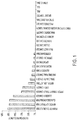
- the 1,230 tumors represented 60 tumor types. In 26 of these tumor types, at least 15 individual tumors were evaluated (comprising a total of 1,043 individual tumors) ( Fig. 1 ). In the remaining tumor types, only a small number of samples (2-12) was available, in part because these tumor types are generally uncommon in Western populations (Table 1). Among the tumor types in which at least 15 individual tumors were available for study, a clear distinction could be made. Eighteen of these tumor types had only occasional TERT promoter mutations (zero to three mutations, comprising 0-15% of the tumors of each type) ( Fig. 1 ). We classified these tumor types as TERT-low (TERT-L), because they had a low frequency of TERT promoter mutations. Eight other tumor types were classified as TERT-high (TERT-H) because of their relatively high prevalence of TERT promoter mutations (16-83% of the tumors of each type).
- the TERT-L tumor types included some of the most prevalent cancers, including epithelial tumors of the breast, prostate, thyroid, pancreas, gall bladder, uterus, and colon (as well as tumors of the lung, stomach, and esophagus based on prior studies) (14, 15) and leukemias. In fact, no TERT mutations were identified in any specimen of 30 tumor types that we studied, comprising a total of 546 tumors (Table 1). Some nonepithelial cancers, such as synovial sarcomas, chordomas, neuroblastomas, osteosarcomas, and ependymomas, were also TERT-L.
- TERT-H tumor types were identified (in addition to the previously described melanomas) (14, 15). These tumors included tumors of the CNS, transitional cell carcinomas of the urinary tract, hepatocellular carcinomas, myxoid liposarcomas, and oral cavity carcinomas. Although only a small number of TERT-H tumors (other than melanomas) were examined in previous studies (15), mutations in gliomas, hepatocellular, and oral cavity carcinomas were detected, which would be expected on the basis of the high frequency of mutation in these tumors types (Table 1).
- Myxoid liposarcomas account for more than one-third of all liposarcomas and ⁇ 10% of all adult soft tissue sarcomas (16). Patients are relatively young, with a peak age range between 30 and 50 y. At the genetic level, the most characteristic change is a t(12;16) (q13;p11) chromosomal translocation that results in the fusion of the FUS and DDIT3 genes (16, 17).
- HCCs Hepatocellular carcinomas
- Urothelial carcinoma of the bladder is the fourth most common type of cancer in American males. In 2013, over 73,000 patients will be diagnosed with bladder cancer leading to approximately 15,000 deaths in the US alone (23). Two-thirds of the 21 urothelial carcinomas of the bladder that we studied harbored TERT promoter mutations. We were also able to evaluate 19 urothelial carcinomas of the upper urinary tract, a much less common anatomic site for this histopathologic subtype of tumor. Nine of nineteen upper urinary tract urothelial carcinomas harbored TERT mutations. TERT mutations are, therefore, the most frequently mutated genes yet identified in urothelial carcinoma of either the bladder or upper urinary tract (24). The prevalence of ALT in bladder cancers is very low (1% of 188 cancers) (13).
- TERT promoter mutations in 17% of 70 oral cavity cancers that we evaluated. However, the anatomic distribution of the cases with TERT promoter mutations was striking: 11 of 12 cancers with TERT promoter mutations were in the oral tongue, although only 23 of 70 total cases originated in the oral tongue ( P ⁇ 0.0001, Fisher exact probability test, two-tailed) (Table S2).
- TERT promoter mutations have been observed in 7% of 55 medulloblastomas studied previously (13).
- Gliomas are the most common CNS tumor type and accounted for >14,000 deaths in the United States last year (30). Histopathological and clinical criteria established by the World Health Organization are used to characterize these tumors into several subtypes (30). We considered the four main subtypes individually (Table S3).
- GBMs primary glioblastomas
- GBMs primary glioblastomas
- These primary glioblastomas are the most common malignant brain tumors in adults, accounting for ⁇ 17% of all intracranial tumors, and they confer the worst survival (median of ⁇ 15 mo) (31).
- GBMs high-grade (grade IV) tumors have no detectable precursor lesions and have been referred to as de novo tumors.
- the prevalence of TERT promoter mutations was remarkably high in GBMs of adults (83% of 78 tumors) (Table S3). This prevalence is higher than the prevalence of any other genetic mutation in this tumor type (32).
- ALT has been observed in 63% of 57 astrocytomas, consistent with the high prevalence of ATRX mutations (13).
- the lack of activating TERT mutations in IDH1 mutant tumors is also corroborated by the lack of TERT mRNA and telomerase activity observed in these lesions (33).
- oligodendrogliomas Like astrocytomas, oligodendrogliomas often progress, and they frequently contain TERT promoter mutations (78% of 45 tumor samples) (Table S3). Oligodendroglioma was the only tumor type studied (of all types, including non-CNS tumors) (Dataset S1) in which C250T mutations were nearly as frequent as C228T mutations. In oligodendrogliomas, 43% of tumors with TERT mutations contained C250T substitutions, whereas in other gliomas, only 10% did ( P ⁇ 0.001, Fisher exact probability test, two-tailed).
- Oligodendrogliomas have long been known to contain characteristic losses of chromosome arms 1p and 19q, and these losses reflect inactivation of the CIC gene on chromosome 19q and in some cases, inactivation of the FUBP1 gene on chromosome 1p (34-36). Accordingly, 78% of 45 oligodendrogliomas contained chromosome arm 1p or 19q losses of heterozygosity ( Fig. 2 C ) (34-36). Moreover, nearly all of them contained IDH1 or IDH2 mutations (93%).
- these tumors are mixed, with histologic features of both oligodendrogliomas and astrocytomas.
- This mixture in part, reflects the difficulties in distinguishing the various glioma subtypes from one another on the basis of histopathologic or clinical criteria (37).
- the genetic features of this tumor subtype reflect this mixture: the prevalence of TERT promoter mutations (25% of 24 tumors) was intermediate between oligodendrogliomas and astrocytomas, as were the frequencies of chromosome (Chr) 1p/19q losses and IDH1 / 2, TP53, and ATRX mutations ( Fig. 2D ).
- ALT has been observed in tumors of the CNS (particularly gliomas) more frequently than tumors of any other tissue type. Given that TERT promoter mutations are also common in gliomas, the relationship between these two features could be determined with high confidence.
- the tumors depicted in Fig. 2 had previously been evaluated for alterations in ATRX, which is a nearly perfect surrogate for the ALT phenotype (11, 37).
- Our data show that there were 50 gliomas with ATRX mutations and 83 gliomas with TERT mutations; 0 of 83 tumors with TERT mutations contained ATRX mutations ( P ⁇ 0.0001, Fisher exact probability test, two-tailed).
Landscapes
- Chemical & Material Sciences (AREA)
- Life Sciences & Earth Sciences (AREA)
- Health & Medical Sciences (AREA)
- Organic Chemistry (AREA)
- Proteomics, Peptides & Aminoacids (AREA)
- Engineering & Computer Science (AREA)
- Immunology (AREA)
- Pathology (AREA)
- Analytical Chemistry (AREA)
- Zoology (AREA)
- Genetics & Genomics (AREA)
- Wood Science & Technology (AREA)
- Physics & Mathematics (AREA)
- Biotechnology (AREA)
- Microbiology (AREA)
- Molecular Biology (AREA)
- Hospice & Palliative Care (AREA)
- Biophysics (AREA)
- Oncology (AREA)
- Biochemistry (AREA)
- Bioinformatics & Cheminformatics (AREA)
- General Engineering & Computer Science (AREA)
- General Health & Medical Sciences (AREA)
- Measuring Or Testing Involving Enzymes Or Micro-Organisms (AREA)
- Medicines That Contain Protein Lipid Enzymes And Other Medicines (AREA)
Claims (14)
- Verfahren zum Testen einer Nukleinsäureprobe eines Menschen, umfassend:Testen einer Nukleinsäureprobe, die von einem Menschen erhalten wurde, und Bestimmen des Vorhandenseins einer somatischen Mutation in einem Promotor eines Telomerase-Reverse-Transkriptase (TERT)-Gens,wobei die Nukleinsäure aus einem hepatozellulären Karzinom (HCC) stammt, wobei sich die somatische Mutation an einem Nukleotid befindet, das aus der Gruppe ausgewählt ist, die aus chr5 1,295,229 ("229") und chr5 1,295,250 ("250") besteht, gemäß Hg19.
- Verfahren nach Anspruch 1, wobei die Nukleinsäureprobe aus einem Primärtumor erhalten wurde.
- Verfahren nach Anspruch 1 oder Anspruch 2, wobei die Nukleinsäureprobe aus einem gut differenzierten HCC der Stufe l erhalten wurde.
- Verfahren nach Anspruch 1, bei dem die Nukleinsäureprobe aus Plasma gewonnen wurde.
- Verfahren nach einem der Ansprüche 1 bis 3 zur Früherkennung von HCC.
- Verfahren nach Anspruch 4 zur Überwachung von HCC.
- Verfahren nach Anspruch 1, bei dem die Nukleinsäure durch Amplifikation des Promotors oder eines Teils des Promotors zur Bildung eines Amplikons getestet wird.
- Verfahren nach Anspruch 1, bei dem eine Mutation nachgewiesen wird, die aus C250T und C229A ausgewählt ist.
- Verfahren nach Anspruch 7, wobei:(i) das Amplikon sequenziert wird; oder(ii) das Amplikon mit einem mutationsspezifischen Oligonukleotid hybridisiert wird.
- Verwendung einer modifizierten Nukleinsäuresonde, die mindestens 18 Nukleotide eines menschlichen TERT-Promotors umfasst,
wobei die 18 Nukleotide C229A enthalten, zum Nachweis von HCC nach dem Verfahren nach Anspruch 1. - Verwendung eines modifizierten Nukleinsäure-Primers, der mindestens 18 Nukleotide eines menschlichen TERT-Promotors umfasst, wobei die 18 Nukleotide C229A enthalten, zum Nachweis von HCC nach dem Verfahren nach Anspruch 1.
- Verwendung der modifizierten Sonde nach Anspruch 10, die ein detektierbares Label umfasst.
- Verwendung des modifizierten Primers nach Anspruch 11, der zusätzlich eine Sequenz von mindestens 10 Nukleotiden umfasst, die nicht an die 18 Nukleotide des menschlichen TERT-Promotors angrenzen.
- Verfahren nach Anspruch 1, wobei vor dem Testschritt Nukleinsäuren aus einer Primärtumorprobe extrahiert werden.
Applications Claiming Priority (5)
| Application Number | Priority Date | Filing Date | Title |
|---|---|---|---|
| US201361765909P | 2013-02-18 | 2013-02-18 | |
| US201361766857P | 2013-02-20 | 2013-02-20 | |
| US201361772249P | 2013-03-04 | 2013-03-04 | |
| PCT/US2014/016906 WO2014127359A1 (en) | 2013-02-18 | 2014-02-18 | Tert promoter mutations in gliomas and a subset of tumors |
| EP14751900.3A EP2956556B1 (de) | 2013-02-18 | 2014-02-18 | Tert-promotor-mutationen in gliomen und einer teilmenge von tumoren |
Related Parent Applications (2)
| Application Number | Title | Priority Date | Filing Date |
|---|---|---|---|
| EP14751900.3A Division EP2956556B1 (de) | 2013-02-18 | 2014-02-18 | Tert-promotor-mutationen in gliomen und einer teilmenge von tumoren |
| EP14751900.3A Division-Into EP2956556B1 (de) | 2013-02-18 | 2014-02-18 | Tert-promotor-mutationen in gliomen und einer teilmenge von tumoren |
Publications (2)
| Publication Number | Publication Date |
|---|---|
| EP3360979A1 EP3360979A1 (de) | 2018-08-15 |
| EP3360979B1 true EP3360979B1 (de) | 2020-05-20 |
Family
ID=51354619
Family Applications (2)
| Application Number | Title | Priority Date | Filing Date |
|---|---|---|---|
| EP18164632.4A Revoked EP3360979B1 (de) | 2013-02-18 | 2014-02-18 | Tert-promotor-mutationen im hepatocellulären karzinom |
| EP14751900.3A Active EP2956556B1 (de) | 2013-02-18 | 2014-02-18 | Tert-promotor-mutationen in gliomen und einer teilmenge von tumoren |
Family Applications After (1)
| Application Number | Title | Priority Date | Filing Date |
|---|---|---|---|
| EP14751900.3A Active EP2956556B1 (de) | 2013-02-18 | 2014-02-18 | Tert-promotor-mutationen in gliomen und einer teilmenge von tumoren |
Country Status (7)
| Country | Link |
|---|---|
| US (1) | US10711310B2 (de) |
| EP (2) | EP3360979B1 (de) |
| JP (3) | JP6574385B2 (de) |
| KR (1) | KR101832948B1 (de) |
| CN (1) | CN105683391A (de) |
| SG (1) | SG11201506446YA (de) |
| WO (1) | WO2014127359A1 (de) |
Families Citing this family (12)
| Publication number | Priority date | Publication date | Assignee | Title |
|---|---|---|---|---|
| WO2009140550A2 (en) | 2008-05-14 | 2009-11-19 | Dermtech International | Diagnosis of melanoma and solar lentigo by nucleic acid analysis |
| JP6574385B2 (ja) | 2013-02-18 | 2019-09-11 | デューク ユニバーシティー | 神経膠腫および腫瘍のサブセットにおけるtertプロモーター変異 |
| WO2019161126A1 (en) | 2018-02-14 | 2019-08-22 | Dermtech, Inc. | Novel gene classifiers and uses thereof in non-melanoma skin cancers |
| CN104805206B (zh) * | 2015-04-29 | 2017-06-20 | 苏州工业园区为真生物医药科技有限公司 | 检测tert基因启动子突变的试剂盒及其检测方法 |
| US12054781B2 (en) * | 2015-07-14 | 2024-08-06 | The Johns Hopkins University | Detection of tumor-derived DNA in cerebrospinal fluid |
| CN105695596A (zh) * | 2016-03-22 | 2016-06-22 | 南京艾迪康医学检验所有限公司 | 检测tert基因启动子c250t、c228t突变位点的方法、引物和试剂盒 |
| JP7072825B2 (ja) * | 2017-09-13 | 2022-05-23 | 三菱電機ソフトウエア株式会社 | コピー数計測装置、コピー数計測プログラムおよびコピー数計測方法 |
| CN107541557A (zh) * | 2017-09-27 | 2018-01-05 | 迈基诺(重庆)基因科技有限责任公司 | 一种检测人类tert基因启动子热点突变的荧光定量pcr方法及其用途 |
| AU2020247911A1 (en) | 2019-03-26 | 2021-11-11 | Dermtech, Llc | Novel gene classifiers and uses thereof in skin cancers |
| KR102203850B1 (ko) * | 2019-04-09 | 2021-01-18 | 사회복지법인 삼성생명공익재단 | 신경교종의 진단 또는 예후 예측용 조성물 및 이에 관한 정보를 제공하는 방법 |
| KR20210026616A (ko) * | 2019-08-30 | 2021-03-10 | 지니너스 주식회사 | 텔로머라제 역전사 효소의 변이 검출용 pcr 프라이머 조성물 및 이의 용도 |
| KR20220068581A (ko) * | 2020-11-19 | 2022-05-26 | (주)큐리진 | 암세포 특이적 유전자 발현을 조절하는 변형된 hTERT 프로모터 및 이를 포함하는 항종양 아데노바이러스 |
Citations (1)
| Publication number | Priority date | Publication date | Assignee | Title |
|---|---|---|---|---|
| WO2014127359A1 (en) | 2013-02-18 | 2014-08-21 | Duke University | Tert promoter mutations in gliomas and a subset of tumors |
Family Cites Families (4)
| Publication number | Priority date | Publication date | Assignee | Title |
|---|---|---|---|---|
| US6610839B1 (en) * | 1997-08-14 | 2003-08-26 | Geron Corporation | Promoter for telomerase reverse transcriptase |
| PT1025444E (pt) * | 1997-10-21 | 2005-07-29 | Cancer Rec Tech Ltd | Determinacao de anomalia do crescimento celular |
| EP1394268A1 (de) | 2002-08-16 | 2004-03-03 | Institut National De La Sante Et De La Recherche Medicale (Inserm) | HNF1alpha als Tumor-Suppressor Gen und diagnostische sowie therapeutische Verwendungen davon |
| US20060088850A1 (en) * | 2004-05-28 | 2006-04-27 | Fred Hutchinson Cancer Research Center | Method for genome-wide analysis of palindrome formation and uses thereof |
-
2014
- 2014-02-18 JP JP2015558198A patent/JP6574385B2/ja active Active
- 2014-02-18 WO PCT/US2014/016906 patent/WO2014127359A1/en not_active Ceased
- 2014-02-18 EP EP18164632.4A patent/EP3360979B1/de not_active Revoked
- 2014-02-18 US US14/765,692 patent/US10711310B2/en active Active
- 2014-02-18 CN CN201480019547.4A patent/CN105683391A/zh active Pending
- 2014-02-18 EP EP14751900.3A patent/EP2956556B1/de active Active
- 2014-02-18 SG SG11201506446YA patent/SG11201506446YA/en unknown
- 2014-02-18 KR KR1020157025695A patent/KR101832948B1/ko active Active
-
2017
- 2017-10-05 JP JP2017194782A patent/JP2018050621A/ja active Pending
-
2021
- 2021-03-02 JP JP2021032229A patent/JP7191140B2/ja active Active
Patent Citations (2)
| Publication number | Priority date | Publication date | Assignee | Title |
|---|---|---|---|---|
| WO2014127359A1 (en) | 2013-02-18 | 2014-08-21 | Duke University | Tert promoter mutations in gliomas and a subset of tumors |
| EP3360979A1 (de) | 2013-02-18 | 2018-08-15 | Duke University | Tert-promotor-mutationen in gliomen und einer teilmenge von tumoren |
Non-Patent Citations (17)
| Title |
|---|
| "Supplementary Table S1: TERT promoter mutations in hepatocellular carcinoma (n=305)", XP055783878 |
| BERGLIND HANNA ET AL: "Analysis of p53 mutation status in human cancer cell lines: a paradigm for cell line cross-contamination.", CANCER BIOLOGY & THERAPY MAY 2008, vol. 7, no. 5, May 2008 (2008-05-01), pages 699 - 708, ISSN: 1555-8576 * |
| GILLET JEAN-PIERRE ET AL: "The clinical relevance of cancer cell lines.", JOURNAL OF THE NATIONAL CANCER INSTITUTE 03 APR 2013, vol. 105, no. 7, 3 April 2013 (2013-04-03), pages 452 - 458, ISSN: 1460-2105 * |
| HORN ET AL.: "TERT Promoter Mutations in Familial and Sporadic Melanoma", SCIENCE, vol. 339, 24 January 2013 (2013-01-24), pages 959 - 961, XP055110024, DOI: 10.1126/science.1230062 |
| HORN, SUSANNE AND ADINA FIGI, P. SIVARAMAKRISHNA RACHAKONDA, CHRISTINE FISCHER, ANTJE SUCKER. ANDREAS GAST, STEPHANIE KADEL, IRIS : "Supplementary Materials for "TERT Promoter Mutations in Familial and Sporadic Melanoma"", SCIENCEMAG.ORG, 24 January 2013 (2013-01-24), pages 1 - 30, XP055783884 |
| HUANG F W ET AL: "Highly recurrent TERT Published online on promoter mutations in human melanoma", SCIENCE, vol. 339, no. 6122, 24 January 2013 (2013-01-24), pages 957 - 959, XP055109644, DOI: 10.1126/science.1229259 |
| HUANG F W; HODIS E; XU M J; KRYUKOV G V; CHIN L; GARRAWAY L A: "Highly Recurrent TERT Promoter Mutations in Human Melanoma (supplementary material)", February 2013 (2013-02-01), XP055593044, DOI: 10.1126/science.1229259 |
| JIAO JINGJING ET AL: "Telomerase reverse transcriptase mutations in plasma DNA in patients with hepatocellular carcinoma or cirrhosis: Prevalence and risk factors.", HEPATOLOGY COMMUNICATIONS JUN 2018, vol. 2, no. 6, June 2018 (2018-06-01), pages 718 - 731, ISSN: 2471-254X * |
| KILLELA ET AL.: "TERT promoter mutations occur frequently in gliomas and a subset of tumors derived from cells with low rates of self-renewal", PNAS, vol. 110, no. 15, 25 March 2013 (2013-03-25), pages 6021 - 6026, XP055110090, DOI: 10.1073/pnas.1303607110 |
| KILLELA, J.: "TERT promoter mutations occur frequently in gliomas and a subset of tumors derived from cells with low rates of self-renewal : SUPPORTING INFORMATION", 2013, pages 1 - 5, XP055783870 |
| KIM M. HIRSHFIELD ET AL: "Germline Mutations and Polymorphisms in the Origins of Cancers in Women", JOURNAL OF ONCOLOGY, vol. 2010, 1 January 2010 (2010-01-01), US, pages 1 - 11, XP055589867, ISSN: 1687-8450, DOI: 10.1155/2010/297671 * |
| KIM NW ET AL.: "Specific association of human telomerase activity with immortal cells and cancer", SCIENCE, vol. 266, 23 December 1994 (1994-12-23), pages 2011 - 5, XP002138759, DOI: 10.1126/science.7605428 |
| LACROIX MARC: "Persistent use of "false" cell lines.", INTERNATIONAL JOURNAL OF CANCER 01 JAN 2008, vol. 122, no. 1, 1 January 2008 (2008-01-01), pages 1 - 4, ISSN: 1097-0215 * |
| LIU ET AL.: "Highly prevalent TERT 12 July 2013 promoter mutations in aggressive thyroid Cancers", ; ENDOCRINE-RELATED CANCER, vol. 20, 12 July 2013 (2013-07-12), pages 603 - 610, XP055110005, DOI: 10.1530/ERC-13-0210 |
| NAULT ET AL.: "High frequency of telomerase reverse-transcriptase promoter somatic mutations in hepatocellular carcinoma and preneoplastic lesions", NATURE COMMUNICATIONS, vol. 4, 26 July 2013 (2013-07-26), XP055483232, DOI: 10.1038/ncomms3218 |
| SCOTT ET AL.: "Mutations of the TERT promoter are common in basal cell carcinoma and squamous cell carcinoma", MODERN PATHOLOGY, vol. 27, 13 September 2013 (2013-09-13), pages 516 - 523, XP055782917 |
| SOUSSI: "HANDBOOK OF p53 MUTATION IN CELL LINES", 1 July 2007 (2007-07-01), XP055589869, Retrieved from the Internet <URL:http://p53.free.fr/Database/Cancer_cell_lines/cell_lines_1.0.pdf> [retrieved on 20190517] * |
Also Published As
| Publication number | Publication date |
|---|---|
| EP3360979A1 (de) | 2018-08-15 |
| JP7191140B2 (ja) | 2022-12-16 |
| EP2956556B1 (de) | 2019-04-10 |
| KR20150132181A (ko) | 2015-11-25 |
| SG11201506446YA (en) | 2015-09-29 |
| JP2021078521A (ja) | 2021-05-27 |
| US10711310B2 (en) | 2020-07-14 |
| KR101832948B1 (ko) | 2018-02-28 |
| WO2014127359A1 (en) | 2014-08-21 |
| US20150361507A1 (en) | 2015-12-17 |
| EP2956556A1 (de) | 2015-12-23 |
| JP2018050621A (ja) | 2018-04-05 |
| JP6574385B2 (ja) | 2019-09-11 |
| EP2956556A4 (de) | 2016-10-12 |
| CN105683391A (zh) | 2016-06-15 |
| JP2016506760A (ja) | 2016-03-07 |
Similar Documents
| Publication | Publication Date | Title |
|---|---|---|
| EP3360979B1 (de) | Tert-promotor-mutationen im hepatocellulären karzinom | |
| Remke et al. | TERT promoter mutations are highly recurrent in SHH subgroup medulloblastoma | |
| US20210172027A1 (en) | Detecting breast cancer | |
| EP2322658A1 (de) | Signatur für die Diagnose der Brustkrebsaggressivität und genetischen Instabilität | |
| AU2012321248A1 (en) | Diagnostic methylation markers of epithelial or mesenchymal phenotype and response to EGFR kinase inhibitor in tumours or tumour cells | |
| US11319592B2 (en) | TERT and BRAF mutations in human cancer | |
| WO2015153808A1 (en) | Tert and braf mutations in human cancer | |
| Perea et al. | NOMO-1 gene is deleted in early-onset colorectal cancer | |
| US9896732B2 (en) | Method of diagnosing cancer comprising detection of the methylation signature in the hTERT promoter | |
| US11306364B2 (en) | TERT promoter mutations in gliomas and a subset of tumors | |
| Yu et al. | Arms-qPCR improves detection sensitivity of earlier diagnosis of papillary thyroid cancers with worse prognosis determined by coexisting BRAF V600E and Tert promoter mutations | |
| US10597730B2 (en) | Method of diagnosing cancer | |
| AU2020394514A1 (en) | Methods of treating cancer | |
| Kakkar et al. | Loss of heterozygosity on chromosome 10q in glioblastomas, and its association with other genetic alterations and survival in Indian patients | |
| US11761044B2 (en) | Method for evaluating whether an individual with cancer is suitable for treatment with a CDK inhibitor | |
| US20220333198A1 (en) | Predicting Chronic Allograft Injury Through Age-Related DNA Methylation | |
| Vinel | Mapping chromatin remodelling in glioblastoma identifies epigenetic regulation of key | |
| WO2024200806A1 (en) | Gene transcripts as signatures for tead-active cancer | |
| McDonald | Biomarker Discovery, Validation and Clinical Application for Patients Diagnosed with Glioma | |
| April Deng | Conflicts of interest: None [for all authors] Correspondence to | |
| Lockwood et al. | BRF2 is a lineage specific oncogene amplified early in squamous cell lung cancer development | |
| Ross-Adams et al. | King’s Research Portal | |
| HK40011172A (en) | Micrornas as biomarkers for endometriosis | |
| HK40011172B (en) | Micrornas as biomarkers for endometriosis |
Legal Events
| Date | Code | Title | Description |
|---|---|---|---|
| PUAI | Public reference made under article 153(3) epc to a published international application that has entered the european phase |
Free format text: ORIGINAL CODE: 0009012 |
|
| STAA | Information on the status of an ep patent application or granted ep patent |
Free format text: STATUS: THE APPLICATION HAS BEEN PUBLISHED |
|
| AC | Divisional application: reference to earlier application |
Ref document number: 2956556 Country of ref document: EP Kind code of ref document: P |
|
| AK | Designated contracting states |
Kind code of ref document: A1 Designated state(s): AL AT BE BG CH CY CZ DE DK EE ES FI FR GB GR HR HU IE IS IT LI LT LU LV MC MK MT NL NO PL PT RO RS SE SI SK SM TR |
|
| RIN1 | Information on inventor provided before grant (corrected) |
Inventor name: PAPADOPOULOS, NICKOLAS Inventor name: KINZLER, KENNETH Inventor name: JIAO, YUCHEN Inventor name: VOGELSTEIN, BERT Inventor name: YAN, HAI Inventor name: BETTEGOWDA, CHETAN Inventor name: BIGNER, DARELL |
|
| STAA | Information on the status of an ep patent application or granted ep patent |
Free format text: STATUS: REQUEST FOR EXAMINATION WAS MADE |
|
| 17P | Request for examination filed |
Effective date: 20190109 |
|
| RBV | Designated contracting states (corrected) |
Designated state(s): AL AT BE BG CH CY CZ DE DK EE ES FI FR GB GR HR HU IE IS IT LI LT LU LV MC MK MT NL NO PL PT RO RS SE SI SK SM TR |
|
| RIN1 | Information on inventor provided before grant (corrected) |
Inventor name: REITMAN, ZACHARY J. Inventor name: BIGNER, DARELL Inventor name: JIAO, YUCHEN Inventor name: PAPADOPOULOS, NICKOLAS Inventor name: KINZLER, KENNETH Inventor name: KILLELA, PATRICK J. Inventor name: YAN, HAI Inventor name: BETTEGOWDA, CHETAN Inventor name: VOGELSTEIN, BERT |
|
| RIN1 | Information on inventor provided before grant (corrected) |
Inventor name: JIAO, YUCHEN Inventor name: KINZLER, KENNETH Inventor name: BIGNER, DARELL Inventor name: PAPADOPOULOS, NICKOLAS Inventor name: YAN, HAI Inventor name: REITMAN, ZACHARY J. Inventor name: KILLELA, PATRICK J. Inventor name: VOGELSTEIN, BERT Inventor name: BETTEGOWDA, CHETAN |
|
| GRAP | Despatch of communication of intention to grant a patent |
Free format text: ORIGINAL CODE: EPIDOSNIGR1 |
|
| STAA | Information on the status of an ep patent application or granted ep patent |
Free format text: STATUS: GRANT OF PATENT IS INTENDED |
|
| INTG | Intention to grant announced |
Effective date: 20191206 |
|
| GRAS | Grant fee paid |
Free format text: ORIGINAL CODE: EPIDOSNIGR3 |
|
| GRAA | (expected) grant |
Free format text: ORIGINAL CODE: 0009210 |
|
| STAA | Information on the status of an ep patent application or granted ep patent |
Free format text: STATUS: THE PATENT HAS BEEN GRANTED |
|
| AC | Divisional application: reference to earlier application |
Ref document number: 2956556 Country of ref document: EP Kind code of ref document: P |
|
| AK | Designated contracting states |
Kind code of ref document: B1 Designated state(s): AL AT BE BG CH CY CZ DE DK EE ES FI FR GB GR HR HU IE IS IT LI LT LU LV MC MK MT NL NO PL PT RO RS SE SI SK SM TR |
|
| REG | Reference to a national code |
Ref country code: GB Ref legal event code: FG4D |
|
| REG | Reference to a national code |
Ref country code: CH Ref legal event code: EP |
|
| REG | Reference to a national code |
Ref country code: DE Ref legal event code: R096 Ref document number: 602014065803 Country of ref document: DE |
|
| REG | Reference to a national code |
Ref country code: AT Ref legal event code: REF Ref document number: 1272640 Country of ref document: AT Kind code of ref document: T Effective date: 20200615 |
|
| REG | Reference to a national code |
Ref country code: NL Ref legal event code: FP |
|
| RAP2 | Party data changed (patent owner data changed or rights of a patent transferred) |
Owner name: DUKE UNIVERSITY Owner name: THE JOHNS HOPKINS UNIVERSITY |
|
| REG | Reference to a national code |
Ref country code: CH Ref legal event code: NV Representative=s name: VALIPAT S.A. C/O BOVARD SA NEUCHATEL, CH |
|
| REG | Reference to a national code |
Ref country code: LT Ref legal event code: MG4D |
|
| PG25 | Lapsed in a contracting state [announced via postgrant information from national office to epo] |
Ref country code: LT Free format text: LAPSE BECAUSE OF FAILURE TO SUBMIT A TRANSLATION OF THE DESCRIPTION OR TO PAY THE FEE WITHIN THE PRESCRIBED TIME-LIMIT Effective date: 20200520 Ref country code: NO Free format text: LAPSE BECAUSE OF FAILURE TO SUBMIT A TRANSLATION OF THE DESCRIPTION OR TO PAY THE FEE WITHIN THE PRESCRIBED TIME-LIMIT Effective date: 20200820 Ref country code: GR Free format text: LAPSE BECAUSE OF FAILURE TO SUBMIT A TRANSLATION OF THE DESCRIPTION OR TO PAY THE FEE WITHIN THE PRESCRIBED TIME-LIMIT Effective date: 20200821 Ref country code: IS Free format text: LAPSE BECAUSE OF FAILURE TO SUBMIT A TRANSLATION OF THE DESCRIPTION OR TO PAY THE FEE WITHIN THE PRESCRIBED TIME-LIMIT Effective date: 20200920 Ref country code: SE Free format text: LAPSE BECAUSE OF FAILURE TO SUBMIT A TRANSLATION OF THE DESCRIPTION OR TO PAY THE FEE WITHIN THE PRESCRIBED TIME-LIMIT Effective date: 20200520 Ref country code: FI Free format text: LAPSE BECAUSE OF FAILURE TO SUBMIT A TRANSLATION OF THE DESCRIPTION OR TO PAY THE FEE WITHIN THE PRESCRIBED TIME-LIMIT Effective date: 20200520 Ref country code: PT Free format text: LAPSE BECAUSE OF FAILURE TO SUBMIT A TRANSLATION OF THE DESCRIPTION OR TO PAY THE FEE WITHIN THE PRESCRIBED TIME-LIMIT Effective date: 20200921 |
|
| PG25 | Lapsed in a contracting state [announced via postgrant information from national office to epo] |
Ref country code: RS Free format text: LAPSE BECAUSE OF FAILURE TO SUBMIT A TRANSLATION OF THE DESCRIPTION OR TO PAY THE FEE WITHIN THE PRESCRIBED TIME-LIMIT Effective date: 20200520 Ref country code: HR Free format text: LAPSE BECAUSE OF FAILURE TO SUBMIT A TRANSLATION OF THE DESCRIPTION OR TO PAY THE FEE WITHIN THE PRESCRIBED TIME-LIMIT Effective date: 20200520 Ref country code: LV Free format text: LAPSE BECAUSE OF FAILURE TO SUBMIT A TRANSLATION OF THE DESCRIPTION OR TO PAY THE FEE WITHIN THE PRESCRIBED TIME-LIMIT Effective date: 20200520 Ref country code: BG Free format text: LAPSE BECAUSE OF FAILURE TO SUBMIT A TRANSLATION OF THE DESCRIPTION OR TO PAY THE FEE WITHIN THE PRESCRIBED TIME-LIMIT Effective date: 20200820 |
|
| REG | Reference to a national code |
Ref country code: AT Ref legal event code: MK05 Ref document number: 1272640 Country of ref document: AT Kind code of ref document: T Effective date: 20200520 |
|
| PG25 | Lapsed in a contracting state [announced via postgrant information from national office to epo] |
Ref country code: AL Free format text: LAPSE BECAUSE OF FAILURE TO SUBMIT A TRANSLATION OF THE DESCRIPTION OR TO PAY THE FEE WITHIN THE PRESCRIBED TIME-LIMIT Effective date: 20200520 |
|
| PG25 | Lapsed in a contracting state [announced via postgrant information from national office to epo] |
Ref country code: RO Free format text: LAPSE BECAUSE OF FAILURE TO SUBMIT A TRANSLATION OF THE DESCRIPTION OR TO PAY THE FEE WITHIN THE PRESCRIBED TIME-LIMIT Effective date: 20200520 Ref country code: CZ Free format text: LAPSE BECAUSE OF FAILURE TO SUBMIT A TRANSLATION OF THE DESCRIPTION OR TO PAY THE FEE WITHIN THE PRESCRIBED TIME-LIMIT Effective date: 20200520 Ref country code: ES Free format text: LAPSE BECAUSE OF FAILURE TO SUBMIT A TRANSLATION OF THE DESCRIPTION OR TO PAY THE FEE WITHIN THE PRESCRIBED TIME-LIMIT Effective date: 20200520 Ref country code: SM Free format text: LAPSE BECAUSE OF FAILURE TO SUBMIT A TRANSLATION OF THE DESCRIPTION OR TO PAY THE FEE WITHIN THE PRESCRIBED TIME-LIMIT Effective date: 20200520 Ref country code: DK Free format text: LAPSE BECAUSE OF FAILURE TO SUBMIT A TRANSLATION OF THE DESCRIPTION OR TO PAY THE FEE WITHIN THE PRESCRIBED TIME-LIMIT Effective date: 20200520 Ref country code: AT Free format text: LAPSE BECAUSE OF FAILURE TO SUBMIT A TRANSLATION OF THE DESCRIPTION OR TO PAY THE FEE WITHIN THE PRESCRIBED TIME-LIMIT Effective date: 20200520 Ref country code: EE Free format text: LAPSE BECAUSE OF FAILURE TO SUBMIT A TRANSLATION OF THE DESCRIPTION OR TO PAY THE FEE WITHIN THE PRESCRIBED TIME-LIMIT Effective date: 20200520 |
|
| REG | Reference to a national code |
Ref country code: DE Ref legal event code: R026 Ref document number: 602014065803 Country of ref document: DE |
|
| PG25 | Lapsed in a contracting state [announced via postgrant information from national office to epo] |
Ref country code: SK Free format text: LAPSE BECAUSE OF FAILURE TO SUBMIT A TRANSLATION OF THE DESCRIPTION OR TO PAY THE FEE WITHIN THE PRESCRIBED TIME-LIMIT Effective date: 20200520 Ref country code: PL Free format text: LAPSE BECAUSE OF FAILURE TO SUBMIT A TRANSLATION OF THE DESCRIPTION OR TO PAY THE FEE WITHIN THE PRESCRIBED TIME-LIMIT Effective date: 20200520 |
|
| PLBI | Opposition filed |
Free format text: ORIGINAL CODE: 0009260 |
|
| PLAB | Opposition data, opponent's data or that of the opponent's representative modified |
Free format text: ORIGINAL CODE: 0009299OPPO |
|
| PLAX | Notice of opposition and request to file observation + time limit sent |
Free format text: ORIGINAL CODE: EPIDOSNOBS2 |
|
| 26 | Opposition filed |
Opponent name: LEDL, ANDREAS / BUEHLER, DIRK Effective date: 20210222 |
|
| R26 | Opposition filed (corrected) |
Opponent name: BUEHLER, DIRK Effective date: 20210222 |
|
| PLAB | Opposition data, opponent's data or that of the opponent's representative modified |
Free format text: ORIGINAL CODE: 0009299OPPO |
|
| R26 | Opposition filed (corrected) |
Opponent name: BUEHLER, DIRK Effective date: 20210222 |
|
| PG25 | Lapsed in a contracting state [announced via postgrant information from national office to epo] |
Ref country code: SI Free format text: LAPSE BECAUSE OF FAILURE TO SUBMIT A TRANSLATION OF THE DESCRIPTION OR TO PAY THE FEE WITHIN THE PRESCRIBED TIME-LIMIT Effective date: 20200520 |
|
| PLBB | Reply of patent proprietor to notice(s) of opposition received |
Free format text: ORIGINAL CODE: EPIDOSNOBS3 |
|
| PG25 | Lapsed in a contracting state [announced via postgrant information from national office to epo] |
Ref country code: MC Free format text: LAPSE BECAUSE OF FAILURE TO SUBMIT A TRANSLATION OF THE DESCRIPTION OR TO PAY THE FEE WITHIN THE PRESCRIBED TIME-LIMIT Effective date: 20200520 |
|
| REG | Reference to a national code |
Ref country code: BE Ref legal event code: MM Effective date: 20210228 |
|
| PG25 | Lapsed in a contracting state [announced via postgrant information from national office to epo] |
Ref country code: LU Free format text: LAPSE BECAUSE OF NON-PAYMENT OF DUE FEES Effective date: 20210218 |
|
| PG25 | Lapsed in a contracting state [announced via postgrant information from national office to epo] |
Ref country code: IE Free format text: LAPSE BECAUSE OF NON-PAYMENT OF DUE FEES Effective date: 20210218 |
|
| PGFP | Annual fee paid to national office [announced via postgrant information from national office to epo] |
Ref country code: GB Payment date: 20220225 Year of fee payment: 9 Ref country code: DE Payment date: 20220225 Year of fee payment: 9 Ref country code: CH Payment date: 20220302 Year of fee payment: 9 |
|
| PGFP | Annual fee paid to national office [announced via postgrant information from national office to epo] |
Ref country code: NL Payment date: 20220224 Year of fee payment: 9 Ref country code: IT Payment date: 20220222 Year of fee payment: 9 Ref country code: FR Payment date: 20220223 Year of fee payment: 9 |
|
| PG25 | Lapsed in a contracting state [announced via postgrant information from national office to epo] |
Ref country code: BE Free format text: LAPSE BECAUSE OF NON-PAYMENT OF DUE FEES Effective date: 20210228 |
|
| RDAF | Communication despatched that patent is revoked |
Free format text: ORIGINAL CODE: EPIDOSNREV1 |
|
| REG | Reference to a national code |
Ref country code: DE Ref legal event code: R103 Ref document number: 602014065803 Country of ref document: DE Ref country code: DE Ref legal event code: R064 Ref document number: 602014065803 Country of ref document: DE |
|
| RDAG | Patent revoked |
Free format text: ORIGINAL CODE: 0009271 |
|
| STAA | Information on the status of an ep patent application or granted ep patent |
Free format text: STATUS: PATENT REVOKED |
|
| REG | Reference to a national code |
Ref country code: CH Ref legal event code: PL |
|
| REG | Reference to a national code |
Ref country code: FI Ref legal event code: MGE |
|
| 27W | Patent revoked |
Effective date: 20220905 |
|
| GBPR | Gb: patent revoked under art. 102 of the ep convention designating the uk as contracting state |
Effective date: 20220905 |
|
| PG25 | Lapsed in a contracting state [announced via postgrant information from national office to epo] |
Ref country code: HU Free format text: LAPSE BECAUSE OF FAILURE TO SUBMIT A TRANSLATION OF THE DESCRIPTION OR TO PAY THE FEE WITHIN THE PRESCRIBED TIME-LIMIT; INVALID AB INITIO Effective date: 20140218 |
|
| PG25 | Lapsed in a contracting state [announced via postgrant information from national office to epo] |
Ref country code: CY Free format text: LAPSE BECAUSE OF FAILURE TO SUBMIT A TRANSLATION OF THE DESCRIPTION OR TO PAY THE FEE WITHIN THE PRESCRIBED TIME-LIMIT Effective date: 20200520 |
|
| PG25 | Lapsed in a contracting state [announced via postgrant information from national office to epo] |
Ref country code: MK Free format text: LAPSE BECAUSE OF FAILURE TO SUBMIT A TRANSLATION OF THE DESCRIPTION OR TO PAY THE FEE WITHIN THE PRESCRIBED TIME-LIMIT Effective date: 20200520 |
|
| PG25 | Lapsed in a contracting state [announced via postgrant information from national office to epo] |
Ref country code: MT Free format text: LAPSE BECAUSE OF FAILURE TO SUBMIT A TRANSLATION OF THE DESCRIPTION OR TO PAY THE FEE WITHIN THE PRESCRIBED TIME-LIMIT Effective date: 20200520 |
|
| PG25 | Lapsed in a contracting state [announced via postgrant information from national office to epo] |
Ref country code: TR Free format text: LAPSE BECAUSE OF FAILURE TO SUBMIT A TRANSLATION OF THE DESCRIPTION OR TO PAY THE FEE WITHIN THE PRESCRIBED TIME-LIMIT Effective date: 20200520 |