EP3319976B1 - Compositions and methods for treating lung diseases and lung injury - Google Patents
Compositions and methods for treating lung diseases and lung injury Download PDFInfo
- Publication number
- EP3319976B1 EP3319976B1 EP16822088.7A EP16822088A EP3319976B1 EP 3319976 B1 EP3319976 B1 EP 3319976B1 EP 16822088 A EP16822088 A EP 16822088A EP 3319976 B1 EP3319976 B1 EP 3319976B1
- Authority
- EP
- European Patent Office
- Prior art keywords
- composition
- lipid
- mol
- present
- rnai
- Prior art date
- Legal status (The legal status is an assumption and is not a legal conclusion. Google has not performed a legal analysis and makes no representation as to the accuracy of the status listed.)
- Active
Links
Images


Classifications
-
- A—HUMAN NECESSITIES
- A61—MEDICAL OR VETERINARY SCIENCE; HYGIENE
- A61K—PREPARATIONS FOR MEDICAL, DENTAL OR TOILETRY PURPOSES
- A61K9/00—Medicinal preparations characterised by special physical form
- A61K9/10—Dispersions; Emulsions
- A61K9/127—Synthetic bilayered vehicles, e.g. liposomes or liposomes with cholesterol as the only non-phosphatidyl surfactant
- A61K9/1271—Non-conventional liposomes, e.g. PEGylated liposomes or liposomes coated or grafted with polymers
- A61K9/1272—Non-conventional liposomes, e.g. PEGylated liposomes or liposomes coated or grafted with polymers comprising non-phosphatidyl surfactants as bilayer-forming substances, e.g. cationic lipids or non-phosphatidyl liposomes coated or grafted with polymers
-
- A—HUMAN NECESSITIES
- A61—MEDICAL OR VETERINARY SCIENCE; HYGIENE
- A61K—PREPARATIONS FOR MEDICAL, DENTAL OR TOILETRY PURPOSES
- A61K31/00—Medicinal preparations containing organic active ingredients
- A61K31/70—Carbohydrates; Sugars; Derivatives thereof
- A61K31/7088—Compounds having three or more nucleosides or nucleotides
- A61K31/713—Double-stranded nucleic acids or oligonucleotides
-
- A—HUMAN NECESSITIES
- A61—MEDICAL OR VETERINARY SCIENCE; HYGIENE
- A61K—PREPARATIONS FOR MEDICAL, DENTAL OR TOILETRY PURPOSES
- A61K47/00—Medicinal preparations characterised by the non-active ingredients used, e.g. carriers or inert additives; Targeting or modifying agents chemically bound to the active ingredient
- A61K47/06—Organic compounds, e.g. natural or synthetic hydrocarbons, polyolefins, mineral oil, petrolatum or ozokerite
- A61K47/24—Organic compounds, e.g. natural or synthetic hydrocarbons, polyolefins, mineral oil, petrolatum or ozokerite containing atoms other than carbon, hydrogen, oxygen, halogen, nitrogen or sulfur, e.g. cyclomethicone or phospholipids
-
- A—HUMAN NECESSITIES
- A61—MEDICAL OR VETERINARY SCIENCE; HYGIENE
- A61K—PREPARATIONS FOR MEDICAL, DENTAL OR TOILETRY PURPOSES
- A61K9/00—Medicinal preparations characterised by special physical form
- A61K9/0012—Galenical forms characterised by the site of application
- A61K9/007—Pulmonary tract; Aromatherapy
- A61K9/0073—Sprays or powders for inhalation; Aerolised or nebulised preparations generated by other means than thermal energy
- A61K9/0075—Sprays or powders for inhalation; Aerolised or nebulised preparations generated by other means than thermal energy for inhalation via a dry powder inhaler [DPI], e.g. comprising micronized drug mixed with lactose carrier particles
-
- A—HUMAN NECESSITIES
- A61—MEDICAL OR VETERINARY SCIENCE; HYGIENE
- A61K—PREPARATIONS FOR MEDICAL, DENTAL OR TOILETRY PURPOSES
- A61K9/00—Medicinal preparations characterised by special physical form
- A61K9/0012—Galenical forms characterised by the site of application
- A61K9/007—Pulmonary tract; Aromatherapy
- A61K9/0073—Sprays or powders for inhalation; Aerolised or nebulised preparations generated by other means than thermal energy
- A61K9/0078—Sprays or powders for inhalation; Aerolised or nebulised preparations generated by other means than thermal energy for inhalation via a nebulizer such as a jet nebulizer, ultrasonic nebulizer, e.g. in the form of aqueous drug solutions or dispersions
-
- A—HUMAN NECESSITIES
- A61—MEDICAL OR VETERINARY SCIENCE; HYGIENE
- A61K—PREPARATIONS FOR MEDICAL, DENTAL OR TOILETRY PURPOSES
- A61K9/00—Medicinal preparations characterised by special physical form
- A61K9/0012—Galenical forms characterised by the site of application
- A61K9/007—Pulmonary tract; Aromatherapy
- A61K9/0073—Sprays or powders for inhalation; Aerolised or nebulised preparations generated by other means than thermal energy
- A61K9/008—Sprays or powders for inhalation; Aerolised or nebulised preparations generated by other means than thermal energy comprising drug dissolved or suspended in liquid propellant for inhalation via a pressurized metered dose inhaler [MDI]
-
- A—HUMAN NECESSITIES
- A61—MEDICAL OR VETERINARY SCIENCE; HYGIENE
- A61P—SPECIFIC THERAPEUTIC ACTIVITY OF CHEMICAL COMPOUNDS OR MEDICINAL PREPARATIONS
- A61P11/00—Drugs for disorders of the respiratory system
-
- C—CHEMISTRY; METALLURGY
- C12—BIOCHEMISTRY; BEER; SPIRITS; WINE; VINEGAR; MICROBIOLOGY; ENZYMOLOGY; MUTATION OR GENETIC ENGINEERING
- C12N—MICROORGANISMS OR ENZYMES; COMPOSITIONS THEREOF; PROPAGATING, PRESERVING, OR MAINTAINING MICROORGANISMS; MUTATION OR GENETIC ENGINEERING; CULTURE MEDIA
- C12N15/00—Mutation or genetic engineering; DNA or RNA concerning genetic engineering, vectors, e.g. plasmids, or their isolation, preparation or purification; Use of hosts therefor
- C12N15/09—Recombinant DNA-technology
- C12N15/87—Introduction of foreign genetic material using processes not otherwise provided for, e.g. co-transformation
- C12N15/88—Introduction of foreign genetic material using processes not otherwise provided for, e.g. co-transformation using microencapsulation, e.g. using amphiphile liposome vesicle
Definitions
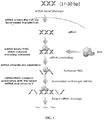
- RNA interference via small interfering RNAs (siRNAs) targets messenger RNA (mRNA) in a target specific manner which allows for silencing of the particular gene is a targeted manner (see Figure 1 for overview).
- siRNAs small interfering RNAs
- mRNA messenger RNA
- RNAi is thought to begin with the cleavage of longer double-stranded RNAs into siRNAs by an RNaseIII-like enzyme, dicer.
- siRNAs are double-stranded RNAs (ds-RNAs) that are usually about 17 to about 30 nucleotide base pairs (bps), e.g., from about 20 to about 27 bps, or about 21 to about 24 bps in length and in some instances, contain 2-nucleotide 3' overhangs, and 5' phosphate and 3' hydroxyl termini.
- ds-RNAs double-stranded RNAs
- bps nucleotide base pairs
- RISC RNA-induced silencing complex
- RNAi short hairpin RNAs (shRNAs) and microRNAs (miRNAs).
- siRNA can be designed against any mRNA target, therapeutic applications for these compounds are far ranging. Despite the potential of siRNA compounds to be successful clinically, hurdles exist to their effectiveness.
- siRNA are susceptible to nuclease digestion in vivo. Additionally, naked siRNA constructs are limited in their ability to diffuse or be transported across cellular membranes. Delivery systems are therefore needed so that siRNA can be taken up. Although viral vectors are capable of expressing large quantities of siRNAs in an efficient manner, they are plagued with toxicity and immunogenicity issues. Moreover, injection of these vectors does not allow for siRNA specific targeting at the cellular level, for example, to combat certain diseases associated with specific cell types and tissues.
- EP2199298 discloses a nanoparticle composition
- a nanoparticle composition comprising a RNAi nucleic acid, 2-60 mol% of a cationic lipid, 5-90 mol% of a neutral lipid and 0.5-20 mol% of a PEGylated lipid.
- the neutral lipid may be a mixture of phospholipid and cholesterol and the composition is for inhalation to the lung.
- compositions and methods for delivering siRNA constructs to specific cell types and tissues are needed.
- the present invention addresses this and other needs.
- compositions comprising a RNAi compound complexed with or encapsulated by lipid particles, wherein the compositions show efficient uptake and reduction in the expression and/or activity of target mRNAs in various pulmonary cells.
- the invention is defined by the claims.
- the invention provides a composition comprising a nucleic acid compound complexed or encapsulated by a lipid particle; wherein the lipid particle comprises: (a) a cationic lipid comprising 40 mol% to 58 mol% of the total lipid present in the composition; (b) a neutral lipid comprising 40 mol% to 50 mol% of the total lipid present in the composition; (c) a conjugated lipid comprising 0.3 mol% to 1.5 mol% of the total lipid present in the composition; and further features which are defined in claim 1.
- composition of the invention could be formulated as a dry powder, a suspension, or a nebulized spray.
- the compositions may further comprise a propellant such as a hydrocarbon propellant.
- the present invention provides for the claimed composition for use in treating a pulmonary fibrosis or sarcoidosis in a patient in need thereof, the method comprising administering to the lungs of the patient a therapeutically effective amount of the compositions described herein.
- administration of the present compositions downregulates the expression and/or activity of a mRNA that is over-expressed in or is genetically linked to the pulmonary disease or disorder.
- the RNAi compound targets a mRNA encoding COL1A1, or annexin A11.
- the effective amount of the composition is administered to the lungs of the patient via inhalation.
- the present invention is based in part on the discovery that treatment of localized pulmonary disorders can occur via the targeting of pulmonary phagocytic cells involved in inflammation or infection, via inhalation delivery of RNAi-lipid nanoparticle compositions to patients in need thereof.
- Phagocytosis is a specific form of endocytosis involving the vascular internalization of solids such as bacteria and cellular debris.
- the present invention harnesses the immune system's ability to phagocytize particles as a drug delivery vehicle, by providing lipid based compositions comprising liposomes or lipid nanoparticles that are designed to be taken up by one or more phagocytes associated with host tissue damage or infection (e.g., macrophage, fibroblast).
- host tissue damage or infection e.g., macrophage, fibroblast.
- the compositions Upon delivery via inhalation and uptake, deliver the nucleic acid compounds to the cells and regulate the expression or activity of one or more target messenger RNAs (mRNAs).
- mRNAs target messenger RNAs
- Phagocytes of humans and other animals are called “professional” or “non-professional” depending on how effective they are at phagocytosis.
- the professional phagocytes include many types of white blood cells such as neutrophils, monocytes, macrophages, mast cells, eosinophils, basophils and dendritic cells.
- phagocytosis is a crucial element of host defense against foreign substances, as provided above, the response can also be associated with host tissue damage.
- neutrophils are a type of phagocytic cells that are involved in the induction of inflammation by undergoing receptor-mediated respiratory burst and degranulation. Degranulation has been implicated as a factor in pulmonary disorders, rheumatoid arthritis, and septic shock. Neutrophil degranulation depends on the activation of intracellular signaling pathways, which may be selective and dependent on nonredundant signaling pathways > Lacy 2006, Allergy Asthma, Clin. Immuno. 2(3):98-108 ).
- neutrophils In cystic fibrosis (CF) patients, neutrophils represent approximately seventy percent of the inflammatory cell population in the epithelial lining fluid (ELF), as compared to approximately one percent of the inflammatory cell population in the normal lung ( Kelly et al., 1998, Expert Opin. Ther. Targets 12, pp. 145-157 ). Neutrophils have been shown to be ineffective in the clearance of bacteria and play a major role in the destruction of the structural matrix of the lung, for example, by the secretion of proteases that cleave and destroy lung proteins. Accordingly, the inhibition of neutrophil function at disease sites could provide an effective therapy in CF patients.
- ELF epithelial lining fluid
- Pulmonary phagocytes e.g., pulmonary monocytes and fibroblasts play an important role in wound healing as well as clearance of invading microorganisms.
- uncontrolled or dysregulated response of these cells can also lead to eventual development of pulmonary disorders such as pulmonary fibrosis and/or sarcoidosis.
- Pulmonary fibrosis is a lung disease that is refractory to treatment and carries a high mortality rate. It includes a heterogeneous group of lung disorders characterized by the progressive and irreversible destruction of lung architecture caused by scar formation that ultimately leads to organ malfunction, disruption of gas exchange, and death from respiratory failure.
- Idiopathic pulmonary fibrosis a particularly severe form of pulmonary fibrosis with unknown etiology has a life expectancy of 2-6 yr after diagnosis ( Wynn, JEM, 208 (7): 1339-1350, 2011 ; incorporated by reference herein in its entirety).
- Lung fibrosis can also develop after viral infections and after exposure to radiotherapy, chemotherapeutic drugs, and aerosolized environmental toxins. It also occurs in some bone marrow transplant recipients suffering from chronic graft versus host disease and in a subset of individuals with chronic inflammatory diseases like scleroderma and rheumatoid arthritis.
- the only effective treatment available for progressive lung fibrosis is lung transplantation.
- the present invention provides in one embodiment, an siRNA composition that inhibits the uncontrolled or dysregulated response of a macrophage or fibroblast in a pulmonary fibrosis patient, e.g, an IPF patient.
- the siRNA composition comprises an siRNA targeting various types of collagens and/or collagen synthesis enzymes, as discussed in further detail below.
- the siRNA composition comprises a cytokine or cytokine receptor siRNA, as discussed in further detail below.
- Wound repair has four distinct stages that include a clotting/coagulation phase, an inflammatory phase, a fibroblast migration/proliferation phase, and a final remodeling phase where normal tissue architecture is restored.
- epithelial cells and/or endothelial cells release inflammatory mediators that initiate an antifibrinolytic-coagulation cascade that triggers clotting and development of a provisional ECM.
- Platelet aggregation and subsequent degranulation in turn promotes blood vessel dilation and increased permeability, allowing efficient recruitment of inflammatory cells (e.g., neutrophils, macrophages, lymphocytes, and eosinophils) to the site of injury.
- inflammatory cells e.g., neutrophils, macrophages, lymphocytes, and eosinophils
- Neutrophils are the most abundant inflammatory cell at the earliest stages of wound healing, but are quickly replaced by macrophages after neutrophil degranulation. During this initial leukocyte migration phase, activated macrophages and neutrophils debride the wound and eliminate any invading organisms. They also produce a variety of cytokines and chemokines that amplify the inflammatory response and trigger fibroblast proliferation and recruitment. Myofibroblasts are recruited from a variety of sources including local mesenchymal cells, bone marrow progenitors (called fibrocytes), and via a process called epithelial-mesenchymal transition (EMT), wherein epithelial cells transdifferentiate into fibroblast-like cells.
- EMT epithelial-mesenchymal transition
- fibroblasts Once fibroblasts become activated, they transform into ⁇ -smooth muscle actin-expressing myofibroblasts that secrete ECM components. Finally, in the wound maturation/remodeling phase, myofibroblasts promote wound contraction, a process where the edges of the wound migrate toward the center and epithelial/endothelial cells divide and migrate over the temporary matrix to regenerate the damaged tissue. Fibrosis develops when the wound is severe, the tissue-damaging irritant persists, or when the repair process becomes dysregulated. Thus, many stages in the wound repair process can go awry and contribute to scar formation, likely explaining the complex nature of pulmonary fibrosis.
- Sarcoidosis is a multisystem immune disorder, resulting in the formation of epitheloid granulomas throughout the body, particularly within the lungs, eyes and skin.
- the immune systems of affected individuals exhibit significant changes in cell numbers and cell signaling, with an increase in CD3 and CD4 positive T cells in the lungs.
- Activated T cells within sarcoid lungs have also been shown to over-express several cytokine receptors, including the interleukin-2 receptor (IL-2R), and produce increased amounts of cytokines, including interleukin-2 and interferon- ⁇ (IFN ⁇ ).
- IL-2R interleukin-2 receptor
- IFN ⁇ interferon- ⁇
- monocytes and macrophages are heavily involved in the formation of sarcoid granulomas and also secrete a range of cytokines that further enhance the immune response.
- alveolar macrophages secrete tumor necrosis factor ⁇ (TNF ⁇ ), and interleukin-15, which has been shown to induce T cell proliferation.
- TNF ⁇ tumor necrosis factor ⁇
- interleukin-15 interleukin-15
- the siRNA compositions provided herein are lipid nanoparticle compositions that shield the siRNA from nuclease digestion, and allow for efficient uptake by pulmonary phagocytes.
- the lipid nanoparticle comprises a cationic lipid, neutral lipid and a conjugated lipid such as a PEGylated lipid.
- the invention provides a composition comprising a nucleic acid compound complexed or encapsulated by a lipid particle; wherein the lipid particle comprises: (a) a cationic lipid comprising 40 mol% to 58 mol% of the total lipid present in the composition; (b) a neutral lipid comprising 40 mol% to 50 mol% of the total lipid present in the composition; (c) a conjugated lipid comprising 0.3 mol% to 1.5 mol% of the total lipid present in the composition; and further features which are defined in claim1.
- compositions provided by the present invention comprise an RNAi compound complexed to or encapsulated by a lipid particle, wherein the RNAi compound targets an mRNA whose corresponding protein product plays an important role in the pathogenesis of a pulmonary disease/disorder which is pulmonary fibrosis or sarcoidosis.
- the compositions provided by the present invention comprise an RNAi compound complexed to or encapsulated by a lipid particle, wherein the RNAi compound targets an mRNA that is over-expressed in a pulmonary disease/disorder.
- compositions provided by the present invention comprise an RNAi compound complexed to or encapsulated by a lipid particle, wherein the RNAi compound targets an mRNA whose corresponding gene has a nucleotide polymorphism that is genetically linked to a pulmonary disease/disorder, e.g. Annexin A11.
- compositions provided by the present invention comprise an RNAi compound complexed to or encapsulated by a lipid particle, wherein the RNAi compound targets an mRNA whose corresponding protein function is associated with a phagocytic cell response, for example an inflammatory response, degranulation of a granule in a granulocyte (e.g ., neutrophil degranulation), or recruitment of an immune cell or a granulocyte to a site of a lung infection (chemotaxis).
- a phagocytic cell response for example an inflammatory response, degranulation of a granule in a granulocyte (e.g ., neutrophil degranulation), or recruitment of an immune cell or a granulocyte to a site of a lung infection (chemotaxis).
- compositions provided by the present invention comprise an RNAi compound complexed to or encapsulated by a lipid particle, wherein the RNAi compound targets an mRNA whose corresponding protein function is associated with a fibroblast response, for example, synthesis of ECM components such as collagen.
- compositions provided by the present invention comprise an RNAi compound that target a mRNA involved in collagen synthesis (namely, the COL1A1), and/or an mRNA whose corresponding gene has a nucleotide polymorphism that is genetically linked to a pulmonary disease/disorder (namely Annexin A11).
- an “effective amount” or “therapeutically effective amount” of the composition is an amount of the nucleic acid compound such as an interfering RNA, or a composition comprising the same, that is sufficient to produce the desired effect, e.g., an inhibition of expression of a target sequence in comparison to the normal expression level detected in the absence of an interfering RNA. Inhibition of expression of a target gene or target sequence is achieved when the value obtained with an interfering RNA relative to the control is about 90%, 85%, 80%, 75%, 70%, 65%, 60%, 55%, 50%, 45%, 40%, 35%, 30%, 25%, 20%, 15%, 10%, 5%, or 0%.
- Suitable assays for measuring expression of a target gene or target sequence include, e.g., examination of protein or RNA levels using techniques known to those of skill in the art such as dot blots, northern blots, in situ hybridization, ELISA, immunoprecipitation, enzyme function, as well as phenotypic assays known to those of skill in the art.
- complexed or encapsulated by a lipid particle refers to a lipid particle that provides a nucleic acid compound (e.g., an interfering RNA), with full encapsulation, partial encapsulation, or both, or a lipid particle that is complexed or agglomerated with the nucleic acid compound.
- a nucleic acid compound e.g., an interfering RNA
- conjugated lipid refers to a lipid that is coupled to a non-lipid moiety.
- conjugated lipids include, but are not limited to, polyamide oligomers (e.g., ATTA-lipid conjugates), PEG-lipid conjugates, such as PEG coupled to dialkyloxypropyls, PEG coupled to diacylglycerols, PEG coupled to cholesterol, PEG coupled to phosphatidylethanolamines, PEG conjugated to ceramides (see, e.g., U.S. Pat. No. 5,885,613 ), cationic PEG lipids, and mixtures thereof.
- PEG can be conjugated directly to the lipid or may be linked to the lipid via a linker moiety.
- linker moiety suitable for coupling the PEG to a lipid can be used including, e.g., non-ester containing linker moieties and ester-containing linker moieties.
- the conjugated lipid comprises DMG-PEG2000.
- neutral lipid refers to a lipid species that exist either in an uncharged or neutral zwitterionic form at a selected pH.
- lipids include, for example, phospholipids such as diacylphosphatidylcholine and diacylphosphatidylethanolamine, and other lipids such as ceramide, sphingomyelin, cephalin, cholesterol, tocopherols, cerebrosides, and diacylglycerols.
- the neutral lipid comprises a mixture of i) a phospholipid and ii) cholesterol hemisuccinate (CHEMS) or tocopheryl hemisuccinate (THS).
- non-cationic lipid refers to any amphipathic lipid as well as any other neutral lipid or anionic lipid.
- non-cationic lipid includes phospholipids, cholesterol, tocopherols, and derivatives thereof.
- cationic lipid refers to any of a number of lipid species that carry a net positive charge at a selected pH, such as physiological pH (e.g., pH of about 7.0). It has been surprisingly found that cationic lipids comprising alkyl chains with multiple sites of unsaturation, e.g., at least two or three sites of unsaturation, are particularly useful for forming lipid particles with increased membrane fluidity. A number of cationic lipids and related analogs, which are also useful in the present invention, have been described in U.S. Patent Publication Nos. 20060083780 and 20060240554 ; U.S. Pat. Nos.
- the cationic lipid comprises 1,2-dioleoyl-3-dimethylammonium-propane (DODAP).
- DODAP 1,2-dioleoyl-3-dimethylammonium-propane
- compositions comprising a nucleic acid compound complexed or encapsulated by a lipid particle and said compositions for use in treating or ameliorating one or more pulmonary fibrosis or sarcoidosis.
- the lipid particle of the composition comprises a cationic lipid, a neutral lipid, and a conjugated lipid.
- the lipid particle of the composition comprises (a) a cationic lipid comprising 40 mol% to 58 mol% of the total lipid present in the composition; (b) a neutral lipid comprising 40 mol% to 50 mol% of the total lipid present in the composition; (c) a conjugated lipid comprising 0.3 mol% to 1.5 mol% of the total lipid present in the composition; which are further defined in claim 1.
- the neutral lipid comprises or consists of a mixture of i) a phospholipid and ii) cholesterol hemisuccinate or tocopherol hemi succinate.
- the cationic lipid comprises one or more of the cationic lipids described in U.S. Patent Nos.: 7,341,738 ; 8,058,069 ; 9,006,417 ; and 9,139,554 .
- the use of cationic lipid facilitates the condensation of RNAi compounds into particles, due to the electrostatic interactions between the negatively charged RNAi and the positively charged lipids.
- the cationic lipid comprises 1,2-dioleoyl-3-dimethylammonium-propane (DODAP).
- DODAP 1,2-dioleoyl-3-dimethylammonium-propane
- the cationic lipid comprises one or more of the following cationic lipids: 1,2-dilinoleyloxy-N,N-dimethylaminopropane (DLinDMA), 1,2-dilinolenyloxy-N,N-dimethylaminopropane (DLenDMA), 2,2-dilinoleyl-4-(2-dimethylaminoethyl)-[1,3]-dioxolane (DLin-K-C2-DMA; "XTC2"), 2,2-dilinoleyl-4-(3-dimethylaminopropyl)-[1,3]-dioxolane (DLin-K-C3-DMA), 2,2-dilinoleyl-4-(4-dimethylaminobutyl)-[1,3]-dioxolane (DLin-K-C4-DMA), 2,2-dilinoleyl-5-dimethylaminomethyl-[1,3]-d
- the cationic lipid comprises one or more of the following cationic lipids: MC3, LenMC3, CP-LenMC3, ⁇ -LenMC3, CP- ⁇ -LenMC3, MC3MC, MC2MC, MC3 Ether, MC4 Ether, MC3 Amide, Pan-MC3, Pan-MC4, Pan MC5 described in U.S. Patent No. 9,006,417 , or mixtures thereof. The synthesis of these lipids is also described in U.S. Patent No. 9,006,417 .
- a cationic lipid includes ammonium salts of fatty acids, phospholipids and glycerides.
- the fatty acids include fatty acids of carbon chain lengths of 12 to 26 carbon atoms that are either saturated or unsaturated. Some specific examples include: myristylamine, palmitylamine, laurylamine and stearylamine, dilauroyl ethylphosphocholine (DLEP), dimyristoyl ethylphosphocholine (DMEP), dipalmitoyl ethylphosphocholine (DPEP) and distearoyl ethylphosphocholine (DSEP), N-(2,3-di-(9-(Z)-octadecenyloxy)-prop-1-yl-N,N,N-trimethylammoniu-m chloride (DOTMA), dioleylphosphatidylethanolamine (DOPE) and 1,2-bis(oleoyloxy)-3-(trimethylammonio) propane (DOTAP
- DODAP is available commercially from Avanti Polar Lipids.
- XTC2 DLin-K-C3-DMA
- DLin-K-C4-DMA DLin-K6-DMA
- DLin-K-MPZ additional cationic lipids
- cationic lipids such as DLin-K-DMA, DLin-C-DAP, DLin-DAC, DLin-MA, DLinDAP, DLin-S-DMA, DLin-2-DMAP, DLin-TMA.Cl, DLin-TAP.Cl, DLin-MPZ, DLinAP, DOAP, and DLin-EG-DMA, as well as additional cationic lipids, is described in PCT Application No. PCT/US08/88676, filed Dec. 31, 2008 .
- the synthesis of cationic lipids such as CLinDMA, as well as additional cationic lipids is described in U.S. Patent Publication No. 20060240554 .
- the cationic lipid comprises about 45 to about 50 mol% including values and subranges therebetween, of the total lipid present in the composition.
- the cationic lipid comprises 40 to about 55 mol%, about 40 to about 50 mol%, or about 40 to 45 mol%, including values and subranges therebetween, of the total lipid present in the composition.
- the cationic lipid comprises about 45 to about 55 mol%, or about 45 to about 50 mol%, including values and subranges therebetween, of the total lipid present in the composition.
- the cationic lipid comprises about 55 to about 58 mol%, such as about 55, 55.1, 55.2., 55.3, 55.4, 55.5, 55.6, 55.7, 55.8, 55.9, 56, 56.1, 56.2, 56.3, 56.4, 56.5, 56.6, 56.7, 56.8, 56.9, 57, 57.1, 57.2, 57.3, 57.4, 57.5, 57.6, 57.7, 57.8, 57.9, or 58 mol%, of the total lipid present in the composition.
- the cationic lipid is DODAP and is present in an amount of about 55 to about 58 mol% of the total lipid present in the composition.
- DODAP is present in an amount of about 57.1 mol% of the total lipid present in the composition.
- the cationic lipid comprises about 48 to about 52 mol%, such as about 48, 48.5, 49, 49.5, 50, 50.5, 51, 51.5, or 52 mol%, of the total lipid present in the composition.
- the cationic lipid is DODAP and is present in an amount of about 48 to about 52 mol% of the total lipid present in the composition.
- DODAP is present in an amount of about 50 mol% of the total lipid present in the composition.
- the cationic lipid is present in an amount of about 50 mol%, of the total lipid present in the composition. In another embodiment, the cationic lipid is present in an amount of about 57 mol%, of the total lipid present in the composition.
- the cationic lipid is present in an amount of about 45 mol% or about 57.1 mol% of the total lipid present in the composition.
- a neutral lipid comprises 40 mol% to 50 mol%, including values and subranges therebetween, of the total lipid present in the composition.
- the neutral lipid present in the compositions of the invention comprises a mixture of one or more neutral lipids.
- Neutral lipids include, but are not limited to, phospholipids such as phosphatidylcholines and phosphatidylethanolamines, ceramide, sphingomyelin, cephalin, sterols such as cholesterol or derivatives thereof, tocopherols (e.g. methylated phenols many of which have vitamin E activity) or derivatives thereof, cerebrosides, and diacylglycerols.
- a mixture of i) a phospholipid and ii) cholesterol hemisuccinate or tocopherylhemisuccinate is present as the neutral lipid.
- tocopherol is ⁇ -tocopherol or a derivative thereof (e.g. ⁇ -tocopherol hemisuccinate).
- the neutral lipid is present in an amount of 40 to 50 mol%, of the total lipid present in the composition.
- the neutral lipid comprises about 40 to about 42 mol%, including values therebetween, such as about 40, 40.1, 40.2, 40.3, 40.4, 40.4, 40.5, 40.6, 40.7, 40.8, 40.9, 41, 41.1, 41.2, 41.3, 41.4, 41.5, 41.6, 41.7, 41.8, 41.9, or 42 mol%, of the total lipid present in the composition.
- the neutral lipid comprises or consists of a mixture of a phospholipid and CHEMS or THS and the mixture comprises about 40 to about 42 mol%, including values therebetween, of the total lipid present in the composition.
- the neutral lipid is present in an amount of about 41 to about 43 mol%, such as about 41, 41.1, 41.2, 41.3, 41.4, 41.5, 41.6, 41.7, 41.8, 41.9, 42, 42.1, 42.2, 42.3, 42.4, 42.5, 42.6, 42.7, 42.8, 42.9, or about 43 mol%, of the total lipid present in the composition.
- the neutral lipid comprises or consists of a mixture of a phospholipid and cholesterol or tocopherol derivative as claimed, and the mixture comprises about 47 to about 50 mol%, including values therebetween, such as about 47, 47.1, 47.2, 47.3, 47.4, 47.5, 47.6, 47.7, 47.8, 47.9, 48, 48.1, 48.2, 48.3, 48.4, 48.5, 48.6, 48.7, 48.8, 48.9, 49, 49.1, 49.2, 49.3, 49.4, 49.5, 49.6, 49.7, 49.8, 49.9, or 50 mol%, of the total lipid present in the composition.
- the neutral lipid comprises or consists of a mixture of a phospholipid and a cholesterol derivative such as cholesterol hemisuccinate (CHEMS), and the mixture comprises about 47 to about 50 mol%, including values therebetween, of the total lipid present in the composition.
- the neutral lipid comprises or consists of a mixture of a phospholipid and a tocopherol derivative such as tocopherol hemisuccinate (THS), and the mixture comprises about 47 to about 50 mol%, including values therebetween, of the total lipid present in the composition.
- the neutral lipid is present in an amount of about 41.4 mol%, of the total lipid present in the composition. In another embodiment, the neutral lipid is present in an amount of about 42.5 mol%, of the total lipid present in the composition. In yet some other embodiments, the neutral lipid is present in an amount of about 49 mol%, of the total lipid present in the composition.
- the lipid particle of the composition comprises a cationic lipid, a phospholipid, CHEMS, and a conjugated lipid.
- the lipid particle of the composition comprises a cationic lipid, a phospholipid, THS, and a conjugated lipid.
- the lipid particle of the composition comprises a cationic lipid, a phospholipid, ⁇ -THS, and a conjugated lipid.
- Phospholipids include, but are not limited to phosphatidylcholine (PC), phosphatidylglycerol (PG), phosphatidylinositol (PI), phosphatidylserine (PS), phosphatidylethanolamine (PE), and phosphatidic acid (PA).
- the phospholipid is an egg phospholipid, a soya phospholipid or a hydrogenated egg and soya phospholipid.
- the phospholipid comprises ester linkages of fatty acids in the 2 and 3 of glycerol positions containing chains of 12 to 26 carbon atoms and different head groups in the 1 position of glycerol that include choline, glycerol, inositol, serine, ethanolamine, as well as the corresponding phosphatidic acids.
- the chains on these fatty acids can be saturated or unsaturated, and the phospholipid can be made up of fatty acids of different chain lengths and different degrees of unsaturation.
- the phospholipid comprises distearoylphosphoethanolamine (DSPE), dimyristoyl phosphatidylethanolamine (DMPE), dipalmitoylphosphoethanolamine (DPPE), distearoylphosphatidylethanolamine (DSPE), dioleylphosphatidylethanolamine (DOPE), dipalmitoylphosphatidylcholine (DPPC), dimyristoylphosphatidylcholine (DMPC), dioleoylphosphatidylcholine (DOPC), distearoylphosphatidylcholine (DSPC), palmitoyl stearoylphosphatidyleholine (PSPC), diphosphatidylglycerol (DPG), dimyristoylphosphatidylglycerol (DMPG), dipalmitoylphosphatidylglycerol (DPPG), distearoylphosphatidylglycerol (DSPG), or mixture thereof.
- DSPE distearoylphosphoethanolamine
- the phospholipid is a phosphatidylcholine (PC) or phosphatidylethanolamine (PE).
- the phosphatidylcholine or phosphatidylethanolamine is selected from the group consisting of distearoylphosphatidylcholine (DSPC), dioleoylphosphatidylcholine (DOPC), or distearoylphosphoethanoiamine (DSPE).
- the phospholipid comprises about 4 mol% to about 20 mol%, including values and subranges therebetween, of the total lipid present in the composition. In some embodiments, the phospholipid comprises about 4 to about 17 mol%, about 4 to about 15 mol%, about 4 to about 12 mol%, about 4 to about 8 mol%, about 7 to about 17 mol%, about 7 to about 15 mol%, about 7 to about 12 mol%, about 10 to about 15 mol%, about 10 to about 20 mol%, about 10 to about 17 mol%, about 12 to about 20 mol%, about 12 to about 18 mol%, about 15 to about 20 mol%, about 15 to about 18 mol%, or about 15 to about 17 mol%, including values and subranges therebetween, of the total lipid present in the composition.
- the phospholipid comprises about 4 to about 15 mol%, about 4 to about 10 mol%, about 10 to about 15 mol%, about 15 to about 20 mol%, or about 10 to about 20 mol%, of the total lipid present in the composition.
- the phospholipid comprises about 4 to about 8 mol%, including values therebetween, such as about 4, 4.5, 5, 5.5, 6, 6.5, 7, 7.1, 7.2, 7.3, 7.4, 7.5, 7.6, 7.7, 7.8, 7.9, or 8 mol%, of the total lipid present in the composition.
- the phospholipid comprises about 15 to about 17 mol%, including values therebetween, such as about 15, 15.1, 15.2, 15.3, 15.4, 15.5, 15.6, 15.7, 15.8, 15.9, 16, 16.1, 16.2, 16.3, 16.4, 16.5, 16.6, 16.7, 16.8, 16.9, or 17 mol%, of the total lipid present in the composition.
- the phospholipid comprises about 4 to about 17 mol%, including values therebetween, such as about 5, 6, 7, 8, 9, 10, 11, 12, 13, 14, 15, 16, or 16.5 mol%, of the total lipid present in the composition.
- the lipid particles of the compositions comprise or consist of a mixture of phospholipids.
- the phospholipids comprise about 75, 80, 85, 90, 95, or about 100 mol%, including values therebetween, of the total lipid present in the composition.
- the lipid particle comprises about 60, 70, or 80 mol% of phospholipid 1 and about 40, 30, or 20 mol% of phospholipid 2.
- the lipid particles comprises or consists of about 60, 65, 70, 75, or 80 mol% of 1,2-dioleoyl-sn-glycero-3-phosphoethanolamine-N-(dodecanyl) (NA-DOPE) and about 40, 35, 30, 25 or 20 mol% of DOPC.
- NA-DOPE 1,2-dioleoyl-sn-glycero-3-phosphoethanolamine-N-(dodecanyl)
- the lipid particles of the invention include sterols.
- Sterols for use with the invention include, but are not limited to, cholesterol, esters of cholesterol including cholesterol hemi-succinate, salts of cholesterol including cholesterol hydrogen sulfate and cholesterol sulfate, ergosterol, esters of ergosterol including ergosterol hemi-succinate, salts of ergosterol including ergosterol hydrogen sulfate and ergosterol sulfate, lanosterol, esters of lanosterol including lanosterol hemi-succinate, salts of lanosterol including lanosterol hydrogen sulfate, and lanosterol sulfate.
- a variety of sterols and their water soluble derivatives such as cholesterol hemisuccinate have been used to form liposomes; see , e.g ., U.S. Patent No. 4,721,612 .
- the lipid particles of the invention include methylated phenols, such as tocopherols.
- the lipid particles include methylated phenols with vitamin E activity, e.g. ⁇ -tocopherol.
- the tocopherols for use with the invention include tocopherols, esters of tocopherols including tocopherol hemi-succinates (e.g. ⁇ -tocopherol hemi-succinate), salts of tocopherols including tocopherol hydrogen sulfates and tocopherol sulfates.
- WO 85/00968 describes a method for reducing the toxicity of drugs by encapsulating them in liposomes comprising ⁇ -tocopherol and certain derivatives thereof. Also, a variety of tocopherols and their water soluble derivatives have been used to form liposomes, see PCT Publication No. 87/02219 . The methods described in these publications are amenable for use herein.
- the sterol used in the lipid particles of the invention is cholesterol hemisuccinate (CHEMS).
- the tocopherol used in the lipid particles of the invention is tocopherol hemisuccinate (THS).
- the lipid particles of the invention may include a mixture of CHEMS and THS.
- a sterol, a tocopherol, or a derivative thereof comprises about 25 mol% to about 45 mol%, including values and ranges therebetween, of the total lipid present in the composition.
- the sterol, tocopherol, or a derivative thereof comprises about 25 to about 40 mol%, about 25 to about 35 mol%, about 25 to about 30 mol%, about 30 to about 45 mol%, about 30 to about 40 mol%, about 30 to about 35 mol%, about 35 to about 45 mol%, or about 35 to about 40 mol%, including values and ranges therebetween, of the total lipid present in the composition.
- the sterol, tocopherol, or a derivative thereof comprises about 34 to about 45 mol% or about 34 to about 39 mol%, including values and ranges therebetween, of the total lipid present in the composition.
- the lipid particle comprises 40 mol% to 50 mol % of a neutral lipid comprising i) a phospholipid and ii) CHEMS or THS. Values falling outside the claimed range are not part of the invention.
- cholesterol, tocopherol, CHEMS or THS comprises about 25 mol% to about 45 mol%, including values and ranges therebetween, of the total lipid present in the composition.
- cholesterol, tocopherol, CHEMS or THS comprises about 25 to about 40 mol%, about 25 to about 35 mol%, about 25 to about 30 mol%, about 30 to about 45 mol%, about 30 to about 40 mol%, about 30 to about 35 mol%, about 35 to about 45 mol%, or about 35 to about 40 mol%, including values and ranges therebetween, of the total lipid present in the composition.
- cholesterol, tocopherol, CHEMS or THS comprises about 34 to about 45 mol% or about 34 to about 39 mol%, including values and ranges therebetween, of the total lipid present in the composition.
- cholesterol, tocopherol, CHEMS or THS comprises about 34.1, 34.2, 34.3, 34.4, 34.5, 34.6, 34.7, 34.8, 34.9, 35, 35.1, 35.2, 35.3, 35.4, 35.5, 35.6, 35.7, 35.8, 35.9, 36, 36.1, 36.2, 36.3, 36.4, 36.5, 36.6, 36.7, 36.8, 36.9, 37, 37.1, 37.2, 37.3, 37.4, 37.5, 37.6, 37.7, 37.8, 37.9, 38, 38.1, 38.2, 38.3, 38.4, 38.5, 38.6, 38.7, 38.8, 38.9, or 39 mol%, of the total lipid present in the composition.
- cholesterol, tocopherol, CHEMS or THS comprises about 25, 34.3, 34.4, 35.4, 38.5, or 45 mol%, of the total lipid present in the composition.
- the lipid particles of the compositions further include a conjugated lipid.
- the conjugated lipid is a PEGylated lipid.
- the PEGylated lipid in one embodiment, comprises PEG400-PEG5000.
- the PEGylated lipid can comprise PEG400, PEG500, PEG1000, PEG2000, PEG3000, PEG4000, or PEG5000.
- the lipid component of the PEGylated lipid comprises cholesterol, dimyristoyl phosphatidylethanolamine (DMPE), dipalmitoyl phosphoethanolamine (DPPE), distearoylphosphatidylethanolamine (DSPE), dimyristoylglycerol glycerol (DMG), diphosphatidylglycerol (DPG) or disteraroylglycerol (DSG).
- DMPE dimyristoyl phosphatidylethanolamine
- DPPE dipalmitoyl phosphoethanolamine
- DSPE dimyristoylglycerol glycerol
- DMG dimyristoylglycerol glycerol
- DPG diphosphatidylglycerol
- DSG disteraroylglycerol
- the PEGylated lipid is DMG-PEG2000, cholesterol-PEG2000 or DSPE-PEG2000.
- the conjugated lipid comprises DMG-PEG2000. Li
- PEG polyethylene oxide
- POE polyoxyethylene
- the PEGylated lipid can include a branched or unbranched PEG molecule, and is not limited by a particular PEG MW.
- the PEGylated lipid in one embodiment, comprises a PEG molecule having a molecular weight of 300 g/mol, 400 g/mol, 500 g/mol, 1000 g/mol, 1500 g/mol, 2000 g/mol, 2500 g/mol, 3000 g/mol, 3500 g/mol, 4000 g/mol, 4500 g/mol, 5000 g/mol or 10,000 g/mol.
- the PEG has a MW of 2000 g/mol.
- the conjugated lipid for example the PEGylated lipid, can have a net-charge (e.g., cationic or anionic), or can be net-neutral.
- the lipids used in the PEGylated lipid component of the present invention can be synthetic, semi-synthetic or naturally-occurring lipid, including a phospholipid, a sphingolipid, a glycolipid, a ceramide, a tocopherol, a sterol, a fatty acid, or a glycoprotein such as albumin.
- the lipid is a sterol.
- the sterol is cholesterol.
- the lipid is a phospholipid described herein.
- the PEGylated lipid of the composition provided herein comprises distearoylphosphoethanolamine (DSPE), dipalmitoylphosphatidylcholine (DPPC), dioleoylphosphatidylcholine (DOPC) dimyristoyl phosphatidylethanolamine (DMPE), dipalmitoylphosphoethanolamine (DPPE), distearoylphosphatidylethanolamine (DSPE), dimyristoylglyceroi (DMG), diphosphatidylglycerol (DPG) or disteraroylglycerol (DSG).
- the conjugated lipid comprises DMG-PEG2000. Lipid particles not comprising DMG-PEG2000 do not form part of the invention.
- the conjugated lipid comprises a polyethyleneglycol (PEG) conjugated lipid.
- PEG polyethyleneglycol
- the PEG-conjugated lipid is PEG-l,2-Dimyristoyl-sn-glycerol (PEG-DMG) and has an average molecular weight of about 2000 daltons.
- the conjugated lipid comprises 0.3 mol% to 1.5 mol%, such as about 0.3, 0.4, 0.5, 0.6, 0.7, 0.8, 0.9, 1.0, 1.1, 1.2, 1.3, 1.4, 1.5 mol%, of the total lipid present in the composition.
- the conjugated lipid comprises about 1 to about 1.5 mol%, such as about 1, 1.1, 1.2, 1.3, 1.4, or about 1.5 mol%, of the total lipid present in the composition.
- the conjugated lipid comprises DMG-PEG2000.
- the lipid particle of the composition comprises (a) a cationic lipid (e.g. DODAP) comprising about 50 mol% to about 57.5 mol% of the total lipid present in the composition; (b) a phospholipid (e.g., DSPC, DOPC, DSPE) comprising about 4 mol% to about 16.5 mol% of the total lipid present in the composition; (c) cholesterol hemisuccinate (CHEMS) or tocopherol hemisuccinate (THS) comprising about 25 mol% to about 45 mol%, of the total lipid present in the composition; and (d) a conjugated lipid (e.g. DMG-PEG2000) comprising about 1 mol% to about 1.5 mol% of the total lipid present in the composition.
- a cationic lipid e.g. DODAP
- a phospholipid e.g., DSPC, DOPC, DSPE
- CHEMS cholesterol hemisuccinate
- TLS tocophe
- the lipid particle of the composition comprises (a) a cationic lipid (e.g. DODAP) comprising about 50 mol% to about 57.5 mol% of the total lipid present in the composition; (b) a phospholipid (e.g., DSPC, DOPC, DSPE) comprising about 4 mol% to about 16.5 mol% of the total lipid present in the composition; (c) cholesterol hemisuccinate (CHEMS) or tocopherol hemisuccinate (THS) comprising about 34 mol% to about 45 mol%, of the total lipid present in the composition; and (d) a conjugated lipid (e.g. DMG-PEG2000) comprising about 1 mol% to about 1.5 mol% of the total lipid present in the composition.
- a cationic lipid e.g. DODAP
- a phospholipid e.g., DSPC, DOPC, DSPE
- CHEMS cholesterol hemisuccinate
- TLS tocophe
- the lipid particle of the composition comprises (a) a cationic lipid (e.g. DODAP) comprising about 50 mol% to about 57.5 mol% of the total lipid present in the composition; (b) a phospholipid (e.g., DSPC, DOPC, DSPE) comprising about 4 mol% to about 16.5 mol% of the total lipid present in the composition; (c) cholesterol hemisuccinate (CHEMS) or tocopherol hemisuccinate (THS) comprising about 34 mol% to about 39 mol%, of the total lipid present in the composition; and (d) a conjugated lipid (e.g. DMG-PEG2000) comprising about 1 mol% to about 1.5 mol% of the total lipid present in the composition.
- a cationic lipid e.g. DODAP
- a phospholipid e.g., DSPC, DOPC, DSPE
- CHEMS cholesterol hemisuccinate
- TLS tocophe
- the lipid particle of the composition comprises (a) a cationic lipid (e.g. DODAP) comprising about 50 mol% to about 57.5 mol% of the total lipid present in the composition; (b) a phospholipid (e.g., DSPC, DOPC, DSPE) comprising about 4 mol% to about 16.5 mol% of the total lipid present in the composition; (c) cholesterol hemisuccinate (CHEMS) or tocopherol hemisuccinate (THS) comprising about 34.3 mol% of the total lipid present in the composition; and (d) a conjugated lipid (e.g. DMG-PEG2000) comprising about 1 mol% to about 1.5 mol% of the total lipid present in the composition.
- a cationic lipid e.g. DODAP
- a phospholipid e.g., DSPC, DOPC, DSPE
- CHEMS cholesterol hemisuccinate
- TLS tocopherol hemisuccinate
- the lipid particle of the composition comprises (a) a cationic lipid (e.g. DODAP) comprising about 50 mol% to about 57.5 mol% of the total lipid present in the composition; (b) a phospholipid (e.g., DSPC, DOPC, DSPE) comprising about 4 mol% to about 16.5 mol% of the total lipid present in the composition; (c) cholesterol hemisuccinate (CHEMS) or tocopherol hemisuccinate (THS) comprising about 25 mol% of the total lipid present in the composition; and (d) a conjugated lipid (e.g. DMG-PEG2000) comprising about 1 mol% to about 1.5 mol% of the total lipid present in the composition.
- a cationic lipid e.g. DODAP
- a phospholipid e.g., DSPC, DOPC, DSPE
- CHEMS cholesterol hemisuccinate
- TLS tocopherol hemisuccinate
- the lipid particle of the composition comprises (a) a cationic lipid (e.g. DODAP) comprising about 50 mol% to about 57.5 mol% of the total lipid present in the composition; (b) a phospholipid (e.g., DSPC, DOPC, DSPE) comprising about 4 mol% to about 16.5 mol% of the total lipid present in the composition; (c) cholesterol hemisuccinate (CHEMS) or tocopherol hemisuccinate (THS) comprising about 45 mol% of the total lipid present in the composition; and (d) a conjugated lipid (e.g. DMG-PEG2000) comprising about 1 mol% to about 1.5 mol% of the total lipid present in the composition.
- a cationic lipid e.g. DODAP
- a phospholipid e.g., DSPC, DOPC, DSPE
- CHEMS cholesterol hemisuccinate
- TLS tocopherol hemisuccinate
- compositions and/or lipid particles of the invention are free of anionic lipids (negatively charged lipid).
- anionic lipids include phosphatidyl-glycerols (PGs), phosphatidic acids (PAs), phosphatidylinositols (Pis) and the phosphatidyl serines (PSs).
- PGs phosphatidyl-glycerols
- PAs phosphatidic acids
- PSs phosphatidylinositols
- PSs phosphatidyl serines
- examples include DMPG, DPPG, DSPG, DMPA, DPP A, DSP A, DMPI, DPPI, DSPI, DMPS, DPPS and DSPS.
- compositions provided herein include an RNAi compound, complexed to, or encapsulated by a lipid component or a lipid particle.
- An RNAi compound is "complexed" to a lipid or a lipid component or a lipid particle and describes any composition, solution or suspension where at least about 1% by weight of the RNAi compound is associated (e.g., encapsulated or bound) with the lipid either as part of a complex, for example, as part of a microparticle, nanoparticle, micelle or liposome.
- the complex in one embodiment, is formed by one or more electrostatic interactions, hydrophobic interactions, hydrogen bonds or by the encapsulation of the RNAi compound by the lipid, e.g ., in a micelle or liposome.
- the lipid-complexed composition in one embodiment, comprises a plurality of liposomes, and the RNAi compound may be in the aqueous phase (encapsulated by the liposome), the hydrophobic bilayer phase, at the interfacial headgroup region of the liposomal bilayer or a combination thereof.
- RNAi compound in the composition prior to administration of the composition to a patient in need thereof, at least about 5%, at least about 10%, at least about 20%, at least about 25%, at least about 50%, at least about 75%, at least about 80%, at least about 85%, at least about 90% or at least about 95% of the RNAi compound in the composition is lipid complexed. Association, in one embodiment, is measured by separation through a filter where lipid and lipid-associated drug is retained ( i.e ., in the retentate) and free drug is in the filtrate.
- the lipid particle is complexed to an RNAi compound.
- the complex in one embodiment, is a microparticle, nanoparticle, micelle or liposome, or a combination thereof.
- the lipid complex is a liposome or a plurality of liposomes
- the RNAi compound is associated with the liposome surface, or present in the aqueous interior of the liposome (or plurality of liposomes).
- Liposomes are completely closed lipid bilayer membranes containing an entrapped aqueous volume. Liposomes may be unilamellar vesicles (possessing a single membrane bilayer) or multilamellar vesicles (onion-like structures characterized by multiple membrane bilayers, each separated from the next by an aqueous layer) or a combination thereof.
- the bilayer is composed of two lipid monolayers having a hydrophobic "tail” region and a hydrophilic "head” region.
- the structure of the membrane bilayer is such that the hydrophobic (nonpolar) "tails" of the lipid monolayers orient toward the center of the bilayer while the hydrophilic "heads” orient towards the aqueous phase.
- the RNAi compound and lipid component when formulated together, form a plurality of lipid particles (e.g ., microparticles or nanoparticles).
- the mean diameter of the plurality of lipid particles is from about 20 nm to about 2 ⁇ m, for example about 50 nm to about 1 ⁇ m, about 200 nm to about 1 ⁇ m, about 100 nm to about 800 nm, about 100 nm to about 600 nm or about 100 nm to about 500 nm.
- the RNAi compound e.g., one or more siRNAs, one or more shRNAs, one or more miRNAs, or a combination thereof
- the RNAi compound is present in the composition at 5 mol% - 99 mol%.
- the compound is present in the composition at 40 mol% - 95 mol%.
- the siRNA compound is present in the composition at 40 mol% - 60 mol%.
- the siRNA compound is present in the composition at about 40 mol% or about 45 mol%.
- compositions, systems and methods provided herein comprise a lipid complexed or a liposome encapsulated RNAi compound.
- the lipids used in the pharmaceutical compositions of the present invention as provided throughout can be synthetic, semi-synthetic or naturally-occurring lipids. As provided above, where RNAi compounds are employed, cationic lipids can be complexed thereto via electrostatic interactions.
- the composition may include dipalmitoylphosphatidylcholine (DPPC), a major constituent of naturally-occurring lung surfactant.
- DPPC dipalmitoylphosphatidylcholine
- lipid microparticles, nanoparticles or liposomes containing such lipids as cationic lipids and phosphatidylcholines, aid in the uptake of the RNAi compound by the cells in the lung (e.g ., neutrophils, macrophages, and fibroblasts) and helps to maintain the RNAi compound in the lung.
- lipid particles of the present invention in which an interfering RNA is complexed or fully or partially encapsulated in a lipid particle can be formed by any method known in the art including, but not limited to, a continuous mixing method or a direct dilution process. Exemplary methods of producing lipid particles are disclosed in U.S. Patent No. 8,058,069 .
- the lipid particles of the present invention are produced via a continuous mixing method, e.g., a process that includes providing an aqueous solution comprising a nucleic acid such as an interfering RNA in a first reservoir, providing an organic lipid solution in a second reservoir, and mixing the aqueous solution with the organic lipid solution such that the organic lipid solution mixes with the aqueous solution so as to substantially instantaneously produce a liposome encapsulating the nucleic acid (e.g., interfering RNA).
- a continuous mixing method e.g., a process that includes providing an aqueous solution comprising a nucleic acid such as an interfering RNA in a first reservoir, providing an organic lipid solution in a second reservoir, and mixing the aqueous solution with the organic lipid solution such that the organic lipid solution mixes with the aqueous solution so as to substantially instantaneously produce a liposome encapsulating the nucleic acid (e.g., interfering
- the action of continuously introducing lipid and buffer solutions into a mixing environment, such as in a mixing chamber, causes a continuous dilution of the lipid solution with the buffer solution, thereby producing a liposome substantially instantaneously upon mixing.
- the phrase "continuously diluting a lipid solution with a buffer solution” generally means that the lipid solution is diluted sufficiently rapidly in a hydration process with sufficient force to effectuate vesicle generation.
- the organic lipid solution undergoes a continuous stepwise dilution in the presence of the buffer solution (i.e., aqueous solution) to produce a nucleic acid-lipid particle.
- the lipid particles formed using the continuous mixing method typically have a size of from about 40 nm to about 150 nm, from about 50 nm to about 150 nm, from about 60 nm to about 130 nm, from about 70 nm to about 110 nm, or from about 70 nm to about 90 nm.
- the particles thus formed do not aggregate and are optionally sized to achieve a uniform particle size.
- the lipid particles of the present invention are produced via a direct dilution process that includes forming a liposome solution and immediately and directly introducing the liposome solution into a collection vessel containing a controlled amount of dilution buffer.
- the collection vessel includes one or more elements configured to stir the contents of the collection vessel to facilitate dilution.
- the amount of dilution buffer present in the collection vessel is substantially equal to the volume of liposome solution introduced thereto.
- a liposome solution in 45% ethanol when introduced into the collection vessel containing an equal volume of dilution buffer will advantageously yield smaller particles.
- the lipid particles of the present invention are produced via a direct dilution process in which a third reservoir containing dilution buffer is fluidly coupled to a second mixing region.
- the liposome solution formed in a first mixing region is immediately and directly mixed with dilution buffer in the second mixing region.
- the second mixing region includes a T-connector arranged so that the liposome solution and the dilution buffer flows meet as opposing 180° flows; however, connectors providing shallower angles can be used, e.g., from about 27° to about 180°.
- a pump mechanism delivers a controllable flow of buffer to the second mixing region.
- the flow rate of dilution buffer provided to the second mixing region is controlled to be substantially equal to the flow rate of liposome solution introduced thereto from the first mixing region.
- This embodiment advantageously allows for more control of the flow of dilution buffer mixing with the liposome solution in the second mixing region, and therefore also the concentration of liposome solution in buffer throughout the second mixing process.
- Such control of the dilution buffer flow rate advantageously allows for small particle size formation at reduced concentrations.
- the lipid particles formed using the direct dilution process typically have a size of from about 40 nm to about 150 nm, from about 50 nm to about 150 nm, from about 60 nm to about 130 nm, from about 70 nm to about 110 nm, or from about 70 nm to about 90 nm.
- the particles thus formed do not aggregate and are optionally sized to achieve a uniform particle size.
- the lipid particles of the invention can be sized by any of the methods available for sizing liposomes.
- the sizing may be conducted in order to achieve a desired size range and relatively narrow distribution of particle sizes.
- Extrusion of the particles through a small-pore polycarbonate membrane or an asymmetric ceramic membrane is also an effective method for reducing particle sizes to a relatively well-defined size distribution.
- the suspension is cycled through the membrane one or more times until the desired particle size distribution is achieved.
- the particles may be extruded through successively smaller-pore membranes, to achieve a gradual reduction in size.
- RNAi compounds in the composition are precondensed as described in, e.g., U.S. patent application Ser. No. 09/744,103 .
- the methods will further comprise adding non-lipid polycations which are useful to effect the lipofection of cells using the present compositions.
- suitable non-lipid polycations include, hexadimethrine bromide (sold under the brandname POLYBRENE RTM , from Aldrich Chemical Co., Milwaukee, Wis., USA) or other salts of hexadimethrine.
- suitable polycations include, for example, salts of poly-L-ornithine, poly-L-arginine, poly-L-lysine, poly-D-lysine, polyallylamine, and polyethyleneimine. Addition of these salts is preferably after the particles have been formed.
- Liposomes can be produced by a variety of methods and the present invention is not limited to a particular type of liposomal manufacturing method. In one embodiment, one or more of the methods described in U.S. Patent Application Publication No. 2008/0089927 or WO 2013/177226 are used herein to produce the RNAi compound encapsulated lipid compositions (liposomal dispersion).
- the liposomal composition is formed by dissolving one or more lipids in an organic solvent forming a lipid solution, and the siRNA coacervate forms from mixing an aqueous solution of the siRNA with the lipid solution.
- the organic solvent is ethanol.
- the one or more lipids comprise a phospholipid and a sterol or a tocopherol.
- the phospholipid in one embodiment is net neutral or net cationic.
- liposomes are produces by sonication, extrusion, homogenization, swelling, electroformation, inverted emulsion or a reverse evaporation method.
- Bangham's procedure J. Mol. Biol. (1965 )
- Lenk et al. U.S. Patent Nos. 4,522,803 , 5,030,453 and 5,169,637
- Fountain et al. U.S. Patent No. 4,588,578
- Cullis et al. U.S. Patent No.
- Unilamellar vesicles can be produced from MLVs by a number of techniques, for example, the extrusion techniques of U.S. Patent No. 5,008,050 and U.S. Patent No. 5,059,421 . Sonication and homogenization cab be so used to produce smaller unilamellar liposomes from larger liposomes ( see, for example, Paphadjopoulos et al. (1968); Deamer and Uster (1983); and Chapman et al. (1968).
- the liposome preparation of Bangham et al. involves suspending phospholipids in an organic solvent which is then evaporated to dryness leaving a phospholipid film on the reaction vessel. Next, an appropriate amount of aqueous phase is added, the 60 mixture is allowed to "swell," and the resulting liposomes which consist of multilamellar vesicles (MLVs) are dispersed by mechanical means.
- MLVs multilamellar vesicles
- LUVs large unilamellar vesicles
- liposomes amenable for making the compositions described herein include those that form reverse-phase evaporation vesicles (REV), see , e.g. , U.S. Patent No. 4,235,871 .
- REV reverse-phase evaporation vesicles
- Another class of liposomes that may be used is characterized as having substantially equal lamellar solute distribution. This class of liposomes is denominated as stable plurilamellar vesicles (SPLV) as defined in U.S. Patent No. 4,522,803 , and includes monophasic vesicles as described in U.S. Patent No. 4,588,578 , and frozen and thawed multilamellar vesicles (FATMLV) as described above.
- SPLV stable plurilamellar vesicles
- FATMLV frozen and thawed multilamellar vesicles
- the composition in one embodiment, comprises a plurality of lipid particles with a mean diameter that is measured by a light scattering method, of approximately 0.005 microns to approximately 3.0 microns, for example, in the range about 0.1 ⁇ m to about 1.0 ⁇ m.
- the mean diameter of the plurality of particles in the composition is about 50 nm to about 2 ⁇ m, about 50 nm to about 1.5 ⁇ m, about 50 nm to about 1 ⁇ m, 50 nm to about 900 nm, about 50 nm to about 800 nm, about 50 nm to about 700 nm, about 50 nm to about 600 nm, about 50 nm to about 500 nm.
- the mean diameter of the plurality of particles in the composition is from about 200 nm to about 1.8 ⁇ m, from about 200 nm to about 1.7 ⁇ m, from about 200 nm to about 1.6 ⁇ m, from about 200 nm to about 1.5 ⁇ m, from about 200 nm to about 1.4 ⁇ m, from about 200 nm to about 1.3 ⁇ m, from about 200 nm to about 1.2 ⁇ m or from about 200 nm to about 1.1 ⁇ m.
- the plurality of lipid particles in one embodiment, comprises a plurality of liposomes.
- the plurality of liposomes have a mean diameter that is measured by a light scattering method, of approximately 0.01 microns to approximately 3.0 microns, for example, in the range about 0.2 to about 1.0 microns.
- the mean diameter of the plurality of liposomes in the composition is about 150 nm to about 2 ⁇ m, about 200 nm to about 1.9 ⁇ m, about 200 nm to about 1.8 ⁇ m, about 200 nm to about 1.7 ⁇ m, about 200 nm to about 1.6 ⁇ m, about 200 nm to about 1.5 ⁇ m, about 200 nm to about 1.4 ⁇ m, about 200 nm to about 1.3 ⁇ m, about 200 nm to about 1.2 ⁇ m, about 200 nm to about 1.1 ⁇ m, about 200 nm to about 1 ⁇ m, 200 nm to about 900 nm, about 200 nm to about 800 nm, about 200 nm to about 700 nm, about 200 nm to about 600 nm, about 200 nm to about 500 nm.
- the weight ratio of the lipid component to RNAi compound is 2 to 1 ("lipid component to RNAi compound” or "lipid component:RNAi compound") or less ( e.g. , from about 2:1.0 to about 0.01:1.0, or from about 2:1.0 to about 0.1:1.0). In another embodiment, the weight ratio of the lipid component to RNAi compound is 1.5 to 1.0 ("lipid component to RNAi compound” or "lipid component:RNAi compound”) or less ( e.g.
- the weight ratio of the lipid component to RNAi compound is 1.0 to 1.0 ("lipid component to RNAi compound" or "lipid component:RNAi compound") or less ( e.g. , from about 1.0:1.0 to about 0.01:1.0, or from about 1.0:1.0 to about 0.1:1.0), or from about 1.0:1.0 to about 0.5:1.0.
- the RNAi compound to lipid ratios (mass/mass ratios) in the composition will range from about 0.01 to about 0.2, from about 0.02 to about 0.1, from about 0.03 to about 0.1, or from about 0.01 to about 0.08.
- the ratio of the starting materials also falls within this range.
- the preparation uses about 400 ⁇ g nucleic acid per 10 mg total lipid or a nucleic acid to lipid mass ratio of about 0.01 to about 0.08 and, more preferably, about 0.04, which corresponds to 1.25 mg of total lipid per 50 ⁇ g of nucleic acid.
- the particle has a nucleic acid:lipid mass ratio of about 0.08.
- the lipid to RNAi compound ratios (mass/mass ratios) in the composition will range from about 1 (1:1) to about 100 (100:1), from about 5 (5:1) to about 100 (100:1), from about 1 (1:1) to about 50 (50:1), from about 2 (2:1) to about 50 (50:1), from about 3 (3:1) to about 50 (50:1), from about 4 (4:1) to about 50 (50:1), from about 5 (5:1) to about 50 (50:1), from about 1 (1:1) to about 25 (25:1), from about 2 (2:1) to about 25 (25:1), from about 3 (3:1) to about 25 (25:1), from about 4 (4:1) to about 25 (25:1), from about 5 (5:1) to about 25 (25:1), from about 5 (5:1) to about 20 (20:1), from about 5 (5:1) to about 15 (15:1), from about 5 (5:1) to about 10 (10:1), about 5 (5:1), 6 (6:1), 7 (7:1), 8 (8:
- the composition in one embodiment, comprises a plurality of microparticles or nanoparticles comprising one or more of the RNAi compounds (e.g. , siRNA, shRNA or miRNA) as described herein complexed to a lipid component, and a hydrophobic additive.
- the hydrophobic additive e.g. , an additive that is at least partially hydrophobic
- the hydrocarbon can be aromatic, an alkane, alkene, cycloalkane or an alkyne.
- the hydrocarbon is an alkane ( i . e ., a saturated hydrocarbon).
- the hydrocarbon is a C 15 -C 50 hydrocarbon.
- the hydrocarbon is a C 15 , C 20 , C 25 , C 30 , C 35 , C 40 , C 45 or C 50 hydrocarbon.
- the hydrophobic additive is a C 15 -C 25 hydrocarbon, C 15 -C 35 hydrocarbon, C 15 -C 45 hydrocarbon, C 15 -C 20 hydrocarbon, C 20 -C 25 hydrocarbon, C 25 -C 30 hydrocarbon, C 30 -C 35 hydrocarbon, C 35 -C 40 hydrocarbon, C 40 -C 45 hydrocarbon or a C 45 -C 50 hydrocarbon.
- the hydrophobic additive when present in the composition, in one embodiment, is present at 25 mol% - 50 mol%, for example, 30 mol% - 50 mol%, 35 mol% - 45 mol%. In even a further embodiment, the hydrophobic additive is present in the composition at about 40 mol% or about 45 mol%.
- a composition comprising an RNAi compound (e.g., one or more siRNAs, one or more shRNAs, one or more miRNAs, or a combination thereof) compound, a lipid component, and a terpene compound (e.g., the hydrophobic additive) is provided.
- the composition in a further embodiment, comprises a cationic lipid, e.g., a PEGylated cationic lipid, as the lipid component.
- the terpene compound (hydrophobic additive) in one embodiment, is a hydrocarbon (e.g. , isoprene, squalaneor squalene).
- the terpene compound is a hemiterpene (C 5 H 8 ), monoterpene (C 10 H 16 ), sesquiterpene (C 15 H 24 ), diterpene (C 20 H 32 ) ( e.g. , cafestol, kahweol, cembrene, taxadiene), sesterterpene (C 25 H 40 ), triterpene (C 30 H 48 ), sesquaterpene (C 35 H 56 ), tetraterpene (C 40 H 64 ), polyterpene ( e.g. , a polyisoprene with trans double bonds) or a norisoprenoid ( e.g.
- the terpene compound in another embodiment, is selected from one of the compounds provided in Table 3, below.
- the hydrophobic additive is squalane. Table 3. Terpene hydrophobic additives amenable for use in the compositions of the present invention. Name Formula Isoprene Limonene humulene farnasene squalene squalane
- interfering RNA refers to single-stranded RNA (e.g., mature miRNA) or double-stranded RNA (i.e., duplex RNA such as siRNA, aiRNA, or pre-miRNA) that is capable of reducing or inhibiting the expression of a target gene or sequence (e.g., by mediating the degradation or inhibiting the translation of mRNAs which are complementary to the interfering RNA sequence).
- Interfering RNA thus refers to the single-stranded RNA that is complementary to a target mRNA sequence or to the double-stranded RNA formed by two complementary strands or by a single, self-complementary strand.
- Interfering RNA may have substantial or complete identity to the target gene or sequence, or may comprise a region of mismatch (i.e., a mismatch motif).
- the sequence of the interfering RNA can correspond to the full-length target gene, or a subsequence thereof.
- siRNA design e.g ., decreased siRNA duplex stability at the 5' end of the desired guide strand
- siRNA design can favor incorporation of the desired guide strand into RISC.
- the antisense strand of an siRNA is the active guiding agent of the siRNA in that the antisense strand is incorporated into RISC, thus allowing RISC to identify target mRNAs with at least partial complementarity to the antisense siRNA strand for cleavage or translational repression.
- RISC-related cleavage of mRNAs having a sequence at least partially complementary to the guide strand leads to a decrease in the steady state level of that mRNA and of the corresponding protein encoded by this mRNA.
- RISC decreases expression of the corresponding protein via translational repression without cleavage of the target mRNA.
- the present invention provides pharmaceutical compositions comprising an RNA interference (RNAi) compound complexed to or encapsulated by a lipid particle.
- RNAi RNA interference
- the RNAi compound targets a messenger RNA (mRNA) whose corresponding protein function associated with a phagocytic cell response, for example an inflammatory response (e.g ., release of one or more lipid mediators), degranulation of a granule in a granulocyte (e.g. , neutrophil degranulation), or recruitment of an immune cell or a granulocyte to a site of a lung infection.
- mRNA messenger RNA
- the RNAi compound targets an mRNA whose corresponding protein function is associated with granulocyte degranulation, for example, eosinophil, basophil, mast cell, or neutrophil cell degranulation is provided.
- the RNAi compound is targeting an mRNA that encodes COL1A1 or annexin A11 (ANXA11).
- ANXA11 annexin A11
- the nucleic acid compound is not RNAi and which does not target an mRNA encoding COL1A1 or annexin A11 do not form part of the claimed invention.
- target mRNA means an mRNA comprising a complementary sequence or substantially complementary to an interfering RNA strand (e.g. , an siRNA strand).
- Interfering RNA strand e.g. , an siRNA strand
- target mRNA can be non-human animal or human mRNA.
- a target mRNA need not be 100% complementary to an interfering RNA strand, as long as the interfering RNA functions to silence or otherwise form a RISC complex with the target mRNA.
- the interfering RNA strand e.g.
- siRNA strand is 100% complementary, at least about 99% complementary, at least about 95% complementary, at least about 90% complementary, at least about 85% complementary, at least about 80% complementary, at least about 75% percent complementary or at least about 70% complementary to the target mRNA.
- Target mRNAs are described herein.
- Interfering RNAs of the invention act in a catalytic manner for cleavage of target mRNA.
- siRNA compositions described herein are able to effect inhibition of target mRNA in substoichiometric amounts.
- the siRNA compound, present in the composition of the invention is recycled, with 1 siRNA molecule capable of inducing cleavage of at least about 500 or at least about 1000 mRNA molecules. Accordingly, as compared to antisense therapies, significantly less siRNA is needed to provide a therapeutic effect under such cleavage conditions.
- siRNA refers to a double-stranded RNAi compound (interfering RNA compound) unless otherwise noted.
- siRNA of the invention is a double-stranded nucleic acid molecule comprising two nucleotide strands, each strand having about 17 to about 30 nucleotides ( e.g. , about 17, 18, 19, 20, 21, 22, 23, 24, 25, 26, 27, 28, 29 or 30 nucleotides).
- siRNA RNAi compounds
- other RNAi compounds are amenable for use with the present invention.
- RNAi compound of the invention examples include short hairpin RNAs (shRNAs), single-stranded siRNAs, microRNAs (miRNAs), and dicer-substrate 27-mer duplexes.
- shRNAs short hairpin RNAs
- miRNAs microRNAs
- dicer-substrate 27-mer duplexes examples include short hairpin RNAs (shRNAs), single-stranded siRNAs, microRNAs (miRNAs), and dicer-substrate 27-mer duplexes.
- shRNAs short hairpin RNAs
- siRNAs single-stranded siRNAs
- miRNAs microRNAs
- dicer-substrate 27-mer duplexes examples include short hairpin RNAs (shRNAs), single-stranded siRNAs, microRNAs (miRNAs), and dicer-substrate 27-mer duplexes.
- RNAi compound of the invention examples include short hairpin RNAs (sh
- the nucleic acid compound of the compositions is an RNA interference (RNAi) compound.
- RNAi RNA interference
- the RNAi compound includes a small interfering RNA (siRNA), short hairpin RNA (shRNA), and micro RNA (miRNA).
- the RNAi compound is an siRNA, shRNA or miRNA and is shorter than about 30 nucleotides in length, for example, to prevent nonspecific mRNA silencing. In one embodiment, the RNAi compound of the invention is about 15 to 29 nucleotides in length. In one embodiments, the siRNA sequences of the invention are about 18, about 19, about 20, about 21, about 22, about 23, about 24, about 25, about 26, about 27, about 28, or about 29 nucleotides long. The siRNA sequences of the invention may be modified, e.g. , chemically or comprising alternating motifs, ( see , e.g.
- siRNA oligonucleotides may be modified with the inclusion of a 5'-phosphate moiety or 2'-O-methyl modifications.
- the RNAi compound is present in the composition as the double-stranded RNAi compound or single stranded RNAi compound ( e.g. , as the siRNA compound without the need to express the interfering RNA endogenously).
- the target cell in one embodiment is a phagocyte.
- the target cell is a granulocyte.
- the target cell is a neutrophil.
- the target cell is selected from a neutrophil, eosinophil, basophil, mast cell, macrophage, monocyte or dendritic cell.
- the cell is a mononuclear phagocyte.
- the mononuclear phagocyte is a monocyte or a macrophage.
- the macrophage is an alveolar macrophage.
- the composition provided herein comprises one or more RNAi compounds complexed to a lipid particle.
- RNAi compounds complexed to a lipid particle.
- two or more siRNAs, two or more shRNAs or a combination of siRNA and shRNA can be present in the composition.
- the composition comprises a lipid particle complexed to one or more of an siRNA, shRNA or miRNA.
- RNAi compounds may comprise unmodified ribonucleotides or a combination of unmodified ribonucleotides and ribonucleotides and/or non-natural ribonucleotides.
- compositions of the invention comprise an RNAi compound that targets an mRNA whose corresponding protein product plays an important role in the pathogenesis of a pulmonary disease/disorder.
- compositions of the invention comprise an RNAi compound that targets an mRNA involved in the pathogenesis of pulmonary fibrosis or sarcoidosis.
- compositions of the present invention comprise RNAi compounds that target one or more mRNAs involved in the process of collagen synthesis.
- compositions of the invention comprise an RNAi compound, such as an siRNA, that targets the COL1A1 mRNA.
- compositions of the invention comprise an siRNA targeting the alpha2 chain, e.g. an siRNA targeting COL1A2 mRNA.
- the invention provides compositions comprising an siRNA targeting collagen types III, IV, or V; e.g. compositions comprising siRNAs targeting COL3A1, COL4A1, COL4A2, COL4A3, COL4A4, COL4A5, COL4A6, COL5A1, COL5A2, or COL5A3 mRNA.
- the RNAi compound is targeting an mRNA that encodes COL1A1 or annexin A11.
- compositions of the invention comprise an RNAi compound that targets an mRNA encoding prolyl 4-hydroxylase, a key enzyme in collagen synthesis composed of two identical alpha subunits and two beta subunits.
- Prolyl 4-hydroxylase catalyzes the formation of 4-hydroxyproline that is essential to the proper three-dimensional folding of newly synthesized procollagen chains.
- the RNAi compound targets the P4HA1 mRNA that encodes one of several different types of alpha subunits.
- compositions of the invention comprise an siRNA targeting TGF ⁇ or a receptor for TGF ⁇ .
- compositions of the invention comprise an RNAi compound that targets the TNF ⁇ mRNA.
- compositions of the invention comprise an RNAi compound that targets the annexin A11 mRNA.
- the RNAi compound targets the variant form of the annexin A11 mRNA that is linked to susceptibility to sarcoidosis.
- compositions of the invention comprise an RNAi compound that targets the receptors for cytokines and chemokines described herein.
- the compositions comprise an RNAi compound that targets a receptor for TNF ⁇ .
- the compositions comprise an RNAi compound that targets an IL-6 receptor, IFN ⁇ receptor, IL-12 receptor, or IL-17 receptor.
- the RNAi compound may target any number of mRNAs whose corresponding proteins are associated with the phagocytic cell processes such as an inflammation response, degranulation or recruitment of an immune cell or granulocyte to a site of lung infection ( i.e. , chemotaxis).
- Phagocytic cells are implicated in numerous pulmonary disorders, and include neutrophils, basophils, eosinophils, mast cells, macrophages or monocytes, dendritic cells, and fibroblasts.
- the composition for example, is a liposomal composition or a lipid nanoparticle composition as described herein.
- the present invention provides compositions, systems and methods to treat and/or prevent lung injury in the CF lung by inhibiting the degranulation of phagocytic cells.
- the compositions, systems and methods described herein, in one aspect, may be used to treat lung injury or a lung disease in a patient in need thereof by impeding the mechanism of degranulation of a granulocyte, for example, by impeding neutrophil degranulation.
- the composition may comprise an RNAi compound that targets an mRNA encoding a structural component of a granule in a granulocyte, a protein that modulates or signals the production of granules ( e.g. , a cell signaling compound), or degranulation of a granule.
- RNAi compound that targets an mRNA encoding a structural component of a granule in a granulocyte
- a protein that modulates or signals the production of granules e.g. , a cell signaling compound
- degranulation of a granule e.g., a cell signaling compound
- the granulocyte may be a neutrophil, mast cell, basophil, eosinophil or monocyte.
- the RNAi compound targets an mRNA whose corresponding protein function is associated with phagocytic cell degranulation.
- the phagocytic cell degranulation is neutrophil degranulation.
- neutrophil degranulation comprises primary granule degranulation.
- the degranulation is not limited to primary granules. Rather, the RNAi compound in another embodiment, targets an mRNA whose corresponding protein function is associated with secondary granule, tertiary granule or secretory vesicle degranulation in neutrophils.
- a RNAi compound may target an mRNA that encodes a protein associated with the process of degranulating a primary granule, a secondary granule, a tertiary granule or a secretory vesicle.
- the RNAi compound may target an mRNA whose corresponding protein function is associated with degranulation of a primary neutrophil granule, which stores toxic mediators such as elastase, myeloperoxidase, cathepsins and defensins. Mechanisms of degranulation of neutrophils are provided in Lacy (2006). Allergy, Asthma, and Clinical Immunology 2, pp. 98-108 .
- the mRNA expression of one or more of the targets described in Lacy as having a function in neutrophil degranulation may be targeted by one or more of the RNAi compounds of the present invention.
- initiation and propagation of lung damage is a consequence of an exaggerated inflammatory response.
- inflammation is a physiological protective response to injury or infection and designed to facilitate repair, the inflammatory response sometimes results in further injury and organ dysfunction.
- chronic pulmonary disorders COPD
- acute lung injury COPD
- acute respiratory distress syndrome COPD
- cystic fibrosis are syndromes of severe pulmonary dysfunction resulting from a massive inflammatory response.
- neutrophils neutrophils in the microvasculature of the lung ( Korkmaz et al. 2010). Pharmacol. Rev. 62, pp. 726-759 .
- RNAi composition comprising a lipid component and an RNAi compound whose target is an mRNA that encodes a protein involved with neutrophil recruitment (or other phagocytic recruitment) to the site of inflammation, an inflammatory molecule such as a cytokine or chemokine, or a protein involved in neutrophil degranulation (e.g. , a cell fusion protein or a vesicle protein).
- Neutrophils are the most abundant (40% to 75%) type of white blood cells and form an essential part of the innate immune system. Neutrophils contribute to the pathogenesis of various pulmonary disorders. The destructive features of neutrophils are highly detrimental in the settings of the lung disease microenvironment. Accordingly, without wishing to be bound by theory, the composition provided herein is thought to be effective in treating lung disease or lung injury by inhibiting the release of toxic mediators from neutrophil granules.
- Neutrophils comprise multiple mediators that are released from granules. Within the primary granule, at least the following mediators can be found: elastase, myeloperoxidase, cathepsin G, ⁇ -defensins, and azurocidin 1.
- the RNAi compound of the invention targets a myeloperoxidase (MPO), cathepsin G, a-defensin, and azurocidin 1 mRNA.
- MPO myeloperoxidase
- the siRNA can be designed according to methods known to those of ordinary skill in the art or purchased commercially. For example, elastase (catalog nos.
- sc-36042 sc-36042-PR, sc-36042-SH, sc-36042-V
- MPO catalog nos. sc-43942, sc-43942-PR, sc-43942-SH, sc-43942-V
- cathepsin G catalog nos. sc-41478, sc-41478-PR, sc-41478-SH, sc-41478-V
- ⁇ -defensin catalog nos. sc-40476, sc-40476-SH, sc-40476-V
- azurocidin 1 catalog nos.
- RNAi compounds are available from Santa Cruz Biotechnology (Dallas, TX), and are amenable for use with the compositions and methods described herein.
- Neutrophils also secrete a number of inflammation mediators, including at least IFN- ⁇ , tumor necrosis factor- ⁇ (TNF- ⁇ ), interleukin-17 (IL-17), interferon- ⁇ (IFN- ⁇ ) and interferon-a (IFN- ⁇ ).
- mRNA encoding these proteins are also amenable for targeting with the RNAi compositions and methods provided herein.
- Macrophages are innate immune cells that form the first line of defense against invading pathogens. Macrophages are a type of white blood cell that engulfs and digests cellular debris, foreign substances and microbes in a phagocytic process. Human macrophages are about 21 ⁇ m in diameter and are produced by the differentiation of monocytes in tissues. Alveolar macrophages are a type of macrophages found in the pulmonary alveolus and in some embodiments, mRNAs expressed by these cells are targeted by the RNAi compounds of the present invention. For example, an RNAi compound that targets an alveolar macrophage mRNA is provided.
- macrophages are also involved in antigen presentation and secretion of a wide variety of products, including enzymes, enzyme inhibitors, cytokines, chemokines, complement components, coagulation factors, and arachidonic acid intermediates ( Parameswaran and Patial. (2010). Crit. Rev. Eukaryot. Gene Expr. 20, pp. 87-103 ). Apart from secreting such factors, macrophages also respond to these products, thus accentuating the immune response. Macrophages contribute to the pathogenesis of various pulmonary disorders and the destructive features of macrophage-mediated inflammation are highly detrimental in the setting of the lung disease microenvironment.
- the numbers of alveolar macrophages are markedly increased in the lungs of patients with inflammatory lung disease as a result of increased recruitment, proliferation and survival.
- These cells secrete inflammatory mediators, oxidants, proteins and proteinases.
- Targeting such secretion products and mediators of macrophage recruitment to the site of inflammation via the compositions and methods described herein may provide a therapeutic strategy for the treatment of various pulmonary disorders.
- Mediators and effectors of macrophages include TNF- ⁇ , IL-12, IFN- ⁇ , IFN- ⁇ , IL-6, IL-8, IL-8 receptors (CXCR1 and CXCR2), IL-10, IL-17, IL-1 ⁇ , TGF- ⁇ , iNOS, macrophage inflammatory proteins (MIPs), and C-C chemokine receptor type 5 (CCR5).
- an mRNA encoding one of these mediators/effectors is targeted by a composition and/or method described herein.
- an mRNA encoding a receptor of TNF- ⁇ , IL-12, IFN- ⁇ , IFN- ⁇ , IL-6, IL-8, IL-10, IL-17, IL-1 ⁇ , or TGF- ⁇ may be targeted by a composition and/or method described herein.
- Monocytes are a type of white blood cells produced by the bone marrow, and then circulate in the bloodstream for about one to three days. After that they typically move into tissues throughout the body. Monocytes which migrate from the bloodstream to other tissues will then differentiate into tissue resident macrophages or dendritic cells. However, those monocytes in the bloodstream are also capable of phagocytosis, antigen presentation, and cytokine production, and hence involved in some diseases.
- Mediators and effectors of include at least TNF- ⁇ , interleukin (IL)-12, interferon (IFN)- ⁇ , IL-6, IL-1 ⁇ , IL-17, IL-10, IL-8, IL-8 receptors (CXCR1 and CXCR2), macrophage inflammatory proteins (MIPs), and CCR5.
- IL interleukin
- IFN interferon
- CXCR1 and CXCR2 IL-8 receptors
- MIPs macrophage inflammatory proteins
- CCR5 macrophage inflammatory proteins
- Dendritic cells derive from monocytes and contribute to the pathogenesis of various pulmonary disorders, such as asthma and chronic obstructive pulmonary disease (COPD).
- COPD chronic obstructive pulmonary disease
- the destructive features of dendritic cell-mediated inflammation are highly detrimental in the setting of the lung disease microenvironment.
- Mediators and effectors of dendritic cells include at least TNF- ⁇ , IL-12, IFN- ⁇ , IL-6, IL-8 receptors (CXCR1 and CXCR2), macrophage inflammatory proteins (MIPs), and CCR5.
- RNAi compositions provided herein, for example, to treat lung injury, or a pulmonary disorder such as one of the pulmonary disorders set forth in Table 4, Table 5, Table 6 or Table 7.
- Eosinophils are one of the immune system components responsible for combating multicellular parasites and certain infections in vertebrates. Along with mast cells, they also control mechanisms associated with allergy and asthma. They are also involved in a number of eosinophilic pulmonary diseases including infections, drug-induced pneumonitis, inhaled toxins, systemic disorders (e.g., eosinophilic granulomatosis with polyangiitis [formerly Churg-Strauss syndrome], Loeffler's syndrome), and allergic bronchopulmonary aspergillosis. Eosinophils also contribute to tropical pulmonary eosinophilia, hypereosinophilic syndromes and some lung cancers.
- Eosinophils comprise receptors of lipid mediators that include at least leukotriene B 4 receptor 1 (BLT1), leukotriene B 4 receptor 2 (BLT2), cysteinyl leukotriene receptors 1 and 2 (CysLT1 and CysLT2), and platelet-activating factor receptor (PAFR).
- BLT1 leukotriene B 4 receptor 1
- BLT2 leukotriene B 4 receptor 2
- cysteinyl leukotriene receptors 1 and 2 CysLT1 and CysLT2
- PAFR platelet-activating factor receptor
- Eosinophils comprise mediators and/or effectors that are involved in chemotaxis, these include at least MIP-1 ⁇ (CCL3), RANTES (CCL5), CCR5 (receptor of CCL3, 4, and 5), Eotaxin-1 (CCL11), and I1-8.
- Eosinophils secrete inflammation mediators that include at least TNF- ⁇ , IL-12, IL-6, IL-5, IL-13, IL-10, and TGF- ⁇ .
- an mRNA encoding one of these mediators/effectors is targeted by a composition and/or method described herein.
- Mast cells contain many granules rich in histamine and heparin. Mast cells are very similar in both appearance and function to basophils. They differ in that mast cells are tissue resident, e.g ., in mucosal tissues, while basophils are found in the blood. Mast cells can be stimulated to degranulate by direct injury, cross-linking of immunoglobulin E (IgE) receptors, or complement proteins and may mediate inflammation of various diseases.
- IgE immunoglobulin E
- HDC histidine decarboxylase
- BLT 2 leukotriene B 4 receptor 2
- TNF- ⁇ TNF- ⁇
- IL-1 ⁇ interleukotriene B 4 receptor 2
- IL-6 granulocyte macrophage colony stimulating factor
- GM-CSF granulocyte macrophage colony stimulating factor
- Basophils are the least common of the granulocytes, representing about 0.01% to 0.3% of circulating white blood cells. Like mast cells, basophils store histamine and release it to mediate basophilic inflammation. Basophils are particularly involved in fatal asthma. Basophils release at least the following mediators or effectors: histidine decarboxylase (HDC), histamine H 4 receptor, RANTES (CCL5), IL-4, and elastase. In one embodiment, which is not claimed, an mRNA encoding one of these mediators/effectors is targeted by a composition and/or method described herein.
- HDC histidine decarboxylase
- RANTES CCL5
- IL-4 interleukin-4
- elastase elastase.
- elastase contained in primary neutrophil granules is harnessed during inflammatory responses for example, by breaking down bacterial outer membrane protein(s) and virulence factor(s), it is also destructive. Elastase disrupts tight junctions, causes proteolytic damage to tissue, breaks down cytokines and alpha proteinase inhibitor, cleaves immunoglobulin A and G (IgA and IgG), and cleaves both C3bi, a component of the complement cascade, and CR1, a receptor on neutrophils for another complement molecule involved in phagocytosis.
- IgA and IgG immunoglobulin A and G
- RNAi compound of the invention contributes to a decrease of the ability of neutrophils to kill bacteria by phagocytosis. Accordingly, the targeting of neutrophil release of elastase with an RNAi compound of the invention, without wishing to be bound by theory, is believed to have a beneficial effect in the treatment of the pulmonary disorders described herein.
- Elastase mRNA sequences are known in the art, for example, AH001514.1 (SEQ ID NO:1), NM_001972.2 (SEQ ID NO:2), Y00477.1 (SEQ ID NO:3), and NM_002087.3 (SEQ ID NO:4). Accordingly, it is within the skill of one of ordinary skill in the art to design an siRNA compound that targets one of these mRNAs.
- a commercial RNAi compound specific for elastase mRNA is provided above.
- MPO Myeloperoxidase
- HOCl hypochlorous acid
- Cl - chloride anion
- Hypochlorous acid and tyrosyl radical are cytotoxic, so they are used by the neutrophil to kill bacteria and other pathogens, but at the same time are destructive for the host tissues. Accordingly, the targeting of neutrophil release of MPO with an RNAi compound of the invention, without wishing to be bound by theory, is believed to have a beneficial effect in the treatment of the pulmonary disorders described herein.
- Cathepsin G a serine protease stored in primary neutrophil granules, belongs to the group of lysosomal proteinases. They participate in a broad range of functions in neutrophils including clearance of internalized pathogens, proteolytic modification of cytokines and chemokines, activation as well as shedding of cell surface receptors and apoptosis. Cathepsin G induces tissue damage and permeability changes directly in acute lung injury (ALI). Accordingly, the targeting of neutrophil release of cathepsin G with an RNAi compound of the invention, without wishing to be bound by theory, is believed to have a beneficial effect in the treatment of the pulmonary disorders described herein, including ALI.
- ALI acute lung injury
- ⁇ -defensins (1, 1B, 3, 4) can cause lung damage by disrupting the capillary-epithelial barrier.
- elevated levels of ⁇ -defensins are found in plasma and in BAL fluid of patients with inflammatory lung disease and reach 1 mg/mL in sputum from patients with cystic fibrosis. Accordingly, the targeting of neutrophil release of ⁇ -defensin with an RNAi compound of the invention, without wishing to be bound by theory, is believed to have a beneficial effect in the treatment of the pulmonary disorders described herein.
- Azurocidin 1 is an antibiotic protein found in azurophilic granule, with monocyte chemotactic and antibacterial activity. It is also a multifunctional inflammatory mediator. As provided above, the present invention provides in one embodiment, which is not claimed, a composition comprising an RNAi compound that targets azurocidin 1 mRNA.
- MMP9 metalloprotease 9
- ECM extracellular matrix
- MMP9 contributes to lung tissue injury through the degradation of extracellular matrix (ECM) components.
- ECM extracellular matrix
- ECM extracellular matrix
- MMP9 contributes to the functions of neutrophils by degrading extracellular matrix, activation of IL-1 ⁇ , and cleavage of several chemokines.
- the RNAi composition provided herein comprises an RNAi compound that targets an MMP9 mRNA.
- the RNAi compound can be designed by one of ordinary skill in the art, e.g ., with the knowledge of the MMP9 mRNA sequence, and RNAi design principles. Alternatively or additionally, the RNAi compound can be purchased commercially.
- MMP9 RNAi compound is available from Santa Cruz Biotechnology (Dallas, TX) (catalog nos.: sc-29400, sc-29400-PR, sc-29400-SH, sc-29400-V).
- pro-fibrotic MMPs include MMP-3, MMP-7, MMP-8, MMP-9, MMP-12, and MMP-13.
- the invention provides compositions wherein the RNAi compound targets one of the aforementioned pro-fibrotic MMPs.
- the RNAi composition provided herein comprises an RNAi compound that targets a ⁇ -arrestin mRNA, Hck mRNA, VAMP-7 mRNA, SNAP-23 mRNA and/or syntaxin-4 mRNA.
- ⁇ -arrestins are required for activating signaling pathways leading to degranulation of primary and secondary granules in neutrophils.
- ⁇ -arrestins uncouple activated G protein-coupled receptors (GPCR) from their associated heterotrimeric G proteins and bind directly to the cytoplasmic tail of the CXCR1 receptor, ⁇ -arrestins also associate with the primary and secondary granules in IL-8-activated neutrophils by binding to Hck (for primary granules) and Fgr (for secondary granules), respectively.
- GPCR G protein-coupled receptors
- ⁇ -arrestins act at two sites in the cell during chemokine activation: one site at the receptor in the plasma membrane and a second on granule membranes. Inhibiting the expression of ⁇ -arrestin protein via an RNAi compound therefore, is thought to lead to inhibition of degranulation of primary and secondary granules in neutrophils.
- the ⁇ -arrestin RNAi compound can be designed by one of ordinary skill in the art, e.g ., with the knowledge of a ⁇ -arrestin mRNA sequence, and RNAi design principles. Alternatively or additionally, the ⁇ -arrestin RNAi compound can be purchased commercially.
- RNAi compound is available from Santa Cruz Biotechnology (Dallas, TX) (catalog nos. sc-29741, sc-29741-PR, sc-29741-SH, sc-29741-V).
- Homo sapiens hemopoietic cell kinase is a tyrosine-protein kinase that belongs to the Src family of tyrosine kinases. It plays a role in neutrophil migration and in the degranulation of neutrophils. Hck translocates to the primary granules following signaling activation and mediates the granule translocation.
- the Hck RNAi compound can be designed by one of ordinary skill in the art, e.g ., with the knowledge of a Hck mRNA sequence, and RNAi design principles. Alternatively or additionally, the Hck RNAi compound can be purchased commercially.
- Hck RNAi compound is available from Santa Cruz Biotechnology (Dallas, TX) (catalog nos. sc-35536, sc-35536-PR, sc-35536-SH, sc-35536-V).
- VAMP-7 Vesicle associated membrane protein 7
- the VAMP-7 RNAi compound can be designed by one of ordinary skill in the art, e.g ., with the knowledge of a VAMP-7 mRNA sequence, and RNAi design principles. Alternatively or additionally, the VAMP-7RNAi compound can be purchased commercially. Commercial VAMP-7 RNAi compounds are available from Life Technologies (catalog nos. 139515, 139516, 139517).
- Synaptosomal-associated protein 23 (SNAP-23) is the docking protein on the plasma membrane mediating the docking process of granules onto the plasma membrane, forming the complex with Syntaxin-4. It is involved in primary, secondary and tertiary neutrophil granule docking. Inhibiting the expression of SNAP-23 protein via an RNAi compound therefore, is thought to lead to inhibition of neutrophil degranulation by inhibiting the granule docking process.
- the SNAP-23 RNAi compound can be designed by one of ordinary skill in the art, e.g., with the knowledge of a SNAP-23 mRNA sequence, and RNAi design principles. Alternatively or additionally, the SNAP-23 RNAi compound can be purchased commercially.
- RNAi compounds are available from Santa Cruz Biotechnology (Dallas, TX) (catalog nos. sc-72219, sc-72219-PR, sc-72219-SH, sc-72219-V).
- Syntaxin-4 is the docking protein on the plasma membrane mediating the docking process of granules onto the plasma membrane, forming the complex with SNAP-23. It is involved in primary, secondary and tertiary neutrophil granule docking. Inhibiting the expression of syntaxin-4 protein via an RNAi compound therefore, is thought to lead to inhibition of neutrophil degranulation by inhibiting the granule docking process.
- the syntaxin-4 RNAi compound can be designed by one of ordinary skill in the art, e.g., with the knowledge of a syntaxin-4 mRNA sequence, and RNAi design principles. Alternatively or additionally, the Syntaxin-4 RNAi compound can be purchased commercially.
- RNAi compounds are available from Santa Cruz Biotechnology (Dallas, TX) (catalog nos. sc-36590, sc-36590-PR, sc-36590-SH, sc-36590-V).
- chemotaxis of granulocytes such as neutrophils allow for the invasion and localization of granulocytes into particular tissues.
- one or more chemotactic factor mRNAs is targeted by a composition and/or method described herein.
- Interleukin-8 (IL-8) receptors e.g., CXCR1 and CXCR 2 are expressed on various phagocytic cells such as neutrophils, macrophages, monocytes and dendritic cells.
- IL-8 is a chemoattractant that attract those innate immune cells to migrate to the local inflammation sites. IL-8 binding is thought to (i) induce chemotaxis in target cells (e.g., granulocytes), causing them to migrate to the site of infection and (ii) trigger the process of granulocyte degranulation.
- target cells e.g., granulocytes
- the RNAi composition of the invention targets an mRNA that encodes IL-8 or one of its receptors.
- IL-8 or an IL-8 receptor protein via an RNAi compound therefore, is thought to lead to inhibition of granulocyte recruitment to a site of infection as well as granulocyte degranulation.
- the IL-8 or IL-8 receptor RNAi compound can be designed by one of ordinary skill in the art, e.g., with the knowledge of a IL-8 or IL-8 receptor mRNA sequence, and RNAi design principles. Alternatively or additionally, the IL-8 or IL-8 receptor RNAi compound can be purchased commercially.
- IL-8 RNAi compounds are available from Santa Cruz Biotechnology (Dallas, TX) (IL8 catalog nos.: sc-39631, sc-39631-PR, sc-39631-SH, sc-39631-V; CXCR1 catalog nos.: sc-40026, sc-40026-PR, sc-40026-SH, sc-40026- V; CXCR2 catalog nos.: sc-40028, sc-40028-PR, sc-40028-SH, sc-40028-V).
- G ⁇ 2 is one of the major G ⁇ subunits expressed in neutrophils that mediate neutrophil directional cell migration and infiltration. Inhibition of neutrophil directional cell migration and infiltration with an RNAi composition is used in one embodiment, to treat one of the pulmonary disorders or lung injury described herein.
- the G ⁇ 2 RNAi compound can be designed by one of ordinary skill in the art, e.g., with the knowledge of a G ⁇ 2 mRNA sequence, and RNAi design principles. Alternatively or additionally, the G ⁇ 2 RNAi compound can be purchased commercially.
- RNAi compounds are available from Santa Cruz Biotechnology (Dallas, TX) (catalog nos.: sc-41764, sc-41764-PR, sc-41764-SH, sc-41764-V).
- the siRNA compound present in the siRNA-lipid composition targets an mRNA whose corresponding protein function is as an inflammatory mediator.
- the inflammatory mediator in one embodiment, is a cytokine or a chemokine.
- the inflammatory mediator is a cytokine.
- the cytokine is tumor necrosis factor- ⁇ (TNF- ⁇ ).
- the cytokine is an interleukin.
- the cytokine is a chemotactic cytokine.
- a receptor for TNF- ⁇ is targeted by compositions and methods of the invention. These embodiments do not form part of the claimed invention.
- IFN- ⁇ is a pro-inflammatory cytokine that is implicated in innate and adaptive immunity against viral, some bacterial, and protozoal infections. IFN- ⁇ has also been reported to be an activator of macrophages and to recruit monocytes and neutrophils to the site of inflammation. Aberrant IFN- ⁇ expression is associated with a number of inflammatory and autoimmune diseases. It is released from activated neutrophils as well as T cells.
- IFN- ⁇ mRNA is targeted with one of the RNAi compositions described herein.
- an IFN- ⁇ receptor mRNA is targeted with one of the RNAi compositions described herein.
- the IFN- ⁇ RNAi compound can be designed by one of ordinary skill in the art, e.g., with the knowledge of an IFN- ⁇ mRNA sequence, and RNAi design principles. Alternatively or additionally, the IFN- ⁇ RNAi compound can be purchased commercially. Commercial IFN- ⁇ RNAi compounds are available from Santa Cruz Biotechnology (Dallas, TX) (catalog nos. sc-39606, sc-39606-PR, sc-39606-SH, sc-39606-V).
- TNF- ⁇ is pro-inflammatory cytokine involved in systemic inflammation and contributes to the acute phase of immune response.
- TNF- ⁇ cytokine involved in systemic inflammation
- macrophages are the major producers of TNF- ⁇ and are also highly responsive to TNF- ⁇ .
- Dysregulation of TNF- ⁇ production for example, TNF- ⁇ production by macrophages is associated with a variety of human diseases.
- TNF- ⁇ promotes the inflammatory response and in turn causes pathogenesis associated with inflammation.
- the present invention serves to attenuate the production of TNF- ⁇ via the RNAi pathway.
- the present invention serves to attenuate the production or actvity of a TNF- ⁇ receptor via the RNAi pathway.
- TNF- ⁇ mRNA is targeted with one of the RNAi compositions described herein.
- the TNF- ⁇ RNAi compound can be designed by one of ordinary skill in the art, e.g., with the knowledge of a TNF- ⁇ mRNA sequence, and RNAi design principles. Alternatively or additionally, the TNF- ⁇ RNAi compound can be purchased commercially. Commercial TNF- ⁇ RNAi compounds are available from Santa Cruz Biotechnology (Dallas, TX) (catalog nos.: sc-37216, sc-37216-PR, sc-37216-SH, sc-37216-V).
- IL-17 interleukin 17
- IL-17A commonly referred to as IL-17
- IL-17B IL-17B
- IL-17C IL-17D
- IL-17E also known as IL-25
- IL-17F interleukin 17
- IL-17 family members secreted by macrophages, function as proinflammatory cytokines that responds to the invasion of the immune system by extracellular pathogens and induces destruction of the pathogen's cellular matrix.
- IL-17 family members have a pro-inflammatory role in asthma pathogenesis, for example allergic asthma.
- Overexpression of IL-17F in the airway is associated with airway neutrophilia, the induction of many cytokines, an increase in airway hyperreactivity, and mucus hypersecretion.
- one or more IL-17 mRNAs is targeted with one of the RNAi compositions described herein.
- the IL-17 RNAi compound can be designed by one of ordinary skill in the art, e.g ., with the knowledge of a IL-17 mRNA sequence, and RNAi design principles. Alternatively or additionally, the IFN- ⁇ RNAi compound can be purchased commercially. Commercial IL-17 RNAi compounds are available from Santa Cruz Biotechnology (Dallas, TX) (catalog nos.: sc-39649, sc-39649-PR, sc-39649-SH, sc-39649-V). In one embodiment, mRNAs encoding receptors for IL-17 family members are targeted with one of the RNAi compositions described herein. These embodiments do not form part of the claimed invention.
- Interferon- ⁇ is a type I interferon family produced by macrophages, dendritic cells and neutrophils.
- IFN- ⁇ 1 a type I interferon family produced by macrophages, dendritic cells and neutrophils.
- IFN- ⁇ 1 13 different IFN- ⁇ genes, designated as IFN- ⁇ 1, - ⁇ 2, - ⁇ 4, - ⁇ 5, - ⁇ 6, - ⁇ 7, - ⁇ 8, - ⁇ 10, - ⁇ 13, - ⁇ 14, - ⁇ 16, - ⁇ 17 and - ⁇ 21.
- alveolar macrophages are the primary IFN- ⁇ producer in pulmonary infection with RNA viruses.
- IFN- ⁇ can activate neutrophils and in turn increase the number of neutrophils.
- Abnormal IFN- ⁇ production contributes to immune dysfunction and mediates tissue inflammation and organ damage.
- an IFN- ⁇ mRNA is targeted with one of the RNAi compounds described herein.
- an IFN- ⁇ , receptor mRNA is targeted with one of the RNAi compounds described herein.
- the IFN- ⁇ RNAi compound can be designed by one of ordinary skill in the art, e.g., with the knowledge of an IFN- ⁇ mRNA sequence, and RNAi design principles. Alternatively or additionally, the IFN- ⁇ RNAi compound can be purchased commercially. Commercial IFN- ⁇ RNAi compounds are available from Novus Biologicals, LLC (Littleton, CO) (IFN- ⁇ - catalog no. H00003440-R01; IFN- ⁇ 6 - catalog no. H00003443-R01;. IFN- ⁇ 8 - catalog no. H00003445-R01; IFN- ⁇ 13 - catalog no. H00003447-R01). These embodiments do not form part of the claimed invention.
- IL-3 is a cytokine that stimulates the differentiation of multipotent hematopoietic stem cells to myeloid progenitor cells. It also stimulates proliferation of all cells in the myeloid lineage (granulocytes, monocytes, and dendritic cells); and is a regulator in humoral and adaptive immunity.
- IL-4 induces differentiation of naive helper T cells to Th2 cells and decreases the cytokine production of Th1 cells, macrophages (IFN- ⁇ ), and dendritic cell (IL-12). Overproduction of IL-4 is associated with allergies. IL-4 promotes M2 macrophages activation and inhibits classical activation of macrophages into M1 cells.
- M2 repair macrophages
- TGF- ⁇ TGF- ⁇
- IL-5 is a mediator in eosinophil activation. IL-5 has been associated with the cause of several allergic diseases including allergic rhinitis and asthma, wherein a large increase in the number of circulating, airway tissue, and induced sputum eosinophils have been observed.
- the present invention in one embodiment serves to attenuate the production of IL-3, IL-4 and/or IL-5 via the RNAi pathway by providing a composition comprising an RNAi compound that targets IL-3 mRNA, IL-4 mRNA and/or IL-5 mRNA complexed to or encapsulated by a lipid component.
- the invention provides compositions and methods targeting mRNAs encoding receptors for IL-3, IL-4, and/or IL-5.
- the composition is used to treat a patient for allergic rhinitis and/or asthma. These embodiments do not form part of the claimed invention.
- the IL-3, IL-4 and/or IL-5 RNAi compound can be designed by one of ordinary skill in the art, e.g ., with the knowledge of an IL-3, IL-4 and/or IL-5 mRNA sequence, and RNAi design principles. Alternatively or additionally, the IL-3, IL-4 and/or IL-5 RNAi compound can be purchased commercially.
- IL-3, IL-4 and IL-5 RNAi compounds are available from Santa Cruz Biotechnology (Dallas, TX) (IL3 catalog nos.: sc-39621, sc-39621-PR, sc-39621-SH, sc-39621-V; IL-4 catalog nos: sc-39623, sc-39623-PR, sc-39623-SH, sc-39623-V, IL-5 catalog nos: sc-39625, sc-39625-PR, sc-39625-SH, sc-39625-V).
- IL-13 and IL-4 exhibit a 30% of sequence similarity and have a similar structure.
- IL-13 has effects on immune cells that are similar to those of the closely related cytokine IL-4.
- IL-13 is also a mediator of the physiologic changes induced by allergic inflammation in many tissues and fibrosis pathogenesis.
- the present invention serves to attenuate the production of IL-13 via the RNAi pathway by providing an RNAi composition comprising a lipid component and an RNAi compound, wherein the RNAi compound targets an IL-13 mRNA.
- the IL-13 RNAi compound can be designed by one of ordinary skill in the art, e.g., with the knowledge of the IL-13 mRNA sequence, and RNAi design principles known to those of ordinary skill in the art and exemplified herein.
- the IL-13 RNAi compound can be purchased commercially.
- Commercial IL-13 RNAi compounds are available from OriGene (Rockville, MD) (catalog no. TR312195).
- the invention provides compositions and methods that target an IL-13 mRNA receptor. These embodiments do not form part of the claimed invention.
- IL-6 is a pro-inflammatory cytokine secreted by T cells and macrophages to stimulate immune response such as infection and post-trauma, especially bums or other tissue damage leading to inflammation. IL-6 stimulates the inflammatory and auto-immune processes in many diseases. IL-6 can also contribute to the activation signal of IL-17 production by T cells.
- IL-12 is a pro-inflammatory cytokine produced by phagocytes such as macrophages and dendritic cells, and directs the signal for the differentiation of naive T cells into Th1 cells.
- Interlcukin-1 ⁇ is a pro-inflammatory cytokine produced by activated macrophages. It increases the expression of adhesion factors on endothelial cells resulting in neutrophil extravasation. IL-1 ⁇ also leads to induction of cyclooxygenase type 2 and synthesis of nitric oxide.
- IL-8 is a chemoattractant that attract innate immune cells to migrate to the local inflammation sites, and when they approach the environment, IL-8 in turn triggers the signaling of degranulation process of neutrophils. These functions are conducted through binding of IL-8 to IL-8 receptors --- CXCR1 and CXCR2 on the membrane surface of the cells.
- IL-10 is an anti-inflammatory cytokine produced by M2 macrophage and some types of T cells. It has functions with multiple, pleiotropic, effects in immunoregulation and inflammation, and is capable of inhibiting synthesis of pro-inflammatory Th1 cytokines. However, it is also stimulatory towards Th2 cells and mast cells, the overstimulation of which may lead to diseases such as fibrosis.
- the present invention serves to attenuate the production of these cytokines via the RNAi pathway by providing RNAi compositions comprising a lipid component and an RNAi compound, where the RNAi compound targets one of the aforementioned interleukin mRNAs.
- the interleukin mRNA is IL-6, IL-8, IL-10, IL-12, or IL-1 ⁇ mRNA.
- an mRNA encoding a receptor for IL-6, IL-8, IL-10, IL-12, or IL-1 ⁇ is targeted by the compositions and methods of the invention.
- RNAi compounds described herein can be designed by one of ordinary skill in the art, e.g ., with the knowledge of the respective cytokine mRNA sequence, and RNAi design principles known to those of ordinary skill in the art and exemplified herein.
- the cytokine RNAi compound can be purchased commercially.
- cytokine RNAi compounds are available from Santa Cruz Biotechnology (Dallas, TX) (IL-6 catalog nos.: sc-39627, sc-39627-PR, sc-39627-SH, sc-39627-V; IL-12 catalog nos.: sc-39640, sc-39640-PR, sc-39640-SH, sc-39640-V; IL-1 ⁇ : sc-39615, sc-39615-PR, sc-39615-SH, sc-39615-V; IL-8: sc-39631, sc-39631-PR, sc-39631-SH, sc-39631-V; IL-10: sc-39635, sc-39635-PR, sc-39635-SH, sc-39635-V). These embodiments do not form part of the claimed invention.
- TGF- ⁇ is a multifunctional protein that regulates cell proliferation, differentiation, apoptosis, cell cycle, embryogenesis, development, wound healing, tissue repair, angiogenesis, and tumor development.
- TGF- ⁇ 1 has been implicated as one of the key cytokines in the induction of fibrosis in many organs, including the lung ( Lai et al. (2009). J. Environ. Pathol. Toxicol. Oncol. 28, pp. 109-119 ).
- Embodiments described herein encompass the use of a TGF- ⁇ RNAi compound or a TGF- ⁇ receptor RNAi compound in one or more of the compositions and methods described herein, e.g ., for the treatment of a pulmonary disorder such as pulmonary fibrosis or interstitial lung disease (ILD).
- a pulmonary disorder such as pulmonary fibrosis or interstitial lung disease (ILD).
- the TGF- ⁇ RNAi compound can be designed by one of ordinary skill in the art, e.g., with the knowledge of a TGF- ⁇ mRNA sequence, and RNAi design principles. Alternatively or additionally, the TGF- ⁇ RNAi compound can be purchased commercially.
- TGF- ⁇ RNAi compounds are available from Santa Cruz Biotechnology (Dallas, TX) (catalog nos.: sc-270322, sc-270322-PR, sc-270322-SH, sc-270322-V). These embodiments do not form part of the claimed invention.
- C-C chemokine receptor type 5 is a chemotaxis receptor that can bind to RANTES (a chemotactic cytokine protein also known as CCL5) and macrophage inflammatory protein (MIP) 1 ⁇ and 1 ⁇ (also known as CCL3 and CCL4, respectively) and has been reported to mediate inflammation. Accordingly, compositions and methods provided herein are useful for targeting CCR5 mRNA via the RNAi pathway.
- the CCR5 RNAi compound can be designed by one of ordinary skill in the art, e.g ., with the knowledge of a CCR5 mRNA sequence, and RNAi design principles. Alternatively or additionally, the CCR5 RNAi compound can be purchased commercially.
- CCR5 RNAi compounds are available from Santa Cruz Biotechnology (Dallas, TX) (catalog nos.: sc-35062, sc-35062-PR, sc-35062-SH, sc-35062-V).
- NK natural-killer
- CHAK CC-Chemokine-activated killer
- the present invention provides an RNAi compound that targets RANTES mRNA.
- the RNAi composition is used to treat a patient that has undergone a lung transplant or an asthma patient.
- Targeting RANTES with one of the RNAi compositions provided herein in another embodiment is used for the treatment of one of the pulmonary disorders set forth in Table 4, Table 5, Table 6 and/or Table 7.
- the RANTES RNAi compound can be designed by one of ordinary skill in the art, e.g., with the knowledge of a RANTES mRNA sequence, and RNAi design principles. Alternatively or additionally, the RANTES RNAi compound can be purchased commercially.
- RANTES RNAi compounds are available from Santa Cruz Biotechnology (Dallas, TX) (catalog nos.: sc-44066, sc-44066-PR, sc-44066-SH, sc-44066-V). These embodiments do not form part of the claimed invention.
- Eotaxin (also designated eotaxin-1 or CCL11) is a member of the C-C or ⁇ family of chemokines which is characterized by a pair of adjacent cysteine residues. Eotaxin-1 binds to CCR2, CCR3 and CCR5. However, it has been found that eotaxin-1 has high degree selectivity for its receptor, such that they are inactive on neutrophils and monocytes, which do not express CCR3. The human eotaxin receptor, CCR3, is expressed on eosinophils, basophils, and TH2 cells. Eotaxin-1 is a chemoattractant that selectively recruits eosinophils, and therefore, is involved in allergic responses.
- eotaxin mRNA in one embodiment, is targeted by the RNAi composition provided herein for the treatment of a pulmonary disorder, e.g ., a pulmonary disorder set forth in Table 4, Table 5, Table 6 or Table 7.
- the eotaxin RNAi composition is used to treat a COPD patient or an asthma patient.
- the Eotaxin-1 RNAi compound can be designed by one of ordinary skill in the art, e.g., with the knowledge of a Eotaxin-1 mRNA sequence, and RNAi design principles.
- the RANTES RNAi compound can be purchased commercially.
- Commercial Eotaxin-1 RNAi compounds are available from Santa Cruz Biotechnology (Dallas, TX) (catalog nos.: sc-43753, sc-43753-PR, sc-43753-SH, sc-43753-V). These embodiments do not form part of the claimed invention.
- Macrophage inflammatory proteins 1 ⁇ and 1 ⁇ (MIP-1 ⁇ and -1 ⁇ ) and macrophage inflammatory protein 2 (MIP-2) are approximately 6-8 kd, heparin binding proteins that exhibit a number of inflammatory and immunoregulatory activities, and belong to the family of chemotactic cytokines ( Driscoll (1994). Exp. Lung Res. 20, pp. 473-490 ). They activate human granulocytes (neutrophils, eosinophils and basophils) which can lead to acute inflammation. Increased MIP expression has been observed in models of bacterial sepsis, silicosis, and oxidant-induced lung injury. Studies in humans indicate MIP-1 ⁇ contributes to the inflammatory cell response associated with sarcoidosis and idiopathic pulmonary fibrosis ( Driscoll (1994). Exp. Lung Res. 20, pp. 473-490 ).
- the present invention provides an RNAi composition that includes an RNAi compound that targets MIP-1 ⁇ , MIP-1 ⁇ or MIP-2 mRNA, for example, for the treatment of a pulmonary disorder associated with an inflammatory cell response such as sarcoidosis or idiopathic pulmonary fibrosis.
- the present invention provides an RNAi composition that includes an RNAi compound that targets MIP-1 ⁇ , MIP-1 ⁇ or MIP-2, for example, for the treatment of bacterial lung sepsis, silicosis, or lung injury, e.g ., oxidant induced lung injury.
- the MIP RNAi compound can be designed by one of ordinary skill in the art, e.g., with the knowledge of a MIP mRNA sequence, and RNAi design principles. Alternatively or additionally, the MIP RNAi compound can be purchased commercially. Commercial MIP RNAi compounds are available from Santa Cruz Biotechnology (Dallas, TX) (MIP-1 ⁇ catalog nos.: sc-43933, sc-43933-PR, sc-43933-SH, sc-43933-V; MIP-1 ⁇ catalog nos.: sc-43932, sc-43932-PR, sc-43932-SH, sc-43932-V). These embodiments do not form part of the claimed invention.
- Granulocyte-macrophage stimulating factor functions as a cytokine of white blood cell growth factor.
- GM-CSF stimulates stem cells to produce granulocytes (neutrophils, eosinophils, and basophils) and monocytes.
- GM-CSF is found in high levels in some inflammation sites and blocking GM-CSF expression may reduce the inflammation or damage.
- the present invention in one embodiment targets GM-CSF mRNA in the lung by providing an RNAi composition comprising a lipid component and an RNAi compound that targets GM-CSF mRNA as well as methods for treating a patient via pulmonary delivery of the RNA composition.
- the GM-CSF RNAi compounds can be designed by one of ordinary skill in the art, e.g., with the knowledge of the respective GM-CSF mRNA sequence, and RNAi design principles known to those of ordinary skill in the art and exemplified herein. Alternatively or additionally, the GM-CSF RNAi compound can be purchased commercially. Commercial GM-CSF RNAi compounds are available from Santa Cruz Biotechnology (Dallas, TX) (catalog nos.: sc-39391, sc-39391-PR, sc-39391-SH, sc-39391-V).
- compositions that target the GM-CSF receptor see Santa Cruz Biotechnology catalog nos.: sc-35501, sc-35501-PR, sc-35501-SH, sc-35501-V for exemplary siRNA compound that can be used in the methods and compositions provided herein). These embodiments do not form part of the claimed invention.
- iNOS Inducible nitric oxide synthase
- iNOS is the inducible isoform of nitric oxide synthase expressed in macrophage. It catalyzes the production of nitric oxide (NO) from L-arginine; and produces large amounts of NO as a defense mechanism.
- NO nitric oxide
- iNOS expression has been reported diseases with an autoimmune etiology. Disturbed regulation of NO release is associated with the pathophysiology of almost all inflammatory diseases ( Hesslinger et al. (2009). Biochem Soc. Trans. 37 (Pt 4), pp. 886-89 ).
- the present invention in one embodiment, targets iNOS mRNA with an RNAi composition, in order to inhibit its inflammatory effect in various pulmonary disorders.
- the iNOS RNAi compound can be designed by one of ordinary skill in the art, e.g ., with the knowledge of an iNOS mRNA sequence, and RNAi design principles. Alternatively or additionally, the iNOS RNAi compound can be purchased commercially. Commercial iNOS RNAi compounds are available from OriGene (Rockville, MD) (catalog no. TG302918). These embodiments do not form part of the claimed invention.
- Histidine decarboxylase is the enzyme that catalyzes the reaction that produces histamine from histidine (using the cofactor vitamin B6). Histamine is released by basophils and mast cells and is involved in the inflammatory response. Without wishing to be bound by theory, it is thought that histamine may be involved in immune system disorders and allergies. For example, mastocytosis is a rare disease in which there is a proliferation of mast cells that produce excess histamine.
- the present invention relates in one embodiment to an RNAi composition
- an RNAi composition comprising a lipid component and a HDC RNAi compound for the treatment of mastocytosis, asthma and/or other pulmonary disorders (e.g., one of the pulmonary disorders set forth in Table 4, Table 5, Table 6 or Table 7).
- the HDC RNAi compound can be designed by one of ordinary skill in the art, e.g., with the knowledge of a HDC mRNA sequence, and RNAi design principles. Alternatively or additionally, the HDC RNAi compound can be purchased commercially.
- HDC RNAi compounds are available from Santa Cruz Biotechnology (Dallas, TX) (catalog nos.: sc-45375, sc-45375-PR, sc-45375-SH sc-45375-V). These embodiments do not form part of the claimed invention.
- Histamine H4 receptor responds to histamine released from either basophils or mast cells, and is involved in mediating eosinophil shape change and chemotaxis of basophils and mast cells.
- the present invention relates in one embodiment to an RNAi composition comprising a lipid component and a histamine H4 receptor RNAi compound for the treatment of a disorder associated with aberrant histamine H4 receptor expression.
- the pulmonary disorder is one of the pulmonary disorders set forth in Table 4, Table 5, Table 6 or Table 7.
- the histamine H4 receptor RNAi compound can be designed by one of ordinary skill in the art, e.g., with the knowledge of a histamine H4 receptor mRNA sequence, and RNAi design principles.
- histamine H4 receptor RNAi compound can be purchased commercially.
- Commercial histamine H4 receptor RNAi compounds are available from Santa Cruz Biotechnology (Dallas, TX) (catalog nos.: sc-40025, sc-40025-PR, sc-40025-SH, sc-40025-V). These embodiments do not form part of the claimed invention.
- cysteinyl leukotrienes e.g., LTC4, LTD4, and LTE4
- CysLT 1 and CysLT 2 receptors Two structurally divergent G protein-coupled receptors, termed the CysLT 1 and CysLT 2 receptors.
- Cysteinyl leukotrienes contribute to the development of airway obstruction and inflammation in asthma ( Fullmer et al. (2005). Pediatr. Allergy Immunol. 16, pp. 593-601 . These embodiments do not form part of the claimed invention.
- the present invention relates in one embodiment to an RNAi composition
- a lipid component e.g., a CysLT 1 and/or CysLT 2 RNAi compound for the treatment of lung inflammation, asthma and/or other pulmonary disorder (e.g., one of the pulmonary disorders set forth in Table 3, Table 4, Table 5 or Table 6).
- the CysLT 1 and/or CysLT 2 RNAi compound can be designed by one of ordinary skill in the art, e.g. , with the knowledge of a CysLT 1 and/or CysLT 2 mRNA sequence, and RNAi design principles. Alternatively or additionally, the CysLT 1 and/or CysLT 2 RNAi compound can be purchased commercially.
- CysLT 1 and/or CysLT 2 RNAi compounds are available from Santa Cruz Biotechnology (Dallas, TX) (CysLT 1 catalog nos.: sc-43712, sc-43712-PR, sc-43712-SH, sc-43712-V; CysLT 2 catalog nos.: sc-43713, sc-43713-PR, sc-43713-SH, sc-43713-V). These embodiments do not form part of the claimed invention.
- Platelet-activating factor is phospholipid inflammatory mediator involved in lung inflammation.
- PAF platelet-activating factor receptor
- Embodiments herein are directed to PAFR RNAi compositions, e.g ., for the treatment of pulmonary disorders.
- the pulmonary disorder is associated with inflammation.
- the pulmonary disorder is acute lung injury.
- the pulmonary disorder is one of the pulmonary disorders set forth in Table 4, Table 5, Table 6 or Table 7.
- the PAFR RNAi compound can be designed by one of ordinary skill in the art, e.g.
- PAFR RNAi compound can be purchased commercially.
- Commercial PAFR RNAi compounds are available from Santa Cruz Biotechnology (Dallas, TX) (catalog nos.: sc-40165, sc-40165-PR, sc-40165-SH, sc-40165-V). These embodiments do not form part of the claimed invention.
- Lipid mediators are a class of bioactive lipids that are produced locally through specific biosynthetic pathways in response to extracellular stimuli. This class of compounds contributes to many physiological processes, and their dysregulation is associated with various diseases, especially inflammation. Leukotrienes are a type of lipid mediators and are involved in asthmatic and allergic reactions and act to sustain inflammatory reactions.
- the present invention in one embodiment encompasses an RNAi composition comprising an RNAi compound that targets a lipid mediator receptor mRNA present on a granulocyte, and in particular, a neutrophil. These embodiments do not form part of the claimed invention.
- Neutrophils comprise lipid mediator receptors, which comprise at least the leukotriene B 4 receptor 1 (BLT1) and leukotriene B 4 receptor 2 (BLT2).
- the present invention in one embodiment encompasses an RNAi composition comprising an RNAi compound that targets BLT1 mRNA or BLT2 mRNA.
- BLT1 binds to the lipid mediator called Leukotriene B 4 and leads to its downstream signals in neutrophil functions.
- BLT2 binds to the lipid mediator Leukotriene B 4 and leads to its downstream signals in neutrophil functions.
- BLT1 or BLT2 mRNA is targeted with one of the RNAi compositions described herein.
- the BLT1 or BLT2 RNAi compound can be designed by one of ordinary skill in the art, e.g ., with the knowledge of a BLT1 or BLT2 mRNA sequence, and RNAi design principles. Alternatively or additionally, the BLT1 and/or BLT2 RNAi compound can be purchased commercially. BLT1 and BLT2 RNAi compounds have been published, see for example, Hirata et al. (2013). Lipids Health Dis. 12, p. 122 . The Hirata sequences, which are amenable for use herein, are as follows:
- Proteinase 3 is a serine protease produced by neutrophils and in one embodiment; which is not claimed, PR3 mRNA is targeted by an RNAi composition of the invention.
- PR3 converts or activate many inflammatory molecules, such as IL-8, IL-32, IL1- ⁇ , TNF- ⁇ . It is also one of the antigens recognized by anti-neutrophil cytoplasmic antibodies (ANCAs) found in the disease granulomatosis with polyangiitis (formerly "Wegener's granulomatosis”) which involves lung damage.
- the PR3 RNAi compound can be designed by one of ordinary skill in the art, e.g ., with the knowledge of a PR3 mRNA sequence, and RNAi design principles.
- the PR3 RNAi compound can be purchased commercially.
- Commercial PR3 RNAi compounds are available from Santa Cruz Biotechnology (Dallas, TX) (catalog nos. sc-42968, sc-42968-PR, sc-42968-SH, sc-42968-V).
- VEGF Vascular endothelial growth factor
- a VEGF receptor e.g., VEGFR-1 (Flt-1) or VEGFR-2 (Flk-1)
- RNAi RNAi composition of the invention
- VEGFR RNAi compound can be designed by one of ordinary skill in the art, e.g ., with the knowledge of a VEGFR mRNA sequence, and RNAi design principles. Alternatively or additionally, the VEGFR RNAi compound can be purchased commercially. Commercial Flt-1 and Flk-1 RNAi compounds are available from Santa Cruz Biotechnology (Dallas, TX) (Flt-1: catalog nos. sc-29319, sc-29319-PR, sc-29319-SH, sc-29319-V; Flk-1: catalog nos. sc-29318, sc-29318-PR, sc-29318-SH, sc-29318-V). These embodiments do not form part of the claimed invention.
- RNAi compound is targeting an mRNA that encodes COL1A1 or annexin A11.
- Table 1 mRNA targets of the RNAi compositions of the invention according to one embodiment.
- an mRNA sequence of a target mRNA described herein is useful for designing an RNAi compound of the invention.
- Reference human mRNA sequences for certain targets described herein are provided in Table 2 below. Although the human mRNA reference sequence numbers are provided herein, the invention also encompasses compositions that target non-human mRNA. RNAi compounds which target mRNA encoding COL1A1 or annexin A11 are encompassed by the claimed invention. Table 2. Reference human mRNA sequences.
- Target mRNA Reference Sequence (Human (Homo sapiens)) Variant (if any) MMP9 NM_004994.2 ⁇ -arrestin 1 NM_004041.4 arrestin, beta 1 (ARRB1), transcript variant 1, mRN A NM_020251.3 arrestin, beta 1 (ARRB1), transcript variant 2, mRNA ⁇ -arrestin 2 NM_004313.3 arrestin, beta 2 (ARRB2), transcript valiant 1, mRNA NM_199004.1 arrestin, beta 2 (ARRB2), transcript variant 2, mRNA NM_001257328.1 arrestin, beta 2 (ARRB2), transcript variant 3, mRNA NM_001257329.1 arrestin, beta 2 (ARRB2), transcript variant 4, mRNA NM_001257330.1 arrestin, beta 2 (ARRB2), transcript variant 5, mRNA NM_001257331.1 arrestin, beta 2 (ARRB2), transcript variant 6, mRNA Hck NM_001172129.1 or NM_002110.3
- pulmonary fibrosis or sarcoidosis are the two diseases for which the compositions of the invention are claimed to be for use of.
- a method for treating a pulmonary disease or disorder is provided.
- the method for treating a pulmonary disorder comprises administering to the lungs of a patient in need thereof, one or more of the compositions described herein.
- the pulmonary disorder in one embodiment, is one of the pulmonary disorders set forth in Table 4, Table 5, Table 6, Table 7, or a combination thereof.
- the invention provides a method for treating pulmonary fibrosis comprising administering to the lungs of a patient in need thereof, one or more compositions of the invention.
- a method for treating pulmonary fibrosis comprises administering to the lungs of a patient in need thereof, a composition according to the invention comprising a RNAi compound complexed to or encapsulated by a lipid particle, wherein the RNAi compound targets a mRNA involved in collagen synthesis (e.g. COL1A1, P4HA1, etc.) or a cytokine production (e.g. TNF ⁇ , TGF ⁇ , etc.).
- a mRNA involved in collagen synthesis e.g. COL1A1, P4HA1, etc.
- a cytokine production e.g. TNF ⁇ , TGF ⁇ , etc.
- the invention provides a method for treating sarcoidosis comprising administering to the lungs of a patient in need thereof, one or more compositions of the invention.
- a method for treating sarcoidosis comprises administering to the lungs of a patient in need thereof, a composition according to the invention comprising a RNAi compound complexed to or encapsulated by a lipid particle, wherein the RNAi compound targets a mRNA involved in collagen synthesis (e.g. COL1A1, P4HA1, etc.) or cytokine production (e.g. TNF ⁇ , TGF ⁇ , etc.).
- a mRNA involved in collagen synthesis e.g. COL1A1, P4HA1, etc.
- cytokine production e.g. TNF ⁇ , TGF ⁇ , etc.
- a method for treating sarcoidosis comprises administering to the lungs of a patient in need thereof, a composition according to the invention comprising a RNAi compound complexed to or encapsulated by a lipid particle, wherein the RNAi compound targets the Annexin A11 mRNA.
- RNAi compositions of the invention results in decreased expression and/or activity of target mRNAs compared to untreated cells.
- administration of the inventive compositions downregulates the expression and/or activity of one or more mRNAs over-expressed in or genetically linked to the pulmonary disease or disorder.
- administration of the present compositions downregulates the expression and/or activity of a messenger RNA (mRNA) that encodes a protein associated with a phagocytic cell response.
- mRNA messenger RNA
- the phagocytic cell is a macrophage and/or a fibroblast.
- administration of the composition downregulates the expression and/or activity of a mRNA encoding a cytokine, a protein associated with collagen synthesis, and/or a phospholipid-binding protein.
- administration of the compositions of the invention downregulates the expression and/or activity of a mRNA encoding TNF ⁇ , COL1A1, prolyl hydroxylase, and annexin A11.
- administration of the RNAi compositions of the invention results in decreased expression and/or activity of proteins encoded by target mRNAs.
- administration of the inventive compositions downregulates the production of inflammatory cytokines such as TNF ⁇ and TGF ⁇ .
- administration of the inventive compositions downregulates collagen synthesis.
- compositions of the invention reduce or inhibit the expression and/or activity of target mRNAs, such as COL1A1, P4HA1, TNF ⁇ , TGF ⁇ , and Annexin A11 mRNAs, in cells of the patient, by about or at least about 5%, 10%, 15%, 20%, 25%, 30%, 35%, 40%, 45%, 50%, 55%, 60%, 65%, 70%, 80%, 90% or 100%, including values therebetween, compared to untreated cells.
- target mRNAs such as COL1A1, P4HA1, TNF ⁇ , TGF ⁇ , and Annexin A11 mRNAs
- the reduction or inhibition in the expression and/or activity of target mRNAs provided by the compositions is about 5-90%, 5-80%, 5-70%, 5-60%, 5-50%, 5-40%, 5-30%, 5-20%, 5-10%, 10-90%, 10-80%, 10-70%, 10-60%, 10-50%, 10-40%, 10-30%, 20-80%, about 20-70%, about 20-60%, about 20-50%, about 20-40%, about 30-80%, about 30-70%, about 30-60%, about 30-50%, about 40-80%, about 50-80%, about 50-70%, or about 50-60%, including values and subranges therebetween, compared to untreated cells.
- target mRNAs e.g. COL1A1, P4HA1, TNF ⁇ , TGF ⁇ , and Annexin A11
- target mRNAs e.g. COL1A1, P4HA1, TNF ⁇ , TGF ⁇ , and Annexin A11
- compositions of the invention reduce or inhibit recruitment of phagocytic cells and lymphocytes to fibrotic plaques and/or sarcoid granulomas in the organs of the patient.
- compositions of the invention reduce or inhibit migration of phagocytic cells and lymphocytes from fibrotic plaques and/or sarcoid granulomas to other organs of the patient.
- compositions of the invention reduce or inhibit production of Th1 cytokines/chemokines in the patient compared to the production prior to the treatment or compared to an untreated patient.
- Th1 cytokines/chemokines in the patient compared to the production prior to the treatment or compared to an untreated patient.
- compositions of the invention reduce fibrotic scars or fibrotic plaques of pulmonary fibrosis, for example, by about or at least by about 5%, 10%, 15%, 20%, 25%, 30%, 35%, 40%, 45%, 50%, 55%, 60%, 65%, 70%, 80%, 90% or 100%, including values therebetween, compared to the fibrotic scars or plaques prior to the treatment or compared to an untreated patient.
- Chest X-ray, CT scans, and/or lung biopsies may be used to monitor fibrotic scars/plaques in the patient.
- compositions of the invention reduce sarcoid granulomas in the patient, for example, by about or at least by about 5%, 10%, 15%, 20%, 25%, 30%, 35%, 40%, 45%, 50%, 55%, 60%, 65%, 70%, 80%, 90% or 100%, including values therebetween, compared to the sarcoid granulomas prior to the treatment or compared to an untreated patient.
- Chest X-ray, CT scans, and/or lung biopsies may be used to monitor the status of sarcoid granulomas in the patient.
- compositions of the invention improve oxygen saturation in the patient's blood, for example, by about or at least by about 5%, 10%, 15%, 20%, 25%, 30%, 35%, 40%, 45%, 50%, 55%, 60%, 65%, 70%, 80%, 90% or 100%, including values therebetween, compared to the oxygen saturation levels prior to the treatment or compared to an untreated patient.
- An oximetry test may be used to monitor oxygen saturation.
- compositions of the invention are administered to the lungs of a patient via inhalation.
- administering to the lungs via inhalation includes administering via a metered dose inhaler (MDI), nebulizer or a dry powder inhaler.
- MDI metered dose inhaler
- the invention provides a method for treating pulmonary fibrosis or sarcoidosis comprising administering to the lungs of a patient in need thereof, via inhalation, one or more compositions of the invention.
- compositions of the invention are administered to the lungs of a patient intranasally or intratracheally.
- Intranasal administration includes administering via a metered dose inhaler (MDI), nebulizer or a dry powder inhaler.
- MDI metered dose inhaler
- the invention provides a method for treating pulmonary fibrosis or sarcoidosis comprising intranasally or intratracheally administering to the lungs of a patient in need thereof, one or more compositions of the invention.
- a patient in need of a treatment using compositions of the invention may have a pre-existing pulmonary condition.
- a patient in need of a treatment using compositions of the invention is a cystic fibrosis patient, a bronchiectasis patient, or a patient with a bacterial or viral pulmonary infection.
- a cystic fibrosis patient, a bronchiectasis patient, or a patient with a bacterial or viral pulmonary infection may eventually develop additional pulmonary diseases such as pulmonary fibrosis or sarcoidosis.
- a patient in need of a treatment using compositions of the invention could have pulmonary fibrosis associated with sarcoidosis.
- compositions of the invention could be used to treat a lung cancer in a patient in need thereof.
- Neutrophils may be associated with various pulmonary disorders including chronic obstructive pulmonary disease (COPD), acute lung injury (ALI), cystic fibrosis (CF), bronchiectasis, and infiltrative pulmonary diseases among others.
- Basophils may be associated with fatal asthma.
- Eosinophils may be associated with allergic asthma; eosinophilic pulmonary diseases such as infections, drug-induced pneumonitis, inhaled toxins, systemic disorders (e.g., eosinophilic granulomatosis with polyangiitis, and Loeffler's syndrome); allergic bronchopulmonary aspergillosis; tropical pulmonary eosinophilia; hypereosinophilic syndromes; and lung cancers.
- COPD chronic obstructive pulmonary disease
- ALI acute lung injury
- CF cystic fibrosis
- bronchiectasis bronchiectasis
- Basophils may be associated with fatal asthma.
- Mast cells may be associated with various pulmonary disorders, including asthma, COPD, respiratory infections, and lung fibrosis.
- Macrophages may be associated with various pulmonary disorders, including COPD, CF, and sarcoidosis.
- Dendritic cells may be associated with various pulmonary disorders, including COPD, allergic asthma, and allergic rhinitis.
- the present invention provides methods for treating one or more aforementioned diseases via administration of one of the RNAi compositions of the present invention to a patient in need thereof.
- various pulmonary disorders treatable by the methods provided herein are provided in Tables 4-7.
- compositions described herein are useful for the treatment of a patient that has elevated lung phagocytic cell levels as compared to a healthy individual.
- the compositions described herein are administered to a patient in need thereof, to inhibit production of one of the proteins of interest, i.e., by RNAi.
- an effective amount of one or more of the compositions described herein is administered via a patient in need thereof, for example, a cystic fibrosis patient or a patient with ⁇ 1-AT deficiency.
- an effective amount of one of the compositions provided herein is delivered to a patient in need thereof, to treat or prevent lung damage, and/or to treat or prevent bronchiectasis.
- a method of treating a patient for bronchiectasis comprises, in one embodiment, administering to the lungs of the patient suffering from bronchiectasis an effective amount of one or more of the compositions described herein, for example a composition comprising siRNA complexed to a lipid (e.g., a cationic lipid).
- a lipid e.g., a cationic lipid
- the patient is a cystic fibrosis (CF) patient.
- an effective amount of one of the compositions described herein is administered to a patient in need of treatment of ⁇ 1 -AT deficiency.
- treating includes: (1) preventing or delaying the appearance of clinical symptoms of the state, disorder or condition developing in the subject that may be afflicted with or predisposed to the state, disorder or condition but does not yet experience or display clinical or subclinical symptoms of the state, disorder or condition; (2) inhibiting the state, disorder or condition (i.e., arresting, reducing or delaying the development of the disease, or a relapse thereof in case of maintenance treatment, of at least one clinical or subclinical symptom thereof); and/or (3) relieving the condition (e.g. , causing regression of the state, disorder or condition or at least one of its clinical or subclinical symptoms).
- the benefit to a subject to be treated is either statistically significant or at least perceptible to the subject or to the physician.
- “Prophylaxis,” as used herein, can mean complete prevention of an infection or disease, or prevention of the development of symptoms of that infection or disease; a delay in the onset of an infection or disease or its symptoms; or a decrease in the severity of a subsequently developed infection or disease or its symptoms.
- pulmonary disorders can be treated by the methods and compositions provided herein.
- a method is provided for treating a patient in need thereof for a pulmonary disorder associated with tissue damage.
- a method is provided for treating a patient in need thereof for an inflammatory pulmonary disorder.
- the pulmonary disorder is one of the disorders set forth in any one of Tables 4-7.
- Pulmonary fibrosis or sarcoidosis are present in the claims of the invention.
- Table 4 Representative pulmonary disorders treatable by the methods of the invention, and their associated phagocytic cell type(s) Phagocytic cell type Pulmonary Disorder
- COPD chronic obstructive pulmonary disease
- COPD chronic obstructive pulmonary disease
- ALI acute lung injury
- bronchiectasis Eosinophil Allergic asthma eosinophilic pulmonary diseases [infections, drug
- COPD chronic obstructive pulmonary disease
- Representative pulmonary disorders treatable by the methods of the invention Class of Pulmonary Disorder Pulmonary Disorder Vasculitides Granulomatosis with poly angiitis (Wegener's) Microscopic polyangiitis Eosinophilic granulomatosis with polyangiitis (Churg-Strauss) Behçet's disease Takayasu's arteritis Autoimmune diseases Anti-basement membrane syndrome Pulmonary alveolar proteinosis Disorders of genetic origin Lymphangioleiomyomatosis associated with tuberous sclerosis Multiple cystic lung disease in Birt-Hogg-Dubé syndrome Primary ciliary dyskinesia Other idiopathic disorders (lung limited) Idiopathic eosinophilic pneumonias Tracheobronchopathia osteochondroplastica Tracheobronchomegaly (Mounier-Kuhn syndrome) Idiopathic bronchiolitis Other rare diseases Thoracic endometriosis Langerhans' cell histio
- MDR-TB pulmonary multi-drug resistant tuberculosis
- ICEP Lymphangioleiomyomatosis
- PAP Pulmonary alveolar proteinosis Table 7.
- a method of treating a patient for COPD comprises, in one embodiment, administering to the lungs of the COPD patient an effective amount of one or more of the compositions described herein via an MDI, DPI or nebulizer.
- methods are provided herein to treat a patient in need of treatment of leukocytosis, inflammatory lung disease, lung tissue damage, emphysema, acute respiratory distress disorder or acute lung injury.
- the method comprises administering to a patient in need thereof via inhalation, one or more of the compositions described herein, for example, via an MDI, DPI or nebulizer.
- composition in one embodiment, is administered directly to the lungs (i) of a CF patient to treat or prevent lung injury due to neutrophil degranulation, or degranulation of some other granulocyte such as a monocyte, eosinophil, basophil or mast cell (ii) to a patient presenting with ⁇ 1 -AT deficiency, or (iii) to a patient for treatment of bronchiectasis, chronic infection, or any other pulmonary disorder that results in the elevation of lung phagocytic cell levels as compared to the levels of a healthy individual.
- neutrophil degranulation or degranulation of some other granulocyte such as a monocyte, eosinophil, basophil or mast cell
- iii to a patient presenting with ⁇ 1 -AT deficiency
- bronchiectasis chronic infection
- any other pulmonary disorder that results in the elevation of lung phagocytic cell levels as compared to the levels of a healthy individual.
- a patient with ⁇ 1 -antitrypsin deficiency is treated with a composition and method provided herein.
- the compositions of the invention are co-administered to the patient with an effective amount of ⁇ 1 -antitrypsin.
- the dosing amount and dosing frequency of the compositions would very depending on the target mRNA, the efficacy of RNAi compounds, severity of the disease, age and weight of the patient, etc.
- Exemplary dosing frequencies include administering the effective amount of the composition daily, every other day, once weekly, twice weekly, or three times weekly.
- RNAi compositions prior to delivery of the RNAi composition to the patient in need thereof about 70% to about 100% of the RNAi compound present in the composition is liposomal complexed or present in lipid nanoparticles.
- prior to delivery of the siRNA composition to the patient in need thereof about 80% to about 99%, or about 85% to about 99%, or about 90% to about 99% or about 95% to about 99% or about 96% to about 99% of the siRNA present in the composition is liposomal complexed or present in lipid nanoparticles.
- about 98% of the siRNA present in the composition prior to delivery of the siRNA composition to the patient in need thereof is liposomal complexed or present in lipid nanoparticles.
- RNAi compound upon delivery of the composition to the lungs of a patient in need thereof, for example, via aerosolization via a nebulizer, about 20% to about 50% of the liposomal complexed (or lipid-complexed in the case of lipid nanoparticles and/or lipid microparticles) RNAi compound is released, due to shear stress on the liposomes (or lipid particles).
- about 25% to about 45%, or about 30% to about 40% of the liposomal complexed(or lipid-complexed in the case of lipid nanoparticles and/or lipid microparticles) RNAi compound upon delivery of the composition, about 25% to about 45%, or about 30% to about 40% of the liposomal complexed(or lipid-complexed in the case of lipid nanoparticles and/or lipid microparticles) RNAi compound is released, due to shear stress on the liposomes (or lipid particles).
- compositions and delivery devices are defined by the claims. Any composition not falling within the scope of the claims is not according to the invention. Delivery devices are not claimed).
- the present invention provides compositions, systems and methods for the treatment of diseases or disorders associated with aberrant neutrophil elastase expression and/or activity.
- the treatment methods comprise, in one embodiment, delivery of one of the compositions described herein to the lungs of a patient in need thereof, for example, a cystic fibrosis patient.
- compositions of the present invention may be used in any dosage dispensing device adapted for pulmonary administration.
- the present invention provides systems comprising one or more of the compositions described herein and an inhalation delivery device.
- the device in one embodiment, is constructed to ascertain optimum metering accuracy and compatibility of its constructive elements, such as container, valve and actuator with the composition and could be based on a mechanical pump system, e.g., that of a metered-dose nebulizer, dry powder inhaler, metered dose inhaler (MDI), soft mist inhaler, or a nebulizer.
- pulmonary delivery devices include a jet nebulizer, electronic nebulizer, a soft mist inhaler, and a capsule-based dry powder inhaler, all of which are amenable for use with the compositions of the present invention.
- compositions of the invention for pulmonary/inhalation/nasal/intranasal administration are formulated in the form of a dry powder formulation, a suspension formulation, a nanosuspension formulation, a microsuspension formulation, or a nebulized spray.
- compositions of the invention formulated for pulmonary/inhalation/nasal/intranasal administration comprise a propellant, e.g. a hydrocarbon propellant.
- the composition in one embodiment, is administered via a nebulizer, which provides an aerosol mist of the composition for delivery to the lungs of a subject.
- a nebulizer type inhalation delivery device can contain the compositions of the present invention as an aqueous solution or a suspension.
- the nebulizer type delivery device may be driven ultrasonically, by compressed air, by other gases, electronically or mechanically.
- the ultrasonic nebulizer device usually works by imposing a rapidly oscillating waveform onto the liquid film of the composition via an electrochemical vibrating surface. At a given amplitude the waveform becomes unstable, whereby it disintegrates the liquids film, and it produces small droplets of the composition.
- the nebulizer device driven by air or other gases operates on the basis that a high pressure gas stream produces a local pressure drop that draws the liquid composition into the stream of gases via capillary action. This fine liquid stream is then disintegrated by shear forces.
- a nebulizer type inhalation delivery device can contain the compositions of the present invention as a solution, usually aqueous, or a suspension.
- the composition can be suspended in saline and loaded into the inhalation delivery device.
- the nebulizer delivery device may be driven ultrasonically, by compressed air, by other gases, electronically or mechanically (e.g., vibrating mesh or aperture plate). Vibrating mesh nebulizers generate fine particle, low velocity aerosol, and nebulize therapeutic solutions and suspensions at a faster rate than conventional jet or ultrasonic nebulizers.
- the duration of treatment can be shortened with a vibrating mesh nebulizer, as compared to a jet or ultrasonic nebulizer.
- Vibrating mesh nebulizers amenable for use with the methods described herein include the Philips Respironics I-Neb®, the Omron MicroAir, the Nektar Aeroneb®, and the PARI eFlow®.
- Other devices that can be used with the compositions described herein include jet nebulizers (e.g., PARI LC Star, AKITA), soft mist inhalers, and capsule-based dry powder inhalers ( e.g. , PH&T Turbospin).
- the nebulizer may be portable and hand held in design, and may be equipped with a self-contained electrical unit.
- the nebulizer device may comprise a nozzle that has two coincident outlet channels of defined aperture size through which the liquid composition can be accelerated. This results in impaction of the two streams and atomization of the composition.
- the nebulizer may use a mechanical actuator to force the liquid composition through a multiorifice nozzle of defined aperture size(s) to produce an aerosol of the composition for inhalation.
- blister packs containing single doses of the composition may be employed.
- the device can contain, and be used to deliver, a single dose of the compositions of the invention, or the device can contain, and be used to deliver, multi-doses of the compositions of the invention.
- the nebulizer may be employed to ensure the sizing of particles is optimal for positioning of the particle within, for example, the pulmonary membrane.
- a metered dose inhalator may be employed as the inhalation delivery device for the compositions of the present invention.
- This device is pressurized (pMDI) and its basic structure comprises a metering valve, an actuator and a container.
- a propellant is used to discharge the composition from the device.
- Suitable propellants, e.g ., for MDI delivery may be selected among such gases as fluorocarbons, chlorofluorocarbons (CFCs), hydrocarbons, hydrofluorocarbons, hydrofluoroalkane propellants (e.g. , HFA-134a and HFA-227), nitrogen and dinitrogen oxide or mixtures thereof.
- the composition may consist of particles of a defined size suspended in the pressurized propellant(s) liquid, or the composition can be in a solution or suspension of pressurized liquid propellant(s).
- the propellants used are primarily atmospheric friendly hydroflourocarbons (HFCs) such as 134a and 227.
- the inhalation delivery device in one embodiment, delivers a single dose via, e.g., a blister pack, or it may be multi dose in design.
- the pressurized metered dose inhalator of the inhalation system can be breath actuated to deliver an accurate dose of the lipid-containing composition. To insure accuracy of dosing, the delivery of the composition may be programmed via a microprocessor to occur at a certain point in the inhalation cycle.
- the MDI may be portable and hand held.
- the nebulized composition (also referred to as "aerosolized composition”) is in the form of aerosolized particles.
- the aerosolized composition can be characterized by the particle size of the aerosol, for example, by measuring the "mass median aerodynamic diameter” or “fine particle fraction” associated with the aerosolized composition.
- Mass median aerodynamic diameter” or “MMAD” is normalized regarding the aerodynamic separation of aqua aerosol droplets and is determined by impactor measurements, e.g., the Anderson Cascade Impactor (ACI) or the Next Generation Impactor (NGI).
- the gas flow rate in one embodiment, is 28 Liter per minute for the ACI and 15 liter per minute for the NGI.
- GSD Global Standard deviation
- Low GSDs characterize a narrow droplet size distribution (homogeneously sized droplets), which is advantageous for targeting aerosol to the respiratory system.
- the average droplet size of the nebulized composition provided herein in one embodiment is less than 5 ⁇ m or about 1 ⁇ m to about 5 ⁇ m, and has a GSD in a range of 1.0 to 2.2, or about 1.0 to about 2.2, or 1.5 to 2.2, or about 1.5 to about 2.2.
- FPF Frine particle fraction
- the mass median aerodynamic diameter (MMAD) of the nebulized composition is about 1 ⁇ m to about 5 ⁇ m, or about 1 ⁇ m to about 4 ⁇ m, or about 1 ⁇ m to about 3 ⁇ m or about 1 ⁇ m to about 2 ⁇ m, as measured by the Anderson Cascade Impactor (ACI) or Next Generation Impactor (NGI).
- the MMAD of the nebulized composition is about 5 ⁇ m or less, about 4 ⁇ m or less, about 3 ⁇ m or less, about 2 ⁇ m or less, or about 1 ⁇ m or less, as measured by cascade impaction, for example, by the ACI or NGI.
- the MMAD of the aerosol of the pharmaceutical composition is less than about 4.9 ⁇ m, less than about 4.5 ⁇ m, less than about 4.3 ⁇ m, less than about 4.2 ⁇ m, less than about 4.1 ⁇ m, less than about 4.0 ⁇ m or less than about 3.5 ⁇ m, as measured by cascade impaction.
- the MMAD of the aerosol of the pharmaceutical composition is about 1.0 ⁇ m to about 5.0 ⁇ m, about 2.0 ⁇ m to about 4.5 ⁇ m, about 2.5 ⁇ m to about 4.0 ⁇ m, about 3.0 ⁇ m to about 4.0 ⁇ m or about 3.5 ⁇ m to about 4.5 ⁇ m, as measured by cascade impaction ( e . g ., by the ACI or NGI).
- the FPF of the aerosolized composition is greater than or equal to about 50%, as measured by the ACI or NGI, greater than or equal to about 60%, as measured by the ACI or NGI or greater than or equal to about 70%, as measured by the ACI or NGI. In another embodiment, the FPF of the aerosolized composition is about 50% to about 80%, or about 50% to about 70% or about 50% to about 60%, as measured by the NGI or ACI.
- a metered dose inhalator is employed as the inhalation delivery device for the compositions of the present invention.
- the RNAi compound is formulated as a suspension in a propellant (e.g. , hydroflourocarbon) prior to loading into the MDI.
- a propellant e.g. , hydroflourocarbon
- the basic structure of the MDI as provided above, comprises a metering valve, an actuator and a container.
- a propellant is used to discharge the composition from the device.
- the composition may consist of particles of a defined size suspended in the pressurized propellant(s) liquid, or the composition can be in a solution or suspension of pressurized liquid propellant(s).
- the propellants used are primarily atmospheric friendly hydroflourocarbons (HFCs) such as 134a and 227, and may contain other co-solvents.
- the device of the inhalation system may deliver a single dose via, e.g., a blister pack, or it may be multi dose in design.
- the pressurized metered dose inhalator of the inhalation system can be breath actuated to deliver an accurate dose of the lipid-containing composition.
- the delivery of the composition may be programmed via a microprocessor to occur at a certain point in the inhalation cycle.
- the MDI may be portable and hand held.
- a dry powder inhaler is employed as the inhalation delivery device for the compositions of the present invention.
- the DPI generates particles having an MMAD of from about 1 ⁇ m to about 10 ⁇ m, or about 1 ⁇ m to about 9 ⁇ m, or about 1 ⁇ m to about 8 ⁇ m, or about 1 ⁇ m to about 7 ⁇ m, or about 1 ⁇ m to about 6 ⁇ m, or about 1 ⁇ m to about 5 ⁇ m, or about 1 ⁇ m to about 4 ⁇ m, or about 1 ⁇ m to about 3 ⁇ m, or about 1 ⁇ m to about 2 ⁇ m in diameter, as measured by the NGI or ACI.
- the DPI generates a particles having an MMAD of from about 1 ⁇ m to about 10 ⁇ m, or about 2 ⁇ m to about 10 ⁇ m, or about 3 um to about 10 ⁇ m, or about 4 ⁇ m to about 10 ⁇ m, or about 5 ⁇ m to about 10 ⁇ m, or about 6 ⁇ m to about 10 ⁇ m, or about 7 ⁇ m to about 10 ⁇ m, or about 8 ⁇ m to about 10 ⁇ m, or about 9 ⁇ m to about 10 ⁇ m, as measured by the NGI or ACI.
- the MMAD of the particles generated by the DPI is about 1 ⁇ m or less, about 9 ⁇ m or less, about 8 ⁇ m or less, about 7 ⁇ m or less, 6 ⁇ m or less, 5 ⁇ m or less, about 4 ⁇ m or less, about 3 ⁇ m or less, about 2 ⁇ m or less, or about 1 ⁇ m or less, as measured by the NGI or ACI.
- the MMAD of the particles generated by the DPI is less than about 9.9 ⁇ m, less than about 9.5 ⁇ m, less than about 9.3 ⁇ m, less than about 9.2 ⁇ m, less than about 9.1 ⁇ m, less than about 9.0 ⁇ m, less than about 8.5 ⁇ m, less than about 8.3 ⁇ m, less than about 8.2 ⁇ m, less than about 8.1 ⁇ m, less than about 8.0 ⁇ m, less than about 7.5 ⁇ m, less than about 7.3 ⁇ m, less than about 7.2 ⁇ m, less than about 7.1 ⁇ m, less than about 7.0 ⁇ m, less than about 6.5 ⁇ m, less than about 6.3 ⁇ m, less than about 6.2 ⁇ m, less than about 6.1 ⁇ m, less than about 6.0 ⁇ m, less than about 5.5 ⁇ m, less than about 5.3 ⁇ m, less than about 5.2 ⁇ m, less than about 5.
- the MMAD of the particles generated by the DPI is about 1.0 ⁇ m to about 10.0 ⁇ m, about 2.0 ⁇ m to about 9.5 ⁇ m, about 2.5 ⁇ m to about 9.0 ⁇ m, about 3.0 ⁇ m to about 9.0 ⁇ m, about 3.5 ⁇ m to about 8.5 ⁇ m or about 4.0 ⁇ m to about 8.0 ⁇ m.
- the FPF of the particulate composition generated by the DPI is greater than or equal to about 40%, as measured by the ACI or NGI, greater than or equal to about 50%, as measured by the ACI or NGI, greater than or equal to about 60%, as measured by the ACI or NGI, or greater than or equal to about 70%, as measured by the ACI or NGI.
- the FPF of the aerosolized composition is about 40% to about 70%, or about 50% to about 70% or about 40% to about 60%, as measured by the NGI or ACI.
- the compositions described herein are delivered to the lungs of a patient in need thereof via an inhalation delivery device.
- an MDI, nebulizer or dry powder inhaler can be used to deliver an effective amount of one or more of the compositions described herein to a patient in need thereof, for example, a CF patient or a patient with ⁇ 1-AT deficiency.
- the inhalation delivery methods described herein avoid systemic inactivation of the siRNA. Moreover, the inhalation methods described herein provides for efficient, direct delivery of the compositions to the phagocytic cells in the lungs.
- siRNA target sequences are specific to the gene of interest and have ⁇ 20-50% GC content.
- siRNAs satisfying the following conditions are capable of effective gene silencing in mammalian cells: (1) G/C at the 5' end of the sense strand; (2) A/U at the 5' end of the antisense strand; (3) at least 5 A/U residues in the first 7 bases of the 5' terminal of the antisense strand; (4) no runs of more than 9 G/C residues.
- the mRNA target site is at least 50-200 bases downstream of the start codon to avoid regions in which regulatory proteins might bind.
- the oligonucleotides include the target sequence plus the T7 RNA polymerase promoter sequence and 6 extra nucleotides upstream of the minimal promoter sequence to allow for efficient T7 RNA polymerase binding.
- the DNA oligonucleotides are resuspended in nuclease-free water to a final concentration of 100 pmol/ ⁇ L.
- Each pair of DNA oligonucleotides is combined to generate either the sense strand RNA or antisense strand RNA templates by mixing 10 ⁇ L of each of the two DNA oligonucleotides, 30 ⁇ L nuclease-free water, and 50 ⁇ L 2x oligo annealing buffer for a total volume of 100 ⁇ L. This mixture is heated at 90-95 °C for 3-5 minutes, and then allowed to cool slowly to room temperature. The final concentration of annealed oligonucleotide is approximately 10 pmol/ ⁇ L.
- siRNA To synthesize large quantities of the siRNA, 10 ⁇ L of RiboMAXTM (Promega), 2.0 ⁇ l of the annealed oligonucleotide template DNA (10 pmol/ ⁇ L), 6.0 ⁇ L, and 2.0 ⁇ L of T7 Enzyme are mixed at room temperature to a total volume of 20 ⁇ L. The 20 ⁇ L reaction may be scaled up as necessary (up to 500 ⁇ L total volume). This mixture is incubated at 37 °C for 30 minutes.
- RiboMAXTM Promega
- 2.0 ⁇ l of the annealed oligonucleotide template DNA 10 pmol/ ⁇ L
- 6.0 ⁇ L 6.0 ⁇ L
- 2.0 ⁇ L of T7 Enzyme To synthesize large quantities of the siRNA, 10 ⁇ L of RiboMAXTM (Promega), 2.0 ⁇ l of the annealed oligonucleotide template DNA (10 pmol/ ⁇ L), 6.0 ⁇ L, and
- the DNA template can be removed by digestion with DNase following the transcription reaction by adding to each transcription reaction 1 ⁇ L of RNase-free DNase and incubating the mixture for 30 minutes at 37 °C. The separate sense and antisense reactions are combined and incubated for 10 minutes at 70 °C. The mixture is then allowed to cool to room temperature (approximately 20 minutes). This step anneals the separate short sense and antisense RNA strands generating siRNA.
- siRNA 0.1 volume of 3M Sodium Acetate (pH 5.2) and 1 volume of isopropanol are added to the siRNA, and the mixture is placed on ice for 5 minutes. The reaction appears cloudy. The mixture is centrifuged at top speed in a microcentrifuge for 10 minutes. The supernatant is aspirated and the pellet is washed with 0.5 mL of cold 70% ethanol, to remove all ethanol following the wash. The pellet is air-dried for 15 min. at room temperature, and then resuspended in nuclease-free water in a volume 2-5 times the original reaction volume.
- formulations 1-17 were prepared. These formulations are summarized in Table 8. Table 8: Summary of siRNA nanoparticle formulations Comp. 1 (molar %) Comp. 2 (molar %) Comp. 3 (molar %) Comp. 4 (molar %) Comp.
- DODAP 5 (molar %) 1 DODAP (57.1) DSPC (7.1) Chol (34.3) DMG-PEG2000 (1.5) tRNA/siRNA (0.05) 2 DODAP (57.1) DSPC (7.1) Chol (34.3) DMG-PEG2000 (1.5) tRNA/siRNA (0.025) 3 NA-DOPE (70) DOPC (30) 4 DODAP (57.1) DSPC (7.1) Chol (35.4) DMG-PEG2000 (0.4) tRNA/siRNA (0.025) 5 DODAP (57.1) DSPE (7.1) Chol (34.3) DMG-PEG2000 (1.5) tRNA/siRNA (0.025) 6 DODAP (57.1) DSPC (7.1) CHEMS (34.3) DMG-PEG2000 (1.5) tRNA/siRNA (0.025) 7 DODAP (57.1) DSPE (7.1) Chol (35.4) DMG-PEG2000 (0.4) tRNA/siRNA (0.025) 8 DODAP (57.1
- a wide range of cationic lipid percentages from about 45 to 70 mol%, supported both tRNA and siRNA encapsulation into stable nanoparticles. These particles were further tested in cellular uptake and/or gene expression assays to confirm their ability to enter phagocytic cells and reduce expression of target genes.
- THP-1 monocytes were differentiated into macrophages by 24-hour incubation with 50 ng/mL phorbol myristate acetate (PMA), followed by 24-hour incubation in fresh RPMI media.
- PMA phorbol myristate acetate
- AF647-labeled particles final lipid concentration of 140 ⁇ g/mL
- PBS phosphate-buffered saline
- FACS fluorescence-activated cell sorting
- Formulation #3 composed of NA-DOPE and DOPC showed the highest uptake into both macrophages and fibroblasts ( Figure 2 ).
- Other formulations containing various molar ratios of DODAP, DSPC, CHEMS, DMG-PEG2000, and RNA (formulations #6, #11, and #12) or DODAP, DSPE, cholesterol, DMG-PEG2000, and RNA (formulations #5 and #7) also exhibited good uptake into both macrophages and fibroblasts ( Figure 2 ).
- Formulation #2 showed poor uptake into both macrophages and fibroblasts ( Figures 2 and 7 ) whereas Formulation #13 showed good uptake into both macrophages and fibroblasts ( Figure 7 ).
- RNA was extracted using RNeasy Mini Kits (Qiagen), and total RNA was quantified using a NanoDrop spectrophotometer (Thermo).
- Naked siRNA targeting COL1A1 did not lower COL1A1 gene expression compared to untreated fibroblasts ( Figure 3 ).
- 50, 100, or 500 pmol of the same siRNA formulated in lipofectamine (LFC) reduced COL1A1 expression by more than 60% relative to untreated fibroblasts ( Figure 3 ).
- Formulation #2 did not decrease COL1A1 expression in fibroblasts ( Figure 3 ), consistent with the poor uptake of formulation #2 into fibroblasts.
- formulations #3, #11, and #12 showed good uptake into fibroblasts, none decreased COL1A1 expression in fibroblasts ( Figure 3 ).
- formulation #6 reduced COL1A1 expression by nearly 80% compared to untreated fibroblasts ( Figure 3 ).
- fibroblasts were incubated for 24 hours with lipofectamine (LFC) or formulation #6 containing either an siRNA targeting COL1A1, an siRNA targeting an irrelevant gene, or tRNA, and COL1A1 expression was measured. Neither the tRNA nor the non-specific siRNA formulation decreased COL1A1 expression whereas the formulations containing target-specific siRNAs decreased COL1A1 expression ( Figure 4 ).
- LFC lipofectamine
- nanoparticle-encapsulated siRNAs can be taken up by phagocytic cells to effectively reduce expression of a target gene.
- heat-killed PA will be injected intraperitoneally in C57BL/6 and/or BALB/c mice.
- PA-sensitized mice will be challenged with heat-killed PA (e.g. 0.5 mg: 0.05 ml of 10 mg/ml suspension) intratracheally.
- PBS/PBS PBS
- mice will either be sensitized to PA but not challenged (intraperitoneal PA/intratracheal PBS), or nonsensitized but challenged (intraperitoneal PBS/intratracheal PA) to determine the impact of sensitization alone as well as challenge alone.
- siRNA formulations according to the invention will be administered to mice at various time points to determine the effect of formulations in improving pathophysiology of sarcoidosis, such as decrease in granuloma formation.
- test and control siRNA formulations will be injected at day 5, day 7, day 10, day 12, and/or day 14 post intra-peritoneal sensitization and day 2, day 5, day 7, day 10, day 14, day 21, and/or day 28 post intratracheal challenge.
- McCaskill et al. have shown that mice challenged with PA developed a cellular immune response characterized by elevations in Th1 cytokines/chemokines, increased numbers of lymphocytes and macrophages in lung lavage fluid, and peribronchovascular granulomatous inflammation composed of T- and B-lymphocytes and epithelioid histiocytes, all of which resemble pathophysiology of sarcoidosis.
- mice will be sacrificed at specific time points and various pathological and immunological markers, such as those described in McCaskill et al., will be tested to determine the effect of siRNA formulations on the pathophysiology of sarcoidosis. Additionally, mice will be followed for survival to determine the effect of siRNA formulation on the survival.
- siRNA formulations to improve the pathophysiology of PF associated with sarcoidosis will be tested in a mouse model.
- An exemplary mouse model of PF associated with sarcoidosis is described in Jiang et al., Oncotarget, 2016 May; doi: 10.18632/oncotarget.9397 [Epub ahead of print], which is incorporated herein by reference for all purposes.
- repeated challenge with Propionibacterium acnes (PA) induces persistent inflammation leading to sarcoidosis followed by PF in mice.
- PA Propionibacterium acnes
- mice On day 0, 0.25 mL of the 2 mg/mL heat-killed PA suspension (a total of 0.5 mg) will be injected intraperitoneally into mice. On day 14, mice will be anesthetized with 1% sodium pentobarbital and challenged with 0.05 mL of the 10 mg/mL heat-killed PA suspension (a total of 0.5 mg) via the intratracheal route. PA inoculation and intratracheal challenge would induce sarcoid-granulomatosis in the lung.
- mice will be given booster challenge on day 28 with another 0.05 mL of the 10 mg/mL heat-killed PA suspension (a total of 0.5 mg) intratracheally for a second challenge; these mice will be designated sarcoid-fibrosis group.
- Mice administered with 0.05 mL of sterile PBS on day 28 are expected to slow the natural disease course after once PA challenging on day 14; these mice will be designated sarcoid-remission group.
- Mice inoculated and challenged with sterile PBS (PBS/PBS/PBS) will be used as negative controls. See Figure 8 for the schematic of the mouse model.
- siRNA formulations according to the invention will be administered to mice at various time points to determine the effect of formulations in improving pathophysiology of PF associated with sarcoidosis, such as decrease in lung fibrosis and granuloma formation.
- test and control siRNA formulations will be injected at day 5, day 7, day 10, day 12, and/or day 14 post intra-peritoneal sensitization; day 2, day 5, day 7, day 10, day 14, day 21, and/or day 28 post intratracheal challenge; and day 2, day 5, day 7, day 10, day 14, day 21, and/or day 28 post intratracheal booster dose.
- mice will be sacrificed at specific time points and various pathological and immunological markers, such as those described in McCaskill et al. and Jiang et al., will be tested to determine the effect of siRNA formulations on the pathophysiology of sarcoidosis and pulmonary fibrosis. Additionally, mice will be followed for survival to determine the effect of siRNA formulation on the survival.
- siRNA formulations to improve the pathophysiology of PF will be tested in a widely used experimental model of pulmonary fibrosis where bleomycin is instilled intratracheally in mice. This model is described in Izbicki et al., Int J Exp Pathol. 2002 Jun; 83(3): 111-119 , and Moore and Hogaboam, Am J Physiol Lung Cell Mol Physiol. 2008 Feb; 294(2): L152-60 ; both of which are incorporated herein by reference for all purposes.
- a single dose of bleomycin sulphate (e.g. 0.06 mg in 0.1 mL saline per animal) will be instilled intratracheally in mice on day 0. Control animals will receive 0.1 mL saline alone.
- siRNA formulations according to the invention will be administered to mice at various time points to determine the effect of formulations in improving pathophysiology of PF.
- test and control siRNA formulations will be injected at day 1, day 3, day 5, day 7, day 10, day 12, and/or day 14 post intratracheal instillation.
- mice will be sacrificed at specific time points and various pathological and immunological markers, such as those described in Izbicki et al., will be tested to determine the effect of siRNA formulations on the pathophysiology of pulmonary fibrosis. Additionally, mice will be followed for survival to determine the effect of siRNA formulation on the survival.
Landscapes
- Health & Medical Sciences (AREA)
- Life Sciences & Earth Sciences (AREA)
- Chemical & Material Sciences (AREA)
- Engineering & Computer Science (AREA)
- Bioinformatics & Cheminformatics (AREA)
- General Health & Medical Sciences (AREA)
- Medicinal Chemistry (AREA)
- Pharmacology & Pharmacy (AREA)
- Animal Behavior & Ethology (AREA)
- Public Health (AREA)
- Veterinary Medicine (AREA)
- Epidemiology (AREA)
- Pulmonology (AREA)
- Molecular Biology (AREA)
- Genetics & Genomics (AREA)
- Otolaryngology (AREA)
- Organic Chemistry (AREA)
- Biophysics (AREA)
- Dispersion Chemistry (AREA)
- General Chemical & Material Sciences (AREA)
- Biochemistry (AREA)
- Chemical Kinetics & Catalysis (AREA)
- Biotechnology (AREA)
- General Engineering & Computer Science (AREA)
- Biomedical Technology (AREA)
- Wood Science & Technology (AREA)
- Zoology (AREA)
- Nuclear Medicine, Radiotherapy & Molecular Imaging (AREA)
- Microbiology (AREA)
- Plant Pathology (AREA)
- Physics & Mathematics (AREA)
- Oil, Petroleum & Natural Gas (AREA)
- Pharmaceuticals Containing Other Organic And Inorganic Compounds (AREA)
- Medicinal Preparation (AREA)
Applications Claiming Priority (2)
| Application Number | Priority Date | Filing Date | Title |
|---|---|---|---|
| US201562190583P | 2015-07-09 | 2015-07-09 | |
| PCT/US2016/041776 WO2017008076A1 (en) | 2015-07-09 | 2016-07-11 | Compositions and methods for treating lung diseases and lung injury |
Publications (3)
| Publication Number | Publication Date |
|---|---|
| EP3319976A1 EP3319976A1 (en) | 2018-05-16 |
| EP3319976A4 EP3319976A4 (en) | 2019-03-20 |
| EP3319976B1 true EP3319976B1 (en) | 2021-09-01 |
Family
ID=57686097
Family Applications (1)
| Application Number | Title | Priority Date | Filing Date |
|---|---|---|---|
| EP16822088.7A Active EP3319976B1 (en) | 2015-07-09 | 2016-07-11 | Compositions and methods for treating lung diseases and lung injury |
Country Status (7)
| Country | Link |
|---|---|
| US (1) | US20180200186A1 (enExample) |
| EP (1) | EP3319976B1 (enExample) |
| JP (1) | JP6884714B2 (enExample) |
| AU (2) | AU2016291228B2 (enExample) |
| CA (1) | CA2989884A1 (enExample) |
| ES (1) | ES2898340T3 (enExample) |
| WO (1) | WO2017008076A1 (enExample) |
Families Citing this family (27)
| Publication number | Priority date | Publication date | Assignee | Title |
|---|---|---|---|---|
| ES2798263T3 (es) | 2005-12-08 | 2020-12-10 | Insmed Inc | Composiciones a base de lípidos de antiinfecciosos para tratar infecciones pulmonares |
| US9119783B2 (en) | 2007-05-07 | 2015-09-01 | Insmed Incorporated | Method of treating pulmonary disorders with liposomal amikacin formulations |
| CA2891487A1 (en) | 2012-11-29 | 2014-06-05 | Insmed Incorporated | Stabilized vancomycin formulations |
| US9469600B2 (en) | 2013-10-25 | 2016-10-18 | Insmed Incorporated | Prostacyclin compounds, compositions and methods of use thereof |
| MX384843B (es) | 2014-05-15 | 2025-03-14 | Insmed Inc | Métodos para tratar infecciones pulmonares micobacterianas no tuberculosas. |
| EP3773505B1 (en) | 2018-03-30 | 2026-04-29 | Insmed Incorporated | Methods for continuous manufacture of liposomal drug products |
| EP3787602A4 (en) | 2018-05-02 | 2022-03-23 | Insmed Incorporated | PROCESS FOR THE MANUFACTURE OF LIPOSOMAL DRUG FORMULATIONS |
| JP2021532098A (ja) | 2018-07-19 | 2021-11-25 | インペル ニューロファーマ インコーポレイテッド | パーキンソン病の治療のためのレボドパおよびドーパデカルボキシラーゼ阻害剤の呼吸管路送達 |
| GB2606038B (en) * | 2018-09-04 | 2023-05-03 | Univ Texas | Compositions and methods for organ specific delivery of nucleic acids |
| DK3864163T3 (da) | 2018-10-09 | 2024-05-06 | Univ British Columbia | Sammensætninger og systemer omfattende transfektionskompetente vesikler fri for organiske opløsningsmidler og rengøringsmidler og fremgangsmåder forbundet dermed |
| CN109432047B (zh) * | 2018-10-29 | 2021-07-20 | 中国药科大学 | 一种逆转肺纤维化纳米制剂及其制备方法 |
| CN119632930A (zh) | 2019-04-29 | 2025-03-18 | 英斯梅德股份有限公司 | 曲前列素前药的干粉组合物及其使用方法 |
| US20230013636A1 (en) * | 2019-12-05 | 2023-01-19 | Board Of Regents, The University Of Texas System | Exosomes-based therapy for liver fibrosis and other diseases with fibrosis |
| US12115230B2 (en) | 2020-04-09 | 2024-10-15 | Verve Therapeutics, Inc. | Base editing of ANGPTL3 and methods of using same for treatment of disease |
| MX2023000511A (es) * | 2020-07-10 | 2023-02-13 | Genevant Sciences Gmbh | Nanoparticulas lipidicas para administrar agentes terapeuticos en los pulmones. |
| WO2022060871A1 (en) | 2020-09-15 | 2022-03-24 | Verve Therapeutics, Inc. | Lipid formulations for gene editing |
| CZ310613B6 (cs) | 2020-09-23 | 2026-01-28 | Ústav organické chemie a biochemie AV ČR, v. v. i. | Lipidoidy pro transfekci nukleových kyselin a jejich použití |
| WO2022099003A1 (en) | 2020-11-06 | 2022-05-12 | Sanofi | Lipid nanoparticles for delivering mrna vaccines |
| MX2023011227A (es) | 2021-03-22 | 2023-12-06 | Recode Therapeutics Inc | Composiciones y metodos para administracion dirigida a celulas. |
| CN113058042B (zh) * | 2021-04-01 | 2023-06-30 | 易慧生物技术(上海)有限公司 | 一种可鼻喷的稳定递载rna分子的脂质纳米颗粒制备方法 |
| CN115245559B (zh) * | 2021-04-25 | 2026-05-01 | 上海萨美细胞技术有限公司 | 一种用于治疗肺损伤的药物 |
| JP2024520834A (ja) | 2021-06-09 | 2024-05-24 | レコード・セラピューティクス・インコーポレイテッド | ポリヌクレオチド組成物、関連する製剤及びその使用方法 |
| CZ310443B6 (cs) | 2021-07-19 | 2025-06-25 | Ústav organické chemie a biochemie AV ČR, v. v. i. | Cyklohexanové lipidoidy pro transfekci nukleových kyselin a jejich použití |
| WO2023019192A1 (en) * | 2021-08-11 | 2023-02-16 | Board Of Regents, The University Of Texas System | Dry liposome formulations and related methods thereof |
| PL249473B1 (pl) * | 2021-08-14 | 2026-04-27 | Bs Biotechna Spolka Z Ograniczona Odpowiedzialnoscia | Liposom kationowy wiążący i stabilizujący RNA, jego zastosowanie jako nośnika leku oraz w terapii genowej i sposób ładowania liposomu emetyną |
| EP4226949A1 (en) * | 2022-02-14 | 2023-08-16 | Pantherna Therapeutics GmbH | Preparation for use in a method for the treatment and/or prevention of a disease |
| WO2024242216A1 (ko) * | 2023-05-23 | 2024-11-28 | 주식회사 케이더블유바이오 | 대식세포 표적화 리포좀 및 이의 용도 |
Family Cites Families (10)
| Publication number | Priority date | Publication date | Assignee | Title |
|---|---|---|---|---|
| US4721612A (en) * | 1984-04-12 | 1988-01-26 | The Liposome Company, Inc. | Steroidal liposomes |
| US4861580A (en) * | 1985-10-15 | 1989-08-29 | The Liposome Company, Inc. | Composition using salt form of organic acid derivative of alpha-tocopheral |
| DE19746287A1 (de) * | 1997-10-20 | 1999-04-22 | Hoechst Marion Roussel De Gmbh | Substituierte Isochinolin-2-Carbonsäureamide, ihre Herstellung und ihre Verwendung als Arzneimittel |
| KR20060036119A (ko) * | 2003-08-20 | 2006-04-27 | 가부시키가이샤 로코모젠 | 시노비올린 활성 조절 작용의 검출 방법 |
| US20060134189A1 (en) * | 2004-11-17 | 2006-06-22 | Protiva Biotherapeutics, Inc | siRNA silencing of apolipoprotein B |
| AU2009303345B2 (en) * | 2008-10-09 | 2015-08-20 | Arbutus Biopharma Corporation | Improved amino lipids and methods for the delivery of nucleic acids |
| WO2011108955A1 (en) * | 2010-03-03 | 2011-09-09 | Universidade De Coimbra | Multi -targeting system comprising a nanocarrier, nucleic acid(s) and non-nucleic acid based drug(s) |
| EP3456827A3 (en) * | 2010-06-02 | 2019-05-08 | Alnylam Pharmaceuticals, Inc. | Compositions and methods directed to treating liver fibrosis |
| US20140308304A1 (en) * | 2011-12-07 | 2014-10-16 | Alnylam Pharmaceuticals, Inc. | Lipids for the delivery of active agents |
| US20150246137A1 (en) * | 2012-09-27 | 2015-09-03 | The University Of North Carolina At Chapel Hill | Lipid coated nanoparticles containing agents having low aqueous and lipid solubilities and methods thereof |
-
2016
- 2016-07-11 ES ES16822088T patent/ES2898340T3/es active Active
- 2016-07-11 EP EP16822088.7A patent/EP3319976B1/en active Active
- 2016-07-11 AU AU2016291228A patent/AU2016291228B2/en active Active
- 2016-07-11 JP JP2017566354A patent/JP6884714B2/ja active Active
- 2016-07-11 US US15/742,812 patent/US20180200186A1/en not_active Abandoned
- 2016-07-11 WO PCT/US2016/041776 patent/WO2017008076A1/en not_active Ceased
- 2016-07-11 CA CA2989884A patent/CA2989884A1/en not_active Abandoned
-
2020
- 2020-05-22 AU AU2020203367A patent/AU2020203367A1/en not_active Abandoned
Also Published As
| Publication number | Publication date |
|---|---|
| CA2989884A1 (en) | 2017-01-12 |
| WO2017008076A1 (en) | 2017-01-12 |
| JP6884714B2 (ja) | 2021-06-09 |
| JP2018519818A (ja) | 2018-07-26 |
| AU2020203367A1 (en) | 2020-06-11 |
| EP3319976A4 (en) | 2019-03-20 |
| ES2898340T3 (es) | 2022-03-07 |
| US20180200186A1 (en) | 2018-07-19 |
| EP3319976A1 (en) | 2018-05-16 |
| AU2016291228A1 (en) | 2017-12-07 |
| AU2016291228B2 (en) | 2020-04-09 |
Similar Documents
| Publication | Publication Date | Title |
|---|---|---|
| AU2016291228B2 (en) | Compositions and methods for treating lung diseases and lung injury | |
| JP6990176B2 (ja) | メッセンジャーリボ核酸薬物の治療投与のための方法 | |
| EP3169309B1 (en) | Method of encapsulating a nucleic acid in a lipid nanoparticle host | |
| JP2025065390A (ja) | メッセンジャーrnaを送達するための組成物及び方法 | |
| CN118319880B (zh) | 靶向肺部高效递送核酸的脂质纳米颗粒、吸入式制剂及应用 | |
| US20080076701A1 (en) | Dicer substrate rna peptide conjugates and methods for rna therapeutics | |
| US20070293449A1 (en) | Compositions and methods for delivery of double-stranded rna | |
| JP2008504827A (ja) | 免疫賦活性siRNA分子およびその使用方法 | |
| JP2023534206A (ja) | 肺に治療薬を送達するための脂質ナノ粒子 | |
| EP3349730B1 (en) | Systems for nucleic acid expression in vivo | |
| EP4041400B1 (en) | Messenger rnas encoding sting and il-12 and use in the treatment of cancer | |
| JP2024534066A (ja) | 脂質ナノ粒子製剤 | |
| KR102931885B1 (ko) | 대식세포 유래 소포로 코팅된 지질 나노입자 및 이의 제조 방법 | |
| WO2024026257A2 (en) | Engineered polynucleotides for cell selective expression | |
| WO2023024230A1 (zh) | 一种含有C/EBPα-saRNA的组合物 | |
| JP2023039115A (ja) | 物質送達キャリア及び組成物 | |
| JP5872898B2 (ja) | 標的遺伝子の発現を抑制する組成物 | |
| WO2012098692A1 (ja) | 標的遺伝子の発現を抑制する組成物 | |
| WO2025149492A1 (en) | Rna encoding an immune inhibitory il-1 family member | |
| EA052713B1 (ru) | Полинуклеотиды, кодирующие регулятор трансмембранной проводимости при муковисцидозе, для лечения муковисцидоза | |
| HK1259578B (en) | Methods for therapeutic administration of messenger ribonucleic acid drugs | |
| HK1259578A1 (en) | Methods for therapeutic administration of messenger ribonucleic acid drugs |
Legal Events
| Date | Code | Title | Description |
|---|---|---|---|
| STAA | Information on the status of an ep patent application or granted ep patent |
Free format text: STATUS: THE INTERNATIONAL PUBLICATION HAS BEEN MADE |
|
| PUAI | Public reference made under article 153(3) epc to a published international application that has entered the european phase |
Free format text: ORIGINAL CODE: 0009012 |
|
| STAA | Information on the status of an ep patent application or granted ep patent |
Free format text: STATUS: REQUEST FOR EXAMINATION WAS MADE |
|
| 17P | Request for examination filed |
Effective date: 20180115 |
|
| AK | Designated contracting states |
Kind code of ref document: A1 Designated state(s): AL AT BE BG CH CY CZ DE DK EE ES FI FR GB GR HR HU IE IS IT LI LT LU LV MC MK MT NL NO PL PT RO RS SE SI SK SM TR |
|
| AX | Request for extension of the european patent |
Extension state: BA ME |
|
| DAV | Request for validation of the european patent (deleted) | ||
| DAX | Request for extension of the european patent (deleted) | ||
| REG | Reference to a national code |
Ref country code: DE Ref legal event code: R079 Ref document number: 602016063200 Country of ref document: DE Free format text: PREVIOUS MAIN CLASS: C07H0021040000 Ipc: A61K0009127000 |
|
| A4 | Supplementary search report drawn up and despatched |
Effective date: 20190215 |
|
| RIC1 | Information provided on ipc code assigned before grant |
Ipc: A61K 9/00 20060101ALI20190211BHEP Ipc: A61K 31/713 20060101ALI20190211BHEP Ipc: A61K 9/127 20060101AFI20190211BHEP Ipc: A61P 11/00 20060101ALI20190211BHEP Ipc: C12N 15/88 20060101ALI20190211BHEP Ipc: C07H 21/04 20060101ALI20190211BHEP Ipc: A61K 47/24 20060101ALI20190211BHEP Ipc: A61K 48/00 20060101ALI20190211BHEP |
|
| STAA | Information on the status of an ep patent application or granted ep patent |
Free format text: STATUS: EXAMINATION IS IN PROGRESS |
|
| 17Q | First examination report despatched |
Effective date: 20200211 |
|
| GRAP | Despatch of communication of intention to grant a patent |
Free format text: ORIGINAL CODE: EPIDOSNIGR1 |
|
| STAA | Information on the status of an ep patent application or granted ep patent |
Free format text: STATUS: GRANT OF PATENT IS INTENDED |
|
| INTG | Intention to grant announced |
Effective date: 20210211 |
|
| GRAS | Grant fee paid |
Free format text: ORIGINAL CODE: EPIDOSNIGR3 |
|
| RAP3 | Party data changed (applicant data changed or rights of an application transferred) |
Owner name: INSMED INCORPORATED |
|
| GRAA | (expected) grant |
Free format text: ORIGINAL CODE: 0009210 |
|
| STAA | Information on the status of an ep patent application or granted ep patent |
Free format text: STATUS: THE PATENT HAS BEEN GRANTED |
|
| AK | Designated contracting states |
Kind code of ref document: B1 Designated state(s): AL AT BE BG CH CY CZ DE DK EE ES FI FR GB GR HR HU IE IS IT LI LT LU LV MC MK MT NL NO PL PT RO RS SE SI SK SM TR |
|
| REG | Reference to a national code |
Ref country code: GB Ref legal event code: FG4D |
|
| REG | Reference to a national code |
Ref country code: CH Ref legal event code: EP Ref country code: AT Ref legal event code: REF Ref document number: 1425458 Country of ref document: AT Kind code of ref document: T Effective date: 20210915 |
|
| REG | Reference to a national code |
Ref country code: DE Ref legal event code: R096 Ref document number: 602016063200 Country of ref document: DE |
|
| REG | Reference to a national code |
Ref country code: IE Ref legal event code: FG4D |
|
| REG | Reference to a national code |
Ref country code: LT Ref legal event code: MG9D |
|
| REG | Reference to a national code |
Ref country code: NL Ref legal event code: FP |
|
| PG25 | Lapsed in a contracting state [announced via postgrant information from national office to epo] |
Ref country code: RS Free format text: LAPSE BECAUSE OF FAILURE TO SUBMIT A TRANSLATION OF THE DESCRIPTION OR TO PAY THE FEE WITHIN THE PRESCRIBED TIME-LIMIT Effective date: 20210901 Ref country code: SE Free format text: LAPSE BECAUSE OF FAILURE TO SUBMIT A TRANSLATION OF THE DESCRIPTION OR TO PAY THE FEE WITHIN THE PRESCRIBED TIME-LIMIT Effective date: 20210901 Ref country code: NO Free format text: LAPSE BECAUSE OF FAILURE TO SUBMIT A TRANSLATION OF THE DESCRIPTION OR TO PAY THE FEE WITHIN THE PRESCRIBED TIME-LIMIT Effective date: 20211201 Ref country code: HR Free format text: LAPSE BECAUSE OF FAILURE TO SUBMIT A TRANSLATION OF THE DESCRIPTION OR TO PAY THE FEE WITHIN THE PRESCRIBED TIME-LIMIT Effective date: 20210901 Ref country code: FI Free format text: LAPSE BECAUSE OF FAILURE TO SUBMIT A TRANSLATION OF THE DESCRIPTION OR TO PAY THE FEE WITHIN THE PRESCRIBED TIME-LIMIT Effective date: 20210901 Ref country code: LT Free format text: LAPSE BECAUSE OF FAILURE TO SUBMIT A TRANSLATION OF THE DESCRIPTION OR TO PAY THE FEE WITHIN THE PRESCRIBED TIME-LIMIT Effective date: 20210901 Ref country code: BG Free format text: LAPSE BECAUSE OF FAILURE TO SUBMIT A TRANSLATION OF THE DESCRIPTION OR TO PAY THE FEE WITHIN THE PRESCRIBED TIME-LIMIT Effective date: 20211201 |
|
| REG | Reference to a national code |
Ref country code: AT Ref legal event code: MK05 Ref document number: 1425458 Country of ref document: AT Kind code of ref document: T Effective date: 20210901 |
|
| PG25 | Lapsed in a contracting state [announced via postgrant information from national office to epo] |
Ref country code: PL Free format text: LAPSE BECAUSE OF FAILURE TO SUBMIT A TRANSLATION OF THE DESCRIPTION OR TO PAY THE FEE WITHIN THE PRESCRIBED TIME-LIMIT Effective date: 20210901 Ref country code: LV Free format text: LAPSE BECAUSE OF FAILURE TO SUBMIT A TRANSLATION OF THE DESCRIPTION OR TO PAY THE FEE WITHIN THE PRESCRIBED TIME-LIMIT Effective date: 20210901 Ref country code: GR Free format text: LAPSE BECAUSE OF FAILURE TO SUBMIT A TRANSLATION OF THE DESCRIPTION OR TO PAY THE FEE WITHIN THE PRESCRIBED TIME-LIMIT Effective date: 20211202 |
|
| REG | Reference to a national code |
Ref country code: ES Ref legal event code: FG2A Ref document number: 2898340 Country of ref document: ES Kind code of ref document: T3 Effective date: 20220307 |
|
| PG25 | Lapsed in a contracting state [announced via postgrant information from national office to epo] |
Ref country code: AT Free format text: LAPSE BECAUSE OF FAILURE TO SUBMIT A TRANSLATION OF THE DESCRIPTION OR TO PAY THE FEE WITHIN THE PRESCRIBED TIME-LIMIT Effective date: 20210901 |
|
| PG25 | Lapsed in a contracting state [announced via postgrant information from national office to epo] |
Ref country code: IS Free format text: LAPSE BECAUSE OF FAILURE TO SUBMIT A TRANSLATION OF THE DESCRIPTION OR TO PAY THE FEE WITHIN THE PRESCRIBED TIME-LIMIT Effective date: 20220101 Ref country code: SM Free format text: LAPSE BECAUSE OF FAILURE TO SUBMIT A TRANSLATION OF THE DESCRIPTION OR TO PAY THE FEE WITHIN THE PRESCRIBED TIME-LIMIT Effective date: 20210901 Ref country code: SK Free format text: LAPSE BECAUSE OF FAILURE TO SUBMIT A TRANSLATION OF THE DESCRIPTION OR TO PAY THE FEE WITHIN THE PRESCRIBED TIME-LIMIT Effective date: 20210901 Ref country code: RO Free format text: LAPSE BECAUSE OF FAILURE TO SUBMIT A TRANSLATION OF THE DESCRIPTION OR TO PAY THE FEE WITHIN THE PRESCRIBED TIME-LIMIT Effective date: 20210901 Ref country code: PT Free format text: LAPSE BECAUSE OF FAILURE TO SUBMIT A TRANSLATION OF THE DESCRIPTION OR TO PAY THE FEE WITHIN THE PRESCRIBED TIME-LIMIT Effective date: 20220103 Ref country code: EE Free format text: LAPSE BECAUSE OF FAILURE TO SUBMIT A TRANSLATION OF THE DESCRIPTION OR TO PAY THE FEE WITHIN THE PRESCRIBED TIME-LIMIT Effective date: 20210901 Ref country code: CZ Free format text: LAPSE BECAUSE OF FAILURE TO SUBMIT A TRANSLATION OF THE DESCRIPTION OR TO PAY THE FEE WITHIN THE PRESCRIBED TIME-LIMIT Effective date: 20210901 Ref country code: AL Free format text: LAPSE BECAUSE OF FAILURE TO SUBMIT A TRANSLATION OF THE DESCRIPTION OR TO PAY THE FEE WITHIN THE PRESCRIBED TIME-LIMIT Effective date: 20210901 |
|
| REG | Reference to a national code |
Ref country code: DE Ref legal event code: R097 Ref document number: 602016063200 Country of ref document: DE |
|
| PLBE | No opposition filed within time limit |
Free format text: ORIGINAL CODE: 0009261 |
|
| STAA | Information on the status of an ep patent application or granted ep patent |
Free format text: STATUS: NO OPPOSITION FILED WITHIN TIME LIMIT |
|
| PG25 | Lapsed in a contracting state [announced via postgrant information from national office to epo] |
Ref country code: IT Free format text: LAPSE BECAUSE OF FAILURE TO SUBMIT A TRANSLATION OF THE DESCRIPTION OR TO PAY THE FEE WITHIN THE PRESCRIBED TIME-LIMIT Effective date: 20210901 Ref country code: DK Free format text: LAPSE BECAUSE OF FAILURE TO SUBMIT A TRANSLATION OF THE DESCRIPTION OR TO PAY THE FEE WITHIN THE PRESCRIBED TIME-LIMIT Effective date: 20210901 |
|
| 26N | No opposition filed |
Effective date: 20220602 |
|
| PG25 | Lapsed in a contracting state [announced via postgrant information from national office to epo] |
Ref country code: SI Free format text: LAPSE BECAUSE OF FAILURE TO SUBMIT A TRANSLATION OF THE DESCRIPTION OR TO PAY THE FEE WITHIN THE PRESCRIBED TIME-LIMIT Effective date: 20210901 |
|
| PG25 | Lapsed in a contracting state [announced via postgrant information from national office to epo] |
Ref country code: MC Free format text: LAPSE BECAUSE OF FAILURE TO SUBMIT A TRANSLATION OF THE DESCRIPTION OR TO PAY THE FEE WITHIN THE PRESCRIBED TIME-LIMIT Effective date: 20210901 |
|
| REG | Reference to a national code |
Ref country code: CH Ref legal event code: PL |
|
| REG | Reference to a national code |
Ref country code: BE Ref legal event code: MM Effective date: 20220731 |
|
| PG25 | Lapsed in a contracting state [announced via postgrant information from national office to epo] |
Ref country code: LU Free format text: LAPSE BECAUSE OF NON-PAYMENT OF DUE FEES Effective date: 20220711 Ref country code: LI Free format text: LAPSE BECAUSE OF NON-PAYMENT OF DUE FEES Effective date: 20220731 Ref country code: CH Free format text: LAPSE BECAUSE OF NON-PAYMENT OF DUE FEES Effective date: 20220731 |
|
| PG25 | Lapsed in a contracting state [announced via postgrant information from national office to epo] |
Ref country code: BE Free format text: LAPSE BECAUSE OF NON-PAYMENT OF DUE FEES Effective date: 20220731 |
|
| P01 | Opt-out of the competence of the unified patent court (upc) registered |
Effective date: 20230425 |
|
| PG25 | Lapsed in a contracting state [announced via postgrant information from national office to epo] |
Ref country code: IE Free format text: LAPSE BECAUSE OF NON-PAYMENT OF DUE FEES Effective date: 20220711 |
|
| PG25 | Lapsed in a contracting state [announced via postgrant information from national office to epo] |
Ref country code: HU Free format text: LAPSE BECAUSE OF FAILURE TO SUBMIT A TRANSLATION OF THE DESCRIPTION OR TO PAY THE FEE WITHIN THE PRESCRIBED TIME-LIMIT; INVALID AB INITIO Effective date: 20160711 |
|
| PG25 | Lapsed in a contracting state [announced via postgrant information from national office to epo] |
Ref country code: MK Free format text: LAPSE BECAUSE OF FAILURE TO SUBMIT A TRANSLATION OF THE DESCRIPTION OR TO PAY THE FEE WITHIN THE PRESCRIBED TIME-LIMIT Effective date: 20210901 Ref country code: CY Free format text: LAPSE BECAUSE OF FAILURE TO SUBMIT A TRANSLATION OF THE DESCRIPTION OR TO PAY THE FEE WITHIN THE PRESCRIBED TIME-LIMIT Effective date: 20210901 |
|
| PG25 | Lapsed in a contracting state [announced via postgrant information from national office to epo] |
Ref country code: MT Free format text: LAPSE BECAUSE OF FAILURE TO SUBMIT A TRANSLATION OF THE DESCRIPTION OR TO PAY THE FEE WITHIN THE PRESCRIBED TIME-LIMIT Effective date: 20210901 |
|
| PGFP | Annual fee paid to national office [announced via postgrant information from national office to epo] |
Ref country code: GB Payment date: 20250619 Year of fee payment: 10 |
|
| PGFP | Annual fee paid to national office [announced via postgrant information from national office to epo] |
Ref country code: NL Payment date: 20250620 Year of fee payment: 10 |
|
| PGFP | Annual fee paid to national office [announced via postgrant information from national office to epo] |
Ref country code: FR Payment date: 20250620 Year of fee payment: 10 |
|
| PGFP | Annual fee paid to national office [announced via postgrant information from national office to epo] |
Ref country code: ES Payment date: 20250801 Year of fee payment: 10 |
|
| PGFP | Annual fee paid to national office [announced via postgrant information from national office to epo] |
Ref country code: DE Payment date: 20250620 Year of fee payment: 10 |
|
| PG25 | Lapsed in a contracting state [announced via postgrant information from national office to epo] |
Ref country code: TR Free format text: LAPSE BECAUSE OF FAILURE TO SUBMIT A TRANSLATION OF THE DESCRIPTION OR TO PAY THE FEE WITHIN THE PRESCRIBED TIME-LIMIT Effective date: 20210901 |