EP3314012B1 - Targeted enrichment of long nucleotide sequences using microfluidic partitioning - Google Patents
Targeted enrichment of long nucleotide sequences using microfluidic partitioning Download PDFInfo
- Publication number
- EP3314012B1 EP3314012B1 EP16732595.0A EP16732595A EP3314012B1 EP 3314012 B1 EP3314012 B1 EP 3314012B1 EP 16732595 A EP16732595 A EP 16732595A EP 3314012 B1 EP3314012 B1 EP 3314012B1
- Authority
- EP
- European Patent Office
- Prior art keywords
- droplets
- dna
- target dna
- target
- sample
- Prior art date
- Legal status (The legal status is an assumption and is not a legal conclusion. Google has not performed a legal analysis and makes no representation as to the accuracy of the status listed.)
- Active
Links
Images


Classifications
-
- C—CHEMISTRY; METALLURGY
- C12—BIOCHEMISTRY; BEER; SPIRITS; WINE; VINEGAR; MICROBIOLOGY; ENZYMOLOGY; MUTATION OR GENETIC ENGINEERING
- C12Q—MEASURING OR TESTING PROCESSES INVOLVING ENZYMES, NUCLEIC ACIDS OR MICROORGANISMS; COMPOSITIONS OR TEST PAPERS THEREFOR; PROCESSES OF PREPARING SUCH COMPOSITIONS; CONDITION-RESPONSIVE CONTROL IN MICROBIOLOGICAL OR ENZYMOLOGICAL PROCESSES
- C12Q1/00—Measuring or testing processes involving enzymes, nucleic acids or microorganisms; Compositions therefor; Processes of preparing such compositions
- C12Q1/68—Measuring or testing processes involving enzymes, nucleic acids or microorganisms; Compositions therefor; Processes of preparing such compositions involving nucleic acids
- C12Q1/6844—Nucleic acid amplification reactions
- C12Q1/6848—Nucleic acid amplification reactions characterised by the means for preventing contamination or increasing the specificity or sensitivity of an amplification reaction
-
- C—CHEMISTRY; METALLURGY
- C12—BIOCHEMISTRY; BEER; SPIRITS; WINE; VINEGAR; MICROBIOLOGY; ENZYMOLOGY; MUTATION OR GENETIC ENGINEERING
- C12Q—MEASURING OR TESTING PROCESSES INVOLVING ENZYMES, NUCLEIC ACIDS OR MICROORGANISMS; COMPOSITIONS OR TEST PAPERS THEREFOR; PROCESSES OF PREPARING SUCH COMPOSITIONS; CONDITION-RESPONSIVE CONTROL IN MICROBIOLOGICAL OR ENZYMOLOGICAL PROCESSES
- C12Q1/00—Measuring or testing processes involving enzymes, nucleic acids or microorganisms; Compositions therefor; Processes of preparing such compositions
- C12Q1/68—Measuring or testing processes involving enzymes, nucleic acids or microorganisms; Compositions therefor; Processes of preparing such compositions involving nucleic acids
- C12Q1/6806—Preparing nucleic acids for analysis, e.g. for polymerase chain reaction [PCR] assay
-
- C—CHEMISTRY; METALLURGY
- C12—BIOCHEMISTRY; BEER; SPIRITS; WINE; VINEGAR; MICROBIOLOGY; ENZYMOLOGY; MUTATION OR GENETIC ENGINEERING
- C12Q—MEASURING OR TESTING PROCESSES INVOLVING ENZYMES, NUCLEIC ACIDS OR MICROORGANISMS; COMPOSITIONS OR TEST PAPERS THEREFOR; PROCESSES OF PREPARING SUCH COMPOSITIONS; CONDITION-RESPONSIVE CONTROL IN MICROBIOLOGICAL OR ENZYMOLOGICAL PROCESSES
- C12Q1/00—Measuring or testing processes involving enzymes, nucleic acids or microorganisms; Compositions therefor; Processes of preparing such compositions
- C12Q1/68—Measuring or testing processes involving enzymes, nucleic acids or microorganisms; Compositions therefor; Processes of preparing such compositions involving nucleic acids
- C12Q1/6844—Nucleic acid amplification reactions
- C12Q1/686—Polymerase chain reaction [PCR]
Definitions
- the invention relates to a method for enrichment or isolation of a long nucleotide fragment comprising a known nucleotide sequence element, i.e. a sequence encoding a conserved active site or domain, the method being applicable i.a. to high throughput screening for DNA fragments containing a known sequence element.
- a known nucleotide sequence element i.e. a sequence encoding a conserved active site or domain
- Sequencing of DNA is a major driver in genetics research.
- the 'next generation sequencing' technological revolution is gathering momentum as new robust high-throughput sequencing instruments are becoming available.
- New and improved methods and protocols have been developed to support a diverse range of applications, including analysis of genetic variation.
- methods have been developed that aim to achieve targeted enrichment of genome subregions such as targeted cancer panels or complete human exomes. By selective recovery of genomic loci of interest, costs and effort can be reduced significantly compared with whole-genome sequencing.
- Hybrid capture In hybrid capture techniques, short fragment libraries (typically 100-250 base pairs) are hybridized specifically to complementary DNA fragments so that one can physically capture and isolate the sequences of interest. Selective circularization encompasses methods wherein single-stranded DNA circles including target sequences are formed, creating structures with common DNA elements that are then used for selective amplification of the target sequence. Finally, PCR amplification based enrichment is directed toward the target region by conducting multiple PCR reactions in parallel.
- Kvist et al., (2014) PLoS ONE, 9(9): e106817 describes a sequence based method for enrichment of complex DNA samples, whereby a mixed DNA sample is diluted until less than one out of 5-10 wells contain the target DNA molecule to be enriched and the DNA in all wells is then generally amplified using Phi29 polymerase. A sample containing target DNA is selected for a next round of dilution and general amplification based on the result of qPCR directed towards the target.
- Sharma, S., et al., 2013 describes droplet-based microfluidics for use in passive methods for droplet generation, exemplified by T-junction and flow focusing methods.
- Double droplets or emulsions can be formed by using two consecutive T-junctions. An upstream hydrophobic T-junction is used to produce aqueous droplets. These aqueous droplets are moved to a hydrophilic downstream T-junction to form a double emulsion (W/O/W).
- the invention provides an in vitro method for enriching for one of more target DNA molecule from a sample of mixed DNA molecules comprising the steps of:
- the invention provides an in vitro method for enriching for one of more target DNA molecule from a sample of mixed DNA molecules comprising the steps of:
- the method according to the first or second embodiment of the invention may include in step e) that from at least 1.2x10 6 and up to a maximum of 1.2x10 9 droplets are formed for each 5 ⁇ l of from the reaction mixture (508).
- the total amount of DNA (originating from the selected droplets) in step e) is less than 200fg, or less than 150fg, or less than 100fg, or less than 80fg, or less than 60fg, or less than 40fg, or less than 20fg, or less than 10fg, or less than 5fg, or less than 3fg, or less than 2fg, or less than 1fg.
- Detection and characterisation of a target DNA fragment (or molecule) in a complex mixture of DNA fragments (or molecules), particularly a low copy number target molecule requires a sensitive detection method combined with methods for purification and analysis of the target DNA. It is known in the art, that the most sensitive PCR reactions are obtained when the DNA fragment is short, such as 100-250 base pairs. Long range PCR, designed to amplify DNA fragments that are longer than 250 base pairs, for example 500 to 5000 base pairs in length, are not capable of detecting low amounts of target DNA fragment present in a sample of mixed DNA fragments containing high amounts of background DNA. Similarly, hybridization based methods require the sample to be relatively pure to avoid non-specific hybridization.
- the in vitro method for enriching for one of more target DNA molecule from a sample of mixed DNA molecules employs DNA detection methods (such as PCR) solely for the purpose of identifying DNA molecules (fragments) that comprise the one of more target DNA molecule. Since short DNA sequences are sufficient to identify the target DNA, the present method takes maximum advantage of the most sensitive forms of PCR for detection of a DNA target molecule in a complex DNA mixture.
- the detection reaction is performed in droplets prepared from the sample of mixed DNA molecule combined with detection reagents.
- reaction conditions and reagents are optimised for the detection step, which is particularly advantageous for PCR-based detection with respect to Mg ++ ion concentration (which is 10 fold lower than the optimal Mg ++ ion concentration for Phi polymerase general amplification), and target-specific primers. Since the droplet size is typically small (1 - 100 ⁇ m in diameter), the total volume of the combined droplets comprising target DNA will be small relative to the subsequent amplification reactions, allowing an optimisation of reaction conditions for the subsequent steps of the method.
- Phi29 polymerase derived from the bacteriophage ⁇ 29, can be used for whole genome amplification (WGA).
- WGA whole genome amplification
- MDA multiple displacement amplification
- fragments tens of kilobases in length can be produced using the Phi29 polymerase together with non-specific hexameric primers that anneal at intervals along a DNA template.
- Phi29 polymerase requires a certain amount of input DNA to function in an amplification reaction.
- Phi29 polymerase such as Qiagen and Fidelity systems state in their product specifications that the minimum input for the Phi polymerase reaction is 1 ng or higher (www.qiagen.com/dk/products/catalog/sample-technologies/dna-sample-technologies/genomic-dna/repli-g-single-cell-kit, www.fidelitysystems.com/phi29 hexamers.html ).
- the method according to the invention requires a polymerase that is capable of amplifying ⁇ less than 300fg of DNA (corresponding to 5565 linear DNA molecule of 50,000 nucleotides). This is more than 3000 fold lower than the reported template requirements of the Phi29 polymerase.
- the Phi29 polymerase was found to provide an effective amplification of detected and selected DNA molecules using the method of the invention, even when the input DNA was below 5 fg of DNA. As illustrated in Example 1, as little as 1.7fg of DNA (corresponding to 1.3 linear DNA molecules of 50,000 base) were effectively amplified using Phi29 polymerase.
- Phi29 polymerase unexpectedly found to amplify such low amounts of DNA molecules but additionally it was unexpectedly found that the general amplification reaction can be performed in a very small volume, such as droplet (1 - 100 ⁇ m in diameter). Where the general amplification volume is performed in such droplets, the degree of bias is further reduced, since the production of non-specific amplification products (such as those derived from amplification of non-specific hexameric primers and/or contaminating DNA not originating from the sample of mixed DNA molecules) is minimised.
- the present invention reveals that amplification of contaminating DNA by Phi29 polymerase in a sample can be eliminated by performing the general amplification reaction of DNA molecules in droplets, in particular droplets having a volume of about 5pL (see Example 4).
- the present invention pertains to an in vitro method in which the concentration of a specific target DNA molecule is increased relative to the concentration of total DNA in a sample, by 1) dilution of a sample into multiple subcompartments such as droplets (separation) containing reagents for detection of specific target, 2) detection of the specific target sequence within the droplets and, 3) physical selection of droplets containing the target sequence (selection), 4) addition of chemicals for general DNA amplification to the selected DNA containing the target sequence, 5) general amplification of the selected DNA containing the target DNA molecule.
- the invention is based on the principle that, if only a fraction of the droplets contain the target DNA molecule, the concentration of the target DNA molecule relative to total DNA is higher in these droplets, compared to the concentration in the original sample.
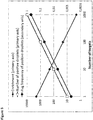
- the fraction of droplets containing the target determines the degree of enrichment; if the fraction is low, the enrichment is high ( Figure 3 ).
- the presence or absence of the target DNA molecule in a sample or a dilution thereof or droplet is defined by the presence of detectable target molecule in the sample, or a dilution thereof, or droplet using the selected method of detection (e.g. PCR).
- the target can be further enriched by further rounds of selection (as above), until it can be sequenced by standard methods such as Sanger sequencing, sequencing by synthesis, Pyrosequencing or similar detection of DNA sequence or by PCR, hybridization or other detection assays, or it can be used directly from the first round of selection.
- Droplets amplified and sorted according to the invention contain DNA fragments of 5-100 kb containing the sequence used for identification.
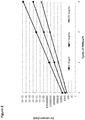
- the method of the invention is surprisingly efficient, whereby the extent of DNA sequencing can be reduced by a factor of more than 1 billion for 5 multiplexed DNA targets by three rounds of PINSswift or a factor of 25 million for one target sequence using two rounds of PINSswift ( Figure 2 ).
- a target DNA molecule is long, such as longer than 20,000 base pairs, more than one properly spaced nucleotide sequence for detection of specific target may be used. Each of these nucleotide sequences counts as separate DNA molecules.
- the correlation between number of targets, the average number of positive droplets and the resulting enrichment after PINSswift is shown in Figure 3 using an example of one round of PINSswift, 20,000 droplets and 10 positive droplets per target.
- the enrichment may be higher or lower than the expected enrichment of figure 3 due to bias of this amplification step. In our experience the resulting enrichment may be at least two fold higher. Also, if a larger number of droplets such as one million droplets are used, this will result in a greater enrichment. To achieve a great enrichment a smaller droplet size is therefore typically preferable.
- a typical size of the droplets may be less than 100 ⁇ m in diameter, such as 1-100 ⁇ m, 5-50 ⁇ m or preferably 10-30 ⁇ m.
- the droplets may also be of varying sizes within the same sample.
- the selected and sorted droplets will contain a small amount of target DNA molecules such as 2-1000 molecules and amplification of said molecules is therefore necessary before the DNA can be used for downstream applications e.g. DNA sequencing. Due to the small amount of DNA, it may not be possible to generally amplify the DNA using standard procedures. Methods to improve the amplification include repeated steps of amplification and re-amplification and combinations of amplification in droplets and standard amplification (in one reaction, excluding droplet formation).
- the PINSswift procedure employs general amplification to the target DNA molecule after it has been sorted. This has several advantages over a procedure where the DNA is generally amplified in droplets before detection and sorting including 1) the chemicals and enzymes needed for general amplification do not need to be present in the detection step, and 2) as the volume of the sorted droplets is small, the detection chemicals will only have minimal influence on the general amplification step.
- general amplification is performed using Phi29 polymerase in a process where the DNA is amplified in droplets before detection, the polymerase will degrade oligonucleotides to be used for detection thereby preventing correct identification of droplets containing target DNA molecule.
- multiplex PINSswift provides simultaneous purification of up to thousands of different target molecule, each comprising more than 5,000 base pairs.
- Separate detection molecules can be provided to separate droplets or can be added as a mixture.
- PINSswift may be applied to a sample of mixed DNA molecules that may comprise a target DNA molecule.
- a sample of mixed DNA molecules comprises a population of DNA molecules (e.g. chromosomal DNA molecules or plasmid DNA molecules) where the individual DNA molecules within the population differ by at least one nucleotide within a known consecutive sequence of at least 10 (or 15 or more preferably 40) nucleic acid base pairs in their DNA, such that a target molecule comprising the known consecutive sequence differs from, and can be distinguished from, non-target molecules in the sample.
- the sample of mixed DNA molecules may additionally comprise single stranded RNA or DNA polynucleotides.
- the population of DNA molecules in the sample of mixed DNA molecules comprises the target DNA molecule.
- the target DNA molecule can be in linear or circular forms. Circular DNA can occur naturally or can be obtained by cloning DNA into plasmids, fosmids, cosmids, BAC clones, or generated by ligation or through Cre/LoxP mediated recombination.
- a target DNA molecule comprises one or more known consecutive sequence of at least 10 (or 15 more preferably 40) unique nucleic acid base pairs (or nucleotides).
- a target DNA molecule can be selected from a sample of mixed DNA molecules, by selecting for a target DNA molecule comprising this consecutive sequence of at least 10, 15 or 40 nucleic acid base pairs (or nucleotides).
- the target DNA molecule can also be selected from the sample of mixed DNA molecules, by selecting for a target DNA molecule comprising at least two consecutive sequences of at least 10 (or 15 more preferably 40) nucleic acid base pairs (or nucleotides), wherein the two consecutive sequences are comprised within a DNA molecule of 50 to 100,000 nucleic acid base pairs, preferably 150 to 3,000 nucleic acid base pairs, more preferably 150 to 1500 nucleic acid base pairs.
- the frequency of the target DNA molecule in the sample of mixed DNA molecules is less than 10 -2 , it may for example lie between 10 -3 and 10 -9 (calculated as base pairs of target sequence divided by base pairs of total DNA in the sample).
- the sample could be DNA from a human swab and the target DNA could be a region of 30,000 base pairs containing a specified gene.
- the frequency of the target DNA molecule is 30,000 divided by approximately 3 billion base pairs (the human genome) which equals 10 -5 .
- the method of the invention is particularly suitable where the frequency of the target DNA molecule in the sample of mixed DNA molecules is less than 10 -2 .
- the method of the invention is also suitable where the frequency of the target DNA molecule in the sample of mixed DNA molecules is less than 10 -3 , 10 -4 , 10 -5 , 10 -6 , 10 -7 , 10 -8 , 10 -9 , 10 -10 , or 10 -11 .
- the sample of mixed DNA molecules will be derived from a cell population comprising genomic DNA, while in other instances the sample may be derived from samples where the DNA molecules are of diverse origin, such as environmental samples.
- the frequency of the target DNA molecule is defined as the number of specific target DNA base pairs divided by the number of total base pairs in the sample.
- the frequency of the target DNA molecule in the sample of mixed DNA molecules is determined by making a dilution series in triplicate, detecting the presence or absence of target and determining the number of targets using, for instance, most probable number methods.
- the frequency of the target molecule can also be determined using qPCR or digital droplet PCR [3].
- the concentration of DNA is measured and the number of total genome equivalents is determined by dividing this concentration by the average molecular weight of the genome.
- the target DNA or RNA molecule is present in a sample of mixed DNA molecules, where the mixed DNA molecules may be derived from a sample collected from the environment, for example a sample of soil, water or air.
- the sample may be derived from a multicellular organism, such as a mammal, for example an animal or a human subject.
- the sample for example a biopsy
- the sample may be derived from a body fluid (e.g. blood, plasma, serum, lymph and urine), from faeces or from a body tissue or organ.
- the multicellular organism from which the sample is derived may be a living or may be a dead organism.
- the sample of mixed DNA molecules comprising the target DNA molecule may be prepared from a sample collected from nature or from an organism (e.g. a biopsy). Methods for selective extraction of DNA molecules are known in the art [4].
- the step of cell disruption or cell permeabilisation is normally required in order to release total nucleic acid molecules (including DNA or RNA) from a cell, this step preceding the subsequent step of selective extraction of DNA molecules.
- the DNA sample may be circularized before the generation of droplets.
- Some general amplification methods including the Phi polymerase catalyzed MDA reaction, are more efficient on circular templates. By circularizing the template, the DNA from the original nucleotide sample may therefore be favoured over non template reaction or templates stemming from the detection reaction and bias against target can thereby be reduced.
- the sample may be diluted before formation of droplets. If for example 1 million droplets are used for the enrichment of a gene from human chromosomal DNA 100 pg human DNA may be used to obtain 30 copies of target DNA molecule in the 1 million droplets. As a copy of the human genome contains approximately 100,000 fragments of 30,000 base pairs, each droplet may therefore contain an average of 3 fragments. The approximately 30 droplets containing the target DNA molecule will therefore also contain non-target fragments. If the DNA is sequenced after the enrichment is finalized, the non-target fragments may also be sequenced but, as the non-target fragments are likely to be different from each other, the sequence of the target DNA molecule is clearly distinguishable. For more complex samples such as a low copy virus in a human sample, the number of non-target fragments per target fragments in a positive droplet may be even higher such as higher than 100:1 or 10,000:1.
- the total number of target DNA molecules is typically between 5 and 1,000, such as 5-100,000.
- the preferred number of total target DNA molecules added to the droplets is low such as 20-100 to achieve a high degree of enrichment.
- a higher number of total target DNA molecules may be preferred such as 100-10,000.
- droplets can be formed by a variety of techniques such as those described in [5-7]. Methods of the invention may involve forming a two-phase system comprising aqueous droplets surrounded by an immiscible carrier fluid.
- the aqueous sample within the droplet is prepared by preparing a mixture suitable for specific detection of target DNA molecules containing sample DNA and e.g. a polymerase, primers, probes and buffer solutions. The resulting mixture is used as the aqueous sample in two-phase liquid droplet formation using two immiscible liquid phases.
- Aqueous droplets are either generated in an apparatus having means for creating a vortex/turbulence in a sample comprising two immiscible liquid phases in controlled environments, creating droplets of liquid (phase 1) in a 2nd phase liquid by controlling the mechanical parameters and thereby also the liquid volume of each generated droplet or by a means for extruding droplets of one liquid phase in a 2nd immiscible liquid phase, where the so formed droplets remain discrete and wherein the volume of the droplet is controlled by the diameter of the means for droplet extrusion.
- the carrier fluid is one that is immiscible with the sample fluid.
- the carrier fluid can be a non-polar solvent, decane, fluorocarbon oil, silicone oil or any other oil (for example mineral oil).
- the carrier fluid contains one or more additives such as agents which increase, reduce, or otherwise create non-Newtonian surface tensions (surfactants) and/or stabilize droplets against spontaneous coalescence or contact.
- Methods of the invention further involve detection of the target nucleic acid molecule within the droplets containing target DNA molecules.
- detection may involve amplification of a part of the target molecule.
- the amplification reaction that is suitable for amplifying nucleic acid molecules, includes polymerase chain reaction, or nested polymerase chain reaction including or excluding probes such as Taqman probes, Scorpion probes, Molecular Beacon probes, Padlock probes, Molecular inversion probes and any other probe that functions by sequence specific recognition of target DNA molecule by hybridization and result in increased fluorescence on amplification of the target sequence.
- droplets from specific detection step and means for passing each droplet past a detection unit capable of detecting a component in said droplet, and means for addressing said droplet for delivery to a selected compartment as determined by the presence or absence of the detectable component and means for delivering said droplet to the selected compartment.
- the detection molecule may be removed using uracil-DNA N-glycosylase [9].
- the detection molecules can be separated using methods based on size separation such as size exclusion based on differential binding affinity of small and large DNA to silica particles [10].
- Such silica surfaces have limited binding efficiency to DNA fragments smaller than 100 bp, and consequently only DNA fragments smaller than 100 bp will efficiently be discarded, when silica based purification in applied. In some applications, however, it may not be necessary to remove the detection molecule. For instance, since Phi polymerase and some other polymerases have low activity on DNA molecules shorter than 1000 base pairs, it may not be necessary to remove the detection molecule if the step following PINSswift enrichment is a general amplification since the detection molecule will only be amplified to limited extent, if at all amplified, compared to the actual targeted larger DNA molecule.
- the nucleotide sequence of the molecule including the target nucleotide sequence can be determined.
- the enriched target DNA molecule can be sequenced using e.g. Sanger sequencing, Emulsion PCR, Shotgun sequencing, SOLiD sequencing, bridge PCR, Ion Torrent sequencing, Polony sequencing, Pyrosequencing, Sequencing by synthesis, DNA nanoball sequencing, Heliscope single molecule sequencing, Nanopore DNA sequencing, Tunnelling currents DNA sequencing, Sequencing by hybridization, Sequencing with mass spectrometry, Transmission electron microscopy DNA sequencing, RNAP (RNA Polymerase) sequencing or Single-molecule real-time sequencing.
- PINSswift to isolate or enrich target DNA molecule in mixed sample of DNA molecules extracted from samples collected from the environment, or from clinical samples provides direct access to the genome, or parts thereof, that cannot be analysed by other methods because of the sample complexity.
- PINSswift is particularly useful for isolating or enriching DNA molecules involved in hereditary diseases, cancer, and infectious diseases.
- Multiplex PINSswift is particularly useful for simultaneous isolation or enrichment of more than one target DNA molecule from samples comprising several target DNA molecules, such as a sample to be analysed for the DNA sequence of more than one virus, more than one hereditary disease or more than one cancer related gene.
- PINSswift is also particularly useful for obtaining target DNA molecule sequence information from samples where only a small part of the sequence is known prior to enrichment, since the technique only requires a small part of the target DNA molecule sequence to be known in order to perform the detection step and furthermore takes advantage of high fidelity of polymerases (like Phi polymerase) in the MDA amplification to generate large amplified DNA molecules of up to 100,000 bp.
- polymerases like Phi polymerase
- PINSswift is particularly useful for gap closing of DNA sequences, as PINSswift will retrieve up to 100,000 bp of sequence surrounding the small detection area and can therefore be designed to cover the unknown gap region.
- PINSswift is also particularly useful when sequencing samples containing more than one variant of a target DNA molecule sequence such as chromosomal DNA containing two alleles of a gene.
- a target DNA molecule sequence such as chromosomal DNA containing two alleles of a gene.
- droplets containing each detection sequence are collected in separate compartments to ensure that only one copy of the sequence is present.
- the droplet may subsequently be barcoded separately to enable the separate sequencing of each variant of the target DNA molecule sequence.
- PINSswift may be used to analyse target DNA molecule in samples derived from multicellular organisms, such as a biopsy or a sample of body fluid or faeces obtained from a subject (e.g. human or animal subject), for the diagnosis or monitoring the progress of a medical indication or disease.
- samples derived from multicellular organisms such as a biopsy or a sample of body fluid or faeces obtained from a subject (e.g. human or animal subject), for the diagnosis or monitoring the progress of a medical indication or disease.
- Diagnosis of a wide range of medical indications in a subject such as a disease caused by an infectious agent (e.g. micro-organism or virus) can be assisted by the isolation or enrichment and detection of a target DNA or RNA molecule that is derived from the genome of the infectious agent by PINSswift or Multiplex PINSswift, where the target DNA molecule is detected in a sample of mixed DNA molecules derived from a biopsy or sample of body fluid obtained from a patient.
- infectious agent e.g. micro-organism or virus
- PINSswift in target DNA molecule isolation provides the additional feature, that additional diagnostic features of the disease can be determined.
- the genome of the infectious agent comprises resistance genes that confer resistance to certain therapeutic agents
- enrichment of a resistance gene may also retrieve the region surrounding the resistance gene and may provide information about the specific infectious agent carrying the resistance.
- PINSswift may be applied to diagnostics such as detection of presence of an infectious agent such as a prokaryotic organism and antibiotic resistance. Such cases can be the presence of methicillin resistance (MR) in Staphylococcus aureus (SA).
- MR methicillin resistance
- SA Staphylococcus aureus
- MRSA methicillin resistance
- PINSswift can be used for detection of co-existence of MR and SA if a method such as duplex detection is applied.
- Such duplex detection can be a dual-reporter detection system, where one detection system is used to monitor the presence of one event such as MR whereas another detection system is used to monitor the presence of another event, such as presence of SA within the same droplet.
- PINSswift can be applied to selectively retrieve additional DNA sequences from the host genome based on the presence of genes such as MR or SA. Thus, it can be used to provide additional sequence information from the genome of the infectious organism, which is of importance for bacterial typing.
- PINSswift may also be used to assist diagnosis of a disease caused by, or originating from the presence of a viral agent in a subject.
- the presence or absence of viral DNA at a known integration site can be determined by tracking the co-enrichment of the viral DNA and integration site DNA sequence.
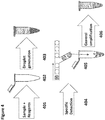
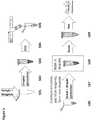
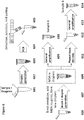
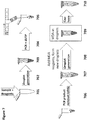
- Example 1 Enrichment of two regions of DNA from Escherichia coli mixed into human genomic DNA and subsequent sequencing The procedure employed is shown schematically in Figure 5.
- coli - amplicon2 was targeted by primers "ThrB-fw” and "ThrB-Re” annealing to Escherichia coli Homoserine kinase (thrB) together with Beacon-ThrB annealing to the DNA between the two primers.
- the sample was transferred to a microfluidic chip with a sorting channel diameter of 100 ⁇ m using a syringe pump and transported into a t-junction sorting zone on the chip.
- the droplets were visualized using a camera and bright fluorescent droplets (positive droplets) were physically sorted into one channel while non-fluorescent or weakly fluorescent droplets were discarded and left unsorted and were subsequently discarded.
- the positive droplets a total of 31
- an oil phase were removed from the chip using vacuum from a syringe pump followed by gravity flow and transferred to a 200 ⁇ L tube.
- the total amount of the DNA molecules in the detected droplets, following coalescence, is estimated to be 1.7 fg, assuming that the average size of a detected target DNA molecule is 50,000 base pairs.
- the final water phase contained 370 ng/ ⁇ L total DNA in 20 ⁇ L.
- the number of target DNA molecules was quantified using qPCR with primers annealing to a region adjacent to the primer pair used for detection (primers MB10.1fw and MB10.1rev).
- the final Sample B contained 1.2x10 10 target copies per ⁇ L as quantified using qPCR as described above or 28000 targets per pg. This corresponds to an enrichment of 70 fold from Sample A and 910,000 fold from the initial sample (calculated on a targets / pg total DNA basis).
- the sample was sequenced using Sanger sequencing and next generation sequencing (Illumina 150 bp paired-end sequencing) and the expected sequence including the point mutation was confirmed.
- Emulsion PCR was performed with the following cycling conditions: 95°C 2 min, 3x(95°C 5 seconds, 56°C 15 second, 72°C 15 seconds), 25°C 30 seconds.
- the sample was transferred to a microfluidic chip with a channel diameter of 100 ⁇ m using a syringe pump and transported into a t-junction sorting zone on the chip.
- the droplets were visualized using a camera and bright fluorescent droplets (positive droplets) were physically sorted into one channel while non-fluorescent or weakly fluorescent droplets were sorted into the other channel.
- the positive droplets (a total of 57) followed by an oil phase were removed from the chip using vacuum from a syringe pump and transferred to a 200 ⁇ L tube.
- the total amount of the DNA molecules in the selected positive droplets is estimated to be 14.2 fg, assuming that the average size of a detected target DNA molecule is 50,000 base pairs.
- 10 ⁇ L reagents including UDG (uracil-DNA N-glycosylase) and buffers for removal of dUTP containing PCR products was added to the oil containing the sorted positive droplets.
- the droplets were coalesced by adding 200 ⁇ L mineral oil, vortexing and centrifugation.
- the 10 ⁇ L water phase was transferred to a new tube and incubated for 10 minutes at 37°C followed by 1 minute at 95°C for inactivation of UDG.
- Reagents for MDA amplification including Phi29 polymerase, dNTPs, random hexameric primers and suitable salts were added to reach a total volume of 20 ⁇ L.
- the final sample contained 1.5x10 9 target copies per ⁇ L as quantified using qPCR as described above or 5500 targets per pg. This corresponds to an enrichment of approximately 1100 fold (calculated on a targets / pg total DNA basis).
- the sample was sequenced using Sanger sequencing and next generation sequencing (Illumina 150 bp paired-end sequencing) and the sequences of the regions of four integrated copies of HPV18 including integration sites were determined.
- Example 4 General amplification of a DNA target in droplets eliminates amplification of contaminating DNA
- Phi29 polymerase amplification reaction mixtures were prepared in 25 ⁇ L volume using the RepliG single cell kit from Qiagen according to the manufacturer's recommendations. DNA purified from E. coli was used as template for the reactions. Duplicate samples were prepared, where the amplification reaction in one sample was allowed to proceed in the 25 ⁇ L volume (standard conditions); while the duplicate samples was first converted to droplets and then the reaction was allowed to proceed.
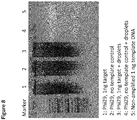
- Figure 8 shows an agarose gel of the size separated amplification products of the Phi29 polymerase amplifications. Significant amounts of amplified DNA can be seen in lanes 1-3 corresponding to an efficient amplification. As the reaction in lane 3 does not contain template DNA, the amplified DNA is likely to come from contaminating DNA in the reaction. When the non-template reaction was performed in droplets, no amplified DNA is visible on the gel (lane 4).
- the following experiment was performed to demonstrate the detection, enrichment and sequencing of a target DNA molecule in a sample of mixed DNA molecules, where the frequency of the target DNA molecule in the sample of mixed DNA molecules was between 10 -5 and 10 -7 (calculated as base pairs of target sequence divided by base pairs of total DNA in the sample) and the target DNA molecule comprised from between 10,000 to 100,000 nucleic acid base pairs.
- the experiment was performed according to the method of the invention, where the sample of mixed DNA molecules was detected by PCR in droplets, where the frequency of target DNA molecules was between 10 -4 to 10 -5 target DNA molecules per droplet. Approximately 100 fg DNA was recovered from positive droplets comprising the target DNA molecule, and a sample thereof was subsequently generally amplified. Amplification reaction was performed in droplets having a size of about 5pL.
- each droplet contains on average 2.6 DNA fragments hereof approximately 4.2x10 -5 target fragments.
- Emulsion PCR was performed with the following cycling conditions: 94°C 2 min, 40x (94°C for 3 seconds, 60°C for 30 seconds), 25°C for 30 seconds.
- the sample was transferred to a fluorescence activated cell sorter (Biorad S3e). Positive droplets were physically sorted into one gate while non-fluorescent or weakly fluorescent droplets were sorted into the waste collection. When all droplets were sorted to either gate, the positive droplets (a total of 592) were transferred to a 200 ⁇ L tube.
- the sorted positive droplets were coalesced by removing excessive oil, adding 2 x 10 ⁇ L 1H, 1H, 2H, 2H, Perfluorooctanol, and mixing and centrifuging the mixture.
- a 3 ⁇ L sample (approximate 30fg) of the water phase of the coalesced droplets was added to a 17 ⁇ L mix containing N6 hexamer primer, water, dNTP, 2.5 unit Phi29 polymerase.
- 20 ⁇ L 2% PicoSurf oil was added and the reactions were then vortexed for 2 minutes at 2600 rpm to generate water-in-oil droplets where the average droplet volume was approximately 5pL.
- the droplets were incubated at 30°C for 6 hours and then the enriched and amplified DNA in the coalesced droplets was analysed using qPCR and Tapestation (Agilent) measurements. According to these measurements, the 3 ⁇ L DNA sample, following enrichment and amplification, now contained 60,000 target molecules. Since the total DNA concentration was below 0.5 ng/ ⁇ L, which is the lower limit of detection of the Tapestation, a second round of general amplification in droplets was therefore performed as above to increase the amount of total DNA.
- the final sample contained 2.3x10 7 target copies per ⁇ L as quantified using qPCR. This corresponds to an enrichment of approximately 2700 fold (calculated on a targets / pg total DNA basis).
- the sample was sequenced using next generation sequencing (Illumina 150 bp paired-end sequencing).
- a 14.5 kb sequence contig [SEQ ID No. 24] covering the DUSP3 gene target region was generated from the NGS data.
- Example 6 Enzyme inactivation as a result of adsorption to the water/oil interface
- Phi29 polymerase amplification in small size droplets is expected to be inhibited. Nonetheless, droplets created in this experiment (in the femto-to-picoliter range and, thus, expected to result in inhibition) seemingly do not inhibit the Phi29 polymerase amplification, as DNA yield from different sizes of Phi29 polymerase droplets are close to identical (Table 3 Results from Droplet Phi).
- Average sizes of the resulting droplets were measured using microscope images and associated measuring software. Based on the average droplet sizes the total number of droplets was calculated from each sample. Based on an estimated template fragment size of 30Kb, a template amount of 3ng DNA will be equivalent to 9.3x10 7 fragments of DNA. Thus, the preparation of both samples A and B resulted in droplets where DNA was present (details in Table) in all created droplets.
- the droplets generated for both samples were then incubated for 6 hours at 30°C and the reactions were terminated by raising the temperature to 65°C for 10 minutes.
- the content of the droplets was extracted by applying PicoBreak as described by the manufacturer.
- SSO Advance Supermix BioRad
- Total DNA after amplification was measured using a TapeStation (Agilent).
- DNA-quantification showed more than double quantities of amplified DNA from Sample A (28.5 ng/ ⁇ l) compared to sample B (13.2 ng/ ⁇ l). Regardless of the surplus of template in both samples (template is present in all droplets) an approximately two-fold lower level of total DNA was observed in the reaction performed in the smaller droplets. If inhibition had not occurred, comparable DNA amounts would be expected as the total reaction volumes of both samples are identical and template is present in all droplets. Ct values in the product from the two reactions were similar. Although this indicates that some inhibition may occur, significant amounts are still produced from the amplification in the smaller droplets and subsequent use in downstream sequencing is still possible.
- the average diameter and the number of droplets is estimated based on microscopy, DNA fragments per droplet is based on Tapestation measurement of the DNA prior to droplet generation and the average droplet size, the Phi29 polymerase amplification product is determined based on Tapestation measurements.
Landscapes
- Chemical & Material Sciences (AREA)
- Organic Chemistry (AREA)
- Life Sciences & Earth Sciences (AREA)
- Health & Medical Sciences (AREA)
- Engineering & Computer Science (AREA)
- Zoology (AREA)
- Wood Science & Technology (AREA)
- Proteomics, Peptides & Aminoacids (AREA)
- Chemical Kinetics & Catalysis (AREA)
- Analytical Chemistry (AREA)
- Molecular Biology (AREA)
- Bioinformatics & Cheminformatics (AREA)
- Immunology (AREA)
- Microbiology (AREA)
- Biotechnology (AREA)
- Biochemistry (AREA)
- General Engineering & Computer Science (AREA)
- General Health & Medical Sciences (AREA)
- Genetics & Genomics (AREA)
- Biophysics (AREA)
- Physics & Mathematics (AREA)
- Measuring Or Testing Involving Enzymes Or Micro-Organisms (AREA)
- Dispersion Chemistry (AREA)
Priority Applications (2)
| Application Number | Priority Date | Filing Date | Title |
|---|---|---|---|
| EP20191574.1A EP3770271B1 (en) | 2015-06-26 | 2016-06-24 | Targeted enrichment of long nucleotide sequences using microfluidic partitioning |
| DK20191574.1T DK3770271T3 (da) | 2015-06-26 | 2016-06-24 | Målrettet berigelse af lange nukleotidsekvenser under anvendelse af mikrofluidpartitionering |
Applications Claiming Priority (3)
| Application Number | Priority Date | Filing Date | Title |
|---|---|---|---|
| US201562185111P | 2015-06-26 | 2015-06-26 | |
| DKPA201570449 | 2015-07-07 | ||
| PCT/EP2016/064719 WO2016207379A1 (en) | 2015-06-26 | 2016-06-24 | Targeted enrichment of long nucleotide sequences using microfluidic partitioning |
Related Child Applications (1)
| Application Number | Title | Priority Date | Filing Date |
|---|---|---|---|
| EP20191574.1A Division EP3770271B1 (en) | 2015-06-26 | 2016-06-24 | Targeted enrichment of long nucleotide sequences using microfluidic partitioning |
Publications (2)
| Publication Number | Publication Date |
|---|---|
| EP3314012A1 EP3314012A1 (en) | 2018-05-02 |
| EP3314012B1 true EP3314012B1 (en) | 2020-09-09 |
Family
ID=57584736
Family Applications (2)
| Application Number | Title | Priority Date | Filing Date |
|---|---|---|---|
| EP16732595.0A Active EP3314012B1 (en) | 2015-06-26 | 2016-06-24 | Targeted enrichment of long nucleotide sequences using microfluidic partitioning |
| EP20191574.1A Active EP3770271B1 (en) | 2015-06-26 | 2016-06-24 | Targeted enrichment of long nucleotide sequences using microfluidic partitioning |
Family Applications After (1)
| Application Number | Title | Priority Date | Filing Date |
|---|---|---|---|
| EP20191574.1A Active EP3770271B1 (en) | 2015-06-26 | 2016-06-24 | Targeted enrichment of long nucleotide sequences using microfluidic partitioning |
Country Status (6)
| Country | Link |
|---|---|
| US (2) | US10738354B2 (enExample) |
| EP (2) | EP3314012B1 (enExample) |
| JP (1) | JP6936155B2 (enExample) |
| AU (1) | AU2016282350A1 (enExample) |
| DK (1) | DK3770271T3 (enExample) |
| WO (1) | WO2016207379A1 (enExample) |
Cited By (1)
| Publication number | Priority date | Publication date | Assignee | Title |
|---|---|---|---|---|
| WO2022117547A1 (en) | 2020-12-01 | 2022-06-09 | Samplix Aps | System and method for sorting of particles |
Families Citing this family (6)
| Publication number | Priority date | Publication date | Assignee | Title |
|---|---|---|---|---|
| AU2015273480A1 (en) * | 2014-06-11 | 2016-12-08 | Samplix S.A.R.L. | Nucleotide sequence exclusion enrichment by droplet sorting (needls) |
| JP2018203724A (ja) * | 2017-05-31 | 2018-12-27 | キヤノン株式会社 | 油性組成物、およびそれを用いた分析方法 |
| DK182109B1 (en) | 2019-08-02 | 2025-08-18 | Samplix Aps | System and method for amplifying nucleic acids from single cells |
| US20210214769A1 (en) * | 2020-01-13 | 2021-07-15 | Fluent Biosciences Inc. | Methods and systems for amplifying low concentrations of nucleic acids |
| DK181994B1 (en) * | 2021-09-28 | 2025-05-15 | Samplix Aps | Instrument for sorting of particles |
| DK181862B1 (en) | 2022-03-21 | 2025-02-24 | Samplix Aps | Method and kit for targeted enrichment of large dna molecules for long-read sequencing using facs or microfluidic partitioning |
Family Cites Families (7)
| Publication number | Priority date | Publication date | Assignee | Title |
|---|---|---|---|---|
| CN102459592B (zh) | 2009-06-15 | 2017-04-05 | 考利达基因组股份有限公司 | 用于长片段阅读测序的方法和组合物 |
| US20120164633A1 (en) | 2010-12-27 | 2012-06-28 | Ibis Biosciences, Inc. | Digital droplet sequencing |
| EP2935617B1 (en) | 2012-12-21 | 2017-04-12 | Samplix S.a.r.l. | Probability-directed isolation of nucleotide sequences (pins) |
| US20140303005A1 (en) | 2013-04-05 | 2014-10-09 | Raindance Technologies, Inc. | Rare cell analysis after negative selection |
| WO2014172373A2 (en) | 2013-04-19 | 2014-10-23 | Raindance Technologies, Inc | Digital analyte analysis |
| AU2015273480A1 (en) * | 2014-06-11 | 2016-12-08 | Samplix S.A.R.L. | Nucleotide sequence exclusion enrichment by droplet sorting (needls) |
| US10697007B2 (en) * | 2014-06-27 | 2020-06-30 | The Regents Of The University Of California | PCR-activated sorting (PAS) |
-
2016
- 2016-06-24 AU AU2016282350A patent/AU2016282350A1/en not_active Abandoned
- 2016-06-24 US US15/739,541 patent/US10738354B2/en active Active
- 2016-06-24 DK DK20191574.1T patent/DK3770271T3/da active
- 2016-06-24 JP JP2017566728A patent/JP6936155B2/ja active Active
- 2016-06-24 EP EP16732595.0A patent/EP3314012B1/en active Active
- 2016-06-24 WO PCT/EP2016/064719 patent/WO2016207379A1/en not_active Ceased
- 2016-06-24 EP EP20191574.1A patent/EP3770271B1/en active Active
-
2020
- 2020-07-06 US US16/921,103 patent/US11572584B2/en active Active
Non-Patent Citations (1)
| Title |
|---|
| None * |
Cited By (1)
| Publication number | Priority date | Publication date | Assignee | Title |
|---|---|---|---|---|
| WO2022117547A1 (en) | 2020-12-01 | 2022-06-09 | Samplix Aps | System and method for sorting of particles |
Also Published As
| Publication number | Publication date |
|---|---|
| JP6936155B2 (ja) | 2021-09-15 |
| DK3770271T3 (da) | 2023-05-08 |
| CA2990092A1 (en) | 2016-12-29 |
| US20200332353A1 (en) | 2020-10-22 |
| AU2016282350A1 (en) | 2018-01-18 |
| EP3770271A1 (en) | 2021-01-27 |
| US20180179589A1 (en) | 2018-06-28 |
| EP3770271B1 (en) | 2023-02-08 |
| US10738354B2 (en) | 2020-08-11 |
| JP2018518968A (ja) | 2018-07-19 |
| EP3314012A1 (en) | 2018-05-02 |
| US11572584B2 (en) | 2023-02-07 |
| WO2016207379A1 (en) | 2016-12-29 |
Similar Documents
| Publication | Publication Date | Title |
|---|---|---|
| US11390906B2 (en) | Nucleotide sequence exclusion enrichment by droplet sorting (NEEDLS) | |
| US11572584B2 (en) | Targeted enrichment of long nucleotide sequences using microfluidic partitioning | |
| RU2736351C2 (ru) | Способы дискретной амплификации полного генома | |
| JP7691975B2 (ja) | 単一細胞分析 | |
| CN100354298C (zh) | 使用单核苷酸多态性组分析受损样品的方法和组合物 | |
| CN114466935B (zh) | 基因突变分析 | |
| JP2020522243A (ja) | 核酸のマルチプレックス末端タギング増幅 | |
| US9862988B2 (en) | Methods and kits for breaking emulsions | |
| CA2990092C (en) | Targeted enrichment of long nucleotide sequences using microfluidic partitioning | |
| WO2021143714A1 (en) | Rapid multiplexing crispr-based diagnostics using microfluidic compartmentalization | |
| JP4304318B2 (ja) | 遺伝子の濃縮方法 | |
| US20250163407A1 (en) | Methods selectively depleting nucleic acid using rnase h | |
| US20220372550A1 (en) | A method to prepare personalized target-irrelevant guide rna pool for crispr | |
| HK40076305A (en) | Rapid multiplexing crispr-based diagnostics using microfluidic compartmentalization | |
| HK1236228A1 (en) | Sample preparation for nucleic acid amplification | |
| HK1236228B (en) | Sample preparation for nucleic acid amplification |
Legal Events
| Date | Code | Title | Description |
|---|---|---|---|
| STAA | Information on the status of an ep patent application or granted ep patent |
Free format text: STATUS: THE INTERNATIONAL PUBLICATION HAS BEEN MADE |
|
| PUAI | Public reference made under article 153(3) epc to a published international application that has entered the european phase |
Free format text: ORIGINAL CODE: 0009012 |
|
| STAA | Information on the status of an ep patent application or granted ep patent |
Free format text: STATUS: REQUEST FOR EXAMINATION WAS MADE |
|
| 17P | Request for examination filed |
Effective date: 20180122 |
|
| AK | Designated contracting states |
Kind code of ref document: A1 Designated state(s): AL AT BE BG CH CY CZ DE DK EE ES FI FR GB GR HR HU IE IS IT LI LT LU LV MC MK MT NL NO PL PT RO RS SE SI SK SM TR |
|
| AX | Request for extension of the european patent |
Extension state: BA ME |
|
| RAP1 | Party data changed (applicant data changed or rights of an application transferred) |
Owner name: SAMPLIX APS |
|
| DAV | Request for validation of the european patent (deleted) | ||
| DAX | Request for extension of the european patent (deleted) | ||
| STAA | Information on the status of an ep patent application or granted ep patent |
Free format text: STATUS: EXAMINATION IS IN PROGRESS |
|
| 17Q | First examination report despatched |
Effective date: 20181016 |
|
| GRAP | Despatch of communication of intention to grant a patent |
Free format text: ORIGINAL CODE: EPIDOSNIGR1 |
|
| STAA | Information on the status of an ep patent application or granted ep patent |
Free format text: STATUS: GRANT OF PATENT IS INTENDED |
|
| INTG | Intention to grant announced |
Effective date: 20191107 |
|
| GRAJ | Information related to disapproval of communication of intention to grant by the applicant or resumption of examination proceedings by the epo deleted |
Free format text: ORIGINAL CODE: EPIDOSDIGR1 |
|
| STAA | Information on the status of an ep patent application or granted ep patent |
Free format text: STATUS: EXAMINATION IS IN PROGRESS |
|
| GRAJ | Information related to disapproval of communication of intention to grant by the applicant or resumption of examination proceedings by the epo deleted |
Free format text: ORIGINAL CODE: EPIDOSDIGR1 |
|
| GRAL | Information related to payment of fee for publishing/printing deleted |
Free format text: ORIGINAL CODE: EPIDOSDIGR3 |
|
| GRAP | Despatch of communication of intention to grant a patent |
Free format text: ORIGINAL CODE: EPIDOSNIGR1 |
|
| GRAS | Grant fee paid |
Free format text: ORIGINAL CODE: EPIDOSNIGR3 |
|
| GRAS | Grant fee paid |
Free format text: ORIGINAL CODE: EPIDOSNIGR3 |
|
| STAA | Information on the status of an ep patent application or granted ep patent |
Free format text: STATUS: GRANT OF PATENT IS INTENDED |
|
| GRAP | Despatch of communication of intention to grant a patent |
Free format text: ORIGINAL CODE: EPIDOSNIGR1 |
|
| INTC | Intention to grant announced (deleted) | ||
| INTG | Intention to grant announced |
Effective date: 20200324 |
|
| GRAA | (expected) grant |
Free format text: ORIGINAL CODE: 0009210 |
|
| STAA | Information on the status of an ep patent application or granted ep patent |
Free format text: STATUS: THE PATENT HAS BEEN GRANTED |
|
| AK | Designated contracting states |
Kind code of ref document: B1 Designated state(s): AL AT BE BG CH CY CZ DE DK EE ES FI FR GB GR HR HU IE IS IT LI LT LU LV MC MK MT NL NO PL PT RO RS SE SI SK SM TR |
|
| REG | Reference to a national code |
Ref country code: GB Ref legal event code: FG4D |
|
| REG | Reference to a national code |
Ref country code: AT Ref legal event code: REF Ref document number: 1311630 Country of ref document: AT Kind code of ref document: T Effective date: 20200915 Ref country code: CH Ref legal event code: EP |
|
| REG | Reference to a national code |
Ref country code: IE Ref legal event code: FG4D |
|
| REG | Reference to a national code |
Ref country code: DE Ref legal event code: R096 Ref document number: 602016043681 Country of ref document: DE |
|
| REG | Reference to a national code |
Ref country code: DK Ref legal event code: T3 Effective date: 20201204 |
|
| REG | Reference to a national code |
Ref country code: CH Ref legal event code: NV Representative=s name: VALIPAT S.A. C/O BOVARD SA NEUCHATEL, CH Ref country code: SE Ref legal event code: TRGR |
|
| REG | Reference to a national code |
Ref country code: NL Ref legal event code: FP |
|
| REG | Reference to a national code |
Ref country code: LT Ref legal event code: MG4D |
|
| PG25 | Lapsed in a contracting state [announced via postgrant information from national office to epo] |
Ref country code: FI Free format text: LAPSE BECAUSE OF FAILURE TO SUBMIT A TRANSLATION OF THE DESCRIPTION OR TO PAY THE FEE WITHIN THE PRESCRIBED TIME-LIMIT Effective date: 20200909 Ref country code: GR Free format text: LAPSE BECAUSE OF FAILURE TO SUBMIT A TRANSLATION OF THE DESCRIPTION OR TO PAY THE FEE WITHIN THE PRESCRIBED TIME-LIMIT Effective date: 20201210 Ref country code: LT Free format text: LAPSE BECAUSE OF FAILURE TO SUBMIT A TRANSLATION OF THE DESCRIPTION OR TO PAY THE FEE WITHIN THE PRESCRIBED TIME-LIMIT Effective date: 20200909 Ref country code: BG Free format text: LAPSE BECAUSE OF FAILURE TO SUBMIT A TRANSLATION OF THE DESCRIPTION OR TO PAY THE FEE WITHIN THE PRESCRIBED TIME-LIMIT Effective date: 20201209 Ref country code: NO Free format text: LAPSE BECAUSE OF FAILURE TO SUBMIT A TRANSLATION OF THE DESCRIPTION OR TO PAY THE FEE WITHIN THE PRESCRIBED TIME-LIMIT Effective date: 20201209 Ref country code: HR Free format text: LAPSE BECAUSE OF FAILURE TO SUBMIT A TRANSLATION OF THE DESCRIPTION OR TO PAY THE FEE WITHIN THE PRESCRIBED TIME-LIMIT Effective date: 20200909 |
|
| REG | Reference to a national code |
Ref country code: AT Ref legal event code: MK05 Ref document number: 1311630 Country of ref document: AT Kind code of ref document: T Effective date: 20200909 |
|
| PG25 | Lapsed in a contracting state [announced via postgrant information from national office to epo] |
Ref country code: PL Free format text: LAPSE BECAUSE OF FAILURE TO SUBMIT A TRANSLATION OF THE DESCRIPTION OR TO PAY THE FEE WITHIN THE PRESCRIBED TIME-LIMIT Effective date: 20200909 Ref country code: LV Free format text: LAPSE BECAUSE OF FAILURE TO SUBMIT A TRANSLATION OF THE DESCRIPTION OR TO PAY THE FEE WITHIN THE PRESCRIBED TIME-LIMIT Effective date: 20200909 Ref country code: RS Free format text: LAPSE BECAUSE OF FAILURE TO SUBMIT A TRANSLATION OF THE DESCRIPTION OR TO PAY THE FEE WITHIN THE PRESCRIBED TIME-LIMIT Effective date: 20200909 |
|
| PG25 | Lapsed in a contracting state [announced via postgrant information from national office to epo] |
Ref country code: CZ Free format text: LAPSE BECAUSE OF FAILURE TO SUBMIT A TRANSLATION OF THE DESCRIPTION OR TO PAY THE FEE WITHIN THE PRESCRIBED TIME-LIMIT Effective date: 20200909 Ref country code: RO Free format text: LAPSE BECAUSE OF FAILURE TO SUBMIT A TRANSLATION OF THE DESCRIPTION OR TO PAY THE FEE WITHIN THE PRESCRIBED TIME-LIMIT Effective date: 20200909 Ref country code: SM Free format text: LAPSE BECAUSE OF FAILURE TO SUBMIT A TRANSLATION OF THE DESCRIPTION OR TO PAY THE FEE WITHIN THE PRESCRIBED TIME-LIMIT Effective date: 20200909 Ref country code: PT Free format text: LAPSE BECAUSE OF FAILURE TO SUBMIT A TRANSLATION OF THE DESCRIPTION OR TO PAY THE FEE WITHIN THE PRESCRIBED TIME-LIMIT Effective date: 20210111 Ref country code: EE Free format text: LAPSE BECAUSE OF FAILURE TO SUBMIT A TRANSLATION OF THE DESCRIPTION OR TO PAY THE FEE WITHIN THE PRESCRIBED TIME-LIMIT Effective date: 20200909 |
|
| PG25 | Lapsed in a contracting state [announced via postgrant information from national office to epo] |
Ref country code: AT Free format text: LAPSE BECAUSE OF FAILURE TO SUBMIT A TRANSLATION OF THE DESCRIPTION OR TO PAY THE FEE WITHIN THE PRESCRIBED TIME-LIMIT Effective date: 20200909 Ref country code: AL Free format text: LAPSE BECAUSE OF FAILURE TO SUBMIT A TRANSLATION OF THE DESCRIPTION OR TO PAY THE FEE WITHIN THE PRESCRIBED TIME-LIMIT Effective date: 20200909 Ref country code: ES Free format text: LAPSE BECAUSE OF FAILURE TO SUBMIT A TRANSLATION OF THE DESCRIPTION OR TO PAY THE FEE WITHIN THE PRESCRIBED TIME-LIMIT Effective date: 20200909 Ref country code: IS Free format text: LAPSE BECAUSE OF FAILURE TO SUBMIT A TRANSLATION OF THE DESCRIPTION OR TO PAY THE FEE WITHIN THE PRESCRIBED TIME-LIMIT Effective date: 20210109 |
|
| REG | Reference to a national code |
Ref country code: DE Ref legal event code: R097 Ref document number: 602016043681 Country of ref document: DE |
|
| PG25 | Lapsed in a contracting state [announced via postgrant information from national office to epo] |
Ref country code: SK Free format text: LAPSE BECAUSE OF FAILURE TO SUBMIT A TRANSLATION OF THE DESCRIPTION OR TO PAY THE FEE WITHIN THE PRESCRIBED TIME-LIMIT Effective date: 20200909 |
|
| PLBE | No opposition filed within time limit |
Free format text: ORIGINAL CODE: 0009261 |
|
| STAA | Information on the status of an ep patent application or granted ep patent |
Free format text: STATUS: NO OPPOSITION FILED WITHIN TIME LIMIT |
|
| 26N | No opposition filed |
Effective date: 20210610 |
|
| PG25 | Lapsed in a contracting state [announced via postgrant information from national office to epo] |
Ref country code: SI Free format text: LAPSE BECAUSE OF FAILURE TO SUBMIT A TRANSLATION OF THE DESCRIPTION OR TO PAY THE FEE WITHIN THE PRESCRIBED TIME-LIMIT Effective date: 20200909 |
|
| PG25 | Lapsed in a contracting state [announced via postgrant information from national office to epo] |
Ref country code: IT Free format text: LAPSE BECAUSE OF FAILURE TO SUBMIT A TRANSLATION OF THE DESCRIPTION OR TO PAY THE FEE WITHIN THE PRESCRIBED TIME-LIMIT Effective date: 20200909 |
|
| PG25 | Lapsed in a contracting state [announced via postgrant information from national office to epo] |
Ref country code: MC Free format text: LAPSE BECAUSE OF FAILURE TO SUBMIT A TRANSLATION OF THE DESCRIPTION OR TO PAY THE FEE WITHIN THE PRESCRIBED TIME-LIMIT Effective date: 20200909 |
|
| PG25 | Lapsed in a contracting state [announced via postgrant information from national office to epo] |
Ref country code: LU Free format text: LAPSE BECAUSE OF NON-PAYMENT OF DUE FEES Effective date: 20210624 |
|
| PG25 | Lapsed in a contracting state [announced via postgrant information from national office to epo] |
Ref country code: IE Free format text: LAPSE BECAUSE OF NON-PAYMENT OF DUE FEES Effective date: 20210624 |
|
| PG25 | Lapsed in a contracting state [announced via postgrant information from national office to epo] |
Ref country code: CY Free format text: LAPSE BECAUSE OF FAILURE TO SUBMIT A TRANSLATION OF THE DESCRIPTION OR TO PAY THE FEE WITHIN THE PRESCRIBED TIME-LIMIT Effective date: 20200909 |
|
| P01 | Opt-out of the competence of the unified patent court (upc) registered |
Effective date: 20230530 |
|
| PG25 | Lapsed in a contracting state [announced via postgrant information from national office to epo] |
Ref country code: HU Free format text: LAPSE BECAUSE OF FAILURE TO SUBMIT A TRANSLATION OF THE DESCRIPTION OR TO PAY THE FEE WITHIN THE PRESCRIBED TIME-LIMIT; INVALID AB INITIO Effective date: 20160624 |
|
| PG25 | Lapsed in a contracting state [announced via postgrant information from national office to epo] |
Ref country code: MK Free format text: LAPSE BECAUSE OF FAILURE TO SUBMIT A TRANSLATION OF THE DESCRIPTION OR TO PAY THE FEE WITHIN THE PRESCRIBED TIME-LIMIT Effective date: 20200909 |
|
| PG25 | Lapsed in a contracting state [announced via postgrant information from national office to epo] |
Ref country code: TR Free format text: LAPSE BECAUSE OF FAILURE TO SUBMIT A TRANSLATION OF THE DESCRIPTION OR TO PAY THE FEE WITHIN THE PRESCRIBED TIME-LIMIT Effective date: 20200909 |
|
| PG25 | Lapsed in a contracting state [announced via postgrant information from national office to epo] |
Ref country code: MT Free format text: LAPSE BECAUSE OF FAILURE TO SUBMIT A TRANSLATION OF THE DESCRIPTION OR TO PAY THE FEE WITHIN THE PRESCRIBED TIME-LIMIT Effective date: 20200909 |
|
| PGFP | Annual fee paid to national office [announced via postgrant information from national office to epo] |
Ref country code: DE Payment date: 20250618 Year of fee payment: 10 |
|
| PGFP | Annual fee paid to national office [announced via postgrant information from national office to epo] |
Ref country code: GB Payment date: 20250618 Year of fee payment: 10 Ref country code: DK Payment date: 20250625 Year of fee payment: 10 |
|
| PGFP | Annual fee paid to national office [announced via postgrant information from national office to epo] |
Ref country code: NL Payment date: 20250618 Year of fee payment: 10 Ref country code: BE Payment date: 20250618 Year of fee payment: 10 |
|
| PGFP | Annual fee paid to national office [announced via postgrant information from national office to epo] |
Ref country code: FR Payment date: 20250625 Year of fee payment: 10 |
|
| PGFP | Annual fee paid to national office [announced via postgrant information from national office to epo] |
Ref country code: SE Payment date: 20250618 Year of fee payment: 10 |
|
| PGFP | Annual fee paid to national office [announced via postgrant information from national office to epo] |
Ref country code: CH Payment date: 20250701 Year of fee payment: 10 |