EP3270950B1 - Isolated peptides and fragments thereof from fibrinogen for use as drugs, particularly in skin inflammatory diseases - Google Patents
Isolated peptides and fragments thereof from fibrinogen for use as drugs, particularly in skin inflammatory diseases Download PDFInfo
- Publication number
- EP3270950B1 EP3270950B1 EP16713796.7A EP16713796A EP3270950B1 EP 3270950 B1 EP3270950 B1 EP 3270950B1 EP 16713796 A EP16713796 A EP 16713796A EP 3270950 B1 EP3270950 B1 EP 3270950B1
- Authority
- EP
- European Patent Office
- Prior art keywords
- acnes
- fragment
- seq
- fibrinogen
- pos
- Prior art date
- Legal status (The legal status is an assumption and is not a legal conclusion. Google has not performed a legal analysis and makes no representation as to the accuracy of the status listed.)
- Active
Links
Images







Classifications
-
- C—CHEMISTRY; METALLURGY
- C07—ORGANIC CHEMISTRY
- C07K—PEPTIDES
- C07K14/00—Peptides having more than 20 amino acids; Gastrins; Somatostatins; Melanotropins; Derivatives thereof
- C07K14/435—Peptides having more than 20 amino acids; Gastrins; Somatostatins; Melanotropins; Derivatives thereof from animals; from humans
- C07K14/745—Blood coagulation or fibrinolysis factors
- C07K14/75—Fibrinogen
-
- A—HUMAN NECESSITIES
- A61—MEDICAL OR VETERINARY SCIENCE; HYGIENE
- A61K—PREPARATIONS FOR MEDICAL, DENTAL OR TOILETRY PURPOSES
- A61K9/00—Medicinal preparations characterised by special physical form
- A61K9/0012—Galenical forms characterised by the site of application
- A61K9/0014—Skin, i.e. galenical aspects of topical compositions
-
- A—HUMAN NECESSITIES
- A61—MEDICAL OR VETERINARY SCIENCE; HYGIENE
- A61K—PREPARATIONS FOR MEDICAL, DENTAL OR TOILETRY PURPOSES
- A61K9/00—Medicinal preparations characterised by special physical form
- A61K9/0012—Galenical forms characterised by the site of application
- A61K9/0019—Injectable compositions; Intramuscular, intravenous, arterial, subcutaneous administration; Compositions to be administered through the skin in an invasive manner
-
- A—HUMAN NECESSITIES
- A61—MEDICAL OR VETERINARY SCIENCE; HYGIENE
- A61P—SPECIFIC THERAPEUTIC ACTIVITY OF CHEMICAL COMPOUNDS OR MEDICINAL PREPARATIONS
- A61P17/00—Drugs for dermatological disorders
- A61P17/06—Antipsoriatics
-
- A—HUMAN NECESSITIES
- A61—MEDICAL OR VETERINARY SCIENCE; HYGIENE
- A61P—SPECIFIC THERAPEUTIC ACTIVITY OF CHEMICAL COMPOUNDS OR MEDICINAL PREPARATIONS
- A61P17/00—Drugs for dermatological disorders
- A61P17/10—Anti-acne agents
-
- A—HUMAN NECESSITIES
- A61—MEDICAL OR VETERINARY SCIENCE; HYGIENE
- A61P—SPECIFIC THERAPEUTIC ACTIVITY OF CHEMICAL COMPOUNDS OR MEDICINAL PREPARATIONS
- A61P29/00—Non-central analgesic, antipyretic or antiinflammatory agents, e.g. antirheumatic agents; Non-steroidal antiinflammatory drugs [NSAID]
-
- C—CHEMISTRY; METALLURGY
- C12—BIOCHEMISTRY; BEER; SPIRITS; WINE; VINEGAR; MICROBIOLOGY; ENZYMOLOGY; MUTATION OR GENETIC ENGINEERING
- C12N—MICROORGANISMS OR ENZYMES; COMPOSITIONS THEREOF; PROPAGATING, PRESERVING, OR MAINTAINING MICROORGANISMS; MUTATION OR GENETIC ENGINEERING; CULTURE MEDIA
- C12N7/00—Viruses; Bacteriophages; Compositions thereof; Preparation or purification thereof
-
- A—HUMAN NECESSITIES
- A61—MEDICAL OR VETERINARY SCIENCE; HYGIENE
- A61K—PREPARATIONS FOR MEDICAL, DENTAL OR TOILETRY PURPOSES
- A61K38/00—Medicinal preparations containing peptides
-
- C—CHEMISTRY; METALLURGY
- C07—ORGANIC CHEMISTRY
- C07K—PEPTIDES
- C07K2319/00—Fusion polypeptide
Definitions
- the present invention is in the medical field, particularly in the field of inflammatory skin diseases and more particularly, the present invention relates to isolated peptides obtained from human fibrinogen for their use as drug for the prevention and/or the treatment of inflammatory skin diseases, more particularly acne.
- the present invention also relates to fragments of these polypeptides, nucleic acid molecules encoding them, expression vectors, host cells, a pharmaceutical composition and a combination product containing them, and their use for treating and/or preventing inflammatory skin diseases, particularly acne.
- Inflammatory skin disorders cover a broad category that includes many conditions ranging in severity, from mild itching to serious medical health complications. These disorders are common in people of all ages and races. They are characterized by irritation and inflammation of the skin. These diseases may sometimes be disfiguring and can cause great discomfort to the affected individual.
- a well-known example of inflammatory skin disorder is acne.
- Acne is a multifactorial disease of the skin affecting more than 80% of young adults. This disease is localized to the pilosebaceous follicle and characterized by both inflammatory and non inflammatory lesions. Patients may present a mixture of non inflammatory comedons and inflammatory papules, pustules and nodules.
- One of the factors promoting the development of inflammatory acne is the bacterial colonization of the pilosebaceus duct by the anaerobic Proprionibacterium acnes ( P. acnes ) strain.
- P. acnes is able to induce in vitro production of proinflammatory molecules (interleukins IL-1 ⁇ / ⁇ , IL-8, IL-12, TNF- ⁇ , ⁇ -defensins) by keratinocytes, sebocytes and monocytes but also in vivo in acne lesions.
- proinflammatory molecules interleukins IL-1 ⁇ / ⁇ , IL-8, IL-12, TNF- ⁇ , ⁇ -defensins
- This production involves TLR2 receptor and activation of the NF- ⁇ B and MAPK signaling pathways as well as the NLRP3 inflammasome pathway.
- acnes also induces a massive production of reactive oxygen species (ROS) by keratinocytes, contributing to the initiation of the inflammatory reaction (Graham 2004; Grange 2009a; Grange 2009b; Kang 2005; Nagy 2005; Trivedi 2006; Qin 2014; Kistowska 2014, Jugeau 2005).
- ROS reactive oxygen species
- vitamin A derivatives vitamin A derivatives
- salicylic acid azelaic acid
- benzoil peroxide topical and oral antibiotics etc.
- antibiotics kill bacteria, retinoid and azalaic acid prevent the development of microcomedones and have antimicrobial and anti-inflammatory properties etc.
- P. acnes can adhere to human skin (Grice 2009) but also can cause deeper infections by travelling from its seeded area to the site of infection using non specific interactions and then irreversible adhesion process through specific binding (Gristina 1988). Moreover, previous study has shown the ability of P. acnes to bind to extracellular matrix proteins (ECM) as fibronectin (Yu 1997), as well as to human epithelial cell (Romero-Steiner 1990).
- ECM extracellular matrix proteins
- Papulex® is well known.
- the inventors have now identified a P. acnes surface protein of 58-kDa specifically recognized by human fibrinogen and named it Pfg. More particularly, the inventors have found that a subunit of human fibrinogen is able to specifically bind the adhesion protein Pfg ant thus to inhibit its adhesion to P. acnes.
- fibrinogen subunit has more general anti-inflammatory properties and may thus more generally be used for preventing and/or treating other inflammatory skin disorders, preferably psoriasis.
- the present invention thus relates to an isolated polypeptide comprising an amino acid sequence with at least 80% identity with SEQ ID NO : 1 after optimal global alignment, or a fragment thereof comprising an amino acid sequence with at least 80% identity with anyone of SEQ ID NOs: 2, 5 and 7 to 13 and 47 after optimal global alignment, for the treatment and/or the prevention of skin inflammatory diseases.
- SEQ ID NO: 1 corresponds to human B ⁇ sub-unit of fibrinogen, while SEQ ID Nos: 2, 5 and 7 to 13 and 47 correspond to fragments of this sequence.
- the polypeptide according to the invention is able to recognize and to bind to P. acnes, and also to inhibit the adhesion of P. acnes to its ligand fibrinogen and to skin cells.
- polypeptide for therapeutic use according to the present invention may be used preferably for preventing and/or treating acne.
- the isolated polypeptide for therapeutic use according to the invention may be used for the treatment and/or the prevention of other inflammatory skin diseases, preferably psoriasis.
- the inventors have also isolated fragments of human fibrinogen B ⁇ sub-unit recognizing and binding to the adhesion protein of P. acnes, and inhibiting the adhesion of P. acnes to its ligand fibrinogen and to skin cells.
- the present invention thus relates to a fragment of 5 to 20 amino acids, of SEQ ID NO: 1, said fragment comprising an amino acid sequence selected from one of SEQ ID NOs: 7 to 12, or a fragment selected from SEQ ID NOs: 2, 5 to 13 and 47.
- the invention also relates to an isolated nucleic acid molecule encoding the fragments of the invention, to a vector comprising the nucleic acid of the invention, and a host cell comprising the nucleic acid molecule according to the invention or the vector according to the invention.
- the fragments of the invention are able to recognize and to bind to P. acnes, and also to inhibit the adhesion of P. acnes to its ligand fibrinogen and to skin cells. Consequently, these fragments may have a great potential as anti-adhesion agent in drug for preventing and /or treating inflammatory diseases, particularly acne.
- the invention thus relates to a pharmaceutical composition
- a pharmaceutical composition comprising at least one compound selected from the fragment, the isolated nucleic acid molecule, the vector or the host cell according to the invention, and a pharmaceutically acceptable vehicle.
- the present invention also relates to the isolated nucleic acid molecule, the vector, the host cell or the pharmaceutical composition according to the invention, for use as a medicament.
- the isolated nucleic acid molecule, the vector, the host cell or the pharmaceutical composition according to the invention are used for the treatment and/or the prevention of acne.
- the isolated nucleic acid molecule, the vector, the host cell or the pharmaceutical composition according to the invention may be used for the treatment and/or the prevention of other inflammatory skin diseases, preferably psoriasis.
- the fragment, the isolated nucleic acid molecule, the vector, the host cell or the pharmaceutical composition of the present invention may be used alone or in combination with another therapeutic agent involving in acne prevention and/or treatment and/or of the prevention and/or treatment of other inflammatory diseases, preferably psoriasis.
- the present invention thus relates to a combination product comprising:
- the purpose of the combination product according to the invention is enhancing the therapeutic effect of the fragment according to the invention.
- polypeptide refers to a linear polymer of amino acids connected by peptide bonds. Proteins are large polypeptides, and the two terms are commonly used interchangeably.
- nucleic acid means a precise sequence of nucleotides, modified or not, defining a fragment or a region of a nucleic acid, containing unnatural nucleotides or not, and being either a double-strand DNA, a single-strand DNA or transcription products of said DNAs.
- the present invention does not relate to nucleotide sequences or amino acid sequence in their natural chromosomal environment, i.e., in a natural state.
- the sequences of the present invention have been isolated and/or purified, i.e., they were sampled directly or indirectly, for example by a copy, their environment having been at least partially modified.
- Isolated nucleic acids or amino acid sequences obtained by recombinant genetics, by means, for example, of host cells, or obtained by chemical synthesis should also be mentioned here.
- bacterial strain or "strain” means a subset of a bacterial species differing from other bacteria of the same species by some minor but identifiable difference.
- the P. acnes strains may be P. acnes 6919, RON and/or PIE strains.
- fragment refers to a part of sequence, preferably amino acid sequence.
- Fibrinogen refers to a glycoprotein involved in the formation of blood clots, which is a hexamer, containing two sets of three different chains (A ⁇ , B ⁇ , and ⁇ ), linked to each other by disulfide bonds.
- the N-terminal sections of these three chains contain the cysteine that participates in the cross-linking of the chains.
- the C-terminal parts of A ⁇ , B ⁇ and ⁇ chains contain a domain of about 225 amino-acid residues, which can function as a molecular recognition unit. This domain is implicated in protein-protein interactions.
- acne or "acne vulgaris” refers to a common disorder having a multifactorial pathogenesis, including hormonal, immunological and microbiological mechanisms. This disease is localized to the pilosebaceous follicle that results in both inflammatory and noninflammatory clinical lesions. Most patients have a mixture of noninflammatory comedons and inflammatory papules, pustules and nodules. One of the major factors implicated in acne formation is the microbiological colonization of the sebaceous gland. Several lines of evidence have implicated an important role of Propionibacterium acnes (P. acnes) as the etiological agent in acne and orthopaedic infections (Antti-poika 1990).
- P. acnes Propionibacterium acnes
- MSCRAMMs microbial surface components recognizing adhesive matrix molecules
- ECM extracellular matrix components
- the inventors firstly investigated the interaction of P. acnes surface proteins with the ECM components. Using a direct binding assay, the inventors demonstrated for the first time that a 58-kDa glycoprotein is specifically recognized by human fibrinogen. This protein has been named Pfg. Endoglycosidase digestion study showed that the interaction between Pfg and fibrinogen involved the non-glycosylated part of human fibrinogen. Further experiences demonstrated that the N-terminal-part of fibrinogen is recognized by Pfg and is able to inhibit Pfg binding to fibrinogen.
- This property of fibrinogen, particularly of its sub-unit B ⁇ , to inhibit the adhesion of bacterial protein to their hosts may be used in therapy.
- the present invention thus relates to an isolated polypeptide comprising an amino acid sequence with at least 80% identity with SEQ ID NO : 1 after optimal global alignment, or a fragment thereof comprising an amino acid sequence with at least 80% identity with anyone of SEQ ID NOs: 2, 5 and 7 to 13 and 47 after optimal global alignment, for the treatment and/or the prevention of skin inflammatory diseases.
- the present description more generally discloses the same isolated polypeptide, for use as a medicament.
- SEQ ID NO: 1 corresponds to sub-unit B ⁇ of human fibrinogen and SEQ ID NO: 2, 5 and 7 to 13 and 47 correspond to fragments of this sequence.
- Chain B ⁇ of fibrinogen is encoded by FGB gene, which is a gene found in humans and most other vertebrates with a similar system of blood coagulation.
- the amino acid sequence is about 450 amino acids long.
- the polypeptide for therapeutic use of the invention or as disclosed herein comprises an amino acid sequence with at least 80%, at least 85%, preferably at least 90%, at least 95%, more preferably at least 96%, at least 97%, at least 98% or at least 99% identity with SEQ ID NO:1 after optimal global alignment, or an amino acid sequence with at least 80%, at least 85%, preferably at least 90%, at least 95%, more preferably at least 96%, at least 97%, at least 98% or at least 99% identity with SEQ ID NOs: 2, 5 and 7 to 13 and 47 after optimal global alignment.
- the isolated polypeptide for therapeutic use according to the invention or as disclosed herein is selected from SEQ ID NOs: 2, 5 and 7 to 13 and 47 or a polypeptide with at least at least 80%, at least 85%, preferably at least 90%, at least 95%, more preferably at least 96%, at least 97%, at least 98% or at least 99% identity with one of SEQ ID NOs: 2, 5 and 7 to 13 and 47 after optimal global alignment.
- SEQ ID NO: 13 and SEQ ID NO: 47 correspond to the amino acid sequence of a particular fragment of B ⁇ chain of human fibrinogen having 106 amino acids and named Fg1.
- the "percentage identity" between two sequences of nucleic acids or amino acids means the percentage of identical nucleotides or amino acid residues between the two sequences to be compared, obtained after optimal global alignment, this percentage being purely statistical and the differences between the two sequences being distributed randomly along their length.
- the comparison of two nucleic acid or amino acid sequences is traditionally carried out by comparing the sequences after having optimally aligned them in their entirety over their whole length, said comparison being made by any software well-known to those skilled in the art, such as needle software using « Gap open » parameter equal to 10.0, « Gap extend » parameter equal to 0.5 et a « Blosum 62 » matrix. Needle software is for instance available from website ebi.ac.uk worldwide under denomination « Align occidental
- the percentage identity between two nucleic acid or amino acid sequences is then determined by comparing the two globally and optimally-aligned sequences, in which the nucleic acid or amino acid sequences to compare can have substitutions, additions or deletions compared to the reference sequence for optimal global alignment between the two sequences. Percentage identity is calculated by determining the number of positions at which the amino acid or nucleotide is identical between the two sequences, dividing the number of identical positions by the total number of positions in the optimla global alignment, and multiplying the result by 100 to obtain the percentage identity between the two sequences. When using suitable software for optimal global alignment, such a needle software, the percentage identity between the two sequences to compare is calculated directly by the software.
- amino acid sequence exhibiting at least 60% at least 70%, at least, 75%, at least 80%, preferably at least 85%, at least 90%, at least 95%, more preferably at least 96%, at least 97%, at least 98% or at least 99% identity with a reference amino acid sequence
- preferred examples include those containing certain modifications in the reference sequence, notably deletion, addition or substitution of at least one amino acid, truncation or extension.
- preferred substitutions are those in which the substituted amino acids are replaced by "equivalent” amino acids.
- the expression "equivalent amino acid” is meant to indicate any amino acid likely to be substituted for one of the structural amino acids without however modifying the biological activities of the polypeptide of interest, and notably include the specific examples defined below.
- Equivalent amino acids can be determined either on their structural homology with the amino acids for which they are substituted or based on the results of comparative tests of biological activity between the various antibodies likely to be generated.
- Table 1 summarizes possible substitutions likely to be carried out without resulting in a significant modification of the biological activity of polypeptide of interest; inverse substitutions are naturally possible under the same conditions.
- Table 1 Original residue Substitution(s) Ala (A) Val, Gly, Pro Arg (R) Lys, His Asn (N) Gln Asp (D) Glu Cys (C) Ser Gln (Q) Asn Glu (G) Asp Gly (G) Ala His (H) Arg Ile (I) Leu Leu (L) Ile, Val, Met Lys (K) Arg Met (M) Leu Phe (F) Tyr Pro (P) Ala Ser (S) Thr, Cys Thr (T) Ser Trp (W) Tyr Tyr (Y) Phe, Trp Val (V) Leu, Ala
- polypeptides and fragments thereof as described above recognize P. acnes surface protein (Pfg) characterized by the inventors, bind to it, and inhibit adhesion of P. acnes to skin cells.
- Pfg P. acnes surface protein
- Pfg P. acnes surface protein
- 58-kDa specifically recognized by human fibrinogen by using a biotinylated ligand binding assay.
- Pfg was further characterized by 2-D electrophoresis and MALDI-ToF analysis as a putative adhesion surface protein containing a LPXTG motif in its C-terminus.
- Pfg is mostly expressed during the stationary phase of culture and appears to be highly glycosylated containing GalNAc residues.
- Purified Pfg strongly recognize the A ⁇ and B ⁇ subunits of Fg. Specific enzymatic deglycosylation of Fg showed that the protein backbone was involved in the recognition process.
- B ⁇ subunit of Fg and fragments thereof are able to inhibit the interaction of adhesion protein Pfg with its target ligand (Fg) or target cells (skin cells).
- Fg target ligand
- target cells skin cells
- polypeptides and fragments thereof as described above may be used as drug, particularly in the invention for treating and/or preventing acne.
- polypeptides and fragments thereof as described above have were general anti-inflammatory proprieties, indecently of the presence of P. acnes, and may thus be used as drug, particularly in the invention for treating and/or preventing other inflammatory skin diseases, preferably psoriasis.
- inflammatory skin diseases are diseases coming in many forms, from occasional rashes accompanied by skin itching and redness, to chronic conditions such as dermatitis (eczema), rosacea, seborrheic dermatitis, and psoriasis.
- Skin inflammation can be characterized as acute or chronic. Acute inflammation can result from exposure to UV radiation (UVR), ionizing radiation, allergens, or to contact with chemical irritants (soaps, hair dyes, etc.). This type of inflammation is typically resolved within 1 to 2 weeks with little accompanying tissue destruction. In contrast, chronic inflammation results from a sustained immune cell mediated inflammatory response within the skin itself. This inflammation is long lasting and can cause significant and serious tissue destruction.
- psoriasis means a common, chronic, relapsing/remitting, immunemediated systemic disease characterized by skin lesions including red, scaly patches, papules, and plaques, which usually itch.
- the skin lesions seen in psoriasis may vary in severity from minor localized patches to complete body coverage.
- the five main types of psoriasis are plaque, guttate, inverse, pustular, and erythrodermic.
- the inventors identified specific fragments able to bind adhesion protein Pfg of P. acnes and thus to inhibit the adhesion of P. acnes to its target protein (fibrinogen) and to host skin cells.
- the present invention thus relates to a fragment of 5 to 20 amino acids of SEQ ID NO: 1 , said fragment comprising an amino acid sequence selected from one of SEQ ID Nos: 7 to 12, or a fragment selected from SEQ ID NOs: 2, 5 and 13 and 47. More generally, the description discloses a fragment of a polypeptide comprising an amino acid sequence with at least 80% identity with of SEQ ID NO : 1 after optimal global alignment, said fragment comprising an amino acid sequence with at least 80% identity with anyone of SEQ ID NOs: 2, 5 and 7 to 13 and 47 after optimal global alignment.
- the sub-unit B ⁇ of human fibrinogen was divided into four segments having the same length (named Fg1, Fg2, Fg3 and Fg4) and were cloned and produced in bacterial vectors.
- the amino acid sequences of sub-unit B ⁇ of fibrinogen and of these fragments are shown in Table 2a below.
- Table 2a Amino acid sequences of sub-unit B ⁇ of fibrinogen and of fragments Fg1, Fg2, Fg3 and Fg4.
- fragment Amino acid sequence Fibrinogen sub-unit B ⁇ SEQ ID NO: 1 Fg1 SEQ ID NO:13 Fg1 SEQ ID NO: 47 Fg2 SEQ ID NO:14 Fg3 SEQ ID NO:15 Fg4 SEQ ID NO;16
- the fragment Fg1 was firstly divided into three non-overlapping fragments (Fg1.1, Fg1.2 and Fg1.3, shown in table 2b) having approximately the same length (35, of 35 and 36 amino acids respectively) and after that each cutting area was surrounded by 15 amino acid allowing obtaining two other fragments (Fg1.4 and Fg1.5, shown in table 2b) having the same length of 30 amino acids and overlapping with the fragments Fg1.1, Fg1.2 and Fg1.3.
- the fragment Fg1.1 was further divided to six other fragments (Fg1.1.1, Fg1.1.2, Fg1.1.3, Fg1.1.4, Fg1.1.5 and Fg1.1.6, shown in Table 2b).
- Table 2b Amino acid sequences of fragments derived from Fg1 and Fg1.1.
- the inventors provide fragments having reduced length.
- the fragments disclosed herein thus have a length of no more than 150, no more than 130, preferably no more than 110 amino acid or no more than 90 amino acids.
- a fragment of the invention has a length of 106 amino acid corresponding to SEQ ID NO: 13 and SEQ ID NO: 47 (fragment Fg1).
- the fragments disclosed herein have a length comprised between 5 and 50 amino acids, preferably between 5 and 40, more preferably between 5 and 35.
- the fragments disclosed herein may have a length comprised between 25 and 40 amino acids, preferably between 30 and 35 amino acids.
- the fragments disclosed herein may have and the fragments according to the invention comprising an amino acid sequence selected from one of SEQ ID Nos: 7 to 12 have a length comprised between 5 and 20 amino acids, preferably between 5 and 15 and more preferably between 5 and 10 amino acids.
- the fragments according to the invention have sequences corresponding to the SEQ ID NOs: 2, 5 and 7 to 12, more preferably SED ID NOs: 2 and 5
- the present invention relates to an isolated nucleic acid molecule encoding the fragment according to the invention.
- Nucleic acid sequences may also exhibit a percentage identity of at least 60% at least 70%, at least, 75%, at least 80%, preferably at least 85%, at least 90%, at least 95%, more preferably at least 96%, at least 97%, at least 98% or at least 99%, after optimal global alignment with a preferred sequence. It means that the nucleic sequences exhibit, with respect to the reference nucleic sequence, certain modifications such as, in particular, a deletion, a truncation, an extension, a chimeric fusion and/or a substitution, notably punctual. Preferably, these are sequences which code for the same amino acid sequence as the reference sequence, this being related to the degeneration of the genetic code, or complementarity sequences that are likely to hybridize specifically with the reference sequences, preferably under highly stringent conditions.
- the invention also provides a vector comprising the nucleic acid molecule of the invention.
- vector is intended to refer to a nucleic acid molecule capable of transporting another nucleic acid to which it has been linked.
- plasmid refers to a circular double stranded DNA loop into which additional DNA segments may be ligated.
- viral vector Another type of vector is a viral vector, wherein additional DNA segments may be ligated into the viral genome.
- Certain vectors are capable of autonomous replication in a host cell into which they are introduced (e. g., bacterial vectors having a bacterial origin of replication and episomal mammalian vectors).
- Other vectors e. g., non-episomal mammalian vectors
- the vector according to the invention preferably also contains elements necessary to allow delivery, propagation and/or expression of any of the nucleic acid molecule(s) described herein within a host cell or subject.
- the nucleic acid molecule according to the invention is preferably operably linked to appropriate regulatory sequences.
- regulatory elements or “regulatory sequence” refers to any element that allows, contributes or modulates the expression of nucleic acid molecule(s) in a given host cell or subject, including replication, duplication, transcription, splicing, translation, stability and/or transport of the nucleic acid(s) or its derivative (i.e. mRNA). It will be appreciated by those skilled in the art that the choice of the regulatory sequences can depend on such factors as the vector itself, the host cell or subject, the level of expression desired, etc.
- plasmid vectors include, without limitation, pBSK vector,pET, pDEST, pRSET vectors in prokaryotes; pYES in yeast; pDEST, pcDNA in eukaryotes.
- the nucleic acid molecules of the invention and the vectors of the invention comprising these molecules can be used for the transformation of a suitable host cell.
- the term "host cell”, as used herein, is intended to refer to a cell into which a recombinant expression vector has been introduced in order to express the polypeptides or fragments of the invention. It should be understood that such terms are intended to refer not only to the particular subject cell but also to the progeny of such a cell. Because certain modifications may occur in succeeding generations due to either mutation or environmental influences, such progeny may not, in fact, be identical to the parent cell, but are still included within the scope of the term "host cell” as used herein.
- Non-limitative examples of suitable host cells in the context of the present invention include bacterial cells, such as E. coli (notably strain DH5alpha), yeast cells (notably Saccharomyces cerevisiae) , mammal cells (notably HeLa, CHO, 3T3 cell lines).
- E. coli notably strain DH5alpha
- yeast cells notably Saccharomyces cerevisiae
- mammal cells notably HeLa, CHO, 3T3 cell lines.
- Transformation can be performed by any known method for introducing polynucleotides into a cell host. Such methods are well known of those skilled in the art and include dextranmediated transformation, calcium phosphate precipitation, polybrene-mediated transfection, protoplast fusion, electroporation, encapsulation of the polynucleotide into liposomes, biolistic injection and direct microinjection of DNA into nuclei.
- the host cell may be co-transfected with two or more nucleic acid molecules or expression vectors, including the vector expressing the polypeptide or fragment of the invention.
- fragments of the present invention preferably the fragments having amino acid sequences corresponding to SEQ ID NO: 2, 5 and 7 to 13 and 47, recognize and bind Pfg adhesion protein of P. acnes, thus inhibiting P. acnes adhesion to its target ligand (fibrinogen) and to host skin cells.
- the present invention thus relates to a pharmaceutical composition
- a pharmaceutical composition comprising at least one compound selected from the fragment, the isolated nucleic acid molecule, the vector or the host cell according to the present invention, and a pharmaceutically acceptable vehicle.
- pharmaceutically acceptable vehicle includes any and all solvents, buffers, salt solutions, dispersion media, coatings, antibacterial and antifungal agents, isotonic and absorption delaying agents, and the like that are physiologically compatible.
- the type of carrier can be selected based upon the intended route of administration.
- the carrier is suitable for intravenous, intraperitoneal, subcutaneous, intramuscular, topical, transdermal or oral administration.
- Pharmaceutically acceptable carriers include sterile aqueous solutions or dispersions and sterile powders for the extemporaneous preparation of sterile injectable solutions or dispersion. The use of media and agents for pharmaceutically active substances is well known in the art.
- a typical pharmaceutical composition for intravenous infusion could be made up to contain 250 ml of sterile Ringer's solution, and 100 mg of the combination.
- Actual methods for preparing parenterally administrable compounds will be known or apparent to those skilled in the art and are described in more detail in for example, Remington's Pharmaceutical Science, 17th ed., Mack Publishing Company, Easton, Pa. (1985 ), and the 18th and 19th editions thereof
- the compound in the composition preferably is formulated in an effective amount.
- An "effective amount” refers to an amount effective, at dosages and for periods of time necessary, to achieve the desired result, such as prevention or treatment of inflammatory skin disorders, particularly acne.
- a "therapeutically effective amount” means an amount sufficient to influence the therapeutic course of a particular disease state.
- a therapeutically effective amount is also one in which any toxic or detrimental effects of the agent are outweighed by the therapeutically beneficial effects.
- administration routes, dosing schedules and optimal galenic forms can be determined according to the criteria generally taken into account when establishing a treatment suited to a patient such as, for example, the patient's age, the seriousness of his general state, his tolerance for the treatment and the side effects experienced.
- the fragment, the isolated nucleic acid molecule, the vector or the host cell according to the present invention may be present in the pharmaceutical composition according to the invention in the ranges from 0.1 to 10% weight/weight (w/w), preferably from 0.5 to 2% w/w, more preferably from 0.5 to 4% w/w, even more preferably from 2 to 6% w/w.
- the invention relates to the isolated nucleic acid molecule, the vector, the host cell or the pharmaceutical composition according to the invention, for use as a medicament.
- the isolated nucleic acid molecule, the vector, the host cell or the pharmaceutical composition according to the invention are used in the treatment and/or the prevention of acne.
- the isolated nucleic acid molecule, the vector, the host cell or the pharmaceutical composition according to the invention may be used in the treatment and/or the prevention of other inflammatory diseases, preferably psoriasis.
- the fragment, the isolated nucleic acid molecule, the vector, the host cell or the pharmaceutical composition according to the invention may be used alone or in combination with other anti-inflammatory agents in order to enhance their therapeutic effect.
- the present invention thus also relates to a combination product comprising:
- Such other pharmaceutical agents may be selected from the group consisting of doxycycline, isotretinoin, tretinoin, adapalene, benzoyl peroxide, clindamycin and erythromycin.
- P. acnes strain 6919 was obtained from the American Type Culture Collection (Manassas, VA) and P. acnes RON and PIE were isolated from patient with joint infection. All strains were grown under anaerobic conditions in reinforced clostridial liquid and solid medium (RCM) (Difco Laboratories, Detroit, MI). P. acnes was transferred from the bacterial stock onto RCM agar plate and incubated for 5 days under anaerobic condition by using a GasPakTM EZ Anaerobic Container System (Becton Dickinson Et Co, Sparks MD, USA). A single colonie was transferred into 100 ml RCM and grown as described above.
- RCM reinforced clostridial liquid and solid medium
- Bacterial suspension was then store frozen at -80°C in presence of 10% glycerol final. This stock was called « start stock » and used for all the experiments.
- 100 ml of RCM or RCM supplemented with 0.1% tween 80 (RCM+T80) were used and bacteria were harvested after 5 days at 37°C by centrifugation at 7,000 X g for 10 min at 4°C. Pellets were pooled and washed in about 30 ml of cold PBS and centrifuged again as described above.
- the bacterial pellet was suspended in PBS [1.5 mM KH 2 PO 4 , 2.7 mM Na 2 HPO 4 .7H 2 O, 0.15 M NaCl (pH 7.4)] (1:10 from volume culture). Bacteria were also grown onto Columbia agar complemented with 5% sheep blood for 5-8 days at 37°C under anaerobic conditions as described above. Bacteria were scrapped in PBS (3 ml of PBS per Petri dish) and used for surface protein extraction. For large quantity of culture, 200 ml of P. acnes 5 days-old RCM culture were used as inoculum for 2 liters of RCM previously equilibrated at 37°C.
- the culture was extensively flushed with N 2 for 10 min and sealed. Every 2 h, 10 ml of culture were harvested to measure the absorbance at 600 nm and the pH, and the culture was flush with N 2 as described above. Bacteria were centrifuged at 7,000 X g for 10 min and the pellet was resuspended in PBS. The total surface protein extract was obtained as described below.
- cPAHE purified Pfg and commercial ECM ligands were adjusted to the concentration of 1 to 10 mg/ml in PBS and dialyzed against [74 mM sodium tetraborate, 60 mM boric acid (pH 8.8)] overnight at 4°C.
- NHS extrinsic labeling reagent sulfo-N-hydroxysuccinimide
- biotinylated molecules in quantitative and qualitative assays.
- ECM ligands fibrinogen, collagens I, IV, VI and VIII
- P. acnes surface proteins total extract and purified Pfg
- unlabeled protein were diluted into 50 mM carbonate-bicarbonate, pH 9.6 buffer to yield a protein concentration ranging from 0.01 to 50 ⁇ g/ml, and then immobilized to 96-well polystyrene plates at 4°C overnight.
- the wells were rinsed three times with 0.2 ml of PBS containing 0.05% Tween-20 (PBS-Tween).
- Biotinylated proteins (0.01 to 16 ⁇ g/ml in PBS-Tween) were added to the wells and incubated at room temperature for 1 h.
- the wells were rinsed three times with 0.2 ml of PBS-Tween.
- Peroxidase conjugated to streptavidin 0.5 ⁇ g/ml in PBS-Tween was added and incubated for 30 min at room temperature. After washing, bound peroxidase was detected using the chromogenic peroxidase substrate ABTS.
- Bound biotinylated proteins were detected by incubating the membrane with peroxidase conjugated to streptavidin (0.5 ⁇ g/ml in PBT) for 1 h at room temperature. After washing, bound peroxidase activity was detected using 3,3'-diaminobenzidine in the presence of CoCl 2 and H 2 O 2 (Harlow and Lane, 1988).
- IPG strip An 13-cm pH 10-3 immobilized pH gradient (IPG strip) (Amersham-Bioscience, Sweden) was rehydrated at 20°C for 13 h with 250 ⁇ l of IEF solution (8 M urea-2% CHAPS (wt/vol)-0.5 % IPG buffer pH 4-7 (vol/vol)-0.002 % bromophenol blue) that contained 200 ⁇ g of proteins from cPAHE.
- IEF solution 8 M urea-2% CHAPS (wt/vol)-0.5 % IPG buffer pH 4-7 (vol/vol)-0.002 % bromophenol blue) that contained 200 ⁇ g of proteins from cPAHE.
- Isoelectric focusing was conducted at 20°C in four steps, 1 h at 200 V, 1 h at 500 V, 30 min at 8000 V in a gradient mode, and 3 h at 8000 V using the Ettan IPGphor system (Amersham-Pharmacia, Sweden).
- the IPG strip was equilibrated for 15 min by rocking in a solution of 6 M urea-30% glycerol (wt/vol)-0.05 M Tris-HCl-2% SDS (wt/vol)-0.002% bromophenol blue-100 mM DTT and for 15 min in a solution of 6 M urea-30% glycerol (wt/vol)-0.05 M Tris-HCl-2% SDS (wt/vol)-0.002% bromophenol blue-400 mM iodoacetamide.
- the IPG strip was then apply onto a 12% SDS-PAGE gel. Typically 2 gels were run in parallel for 6 h at 70 mA current constant. Proteins were detected into one gel by silver staining without the glutaraldehyde step. The spot of interest was visualized using the BOA as described previously. The silver stained gels and the membranes were matched and the spots of interest were excised from the gel.
- MALDI matrix-assisted laser desorption ionization
- TOF time-of-flight
- cPAHE (90 mg in 16 ml) were centrifuged at 5,000 X g for 10 min at room temperature to remove unsolubilized material and fractionated by anion-exchange chromatography performed onto a UNOsphere Q anion exchange column (2.5 by 10 cm) (BioRad) equilibrated in the buffer A [25 mM Tris (pH 8.0)] at a flow rate of 24 ml/h. Unbound proteins were washed with buffer A (24 ml), and bound proteins were eluted stepwise with 0 to 160 (28 ml), 160 to 200 mM (40 ml) with buffer A + 2 M NaCl.
- the fractions (1.5 ml) containing Fg-binding activity were pooled, desalted by extensive dialysis at 4°C against the buffer 0.1 M NH 4 HCO 3 , pH 8.0 and lyophilized.
- Final purification of Pfg was achieved by loading 3 mg of protein in a volume of 5 ml onto a Sephacryl S-300 HR column (1 by 120 cm) (GE Healthcare) equilibrated with 0.1 M NH 4 HCO 3 , pH 8.0 at a flow rate of 6 ml/h (1.5 ml/fraction) over a period of 24 h.
- the fractions (1.5 ml) containing Fg-binding activity were pooled and store at -20°C.
- the glycanic part in order to preserve the integrity of the protein backbone has been removed enzymatically. Since it has been shown that the fibrinogen is a glycoprotein containing both, N- and O-linked glycans (Debeire 1985; Reid Townsend 1982; L'Hôte 1996), endoglycosidases, N-glycanase and O-glycanase for removing glycans were used. All the enzymes and reagent used were purchased from ProZyme (Prozyme, San Leandro, Caflif.).
- denaturated human fibrinogen was first incubated in presence of 0.25 U of Vibrio cholerae sialidase A, bovine testes ⁇ -galactosidase, and jack bean meal ⁇ -N-acety-glucosaminidase for 3 h at 37°C since monosaccharides must be removed until only the Gal ⁇ (1-3)GalNAc core remains attached to the protein. Then, 0.5 U of Streptococcus pneumoniae recombinant in Escherichia coli Endo- ⁇ -N-acety-galactosaminidase (O-glycanase) was added and incubated for 24 h at 37°C.
- Vibrio cholerae sialidase A bovine testes ⁇ -galactosidase
- jack bean meal ⁇ -N-acety-glucosaminidase
- Enzymatic reactions were stopped by mixing the sample with the electrophoresis sample buffer, followed by a denaturation at 100°C for 3 min. N- and O-deglycosylated Fg were then tested for their ability to bind biotinylated Pfg using the binding assay described above. Deglycosylation reaction was monitored the mobility shifts of the fibrinogens before and after deglycosylation on SDS-PAGE after Coomassie blue-staining. Monitoring was also achieved by using RCA-I and jacalin plant lectins as described below.
- RNA samples were obtained by RT-PCR from total RNA extracted from human hepatoma cell line Hep-G2 cultured in modified Dulbecco's medium supplemented with 10% fetal calf serum . Briefly, Total RNA was isolated with TRIzol reagent (Invitrogen Ltd, Paisley, UK) according to the manufacturer's instructions and treated with DNAse I (Roche Molecular Biochemical). RNA concentration was determined by the A 260 value of the sample.
- Complementary DNA was generated from 2 ⁇ g total RNA using the oligo(dT) primer and 200 U of SuperScriptTM II Reverse Transcriptase (Invitrogen Ltd., Paisley, UK) and then used as template for standard PCR reaction. Standard amplification was carried out using 0.5 U the high fidelity Platinum® Pfx DNA polymerase (Invitrogen Ltd., Paisley, UK) in 25 ⁇ l final volume with the cycling conditions set at 94°C for 15 s, 50°C for 30 s and 68°C for 45 s for a total of 35 cycles. Primers amplified a 318, 441, 462 and 462 bp fragments of fibrinogen cDNA.
- Restrictions sites of EcoRI and Xhol were added to the sense- and antisense primers, respectively.
- Fibrinogen PCR fragments were purified and first inserted in the pBSK vector. After digestion of the fragments with EcoRI/Xhol, the fragments were inserted into pGEX-4T-2 digested with EcoRI and Xhol.
- the E. coli BL21 DE3pLys strain was used to produce the different GST-Fibrinogen-fragment fusion proteins.
- Bacteria were grown over night in LB medium (10 ml) supplemented with 100 ⁇ g/ml of Ampicillin and 40 ⁇ g/ml of Chloramphenicol and were utilized to inoculate 1 l of LB medium.
- OD 650 0.7
- the protein expression was induced by adding 0.5 mM Isopropyl ⁇ -D-thiogalactoside (IPTG) and the culture was extended for another 4 h.
- IPTG Isopropyl ⁇ -D-thiogalactoside
- the culture was harvested by centrifugation at 5000 X g for 10 min.
- the pellet was washed once in PBS and resuspended in a Lysis buffer TEN-T (20 mM TrisHCl pH:7.5, EDTA 0.5 mM, NaCl 150 mM, Triton X-100 1%) sonicated 30 sec by bursts over ice, and supplemented with DTT 2 mM, N-Lauryl Sarcosine 1.5%.
- the lysate was centrifuged 20 min at 20000 X g and the supernatant discarded.
- the insoluble pellet fraction containing the GST-fusion protein was dissolved in TEN-T buffer + 8 M Urea and the solution clarified by centrifugation 20 min at 20,000 X g.
- Solubilized protein was loaded onto the Protino GST/4B column (Macherey&Nagel) and eluted using the buffer 50 mM Tris, 10 mM glutathione, pH 8.0. Fractions containing recombinant peptide (determined by sodium dodecyl sulfate-polyacrylamide gel electrophoresis) were pooled. In a final step, just before utilization, the supernatant was dialyzed against PBS to remove urea.
- the immortalized human keratinocyte cell line HaCaT, fibroblast MRC5 were grown in Dulbecco's modified Eagle's medium-Glutamax-I (DMEM) with 1 mM sodium pyruvate.
- the immortalized human monocytic cell line ThP1 was grown in Roswell Park Memorial Institute 1640 Medium-Glutamax-I (RPMI).
- DMEM and RPMI were supplemented with 0.1% and 10% heat-inactivated fetal calf serum (Invitrogen), and antibiotic/antimycotic solution (10 U/ml Pencillin, 10 ⁇ g/ml Streptomycin, 0.25 ⁇ g/ml Amphoterin) at 37°C in humidified atmosphere containing 5% CO 2 as described (Life TECH).
- LTA levothyroxine
- PGN peptidoglycanne
- LPS lipopolysaccharides
- cutaneous primary human keratinocytes were grown in culture medium for 24 hours. Cells were then treated or not (negative control) by peptide Fg1.1.1 at the concentrations of 1.52, 3.05, 6.1 and 12.2 ⁇ M or the reference (JAK Inhibitor I at 10 ⁇ M; positive control) and pre-incubated for 2 or 24 hours.
- the medium was removed and replaced with culture medium containing or not Fg1.1.1 at the concentrations of 1.52, 3.05, 6.1 and 12.2 ⁇ M or the JAK inhibitor at the concentration of 10 ⁇ M and pro-inflammatory mixture (combination of IL-17 + OSM + TNF- ⁇ , each 3 or 5 ng/ml) and the cells were incubated for 48 or 72 hours.
- the bacterial suspension was adjusted at 600 nm to the desired concentration, pretreated with peptides Fg1 and Fg2 at the final concentration ranging from 0.87 to 7 ⁇ M for 1 h at 37 °C and deposited on the previously saturated cells with a solution of PBS SVF 2% for 2 h. After incubation for 1 h at 37°C, unbound bacteria are removed by 3 washes with PBS and fixed bacteria are detected by a streptavidin-peroxidase solution of 0.5 ⁇ g/ml for 30 min.
- the detected bacteria are revealed by the substrate ABTS (2,2'-azinobis [3-ethylbenzthiazoline-6-sulfonic acid] -diammonium salt) for 30 min and read at 410 nm.
- Crystal violet staining was used to determine the number of adherent cells in 96-well plates. Briefly, after incubation with the test compound, the culture medium was discarded and the cells were incubated with a 0.05% crystal violet solution (Sigma) for 30 min at room temperature. After washing with PBS, 100% methanol was added, and the absorbance was measured spectrophotometrically at 540 nm on an ELISA multiwell reader.
- the MTT (1-(4,5-dimethylthiazol-2-yl)-3,5-diphenylformazan) assay was performed to test cell viability in 96-well plates. The cells were incubated with a 0.2% MTT solution in cell culture medium for 4 h at 37°C. The MTT solution was then discarded and DMSO added to solubilize the MTT-formazan cristals produced in living cells. After thorough mixing, the absorbance was measured at 540 nm.
- Human IL-1B, IL-8, IL-12, hBD-2, and TNF- ⁇ protein concentration was measured in the supernatants of stimulated cells using various ELISA Set kits (Ready-Set-Go kit from eBioscience for acne experiments, and for psoriasis experiments the Duo set IL-8 kit from R&D Systems and the BD-2 Human Development (hBD-2) from Peprotech) according to the manufacturer's instructions.
- the optical density was determined at 450 nm at a wavelength correction of 540 nm.
- P. acnes surface protein recognized by ECM ligands we used the most commons ECM proteins recognize by skin related bacteria like collagens and fibrinogen.
- P. acnes strain was grown onto three different media in order to allow the bacteria to express its putative surface proteins which were extracted by heating the bacterial suspension in presence or not of lithium chloride.
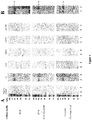
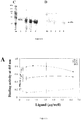
- P. acnes total heat protein extracts were electrophoretically separated and detected by silver staining ( Figure 1B ). Several bands ranging from 14 to 100 kDa were detected with one protein of an apparent molecular mass of 58-kDa representing approximately >90% of the total protein extract ( Figure 1B , lane 2).
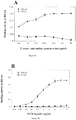
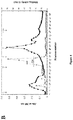
- acnes total surface protein were immobilized onto polystyrene plate and probed with biotinylated Fg and Collagen I ( Figure 2 ).
- Firstly several concentrations of protein extract were tested and were shown a binding activity for fibrinogen reaching a plateau at about 6.25 ⁇ g/ml protein per well, while no binding activity was detected for collagen I.
- 25 ⁇ g/ml of protein were immobilized per well and tested with various quantity of biotinylated Fg and Collagen I ( Figure 2B ). It has been shown a strong binding activity with the fibrinogen, reaching a plateau, suggesting a possible saturation of recognized sites. No binding activity was detected with collagen I indicating a specific interaction between fibrinogen and the P. acnes protein extract.
- 58-kDa is a fibrinogen binding protein extracted from the surface of P. acnes it was named as PFg.
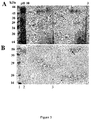
- P. acnes surface extract was separated by 2-D gel electrophoresis.
- the first dimension was an IEF covering a broad pl range from 10 to 3.
- the second dimension was run on 12.5% SDS-PAGE, after which the proteins were detected by silver staining ( Figure 3A ).
- Approximately 50 protein spots were observed after separation ( Figure 3A ).
- a second gel was run in parallel and subjected to the Western ligand blot assay using biotinylated fibrinogen ( Figure 3B ).
- Pfg appeared under 2-3 major spots ( Figure 3B , lane 3) and were matched with the spots in the silver stained gel ( Figure 3A , lane 3).
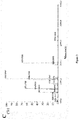
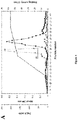
- FIG. 3C shows a MALDI mass spectrum of a tryptic peptide mixture produced from the protein spot arrowed in Figure 3A . Twenty two experimentally obtained tryptic peptide masses were found to match predicted peptide masses to within 0.1 Da, covering 57% of the amino acid sequence. Protein sequence database searching identified the protein as the product of gene of P.
- the PPA2127 gene product is a 405-amino-acid hypothetical protein with a repetitive proline- and threonine-rich region at the C terminus (proline-threonine repetitive protein [PTRP]).
- PTRP proline-threonine repetitive protein
- Protein sequence analysis revealed the presence of a LPXTG motif at the position 400 at the C-terminus corresponding to a cell-anchoring motif possible site for a sortase and arguing in favor of a surface protein present on the P. acnes membrane.
- Table 3 Measured and calculated molecular masses for tryptic peptides a .
- fibrinogen is a glycoprotein containing both N- and O-linked glycans (Debeire 1985; Reid Townsend 1982; L'Hôte 1996).
- purified fibrinogen was treated with PNGase F and O-glycosidase to specifically remove the N- and O-linked glycans from the protein backbone, respectively, and was tested for its ability to be recognize by P. acnes surface protein extract ( Figs. 6 and 7 ). After removing the N-linked glycans, the fibrinogen was still strongly recognized by Pfg ( Figure 6B , lanes 3 and 5).
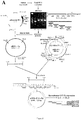
- the BB subunit of the human fibrinogen was arbitraly divided into 4 equal sequences (Fg1, Fg2, Fg3, Fg4) which were obtained by RT-PCR from human hepatocytes.
- the amplicons, containing the restriction sites for EcoRI and Xhol, were purified and subsequently cloned into the plasmid pBSK for production of the Fgs inserts which were cloned into the pGEX-4F-2 expression plasmid ( Figure 8A ).
- Recombinants E. coli clones were subjected to IPTG induction and the total protein were analyzed by electrophoresis.
- Fibrinogen-derived peptide inhibits the interaction between Pfg and fibrinogen
- P. acnes strains 6919, RON and PIE The ability of P. acnes strains 6919, RON and PIE was tested at 3 concentrations to adhere to various cells lines. It has been shown that the strains of P. acnes tested bound to the three kind of cell lines tested (keratinocytes, monocytes and fibroblast) with a maximum adhesion strength found for keratinocytes ( Figure 11 ). Knowing that P. acnes is able to recognize fibrinogen, it was used human and bovine whole fibrinogen to compete the interaction between the bacteria and the target cell. It has been shown that increasing amount of both, human and bovine fibrinogen, are able to inhibit the adhesion of P. acnes to keratinocytes ( Figure 12 ).
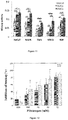
- Fg1 to inhibit the adhesion of bacteria and RON PIE was evaluated on the 3 main types cell. It has been shown that the Fg1 peptide, inhibits the adhesion of RON strain in a dose-dependent manner on keratinocytes (NHDK), monocytes (THP-1), and fibroblasts (HDF). In parallel Fg2 peptide, used as a negative control shows no anti-adhesive activity ( Figure 13 ). Same results were obtained with the 6919 and PIE P. acnes strains.
- P. acnes strains are able to adhere to different target cells with a higher affinity for keratinocytes. Entire fibrinogen is able to compete the adhesion between the bacteria and the keratinocytes.
- the adhesion of the whole bacteria to the target cells was significantly decreased.
- IL-1B has been shown that the production of IL-1B is effective only for monocytes. Fg1 has no effect on the production of IL-1B, whatever the strain of P. acnes used (Table 5). TNF- ⁇ production is effective for the monocytes and fibroblasts, whereas it is more random in keratinocytes. A Fg1 dose-response effect on the decrease of the production of TNF- ⁇ by monocytes and fibroblasts for the 3 bacterial tested strains were shown. The production of IL-12 was very low or non-existent for all the bacterial strains and cell lines tested proving to be a poor marker of inflammation in this model (Table 5).
- IL-8 is important for keratinocytes (HaCaT and primary) and fibroblasts (MRC5 and primary) when stimulated by three strains of P. acnes (6919, RON and PEI).
- No production of IL-8 are monocytes.
- a Fg1 dose-response effect on the decrease of the production of IL-8 in keratinocytes and fibroblasts to the 3 bacterial tested strains was shown. Representative results are shown in Figure 15 and concern the production of IL-8 obtained on the MRC5 cell line with the P. acnes RON strain.
- Table 5 Overall of results of the evaluation of the anti-inflammatory activity of Fg1 Inflammatory molecule production P.
- acnes stimulated cell is negative and positive, respectively.
- Control low production of inflammatory molecules in unstimulated and P. acnes stimulated cell is negative and weak, respectively.
- Inhibition pos Fg1 decrease the production of inflammatory molecule in a dose-dependent manner
- Inhibition NO Fg1 has no effect on the production of inflammatory molecule
- the Fg1 amino acid sequence containing 106 residues was divided into 3 non overlapping small sequences containing between 30 to 36 amino acid residues (small Fg1-related peptides; Fg1.1, Fg1.2, and Fg1.3). To avoid loss of putative activity in the cutting areas, two sequences overlapping with the 2 cutting areas were generated from this cutting site (Fg1.4 and Fg1.5) ( Figure 16 ).
- H 2 O 2 H 2 O 2 by several cell lines (HaCaT, NHDK, THP-1, MRC5 and HDF) stimulated by three P. acnes strains 6919, RON and PIE was measured, in presence or not with the small peptides.
- the amount of H 2 O 2 produced is compared to that produced by the stimulated cells with untreated bacteria.
- Production baseline is obtained by measuring H 2 O 2 on unstimulated cells.
- the measurement of the production of H 2 O 2 is performed by spectrofluorimetry in the presence of specific fluorochromes directly on the monolayer cell.
- acnes stimulated cell is negative and positive, respectively.
- Inhibition pos Fg1.1 and Fg1.4 decrease the production of H2O2 in a dose-dependent manner
- I Set of experiment where the bacteria are first pretreated.
- II set of experiments where the cells are first pretreated
- H 2 O 2 H 2 O 2 by several cell lines (NHDK, THP-1, and HDF) stimulated by LTA (lipoteichoic acid, LPS (lipopolysaccharide) and PGN (peptidoglycanne) was measured, in presence or not of Fg1 or Fg2.
- LTA poteichoic acid
- LPS lipopolysaccharide
- PGN peptidoglycanne
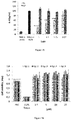
- Results obtained for NHDK cells stimulated by LTA are presented in Figure 18 , and show that Fg1 but not Fg2 significantly decreases production of H 2 O 2 by LTA-stimulated NHDK cells. Similar results were obtained on primary fibroblast (HDF) and monocytes (ThP1) cells stimulated with LTA, LPS and PGN.
- HDF primary fibroblast
- ThP1 monocytes
- NHDK cells stimulated by LTA, LPS and PGN were also measured.
- results obtained for NHDK cells stimulated by PGN are presented in Figure 19 , and show that Fg1 but not Fg2 significantly decreases production of IL-8 by PGN-stimulated NHDK cells. Similar results were obtained on NHDK cells stimulated by LTA and LPS.
- Fg1 also has anti-inflammatory properties on keratinocytes, independently of the presence of P. acnes.
- Figure 20 shows results obtained on immortalized keratinocyte HaCaT cell line. Similar results were obtained on immortalized fibroblast MRC5 cell line.
- Figure 21 shows the same experiment made using the diluent used to dissolve the peptides (vehicle) at the same concentrations.
- Stock solutions were made in: PBS for Fg1.1.4, 60% DMSO/PBS for Fg1.1.1 and Fg1.1.3, 100% DMSO for Fg1.1.2.
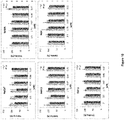
- the inventors then assessed the capacity of small fragments Fg1.1.1, Fg1.1.2, Fg1.1.3, Fg1.1.4 and Fg1.1.6 to reduce the inflammatory response of cells after P. acnes stimulation.
- the amount of IL-8 was compared to that produced by the stimulated cells with untreated bacteria.
- Production baseline was obtained by measuring IL-8 on unstimulated cells.
- the measurement of IL-8 production was performed by an ELISA assay. Two sets of experiments which consist of I) the P.
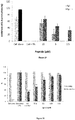
- acnes strain is first pre-treated by the peptides at final concentrations ranging from 2.5 to 20 ⁇ M (see Figure 22 ) and ; II) the cells are first pretreated by the peptides as described above and then stimulated by P. acnes (see Figure 23 ) were performed.
- This model is based on the capacity of mouse ears to react while P. acnes is intradermally injected.
- the inflammatory reaction was evaluated each day over a period of 4 days after P. acnes injection by measuring the thickness of the ears, the redness as well as the presence of a desquamation and/or small pustules.
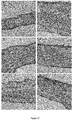
- final measurement of inflammation was realized and photographic pictures of ears were taken.
- mice were euthanized and ears as well as ears-related ganglions were removed. Ears were immediately fixed in a formalin-containing buffer for a future histological analysis.
- the ears-related ganglion were placed in appropriate cell culture media on ice and processed immediately to extract lymphocytes.
- lymphocyte suspensions were counted and adjusted to obtain 2.10 5 cell per well in a 96-well plate beforehand coated with anti-CD3 (2 ⁇ g/ml) and anti-CD28 (2.5 ⁇ g/ml) antibodies. After 72 h of growth, the proliferation rate was measured based on a redox indicator related to cellular metabolism (UptiBlue).
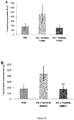
- the experimental design consisted of 5 groups containing 8 mice each. 1) PBS corresponds to the non-treated group injected with PBS. 2) PA + Vehicle TOPIC corresponds to P. acnes injected in ears treated with vaseline alone. 3) PA + Peptide TOPIC corresponds to P. acnes injected in ears treated with 5% Fg1.1.1 peptide mixed in vaseline. 4) P.
- the preparation of the 5% Fg1.1.1 peptide gel consisted of extemporaneously gently mixing 15 mg of peptide with 300 mg of vaseline for 1 min at room temperature (21 °C) and then directly applied to the mouse ears.
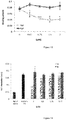
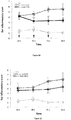
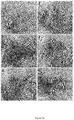
- Results show that the Fg1.1.1 peptide is able to decrease the ear inflammation in topical application ( Figure 24 , Figure 26 #6) as well as on pre-treated bacteria ( Figure 25 , Figure 26 #5) compared to the not treated ears. Histological analysis revealed a lowest number of infiltrated immune cells when the Fg1.1.1 was applied ( Figure 27 #5 and 6), as well as a reduced level of lymphocyte activation ( Figure 28 ).
- Figure 29 shows also that the percentage of inhibition of IL-8 production is higher when the cells are treated with small fragment Fg1.1.1 having 15 amino acids than with big fragment Fg1 having 211 amino acids.
- Psoriasis is a chronic inflammatory disease mediated by Th17 lymphocytes infiltration that initiate pathophysiological responses of epidermal keratinocytes.
- keratinocytes are targets for numerous cytokines contributing to the regulation of their biological properties by contributing to the inflammatory response. This keratinocyte response is characterized by a variation in their differentiation and migration capabilities as well as secretion of cytokines, chemokines and antimicrobial peptides, among them IL-8, hBD-2, S100A7, IL-12RA2 are good markers.
- Fg1.1.1 anti-inflammatory activity on psoriasis we used an in vitro model of normal human epidermal keratinocytes (NHEK) stimulated by a pro-inflammatory mixture reproducing a type phenotype "psoriasis" (combination of IL-17 + OSM + TNF- ⁇ ). We therefore evaluated Fg1.1.1 ability to inhibit the release of Il-8 and of ⁇ -defensin-2 protein (hBD-2) by the keratinocytes stimulated in this condition.
- NHEK normal human epidermal keratinocytes
- hBD-2 ⁇ -defensin-2 protein
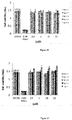
- Figure 30 shows that in basal conditions, normal human epidermal keratinocytes (NHEK) released a small amount of Il-8 (Cell alone). This release was greatly increased by the treatment with the combination of 3 cytokines (Stimulated cells). The reference Jak Inhibitor I (positive control) strongly inhibited the stimulating effect of this association (67 % inhibition).
- Fg1.1.1 tested at 6.1 and 12.2 ⁇ M significantly inhibited the release of Il-8 by NHEK with a concentration-dependent effect (25% and 49 % inhibition). At lower concentrations (1.25 and 3.05 ⁇ M), a smaller effect was observed.
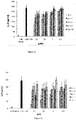
- Figure 31 shows that in basal conditions, normal human epidermal keratinocytes released a very small amount of ⁇ -defensin-2 protein (hBD-2) (Cell alone). This release was greatly increased by the treatment with the combination of Il-17, TNF- ⁇ and OSM (Stimulated cells).
- the reference Jak Inhibitor I positive control strongly inhibited the stimulating effect of this association (80% inhibition).
- Fg1.1.1 tested at 12.2 ⁇ M significantly inhibited the release of hBD-2 by NHEK.
- Fg1.1.1 had no effect on cell viability at all concentrations tested.
- Fg1.1.1 peptide When using an in vitro model of psoriasis, we have shown that the Fg1.1.1 peptide was able to inhibit the IL-8 and the hBD-2 molecules production in a dose dependent manner without any cytotoxicity. Moreover, the inhibition of IL-8 chemokine production was stronger than the hBD-2 anti-microbial peptide production in the range of concentrations tested, suggesting that higher dosage would abolish both anti-inflammatory molecules production. Thus, Fg1.1.1 peptide is a good candidate to decrease psoriasis-like inflammation.
Landscapes
- Health & Medical Sciences (AREA)
- Chemical & Material Sciences (AREA)
- Life Sciences & Earth Sciences (AREA)
- Organic Chemistry (AREA)
- General Health & Medical Sciences (AREA)
- Medicinal Chemistry (AREA)
- Pharmacology & Pharmacy (AREA)
- Animal Behavior & Ethology (AREA)
- Public Health (AREA)
- Veterinary Medicine (AREA)
- Dermatology (AREA)
- Bioinformatics & Cheminformatics (AREA)
- Engineering & Computer Science (AREA)
- Chemical Kinetics & Catalysis (AREA)
- General Chemical & Material Sciences (AREA)
- Nuclear Medicine, Radiotherapy & Molecular Imaging (AREA)
- Zoology (AREA)
- Genetics & Genomics (AREA)
- Biochemistry (AREA)
- Wood Science & Technology (AREA)
- Epidemiology (AREA)
- Proteomics, Peptides & Aminoacids (AREA)
- Gastroenterology & Hepatology (AREA)
- Toxicology (AREA)
- Hematology (AREA)
- Pain & Pain Management (AREA)
- Rheumatology (AREA)
- Biophysics (AREA)
- Molecular Biology (AREA)
- Virology (AREA)
- Biotechnology (AREA)
- Biomedical Technology (AREA)
- Immunology (AREA)
- General Engineering & Computer Science (AREA)
- Microbiology (AREA)
- Medicines That Contain Protein Lipid Enzymes And Other Medicines (AREA)
- Peptides Or Proteins (AREA)
- Micro-Organisms Or Cultivation Processes Thereof (AREA)
Applications Claiming Priority (2)
| Application Number | Priority Date | Filing Date | Title |
|---|---|---|---|
| EP15305414 | 2015-03-20 | ||
| PCT/EP2016/056179 WO2016150926A1 (en) | 2015-03-20 | 2016-03-21 | Isolated peptides and fragments thereof from fibrinogen for use as drugs, particularly in skin inflammatory diseases |
Publications (2)
| Publication Number | Publication Date |
|---|---|
| EP3270950A1 EP3270950A1 (en) | 2018-01-24 |
| EP3270950B1 true EP3270950B1 (en) | 2021-04-21 |
Family
ID=52807757
Family Applications (1)
| Application Number | Title | Priority Date | Filing Date |
|---|---|---|---|
| EP16713796.7A Active EP3270950B1 (en) | 2015-03-20 | 2016-03-21 | Isolated peptides and fragments thereof from fibrinogen for use as drugs, particularly in skin inflammatory diseases |
Country Status (10)
| Country | Link |
|---|---|
| US (1) | US10323078B2 (enExample) |
| EP (1) | EP3270950B1 (enExample) |
| JP (1) | JP6840086B2 (enExample) |
| CN (1) | CN107636011B (enExample) |
| AU (1) | AU2016236297B2 (enExample) |
| BR (1) | BR112017020008A8 (enExample) |
| CA (1) | CA2979812C (enExample) |
| DK (1) | DK3270950T3 (enExample) |
| ES (1) | ES2880795T3 (enExample) |
| WO (1) | WO2016150926A1 (enExample) |
Families Citing this family (2)
| Publication number | Priority date | Publication date | Assignee | Title |
|---|---|---|---|---|
| IL324411A (en) | 2023-05-05 | 2026-01-01 | Sanofi Pasteur Inc | Preparations for use in the treatment of acne |
| CN117304303B (zh) * | 2023-07-14 | 2024-07-05 | 杭州恩和生物科技有限公司 | 纤连蛋白截短片段、组合物及用途 |
Family Cites Families (17)
| Publication number | Priority date | Publication date | Assignee | Title |
|---|---|---|---|---|
| WO1990012866A1 (en) * | 1989-04-10 | 1990-11-01 | Louisiana State University And Agricultural And Mechanical College | Lytic peptides, use for growth, infection and cancer |
| US5639940A (en) * | 1994-03-03 | 1997-06-17 | Pharmaceutical Proteins Ltd. | Production of fibrinogen in transgenic animals |
| US6783961B1 (en) * | 1999-02-26 | 2004-08-31 | Genset S.A. | Expressed sequence tags and encoded human proteins |
| CA2296792A1 (en) | 1999-02-26 | 2000-08-26 | Genset S.A. | Expressed sequence tags and encoded human proteins |
| EP1192183A2 (en) * | 1999-06-30 | 2002-04-03 | The Regents of the University of California | Diagnostic test for thrombotic or thromboembolic disease |
| EP1411964A4 (en) * | 2001-07-06 | 2006-06-14 | Oregon Health Science Universi | THE BLOOD GENERATING PEPTIDES AND THEIR USES |
| US20040142325A1 (en) * | 2001-09-14 | 2004-07-22 | Liat Mintz | Methods and systems for annotating biomolecular sequences |
| JP2007535654A (ja) * | 2003-04-23 | 2007-12-06 | ハンサ メディカル アクチボラゲット | 抗連鎖球菌物質の確認方法、及び連鎖球菌感染症治療のためのその使用 |
| WO2007045465A1 (en) * | 2005-10-21 | 2007-04-26 | F. Hoffmann-La Roche Ag | Method for the recombinant expression of a polypeptide |
| US20130280820A1 (en) * | 2005-12-16 | 2013-10-24 | Schering Corporation | Biomarkers for psoriasis |
| US8445009B2 (en) * | 2006-08-04 | 2013-05-21 | Stb, Ltd | Processes for the production of solid dressings for treating wounded tissue |
| EP2155782A2 (en) * | 2007-03-26 | 2010-02-24 | Dako Denmark A/S | Mhc peptide complexes and uses thereof in infectious diseases |
| CN101618211A (zh) * | 2008-07-03 | 2010-01-06 | 珠海联邦制药股份有限公司 | 一种乙肝多肽疫苗及其应用 |
| AU2009268052B2 (en) * | 2008-07-09 | 2015-05-28 | Mallinckrodt Pharma Ip Trading D.A.C. | Recombinant fibrinogen |
| WO2010054195A2 (en) | 2008-11-07 | 2010-05-14 | Centocor Ortho Biotech Inc. | Markers and methods for assessing and treating lupus patients susceptible to photoprovocation |
| WO2011119484A1 (en) * | 2010-03-23 | 2011-09-29 | Iogenetics, Llc | Bioinformatic processes for determination of peptide binding |
| ES2929723T3 (es) * | 2011-02-02 | 2022-12-01 | Academisch Ziekenhuis Leiden | Anticuerpos antiproteína carbamilada y el riesgo de padecer artritis |
-
2016
- 2016-03-21 DK DK16713796.7T patent/DK3270950T3/da active
- 2016-03-21 AU AU2016236297A patent/AU2016236297B2/en active Active
- 2016-03-21 CN CN201680026130.XA patent/CN107636011B/zh active Active
- 2016-03-21 ES ES16713796T patent/ES2880795T3/es active Active
- 2016-03-21 JP JP2017549280A patent/JP6840086B2/ja active Active
- 2016-03-21 WO PCT/EP2016/056179 patent/WO2016150926A1/en not_active Ceased
- 2016-03-21 US US15/559,984 patent/US10323078B2/en active Active
- 2016-03-21 EP EP16713796.7A patent/EP3270950B1/en active Active
- 2016-03-21 BR BR112017020008A patent/BR112017020008A8/pt not_active IP Right Cessation
- 2016-03-21 CA CA2979812A patent/CA2979812C/en active Active
Non-Patent Citations (1)
| Title |
|---|
| None * |
Also Published As
| Publication number | Publication date |
|---|---|
| US10323078B2 (en) | 2019-06-18 |
| ES2880795T3 (es) | 2021-11-25 |
| JP6840086B2 (ja) | 2021-03-10 |
| CA2979812A1 (en) | 2016-09-29 |
| AU2016236297A1 (en) | 2017-09-28 |
| WO2016150926A1 (en) | 2016-09-29 |
| JP2018512844A (ja) | 2018-05-24 |
| DK3270950T3 (da) | 2021-06-07 |
| CN107636011A (zh) | 2018-01-26 |
| AU2016236297B2 (en) | 2020-07-23 |
| BR112017020008A2 (pt) | 2018-06-19 |
| BR112017020008A8 (pt) | 2023-05-02 |
| US20180105574A1 (en) | 2018-04-19 |
| CN107636011B (zh) | 2021-07-02 |
| CA2979812C (en) | 2023-08-29 |
| EP3270950A1 (en) | 2018-01-24 |
Similar Documents
| Publication | Publication Date | Title |
|---|---|---|
| Zhang et al. | Nav1. 8 in keratinocytes contributes to ROS-mediated inflammation in inflammatory skin diseases | |
| Li et al. | OM‐LV20, a novel peptide from odorous frog skin, accelerates wound healing in vitro and in vivo | |
| Sato et al. | Expression of organic anion transporting polypeptide E (OATP-E) in human placenta | |
| Edgerton et al. | Salivary histatin 5 and its similarities to the other antimicrobial proteins in human saliva | |
| Chen et al. | Identification of a receptor for neuropeptide VGF and its role in neuropathic pain | |
| Gebrim et al. | Antitumor effects of snake venom chemically modified Lys49 phospholipase A2-like BthTX-I and a synthetic peptide derived from its C-terminal region | |
| TW201245222A (en) | Anti-inflammatory proteins and methods of preparation and use thereof | |
| Chen et al. | Gasdermin D drives the nonexosomal secretion of galectin-3, an insulin signal antagonist | |
| Zheng et al. | C5a/C5aR1 mediates IMQ‐induced psoriasiform skin inflammation by promoting IL‐17A production from γδ‐T cells | |
| Lim et al. | Antimicrobial efficacy of granulysin‐derived synthetic peptides in acne vulgaris | |
| Lesiak et al. | Significance of host antimicrobial peptides in the pathogenesis and treatment of acne vulgaris | |
| Gutowska-Owsiak et al. | Histamine exerts multiple effects on expression of genes associated with epidermal barrier function | |
| Sousa‐Filho et al. | Biochemical profile, biological activities, and toxic effects of proteins in the Rhinella schneideri parotoid gland secretion | |
| KR102268955B1 (ko) | 항분비 인자 17 | |
| Zhou et al. | An amphibian-derived cathelicidin accelerates cutaneous wound healing through its main regulatory effect on phagocytes | |
| US10323078B2 (en) | Isolated peptides and fragments thereof from fibrinogen for use as drugs, particularly in skin inflammatory diseases | |
| Popov et al. | Host-defense peptides AC12, DK16 and RC11 with immunomodulatory activity isolated from Hypsiboas raniceps skin secretion | |
| Saviano et al. | PEPITEM, its tripeptide pharmacophores and their peptidomimetic analogues regulate the inflammatory response through parenteral and topical dosing in models of peritonitis and psoriasis | |
| Barberio et al. | A low molecular weight protein with antimicrobial activity in the cutaneous ‘venom’of the yellow-bellied toad (Bombina variegata pachypus) | |
| Fu et al. | The anti-myotoxic effects and mechanisms of Sinonatrix annularis serum and a novel plasma metalloproteinase inhibitor towards Deinagkistrodon acutus envenomation | |
| Xia et al. | Customized screening of ACE2 regulatory peptides from oyster to mitigate LPS-induced acute lung injury based on SPR technology | |
| Song et al. | Evaluation of the safety, cell migration, and mucoadhesive properties of a mucoadhesive polymer blend in human oral mucosa | |
| JP5101280B2 (ja) | ヘルペスウイルス感染の治療のためのペプチド | |
| EP3546478A1 (en) | New peptide derivatives of platelet derived growth factor (pdgf), a method for their preparation, pharmaceutical compositions containing them and application of these compositions | |
| Jalaei et al. | In vitro antihistamine-releasing activity of a peptide derived from wasp venom of Vespa orientalis |
Legal Events
| Date | Code | Title | Description |
|---|---|---|---|
| STAA | Information on the status of an ep patent application or granted ep patent |
Free format text: STATUS: THE INTERNATIONAL PUBLICATION HAS BEEN MADE |
|
| PUAI | Public reference made under article 153(3) epc to a published international application that has entered the european phase |
Free format text: ORIGINAL CODE: 0009012 |
|
| STAA | Information on the status of an ep patent application or granted ep patent |
Free format text: STATUS: REQUEST FOR EXAMINATION WAS MADE |
|
| 17P | Request for examination filed |
Effective date: 20171018 |
|
| AK | Designated contracting states |
Kind code of ref document: A1 Designated state(s): AL AT BE BG CH CY CZ DE DK EE ES FI FR GB GR HR HU IE IS IT LI LT LU LV MC MK MT NL NO PL PT RO RS SE SI SK SM TR |
|
| AX | Request for extension of the european patent |
Extension state: BA ME |
|
| DAV | Request for validation of the european patent (deleted) | ||
| DAX | Request for extension of the european patent (deleted) | ||
| STAA | Information on the status of an ep patent application or granted ep patent |
Free format text: STATUS: EXAMINATION IS IN PROGRESS |
|
| 17Q | First examination report despatched |
Effective date: 20190820 |
|
| RAP1 | Party data changed (applicant data changed or rights of an application transferred) |
Owner name: UNIVERSITE PIERRE ET MARIE CURIE (PARIS 6) Owner name: CENTRE NATIONAL DE LA RECHERCHE SCIENTIFIQUE (CNRS) Owner name: UNIVERSITE PARIS-SACLAY Owner name: INSTITUT NATIONAL DE LA SANTE ET DE LA RECHERCHE MEDICALE (INSERM) Owner name: UNIVERSITE PARIS DESCARTES Owner name: INSTITUT GUSTAVE ROUSSY Owner name: ASSISTANCE PUBLIQUE-HOPITAUX DE PARIS |
|
| GRAP | Despatch of communication of intention to grant a patent |
Free format text: ORIGINAL CODE: EPIDOSNIGR1 |
|
| STAA | Information on the status of an ep patent application or granted ep patent |
Free format text: STATUS: GRANT OF PATENT IS INTENDED |
|
| INTG | Intention to grant announced |
Effective date: 20200930 |
|
| RAP1 | Party data changed (applicant data changed or rights of an application transferred) |
Owner name: INSTITUT NATIONAL DE LA SANTE ET DE LA RECHERCHE MEDICALE (INSERM) Owner name: CENTRE NATIONAL DE LA RECHERCHE SCIENTIFIQUE (CNRS) Owner name: INSTITUT GUSTAVE-ROUSSY Owner name: UNIVERSITE PIERRE ET MARIE CURIE (PARIS 6) Owner name: ASSISTANCE PUBLIQUE - HOPITAUX DE PARIS Owner name: UNIVERSITE PARIS-SACLAY Owner name: UNIVERSITE PARIS DESCARTES |
|
| RIN1 | Information on inventor provided before grant (corrected) |
Inventor name: GRANGE, PHILIPPE Inventor name: RAINGEAUD, JOEL Inventor name: CALVEZ, VINCENT Inventor name: DUPIN, NICOLAS |
|
| GRAS | Grant fee paid |
Free format text: ORIGINAL CODE: EPIDOSNIGR3 |
|
| RIN1 | Information on inventor provided before grant (corrected) |
Inventor name: DUPIN, NICOLAS Inventor name: GRANGE, PHILIPPE Inventor name: RAINGEAUD, JOEL Inventor name: CALVEZ, VINCENT |
|
| GRAA | (expected) grant |
Free format text: ORIGINAL CODE: 0009210 |
|
| STAA | Information on the status of an ep patent application or granted ep patent |
Free format text: STATUS: THE PATENT HAS BEEN GRANTED |
|
| RAP1 | Party data changed (applicant data changed or rights of an application transferred) |
Owner name: UNIVERSITE PARIS-SACLAY Owner name: INSTITUT NATIONAL DE LA SANTE ET DE LA RECHERCHE MEDICALE (INSERM) Owner name: ASSISTANCE PUBLIQUE - HOPITAUX DE PARIS Owner name: CENTRE NATIONAL DE LA RECHERCHE SCIENTIFIQUE (CNRS) Owner name: SORBONNE UNIVERSITE Owner name: INSTITUT GUSTAVE-ROUSSY Owner name: UNIVERSITE DE PARIS |
|
| AK | Designated contracting states |
Kind code of ref document: B1 Designated state(s): AL AT BE BG CH CY CZ DE DK EE ES FI FR GB GR HR HU IE IS IT LI LT LU LV MC MK MT NL NO PL PT RO RS SE SI SK SM TR |
|
| REG | Reference to a national code |
Ref country code: GB Ref legal event code: FG4D |
|
| REG | Reference to a national code |
Ref country code: CH Ref legal event code: EP |
|
| REG | Reference to a national code |
Ref country code: DE Ref legal event code: R096 Ref document number: 602016056433 Country of ref document: DE |
|
| REG | Reference to a national code |
Ref country code: IE Ref legal event code: FG4D |
|
| REG | Reference to a national code |
Ref country code: AT Ref legal event code: REF Ref document number: 1383930 Country of ref document: AT Kind code of ref document: T Effective date: 20210515 |
|
| REG | Reference to a national code |
Ref country code: DK Ref legal event code: T3 Effective date: 20210602 |
|
| REG | Reference to a national code |
Ref country code: NL Ref legal event code: FP |
|
| REG | Reference to a national code |
Ref country code: SE Ref legal event code: TRGR |
|
| REG | Reference to a national code |
Ref country code: LT Ref legal event code: MG9D |
|
| RAP4 | Party data changed (patent owner data changed or rights of a patent transferred) |
Owner name: INSTITUT GUSTAVE-ROUSSY Owner name: CENTRE NATIONAL DE LA RECHERCHE SCIENTIFIQUE (CNRS) Owner name: INSTITUT NATIONAL DE LA SANTE ET DE LA RECHERCHE MEDICALE (INSERM) Owner name: SORBONNE UNIVERSITE Owner name: UNIVERSITE PARIS-SACLAY Owner name: ASSISTANCE PUBLIQUE - HOPITAUX DE PARIS Owner name: UNIVERSITE DE PARIS |
|
| REG | Reference to a national code |
Ref country code: AT Ref legal event code: MK05 Ref document number: 1383930 Country of ref document: AT Kind code of ref document: T Effective date: 20210421 |
|
| PG25 | Lapsed in a contracting state [announced via postgrant information from national office to epo] |
Ref country code: BG Free format text: LAPSE BECAUSE OF FAILURE TO SUBMIT A TRANSLATION OF THE DESCRIPTION OR TO PAY THE FEE WITHIN THE PRESCRIBED TIME-LIMIT Effective date: 20210721 Ref country code: AT Free format text: LAPSE BECAUSE OF FAILURE TO SUBMIT A TRANSLATION OF THE DESCRIPTION OR TO PAY THE FEE WITHIN THE PRESCRIBED TIME-LIMIT Effective date: 20210421 Ref country code: HR Free format text: LAPSE BECAUSE OF FAILURE TO SUBMIT A TRANSLATION OF THE DESCRIPTION OR TO PAY THE FEE WITHIN THE PRESCRIBED TIME-LIMIT Effective date: 20210421 Ref country code: FI Free format text: LAPSE BECAUSE OF FAILURE TO SUBMIT A TRANSLATION OF THE DESCRIPTION OR TO PAY THE FEE WITHIN THE PRESCRIBED TIME-LIMIT Effective date: 20210421 Ref country code: LT Free format text: LAPSE BECAUSE OF FAILURE TO SUBMIT A TRANSLATION OF THE DESCRIPTION OR TO PAY THE FEE WITHIN THE PRESCRIBED TIME-LIMIT Effective date: 20210421 |
|
| REG | Reference to a national code |
Ref country code: ES Ref legal event code: FG2A Ref document number: 2880795 Country of ref document: ES Kind code of ref document: T3 Effective date: 20211125 |
|
| PG25 | Lapsed in a contracting state [announced via postgrant information from national office to epo] |
Ref country code: RS Free format text: LAPSE BECAUSE OF FAILURE TO SUBMIT A TRANSLATION OF THE DESCRIPTION OR TO PAY THE FEE WITHIN THE PRESCRIBED TIME-LIMIT Effective date: 20210421 Ref country code: PL Free format text: LAPSE BECAUSE OF FAILURE TO SUBMIT A TRANSLATION OF THE DESCRIPTION OR TO PAY THE FEE WITHIN THE PRESCRIBED TIME-LIMIT Effective date: 20210421 Ref country code: NO Free format text: LAPSE BECAUSE OF FAILURE TO SUBMIT A TRANSLATION OF THE DESCRIPTION OR TO PAY THE FEE WITHIN THE PRESCRIBED TIME-LIMIT Effective date: 20210721 Ref country code: PT Free format text: LAPSE BECAUSE OF FAILURE TO SUBMIT A TRANSLATION OF THE DESCRIPTION OR TO PAY THE FEE WITHIN THE PRESCRIBED TIME-LIMIT Effective date: 20210823 Ref country code: IS Free format text: LAPSE BECAUSE OF FAILURE TO SUBMIT A TRANSLATION OF THE DESCRIPTION OR TO PAY THE FEE WITHIN THE PRESCRIBED TIME-LIMIT Effective date: 20210821 Ref country code: GR Free format text: LAPSE BECAUSE OF FAILURE TO SUBMIT A TRANSLATION OF THE DESCRIPTION OR TO PAY THE FEE WITHIN THE PRESCRIBED TIME-LIMIT Effective date: 20210722 Ref country code: LV Free format text: LAPSE BECAUSE OF FAILURE TO SUBMIT A TRANSLATION OF THE DESCRIPTION OR TO PAY THE FEE WITHIN THE PRESCRIBED TIME-LIMIT Effective date: 20210421 |
|
| REG | Reference to a national code |
Ref country code: DE Ref legal event code: R097 Ref document number: 602016056433 Country of ref document: DE |
|
| PG25 | Lapsed in a contracting state [announced via postgrant information from national office to epo] |
Ref country code: EE Free format text: LAPSE BECAUSE OF FAILURE TO SUBMIT A TRANSLATION OF THE DESCRIPTION OR TO PAY THE FEE WITHIN THE PRESCRIBED TIME-LIMIT Effective date: 20210421 Ref country code: CZ Free format text: LAPSE BECAUSE OF FAILURE TO SUBMIT A TRANSLATION OF THE DESCRIPTION OR TO PAY THE FEE WITHIN THE PRESCRIBED TIME-LIMIT Effective date: 20210421 Ref country code: SM Free format text: LAPSE BECAUSE OF FAILURE TO SUBMIT A TRANSLATION OF THE DESCRIPTION OR TO PAY THE FEE WITHIN THE PRESCRIBED TIME-LIMIT Effective date: 20210421 Ref country code: SK Free format text: LAPSE BECAUSE OF FAILURE TO SUBMIT A TRANSLATION OF THE DESCRIPTION OR TO PAY THE FEE WITHIN THE PRESCRIBED TIME-LIMIT Effective date: 20210421 Ref country code: RO Free format text: LAPSE BECAUSE OF FAILURE TO SUBMIT A TRANSLATION OF THE DESCRIPTION OR TO PAY THE FEE WITHIN THE PRESCRIBED TIME-LIMIT Effective date: 20210421 |
|
| PLBE | No opposition filed within time limit |
Free format text: ORIGINAL CODE: 0009261 |
|
| STAA | Information on the status of an ep patent application or granted ep patent |
Free format text: STATUS: NO OPPOSITION FILED WITHIN TIME LIMIT |
|
| REG | Reference to a national code |
Ref country code: DE Ref legal event code: R081 Ref document number: 602016056433 Country of ref document: DE Owner name: UNIVERSITE PARIS CITE, FR Free format text: FORMER OWNERS: ASSISTANCE PUBLIQUE - HOPITAUX DE PARIS, PARIS, FR; CENTRE NATIONAL DE LA RECHERCHE SCIENTIFIQUE (CNRS), PARIS, FR; INSTITUT GUSTAVE ROUSSY, VILLEJUIF, FR; INSTITUT NATIONAL DE LA SANTE ET DE LA RECHERCHE MEDICALE (INSERM), PARIS, FR; SORBONNE UNIVERSITE, PARIS, FR; UNIVERSITE DE PARIS, PARIS, FR; UNIVERSITE PARIS-SACLAY, SAINT-AUBIN, FR Ref country code: DE Ref legal event code: R081 Ref document number: 602016056433 Country of ref document: DE Owner name: UNIVERSITE PARIS-SACLAY, FR Free format text: FORMER OWNERS: ASSISTANCE PUBLIQUE - HOPITAUX DE PARIS, PARIS, FR; CENTRE NATIONAL DE LA RECHERCHE SCIENTIFIQUE (CNRS), PARIS, FR; INSTITUT GUSTAVE ROUSSY, VILLEJUIF, FR; INSTITUT NATIONAL DE LA SANTE ET DE LA RECHERCHE MEDICALE (INSERM), PARIS, FR; SORBONNE UNIVERSITE, PARIS, FR; UNIVERSITE DE PARIS, PARIS, FR; UNIVERSITE PARIS-SACLAY, SAINT-AUBIN, FR Ref country code: DE Ref legal event code: R081 Ref document number: 602016056433 Country of ref document: DE Owner name: UNIVERSITE DE PARIS, FR Free format text: FORMER OWNERS: ASSISTANCE PUBLIQUE - HOPITAUX DE PARIS, PARIS, FR; CENTRE NATIONAL DE LA RECHERCHE SCIENTIFIQUE (CNRS), PARIS, FR; INSTITUT GUSTAVE ROUSSY, VILLEJUIF, FR; INSTITUT NATIONAL DE LA SANTE ET DE LA RECHERCHE MEDICALE (INSERM), PARIS, FR; SORBONNE UNIVERSITE, PARIS, FR; UNIVERSITE DE PARIS, PARIS, FR; UNIVERSITE PARIS-SACLAY, SAINT-AUBIN, FR Ref country code: DE Ref legal event code: R081 Ref document number: 602016056433 Country of ref document: DE Owner name: SORBONNE UNIVERSITE, FR Free format text: FORMER OWNERS: ASSISTANCE PUBLIQUE - HOPITAUX DE PARIS, PARIS, FR; CENTRE NATIONAL DE LA RECHERCHE SCIENTIFIQUE (CNRS), PARIS, FR; INSTITUT GUSTAVE ROUSSY, VILLEJUIF, FR; INSTITUT NATIONAL DE LA SANTE ET DE LA RECHERCHE MEDICALE (INSERM), PARIS, FR; SORBONNE UNIVERSITE, PARIS, FR; UNIVERSITE DE PARIS, PARIS, FR; UNIVERSITE PARIS-SACLAY, SAINT-AUBIN, FR Ref country code: DE Ref legal event code: R081 Ref document number: 602016056433 Country of ref document: DE Owner name: INSTITUT NATIONAL DE LA SANTE ET DE LA RECHERC, FR Free format text: FORMER OWNERS: ASSISTANCE PUBLIQUE - HOPITAUX DE PARIS, PARIS, FR; CENTRE NATIONAL DE LA RECHERCHE SCIENTIFIQUE (CNRS), PARIS, FR; INSTITUT GUSTAVE ROUSSY, VILLEJUIF, FR; INSTITUT NATIONAL DE LA SANTE ET DE LA RECHERCHE MEDICALE (INSERM), PARIS, FR; SORBONNE UNIVERSITE, PARIS, FR; UNIVERSITE DE PARIS, PARIS, FR; UNIVERSITE PARIS-SACLAY, SAINT-AUBIN, FR Ref country code: DE Ref legal event code: R081 Ref document number: 602016056433 Country of ref document: DE Owner name: INSTITUT GUSTAVE ROUSSY, FR Free format text: FORMER OWNERS: ASSISTANCE PUBLIQUE - HOPITAUX DE PARIS, PARIS, FR; CENTRE NATIONAL DE LA RECHERCHE SCIENTIFIQUE (CNRS), PARIS, FR; INSTITUT GUSTAVE ROUSSY, VILLEJUIF, FR; INSTITUT NATIONAL DE LA SANTE ET DE LA RECHERCHE MEDICALE (INSERM), PARIS, FR; SORBONNE UNIVERSITE, PARIS, FR; UNIVERSITE DE PARIS, PARIS, FR; UNIVERSITE PARIS-SACLAY, SAINT-AUBIN, FR Ref country code: DE Ref legal event code: R081 Ref document number: 602016056433 Country of ref document: DE Owner name: CENTRE NATIONAL DE LA RECHERCHE SCIENTIFIQUE (, FR Free format text: FORMER OWNERS: ASSISTANCE PUBLIQUE - HOPITAUX DE PARIS, PARIS, FR; CENTRE NATIONAL DE LA RECHERCHE SCIENTIFIQUE (CNRS), PARIS, FR; INSTITUT GUSTAVE ROUSSY, VILLEJUIF, FR; INSTITUT NATIONAL DE LA SANTE ET DE LA RECHERCHE MEDICALE (INSERM), PARIS, FR; SORBONNE UNIVERSITE, PARIS, FR; UNIVERSITE DE PARIS, PARIS, FR; UNIVERSITE PARIS-SACLAY, SAINT-AUBIN, FR Ref country code: DE Ref legal event code: R081 Ref document number: 602016056433 Country of ref document: DE Owner name: ASSISTANCE PUBLIQUE - HOPITAUX DE PARIS, FR Free format text: FORMER OWNERS: ASSISTANCE PUBLIQUE - HOPITAUX DE PARIS, PARIS, FR; CENTRE NATIONAL DE LA RECHERCHE SCIENTIFIQUE (CNRS), PARIS, FR; INSTITUT GUSTAVE ROUSSY, VILLEJUIF, FR; INSTITUT NATIONAL DE LA SANTE ET DE LA RECHERCHE MEDICALE (INSERM), PARIS, FR; SORBONNE UNIVERSITE, PARIS, FR; UNIVERSITE DE PARIS, PARIS, FR; UNIVERSITE PARIS-SACLAY, SAINT-AUBIN, FR |
|
| 26N | No opposition filed |
Effective date: 20220124 |
|
| PG25 | Lapsed in a contracting state [announced via postgrant information from national office to epo] |
Ref country code: IS Free format text: LAPSE BECAUSE OF FAILURE TO SUBMIT A TRANSLATION OF THE DESCRIPTION OR TO PAY THE FEE WITHIN THE PRESCRIBED TIME-LIMIT Effective date: 20210821 Ref country code: AL Free format text: LAPSE BECAUSE OF FAILURE TO SUBMIT A TRANSLATION OF THE DESCRIPTION OR TO PAY THE FEE WITHIN THE PRESCRIBED TIME-LIMIT Effective date: 20210421 |
|
| REG | Reference to a national code |
Ref country code: DE Ref legal event code: R081 Ref document number: 602016056433 Country of ref document: DE Owner name: UNIVERSITE PARIS-SACLAY, FR Free format text: FORMER OWNERS: ASSISTANCE PUBLIQUE - HOPITAUX DE PARIS, PARIS, FR; CENTRE NATIONAL DE LA RECHERCHE SCIENTIFIQUE (CNRS), PARIS, FR; INSTITUT GUSTAVE ROUSSY, VILLEJUIF, FR; INSTITUT NATIONAL DE LA SANTE ET DE LA RECHERCHE MEDICALE (INSERM), PARIS, FR; SORBONNE UNIVERSITE, PARIS, FR; UNIVERSITE DE PARIS, PARIS, FR; UNIVERSITE PARIS-SACLAY, GIF-SUR-YVETTE, FR Ref country code: DE Ref legal event code: R081 Ref document number: 602016056433 Country of ref document: DE Owner name: UNIVERSITE PARIS CITE, FR Free format text: FORMER OWNERS: ASSISTANCE PUBLIQUE - HOPITAUX DE PARIS, PARIS, FR; CENTRE NATIONAL DE LA RECHERCHE SCIENTIFIQUE (CNRS), PARIS, FR; INSTITUT GUSTAVE ROUSSY, VILLEJUIF, FR; INSTITUT NATIONAL DE LA SANTE ET DE LA RECHERCHE MEDICALE (INSERM), PARIS, FR; SORBONNE UNIVERSITE, PARIS, FR; UNIVERSITE DE PARIS, PARIS, FR; UNIVERSITE PARIS-SACLAY, GIF-SUR-YVETTE, FR Ref country code: DE Ref legal event code: R081 Ref document number: 602016056433 Country of ref document: DE Owner name: SORBONNE UNIVERSITE, FR Free format text: FORMER OWNERS: ASSISTANCE PUBLIQUE - HOPITAUX DE PARIS, PARIS, FR; CENTRE NATIONAL DE LA RECHERCHE SCIENTIFIQUE (CNRS), PARIS, FR; INSTITUT GUSTAVE ROUSSY, VILLEJUIF, FR; INSTITUT NATIONAL DE LA SANTE ET DE LA RECHERCHE MEDICALE (INSERM), PARIS, FR; SORBONNE UNIVERSITE, PARIS, FR; UNIVERSITE DE PARIS, PARIS, FR; UNIVERSITE PARIS-SACLAY, GIF-SUR-YVETTE, FR Ref country code: DE Ref legal event code: R081 Ref document number: 602016056433 Country of ref document: DE Owner name: INSTITUT NATIONAL DE LA SANTE ET DE LA RECHERC, FR Free format text: FORMER OWNERS: ASSISTANCE PUBLIQUE - HOPITAUX DE PARIS, PARIS, FR; CENTRE NATIONAL DE LA RECHERCHE SCIENTIFIQUE (CNRS), PARIS, FR; INSTITUT GUSTAVE ROUSSY, VILLEJUIF, FR; INSTITUT NATIONAL DE LA SANTE ET DE LA RECHERCHE MEDICALE (INSERM), PARIS, FR; SORBONNE UNIVERSITE, PARIS, FR; UNIVERSITE DE PARIS, PARIS, FR; UNIVERSITE PARIS-SACLAY, GIF-SUR-YVETTE, FR Ref country code: DE Ref legal event code: R081 Ref document number: 602016056433 Country of ref document: DE Owner name: INSTITUT GUSTAVE ROUSSY, FR Free format text: FORMER OWNERS: ASSISTANCE PUBLIQUE - HOPITAUX DE PARIS, PARIS, FR; CENTRE NATIONAL DE LA RECHERCHE SCIENTIFIQUE (CNRS), PARIS, FR; INSTITUT GUSTAVE ROUSSY, VILLEJUIF, FR; INSTITUT NATIONAL DE LA SANTE ET DE LA RECHERCHE MEDICALE (INSERM), PARIS, FR; SORBONNE UNIVERSITE, PARIS, FR; UNIVERSITE DE PARIS, PARIS, FR; UNIVERSITE PARIS-SACLAY, GIF-SUR-YVETTE, FR Ref country code: DE Ref legal event code: R081 Ref document number: 602016056433 Country of ref document: DE Owner name: CENTRE NATIONAL DE LA RECHERCHE SCIENTIFIQUE (, FR Free format text: FORMER OWNERS: ASSISTANCE PUBLIQUE - HOPITAUX DE PARIS, PARIS, FR; CENTRE NATIONAL DE LA RECHERCHE SCIENTIFIQUE (CNRS), PARIS, FR; INSTITUT GUSTAVE ROUSSY, VILLEJUIF, FR; INSTITUT NATIONAL DE LA SANTE ET DE LA RECHERCHE MEDICALE (INSERM), PARIS, FR; SORBONNE UNIVERSITE, PARIS, FR; UNIVERSITE DE PARIS, PARIS, FR; UNIVERSITE PARIS-SACLAY, GIF-SUR-YVETTE, FR Ref country code: DE Ref legal event code: R081 Ref document number: 602016056433 Country of ref document: DE Owner name: ASSISTANCE PUBLIQUE - HOPITAUX DE PARIS, FR Free format text: FORMER OWNERS: ASSISTANCE PUBLIQUE - HOPITAUX DE PARIS, PARIS, FR; CENTRE NATIONAL DE LA RECHERCHE SCIENTIFIQUE (CNRS), PARIS, FR; INSTITUT GUSTAVE ROUSSY, VILLEJUIF, FR; INSTITUT NATIONAL DE LA SANTE ET DE LA RECHERCHE MEDICALE (INSERM), PARIS, FR; SORBONNE UNIVERSITE, PARIS, FR; UNIVERSITE DE PARIS, PARIS, FR; UNIVERSITE PARIS-SACLAY, GIF-SUR-YVETTE, FR |
|
| REG | Reference to a national code |
Ref country code: NL Ref legal event code: HC Owner name: UNIVERSITE PARIS CITE; FR Free format text: DETAILS ASSIGNMENT: CHANGE OF OWNER(S), CHANGE OF OWNER(S) NAME; FORMER OWNER NAME: UNIVERSITE PARIS-SACLAY Effective date: 20220818 |
|
| REG | Reference to a national code |
Ref country code: ES Ref legal event code: PC2A Owner name: UNIVERSITE PARIS CITE Effective date: 20221019 |
|
| PG25 | Lapsed in a contracting state [announced via postgrant information from national office to epo] |
Ref country code: MC Free format text: LAPSE BECAUSE OF FAILURE TO SUBMIT A TRANSLATION OF THE DESCRIPTION OR TO PAY THE FEE WITHIN THE PRESCRIBED TIME-LIMIT Effective date: 20210421 |
|
| REG | Reference to a national code |
Ref country code: BE Ref legal event code: HC Owner name: UNIVERSITE PARIS-SACLAY; FR Free format text: DETAILS ASSIGNMENT: CHANGE OF OWNER(S), CHANGE OF OWNER(S) NAME; FORMER OWNER NAME: UNIVERSITE DE PARIS Effective date: 20221019 |
|
| PG25 | Lapsed in a contracting state [announced via postgrant information from national office to epo] |
Ref country code: LU Free format text: LAPSE BECAUSE OF NON-PAYMENT OF DUE FEES Effective date: 20220321 Ref country code: IE Free format text: LAPSE BECAUSE OF NON-PAYMENT OF DUE FEES Effective date: 20220321 |
|
| PG25 | Lapsed in a contracting state [announced via postgrant information from national office to epo] |
Ref country code: HU Free format text: LAPSE BECAUSE OF FAILURE TO SUBMIT A TRANSLATION OF THE DESCRIPTION OR TO PAY THE FEE WITHIN THE PRESCRIBED TIME-LIMIT; INVALID AB INITIO Effective date: 20160321 |
|
| PG25 | Lapsed in a contracting state [announced via postgrant information from national office to epo] |
Ref country code: MK Free format text: LAPSE BECAUSE OF FAILURE TO SUBMIT A TRANSLATION OF THE DESCRIPTION OR TO PAY THE FEE WITHIN THE PRESCRIBED TIME-LIMIT Effective date: 20210421 Ref country code: CY Free format text: LAPSE BECAUSE OF FAILURE TO SUBMIT A TRANSLATION OF THE DESCRIPTION OR TO PAY THE FEE WITHIN THE PRESCRIBED TIME-LIMIT Effective date: 20210421 |
|
| PG25 | Lapsed in a contracting state [announced via postgrant information from national office to epo] |
Ref country code: MT Free format text: LAPSE BECAUSE OF FAILURE TO SUBMIT A TRANSLATION OF THE DESCRIPTION OR TO PAY THE FEE WITHIN THE PRESCRIBED TIME-LIMIT Effective date: 20210421 |
|
| PGFP | Annual fee paid to national office [announced via postgrant information from national office to epo] |
Ref country code: NL Payment date: 20260226 Year of fee payment: 11 |
|
| REG | Reference to a national code |
Ref country code: CH Ref legal event code: U11 Free format text: ST27 STATUS EVENT CODE: U-0-0-U10-U11 (AS PROVIDED BY THE NATIONAL OFFICE) Effective date: 20260401 |
|
| PGFP | Annual fee paid to national office [announced via postgrant information from national office to epo] |
Ref country code: SE Payment date: 20260320 Year of fee payment: 11 |
|
| PGFP | Annual fee paid to national office [announced via postgrant information from national office to epo] |
Ref country code: GB Payment date: 20260323 Year of fee payment: 11 |
|
| PGFP | Annual fee paid to national office [announced via postgrant information from national office to epo] |
Ref country code: DE Payment date: 20260313 Year of fee payment: 11 Ref country code: DK Payment date: 20260226 Year of fee payment: 11 |
|
| PGFP | Annual fee paid to national office [announced via postgrant information from national office to epo] |
Ref country code: BE Payment date: 20260324 Year of fee payment: 11 Ref country code: IT Payment date: 20260309 Year of fee payment: 11 |
|
| PGFP | Annual fee paid to national office [announced via postgrant information from national office to epo] |
Ref country code: FR Payment date: 20260212 Year of fee payment: 11 |
|
| PGFP | Annual fee paid to national office [announced via postgrant information from national office to epo] |
Ref country code: TR Payment date: 20260311 Year of fee payment: 11 |
|
| PGFP | Annual fee paid to national office [announced via postgrant information from national office to epo] |
Ref country code: ES Payment date: 20260410 Year of fee payment: 11 |
|
| PGFP | Annual fee paid to national office [announced via postgrant information from national office to epo] |
Ref country code: CH Payment date: 20260401 Year of fee payment: 11 |