EP3265103B1 - Compositions comprising an aldosterone antagonist for use in treating dry eyes - Google Patents
Compositions comprising an aldosterone antagonist for use in treating dry eyes Download PDFInfo
- Publication number
- EP3265103B1 EP3265103B1 EP16759492.8A EP16759492A EP3265103B1 EP 3265103 B1 EP3265103 B1 EP 3265103B1 EP 16759492 A EP16759492 A EP 16759492A EP 3265103 B1 EP3265103 B1 EP 3265103B1
- Authority
- EP
- European Patent Office
- Prior art keywords
- group
- composition
- spironolactone
- use according
- dry eye
- Prior art date
- Legal status (The legal status is an assumption and is not a legal conclusion. Google has not performed a legal analysis and makes no representation as to the accuracy of the status listed.)
- Active
Links
Images




Classifications
-
- A—HUMAN NECESSITIES
- A61—MEDICAL OR VETERINARY SCIENCE; HYGIENE
- A61K—PREPARATIONS FOR MEDICAL, DENTAL OR TOILETRY PURPOSES
- A61K31/00—Medicinal preparations containing organic active ingredients
- A61K31/56—Compounds containing cyclopenta[a]hydrophenanthrene ring systems; Derivatives thereof, e.g. steroids
- A61K31/58—Compounds containing cyclopenta[a]hydrophenanthrene ring systems; Derivatives thereof, e.g. steroids containing heterocyclic rings, e.g. danazol, stanozolol, pancuronium or digitogenin
- A61K31/585—Compounds containing cyclopenta[a]hydrophenanthrene ring systems; Derivatives thereof, e.g. steroids containing heterocyclic rings, e.g. danazol, stanozolol, pancuronium or digitogenin containing lactone rings, e.g. oxandrolone, bufalin
-
- A—HUMAN NECESSITIES
- A61—MEDICAL OR VETERINARY SCIENCE; HYGIENE
- A61K—PREPARATIONS FOR MEDICAL, DENTAL OR TOILETRY PURPOSES
- A61K31/00—Medicinal preparations containing organic active ingredients
- A61K31/13—Amines
- A61K31/135—Amines having aromatic rings, e.g. ketamine, nortriptyline
- A61K31/136—Amines having aromatic rings, e.g. ketamine, nortriptyline having the amino group directly attached to the aromatic ring, e.g. benzeneamine
-
- A—HUMAN NECESSITIES
- A61—MEDICAL OR VETERINARY SCIENCE; HYGIENE
- A61K—PREPARATIONS FOR MEDICAL, DENTAL OR TOILETRY PURPOSES
- A61K31/00—Medicinal preparations containing organic active ingredients
- A61K31/13—Amines
- A61K31/145—Amines having sulfur, e.g. thiurams (>N—C(S)—S—C(S)—N< and >N—C(S)—S—S—C(S)—N<), Sulfinylamines (—N=SO), Sulfonylamines (—N=SO2)
-
- A—HUMAN NECESSITIES
- A61—MEDICAL OR VETERINARY SCIENCE; HYGIENE
- A61K—PREPARATIONS FOR MEDICAL, DENTAL OR TOILETRY PURPOSES
- A61K45/00—Medicinal preparations containing active ingredients not provided for in groups A61K31/00 - A61K41/00
- A61K45/06—Mixtures of active ingredients without chemical characterisation, e.g. antiphlogistics and cardiaca
-
- A—HUMAN NECESSITIES
- A61—MEDICAL OR VETERINARY SCIENCE; HYGIENE
- A61K—PREPARATIONS FOR MEDICAL, DENTAL OR TOILETRY PURPOSES
- A61K47/00—Medicinal preparations characterised by the non-active ingredients used, e.g. carriers or inert additives; Targeting or modifying agents chemically bound to the active ingredient
- A61K47/06—Organic compounds, e.g. natural or synthetic hydrocarbons, polyolefins, mineral oil, petrolatum or ozokerite
- A61K47/08—Organic compounds, e.g. natural or synthetic hydrocarbons, polyolefins, mineral oil, petrolatum or ozokerite containing oxygen, e.g. ethers, acetals, ketones, quinones, aldehydes, peroxides
- A61K47/10—Alcohols; Phenols; Salts thereof, e.g. glycerol; Polyethylene glycols [PEG]; Poloxamers; PEG/POE alkyl ethers
-
- A—HUMAN NECESSITIES
- A61—MEDICAL OR VETERINARY SCIENCE; HYGIENE
- A61K—PREPARATIONS FOR MEDICAL, DENTAL OR TOILETRY PURPOSES
- A61K47/00—Medicinal preparations characterised by the non-active ingredients used, e.g. carriers or inert additives; Targeting or modifying agents chemically bound to the active ingredient
- A61K47/30—Macromolecular organic or inorganic compounds, e.g. inorganic polyphosphates
- A61K47/36—Polysaccharides; Derivatives thereof, e.g. gums, starch, alginate, dextrin, hyaluronic acid, chitosan, inulin, agar or pectin
- A61K47/38—Cellulose; Derivatives thereof
-
- A—HUMAN NECESSITIES
- A61—MEDICAL OR VETERINARY SCIENCE; HYGIENE
- A61K—PREPARATIONS FOR MEDICAL, DENTAL OR TOILETRY PURPOSES
- A61K9/00—Medicinal preparations characterised by special physical form
- A61K9/0012—Galenical forms characterised by the site of application
- A61K9/0048—Eye, e.g. artificial tears
-
- A—HUMAN NECESSITIES
- A61—MEDICAL OR VETERINARY SCIENCE; HYGIENE
- A61P—SPECIFIC THERAPEUTIC ACTIVITY OF CHEMICAL COMPOUNDS OR MEDICINAL PREPARATIONS
- A61P27/00—Drugs for disorders of the senses
- A61P27/02—Ophthalmic agents
Definitions
- compositions for use in topical administration to an ocular region of a patient for treating dry eye Disclosed herein are compositions for use in topical administration to an ocular region of a patient for treating dry eye.
- Ocular surface diseases affect millions of Americans each year (see Schein et al., American J. Ophthalmology, 124:723-738, (1997 )).
- dry eye disease a generic description for an ocular surface disease of the tear film, can cause considerable pain and discomfort to those afflicted. Mild cases may only present symptoms of drying or irritation, while more severe cases may include burning sensations or substantial impairments to a person's vision.
- Ocular surface diseases such as dry eye
- Ocular surface diseases are on the rise, and particularly among older populations. It has been estimated that approximately 4.9 million Americans 50 years and older have dry eye or chronic dry eye disease with the number of women appearing to outnumber men similarly affected, (see Smith, The Ocular Surface 5(2): 93-407 (2007 )).
- ADDE aqueous tear-deficient dry eye
- EDE evaporative dry eye
- the former, ADDE generally refers to a disorder in which the lacrimal glands fail to produce enough of the watery component of tears to maintain a healthy eye surface.
- ADDE can be further divided in to two major subclasses, Sjogren syndrome dry eye and non-Sjogren syndrome dry eye (primary and secondary lacrimal gland deficiencies, obstruction of the lacrimal gland ducts, reflex hyposecretion, reflex motor block).
- Sjogren syndrome dry eye primary and secondary lacrimal gland deficiencies, obstruction of the lacrimal gland ducts, reflex hyposecretion, reflex motor block
- the latter, EDE is generally characterized by excessive water loss from the ocular surface due to evaporation.
- EDE can also be divided into two major subclasses - intrinsically caused and extrinsically caused EDE.
- Intrinsic causes can include inflammation of the meibomian glands which make the lipid or oily part of tears that slows evaporation and keeps the tears stable, eye lid disorders, and infrequent blinking. EDE is often referred to as posterior blepharitis, meibomian gland disease or meibomitis.
- Extrinsic causes can include other ocular surface disorders, diseases, or infections, contact lens wear, and allergies.
- ocular surface diseases including dry eye, are characterized by the presence by a common final pathway of inflammatory related lesions during the examination of the ocular surface.
- Signs and symptoms of mature ocular surface disease include anterior lid margin vascularization around the orifice, obstruction of varying degrees of the meibum secretion, degrees of meibum viscosity and turbidity, zone A posterior lid margin vascularization, chalasis, and meibomian gland loss and/or drop out. These lesions can be accompanied by vascularization suggesting both acute and chronic processes that will be ongoing unless multiple treatment approaches quells the common final pathways promoting the chronic morbidity associated with the varying degrees and frequency of inflammatory insults.
- a number of risk factors found to correlate to the development of dry eye have been identified and include being female, older age, postmenopausal estrogen therapy, diabetes, a diet that is low in omega 3 essential fatty acids or has a high ratio of omega 6 to omega 3 fatty acids, refractive surgery, vitamin A deficiency, radiation therapy, bone marrow transplant, hepatitis C, certain classes of systemic and ocular medications including antihistamines (see Smith, 2007).
- Other risk factors may include autoimmune deficiencies, microbial infection (viral and/or bacterial), connective tissue diseases, systemic cancer chemotherapy, and certain medications (see Smith, 2007).
- Non-limiting examples of current solutions include topical artificial tears, topical cyclosporine A (commercially available as RESTASIS ® ), systemic omega 3 fatty acids, systemic flaxseed, oral antibiotics ( i.e., minocycline, doxycycline, tetracycline, azithromycin), topical antibiotics, oral steroids, topical steroids, topical nonsteroidals, topical anti-allergy drops, as well as manual procedures, including mechanical opening and clearing of blocked glands ( e.g ., LIPIFLOW ® ), intense pulse light therapy, punctal plugs, and punctal cautery.
- lubricants are the easiest, least invasive, and most frequently employed solution to dry eye. The effects of lubricants, however, are ephermeal and require constant reapplication for sustained relief. None of the current solutions are sufficient - a broader spectrum solution is needed to alleviate the symptoms associated with dry eye disease.
- the present disclosure relates to the topical treatment of ocular surface diseases, particularly dry eye, with topical applications of at least one aldosterone antagonist in the eye or surrounding adnexal structures surrounding or adjacent to the ocular surface (including the tear film, cornea, conjunctiva including goblet cells, ocular lymphatics, eye lids, eye lid glands including meibomian glands, glands of Zeiss and Wolfring, etc.), as a way of providing therapeutically useful concentrations of the drug at its site of action.
- This class of topical drugs with its diuretic, antiandrogenic and other unspecified drug actions on the ocular surface may be therapeutic locally while minimizing drug entry into the blood stream, and therefore, preventing or avoiding possible systemic side effects.
- the topical applications can include other active agents such as antibiotics, including dapsone (diaminodiphenyl sulfone (DDS)).
- Aldosterone antagonists have been used in the cosmetic and skin care industries.
- the aldosterone antagonist spironolactone has been used as an ingredient in cosmetic skin and hair care compositions ( U.S. Pat. App. Pub. No. 2010/0029574 and U.S. Pat. No. 7,879,910 ).
- spironolactone has been used in the pharmaceutical industries to treat skin conditions ( EP Pat. No. 0582458 , PCT Pat. App. Pub. No. WO 2010/038234 , and U.S. Pat. App. Pub. No. 2013/0143850 ), and for treating glaucoma ( U.S. Pat. No. 3,551 ,554 ).
- Spironolactone is used in the management of hyperaldosteronism, adolescent and adult acne, and female hirsutism. See also, Arita, R., Zavala, M., & Yee, R.W., "MGD Diagnosis,” Curr Opthalmol Rep, 49-57 (June 4, 2014 ); Kim, G.K. and Del Rosso, J.Q., "Oral Spironolactone in Post- teenage Female Patients with Acne Vulgaris," J Clin Aesthet Dermatol, 5(3): 37-50 (Mar. 2012 ); Tavakkoli, F., “Review of the role of Spironolactone in the therapy of children," 18th Expert Committee on the Selection and Use of Essential Medicines (Mar 21 , 2011 ).
- aldosterone antagonists including spironolactone, have not been used for the treatment of ocular surface disorders, in particular dry eye disease.
- Aldosterone antagonists are, as the name suggests, receptor antagonists at the mineralocorticoid receptor. Antagonism of these receptors inhibits sodium resorption in the collecting duct of the nephron in the kidneys. This interferes with sodium/potassium exchange, reducing urinary potassium excretion and weakly increasing water excretion (diuresis).
- aldosterone antagonists such as spironolactone
- spironolactone may also be employed for the purpose of reducing elevated or unwanted androgen activity in the body at its site of action and possibly demonstrating positive clinical effects on the glands of the eye and surrounding structures based on the clinical improvement noted from our patients using a topical eye application.
- aldosterone antagonists have been demonstrated to have clinical efficacy in patients who have a variety of symptoms and signs of dry eye ocular surface external disease.
- the present invention relates to the embodiments as characterized in the claims.
- the present disclosure extends the use of aldosterone antagonists to include aldosterone antagonists for use in treating the ocular disease dry eye.
- Dry eye includs ADDE, EDE, and chronic dry eye generally, keratoconjunctivitis, such as vernal keratoconjunctivitis, atopic keratoconjunctivitis and sicca keratoconjunctivitis.
- compositions for use in accordance with the present invention comprise an effective amount of at least one aldosterone antagonist chosen from spironolactone, eplerenone, canrenone (e.g., canrenoate potassium), prorenone (e.g., prorenoate potassium), mexrenone ( e.g. , mexrenoate potassium) or combinations comprising the same, as well as isomers, which are stereoisomers, enantiomers, diastereomers, conformers, rotamers, or tautomers, salts, or solvates thereof, and a pharmaceutically acceptable carrier.
- the pharmaceutically acceptable carrier may be any carrier.
- the carrier may be any one or more of water, an aqueous solution, a polymer such as hydroxypropyl methylcellulose (hypromellose or HPMC), petrolatum, mineral oil, castor oil, carboxymethyl cellulose, polyvinyl alcohol, hydroxypropyl cellulose, hyaluronic acid (hyaluronan or HA), glycerin, polyvinyl alcohol, polyethylene glycol (PEG) such as Polyethylene Glycol 400 (PEG 400), propylene glycol (PG), polysorbate 80, povidone, and/or dextran.
- a polymer such as hydroxypropyl methylcellulose (hypromellose or HPMC), petrolatum, mineral oil, castor oil, carboxymethyl cellulose, polyvinyl alcohol, hydroxypropyl cellulose, hyaluronic acid (hyaluronan or HA), glycerin, polyvinyl alcohol, polyethylene glycol (PEG) such as Polyethylene Glycol 400 (PEG 400),
- the aldosterone antagonist can be present in the carrier by weight or by volume in an amount from 0.05% to 10%, or from 0.05% to 1 %, or from 0.05% to 0.5%, or from 0.3% to 0.8% or from 0.4% to 1 .2%, or from 0.6% to 1 .5%, or from 1 % to 2%, or from 3% to 4%, and so on.
- Embodiments described herein may provide a composition for use in accordance with the present invention consisting essentially of at least the one aldosterone antagonist mentioned above (including, isomers, which are stereoisomers, enantiomers, diastereomers, conformers rotamers, and tautomers, salts, and solvates thereof), and a pharmaceutically acceptable carrier.
- the one aldosterone antagonist mentioned above including, isomers, which are stereoisomers, enantiomers, diastereomers, conformers rotamers, and tautomers, salts, and solvates thereof
- a pharmaceutically acceptable carrier including, isomers, which are stereoisomers, enantiomers, diastereomers, conformers rotamers, and tautomers, salts, and solvates thereof.
- compositions described herein are useful in various physical forms.
- acceptable compositional forms include liquids (e.g ., eye drops), sprays, suspensions, gels, pastes, ointments, nanosized drug particles, pellets, emulsifications, creams, solids, etc.
- compositions comprising an effective amount of at least one aldosterone antagonist selected from the group consisting of spironolactone, eplerenone, canrenone, prorenone, mexrenone, and combinations thereof, or stereoisomer(s), enantiomer(s), diastereomer(s), conformer(s), rotamer(s), and tautomer(s), salt(s), or solvate(s) thereof, and a pharmaceutically acceptable carrier for use in a method for treating dry eye disease, which comprises topically administering to an ocular region of an animal, such as a mammal ( e.g ., a human, canine, feline, etc.), the composition.
- a mammal e.g ., a human, canine, feline, etc.
- compositions can comprise antibiotics and/or steroids or a steroid-like moiety.
- Compositions comprising the aldosterone antagonist, a steroid, such as prednisone, and/or an antibiotic, such as dapsone are included as embodiments of the invention.
- Method embodiments may include any of the compositions described herein.
- administer(s) refers to the placement of a composition into a subject by a method or route which results in at least partial localization of the composition at a desired site such that desired effect is produced.
- a compound or composition described herein can be administered by any appropriate route known in the art including, but not limited to, topical administration (e.g., ophthalmic drops).
- aldosterone antagonist(s) means a compound that suppresses the receptor-mediated activity of aldosterone and/or mineralocorticoid receptors to predict factors which stimulate or suppress aldosterone secretion.
- carrier and “pharmaceutically acceptable carrier” may be used interchangeably, and mean any liquid, suspension, gel, salve, solvent, liquid, diluent, fluid ointment base, nanoparticle, liposome, micelle, giant micelle, and the like, which is suitable for use in contact with a subject without causing adverse physiological responses, and which does not interact with the other components of the composition in a deleterious manner.
- carrier ingredients are known for use in making topical formulations, such as gelatin, polymers, fats and oils, lecithin, collagens, alcohols, water, etc.
- pharmaceutically acceptable means those compounds, materials, compositions, and dosage forms which are, within the scope of sound medical judgment, suitable for use in contact with the tissues of a subject without excessive toxicity, irritation, or other problem or complication, commensurate with a reasonable benefit/risk ratio.
- the term "isomer(s)" means all stereoisomers of the compounds and/or molecules referred to herein (e.g., aldosterone antagonists, such as spironolactone, eplerenone, canrenone, prorenone, mexrenone, etc., polymers, such as hydroxypropyl methylcellulose, etc.), including enantiomers, diastereomers, as well as all conformers, rotamers, and tautomers, unless otherwise indicated.
- the compounds and/or molecules disclosed herein include all enantiomers in either substantially pure levorotatory or dextrorotatory form, or in a racemic mixture, or in any ratio of enantiomers.
- embodiments disclose a (D)-enantiomer, that embodiment also includes the (L)-enantiomer; where embodiments disclose a (L)-enantiomer, that embodiment also includes the (D)-enantiomer.
- embodiments disclose a (+)-enantiomer, that embodiment also includes the (-)-enantiomer; where embodiments disclose a (-)-enantiomer, that embodiment also includes the (+)-enantiomer.
- embodiments disclose a (S)-enantiomer, that embodiment also includes the (R)-enantiomer; where embodiments disclose a (R)-enantiomer, that embodiment also includes the (S)-enantiomer.
- Embodiments are intended to include any diastereomers of the compounds and/or molecules referred to herein in diastereomerically pure form and in the form of mixtures in all ratios. Unless stereochemistry is explicitly indicated in a chemical structure or chemical name, the chemical structure or chemical name is intended to embrace all possible stereoisomers, conformers, rotamers, and tautomers of compounds and/or molecules depicted.
- phrases “effective amount”, “therapeutically effective amount”, or “pharmaceutically effective amount” may be used interchangeably and mean the amount of a compound that, when administered to a subject for treating a state, disorder or condition, is sufficient to effect such treatment.
- the “effective amount” will vary depending on the compound, the disease and its severity, and the age, weight, physical condition and responsiveness of the mammal to be treated.
- the terms "ocular” or “ocular region” means the eye, surrounding tissues of the eye, and to bodily fluids in the region of the eye.
- the term includes the cornea or, the sclera or, the uvea, the conjunctiva (e.g., bulbar conjunctiva, palpebral conjunctiva, and tarsal conjunctiva), anterior chamber, lacrimal sac, lacrimal canals, lacrimal ducts, medial canthus, nasolacrimal duct, and the eyelids ( e.g ., upper eyelid and lower eyelid).
- the term includes the inner surface of the eye (conjunctiva overlying the sclera), and the inner surface of the eyelids (e.g ., the palpepral conjunctiva).
- the term "conjunctiva” means the mucous membrane lining the inner surfaces of the eyelids and anterior part of the sclera.
- cornea means the clear central frontal tissue of the eye. The degree of corneal curvature varies from subject to subject.
- eye(s) means the light sensing organs of a subject and can refer to the sense organ providing vision to a subject.
- eyelid means a movable fold of thin skin over the eye, which may further comprise eyelashes and ciliary and meibomian glands along its margin.
- the eyelid consists of loose connective tissue containing a thin plate of fibrous tissue lined with mucous membrane (conjunctiva).
- canthus means either corner of the eye where the upper and lower eyelids meet.
- mucus means the viscous, slippery secretions of mucous membranes and glands, containing mucin, white blood cells, water, inorganic salts, and exfoliated cells.
- lacrimal apparatus refers to one or more of a lacrimal gland, lacrimal duct, lacrimal sac, or lacrimal canal, or any organ associated with the production or drainage of tears.
- the term "sclera” means the collagenous outer-wall of the eyeball comprising mostly collagen and some elastic tissue, which is covered by conjunctiva. In humans, the sclera is sometimes referred to as the white of the eye.
- the term "tear(s)” means the liquid produced by lacrimation, for cleaning and lubricating the eyes.
- compositions for use for administration to an ocular region of a subject for treating dry eye disease comprise an effective amount, such as a pharmaceutically effective amount, of at least one aldosterone antagonistchosen from spironolactone, eplerenone, canrenone (e.g., canrenoate potassium), prorenone (e.g.
- prorenoate potassium e.g ., mexrenoate potassium
- mexrenone e.g ., mexrenoate potassium
- isomers which are stereoisomer(s), enantiomer(s), diastereomer(s), conformer(s), rotamer(s), and tautomer(s), salt(s), or solvate(s) thereof, as described herein and a pharmaceutically effective carrier.
- compositions for use for administration to an ocular region of a subject for treating dry eye disease consist essentially of an effective amount, such as a pharmaceutically effective amount, of at least the one aldosterone antagonist, including the isomers, salts, and solvates thereof, as described above and a pharmaceutically effective carrier.
- compositions may be in the form of a liquid (e.g., an ophthalmic drop), a suspension, a gel, a slurry, an ointment, a cream, an emulsion, a solid, a powder of variable sizes macro to nano particle sized (wettable powder or dry powder), or a pellet.
- a liquid e.g., an ophthalmic drop
- suspension e.g., a suspension
- a gel e.g., a slurry, an ointment
- cream e.g., an ophthalmic drop
- a slurry e.g., a slurry
- an ointment e.g., a cream, an emulsion, a solid, a powder of variable sizes macro to nano particle sized (wettable powder or dry powder), or a pellet.
- the composition is a liquid composition.
- the pharmaceutically acceptable carrier may be any carrier.
- the carrier may be any one or more of water, an aqueous solution, a polymer such as hydroxypropyl methylcellulose (hypromellose or HPMC), petrolatum, mineral oil, carboxymethyl cellulose, polyvinyl alcohol, hydroxypropyl cellulose, hyaluronic acid (hyaluronan or HA), glycerin, polyvinyl alcohol, polyethylene glycol (PEG) such as Polyethylene Glycol 400 (PEG 400), propylene glycol (PG), polysorbate 80, povidone, and/or dextran.
- PEG polyethylene glycol
- PEG 400 Polyethylene Glycol 400
- PG propylene glycol
- polysorbate 80 povidone, and/or dextran.
- the aldosterone antagonist can be present in the carrier by weight or by volume in an amount from 0.05% to 10%, such as from 0.05% to 1%, or from 0.05% to 0.5%, or from 0.3% to 0.8% or from 0.4% to 1 .2%, or from 0.6% to 1 .5%, or from 1% to 2%, or from 3% to 4%, and so on.
- compositions described herein comprise at least one aldosterone antagonist selected from the group consisting of spironolactone, eplerenone, canrenone, prorenone, mexrenone, and combinations thereof, or stereoisomer(s), enantiomer(s), diastereomer(s), conformer(s), rotamer(s), and tautomer(s), salt(s), or solvate(s) thereof.
- aldosterone antagonists may be a natural aldosterone antagonist, ( i.e., not synthetically produced), a synthetic aldosterone antagonist (e.g., a chemically synthesized aldosterone antagonist) or combinations thereof.
- aldosterone antagonist(s) in general are provided in U.S. Pat. No. 4,192,802 , U.S. Pat. App. Pub. No. 2003/0199483 , U.S. Pat. App. Pub. Nos. 2004/0102423 and 2009/0325918 , EP 0046291 , and WO 2004/085458 , but form only part of the invention as far as they concern the above-mentioned aldosterone antagonists.
- Aldosterone antagonists can have the following structure: wherein R 1 , R 2 , R 3 , R 4 , R 5 , and R 6 may each independently represent a hydrogen atom, an oxygen atom, a halogen atom (e.g ., fluorine, chlorine, bromine, iodine), a saturated or unsaturated, branched or unbranched, substituted or unsubstituted aliphatic or aromatic hydrocarbon containing between 1 and 20 carbon atoms, such as an alkyl group, an alkenyl group, an alkynyl group, an alkoxy group, an acyl group, an acetyl group, an aryl group, an aryloxy group, an acrylyl group, a carbonyl group, a cycloalkyl group, a hydroxyalkyl group, an alkoxyalkyl group, a hydroxycarbonyl group, an alkoxycarbonyl group, an acyloxyalkyl group, a
- R 1 , R 2 , R 3 , R 4 , R 5 , and R 6 may each independently represent a methyl group, an ethyl group, a propyl group, a butyl group, a cyclopropyl group, a cyclobutyl group, a cyclopentyl group, a cyclohexyl group, a cycloheptyl group, a methoxy group, an ethoxy group, a propoxy group, a butoxy group, an acetyl group, a propionyl group, a butyryl group, a hydroxymethyl group, a hydroxyethyl group, a hydroxypropyl group, a hydroxybutyl group, a methoxymethyl group, a methoxyethyl group, a methoxypropyl group, a methoxybutyl group, an ethoxy group, an ethoxymethyl group, an ethoxymethyl group, an
- the at least one aldosterone antagonist is one or more aldosterone antagonist selected from the group consisting of spironolactone, epierenone, canrenone, prorenone, mexrenone, and combinations thereof, as well as isomers, which are stereoisomers, enantiomers, diastereomers, conformers, rotamers, or tautomers, salts, and solvates thereof.
- the at least one aldosterone antagonist is spironolactone, including isomers, which are stereoisomers, enantiomers, diastereomers, conformers, rotamers, or tautomres, salts, and solvates thereof.
- Spironolactone is an aldosterone antagonist of Structure (I) above where R 1 is an acetylthio group, R 3 and R 6 are each a methyl group, and R 2 , R 4 , and R 5 are each a hydrogen atom.
- Spironolactones comprising Structure II (below) and any one or more of the substituents mentioned above for Structure I are also included.
- Spironolactone refers to aldactone, 3-(3-oxo-7a-acetylthio-17/3-hydroxy-androst-4-en-17a-yl) propiolactone.
- Spironolactone commercially available as Aldactone ® from Pfizer and also referred to as 7 ⁇ -acetylthio-3-oxo-17 ⁇ -pregn-4-ene-21,17-carbolactone or 17-hydroxy-7 ⁇ -mercapto-3-oxo-17 ⁇ -pregn-4-ene-21-carboxylic acid, ⁇ -lactone acetate, has the molecular formula C 24 H 32 O 4 S and a molar mass of 416.574 g mol -1 .
- Spironolactone has the following structure (II) :
- R 1 of Structure I above can be an ester functional group namely -COOR'
- R 2 is a hydrogen atom
- R 3 is a methyl group
- R 4 is an oxygen atom and forms a 3-membered heterocyclic ring together with the carbon atom to which it is attached and an adjacent carbon atom
- R 5 is a hydrogen atom
- R 6 is a methyl group.
- R' of the -COOR' group can be a C 1-10 alkyl group, such as a methyl ethyl, propyl, or butyl group.
- the at least one aldosterone antagonist is eplerenone, including isomers, which are stereoisomers, enantiomers, diastereomers, conformers, rotamers, or tautomers, salts, and solvates thereof.
- Eplerenone is an aldosterone antagonist of Structure (I) above where R 1 is a -COOR' group, R 2 and R 5 are each a hydrogen atom, R', R 3 , and R 6 are each a methyl group, and R 4 is an oxygen atom that forms a 3-membered heterocyclic ring together with the carbon atom of the ring to which it is attached and an adjacent carbon atom in the ring.
- Eplerenones comprising Structure III (below) and any one or more of the substituents mentioned above for Structure I are also included.
- Eplerenone is commercially available as Inspra ® from Pfizer, also referred to as pregn-4-ene-7,21-dicarboxylic acid, 9,11-epoxy-17-hydroxy-3-oxo, ⁇ -lactone, methyl ester (7 ⁇ , 11 ⁇ , 17 ⁇ ), has the molecular formula C 24 H 30 O 6 , a molar mass of 414.49 g mol -1 , and the following structure (III):
- the at least one aldosterone antagonist is canrenone, including isomers, which are stereoisomers, enantiomers, diastereomers, conformers, rotamers, or tautomers, salts, and solvates thereof.
- Canrenone is an aldosterone antagonist of Structure (I) above where R 3 and R 6 are each a methyl group, R 1 and R 2 are each a hydrogen atom, and there is a double bond present between the carbon atom on which is attached R 1 and the carbon atom on which is attached R 2 .
- Canrenones comprising Structure IV (below) and any one or more of the substituents mentioned above for Structure I are also included.
- Canrenone may otherwise be referred to as 10,13-dimethylspiro[2,8,9,11,12,14,15,16-octahydro-1H-cyclopenta[a]phenanthrene-17,5'-oxolane]-2',3-dione, has the molecular formula C 22 H 23 O 3 , a molar mass of about 340.456 g mol -1 , and has the following structure (IV):
- the at least one aldosterone antagonist is prorenone, including isomers, which are stereoisomers, enantiomers, diastereomers, conformers, rotamers, or tautomers, salts, and solvates thereof.
- Prorenone is an aldosterone antagonist of Structure (I) above with no C-C double bonds and where R 1 is a C 1 alkyl group (CH 2 ) and forms a 3-membered ring together with the carbon atom of the ring to which it is attached and an adjacent carbon atom in the ring, R 3 and R 6 are each a methyl group, R 2 , R 4 and R 5 are each a hydrogen atom.
- Prorenones comprising Structure V (below) and any one or more of the substituents mentioned above for Structure I are also included.
- Prorenone also referred to as 3-(17 ⁇ -hydroxy-6 ⁇ ,7 ⁇ -methylene-3-oxo-4-androsten-17 ⁇ -yl)propionic acid ⁇ -lactone, has the molecular formula C 23 H 30 O 3 , a molar mass of about 354.48 g mol -1 , and the following structure (V):
- the at least one aldosterone antagonist is mexrenone, including isomers, which are stereoisomers, enantiomers, diastereomers, conformers, rotamers, or tautomers, salts, and solvates thereof.
- Mexrenone is an aldosterone antagonist of Structure (I) above where R 1 is a -COOR' group, R 2 , R 4 , and R 5 are each a hydrogen atom, R', R 3 , and R 6 are each a methyl group.
- Mexrenones comprising Structure VI (below) and any one or more of the substituents mentioned above for Structure I are also included.
- Mexrenone also referred to as 17-hydroxy-3-oxo-17 ⁇ -pregn-4-ene-7 ⁇ ,21-dicarboxylic acid 7-methyl ester gamma-lactone, has the molecular formula C 24 H 32 O 5 and a molar mass of about 400.51 g mol -1 .
- Mexrenone has the following structure (VI):
- the at least one aldosterone antagonists used in the compositions described herein may be at least two of the above aldosterone antagonists (i.e., at least two of spironolactone, eplerenone, canrenone, prorenone, mexrenone), at least three of the above aldosterone antagonists, at least four of the above aldosterone antagonists, up to and including all of the above aldosterone antagonists, including isomers, stereoisomers, enantiomers, diastereomers, conformers, rotamers, or tautomers, salts, and solvates thereof.
- the above aldosterone antagonists i.e., at least two of spironolactone, eplerenone, canrenone, prorenone, mexrenone
- at least three of the above aldosterone antagonists at least four of the above aldosterone antagonists, up to and including all of the above aldosterone antagonists, including is
- the carriers e.g ., pharmaceutically acceptable carriers
- the carriers will allow the one or more aldosterone antagonist(s) to remain efficacious (e.g ., capable of treating an ocular surface disease, such as, dry eye).
- ocular surface disease such as, dry eye
- Non-limiting examples of carriers described herein include liquids, suspensions, gels, ointments, nanosized drug particles, pellets, slurries, or solids (including wettable powders or dry powders).
- the selection of the carrier material will depend on the intended application.
- Carriers and pharmaceutically acceptable carriers for use with the compositions are well known in the pharmaceutical arts.
- Non- limiting examples of such carriers include such vehicles as water; organic solvents, alcohols, lower alcohols that are readily capable of evaporating from the skin, ethanol, glycols, glycerin, aliphatic alcohols, mixtures of water and organic solvents, mixtures of water and alcohol, mixtures of organic solvents such as alcohol and glycerin, lipid- based materials such as fatty acids, acylglycerols, oils, mineral oils, fats of natural or synthetic origin, phosphoglycerides, sphingolipids, waxes, DMSO, protein-based materials such as collagen and gelatin, volatile and/or non-volatile silicon-based materials, cyclomethicone, dimethiconol, dimethicone copolyol (Dow Corning, Midland, MI, USA), hydrocarbon-based materials such as petrolatum and squalane, sustained- release vehicles such as microspon
- the carrier may also be a commercially available neutral base known in the art.
- a neutral base has no significant therapeutic effect of its own. It simply conveys the active pharmaceutical ingredient, although some vehicles may do so with greater ease or effectiveness than others.
- a neutral base may be a cream used cosmetically for softening and/or cleaning the skin. Non-limiting examples include EUCERIN ® (Beiersdorf Aktiengesellschaft Corp., Hamburg, Germany), AQUAPHOR ® (Beiersdorf Aktiengesellschaft Corp., Hamburg, Germany), and liposomal vehicles.
- a preferred neutral base is VANICREAM ® (Pharmaceutical Specialties, Inc., Rochester, MN, USA).
- VANICREAM ® is composed of purified water, white petrolatum, cetearyl alcohol and ceteareth-20, sorbitol solution, propylene glycol, simethicone, glyceryl monostearate, polyethylene glycol monostearate, sorbic acid, and butylated hydroxytoluene (BHT).
- compositions or carriers may be a transdermal gel such as Pluronic Lecithin Organogel (PLO).
- PLO Pluronic Lecithin Organogel
- the carrier is a polymer.
- acceptable polymers include, hydroxyethyl cellulose, hydroxypropyl methyl cellulose, carboxymethyl cellulose ( e.g ., cellulose, or Gum Cellulose), polyethylene oxide, dextrans, and the like.
- the carrier is hydroxypropyl methyl cellulose (HPMC) (also referred to as hypromellose).
- HPMC hydroxypropyl methyl cellulose
- compositions and/or carriers may include one or more additional compounds, or be used contemporaneously (e.g ., used separately but with the compositions and/or carriers described herein) with, one or more additional compounds.
- Additional compounds may include antibiotics, steroids, anti-inflammation agents, analgesics, surfactants, chelating agents, buffering agents, pH adjusting agents, adjuvants, or combinations thereof.
- the additional compounds can provide any purpose, so long as the additional compounds are suitable for use in a composition or carrier used on a subject.
- Beneficial purposes of additional compounds may include synergistic effects when combined with the active ingredients of the composition ( i.e., a greater than additive effect), composition and/or carrier stabilization, enhanced delivery of the compositions to the subject, ease of formulating, and combinations thereof.
- the compositions and/or carriers may further include at least one antibiotic.
- the antibiotic may be any antibiotic suitable for use in a subject, in particular a mammalian subject, and more particularly, in a human subject.
- Non-limiting examples of antibiotics that may be used with the compositions and/or carriers described herein include amikacin, gentamicin, kanamycin, neomycin, netilmicin, streptomycin, tobramycin, teicoplanin, vancomycin, azithromycin, clarithromycin, dirithromycin, erythromycin, roxithromycin, troleandomycin, amoxicillin, ampicillin, azlocillin, carbenicillin, clozacillin, dicloxacillin, flucozacillin, meziocillin, nafcillin, penicillin, piperacillin, ticarcillin, bacitracin, colistin, polymyxin B, ciprofloxacin, enoxacin,
- the antibiotics may include any sulfone such as dapsone (diaminodiphenyl sulfone (DDS)) or any dapsone derivative, such as amino acid amides of dapsone (see Pochopin et al., International Journal of Pharmaceutics, 121 (2):157-167 (1995 )), PROMIN (sodium glucosulfone), DIASONE (sulfoxone sodium), SULPHETRONE (solapsone), PROMIZOLE (thiazolsulfone), PROMACETIN (acetosulfone) and the like. Additional sulfones have been described ⁇ see Doub, Medicinal Chem, 5:350-425 (1961 )).
- DDS diaminodiphenyl sulfone
- any dapsone derivative such as amino acid amides of dapsone (see Pochopin et al., International Journal of Pharmaceutics, 121 (2):157-167 (1995 )
- a sulfone such as dapsone may be administered to an ocular region of a subject with at least the one aldosterone antagonist, or the isomer, salt, or solvate thereof.
- the sulfone and at least the one aldosterone antagonist may be administered in the same composition or in separate compositions, and may be administered simultaneously or sequentially one to the other.
- dapsone can be present in the composition in an amount ranging from 0.0005 wt % to 10 wt %, such as from 0.05 wt % to 5 wt %, or from 0.1 wt % to 3 wt %, or from 0.5 wt % to 0.8 wt %, or from 0.7 wt % to 4 wt % based on the total weight of the composition.
- Dapsone can be present in the composition with an amount of aldosterone antagonist (such as spironolactone) ranging from about 0.0005 wt % to 10 wt %, such as from about 0.0005 wt % to 1 wt %, or from 0.005 wt % to 5 wt %, or from 0.05 wt % to 3 wt %, or from about 0.5 wt % to 2 wt %, or from 0.07 wt % to about 6 wt % based on the total weight of the composition.
- aldosterone antagonist such as spironolactone
- compositions and/or carriers may further include at least one steroid.
- the steroid may be any steroid suitable for use in a subject, in particular a mammalian subject, and more particularly, in a human subject.
- Non-limiting examples of steroids that may be used with the compositions and/or carriers described herein include 21-acetoxypregnenolone, acetonide, alclomethasone, algestone, amcinonide, beclomethasone, betamethasone, budesonide, chenodeoxycholic acid, chloroprednisone, clobetasol, clobetasone, clocortolone, cloprednol, corticosterone, cortisone, cortivazol, deflazacort, desonide, desoximethasone, dexamethasone, diflorasone diflucortolone, difluprednate, ethynylestradiol, estradiol
- compositions and/or carriers may further include at least one anti-inflammatory agent.
- the anti-inflammatory agent may be any antiinflammatory agent suitable for use in a subject, in particular a mammalian subject, and more particularly, in a human subject.
- anti-inflammatory agents include aceclofenac, acemetacin, acetylsalicylic acid, 5-amino-acetylsalicylic acid, alclofenac, alminoprofen, amfenac, bendazac, bermoprofen, a-bisabolol, bromfenac, bromosaligenin, bucloxic acid, butibufen, carprofen, cinmetacin, clidanac, clopirac, diclofenac sodium, diflunisal, ditazol, enfenamic acid, etodolac, etofenamate, felbinac, fenbufen, fenclozi
- compositions and/or carriers may further include at least one analgesic.
- the analgesic may be any analgesic suitable for use in a subject, in particular a mammalian subject, and more particularly, in a human subject.
- Non-limiting examples of analgesics include acetaminophen ( i.e ., paracetamol), acetaminosalol, aminochlorthenoxazin, acetylsalicylic 2-amino-4-picoline acid, acetylsalicylsalicylic acid, anileridine, benoxaprofen, benzylmorphine, 5-bromosalicylic acetate acid, bucetin, buprenorphine, butorphanol, capsaicine, cinchophen, ciramadol, clometacin, clonixin, codeine, desomorphine, dezocine, dihydrocodeine, dihydromorphine, dimepheptano
- compositions and/or carriers may also include at least one surfactant or wetting agent.
- the surfactant may be selected from, but is not limited to, anionic, cationic, amphoteric, zwitterionic, and nonionic surfactants. If the surfactant is nonionic, it may be selected from the group consisting of polysorbates, poloxamers, alcohol ethoxylates, ethylene glycol-propylene glycol block copolymers, fatty acid amides, alkylphenol ethoxylates, or phospholipids, and the like.
- compositions and/or carriers may also include at least one buffer.
- buffers may include phosphates (e.g. , sodium phosphate, sodium dihydrogen phosphate, disodium hydrogen phosphate, potassium phosphate, potassium dihydrogen phosphate and dipotassium hydrogen phosphate, etc.), borates (e.g., sodium borate, potassium borate, etc.) citrates (e.g., sodium citrate, disodium citrate, etc.), acetates ( e.g ., sodium acetate, potassium acetate, etc.) carbonates (e.g., sodium carbonate, sodium hydrogen carbonate, etc.), and the like.
- phosphates e.g. , sodium phosphate, sodium dihydrogen phosphate, disodium hydrogen phosphate, potassium phosphate, potassium dihydrogen phosphate and dipotassium hydrogen phosphate, etc.
- borates e.g., sodium borate, potassium borate, etc.
- citrates e
- compositions and/or carriers may also include at least one pH adjusting agent.
- pH adjusting agents include sodium hydroxide, potassium hydroxide, sodium carbonate, hydrochloric acid, phosphoric acid, citric acid, acetic acid, and the like.
- compositions and/or carriers may be preservative free or may also include at least one preservative.
- preservatives include p-hydroxy benzoate esters, benzalkonium chloride, benzethonium chloride, chlorobutanol, benzyl alcohol, sorbic acid or its salts, chlorhexidine gluconate, sodium dehydroacetate, cetylpyridinium chloride, alkyldiaminoethylglycine hydrochloride.
- compositions and/or carriers can include oleic acid, 1 -methyl-2 pyrrolidone, 2,2-dimethyl octanoic acid and N,N dimethyl lauramide/propylene glycol monolaureate or combinations thereof, which may be included for example to minimize the barrier characteristics of the upper most layer of the corneal and conjunctival surfaces, thus, improving efficacy.
- compositions or carriers provided herein may also include one or more adjuvants.
- suitable adjuvants include phosphatidic acid, sterols such as cholesterol, aliphatic amines such as stearylamine, saturated or unsaturated fatty acids such as stearic acid, palmitic acid, myristic acid, linoleic acid, oleic acid, and salts thereof, and the like.
- the present invention relates to a composition
- a composition comprising a pharmaceutically effective amount of at least one aldosterone antagonist selected from the group consisting of spironolactone, eplerenone, canrenone, prorenone, mexrenone (including isomers, which are stereoisomers, enantiomers, diastereomers, conformers, rotamers, or tautomers, salts, and solvates thereof) and a pharmaceutically acceptable carrier for use in administration to an ocular region of a subject for reducing or preventing one or more signs or symptoms of dry eye.
- aldosterone antagonist selected from the group consisting of spironolactone, eplerenone, canrenone, prorenone, mexrenone (including isomers, which are stereoisomers, enantiomers, diastereomers, conformers, rotamers, or tautomers, salts, and solvates thereof) and a pharmaceutically acceptable carrier for use in administration to an o
- the composition for use in accordance with the present invention is a composition that delivers the at least one aldosterone antagonist (including the isomers, salts, and solvates thereof) having a desired therapeutically effective amount of aldosterone antagonist in the range of about 0.0005 wt.% to 1 .00 wt.% of the composition or carrier to the ocular region of a subject to be treated.
- the therapeutically effective amount of the at least one aldosterone antagonist could be greater than 1 .00 wt.% depending what can be tolerated by the subject being treated and the clinical effect(s) at the site of action (ocular surface anatomical structures, including the cornea, conjunctiva, lid margin epithelium, blood vessels, the meibomian gland/sebaceous gland complex, etc.).
- the aldosterone antagonist is spironolactone or the isomer, salt or solvate thereof.
- the present invention relates to the composition for use in treating the front of the eye ocular surface diseases dry eye.
- Dry eye includes ADDE, EDE, and chronic dry eye generally, keratoconjunctivitis, such as vernal keratoconjunctivitis, atopic keratoconjunctivitis, and sicca keratoconjunctivitis.
- keratoconjunctivitis such as vernal keratoconjunctivitis, atopic keratoconjunctivitis, and sicca keratoconjunctivitis.
- the present invention relates to the compositions as described hereinbefore for use in a method of treating dry eye (including ADDE, EDE, chronic dry eye, etc.).
- compositions for use in accordance with the present invention are administered to the ocular region of a subject by topical administration.
- a composition for use in a method for treating dry eye comprising: topically administering to an ocular region of a subject a composition comprising spironolactone and hydroxypropyl methylcellulose, and/or optionally comprising one or more preservatives, and/or optionally comprising one or more compounds for increasing efficacy; and reducing or preventing one or more symptoms or causes of dry eye.
- the spironolactone of the compositions can be substituted with or supplemented with one or more of eplerenone, canrenone, prorenone, and/or mexrenone.
- the compositions for use in accordance with the present invention are administered with one or more additional pharmaceutical agents.
- the one or more additional pharmaceutical agents may be administered, before, after, or simultaneously with the administration of the compositions described herein.
- the one or more additional pharmaceutical agents is administered before the administration of the compositions described herein.
- the one or more additional pharmaceutical agents is administered after the compositions described herein.
- the one or more additional pharmaceutical agents is administered simultaneously with the administration of the compositions described herein.
- the additional pharmaceutical agent may be formulated with the compositions described herein or administered as a separate pharmaceutical agent at about the same time as the compositions described herein are administered.
- Such methods can comprise administering a composition comprising from between 0.05% and 10%, such as from between 0.05% and 1 %, or from between 0.1 % and 1 %, or from between 0.15% and 0.8%, or from between 0.2% and 0.7%, or from between 0.3% and 0.5%, or from between 0.4% and 0.9% spironolactone, eplerenone, canrenone, prorenone, and/or mexrenone (based on weight or volume of the composition).
- Such methods can include administering the composition from between 1 -8 times daily; and/or from between 1 -4 times daily, for 1 -4 weeks; and/or from between 1 -4 times daily, for up to 4 weeks, then from 1 -2 times daily.
- compositions can be administered indefinitely, permanently, or otherwise on a long-term basis as a maintenance therapy.
- the method can include administering the compositions described herein to a subject throughout the lifetime of the subject as a maintenance therapy.
- the method can be used to prevent and/or reduce one or more symptoms and/or causes of dry eye such as impaired vision, burning sensation, redness, irritation, grittiness, filminess, inflammation, discomfort, pain, chemosis, chalasis, engorged vasculature, anterior lid margin vascularization, zone A posterior lid margin vascularization, or meibomian gland obstruction, secretion, viscosity, turbidity, loss, drop out, or dysfunction.
- the reducing or preventing of symptoms or causes of dry eye is quantitatively or qualitatively evidenced by vital staining, such as by lissamine green staining.
- the present invention relates to the compositions for use in topical administration to the eye to treat dry eye.
- the compositions described herein are topically administered to the cornea to treat dry eye.
- the compositions described herein are topically administered to the sclera to treat dry eye.
- the compositions described herein are topically administered to the conjunctiva to treat dry eye.
- the compositions described herein are topically administered to the lacrimal sac to treat dry eye.
- the compositions described herein are topically administered to the lacrimal canals to treat dry eye.
- the compositions described herein are topically administered to the lacrimal ducts to treat dry eye.
- the compositions described herein are topically administered to the canthus to treat dry eye.
- the compositions described herein are topically administered to the eyelids to treat dry eye.
- compositions described herein are topically administered by administering a liquid (e.g ., ophthalmic drops) to the ocular region of a subject for example to treat dry eye.
- a liquid e.g ., ophthalmic drops
- the compositions described herein are topically administered by administering a suspension to the ocular region of a subject for example to treat dry eye.
- the compositions described herein are topically administered by administering a cream to the ocular region of a subject for example to treat dry eye.
- compositions described herein are topically administered by administering an emulsion to the ocular region of a subject for example to treat dry eye.
- compositions described herein are topically administered by administering a gel to the ocular region of a subject for example to treat dry eye.
- compositions described herein are topically administered by administering a paste, pellet, ointment, spray, or nanoparticle vehicle to the ocular region of a subject for example to treat dry eye.
- the composition comprises xanthan gum.
- the compositions described herein are topically administered by administering a gel to the ocular region of a subject for example to treat dry eye.
- compositions described herein are topically administered by administering an ointment to the ocular region of a subject for example to treat dry eye.
- compositions described herein are topically administered by administering a particle (e.g., a nanosized or macrosized particle, pellet, etc.) to the ocular region of a subject for example to treat dry eye.
- a particle e.g., a nanosized or macrosized particle, pellet, etc.
- compositions described herein are topically administered by administering a slurry to the ocular region of a subject for example to treat dry eye.
- the administering step can be performed by any method known in the art (e.g., liquid dropper, nanoparticle vehicles, gum materials (e.g., xanthan gum materials, sprays, application of the compositions described herein to a material worn over the eye, such as a patch, contact lenses, etc.). Further, the step of administering the compositions provided herein may be repeated as necessary (e.g ., more than once, as in the administering step is repeated twice, three times, four times, five times, six times, seven times, eight times, nine times, ten times, eleven times, twelve times, thirteen times, fourteen times, fifteen times, sixteen times, seventeen times, eighteen times, nineteen times, twenty times, etc.) until the ocular surface disease is treated.
- a method known in the art e.g., liquid dropper, nanoparticle vehicles, gum materials (e.g., xanthan gum materials, sprays, application of the compositions described herein to a material worn over the eye, such as a patch, contact lenses,
- the aldosterone antagonist alone or in combination with other active agents, such as dapsone and/or prednisone, or a preparation comprising these components, can be injected subconjunctival as well as subtarsally into the eye lids and/or Meibomian glands directly.
- Aldosterone Antagonist :
- Spironolactone powder (0.001 to 0.01 g) (Letco Medical, Decatur, AL, USA) or (PCCA, Houston, TX, USA) (or an equivalent amount of eplerenone, canrenone, prorenone, and/or mexrenone, or combinations with spironolactone).
- Hypromellose - PF (preservative free 0.3% solution of Hypromellose without sodium chloride; buffered with sodium phosphate) (Prepared by Greenpark Pharmacy of Houston, Texas).
- the HPMC starting material for mixing with the aldosterone agent comprises from 0.01 % to 5 % HPMC, such as from 0.05 % to 0.8 %, or from 0.1 % to 0.5 %, or from 0.2 % to 1 %, or from 0.3 % to 2 %, or from 0.4 % to 3 %, or from 0.5 % to 4 %, and is preservative free.
- HPMC starting material is used (percent by weight of the total composition), such as from about 92 % to 99.7 %, or from about 93 % to 99.6 %, or from about 94 % to 99.5 %, or from about 95 % to 99.4 %, or from about 96 % to 99.3 %, or from about 97 % to 99.2 %, or from about 98 % to 99.1 %, or about 99 %.
- Example 2 Administering the Composition to a Subject
- a composition of Example 1 is administered to a number of subjects.
- the subjects are instructed to administer the composition of Example 1 to the eye up to four-times a day using ophthalmic drops for 1 -4 weeks.
- Results indicate that after two weeks of treatment using the composition of Example 1 as instructed, the subjects are reporting less redness, less irritation, less grittiness, and greater tolerance for their symptoms.
- Quantitative results indicate that patients using the composition of Example 1 as instructed tend to have less conjunctival redness, improved obstruction of the meibomian glands, and/or improved turbidity of the glands.
- Quantitative results can be obtained using any vital staining technique, including for example lissamine green staining, rose Bengal staining, and/or sodium fluorescein staining.
- staining techniques can be used to identify and/or quantify a degree of epithelial cellular disruption, for example by staining dead and degenerate cells while not staining healthy cells. Treated patients/subjects may also exhibit improved keratitis scores.
- Topical spironolactone is a drug with low toxicity and the potential to regulate and improve sebaceous gland meibum secretions through a variety of mechanisms.
- the objective of this study was to investigate the effectiveness of topical spironolactone in treating MGD, a major component of dry eye syndrome.
- Patient Study Population Twenty patients from November 2014 to February 2015 with moderate to severe meibomian gland disease were included in this study.
- the prescribing information included administering a composition to both eyes of the subjects 4 times per day as a topical drop for one month and then 2 times per day henceforth for maintenance.
- Any formulation in this disclosure can be administered according to any protocol provided herein as well, or according to typical treatment protocols. Patients who were taking glaucoma medications, steroid eye drops and other lipid-altering eye drops prior to starting spironolactone were excluded.
- MGD myeloma
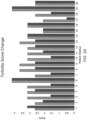
- keratitis and conjunctival staining were analyzed in describing MGD, including subjective global dry eye assessment, keratitis and conjunctival staining, anterior blepharitis grade, gland obstruction grade, meibum turbidity grade, meibum viscosity grade, zone A posterior lid margin grade, best corrected vision, and Schirmer's score. These parameters were compared in a pre-post study.
- Follow-up times ranged from 1 to 7 weeks, with an average of approximately 3 weeks.
- Main outcome measures Parameters in the prevalence of meibomian gland dysfunction (subjective global assessment, lissamine green keratitis and conjunctival staining, anterior blepharitis grade, obstruction grade, vascularity grade, turbidity grade, zone A grade, vision and Schirmer's tear score) in patients with moderate to severe MGD.
- MGD patients reported improved dry eye symptoms after using compounded topical spironolactone ophthalmic suspensions for longer than one week.
- the quality of expressed meibum secretions of MGD patients clinically showed improved clarity and viscosity post-treatment.
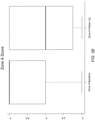
- Inflammation decreased at the avascular region -0.5 mm posterior to the posterior lid margin post-treatment. This study demonstrates the potential for spironolactone to regulate meibum quality and address inflammation in treating MGD.
- Spironolactone has potential to be used to treat MGD due to its pharmacological properties. It is believed that spironolactone addresses oil production in MGD by modulating testosterone receptors, and address inflammation associated with MGD by suppressing production of cytokines and Cortisol. Patients taking spironolactone had an improvement in subjective dry-eye symptoms, turbidity scores (quality of expressed meibum), and Zone A scores (posterior lid margin inflammation).
- the diagnosis of MGD was made based on the presence of a score of 3+ on symptoms or 2+ on lid margin abnormalities (see Arita et al., "Proposed diagnostic criteria for obstructive meibomian gland dysfunction," Ophthalmology, 1 16:2058-2063 (2009 )).
- Patients taking glaucoma medications or steroid eye-drops were excluded from the study. Patients included in the study started using spironolactone eye drops prior to using other topical eye medications or systemic medications to treat any dry eye conditions.
- the mean keratitis and conjunctival staining scores of the right eye prior to treatment were 1 .0 ⁇ 0.201 , 0.10 ⁇ 0.100, and 0.78 ⁇ 0.194 in the nasal, corneal, and temporal regions respectively.
- the mean keratitis and conjunctival staining scores of the left eye prior to treatment were 0.95 ⁇ 0.198, 0.20 ⁇ 0.138, and 0.30 ⁇ 0.164 in the nasal, corneal, and temporal regions respectively.
- Post-treatment mean keratitis and conjunctival scores were 0.83 ⁇ 0.189, 0.050 ⁇ 0.050 and 0.55 ⁇ 0.181 , in nasal, corneal, and temporal regions of the right eye and 0.60 ⁇ 0.148, 0.20 ⁇ 0.156 and 0.40 ⁇ 0.134 in nasal, corneal, and temporal regions of the left eye, respectively.
- the mean visions of patients prior to treatment were 0.072 ⁇ 0.036 and 0.022 ⁇ 0.034 log Mar units in the left and right eyes, respectively. After treatment, the vision of patients was 0.063 ⁇ 0.032 and 0.069 ⁇ 0.051 log units in the left and right eyes, respectively.
- the mean Schirmer's scores of patients prior to treatment were 14.15 ⁇ 2.171 mm and 14.30 ⁇ 2.306 mm for the left and right eyes, respectively.
- Post treatment the mean Shirmir scores were 13.63 ⁇ 2.421 mm and 14.55 ⁇ 2.426 mm for the left and right eyes.
- the mean change in Schirmer's score was 0.250 ⁇ 1 .008 and -0.525 ⁇ 1 .496 for the left and right eyes, respectively.
- the pre-treatment measurements, post-treatment measurements, and change between pre- and post-treatment are summarized below in Tables 1 -3. Table 1.
- Spironolactone was first used as a potassium-sparing diuretic due to its antagonistic activity at aldosterone receptors. Many other properties of spironolactone have been discovered including its dual activity at testosterone receptors (see Terouanne, et al., "A stable prostatic bioluminescent cell line to investigate androgen and antiandrogen effects," Molecular and Cellular Endocrinology, 160 (1 -2): 39-49, (2001 )). Due to this property, spironolactone has been used off-label for the treatment of hormonal acne in women and to suppress unwanted effects of androgens in individuals undergoing gender reassignment. Since testosterone has a known role in the development and function of meibomian glands, it is reasonable to assume that spironolactone may have additional off-label uses and may benefit patients with MGD.
- Topical spironolactone rather than oral spironolactone, is that a lower concentration is necessary to deliver an effective dose directly to the site of action.
- Topical use of spironolactone still has possible side effects.
- a small percentage of the patients reported a mild temporary burning sensation in the eye after administration of spironolactone.
- the role of the anti-aldosterone activity of spironolactone in the eye is unclear.
- the presence of a renin-angiotensin system has been identified as a potential target for lowering intraocular pressure in patients with glaucoma. Strain and Chaturvedi, "The renin-angiotensin-aldosterone system and the eye in diabetes," J Renin Angiotensin Aldosterone Syst., 3:243-246, 2002 .
- Example 4 Administering Dapsone and Spironolactone to a Subject
- Dapsone and spironolactone when administered topically in conjunction with one another, results in an additive effect (i.e. 10% to 30% improvement) in subjective complaints of surface symptoms and objective findings of overall improved inflammation based on vascularity, zone A scores and bulbar and palpebral injection.
- Dapsone and spironolactone can be administered simultaneously, sequentially, in the same or different compositions. There may or may not be improvement of the keratitis seen with surface disease depending on the severity of the aqueous components and how much morbidity that has occurred with essential macro and micro components of the ocular surface anatomy. Dapsone, however, may be contraindicated in patients with a well-documented sulfa allergy.
- An exemplary 15 mL ophthalmic solution composition comprising 3 mg spironolactone and 2.5 mg dapsone per mL can be prepared as follows. Dissolve about 0.31 grams spironolactone and about 0.26 grams dapsone in an alcohol. Ethyl alcohol can be used from 70-95% ethyl alcohol, such as from 80-90%, or 85-95%. Return solution to syringe for filtering into a sterile glass mortar in a clean room. Approximately 8 mL of ethyl alcohol is needed for each 0.3 grams of spironolactone powder. Prepare an extra 1 mL syringe comprising an alcohol, such as from 70-95% ethyl alcohol.
- a filter such as a 0.1 , 0.2, 0.3, 0.4, 0.5 micron Teflon filter
- filter the solution into a sterile glass mortar and rinse the filter with the extra alcohol (e.g ., from 1 -5 mL extra alcohol) to remove any spironolactone left in the filter.
- the extra alcohol e.g ., from 1 -5 mL extra alcohol
- Draw up 30 mL spironolactone vehicle (such as hypromellose 0.01 % to 5%, such as from 0.05 % to 0.8 %, or from 0.1 % to 0.5 %, or from 0.2 % to 1 %, or from 0.3 % to 2 %, or from 0.4 % to 3 %, or from 0.5 % to 4 %, or 5%, with or without NaCl ( i.e., preservative free, PF)) (see also Example 5 below for exemplary vehicle) using a 30 mL syringe from a sterile Pyrex bottle.
- spironolactone vehicle such as hypromellose 0.01 % to 5%, such as from 0.05 % to 0.8 %, or from 0.1 % to 0.5 %, or from 0.2 % to 1 %, or from 0.3 % to 2 %, or from 0.4 % to 3 %, or from 0.5 % to 4 %, or
- An ophthalmic vehicle for administering aldosterone antagonist, such as spironolactone can be prepared by the following method. Heat about 80-100 mL of water for irrigation in a beaker until steaming, about 70-120 degrees Celsius, such as about 70-110 degrees Celsius, or from about 75-115 degrees Celsius, or from about 80-105 degrees Celsius.
- Pressure can be in the range of 5-30 PSI, such as from 5-25 PSI, or from 10-20 PSI, or from 15- 25 PSI, and so on.
- the residence time in the autoclave can range from about 20 minutes to 2 hours, such as from 30, 40, 45, 50, 55, 60, 75, 80, 90, 100, 110, or 120 minutes.
- the suspension can be stirred while autoclaving and/or cooling.
- a droptainer such as a 10 mL, 15 mL, 20 mL, or 30 mL droptainer as appropriate.
- Final pH of the composition is in the range of a pH of about 4-8, such as a pH of 4, 4.5, 5, 5.5, 6, 6.5, 7, 7.5, or 8.
Landscapes
- Health & Medical Sciences (AREA)
- Chemical & Material Sciences (AREA)
- Medicinal Chemistry (AREA)
- Pharmacology & Pharmacy (AREA)
- Life Sciences & Earth Sciences (AREA)
- Animal Behavior & Ethology (AREA)
- General Health & Medical Sciences (AREA)
- Public Health (AREA)
- Veterinary Medicine (AREA)
- Epidemiology (AREA)
- Ophthalmology & Optometry (AREA)
- Engineering & Computer Science (AREA)
- Chemical Kinetics & Catalysis (AREA)
- General Chemical & Material Sciences (AREA)
- Inorganic Chemistry (AREA)
- Oil, Petroleum & Natural Gas (AREA)
- Bioinformatics & Cheminformatics (AREA)
- Nuclear Medicine, Radiotherapy & Molecular Imaging (AREA)
- Organic Chemistry (AREA)
- Pharmaceuticals Containing Other Organic And Inorganic Compounds (AREA)
- Medicinal Preparation (AREA)
- Medicines That Contain Protein Lipid Enzymes And Other Medicines (AREA)
Applications Claiming Priority (2)
| Application Number | Priority Date | Filing Date | Title |
|---|---|---|---|
| US201562127362P | 2015-03-03 | 2015-03-03 | |
| PCT/US2016/020683 WO2016141182A1 (en) | 2015-03-03 | 2016-03-03 | Compositions and methods for treating ocular diseases |
Publications (4)
| Publication Number | Publication Date |
|---|---|
| EP3265103A1 EP3265103A1 (en) | 2018-01-10 |
| EP3265103A4 EP3265103A4 (en) | 2018-11-14 |
| EP3265103B1 true EP3265103B1 (en) | 2024-07-24 |
| EP3265103C0 EP3265103C0 (en) | 2024-07-24 |
Family
ID=56848617
Family Applications (1)
| Application Number | Title | Priority Date | Filing Date |
|---|---|---|---|
| EP16759492.8A Active EP3265103B1 (en) | 2015-03-03 | 2016-03-03 | Compositions comprising an aldosterone antagonist for use in treating dry eyes |
Country Status (5)
| Country | Link |
|---|---|
| US (1) | US10350223B2 (cg-RX-API-DMAC7.html) |
| EP (1) | EP3265103B1 (cg-RX-API-DMAC7.html) |
| JP (1) | JP6861634B2 (cg-RX-API-DMAC7.html) |
| ES (1) | ES2984281T3 (cg-RX-API-DMAC7.html) |
| WO (1) | WO2016141182A1 (cg-RX-API-DMAC7.html) |
Families Citing this family (4)
| Publication number | Priority date | Publication date | Assignee | Title |
|---|---|---|---|---|
| WO2019140207A1 (en) * | 2018-01-11 | 2019-07-18 | Yee Richard W | Compositions and methods for treating ocular diseases |
| US12161752B2 (en) | 2019-08-20 | 2024-12-10 | Vishwanath Padmanabhan | Compositions and methods for the treatment of anterior blepharitis and posterior blepharitis |
| WO2021191273A1 (en) | 2020-03-24 | 2021-09-30 | Hovione Scientia Limited | Compositions for use in treating meibomian gland dysfunction |
| CN113577022B (zh) * | 2021-05-18 | 2023-03-17 | 南京欣通瑞亿医药科技有限公司 | 一种氨苯砜类化合物混悬液及其制备方法和应用 |
Family Cites Families (41)
| Publication number | Priority date | Publication date | Assignee | Title |
|---|---|---|---|---|
| US3551554A (en) | 1968-08-16 | 1970-12-29 | Crown Zellerbach Corp | Enhancing tissue penetration of physiologically active agents with dmso |
| US3711602A (en) | 1970-10-30 | 1973-01-16 | Crown Zellerbach Corp | Compositions for topical application for enhancing tissue penetration of physiologically active agents with dmso |
| US4192802A (en) | 1976-06-09 | 1980-03-11 | Ciba-Geigy Corporation | Process for the manufacture of steroid carboxylic acid lactones |
| FI59534C (fi) | 1979-10-31 | 1981-09-10 | Orion Yhtymae Oy | Vaordmedel foer fraemjande av haorvaext och hindrande av mjaell |
| GR74635B (cg-RX-API-DMAC7.html) | 1980-08-18 | 1984-06-29 | Merck & Co Inc | |
| USRE32112E (en) | 1981-05-26 | 1986-04-15 | Spironolactone-containing composition and use thereof | |
| IT1194185B (it) | 1983-04-01 | 1988-09-14 | Schiapparelli Farma | Composizione per il trattamento dell'acne |
| CA1224148A (en) | 1983-05-16 | 1987-07-14 | John L. Haslam | Drug delivery system utilizing thermosetting gels |
| FR2588755B3 (fr) | 1985-10-21 | 1988-01-22 | Aron Brunetiere Robert | Composition therapeutique a base de spironolactone destinee au traitement des alopecies androgenogenetiques |
| NZ226171A (en) | 1987-09-18 | 1990-06-26 | Ethicon Inc | Gel formulation containing polypeptide growth factor |
| EP0410348A1 (en) | 1989-07-26 | 1991-01-30 | G.D. Searle & Co. | Topical spironolactone composition |
| JPH05331066A (ja) | 1992-05-25 | 1993-12-14 | Toko Yakuhin Kogyo Kk | 尋常性ざ瘡治療用組成物 |
| MX9303557A (es) | 1992-08-06 | 1994-03-31 | Beta Pharm Co | Metodo para la administracion de un antiandrogeno, en particular, espironolactona, a traves de la piel. |
| KR19990022723A (ko) | 1995-06-07 | 1999-03-25 | 윌리암스 로저 에이 | 울혈성심부전의 치료를 위한 스피로노락톤 및 앤지오텐신 ii 길 항제 복합요법 |
| PL346238A1 (en) | 1998-08-20 | 2002-01-28 | 3M Innovative Properties Co | Spray on bandage and drug delivery system |
| WO2000072883A2 (en) | 1999-06-02 | 2000-12-07 | Aviana Biopharm | Pharmaceutical transdermal compositions |
| CA2390561A1 (en) | 1999-11-09 | 2001-05-17 | Pharmacia Corporation | Use of an aldosterone antagonist for treating restenosis |
| CA2469616A1 (en) * | 2001-12-12 | 2003-06-19 | James W. Aiken | Method of treating ophthalmic disorders with epoxy-steroidal aldosterone receptor antagonists |
| US20030199483A1 (en) | 2002-01-30 | 2003-10-23 | Mcmahon Ellen G. | Aldosterone receptor antagonist and alpha-adrenergic modulating agent combination therapy for prevention or treatment of pathogenic conditions |
| JP2006507297A (ja) | 2002-05-13 | 2006-03-02 | チルドレンズ・ホスピタル・ロサンジェルス | ケロイドおよび他の皮膚または内部創傷または病変における異常瘢痕形成の処置および予防 |
| JP2006511525A (ja) | 2002-12-13 | 2006-04-06 | ヤゴテック アーゲー | ナノ粒子状スピロノラクトン局所製剤 |
| CL2004000574A1 (es) | 2003-03-21 | 2005-02-11 | Pharmacia Corp Sa Organizada B | Proceso para preparar un compuesto 17-espirolactona o la sal de lactona abierta por carbonilacion del correspondiente 17-alquenil o alquinil derivado, los intermediarios que se usan y su proceso de obtencion. |
| WO2006002022A2 (en) | 2004-06-15 | 2006-01-05 | Immusol Incorporated | Compositions and methods useful for the treatment of hyperglycemia |
| MX2007003789A (es) | 2004-10-04 | 2007-07-20 | Qlt Usa Inc | Suministro ocular de formulaciones polimericas para suministro. |
| JP4969052B2 (ja) | 2005-03-31 | 2012-07-04 | 小林製薬株式会社 | 眼科用組成物 |
| US20100130580A1 (en) * | 2006-01-25 | 2010-05-27 | Aciex Therapeutics, Inc. | Formulations and Methods for Treating Dry Eye |
| GB0615064D0 (en) | 2006-07-28 | 2006-09-06 | Sinclair Pharmaceuticals Ltd | Medicament |
| US7879910B1 (en) | 2006-10-10 | 2011-02-01 | Jan Marini Skin Research, Inc. | Compositions and methods for promoting lush hair growth |
| WO2008067566A1 (en) | 2006-11-30 | 2008-06-05 | Amira Pharmaceuticals, Inc. | Compositions and treatments comprising 5-lipoxygenase-activating protein inhibitors and nitric oxide modulators |
| WO2009097508A2 (en) | 2008-01-30 | 2009-08-06 | Mcanulty, Jonathan | Methods and compositions for wound healing |
| US8318678B2 (en) | 2008-05-30 | 2012-11-27 | Jan Marini Skin Research | Cosmetic compositions |
| US20090325918A1 (en) | 2008-06-16 | 2009-12-31 | Somberg John C | Synthesis and separation of optically active isomers and cyclopropyl derivatives of spironolactone and their biological action |
| WO2010038234A1 (en) | 2008-10-02 | 2010-04-08 | Taro Pharmaceutical Industries Ltd. | Combination product of spironolactone and doxycycline |
| WO2010096558A1 (en) | 2009-02-18 | 2010-08-26 | Eyeon Particle Sciences Llc | Bi-functional co-polymer use for ophthalmic and other topical and local applications |
| AU2010274606B2 (en) | 2009-07-18 | 2014-10-16 | Leuko Ophthalmic Technologies Limited | Methods materials and systems for producing a contact lens and contact lenses produced using said methods materials and systems |
| ES2566934T3 (es) | 2010-05-10 | 2016-04-18 | INSERM (Institut National de la Santé et de la Recherche Médicale) | Métodos y composiciones para el tratamiento de la acumulación de líquido en y/o bajo la retina |
| US9241944B2 (en) | 2010-06-16 | 2016-01-26 | Institut National De La Santé Et De La Recherche Médicale (Inserm) | Methods and compositions for stimulating reepithelialisation during wound healing |
| US20120252756A1 (en) * | 2010-06-25 | 2012-10-04 | Coffey Martin J | Pharmaceutical Compositions and Methods for Treating, Controlling, Ameliorating, or Reversing Conditions of the Eye |
| EP2661269A1 (en) | 2011-01-03 | 2013-11-13 | INSERM - Institut National de la Santé et de la Recherche Médicale | Methods and pharmaceutical compositions for the treatment of ocular inflammatory diseases |
| EP3682902A1 (en) | 2012-05-18 | 2020-07-22 | Luoda Pharma Limited | Liquid formulation |
| WO2014202744A1 (en) * | 2013-06-21 | 2014-12-24 | INSERM (Institut National de la Santé et de la Recherche Médicale) | Pharmaceutical compositions for preventing glucocorticoid-induced corneal or skin thinning |
-
2016
- 2016-03-03 WO PCT/US2016/020683 patent/WO2016141182A1/en not_active Ceased
- 2016-03-03 EP EP16759492.8A patent/EP3265103B1/en active Active
- 2016-03-03 ES ES16759492T patent/ES2984281T3/es active Active
- 2016-03-03 US US15/555,527 patent/US10350223B2/en active Active
- 2016-03-03 JP JP2017545950A patent/JP6861634B2/ja active Active
Non-Patent Citations (1)
| Title |
|---|
| YEE RICHARD W ET AL: "Topical spironolactone in the treatment of meibomian gland dysfunction", INVESTIGATIVE OPHTHALMOLOGY & VISUAL SCIENCE, ASSOCIATION FOR RESEARCH IN VISION AND OPHTHALMOLOGY, US, vol. 57, no. 12, 31 August 2016 (2016-08-31), pages 5664, XP009516759, ISSN: 0146-0404 * |
Also Published As
| Publication number | Publication date |
|---|---|
| US10350223B2 (en) | 2019-07-16 |
| US20180050049A1 (en) | 2018-02-22 |
| JP2018510855A (ja) | 2018-04-19 |
| ES2984281T3 (es) | 2024-10-29 |
| JP6861634B2 (ja) | 2021-04-21 |
| EP3265103C0 (en) | 2024-07-24 |
| EP3265103A4 (en) | 2018-11-14 |
| EP3265103A1 (en) | 2018-01-10 |
| WO2016141182A1 (en) | 2016-09-09 |
Similar Documents
| Publication | Publication Date | Title |
|---|---|---|
| JP5421272B2 (ja) | 眼病治療のための組成物及び方法 | |
| JP7232128B2 (ja) | 抗菌剤及び抗炎症剤を含む眼内投与のための医薬組成物 | |
| JP2011515494A (ja) | テトラサイクリンファミリー抗生物質を用いる、眼瞼縁および涙液膜機能の改善ならびに眼瞼縁疾患の処置のための方法 | |
| EP3265103B1 (en) | Compositions comprising an aldosterone antagonist for use in treating dry eyes | |
| JP2018522070A (ja) | 白内障の処置用組成物 | |
| WO2013065028A1 (en) | Fixed dose combination containing azithromycin and loteprednol for treatment of ocular infections | |
| WO2011159632A1 (en) | Lysophosphatidic acid receptor antagonists for the treatment of conditions or diseases of the eye | |
| JP6214726B2 (ja) | スクアラミンの眼用製剤 | |
| JP2019532026A (ja) | 選択的エストロゲン受容体モジュレーター(serm)は、光受容体の変性に対する保護を付与する | |
| WO2010075315A2 (en) | Topical formulations of flap inhibitors for administration to an eye | |
| US20190328753A1 (en) | Compositions and methods for treating ocular diseases | |
| TW202133845A (zh) | 用於預防或治療眼部疾病之眼用組合物 | |
| US20240166691A1 (en) | Prodrugs and compositions for ophthalmology applications | |
| WO2022187306A1 (en) | Compositions and methods for treatment of blepharitis | |
| CN101987101A (zh) | 糖皮质激素芳香基氨磺酰基磺酸酯为活性成分的眼用抗炎组合物 | |
| WO2019140207A1 (en) | Compositions and methods for treating ocular diseases | |
| KR20090081083A (ko) | 알긴산류 화합물을 포함하는 점안용 조성물 및 그의제조방법 | |
| RU2836815C1 (ru) | Офтальмологические композиции для местного применения на ксантановой основе с сокращенным режимом дозирования | |
| WO2025072687A1 (en) | Methods and compositions for treatment of geographic atrophy | |
| JP2008504232A (ja) | 眼の手術または外傷後の脈絡膜の新生血管形成を制御するための血管静止性因子 | |
| WO2026058289A1 (en) | Ophthalmic composition of dexamethasone | |
| AU2014201375B2 (en) | Omega-3 fatty acids, hydroxy polyunsaturated fatty acids, lipoxin compounds, or oxylipin compounds for the treatment of ophthalmic conditions | |
| JP2009114153A (ja) | トラニラストゲル状懸濁剤 | |
| CN101987102A (zh) | 一种糖皮质激素杂芳香基氨磺酰基羧酸酯的眼用抗炎组合物 |
Legal Events
| Date | Code | Title | Description |
|---|---|---|---|
| STAA | Information on the status of an ep patent application or granted ep patent |
Free format text: STATUS: THE INTERNATIONAL PUBLICATION HAS BEEN MADE |
|
| PUAI | Public reference made under article 153(3) epc to a published international application that has entered the european phase |
Free format text: ORIGINAL CODE: 0009012 |
|
| STAA | Information on the status of an ep patent application or granted ep patent |
Free format text: STATUS: REQUEST FOR EXAMINATION WAS MADE |
|
| 17P | Request for examination filed |
Effective date: 20171002 |
|
| AK | Designated contracting states |
Kind code of ref document: A1 Designated state(s): AL AT BE BG CH CY CZ DE DK EE ES FI FR GB GR HR HU IE IS IT LI LT LU LV MC MK MT NL NO PL PT RO RS SE SI SK SM TR |
|
| AX | Request for extension of the european patent |
Extension state: BA ME |
|
| DAV | Request for validation of the european patent (deleted) | ||
| DAX | Request for extension of the european patent (deleted) | ||
| A4 | Supplementary search report drawn up and despatched |
Effective date: 20181015 |
|
| RIC1 | Information provided on ipc code assigned before grant |
Ipc: A61P 27/02 20060101ALI20181009BHEP Ipc: A61K 31/585 20060101AFI20181009BHEP Ipc: A61K 45/06 20060101ALI20181009BHEP Ipc: A61K 31/136 20060101ALI20181009BHEP |
|
| RIC1 | Information provided on ipc code assigned before grant |
Ipc: A61K 31/136 20060101ALI20181009BHEP Ipc: A61K 45/06 20060101ALI20181009BHEP Ipc: A61P 27/02 20060101ALI20181009BHEP Ipc: A61K 31/585 20060101AFI20181009BHEP |
|
| STAA | Information on the status of an ep patent application or granted ep patent |
Free format text: STATUS: EXAMINATION IS IN PROGRESS |
|
| 17Q | First examination report despatched |
Effective date: 20191029 |
|
| REG | Reference to a national code |
Ref country code: DE Ref legal event code: R079 Ref document number: 602016088551 Country of ref document: DE Free format text: PREVIOUS MAIN CLASS: A61K0031740000 Ipc: A61K0031136000 Ref country code: DE Ref legal event code: R079 Free format text: PREVIOUS MAIN CLASS: A61K0031740000 Ipc: A61K0031136000 |
|
| GRAP | Despatch of communication of intention to grant a patent |
Free format text: ORIGINAL CODE: EPIDOSNIGR1 |
|
| STAA | Information on the status of an ep patent application or granted ep patent |
Free format text: STATUS: GRANT OF PATENT IS INTENDED |
|
| RIC1 | Information provided on ipc code assigned before grant |
Ipc: A61K 9/00 20060101ALI20231204BHEP Ipc: A61P 27/02 20060101ALI20231204BHEP Ipc: A61K 45/06 20060101ALI20231204BHEP Ipc: A61K 31/145 20060101ALI20231204BHEP Ipc: A61K 31/585 20060101ALI20231204BHEP Ipc: A61K 31/136 20060101AFI20231204BHEP |
|
| INTG | Intention to grant announced |
Effective date: 20231219 |
|
| GRAS | Grant fee paid |
Free format text: ORIGINAL CODE: EPIDOSNIGR3 |
|
| GRAA | (expected) grant |
Free format text: ORIGINAL CODE: 0009210 |
|
| STAA | Information on the status of an ep patent application or granted ep patent |
Free format text: STATUS: THE PATENT HAS BEEN GRANTED |
|
| AK | Designated contracting states |
Kind code of ref document: B1 Designated state(s): AL AT BE BG CH CY CZ DE DK EE ES FI FR GB GR HR HU IE IS IT LI LT LU LV MC MK MT NL NO PL PT RO RS SE SI SK SM TR |
|
| REG | Reference to a national code |
Ref country code: GB Ref legal event code: FG4D |
|
| REG | Reference to a national code |
Ref country code: CH Ref legal event code: EP |
|
| REG | Reference to a national code |
Ref country code: DE Ref legal event code: R096 Ref document number: 602016088551 Country of ref document: DE |
|
| REG | Reference to a national code |
Ref country code: IE Ref legal event code: FG4D |
|
| U01 | Request for unitary effect filed |
Effective date: 20240816 |
|
| U07 | Unitary effect registered |
Designated state(s): AT BE BG DE DK EE FI FR IT LT LU LV MT NL PT SE SI Effective date: 20240828 |
|
| REG | Reference to a national code |
Ref country code: ES Ref legal event code: FG2A Ref document number: 2984281 Country of ref document: ES Kind code of ref document: T3 Effective date: 20241029 |
|
| PG25 | Lapsed in a contracting state [announced via postgrant information from national office to epo] |
Ref country code: NO Free format text: LAPSE BECAUSE OF FAILURE TO SUBMIT A TRANSLATION OF THE DESCRIPTION OR TO PAY THE FEE WITHIN THE PRESCRIBED TIME-LIMIT Effective date: 20241024 |
|
| PG25 | Lapsed in a contracting state [announced via postgrant information from national office to epo] |
Ref country code: PL Free format text: LAPSE BECAUSE OF FAILURE TO SUBMIT A TRANSLATION OF THE DESCRIPTION OR TO PAY THE FEE WITHIN THE PRESCRIBED TIME-LIMIT Effective date: 20240724 Ref country code: GR Free format text: LAPSE BECAUSE OF FAILURE TO SUBMIT A TRANSLATION OF THE DESCRIPTION OR TO PAY THE FEE WITHIN THE PRESCRIBED TIME-LIMIT Effective date: 20241025 |
|
| PG25 | Lapsed in a contracting state [announced via postgrant information from national office to epo] |
Ref country code: IS Free format text: LAPSE BECAUSE OF FAILURE TO SUBMIT A TRANSLATION OF THE DESCRIPTION OR TO PAY THE FEE WITHIN THE PRESCRIBED TIME-LIMIT Effective date: 20241124 |
|
| PG25 | Lapsed in a contracting state [announced via postgrant information from national office to epo] |
Ref country code: HR Free format text: LAPSE BECAUSE OF FAILURE TO SUBMIT A TRANSLATION OF THE DESCRIPTION OR TO PAY THE FEE WITHIN THE PRESCRIBED TIME-LIMIT Effective date: 20240724 |
|
| PG25 | Lapsed in a contracting state [announced via postgrant information from national office to epo] |
Ref country code: RS Free format text: LAPSE BECAUSE OF FAILURE TO SUBMIT A TRANSLATION OF THE DESCRIPTION OR TO PAY THE FEE WITHIN THE PRESCRIBED TIME-LIMIT Effective date: 20241024 |
|
| PG25 | Lapsed in a contracting state [announced via postgrant information from national office to epo] |
Ref country code: RS Free format text: LAPSE BECAUSE OF FAILURE TO SUBMIT A TRANSLATION OF THE DESCRIPTION OR TO PAY THE FEE WITHIN THE PRESCRIBED TIME-LIMIT Effective date: 20241024 Ref country code: PL Free format text: LAPSE BECAUSE OF FAILURE TO SUBMIT A TRANSLATION OF THE DESCRIPTION OR TO PAY THE FEE WITHIN THE PRESCRIBED TIME-LIMIT Effective date: 20240724 Ref country code: NO Free format text: LAPSE BECAUSE OF FAILURE TO SUBMIT A TRANSLATION OF THE DESCRIPTION OR TO PAY THE FEE WITHIN THE PRESCRIBED TIME-LIMIT Effective date: 20241024 Ref country code: IS Free format text: LAPSE BECAUSE OF FAILURE TO SUBMIT A TRANSLATION OF THE DESCRIPTION OR TO PAY THE FEE WITHIN THE PRESCRIBED TIME-LIMIT Effective date: 20241124 Ref country code: HR Free format text: LAPSE BECAUSE OF FAILURE TO SUBMIT A TRANSLATION OF THE DESCRIPTION OR TO PAY THE FEE WITHIN THE PRESCRIBED TIME-LIMIT Effective date: 20240724 Ref country code: GR Free format text: LAPSE BECAUSE OF FAILURE TO SUBMIT A TRANSLATION OF THE DESCRIPTION OR TO PAY THE FEE WITHIN THE PRESCRIBED TIME-LIMIT Effective date: 20241025 |
|
| U20 | Renewal fee for the european patent with unitary effect paid |
Year of fee payment: 10 Effective date: 20250306 |
|
| PG25 | Lapsed in a contracting state [announced via postgrant information from national office to epo] |
Ref country code: RO Free format text: LAPSE BECAUSE OF FAILURE TO SUBMIT A TRANSLATION OF THE DESCRIPTION OR TO PAY THE FEE WITHIN THE PRESCRIBED TIME-LIMIT Effective date: 20240724 Ref country code: SM Free format text: LAPSE BECAUSE OF FAILURE TO SUBMIT A TRANSLATION OF THE DESCRIPTION OR TO PAY THE FEE WITHIN THE PRESCRIBED TIME-LIMIT Effective date: 20240724 |
|
| PG25 | Lapsed in a contracting state [announced via postgrant information from national office to epo] |
Ref country code: CZ Free format text: LAPSE BECAUSE OF FAILURE TO SUBMIT A TRANSLATION OF THE DESCRIPTION OR TO PAY THE FEE WITHIN THE PRESCRIBED TIME-LIMIT Effective date: 20240724 |
|
| PG25 | Lapsed in a contracting state [announced via postgrant information from national office to epo] |
Ref country code: SK Free format text: LAPSE BECAUSE OF FAILURE TO SUBMIT A TRANSLATION OF THE DESCRIPTION OR TO PAY THE FEE WITHIN THE PRESCRIBED TIME-LIMIT Effective date: 20240724 |
|
| U1N | Appointed representative for the unitary patent procedure changed after the registration of the unitary effect |
Representative=s name: WITTHOFF JAEKEL STEINECKE PATENTANWAELTE PARTG MBB; DE |
|
| PLBE | No opposition filed within time limit |
Free format text: ORIGINAL CODE: 0009261 |
|
| STAA | Information on the status of an ep patent application or granted ep patent |
Free format text: STATUS: NO OPPOSITION FILED WITHIN TIME LIMIT |
|
| 26N | No opposition filed |
Effective date: 20250425 |
|
| PGFP | Annual fee paid to national office [announced via postgrant information from national office to epo] |
Ref country code: ES Payment date: 20250416 Year of fee payment: 10 |
|
| PG25 | Lapsed in a contracting state [announced via postgrant information from national office to epo] |
Ref country code: MC Free format text: LAPSE BECAUSE OF FAILURE TO SUBMIT A TRANSLATION OF THE DESCRIPTION OR TO PAY THE FEE WITHIN THE PRESCRIBED TIME-LIMIT Effective date: 20240724 |
|
| REG | Reference to a national code |
Ref country code: CH Ref legal event code: H13 Free format text: ST27 STATUS EVENT CODE: U-0-0-H10-H13 (AS PROVIDED BY THE NATIONAL OFFICE) Effective date: 20251023 |
|
| PG25 | Lapsed in a contracting state [announced via postgrant information from national office to epo] |
Ref country code: CH Free format text: LAPSE BECAUSE OF NON-PAYMENT OF DUE FEES Effective date: 20250331 |
|
| PG25 | Lapsed in a contracting state [announced via postgrant information from national office to epo] |
Ref country code: IE Free format text: LAPSE BECAUSE OF NON-PAYMENT OF DUE FEES Effective date: 20250303 |
|
| U20 | Renewal fee for the european patent with unitary effect paid |
Year of fee payment: 11 Effective date: 20260304 |
|
| PGFP | Annual fee paid to national office [announced via postgrant information from national office to epo] |
Ref country code: GB Payment date: 20260324 Year of fee payment: 11 |