EP3204028B1 - Synergistische zusammensetzung für osteoarthritis - Google Patents
Synergistische zusammensetzung für osteoarthritis Download PDFInfo
- Publication number
- EP3204028B1 EP3204028B1 EP15848903.9A EP15848903A EP3204028B1 EP 3204028 B1 EP3204028 B1 EP 3204028B1 EP 15848903 A EP15848903 A EP 15848903A EP 3204028 B1 EP3204028 B1 EP 3204028B1
- Authority
- EP
- European Patent Office
- Prior art keywords
- extract
- composition
- tamarindus indica
- curcuma longa
- extracts
- Prior art date
- Legal status (The legal status is an assumption and is not a legal conclusion. Google has not performed a legal analysis and makes no representation as to the accuracy of the status listed.)
- Active
Links
Images
Classifications
-
- A—HUMAN NECESSITIES
- A61—MEDICAL OR VETERINARY SCIENCE; HYGIENE
- A61K—PREPARATIONS FOR MEDICAL, DENTAL OR TOILETRY PURPOSES
- A61K31/00—Medicinal preparations containing organic active ingredients
- A61K31/33—Heterocyclic compounds
- A61K31/335—Heterocyclic compounds having oxygen as the only ring hetero atom, e.g. fungichromin
- A61K31/35—Heterocyclic compounds having oxygen as the only ring hetero atom, e.g. fungichromin having six-membered rings with one oxygen as the only ring hetero atom
- A61K31/352—Heterocyclic compounds having oxygen as the only ring hetero atom, e.g. fungichromin having six-membered rings with one oxygen as the only ring hetero atom condensed with carbocyclic rings, e.g. methantheline
- A61K31/353—3,4-Dihydrobenzopyrans, e.g. chroman, catechin
-
- A—HUMAN NECESSITIES
- A61—MEDICAL OR VETERINARY SCIENCE; HYGIENE
- A61K—PREPARATIONS FOR MEDICAL, DENTAL OR TOILETRY PURPOSES
- A61K31/00—Medicinal preparations containing organic active ingredients
- A61K31/70—Carbohydrates; Sugars; Derivatives thereof
- A61K31/715—Polysaccharides, i.e. having more than five saccharide radicals attached to each other by glycosidic linkages; Derivatives thereof, e.g. ethers, esters
-
- A—HUMAN NECESSITIES
- A61—MEDICAL OR VETERINARY SCIENCE; HYGIENE
- A61K—PREPARATIONS FOR MEDICAL, DENTAL OR TOILETRY PURPOSES
- A61K36/00—Medicinal preparations of undetermined constitution containing material from algae, lichens, fungi or plants, or derivatives thereof, e.g. traditional herbal medicines
- A61K36/18—Magnoliophyta (angiosperms)
- A61K36/185—Magnoliopsida (dicotyledons)
- A61K36/48—Fabaceae or Leguminosae (Pea or Legume family); Caesalpiniaceae; Mimosaceae; Papilionaceae
-
- A—HUMAN NECESSITIES
- A61—MEDICAL OR VETERINARY SCIENCE; HYGIENE
- A61K—PREPARATIONS FOR MEDICAL, DENTAL OR TOILETRY PURPOSES
- A61K36/00—Medicinal preparations of undetermined constitution containing material from algae, lichens, fungi or plants, or derivatives thereof, e.g. traditional herbal medicines
- A61K36/18—Magnoliophyta (angiosperms)
- A61K36/88—Liliopsida (monocotyledons)
- A61K36/906—Zingiberaceae (Ginger family)
- A61K36/9066—Curcuma, e.g. common turmeric, East Indian arrowroot or mango ginger
-
- A—HUMAN NECESSITIES
- A61—MEDICAL OR VETERINARY SCIENCE; HYGIENE
- A61K—PREPARATIONS FOR MEDICAL, DENTAL OR TOILETRY PURPOSES
- A61K9/00—Medicinal preparations characterised by special physical form
- A61K9/0012—Galenical forms characterised by the site of application
- A61K9/0014—Skin, i.e. galenical aspects of topical compositions
-
- A—HUMAN NECESSITIES
- A61—MEDICAL OR VETERINARY SCIENCE; HYGIENE
- A61K—PREPARATIONS FOR MEDICAL, DENTAL OR TOILETRY PURPOSES
- A61K9/00—Medicinal preparations characterised by special physical form
- A61K9/0012—Galenical forms characterised by the site of application
- A61K9/0053—Mouth and digestive tract, i.e. intraoral and peroral administration
-
- A—HUMAN NECESSITIES
- A61—MEDICAL OR VETERINARY SCIENCE; HYGIENE
- A61P—SPECIFIC THERAPEUTIC ACTIVITY OF CHEMICAL COMPOUNDS OR MEDICINAL PREPARATIONS
- A61P19/00—Drugs for skeletal disorders
- A61P19/02—Drugs for skeletal disorders for joint disorders, e.g. arthritis, arthrosis
-
- A—HUMAN NECESSITIES
- A61—MEDICAL OR VETERINARY SCIENCE; HYGIENE
- A61P—SPECIFIC THERAPEUTIC ACTIVITY OF CHEMICAL COMPOUNDS OR MEDICINAL PREPARATIONS
- A61P29/00—Non-central analgesic, antipyretic or antiinflammatory agents, e.g. antirheumatic agents; Non-steroidal antiinflammatory drugs [NSAID]
-
- A—HUMAN NECESSITIES
- A61—MEDICAL OR VETERINARY SCIENCE; HYGIENE
- A61P—SPECIFIC THERAPEUTIC ACTIVITY OF CHEMICAL COMPOUNDS OR MEDICINAL PREPARATIONS
- A61P43/00—Drugs for specific purposes, not provided for in groups A61P1/00-A61P41/00
-
- A—HUMAN NECESSITIES
- A61—MEDICAL OR VETERINARY SCIENCE; HYGIENE
- A61K—PREPARATIONS FOR MEDICAL, DENTAL OR TOILETRY PURPOSES
- A61K2236/00—Isolation or extraction methods of medicinal preparations of undetermined constitution containing material from algae, lichens, fungi or plants, or derivatives thereof, e.g. traditional herbal medicine
- A61K2236/30—Extraction of the material
- A61K2236/33—Extraction of the material involving extraction with hydrophilic solvents, e.g. lower alcohols, esters or ketones
-
- A—HUMAN NECESSITIES
- A61—MEDICAL OR VETERINARY SCIENCE; HYGIENE
- A61K—PREPARATIONS FOR MEDICAL, DENTAL OR TOILETRY PURPOSES
- A61K2300/00—Mixtures or combinations of active ingredients, wherein at least one active ingredient is fully defined in groups A61K31/00 - A61K41/00
Definitions
- the present invention relates to synergistic compositions for the treatment of one or more associated conditions of arthritis or rheumatoid arthritis or osteoarthritis. More particularly, the invention relates to a synergistic composition comprising a combination of therapeutically effective amounts of Tamarindus indica seed extracts and Curcuma longa rhizome extracts, optionally in association with an excipient/carrier/diluent.
- Osteoarthritis is a joint degeneration disease and it affects more people than any other joint diseases due to the pain and dysfunction it causes. Osteoarthritis is one of the most widespread forms of degenerative joint and bone diseases. According to Center for Disease Control, USA, OA affects 13.9% of adults aged 25 and older and 33.6% (12.4 million) of those 65 and over. The pathological condition is characterized by localized areas of loss of articular cartilage within the synovial joints, associated with hypertrophy of the bone and thickening of the joint capsule. The cause of osteoarthritis is thought to involve a complex interaction of cells and soluble mediators such as cytokines, growth factors, inflammatory mediators, metalloproteinases, and chondrodegradative enzymes.
- soluble mediators such as cytokines, growth factors, inflammatory mediators, metalloproteinases, and chondrodegradative enzymes.
- osteoarthritis is characterized by fraying and fibrillation of cartilage resulting from the elaboration of proteolytic and collagenolytic enzymes by the chondrocytes that initially attack the joint matrix.
- the disease progression may range from relatively mild symptoms causing pain and swelling to extreme debilitation and physical incapacitation. Complete destruction of the cushioning tissue in the joints may also leads to bone erosion.
- the high prevalence of this disease not only affects the individuals who suffer from it, but also presents increasing costs to the health-care industry and loss of productivity in the workplace.
- About 35 - 50% of OA cases may be genetically determined.
- Other risk factors include excess body mass, joint injury, excessive mechanical stress, mal-alignment, female gender, and ageing ( Int. J. Osteoarchaeology, 2007, 17: 437-450 ). The intertwined abnormalities of cartilage, bone and synovium lead to joint degeneration.
- Treatment regimens for osteoarthritis include pharmaceutical treatments that directly mediate the cellular/inflammatory cytokine interaction and perpetuate the progression of the disease. While over-the-counter medications and prescription drugs are provided for symptomatic relief they cause a number of side effects. For example, long-term use of high dosage non-steroidal anti-inflammatory drugs such as aspirin, ibuprofen or acetaminophen may lead to upset stomachs, gastrointestinal bleeding and possible liver damage. Stronger prescription drugs such as corticosteroids may lead to brittle bones, cataracts and elevated blood sugar.
- Tamarind (Tamarindus indica) is a monotypic species, meaning that there is only one species within the genus Tamarindus. This tropical plant mainly originated from native Africa and spread throughout the African continent. It grows wild in Sudan and in India. Tamarind (Tamarindus indica L.) is an evergreen tree, slow growing but long living plant, which can measure between 15 and 25 meters in height and upto7.5 meters in circumference. It has deep roots, rough dark gray bark and strong branches, flexible to withstand the high winds. The tamarind trees start producing fruits at the age between 3 and 7 years. It reproduces by seed. Berry production stabilizes at the age of 15. The tree is productive up to 40 to 60 years. Tamarind seeds are hard, brown and wrapped in protective endocarp layer. A sheath generally contains between 2 and 10 seeds, each 1 cm in diameter. Commonly used parts of T. indica are flowers, pulp of fruit, seeds, leaves, root, trunk or bark.
- Turmeric the powdered rhizome of the herb Curcuma longa L. (Zingiberaceae) is used extensively in Indian and Asian cuisine and it is also used as a coloring and flavoring agent.
- compositions comprising extracts derived from Tamarindus indica seed and Curcuma longa rhizome for enriching anti-arthritis activity.
- the main object of the present invention is to provide synergistic nutraceutical or dietary supplement compositions comprising therapeutically effective combination of extracts or fractions from Tamarindus indica and Curcuma longa.
- Narendra Vyas et al. (International Journal of PharmTech Research, 1 April 2010, pages 1543-1546 ) describe the synergistic combination of ethanolic extracts from Tamarindus indica seeds and Curcuma longa rhizome.
- Vyas N et al. (Pharmacologyonline, vol. 1, January 2010, pages 377-384 ) describe the synergistic combination of ethanolic extracts from Tamarindus indica seeds and Curcuma longa rhizome.
- Babaria P et al. (International Journal of Pharmacy and Pharmaceutical Sciences, vol. 3, no. 4, 1 October 2011, pages 204-207 ) describe the antiarthritic activity of both, ethanolic and aqueous extracts from Tamarindus indica seeds.
- the present invention discloses a novel synergistic composition which for use in the treatment of at least one condition selected from inflammation, arthritis, joint pain, rheumatoid arthritis, osteoarthritis, chronic non-rheumatoid arthritis, collagen degradation, comprising a combination of therapeutically effective amounts of:
- the alcohol used for preparing Tamarindus indica seed extract comprising proanthocyanidin compounds selected from the group consisting of methanol, ethanol, propanol, isopropanol, butanol and tert-butanol and mixtures thereof.
- the Curcuma longa extract may be prepared from Curcuma longa rhizome using solvents selected from the group consisting of methanol, ethanol, propanol, isopropanol, n-butanol, tert-butanol, acetone, ethyl acetate and the fractions enriched in total curcuminoids derived from the said extracts.
- the pharmaceutically or nutraceutically or dietetically acceptable carriers/excipients that can be used for formulating the inventive compositions may be selected from surfactants, binders, diluents, disintegrants, lubricants, preservatives, stabilizers, buffers, polymers, colors, flavors, suspensions and drug delivery systems.
- the synergistic composition(s) for use of the invention comprises (a) Tamarindus indica seed extract varies in the range from 20% to 80%,(b) Curcuma longa rhizome extract varies in the range of 20% to 60%; and (c) optionally containing excipients/carriers varying in the range of 0 - 30%.
- the invention provides a novel synergistic Tamarindus indica seed extract for use in the treatment of at least one condition selected from inflammation, arthritis, joint pain, rheumatoid arthritis, osteoarthritis, chronic non-rheumatoid arthritis, collagen degradation, wherein said extract is a mixed extract containing alcohol extract and water extract of Tamarindus indica seed, comprising a) 1% to 99% by weight of alcohol extract primarily consisting of proanthocyanidins and b) 1 to 50% by weight of water extract consisting of predominantly polysaccharides, optionally containing pharmaceutically or nutraceutically or dietetically acceptable carriers/excipients.
- a mixed extract containing alcohol extract and water extract of Tamarindus indica seed comprising a) 1% to 99% by weight of alcohol extract primarily consisting of proanthocyanidins and b) 1 to 50% by weight of water extract consisting of predominantly polysaccharides, optionally containing pharmaceutically or nutraceutically or dietetically acceptable carriers/excipient
- Described and not claimed per se is a method for preventing or treating at least one condition selected from inflammation, arthritis, joint pain, rheumatoid arthritis, osteoarthritis, chronic non-rheumatoid arthritis, collagen degradation in a patient
- method comprises administering to the patient an effective amount of synergistic composition comprising a) an alcoholic/hydroalcoholic extract of Tamarindus indica seed comprising proanthocyanidins either alone or in combination with water extract of Tamarindus indica seed comprising polysaccharides; b) Curcuma longa rhizome extract comprising curcuminoids, optionally containing pharmaceutically or nutraceutically or dietetically acceptable carriers/excipients, to the patient in need thereof.
- Described and not claimed per se is a method for treating a disease condition selected from inflammation, arthritis, joint pain, rheumatoid arthritis, osteoarthritis, chronic non-rheumatoid arthritis, collagen degradation in a patient in need thereof comprising administering to the patient an effective amount of novel synergistic Tamarindus indica seed extract comprising a) 1% to 99% by weight of alcohol or hydroalcohol extract primarily consisting of proanthocyanidins and b) 1 to 50% by weight of water extract consisting of predominantly polysaccharides, optionally containing pharmaceutically or nutraceutically or dietetically acceptable carriers/excipients.
- novel synergistic composition(s) for use according to present invention may be formulated to be administered orally or topically.
- the pharmaceutical/Nutraceutical composition may be prepared in a form of a tablet, soft gel, capsule, granule, powder, liquid, solution, cream, lotion, spray, implant, or transdermal patch for various administration routes.
- a novel synergistic composition comprising a combination of therapeutically effective amount of; a) A Tamarindus indica seed extract selected from alcohol or hydroalcohol extract comprising proanthocyanidins either alone or in combination with Tamarindus indica seed water extract containing polysaccharides, b) a Curcuma longa rhizome extract comprising curcuminoids, c) optionally containing pharmaceutically or Nutraceutically or dietetically acceptable carriers/excipients for the prevention or treatment of at least one condition selected from inflammation, arthritis, joint pain, rheumatoid arthritis, osteoarthritis, chronic non-rheumatoid arthritis, collagen degradation.
- Inflammation is a response of the vascular tissues to stimuli such as pathogens, damaged cells or allergic agents, which enter into the body. It is a protective mechanism by the organism to remove harmful pathogens or agents and protect the tissues.
- Pro-inflammatory cytokines such as TNF ⁇ , IL-1 ⁇ , IL-6, GM-CSF and CD4+, Th2 subset derived IL-4, IL-5 and IL-13 lymphokines are considered as the key factors of immunopathogenesis of inflammatory diseases [ Knight D A, et. al., J. Allergy Clin. Immunol.2001; 108: 797-803 ].
- 5-Lipoxygenase is an enzyme critical for leukotriene synthesis from arachidonic acid, a key step in the inflammatory process.
- Leukotrienes are key mediators of inflammatory disease.
- the activation and gene expression of 5-lipoxygenase (5-LOX) is responsible for the inflammatory disease condition.
- 5-LOX 5-lipoxygenase
- TNF ⁇ Tumor necrosis factor-alpha
- TNF- ⁇ is an important pleiotropic pro-inflammatory cytokine produced predominantly by macrophages.
- TNF- ⁇ is an acute phase protein and chemotaxin, which initiates a cascade of cytokines and increases vascular permeability, thereby recruiting macrophage and neutrophils to the site of infection.
- High levels of TNF ⁇ will have detrimental effects and lead to many disease conditions.
- TNF ⁇ is an important target for developing novel treatments against a wide range of inflammatory diseases.
- MMPs Matrix Metalloproteinases
- MMPs are zinc dependent endopeptidases, that are capable of breaking down all kinds of extra cellular matrix proteins, such as collagen, and proteoglycan, and can cause diseases of the cartilages and inflammation.
- MMPs are divided primarily into three principal groups, the fibroblast collagenase-1 (MMP-1), the gelatinases comprising gelatinase A (MMP-2) and the gelatinase B (MMP-9), and the stromelysines comprising stromelysine-1 (MMP-3).
- MMP-1 fibroblast collagenase-1
- MMP-2 gelatinases comprising gelatinase A
- MMP-9 gelatinase B
- MMP-3 stromelysines comprising stromelysine-1
- the extracts of T. indica powdered seed raw material produced using methanol (Extract-1) or ethanol (Extract-1A) as medium of extraction contains predominantly proanthocyanidins (PAC),when analyzed as per the Spectrophotometric method (USP 29-NF 24 page 2552).
- PAC proanthocyanidins
- the water extract of T. indica seed (Extract-4) on the other hand possesses predominantly polysaccharide compounds with negligible quantity of proanthocyanidin compounds.
- the Tamarindus Seed extract or fraction containing Tamarindus Seed Polysaccharide (TSP) has unique properties.
- TSP Tamarindus Seed Polysaccharide
- PAC proanthocyanidin
- Table-1 Comparison of properties for alcohol and water extracts of T. indica SNO TEST Water Extract of T . indica (Extract-4) Methanol extract of T.
- the Tamarindus indica seed extract/fraction used in the current invention can be an extract derived from Tamarindus indica seed using alcohol or hydroalcohol or a mixed extract containing alcohol extract and water extract of Tamarindus seed.
- the T. indica seed extract used in the present invention can be obtained by powdering T. indica seeds and then extracting the powder with an alcohol such as methanol or ethanol to obtain Extract-1 or Extract-1A respectively. The left over seed residue after alcohol extraction was then extracted with water to obtain Tamarindus seed residue water extracts (Extract-2/Extract-2A). Alternately, extraction of seed powder directly with water yielded Extract-4.
- Extract-3and Extract-5 are obtained by combining the alcohol extract (Extract-1) and water extract (Extract-2)in 1:1 and 10:1 ratios respectively.
- Different extracts prepared as part of the invention are summarized in Table 2. It was found surprisingly that mixed extracts (Extract-3, Extract-5, Extract-6 and Extract-7) of T. indica obtained by combining its proanthocyanidin containing alcohol extracts(Extract-1 or Extract-1A) or their fractions with Tamarind seed polysaccharide containing water extract (Extract-2 or Extract-4) or their fraction showed unique/improved biological properties.
- the mixed extracts, Extract-3, Extract-5 and Extract-6 for example showed percentage MMP-3 inhibitions of 46.71%, 39.58% and 46.52% respectively in human SW982synovial cells at 25 ⁇ g/ml concentration, when compared to 26.02% (Extract-1), 0% (Extract-2) and 0% (Extract-4) inhibitions exhibited by their individual extracts as summarized in Table-5.
- Extract-1 Tamarindus indica seed methanol extract 2 Extract-2 Tamarindus indica seed residue (left over after methanol extraction) water Extract 3 Extract-3 Blend of Extract-1 andExtract-2 in the ratio 1:1 4 Extract-4 Tamarindus indica water Extract (Direct water extract) 5 Extract-5 Blend of Extract-1 andExtract-2 in the ratio 10:1) 6 Extract-6 Blend of Extract-1 and Extract-4in the ratio 10:1 7 Extract-7 Blend of Extract-1 andExtract-2 in the ratio 5:1) 8 Extract-8 Curcuma longa alcohol Extract
- compositions containing Tamarindus indica seed extracts shows synergism when combined with Curcuma longa extracts.
- Alcohol extract of C. longa comprising total curcuminoids is used for demonstrating the current invention.
- Other solvent extracts or fractions enriched in total curcuminoids can also be used.
- composition-1 and Composition-2 containing the T. indica methanol extract (Extract-1) and Curcuma longa methanol extract (Extract-8) in 1:1 and 2:1 respectively showed half maximal inhibitory concentrations (IC50s) of 8.98 and 7.81 ⁇ g/mL respectively, when compared to those of the individual ingredients, Extract-1 (15.62 ⁇ g/mL) and Extract-8 (17.96 ⁇ g/mL) (Table 3).
- compositions-3 to -7 show synergistic inhibition of 5-Lipoxygenase enzyme by the extracts of T. indica and C. longa.
- compositions-3 to -7 also showed inhibitions, which were found to be better than the additive effect contributed by the corresponding individual ingredients as summarized in table 3.
- the Tamarindus indica seed extracts also showed synergistic inhibition of the cytokine TNF ⁇ when combined with Curcuma longa rhizome extracts.
- the compositions-1 to -10 showed superior inhibition of TNF ⁇ which is better than the inhibition exhibited by the corresponding individual ingredients at the similar dose and/or better than the additive effect estimated for the individual ingredients.
- compositions-1, -2, -3 and -4 exhibited 99.2, 81.94, 65.09 and 95.25% inhibition of TNF ⁇ respectively at 10 ⁇ g/ml concentration, when compared to the 48.13% and 78.78% inhibition respectively exhibited by the corresponding individual ingredients, Tamarindus indica seed methanol extract (Extract-1) and Curcuma longa methanol extract (Extract-8).
- the composition-6 and composition-8derived from T. indica seed mixed extract (Extract-5) also showed synergistic activity with TNF ⁇ inhibitions of 91.14% and 86.69% respectively, when compared to those shown by their individual ingredients Extract-5 (34.27%) and Extract-8 (78.78%).
- compositions of the current invention were further tested to evaluate their efficacy to inhibit MMP-3 in human SW982synovial cells.
- the compositions-1, -2 and -4derived from Tamarindus indica seed methanol extract (Extract-1) and composition-6 and composition-8 derived from the T. indica seed mixed extract (Extract-5) also showed complete inhibition of MMP-3 with 102.1%, 99.2% 95.07%, 106.38% and 115.27% reductions respectively in MMP-3 production at 25 ⁇ g/ml concentration.
- Their individual ingredients Extract-1, Extract-5 and Extract-8 in comparison showed 26.02%, 39.6% and 82.81% inhibition of MMP-3 respectively.
- compositions of the present invention in vitro was further confirmed in vivo using in Adjuvant Induced model of arthritis.
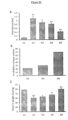
- composition-11 containing T. indica seed mixed extract 5 and Curcuma longa extract along with excipients showed dose dependent inhibition of paw edema with 22.3% and 30.3% reductions of paw edema at doses 200 mg and 40 mg/kg body weight respectively as depicted in Figure IIA and IIB.
- Percentage weight bearing capacity was measured in all the groups before induction and on 20 th day of treatment using Incapacitance Meter (IITC Life Science Inc., CA) and the data is summarized in Table-7 and figure IIC.
- the composition-11 showed dose dependent improvement of weight bearing and 400 mg/kg treated group showed statistically significant improvement in weight bearing compared to disease control group.
- the mixed extracts of T. indica seed comprising proanthocyanidins containing alcohol extracts and polysaccharide containing water extracts; and the compositions comprising proanthocyanidin containing tamarindus seed extracts and curcuma longa extracts provides improved treatments for inflammation, arthritis, joint pain, rheumatoid arthritis, osteoarthritis, chronic non-rheumatoid arthritis, collagen degradation.
- the invention relates to synergistic compositions comprising T. indica seed extract in combination with atleast one extract derived from the plant materials selected from Curcuma longa, Zingiber officinale, Annona squamosa, Andrographis paniculata, Withania somnifera, preferably, the extract of Curcuma longa.
- the invention provides an improved extract of Tamarindus indica seed obtained by combining the organic solvent extract containing proanthocyanidins and water extract of Tamarindus indica seeds containing polysaccharides at selected ratios.
- the present invention discloses a novel synergistic composition for use in the treatment of at least one condition selected from inflammation, arthritis, joint pain, rheumatoid arthritis, osteoarthritis, chronic non-rheumatoid arthritis, collagen degradation, which comprises a combination of therapeutically effective amounts of:
- the present synergistic composition for use in treatment of osteoarthritis comprising Tamarindus indica seed and Curcuma longa rhizome extracts may also be formulated as a dietary supplement.
- the ratio between Tamarindus indica extract to the extract of Curcuma longa rhizome vary in the range from 1: 10 to 10: 1.
- the present invention provides a synergistic dietary supplement/herbal composition for use as disclosed above, which consists of Tamarindus indica extract or its fraction in the range from 10% to 80 % by weight, Curcuma longa extract or fraction in the range from 20% to 80% by weight and (c) optionally containing excipients/carriers varying in the range of 0 - 30%.
- the synergistic composition(s) for use comprises (a) Tamarindus indica seed extract varies in the range from 40% to 70%,(b) Curcuma longa rhizome extract varies in the range of 20% to 40%; and (c) optionally containing excipients/carriers varying in the range of 0 - 15%.
- the synergistic composition(s) for use comprises a) 60% of Tamarindus indica seed extract b) 30% of Curcuma longa rhizome extract and c)10% of excipients/carriers.
- the invention provides a novel synergistic Tamarindus indica seed extract for use in the treatment of at least one condition selected from inflammation, arthritis, joint pain, rheumatoid arthritis, osteoarthritis, chronic non-rheumatoid arthritis, collagen degradation, wherein said extract is a mixed extract containing alcohol extract and water extract of Tamarindus indica seed, comprising a) 1% to 99% by weight of alcohol extract primarily consisting of proanthocyanidins and b) 1 to 50% by weight of water extract consisting of predominantly polysaccharides, optionally containing pharmaceutically or nutraceutically or dietetically acceptable carriers/excipients.
- a mixed extract containing alcohol extract and water extract of Tamarindus indica seed comprising a) 1% to 99% by weight of alcohol extract primarily consisting of proanthocyanidins and b) 1 to 50% by weight of water extract consisting of predominantly polysaccharides, optionally containing pharmaceutically or nutraceutically or dietetically acceptable carriers/excipient
- the solvents that can be used for preparing the extracts or fractions of the herbs, seed of T. indica and rhizome of for C. longa can be selected from ethylacetate, acetone, acetic acid, C1 - C5 alcohols such as ethanol, methanol; water and mixtures thereof.
- the alcohol that can be used for preparing Tamarindus indica seed extract comprising proanthocyanidin compounds may be selected from the group consisting of methanol, ethanol, propanol, isopropanol, butanol and tert-butanol and mixtures thereof.
- the Curcuma longa extract may be prepared from Curcuma longa rhizome using solvents selected from methanol, ethanol, propanol, isopropanol, n-butanol, tert-butanol, acetone, ethyl acetate and the fractions enriched in total curcuminoids derived from the said extracts.
- carriers/excipients or “pharmaceutically acceptable carriers,” as used herein, refers to the diluents, excipients, acceptable agents or the like that are well known by those of ordinary skill in the art and can be used in the preparation of pharmaceutical composition.
- the synergistic composition for use is formulated with pharmaceutically or nutraceutically or dietetically acceptable excipients, carriers, or diluents into lozenge, tablet, film coated tablet, capsule, soft capsule, granule, powder, pill, solution, emulsion, injection solution, injection, ointment, cream, spray, inhalant, soft gel, liquid, lotion, implant, or transdermal patch for various administration routes.
- the pharmaceutically or nutraceutically or dietetically acceptable carriers/excipients that can be used for the preparation of the compositions may be selected from surfactants, binders, diluents, disintegrants, lubricants, preservatives, stabilizers, buffers, polymers, colors, flavors, suspensions and drug delivery systems.
- the present invention further provides compositions comprising Tamarindus indica seed extract and Curcuma longa rhizome extract as described herein, optionally containing a pharmaceutically acceptable carrier for use in the prevention, control and treatment of one or more components of arthritis or rheumatoid arthritis, as also disclosed in claim 1.
- arthritis examples include rheumatoid (such as soft-tissue rheumatism and non-articular rheumatism, fibromyalgia, fibrositis, muscular rheumatism, myofascial pain, humeral epicondylitis, frozen shoulder, Tietze's syndrome, fascitis, tendinitis, tenosynovitis, bursitis), juvenile chronic, joint disorders, spondyloarthropathies (ankylosing spondylitis), osteoarthritis, hyperuricemia and arthritis associated with acute gout, chronic gout and systemic lupus erythematosus and degenerative arthritis.
- rheumatoid such as soft-tissue rheumatism and non-articular rheumatism, fibromyalgia, fibrositis, muscular rheumatism, myofascial pain, humeral epicondylitis, frozen shoulder, Tietze's syndrome, fasci
- Described and not claimed per se are methods of treating inflammation and disease conditions related to inflammation, which include inflammation, arthritis, joint pain, rheumatoid arthritis, osteoarthritis, chronic non-rheumatoid arthritis, collagen degradation in subjects or mammals in need thereof by administering improved extracts derived from Tamarindus indica or compositions comprising Tamarindus indica seed extract and Curcuma longa rhizome extract, optionally containing excipients/diluents.
- Described and not claimed per se is a method for treating a disease condition selected from inflammation, arthritis, joint pain, rheumatoid arthritis, osteoarthritis, chronic non-rheumatoid arthritis, collagen degradation in a patient in need thereof comprising administering to the patient an effective amount of novel synergistic composition(s) comprising a) an alcoholic/hydroalcoholic extract of Tamarindus indica seed comprising proanthocyanidins either alone or in combination with water extract of Tamarindus indica seed comprising polysaccharides; b) Curcuma longa rhizome extract comprising curcuminoids, optionally containing pharmaceutically or nutraceutically or dietetically acceptable carriers/excipients.
- novel synergistic composition(s) comprising a) an alcoholic/hydroalcoholic extract of Tamarindus indica seed comprising proanthocyanidins either alone or in combination with water extract of Tamarindus indica seed comprising polysaccharides; b) Curcuma longa rh
- Described and not claimed per se is a method for treating a disease condition selected from inflammation, arthritis, joint pain, rheumatoid arthritis, osteoarthritis, chronic non-rheumatoid arthritis, collagen degradation in a patient in need thereof comprising administering to the patient an effective amount of novel synergistic Tamarindus indica seed extract comprising a) 1% to 99% by weight of alcohol or hydroalcohol extract primarily consisting of proanthocyanidins and b) 1 to 50% by weight of water extract consisting of predominantly polysaccharides, optionally containing pharmaceutically or nutraceutically or dietetically acceptable carriers/excipients
- a novel synergistic composition comprising a combination of therapeutically effective amount of; a) Tamarindus indica seed extract selected from alcohol or hydroalcohol extract comprising proanthocyanidins either alone or in combination with Tamarindus indica seed water extract containing polysaccharides, b) Curcuma longa rhizome extract comprising curcuminoids, c) optionally containing pharmaceutically or Nutraceutically or dietetically acceptable carriers/excipients for the prevention or treatment of at least one condition selected from inflammation, arthritis, joint pain, rheumatoid arthritis, osteoarthritis, chronic non-rheumatoid arthritis, collagen degradation.
- a novel Tamarindus indica seed extract comprising a) 1% to 99% by weight of seed alcohol or hydroalcohol extract comprising proanthocyanidins and b) 1 to 50% by weight of water extract containing predominantly polysaccharides, optionally containing pharmaceutically or nutraceutically or dietetically acceptable carriers/excipients useful for the treatment of at least one disease condition selected from inflammation, arthritis, Joint pain, rheumatoid arthritis and osteoarthritis.
- the synergistic composition for use of the present invention can also be delivered orally, the dosage form of which can be solid or liquid.
- Solid compositions include tablets, pills, capsules, powders, granules and the like.
- Oral dosage forms also include gargles and lozenges.
- Capsules include hard and soft capsules.
- Such oral solid compositions can be used alone or in combination with diluents, chelating agents, disintegrating agents, lubricants, stabilizers, and co solvents, to form the required dosage forms by using known methods in the art.
- solid carriers or diluents or excipients include glucose, fructose, sucrose, maltose, yellow dextrin, white dextrin, aerosol, microcrystalline cellulose, calcium stearate, magnesium stearate, sorbitol, stevioside, corn syrup, lactose, citric acid, tartaric acid, malic acid, succinic acid, lactic acid, L-ascorbic acid, dl-alpha-tocopherol, glycerin, propylene glycol, glycerin fatty ester, poly glycerin fatty ester, sucrose fatty ester, sorbitan fatty ester, propylene glycol fatty ester, acacia, carrageenan, casein, gelatin, pectin, agar, vitamin B group, nicotinamide, calcium pantothenate, amino acids, calcium salts, pigments, flavors and preservatives.
- liquid carriers include, distilled water, saline, aqueous glucose solution, alcohol (e.g. ethanol), propylene glycol and polyethylene glycol; and oily carriers such as various animal and vegetable oils, white soft paraffin, paraffin and wax.
- the quantity of the present inventive compositions for use in the above-mentioned various formulations, dietary supplements, food and beverage compositions may also not be uniform and varies depending on the nature of the formulation and suggested human or animal dosage of the compositions, for example, about 0.001% to 99%, more preferably about 0.001 to 90 wt % of the dosage of the composition.
- Dried seed of the plant material (1.0Kg) was pulverized to coarse powder, extracted with alcohol (Methanol, 8 L) at 60-65°C for 2hrs. Extraction process repeated thrice using alcohol in the ratio of 1:5-1:7W/V with respect to the plant material. All the extracts were combined, the combined alcohol extracts were fine filtered, and the clear extract was evaporated under at 50-55°C under vacuum to give thick paste. The above material dried under high vacuum for 8-10hrs to give alcohol extract as dry powder (Extract-1, 130 g). The seed left over residue was then extracted with water (8 L). The extraction was repeated twice with water (6 L). The water extracts were combined and fine filtered.
- Example 2 The extract was evaporated under vacuum and the residue was subjected to final drying in vacuum dryer at 75 to 85°C to obtain water extract (Extract-2, 30 g). These two extracts (Extract-1 and Extract-2) were combined in 1:1, sieved and blended to obtain homogenous powder (Extract-3).
- Ethanol extract of Tamarindus indica seeds and water of seed residue were prepared using the process described above to obtain 119.2 g of ethanol extract (Extract-1A) and 36.4 g of water Extract (Extract-2A) respectively.
- the chemical profile of the extracts from the ethanol process matched exactly with those obtained from the methanol process.
- solvents such as acetone, propanol, isopropanol, n-butanol and tert-butanol can also be used for preparing the extracts with more or less similar chemical profile.
- extract-1 The physical and chemical parameters of extract-1 are evaluated using the standard procedure.
- the proanthocyanidin (PAC) content was evaluated using the UV Spectrophotometric method (USP 29-NF 24 page 2552) and the polysaccharide content was evaluated using the gravimetric method as per the following test procedures.
- PAC proanthocyanidin
- Total procyanidins Absorbance of the sample/absorbance of the standard ⁇ concentration of the standard/concentration of the sample ⁇ purity of the standard. (Reference: USP 37 NF32 Pages 5484). The proanthocyanidin content in extract -1 is >90%.
- the properties of methanol extract are summarized in table 1.
- the extract was subjected to intensive purification using Flash column chromatography and preparative HPLC purification to yield several flavanoids and proanthocyanidin compounds.
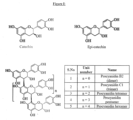
- the structures of selected flavanols and proanthocyanidin compounds were characterized using NMR and LC -MS/MS analysis on Xevo G2 QTOF mass spectrometer and the structures are summarized in figure I .
- the mass spectrometric analysis showed the presence of catechin, epicatechin, procyanidin dimer, procyanidin trimer, procyanidin tetramer, procyanidin pentamer and procyanidin hexamer in the alcoholic extracts of Tamarindus seed.
- Tamarindus indica seed methanol extract (Extract-1, 1 g) was combined with Tamarindus indica seed residue water extract (Extract-2, 1 g) and the mixture blended uniformly to obtain Extract-3.
- Tamarindus indica seed methanol extract (Extract-1, 10 g) was combined with Tamarindus indica seed residue water extract (Extract-2, 1 g) and the mixture blended uniformly to obtain Extract-5.
- Tamarindus indica seed methanol extract (Extract-1, 10 g) was combined with Tamarindus indica seed water extract (Extract-4, 1 g) and the mixture blended uniformly to obtain Extract-6.
- Tamarindus indica seed methanol extract (extract-1, 10 g) was combined with Tamarindus indica seed residue water extract (Extract-2, 2 g) and the mixture blended uniformly to obtain Extract-7.
- compositions with varying ratios of above ingredients can be prepared using the same process.
- Dried rhizomes of the plant material (1.0Kg) was pulverized to coarse powder, extracted with methanol (9 L) for at 60-65°C for 2hrs. Extraction process repeated thrice using methanol in the ratio 1:6W/V with respect to the plant material. All the extracts were combined, the combined alcohol extracts were fine filtered, and the clear extract was evaporated under at 50-55°C under vacuum to give a loosepaste. The above material dried under high vacuum for 6-8h to give a thick paste (95g; Extract-8, 20.1% total curcuminoids).
- the acetone, ethanol, ethylacetate and methylisobutylketone (MIBK) extracts of Curcuma longa rhizomes were prepared using the same experimental procedure to obtain acetone extract (72 g, 30% total curcuminoids), ethanol extract (80 g, 24% total curcuminoids), ethylacetate extract (64 g, 29.7% total curcuminoids) and MIBK extract (89 g, 22% total curcuminoids respectively.
- composition-1 The composition-1 was prepared by combining the alcohol extract of Tamarindus indica (Extract-1) and alcohol extract of Curcuma longa(Extract-8) in the ratio of 1:1.
- composition-2 The composition-2 was prepared by combining the methanol extract of Tamarindus indica (Extract-1) and methanol extract of Curcuma longa (Extract-8) in the ratio of 2:1.
- composition-3 The composition-3 was prepared by combining the alcohol extract of Tamarindus indica(Extract-1) and alcohol extract of Curcuma longa(Extract-8) in the ratio of 3:1.
- composition-4 The composition-4 was prepared by combining the methanol extract of Tamarindus indica(Extract-1) and methanol extract of Curcuma longa (Extract-8) in the ratio of 1:3.
- composition-5 The composition-5 was prepared by combining the Extract-5 of Tamarindus indica and alcohol extract of Curcuma longa (Extract-8) in the ratio of 3:1.
- composition-6 The composition-6 was prepared by combining theExtract-5 of Tamarindus indica and methanol extract of Curcuma longa (Extract-8) in the ratio of 2:1.
- composition-7 The composition-7 was prepared by combining the extract-6 of Tamarindus indica and alcohol extract of Curcuma longa (Extract-8) in the ratio of 3:1.
- composition-8 The composition-8 was prepared by combining Extract-5 of Tamarindus indica seed and methanol extract of Curcuma longa (Extract-8) in the ratio of1:2.
- composition-9 The composition-1 was prepared by combining Extract-7 of Tamarindus indica seed and alcohol extract of Curcuma longa (Extract-8) in the ratio of 3:1.
- composition-10 The composition-1 was prepared by combining Extract-7 of Tamarindus indica seed and methanol extract of Curcuma longa (Extract-8) in the ratio of 1:3.
- composition-11 The composition-11 was prepared by combining 60 parts of Tamarindus indica seed extract [54 parts of Tamarindus indica seed methanol extract (Extract-1) + 6 parts of Tamarindus indica seed residue water extract (Extract-2)], 30 parts of methanol extract of Curcuma longa(Extract-8), 8 parts of microcrystalline cellulose and 2 parts of silica (Syloid 244FP).
- compositions-1 to -9 containing the extracts of T. indica seed extracts Extract-1 to Extract 7 and Curcuma longa rhizome (Extract-8).
- 5-Lipoxygenase enzyme inhibitory activity was measured using the method of Lip Yong Chung et al., (Pharmaceutical Biology, Vol. 47 (12), 1142-1148, and 2009 ).
- the assay mixture contained 80 ⁇ M linoleic acid and sufficient amount of potato 5-lipoxygenase in 50 mMTrisHCl buffer (pH 7.4).
- 5 ⁇ L of 5-LOX enzyme was added to 175 ⁇ L of 50 mMTrisHCl buffer.
- the reaction was initiated by the addition of 5 ⁇ L linoleic acid (final conc. 140 ⁇ M) in 50 mM Tris HCl buffer followed by incubation at 25°C in dark 20 min.
- the total volume of the reaction mixture is 185 ⁇ L.
- the assay was terminated by the addition of 65 ⁇ L freshly prepared fox reagent. After incubation for 20 min the absorbance was read using Xmark Micro plate spectrophotometer (BIO-RAD) at 595 nm. The reaction was monitored for 120 sec and the inhibitory potential of the test substances extracts and compositions was measured by incubating various concentrations of test substances two minutes before the addition of linoleic acid. All assays were performed three times. Percentage inhibition was calculated by comparing slope of the curve obtained for test substances with that of the control. The percentage inhibitions (IC 50 values) of the compositions-1 to -9 and the extracts of T.
- TNF- ⁇ Tumor necrosis factor- ⁇
- THP-1 human monocytes cells were washed and resuspended in phenol red free Dulbecco's Modified Eagle's Medium (DMEM) supplemented with 1% fetal Bovine serum (FBS). Equal number of cells was added to each well of a 96-well TC plate and the cells were pretreated for 2h with various concentrations of test substances (ranging from 0.5 to 50 ⁇ g/ml; solutions prepared in culture medium from a stock solution containing 50 mg/l mL DMSO of each test compound) of extracts and compositions.
- DMEM phenol red free Dulbecco's Modified Eagle's Medium
- FBS fetal Bovine serum
- the inflammatory response was induced by treatment with 100ng/ml of LPS for 4 h at 37°C in presence of 5% CO 2 .
- the vehicle control culture wells received 0.1% DMSO in culture medium.
- the cell culture supernatants were collected and assessed for secretary pro-inflammatory cytokine, TNF ⁇ .
- the TNF- ⁇ concentration was quantitatively measured by highly specific and sensitive Enzyme Immuno Assay (EIA) kit supplied by R&D Systems, USA.
- EIA Enzyme Immuno Assay
- the enzyme immuno assay was performed based on the protocol provided by the vendor.
- the inhibitory concentration for 50% inhibition (IC 50 ) of TNF- ⁇ was determined from a plot drawn for ingredient concentration against TNF- ⁇ level.
- Table-4 shows a comparison of concentrations of extracts and compositions for 50% inhibition of TNF- ⁇ (IC 50 ) in cell based in vitro model.
- Table- 4 TNF- ⁇ Inhibition S. No Description % inhibition at 10 ⁇ g/ml 1 Extract-1 48.13 2 Extract-1A 63.37 3 Extract-2 2.78 4 Extract-4 18.90 5 Extract-5 34.27 6 Extract-6 42.94 7 Extract-8 78.78 8 Composition-1 99.20 9 Composition-2 81.94 10 Composition-3 65.09 11 Composition-4 95.25 12 Composition-5 52.61 13 Composition-6 91.14 14 Composition-8 86.69 15 Composition-9 73.04 16 Composition-10 91.54
- MMP-3 Matrix Metalloproteinase-3
- MMP-3 was evaluated in IL-1 ⁇ induced SW982 human synovial cells. Briefly, the SW982 cells were cultured in DMEM with 2 mM Glutamine, 100 U/mL penicillin, 100 mg/mL streptomycin and 10% fetal bovine serum (Hyclone, Logan, Utah). Five thousand cells per well were seeded into a 96-well cell culture plate (Corning, USA) one day before the experiment. The culture media was replaced with fresh DMEM containing 1% fetal bovine serum.
- Extracts and Compositions were serially diluted in medium, ranging from 2.5 ⁇ g to 100 ⁇ g/ml and were pre-incubated with cells for 2 hour at 5% CO 2 at 37° C., and then stimulated with 10ng/ml human recombinant IL-1 ⁇ (R&D System, Minneapolis, Minn.) for 24 hours.
- the culture supernatant was harvested and used to measure MMP-3 production by ELISA development kit (R&D System, Minneapolis, Minn., USA).
- the MMP-3 concentration in cell free culture supernatant was estimated quantitatively by interpolating the optical densities into the standard curve generated from known concentrations of MMP-3.
- the percentage inhibition data is summarized in (Table -5) .
- Table- 5 MMP-3 inhibition S.
- Extract-1 No Description % Inhibition at 25 ⁇ g/ml 1 Extract-1 26.02 2 Extract-1A 36.60 3 Extract-2 -12.1 4 Extract-3 46.71 5 Extract-4 -13.15 6 Extract-5 39.58 7 Extract-6 46.52 8 Extract-7 36.60 9 Extract-8 82.81 10 Composition-1 102.07 11 Composition-2 99.20 12 Composition-3 84.75 13 Composition-4 95.07 14 Composition-5 89.86 15 Composition-6 106.38 16 Composition-8 115.27 17 Composition-9 55.62 18 Composition-10 95.07
- Sprague Dawley Rats were housed in solid bottom autoclaved polypropylene cages at three rats per cage with stainless steel top grill. Animals were provided with rodent pellet feed and mineral water ad libitum. The animals were acclimatized for a period of 3 days prior to enrollment into the experiment and they are habituated/adapted to the experimenter and to the experimental conditions for measurement of hind limb weight bearing capacity in the Incapacitance meter. A group of 42 animals were examined and 36 healthy SD rats were selected for the study and were randomly assigned to one of six different groups based on the paw volume, i.
- Control group animals were injected with 0.1 mL normal saline (0.9 % w/v sodium chloride). The vehicle, test items and reference drug were administered till completion of the study i.e. 35 days. Paw volume was measured by a Plethysmometer (Pan Lab, LE7500) on day 0 (prior to treatment) and day 35. The difference between the final and initial paw volume was considered as edema volume.
- the in vivo anti-inflammatory responses of test compounds were estimated by calculating the percentage inhibition of paw edema when compared to the paw edema observed in the CMC supplemented control group. The data is summarized in Table-6. The composition-6 showed better inhibition of paw edema compared to the individual ingredients, Extract-5 and Extract-8. Table-6 S. No Test compound % inhibition of Paw edema 1 C. longa extract (Extract-8) 7.11 2 T. indica extract (Extract-5) 7.11 3 Compoisition-6 16.44
- composition-11 Anti-inflammatory activity of composition-11 in Adjuvant Induced Arthritis in Sprague Dawley Rats.
- Sprague Dawley Rats were housed in solid bottom autoclaved polypropylene cages at three rats per cage with stainless steel top grill. Animals were provided with rodent pellet feed and mineral water ad libitum. The animals were acclimatized for a period of 3 days prior to enrollment into the experiment and they are habituated/adapted to the experimenter and to the experimental conditions for measurement of hind limb weight bearing capacity in the Incapacitance meter. A group of 35 animals were examined and 30 healthy SD rats were selected for the study and were randomly assigned to one of five different groups based on the paw volume, i.
- normal control G1
- vehicle control G2
- two groups G3 & G4
- test substances composition-11 200 mg 400 mg
- reference drug prednisolone 10 mg/kg G5
- test item, reference item or vehicle after 7 days administration of test item, reference item or vehicle, on day 8 arthritis was induced in rats of all groups except G1 by a single subcutaneous injection of 50 ⁇ L Complete Freund's Adjuvant (Sigma-Aldrich, USA), into the sub plantar region of left hind limb.
- Control group animals were injected with 0.1 mL normal saline (0.9 % w/v sodium chloride). The vehicle, test items and reference drug were administered till completion of the study i.e.20 days.
- Paw volume was measured by a Plethysmometer (Pan Lab, LE7500) on day 0 (prior to treatment) and day 20. The difference between the final and initial paw volume was considered as edema volume.
- the in vivo anti-inflammatory responses of test compounds were estimated by calculating the percentage inhibition of paw edema when compared to the paw edema observed in the CMC supplemented control group.
- the composition-11 showed statistically significant and dose dependent inhibition of paw edema compared to disease control group (G2) as summarized in figures IIA and IIB.
- the treatment groups supplemented with 200 mg and 400 mg of composition-11 showed 22.3% and 30.3% inhibition of paw edema, the prednisolone in comparison showed 69.7% inhibition.
- Percentage weight bearing capacity was measured in all the groups before induction and on 20 th day of treatment using Incapacitance Meter (IITC Life Science Inc., CA). The data was summarized in Table-7 and figure IIC.
- the composition-11 showed dose dependent improvement of weight bearing and 400 mg/kg treated group showed statistically significant improvement in weight bearing compared to disease control group (G2).
- Table-7 Effect of Composition 11 on mean left hind limb weight bearing capacity (g) in AIA Percent Weight Bearing on Left Hind Limb Group Before Induction Day-20 G1-Normal control + Vehicle 48.67 ⁇ 0.42 49.02 ⁇ 0.48 G2-AIA + Vehicle 50.29 ⁇ 0.53 30.54 ⁇ 1.80 ## G3-AIA + Composition-11 (200 mpk ) 49.80 ⁇ 0.56 33.21 ⁇ 2.82 G4-AIA +Composition-11 (400 mpk) 49.53 ⁇ 0.55 37.57 ⁇ 1.63 G5-AIA + Prednisolone (10 mpk) 49.57 ⁇ 0.55 49.88 ⁇ 1.13**
Landscapes
- Health & Medical Sciences (AREA)
- Natural Medicines & Medicinal Plants (AREA)
- Life Sciences & Earth Sciences (AREA)
- Animal Behavior & Ethology (AREA)
- General Health & Medical Sciences (AREA)
- Public Health (AREA)
- Veterinary Medicine (AREA)
- Chemical & Material Sciences (AREA)
- Medicinal Chemistry (AREA)
- Pharmacology & Pharmacy (AREA)
- Epidemiology (AREA)
- Engineering & Computer Science (AREA)
- Botany (AREA)
- Microbiology (AREA)
- Alternative & Traditional Medicine (AREA)
- Biotechnology (AREA)
- Mycology (AREA)
- Medical Informatics (AREA)
- Nuclear Medicine, Radiotherapy & Molecular Imaging (AREA)
- Organic Chemistry (AREA)
- Chemical Kinetics & Catalysis (AREA)
- General Chemical & Material Sciences (AREA)
- Physiology (AREA)
- Nutrition Science (AREA)
- Molecular Biology (AREA)
- Rheumatology (AREA)
- Bioinformatics & Cheminformatics (AREA)
- Dermatology (AREA)
- Orthopedic Medicine & Surgery (AREA)
- Physical Education & Sports Medicine (AREA)
- Immunology (AREA)
- Pain & Pain Management (AREA)
- Medicines Containing Plant Substances (AREA)
- Pharmaceuticals Containing Other Organic And Inorganic Compounds (AREA)
Claims (9)
- Neue synergistische Zusammensetzung zur Verwendung bei der Behandlung von mindestens einem Zustand, ausgewählt aus Entzündung, Arthritis, Gelenkschmerzen, rheumatoider Arthritis, Osteoarthritis, chronischer nicht-rheumatoider Arthritis, Kollagenabbau, umfassend eine Kombination von therapeutisch wirksamen Mengen vona) Tamarindus indica-Samenextrakt, ausgewählt aus Alkohol- oder Hydroalkoholextrakt, der Proanthocyanidine enthält, entweder allein oder in Kombination mit Tamarindus indica-Samenwasserextrakt, der Polysaccharide enthält,b) Curcuma longa-Rhizomextrakt, der Curcuminoide enthält, undc) gegebenenfalls mit pharmazeutisch, nutrazeutisch oder diätetisch akzeptablen Trägern/Hilfsstoffen.
- Neue synergistische Zusammensetzung(en) zur Verwendung gemäß Anspruch 1, wobei der Alkohol, der zur Herstellung des Tamarindus indica-Samenextrakts, der Proanthocyanidinverbindungen umfasst, verwendet wird, aus der Gruppe ausgewählt ist, die aus Methanol, Ethanol, Propanol, Isopropanol, Butanol und tert-Butanol und Gemischen davon besteht.
- Neue synergistische Zusammensetzung(en) zur Verwendung gemäß Anspruch 1, wobei der Curcuma longa-Extrakt aus dem Curcuma longa-Rhizom unter Verwendung von Lösungsmitteln hergestellt wird, die aus der Gruppe ausgewählt sind, die aus Methanol, Ethanol, Propanol, Isopropanol, n-Butanol, tert-Butanol, Aceton, Ethylacetat und den Fraktionen besteht, die an den gesamten Curcuminoiden angereichert sind, die aus den genannten Extrakten stammen.
- Neue synergistische Zusammensetzung(en) zur Verwendung gemäß Anspruch 1, wobei die pharmazeutisch oder nutrazeutisch oder diätetisch akzeptablen Träger/Zusatzstoffe ausgewählt sind aus Tensiden, Bindemitteln, Verdünnungsmitteln, Sprengmitteln, Gleitmitteln, Konservierungsmitteln, Stabilisatoren, Puffern, Polymeren, Farbstoffen, Aromen, Suspensionen und Arzneimittelabgabesystemen.
- Neue synergistische Zusammensetzung(en) zur Verwendung gemäß Anspruch 1, wobei die Zusammensetzung(en) (a) Tamarindus indica-Samenextrakt in einem Bereich von 20 % bis 80 %, (b) Curcuma longa-Rhizomextrakt in einem Bereich von 20 % bis 60 % und (c) gegebenenfalls Exzipienten/Träger in einem Bereich von 0 bis 30 % enthält.
- Neue synergistische Zusammensetzung(en) zur Verwendung gemäß Anspruch 1, wobei die Zusammensetzung(en) (a) Tamarindus indica-Samenextrakt in einem Bereich von 40 % bis 70 %, (b) Curcuma longa-Rhizomextrakt in einem Bereich von 20 % bis 40 % und (c) gegebenenfalls Hilfsstoffe/Träger in einem Bereich von 0 bis 15 % enthält.
- Neue synergistische Zusammensetzung(en) zur Verwendung gemäß Anspruch 1, wobei die Zusammensetzung(en) a) 60 % Tamarindus indica-Samenextrakt, b) 30 % Curcuma longa Rhizomextrakt und c) 10 % Hilfsstoffe/Träger umfasst.
- Neuer Tamarindus indica-Samenextrakt zur Verwendung bei der Behandlung von mindestens einem Zustand, ausgewählt aus Entzündung, Arthritis, Gelenkschmerzen, rheumatoider Arthritis, Osteoarthritis, chronischer nicht-rheumatoider Arthritis, Kollagenabbau, wobei der Extrakt ein gemischter Extrakt ist, der Alkoholextrakt und Wasserextrakt von Tamarindus indica-Samen enthält, umfassend a) 1 bis 99 Gew.-% Samenalkoholextrakt, der Proanthocyanidine umfasst, und b) 1 bis 50 Gew.-% Wasserextrakt, der vorwiegend Polysaccharide enthält, gegebenenfalls enthaltend pharmazeutisch oder nutrazeutisch oder diätetisch annehmbare Träger/Ersatzstoffe.
- Neue synergistische Zusammensetzung(en) zur Verwendung gemäß einem der vorhergehenden Ansprüche, wobei die Zusammensetzung zur oralen oder topischen Verabreichung formuliert ist.
Applications Claiming Priority (2)
| Application Number | Priority Date | Filing Date | Title |
|---|---|---|---|
| IN5106CH2014 | 2014-10-10 | ||
| PCT/IN2015/000382 WO2016056026A2 (en) | 2014-10-10 | 2015-10-09 | Synergistic composition for osteoarthritis |
Publications (4)
| Publication Number | Publication Date |
|---|---|
| EP3204028A2 EP3204028A2 (de) | 2017-08-16 |
| EP3204028A4 EP3204028A4 (de) | 2019-08-14 |
| EP3204028B1 true EP3204028B1 (de) | 2025-04-09 |
| EP3204028C0 EP3204028C0 (de) | 2025-04-09 |
Family
ID=55653919
Family Applications (1)
| Application Number | Title | Priority Date | Filing Date |
|---|---|---|---|
| EP15848903.9A Active EP3204028B1 (de) | 2014-10-10 | 2015-10-09 | Synergistische zusammensetzung für osteoarthritis |
Country Status (10)
| Country | Link |
|---|---|
| US (2) | US11147850B2 (de) |
| EP (1) | EP3204028B1 (de) |
| JP (1) | JP6937687B2 (de) |
| KR (1) | KR102607602B1 (de) |
| CN (1) | CN107530391B (de) |
| AU (2) | AU2015329526A1 (de) |
| BR (1) | BR112017007069A2 (de) |
| MY (1) | MY193613A (de) |
| SG (1) | SG11201702512RA (de) |
| WO (1) | WO2016056026A2 (de) |
Families Citing this family (7)
| Publication number | Priority date | Publication date | Assignee | Title |
|---|---|---|---|---|
| MY193613A (en) * | 2014-10-10 | 2022-10-20 | Laila Nutraceuticals | Synergistic composition for osteoarthritis |
| KR102048565B1 (ko) * | 2018-12-12 | 2019-11-26 | 좋은영농조합법인 | 삼채 및 강황의 혼합 추출물을 포함하는 골관절염 예방 또는 치료용 조성물 |
| US20200237847A1 (en) * | 2019-01-27 | 2020-07-30 | Christopher Kitalong | Herbal composition for metabolic syndromes and method of treatment thereof |
| CN110438096A (zh) * | 2019-08-12 | 2019-11-12 | 江苏省农业科学院 | 修饰脂肪氧合酶二级结构以降低其ɑ-螺旋和β-折叠含量的方法及其在食品行业的用途 |
| JPWO2021193703A1 (de) * | 2020-03-24 | 2021-09-30 | ||
| US11364255B2 (en) * | 2020-07-01 | 2022-06-21 | Karallief, Inc. | Therapeutic herbal compositions for improving joint health |
| CN119523865B (zh) * | 2025-01-23 | 2025-05-06 | 广东省禾基生物科技有限公司 | 一种舒缓紧致抗皱组合物、应用和化妆品 |
Family Cites Families (7)
| Publication number | Priority date | Publication date | Assignee | Title |
|---|---|---|---|---|
| US5120538A (en) * | 1990-02-05 | 1992-06-09 | Pt Darya-Varia Laboratoria | Combinations of compounds isolated from curcuma spp as anti-inflammatory agents |
| EP1296638A2 (de) * | 2000-07-06 | 2003-04-02 | The Regents Of The University Of Michigan | Spezifischer sonnenschutz für uva ( 360-400) und uvb (300-325) |
| JP4937445B2 (ja) * | 2000-12-14 | 2012-05-23 | 丸善製薬株式会社 | 骨代謝改善剤及び骨粗鬆症の予防又は治療用飲食物 |
| US20080286387A1 (en) | 2007-05-20 | 2008-11-20 | Muhammed Majeed | Standardized method for recovering enriched Indian date extract (IDE), properties of IDE and applications thereof |
| WO2009010992A2 (en) * | 2007-07-18 | 2009-01-22 | Council Of Scientific & Industrial Research | A synergistic herbal composition for treatment of rheumatic and musculo-skeletal disorders (rmsds) |
| MX342859B (es) * | 2010-05-24 | 2016-10-13 | Indena Spa | Polisacarido de las semillas de tamarindo para usarse en el tratamiento de enfermedades inflamatorias. |
| MY193613A (en) * | 2014-10-10 | 2022-10-20 | Laila Nutraceuticals | Synergistic composition for osteoarthritis |
-
2015
- 2015-10-09 MY MYPI2017701008A patent/MY193613A/en unknown
- 2015-10-09 WO PCT/IN2015/000382 patent/WO2016056026A2/en not_active Ceased
- 2015-10-09 US US15/518,107 patent/US11147850B2/en active Active
- 2015-10-09 CN CN201580054633.3A patent/CN107530391B/zh active Active
- 2015-10-09 AU AU2015329526A patent/AU2015329526A1/en not_active Abandoned
- 2015-10-09 SG SG11201702512RA patent/SG11201702512RA/en unknown
- 2015-10-09 BR BR112017007069A patent/BR112017007069A2/pt not_active Application Discontinuation
- 2015-10-09 EP EP15848903.9A patent/EP3204028B1/de active Active
- 2015-10-09 JP JP2017517795A patent/JP6937687B2/ja active Active
- 2015-10-09 KR KR1020177012387A patent/KR102607602B1/ko active Active
-
2021
- 2021-06-23 AU AU2021204271A patent/AU2021204271B2/en active Active
- 2021-09-30 US US17/489,915 patent/US12168033B2/en active Active
Also Published As
| Publication number | Publication date |
|---|---|
| CN107530391B (zh) | 2023-10-27 |
| AU2021204271A1 (en) | 2021-07-22 |
| US12168033B2 (en) | 2024-12-17 |
| JP6937687B2 (ja) | 2021-09-22 |
| SG11201702512RA (en) | 2017-04-27 |
| JP2019501860A (ja) | 2019-01-24 |
| KR102607602B1 (ko) | 2023-11-28 |
| WO2016056026A3 (en) | 2018-07-26 |
| EP3204028C0 (de) | 2025-04-09 |
| US20220096588A1 (en) | 2022-03-31 |
| EP3204028A2 (de) | 2017-08-16 |
| CN107530391A (zh) | 2018-01-02 |
| MY193613A (en) | 2022-10-20 |
| AU2021204271B2 (en) | 2024-12-12 |
| WO2016056026A2 (en) | 2016-04-14 |
| US11147850B2 (en) | 2021-10-19 |
| KR20170066585A (ko) | 2017-06-14 |
| US20170290875A1 (en) | 2017-10-12 |
| AU2015329526A1 (en) | 2017-04-13 |
| EP3204028A4 (de) | 2019-08-14 |
| BR112017007069A2 (pt) | 2018-05-29 |
Similar Documents
| Publication | Publication Date | Title |
|---|---|---|
| US12168033B2 (en) | Synergistic composition for osteoarthritis | |
| EP2490543B1 (de) | Extrakte, fraktionen und zusammensetzungen mit acetogeninen und ihre anwendung | |
| Powanda et al. | Celery seed and related extracts with antiarthritic, antiulcer, and antimicrobial activities | |
| US8158608B2 (en) | Bioactive fraction from Zingier officinale and a process for the preparation thereof | |
| Chis et al. | Mures, an | |
| Nahrin et al. | Ziziphus oenoplia Mill.: a systematic review on ethnopharmacology, phytochemistry and pharmacology of an important traditional medicinal plant | |
| Joshi et al. | A review on Cleome viscosa: an endogenous herb of Uttarakhand | |
| KR100545304B1 (ko) | 아선약을 포함하는 운카리아 속 식물, 또는 이의 황금및/또는 녹차의 배합물을 포함하는 사이클로옥시게나제및/또는 5-리폭시게나제 억제용 조성물 | |
| Makhija et al. | Sphaeranthus indicus: a review of its chemical, pharmacological and ethnomedicinal properties. | |
| Sivakumar et al. | A systematic review on biochemical and pharmacological properties of the active phytochemicals present in Aegle marmelos (L) | |
| KR101332824B1 (ko) | 민대극 추출물을 포함하는 관절염 예방 및 치료용 조성물 | |
| Ikezu et al. | Computational insights into leaf compounds of Pterocarpus santalinoides against FABH protein receptor | |
| Dellal et al. | Anti-inflammatory, analgesic and antioxidant activities of the hydroalcoholic extract from celery (Apium graveolens) leaves | |
| KR20210087924A (ko) | 연꽃 추출물 또는 예덕나무 추출물을 이용한 항염증, 항알러지용 또는 항산화용 조성물 | |
| KR102421900B1 (ko) | 가거양지꽃 메탄올 추출물 등을 이용한 항염증용 조성물 | |
| Desai et al. | Evaluation of In K/V^ and In Vitro Antiarthritic Potential of Annona squamosa Leaves | |
| KR20120007887A (ko) | 산머루 씨 추출물을 함유하는 항염증 조성물 | |
| KR20200069616A (ko) | 올벚나무를 포함하는 항염증용 조성물 | |
| Patrice et al. | Study of the Antioxidant and Febrifuming potential of aqueous and hydroethanolic extracts of (DC) FM Williams (Rubiaceae) leaves Pavetta corymbosa | |
| KAUR et al. | Aegle marmelos: Review of traditional uses, Phyotochemistry, Pharmacological activities. | |
| KR101722367B1 (ko) | 대황 추출물을 포함하는 알츠하이머성 치매 질환 예방 및 치료용 조성물 | |
| KR101833422B1 (ko) | 사방오리 추출물을 함유하는 항산화 또는 항비만용 조성물 | |
| KR20210098915A (ko) | 범꼬리 추출물을 이용한 항염증용 및 항알러지용 조성물 | |
| Singh et al. | A Review on Phytochemical and Pharmacological Activities of Prunus Cerasus | |
| BRAHIM et al. | Phytochemical study and biological activity of Lagenaria siceraria from the El Oued region |
Legal Events
| Date | Code | Title | Description |
|---|---|---|---|
| STAA | Information on the status of an ep patent application or granted ep patent |
Free format text: STATUS: THE INTERNATIONAL PUBLICATION HAS BEEN MADE |
|
| PUAI | Public reference made under article 153(3) epc to a published international application that has entered the european phase |
Free format text: ORIGINAL CODE: 0009012 |
|
| STAA | Information on the status of an ep patent application or granted ep patent |
Free format text: STATUS: REQUEST FOR EXAMINATION WAS MADE |
|
| 17P | Request for examination filed |
Effective date: 20170411 |
|
| AK | Designated contracting states |
Kind code of ref document: A2 Designated state(s): AL AT BE BG CH CY CZ DE DK EE ES FI FR GB GR HR HU IE IS IT LI LT LU LV MC MK MT NL NO PL PT RO RS SE SI SK SM TR |
|
| AX | Request for extension of the european patent |
Extension state: BA ME |
|
| DAV | Request for validation of the european patent (deleted) | ||
| DAX | Request for extension of the european patent (deleted) | ||
| R17D | Deferred search report published (corrected) |
Effective date: 20180726 |
|
| A4 | Supplementary search report drawn up and despatched |
Effective date: 20190711 |
|
| RIC1 | Information provided on ipc code assigned before grant |
Ipc: A61K 36/9066 20060101AFI20190705BHEP |
|
| STAA | Information on the status of an ep patent application or granted ep patent |
Free format text: STATUS: EXAMINATION IS IN PROGRESS |
|
| 17Q | First examination report despatched |
Effective date: 20220413 |
|
| GRAP | Despatch of communication of intention to grant a patent |
Free format text: ORIGINAL CODE: EPIDOSNIGR1 |
|
| STAA | Information on the status of an ep patent application or granted ep patent |
Free format text: STATUS: GRANT OF PATENT IS INTENDED |
|
| RIC1 | Information provided on ipc code assigned before grant |
Ipc: A61P 43/00 20060101ALI20241128BHEP Ipc: A61P 29/00 20060101ALI20241128BHEP Ipc: A61P 19/02 20060101ALI20241128BHEP Ipc: A61K 36/48 20060101ALI20241128BHEP Ipc: A61K 36/9066 20060101AFI20241128BHEP |
|
| INTG | Intention to grant announced |
Effective date: 20241218 |
|
| GRAS | Grant fee paid |
Free format text: ORIGINAL CODE: EPIDOSNIGR3 |
|
| GRAA | (expected) grant |
Free format text: ORIGINAL CODE: 0009210 |
|
| STAA | Information on the status of an ep patent application or granted ep patent |
Free format text: STATUS: THE PATENT HAS BEEN GRANTED |
|
| AK | Designated contracting states |
Kind code of ref document: B1 Designated state(s): AL AT BE BG CH CY CZ DE DK EE ES FI FR GB GR HR HU IE IS IT LI LT LU LV MC MK MT NL NO PL PT RO RS SE SI SK SM TR |
|
| REG | Reference to a national code |
Ref country code: GB Ref legal event code: FG4D |
|
| REG | Reference to a national code |
Ref country code: CH Ref legal event code: EP |
|
| REG | Reference to a national code |
Ref country code: DE Ref legal event code: R096 Ref document number: 602015091414 Country of ref document: DE |
|
| REG | Reference to a national code |
Ref country code: IE Ref legal event code: FG4D |
|
| U01 | Request for unitary effect filed |
Effective date: 20250505 |
|
| U07 | Unitary effect registered |
Designated state(s): AT BE BG DE DK EE FI FR IT LT LU LV MT NL PT RO SE SI Effective date: 20250509 |
|
| RAP2 | Party data changed (patent owner data changed or rights of a patent transferred) |
Owner name: LAILA NUTRA PRIVATE LIMITED |
|
| U1K | Transfer of rights of the unitary patent after the registration of the unitary effect |
Owner name: LAILA NUTRA PRIVATE LIMITED; IN |
|
| PG25 | Lapsed in a contracting state [announced via postgrant information from national office to epo] |
Ref country code: ES Free format text: LAPSE BECAUSE OF FAILURE TO SUBMIT A TRANSLATION OF THE DESCRIPTION OR TO PAY THE FEE WITHIN THE PRESCRIBED TIME-LIMIT Effective date: 20250409 |
|
| PG25 | Lapsed in a contracting state [announced via postgrant information from national office to epo] |
Ref country code: NO Free format text: LAPSE BECAUSE OF FAILURE TO SUBMIT A TRANSLATION OF THE DESCRIPTION OR TO PAY THE FEE WITHIN THE PRESCRIBED TIME-LIMIT Effective date: 20250709 Ref country code: GR Free format text: LAPSE BECAUSE OF FAILURE TO SUBMIT A TRANSLATION OF THE DESCRIPTION OR TO PAY THE FEE WITHIN THE PRESCRIBED TIME-LIMIT Effective date: 20250710 |
|
| PG25 | Lapsed in a contracting state [announced via postgrant information from national office to epo] |
Ref country code: PL Free format text: LAPSE BECAUSE OF FAILURE TO SUBMIT A TRANSLATION OF THE DESCRIPTION OR TO PAY THE FEE WITHIN THE PRESCRIBED TIME-LIMIT Effective date: 20250409 |
|
| PG25 | Lapsed in a contracting state [announced via postgrant information from national office to epo] |
Ref country code: HR Free format text: LAPSE BECAUSE OF FAILURE TO SUBMIT A TRANSLATION OF THE DESCRIPTION OR TO PAY THE FEE WITHIN THE PRESCRIBED TIME-LIMIT Effective date: 20250409 |
|
| PG25 | Lapsed in a contracting state [announced via postgrant information from national office to epo] |
Ref country code: RS Free format text: LAPSE BECAUSE OF FAILURE TO SUBMIT A TRANSLATION OF THE DESCRIPTION OR TO PAY THE FEE WITHIN THE PRESCRIBED TIME-LIMIT Effective date: 20250709 |
|
| PG25 | Lapsed in a contracting state [announced via postgrant information from national office to epo] |
Ref country code: IS Free format text: LAPSE BECAUSE OF FAILURE TO SUBMIT A TRANSLATION OF THE DESCRIPTION OR TO PAY THE FEE WITHIN THE PRESCRIBED TIME-LIMIT Effective date: 20250809 |