EP3188721B1 - Human therapeutic agents - Google Patents
Human therapeutic agents Download PDFInfo
- Publication number
- EP3188721B1 EP3188721B1 EP15853030.3A EP15853030A EP3188721B1 EP 3188721 B1 EP3188721 B1 EP 3188721B1 EP 15853030 A EP15853030 A EP 15853030A EP 3188721 B1 EP3188721 B1 EP 3188721B1
- Authority
- EP
- European Patent Office
- Prior art keywords
- graph
- death
- illustrating
- effect
- inducing
- Prior art date
- Legal status (The legal status is an assumption and is not a legal conclusion. Google has not performed a legal analysis and makes no representation as to the accuracy of the status listed.)
- Active
Links
- KQONFCPHLCRBTR-VKAVYKQESA-N C/C(/C(CCc(cc1)cc(OC)c1O)=O)=C(\CCc(cc1)cc(OC)c1O)/O Chemical compound C/C(/C(CCc(cc1)cc(OC)c1O)=O)=C(\CCc(cc1)cc(OC)c1O)/O KQONFCPHLCRBTR-VKAVYKQESA-N 0.000 description 1
- ZBTMXVCZFMZWDO-UHFFFAOYSA-N COc(cc(cc1)-c2nc(-c3ccccc3)c(-c3ccccc3)[n]2Cc2ccccc2)c1OC1CCCCC1 Chemical compound COc(cc(cc1)-c2nc(-c3ccccc3)c(-c3ccccc3)[n]2Cc2ccccc2)c1OC1CCCCC1 ZBTMXVCZFMZWDO-UHFFFAOYSA-N 0.000 description 1
- CLOBWETYTSURJM-UHFFFAOYSA-N COc(ccc(-c1nc(-c2ccccc2)c(-c2ccccc2)[n]1C1CC1)c1)c1OC1CCCCC1 Chemical compound COc(ccc(-c1nc(-c2ccccc2)c(-c2ccccc2)[n]1C1CC1)c1)c1OC1CCCCC1 CLOBWETYTSURJM-UHFFFAOYSA-N 0.000 description 1
- UGDDIUYREDOFJT-OCPBWFIYSA-N COc1c(/C=C/C(/C=C(/C=C/c(cccc2)c2OC)\O)=O)cccc1 Chemical compound COc1c(/C=C/C(/C=C(/C=C/c(cccc2)c2OC)\O)=O)cccc1 UGDDIUYREDOFJT-OCPBWFIYSA-N 0.000 description 1
- KSZJPQHIPKEEMF-NXZHAISVSA-N COc1cc(OC)c(/C=C/C(/C=C/c(ccc(OC)c2)c2OC)=O)cc1 Chemical compound COc1cc(OC)c(/C=C/C(/C=C/c(ccc(OC)c2)c2OC)=O)cc1 KSZJPQHIPKEEMF-NXZHAISVSA-N 0.000 description 1
- ZYMUNTZVOUBQAI-JSAVKQRWSA-N COc1ccc(/C=C(\CCC/C2=C\c(cc3)ccc3OC)/C2=O)cc1 Chemical compound COc1ccc(/C=C(\CCC/C2=C\c(cc3)ccc3OC)/C2=O)cc1 ZYMUNTZVOUBQAI-JSAVKQRWSA-N 0.000 description 1
- GPAAWNJDOIZWQD-PHEQNACWSA-N Cc1ccc(/C=C/C(/C=C/c2ccc(C)cc2)=O)cc1 Chemical compound Cc1ccc(/C=C/C(/C=C/c2ccc(C)cc2)=O)cc1 GPAAWNJDOIZWQD-PHEQNACWSA-N 0.000 description 1
- KLSUMXUEVAJVLW-WGDLNXRISA-N Cc1cccc(/C=C/C(/C=C/c2cc(C)ccc2)=O)c1 Chemical compound Cc1cccc(/C=C/C(/C=C/c2cc(C)ccc2)=O)c1 KLSUMXUEVAJVLW-WGDLNXRISA-N 0.000 description 1
- DBAIDFYIOZZVFL-ZPUQHVIOSA-N O=C(/C=C/c1ccncc1)/C=C/c1ccncc1 Chemical compound O=C(/C=C/c1ccncc1)/C=C/c1ccncc1 DBAIDFYIOZZVFL-ZPUQHVIOSA-N 0.000 description 1
- RAKTYHYXXBELPJ-IJIVKGSJSA-N O=C(CC(/C=C/c1ccc2OCOc2c1)=O)/C=C/c1ccc2OCOc2c1 Chemical compound O=C(CC(/C=C/c1ccc2OCOc2c1)=O)/C=C/c1ccc2OCOc2c1 RAKTYHYXXBELPJ-IJIVKGSJSA-N 0.000 description 1
- FTEGUKWEUQPKIS-YDWXAUTNSA-N Oc1ccc(/C=C/C(/C=C/c(cc2)ccc2O)=O)cc1 Chemical compound Oc1ccc(/C=C/C(/C=C/c(cc2)ccc2O)=O)cc1 FTEGUKWEUQPKIS-YDWXAUTNSA-N 0.000 description 1
- AIFRHYZBTHREPW-UHFFFAOYSA-N c1ccc2[nH]c3cnccc3c2c1 Chemical compound c1ccc2[nH]c3cnccc3c2c1 AIFRHYZBTHREPW-UHFFFAOYSA-N 0.000 description 1
Images





























































































































Classifications
-
- A—HUMAN NECESSITIES
- A61—MEDICAL OR VETERINARY SCIENCE; HYGIENE
- A61K—PREPARATIONS FOR MEDICAL, DENTAL OR TOILETRY PURPOSES
- A61K31/00—Medicinal preparations containing organic active ingredients
- A61K31/12—Ketones
-
- A—HUMAN NECESSITIES
- A61—MEDICAL OR VETERINARY SCIENCE; HYGIENE
- A61K—PREPARATIONS FOR MEDICAL, DENTAL OR TOILETRY PURPOSES
- A61K31/00—Medicinal preparations containing organic active ingredients
- A61K31/11—Aldehydes
-
- A—HUMAN NECESSITIES
- A61—MEDICAL OR VETERINARY SCIENCE; HYGIENE
- A61K—PREPARATIONS FOR MEDICAL, DENTAL OR TOILETRY PURPOSES
- A61K31/00—Medicinal preparations containing organic active ingredients
- A61K31/33—Heterocyclic compounds
- A61K31/395—Heterocyclic compounds having nitrogen as a ring hetero atom, e.g. guanethidine or rifamycins
- A61K31/435—Heterocyclic compounds having nitrogen as a ring hetero atom, e.g. guanethidine or rifamycins having six-membered rings with one nitrogen as the only ring hetero atom
- A61K31/4353—Heterocyclic compounds having nitrogen as a ring hetero atom, e.g. guanethidine or rifamycins having six-membered rings with one nitrogen as the only ring hetero atom ortho- or peri-condensed with heterocyclic ring systems
- A61K31/437—Heterocyclic compounds having nitrogen as a ring hetero atom, e.g. guanethidine or rifamycins having six-membered rings with one nitrogen as the only ring hetero atom ortho- or peri-condensed with heterocyclic ring systems the heterocyclic ring system containing a five-membered ring having nitrogen as a ring hetero atom, e.g. indolizine, beta-carboline
-
- A—HUMAN NECESSITIES
- A61—MEDICAL OR VETERINARY SCIENCE; HYGIENE
- A61K—PREPARATIONS FOR MEDICAL, DENTAL OR TOILETRY PURPOSES
- A61K45/00—Medicinal preparations containing active ingredients not provided for in groups A61K31/00 - A61K41/00
- A61K45/06—Mixtures of active ingredients without chemical characterisation, e.g. antiphlogistics and cardiaca
-
- A—HUMAN NECESSITIES
- A61—MEDICAL OR VETERINARY SCIENCE; HYGIENE
- A61P—SPECIFIC THERAPEUTIC ACTIVITY OF CHEMICAL COMPOUNDS OR MEDICINAL PREPARATIONS
- A61P35/00—Antineoplastic agents
-
- A—HUMAN NECESSITIES
- A61—MEDICAL OR VETERINARY SCIENCE; HYGIENE
- A61P—SPECIFIC THERAPEUTIC ACTIVITY OF CHEMICAL COMPOUNDS OR MEDICINAL PREPARATIONS
- A61P35/00—Antineoplastic agents
- A61P35/02—Antineoplastic agents specific for leukemia
-
- A—HUMAN NECESSITIES
- A61—MEDICAL OR VETERINARY SCIENCE; HYGIENE
- A61P—SPECIFIC THERAPEUTIC ACTIVITY OF CHEMICAL COMPOUNDS OR MEDICINAL PREPARATIONS
- A61P43/00—Drugs for specific purposes, not provided for in groups A61P1/00-A61P41/00
-
- C—CHEMISTRY; METALLURGY
- C07—ORGANIC CHEMISTRY
- C07D—HETEROCYCLIC COMPOUNDS
- C07D471/00—Heterocyclic compounds containing nitrogen atoms as the only ring hetero atoms in the condensed system, at least one ring being a six-membered ring with one nitrogen atom, not provided for by groups C07D451/00 - C07D463/00
- C07D471/02—Heterocyclic compounds containing nitrogen atoms as the only ring hetero atoms in the condensed system, at least one ring being a six-membered ring with one nitrogen atom, not provided for by groups C07D451/00 - C07D463/00 in which the condensed system contains two hetero rings
- C07D471/04—Ortho-condensed systems
-
- A—HUMAN NECESSITIES
- A61—MEDICAL OR VETERINARY SCIENCE; HYGIENE
- A61K—PREPARATIONS FOR MEDICAL, DENTAL OR TOILETRY PURPOSES
- A61K2300/00—Mixtures or combinations of active ingredients, wherein at least one active ingredient is fully defined in groups A61K31/00 - A61K41/00
-
- Y—GENERAL TAGGING OF NEW TECHNOLOGICAL DEVELOPMENTS; GENERAL TAGGING OF CROSS-SECTIONAL TECHNOLOGIES SPANNING OVER SEVERAL SECTIONS OF THE IPC; TECHNICAL SUBJECTS COVERED BY FORMER USPC CROSS-REFERENCE ART COLLECTIONS [XRACs] AND DIGESTS
- Y02—TECHNOLOGIES OR APPLICATIONS FOR MITIGATION OR ADAPTATION AGAINST CLIMATE CHANGE
- Y02A—TECHNOLOGIES FOR ADAPTATION TO CLIMATE CHANGE
- Y02A50/00—TECHNOLOGIES FOR ADAPTATION TO CLIMATE CHANGE in human health protection, e.g. against extreme weather
- Y02A50/30—Against vector-borne diseases, e.g. mosquito-borne, fly-borne, tick-borne or waterborne diseases whose impact is exacerbated by climate change
Definitions
- the present invention relates to combination chemotherapeutics for treatment of humans, and especially for the treatment of human cancers, and corresponding methods for the treatment of humans suffering from cancers or other maladies.
- the invention further provides dosage forms and regimens for administration to human patients, and methods of formulating and administering such dosage forms to yield improvements in treatment outcomes. More particularly, the invention is concerned with the administration of specific chemotherapeutic dosage forms (e.g., liquid mixtures, capsules, pills, or tablets) containing one or more curcumin component(s), harmine component(s), and isovanillin component(s), and sub-combinations thereof.
- specific chemotherapeutic dosage forms e.g., liquid mixtures, capsules, pills, or tablets
- Cancer is a generic term for a large group of diseases that can affect any part of the body. Other terms used are malignant tum 2 ors and neoplasms.
- malignant tum 2 ors and neoplasms One defining feature of cancer is the rapid creation of abnormal cells that grow beyond their usual boundaries, and which can then invade adjoining parts of the body and spread to other organs. This process is referred to as metastasis. Metastases are the major cause of death from cancer.
- the transformation from a normal cell into a tumor cell is a multistage process, typically a progression from a pre-cancerous lesion to malignant tumors. These changes are the result of the interaction between a person's genetic factors and three categories of external agents, including:
- Aging is another fundamental factor for the development of cancer.
- the incidence of cancer rises dramatically with age, most likely due to a buildup of risks for specific cancers that increase with age.
- the overall risk accumulation is combined with the tendency for cellular repair mechanisms to be less effective as a person grows older.
- HBV hepatitis B
- HCV hepatitis C virus
- HPV Human Papilloma Virus
- cancer treatment modalities are surgery, chemotherapy, and radiation treatments. All of these techniques have significant drawbacks in terms of side effects and patient discomfort.
- chemotherapy may result in significant decreases in white blood cell count (neutropenia), red blood cell count (anemia), and platelet count (thrombocytopenia). This can result in pain, diarrhea, constipation, mouth sores, hair loss, nausea, and vomiting.
- Bio therapy (sometimes called immunotherapy, biotherapy, or biological response modifier therapy) is a relatively new addition to the family of cancer treatments.
- Biological therapies use the body's immune system, either directly or indirectly, to fight cancer or to lessen the side effects that may be caused by some cancer treatments.
- Examples of famous negative drug interactions include the development of rhabdomyolysis, a severe muscle disease, when taking Simvastatin with Amiodarone. As a result, the FDA introduced a warning on the drug label about the interaction.
- US Patent No. 8,039.025 describes cancer treatments in the form of extracts of Arum palaestinum Boiss, supplemented with individual amounts of ⁇ -sitosterol, isovanillin, and linoleic acid.
- curcumine may be advantageously combined with further agents, including vanillin and beta-carboline derivatives.
- the present invention provides improved chemotherapeutics for treatment of humans, and especially in the treatment of human cancers, with novel combinations of compounds, which are useful against a wide variety of different cancers with minimal or nonexistent adverse side effects.
- the invention provides A therapeutic composition comprising the combination of at least one curcumin component, at least one harmine component, and at least one isovanillin component, wherein the components of the composition are different, said curcumin component selected from the group consisting of curcumin, bisdemethoxy curcumin, (1E,4E)-1,5-bis(3,5-dimethoxyphenyl)-1,4-pentadien-3-one, cardamomnin, 2'-hydroxy-3,4,4',5'-tetramethoxychalcone, 2,2'-dihydroxy-4',6'-dimethoxychalcone, (1E,4E)-1,5-bis-(2-hydroxyphenyl)-1,4-pentadien-3-one, demethoxy curcumin, and caffeic acid, said isovanillin component selected from the group consisting of isovanillin, vanillin, orthovanillin, isovanillyl alcohol, isovanillic acid, 5-bromovanillin,
- the chemotherapeutics of the invention comprise respective quantities of curcumin component(s), harmine component(s), and isovanillin component(s).
- the chemotherapeutics include all three of these components.
- the active components of the compositions consist essentially of curcumin, harmine, and isovanillin components.
- the at least one curcumin component comprises curcumin
- the at least one harmine component comprises harmine
- the at least one isovanillin component comprises isovanillin or vanillin.
- the invention also provides new methods for treatment of cancers by administration of appropriate quantities of the anti-cancer compositions hereof.
- the compositions are particularly designed for use in the treatment of cancers, and the compositions can be used for the manufacture of medicaments of anti-cancer therapeutic applications.
- the invention provides pharmaceutical compositions for the treatment of cancers comprising administering therapeutically effective amounts of the new compositions, prepared by processes known per se , with a pharmaceutically acceptable carrier.
- Curcumin ( CAS #458-37-7 ) is a diaryl heptanoid, and has the molecular formula C21H20O6. Curcumin occurs as a part of a curcuminoid plant extract containing curcumin, demethoxycurcumin, and bis-demethoxycurcumin.
- Curcumin is sold as "Curcumin from Curcuma Longa (Turmeric)," which contains greater than 65% by weight curcumin, as determined by HPLC analysis.
- Harmine ( CAS #442-51-3 ) is a methoxy methyl pyrido indole belonging to the ⁇ -carboline family of compounds, and has the molecular formula C13H12N2O. Harmine occurs in a number of different plants native to the Middle East and South America.
- Isovanillin ( CAS #621-59-0 ) is a phenolic aldehyde vanillin isomer, and has the molecular formula C8H8O3.
- chemotherapeutic refers to the combinations of chemical compounds described herein as useful in the treatment of human conditions, especially human cancers.
- Chemotherapeutics may be cytostatic, selectively toxic or destructive of cancerous tissue and/or cells, but also include indiscriminately cytotoxic compounds used in cancer treatments.
- the combination therapeutic agents of the invention have been found to be effective in the treatment of a broad spectrum of human cancers, and also to other conditions, such as elevated PSA counts in men.
- the broad scope of utility with the agents of the invention is in itself highly unusual. However, this feature, together with the nonexistent or minimal side effects induced by the agents, represents a startling development in the art.
- the therapeutic agents of the invention are used in therapeutically effective amounts, i.e., amounts that will elicit the biological or medical response of a tissue, system, or subject that is being sought, and in particular to elicit some desired therapeutic effect against a variety of human cancers; the agents operate by preventing and/or inhibiting proliferation and/or survival of cancerous cells, and/or by slowing the progression of cancers.
- therapeutically effective amounts i.e., amounts that will elicit the biological or medical response of a tissue, system, or subject that is being sought, and in particular to elicit some desired therapeutic effect against a variety of human cancers; the agents operate by preventing and/or inhibiting proliferation and/or survival of cancerous cells, and/or by slowing the progression of cancers.
- an amount may be considered therapeutically effective even if the condition is not totally eradicated or prevented, but it or its symptoms and/or effects are improved or alleviated partially in the subject.
- the appropriate makeup of the agents hereof and dosing regimens using such agents will depend on the particular cancer being treated, the extent of the disease, and other factors related to the patient as determined by those skilled in the art.
- therapeutic or “treat,” as used herein, refer to products or processes in accordance with the invention that are intended to produce a beneficial change in an existing condition (e.g., cancerous tissue, tumor size, metastases, etc.) of a subject, such as by reducing the severity of the clinical symptoms and/or effects of the condition, and/or reducing the duration of the symptoms/effects of a subject.
- Additional ingredients may be included with the chemotherapeutic agents of the invention for administration to the subject.
- additional ingredients include, other active agents, preservatives, buffering agents, salts, carriers, excipients, diluents, or other pharmaceutically-acceptable ingredients.
- the active agents that could be included in the compositions include antiviral, antibiotic, or other anticancer compounds.
- the combined therapeutic agents of the invention give synergistic results, which are entirely unexpected. Moreover, the lack of side effects when the agents are administered to patients is quite surprising and essentially unique.
- the terms "combination” or “in combination” are intended to embrace compositions wherein the components are physically intermixed as dosage forms, and to situations where the individual components are separately administered to a subject over relatively short periods of time, which would have the same therapeutic effects as a single dosage form.
- a therapeutically effective amount of an agent in accordance with the invention is administered to a subject in need thereof
- Such may comprise a single unit dosage or, more usually, periodic (e.g., daily) administration of lower dosages over time.
- administration of such therapeutically effective amounts achieves an unexpected therapeutic synergy.
- the therapeutic three-component compositions of the invention exhibit a joint action where one or more of the components supplements or enhances the action of at least one of the other components to produce an effect greater than that which may be obtained by use of individual components in equivalent quantities, or produce effects that could not be obtained with safe quantities of the other components, individually or in combination.
- one or more of the components working together produce an effect greater than the sum of their individual effects.
- the dosages may be administered in any convenient manner, such as by oral, rectal, nasal, ophthalmic, parenteral (including intraperitoneal, gastrointestinal, intrathecal, intravenous, cutaneous (e.g., dermal patch), subcutaneous (e.g. injection or implant), or intramuscular) administrations.
- the dosage forms of the invention may be in the form of liquids, gels, suspensions, solutions, or solids (e.g., tablets, pills, or capsules).
- therapeutically effective amounts of the agents of the invention may be co-administered with other chemotherapeutic agent(s), where the two products are administered substantially simultaneously or in any sequential manner.
- the phrase "and/or," when used in a list of two or more items, means that any one of the listed items can be employed by itself or any combination of two or more of the listed items can be employed.
- the composition can contain or exclude A alone; B alone; C alone; A and B in combination; A and C in combination; B and C in combination; or A, B, and C in combination.
- the present description also uses numerical ranges to quantify certain parameters relating to various embodiments of the invention. It should be understood that when numerical ranges are provided, such ranges are to be construed as providing literal support for claim limitations that only recite the lower value of the range as well as claim limitations that only recite the upper value of the range. For example, a disclosed numerical range of about 10 to about 100 provides literal support for a claim reciting "greater than about 10" (with no upper bounds) and a claim reciting "less than about 100" (with no lower bounds).
- curcumin, harmine, and isovanillin component(s) will be individually described.
- carbon-carbon chains e.g., alkyl, alkenyl, alkoxy, alkyl amine, alkenyl amine, aldehyde, or carboxylate
- these disclosures should be understood to refer to primary (straight), branched chain, or cyclic carbon chain groups.
- aryl groups means phenyl, substituted phenyl, napthyl, substituted napthyl; and heteroatom aryl groups refers to aryl groups containing a nitrogen, oxygen, boron, or sulfur atom, such as pyridine; heterocyclic groups refers to cyclic groups containing from 3-7 atoms, one or more of which is a nitrogen, oxygen, boron, or sulfur heteroatom; and amine refers to primary, secondary, tertiary, or quaternary amines.
- pharmaceutically acceptable salts with reference to the components means salts of the component compounds of the present invention which are pharmaceutically acceptable, i.e., salts which are useful in preparing pharmaceutical compositions that are generally safe, non-toxic, and neither biologically nor otherwise undesirable and are acceptable for human pharmaceutical use, and which possess the desired degree of pharmacological activity.
- Such pharmaceutically acceptable salts include acid addition salts formed with inorganic acids such as hydrochloric acid, hydrobromic acid, sulfuric acid, nitric acid, and phosphoric acid; or with organic acids such as 1,2-ethanedisulfonic acid, 2-hydroxyethanesulfonic acid, 2-naphthalenesulfonic acid, 3-phenylpropionic acid, 4,4'-methylenebis(3-hydroxy-2-ene-1-carboxylic acid), 4-methylbicyclo[2.2.2]oct-2-ene-1-carboxylic acid, acetic acid, aliphatic mono- and dicarboxylic acids, aliphatic sulfuric acids, aromatic sulfuric acids, benzenesulfonic acid, benzoic acid, camphorsulfonic acid, carbonic acid, cinnamic acid, citric acid, cyclopentanepropionic acid, ethanesulfonic acid, fumaric acid, glucoheptonic acid, gluconic acid,
- Pharmaceutically acceptable salts also include base addition salts which may be formed when acidic protons present are capable of reacting with inorganic or organic bases.
- Acceptable inorganic bases include sodium hydroxide, sodium carbonate, potassium hydroxide, aluminum hydroxide and calcium hydroxide.
- Acceptable organic bases include ethanolamine, diethanolamine, triethanolamine, tromethamine, and N-methylglucamine. It should be recognized that the particular anion or cation forming a part of any salt of this invention is not critical, so long as the salt, as a whole, is pharmacologically acceptable. Additional examples of pharmaceutically acceptable salts and their methods of preparation and use are presented in Handbook of Pharmaceutical Salts Properties, and Use, P. H. Stahl & C. G. Wermuth eds., ISBN 978-3-90639-058-1 (2008 ).
- the curcumin, harmine, and isovanillin component(s) may be obtained as synthetic compounds of high purity, or from modified naturally occurring sources. In either case, however, it is preferred that the component(s) be purified to a level of at least about 50% by weight, more preferably at least about 70% by weight, still more preferably at least about 90% by weight, and most preferably at least about 98% by weight.
- curcumin-based formulas are indicated “C-number,” (not to be confused with carbon chain numbers, which are indicated as “Cnumber,” without an intervening hyphen), harmine-based formulas are indicated as “H-number,” and isovanillin-based formulas are indicated as "I-number.”
- the preferred components of the invention are either synthetically derived or derived from one or more naturally occurring product(s) which have been significantly modified so as to contain at least about 25% by weight (more preferably at least about 50% by weight, and still more preferably about 70% by weight) of the desired component.
- synthetically derived means that the component in question was synthesized using specific starting ingredients and one or more chemical and/or biological reactions to obtain substantially pure compounds. Modification of naturally occurring products may involve extractions, or any other physical or chemical steps to achieve the desired end product, e.g., harmine components may be obtained from treatment of harmala seed, or curcumin components may be obtained from treatment of turmeric.
- curcumin can be synthetically derived to a high degree of purity.
- curcumin can be obtained by extraction or other treatment of naturally occurring turmeric so that the curcumin content of the modified turmeric has the above-noted levels of curcumin therein.
- curcumin component(s) shall mean curcumin, its metabolites and derivatives, isomers and tautomers thereof, esters, metal complexes (e.g., Cu, Fe, Zn, Pt, V), and pharmaceutically acceptable salts of any of the foregoing.
- Curcumin derivatives include both naturally occurring and synthetic derivatives, e.g., the spontaneous degradation products of curcumin, curcumin metabolites, and synthetic curcumin derivative compounds.
- Curcumin (diferuloylmethane, 1,7-bis(4-hydroxy3-mcthoxyphenyl)-1,6-heptadiene-3,5-dione) is a symmetrical diphenolic dienone, see structure C-1 below. It exists in solution as an equilibrium mixture of the symmetrical dienone (diketo) and the keto-enol tautomer; the keto-enol form is strongly favored by intramolecular hydrogen bonding. Curcumin contains two aryl rings separated by an unsaturated 7-carbon linker having a symmetrical ⁇ -diketone group (as used herein, " ⁇ -diketone” embraces both tautomeric forms, namely the diketo and enol forms). The aryl rings of curcumin contain a hydroxyl group in the para position and a methoxy group in the meta position.
- curcumin will spontaneously form degradation products, and especially one or more of the following:
- curcumin is differently metabolized in vivo depending upon the route of administration, see , Shen et al. The Pharmacology of Curcumin: Is it the Degradation Products? Trends in Molecular Medicine, March 2012 Vol. 18, No. 2 .
- the metabolites normally include one or more of the following:
- the metabolites generally include the following:
- curcumin derivatives include cyclocurcumin, bisdemethoxycurcumin, demethoxycurcumin, dihydrocurcumin, caffeic acid, cinnamic acid, isoeugenol, dibenzoylmethane, dehydrozingerone, capsaicin, [6]-gingerol, [6]-paradol, chlorogenic acid, yakuchinone A, oregonin, cassumuin A, and cassumuin B.
- Curcumin derivatives are expected to be beneficial for use in the treatment methods of the invention.
- the term "curcumin derivative” is used interchangeably with the term “curcumin analog” and “curcumin analogue” (alternative spelling) and includes, for example, curcumin derivatives, analogs, curcuminoids and chalcones.
- the curcumin derivative includes first and second aryl groups covalently attached by way of a linker or a linking group.
- the second aryl group is absent, such that the curcumin derivative contains a first aryl group and the linker but no second aryl group at the distal end of the linker.
- the first and/or second aryl group is a heteroaryl group.
- the first and second aryl groups may be independently substituted or unsubstituted.
- Curcumin derivatives that exhibit improved pharmacokinetic properties and/or reduced toxicity are preferred.
- curcumin derivatives that include heteroaryl groups and/or unsaturated linkers arc expected to impart improved pharmacokinetic properties and/or reduced toxicity to the compounds, because they are expected to be less chemically reactive in vivo.
- One example of preferred curcumin derivatives includes those including one or two carbonyl groups in the linker region, including those derivatives that preserve the enone functionality of curcumin.
- Derivatives that include heteroaryl groups and/or unsaturated linkers are expected to be less likely to be degraded and/or form toxic adducts or intermediates under physiological conditions.
- curcumin derivatives of the invention are generally encompassed by the formula: Ar1-L-Ar2 C12 where Ar1 and Ar2 are independently aryl groups, and L is a divalent linking group that includes between 3 and 7 backbone carbon atoms, wherein one or more of the backbone carbon atoms include a carbonyl or hydroxyl moiety.
- Preferred aryl groups include phenyl, naphthyl, thienyl, pyridinium, and pyridyl groups.
- Aryl groups Ar1 and Ar2 may be substituted or unsubstituted, and one or more of the ring carbons may be substituted with a heteroatom, and especially N, S, B, or O.
- Ar1 can be an aryl group according to the formula: and Ar2 can be an aryl group according to the formula: where one or more of the aryl ring carbons of Ar1 and Ar2 may be independently substituted with a heteroatom selected from N, S, B, or O, and R1-R10 are independently selected from the group consisting of H, hydroxyl, halogen, amine, nitro, sulfonate, sulfoxide, thio, ester, carboxylate, amide, borate, C1-C4 boronate, C1-C8 alkyl, C2-C8 alkenyl, C1-C6 haloalkyl, C1-C6 alkoxy, C1-C6 amine, C2-C8 carboxyl, C2-C8 ester, C1-C4 aldehyde, and glucuronide groups;
- L is a divalent linker including from 3-7 backbone carbon atoms that form a chain connecting
- Ar1 and Ar2 are phenyl groups; R1-R10 are independently selected from the group consisting of H, hydroxyl, halogen, amine, nitro, sulfonate, thio, borate, C1-C2 boronate, sulfoxide, C1-C4 alkyl, C1-C4 alkoxy, C1-C4 alkylamine, C2-C6 alkenylamine, C1-C6 acetoxy, C1-C4 carboxyl, with at least one of R1-R5 and R6-R10 being hydroxyl.
- the linker L is a spacer that preferably includes 3, 4, 5, 6 or 7 carbon atoms that form a linear carbon chain connecting the first and second aryl groups.
- the carbons atoms in the carbon chain that trace out shortest path between the first and optional second aryl groups are referred to herein as the "backbone" carbon atoms.
- the number of backbone carbon atoms is readily determined in straight chain alkyl groups. In linkers that include a cyclic alkyl group as a constituent of the linear chain, the backbone carbon atoms include the least number of ring carbons possible.
- the number of backbone carbon atoms is used herein as a shorthand way to designate the length of the linker being used.
- a 7-carbon linker is a divalent linker that includes 7 backbone carbon atoms.
- the linker may be substituted or unsubstituted.
- the linker may further be saturated or unsaturated.
- the linker contains an odd number of carbon atoms (i.e., 3, 5, or 7 carbon atoms), and at least one unsaturated carbon-carbon bond.
- the linker may include a hydroxyl moiety in place of, or in addition to, the at least one carbonyl moiety.
- Curcumin derivatives of the invention include a linking group L that is preferably covalently attached at one end to aryl group Ar1.
- the linking group L may also be covalently attached at the other end to a second aryl group, Ar2, which is selected independently from Ar1.
- the linking group L is a divalent linking group that preferably includes an alkylene or an alkenylene group having between 3 and 7 backbone carbon atoms, and more advantageously an odd number of backbone carbon atoms (i.e., 3, 5, or 7 carbon atoms).
- the linker also preferably has at least one carbonyl moiety, and may further include a hydroxyl moiety in place of, or in addition to, the at least one carbonyl moiety.
- the linking group may be substituted or unsubstituted, and may be saturated or unsaturated.
- the linking group has a carbon-carbon double bond between the ⁇ and ⁇ carbons relative to Ar1 and/or Ar2 (e.g., see formulas C-1 and C-19 through C-33, which illustrate such a double bond.
- the linking group includes conjugated double bonds. Table 1 shows compounds with 7-carbon linkers; Table 2 shows compounds with 5-carbon linkers; and Table 3 shows compounds with 3-carbon linkers.
- a divalent linking group includes two carbons with unfilled valencies that provide valence points where a covalent bond can be formed to an adjacent alkyl or aryl group that also includes a carbon with an unfilled valency.
- a valence point is represented in a chemical formula by a bond that is shown as not being attached to another group (e.g., CH3-, wherein - represents the valence point).
- the distal valence point on the linking group can be filled with any substituent of interest, preferably a short chain alkyl group (e.g., C1-C6, more preferably C1-C4) or a hydrogen (H).
- a short chain alkyl group e.g., C1-C6, more preferably C1-C4
- H hydrogen
- Compounds lacking a second aryl group may be represented by formula: Ar1-L-R11 C-15 R11 can be, for example, a heterocyclic group or an alkyl group, preferably an alkyl group having four or fewer carbon atoms, e.g., a methyl group.
- R11 can alternately be an amine, a hydroxyl, a hydrogen, nitro, sulfonate, sulfoxide, thio, ester, carboxylate, amide, borate, or a C1-C4 boronate.
- the curcumin derivatives include one or two aryl groups (Arl and optionally Ar2) and a linking group L that is a 7-carbon linking group (i.e., a linking group that includes 7 backbone carbon atoms).
- the 7-carbon linking group includes at least one unsaturated carbon-carbon bond.
- linking groups are the divalent forms of 4-alkyl-1,6 heptadiene-3,5-dione; 4,4-dialkyl-1,6 heptadiene-3,5-dione; and heptane-3,5-dione.
- Table 1 shows a number of examples of curcumin derivatives that include a 7-carbon linker.
- the compounds shown contain two aryl rings separated by a 7-carbon linker having two carbonyls (or the equivalent keto-enol tautomer). In many, but not all, of the compounds, the linker is unsaturated. "Bn” refers to a benzyl group. TABLE 1 7-Carbon Linker Analogs.
- the curcumin derivatives include one or two aryl groups (Ar1 and optionally Ar2) that are linked by a linking group L that is a 5-carbon linking group (i.e., a linking group that includes 5 backbone carbon atoms).
- a linking group L is a 5-carbon linking group (i.e., a linking group that includes 5 backbone carbon atoms).
- the 5-carbon linking group includes at least one unsaturated carbon-carbon bond.
- curcumin derivatives may include a cyclic linking group.
- 1-methyl-2,6-diphenyl-4-piperidone provides a compound with a 5-carbon linking group that is bridged by a tertiary amine to form a cyclic alkylene linking group including the heteroatom nitrogen.
- Table 2 shows a number of examples of curcumin derivatives that include a 5-carbon linker.
- the compounds shown contain two aryl rings separated by a 5-carbon linker having a single carbonyl or hydroxyl. In many, but not all, of the compounds, the linker is unsaturated. TABLE 2 5-Carbon Linker Analogs.
- the curcumin derivatives include one or two aryl groups (Arl and optionally Ar2) that are linked by a linking group L that is a 3-carbon linking group (i.e., a linking group that includes 3 backbone carbon atoms).
- a 3-carbon linking group i.e., a linking group that includes 3 backbone carbon atoms.
- the 3-carbon linking group includes at least one unsaturated carbon-carbon bond.
- Table 3 shows a number of examples of curcumin derivatives that include a 3-carbon linker.
- the compounds shown generally have an unsaturated 3-carbon linker having a single carbonyl. While most of the examples shown have two aryl groups separated by the linker, several of the embodiments include only a single aryl group. In the examples that include only a single aryl group, a methyl group is provided at the other end of the linking group.
- One compound includes the heteroatom N in place of one of the backbone carbon atoms; however, this is still considered a 3-C linker in that 3 atoms (C, N, and C) are present along the shortest bridge between the two aryl groups. TABLE 3 3-Carbon Linker Analogs.
- each T, U, V is independently selected from N, CH, such that each Ar ring is a pyridine;
- R14 CH 2 CH 3 , CH(CH 3 ) 2 , CH 2 CH 2 CH 3 , CH 2 CH 2 CH 2 CH 3 , CH 2 C 6 H 4 X;
- X OH, OCH 3 , N(CH 3 ) 2 , CH 3
- each R15 is independently selected from CH 2 CH 3 , CH(CH 3 ) 2 , CH 2 CH 2 CH 3 , CH 2 CH 2 CH 2 CH 3
- curcumin derivatives A large number of naturally occurring and synthetic curcumin derivatives, the latter explicated by reference to the methods of synthesis thereof, are disclosed in Anand et al. "Biological Activities of Curcumin and Its Analogues (Congeners) Made By Man and Mother Nature.” Biochemical Pharmacology 76 (2008):1590-1611 .
- Representative synthetic curcumin derivatives are set forth below. where R18, R19, and R20 are each independently selected from the group consisting of H, C1-C4 alkyl, and C1-C4 amine groups.
- R24 and R25 are independently selected from the group consisting of OH, C1-C4 alkoxy, and C1-C4 alkylcarbonyloxy
- R26 and R27 are independently selected from the group consisting of H, OH, C1-C4 alkoxy, and C1-C4 alkylcarbonyloxy
- R28 is selected from the group consisting of H, OH, and C1-C4 alkylcarbonyloxy
- R29 is selected from the group consisting of H and C1-C4 alkoxy.
- R30, R31, R32, R33, R34, R35, and R36 are independently selected from the group consisting ofH, OH, C1-C4 alkoxy, and C1-C4 alkylcarbonyloxy.
- R37 and R38 are independently selected from the group consisting of methoxy and OH, and the center benzene ring may be substituted in the 1,3- or the 1,4-position with the acryloyl groups.
- curcumin components of formula C-13A are preferred: where R1-R5 are as previously defined, and the * denotes the valence point where the additional portion of the compounds are attached. That is, the preferred components have the moiety depicted in C-13A and additional portion exemplified by the foregoing disclosure, e.g., the remaining structure of the linker L and Ar2 or R11.
- curcumin components are exemplified by formula C-12 where:
- the curcumin components should have:
- harmine component(s) shall mean harmine, its metabolites and derivatives, isomers and tautomers thereof, and esters and pharmaceutically acceptable salts of any of the foregoing.
- Harmine belongs to the family of ⁇ -carboline alkaloids, its chemical name is 7-methoxy-1-methyl 9H-pyrrole[3,4-b]indole, and its molecular formula is C13H12N2O.
- the base structure of ⁇ -carboline is shown in H-0.
- Harmine has a molecular weight of 212.25 and a melting point of 261°C. Harmine was originally isolated from Peganum harmala , which is widely used as a traditional herbal drug in the Middle East and North Africa. The chemical structure of harmine, 1-methyl-7-methoxy- ⁇ -carboline, is shown as follows:
- Harmine derivatives which are variously substituted ⁇ -carbolines, are illustrated in the following formulas, which differ in that H-2 has a quaternary ammonium group at the 2-position, whereas H-3 has a tertiary nitrogen at the 2-position.
- H-2 and H-3 are illustrated in the following formulas, which differ in that H-2 has a quaternary ammonium group at the 2-position, whereas H-3 has a tertiary nitrogen at the 2-position.
- Z1 is hydrogen, a C1-C4 alkyl group, or an arylalkyl group
- Z2 is hydrogen, hydroxyl, a C1-C4 carboxyl group, a C1-C4 ester group, a carboxylate group, a halogen, or a C1-C4 alkoxycarbonyl group
- Z3 is hydrogen, hydroxyl, or a C1-4 alkoxy group
- Z4 is hydrogen, a C1-C2 alkyl group, a C1-C2 hydroxyalkyl group, or an optionally substituted arylalkyl group
- Z5 is hydrogen, a C1-C6 alkyl group, or an optionally substituted aryl-alkyl group.
- Z1 is hydrogen
- Z2 is a C1-C2 alkoxycarbonyl group
- Z3 is hydrogen
- Z4 is C1-C2 alkyl group, or an optionally substituted arylalkyl group.
- Z1 is hydrogen
- Z2 is ethoxycarbonyl
- Z3 is hydrogen
- Z4 is ethyl or benzyl
- Z1 is methyl
- Z2 is ethoxycarbonyl
- Z3 is hydrogen
- Z4 is pentafluorobenzyl
- Z5 is hydrogen
- Z1 is hydrogen
- Z2 is hydrogen
- Z3 is hydrogen
- Z4 is benzyl
- Z5 is benzyl
- X is bromine
- Certain preferred harmine components include ⁇ -carboline, tryptoline, pinoline, harmine, harmalol, harmalol hydrochloride dehydrate, tetrahydroharmine, harmane, harmol, vasicine, and vasicinone.
- harmine derivatives include: where Z1, Z2, and Z9 are set forth below, and X1 is a halogen preferably Cl, Br, and F or carboxylate anion.
- formula H-6 Based upon the structure-activity relationships of harmine and harmine derivatives, preferred components are illustrated by formula H-6: where the three * denote valence points where respective additional portions of the components are attached; the dotted lines in the right-hand six-membered ring of H-6 indicate that the ring may optionally be aromatic; Z1 and Z4 are independently H or a C1-C6 alkyl group, more preferably a C1-C4 alkyl group, and most preferably methyl for Z1 and hydrogen for Z4; and the remaining positions on the six-membered rings (i.e., the left-hand phenyl group and the right-hand six-membered ring) are each independently selected from the group consisting of Z1, as previously defined.
- the preferred harmine components have the moiety depicted in H-1 and additional portions exemplified by the foregoing disclosure.
- N+ is optionally substituted with Z5, as previously defined.
- X - as previously defined is present.
- ----- indicates a double or single bond is present. For example, where * CH3 is bonded with the O, the other * groups and the remaining positions on the phenyl rings are all H, and Z4 is H with Z1 being methyl, and Z5 and X not existing, the resulting compound is harmine.
- One class of preferred harmine components are shown in formula H-3, where Z3 is a methoxy or ethoxy group and Z4 is a benzyl group.
- a second preferred class of harmine components is shown in formula H-2, where Z1 is a methyl group, Z2 is hydrogen, Z3 is a benzyloxy group, Z4 and Z5 are benzyl groups.
- isovanillin component(s) refers to isovanillin, its metabolites and derivatives, isomers and tautomers thereof, and esters and pharmaceutically acceptable salts of any of the foregoing.
- Isovanillin is a phenolic aldehyde having a hydroxyl group at the meta position and a methoxy group at the para position. Isovanillin is illustrated in the following structure:
- Isovanillin is metabolized in vivo to vanillin, which is the same as structure I-1, except that the hydroxyl and methoxy substituents are exchanged, i.e., in vanillin, the hydroxyl group is in the para position, and the methoxy group is in the meta position.
- Useful derivatives of isovanillin have the following general formula: where at least one of Q1-Q6 is an alkoxy group and/or an aldehyde group, especially where the alkoxy and/or aldehyde groups contain from 1-6 carbon atoms; more preferably, where Q1 is an aldehyde, alcohol, amine, carbonyl, carboxylate, C1-C6 alkylhydroxy, ester, imidazole, nitro, sulfonate, sulfoxide, thio, amide, borate, or boronate, or semicarbazone group; the Q2-Q6 groups are independently selected from hydrogen, hydroxyl, halo, nitro, C1-C6 alkoxy, C1-C6 alkyl or alkenyl groups, with the proviso that at least one of the Q2-Q6 groups is an alkoxy group.
- the aldehyde, alcohol, amine, carbonyl, carboxylate, and ester groups should have a C1-C6 carbon chain length
- the boronate is a C1-C4 boronate
- at least one of the Q2-Q6 groups is an alkoxy group (most preferably methoxy), and another is a hydroxyl group; advantageously, the alkoxy and hydroxyl groups are adjacent each other.
- the remainder of the Q2-Q6 groups, apart from the alkoxy and hydroxyl groups, are all H.
- the isovanillin components of the invention should include only one phenyl group and are free of any fused ring structures (as used herein, "fused ring structures” refer to structures such as found in naphthalene or anthracene where two rings share common atoms).
- Some preferred isovanillin components are selected from isovanillin, vanillin, ethyl vanillin, ortho -vanillin, vanillic acid, isovanillic acid, vanillic alcohol, isovanillic alcohol, 6-bromine-5-hydroxy-4-methoxybenzaldehyde, 4-hydroxy-3,5-dimethoxybenzaldehyde, 4,5-dihydroxy-3-methoxybenzaldehyde, 5-hydroxy-4-methoxybenazldehyde, 2-Benzyloxy-3-methoxybenzaldehyde, 2-(2-benzyloxy-3-methoxyphenyl)-1H-benzimidazole, N-1-(2-benzyloxy-3-methoxybenzyl)-2-(2-benzyloxy-3-methoxyphenyl)-1H-benzimidazole, and (S)-1-(2-benzyloxy-3-methoxyphenyl)-2, 2, 2-trichloroethyl benzene
- imidazole derivatives such as nitro-imidazoles
- Representative imidazole derivatives include: Additional isovanillin derivatives of interest are:
- aryl group substituents in formulas I-14-I18 can be at any desired position on the on the aryl rings, e.g., the -OH need not be adjacent and the heteroatom substituents may be at any desired location.
- isovanillin and isovanillin derivatives preferred components are illustrated by formula I-13: where the two * denote valence points where respective additional portions of the components are attached, the remaining phenyl ring positions are independently R1 as previously defined with reference to formula C-13, and Q7 is H or a C1-C6 alkyl group, more preferably a C1-C4 alkyl group, and most preferably methyl. That is, the preferred isovanillin components have the moiety depicted in I-13 and additional portions exemplified by the foregoing disclosure.
- the resulting compound is isovanillin.
- the isovanillin component is not apocynin.
- compositions of the invention made by combining individual quantities of normally highly purified curcumin component(s), harmine component(s), and isovanillin component(s), the as-added amounts should give weight ratios of about 10:1.7:0.85 (isovanillin component(s):harmine component(s):curcumin component(s)), but more broadly, the ratios are approximately 0.1-25:0.1-5:0.1-5 (isovanillin component(s):harmine component(s):curcumin component(s)).
- the isovanillin component(s) of the preferred GZ17-6.02 product is/are the preponderant component(s) in the compositions on a weight basis, with the harmine and curcumin component(s) being present in lesser amounts on a weight basis.
- the isovanillin component(s) in the most preferred product should be present at a level at least three times (more preferably at least five times) greater than that of each of the harmine and curcumin component(s), again on a weight basis.
- the invention is not limited to such weight ratios.
- an isovanillin component:harmine component:curcumin component weight ratio of 1:1:1 is also effective.
- the isovanillin component(s) should be present at a level of from about 25-85% by weight, the harmine component(s) should be present at a level of from about 7-50% by weight, and the curcumin component(s) should be present at a level of from about 5-40% by weight, based upon the total weight of the three components taken as 100% by weight.
- the isovanillin component(s) of any of the foregoing three-component compositions containing isovanillin component(s) may be made up of initially added isovanillin component(s) plus any degradation products of the other component(s) yielding products within the ambit of the isovanillin component(s); for example, it is known that under certain circumstances curcumin will spontaneously degrade to give quantities of vanillin, and, in such circumstances, the total amount of the isovanillin component(s) would be the initially added amounts together with these degradation products.
- the ultimate amounts of the curcumin, harmine, and isovanillin component(s) in the compositions of the invention should be determined based upon the actual contents of the component(s) in question, regardless of whether these component(s) are derived from the originally added component(s) or as degradation products of some or all of these originally added component(s).
- compositions of the invention are quite variable owing to factors such as the patient's age, patient's physical condition, the type of condition(s) being treated (e.g., specific cancer(s)), and the severity of the conditions.
- the dosage form or route of administration employed such as liquid solutions or suspensions, capsules, pills, or tablets, via oral, parenteral, or injection
- the compositions should be dosed of from about 5 to 2000 mg per day, and more usually from about 100-800 mg per day.
- dosages may be based on a single administration per day, but more usually multiple administrations per day.
- the invention also embraces compositions and methods where the individual components are provided and administered separately to subjects, so long as the therapeutic effects of the invention are substantially preserved.
- the GZ17-6.02 product of the Examples was made by dispersing quantities of solid synthetic isovanillin (771 mg, 98% by weight purity), synthetic harmine (130.3 mg, 99% by weight purity), and a commercially available curcumin product derived by the treatment of turmeric (98.7 mg, containing 99.76% by weight curcuminoids, namely 71.38% curcumin, 15.68% demethoxycurcumin, and 12.70% bisdemethoxycurcumin), in a 1 mL ethanol at a weight ratio of 771:130.3:98.7 (isovanillin:harmine:curcumin product) in ethanol followed by sonication of the dispersion. Aliquots of this stock solution were then used to create the different GZ17-6.02 dilutions using stock media of the cells in question.
- Example 23 The two-component products (not of the invention) described in Example 23 were made in the same fashion as the GZ17-6.02 agent, and the weight ratios of the two components were as set forth immediately above, e.g., the isovanillin/harmine sub-combinations contained a weight ratio of 771:130.3, and so forth.
- the preferred GZ17-6.02 product was tested with two different human head and neck cancers (HN5 and OSC19), in order to determine the extent of cell death induced by the product.
- the respective cells were individually cultured in a growth medium prepared using RPMI-1640 medium containing 11.1 mM D-glucose with 10% fetal bovine serum, 10 mM HEPES, 2 mM L-glutamine, 1 mM sodium pyruvate, 0.05 mM 2-mercaptoethanol, and Antibiotic-Antimycotic. These cells were maintained in T75 tissue culture flasks in a humidified incubator at 37°C and 5% CO 2 . The media were changed on a third day after cell plating, and the cells were passaged on day 5 by trypsinization.
- Custom-made micromolds with 100 ⁇ m diameter wells were loaded with the cells ( US Patent No. 8,735,154 ). The media were changed every day by partial replacement. Cell aggregates were allowed to form in the micromolds for 72 hours and then were transferred to a 100 mm non-treated tissue culture dishes for 3 additional days.
- the spheroids were passed through 70 ⁇ m and 100 ⁇ m cell strainers (#3431751 and # 43152, Corning, Tewksbury, MA) and maintained in HEPES Balanced Salt Solution comprised of: 20 mM HEPES, 114 mM NaCl, 4.7 mM KCl,1.2 mM KH 2 PO 4, 1.16 mM MgSO 4 , 2.5 mM CaCl 2 , 25.5 mM NaHCO 3 and 0.2% bovine serum albumin (fatty acid free), pH 7.2.
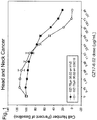
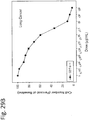
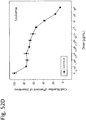
- Fig. 1 demonstrated that GZ17-6.02 dramatically kills HN5 and OSC19 cancer cells in a dose-dependent manner.
- the X axis is the increasing dose of GZ17-6.02 and the Y axis is the average number of live cells in each well at the end of a 24 hour exposure to the stated dose of GZ17-6.02.
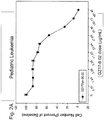
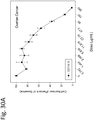
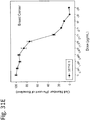
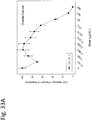
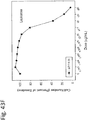
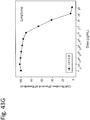
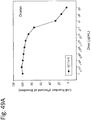
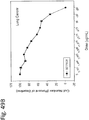
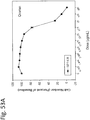
- GZ17-6.02 was found to induce significant cancer cell death in human pediatric leukemia cells and pediatric osteosarcoma in a dose-dependent manner.
- Jurkat leukemia cells were grown in suspension in media (RPMI supplemented with 10% FBS), maintained at approximately 500,000 cells/mL. The cells were plated in 96-well plates, and each well was exposed to a selected dose of GZ17-6.02 for 24 hours (a minimum of 4 replicates for each dosage). These cells were not treated to generate spheroids, but were directly plated onto the well plates. After a 24 hour exposure to the selected dosages of GZ17-6.02, PrestoBlue (Life Technologies, Inc) was added to each well and fluorescence readings were taken 4-6 hours later with an excitation wavelength of 485 nm and an emission wavelength of 560nm, using a microplate reader (Enspire Multimode, PerkinElmer). Results were averaged following background subtraction and normalized to untreated cell controls.
- PrestoBlue Life Technologies, Inc
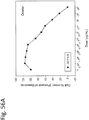
- Human osteosarcoma cells also had a significant dose-dependent increase in cell death when exposed to GZ17-6.02 for 24 hours.
- the methods to create and test osteosarcoma spheroids were the same as the methods described in Example 1.
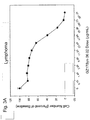
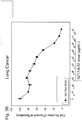
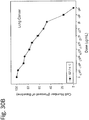
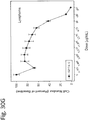
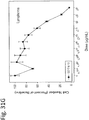
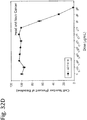
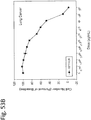
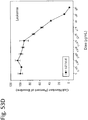
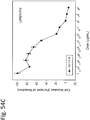
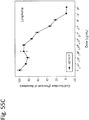
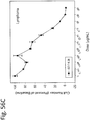
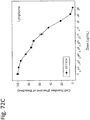
- lymphomas treatment methods used were identical to those described in Example 2 relative to the pediatric leukemia cells, whereas the lung cancer treatment method was the same as described in Example 1.
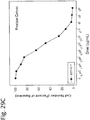
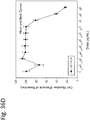
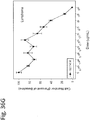
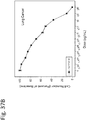
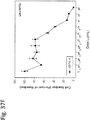
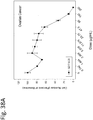
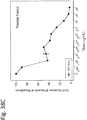
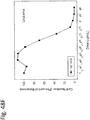
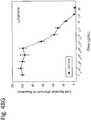
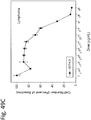
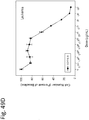
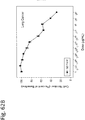
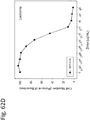
- Figs. 3A and 3B set forth the results of these tests, and demonstrate the effectiveness of GZ17-6.02 in inducing lymphoma and lung cancer cell death.
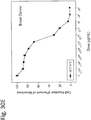
- the cells were treated and tested as set forth in Example 1, except that a different growth medium was used, namely Dulbecco's Modified Eagle Medium (DMEM) with 10% fetal bovine serum, and 1% penicillin/streptomycin mix (Sigma-Aldrich).
- DMEM Dulbecco's Modified Eagle Medium
- penicillin/streptomycin mix Sigma-Aldrich
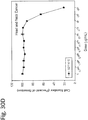
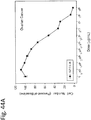
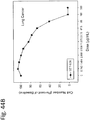
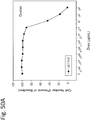
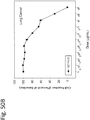
- Examples 1-5 ten different cancer types were tested with GZ17-6.02 and they all were sensitive to the therapeutic agent.
- the compound killed nearly all of the cells in the dish at a dose of 3.13-6.25 mg/mL.
- This array of cancer types represents a substantial portion of human cancers.
- the results confirm that the therapeutic agent is effective in both solid tumor cancers and blood cancers.
- non-cancerous integumental (dermal) fibroblasts (hgf-1) were tested with GZ17-6.02 and compared with prostate cancer (22rv1) and ovarian cancer cells (A1847), to determine the effect of GZ17-6.02 on the non-cancerous cells versus the prostate cancer and ovarian cancer cells.
- the fibroblasts were treated as follows: The cells were grown to confluence in the DMEM medium of Example 5, and then placed in 96-well plates where they adhered to the bottom of the plates. Each well was then exposed to a selected dose of GZ17-6.02 for 24 hours (a minimum of 4 replicates each), and tested according to Example 1. The prostate cancer and ovarian cancer results were taken from the previous Example 4.
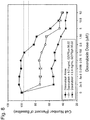
- the cancer cells begin to die at lower GZ17-6.02 doses than the non-cancerous fibroblast cells, demonstrating that GZ17-6.02 is more toxic to cancer cells versus the non-cancerous fibroblasts.
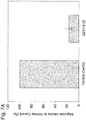
- Head and neck cancer cells were tested using a commercially available migration assay kit, Cultrex 96 Well Migration Assay (R&D Systems). The cell movement from the upper compartment to the lower compartment was measured as representative of cell migration. A negative control migration was also measured, using the GZ17-6.02 vehicle, namely a dilution of ethanol in the growth media to the same concentration as GZ17-6.02 in the growth media.
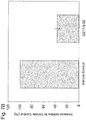
- the head and neck cancer cells were also assayed for migration using a Cultrex Cell Invasion Assay (R&D Systems).
- the ability of the head and neck cancer cells to invade a collagen matrix was measured by counting cells that exited the upper chamber and passed through a collagen-surrounded lower chamber. Similarly, a negative control for invasion was also measured, using the same ethanol vehicle employed in the migration assay.
- the GZ17-6.02 significantly inhibited migration so that almost no head and neck cancer cells could migrate from the site of origin. Likewise, GZ17-6.02 significantly inhibited invasion ( Fig. 7B ) by more than 60%.
- cancer blood or solid tumors
- This test demonstrates that at the ED 50 of GZ17-6.02 on head and neck cancer cells (OSC19) caused cell death via apoptosis.
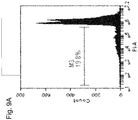
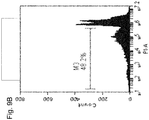
- head and neck cancer cells were stained with an apoptotic fluorophore and sorted by flow cytometry, which allows a single cell to be counted and measured for fluorescence simultaneously. This histograms in Fig.
- FIG. 9A and 9B illustrate the shift in fluorescence intensity to a lower level, indicating apoptotic cell death. While the control ( FIG. 9A , head and neck cancer cells without GZ17-6.02) had little apoptotic cell death (19.8%), 48.2% of the cells exposed to GZ17-6.02 died of apoptosis ( Fig. 9B ). This indicates one type of mechanism of action of GZ17-6.02.
- Caspase proteins are intracellular proteins involved in the apoptotic programmed cell death pathway. In instances where live lung cancer cell number decrease while a caspase protein increases, it can be inferred by association that the caspase was activated, and was thus associated with the molecular pathway of the cell death.
- the lung cancer cells were assayed using caspase testing kits (Promega Caspase-Glo 3/7, -Glo 2, -Glo 6, -Glo 8, and -Glo 9).
- Sample lung cancer cells were homogenized on ice in the provided preparation buffer and agitated on a plate shaker at low speeds (around 300 rpm). The supernatants were exposed to the provided assay solutions and read on a microplate reader for luminescent output (Enspire Multimode, PerkinElmer).
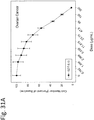
- Example 10 The procedures of Example 10 were followed, with testing of GZ17-6.02 on ovarian cancer cells (A1847).
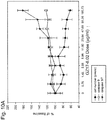
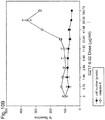
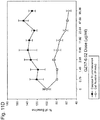
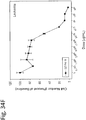
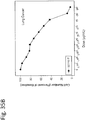
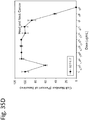
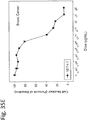
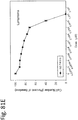
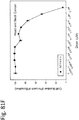
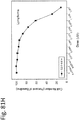
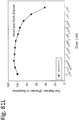
- Caspases 3 and 7 were activated at low doses of GZ17-6.02, indicating a receptor-mediated cell death ( FIG. 11A , filled circles).
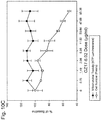
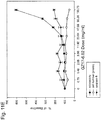
- Caspase 6 was active at low doses of GZ17-6.02 ( Fig. 11B , filled circles).
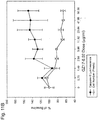
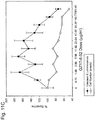
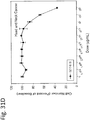
- caspase 8 was activated, which typically signals cell death via the mitochondria ( Figs. 11C , filled circles) and caspase 9 was also activated ( Fig. 11D , filled circles).
- mitochondrial toxicity was monitored in comparison to cell death ( Fig. 11E , filled circles), indicating that the mitochondrial toxicity was at least partially involved in the subsequent cell death.
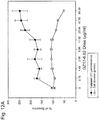
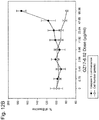
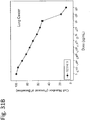
- Example 10 The procedures of Example 10 were followed, with testing of GZ17-6.02 on osteosarcoma cells (HOS). These tests indicated that levels of caspases 3 and 7 were significantly higher when exposed to doses of GZ17-6.02 over 0.4 mg/mL before or during cell death ( FIG. 12A , filled circles). Caspase 6 was activated at high doses of GZ17-6.02 ( Fig. 12B , filled circles). In contrast, caspase 2 ( Fig. 12C , filled circles) and caspase 9 ( Fig. 12D , filled circles) showed no activation that would indicate that they were involved in the cell death pathways induced by GZ17-6.02.
- HOS osteosarcoma cells
- Example 10 The procedures of Example 10 were followed, with testing of GZ17-6.02 on human head and neck cancer cells (OSC19).
- Fig. 13 (filled circles) indicates that there is no mitochondrial toxicity involved in GZ17-6.02 induced cell death in the head and neck cancer cells.
- chemotherapeutic agents can work by blocking the rapid proliferation of cancer cells, thus eventually halting the progression of the cancer.
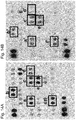
- Fig. 14A Cellular proteins specific to a pathway of cell proliferation were tested in duplicate (resulting in 2 side-by-side dots for each protein in Fig. 14A ). The darker the dot, the more relative protein was present in the homogenate. As shown in Fig. 14B , cell proliferation proteins showed a dramatic reduction in amount when exposed to the head and neck cancer cell ED 50 dose of GZ17-6.02.
- the proteins showing the greatest reduction included epidermal growth factor receptor (block a compared to block a'), extracellular-signal-regulated kinase (block b compared to block b'), the catalytic subunit of AMP-activated kinase (block c compared to block c'), ⁇ -catenin (block d compared to block d'), STAT2 (block e compared to block e') and Chk-2 (block f compared to block f).
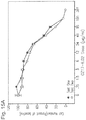
- Fig. 15A sets forth the ovarian cancer results
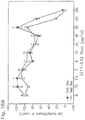
- Fig. 15B gives the lung cancer cell results.
- mice Six-week old FOXN1 mice were inoculated with human head and neck cancer cells (OSC19) bilaterally into the flank region, in order to induce the formation of palpable tumors.
- the bilateral tumors were measured at one week after cell injection, and had each grown to an average volume of approximately 9 mm 3 .
- Half of the mice were injected daily with 15 mg/kg body weight GZ17-6.02 stock solution into the right side tumors, starting on day 7 after inoculation of the tumor cells.
- the other half of the mice were injected with the same volume of the ethanol carrier of the stock solution into the right side tumors.
- each mouse had 2 palpable tumors, one on either flank, but only one side was injected with GZ17-6.02. Every 2-4 days, the tumors on both sides of each mouse were measured with vernier calipers in 2 perpendicular dimensions and the volumes calculated.
- Fig. 16A shows that GZ17-6.02 dramatically halted tumor growth in the treated mice, so that by 3 weeks there was a distinct and statistically significant difference between the vehicle-treated controls and the GZ17-6.02 treated mice. Further, the trend in the GZ17-6.02 treated mice was that the tumors began to decrease in volume from day 21 (although the decrease was not statistically significant) from tumor size at day 28.
- Fig. 16A shows the decline in tumor volume in the tumors that were directly injected with GZ17-6.02.
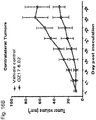
- Fig. 16B shows the halt in tumor growth that occurred in the non-injected tumors on the contralateral side of the neck of the treated mice.
- Fig. 16B demonstrates that GZ17-6.02 has a systemic anticancer effect, i.e., the contralateral tumor size decrease without direct injection of GZ17-6.02 indicates that the agent traveled through the bloodstream of the mice.
- mice showed no signs of complications, distress, or toxicity. Thus, none of the over 30 mice in the study exhibited any observable adverse reactions. Daily observation of the mice documented that none suffered any weight loss, new tumor formation, loss of appetite, change in fur appearance or grooming behavior, or change in activity owing to lethargy. Moreover, there were no gross abnormalities of any of the internal organs of the mice upon necropsy. It was thus concluded that there were no drug-drug interactions, which are common with multiple-drug anti-cancer compositions.
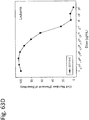
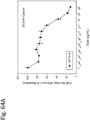
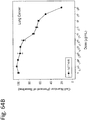
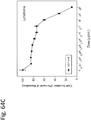
- mice study In another mice study, a head and neck tumor was surgically removed from a human patient, and approximate 35 mg-portions of the tumor were implanted in a first randomized group often nude-FOXNl mice using a 5% ethanol in saline vehicle via oral gavage. A second randomized group of ten mice was treated only with the vehicle as a control, in the same manner as the first group. The first mice group was treated with 30 mg/kg/day doses of GZ17-6.02 five days/week, and the doses were increased to 50 mg/kg/day during the second week of treatment. The two groups of mice were treated for a total of three weeks, and tumor volumes were measured twice a week using a Vernier caliper. The results of this study are set forth in Fig. 16C , which illustrates that the fractional tumor volumes relative to the pretreatment tumor size were reduced in the first group of mice, while the control mice exhibited gradually increasing tumor burdens.
- a different ratio of isovanillin, harmine, and curcumin was used, as compared with GZ17-6.02, namely 1/3 by weight of each component.
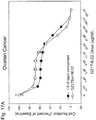
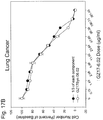
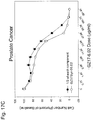
- This formulation was prepared by mixing the three GZ17-6.02 components in 1 mL of ethanol to obtain a secondary stock solution.
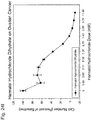
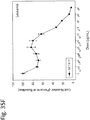
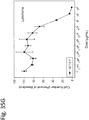
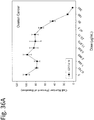
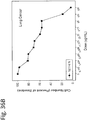
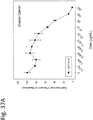
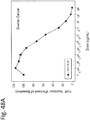
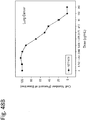
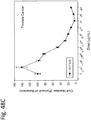
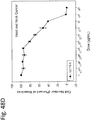
- Fig. 17A shows that the original stock solution (filled circles) and the secondary stock solution (open circles) are bioequivalent in terms of ovarian cancer cell (A1847) kill rate.
- Figs. 17B and 17C show the same general effect for lung cancer cells (H358) and prostate cancer cells (22rv1).
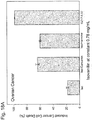
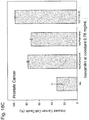
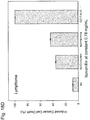
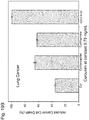
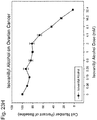
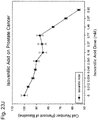
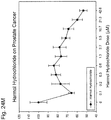
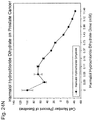
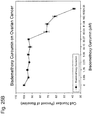
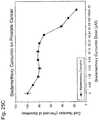
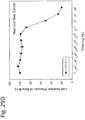
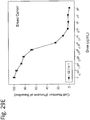
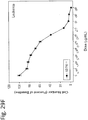
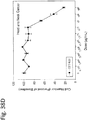
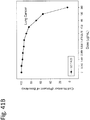
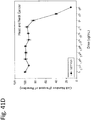
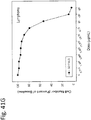
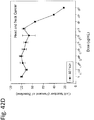
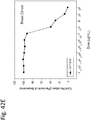
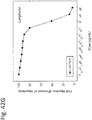
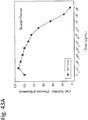
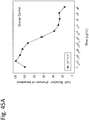
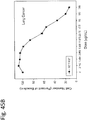
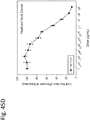
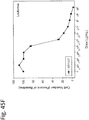
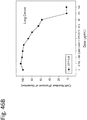
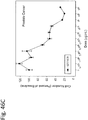
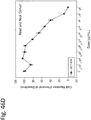
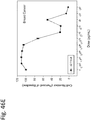
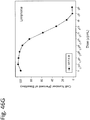
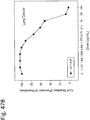
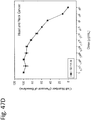
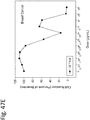
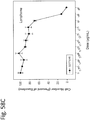
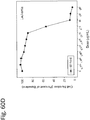
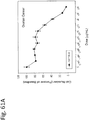
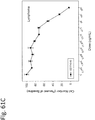
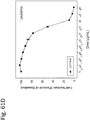
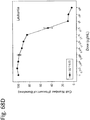
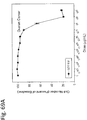
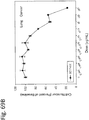
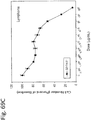
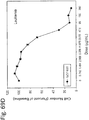
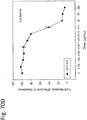
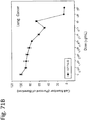
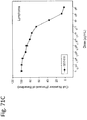
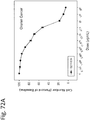
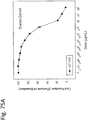
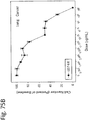
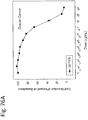
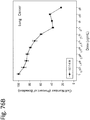
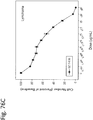
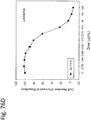
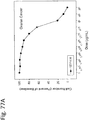
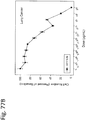
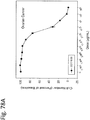
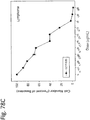
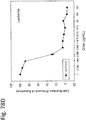
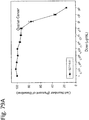
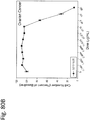
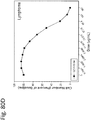
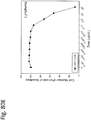
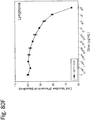
- 18A-18D illustrate these results with ovarian cancer cells (A1847), lung cancer cells (H358), prostate cancer cells (22rv1), and lymphoma cells (MO205). As is evident, the two-component products each exhibited greater kill rates as compared with isovanillin alone.
- Example 18 The procedures of Example 18 were followed, except that curcumin was tested alone versus GZ17-6.02, together with curcumin:isovanillin and curcumin:harmine two-component products.
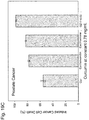
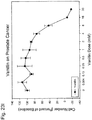
- the curcumin was present at a level of 0.78 mg/mL and the concentrations in the curcumin:isovanillin product were 0.78 mg/mL curcumin and 3.59 mg/mL isovanillin, and in the curcumin:harmine product the concentrations were 0.78 mg/mL curcumin and 0.59 mg/mL harmine.
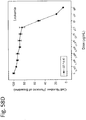
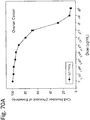
- Figs. 19A-19D illustrate the results of this test, and confirm that the two-component products give better results than curcumin alone.
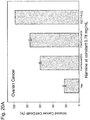
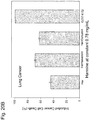
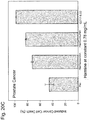
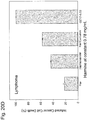
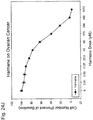
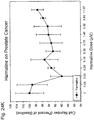
- Example 18 The procedures of Example 18 were followed, except that harmine was tested alone versus GZ17-6.02, together with harmine:isovanillin and harmine:curcumin two-component products.
- the harmine was present at a level of 0.78 mg/mL and the concentrations in the harmine:isovanillin product were 0.78 mg/mL harmine and 6.09 mg/mL isovanillin, and in the harmine:curcumin product the concentrations were 0.78 mg/mL curcumin and 1.03 mg/mL curcumin.
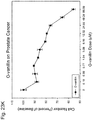
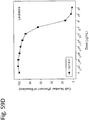
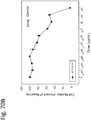
- Figs. 20A-20D illustrate the results of this test, and confirm that the two-component products give better results than harmine alone.
- GZ17-6.02 were tested against lymphoma cancer cells (MO205) at the component concentrations found in GZ17-6.02, at dosage rates of 12, 24, 48, and 96 ⁇ g/mL.
- the theoretical additive effect (black bar) of the 3 components was also calculated in each case and shown versus the actual test results found using GZ17-6.02.
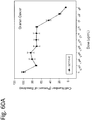
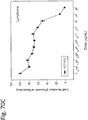
- Figs. 21A-21D illustrate the results of these tests, and confirm that, at the tested dosages, the GZ17-6.02 product had a greater effect than the individual components and the theoretical additive effect thereof, thus establishing synergistic effects.
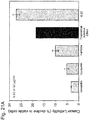
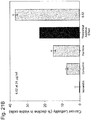
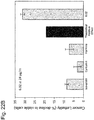
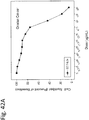
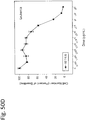
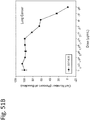
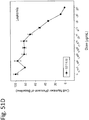
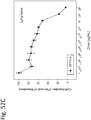
- Fig. 22A and 22B illustrate the results of these ovarian cancer tests, and confirm that, at the tested dosages, the GZ17-6.02 product had a greater effect than the individual components and the theoretical additive effect thereof. In an additional test at 48 ⁇ g/mL dosage rate, this effect was not observed.
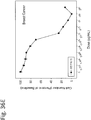
- Fig. 22C sets forth the results using breast cancer cells.
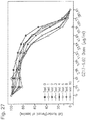
- the GZ17-6.02 product was subjected to successive freeze/thaw cycles. In each cycle, the product was frozen at -20°C, followed by allowing the product temperature to equilibrate at room temperature. At the end of each cycle, the product was tested against ovarian cancer cells (A1847) using the methods of Example 1. A total of 10 successive freeze/thaw cycles were performed on the same sample. Fig. 27 illustrates that there was no significant change in the efficacy of the GZ17-6.02 against ovarian cancer cells.
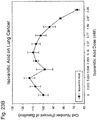
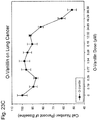
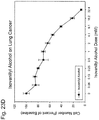
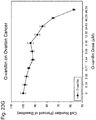
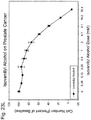
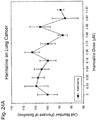
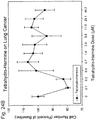
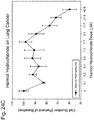
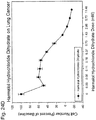
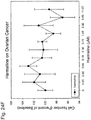
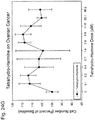
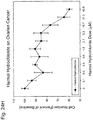
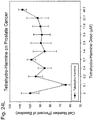
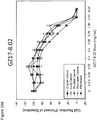
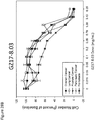
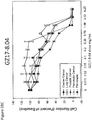
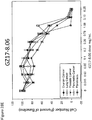
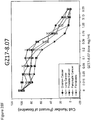
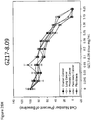
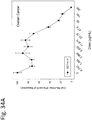
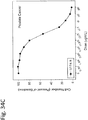
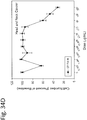
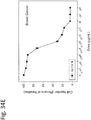
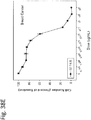
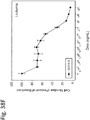
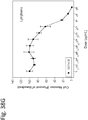
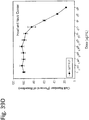
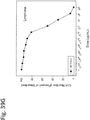
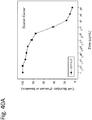
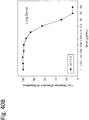
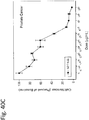
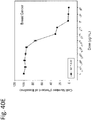
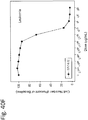
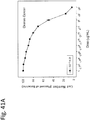
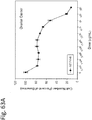
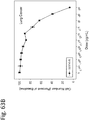
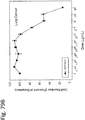
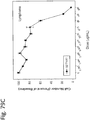
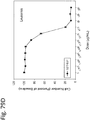
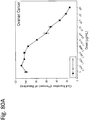
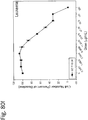
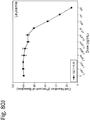
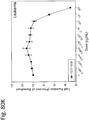
- GZ17-8.02 (which is identical with the preferred GZ17-6.02 composition), and several different combinations of curcumin, harmine, and isovanillin derivatives were tested against ovarian cancer (A1847), lung cancer (H358), prostate cancer (22rv1), pancreatic cancer, and fibroblast cells (hgf-1), in order to confirm that such derivative combinations were effective.
- the weight ratio of the isovanillin component:curcumin component:harmine component was 7.7:1:1.3, and the compositions were prepared as described above and the tests were carried out as described in Examples 1, 2, and 6.
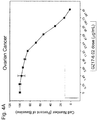
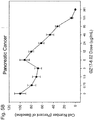
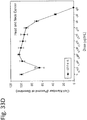
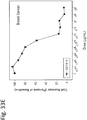
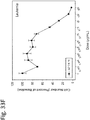
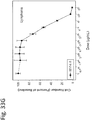
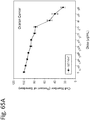
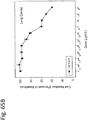
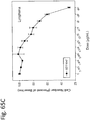
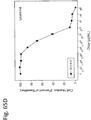
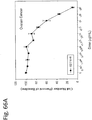
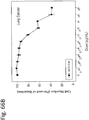
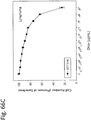
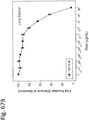
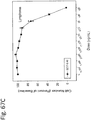
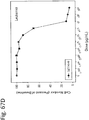
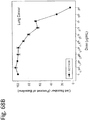
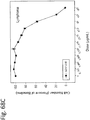
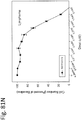
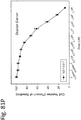
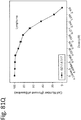
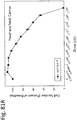
- the compositions are identified below, including the respective graphs giving the results of the tests:
- compositions having different combinations of isovanillin, curcumin, and harmine components were tested as set forth in Examples 1-6, against cancer cells to determine the anti-cancer effectiveness thereof.
- the specific cancer cell lines used in each case were those previously described.
- the weight ratio of the isovanillin component:curcumin component:harmine component was 7.7:1:1.3, and the compositions were prepared as described above in connection with the preparation of GZ17-6.02. A separate graph is provided for each test, which identifies the cancer cells tested.
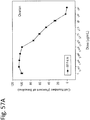
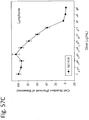
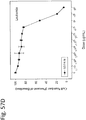
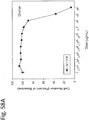
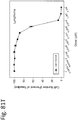
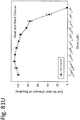
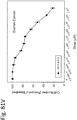
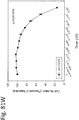
- compositions were prepared: Composition Isovanillin Component Curcumin Component Harmine Component GZ17-10.00 orthovanillin curcumin harmaline GZ17-10.01 orthovanillin - harmaline GZ17-10.02 orthovanillin curcumin - GZ17-10.03 - curcumin harmaline GZ17-10.04 orthovanillin - - GZ17-10.05 - curcumin - GZ17-10.06 - - harmaline GZ17-10.00 is identical with the above-described GZ17-6.02, having the identical amounts of the components and method of preparation.
- the two-component compositions have the same relative ratios, namely 7.7:1.3 for GZ17-10.01, 7.7:1 for GZ17-10.02, and 1:1.3 for GZ17-10.03.
- the single-component compositions contain the same amount of component as used in the three- and two-component compositions.
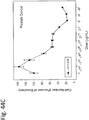
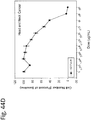
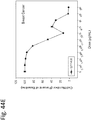
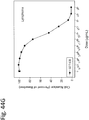
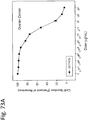
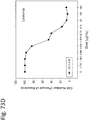
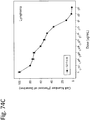
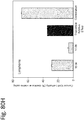
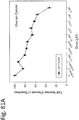
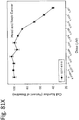
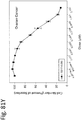
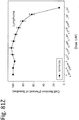
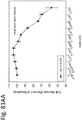
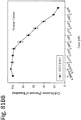
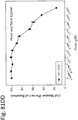
- compositions of this Example were tested against different cancer cell lines, as previously identified, using the methods of Examples 1-6, as set forth in the accompanying relevant graphs, 81A-81DD.
- mice Twelve immunocompromised (nude) mice were treated injected with MiaPaCa-2 cells (a pancreatic cancer cell line) that had been genetically transformed to express TdTomato and luciferin for in vivo tumor imaging. After tumors reached a measurable size (approximately 2 weeks), half of the mice were randomly assigned to the experimental group and the other half to the control group.
- MiaPaCa-2 cells a pancreatic cancer cell line
- the experimental group was treated with GZ17-6.02 at a daily dose of 100 mg/kg body weight.
- the drug administration was oral, dissolved in peptamen.
- Control mice were fed the vehicle (peptamen) alone. Once a week mice were lightly anesthetized in order to use IVIS imaging to detect the tumor sizes.
- On day 5 there was no statistical difference in the amount of fluorescence measured from the control (placebo-fed) and GZ17-6.02-fed mice.
- the placebo-treated mice had dramatic levels of peritoneal ascites that were not present in the GZ17-6.02 group.
- mice were sacrificed and tumor samples removed from the pancreas, liver, and lungs. The primary pancreatic tumors were weighed. The placebo-fed animals had pancreatic tumors that averaged 2.4 times statistically larger than the GZ17-6.02 fed mice.
- a 63-year-old male patient having a Prostate-Specific Antigen (PSA) count of 8.2 began a treatment regimen using a dosage form of GZ17-6.02.
- solid GZ17-6.02 prepared by evaporating the ethanol from the previously described GZ17-6.02 agent was dispersed in water in equal weight amounts, e.g., 5 grams solid GZ17-6.02 in 5 grams water.
- This dosage form was taken three times daily for six weeks, with each dose being four fluid ounces of the 50%:50% dispersion.
- the patient's PSA count had dropped to 2.1, and all prostate and urological tests were normal.
- the treating physician had no explanation for the decline in PSA.
- the inventors believe that the therapeutic agents of the invention ameliorate a number of conditions or illnesses, and especially reduce and/or eliminate cancer and/or the symptoms thereof by augmenting or stimulating the patients' immune systems. In this sense, the invention is believed to be a form of biological therapy.
- the invention is applicable to virtually all cancers, such as the following: Acute Lymphoblastic Leukemia, Adult; Acute Lymphoblastic Leukemia, Childhood; Acute Myeloid Leukemia, Adult; Acute Myeloid Leukemia, Childhood; Adrenocortical Carcinoma; Adrenocortical Carcinoma, Childhood; Adolescents, Cancer in; AIDS-Related Cancers; AIDS-Related Lymphoma; Anal Cancer; Appendix Cancer; Astrocytomas, Childhood; Atypical Teratoid/Rhabdoid Tumor, Childhood, Central Nervous System; Basal Cell Carcinoma; Bile Duct Cancer, Extrahepatic; Bladder Cancer; Bladder Cancer, Childhood; Bone Cancer, Osteosarcoma and Malignant Fibrous Histiocytoma; Brain Stem Glioma, Childhood; Brain Tumor, Adult; Brain Tumor, Brain Stem Glioma, Childhood; Brain Tumor,
Landscapes
- Health & Medical Sciences (AREA)
- Chemical & Material Sciences (AREA)
- Public Health (AREA)
- Veterinary Medicine (AREA)
- Medicinal Chemistry (AREA)
- Pharmacology & Pharmacy (AREA)
- Life Sciences & Earth Sciences (AREA)
- Animal Behavior & Ethology (AREA)
- General Health & Medical Sciences (AREA)
- Organic Chemistry (AREA)
- Epidemiology (AREA)
- Nuclear Medicine, Radiotherapy & Molecular Imaging (AREA)
- General Chemical & Material Sciences (AREA)
- Chemical Kinetics & Catalysis (AREA)
- Engineering & Computer Science (AREA)
- Bioinformatics & Cheminformatics (AREA)
- Hematology (AREA)
- Oncology (AREA)
- Acyclic And Carbocyclic Compounds In Medicinal Compositions (AREA)
- Pharmaceuticals Containing Other Organic And Inorganic Compounds (AREA)
Priority Applications (1)
| Application Number | Priority Date | Filing Date | Title |
|---|---|---|---|
| EP17185821.0A EP3275465B1 (en) | 2014-10-21 | 2015-10-16 | Therapeutic compositions comprising a combination of a harmine and isovanillin component |
Applications Claiming Priority (5)
| Application Number | Priority Date | Filing Date | Title |
|---|---|---|---|
| US201462066686P | 2014-10-21 | 2014-10-21 | |
| US201562161090P | 2015-05-13 | 2015-05-13 | |
| US14/721,011 US9402834B2 (en) | 2014-10-21 | 2015-05-26 | Human therapeutic agents |
| US201562184051P | 2015-06-24 | 2015-06-24 | |
| PCT/US2015/055968 WO2016064676A1 (en) | 2014-10-21 | 2015-10-16 | Human therapeutic agents |
Related Child Applications (2)
| Application Number | Title | Priority Date | Filing Date |
|---|---|---|---|
| EP17185821.0A Division EP3275465B1 (en) | 2014-10-21 | 2015-10-16 | Therapeutic compositions comprising a combination of a harmine and isovanillin component |
| EP17185821.0A Division-Into EP3275465B1 (en) | 2014-10-21 | 2015-10-16 | Therapeutic compositions comprising a combination of a harmine and isovanillin component |
Publications (3)
| Publication Number | Publication Date |
|---|---|
| EP3188721A1 EP3188721A1 (en) | 2017-07-12 |
| EP3188721A4 EP3188721A4 (en) | 2018-05-02 |
| EP3188721B1 true EP3188721B1 (en) | 2019-06-12 |
Family
ID=55761352
Family Applications (2)
| Application Number | Title | Priority Date | Filing Date |
|---|---|---|---|
| EP15853030.3A Active EP3188721B1 (en) | 2014-10-21 | 2015-10-16 | Human therapeutic agents |
| EP17185821.0A Active EP3275465B1 (en) | 2014-10-21 | 2015-10-16 | Therapeutic compositions comprising a combination of a harmine and isovanillin component |
Family Applications After (1)
| Application Number | Title | Priority Date | Filing Date |
|---|---|---|---|
| EP17185821.0A Active EP3275465B1 (en) | 2014-10-21 | 2015-10-16 | Therapeutic compositions comprising a combination of a harmine and isovanillin component |
Country Status (13)
| Country | Link |
|---|---|
| EP (2) | EP3188721B1 (enExample) |
| JP (1) | JP6937237B2 (enExample) |
| KR (1) | KR20170066425A (enExample) |
| CN (3) | CN115569136A (enExample) |
| AU (1) | AU2015336311B2 (enExample) |
| CA (1) | CA2955114C (enExample) |
| DK (1) | DK3188721T3 (enExample) |
| ES (1) | ES2744913T3 (enExample) |
| IL (1) | IL250990A0 (enExample) |
| MX (1) | MX2017002489A (enExample) |
| RU (1) | RU2017115885A (enExample) |
| TW (1) | TW201625230A (enExample) |
| WO (1) | WO2016064676A1 (enExample) |
Families Citing this family (13)
| Publication number | Priority date | Publication date | Assignee | Title |
|---|---|---|---|---|
| WO2016181220A2 (en) * | 2015-05-13 | 2016-11-17 | Ions Pharmaceutical S.À R.L. | Therapeutic compositions and methods of use thereof |
| CN111819193A (zh) | 2018-01-05 | 2020-10-23 | 西奈山伊坎医学院 | 增加胰腺β细胞增殖的方法、治疗方法以及组合物 |
| US11246902B2 (en) * | 2018-02-23 | 2022-02-15 | Ankh Life Sciences Limited | Nutritional supplement for mammals |
| AU2019240065A1 (en) | 2018-03-20 | 2020-09-24 | Icahn School Of Medicine At Mount Sinai | Kinase inhibitor compounds and compositions and methods of use |
| US11453665B2 (en) | 2018-04-13 | 2022-09-27 | Ankh Life Sciences Limited | Thymoquinone/harmaline and related reaction products |
| US11452715B2 (en) | 2018-04-13 | 2022-09-27 | Ankh Life Sciences Limited | Thymoquinone/harmaline and related reaction products |
| US10875859B2 (en) | 2018-04-13 | 2020-12-29 | Ankh Life Sciences Limited | Thymoquinone/harmaline and related reaction products |
| US11453664B2 (en) | 2018-04-13 | 2022-09-27 | Ankh Life Sciences Limited | Thymoquinone/harmaline and related reaction products |
| US10947253B2 (en) | 2019-08-05 | 2021-03-16 | Ankh Life Sciences Limited | Fused polycyclic dimers |
| US12419872B2 (en) | 2020-03-05 | 2025-09-23 | Ankh Life Sciences Limited | Low-temperature synthesis of thymoquinone and harmaline compounds |
| EP4185288A4 (en) * | 2020-07-21 | 2024-04-24 | Ankh Life Sciences Limited | Therapeutic agents and uses thereof |
| US12129265B2 (en) | 2020-07-21 | 2024-10-29 | Ankh Life Sciences Limited | Therapeutic agents and uses thereof |
| JP2023080697A (ja) * | 2021-11-30 | 2023-06-09 | 株式会社渡辺オイスター研究所 | 転移性ヒト前立腺がん細胞の増殖抑制剤 |
Family Cites Families (15)
| Publication number | Priority date | Publication date | Assignee | Title |
|---|---|---|---|---|
| JPS54126731A (en) * | 1978-03-20 | 1979-10-02 | Rikagaku Kenkyusho | Carcinostatic agent |
| US7355081B2 (en) * | 2002-04-17 | 2008-04-08 | The University Of North Carolina At Chapel Hill | Curcumin analogues and uses thereof |
| JP2004075666A (ja) * | 2002-05-15 | 2004-03-11 | Keio Gijuku | 造血器腫瘍の治療薬、免疫抑制剤、およびp53を標的分子とする分子標的治療薬 |
| CN100503607C (zh) * | 2003-06-02 | 2009-06-24 | 新疆华世丹药物研究有限责任公司 | 去氢骆驼蓬碱衍生物类化合物及其应用 |
| FR2869540B1 (fr) * | 2004-04-30 | 2008-05-16 | Centre Nat Rech Scient Cnrse | Compositions pharmaceutiques contenant des derives de b-carboline, et leur utilisation pour le traitement des cancers |
| CN100553628C (zh) * | 2005-08-25 | 2009-10-28 | 中国人民解放军军事医学科学院放射与辐射医学研究所 | 2-溴-异香兰素在制备抗癌和/或辐射、化疗增敏药物中的应用 |
| US8735154B2 (en) | 2006-10-30 | 2014-05-27 | The University Of Kansas | Templated islet cells and small islet cell clusters for diabetes treatment |
| WO2008150899A1 (en) * | 2007-05-29 | 2008-12-11 | Emory University | Combination therapies for treatment of cancer and inflammatory diseases |
| CN101669931B (zh) * | 2008-09-08 | 2012-07-04 | 北京鼎国昌盛生物技术有限责任公司 | 长效姜黄素衍生物在制备抗肿瘤症药物中的应用 |
| CA2758916A1 (en) * | 2009-04-15 | 2010-10-21 | Pui-Kai Li | Curcumin analogs as dual jak2/stat3 inhibitors and methods of making and using the same |
| WO2011133795A2 (en) * | 2010-04-22 | 2011-10-27 | The Brigham And Women's Hospital, Inc. | Beta-carbolines as inhibitors of haspin and dyrk kinases |
| US20120058208A1 (en) * | 2010-09-04 | 2012-03-08 | Synthite Industries Ltd. | Synergistic Composition for Enhancing Bioavailability of Curcumin |
| WO2012047852A2 (en) * | 2010-10-07 | 2012-04-12 | The J. David Gladstone Institutes | Compositions and methods for modulating immunodeficiency virus transcription |
| US8039025B1 (en) | 2010-10-15 | 2011-10-18 | Life Plus, LLC | Methods and dosage forms for the treatment of human cancers |
| WO2015006646A1 (en) * | 2013-07-11 | 2015-01-15 | Specialty Nutrition Group, Inc. | Compositions comprising hydroxytyrosol, curcumin, and/or astaxanthin and use thereof |
-
2015
- 2015-10-16 MX MX2017002489A patent/MX2017002489A/es unknown
- 2015-10-16 KR KR1020177009791A patent/KR20170066425A/ko not_active Withdrawn
- 2015-10-16 EP EP15853030.3A patent/EP3188721B1/en active Active
- 2015-10-16 AU AU2015336311A patent/AU2015336311B2/en active Active
- 2015-10-16 CN CN202210871857.5A patent/CN115569136A/zh active Pending
- 2015-10-16 EP EP17185821.0A patent/EP3275465B1/en active Active
- 2015-10-16 CN CN201911016462.1A patent/CN110772512A/zh active Pending
- 2015-10-16 WO PCT/US2015/055968 patent/WO2016064676A1/en not_active Ceased
- 2015-10-16 RU RU2017115885A patent/RU2017115885A/ru not_active Application Discontinuation
- 2015-10-16 CN CN201580057827.9A patent/CN107106519B/zh active Active
- 2015-10-16 DK DK15853030.3T patent/DK3188721T3/da active
- 2015-10-16 JP JP2017522542A patent/JP6937237B2/ja active Active
- 2015-10-16 CA CA2955114A patent/CA2955114C/en active Active
- 2015-10-16 ES ES15853030T patent/ES2744913T3/es active Active
- 2015-10-21 TW TW104134465A patent/TW201625230A/zh unknown
-
2017
- 2017-03-07 IL IL250990A patent/IL250990A0/en unknown
Non-Patent Citations (1)
| Title |
|---|
| None * |
Also Published As
| Publication number | Publication date |
|---|---|
| WO2016064676A1 (en) | 2016-04-28 |
| EP3275465B1 (en) | 2020-05-06 |
| ES2744913T3 (es) | 2020-02-26 |
| AU2015336311B2 (en) | 2020-05-14 |
| EP3275465A1 (en) | 2018-01-31 |
| JP2017531689A (ja) | 2017-10-26 |
| JP6937237B2 (ja) | 2021-09-22 |
| CN107106519B (zh) | 2023-01-24 |
| AU2015336311A2 (en) | 2020-02-06 |
| CA2955114C (en) | 2023-01-03 |
| CN110772512A (zh) | 2020-02-11 |
| TW201625230A (zh) | 2016-07-16 |
| RU2017115885A (ru) | 2018-11-23 |
| CA2955114A1 (en) | 2016-04-28 |
| BR112017006190A2 (pt) | 2017-12-26 |
| CN107106519A (zh) | 2017-08-29 |
| EP3188721A4 (en) | 2018-05-02 |
| EP3188721A1 (en) | 2017-07-12 |
| IL250990A0 (en) | 2017-04-30 |
| CN115569136A (zh) | 2023-01-06 |
| KR20170066425A (ko) | 2017-06-14 |
| AU2015336311A1 (en) | 2017-02-09 |
| DK3188721T3 (da) | 2019-08-12 |
| MX2017002489A (es) | 2017-09-13 |
Similar Documents
| Publication | Publication Date | Title |
|---|---|---|
| EP3275465B1 (en) | Therapeutic compositions comprising a combination of a harmine and isovanillin component | |
| US10092550B2 (en) | Therapeutic compositions containing curcumin, harmine, and isovanillin components, and methods of use thereof | |
| US9402834B2 (en) | Human therapeutic agents | |
| US11266634B2 (en) | Methods for treating melanoma with human therapeutic agents | |
| US20170042867A1 (en) | Therapeutic compositions containing harmine and isovanillin components, and methods of use thereof | |
| WO2016181220A2 (en) | Therapeutic compositions and methods of use thereof | |
| US20170216222A1 (en) | Therapeutic compositions containing harmine and isovanillin components, and methods of use thereof | |
| US20170105975A1 (en) | Therapeutic compositions containing harmine and isovanillin components, and methods of use thereof | |
| US20170105976A1 (en) | Therapeutic compositions containing harmine and isovanillin components, and methods of use thereof | |
| US20250255853A1 (en) | Human therapeutic agents | |
| BR112017006190B1 (pt) | Composições terapêuticas, seus processos de fabricação, e uso das mesmas |
Legal Events
| Date | Code | Title | Description |
|---|---|---|---|
| STAA | Information on the status of an ep patent application or granted ep patent |
Free format text: STATUS: THE INTERNATIONAL PUBLICATION HAS BEEN MADE |
|
| PUAI | Public reference made under article 153(3) epc to a published international application that has entered the european phase |
Free format text: ORIGINAL CODE: 0009012 |
|
| STAA | Information on the status of an ep patent application or granted ep patent |
Free format text: STATUS: REQUEST FOR EXAMINATION WAS MADE |
|
| 17P | Request for examination filed |
Effective date: 20170404 |
|
| AK | Designated contracting states |
Kind code of ref document: A1 Designated state(s): AL AT BE BG CH CY CZ DE DK EE ES FI FR GB GR HR HU IE IS IT LI LT LU LV MC MK MT NL NO PL PT RO RS SE SI SK SM TR |
|
| AX | Request for extension of the european patent |
Extension state: BA ME |
|
| DAV | Request for validation of the european patent (deleted) | ||
| DAX | Request for extension of the european patent (deleted) | ||
| REG | Reference to a national code |
Ref country code: DE Ref legal event code: R079 Ref document number: 602015032022 Country of ref document: DE Free format text: PREVIOUS MAIN CLASS: A61K0031120000 Ipc: A61K0045060000 |
|
| A4 | Supplementary search report drawn up and despatched |
Effective date: 20180404 |
|
| RIC1 | Information provided on ipc code assigned before grant |
Ipc: A61K 31/437 20060101ALI20180327BHEP Ipc: A61K 31/11 20060101ALI20180327BHEP Ipc: A61K 45/06 20060101AFI20180327BHEP Ipc: A61K 31/121 20060101ALI20180327BHEP Ipc: A61P 35/00 20060101ALI20180327BHEP |
|
| RAP1 | Party data changed (applicant data changed or rights of an application transferred) |
Owner name: ANKH LIFE SCIENCES LIMITED |
|
| STAA | Information on the status of an ep patent application or granted ep patent |
Free format text: STATUS: EXAMINATION IS IN PROGRESS |
|
| 17Q | First examination report despatched |
Effective date: 20190104 |
|
| GRAP | Despatch of communication of intention to grant a patent |
Free format text: ORIGINAL CODE: EPIDOSNIGR1 |
|
| STAA | Information on the status of an ep patent application or granted ep patent |
Free format text: STATUS: GRANT OF PATENT IS INTENDED |
|
| INTG | Intention to grant announced |
Effective date: 20190321 |
|
| GRAS | Grant fee paid |
Free format text: ORIGINAL CODE: EPIDOSNIGR3 |
|
| GRAA | (expected) grant |
Free format text: ORIGINAL CODE: 0009210 |
|
| STAA | Information on the status of an ep patent application or granted ep patent |
Free format text: STATUS: THE PATENT HAS BEEN GRANTED |
|
| AK | Designated contracting states |
Kind code of ref document: B1 Designated state(s): AL AT BE BG CH CY CZ DE DK EE ES FI FR GB GR HR HU IE IS IT LI LT LU LV MC MK MT NL NO PL PT RO RS SE SI SK SM TR |
|
| REG | Reference to a national code |
Ref country code: GB Ref legal event code: FG4D |
|
| REG | Reference to a national code |
Ref country code: CH Ref legal event code: EP |
|
| REG | Reference to a national code |
Ref country code: AT Ref legal event code: REF Ref document number: 1141729 Country of ref document: AT Kind code of ref document: T Effective date: 20190615 |
|
| REG | Reference to a national code |
Ref country code: IE Ref legal event code: FG4D |
|
| REG | Reference to a national code |
Ref country code: DE Ref legal event code: R096 Ref document number: 602015032022 Country of ref document: DE |
|
| REG | Reference to a national code |
Ref country code: DK Ref legal event code: T3 Effective date: 20190807 |
|
| REG | Reference to a national code |
Ref country code: CH Ref legal event code: NV Representative=s name: RENTSCH PARTNER AG, CH |
|
| REG | Reference to a national code |
Ref country code: SE Ref legal event code: TRGR |
|
| REG | Reference to a national code |
Ref country code: NL Ref legal event code: FP |
|
| REG | Reference to a national code |
Ref country code: NO Ref legal event code: T2 Effective date: 20190612 |
|
| REG | Reference to a national code |
Ref country code: LT Ref legal event code: MG4D |
|
| PG25 | Lapsed in a contracting state [announced via postgrant information from national office to epo] |
Ref country code: HR Free format text: LAPSE BECAUSE OF FAILURE TO SUBMIT A TRANSLATION OF THE DESCRIPTION OR TO PAY THE FEE WITHIN THE PRESCRIBED TIME-LIMIT Effective date: 20190612 Ref country code: FI Free format text: LAPSE BECAUSE OF FAILURE TO SUBMIT A TRANSLATION OF THE DESCRIPTION OR TO PAY THE FEE WITHIN THE PRESCRIBED TIME-LIMIT Effective date: 20190612 Ref country code: AL Free format text: LAPSE BECAUSE OF FAILURE TO SUBMIT A TRANSLATION OF THE DESCRIPTION OR TO PAY THE FEE WITHIN THE PRESCRIBED TIME-LIMIT Effective date: 20190612 Ref country code: LT Free format text: LAPSE BECAUSE OF FAILURE TO SUBMIT A TRANSLATION OF THE DESCRIPTION OR TO PAY THE FEE WITHIN THE PRESCRIBED TIME-LIMIT Effective date: 20190612 |
|
| PG25 | Lapsed in a contracting state [announced via postgrant information from national office to epo] |
Ref country code: BG Free format text: LAPSE BECAUSE OF FAILURE TO SUBMIT A TRANSLATION OF THE DESCRIPTION OR TO PAY THE FEE WITHIN THE PRESCRIBED TIME-LIMIT Effective date: 20190912 Ref country code: RS Free format text: LAPSE BECAUSE OF FAILURE TO SUBMIT A TRANSLATION OF THE DESCRIPTION OR TO PAY THE FEE WITHIN THE PRESCRIBED TIME-LIMIT Effective date: 20190612 Ref country code: GR Free format text: LAPSE BECAUSE OF FAILURE TO SUBMIT A TRANSLATION OF THE DESCRIPTION OR TO PAY THE FEE WITHIN THE PRESCRIBED TIME-LIMIT Effective date: 20190913 Ref country code: LV Free format text: LAPSE BECAUSE OF FAILURE TO SUBMIT A TRANSLATION OF THE DESCRIPTION OR TO PAY THE FEE WITHIN THE PRESCRIBED TIME-LIMIT Effective date: 20190612 |
|
| REG | Reference to a national code |
Ref country code: AT Ref legal event code: MK05 Ref document number: 1141729 Country of ref document: AT Kind code of ref document: T Effective date: 20190612 |
|
| PG25 | Lapsed in a contracting state [announced via postgrant information from national office to epo] |
Ref country code: SK Free format text: LAPSE BECAUSE OF FAILURE TO SUBMIT A TRANSLATION OF THE DESCRIPTION OR TO PAY THE FEE WITHIN THE PRESCRIBED TIME-LIMIT Effective date: 20190612 Ref country code: CZ Free format text: LAPSE BECAUSE OF FAILURE TO SUBMIT A TRANSLATION OF THE DESCRIPTION OR TO PAY THE FEE WITHIN THE PRESCRIBED TIME-LIMIT Effective date: 20190612 Ref country code: RO Free format text: LAPSE BECAUSE OF FAILURE TO SUBMIT A TRANSLATION OF THE DESCRIPTION OR TO PAY THE FEE WITHIN THE PRESCRIBED TIME-LIMIT Effective date: 20190612 Ref country code: EE Free format text: LAPSE BECAUSE OF FAILURE TO SUBMIT A TRANSLATION OF THE DESCRIPTION OR TO PAY THE FEE WITHIN THE PRESCRIBED TIME-LIMIT Effective date: 20190612 Ref country code: AT Free format text: LAPSE BECAUSE OF FAILURE TO SUBMIT A TRANSLATION OF THE DESCRIPTION OR TO PAY THE FEE WITHIN THE PRESCRIBED TIME-LIMIT Effective date: 20190612 Ref country code: PT Free format text: LAPSE BECAUSE OF FAILURE TO SUBMIT A TRANSLATION OF THE DESCRIPTION OR TO PAY THE FEE WITHIN THE PRESCRIBED TIME-LIMIT Effective date: 20191014 |
|
| REG | Reference to a national code |
Ref country code: ES Ref legal event code: FG2A Ref document number: 2744913 Country of ref document: ES Kind code of ref document: T3 Effective date: 20200226 |
|
| PG25 | Lapsed in a contracting state [announced via postgrant information from national office to epo] |
Ref country code: SM Free format text: LAPSE BECAUSE OF FAILURE TO SUBMIT A TRANSLATION OF THE DESCRIPTION OR TO PAY THE FEE WITHIN THE PRESCRIBED TIME-LIMIT Effective date: 20190612 Ref country code: IS Free format text: LAPSE BECAUSE OF FAILURE TO SUBMIT A TRANSLATION OF THE DESCRIPTION OR TO PAY THE FEE WITHIN THE PRESCRIBED TIME-LIMIT Effective date: 20191012 |
|
| REG | Reference to a national code |
Ref country code: DE Ref legal event code: R097 Ref document number: 602015032022 Country of ref document: DE |
|
| PG25 | Lapsed in a contracting state [announced via postgrant information from national office to epo] |
Ref country code: TR Free format text: LAPSE BECAUSE OF FAILURE TO SUBMIT A TRANSLATION OF THE DESCRIPTION OR TO PAY THE FEE WITHIN THE PRESCRIBED TIME-LIMIT Effective date: 20190612 |
|
| PLBE | No opposition filed within time limit |
Free format text: ORIGINAL CODE: 0009261 |
|
| STAA | Information on the status of an ep patent application or granted ep patent |
Free format text: STATUS: NO OPPOSITION FILED WITHIN TIME LIMIT |
|
| PG25 | Lapsed in a contracting state [announced via postgrant information from national office to epo] |
Ref country code: PL Free format text: LAPSE BECAUSE OF FAILURE TO SUBMIT A TRANSLATION OF THE DESCRIPTION OR TO PAY THE FEE WITHIN THE PRESCRIBED TIME-LIMIT Effective date: 20190612 |
|
| 26N | No opposition filed |
Effective date: 20200313 |
|
| PG25 | Lapsed in a contracting state [announced via postgrant information from national office to epo] |
Ref country code: IS Free format text: LAPSE BECAUSE OF FAILURE TO SUBMIT A TRANSLATION OF THE DESCRIPTION OR TO PAY THE FEE WITHIN THE PRESCRIBED TIME-LIMIT Effective date: 20200224 Ref country code: SI Free format text: LAPSE BECAUSE OF FAILURE TO SUBMIT A TRANSLATION OF THE DESCRIPTION OR TO PAY THE FEE WITHIN THE PRESCRIBED TIME-LIMIT Effective date: 20190612 Ref country code: MC Free format text: LAPSE BECAUSE OF FAILURE TO SUBMIT A TRANSLATION OF THE DESCRIPTION OR TO PAY THE FEE WITHIN THE PRESCRIBED TIME-LIMIT Effective date: 20190612 |
|
| PG2D | Information on lapse in contracting state deleted |
Ref country code: IS |
|
| PG25 | Lapsed in a contracting state [announced via postgrant information from national office to epo] |
Ref country code: LU Free format text: LAPSE BECAUSE OF NON-PAYMENT OF DUE FEES Effective date: 20191016 |
|
| REG | Reference to a national code |
Ref country code: BE Ref legal event code: MM Effective date: 20191031 |
|
| PG25 | Lapsed in a contracting state [announced via postgrant information from national office to epo] |
Ref country code: BE Free format text: LAPSE BECAUSE OF NON-PAYMENT OF DUE FEES Effective date: 20191031 |
|
| PG25 | Lapsed in a contracting state [announced via postgrant information from national office to epo] |
Ref country code: CY Free format text: LAPSE BECAUSE OF FAILURE TO SUBMIT A TRANSLATION OF THE DESCRIPTION OR TO PAY THE FEE WITHIN THE PRESCRIBED TIME-LIMIT Effective date: 20190612 |
|
| PG25 | Lapsed in a contracting state [announced via postgrant information from national office to epo] |
Ref country code: MT Free format text: LAPSE BECAUSE OF FAILURE TO SUBMIT A TRANSLATION OF THE DESCRIPTION OR TO PAY THE FEE WITHIN THE PRESCRIBED TIME-LIMIT Effective date: 20190612 Ref country code: HU Free format text: LAPSE BECAUSE OF FAILURE TO SUBMIT A TRANSLATION OF THE DESCRIPTION OR TO PAY THE FEE WITHIN THE PRESCRIBED TIME-LIMIT; INVALID AB INITIO Effective date: 20151016 |
|
| PG25 | Lapsed in a contracting state [announced via postgrant information from national office to epo] |
Ref country code: MK Free format text: LAPSE BECAUSE OF FAILURE TO SUBMIT A TRANSLATION OF THE DESCRIPTION OR TO PAY THE FEE WITHIN THE PRESCRIBED TIME-LIMIT Effective date: 20190612 |
|
| P01 | Opt-out of the competence of the unified patent court (upc) registered |
Effective date: 20230529 |
|
| REG | Reference to a national code |
Ref country code: CH Ref legal event code: U11 Free format text: ST27 STATUS EVENT CODE: U-0-0-U10-U11 (AS PROVIDED BY THE NATIONAL OFFICE) Effective date: 20251101 |
|
| PGFP | Annual fee paid to national office [announced via postgrant information from national office to epo] |
Ref country code: NL Payment date: 20251026 Year of fee payment: 11 |
|
| PGFP | Annual fee paid to national office [announced via postgrant information from national office to epo] |
Ref country code: DE Payment date: 20251029 Year of fee payment: 11 |
|
| PGFP | Annual fee paid to national office [announced via postgrant information from national office to epo] |
Ref country code: GB Payment date: 20251027 Year of fee payment: 11 |
|
| PGFP | Annual fee paid to national office [announced via postgrant information from national office to epo] |
Ref country code: NO Payment date: 20251029 Year of fee payment: 11 |
|
| PGFP | Annual fee paid to national office [announced via postgrant information from national office to epo] |
Ref country code: DK Payment date: 20251027 Year of fee payment: 11 Ref country code: IT Payment date: 20251021 Year of fee payment: 11 |
|
| PGFP | Annual fee paid to national office [announced via postgrant information from national office to epo] |
Ref country code: FR Payment date: 20251027 Year of fee payment: 11 |
|
| PGFP | Annual fee paid to national office [announced via postgrant information from national office to epo] |
Ref country code: SE Payment date: 20251027 Year of fee payment: 11 Ref country code: CH Payment date: 20251101 Year of fee payment: 11 |
|
| PGFP | Annual fee paid to national office [announced via postgrant information from national office to epo] |
Ref country code: IE Payment date: 20251027 Year of fee payment: 11 |
|
| PGFP | Annual fee paid to national office [announced via postgrant information from national office to epo] |
Ref country code: ES Payment date: 20251103 Year of fee payment: 11 |