EP3157549B1 - Novel immunotherapy against several tumors of the blood, in particular chronic lymphoid leukemia (cll) - Google Patents
Novel immunotherapy against several tumors of the blood, in particular chronic lymphoid leukemia (cll) Download PDFInfo
- Publication number
- EP3157549B1 EP3157549B1 EP15730135.9A EP15730135A EP3157549B1 EP 3157549 B1 EP3157549 B1 EP 3157549B1 EP 15730135 A EP15730135 A EP 15730135A EP 3157549 B1 EP3157549 B1 EP 3157549B1
- Authority
- EP
- European Patent Office
- Prior art keywords
- adenocarcinoma
- carcinoma
- class
- kidney
- cell
- Prior art date
- Legal status (The legal status is an assumption and is not a legal conclusion. Google has not performed a legal analysis and makes no representation as to the accuracy of the status listed.)
- Active
Links
Images







Classifications
-
- A—HUMAN NECESSITIES
- A61—MEDICAL OR VETERINARY SCIENCE; HYGIENE
- A61K—PREPARATIONS FOR MEDICAL, DENTAL OR TOILETRY PURPOSES
- A61K39/00—Medicinal preparations containing antigens or antibodies
- A61K39/0005—Vertebrate antigens
- A61K39/0011—Cancer antigens
-
- A—HUMAN NECESSITIES
- A61—MEDICAL OR VETERINARY SCIENCE; HYGIENE
- A61P—SPECIFIC THERAPEUTIC ACTIVITY OF CHEMICAL COMPOUNDS OR MEDICINAL PREPARATIONS
- A61P35/00—Antineoplastic agents
-
- A—HUMAN NECESSITIES
- A61—MEDICAL OR VETERINARY SCIENCE; HYGIENE
- A61P—SPECIFIC THERAPEUTIC ACTIVITY OF CHEMICAL COMPOUNDS OR MEDICINAL PREPARATIONS
- A61P35/00—Antineoplastic agents
- A61P35/02—Antineoplastic agents specific for leukemia
-
- A—HUMAN NECESSITIES
- A61—MEDICAL OR VETERINARY SCIENCE; HYGIENE
- A61K—PREPARATIONS FOR MEDICAL, DENTAL OR TOILETRY PURPOSES
- A61K39/00—Medicinal preparations containing antigens or antibodies
- A61K2039/57—Medicinal preparations containing antigens or antibodies characterised by the type of response, e.g. Th1, Th2
- A61K2039/572—Medicinal preparations containing antigens or antibodies characterised by the type of response, e.g. Th1, Th2 cytotoxic response
Definitions
- the present invention relates to peptides, nucleic acids and cells for use in immunotherapeutic methods.
- the present invention relates to the immunotherapy of cancer.
- the present invention furthermore relates to tumor-associated cytotoxic T cell (CTL) peptide epitopes, alone or in combination with other tumor-associated peptides that serve as active pharmaceutical ingredients of vaccine compositions that stimulate anti-tumor immune responses.
- CTL cytotoxic T cell
- the present invention relates to several peptide sequences derived from HLA class I molecules of human tumor cells that can be used in vaccine compositions for eliciting anti-tumor immune responses.
- B-cell chronic lymphocytic leukemia also known as chronic lymphoid leukemia (CLL) is the most common type of leukemia.
- CLL cancers of the white blood cells (leukocytes).
- CLL affects B cell lymphocytes.
- B cells originate in the bone marrow, develop in the lymph nodes, and normally fight infection by producing antibodies.
- B cells grow out of control and accumulate in the bone marrow and blood, where they crowd out healthy blood cells.
- CLL is a stage of small lymphocytic lymphoma (SLL), a type of B-cell lymphoma, which presents primarily in the lymph nodes.
- SLL and SLL are considered the same underlying disease, just with different appearances.
- CLL is a disease of adults, but, in rare cases, it can occur in teenagers and occasionally in children (inherited). Most (>75%) people newly diagnosed with CLL are over the age of 50, and the majority are men, with a median age of 70 years at the time of diagnosis. Though less common, CLL sometimes affects people between 30 and 39 years of age. The incidence of CLL increases very quickly with increasing age.
- CLL is very rare in Asian countries, such as Japan and China, and may account for as few as 10 percent of all leukemias in those regions.
- CLL chronic lymphoid leukemia
- the present invention employs peptides that stimulate the immune system of the patient and act as anti-tumor-agents in a non-invasive fashion.
- the present invention relates to a peptide of between 10 and 30 amino acids in length, comprising an amino acid sequence consisting of SEQ ID NO: 167, or a pharmaceutically acceptable salt thereof
- SEQ ID NO: 167 an amino acid sequence consisting of SEQ ID NO: 167
- Table 1a and 1b show the peptides according to the present invention, its respective SEQ ID NO:, and the prospective source (underlying) proteins for these peptides. All peptides in Table 1a and 1b bind to HLA A HLA B or HLA C alleles, peptides in Table 2 bind to HLA-DR alleles (MHC class II).
- the peptides in table 3 are further useful in the diagnosis and/or treatment of CLL, Acute myelogenous leukemia (AML), and other hematological malignancies, which involve an over-expression or over-presentaion of the respective underlying polypeptide.
- SEQ ID NO: 167 is according to the invention.
- RVYDVLVLK A*03 A*11 307 LPRPQGITV B*07 308 VLYVGSKTK A*03 309 KTKEQVTNV A*11 310 MPVDPDNEAY B*35 311 AEKTKQGVA B*40 312 DIADFFTTR A*68 313 HSYLQRQSV C*12 314 KEVTLIEEL B*40:01 315 REDGPGVAL B*40:01 316 REDPLPPGL B*40:01 317 SLFGGSQGLRK A*03 318 AEFQRLKQA B*50 319 EVIDGVPGKW A*25 320 IPKAPGKII B*07, B*08, B*55 321 SHNGSAIRY A*32 322 TEVTVVGDKL B*40:01 323 YASVVVKRY A*28 324 ATDLALYIK A*11 325 AYHNWRHAF C*07 326 EPLNIKDAY B*35 327 KIAATII
- At least one peptide selected from the group consisting of SEQ ID NO: 710, 878, 879, 533, 476, 892, 111, 178, 181, 184, 882, 363, 42, 163, 137, 713, 532, 734, 736, 737, 738, 534, 535, 914, 739, 477, 164, 364, 531, 536, 186, 179, 159, 365, 895, 44, and 180, and the use thereof in the treatment of AML and/or CML as described herein.
- the present invention furthermore relates to the peptides according to the present invention for use in the treatment of CLL/AML
- many of the peptides as disclosed can also be used in other cancerous and proliferative indications.
- Table 3 Peptides as disclosed and their specific uses in other proliferative diseases, optionally in other organs.
- SEQ ID NO: 167 is according to the invention.
- a proliferative disease selected from the group of adrenal cortical adenoma; non-ossifying fibroma; brain cancer and a proliferative disease selected from kidney oncocytoma, kidney Wilm's tumor, lymph node malignant melanoma, and omentum leiomyosarcoma; glioblastoma and a proliferative disease selected from oligodendroglioma, kidney angiomyolipoma, liver hepatic adenoma, liver hepatocellular carcinoma, lung small cell carcinoma, parotid gland pleomorphic adenoma, pleura malignant mesothelioma, schwannoma, small intestine gastrointestinal stromal tumor (GIST), and thyroid gland papillary carcinoma; breast carcinoma; chondrosarcoma; colonal or rectal cancer and a proliferative disease selected from bone
- SEQ ID NO: 167 is according to the invention.
- SEQ ID NO: 167 is according to the invention. Seq ID Sequence Tissue and disease 22 LEVEERTKPV breast, carcinoma 23 RDSPINANLRY breast, carcinoma 24 RPFVIVTA breast, carcinoma 25 RPIINTPMV breast, carcinoma 26 SPTSSRTSSL breast, carcinoma 27 ATSAPLVSR lung, neuroendocrine carcinoma 114 YGNPRTNGM breast, carcinoma 102 FSITKSVEL non-Hodgkin's lymphoma, small lymphocytic type 103 GQTKNDLVV non-Hodgkin's lymphoma, small lymphocytic type 104 LSQEVCRD non-Hodgkin's lymphoma, small lymphocytic type 105 RDIQSPEQI non-Hodgkin's lymphoma, small lymphocytic type 105 RDIQSPEQI non-Hodgkin's lymphoma, small lymphocytic type 105 RDIQSPEQI non-Hodgkin's lymphoma, small
- a most preferred aspect as disclosed relates to the use of the peptides as disclosed for the - preferably combined - most preferred immunotherapy of diseases according to the following table 6.
- Table 6 Most preferred peptides as disclosed and diseases to be treated.
- SEQ ID No. 167 is according to the invention.
- the present invention furthermore relates to the peptides according to the present invention that have the ability to bind to a molecule of the human major histocompatibility complex (MHC) class-I.
- MHC human major histocompatibility complex
- the present invention further relates to the peptides according to the present invention, wherein said peptide includes non-peptide bonds.
- the present invention further relates to a fusion protein comprising (a) an amino acid sequence consisting of SEQ ID NO: 167; and (b) N-terminal amino acids 1-80 of HLA-DR antigen-associated invariant chain (Ii).
- the present invention further relates to a nucleic acid, encoding the peptides according to the present invention.
- the present invention further relates to the nucleic acid according to the present invention that is DNA, cDNA, PNA, RNA or combinations thereof.
- the present invention further relates to an expression vector expressing and/or presenting a nucleic acid according to the present invention.
- the present invention further relates An antibody that specifically binds to a human major histocompatibility complex (MHC) class I being complexed with the peptide according according to SEQ ID NO: 167, and methods of making them.
- MHC human major histocompatibility complex
- the present invention further relates to a T-cell receptor that binds to a human major histocompatibility complex (MHC) class I being complexed with the peptide according according to SEQ ID NO: 167, and methods of making them.
- MHC human major histocompatibility complex
- the present invention further relates to a host cell comprising a nucleic acid according to the present invention or an expression vector as described before.
- the present invention further relates to the host cell according to the present invention that is an antigen presenting cell.
- the present invention further relates to the host cell according to the present invention wherein the antigen presenting cell is a dendritic cell.
- the present invention further relates to a method of producing a peptide according to the present invention, the method comprising culturing the host cell according to the present invention, and isolating the peptide from the host cell or its culture medium.
- the present invention further relates to an in vitro method for producing activated cytotoxic T lymphocytes (CTL), the method comprising contacting in vitro CTL with antigen loaded human class I MHC molecules expressed on the surface of a suitable antigen-presenting cell for a period of time sufficient to activate said CTL in an antigen specific manner, wherein said antigen is a peptide according to the present invention.
- CTL cytotoxic T lymphocytes
- the present invention further relates to the method according to the present invention, wherein the antigen is loaded onto class I MHC molecules expressed on the surface of a suitable antigen-presenting cell by contacting a sufficient amount of the antigen with an antigen-presenting cell.
- the present invention further relates to the method according to the present invention, wherein the antigen-presenting cell comprises an expression vector expressing said peptide containing SEQ ID NO: 167.
- the present invention further relates to activated cytotoxic T lymphocytes (CTL), produced by the method according to the present invention, which selectively recognize a cell which aberrantly expresses a polypeptide comprising an amino acid sequence according to the present invention.
- CTL cytotoxic T lymphocytes
- the present invention further discloses a method of killing target cells in a patient which target cells aberrantly express a polypeptide comprising any amino acid sequence according to the present invention, the method comprising administering to the patient an effective number of cytotoxic T lymphocytes (CTL) as according to the present invention.
- CTL cytotoxic T lymphocytes
- the present invention further discloses the use of any peptide described, a nucleic acid according to the present invention, an expression vector according to the present invention, a cell according to the present invention, or an activated cytotoxic T lymphocyte according to the present invention as a medicament or in the manufacture of a medicament.
- the present invention further relates to a use according to the present invention, wherein said medicament is a vaccine.
- the present invention further relates to a use according to the present invention, wherein the medicament is active against cancer.
- the present invention further relates to a use according to the present invention, wherein said cancer cells are cells of haematological malignancies, such as, CLL or AML cells.
- the present invention further discloses particular marker proteins and biomarkers based on the peptides according to the present invention that can be used in the diagnosis and/or prognosis of haematological malignancies, in particular chronic lymphoid leukemia (CLL) cells.
- CLL chronic lymphoid leukemia
- the present invention discloses the use of these novel targets for cancer treatment.
- the present invention discloses a method for producing a personalized anticancer vaccine for an individual patient using a database ("warehouse”) of prescreened tumour associated peptides.
- Stimulation of an immune response is dependent upon the presence of antigens recognised as foreign by the host immune system.
- the discovery of the existence of tumor associated antigens has raised the possibility of using a host's immune system to intervene in tumor growth.
- Various mechanisms of harnessing both the humoral and cellular arms of the immune system are currently being explored for cancer immunotherapy.
- cytotoxic T-cells CTL
- CD8-positive T-cells which recognise Class I molecules of the major histocompatibility complex (MHC)-bearing peptides of usually 8 to 10 amino acid residues derived from proteins or defect ribosomal products (DRIPS) located in the cytosol, play an important role in this response.
- MHC-molecules of the human are also designated as human leukocyte-antigens (HLA).
- MHC class I molecules There are two classes of MHC-molecules: MHC class I molecules that can be found on most cells having a nucleus. MHC molecules are composed of an alpha heavy chain and beta-2-microglobulin (MHC class I receptors) or an alpha and a beta chain (MHC class II receptors), respectively. Their three-dimensional conformation results in a binding groove, which is used for non-covalent interaction with peptides. MHC class I present peptides that result from proteolytic cleavage of predominantly endogenous proteins, DRIPs and larger peptides.
- MHC class I receptors alpha heavy chain and beta-2-microglobulin receptors
- MHC class II receptors alpha and a beta chain
- MHC class II molecules can be found predominantly on professional antigen presenting cells (APCs), and primarily present peptides of exogenous or transmembrane proteins that are taken up by APCs during the course of endocytosis, and are subsequently processed.
- APCs professional antigen presenting cells
- Complexes of peptide and MHC class I molecules are recognized by CD8-positive cytotoxic T-lymphocytes bearing the appropriate TCR (T-cell receptor), whereas complexes of peptide and MHC class II molecules are recognized by CD4-positive-helper-T cells bearing the appropriate TCR. It is well known that the TCR, the peptide and the MHC are thereby present in a stoichiometric amount of 1:1:1.
- CD4-positive helper T cells play an important role in inducing and sustaining effective responses by CD8-positive cytotoxic T cells.
- TAA tumor associated antigens
- the identification of CD4-positive T-cell epitopes derived from tumor associated antigens (TAA) is of great importance for the development of pharmaceutical products for triggering anti-tumor immune responses (Gnjatic S, et al. Survey of naturally occurring CD4+ T cell responses against NY-ESO-1 in cancer patients: correlation with antibody responses. Proc Natl Acad Sci U S A. 2003 Jul 22;100(15):8862-7 ).
- T helper cells support a CTL friendly cytokine milieu Mortara L, et al.
- CIITA-induced MHC class II expression in mammary adenocarcinoma leads to a Th1 polarization of the tumor microenvironment, tumor rejection, and specific antitumor memory.
- Clin Cancer Res. 2006 Jun 1;12(11 Pt 1):3435-43 and attract effector cells, e.g. CTLs, NK cells, macrophages, granulocytes (Hwang ML, et al. Cognate memory CD4+ T cells generated with dendritic cell priming influence the expansion, trafficking, and differentiation of secondary CD8+ T cells and enhance tumor control. J Immunol. 2007 Nov 1;179(9):5829-38 ).
- MHC class II molecules are mainly restricted to cells of the immune system, especially professional antigen-presenting cells (APC), e.g., monocytes, monocyte-derived cells, macrophages, dendritic cells.
- APC professional antigen-presenting cells
- monocytes e.g., monocytes, monocyte-derived cells, macrophages, dendritic cells.
- monocytes e.g., monocytes, monocyte-derived cells, macrophages, dendritic cells.
- MHC class II molecules Dengjel J, et al. Unexpected abundance of HLA class II presented peptides in primary renal cell carcinomas. Clin Cancer Res. 2006 Jul 15;12(14 Pt 1):4163-70 ).
- CD4-positive T cells are sufficient for inhibiting manifestation of tumors via inhibition of angiogenesis by secretion of interferon-gamma (IFNy).
- IFNy interferon-gamma
- CD4-positive T cells recognizing peptides from tumor-associated antigens presented by HLA class II molecules can counteract tumor progression via the induction of antibody (Ab) responses.
- TAA tumor associated antigens
- HLA class II molecules Since the constitutive expression of HLA class II molecules is usually limited to cells of the immune system, the possibility of isolating class II peptides directly from primary tumors was not considered possible. However, Dengjel et al. were successful in identifying a number of MHC Class II epitopes directly from tumors ( WO 2007/028574 , EP 1 760 088 B1 ; (Dengjel et al., 2006).
- the antigens that are recognized by the tumor specific cytotoxic T lymphocytes can be molecules derived from all protein classes, such as enzymes, receptors, transcription factors, etc. which are expressed and, as compared to unaltered cells of the same origin, up-regulated in cells of the respective tumor.
- CD8 and CD4 dependent Since both types of response, CD8 and CD4 dependent, contribute jointly and synergistically to the anti-tumor effect, the identification and characterization of tumor-associated antigens recognized by either CD8+ CTLs (ligand: MHC class I molecule + peptide epitope) or by CD4-positive T-helper cells (ligand: MHC class II molecule + peptide epitope) is important in the development of tumor vaccines.
- the length variants are generally N- and/or C-terminally extended (between 1 and 5, preferably 1 to 10 amino acids) or N- and/or C-terminally shortened (between 1 and 5 amino acids) peptides, which still can bind to MHC, and elicit a cellular immune response as described herein.
- MHC-class-I-binding peptides are usually 8-12 amino acid residues in length and usually contain two conserved residues ("anchors") in their sequence that interact with the corresponding binding groove of the MHC-molecule. In this way each MHC allele has a "binding motif" determining which peptides can bind specifically to the binding groove.
- peptides In the MHC class I dependent immune reaction, peptides not only have to be able to bind to certain MHC class I molecules being expressed by tumor cells, they also have to be recognized by T cells bearing specific T cell receptors (TCR).
- TCR T cell receptors
- the antigens that are recognized by the tumor specific cytotoxic T lymphocytes can be molecules derived from all protein classes, such as enzymes, receptors, transcription factors, etc. which are expressed and, as compared to unaltered cells of the same origin, up-regulated in cells of the respective tumor.
- the current classification of tumor associated antigens comprises the following major groups:
- the antigen should be expressed mainly by tumor cells and not or in comparably small amounts by normal healthy tissues or in another preferred embodiment the peptide should be over-presented by tumor cells as compared to normal healthy tissues. It is furthermore desirable, that the respective antigen is not only present in a type of tumor, but also in high concentrations (i.e. copy numbers of the respective peptide per cell).
- Tumor-specific and tumor-associated antigens are often derived from proteins directly involved in transformation of a normal cell to a tumor cell due to a function e.g. in cell cycle control or suppression of apoptosis.
- downstream targets of the proteins directly causative for a transformation may be upregulated und thus may be indirectly tumor-associated.
- Such indirect tumor-associated antigens may also be targets of a vaccination approach (Singh-Jasuja et al., 2004). In both cases it is essential that epitopes are present in the amino acid sequence of the antigen, since such a peptide ("immunogenic peptide") that is derived from a tumor associated antigen should lead to an in vitro or in vivo T-cell-response.
- any peptide able to bind a MHC molecule may function as a T-cell epitope.
- a prerequisite for the induction of an in vitro or in vivo T-cell-response is the presence of a T cell with a corresponding TCR and the absence of immunological tolerance for this particular epitope.
- TAAs are a starting point for the development of a tumor vaccine.
- the methods for identifying and characterizing the TAAs are based on the use of CTL that can be isolated from patients or healthy subjects, or they are based on the generation of differential transcription profiles or differential peptide expression patterns between tumors and normal tissues.
- the identification of genes over-expressed in tumor tissues or human tumor cell lines, or selectively expressed in such tissues or cell lines, does not provide precise information as to the use of the antigens being transcribed from these genes in an immune therapy. This is because only an individual subpopulation of epitopes of these antigens are suitable for such an application since a T cell with a corresponding TCR has to be present and immunological tolerance for this particular epitope needs to be absent or minimal. In a very preferred embodiment of the invention it is therefore important to select only those over- or selectively presented peptides against which a functional and/or a proliferating T cell can be found.
- a functional T cell is defined as a T cell, which upon stimulation with a specific antigen can be clonally expanded and is able to execute effector functions ("effector T cell").
- the immunogenicity of the underlying peptides is secondary.
- the presentation is the determining factor.
- T-helper cells play an important role in orchestrating the effector function of CTLs in anti-tumor immunity.
- T-helper cell epitopes that trigger a T-helper cell response of the T H1 type support effector functions of CD8-positive killer T cells, which include cytotoxic functions directed against tumor cells displaying tumor-associated peptide/MHC complexes on their cell surfaces.
- tumor-associated T-helper cell peptide epitopes alone or in combination with other tumor-associated peptides, can serve as active pharmaceutical ingredients of vaccine compositions that stimulate anti-tumor immune responses.
- the inventors identified a novel category of ligandome-derived tumor-associated antigens (LiTAAs), which were frequently and exclusively detected in CLL patients.
- LiTAAs ligandome-derived tumor-associated antigens
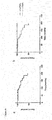
- Specific immune recognition of the corresponding HLA ligands (LiTAPs) was observed exclusively in CLL patients, remarkably showing a direct correlation with the frequency of HLA restricted presentation.
- retrospective survival analysis of 33 CLL patients indicated a potential association of LiTAP-specific immune responses with improved overall survival in CLL patients.
- peptide is used herein to designate a series of amino acid residues, connected one to the other typically by peptide bonds between the alpha-amino and carbonyl groups of the adjacent amino acids.
- the peptides are preferably 9 amino acids in length, but can be as short as 8 amino acids in length, and as long as 10, 11, 12, 13 or 14 and in case of MHC class II peptides they can be as long as 15, 16, 17, 18, 19 or 20 amino acids in length.
- peptide shall include salts of a series of amino acid residues, connected one to the other typically by peptide bonds between the alpha-amino and carbonyl groups of the adjacent amino acids.
- the salts are pharmaceutical acceptable salts of the peptides, such as, for example, the chloride or acetate (trifluoroacetate) salts.
- peptide shall include “oligopeptide”.
- oligopeptide is used herein to designate a series of amino acid residues, connected one to the other typically by peptide bonds between the alpha-amino and carbonyl groups of the adjacent amino acids.
- the length of the oligopeptide is not critical to the invention, as long as the correct epitope or epitopes are maintained therein.
- the oligopeptides are typically less than about 30 amino acid residues in length, and greater than about 15 amino acids in length.
- the peptides of the present invention shall include the peptides consisting of or comprising a peptide as defined above according to SEQ ID NO: 167.
- polypeptide designates a series of amino acid residues, connected one to the other typically by peptide bonds between the alpha-amino and carbonyl groups of the adjacent amino acids.
- the length of the polypeptide is not critical to the invention as long as the correct epitopes are maintained.
- polypeptide is meant to refer to molecules containing more than about 30 amino acid residues.
- a peptide, oligopeptide, protein or polynucleotide coding for such a molecule is "immunogenic” (and thus is an "immunogen" within the present invention), if it is capable of inducing an immune response.
- immunogenicity is more specifically defined as the ability to induce a T-cell response.
- an "immunogen” would be a molecule that is capable of inducing an immune response, and in the case of the present invention, a molecule capable of inducing a T-cell response.
- the immunogen can be the peptide, the complex of the peptide with MHC, oligopeptide, and/or protein that is used to raise specific antibodies or TCRs against it.
- a class I T cell "epitope" requires a short peptide that is bound to a class I MHC receptor, forming a ternary complex (MHC class I alpha chain, beta-2-microglobulin, and peptide) that can be recognized by a T cell bearing a matching T-cell receptor binding to the MHC/peptide complex with appropriate affinity.
- Peptides binding to MHC class I molecules are typically 8-14 amino acids in length, and most typically 9 amino acids in length.
- HLA-molecules of the human are also designated human leukocyte antigens (HLA)): HLA-A, HLA-B, and HLA-C.
- HLA-A*01, HLA-A*02, and HLA-B*07 are examples of different MHC class I alleles that can be expressed from these loci.
- Table 7 Expression frequencies F of HLA*A02 and the most frequent HLA-DR serotypes. Frequencies are deduced from haplotype frequencies G f within the American population adapted from Mori et al. (Mori M, et al. HLA gene and haplotype frequencies in the North American population: the National Marrow Donor Program Donor Registry. Transplantation.
- HLA*02 and HLA-DR serotypes within North American subpopulations HLA Allele Caucasian American African American Asian American Latin American A*02 49.1% 34.1% 43.2% 48.3% DR1 19.4% 13.2% 6.8% 15.3% DR2 28.2% 29.8% 33.8% 21.2% DR3 20.6% 24.8% 9.2% 15.2% DR4 30.7% 11.1% 28.6% 36.8% DR5 23.3% 31.1% 30.0% 20.0% DR6 26.7% 33.7% 25.1% 31.1% DR7 24.8% 19.2% 13.4% 20.2% DR8 5.7% 12.1% 12.7% 18.6% DR9 2.1% 5.8% 18.6% 2.1%
- a peptide that binds with appropriate affinity to several different HLA class II receptors is highly desirable.
- a peptide binding to several different HLA class II molecules is called a promiscuous binder.
- coding region refers to that portion of a gene which either naturally or normally codes for the expression product of that gene in its natural genomic environment, i.e., the region coding in vivo for the native expression product of the gene.
- the coding region can be from a non-mutated ("normal"), mutated or altered gene, or can even be from a DNA sequence, or gene, wholly synthesized in the laboratory using methods well known to those of skill in the art of DNA synthesis.
- nucleotide sequence refers to a heteropolymer of deoxyribonucleotides.
- nucleotide sequence coding for a particular peptide, oligopeptide, or polypeptide may be naturally occurring or they may be synthetically constructed.
- DNA segments encoding the peptides, polypeptides, and proteins of this invention are assembled from cDNA fragments and short oligonucleotide linkers, or from a series of oligonucleotides, to provide a synthetic gene that is capable of being expressed in a recombinant transcriptional unit comprising regulatory elements derived from a microbial or viral operon.
- a nucleotide coding (or encoding) for a peptide refers to a nucleotide sequence coding for the peptide including artificial (man-made) start and stop codons compatible for the biological system the sequence is going to be expressed by.
- expression product means the polypeptide or protein that is the natural translation product of the gene and any nucleic acid sequence coding equivalents resulting from genetic code degeneracy and thus coding for the same amino acid(s).
- fragment when referring to a coding sequence, means a portion of DNA comprising less than the complete coding region, whose expression product retains essentially the same biological function or activity as the expression product of the complete coding region.
- DNA segment refers to a DNA polymer, in the form of a separate fragment or as a component of a larger DNA construct, which has been derived from DNA isolated at least once in substantially pure form, i.e., free of contaminating endogenous materials and in a quantity or concentration enabling identification, manipulation, and recovery of the segment and its component nucleotide sequences by standard biochemical methods, for example, by using a cloning vector.
- segments are provided in the form of an open reading frame uninterrupted by internal non-translated sequences, or introns, which are typically present in eukaryotic genes. Sequences of non-translated DNA may be present downstream from the open reading frame, where the same do not interfere with manipulation or expression of the coding regions.
- primer means a short nucleic acid sequence that can be paired with one strand of DNA and provides a free 3'-OH end at which a DNA polymerase starts synthesis of a deoxyribonucleotide chain.
- promoter means a region of DNA involved in binding of RNA polymerase to initiate transcription.
- isolated means that the material is removed from its original environment (e.g., the natural environment if it is naturally occurring).
- a naturally-occurring polynucleotide or polypeptide present in a living animal is not isolated, but the same polynucleotide or polypeptide, separated from some or all of the coexisting materials in the natural system, is isolated.
- Such polynucleotides could be part of a vector and/or such polynucleotides or polypeptides could be part of a composition, and still be isolated in that such vector or composition is not part of its natural environment.
- polynucleotides, and recombinant or immunogenic polypeptides, disclosed in accordance with the present invention may also be in "purified” form.
- purified does not require absolute purity; rather, it is intended as a relative definition, and can include preparations that are highly purified or preparations that are only partially purified, as those terms are understood by those of skill in the relevant art.
- individual clones isolated from a cDNA library have been conventionally purified to electrophoretic homogeneity. Purification of starting material or natural material to at least one order of magnitude, preferably two or three orders, and more preferably four or five orders of magnitude is expressly contemplated.
- a claimed polypeptide which has a purity of preferably 99.999%, or at least 99.99% or 99.9%; and even desirably 99% by weight or greater is expressly contemplated.
- nucleic acids and polypeptide expression products disclosed according to the present invention may be in "enriched form".
- enriched means that the concentration of the material is at least about 2, 5, 10, 100, or 1000 times its natural concentration (for example), advantageously 0.01 %, by weight, preferably at least about 0.1% by weight. Enriched preparations of about 0.5%, 1%, 5%, 10%, and 20% by weight are also contemplated.
- sequences, constructs, vectors, clones, and other materials comprising the present invention can advantageously be in enriched or isolated form.
- active fragment means a fragment that generates an immune response (i.e., has immunogenic activity) when administered, alone or optionally with a suitable adjuvant, to an animal, such as a mammal, for example, a rabbit or a mouse, and also including a human, such immune response taking the form of stimulating a T-cell response within the recipient animal, such as a human.
- an animal such as a mammal, for example, a rabbit or a mouse
- the "active fragment” may also be used to induce a T-cell response in vitro.
- portion when used in relation to polypeptides, refer to a continuous sequence of residues, such as amino acid residues, which sequence forms a subset of a larger sequence.
- residues such as amino acid residues
- oligopeptides resulting from such treatment would represent portions, segments or fragments of the starting polypeptide.
- these terms refer to the products produced by treatment of said polynucleotides with any of the endonucleases.
- the term "percent identity” or “percent identical”, when referring to a sequence, means that a sequence is compared to a claimed or described sequence after alignment of the sequence to be compared (the "Compared Sequence") with the described or claimed sequence (the "Reference Sequence”).
- the Compared Sequence has the specified minimum Percent Identity to the Reference Sequence even though alignments may exist in which the herein above calculated Percent Identity is less than the specified Percent Identity.
- the peptides of the invention can be elongated by up to four amino acids, that is 1, 2, 3 or 4 amino acids can be added to either end in any combination between 4:0 and 0:4.
- Combinations of the elongations according to the invention can be depicted from table 8: C-terminus N-terminus 4 0 3 0 or 1 2 0 or 1 or 2 1 0 or 1 or 2 or 3 0 0 or 1 or 2 or 3 or 4 N-terminus C-terminus 4 0 3 0 or 1 2 0 or 1 or 2 1 0 or 1 or 2 or 3 0 0 or 1 or 2 or 3 or 4
- the amino acids for the elongation can be the peptides of the original sequence of the protein or any other amino acid.
- the elongation can be used to enhance the stability or solubility of the peptides.
- T-cell response means the specific proliferation and activation of effector functions induced by a peptide in vitro or in vivo.
- effector functions may be lysis of peptide-pulsed, peptide-precursor pulsed or naturally peptide-presenting target cells, secretion of cytokines, preferably Interferon-gamma, TNF-alpha, or IL-2 induced by peptide, secretion of effector molecules, preferably granzymes or perforins induced by peptide, or degranulation.
- the peptide concentration at which the substituted peptides achieve half the maximal increase in lysis relative to background is no more than about 1 mM, preferably no more than about 1 ⁇ M, more preferably no more than about 1 nM, and still more preferably no more than about 100 pM, and most preferably no more than about 10 pM. It is also preferred that the substituted peptide be recognized by CTLs from more than one individual, at least two, and more preferably three individuals.
- Stimulation of an immune response is dependent upon the presence of antigens recognized as foreign by the host immune system.
- the discovery of the existence of tumor associated antigens has now raised the possibility of using a host's immune system to intervene in tumor growth.
- Various mechanisms of harnessing both the humoral and cellular arms of the immune system are currently explored for cancer immunotherapy.
- cytotoxic T-cells CTL
- CD8-positive T-cells which recognize class I molecules of the major histocompatibility complex (MHC)-bearing peptides of usually 8 to 12 residues derived from proteins or defect ribosomal products (DRIPS) located in the cytosols, play an important role in this response.
- MHC-molecules of the human are also designated as human leukocyte-antigens (HLA).
- MHC class I molecules can be found on most cells having a nucleus which present peptides that result from proteolytic cleavage of mainly endogenous, cytosolic or nuclear proteins, DRIPS, and larger peptides. However, peptides derived from endosomal compartments or exogenous sources are also frequently found on MHC class I molecules. This non-classical way of class I presentation is referred to as cross-presentation in literature.
- CD8 and CD4 dependent Since both types of response, CD8 and CD4 dependent, contribute jointly and synergistically to the anti-tumor effect, the identification and characterization of tumor-associated antigens recognized by either CD8-positive CTLs (MHC class I molecule) or by CD4-positive CTLs (MHC class II molecule) is important in the development of tumor vaccines. It is therefore an object of the present invention, to provide compositions of peptides that contain peptides binding to MHC complexes of either class.
- the present invention provides peptides that are useful in treating cancers / tumors, preferably CLL that over- or exclusively present the peptides of the invention. These peptides were shown by mass spectrometry to be naturally presented by HLA molecules on primary human CLL samples.
- the source gene/protein (also designated “full-length protein” or “underlying protein”) from which the peptides are derived were shown to be highly overexpressed in diseased (e.g. cancerous) compared with normal tissues.
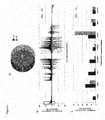
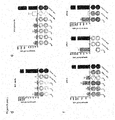
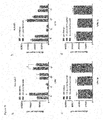
- "Normal tissues” in relation to this invention shall particularly mean a blood sample from a healthy donor and sub-populations of blood cells,especially white blood cells, (see example 2, and figure 2 ) demonstrating a high degree of tumor association of the source genes.
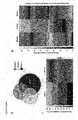
- tumor tissue in relation to this invention shall mean a blood sample from a patient suffering from CLL and sub-populations of blood cells,especially white blood cells, but not on normal tissues (see example 3 and Figure 3 ).
- HLA-bound peptides can be recognized by the immune system, specifically T lymphocytes/T cells.
- T cells can destroy the cells presenting the recognized HLA/peptide complex, e.g. cells presenting the peptides of the present invention that are derived from their underlying proteins.
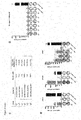
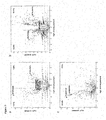
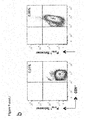
- the peptides as disclosed have been shown to be capable of stimulating T cell responses and/or are over-presented and thus can be used for the production of antibodies and/or TCRs, in particular sTCRs, according to the present invention (see example 4 and figure 4 ). Furthermore, the peptides when complexed with the respective MHC can be used for the production of antibodies and / or TCRs, in particular sTCRs, according to the present invention, as well. Respective methods are well known to the person of skill, and can be found in the respective literature as well. Thus, the peptides of the present invention are useful for generating an immune response in a patient by which tumor cells can be destroyed.
- An immune response in a patient can be induced by direct administration of the described peptides or suitable precursor substances (e.g. elongated peptides, proteins, or nucleic acids encoding these peptides) to the patient, ideally in combination with an agent enhancing the immunogenicity (i.e. an adjuvant).
- the immune response originating from such a therapeutic vaccination can be expected to be highly specific against tumor cells because the target peptides of the present invention are not presented on normal tissues in comparable copy numbers, preventing the risk of undesired autoimmune reactions against normal cells in the patient.
- a “pharmaceutical composition” is a composition suitable for administration to a human being in a medical setting.
- said pharmaceutical composition is sterile and produced according to the GMP guidelines.
- compositions comprise the peptides either in the free form or in the form of a pharmaceutically acceptable salt (see also above).
- a pharmaceutically acceptable salt refers to a derivative of the disclosed peptides wherein the peptide is modified by making acid or base salts of the agent.
- acid salts are prepared from the free base (typically wherein the neutral form of the drug has a neutral -NH 2 group) involving reaction with a suitable acid.
- Suitable acids for preparing acid salts include both organic acids, e.g., acetic acid, propionic acid, glycolic acid, pyruvic acid, oxalic acid, malic acid, malonic acid, succinic acid, maleic acid, fumaric acid, tartaric acid, citric acid, benzoic acid, cinnamic acid, mandelic acid, methane sulfonic acid, ethane sulfonic acid, p-toluenesulfonic acid, salicylic acid, and the like, as well as inorganic acids, e.g., hydrochloric acid, hydrobromic acid, sulfuric acid, nitric acid phosphoric acid and the like.
- preparation of basic salts of acid moieties which may be present on a peptide are prepared using a pharmaceutically acceptable base such as sodium hydroxide, potassium hydroxide, ammonium hydroxide, calcium hydroxide, trimethylamine or the like.
- the pharmaceutical compositions comprise the peptides as salts of acetic acid (acetates), trifluoro acetates or hydrochloric acid (chlorides).
- the peptides of the present invention can be used to generate and develop specific antibodies against MHC/peptide complexes. These can be used for therapy, targeting toxins or radioactive substances to the diseased tissue. Another use of these antibodies can be targeting radionuclides to the diseased tissue for imaging purposes such as PET. This use can help to detect small metastases or to determine the size and precise localization of diseased tissues.
- MHC human major histocompatibility complex
- MHC human major histocompatibility complex
- Yet another aspect of the present invention relates to a method of producing said antibody specifically binding to a human major histocompatibility complex (MHC) class I being complexed with a HLA-restricted antigen, the method comprising: immunizing a genetically engineered non-human mammal comprising cells expressing said human major histocompatibility complex (MHC) class I with a soluble form of a MHC class I molecule being complexed with said HLA-restricted antigen; isolating mRNA molecules from antibody producing cells of said non-human mammal; producing a phage display library displaying protein molecules encoded by said mRNA molecules; and isolating at least one phage from said phage display library, said at least one phage displaying said antibody specifically bindable to said human major histocompatibility complex (MHC) class I being complexed with said HLA-restricted antigen.
- MHC human major histocompatibility complex
- the antibody is binding with a binding affinity of below 20 nanomolar, preferably of below 10 nanomolar, to the complex, which is regarded as "specific" in the context of the present invention.
- soluble T-cell receptors can be generated from specific T-cell clones, and their affinity can be increased by mutagenesis targeting the complementarity-determining regions.
- phage display can be used ( US 2010/0113300 , Liddy N, et al. Monoclonal TCR-redirected tumor cell killing. Nat Med 2012 Jun;18(6):980-987 ).
- alpha and beta chain can be linked e.g.
- the T-cell receptor can be linked to toxins, drugs, cytokines (see US 2013/0115191 ), domains recruiting effector cells such as an anti-CD3 domain, etc., in order to execute particular functions on target cells. Moreover, it could be expressed in T cells used for adoptive transfer.
- a presentation profile is calculated showing the median sample presentation as well as replicate variation.
- the profile juxtaposes samples of the tumor entity of interest to a baseline of normal tissue samples.
- Each of these profiles can then be consolidated into an over-presentation score by calculating the p-value of a Linear Mixed-Effects Model ( J. Pinheiro, et al. The nlme Package: Linear and Nonlinear Mixed Effects Models. 2007 ) adjusting for multiple testing by False Discovery Rate ( Y. Benjamini and Y. Hochberg. Controlling the False Discovery Rate: A Practical and Powerful Approach to Multiple Testing. Journal of the Royal Statistical Society. Series B (Methodological), Vol.57 (No.1):289-300, 1995 ).
- HLA molecules from shock-frozen tissue samples were purified and HLA-associated peptides were isolated.
- the isolated peptides were separated and sequences were identified by online nano-electrospray-ionization (nanoESI) liquid chromatography-mass spectrometry (LC-MS) experiments.
- nanoESI nano-electrospray-ionization
- LC-MS liquid chromatography-mass spectrometry
- the discovery pipeline XPRESIDENT® v2.1 allows the identification and selection of relevant over-presented peptide vaccine candidates based on direct relative quantitation of HLA-restricted peptide levels on cancer tissues in comparison to several different non-cancerous tissues and organs. This was achieved by the development of label-free differential quantitation using the acquired LC-MS data processed by a proprietary data analysis pipeline, combining algorithms for sequence identification, spectral clustering, ion counting, retention time alignment, charge state deconvolution and normalization.
- HLA-peptide complexes from CLL tissue samples were purified and HLA-associated peptides were isolated and analysed by LC-MS (see examples). All TUMAPs contained in the present application were identified with this approach on primary CLL samples confirming their presentation on primary CLL.
- TUMAPs identified on multiple CLL tumor and normal tissues were quantified using ion-counting of label-free LC-MS data.
- the method assumes that LC-MS signal areas of a peptide correlate with its abundance in the sample. All quantitative signals of a peptide in various LC-MS experiments were normalized based on central tendency, averaged per sample and merged into a bar plot, called presentation profile.
- the presentation profile consolidates different analysis methods like protein database search, spectral clustering, charge state deconvolution (decharging) and retention time alignment and normalization.
- the present invention therefore relates to a peptide of between 10 and 30 amino acids in length, comprising an amino acid sequence consisting of SEQ ID NO: 167, or a pharmaceutically acceptable salt thereof.
- the present invention further relates to the peptides according to the invention that have the ability to bind to a molecule of the human major histocompatibility complex (MHC) class-I.
- MHC human major histocompatibility complex
- the present invention further relates to the peptides according to the invention wherein the peptide consists of an amino acid sequence according to SEQ ID NO: 167.
- the present invention further relates to the peptides according to the invention, wherein the peptide includes non-peptide bonds.
- the present invention further relates to the peptides according to the invention, wherein the peptide is a fusion protein, comprising (a) an amino acid sequence consisting of SEQ ID NO: 167; and (b) N-terminal amino acids 1-80 of HLA-DR antigen-associated invariant chain (Ii).
- the present invention further relates to a nucleic acid, encoding the peptides according to the invention.
- the present invention further relates to the nucleic acid according to the invention that is DNA, cDNA, PNA, RNA or combinations thereof.
- the present invention further relates to an expression vector expressing a nucleic acid according to the invention.
- the present invention further relates to a host cell comprising a nucleic acid according to the invention or an expression vector according to the invention.
- the present invention further relates to the host cell according to the invention that is an antigen presenting cell.
- the present invention further relates to the host cell according to the invention wherein the antigen presenting cell is a dendritic cell.
- the present invention further relates to a method for producing a peptide according to the invention, the method comprising culturing the host cell described, and isolating the peptide from the host cell or its culture medium.
- the present invention further relates to an in vitro method for producing activated cytotoxic T lymphocytes (CTL), the method comprising contacting in vitro CTL with antigen loaded human class I MHC molecules expressed on the surface of a suitable antigen-presenting cell for a period of time sufficient to activate said CTL in an antigen specific manner, wherein said antigen is any peptide according to the invention.
- CTL cytotoxic T lymphocytes
- the present invention further relates to the method as described, wherein said antigen is loaded onto class I MHC molecules expressed on the surface of a suitable antigen-presenting cell by contacting a sufficient amount of the antigen with an antigen-presenting cell.
- the present invention further relates to the method according to the invention, wherein the antigen-presenting cell comprises an expression vector expressing said peptide containing SEQ ID NO: 167.
- the present invention further relates to activated cytotoxic T lymphocytes (CTL), produced by the method according to the invention, which selectively recognise a cell which aberrantly expresses a polypeptide comprising an amino acid sequence described.
- CTL cytotoxic T lymphocytes
- the present invention further discloses a method of killing target cells in a patient which target cells aberrantly express a polypeptide comprising any amino acid sequence according to the invention, the method comprising administering to the patient an effective number of cytotoxic T lymphocytes (CTL) according to the invention.
- CTL cytotoxic T lymphocytes
- the present invention further relates to any peptide according to the invention, a nucleic acid according to the invention, an expression vector according to the invention, a cell according to the invention, or an activated cytotoxic T lymphocyte according to the invention for use as a medicament against cancer.
- the present invention further relates to a use according to the invention, wherein the medicament is a vaccine.
- the present invention further relates to a use according to the invention, wherein said cancer cells are CLL cells or other non solid tumor cells.
- antibody or “antibodies” is used herein in a broad sense and includes both polyclonal and monoclonal antibodies.
- immunoglobulin molecules also included in the term “antibodies” are fragments or polymers of those immunoglobulin molecules and humanized versions of immunoglobulin molecules, so long as they exhibit any of the desired properties (e.g., specific binding of an CLL marker polypeptide, delivery of a toxin to an CLL (leukimea) cells expressing a CLL marker gene at an increased level, and/or inhibiting the activity of a CLL marker polypeptide) according to the invention.
- CLL marker polypeptide e.g., specific binding of an CLL marker polypeptide, delivery of a toxin to an CLL (leukimea) cells expressing a CLL marker gene at an increased level, and/or inhibiting the activity of a CLL marker polypeptide
- the antibodies of the invention may be purchased from commercial sources.
- the antibodies of the invention may also be generated using well-known methods. The skilled artisan will understand that either full length CLL marker polypeptides or fragments thereof may be used to generate the antibodies of the invention.
- a polypeptide to be used for generating an antibody of the invention may be partially or fully purified from a natural source, or may be produced using recombinant DNA techniques.
- a cDNA encoding a peptide according to the present invention can be expressed in prokaryotic cells (e.g., bacteria) or eukaryotic cells (e.g., yeast, insect, or mammalian cells), after which the recombinant protein can be purified and used to generate a monoclonal or polyclonal antibody preparation that specifically bind the CLL marker polypeptide used to generate the antibody according to the invention.
- prokaryotic cells e.g., bacteria
- eukaryotic cells e.g., yeast, insect, or mammalian cells
- the generation of two or more different sets of monoclonal or polyclonal antibodies maximizes the likelihood of obtaining an antibody with the specificity and affinity required for its intended use (e.g., ELISA, immunohistochemistry, in vivo imaging, immunotoxin therapy).
- the antibodies are tested for their desired activity by known methods, in accordance with the purpose for which the antibodies are to be used (e.g., ELISA, immunohistochemistry, immunotherapy, etc.; for further guidance on the generation and testing of antibodies, see, e.g., Harlow and Lane, Antibodies: A Laboratory Manual, Cold Spring Harbor Laboratory Press, Cold Spring Harbor, N.Y., 1988, new 2nd edition 2013 ).
- the antibodies may be tested in ELISA assays or Western blots. After their initial in vitro characterization, antibodies intended for therapeutic or in vivo diagnostic use are tested according to known clinical testing methods.
- the term "monoclonal antibody” as used herein refers to an antibody obtained from a substantially homogeneous population of antibodies, i.e.; the individual antibodies comprising the population are identical except for possible naturally occurring mutations that may be present in minor amounts.
- the monoclonal antibodies herein specifically include "chimeric" antibodies in which a portion of the heavy and/or light chain is identical with or homologous to corresponding sequences in antibodies derived from a particular species or belonging to a particular antibody class or subclass, while the remainder of the chain(s) is identical with or homologous to corresponding sequences in antibodies derived from another species or belonging to another antibody class or subclass, as well as fragments of such antibodies, so long as they exhibit the desired antagonistic activity ( U.S. Pat. No. 4,816,567 ).
- Monoclonal antibodies of the invention may be prepared using hybridoma methods.
- a hybridoma method a mouse or other appropriate host animal is typically immunized with an immunizing agent to elicit lymphocytes that produce or are capable of producing antibodies that will specifically bind to the immunizing agent.
- the lymphocytes may be immunized in vitro.
- the monoclonal antibodies may also be made by recombinant DNA methods, such as those described in U.S. Pat. No. 4,816,567 .
- DNA encoding the monoclonal antibodies of the invention can be readily isolated and sequenced using conventional procedures (e.g., by using oligonucleotide probes that are capable of binding specifically to genes encoding the heavy and light chains of murine antibodies).
- In vitro methods are also suitable for preparing monovalent antibodies.
- Digestion of antibodies to produce fragments thereof, particularly, Fab fragments can be accomplished using routine techniques known in the art. For instance, digestion can be performed using papain. Examples of papain digestion are described in WO 94/29348 and U.S. Pat. No. 4,342,566 .
- Papain digestion of antibodies typically produces two identical antigen binding fragments, called Fab fragments, each with a single antigen binding site, and a residual Fc fragment. Pepsin treatment yields a a F(ab') 2 fragment and a pFc' fragment.
- the antibody fragments can also include insertions, deletions, substitutions, or other selected modifications of particular regions or specific amino acids residues, provided the activity of the fragment is not significantly altered or impaired compared to the non-modified antibody or antibody fragment. These modifications can provide for some additional property, such as to remove/add amino acids capable of disulfide bonding, to increase its bio-longevity, to alter its secretory characteristics, etc.
- the antibody fragment must possess a bioactive property, such as binding activity, regulation of binding at the binding domain, etc.
- Functional or active regions of the antibody may be identified by mutagenesis of a specific region of the protein, followed by expression and testing of the expressed polypeptide. Such methods are readily apparent to a skilled practitioner in the art and can include site-specific mutagenesis of the nucleic acid encoding the antibody fragment.
- the antibodies of the invention may further comprise humanized antibodies or human antibodies.
- Humanized forms of non-human (e.g., murine) antibodies are chimeric immunoglobulins, immunoglobulin chains or fragments thereof (such as Fv, Fab, Fab' or other antigen-binding subsequences of antibodies) which contain minimal sequence derived from non-human immunoglobulin.
- Humanized antibodies include human immunoglobulins (recipient antibody) in which residues from a complementary determining region (CDR) of the recipient are replaced by residues from a CDR of a non-human species (donor antibody) such as mouse, rat or rabbit having the desired specificity, affinity and capacity.
- CDR complementary determining region
- Fv framework (FR) residues of the human immunoglobulin are replaced by corresponding non-human residues.
- Humanized antibodies may also comprise residues which are found neither in the recipient antibody nor in the imported CDR or framework sequences.
- the humanized antibody will comprise substantially all of at least one, and typically two, variable domains, in which all or substantially all of the CDR regions correspond to those of a non-human immunoglobulin and all or substantially all of the FR regions are those of a human immunoglobulin consensus sequence.
- the humanized antibody optimally also will comprise at least a portion of an immunoglobulin constant region (Fc), typically that of a human immunoglobulin.
- Fc immunoglobulin constant region
- a humanized antibody has one or more amino acid residues introduced into it from a source which is non-human. These non-human amino acid residues are often referred to as "import" residues, which are typically taken from an "import” variable domain. Humanization can be essentially performed by substituting rodent CDRs or CDR sequences for the corresponding sequences of a human antibody. Accordingly, such "humanized” antibodies are chimeric antibodies ( U.S. Pat. No. 4,816,567 ), wherein substantially less than an intact human variable domain has been substituted by the corresponding sequence from a non-human species. In practice, humanized antibodies are typically human antibodies in which some CDR residues and possibly some FR residues are substituted by residues from analogous sites in rodent antibodies.
- Transgenic animals e.g., mice
- mice that are capable, upon immunization, of producing a full repertoire of human antibodies in the absence of endogenous immunoglobulin production
- homozygous deletion of the antibody heavy chain joining region gene in chimeric and germ-line mutant mice results in complete inhibition of endogenous antibody production.
- Transfer of the human germ-line immunoglobulin gene array in such germ-line mutant mice will result in the production of human antibodies upon antigen challenge.
- Human antibodies can also be produced in phage display libraries.
- Antibodies of the invention are preferably administered to a subject in a pharmaceutically acceptable carrier.
- a pharmaceutically-acceptable salt is used in the formulation to render the formulation isotonic.
- the pharmaceutically-acceptable carrier include saline, Ringer's solution and dextrose solution.
- the pH of the solution is preferably from about 5 to about 8, and more preferably from about 7 to about 7.5.
- Further carriers include sustained release preparations such as semipermeable matrices of solid hydrophobic polymers containing the antibody, which matrices are in the form of shaped articles, e.g., films, liposomes or microparticles. It will be apparent to those persons skilled in the art that certain carriers may be more preferable depending upon, for instance, the route of administration and concentration of antibody being administered.
- the antibodies can be administered to the subject, patient, or cell by injection (e.g., intravenous, intraperitoneal, subcutaneous, intramuscular), or by other methods such as infusion that ensure its delivery to the bloodstream in an effective form.
- the antibodies may also be administered by intratumoral or peritumoral routes, to exert local as well as systemic therapeutic effects. Local or intravenous injection is preferred.
- Effective dosages and schedules for administering the antibodies may be determined empirically, and making such determinations is within the skill in the art. Those skilled in the art will understand that the dosage of antibodies that must be administered will vary depending on, for example, the subject that will receive the antibody, the route of administration, the particular type of antibody used and other drugs being administered. A typical daily dosage of the antibody used alone might range from about 1 ( ⁇ g/kg to up to 100 mg/kg of body weight or more per day, depending on the factors mentioned above. Following administration of an antibody for treating CLL, the efficacy of the therapeutic antibody can be assessed in various ways well known to the skilled practitioner.
- the antibodies may also be used for in vivo diagnostic assays.
- the antibody is labeled with a radionucleotide (such as 111 In, 99 Tc, 14 C, 131 I, 3 H, 32 P or 35 S) so that the tumor can be localized using immunoscintiography.
- a radionucleotide such as 111 In, 99 Tc, 14 C, 131 I, 3 H, 32 P or 35 S
- Antibodies for diagnostic use may be labeled with probes suitable for detection by various imaging methods.
- Methods for detection of probes include, but are not limited to, fluorescence, light, confocal and electron microscopy; magnetic resonance imaging and spectroscopy; fluoroscopy, computed tomography and positron emission tomography.
- Suitable probes include, but are not limited to, fluorescein, rhodamine, eosin and other fluorophores, radioisotopes, gold, gadolinium and other lanthanides, paramagnetic iron, fluorine-18 and other positron-emitting radionuclides. Additionally, probes may be bi- or multi-functional and be detectable by more than one of the methods listed.
- the disease tissue sample may be fresh or frozen or may be embedded in paraffin and fixed with a preservative such as formalin.
- the fixed or embedded section contains the sample are contacted with a labeled primary antibody and secondary antibody, wherein the antibody is used to detect the expression of the proteins in situ.
- the present invention thus provides a peptide of between 10 and 30 amino acids in length, comprising an amino acid sequence consisting of SEQ ID NO: 167, or a pharmaceutically acceptable salt thereof.
- the peptides of the invention have the ability to bind to a molecule of the human major histocompatibility complex (MHC) class-I.
- MHC human major histocompatibility complex
- homologous refers to the degree of identity (see Percent Identity above) between sequences of two amino acid sequences, i.e. peptide or polypeptide sequences.
- the aforementioned "homology” is determined by comparing two sequences aligned under optimal conditions over the sequences to be compared. Such a sequence homology can be calculated by creating an alignment using, for example, the ClustalW algorithm.
- sequence analysis software more specifically, Vector NTI, GENETYX or other analysis tools are provided by public databases.
- T cells induced by a variant of a specific peptide will be able to cross-react with the peptide itself ( Fong L, et al. Altered peptide ligand vaccination with Flt3 ligand expanded dendritic cells for tumor immunotherapy. Proc Natl Acad Sci USA. 2001 Jul 17;98(15):8809-14 ; Zaremba S, et al. Identification of an enhancer agonist cytotoxic T lymphocyte peptide from human carcinoembryonic antigen. Cancer Res. 1997 Oct 15;57(20):4570-7 ; Colombetti S, et al.
- CTL can subsequently cross-react with cells and kill cells that express a polypeptide that contains the natural amino acid sequence of the cognate peptide as defined in the aspects of the invention.
- a polypeptide that contains the natural amino acid sequence of the cognate peptide as defined in the aspects of the invention.
- Godkin A, et al. Use of eluted peptide sequence data to identify the binding characteristics of peptides to the insulin-dependent diabetes susceptibility allele HLA-DQ8 (DQ 3.2). Int Immunol. 1997 Jun;9(6):905-11 ) and databases ( Rammensee H. et al. SYFPEITHI: database for MHC ligands and peptide motifs. Immunogenetics.
- HLA binding peptides are typically anchor residues forming a core sequence fitting to the binding motif of the HLA receptor, which is defined by polar, electrophysical, hydrophobic and spatial properties of the polypeptide chains constituting the binding groove.
- MHC class I epitopes although usually between 8 and 11 amino acids long, are generated by peptide processing from longer peptides or proteins that include the actual epitope. It is preferred that the residues that flank the actual epitope are residues that do not substantially affect proteolytic cleavage necessary to expose the actual epitope during processing.
- the present invention also provides peptides of MHC class I epitopes wherein the peptide has an overall length of between 10 and 30 amino acids.
- the peptide according to the present invention will have the ability to bind to a molecule of the human major histocompatibility complex (MHC) class I. Binding of a peptide to a MHC complex may be tested by methods known in the art.
- MHC human major histocompatibility complex
- the peptide consists of an amino acid sequence according to SEQ ID NO: 167.
- the peptide is a fusion protein which comprises, for example, the 80 N-terminal amino acids of the HLA-DR antigen-associated invariant chain (p33, in the following "Ii") as derived from the NCBI, GenBank Accession number X00497.
- the peptides of the present invention can be fused to an antibody as described herein, or a functional part thereof, in particular into a sequence of an antibody, so as to be specifically targeted by said antibody, or, for example, to or into an antibody that is specific for dendritic cells.
- United States Patent 4,897,445 provides a method for the solid phase synthesis of non-peptide bonds (-CH 2 -NH) in polypeptide chains which involves polypeptides synthesized by standard procedures and the non-peptide bond synthesized by reacting an amino aldehyde and an amino acid in the presence of NaCNBH 3 .
- Peptides comprising the sequences described above may be synthesized with additional chemical groups present at their amino and/or carboxy termini, to enhance the stability, bioavailability, and/or affinity of the peptides.
- additional chemical groups such as carbobenzoxyl, dansyl, or t-butyloxycarbonyl groups may be added to the peptides' amino termini.
- an acetyl group or a 9-fluorenylmethoxycarbonyl group may be placed at the peptides' amino termini.
- the hydrophobic group, t-butyloxycarbonyl, or an amido group may be added to the peptides' carboxy termini.
- a peptide, wherein the peptide includes non-peptide bonds is a preferred embodiment of the invention.
- peptides (at least those containing peptide linkages between amino acid residues) may be synthesized by the Fmoc-polyamide mode of solid-phase peptide synthesis as disclosed by Lukas et al. (Solid-phase peptide synthesis under continuous-flow conditions. Proc Natl Acad Sci U S A. May 1981; 78(5): 2791-2795 ) and references therein. Temporary N-amino group protection is afforded by the 9-fluorenylmethyloxycarbonyl (Fmoc) group.
- Repetitive cleavage of this highly base-labile protecting group is done using 20% piperidine in N, N-dimethylformamide.
- Side-chain functionalities may be protected as their butyl ethers (in the case of serine threonine and tyrosine), butyl esters (in the case of glutamic acid and aspartic acid), butyloxycarbonyl derivative (in the case of lysine and histidine), trityl derivative (in the case of cysteine) and 4-methoxy-2,3,6-trimethylbenzenesulphonyl derivative (in the case of arginine).
- the solid-phase support is based on a polydimethyl-acrylamide polymer constituted from the three monomers dimethylacrylamide (backbone-monomer), bisacryloylethylene diamine (cross linker) and acryloylsarcosine methyl ester (functionalizing agent).
- the peptide-to-resin cleavable linked agent used is the acid-labile 4-hydroxymethyl-phenoxyacetic acid derivative.
- Scavengers commonly used include ethandithiol, phenol, anisole and water, the exact choice depending on the constituent amino acids of the peptide being synthesized. Also a combination of solid phase and solution phase methodologies for the synthesis of peptides is possible (see, for example, Bruckdorfer et al., 2004, and the references as cited therein).
- Trifluoroacetic acid is removed by evaporation in vacuo, with subsequent trituration with diethyl ether affording the crude peptide.
- Any scavengers present are removed by a simple extraction procedure which on lyophilisation of the aqueous phase affords the crude peptide free of scavengers.
- Reagents for peptide synthesis are generally available from e.g. Calbiochem-Novabiochem (UK) Ltd, Nottingham NG7 2QJ, UK.
- Purification may be performed by any one, or a combination of, techniques such as re-crystallization, size exclusion chromatography, ion-exchange chromatography, hydrophobic interaction chromatography and (usually) reverse-phase high performance liquid chromatography using e.g. acetonitril/water gradient separation.
- techniques such as re-crystallization, size exclusion chromatography, ion-exchange chromatography, hydrophobic interaction chromatography and (usually) reverse-phase high performance liquid chromatography using e.g. acetonitril/water gradient separation.
- Analysis of peptides may be carried out using thin layer chromatography, electrophoresis, in particular capillary electrophoresis, solid phase extraction (CSPE), reverse-phase high performance liquid chromatography, amino-acid analysis after acid hydrolysis and by fast atom bombardment (FAB) mass spectrometric analysis, as well as MALDI and ESI-Q-TOF mass spectrometric analysis.
- electrophoresis in particular capillary electrophoresis
- CSPE solid phase extraction
- FAB fast atom bombardment
- MALDI and ESI-Q-TOF mass spectrometric analysis as well as MALDI and ESI-Q-TOF mass spectrometric analysis.
- a further aspect of the invention provides a nucleic acid (for example a polynucleotide) encoding a peptide of the invention.
- the polynucleotide may be, for example, DNA, cDNA, PNA, RNA or combinations thereof, either single- and/or double-stranded, or native or stabilized forms of polynucleotides, such as, for example, polynucleotides with a phosphorothioate backbone and it may or may not contain introns so long as it codes for the peptide.
- a still further aspect of the invention provides an expression vector capable of expressing a polypeptide according to the invention.
- a variety of methods have been developed to link polynucleotides, especially DNA, to vectors for example via complementary cohesive termini. For instance, complementary homopolymer tracts can be added to the DNA segment to be inserted to the vector DNA. The vector and DNA segment are then joined by hydrogen bonding between the complementary homopolymeric tails to form recombinant DNA molecules.
- Synthetic linkers containing one or more restriction sites provide an alternative method of joining the DNA segment to vectors.
- Synthetic linkers containing a variety of restriction endonuclease sites are commercially available from a number of sources including International Biotechnologies Inc. New Haven, CN, USA.
- a desirable method of modifying the DNA encoding the polypeptide of the invention employs the polymerase chain reaction as disclosed by Saiki RK, et al. (Diagnosis of sickle cell anemia and beta-thalassemia with enzymatically amplified DNA and nonradioactive allele-specific oligonucleotide probes. N Engl J Med. 1988 Sep 1;319(9):537-41 ).
- This method may be used for introducing the DNA into a suitable vector, for example by engineering in suitable restriction sites, or it may be used to modify the DNA in other useful ways as is known in the art. If viral vectors are used, pox- or adenovirus vectors are preferred.
- the DNA (or in the case of retroviral vectors, RNA) may then be expressed in a suitable host to produce a polypeptide comprising the peptide of the invention.
- the DNA encoding the peptide or variant of the invention may be used in accordance with known techniques, appropriately modified in view of the teachings contained herein, to construct an expression vector, which is then used to transform an appropriate host cell for the expression and production of the polypeptide of the invention.
- Such techniques include those disclosed in US Patent Nos.
- DNA (or in the case of retroviral vectors, RNA) encoding the polypeptide constituting the compound of the invention may be joined to a wide variety of other DNA sequences for introduction into an appropriate host.
- the companion DNA will depend upon the nature of the host, the manner of the introduction of the DNA into the host, and whether episomal maintenance or integration is desired.
- the DNA is inserted into an expression vector, such as a plasmid, in proper orientation and correct reading frame for expression.
- an expression vector such as a plasmid
- the DNA may be linked to the appropriate transcriptional and translational regulatory control nucleotide sequences recognized by the desired host, although such controls are generally available in the expression vector.
- the vector is then introduced into the host through standard techniques. Generally, not all of the hosts will be transformed by the vector. Therefore, it will be necessary to select for transformed host cells.
- One selection technique involves incorporating into the expression vector a DNA sequence, with any necessary control elements, that codes for a selectable trait in the transformed cell, such as antibiotic resistance.
- the gene for such selectable trait can be on another vector, which is used to co-transform the desired host cell.
- Host cells that have been transformed by the recombinant DNA of the invention are then cultured for a sufficient time and under appropriate conditions known to those skilled in the art in view of the teachings disclosed herein to permit the expression of the polypeptide, which can then be recovered.
- bacteria for example E. coli and Bacillus subtilis
- yeasts for example Saccharomyces cerevisiae
- filamentous fungi for example Aspergillus spec .
- plant cells animal cells and insect cells.
- the system can be mammalian cells such as CHO cells available from the ATCC Cell Biology Collection.
- a typical mammalian cell vector plasmid for constitutive expression comprises the CMV or SV40 promoter with a suitable poly A tail and a resistance marker, such as neomycin.
- a suitable poly A tail and a resistance marker, such as neomycin.
- pSVL available from Pharmacia, Piscataway, NJ, USA.
- An example of an inducible mammalian expression vector is pMSG, also available from Pharmacia.
- Useful yeast plasmid vectors are pRS403-406 and pRS413-416 and are generally available from Stratagene Cloning Systems, La Jolla, CA 92037, USA.
- Plasmids pRS403, pRS404, pRS405 and pRS406 are Yeast Integrating plasmids (Yips) and incorporate the yeast selectable markers HIS3, TRP1, LEU2 and URA3.
- Plasmids pRS413-416 are Yeast Centromere plasmids (Ycps).
- CMV promoter-based vectors (for example from Sigma-Aldrich) provide transient or stable expression, cytoplasmic expression or secretion, and N-terminal or C-terminal tagging in various combinations of FLAG, 3xFLAG, c -myc or MAT. These fusion proteins allow for detection, purification and analysis of recombinant protein. Dual-tagged fusions provide flexibility in detection.
- CMV human cytomegalovirus
- the strong human cytomegalovirus (CMV) promoter regulatory region drives constitutive protein expression levels as high as 1 mg/L in COS cells. For less potent cell lines, protein levels are typically ⁇ 0.1 mg/L.
- the presence of the SV40 replication origin will result in high levels of DNA replication in SV40 replication permissive COS cells.
- CMV vectors for example, can contain the pMB1 (derivative of pBR322) origin for replication in bacterial cells, the b-lactamase gene for ampicillin resistance selection in bacteria, hGH polyA, and the f1 origin.
- Vectors containing the preprotrypsin leader (PPT) sequence can direct the secretion of FLAG fusion proteins into the culture medium for purification using ANTI-FLAG antibodies, resins, and plates.
- Other vectors and expression systems are well known in the art for use with a variety of host cells.
- two or more peptides of the invention are encoded and thus expressed in a successive order (similar to "beads on a string” constructs).
- the peptides may be linked or fused together by stretches of linker amino acids, such as for example LLLLLL, or may be linked without any additional peptide(s) between them.
- the present invention also relates to a host cell transformed with a polynucleotide vector construct of the present invention.
- the host cell can be either prokaryotic or eukaryotic.
- Bacterial cells may be preferred prokaryotic host cells in some circumstances and typically are a strain of E. coli such as, for example, the E. coli strains DH5 available from Bethesda Research Laboratories Inc., Bethesda, MD, USA, and RR1 available from the American Type Culture Collection (ATCC) of Rockville, MD, USA (No ATCC 31343).
- ATCC American Type Culture Collection
- Preferred eukaryotic host cells include yeast, insect and mammalian cells, preferably vertebrate cells such as those from a mouse, rat, monkey or human fibroblastic and colon cell lines.
- Yeast host cells include YPH499, YPH500 and YPH501, which are generally available from Stratagene Cloning Systems, La Jolla, CA 92037, USA.
- Preferred mammalian host cells include Chinese hamster ovary (CHO) cells available from the ATCC as CCL61, NIH Swiss mouse embryo cells NIH/3T3 available from the ATCC as CRL 1658, monkey kidney-derived COS-1 cells available from the ATCC as CRL 1650 and 293 cells which are human embryonic kidney cells.
- Preferred insect cells are Sf9 cells which can be transfected with baculovirus expression vectors.
- An overview regarding the choice of suitable host cells for expression can be found in, for example, the textbook of Paulina Balbás and Argelia Lorence "Methods in Molecular Biology Recombinant Gene Expression, Reviews and Protocols," Part One, Second Edition, ISBN 978-1-58829-262-9 , and other literature known to the person of skill.
- Transformation of appropriate cell hosts with a DNA construct of the present invention is accomplished by well-known methods that typically depend on the type of vector used.
- transformation of prokaryotic host cells see, for example, Cohen et al (1972) Proc. Natl. Acad. Sci. USA 69, 2110 , and Sambrook et al (1989) Molecular Cloning, A Laboratory Manual, Cold Spring Harbor Laboratory, Cold Spring Harbor, NY . Transformation of yeast cells is described in Sherman et al (1986) Methods In Yeast Genetics, A Laboratory Manual, Cold Spring Harbor, NY . The method of Beggs (1978) Nature 275,104-109 is also useful.
- reagents useful in transfecting such cells for example calcium phosphate and DEAE-dextran or liposome formulations, are available from Stratagene Cloning Systems, or Life Technologies Inc., Gaithersburg, MD 20877, USA. Electroporation is also useful for transforming and/or transfecting cells and is well known in the art for transforming yeast cell, bacterial cells, insect cells and vertebrate cells.
- Successfully transformed cells i.e. cells that contain a DNA construct of the present invention, can be identified by well-known techniques such as PCR. Alternatively, the presence of the protein in the supernatant can be detected using antibodies.
- host cells of the invention are useful in the preparation of the peptides of the invention, for example bacterial, yeast and insect cells.
- other host cells may be useful in certain therapeutic methods.
- antigen-presenting cells such as dendritic cells, may usefully be used to express the peptides of the invention such that they may be loaded into appropriate MHC molecules.
- the current invention provides a host cell comprising a nucleic acid or an expression vector according to the invention.
- the host cell is an antigen presenting cell, in particular a dendritic cell or antigen presenting cell.
- APCs loaded with a recombinant fusion protein containing prostatic acid phosphatase (PAP) were approved by the U.S. Food and Drug Administration (FDA) on April 29, 2010, to treat asymptomatic or minimally symptomatic metastatic HRPC (Sipuleucel-T) ( Small EJ, et al. Placebo-controlled phase III trial of immunologic therapy with sipuleucel-T (APC8015) in patients with metastatic, asymptomatic hormone refractory prostate cancer. J Clin Oncol. 2006 Jul 1;24(19):3089-94 . Rini et al. Combination immunotherapy with prostatic acid phosphatase pulsed antigen-presenting cells (provenge) plus bevacizumab in patients with serologic progression of prostate cancer after definitive local therapy. Cancer. 2006 Jul 1:107(1):67-74 ).
- a further aspect of the invention provides a method of producing a peptide, the method comprising culturing a host cell and isolating the peptide from the host cell or its culture medium.
- the peptide, the nucleic acid or the expression vector of the invention are used in medicine.
- the peptide may be prepared for intravenous (i.v.) injection, sub-cutaneous (s.c.) injection, intradermal (i.d.) injection, intraperitoneal (i.p.) injection, intramuscular (i.m.) injection.
- Preferred methods of peptide injection include s.c., i.d., i.p., i.m., and i.v.
- Preferred methods of DNA injection include i.d., i.m., s.c., i.p. and i.v.
- peptide or DNA between 50 ⁇ g and 1.5 mg, preferably 125 ⁇ g to 500 ⁇ g, of peptide or DNA may be given and will depend on the respective peptide or DNA. Dosages of this range were successfully used in previous trials ( Walter et al Nature Medicine 18, 1254-1261 (2012 )).
- Another aspect of the present invention includes an in vitro method for producing activated T cells, the method comprising contacting in vitro T cells with antigen loaded human MHC molecules expressed on the surface of a suitable antigen-presenting cell for a period of time sufficient to activate the T cell in an antigen specific manner, wherein the antigen is a peptide according to the invention.
- the antigen is a peptide according to the invention.
- a sufficient amount of the antigen is used with an antigen-presenting cell.
- the mammalian cell lacks or has a reduced level or function of the TAP peptide transporter.
- Suitable cells that lack the TAP peptide transporter include T2, RMA-S and Drosophila cells.
- TAP is the transporter associated with antigen processing.
- the human peptide loading deficient cell line T2 is available from the American Type Culture Collection, 12301 Parklawn Drive, Rockville, Maryland 20852, USA under Catalogue No CRL 1992; the Drosophila cell line Schneider line 2 is available from the ATCC under Catalogue No CRL 19863; the mouse RMA-S cell line is described in Karre et al 1985 ( Ljunggren, H.-G., and K. Karre. 1985. J. Exp. Med. 162:1745 ).
- the host cell before transfection expresses substantially no MHC class I molecules. It is also preferred that the stimulator cell expresses a molecule important for providing a co-stimulatory signal for T-cells such as any of B7.1, B7.2, ICAM-1 and LFA 3.
- a molecule important for providing a co-stimulatory signal for T-cells such as any of B7.1, B7.2, ICAM-1 and LFA 3.
- the nucleic acid sequences of numerous MHC class I molecules and of the co-stimulator molecules are publicly available from the GenBank and EMBL databases.
- the T cells are CD8-positive CTLs.
- an antigen-presenting cell is transfected to express such an epitope
- the cell comprises an expression vector expressing a peptide containing SEQ ID NO: 167.
- a number of other methods may be used for generating CTL in vitro.
- autologous tumor-infiltrating lymphocytes can be used in the generation of CTL.
- Plebanski et al (1995) Induction of peptide-specific primary cytotoxic T lymphocyte responses from human peripheral blood.Eur J Immunol. 1995 Jun;25(6):1783-7 ) make use of autologous peripheral blood lymphocytes (PLBs) in the preparation of CTL.
- PLBs peripheral blood lymphocytes
- the production of autologous CTL by pulsing dendritic cells with peptide or polypeptide, or via infection with recombinant virus is possible.
- B cells can be used in the production of autologous CTL.
- macrophages pulsed with peptide or polypeptide, or infected with recombinant virus may be used in the preparation of autologous CTL.
- S. Walter et al. 2003 (Cutting edge: predetermined avidity of human CD8 T cells expanded on calibrated MHC/anti-CD28-coated microspheres.J Immunol. 2003 Nov 15;171(10):4974-8 ) describe the in vitro priming of T cells by using artificial antigen presenting cells (aAPCs), which is also a suitable way for generating T cells against the peptide of choice.
- aAPCs artificial antigen presenting cells
- aAPCs were generated by the coupling of preformed MHC:peptide complexes to the surface of polystyrene particles (microbeads) by biotin:streptavidin biochemistry.
- This system permits the exact control of the MHC density on aAPCs, which allows to selectively elicit high- or low-avidity antigen-specific T cell responses with high efficiency from blood samples.
- aAPCs should carry other proteins with co-stimulatory activity like anti-CD28 antibodies coupled to their surface.
- aAPC-based systems often require the addition of appropriate soluble factors, e. g. cytokines, like interleukin-12.
- Allogeneic cells may also be used in the preparation of T cells and a method is described in detail in WO 97/26328 .
- other cells may be used to present antigens such as CHO cells, baculovirus-infected insect cells, bacteria, yeast, vaccinia-infected target cells.
- plant viruses may be used (see, for example, Porta et al. (1994) Development of cowpea mosaic virus as a high-yielding system for the presentation of foreign peptides.Virology. 1994 Aug 1;202(2):949-55 ) which describes the development of cowpea mosaic virus as a high-yielding system for the presentation of foreign peptides.
- the activated T cells that are directed against the peptides of the invention are useful in therapy.
- a further aspect of the invention provides activated T cells obtainable by the foregoing methods of the invention.
- Activated T cells which are produced by the above method, will selectively recognize a cell that aberrantly expresses a polypeptide that comprises an amino acid sequence of SEQ ID NO: 167.
- the T cell recognizes the cell by interacting through its TCR with the HLA/peptide-complex (for example, binding).
- the T cells are useful in a method of killing target cells in a patient whose target cells aberrantly express a polypeptide comprising an amino acid sequence of the invention wherein the patient is administered an effective number of the activated T cells.
- the T cells that are administered to the patient may be derived from the patient and activated as described above (i.e. they are autologous T cells). Alternatively, the T cells are not from the patient but are from another individual. Of course, it is preferred if the individual is a healthy individual.
- healthy individual the inventors mean that the individual is generally in good health, preferably has a competent immune system and, more preferably, is not suffering from any disease that can be readily tested for, and detected.
- the target cells for the CD8-positive T cells according to the present invention can be cells of the tumor (which sometimes express MHC class II) and/or stromal cells surrounding the tumor (tumor cells) (which sometimes also express MHC class II; (Dengjel et al., 2006)).
- the T cells of the present invention may be used as active ingredients of a therapeutic composition.
- the invention also provides a method of killing target cells in a patient whose target cells aberrantly express a polypeptide comprising an amino acid sequence of the invention, the method comprising administering to the patient an effective number of T cells as defined above.
- the inventors also mean that the polypeptide is over-expressed compared to normal levels of expression or that the gene is silent in the tissue from which the tumor is derived but in the tumor it is expressed.
- over-expressed the inventors mean that the polypeptide is present at a level at least 1.2-fold of that present in normal tissue; preferably at least 2-fold, and more preferably at least 5-fold or 10-fold the level present in normal tissue.
- T cells may be obtained by methods known in the art, e.g. those described above.
- Any molecule of the invention i.e. the peptide, nucleic acid, antibody, expression vector, cell, activated CTL, T-cell receptor or the nucleic acid encoding it is useful for the treatment of disorders, characterized by cells escaping an immune response.
- any molecule of the present invention may be used as medicament or in the manufacture of a medicament.
- the molecule may be used by itself or combined with other molecule(s) of the invention or (a) known molecule(s).
- the medicament of the present invention is a vaccine. It may be administered directly into the patient, into the affected organ or systemically i.d., i.m., s.c., i.p. and i.v., or applied ex vivo to cells derived from the patient or a human cell line which are subsequently administered to the patient, or used in vitro to select a subpopulation of immune cells derived from the patient, which are then re-administered to the patient. If the nucleic acid is administered to cells in vitro, it may be useful for the cells to be transfected so as to co-express immune-stimulating cytokines, such as interleukin-2.
- cytokines such as interleukin-2.
- the peptide may be substantially pure, or combined with an immune-stimulating adjuvant (see below) or used in combination with immune-stimulatory cytokines, or be administered with a suitable delivery system, for example liposomes.
- the peptide may also be conjugated to a suitable carrier such as keyhole limpet haemocyanin (KLH) or mannan (see WO 95/18145 and Longenecker, 1993).
- KLH keyhole limpet haemocyanin
- mannan see WO 95/18145 and Longenecker, 1993.
- the peptide may also be tagged, may be a fusion protein, or may be a hybrid molecule.
- the peptides whose sequence is given in the present invention are expected to stimulate CD4 or CD8 T cells. However, stimulation of CD8 CTLs is more efficient in the presence of help provided by CD4 T-helper cells.
- the fusion partner or sections of a hybrid molecule suitably provide epitopes which stimulate CD4-positive T cells.
- CD4- and CD8-stimulating epitopes are well known in the art and include those identified in the present invention.
- the vaccine comprises at least one peptide having the amino acid sequence set forth SEQ ID No. 167, and at least one additional peptide, preferably two to 50, more preferably two to 25, even more preferably two to 20 and most preferably two, three, four, five, six, seven, eight, nine, ten, eleven, twelve, thirteen, fourteen, fifteen, sixteen, seventeen or eighteen peptides.
- the peptide(s) may be derived from one or more specific TAAs and may bind to MHC class I molecules.
- the vaccine comprises at least one peptide having the amino acid sequence set forth in SEQ ID NO: 167, and at least one additional peptide, preferably two to 50, more preferably two to 25, even more preferably two to 20 and most preferably two, three, four, five, six, seven, eight, nine, ten, eleven, twelve, thirteen, fourteen, fifteen, sixteen, seventeen or eighteen peptides.
- the peptide(s) may be derived from one or more specific TAAs and may bind to MHC class I molecules.
- the polynucleotide may be substantially pure, or contained in a suitable vector or delivery system.
- the nucleic acid may be DNA, cDNA, PNA, RNA or a combination thereof. Methods for designing and introducing such a nucleic acid are well known in the art. An overview is provided by e.g. ( Pascolo et al., Human peripheral blood mononuclear cells transfected with messenger RNA stimulate antigen-specific cytotoxic T-lymphocytes in vitro.Cell Mol Life Sci. 2005 Aug;62(15):1755-62 ). Polynucleotide vaccines are easy to prepare, but the mode of action of these vectors in inducing an immune response is not fully understood.
- Suitable vectors and delivery systems include viral DNA and/or RNA, such as systems based on adenovirus, vaccinia virus, retroviruses, herpes virus, adeno-associated virus or hybrids containing elements of more than one virus.
- Non-viral delivery systems include cationic lipids and cationic polymers and are well known in the art of DNA delivery. Physical delivery, such as via a "gene-gun" may also be used.
- the peptide or peptides encoded by the nucleic acid may be a fusion protein, for example with an epitope that stimulates T cells for the respective opposite CDR as noted above.
- the medicament of the invention may also include one or more adjuvants.
- adjuvants are substances that non-specifically enhance or potentiate the immune response (e.g., immune responses mediated by CTLs and helper-T (T H ) cells to an antigen, and would thus be considered useful in the medicament of the present invention.
- Suitable adjuvants include, but are not limited to, 1018 ISS, aluminium salts, AMPLIVAX®, AS15, BCG, CP-870,893, CpG7909, CyaA, dSLIM, flagellin or TLR5 ligands derived from flagellin, FLT3 ligand, GM-CSF, IC30, IC31, Imiquimod (ALDARA®), resiquimod, ImuFact IMP321, Interleukins as IL-2, IL-13, IL-21, Interferon-alpha or -beta, or pegylated derivatives thereof, IS Patch, ISS, ISCOMATRIX, ISCOMs, JuvImmune®, LipoVac, MALP2, MF59, monophosphoryl lipid A, Montanide IMS 1312, Montanide ISA 206, Montanide ISA 50V, Montanide ISA-51, water-in-oil and oil-in-water emulsions,
- Adjuvants such as Freund's or GM-CSF are preferred.
- Several immunological adjuvants e.g., MF59
- cytokines may be used.
- cytokines have been directly linked to influencing dendritic cell migration to lymphoid tissues (e.g., TNF-), accelerating the maturation of dendritic cells into efficient antigen-presenting cells for T-lymphocytes (e.g., GM-CSF, IL-1 and IL-4) ( U.S. Pat. No.
- immunoadjuvants e.g., IL-12, IL-15, IL-23, IL-7, IFN-alpha. IFN-beta
- Gabrilovich 1996 Production of vascular endothelial growth factor by human tumors inhibits the functional maturation of dendritic cells Nat Med. 1996 Oct;2(10):1096-103 ).
- CpG immunostimulatory oligonucleotides have also been reported to enhance the effects of adjuvants in a vaccine setting.
- CpG oligonucleotides act by activating the innate (non-adaptive) immune system via Toll-like receptors (TLR), mainly TLR9.
- TLR Toll-like receptors
- CpG triggered TLR9 activation enhances antigen-specific humoral and cellular responses to a wide variety of antigens, including peptide or protein antigens, live or killed viruses, dendritic cell vaccines, autologous cellular vaccines and polysaccharide conjugates in both prophylactic and therapeutic vaccines.
- T H1 bias induced by TLR9 stimulation is maintained even in the presence of vaccine adjuvants such as alum or incomplete Freund's adjuvant (IFA) that normally promote a T H2 bias.
- vaccine adjuvants such as alum or incomplete Freund's adjuvant (IFA) that normally promote a T H2 bias.
- CpG oligonucleotides show even greater adjuvant activity when formulated or co-administered with other adjuvants or in formulations such as microparticles, nanoparticles, lipid emulsions or similar formulations, which are especially necessary for inducing a strong response when the antigen is relatively weak.
- a CpG TLR9 antagonist is dSLIM (double Stem Loop Immunomodulator) by Mologen (Berlin, Germany) which is a preferred component of the pharmaceutical composition of the present invention.
- TLR binding molecules such as RNA binding TLR 7, TLR 8 and/or TLR 9 may also be used.
- CpGs e.g. CpR, Idera
- dsRNA analogues such as Poly(I:C) and derivates thereof (e.g. AmpliGen®, Hiltonol®, poly-(ICLC), poly(IC-R), poly(I:C12U), non-CpG bacterial DNA or RNA as well as immunoactive small molecules and antibodies such as cyclophosphamide, sunitinib, Bevacizumab®, celebrex, NCX-4016, sildenafil, tadalafil, vardenafil, sorafenib, temozolomide, temsirolimus, XL-999, CP-547632, pazopanib, VEGF Trap, ZD2171, AZD2171, anti-CTLA4, other antibodies targeting key structures of the immune system (e.g.
- anti-CD40, anti-TGFbeta, anti-TNFalpha receptor) and SC58175, which may act therapeutically and/or as an adjuvant may act therapeutically and/or as an adjuvant.
- concentrations of adjuvants and additives useful in the context of the present invention can readily be determined by the skilled artisan without undue experimentation.
- Preferred adjuvants are imiquimod, resiquimod, GM-CSF, cyclophosphamide, sunitinib, bevacizumab, interferon-alpha, CpG oligonucleotides and derivates, poly-(I:C) and derivates, RNA, sildenafil, and particulate formulations with PLG or virosomes.
- the adjuvant is selected from the group consisting of colony-stimulating factors, such as Granulocyte Macrophage Colony Stimulating Factor (GM-CSF, sargramostim), cyclophosphamide, imiquimod, resiquimod, and interferon-alpha.
- colony-stimulating factors such as Granulocyte Macrophage Colony Stimulating Factor (GM-CSF, sargramostim), cyclophosphamide, imiquimod, resiquimod, and interferon-alpha.
- the adjuvant is selected from the group consisting of colony-stimulating factors, such as Granulocyte Macrophage Colony Stimulating Factor (GM-CSF, sargramostim), cyclophosphamide, immiquimod and resiquimod.
- colony-stimulating factors such as Granulocyte Macrophage Colony Stimulating Factor (GM-CSF, sargramostim), cyclophosphamide, immiquimod and resiquimod.
- the adjuvant is cyclophosphamide, imiquimod or resiquimod.
- Even more preferred adjuvants are Montanide IMS 1312, Montanide ISA 206, Montanide ISA 50V, Montanide ISA-51, poly-ICLC (Hiltonol®) and anti-CD40 mAB or combinations thereof.
- composition is used for parenteral administration, such as subcutaneous, intradermal, intramuscular or oral administration.
- parenteral administration such as subcutaneous, intradermal, intramuscular or oral administration.
- the peptides and optionally other molecules are dissolved or suspended in a pharmaceutically acceptable, preferably aqueous carrier.
- the composition can contain excipients, such as buffers, binding agents, blasting agents, diluents, flavours, lubricants, etc.
- the peptides can also be administered together with immune stimulating substances, such as cytokines.
- An extensive listing of excipients that can be used in such a composition can be, for example, taken from A. Kibbe, Handbook of Pharmaceutical Excipients, 3rd Ed., 2000, American Pharmaceutical Association and pharmaceutical press .
- the composition can be used for a prevention, prophylaxis and/or therapy of adenomateous or cancerous diseases. Exemplary formulations can be found in, for example, EP2112253 .
- the present invention provides a medicament that useful in treating cancer, in particular AML, Chronic lymphoid leukemia (CLL) and other hematological malignancies.
- AML AML
- CLL Chronic lymphoid leukemia
- the present invention further discloses a kit comprising:
- the kit may further comprise one or more of (iii) a buffer, (iv) a diluent, (v) a filter, (vi) a needle, or (v) a syringe.
- the container is preferably a bottle, a vial, a syringe or test tube; and it may be a multi-use container.
- the pharmaceutical composition is preferably lyophilized.
- Kits as disclosed preferably comprise a lyophilized formulation of the present invention in a suitable container and instructions for its reconstitution and/or use.
- Suitable containers include, for example, bottles, vials (e.g. dual chamber vials), syringes (such as dual chamber syringes) and test tubes.
- the container may be formed from a variety of materials such as glass or plastic.
- the kit and/or container contain/s instructions on or associated with the container that indicates directions for reconstitution and/or use.
- the label may indicate that the lyophilized formulation is to be reconstituted to peptide concentrations as described above.
- the label may further indicate that the formulation is useful or intended for subcutaneous administration.
- the container holding the formulation may be a multi-use vial, which allows for repeat administrations (e.g., from 2-6 administrations) of the reconstituted formulation.
- the kit may further comprise a second container comprising a suitable diluent (e.g., sodium bicarbonate solution).
- the kit may further include other materials desirable from a commercial and user standpoint, including other buffers, diluents, filters, needles, syringes, and package inserts with instructions for use.
- Kits as disclosed may have a single container that contains the formulation of the pharmaceutical compositions according to the present invention with or without other components (e.g., other compounds or pharmaceutical compositions of these other compounds) or may have distinct container for each component.
- kits as disclosed include a formulation of the invention packaged for use in combination with the co-administration of a second compound (such as adjuvants (e.g. GM-CSF), a chemotherapeutic agent, a natural product, a hormone or antagonist, an anti-angiogenesis agent or inhibitor, a apoptosis-inducing agent or a chelator) or a pharmaceutical composition thereof.
- a second compound such as adjuvants (e.g. GM-CSF), a chemotherapeutic agent, a natural product, a hormone or antagonist, an anti-angiogenesis agent or inhibitor, a apoptosis-inducing agent or a chelator
- a second compound such as adjuvants (e.g. GM-CSF), a chemotherapeutic agent, a natural product, a hormone or antagonist, an anti-angiogenesis agent or inhibitor, a apoptosis-inducing agent or a chelator) or a pharmaceutical composition thereof.
- the container of a therapeutic kit may be a vial, test tube, flask, bottle, syringe, or any other means of enclosing a solid or liquid.
- the kit will contain a second vial or other container, which allows for separate dosing.
- the kit may also contain another container for a pharmaceutically acceptable liquid.
- a therapeutic kit will contain an apparatus (e.g., one or more needles, syringes, eye droppers, pipette, etc.), which enables administration of the agents of the invention that are components of the present kit.
- the present formulation is one that is suitable for administration of the peptides by any acceptable route such as oral (enteral), nasal, ophthal, subcutaneous, intradermal, intramuscular, intravenous or transdermal.
- oral enteral
- nasal ophthal
- subcutaneous intradermal
- intramuscular intravenous
- transdermal preferably the administration is s.c., and most preferably i.d. Administration may be by infusion pump.
- the medicament of the invention is preferably used to treat CLL.
- the present invention further discloses a method for producing a personalized pharmaceutical for an individual patient comprising manufacturing a pharmaceutical composition comprising at least one peptide selected from a warehouse of pre-screened TUMAPs, wherein the at least one peptide used in the pharmaceutical composition is selected for suitability in the individual patient.
- the pharmaceutical composition is a vaccine.
- the method could also be adapted to produce T cell clones for down-stream applications such as TCR isolations.
- a "personalized pharmaceutical” shall mean specifically tailored therapies for one individual patient that will only be used for therapy in such individual patient, including actively personalized cancer vaccines and adoptive cellular therapies using autologous patient tissue.
- the term “warehouse” shall refer to a group of peptides that have been pre-screened for immunogenicity and over-presentation in a particular tumour type.
- the term “warehouse” is not intended to imply that the particular peptides included in the vaccine have been pre-manufactured and stored in a physical facility, although that possibility is contemplated. It is expressly contemplated that the peptides may be manufactured de novo for each individualized vaccine produced, or may be pre-manufactured and stored.
- the warehouse (e.g. in the form of a database) is composed of tumour-associated peptides which were highly overexpressed in the tumour tissue of several HLA-A, HLA-B and HLA-C positive CLL patients analyzed (see tables above). It contains MHC class I and MHC class II peptides. In addition to the tumor associated peptides collected from several GBM tissues, the warehouse may contain an HLA-A ⁇ 02 and an HLA-A ⁇ 24 marker peptide. These peptides allow comparison of the magnitude of T-cell immunity induced by TUMAPS in a quantitative manner and hence allow important conclusion to be drawn on the capacity of the vaccine to elicit anti-tumor responses.
- HLA class I and II TUMAPs for the warehouse are identified by using an integrated functional genomics approach combining gene expression analysis, mass spectrometry, and T-cell immunology. The approach assures that only TUMAPs truly present on a high percentage of tumours but not or only minimally expressed on normal tissue, are chosen for further analysis.
- CLL samples from patients and blood from healthy donors were analyzed in a stepwise approach:
- the peptides are pre-screened for immunogenicity before being included in the warehouse.
- the immunogenicity of the peptides included in the warehouse is determined by a method comprising in vitro T-cell priming through repeated stimulations of CD8+ T cells from healthy donors with artificial antigen presenting cells loaded with peptide/MHC complexes and anti-CD28 antibody.
- This method is preferred for rare cancers and patients with a rare expression profile.
- the warehouse allows a significantly higher matching of the actual expression of antigens in the tumour with the vaccine.
- Selected single or combinations of several "off-the-shelf" peptides will be used for each patient in a multitarget approach.
- an approach based on selection of e.g. 5 different antigenic peptides from a library of 50 would already lead to approximately 17 million possible drug product (DP) compositions.
- DP drug product
- the peptides are selected for inclusion in the vaccine based on their suitability for the individual patient based on the method as disclosed, and as follows.
- the HLA phenotype, transcriptomic and peptidomic data will be gathered from the patient's tumour material and blood samples to identify the most suitable peptides for each patient containing warehouse and patient-unique (ie. mutated) TUMAPs. Those peptides will be chosen, which are selectively or over-expressed in the patients tumor and, where possible, showed strong in vitro immunogenicity if tested with the patients individual PBMCs.
- the peptides included in the vaccine are identified by a method comprising: (a) identifying tumour-associated peptides (TUMAPs) presented by a tumor sample from the individual patient; (b) comparing the peptides identified in (a) with a warehouse (database) of peptides as described above; and (c) selecting at least one peptide from the warehouse (database) that correlates with a tumour-associated peptide identified in the patient.
- TUMAPs tumour-associated peptides
- the TUMAPs presented by the tumor sample are identified by: (a1) comparing expression data from the tumor sample to expression data from a sample of normal tissue corresponding to the tissue type of the tumor sample to identify proteins that are over-expressed or aberrantly expressed in the tumor sample; and (a2) correlating the expression data with sequences of MHC ligands bound to MHC class I and/or class II molecules in the tumor sample to identify MHC ligands derived from proteins over-expressed or aberrantly expressed by the tumor.
- the sequences of MHC ligands are identified by eluting bound peptides from MHC molecules isolated from the tumor sample, and sequencing the eluted ligands.
- the tumor sample and the normal tissue are obtained from the same patient.
- TUMAPs may be identified in the patient de novo and then included in the vaccine.
- candidate TUMAPs may be identified in the patient by (a1) comparing expression data from the tumor sample to expression data from a sample of normal tissue corresponding to the tissue type of the tumor sample to identify proteins that are over-expressed or aberrantly expressed in the tumor sample; and (a2) correlating the expression data with sequences of MHC ligands bound to MHC class I and/or class II molecules in the tumor sample to identify MHC ligands derived from proteins over-expressed or aberrantly expressed by the tumor.
- proteins may be identified containing mutations that are unique to the tumor sample relative to normal corresponding tissue from the individual patient, and TUMAPs can be identified that specifically target the mutation.
- the genome of the tumour and of corresponding normal tissue can be sequenced by whole genome sequencing: For discovery of non-synonymous mutations in the protein-coding regions of genes, genomic DNA and RNA are extracted from tumour tissues and normal non-mutated genomic germline DNA is extracted from peripheral blood mononuclear cells (PBMCs). The applied NGS approach is confined to the re-sequencing of protein coding regions (exome re-sequencing). For this purpose, exonic DNA from human samples is captured using vendor-supplied target enrichment kits, followed by sequencing with e.g.
- tumour mRNA is sequenced for direct quantification of gene expression and validation that mutated genes are expressed in the patients' tumours.
- the resultant millions of sequence reads are processed through software algorithms.
- the output list contains mutations and gene expression. Tumour-specific somatic mutations are determined by comparison with the PBMC-derived germline variations and prioritized..
- the de novo identified peptides may then be tested for immunogenicity as described above for the warehouse, and candidate TUMAPs possessing suitable immunogenicity are selected for inclusion in the vaccine.
- the peptides included in the vaccine are identified by: (a) identifying tumour-associated peptides (TUMAPs) presented by a tumor sample from the individual patient by the methdos described above; (b) comparing the peptides identified in a) with a warehouse of peptides that have been prescreened for immunogenicity and overpresentation in tumors as compared to corresponding normal tissue; (c) selecting at least one peptide from the warehouse that correlates with a tumour-associated peptide identified in the patient; and (d) optionally, selecting at least one peptide identified de novo in (a) confirming its immunogenicity.
- TUMAPs tumour-associated peptides
- the peptides included in the vaccine are identified by: (a) identifying tumour-associated peptides (TUMAPs) presented by a tumor sample from the individual patient; and (b) selecting at least one peptide identified de novo in (a) and confirming its immunogenicity.
- TUMAPs tumour-associated peptides
- the vaccine is manufactured.
- the vaccine preferably is a liquid formulation consisting of the individual peptides dissolved in 33% DMSO.
- Each peptide to be included into a product is dissolved in DMSO.
- the concentration of the single peptide solutions has to be chosen depending on the number of peptides to be included into the product.
- the single peptide-DMSO solutions are mixed in equal parts to achieve a solution containing all peptides to be included in the product with a concentration of ⁇ 2.5 mg/ml per peptide.
- the mixed solution is then diluted 1:3 with water for injection to achieve a concentration of 0.826 mg/ml per peptide in 33% DMSO.
- the diluted solution is filtered through a 0.22 ⁇ m sterile filter. The final bulk solution is obtained.
- Final bulk solution is filled into vials and stored at -20°C until use.
- One vial contains 700 ⁇ L solution containing 0.578 mg of each peptide. Of this, 500 ⁇ L (approx. 400 ⁇ g per peptide) will be applied for intradermal injection.
- HLA surface expression was analyzed using the QIFIKIT® quantitative flow cytometric assay (Dako) according to the manufacturer's instructions. In brief, triplicates of each sample were stained with the pan-HLA class I specific monoclonal antibody (mAb) W6/32, HLA-DR specific mAb L243 (both produced in house) or IgG isotype control (BioLegend), respectively. Surface marker staining was carried out with directly labeled CD3 (BD), CD5 (BD) and CD19 (BD) antibodies. 7-AAD (BioLegend) was added as viability marker immediately prior to flow cytometric analysis on a FACSCanto Analyzer (BD).
- HLA class I and II molecules were isolated employing standard immunoaffinity purification as described previously. In brief, snap-frozen cell pellets were lysed in 10 mM CHAPS/PBS (AppliChem, St. Louis, MO, USA/Gibco, Carlsbad, CA, USA) containing 1x protease inhibitor (Complete, Roche, Basel, Switzerland). HLA molecules were single-step purified using the pan-HLA class I specific mAb W6/32 and the pan-HLA class II specific mAb Tü39 respectively, covalently linked to CNBr-activated sepharose (GE Healthcare, Chalfont St Giles, UK).
- HLA:peptide complexes were eluted by repeated addition of 0.2% trifluoroacetic acid (TFA, Merck, Whitehouse Station, NJ, USA). Elution fractions E1-E8 were pooled and free HLA ligands were isolated by ultrafiltration using centrifugal filter units (Amicon, Millipore, Billerica, MA, USA). HLA ligands were extracted and desalted from the filtrate using ZipTip C18 pipette tips (Millipore).
- Extracted peptides were eluted in 35 ⁇ l of 80% acetonitrile (ACN, Merck)/0.2% TFA, centrifuged to complete dryness and resuspended in 25 ⁇ l of 1% ACN/0.05% TFA. Samples were stored at -20 °C until analysis by LC-MS/MS.
- ACN acetonitrile
- Peptide samples were separated by reversed-phase liquid chromatography (nanoUHPLC, UltiMate 3000 RSLCnano,ThermoFisher, Waltham, MA, USA) and subsequently analyzed in an on-line coupled LTQ Orbitrap XL hybrid mass spectrometer (ThermoFisher). Samples were analyzed in 5 technical replicates. Sample volumes of 5 ⁇ l (sample shares of 20%) were injected onto a 75 ⁇ m x 2 cm trapping column (Acclaim PepMap RSLC, ThermoFisher) at 4 ⁇ l/min for 5.75 min.
- Peptide separation was subsequently performed at 50°C and a flow rate of 175 nl/min on a 50 ⁇ m x 50 cm separation column (Acclaim PepMap RSLC, ThermoFisher) applying a gradient ranging from 2.4-32.0% of ACN over the course of 140 min.
- Eluting peptides were ionized by nanospray ionization and analyzed in the mass spectrometer implementing a top 5 CID (collision induced dissociation) method generating fragment spectra for the 5 most abundant precursor ions in the survey scans. Resolution was set to 60,000.
- HLA class I ligands the mass range was limited to 400-650 m/z with charge states 2 and 3 permitted for fragmentation.
- HLA class II a mass range of 300-1,500 m/z was analyzed with charge states ⁇ 2 allowed for fragmentation.
- the software Proteome Discoverer (v1.3, ThermoFisher) was used to integrate the search results of the Mascot search engine (Mascot 2.2.04, Matrix Science) against the human proteome as comprised in the Swiss-Prot database (www.uniprot.org, release: September 27th 2013; 20,279 reviewed protein sequences contained).
- the search combined data of technical replicates and was not restricted by enzymatic specificity.
- Precursor mass tolerance was set to 5 ppm, fragment mass tolerance to 0.5 Da. Oxidized methionine was allowed as a dynamic modification.
- False discovery rates (FDR) were determined by the Percolator algorithm based on processing against a decoy database consisting of the shuffled target database.
- FDR was set at a target value of q ⁇ 0.05 (5% FDR).
- Peptide-spectrum matches (PSMs) with q ⁇ 0.05 were filtered according to additional, orthogonal parameters, to ensure spectral quality and validity. Mascot scores were filtered to ⁇ 20.
- HLA class I peptide lengths were limited to 8-12 amino acids (aa) of length.
- HLA class II peptides were limited to 12-25 aa length. Protein grouping was disabled, allowing for multiple annotations of peptides (e.g. conserved sequences mapping into multiple proteins).
- yield thresholds of ⁇ 300 unique HLA class I ligands and ⁇ 100 unique HLA class II ligands per sample were applied.
- HLA annotation was performed using SYFPEITHI (www.syfpeithi.de) or an extended in-house database.
- LFQ label-free quantification
- relative amounts of substance of paired samples were calculated from average precursor ion intensities determined in dose-finding mass spectrometry runs and adjusted accordingly by dilution.
- Relative quantification of HLA ligands was performed by calculating the area under the curve of the corresponding precursor extracted ion chromatograms (XIC) using Proteome Discoverer 1.3.
- the ratios of the mean areas of the individual peptides in the 5 LFQ-MS runs of each sample were calculated and two-tailed t -tests were performed using an in-house Matlab script (v8.2, Mathworks).
- the automated peptide synthesizer EPS221 (Abimed) was used to synthesize peptides using the 9-fluorenylmethyl-oxycarbonyl/tert-butyl (Fmoc/tBu) strategy as described. Synthetic peptides were used for validation of LC-MS/MS identifications as well as for functional experiments.
- PBMC from CLL patients and healthy volunteers were cultured in RPMI1640 medium (Gibco) supplemented with 10% pooled human serum (PHS, produced in-house), 100 mM ⁇ -mercaptoethanol (Roth, Düsseldorf, Germany) and 1% penicillin/streptomycin (GE).
- PHS pooled human serum
- GE penicillin/streptomycin
- PBMC were thawed and pulsed with 1 ⁇ g/ml per peptide.
- Peptide-pulsed PBMC (5-6 x 10 6 cells/ml) were cultured at 37°C and 5% CO 2 for 12 days.
- IL-4 R&D Systems, Minneapolis, MN, USA
- 5 ng/ml IL-7 Promokine, Heidelberg, Germany
- Peptide-stimulated PBMC were functionally characterized by ELISPOT assays on day 12 and by intracellular cytokine staining on day 13 respectively.
- ELISPOT assays ELISPOT assays on day 12 and by intracellular cytokine staining on day 13 respectively.
- CD4 + T-cell stimulation culture was performed as described for CD8 + T cells with 2 modifications: pulsing was carried out with 10 ⁇ g/ml of HLA class II peptide and no IL-4 and IL-7 was added.
- IFN- ⁇ ELISPOT assays were carried out as described previously (33). In brief, 96-well nitrocellulose plates (Millipore) were coated with 1 mg/ml IFN- ⁇ mAb (Mabtech, Cincinnati, OH, USA) and incubated over night at 4 °C. Plates were blocked with 10% PHS for 2 h at 37 °C. 5 x 10 5 cells/well of pre-stimulated PBMC were pulsed with 1 ⁇ g/ml (HLA class I) or 2.5 ⁇ g/ml (HLA class II) peptide and incubated for 24-26 h. Readout was performed according to manufacturer's instructions.
- T cell responses were considered to be positive when >15 spots/well were counted and the mean spot count per well was at least 3-fold higher than the mean number of spots in the negative control wells (according to the cancer immunoguiding program (CIP) guidelines).
- CIP cancer immunoguiding program
- PBMC peripheral blood mononuclear cells
- BD GolgiStop
- Cells were labeled using Cytofix/Cytoperm (BD), CD8-PECy7 (Beckman Coulter, Fullerton, CA, USA), CD4-APC (BD Bioscience), TNF- ⁇ -PE (Beckman Coulter) and IFN- ⁇ -FITC (BD). Samples were analyzed on a FACS Canto II. The frequency of peptide-specific CD8 + T cells was determined by staining with anti-CD8 and HLA:peptide-tetramer-PE
- Primary CLL cells display no loss or down-regulation of HLA expression compared to autologous normal B cells
- HLA loss or down-regulation in malignancies may pose a major limitation for T cell based immunotherapy. Therefore, as a first step, the inventors determined the HLA expression levels on CD19 + CD5 + CLL cells compared to autologous CD19 + CD5 - B lymphocytes. HLA surface levels were quantified by flow cytometry in a panel of 7 CLL patients. HLA surface expression levels revealed patient-individual heterogeneity with total HLA class I molecule counts ranging from ⁇ 42,500-288,500 molecules/cell on CLL cells and ⁇ 32,000-256,500 molecules/cell on normal B cells. Patient individual analysis of HLA surface expression in triplicates revealed small, albeit significant differences in expression levels (P ⁇ 0.01) for 4/7 patients ( Fig. 1a ).
- HLA-DR expression ranged from ⁇ 29,000-100,500 on CLL cells and ⁇ 19,500-79,500 on B cells. Minor differences in HLA-DR levels (P ⁇ 0.01) were detected for 5/7 patients.
- Statistical analysis of mean HLA surface expression on CLL cells compared to normal B cells showed no significant differences in HLA class I and II expression ( Fig. 1c, d ). Taken together, these data demonstrate high levels of HLA class I and II expression on CLL cells without evidence of HLA loss or down-regulation compared to normal B cells.
- HLA class II ligandomes Analysis of the HLA class II ligandomes was performed for 20 CLL patients. A total of 5,059 unique peptides representing 1,486 source proteins was identified. The HLA class II HV cohort of 13 PBMC donors yielded 2,046 different peptides representing 756 source proteins.
- the inventors compared the HLA ligand source proteomes of the CLL and HV cohorts. Overlap analysis of HLA source proteins revealed 2,148 proteins (29.1% of the mapped CLL source proteome) to be exclusively represented in the HLA ligandome of CLL ( Fig. 2a ). With the aim of designing a broadly applicable off-the-shelf peptide vaccine, the inventors subsequently prioritized the selection of potential targets according to the following criteria: CLL-exclusivity was defined as paramount criterion, followed by ranking of antigens according to frequency of representation in CLL ligandomes ( Fig. 2b ).
- CLL-LiTAAs Apart from broadly represented CLL-LiTAAs suited for the design of off-the-shelf vaccines, a second panel of 2,099 CLL-exclusive antigens with representation frequencies ⁇ 20% was identified by our platform. These targets lend themselves as repositories for more individualized therapeutic approaches.
- Comparative ligandome profiling identifies LiTAAs shared among different disease stages and risk strata
- HLA class II ligandome analysis identifies additional CD4 + T cell epitopes for synergistic vaccine design
- HLA class II epitopes Because of the important indirect and direct roles CD4 + T cells play in anti-cancer immune responses, optimal vaccine design calls for the inclusion of additional HLA class II epitopes.
- the inventors performed overlap analysis of CLL and HV PBMC ligandomes and identified 937 proteins (63.0% of the identified CLL source proteins) to be exclusively represented in the ligandomes of CLL patients ( Fig. 4 a) .
- the inventors identified 73 HLA class II LiTAAs represented by 460 corresponding LiTAPs ( Fig. 4 b ). Functional characterization of a panel of 7 HLA class II LiTAPs ( Fig.
- HLA-DMA 206-214 HLA-DMA 206-214 , HEIDRYTAI, B ⁇ 18
- HLA-DMA 206-214 HLA-DMA 206-214
- HEIDRYTAI HLA-DMA 206-214
- B ⁇ 18 HLA class II LiTAP
- VTHEIDRYTAIAY SEQ ID No. 924
- the inventors identified a panel of class II LiTAPs, which could be verified as T cell epitopes, as well as an array of potentially synergistic HLA class II ligands covering class I LiTAAs.
- peptide based immunotherapy is maintenance therapy and eradication of MRD.
- peptide vaccination in CLL would take place after standard chemo-/immunotherapy. Therefore, the inventors analyzed HLA expression and performed ligandome profiling across different time points of CLL patients undergoing different therapeutic regimens.
- HLA class I ligandome profiling was performed in single patients undergoing rituximab-bendamustin, alemtuzumab or ofatumumab treatment, respectively ( Fig. 5a-c ). Differential presentation ( ⁇ 2-fold change, p ⁇ 0.05) was observed for 11.1% of HLA class I ligands under rituximab-bendamustin treatment, for 21.6% of ligands under ofatumumab treatment and for 33.6% of ligands under alemtuzumab treatment. Overall, LiTAPs representing 8/49 (16.3%) LiTAAs were revealed to be differentially presented over the course of therapy. Taken together, these data demonstrate stable expression of surface HLA and robust presentation of LiTAPs over the course of different therapies.
- Fig. 6a In the low-responding cohort 6/23 (26.1%) of patients, in the high-responding cohort 0/11 of patients died. Overall survival seems to be prolonged in the cohort showing >1 immune reactions.
- peptides were synthesized using standard and well-established solid phase peptide synthesis using the Fmoc-strategy. After purification by preparative RP-HPLC, ion-exchange procedure was performed to incorporate physiological compatible counter ions (for example trifluoro-acetate, acetate, ammonium or chloride).
- physiological compatible counter ions for example trifluoro-acetate, acetate, ammonium or chloride.
- All TUMAPs are preferably administered as trifluoro-acetate salts or acetate salts, other salt-forms are also possible.
- trifluoro-acetate salts of the peptides were used.
- Candidate peptides for T cell based therapies as disclosed were further tested for their MHC binding capacity (affinity).
- the individual peptide-MHC complexes were produced by peptide-ligand exchange, where a cleavage-sensitive peptide is cleaved, and exchanged with the peptide of interest as analyzed. Only peptide candidates that can effectively bind and stabilize the peptide-receptive MHC molecules prevent dissociation of the MHC complexes.
- an ELISA was performed based on the detection of the light chain ( ⁇ 2m) of stabilized MHC complexes. The assay was performed as generally described in Rodenko et al. ( Rodenko et al., Nat Protoc. 1 (2006): 1120-1132 ).
- 96 well MAXISorp plates (NUNC) were coated over night with 2ug/ml streptavidin in PBS at room temperature, washed 4x and blocked for 1h at 37°C in 2% BSA containing blocking buffer. Refolded HLA-A ⁇ 0201/MLA-001 monomers served as standards, covering the range of 15-500 ng/ml. Peptide-MHC monomers of the UV-exchange reaction were diluted 100 fold in blocking buffer. Samples were incubated for 1h at 37°C, washed four times, incubated with 2ug/ml HRP conjugated anti- ⁇ 2m for 1h at 37°C, washed again and detected with TMB solution that is stopped with NH 2 SO 4 .
- Candidate peptides that show a high exchange yield are generally preferred for a generation and production of antibodies or fragments thereof, and/or T cell receptors or fragments thereof, as they show sufficient avidity to the MHC molecules and prevent dissociation of the MHC complexes.
- the inventors performed investigations using an in vitro T-cell priming assay based on repeated stimulations of CD8+ T cells with artificial antigen presenting cells (aAPCs) loaded with peptide/MHC complexes and anti-CD28 antibody. This way the inventors could show immunogenicity for HLA-A ⁇ 0201 restricted TUMAPs as disclosed, demonstrating that these peptides are T-cell epitopes against which CD8+ precursor T cells exist in humans.
- aAPCs artificial antigen presenting cells
- the inventors In order to perform in vitro stimulations by artificial antigen presenting cells loaded with peptide-MHC complex (pMHC) and anti-CD28 antibody, the inventors first isolated CD8+ T cells from fresh HLA-A ⁇ 02 leukapheresis products via positive selection using CD8 microbeads (Miltenyi Biotec, Bergisch-Gladbach, Germany) of healthy donors obtained from the University clinics Mannheim, Germany, after informed consent.
- CD8 microbeads Miltenyi Biotec, Bergisch-Gladbach, Germany
- TCM T-cell medium
- PBMCs and isolated CD8+ lymphocytes were incubated in T-cell medium (TCM) until use consisting of RPMI-Glutamax (Invitrogen, Düsseldorf, Germany) supplemented with 10% heat inactivated human AB serum (PAN-Biotech, Aidenbach, Germany), 100 U/ml Penicillin/100 ⁇ g/ml Streptomycin (Cambrex, Cologne, Germany), 1 mM sodium pyruvate (CC Pro, Oberdorla, Germany), 20 ⁇ g/ml Gentamycin (Cambrex). 2.5 ng/ml IL-7 (PromoCell, Heidelberg, Germany) and 10 U/ml IL-2 (Novartis Pharma, Rhein, Germany) were also added to the TCM at this step.
- TCM T-cell medium
- the purified co-stimulatory mouse IgG2a anti human CD28 Ab 9.3 ( Jung et al., Proc Natl Acad Sci USA 84 (1987): 4611-4615 ) was chemically biotinylated using Sulfo-N-hydroxysuccinimidobiotin as recommended by the manufacturer (Perbio, Bonn, Germany). Beads used were 5.6 ⁇ m diameter streptavidin coated polystyrene particles (Bangs Laboratories, Illinois, USA).
- pMHC used for positive and negative control stimulations were A ⁇ 0201/MLA-001 (peptide ELAGIGILTV (SEQ ID NO. 1017) from modified Melan-A/MART-1) and A ⁇ 0201/DDX5-001 (YLLPAIVHI from DDX5, SEQ ID NO. 1018), respectively.
- peptide KFAEEFYSF SEQ ID NO. 20 led to in vitro T-cell responses in 2 of 5 tested donors.
- HLA peptide pools from shock-frozen tissue samples were obtained by immune precipitation from solid tissues according to a slightly modified protocol ( Falk et al., Nature 351 (1991): 290-296 ; Seeger et al., Immunogenetics 49 (1999): 571-576 ) using the HLA-A ⁇ 02-specific antibody BB7.2, the HLA-A, -B, C-specific antibody W6/32, CNBr-activated sepharose, acid treatment, and ultrafiltration.
- HLA peptide pools as obtained were separated according to their hydrophobicity by reversed-phase chromatography (nanoAcquity UPLC system, Waters) and the eluting peptides were analyzed in LTQ- velos and fusion hybrid mass spectrometers (ThermoElectron) equipped with an ESI source.
- Peptide pools were loaded directly onto the analytical fused-silica micro-capillary column (75 ⁇ m i.d. x 250 mm) packed with 1.7 ⁇ m C18 reversed-phase material (Waters) applying a flow rate of 400 nL per minute.
- the peptides were separated using a two-step 180 minute-binary gradient from 10% to 33% B at a flow rate of 300 nL per minute.
- the gradient was composed of Solvent A (0.1% formic acid in water) and solvent B (0.1% formic acid in acetonitrile).
- a gold coated glass capillary (PicoTip, New Objective) was used for introduction into the nanoESI source.
- the LTQ-Orbitrap mass spectrometers were operated in the data-dependent mode using a TOP5 strategy.
Landscapes
- Health & Medical Sciences (AREA)
- Life Sciences & Earth Sciences (AREA)
- General Health & Medical Sciences (AREA)
- Veterinary Medicine (AREA)
- Chemical & Material Sciences (AREA)
- Medicinal Chemistry (AREA)
- Public Health (AREA)
- Animal Behavior & Ethology (AREA)
- Pharmacology & Pharmacy (AREA)
- Oncology (AREA)
- Organic Chemistry (AREA)
- Immunology (AREA)
- Nuclear Medicine, Radiotherapy & Molecular Imaging (AREA)
- General Chemical & Material Sciences (AREA)
- Microbiology (AREA)
- Chemical Kinetics & Catalysis (AREA)
- Mycology (AREA)
- Epidemiology (AREA)
- Hematology (AREA)
- Peptides Or Proteins (AREA)
- Medicines That Contain Protein Lipid Enzymes And Other Medicines (AREA)
- Medicines Containing Antibodies Or Antigens For Use As Internal Diagnostic Agents (AREA)
- Medicines Containing Material From Animals Or Micro-Organisms (AREA)
- Micro-Organisms Or Cultivation Processes Thereof (AREA)
- Preparation Of Compounds By Using Micro-Organisms (AREA)
- Pharmaceuticals Containing Other Organic And Inorganic Compounds (AREA)
- Measuring Or Testing Involving Enzymes Or Micro-Organisms (AREA)
Priority Applications (5)
| Application Number | Priority Date | Filing Date | Title |
|---|---|---|---|
| HRP20200967TT HRP20200967T1 (hr) | 2014-06-20 | 2015-06-17 | Nova imunoterapija protiv nekoliko tumora krvi, posebice kronične limfoidne leukemije (cll) |
| RS20200910A RS60592B1 (sr) | 2014-06-20 | 2015-06-17 | Nova imunoterapija za lečenje nekoliko tumora krvi, posebno hronične limfocitne leukemije (hll) |
| SI201531301T SI3157549T1 (sl) | 2014-06-20 | 2015-06-17 | Nova imunoterapija proti številnim krvnim tumorjem, zlasti kronični limfoidni levkemiji (CLL) |
| PL15730135T PL3157549T3 (pl) | 2014-06-20 | 2015-06-17 | Nowa immunoterapia przeciwko szeregu nowotworom krwi, w szczególności przeciwko przewlekłej białaczce limfatycznej (CLL) |
| EP20170980.5A EP3708185A3 (en) | 2014-06-20 | 2015-06-17 | Novel immunotherapy against several tumors of the blood, in particular chronic lymphoid leukemia (cll) |
Applications Claiming Priority (3)
| Application Number | Priority Date | Filing Date | Title |
|---|---|---|---|
| US201462014849P | 2014-06-20 | 2014-06-20 | |
| GBGB1411037.3A GB201411037D0 (en) | 2014-06-20 | 2014-06-20 | Novel immunotherapy against several tumors of the blood, in particular chronic lymphoid leukemai (CLL) |
| PCT/EP2015/063566 WO2015193359A2 (en) | 2014-06-20 | 2015-06-17 | Novel immunotherapy against several tumors of the blood, in particular chronic lymphoid leukemia (cll) |
Related Child Applications (1)
| Application Number | Title | Priority Date | Filing Date |
|---|---|---|---|
| EP20170980.5A Division EP3708185A3 (en) | 2014-06-20 | 2015-06-17 | Novel immunotherapy against several tumors of the blood, in particular chronic lymphoid leukemia (cll) |
Publications (2)
| Publication Number | Publication Date |
|---|---|
| EP3157549A2 EP3157549A2 (en) | 2017-04-26 |
| EP3157549B1 true EP3157549B1 (en) | 2020-04-29 |
Family
ID=51409910
Family Applications (2)
| Application Number | Title | Priority Date | Filing Date |
|---|---|---|---|
| EP15730135.9A Active EP3157549B1 (en) | 2014-06-20 | 2015-06-17 | Novel immunotherapy against several tumors of the blood, in particular chronic lymphoid leukemia (cll) |
| EP20170980.5A Withdrawn EP3708185A3 (en) | 2014-06-20 | 2015-06-17 | Novel immunotherapy against several tumors of the blood, in particular chronic lymphoid leukemia (cll) |
Family Applications After (1)
| Application Number | Title | Priority Date | Filing Date |
|---|---|---|---|
| EP20170980.5A Withdrawn EP3708185A3 (en) | 2014-06-20 | 2015-06-17 | Novel immunotherapy against several tumors of the blood, in particular chronic lymphoid leukemia (cll) |
Country Status (14)
| Country | Link |
|---|---|
| EP (2) | EP3157549B1 (OSRAM) |
| JP (1) | JP6560261B2 (OSRAM) |
| CA (1) | CA2950827A1 (OSRAM) |
| DK (1) | DK3157549T3 (OSRAM) |
| ES (1) | ES2802155T3 (OSRAM) |
| GB (1) | GB201411037D0 (OSRAM) |
| HU (1) | HUE050070T2 (OSRAM) |
| LT (1) | LT3157549T (OSRAM) |
| PL (1) | PL3157549T3 (OSRAM) |
| PT (1) | PT3157549T (OSRAM) |
| RS (1) | RS60592B1 (OSRAM) |
| SI (1) | SI3157549T1 (OSRAM) |
| TW (3) | TW201930347A (OSRAM) |
| WO (1) | WO2015193359A2 (OSRAM) |
Families Citing this family (26)
| Publication number | Priority date | Publication date | Assignee | Title |
|---|---|---|---|---|
| GB201408255D0 (en) * | 2014-05-09 | 2014-06-25 | Immatics Biotechnologies Gmbh | Novel immunotherapy against several tumours of the blood, such as acute myeloid leukemia (AML) |
| KR20180100302A (ko) | 2015-10-23 | 2018-09-10 | 우니베르지태트 트벤테 | 인테그린 결합 펩티드 및 그의 용도 |
| KR102883915B1 (ko) | 2015-12-16 | 2025-11-18 | 시애틀 프로젝트 코포레이션 | 신생항원 동정, 제조, 및 용도 |
| MA55153A (fr) | 2016-02-19 | 2021-09-29 | Immatics Biotechnologies Gmbh | Nouveaux peptides et combinaison de peptides pour une utilisation dans l'immunothérapie contre le lymphome non hodgkinien et d'autres cancers |
| GB201602918D0 (en) | 2016-02-19 | 2016-04-06 | Immatics Biotechnologies Gmbh | Novel peptides and combination of peptides for use in immunotherapy against NHL and other cancers |
| CN116375797A (zh) | 2016-03-01 | 2023-07-04 | 伊玛提克斯生物技术有限公司 | 用于膀胱癌和其他癌症免疫治疗的肽、肽组合物和细胞类药物 |
| GB201603987D0 (en) * | 2016-03-08 | 2016-04-20 | Immatics Biotechnologies Gmbh | Uterine cancer treatments |
| BR112018070873A2 (pt) | 2016-04-21 | 2019-02-05 | Immatics Biotechnologies Gmbh | imunoterapia contra melanoma e outros cânceres |
| CR20200608A (es) | 2016-04-21 | 2021-01-20 | Immatics Biotechnologies Gmbh | INMUNOTERAPIA CONTRA EL MELANOMA Y OTROS TIPOS DE CÁNCER (Divisional 2018-0551) |
| DE102016005550B4 (de) | 2016-05-09 | 2024-09-26 | Hans-Georg Rammensee | Adjuvans zur lnduzierung einer zellulären lmmunantwort |
| GB201609193D0 (en) | 2016-05-25 | 2016-07-06 | Immatics Biotechnologies Gmbh | Novel peptides, combination of peptides as targets for use in immunotherapy against gallbladder cancer and cholangiocarcinoma and other cancers |
| JP7075125B2 (ja) | 2016-05-25 | 2022-05-25 | イマティクス バイオテクノロジーズ ゲーエムベーハー | 標的としてのおよび胆嚢がんおよび胆管がんおよびその他のがんに対する免疫療法で使用するための新規ペプチド、ペプチド組み合わせ |
| CN107602682A (zh) * | 2016-07-07 | 2018-01-19 | 胡国田 | 一种多肽及其应用 |
| TWI796299B (zh) | 2016-08-26 | 2023-03-21 | 德商英麥提克生物技術股份有限公司 | 用於頭頸鱗狀細胞癌和其他癌症免疫治療的新型肽和支架 |
| EP4317432A3 (en) | 2016-12-08 | 2024-04-17 | Immatics Biotechnologies GmbH | T cell receptors with improved pairing |
| DE102016123893A1 (de) | 2016-12-08 | 2018-06-14 | Immatics Biotechnologies Gmbh | T-Zellrezeptoren mit verbesserter Bindung |
| WO2018189152A2 (en) * | 2017-04-10 | 2018-10-18 | Immatics Biotechnologies Gmbh | Peptides and combination of peptides for use in immunotherapy against leukemias and other cancers |
| BR112019021094A2 (pt) | 2017-04-10 | 2020-05-12 | Immatics Biotechnologies Gmbh | Peptídeos e combinações dos mesmos para uso na imunoterapia contra leucemias e outros cânceres |
| WO2019075112A1 (en) | 2017-10-10 | 2019-04-18 | Gritstone Oncology, Inc. | IDENTIFICATION OF NEO-ANTIGENS USING HOT POINTS |
| KR20260008173A (ko) | 2017-11-22 | 2026-01-15 | 시애틀 프로젝트 코포레이션 | 신생항원에 대한 접합 에피토프 제시 감소 |
| DE102018107224A1 (de) | 2018-02-21 | 2019-08-22 | Immatics Biotechnologies Gmbh | Peptide und Kombinationen von Peptiden nicht-kanonischen Ursprungs zur Verwendung in der Immuntherapie gegen verschiedene Krebsarten |
| US10925947B2 (en) | 2018-06-29 | 2021-02-23 | Immatics Biotechnologies Gmbh | A*03 restricted peptides for use in immunotherapy against cancers and related methods |
| TW202019955A (zh) | 2018-07-31 | 2020-06-01 | 德商英麥提克生物技術股份有限公司 | B*07 限制肽和肽組合的抗癌免疫治療和相關方法 |
| WO2020035123A1 (en) * | 2018-08-11 | 2020-02-20 | Baerlecken Niklas | Autoantibodies binding to negative elongation factor e (nelf-e) for diagnosing sarcoidosis |
| CN109593125A (zh) * | 2018-12-12 | 2019-04-09 | 深圳市龙华区人民医院 | 基于前列腺癌干细胞标志物cd44的抗原表位多肽cd44-p1及其应用 |
| IL296881A (en) * | 2020-04-14 | 2022-12-01 | Universit? De Montr?Al | New antigens specific for acute myeloid leukemia (aml) and their uses |
Citations (3)
| Publication number | Priority date | Publication date | Assignee | Title |
|---|---|---|---|---|
| WO2005114221A2 (en) * | 2004-05-21 | 2005-12-01 | The Institute For Systems Biology | Compositions and methods for quantification of serum glycoproteins |
| WO2007150077A2 (en) * | 2006-06-23 | 2007-12-27 | Immunotope, Inc. | Cytotoxic t-lymphocyte-inducing immunogens for prevention, treatment, and diagnosis of cancer |
| WO2008070047A2 (en) * | 2006-12-05 | 2008-06-12 | Immunotope, Inc. | Immunogens in cancer stem cells |
Family Cites Families (32)
| Publication number | Priority date | Publication date | Assignee | Title |
|---|---|---|---|---|
| US4440859A (en) | 1977-05-27 | 1984-04-03 | The Regents Of The University Of California | Method for producing recombinant bacterial plasmids containing the coding sequences of higher organisms |
| US4704362A (en) | 1977-11-08 | 1987-11-03 | Genentech, Inc. | Recombinant cloning vehicle microbial polypeptide expression |
| DK171727B1 (da) | 1978-12-22 | 1997-04-14 | Biogen Inc | Rekombinante hepatitis B virus DNA-molekyler, værtsorganismer transformeret hermed, HBV-antigenspecifikke polypeptider, DNA-sekvenser kodende for HBV-antigenspecifikke polypeptider, metoder til påvisning af hepatitis B virus-antistoffer, metoder til fremstilling af nævnte DNA-molekyler, fremgangsmåder til fremstilling af nævnte polypeptider og midler til påvisning af HBV-infektion |
| US4530901A (en) | 1980-01-08 | 1985-07-23 | Biogen N.V. | Recombinant DNA molecules and their use in producing human interferon-like polypeptides |
| US4342566A (en) | 1980-02-22 | 1982-08-03 | Scripps Clinic & Research Foundation | Solid phase anti-C3 assay for detection of immune complexes |
| US4678751A (en) | 1981-09-25 | 1987-07-07 | Genentech, Inc. | Hybrid human leukocyte interferons |
| US4766075A (en) | 1982-07-14 | 1988-08-23 | Genentech, Inc. | Human tissue plasminogen activator |
| US4582800A (en) | 1982-07-12 | 1986-04-15 | Hoffmann-La Roche Inc. | Novel vectors and method for controlling interferon expression |
| US4816567A (en) | 1983-04-08 | 1989-03-28 | Genentech, Inc. | Recombinant immunoglobin preparations |
| US4757006A (en) | 1983-10-28 | 1988-07-12 | Genetics Institute, Inc. | Human factor VIII:C gene and recombinant methods for production |
| US4677063A (en) | 1985-05-02 | 1987-06-30 | Cetus Corporation | Human tumor necrosis factor |
| US4810648A (en) | 1986-01-08 | 1989-03-07 | Rhone Poulenc Agrochimie | Haloarylnitrile degrading gene, its use, and cells containing the gene |
| US4897445A (en) | 1986-06-27 | 1990-01-30 | The Administrators Of The Tulane Educational Fund | Method for synthesizing a peptide containing a non-peptide bond |
| DE69420137T2 (de) | 1993-06-03 | 1999-12-23 | Therapeutic Antibodies, Inc. | Herstellung von antikörperfragmenten |
| AUPM322393A0 (en) | 1993-12-24 | 1994-01-27 | Austin Research Institute, The | Mucin carbohydrate compounds and their use in immunotherapy |
| CA2243235C (en) | 1996-01-17 | 2010-08-10 | Imperial College Innovations Limited | Immunotherapy using cytotoxic t lymphocytes (ctl) |
| US5849589A (en) | 1996-03-11 | 1998-12-15 | Duke University | Culturing monocytes with IL-4, TNF-α and GM-CSF TO induce differentiation to dendric cells |
| US6406705B1 (en) | 1997-03-10 | 2002-06-18 | University Of Iowa Research Foundation | Use of nucleic acids containing unmethylated CpG dinucleotide as an adjuvant |
| IL151860A0 (en) | 2000-03-27 | 2003-04-10 | Technion Res & Dev Foundation | Single chain class i major histocompatibility complexes, constructs encoding same and methods of generating same |
| US20040191260A1 (en) | 2003-03-26 | 2004-09-30 | Technion Research & Development Foundation Ltd. | Compositions capable of specifically binding particular human antigen presenting molecule/pathogen-derived antigen complexes and uses thereof |
| AU7524601A (en) | 2000-06-05 | 2001-12-17 | Sunol Molecular Corp | T cell receptor fusions and conjugates and methods of use thereof |
| AU2002218269A1 (en) * | 2000-11-15 | 2002-05-27 | Apoxis Sa | Proteins and dna sequences underlying these proteins used for treating inflammations |
| US6992176B2 (en) | 2002-02-13 | 2006-01-31 | Technion Research & Development Foundation Ltd. | Antibody having a T-cell receptor-like specificity, yet higher affinity, and the use of same in the detection and treatment of cancer, viral infection and autoimmune disease |
| EP1485075A4 (en) | 2002-02-20 | 2006-04-26 | Dyax Corp | MHC-PEPTIDE COMPLEX BINDING LIGANDS |
| NZ539225A (en) | 2002-10-09 | 2006-09-29 | Avidex Ltd | Single chain recombinant T cell receptors |
| AU2003276403B2 (en) | 2002-11-09 | 2010-04-15 | Adaptimmune Limited | T cell receptor display |
| GB0304068D0 (en) | 2003-02-22 | 2003-03-26 | Avidex Ltd | Substances |
| EP1806358B1 (en) | 2005-09-05 | 2010-03-17 | Immatics Biotechnologies GmbH | Tumor-associated peptides binding promiscuously to human leukocyte antigen (HLA) class II molecules |
| US20090263574A1 (en) | 2008-04-21 | 2009-10-22 | Quinn Daniel E | Method of restoring an article |
| GB201006360D0 (en) | 2010-04-16 | 2010-06-02 | Immatics Biotechnologies Gmbh | Method for differentially quantifying naturally processed HLA-restricted peptides for cancer, autoimmune and infectious diseases immunotherapy development |
| WO2012056407A1 (en) | 2010-10-26 | 2012-05-03 | Technion Research & Development Foundation Ltd. | Antibodies which bind soluble t-cell receptor ligands |
| WO2013057586A1 (en) | 2011-10-19 | 2013-04-25 | Oslo Universitetssykehus Hf | Compositions and methods for producing soluble t - cell receptors |
-
2014
- 2014-06-20 GB GBGB1411037.3A patent/GB201411037D0/en not_active Ceased
-
2015
- 2015-06-17 DK DK15730135.9T patent/DK3157549T3/da active
- 2015-06-17 PT PT157301359T patent/PT3157549T/pt unknown
- 2015-06-17 EP EP15730135.9A patent/EP3157549B1/en active Active
- 2015-06-17 SI SI201531301T patent/SI3157549T1/sl unknown
- 2015-06-17 JP JP2016572509A patent/JP6560261B2/ja not_active Expired - Fee Related
- 2015-06-17 EP EP20170980.5A patent/EP3708185A3/en not_active Withdrawn
- 2015-06-17 ES ES15730135T patent/ES2802155T3/es active Active
- 2015-06-17 HU HUE15730135A patent/HUE050070T2/hu unknown
- 2015-06-17 CA CA2950827A patent/CA2950827A1/en not_active Abandoned
- 2015-06-17 PL PL15730135T patent/PL3157549T3/pl unknown
- 2015-06-17 RS RS20200910A patent/RS60592B1/sr unknown
- 2015-06-17 LT LTEP15730135.9T patent/LT3157549T/lt unknown
- 2015-06-17 WO PCT/EP2015/063566 patent/WO2015193359A2/en not_active Ceased
- 2015-06-18 TW TW108109176A patent/TW201930347A/zh unknown
- 2015-06-18 TW TW104119833A patent/TWI670282B/zh not_active IP Right Cessation
- 2015-06-18 TW TW109104580A patent/TW202024125A/zh unknown
Patent Citations (3)
| Publication number | Priority date | Publication date | Assignee | Title |
|---|---|---|---|---|
| WO2005114221A2 (en) * | 2004-05-21 | 2005-12-01 | The Institute For Systems Biology | Compositions and methods for quantification of serum glycoproteins |
| WO2007150077A2 (en) * | 2006-06-23 | 2007-12-27 | Immunotope, Inc. | Cytotoxic t-lymphocyte-inducing immunogens for prevention, treatment, and diagnosis of cancer |
| WO2008070047A2 (en) * | 2006-12-05 | 2008-06-12 | Immunotope, Inc. | Immunogens in cancer stem cells |
Non-Patent Citations (4)
| Title |
|---|
| C BERLIN ET AL: "Mapping the HLA ligandome landscape of acute myeloid leukemia: a targeted approach toward peptide-based immunotherapy", LEUKEMIA, vol. 29, no. 3, 5 August 2014 (2014-08-05), pages 647 - 659, XP055207425, ISSN: 0887-6924, DOI: 10.1038/leu.2014.233 * |
| DANIEL J. KOWALEWSKI ET AL: "HLA ligandome analysis identifies the underlying specificities of spontaneous antileukemia immune responses in chronic lymphocytic leukemia (CLL)", PROCEEDINGS OF THE NATIONAL ACADEMY OF SCIENCES, vol. 112, no. 2, 13 January 2015 (2015-01-13), pages E166 - E175, XP055207429, ISSN: 0027-8424, DOI: 10.1073/pnas.1416389112 * |
| ETIENNE CARON ET AL: "An open-source computational and data resource to analyze digital maps of immunopeptidomes", ELIFE, vol. 4, 8 July 2015 (2015-07-08), XP055207421, DOI: 10.7554/eLife.07661 * |
| KOWALEWSKI DANIEL JOHANNES; SCHUSTER HEIKO; BERLIN CLAUDIA; KANZ LOTHAR; SALIH HELMUT R; RAMMENSEE HANS-GEORG; STEVANOVIC STEFAN;: "Identification of Novel Tumor-Associated Antigens for Chronic Lymphocytic Leukemia (CLL) Based On HLA Ligandome Analysis - New Targets for Peptide Based Immunotherapy", BLOOD, vol. 120, no. 21, suppl., 1 December 2012 (2012-12-01), 56TH ANNUAL MEETING OF THE AMERICAN-SOCIETY-OF-HEMATOLOGY; SAN FRANCISCO, CA, USA; DECEMBER 06 -09, 2014, pages 4119, XP055207460, ISSN: 0006-4971 * |
Also Published As
| Publication number | Publication date |
|---|---|
| WO2015193359A3 (en) | 2016-02-25 |
| PL3157549T3 (pl) | 2020-12-14 |
| TW201930347A (zh) | 2019-08-01 |
| TW201613956A (en) | 2016-04-16 |
| TWI670282B (zh) | 2019-09-01 |
| PT3157549T (pt) | 2020-07-01 |
| EP3157549A2 (en) | 2017-04-26 |
| JP2017525336A (ja) | 2017-09-07 |
| EP3708185A3 (en) | 2020-11-04 |
| ES2802155T3 (es) | 2021-01-15 |
| CA2950827A1 (en) | 2015-12-23 |
| WO2015193359A2 (en) | 2015-12-23 |
| EP3708185A2 (en) | 2020-09-16 |
| SI3157549T1 (sl) | 2020-08-31 |
| TW202024125A (zh) | 2020-07-01 |
| DK3157549T3 (da) | 2020-06-22 |
| JP6560261B2 (ja) | 2019-08-14 |
| HUE050070T2 (hu) | 2020-11-30 |
| GB201411037D0 (en) | 2014-08-06 |
| LT3157549T (lt) | 2020-08-10 |
| RS60592B1 (sr) | 2020-08-31 |
Similar Documents
| Publication | Publication Date | Title |
|---|---|---|
| US10875892B2 (en) | Immunotherapy against several tumors of the blood, in particular chronic lymphoid leukemia (CLL) | |
| US10064924B2 (en) | Immunotherapy against several tumors of the blood, such as acute myeloid leukemia (AML) | |
| EP3708185A2 (en) | Novel immunotherapy against several tumors of the blood, in particular chronic lymphoid leukemia (cll) | |
| US12247057B2 (en) | Peptides and combination of peptides for use in immunotherapy against lung cancer, including NSCLC, SCLC and other cancers | |
| US10898562B1 (en) | Immunotherapy against several tumors of the blood, such as acute myeloid leukemia (AML) | |
| US20200188438A1 (en) | Immunotherapy with b*08 restricted peptides and combination of peptides against cancers and related methods | |
| HK40023054A (en) | Novel immunotherapy against several tumors of the blood, such as acute myeloid leukemia (aml) | |
| HK1236424B (en) | Novel immunotherapy against several tumors of the blood, in particular chronic lymphoid leukemia (cll) | |
| HK1236424A1 (en) | Novel immunotherapy against several tumors of the blood, in particular chronic lymphoid leukemia (cll) | |
| HK40005505A (en) | Novel immunotherapy against several tumors of the blood, such as acute myeloid leukemia (aml) | |
| HK1232240B (en) | Novel immunotherapy against several tumors of the blood, such as acute myeloid leukemia (aml) |
Legal Events
| Date | Code | Title | Description |
|---|---|---|---|
| STAA | Information on the status of an ep patent application or granted ep patent |
Free format text: STATUS: THE INTERNATIONAL PUBLICATION HAS BEEN MADE |
|
| PUAI | Public reference made under article 153(3) epc to a published international application that has entered the european phase |
Free format text: ORIGINAL CODE: 0009012 |
|
| STAA | Information on the status of an ep patent application or granted ep patent |
Free format text: STATUS: REQUEST FOR EXAMINATION WAS MADE |
|
| 17P | Request for examination filed |
Effective date: 20170110 |
|
| AK | Designated contracting states |
Kind code of ref document: A2 Designated state(s): AL AT BE BG CH CY CZ DE DK EE ES FI FR GB GR HR HU IE IS IT LI LT LU LV MC MK MT NL NO PL PT RO RS SE SI SK SM TR |
|
| AX | Request for extension of the european patent |
Extension state: BA ME |
|
| DAV | Request for validation of the european patent (deleted) | ||
| PUAG | Search results despatched under rule 164(2) epc together with communication from examining division |
Free format text: ORIGINAL CODE: 0009017 |
|
| STAA | Information on the status of an ep patent application or granted ep patent |
Free format text: STATUS: EXAMINATION IS IN PROGRESS |
|
| 17Q | First examination report despatched |
Effective date: 20171222 |
|
| B565 | Issuance of search results under rule 164(2) epc |
Effective date: 20171222 |
|
| RIC1 | Information provided on ipc code assigned before grant |
Ipc: A61K 39/00 20060101AFI20171219BHEP |
|
| REG | Reference to a national code |
Ref country code: HK Ref legal event code: DE Ref document number: 1236424 Country of ref document: HK |
|
| GRAP | Despatch of communication of intention to grant a patent |
Free format text: ORIGINAL CODE: EPIDOSNIGR1 |
|
| STAA | Information on the status of an ep patent application or granted ep patent |
Free format text: STATUS: GRANT OF PATENT IS INTENDED |
|
| RIC1 | Information provided on ipc code assigned before grant |
Ipc: C12N 5/0783 20100101ALI20190218BHEP Ipc: A61K 47/50 20170101ALI20190218BHEP Ipc: A61K 48/00 20060101ALI20190218BHEP Ipc: C07K 7/06 20060101ALI20190218BHEP Ipc: A61K 39/00 20060101AFI20190218BHEP Ipc: A61P 35/00 20060101ALI20190218BHEP Ipc: C07K 16/00 20060101ALI20190218BHEP Ipc: A61K 35/17 20150101ALI20190218BHEP Ipc: A61K 38/00 20060101ALI20190218BHEP |
|
| TPAC | Observations filed by third parties |
Free format text: ORIGINAL CODE: EPIDOSNTIPA |
|
| INTG | Intention to grant announced |
Effective date: 20190319 |
|
| GRAJ | Information related to disapproval of communication of intention to grant by the applicant or resumption of examination proceedings by the epo deleted |
Free format text: ORIGINAL CODE: EPIDOSDIGR1 |
|
| STAA | Information on the status of an ep patent application or granted ep patent |
Free format text: STATUS: EXAMINATION IS IN PROGRESS |
|
| INTC | Intention to grant announced (deleted) | ||
| GRAP | Despatch of communication of intention to grant a patent |
Free format text: ORIGINAL CODE: EPIDOSNIGR1 |
|
| STAA | Information on the status of an ep patent application or granted ep patent |
Free format text: STATUS: GRANT OF PATENT IS INTENDED |
|
| INTG | Intention to grant announced |
Effective date: 20191030 |
|
| GRAS | Grant fee paid |
Free format text: ORIGINAL CODE: EPIDOSNIGR3 |
|
| GRAJ | Information related to disapproval of communication of intention to grant by the applicant or resumption of examination proceedings by the epo deleted |
Free format text: ORIGINAL CODE: EPIDOSDIGR1 |
|
| GRAL | Information related to payment of fee for publishing/printing deleted |
Free format text: ORIGINAL CODE: EPIDOSDIGR3 |
|
| STAA | Information on the status of an ep patent application or granted ep patent |
Free format text: STATUS: EXAMINATION IS IN PROGRESS |
|
| GRAR | Information related to intention to grant a patent recorded |
Free format text: ORIGINAL CODE: EPIDOSNIGR71 |
|
| STAA | Information on the status of an ep patent application or granted ep patent |
Free format text: STATUS: GRANT OF PATENT IS INTENDED |
|
| INTC | Intention to grant announced (deleted) | ||
| GRAA | (expected) grant |
Free format text: ORIGINAL CODE: 0009210 |
|
| STAA | Information on the status of an ep patent application or granted ep patent |
Free format text: STATUS: THE PATENT HAS BEEN GRANTED |
|
| INTG | Intention to grant announced |
Effective date: 20200318 |
|
| AK | Designated contracting states |
Kind code of ref document: B1 Designated state(s): AL AT BE BG CH CY CZ DE DK EE ES FI FR GB GR HR HU IE IS IT LI LT LU LV MC MK MT NL NO PL PT RO RS SE SI SK SM TR |
|
| AX | Request for extension of the european patent |
Extension state: BA ME |
|
| REG | Reference to a national code |
Ref country code: GB Ref legal event code: FG4D |
|
| REG | Reference to a national code |
Ref country code: CH Ref legal event code: EP |
|
| REG | Reference to a national code |
Ref country code: AT Ref legal event code: REF Ref document number: 1262309 Country of ref document: AT Kind code of ref document: T Effective date: 20200515 |
|
| REG | Reference to a national code |
Ref country code: DE Ref legal event code: R096 Ref document number: 602015051619 Country of ref document: DE |
|
| REG | Reference to a national code |
Ref country code: IE Ref legal event code: FG4D |
|
| REG | Reference to a national code |
Ref country code: NL Ref legal event code: FP |
|
| REG | Reference to a national code |
Ref country code: HR Ref legal event code: TUEP Ref document number: P20200967 Country of ref document: HR Ref country code: FI Ref legal event code: FGE |
|
| REG | Reference to a national code |
Ref country code: DK Ref legal event code: T3 Effective date: 20200615 |
|
| REG | Reference to a national code |
Ref country code: PT Ref legal event code: SC4A Ref document number: 3157549 Country of ref document: PT Date of ref document: 20200701 Kind code of ref document: T Free format text: AVAILABILITY OF NATIONAL TRANSLATION Effective date: 20200624 |
|
| REG | Reference to a national code |
Ref country code: SE Ref legal event code: TRGR |
|
| PGFP | Annual fee paid to national office [announced via postgrant information from national office to epo] |
Ref country code: FI Payment date: 20200622 Year of fee payment: 6 Ref country code: IE Payment date: 20200624 Year of fee payment: 6 Ref country code: FR Payment date: 20200619 Year of fee payment: 6 Ref country code: RO Payment date: 20200611 Year of fee payment: 6 Ref country code: NO Payment date: 20200623 Year of fee payment: 6 Ref country code: DE Payment date: 20200623 Year of fee payment: 6 Ref country code: LU Payment date: 20200618 Year of fee payment: 6 Ref country code: DK Payment date: 20200622 Year of fee payment: 6 Ref country code: PT Payment date: 20200629 Year of fee payment: 6 Ref country code: CH Payment date: 20200618 Year of fee payment: 6 Ref country code: LT Payment date: 20200622 Year of fee payment: 6 |
|
| REG | Reference to a national code |
Ref country code: EE Ref legal event code: FG4A Ref document number: E019288 Country of ref document: EE Effective date: 20200605 |
|
| REG | Reference to a national code |
Ref country code: NO Ref legal event code: T2 Effective date: 20200429 |
|
| PGFP | Annual fee paid to national office [announced via postgrant information from national office to epo] |
Ref country code: NL Payment date: 20200625 Year of fee payment: 6 Ref country code: SE Payment date: 20200625 Year of fee payment: 6 Ref country code: GB Payment date: 20200625 Year of fee payment: 6 Ref country code: HR Payment date: 20200623 Year of fee payment: 6 Ref country code: BE Payment date: 20200625 Year of fee payment: 6 Ref country code: IS Payment date: 20200619 Year of fee payment: 6 Ref country code: LV Payment date: 20200618 Year of fee payment: 6 |
|
| REG | Reference to a national code |
Ref country code: SK Ref legal event code: T3 Ref document number: E 34506 Country of ref document: SK |
|
| PGFP | Annual fee paid to national office [announced via postgrant information from national office to epo] |
Ref country code: MT Payment date: 20200624 Year of fee payment: 6 Ref country code: AT Payment date: 20200619 Year of fee payment: 6 |
|
| REG | Reference to a national code |
Ref country code: HR Ref legal event code: ODRP Ref document number: P20200967 Country of ref document: HR Payment date: 20200623 Year of fee payment: 6 |
|
| REG | Reference to a national code |
Ref country code: HR Ref legal event code: T1PR Ref document number: P20200967 Country of ref document: HR |
|
| REG | Reference to a national code |
Ref country code: GR Ref legal event code: EP Ref document number: 20200402082 Country of ref document: GR Effective date: 20201014 |
|
| PGFP | Annual fee paid to national office [announced via postgrant information from national office to epo] |
Ref country code: EE Payment date: 20200618 Year of fee payment: 6 Ref country code: GR Payment date: 20200730 Year of fee payment: 6 Ref country code: SK Payment date: 20200615 Year of fee payment: 6 Ref country code: TR Payment date: 20200717 Year of fee payment: 6 Ref country code: CZ Payment date: 20200616 Year of fee payment: 6 Ref country code: ES Payment date: 20200825 Year of fee payment: 6 |
|
| PGFP | Annual fee paid to national office [announced via postgrant information from national office to epo] |
Ref country code: MK Payment date: 20200720 Year of fee payment: 6 Ref country code: RS Payment date: 20200701 Year of fee payment: 6 Ref country code: HU Payment date: 20200722 Year of fee payment: 6 Ref country code: BG Payment date: 20200619 Year of fee payment: 6 Ref country code: IT Payment date: 20200630 Year of fee payment: 6 Ref country code: SI Payment date: 20200612 Year of fee payment: 6 |
|
| REG | Reference to a national code |
Ref country code: HU Ref legal event code: AG4A Ref document number: E050070 Country of ref document: HU |
|
| PG25 | Lapsed in a contracting state [announced via postgrant information from national office to epo] |
Ref country code: AL Free format text: LAPSE BECAUSE OF FAILURE TO SUBMIT A TRANSLATION OF THE DESCRIPTION OR TO PAY THE FEE WITHIN THE PRESCRIBED TIME-LIMIT Effective date: 20200429 |
|
| REG | Reference to a national code |
Ref country code: ES Ref legal event code: FG2A Ref document number: 2802155 Country of ref document: ES Kind code of ref document: T3 Effective date: 20210115 |
|
| PG25 | Lapsed in a contracting state [announced via postgrant information from national office to epo] |
Ref country code: SM Free format text: LAPSE BECAUSE OF FAILURE TO SUBMIT A TRANSLATION OF THE DESCRIPTION OR TO PAY THE FEE WITHIN THE PRESCRIBED TIME-LIMIT Effective date: 20200429 Ref country code: MC Free format text: LAPSE BECAUSE OF FAILURE TO SUBMIT A TRANSLATION OF THE DESCRIPTION OR TO PAY THE FEE WITHIN THE PRESCRIBED TIME-LIMIT Effective date: 20200429 |
|
| REG | Reference to a national code |
Ref country code: DE Ref legal event code: R097 Ref document number: 602015051619 Country of ref document: DE |
|
| PGFP | Annual fee paid to national office [announced via postgrant information from national office to epo] |
Ref country code: PL Payment date: 20200625 Year of fee payment: 6 |
|
| PLBE | No opposition filed within time limit |
Free format text: ORIGINAL CODE: 0009261 |
|
| STAA | Information on the status of an ep patent application or granted ep patent |
Free format text: STATUS: NO OPPOSITION FILED WITHIN TIME LIMIT |
|
| 26N | No opposition filed |
Effective date: 20210201 |
|
| REG | Reference to a national code |
Ref country code: DE Ref legal event code: R119 Ref document number: 602015051619 Country of ref document: DE |
|
| REG | Reference to a national code |
Ref country code: HR Ref legal event code: PBON Ref document number: P20200967 Country of ref document: HR Effective date: 20210617 |
|
| REG | Reference to a national code |
Ref country code: LT Ref legal event code: MM4D |
|
| REG | Reference to a national code |
Ref country code: EE Ref legal event code: MM4A Ref document number: E019288 Country of ref document: EE Effective date: 20210630 |
|
| REG | Reference to a national code |
Ref country code: FI Ref legal event code: MAE |
|
| REG | Reference to a national code |
Ref country code: NO Ref legal event code: MMEP Ref country code: DK Ref legal event code: EBP Effective date: 20210630 |
|
| REG | Reference to a national code |
Ref country code: SE Ref legal event code: EUG |
|
| PG25 | Lapsed in a contracting state [announced via postgrant information from national office to epo] |
Ref country code: RS Free format text: LAPSE BECAUSE OF NON-PAYMENT OF DUE FEES Effective date: 20210617 Ref country code: CZ Free format text: LAPSE BECAUSE OF NON-PAYMENT OF DUE FEES Effective date: 20210617 Ref country code: RO Free format text: LAPSE BECAUSE OF NON-PAYMENT OF DUE FEES Effective date: 20210617 Ref country code: FI Free format text: LAPSE BECAUSE OF NON-PAYMENT OF DUE FEES Effective date: 20210617 |
|
| REG | Reference to a national code |
Ref country code: CH Ref legal event code: PL |
|
| REG | Reference to a national code |
Ref country code: NL Ref legal event code: MM Effective date: 20210701 |
|
| REG | Reference to a national code |
Ref country code: AT Ref legal event code: MM01 Ref document number: 1262309 Country of ref document: AT Kind code of ref document: T Effective date: 20210617 |
|
| GBPC | Gb: european patent ceased through non-payment of renewal fee |
Effective date: 20210617 |
|
| REG | Reference to a national code |
Ref country code: SK Ref legal event code: MM4A Ref document number: E 34506 Country of ref document: SK Effective date: 20210617 |
|
| PG25 | Lapsed in a contracting state [announced via postgrant information from national office to epo] |
Ref country code: LV Free format text: LAPSE BECAUSE OF NON-PAYMENT OF DUE FEES Effective date: 20210617 |
|
| REG | Reference to a national code |
Ref country code: BE Ref legal event code: MM Effective date: 20210630 |
|
| PG25 | Lapsed in a contracting state [announced via postgrant information from national office to epo] |
Ref country code: LU Free format text: LAPSE BECAUSE OF NON-PAYMENT OF DUE FEES Effective date: 20210617 |
|
| PG25 | Lapsed in a contracting state [announced via postgrant information from national office to epo] |
Ref country code: LT Free format text: LAPSE BECAUSE OF NON-PAYMENT OF DUE FEES Effective date: 20210617 Ref country code: LI Free format text: LAPSE BECAUSE OF NON-PAYMENT OF DUE FEES Effective date: 20210630 Ref country code: IE Free format text: LAPSE BECAUSE OF NON-PAYMENT OF DUE FEES Effective date: 20210617 Ref country code: HU Free format text: LAPSE BECAUSE OF NON-PAYMENT OF DUE FEES Effective date: 20210618 Ref country code: GB Free format text: LAPSE BECAUSE OF NON-PAYMENT OF DUE FEES Effective date: 20210617 Ref country code: DE Free format text: LAPSE BECAUSE OF NON-PAYMENT OF DUE FEES Effective date: 20220101 Ref country code: CH Free format text: LAPSE BECAUSE OF NON-PAYMENT OF DUE FEES Effective date: 20210630 Ref country code: BG Free format text: LAPSE BECAUSE OF NON-PAYMENT OF DUE FEES Effective date: 20211231 Ref country code: AT Free format text: LAPSE BECAUSE OF NON-PAYMENT OF DUE FEES Effective date: 20210617 |
|
| REG | Reference to a national code |
Ref country code: SI Ref legal event code: KO00 Effective date: 20220309 |
|
| PG25 | Lapsed in a contracting state [announced via postgrant information from national office to epo] |
Ref country code: SK Free format text: LAPSE BECAUSE OF NON-PAYMENT OF DUE FEES Effective date: 20210617 Ref country code: SE Free format text: LAPSE BECAUSE OF NON-PAYMENT OF DUE FEES Effective date: 20210618 Ref country code: PT Free format text: LAPSE BECAUSE OF NON-PAYMENT OF DUE FEES Effective date: 20220317 Ref country code: GR Free format text: LAPSE BECAUSE OF NON-PAYMENT OF DUE FEES Effective date: 20220105 Ref country code: FR Free format text: LAPSE BECAUSE OF NON-PAYMENT OF DUE FEES Effective date: 20210630 Ref country code: EE Free format text: LAPSE BECAUSE OF NON-PAYMENT OF DUE FEES Effective date: 20210630 Ref country code: NO Free format text: LAPSE BECAUSE OF NON-PAYMENT OF DUE FEES Effective date: 20210630 Ref country code: NL Free format text: LAPSE BECAUSE OF NON-PAYMENT OF DUE FEES Effective date: 20210701 Ref country code: HR Free format text: LAPSE BECAUSE OF NON-PAYMENT OF DUE FEES Effective date: 20210617 |
|
| PG25 | Lapsed in a contracting state [announced via postgrant information from national office to epo] |
Ref country code: IT Free format text: LAPSE BECAUSE OF NON-PAYMENT OF DUE FEES Effective date: 20210617 Ref country code: DK Free format text: LAPSE BECAUSE OF NON-PAYMENT OF DUE FEES Effective date: 20210630 Ref country code: BE Free format text: LAPSE BECAUSE OF NON-PAYMENT OF DUE FEES Effective date: 20210630 |
|
| REG | Reference to a national code |
Ref country code: ES Ref legal event code: FD2A Effective date: 20220826 |
|
| PG25 | Lapsed in a contracting state [announced via postgrant information from national office to epo] |
Ref country code: ES Free format text: LAPSE BECAUSE OF NON-PAYMENT OF DUE FEES Effective date: 20210618 |
|
| PG25 | Lapsed in a contracting state [announced via postgrant information from national office to epo] |
Ref country code: PL Free format text: LAPSE BECAUSE OF NON-PAYMENT OF DUE FEES Effective date: 20210617 |
|
| PG25 | Lapsed in a contracting state [announced via postgrant information from national office to epo] |
Ref country code: CY Free format text: LAPSE BECAUSE OF FAILURE TO SUBMIT A TRANSLATION OF THE DESCRIPTION OR TO PAY THE FEE WITHIN THE PRESCRIBED TIME-LIMIT Effective date: 20200429 |
|
| P01 | Opt-out of the competence of the unified patent court (upc) registered |
Effective date: 20230526 |
|
| PG25 | Lapsed in a contracting state [announced via postgrant information from national office to epo] |
Ref country code: AL Free format text: LAPSE BECAUSE OF FAILURE TO SUBMIT A TRANSLATION OF THE DESCRIPTION OR TO PAY THE FEE WITHIN THE PRESCRIBED TIME-LIMIT Effective date: 20200429 |
|
| PGRI | Patent reinstated in contracting state [announced from national office to epo] |
Ref country code: AL Effective date: 20200624 |
|
| PG25 | Lapsed in a contracting state [announced via postgrant information from national office to epo] |
Ref country code: MT Free format text: LAPSE BECAUSE OF NON-PAYMENT OF DUE FEES Effective date: 20210617 |
|
| PG25 | Lapsed in a contracting state [announced via postgrant information from national office to epo] |
Ref country code: TR Free format text: LAPSE BECAUSE OF NON-PAYMENT OF DUE FEES Effective date: 20210617 |
|
| PG25 | Lapsed in a contracting state [announced via postgrant information from national office to epo] |
Ref country code: IS Free format text: LAPSE BECAUSE OF NON-PAYMENT OF DUE FEES Effective date: 20220104 |