EP3139909B1 - Mit hyperverzweigtem polyglycerin beschichtete partikeln - Google Patents
Mit hyperverzweigtem polyglycerin beschichtete partikeln Download PDFInfo
- Publication number
- EP3139909B1 EP3139909B1 EP15789794.3A EP15789794A EP3139909B1 EP 3139909 B1 EP3139909 B1 EP 3139909B1 EP 15789794 A EP15789794 A EP 15789794A EP 3139909 B1 EP3139909 B1 EP 3139909B1
- Authority
- EP
- European Patent Office
- Prior art keywords
- hpg
- pla
- nps
- particles
- ald
- Prior art date
- Legal status (The legal status is an assumption and is not a legal conclusion. Google has not performed a legal analysis and makes no representation as to the accuracy of the status listed.)
- Active
Links
Images

Classifications
-
- A—HUMAN NECESSITIES
- A61—MEDICAL OR VETERINARY SCIENCE; HYGIENE
- A61K—PREPARATIONS FOR MEDICAL, DENTAL OR TOILETRY PURPOSES
- A61K8/00—Cosmetics or similar toiletry preparations
- A61K8/02—Cosmetics or similar toiletry preparations characterised by special physical form
- A61K8/0241—Containing particulates characterized by their shape and/or structure
-
- A—HUMAN NECESSITIES
- A61—MEDICAL OR VETERINARY SCIENCE; HYGIENE
- A61K—PREPARATIONS FOR MEDICAL, DENTAL OR TOILETRY PURPOSES
- A61K31/00—Medicinal preparations containing organic active ingredients
- A61K31/33—Heterocyclic compounds
- A61K31/395—Heterocyclic compounds having nitrogen as a ring hetero atom, e.g. guanethidine or rifamycins
- A61K31/41—Heterocyclic compounds having nitrogen as a ring hetero atom, e.g. guanethidine or rifamycins having five-membered rings with two or more ring hetero atoms, at least one of which being nitrogen, e.g. tetrazole
- A61K31/4164—1,3-Diazoles
- A61K31/4178—1,3-Diazoles not condensed 1,3-diazoles and containing further heterocyclic rings, e.g. pilocarpine, nitrofurantoin
-
- A—HUMAN NECESSITIES
- A61—MEDICAL OR VETERINARY SCIENCE; HYGIENE
- A61K—PREPARATIONS FOR MEDICAL, DENTAL OR TOILETRY PURPOSES
- A61K31/00—Medicinal preparations containing organic active ingredients
- A61K31/33—Heterocyclic compounds
- A61K31/395—Heterocyclic compounds having nitrogen as a ring hetero atom, e.g. guanethidine or rifamycins
- A61K31/41—Heterocyclic compounds having nitrogen as a ring hetero atom, e.g. guanethidine or rifamycins having five-membered rings with two or more ring hetero atoms, at least one of which being nitrogen, e.g. tetrazole
- A61K31/425—Thiazoles
- A61K31/427—Thiazoles not condensed and containing further heterocyclic rings
-
- A—HUMAN NECESSITIES
- A61—MEDICAL OR VETERINARY SCIENCE; HYGIENE
- A61K—PREPARATIONS FOR MEDICAL, DENTAL OR TOILETRY PURPOSES
- A61K31/00—Medicinal preparations containing organic active ingredients
- A61K31/33—Heterocyclic compounds
- A61K31/395—Heterocyclic compounds having nitrogen as a ring hetero atom, e.g. guanethidine or rifamycins
- A61K31/435—Heterocyclic compounds having nitrogen as a ring hetero atom, e.g. guanethidine or rifamycins having six-membered rings with one nitrogen as the only ring hetero atom
- A61K31/47—Quinolines; Isoquinolines
- A61K31/4738—Quinolines; Isoquinolines ortho- or peri-condensed with heterocyclic ring systems
- A61K31/4745—Quinolines; Isoquinolines ortho- or peri-condensed with heterocyclic ring systems condensed with ring systems having nitrogen as a ring hetero atom, e.g. phenantrolines
-
- A—HUMAN NECESSITIES
- A61—MEDICAL OR VETERINARY SCIENCE; HYGIENE
- A61K—PREPARATIONS FOR MEDICAL, DENTAL OR TOILETRY PURPOSES
- A61K47/00—Medicinal preparations characterised by the non-active ingredients used, e.g. carriers or inert additives; Targeting or modifying agents chemically bound to the active ingredient
- A61K47/30—Macromolecular organic or inorganic compounds, e.g. inorganic polyphosphates
- A61K47/34—Macromolecular compounds obtained otherwise than by reactions only involving carbon-to-carbon unsaturated bonds, e.g. polyesters, polyamino acids, polysiloxanes, polyphosphazines, copolymers of polyalkylene glycol or poloxamers
-
- A—HUMAN NECESSITIES
- A61—MEDICAL OR VETERINARY SCIENCE; HYGIENE
- A61K—PREPARATIONS FOR MEDICAL, DENTAL OR TOILETRY PURPOSES
- A61K47/00—Medicinal preparations characterised by the non-active ingredients used, e.g. carriers or inert additives; Targeting or modifying agents chemically bound to the active ingredient
- A61K47/50—Medicinal preparations characterised by the non-active ingredients used, e.g. carriers or inert additives; Targeting or modifying agents chemically bound to the active ingredient the non-active ingredient being chemically bound to the active ingredient, e.g. polymer-drug conjugates
- A61K47/51—Medicinal preparations characterised by the non-active ingredients used, e.g. carriers or inert additives; Targeting or modifying agents chemically bound to the active ingredient the non-active ingredient being chemically bound to the active ingredient, e.g. polymer-drug conjugates the non-active ingredient being a modifying agent
- A61K47/62—Medicinal preparations characterised by the non-active ingredients used, e.g. carriers or inert additives; Targeting or modifying agents chemically bound to the active ingredient the non-active ingredient being chemically bound to the active ingredient, e.g. polymer-drug conjugates the non-active ingredient being a modifying agent the modifying agent being a protein, peptide or polyamino acid
-
- A—HUMAN NECESSITIES
- A61—MEDICAL OR VETERINARY SCIENCE; HYGIENE
- A61K—PREPARATIONS FOR MEDICAL, DENTAL OR TOILETRY PURPOSES
- A61K47/00—Medicinal preparations characterised by the non-active ingredients used, e.g. carriers or inert additives; Targeting or modifying agents chemically bound to the active ingredient
- A61K47/50—Medicinal preparations characterised by the non-active ingredients used, e.g. carriers or inert additives; Targeting or modifying agents chemically bound to the active ingredient the non-active ingredient being chemically bound to the active ingredient, e.g. polymer-drug conjugates
- A61K47/69—Medicinal preparations characterised by the non-active ingredients used, e.g. carriers or inert additives; Targeting or modifying agents chemically bound to the active ingredient the non-active ingredient being chemically bound to the active ingredient, e.g. polymer-drug conjugates the conjugate being characterised by physical or galenical forms, e.g. emulsion, particle, inclusion complex, stent or kit
- A61K47/6921—Medicinal preparations characterised by the non-active ingredients used, e.g. carriers or inert additives; Targeting or modifying agents chemically bound to the active ingredient the non-active ingredient being chemically bound to the active ingredient, e.g. polymer-drug conjugates the conjugate being characterised by physical or galenical forms, e.g. emulsion, particle, inclusion complex, stent or kit the form being a particulate, a powder, an adsorbate, a bead or a sphere
- A61K47/6927—Medicinal preparations characterised by the non-active ingredients used, e.g. carriers or inert additives; Targeting or modifying agents chemically bound to the active ingredient the non-active ingredient being chemically bound to the active ingredient, e.g. polymer-drug conjugates the conjugate being characterised by physical or galenical forms, e.g. emulsion, particle, inclusion complex, stent or kit the form being a particulate, a powder, an adsorbate, a bead or a sphere the form being a solid microparticle having no hollow or gas-filled cores
- A61K47/6929—Medicinal preparations characterised by the non-active ingredients used, e.g. carriers or inert additives; Targeting or modifying agents chemically bound to the active ingredient the non-active ingredient being chemically bound to the active ingredient, e.g. polymer-drug conjugates the conjugate being characterised by physical or galenical forms, e.g. emulsion, particle, inclusion complex, stent or kit the form being a particulate, a powder, an adsorbate, a bead or a sphere the form being a solid microparticle having no hollow or gas-filled cores the form being a nanoparticle, e.g. an immuno-nanoparticle
- A61K47/6931—Medicinal preparations characterised by the non-active ingredients used, e.g. carriers or inert additives; Targeting or modifying agents chemically bound to the active ingredient the non-active ingredient being chemically bound to the active ingredient, e.g. polymer-drug conjugates the conjugate being characterised by physical or galenical forms, e.g. emulsion, particle, inclusion complex, stent or kit the form being a particulate, a powder, an adsorbate, a bead or a sphere the form being a solid microparticle having no hollow or gas-filled cores the form being a nanoparticle, e.g. an immuno-nanoparticle the material constituting the nanoparticle being a polymer
- A61K47/6935—Medicinal preparations characterised by the non-active ingredients used, e.g. carriers or inert additives; Targeting or modifying agents chemically bound to the active ingredient the non-active ingredient being chemically bound to the active ingredient, e.g. polymer-drug conjugates the conjugate being characterised by physical or galenical forms, e.g. emulsion, particle, inclusion complex, stent or kit the form being a particulate, a powder, an adsorbate, a bead or a sphere the form being a solid microparticle having no hollow or gas-filled cores the form being a nanoparticle, e.g. an immuno-nanoparticle the material constituting the nanoparticle being a polymer the polymer being obtained otherwise than by reactions involving carbon to carbon unsaturated bonds, e.g. polyesters, polyamides or polyglycerol
- A61K47/6937—Medicinal preparations characterised by the non-active ingredients used, e.g. carriers or inert additives; Targeting or modifying agents chemically bound to the active ingredient the non-active ingredient being chemically bound to the active ingredient, e.g. polymer-drug conjugates the conjugate being characterised by physical or galenical forms, e.g. emulsion, particle, inclusion complex, stent or kit the form being a particulate, a powder, an adsorbate, a bead or a sphere the form being a solid microparticle having no hollow or gas-filled cores the form being a nanoparticle, e.g. an immuno-nanoparticle the material constituting the nanoparticle being a polymer the polymer being obtained otherwise than by reactions involving carbon to carbon unsaturated bonds, e.g. polyesters, polyamides or polyglycerol the polymer being PLGA, PLA or polyglycolic acid
-
- A—HUMAN NECESSITIES
- A61—MEDICAL OR VETERINARY SCIENCE; HYGIENE
- A61K—PREPARATIONS FOR MEDICAL, DENTAL OR TOILETRY PURPOSES
- A61K8/00—Cosmetics or similar toiletry preparations
- A61K8/18—Cosmetics or similar toiletry preparations characterised by the composition
- A61K8/72—Cosmetics or similar toiletry preparations characterised by the composition containing organic macromolecular compounds
- A61K8/90—Block copolymers
-
- A—HUMAN NECESSITIES
- A61—MEDICAL OR VETERINARY SCIENCE; HYGIENE
- A61K—PREPARATIONS FOR MEDICAL, DENTAL OR TOILETRY PURPOSES
- A61K9/00—Medicinal preparations characterised by special physical form
- A61K9/0012—Galenical forms characterised by the site of application
- A61K9/0014—Skin, i.e. galenical aspects of topical compositions
-
- A—HUMAN NECESSITIES
- A61—MEDICAL OR VETERINARY SCIENCE; HYGIENE
- A61K—PREPARATIONS FOR MEDICAL, DENTAL OR TOILETRY PURPOSES
- A61K9/00—Medicinal preparations characterised by special physical form
- A61K9/0012—Galenical forms characterised by the site of application
- A61K9/0019—Injectable compositions; Intramuscular, intravenous, arterial, subcutaneous administration; Compositions to be administered through the skin in an invasive manner
-
- A—HUMAN NECESSITIES
- A61—MEDICAL OR VETERINARY SCIENCE; HYGIENE
- A61K—PREPARATIONS FOR MEDICAL, DENTAL OR TOILETRY PURPOSES
- A61K9/00—Medicinal preparations characterised by special physical form
- A61K9/0012—Galenical forms characterised by the site of application
- A61K9/0053—Mouth and digestive tract, i.e. intraoral and peroral administration
-
- A—HUMAN NECESSITIES
- A61—MEDICAL OR VETERINARY SCIENCE; HYGIENE
- A61K—PREPARATIONS FOR MEDICAL, DENTAL OR TOILETRY PURPOSES
- A61K9/00—Medicinal preparations characterised by special physical form
- A61K9/14—Particulate form, e.g. powders, Processes for size reducing of pure drugs or the resulting products, Pure drug nanoparticles
- A61K9/16—Agglomerates; Granulates; Microbeadlets ; Microspheres; Pellets; Solid products obtained by spray drying, spray freeze drying, spray congealing,(multiple) emulsion solvent evaporation or extraction
- A61K9/1605—Excipients; Inactive ingredients
- A61K9/1629—Organic macromolecular compounds
- A61K9/1641—Organic macromolecular compounds obtained otherwise than by reactions only involving carbon-to-carbon unsaturated bonds, e.g. polyethylene glycol, poloxamers
- A61K9/1647—Polyesters, e.g. poly(lactide-co-glycolide)
-
- A—HUMAN NECESSITIES
- A61—MEDICAL OR VETERINARY SCIENCE; HYGIENE
- A61K—PREPARATIONS FOR MEDICAL, DENTAL OR TOILETRY PURPOSES
- A61K9/00—Medicinal preparations characterised by special physical form
- A61K9/48—Preparations in capsules, e.g. of gelatin, of chocolate
- A61K9/50—Microcapsules having a gas, liquid or semi-solid filling; Solid microparticles or pellets surrounded by a distinct coating layer, e.g. coated microspheres, coated drug crystals
- A61K9/5005—Wall or coating material
- A61K9/5021—Organic macromolecular compounds
- A61K9/5031—Organic macromolecular compounds obtained otherwise than by reactions only involving carbon-to-carbon unsaturated bonds, e.g. polyethylene glycol, poly(lactide-co-glycolide)
-
- A—HUMAN NECESSITIES
- A61—MEDICAL OR VETERINARY SCIENCE; HYGIENE
- A61K—PREPARATIONS FOR MEDICAL, DENTAL OR TOILETRY PURPOSES
- A61K9/00—Medicinal preparations characterised by special physical form
- A61K9/48—Preparations in capsules, e.g. of gelatin, of chocolate
- A61K9/50—Microcapsules having a gas, liquid or semi-solid filling; Solid microparticles or pellets surrounded by a distinct coating layer, e.g. coated microspheres, coated drug crystals
- A61K9/51—Nanocapsules; Nanoparticles
- A61K9/5107—Excipients; Inactive ingredients
- A61K9/513—Organic macromolecular compounds; Dendrimers
- A61K9/5146—Organic macromolecular compounds; Dendrimers obtained otherwise than by reactions only involving carbon-to-carbon unsaturated bonds, e.g. polyethylene glycol, polyamines, polyanhydrides
-
- A—HUMAN NECESSITIES
- A61—MEDICAL OR VETERINARY SCIENCE; HYGIENE
- A61K—PREPARATIONS FOR MEDICAL, DENTAL OR TOILETRY PURPOSES
- A61K9/00—Medicinal preparations characterised by special physical form
- A61K9/48—Preparations in capsules, e.g. of gelatin, of chocolate
- A61K9/50—Microcapsules having a gas, liquid or semi-solid filling; Solid microparticles or pellets surrounded by a distinct coating layer, e.g. coated microspheres, coated drug crystals
- A61K9/51—Nanocapsules; Nanoparticles
- A61K9/5107—Excipients; Inactive ingredients
- A61K9/513—Organic macromolecular compounds; Dendrimers
- A61K9/5146—Organic macromolecular compounds; Dendrimers obtained otherwise than by reactions only involving carbon-to-carbon unsaturated bonds, e.g. polyethylene glycol, polyamines, polyanhydrides
- A61K9/5153—Polyesters, e.g. poly(lactide-co-glycolide)
-
- A—HUMAN NECESSITIES
- A61—MEDICAL OR VETERINARY SCIENCE; HYGIENE
- A61P—SPECIFIC THERAPEUTIC ACTIVITY OF CHEMICAL COMPOUNDS OR MEDICINAL PREPARATIONS
- A61P35/00—Antineoplastic agents
-
- A—HUMAN NECESSITIES
- A61—MEDICAL OR VETERINARY SCIENCE; HYGIENE
- A61Q—SPECIFIC USE OF COSMETICS OR SIMILAR TOILETRY PREPARATIONS
- A61Q17/00—Barrier preparations; Preparations brought into direct contact with the skin for affording protection against external influences, e.g. sunlight, X-rays or other harmful rays, corrosive materials, bacteria or insect stings
- A61Q17/04—Topical preparations for affording protection against sunlight or other radiation; Topical sun tanning preparations
-
- C—CHEMISTRY; METALLURGY
- C07—ORGANIC CHEMISTRY
- C07C—ACYCLIC OR CARBOCYCLIC COMPOUNDS
- C07C59/00—Compounds having carboxyl groups bound to acyclic carbon atoms and containing any of the groups OH, O—metal, —CHO, keto, ether, groups, groups, or groups
- C07C59/01—Saturated compounds having only one carboxyl group and containing hydroxy or O-metal groups
- C07C59/06—Glycolic acid
-
- C—CHEMISTRY; METALLURGY
- C07—ORGANIC CHEMISTRY
- C07C—ACYCLIC OR CARBOCYCLIC COMPOUNDS
- C07C59/00—Compounds having carboxyl groups bound to acyclic carbon atoms and containing any of the groups OH, O—metal, —CHO, keto, ether, groups, groups, or groups
- C07C59/01—Saturated compounds having only one carboxyl group and containing hydroxy or O-metal groups
- C07C59/08—Lactic acid
-
- C—CHEMISTRY; METALLURGY
- C08—ORGANIC MACROMOLECULAR COMPOUNDS; THEIR PREPARATION OR CHEMICAL WORKING-UP; COMPOSITIONS BASED THEREON
- C08G—MACROMOLECULAR COMPOUNDS OBTAINED OTHERWISE THAN BY REACTIONS ONLY INVOLVING UNSATURATED CARBON-TO-CARBON BONDS
- C08G83/00—Macromolecular compounds not provided for in groups C08G2/00 - C08G81/00
- C08G83/002—Dendritic macromolecules
- C08G83/005—Hyperbranched macromolecules
-
- A—HUMAN NECESSITIES
- A61—MEDICAL OR VETERINARY SCIENCE; HYGIENE
- A61K—PREPARATIONS FOR MEDICAL, DENTAL OR TOILETRY PURPOSES
- A61K2800/00—Properties of cosmetic compositions or active ingredients thereof or formulation aids used therein and process related aspects
- A61K2800/40—Chemical, physico-chemical or functional or structural properties of particular ingredients
- A61K2800/41—Particular ingredients further characterized by their size
- A61K2800/412—Microsized, i.e. having sizes between 0.1 and 100 microns
-
- A—HUMAN NECESSITIES
- A61—MEDICAL OR VETERINARY SCIENCE; HYGIENE
- A61K—PREPARATIONS FOR MEDICAL, DENTAL OR TOILETRY PURPOSES
- A61K2800/00—Properties of cosmetic compositions or active ingredients thereof or formulation aids used therein and process related aspects
- A61K2800/40—Chemical, physico-chemical or functional or structural properties of particular ingredients
- A61K2800/41—Particular ingredients further characterized by their size
- A61K2800/413—Nanosized, i.e. having sizes below 100 nm
-
- A—HUMAN NECESSITIES
- A61—MEDICAL OR VETERINARY SCIENCE; HYGIENE
- A61K—PREPARATIONS FOR MEDICAL, DENTAL OR TOILETRY PURPOSES
- A61K2800/00—Properties of cosmetic compositions or active ingredients thereof or formulation aids used therein and process related aspects
- A61K2800/40—Chemical, physico-chemical or functional or structural properties of particular ingredients
- A61K2800/60—Particulates further characterized by their structure or composition
- A61K2800/61—Surface treated
- A61K2800/62—Coated
- A61K2800/624—Coated by macromolecular compounds
-
- A—HUMAN NECESSITIES
- A61—MEDICAL OR VETERINARY SCIENCE; HYGIENE
- A61K—PREPARATIONS FOR MEDICAL, DENTAL OR TOILETRY PURPOSES
- A61K39/00—Medicinal preparations containing antigens or antibodies
Definitions
- This invention is in the field of particles, such as microparticles and/or nanoparticles, coated with hyperbranched polyglycerol, wherein the coating is tuned to provide stealth properties.
- UV radiation from sunlight can lead to multiple adverse effects including cutaneous phototoxicity (sunburn), photoaging, and carcinogenesis ( Federman et al., JAMA 312:87-88 (2014 ); Stern et al, Journal of the American Academy of Dermatology 44:755-761 (2001 )).
- UVB directly induces cyclopyrimidine dimers (CPDs) within the genomic DNA (gDNA) of keratinocytes, and both UVA and UVB exposure markedly enhance production of reactive oxidation species (ROS) that damage a variety of cellular components, including gDNA ( Gilchrest, B.A.
- UV-exposure is clearly linked to both melanoma and non-melanoma skin cancer development ( Gordon et al, Facial Plastic Surgery: FPS 29:402-410 (2013 )).
- organic UV filters e.g. avobenzone, octinoxate, octocrylene, oxybenzone and padimate O (PO) ( Hayden et al., Skin Pharmacol. Physiol.
- UV-blocking inorganic materials such as micronized zinc oxide (ZnO) and titanium dioxide (TiO 2 ) particles ( Barnard, Nature Nanotechnology, 5:271-274 (2010 )) have been utilized. While transdermal penetration of the inorganic particles appears to be less of a concern than for the organic agents, both types of sunblock agents have shown the capacity to enhance ROS generation after UV exposure, suggesting even small quantities may contribute to cellular damage and ultimately carcinogenesis ( Pan et al., Small, 5:511-520 (2009 ); Trouiller et al., Cancer Res.
- ZnO micronized zinc oxide
- TiO 2 titanium dioxide
- sunscreens polymerize monomers with an initiator in order to stabilize the UV filters into a film that coats the skin.
- the chemicals involved include a variety of acrylate derivatives and multiple initiators ( Nair et al., Pigment Cell and Melanoma Research 27:843-845 (2014 ), which have been implicated in irritant and allergic contact dermatitis ( Bennassar et al., Dermatology Online Journal 15:14 (2009 ); Rietschel, R.L. Fisher's Contact Dermatitis. (Pmph Usa; 6 edition (April 2, 2007 )).
- WO 2012/156094 A1 discloses nanoparticles comprising a core, which consists of an inorganic material, and a shell, which consists of a linker and dendritic polyglycerol sulfate.
- Gao et al., Journal of Controlled Release 35:141-147 (2009 ) discloses nanoparticles comprising polylactic acid grafted onto hyperbranched polyglycerol and loaded with BSA protein.
- Core-shell particles such as microparticles and nanoparticles, and methods of making and using thereof are described herein.
- the core contains a hydrophobic polymer.
- the shell contains hyperbranched polyglycerol (HPG).
- HPG hyperbranched polyglycerol
- the HPG is covalently bound to the hydrophobic polymer such that the hydrophilic HPG is oriented towards the outside of the particles and the hydrophobic polymer oriented to form the core.
- the HPG coating is modified to adjust the properties of the particles. Unmodified HPG coatings impart stealth properties to the particles which resist non-specific protein absorption. Hydroxyl groups on the HPG coating are chemically modified to form aldehyde functional groups that react with functional groups on tissue or otherwise interact with tissue to adhere the particles to the tissue, cells, or extracellular materials, such as proteins. Polyethylene glycol is covalently attached the surface of the particles by reaction of the aldehyde groups.
- Topical formulations for application to the skin can contain these HPG coated nanoparticles.
- Nanoparticles with unusually strong bioadhesive properties do not diffuse into hair follicles and are useful as sunscreens or delivery of therapeutic, prophylactic, diagnostic or nutraceutical agents.
- the adhesive particles include prophylactic agents, such as ultraviolet (UV) light filters.
- UV ultraviolet
- the particles are applied topically. They can be used as or formulated in a sunscreen.
- the nanoparticles are useful in other topical applications, such as transdermal delivery of therapeutic, diagnostic, nutraceutical and/or prophylactic agents.
- Effective amount or “therapeutically effective amount”, as used herein, refers to an amount of drug effective to alleviate, delay onset of, or prevent one or more symptoms of a disease or disorder.
- treating can include preventing a disease, disorder or condition from occurring in an animal which may be predisposed to the disease, disorder and/or condition but has not yet been diagnosed as having it; inhibiting the disease, disorder or condition, e.g., impeding its progress; and relieving the disease, disorder, or condition, e.g., causing regression of the disease, disorder and/or condition.
- Treating the disease, disorder, or condition can include ameliorating at least one symptom of the particular disease, disorder, or condition, even if the underlying pathophysiology is not affected, such as treating the pain of a subject by administration of an analgesic agent even though such agent does not treat the cause of the pain.
- Topical administration means the non-invasive administration to the skin, orifices, or mucosa. Topical administrations can be administered locally, i.e. they are capable of providing a local effect in the region of application without systemic exposure. Topical formulations can provide systemic effect via absorption into the blood stream of the individual. Topical administration can include, but is not limited to, cutaneous and transdermal administration, buccal administration, intranasal administration, intravaginal administration, intravesical administration, ophthalmic administration, and rectal administration.
- bioactive agent and “active agent”, as used interchangeably herein, include, without limitation, physiologically or pharmacologically active substances that act locally or systemically in the body.
- a bioactive agent is a substance used for the treatment (e.g., therapeutic agent), prevention (e.g., prophylactic agent), diagnosis (e.g., diagnostic agent), cure or mitigation of disease or illness, a substance which affects the structure or function of the body, or pro-drugs, which become biologically active or more active after they have been placed in a predetermined physiological environment.
- Biocompatible and biologically compatible generally refer to materials that are, along with any metabolites or degradation products thereof, generally non-toxic to the recipient, and do not cause any significant adverse effects to the recipient.
- biocompatible materials are materials which do not elicit a significant inflammatory or immune response when administered to a patient.
- biodegradable generally refers to a material that will degrade or erode under physiologic conditions to smaller units or chemical species that are capable of being metabolized, eliminated, or excreted by the subject.
- the degradation time is a function of composition and morphology. Degradation times can be from hours to weeks.
- pharmaceutically acceptable refers to compounds, materials, compositions, and/or dosage forms which are, within the scope of sound medical judgment, suitable for use in contact with the tissues of human beings and animals without excessive toxicity, irritation, allergic response, or other problems or complications commensurate with a reasonable benefit/risk ratio, in accordance with the guidelines of agencies such as the Food and Drug Administration.
- a “pharmaceutically acceptable carrier”, as used herein, refers to all components of a pharmaceutical formulation which facilitate the delivery of the composition in vivo.
- Pharmaceutically acceptable carriers include, but are not limited to, diluents, preservatives, binders, lubricants, disintegrators, swelling agents, fillers, stabilizers, and combinations thereof.
- molecular weight generally refers to the mass or average mass of a material. If a polymer or oligomer, the molecular weight can refer to the relative average chain length or relative chain mass of the bulk polymer. In practice, the molecular weight of polymers and oligomers can be estimated or characterized in various ways including gel permeation chromatography (GPC) or capillary viscometry. GPC molecular weights are reported as the weight-average molecular weight (M w ) as opposed to the number-average molecular weight (M n ). Capillary viscometry provides estimates of molecular weight as the inherent viscosity determined from a dilute polymer solution using a particular set of concentration, temperature, and solvent conditions.
- small molecule generally refers to an organic molecule that is less than about 2000 g/mol in molecular weight, less than about 1500 g/mol, less than about 1000 g/mol, less than about 800 g/mol, or less than about 500 g/mol. Small molecules are non-polymeric and/or non-oligomeric.
- copolymer generally refers to a single polymeric material that is comprised of two or more different monomers.
- the copolymer can be of any form, such as random, block, graft, etc.
- the copolymers can have any endgroup, including capped or acid end groups.
- Hydrophilic refers to the property of having affinity for water.
- hydrophilic polymers or hydrophilic polymer segments
- hydrophilic polymer segments are polymers (or polymer segments) which are primarily soluble in aqueous solutions and/or have a tendency to absorb water.
- hydrophilic a polymer the more hydrophilic a polymer is, the more that polymer tends to dissolve in, mix with, or be wetted by water.
- Hydrophobic refers to the property of lacking affinity for, or even repelling water. For example, the more hydrophobic a polymer (or polymer segment), the more that polymer (or polymer segment) tends to not dissolve in, not mix with, or not be wetted by water.
- Hydrophilicity and hydrophobicity can be spoken of in relative terms, such as, but not limited to, a spectrum of hydrophilicity/hydrophobicity within a group of polymers or polymer segments.
- hydrophobic polymer can be defined based on the polymer's relative hydrophobicity when compared to another, more hydrophilic polymer.
- lipophilic refers to compounds having an affinity for lipids.
- amphiphilic refers to a molecule combining hydrophilic and lipophilic (hydrophobic) properties.
- Nanoparticle generally refers to a particle having a diameter, such as an average diameter, from about 10 nm up to but not including about 1 micron, preferably from 100 nm to about 1 micron.
- the particles can have any shape. Nanoparticles having a spherical shape are generally referred to as “nanospheres”.
- Microparticle generally refers to a particle having a diameter, such as an average diameter, from about 1 micron to about 100 microns, preferably from about 1 to about 50 microns, more preferably from about 1 to about 30 microns, most preferably from about 1 micron to about 10 microns.
- the microparticles can have any shape. Microparticles having a spherical shape are generally referred to as "microspheres”.
- Mean particle size as used herein, generally refers to the statistical mean particle size (diameter) of the particles in a population of particles.
- the diameter of an essentially spherical particle may refer to the physical or hydrodynamic diameter.
- the diameter of a non-spherical particle may refer preferentially to the hydrodynamic diameter.
- the diameter of a non-spherical particle may refer to the largest linear distance between two points on the surface of the particle.
- Mean particle size can be measured using methods known in the art, such as dynamic light scattering.
- a monodisperse distribution refers to particle distributions in which 90% or more of the distribution lies within 15% of the median particle size, more preferably within 10% of the median particle size, most preferably within 5% of the median particle size.
- Branch point refers to a portion of a polymer-drug conjugate that serves to connect one or more hydrophilic polymer segments to one or more hydrophobic polymer segments.
- targeting moiety refers to a moiety that binds to or localizes to a specific locale.
- the moiety may be, for example, a protein, nucleic acid, nucleic acid analog, carbohydrate, or small molecule.
- the locale may be a tissue, a particular cell type, or a subcellular compartment.
- the targeting moiety or a sufficient plurality of targeting moieties may be used to direct the localization of a particle or an active entity.
- the active entity may be useful for therapeutic, prophylactic, or diagnostic purposes.
- reactive coupling group refers to any chemical functional group capable of reacting with a second functional group to form a covalent bond.
- the selection of reactive coupling groups is within the ability of the skilled artisan.
- Examples of reactive coupling groups can include primary amines (-NH 2 ) and amine-reactive linking groups such as isothiocyanates, isocyanates, acyl azides, NHS esters, sulfonyl chlorides, aldehydes, glyoxals, epoxides, oxiranes, carbonates, aryl halides, imidoesters, carbodiimides, anhydrides, and fluorophenyl esters.
- reactive coupling groups can include aldehydes (-COH) and aldehyde reactive linking groups such as hydrazides, alkoxyamines, and primary amines.
- reactive coupling groups can include thiol groups (-SH) and sulfhydryl reactive groups such as maleimides, haloacetyls, and pyridyl disulfides.
- reactive coupling groups can include photoreactive coupling groups such as aryl azides or diazirines.
- the coupling reaction may include the use of a catalyst, heat, pH buffers, light, or a combination thereof.
- protective group refers to a functional group that can be added to and/or substituted for another desired functional group to protect the desired functional group from certain reaction conditions and selectively removed and/or replaced to deprotect or expose the desired functional group.
- Protective groups are known to the skilled artisan. Suitable protective groups may include those described in Greene, T.W. and Wuts, P.G.M., Protective Groups in Organic Synthesis, (1991 ). Acid sensitive protective groups include dimethoxytrityl (DMT), tert-butylcarbamate (tBoc) and trifluoroacetyl (tFA).
- Base sensitive protective groups include 9-fluorenylmethoxycarbonyl (Fmoc), isobutyrl (iBu), benzoyl (Bz) and phenoxyacetyl (pac).
- Other protective groups include acetamidomethyl, acetyl, tert- amyloxycarbonyl, benzyl, benzyloxycarbonyl, 2-(4-biph ⁇ nylyl)-2-propy!oxycarbonyl, 2-bromobenzyloxycarbonyl, tert-butyl 7 tert-butyloxycarbonyl, l-carbobenzoxamido-2,2.2-trifluoroethyl, 2,6-dichlorobenzyl, 2-(3,5-dimethoxyphenyl)-2-propyloxycarbonyl, 2,4-dinitrophenyl, dithiasuccinyl, formyl, 4-methoxybenzenesulfonyl, 4-methoxy
- references herein to a method of therapeutic treatment using the particles of the invention or a formulation containing the particles should be understood as directed to the particles/formulation for use in the method of treatment.
- the core of the particles contains one or more hydrophobic polymers (e.g., homopolymer, copolymer, terpolymer, etc.).
- the polymer may be biodegradable or non-biodegradable.
- the core comprises one or more biodegradable polymers.
- synthetic polymers are preferred, although natural polymers may be used and have equivalent or even better properties, especially some of the natural biopolymers which degrade by hydrolysis, such as some of the polyhydroxyalkanoates.
- Representative synthetic polymers are: poly(hydroxy acids) such as poly(lactic acid), poly(glycolic acid), and poly(lactic acid-co-glycolic acid), poly(lactide), poly(glycolide), poly(lactide-co-glycolide), polyanhydrides, polyorthoesters, polyamides, polycarbonates, polyalkylenes such as polyethylene and polypropylene, polyalkylene glycols such as poly(ethylene glycol), polyalkylene oxides such as poly(ethylene oxide), polyalkylene terepthalates such as polyethylene terephthalate), polyvinyl alcohols, polyvinyl ethers, polyvinyl esters, polyvinyl halides such as poly(vinyl chloride), polyvinylpyrrolidone, polysiloxanes
- Examples of preferred natural polymers include proteins such as albumin, collagen, gelatin and prolamines, for example, zein, and polysaccharides such as alginate, cellulose derivatives and polyhydroxyalkanoates, for example, polyhydroxybutyrate.
- proteins such as albumin, collagen, gelatin and prolamines, for example, zein
- polysaccharides such as alginate, cellulose derivatives and polyhydroxyalkanoates, for example, polyhydroxybutyrate.
- derivatives include polymers having substitutions, additions of chemical groups and other modifications routinely made by those skilled in the art.
- non-biodegradable polymers examples include ethylene vinyl acetate, poly(meth)acrylic acid, polyamides, copolymers and mixtures thereof.
- the hydrophobic polymer is an aliphatic polyester.
- the hydrophobic polymer is poly(lactic acid), poly(glycolic acid), or poly(lactic acid- co -glycolic acid).
- the particles are designed to release molecules to be encapsulated or attached over a period of days to weeks. Factors that affect the duration of release include pH of the surrounding medium (higher rate of release at pH 5 and below due to acid catalyzed hydrolysis of PLGA) and polymer composition. Aliphatic polyesters differ in hydrophobicity and that in turn affects the degradation rate.
- the hydrophobic poly(lactic acid) (PLA), more hydrophilic poly(glycolic acid) (PGA) and their copolymers, poly(lactide-co-glycolide) (PLGA) have different release rates.
- the degradation rate of these polymers, and often the corresponding drug release rate, can vary from days (PGA) to months (PLA) and is easily manipulated by varying the ratio of PLA to PGA.
- the core can be formed of copolymers including amphiphilic copolymers such as PLGA-PEG or PLURONICS (block copolymers of polyethylene oxide-polypropylene glycol) but this may decrease the benefit of the polyglycerol molecules discussed below.
- lipids may also be incorporated including lipids, fatty acids, and phospholipids. These may be dispersed in or on the particles, or interspersed with the polyglycerol coatings discussed below.
- the particles include a shell or coating containing hyperbranched polyglycerol (HPG).
- HPG hyperbranched polyglycerol
- Hyperbranched polyglycerol is a highly branched polyol containing a polyether scaffold.
- Hyperbranched polyglycerol can be prepared using techniques known in the art. It can be formed from controlled etherification of glycerol via cationic or anionic ring opening multibranching polymerization of glycidol. For example, an initiator having multiple reactive sites is reacted with glycidol in the presence of a base to form hyperbranched polyglycerol (HPG).
- HPG hyperbranched polyglycerol
- Suitable initiators include, but are not limited to, polyols, e.g., triols, tetraols, pentaols, or greater and polyamines, e.g., triamines, tetraamines, pentaamines, etc.
- the initiator is 1,1,1-trihydroxymethyl propane (THP).
- the surface properties of HPG can be adjusted based on the chemistry of vicinal diols.
- the surface properties can be tuned to provide stealth particles, i.e., particles that are not cleared by the MPS due to the presence of the hydroxyl groups; adhesive (sticky) particles, i.e., particles that adhere to the surface of tissues, for example, due to the presence of one or more reactive functional groups, such as aldehydes, amines, oxime, or O-substituted oxime that can be prepared from the vicinal hydroxyl moieties; or targeting by the introduction of one or more targeting moieties which can be conjugated directly or indirectly to the vicinal hydroxyl moieties.
- the hyperbranched nature of the polyglycerol allows for a much higher density of hydroxyl groups, reactive functional groups, and/or targeting moieties than obtained with linear polyethylene glycol.
- the particles can have a density of surface functionality (e.g., hydroxyl groups) of at least about 1, 2, 3, 4, 5, 6, 7, or 8 groups/nm 2 .
- the molecular weight of the HPG can vary.
- the molecular weight can vary depending on the molecular weight and/or hydrophobicity of the core polymer.
- the molecular weight of the HPG is generally from about 1,000 to about 1,000,000 Daltons, from about 1,000 to about 500,000 Daltons, from about 1,000 to about 250,000 Daltons, or from about 1,000 to about 100,000 Daltons.
- the weight percent of HPG in the copolymer with the core polymer is from about 1% to about 50%, such as about 1, 2, 3, 4, 5, 10, 15, 20, 25, 30, 35, 40, 45 or 50%.
- particles are formed containing a core containing the hydrophobic polymer and a shell or coating of HPG.
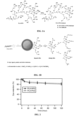
- HPG coupled to the polymer PLA is shown below:
- the particles of the invention contain one or more therapeutic agents, diagnostic agents, or prophylactic agents encapsulated within the particles.
- the agents can be covalently or non-covalently associated with the particles.
- Molecules can be bound to the hydroxy groups on HPG before or after particle formation. Representative methodologies for conjugating molecules to the hydroxy groups on HPG are described below.
- One useful protocol involves the "activation" of hydroxyl groups with carbonyldiimidazole (CDI) in aprotic solvents such as DMSO, acetone, or THF.
- CDI forms an imidazolyl carbamate complex with the hydroxyl group which may be displaced by binding the free amino group of a ligand such as a protein.
- the reaction is an N-nucleophilic substitution and results in a stable N-alkylcarbamate linkage of the ligand to the polymer.
- the "coupling" of the ligand to the "activated" polymer matrix is maximal in the pH range of 9-10 and normally requires at least 24 hrs.
- the resulting ligand-polymer complex is stable and resists hydrolysis for extended periods of time.
- Another coupling method involves the use of 1-ethyl-3-(3-dimethylaminopropyl) carbodiimide (EDAC) or "water-soluble CDI" in conjunction with N-hydroxylsulfosuccinimide (sulfo NHS) to couple the exposed carboxylic groups of polymers to the free amino groups of ligands in a totally aqueous environment at the physiological pH of 7.0.
- EDAC and sulfo-NHS form an activated ester with the carboxylic acid groups of the polymer which react with the amine end of a ligand to form a peptide bond.
- the resulting peptide bond is resistant to hydrolysis.
- the use of sulfo-NHS in the reaction increases the efficiency of the EDAC coupling by a factor of ten-fold and provides for exceptionally gentle conditions that ensure the viability of the ligand-polymer complex.
- a useful coupling procedure for attaching ligands with free hydroxyl and carboxyl groups to polymers involves the use of the cross-linking agent, divinylsulfone. This method would be useful for attaching sugars or other hydroxylic compounds with bioadhesive properties to hydroxylic matrices.
- the activation involves the reaction of divinylsulfone to the hydroxyl groups of the polymer, forming the vinylsulfonyl ethyl ether of the polymer.
- the vinyl groups will couple to alcohols, phenols and even amines.
- Activation and coupling take place at pH 11. The linkage is stable in the pH range from 1-8.
- the hydroxyl groups can be converted to reactive functional group that can react with a reactive functional group on the molecule to be attached.
- the hydroxyl groups on HPG can be converted to aldehydes, amines, or O-substituted oximes which can react with reactive functional groups on molecules to be attached. Such transformations can be done before or after particle formation.
- Coupling is preferably by covalent binding but it may also be indirect, for example, through a linker bound to the polymer or through an interaction between two molecules such as strepavidin and biotin. It may also be by electrostatic attraction by dip-coating.
- the coupling methods can be done before or after particle formation.
- Ultraviolet light filters such as zinc oxide (ZnO), titanium dioxide (TiO 2 ), avobenzone, tinosorb S, mexoryl SX, mexoryl XL, helioplex, octinoxate, octocrylene, oxybenzone, octisalate, homosalate, uvinul T 150, cinoxate, aminobenzoic acid, padimate O, ensulizole, dioxybenzone, meradimate, sulisobenzone, trolamine salicylate, enzacamene, bisdisulizole disodium, uvinul A Plus, uvasorb HEB, parsol SLX, amiloxate), antibiotics, antiseptics, antifungals, and anesthetic compounds (such as lidocaine, benzocaine, chloroprocaine, cyclomethycaine, dimethocaine/larocaine, piperocaine, propoxycaine, procaine
- UV filters such as padimate O (PO), zinc oxide (ZnO), titanium dioxide (TiO 2 ), silicon oxide coated ZnO or TiO 2 , avobenzone, tinosorb S, mexoryl SX, mexoryl XL, helioplex, octinoxate, octocrylene, oxybenzone, octisalate, homosalate, uvinul T 150, cinoxate, aminobenzoic acid, ensulizole, dioxybenzone, meradimate, sulisobenzone, trolamine salicylate, enzacamene, bisdisulizole disodium, uvinul A Plus, uvasorb HEB, parsol SLX, and amiloxate. Incorporated into microparticles, these agents may be used to prevent skin conditions and skin diseases.
- UV filters such as padimate O (PO), zinc oxide (ZnO), titanium dioxide (TiO 2 ), silicon oxide coated Z
- Active agents therapeutic agents, diagnostic agents, prophylactic agents, and/or nutraceuticals
- Proteins, peptides, carbohydrates, polysaccharides, nucleic acid molecules, and organic molecules, as well as diagnostic agents, can be delivered.
- the preferred materials to be incorporated are prophylactic agents, such as UV filters, anti-oxidants, anesthetics, corticosteroids, anti-acne agents, and vitamins.
- Other preferred materials to be incorporated are therapeutic agents.
- Therapeutic agents include antibiotics, antivirals, anti-parasites (helminths, protozoans), anti-cancer (referred to herein as "chemotherapeutics", including cytotoxic drugs such as doxorubicin, cyclosporine, mitomycin C, cisplatin and carboplatin, BCNU, 5FU, methotrexate, adriamycin, camptothecin, epothilones A-F, and taxol), peptide drugs, anti-inflammatories, and nutraceuticals.
- chemotherapeutics including antibiotics, antivirals, anti-parasites (helminths, protozoans), anti-cancer (referred to herein as "chemotherapeutics”, including cytotoxic drugs such as doxorubicin, cyclosporine, mitomycin C, cisplatin and carboplatin, BCNU, 5FU, methotrexate, adriamycin, camptothecin, epoth
- diagnostic materials include paramagnetic molecules, fluorescent compounds, magnetic molecules, and radionuclides.
- Exemplary materials include, but are not limited to, metal oxides, such as iron oxide, metallic particles, such as gold particles, etc. Biomarkers can also be conjugated to the surface for diagnostic applications.
- Active agents may be formulated alone or with excipients and encapsulated into the microparticles or nanoparticles.
- Active agents include therapeutic, prophylactic, neutraceutical and diagnostic agents. Any suitable agent may be used. These include organic compounds, inorganic compounds, proteins, polysaccharides, nucleic acids or other materials that can be incorporated using standard techniques.
- radioactive materials such as Technetium99 ( 99m Tc) or magnetic materials such as Fe 2 O 3 could be used.
- examples of other materials include gases or gas emitting compounds, which are radioopaque.
- the biodegradable polymers may encapsulate cellular materials, such as for example, cellular materials to be delivered to antigen presenting cells as described below to induce immunological responses.
- DNA-mediated immunity is needed to detect and destroy virus-infected cells.
- Most traditional vaccines e.g. protein-based vaccines
- DNA-based vaccine represents a unique means to vaccinate against a virus or parasite because a DNA based vaccine can induce both humoral and cell-mediated immunity.
- DNA-based vaccines are potentially safer than traditional vaccines.
- DNA vaccines are relatively more stable and more cost-effective for manufacturing and storage.
- DNA vaccines consist of two major components - DNA carriers (or delivery vehicles) and DNAs encoding antigens. DNA carriers protect DNA from degradation, and can facilitate DNA entry to specific tissues or cells and expression at an efficient level.
- the HPG-coated particles are modified by covalently attaching PEG to the surface. This can be achieved by converting the vicinyl diol groups on the HPG to aldehydes and then reacting the aldehydes with functional groups on PEG, such as aliphatic amines, aromatic amines, hydrazines and thiols.
- the linker has end groups such as aliphatic amines, aromatic amines, hydrazines, thiols and O-substituted oxyamines.
- the bond inserted in the linker can be disulfide, orthoester and peptides sensitive to proteases.
- PEG with a functional group or a linker can form a bond with aldehyde on PLA-HPGALD and reverse the bioadhesive (sticky) state of PLA-HPGALD to stealth state.
- This bond or the linker is labile to pH change or high concentration of peptides, proteins and other biomolecules.
- the bond attaching the PEG to PLA-HPGALD can be reversed or cleaved to release the PEG in response to the environment and expose the PLA-HPGALD particles to the environment. Subsequently, the particles will interact with the tissue and attach the particles to the tissues or extracellular materials such as proteins.
- the environment can be acidic environment in tumors, reducing environment in tumors, or protein rich environment in tissues.
- microencapsulation techniques include, but are not limited to, spray drying, interfacial polymerization, hot melt encapsulation, phase separation encapsulation (spontaneous emulsion microencapsulation, solvent evaporation microencapsulation, and solvent removal microencapsulation), coacervation, low temperature microsphere formation, and phase inversion nanoencapsulation (PIN).
- the particles are prepared using an emulsion-based technique.
- the particles are prepared using a double emulsion solvent evaporation technique.
- the amphiphilic material and the hydrophobic cationic material are dissolved in a suitable organic solvent, such as methylene chloride or dichloromethane (DCM), with or without agent to be encapsulated.
- a suitable organic solvent such as methylene chloride or dichloromethane (DCM)
- phase separation microencapsulation techniques a polymer solution is stirred, optionally in the presence of one or more active agents to be encapsulated. While continuing to uniformly suspend the material through stirring, a nonsolvent for the polymer is slowly added to the solution to decrease the polymer's solubility. Depending on the solubility of the polymer in the solvent and nonsolvent, the polymer either precipitates or phase separates into a polymer rich and a polymer poor phase. Under proper conditions, the polymer in the polymer rich phase will migrate to the interface with the continuous phase, encapsulating the active agent(s) in a droplet with an outer polymer shell.
- Spontaneous emulsification involves solidifying emulsified liquid polymer droplets formed above by changing temperature, evaporating solvent, or adding chemical cross-linking agents.
- One or more active agents to be incorporated are optionally added to the solution, and the mixture is suspended in an aqueous solution that contains a surface active agent such as poly(vinyl alcohol).
- a surface active agent such as poly(vinyl alcohol).
- the resulting emulsion is stirred until most of the organic solvent evaporated, leaving solid microparticles/nanoparticles. This method is useful for relatively stable polymers like polyesters and polystyrene.
- Nanoparticles can also be formed using the phase inversion nanoencapsulation (PIN) method, wherein a polymer is dissolved in a "good” solvent, fine particles of a substance to be incorporated, such as a drug, are mixed or dissolved in the polymer solution, and the mixture is poured into a strong non solvent for the polymer, to spontaneously produce, under favorable conditions, polymeric microspheres, wherein the polymer is either coated with the particles or the particles are dispersed in the polymer.
- PIN phase inversion nanoencapsulation
- Nanoparticles can be prepared using microfluidic devices.
- a polymeric material is mixed with a drug or drug combinations in a water miscible organic solvent.
- the water miscible organic solvent can be one or more of the following: acetone, ethanol, methanol, isopropyl alcohol, acetonitrile and Dimethyl sulfoxide (DMSO).
- DMSO Dimethyl sulfoxide
- Hyperbranched polyglycerol can be covalently bound to one or more polymers that form the core of the particles using methodologies known in the art.
- HPG can be covalently coupled to a polymer having carboxylic acid groups, such as PLA, PGA, or PLGA using DIC/DMAP.
- the HPG can be initiated from special functionalized initiators to facilitate the conjugation to more materials. These special initiators include disulfide ( Yeh et al., Langmuir. 24(9):4907-16(2008 )).
- Certain properties of the PLA-HPG conjugate are important for the observed effects. Because high molecular weight HPG has better resistance of non-specific adsorption to biomolecules, the low molecular weight components are removed from the synthesized HPG by multiple solvent precipitations and dialysis.
- a polyhydroxy acid such as PLA is selected as the hydrophobic core material because it is biodegradable, has a long history of clinical use, and is the major component of a NP system that is advancing in clinical trials.
- the previous approach was to first functionalize the HPG with an amine and then conjugate the carboxylic group on PLA to the amine. This approach is efficient but cannot be used to make HPG as surface coatings since any amines that do not react with PLA will lead to a net positive charge on the neutral HPG surface and reduce the ability of HPG to resist adsorption of other molecules on the surface.
- the approach in the examples uses a one-step esterification between PLA and HPG, which maintained the charge neutral state of the HPG.
- the particles may have any zeta potential.
- the particles can have a zeta potential from -300 mV to + 300 mV, -100 mV to +100 mV, from -50 mV to +50 mV, from -40 mV to +40 mV, from -30 mV to +30 mV, from -20 mV to +20 mV, from -10 mV to +10mV, or from -5mV to +5 mV.
- the particles can have a negative or positive zeta potential.
- the particles have a substantially neutral zeta potential, i.e. the zeta potential is approximately 0 mV.
- the particles have a zeta potential of approximately -30 to about 30 mV, preferably from about -20 to about 20 mV, more preferably from about -10 to about 10 mV.
- the particles may have any diameter.
- the particles can have a diameter of about 1 nm to about 1000 microns, about 1 nm to about 100 microns, about 1 nm to about 10 microns, about 1 nm to about 1000 nm, about 1 nm to about 500 nm, about 1 nm to about 250 nm, or about 1 nm to about 100 nm.
- the particle is a nanoparticle having a diameter from about 25 nm to about 250 nm.
- the particles are nanoparticles having a diameter from about 180 nm to about 250 nm, preferably from about 180 nm to about 230 nm.
- the polydispersity is from about 0.05 to 0.30, preferably from about 0.05 to about 0.25, more preferably from about 0.05 to about 0.20, more preferably from about 0.05 to about 0.15, most preferably from about 0.05 to about 0.10.
- the particles can be formulated with appropriate pharmaceutically acceptable carriers into pharmaceutical compositions for administration to an individual in need thereof.
- the formulations can be administered topically (e.g., to the skin via non-invasive topical application).
- Other routes of administration include, but are not limited to, transdermal.
- the carrier can be a solvent or dispersion medium containing, for example, water, ethanol, one or more polyols (e.g., glycerol, propylene glycol, and liquid polyethylene glycol), oils, such as vegetable oils (e.g., peanut oil, corn oil, sesame oil, etc.), and combinations thereof.
- polyols e.g., glycerol, propylene glycol, and liquid polyethylene glycol
- oils such as vegetable oils (e.g., peanut oil, corn oil, sesame oil, etc.)
- the proper fluidity can be maintained, for example, by the use of a coating, such as lecithin, by the maintenance of the required particle size in the case of dispersion and/or by the use of surfactants.
- isotonic agents for example, sugars or sodium chloride.
- Solutions and dispersions of the active compounds as the free acid or base or pharmacologically acceptable salts thereof can be prepared in water or another solvent or dispersing medium suitably mixed with one or more pharmaceutically acceptable excipients including, but not limited to, surfactants, dispersants, emulsifiers, pH modifying agents, viscosity modifying agents, and combination thereof.
- Suitable surfactants may be anionic, cationic, amphoteric or nonionic surface active agents.
- Suitable anionic surfactants include, but are not limited to, those containing carboxylate, sulfonate and sulfate ions.
- anionic surfactants include sodium, potassium, ammonium of long chain alkyl sulfonates and alkyl aryl sulfonates such as sodium dodecylbenzene sulfonate; dialkyl sodium sulfosuccinates, such as sodium dodecylbenzene sulfonate; dialkyl sodium sulfosuccinates, such as sodium bis-(2-ethylthioxyl)-sulfosuccinate; and alkyl sulfates such as sodium lauryl sulfate.
- Cationic surfactants include, but are not limited to, quaternary ammonium compounds such as benzalkonium chloride, benzethonium chloride, cetrimonium bromide, stearyl dimethylbenzyl ammonium chloride, polyoxyethylene and coconut amine.
- nonionic surfactants include ethylene glycol monostearate, propylene glycol myristate, glyceryl monostearate, glyceryl stearate, polyglyceryl-4-oleate, sorbitan acylate, sucrose acylate, PEG-150 laurate, PEG-400 monolaurate, polyoxyethylene monolaurate, polysorbates, polyoxyethylene octylphenylether, PEG-1000 cetyl ether, polyoxyethylene tridecyl ether, polypropylene glycol butyl ether, POLOXAMER ® 401, stearoyl monoisopropanolamide, and polyoxyethylene hydrogenated tallow amide.
- amphoteric surfactants include sodium N-dodecyl-beta-alanine, sodium N-lauryl-beta-iminodipropionate, myristoamphoacetate, lauryl betaine and lauryl sulfobetaine.
- the formulation can contain a preservative to prevent the growth of microorganisms. Suitable preservatives include, but are not limited to, parabens, chlorobutanol, phenol, benzalkonium, sorbic acid, and thimerosal.
- Suitable preservatives include, but are not limited to, parabens, chlorobutanol, phenol, benzalkonium, sorbic acid, and thimerosal.
- the formulation may also contain an antioxidant to prevent degradation of the active agent(s).
- the formulation is typically buffered to a pH of 3-8.
- Suitable buffers include, but are not limited to, phosphate buffers, acetate buffers, and citrate buffers.
- Water-soluble polymers may be used in formulations. Suitable water-soluble polymers include, but are not limited to, polyvinylpyrrolidone, dextran, carboxymethylcellulose, and polyethylene glycol.
- Carrier also includes all components of the coating composition which may include plasticizers, pigments, colorants, stabilizing agents, and glidants.
- Formulations can be prepared using one or more topical or pharmaceutically acceptable excipients, including diluents, preservatives, binders, lubricants, disintegrators, swelling agents, fillers, stabilizers, and combinations thereof.
- Stabilizers are used to inhibit or retard drug decomposition reactions which include, by way of example, oxidative reactions.
- Suitable stabilizers include, but are not limited to, antioxidants, butylated hydroxytoluene (BHT); ascorbic acid, its salts and esters; Vitamin E, tocopherol and its salts; sulfites such as sodium metabisulphite; cysteine and its derivatives; citric acid; propyl gallate, and butylated hydroxyanisole (BHA).
- the particles can be used for a variety of applications including protecting tissue from UV light, drug delivery, tissue engineering, etc.
- Stealth properties can be useful for topical delivery, for example, diffusion into hair follicles to release agents to promote hair growth/prevent hair loss or agents that promote hair loss.
- the particles can be used to deliver one or more therapeutic agents, diagnostic agents, prophylactic agents, nutraceuticals, or combinations thereof to the skin.
- the PEG can be cleaved to make the particles adhere or stick to tissue or other biological materials, such as skin (e.g., sticky particles).
- Incubation of HPG-coated particles with the reagent NaIO 4 which converts vicinyl diol groups to aldehyde groups, showed an estimated 8 aldehyde groups/nm 2 after about 20 minutes.
- Surface immobilization of HPG particles on lysine-coated slides increased as the incubation time with NaIO 4 increased.
- Aldehyde-functionalized HPG-coated particles loaded with the dye DiD were incubated with pig skin for 6 hours.
- the relative fluorescence of the aldehyde-functionalized particles was three-fold higher than the relative fluorescence of HPG-coated particles.
- the particles can be used for delivery of one or more active agents to the skin.
- the particles can be used as or formulated in a sunscreen.
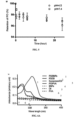
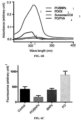
- the particles were loaded with padimate O (PO), an organic compound used in suncreens. Under conditions mimicking the pH range of human sweat (4.5 and 7.4), the particles retained more than about 96% of the PO after 20 hours. The particles also exhibited improved UV absorption compared to PO dispersed in water or aqueous buffer.
- PO padimate O
- agents for treating skin aging include agents for treating skin aging, such as anti-reactive oxygen species (ROS) therapies.
- ROS anti-reactive oxygen species
- the particles can also be used to deliver agents to hair follicles, for examples, agents to promote hair growth or reduce hair loss or therapies to remove hair.
- agents to hair follicles for examples, agents to promote hair growth or reduce hair loss or therapies to remove hair.
- the stealth nature of the particles can allow diffusion of the particles into the hair follicles.
- a chronic wound is a wound that does not heal normally. Wounds that do not heal within three months are often considered chronic.
- One embodiment provides administering an effective amount of the particles to a chronic wound to promote or enhance healing.
- the disclosed particles can also be used to treat fibrotic wounds.
- Fibrotic wounds have dysregulated healing and typically delayed healing. Fibrosis can be defined as the replacement of the normal structural elements of the tissue by distorted, non-functional and excessive accumulation of scar tissue.
- One embodiment provides a method for treating fibrotic wounds by administering an effective amount of the disclosed particles to promote or enhance fibrotic wound healing.
- a wound dressing has a layer of particles thereon.
- the layer of particles is configured to come into contact with the wound when the wound dressing is applied to a wound.
- the particles can be impregnated in the wound dressing or coated on the wound dressing using conventional techniques.
- the wound dressing can be made of absorbent materials such as cotton or fleece.
- the wound dressing can also be made of synthetic fibers, for example, polyamide fibers.
- the wound dressing can have multiple layers including an adhesive layer, an absorbent layer, and moisture regulation layer.
- the wound dressing can also include antimicrobial agents, antifungal agents, and other active agents to promote wound healing such as cytokines and growth factors discussed above.
- Another embodiment provides a method for treating a wound by administering an effective amount of the disclosed particles to the wound to promote or induce hemostasis and then applying a wound dressing to the wound.
- Ligands can be selected to enhance the particles being retained at the site, by binding to extracellular matrix or through non-specific electrostatic binding.
- H 2 N-PEG(5000)-OCH 3 was obtained from Laysan.
- Microdialysis tubing was from Thermo Scientific.
- IR-780 iodide, hydroxylamine solution (50%), glycerol, polyvinyl alcohol, NaIO4 and bovine serum albumin (BSA) were obtained from the Sigma-Aldrich.
- Donkey normal serum and Rabbit-anti-CD31 antibody was provided by Abcam and the Donkey-anti-rabbit secondary antibody tagged with Alexa488 fluorophore was from Invitrogen.
- Aldehyde Quantification Assay Kit (Fluorometric) and were from Abcam.
- Sunscreen lotion (SPF 30) was purchased from Walgreens.
- Sunscreen oil (SPF 30) was from L'Oréal Paris.
- Hyperbranched polyglycerol was synthesized by anionic polymerization. Briefly, 4.6 mmol 1,1,1-trihydroxypropane (THP) was added into an argon protected flask in a 95°C oil bath and 1.5 mmol KOCH 3 was added. The system was hooked up to a vacuum pump and left under vacuum for 30 min. The system was refilled with argon and 25 ml glycidol was added by a syringe pump over 12 hours. The HPG was dissolved in methanol and precipitated by addition of acetone. HPG was purified 2-3 times with methanol/acetone precipitation.
- HPG low molecular weight HPG
- 2-5 ml HPG was placed in a 10ml dialysis tube (0.5-1k cut-off) and dialyzed against deionized (DI) water. The water was replaced two times every 12 hours. HPG was precipitated with acetone and then dried under vacuum at 80°C for 12h.
- DI deionized
- PLA (5 g) and 2.15 g HPG were dissolved in dimethyl formamide (DMF) and dried over molecular sieves overnight. 0.06 ml diisopropylcarboimide (DIC) and 10 mg 4-(N,N-dimethylamino)pyridine (DMAP) were added and the reaction proceeded for 5 days at room temperature under stirring. The product was precipitated by pouring the reaction into cold diethyl ether (ether) and collecting the precipitate by centrifugation. The product was redissolved in dichloromethane (DCM) and precipitated again with a cold mixture of ether and methanol. The product was washed with a cold mixture of ether and methanol. The polymer was dried under vacuum for 2 days.
- DCM dichloromethane
- PLA-PEG 2.6 g PLA and 1.0 g MPEG-NH 2 were dissolved in DMF and dried over molecular sieves overnight. 0.038 ml DIC was added and the reaction proceeded for 2 days at room temperature under stirring. The product was precipitated by pouring the reaction into cold ether and collecting the precipitate by centrifugation. The product was redissolved in DCM and precipitated again with cold ether, washed with a cold mixture of ether and methanol and dried under vacuum for 2 days.
- NPs nanoparticles
- the PLA-PEG NPs were made using a single emulsion technique. 50 mg PLA-PEG copolymer dissolved in 1.5-3.0 ml ethyl acetate/DMSO (4:1) was added to 4 ml DI water with 2.5% PVA under vortexing and subjected to probe sonication for 3 cycles of 10 sec each. The resulting emulsion was diluted in 20 ml DI water with 0.1% Tween ® 80 with stirring. The emulsion was stirred for at least 5 hours or attached to a ratovapor to evaporate the ethyl acetate and then the solution was applied to an Amico ultra centrifuge filtration unit (100k cut-off). The NPs were washed by filtration for 2 times then suspended in a 10% sucrose solution.
- the NPs were characterized with TEM. A drop of nanoparticle suspension was applied on the top of carbon coated copper grids and most of the droplet was removed with a piece of filter paper. The thin layer of NPs suspension was dried for 5-10min and then a droplet of uranyl acetate was applied. Most of the droplet was removed with a filter paper and left to dry for 5 min. The sample was mounted for imaging with TEM. The size distribution of NPs was analyzed in Image J. The hydrodynamic size of NPs was determined by dynamic laser scattering (DLS). NPs suspension was diluted with DI water to 0.05mg/ml and 1 ml was loaded into the cell for detection.
- DLS dynamic laser scattering
- DMSO dimethyl methacrylate
- concentration of the dye in NPs 990 ⁇ L DMSO was added to 10 ⁇ L NPs in aqueous solution. The solution was vortexed and left in the dark for 10 min. The concentration of the dye was quantified with a plate reader by fluorescence of the DiD dye at 670 nm with an excitation wavelength at 644 nm.
- DP n number-average degree of polymerization
- TMP core molecule
- Mn Molecular weight of glycidol ⁇ DP n ⁇ of HPG + molecular weight of TMP
- Both particles have a biodegradable PLA core, which can be used to load hydrophobic agents, and a hydrophilic shell of HPG or PEG.
- HPG was made by anionic polymerization and characterized by 1 H NMR and 13 C NMR.
- PLA-HPG copolymer was synthesized by esterification and the conjugation of PLA-HPG was confirmed by 1 H NMR.
- the weight percentage of HPG in PLA-HPG was about 29% as calculated from the NMR results.
- PLA-HPG NPs were made from a single emulsion as described above.
- PLA-PEG copolymer was synthesized by the conjugation of PLA-COOH with amine terminated mPEG and also characterized with 1 H NMR. The weight percentage of PEG was about 26% as calculated from the NMR results.
- TEM Transmission electronic microscopy
- the hydrodynamic diameter of NPs was 100 nm as measured by dynamic light scattering (DLS) (Table 1).
- Table 1 Average diameter of PLA-HPG nanoparticles and PLA-PEG nanoparticles NPs Diameter (nm) PLA-HPG 102.1 ⁇ 3.1 PLA-PEG 103.3 ⁇ 1.0
- Microdialysis tubes were filled with 100 ⁇ L of NPs loaded with 1,1'-dioctadecyl-3,3,3',3'-tetramethylindodicarbocyanine, 4-chlorobenzenesulfonate Salt (DiD) and placed on a floater in a large beaker with 4L PBS at 37°C. Tubes were removed in triplicates at different time points. The PBS was changed every 12 hours. The dye left in the dialysis tube was quantified by fluorescence.
- DID 4-chlorobenzenesulfonate Salt
- DiD-loaded NPs release a minimal amount of dye ( ⁇ 20%) over 5 days of continuous incubation in PBS ( Figure 2 ). Both PLA-HPG and PLA-PEG NPs were loaded with equivalent amounts of DiD.
- Example 3 Evaluation of reversibility of stealth properties of nanoparticles in blood circulation (reference example)
- PLA-HPG NPs (0.1 mg/ml) in a 96-well plate (small vial) were incubated with 1 mM NaIO 4 and at each time point, the reactions were quenched with 2 mM Na 2 SO 3 .
- the NPs were washed two times with DI water in an AcroPrep filter plate with 100k cut-off (or amicon ultra filter 0.5 ml with 100k cut-off) and then suspended in DI water.
- the aldehydes on NPs were quantified with an aldehyde quantification assay kit (Abcam).
- the PLA-HPG NPs were used as a background subtraction control.
- the amount of aldehyde was calculated by comparing to a reference curve.
- the reference curve was made by using the aldehyde standard provided with the kit.
- the amount of aldehyde on each particle was calculated based on 100 nm hydrodynamic diameter of NPs and an assumed NP density of 1.0 g/cm 3 .
- NPs load with DiD dye were suspended in PBS buffer containing 15% glycerol and 0.01% triton-X100 at a concentration of 1 mg/ml in a 384-well plate.
- the NPs were arrayed on lysine coated slides using a Spotbot microrrayer from Arrayit. After 1 hour incubation in a humidity chamber, the printed slides were washed extensively with PBS 3 times, 5 min each. After a quick rinse with DI water, the slides were blow-dried with argon and subjected for imaging.
- the NPs were transferred to an AcroPrep filter plate with 100k cut-off (or amicon ultra filter 0.5 ml with 100k cut-off or gel filtration for proteins and other large molecules) and washed two times with DI water or buffer.
- PLA-HPG ALD NPs dipy, also referred to herein as bioadhesive nanoparticles, BNPs
- PLA-HPG NPs also referred to herein as non-bioadhesive nanoparticles, NNPs
- PLA-HPG ALD NPs could be reversed to PLA-HPG Reversed (stealth) NPs by NaBH 4 treatment, though one alcohol group is lost with the reduction-reversal cycle since each vicinal diol on HPG is oxidized by NaIO 4 to an aldehyde and each aldehyde is reduced to a single alcohol by NaBH 4 .
- the blood circulation confirmed that the PLA-HPG ALD NPs lost almost all their stickiness after treatment with NaBH 4 .
- the back and forth tunability also demonstrated the robustness of the HPG coating on the nanoparticles.
- PLA-HPG ALD NPs PLA-HPG ALD NPs
- PLA-HPG ALD NPs with different concentrations of aldehydes were prepared using a high-throughput procedure, where regular 96-well plates and 96-well filter plates were used to prepare the NPs and printed onto polylysine coated slides with a microarrayer.
- the PLA-HPG NPs (NNPs) without NaIO 4 treatment did not adhere to glass slides and only background signal was detected.
- the amount of NPs immobilized on the glass slide increased as a function of duration of NaIO 4 treatment, indicating that the bioadhesive property of the PLA-HPG NPs can be tuned by control of NaIO 4 treatment.
- NPs load with DiD dye were suspended in PBS buffer containing 15% glycerol and 0.01% TRITON ® -X100 at a concentration of 1mg/ml in a 384-well plate.
- the NPs were arrayed on lysine coated slides using a SPOTBOT ® microrrayer from ARRAYIT ® . After 1 hour incubation in a humidity chamber, the printed slides were washed extensively with PBS 3 times, 5 min each. After a quick rinse with DI water, the slides were blow-dried with argon and subjected for imaging.
- the bioadhesive property of PLA-HPG NPs on tissues was evaluated by applying suspended NPs ex vivo to the external surface of pig skin.
- Fresh pig skin was obtained from a local slaughterhouse and the hair was carefully removed by a trimmer, making sure no damage occurred to the skin.
- the skin was frozen at -20 °C.
- the skin was thawed on ice before use.
- Thawed pig skin was washed with PBS buffer and cut to 2x2 cm pieces.
- DiD-loaded PLA-HPG NPs (NNPs) and PLA-HPG ALD NPs (BNPs) in PBS were topically applied to pig skin and incubated for 6 h in a humidity chamber at 32 °C. After incubation, skin was washed with plenty of PBS buffer and frozen in OCT.
- the frozen skin was sectioned into 10-20 ⁇ m slices, mounted on glass slides, and imaged with an EVOS fluorescence microscope.
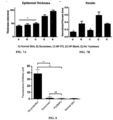
- PLA-HPG ALD NPs showed greater retention on pig skin than PLA-HPG NPs (P ⁇ 0.05).
- the fluorescence intensity was quantified from the fluorescence images.
- PLA-HPG NPs can be readily oxidized to aldehyde-terminated PLA-HPG ALD NPs by sodium periodate (NaIO4) treatment. This was validated by H 1 NMR and Schiff's agent analysis.
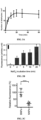
- the surface density of aldehydes on PLA-HPG ALD NPs was monitored as a function of incubation time with NaIO 4 and it reached its saturation at about 20 min ( Figure 3A ).
- the final surface density of aldehydes on PLA-HPG ALD NPs approached 9/nm 2 (17 aldehydes/PLA molecule), indicating that the majority of surface vicinal diols were converted to aldehydes.
- This surface density of functional groups is at least one order of magnitude higher than previously reported on biodegradable NPs ( Gu et al., Proc. Natl. Acad. Sci. U.S.A. 105:2586-2591 (2008 )). Moreover, the surface density of the aldehydes can be controlled by incubation time with NaIO 4 . No detrimental effects of aldehyde conversion were observed on NPs by TEM imaging. The average diameter of NPs was approximately 96 nm by dynamic light scattering (DLS) measurement (Table 2).
- PLA-HPG ALD NPs PLA-HPG ALD NPs
- PLA-HPG ALD NPs PLA-HPG ALD NPs
- NNPs PLA-HPG NPs
- Table 2 Diameter (nm) and polydispersity index (PDI) of various nanoparticles Nanoparticles (NPs) Diameter (nm) PDI PLA-HPG ALD 96 0.273 DiD/PLA-HPG 120 0.211 DiD/PLA-HPG ALD 118 0.232 IR-780/ PLA-HPG ALD 128 0.334 PO/PLA-HPG ALD 138 0.227
- Delivery vehicles for UV-filters should ideally remain only on the skin surface, without penetration into the epidermis, dermis, or hair follicles, in order to avoid potential health risks ( Krause, et al., Int. J. Androl. 35:424-436 (2012 )).
- the retention and the penetration of PLA-HPG ALD NPs ex vivo to PLA-HPG NPs by applying suspended particles topically onto pig skin was compared.
- both NPs were loaded with a hydrophobic dye, 0.2%1,1'-dioctadecyl-3,3,3',3' -tetramethylindodicarbocyanine,4-chlorobenzenesulfonate salt (DiD) ( Deng et al., Biomaterials. 35:6595-6602 (2014 )).
- DiD DiD/PLA-HPG NPs and DiD/PLA-HPG ALD NPs were characterized by TEM and DLS (Table 2), and had a similar spherical morphology.
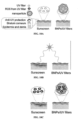
- PLA-HPG ALD NPs showed substantially higher retention on pig skin compared to NNPs ( Figure 3C ). No penetration of PLA-HPG ALD NPs was observed on any pig skin samples; however, PLA-HPG NPs penetrated into the pig skin follicles without significant retention on the stratum corneum. Pig skin is considered a good mimic for human skin in a variety of applications including penetration studies for chemicals and nanoparticles ( Swindle et al., Veterinary Pathology 49:738-738 and 344 (2012 ); Barbero et al., Toxicol. In Vitro 23:1-13 (2009 )).
- PLA-HPG ALD NPs exhibit no skin penetration whereas the PLA-HPG NPs exhibit considerable penetration into follicles, reflect the adhesion of PLA-HPG ALD NPs to proteins on the skin surface, which prevents diffusion of nanoparticles to deeper skin layer or into follicles.
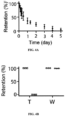
- PLA-HPG ALD NPs The water resistance and potential for removal of PLA-HPG ALD NPs by encapsulating an infrared dye, IR-780, into BNPs (0.5% loading), and measuring nanoparticle skin concentrations with in vivo imaging was investigated.
- the IR-780/PLA-HPG ALD NPs were characterized by TEM and DLS (Table 2). After extensive washing with water, no significant change in fluorescence was observed; however, the PLA-HPG ALD NPs were removed after wiping with a wet towel ( Figures 4A and 4B ). If untreated, PLA-HPG ALD NPs concentration diminished markedly (approximately 75%) within 24 hr and disappearance was essentially complete after five days (Figure 5A).
- PLA-HPG ALD NPs will interact with tissues since the bioadhesive property of PLA-HPG ALD NPs is resulted from the Schiff-base bond between the aldehyde groups on PLA-HPG ALD NPs and the amine groups in tissue surface.
- PLA-HPG ALD NPs can simplify the current sunscreen formulation as well as eliminate the use of irritants and/or allergens.
- PLA-HPG ALD NPs are ideal vehicles for sunscreen application since they are water-soluble but their interaction with skin is water-resistant.
- the PLA-HPG ALD NPs disappear from skin naturally by exfoliation of the stratum corneum; removal can be accelerated mechanically by towel drying.
- PLA-HPG polymer and PO an organic compound used in sunscreens
- ratio ratio from 1:1 to 20:1 and total mass of 50-100 mg
- the resulting emulsion was diluted in 20 ml DI water with stirring. It was hooked up to a rotovapor to evaporate the ethyl acetate and then applied to an Amico ultra centrifuge filtration unit (100k cut-off).
- the PO/PLA-HPG NPs were washed by filtration 2 times then suspended in DI water.
- the same procedure was implemented to produce PLA-HPG ALD NPs, as PO/PLA-HPG ALD NPs can be oxidized from PO/PLA-HPG NPs nanoparticles.
- the nanoparticles were dissolved in DMSO and the UV absorbance at 310 nm was measured with a plate reader. The amount of PO was calculated by comparing to a reference curve.
- All PO/PLA-HPG ALD NPs contained 10% PO.
- the spherical shape of the POBNPs was confirmed by TEM.
- a hydrodynamic diameter of 138 nm for PO/PLA-HPG ALD NPs was measured by DLS. The results for hydrodynamic diameter of all the NPs generated in these studies are presented in Table 2.
- Example 6 PO-loaded PLA-HPG ALD NPs retain PO under conditions mimicking human sweat (reference example)
- the stability of PO encapsulation in NPs was evaluated by measuring the release of PO in buffer mimicking the pH range (4.5-7.4) of human sweat.
- a suspension of 1 mg NPs loaded with PO in a dialysis tube (10K cut-off) was dialyzed against 40 ml PBS with 0.1% SDS at 32 °C. At each time point, 150 ⁇ L solution was removed and 150 ⁇ L PBS with 0.1% SDS was added. The amount of released PO was quantified by UV adsorption at 310 nm with a plate reader.
- UV filters prevent sunburn by absorbing UV radiation. Therefore, their effectiveness can be estimated by measuring their UV absorption efficiency.
- Photoinduced changes in UV filters often produce toxic intermediates including ROS that are destructive to multiple cellular components including gDNA ( Hanson et al., Free Radical Biology and Medicine. 41:1205-1212 (2006 )). It has been reported that encapsulating UV filters in polymeric nanoparticles improves filter photostability and delays photodegradation of the UV filters ( Perugini et al., International Journal of Pharmaceutics, 246:37-45 (2002 )).
- the UV absorption of PO/PLA-HPG ALD NPs was evaluated by measuring their absorption spectrum within the UV range (260-400 nm).
- PO/PLA-HPG ALD NPs suspended in water, PO emulsified in water and PO dissolved in mineral oil at a PO concentration of 0.01mg/ml were aliquoted into a UV transparent plate and scanned through the UV absorbance spectrum from 260-400 nm with a plate reader. Blank PLA-HPG ALD NPs, water and mineral oil were also scanned as background controls.
- the PO emulsion in water was made by probe sonication.
- PO/PLA-HPG ALD NPs, PLA-HPG ALD NPs, PO water emulsion at a PO concentration of 0.1mg/ml was incubated with DHR in 96 well plate. After exposing to UV-B (280-320 nm), plate fluorescence was read at Ex/Em 500/536 nm.
- DHR Dihydrarhodamine
- ROS probe Hanson et al., Free Radical Biology and Medicine, 41:1205-1212 (2006 )
- DHR was mixed with PO/PLA-HPG ALD NPs, emulsified PO, and PLA-HPG ALD NPs separately and exposed to UV.
- DHR in PBS was used as a control because it absorbs UV at 280-315 nm and becomes fluorescent.
- PO/PLA-HPG ALD NPs were compared to PO emulsified in polyvinyl alcohol (PVA) solution (PO/PVA), PO in mineral oil (PO/oil), sunscreen (L'Oreal sunscreen oil spray) in mineral oil (sunscreen/oil); blank PLA-HPG ALD NPs, mineral oil and PVA solution were used as controls ( Figure 6A ). All solutions contained equivalent PO concentrations (0.01mg/ml). PO/PLA-HPG ALD NPs showed a 20-fold higher absorption compared to the PO emulsion in PVA solution and sunscreen diluted in mineral oil (active ingredients adjusted to 0.01 mg/ml) after background subtraction of the appropriate base material ( Figure 6B ).
- the PO/PVA emulsion is a simplified, representative version of a sunscreen formulation ( Allured, Cosmet Toiletries, 99:79-79 (1984 )); most current sunscreens are based on an emulsion of UV filters ( Tanner, Dermatologic Clinics, 24:53-62 (2006 )).
- the sunscreen oil used in this example is an oil spray with the same active ingredients and SPF value as the sunscreen lotion used in the animal studies.
- the PLA-HPG ALD NPs had a negligible effect on the background fluorescence of DHR as measured by the control since they did not absorb UV.
- the fluorescence from the PO suspension is much higher than the control ( Figure 6C ). It is believed that the free ROS generated from the photoactivated PO after UV exposure oxidized the DHR into fluorescent species. In contrast, by confining the ROS within NPs, the PO/PLA-HPG ALD NPs significantly decreased the background fluorescence.
- Example 8 PO-loaded PLA-HPG ALD NPs protect against sunburn (reference example)
- mice were anesthetized with Ketamine/Xylazine, and their dorsal skin was cleaned with 70% alcohol and demarcated into four quadrants. One quadrant was used as a PBS control and other areas were treated with sunscreen, PO/PLA-HPG ALD NPs or blank PLA-HPG ALD NPs. Only the dorsal epidermis was exposed to the UV lamp (UV-A and UV-B, 280-400nm, 8W) for one min (2160J/m 2 ) and the remaining skin was covered with screens. The mice were left in separate cages and monitored until they woke up. Three days after UV exposure, the dorsal skin was removed and prepared for histology. Images were analyzed for epidermal thickness and keratin content using Imaged.
- UV lamp UV-A and UV-B, 280-400nm, 8W
- the UV filter (PO) concentration in PO/PLA-HPG ALD NPs was less than 5% of that contained in the sunscreen, yet the PO/PLA-HPG ALD NPs achieved a similar gross UV protection effect.
- Trichome staining was also employed to measure the anti-UV effect against sunburn ( Figure 7B ).
- the skin protected by sunscreen showed thickened orthokeratosis, a more subtle epidermal response than to UV-damage, relative to the skin protected by PO/PLA-HPG ALD NPs and the normal skin control. Overproduction of keratin can cause keratosis pilaris, often blocking the opening of hair follicles and resulting in further skin irritation. These results may therefore also demonstrate another nonirritating benefit of sunblock based on PLA-HPG ALD NPs.
- mice The dorsal hair of FVB mice was shaved with electric clippers and treated with depilatory cream. One week later, the mice received either PO/PLA-HPG ALD NPs, sunscreen, or no treatment followed by dorsal exposure to UV (160 J/m2) one hour after treatment.
- UV 160 J/m2
- dorsal skin flaps were removed five minutes after UV exposure, and incubated in PBS containing 20 mM EDTA for 2 hours at 37°C to allow separation of the epidermis from the dermis.
- CPDs cyclobutane pyrimidine dimers
- the epidermal sheet was then rinsed in PBS, fixed in acetone for 20 min at -20°C, then permeabilized in cold PBS containing 0.5% Triton X-100 for 30 min. Sheets were denatured with 0.4 M NaOH in 70% ethanol for 22 min and then washed with cold PBS containing 0.5% Triton X-100 four times, eight min each. Sheets were blocked with PBS containing 2% BSA, 0.5% Triton-X-100 and 1% goat serum for one hour at room temp, then stained overnight at 4°C with anti-thymine dimer (2 mg/ml, Abcam#ab 10347) and diluted in PBS containing 0.4% BSA and 0.5% Triton X-100.
- ⁇ H2AX staining 20 hours after UV exposure, dorsal skin flaps were removed and incubated in 0.5 M ammonium thiocyanate for 20 min at 37°C to allow for separation of the epidermis from the dermis. The epidermal sheet was then rinsed in PBS, fixed in acetone for 20 min at -20°C, then rehydrated in cold PBS.
- Sheets were blocked and nuclei were permeabilized in PBS containing 2% BSA and 0.5% Triton-X-100 for one hour at room temp, then stained overnight at 4°C with anti- ⁇ H2AX (1 mg/ml, clone JBW30, Millipore, Billerica, MA) and diluted in PBS containing 0.4% BSA and 0.5% Triton X-100.
- the ⁇ H2AX+ cells were counted using Imaged particle analyzer software with the threshold set to eliminate the very faint ⁇ H2AX staining.
- the surface concentration of ⁇ H2AX+ cells was calculated by dividing the overall number of the ⁇ H2AX+ cells on a sheet with the surface area of the sheet.
- DSBs induced by UV irradiation are highly carcinogenic. UVB exposure does not directly produce DSBs ( Bastien et al., The Journal of Investigative Dermatology, 130:2463-2471 (2010 )); however, it is possible that UV filters present in the epidermis and dermis can produce ROS after photoactivation, react with cellular DNA, and ultimately produce DSBs ( Gulston and Knowland, Mutat Res-Gen Tox En.
- mice treated with conventional sunscreen showed the highest level of DNA-damage by ⁇ H2AX recruitment; in contrast, the level of ⁇ H2AX in both the PO/PLA-HPG ALD NPs and non-exposed control were comparable to the normal skin control ( Figure 9 ).
- FIGS. 10A, 10B, and 10C are diagrams comparing application of commercial sunscreen (Sunscreen) to PLA-HPG ALD NP (BNPs)-based sunscreen (BNPs/UV filters).
- Figure 10A is a diagram of sunscreen formulations applied onto the skin.
- Figure 10B is a diagram of the skin after application: regular sunscreen penetrates into the skin whereas the PLA-HPG ALD NP (BNPs) formulation remains on the stratum corneum.
- Figure 10C is a diagram of the skin after sunlight exposure: UV filters produce deleterious ROS, however, PLA-HPG ALD NPs (BNPs) do not penetrate into the skin and prevent ROS mediated toxicity by confining these toxic products within the particle.
- UV filters produce deleterious ROS, however, PLA-HPG ALD NPs (BNPs) do not penetrate into the skin and prevent ROS mediated toxicity by confining these toxic products within the particle.
- the PLA-HPG ALD NPs sunblock demonstrated a durable and specific adherence to the stratum corneum, without any evidence of penetration into cellular components of the epidermis ( Fig. 10A ); a 20-fold greater UV spectral absorbance; superior protection against UV-induced CPDs and DSBs ( Fig. 10B ); and improved protection against UV-induced orthokeraosis ( Fig. 10C ).
- PLA-HPG ALD NPs on skin are water resistant, yet are easily removed with towel drying, or disappear naturally by exfoliation of the stratum corneum. Encapsulating UV filters within BNPs prevented skin exposure to the filter molecules, and the subsequent ROS produced after UV photochemical activation. With less than 5% UV filter encapsulation, the protective effect of PO/PLA-HPG ALD NPs against sunburn was comparable to commercial sunscreen in animal studies, and had the added benefit of preventing subsequent ROS mediated DSBs.
Landscapes
- Health & Medical Sciences (AREA)
- Chemical & Material Sciences (AREA)
- Life Sciences & Earth Sciences (AREA)
- Animal Behavior & Ethology (AREA)
- Veterinary Medicine (AREA)
- Public Health (AREA)
- General Health & Medical Sciences (AREA)
- Epidemiology (AREA)
- Medicinal Chemistry (AREA)
- Pharmacology & Pharmacy (AREA)
- Engineering & Computer Science (AREA)
- Organic Chemistry (AREA)
- Bioinformatics & Cheminformatics (AREA)
- Nanotechnology (AREA)
- Dermatology (AREA)
- Optics & Photonics (AREA)
- Physics & Mathematics (AREA)
- Biomedical Technology (AREA)
- Proteomics, Peptides & Aminoacids (AREA)
- Birds (AREA)
- Inorganic Chemistry (AREA)
- Chemical Kinetics & Catalysis (AREA)
- Nutrition Science (AREA)
- Physiology (AREA)
- Polymers & Plastics (AREA)
- Immunology (AREA)
- General Chemical & Material Sciences (AREA)
- Nuclear Medicine, Radiotherapy & Molecular Imaging (AREA)
- Medicinal Preparation (AREA)
- Pharmaceuticals Containing Other Organic And Inorganic Compounds (AREA)
- Processes Of Treating Macromolecular Substances (AREA)
Claims (7)
- Partikel, umfassend(i) einen Kern, der ein hydrophobes Polymer umfasst;(ii) eine Hülle, die hyperverzweigtes Polyglycerin umfasst; und(iii) ein oder mehrere Therapeutika, Diagnostika oder Prophylaktika, die in den Partikeln eingekapselt sind;wobeidas hydrophobe Polymer hydrophober ist als das hyperverzweigte Polyglycerin;das hyperverzweigte Polyglycerin kovalent an das hydrophobe Polymer gebunden ist; undPolyethylenglykol kovalent an die Oberfläche der Partikel gebunden ist, indem vicinale Diolgruppen an dem hyperverzweigten Polyglycerin in Aldehydgruppen umgewandelt werden und die Aldehydgruppen mit funktionellen Gruppen umgesetzt werden, um das Polyethylenglykol zu binden.
- Partikel gemäß Anspruch 1, wobei das hydrophobe Polymer biologisch abbaubar ist.
- Partikel gemäß Anspruch 2, wobei das hydrophobe, biologisch abbaubare Polymer ausgewählt ist aus Poly(milchsäure), Poly(glykolsäure) und Poly(milchsäure-co-glykolsäure).
- Partikel gemäß mindestens einem der vorhergehenden Ansprüche, wobei der mittlere Durchmesser der Partikel 1 nm bis 1 mm beträgt.
- Partikel gemäß mindestens einem der vorhergehenden Ansprüche, umfassend einen oder mehrere eingekapselte Therapeutika, die ausgewählt sind aus Chemotherapeutika, Antibiotika, Virostatika, Antiparasitenmitteln, Peptidarzneimitteln, Entzündungshemmern und Nutrazeutika.
- Partikel gemäß Anspruch 5, wobei der eine oder die mehreren eingekapselten Therapeutika ein Chemotherapeutikum umfassen.
- Partikel gemäß Anspruch 5 oder 6 zur Verwendung in einem therapeutischen Verfahren.
Applications Claiming Priority (2)
| Application Number | Priority Date | Filing Date | Title |
|---|---|---|---|
| US201461991025P | 2014-05-09 | 2014-05-09 | |
| PCT/US2015/030187 WO2015172153A1 (en) | 2014-05-09 | 2015-05-11 | Topical formulation of hyperbranched polyglycerol-coated particles thereof |
Publications (4)
| Publication Number | Publication Date |
|---|---|
| EP3139909A1 EP3139909A1 (de) | 2017-03-15 |
| EP3139909A4 EP3139909A4 (de) | 2018-01-03 |
| EP3139909C0 EP3139909C0 (de) | 2025-01-01 |
| EP3139909B1 true EP3139909B1 (de) | 2025-01-01 |
Family
ID=54393090
Family Applications (4)
| Application Number | Title | Priority Date | Filing Date |
|---|---|---|---|
| EP15789794.3A Active EP3139909B1 (de) | 2014-05-09 | 2015-05-11 | Mit hyperverzweigtem polyglycerin beschichtete partikeln |
| EP20166770.6A Active EP3721875B1 (de) | 2014-05-09 | 2015-05-11 | Mit hyperverzweigtem polyglycerol beschichtete partikel und verfahren zu deren herstellung |
| EP15789223.3A Active EP3140269B1 (de) | 2014-05-09 | 2015-05-11 | Hyperverzweigte polyglycerolbeschichtete partikel und verfahren zur herstellung und verwendung davon |
| EP23201185.8A Pending EP4331618A3 (de) | 2014-05-09 | 2015-05-11 | Hyperverzweigte polyglycerolbeschichtete partikel und verfahren zur herstellung und verwendung davon |
Family Applications After (3)
| Application Number | Title | Priority Date | Filing Date |
|---|---|---|---|
| EP20166770.6A Active EP3721875B1 (de) | 2014-05-09 | 2015-05-11 | Mit hyperverzweigtem polyglycerol beschichtete partikel und verfahren zu deren herstellung |
| EP15789223.3A Active EP3140269B1 (de) | 2014-05-09 | 2015-05-11 | Hyperverzweigte polyglycerolbeschichtete partikel und verfahren zur herstellung und verwendung davon |
| EP23201185.8A Pending EP4331618A3 (de) | 2014-05-09 | 2015-05-11 | Hyperverzweigte polyglycerolbeschichtete partikel und verfahren zur herstellung und verwendung davon |
Country Status (5)
| Country | Link |
|---|---|
| US (9) | US10238581B2 (de) |
| EP (4) | EP3139909B1 (de) |
| ES (3) | ES2964536T3 (de) |
| PL (3) | PL3139909T3 (de) |
| WO (2) | WO2015172149A1 (de) |
Families Citing this family (35)
| Publication number | Priority date | Publication date | Assignee | Title |
|---|---|---|---|---|
| EP3139909B1 (de) | 2014-05-09 | 2025-01-01 | Yale University | Mit hyperverzweigtem polyglycerin beschichtete partikeln |
| WO2016183217A1 (en) | 2015-05-11 | 2016-11-17 | Yale University | Functionalized polymeric particles for treatment of gliomas |
| US11918695B2 (en) | 2014-05-09 | 2024-03-05 | Yale University | Topical formulation of hyperbranched polymer-coated particles |
| HK1257499A1 (zh) * | 2015-11-12 | 2019-10-25 | Graybug Vision, Inc. | 用於治疗的聚集性微粒 |
| DE102016000533A1 (de) * | 2016-01-21 | 2017-07-27 | Beiersdorf Ag | Neues octocrylenfreies Sonnenschutzmittel mit Diethylaminohydroxybenzylhexylbenzoat |
| EP3416976A2 (de) | 2016-02-16 | 2018-12-26 | Yale University | Zusammensetzungen zur verbesserung von gezielter geneditierung und verfahren zur verwendung davon |
| EP3429651B1 (de) * | 2016-03-17 | 2022-12-21 | TekCyte Limited | Antifouling- und/oder antithrombotische medizinische vorrichtungen |
| AU2017233550B2 (en) * | 2016-03-17 | 2022-03-03 | Adelaide university | Medical devices using coated polymers |
| AU2018240462C1 (en) | 2017-03-23 | 2022-12-08 | Graybug Vision, Inc. | Drugs and compositions for the treatment of ocular disorders |
| US20200113821A1 (en) | 2017-04-04 | 2020-04-16 | Yale University | Compositions and methods for in utero delivery |
| CN111201040A (zh) | 2017-05-10 | 2020-05-26 | 灰色视觉公司 | 用于医学疗法的缓释微粒及其悬浮液 |
| JP7398115B2 (ja) | 2017-12-22 | 2023-12-14 | ノース カロライナ ステート ユニバーシティ | ポリマーフルオロフォア、それを含む組成物、ならびにその調製および使用方法 |
| US20210189431A1 (en) | 2018-08-10 | 2021-06-24 | Yale University | Compositions and methods for embryonic gene editing in vitro |
| CN109608647B (zh) * | 2018-12-25 | 2022-01-04 | 上海交通大学医学院 | 活性氧响应的聚合物、载体及其应用 |
| US20220372474A1 (en) | 2019-06-21 | 2022-11-24 | Yale University | Hydroxymethyl-modified gamma-pna compositions and methods of use thereof |
| US20220243211A1 (en) | 2019-06-21 | 2022-08-04 | Yale University | Peptide nucleic acid compositions with modified hoogsteen binding segments and methods of use thereof |
| WO2021022161A1 (en) | 2019-07-31 | 2021-02-04 | Yale University | Compositions and methods for treating sickle cell disease |
| US20220339294A1 (en) * | 2019-09-09 | 2022-10-27 | Yale University | Nanoparticles for selective tissue or cellular uptake |
| US12162953B2 (en) | 2019-12-06 | 2024-12-10 | Yale University | Enhanced targeting platform |
| US20230086800A1 (en) * | 2020-03-06 | 2023-03-23 | The Board Of Trustees Of The Leland Stanford Junior University | Antibody fragments conjugated to peg-plga nanoparticles improve immunotherapy against cancer cells |
| JP7600528B2 (ja) * | 2020-03-16 | 2024-12-17 | 株式会社リコー | 粒子の製造方法 |
| CN111632196A (zh) * | 2020-06-01 | 2020-09-08 | 内蒙古自治区中医药研究所 | 一种去α-半乳糖基抗原脱细胞基质的制备方法 |
| CN112126070B (zh) * | 2020-08-27 | 2022-04-26 | 合肥飞木生物科技有限公司 | 一种超支化聚合甘油酯生物基增塑剂及其制备方法和应用 |
| WO2022165403A1 (en) * | 2021-02-01 | 2022-08-04 | Yale University | Chemotherapeutic bioadhesive particles with immunostimulatory molecules for cancer treatment |
| WO2022261115A1 (en) | 2021-06-07 | 2022-12-15 | Yale University | Peptide nucleic acids for spatiotemporal control of crispr-cas binding |
| CN113975249B (zh) * | 2021-10-14 | 2023-01-03 | 中山大学·深圳 | Tris-BNP纳米颗粒的制备及其在皮肤疾病治疗中的应用 |
| US20250161220A1 (en) * | 2022-02-16 | 2025-05-22 | The Cleveland Clinic Foundation | Lymphatic delivery of nanoparticles to treat neurodegenerative, neurological, and eye conditions |
| US20230355801A1 (en) | 2022-05-09 | 2023-11-09 | Yale University | Immunotherapy of skin cancer using mpla-loaded hpg nanoparticles |
| WO2024026041A1 (en) * | 2022-07-29 | 2024-02-01 | Board Of Trustees Of Michigan State University | Remote control and quantitative monitoring of drug release from nanoparticles based on magnetic particle imaging |
| AU2023375482A1 (en) | 2022-11-10 | 2025-06-26 | Yale University | Intrathecal nanoparticle delivery for treatment of leptomeningeal tumors with core-shell particles made of hyperbranched polyglycerol and polylactic acid |
| CN116173065A (zh) * | 2022-11-29 | 2023-05-30 | 中山大学附属第一医院 | 一种氨基聚甘油修饰二硫化钼纳米片及其制备方法和用途 |
| CN116196458B (zh) * | 2023-03-23 | 2024-08-20 | 南通大学 | 一种用于慢性伤口的促愈合敷料及其制备方法 |
| CN116688147A (zh) * | 2023-04-23 | 2023-09-05 | 中国人民解放军空军军医大学 | 一种可实现肿瘤充分给药的生物复合纳米载药体系及其制备方法和应用 |
| WO2025085591A1 (en) * | 2023-10-17 | 2025-04-24 | Jnd Therapeutics, Inc. | Low dosing regimens of floxuridine and methods of treatment of cancer using floxuridine |
| WO2025199601A1 (pt) * | 2024-03-28 | 2025-10-02 | Biobeads Solução Em Polímeros Ltda | Micro e nanopartículas poliméricas biodegradáveis e uso destas |
Family Cites Families (116)
| Publication number | Priority date | Publication date | Assignee | Title |
|---|---|---|---|---|
| CA149128A (en) | 1913-03-04 | 1913-07-08 | Melon James Trumle | Evaporator for petroleum oil |
| GB929401A (en) | 1958-12-22 | 1963-06-19 | Upjohn Co | Encapsulated emulsions and processes for their preparation |
| US3031928A (en) * | 1959-02-13 | 1962-05-01 | Baird Atomic Inc | Control of flexible surfaces by means of a probe |
| GB969808A (en) | 1962-06-08 | 1964-09-16 | Boots Pure Drug Co Ltd | Anthelmintic compositions and compounds |
| US3854480A (en) | 1969-04-01 | 1974-12-17 | Alza Corp | Drug-delivery system |
| US3832253A (en) | 1973-03-21 | 1974-08-27 | Baxter Laboratories Inc | Method of making an inflatable balloon catheter |
| GB1413186A (en) | 1973-06-27 | 1975-11-12 | Toyo Jozo Kk | Process for encapsulation of medicaments |
| IT1148784B (it) | 1980-04-09 | 1986-12-03 | Eurand Spa | Procedimento per la preparazione di microcapsule in un veicolo liquido |
| US4675189A (en) | 1980-11-18 | 1987-06-23 | Syntex (U.S.A.) Inc. | Microencapsulation of water soluble active polypeptides |
| US4452775A (en) | 1982-12-03 | 1984-06-05 | Syntex (U.S.A.) Inc. | Cholesterol matrix delivery system for sustained release of macromolecules |
| CA1200416A (en) | 1983-05-13 | 1986-02-11 | Societe Des Produits Nestle S.A. | Food process |
| US4965204A (en) | 1984-02-06 | 1990-10-23 | The Johns Hopkins University | Human stem cells and monoclonal antibodies |
| US4714680B1 (en) | 1984-02-06 | 1995-06-27 | Univ Johns Hopkins | Human stem cells |
| US4794000A (en) | 1987-01-08 | 1988-12-27 | Synthetic Blood Corporation | Coacervate-based oral delivery system for medically useful compositions |
| US5034506A (en) | 1985-03-15 | 1991-07-23 | Anti-Gene Development Group | Uncharged morpholino-based polymers having achiral intersubunit linkages |
| US4667013A (en) | 1986-05-02 | 1987-05-19 | Union Carbide Corporation | Process for alkylene oxide polymerization |
| US5075109A (en) | 1986-10-24 | 1991-12-24 | Southern Research Institute | Method of potentiating an immune response |
| US5422251A (en) | 1986-11-26 | 1995-06-06 | Princeton University | Triple-stranded nucleic acids |
| FR2608988B1 (fr) | 1986-12-31 | 1991-01-11 | Centre Nat Rech Scient | Procede de preparation de systemes colloidaux dispersibles d'une substance, sous forme de nanoparticules |
| US4883666A (en) | 1987-04-29 | 1989-11-28 | Massachusetts Institute Of Technology | Controlled drug delivery system for treatment of neural disorders |
| US5114719A (en) | 1987-04-29 | 1992-05-19 | Sabel Bernhard A | Extended drug delivery of small, water-soluble molecules |
| US5601835A (en) | 1987-04-29 | 1997-02-11 | Massachusetts Institute Of Technology | Polymeric device for controlled drug delivery to the CNS |
| US6699475B1 (en) | 1987-09-02 | 2004-03-02 | Therion Biologics Corporation | Recombinant pox virus for immunization against tumor-associated antigens |
| US5133974A (en) | 1989-05-05 | 1992-07-28 | Kv Pharmaceutical Company | Extended release pharmaceutical formulations |
| KR920003787B1 (ko) | 1990-03-05 | 1992-05-14 | 한국과학기술 연구원 | 신규 플라스미드 제조 및 그를 함유한 균주를 배양하여 아이 지 에프-1(igf-1)을 생산하는 방법 |
| US5061620A (en) | 1990-03-30 | 1991-10-29 | Systemix, Inc. | Human hematopoietic stem cell |
| JPH04167172A (ja) | 1990-10-31 | 1992-06-15 | Nec Corp | ベクトルプロセッサ |
| US5714331A (en) | 1991-05-24 | 1998-02-03 | Buchardt, Deceased; Ole | Peptide nucleic acids having enhanced binding affinity, sequence specificity and solubility |
| US6451968B1 (en) | 1991-05-24 | 2002-09-17 | Isis Pharmaceuticals, Inc. | Peptide nucleic acids |
| US5539082A (en) | 1993-04-26 | 1996-07-23 | Nielsen; Peter E. | Peptide nucleic acids |
| US5407686A (en) | 1991-11-27 | 1995-04-18 | Sidmak Laboratories, Inc. | Sustained release composition for oral administration of active ingredient |
| GB9126677D0 (en) | 1991-12-16 | 1992-02-12 | Johnson Matthey Plc | Improvements in chemical compounds |
| US5436150A (en) | 1992-04-03 | 1995-07-25 | The Johns Hopkins University | Functional domains in flavobacterium okeanokoities (foki) restriction endonuclease |
| US5356802A (en) | 1992-04-03 | 1994-10-18 | The Johns Hopkins University | Functional domains in flavobacterium okeanokoites (FokI) restriction endonuclease |
| US5487994A (en) | 1992-04-03 | 1996-01-30 | The Johns Hopkins University | Insertion and deletion mutants of FokI restriction endonuclease |
| US5571711A (en) | 1993-06-17 | 1996-11-05 | Ludwig Institute For Cancer Research | Isolated nucleic acid molecules coding for BAGE tumor rejection antigen precursors |
| US5962426A (en) | 1993-06-25 | 1999-10-05 | Yale University | Triple-helix forming oligonucleotides for targeted mutagenesis |
| AU691194B2 (en) | 1993-06-25 | 1998-05-14 | Yale University | Chemically modified oligonucleotide for site-directed mutagenesis |
| US5527675A (en) | 1993-08-20 | 1996-06-18 | Millipore Corporation | Method for degradation and sequencing of polymers which sequentially eliminate terminal residues |
| DE4331012A1 (de) | 1993-09-13 | 1995-03-16 | Bayer Ag | Nukleinsäuren-bindende Oligomere mit N-Verzweigung für Therapie und Diagnostik |
| US5409813A (en) | 1993-09-30 | 1995-04-25 | Systemix, Inc. | Method for mammalian cell separation from a mixture of cell populations |
| GB9400411D0 (en) | 1994-01-11 | 1994-03-09 | Johnson Matthey Plc | Improvements in chemical compounds |
| US5677136A (en) | 1994-11-14 | 1997-10-14 | Systemix, Inc. | Methods of obtaining compositions enriched for hematopoietic stem cells, compositions derived therefrom and methods of use thereof |
| WO1996039195A2 (en) | 1995-06-06 | 1996-12-12 | Yale University | Chemically modified oligonucleotide for site-directed mutagenesis |
| US5821122A (en) | 1995-06-07 | 1998-10-13 | Inserm (Institute Nat'l De La Sante Et De La Recherche . .) | Isolated nucleic acid molecules, peptides which form complexes with MHC molecule HLA-A2 and uses thereof |
| US7279463B2 (en) | 1995-06-07 | 2007-10-09 | Yale University | Triple-helix forming oligonucleotides for targeted mutagenesis |
| WO1996040271A1 (en) | 1995-06-07 | 1996-12-19 | Yale University | Treatment of hemoglobinopathies |
| US6143211A (en) | 1995-07-21 | 2000-11-07 | Brown University Foundation | Process for preparing microparticles through phase inversion phenomena |
| US5736152A (en) | 1995-10-27 | 1998-04-07 | Atrix Laboratories, Inc. | Non-polymeric sustained release delivery system |
| CA2258744A1 (en) | 1996-06-27 | 1997-12-31 | G.D. Searle And Co. | Particles comprising amphiphilic copolymers, having a cross-linked shell domain and an interior core domain, useful for pharmaceutical and other applications |
| US5945337A (en) | 1996-10-18 | 1999-08-31 | Quality Biological, Inc. | Method for culturing CD34+ cells in a serum-free medium |
| US5786571A (en) | 1997-05-09 | 1998-07-28 | Lexmark International, Inc. | Wrapped temperature sensing assembly |
| GB9710809D0 (en) | 1997-05-23 | 1997-07-23 | Medical Res Council | Nucleic acid binding proteins |
| GB9710807D0 (en) | 1997-05-23 | 1997-07-23 | Medical Res Council | Nucleic acid binding proteins |
| US20030044978A1 (en) | 1998-02-05 | 2003-03-06 | Novartis Corporation | Expanded and genetically modified populations of human hematopoietic stem cells |
| AU770643B2 (en) | 1998-08-28 | 2004-02-26 | Uropath Pty Ltd | Method of diagnosis of prostate cancer |
| US6140081A (en) | 1998-10-16 | 2000-10-31 | The Scripps Research Institute | Zinc finger binding domains for GNN |
| US6534261B1 (en) | 1999-01-12 | 2003-03-18 | Sangamo Biosciences, Inc. | Regulation of endogenous gene expression in cells using zinc finger proteins |
| US6453242B1 (en) | 1999-01-12 | 2002-09-17 | Sangamo Biosciences, Inc. | Selection of sites for targeting by zinc finger proteins and methods of designing zinc finger proteins to bind to preselected sites |
| AU3007200A (en) | 1999-02-26 | 2000-09-14 | Pacific Northwest Research Institute | Methods and compositions for diagnosing carcinomas |
| WO2001000788A2 (en) | 1999-06-25 | 2001-01-04 | Northwestern University | Compositions, kits, and methods for modulating survival and differentiation of multi-potential hematopoietic progenitor cells |
| US6919208B2 (en) | 2000-05-22 | 2005-07-19 | The Children's Hospital Of Philadelphia | Methods and compositions for enhancing the delivery of a nucleic acid to a cell |
| US6673545B2 (en) | 2000-07-28 | 2004-01-06 | Incyte Corporation | Prostate cancer markers |
| IL153864A0 (en) | 2000-08-02 | 2003-07-31 | Slil Biomedical Corp | Cyclic polyamine compounds and methods for the preparation thereof |
| US7067617B2 (en) | 2001-02-21 | 2006-06-27 | The Scripps Research Institute | Zinc finger binding domains for nucleotide sequence ANN |
| US20040197892A1 (en) | 2001-04-04 | 2004-10-07 | Michael Moore | Composition binding polypeptides |
| WO2003016496A2 (en) | 2001-08-20 | 2003-02-27 | The Scripps Research Institute | Zinc finger binding domains for cnn |
| EP1468086A2 (de) | 2001-12-14 | 2004-10-20 | Yale University | Intrazelluläre erzeugung einzelsträngiger dna |
| AU2003220119A1 (en) | 2002-03-07 | 2003-09-22 | University Of Delaware | Methods, compositions, and kits for enhancing oligonucleotide-mediated nucleic acid sequence alteration using compositions comprising a histone deacetylase inhibitor, lambda phage beta protein, or hydroxyurea |
| ATE455563T1 (de) | 2003-04-04 | 2010-02-15 | Tissuemed Ltd | Zusammensetzungen für die gewebeadhäsion |
| TWI248947B (en) * | 2003-07-21 | 2006-02-11 | Ind Tech Res Inst | Biodegradable copolymer, and polymeric micelle composition containing the copolymer |
| US20050055078A1 (en) * | 2003-09-04 | 2005-03-10 | Medtronic Vascular, Inc. | Stent with outer slough coating |
| US7371781B2 (en) | 2003-09-22 | 2008-05-13 | University Of Utah Research Foundation | Tumor environment-induced ligand-expressing nanocarrier system |
| US6984899B1 (en) | 2004-03-01 | 2006-01-10 | The United States Of America As Represented By The Secretary Of The Navy | Wind dam electric generator and method |
| US20070072815A1 (en) | 2004-05-04 | 2007-03-29 | Kmiec Eric B | Methods and kits to increase the efficiency of oligonucleotide-directed nucleic acid sequence alteration |
| AU2005326322B2 (en) | 2004-07-01 | 2009-02-05 | Yale University | Targeted and high density drug loaded polymeric materials |
| US9492400B2 (en) | 2004-11-04 | 2016-11-15 | Massachusetts Institute Of Technology | Coated controlled release polymer particles as efficient oral delivery vehicles for biopharmaceuticals |
| US8658608B2 (en) | 2005-11-23 | 2014-02-25 | Yale University | Modified triple-helix forming oligonucleotides for targeted mutagenesis |
| EP1963499A4 (de) | 2005-11-28 | 2009-04-08 | Scripps Research Inst | Zinkfinger-bindungsdomänen für tnn |
| US20070154989A1 (en) | 2006-01-03 | 2007-07-05 | The Scripps Research Institute | Zinc finger domains specifically binding agc |
| JP2008053276A (ja) | 2006-08-22 | 2008-03-06 | Nec Electronics Corp | 半導体装置の製造方法 |
| WO2008086529A2 (en) | 2007-01-11 | 2008-07-17 | Yale University | Compositions and methods for targeted inactivation of hiv cell surface receptors |
| US8889117B2 (en) | 2007-02-15 | 2014-11-18 | Yale University | Modular nanoparticles for adaptable vaccines |
| US10265407B2 (en) | 2007-02-15 | 2019-04-23 | Yale University | Modular nanodevices for smart adaptable vaccines |
| WO2008109347A2 (en) | 2007-03-02 | 2008-09-12 | Yale University | Methods for ex vivo administration of drugs to grafts using polymeric nanoparticles |
| US20090155371A1 (en) | 2007-12-17 | 2009-06-18 | Sojka Milan F | Compositions Comprising Solid Particles Entrapped In Collapsed Polymeric Microspheres, And Methods Of Making The Same |
| US20110045092A1 (en) * | 2008-02-11 | 2011-02-24 | Livney Yoav D | Casein particles encapsulating therapeutically active agents and uses thereof |
| WO2009114614A2 (en) | 2008-03-11 | 2009-09-17 | Yale University | Compositions and methods for controlled delivery of inhibitory ribonucleic acids |
| WO2009123934A2 (en) * | 2008-03-29 | 2009-10-08 | Emory University | Branched multifunctional nanoparticle conjugates and their use |
| US20090312402A1 (en) | 2008-05-20 | 2009-12-17 | Contag Christopher H | Encapsulated nanoparticles for drug delivery |
| EA020954B1 (ru) * | 2008-06-16 | 2015-03-31 | Бинд Терапьютикс, Инк. | Загруженные лекарственным средством полимерные наночастицы, фармацевтическая композиция и способ лечения рака |
| US8309356B2 (en) | 2009-04-01 | 2012-11-13 | Yale University | Pseudocomplementary oligonucleotides for targeted gene therapy |
| WO2010123983A1 (en) | 2009-04-21 | 2010-10-28 | Yale University | Compostions and methods for targeted gene therapy |
| US8715736B2 (en) * | 2009-04-30 | 2014-05-06 | Florida Agricultural And Mechanical University | Nanoparticle formulations for skin delivery |
| US20110268810A1 (en) | 2009-11-02 | 2011-11-03 | Yale University | Polymeric materials loaded with mutagenic and recombinagenic nucleic acids |
| NO2510096T3 (de) | 2009-12-10 | 2015-03-21 | ||
| US9492382B2 (en) * | 2009-12-18 | 2016-11-15 | Basf Se | Hyperbranched polyester having a hydrophobic core for solubilizing active ingredients of low solubility |
| DE102010001905A1 (de) | 2010-02-12 | 2011-08-18 | ROVI Cosmetics International GmbH, 36381 | UV-Schutzmittel für die Haut oder die Haare mit einer in einem vesikulären Trägersystem verkapselten UV-Filtersubstanz |
| US20110262406A1 (en) | 2010-04-21 | 2011-10-27 | Yale University | Compositions and methods for targeted inactivation of hiv cell surface receptors |
| US20110293585A1 (en) | 2010-04-21 | 2011-12-01 | Helix Therapeutics, Inc. | Compositions and methods for treatment of lysosomal storage disorders |
| GB201021499D0 (en) | 2010-12-20 | 2011-02-02 | Loxbridge Res Llp | Detection of quantative genetic differnces |
| US8865129B2 (en) | 2011-05-05 | 2014-10-21 | New York University | Lanthanoid complex capsule and particle contrast agents, methods of making and using thereof |
| DE102011101952A1 (de) * | 2011-05-18 | 2012-11-22 | Charité - Universitätsmedizin Berlin | Mit dendritischem Polyglycerolsulfat funktionalisierte Nanopartikel |
| WO2013082529A1 (en) | 2011-12-02 | 2013-06-06 | Yale University | Enzymatic synthesis of poly(amine-co-esters) and methods of use thereof for gene delivery |
| US9895451B2 (en) | 2011-12-02 | 2018-02-20 | Yale University | Formulations for targeted release of agents to low pH tissue environments or cellular compartments and methods of use thereof |
| US9272043B2 (en) | 2011-12-02 | 2016-03-01 | Yale University | Enzymatic synthesis of poly(amine-co-esters) and methods of use thereof for gene delivery |
| WO2013166487A1 (en) | 2012-05-04 | 2013-11-07 | Yale University | Highly penetrative nanocarriers for treatment of cns disease |
| LT3401400T (lt) | 2012-05-25 | 2019-06-10 | The Regents Of The University Of California | Būdai ir kompozicijos, skirtos rnr molekulės nukreipiamai tikslinės dnr modifikacijai ir rnr molekulės nukreipiamam transkripcijos moduliavimui |
| JP2015527889A (ja) | 2012-07-25 | 2015-09-24 | ザ ブロード インスティテュート, インコーポレイテッド | 誘導可能なdna結合タンパク質およびゲノム撹乱ツール、ならびにそれらの適用 |
| EP2943566A1 (de) | 2013-01-08 | 2015-11-18 | Fred Hutchinson Cancer Research Center | Zusammensetzungen und verfahren zur expansion von embryonalen hämatopoetischen stammzellen |
| EP2754684A1 (de) | 2013-01-13 | 2014-07-16 | Greenseal Chemicals NV | Verfahren zur Herstellung von hochverzweigtem Polyglycerol |
| JP5893598B2 (ja) | 2013-10-17 | 2016-03-23 | 日清食品ホールディングス株式会社 | 熱可塑性樹脂シート及び成形体 |
| EP3122181A4 (de) | 2014-03-26 | 2018-04-25 | The Brigham and Women's Hospital, Inc. | Zusammensetzungen und verfahren zur ex-vivo-vermehrung von menschlichen hämatopoietischen stamm-/vorläuferzellen |
| WO2016183217A1 (en) | 2015-05-11 | 2016-11-17 | Yale University | Functionalized polymeric particles for treatment of gliomas |
| EP3139909B1 (de) | 2014-05-09 | 2025-01-01 | Yale University | Mit hyperverzweigtem polyglycerin beschichtete partikeln |
| US20160030349A1 (en) | 2014-08-01 | 2016-02-04 | Boehringer Ingelheim Vetmedica Gmbh | Nanoparticles, methods of preparation, and uses thereof |
-
2015
- 2015-05-11 EP EP15789794.3A patent/EP3139909B1/de active Active
- 2015-05-11 PL PL15789794.3T patent/PL3139909T3/pl unknown
- 2015-05-11 EP EP20166770.6A patent/EP3721875B1/de active Active
- 2015-05-11 ES ES20166770T patent/ES2964536T3/es active Active
- 2015-05-11 US US15/309,741 patent/US10238581B2/en active Active
- 2015-05-11 WO PCT/US2015/030169 patent/WO2015172149A1/en not_active Ceased
- 2015-05-11 US US15/309,733 patent/US10272019B2/en active Active
- 2015-05-11 EP EP15789223.3A patent/EP3140269B1/de active Active
- 2015-05-11 PL PL15789223.3T patent/PL3140269T3/pl unknown
- 2015-05-11 ES ES15789223T patent/ES2966886T3/es active Active
- 2015-05-11 PL PL20166770.6T patent/PL3721875T3/pl unknown
- 2015-05-11 WO PCT/US2015/030187 patent/WO2015172153A1/en not_active Ceased
- 2015-05-11 EP EP23201185.8A patent/EP4331618A3/de active Pending
- 2015-05-11 ES ES15789794T patent/ES3007997T3/es active Active
-
2016
- 2016-09-19 US US15/269,456 patent/US10660828B2/en active Active
-
2019
- 2019-03-25 US US16/363,823 patent/US11364182B2/en active Active
- 2019-04-09 US US16/379,224 patent/US10758459B2/en active Active
-
2020
- 2020-05-22 US US16/882,000 patent/US11826438B2/en active Active
-
2022
- 2022-06-16 US US17/842,376 patent/US11896686B2/en active Active
-
2023
- 2023-11-20 US US18/514,738 patent/US12233140B2/en active Active
-
2025
- 2025-01-16 US US19/023,761 patent/US20250345248A1/en active Pending
Also Published As
Similar Documents
| Publication | Publication Date | Title |
|---|---|---|
| US10758459B2 (en) | Topical formulation of hyperbranched polyglycerol-coated particles thereof | |
| EP3294275B1 (de) | Topische formulierung von hyperverzweigten polymerbeschichteten partikeln | |
| US11918695B2 (en) | Topical formulation of hyperbranched polymer-coated particles | |
| Ta et al. | Chitosan nanoparticles for enhancing drugs and cosmetic components penetration through the skin | |
| Dai et al. | Reactive oxygen species-scavenging nanomaterials for the prevention and treatment of age-related diseases | |
| Kanoujia et al. | Novel genipin crosslinked atorvastatin loaded sericin nanoparticles for their enhanced antihyperlipidemic activity | |
| Mandal et al. | A novel approach on micro sponges drug delivery system: Method of preparations, application, and its future prospective. | |
| US9763968B2 (en) | Hydrogel formulation for dermal and ocular delivery | |
| Zhang et al. | pH-sensitive prodrug conjugated polydopamine for NIR-triggered synergistic chemo-photothermal therapy | |
| CN105163706A (zh) | 含有防晒剂的微胶囊 | |
| Kuskov et al. | Amphiphilic poly-N-vynilpyrrolidone nanoparticles: Cytotoxicity and acute toxicity study | |
| Suh et al. | Biodegradable bioadhesive nanoparticle incorporation of broad‐spectrum organic sunscreen agents | |
| Kumar et al. | Impact of structural differences in hyperbranched polyglycerol–polyethylene glycol nanoparticles on dermal drug delivery and biocompatibility | |
| Chen et al. | Resveratrol and Puerarin loaded polymeric nanoparticles to enhance the chemotherapeutic efficacy in spinal cord injury | |
| Qu et al. | Stepwise dual pH and redox-responsive cross-linked polypeptide nanoparticles for enhanced cellular uptake and effective cancer therapy | |
| Sunoqrot et al. | Tuning the surface chemistry of melanin-mimetic polydopamine nanoparticles drastically enhances their accumulation into excised human skin | |
| Mishra et al. | Topical Application of Peptide–Chondroitin Sulfate Nanoparticles Allows Efficient Photoprotection in Skin | |
| Saveleva et al. | CaCO 3-based carriers with prolonged release properties for antifungal drug delivery to hair follicles | |
| Kamath et al. | Development of nanostructured lipid carriers loaded caffeic acid topical cream for prevention of inflammation in wistar rat model | |
| JP5430940B2 (ja) | 放出制御ゲル | |
| Magalhães et al. | PAMAM dendrimer hydrogel film—Biocompatible material to an efficient dermal delivery of drugs | |
| Panonnummal et al. | Application of chitosan and its derivatives in transdermal drug delivery | |
| WO2021038084A1 (en) | Bioadhesive particles comprising active agents, and uses thereof | |
| Ghofrani et al. | Development of octreotide-loaded chitosan and heparin nanoparticles: evaluation of surface modification effect on physicochemical properties and macrophage uptake | |
| Jazi et al. | Nanocarriers for melatonin delivery |
Legal Events
| Date | Code | Title | Description |
|---|---|---|---|
| STAA | Information on the status of an ep patent application or granted ep patent |
Free format text: STATUS: THE INTERNATIONAL PUBLICATION HAS BEEN MADE |
|
| PUAI | Public reference made under article 153(3) epc to a published international application that has entered the european phase |
Free format text: ORIGINAL CODE: 0009012 |
|
| STAA | Information on the status of an ep patent application or granted ep patent |
Free format text: STATUS: REQUEST FOR EXAMINATION WAS MADE |
|
| 17P | Request for examination filed |
Effective date: 20161130 |
|
| AK | Designated contracting states |
Kind code of ref document: A1 Designated state(s): AL AT BE BG CH CY CZ DE DK EE ES FI FR GB GR HR HU IE IS IT LI LT LU LV MC MK MT NL NO PL PT RO RS SE SI SK SM TR |
|
| AX | Request for extension of the european patent |
Extension state: BA ME |
|
| DAV | Request for validation of the european patent (deleted) | ||
| DAX | Request for extension of the european patent (deleted) | ||
| A4 | Supplementary search report drawn up and despatched |
Effective date: 20171205 |
|
| RIC1 | Information provided on ipc code assigned before grant |
Ipc: C08G 59/08 20060101ALI20171129BHEP Ipc: A61K 9/51 20060101AFI20171129BHEP Ipc: A61Q 17/00 20060101ALI20171129BHEP Ipc: A61K 47/34 20170101ALI20171129BHEP Ipc: C08G 59/06 20060101ALI20171129BHEP Ipc: A61L 17/12 20060101ALI20171129BHEP |
|
| STAA | Information on the status of an ep patent application or granted ep patent |
Free format text: STATUS: EXAMINATION IS IN PROGRESS |
|
| 17Q | First examination report despatched |
Effective date: 20210708 |
|
| GRAP | Despatch of communication of intention to grant a patent |
Free format text: ORIGINAL CODE: EPIDOSNIGR1 |
|
| STAA | Information on the status of an ep patent application or granted ep patent |
Free format text: STATUS: GRANT OF PATENT IS INTENDED |
|
| RIC1 | Information provided on ipc code assigned before grant |
Ipc: C07C 59/08 20060101ALI20240704BHEP Ipc: C07C 59/06 20060101ALI20240704BHEP Ipc: A61P 35/00 20060101ALI20240704BHEP Ipc: A61K 31/4745 20060101ALI20240704BHEP Ipc: A61K 31/427 20060101ALI20240704BHEP Ipc: A61K 31/4178 20060101ALI20240704BHEP Ipc: A61Q 17/00 20060101ALI20240704BHEP Ipc: A61L 17/12 20060101ALI20240704BHEP Ipc: C08G 59/08 20060101ALI20240704BHEP Ipc: C08G 59/06 20060101ALI20240704BHEP Ipc: A61K 47/69 20170101ALI20240704BHEP Ipc: A61K 47/62 20170101ALI20240704BHEP Ipc: A61K 47/34 20170101ALI20240704BHEP Ipc: A61K 9/51 20060101AFI20240704BHEP |
|
| INTG | Intention to grant announced |
Effective date: 20240722 |
|
| GRAS | Grant fee paid |
Free format text: ORIGINAL CODE: EPIDOSNIGR3 |
|
| GRAA | (expected) grant |
Free format text: ORIGINAL CODE: 0009210 |
|
| STAA | Information on the status of an ep patent application or granted ep patent |
Free format text: STATUS: THE PATENT HAS BEEN GRANTED |
|
| AK | Designated contracting states |
Kind code of ref document: B1 Designated state(s): AL AT BE BG CH CY CZ DE DK EE ES FI FR GB GR HR HU IE IS IT LI LT LU LV MC MK MT NL NO PL PT RO RS SE SI SK SM TR |
|
| REG | Reference to a national code |
Ref country code: GB Ref legal event code: FG4D |
|
| REG | Reference to a national code |
Ref country code: DE Ref legal event code: R096 Ref document number: 602015090760 Country of ref document: DE |
|
| REG | Reference to a national code |
Ref country code: CH Ref legal event code: EP |
|
| REG | Reference to a national code |
Ref country code: IE Ref legal event code: FG4D |
|
| U01 | Request for unitary effect filed |
Effective date: 20250101 |
|
| U07 | Unitary effect registered |
Designated state(s): AT BE BG DE DK EE FI FR IT LT LU LV MT NL PT RO SE SI Effective date: 20250115 |
|
| REG | Reference to a national code |
Ref country code: ES Ref legal event code: FG2A Ref document number: 3007997 Country of ref document: ES Kind code of ref document: T3 Effective date: 20250321 |
|
| U20 | Renewal fee for the european patent with unitary effect paid |
Year of fee payment: 11 Effective date: 20250527 |
|
| PGFP | Annual fee paid to national office [announced via postgrant information from national office to epo] |
Ref country code: PL Payment date: 20250424 Year of fee payment: 11 |
|
| PGFP | Annual fee paid to national office [announced via postgrant information from national office to epo] |
Ref country code: GB Payment date: 20250527 Year of fee payment: 11 Ref country code: ES Payment date: 20250602 Year of fee payment: 11 |
|
| PG25 | Lapsed in a contracting state [announced via postgrant information from national office to epo] |
Ref country code: NO Free format text: LAPSE BECAUSE OF FAILURE TO SUBMIT A TRANSLATION OF THE DESCRIPTION OR TO PAY THE FEE WITHIN THE PRESCRIBED TIME-LIMIT Effective date: 20250401 Ref country code: IS Free format text: LAPSE BECAUSE OF FAILURE TO SUBMIT A TRANSLATION OF THE DESCRIPTION OR TO PAY THE FEE WITHIN THE PRESCRIBED TIME-LIMIT Effective date: 20250501 |
|
| PG25 | Lapsed in a contracting state [announced via postgrant information from national office to epo] |
Ref country code: HR Free format text: LAPSE BECAUSE OF FAILURE TO SUBMIT A TRANSLATION OF THE DESCRIPTION OR TO PAY THE FEE WITHIN THE PRESCRIBED TIME-LIMIT Effective date: 20250101 |
|
| PG25 | Lapsed in a contracting state [announced via postgrant information from national office to epo] |
Ref country code: GR Free format text: LAPSE BECAUSE OF FAILURE TO SUBMIT A TRANSLATION OF THE DESCRIPTION OR TO PAY THE FEE WITHIN THE PRESCRIBED TIME-LIMIT Effective date: 20250402 |
|
| PGFP | Annual fee paid to national office [announced via postgrant information from national office to epo] |
Ref country code: CH Payment date: 20250601 Year of fee payment: 11 |
|
| PG25 | Lapsed in a contracting state [announced via postgrant information from national office to epo] |
Ref country code: CZ Free format text: LAPSE BECAUSE OF FAILURE TO SUBMIT A TRANSLATION OF THE DESCRIPTION OR TO PAY THE FEE WITHIN THE PRESCRIBED TIME-LIMIT Effective date: 20250101 |
|
| PGFP | Annual fee paid to national office [announced via postgrant information from national office to epo] |
Ref country code: IE Payment date: 20250527 Year of fee payment: 11 |
|
| PG25 | Lapsed in a contracting state [announced via postgrant information from national office to epo] |
Ref country code: SM Free format text: LAPSE BECAUSE OF FAILURE TO SUBMIT A TRANSLATION OF THE DESCRIPTION OR TO PAY THE FEE WITHIN THE PRESCRIBED TIME-LIMIT Effective date: 20250101 |
|
| PG25 | Lapsed in a contracting state [announced via postgrant information from national office to epo] |
Ref country code: SK Free format text: LAPSE BECAUSE OF FAILURE TO SUBMIT A TRANSLATION OF THE DESCRIPTION OR TO PAY THE FEE WITHIN THE PRESCRIBED TIME-LIMIT Effective date: 20250101 |
|
| PLBE | No opposition filed within time limit |
Free format text: ORIGINAL CODE: 0009261 |
|
| STAA | Information on the status of an ep patent application or granted ep patent |
Free format text: STATUS: NO OPPOSITION FILED WITHIN TIME LIMIT |
|
| 26N | No opposition filed |
Effective date: 20251002 |
|
| PG25 | Lapsed in a contracting state [announced via postgrant information from national office to epo] |
Ref country code: MC Free format text: LAPSE BECAUSE OF FAILURE TO SUBMIT A TRANSLATION OF THE DESCRIPTION OR TO PAY THE FEE WITHIN THE PRESCRIBED TIME-LIMIT Effective date: 20250101 |