EP3012271A1 - Method and compositions for inducing differentiation of myeloid derived suppressor cell to treat cancer and infectious diseases - Google Patents
Method and compositions for inducing differentiation of myeloid derived suppressor cell to treat cancer and infectious diseases Download PDFInfo
- Publication number
- EP3012271A1 EP3012271A1 EP14190370.8A EP14190370A EP3012271A1 EP 3012271 A1 EP3012271 A1 EP 3012271A1 EP 14190370 A EP14190370 A EP 14190370A EP 3012271 A1 EP3012271 A1 EP 3012271A1
- Authority
- EP
- European Patent Office
- Prior art keywords
- cells
- mdsc
- compound
- sirpa
- use according
- Prior art date
- Legal status (The legal status is an assumption and is not a legal conclusion. Google has not performed a legal analysis and makes no representation as to the accuracy of the status listed.)
- Withdrawn
Links
Images





Classifications
-
- C—CHEMISTRY; METALLURGY
- C07—ORGANIC CHEMISTRY
- C07K—PEPTIDES
- C07K16/00—Immunoglobulins [IG], e.g. monoclonal or polyclonal antibodies
- C07K16/18—Immunoglobulins [IG], e.g. monoclonal or polyclonal antibodies against material from animals or humans
- C07K16/28—Immunoglobulins [IG], e.g. monoclonal or polyclonal antibodies against material from animals or humans against receptors, cell surface antigens or cell surface determinants
- C07K16/2896—Immunoglobulins [IG], e.g. monoclonal or polyclonal antibodies against material from animals or humans against receptors, cell surface antigens or cell surface determinants against molecules with a "CD"-designation, not provided for elsewhere
-
- A—HUMAN NECESSITIES
- A61—MEDICAL OR VETERINARY SCIENCE; HYGIENE
- A61K—PREPARATIONS FOR MEDICAL, DENTAL OR TOILETRY PURPOSES
- A61K39/00—Medicinal preparations containing antigens or antibodies
- A61K39/395—Antibodies; Immunoglobulins; Immune serum, e.g. antilymphocytic serum
- A61K39/39533—Antibodies; Immunoglobulins; Immune serum, e.g. antilymphocytic serum against materials from animals
- A61K39/39558—Antibodies; Immunoglobulins; Immune serum, e.g. antilymphocytic serum against materials from animals against tumor tissues, cells, antigens
-
- A—HUMAN NECESSITIES
- A61—MEDICAL OR VETERINARY SCIENCE; HYGIENE
- A61K—PREPARATIONS FOR MEDICAL, DENTAL OR TOILETRY PURPOSES
- A61K45/00—Medicinal preparations containing active ingredients not provided for in groups A61K31/00 - A61K41/00
- A61K45/06—Mixtures of active ingredients without chemical characterisation, e.g. antiphlogistics and cardiaca
-
- A—HUMAN NECESSITIES
- A61—MEDICAL OR VETERINARY SCIENCE; HYGIENE
- A61P—SPECIFIC THERAPEUTIC ACTIVITY OF CHEMICAL COMPOUNDS OR MEDICINAL PREPARATIONS
- A61P17/00—Drugs for dermatological disorders
- A61P17/02—Drugs for dermatological disorders for treating wounds, ulcers, burns, scars, keloids, or the like
-
- A—HUMAN NECESSITIES
- A61—MEDICAL OR VETERINARY SCIENCE; HYGIENE
- A61P—SPECIFIC THERAPEUTIC ACTIVITY OF CHEMICAL COMPOUNDS OR MEDICINAL PREPARATIONS
- A61P29/00—Non-central analgesic, antipyretic or antiinflammatory agents, e.g. antirheumatic agents; Non-steroidal antiinflammatory drugs [NSAID]
-
- A—HUMAN NECESSITIES
- A61—MEDICAL OR VETERINARY SCIENCE; HYGIENE
- A61P—SPECIFIC THERAPEUTIC ACTIVITY OF CHEMICAL COMPOUNDS OR MEDICINAL PREPARATIONS
- A61P31/00—Antiinfectives, i.e. antibiotics, antiseptics, chemotherapeutics
-
- A—HUMAN NECESSITIES
- A61—MEDICAL OR VETERINARY SCIENCE; HYGIENE
- A61P—SPECIFIC THERAPEUTIC ACTIVITY OF CHEMICAL COMPOUNDS OR MEDICINAL PREPARATIONS
- A61P35/00—Antineoplastic agents
-
- A—HUMAN NECESSITIES
- A61—MEDICAL OR VETERINARY SCIENCE; HYGIENE
- A61P—SPECIFIC THERAPEUTIC ACTIVITY OF CHEMICAL COMPOUNDS OR MEDICINAL PREPARATIONS
- A61P35/00—Antineoplastic agents
- A61P35/04—Antineoplastic agents specific for metastasis
-
- A—HUMAN NECESSITIES
- A61—MEDICAL OR VETERINARY SCIENCE; HYGIENE
- A61P—SPECIFIC THERAPEUTIC ACTIVITY OF CHEMICAL COMPOUNDS OR MEDICINAL PREPARATIONS
- A61P37/00—Drugs for immunological or allergic disorders
- A61P37/02—Immunomodulators
- A61P37/04—Immunostimulants
-
- A—HUMAN NECESSITIES
- A61—MEDICAL OR VETERINARY SCIENCE; HYGIENE
- A61P—SPECIFIC THERAPEUTIC ACTIVITY OF CHEMICAL COMPOUNDS OR MEDICINAL PREPARATIONS
- A61P37/00—Drugs for immunological or allergic disorders
- A61P37/02—Immunomodulators
- A61P37/06—Immunosuppressants, e.g. drugs for graft rejection
-
- A—HUMAN NECESSITIES
- A61—MEDICAL OR VETERINARY SCIENCE; HYGIENE
- A61P—SPECIFIC THERAPEUTIC ACTIVITY OF CHEMICAL COMPOUNDS OR MEDICINAL PREPARATIONS
- A61P43/00—Drugs for specific purposes, not provided for in groups A61P1/00-A61P41/00
-
- C—CHEMISTRY; METALLURGY
- C07—ORGANIC CHEMISTRY
- C07K—PEPTIDES
- C07K16/00—Immunoglobulins [IG], e.g. monoclonal or polyclonal antibodies
- C07K16/18—Immunoglobulins [IG], e.g. monoclonal or polyclonal antibodies against material from animals or humans
- C07K16/28—Immunoglobulins [IG], e.g. monoclonal or polyclonal antibodies against material from animals or humans against receptors, cell surface antigens or cell surface determinants
- C07K16/2803—Immunoglobulins [IG], e.g. monoclonal or polyclonal antibodies against material from animals or humans against receptors, cell surface antigens or cell surface determinants against the immunoglobulin superfamily
-
- G—PHYSICS
- G01—MEASURING; TESTING
- G01N—INVESTIGATING OR ANALYSING MATERIALS BY DETERMINING THEIR CHEMICAL OR PHYSICAL PROPERTIES
- G01N33/00—Investigating or analysing materials by specific methods not covered by groups G01N1/00 - G01N31/00
- G01N33/48—Biological material, e.g. blood, urine; Haemocytometers
- G01N33/50—Chemical analysis of biological material, e.g. blood, urine; Testing involving biospecific ligand binding methods; Immunological testing
- G01N33/5005—Chemical analysis of biological material, e.g. blood, urine; Testing involving biospecific ligand binding methods; Immunological testing involving human or animal cells
- G01N33/5008—Chemical analysis of biological material, e.g. blood, urine; Testing involving biospecific ligand binding methods; Immunological testing involving human or animal cells for testing or evaluating the effect of chemical or biological compounds, e.g. drugs, cosmetics
- G01N33/5011—Chemical analysis of biological material, e.g. blood, urine; Testing involving biospecific ligand binding methods; Immunological testing involving human or animal cells for testing or evaluating the effect of chemical or biological compounds, e.g. drugs, cosmetics for testing antineoplastic activity
-
- G—PHYSICS
- G01—MEASURING; TESTING
- G01N—INVESTIGATING OR ANALYSING MATERIALS BY DETERMINING THEIR CHEMICAL OR PHYSICAL PROPERTIES
- G01N33/00—Investigating or analysing materials by specific methods not covered by groups G01N1/00 - G01N31/00
- G01N33/48—Biological material, e.g. blood, urine; Haemocytometers
- G01N33/50—Chemical analysis of biological material, e.g. blood, urine; Testing involving biospecific ligand binding methods; Immunological testing
- G01N33/5005—Chemical analysis of biological material, e.g. blood, urine; Testing involving biospecific ligand binding methods; Immunological testing involving human or animal cells
- G01N33/5008—Chemical analysis of biological material, e.g. blood, urine; Testing involving biospecific ligand binding methods; Immunological testing involving human or animal cells for testing or evaluating the effect of chemical or biological compounds, e.g. drugs, cosmetics
- G01N33/502—Chemical analysis of biological material, e.g. blood, urine; Testing involving biospecific ligand binding methods; Immunological testing involving human or animal cells for testing or evaluating the effect of chemical or biological compounds, e.g. drugs, cosmetics for testing non-proliferative effects
- G01N33/5023—Chemical analysis of biological material, e.g. blood, urine; Testing involving biospecific ligand binding methods; Immunological testing involving human or animal cells for testing or evaluating the effect of chemical or biological compounds, e.g. drugs, cosmetics for testing non-proliferative effects on expression patterns
-
- A—HUMAN NECESSITIES
- A61—MEDICAL OR VETERINARY SCIENCE; HYGIENE
- A61K—PREPARATIONS FOR MEDICAL, DENTAL OR TOILETRY PURPOSES
- A61K39/00—Medicinal preparations containing antigens or antibodies
- A61K2039/505—Medicinal preparations containing antigens or antibodies comprising antibodies
-
- C—CHEMISTRY; METALLURGY
- C07—ORGANIC CHEMISTRY
- C07K—PEPTIDES
- C07K2317/00—Immunoglobulins specific features
- C07K2317/70—Immunoglobulins specific features characterized by effect upon binding to a cell or to an antigen
- C07K2317/73—Inducing cell death, e.g. apoptosis, necrosis or inhibition of cell proliferation
-
- C—CHEMISTRY; METALLURGY
- C07—ORGANIC CHEMISTRY
- C07K—PEPTIDES
- C07K2317/00—Immunoglobulins specific features
- C07K2317/70—Immunoglobulins specific features characterized by effect upon binding to a cell or to an antigen
- C07K2317/75—Agonist effect on antigen
-
- C—CHEMISTRY; METALLURGY
- C07—ORGANIC CHEMISTRY
- C07K—PEPTIDES
- C07K2317/00—Immunoglobulins specific features
- C07K2317/70—Immunoglobulins specific features characterized by effect upon binding to a cell or to an antigen
- C07K2317/76—Antagonist effect on antigen, e.g. neutralization or inhibition of binding
-
- G—PHYSICS
- G01—MEASURING; TESTING
- G01N—INVESTIGATING OR ANALYSING MATERIALS BY DETERMINING THEIR CHEMICAL OR PHYSICAL PROPERTIES
- G01N2500/00—Screening for compounds of potential therapeutic value
- G01N2500/02—Screening involving studying the effect of compounds C on the interaction between interacting molecules A and B (e.g. A = enzyme and B = substrate for A, or A = receptor and B = ligand for the receptor)
Definitions
- the present invention pertains to the field of immunotherapy. More specifically, the present invention provides a method for differentiating myeloid-derived suppressor cells (MDSC) into non suppressive cells, in order to reduce MDSC-induced immunodepression and consequently allow appropriate immune responses in cancers, infectious diseases, vaccination, trauma, autoimmune diseases, chronic inflammatory diseases and transplantation.
- MDSC myeloid-derived suppressor cells
- MDSC Myeloid-derived suppressor cells
- L-arginine and L-cysteine depletion mechanisms the production of reactive oxygen species (ROS) and reactive nitrogen species (RNS), perturbation of T-lymphocyte trafficking (e.g. L-selectin expression decrease and aberrant chemokine release), induction of apoptosis (via Galectin 9) and by deviating T-lymphocytes differentiation towards Th-17 responses through IL-1 ⁇ production ( Bruchard et al., Nat. Med. 2013 ).
- MDSC have also the extraordinary capacity to expand antigen-specific natural regulatory T cells (nTreg), to promote conversion of naive T cells into induced Treg (iTreg) cells and to promote Treg infiltration at inflamed, infected or tumor sites.
- MDSC were also described to decrease the number and inhibit function of NK cells, in particular by membrane bound TGF ⁇ . Furthermore, in analogy with the immune deviation they induce in T cells responses, MDSC skew macrophages towards an M2 phenotype (non-inflammatory macrophages) by inhibiting macrophages production of IL-12. Similarly, MDSC impair dendritic cell (DC) function by producing IL-10, which also inhibits IL-12 production by DC and reduces DC capacity to activate T cells. Finally, MDSC act on non-hematopoietic cell and have been in particular widely recognized to facilitate tumor angiogenesis, tumor spread, tumor-cell invasion and metastasis (Keskinov and Shurin, 2014; Ye et al., 2010).
- DC dendritic cell
- CLP common lymphoid progenitor
- CMP common myeloid progenitor
- GM-CSF, M-CSF, IL-6, IL-1 ⁇ , IL-13, S100A8/A9 etc . produced in many pathological conditions, promote the accumulation of IMCs, prevent their differentiation and induce their activation. These cells exhibit immunosuppressive functions after activation and were named MDSC in 2007 (Gabrilovich et al., 2007). So far, three main MDSC populations have been phenotypically and functionally characterized: pro-myelocytic or monocytic MDSC (M-MDSC or Mo-MDSC) and polymorphonuclear (also called granulocytic) MDSC (PMN-MDSC or G-MDSC).
- M-MDSC or Mo-MDSC pro-myelocytic or monocytic MDSC
- PMN-MDSC or G-MDSC polymorphonuclear
- Mo-MDSC characterized by the CD11b + Ly6C + Ly6G - phenotype in mice and CD11b + CD33 + HLA-DR -/low CD14 + phenotype in humans, are the most potent immunosuppressive MDSC population, function at least by expressing nitrite oxide synthase (iNOS) and arginase (ARG1) enzymes, and are abundant in the tumor microenvironment.
- iNOS nitrite oxide synthase
- ARG1 arginase
- Pro-myelocytic MDSC resemble Mo-MDSC but do not express the CD14 marker, suggesting a more immature state as compared to Mo-MDSC (Diaz-Montero et al., 2014).
- PMN-MDSC characterized by the CD11b + Ly6C low Ly6G + phenotype in mice and CD11b + CD33 + HLA-DR - CD15 + phenotype in humans, are more predominant in the periphery and lymphoid organs, and function mainly by producing reactive oxygen species (ROS) (Solito et al., 2014).
- ROS reactive oxygen species
- MDSC are precursors of macrophages, dendritic cells or granulocytes blocked in their differentiation in some pathological conditions, they still have the potential to pursue their "normal" differentiation road.
- culture of Mo-MDSC in the absence of inflammatory or tumor-derived soluble factors, as well as transfer into naive healthy host, differentiate these cells into macrophages or dendritic cells.
- hypoxic conditions such as the tumor microenvironment
- TAM immunosuppressive M2-like tumor-associated macrophages
- PMN-MDSC phenotypically and functionally resemble mature granulocytes (Gabrilovich et al., 2012).
- PMN-MDSC which have a relatively shorter lifespan and lower proliferation ability than Mo-MDSC, could be replenished from Mo-MDSC in pathological settings (Youn et al., 2013).
- MDSC are now considered as key cells expanding in pathological situations and preventing adequate immune responses and are associated with significant morbidities and co-morbidities in a large number of diseases.
- MDSC have now a clear prognostic importance in multiple cancers, and emerging data support the utility of circulating MDSCs as a predictive biomarker for cancer immunotherapy, and even as an early leading marker for predicting clinical response to systemic chemotherapy in patients with advanced solid tumors (Kitano et al., 2014; Weide et al., 2014). Based on these clinical studies and numbers of preclinical reports, targeting MDSC either in combination with cancer immunotherapy, chemotherapy or independently as part of an approach to inhibit the metastatic process appears to be a very clinically promising strategy (Diaz-Montero et al., 2014).
- MDSC accumulation has also been documented in non-cancer settings.
- MDSC have been reported in a variety of infectious diseases, including bacterial (e.g. Pseudomonas aeruginosa, Listeria monocytogenes, Mycobacterium tuberculosis, Staphylococcus aureus, bacterial pneumonia), parasitic (e.g. Leishmania ), fungal (e.g.
- Candida and viral infections and have been associated with persistence of chronic infection
- proinflammatory cytokines produced during the acute phase of infection and pathogens-derived particles activator of Toll like receptor (TLR) were described to induce and expand MDSC which will dampen the appropriate immune responses and are co-responsible of the chronic infection.
- TLR Toll like receptor
- MDSC Similarly to infectious disease or cancer, MDSC also play a significant deleterious role in vaccination, both against pathogens or tumor antigen.
- antigens as well as adjuvants used in HIV-vaccine composition activate and expand MDSC (Garg and Spector, 2014; Sui et al., 2014).
- protective immunity after Salmonella vaccine in patients directly correlates with reduced expansion of MDSC (Heithoff et al., 2008) and depletion of MDSC significantly augments antitumor immunity after therapeutic vaccination (Srivastava et al., 2012a, 2012b).
- MDSC due to their universal expansion in nearly all inflammatory conditions, independently of their etiology and physiology, MDSC have been found accumulated also after cellular, tissue or organs transplantation (Dilek et al., 2010; Ochando and Chen, 2012) as well as in autoimmune and chronic inflammatory diseases, such as multiple sclerosis, inflammatory bowel diseases, rheumatoid arthritis, type 1 diabetes or autoimmune hepatitis (Baniyash et al., 2014; Cripps and Gorham, 2011; Kurkó et al., 2014; Serafini, 2013; Smith and Reynolds, 2014; Whitfield-Larry et al., 2014).
- Developing strategies to control MDSC immunosuppressive functions is made difficult by the multiplicity of suppressive mechanisms of action (iNos, Arg1, ROS, RNS, nutrient depletion, Fas-induced cell death, immunosuppressive cytokine secretion, immune deviation, induction of Treg, ).
- these mechanisms are different depending of the type of MDSC (pro-myelocytic, Mo-MDSC or PMN-MDSC).
- the mechanisms at play is also dependent of the type of targeted immune (T and B lymphocyte, NK cells, macrophages, dendritic cells) or non-immune cells (e.g. vessel cells when increasing angiogenesis or cancer cells when promoting metastasis).
- Another concept is to target MDSC to induce their conversion into mature cells.
- This offers the advantage to convert detrimental immune cells (MDSC) into effector cells (macrophages and dendritic cells for Mo-MDSC and granulocytes for PMN-MDSC).
- MDSC detrimental immune cells
- effector cells macrophages and dendritic cells for Mo-MDSC and granulocytes for PMN-MDSC.
- ATRA all-trans-retinoic acid
- GM-CSF In association with GM-CSF, ATRA induces macrophages and dendritic cells (Gabrilovich et al., 2001).
- MDSC could differentiate into a novel and unexpected population of non-suppressive lymphoid cells having a cytotoxic NK cell phenotype, different from macrophages, dendritic cells or granulocytes. They also identified that the signal regulatory protein alpha (SIRPa) tightly controls this previously unidentified MDSC road of differentiation.
- SIRPa signal regulatory protein alpha
- SIRPa Signal regulatory protein alpha, or SIRPa (also termed CD172a or SHPS-1) was first identified as a membrane protein present mainly on macrophages and myeloid cells that was associated with the Src homology region 2 (SH2) domain-containing phosphatases-SHP-1 and SHP-2.
- SIRPa is the prototypic member of the SIRP paired receptor family of closely related SIRP proteins. Engagement of SIRPa by CD47 provides a downregulatory signal that inhibits host cell phagocytosis, and CD47 therefore functions as a "don't-eat-me" signal.
- SIRPa is expressed on monocytes, most subpopulations of tissue macrophages, granulocytes, subsets of dendritic cells (DCs) in (lymphoid) tissues, some bone marrow progenitor cells, and to varying levels on neurons, with a notably high expression in synapse-rich areas of the brain, such as the granular layer of the cerebellum and the hippocampus (Seiffert et al, 1994; Adams et al, 1998; Milling et al, 2010).
- DCs dendritic cells
- the SIRPa interaction with CD47 is largely described and provides a downregulatory signal that inhibits host cell phagocytosis (see review Barclay et al, Annu. Rev. Immunol., 2014). Both CD47 and SIRPa also engage in other interactions. Investigators have suggested that the lung surfactant proteins SP-A and SP-D control inflammatory responses in the lung through interactions with SIRPa (Janssen et al, 2008).
- CD47-SIRPa interactions One of the best characterized physiological functions of CD47-SIRPa interactions is their role in the homeostasis of hematopoietic cells, in particular red blood cells and platelets. Because CD47 serves as a don't-eat-me signal and, as such, is an important determinant of host cell phagocytosis by macrophages, the potential contribution of CD47-SIRPa interactions in cancer cell clearance has been intensely investigated in recent years.
- the SIRPa/CD47 pathway is nowadays also subject to different pharmaceutical developments to enhance macrophages phagocytosis.
- cancer cells carry aberrant cargo such as unfamiliar proteins or normal proteins at abnormal levels, yet these cells frequently subvert innate immune control mechanisms by concurrently over-expressing immunoregulatory molecules.
- CD47 Barclay and Van den Berg, 2014
- CD47 interacts with SIRPa. This leads to the transmission of a "don't eat me” signal to phagocytic macrophages, which then leave target cells unaffected (Oldenborg et al., 2000).
- CD47 Over-expression of CD47 by cancer cells renders them resistant to macrophages, even when the cancer cells are coated with therapeutic antibodies (Zhao et al., 2011), and correlates with poor clinical outcomes in numerous solid and hematological cancers (Majeti et al., 2009; Willingham et al., 2012).
- blockade of the CD47/SIRPa pathway was very effective to promote tumor elimination by macrophages and to decrease cancer cell dissemination and metastasis formation (Chao et al., 2011; Edris et al., 2012; Uluçkan et al., 2009; Wang et al., 2013).
- Blockade of the CD47/SIRPa pathway by enhancing antibody-dependent phagocytosis by macrophages, has been described to synergize with depleting therapeutic anticancer antibodies (Weiskopf et al., 2013) such as Trastuzumab (anti-Her2), Cetuximab (anti-EGFR), Rituximab (anti-CD20) and Alemtuzumab (anti-CD52).
- NK cells Natural Killer cells
- NK-T cells T lymphocytes, Natural Killer (NK) cells, and NK-T cells. These subsets share common expression of specific molecules, including the C type lectin CD161. This surface molecule was originally identified as the human homolog of the NKRP1 glycoproteins expressed on rodent NK cells, demonstrating 46- 47% homology with its rodent counter parts. Human NKRP1A, or CD161, is composed of a disulfide-linked homodimer of about 40 kDa subunits.
- NK-T cells compose less than 1% of human peripheral blood T cells (Gumperzetal., 2002), CD161+T cells must represent a distinct lineage of T lymphocytes (Takahashi et al., 2006).
- SIRPa has been described to regulate the phagocytic function of myeloid cells, the antigen presentation and cytokine secretion of dendritic cells and trafficking of mature granulocytes.
- the function of SIRPa on suppressive function of MDSC has never been disclosed.
- Dugast et al. (2008) showed for the first time the expression of SIRPa on rat MDSC in a kidney allotransplantation model.
- this document does not show nor suggest that the inhibition of SIRPa pathway on MDSC could differentiate MDSC cells into non-suppressive cells as disclosed herein.
- WO2010/130053 disclosed a method for treating hematological cancer comprising modulating the interaction between human SIRPa and CD47.
- This document showed that the blockade of SIRPa-CD47 induces the activation of the innate immune system via the phagocytosis pathway.
- the transplant was rejected when animals were treated with an antagonist of CD47. This result suggests an increase of phagocytosis upon treatment with anti-CD47, but not an inhibition of suppressive activity of MDSC and/or a differentiation of MDSC into non suppressive cells.
- a method for inhibiting cell functioning for use in anti-inflammatory and anti-tumor therapies was described in WO0066159 .
- This method comprises administering a drug comprising a substance that specifically recognizes the extracellular domain of SIRP and that inhibits the functioning of pathologic myeloid cells.
- myeloid cells are macrophages
- most of anti-SIRPa described in documents aim at blocking macrophages activation and inhibiting phagocytosis. This method does not suggest any advantageous action of anti-SIRPa molecules on normal myeloid cells and more specifically MDSC.
- a first aspect of the present invention is hence the use of a compound blocking the interaction between the signal regulatory protein alpha (SIRPa) and at least one of its ligands, especially the interaction between SIRPa and CD47, for treating any condition susceptible of being improved or prevented by differentiating myeloid-derived suppressor cells (MDSC) into non suppressive cells.
- SIRPa signal regulatory protein alpha
- CD47 myeloid-derived suppressor cells
- polypeptides such as a dominant-negative mutant of the SIRPa/CD47 receptor/ligand system, for example the anti-SIRP reagents described in WO2013109752 A1
- antagonist peptides such as those used in the experiments described below, or any other blocking antibody selected amongst the many anti-SIRPa commercially available antibodies
- fragments of antibodies aptamers targeting SIRPa, etc.
- the compound blocking the interaction between SIRPa and at least one of its ligands is used for differentiating monocytic MDSC (Mo-MDSC) into non suppressive cells.
- the compound blocking the interaction between SIRPa and at least one of its ligands is used for differentiating MDSC into non suppressive lymphoid cells, preferably into effector lymphoid cells.
- the compound blocking the interaction between SIRPa and at least one of its ligands is preferably chosen so that the non suppressive cells obtained by differentiation of MDSC are negative for MHC Class II and positive for at least one marker of natural killer (NK) cells.
- NK natural killer
- Table 1 Non exhaustive list of NK markers Rat Mice Human CD161 (NKRP1) CD161 (NKRP1) CD161 (NKRP1) CD335 (NKp46) CD335 (NKp46) CD122 (IL2Rbeta) CD94 (NKG2) CD94 (NKG2) CD94 (NKG2) CD314 (NKG2D) CD314 (NKG2D) Ly49 family Ly49 family CD336 (NKp44) NKG2A family NKG2A family CD337 (NKp30) CD49b CD158 (KIR family) CD16 (FcgIIIA) CD56 CD57
- MDSC-induced immunodepression plays an important and deleterious role in many diseases and conditions.
- myeloid-derived suppressor cells (MDSC) into non suppressive cells
- the compound blocking the interaction between SIRPa and at least one of its ligands is used for treating a patient having a cancer.
- cancer means all types of cancers.
- the cancers can be solid or non solid cancers.
- Non limitative examples of cancers are carcinomas or adenocarcinomas such as breast, prostate, ovary, lung, pancreas or colon cancer, sarcomas, lymphomas, melanomas, leukemias, germ cell cancers and blastomas.
- the terms “treat”, “treatment” and “treating” refer to any reduction or amelioration of the progression, severity, and/or duration of cancer, particularly a solid tumor; for example in a breast cancer, reduction of one or more symptoms thereof that results from the administration of one or more therapies.
- the treatment by a compound blocking the interaction between SIRPa and at least one of its ligands can be administered together with any other antineoplastic treatment, such as surgery, chemotherapy, biological therapy, immunological therapy, etc.
- the beneficial effect of the compound blocking the interaction between SIRPa and at least one of its ligands is measured by comparing the efficiency of the combined treatment to that classically obtained with the same treatment but without said compound.
- the compound blocking the interaction between SIRPa and at least one of its ligands is used in the treatment of a solid cancer.
- the compound blocking the interaction between SIRPa and at least one of its ligands is used for treating a metastatic cancer.
- the compound blocking the interaction between SIRPa and at least one of its ligands is used in the treatment of an infectious disease.
- the present invention also pertains to a method to determine the efficacy of a treatment by a compound blocking the interaction between SIRPa and at least one of its ligands, comprising measuring the presence of non-suppressive cells negative for MHC Class II and positive for at least one marker of natural killer (NK) cells selected in the group consisting of CD161, CD49b, NKp44, NKP46 and CD56, in a sample from a patient treated by said compound.
- NK natural killer
- a sample from the tumor will advantageously be used.
- a blood sample can also be used, in the same situation but also in other situations, as well as y tissue sample, sample of synovial fluid, etc..
- Human blood MDSC were characterized and sorted by flow cytometry as follow: CD11b + CD33 + HLA-DR low/- CD14 + CD15 - for Mo-MDSC and CD11b + CD33 + HLA-DR - CD14 - CD15 + for PMN-MDSC.
- Rat blood and spleen MDSC were characterized and sorted by flow cytometry as CD11b + MHC ClassII - NKRP1 int (both Mo-MDSC and PMN-MDSC was included in this phenotype).
- Mouse MDSC were characterize as follow: CD11b + MHC Class II - Ly6C high Ly6G - for Mo-MDSC and CD11b + MHC Class II - Ly6C + Ly6G + for PMN-MDSC.
- MDSC were purified by flow cytometry according to previously described phenotypes. Purity of cells sorted by flow cytometry was higher than 99%. Freshly purified MDSC were then seeded at 50 ⁇ 10 3 cells/well in 96-well flat-bottomed microtiter plates and cultured for two days in RPMI-1640 medium (supplemented with 2 mM L-glutamine, 100 U/ml penicillin, 0.1 mg/ml streptomycin, 10% heat-inactivated fetal calf serum, 1% nonessential amino acids, 5 mM HEPES, 1 mM sodium pyruvate, and 1 ⁇ M 2-mercaptoethanol) and with irrelevant control antibody or anti-SIRPa monoclonal antibody (clone SE7C2 (Santa Cruz Biotechnology) and SE5A5 (Biolegend) for human MDSC or clone ED9 (AbD Serotec) for rat MDSC) at 10 ⁇ g/ml.
- recombinant GM-CSF (10 ng/ml) was also added to force the macrophages/dendritic cells differentiation. After two days, supernatant was harvested and cells were remove by incubating with 2mM EDTA for 5 min in 37°C. Cells were then stained with fluorescent antibody to characterize their phenotype by flow cytometry. In parallel, cells were resuspended in culture medium to assess their immunosuppressive function on T-lymphocyte proliferation.
- Rat spleen cells were seeded at 50 ⁇ 10 3 cells/well in triplicate and cultured for 3 days in RPMI-1640 medium (supplemented with 2 mM L-glutamine, 100 U/ml penicillin, 0.1 mg/ml streptomycin, 10% heat-inactivated fetal calf serum, 1% nonessential amino acids, 5 mM HEPES, 1 mM sodium pyruvate, and 1 ⁇ M 2-mercaptoethanol) with 2 ⁇ g/ml of anti-CD28 monoclonal antibodies.
- Control antibody or anti-SIRPa antibody (SE7C2, Santa Cruz Biotechnology®, inc. or SE5A5, Biolegend®) was added at 10 ⁇ g/ml from day 0 of culture.
- Mo-MDSC maintained for 48h in the presence of control or anti-SIRPa antibodies were washed to remove antibodies and added at different ratios in a similar suppression assay, without addition of new antibodies. Proliferation was measured at day 3 by addition of 0.5 ⁇ Ci[ 3 H]thymidine per well.
- Lewis.1W Lewis.1W
- Lewis.1A Lewis.1A congenic rats were obtained from Janvier (Savigny/Orges, France) and maintained in our animal facility under specific pathogen-free conditions, according to institutional guidelines. Kidney allografts were performed, as previously described (Dugast et al., 2008). One native Lewis.1W kidney (right side) was replaced by the LEW.1A donor allograft, and a contralateral nephrectomy was performed 7 d later, after which time the recipient's survival depended on the proper functioning of the allograft. These rats were treated by an anti-CD28 antibody (hybridoma JJ319) i.p.
- Frozen sections (10mm) were prepared from renal biopsies. Slides were air dried at room temperature for 1 h before acetone fixation for 10 min at room temperature. Sections were saturated, and when required (i.g. Foxp3 staining) permeabilized with 0.5% saponin (Sigma-Aldrich, St. Louis, MO), in the saturated solution (PBS containing 5% rat serum, 2% normal goat serum, and 4% BSA). Sections were incubated overnight with primary antibody at 4°C, followed by fluorescent secondary antibody or biotinylated secondary antibody and colored with ABC Vectastainkit (Vector, Burlingame, CA) and diaminobenzidine (DAB) kit before eosin and hematoxylin coloration. Slides were analyzed using standard or fluorescence microscopy and AxioVision imaging software (Carl Zeiss, Le Pecq, France).
- mice received 2.5 x 10 6 Hepa1.6 mouse hepatoma cells in 100 ⁇ L through the portal vein, as previously described (Gauttier et al., 2014). Mice were treated i.p. 3-times/week after tumor inoculation from day 0 to day 28 with 300 ⁇ g of anti-mouse SIRPa monoclonal antibody (clone P84 from Merck Millipore) or irrelevant control antibody (clone 3G8). Sorafenib (Nexavar-Bayer) treated mice received daily 100 ⁇ l oral gavage of 40mg/kg from day 0 to day 28. Some mice were sacrificed at day 14 after tumor inoculation for leukocytes tumor infiltration quantification and characterization by flow cytometry.
- mice received subcutaneous injection of 2 x 10 6 B16-Ova mouse melanoma cells into the flank. Mice were treated i.p. from day 0 after tumor inoculation with either 300 ⁇ g of an irrelevant control antibody (clone 3G8) or anti-mouse SIRPa monoclonal antibody (clone P84) 3 times per week and were sacrificed at two weeks after tumor inoculation to characterized tumor leukocytes infiltrates by flow cytometry.
- an irrelevant control antibody clone 3G8
- anti-mouse SIRPa monoclonal antibody clone P84
- rat MDSC monocytic and granulocytic express high level of SIRPa at their surface.
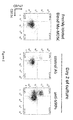
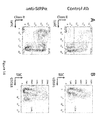
- Figure 1 now shows that mouse Mo-MDSC and PMN-MDSC also express SIRPa at their surface at similar level to mature myeloid cells (CD11b + Class II + ).
- SIRPa is expressed only on Mo-MDSC, at similar levels to mature myeloids cells (CD11b + HLA-DR + ), whereas PMN-MDSC do not express SIRPa.
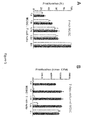
- SIRPa controls the differentiation of Mo-MDSC into non-suppressive cells with a NK-like phenotype.
- anti-SIRPa monoclonal antibodies induced the differentiation of Mo-MDSC into non-suppressive effector NK-like lymphoid cells.
- Anti-SIRPa monoclonal antibodies break MDSC-dependent immune tolerance in vivo
- kidney allograft tolerance induced by anti-CD28 monoclonal treatment in rat is maintained by the accumulation of Mo-MDSC (Dilek et al., 2012; Dugast et al., 2008).
- anti-SIRPa monoclonal antibody could break MDSC-sustained immunodepression, independently of its effect on tumor elimination by improving macrophages phagocytosis.
- tolerant kidney allograft recipient with anti-SIRPa monoclonal antibody or irrelevant control antibody.
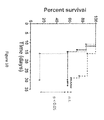
- tolerant recipients rejected their allograft within two to three months after anti-SIRPa treatment, while graft function remained stable with control antibody ( Figure 6 ).
- peripheral MDSC accumulation in this model is associated with an accumulation of graft regulatory T cells (Dilek et al., 2012).
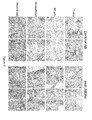
- anti-SIRPa antibody treatment also indirectly modulates regulatory T cells, since these cells were barely detectable in the graft of anti-SIRPa treated recipient ( Figure 9 ).
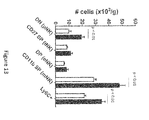
- myeloid (CD11b/c) cells infiltration remains similar between groups, mature myeloid cells, such as macrophages, were more abundant in the graft of anti-SIRPa treated recipients.
- NK (CD161 + ) cells were barely detectable in the graft of tolerated recipients, we observed a significant graft infiltration in anti-SIRPa treated recipient, confirming in vitro studies and peripheral observation in vivo that anti-SIRPa antibody modulate both MDSC and NK cells.
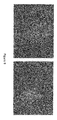
- Anti-SIRPa monoclonal antibody treatment modulated tumor-infiltrating MDSC and NK cells and prevented mortality in cancer models
- hepatocellular carcinoma mouse model (Hepa1.6) is an aggressive cancer model inducing dead within two weeks after tumor cell line inoculation in the liver.
- approved chemotherapeutic standard of care e.g. Sorafenib
- rescued an average of 60% of mice ( Figure 10 ).
- anti-SIRPa monoclonal antibody treatment in monotherapy significantly protected mice with an efficacy similar to Sorafenib.
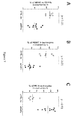
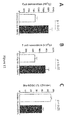
- CD27 + CD11b - phenotype correspond to immature NK cells incapable of cytotoxicity and producing low level of cytokines, the CD11b + CD27 + phenotype to effector NK cells producing cytokines but poorly cytotoxic, and the CD11b + CD27 - phenotype to mature and highly cytotoxic NK cells (Desbois et al., 2012).
- leukocytes extracted from the tumor of mice treated during two weeks with anti-SIRPa monoclonal antibody also showed intratumoral decrease of MDSC and accumulation of NK (CD161 + ) cells ( Figure 14 ).
- SIRPa signal regulatory protein alpha
- CpG oligodeoxynucleotide induces bone marrow precursor cells into myeloid-derived suppressor cells.
- Mol Med Rep 8, 1149-1154 .
- Antibody therapy targeting the CD47 protein is effective in a model of aggressive metastatic leiomyosarcoma. Proc. Natl. Acad. Sci. U.S.A. 109, 6656-6661 .
- Elevated myeloid-derived suppressor cells in pancreatic, esophageal and gastric cancer are an independent prognostic factor and are associated with significant elevation of the Th2 cytokine interleukin-13. Cancer Immunol. Immunother. 60, 1419-1430 .
- Kitano S., Postow, M.A., Ziegler, C.G.K., Kuk, D., Panageas, K.S., Cortez, C., Rasalan, T., Adamow, M., Yuan, J., Wong, P., et al. (2014). Computational algorithm-driven evaluation of monocytic myeloid-derived suppressor cell frequency for prediction of clinical outcomes. Cancer Immunol Res 2, 812-821 .
- CD47 is an adverse prognostic factor and therapeutic antibody target on human acute myeloid leukemia stem cells.
- Venet F., Tissot, S., Debard, A.-L., Faudot, C., Cramcher, C., Pachot, A., Ayala, A., and Monneret, G. (2007). Decreased monocyte human leukocyte antigen-DR expression after severe burn injury: Correlation with severity and secondary septic shock. Crit. Care Med. 35, 1910-1917 .
- the CD47-signal regulatory protein alpha (SIRPa) interaction is a therapeutic target for human solid tumors. Proc. Natl. Acad. Sci. U.S.A. 109, 6662-6667 .
Landscapes
- Health & Medical Sciences (AREA)
- Chemical & Material Sciences (AREA)
- Life Sciences & Earth Sciences (AREA)
- Immunology (AREA)
- Medicinal Chemistry (AREA)
- General Health & Medical Sciences (AREA)
- Organic Chemistry (AREA)
- Engineering & Computer Science (AREA)
- Public Health (AREA)
- Pharmacology & Pharmacy (AREA)
- Animal Behavior & Ethology (AREA)
- Veterinary Medicine (AREA)
- Molecular Biology (AREA)
- Bioinformatics & Cheminformatics (AREA)
- General Chemical & Material Sciences (AREA)
- Nuclear Medicine, Radiotherapy & Molecular Imaging (AREA)
- Chemical Kinetics & Catalysis (AREA)
- Biomedical Technology (AREA)
- Biochemistry (AREA)
- Urology & Nephrology (AREA)
- Hematology (AREA)
- Genetics & Genomics (AREA)
- Proteomics, Peptides & Aminoacids (AREA)
- Biophysics (AREA)
- Microbiology (AREA)
- Oncology (AREA)
- Epidemiology (AREA)
- Analytical Chemistry (AREA)
- Toxicology (AREA)
- Tropical Medicine & Parasitology (AREA)
- Biotechnology (AREA)
- Cell Biology (AREA)
- Pathology (AREA)
- General Physics & Mathematics (AREA)
- Food Science & Technology (AREA)
- Physics & Mathematics (AREA)
- Mycology (AREA)
- Pain & Pain Management (AREA)
- Transplantation (AREA)
- Rheumatology (AREA)
Priority Applications (20)
| Application Number | Priority Date | Filing Date | Title |
|---|---|---|---|
| EP14190370.8A EP3012271A1 (en) | 2014-10-24 | 2014-10-24 | Method and compositions for inducing differentiation of myeloid derived suppressor cell to treat cancer and infectious diseases |
| DK15794641.9T DK3209691T3 (da) | 2014-10-24 | 2015-10-21 | Sammensætninger til inducering af differentiering af myeloid-afledt suppresorcelle til behandling af cancer og infektiøse sygdomme |
| HK18102829.3A HK1243428B (en) | 2014-10-24 | 2015-10-21 | Compositions for inducing differentiation of myeloid derived suppressor cell to treat cancer and infectious diseases |
| PCT/IB2015/058124 WO2016063233A1 (en) | 2014-10-24 | 2015-10-21 | Method and compositions for inducing differentiation of myeloid derived suppressor cell to treat cancer and infectious diseases |
| ES15794641T ES2817074T3 (es) | 2014-10-24 | 2015-10-21 | Composiciones para inducir la diferenciación de células supresoras derivadas mieloides para tratar el cáncer y las enfermedades infecciosas |
| PL20177260.5T PL3783027T3 (pl) | 2014-10-24 | 2015-10-21 | Sposób i kompozycje do indukowania różnicowania komórek supresorowych pochodzących ze szpiku do leczenia nowotworu złośliwego |
| PL15794641T PL3209691T3 (pl) | 2014-10-24 | 2015-10-21 | Kompozycje do indukowania różnicowania komórek supresorowych pochodzących ze szpiku do leczenia chorób nowotworowych i zakaźnych |
| DK20177260.5T DK3783027T3 (da) | 2014-10-24 | 2015-10-21 | Fremgangsmåde og sammensætninger til at inducere differentiering af myeloid-afledte suppressorceller til behandling af kræft |
| EP20177260.5A EP3783027B1 (en) | 2014-10-24 | 2015-10-21 | Method and compositions for inducing differentiation of myeloid derived suppressor cell to treat cancer |
| HUE15794641A HUE050318T2 (hu) | 2014-10-24 | 2015-10-21 | Daganatos és fertõzõ betegségek kezelése céljából a mieloidokból nyert szupresszorsejtek megkülönböztetését kiváltó készítmények |
| CA2964203A CA2964203C (en) | 2014-10-24 | 2015-10-21 | Method and compositions for inducing differentiation of myeloid derived suppressor cell to treat cancer and infectious diseases |
| EP15794641.9A EP3209691B1 (en) | 2014-10-24 | 2015-10-21 | Compositions for inducing differentiation of myeloid derived suppressor cell to treat cancer and infectious diseases |
| EP25219878.3A EP4691569A3 (en) | 2014-10-24 | 2015-10-21 | Method and compositions for inducing differentiation of myeloid derived suppressor cell to treat cancer and infectious diseases |
| JP2017520986A JP6918279B2 (ja) | 2014-10-24 | 2015-10-21 | 癌および感染症の治療のために骨髄由来抑制細胞分化を誘導する方法および組成物 |
| US15/518,803 US20170247464A1 (en) | 2014-10-24 | 2015-10-21 | Method and Compositions for Inducing Differentiation of Myeloid Derived Suppressor Cell to Treat Cancer and Infectious Diseases |
| ES20177260T ES3060595T3 (en) | 2014-10-24 | 2015-10-21 | Method and compositions for inducing differentiation of myeloid derived suppressor cell to treat cancer |
| JP2021102148A JP7253008B2 (ja) | 2014-10-24 | 2021-06-21 | 癌および感染症の治療のために骨髄由来抑制細胞分化を誘導する方法および組成物 |
| US17/749,856 US20220281993A1 (en) | 2014-10-24 | 2022-05-20 | Method and Compositions for Inducing Differentiation of Myeloid Derived Suppressor Cell to Treat Cancer and Infectious Diseases |
| JP2023047480A JP2023078398A (ja) | 2014-10-24 | 2023-03-24 | 癌および感染症の治療のために骨髄由来抑制細胞分化を誘導する方法および組成物 |
| US18/645,607 US20240294659A1 (en) | 2014-10-24 | 2024-04-25 | Method and Compositions for Inducing Differentiation of Myeloid Derived Suppressor Cell to Treat Cancer and Infectious Diseases |
Applications Claiming Priority (1)
| Application Number | Priority Date | Filing Date | Title |
|---|---|---|---|
| EP14190370.8A EP3012271A1 (en) | 2014-10-24 | 2014-10-24 | Method and compositions for inducing differentiation of myeloid derived suppressor cell to treat cancer and infectious diseases |
Publications (1)
| Publication Number | Publication Date |
|---|---|
| EP3012271A1 true EP3012271A1 (en) | 2016-04-27 |
Family
ID=51868772
Family Applications (4)
| Application Number | Title | Priority Date | Filing Date |
|---|---|---|---|
| EP14190370.8A Withdrawn EP3012271A1 (en) | 2014-10-24 | 2014-10-24 | Method and compositions for inducing differentiation of myeloid derived suppressor cell to treat cancer and infectious diseases |
| EP15794641.9A Revoked EP3209691B1 (en) | 2014-10-24 | 2015-10-21 | Compositions for inducing differentiation of myeloid derived suppressor cell to treat cancer and infectious diseases |
| EP25219878.3A Pending EP4691569A3 (en) | 2014-10-24 | 2015-10-21 | Method and compositions for inducing differentiation of myeloid derived suppressor cell to treat cancer and infectious diseases |
| EP20177260.5A Active EP3783027B1 (en) | 2014-10-24 | 2015-10-21 | Method and compositions for inducing differentiation of myeloid derived suppressor cell to treat cancer |
Family Applications After (3)
| Application Number | Title | Priority Date | Filing Date |
|---|---|---|---|
| EP15794641.9A Revoked EP3209691B1 (en) | 2014-10-24 | 2015-10-21 | Compositions for inducing differentiation of myeloid derived suppressor cell to treat cancer and infectious diseases |
| EP25219878.3A Pending EP4691569A3 (en) | 2014-10-24 | 2015-10-21 | Method and compositions for inducing differentiation of myeloid derived suppressor cell to treat cancer and infectious diseases |
| EP20177260.5A Active EP3783027B1 (en) | 2014-10-24 | 2015-10-21 | Method and compositions for inducing differentiation of myeloid derived suppressor cell to treat cancer |
Country Status (9)
| Country | Link |
|---|---|
| US (3) | US20170247464A1 (enExample) |
| EP (4) | EP3012271A1 (enExample) |
| JP (3) | JP6918279B2 (enExample) |
| CA (1) | CA2964203C (enExample) |
| DK (2) | DK3209691T3 (enExample) |
| ES (2) | ES2817074T3 (enExample) |
| HU (1) | HUE050318T2 (enExample) |
| PL (2) | PL3209691T3 (enExample) |
| WO (1) | WO2016063233A1 (enExample) |
Cited By (3)
| Publication number | Priority date | Publication date | Assignee | Title |
|---|---|---|---|---|
| WO2018136659A1 (en) * | 2017-01-18 | 2018-07-26 | Nant Holdings Ip, Llc | Modulation of tumor cell susceptibility |
| EP3365370A1 (en) * | 2015-10-21 | 2018-08-29 | OSE Immunotherapeutics | Methods and compositions for modifying macrophage polarization into pro-inflammatory cells to treat cancer |
| CN116710777A (zh) * | 2020-12-15 | 2023-09-05 | 新加坡科技研究局 | 表征免疫抑制性中性粒细胞的方法 |
Families Citing this family (37)
| Publication number | Priority date | Publication date | Assignee | Title |
|---|---|---|---|---|
| WO2015109391A1 (en) | 2014-01-24 | 2015-07-30 | Children's Hospital Of Eastern Ontario Research Institute Inc. | Smc combination therapy for the treatment of cancer |
| RU2740672C2 (ru) | 2015-08-07 | 2021-01-19 | ЭйЭлЭкс Онколоджи Инк. | Конструкции, имеющие sirp-альфа домен или его вариант |
| ES2894335T5 (es) | 2015-08-26 | 2024-06-27 | Univ Leland Stanford Junior | Reducción mejorada de células objetivo con bloqueo de CD47 y un agonista coestimulador inmune |
| PH12018550160B1 (en) | 2016-04-14 | 2024-07-03 | Ose Immunotherapeutics | NEW ANTI-SIRPa ANTIBODIES AND THEIR THERAPEUTIC APPLICATIONS |
| KR102379464B1 (ko) | 2016-06-20 | 2022-03-29 | 키맵 리미티드 | 항-pd-l1 항체 |
| WO2018008470A1 (ja) * | 2016-07-05 | 2018-01-11 | 国立大学法人神戸大学 | 抗腫瘍剤 |
| JOP20190009A1 (ar) | 2016-09-21 | 2019-01-27 | Alx Oncology Inc | أجسام مضادة ضد بروتين ألفا منظم للإشارات وطرق استخدامها |
| CN110325549B (zh) | 2016-12-09 | 2024-03-08 | 艾利妥 | 抗SIRPα抗体及其使用方法 |
| WO2018118887A1 (en) | 2016-12-22 | 2018-06-28 | Wake Forest University Health Sciences | Sirp-gamma targeted agents for use in the treatment of cancer |
| US11566060B2 (en) | 2017-01-05 | 2023-01-31 | Kahr Medical Ltd. | PD1-CD70 fusion protein and methods of use thereof |
| US11299530B2 (en) | 2017-01-05 | 2022-04-12 | Kahr Medical Ltd. | SIRP alpha-CD70 fusion protein and methods of use thereof |
| DK3565579T3 (da) | 2017-01-05 | 2023-09-04 | Kahr Medical Ltd | Pd1-41bbl-fusionsprotein og fremgangsmåder til anvendelse deraf |
| ES2916217T3 (es) | 2017-01-05 | 2022-06-29 | Kahr Medical Ltd | Una proteína de fusión SIRP1 ALPHA-41BBL y métodos de uso de la misma |
| SG11201908472VA (en) * | 2017-02-15 | 2019-10-30 | Univ California | Compositions and methods for activating nk cells |
| MX2020001309A (es) | 2017-08-02 | 2020-08-20 | Phanes Therapeutics Inc | Anticuerpos anti-cd47 y sus usos. |
| CN111511766B (zh) | 2017-10-13 | 2024-06-07 | Ose免疫疗法 | 修饰的抗SIRPa抗体及其应用 |
| BR112020017709A2 (pt) | 2018-03-13 | 2020-12-29 | Ose Immunotherapeutics | Anticorpo anti-sirpa humana, fragmento de ligação a antígeno do mesmo ou anticorpo modificado do mesmo, composição farmacêutica, uso de um polipeptídeo, métodos para preparar um anticorpo anti-sirpa humana v1, para aumentar a apresentação cruzada de um antígeno e para avaliar a probabilidade de eficácia de um tratamento, método in vitro ou ex vivo para avaliar a probabilidade de eficácia de um tratamento, e, combinação de compostos |
| WO2019183266A1 (en) | 2018-03-21 | 2019-09-26 | ALX Oncology Inc. | Antibodies against signal-regulatory protein alpha and methods of use |
| CR20200566A (es) | 2018-05-25 | 2021-02-19 | Alector Llc | Anticuerpos anti-sirpa y metodos de utilización de los mismos |
| CN119868398A (zh) | 2018-06-14 | 2025-04-25 | 株式会社明治 | 用于促进免疫检查点抑制疗法的组合物 |
| CA3104780A1 (en) | 2018-07-11 | 2020-01-16 | Kahr Medical Ltd. | Sirpalpha-4-1bbl variant fusion protein and methods of use thereof |
| IL280102B1 (en) | 2018-07-11 | 2026-07-01 | Kahr Medical Ltd | Fusion protein containing PD1-4-1BBL and methods of using the same |
| SG11202102851XA (en) | 2018-09-27 | 2021-04-29 | Celgene Corp | SIRPa BINDING PROTEINS AND METHODS OF USE THEREOF |
| US12331320B2 (en) | 2018-10-10 | 2025-06-17 | The Research Foundation For The State University Of New York | Genome edited cancer cell vaccines |
| CN113166267A (zh) * | 2018-10-19 | 2021-07-23 | 俄亥俄州国家创新基金会 | 纳米工程化治疗性隐形细胞 |
| CA3141130A1 (en) | 2019-05-31 | 2020-12-03 | ALX Oncology Inc. | Methods of treating cancer with sirp alpha fc fusion in combination with an immune checkpoint inhibitor |
| EP3980747A1 (en) | 2019-06-07 | 2022-04-13 | ALX Oncology Inc. | Methods and reagents for reducing the interference of drugs that bind cd47 in serological assays |
| WO2021108693A1 (en) | 2019-11-27 | 2021-06-03 | ALX Oncology Inc. | Combination therapies for treating cancer |
| JP2023528341A (ja) | 2020-06-01 | 2023-07-04 | エーエルエックス オンコロジー インコーポレイテッド | 低メチル化剤を含むがんを治療するための併用療法 |
| CN111808800B (zh) * | 2020-07-20 | 2022-08-26 | 中南大学湘雅二医院 | 一种体外诱导免疫抑制性髓系抑制细胞及其制备和应用 |
| WO2022120286A1 (en) | 2020-12-06 | 2022-06-09 | ALX Oncology Inc. | Multimers for reducing the interference of drugs that bind cd47 in serological assays |
| JP2024520902A (ja) | 2021-05-13 | 2024-05-27 | エーエルエックス オンコロジー インコーポレイテッド | がんを治療するための併用療法 |
| US20240368301A1 (en) | 2021-08-17 | 2024-11-07 | Hangzhou Jiuyuan Gene Engineering Co., Ltd | MONOCLONAL ANTIBODY TARGETING SIRPa AND USE THEREOF |
| CA3253030A1 (en) | 2022-06-01 | 2023-12-07 | ALX Oncology Inc. | Polytherapy for the treatment of urothelial carcinoma |
| WO2024105180A1 (en) | 2022-11-16 | 2024-05-23 | Boehringer Ingelheim International Gmbh | Predictive efficacy biomarkers for anti-sirpa antibodies |
| CN115896015B (zh) * | 2023-02-08 | 2023-09-29 | 上海诚益生物科技有限公司 | 一种髓系来源抑制性细胞的体外培养方法 |
| CN117054649A (zh) * | 2023-08-04 | 2023-11-14 | 广州中医药大学第一附属医院 | 一种慢性萎缩性胃炎向胃癌转化标志物及其应用 |
Citations (5)
| Publication number | Priority date | Publication date | Assignee | Title |
|---|---|---|---|---|
| WO2000066159A1 (en) | 1999-04-28 | 2000-11-09 | Faculteit Der Geneeskunde Van De Vrije Universiteit | Method for inhibiting cell functioning for use in anti-inflammatory and anti-tumour therapies |
| WO2010130053A1 (en) | 2009-05-15 | 2010-11-18 | University Health Network | COMPOSITIONS AND METHODS FOR TREATING HEMATOLOGIC CANCERS TARGETING THE SIRPα - CD47 INTERACTION |
| WO2012149416A2 (en) * | 2011-04-28 | 2012-11-01 | University Of Southern California | Human myeloid derived suppressor cell cancer markers |
| WO2013056352A1 (en) * | 2011-10-19 | 2013-04-25 | University Health Network | Antibodies and antibody fragments targeting sirp-alpha and their use in treating hematologic cancers |
| WO2013109752A1 (en) | 2012-01-17 | 2013-07-25 | The Board Of Trustees Of The Leland Stanford Junior University | High affinity sirp-alpha reagents |
Family Cites Families (7)
| Publication number | Priority date | Publication date | Assignee | Title |
|---|---|---|---|---|
| JP3936673B2 (ja) | 2003-06-02 | 2007-06-27 | 国立大学法人群馬大学 | Cd47部分ペプチドと抗shps−1モノクロナール抗体 |
| MX2010003642A (es) * | 2007-10-12 | 2010-08-09 | Massachusetts Inst Technology | Nanotecnologia de vacuna. |
| PT3056515T (pt) * | 2008-01-15 | 2019-07-19 | Univ Leland Stanford Junior | Métodos para manipulação da fagocitose mediada por cd47 |
| EP2111869A1 (en) | 2008-04-23 | 2009-10-28 | Stichting Sanquin Bloedvoorziening | Compositions and methods to enhance the immune system |
| GB201015765D0 (en) * | 2010-09-21 | 2010-10-27 | Immatics Biotechnologies Gmbh | Use of myeloid cell biomarkers for the diagnosis of cancer |
| SG10201706383XA (en) * | 2013-02-06 | 2017-09-28 | Inhibrx Lp | Non-platelet depleting and non-red blood cell depleting cd47 antibodies and methods of use thereof |
| WO2015138600A2 (en) | 2014-03-11 | 2015-09-17 | The Board Of Trustees Of The Leland Stanford Junior University | Anti sirp-alpha antibodies and bi-specific macrophage enhancing antibodies |
-
2014
- 2014-10-24 EP EP14190370.8A patent/EP3012271A1/en not_active Withdrawn
-
2015
- 2015-10-21 ES ES15794641T patent/ES2817074T3/es active Active
- 2015-10-21 ES ES20177260T patent/ES3060595T3/es active Active
- 2015-10-21 US US15/518,803 patent/US20170247464A1/en not_active Abandoned
- 2015-10-21 WO PCT/IB2015/058124 patent/WO2016063233A1/en not_active Ceased
- 2015-10-21 PL PL15794641T patent/PL3209691T3/pl unknown
- 2015-10-21 HU HUE15794641A patent/HUE050318T2/hu unknown
- 2015-10-21 CA CA2964203A patent/CA2964203C/en active Active
- 2015-10-21 DK DK15794641.9T patent/DK3209691T3/da active
- 2015-10-21 EP EP15794641.9A patent/EP3209691B1/en not_active Revoked
- 2015-10-21 JP JP2017520986A patent/JP6918279B2/ja active Active
- 2015-10-21 DK DK20177260.5T patent/DK3783027T3/da active
- 2015-10-21 EP EP25219878.3A patent/EP4691569A3/en active Pending
- 2015-10-21 PL PL20177260.5T patent/PL3783027T3/pl unknown
- 2015-10-21 EP EP20177260.5A patent/EP3783027B1/en active Active
-
2021
- 2021-06-21 JP JP2021102148A patent/JP7253008B2/ja active Active
-
2022
- 2022-05-20 US US17/749,856 patent/US20220281993A1/en not_active Abandoned
-
2023
- 2023-03-24 JP JP2023047480A patent/JP2023078398A/ja active Pending
-
2024
- 2024-04-25 US US18/645,607 patent/US20240294659A1/en active Pending
Patent Citations (5)
| Publication number | Priority date | Publication date | Assignee | Title |
|---|---|---|---|---|
| WO2000066159A1 (en) | 1999-04-28 | 2000-11-09 | Faculteit Der Geneeskunde Van De Vrije Universiteit | Method for inhibiting cell functioning for use in anti-inflammatory and anti-tumour therapies |
| WO2010130053A1 (en) | 2009-05-15 | 2010-11-18 | University Health Network | COMPOSITIONS AND METHODS FOR TREATING HEMATOLOGIC CANCERS TARGETING THE SIRPα - CD47 INTERACTION |
| WO2012149416A2 (en) * | 2011-04-28 | 2012-11-01 | University Of Southern California | Human myeloid derived suppressor cell cancer markers |
| WO2013056352A1 (en) * | 2011-10-19 | 2013-04-25 | University Health Network | Antibodies and antibody fragments targeting sirp-alpha and their use in treating hematologic cancers |
| WO2013109752A1 (en) | 2012-01-17 | 2013-07-25 | The Board Of Trustees Of The Leland Stanford Junior University | High affinity sirp-alpha reagents |
Non-Patent Citations (76)
| Title |
|---|
| ADAMS S; VAN DER LAAN LJ; VERNON-WILSON E; RENARDEL DE LAVALETTE C; DOPP EA ET AL.: "Signalregulatory protein is selectively expressed by myeloid and neuronal cells", J. IMMUNOL., vol. 161, 1998, pages 1853 - 59, XP002117547 |
| APETOH, L.; VÉGRAN, F.; LADOIRE, S.; GHIRINGHELLI, F.: "Restoration of antitumor immunity through selective inhibition of myeloid derived suppressor cells by anticancer therapies", CURR. MOL. MED., vol. 11, 2011, pages 365 - 372 |
| BANIYASH, M.; SADE-FELDMAN, M.; KANTERMAN, J.: "Chronic inflammation and cancer: suppressing the suppressors", CANCER IMMUNOL. IMMUNOTHER., vol. 63, 2014, pages 11 - 20 |
| BARCLAY ET AL., ANNU. REV. IMMUNOL., 2014 |
| BARCLAY, A.N.; VAN DEN BERG, T.K.: "The interaction between signal regulatory protein alpha (SIRPa) and CD47: structure, function, and therapeutic target", ANNU. REV. IMMUNOL., vol. 32, 2014, pages 25 - 50 |
| BRUCHARD ET AL., NAT. MED., 2013 |
| CAI, W.; QIN, A.; GUO, P.; YAN, D.; HU, F.; YANG, Q.; XU, M.; FU, Y.; ZHOU, J.; TANG, X.: "Clinical significance and functional studies of myeloid-derived suppressor cells in chronic hepatitis C patients", J. CLIN. IMMUNOL., vol. 33, 2013, pages 798 - 808 |
| CHAO M P ET AL: "Response: Mechanisms of targeting CD47-SIRP[alpha] in hematologic malignancies", BLOOD, AMERICAN SOCIETY OF HEMATOLOGY, US, vol. 119, no. 18, 3 May 2012 (2012-05-03), pages 4334 - 4335, XP009160297, ISSN: 0006-4971, DOI: 10.1182/BLOOD-2012-02-411249 * |
| CHAO, M.P.; TANG, C.; PACHYNSKI, R.K.; CHIN, R.; MAJETI, R.; WEISSMAN, LL.: "Extranodal dissemination of non-Hodgkin lymphoma requires CD47 and is inhibited by anti-CD47 antibody therapy", BLOOD, vol. 118, 2011, pages 4890 - 4901, XP055029987, DOI: doi:10.1182/blood-2011-02-338020 |
| CHEN, J.; DENG, C.; SHI, Q.; JIANG, J.; ZHANG, Y.; SHAN, W.; SUN, W.: "CpG oligodeoxynucleotide induces bone marrow precursor cells into myeloid-derived suppressor cells", MOL MED REP, vol. 8, 2013, pages 1149 - 1154 |
| CHERON, A.; FLOCCARD, B.; ALLAOUCHICHE, B.; GUIGNANT, C.; POITEVIN, F.; MALCUS, C.; CROZON, J.; FAURE, A.; GUILLAUME, C.; MARCOTTE: "Lack of recovery in monocyte human leukocyte antigen-DR expression is independently associated with the development of sepsis after major trauma", CRIT CARE, vol. 14, 2010, pages R208, XP021091684, DOI: doi:10.1186/cc9331 |
| CRIPPS, J.G.; GORHAM, J.D.: "MDSC in autoimmunity", INT. IMMUNOPHARMACOL., vol. 11, 2011, pages 789 - 793, XP028375245, DOI: doi:10.1016/j.intimp.2011.01.026 |
| CUENCA, A.G.; DELANO, M.J.; KELLY-SCUMPIA, K.M.; MORENO, C.; SCUMPIA, P.O.; LAFACE, D.M.; HEYWORTH, P.G.; EFRON, P.A.; MOLDAWER, L: "A paradoxical role for myeloid-derived suppressor cells in sepsis and trauma", MOL. MED., vol. 17, 2011, pages 281 - 292 |
| DIAZ-MONTERO, C.M.; FINKE, J.; MONTERO, A.J.: "Myeloid-derived suppressor cells in cancer: therapeutic, predictive, and prognostic implications", SEMIN. ONCOL., vol. 41, 2014, pages 174 - 184, XP008178505, DOI: doi:10.1053/j.seminoncol.2014.02.003 |
| DIAZ-MONTERO, C.M.; SALEM, M.L.; NISHIMURA, M.I.; GARRETT-MAYER, E.; COLE, D.J.; MONTERO, A.J.: "Increased circulating myeloid-derived suppressor cells correlate with clinical cancer stage, metastatic tumor burden, and doxorubicin-cyclophosphamide chemotherapy", CANCER IMMUNOL. IMMUNOTHER., vol. 58, 2009, pages 49 - 59, XP002588068, DOI: doi:10.1007/s00262-008-0523-4 |
| DILEK, N.; VAN ROMPAEY, N.; LE MOINE, A.; VANHOVE, B.: "Myeloid-derived suppressor cells in transplantation", CURR OPIN ORGAN TRANSPLANT, vol. 15, 2010, pages 765 - 768 |
| DUGAST, A.-S.; HAUDEBOURG, T.; COULON, F.; HESLAN, M.; HASPOT, F.; POIRIER, N.; VUILLEFROY DE SILLY, R.; USAL, C.; SMIT, H.; MARTI: "Myeloid-derived suppressor cells accumulate in kidney allograft tolerance and specifically suppress effector T cell expansion", J. IMMUNOL, vol. 180, 2008, pages 7898 - 7906, XP055166306, DOI: doi:10.4049/jimmunol.180.12.7898 |
| EDRIS, B.; WEISKOPF, K.; VOLKMER, A.K.; VOLKMER, J.-P.; WILLINGHAM, S.B.; CONTRERAS-TRUJILLO, H.; LIU, J.; MAJETI, R.; WEST, R.B.;: "Antibody therapy targeting the CD47 protein is effective in a model of aggressive metastatic leiomyosarcoma", PROC. NATL. ACAD. SCI. U.S.A., vol. 109, 2012, pages 6656 - 6661, XP055029984, DOI: doi:10.1073/pnas.1121629109 |
| GABITASS, R.F.; ANNELS, N.E.; STOCKEN, D.D.; PANDHA, H.A.; MIDDLETON, G.W.: "Elevated myeloid-derived suppressor cells in pancreatic, esophageal and gastric cancer are an independent prognostic factor and are associated with significant elevation of the Th2 cytokine interleukin-13", CANCER IMMUNOL. IMMUNOTHER., vol. 60, 2011, pages 1419 - 1430, XP019954939, DOI: doi:10.1007/s00262-011-1028-0 |
| GABRILOVICH, D.I.; BRONTE, V.; CHEN, S.-H.; COLOMBO, M.P.; OCHOA, A.; OSTRAND-ROSENBERG, S.; SCHREIBER, H.: "The terminology issue for myeloid-derived suppressor cells", CANCER RES., vol. 67, 2007, pages 425 - 426, XP002553176, DOI: doi:10.1158/0008-5472.CAN-06-3037 |
| GABRILOVICH, D.I.; OSTRAND-ROSENBERG, S.; BRONTE, V.: "Coordinated regulation of myeloid cells by tumours", NAT. REV. IMMUNOL., vol. 12, 2012, pages 253 - 268 |
| GABRILOVICH, D.I.; VELDERS, M.P.; SOTOMAYOR, E.M.; KAST, W.M.: "Mechanism of immune dysfunction in cancer mediated by immature Gr-1+ myeloid cells", J. IMMUNOL., vol. 166, 2001, pages 5398 - 5406 |
| GABRILOVICH, D.I; NAGARAJ, S.: "Myeloid-derived suppressor cells as regulators of the immune system", NAT. REV. IMMUNOL., vol. 9, 2009, pages 162 - 174, XP002588070, DOI: doi:10.1038/nri2506 |
| GARG, A.; SPECTOR, S.A.: "HIV type 1 gp120-induced expansion of myeloid derived suppressor cells is dependent on interleukin 6 and suppresses immunity", J. INFECT. DIS., vol. 209, 2014, pages 441 - 451 |
| GOH, C.; NARAYANAN, S.; HAHN, Y.S.: "Myeloid-derived suppressor cells: the dark knight or the joker in viral infections?", IMMUNOL. REV., vol. 255, 2013, pages 210 - 221 |
| HEITHOFF, D.M.; ENIOUTINA, E.Y.; BAREYAN, D.; DAYNES, R.A.; MAHAN, M.J.: "Conditions that diminish myeloid-derived suppressor cell activities stimulate cross-protective immunity", INFECT. IMMUN., vol. 76, 2008, pages 5191 - 5199 |
| HIGHFILL, S.L.; CUI, Y.; GILES, A.J.; SMITH, J.P.; ZHANG, H.; MORSE, E.; KAPLAN, R.N.; MACKALL, C.L.: "Disruption of CXCR2-mediated MDSC tumor trafficking enhances anti-PD1 efficacy", SCI TRANSL MED, vol. 6, 2014, pages 237RA67 |
| HU, X.; BARDHAN, K.; PASCHALL, A.V.; YANG, D.; WALLER, J.L.; PARK, M.A.; NAYAK-KAPOOR, A.; SAMUEL, T.A.; ABRAMS, S.I.; LIU, K.: "Deregulation of Apoptotic Factors Bcl-xL and Bax Confers Apoptotic Resistance to Myeloid-derived Suppressor Cells and Contributes to Their Persistence in Cancer", J. BIOL. CHEM., vol. 288, 2013, pages 19103 - 19115 |
| HUANG, A.; ZHANG, B.; WANG, B.; ZHANG, F.; FAN, K.-X.; GUO, Y.-J.: "Increased CD14(+)HLA-DR (-/low) myeloid-derived suppressor cells correlate with extrathoracic metastasis and poor response to chemotherapy in non-small cell lung cancer patients", CANCER IMMUNOL. IMMUNOTHER., vol. 62, 2013, pages 1439 - 1451, XP055238898, DOI: doi:10.1007/s00262-013-1450-6 |
| IDORN, M.; KOLLGAARD, T.; KONGSTED, P.; SENGELOV, L.; THOR STRATEN, P.: "Correlation between frequencies of blood monocytic myeloid-derived suppressor cells, regulatory T cells and negative prognostic markers in patients with castration-resistant metastatic prostate cancer", CANCER IMMUNOL. IMMUNOTHER., 2014 |
| JAMES, B.R.; ANDERSON, K.G.; BRINCKS, E.L.; KUCABA, T.A.; NORIAN, L.A.; MASOPUST, D.; GRIFFITH, T.S.: "CpG-mediated modulation of MDSC contributes to the efficacy of Ad5-TRAIL therapy against renal cell carcinoma", CANCER IMMUNOL. IMMUNOTHER., 2014 |
| JANOLS, H.; BERGENFELZ, C.; ALLAOUI, R.; LARSSON, A.-M.; RYDEN, L.; BJOMSSON, S.; JANCIAUSKIENE, S.; WULLT, M.; BREDBERG, A.; LEAN: "A high frequency of MDSCs in sepsis patients, with the granulocytic subtype dominating in gram-positive cases", J. LEUKOC. BIOL., 2014 |
| JANSSEN WJ; MCPHILLIPS KA; DICKINSONMG; LINDERMAN DJ; MORIMOTO K ET AL.: "Surfactant proteins A andDsuppress alveolar macrophage phagocytosis via interaction with SIRPa", AM. J. RESPIR. CRIT. CARE MED., vol. 178, 2008, pages 158 - 67 |
| JORDI C OCHANDO ET AL: "Myeloid-derived suppressor cells in transplantation and cancer", IMMUNOLOGIC RESEARCH, HUMANA PRESS INC, NEW YORK, vol. 54, no. 1 - 3, 26 April 2012 (2012-04-26), pages 275 - 285, XP035126289, ISSN: 1559-0755, DOI: 10.1007/S12026-012-8335-1 * |
| KALATHIL, S.; LUGADE, A.A.; MILLER, A.; IYER, R.; THANAVALA, Y.: "Higher frequencies of GARP(+)CTLA-4(+)Foxp3(+) T regulatory cells and myeloid-derived suppressor cells in hepatocellular carcinoma patients are associated with impaired T-cell functionality", CANCER RES., vol. 73, 2013, pages 2435 - 2444 |
| KESKINOV, A.A.; SHURIN, M.R.: "Myeloid regulatory cells in tumor spreading and metastasis", IMMUNOBIOLOGY, 2014 |
| KHALED, Y.S.; AMMORI, B.J.; ELKORD, E.: "Myeloid-derived suppressor cells in cancer: recent progress and prospects", IMMUNOL. CELL BIOL., vol. 91, 2013, pages 493 - 502 |
| KITANO, S.; POSTOW, M.A.; ZIEGLER, C.G.K.; KUK, D.; PANAGEAS, K.S.; CORTEZ, C.; RASALAN, T.; ADAMOW, M.; YUAN, J.; WONG, P. ET AL.: "Computational algorithm- driven evaluation of monocytic myeloid-derived suppressor cell frequency for prediction of clinical outcomes", CANCER IMMUNOL RES, vol. 2, 2014, pages 812 - 821, XP055238733, DOI: doi:10.1158/2326-6066.CIR-14-0013 |
| KURKO, J.; VIDA, A.; GIANT, T.T.; SCANZELLO, C.R.; KATZ, R.S.; NAIR, A.; MIKECZ, K.; SZEKANECZ, Z.: "Identification of myeloid-derived suppressor cells in the synovial fluid of patients with rheumatoid arthritis: a pilot study", BMC MUSCULOSKELET DISORD, vol. 15, 2014, pages 281, XP021195803, DOI: doi:10.1186/1471-2474-15-281 |
| KURMAEVA, E.; BHATTACHARYA, D.; GOODMAN, W.; OMENETTI, S.; MERENDINO, A.; BERNEY, S.; PIZARRO, T.; OSTANIN, D.V.: "Immunosuppressive monocytes: possible homeostatic mechanism to restrain chronic intestinal inflammation", J. LEUKOC. BIOL., vol. 96, 2014, pages 377 - 389 |
| MAJETI, R.; CHAO, M.P.; ALIZADEH, A.A.; PANG, W.W.; JAISWAL, S.; GIBBS, K.D., JR; VAN ROOIJEN, N.; WEISSMAN, LL: "CD47 is an adverse prognostic factor and therapeutic antibody target on human acute myeloid leukemia stem cells", CELL, vol. 138, 2009, pages 286 - 299, XP055277135, DOI: doi:10.1016/j.cell.2009.05.045 |
| MAKARENKOVA, V.P.; BANSAL, V.; MATTA, B.M.; PEREZ, L.A.; OCHOA, J.B.: "CDl lb+/Gr-I+ myeloid suppressor cells cause T cell dysfunction after traumatic stress", J. IMMUNOL., vol. 176, 2006, pages 2085 - 2094, XP002471220 |
| MAO, Y.; SARHAN, D.; STEVEN, A.; SELIGER, B.; KIESSLING, R.; LUNDQVIST, A.: "Inhibition of tumor-derived prostaglandin-e2 blocks the induction of myeloid-derived suppressor cells and recovers natural killer cell activity", CLIN. CANCER RES., vol. 20, 2014, pages 4096 - 4106 |
| MILLING S; YRLID U; CEROVIC V; MACPHERSON G.: "Subsets of migrating intestinal dendritic cells", IMMUNOL. REV., vol. 234, 2010, pages 259 - 67 |
| MIRZA, N.; FISHMAN, M.; FRICKE, L; DUNN, M.; NEUGER, A.M.; FROST, T.J.; LUSH, R.M.; ANTONIA, S.; GABRILOVICH, D.I.: "All-trans-retinoic acid improves differentiation of myeloid cells and immune response in cancer patients", CANCER RES., vol. 66, 2006, pages 9299 - 9307 |
| NEFEDOVA, Y.; FISHMAN, M.; SHERMAN, S.; WANG, X.; BEG, A.A.; GABRILOVICH, D.I.: "Mechanism of all-trans retinoic acid effect on tumor-associated myeloid-derived suppressor cells", CANCER RES., vol. 67, 2007, pages 11021 - 11028 |
| OCHANDO, J.C.; CHEN, S.H.: "Myeloid-derived suppressor cells in transplantation and cancer", IMMUNOL. RES., vol. 54, 2012, pages 275 - 285, XP035126289, DOI: doi:10.1007/s12026-012-8335-1 |
| OLDENBORG, P.A.; ZHELEZNYAK, A.; FANG, Y.F.; LAGENAUR, C.F.; GRESHAM, H.D.; LINDBERG, F.P.: "Role of CD47 as a marker of self on red blood cells", SCIENCE, vol. 288, 2000, pages 2051 - 2054 |
| OSTRAND-ROSENBERG, S.; SINHA, P.; CHORNOGUZ, 0.; ECKER, C.: "Regulating the suppressors: apoptosis and inflammation govern the survival of tumor-induced myeloid-derived suppressor cells (MDSC", CANCER IMMUNOL. IMMUNOTHER., vol. 61, 2012, pages 1319 - 1325, XP035088696, DOI: doi:10.1007/s00262-012-1269-6 |
| SEIFFERT M; CANT C; CHEN Z; RAPPOLD I; BRUGGER W ET AL.: "Human signal-regulatory protein is expressed on normal, but not on subsets of leukemic myeloid cells and mediates cellular adhesion involving its counterreceptor CD47", BLOOD, vol. 94, 1999, pages 3633 - 43 |
| SERAFINI, P.: "Myeloid derived suppressor cells in physiological and pathological conditions: the good, the bad, and the ugly", IMMUNOL. RES., vol. 57, 2013, pages 172 - 184 |
| SHEN, P.; WANG, A.; HE, M.; WANG, Q.; ZHENG, S.: "Increased circulating Lin(-/low) CD33(+) HLA-DR(-) myeloid-derived suppressor cells in hepatocellular carcinoma patients", HEPATOL. RES., vol. 44, 2014, pages 639 - 650 |
| SMITH, A.R.; REYNOLDS, J.M.: "Editorial: The contribution of myeloid-derived suppression to inflammatory disease", J. LEUKOC. BIOL., vol. 96, 2014, pages 361 - 364 |
| SOLITO, S.; MARIGO, L; PINTON, L.; DAMUZZO, V.; MANDRUZZATO, S.; BRONTE, V.: "Myeloid-derived suppressor cell heterogeneity in human cancers", ANN. N. Y. ACAD. SCI., vol. 1319, 2014, pages 47 - 65 |
| SRIVASTAVA, M.K.; DUBINETT, S.; SHARMA, S.: "Targeting MDSCs enhance therapeutic vaccination responses against lung cancer", ONCOIMMUNOLOGY, vol. 1, 2012, pages 1650 - 1651 |
| SRIVASTAVA, M.K.; ZHU, L.; HARRIS-WHITE, M.; KAR, U.K.; KAR, U.; HUANG, M.; JOHNSON, M.F.; LEE, J.M.; ELASHOFF, D.; STRIETER, R. E: "Myeloid suppressor cell depletion augments antitumor activity in lung cancer", PLOS ONE, vol. 7, 2012, pages E40677 |
| SUI, Y.; HOGG, A.; WANG, Y.; FREY, B.; YU, H.; XIA, Z.; VENZON, D.; MCKIMLON, K.; SMEDLEY, J.; GATHUKA, M. ET AL.: "Vaccine-induced myeloid cell population dampens protective immunity to SIV", J. CLIN. INVEST., vol. 124, 2014, pages 2538 - 2549 |
| SUN, H.-L.; ZHOU, X.; XUE, Y.-F.; WANG, K.; SHEN, Y.-F.; MAO, J.-J.; GUO, H.-F.; MIAO, Z.-N.: "Increased frequency and clinical significance of myeloid-derived suppressor cells in human colorectal carcinoma", WORLD J. GASTROENTEROL., vol. 18, 2012, pages 3303 - 3309, XP055238990, DOI: doi:10.3748/wjg.v18.i25.3303 |
| TALMADGE, J.E.; GABRILOVICH, D.I.: "History of myeloid-derived suppressor cells", NAT. REV. CANCER, vol. 13, 2013, pages 739 - 752 |
| TAYLOR, J.V.; GORDON, L.E.; POLK, H.C.: "Early decrease in surface expression of HLA-DQ predicts the development of infection in trauma patients", CLIN. EXP. IMMUNOL., vol. 122, 2000, pages 308 - 311 |
| TSENG, D.; VOLKMER, J.-P.; WILLINGHAM, S.B.; CONTRERAS-TRUJILLO, H.; FATHMAN, J.W.; FERNHOFF, N.B.; SEITA, J.; INLAY, M.A.; WEISKO: "Anti-CD47 antibody-mediated phagocytosis of cancer by macrophages primes an effective antitumor T-cell response", PROC. NATL. ACAD. SCI. U.S.A., vol. 110, 2013, pages 11103 - 11108, XP055245737, DOI: doi:10.1073/pnas.1305569110 |
| ULUCKAN, O.; BECKER, S.N.; DENG, H.; ZOU, W.; PRIOR, J.L.; PIWNICA-WORMS, D.; FRAZIER, W.A.; WEILBAECHER, K.N.: "CD47 regulates bone mass and tumor metastasis to bone", CANCER RES., vol. 69, 2009, pages 3196 - 3204 |
| VAN GINDERACHTER, J.A.; BESCHIN, A.; DE BAETSELIER, P.; RAES, G.: "Myeloid-derived suppressor cells in parasitic infections", EUR. J. IMMUNOL., vol. 40, 2010, pages 2976 - 2985 |
| VENET, F.; TISSOT, S.; DEBARD, A.-L.; FAUDOT, C.; CRAMP6, C.; PACHOT, A.; AYALA, A.; MONNERET, G.: "Decreased monocyte human leukocyte antigen-DR expression after severe bum injury: Correlation with severity and secondary septic shock", CRIT. CARE MED., vol. 35, 2007, pages 1910 - 1917 |
| VINCENT, J.; MIGNOT, G.; CHALMIN, F.; LADOIRE, S.; BRUCHARD, M.; CHEVRIAUX, A.; MARTIN, F.; APETOH, L.; REBE, C.; GHIRINGHELLI, F.: "5-Fluorouracil selectively kills tumor-associated myeloid-derived suppressor cells resulting in enhanced T cell-dependent antitumor immunity", CANCER RES., vol. 70, 2010, pages 3052 - 3061, XP055080069, DOI: doi:10.1158/0008-5472.CAN-09-3690 |
| VOLLBRECHT, T.; STIRNER, R.; TUFMAN, A.; ROIDER, J.; HUBER, R.M.; BOGNER, J.R.; LECHNER, A.; BOURQUIN, C.; DRAENERT, R.: "Chronic progressive HIV-1 infection is associated with elevated levels of myeloid-derived suppressor cells", AIDS, vol. 26, 2012, pages F31 - 37 |
| WANG, Y.; XU, Z.; GUO, S.; ZHANG, L.; SHARMA, A.; ROBERTSON, G.P.; HUANG, L.: "Intravenous delivery of siRNA targeting CD47 effectively inhibits melanoma tumor growth and lung metastasis", MOL. THER., vol. 21, 2013, pages 1919 - 1929 |
| WEIDE, B.; MARTENS, A.; ZELBA, H.; STUTZ, C.; DERHOVANESSIAN, E.; DI GIACOMO, A.M.; MAIO, M.; SUCKER, A.; SCHILLING, B.; SCHADENDO: "Myeloid-derived suppressor cells predict survival of patients with advanced melanoma: comparison with regulatory T cells and NY-ESO-1- or melan-A-specific T cells", CLIN. CANCER RES., vol. 20, 2014, pages 1601 - 1609, XP055238741, DOI: doi:10.1158/1078-0432.CCR-13-2508 |
| WEISKOPF, K.; RING, A.M.; HO, C.C.M.; VOLKMER, J.-P.; LEVIN, A.M.; VOLKMER, A.K.; OZKAN, E.; FERNHOFF, N.B.; VAN DE RIJN, M.; WEIS: "Engineered SIRPa variants as immunotherapeutic adjuvants to anticancer antibodies", SCIENCE, vol. 341, 2013, pages 88 - 91 |
| WHITFIELD-LARRY, F.; FELTON, J.; BUSE, J.; SU, M.A.: "Myeloid-derived suppressor cells are increased in frequency but not maximally suppressive in peripheral blood of Type 1 Diabetes Mellitus patients", CLIN. IMMUNOL., vol. 153, 2014, pages 156 - 164, XP029006142, DOI: doi:10.1016/j.clim.2014.04.006 |
| WILLINGHAM, S.B.; VOLKMER, J.-P.; GENTLES, A.J.; SAHOO, D.; DALERBA, P.; MITRA, S.S.; WANG, J.; CONTRERAS-TRUJILLO, H.; MARTIN, R.: "The CD47-signal regulatory protein alpha (SIRPa) interaction is a therapeutic target for human solid tumors", PROC. NATL. ACAD. SCI. U.S.A., vol. 109, 2012, pages 6662 - 6667, XP055302774, DOI: doi:10.1073/pnas.1121623109 |
| YE, X.-Z.; YU, S.-C.; BIAN, X.-W.: "Contribution of myeloid-derived suppressor cells to tumor-induced immune suppression, angiogenesis, invasion and metastasis", J GENET GENOMICS, vol. 37, 2010, pages 423 - 430, XP027173434 |
| YOUN, J.-L; KUMAR, V.; COLLAZO, M.; NEFEDOVA, Y.; CONDAMINE, T.; CHENG, P.; VILLAGRA, A.; ANTONIA, S.; MCCAFFREY, J.C.; FISHMAN, M: "Epigenetic silencing of retinoblastoma gene regulates pathologic differentiation of myeloid cells in cancer", NAT. IMMUNOL., vol. 14, 2013, pages 211 - 220 |
| ZHANG, B.; WANG, Z.; WU, L.; ZHANG, M.; LI, W.; DING, J.; ZHU, J.; WEI, H.; ZHAO, K.: "Circulating and tumor-infiltrating myeloid-derived suppressor cells in patients with colorectal carcinoma", PLOS ONE, vol. 8, 2013, pages E57114 |
| ZHAO, X.W.; VAN BEEK, E.M.; SCHORNAGEL, K.; VAN DER MAADEN, H.; VAN HOUDT, M.; OTTEN, M.A.; FINETTI, P.; VAN EGMOND, M.; MATOZAKI,: "CD47-signal regulatory protein-a (SIRPa) interactions form a barrier for antibody-mediated tumor cell destruction", PROC. NATL. ACAD. SCI. U.S.A., vol. 108, 2011, pages 18342 - 18347 |
| ZHU, X.; PRIBIS, J.P.; RODRIGUEZ, P.C.; MORRIS, S.M.; VODOVOTZ, Y.; BILLIAR, T.R.; OCHOA, J.B.: "The central role of arginine catabolism in T-cell dysfunction and increased susceptibility to infection after physical injury", ANN. SURG., vol. 259, 2014, pages 171 - 178 |
Cited By (3)
| Publication number | Priority date | Publication date | Assignee | Title |
|---|---|---|---|---|
| EP3365370A1 (en) * | 2015-10-21 | 2018-08-29 | OSE Immunotherapeutics | Methods and compositions for modifying macrophage polarization into pro-inflammatory cells to treat cancer |
| WO2018136659A1 (en) * | 2017-01-18 | 2018-07-26 | Nant Holdings Ip, Llc | Modulation of tumor cell susceptibility |
| CN116710777A (zh) * | 2020-12-15 | 2023-09-05 | 新加坡科技研究局 | 表征免疫抑制性中性粒细胞的方法 |
Also Published As
| Publication number | Publication date |
|---|---|
| JP2023078398A (ja) | 2023-06-06 |
| EP3783027A1 (en) | 2021-02-24 |
| EP3209691B1 (en) | 2020-07-15 |
| JP2021155432A (ja) | 2021-10-07 |
| DK3209691T3 (da) | 2020-08-24 |
| US20220281993A1 (en) | 2022-09-08 |
| PL3783027T3 (pl) | 2026-04-20 |
| ES3060595T3 (en) | 2026-03-27 |
| HK1243428A1 (en) | 2018-07-13 |
| JP2017538669A (ja) | 2017-12-28 |
| JP7253008B2 (ja) | 2023-04-05 |
| EP3783027B1 (en) | 2025-12-03 |
| EP3209691A1 (en) | 2017-08-30 |
| US20240294659A1 (en) | 2024-09-05 |
| WO2016063233A1 (en) | 2016-04-28 |
| ES2817074T3 (es) | 2021-04-06 |
| CA2964203A1 (en) | 2016-04-28 |
| EP4691569A2 (en) | 2026-02-11 |
| JP6918279B2 (ja) | 2021-08-11 |
| PL3209691T3 (pl) | 2020-11-16 |
| HUE050318T2 (hu) | 2020-11-30 |
| EP4691569A3 (en) | 2026-04-15 |
| US20170247464A1 (en) | 2017-08-31 |
| DK3783027T3 (da) | 2026-02-02 |
| CA2964203C (en) | 2023-08-22 |
Similar Documents
| Publication | Publication Date | Title |
|---|---|---|
| US20240294659A1 (en) | Method and Compositions for Inducing Differentiation of Myeloid Derived Suppressor Cell to Treat Cancer and Infectious Diseases | |
| CN112004824B (zh) | 生产工程化t细胞组合物的过程 | |
| AU2015329444B2 (en) | CAR expression vector and CAR-expressing T cells | |
| EP2893003B1 (en) | Selective and controlled expansion of educated nk cells | |
| Li et al. | Tim3/Gal9 interactions between T cells and monocytes result in an immunosuppressive feedback loop that inhibits Th1 responses in osteosarcoma patients | |
| Venglar et al. | Natural killer cells in the malignant niche of multiple myeloma | |
| US20150374754A1 (en) | Expanded nk cells | |
| JP2023516636A (ja) | 腫瘍反応性t細胞のエクスビボ富化および増大のための方法ならびに関連するその組成物 | |
| Merz et al. | The hexavalent CD40 agonist HERA-CD40L induces T-Cell–mediated antitumor immune response through activation of antigen-presenting cells | |
| US20210161963A1 (en) | Method for gene transfer into gamma-delta type t cell | |
| KR20240111754A (ko) | 키메라 어댑터 폴리펩티드 | |
| HK1243428B (en) | Compositions for inducing differentiation of myeloid derived suppressor cell to treat cancer and infectious diseases | |
| HK40100476A (en) | Methods for expanding t cell populations | |
| JP2026513951A (ja) | 再発性または難治性の急性骨髄性白血病の処置に使用するためのt細胞 | |
| CN120659873A (zh) | 从iPS细胞诱导而成的免疫细胞 | |
| Shenouda | PHENOTYPE AND FUNCTIONALITY OF NATURAL KILLER CELLS EXPANDED FROM BREAST CANCER PATIENTS AND HEALTHY DONORS AGAINST BREAST CANCER CELL LINES | |
| Tsitsopoulou | Delineation of the role of activin-A in T cell-mediated anti-tumor immunity in preclinical models of lung cancer | |
| HK1235426B (en) | Car expression vector and car-expressing t cells | |
| HK1235426A1 (en) | Car expression vector and car-expressing t cells |
Legal Events
| Date | Code | Title | Description |
|---|---|---|---|
| PUAI | Public reference made under article 153(3) epc to a published international application that has entered the european phase |
Free format text: ORIGINAL CODE: 0009012 |
|
| AK | Designated contracting states |
Kind code of ref document: A1 Designated state(s): AL AT BE BG CH CY CZ DE DK EE ES FI FR GB GR HR HU IE IS IT LI LT LU LV MC MK MT NL NO PL PT RO RS SE SI SK SM TR |
|
| AX | Request for extension of the european patent |
Extension state: BA ME |
|
| STAA | Information on the status of an ep patent application or granted ep patent |
Free format text: STATUS: THE APPLICATION HAS BEEN WITHDRAWN |
|
| 18W | Application withdrawn |
Effective date: 20160818 |