EP2989424B1 - Verfahren zur kommunikation zwischen einem sender und einem fahrzeug sowie entsprechende vorrichtung - Google Patents
Verfahren zur kommunikation zwischen einem sender und einem fahrzeug sowie entsprechende vorrichtung Download PDFInfo
- Publication number
- EP2989424B1 EP2989424B1 EP14709916.2A EP14709916A EP2989424B1 EP 2989424 B1 EP2989424 B1 EP 2989424B1 EP 14709916 A EP14709916 A EP 14709916A EP 2989424 B1 EP2989424 B1 EP 2989424B1
- Authority
- EP
- European Patent Office
- Prior art keywords
- vehicle
- information
- text message
- data
- controller
- Prior art date
- Legal status (The legal status is an assumption and is not a legal conclusion. Google has not performed a legal analysis and makes no representation as to the accuracy of the status listed.)
- Active
Links
Images
Classifications
-
- B—PERFORMING OPERATIONS; TRANSPORTING
- B60—VEHICLES IN GENERAL
- B60R—VEHICLES, VEHICLE FITTINGS, OR VEHICLE PARTS, NOT OTHERWISE PROVIDED FOR
- B60R16/00—Electric or fluid circuits specially adapted for vehicles and not otherwise provided for; Arrangement of elements of electric or fluid circuits specially adapted for vehicles and not otherwise provided for
- B60R16/02—Electric or fluid circuits specially adapted for vehicles and not otherwise provided for; Arrangement of elements of electric or fluid circuits specially adapted for vehicles and not otherwise provided for electric constitutive elements
- B60R16/037—Electric or fluid circuits specially adapted for vehicles and not otherwise provided for; Arrangement of elements of electric or fluid circuits specially adapted for vehicles and not otherwise provided for electric constitutive elements for occupant comfort, e.g. for automatic adjustment of appliances according to personal settings, e.g. seats, mirrors, steering wheel
-
- G—PHYSICS
- G01—MEASURING; TESTING
- G01C—MEASURING DISTANCES, LEVELS OR BEARINGS; SURVEYING; NAVIGATION; GYROSCOPIC INSTRUMENTS; PHOTOGRAMMETRY OR VIDEOGRAMMETRY
- G01C21/00—Navigation; Navigational instruments not provided for in groups G01C1/00 - G01C19/00
- G01C21/26—Navigation; Navigational instruments not provided for in groups G01C1/00 - G01C19/00 specially adapted for navigation in a road network
- G01C21/34—Route searching; Route guidance
- G01C21/36—Input/output arrangements for on-board computers
- G01C21/3605—Destination input or retrieval
- G01C21/362—Destination input or retrieval received from an external device or application, e.g. PDA, mobile phone or calendar application
-
- B—PERFORMING OPERATIONS; TRANSPORTING
- B60—VEHICLES IN GENERAL
- B60H—ARRANGEMENTS OF HEATING, COOLING, VENTILATING OR OTHER AIR-TREATING DEVICES SPECIALLY ADAPTED FOR PASSENGER OR GOODS SPACES OF VEHICLES
- B60H1/00—Heating, cooling or ventilating devices
-
- G—PHYSICS
- G01—MEASURING; TESTING
- G01C—MEASURING DISTANCES, LEVELS OR BEARINGS; SURVEYING; NAVIGATION; GYROSCOPIC INSTRUMENTS; PHOTOGRAMMETRY OR VIDEOGRAMMETRY
- G01C21/00—Navigation; Navigational instruments not provided for in groups G01C1/00 - G01C19/00
- G01C21/26—Navigation; Navigational instruments not provided for in groups G01C1/00 - G01C19/00 specially adapted for navigation in a road network
- G01C21/34—Route searching; Route guidance
-
- H—ELECTRICITY
- H04—ELECTRIC COMMUNICATION TECHNIQUE
- H04H—BROADCAST COMMUNICATION
- H04H20/00—Arrangements for broadcast or for distribution combined with broadcast
- H04H20/53—Arrangements specially adapted for specific applications, e.g. for traffic information or for mobile receivers
- H04H20/61—Arrangements specially adapted for specific applications, e.g. for traffic information or for mobile receivers for local area broadcast, e.g. instore broadcast
- H04H20/62—Arrangements specially adapted for specific applications, e.g. for traffic information or for mobile receivers for local area broadcast, e.g. instore broadcast for transportation systems, e.g. in vehicles
-
- H—ELECTRICITY
- H04—ELECTRIC COMMUNICATION TECHNIQUE
- H04W—WIRELESS COMMUNICATION NETWORKS
- H04W4/00—Services specially adapted for wireless communication networks; Facilities therefor
- H04W4/12—Messaging; Mailboxes; Announcements
- H04W4/14—Short messaging services, e.g. short message services [SMS] or unstructured supplementary service data [USSD]
Definitions
- the present invention relates to a method and a device for communicating between a vehicle and a transmitter (e.g. another vehicle).
- the DE 10 2006 051 228 A1 discloses remote assisted navigation.
- address data that can be used for navigation are sent from a remote location to a telecommunications device in the form of an SMS.
- Navigation is started to a destination specified by the address data.
- the U.S. 2004/203696 A1 describes uploading data for a vehicle.
- the vehicle can receive an SMS, perform a process based on the SMS, and send a reply SMS back to a call center.
- the WO 02/29756 A1 discloses sending individual data to a motor vehicle.
- data such as the address of a destination can be transmitted as a short message from a service center to an electronic component of the motor vehicle, for example a navigation system.
- the DE 198 57 771 A1 describes a vehicle allocation method. In this case, based on a request from a terminal to a control center, additional information, for example vehicle data, is transmitted to the terminal.
- the U.S. 2008/036586 A1 describes the transmission of navigation data to a navigation system of a vehicle.
- An SMS is received from a mobile device inside the vehicle and an address contained in the SMS is fed into the navigation system.
- a playlist can be sent as an SMS to a recipient, who then Checks the content of channels to see if one of them matches the selection in the playlist, and then sets the appropriate program.
- the EP 1 128 627 A1 discloses a communication link between a vehicle and a server.
- An SMS is transmitted to the vehicle, which includes an identification of an operation to be carried out. Examples of such an operation to be performed are adjusting an air conditioner of the vehicle and preventing the engine of the vehicle from being started.
- the DE 10 2006 034 413 A1 describes the determination of a common meeting point for two navigation systems.
- a server determines the common meeting point based on the locations of the navigation systems and transmits this to the navigation systems.
- the WO 2012/105889 A1 discloses communication between vehicles in a vehicle platoon to exchange information about each weight, an output, and a destination. In this way, for example, the relative speed between two vehicles in the vehicle platoon can be adjusted.
- Vehicle train information for example to a freight forwarder, can be transmitted via SMS.
- infotainment systems in vehicles offer the possibility of sending vehicle data via social networks, for example. This makes it possible, for example, to send a message like "I'm in Kunststoff and it's 10 °C" without much effort.
- navigation applications for example for the iPhone, with which arrival times can be sent with the help of messages via social networks.
- Vehicle fleet operators or commercial vehicles send vehicle data to a backend, in which this vehicle data is then processed or evaluated.
- the US 2010/0123737 A1 describes the transmission of a location in the form of a URL from one mobile device to another mobile device via email or SMS.
- the US 2012/0225677 A1 discloses synchronization of information between a mobile device and a vehicle.
- the object of the present invention is to improve communication between a transmitter and a vehicle in such a way that information sent by the transmitter to the vehicle can be used further in a simpler way than in the prior art, in particular to reduce operating costs and set-up costs for the vehicle manufacturer.
- this object is achieved by a method for communication according to claim 1, by a method for sending information according to claim 5, by a method for receiving information according to claim 6 and by a device for a vehicle according to claim 7.
- the dependent claims define preferred and advantageous embodiments of the present invention.
- the application can also be executed depending on a positive confirmation, for example from the driver of the vehicle.
- the method for communication according to the invention advantageously enables the information sent by the transmitter to the vehicle (e.g. with the aid of the mobile radio device) in the form of a text message to be automatically further processed by the vehicle.
- the vehicle e.g. with the aid of the mobile radio device
- the information can include location information (e.g. in the form of geo-coordinates), which is automatically stored in a navigation system of the vehicle. According to this specific embodiment, a route for the vehicle is then determined as a function of this location information.
- location information e.g. in the form of geo-coordinates
- This embodiment of the invention makes it possible, for example, for the current location or the destination set in the navigation system of the other vehicle to be transmitted to the vehicle by text message from another vehicle and for the vehicle's navigation system to automatically (possibly after confirmation by the driver) provide a route destined for the vehicle to that location.
- the information includes a station specification of a radio station.
- the corresponding radio station is set automatically after the text message (possibly after confirmation by the driver).
- the further embodiment according to the invention makes it possible for the driver of another vehicle to transmit his currently tuned radio station to the vehicle by text message and for the vehicle's radio system to automatically tune to the same station.
- Vehicle data of the vehicle are recorded and sent as the information.
- Vehicle data is understood to mean setting data and configuration data for setting or configuring an infotainment system, an air conditioning system or a sunroof of the vehicle.
- the method according to the invention for sending can be executed, for example, as application(s) (apps) in a mobile radio device (smartphone), which is coupled to the vehicle or a specific device of the vehicle in terms of communication technology.
- a mobile radio device smarttphone
- the vehicle or a specific device in the vehicle only has to provide the information, while the coding and sending of the information in the form of the text message are carried out by the mobile radio device.
- the coding of the information in the text message can be implemented with the help of a hyperlink.
- the information is encoded in the form of a hyperlink or in a hyperlink, which is embedded at a specific point in the text message.
- the text message can be sent using a standard communication mechanism, which is already part of the mobile radio device for other reasons.
- the implementation of the method according to the invention for sending using hyperlink technology and using a standard communication mechanism has the advantage that established mechanisms are used.
- the information includes vehicle data of another vehicle.
- Vehicle data is understood to mean setting data and configuration data for setting or configuring an infotainment system, an air conditioning system or a sunroof of the other vehicle.
- the method according to the invention for receiving can also be carried out as application(s) (apps) of a mobile radio device which is coupled to the vehicle or a corresponding device of the vehicle in terms of communication technology.
- the vehicle or the corresponding device of the vehicle receives the information from the mobile radio device in order to activate the application of the vehicle depending on the information.
- the text message can be received via mobile radio using a standard communication mechanism which is already installed on the mobile radio device for other reasons.
- decoding the text message may include automatically detecting a hyperlink within the text message and interpreting that hyperlink to thereby extract the information.
- the present invention could also be implemented in the form of a mobile radio device, this mobile radio device being designed to carry out the method according to the invention for sending and/or the method according to the invention for receiving.
- the corresponding method according to the invention would be installed on the mobile radio device in the form of one or more applications (apps).
- a device for a vehicle which includes a controller.
- the controller is designed to receive text messages via a communication device, with the text messages being received in particular via a standard communication mechanism.
- the controller is designed to receive and evaluate information in the form of a text message in machine-readable form using the communication device and to carry out an application of the vehicle depending on the information.
- the device according to the invention can be set up to additionally record information that can be used by humans in the text message and to output it in such a way that the information is received by a human.
- the information includes vehicle data of another vehicle.
- Vehicle data is understood to mean setting data and configuration data for setting or configuring an infotainment system, an air conditioning system or a sunroof of the other vehicle.
- the device according to the invention can also be designed to carry out the method according to the invention. This also applies to all of the embodiments of the device according to the invention mentioned below.
- the controller can be designed to send text messages via the communication device.
- the device according to the invention is able to store the information in the form of the text message in machine-readable form and to send the text message to another vehicle, for example, with the aid of the communication device.
- the device is not only able to receive a corresponding text message and, depending on this, to execute the corresponding application of the vehicle, but is also able to create and send the corresponding text message itself, so that another vehicle, which is also designed with the device according to the invention, upon receipt of the text message, the corresponding application can start automatically.
- the text message including the corresponding coding of the information in the text message can also be generated by the mobile device (by an application running on the mobile device), so that in this case, the controller only transmits the information to the mobile device (compare the inventive method for sending). It is also possible for the mobile radio device to decode or interpret the text message when it receives the text message (by an application running on the mobile radio device) in order in particular to extract the information from the hyperlink. In this case, the controller only receives the information from the mobile radio device (compare the inventive method for receiving).
- the present invention can also be implemented in the form of a system which, in addition to the device according to the invention, includes a mobile radio device.
- the method according to the invention for sending and the method according to the invention for receiving could then run as application(s) on this mobile radio device.
- the controller is set up to bring about a change in the status of the vehicle (in particular a change in a configuration or setting of the vehicle or a device (e.g. air conditioning, engine control, transmission) of the vehicle) depending on the information (through the execution of the application).
- a change in the status of the vehicle in particular a change in a configuration or setting of the vehicle or a device (e.g. air conditioning, engine control, transmission) of the vehicle) depending on the information (through the execution of the application).
- the change in a state of the vehicle can be viewed as a change in any visible or invisible state of the vehicle (e.g. a change in a state that changes the driving behavior of the vehicle).
- Examples of a corresponding state that is changed by running the application are: sport mode of the vehicle on or off, setting the target speed of the vehicle's cruise control, setting the current destination of the navigation system, etc.
- the controller can be set up to record vehicle data from the vehicle and/or data from a trip by the vehicle and to send the information in the form of a text message.
- the controller is also set up to evaluate vehicle data of a further vehicle and/or data relating to a trip of the further vehicle as the information received.
- Vehicle data is understood to mean all data relating to the vehicle, such as setting data and configuration data for configuring or setting the vehicle or a device (infotainment system, air conditioning system, sunroof) of the vehicle.
- the data relating to the journey of the vehicle include, for example, the current location of the vehicle, the destination specified for the navigation system on the route traveled by the vehicle, and places of interest on the route traveled by the vehicle.
- the controller is designed to encode the information in the form of a hyperlink and to embed this hyperlink in the text message.
- the second variant is preferred. Since the information itself is stored directly in the hyperlink in the second variant, the second variant is advantageously not dependent on further external data sources.
- the corresponding application which is registered for the type of hyperlink, can be opened with the help of the hyperlink, e.g. by selecting (clicking) on the hyperlink , to be started.
- the hyperlink and the information encoded therein can then be evaluated by this application.
- the CarControl application analyzes (parses) the URL and causes the vehicle to flash at a frequency of 2 Hz for 10 seconds.
- a standard mechanism of the API (Application Programming Interface or program interface) of the mobile radio device is used in particular.
- a hyperlink in a text message e.g. in an email, SMS, Whatsapp message
- this application is selected when selected or clicked of the hyperlink started by the operating system of the mobile device.
- Storing the information in the form of a hyperlink thus offers the possibility of automatically any application or application of the vehicle (in particular by means of a mobile phone device on which this application runs and which sends corresponding control commands to the vehicle) with any parameter set, which is also in stored in the hyperlink.
- This makes it possible that depending on the Received text message any configuration setting of the vehicle or a device of the vehicle can be made automatically without the human (especially the driver) having to convert the text message in any way, as is the case in the prior art.
- an identification is in particular a unique designation (e.g. an identification number or an identification string), which can be encoded in a hyperlink and under which the information can then be retrieved.
- the device includes an output device to output further information, which can also be contained in the text message, to an occupant of the vehicle, and an input device to record a response from the occupant.
- the controller is designed to offer execution of the application via the output device and only execute the application if the controller has previously recorded a positive confirmation of the offering of the execution via the input device.
- the information transmitted to the vehicle in the form of the text message is first displayed in the form of further information, for example to the driver of the vehicle.
- the driver of the vehicle can now decide whether he wants to run the application corresponding to the information or not. If the driver decides to run the application, the application is started with parameters that are automatically taken from the information. It is therefore advantageously not necessary for the driver to enter one of these parameters manually.
- the mobile radio device it is also possible for the mobile radio device to be used as the output device and input device.
- the further information is extracted from the text message by the mobile radio device and displayed.
- the answer is also recorded and evaluated by the mobile device.
- the mobile radio device is designed to offer the execution of the application and only to execute the application if the mobile radio device has previously recorded a positive confirmation of the execution being offered.
- the mobile radio device on which a corresponding application is running sends corresponding control commands to the controller if the confirmation is positive. Accordingly, these are also variants of the various methods according to the invention.
- a web page can be used to implement an edited display with the aid of the output device in order to display the information contained in the text message to a user.
- This is sort of an alternative to starting an application using the hyperlink.
- the corresponding link would be displayed, for example, in the form of a website, to which the information to be displayed is transmitted using parameters.
- the device includes an infotainment system.
- the controller is designed to store the information in the infotainment system when the application is being carried out.
- This variant makes it possible, for example, for the driver of another vehicle to transmit a radio station or a specific music track as the information to the vehicle.
- the information is automatically stored in the vehicle's infotainment system so that the driver of the vehicle (depending on a yes/no confirmation) can automatically listen to the same radio station or music track as the driver of the other vehicle.
- the present invention extends the principle of sending specific vehicle statuses from one vehicle to another vehicle.
- mobile radio devices coupled to the respective vehicle can be used as a means of realizing communication between the vehicles via various standard message services. Since the sent text message (also) includes machine-readable information, the device according to the invention is able to further process this information automatically (without manual conversion) within the receiving vehicle.
- a wide variety of communication channels and/or communication mechanisms can be used for the present invention. If, according to the invention, the text message is received or sent via a mobile radio device, the present invention can also be used without modification for future communication mechanisms, which are then to be supported by the mobile radio device. In this case, the user can decide which communication mechanism to use to send or receive a text message.
- the present invention is particularly suitable for use in motor vehicles.
- the present invention is not limited to this preferred area of application, since the present invention can also be used in ships, airplanes and rail-bound or track-guided vehicles.
- the present invention is not limited to means of transportation.
- the text message can be sent by any (also stationary) service provider.
- the text messages sent do not have to address exactly one recipient, but can also be sent to a group of recipients via broadcast/multicast if this is permitted by the communication channel used.
- the principle according to the invention can also be used for communication between consumer electronics components in the home.
- a television could be paired with a mobile device.
- another mobile device which is also coupled to a television, can now be informed of the current program using a standard news service, for example.
- the receiving mobile radio device is now able, after a corresponding confirmation, to instruct the television set connected to it to switch to the transmitted program.
- Similar application examples are conceivable for satellite receivers, radios and streaming clients.
- FIG 3 shows schematically a vehicle according to the invention with a device according to the invention.
- This in 1 illustrated vehicle 10 comprises an infotainment system 7, which is coupled to a mobile device 1.
- the mobile radio device 1 is coupled to the infotainment system 7 in terms of communication technology, for example via Bluetooth, WLAN or a cable, so that data can be exchanged between the infotainment system 7 and the mobile radio device 1 .
- the vehicle or a component of the vehicle and the mobile phone could also be coupled via a separate hands-free device in the vehicle or via a communications-related coupling device (e.g. a plug connection) to the mobile phone in an armrest of the vehicle.
- a communications-related coupling device e.g. a plug connection
- An application of the mobile radio device 1 now allows certain data, such as arrival time, traffic jam information, distance to go, destination, vehicle position, which are provided by the infotainment system, to be converted into a text message.
- the application offers the option of sending this text message via various standardized communication mechanisms via the cellular network 4 .
- the message "I'll be there 10 minutes later and won't be here until 9:10 p.m. Am I right now car:// ⁇ location>" can be sent by the user or driver simply clicking the corresponding button presses 1 on his mobile device.
- the text message 3 itself together with the location information encoded as a hyperlink or URL (current position of the sending vehicle 10) is automatically generated from the corresponding data of the infotainment system 7.
- This text message 3 is received by the mobile radio device 2 .
- the text message is then displayed in the usual application of the mobile phone 2 for the selected communication mechanism (e.g. WhatsApp).
- the hyperlink is highlighted in the displayed text if an application is registered on the receiving mobile radio device 2 for the corresponding protocol. If the user clicks on this hyperlink, this application, which can be a special application from the vehicle manufacturer, for example, or a web browser is started.
- the information stored in the hyperlink is recorded and interpreted by the application or the web browser. For example, a specific position transmitted in the text message can be displayed on a map.
- a specific state or specific information of a vehicle is provided.
- This state or this information can be vehicle data (ie data stored in the vehicle) or trip data, for example.
- This information is encoded as a hyperlink in the second step S2, which is then embedded in a text message in the third step S3.
- This text message can be generated completely or partially automatically, but it can also contain parts of a text that has been created manually.
- steps S2 and S3 are carried out by a special application which runs on a mobile radio device.
- steps S2 and S3 in the second variant B are carried out by the device according to the invention.
- the text message is transferred to an application using a program interface 14 in step S4, which implements a standardized message service (eg WhatsApp).
- step S5 the text message is standardized using the Message service and sent by means of a transmission device (the mobile device or the device). While steps S4 and S5 in variant A are carried out by a standardized application of the mobile radio device or by an operating system function of the mobile radio device, steps S4 and S5 in variant B are carried out by the device according to the invention.
- the text message is sent via a mobile radio network 4 or an internet-based standardized message transmission service to a mobile radio device in another vehicle (variant A) or to a device according to the invention in another vehicle (variant B), where it is transmitted by the corresponding transmission device (the mobile radio device or the device ) is received in step S6.
- the text message is displayed with the hyperlink using an application that implements the standardized message service.
- Steps S6 and S7 are again carried out in variant A by a standardized application of the mobile radio device or by an operating system function of the mobile radio device, while steps S6 and S7 in variant B are carried out by the device according to the invention.
- step S8 By clicking on the hyperlink, an application identified by the hyperlink (e.g. using a pseudo-protocol approach) is started in step S8, which application decodes the hyperlink and interprets information represented by the hyperlink.
- step S9 After a confirmation (step S9) made by the user (in particular the driver of the vehicle), a state of the vehicle is changed or a function of the vehicle is activated depending on the information.
- steps S8 and S9 are carried out by a special application running on the mobile radio device.
- steps S8 and S9 are carried out by the device according to the invention.
- the activation of the hyperlink and thus the starting of the application identified by the hyperlink can also take place automatically (without a user having to click).
- a vehicle 10 according to the invention which comprises a device 20 according to the invention.
- the device 20 according to the invention in turn comprises a controller 5, a communication device 6 and an infotainment system 7.
- the infotainment system comprises an input device 8, an output device 9, a navigation system 12 and a radio 13.
Landscapes
- Engineering & Computer Science (AREA)
- Radar, Positioning & Navigation (AREA)
- Remote Sensing (AREA)
- Physics & Mathematics (AREA)
- Automation & Control Theory (AREA)
- General Physics & Mathematics (AREA)
- Signal Processing (AREA)
- Computer Networks & Wireless Communication (AREA)
- Mechanical Engineering (AREA)
- Thermal Sciences (AREA)
- Navigation (AREA)
- Information Transfer Between Computers (AREA)
- Mobile Radio Communication Systems (AREA)
Description
- Die vorliegende Erfindung betrifft ein Verfahren und eine Vorrichtung, um zwischen einem Fahrzeug und einem Sender (beispielsweise einem weiteren Fahrzeug) zu kommunizieren.
- Die
DE 10 2006 051 228 A1 offenbart eine fernunterstützte Navigation. Dazu werden an ein Telekommunikationsgerät von einer entfernten Stelle zur Navigation nutzbare Adressdaten in Form einer SMS versandt. Eine Navigation wird zu einem durch die Adressdaten spezifizierten Ziel gestartet. - Die
US 2004/203696 A1 beschreibt ein Hochladen von Daten für ein Fahrzeug. Dabei kann das Fahrzeug eine SMS empfangen, abhängig von der SMS einen Vorgang ausführen und eine Antwort-SMS zurück zu einem Call-Center schicken. - Die
WO 02/29756 A1 - Die
DE 198 57 771 A1 beschreibt ein Fahrzeugzuteilungsverfahren. Dabei wird aufgrund einer Anfrage von einem Endgerät an eine Zentrale eine Zusatzinformation, z.B. Fahrzeugdaten, an das Endgerät übermittelt. - Die
US 2008/036586 A1 beschreibt die Übertragung von Navigationsdaten an ein Navigationssystem eines Fahrzeugs. Dabei wird eine SMS von einem Mobilgerät innerhalb des Fahrzeugs empfangen und eine in der SMS enthaltene Adresse in das Navigationssystem eingespeist. - Die
US 2003/014767 A1 betrifft ein Erzeugen und Empfangen von personalisierten Sendungen. Dabei kann eine Playlist als SMS an einen Empfänger übertragen werden, welcher dann den Inhalt von Kanälen daraufhin untersucht, ob einer davon mit der Auswahl in der Playlist übereinstimmt, um dann das entsprechende Programm einzustellen. - Die
EP 1 128 627 A1 offenbart eine Kommunikationsverbindung zwischen einem Fahrzeug und einem Server. Dabei wird eine SMS an das Fahrzeug übertragen, die eine Identifikation einer auszuführenden Operation umfasst. Beispiele für eine solche auszuführende Operation sind ein Einstellen einer Klimaanlage des Fahrzeugs und ein Verhindern, dass der Motor des Fahrzeugs gestartet wird. - Die
DE 10 2006 034 413 A1 beschreibt die Bestimmung eines gemeinsamen Treffpunkts für zwei Navigationssysteme. Dabei ermittelt ein Server ausgehend von den Standorten der Navigationssysteme den gemeinsamen Treffpunkt und übermittelt diesen an die Navigationssysteme. - Die
WO 2012/105889 A1 offenbart eine Kommunikation zwischen Fahrzeugen in einem Fahrzeugzug, um Informationen über das jeweilige Gewicht, eine Ausgangsleistung und ein Ziel auszutauschen. Dadurch kann beispielsweise die Relativgeschwindigkeit zwischen zwei Fahrzeugen im Fahrzeugzug eingestellt werden. Fahrzeugzuginformationen z.B. an einen Spediteur können per SMS übertragen werden. - Bekannte Infotainmentsystem von Fahrzeugen bieten die Möglichkeit, Fahrzeugdaten beispielsweise über soziale Netze zu versenden. Dadurch ist es beispielsweise möglich, eine Nachricht, wie "Ich bin in München und es ist 10 °C", ohne großen Aufwand zu versenden.
- Darüber hinaus existieren Navigations-Applikationen, beispielsweise für das iPhone, mit welchen Ankunftszeiten mit Hilfe von Nachrichten über soziale Netze versendet werden können.
- Fahrzeugflottenbetreiber oder Nutzfahrzeuge versenden Fahrzeugdaten an ein Backend, in welchem anschließend eine Aufbereitung oder Auswertung dieser Fahrzeugdaten vorgenommen wird.
- Die
US 2010/0123737 A1 beschreibt die Übertragung einer Ortsangabe in Form einer URL von einem Mobilgerät an ein anderes Mobilgerät per E-Mail oder SMS. - Die
US 2012/0225677 A1 offenbart die Synchronisierung einer Information zwischen einem Mobilgerät und einem Fahrzeug. - Die vorliegende Erfindung stellt sich die Aufgabe, die Kommunikation zwischen einem Sender und einem Fahrzeug dahingehend zu verbessern, dass eine von dem Sender an das Fahrzeug gesendete Information in einer im Vergleich zum Stand der Technik einfacheren Weise weiter verwendet werden kann, um insbesondere Betriebskosten und Einrichtungskosten für den Fahrzeughersteller zu senken.
- Erfindungsgemäß wird diese Aufgabe durch ein Verfahren zur Kommunikation nach Anspruch 1, durch ein Verfahren zum Versenden einer Information nach Anspruch 5, durch ein Verfahren zum Empfangen einer Information nach Anspruch 6 und durch eine Vorrichtung für ein Fahrzeug nach Anspruch 7 gelöst. Die abhängigen Ansprüche definieren bevorzugte und vorteilhafte Ausführungsformen der vorliegenden Erfindung.
- Im Rahmen der vorliegenden Erfindung wird ein Verfahren zur Kommunikation zwischen einem Fahrzeug und einem Sender (beispielsweise (in) einem weiteren Fahrzeug) bereitgestellt. Dabei umfasst das erfindungsgemäße Verfahren zur Kommunikation folgende Schritte:
- Senden einer Information in Form einer Textnachricht, wobei die Information (zumindest teilweise) in maschinenlesbarer Form vorliegt, von dem Sender (z.B. Mobilfunksender, Internet-Server) an das Fahrzeug. Die Textnachricht wird dabei insbesondere über einen Standard-Kommunikationsmechanismus (z. B. SMS, iMessage, Twitter, E-Mail, Facebook, Instant Messenger wie Whats App, ICQ, usw.) über ein Mobilfunknetz von dem Sender an das Fahrzeug übertragen. Die Textnachricht, deren Versendung üblicherweise von einem Fahrzeuginsassen initiiert wird, kann dabei auch menschenerfassbare Informationen umfassen.
- Empfangen und Auswerten der Information von dem Fahrzeug. Das Fahrzeug empfängt die Information und wertet die Information aus, um sie anschließend weiter zu verarbeiten.
- Automatisches Ausführen einer Anwendung des Fahrzeugs abhängig von der Information. Dabei werden Fahrzeugdaten des Fahrzeugs erfasst und als die Information versendet. Unter den Fahrzeugdaten werden Einstellungsdaten und Konfigurationsdaten zur Einstellung bzw. Konfiguration eines Infotainmentsystems, einer Klimaanlage oder eines Sonnendachs des Fahrzeugs verstanden. Insbesondere wird ausgehend von der Information eine bestimmte Anwendung des Fahrzeugs (z. B. Starten des Navigationssystems, Öffnen des Verdecks oder Einstellen eines
- Radiosenders) ermittelt und ausgeführt. Die Ausführung der Anwendung kann dabei zusätzlich abhängig von einer positiven Bestätigung beispielsweise des Fahrers des Fahrzeugs vorgenommen werden.
- Das erfindungsgemäße Verfahren zur Kommunikation umfasst folgende Varianten:
- Gemäß einer bevorzugten Variante wird die Textnachricht mittels eines Mobilfunkgeräts (z.B. Smartphones) versendet und empfangen, welches über einen Datenkanal mit dem Fahrzeug kommunikationstechnisch gekoppelt ist und den Standard-Kommunikationsmechanismus z.B. durch entsprechende Applikationen von Haus aus unterstützt. Der Datenkanal kann wiederum mittels proprietärer Technologien aufgebaut werden.
- Gemäß einer weiteren Variante umfasst das Fahrzeug selbst eine Kommunikationseinrichtung und ist somit selbst in der Lage, mit einem Mobilfunkgerät außerhalb des Fahrzeugs oder mit einer weiteren Kommunikationseinrichtung eines weiteren Fahrzeugs zu kommunizieren.
- Das erfindungsgemäße Verfahren zur Kommunikation ermöglicht vorteilhafterweise, dass die von dem Sender an das Fahrzeug (z.B. mit Hilfe des Mobilfunkgeräts) in Form einer Textnachricht gesendete Information von dem Fahrzeug automatisch weiterverarbeitet werden kann. Dadurch ist es beispielsweise nicht mehr erforderlich, dass der Fahrer des Fahrzeugs die entsprechende Information der Textnachricht entnehmen muss, um sie dann beispielsweise dem Infotainmentsystem seines Fahrzeugs manuell einzugeben, in welchem die Information dann entsprechend weiterverarbeitet wird.
- Gemäß einer beispielhaften Ausführungsform der Erfindung kann die Information eine Ortsangabe (z.B. in Form von Geokoordinaten) umfassen, welche automatisch in einem Navigationssystem des Fahrzeugs abgespeichert wird. Abhängig von dieser Ortsangabe wird dann gemäß dieser Ausführungsform eine Route für das Fahrzeug bestimmt.
- Durch diese erfindungsgemäße Ausführungsform ist es beispielsweise möglich, dass von einem weiteren Fahrzeug der aktuelle Standort oder das im Navigationssystem des weiteren Fahrzeugs eingestellte Fahrtziel per Textnachricht an das Fahrzeug übermittelt wird und dass das Navigationssystem des Fahrzeugs automatisch (unter Umständen nach Bestätigung des Fahrers) eine Route für das Fahrzeug zu diesem Standort bestimmt.
- Gemäß einer weiteren erfindungsgemäßen Ausführungsform umfasst die Information eine Senderangabe eines Radiosenders. Dabei wird in einem Radio des Fahrzeugs nach Empfang der Textnachricht automatisch (unter Umständen nach Bestätigung des Fahrers) der entsprechende Radiosender eingestellt.
- Die weitere erfindungsgemäße Ausführungsform ermöglicht es, dass der Fahrer eines weiteren Fahrzeugs seinen aktuell eingestellten Radiosender per Textnachricht an das Fahrzeug übermittelt und das Radiosystem des Fahrzeugs automatisch denselben Sender einstellt.
- Im Rahmen der vorliegenden Erfindung wird auch ein Verfahren zum Versenden der Information eines Fahrzeugs bereitgestellt. Dieses Verfahren zum Versenden umfasst folgende Schritte:
- Erfassen der Information von dem Fahrzeug bzw. einer bestimmten Einrichtung des Fahrzeugs.
- Kodieren der Information in maschinenlesbarer Form in eine Textnachricht. Die Information wird insbesondere derart in der prinzipiell auch vom Menschen lesbaren Textnachricht hinterlegt, so dass die Information von einer Maschine bzw. automatisch aus dieser Textnachricht erfasst werden kann.
- Versenden der Textnachricht über ein Mobilfunknetz.
- Dabei werden Fahrzeugdaten des Fahrzeugs erfasst und als die Information versendet. Unter den Fahrzeugdaten werden Einstellungsdaten und Konfigurationsdaten zur Einstellung bzw. Konfiguration eines Infotainmentsystems, einer Klimaanlage oder eines Sonnendachs des Fahrzeugs verstanden.
- Das erfindungsgemäße Verfahren zum Versenden kann beispielsweise als Applikation(en) (Apps) in einem Mobilfunkgerät (Smartphone) ausgeführt werden, welches kommunikationstechnisch mit dem Fahrzeug oder einer bestimmten Einrichtung des Fahrzeugs gekoppelt ist. Dadurch muss das Fahrzeug bzw. eine bestimmte Einrichtung des Fahrzeugs nur die Information bereitstellen, während die Kodierung und das Versenden der Information in Form der Textnachricht von dem Mobilfunkgerät durchgeführt werden.
- Das Kodieren der Information in die Textnachricht kann dabei mit Hilfe eines Hyperlinks realisiert werden. Dazu wird die Information in Form eines Hyperlinks oder in einen Hyperlink kodiert, welcher an einer bestimmten Stelle in die Textnachricht eingebettet wird. Darüber hinaus kann das Versenden der Textnachricht mit Hilfe eines Standard-Kommunikationsmechanismus, welcher aus anderen Gründen bereits Bestandteil des Mobilfunkgeräts ist, durchgeführt werden. Die Realisierung des erfindungsgemäßen Verfahrens zum Versenden mit Hilfe der Hyperlink-Technik und mit Hilfe eines Standard-Kommunikationsmechanismus weist den Vorteil auf, dass etablierte Mechanismen eingesetzt werden.
- Im Rahmen der vorliegenden Erfindung wird auch ein Verfahren zum Empfangen der Information für ein Fahrzeug bereitgestellt. Dabei umfasst das Verfahren zum Empfangen folgende Schritte:
- Empfangen der Textnachricht über ein Mobilfunknetz.
- Dekodieren der Textnachricht, um die in maschinenlesbarer Form innerhalb der Textnachricht hinterlegte Information zu erfassen.
- Weiterleiten der Information an das Fahrzeug bzw. eine Einrichtung des Fahrzeugs, so dass abhängig von der Information automatisch eine Anwendung des Fahrzeugs durchgeführt wird.
- Dabei umfasst die Information Fahrzeugdaten eines weiteren Fahrzeugs. Unter den Fahrzeugdaten werden Einstellungsdaten und Konfigurationsdaten zur Einstellung bzw. Konfiguration eines Infotainmentsystems, einer Klimaanlage oder eines Sonnendachs des weiteren Fahrzeugs verstanden.
- Auch das erfindungsgemäße Verfahren zum Empfangen kann als Applikation(en) (Apps) eines Mobilfunkgeräts durchgeführt werden, welches kommunikationstechnisch mit dem Fahrzeug oder einer entsprechenden Einrichtung des Fahrzeugs gekoppelt ist. Das Fahrzeug bzw. die entsprechende Einrichtung des Fahrzeugs nimmt in diesem Fall die Information von dem Mobilfunkgerät entgegen, um abhängig von der Information die Anwendung des Fahrzeugs zu aktivieren. Vorteilhafterweise ist es bei dieser Variante vorteilhafterweise nicht nötig, dass das Fahrzeug oder eine Einrichtung des Fahrzeugs die Textnachricht über Mobilfunk empfangen und dekodieren muss.
- Das Empfangen der Textnachricht über Mobilfunk kann dabei mit einem Standard-Kommunikationsmechanismus, welcher bereits aus anderen Gründen auf dem Mobilfunkgerät installiert ist, durchgeführt werden. Darüber hinaus kann das Dekodieren der Textnachricht ein automatisches Erfassen eines Hyperlinks innerhalb der Textnachricht und ein Interpretieren dieses Hyperlinks, um dadurch die Information zu extrahieren, umfassen. Wiederum weist die Realisierung des erfindungsgemäßen Verfahrens zum Empfangen mittels Hyperlink-Technik und Standard-Kommunikationsmechanismus den Vorteil auf, dass etablierte Mechanismen eingesetzt werden, so dass die Realisierung vereinfacht wird.
- Die vorliegende Erfindung könnte auch in Form eines Mobilfunkgeräts realisiert werden, wobei dieses Mobilfunkgerät ausgestaltet ist, um das erfindungsgemäße Verfahren zum Versenden und/oder das erfindungsgemäße Verfahren zum Empfangen durchzuführen. In diesem Fall würde das entsprechende erfindungsgemäße Verfahren in Form einer oder mehrerer Applikationen (Apps) auf dem Mobilfunkgerät installiert sein.
- Im Rahmen der vorliegenden Erfindung wird auch eine Vorrichtung für ein Fahrzeug bereitgestellt, welche eine Steuerung umfasst. Dabei ist die Steuerung ausgestaltet, um über eine Kommunikationseinrichtung Textnachrichten zu empfangen, wobei die Textnachrichten insbesondere über einen Standard-Kommunikationsmechanismus empfangen werden. Darüber hinaus ist die Steuerung ausgestaltet, um eine Information in Form einer Textnachricht in maschinenlesbarer Form mit Hilfe der Kommunikationseinrichtung zu empfangen und auszuwerten und um abhängig von der Information eine Anwendung des Fahrzeugs durchzuführen. Die erfindungsgemäße Vorrichtung kann eingerichtet sein, um zusätzlich eine menschenverwertbare Information in der Textnachricht zu erfassen und so auszugeben, dass die Information von einem Menschen aufgenommen wird. Dabei umfasst die Information Fahrzeugdaten eines weiteren Fahrzeugs. Unter den Fahrzeugdaten werden Einstellungsdaten und Konfigurationsdaten zur Einstellung bzw. Konfiguration eines Infotainmentsystems, einer Klimaanlage oder eines Sonnendachs des weiteren Fahrzeugs verstanden.
- Die Vorteile der erfindungsgemäßen Vorrichtung entsprechen im Wesentlichen den Vorteilen der erfindungsgemäßen Verfahren, welche vorab im Detail ausgeführt sind, so dass hier auf eine Wiederholung verzichtet wird.
- Die erfindungsgemäße Vorrichtung kann auch zur Durchführung der erfindungsgemäßen Verfahren ausgestaltet sein. Dies gilt auch für alle im Folgenden genannten Ausführungsformen der erfindungsgemäßen Vorrichtung.
- Darüber hinaus kann die Steuerung ausgestaltet sein, um über die Kommunikationseinrichtung Textnachrichten zu versenden. In diesem Fall ist die erfindungsgemäße Vorrichtung in der Lage, die Information in Form der Textnachricht in maschinenlesbarer Form zu hinterlegen und die Textnachricht mit Hilfe der Kommunikationseinrichtung beispielsweise an ein anderes Fahrzeug zu versenden.
- Bei dieser Ausführungsform ist die Vorrichtung nicht nur in der Lage, eine entsprechende Textnachricht zu empfangen und abhängig davon die entsprechende Anwendung des Fahrzeugs auszuführen, sondern darüber hinaus in der Lage, die entsprechende Textnachricht selbst zu erstellen und zu versenden, so dass ein weiteres Fahrzeug, welches ebenfalls mit der erfindungsgemäßen Vorrichtung ausgestaltet ist, bei Empfang der Textnachricht die entsprechende Anwendung automatisch starten kann.
- Erfindungsgemäß existieren zwei Varianten:
- Die Vorrichtung umfasst selbst die Kommunikationseinrichtung und ist somit selbst in der Lage, mit einem anderen Mobilfunkgerät (beispielsweise in einem anderen Fahrzeug) zu kommunizieren.
- Gemäß einer bevorzugten Variante ist die Vorrichtung ausgestaltet, um sich kommunikationstechnisch mit der Kommunikationseinrichtung (beispielsweise mit einem sich im Fahrzeug befindenden Mobilfunkgerät) zu koppeln und um mittels dieser Kommunikationseinrichtung die Textnachrichten zu senden oder zu empfangen. Die Kopplung zwischen der Vorrichtung und der Kommunikationseinrichtung kann dabei drahtgestützt oder drahtlos (z. B. Bluetooth) erfolgen.
- Bei der zweiten bzw. bevorzugten Variante kann auch die Erzeugung der Textnachricht inklusive der entsprechenden Kodierung der Information in der Textnachricht (z.B. in Form eines in der Textnachricht enthaltenen Hyperlinks) von dem Mobilfunkgerät (durch eine auf dem Mobilfunkgerät ablaufende Applikation) vorgenommen werden, so dass in diesem Fall die Steuerung dem Mobilfunkgerät nur die Information übermittelt (vergleiche erfindungsgemäßes Verfahren zum Versenden). Darüber hinaus ist es möglich, dass das Mobilfunkgerät auch beim Empfang der Textnachricht (durch eine auf dem Mobilfunkgerät ablaufende Applikation) die Textnachricht dekodiert oder interpretiert, um insbesondere die Information aus dem Hyperlink zu extrahieren. In diesem Fall erhält die Steuerung nur die Information von dem Mobilfunkgerät (vergleiche erfindungsgemäßes Verfahren zum Empfangen).
- Mit anderen Worten kann die vorliegende Erfindung entsprechend der zweiten bzw. bevorzugten Variante auch in Form eines Systems realisiert werden, welches neben der erfindungsgemäßen Vorrichtung ein Mobilfunkgerät umfasst. Auf diesem Mobilfunkgerät könnten dann das erfindungsgemäße Verfahren zum Versenden und das erfindungsgemäße Verfahren zum Empfangen als Applikation(en) ablaufen.
- Insbesondere ist die Steuerung eingerichtet, um abhängig von der Information (durch die Ausführung der Anwendung) eine Zustandsänderung des Fahrzeugs (insbesondere eine Änderung einer Konfiguration oder Einstellung des Fahrzeugs oder einer Einrichtung (z.B. Klimaanlage, Motorsteuerung, Getriebe) des Fahrzeugs) zu bewirken.
- Die Änderung eines Zustands des Fahrzeugs kann dabei als die Änderung eines beliebigen sichtbaren oder unsichtbaren Status des Fahrzeugs (z.B. die Änderung eines Zustands, welcher das Fahrverhalten des Fahrzeugs verändert) angesehen werden. Beispiele eines entsprechenden Zustands, welcher durch die Ausführung der Anwendung geändert wird, sind: Sportmodus des Fahrzeugs an oder aus, Einstellung der Sollgeschwindigkeit des Tempomats des Fahrzeugs, Einstellung des aktuellen Ziels des Navigationssystems, usw.
- Darüber hinaus kann die Steuerung eingerichtet sein, Fahrzeugdaten des Fahrzeugs und/oder Daten einer Fahrt des Fahrzeugs zu erfassen und als die Information in Form der Textnachricht zu versenden. Dabei ist die Steuerung weiter eingerichtet, um als die Information Fahrzeugdaten eines weiteren Fahrzeugs und/oder Daten bezüglich einer Fahrt des weiteren Fahrzeugs zu empfangen auszuwerten.
- Unter den Fahrzeugdaten werden alle das Fahrzeug betreffenden Daten verstanden, wie Einstellungsdaten und Konfigurationsdaten zur Konfiguration bzw. Einstellung des Fahrzeugs oder einer Einrichtung (Infotainmentsystem, Klimaanlage, Sonnendach) des Fahrzeugs. Die Daten bezüglich der Fahrt des Fahrzeugs umfassen beispielsweise den aktuellen Standort des Fahrzeugs, das dem Navigationssystem vorgegebene Ziel der von dem Fahrzeug befahrenen Route und interessante Orte auf der von dem Fahrzeug befahrenen Route.
- Die Steuerung ist insbesondere ausgestaltet, um die Information in Form eines Hyperlinks zu kodieren und um diesen Hyperlink in die Textnachricht einzubetten.
- Beim Einsatz von Hyperlinks existieren die folgenden zwei Varianten:
- Die Information wird in Form einer Datei hinterlegt, wobei der eigentliche Hyperlink einen Verweis auf diese Datei bereitstellt. Bei dieser Variante kann sich die Datei beispielsweise auf einem externen Server befinden.
- Die Information wird direkt im Hyperlink, insbesondere in einer URL ("Uniform Resource Locator"), hinterlegt.
- Obwohl erfindungsgemäß beide Varianten des Hyperlinks möglich sind, wird die zweite Variante bevorzugt. Da bei der zweiten Variante die Information direkt selbst im Hyperlink hinterlegt wird, ist die die zweite Variante vorteilhafterweise nicht auf weitere externe Datenquellen angewiesen.
- Wenn bestimmte Applikationen des Fahrzeugs, welche insbesondere auf dem Mobilfunkgerät laufen, auf bestimmte Hyperlinktypen (Pseudoprotokolle) registriert sind, kann mit Hilfe des Hyperlinks, z.B. durch ein Selektieren (Anklicken) des Hyperlinks, die entsprechende Applikation, welche für den Typ des Hyperlinks registriert ist, gestartet werden. Der Hyperlink und die darin kodierte Information können dann von dieser Applikation ausgewertet werden.
- Beispielsweise kann sich eine Applikation des Fahrzeugs namens CarControl auf das Pseudoprotokoll "Car" registrieren. Umfasst nun die von der erfindungsgemäßen Vorrichtung per SMS oder E-Mail empfangene Textnachricht die URL "car://blink?time=10&frequency=2", startet die erfindungsgemäße Vorrichtung bei der Auswertung der Textnachricht aufgrund des Schlüsselworts "Car" die für dieses Protokoll registrierte Applikation CarControl und übergibt dieser Applikation die URL als Parameter. Die Applikation CarControl analysiert (parst) die URL und veranlasst darauf hin, dass das Fahrzeug für 10 Sekunden mit einer Frequenz von 2 Hz blinkt.
- Bei der Registrierung einer Applikation auf ein bestimmtes Pseudoprotokoll wird insbesondere ein Standard-Mechanismus der API (Application Programming Interface bzw. Programmschnittstelle) des Mobilfunkgeräts eingesetzt. Wann immer ein Hyperlink in einer Textnachricht (z.B. in einer EMail, SMS, Whats-App-Nachricht) in einer Standard-Nachrichten-App erfasst wird und eine Applikation für das im Hyperlink verwendete Protokoll registriert ist, wird diese Applikation beim Selektieren bzw. Anklicken des Hyperlinks durch das Betriebssystem des Mobilfunkgeräts gestartet.
- Ein anderes Beispiel wäre das Versenden eines Hyperlinks/URL "car://setmode?sport=1", was beim Empfänger dafür sorgen könnte, dass sein Fahrzeug in einen Sportmodus geschaltet wird.
- Das Hinterlegen der Information in Form eines Hyperlinks bietet somit die Möglichkeit, automatisch eine beliebige Anwendung bzw. Applikation des Fahrzeugs (insbesondere mittels eines Mobilfunkgeräts, auf welchem diese Applikation läuft und welches entsprechende Steuerbefehle an das Fahrzeug sendet) mit einem beliebigen Parametersatz, der ebenfalls in dem Hyperlink hinterlegt ist, zu starten. Dadurch ist es möglich, dass abhängig von der empfangenen Textnachricht eine beliebige Konfigurationseinstellung des Fahrzeugs oder einer Einrichtung des Fahrzeugs automatisch vorgenommen werden kann, ohne dass der Mensch (insbesondere der Fahrer) die Textnachricht in irgendeiner Weise umsetzen muss, wie es nach dem Stand der Technik der Fall ist.
- Obwohl das direkte Hinterlegen der Information in dem Hyperlink bevorzugt wird, ist es erfindungsgemäß auch möglich, lediglich eine Identifikation als Information in der Textnachricht zu hinterlegen und weitere Informationen unter dieser Identifikation in einem Webdienst abzuspeichern, von welchem sie dann von der erfindungsgemäßen Vorrichtung bei Empfang der Textnachricht mit Hilfe der in der Textnachricht enthaltenen Identifikationsnummer abgerufen werden. Bei dieser Identifikation handelt es sich insbesondere um eine eindeutige Bezeichnung (z.B. eine Identifikationsnummer oder ein Identifikationsstring), welche in einem Hyperlink kodiert werden kann und unter welcher dann die Information abgerufen werden kann.
- Gemäß einer bevorzugten erfindungsgemäßen Ausführungsform umfasst die Vorrichtung eine Ausgabeeinrichtung, um eine weitere Information, welche ebenfalls in der Textnachricht enthalten sein kann, an einen Insassen des Fahrzeugs auszugeben, und eine Eingabeeinrichtung, um eine Antwort des Insassen zu erfassen. Dabei ist die Steuerung ausgestaltet, um über die Ausgabeeinrichtung eine Ausführung der Anwendung anzubieten und die Anwendung nur dann auszuführen, wenn die Steuerung vorher eine positive Bestätigung auf das Anbieten der Ausführung über die Eingabeeinrichtung erfasst hat.
- Bei dieser Ausführungsform wird die an das Fahrzeug in Form der Textnachricht übertragene Information zuerst in Form der weiteren Information beispielsweise dem Fahrer des Fahrzeugs angezeigt. Der Fahrer des Fahrzeugs kann nun entscheiden, ob er die der Information entsprechende Anwendung ausführen möchte oder nicht. Entscheidet sich der Fahrer zur Ausführung der Anwendung, dann wird die Anwendung quasi mit Parametern gestartet, welche automatisch aus der Information entnommen werden. Es ist also vorteilhafterweise nicht erforderlich, dass der Fahrer einen dieser Parameter manuell eingibt.
- Erfindungsgemäß ist es auch möglich, dass als Ausgabeeinrichtung und Eingabeeinrichtung das Mobilfunkgerät eingesetzt wird. In diesem Fall wird die weitere Information von dem Mobilfunkgerät aus der Textnachricht extrahiert und angezeigt. Auch die Antwort wird von dem Mobilgerät erfasst und ausgewertet. Dabei ist das Mobilfunkgerät ausgestaltet, um die Ausführung der Anwendung anzubieten und die Anwendung nur dann auszuführen, wenn das Mobilfunkgerät vorher eine positive Bestätigung auf das Anbieten der Ausführung erfasst hat. In diesem Fall sendet das Mobilfunkgerät, auf welchem eine entsprechende Applikation läuft, bei einer positiven Bestätigung entsprechende Steuerbefehle an die Steuerung. Demnach handelt es sich dabei auch um Varianten der verschiedenen erfindungsgemäßen Verfahren.
- Zur Realisierung einer aufbereiteten Anzeige mit Hilfe der Ausgabeeinrichtung kann eine Webseite verwendet werden, um die in der Textnachricht enthaltene Information einem Benutzer anzuzeigen. Dies ist quasi eine Alternative zum Starten einer Applikation mittels des Hyperlinks. Bei dieser Alternative würde der entsprechende Link beispielsweise in Form einer Webseite dargestellt, welcher die darzustellende Information mittels Parametern übermittelt wird.
- Gemäß einer erfindungsgemäßen Variante umfasst die Vorrichtung ein Infotainmentsystem. Dabei ist die Steuerung ausgestaltet, um bei der Durchführung der Anwendung die Information in dem Infotainmentsystem abzuspeichern.
- Durch diese Variante ist es beispielsweise möglich, dass der Fahrer eines weiteren Fahrzeugs einen Radiosender oder einen bestimmten Musiktitel als die Information an das Fahrzeug übermittelt. Die Information wird automatisch in dem Infotainmentsystem des Fahrzeugs abgespeichert, so dass der Fahrer des Fahrzeugs (abhängig von einer Ja/Nein- Bestätigung) automatisch denselben Radiosender oder denselben Musiktitel wie der Fahrer des weiteren Fahrzeugs hören kann.
- Die vorliegende Erfindung erweitert das Prinzip des Versendens bestimmter Fahrzeugzustände von einem Fahrzeug zu einem weiteren Fahrzeug. Dabei können mit dem jeweiligen Fahrzeug gekoppelte Mobilfunkgeräte als Mittel eingesetzt werden, um die Kommunikation zwischen den Fahrzeugen über verschiedene Standard-Nachrichtendienste zu realisieren. Indem die versendete Textnachricht (auch) eine maschinenlesbare Information umfasst, ist die erfindungsgemäße Vorrichtung innerhalb des empfangenden Fahrzeugs in der Lage, diese Information automatisch (ohne manuelle Umsetzung) weiterzuverarbeiten.
- Für die vorliegende Erfindung können verschiedenste Kommunikationskanäle und/oder Kommunikationsmechanismen eingesetzt werden. Wird erfindungsgemäß die Textnachricht über ein Mobilfunkgerät empfangen oder versendet, ist die vorliegende Erfindung ohne Änderung auch für zukünftige Kommunikationsmechanismen, welche dann von dem Mobilfunkgerät zu unterstützen sind, anwendbar. Der Benutzer kann in diesem Fall selbst entscheiden, welchen Kommunikationsmechanismus er einsetzen möchte, um eine Textnachricht zu versenden oder zu empfangen.
- Die vorliegende Erfindung ist insbesondere zum Einsatz bei Kraftfahrzeugen geeignet.
- Selbstverständlich ist die vorliegende Erfindung nicht auf diesen bevorzugten Anwendungsbereich eingeschränkt, da die vorliegende Erfindung auch bei Schiffen, Flugzeugen sowie gleisgebundenen oder spurgeführten Fahrzeugen einsetzbar ist.
- Darüber hinaus ist die vorliegende Erfindung nicht auf Fortbewegungsmittel beschränkt. Beispielsweise kann die Textnachricht von einem beliebigen (auch ortsfesten) Service-Provider versendet werden. Die versenden Textnachrichten müssen auch nicht genau einen Empfänger adressieren, sondern können, wenn dies der verwendete Kommunikationskanal zulässt, auch per Broadcast/Multicast an eine Empfängergruppe gesendet werden.
- Das erfindungsgemäße Prinzip kann auch zur Kommunikation zwischen Unterhaltungselektronikkomponenten im Heimbereich eingesetzt werden. Beispielsweise könnte ein Fernseher mit einem Mobilgerät gekoppelt werden. Über eine auf dem Mobilfunkgerät laufende Applikation kann nun einem anderen Mobilfunkgerät, welches ebenfalls mit einem Fernseher gekoppelt ist, mittels eines Standard-Nachrichtendienstes z.B. das aktuelle Programm mitgeteilt werden. Das empfangende Mobilfunkgerät ist nun in der Lage, nach einer entsprechenden Bestätigung den mit ihm gekoppelten Fernseher anzuweisen, auf das übermittelte Programm umzuschalten. Ähnliche Anwendungsbeispiele sind für Satellitenreceiver, Radios und Streaming-Clients denkbar.
- Dies ermöglicht folgende Einsatzbeispiele:
- Ein Geschäft informiert, beispielsweise in Form eines abonnierbaren Tweets, über eine Rabattaktion in einer bestimmten Filiale und hinterlegt in der versendeten Textnachricht die Anfahrposition dieser Filiale, welche dann z.B. vom empfangenden Mobilfunkgerät auf Wunsch als Fahrziel in das Navigationssystem des mit dem Mobilfunkgerät gekoppelten Fahrzeugs übernommen werden kann.
- Ein Wetterdienst informiert über Frost in der kommenden Nacht und hinterlegt in der Textnachricht die Möglichkeit, die Standheizung des Fahrzeugs zu einer bestimmten Uhrzeit am nächsten Morgen zu aktivieren.
- Darüber hinaus ist es möglich, die Information direkt auf einer Webseite zu hinterlegen, was zu folgenden Einsatzmöglichkeiten führt:
- Ein Handbuch eines bestimmten Fahrzeugs wird auf einer Webseite angeboten und enthält die Möglichkeit, einzelne in dem Handbuch beschriebene Funktionen des Fahrzeugs unmittelbar auszuprobieren, indem die entsprechende Information beispielsweise in Form eines Hyperlinks selektiert wird.
- Auf einer Webseite wird über bestimmte Sehenswürdigkeiten informiert, wobei für jede Sehenswürdigkeit die Möglichkeit angeboten wird, ein der Sehenswürdigkeit entsprechendes Navigationsziel beispielsweise in Form eines Hyperlinks zu selektieren, um dadurch das Navigationsziel automatisch in das Navigationssystem des Fahrzeugs zu laden.
- Im Folgenden wird die vorliegende Erfindung anhand bevorzugter erfindungsgemäßer Ausführungsformen mit Bezug zu den Figuren im Detail beschrieben.
- In
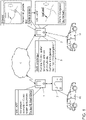
Fig. 1 wird das erfindungsgemäße Versenden einer Textnachricht von einem Fahrzeug an ein weiteres Fahrzeug dargestellt. - In
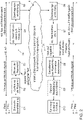
Fig. 2 wird das Versenden und Empfangen einer Textnachricht anhand von zwei Varianten der vorliegenden Erfindung dargestellt. -
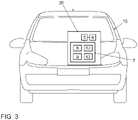
Fig. 3 zeigt schematisch ein erfindungsgemäßes Fahrzeug mit einer erfindungsgemäßen Vorrichtung. - Das in
Fig. 1 dargestellte erfindungsgemäße Fahrzeug 10 umfasst ein Infotainmentsystem 7, welches mit einem Mobilfunkgerät 1 gekoppelt ist. Dabei ist das Mobilfunkgerät 1 beispielsweise über Bluetooth, WLAN oder ein Kabel kommunikationstechnisch mit dem Infotainmentsystem 7 gekoppelt, so dass Daten zwischen dem Infotainmentsystem 7 und dem Mobilfunkgerät 1 ausgetauscht werden können. - Anstelle des Infotainmentsystems könnte die Kopplung zwischen dem Fahrzeug bzw. einer Komponente des Fahrzeugs und dem Mobilfunkgerät auch über eine separate Freisprecheinrichtung des Fahrzeugs oder über eine kommunikationstechnische Koppelvorrichtung (z.B einer Steckverbindung) zu dem Mobilfunkgerät in einer Armlehne des Fahrzeugs erfolgen.
- Eine Applikation des Mobilfunkgeräts 1 erlaubt nun, dass bestimmte Daten, wie Ankunftszeit, Stauinformation, Restwegstrecke, Fahrtziel, Fahrzeugposition, die von dem Infotainmentsystem bereitgestellt werden, in eine Textnachricht umgesetzt werden. Die Applikation bietet dann die Möglichkeit, diese Textnachricht über verschiedene standardisierte Kommunikationsmechanismen über das Mobilfunknetz 4 zu versenden. Beispielsweise kann dadurch die Nachricht "Ich komme 10 Minuten später und bin erst um 21:10 Uhr da. Befinde mich gerade hier car://<Ortsangabe>" versendet werden, indem der Benutzer bzw. Fahrer nur den entsprechenden Knopf bzw. Button auf seinem Mobilfunkgerät 1 drückt. D.h. die Textnachricht 3 selbst zusammen mit der als Hyperlink bzw. URL kodierten Ortsangabe (aktuelle Position des versendenden Fahrzeugs 10) wird automatisch aus den entsprechenden Daten des Infotainmentsystem 7 erzeugt.
- Diese Textnachricht 3 wird von dem Mobilfunkgerät 2 empfangen. Anschließend wird die Textnachricht in der üblichen Applikation des Mobilfunkgeräts 2 für den gewählten Kommunikationsmechanismus (z.B. WhatsApp) dargestellt. Der Hyperlink wird im dargestellten Text hervorgehoben, sofern auf dem empfangenden Mobilfunkgerät 2 für das entsprechende Protokoll eine Applikation registriert ist. Klickt der Benutzer auf diesen Hyperlink wird diese Applikation, welche z.B. eine spezielle Applikation des Fahrzeugherstellers sein kann, oder ein Webbrowser gestartet. Die in dem Hyperlink hinterlegte Information wird von der Applikation bzw. dem Webbrowser erfasst und interpretiert. Beispielsweise kann eine bestimmte in der Textnachricht übermittelte Position auf einer Karte dargestellt werden.
- In
Fig. 2 wird in einem ersten Schritt S1 ein bestimmter Zustand oder eine bestimmte Information eines Fahrzeugs bereitgestellt. Bei diesem Zustand oder bei dieser Information kann es sich beispielsweise um Fahrzeugdaten (d.h. im Fahrzeug gespeicherte Daten) oder auch Fahrtdaten handeln. Diese Information wird im zweiten Schritt S2 als Hyperlink kodiert, welcher dann im dritten Schritt S3 in eine Textnachricht eingebettet wird. Diese Textnachricht kann dabei vollständig oder teilweise automatisch generiert werden, aber auch Teile eines manuell erstellten Textes enthalten. Bei der ersten Variante A werden die Schritte S2 und S3 von einer speziellen Applikation durchgeführt, welche auf einem Mobilfunkgerät abläuft. Dagegen werden die Schritte S2 und S3 bei der zweiten Variante B von der erfindungsgemäßen Vorrichtung durchgeführt. - Bei der Variante A wird die Textnachricht mittels einer Programmschnittstelle 14 im Schritt S4 an eine Applikation übergeben, welche einen standardisierten Nachrichtendienst (z.B. WhatsApp) realisiert. Im Schritt S5 wird die Textnachricht mittels des standardisierten Nachrichtendienstes und mittels einer Übertragungsvorrichtung (des Mobilfunkgeräts oder der Vorrichtung) versendet. Während die Schritte S4 und S5 bei der Variante A von einer standardisierten Applikation des Mobilfunkgeräts bzw. von einer Betriebssystemfunktion des Mobilfunkgeräts durchgeführt werden, werden die Schritte S4 und S5 bei der Variante B von der erfindungsgemäßen Vorrichtung durchgeführt.
- Über ein Mobilfunknetz 4 oder einen internetbasierten standardisierten Nachrichtenübertragungsdienst wird die Textnachricht zu einem Mobilfunkgerät innerhalb eines weiteren Fahrzeugs (Variante A) oder an eine erfindungsgemäße Vorrichtung in einem weiteren Fahrzeug (Variante B) gesendet, wo sie von der entsprechenden Übertragungsvorrichtung (des Mobilfunkgeräts oder der Vorrichtung) im Schritt S6 empfangen wird. Im Schritt S7 wird die Textnachricht mit dem Hyperlink mit Hilfe einer Applikation dargestellt, welche den standardisierten Nachrichtendienst realisiert. Wiederum werden die Schritte S6 und S7 bei der Variante A von einer standardisierten Applikation des Mobilfunkgeräts bzw. von einer Betriebssystemfunktion des Mobilfunkgeräts durchgeführt, während die Schritte S6 und S7 bei der Variante B von der erfindungsgemäßen Vorrichtung durchgeführt werden.
- Durch einen Klick auf den Hyperlink wird eine durch den Hyperlink (z. B. mittels PseudoProtokoll-Ansatz) identifizierte Applikation im Schritt S8 gestartet, welche den Hyperlink dekodiert und eine durch den Hyperlink repräsentierte Information interpretiert. Optional nach einer durch den Benutzer (insbesondere den Fahrer des Fahrzeugs) getätigten Bestätigung (Schritt S9) wird abhängig von der Information ein Zustand des Fahrzeugs geändert oder eine Funktion des Fahrzeugs aktiviert. Bei der Variante A werden die Schritte S8 und S9 von einer speziellen Applikation, welche auf dem Mobilfunkgerät abläuft, durchgeführt. Dagegen werden bei der Variante B die Schritte S8 und S9 von der erfindungsgemäßen Vorrichtung ausgeführt. Bei der Variante B kann die Aktivierung des Hyperlinks und damit das Starten der durch den Hyperlink identifizierten Applikation auch automatisch (ohne dass ein Benutzer klicken muss) erfolgen.
- In
Fig. 3 ist ein erfindungsgemäßes Fahrzeug 10 dargestellt, welches eine erfindungsgemäße Vorrichtung 20 umfasst. Dabei umfasst die erfindungsgemäße Vorrichtung 20 ihrerseits eine Steuerung 5, eine Kommunikationseinrichtung 6 und ein Infotainmentsystem 7. Das Infotainmentsystem umfasst eine Eingabeeinrichtung 8, eine Ausgabeeinrichtung 9, ein Navigationssystem 12 und ein Radio 13. -
- 1,2
- Mobilgerät
- 3
- SMS
- 4
- Mobilfunknetz
- 5
- Steuerung
- 6
- Kommunikationseinrichtung
- 7
- Infotainmentsystem
- 8
- Eingabeeinrichtung
- 9
- Ausgabeeinrichtung
- 10, 11
- Fahrzeug
- 12
- Navigationssystem
- 13
- Radio
- 14
- Programmschnittstelle
- 20
- Vorrichtung
- Sx
- Verfahrensschritt
Claims (12)
- Verfahren zur Kommunikation zwischen einem Sender (1; 2) in einem Fahrzeug (10) und einem weiteren Fahrzeug (11), wobei das Verfahren folgende Schritte umfasst:Senden einer Information in Form einer Textnachricht (3) in maschinenlesbarer Form von dem Sender (1) an das weitere Fahrzeug (11),Empfangen und Auswerten der Information von dem weiteren Fahrzeug (11), undautomatische Ausführung einer Anwendung des weiteren Fahrzeugs (11) abhängig von der Information,wobei Fahrzeugdaten des Fahrzeugs (10) erfasst und als die Information versendet werden,wobei die Fahrzeugdaten Einstellungsdaten und Konfigurationsdaten zur Einstellung bzw. Konfiguration eines Infotainmentsystems, einer Klimaanlage oder eines Sonnendachs des Fahrzeugs (10) umfassen.
- Verfahren nach Anspruch 1,
dadurch gekennzeichnet,dass die Information ferner eine Ortsangabe umfasst,dass die Ortsangabe in einem Navigationssystem (12) des Fahrzeugs (11) abgespeichert wird, unddass abhängig von dieser Ortsangabe eine Route für das Fahrzeug (11) bestimmt wird. - Verfahren nach Anspruch 1,
dadurch gekennzeichnet,dass die Information ferner eine Senderangabe umfasst,dass in einem Radio (13) des Fahrzeugs ein der Senderangabe entsprechender Radiosender eingeschaltet wird. - Verfahren nach einem der vorhergehenden Ansprüche,
dadurch gekennzeichnet,
dass das Senden der Information umfasst, dass die Information in Form eines Hyperlinks kodiert wird und dieser Hyperlink in die Textnachricht (3) eingebettet wird. - Verfahren zum Versenden einer Information eines Fahrzeugs (10),
wobei das Verfahren folgende Schritte umfasst,• Erfassen einer Information des Fahrzeugs (10),• Kodieren der Information in maschinenlesbarer Form in eine Textnachricht (3), und• Versenden der Information mittels Mobilfunk an ein weiteres Fahrzeug (11),dadurch gekennzeichnet,dass Fahrzeugdaten des Fahrzeugs (10) erfasst und als die Information versendet werden,wobei die Fahrzeugdaten Einstellungsdaten und Konfigurationsdaten zur Einstellung bzw. Konfiguration eines Infotainmentsystems, einer Klimaanlage oder eines Sonnendachs des Fahrzeugs (10) umfassen. - Verfahren zum Empfangen einer Information für ein Fahrzeug (11),wobei das Verfahren folgende Schritte umfasst,• Empfangen einer Textnachricht (3) mittels Mobilfunk,• Dekodieren der Textnachricht (3), um die Information innerhalb der Textnachricht (3) zu erfassen, und• Senden der Information an das Fahrzeug (11), um eine Anwendung des Fahrzeugs (11), abhängig von der Information durchzuführen,wobei die Information Fahrzeugdaten eines weiteren Fahrzeugs (10) umfasst,wobei die Fahrzeugdaten Einstellungsdaten und Konfigurationsdaten zur Einstellung bzw. Konfiguration eines Infotainmentsystems (7), einer Klimaanlage oder eines Sonnendachs des weiteren Fahrzeugs (10) umfassen.
- Vorrichtung für ein Fahrzeug (11), welche eine Steuerung (5) umfasst,wobei die Steuerung (5) ausgestaltet ist, um über eine Kommunikationseinrichtung (1; 2; 6) Textnachrichten zu empfangen,wobei die Steuerung (5) ausgestaltet ist, um eine Information in Form einer Textnachricht (3) in maschinenlesbarer Form mit Hilfe der Kommunikationseinrichtung (1; 2; 6) zu empfangen und auszuwerten, und um abhängig von der Information eine Anwendung des Fahrzeugs (11) auszuführen,wobei die Information Fahrzeugdaten eines weiteren Fahrzeugs (10) umfasst,wobei die Fahrzeugdaten Einstellungsdaten und Konfigurationsdaten zur Einstellung bzw. Konfiguration eines Infotainmentsystems (7), einer Klimaanlage oder eines Sonnendachs des weiteren Fahrzeugs (10) umfassen.
- Vorrichtung nach Anspruch 7,
dadurch gekennzeichnet,dass die Steuerung (5) zusätzlich ausgestaltet ist, um über die Kommunikationseinrichtung (1; 2; 6) Textnachrichten zu senden,dass die Steuerung (5) ausgestaltet ist, um die Information in Form der Textnachricht (3) in maschinenlesbarer Form mit Hilfe der Kommunikationseinrichtung (1; 2; 6) zu versenden. - Vorrichtung nach Anspruch 7 oder 8,
dadurch gekennzeichnet,
dass die Steuerung (5) eingerichtet ist, um durch die Ausführung der Anwendung eine Zustandsänderung des Fahrzeugs (10) zu bewirken. - Vorrichtung nach einem der Ansprüche 7-9,
dadurch gekennzeichnet,dass die Steuerung (5) eingerichtet ist, um Fahrzeugdaten des Fahrzeugs (10; 11) und/oder Daten einer Fahrt des Fahrzeugs (10; 11) zu erfassen und als die Information in Form der Textnachricht zu versenden, unddass die Steuerung(5) eingerichtet ist, um als die Information Fahrzeugdaten eines weiteren Fahrzeugs (11; 10) und/oder Daten einer Fahrt des weiteren Fahrzeugs (10; 11) zu empfangen und auszuwerten. - Vorrichtung nach einem der Ansprüche 7-10,
dadurch gekennzeichnet,dass die Vorrichtung (20) eine Ausgabeeinrichtung (9) und eine Eingabeeinrichtung (8) umfasst, unddass die Steuerung (5) ausgestaltet ist, um über die Ausgabeeinrichtung (9) eine Ausführung der Anwendung anzubieten und um die Anwendung nur auszuführen, wenn die Steuerung (5) eine positive Bestätigung auf das Anbieten der Ausführung über die Eingabeeinrichtung (8) erfasst hat. - Vorrichtung nach einem der Ansprüche 7-11,
dadurch gekennzeichnet,dass die Vorrichtung (20) ein Infotainmentsystem (7) umfasst,dass die Steuerung (5) ausgestaltet ist, um bei Durchführung der Anwendung die Information in dem Infotainmentsystem (7) abzuspeichern.
Applications Claiming Priority (2)
| Application Number | Priority Date | Filing Date | Title |
|---|---|---|---|
| DE102013007055.4A DE102013007055A1 (de) | 2013-04-23 | 2013-04-23 | Verfahren zur Kommunikation zwischen einem Sender und einem Fahrzeug sowie entsprechende Vorrichtung |
| PCT/EP2014/054457 WO2014173580A1 (de) | 2013-04-23 | 2014-03-07 | Verfahren zur kommunikation zwischen einem sender und einem fahrzeug sowie entsprechende vorrichtung |
Publications (2)
| Publication Number | Publication Date |
|---|---|
| EP2989424A1 EP2989424A1 (de) | 2016-03-02 |
| EP2989424B1 true EP2989424B1 (de) | 2022-05-11 |
Family
ID=50277203
Family Applications (1)
| Application Number | Title | Priority Date | Filing Date |
|---|---|---|---|
| EP14709916.2A Active EP2989424B1 (de) | 2013-04-23 | 2014-03-07 | Verfahren zur kommunikation zwischen einem sender und einem fahrzeug sowie entsprechende vorrichtung |
Country Status (5)
| Country | Link |
|---|---|
| US (1) | US20160068123A1 (de) |
| EP (1) | EP2989424B1 (de) |
| CN (2) | CN105143829A (de) |
| DE (1) | DE102013007055A1 (de) |
| WO (1) | WO2014173580A1 (de) |
Families Citing this family (10)
| Publication number | Priority date | Publication date | Assignee | Title |
|---|---|---|---|---|
| WO2015103548A1 (en) | 2014-01-03 | 2015-07-09 | Quantumscape Corporation | Thermal management system for vehicles with an electric powertrain |
| WO2015061443A1 (en) | 2013-10-25 | 2015-04-30 | Quantumscape Corporation | Thermal and electrical management of battery packs |
| US9834114B2 (en) * | 2014-08-27 | 2017-12-05 | Quantumscape Corporation | Battery thermal management system and methods of use |
| DE102015211668B4 (de) | 2015-06-24 | 2019-03-28 | Volkswagen Ag | Verfahren und Vorrichtung zur Erhöhung der Sicherheit bei einer Fernauslösung, Kraftfahrzeug |
| KR101956027B1 (ko) * | 2015-08-24 | 2019-03-08 | 기아자동차 주식회사 | 메시지 전송 장치 및 이를 이용한 메시지 전송 방법 |
| DE102016202496A1 (de) * | 2016-02-18 | 2017-08-24 | Bayerische Motoren Werke Aktiengesellschaft | Fortbewegungsmittel und Verfahren zur Kommunikation mit einem Fortbewegungsmittel |
| US10523565B2 (en) * | 2016-08-25 | 2019-12-31 | Ford Global Technologies, Llc | Mobile device network address server update |
| DE102016014061A1 (de) | 2016-11-25 | 2017-05-18 | Daimler Ag | Verfahren zum Erstellen und Versenden einer elektronischen Textnachricht |
| EP4143509A4 (de) * | 2020-04-28 | 2024-04-17 | Polaris Industries Inc. | System und verfahren für dynamisches routing |
| DE102022106942A1 (de) | 2022-03-24 | 2023-09-28 | Dr. Ing. H.C. F. Porsche Aktiengesellschaft | Verfahren zum Koordinieren von einer Mehrzahl von Fahrzeugen |
Citations (3)
| Publication number | Priority date | Publication date | Assignee | Title |
|---|---|---|---|---|
| EP1128627A1 (de) * | 2000-02-21 | 2001-08-29 | International Business Machines Corporation | Vorrichtung und Verfahren zur Herstellung einer Verbindung in einem Rechnernetzwerk |
| DE102006034413A1 (de) * | 2006-07-25 | 2008-01-31 | Robert Bosch Gmbh | Verfahren zur Bestimmung eines gemeinsamen Treffpunkts für mindestens zwei Navigationssysteme und Computerprogramm-Produkt zur Durchführung des Verfahrens |
| WO2012105889A1 (en) * | 2011-02-03 | 2012-08-09 | Scania Cv Ab | Method and management unit pertaining to vehicle trains |
Family Cites Families (35)
| Publication number | Priority date | Publication date | Assignee | Title |
|---|---|---|---|---|
| US5732074A (en) * | 1996-01-16 | 1998-03-24 | Cellport Labs, Inc. | Mobile portable wireless communication system |
| DE19857771A1 (de) * | 1998-12-07 | 2000-06-15 | Mannesmann Ag | Fahrzeugzuteilungsverfahren |
| JP2000311291A (ja) * | 1999-04-27 | 2000-11-07 | Honda Motor Co Ltd | 隊列走行制御装置 |
| WO2001022680A2 (en) * | 1999-09-21 | 2001-03-29 | Telefonaktiebolaget Lm Ericsson (Publ) | Launching application from embedded indicator in short message service message |
| DE10048576A1 (de) * | 2000-09-30 | 2002-04-25 | Siemens Ag | Verfahren zur Übermittlung von individuellen Daten an Kraftfahrzeuge |
| US7251452B2 (en) * | 2001-07-09 | 2007-07-31 | Sirius Satellite Radio | System and method for creating and receiving personalized broadcasts |
| US7010289B2 (en) * | 2002-05-24 | 2006-03-07 | General Motors Corporation | Method and system for vehicle data upload |
| DE10225787A1 (de) * | 2002-06-10 | 2003-12-18 | Bosch Gmbh Robert | Verfahren und Vorrichtung zur Übertragung, zum Senden und/oder zum Empfang von Informationen in Verbindung mit einem Fahrzeug zum Steuern einer Funktion |
| US6868333B2 (en) * | 2003-01-15 | 2005-03-15 | Toyota Infotechnology Center Co., Ltd. | Group interaction system for interaction with other vehicles of a group |
| US20050221876A1 (en) * | 2004-04-05 | 2005-10-06 | Van Bosch James A | Methods for sending messages based on the location of mobile users in a communication network |
| CN100372282C (zh) * | 2004-06-17 | 2008-02-27 | 腾讯科技(深圳)有限公司 | 一种信息交互系统及其方法 |
| US20070211071A1 (en) * | 2005-12-20 | 2007-09-13 | Benjamin Slotznick | Method and apparatus for interacting with a visually displayed document on a screen reader |
| US8134481B2 (en) * | 2006-08-11 | 2012-03-13 | Honda Motor Co., Ltd. | Method and system for receiving and sending navigational data via a wireless messaging service on a navigation system |
| US8102281B2 (en) * | 2006-08-11 | 2012-01-24 | Honda Motor Co., Ltd. | Method and system for receiving and sending navigational data via a wireless messaging service on a navigation system |
| US7646296B2 (en) * | 2006-08-11 | 2010-01-12 | Honda Motor Co., Ltd. | Method and system for receiving and sending navigational data via a wireless messaging service on a navigation system |
| US7869824B2 (en) * | 2006-09-06 | 2011-01-11 | Byung Woo Min | Cell phone with remote control system |
| DE102006051228A1 (de) * | 2006-10-31 | 2008-05-08 | Deutsche Telekom Ag | Verfahren zur fernunterstützten Navigation |
| US8180379B2 (en) | 2007-06-28 | 2012-05-15 | Apple Inc. | Synchronizing mobile and vehicle devices |
| US8493408B2 (en) * | 2008-11-19 | 2013-07-23 | Apple Inc. | Techniques for manipulating panoramas |
| ES2366458T3 (es) * | 2008-12-12 | 2011-10-20 | Research In Motion Limited | Sistema y método para proporcionar notificaciones de tráfico a los dispositivos móviles. |
| KR101182853B1 (ko) * | 2008-12-19 | 2012-09-14 | 한국전자통신연구원 | 자동 주차 대행 시스템 및 방법 |
| US8897820B2 (en) * | 2010-11-16 | 2014-11-25 | Jack L. Marovets | System, method, and apparatus for storing, transmitting, receiving, and using structured data using un-structured text message bodies |
| DE102011003889A1 (de) * | 2011-02-09 | 2012-08-09 | Bayerische Motoren Werke Aktiengesellschaft | Kommunikation zwischen einem Fahrzeug und einer zentralen Einheit |
| US8467817B2 (en) * | 2011-06-16 | 2013-06-18 | Sap Ag | Generic business notifications for mobile devices |
| EP2732565A4 (de) * | 2011-07-14 | 2015-03-25 | Intel Corp | Maschine-maschine-kommunikation (m2m) unter verwendung von kurznachrichtendiensten (sms) |
| KR20140070937A (ko) * | 2012-11-30 | 2014-06-11 | 삼성전자주식회사 | 소셜 네트워크 서비스 어플리케이션 연동 기능을 제공하기 위한 장치 및 방법 |
| JP5765326B2 (ja) * | 2012-12-19 | 2015-08-19 | 株式会社デンソー | 車車間通信装置および隊列走行制御装置 |
| GB2515005A (en) * | 2013-05-31 | 2014-12-17 | Jaguar Land Rover Ltd | Vehicle communication system |
| US10171980B2 (en) * | 2014-04-08 | 2019-01-01 | Jason Friesen | Systems and methods for emergency response dispatch |
| US9367215B2 (en) * | 2014-04-30 | 2016-06-14 | AthenTek Incorporated | Mobile devices and related methods for configuring a remote device |
| US20170153636A1 (en) * | 2015-11-27 | 2017-06-01 | Bragi GmbH | Vehicle with wearable integration or communication |
| US10341810B2 (en) * | 2016-06-23 | 2019-07-02 | T-Mobile Usa, Inc. | Geolocation compatibility for non-RCS devices |
| US20180034764A1 (en) * | 2016-07-29 | 2018-02-01 | Linkedin Corporation | Selecting applications for message handling |
| KR102252917B1 (ko) * | 2017-05-16 | 2021-05-18 | 현대자동차주식회사 | 텔레매틱스 멀티미디어 유니트 데이터 모뎀의 대기모드 최적화 방법 |
| US11374925B2 (en) * | 2017-09-19 | 2022-06-28 | [24]7.ai, Inc. | Method and system for authenticating customers on call |
-
2013
- 2013-04-23 DE DE102013007055.4A patent/DE102013007055A1/de not_active Withdrawn
-
2014
- 2014-03-07 CN CN201480023294.8A patent/CN105143829A/zh active Pending
- 2014-03-07 EP EP14709916.2A patent/EP2989424B1/de active Active
- 2014-03-07 US US14/786,662 patent/US20160068123A1/en not_active Abandoned
- 2014-03-07 WO PCT/EP2014/054457 patent/WO2014173580A1/de not_active Ceased
- 2014-03-07 CN CN201910971803.4A patent/CN110686692A/zh active Pending
Patent Citations (3)
| Publication number | Priority date | Publication date | Assignee | Title |
|---|---|---|---|---|
| EP1128627A1 (de) * | 2000-02-21 | 2001-08-29 | International Business Machines Corporation | Vorrichtung und Verfahren zur Herstellung einer Verbindung in einem Rechnernetzwerk |
| DE102006034413A1 (de) * | 2006-07-25 | 2008-01-31 | Robert Bosch Gmbh | Verfahren zur Bestimmung eines gemeinsamen Treffpunkts für mindestens zwei Navigationssysteme und Computerprogramm-Produkt zur Durchführung des Verfahrens |
| WO2012105889A1 (en) * | 2011-02-03 | 2012-08-09 | Scania Cv Ab | Method and management unit pertaining to vehicle trains |
Also Published As
| Publication number | Publication date |
|---|---|
| EP2989424A1 (de) | 2016-03-02 |
| DE102013007055A1 (de) | 2014-10-23 |
| CN110686692A (zh) | 2020-01-14 |
| WO2014173580A1 (de) | 2014-10-30 |
| US20160068123A1 (en) | 2016-03-10 |
| CN105143829A (zh) | 2015-12-09 |
Similar Documents
| Publication | Publication Date | Title |
|---|---|---|
| EP2989424A1 (de) | Verfahren zur kommunikation zwischen einem sender und einem fahrzeug sowie entsprechende vorrichtung | |
| DE102019220366A1 (de) | Verfahren zur Online-Personalisierung von Fahrzeugeinstellungen und Vorrichtung zur Übertragung personalisierter Fahrzeugeinstellungen an einen Backend-Server sowie Fahrzeug | |
| EP2756491B1 (de) | Verfahren und vorrichtung zum bestimmen einer fahrempfehlung für ein fahrzeug sowie verfahren und vorrichtung zum bereitstellen einer fahrempfehlung für ein fahrzeug | |
| DE102007051079A1 (de) | Verfahren und Vorrichtung zum Aufbau von Daten- und Kommunikationsverbindungen zwischen Fahrzeugen | |
| DE102016113052A1 (de) | Verfahren und systeme zum anpassen eines fahrzeugdatenverarbeitungssystems auf der basis eines elektronischen kalenders | |
| DE102017106062A1 (de) | Kundenspezifisches medieninhalt-liefersystem und verfahren | |
| DE102018119875A1 (de) | Viele-an-viele-dateiverteilungsprotokoll für fahrzeugnetzwerke | |
| DE102014220734A1 (de) | Verfahren und vorrichtung für die handhabung von anwendungsauslöseereignissen | |
| DE102007045519A1 (de) | Kommunikationseinrichtung und Verfahren zur Kommunikation zwischen Fahrzeugen | |
| EP4623593A1 (de) | Verfahren zur bereitstellung eines kommunikationskanals zwischen wenigstens zwei fahrzeugen | |
| DE102008015778A1 (de) | Verfahren zur Datenübertragung zwischen Fahrzeugen | |
| DE102012216430A1 (de) | Eingabe von ETCS-Daten in ein Schienenfahrzeug | |
| EP1333692B1 (de) | Kommunikationsgerät mit Instant Messenger Funktion | |
| DE102021118989A1 (de) | Fortbewegungsmittel und Verfahren zur Drahtloskommunikation mit einem Verkehrsteilnehmer | |
| DE102007025343B4 (de) | Kommunikationsendgerät zum Empfangen von Nachrichten, Kommunikationssystem und Verfahren zum Empfangen von Nachrichten | |
| DE102006021947A1 (de) | Verfahren zur Signalisierung einer Verbindungsaufforderung | |
| WO2012084096A1 (de) | Ausgabe von einem ersten empfangsgerät und von einem zweiten empfangsgerät empfangenen nachrichten | |
| DE102021112061B4 (de) | Verfahren und Kommunikationseinheit zur Augmentation einer Kommunikation | |
| EP2195981B1 (de) | Verfahren zum übertragen von nachrichten mittels multimedia message service (mms) | |
| EP3252732B1 (de) | Verfahren zum übermitteln einer fahrzeugposition eines kraftfahrzeugs an zumindest eine fahrzeugexterne person sowie system zum durchführen eines derartigen verfahrens | |
| WO2020114779A1 (de) | System und verfahren zum ansteuern eines fahrzeugsystems | |
| WO2005060280A2 (de) | Vorrichtung und verfahren zur positionsübermittlung bei kurznachrichtendiensten | |
| WO2004017593A1 (de) | Kfz-gateway-aktivierung mit gprs/umts-anbindung | |
| DE102011116251A1 (de) | Nachrichtenübermittlungssystem und Verfahren zum Übertragen einer Nachricht von einem Server zu einem Fahrzeug | |
| EP1467567A2 (de) | Verfahren zur spontanen Übertragung von audio-visuellen Nachrichten an Empfängergruppen |
Legal Events
| Date | Code | Title | Description |
|---|---|---|---|
| PUAI | Public reference made under article 153(3) epc to a published international application that has entered the european phase |
Free format text: ORIGINAL CODE: 0009012 |
|
| 17P | Request for examination filed |
Effective date: 20151123 |
|
| AK | Designated contracting states |
Kind code of ref document: A1 Designated state(s): AL AT BE BG CH CY CZ DE DK EE ES FI FR GB GR HR HU IE IS IT LI LT LU LV MC MK MT NL NO PL PT RO RS SE SI SK SM TR |
|
| AX | Request for extension of the european patent |
Extension state: BA ME |
|
| RIN1 | Information on inventor provided before grant (corrected) |
Inventor name: GERLACH, SIMON Inventor name: HELMHOLD, LENNART Inventor name: KLAAS, MICHAEL |
|
| RIN1 | Information on inventor provided before grant (corrected) |
Inventor name: HELMHOLD, LENNART Inventor name: KLAAS, MICHAEL Inventor name: GERLACH, SIMON |
|
| DAX | Request for extension of the european patent (deleted) | ||
| STAA | Information on the status of an ep patent application or granted ep patent |
Free format text: STATUS: EXAMINATION IS IN PROGRESS |
|
| 17Q | First examination report despatched |
Effective date: 20170518 |
|
| REG | Reference to a national code |
Ref country code: DE Ref legal event code: R079 Ref document number: 502014016241 Country of ref document: DE Free format text: PREVIOUS MAIN CLASS: G01C0021360000 Ipc: B60H0001000000 |
|
| RIC1 | Information provided on ipc code assigned before grant |
Ipc: B60H 1/00 20060101AFI20210420BHEP Ipc: H04H 20/62 20080101ALI20210420BHEP Ipc: G01C 21/36 20060101ALI20210420BHEP Ipc: B60Q 3/18 20170101ALI20210420BHEP Ipc: H04W 4/14 20090101ALI20210420BHEP Ipc: G01C 21/34 20060101ALI20210420BHEP |
|
| GRAJ | Information related to disapproval of communication of intention to grant by the applicant or resumption of examination proceedings by the epo deleted |
Free format text: ORIGINAL CODE: EPIDOSDIGR1 |
|
| GRAP | Despatch of communication of intention to grant a patent |
Free format text: ORIGINAL CODE: EPIDOSNIGR1 |
|
| GRAP | Despatch of communication of intention to grant a patent |
Free format text: ORIGINAL CODE: EPIDOSNIGR1 |
|
| STAA | Information on the status of an ep patent application or granted ep patent |
Free format text: STATUS: GRANT OF PATENT IS INTENDED |
|
| INTG | Intention to grant announced |
Effective date: 20211115 |
|
| GRAS | Grant fee paid |
Free format text: ORIGINAL CODE: EPIDOSNIGR3 |
|
| GRAA | (expected) grant |
Free format text: ORIGINAL CODE: 0009210 |
|
| STAA | Information on the status of an ep patent application or granted ep patent |
Free format text: STATUS: THE PATENT HAS BEEN GRANTED |
|
| AK | Designated contracting states |
Kind code of ref document: B1 Designated state(s): AL AT BE BG CH CY CZ DE DK EE ES FI FR GB GR HR HU IE IS IT LI LT LU LV MC MK MT NL NO PL PT RO RS SE SI SK SM TR |
|
| REG | Reference to a national code |
Ref country code: GB Ref legal event code: FG4D Free format text: NOT ENGLISH |
|
| REG | Reference to a national code |
Ref country code: CH Ref legal event code: EP |
|
| REG | Reference to a national code |
Ref country code: AT Ref legal event code: REF Ref document number: 1491096 Country of ref document: AT Kind code of ref document: T Effective date: 20220515 |
|
| REG | Reference to a national code |
Ref country code: DE Ref legal event code: R096 Ref document number: 502014016241 Country of ref document: DE |
|
| REG | Reference to a national code |
Ref country code: IE Ref legal event code: FG4D Free format text: LANGUAGE OF EP DOCUMENT: GERMAN |
|
| REG | Reference to a national code |
Ref country code: LT Ref legal event code: MG9D |
|
| REG | Reference to a national code |
Ref country code: NL Ref legal event code: MP Effective date: 20220511 |
|
| PG25 | Lapsed in a contracting state [announced via postgrant information from national office to epo] |
Ref country code: SE Free format text: LAPSE BECAUSE OF FAILURE TO SUBMIT A TRANSLATION OF THE DESCRIPTION OR TO PAY THE FEE WITHIN THE PRESCRIBED TIME-LIMIT Effective date: 20220511 Ref country code: PT Free format text: LAPSE BECAUSE OF FAILURE TO SUBMIT A TRANSLATION OF THE DESCRIPTION OR TO PAY THE FEE WITHIN THE PRESCRIBED TIME-LIMIT Effective date: 20220912 Ref country code: NO Free format text: LAPSE BECAUSE OF FAILURE TO SUBMIT A TRANSLATION OF THE DESCRIPTION OR TO PAY THE FEE WITHIN THE PRESCRIBED TIME-LIMIT Effective date: 20220811 Ref country code: NL Free format text: LAPSE BECAUSE OF FAILURE TO SUBMIT A TRANSLATION OF THE DESCRIPTION OR TO PAY THE FEE WITHIN THE PRESCRIBED TIME-LIMIT Effective date: 20220511 Ref country code: LT Free format text: LAPSE BECAUSE OF FAILURE TO SUBMIT A TRANSLATION OF THE DESCRIPTION OR TO PAY THE FEE WITHIN THE PRESCRIBED TIME-LIMIT Effective date: 20220511 Ref country code: HR Free format text: LAPSE BECAUSE OF FAILURE TO SUBMIT A TRANSLATION OF THE DESCRIPTION OR TO PAY THE FEE WITHIN THE PRESCRIBED TIME-LIMIT Effective date: 20220511 Ref country code: GR Free format text: LAPSE BECAUSE OF FAILURE TO SUBMIT A TRANSLATION OF THE DESCRIPTION OR TO PAY THE FEE WITHIN THE PRESCRIBED TIME-LIMIT Effective date: 20220812 Ref country code: FI Free format text: LAPSE BECAUSE OF FAILURE TO SUBMIT A TRANSLATION OF THE DESCRIPTION OR TO PAY THE FEE WITHIN THE PRESCRIBED TIME-LIMIT Effective date: 20220511 Ref country code: ES Free format text: LAPSE BECAUSE OF FAILURE TO SUBMIT A TRANSLATION OF THE DESCRIPTION OR TO PAY THE FEE WITHIN THE PRESCRIBED TIME-LIMIT Effective date: 20220511 Ref country code: BG Free format text: LAPSE BECAUSE OF FAILURE TO SUBMIT A TRANSLATION OF THE DESCRIPTION OR TO PAY THE FEE WITHIN THE PRESCRIBED TIME-LIMIT Effective date: 20220811 |
|
| PG25 | Lapsed in a contracting state [announced via postgrant information from national office to epo] |
Ref country code: RS Free format text: LAPSE BECAUSE OF FAILURE TO SUBMIT A TRANSLATION OF THE DESCRIPTION OR TO PAY THE FEE WITHIN THE PRESCRIBED TIME-LIMIT Effective date: 20220511 Ref country code: PL Free format text: LAPSE BECAUSE OF FAILURE TO SUBMIT A TRANSLATION OF THE DESCRIPTION OR TO PAY THE FEE WITHIN THE PRESCRIBED TIME-LIMIT Effective date: 20220511 Ref country code: LV Free format text: LAPSE BECAUSE OF FAILURE TO SUBMIT A TRANSLATION OF THE DESCRIPTION OR TO PAY THE FEE WITHIN THE PRESCRIBED TIME-LIMIT Effective date: 20220511 Ref country code: IS Free format text: LAPSE BECAUSE OF FAILURE TO SUBMIT A TRANSLATION OF THE DESCRIPTION OR TO PAY THE FEE WITHIN THE PRESCRIBED TIME-LIMIT Effective date: 20220911 |
|
| PG25 | Lapsed in a contracting state [announced via postgrant information from national office to epo] |
Ref country code: SM Free format text: LAPSE BECAUSE OF FAILURE TO SUBMIT A TRANSLATION OF THE DESCRIPTION OR TO PAY THE FEE WITHIN THE PRESCRIBED TIME-LIMIT Effective date: 20220511 Ref country code: SK Free format text: LAPSE BECAUSE OF FAILURE TO SUBMIT A TRANSLATION OF THE DESCRIPTION OR TO PAY THE FEE WITHIN THE PRESCRIBED TIME-LIMIT Effective date: 20220511 Ref country code: RO Free format text: LAPSE BECAUSE OF FAILURE TO SUBMIT A TRANSLATION OF THE DESCRIPTION OR TO PAY THE FEE WITHIN THE PRESCRIBED TIME-LIMIT Effective date: 20220511 Ref country code: EE Free format text: LAPSE BECAUSE OF FAILURE TO SUBMIT A TRANSLATION OF THE DESCRIPTION OR TO PAY THE FEE WITHIN THE PRESCRIBED TIME-LIMIT Effective date: 20220511 Ref country code: DK Free format text: LAPSE BECAUSE OF FAILURE TO SUBMIT A TRANSLATION OF THE DESCRIPTION OR TO PAY THE FEE WITHIN THE PRESCRIBED TIME-LIMIT Effective date: 20220511 Ref country code: CZ Free format text: LAPSE BECAUSE OF FAILURE TO SUBMIT A TRANSLATION OF THE DESCRIPTION OR TO PAY THE FEE WITHIN THE PRESCRIBED TIME-LIMIT Effective date: 20220511 |
|
| REG | Reference to a national code |
Ref country code: DE Ref legal event code: R097 Ref document number: 502014016241 Country of ref document: DE |
|
| PLBE | No opposition filed within time limit |
Free format text: ORIGINAL CODE: 0009261 |
|
| STAA | Information on the status of an ep patent application or granted ep patent |
Free format text: STATUS: NO OPPOSITION FILED WITHIN TIME LIMIT |
|
| PG25 | Lapsed in a contracting state [announced via postgrant information from national office to epo] |
Ref country code: AL Free format text: LAPSE BECAUSE OF FAILURE TO SUBMIT A TRANSLATION OF THE DESCRIPTION OR TO PAY THE FEE WITHIN THE PRESCRIBED TIME-LIMIT Effective date: 20220511 |
|
| 26N | No opposition filed |
Effective date: 20230214 |
|
| PG25 | Lapsed in a contracting state [announced via postgrant information from national office to epo] |
Ref country code: SI Free format text: LAPSE BECAUSE OF FAILURE TO SUBMIT A TRANSLATION OF THE DESCRIPTION OR TO PAY THE FEE WITHIN THE PRESCRIBED TIME-LIMIT Effective date: 20220511 |
|
| P01 | Opt-out of the competence of the unified patent court (upc) registered |
Effective date: 20230523 |
|
| PG25 | Lapsed in a contracting state [announced via postgrant information from national office to epo] |
Ref country code: MC Free format text: LAPSE BECAUSE OF FAILURE TO SUBMIT A TRANSLATION OF THE DESCRIPTION OR TO PAY THE FEE WITHIN THE PRESCRIBED TIME-LIMIT Effective date: 20220511 |
|
| REG | Reference to a national code |
Ref country code: CH Ref legal event code: PL |
|
| REG | Reference to a national code |
Ref country code: BE Ref legal event code: MM Effective date: 20230331 |
|
| PG25 | Lapsed in a contracting state [announced via postgrant information from national office to epo] |
Ref country code: LU Free format text: LAPSE BECAUSE OF NON-PAYMENT OF DUE FEES Effective date: 20230307 |
|
| REG | Reference to a national code |
Ref country code: IE Ref legal event code: MM4A |
|
| PG25 | Lapsed in a contracting state [announced via postgrant information from national office to epo] |
Ref country code: LI Free format text: LAPSE BECAUSE OF NON-PAYMENT OF DUE FEES Effective date: 20230331 Ref country code: IT Free format text: LAPSE BECAUSE OF FAILURE TO SUBMIT A TRANSLATION OF THE DESCRIPTION OR TO PAY THE FEE WITHIN THE PRESCRIBED TIME-LIMIT Effective date: 20220511 Ref country code: IE Free format text: LAPSE BECAUSE OF NON-PAYMENT OF DUE FEES Effective date: 20230307 Ref country code: CH Free format text: LAPSE BECAUSE OF NON-PAYMENT OF DUE FEES Effective date: 20230331 |
|
| PG25 | Lapsed in a contracting state [announced via postgrant information from national office to epo] |
Ref country code: BE Free format text: LAPSE BECAUSE OF NON-PAYMENT OF DUE FEES Effective date: 20230331 |
|
| REG | Reference to a national code |
Ref country code: AT Ref legal event code: MM01 Ref document number: 1491096 Country of ref document: AT Kind code of ref document: T Effective date: 20230307 |
|
| PG25 | Lapsed in a contracting state [announced via postgrant information from national office to epo] |
Ref country code: AT Free format text: LAPSE BECAUSE OF NON-PAYMENT OF DUE FEES Effective date: 20230307 |
|
| PG25 | Lapsed in a contracting state [announced via postgrant information from national office to epo] |
Ref country code: AT Free format text: LAPSE BECAUSE OF NON-PAYMENT OF DUE FEES Effective date: 20230307 |
|
| PG25 | Lapsed in a contracting state [announced via postgrant information from national office to epo] |
Ref country code: BG Free format text: LAPSE BECAUSE OF FAILURE TO SUBMIT A TRANSLATION OF THE DESCRIPTION OR TO PAY THE FEE WITHIN THE PRESCRIBED TIME-LIMIT Effective date: 20220511 |
|
| PG25 | Lapsed in a contracting state [announced via postgrant information from national office to epo] |
Ref country code: BG Free format text: LAPSE BECAUSE OF FAILURE TO SUBMIT A TRANSLATION OF THE DESCRIPTION OR TO PAY THE FEE WITHIN THE PRESCRIBED TIME-LIMIT Effective date: 20220511 |
|
| PGFP | Annual fee paid to national office [announced via postgrant information from national office to epo] |
Ref country code: DE Payment date: 20250331 Year of fee payment: 12 |
|
| PGFP | Annual fee paid to national office [announced via postgrant information from national office to epo] |
Ref country code: FR Payment date: 20250324 Year of fee payment: 12 |
|
| PGFP | Annual fee paid to national office [announced via postgrant information from national office to epo] |
Ref country code: GB Payment date: 20250326 Year of fee payment: 12 |
|
| PG25 | Lapsed in a contracting state [announced via postgrant information from national office to epo] |
Ref country code: CY Free format text: LAPSE BECAUSE OF FAILURE TO SUBMIT A TRANSLATION OF THE DESCRIPTION OR TO PAY THE FEE WITHIN THE PRESCRIBED TIME-LIMIT; INVALID AB INITIO Effective date: 20140307 |
|
| PG25 | Lapsed in a contracting state [announced via postgrant information from national office to epo] |
Ref country code: HU Free format text: LAPSE BECAUSE OF FAILURE TO SUBMIT A TRANSLATION OF THE DESCRIPTION OR TO PAY THE FEE WITHIN THE PRESCRIBED TIME-LIMIT; INVALID AB INITIO Effective date: 20140307 |
|
| PG25 | Lapsed in a contracting state [announced via postgrant information from national office to epo] |
Ref country code: TR Free format text: LAPSE BECAUSE OF FAILURE TO SUBMIT A TRANSLATION OF THE DESCRIPTION OR TO PAY THE FEE WITHIN THE PRESCRIBED TIME-LIMIT Effective date: 20220511 |