EP2931902B1 - Method to develop herbicide-resistant sugar beet plants - Google Patents
Method to develop herbicide-resistant sugar beet plants Download PDFInfo
- Publication number
- EP2931902B1 EP2931902B1 EP13819001.2A EP13819001A EP2931902B1 EP 2931902 B1 EP2931902 B1 EP 2931902B1 EP 13819001 A EP13819001 A EP 13819001A EP 2931902 B1 EP2931902 B1 EP 2931902B1
- Authority
- EP
- European Patent Office
- Prior art keywords
- sugar beet
- protoplasts
- als
- inhibitors
- mutation
- Prior art date
- Legal status (The legal status is an assumption and is not a legal conclusion. Google has not performed a legal analysis and makes no representation as to the accuracy of the status listed.)
- Active
Links
Images
Classifications
-
- A—HUMAN NECESSITIES
- A01—AGRICULTURE; FORESTRY; ANIMAL HUSBANDRY; HUNTING; TRAPPING; FISHING
- A01H—NEW PLANTS OR NON-TRANSGENIC PROCESSES FOR OBTAINING THEM; PLANT REPRODUCTION BY TISSUE CULTURE TECHNIQUES
- A01H3/00—Processes for modifying phenotypes, e.g. symbiosis with bacteria
- A01H3/04—Processes for modifying phenotypes, e.g. symbiosis with bacteria by treatment with chemicals
-
- A—HUMAN NECESSITIES
- A01—AGRICULTURE; FORESTRY; ANIMAL HUSBANDRY; HUNTING; TRAPPING; FISHING
- A01H—NEW PLANTS OR NON-TRANSGENIC PROCESSES FOR OBTAINING THEM; PLANT REPRODUCTION BY TISSUE CULTURE TECHNIQUES
- A01H4/00—Plant reproduction by tissue culture techniques ; Tissue culture techniques therefor
-
- A—HUMAN NECESSITIES
- A01—AGRICULTURE; FORESTRY; ANIMAL HUSBANDRY; HUNTING; TRAPPING; FISHING
- A01H—NEW PLANTS OR NON-TRANSGENIC PROCESSES FOR OBTAINING THEM; PLANT REPRODUCTION BY TISSUE CULTURE TECHNIQUES
- A01H4/00—Plant reproduction by tissue culture techniques ; Tissue culture techniques therefor
- A01H4/008—Methods for regeneration to complete plants
-
- C—CHEMISTRY; METALLURGY
- C12—BIOCHEMISTRY; BEER; SPIRITS; WINE; VINEGAR; MICROBIOLOGY; ENZYMOLOGY; MUTATION OR GENETIC ENGINEERING
- C12N—MICROORGANISMS OR ENZYMES; COMPOSITIONS THEREOF; PROPAGATING, PRESERVING, OR MAINTAINING MICROORGANISMS; MUTATION OR GENETIC ENGINEERING; CULTURE MEDIA
- C12N15/00—Mutation or genetic engineering; DNA or RNA concerning genetic engineering, vectors, e.g. plasmids, or their isolation, preparation or purification; Use of hosts therefor
- C12N15/09—Recombinant DNA-technology
- C12N15/63—Introduction of foreign genetic material using vectors; Vectors; Use of hosts therefor; Regulation of expression
- C12N15/79—Vectors or expression systems specially adapted for eukaryotic hosts
- C12N15/82—Vectors or expression systems specially adapted for eukaryotic hosts for plant cells, e.g. plant artificial chromosomes (PACs)
- C12N15/8241—Phenotypically and genetically modified plants via recombinant DNA technology
- C12N15/8261—Phenotypically and genetically modified plants via recombinant DNA technology with agronomic (input) traits, e.g. crop yield
- C12N15/8271—Phenotypically and genetically modified plants via recombinant DNA technology with agronomic (input) traits, e.g. crop yield for stress resistance, e.g. heavy metal resistance
- C12N15/8274—Phenotypically and genetically modified plants via recombinant DNA technology with agronomic (input) traits, e.g. crop yield for stress resistance, e.g. heavy metal resistance for herbicide resistance
-
- C—CHEMISTRY; METALLURGY
- C12—BIOCHEMISTRY; BEER; SPIRITS; WINE; VINEGAR; MICROBIOLOGY; ENZYMOLOGY; MUTATION OR GENETIC ENGINEERING
- C12N—MICROORGANISMS OR ENZYMES; COMPOSITIONS THEREOF; PROPAGATING, PRESERVING, OR MAINTAINING MICROORGANISMS; MUTATION OR GENETIC ENGINEERING; CULTURE MEDIA
- C12N15/00—Mutation or genetic engineering; DNA or RNA concerning genetic engineering, vectors, e.g. plasmids, or their isolation, preparation or purification; Use of hosts therefor
- C12N15/09—Recombinant DNA-technology
- C12N15/63—Introduction of foreign genetic material using vectors; Vectors; Use of hosts therefor; Regulation of expression
- C12N15/79—Vectors or expression systems specially adapted for eukaryotic hosts
- C12N15/82—Vectors or expression systems specially adapted for eukaryotic hosts for plant cells, e.g. plant artificial chromosomes (PACs)
- C12N15/8241—Phenotypically and genetically modified plants via recombinant DNA technology
- C12N15/8261—Phenotypically and genetically modified plants via recombinant DNA technology with agronomic (input) traits, e.g. crop yield
- C12N15/8271—Phenotypically and genetically modified plants via recombinant DNA technology with agronomic (input) traits, e.g. crop yield for stress resistance, e.g. heavy metal resistance
- C12N15/8274—Phenotypically and genetically modified plants via recombinant DNA technology with agronomic (input) traits, e.g. crop yield for stress resistance, e.g. heavy metal resistance for herbicide resistance
- C12N15/8278—Sulfonylurea
Definitions
- the present invention relates to a method to generate sugar beet plants resistant to herbicides, for instance inhibitor(s) of the acetohydroxyacid synthase enzyme (ALS).
- herbicides for instance inhibitor(s) of the acetohydroxyacid synthase enzyme (ALS).
- the present invention further relates to the plants that are obtained by this method.
- Sugar beet is an important agricultural crop in temperate and subtropical regions.
- WO 95/10178 discloses a transgenic-induced resistance to the herbicide Bialaphos.
- the gene encoding the resistance is introduced in protoplasts of guard cells from sugar beet, then these protoplasts are regenerated into sugar beet plants. Those plants are further resistant to the chemical phosphinothricin and its derivative glufosinate. Non transformed plants did not acquire resistance to Bialaphos.
- the patent application WO 98/02527 discloses a method for the manufacture of sugar beet plant resistant to some ALS inhibitors, such as sulfonylurea herbicides, which comprises the steps of exposing to sulfonylurea calli obtained from explants of B. vulgaris, and regenerating plants from the few spontaneous mutants that can grow in the presence of this herbicide.
- some ALS inhibitors such as sulfonylurea herbicides
- This method yielded a plant having a mutation in the ALS gene, where the proline at position 188 of the encoded ALS enzyme (corresponding to the 197 position of the Arabidopsis thaliana ALS enzyme) is substituted by a serine.
- this mutant is not commercially used because treatments with the preferred modern sulfonylureas ALS herbicides (e.g. foramsulfuron) exhibit some phytotoxicity in field trials at the necessary dose rate.
- This method yielded a plant having a mutation in the ALS gene, where the tryptophan at position 569 of the encoded ALS enzyme (corresponding to the 574 position of the Arabidopsis thaliana ALS enzyme) is substituted by a leucine.
- the present invention discloses a method for producing a mutant sugar beet plant being resistant to an herbicide comprising the steps of:
- the herbicide used in the present method can be an herbicide not targeting ALS gene.
- the preferred herbicides are selected from the group consisting of:
- Another highly preferred herbicide is an ALS inhibitor.
- the present invention relates to a method for producing a mutant sugar beet plant being resistant to one or more inhibitor(s) of the acetohydroxyacid synthase enzyme (ALS) comprising the steps of:
- this method comprises the sub-steps of isolating stomatal guard cells protoplasts from sugar beet plants of different genotypes and measuring for each genotype the proportion of the said protoplasts that is growing when the said protoplasts are put in culture.
- this method further comprises the step of sequencing the genome of the regenerated plants from the surviving in vitro cultured cells, advantageously for identifying a mutation in the ALS gene and/or for selecting regenerated sugar beet plants having one or more, preferably one, two, or more mutations in the ALS gene.
- Another preferred sugar beet plant having a mutation of the Proline at position 188 and of the Tryptophan at position 569 is obtained and/or selected by the method of the present invention.
- sugar beet having two or more mutations has two mutations in one allele, meaning that the encoded peptide harbours two mutations synergizing the resistance towards ALS inhibitors (especially towards compositions comprising several ALS inhibitors).
- An examples of most preferred sugar beet is a sugar beet having a mutation of the Proline at position 188 and of the Tryptophan at position 569 in one allele (and possibly the same mutations in the second allele; alternatively, the second allele harbours different mutations).
- sugar beet having two mutations has one mutations on each allele.
- the method of the present invention allows to regenerate a sugar beet plant having one mutation in the ALS gene at positions encoding Proline 188 and one or more mutation(s) in the ALS gene at positions encoding Glycine 112, Alanine 113, Methionine 115, Arginine 133, Valine 187, Arginine 190, Alanine 196, Phenylalanine 197, Lysine 247, Methionine 346, Histidine 347, Arginine 368, Aspartate 370, Aspartate 371, Arginine 372, Methionine 565, Valine 566, Tryptophan 569 (preferably mutated into Glycine), Phenylalanine 573, Serine 648 and Glycine 649.
- An examples of preferred sugar beet is a sugar beet having a mutation of the Proline at position 188 and of another mutation (possibly not the tryptophan 569 or the Trp569Gly) in the same allele.
- the method of the present invention allows to regenerate a sugar beet plant having one mutation in the ALS gene at position encoding Tryptophan 569 (preferably mutated into Leucine) and one or more mutation(s) in the ALS gene at positions encoding Glycine 112, Alanine 113, Methionine 115, Arginine 133, Valine 187, Proline 188 (preferably mutated into Threonine, Arginine, Leucine, Glutamine or Alanine), Arginine 190, Alanine 196, Phenylalanine 197, Lysine 247, Methionine 346, Histidine 347, Arginine 368, Aspartate 370, Aspartate 371, Arginine 372, Methionine 565, Valine 566, Phenylalanine 573, Serine 648 and Glycine 649.
- An examples of preferred sugar beet is a sugar beet having a mutation of the tryptophan at position 569 and of another
- the method of the present invention allows to regenerate a sugar beet plant having one or more mutation(s) in the ALS gene, wherein the said one or more mutation is selected from the group consisting of Alanine 113 Proline 188, Alanine 196, Aspartate 371, Arginine 372, Tryptophan 569, Serine 648 and Glycine 649, wherein the said Alanine 113 is mutated into Valine or Threonine, wherein the said Proline 188 is mutated into Threonine, Arginine, Leucine, Glutamine or Alanine, wherein the said Alanine 196 is mutated into Valine, wherein the said Aspartate 371 is mutated into Glutamate, wherein the said Arginine 372 is mutated into Histidine, wherein the said Tryptophan 569 is mutated into Glycine, wherein the said Serine 648 is mutated into Threonine and wherein the said and Glycine 649 is mutated into Aspartate
- sugar beet having two or more of these specific mutations has two mutations in one allele, meaning that the encoded peptide harbours two mutations synergizing the resistance towards ALS inhibitors (especially towards compositions comprising several ALS inhibitors).
- the method of the present invention allows to regenerate a sugar beet plant having one mutation in the ALS gene at position encoding Proline 188 and one mutation in the ALS gene at position encoding Tryptophan 569.
- this method comprises a preliminary step of deducing the concentration of the one or more ALS inhibitor(s) at which the composition (comprising the one or more ALS inhibitor(s)) is lethal for at least 99% (preferably at least 99.9% or even 99.99%) of the in vitro cultured cells (yet allowing some mutants to escape).
- the preferred ALS inhibitor present in the composition (the said composition comprising in addition another ALS inhibitor, being preferably from another class than sulfonylurea ALS inhibitor, such as thiencarbazone-methyl) to be added to the in vitro cultured stomatal guard cell protoplasts is foramsulfuron, preferably at a concentration of 10 -9 mol/l to (more preferably) 10 -6 mol/l.
- Suitable ALS inhibitor present in the composition to be added to the in vitro cultured stomatal guard cell protoplasts is ethoxysulfuron (possibly this composition further comprises other ALS inhibitors).
- a related aspect of the present invention is a mutated sugar beet plant obtainable by the method of the present invention, such as a sugar beet having a mutation at tryptophan 569 and/or at proline 188.
- Another related aspect of the present invention is a mutated sugar beet plant comprising SEQ.ID.NO:3 (or SEQ.ID.NO:4) and/or SEQ.ID.NO:5 (or SEQ.ID.NO:6).
- a sugar beet plant disclosed herein corresponds to the deposit under NCIMB 42050 or NCIMB 42051.
- the present invention is also related to tissue or plant part (for instance stomatal guard cells or leaf strips) or seeds derived from the mutated plant of the invention, as well as to their use for the introduction of another genetic trait.
- the present invention is also related to the use of the (well regenerating) stomatal guard cell protoplasts developed in the present invention for the introduction of another genetic trait than resistance to ALS inhibitors.
- the inventors have discovered that protoplasts from stomatal guard cell of sugar beet represent a good starting material for inducing resistance towards herbicides such as ALS inhibitors, despite the fact that regeneration of a sugar beet plant from a stomatal guard cell protoplast is very difficult, of low occurrence, and requires longer and more complex procedures than the direct regeneration from calli obtained from explants, as usually used in the art.
- callus (calli) from explants is (are) a mass of non-differentiated (or dedifferentiated) cells, which, under appropriate culture conditions, will differentiate (or re-differentiate) and regenerate a wholly functional sugar beet plant.
- seeds are collected in large amounts, then easily sterilized and explants are thus obtained in large amounts.
- the stomatal guard cells have a well-defined organization in the plant, and their isolation from the plant tissue results into individual cell(s), then after a treatment into individual protoplasts.
- plantlets must be grown in vitro and maintained under sterile conditions, then stomatal guard cells are isolated from these small plantlets and protoplasts are obtained while maintaining sterile conditions, then these individual protoplasts are induced to produce again their cell wall, to grow firstly into micro-calli, then into a sugar beet plant.
- Stomatal guard cells protoplasts of sugar beet were found to be very vulnerable, reducing the scope of their application: for instance addition of a mutagen, instead of favouring the appearance of a desired genetic trait, was found to be lethal to the protoplasts in many cases. In other words, it was completely unexpected to succeed in using stomatal guard cell protoplasts as a starting material for developing a sugar beet plant having acquired a desired genetic trait through mutation.
- the inventors have found that the capacity of stomatal guard cell protoplasts to divide is very dependent on sugar beet genotypes: the stomatal guard cell protoplasts from the majority of the genotypes exhibit a very low (almost zero) capacity to divide (grow), while the protoplasts from some specific genotypes have a sizable capacity to grow in vitro.
- the inventors have identified that the culture on solid medium (polymer-containing medium, such as alginate or agarose-like containing medium) of very large amounts of these stomatal guard cell protoplasts, then the exposure of the cultured material (normally in the form of regenerated calli) to herbicides such as ALS inhibitor(s) resulted into the selection of some mutated cells being resistant to this herbicide molecule, despite the fact that, in absence of added mutagens, spontaneous mutations are known to be very rare, and that the method cannot take benefit of the genetic diversity within a population, in selecting an already existing mutant plant exhibiting the desired resistance towards one or more ALS inhibitors.
- solid medium polymer-containing medium, such as alginate or agarose-like containing medium
- the method of the present invention allows the production of herbicide-resisitant (ALS inhibitor-resistant) sugar beet plants having one or several mutations, including one or several mutations in the enzyme being the target of the herbicide, for instance an ALS inhibitor (such as a mutation of the ALS gene, wherein the ALS gene encodes an ALS protein containing an amino acid different from tryptophan at position 569 of the ALS protein; corresponding to position 574 of the Arabidopsis thaliana ALS), possibly in addition to at least another mutation in this gene and/or to other mutations in other genes.
- an ALS inhibitor such as a mutation of the ALS gene, wherein the ALS gene encodes an ALS protein containing an amino acid different from tryptophan at position 569 of the ALS protein; corresponding to position 574 of the Arabidopsis thaliana ALS
- An aspect of the present invention is therefore a method for producing sugar beet plant ( Beta vulgaris; thus also Beta vulgaris maritima ssp) resistant to one or more ALS inhibitor(s) comprising the steps of:
- transgenic (mutated) gene is much more rapid, flexible and predictable.
- the absence of transgene-induced resistance refers to the fact that the acquired resistance to the ALS inhibitor(s) is not directly caused by the in vitro insertion of a (foreign) DNA into the stomatal guard cells protoplasts (or into the cells obtained thereof), such as a (foreign) DNA encoding a protein directly providing resistance to the ALS inhibitor(s), such as a protein locally reducing the toxicity of the ALS inhibitor(s) (e.g. an enzyme degrading the ALS inhibitor(s) or reducing its intracellular concentration), or an ALS protein being resistant to ALS inhibitor(s), such as an ALS mutant enzyme that retains significant activity and functionality even in the presence of the inhibitor(s).
- a (foreign) DNA into the stomatal guard cells protoplasts (or into the cells obtained thereof)
- a (foreign) DNA encoding a protein directly providing resistance to the ALS inhibitor(s)
- a protein locally reducing the toxicity of the ALS inhibitor(s) e.
- the plant obtained by the method of the invention can further be crossed with a transgenic plant in order to stack another genetic trait in the progeny.
- the plant (or a part thereof) obtained by the present invention can further be used in a subsequent transgenic method to introduce another genetic trait (different from the genetic trait obtained in the method of the present invention).
- this method further comprises the step of adding a mutagen agent to the culture of the isolated stomatal guard cell protoplasts.
- Suitable mutagen agents are physical (such as UV or X-ray) exposure or exposure to chemical agents (such as Ethyl Methane Sulfonate (EMS), for instance at 0.05%, 0.1%, 0.15%, 0.2% or even at 2.5%).
- EMS Ethyl Methane Sulfonate
- protoplasts viability was shown to be detrimentally affected by some mutagenesis treatments usually performed, such as treatment of more than 0.2% EMS.
- this method thus does not comprises the step of adding a mutagen agent.
- an herbicide preferably refers to any molecule, which, when applied at a given dose, is used for weed control.
- Preferred herbicides used in the present method have a specific known activity on one peptide (so that a single mutation in the corresponding gene can confer resistance towards this herbicide).
- the preferred herbicides are specific for one peptide target (usually inhibiting specifically the activity of one plant enzyme) and/or their target peptide is known (so as to be in a position to screen the resistant sugar beet for a mutation in the target gene)
- an ALS inhibitor refers to any molecule inhibiting the function of the ALS gene.
- the ALS inhibitor(s) used in the present invention do not inhibit other (sugar beet) enzymes than ALS.
- the ALS inhibitor(s) are selected and used in the present invention at a concentration where more than 90% (more than 95%, more than 99%, more than 99.9%) of the function of the wild-type ALS enzyme is inhibited, but substantially not affecting the function of non-related enzymes.
- Suitable ALS inhibitors are selected from the group consisting of sulfonylurea herbicides, sulfonylaminocarbonyltriazolinone herbicides, imidazolinone herbicides, triazolopyrimidine herbicides and pyrimidinyl(thio)benzoate herbicides.
- the herbicide composition comprises at least one sulfonylurea herbicides and at least one triazolopyrimidine.
- the preferred ALS inhibitors are foramsulfuron, amidosulfuron, thiencarbazone-methyl, ethoxysulfuron and mixture thereof (especially a composition comprising thiencarbazone-methyl and either foramsulfuron or amidosulfuron); however, the regenerated sugar beet mutant is advantageously resistant towards several ALS inhibitors.
- ALS inhibitors including mixtures of ALS inhibitors
- which mutation provides strong resistance to a given ALS inhibitor e.g. the mutation of the tryptophan at position 569 is known to be associated to foramsulfuron resistance
- the skilled person can design sugar beet plants having acquired several mutations and thus broader resistance towards ALS inhibitors (e.g. mixtures of ALS inhibitors).
- this method comprises a preliminary step of selecting a sugar beet plant genotype (line) for its capacity of the stomatal guard cells protoplasts to regenerate into a fully functional sugar beet plant, and/or the method of the present invention is carried on stomatal guard cells protoplasts isolated from well-regenerating sugar beet genotypes (lines).
- a suitable preliminary step involves the comparison (independently of their possible advantageous features such as yield or resistance towards parasitic infections) of at least 10 different sugar beet plant genotypes (from different genotype backgrounds), preferably at least 15 different genotypes, or even at least 30 different genotypes, for the capacity of their stomatal guard cells protoplasts to regenerate into a sugar beet plant (much more preferably their capacity to grow in vitro and/or to form calli), and the selection of a well-regenerating genotype (line) for carrying the method of the present invention.
- well-regenerating stomatal guard cells protoplasts refer to protoplasts having a probability of more than 10% (growing:total) or even more than 20% (growing:total) or 50% (growing:total) to divide and/or to grow and/or regenerate into viable sugar beet callus (when grown in the suitable culture media and without exogenous selection pressure such as the toxic molecule/herbicide to be applied in the method of the present invention).
- Callus refers to a mass of undifferentiated cells.
- calli can be obtained from explants such as embryos, or parenchyme-derived explants from leaves or cotyledon.
- calli are the result of the growth of (well-regenerating) stomatal guard cells protoplasts.
- the calli obtained by these well-regenerating protoplasts have more than 10% (number of calli producing shoots : total calli number; shoots:total), preferably more than 20% (shoots:total) or even more than 30% (shoots:total) of capacity to develop shoots.
- well-regenerating sugar beet stomatal guard cells protoplasts refer to protoplasts having more than 0.1% (sugar beet plant : total protoplast number) (more preferably more than 1%) of capacity to regenerate into a viable sugar beet plant.
- the composition comprising the herbicide e.g. one or more ALS inhibitor(s)
- the herbicide e.g. one or more ALS inhibitor(s)
- the composition comprising the herbicide is applied to an in vitro culture of more than 20 000 000 of these (well-regenerating) sugar beet stomatal guard cells protoplasts.
- the composition comprising the (one or more) ALS inhibitor(s) is applied to an in vitro culture of more than 50 000 000, of these (well-regenerating) sugar beet stomatal guard cells protoplasts.
- At least 50 000, such as about 100 000, (well-regenerating) stomatal guard cells protoplasts per millilitre were grown onto polymer-containing medium (such as alginate- or agarose-containing medium).
- polymer-containing medium such as alginate- or agarose-containing medium.
- sugar beet stomatal guard cells protoplasts are grown for at least about one week (preferably about 3 weeks and/or of less than 4 weeks) on polymer (alginate)-containing medium, before the application of the composition comprising the (one or more) ALS inhibitor(s) (such as foramsulfuron and possibly thiencarbazone-methyl).
- ALS inhibitor(s) such as foramsulfuron and possibly thiencarbazone-methyl
- this method further comprises the step of comparing the growth of mutated stomatal guard cell and the growth of wild-type stomatal guard cell (and/or naive and/or not yet herbicide-treated) on a medium that does not comprise ALS inhibitor, and possibly of selecting mutant(s) keeping at least 75% of the growth, preferably at least 90% of the growth of the corresponding wild-type cell.
- this method further comprises the step of comparing the growth and/or the yield of the regenerated sugar beet from the mutated cell and the growth and/or the yield of the wild-type (and/or naive and/or not yet treated by the ALS inhibitor) sugar beet in greenhouse assays and in agronomic conditions without any ALS inhibitor, and possibly of selecting ALS inhibitor-resistant mutant(s) sugar beet plants keeping at least 75% of the growth and/or of the yield, preferably at least 90% of the growth and/or of the yield of the wild-type sugar beet.
- this method further comprises the step of sequencing the regenerated plants from the surviving protoplasts and/or of identifying one or several mutation(s) that are (can be) associated to the resistance to the herbicide (e.g. one or more ALS inhibitor(s)).
- the herbicide e.g. one or more ALS inhibitor(s)
- the term 'mutation' preferably refers to one (one single) change in the nucleotide sequence encoding the peptide targeted by the herbicide (e.g. the ALS protein) that causes one change in the corresponding amino acid, such that the resulting plant has acquired some resistance towards the herbicide such as ALS inhibitors.
- 'mutation' is preferably understood as equivalent to a 'point mutation' that allows some resistance to the herbicide (the ALS inhibitor).
- "several mutations” preferably refers, in the present invention, to (a stack of) multiple point mutations, each point mutation causing a change of the encoded amino acid so as to provide some resistance to an herbicide (e.g. an ALS inhibitor and/or an herbicide not an ALS inhibitor). Therefore, preferably, in the context of the present invention 'mutation' does not comprise change in the nucleotide sequence that do not modify the encoded protein (such as a change in the third amino acid of a coding triplet), change in amino acids that are not associated to herbicide (such as ALS inhibitor) resistance, nor multiple simultaneous changes in the nucleotide sequence.
- an herbicide e.g. an ALS inhibitor and/or an herbicide not an ALS inhibitor
- this identification step of the mutation(s) associated to the resistance towards the (one or more) ALS inhibitor(s) is coupled to the development of oligonucleotide primers spanning over this mutation.
- this identification step of the mutation(s) in the ALS gene is followed by ( in vitro ) enzymatic activity measurements of the protein encoded by the wild-type and by the mutated ALS genes.
- these enzymatic measurements of the wild-type ALS enzyme and of the mutated ALS enzyme are performed in the presence of one or more ALS inhibitors (at one or at several concentrations in order to derive an inhibition curve).
- these enzymatic measurement of the wild-type enzyme and of the mutated enzyme are (further) performed in absence of ALS inhibitors (to compare the enzymatic activity of the mutated enzyme; preferably, in absence of the ALS inhibitor, the mutated enzyme keeps at least 50% of the activity of the wild-type enzyme, more preferably at least 75%, still more preferably at least 90%, at least 95% or even at least 99%).
- the method of the present invention comprises a step of comparing compositions comprising one or more ALS inhibitors at different concentrations, and deducing the concentration at which the ALS inhibitor, and/or ALS inhibitor in a special formulation within this composition, is /are lethal for an in vitro culture of the stomatal guard cell protoplast isolated from the sugar beet plant (such as stomatal guard cell protoplasts grown on alginate for at least one week).
- this step of deducing the concentration at which the (one or more) ALS inhibitor(s) is/are lethal for stomatal guard cell protoplast isolated from the sugar beet plant is performed on an in vitro culture of the stomatal guard cell protoplasts isolated from the wild-type sugar beet plant (and/or naive and/or not yet treated by the ALS inhibitor).
- the lethal concentration of the composition comprising (one or more) ALS inhibititor(s) refers to a concentration sufficient to kill at least 99%, preferably at least 99.9%, more preferably at least 99.99% of the cultured cells (yet allowing some mutants to escape this treatment).
- this step of deducing the concentration at which the (one or more) ALS inhibitor(s) is lethal for an in vitro culture of the stomatal guard cell protoplasts isolated from the sugar beet plant is (further) performed on an in vitro culture of mutated stomatal guard cells (on cells having acquired a mutation in the ALS gene and being resistant to ALS inhibitor(s)).
- the comparison of the lethal concentration of the ALS inhibitor (in a composition comprising this ALS inhibitor) on the naive and on the mutated cells is advantageously expressed as a ratio (or as several ratios, one ratio per ALS inhibitor tested).
- the lethal concentration on naive cell(s) is 50-fold lower than the lethal concentration on mutated cell(s), more preferably, the lethal concentration on naive cell(s) is 200-fold lower than the lethal concentration on mutated cell(s), still more preferably, the lethal concentration on naive cell(s) is 1000-fold lower than the lethal concentration on mutated cell(s).
- the herbicide used in the method of the present invention
- the ALS inhibitor used in the method of the invention is a mixture of ALS inhibitors, such as a sulfonylurea (e.g. foramsulfuron) and another ALS inhibitor selected from the group consisting of iodosulfuron, amidosulfuron and thiencarbazone-methyl.
- a sulfonylurea e.g. foramsulfuron
- another ALS inhibitor selected from the group consisting of iodosulfuron, amidosulfuron and thiencarbazone-methyl.
- the ALS inhibitor used in the method of the invention is (or comprises) foramsulfuron, such as foramsulfuron applied to a one-week old (or to a three-weeks old) in vitro culture of protoplasts (more particularly to the in vitro culture comprising calli regenerated from these cultured protoplasts) on alginate-containing medium and maintained during the in vitro culture of the cells at a concentration of 10 -9 -10 -6 mol/l (or 10 -9 -10 -6 mol/l).
- foramsulfuron such as foramsulfuron applied to a one-week old (or to a three-weeks old) in vitro culture of protoplasts (more particularly to the in vitro culture comprising calli regenerated from these cultured protoplasts) on alginate-containing medium and maintained during the in vitro culture of the cells at a concentration of 10 -9 -10 -6 mol/l (or 10 -9 -10 -6 mol/l).
- a related aspect of the present invention is a mutated sugar beet plant obtainable by this method, (for instance when this methods comprises the use of one or more herbicide (not ALS inhibitors) or the use of one or more ALS inhibitors, or comprises the use of one ALS inhibitor and of one herbicide being not an ALS inhibitor).
- one aspect of the present invention is a sugar beet (obtainable by the method of the present invention) having one or several mutation(s) in the ALS gene at positions encoding the amino acids selected from the group consisting of Glycine 112, Alanine 113, Methionine 115, Arginine 133, Valine 187, Arginine 190, Alanine 196, Phenylalanine 197, Lysine 247, Methionine 346, Histidine 347, Arginine 368, Aspartate 370, Aspartate 371, Arginine 372, Methionine 565, Valine 566, Phenylalanine 573, Serine 648 and Glycine 649.
- a preferred sugar beet (obtainable by the method of the present invention) has one or several mutation(s) in the ALS gene at positions encoding the amino acids selected from the group consisting of Alanine 113 (e.g. mutated into Valine or Threonine) Proline 188 mutated into Threonine, Arginine, Leucine, Glutamine or Alanine, Alanine 196 (e.g. mutated into Valine), Aspartate 371 (e.g. mutated into glutamate), Arginine 372 (e.g. mutated into Histidine), Tryptophan 569 mutated into Glycine, Serine 648 (e.g. mutated into Threonine) and Glycine 649 (e.g. mutated into Aspartate).
- Alanine 113 e.g. mutated into Valine or Threonine
- Proline 188 mutated into Threonine
- Arginine Leucine
- Glutamine or Alanine Alan
- a related aspect of the present invention is a mutated sugar beet plant (or a mutated sugar beet plant cell such as a mutated stomatal guard cell isolated from sugar beet) comprising a mutation in the ALS gene where the tryptophan at position 569 in the encoded ALS enzyme (corresponding to position 574 in the Arabidopsis thaliana ALS enzyme) is substituted by another amino acid (such as a leucine), and possibly another (one or several) mutation, preferably another (one or several) mutation in the ALS gene, such as a mutation causing a further amino acid substitution in the ALS gene.
- Another preferred a sugar beet plant has a mutation of the Tryptophan into Leucine at position 569 and one or several mutation(s) in the ALS gene at positions encoding the amino acids selected from the group consisting of Glycine 112, Alanine 113, Methionine 115, Arginine 133, Valine 187, Arginine 190, Alanine 196, Phenylalanine 197, Lysine 247, Methionine 346, Histidine 347, Arginine 368, Aspartate 370, Aspartate 371, Arginine 372, Methionine 565, Valine 566, Phenylalanine 573, Serine 648 and Glycine 649.
- a preferred sugar beet (obtainable by the method of the present invention) has one mutation Tryptophan into Leucine mutation at position 569 and one or several mutation(s) in the ALS gene at positions encoding the amino acids selected from the group consisting of Alanine 113 (e.g. mutated into Valine or Threonine) Proline 188 mutated into Threonine, Arginine, Leucine, Glutamine or Alanine, Alanine 196 (e.g. mutated into Valine), Aspartate 371 (e.g. mutated into Glutamate), Arginine 372 (e.g. mutated into Histidine), Serine 648 (e.g. mutated into Threonine) and Glycine 649 (e.g. mutated into Aspartate).
- Alanine 113 e.g. mutated into Valine or Threonine
- Proline 188 mutated into Threonine
- Arginine Leucine
- This mutated sugar beet plant is resistant to one or several ALS inhibitor(s) used, such as a sulfonylurea (e.g. foramsulfuron) and advantageously to other ALS inhibitor(s), preferably selected from the group consisting of iodosulfuron, amidosulfuron and thiencarbazone-methyl.
- a sulfonylurea e.g. foramsulfuron
- other ALS inhibitor(s) preferably selected from the group consisting of iodosulfuron, amidosulfuron and thiencarbazone-methyl.
- a related aspect of the present invention is a mutated sugar beet plant (or a mutated sugar beet plant cell such as a mutated stomatal guard cell isolated from sugar beet) comprising a mutation in the ALS gene where the proline at position 188 in the encoded ALS enzyme (corresponding to position 197 in Arabidopsis thaliana ALS enzyme) is substituted by another amino acid (such as a serine).
- a preferred sugar beet plant (obtainable by the method of the present invention) has a mutation of the Proline into Serine at position 188 and one or several mutation(s) in the ALS gene at positions encoding the amino acids selected from the group consisting of Glycine 112, Alanine 113, Methionine 115, Arginine 133, Valine 187, Arginine 190, Alanine 196, Phenylalanine 197, Lysine 247, Methionine 346, Histidine 347, Arginine 368, Aspartate 370, Aspartate 371, Arginine 372, Methionine 565, Valine 566, Phenylalanine 573, Serine 648 and Glycine 649.
- a preferred sugar beet (obtainable by the method of the present invention) has one Proline into Serine mutation in the ALS gene at position 188 and one or more mutation(s) of the ALS gene at positions encoding Alanine 113 (e.g. mutated into Valine or Threonine), Aspartate 371 (e.g. mutated into glutamate), Arginine 372 (e.g. mutated into Histidine), Tryptophan 569 mutated into Glycine, Serine 648 (e.g. mutated into Threonine) and Glycine 649 (e.g. mutated into Aspartate).
- Alanine 113 e.g. mutated into Valine or Threonine
- Aspartate 371 e.g. mutated into glutamate
- Arginine 372 e.g. mutated into Histidine
- Tryptophan 569 mutated into Glycine Serine 648 (e.g. mutated into Threonine)
- a mutated sugar beet plant (or a mutated sugar beet plant cell such as a mutated stomatal guard cell isolated from sugar beet) comprising a mutation of tryptophan at position 569 in the ALS enzyme and a mutation of proline at position 188 in the ALS enzyme, as well as possibly another (one or several) mutation, preferably another (one or several) mutation in the ALS gene.
- (one allele of) the ALS gene of this mutated sugar beet plant corresponds to SEQ.ID.NO:3 or SEQ.ID.NO:5.
- the mutated sugar beet plant of the present invention comprises SEQ.ID.NO:3 (in one allele) and SEQ.ID.NO:5 (in the second allele).
- the mutated sugar beet plant of the present invention comprises SEQ.ID.NO:3 (in one allele) and either SEQ.ID.NO:1, or SEQ.ID.NO:7 (in the second allele).
- nucleotide fragment (of at least 20 or at least 25 consecutive nucleotides, but of less than 200 consecutive nucleotides, preferably of less than 50 consecutive nucleotides) covering the one or more mutations; possibly this fragment is for use as a primer or a probe (including a nucleotide probe being further labelled e.g. by a non-nucleotidic moiety or using radioactivity, or a probe labelled with a nucleic acid sequence foreign to the ALS gene of sugar beet).
- Still another related aspect of the present description is the use of this nucleotide fragment spanning over the mutation for marker-assisted selection of sugar beet plants having a resistance towards the toxic molecule (herbicide).
- mutated sugar beet were successfully generated in the art (e.g. in WO 98/02527 ) upon the addition of ALS herbicide to calli being explants from wild-type sugar beet, the inventors firstly selected the sugar beet genotype (line) derived from the line of WO 98/02527 and isolated protoplasts from their stomatal guard cells.
- the inventors have then regenerated the sugar beet, following the protocol as described in WO 95/10178 , and observed only a few calli surviving to the ALS inhibitor. However, to one exception, none of these regenerated calli were able to develop into a sugar beet plant. The only regenerated sugar beet plant showed no mutation in the ALS gene (encoding the target enzyme of foramsulfuron).
- the inventors have then compared several sugar beet plant genotypes for their capacity of regeneration from stomatal guard cells protoplasts.
- the inventors have found genotypes having about 0.01% (or even less) of capacity to regenerate and several genotypes having (much) more than 0.1% of capacity to regenerate.
- the inventors have further established a distinction between the growth of the protoplasts (their capacity to growth and divide in vitro ), the capacity of the grown calli to form shoots and the proportion of growing calli to regenerate a plant.
- Table 1 comparison of some sugar beet genotypes Genotype protoplasts/gram Percentage growing cells Percentage shoot formation Percentage obtained plants F06R38309 1500000 0,02 55,67 3,43 F06R38313 500000 0,04 0,14 0,00 F06R38323 1000000 0,19 0,49 10,81 F07R38836 500000 0,26 10,51 0,73 REL1 1000000 0,07 70,00 44,00
- the inventors have selected a genotype having more than 0.25% of stomatal guard cells protoplasts that are able to grow in vitro.
- the inventors have applied the same approach as in the comparative Example, but relying on well growing stomatal guard cells protoplasts (for instance identified as in Example 1; plants deposited as NCIMB 42050 or NCIMB 42051 can also be used, as well as other sugar beet plants having a high proportion of growing stomatal guard cell protoplasts).
- stomatal guard cells protoplasts for instance identified as in Example 1; plants deposited as NCIMB 42050 or NCIMB 42051 can also be used, as well as other sugar beet plants having a high proportion of growing stomatal guard cell protoplasts.
- ALS gene in each case a mutation in the codon for tryptophan at position 569 (W569L; corresponding to tryptophan at position 574 in Arabidopsis thaliana ).
- the two alleles of the ALS genes of this mutant are encoded by SEQ.ID.NO:3 and SEQ.ID.NO:7.
- Other grown calli were sequenced and have mutations in the ALS gene, (including mutations at other positions) but did not regenerate into a plant.
- the inventors therefore conclude that the method of the present invention is very useful to develop plants having evolved mutations causing a resistance to an herbicide, especially since this method does not involve the use of foreign DNA and/or the introduction of DNA vectors encoding genetic elements already known to confer resistance to ALS inhibitors, and yielded positive results in only a few months.
- the inventors then repeated this method and further applied a mutagen (0.05% to 0.2% EMS) to the protoplasts in order to increase the number of mutations.
- the inventors compared the behaviour of regenerated sugar beets having the mutated SEQ.ID.NO:3 (heterozygote for this mutation) and a wild-type (naive) sugar beet commercial variety.
- the (heterozygote) mutated variety showed good resistance to Foramsulfuron (12.5 g/ha; up to 3 applications), even when the herbicide has been combined with an organic compound (25 g/ha rapeseed oil methyl ester) to boost its effect.
- the wild-type (naive) plant was very sensitive to Foramsulfuron, even after the first application.
- the same experiment was performed using 7.5 g/ha thiencarbazone-methyl, and yielded about the same level of resistance as for iodosulfuron in the mutated plants.
- the wild-type (naive) plant was very sensitive to thiencarbazone-methyl at all the tested concentrations and regardless of the addition of the organic compound.
- the inventors conclude that, by comparison to the wild-type, the mutated sugar beet plant comprising SEQ.ID.NO:3 (deposited under the Budapest Treaty NCIMB 42051) offers the best resistance against foramsulfuron.
- this (heterozygote) mutated plant has further acquired some (although partial) resistance towards other ALS inhibitors, including towards inhibitors belonging to other chemical classes.
- Example 4 ALS inhibitor treatment of sugar beets having further mutations in the ALS gene
- the inventors then developed a mutated sugar beet plant comprising SEQ.ID.NO:3 and SEQ.ID.NO:5 (on two different alleles). Such resulting dual mutant has been deposited under the Budapest Treaty under NCIMB 42050.
- a plant comprising both SEQ.ID.NO:3 and SEQ.ID.NO:5 can be generated by relying on several techniques, including, for instance, a subsequent mutagenesis step applied to the single mutant NCIMB 42051.
- the inventors then compared the resistance of this dual mutant plant (a mutation in one allele at amino acid 569 and a mutation in the other allele at amino acid 188) with the single mutant (a mutation at position 569) sugar beet.
- the dual mutant plant line at least keeps all the resistance features as in Example 3, and has also acquired a good resistance (compatible with field application) towards thiencarbazone-methyl and towards amidosulfuron treatments, even when put in composition with organic compounds. Therefore, this dual mutant plant displays improved, synergistic, resistance towards several ALS inhibitors by comparison to the resistance attributed to the single mutant plant (at position 569 in the ALS gene).
- Mutated sugar beet plants comprising SEQ.ID.NO:3 and SEQ.ID.NO:5 (on two different alleles) according to the present invention (as described in Example 4 above, "Line A") were treated with different ALS inhibitors in direct comparison with sugar beet plants where the tryptophan at position 569 of the encoded ALS enzyme is substituted by a leucine ("Line B"), sugar beet plants described in WO 98/02527 where the proline at position 188 of the encoded ALS enzyme is substituted by a serine (“Line C”), and traditional variety (wild-type) sugar beet plants not having a mutation at positions 569 and 188 (“Line WT").
- the damage i.e. the phytotoxicity
- the damage for each sugar beet plant was rated on a scale from 0% (i.e. no damage, no phytotoxicity) to 100% (i.e. the plants were completely killed).
- the average rating for each group of plants is also shown in Table 2.
- Table 2 ALS-in ALS-in g/ha Line A Line B Line C Line WT Foramsulfuron 13 26.9% 45.6% 77.5% 80.0% Iodosulfuron-methyl-Na 3.5 22.5% 38.8% 80.0% 82.5% Amidosulfuron 15 6.3% 37.5% 51.9% 73.1% Thiencarbazone-methyl 7.5 8.1% 35.6% 37.5% 84.4% Bisbyribac-Na 50 17.5% 38.1% 71.7% 80.0% Metosulam 15 13.1% 40.6% 69.4% 79.4%
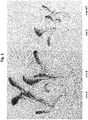
- Fig. 1 also demonstrates that the sugar beet plants according to the present invention ("Line A") show improved ALS inhibitor resistance, i.e. superior growth and less phytotoxic effects were observed in comparison to the other early phenotypes.
- the inventors have tested commercial compositions at the dose allowing destruction of the weeds.
- the sensitive control i.e. a sugar beet having no mutation in the ALS gene
- the sensitive control was killed by all the herbicides but one.
- the inventors have measured small damages to control (untreated) plant, reaching sometimes 35% or even 40%. These 'damages' reflect the agronomic conditions of this field trial.
- sugar beet plant being heterozygote at position 569 have become partially resistant towards several herbicidal compositions.
- the plant having incorporated the 569 mutation (574) on both alleles and thus being (569/569) homozygote has a further increased resistance: only 7 herbicide composition are moderately toxic (from 5% to 35%).
- a sugar beet plant having incorporated the mutation at position 569 (574) in one allele of the ALS gene and a mutation at position 188 (197) in the second allele of the ALS gene have also acquired improved resistance, since 9 herbicide compositions are moderately toxic, and only 3 are quite toxic.
- a mutation providing a strong resistance (569) has been lost and a mutation providing only a weak resistance (188) towards ALS inhibitor has been added, provides even better resistance than the homozygote (569/569) plant in 3 different conditions of this field test.
Landscapes
- Life Sciences & Earth Sciences (AREA)
- Health & Medical Sciences (AREA)
- Genetics & Genomics (AREA)
- Engineering & Computer Science (AREA)
- Developmental Biology & Embryology (AREA)
- Biotechnology (AREA)
- Chemical & Material Sciences (AREA)
- Wood Science & Technology (AREA)
- Cell Biology (AREA)
- Molecular Biology (AREA)
- Organic Chemistry (AREA)
- Biomedical Technology (AREA)
- General Engineering & Computer Science (AREA)
- Bioinformatics & Cheminformatics (AREA)
- Zoology (AREA)
- Botany (AREA)
- Environmental Sciences (AREA)
- Plant Pathology (AREA)
- Microbiology (AREA)
- Biophysics (AREA)
- Biochemistry (AREA)
- General Health & Medical Sciences (AREA)
- Physics & Mathematics (AREA)
- Chemical Kinetics & Catalysis (AREA)
- General Chemical & Material Sciences (AREA)
- Breeding Of Plants And Reproduction By Means Of Culturing (AREA)
- Micro-Organisms Or Cultivation Processes Thereof (AREA)
- Agricultural Chemicals And Associated Chemicals (AREA)
Priority Applications (3)
| Application Number | Priority Date | Filing Date | Title |
|---|---|---|---|
| EP13819001.2A EP2931902B1 (en) | 2012-12-13 | 2013-12-13 | Method to develop herbicide-resistant sugar beet plants |
| PL13819001T PL2931902T3 (pl) | 2012-12-13 | 2013-12-13 | Sposób opracowania roślin buraka cukrowego odpornych na herbicydy |
| SI201331145T SI2931902T1 (sl) | 2012-12-13 | 2013-12-13 | Postopek za razvoj na herbicid odpornih rastlin sladkorne pese |
Applications Claiming Priority (4)
| Application Number | Priority Date | Filing Date | Title |
|---|---|---|---|
| US201261736817P | 2012-12-13 | 2012-12-13 | |
| EP12196858 | 2012-12-13 | ||
| PCT/EP2013/076618 WO2014091021A1 (en) | 2012-12-13 | 2013-12-13 | Method to develop herbicide-resistant sugar beet plants |
| EP13819001.2A EP2931902B1 (en) | 2012-12-13 | 2013-12-13 | Method to develop herbicide-resistant sugar beet plants |
Publications (2)
| Publication Number | Publication Date |
|---|---|
| EP2931902A1 EP2931902A1 (en) | 2015-10-21 |
| EP2931902B1 true EP2931902B1 (en) | 2018-08-01 |
Family
ID=47351494
Family Applications (1)
| Application Number | Title | Priority Date | Filing Date |
|---|---|---|---|
| EP13819001.2A Active EP2931902B1 (en) | 2012-12-13 | 2013-12-13 | Method to develop herbicide-resistant sugar beet plants |
Country Status (18)
| Country | Link |
|---|---|
| US (1) | US10517244B2 (enExample) |
| EP (1) | EP2931902B1 (enExample) |
| JP (1) | JP6276780B2 (enExample) |
| CN (1) | CN105209622B (enExample) |
| CA (1) | CA2890489C (enExample) |
| CL (1) | CL2015001274A1 (enExample) |
| DK (1) | DK2931902T3 (enExample) |
| EA (1) | EA031973B1 (enExample) |
| ES (1) | ES2684994T3 (enExample) |
| HU (1) | HUE039314T2 (enExample) |
| IN (1) | IN2015DN06097A (enExample) |
| LT (1) | LT2931902T (enExample) |
| MA (1) | MA38254A1 (enExample) |
| PL (1) | PL2931902T3 (enExample) |
| SI (1) | SI2931902T1 (enExample) |
| TN (1) | TN2015000173A1 (enExample) |
| UA (1) | UA117821C2 (enExample) |
| WO (1) | WO2014091021A1 (enExample) |
Families Citing this family (7)
| Publication number | Priority date | Publication date | Assignee | Title |
|---|---|---|---|---|
| DK3326453T5 (da) | 2010-10-15 | 2024-01-08 | Bayer Cropscience Lp | Als-hæmmerherbicidtolerante beta vulgaris-mutanter |
| EP3155000A1 (en) * | 2014-06-12 | 2017-04-19 | SESVanderHave N.V. | Use of a selectable marker gene in sugar beet protoplasts transformation method and system |
| WO2015188870A1 (en) * | 2014-06-12 | 2015-12-17 | Sesvanderhave N.V. | Use of selectable marker gene in sugar beet protoplasts transformation method and system |
| EP3628738A1 (en) * | 2018-09-25 | 2020-04-01 | KWS SAAT SE & Co. KGaA | Method for controlling weed beets and other weeds |
| EP3628160A1 (en) | 2018-09-25 | 2020-04-01 | KWS SAAT SE & Co. KGaA | Use of glyphosate herbicide for controlling unwanted vegetation in beta vulgaris growing areas |
| RU2760286C2 (ru) * | 2020-04-03 | 2021-11-23 | Федеральное государственное бюджетное научное учреждение "Первомайская селекционно-опытная станция сахарной свеклы" | Способ получения константной линии сахарной свеклы, устойчивой к глифосату |
| CA3234200A1 (en) | 2021-10-15 | 2023-04-20 | Olaf Czarnecki | Als inhibitor herbicide tolerant beta vulgaris mutants |
Family Cites Families (11)
| Publication number | Priority date | Publication date | Assignee | Title |
|---|---|---|---|---|
| IL83348A (en) * | 1986-08-26 | 1995-12-08 | Du Pont | Nucleic acid fragment encoding herbicide resistant plant acetolactate synthase |
| DE3807801A1 (de) * | 1988-03-10 | 1989-09-21 | Merck Patent Gmbh | Derivate des 2,3-difluorhydrochinons |
| GB9321183D0 (en) * | 1993-10-14 | 1993-12-01 | Zeneca Ltd | A method of plant transformation |
| ES2139372T3 (es) * | 1995-07-11 | 2000-02-01 | Novartis Ag | Composicion herbicida selectiva. |
| US5859348A (en) * | 1996-07-17 | 1999-01-12 | Board Of Trustees Operating Michigan State University | Imidazolinone and sulfonyl urea herbicide resistant sugar beet plants |
| SK286030B6 (sk) | 1996-07-17 | 2008-01-07 | Michigan State University | Rastlinný materiál cukrovej repy rezistentnej voči herbicídom, spôsob produkcie herbicídne rezistentnej rastliny cukrovej repy a spôsob kontroly burín v prítomnosti týchto rastlín |
| EP1931791B1 (en) * | 2005-08-24 | 2012-02-08 | Pioneer-Hi-Bred International, Inc. | Methods and compositions for the expression of a polynucleotide of interest |
| CA2701624C (en) * | 2007-10-05 | 2019-08-20 | Cibus International Lp | Mutated acetohydroxyacid synthase genes in brassica |
| DK3326453T5 (da) * | 2010-10-15 | 2024-01-08 | Bayer Cropscience Lp | Als-hæmmerherbicidtolerante beta vulgaris-mutanter |
| SI2627183T2 (sl) | 2010-10-15 | 2021-11-30 | Bayer Intellectual Propety Gmbh | Uporaba herbicidov inhibitorjev ALS za zatiranje neželene vegetacije v rastlinah beta vulgaris, tolerantnih na herbicid inhibitor ALS |
| EP2704555A1 (en) * | 2011-05-04 | 2014-03-12 | Bayer Intellectual Property GmbH | Als inhibitor herbicide tolerant b. napus mutants |
-
2013
- 2013-12-13 IN IN6097DEN2015 patent/IN2015DN06097A/en unknown
- 2013-12-13 EA EA201591130A patent/EA031973B1/ru not_active IP Right Cessation
- 2013-12-13 SI SI201331145T patent/SI2931902T1/sl unknown
- 2013-12-13 HU HUE13819001A patent/HUE039314T2/hu unknown
- 2013-12-13 MA MA38254A patent/MA38254A1/fr unknown
- 2013-12-13 UA UAA201506881A patent/UA117821C2/uk unknown
- 2013-12-13 PL PL13819001T patent/PL2931902T3/pl unknown
- 2013-12-13 JP JP2015547057A patent/JP6276780B2/ja active Active
- 2013-12-13 CA CA2890489A patent/CA2890489C/en active Active
- 2013-12-13 CN CN201380065688.5A patent/CN105209622B/zh active Active
- 2013-12-13 DK DK13819001.2T patent/DK2931902T3/en active
- 2013-12-13 WO PCT/EP2013/076618 patent/WO2014091021A1/en not_active Ceased
- 2013-12-13 EP EP13819001.2A patent/EP2931902B1/en active Active
- 2013-12-13 ES ES13819001.2T patent/ES2684994T3/es active Active
- 2013-12-13 LT LTEP13819001.2T patent/LT2931902T/lt unknown
- 2013-12-13 US US14/443,587 patent/US10517244B2/en active Active
-
2015
- 2015-05-06 TN TNP2015000173A patent/TN2015000173A1/fr unknown
- 2015-05-12 CL CL2015001274A patent/CL2015001274A1/es unknown
Also Published As
| Publication number | Publication date |
|---|---|
| SI2931902T1 (sl) | 2019-04-30 |
| CN105209622B (zh) | 2018-08-10 |
| CA2890489A1 (en) | 2014-06-19 |
| US10517244B2 (en) | 2019-12-31 |
| CL2015001274A1 (es) | 2016-05-13 |
| CN105209622A (zh) | 2015-12-30 |
| UA117821C2 (uk) | 2018-10-10 |
| US20150289464A1 (en) | 2015-10-15 |
| WO2014091021A1 (en) | 2014-06-19 |
| HUE039314T2 (hu) | 2018-12-28 |
| PL2931902T3 (pl) | 2018-11-30 |
| EA031973B1 (ru) | 2019-03-29 |
| LT2931902T (lt) | 2018-09-10 |
| TN2015000173A1 (en) | 2016-10-03 |
| JP2016506245A (ja) | 2016-03-03 |
| CA2890489C (en) | 2022-05-03 |
| IN2015DN06097A (enExample) | 2015-07-31 |
| MA38254A1 (fr) | 2018-11-30 |
| EA201591130A1 (ru) | 2015-11-30 |
| ES2684994T3 (es) | 2018-10-05 |
| EP2931902A1 (en) | 2015-10-21 |
| DK2931902T3 (en) | 2018-09-03 |
| JP6276780B2 (ja) | 2018-02-07 |
Similar Documents
| Publication | Publication Date | Title |
|---|---|---|
| EP2931902B1 (en) | Method to develop herbicide-resistant sugar beet plants | |
| CN103003443B (zh) | 耐除草剂大豆植物及鉴定其的方法 | |
| Nandula | Glyphosate resistance in crops and weeds: history, development, and management | |
| CA2261094C (fr) | Gene chimere a plusieurs genes de tolerance herbicide, cellule vegetale et plante tolerantes a plusieurs herbicides | |
| JP2024516693A (ja) | 生物内で新規遺伝子を生成する方法およびその利用 | |
| UA114716C2 (uk) | Трасгенна рослина сої, стійка до гербіцидів | |
| JP2021506232A (ja) | Ppo除草剤耐性のための方法及び組成物 | |
| KR101899619B1 (ko) | Aad-1 식물에 관련된 잡초 방제 방법 및 식재-전 및/또는 발아-전 제초제 적용 | |
| UA120741C2 (uk) | Рослина з мутованою протопорфіриногеноксидазою | |
| BRPI0717610A2 (pt) | Polinucleotídeo isolado, conjunto para identificar o evento dp-098140-6 em amostra biológica, conjunto para detecção de dna, método para identificar o evento dp-098140-6 em amostra biológica, método para detecção da presença de dna correspondente a um evento dp-098140-6 em uma amostra, polinucleotídeo, par de moléculas de dna, método para confirmar a pureza de semente ou método para fazer varredura de sementes em um lote de sementes para o evento dp-098140-6, método para produzir uma planta tolerante a glifosato e tolerante a inibidor de als, método para controlar ervas daninhas em uma área de cultivo | |
| SK88599A3 (en) | Glyphosate resistant transgenic plants | |
| JP7429674B2 (ja) | トウモロコシ事象mon87429及びその使用方法 | |
| Zelaya et al. | Differential response of Amaranthus tuberculatus (Moq ex DC) JD Sauer to glyphosate | |
| JP2021137028A (ja) | 除草剤耐性遺伝子及びその使用方法 | |
| AU2019204538A1 (en) | Methods and compositions for combinations of mutations associated with herbicide resistance/tolerance in rice | |
| Porri et al. | Can double PPO mutations exist in the same allele and are such mutants functional? | |
| US20230203523A1 (en) | Hppd inhibitor herbicide tolerant plant | |
| TR201812130T4 (tr) | Herbisitlere karşı dirençli şeker pancarı bitkilerini geliştirmek için yöntem. | |
| US20250197952A1 (en) | Transgenic soybean event gm_csm63717 and compositions and methods for detection and uses thereof | |
| Hussain et al. | Herbicide Resistance: Another Hot Agronomic Trait for Plant Genome Editing. Plants 2021, 10, 621 | |
| Hurst et al. | Genetically modified crops | |
| HK40083468A (en) | Methods and compositions for combinations of mutations associated with herbicide resistance/tolerance in rice | |
| CN114645028A (zh) | 一种als突变蛋白及其应用 | |
| Dillon | Relationship between EPSPS copy number, expression, and level of resistance to glyphosate in common waterhemp (Amaranthus rudis) from Kansas | |
| JP2016136941A5 (enExample) |
Legal Events
| Date | Code | Title | Description |
|---|---|---|---|
| PUAI | Public reference made under article 153(3) epc to a published international application that has entered the european phase |
Free format text: ORIGINAL CODE: 0009012 |
|
| 17P | Request for examination filed |
Effective date: 20150626 |
|
| AK | Designated contracting states |
Kind code of ref document: A1 Designated state(s): AL AT BE BG CH CY CZ DE DK EE ES FI FR GB GR HR HU IE IS IT LI LT LU LV MC MK MT NL NO PL PT RO RS SE SI SK SM TR |
|
| AX | Request for extension of the european patent |
Extension state: BA ME |
|
| DAX | Request for extension of the european patent (deleted) | ||
| 17Q | First examination report despatched |
Effective date: 20161123 |
|
| GRAP | Despatch of communication of intention to grant a patent |
Free format text: ORIGINAL CODE: EPIDOSNIGR1 |
|
| INTG | Intention to grant announced |
Effective date: 20180323 |
|
| GRAS | Grant fee paid |
Free format text: ORIGINAL CODE: EPIDOSNIGR3 |
|
| GRAA | (expected) grant |
Free format text: ORIGINAL CODE: 0009210 |
|
| AK | Designated contracting states |
Kind code of ref document: B1 Designated state(s): AL AT BE BG CH CY CZ DE DK EE ES FI FR GB GR HR HU IE IS IT LI LT LU LV MC MK MT NL NO PL PT RO RS SE SI SK SM TR |
|
| REG | Reference to a national code |
Ref country code: GB Ref legal event code: FG4D |
|
| REG | Reference to a national code |
Ref country code: CH Ref legal event code: EP Ref country code: AT Ref legal event code: REF Ref document number: 1024351 Country of ref document: AT Kind code of ref document: T Effective date: 20180815 |
|
| REG | Reference to a national code |
Ref country code: IE Ref legal event code: FG4D |
|
| REG | Reference to a national code |
Ref country code: RO Ref legal event code: EPE |
|
| REG | Reference to a national code |
Ref country code: DE Ref legal event code: R096 Ref document number: 602013041319 Country of ref document: DE |
|
| REG | Reference to a national code |
Ref country code: CH Ref legal event code: NV Representative=s name: RENTSCH PARTNER AG, CH |
|
| REG | Reference to a national code |
Ref country code: DK Ref legal event code: T3 Effective date: 20180827 |
|
| REG | Reference to a national code |
Ref country code: SE Ref legal event code: TRGR |
|
| REG | Reference to a national code |
Ref country code: NL Ref legal event code: FP |
|
| REG | Reference to a national code |
Ref country code: ES Ref legal event code: FG2A Ref document number: 2684994 Country of ref document: ES Kind code of ref document: T3 Effective date: 20181005 |
|
| REG | Reference to a national code |
Ref country code: PT Ref legal event code: SC4A Ref document number: 2931902 Country of ref document: PT Date of ref document: 20181011 Kind code of ref document: T Free format text: AVAILABILITY OF NATIONAL TRANSLATION Effective date: 20180829 |
|
| REG | Reference to a national code |
Ref country code: HU Ref legal event code: AG4A Ref document number: E039314 Country of ref document: HU |
|
| PG25 | Lapsed in a contracting state [announced via postgrant information from national office to epo] |
Ref country code: BG Free format text: LAPSE BECAUSE OF FAILURE TO SUBMIT A TRANSLATION OF THE DESCRIPTION OR TO PAY THE FEE WITHIN THE PRESCRIBED TIME-LIMIT Effective date: 20181101 Ref country code: RS Free format text: LAPSE BECAUSE OF FAILURE TO SUBMIT A TRANSLATION OF THE DESCRIPTION OR TO PAY THE FEE WITHIN THE PRESCRIBED TIME-LIMIT Effective date: 20180801 Ref country code: IS Free format text: LAPSE BECAUSE OF FAILURE TO SUBMIT A TRANSLATION OF THE DESCRIPTION OR TO PAY THE FEE WITHIN THE PRESCRIBED TIME-LIMIT Effective date: 20181201 Ref country code: GR Free format text: LAPSE BECAUSE OF FAILURE TO SUBMIT A TRANSLATION OF THE DESCRIPTION OR TO PAY THE FEE WITHIN THE PRESCRIBED TIME-LIMIT Effective date: 20181102 Ref country code: NO Free format text: LAPSE BECAUSE OF FAILURE TO SUBMIT A TRANSLATION OF THE DESCRIPTION OR TO PAY THE FEE WITHIN THE PRESCRIBED TIME-LIMIT Effective date: 20181101 |
|
| REG | Reference to a national code |
Ref country code: SK Ref legal event code: T3 Ref document number: E 28814 Country of ref document: SK |
|
| PG25 | Lapsed in a contracting state [announced via postgrant information from national office to epo] |
Ref country code: LV Free format text: LAPSE BECAUSE OF FAILURE TO SUBMIT A TRANSLATION OF THE DESCRIPTION OR TO PAY THE FEE WITHIN THE PRESCRIBED TIME-LIMIT Effective date: 20180801 Ref country code: AL Free format text: LAPSE BECAUSE OF FAILURE TO SUBMIT A TRANSLATION OF THE DESCRIPTION OR TO PAY THE FEE WITHIN THE PRESCRIBED TIME-LIMIT Effective date: 20180801 Ref country code: HR Free format text: LAPSE BECAUSE OF FAILURE TO SUBMIT A TRANSLATION OF THE DESCRIPTION OR TO PAY THE FEE WITHIN THE PRESCRIBED TIME-LIMIT Effective date: 20180801 |
|
| PG25 | Lapsed in a contracting state [announced via postgrant information from national office to epo] |
Ref country code: EE Free format text: LAPSE BECAUSE OF FAILURE TO SUBMIT A TRANSLATION OF THE DESCRIPTION OR TO PAY THE FEE WITHIN THE PRESCRIBED TIME-LIMIT Effective date: 20180801 |
|
| REG | Reference to a national code |
Ref country code: DE Ref legal event code: R097 Ref document number: 602013041319 Country of ref document: DE |
|
| PG25 | Lapsed in a contracting state [announced via postgrant information from national office to epo] |
Ref country code: SM Free format text: LAPSE BECAUSE OF FAILURE TO SUBMIT A TRANSLATION OF THE DESCRIPTION OR TO PAY THE FEE WITHIN THE PRESCRIBED TIME-LIMIT Effective date: 20180801 |
|
| PLBE | No opposition filed within time limit |
Free format text: ORIGINAL CODE: 0009261 |
|
| STAA | Information on the status of an ep patent application or granted ep patent |
Free format text: STATUS: NO OPPOSITION FILED WITHIN TIME LIMIT |
|
| 26N | No opposition filed |
Effective date: 20190503 |
|
| PG25 | Lapsed in a contracting state [announced via postgrant information from national office to epo] |
Ref country code: MC Free format text: LAPSE BECAUSE OF FAILURE TO SUBMIT A TRANSLATION OF THE DESCRIPTION OR TO PAY THE FEE WITHIN THE PRESCRIBED TIME-LIMIT Effective date: 20180801 Ref country code: LU Free format text: LAPSE BECAUSE OF NON-PAYMENT OF DUE FEES Effective date: 20181213 |
|
| REG | Reference to a national code |
Ref country code: IE Ref legal event code: MM4A |
|
| PG25 | Lapsed in a contracting state [announced via postgrant information from national office to epo] |
Ref country code: IE Free format text: LAPSE BECAUSE OF NON-PAYMENT OF DUE FEES Effective date: 20181213 |
|
| PG25 | Lapsed in a contracting state [announced via postgrant information from national office to epo] |
Ref country code: MT Free format text: LAPSE BECAUSE OF NON-PAYMENT OF DUE FEES Effective date: 20181213 |
|
| REG | Reference to a national code |
Ref country code: AT Ref legal event code: UEP Ref document number: 1024351 Country of ref document: AT Kind code of ref document: T Effective date: 20180801 |
|
| PG25 | Lapsed in a contracting state [announced via postgrant information from national office to epo] |
Ref country code: MK Free format text: LAPSE BECAUSE OF NON-PAYMENT OF DUE FEES Effective date: 20180801 Ref country code: CY Free format text: LAPSE BECAUSE OF FAILURE TO SUBMIT A TRANSLATION OF THE DESCRIPTION OR TO PAY THE FEE WITHIN THE PRESCRIBED TIME-LIMIT Effective date: 20180801 |
|
| REG | Reference to a national code |
Ref country code: FI Ref legal event code: MAE |
|
| PG25 | Lapsed in a contracting state [announced via postgrant information from national office to epo] |
Ref country code: FI Free format text: LAPSE BECAUSE OF NON-PAYMENT OF DUE FEES Effective date: 20191213 |
|
| PGFP | Annual fee paid to national office [announced via postgrant information from national office to epo] |
Ref country code: LT Payment date: 20241202 Year of fee payment: 12 |
|
| PGFP | Annual fee paid to national office [announced via postgrant information from national office to epo] |
Ref country code: DK Payment date: 20241230 Year of fee payment: 12 |
|
| PGFP | Annual fee paid to national office [announced via postgrant information from national office to epo] |
Ref country code: PL Payment date: 20241203 Year of fee payment: 12 Ref country code: NL Payment date: 20241230 Year of fee payment: 12 Ref country code: BE Payment date: 20241230 Year of fee payment: 12 |
|
| PGFP | Annual fee paid to national office [announced via postgrant information from national office to epo] |
Ref country code: GB Payment date: 20241227 Year of fee payment: 12 |
|
| PGFP | Annual fee paid to national office [announced via postgrant information from national office to epo] |
Ref country code: FR Payment date: 20241230 Year of fee payment: 12 |
|
| PGFP | Annual fee paid to national office [announced via postgrant information from national office to epo] |
Ref country code: HU Payment date: 20241210 Year of fee payment: 12 Ref country code: AT Payment date: 20241223 Year of fee payment: 12 |
|
| PGFP | Annual fee paid to national office [announced via postgrant information from national office to epo] |
Ref country code: CZ Payment date: 20241203 Year of fee payment: 12 |
|
| PGFP | Annual fee paid to national office [announced via postgrant information from national office to epo] |
Ref country code: RO Payment date: 20241209 Year of fee payment: 12 Ref country code: SK Payment date: 20241205 Year of fee payment: 12 |
|
| PGFP | Annual fee paid to national office [announced via postgrant information from national office to epo] |
Ref country code: SE Payment date: 20241230 Year of fee payment: 12 |
|
| PGFP | Annual fee paid to national office [announced via postgrant information from national office to epo] |
Ref country code: TR Payment date: 20241203 Year of fee payment: 12 |
|
| PGFP | Annual fee paid to national office [announced via postgrant information from national office to epo] |
Ref country code: SI Payment date: 20241203 Year of fee payment: 12 |
|
| PGFP | Annual fee paid to national office [announced via postgrant information from national office to epo] |
Ref country code: DE Payment date: 20241219 Year of fee payment: 12 |
|
| PGFP | Annual fee paid to national office [announced via postgrant information from national office to epo] |
Ref country code: ES Payment date: 20250214 Year of fee payment: 12 |
|
| PGFP | Annual fee paid to national office [announced via postgrant information from national office to epo] |
Ref country code: CH Payment date: 20250101 Year of fee payment: 12 |
|
| PGFP | Annual fee paid to national office [announced via postgrant information from national office to epo] |
Ref country code: IT Payment date: 20241227 Year of fee payment: 12 |
|
| PGFP | Annual fee paid to national office [announced via postgrant information from national office to epo] |
Ref country code: PT Payment date: 20251125 Year of fee payment: 13 |
|
| REG | Reference to a national code |
Ref country code: CH Ref legal event code: U11 Free format text: ST27 STATUS EVENT CODE: U-0-0-U10-U11 (AS PROVIDED BY THE NATIONAL OFFICE) Effective date: 20260101 |