EP2820125B1 - Expansion of alloantigen-reactive regulatory t cells - Google Patents
Expansion of alloantigen-reactive regulatory t cells Download PDFInfo
- Publication number
- EP2820125B1 EP2820125B1 EP13754740.2A EP13754740A EP2820125B1 EP 2820125 B1 EP2820125 B1 EP 2820125B1 EP 13754740 A EP13754740 A EP 13754740A EP 2820125 B1 EP2820125 B1 EP 2820125B1
- Authority
- EP
- European Patent Office
- Prior art keywords
- cells
- tregs
- donor
- reactive
- treg
- Prior art date
- Legal status (The legal status is an assumption and is not a legal conclusion. Google has not performed a legal analysis and makes no representation as to the accuracy of the status listed.)
- Active
Links
Images



Classifications
-
- A—HUMAN NECESSITIES
- A61—MEDICAL OR VETERINARY SCIENCE; HYGIENE
- A61K—PREPARATIONS FOR MEDICAL, DENTAL OR TOILETRY PURPOSES
- A61K31/00—Medicinal preparations containing organic active ingredients
- A61K31/33—Heterocyclic compounds
- A61K31/395—Heterocyclic compounds having nitrogen as a ring hetero atom, e.g. guanethidine or rifamycins
- A61K31/435—Heterocyclic compounds having nitrogen as a ring hetero atom, e.g. guanethidine or rifamycins having six-membered rings with one nitrogen as the only ring hetero atom
- A61K31/4353—Heterocyclic compounds having nitrogen as a ring hetero atom, e.g. guanethidine or rifamycins having six-membered rings with one nitrogen as the only ring hetero atom ortho- or peri-condensed with heterocyclic ring systems
- A61K31/436—Heterocyclic compounds having nitrogen as a ring hetero atom, e.g. guanethidine or rifamycins having six-membered rings with one nitrogen as the only ring hetero atom ortho- or peri-condensed with heterocyclic ring systems the heterocyclic ring system containing a six-membered ring having oxygen as a ring hetero atom, e.g. rapamycin
-
- A—HUMAN NECESSITIES
- A61—MEDICAL OR VETERINARY SCIENCE; HYGIENE
- A61K—PREPARATIONS FOR MEDICAL, DENTAL OR TOILETRY PURPOSES
- A61K31/00—Medicinal preparations containing organic active ingredients
- A61K31/33—Heterocyclic compounds
- A61K31/395—Heterocyclic compounds having nitrogen as a ring hetero atom, e.g. guanethidine or rifamycins
- A61K31/535—Heterocyclic compounds having nitrogen as a ring hetero atom, e.g. guanethidine or rifamycins having six-membered rings with at least one nitrogen and one oxygen as the ring hetero atoms, e.g. 1,2-oxazines
- A61K31/5375—1,4-Oxazines, e.g. morpholine
- A61K31/5377—1,4-Oxazines, e.g. morpholine not condensed and containing further heterocyclic rings, e.g. timolol
-
- A—HUMAN NECESSITIES
- A61—MEDICAL OR VETERINARY SCIENCE; HYGIENE
- A61K—PREPARATIONS FOR MEDICAL, DENTAL OR TOILETRY PURPOSES
- A61K31/00—Medicinal preparations containing organic active ingredients
- A61K31/56—Compounds containing cyclopenta[a]hydrophenanthrene ring systems; Derivatives thereof, e.g. steroids
- A61K31/57—Compounds containing cyclopenta[a]hydrophenanthrene ring systems; Derivatives thereof, e.g. steroids substituted in position 17 beta by a chain of two carbon atoms, e.g. pregnane or progesterone
- A61K31/573—Compounds containing cyclopenta[a]hydrophenanthrene ring systems; Derivatives thereof, e.g. steroids substituted in position 17 beta by a chain of two carbon atoms, e.g. pregnane or progesterone substituted in position 21, e.g. cortisone, dexamethasone, prednisone or aldosterone
-
- A—HUMAN NECESSITIES
- A61—MEDICAL OR VETERINARY SCIENCE; HYGIENE
- A61K—PREPARATIONS FOR MEDICAL, DENTAL OR TOILETRY PURPOSES
- A61K39/00—Medicinal preparations containing antigens or antibodies
- A61K39/0005—Vertebrate antigens
- A61K39/001—Preparations to induce tolerance to non-self, e.g. prior to transplantation
-
- A—HUMAN NECESSITIES
- A61—MEDICAL OR VETERINARY SCIENCE; HYGIENE
- A61K—PREPARATIONS FOR MEDICAL, DENTAL OR TOILETRY PURPOSES
- A61K40/00—Cellular immunotherapy
- A61K40/10—Cellular immunotherapy characterised by the cell type used
-
- A—HUMAN NECESSITIES
- A61—MEDICAL OR VETERINARY SCIENCE; HYGIENE
- A61K—PREPARATIONS FOR MEDICAL, DENTAL OR TOILETRY PURPOSES
- A61K40/00—Cellular immunotherapy
- A61K40/10—Cellular immunotherapy characterised by the cell type used
- A61K40/11—T-cells, e.g. tumour infiltrating lymphocytes [TIL] or regulatory T [Treg] cells; Lymphokine-activated killer [LAK] cells
-
- A—HUMAN NECESSITIES
- A61—MEDICAL OR VETERINARY SCIENCE; HYGIENE
- A61K—PREPARATIONS FOR MEDICAL, DENTAL OR TOILETRY PURPOSES
- A61K40/00—Cellular immunotherapy
- A61K40/20—Cellular immunotherapy characterised by the effect or the function of the cells
- A61K40/22—Immunosuppressive or immunotolerising
-
- A—HUMAN NECESSITIES
- A61—MEDICAL OR VETERINARY SCIENCE; HYGIENE
- A61K—PREPARATIONS FOR MEDICAL, DENTAL OR TOILETRY PURPOSES
- A61K40/00—Cellular immunotherapy
- A61K40/40—Cellular immunotherapy characterised by antigens that are targeted or presented by cells of the immune system
- A61K40/41—Vertebrate antigens
- A61K40/418—Antigens related to induction of tolerance to non-self
-
- A—HUMAN NECESSITIES
- A61—MEDICAL OR VETERINARY SCIENCE; HYGIENE
- A61P—SPECIFIC THERAPEUTIC ACTIVITY OF CHEMICAL COMPOUNDS OR MEDICINAL PREPARATIONS
- A61P37/00—Drugs for immunological or allergic disorders
-
- A—HUMAN NECESSITIES
- A61—MEDICAL OR VETERINARY SCIENCE; HYGIENE
- A61P—SPECIFIC THERAPEUTIC ACTIVITY OF CHEMICAL COMPOUNDS OR MEDICINAL PREPARATIONS
- A61P37/00—Drugs for immunological or allergic disorders
- A61P37/02—Immunomodulators
- A61P37/06—Immunosuppressants, e.g. drugs for graft rejection
-
- C—CHEMISTRY; METALLURGY
- C12—BIOCHEMISTRY; BEER; SPIRITS; WINE; VINEGAR; MICROBIOLOGY; ENZYMOLOGY; MUTATION OR GENETIC ENGINEERING
- C12N—MICROORGANISMS OR ENZYMES; COMPOSITIONS THEREOF; PROPAGATING, PRESERVING, OR MAINTAINING MICROORGANISMS; MUTATION OR GENETIC ENGINEERING; CULTURE MEDIA
- C12N5/00—Undifferentiated human, animal or plant cells, e.g. cell lines; Tissues; Cultivation or maintenance thereof; Culture media therefor
- C12N5/06—Animal cells or tissues; Human cells or tissues
- C12N5/0602—Vertebrate cells
- C12N5/0634—Cells from the blood or the immune system
- C12N5/0635—B lymphocytes
-
- C—CHEMISTRY; METALLURGY
- C12—BIOCHEMISTRY; BEER; SPIRITS; WINE; VINEGAR; MICROBIOLOGY; ENZYMOLOGY; MUTATION OR GENETIC ENGINEERING
- C12N—MICROORGANISMS OR ENZYMES; COMPOSITIONS THEREOF; PROPAGATING, PRESERVING, OR MAINTAINING MICROORGANISMS; MUTATION OR GENETIC ENGINEERING; CULTURE MEDIA
- C12N5/00—Undifferentiated human, animal or plant cells, e.g. cell lines; Tissues; Cultivation or maintenance thereof; Culture media therefor
- C12N5/06—Animal cells or tissues; Human cells or tissues
- C12N5/0602—Vertebrate cells
- C12N5/0634—Cells from the blood or the immune system
- C12N5/0636—T lymphocytes
- C12N5/0637—Immunosuppressive T lymphocytes, e.g. regulatory T cells or Treg
-
- A—HUMAN NECESSITIES
- A61—MEDICAL OR VETERINARY SCIENCE; HYGIENE
- A61K—PREPARATIONS FOR MEDICAL, DENTAL OR TOILETRY PURPOSES
- A61K2239/00—Indexing codes associated with cellular immunotherapy of group A61K40/00
- A61K2239/38—Indexing codes associated with cellular immunotherapy of group A61K40/00 characterised by the dose, timing or administration schedule
-
- A—HUMAN NECESSITIES
- A61—MEDICAL OR VETERINARY SCIENCE; HYGIENE
- A61K—PREPARATIONS FOR MEDICAL, DENTAL OR TOILETRY PURPOSES
- A61K2300/00—Mixtures or combinations of active ingredients, wherein at least one active ingredient is fully defined in groups A61K31/00 - A61K41/00
-
- A—HUMAN NECESSITIES
- A61—MEDICAL OR VETERINARY SCIENCE; HYGIENE
- A61K—PREPARATIONS FOR MEDICAL, DENTAL OR TOILETRY PURPOSES
- A61K40/00—Cellular immunotherapy
- A61K40/50—Cellular immunotherapy characterised by the use of allogeneic cells
-
- C—CHEMISTRY; METALLURGY
- C12—BIOCHEMISTRY; BEER; SPIRITS; WINE; VINEGAR; MICROBIOLOGY; ENZYMOLOGY; MUTATION OR GENETIC ENGINEERING
- C12N—MICROORGANISMS OR ENZYMES; COMPOSITIONS THEREOF; PROPAGATING, PRESERVING, OR MAINTAINING MICROORGANISMS; MUTATION OR GENETIC ENGINEERING; CULTURE MEDIA
- C12N2501/00—Active agents used in cell culture processes, e.g. differentation
- C12N2501/04—Immunosuppressors, e.g. cyclosporin, tacrolimus
-
- C—CHEMISTRY; METALLURGY
- C12—BIOCHEMISTRY; BEER; SPIRITS; WINE; VINEGAR; MICROBIOLOGY; ENZYMOLOGY; MUTATION OR GENETIC ENGINEERING
- C12N—MICROORGANISMS OR ENZYMES; COMPOSITIONS THEREOF; PROPAGATING, PRESERVING, OR MAINTAINING MICROORGANISMS; MUTATION OR GENETIC ENGINEERING; CULTURE MEDIA
- C12N2501/00—Active agents used in cell culture processes, e.g. differentation
- C12N2501/20—Cytokines; Chemokines
- C12N2501/23—Interleukins [IL]
- C12N2501/2304—Interleukin-4 (IL-4)
-
- C—CHEMISTRY; METALLURGY
- C12—BIOCHEMISTRY; BEER; SPIRITS; WINE; VINEGAR; MICROBIOLOGY; ENZYMOLOGY; MUTATION OR GENETIC ENGINEERING
- C12N—MICROORGANISMS OR ENZYMES; COMPOSITIONS THEREOF; PROPAGATING, PRESERVING, OR MAINTAINING MICROORGANISMS; MUTATION OR GENETIC ENGINEERING; CULTURE MEDIA
- C12N2501/00—Active agents used in cell culture processes, e.g. differentation
- C12N2501/50—Cell markers; Cell surface determinants
- C12N2501/515—CD3, T-cell receptor complex
-
- C—CHEMISTRY; METALLURGY
- C12—BIOCHEMISTRY; BEER; SPIRITS; WINE; VINEGAR; MICROBIOLOGY; ENZYMOLOGY; MUTATION OR GENETIC ENGINEERING
- C12N—MICROORGANISMS OR ENZYMES; COMPOSITIONS THEREOF; PROPAGATING, PRESERVING, OR MAINTAINING MICROORGANISMS; MUTATION OR GENETIC ENGINEERING; CULTURE MEDIA
- C12N2502/00—Coculture with; Conditioned medium produced by
- C12N2502/11—Coculture with; Conditioned medium produced by blood or immune system cells
- C12N2502/1107—B cells
-
- C—CHEMISTRY; METALLURGY
- C12—BIOCHEMISTRY; BEER; SPIRITS; WINE; VINEGAR; MICROBIOLOGY; ENZYMOLOGY; MUTATION OR GENETIC ENGINEERING
- C12N—MICROORGANISMS OR ENZYMES; COMPOSITIONS THEREOF; PROPAGATING, PRESERVING, OR MAINTAINING MICROORGANISMS; MUTATION OR GENETIC ENGINEERING; CULTURE MEDIA
- C12N2502/00—Coculture with; Conditioned medium produced by
- C12N2502/30—Coculture with; Conditioned medium produced by tumour cells
Definitions
- the present disclosure relates generally to the manufacture of regulatory T cells (Tregs) for use in immunotherapy.
- the present disclosure relates to robust approaches for the expansion of alloantigen-reactive Tregs ex vivo. Alloantigen-reactive Tregs produced in this way are suitable for the induction and/or maintenance of immunologic tolerance in recipients of allogeneic transplants.
- Tregs T regulatory cells
- their importance in regulating immune responses has encouraged the reconfiguration of immunosuppression regimens to favor Treg development and function with the ultimate goal of inducing graft tolerance ( Waldmann et al., J.
- Treg-supportive immunsuppression regimens have included the initial de-bulking of donor-reactive T cells.
- rATG Rabbit anti-thymocyte globulin
- rATG Rabbit anti-thymocyte globulin
- polyTregs polyclonal Tregs
- alloantigen-specific Tregs are more effective and safer than non-specific Tregs in transplant settings because they provide specific rather than generic immunosuppression ( Golshayan et al., Blood, 109:827-835, 2007 ; and Raimondi et al., J Immunol, 184:624-636, 2010 ).
- donor-reactive Tregs have the potential to induce tolerance to the transplanted organ without impeding conventional immune responses.
- the present disclosure relates generally to the manufacture of regulatory T cells (Tregs) for use in immunotherapy.
- the present disclosure relates to robust approaches for the expansion of alloantigen-reactive Tregs (alloTregs) ex vivo. AlloTregs produced in this way are suitable for the induction and/or maintenance of immunologic tolerance in recipients of allogeneic transplants.
- the present invention provides a method for the production of human, donor-reactive regulatory T cells (Tregs), comprising:
- the present disclosure provides methods for the production of human, donor-reactive regulatory T cells (Tregs), comprising: a) co-culturing CD19+ B cells of a human donor (first human subject) with irradiated CD40L+ human leukemia feeder cells under conditions effective in producing stimulated B cells (sBc); and b) co-culturing CD4+, CD25+, CD127-/lo T cells of a human recipient (second human subject) with the sBc under conditions effective in selectively expanding human donor-reactive regulatory T cells (Tregs).
- the human donor is unrelated to the human recipient.
- the human donor is HLA-mismatched in relation to the human recipient (e.g., donor is allogeneic to the recipient or said another way the transplant is a heterologous organ transplant).
- the HLA-mismatch comprises a mismatch at one, two, three or four of HLA-A, HLA-B, HLA-C and HLA-DR.
- the methods further comprise step c) re-stimulating the donor-reactive Tregs by cross-linking CD3 and CD28 of the donor-reactive Tregs under conditions effective in producing re-stimulated donor-reactive Tregs.
- the donor-reactive Tregs are CD4+, Helios+ and Foxp3+.
- the donor-reactive Tregs are CD27+ and CD62L+.
- the methods further comprise a step before a) of isolating CD4+, CD25+, CD127-/lo T cells from cryopreserved peripheral blood mononuclear cells (PBMC) obtained from the human recipient.
- step a) comprises co-culturing the B cells and the feeder cells in medium comprising insulin, transferrin, interleukin-4 and cyclosporine A.
- the feeder cells are KCD40L cells.
- step b) comprises co-culturing the sBc and the CD4+, CD25+, CD127-/lo T cells in medium comprising interleukin-2, after the sBc have been irradiated.
- step c) commences 9-12 days after step b) commences.
- the re-stimulated alloTregs comprise at least 200, 250, 300, 350, 400, 450, 500, 600, 700, 800, 900, 1000, 1100, 1200, 1400 or 1600 fold more cells than the CD4+, CD25+, CD127-/lo T cells at the onset of step b).
- compositions comprising a physiologically acceptable buffer (e.g., saline, PBS, etc.) and the restimulated donor-reactive Tregs produced using the methods described above.
- a physiologically acceptable buffer e.g., saline, PBS, etc.
- methods for treating an organ transplant recipient comprising: administering from 10 7 to 10 11 of the restimulated donor-reactive Tregs produced using the methods described above to a human recipient of a heterologous organ transplant.
- medicaments for use in treating or preventing rejection of a solid organ allograft by the human recipient the medicament comprising: from 10 7 to 10 11 of the restimulated donor-reactive Tregs produced using the methods described above.
- the organ transplant is a solid organ allograft selected from the group consisting of cardiac, lung, cardiac/lung, kidney, pancreas, kidney/pancreas, intestine and liver allografts.
- the solid organ allograft is a skin allograft.
- the restimulated donor-reactive Tregs are administered on more than one occasion (repeatedly administered).
- the restimulated donor-reactive Tregs are first administered after the recipient has received the heterologous organ transplant.
- the restimulated donor-reactive Tregs are administered before and after the recipient has received the heterologous organ transplant.
- the Treg-supportive immunosuppression regimen may comprise: administering rabbit anti-thymocyte globulin to the human recipient at an amount effective to achieve lymphocyte depletion.
- methods further comprising administering sirolimus to the human subject are effective in reducing the likelihood of acute and/or chronic transplant rejection.
- the administration of the restimulated donor-reactive Tregs is effective in prolonging survival of the solid organ allograft. In some preferred embodiments, the administration of the restimulated donor-reactive Tregs is effective in achieving one or more of the following: increasing Treg percentages over baseline, increasing donor-reactive Treg frequency, increasing donor-reactive Treg activity, and induction of tolerance gene expression profiles in PBMC and/or transplant tissue.
- the present disclosure relates generally to the manufacture of regulatory T cells (Tregs) for use in immunotherapy.
- the present disclosure relates to robust approaches for the expansion of alloantigen-specific Tregs ex vivo. Alloantigen-specific Tregs produced in this way are suitable for the induction and/or maintenance of immunologic tolerance in recipients of allogeneic transplants.
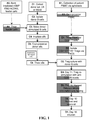
- FIG. 1 shows the workflow of donor-reactive Treg manufacturing. Briefly, the process begins with stimulating purified donor B cells with lethally irradiated good manufacturing process (GMP)-certified K562-hCD40L transfectants. The stimulated donor B cells are irradiated and used to selectively expand donor-reactive Tregs from CD4+CD25+CD127lo Tregs isolated from recipients' peripheral blood by fluorescent activated cell sorting ( FIG. 2A ).
- GMP lethally irradiated good manufacturing process
- the Tregs that remained in the culture are virtually all donor-reactive.
- the Tregs are restimulated with anti-CD3 and anti-CD28-conjugated beads to further expand the cells for additional 5 days.
- This protocol induces robust proliferation of Tregs ( FIG. 2B ) and can produce over a billion donor-reactive Tregs from one unit of blood.
- the expanded Tregs are >95% CD4+, >60% Foxp3+, >90% with demethylated Foxp3 promotor, >90% donor-reactive, and suppress donor-stimulated T cell proliferation when present at a 1:125 Treg:responder PBMC ratio.
- the donor-reactive Tregs also referred to herein as alloantigen-specific Tregs or alloTregs
- An exemplary embodiment involves the use of donor-reactive Tregs in the context of a Treg-supportive immunosuppression regimen as an approach to inducing tolerance of a liver transplant (Ltx).
- Treg therapy is useful for increasing the likelihood of and/or accelerating the development of tolerance.
- Treg administration in organ transplant settings is done in combination with administration of Treg-supportive immunosuppression regimens.
- M molar
- mM millimolar
- ⁇ M micromolar
- nM nanomolar
- mol mole
- mmol millimoles
- ⁇ mol micromol
- nmol nanomoles
- gm grams
- mg milligrams
- ⁇ g micrograms
- pg picograms
- L liters
- ml and mL milliliters
- ⁇ l and ⁇ L microliters
- Additional abbreviations include: Ab (antibody); allo (allogenic); CFSE (carboxyfluorescein diacetate, succinimidyl ester); FACS (fluorescent activated cell sorting); GMP (good manufacturing practice); IHC (immunohistochemistry); Ltx (liver transplant); MELD (model for end-stage liver disease); MLR (mixed lymphocyte reaction); PBMC (peripheral blood mononuclear cells); poly (polyclonal); rATG (rabbit anti-thymocyte globulin); sBcs (stimulated B cells); SOC (standard of care); SRL (sirolimus/rapamycin): tac (tacrolimus); Tconv (conventional T cells); Tregs (regulatory T cells); TSDR (Treg-specific demethylation region); Tx (transplant/transplantation); and UCSF (University of California San Francisco).
- This example provides an exemplary GMP-compliant method to selectively expand ex vivo up to billions (10 9 ) of alloantigen-specific Tregs from human peripheral blood monocular cells (PBMC) in about 2 weeks (see FIG. 1 ).
- PBMC peripheral blood monocular cells
- PBMC peripheral blood mononuclear cells
- PBMC peripheral blood mononuclear cells
- the cells were washed twice and resuspended in ice cold CS10 cryopreservation solution (BioLife Solutions) at 100-200 million cells/ml/cryogenic vial. The cells were frozen in a controlled rate freezer and stored in vapor phase of liquid nitrogen until further use.
- Donor B cell purification and banking Donor spleen or lymph nodes from cadaveric donors or PBMC from living donors were collected and transported to the GMP facility for processing into a single cell suspension. B cells were purified using CD19 positive selection on a CliniMACS instrument. Purified CD19 + B cells were banked by cryopreservation until needed for Treg expansion.
- K562 Human erythromyeloblastoid leukemia cells, K562 (ATCC No. CCL-243), were transfected with a lentivirus to express human CD40L, CD64 and HLA-DR0401 (K562-hCD40L or K40L). These cells are not tumorigenic in immunodeficient mice.
- the K40L feeder cells were ⁇ -irradiated at 10,000 rads, and banked until further use.
- the mixed culture was restimulated with K40L feeder cells at a 1-10:1 ratio (B:K40L) for 3 days.
- the average expansion was 10 to 20 fold.
- the sBc were passed over ficoll to remove dead cells including the dead K40L cells.
- a set of quality assurance assays were performed on the sBc, which included a qPCR-based EBV reactivation test (Viracor) and flow cytometry to determine purity as well as expression of HLA-DR, CD80, and CD86.
- the sBc were ⁇ - irradiated (1000 rads) and banked until further use.
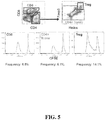
- Treg expansion Recipient PBMC were thawed, counted and stained with clinical-grade, fluorescently-conjugated antibodies (CD4-PerCP Ab, CD25-APC Ab, and CD127-PE Ab). CD4 + CD127 lo/- CD25 + cells were purified from the stained PBMC by FACS ( FIG. 2A ). FACS-purified Tregs were mixed with banked irradiated sBc at a 4:1 ratio of sBc:Treg in growth medium comprising GMP-grade Optimizer Medium (Invitrogen) containing supplement, GlutaMAX-1 CTS and 2% human AB serum.
- GMP-grade Optimizer Medium Invitrogen
- human recombinant IL-2 was added to the culture at a total concentration of 300 IU/ml when media volume was doubled.
- the cultures were fed with fresh medium containing IL-2 on days 5, 7 and 9 to maintain cell concentration at 2-3x10 5 cells/ml.
- On day 11 of the culture cells were restimulated with beads conjugated with anti-CD3 and anti-CD28 monoclonal antibodies at a 1:1 ratio for the remainder of the culture period.
- the cultures were fed on day 1 and harvested on day 16.
- the Tregs expand 200 to 1600 fold in the 16-day culture period.
- Tregs are resuspended in HypoThermosal solution and kept at 4°C while awaiting the results of release assays, quality assurance review and approval. Upon product release, the Tregs are transported to the clinic for infusion. Greater than 5x10 6 Tregs are purified from one unit of recipient whole blood. With a conservative estimate of 200-fold expansion, at least 1x10 9 donor-reactive Tregs are expected to be harvested at the end of the expansion period.
- Treg release assays and release criteria The following assays and criteria are used before Treg release: viability >99%, flow cytometry for CD4 >90%, CD8 ⁇ 5%, CD19 ⁇ 5%, Foxp3 >60%, and TSDR >80%. Negative microbial tests for bacteria, fungus, mycoplasma, and endotoxin on culture day 12.
- the TSDR assay employed is currently the most accurate and reliable test for the purity and stability of Tregs.
- the methylation assay confirms the percentage of Foxp3+ cells determined by flow cytometry. Additionally, there is strong evidence that Foxp3 can be expressed in activated Tconv cells. However, the Foxp3 TSDR locus is methylated in activated Tconv cells while it is demethylated in bona fide Tregs.
- Post-release assays The following assays are performed on each product to fully document the phenotype and functionality of the cells: 1) expanded flow cytometric analysis using two panels consisting of CD4/Foxp3/CD27/CD62L and CD4/Foxp3/CD25/Helios; 2) donor specific suppression assay; 3) donor specificity assay; 4) long-term 14-day microbial test; and 5) cytokines (IL-2, IFN-gamma and IL-17) induced by donor sBc and PMA and ionomycin.
- cytokines IL-2, IFN-gamma and IL-17
- Foxp3+ Tregs are "plastic” and can acquire expression of effector cytokines such as IFN-gamma and IL-17 ( Zhou et al., Curr Opin Immunol, 21:281-285, 2009 ; Zhou et al., Immunity, 30:646-655, 2009 ; and Hori et al., Curr Opin Immunol, 22:575-582, 2010 ).
- exTregs While exTregs have low or no suppressive activity and can be pathogenic in experimental autoimmune settings, it is important to note that emergence of exTreg in lympho-replete hosts primarily occurs in extreme experimental conditions ( Rubtsov et al., Science, 329:1667-1671, 2010 ). Moreover, in all conditions, the majority of exTregs do not express effector cytokines even after supraphysiologic in vitro stimulation with PMA and ionomycin.
- the donor-reactive Tregs produced using the exemplary protocol we have high levels of Foxp3, TSDR, and Helios expression.
- Treg-supportive immunosuppression these cells are infused into patients under Treg-supportive immunosuppression, therefore the chance of the infused donor-reactive Tregs turning into full-fledged pathogenic effectors in vivo is low.
- effector Tregs have been shown to be suppressive in many experimental conditions.
- IFN-gamma production by Tregs has been shown to be essential to their suppressive function and protection against allograft rejection ( Sawitzki et al., J Exp Med, 201:1925-1935, 2005 ).
- effector cytokine production by Foxp3+ Tregs is expected to be tolerogenic rather than pathogenic.
- Tregs were purified from PBMCs using FACS based on CD4 + CD127 lo/- CD25 + cell surface phenotype as previously described ( Putman et al., Diabetes, 58:652-662, 2009 ).
- Donor B cells were purified using anti-CD19 CliniMACS beads (Miltenyi) and stimulated with irradiated GMP-compliant K562 cells expressing human CD40L.
- the dead K540L cells were removed from the sBc by ficoll density gradient centrifugation and the purified sBc were irradiated before adding to purified Tregs.
- up to ⁇ 1600-fold expansion of Tregs was achieved. Given that ⁇ 10% of Tregs are reactive to a fully HLA-mistmatched donor, 1600-fold overall expansion translates into ⁇ 16,000-fold increase in donor-reactive Tregs in the 16-day culture period.
- the expanded Treg cultures were CD3+CD4+CD8-CD19-, Foxp3+, Helios+, CD27+ and CD62Lhi when compared to similarly expanded Tconv cells ( FIG. 2B ).
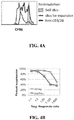
- Almost all donor sBc-expanded Tregs responded to restimulation with the donor sBc, but not to syngeneic sBc, indicating that they are stimulator-reactive ( FIG. 4A ).
- the donor-sBc-expanded Tregs exhibited enhanced donor-specific suppressive activity when compared with polyclonally expanded Tregs ( FIG. 4B ).
- This example describes a dose escalation clinical trial to assess safety of autologous, donor-reactive Treg therapy in liver transplant (Ltx) recipients.
- the methods and compositions of the present disclosure are not limited to this context. In fact, the methods and compositions of the present disclosure are expected to find use in the context of other solid organ allografts, as well as in treating or preventing graft versus host disease.
- Donor-reactive Tregs and Treg-supportive immunosuppression are expected to be suitable for inducing or maintaining tolerance of allografts selected from but not limited to cardiac, lung, cardia/lung, kidney, pancreas, kidney/pancreas, intestine and liver allografts.
- Escalating doses of Tregs expanded ex vivo using activated donor B cells are administered to Ltx recipients in conjunction with a modified immunosuppression regimen designed to favor Treg development, persistence, and function.
- This regimen is comprised of rabbit anti-thymocyte globulin (rATG) induction, reduced dosing of corticosteroids (Pred), mycophenolate mofetil (MMF), and tacrolimus (tac), followed by the delayed introduction of sirolimus (SRL).
- rATG rabbit anti-thymocyte globulin
- Pred corticosteroids
- MMF mycophenolate mofetil
- tac tacrolimus
- Subjects are followed for one year after transplantation, during which clinical data along with peripheral blood (PBMC and serum) and liver biopsy samples are collected and analyzed.
- PBMC and serum peripheral blood
- liver biopsy samples are collected and analyzed.
- the clinical trial encompasses three phases with specific inclusion/exclusion criteria at each phase to maximize participant safety.
- Pre and Ltx phase Patients are selected from the Ltx waiting list who have end-stage liver disease, between the ages of 20-70 years, and have a calculated MELD score of no greater than 25 ( Kamath et al., Hepatology, 33:464-470, 2001 ).
- the trial specifically excludes Ltx recipients at increased risk of acute rejection and recurrent disease and limits the severity of liver disease and portal hypertension and/or hypersplenism.
- only patients with Tregs present in PBMC at greater than 10/ ⁇ l are selected.
- PBMC peripheral blood mononuclear cells
- Treg purification and expansion Eligible patients undergo leukopheresis to isolate PBMC, which are cryopreserved for subsequent Treg purification and expansion.
- donor spleen and or lymph nodes along with liver biopsy tissue are collected and banked.
- Ltx recipients must be out of the ICU and initiate rATG induction no later than post-tx day 3. They receive a total dose of 3-4.5 mg/kg rATG to achieve lymphocyte depletion, defined as CD3 count ⁇ 50/mm3. This dose range was chosen to achieve adequate debulking ( Wong et al., Transpl Int, 19:629-635, 2006 ) while minimizing immunosuppression.
- the timing and setting of rATG administration was chosen to avoid the potential for over-immunosuppression and/or cytokine release syndrome/hematologic toxicities in medically unstable recipients.
- SRL sirolimus
- the immunosuppression regimen for study subjects was specifically designed to foster Treg development while optimizing participant safety.
- Study participants start on standard of care (SOC) immunosuppression with half-dose corticosteroids and half-dose mycophenolate mofetile (MMF).
- MMF mycophenolate mofetile
- Tacrolimus (Tac) is initiated, targeting reduced levels of 6-8 ⁇ g/L compared to SOC (10-15 ⁇ /L).
- No later than post-tx day 3 patients receive a course or rATG (3.0-4.5 mg/kg total dose) to deplete lymphocytes (CD3 count ⁇ 50/mm 3 or when the maximal dose has been given).
- Treg infusion phase Approximately 10-12 weeks after Ltx, participants are assessed for suitability to receive donor-reactive Tregs. Data regarding the kinetics of T cell recovery after rATG show stable T cell numbers between 4-12 weeks after tx. Therefore, the Treg infusion at 10-11 weeks after tx is in the setting of a debulked immune system. Participants must have normal allograft function in the context of stable SRL-based immunosuppression.
- donor B cells are expanded for 10 days and then used to expand Tregs over an additional 16 days (Example 1). Expanded donor-reactive Tregs passing all release criteria are available for infusion between 10-11 weeks after tx.
- Dose escalation plan Eligible patients receive either no Treg infusion or a single infusion of donor-reactive Tregs at 3 dose levels: 50, 200, and 800 million. Progression from one group to the next is based on the occurrence of dose-limiting toxicity. Table 2-2.
- This example describes analyses that are done on peripheral blood and liver tissues to assess the effects of Treg-supportive immunosupression and Treg therapy on alloimmune responses.
- donor-reactive Treg therapy along with Treg-supportive immunosuppression is expected to have a measurable impact on the frequency of donor-reactive Treg and on anti-donor T cell responsiveness.
- the exemplary therapeutic regimen described in Example 2 is expected to lead to an earlier development of an immune tolerance signature than occurs with conventional (SOC) immunosuppression regimens.
- Analyses include one or more of the following: 1) T cell functional and phenotypic analyses; 2) tolerance gene expression signature in PBMCs and protocol biopsy samples; and 3) histological analyses of for-cause as well as protocol biopsy samples.
- Multiparameter flow cytometry is used to profile leukocyte subpopulations, determine frequencies of donor-reactive T cells, assess donor-specific suppression by Tregs, and profile donor-antigen induced gene and cytokine expression. Together, these assays permit the assessment of the contribution of four known mechanisms of immune tolerance - deletion, deviation, anergy/exhaustion, and regulation.
- This assay is used to determine the frequency of donor-reactive CD4+ Tconv cells, CD8+ T cells, and Tregs.
- Banked PBMC samples are compared from pre-transplant/transplant, pre-Treg/post SRL conversion, on days 1, 3, 7, and 28 after Treg infusion, and at one year post transplant. An increase in donor-reactive Treg shortly after infusion is expected, especially in the cohorts receiving 200-800x10 6 dsRegs.
- In vitro suppression assay This assay is used to evaluate suppression by Tregs isolated from pre-transplant, pre-Treg infusion/post SRL conversion, at days 1 and 28 after Treg infusion, and 1 yr after liver transplant time points.
- Pre-transplant leukophoresed PBMC are used as responders mixed with Tregs isolated from various time points.
- the cultures are stimulated with irradiated donor PMBC to assess donor-specific suppression or with anti-CD3 and anti-CD28 to assess non-specific suppression.
- Multiparameter flow cytometry MFC is used to determine the percentage of leukocyte subsets in peripheral blood using panels of antibodies developed in our lab. Samples collected from panels and markers used are summarized in Table 3-1. Table 3-1. Multiparameter Flow Cytometry Panels and Marks.
- T cell activation / differentiation assay CD4+ Tconv cells and CD8+ T cells from pre-transplant, pre-Treg/post SRL conversion, on days 1, 3, 7, and 28 after Treg infusion and 1yr post transplant are stimulated using donor sBc for 3.5 days.
- the sample collected at pre-transplant, pre-Treg/post SRL conversion, on days 1, 3, 7, and 28 after Treg infusion time points is analyzed for cytokine gene expression using qPCR arrays and cytokine secretion into the supernatant using a 42-plex Luminex assay.
- the samples collected at pre-transplant and 1 yr after transplant are used to analyze gene expression profiles using gene array and the cytokine in the supernatant is analyzed using a 42-plex Luminex assay.
- Luminex assay changes in donor-sBc stimulated gene expression are expected to be observed in liver transplant patients. This assay permits alternations in donor-antigen stimulated gene expression profiles to be determined.
- CD3/CD45RO /CD45RA Monitor the relative ratio of naive to memory T cells; test whether Treg therapy leads to a reduction in portal-based CD3+/CD45RO+ (memory) T cells
- CD4/Tbet/GATA-3/IL-17/FoxP3 Monitor the polarization of CD4+ lymphocytes within the allograft to determine whether an increase of putative regulatory T cells contributes to tolerance.
- CK19/CD31 /HLADR Up-regulation of HLA-DR on biliary epithelium (CK19+) and vascular endothelium (CD31+) makes these cells targets of immune rejection. Determine if Treg therapy prevents DR induction.
- This example demonstrates a manufacturing process that can generate billions of human alloantigen-reactive regulatory T cells (Tregs) in short-term cultures using GMP-compliant reagents.
- the process uses CD40L-activated allogeneic B cells to selectively expand alloantigen-reactive Tregs followed by polyclonal restimulation to increase yield.
- the alloantigen-expanded Tregs were 5 to 25 times more potent than polyclonally expanded Tregs in vitro and were more effective at controlling allograft injuries in vivo in a humanized mouse model of skin transplantation.
- PBMC peripheral blood mononuclear cells
- CryoStor CS10 freezing medium BioLife Solutions, Bothell, WA
- CoolCellTM® devices BioCision, Mill Valley, CA
- CD40L expressing feeder cells Lentiviral vectors encoding human CD40L (NM_000074), CD64 (BC032634), DRA (BC071659) and DRB 0401 33 were produced as previously described 34 . These vectors were used to transduce K562 cells to generate a KT64-CD40L.HLADR0401 cell line and FACS was used to generate single cell clones as previously described 35 . Stable expression of expanded clones was verified by flow cytometry using antibodies to CD40L, HLA-DR, and CD64 from BD Biosciences, San Jose, CA.
- B cells were enriched from PBMC or spleen using the untouched human B cells enrichment kit (Invitrogen, Carlsbad, CA). Enriched B cells were cultured with irradiated (40Gy) 3T3 or K562 cells expressing human CD40L as described before 36 . For some experiments, dissociated splenocytes was cultured with CD40L-expressing cells without prior enrichment of B cells.
- the CD40L-sBc were irradiated (30Gy) and used to stimulate Tregs or cryopreserved in CryoStor CS10 freezing medium until use.
- peripheral blood B cells were purified using CD19 positive selection on a CliniMACS (Miltenyi Biotech, Germany), stimulated with irradiated (100Gy) K-CD40L cells in transferrin-containing X-VIV015 medium (Lonza, Walkersville, MD) supplemented with 10% human AB serum (Valley Biomedical, Winchester, PA), GMP grade IL-4 (Miltenyi), and Cyclosporine A (Teva Pharmaceuticals, North Wales, PA).
- Responder PBMC labeled with 1.25 ⁇ M CFSE were stimulated with irradiated allogeneic CD40L-sBc (two sBcs per PBMC) or with irradiated allogeneic PBMCs (5 stimulators per responder).
- the cultures were harvested after 84 to 96 hrs, stained with anti-CD3 PerCP (BD), anti-CD4 PE-Cy7 (BD), anti-CD8 APC-Cy7 (BioLegend, San Diego, CA), efluor 506 fixable viability dye (eBioscience, San Diego, CA).
- the cells were then fixed and permeabilized using a FOXP3 Fixation/Permeabilization buffer set (eBioscience) before staining with anti-FOXP3-Alexa Fluor 647 (eBioscience) and anti-HELIOS PE (BioLegend).
- Flow cytometry was performed on Fortessa (BD), and analysis was done using FACSdiva (BD) or FlowJo software (Treestar, Ashland, OR).
- Treg expansion was isolated using a BD FACSAria II (BD) based on the cell surface phenotype of CD4 + CD127 lo/- CD25 + and polyclonal expansions of Tregs were performed as previously described 28 .
- the clinically compliant sorting utilized cGMP mAbs generated and kindly provided by Noel Warner (BD).
- BD Noel Warner
- the cultures were maintained in OpTmizer T Cell Expansion Medium (Invitrogen) supplemented with 1% GlutaMAX (Invitrogen), Penicillin/ Streptomycin, and 2% human AB serum or X-VIVO15 medium supplemented with 10% human AB serum.
- Tregs were mixed with CD40L-sBc at a 4:1 sBc to Treg ratio.
- the cultures were maintained with medium containing 300 IU/ml human IL-2 until day 9 or 11, when the cells were restimulated with new irradiated sBc at 4 sBc per Treg ratio or with anti-CD3/anti-CD28-coated beads at a 1:1 bead to cell ratio. Cultures were fed 3 days later and harvested on day 5 after restimulation.
- Phenotype of expanded Tregs was assessed using three flow cytometric panels.
- the first panel consisted of anti-CD8 FITC, anti-CD4 PerCP, anti-CD3 PE, and anti-CD19APC.
- the second panel consisted of anti-CD4 PerCP, anti-CD62L PE, anti-CD27 APC, and anti-FOXP3 Alexa Fluor 488 (BioLegend, Clone 206D).
- the third panel consisted of anti-CD4 PerCP, anti-CD25 APC, anti-HELIOS PE (BioLegend), and anti-FOXP3 Alexa Fluor 488.
- Mouse IgG1 Alex Fluor 488 and mouse IgG1 PE were used to control for FOXP3 and HELIOS staining, respectively.
- the stained cells were analyzed on a FACSCalibur and the data was analyzed using FlowJo.
- the CD40L-sBc were analyzed on an AccuriC6 (BD) flow cytometer after staining with anti-HLA-DR PE, anti-CD80 FITC, anti-CD86 PerCP-Cy5.5, and anti-CD19 APC.
- the data were analyzed using Cflow PLUS software (BD). All antibodies were from BD Biosciences unless otherwise noted.
- Treg specificity assay Expanded Tregs were labeled with 1.25 ⁇ M CFSE and stimulated with allogeneic or autologous CD40L-sBc, anti-CD3 and anti-CD28-coated beads, or left unstimulated in media containing 30IU/ml IL-2. After 72 hours, the cells were collected and stained with anti-CD4 APC (BD) and propidium iodide and analyzed on an AccuriC6 flow cytometer.
- BD anti-CD4 APC
- TSDR methylation assay Genomic DNA isolated from 0.5x10 6 expanded Tregs using licensed reagents from Epiontis GmbH (Berlin, Germany) according to protocol established by Epiontis GmbH 37 . The assay was performed in triplicated and the percentages of methylated TSDR were calculated as: [mean copy numbers of unmethylated DNA/(mean copy numbers of unmethylated + mean copy numbers of methylated DNA)] x 100. For cultures expanded using female donors, the percentages from the above calculation were multiplied by 2 to correct for X chromosome inactivation.
- mice were co-injected with 2 x 10 6 ex vivo expanded polyclonal or alloantigen-reactive Tregs. Visual and tactile inspections of the grafts were performed two times weekly. Histological analysis of the grafts was performed 6 weeks after PBMC injections. For the total duration of these experiments, 100 ⁇ g purified anti-mouse Gr1 mAB (Bio X Cell, West Riverside, NH) was injected intraperitoneally every 4-5 days to deplete mouse granulocytes. All procedures were conducted in accordance with institutional guidelines and the Home Office Animals Scientific Procedures Act (1986). Frozen sections
- CD40L-stimulated B cells are potent stimulators of alloantigen-reactive Tregs. Allogeneic PBMC, dendritic cells (DC), fresh B cells, and CD40L-stimulated B cells (referred as CD40L-sBc) have been used previously to selectively stimulate the expansion of human alloantigen-reactive cells 13-16 . However, less is known about the relative ability of these cell subsets in stimulating Tregs. A comparison of the relative potencies of irradiated PBMC, freshly isolated B cells, and CD40L-sBc in a one-way mixed lymphocyte reaction (MLR) demonstrated that CD40L-sBc were the most potent stimulators.
- MLR mixed lymphocyte reaction
- GMP good manufacturing practice
- CD64 and HLADR0401 expression does not interfere with CD40L activity while allowing for the cell line to be used for other applications including antigen-specific and polyclonal T cell expansions.
- the CD40L-sBc expressed significantly higher amounts of HLADR, CD80, and CD86 ( FIG. 7B and 7C ), consistent with their enhanced potency in stimulating allogeneic T cells.
- CD40L-sBc Although there was consistent increase of HLA-DR, CD80, and CD86 expression on CD40L-sBc, the levels varied from donor to donor. However, CD40L-sBc generated from multiple donors were able to induce MLR and Treg expansion, suggesting that the potency of the CD40L-sBC was not strictly correlated with the absolute levels of the co-stimulatory and MHC class II molecules as long as a threshold was met.
- CD40L-sBc robustly induce expansion of alloantigen-reactive Tregs.
- the conditions for optimal stimulation of alloantigen-reactive Tregs using CD40L-sBc were tested.
- a protocol for polyclonal expansion of Tregs using two round stimulations (days 0 and 9) of fluorescence-activated cell sorting (FACS) purified CD4 + CD127 lo/- CD25 + Tregs with anti-CD3 and anti-CD28-coated beads is known 28 .
- FACS fluorescence-activated cell sorting
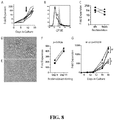
- the expanded Tregs were highly responsive to the same CD40L-sBc used to stimulate Treg expansion, but failed to respond to self CD40L-sBc ( FIG. 8B ).
- This result demonstrated a marked enrichment of Tregs reactive to the alloantigens expressed by the CD40L-sBc used to stimulate Treg expansion.
- the Tregs were already highly reactive to the CD40L-sBc, similar to that observed on day 14, suggesting that there might not be a need to further enrich for alloreactivity during restimulation.
- Tregs One unit of blood yields an average of 5 million Tregs after FACS purification. Therefore, using the protocol from FIG. 8 , between 250 million to 1.5 billion alloantigen-reactive Tregs may be produced based on a 50- to 300-fold expansion. It was estimated that the numbers of Tregs needed for efficacy in transplantation in humans are in the range of 300 million to several billion cells 20 . To ensure consistent production of more than 300 million alloantigen-reactive Tregs, modified conditions to improve Treg expansion were explored. It was observed that, unlike the PolyTregs activated on day 0 with beads, the CD40L-sBc-stimulated Tregs continued to cluster and blast on day 9 after the initial stimulation ( FIG. 8D ).
- the alloantigen-reactive Tregs routinely expanded 200 to 1600 fold, reliably producing more than 1 x 10 9 alloantigen-reactive Tregs in a 16-day period.
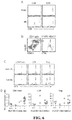
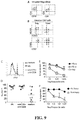
- Tregs expanded with the CD40L-sBc protocol were found to be CD3 + CD4 + with minimal contamination with CD8 + T cell and CD19+ B cells ( FIG. 9A ).
- the majority of the CD4 + T cells were FOXP3 + HELIOS + and co-expressed CD27 and CD62L ( FIG. 9B ), distinct from the pattern expressed on similarly expanded Tconv cells ( FIG. 9B ).
- the expanded Tregs had > 80% demethylated Treg-specific demethylated region.
- Tregs harvested on day 16 were restimulated with the same CD40L-sBc.
- 87.5% (range 72.5 to 95.2%) of the alloantigen expanded Tregs proliferated in response to restimulation by the same sBc similar to the proliferation induced using anti-CD3 and anti-CD28 beads (average 88.8%, range 73.6 to 96%), suggesting that the vast majority of the Tregs were reactive to the alloantigens expressed by the CD40L-sBc ( FIG. 9C and 9D ).
- the expanded Tregs were highly suppressive when activated in vitro by PBMCs from the same donor as the CD40L-sBc ( FIG. 9E ).
- Side-by-side comparison of alloantigen-expanded Tregs and polyclonally expanded Tregs showed that the donor alloantigen-reactive Tregs were 5 to 25 fold more potent at suppressing MLR than PolyTregs ( FIG. 9E ).
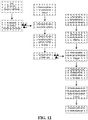
- Treg expanded by restimulation with CD40L-sBc or anti-CD3 and anti-CD28 beads have identical activity in suppressing MLR ( FIG.
- Alloantigen-reactive Tregs are superior at protecting skin allografts in vivo.
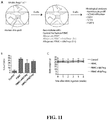
- Using a model of alloimmune mediated injury of human skin allografts ( FIG. 11A ) 13 the protective function of alloantigen-reactive Tregs and PolyTregs was compared.
- BALB/c.Rag2 -/- ⁇ c -/- mice were transplanted with human skin from a HLA-DR0401 + donor and the grafts were allowed to heal for 6 weeks before adoptive transfer of allogeneic PBMC depleted of CD25 + cells alone or in combination with different preparations of syngeneic Tregs at a ratio 5:1 effector cells:Treg cells.
- PBMC donors were HLA-DR0401 - and alloantigen-reactive Tregs from these donors were expanded using HLA-DR0401 + CD40L-sBc. Grafts were monitored until rejection or until up to a maximum of 6 weeks after PBMC reconstitution when the grafts were collected for histological analysis. Levels of human leukocyte engraftment in spleens were similar in the three groups of mice that received human PBMC alone or in combination with Tregs ( FIG. 11B ). No animal developed xenogeneic graft-versus-host disease symptoms confirmed by the maintenance of stable body weight ( FIG. 11C ).
Landscapes
- Health & Medical Sciences (AREA)
- Life Sciences & Earth Sciences (AREA)
- General Health & Medical Sciences (AREA)
- Engineering & Computer Science (AREA)
- Chemical & Material Sciences (AREA)
- Public Health (AREA)
- Animal Behavior & Ethology (AREA)
- Veterinary Medicine (AREA)
- Immunology (AREA)
- Epidemiology (AREA)
- Biomedical Technology (AREA)
- Bioinformatics & Cheminformatics (AREA)
- Pharmacology & Pharmacy (AREA)
- Medicinal Chemistry (AREA)
- Organic Chemistry (AREA)
- Zoology (AREA)
- Biotechnology (AREA)
- Genetics & Genomics (AREA)
- Wood Science & Technology (AREA)
- Microbiology (AREA)
- Cell Biology (AREA)
- Hematology (AREA)
- General Engineering & Computer Science (AREA)
- Biochemistry (AREA)
- Transplantation (AREA)
- Mycology (AREA)
- Nuclear Medicine, Radiotherapy & Molecular Imaging (AREA)
- Chemical Kinetics & Catalysis (AREA)
- General Chemical & Material Sciences (AREA)
- Medicines Containing Material From Animals Or Micro-Organisms (AREA)
- Developmental Biology & Embryology (AREA)
- Virology (AREA)
- Micro-Organisms Or Cultivation Processes Thereof (AREA)
- Medicines Containing Antibodies Or Antigens For Use As Internal Diagnostic Agents (AREA)
- Pharmaceuticals Containing Other Organic And Inorganic Compounds (AREA)
Priority Applications (1)
| Application Number | Priority Date | Filing Date | Title |
|---|---|---|---|
| EP18156148.1A EP3366768B1 (en) | 2012-03-02 | 2013-03-01 | Expansion of alloantigen-reactive regulatory t cells |
Applications Claiming Priority (2)
| Application Number | Priority Date | Filing Date | Title |
|---|---|---|---|
| US201261606329P | 2012-03-02 | 2012-03-02 | |
| PCT/US2013/028734 WO2013131045A1 (en) | 2012-03-02 | 2013-03-01 | Expansion of alloantigen-reactive regulatory t cells |
Related Child Applications (2)
| Application Number | Title | Priority Date | Filing Date |
|---|---|---|---|
| EP18156148.1A Division EP3366768B1 (en) | 2012-03-02 | 2013-03-01 | Expansion of alloantigen-reactive regulatory t cells |
| EP18156148.1A Division-Into EP3366768B1 (en) | 2012-03-02 | 2013-03-01 | Expansion of alloantigen-reactive regulatory t cells |
Publications (3)
| Publication Number | Publication Date |
|---|---|
| EP2820125A1 EP2820125A1 (en) | 2015-01-07 |
| EP2820125A4 EP2820125A4 (en) | 2015-07-29 |
| EP2820125B1 true EP2820125B1 (en) | 2018-05-09 |
Family
ID=49083363
Family Applications (2)
| Application Number | Title | Priority Date | Filing Date |
|---|---|---|---|
| EP13754740.2A Active EP2820125B1 (en) | 2012-03-02 | 2013-03-01 | Expansion of alloantigen-reactive regulatory t cells |
| EP18156148.1A Active EP3366768B1 (en) | 2012-03-02 | 2013-03-01 | Expansion of alloantigen-reactive regulatory t cells |
Family Applications After (1)
| Application Number | Title | Priority Date | Filing Date |
|---|---|---|---|
| EP18156148.1A Active EP3366768B1 (en) | 2012-03-02 | 2013-03-01 | Expansion of alloantigen-reactive regulatory t cells |
Country Status (8)
| Country | Link |
|---|---|
| US (2) | US9801911B2 (enExample) |
| EP (2) | EP2820125B1 (enExample) |
| JP (1) | JP6422344B2 (enExample) |
| CN (1) | CN104245923B (enExample) |
| AU (2) | AU2013225721B2 (enExample) |
| CA (1) | CA2866116C (enExample) |
| ES (1) | ES2675317T3 (enExample) |
| WO (1) | WO2013131045A1 (enExample) |
Families Citing this family (18)
| Publication number | Priority date | Publication date | Assignee | Title |
|---|---|---|---|---|
| KR101697473B1 (ko) | 2014-11-26 | 2017-01-18 | 주식회사 녹십자랩셀 | T 세포를 이용한 자연살해세포의 배양방법 |
| CN108463547A (zh) * | 2015-10-28 | 2018-08-28 | 生命技术股份公司 | 通过改变细胞表面信号和信号比选择性扩增不同的t细胞亚群 |
| CN105420190B (zh) * | 2016-01-08 | 2018-07-31 | 无锡药明生基医药科技有限公司 | B27添加剂及其类似物在利用无血清培养基培养淋巴细胞中的应用 |
| EP3216861A1 (en) * | 2016-03-11 | 2017-09-13 | Fropharm GmbH | Immunoregulatory cells and methods for their production |
| EP3633029A4 (en) | 2017-05-26 | 2021-06-09 | Green Cross Lab Cell Corporation | METHOD OF DEVELOPING A NATURAL KILLER CELL USING A T-CELL |
| US20200179449A1 (en) * | 2017-06-12 | 2020-06-11 | The Trustees Of Columbia University In The City Of New York | Methods for generating polyclonal regulatory t cells |
| TWI793151B (zh) | 2017-08-23 | 2023-02-21 | 瑞士商諾華公司 | 3-(1-氧異吲哚啉-2-基)之氫吡啶-2,6-二酮衍生物及其用途 |
| KR102232321B1 (ko) * | 2018-03-23 | 2021-03-26 | 주식회사 녹십자랩셀 | 자연살해세포의 제조방법 |
| BR122022012697B1 (pt) | 2018-07-10 | 2023-04-04 | Novartis Ag | Usos de derivados de 3-(5-hidróxi-1-oxoisoindolin-2-il)piperidina-2,6- diona, e kit |
| AR116109A1 (es) | 2018-07-10 | 2021-03-31 | Novartis Ag | Derivados de 3-(5-amino-1-oxoisoindolin-2-il)piperidina-2,6-diona y usos de los mismos |
| JP7179986B2 (ja) | 2018-11-14 | 2022-11-29 | グリーン クロス ラボ セル コーポレーション | 形質転換されたt細胞を用いた臍帯血由来のナチュラルキラー細胞の培養方法 |
| EP3963053A4 (en) * | 2019-04-30 | 2023-01-18 | The Regents of the University of California | PEARL-FREE EX-VIVO EXPANSION OF HUMAN REGULATORY T-CELLS |
| CN110195041B (zh) * | 2019-06-20 | 2023-04-25 | 威海正生生物科技有限公司 | 利用ASC三维培养体系获得高活性Tregs细胞的方法 |
| WO2021007396A2 (en) | 2019-07-09 | 2021-01-14 | The Children's Mercy Hospital | Engineered regulatory t cells |
| PL238336B1 (pl) | 2019-08-22 | 2021-08-09 | Gdanski Univ Medyczny | Sposób otrzymywania in vitro antygenowo-specyficznych limfocytów T regulatorowych |
| CA3206049A1 (en) * | 2021-02-23 | 2022-09-01 | John Cho | Methods for expanding regulatory t cells |
| WO2025081193A1 (en) * | 2023-10-13 | 2025-04-17 | Northwestern University | Antigen specific expansion of regulatory t cells |
| JP7627920B1 (ja) | 2023-12-11 | 2025-02-07 | 浩 宮内 | 移植材料の評価方法 |
Family Cites Families (15)
| Publication number | Priority date | Publication date | Assignee | Title |
|---|---|---|---|---|
| US5540926A (en) | 1992-09-04 | 1996-07-30 | Bristol-Myers Squibb Company | Soluble and its use in B cell stimulation |
| US7572631B2 (en) | 2000-02-24 | 2009-08-11 | Invitrogen Corporation | Activation and expansion of T cells |
| US7541184B2 (en) | 2000-02-24 | 2009-06-02 | Invitrogen Corporation | Activation and expansion of cells |
| ATE460475T1 (de) | 2000-04-11 | 2010-03-15 | Univ Southern California | Methode zur verhinderung der transplantatabstossung unter verwendung von tgf- beta zur induktion von t-suppressorzellen |
| US6746670B2 (en) | 2000-08-15 | 2004-06-08 | Schering Corporation | Regulatory T cells; methods |
| US6670146B2 (en) | 2000-10-04 | 2003-12-30 | Schering Corporation | Regulatory T cells; methods |
| US7745140B2 (en) | 2002-01-03 | 2010-06-29 | The Trustees Of The University Of Pennsylvania | Activation and expansion of T-cells using an engineered multivalent signaling platform as a research tool |
| US7494812B2 (en) | 2003-04-01 | 2009-02-24 | University Of Southern California | Generation of human regulatory T cells by bacterial toxins for the treatment of inflammatory disorders |
| US7651855B2 (en) | 2003-04-17 | 2010-01-26 | The Trustees Of The University Of Pennsylvania | Regulatory T cells and their use in immunotherapy and suppression of autoimmune responses |
| FR2856700B1 (fr) | 2003-06-24 | 2007-06-08 | Txcell | Procede d'identification de lymphocytes tr1 regulateurs par la presence et la surexpression de molecules specifiques et ses applications |
| JP2007538000A (ja) | 2004-01-08 | 2007-12-27 | リージエンツ・オブ・ザ・ユニバーシテイ・オブ・カリフオルニア | 制御性t細胞は自己免疫を抑制する |
| ES2686593T3 (es) * | 2006-05-31 | 2018-10-18 | The Regents Of The University Of California | Expresión de CD127 que correlaciona inversamente con FoxP3 y la función supresora de Treg CD4+ |
| EP2225365A1 (en) * | 2007-11-30 | 2010-09-08 | Therakos, Inc. | Process for reducing effects of graft versus host disease using ex vivo expanded cd4+cd25+ regulatory t cells |
| US8658159B2 (en) | 2008-06-30 | 2014-02-25 | Versitech Limited | Method to induce and expand therapeutic alloantigen-specific human regulatory T cells in large-scale |
| WO2010129770A1 (en) | 2009-05-07 | 2010-11-11 | The University Of Utah Research Foundation | Methods for expanding human t regulatory cells and uses of same |
-
2013
- 2013-03-01 WO PCT/US2013/028734 patent/WO2013131045A1/en not_active Ceased
- 2013-03-01 ES ES13754740.2T patent/ES2675317T3/es active Active
- 2013-03-01 CA CA2866116A patent/CA2866116C/en active Active
- 2013-03-01 US US14/382,537 patent/US9801911B2/en active Active
- 2013-03-01 AU AU2013225721A patent/AU2013225721B2/en not_active Ceased
- 2013-03-01 EP EP13754740.2A patent/EP2820125B1/en active Active
- 2013-03-01 EP EP18156148.1A patent/EP3366768B1/en active Active
- 2013-03-01 CN CN201380021317.7A patent/CN104245923B/zh not_active Expired - Fee Related
- 2013-03-01 JP JP2014560106A patent/JP6422344B2/ja not_active Expired - Fee Related
-
2017
- 2017-09-29 US US15/721,439 patent/US20180036345A1/en not_active Abandoned
-
2018
- 2018-08-20 AU AU2018219968A patent/AU2018219968B2/en not_active Ceased
Non-Patent Citations (1)
| Title |
|---|
| None * |
Also Published As
| Publication number | Publication date |
|---|---|
| CA2866116C (en) | 2021-06-15 |
| AU2013225721A1 (en) | 2014-10-09 |
| JP2015513403A (ja) | 2015-05-14 |
| JP6422344B2 (ja) | 2018-11-14 |
| CA2866116A1 (en) | 2013-09-06 |
| EP3366768B1 (en) | 2020-07-08 |
| ES2675317T3 (es) | 2018-07-10 |
| CN104245923A (zh) | 2014-12-24 |
| WO2013131045A1 (en) | 2013-09-06 |
| EP3366768A1 (en) | 2018-08-29 |
| AU2018219968A1 (en) | 2018-09-06 |
| EP2820125A4 (en) | 2015-07-29 |
| CN104245923B (zh) | 2018-04-20 |
| US9801911B2 (en) | 2017-10-31 |
| EP2820125A1 (en) | 2015-01-07 |
| AU2013225721B2 (en) | 2018-06-14 |
| US20150110761A1 (en) | 2015-04-23 |
| AU2018219968B2 (en) | 2020-09-17 |
| US20180036345A1 (en) | 2018-02-08 |
Similar Documents
| Publication | Publication Date | Title |
|---|---|---|
| AU2018219968B2 (en) | Expansion of alloantigen-reactive regulatory t cells | |
| Blazar et al. | Immune regulatory cell infusion for graft-versus-host disease prevention and therapy | |
| Bayati et al. | The therapeutic potential of regulatory T cells: challenges and opportunities | |
| JP2015513403A5 (enExample) | ||
| Putnam et al. | Clinical grade manufacturing of human alloantigen‐reactive regulatory T cells for use in transplantation | |
| Yu et al. | Harnessing the power of regulatory T‐cells to control autoimmune diabetes: overview and perspective | |
| Hubert et al. | The cross-talk between dendritic and regulatory T cells: good or evil? | |
| CA2997646C (en) | A new subpopulation of cd8+cd45rclow tregs and uses thereof | |
| CN102459577B (zh) | 适合临床应用于免疫介导性疾病的、具有增强型抑制功能的调节性t细胞的体外扩增方法 | |
| Mathew et al. | Cellular and functional biomarkers of clinical transplant tolerance | |
| WO2013173076A1 (en) | Methods and compositions for generating and using allogeneic suppressor cells | |
| WO2023011434A1 (zh) | 一种修饰的免疫细胞及其用途 | |
| EP3430130B1 (en) | Methods of t cell expansion and activation | |
| Nikoueinejad et al. | Regulatory T cells as a therapeutic tool to induce solid-organ transplant tolerance: current clinical experiences | |
| WO2016182944A1 (en) | Cell culture systems for producing il-33 induced t9 cells and methods of using the cells | |
| Rossetti et al. | Regulatory T-cell therapy in transplantation and severe autoimmunity | |
| Brown | Tools for engineering exhaustion-resistant chimeric antigen receptor regulatory T cells in solid organ transplantation | |
| Simonetta et al. | Moving Towards Allogeneic Cellular Therapies: Opportunities and Challenges | |
| Romano | In vitro characterisation and expansion of human regulatory T cells for their in vivo application in the induction of tolerance in haematopoietic stem cell and solid organ transplantation | |
| Kawai | Modulation of regulatory T cell function through specific molecular pathways in transplantation | |
| Zanon | Stem cell-like properties of memory T cells in human immune reconstitution | |
| Bézie et al. | Advances on CD8 Tregs and their potential in transplantation | |
| Locafaro | In vitro generation and in vivo characterization of IL-10 engineered T cells suitable for adoptive immunotherapy | |
| Buckland et al. | Prospects for the Induction of Transplant Tolerance Using Dendritic Cells | |
| Jaeckel et al. | Human Donor-Specific Tregs Can Prevent Allograft Rejection in Humanized Immune Reconstituted Mice.: Abstract# 743 |
Legal Events
| Date | Code | Title | Description |
|---|---|---|---|
| PUAI | Public reference made under article 153(3) epc to a published international application that has entered the european phase |
Free format text: ORIGINAL CODE: 0009012 |
|
| 17P | Request for examination filed |
Effective date: 20140924 |
|
| AK | Designated contracting states |
Kind code of ref document: A1 Designated state(s): AL AT BE BG CH CY CZ DE DK EE ES FI FR GB GR HR HU IE IS IT LI LT LU LV MC MK MT NL NO PL PT RO RS SE SI SK SM TR |
|
| AX | Request for extension of the european patent |
Extension state: BA ME |
|
| DAX | Request for extension of the european patent (deleted) | ||
| RA4 | Supplementary search report drawn up and despatched (corrected) |
Effective date: 20150630 |
|
| RIC1 | Information provided on ipc code assigned before grant |
Ipc: C12N 5/0781 20100101ALI20150624BHEP Ipc: C12N 5/0783 20100101AFI20150624BHEP Ipc: A61P 37/00 20060101ALI20150624BHEP Ipc: A61K 35/14 20150101ALI20150624BHEP |
|
| 17Q | First examination report despatched |
Effective date: 20160715 |
|
| STAA | Information on the status of an ep patent application or granted ep patent |
Free format text: STATUS: EXAMINATION IS IN PROGRESS |
|
| GRAJ | Information related to disapproval of communication of intention to grant by the applicant or resumption of examination proceedings by the epo deleted |
Free format text: ORIGINAL CODE: EPIDOSDIGR1 |
|
| STAA | Information on the status of an ep patent application or granted ep patent |
Free format text: STATUS: GRANT OF PATENT IS INTENDED |
|
| GRAP | Despatch of communication of intention to grant a patent |
Free format text: ORIGINAL CODE: EPIDOSNIGR1 |
|
| INTG | Intention to grant announced |
Effective date: 20171011 |
|
| GRAS | Grant fee paid |
Free format text: ORIGINAL CODE: EPIDOSNIGR3 |
|
| GRAA | (expected) grant |
Free format text: ORIGINAL CODE: 0009210 |
|
| STAA | Information on the status of an ep patent application or granted ep patent |
Free format text: STATUS: THE PATENT HAS BEEN GRANTED |
|
| AK | Designated contracting states |
Kind code of ref document: B1 Designated state(s): AL AT BE BG CH CY CZ DE DK EE ES FI FR GB GR HR HU IE IS IT LI LT LU LV MC MK MT NL NO PL PT RO RS SE SI SK SM TR |
|
| REG | Reference to a national code |
Ref country code: GB Ref legal event code: FG4D |
|
| REG | Reference to a national code |
Ref country code: CH Ref legal event code: EP Ref country code: CH Ref legal event code: NV Representative=s name: VENI GMBH, CH Ref country code: AT Ref legal event code: REF Ref document number: 997587 Country of ref document: AT Kind code of ref document: T Effective date: 20180515 |
|
| REG | Reference to a national code |
Ref country code: IE Ref legal event code: FG4D |
|
| REG | Reference to a national code |
Ref country code: DE Ref legal event code: R096 Ref document number: 602013037248 Country of ref document: DE |
|
| REG | Reference to a national code |
Ref country code: ES Ref legal event code: FG2A Ref document number: 2675317 Country of ref document: ES Kind code of ref document: T3 Effective date: 20180710 |
|
| REG | Reference to a national code |
Ref country code: NL Ref legal event code: FP |
|
| REG | Reference to a national code |
Ref country code: LT Ref legal event code: MG4D |
|
| PG25 | Lapsed in a contracting state [announced via postgrant information from national office to epo] |
Ref country code: SE Free format text: LAPSE BECAUSE OF FAILURE TO SUBMIT A TRANSLATION OF THE DESCRIPTION OR TO PAY THE FEE WITHIN THE PRESCRIBED TIME-LIMIT Effective date: 20180509 Ref country code: LT Free format text: LAPSE BECAUSE OF FAILURE TO SUBMIT A TRANSLATION OF THE DESCRIPTION OR TO PAY THE FEE WITHIN THE PRESCRIBED TIME-LIMIT Effective date: 20180509 Ref country code: BG Free format text: LAPSE BECAUSE OF FAILURE TO SUBMIT A TRANSLATION OF THE DESCRIPTION OR TO PAY THE FEE WITHIN THE PRESCRIBED TIME-LIMIT Effective date: 20180809 Ref country code: NO Free format text: LAPSE BECAUSE OF FAILURE TO SUBMIT A TRANSLATION OF THE DESCRIPTION OR TO PAY THE FEE WITHIN THE PRESCRIBED TIME-LIMIT Effective date: 20180809 Ref country code: FI Free format text: LAPSE BECAUSE OF FAILURE TO SUBMIT A TRANSLATION OF THE DESCRIPTION OR TO PAY THE FEE WITHIN THE PRESCRIBED TIME-LIMIT Effective date: 20180509 |
|
| PG25 | Lapsed in a contracting state [announced via postgrant information from national office to epo] |
Ref country code: GR Free format text: LAPSE BECAUSE OF FAILURE TO SUBMIT A TRANSLATION OF THE DESCRIPTION OR TO PAY THE FEE WITHIN THE PRESCRIBED TIME-LIMIT Effective date: 20180810 Ref country code: LV Free format text: LAPSE BECAUSE OF FAILURE TO SUBMIT A TRANSLATION OF THE DESCRIPTION OR TO PAY THE FEE WITHIN THE PRESCRIBED TIME-LIMIT Effective date: 20180509 Ref country code: RS Free format text: LAPSE BECAUSE OF FAILURE TO SUBMIT A TRANSLATION OF THE DESCRIPTION OR TO PAY THE FEE WITHIN THE PRESCRIBED TIME-LIMIT Effective date: 20180509 Ref country code: HR Free format text: LAPSE BECAUSE OF FAILURE TO SUBMIT A TRANSLATION OF THE DESCRIPTION OR TO PAY THE FEE WITHIN THE PRESCRIBED TIME-LIMIT Effective date: 20180509 |
|
| REG | Reference to a national code |
Ref country code: AT Ref legal event code: MK05 Ref document number: 997587 Country of ref document: AT Kind code of ref document: T Effective date: 20180509 |
|
| PG25 | Lapsed in a contracting state [announced via postgrant information from national office to epo] |
Ref country code: PL Free format text: LAPSE BECAUSE OF FAILURE TO SUBMIT A TRANSLATION OF THE DESCRIPTION OR TO PAY THE FEE WITHIN THE PRESCRIBED TIME-LIMIT Effective date: 20180509 Ref country code: SK Free format text: LAPSE BECAUSE OF FAILURE TO SUBMIT A TRANSLATION OF THE DESCRIPTION OR TO PAY THE FEE WITHIN THE PRESCRIBED TIME-LIMIT Effective date: 20180509 Ref country code: AT Free format text: LAPSE BECAUSE OF FAILURE TO SUBMIT A TRANSLATION OF THE DESCRIPTION OR TO PAY THE FEE WITHIN THE PRESCRIBED TIME-LIMIT Effective date: 20180509 Ref country code: DK Free format text: LAPSE BECAUSE OF FAILURE TO SUBMIT A TRANSLATION OF THE DESCRIPTION OR TO PAY THE FEE WITHIN THE PRESCRIBED TIME-LIMIT Effective date: 20180509 Ref country code: CZ Free format text: LAPSE BECAUSE OF FAILURE TO SUBMIT A TRANSLATION OF THE DESCRIPTION OR TO PAY THE FEE WITHIN THE PRESCRIBED TIME-LIMIT Effective date: 20180509 Ref country code: RO Free format text: LAPSE BECAUSE OF FAILURE TO SUBMIT A TRANSLATION OF THE DESCRIPTION OR TO PAY THE FEE WITHIN THE PRESCRIBED TIME-LIMIT Effective date: 20180509 Ref country code: EE Free format text: LAPSE BECAUSE OF FAILURE TO SUBMIT A TRANSLATION OF THE DESCRIPTION OR TO PAY THE FEE WITHIN THE PRESCRIBED TIME-LIMIT Effective date: 20180509 |
|
| REG | Reference to a national code |
Ref country code: DE Ref legal event code: R097 Ref document number: 602013037248 Country of ref document: DE |
|
| PG25 | Lapsed in a contracting state [announced via postgrant information from national office to epo] |
Ref country code: SM Free format text: LAPSE BECAUSE OF FAILURE TO SUBMIT A TRANSLATION OF THE DESCRIPTION OR TO PAY THE FEE WITHIN THE PRESCRIBED TIME-LIMIT Effective date: 20180509 |
|
| PLBE | No opposition filed within time limit |
Free format text: ORIGINAL CODE: 0009261 |
|
| STAA | Information on the status of an ep patent application or granted ep patent |
Free format text: STATUS: NO OPPOSITION FILED WITHIN TIME LIMIT |
|
| 26N | No opposition filed |
Effective date: 20190212 |
|
| PG25 | Lapsed in a contracting state [announced via postgrant information from national office to epo] |
Ref country code: SI Free format text: LAPSE BECAUSE OF FAILURE TO SUBMIT A TRANSLATION OF THE DESCRIPTION OR TO PAY THE FEE WITHIN THE PRESCRIBED TIME-LIMIT Effective date: 20180509 |
|
| PG25 | Lapsed in a contracting state [announced via postgrant information from national office to epo] |
Ref country code: MC Free format text: LAPSE BECAUSE OF FAILURE TO SUBMIT A TRANSLATION OF THE DESCRIPTION OR TO PAY THE FEE WITHIN THE PRESCRIBED TIME-LIMIT Effective date: 20180509 |
|
| PG25 | Lapsed in a contracting state [announced via postgrant information from national office to epo] |
Ref country code: LU Free format text: LAPSE BECAUSE OF NON-PAYMENT OF DUE FEES Effective date: 20190301 Ref country code: AL Free format text: LAPSE BECAUSE OF FAILURE TO SUBMIT A TRANSLATION OF THE DESCRIPTION OR TO PAY THE FEE WITHIN THE PRESCRIBED TIME-LIMIT Effective date: 20180509 |
|
| REG | Reference to a national code |
Ref country code: BE Ref legal event code: MM Effective date: 20190331 |
|
| PG25 | Lapsed in a contracting state [announced via postgrant information from national office to epo] |
Ref country code: IE Free format text: LAPSE BECAUSE OF NON-PAYMENT OF DUE FEES Effective date: 20190301 |
|
| PG25 | Lapsed in a contracting state [announced via postgrant information from national office to epo] |
Ref country code: BE Free format text: LAPSE BECAUSE OF NON-PAYMENT OF DUE FEES Effective date: 20190331 |
|
| PG25 | Lapsed in a contracting state [announced via postgrant information from national office to epo] |
Ref country code: TR Free format text: LAPSE BECAUSE OF FAILURE TO SUBMIT A TRANSLATION OF THE DESCRIPTION OR TO PAY THE FEE WITHIN THE PRESCRIBED TIME-LIMIT Effective date: 20180509 |
|
| PG25 | Lapsed in a contracting state [announced via postgrant information from national office to epo] |
Ref country code: MT Free format text: LAPSE BECAUSE OF NON-PAYMENT OF DUE FEES Effective date: 20190301 Ref country code: PT Free format text: LAPSE BECAUSE OF FAILURE TO SUBMIT A TRANSLATION OF THE DESCRIPTION OR TO PAY THE FEE WITHIN THE PRESCRIBED TIME-LIMIT Effective date: 20180910 |
|
| PG25 | Lapsed in a contracting state [announced via postgrant information from national office to epo] |
Ref country code: CY Free format text: LAPSE BECAUSE OF FAILURE TO SUBMIT A TRANSLATION OF THE DESCRIPTION OR TO PAY THE FEE WITHIN THE PRESCRIBED TIME-LIMIT Effective date: 20180509 |
|
| PG25 | Lapsed in a contracting state [announced via postgrant information from national office to epo] |
Ref country code: IS Free format text: LAPSE BECAUSE OF FAILURE TO SUBMIT A TRANSLATION OF THE DESCRIPTION OR TO PAY THE FEE WITHIN THE PRESCRIBED TIME-LIMIT Effective date: 20180909 |
|
| PG25 | Lapsed in a contracting state [announced via postgrant information from national office to epo] |
Ref country code: HU Free format text: LAPSE BECAUSE OF FAILURE TO SUBMIT A TRANSLATION OF THE DESCRIPTION OR TO PAY THE FEE WITHIN THE PRESCRIBED TIME-LIMIT; INVALID AB INITIO Effective date: 20130301 |
|
| PG25 | Lapsed in a contracting state [announced via postgrant information from national office to epo] |
Ref country code: MK Free format text: LAPSE BECAUSE OF FAILURE TO SUBMIT A TRANSLATION OF THE DESCRIPTION OR TO PAY THE FEE WITHIN THE PRESCRIBED TIME-LIMIT Effective date: 20180509 |
|
| PGFP | Annual fee paid to national office [announced via postgrant information from national office to epo] |
Ref country code: NL Payment date: 20230726 Year of fee payment: 11 |
|
| PGFP | Annual fee paid to national office [announced via postgrant information from national office to epo] |
Ref country code: IT Payment date: 20230720 Year of fee payment: 11 Ref country code: ES Payment date: 20230804 Year of fee payment: 11 |
|
| PGFP | Annual fee paid to national office [announced via postgrant information from national office to epo] |
Ref country code: FR Payment date: 20230725 Year of fee payment: 11 Ref country code: DE Payment date: 20230727 Year of fee payment: 11 |
|
| REG | Reference to a national code |
Ref country code: DE Ref legal event code: R119 Ref document number: 602013037248 Country of ref document: DE |
|
| REG | Reference to a national code |
Ref country code: NL Ref legal event code: MM Effective date: 20240401 |
|
| PG25 | Lapsed in a contracting state [announced via postgrant information from national office to epo] |
Ref country code: NL Free format text: LAPSE BECAUSE OF NON-PAYMENT OF DUE FEES Effective date: 20240401 |
|
| PG25 | Lapsed in a contracting state [announced via postgrant information from national office to epo] |
Ref country code: NL Free format text: LAPSE BECAUSE OF NON-PAYMENT OF DUE FEES Effective date: 20240401 |
|
| PG25 | Lapsed in a contracting state [announced via postgrant information from national office to epo] |
Ref country code: DE Free format text: LAPSE BECAUSE OF NON-PAYMENT OF DUE FEES Effective date: 20241001 |
|
| PG25 | Lapsed in a contracting state [announced via postgrant information from national office to epo] |
Ref country code: FR Free format text: LAPSE BECAUSE OF NON-PAYMENT OF DUE FEES Effective date: 20240331 |
|
| PG25 | Lapsed in a contracting state [announced via postgrant information from national office to epo] |
Ref country code: FR Free format text: LAPSE BECAUSE OF NON-PAYMENT OF DUE FEES Effective date: 20240331 Ref country code: DE Free format text: LAPSE BECAUSE OF NON-PAYMENT OF DUE FEES Effective date: 20241001 |
|
| REG | Reference to a national code |
Ref country code: ES Ref legal event code: FD2A Effective date: 20250425 |
|
| PG25 | Lapsed in a contracting state [announced via postgrant information from national office to epo] |
Ref country code: IT Free format text: LAPSE BECAUSE OF NON-PAYMENT OF DUE FEES Effective date: 20240301 |
|
| PG25 | Lapsed in a contracting state [announced via postgrant information from national office to epo] |
Ref country code: ES Free format text: LAPSE BECAUSE OF NON-PAYMENT OF DUE FEES Effective date: 20240302 |
|
| REG | Reference to a national code |
Ref country code: CH Ref legal event code: U11 Free format text: ST27 STATUS EVENT CODE: U-0-0-U10-U11 (AS PROVIDED BY THE NATIONAL OFFICE) Effective date: 20260401 |
|
| PGFP | Annual fee paid to national office [announced via postgrant information from national office to epo] |
Ref country code: GB Payment date: 20260327 Year of fee payment: 14 |
|
| PGFP | Annual fee paid to national office [announced via postgrant information from national office to epo] |
Ref country code: CH Payment date: 20260401 Year of fee payment: 14 |