EP2790871B1 - Schweisszusatz zum lichtbogen- und laserstrahlschweissen von mischverbindungen aus austenitischem und ferritischem stahl - Google Patents
Schweisszusatz zum lichtbogen- und laserstrahlschweissen von mischverbindungen aus austenitischem und ferritischem stahl Download PDFInfo
- Publication number
- EP2790871B1 EP2790871B1 EP12813741.1A EP12813741A EP2790871B1 EP 2790871 B1 EP2790871 B1 EP 2790871B1 EP 12813741 A EP12813741 A EP 12813741A EP 2790871 B1 EP2790871 B1 EP 2790871B1
- Authority
- EP
- European Patent Office
- Prior art keywords
- welding
- steel
- austenitic
- filler
- manganese
- Prior art date
- Legal status (The legal status is an assumption and is not a legal conclusion. Google has not performed a legal analysis and makes no representation as to the accuracy of the status listed.)
- Not-in-force
Links
Images

Classifications
-
- B—PERFORMING OPERATIONS; TRANSPORTING
- B23—MACHINE TOOLS; METAL-WORKING NOT OTHERWISE PROVIDED FOR
- B23K—SOLDERING OR UNSOLDERING; WELDING; CLADDING OR PLATING BY SOLDERING OR WELDING; CUTTING BY APPLYING HEAT LOCALLY, e.g. FLAME CUTTING; WORKING BY LASER BEAM
- B23K35/00—Rods, electrodes, materials, or media, for use in soldering, welding, or cutting
- B23K35/22—Rods, electrodes, materials, or media, for use in soldering, welding, or cutting characterised by the composition or nature of the material
- B23K35/24—Selection of soldering or welding materials proper
- B23K35/30—Selection of soldering or welding materials proper with the principal constituent melting at less than 1550°C
- B23K35/3026—Mn as the principal constituent
-
- B—PERFORMING OPERATIONS; TRANSPORTING
- B23—MACHINE TOOLS; METAL-WORKING NOT OTHERWISE PROVIDED FOR
- B23K—SOLDERING OR UNSOLDERING; WELDING; CLADDING OR PLATING BY SOLDERING OR WELDING; CUTTING BY APPLYING HEAT LOCALLY, e.g. FLAME CUTTING; WORKING BY LASER BEAM
- B23K35/00—Rods, electrodes, materials, or media, for use in soldering, welding, or cutting
- B23K35/22—Rods, electrodes, materials, or media, for use in soldering, welding, or cutting characterised by the composition or nature of the material
- B23K35/24—Selection of soldering or welding materials proper
- B23K35/30—Selection of soldering or welding materials proper with the principal constituent melting at less than 1550°C
- B23K35/3053—Fe as the principal constituent
- B23K35/3073—Fe as the principal constituent with Mn as next major constituent
-
- B—PERFORMING OPERATIONS; TRANSPORTING
- B22—CASTING; POWDER METALLURGY
- B22D—CASTING OF METALS; CASTING OF OTHER SUBSTANCES BY THE SAME PROCESSES OR DEVICES
- B22D11/00—Continuous casting of metals, i.e. casting in indefinite lengths
- B22D11/06—Continuous casting of metals, i.e. casting in indefinite lengths into moulds with travelling walls, e.g. with rolls, plates, belts, caterpillars
- B22D11/0631—Continuous casting of metals, i.e. casting in indefinite lengths into moulds with travelling walls, e.g. with rolls, plates, belts, caterpillars formed by a travelling straight surface, e.g. through-like moulds, a belt
-
- B—PERFORMING OPERATIONS; TRANSPORTING
- B23—MACHINE TOOLS; METAL-WORKING NOT OTHERWISE PROVIDED FOR
- B23K—SOLDERING OR UNSOLDERING; WELDING; CLADDING OR PLATING BY SOLDERING OR WELDING; CUTTING BY APPLYING HEAT LOCALLY, e.g. FLAME CUTTING; WORKING BY LASER BEAM
- B23K35/00—Rods, electrodes, materials, or media, for use in soldering, welding, or cutting
- B23K35/02—Rods, electrodes, materials, or media, for use in soldering, welding, or cutting characterised by mechanical features, e.g. shape
- B23K35/0255—Rods, electrodes, materials, or media, for use in soldering, welding, or cutting characterised by mechanical features, e.g. shape for use in welding
-
- B—PERFORMING OPERATIONS; TRANSPORTING
- B23—MACHINE TOOLS; METAL-WORKING NOT OTHERWISE PROVIDED FOR
- B23K—SOLDERING OR UNSOLDERING; WELDING; CLADDING OR PLATING BY SOLDERING OR WELDING; CUTTING BY APPLYING HEAT LOCALLY, e.g. FLAME CUTTING; WORKING BY LASER BEAM
- B23K35/00—Rods, electrodes, materials, or media, for use in soldering, welding, or cutting
- B23K35/22—Rods, electrodes, materials, or media, for use in soldering, welding, or cutting characterised by the composition or nature of the material
- B23K35/24—Selection of soldering or welding materials proper
- B23K35/30—Selection of soldering or welding materials proper with the principal constituent melting at less than 1550°C
- B23K35/3053—Fe as the principal constituent
-
- B—PERFORMING OPERATIONS; TRANSPORTING
- B23—MACHINE TOOLS; METAL-WORKING NOT OTHERWISE PROVIDED FOR
- B23K—SOLDERING OR UNSOLDERING; WELDING; CLADDING OR PLATING BY SOLDERING OR WELDING; CUTTING BY APPLYING HEAT LOCALLY, e.g. FLAME CUTTING; WORKING BY LASER BEAM
- B23K9/00—Arc welding or cutting
- B23K9/0026—Arc welding or cutting specially adapted for particular articles or work
-
- C—CHEMISTRY; METALLURGY
- C22—METALLURGY; FERROUS OR NON-FERROUS ALLOYS; TREATMENT OF ALLOYS OR NON-FERROUS METALS
- C22C—ALLOYS
- C22C38/00—Ferrous alloys, e.g. steel alloys
- C22C38/14—Ferrous alloys, e.g. steel alloys containing titanium or zirconium
-
- C—CHEMISTRY; METALLURGY
- C22—METALLURGY; FERROUS OR NON-FERROUS ALLOYS; TREATMENT OF ALLOYS OR NON-FERROUS METALS
- C22C—ALLOYS
- C22C38/00—Ferrous alloys, e.g. steel alloys
- C22C38/18—Ferrous alloys, e.g. steel alloys containing chromium
- C22C38/40—Ferrous alloys, e.g. steel alloys containing chromium with nickel
- C22C38/58—Ferrous alloys, e.g. steel alloys containing chromium with nickel with more than 1.5% by weight of manganese
-
- B—PERFORMING OPERATIONS; TRANSPORTING
- B23—MACHINE TOOLS; METAL-WORKING NOT OTHERWISE PROVIDED FOR
- B23K—SOLDERING OR UNSOLDERING; WELDING; CLADDING OR PLATING BY SOLDERING OR WELDING; CUTTING BY APPLYING HEAT LOCALLY, e.g. FLAME CUTTING; WORKING BY LASER BEAM
- B23K2101/00—Articles made by soldering, welding or cutting
- B23K2101/34—Coated articles ; Surface treated articles
-
- C—CHEMISTRY; METALLURGY
- C21—METALLURGY OF IRON
- C21D—MODIFYING THE PHYSICAL STRUCTURE OF FERROUS METALS; GENERAL DEVICES FOR HEAT TREATMENT OF FERROUS OR NON-FERROUS METALS OR ALLOYS; MAKING METAL MALLEABLE, e.g. BY DECARBURISATION OR TEMPERING
- C21D8/00—Modifying the physical properties of ferrous metals or ferrous alloys by deformation combined with, or followed by, heat treatment
- C21D8/02—Modifying the physical properties of ferrous metals or ferrous alloys by deformation combined with, or followed by, heat treatment during manufacturing of plates or strips
- C21D8/021—Modifying the physical properties of ferrous metals or ferrous alloys by deformation combined with, or followed by, heat treatment during manufacturing of plates or strips involving particular fabrication steps or treatments of ingots or slabs
- C21D8/0215—Rapid solidification; Thin strip casting
Definitions
- the invention relates to the use of a filler wire for arc and laser beam welding of mixed compounds of austenitic and ferritic steel according to the preamble of claim 1.
- arc welding summarizes all processes in which a filler metal is used to make a welded joint, such as gas metal arc welding (MIG), tungsten inert gas and plasma welding, and hybrid welding, a combination of metal shield gas and laser beam welding.
- MIG gas metal arc welding
- tungsten inert gas and plasma welding tungsten inert gas and plasma welding
- hybrid welding a combination of metal shield gas and laser beam welding.
- Austenitic steel is understood to mean in particular a high-manganese steel with up to 30% by weight of manganese, as described, for example, in US Pat. B. from the DE 102 59 230 A1 , of the DE 199 00 199 A1 or the DE 10 2004 061 284 A1 is known.
- these steels Besides iron and manganese as main elements, these steels have carbon and other elements such as Al and Si.
- the flat products produced from these steels have a high strength and a high uniform expansion.
- steels with high manganese contents are suitable for transport vehicle construction, in particular for the automotive industry and in particular for body parts or chassis parts.
- other applications such as in engineering or construction are conceivable.
- chromium in the weld zone leads to chromium carbides, so that the carbon is no longer available in sufficient quantity as an alloying element for austenite formation in the high-manganese steels.
- the element nickel generally leads to the fact that the weld metal has a high toughness but insufficient strength.
- the welding filler according to the invention should no longer have these two elements.
- the invention is therefore an object of the invention to provide a filler wire for arc and / or laser welding of mixed compounds of austenitic high manganese steel and ferritic steel, which achieves a weld with requirements-based mechanical properties and fine-grained structural phases without the elements chrome and nickel during welding.
- this object is achieved by the use of a filler wire with the following alloy composition in wt.%: C 0.04 - 1.0 Mn 7 - 30 Si ⁇ 6 al ⁇ 4 Not a word ⁇ 2 Ti ⁇ 0,5 Zr 0.01 - 0.1 B 0.001 - 0.01 P ⁇ 0.005 S ⁇ 0.002 N ⁇ 0.008
- the welding filler wire according to the invention has the great advantage that it is considerably less expensive due to the omission of chromium and nickel and that the properties of the welded joints produced therewith are optimally adapted to the requirements of mixed compounds of austenitic and ferritic high manganese steel.
- the addition of zirconium and boron results in an optimum structural phase distribution and fine graininess, based on the mechanical properties of the weld metal.
- the weld metal of such a compound on the one hand, a homogeneous transition between ferritic and also martensitic microstructures is achieved austenite side by austenitic microstructures by means of the welding filler according to the invention and on the other hand, a fine graininess, which in combination cause a significant improvement in the mechanical properties of the weld metal.
- the concrete alloy composition of the filler material in particular with regard to the addition of C and Mn, is substantially adapted to the composition of the austenitic joining partner, and also according to the advantageous alloying compositions mentioned in claims 2 and 3 with regard to costs and welding properties, the addition of Zr and B is essential to achieve the required mechanical properties of the welded joint.
- the elements Al, Si, Mo and Ti are not necessarily required in the filler material but often unavoidable as accompanying elements and should not be adversely affected in order to avoid adversely affecting manufacturing costs and weldability.
- Additions of Ti and Mo within the specified limits can also have a positive effect on the microstructural properties of the weld metal, since at lower temperatures Additions of Zr and B continue to achieve the desired fineness of the structural phases in the weld metal.
- the presented welding filler in wire form is particularly suitable for all possible arc welding processes, such.
- gas metal arc welding MIG
- tungsten inert gas and plasma welding as well as laser beam welding and laser metal-shielded hybrid welding where the weld is made with filler wire.
- the welding filler according to the invention is advantageously also suitable for the production of welded joints on uncoated or metallically coated materials.
- the metallic coatings may be made on the basis of zinc and / or aluminum and / or silicon and / or magnesium.
- additional wire according to the invention can seam forming in the butt joint, for example, for strip joint welding and for the production of tailored blanks with high d. H. be produced in a demand-oriented quality. Furthermore, component welds as fillet welds as well as I-seams at the lap joint can be easily realized.
- the base materials had the following chemical composition in% by weight: HSD® (austenite) H340LAD (ferrite) C 0.7 0.064 Mn 15 0.652 Si 2.5 0.01 al 2.5 0038 Not a word - 0,003 Ti - 0.0085 Nb - 0.0477 V - 0,003 P ⁇ 0.005 0.01 S ⁇ 0.002 0,004 N ⁇ 0.008 0.0041
- the different welding consumables listed in Table 1 were used in the welding tests.
- the alloy compositions of the tested additional wires 1 - 4 have, in contrast to the filler wire 5, no addition of boron and zirconium.
- samples were produced for the metallographic analysis, the quasi-static tensile test, as well as for the dynamic vibration test in the time-stability range.
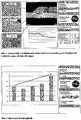
- Figure 1 shows the materials used for the experiments with their structures.
- the ferritic joining partner used was a micro-alloyed fine grain structural steel grade H340LA with a tensile strength of up to 550 MPa, for which the basic structure is shown in Figure 1, top right.
- a fine-grained ferritic microstructure particle size index 10-11.
- the strength-enhancing carbides and nitrides of the micro-alloying elements Ti and Nb are clearly distributed.
- the material HC340LAD in the present case is hot-dip galvanized with a zinc coating Z100.
- the presence of zinc in the welding of joints with HSD® was deliberately chosen to study the welding of strip galvanized material in conjunction with the development of a filler wire.
- the austenitic base material HSD® belt was used in the non-tapped state.
- Figure 2 shows the transverse section of a fillet weld with the additional wire 5 according to the invention.
- HSD®-side heat-affected zone there is an austenitic structure with only slightly coarsened grain compared to the base material.
- the HC340LAD has a purely bainitic structure in the heat-affected zone.
- the weld metal is also very fine-grained here in comparison to the compounds with the previous alloy concepts, and there are austenite-rich and martensite-rich structural phases homogeneously distributed side by side.
- the hardness drops slightly as expected from the HSD® base hardness of 300 HV0.5 in the heat affected zone by the HSD®. In the weld metal, however, similar hardness values are achieved as in the base material of the HSD® steel.
- Figure 3 shows the maximum forces achieved from the quasi-static shear tensile test.
- maximum forces of more than F max. 25 kN reached.
- the break occurs along the melting line of the seam on the upper sheet on the HC340LAD side.
- somewhat lower maximum forces are determined in comparison with the connections made with the HSD wire, whereby individual samples in the unaffected base material of the HC340LAD failed as well.
- maximum forces of more than Fmax. 25 kN measured. The breakage is observed here for all samples in the unaffected base material of the HC340LAD.
- the investigations for verification include investigations of the load bearing behavior under dynamically oscillating load on the standardized H-sample mold.
- the Wöhler line (force-controlled) of the metal-shielded gas-welded mixed joints determined here is at a high level. So-called runners with a sustained load cycle time of 2 million load changes were achieved with a load horizon of 40 kN.
- the slope of the Wöhler line, with a k value close to k 5, represents a value which reflects a high load-bearing capacity under a dynamically oscillating load.
- test results show that the required properties of the welded joint can be reliably achieved with the alloy composition of the filler metal according to the invention.
Landscapes
- Engineering & Computer Science (AREA)
- Mechanical Engineering (AREA)
- Chemical & Material Sciences (AREA)
- Materials Engineering (AREA)
- Metallurgy (AREA)
- Organic Chemistry (AREA)
- Physics & Mathematics (AREA)
- Plasma & Fusion (AREA)
- Arc Welding In General (AREA)
- Laser Beam Processing (AREA)
- Nonmetallic Welding Materials (AREA)
Description
- Die Erfindung betrifft die Verwendung eines Schweißzusatzdrahtes zum Lichtbogen- und Laserstrahlschweißen von Mischverbindungen aus austenitischem und ferritischem Stahl gemäß dem Oberbegriff des Patentanspruches 1.
- Unter dem Begriff Lichtbogenschweißen sind nachfolgend alle Verfahren zusammengefasst, bei denen ein Schweißzusatz zur Herstellung einer Schweißverbindung verwendet wird, wie beispielsweise Metall-Schutzgasschweißen (MSG), Wolframinertgas- und Plasmaschweißen, sowie Hybridschweißverfahren, eine Kombinationen aus Metall-Schutzgas- und Laserstrahlschweißen.
- Unter austenitischem Stahl wird im Folgenden insbesondere ein hochmanganhaltiger Stahl mit bis zu 30 Gew.% Mangan verstanden, wie er z. B. aus der
DE 102 59 230 A1 , derDE 199 00 199 A1 oder derDE 10 2004 061 284 A1 bekannt ist. - Neben Eisen und Mangan als Hauptelemente weisen diese Stähle Kohlenstoff und weitere Elemente wie beispielsweise Al und Si auf. Die aus diesen Stählen erzeugten Flachprodukte besitzen eine hohe Festigkeit und eine hohe Gleichmaßdehnung.
- Stähle mit hohen Mangan-Gehalten eigenen sich aufgrund ihrer günstigen Eigenschaften für den Transportfahrzeugbau insbesondere für den Automobilbau und hier insbesondere für Karosserie- oder Fahrwerksteile. Jedoch sind auch andere Einsatzfelder wie beispielsweise im Maschinenbau oder Baubereich denkbar.
- Oftmals müssen Schweißverbindungen zwischen dem hochmanganhaltigen austenitischen Stahl und einem ferritischen Stahl mittels Lichtbogen- und/oder Laserstrahlschweißen hergestellt werden für sogenannte Tailored welded blanks, mit denen crash- und gewichtsoptimierte Bauteile hergestellt werden können.
Während die Lichtbogenschweißung artgleicher hochmanganhaltiger Stähle beispielsweise aus derDE 10 2009 007 470 A1 bekannt und Stand der Technik ist, sind für Lichtbogen- oder Laserschweißungen an Mischverbindungen bislang nur Zusatzwerkstoffe auf CrNi-Basis aus den klassischen "schwarz/weiß-Mischverbindungen", also Verbindungen aus austenitischen Cr-Ni-Stählen und ferritischen Stählen, bekannt. - Dabei ist von Nachteil, dass Chrom in der Schweißzone zu Chrom-Karbiden führt, so dass der Kohlenstoff nicht mehr in ausreichender Menge als Legierungselement zur Austenitbildung bei den hochmanganhaltigen Stählen zur Verfügung steht. Das Element Nickel führt grundsätzlich dazu, dass das Schweißgut zwar eine hohe Zähigkeit aber eine nicht ausreichende Festigkeit aufweist.
- Da die Eigenschaften der Schweißverbindung mit den bekannten Zusatzwerkstoffen auf CrNi-Basis nicht den Eigenschaften der beteiligten Grundwerkstoffe gerecht werden, soll der erfindungsgemäße Schweißzusatz diese beiden Elemente nicht mehr aufweisen.
- Desweiteren entstehen beim Schweißen o. g. Mischverbindungen innerhalb der Schweißzone z. T. grobe nebeneinander liegende austenitische und martensitische, Gefügephasen, die in einer solchen Konstellation unzureichende mechanische Kennwerte aufweisen. Um die mechanischen Eigenschaften zu verbessern, ist es ein weiteres Ziel, die Legierungszusammensetzung des Schweißzusatzes so einzustellen, dass diese beiden Phasen, die hierbei immer entstehen, feinkörnig und fein verteilt nebeneinander vorliegen.
- Der Erfindung liegt daher die Aufgabe zugrunde, einen Schweißzusatzdraht zum Lichtbogen-und/oder Laserschweißen von Mischverbindungen aus austenitischem hochmanganhaltigem Stahl und ferritischem Stahl anzugeben, der ohne die Elemente Chrom und Nickel beim Verschweißen ein Schweißgut mit anforderungsgerechten mechanischen Eigenschaften und feinkörnig verteilten Gefügephasen erzielt.
Nach der Lehre der Erfindung wird diese Aufgabe durch die Verwendung eines Schweißzusatzdrahtes mit folgender Legierungszusammensetzung in Gew.% gelöst:C 0,04 - 1,0 Mn 7 - 30 Si ≤6 Al ≤4 Mo ≤2 Ti ≤0,5 Zr 0,01 - 0,1 B 0,001 - 0,01 P <0,005 S <0,002 N <0,008 - Rest Eisen und unvermeidbare Stahlbegleitelemente zum Lichtbogen-und Laserstrahlschweißen von Mischverbindungen aus austenitischem hochmanganhaltigem und ferritischen Stahl, wobei der hochmanganhaltige Stahl einen Mangan Gehalt von mindestens 7-30Gew. % aufweist.
Der erfindungsgemäße Schweißzusatzdraht weist gegenüber dem bekannten CrNibasierten Zusatzdraht den großen Vorteil auf, dass dieser durch den Verzicht von Chrom und Nickel einerseits deutlich kostengünstiger ist und dass die Eigenschaften der damit hergestellten Schweißverbindungen optimal den Anforderungen an Mischverbindungen aus hochmanganhaltigem austenitischem und ferritischem Stahl angepasst sind.
Insbesondere wird durch die Zugabe von Zirkon und Bor eine bezogen auf die mechanischen Eigenschaften des Schweißgutes optimale Gefügephasenverteilung und Feinkörnigkeit erreicht.
Im Schweißgut einer solchen Verbindung wird mittels des erfindungsgemäßen Schweißzusatzes einerseits ein homogener Übergang zwischen ferritischen und auch martensitischen Gefügebereichen von der Ferritseite hin zu austenitischen Gefügebereichen austenitseitig erreicht und andererseits eine Feinkörnigkeit, die in Kombination eine deutliche Verbesserung der mechanischen Eigenschaften des Schweißgutes bewirken.
Die konkrete Legierungszusammensetzung des Zusatzwerkstoffs, insbesondere im Hinblick auf die Zugabe von C und Mn, wird im Wesentlichen der Zusammensetzung des austenitischen Fügepartners angepasst, wobei auch entsprechend den in den Ansprüchen 2 und 3 im Hinblick auf Kosten und Schweißguteigenschaften genannten vorteilhaften Legierungszusammensetzungen die Zugabe von Zr und B wesentlich ist, um die geforderten mechanischen Eigenschaften der Schweißverbindung zu erreichen.
Die Elemente Al, Si, Mo und Ti sind nicht zwingend im Zusatzwerkstoff erforderlich aber als Begleitelemente oftmals nicht vermeidbar und sollten, um Herstellkosten und Schweißguteigenschaften nicht nachteilig zu beeinflussen, in den vorgegebenen Grenzen gehalten werden. Zugaben von Ti und Mo in den vorgegebenen Grenzen können sich zudem positiv auf die Gefügeeigenschaften des Schweißgutes auswirken, da bei geringeren Zugaben von Zr und B weiterhin die angestrebte Feinkörnigkeit der Gefügephasen im Schweißgut erreicht wird. - Der vorgestellte Schweißzusatz in Drahtform ist besonders geeignet für alle möglichen Lichtbogenschweißverfahren, wie z. B. Metallschutzgasschweißen (MSG), Wolframinertgas- und Plasmaschweißen sowie für Laserstrahlschweißen und Laser-Metallschutzgas-Hybridschweißen, bei denen die Schweißverbindung mit Zusatzdraht erzeugt wird.
- Der erfindungsgemäße Schweißzusatz ist vorteilhaft auch zur Herstellung von Schweißverbindungen an unbeschichteten oder metallisch überzogenen Werkstoffen geeignet. Die metallischen Überzüge können auf der Basis von Zink und/oder Aluminium und/oder Silizium und/oder Magnesium hergestellt sein.
- Mit dem erfindungsgemäßen Zusatzdraht können Nahtformen im Stumpfstoß zum Beispiel zum Bandverbindungsschweißen sowie zur Herstellung von Tailored Blanks mit hoher d. h. in anforderungsgerechter Qualität hergestellt werden. Desweiteren sind Bauteilschweißungen als Kehlnaht sowie I-Naht am Überlappstoß problemlos realisierbar.
- Ausgehend von dem aus der
DE 10 2004 061 284 bekannten hochmanganhaltigen Basiswerkstoff wurden zunächst Zusatzdrähte mit unterschiedlichen Legierungszusammensetzungen entwickelt und erprobt. - Bei Versuchen hat sich gezeigt, dass zum Erreichen anforderungsgerechter mechanischer Eigenschaften durch eine feine Verteilung nebeneinander angeordneter Gefügephasen von Austenit und Ferrit eine Zugabe von Zirkon und Bor unentbehrlich ist.
- Vornehmliches Ziel der vorliegenden Erfindung ist es, Mischverbindungen aus hochmanganhaltigem austenitischem Stahl mit einem konventionellen ferritischen Stahl so herzustellen, dass die Verbindungseigenschaften denjenigen der beteiligten Grundwerkstoffe gerecht werden.
- Hierzu wurde bei Versuchen angestrebt, im Schweißgut einer solchen Verbindung einen homogenen Übergang zwischen ferritischen und auch martensitischen Gefügebereichen von der Ferritseite hin zu den austenitseitigen austenitischen Gefügebereichen einzustellen wobei die Gefüge möglichst feinkörnig sein sollten.
- Die Versuche wurden durchgeführt an einem unverzinkten HSD®-Stahl in einer Blechdicke von t = 1,50 mm und an einem feuerverzinkten mikrolegierten Feinkornbaustahl der Güte H340LAD ebenfalls in der Blechdicke von t = 1,50 mm.
- Die Grundwerkstoffe wiesen folgende chemische Zusammensetzung in Gew.% auf:
HSD® (Austenit) H340LAD (Ferrit) C 0,7 0,064 Mn 15 0,652 Si 2,5 0,01 Al 2,5 0.038 Mo - 0,003 Ti - 0,0085 Nb - 0,0477 V - 0,003 P <0,005 0,01 S <0,002 0,004 N <0,008 0,0041 - Für die Versuche wurde das Metallschutzgasschweißen eingesetzt, wobei sich in Vorversuchen folgende Prozessparameter als vorteilhaft herausgestellt haben:
Schweißstrom: 76 - 115 A Spannung: 17.5 - 19 V Schweißgeschw.: 0.7 - 1 m/min Drahtzuführgeschw.: 0.7 - 1.2 m/min Gas: Corgon 10 (15 l/min) Brennerwinkel β: 60° Lateralwinkel α: 13° freie Drahtlänge: 10 mm - Ausgehend von den ermittelten Schweißparametern wurden die in Tabelle 1 aufgeführten unterschiedlichen Schweißzusatzwerkstoffe bei den Schweißversuchen eingesetzt. Die Legierungszusammensetzungen der untersuchten Zusatzdrähte 1 - 4 weisen im Gegensatz zum Zusatzdraht 5 keinen Zusatz an Bor und Zirkon auf. Im Rahmen einer Eignungsprüfung wurden Proben für die metallographische Analyse, die quasistatische Zugprüfung, sowie für die dynamische Schwingprüfung im Zeitfestigkeitsbereich hergestellt.
- In Bild 1 sind die für die Versuche verwendeten Werkstoffe mit ihren Gefügen dargestellt. Die Gefügeaufnahme im Bild 1 unten links zeigt das Grundgefüge des hochfesten, hochmanganhaltigen austenitischen Stahls der Güte HSD® belt mit einer Zugfestigkeit von bis zu Rm=1000 MPa. Es zeigt sich aufgrund des hohen Kohlenstoff- und Mangangehaltes ein austenitisches Grundgefüge (Korngrößenkennzahl 10).
- Als ferritischer Fügepartner wurde ein mikrolegierter Feinkornbaustahl der Güte H340LA mit einer Zugfestigkeit bis zu 550 MPa eingesetzt für den in Bild 1 rechts oben das Grundgefüge dargestellt ist. Hier liegt ein feinkörniges ferritisches Gefüge vor (Korngrößenkennzahl 10-11). Deutlich zu erkennen sind fein verteilt die festigkeitssteigernden Karbide und Nitride der Mikrolegierungselemente Ti und Nb.
- Der Werkstoff HC340LAD ist im vorliegenden Fall feuerverzinkt mit einer Zinkauflage Z100. Die Anwesenheit von Zink beim Schweißen von Verbindungen mit HSD® wurde bewusst so gewählt, um das Schweißen von bandverzinktem Material im Zusammenspiel mit der Entwicklung eines Schweißzusatzdrahtes zu untersuchen. Der austenitische Grundwerkstoff HSD® belt wurde im unverzinkten Zustand eingesetzt.
- In Bild 2 ist der Querschliff einer Kehlnahtschweißung mit dem erfindungsgemäßen Zusatzdraht 5 dargestellt. In der HSD®-seitigen Wärmeeinflusszone liegt ein austenitisches Gefüge vor mit im Vergleich zum Grundwerkstoff nur unwesentlich vergröbertem Korn.
- Beim HC340LAD liegt in der Wärmeeinflusszone ein rein bainitisches Gefüge vor. Im Schweißgut ist hier auch im Vergleich zu den Verbindungen mit den vorangegangenen Legierungskonzepten sehr feinkörnig, und es liegen austenitreiche und martensitreiche Gefügephasen homogen verteilt nebeneinander vor.
- Die Härte fällt ausgehend von der Grundhärte des HSD® von 300 HV0,5 in der Wärmeeinflusszone seitens des HSD® erwartungsgemäß leicht ab. Im Schweißgut werden dagegen ähnliche Härtewerte erreicht wie im Grundwerkstoff des HSD®-Stahls.
- In der Wärmeeinflusszone seitens des HC340LAD fällt dann die Härte stetig bis auf Grundwerkstoffhärte ab. Auch dieser Härteverlauf besitzt einen relativ stetigen Härteabfall ausgehend von der Grundwerkstoffhärte des HSD® über die Schweißverbindung bis hin zu der Grundwerkstoffhärte des HC340LAD.
- In Bild 3 sind die erreichten Maximalkräfte aus dem quasistatischen Scherzugversuch dargestellt. Bei den mit dem Zusatzdraht 1 hergestellten Proben werden Maximalkräfte von mehr als Fmax. = 25 kN erreicht. Hierbei tritt der Bruch entlang der Schmelzlinie der Naht am Oberblech seitens des HC340LAD ein. Bei den mit Zusatzdraht 2 hergestellten Verbindungen werden im Vergleich zu den mit dem HSD-Draht hergestellten Verbindungen etwas geringere Maximalkräfte ermittelt, wobei hierbei auch einzelne Proben im unbeeinflussten Grundwerkstoff des HC340LAD versagten. Bei den Verbindungen, die mit dem Zusatzdraht 3 hergestellt wurden, werden wiederum Maximalkräfte von mehr als Fmax. = 25 kN gemessen. Die Bruchlage ist hier bei allen Proben im unbeeinflussten Grundwerkstoff des HC340LAD zu beobachten. Im Vergleich dazu werden bei den Verbindungen mit den Zusatzdrähten 4 und 5 höhere Maximalkräfte erreicht (Zusatzdraht 4, Fmax = 27 kN, Zusatzdraht 5, Fmax = 30 kN) wobei die Bruchlagen bei den meisten Proben entlang der Schmelzlinie der Naht am Oberblech des HC340LAD vorliegen.
- Die Untersuchungen zur Verifizierung beinhalten im Wesentlichen Untersuchungen zum Tragverhalten unter dynamisch schwingender Last an der standardisierten H-Proben-Form. Die hierbei ermittelte Wöhlerlinie (kraftgeregelt) der metallschutzgasgeschweißten Mischverbindungen liegt auf hohem Niveau. Sogenannte Durchläufer bei einer ertragenen Lastspielzeit von 2 Mio. Lastwechseln wurden bei einem Lasthorizont von 40 kN erreicht. Die Steigung der Wöhlerlinie stellt mit einem k-Wert nahe k = 5 einen Wert dar, welcher ein hohes Tragverhalten unter dynamisch schwingender Last wiederspiegelt.
- Die Untersuchungsergebnisse zeigen auf, dass mit der erfindungsgemäßen Legierungszusammensetzung des Schweißzusatzwerkstoffes die geforderten Eigenschaften der Schweißverbindung sicher erreicht werden können.
Claims (6)
- Verwendung einer Stahllegierung für einen Schweißzusatzdraht, bestehend aus den Legierungselementen in Gew.%:
C 0,04 - 1,0 Mn 7 - 30 Si ≤ 6 Al ≤ 4 Mo ≤ 2 Ti ≤ 0,5 Zr 0,01 - 0,1 B 0.001 - 0,01 P < 0,005 S < 0,002 N < 0,008,
zum Lichtbogen- und Laserstrahlschweißen von Mischverbindungen aus austenitischem hochmanganhaltigem und ferritischem Stahl, wobei der hochmanganhaltige Stahl einen Mangan Gehalt von mindestens 7-30 Gew.% aufweist. - Verwendung eines Schweißzusatz nach Anspruch 1,
mit folgender Legierungszusammensetzung in Gew.%:C 0,1 - 0,7 Mn 15 - 26 Si ≤ 2,5 Al ≤ 2,5 Mo ≤ 1,0 Ti ≤ 0,1 Zr 0,01 - 0,08 B 0,001 - 0,008 P < 0,005 S < 0,002 N < 0,008, Rest Eisen und unvermeidbare Stahlbegleitelemente - Verwendung eines Schweißzusatz nach Anspruch 1,
mit folgender Legierungszusammensetzung in Gew.%:C 0,1 - 0,3 Mn 18 - 20 Si ≤ 1,0 Al ≤ 0,5 Mo ≤ 1,0 Ti ≤ 0,1 Zr 0,01 - 0,04 B 0,004 - 0,006 P < 0,005 S < 0,002 N < 0,008, Rest Eisen und unvermeidbare Stahlbegleitelemente. - Verwendung eines Schweißzusatzes nach einem der Ansprüche 1 bis 3 zur Herstellung von Schweißverbindungen an unbeschichteten oder beschichteten Werkstoffen.
- Verwendung eines Schweißzusatzes nach Anspruch 4 für Werkstoffe mit einem metallischen Überzug.
- Verwendung eines Schweißzusatzes nach Anspruch 5 für Werkstoffe mit einem metallischen Überzug auf der Basis von Zink und/oder Aluminium und/oder Silizium und/oder Magnesium.
Applications Claiming Priority (2)
| Application Number | Priority Date | Filing Date | Title |
|---|---|---|---|
| DE102011121705A DE102011121705A1 (de) | 2011-12-12 | 2011-12-12 | Schweißzusatz zum Lichtbogen- und Laserstrahlschweißen von Mischverbindungen aus austenitischem und ferritischem Stahl |
| PCT/DE2012/001133 WO2013087049A1 (de) | 2011-12-12 | 2012-11-15 | Schweisszusatz zum lichtbogen- und laserstrahlschweissen von mischverbindungen aus austenitischem und ferritischem stahl |
Publications (2)
| Publication Number | Publication Date |
|---|---|
| EP2790871A1 EP2790871A1 (de) | 2014-10-22 |
| EP2790871B1 true EP2790871B1 (de) | 2018-10-31 |
Family
ID=48464666
Family Applications (1)
| Application Number | Title | Priority Date | Filing Date |
|---|---|---|---|
| EP12813741.1A Not-in-force EP2790871B1 (de) | 2011-12-12 | 2012-11-15 | Schweisszusatz zum lichtbogen- und laserstrahlschweissen von mischverbindungen aus austenitischem und ferritischem stahl |
Country Status (7)
| Country | Link |
|---|---|
| US (1) | US9833863B2 (de) |
| EP (1) | EP2790871B1 (de) |
| KR (1) | KR102106582B1 (de) |
| CN (1) | CN104203491A (de) |
| DE (1) | DE102011121705A1 (de) |
| RU (1) | RU2594919C2 (de) |
| WO (1) | WO2013087049A1 (de) |
Families Citing this family (12)
| Publication number | Priority date | Publication date | Assignee | Title |
|---|---|---|---|---|
| ES2627220T3 (es) | 2014-05-09 | 2017-07-27 | Gestamp Hardtech Ab | Métodos para la unión de dos formatos y los formatos y los productos obtenidos |
| CN105127613B (zh) * | 2015-10-12 | 2018-05-08 | 国家电网公司 | 一种q420钢焊接用药芯焊丝及其制备方法 |
| DE102016104295A1 (de) * | 2016-03-09 | 2017-09-14 | Salzgitter Flachstahl Gmbh | Hochfester lufthärtender Stahl zur Verwendung als Schweißzusatzwerkstoff |
| DE102017208924A1 (de) * | 2016-07-19 | 2018-01-25 | Siemens Energy, Inc. | Prozess und Vorrichtung zum Schweissen eines Werkstücks mit wärmeempfindlichem Material |
| US11161191B2 (en) | 2016-07-19 | 2021-11-02 | Siemens Energy, Inc. | Process and apparatus for welding workpiece having heat sensitive material |
| CN107442939A (zh) * | 2017-09-28 | 2017-12-08 | 安徽工业大学 | 一种异种磁性钢超窄焊缝激光焊接的方法 |
| US11529697B2 (en) | 2017-09-29 | 2022-12-20 | Lincoln Global, Inc. | Additive manufacturing using aluminum-containing wire |
| US11426824B2 (en) | 2017-09-29 | 2022-08-30 | Lincoln Global, Inc. | Aluminum-containing welding electrode |
| DE102019119012A1 (de) | 2019-07-12 | 2021-01-14 | Salzgitter Europlatinen GmbH | Verfahren zum Herstellen einer beschichteten maßgeschneiderten Platine (Tailored Welded Blank) mittels Laserstrahlschweißen oder Laser-Metallschutzgas-Hybridschweißen, eines pressgehärteten Bauteils hieraus und Zusatzdraht sowie dessen Verwendung hierfür |
| CN115255715B (zh) * | 2022-08-24 | 2024-04-16 | 湖南瑞华新材料有限公司 | 一种激光焊接用合金焊丝及提高镀铝硼钢焊缝强度的方法 |
| CN118357579B (zh) * | 2024-06-19 | 2024-10-22 | 中国科学院上海光学精密机械研究所 | 一种焊料、激光焊接接头及其制造方法 |
| CN118357583B (zh) * | 2024-06-19 | 2024-10-22 | 中国科学院上海光学精密机械研究所 | 一种焊料、激光焊接接头及其制造方法 |
Family Cites Families (15)
| Publication number | Priority date | Publication date | Assignee | Title |
|---|---|---|---|---|
| DE924601C (de) * | 1940-09-21 | 1955-03-03 | Rheinische Roehrenwerke Ag | Schweissdraehte oder -elektroden aus austenitischen Staehlen zum Schweissen von austenitischen Manganstaehlen |
| US3645782A (en) * | 1969-03-07 | 1972-02-29 | Westinghouse Electric Corp | Covered welding electrode |
| JPS5659597A (en) * | 1979-10-19 | 1981-05-23 | Daido Steel Co Ltd | Filler metal for high-manganese, nonmagnetic steel |
| EP0502390A1 (de) * | 1991-02-26 | 1992-09-09 | Kabushiki Kaisha Kobe Seiko Sho | Zusatzmetall zum Schweissen von gesinterten Materialien |
| RU2023556C1 (ru) * | 1991-12-17 | 1994-11-30 | Институт Электросварки Им.Е.О.Патона | Способ двухдуговой сварки стали под флюсом |
| KR970001324B1 (ko) | 1994-03-25 | 1997-02-05 | 김만제 | 열간가공성이 우수한 고망간강 및 그 열간압연 방법 |
| DE19900199A1 (de) | 1999-01-06 | 2000-07-13 | Ralf Uebachs | Leichtbaustahllegierung |
| JP3939563B2 (ja) * | 2001-11-22 | 2007-07-04 | 株式会社神戸製鋼所 | 鋼材のレーザ溶接用コアドワイヤおよびソリッドワイヤ |
| DE10259230B4 (de) | 2002-12-17 | 2005-04-14 | Thyssenkrupp Stahl Ag | Verfahren zum Herstellen eines Stahlprodukts |
| DE102004061284A1 (de) | 2003-12-23 | 2005-07-28 | Salzgitter Flachstahl Gmbh | Verfahren zum Erzeugen von Warmbändern aus Leichtbaustahl |
| JP4946242B2 (ja) * | 2006-07-27 | 2012-06-06 | 住友金属工業株式会社 | オーステナイト系ステンレス鋼溶接継手及びオーステナイト系ステンレス鋼溶接材料 |
| DE102006059884B4 (de) * | 2006-12-19 | 2020-08-06 | Volkswagen Ag | Austenitischer Schweißzusatzwerkstoff auf Eisen-Basis für das Schweißen eines austenitischen Werkstoffs mit einem weiteren Werkstoff |
| DE102009007470B4 (de) | 2009-02-04 | 2019-05-09 | Cif Gmbh | Fülldraht zum MSG-Schweißen von FeMn-Stahl |
| KR101588724B1 (ko) | 2009-03-11 | 2016-01-26 | 잘쯔기터 플래시슈탈 게엠베하 | 열간압연 스트립을 제조하는 방법 및 3상 경량 강으로부터 제조된 열간압연 스트립 |
| DE102010034161B4 (de) | 2010-03-16 | 2014-01-02 | Salzgitter Flachstahl Gmbh | Verfahren zur Herstellung von Werkstücken aus Leichtbaustahl mit über die Wanddicke einstellbaren Werkstoffeigenschaften |
-
2011
- 2011-12-12 DE DE102011121705A patent/DE102011121705A1/de not_active Withdrawn
-
2012
- 2012-11-15 EP EP12813741.1A patent/EP2790871B1/de not_active Not-in-force
- 2012-11-15 RU RU2014128657/02A patent/RU2594919C2/ru active
- 2012-11-15 WO PCT/DE2012/001133 patent/WO2013087049A1/de not_active Ceased
- 2012-11-15 US US14/364,557 patent/US9833863B2/en not_active Expired - Fee Related
- 2012-11-15 CN CN201280069542.3A patent/CN104203491A/zh active Pending
- 2012-11-15 KR KR1020147019324A patent/KR102106582B1/ko not_active Expired - Fee Related
Non-Patent Citations (1)
| Title |
|---|
| None * |
Also Published As
| Publication number | Publication date |
|---|---|
| US9833863B2 (en) | 2017-12-05 |
| EP2790871A1 (de) | 2014-10-22 |
| CN104203491A (zh) | 2014-12-10 |
| KR20140101433A (ko) | 2014-08-19 |
| RU2594919C2 (ru) | 2016-08-20 |
| KR102106582B1 (ko) | 2020-05-04 |
| RU2014128657A (ru) | 2016-02-10 |
| WO2013087049A1 (de) | 2013-06-20 |
| US20140299590A1 (en) | 2014-10-09 |
| DE102011121705A1 (de) | 2013-06-13 |
Similar Documents
| Publication | Publication Date | Title |
|---|---|---|
| DE102011121705A1 (de) | Schweißzusatz zum Lichtbogen- und Laserstrahlschweißen von Mischverbindungen aus austenitischem und ferritischem Stahl | |
| DE112013007707B4 (de) | Ultrahochfeste Metallschutzgasschweißverbindung mit ausgezeichneter Kerbschlagzähigkeit und Volldraht zum Herstellen derselben | |
| EP3473740B1 (de) | Fahrzeugteil mit widerstandsschweissung | |
| EP3774167B1 (de) | Verfahren zum schweissen beschichteter stahlbleche | |
| DE102015115915A1 (de) | Laserschweißverfahren zur Herstellung eines Blechhalbzeugs aus härtbarem Stahl mit einer Beschichtung auf Aluminium- oder Aluminium-Silizium-Basis | |
| EP1905857B1 (de) | Hochfester Stahl und Verwendungen eines solchen Stahls | |
| EP2961560A1 (de) | Verfahren zum aneinanderfügen von mit einer metallischen beschichtung versehenen platinen oder bändern aus stahl durch laserstrahlschweissen | |
| DE60024761T2 (de) | Schweisszusatzwerkstoff und Verfahren zum Herstellen einer Schweissverbindung | |
| EP1881083B1 (de) | Werkstück aus einer hochfesten Stahllegierung und dessen Verwendung | |
| DE102015114989B3 (de) | Verfahren zum Herstellen einer Bauteilstruktur mit verbesserten Fügeeigenschaften und Bauteilstruktur | |
| WO2021009078A1 (de) | Verfahren zum herstellen einer beschichteten massgeschneiderten platine (tailored welded bank) mittels laserstrahlschweissen oder laser-metallschutzgas-hybridschweissen und zusatzdraht sowie dessen verwendung hierfür | |
| KR20220087871A (ko) | 용접부의 피로강도가 우수한 용접부재 및 그 제조방법 | |
| DE102019131906A1 (de) | Verfahren zum Verschweißen beschichteter Stahlbleche | |
| EP3625044B1 (de) | Warmumformmaterial, bauteil und verwendung | |
| EP3352927A1 (de) | Halbzeug und verfahren zur herstellung einer fahrzeugkomponente, verwendung eines halbzeugs und fahrzeugkomponente | |
| EP3885070B1 (de) | Schweissgut sowie metallpulverfülldraht zur herstellung eines schweissguts | |
| DE102007015963A1 (de) | Verfahren zum Herstellen von aus Stahlblechen bestehenden Flachprodukten, aus Stahlblechen zusammengesetztes Stahlflachprodukt und Strukturbauteil | |
| DE112006003553B4 (de) | Dicke Stahlplatte für eine Schweißkonstruktion mit ausgezeichneter Festigkeit und Zähigkeit in einem Zentralbereich der Dicke und geringen Eigenschaftsänderungen durch ihre Dicke und Produktionsverfahren dafür | |
| DE102014226411A1 (de) | Beeinflussung der Schweißmetallurgie beim Widerstandsschweißen von Mischverbindungen | |
| EP3426431A1 (de) | Hochfester lufthärtender stahl zur verwendung als schweisszusatzwerkstoff | |
| DE102020216092A1 (de) | Verfahren zur Herstellung einer Fügeverbindung und entsprechend verbundene Blechwerkstücke | |
| DE102008027165A1 (de) | Schweißnaht zur Verbindung von Gusseisenwerkstoffen | |
| EP2803749A1 (de) | Niedriglegierter hochfester baustahl | |
| EP3625048A1 (de) | Warmumformmaterial, bauteil und verwendung | |
| EP2085174B1 (de) | Verfahren zum Herstellen einer Schweißverbindung an Nickel legierten Stählen |
Legal Events
| Date | Code | Title | Description |
|---|---|---|---|
| PUAI | Public reference made under article 153(3) epc to a published international application that has entered the european phase |
Free format text: ORIGINAL CODE: 0009012 |
|
| 17P | Request for examination filed |
Effective date: 20140623 |
|
| AK | Designated contracting states |
Kind code of ref document: A1 Designated state(s): AL AT BE BG CH CY CZ DE DK EE ES FI FR GB GR HR HU IE IS IT LI LT LU LV MC MK MT NL NO PL PT RO RS SE SI SK SM TR |
|
| RIN1 | Information on inventor provided before grant (corrected) |
Inventor name: GEORGEOU, ZACHARIAS Inventor name: FLUEGGE, WILKO Inventor name: SPRINGUB, BIANCA Inventor name: HOEFEMANN, MATTHIAS |
|
| DAX | Request for extension of the european patent (deleted) | ||
| 17Q | First examination report despatched |
Effective date: 20171116 |
|
| GRAP | Despatch of communication of intention to grant a patent |
Free format text: ORIGINAL CODE: EPIDOSNIGR1 |
|
| RIC1 | Information provided on ipc code assigned before grant |
Ipc: C21D 8/02 20060101ALI20180508BHEP Ipc: B23K 9/00 20060101ALI20180508BHEP Ipc: B22D 11/06 20060101ALI20180508BHEP Ipc: C22C 38/14 20060101ALI20180508BHEP Ipc: B23K 101/34 20060101ALI20180508BHEP Ipc: C22C 38/58 20060101ALI20180508BHEP Ipc: B23K 35/02 20060101ALI20180508BHEP Ipc: B23K 35/30 20060101AFI20180508BHEP |
|
| INTG | Intention to grant announced |
Effective date: 20180606 |
|
| GRAS | Grant fee paid |
Free format text: ORIGINAL CODE: EPIDOSNIGR3 |
|
| GRAA | (expected) grant |
Free format text: ORIGINAL CODE: 0009210 |
|
| AK | Designated contracting states |
Kind code of ref document: B1 Designated state(s): AL AT BE BG CH CY CZ DE DK EE ES FI FR GB GR HR HU IE IS IT LI LT LU LV MC MK MT NL NO PL PT RO RS SE SI SK SM TR |
|
| REG | Reference to a national code |
Ref country code: CH Ref legal event code: EP Ref country code: GB Ref legal event code: FG4D Free format text: NOT ENGLISH |
|
| REG | Reference to a national code |
Ref country code: AT Ref legal event code: REF Ref document number: 1058794 Country of ref document: AT Kind code of ref document: T Effective date: 20181115 |
|
| REG | Reference to a national code |
Ref country code: DE Ref legal event code: R096 Ref document number: 502012013744 Country of ref document: DE |
|
| REG | Reference to a national code |
Ref country code: IE Ref legal event code: FG4D Free format text: LANGUAGE OF EP DOCUMENT: GERMAN |
|
| REG | Reference to a national code |
Ref country code: NL Ref legal event code: MP Effective date: 20181031 |
|
| REG | Reference to a national code |
Ref country code: LT Ref legal event code: MG4D |
|
| PG25 | Lapsed in a contracting state [announced via postgrant information from national office to epo] |
Ref country code: FI Free format text: LAPSE BECAUSE OF FAILURE TO SUBMIT A TRANSLATION OF THE DESCRIPTION OR TO PAY THE FEE WITHIN THE PRESCRIBED TIME-LIMIT Effective date: 20181031 Ref country code: NO Free format text: LAPSE BECAUSE OF FAILURE TO SUBMIT A TRANSLATION OF THE DESCRIPTION OR TO PAY THE FEE WITHIN THE PRESCRIBED TIME-LIMIT Effective date: 20190131 Ref country code: IS Free format text: LAPSE BECAUSE OF FAILURE TO SUBMIT A TRANSLATION OF THE DESCRIPTION OR TO PAY THE FEE WITHIN THE PRESCRIBED TIME-LIMIT Effective date: 20190228 Ref country code: LV Free format text: LAPSE BECAUSE OF FAILURE TO SUBMIT A TRANSLATION OF THE DESCRIPTION OR TO PAY THE FEE WITHIN THE PRESCRIBED TIME-LIMIT Effective date: 20181031 Ref country code: LT Free format text: LAPSE BECAUSE OF FAILURE TO SUBMIT A TRANSLATION OF THE DESCRIPTION OR TO PAY THE FEE WITHIN THE PRESCRIBED TIME-LIMIT Effective date: 20181031 Ref country code: PL Free format text: LAPSE BECAUSE OF FAILURE TO SUBMIT A TRANSLATION OF THE DESCRIPTION OR TO PAY THE FEE WITHIN THE PRESCRIBED TIME-LIMIT Effective date: 20181031 Ref country code: HR Free format text: LAPSE BECAUSE OF FAILURE TO SUBMIT A TRANSLATION OF THE DESCRIPTION OR TO PAY THE FEE WITHIN THE PRESCRIBED TIME-LIMIT Effective date: 20181031 Ref country code: BG Free format text: LAPSE BECAUSE OF FAILURE TO SUBMIT A TRANSLATION OF THE DESCRIPTION OR TO PAY THE FEE WITHIN THE PRESCRIBED TIME-LIMIT Effective date: 20190131 Ref country code: ES Free format text: LAPSE BECAUSE OF FAILURE TO SUBMIT A TRANSLATION OF THE DESCRIPTION OR TO PAY THE FEE WITHIN THE PRESCRIBED TIME-LIMIT Effective date: 20181031 |
|
| PG25 | Lapsed in a contracting state [announced via postgrant information from national office to epo] |
Ref country code: AL Free format text: LAPSE BECAUSE OF FAILURE TO SUBMIT A TRANSLATION OF THE DESCRIPTION OR TO PAY THE FEE WITHIN THE PRESCRIBED TIME-LIMIT Effective date: 20181031 Ref country code: NL Free format text: LAPSE BECAUSE OF FAILURE TO SUBMIT A TRANSLATION OF THE DESCRIPTION OR TO PAY THE FEE WITHIN THE PRESCRIBED TIME-LIMIT Effective date: 20181031 Ref country code: GR Free format text: LAPSE BECAUSE OF FAILURE TO SUBMIT A TRANSLATION OF THE DESCRIPTION OR TO PAY THE FEE WITHIN THE PRESCRIBED TIME-LIMIT Effective date: 20190201 Ref country code: SE Free format text: LAPSE BECAUSE OF FAILURE TO SUBMIT A TRANSLATION OF THE DESCRIPTION OR TO PAY THE FEE WITHIN THE PRESCRIBED TIME-LIMIT Effective date: 20181031 Ref country code: PT Free format text: LAPSE BECAUSE OF FAILURE TO SUBMIT A TRANSLATION OF THE DESCRIPTION OR TO PAY THE FEE WITHIN THE PRESCRIBED TIME-LIMIT Effective date: 20190301 Ref country code: RS Free format text: LAPSE BECAUSE OF FAILURE TO SUBMIT A TRANSLATION OF THE DESCRIPTION OR TO PAY THE FEE WITHIN THE PRESCRIBED TIME-LIMIT Effective date: 20181031 |
|
| REG | Reference to a national code |
Ref country code: CH Ref legal event code: PL |
|
| PG25 | Lapsed in a contracting state [announced via postgrant information from national office to epo] |
Ref country code: IT Free format text: LAPSE BECAUSE OF FAILURE TO SUBMIT A TRANSLATION OF THE DESCRIPTION OR TO PAY THE FEE WITHIN THE PRESCRIBED TIME-LIMIT Effective date: 20181031 Ref country code: CZ Free format text: LAPSE BECAUSE OF FAILURE TO SUBMIT A TRANSLATION OF THE DESCRIPTION OR TO PAY THE FEE WITHIN THE PRESCRIBED TIME-LIMIT Effective date: 20181031 Ref country code: LU Free format text: LAPSE BECAUSE OF NON-PAYMENT OF DUE FEES Effective date: 20181115 Ref country code: DK Free format text: LAPSE BECAUSE OF FAILURE TO SUBMIT A TRANSLATION OF THE DESCRIPTION OR TO PAY THE FEE WITHIN THE PRESCRIBED TIME-LIMIT Effective date: 20181031 |
|
| REG | Reference to a national code |
Ref country code: DE Ref legal event code: R097 Ref document number: 502012013744 Country of ref document: DE |
|
| REG | Reference to a national code |
Ref country code: BE Ref legal event code: MM Effective date: 20181130 |
|
| REG | Reference to a national code |
Ref country code: IE Ref legal event code: MM4A |
|
| PG25 | Lapsed in a contracting state [announced via postgrant information from national office to epo] |
Ref country code: CH Free format text: LAPSE BECAUSE OF NON-PAYMENT OF DUE FEES Effective date: 20181130 Ref country code: MC Free format text: LAPSE BECAUSE OF FAILURE TO SUBMIT A TRANSLATION OF THE DESCRIPTION OR TO PAY THE FEE WITHIN THE PRESCRIBED TIME-LIMIT Effective date: 20181031 Ref country code: SM Free format text: LAPSE BECAUSE OF FAILURE TO SUBMIT A TRANSLATION OF THE DESCRIPTION OR TO PAY THE FEE WITHIN THE PRESCRIBED TIME-LIMIT Effective date: 20181031 Ref country code: EE Free format text: LAPSE BECAUSE OF FAILURE TO SUBMIT A TRANSLATION OF THE DESCRIPTION OR TO PAY THE FEE WITHIN THE PRESCRIBED TIME-LIMIT Effective date: 20181031 Ref country code: SK Free format text: LAPSE BECAUSE OF FAILURE TO SUBMIT A TRANSLATION OF THE DESCRIPTION OR TO PAY THE FEE WITHIN THE PRESCRIBED TIME-LIMIT Effective date: 20181031 Ref country code: RO Free format text: LAPSE BECAUSE OF FAILURE TO SUBMIT A TRANSLATION OF THE DESCRIPTION OR TO PAY THE FEE WITHIN THE PRESCRIBED TIME-LIMIT Effective date: 20181031 Ref country code: LI Free format text: LAPSE BECAUSE OF NON-PAYMENT OF DUE FEES Effective date: 20181130 |
|
| PLBE | No opposition filed within time limit |
Free format text: ORIGINAL CODE: 0009261 |
|
| STAA | Information on the status of an ep patent application or granted ep patent |
Free format text: STATUS: NO OPPOSITION FILED WITHIN TIME LIMIT |
|
| GBPC | Gb: european patent ceased through non-payment of renewal fee |
Effective date: 20190131 |
|
| 26N | No opposition filed |
Effective date: 20190801 |
|
| PG25 | Lapsed in a contracting state [announced via postgrant information from national office to epo] |
Ref country code: SI Free format text: LAPSE BECAUSE OF FAILURE TO SUBMIT A TRANSLATION OF THE DESCRIPTION OR TO PAY THE FEE WITHIN THE PRESCRIBED TIME-LIMIT Effective date: 20181031 Ref country code: IE Free format text: LAPSE BECAUSE OF NON-PAYMENT OF DUE FEES Effective date: 20181115 |
|
| PG25 | Lapsed in a contracting state [announced via postgrant information from national office to epo] |
Ref country code: BE Free format text: LAPSE BECAUSE OF NON-PAYMENT OF DUE FEES Effective date: 20181130 |
|
| PG25 | Lapsed in a contracting state [announced via postgrant information from national office to epo] |
Ref country code: GB Free format text: LAPSE BECAUSE OF NON-PAYMENT OF DUE FEES Effective date: 20190131 |
|
| REG | Reference to a national code |
Ref country code: AT Ref legal event code: MM01 Ref document number: 1058794 Country of ref document: AT Kind code of ref document: T Effective date: 20181115 |
|
| PG25 | Lapsed in a contracting state [announced via postgrant information from national office to epo] |
Ref country code: AT Free format text: LAPSE BECAUSE OF NON-PAYMENT OF DUE FEES Effective date: 20181115 Ref country code: MT Free format text: LAPSE BECAUSE OF FAILURE TO SUBMIT A TRANSLATION OF THE DESCRIPTION OR TO PAY THE FEE WITHIN THE PRESCRIBED TIME-LIMIT Effective date: 20181031 |
|
| PG25 | Lapsed in a contracting state [announced via postgrant information from national office to epo] |
Ref country code: TR Free format text: LAPSE BECAUSE OF FAILURE TO SUBMIT A TRANSLATION OF THE DESCRIPTION OR TO PAY THE FEE WITHIN THE PRESCRIBED TIME-LIMIT Effective date: 20181031 |
|
| PG25 | Lapsed in a contracting state [announced via postgrant information from national office to epo] |
Ref country code: HU Free format text: LAPSE BECAUSE OF FAILURE TO SUBMIT A TRANSLATION OF THE DESCRIPTION OR TO PAY THE FEE WITHIN THE PRESCRIBED TIME-LIMIT; INVALID AB INITIO Effective date: 20121115 Ref country code: MK Free format text: LAPSE BECAUSE OF NON-PAYMENT OF DUE FEES Effective date: 20181031 Ref country code: CY Free format text: LAPSE BECAUSE OF FAILURE TO SUBMIT A TRANSLATION OF THE DESCRIPTION OR TO PAY THE FEE WITHIN THE PRESCRIBED TIME-LIMIT Effective date: 20181031 |
|
| PGFP | Annual fee paid to national office [announced via postgrant information from national office to epo] |
Ref country code: FR Payment date: 20221129 Year of fee payment: 11 Ref country code: DE Payment date: 20221123 Year of fee payment: 11 |
|
| REG | Reference to a national code |
Ref country code: DE Ref legal event code: R119 Ref document number: 502012013744 Country of ref document: DE |
|
| PG25 | Lapsed in a contracting state [announced via postgrant information from national office to epo] |
Ref country code: DE Free format text: LAPSE BECAUSE OF NON-PAYMENT OF DUE FEES Effective date: 20240601 |
|
| PG25 | Lapsed in a contracting state [announced via postgrant information from national office to epo] |
Ref country code: FR Free format text: LAPSE BECAUSE OF NON-PAYMENT OF DUE FEES Effective date: 20231130 |
|
| PG25 | Lapsed in a contracting state [announced via postgrant information from national office to epo] |
Ref country code: FR Free format text: LAPSE BECAUSE OF NON-PAYMENT OF DUE FEES Effective date: 20231130 Ref country code: DE Free format text: LAPSE BECAUSE OF NON-PAYMENT OF DUE FEES Effective date: 20240601 |