EP2786741A1 - Whitening cosmetic - Google Patents
Whitening cosmetic Download PDFInfo
- Publication number
- EP2786741A1 EP2786741A1 EP20120853735 EP12853735A EP2786741A1 EP 2786741 A1 EP2786741 A1 EP 2786741A1 EP 20120853735 EP20120853735 EP 20120853735 EP 12853735 A EP12853735 A EP 12853735A EP 2786741 A1 EP2786741 A1 EP 2786741A1
- Authority
- EP
- European Patent Office
- Prior art keywords
- acid
- extract
- salt
- derivative
- group
- Prior art date
- Legal status (The legal status is an assumption and is not a legal conclusion. Google has not performed a legal analysis and makes no representation as to the accuracy of the status listed.)
- Granted
Links
- 0 C*C(C(*CC1C(N)=O)(*1C(C=C=C)=O)N)=O Chemical compound C*C(C(*CC1C(N)=O)(*1C(C=C=C)=O)N)=O 0.000 description 1
Classifications
-
- A—HUMAN NECESSITIES
- A61—MEDICAL OR VETERINARY SCIENCE; HYGIENE
- A61K—PREPARATIONS FOR MEDICAL, DENTAL OR TOILETRY PURPOSES
- A61K8/00—Cosmetics or similar toiletry preparations
- A61K8/18—Cosmetics or similar toiletry preparations characterised by the composition
- A61K8/30—Cosmetics or similar toiletry preparations characterised by the composition containing organic compounds
- A61K8/49—Cosmetics or similar toiletry preparations characterised by the composition containing organic compounds containing heterocyclic compounds
-
- A—HUMAN NECESSITIES
- A61—MEDICAL OR VETERINARY SCIENCE; HYGIENE
- A61K—PREPARATIONS FOR MEDICAL, DENTAL OR TOILETRY PURPOSES
- A61K31/00—Medicinal preparations containing organic active ingredients
- A61K31/33—Heterocyclic compounds
- A61K31/395—Heterocyclic compounds having nitrogen as a ring hetero atom, e.g. guanethidine or rifamycins
- A61K31/41—Heterocyclic compounds having nitrogen as a ring hetero atom, e.g. guanethidine or rifamycins having five-membered rings with two or more ring hetero atoms, at least one of which being nitrogen, e.g. tetrazole
- A61K31/425—Thiazoles
- A61K31/426—1,3-Thiazoles
-
- A—HUMAN NECESSITIES
- A61—MEDICAL OR VETERINARY SCIENCE; HYGIENE
- A61K—PREPARATIONS FOR MEDICAL, DENTAL OR TOILETRY PURPOSES
- A61K8/00—Cosmetics or similar toiletry preparations
- A61K8/18—Cosmetics or similar toiletry preparations characterised by the composition
- A61K8/30—Cosmetics or similar toiletry preparations characterised by the composition containing organic compounds
- A61K8/33—Cosmetics or similar toiletry preparations characterised by the composition containing organic compounds containing oxygen
- A61K8/36—Carboxylic acids; Salts or anhydrides thereof
- A61K8/361—Carboxylic acids having more than seven carbon atoms in an unbroken chain; Salts or anhydrides thereof
-
- A—HUMAN NECESSITIES
- A61—MEDICAL OR VETERINARY SCIENCE; HYGIENE
- A61K—PREPARATIONS FOR MEDICAL, DENTAL OR TOILETRY PURPOSES
- A61K8/00—Cosmetics or similar toiletry preparations
- A61K8/18—Cosmetics or similar toiletry preparations characterised by the composition
- A61K8/30—Cosmetics or similar toiletry preparations characterised by the composition containing organic compounds
- A61K8/33—Cosmetics or similar toiletry preparations characterised by the composition containing organic compounds containing oxygen
- A61K8/36—Carboxylic acids; Salts or anhydrides thereof
- A61K8/368—Carboxylic acids; Salts or anhydrides thereof with carboxyl groups directly bound to carbon atoms of aromatic rings
-
- A—HUMAN NECESSITIES
- A61—MEDICAL OR VETERINARY SCIENCE; HYGIENE
- A61K—PREPARATIONS FOR MEDICAL, DENTAL OR TOILETRY PURPOSES
- A61K8/00—Cosmetics or similar toiletry preparations
- A61K8/18—Cosmetics or similar toiletry preparations characterised by the composition
- A61K8/30—Cosmetics or similar toiletry preparations characterised by the composition containing organic compounds
- A61K8/40—Cosmetics or similar toiletry preparations characterised by the composition containing organic compounds containing nitrogen
- A61K8/44—Aminocarboxylic acids or derivatives thereof, e.g. aminocarboxylic acids containing sulfur; Salts; Esters or N-acylated derivatives thereof
-
- A—HUMAN NECESSITIES
- A61—MEDICAL OR VETERINARY SCIENCE; HYGIENE
- A61K—PREPARATIONS FOR MEDICAL, DENTAL OR TOILETRY PURPOSES
- A61K8/00—Cosmetics or similar toiletry preparations
- A61K8/18—Cosmetics or similar toiletry preparations characterised by the composition
- A61K8/30—Cosmetics or similar toiletry preparations characterised by the composition containing organic compounds
- A61K8/49—Cosmetics or similar toiletry preparations characterised by the composition containing organic compounds containing heterocyclic compounds
- A61K8/4973—Cosmetics or similar toiletry preparations characterised by the composition containing organic compounds containing heterocyclic compounds with oxygen as the only hetero atom
-
- A—HUMAN NECESSITIES
- A61—MEDICAL OR VETERINARY SCIENCE; HYGIENE
- A61K—PREPARATIONS FOR MEDICAL, DENTAL OR TOILETRY PURPOSES
- A61K8/00—Cosmetics or similar toiletry preparations
- A61K8/18—Cosmetics or similar toiletry preparations characterised by the composition
- A61K8/30—Cosmetics or similar toiletry preparations characterised by the composition containing organic compounds
- A61K8/49—Cosmetics or similar toiletry preparations characterised by the composition containing organic compounds containing heterocyclic compounds
- A61K8/4973—Cosmetics or similar toiletry preparations characterised by the composition containing organic compounds containing heterocyclic compounds with oxygen as the only hetero atom
- A61K8/498—Cosmetics or similar toiletry preparations characterised by the composition containing organic compounds containing heterocyclic compounds with oxygen as the only hetero atom having 6-membered rings or their condensed derivatives, e.g. coumarin
-
- A—HUMAN NECESSITIES
- A61—MEDICAL OR VETERINARY SCIENCE; HYGIENE
- A61K—PREPARATIONS FOR MEDICAL, DENTAL OR TOILETRY PURPOSES
- A61K8/00—Cosmetics or similar toiletry preparations
- A61K8/18—Cosmetics or similar toiletry preparations characterised by the composition
- A61K8/30—Cosmetics or similar toiletry preparations characterised by the composition containing organic compounds
- A61K8/60—Sugars; Derivatives thereof
- A61K8/602—Glycosides, e.g. rutin
-
- A—HUMAN NECESSITIES
- A61—MEDICAL OR VETERINARY SCIENCE; HYGIENE
- A61K—PREPARATIONS FOR MEDICAL, DENTAL OR TOILETRY PURPOSES
- A61K8/00—Cosmetics or similar toiletry preparations
- A61K8/18—Cosmetics or similar toiletry preparations characterised by the composition
- A61K8/30—Cosmetics or similar toiletry preparations characterised by the composition containing organic compounds
- A61K8/64—Proteins; Peptides; Derivatives or degradation products thereof
-
- A—HUMAN NECESSITIES
- A61—MEDICAL OR VETERINARY SCIENCE; HYGIENE
- A61P—SPECIFIC THERAPEUTIC ACTIVITY OF CHEMICAL COMPOUNDS OR MEDICINAL PREPARATIONS
- A61P17/00—Drugs for dermatological disorders
-
- A—HUMAN NECESSITIES
- A61—MEDICAL OR VETERINARY SCIENCE; HYGIENE
- A61P—SPECIFIC THERAPEUTIC ACTIVITY OF CHEMICAL COMPOUNDS OR MEDICINAL PREPARATIONS
- A61P17/00—Drugs for dermatological disorders
- A61P17/16—Emollients or protectives, e.g. against radiation
-
- A—HUMAN NECESSITIES
- A61—MEDICAL OR VETERINARY SCIENCE; HYGIENE
- A61P—SPECIFIC THERAPEUTIC ACTIVITY OF CHEMICAL COMPOUNDS OR MEDICINAL PREPARATIONS
- A61P43/00—Drugs for specific purposes, not provided for in groups A61P1/00-A61P41/00
-
- A—HUMAN NECESSITIES
- A61—MEDICAL OR VETERINARY SCIENCE; HYGIENE
- A61Q—SPECIFIC USE OF COSMETICS OR SIMILAR TOILETRY PREPARATIONS
- A61Q19/00—Preparations for care of the skin
- A61Q19/02—Preparations for care of the skin for chemically bleaching or whitening the skin
-
- A—HUMAN NECESSITIES
- A61—MEDICAL OR VETERINARY SCIENCE; HYGIENE
- A61K—PREPARATIONS FOR MEDICAL, DENTAL OR TOILETRY PURPOSES
- A61K8/00—Cosmetics or similar toiletry preparations
- A61K8/18—Cosmetics or similar toiletry preparations characterised by the composition
- A61K8/30—Cosmetics or similar toiletry preparations characterised by the composition containing organic compounds
- A61K8/40—Cosmetics or similar toiletry preparations characterised by the composition containing organic compounds containing nitrogen
- A61K8/44—Aminocarboxylic acids or derivatives thereof, e.g. aminocarboxylic acids containing sulfur; Salts; Esters or N-acylated derivatives thereof
- A61K8/445—Aminocarboxylic acids or derivatives thereof, e.g. aminocarboxylic acids containing sulfur; Salts; Esters or N-acylated derivatives thereof aromatic, i.e. the carboxylic acid directly linked to the aromatic ring
Definitions
- the present invention relates to a cosmetic agent containing (A) a particular cysteine derivative or a salt thereof and (B) a particular whitening agent.
- whitening cosmetic agents containing various whitening agents such as kojic acid, arbutin, rcinol, ellagic acid and the like have been proposed.
- kojic acid arbutin, rcinol, ellagic acid and the like
- problems in the sense of use and safety may occur, which prevents use thereof at a concentration expected to provide a sufficient effect.
- patent document 1 describes that a cysteine derivative obtained by esterification of L-2-methylthiazolidine-2,4-dicarboxylic acid or a salt thereof is useful as a whitening agent etc.
- patent document 2 describes that 2-methylthiazolidine-2,4-dicarboxylic acid or a derivative thereof has a whitening action.
- these derivatives are easily decomposed and insufficient in the stability, practicalization thereof has not been achieved.
- the particular cysteine derivative of the present invention is not described.
- the problem of the present invention is to provide a cosmetic agent superior in the whitening effect.
- the problem of the present invention is to provide a composition for suppressing melanin production (melanin production suppressive agent) which has high stability and high safety.
- the present invention provides the following.
- a melanin production suppressive agent having high stability and high safety is provided, and further, a cosmetic agent superior in a whitening effect and the like and having high safety can be provided.
- the present invention is a cosmetic agent containing (A) a particular cysteine derivative or a salt thereof and (B) a particular whitening agent.
- the present invention is a melanin production suppressive agent containing (A) and (B), which is applicable as a cosmetic agent (including quasi-drug), a pharmaceutical external preparation and the like.
- the cysteine derivative of the present invention is a cysteine derivative represented by the formula (I) or a salt thereof.
- the "C 1-22 alkyl group” means a straight chain or branched acyclic hydrocarbon group having 1 to 22 carbon atoms, and examples thereof include a methyl group, an ethyl group, an isopropyl group, a propyl group, a butyl group, an isobutyl group, a sec-butyl group, a tert-butyl group, a pentyl group, a sec-pentyl group, a tert-pentyl group, an isopentyl group, a hexyl group, a heptyl group, an octyl group, a 2-ethylhexyl group, a tert-octyl group, a nonyl group, an isononyl group, a decyl group, an isodecyl group, an undecyl group, a dodecyl group, a tridecyl group, an iso
- C 1-16 alkyl group examples include a methyl group, an ethyl group, an isopropyl group, a propyl group, a butyl group, an isobutyl group, a sec-butyl group, a tert-butyl group, a pentyl group, a sec-pentyl group, a tert-pentyl group, an isopentyl group, a hexyl group, a heptyl group, an octyl group, a 2-ethylhexyl group, a tert-octyl group, a nonyl group, an isononyl group, a decyl group, an isodecyl group, an undecyl group, a dodecyl group, a tridecyl group, an isotridecyl group, a tetradecyl group, a pentadecyl
- C 1-6 alkyl group examples include a methyl group, an ethyl group, an isopropyl group, a propyl group, a butyl group, an isobutyl group, a sec-butyl group, a tert-butyl group, a pentyl group, a sec-pentyl group, a tert-pentyl group, an isopentyl group, a hexyl group and the like.
- the "C 1-22 alkoxy group” means a hydroxyl group substituted by the above-mentioned "C 1-22 alkyl group", and examples thereof include a methoxy group, an ethoxy group, a propoxy group, an isopropoxy group, a butoxy group, an isobutoxy group, a tert-butoxy group, a pentyloxy group, a hexyloxy group, a heptyloxy group, an octyloxy group, a nonyloxy group, a decyloxy group, an undecyloxy group, a dodecyloxy group, a tridecyloxy group, a tetradecyloxy group, a pentadecyloxy group, a hexadecyloxy group, a heptadecyloxy group, an octadecyloxy group, a nonadecyloxy group, an eicosyl
- C 1-6 alkoxy group examples include a methoxy group, an ethoxy group, a propoxy group, an isopropoxy group, a butoxy group, an isobutoxy group, a tert-butoxy group, a pentyloxy group, a hexyloxy group and the like.
- C 1-22 alkylamino group means an amino group substituted by the above-mentioned "C 1-22 alkyl group", and examples thereof include a methylamino group, an ethylamino group, a propylamino group, an isopropylamino group, a butylamino group, an isobutylamino group, a tert-butylamino group, a pentylamino group, a hexylamino group, a heptylamino group, an octylamino group, a nonylamino group, a decylamino group, an undecylamino group, a dodecylamino group, a tridecylamino group, a tetradecylamino group, a pentadecylamino group, a hexadecylamino group, a heptadecylamino group,
- C 1-6 alkylamino group examples include a methylamino group, an ethylamino group, a propylamino group, an isopropylamino group, a butylamino group, an isobutylamino group, a tert-butylamino group, a pentylamino group and a hexylamino group.
- halogen atom examples include a chlorine atom, a bromine atom, a fluorine atom and an iodine atom.
- X and Y are each independently OR 1 or NHR 2 wherein R 1 and R 2 are each independently a hydrogen atom or a C 1-22 alkyl group.
- the "C 1-22 alkyl group" for R 1 or R 2 is preferably a C 1-6 alkyl group, more preferably a methyl group, an ethyl group or an isopropyl group, still more preferably an ethyl group.
- X is preferably OR 1 wherein R 1 is as defined above; more preferably OR 1 ' wherein R 1 ' is a hydrogen atom or a C 1-6 alkyl group (preferably, methyl group, ethyl group, isopropyl group); more preferably a hydroxyl group, a methoxy group, an ethoxy group or an isopropoxy group, more preferably a hydroxyl group or a methoxy group.
- Y is preferably OR 1 wherein R 1 is as defined above, more preferably OR 1 ' wherein R 1 ' is as defined above, further more preferably a hydroxyl group, a methoxy group, an ethoxy group or an isopropoxy group, still more preferably a hydroxyl group or a methoxy group.
- Z is a hydrogen atom or a C 1-22 alkyl group.
- the "C 1-22 alkyl group" for Z is preferably a C 1-6 alkyl group, more preferably a methyl group.
- Z is preferably a hydrogen atom or a C 1-6 alkyl group, more preferably a hydrogen atom or a methyl group.
- W is a C 1-22 alkyl group, a C 1-22 alkoxy group or a C 1-22 alkylamino group.
- the "C 1-22 alkyl group" for W is preferably a C 1-16 alkyl group, more preferably a methyl group, a nonyl group or a pentadecyl group, still more preferably a methyl group.
- the "C 1-22 alkoxy group" for W is preferably a C 1-6 alkoxy group, more preferably a tert-butoxy group.
- the "C 1-22 alkylamino group" for W is preferably a C 1-6 alkylamino group.
- W is preferably a C 1-22 alkyl group or a C 1-22 alkoxy group, more preferably a C 1-16 alkyl group or a C 1-6 alkoxy group, still more preferably a methyl group, a nonyl group, a pentadecyl group or a tert-butoxy group, particularly preferably a methyl group or a tert-butoxy group.
- cysteine derivative represented by the formula (I) specifically, N-acetyl-2-methylthiazolidine-2,4-dicarboxylic acid, and N-acetyl-2-methylthiazolidine-2,4-dicarboxylic acid 2-ethyl ester are preferable, and N-acetyl-2-methylthiazolidine-2,4-dicarboxylic acid 2-ethyl ester is more preferable.
- cysteine derivative of the present invention contains (2R,4R)-form, (2S,4S)-form, (2R,4S)-form and (2S,4R)-form based on the asymmetric carbon atoms at the 2-position and 4-position of the thiazolidine ring, all such isomers and mixtures thereof are encompassed in the cysteine derivative of the present invention.
- (2R,4R)-form, (2S,4S)-form and a mixture thereof are referred to as the cis form
- (2R,4S)-form, (2S,4R)-form and a mixture thereof are sometimes referred to as the trans form.
- the cysteine derivative of the present invention is preferably a trans form from the aspect of stability.
- the trans form of the cysteine derivative of the present invention is superior in the preservation stability under acidic conditions (e.g., pH 5 or below (preferably pH 4 or below)), and therefore, is highly useful when added to cosmetic agents such as a whitening agent and the like having such pH.
- the cysteine derivative of the present invention is preferably a (2R,4S)-form, a (2S,4R)-form, or a mixture thereof, more preferably a (2S,4R)-form.
- Examples of the salt of the cysteine derivative include salts with an inorganic base and salts with an organic base.
- Examples of the salt with an inorganic base include sodium salt, potassium salt, calcium salt, magnesium salt, zinc salt, silver salt, ammonium salt and the like.
- Examples of the salt with an organic base include salts with methylamine, diethylamine, trimethylamine, triethylamine, ethanolamine, diethanolamine, triethanolamine, ethylenediamine, tris(hydroxymethyl)methylamine, dicyclohexylamine, N,N'-dibenzylethylenediamine, guanidine, pyridine, picoline, choline, cinchonine, meglumine, amino acid (arginine, lysine etc.) and the like.
- Each salt can be obtained by reacting the cysteine derivative of the present invention with an inorganic base or an organic base according to a method known per se.
- the cysteine derivative of the present invention and a salt thereof have an eumelanin production suppressing effect, they themselves have a whitening effect, and can be used as an eumelanin production suppressive agent, a whitening agent, or a pigmented spot-preventing or therapeutic agent.
- the whitening agent in the present invention is a concept including a pigmented spot prophylactive or therapeutic agent.
- L-cysteine and L-tyrosine are utilized to produce melanin.
- L-tyrosine which is a raw material of eumelanin
- production of eumelanin is promoted to make the skin darker.
- L-cysteine is utilized in a larger amount during melanin synthesis
- production of eumelanin is suppressed, and the skin becomes closer to yellow. Therefore, supply of L-cysteine during melanin synthesis suppresses production of eumelanin.
- the lower limit of the aforementioned cysteine derivative or a salt thereof when added to a cosmetic agent is not particularly limited as long as the effect thereof is exerted, it is preferably 0.0001 wt%.
- it is more preferably 0.001 wt%, further more preferably 0.01 wt%, still more preferably 0.1 wt%, especially preferably 0.5 wt%, particularly preferably 1.0 wt%.
- the weight of the cysteine derivative moiety (free form) is set to fall within the above-mentioned range.
- the upper limit of the aforementioned cysteine derivative or a salt thereof when added to a cosmetic agent is not particularly limited as long as the effect thereof is exerted, it is preferably 20 wt%. It is more preferably 18 wt%, further preferably 16 wt%, still more preferably 12 wt%, especially preferably 10 wt%, particularly preferably 5 wt%.
- the weight of the cysteine derivative moiety (free form) is set to fall within the above-mentioned range.
- cysteine derivative (I) represented by the above-mentioned formula (I) (hereinafter sometimes to be abbreviated as cysteine derivative (I)) is not particularly limited and known methods can be combined for the production. Specifically, the synthesis is carried out by the following method, but the method is not limited thereto.
- Compound (IV) which is a precursor of cysteine derivative (I) can be synthesized according to the following Step 1, and then cysteine derivative (I) can be synthesized by Step 2.
- Compound (IV) may or may not be purified as necessary.
- Compound (IV) is obtained by reacting compound (II) with compound (III) in water or an alcohol such as methanol, ethanol and the like for 5 - 24 hr.
- an alcohol such as methanol, ethanol and the like
- cysteine ethyl ester can be obtained, for example, by reacting cysteine in the presence of hydrochloric acid or thionyl chloride, in ethyl alcohol, at room temperature for about 5 - 24 hr.
- cysteinamide is obtained by reacting a protected cysteine with an amine in the presence of a dehydrating condensing agent such as EDCI HCl (1-ethyl-3-(3-dimethylaminopropyl)-carbodiimide hydrochloride), in a solvent such as methylene chloride and N,N-dimethylformamide (DMF), at room temperature for 5 - 24 hr, and then deprotecting the obtained compound.
- a dehydrating condensing agent such as EDCI HCl (1-ethyl-3-(3-dimethylaminopropyl)-carbodiimide hydrochloride
- a solvent such as methylene chloride and N,N-dimethylformamide (DMF)
- A is a halogen atom, and other symbols are as defined above.
- Cysteine derivative (I) can be synthesized by reacting compound (IV) with compound (V) or compound (V') in the presence or absence of a solvent, in the presence or absence of a base.
- a solvent include THF (tetrahydrofuran), ethyl acetate, isopropyl acetate, acetonitrile, acetone, ethanol, methanol, dichloromethane, water, a mixture thereof, and the like, and THF, ethyl acetate, isopropyl acetate, acetonitrile, acetone, dichloromethane, water, and a mixture thereof are preferable.
- the base examples include organic bases such as triethylamine, diisopropylethylamine, pyridine, N-methylmorpholine and the like, inorganic bases such as lithium hydroxide, sodium hydroxide, potassium hydroxide, sodium carbonate, potassium carbonate, sodium acetate, potassium acetate and the like, and triethylamine, diisopropylethylamine, pyridine, N-methylmorpholine, potassium carbonate, sodium carbonate are preferable.
- organic bases such as triethylamine, diisopropylethylamine, pyridine, N-methylmorpholine and the like
- inorganic bases such as lithium hydroxide, sodium hydroxide, potassium hydroxide, sodium carbonate, potassium carbonate, sodium acetate, potassium acetate and the like
- triethylamine, diisopropylethylamine, pyridine, N-methylmorpholine, potassium carbonate, sodium carbonate are preferable.
- the amount of compound (V) or compound (V') to be used is 1.0 - 5.0 mol, preferably 1.2 - 3.0 mol, per 1 mol of compound (IV).
- the amount of the base to be used is 1.0 - 5.0 mol, preferably 1.2 - 4.0 mol, per 1 mol of compound (IV).
- the reaction temperature is -10 - 100°C, preferably 0 - 90°C.
- the reaction time is 1 hr - 48 hr, preferably 3 hr - 20 hr.
- Cysteine derivative (I) may be converted to other cysteine derivative (I) by esterification, amidation, hydrolysis or acid anhydride formation or the like.
- Examples of the whitening agent as component (B) in the present invention include one or more kinds selected from hydroquinone and a derivative thereof, ascorbic acid and a derivative thereof, kojic acid and a derivative thereof, nicotinic acid derivative, serotonin derivative, salicylic acid derivative, astaxanthin, ⁇ -lipoic acid, calcium pantetheine sulfonate, an extract having a whitening effect, a plant extract having a whitening effect, polyphenol having a whitening effect, unsaturated fatty acid having a whitening effect, peptide having a whitening effect, amino acid having a whitening effect, a nucleic acid derivative having a whitening effect, and alkylphenol having a whitening effect.
- hydroquinone and a derivative thereof hydroquinone, arbutin, hydroquinone glycoside are preferably used and examples thereof include hexose glycosides such as hydroquinone- ⁇ -D-glucose, hydroquinone- ⁇ -D-glucose, hydroquinone- ⁇ -L-glucose, hydroquinone- ⁇ -L-glucose, hydroquinone- ⁇ -D-galactose, hydroquinone- ⁇ -D-galactose, hydroquinone- ⁇ -L-galactose, hydroquinone- ⁇ -L-galactose and the like; pentose glycoside such as hydroquinone- ⁇ -D-ribose, hydroquinone- ⁇ -D-ribose, hydroquinone- ⁇ -L-ribose, hydroquinone- ⁇ -L-ribose, hydroquinone- ⁇ -D-arabinose, hydroquinone- ⁇ -D-arabinose, hydroquino
- ascorbic acid and a derivative thereof examples include ascorbic acid, L-ascorbic acid esters such as L-ascorbic acid 2-phosphate, L-ascorbic acid 2-sulfate and the like; L-ascorbic acid glucosides such as L-ascorbic acid 2-glucoside, L-ascorbic acid 5-glucoside and the like; L-ascorbic acid ethers such as 3-o-ethyl ascorbyl ether, 3-o-cetyl ascorbyl ether and the like; and the like. These may be in the form of a salt.
- L-ascorbic acid esters such as L-ascorbic acid 2-phosphate, L-ascorbic acid 2-sulfate and the like
- L-ascorbic acid glucosides such as L-ascorbic acid 2-glucoside, L-ascorbic acid 5-glucoside and the like
- L-ascorbic acid ethers such as 3-o-ethyl
- the salt examples include alkali metal salts such as lithium salt, sodium salt, potassium salt and the like; alkaline earth metal salts such as calcium salt, magnesium salt and the like; ammonium salts such as methylamine salt, diethylamine salt, trimethylamine salt, triethylamine salt, ethanolamine salt, diethanolamine salt, triethanolamine salt, ethylenediamine salt, tris(hydroxymethyl)methylamine salt, dicyclohexylamine salt, N,N'-dibenzylethylenediamine salt, alkanolamine salt and the like; basic organic salts and the like.
- Preferred are, for example, sodium salt, potassium salt, magnesium salt, triethanolamine salt and the like.
- kojic acid and a derivative thereof examples include kojic acid and kojic acid dipalmitate and the like.
- nicotinic acid derivative examples include nicotinic acid amide and the like.
- serotonin derivative examples include coumaroylserotonin and feruloylserotonin and the like.
- salicylic acid derivative examples include 3-methoxysalicylic acid, 4-methoxysalicylic acid, 5-methoxysalicylic acid and a salt thereof and the like.
- Examples of the extract having a whitening effect include apricot extract, wheat germ extract, acerola extract, gentian extract, bergenia crassifolia (linne) fritsch extract, oil-soluble glycyrrhiza extract, asiasarum root extract, linseed extract, watercress extract, peony root extract, (Japanese) angelica root extract, burnet extract, aesculus hippocastanum (horse chestnut) bark extract, polygonum bistorta extract, sophora angustifolia extract, scutellaria baicalensis extract, polygonum cuspidatum extract, raspberry extract(raspberry ketone glucoside), (white) birch extract, platycodon grandiflorum root extract and chamomilla recutita extract, yeast extract, placental extract and the like.
- Examples of the plant extract having a whitening effect include plant extracts such as safflower extract, safflower seed extract, elder extract, magnolia extract, daisy extract, brown algae extract, rose fruit extract, pyracantha fortuneana (fruit) extract, persimmon tannin extract, ginkgo biloba leaf extract, black currant extract, black tea extract, green tea extract, oolong tea extract, tamarindus indica extract, aspalathus linearis extract, mulberry bark extract, magnolia bark extract, dioscorea composita extract, rice bran extract, persicae semen extract and saxifraga sarmentosa extract and the like.
- polyphenol having a whitening effect examples include polyphenol such as ellagic acid, gallic acid, pentagalloylglucose, resveratrol, glabridin, glabrene, resorcin and a derivative thereof and the like.
- Examples of unsaturated fatty acid having a whitening effect include linolenic acid and linoleic acid and the like.
- Examples of peptide having a whitening effect include glutathione (GSH), collagen peptide and the like.
- amino acid having a whitening effect examples include tyrosine derivatives such as N-acetyl L-tyrosine and the like, amino acids such as N-acetyl L-cysteine, ergothioneine and tranexamic acid (t-AMCHA) and the like, and the like.
- alkylphenol having a whitening effect examples include rcinol (4-n-butylresorcinol), magnolignan, biphenyl compound, rhododenol, and a derivative thereof and the like.
- nucleic acid derivative having a whitening effect examples include adenosine monophosphate and the like.
- preferable component (B) one or more kinds selected from hydroquinone and a derivative thereof, ascorbic acid and a derivative thereof, kojic acid and a derivative thereof, salicylic acid derivative, an extract having a whitening effect, a plant extract having a whitening effect, polyphenol having a whitening effect, unsaturated fatty acid having a whitening effect, peptide having a whitening effect, amino acid having a whitening effect, and alkylphenol having a whitening effect can be mentioned since they show a particularly superior whitening effect or superior safety.
- arbutin cetyl ascorbyl ether, kojic acid, 4-methoxy salicylic acid, chamomilla recutita extract, ellagic acid, linoleic acid, glutathione, tranexamic acid or rcinol is more preferable.
- the whitening agent for component (B) may be used alone or two or more kinds thereof may be mixed and used.
- the lower limit of component (B) when added to a cosmetic agent is not particularly limited as long as the effect thereof is exerted, it is preferably 0.0001 wt%. It is more preferably 0.001 wt%, further preferably 0.01 wt%, still more preferably 0.1 wt%, especially preferably 0.5 wt%, particularly preferably 1 wt%, since an advantageous effect can be exerted.
- component (B) when added to a cosmetic agent is not particularly limited as long as the effect thereof is exerted, it is preferably 20 wt%. It is more preferably 18 wt%, further preferably 16 wt%, still more preferably 12 wt%, especially preferably 10 wt%, particularly preferably 5 wt%.
- the above-mentioned ratio is calculated based on the weight of the cysteine derivative moiety (free form).
- a cosmetic agent is a concept also including quasi-drugs. While the form thereof is not particularly limited, it can take any form such as liquid, paste, gel, solid, powder, foam, jelly and the like. Specifically, for example, skin toner, lotion, cream, milky lotion, essence, shampoo, hair rinse, hair conditioner, hair mousse, hair gel, hair wax, foundation, eyeliner, eyebrow pencil, mascara, eyeshadow, blush, chapstick, lipstick, face powder, powder, facial pack, facial mask, perfume, cologne, cleansing foam, facial cleanser, cleansing foam, cleansing oil, cleansing gel, cleansing milk, dentifrice, soap, aerosol, bath preparation, hair tonic, sun protectant (sunscreen cosmetic) and the like can be mentioned.
- the cosmetic agent of the present invention may contain, in addition to the above-mentioned (A) and (B), various components generally usable for cosmetic agents (including pharmaceutical external preparation, quasi-drug), within the range not inhibiting the effect of the invention.
- various components generally usable for cosmetic agents (including pharmaceutical external preparation, quasi-drug), within the range not inhibiting the effect of the invention.
- oily component surfactant, amino acids, amino acid derivatives, lower alcohol, higher alcohol, polyvalent alcohol, sugar alcohol and alkylene oxide adduct thereof, water-soluble polymer, gelling agent, humectant, disinfectant and antimicrobial agent, anti-inflammatory agent, analgesic, antifungal agent, stratum corneum softening and peeling agent, skin colorant, hormone, ultraviolet ray absorbent, hair growth promoting product, antiperspirant and astringent active ingredient, perspiration deodorant, vitamin, blood flow enhancing agent (vasodilator, blood circulation promoter), crude drug, pH adjuster, sequestrant, viscosity
- oily component examples include saturated or unsaturated fatty acids such as heptanoic acid, octanoic acid, nonanoic acid, decanoic acid, pentadecanoic acid, heptadecanoic acid, nonadecanoic acid, lauric acid, myristic acid, palmitic acid, stearic acid, arachidonic acid, behenic acid and the like; higher alcohols obtained from said saturated or unsaturated fatty acids; esters of straight chain or branched chain fatty alcohols such as octyldodecyl lactate, octyldodecyl ricinoleate, myristyl myristate, myristyl palmitate, myristyl stearate, myristyl isostearate, myristyl oleate, myristyl behenate, myristyl eruciate, cetyl ethylhexanoate, cet
- the surfactant examples include anionic surfactant, non-ionic surfactant, cationic surfactant and amphoteric surfactant and the like.
- the anionic surfactant include N-long chain acyl amino acid salts such as N-long chain acyl acidic amino acid salt (e.g., N-long chain acyl glutamic acid salt, N-long chain acyl aspartic acid salt and the like), N-long chain acyl neutral amino acid salt (e.g., N-long chain acyl glycine salt, N-long chain acyl alaninine salt, N-long chain acyl threonine salt and N-long chain acyl sarcosine salt and the like) and the like (e.g., "AMISOFT" CT-12, LT-12, CK-22, CS-22, CS-11, CK-11, LS-11, LK-11, MS-11, MK-11, GS-11, HS-11, CA, LA-D, "AMINOS
- amino acids examples include arginine, lysine, glutamic acid, aspartic acid, valine, leucine, isoleucine, serine, glycine, alanine, proline, hydroxyproline, threonine, histidine, phenylalanine, tryptophan, tyrosine, glutamine, asparagine, cysteine, cystine, pyrrolidone carboxylic acid, methionine and salts thereof.
- amino acid derivative examples include pyrrolidone carboxylic acid and a salt thereof, trimethylglycine, lauroyllysine and the like.
- Examples of the lower alcohol include ethanol, propanol, isopropanol, butanol and the like.
- Examples of the higher alcohol include cetyl alcohol, lauryl alcohol, isostearyl alcohol, stearyl alcohol, oleyl alcohol, myristyl alcohol, octyldodecanol, behenyl alcohol, lanolin alcohol, cetostearyl alcohol, decyltetradecanol, hexyldecanol, cholesterol, phytosterol and the like.
- polyvalent alcohol examples include glycerol, diglycerol, ethylene glycol, 1,3-butylene glycol, propylene glycol, dipropylene glycol, isoprene glycol and the like.
- sugar alcohol and alkylene oxide adduct thereof examples include mannitol, erythritol and the like.
- water-soluble polymer examples include polyamino acid comprising polyglutamic acid, polyaspartic acid and a salt thereof, polyethylene glycol, high polymerized polyethylene glycol, gum arabics, alginates, xanthan gum, hyaluronic acid, hyaluronic acid salt, chitin, chitosan, water-soluble chitin, pectin, mannan, carrageenan, gellan gum, quince seed, guar gum, carboxy vinyl polymer, carboxymethylcellulose, hydroxymethyl cellulose, hydroxyethyl cellulose, hydroxypropylcellulose, hydroxypropyl methylcellulose, hydroxypropyl starch phosphericacid, polyacrylamide, polyvinyl alcohol, polyvinylpyrrolidone, hydroxypropyl trimethyl ammonium chloride, polydimethylmethylenepiperidium chloride, polyvinylpyrrolidone derivative quaternary ammonium, acrylic acid copolymer, c
- the gelling agent examples include N-2-ethylhexanoyl-L-glutamic acid dibutylamide, N-lauroyl-L-glutamic acid dibutylamide (for example, GP-1, EB-21 manufactured by Ajinomoto Co., Inc.) and the like.
- humectant examples include glycerol, diglycerol, dipropyleneglycol, 1,3-butyleneglycol, polyethylene glycol, hyaluronic acid, hyaluronic acid salt, chondroitin sulfate, chondroitin sulfate salt, honey, collagen, urea, sodium DL-pyrrolidonecarboxylate/L-pyrrolidone carboxylic acid mixed solution (AJIDEW NL-50), di(phytosteryl/2-octyldodecyl) N-lauroyl-L-glutamate, 1,3-pentanediol, 1,3-propanediol and the like.
- disinfectant and antimicrobial agent examples include 4-hydroxybenzoic acid and a salt thereof and ester thereof, triclosan, chlorhexidine, phenoxyethanol, menthol, mint oil, glyceryl caprate, glyceryl caprylate, salicylic acid-N-alkyl amide, DL-pyrrolidone carboxylic acid ethyl N-cocoyl L-arginate, benzalkonium chloride, isopropyl methyl phenol and the like.
- anti-inflammatory agent examples include aloe extract, lily extract, hinokitiol, hydrocortisone(V), ⁇ -aminocarboxylic acid, azulene, allantoin, glycyrrhizic acids, glycyrrhizic acid derivative, ⁇ -glycyrrhetinic acid and the like.
- the ultraviolet ray absorbent is, for example, an organic substance (photoprotective filter) which is liquid or crystal at room temperature, and can absorb ultraviolet rays and release the absorbed energy as radiation having a longer wavelength (e.g., heat).
- organic substance photoprotective filter
- UV-B filter and UV-A filter.
- the UV-B filter can be oil-soluble or water-soluble.
- oil-soluble substance examples include 3-benzylidene camphor or 3-benzylidene norcamphor and a derivative thereof (e.g., 3-(4-methyl benzylidene)-camphor); 4-aminobenzoic acid derivative (preferably 4-(dimethylamino)-benzoic acid-2-ethylhexyl ester, 4-(dimethylamino)-benzoic acid-2-octyl ester, 4-(dimethylamino)-benzoic acid pentyl ester); cinnamic acid ester (preferably 4-methoxy cinnamic acid-2-ethylhexyl ester, 4-methoxy cinnamic acid propyl ester, 4-methoxy cinnamic acid isopropyl ester, 4-methoxy cinnamic acid isopentyl ester, 2-cyano-3,3-phenyl cinnamic acid-2-ethylhexyl ester
- water-soluble substance examples include 2-phenyl benzimidazole-5-sulfonic acid and alkali metal salt, alkaline earth metal salt, ammonium salt, alkylammonium salt, alkanol ammonium salt and glucammonium salt thereof; sulfonic acid derivative of benzophenone (preferably 2-hydroxy-4-methoxy benzophenone-5-sulfonic acid and a salt thereof); sulfonic acid derivative of 3-benzylidene camphor (e.g., 4-(2-oxo-3-bornylidenemethyl)-benzene sulfonic acid and 2-methyl-5-(2-oxo-3-bornylidene)-sulfonic acid and a salt thereof and the like.
- benzophenone preferably 2-hydroxy-4-methoxy benzophenone-5-sulfonic acid and a salt thereof
- 3-benzylidene camphor e.g., 4-(2-oxo-3-bornylidenemethyl)-benzene sul
- a benzoyl methane derivative is particularly used and, for example, 1-(4'-t-butylphenyl)-3-(4'-methoxyphenyl)-propane-1,3-dione, 4-t-butyl-4'-methoxydibenzoylmethane (Parsol (registered trade mark) 1789), 1-phenyl-3-(4'-isopropylphenyl)-propane-1,3-dione, enamine compound, 4-methoxydibenzoylmethane, 4-t-butyl-4'-methoxydibenzoylmethane can be mentioned.
- titanium oxide, zinc oxide, octyl methoxycinnamate, 2-ethylhexyl dimethoxybenzylidene dioxoimidazolidine propionate and the like can be mentioned.
- hair growth promoting product examples include pantothenic acid and a derivative thereof, allantoin, biotin, mononitro guaiacol, adenosine, pentadecanoic acid glyceride, dialkyl monoamine derivative, coleus extract, chlorophyll, photosensitizer, estradiol, ethynylestradiol, pyridoxine hydrochloride, thioxolone, sulfur, organic sulfur substance and the like.
- antiperspirant and astringent active ingredient, and perspiration deodorant examples include salts of aluminum, zirconium and zinc such as aluminum chloride, aluminum chlorohydrate, aluminum zirconium trichlorohydrate, aluminum zirconium tetrachlorohydrate, zinc pyrrolidone carboxylate and the like.
- vitamin examples include vitamins A, B 1 , B 2 , B 6 , E and derivatives thereof and the like.
- Examples of the blood flow enhancing agent include swertia herba extract, cepharanthine, vitamin E and a derivative thereof and a salt thereof, garlic extract, ginseng extract, aloe extract, gentiana extract, carpronium chloride, minoxidil, citrus junos extract, althea extract, ⁇ -oryzanol, zinc L-pyrrolidone carboxylate, DL-pyrrolidone carboxylic acid, sodium DL-pyrrolidone carboxylate solution, sodium DL-pyrrolidone carboxylate/L-pyrrolidone carboxylic acid mixed solution (AJIDEW NL-50), capsaicinoid (e.g., capsaicin etc.), capsinoid (e.g., dihydrocapsiate etc.) and the like.
- pH adjuster examples include citric acid, adipic acid, phosphoric acid, glutamic acid, lactic acid, sulfuric acid, hydrochloric acid, ammonium, sodium hydroxide, potassium hydroxide, arginine, ⁇ -oryzanol and the like.
- sequestrant examples include edetic acid and a salt thereof, diethylenetriamine pentaacetic acid and a salt thereof, hydroxyethyl ethylenediamine triacetic acid and a salt thereof, hydroxyethane diphosphonic acid and a salt thereof, phosphoric acid, citric acid, succinic acid, gluconic acid, sodium polyphosphate, sodium metaphosphate, sodium hexametaphosphate, phytic acid, sodium pentetate and the like.
- viscosity modifier examples include agar, organically modified clay mineral and the like.
- pearlescent agent examples include alkylene glycol ester, fatty acid alkanolamide, fatty acid monoglyceride, fatty ether and the like.
- Examples of the synthetic perfume include ester, ether, aldehyde, ketone, alcohol and hydrocarbon type flavor and the like.
- Examples of the dye include cochineal red A (C.I.16255), patent blue (C.I.42051), chlorophyllin (C.I.75810) and the like.
- pigment examples include titanium oxide, mica, sericite, N ⁇ -lauroyl-L-lysine and the like.
- antioxidant examples include vitamin E, vitamin E derivative and a salt thereof, sodium sulfite and the like.
- preservative examples include phenoxyethanol, paraben, sorbic acid, isopropyl methylphenol, benzalkonium chloride, benzoic acid, dehydroacetic acid, hexanediol, pentanediol, chlorhexidine sulfate, DL-pyrrolidone carboxylic acid ethyl N-cocoyl L-arginate and the like.
- the emulsifier is, for example, a nonionic surfactant, and examples thereof include an addition resultant product of 2 - 30 mol of ethylene oxide and/or 0 - 5 mol of propylene oxide to straight chain fatty alcohol having 8 to 22 carbon atoms, fatty acid having 12 to 22 carbon atoms, alkylphenol wherein alkyl group has 8 to 15 carbon atoms, or alkylamine wherein alkyl group has 8 to 22 carbon atoms; alkyl and/or alkenyl oligoglycoside wherein alkyl(alkenyl) group has 8 to 22 carbon atoms, and an ethoxylated product thereof; ethylene oxide (1 - 15 mol) adduct of castor oil and/or hydrogenated castor oil; ethylene oxide (15 - 60 mol) adduct of castor oil and/or hydrogenated castor oil; partial ester of unsaturated straight chain or saturated branched fatty acid having 12 to 22 carbon atoms and/or hydroxy
- Examples of ethylene oxide adduct include ethylene oxide of fatty alcohol, fatty acid, alkylphenol or castor oil, and examples of propylene oxide adduct include known, commercially available products.
- Examples of partial glyceride include hydroxystearic acid monoglyceride, hydroxystearic acid diglyceride, isostearic acid monoglyceride, isostearic acid diglyceride, oleic acid monoglyceride, oleic acid diglyceride, ricinoleic acid monoglyceride, ricinoleic acid diglyceride, linoleic acid monoglyceride, linoleic acid diglyceride, linolenic acid monoglyceride, linolenic acid diglyceride, erucic acid monoglyceride, erucic acid diglyceride, tartaric acid monoglyceride, tartaric acid diglyceride, citric acid monoglyceride, citric
- ethylene oxide 1 - 30 mol (preferably 5 - 10 mol) adduct of the above-mentioned partial glyceride is also suitable.
- sorbitan ester include sorbitan monoisostearate, sorbitan sesquiisostearate, sorbitan diisostearate, sorbitan triisostearate, sorbitan monooleate, sorbitan sesquioleate, sorbitan dioleate, sorbitan trioleate, sorbitan monoerucate, sorbitan sesquierucate, sorbitan dierucate, sorbitan trierucate, sorbitan monoricinolate, sorbitan sesquiricinolate, sorbitan diricinolate, sorbitan triricinolate, sorbitan monohydroxystearate, sorbitan sesquihydroxystearate, sorbitan dihydroxystearate, sorbitan trihydroxystearate, sorbitan monotartrate,
- polyglycerol ester examples include polyglyceryl-2 dipolyhydroxystearate (Dehymuls (registered trade mark) PGPH), polyglyceryl-3 diisostearate (Lameform (registered trade mark) TGI), polyglyceryl-4 isostearate (Isolan (registered trade mark) GI 34), polyglyceryl-3 oleate, diisostearoyl polyglyceryl-3 diisostearate (Isolan (registered trade mark) PDI), polyglyceryl-3 methylglucose distearate (Tego Care (registered trade mark) 450), polyglyceryl-3 beeswax (Cera Bellina (registered trade mark)), polyglyceryl-4 caprate (Polyglycerol Caprate T2010/90),
- polyol ester examples include mono-, di- and triester of trimethylolpropane or pentaerythritol and lauric acid, coconut oil fatty acid, tallow fatty acid, palmitic acid, stearic acid, oleic acid, behenic acid and the like, which may be reacted with ethylene oxide (1 - 30 mol) where necessary, stearic acid salt, POE glycerin fatty acid ester, POE hydrogenated castor oil ester, POE sorbitan fatty acid ester, sodium N-stearoyl-L-glutamate, PEG-40 hydrogenated castor oil pyroglutamate isostearate, PEG-30 hydrogenated castor oil pyroglutamate isostearate, PEG-60 hydrogenated castor oil pyroglutamate isostearate, glycereth-25 pyroglutamate isostearate and the like.
- fat and wax examples include 12-hydroxystearic acid, lanolin, beeswax, candelilla wax, carnauba wax, petrolatum, solid paraffin, lanolin derivative, microcrystalline wax, ceresin, synthetic triglyceride, beeswax, Japan wax and the like.
- silicone compound examples include chain silicone such as dimethylpolysiloxane, methylphenylpolysiloxane, methylhydrogenpolysiloxane and the like; cyclic silicone such as octamethylcyclotetrasiloxane, decamethylcyclopentasiloxane, dodecamethylcyclohexasiloxane and the like; as well as amino-modified silicone compound, fatty acid-modified silicone compound, alcohol-modified silicone compound, polyether-modified silicone compound, epoxy-modified silicone compound, fluorine-modified silicone compound, glycoside-modified silicone compound and/or alkyl-modified silicone compound (which can be liquid or resin-like at room temperature), simethicone which is a mixture of dimethicone having an average chain length of dimethyl siloxane unit number of 200 - 300 and silicate hydride, and the like.
- chain silicone such as dimethylpolysiloxane, methylphenylpolysiloxane
- balm examples include a mixture of natural and synthetic perfume.
- natural perfume include plant-derived raw materials such as flower (e.g., lily, lavender, rose, jasmine, neroli, ylang-ylang, etc.), stem and leaf (e.g., geranium, patchouli, petitgrain, etc.), fruit (e.g., anise, cilantro, caraway, juniper, etc.), fruit skin (e.g., bergamot, lemon, orange, etc.), root (e.g., nutmeg, angelica, celery, cardamom, costus, irid, calamus, etc.), tree (e.g., pine, sandalwood, guaiac, cedar, red sandalwood, etc.), herb and grass (e.g., tarragon, lemongrass, sage, thyme, etc.), acerose leaf and branch (e.g., spruce, fir, pine, scrub pine, etc.), resin
- Examples of the comparatively low volatile essential oil often used as an aromatic component include sage oil, chamomile oil, clove oil, Melissa officinalis oil, mint oil, cinnamon leaf oil, lime flower oil, juniper berry oil, vetiver oil, frankincense oil, galbanum oil, labdanum oil and lavandin oil, bergamot oil, dihydromyrcenol, lilial, lyral, citronellol, phenylethyl alcohol, ⁇ -hexylcinnam aldehyde, geraniol, benzylacetone, cyclamenaldehyde, linalool, Boisambrene Forte, Ambroxan, indole, Hedione, Sandelice, citrus oil, mandarin oil, orange oil, allylpentyl glycholate, Cyclovertal, lavandin oil, clary oil, ⁇ -damascone, geranium oil bourbon, cycl
- N-acetyl-2-methylthiazolidine-2,4-dicarboxylic acid 2-ethyl ester hereinafter sometimes to be abbreviated as N-Ac-CP2Et in the present specification
- N-acetyl-2-methylthiazolidine-2,4-dicarboxylic acid N-acetyl-cysteinylpyruvic acid; hereinafter sometimes to be abbreviated as N-Ac-CP
- N-acetyl-2-methylthiazolidine-2,4-dicarboxylic acid 2-ethyl ester obtained by an operation similar to that in Synthetic Example 1 was dissolved in a mixed solvent of methanol (120 ml) and water (120 ml), and 2N NaOH (182.4 ml) was added thereto.
- the reaction mixture was heated with stirring under an argon atmosphere at 100°C for 4 hr, and then at 80°C overnight.
- the reaction mixture was allowed to cool to room temperature, and the pH was adjusted to 1 - 2 with AMBERLITE IR120B H AG (about 250 g).
- the AMBERLITE was filtered off, and the filtrate was concentrated under reduced pressure.
- L-cysteine hydrochloride monohydrate 50 g, 285 mmol was dissolved in water (100 ml), and the pH of the solution was adjusted to 5.15 with 6N aqueous sodium hydroxide.
- the reaction mixture was heated to 40°C, ethyl pyruvate (38 ml, 342 mmol) was gradually added thereto, and the mixture was stirred at 40°C for 4 hr. Water was added, and the mixture was cooled to room temperature to precipitate the crystals and the crystals were collected by filtration.
- B16 melanoma was cultured in DMEM (Dulbecco's Modified Eagle Medium) (high glucose, containing 10% serum). After confluence, the cells were seeded on a 6 well plate. The next day, each well medium was exchanged with DMEM (300 ⁇ M tyrosine added) added with each evaluation sample at a given evaluation concentration (Table 1), and the cells were cultured for 3 days. The evaluation samples that did not dissolve in the medium were dissolved in dimethyl sulfoxide, and added to the medium (0.1% dimethyl sulfoxide was in the medium). The medium was recovered, and centrifuged at 10000 rpm for 10 min. The absorbance of the supernatant at 450 nm was measured by spectrophotometer.
- DMEM Dulbecco's Modified Eagle Medium
- the medium was recovered, and the cells were rinsed once with PBS (phosphate-buffered saline).
- a blending solution of 4% aqueous sodium hydroxide solution and dimethyl sulfoxide (9:1) was added to the well, and the mixture was stood at room temperature for 10 min.
- the cells were dissolved and recovered, and centrifuged at 3500 rpm for 10 min.
- the absorbance (450 nm) of the supernatant was measured by spectrophotometer.
- the total of the melanin amount in the medium and in the cell was calculated from the analytical curve drawn using synthetic melanin.
- the spectrophotometer used in this melanin production suppression test was DU800, manufactured by BECKMAN COULTER.
- B16 melanoma was cultured in DMEM (Dulbecco's Modified Eagle Medium) (high glucose, containing 10% serum). After confluence, the cells were seeded on a 6 well plate. The next day, each well medium was exchanged with DMEM (300 ⁇ M tyrosine added) added with each evaluation sample at a given evaluation concentration (Table 1), and the cells were cultured for 3 days. The medium was recovered, and the cells were rinsed once with PBS (phosphate-buffered saline). A blending solution of 4% aqueous sodium hydroxide solution and dimethyl sulfoxide (9:1) was added to the well, and the mixture was stood at room temperature for 10 min.
- DMEM Dulbecco's Modified Eagle Medium
- PBS phosphate-buffered saline
- the cells were dissolved and recovered, and centrifuged at 3500 rpm for 10 min, and the supernatant was diluted 3-fold with milli-Q water.
- Solution A DC Protein Assay; BIO RAD, 100 ⁇ l
- Solution B DC Protein Assay; BIO RAD, 800 ⁇ l
- the absorbance 750 nm
- the analytical curve of albumin was determined, the protein amount of the above-mentioned solution was calculated, and the relative rate was taken as a viability rate.
- the spectrophotometer used in this melanin production suppression test was DU800, manufactured by BECKMAN COULTER.
- the evaluated samples were obtained as follows.
- the melanin production rate of each sample was measured for a single use and combined use, and the effect of the combined use was evaluated by the following criteria using the theoretical value.
- the cell viability rate of each sample was measured for a single use and combined use, and the effect of the combined use was evaluated by the following criteria using the degree of toxic mitigation.
- the degree of toxic mitigation was cell viability rate (%) by combined use of component (A) and component (B) - cell viability rate(%) by single use of component (B).
- the cysteine derivatives of Synthetic Example 1 and Synthetic Example 3 were measured for a melanin production rate for comparison of a whitening effect.
- B16 melanoma was cultured in DMEM (Dulbecco's Modified Eagle Medium) (containing high glucose, serum 10%). After confluence, it was seeded in a 96 well plate. The next day, each well medium was exchanged with DMEM added with each evaluation sample adjusted to 5 - 25 mM, and the cells were cultured for 3 days. The absorbance at 450 nm was measured by a microplatereader. By setting the measurement value 3 days after addition of each sample at a given concentration as a relative percentage to the measurement value of the control (no sample addition) defined as 100%, the melanin production rate of each sample to the melanin amount in the control as 100% was calculated.
- microplatereader used in this melanin production suppressing test was MULTISKAN FC manufactured by Thermo Fisher Scientific Inc. Table 2 concentration suppressing melanin production by 50% Synthetic Example 1 18.9 mM Synthetic Example 3 16.6 mM
- sunscreen cosmetic in wt%, total amount 100
- component Form Ex. 81 Form. Ex. 82 Form. Ex. 83 Form. Ex. 84 Form. Ex. 85 Form. Ex. 86 Form. Ex. 87 Form. Ex. 88 Form. Ex. 89 Form. Ex. 90 Form. Ex. 91 Form. Ex. 92 Form. Ex. 93 Form. Ex.
- BG 1,3-butyleneglycol
- PG propyleneglycol
- DPG dipropyleneglycol
- PEG polyethylene glycol
- PPG polypropyleneglycol
- the cosmetic agent of the present invention is superior in the stability and safety, and has a whitening effect. Therefore, a cosmetic agent having a higher effect and more resistant to skin trouble than conventional whitening cosmetic agents can be provided.
- the melanin production suppressive agent of the present invention suppresses production of melanin and is effective for, for example, a whitening action or prophylaxis, improvement or treatment of pigmented spots.
Landscapes
- Health & Medical Sciences (AREA)
- Life Sciences & Earth Sciences (AREA)
- Veterinary Medicine (AREA)
- Public Health (AREA)
- General Health & Medical Sciences (AREA)
- Animal Behavior & Ethology (AREA)
- Epidemiology (AREA)
- Birds (AREA)
- Chemical & Material Sciences (AREA)
- Pharmacology & Pharmacy (AREA)
- Medicinal Chemistry (AREA)
- Dermatology (AREA)
- Engineering & Computer Science (AREA)
- General Chemical & Material Sciences (AREA)
- Bioinformatics & Cheminformatics (AREA)
- Chemical Kinetics & Catalysis (AREA)
- Nuclear Medicine, Radiotherapy & Molecular Imaging (AREA)
- Organic Chemistry (AREA)
- Emergency Medicine (AREA)
- Toxicology (AREA)
- Cosmetics (AREA)
- Biotechnology (AREA)
- Botany (AREA)
- Microbiology (AREA)
- Mycology (AREA)
- Pharmaceuticals Containing Other Organic And Inorganic Compounds (AREA)
Abstract
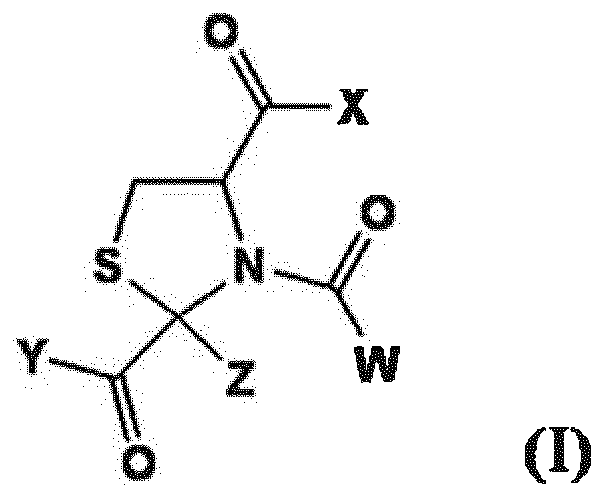
X and Y are each independently OR1 or NHR2 wherein R1 and R2 are each independently a hydrogen atom or a C1-22 alkyl group;
Z is a hydrogen atom or a C1-22 alkyl group; and
W is a C1-22 alkyl group, a C1-22 alkoxy group or a C1-22 alkylamino group,
and
(B) a whitening agent.
Description
- The present invention relates to a cosmetic agent containing (A) a particular cysteine derivative or a salt thereof and (B) a particular whitening agent.
- Conventionally, to prevent suntan, pigmented spot, freckle of the skin and maintain the inherent fair skin, whitening cosmetic agents containing various whitening agents such as kojic acid, arbutin, rcinol, ellagic acid and the like have been proposed. However, when these substances are blended in large amounts, problems in the sense of use and safety may occur, which prevents use thereof at a concentration expected to provide a sufficient effect.
- On the other hand, patent document 1 describes that a cysteine derivative obtained by esterification of L-2-methylthiazolidine-2,4-dicarboxylic acid or a salt thereof is useful as a whitening agent etc. Furthermore, patent document 2 describes that 2-methylthiazolidine-2,4-dicarboxylic acid or a derivative thereof has a whitening action. However, since these derivatives are easily decomposed and insufficient in the stability, practicalization thereof has not been achieved. The particular cysteine derivative of the present invention is not described.
-
- patent document 1:
JP-A-2009-227660 - patent document 2:
JP-A-2010-1239 - The problem of the present invention is to provide a cosmetic agent superior in the whitening effect.
- In addition, the problem of the present invention is to provide a composition for suppressing melanin production (melanin production suppressive agent) which has high stability and high safety.
- As a result of the intensive studies, it was found that a combined use of a particular cysteine derivative having high stability and high safety and a whitening agent is particularly superior in the whitening effect, and that a combined use of a particular cysteine derivative and a whitening agent synergistically improves a melanin production suppressive effect, and surprisingly, can also improve the cell viability rate, which resulted in the completion of the present invention.
- Accordingly, the present invention provides the following.
-
- [1] A cosmetic agent comprising (A) a cysteine derivative represented by the formula (I) or a salt thereof:

- X and Y are each independently OR1 or NHR2 wherein R1 and R2 are each independently a hydrogen atom or a C1-22 alkyl group;
- Z is a hydrogen atom or a C1-22 alkyl group; and
- W is a C1-22 alkyl group, a C1-22 alkoxy group or a C1-22 alkylamino group,
and - (B) a whitening agent.
- [2] The cosmetic agent of the above-mentioned [1], wherein (A) the cysteine derivative or a salt thereof is one or more kinds selected from N-acetyl-2-methylthiazolidine-2,4-dicarboxylic acid, and N-acetyl-2-methylthiazolidine-2,4-dicarboxylic acid 2-ethyl ester, and a salt thereof.
- [3] The cosmetic agent of the above-mentioned [1] or [2], wherein (B) the whitening agent is one or more kinds selected from hydroquinone and a derivative thereof, ascorbic acid and a derivative thereof, kojic acid and a derivative thereof, a nicotinic acid derivative, a serotonin derivative, a salicylic acid derivative, astaxanthin, α-lipoic acid, calcium pantetheine sulfonate, an extract having a whitening effect, a plant extract having a whitening effect, polyphenol having a whitening effect, unsaturated fatty acid having a whitening effect, peptide having a whitening effect, amino acid having a whitening effect, a nucleic acid derivative having a whitening effect, and alkylphenol having a whitening effect.
- [4] The cosmetic agent of the above-mentioned [1] or [2], wherein (B) the whitening agent is one or more kinds selected from arbutin, cetyl ascorbyl ether, kojic acid, 4-methoxy salicylic acid, chamomilla recutita extract, ellagic acid, linoleic acid, glutathione, tranexamic acid, and rcinol.
- [5] The cosmetic agent of the above-mentioned [1], wherein (A) the cysteine derivative or a salt thereof is N-acetyl-2-methylthiazolidine-2,4-dicarboxylic acid 2-ethyl ester or a salt thereof, and (B) the whitening agent is kojic acid.
- [6] The cosmetic agent of the above-mentioned [1], wherein (A) the cysteine derivative or a salt thereof is N-acetyl-2-methylthiazolidine-2,4-dicarboxylic acid 2-ethyl ester or a salt thereof, and (B) the whitening agent is tranexamic acid.
- [7] The cosmetic agent of the above-mentioned [1], wherein (A) the cysteine derivative or a salt thereof is N-acetyl-2-methylthiazolidine-2,4-dicarboxylic acid 2-ethyl ester or a salt thereof, and (B) the whitening agent is a chamomilla recutita extract.
- [8] The cosmetic agent of the above-mentioned [1], wherein (A) the cysteine derivative or a salt thereof is N-acetyl-2-methylthiazolidine-2,4-dicarboxylic acid 2-ethyl ester or a salt thereof, and (B) the whitening agent is arbutin.
- [9] The cosmetic agent of any of the above-mentioned [1] - [8], wherein a mixing ratio of (A) the cysteine derivative or a salt thereof and (B) the whitening agent is (A)/(B)=1/20 - 5000/1 (g/g).
- [10] The cosmetic agent of any of the above-mentioned [1] - [9], wherein (A) the cysteine derivative represented by the formula (I) is one or more kinds selected from a (2R,4S)-form, a (2S,4R)-form, and a mixture thereof.
- [11] The cosmetic agent of any of the above-mentioned [1] - [9], wherein (A) the cysteine derivative represented by the formula (I) is a (2S,4R)-form.
- [12] A melanin production suppressive agent comprising (A) a cysteine derivative represented by the formula (I) or a salt thereof:

- X and Y are each independently OR1 or NHR2 wherein R1 and R2 are each independently a hydrogen atom or a C1-22 alkyl group;
- Z is a hydrogen atom or a C1-22 alkyl group; and
- W is a C1-22 alkyl group, a C1-22 alkoxy group or a C1-22 alkylamino group,
and - (B) a whitening agent.
- [13] The melanin production suppressive agent of the above-mentioned [12], wherein (A) the cysteine derivative or a salt thereof is one or more kinds selected from N-acetyl-2-methylthiazolidine-2,4-dicarboxylic acid, and N-acetyl-2-methylthiazolidine-2,4-dicarboxylic acid 2-ethyl ester, and a salt thereof.
- [14] The melanin production suppressive agent of the above-mentioned [12] or [13], wherein (B) the whitening agent is one or more kinds selected from hydroquinone and a derivative thereof, ascorbic acid and a derivative thereof, kojic acid and a derivative thereof, a nicotinic acid derivative, a serotonin derivative, a salicylic acid derivative, astaxanthin, α-lipoic acid, calcium pantetheine sulfonate, an extract having a whitening effect, a plant extract having a whitening effect, polyphenol having a whitening effect, unsaturated fatty acid having a whitening effect, peptide having a whitening effect, amino acid having a whitening effect, a nucleic acid derivative having a whitening effect, and alkylphenol having a whitening effect.
- [15] The melanin production suppressive agent of any of the above-mentioned [12] - [14], wherein (B) the whitening agent is one or more kinds selected from arbutin, cetyl ascorbyl ether, kojic acid, 4-methoxy salicylic acid, chamomilla recutita extract, ellagic acid, linoleic acid, glutathione, tranexamic acid, and rcinol.
- [16] The melanin production suppressive agent of the above-mentioned [12], wherein (A) the cysteine derivative or a salt thereof is N-acetyl-2-methylthiazolidine-2,4-dicarboxylic acid 2-ethyl ester or a salt thereof, and (B) the whitening agent is kojic acid.
- [17] The melanin production suppressive agent of the above-mentioned [12], wherein (A) the cysteine derivative or a salt thereof is N-acetyl-2-methylthiazolidine-2,4-dicarboxylic acid 2-ethyl ester or a salt thereof, and (B) the whitening agent is tranexamic acid.
- [18] The melanin production suppressive agent of the above-mentioned [12], wherein (A) the cysteine derivative or a salt thereof is N-acetyl-2-methylthiazolidine-2,4-dicarboxylic acid 2-ethyl ester or a salt thereof, and (B) the whitening agent is a chamomilla recutita extract.
- [19] The melanin production suppressive agent of the above-mentioned [12], wherein (A) the cysteine derivative or a salt thereof is N-acetyl-2-methylthiazolidine-2,4-dicarboxylic acid 2-ethyl ester or a salt thereof, and (B) the whitening agent is arbutin.
- [20] The melanin production suppressive agent of any of the above-mentioned [12] - [19], wherein a mixing ratio of (A) the cysteine derivative or a salt thereof and (B) the whitening agent is (A)/(B)=1/20 - 5000/1 (g/g).
- [21] The melanin production suppressive agent of any of the above-mentioned [12] - [20], wherein (A) the cysteine derivative represented by the formula (I) is one or more kinds selected from a (2R,4S)-form, a (2S,4R)-form, and a mixture thereof.
- [22] The melanin production suppressive agent of any of the above-mentioned [12] - [20], wherein (A) the cysteine derivative represented by the formula (I) is a (2S,4R)-form.
- [23] A pharmaceutical external preparation comprising (A) a cysteine derivative represented by the formula (I) or a salt thereof:

- X and Y are each independently OR1 or NHR2 wherein R1 and R2 are each independently a hydrogen atom or a C1-22 alkyl group;
- Z is a hydrogen atom or a C1-22 alkyl group; and
- W is a C1-22 alkyl group, a C1-22 alkoxy group or a C1-22 alkylamino group,
and - (B) a whitening agent.
- According to the present invention, a melanin production suppressive agent having high stability and high safety is provided, and further, a cosmetic agent superior in a whitening effect and the like and having high safety can be provided. Description of Embodiments
- The present invention is a cosmetic agent containing (A) a particular cysteine derivative or a salt thereof and (B) a particular whitening agent. In addition, the present invention is a melanin production suppressive agent containing (A) and (B), which is applicable as a cosmetic agent (including quasi-drug), a pharmaceutical external preparation and the like.
- The cysteine derivative of the present invention is a cysteine derivative represented by the formula (I) or a salt thereof.

- X and Y are each independently OR1, NHR2 wherein R1 and R2 are each independently a hydrogen atom or a C1-22 alkyl group;
- Z is a hydrogen atom or a C1-22 alkyl group; and
- W is a C1-22 alkyl group, a C1-22 alkoxy group or a C1-22 alkylamino group.
- The terms to be used in the present specification are defined in the following.
- The "C1-22 alkyl group" means a straight chain or branched acyclic hydrocarbon group having 1 to 22 carbon atoms, and examples thereof include a methyl group, an ethyl group, an isopropyl group, a propyl group, a butyl group, an isobutyl group, a sec-butyl group, a tert-butyl group, a pentyl group, a sec-pentyl group, a tert-pentyl group, an isopentyl group, a hexyl group, a heptyl group, an octyl group, a 2-ethylhexyl group, a tert-octyl group, a nonyl group, an isononyl group, a decyl group, an isodecyl group, an undecyl group, a dodecyl group, a tridecyl group, an isotridecyl group, a tetradecyl group, a pentadecyl group, a hexadecyl group, an isohexadecyl group, a heptadecyl group, an octadecyl group, an isooctadecyl group, a behenyl group and the like.
- Examples of the "C1-16 alkyl group" include a methyl group, an ethyl group, an isopropyl group, a propyl group, a butyl group, an isobutyl group, a sec-butyl group, a tert-butyl group, a pentyl group, a sec-pentyl group, a tert-pentyl group, an isopentyl group, a hexyl group, a heptyl group, an octyl group, a 2-ethylhexyl group, a tert-octyl group, a nonyl group, an isononyl group, a decyl group, an isodecyl group, an undecyl group, a dodecyl group, a tridecyl group, an isotridecyl group, a tetradecyl group, a pentadecyl group, a hexadecyl group, an isohexadecyl group and the like.
- Examples of the "C1-6 alkyl group" include a methyl group, an ethyl group, an isopropyl group, a propyl group, a butyl group, an isobutyl group, a sec-butyl group, a tert-butyl group, a pentyl group, a sec-pentyl group, a tert-pentyl group, an isopentyl group, a hexyl group and the like.
- The "C1-22 alkoxy group" means a hydroxyl group substituted by the above-mentioned "C1-22 alkyl group", and examples thereof include a methoxy group, an ethoxy group, a propoxy group, an isopropoxy group, a butoxy group, an isobutoxy group, a tert-butoxy group, a pentyloxy group, a hexyloxy group, a heptyloxy group, an octyloxy group, a nonyloxy group, a decyloxy group, an undecyloxy group, a dodecyloxy group, a tridecyloxy group, a tetradecyloxy group, a pentadecyloxy group, a hexadecyloxy group, a heptadecyloxy group, an octadecyloxy group, a nonadecyloxy group, an eicosyloxy group, a heneicosyloxy group, a docosyloxy group and the like.
- Examples of the "C1-6 alkoxy group" include a methoxy group, an ethoxy group, a propoxy group, an isopropoxy group, a butoxy group, an isobutoxy group, a tert-butoxy group, a pentyloxy group, a hexyloxy group and the like.
- The "C1-22 alkylamino group" means an amino group substituted by the above-mentioned "C1-22 alkyl group", and examples thereof include a methylamino group, an ethylamino group, a propylamino group, an isopropylamino group, a butylamino group, an isobutylamino group, a tert-butylamino group, a pentylamino group, a hexylamino group, a heptylamino group, an octylamino group, a nonylamino group, a decylamino group, an undecylamino group, a dodecylamino group, a tridecylamino group, a tetradecylamino group, a pentadecylamino group, a hexadecylamino group, a heptadecylamino group, an octadecylamino group, a nonadecylamino group, an eicosylamino group, a heneicosylamino group, a docosylamino group and the like.
- Examples of the "C1-6 alkylamino group" include a methylamino group, an ethylamino group, a propylamino group, an isopropylamino group, a butylamino group, an isobutylamino group, a tert-butylamino group, a pentylamino group and a hexylamino group.
- Examples of the "halogen atom" include a chlorine atom, a bromine atom, a fluorine atom and an iodine atom.
- Each substituent in the above-mentioned formula (I) is explained in the following.
- X and Y are each independently OR1 or NHR2 wherein R1 and R2 are each independently a hydrogen atom or a C1-22 alkyl group.
- The "C1-22 alkyl group" for R1 or R2 is preferably a C1-6 alkyl group, more preferably a methyl group, an ethyl group or an isopropyl group, still more preferably an ethyl group.
- X is preferably OR1 wherein R1 is as defined above; more preferably OR1' wherein R1' is a hydrogen atom or a C1-6 alkyl group (preferably, methyl group, ethyl group, isopropyl group); more preferably a hydroxyl group, a methoxy group, an ethoxy group or an isopropoxy group, more preferably a hydroxyl group or a methoxy group.
- Y is preferably OR1 wherein R1 is as defined above, more preferably OR1' wherein R1' is as defined above, further more preferably a hydroxyl group, a methoxy group, an ethoxy group or an isopropoxy group, still more preferably a hydroxyl group or a methoxy group.
- Z is a hydrogen atom or a C1-22 alkyl group.
- The "C1-22 alkyl group" for Z is preferably a C1-6 alkyl group, more preferably a methyl group. Z is preferably a hydrogen atom or a C1-6 alkyl group, more preferably a hydrogen atom or a methyl group.
- W is a C1-22 alkyl group, a C1-22 alkoxy group or a C1-22 alkylamino group.
- The "C1-22 alkyl group" for W is preferably a C1-16 alkyl group, more preferably a methyl group, a nonyl group or a pentadecyl group, still more preferably a methyl group.
- The "C1-22 alkoxy group" for W is preferably a C1-6 alkoxy group, more preferably a tert-butoxy group.
- The "C1-22 alkylamino group" for W is preferably a C1-6 alkylamino group.
- W is preferably a C1-22 alkyl group or a C1-22 alkoxy group, more preferably a C1-16 alkyl group or a C1-6 alkoxy group, still more preferably a methyl group, a nonyl group, a pentadecyl group or a tert-butoxy group, particularly preferably a methyl group or a tert-butoxy group.
- As the cysteine derivative represented by the formula (I), specifically, N-acetyl-2-methylthiazolidine-2,4-dicarboxylic acid, and N-acetyl-2-methylthiazolidine-2,4-dicarboxylic acid 2-ethyl ester are preferable, and N-acetyl-2-methylthiazolidine-2,4-dicarboxylic acid 2-ethyl ester is more preferable.
- While the cysteine derivative of the present invention contains (2R,4R)-form, (2S,4S)-form, (2R,4S)-form and (2S,4R)-form based on the asymmetric carbon atoms at the 2-position and 4-position of the thiazolidine ring, all such isomers and mixtures thereof are encompassed in the cysteine derivative of the present invention. In the present specification, (2R,4R)-form, (2S,4S)-form and a mixture thereof are referred to as the cis form, and (2R,4S)-form, (2S,4R)-form and a mixture thereof are sometimes referred to as the trans form.
- The cysteine derivative of the present invention is preferably a trans form from the aspect of stability. Particularly, the trans form of the cysteine derivative of the present invention is superior in the preservation stability under acidic conditions (e.g., pH 5 or below (preferably pH 4 or below)), and therefore, is highly useful when added to cosmetic agents such as a whitening agent and the like having such pH.
- The cysteine derivative of the present invention is preferably a (2R,4S)-form, a (2S,4R)-form, or a mixture thereof, more preferably a (2S,4R)-form.
- Examples of the salt of the cysteine derivative include salts with an inorganic base and salts with an organic base.
- Examples of the salt with an inorganic base include sodium salt, potassium salt, calcium salt, magnesium salt, zinc salt, silver salt, ammonium salt and the like.
- Examples of the salt with an organic base include salts with methylamine, diethylamine, trimethylamine, triethylamine, ethanolamine, diethanolamine, triethanolamine, ethylenediamine, tris(hydroxymethyl)methylamine, dicyclohexylamine, N,N'-dibenzylethylenediamine, guanidine, pyridine, picoline, choline, cinchonine, meglumine, amino acid (arginine, lysine etc.) and the like.
- Each salt can be obtained by reacting the cysteine derivative of the present invention with an inorganic base or an organic base according to a method known per se.
- Since the cysteine derivative of the present invention and a salt thereof have an eumelanin production suppressing effect, they themselves have a whitening effect, and can be used as an eumelanin production suppressive agent, a whitening agent, or a pigmented spot-preventing or therapeutic agent. The whitening agent in the present invention is a concept including a pigmented spot prophylactive or therapeutic agent. These applications utilize properties of the cysteine derivative of the present invention, where it maintains a stable dosage form but is decomposed into cysteine comparatively rapidly due to an enzyme such as acylase and the like at an action site via skin absorption. In the human pigment cell (melanocyte) present in the skin, L-cysteine and L-tyrosine are utilized to produce melanin. When L-tyrosine which is a raw material of eumelanin is utilized in a larger amount during melanin synthesis, production of eumelanin is promoted to make the skin darker. On the other hand, when L-cysteine is utilized in a larger amount during melanin synthesis, production of eumelanin is suppressed, and the skin becomes closer to yellow. Therefore, supply of L-cysteine during melanin synthesis suppresses production of eumelanin.
- In the present invention, while the lower limit of the aforementioned cysteine derivative or a salt thereof when added to a cosmetic agent is not particularly limited as long as the effect thereof is exerted, it is preferably 0.0001 wt%. For a sufficient effect to be exhibited, it is more preferably 0.001 wt%, further more preferably 0.01 wt%, still more preferably 0.1 wt%, especially preferably 0.5 wt%, particularly preferably 1.0 wt%. When a salt of the cysteine derivative is used, the weight of the cysteine derivative moiety (free form) is set to fall within the above-mentioned range.
- In the present invention, while the upper limit of the aforementioned cysteine derivative or a salt thereof when added to a cosmetic agent is not particularly limited as long as the effect thereof is exerted, it is preferably 20 wt%. It is more preferably 18 wt%, further preferably 16 wt%, still more preferably 12 wt%, especially preferably 10 wt%, particularly preferably 5 wt%. When a salt of the cysteine derivative is used, the weight of the cysteine derivative moiety (free form) is set to fall within the above-mentioned range.
- The production method of the cysteine derivative represented by the above-mentioned formula (I) (hereinafter sometimes to be abbreviated as cysteine derivative (I)) is not particularly limited and known methods can be combined for the production. Specifically, the synthesis is carried out by the following method, but the method is not limited thereto.
- Compound (IV) which is a precursor of cysteine derivative (I) can be synthesized according to the following Step 1, and then cysteine derivative (I) can be synthesized by Step 2. Compound (IV) may or may not be purified as necessary.
- Method of obtaining compound (IV) by reacting cysteine, or a compound represented by the formula (II) (hereinafter to be abbreviated as compound (II), the same for compounds represented by other formulas), which is obtained by subjecting cysteine to esterification or amidation in advance, with compound (III) and forming a ring

- wherein each symbol is as defined above.
- Compound (IV) is obtained by reacting compound (II) with compound (III) in water or an alcohol such as methanol, ethanol and the like for 5 - 24 hr. Of compound (II), cysteine ethyl ester can be obtained, for example, by reacting cysteine in the presence of hydrochloric acid or thionyl chloride, in ethyl alcohol, at room temperature for about 5 - 24 hr. Of compound (II), cysteinamide is obtained by reacting a protected cysteine with an amine in the presence of a dehydrating condensing agent such as EDCI HCl (1-ethyl-3-(3-dimethylaminopropyl)-carbodiimide hydrochloride), in a solvent such as methylene chloride and N,N-dimethylformamide (DMF), at room temperature for 5 - 24 hr, and then deprotecting the obtained compound.
-

- wherein A is a halogen atom, and other symbols are as defined above.
- Cysteine derivative (I) can be synthesized by reacting compound (IV) with compound (V) or compound (V') in the presence or absence of a solvent, in the presence or absence of a base. Examples of the solvent include THF (tetrahydrofuran), ethyl acetate, isopropyl acetate, acetonitrile, acetone, ethanol, methanol, dichloromethane, water, a mixture thereof, and the like, and THF, ethyl acetate, isopropyl acetate, acetonitrile, acetone, dichloromethane, water, and a mixture thereof are preferable. Examples of the base include organic bases such as triethylamine, diisopropylethylamine, pyridine, N-methylmorpholine and the like, inorganic bases such as lithium hydroxide, sodium hydroxide, potassium hydroxide, sodium carbonate, potassium carbonate, sodium acetate, potassium acetate and the like, and triethylamine, diisopropylethylamine, pyridine, N-methylmorpholine, potassium carbonate, sodium carbonate are preferable.
- The amount of compound (V) or compound (V') to be used is 1.0 - 5.0 mol, preferably 1.2 - 3.0 mol, per 1 mol of compound (IV). When a base is used, the amount of the base to be used is 1.0 - 5.0 mol, preferably 1.2 - 4.0 mol, per 1 mol of compound (IV). The reaction temperature is -10 - 100°C, preferably 0 - 90°C. The reaction time is 1 hr - 48 hr, preferably 3 hr - 20 hr.
- Cysteine derivative (I) may be converted to other cysteine derivative (I) by esterification, amidation, hydrolysis or acid anhydride formation or the like.
- Examples of the whitening agent as component (B) in the present invention include one or more kinds selected from hydroquinone and a derivative thereof, ascorbic acid and a derivative thereof, kojic acid and a derivative thereof, nicotinic acid derivative, serotonin derivative, salicylic acid derivative, astaxanthin, α-lipoic acid, calcium pantetheine sulfonate, an extract having a whitening effect, a plant extract having a whitening effect, polyphenol having a whitening effect, unsaturated fatty acid having a whitening effect, peptide having a whitening effect, amino acid having a whitening effect, a nucleic acid derivative having a whitening effect, and alkylphenol having a whitening effect.
- As hydroquinone and a derivative thereof, hydroquinone, arbutin, hydroquinone glycoside are preferably used and examples thereof include hexose glycosides such as hydroquinone-α-D-glucose, hydroquinone-β-D-glucose, hydroquinone-α-L-glucose, hydroquinone-β-L-glucose, hydroquinone-α-D-galactose, hydroquinone-β-D-galactose, hydroquinone-α-L-galactose, hydroquinone-β-L-galactose and the like; pentose glycoside such as hydroquinone-α-D-ribose, hydroquinone-β-D-ribose, hydroquinone-α-L-ribose, hydroquinone-β-L-ribose, hydroquinone-α-D-arabinose, hydroquinone-β-D-arabinose, hydroquinone-α-L-arabinose, hydroquinone-β-L-arabinose and the like; aminoglycosides such as hydroquinone-α-D-glucosamine, hydroquinone-β-D-glucosamine, hydroquinone-α-L-glucosamine, hydroquinone-β-L-glucosamine, hydroquinone-α-D-galactosamine, hydroquinone-β-D-galactosamine, hydroquinone-α-L-galactosamine, hydroquinone-α-L-galactosamine and the like; uronic acid glycosides such as hydroquinone-α-D-glucuronic acid, hydroquinone-β-D-glucuronic acid, hydroquinone-α-L-glucuronic acid, hydroquinone-β-L-glucuronic acid, hydroquinone-α-D-galacturonic acid, hydroquinone-β-D-galacturonic acid, hydroquinone-α-L-galacturonic acid, hydroquinone-β-L-galacturonic acid and the like, and the like.
- Examples of ascorbic acid and a derivative thereof include ascorbic acid, L-ascorbic acid esters such as L-ascorbic acid 2-phosphate, L-ascorbic acid 2-sulfate and the like; L-ascorbic acid glucosides such as L-ascorbic acid 2-glucoside, L-ascorbic acid 5-glucoside and the like; L-ascorbic acid ethers such as 3-o-ethyl ascorbyl ether, 3-o-cetyl ascorbyl ether and the like; and the like. These may be in the form of a salt. Examples of the salt include alkali metal salts such as lithium salt, sodium salt, potassium salt and the like; alkaline earth metal salts such as calcium salt, magnesium salt and the like; ammonium salts such as methylamine salt, diethylamine salt, trimethylamine salt, triethylamine salt, ethanolamine salt, diethanolamine salt, triethanolamine salt, ethylenediamine salt, tris(hydroxymethyl)methylamine salt, dicyclohexylamine salt, N,N'-dibenzylethylenediamine salt, alkanolamine salt and the like; basic organic salts and the like. Preferred are, for example, sodium salt, potassium salt, magnesium salt, triethanolamine salt and the like.
- Examples of kojic acid and a derivative thereof include kojic acid and kojic acid dipalmitate and the like.
- Examples of the nicotinic acid derivative include nicotinic acid amide and the like.
- Examples of the serotonin derivative include coumaroylserotonin and feruloylserotonin and the like.
- Examples of the salicylic acid derivative include 3-methoxysalicylic acid, 4-methoxysalicylic acid, 5-methoxysalicylic acid and a salt thereof and the like.
- Examples of the extract having a whitening effect include apricot extract, wheat germ extract, acerola extract, gentian extract, bergenia crassifolia (linne) fritsch extract, oil-soluble glycyrrhiza extract, asiasarum root extract, linseed extract, watercress extract, peony root extract, (Japanese) angelica root extract, burnet extract, aesculus hippocastanum (horse chestnut) bark extract, polygonum bistorta extract, sophora angustifolia extract, scutellaria baicalensis extract, polygonum cuspidatum extract, raspberry extract(raspberry ketone glucoside), (white) birch extract, platycodon grandiflorum root extract and chamomilla recutita extract, yeast extract, placental extract and the like.
- Examples of the plant extract having a whitening effect include plant extracts such as safflower extract, safflower seed extract, elder extract, magnolia extract, daisy extract, brown algae extract, rose fruit extract, pyracantha fortuneana (fruit) extract, persimmon tannin extract, ginkgo biloba leaf extract, black currant extract, black tea extract, green tea extract, oolong tea extract, tamarindus indica extract, aspalathus linearis extract, mulberry bark extract, magnolia bark extract, dioscorea composita extract, rice bran extract, persicae semen extract and saxifraga sarmentosa extract and the like.
- Examples of polyphenol having a whitening effect include polyphenol such as ellagic acid, gallic acid, pentagalloylglucose, resveratrol, glabridin, glabrene, resorcin and a derivative thereof and the like.
- Examples of unsaturated fatty acid having a whitening effect include linolenic acid and linoleic acid and the like.
- Examples of peptide having a whitening effect include glutathione (GSH), collagen peptide and the like.
- Examples of amino acid having a whitening effect include tyrosine derivatives such as N-acetyl L-tyrosine and the like, amino acids such as N-acetyl L-cysteine, ergothioneine and tranexamic acid (t-AMCHA) and the like, and the like.
- Examples of alkylphenol having a whitening effect include rcinol (4-n-butylresorcinol), magnolignan, biphenyl compound, rhododenol, and a derivative thereof and the like.
- Examples of the nucleic acid derivative having a whitening effect include adenosine monophosphate and the like.
- As preferable component (B), one or more kinds selected from hydroquinone and a derivative thereof, ascorbic acid and a derivative thereof, kojic acid and a derivative thereof, salicylic acid derivative, an extract having a whitening effect, a plant extract having a whitening effect, polyphenol having a whitening effect, unsaturated fatty acid having a whitening effect, peptide having a whitening effect, amino acid having a whitening effect, and alkylphenol having a whitening effect can be mentioned since they show a particularly superior whitening effect or superior safety. Among these, arbutin, cetyl ascorbyl ether, kojic acid, 4-methoxy salicylic acid, chamomilla recutita extract, ellagic acid, linoleic acid, glutathione, tranexamic acid or rcinol is more preferable.
- The whitening agent for component (B) may be used alone or two or more kinds thereof may be mixed and used.
- While the lower limit of component (B) when added to a cosmetic agent is not particularly limited as long as the effect thereof is exerted, it is preferably 0.0001 wt%. It is more preferably 0.001 wt%, further preferably 0.01 wt%, still more preferably 0.1 wt%, especially preferably 0.5 wt%, particularly preferably 1 wt%, since an advantageous effect can be exerted.
- While the upper limit of component (B) when added to a cosmetic agent is not particularly limited as long as the effect thereof is exerted, it is preferably 20 wt%. It is more preferably 18 wt%, further preferably 16 wt%, still more preferably 12 wt%, especially preferably 10 wt%, particularly preferably 5 wt%.
- While the mixing ratio of (A) the cysteine derivative or a salt thereof and (B) the whitening agent is not particularly limited as long as the effect thereof is exerted, it is (A)/(B)=1/20 - 5000/1 (g/g), preferably 1/10 - 2500/1 (g/g), more preferably 1/2 - 2500/1 (g/g), still more preferably 3/1-2500/1 (g/g). When a salt of cysteine derivative is used, the above-mentioned ratio is calculated based on the weight of the cysteine derivative moiety (free form).
- In the present invention, a cosmetic agent is a concept also including quasi-drugs. While the form thereof is not particularly limited, it can take any form such as liquid, paste, gel, solid, powder, foam, jelly and the like. Specifically, for example, skin toner, lotion, cream, milky lotion, essence, shampoo, hair rinse, hair conditioner, hair mousse, hair gel, hair wax, foundation, eyeliner, eyebrow pencil, mascara, eyeshadow, blush, chapstick, lipstick, face powder, powder, facial pack, facial mask, perfume, cologne, cleansing foam, facial cleanser, cleansing foam, cleansing oil, cleansing gel, cleansing milk, dentifrice, soap, aerosol, bath preparation, hair tonic, sun protectant (sunscreen cosmetic) and the like can be mentioned.
- The cosmetic agent of the present invention may contain, in addition to the above-mentioned (A) and (B), various components generally usable for cosmetic agents (including pharmaceutical external preparation, quasi-drug), within the range not inhibiting the effect of the invention. For example, oily component, surfactant, amino acids, amino acid derivatives, lower alcohol, higher alcohol, polyvalent alcohol, sugar alcohol and alkylene oxide adduct thereof, water-soluble polymer, gelling agent, humectant, disinfectant and antimicrobial agent, anti-inflammatory agent, analgesic, antifungal agent, stratum corneum softening and peeling agent, skin colorant, hormone, ultraviolet ray absorbent, hair growth promoting product, antiperspirant and astringent active ingredient, perspiration deodorant, vitamin, blood flow enhancing agent (vasodilator, blood circulation promoter), crude drug, pH adjuster, sequestrant, viscosity modifier, pearlescent agent, natural perfume, synthetic perfume, dye, pigment, antioxidant, preservative, emulsifier, fat and wax, silicone compound, balm and the like can be mentioned.
- Examples of the oily component include saturated or unsaturated fatty acids such as heptanoic acid, octanoic acid, nonanoic acid, decanoic acid, pentadecanoic acid, heptadecanoic acid, nonadecanoic acid, lauric acid, myristic acid, palmitic acid, stearic acid, arachidonic acid, behenic acid and the like; higher alcohols obtained from said saturated or unsaturated fatty acids; esters of straight chain or branched chain fatty alcohols such as octyldodecyl lactate, octyldodecyl ricinoleate, myristyl myristate, myristyl palmitate, myristyl stearate, myristyl isostearate, myristyl oleate, myristyl behenate, myristyl eruciate, cetyl ethylhexanoate, cetyl capriate, cetyl myristate, cetyl palmitate, cetyl stearate, cetyl isostearate, cetyl oleate, cetyl behenate, cetyl eruciate, stearyl myristate, stearyl palmitate, stearyl stearate, stearyl hydroxystearate, stearyl isostearate, stearyl oleate, stearyl behenate, stearyl erucate, isostearyl myristate, isostearyl palmitate, isostearyl stearate, isostearyl hydroxystearate, isostearyl isostearate, isostearyl oleate, isostearyl behenate, isostearyl eruciate, behenyl myristate, behenyl palmitate, behenyl stearate, behenyl isostearate, behenyl oleate, behenyl behenate, behenyl eruciate, erucyl myristate, erucyl palmitate, erucyl stearate, erucyl isostearate, erucyl oleate, erucyl behenate, erucyl erucate, cholesteryl nonanoate, cetearyl nonanoate and the like; esters of amino acids such as di(cholesteryl/behenyl/octyldodecyl)lauroyl glutamate, di(cholesteryl/octyldodecyl)lauroyl glutamate, di(phytosteryl/octyldodecyl) lauroyl glutamate, di(octyldodecyl/phytosteryl/behenyl)lauroyl glutamate, isopropyl lauroyl sarcocinate, (phytosteryl/decyltetradecyl)myristoyl methyl β alaninate and the like (e.g., "ELDEW" PS-203, PS-304, PS-306, APS-307, SL-205 manufactured by Ajinomoto Co., Inc.); esters of dimer acids such as (phytosteryl/isostearyl/cetyl/stearyl/behenyl)dimer dilinoleate, bis(behenyl/isostearyl/phytosteryl)dimer dilinoleyl dimer dilinoleate, dimer dilinoleyl hydrogenated rosinate, dimer dilinoleyl diisostearate, bis(lauroyl glutamate/lauroyl sarcosinate)dimer dilinoleyl and the like; squalane, squalene, castor oil and/or hydrogenated castor oil and a derivative thereof; glycerides such as hydroxystearic acid monoglyceride, hydroxystearic acid diglycerides, isostearic acid monoglyceride, isostearic acid diglycerides, oleic acid monoglyceride, oleic acid diglycerides, ricinoleic acid monoglyceride, ricinoleic acid diglycerides, linoleic acid monoglyceride, linoleic acid diglycerides, linolenic acid monoglyceride, linolenic acid diglycerides, tartaric acid monoglyceride, tartaric acid diglycerides, citric acid monoglyceride, citric acid diglycerides, malic acid monoglyceride, malic acid diglycerides and ethylene oxide 1 - 30 molar adducts of these glycerides and the like; lanolins including beeswax, liquid and purified lanolin, and a derivative thereof; oily raw materials derived from animals and plants such as shea butter, flaxseed oil, camellia oil, almond oil, avocado oil, olive oil, rape seed oil, safflower oil, soybean oil, peanut oil, coconut oil, macadamia nut oil, jojoba oil, cinnamon oil, grape oil, corn oil, sunflower oil, sasanqua oil, rice bran oil, rice germ oil, wheat germ oil, apricot kernel oil, tea oil, carnauba wax, sesame oil, cottonseed oil, cacao oil, rape seed oil, evening primrose oil, palm oil, palm oil, palm kernel oil, hydrogenated palm oil, mink oil, beef tallow, lard, Japan wax, candelilla wax, spermaceti wax and the like; oily raw materials derived from petroleum and mineral such as paraffin, isoparaffin, octane, decane, dodecane, isododecane, hexadecane, isohexadecane, microcrystalline wax, liquid paraffin, petrolatum, ceresin and the like; silicones such as silicone polymers such as methylpolysiloxane, dimethylpolysiloxane, cyclomethicone, polyoxyethylene-methyl polysiloxane, polyoxypropylene-methyl polyoxysiloxane, poly(oxyethylene, oxypropylene)-methyl polysiloxane, methyl phenyl polysiloxane, fatty acid-denatured polysiloxane, aliphatic alcohol-denatured polysiloxane, amino acid-denatured polysiloxane and the like, and the like; resin acid, fatty acid ester, ketones and the like.
- Examples of the surfactant include anionic surfactant, non-ionic surfactant, cationic surfactant and amphoteric surfactant and the like. Examples of the anionic surfactant include N-long chain acyl amino acid salts such as N-long chain acyl acidic amino acid salt (e.g., N-long chain acyl glutamic acid salt, N-long chain acyl aspartic acid salt and the like), N-long chain acyl neutral amino acid salt (e.g., N-long chain acyl glycine salt, N-long chain acyl alaninine salt, N-long chain acyl threonine salt and N-long chain acyl sarcosine salt and the like) and the like (e.g., "AMISOFT" CT-12, LT-12, CK-22, CS-22, CS-11, CK-11, LS-11, LK-11, MS-11, MK-11, GS-11, HS-11, CA, LA-D, "AMINOSOAP" AR-12, "AMILITE" GCK-12, GCK-11, GCS-11, ACT-12 manufactured by Ajinomoto Co., Inc.), N-long chain fatty acid acyl-N-methyl taurine salts, alkyl sulfate and alkylene oxide adduct thereof, fatty acid amide ether sulfate, fatty acid metal salt, weak base and amino acid salt, sulfosuccinic acid type surfactant, alkyl phosphate and alkylene oxide adduct thereof, higher alkyl sulfate salt, alkyl ether sulfate salt, hydroxy alkyl ether carboxylate, alkyl ether carboxylate and the like; examples of the non-ionic surfactant include ether-type surfactant (e.g., glycerol ether and alkylene oxide adduct thereof and the like), ester-type surfactant (e.g., glycerol ester and alkylene oxide adduct thereof and the like), ether ester-type surfactant (e.g., sorbitan ester and alkylene oxide adduct thereof and the like), fatty acid alkylolamide (e.g., fatty acid monoethanolamide, fatty acid diethanolamide and the like), ester-type surfactant (e.g., polyoxyalkylene fatty acid ester, polyoxyalkylene polyvalent alcohol fatty acid ester, polyoxyalkylene sorbitan fatty acid ester, polyoxyalkylene hydrogenated castor oil, glycerol monostearate, glycerol ester, fatty acid polyglycerol ester, acyl amino acid polyglycerol ester, sorbitan ester, sucrose fatty acid ester and the like), nitrogen-containing type non-ionic surfactant (e.g., alkyl glucosides, hydrogenated castor oil pyroglutamic acid diester and ethylene oxide adduct thereof, and fatty acid alkanolamide and the like) and the like; examples of the cationic surfactant include aliphatic amine salt (e.g., alkyl ammonium chloride, dialkyl ammonium chloride, alkyl trimethyl ammonium chloride (C16-C22), dialkyl dimethyl ammonium methosulfate salt and the like), aromatic quaternary ammonium salt (e.g., quaternary ammonium salt, benzalkonium salt and the like of the aforementioned aliphatic amine salt), fatty acid acyl arginine ester, N-long chain acyl arginine ethyl pyrrolidone carboxylic acid salt, amideamines, stearamidepropyl dimethylamine glutamic acid salt, stearamidepropyl dimethylamine lactic acid salt, stearamidopropyl dimethylamine pyrrolidone carboxylic acid salt, behenamidopropyl dimethylamine glutamic acid salt, behenamidopropyl dimethylamine lactic acid salt, behenamidopropyl dimethylamine pyrrolidone carboxylic acid salt and the like; and examples of the amphoteric surfactant include betaine type surfactant (e.g., alkyl betaine, alkylamide betaine, sulfobetaine, imidazolium betaine, aminopropionate, carboxybetaine and the like), N-long chain acyl arginine, N-(3-alkyl(12,14)oxy-2-hydroxypropyl)arginine hydrochloride, aminocarboxylic acid type surfactant, imidazoline type surfactant and the like.
- Examples of the amino acids include arginine, lysine, glutamic acid, aspartic acid, valine, leucine, isoleucine, serine, glycine, alanine, proline, hydroxyproline, threonine, histidine, phenylalanine, tryptophan, tyrosine, glutamine, asparagine, cysteine, cystine, pyrrolidone carboxylic acid, methionine and salts thereof.
- Examples of the amino acid derivative include pyrrolidone carboxylic acid and a salt thereof, trimethylglycine, lauroyllysine and the like.
- Examples of the lower alcohol include ethanol, propanol, isopropanol, butanol and the like.
- Examples of the higher alcohol include cetyl alcohol, lauryl alcohol, isostearyl alcohol, stearyl alcohol, oleyl alcohol, myristyl alcohol, octyldodecanol, behenyl alcohol, lanolin alcohol, cetostearyl alcohol, decyltetradecanol, hexyldecanol, cholesterol, phytosterol and the like.
- Examples of the polyvalent alcohol include glycerol, diglycerol, ethylene glycol, 1,3-butylene glycol, propylene glycol, dipropylene glycol, isoprene glycol and the like.
- Examples of the sugar alcohol and alkylene oxide adduct thereof include mannitol, erythritol and the like.
- Examples of the water-soluble polymer include polyamino acid comprising polyglutamic acid, polyaspartic acid and a salt thereof, polyethylene glycol, high polymerized polyethylene glycol, gum arabics, alginates, xanthan gum, hyaluronic acid, hyaluronic acid salt, chitin, chitosan, water-soluble chitin, pectin, mannan, carrageenan, gellan gum, quince seed, guar gum, carboxy vinyl polymer, carboxymethylcellulose, hydroxymethyl cellulose, hydroxyethyl cellulose, hydroxypropylcellulose, hydroxypropyl methylcellulose, hydroxypropyl starch phosphericacid, polyacrylamide, polyvinyl alcohol, polyvinylpyrrolidone, hydroxypropyl trimethyl ammonium chloride, polydimethylmethylenepiperidium chloride, polyvinylpyrrolidone derivative quaternary ammonium, acrylic acid copolymer, cationated protein, collagen decomposition product and a derivative thereof, acylated protein, dextrin palmitic acid ester, aluminum stearate, polyglycerol, dibenzylidenesorbitol, 12-hydroxy stearic acid and the like.
- Examples of the gelling agent include N-2-ethylhexanoyl-L-glutamic acid dibutylamide, N-lauroyl-L-glutamic acid dibutylamide (for example, GP-1, EB-21 manufactured by Ajinomoto Co., Inc.) and the like.
- Examples of the humectant include glycerol, diglycerol, dipropyleneglycol, 1,3-butyleneglycol, polyethylene glycol, hyaluronic acid, hyaluronic acid salt, chondroitin sulfate, chondroitin sulfate salt, honey, collagen, urea, sodium DL-pyrrolidonecarboxylate/L-pyrrolidone carboxylic acid mixed solution (AJIDEW NL-50), di(phytosteryl/2-octyldodecyl) N-lauroyl-L-glutamate, 1,3-pentanediol, 1,3-propanediol and the like.
- Examples of the disinfectant and antimicrobial agent include 4-hydroxybenzoic acid and a salt thereof and ester thereof, triclosan, chlorhexidine, phenoxyethanol, menthol, mint oil, glyceryl caprate, glyceryl caprylate, salicylic acid-N-alkyl amide, DL-pyrrolidone carboxylic acid ethyl N-cocoyl L-arginate, benzalkonium chloride, isopropyl methyl phenol and the like.
- Examples of the anti-inflammatory agent, analgesic, antifungal agent, stratum corneum softening and peeling agent, skin colorant and hormone include aloe extract, lily extract, hinokitiol, hydrocortisone(V), ε-aminocarboxylic acid, azulene, allantoin, glycyrrhizic acids, glycyrrhizic acid derivative, β-glycyrrhetinic acid and the like.
- The ultraviolet ray absorbent is, for example, an organic substance (photoprotective filter) which is liquid or crystal at room temperature, and can absorb ultraviolet rays and release the absorbed energy as radiation having a longer wavelength (e.g., heat). Examples thereof include UV-B filter and UV-A filter. The UV-B filter can be oil-soluble or water-soluble. Examples of the oil-soluble substance include 3-benzylidene camphor or 3-benzylidene norcamphor and a derivative thereof (e.g., 3-(4-methyl benzylidene)-camphor); 4-aminobenzoic acid derivative (preferably 4-(dimethylamino)-benzoic acid-2-ethylhexyl ester, 4-(dimethylamino)-benzoic acid-2-octyl ester, 4-(dimethylamino)-benzoic acid pentyl ester); cinnamic acid ester (preferably 4-methoxy cinnamic acid-2-ethylhexyl ester, 4-methoxy cinnamic acid propyl ester, 4-methoxy cinnamic acid isopropyl ester, 4-methoxy cinnamic acid isopentyl ester, 2-cyano-3,3-phenyl cinnamic acid-2-ethylhexyl ester (Octocrylene)); salicylic acid ester (preferably salicylic acid-2-ethylhexyl ester, salicylic acid-4-isopropylbenzyl ester, salicylic acid homomenthyl ester); benzophenone derivative (preferably 2-hydroxy-4-methoxy benzophenone, 2-hydroxy-4-methoxy-4'-methyl benzophenone, 2,2'-dihydroxy-4-methoxy benzophenone); benzalmalonic acid ester (preferably 4-methoxy benzalmalonic acid di-2-ethylhexyl ester); triazine derivative (e.g., 2,4,6-trianilino-(p-carbo-2'-ethyl-1'-hexyloxy)-1,3,5-triazine, octyl triazone, dioctyl butamido triazone [Uvasorb (registered trade mark) HEB]); propane-1,3-dione (e.g., 1-(4-t-butylphenyl)-3-(4'-methoxyphenyl)-propane-1,3-dione); ketotricyclo(5.2.1.0)decane derivative and the like. Examples of the water-soluble substance include 2-phenyl benzimidazole-5-sulfonic acid and alkali metal salt, alkaline earth metal salt, ammonium salt, alkylammonium salt, alkanol ammonium salt and glucammonium salt thereof; sulfonic acid derivative of benzophenone (preferably 2-hydroxy-4-methoxy benzophenone-5-sulfonic acid and a salt thereof); sulfonic acid derivative of 3-benzylidene camphor (e.g., 4-(2-oxo-3-bornylidenemethyl)-benzene sulfonic acid and 2-methyl-5-(2-oxo-3-bornylidene)-sulfonic acid and a salt thereof and the like. As the UV-A filter, a benzoyl methane derivative is particularly used and, for example, 1-(4'-t-butylphenyl)-3-(4'-methoxyphenyl)-propane-1,3-dione, 4-t-butyl-4'-methoxydibenzoylmethane (Parsol (registered trade mark) 1789), 1-phenyl-3-(4'-isopropylphenyl)-propane-1,3-dione, enamine compound, 4-methoxydibenzoylmethane, 4-t-butyl-4'-methoxydibenzoylmethane can be mentioned. In addition, titanium oxide, zinc oxide, octyl methoxycinnamate, 2-ethylhexyl dimethoxybenzylidene dioxoimidazolidine propionate and the like can be mentioned.
- Examples of the hair growth promoting product include pantothenic acid and a derivative thereof, allantoin, biotin, mononitro guaiacol, adenosine, pentadecanoic acid glyceride, dialkyl monoamine derivative, coleus extract, chlorophyll, photosensitizer, estradiol, ethynylestradiol, pyridoxine hydrochloride, thioxolone, sulfur, organic sulfur substance and the like.
- Examples of the antiperspirant and astringent active ingredient, and perspiration deodorant include salts of aluminum, zirconium and zinc such as aluminum chloride, aluminum chlorohydrate, aluminum zirconium trichlorohydrate, aluminum zirconium tetrachlorohydrate, zinc pyrrolidone carboxylate and the like.
- Examples of the vitamin include vitamins A, B1, B2, B6, E and derivatives thereof and the like.
- Examples of the blood flow enhancing agent include swertia herba extract, cepharanthine, vitamin E and a derivative thereof and a salt thereof, garlic extract, ginseng extract, aloe extract, gentiana extract, carpronium chloride, minoxidil, citrus junos extract, althea extract, γ-oryzanol, zinc L-pyrrolidone carboxylate, DL-pyrrolidone carboxylic acid, sodium DL-pyrrolidone carboxylate solution, sodium DL-pyrrolidone carboxylate/L-pyrrolidone carboxylic acid mixed solution (AJIDEW NL-50), capsaicinoid (e.g., capsaicin etc.), capsinoid (e.g., dihydrocapsiate etc.) and the like.
- Examples of the pH adjuster include citric acid, adipic acid, phosphoric acid, glutamic acid, lactic acid, sulfuric acid, hydrochloric acid, ammonium, sodium hydroxide, potassium hydroxide, arginine, γ-oryzanol and the like.
- Examples of the sequestrant include edetic acid and a salt thereof, diethylenetriamine pentaacetic acid and a salt thereof, hydroxyethyl ethylenediamine triacetic acid and a salt thereof, hydroxyethane diphosphonic acid and a salt thereof, phosphoric acid, citric acid, succinic acid, gluconic acid, sodium polyphosphate, sodium metaphosphate, sodium hexametaphosphate, phytic acid, sodium pentetate and the like.
- Examples of the viscosity modifier include agar, organically modified clay mineral and the like.
- Examples of the pearlescent agent include alkylene glycol ester, fatty acid alkanolamide, fatty acid monoglyceride, fatty ether and the like.
- Examples of the synthetic perfume include ester, ether, aldehyde, ketone, alcohol and hydrocarbon type flavor and the like.
- Examples of the dye include cochineal red A (C.I.16255), patent blue (C.I.42051), chlorophyllin (C.I.75810) and the like.
- Examples of the pigment include titanium oxide, mica, sericite, Nε-lauroyl-L-lysine and the like.
- Examples of the antioxidant include vitamin E, vitamin E derivative and a salt thereof, sodium sulfite and the like.
- Examples of the preservative include phenoxyethanol, paraben, sorbic acid, isopropyl methylphenol, benzalkonium chloride, benzoic acid, dehydroacetic acid, hexanediol, pentanediol, chlorhexidine sulfate, DL-pyrrolidone carboxylic acid ethyl N-cocoyl L-arginate and the like.
- The emulsifier is, for example, a nonionic surfactant, and examples thereof include an addition resultant product of 2 - 30 mol of ethylene oxide and/or 0 - 5 mol of propylene oxide to straight chain fatty alcohol having 8 to 22 carbon atoms, fatty acid having 12 to 22 carbon atoms, alkylphenol wherein alkyl group has 8 to 15 carbon atoms, or alkylamine wherein alkyl group has 8 to 22 carbon atoms; alkyl and/or alkenyl oligoglycoside wherein alkyl(alkenyl) group has 8 to 22 carbon atoms, and an ethoxylated product thereof; ethylene oxide (1 - 15 mol) adduct of castor oil and/or hydrogenated castor oil; ethylene oxide (15 - 60 mol) adduct of castor oil and/or hydrogenated castor oil; partial ester of unsaturated straight chain or saturated branched fatty acid having 12 to 22 carbon atoms and/or hydroxycarboxylic acid having 3 to 18 carbon atoms and glycerol and/or sorbitan, and adduct thereof with 1 - 30 mol of ethylene oxide; partial ester of polyglycerol (2 - 8 average degree of self-condensation), polyethylene glycol (molecular weight 400 - 5000), trimethylolpropane, pentaerythritol, sugar alcohol (e.g., sorbitol), alkyl glucoside (e.g., methyl glucoside, butyl glucoside, lauryl glucoside, and C16-C18 alkylglucoside) and polyglucoside (e.g., cellulose), and saturated and/or unsaturated straight chain or branched fatty acid having 12 to 22 carbon atoms and/or hydroxycarboxylic acid having 3 to 18 carbon atoms, and adduct thereof with 1 - 30 mol of ethylene oxide; mixed ester of pentaerythritol, fatty acid, citric acid and fatty alcohol, and/or mixed ester of fatty acid having 6 to 22 carbon atoms, methyl glucose and polyol (preferably glycerol or polyglycerol); mono-, di-, trialkylphosphate and mono-, di- and/or tri-PEG-alkylphosphate and a salt thereof; wool wax alcohol; polysiloxane/polyalkyl/polyether copolymer and the corresponding derivative; block copolymer (e.g., polyethylene glycol-30 dipolyhydroxystearate); polymer emulsifier (e.g., Goodrich Pemulen type (TR-1, TR-2)); polyalkylene glycol, and glycerol carbonate and the like. Examples of ethylene oxide adduct include ethylene oxide of fatty alcohol, fatty acid, alkylphenol or castor oil, and examples of propylene oxide adduct include known, commercially available products. Examples of partial glyceride include hydroxystearic acid monoglyceride, hydroxystearic acid diglyceride, isostearic acid monoglyceride, isostearic acid diglyceride, oleic acid monoglyceride, oleic acid diglyceride, ricinoleic acid monoglyceride, ricinoleic acid diglyceride, linoleic acid monoglyceride, linoleic acid diglyceride, linolenic acid monoglyceride, linolenic acid diglyceride, erucic acid monoglyceride, erucic acid diglyceride, tartaric acid monoglyceride, tartaric acid diglyceride, citric acid monoglyceride, citric acid diglyceride, malic acid monoglyceride, malic acid diglyceride and the like. Moreover, ethylene oxide 1 - 30 mol (preferably 5 - 10 mol) adduct of the above-mentioned partial glyceride is also suitable. Examples of sorbitan ester include sorbitan monoisostearate, sorbitan sesquiisostearate, sorbitan diisostearate, sorbitan triisostearate, sorbitan monooleate, sorbitan sesquioleate, sorbitan dioleate, sorbitan trioleate, sorbitan monoerucate, sorbitan sesquierucate, sorbitan dierucate, sorbitan trierucate, sorbitan monoricinolate, sorbitan sesquiricinolate, sorbitan diricinolate, sorbitan triricinolate, sorbitan monohydroxystearate, sorbitan sesquihydroxystearate, sorbitan dihydroxystearate, sorbitan trihydroxystearate, sorbitan monotartrate, sorbitan sesquitartrate, sorbitan ditartrate, sorbitan tritartrate, sorbitan monocitrate, sorbitan sesquicitrate, sorbitan dicitrate, sorbitan tricitrate, sorbitan monomaleate, sorbitan sesquimaleate, sorbitan dimaleate, sorbitan trimaleate, and industrial mixtures thereof. In addition, ethylene oxide 1 - 30 mol (preferably 5 - 10 mol) adduct of the above-mentioned sorbitan ester is also suitable. Examples of polyglycerol ester include polyglyceryl-2 dipolyhydroxystearate (Dehymuls (registered trade mark) PGPH), polyglyceryl-3 diisostearate (Lameform (registered trade mark) TGI), polyglyceryl-4 isostearate (Isolan (registered trade mark) GI 34), polyglyceryl-3 oleate, diisostearoyl polyglyceryl-3 diisostearate (Isolan (registered trade mark) PDI), polyglyceryl-3 methylglucose distearate (Tego Care (registered trade mark) 450), polyglyceryl-3 beeswax (Cera Bellina (registered trade mark)), polyglyceryl-4 caprate (Polyglycerol Caprate T2010/90), polyglyceryl-3 cetyl ether (Chimexane (registered trade mark) NL), polyglyceryl-3 distearate (Cremophor (registered trade mark) GS 32) and polyglyceryl polyricinolate (Admul (registered trade mark) WOL 1403), polyglyceryl dimerate isostearate, mixtures thereof and the like. Examples of polyol ester include mono-, di- and triester of trimethylolpropane or pentaerythritol and lauric acid, coconut oil fatty acid, tallow fatty acid, palmitic acid, stearic acid, oleic acid, behenic acid and the like, which may be reacted with ethylene oxide (1 - 30 mol) where necessary, stearic acid salt, POE glycerin fatty acid ester, POE hydrogenated castor oil ester, POE sorbitan fatty acid ester, sodium N-stearoyl-L-glutamate, PEG-40 hydrogenated castor oil pyroglutamate isostearate, PEG-30 hydrogenated castor oil pyroglutamate isostearate, PEG-60 hydrogenated castor oil pyroglutamate isostearate, glycereth-25 pyroglutamate isostearate and the like.
- Examples of the fat and wax include 12-hydroxystearic acid, lanolin, beeswax, candelilla wax, carnauba wax, petrolatum, solid paraffin, lanolin derivative, microcrystalline wax, ceresin, synthetic triglyceride, beeswax, Japan wax and the like.
- Examples of the silicone compound include chain silicone such as dimethylpolysiloxane, methylphenylpolysiloxane, methylhydrogenpolysiloxane and the like; cyclic silicone such as octamethylcyclotetrasiloxane, decamethylcyclopentasiloxane, dodecamethylcyclohexasiloxane and the like; as well as amino-modified silicone compound, fatty acid-modified silicone compound, alcohol-modified silicone compound, polyether-modified silicone compound, epoxy-modified silicone compound, fluorine-modified silicone compound, glycoside-modified silicone compound and/or alkyl-modified silicone compound (which can be liquid or resin-like at room temperature), simethicone which is a mixture of dimethicone having an average chain length of dimethyl siloxane unit number of 200 - 300 and silicate hydride, and the like.
- Examples of the balm include a mixture of natural and synthetic perfume. Examples of the natural perfume include plant-derived raw materials such as flower (e.g., lily, lavender, rose, jasmine, neroli, ylang-ylang, etc.), stem and leaf (e.g., geranium, patchouli, petitgrain, etc.), fruit (e.g., anise, cilantro, caraway, juniper, etc.), fruit skin (e.g., bergamot, lemon, orange, etc.), root (e.g., nutmeg, angelica, celery, cardamom, costus, irid, calamus, etc.), tree (e.g., pine, sandalwood, guaiac, cedar, red sandalwood, etc.), herb and grass (e.g., tarragon, lemongrass, sage, thyme, etc.), acerose leaf and branch (e.g., spruce, fir, pine, scrub pine, etc.), resin and balsam (e.g., galbanum, elemi, benzoin, myrrh, frankincense, opopanax, etc.) and the like, and animal-derived raw materials such as civet, beaver and the like. Examples of the comparatively low volatile essential oil often used as an aromatic component include sage oil, chamomile oil, clove oil, Melissa officinalis oil, mint oil, cinnamon leaf oil, lime flower oil, juniper berry oil, vetiver oil, frankincense oil, galbanum oil, labdanum oil and lavandin oil, bergamot oil, dihydromyrcenol, lilial, lyral, citronellol, phenylethyl alcohol, α-hexylcinnam aldehyde, geraniol, benzylacetone, cyclamenaldehyde, linalool, Boisambrene Forte, Ambroxan, indole, Hedione, Sandelice, citrus oil, mandarin oil, orange oil, allylpentyl glycholate, Cyclovertal, lavandin oil, clary oil, β-damascone, geranium oil bourbon, cyclohexyl salicylate, Vertofix Coeur, Iso-E-Super, Fixolide NP, evernyl, Iraldein gamma, phenylacetic acid, geranyl acetate, benzyl acetate, rose oxide, Romilat, Irotyl and Floramat, peppermint oil, spearmint oil, anise oil, illicium verum oil, caraway oil, eucalyptus oil, fennel oil, citrus oil, wintergreen oil, menthol and the like. Examples
- The present invention is explained in more detail in the following by referring to Examples, which are not to be construed as limitative.
-

- L-Cysteine hydrochloride monohydrate (100 g, 569 mmol) was dissolved in water (200 ml), and the pH of the solution was adjusted to 5.03 with 6N aqueous sodium hydroxide. The reaction mixture was heated to 40°C, ethyl pyruvate (76 ml, 684 mmol) was gradually added thereto, and the mixture was stirred at 40°C for 3.5 hr to give 2-methylthiazolidine-2,4-dicarboxylic acid 2-ethyl ester (the ratio of trans form:cis form of the resultant product in the reaction mixture was confirmed by the area ratio of an HPLC chart to find about 55:45). After completion of the reaction, the reaction mixture was extracted with ethyl acetate. The extract was washed with saturated brine, and dried over anhydrous magnesium sulfate. To the obtained ethyl acetate solution was added triethylamine (159 ml, 1141 mmol) under argon, and acetyl chloride (61 ml, 858 mmol) was slowly added dropwise thereto. The reaction mixture was heated under reflux for 4 hr to give N-acetyl-2-methylthiazolidine-2,4-dicarboxylic acid 2-ethyl ester (the ratio of trans form:cis form of the resultant product in the reaction mixture was confirmed by the area ratio of an HPLC chart to find about 95:5). After completion of the reaction, water (300 ml) was added thereto, and the pH of the mixture was adjusted to 1.0 with HCl. The aqueous layer was separated, and the organic layer was washed with water (300 ml), washed with saturated brine, and dried over anhydrous magnesium sulfate. The obtained ethyl acetate solution was concentrated until a weight of 500 g, to the residue was added heptane to allow recrystallization of the residue, and the crystals were washed with heptane/ethyl acetate=2/1, and dried at 50°C under reduced pressure to give the trans form (mixture of (2R,4S)-form, (2S,4R)-form) of N-acetyl-2-methylthiazolidine-2,4-dicarboxylic acid 2-ethyl ester as crystals (81 g, yield 55%).
1H-NMR(CDCl3): 5;1.27(3H,t,J=7.12Hz), 1.94(3H,s), 2.18(3H,s), 3.40(1H,d,J=11.6Hz), 3.56(1H,dd,J=5.5,11.0Hz), 4.20(2H,t,J=7.08Hz), 5.00(1H,d,J=5.9Hz), 9.10(1H,brs). -
- detector; ultraviolet absorption spectrophotometer (measurement wavelength; 210 nm)
- column; YMC-Pack ODS-A (particle size 5 µm, fine pore size 12 mm, inner diameter 6.0 mm, length 150 mm)
- eluent; 50 mM NaH2PO4 (adjusted to pH2 with 85%
- H3PO4) :MeOH=60:40
- flow rate; 1.0 mL/min
- column temperature; 40°C
- injection volume; 10 µL
- retention time (min); 2-methylthiazolidine-2,4-dicarboxylic acid 2-ethyl ester (cis form): 9.0, (trans form): 8.6, N-Ac-CP2Et (cis form): 7.5, (trans form): 9.2
-

- N-acetyl-2-methylthiazolidine-2,4-dicarboxylic acid 2-ethyl ester obtained by an operation similar to that in Synthetic Example 1 was dissolved in a mixed solvent of methanol (120 ml) and water (120 ml), and 2N NaOH (182.4 ml) was added thereto. The reaction mixture was heated with stirring under an argon atmosphere at 100°C for 4 hr, and then at 80°C overnight. The reaction mixture was allowed to cool to room temperature, and the pH was adjusted to 1 - 2 with AMBERLITE IR120B H AG (about 250 g). The AMBERLITE was filtered off, and the filtrate was concentrated under reduced pressure. To the residue was ethyl acetate (200 ml), the mixture was stirred for 1 hr, and the resulting white crystals were collected by filtration to give N-acetyl-2-methylthiazolidine-2,4-dicarboxylic acid (15.99 g, 75%).
1H-NMR(DMSO-d6):δ; 1.73(3H,s), 2.01(3H,s), 3.36(2H,d,J=3.6Hz), 5.26(1H,t,J=3.6Hz).
MS spectrum m/z; [M+H]+=234.0, [M-H]-=232.0. - L-cysteine hydrochloride monohydrate (50 g, 285 mmol) was dissolved in water (100 ml), and the pH of the solution was adjusted to 5.15 with 6N aqueous sodium hydroxide. The reaction mixture was heated to 40°C, ethyl pyruvate (38 ml, 342 mmol) was gradually added thereto, and the mixture was stirred at 40°C for 4 hr. Water was added, and the mixture was cooled to room temperature to precipitate the crystals and the crystals were collected by filtration. The obtained crystals were washed with water, and dried under reduced pressure at 50°C to give 2-methylthiazolidine-2,4-dicarboxylic acid 2-ethyl ester (trans form:cis form = 88:12, 12.1 g, yield 19%). The synthesized 2-methylthiazolidine-2,4-dicarboxylic acid 2-ethyl ester (5 g, 22.8mmol) was dissolved in ethyl acetate (40 ml), and triethylamine (6.4 ml, 45.9 mmol) was added under argon. Acetyl chloride (2.4 ml, 33.8 mmol) was slowly added dropwise, and the mixture was stirred at room temperature overnight. After completion of the reaction, water (15 ml) was added thereto, and the pH of the mixture was adjusted to 1.0 with HCl. The aqueous layer was separated, and the organic layer was washed with water (10 ml), washed with saturated brine, and dried over anhydrous magnesium sulfate. The obtained ethyl acetate solution was concentrated to precipitate crystals. The crystals were collected by filtration, washed with heptane/ethyl acetate=1/1 (10 ml), and dried under reduced pressure at 50°C to give (2S,4R)-N-acetyl-2-methylthiazolidine-2,4-dicarboxylic acid 2-ethyl ester as crystals (3.3 g, yield 55%).
-
- detector; ultraviolet absorption spectrophotometer (measurement wavelength; 250 nm)
- column; CHIRALPACK QN-AX (0.46 cm*15 cm)
- eluent; MeOH:AcOH:AcONH4 = 98:2:0.5 (V/V/W)
- flow rate; 1.0 mL/min
- column temperature; 30°C
- injection volume; 10 µL
- retention time (min); (2S,4R)-form: 4.5, (2R,4S)-form: 5.0
- B16 melanoma was cultured in DMEM (Dulbecco's Modified Eagle Medium) (high glucose, containing 10% serum). After confluence, the cells were seeded on a 6 well plate. The next day, each well medium was exchanged with DMEM (300 µM tyrosine added) added with each evaluation sample at a given evaluation concentration (Table 1), and the cells were cultured for 3 days. The evaluation samples that did not dissolve in the medium were dissolved in dimethyl sulfoxide, and added to the medium (0.1% dimethyl sulfoxide was in the medium). The medium was recovered, and centrifuged at 10000 rpm for 10 min. The absorbance of the supernatant at 450 nm was measured by spectrophotometer. The medium was recovered, and the cells were rinsed once with PBS (phosphate-buffered saline). A blending solution of 4% aqueous sodium hydroxide solution and dimethyl sulfoxide (9:1) was added to the well, and the mixture was stood at room temperature for 10 min. The cells were dissolved and recovered, and centrifuged at 3500 rpm for 10 min. The absorbance (450 nm) of the supernatant was measured by spectrophotometer. The total of the melanin amount in the medium and in the cell was calculated from the analytical curve drawn using synthetic melanin. By setting the calculated value 3 days after addition of each sample at a given concentration as a relative percentage to the calculated value of the control (no sample addition) defined as 100%, the melanin production rate of each sample to the melanin amount in the control as 100% was calculated. When a sample was dissolved dimethyl sulfoxide and then added, a sample containing 0.1% dimethyl sulfoxide was used as a control (no sample addition). The melanin production rate was standardized from the amount of cell protein obtained in Experimental Example 2.
- The spectrophotometer used in this melanin production suppression test was DU800, manufactured by BECKMAN COULTER.
- B16 melanoma was cultured in DMEM (Dulbecco's Modified Eagle Medium) (high glucose, containing 10% serum). After confluence, the cells were seeded on a 6 well plate. The next day, each well medium was exchanged with DMEM (300 µM tyrosine added) added with each evaluation sample at a given evaluation concentration (Table 1), and the cells were cultured for 3 days. The medium was recovered, and the cells were rinsed once with PBS (phosphate-buffered saline). A blending solution of 4% aqueous sodium hydroxide solution and dimethyl sulfoxide (9:1) was added to the well, and the mixture was stood at room temperature for 10 min. The cells were dissolved and recovered, and centrifuged at 3500 rpm for 10 min, and the supernatant was diluted 3-fold with milli-Q water. Solution A (DC Protein Assay; BIO RAD, 100 µl) was added to the diluted solution (20 µl) and the mixture was admixed in a vortex. Solution B (DC Protein Assay; BIO RAD, 800 µl) was added and mixed therewith, and the mixture was stood at room temperature for 15 min. After standing, the absorbance (750 nm) was measured by a spectrophotometer. In addition, the analytical curve of albumin was determined, the protein amount of the above-mentioned solution was calculated, and the relative rate was taken as a viability rate.
- The spectrophotometer used in this melanin production suppression test was DU800, manufactured by BECKMAN COULTER.
- The evaluated samples were obtained as follows.
- kojic acid: manufactured by SIGMA, K3125-5G
- arbutin: manufactured by SIGMA, A4256-10G
- rcinol: manufactured by Tokyo Chemical Industry Co., Ltd., 4-hexylresorcinol, H0139
- GSH: manufactured by Nacalai Tesque, glutathione (reduced type), 08786-32
- tranexamic acid: manufactured by SIGMA, trans-4-(aminomethyl)-cyclohexanecarboxylic acid, 857653-10G
- 4-MS: manufactured by Tokyo Chemical Industry Co., Ltd., 4-methoxy salicylic acid, M1795
- chamomilla recutita extract: manufactured by Ichimaru Pharcos Co., Ltd., Biocellact CHAMOMILLA B
- ellagic acid: manufactured by Fulka, 45140
- cetyl ascorbyl ether: manufactured by Nikko Chemicals, VC cetyl ether (3-o-cetyl ascorbyl ether)
- linoleic acid: manufactured by Wako Pure Chemical Industries, Ltd., linoleic acid, plant-derived, 125-05821
- The melanin production rate of each sample was measured for a single use and combined use, and the effect of the combined use was evaluated by the following criteria using the theoretical value.
- The theoretical value was melanin production rate (%) by single use of component (A) x melanin production rate (%) by single use of component (B)/100.
-
- ○○○: theoretical value - measured value is not less than 30%.
- ○○: theoretical value - measured value is not less than 10% and less than 30%.
- ○: theoretical value - measured value is not less than -10% and less than 10%.
- Δ: theoretical value - measured value is less than -10% but combined use is superior to single use of each of them
- x: theoretical value - measured value isless than -10% and combined use is inferior to single use thereof.
- The cell viability rate of each sample was measured for a single use and combined use, and the effect of the combined use was evaluated by the following criteria using the degree of toxic mitigation.
- The degree of toxic mitigation was cell viability rate (%) by combined use of component (A) and component (B) - cell viability rate(%) by single use of component (B).
-
- ○○○: degree of toxic mitigation of not less than 9.
- ○○: degree of toxic mitigation of not less than 6 and less than 9.
- ○: degree of toxic mitigation of not less than 3 and less than 6.
- Δ: degree of toxic mitigation of not less than 0 and less than 3.
- x: degree of toxic mitigation of less than 0.
- From Table 1, it was confirmed that a melanin production suppressive effect was improved by combining (A) N-Ac-CP2Et and kojic acid, arbutin, rcinol, glutathione, tranexamic acid, 4-methoxy salicylic acid, chamomilla recutita extract, cetyl ascorbyl ether, ellagic acid or linoleic acid as component (B). Particularly, when kojic acid, arbutin, tranexamic acid, 4-methoxy salicylic acid, chamomilla recutita extract, or cetyl ascorbyl ether was combined as component (B), the whitening effect was remarkably improved and when, among these, kojic acid, arbutin, tranexamic acid, 4-methoxy salicylic acid or chamomilla recutita extract was combined as component (B), the whitening effect was extremely remarkably improved.
- In addition, it was confirmed when (A) N-Ac-CP and arbutin, glutathione, chamomilla recutita extract or cetyl ascorbyl ether as component (B) were combined, melanin production suppressing effect was improved. Particularly, when glutathione or cetyl ascorbyl ether was combined as component (B), the whitening effect was remarkably improved and when, among these, glutathione was combined as component (B), the whitening effect was extremely remarkably improved.
- From Table 1, it was further confirmed that the safety was improved by combining (A) N-Ac-CP2Et with kojic acid, arbutin, rcinol, glutathione, tranexamic acid, chamomilla recutita extract, ellagic acid or linoleic acid as component (B). Particularly, kojic acid, rcinol, glutathione, tranexamic acid, chamomilla recutita extract, ellagic acid and linoleic acid showed remarkably improved safety and, among these, kojic acid, chamomilla recutita extract and ellagic acid showed extremely remarkably improved safety.
- In addition, it was confirmed when (A) N-Ac-CP is combined with arbutin, glutathione or chamomilla recutita extract as component (B), the safety was improved. Particularly, glutathione and chamomilla recutita extract showed remarkably improved safety.
- The cysteine derivatives of Synthetic Example 1 and Synthetic Example 3 were measured for a melanin production rate for comparison of a whitening effect. B16 melanoma was cultured in DMEM (Dulbecco's Modified Eagle Medium) (containing high glucose, serum 10%). After confluence, it was seeded in a 96 well plate. The next day, each well medium was exchanged with DMEM added with each evaluation sample adjusted to 5 - 25 mM, and the cells were cultured for 3 days. The absorbance at 450 nm was measured by a microplatereader. By setting the measurement value 3 days after addition of each sample at a given concentration as a relative percentage to the measurement value of the control (no sample addition) defined as 100%, the melanin production rate of each sample to the melanin amount in the control as 100% was calculated.
- The calculated concentrations of the cysteine derivatives of Synthetic Example 1 and Synthetic Example 3 necessary for suppressing the melanin production rate by 50% are shown in Table 2.
- The microplatereader used in this melanin production suppressing test was MULTISKAN FC manufactured by Thermo Fisher Scientific Inc.
Table 2 concentration suppressing melanin production by 50% Synthetic Example 1 18.9 mM Synthetic Example 3 16.6 mM - From the results of Table 2, it was found that the cysteine derivative of Synthetic Example 3 shows a stronger melanin production suppressing effect than the cysteine derivative of Synthetic Example 1.
- Examples of the cosmetic agent of the present invention are shown below. All of them are cosmetic agents having a superior whitening effect and superior in safety.
[Table 3-1] essence (in wt%, total amount 100) component Form. Ex. 1 Form. Ex. 2 Form. Ex. 3 Form. Ex. 4 Form. Ex. 5 Form. Ex. 6 Form. Ex. 7 Form. Ex. 8 Form. Ex. 9 Form. Ex. 10 Form. Ex. 11 Form. Ex 12 lysolecitine 0.50 0.50 0.50 0.50 0.50 0.50 0.50 0.50 0.50 0.50 0.50 0.50 sorbitan polyoxyethylene monooleate (2 E.O.) 0.30 0.30 0.30 0.30 0.30 0.30 0.30 0.30 0.30 0.30 0.30 0.30 polyoxyethylene hydrogenated castor oil (40 E.O.) 0.50 0.50 0.50 0.50 0.50 0.50 0.50 0.50 0.50 0.50 0.50 0.50 ethanol 7.00 7.00 7.00 7.00 7.00 7.00 7.00 7.00 7.00 7.00 7.00 7.00 methylphenylpolysiloxane 3.00 3.00 3.00 3.00 3.00 3.00 3.00 3.00 3.00 3.00 3.00 3.00 flavor 0.01 0.01 0.01 0.01 0.01 0.01 0.01 0.01 0.01 0.01 0.01 0.01 N-acetyl-2-methylthiazolidine-2,4-dicarboxylic acid 2-ethyl ester 1.00 1.00 1.50 1.50 N-acetyl-2-methylthiazolidine-2,4-dicarboxylic acid 1.00 1.00 1.00 1.00 1.50 1.50 sodium N-acetyl-2-methylthiazolidine-2,4-dicarboxylic acid 2-ethyl ester 1.00 disodium N-acetyl-2-methylthiazolidine-2,4-dicarboxylic acid 1.00 chamomilla recutita extract 0.10 0.10 rcinol 0.50 0.50 GSH 0.50 tranexamic acid 0.50 4-methoxy salicylic acid 1.00 safflower seed extract 1.00 magnesium ascorbic acid phosphate 0.10 oligosaccharide 2.00 ellagic acid 0.10 hydroquinone 0.50 coumaroylserotonin 0.01 0.01 feruloylserotonin 0.01 0.01 serotonin derivative 0.01 0.01 [Table 3-2] trioleyl phosphate 7.00 7.00 7.00 7.00 7.00 7.00 7.00 7.00 7.00 7.00 7.00 7.00 1,3-butyleneglycol 3.00 3.00 3.00 3.00 3.00 3.00 3.00 3.00 3.00 3.00 3.00 3.00 polyethylene glycol 1000 1.00 1.00 1.00 1.00 1.00 1.00 1.00 1.00 1.00 1.00 1.00 1.00 ascorbic acid 2-glucoside 2.00 2.00 2.00 2.00 2.00 2.00 2.00 2.00 2.00 2.00 2.00 2.00 dipotassium glycyrrhizinate 0.20 0.20 0.20 0.20 0.20 0.20 0.20 0.20 0.20 0.20 0.20 0.20 nicotinic acid amide 1.00 1.00 1.00 1.00 1.00 1.00 1.00 1.00 1.00 1.00 1.00 1.00 N-methyl-L-serine 0.10 0.10 0.10 0.10 0.10 0.10 0.10 0.10 0.10 0.10 0.10 0.10 potassium hydroxide 0.15 0.15 0.15 0.15 0.15 0.15 0.15 0.15 0.15 0.15 0.15 0.15 lactic acid bacteria fermented solution 0.10 0.10 0.10 0.10 0.10 0.10 0.10 0.10 0.10 0.10 0.10 0.10 γ-aminobutyric acid 0.02 0.02 0.02 0.02 0.02 0.02 0.02 0.02 0.02 0.02 0.02 0.02 lavender extract 0.01 0.01 0.01 0.01 0.01 0.01 0.01 0.01 0.01 0.01 0.01 0.01 peppermint extract 0.01 0.01 0.01 0.01 0.01 0.01 0.01 0.01 0.01 0.01 0.01 0.01 salvia officinalis (sage) extract 0.01 0.01 0.01 0.01 0.01 0.01 0.01 0.01 0.01 0.01 0.01 0.01 anise extract 0.01 0.01 0.01 0.01 0.01 0.01 0.01 0.01 0.01 0.01 0.01 0.01 rose extract 0.01 0.01 0.01 0.01 0.01 0.01 0.01 0.01 0.01 0.01 0.01 0.01 chamaecyparis obtusa water 0.01 0.01 0.01 0.01 0.01 0.01 0.01 0.01 0.01 0.01 0.01 0.01 aspalathus linearis extract 0.01 0.01 0.01 0.01 0.01 0.01 0.01 0.01 0.01 0.01 0.01 0.01 extract *1 0.10 0.10 0.10 0.10 0.10 0.10 0.10 0.10 0.10 0.10 0.10 0.10 10% arginine aqueous solution q.s. q.s. q.s. q.s. q.s. q.s. q.s. q.s. q.s. q.s. q.s. q.s. purified water balance balance balance balance balance balance balance balance balance balance balance balance [Table 4] cream (in wt%, total amount 100) component Form. Ex. 13 Form. Ex. 14 Form. Ex. 15 Form. Ex. 16 Form. Ex. 17 Form. Ex. 18 Form. Ex. 19 Form. Ex. 20 Form. Ex. 21 Form. Ex. 22 Form. Ex 23 Form. Ex. 24 Form. Ex. 25 Form. Ex. 26 squalane 8.00 8.00 8.00 8.00 8.00 8.00 8.00 8.00 8.00 8.00 8.00 8.00 8.00 8.00 cetyl ethylhexanoate 3.00 3.00 3.00 3.00 3.00 3.00 3.00 3.00 3.00 3.00 3.00 3.00 3.00 3.00 cetanol 2.80 2.80 2.80 2.80 2.80 2.80 2.80 2.80 2.80 2.80 2.80 2.80 2.80 2.80 stearic acid 2.40 2.40 2.40 2.40 2.40 2.40 2.40 2.40 2.40 2.40 2.40 2.40 2.40 2.40 stearic acid PG 1.20 1.20 1.20 1.20 1.20 1.20 1.20 1.20 1.20 1.20 1.20 1.20 1.20 1.20 glyceryl stearate (SE) 3.30 3.30 3.30 3.30 3.30 3.30 3.30 3.30 3.30 3.30 3.30 3.30 3.30 3.30 Polysorbate 60 0.50 0.50 0.50 0.50 0.50 0.50 0.50 0.50 0.50 0.50 0.50 0.50 0.50 0.50 stearic acid PEG-40 1.50 1.50 1.50 1.50 1.50 1.50 1.50 1.50 1.50 1.50 1.50 1.50 1.50 1.50 tocopherol 0.05 0.05 0.05 0.05 0.05 0.05 0.05 0.05 0.05 0.05 0.05 0.05 0.05 0.05 (phytosteryl/decyltetradecyl) 1.00 1.00 1.00 1.00 1.00 1.00 1.00 1.00 1.00 1.00 1.00 1.00 1.00 1.00 methylparaben 0.20 0.20 0.20 0.20 0.20 0.20 0.20 0.20 0.20 0.20 0.20 0.20 0.20 0.20 BG 5.00 5.00 5.00 5.00 5.00 5.00 5.00 5.00 5.00 5.00 5.00 5.00 5.00 5.00 xanthan gum 0.10 0.10 0.10 0.10 0.10 0.10 0.10 0.10 0.10 0.10 0.10 0.10 gellan gum 0.10 0.10 N-acetyl-2-methylthiazolidine-2,4-dicarboxylic acid 2-ethyl ester 1.00 1.00 1.00 3.00 3.00 5.00 10.00 N-acetyl-2-methylthiazolidine-2,4-dicarboxylic acid 1.00 1.00 3.00 5.00 10.00 kojic acid 1.00 1.00 arbutin 1.00 1.00 sodium N-acetyl-2-methylthiazolidine-2,4-dicarboxylic acid 2-ethyl ester 1.00 disodium N-acetyl-2-methylthiazolidine-2,4-dicarboxylic acid 3.00 GSH 0.50 tranexamic acid 0.50 4-methoxy salicylic acid 1.00 safflower seed extract 1.00 ascorbic acid 2-glucoside 0.10 oligosaccharide 2.00 ellagic acid 0.10 hydroquinone 0.50 linoleic acid 2.00 cetyl ascorbyl ether 0.50 arginine 0.70 0.70 0.70 0.70 0.70 0.70 0.70 0.70 0.70 0.70 0.70 0.70 0.70 0.70 extract *1 0.10 0.10 0.10 0.10 0.10 0.10 0.10 0.10 0.10 0.10 0.10 0.10 0.10 0.10 10% arginine aqueous solution q.s. q.s. q.s. q.s. q.s. q.s. q.s. q.s. q.s. q.s. q.s. q.s. q.s. q.s. flavor q.s. q.s. q.s. q.s. q.s. q.s. q.s. q.s. q.s. q.s. q.s. q.s. q.s. q.s. purified water balance balance balance balance balance balance balance balance balance balance balance balance balance balance [Table 5-1] cream (in wt%, total amount 100) component Form. Ex. 27 Form. Ex. 28 Form. Ex. 29 Form. Ex. 30 Form. Ex. 31 Form. Ex. 32 Form. Ex. 33 Form. Ex. 34 Form. Ex. 35 Form. Ex. 36 Form. Ex. 37 Form. Ex. 38 Form. Ex. 39 Form. Ex. 40 2,2'-dihydroxy-5,5'-di-n-propylbiphenyl 0.50 0.50 0.50 0.50 0.50 0.50 0.50 0.50 0.50 0.50 0.50 0.50 0.50 0.50 macadamia nut oil fatty acid phytosteryl 0.50 0.50 0.50 0.50 0.50 0.50 0.50 0.50 0.50 0.50 0.50 0.50 0.50 0.50 long chain branched fatty acid cholesteryl 2.00 2.00 2.00 2.00 2.00 2.00 2.00 2.00 2.00 2.00 2.00 2.00 2.00 2.00 hydrogenated soybean phospholipid 0.50 0.50 0.50 0.50 0.50 0.50 0.50 0.50 0.50 0.50 0.50 0.50 0.50 0.50 DPG 5.00 5.00 5.00 5.00 5.00 5.00 5.00 5.00 5.00 5.00 5.00 5.00 5.00 5.00 behenyl alcohol 2.00 2.00 2.00 2.00 2.00 2.00 2.00 2.00 2.00 2.00 2.00 2.00 2.00 2.00 microcrystalline wax 1.00 1.00 1.00 1.00 1.00 1.00 1.00 1.00 1.00 1.00 1.00 1.00 1.00 1.00 glycerol 5.00 5.00 5.00 5.00 5.00 5.00 5.00 5.00 5.00 5.00 5.00 5.00 5.00 5.00 sebacic acid diisopropyl ester 4.00 4.00 4.00 4.00 4.00 4.00 4.00 4.00 4.00 4.00 4.00 4.00 4.00 4.00 palmitic acid 0.10 0.10 0.10 0.10 0.10 0.10 0.10 0.10 0.10 0.10 0.10 0.10 0.10 0.10 liquid paraffin 8.00 8.00 8.00 8.00 8.00 8.00 8.00 8.00 8.00 8.00 8.00 8.00 8.00 8.00 methyl phenyl polysiloxane 2.00 2.00 2.00 2.00 2.00 2.00 2.00 2.00 2.00 2.00 2.00 2.00 2.00 2.00 dimethylpolysiloxane (0.1 m2/s; 25°C) 1.00 1.00 1.00 1.00 1.00 1.00 1.00 1.00 1.00 1.00 1.00 1.00 1.00 1.00 oleth-2 0.50 0.50 0.50 0.50 0.50 0.50 0.50 0.50 0.50 0.50 0.50 0.50 0.50 0.50 N-acetyl-2-methylthiazolidine-2,4-dicarboxylic acid 2-ethyl ester 1.00 1.00 1.00 3.00 10.00 N-acetyl-2-methylthiazolidine-2,4-dicarboxylic acid 1.00 1.00 1.00 3.00 3.00 5.00 10.00 kojic acid 2.00 arbutin 2.00 5.00 chamomilla recutita extract 0.20 2.00 rcinol 1.00 potassium N-acetyl-2-methylthiazoli-dine-2,4-dicarboxylic acid 2-ethyl ester 1.00 [Table 5-2] dipotassium N-acetyl-2-methylthiazolidine-2,4-dicarboxylic acid 1.00 4-methoxy salicylic acid 2.00 safflower seed extract 2.00 ascorbic acid 2-glucoside 0.20 oligosaccharide 4.00 ellagic acid 0.20 hydroquinone 1.00 linoleic acid 2.00 cetyl ascorbyl ether 1.00 coumaroylserotonin 0.01 0.01 0.01 0.01 feruloylserotonin 0.01 0.01 0.01 0.01 serotonin derivative 0.01 0.01 0.01 0.01 birch extract 0.10 0.10 0.10 0.10 0.10 0.10 0.10 0.10 0.10 0.10 0.10 0.10 0.10 0.10 common sorrel extract 0.10 0.10 0.10 0.10 0.10 0.10 0.10 0.10 0.10 0.10 0.10 0.10 0.10 0.10 sophora angustifolia extract 0.10 0.10 0.10 0.10 0.10 0.10 0.10 0.10 0.10 0.10 0.10 0.10 0.10 0.10 peony root extract 0.10 0.10 0.10 0.10 0.10 0.10 0.10 0.10 0.10 0.10 0.10 0.10 0.10 0.10 asiasarum root extract 0.10 0.10 0.10 0.10 0.10 0.10 0.10 0.10 0.10 0.10 0.10 0.10 0.10 0.10 pyracantha fortuneana extract 0.10 0.10 0.10 0.10 0.10 0.10 0.10 0.10 0.10 0.10 0.10 0.10 0.10 0.10 swertia herba extract 0.10 0.10 0.10 0.10 0.10 0.10 0.10 0.10 0.10 0.10 0.10 0.10 0.10 0.10 extract *1 0.10 0.10 0.10 0.10 0.10 0.10 0.10 0.10 0.10 0.10 0.10 0.10 0.10 0.10 Glycyrrhizic acid 2K 0.10 0.10 0.10 0.10 0.10 0.10 0.10 0.10 0.10 0.10 0.10 0.10 0.10 0.10 EDTA-2Na 0.05 0.05 0.05 0.05 0.05 0.05 0.05 0.05 0.05 0.05 0.05 0.05 0.05 0.05 phenoxyethanol 0.40 0.40 0.40 0.40 0.40 0.40 0.40 0.40 0.40 0.40 0.40 0.40 0.40 0.40 chlorphenesin 0.10 0.10 0.10 0.10 0.10 0.10 0.10 0.10 0.10 0.10 0.10 0.10 0.10 0.10 xanthan gum 0.15 0.15 0.15 0.15 0.15 0.15 0.15 0.15 0.15 0.15 0.15 0.15 0.15 0.15 flavor 0.10 0.10 0.10 0.10 0.10 0.10 0.10 0.10 0.10 0.10 0.10 0.10 0.10 0.10 sodium hydroxide q.s. q.s. q.s. q.s. q.s. q.s. q.s. q.s. q.s. q.s. q.s. q.s. q.s. q.s. purified water balance balance balance balance balance balance balance balance balance balance balance balance balance balance [Table 6-1] milky lotion (in wt%, total amount 100) component Form. Ex. 41 Form. Ex. 42 Form. Ex.43 Form. Ex. 44 Form. Ex. 45 Form. Ex. 46 Form. Ex. 47 Form. Ex. 48 Form. Ex. 49 Form. Ex. 50 Form. Ex. 51 Form. Ex. 52 stearic acid 2.00 2.00 2.00 2.00 2.00 2.00 2.00 2.00 2.00 2.00 2.00 2.00 cetanol 1.00 1.00 1.00 1.00 1.00 1.00 1.00 1.00 1.00 1.00 1.00 1.00 petrolatum 2.00 2.00 2.00 2.00 2.00 2.00 2.00 2.00 2.00 2.00 2.00 2.00 liquid paraffin 9.00 9.00 9.00 9.00 9.00 9.00 9.00 9.00 9.00 9.00 9.00 9.00 cetyl ethylhexanoate 1.00 1.00 1.00 1.00 1.00 1.00 1.00 1.00 1.00 1.00 1.00 1.00 di(octyldodecyl/phytosteryl/behenyl)-lauroyl glutamate 0.10 0.10 0.10 0.10 0.10 0.10 0.10 0.10 0.10 0.10 0.10 0.10 di(cholesteryl/behenyl/octyldodecyl)-lauroyl glutamate 0.10 0.10 0.10 0.10 0.10 0.10 0.10 0.10 0.10 0.10 0.10 0.10 (phytosteryl/isostearyl/cetyl/stearyl/ behenyl)dimer dilinoleate 0.10 0.10 0.10 0.10 0.10 0.10 0.10 0.10 bis(behenyl/isostearyl/phytosteryl)-dimer dilinoleyl dimer dilinoleate 0.10 0.10 0.10 0.10 jojoba oil 1.00 1.00 1.00 1.00 1.00 1.00 1.00 1.00 1.00 1.00 1.00 1.00 squalane 2.00 2.00 2.00 2.00 2.00 2.00 2.00 2.00 2.00 2.00 2.00 2.00 POE (30) hydrogenated castor oil 3.00 3.00 3.00 3.00 3.00 3.00 3.00 3.00 3.00 3.00 3.00 3.00 methyl phenyl polysiloxane 1.00 1.00 1.00 1.00 1.00 1.00 1.00 1.00 1.00 1.00 1.00 1.00 tocopherol 0.30 0.30 0.30 0.30 0.30 0.30 0.30 0.30 0.30 0.30 0.30 0.30 POE (10) monooleate 0.10 0.10 0.10 0.10 0.10 0.10 0.10 0.10 0.10 0.10 0.10 0.10 butylparaben 0.20 0.20 0.20 0.20 0.20 0.20 0.20 0.20 0.20 0.20 0.20 0.20 PG 5.00 5.00 5.00 5.00 5.00 5.00 5.00 5.00 5.00 5.00 5.00 5.00 BG 2.00 2.00 2.00 2.00 2.00 2.00 2.00 2.00 2.00 2.00 2.00 2.00 carboxyvinyl polymer 0.50 0.50 0.50 0.50 0.50 0.50 0.50 0.50 0.50 0.50 0.50 0.50 N-acetyl-2-methylthiazolidine-2,4-dicarboxylic acid 2-ethyl ester 1.00 1.00 1.00 2.00 2.00 2.00 N-acetyl-2-methylthiazolidine-2,4-dicarboxylic acid 1.00 2.00 2.00 2.00 glycyrrhizic acid 2K 0.10 0.10 0.10 0.10 0.10 0.10 0.10 0.10 0.10 0.10 0.10 0.10 kojic acid 1.00 arbutin 1.00 chamomilla recutita extract 0.10 rcinol 0.50 GSH 0.50 0.50 tranexamic acid 0.50 0.50 potassium N-acetyl-2-methylthiazolidine-2,4-dicarboxylic acid 2-ethyl ester 1.00 dipotassium N-acetyl-2-methylthiazolidine-2,4-dicarboxylic acid 1.00 magnesium ascorbic acid phosphate 0.10 oligosaccharide 2.00 ellagic acid 0.10 hydroquinone 0.50 [Table 6-2] leucine 0.01 0.01 0.01 0.01 0.01 0.01 0.01 0.01 0.01 0.01 0.01 0.01 isoleucine 0.01 0.01 0.01 0.01 0.01 0.01 0.01 0.01 0.01 0.01 0.01 0.01 valine 0.01 0.01 0.01 0.01 0.01 0.01 0.01 0.01 0.01 0.01 0.01 0.01 phenylalanine 0.01 0.01 0.01 0.01 0.01 0.01 0.01 0.01 0.01 0.01 0.01 0.01 tryptophan 0.01 0.01 0.01 0.01 0.01 0.01 0.01 0.01 0.01 0.01 0.01 0.01 aspartic acid 0.01 0.01 0.01 0.01 0.01 0.01 0.01 0.01 0.01 0.01 0.01 0.01 sodium glutamate 0.01 0.01 0.01 0.01 0.01 0.01 0.01 0.01 0.01 0.01 0.01 0.01 lysine hydrochloride 0.01 0.01 0.01 0.01 0.01 0.01 0.01 0.01 0.01 0.01 0.01 0.01 arginine 0.01 0.01 0.01 0.01 0.01 0.01 0.01 0.01 0.01 0.01 0.01 0.01 threonine 0.01 0.01 0.01 0.01 0.01 0.01 0.01 0.01 0.01 0.01 0.01 0.01 alanine 0.01 0.01 0.01 0.01 0.01 0.01 0.01 0.01 0.01 0.01 0.01 0.01 proline 0.01 0.01 0.01 0.01 0.01 0.01 0.01 0.01 0.01 0.01 0.01 0.01 serine 0.01 0.01 0.01 0.01 0.01 0.01 0.01 0.01 0.01 0.01 0.01 0.01 glycine 0.01 0.01 0.01 0.01 0.01 0.01 0.01 0.01 0.01 0.01 0.01 0.01 acetylglutamine 0.01 0.01 0.01 0.01 0.01 0.01 0.01 0.01 0.01 0.01 0.01 0.01 histidine 0.01 0.01 0.01 0.01 0.01 0.01 0.01 0.01 0.01 0.01 0.01 0.01 pyridoxylserine 0.01 0.01 0.01 0.01 0.01 0.01 0.01 0.01 0.01 0.01 0.01 0.01 camosine 0.01 0.01 0.01 0.01 0.01 0.01 0.01 0.01 0.01 0.01 0.01 0.01 acetylmethionine 0.01 0.01 0.01 0.01 0.01 0.01 0.01 0.01 0.01 0.01 0.01 0.01 acetylcysteine 0.01 0.01 0.01 0.01 0.01 0.01 0.01 0.01 0.01 0.01 0.01 0.01 extract *1 0.10 0.10 0.10 0.10 0.10 0.10 0.10 0.10 0.10 0.10 0.10 0.10 zinc pyrrolidone carboxylate 0.01 0.01 0.01 0.01 0.01 0.01 0.01 0.01 0.01 0.01 0.01 0.01 sodium pyrrolidone carboxylate 0.00 0.00 0.00 0.00 0.00 0.00 0.00 0.00 0.00 0.00 0.00 0.00 pyrrolidonecarboxylic acid salt of cocoyl arginine ethyl 0.01 0.01 0.01 0.01 0.01 0.01 0.01 0.01 0.01 0.01 0.01 0.01 EDTA-2Na 0.05 0.05 0.05 0.05 0.05 0.05 0.05 0.05 0.05 0.05 0.05 0.05 magnesium ascorbyl phosphate 0.10 0.10 0.10 0.10 0.10 0.10 0.10 0.10 0.10 0.10 0.10 0.10 etidronic acid 0.05 0.05 0.05 0.05 0.05 0.05 0.05 0.05 0.05 0.05 0.05 0.05 10% arginine aqueous solution q.s. q.s. q.s. q.s. q.s. q.s. q.s. q.s. q.s. q.s. q.s. q.s. flavor q.s. q.s. q.s. q.s. q.s. q.s. q.s. q.s. q.s. q.s. q.s. q.s. purified water balance balance balance balance balance balance balance balance balance balance balance balance [Table 7] milky lotion (in wt%, total amount 100) component Form. Ex. 53 Form. Ex. 54 Form. Ex. 55 Form. Ex. 56 Form. Ex. 57 Form. Ex. 58 Form. Ex. 59 Form. Ex. 60 Form. Ex.61 Form. Ex. 62 Form. Ex. 63 Form. Ex. 64 Form. Ex. 65 Form. Ex. 66 liquid paraffin 5.00 5.00 5.00 5.00 5.00 5.00 5.00 5.00 5.00 5.00 5.00 5.00 5.00 5.00 dioctyldodecyl lauroylglutamate 2.00 2.00 2.00 2.00 2.00 2.00 2.00 2.00 2.00 2.00 2.00 2.00 2.00 2.00 dimer dilinoleyl hydrogenated rosinate 0.50 0.50 0.50 0.50 0.50 0.50 0.50 0.50 0.50 0.50 0.50 0.50 0.50 0.50 dimer dilinoleyl diisostearate 0.50 0.50 0.50 0.50 0.50 0.50 0.50 0.50 0.50 0.50 0.50 0.50 0.50 0.50 stearic acid PG 0.50 0.50 0.50 0.50 0.50 0.50 0.50 0.50 0.50 0.50 0.50 0.50 0.50 0.50 PEG-5 hydrogenated castor oil 1.50 1.50 1.50 1.50 1.50 1.50 1.50 1.50 1.50 1.50 1.50 1.50 1.50 1.50 PEG-5 glyceryl Stearate 2.50 2.50 2.50 2.50 2.50 2.50 2.50 2.50 2.50 2.50 2.50 2.50 2.50 2.50 butylparaben 0.10 0.10 0.10 0.10 0.10 0.10 0.10 0.10 0.10 0.10 0.10 0.10 0.10 0.10 lauroyllysine 3.00 3.00 3.00 3.00 3.00 3.00 3.00 3.00 3.00 3.00 3.00 3.00 3.00 3.00 carbomer 0.20 0.20 0.20 0.20 0.20 0.20 0.20 0.20 0.20 0.20 0.20 0.20 0.20 0.20 N-stearoyl-sodium glutamate 0.30 0.30 0.30 0.30 0.30 0.30 0.30 0.30 0.30 0.30 0.30 0.30 0.30 0.30 BG 5.00 5.00 5.00 5.00 5.00 5.00 5.00 5.00 5.00 5.00 5.00 5.00 5.00 5.00 methylparaben 0.10 0.10 0.10 0.10 0.10 0.10 0.10 0.10 0.10 0.10 0.10 0.10 0.10 0.10 N-acetyl-2-methylthiazolidine-2,4-dicarboxylic acid 2-ethyl ester 2.00 1.50 1.00 1.00 1.00 N-acetyl-2-methylthiazolidine-2,4-dicarboxylic acid 2.00 2.00 1.50 1.50 1.00 1.00 1.00 kojic acid 1.00 arbutin 1.00 chamomilla recutita extract 0.10 rcinol 0.50 GSH 0.50 tranexamic acid 0.50 4-methoxy salicylic acid 1.00 1.00 safflower seed extract 1.00 1.00 arginine N-acetyl-2-methylthiazolidine-2,4-dicarboxylic acid 2-ethyl ester 2.00 diarginine N-acetyl-2-methylthiazolidine-2,4-dicarboxylic acid 1.50 ellagic acid 0.10 hydroquinone 0.50 linoleic acid 2.00 cetyl ascorbyl ether 0.50 extract *1 0.10 0.10 0.10 0.10 0.10 0.10 0.10 0.10 0.10 0.10 0.10 0.10 0.10 0.10 arginine 0.24 0.24 0.24 0.24 0.24 0.24 0.24 0.24 0.24 0.24 0.24 0.24 0.24 0.24 EDTA-2Na 0.05 0.05 0.05 0.05 0.05 0.05 0.05 0.05 0.05 0.05 0.05 0.05 0.05 0.05 10% arginine aqueous solution q.s. q.s. q.s. q.s. q.s. q.s. q.s. q.s. q.s. q.s. q.s. q.s. q.s. q.s. flavor q.s. q.s. q.s. q.s. q.s. q.s. q.s. q.s. q.s. q.s. q.s. q.s. q.s. q.s. purified water balance balance balance balance balance balance balance balance balance balance balance balance balance balance [Table 8] milky lotion (in wt%, total mount 100) component Form. Ex. 67 Form. Ex. 68 Form. Ex. 69 Form. Ex. 70 Form. Ex. 71 Form. Ex. 72 Form. Ex. 73 Form. Ex. 74 Form. Ex 75 Form. Ex. 76 Form. Ex. 77 Form. Ex 78 Form. Ex. 79 Form. Ex. 80 2-ethylhexyl paradimethylaminobenzoate 0.10 0.10 0.10 0.10 0.10 0.10 0.10 0.10 0.10 0.10 0.10 0.10 0.10 0.10 mono-2-ethylhexyl diparamethoxy cinnamate 0.20 0.20 0.20 0.20 0.20 0.20 0.20 0.20 0.20 0.20 4-methoxydibenzoylmethane 0.20 0.20 0.20 0.20 stearic acid 1.50 1.50 1.50 1.50 1.50 1.50 1.50 1.50 1.50 1.50 1.50 1.50 1.50 1.50 cetanol 0.50 0.50 0.50 0.50 0.50 0.50 0.50 0.50 0.50 0.50 0.50 0.50 0.50 0.50 beeswax 2.00 2.00 2.00 2.00 2.00 2.00 2.00 2.00 2.00 2.00 2.00 2.00 2.00 2.00 polyoxyethylene (10) monooleic acid ester 2.00 2.00 2.00 2.00 2.00 2.00 2.00 2.00 2.00 2.00 2.00 2.00 2.00 2.00 arginine 0.30 0.30 0.30 0.30 0.30 0.30 0.30 0.30 0.30 0.30 0.30 0.30 0.30 0.30 dried seawater substance 0.02 0.02 0.02 0.02 0.02 0.02 0.02 0.02 0.02 0.02 0.02 0.02 0.02 0.02 sodium pyrrolidone carboxylate 0.05 0.05 0.05 0.05 0.05 0.05 0.05 0.05 0.05 0.05 0.05 0.05 0.05 0.05 N-acetyl-2-methylthiazolidine-2,4-dicarboxylic acid 2-ethyl ester 0.10 0.10 0.50 0.50 2.00 2.00 5.00 N-acetyl-2-methylthiazolidine-2,4-dicarboxylic acid 0.10 0.10 0.50 2.00 5.00 kojic acid 1.00 arbutin 1.00 chamomilla recutita extract 0.10 rcinol 0.50 GSH 0.50 tranexamic acid 0.50 4-methoxy salicylic acid 1.00 safflower seed extract 1.00 ascorbic acid 2-glucoside 0.10 0.10 oligosaccharide 2.00 2.00 arginine N-acetyl-2-methylthiazolidine-2,4-dicarboxylic acid 2-ethyl ester 0.50 diarginine N-acetyl-2-methylthiazolidine-2,4-dicarboxylic acid 2.00 linoleic acid 2.00 cetyl ascorbyl ether 0.50 extract *1 0.10 0.10 0.10 0.10 0.10 0.10 0.10 0.10 0.10 0.10 0.10 0.10 0.10 0.10 glycerol 3.00 3.00 3.00 3.00 3.00 3.00 3.00 3.00 3.00 3.00 3.00 3.00 3.00 3.00 ethanol 3.00 3.00 3.00 3.00 3.00 3.00 3.00 3.00 3.00 3.00 3.00 3.00 3.00 3.00 ethylparaben 0.30 0.30 0.30 0.30 0.30 0.30 0.30 0.30 0.30 0.30 0.30 0.30 0.30 0.30 flavor 0.03 0.03 0.03 0.03 0.03 0.03 0.03 0.03 0.03 0.03 0.03 0.03 0.03 0.03 carboxyvinyl polymer 0.12 0.12 0.12 0.12 0.12 0.12 0.12 0.12 0.12 0.12 0.12 0.12 0.12 0.12 sodium hydroxide q.s. q.s. q.s. q.s. q.s. q.s. q.s. q.s. q.s. q.s. q.s. q.s. q.s. q.s. purified water balance balance balance balance balance balance balance balance balance balance balance balance balance balance [Table 9] sunscreen cosmetic (in wt%, total amount 100) component Form. Ex. 81 Form. Ex. 82 Form. Ex. 83 Form. Ex. 84 Form. Ex. 85 Form. Ex. 86 Form. Ex. 87 Form. Ex. 88 Form. Ex. 89 Form. Ex. 90 Form. Ex. 91 Form. Ex. 92 Form. Ex. 93 Form. Ex. 94 dimethylpolysiloxane 5.00 5.00 5.00 5.00 5.00 5.00 5.00 5.00 5.00 5.00 5.00 5.00 5.00 5.00 decamethylcyclopentasiloxane 25.00 25.00 25.00 25.00 25.00 25.00 25.00 25.00 25.00 25.00 25.00 25.00 25.00 25.00 trimethylsiloxysilicate 5.00 5.00 5.00 5.00 5.00 5.00 5.00 5.00 5.00 5.00 5.00 5.00 5.00 5.00 polyoxyethylene/methyl-polysiloxane copolymer 2.00 2.00 2.00 2.00 2.00 2.00 2.00 2.00 2.00 2.00 2.00 2.00 2.00 2.00 2-ethylhexyl paramethoxycinnamate 7.50 7.50 7.50 7.50 7.50 7.50 7.50 7.50 7.50 7.50 7.50 7.50 7.50 7.50 spherical alkyl polyacrylate powder 5.00 5.00 5.00 5.00 5.00 5.00 5.00 5.00 5.00 5.00 5.00 5.00 5.00 5.00 zinc oxide fine particles coated dextrin palmitate (60 nm) 5.00 5.00 5.00 5.00 5.00 5.00 5.00 5.00 5.00 5.00 5.00 5.00 5.00 5.00 DPG 5.00 5.00 5.00 5.00 5.00 5.00 5.00 5.00 5.00 5.00 5.00 5.00 5.00 5.00 dimethyl distearylammonium hectorite 0.50 0.50 0.50 0.50 0.50 0.50 0.50 0.50 0.50 0.50 0.50 0.50 0.50 0.50 glycyrrhizic acid 2K 0.02 0.02 0.02 0.02 0.02 0.02 0.02 0.02 0.02 0.02 0.02 0.02 0.02 0.02 thiotaurine 0.05 0.05 0.05 0.05 0.05 0.05 0.05 0.05 0.05 0.05 0.05 0.05 0.05 0.05 N-acetyl-2-methylthiazolidine-2,4-dicarboxylic acid 2-ethyl ester 1.00 1.00 0.50 0.50 0.50 N-acetyl-2-methylthiazolidine-2,4-dicarboxylic acid 1.00 1.00 0.50 0.50 0.50 0.50 0.20 kojic acid 0.50 arbutin 0.50 chamomilla recutita extract 0.10 rcinol 0.20 GSH 0.50 tranexamic acid 1.00 4-methoxy salicylic acid 1.00 safflower seed extract 0.50 ascorbic acid 2-glucoside 0.20 oligosaccharide 1.00 ellagic acid 0.05 0.05 hydroquinone 0.01 0.01 ammonium N-acetyl-2-methylthiazolidine-2,4-dicarboxylic acid 2-ethyl ester 0.50 diammonium N-acetyl-2-methylthiazolidine-2,4-dicarboxylic acid 0.20 extract *1 0.10 0.10 0.10 0.10 0.10 0.10 0.10 0.10 0.10 0.10 0.10 0.10 0.10 0.10 methylparaben q.s. q.s. q.s. q.s. q.s. q.s. q.s. q.s. q.s. q.s. q.s. q.s. q.s. q.s. phenoxyethanol q.s. q.s. q.s. q.s. q.s. q.s. q.s. q.s. q.s. q.s. q.s. q.s. q.s. q.s. trisodium edetate q.s. q.s. q.s. q.s. q.s. q.s. q.s. q.s. q.s. q.s. q.s. q.s. q.s. q.s. butylethylpropanediol 0.50 0.50 0.50 0.50 0.50 0.50 0.50 0.50 0.50 0.50 0.50 0.50 0.50 0.50 10% arginine aqueous solution q.s. q.s. q.s. q.s. q.s. q.s. q.s. q.s. q.s. q.s. q.s. q.s. q.s. q.s. purified water balance balance balance balance balance balance balance balance balance balance balance balance balance balance flavor q.s. q.s. q.s. q.s. q.s. q.s. q.s. q.s. q.s. q.s. q.s. q.s. q.s. q.s. [Table 10-1] lotion (in wt%, total amount 100) component Form. Ex. 95 Form. Ex. 96 Form. Ex. 97 Form. Ex. 98 Form. Ex. 99 Form. Ex. 100 Form. Ex. 101 Form. Ex. 102 Form. Ex. 103 Form. Ex. 104 Form. Ex. 105 Form. Ex. 106 glycerol 2.00 2.00 2.00 2.00 2.00 2.00 2.00 2.00 2.00 2.00 2.00 2.00 diglycerol 2.00 2.00 2.00 2.00 2.00 2.00 2.00 2.00 2.00 2.00 2.00 2.00 BG 2.00 2.00 2.00 2.00 2.00 2.00 2.00 2.00 2.00 2.00 2.00 2.00 DPG 2.00 2.00 2.00 2.00 2.00 2.00 2.00 2.00 2.00 2.00 2.00 2.00 PEG-400 0.50 0.50 0.50 0.50 0.50 0.50 0.50 0.50 0.50 0.50 0.50 0.50 jojoba oil 0.50 0.50 0.50 0.50 0.50 0.50 0.50 0.50 0.50 0.50 0.50 0.50 di(phytosteryl/octyldodecyl)-lauroyl glutamate 0.20 0.20 0.20 0.20 0.20 0.20 0.20 0.20 0.20 0.20 0.20 0.20 di(ocydodecyl/phytosteryl/ behenyl)lauroyl glutamate 0.20 0.20 0.20 0.20 0.20 0.20 0.20 0.20 0.20 0.20 0.20 0.20 (phytosteryl/decyltetradecyl)-myristoyl methyl β alaninate 0.20 0.20 0.20 0.20 0.20 0.20 0.20 0.20 0.20 0.20 0.20 0.20 isopropyl lauroyl sarcosinate 0.20 0.20 0.20 0.20 0.20 0.20 0.20 0.20 0.20 0.20 0.20 0.20 PPG-6 decyltetradeceth-30 1.00 1.00 1.00 1.00 1.00 1.00 1.00 1.00 1.00 1.00 1.00 1.00 PEG-40 hydrogenated castor oil pyroglutamate isostearate 2.00 2.00 2.00 2.00 2.00 2.00 2.00 2.00 2.00 2.00 2.00 2.00 (acrylic acid/alkyl acrylate (C10-30)) copolymer 0.01 0.01 0.01 0.01 0.01 0.01 0.01 0.01 0.01 0.01 0.01 0.01 carboxyvinyl polymer 0.01 0.01 0.01 0.01 0.01 0.01 0.01 0.01 0.01 0.01 0.01 0.01 hydroxypropylmethylcellulose 0.10 0.10 0.10 0.10 0.10 0.10 0.10 0.10 0.10 0.10 0.10 0.10 xanthan gum 0.10 0.10 0.10 0.10 0.10 0.10 0.10 0.10 0.10 0.10 0.10 0.10 arginine 0.50 0.05 0.05 0.05 0.05 0.05 0.05 0.05 0.05 0.05 0.05 0.05 glutamic acid 0.05 0.05 0.05 0.05 0.05 0.05 0.05 0.05 0.05 0.05 0.05 0.05 aspartic acid 0.05 0.05 0.05 0.05 0.05 0.05 0.05 0.05 0.05 0.05 0.05 0.05 valine 0.05 0.05 0.05 0.05 0.05 0.05 0.05 0.05 0.05 0.05 0.05 0.05 leucine 0.05 0.05 0.05 0.05 0.05 0.05 0.05 0.05 0.05 0.05 0.05 0.05 isoleucine 0.05 0.05 0.05 0.05 0.05 0.05 0.05 0.05 0.05 0.05 0.05 0.05 serine 0.05 0.05 0.05 0.05 0.05 0.05 0.05 0.05 0.05 0.05 0.05 0.05 glycine 0.05 0.05 0.05 0.05 0.05 0.05 0.05 0.05 0.05 0.05 0.05 0.05 alanine 0.05 0.05 0.05 0.05 0.05 0.05 0.05 0.05 0.05 0.05 0.05 0.05 proline 0.05 0.05 0.05 0.05 0.05 0.05 0.05 0.05 0.05 0.05 0.05 0.05 threonine 0.05 0.05 0.05 0.05 0.05 0.05 0.05 0.05 0.05 0.05 0.05 0.05 lysin 0.05 0.50 0.05 0.05 0.05 0.05 0.05 0.05 0.05 0.05 0.05 0.05 histidine 0.05 0.05 0.50 0.50 0.50 0.50 0.50 0.50 0.50 0.50 0.50 0.50 phenylalanine 0.05 0.05 0.05 0.05 0.05 0.05 0.05 0.05 0.05 0.05 0.05 0.05 tryptophan 0.05 0.05 0.05 0.05 0.05 0.05 0.05 0.05 0.05 0.05 0.05 0.05 tyrosine 0.05 0.05 0.05 0.05 0.05 0.05 0.05 0.05 0.05 0.05 0.05 0.05 acetylglutamine 0.05 0.05 0.05 0.05 0.05 0.05 0.05 0.05 0.05 0.05 0.05 0.05 asparagine 0.05 0.05 0.05 0.05 0.05 0.05 0.05 0.05 0.05 0.05 0.05 0.05 acetylcysteine 0.05 0.05 0.05 0.05 0.05 0.05 0.05 0.05 0.05 0.05 0.05 0.05 methionine 0.05 0.05 0.05 0.05 0.05 0.05 0.05 0.05 0.05 0.05 0.05 0.05 sodium pyrrolidone carboxylate 0.05 0.05 0.05 0.05 0.05 0.05 0.05 0.05 0.05 0.05 0.05 0.05 zinc pyrrolidone carboxylate 0.05 0.05 0.05 0.05 0.05 0.05 0.05 0.05 0.05 0.05 0.05 0.05 sodium polyaspartate 0.05 0.05 0.05 0.05 0.05 0.05 0.05 0.05 0.05 0.05 0.05 0.05 [Table 10-21 glutamyllysine 2.00 2.00 2.00 2.00 2.00 2.00 2.00 2.00 2.00 2.00 2.00 2.00 pyridoxylserine 0.05 0.05 0.05 0.05 0.05 0.05 0.05 0.05 0.05 0.05 0.05 0.05 pyrrolidone carboxylic acid salt of cocoyl arginine ethyl 0.05 0.05 0.05 0.05 0.05 0.05 0.05 0.05 0.05 0.05 0.05 0.05 taurine 0.05 0.05 0.05 0.05 0.05 0.05 0.05 0.05 0.05 0.05 0.05 0.05 camosine 0.05 0.05 0.05 0.05 0.05 0.05 0.05 0.05 0.05 0.05 0.05 0.05 citrulline 0.05 0.05 0.05 0.05 0.05 0.05 0.05 0.05 0.05 0.05 0.05 0.05 omithine 0.05 0.05 0.05 0.05 0.05 0.05 0.05 0.05 0.05 0.05 0.05 0.05 betaine 0.05 0.05 0.05 0.05 0.05 0.05 0.05 0.05 0.05 0.05 0.05 0.05 N-acetyl-2-methylthiazolidine-2,4-dicarboxylic acid 2-ethyl ester 0.50 0.50 1.00 1.00 N-acetyl-2-methylthiazolidine-2,4-dicarboxylic acid 0.50 1.00 1.00 1.00 1.50 1.50 glycyrrhizic acid 2K 0.10 0.10 0.10 0.10 0.10 0.10 0.10 0.10 0.10 0.10 0.10 0.10 kojic acid 1.00 arbutin 1.00 chamomilla recutita extract 0.10 rcinol 0.50 GSH 0.50 tranexamic acid 0.50 4-methoxy salicylic acid 1.00 safflower seed extract 1.00 magnesium ascorbic acid phosphate 0.10 0.10 oligosaccharide 2.00 2.00 ammonium N-acetyl-2-methylthiazolidine-2,4-dicarboxylic acid 2-ethyl ester 1.50 diammonium N-acetyl-2-methylthiazolidine-2,4-dicarboxylic acid 1.50 astaxanthin 0.10 0.10 0.10 0.10 0.10 0.10 0.10 0.10 0.10 0.10 0.10 0.10 panthenol 0.10 0.10 0.10 0.10 0.10 0.10 0.10 0.10 0.10 0.10 0.10 0.10 niacinamide 0.10 0.10 0.10 0.10 0.10 0.10 0.10 0.10 0.10 0.10 0.10 0.10 pyridoxine hydrochloride 0.10 0.10 0.10 0.10 0.10 0.10 0.10 0.10 0.10 0.10 0.10 0.10 retinol 0.10 0.10 0.10 0.10 0.10 0.10 0.10 0.10 0.10 0.10 0.10 0.10 carotene 0.10 0.10 0.10 0.10 0.10 0.10 0.10 0.10 0.10 0.10 0.10 0.10 riboflavin 0.10 0.10 0.10 0.10 0.10 0.10 0.10 0.10 0.10 0.10 0.10 0.10 tocopherol 0.10 0.10 0.10 0.10 0.10 0.10 0.10 0.10 tocopherol acetate 0.10 0.10 0.10 0.10 ubiquinone 0.10 0.10 0.10 0.10 0.10 0.10 0.10 0.10 0.10 0.10 0.10 0.10 sodium hyaluronate 0.10 0.10 0.10 0.10 0.10 0.10 0.10 0.10 0.10 0.10 0.10 0.10 [Table 10-3] water-soluble collagen 0.10 0.10 0.10 0.10 0.10 0.10 0.10 0.10 0.10 0.10 0.10 0.10 sodium chondroitin sulfate 0.10 0.10 0.10 0.10 0.10 0.10 0.10 0.10 0.10 0.10 0.10 0.10 lactobacillus/milk ferment filtrate 3.00 3.00 3.00 3.00 3.00 3.00 3.00 3.00 3.00 3.00 3.00 3.00 whey 1.00 1.00 1.00 1.00 1.00 1.00 1.00 1.00 1.00 1.00 1.00 1.00 yogurt extract 1.00 1.00 1.00 1.00 1.00 1.00 1.00 1.00 1.00 1.00 1.00 1.00 hydrolyzed sodium caseinate 0.10 0.10 0.10 0.10 0.10 0.10 0.10 0.10 0.10 0.10 0.10 0.10 fermented soybean extract 0.10 0.10 0.10 0.10 0.10 0.10 0.10 0.10 0.10 0.10 0.10 0.10 extract *1 0.10 0.10 0.10 0.10 0.10 0.10 0.10 0.10 0.10 0.10 0.10 0.10 benzalkonium chloride 0.10 0.10 0.10 0.10 0.10 0.10 0.10 0.10 0.10 0.10 0.10 0.10 triclosan 0.10 0.10 0.10 0.10 0.10 0.10 0.10 0.10 0.10 0.10 0.10 0.10 salicylic acid 0.10 0.10 0.10 0.10 0.10 0.10 0.10 0.10 0.10 0.10 0.10 0.10 citric acid 0.10 0.10 0.10 0.10 0.10 0.10 0.10 0.10 0.10 0.10 0.10 0.10 bisabolol 0.10 0.10 0.10 0.10 0.10 0.10 0.10 0.10 0.10 0.10 0.10 0.10 EDTA-2Na 0.10 0.10 0.10 0.10 0.10 0.10 0.10 0.10 0.10 0.10 0.10 0.10 phenoxyethanol 0.30 0.30 0.30 0.30 0.30 0.30 0.30 0.30 0.30 0.30 0.30 0.30 ethanol 1.00 1.00 1.00 1.00 1.00 1.00 1.00 1.00 1.00 1.00 1.00 1.00 potassium hydroxide q.s. q.s. q.s. q.s. q.s. q.s. q.s. q.s. q.s. q.s. q.s. q.s. flavor q.s. q.s. q.s. q.s. q.s. q.s. q.s. q.s. q.s. q.s. q.s. q.s. purified water balance balance balance balance balance balance balance balance balance balance balance balance [Table 11] lotion (in wt%, total amount 100) component Form. Ex. 107 Form. Ex. 108 Form. Ex. 109 Form. Ex. 110 Form. Ex. 111 Form. Ex. 112 Form. Ex. 113 Form. Ex. 114 Form. Ex. 115 Form. Ex. 116 Form. Ex. 117 Form. Ex. 118 ethanol 10.00 10.00 10.00 10.00 10.00 10.00 10.00 10.00 10.00 10.00 10.00 10.00 DPG 1.00 1.00 1.00 1.00 1.00 1.00 1.00 1.00 1.00 1.00 1.00 1.00 BG 0.60 0.60 0.60 0.60 0.60 0.60 0.60 0.60 0.60 0.60 0.60 0.60 PEG-20 1.00 1.00 1.00 1.00 1.00 1.00 1.00 1.00 1.00 1.00 1.00 1.00 polyoxyethylene methyl glucoside 1.00 1.00 1.00 1.00 1.00 1.00 1.00 1.00 1.00 1.00 1.00 1.00 isostearic acid 0.20 0.20 0.20 0.20 0.20 0.20 0.20 0.20 0.20 0.20 0.20 0.20 triethylhexanoin 0.30 0.30 0.30 0.30 0.30 0.30 0.30 0.30 0.30 0.30 0.30 0.30 polyoxyethylene (30) phytosterol 0.09 0.09 0.09 0.09 0.09 0.09 0.09 0.09 0.09 0.09 0.09 0.09 sorbitan sesqui-isostearate 0.03 0.03 0.03 0.03 0.03 0.03 0.03 0.03 0.03 0.03 0.03 0.03 citric acid 0.05 0.05 0.05 0.05 0.05 0.05 0.05 0.05 0.05 0.05 0.05 0.05 sodium citrate 0.20 0.20 0.20 0.20 0.20 0.20 0.20 0.20 0.20 0.20 0.20 0.20 potassium hydroxide 0.40 0.40 0.40 0.40 0.40 0.40 0.40 0.40 0.40 0.40 0.40 0.40 glycyrrhizic acid 2K 0.10 0.10 0.10 0.10 0.10 0.10 0.10 0.10 0.10 0.10 0.10 0.10 arginine hydrochloride 0.10 0.10 0.10 0.10 0.10 0.10 0.10 0.10 0.10 0.10 0.10 0.10 kojic acid 1.00 arbutin 1.00 chamomilla recutita extract 0.10 rcinol 0.50 GSH 0.50 tranexamic acid 0.50 4-methoxy salicylic acid 1.00 1.00 safflower seed extract 1.00 1.00 N-acetyl-2-methylthiazolidine-2,4-dicarboxylic acid 2-ethyl ester calcium salt 1.00 N-acetyl-2-methylthiazolidine-2,4-dicarboxylic acid calcium salt 2.00 ellagic acid 0.10 hydroquinone 0.50 N-acetyl-2-methylthiazolidine-2,4-dicarboxylic acid 0.50 0.50 1.50 1.50 N-acetyl-2-methylthiazolidine-2,4-dicarboxylic acid 2-ethyl ester 0.50 1.00 1.00 1.00 1.50 1.50 extract *1 0.10 0.10 0.10 0.10 0.10 0.10 0.10 0.10 0.10 0.10 0.10 0.10 trisodium edetate 0.05 0.05 0.05 0.05 0.05 0.05 0.05 0.05 0.05 0.05 0.05 0.05 2-ethylhexyl paramethoxycinnamate 0.01 0.01 0.01 0.01 0.01 0.01 0.01 0.01 0.01 0.01 0.01 0.01 dibutylhydroxytoluene q.s. q.s. q.s. q.s. q.s. q.s. q.s. q.s. q.s. q.s. q.s. q.s. methylparaben q.s. q.s. q.s. q.s. q.s. q.s. q.s. q.s. q.s. q.s. q.s. q.s. potassium hydroxide q.s. q.s. q.s. q.s. q.s. q.s. q.s. q.s. q.s. q.s. q.s. q.s. deep ocean water 3.00 3.00 3.00 3.00 3.00 3.00 3.00 3.00 3.00 3.00 3.00 3.00 purified water balance balance balance balance balance balance balance balance balance balance balance balance flavor q.s. q.s. q.s. q.s. q.s. q.s. q.s. q.s. q.s. q.s. q.s. q.s. [Table 12] foaming facial cleanser (in wt%, total amount 100) component Form. Ex. 119 Form. Ex 120 Form. Ex. 121 Form. Ex. 122 Form. Ex. 123 Form. Ex. 124 Form. Ex. 125 Form. Ex. 126 Form. Ex. 127 Form. Ex 128 Form. Ex. 129 Form. Ex. 130 Form. Ex. 131 Form. Ex. 132 sodium cocoyl glycinate 2.15 2.15 2.15 2.15 TEA cocoyl glutamate 10.00 10.00 10.00 10.00 sodium cocoyl alaninate 5.80 5.80 5.80 TEA cocoyl alaninate 9.00 9.00 9.00 lauramidopropyl hydroxysultaine 1.00 1.00 1.00 sodium lauroamphoacetate 3.00 4.80 3.00 4.80 3.00 4.80 3.00 cocamide DEA 2.00 2.00 2.00 2.00 BG 5.00 5.00 7.00 5.00 5.00 5.00 7.00 5.00 5.00 5.00 7.00 5.00 5.00 5.00 glycerol 3.00 3.00 3.00 3.00 3.00 3.00 3.00 Polyquaternium-39 0.10 0.10 0.10 0.10 0.10 0.10 0.10 N-acetyl-2-methylthiazolidine-2,4-dicarboxylic acid 2-ethyl ester 1.00 1.00 1.00 2.00 2.00 2.00 N-acetyl-2-methylthiazolidine-2,4-dicarboxylic acid 1.00 1.00 2.00 2.00 2.00 2.00 kojic acid 0.50 arbutin 0.50 chamomilla recutita extract 0.10 rcinol 0.20 GSH 0.50 0.50 tranexamic acid 1.00 1.00 N-acetyl-2-methylthiazolidine-2,4-dicarboxylic acid 2-ethyl ester calcium salt 1.00 N-acetyl-2-methylthiazolidine-2,4-dicarboxylic acid calcium salt 2.00 ascorbic acid 2-glucoside 0.20 oligosaccharide 1.00 ellagic acid 0.05 hydroquinone 0.01 saxifraga sarmentosa extract 4.00 cetyl ascorbyl ether 0.10 PEG-40 hydrogenated castor oil pyroglutamate isostearate 2.00 2.00 2.00 2.00 sodium pyrrolidone carboxylate 0.50 0.50 0.50 0.50 0.50 0.50 0.50 extract *1 0.10 0.10 0.10 0.10 0.10 0.10 0.10 0.10 0.10 0.10 0.10 0.10 0.10 0.10 citric acid 0.05 0.25 0.05 0.25 0.05 0.25 sodium hydroxide q.s. q.s. q.s. q.s. q.s. q.s. q.s. q.s. q.s. q.s. q.s. q.s. q.s. q.s. methylparaben 0.20 0.20 0.20 0.20 0.20 0.20 0.20 0.20 0.20 0.20 0.20 0.20 0.20 0.20 sodium benzoate 0.20 0.20 0.20 0.20 EDTA-2Na 0.01 0.01 0.01 0.01 0.01 0.01 0.01 0.01 0.01 0.01 purified water balance balance balance balance balance balance balance balance balance balance balance balance balance balance [Table 13-1] cleansing foam (in wt%, total amount 100) component Form. Ex. 133 Form. Ex. 134 Form. Ex. 135 Form. Ex. 136 Form. Ex. 137 Form. Ex. 138 Form. Ex. 139 Form. Ex. 140 Form. Ex. 141 Form. Ex. 142 Form. Ex. 143 Form. Ex. 144 Form. Ex. 145 Form. Ex. 146 sodium N-acyl glutamate 20.00 20.00 20.00 20.00 20.00 20.00 20.00 20.00 20.00 20.00 20.00 20.00 20.00 20.00 Glycerol 10.00 10.00 10.00 10.00 10.00 10.00 10.00 10.00 10.00 10.00 10.00 10.00 10.00 10.00 di(octyldodecyl/phytosteryl/behenyl)-lauroyl glutamate 0.01 0.01 0.01 0.01 0.01 0.01 0.01 0.01 0.01 0.01 0.01 0.01 0.01 0.01 di(cholesteryl/behenyl/octyldodecyl)-lauroyl glutamate 0.01 0.01 0.01 0.01 0.01 0.01 0.01 0.01 0.01 0.01 0.01 0.01 0.01 0.01 PEG-8 15.00 15.00 15.00 15.00 15.00 15.00 15.00 15.00 15.00 15.00 15.00 15.00 15.00 15.00 DPG 10.00 10.00 10.00 10.00 10.00 10.00 10.00 10.00 10.00 10.00 10.00 10.00 10.00 10.00 acylmethyltaurine 5.00 5.00 5.00 5.00 5.00 5.00 5.00 5.00 5.00 5.00 5.00 5.00 5.00 5.00 POE/POP block polymer 5.00 5.00 5.00 5.00 5.00 5.00 5.00 5.00 5.00 5.00 5.00 5.00 5.00 5.00 POE (15) oleyl alcohol ether 3.00 3.00 3.00 3.00 3.00 3.00 3.00 3.00 3.00 3.00 3.00 3.00 3.00 3.00 lanolin derivative 2.00 2.00 2.00 2.00 2.00 2.00 2.00 2.00 2.00 2.00 2.00 2.00 2.00 2.00 N-acetyl-2-methylthiazolidine-2,4-dicarboxylic acid 2-ethyl ester 1.00 1.00 1.00 1.00 1.00 2.00 2.00 N-acetyl-2-methylthiazolidine-2,4-dicarboxylic acid 1.00 1.00 1.00 1.00 2.00 kojic acid 0.50 arbutin 0.50 chamomilla recutita extract 0.10 0.10 rcinol 0.20 0.20 N-acetyl-2-methylthiazolidine-2,4-dicarboxylic acid 2-ethyl ester silver salt 1.00 N-acetyl-2-methylthiazolidine-2,4-dicarboxylic acid silver salt 2.00 4-methoxy salicylic acid 1.00 safflower seed extract 0.50 ascorbic acid 2-glucoside 0.20 oligosaccharide 1.00 ellagic acid 0.05 hydroquinone 0.01 saxifraga sarmentosa extract 4.00 cetyl ascorbyl ether 0.10 arginine 0.70 0.70 0.70 0.70 0.70 0.70 0.70 0.70 0.70 0.70 0.70 0.70 0.70 0.70 EDTA-2Na 0.05 0.05 0.05 0.05 0.05 0.05 0.05 0.05 0.05 0.05 0.05 0.05 0.05 0.05 [Table 13-2] leucine 0.01 0.01 0.01 0.01 0.01 0.01 0.01 0.01 0.01 0.01 0.01 0.01 0.01 0.01 isoleucine 0.01 0.01 0.01 0.01 0.01 0.01 0.01 0.01 0.01 0.01 0.01 0.01 0.01 0.01 valine 0.01 0.01 0.01 0.01 0.01 0.01 0.01 0.01 0.01 0.01 0.01 0.01 0.01 0.01 phenylalanine 0.01 0.01 0.01 0.01 0.01 0.01 0.01 0.01 0.01 0.01 0.01 0.01 0.01 0.01 tryptophan 0.01 0.01 0.01 0.01 0.01 0.01 0.01 0.01 0.01 0.01 0.01 0.01 0.01 0.01 aspartic acid 0.01 0.01 0.01 0.01 0.01 0.01 0.01 0.01 0.01 0.01 0.01 0.01 0.01 0.01 sodium glutamate 0.01 0.01 0.01 0.01 0.01 0.01 0.01 0.01 0.01 0.01 0.01 0.01 0.01 0.01 lysine hydrochloride 0.01 0.01 0.01 0.01 0.01 0.01 0.01 0.01 0.01 0.01 0.01 0.01 0.01 0.01 arginine 0.01 0.01 0.01 0.01 0.01 0.01 0.01 0.01 0.01 0.01 0.01 0.01 0.01 0.01 threonine 0.01 0.01 0.01 0.01 0.01 0.01 0.01 0.01 0.01 0.01 0.01 0.01 0.01 0.01 alanine 0.01 0.01 0.01 0.01 0.01 0.01 0.01 0.01 0.01 0.01 0.01 0.01 0.01 0.01 proline 0.01 0.01 0.01 0.01 0.01 0.01 0.01 0.01 0.01 0.01 0.01 0.01 0.01 0.01 serine 0.01 0.01 0.01 0.01 0.01 0.01 0.01 0.01 0.01 0.01 0.01 0.01 0.01 0.01 glycine 0.01 0.01 0.01 0.01 0.01 0.01 0.01 0.01 0.01 0.01 0.01 0.01 0.01 0.01 acetylglutamine 0.01 0.01 0.01 0.01 0.01 0.01 0.01 0.01 0.01 0.01 0.01 0.01 0.01 0.01 histidine 0.01 0.01 0.01 0.01 0.01 0.01 0.01 0.01 0.01 0.01 0.01 0.01 0.01 0.01 pyridoxylserine 0.01 0.01 0.01 0.01 0.01 0.01 0.01 0.01 0.01 0.01 0.01 0.01 0.01 0.01 camosine 0.01 0.01 0.01 0.01 0.01 0.01 0.01 0.01 0.01 0.01 0.01 0.01 0.01 0.01 acetylmethionine 0.01 0.01 0.01 0.01 0.01 0.01 0.01 0.01 0.01 0.01 0.01 0.01 0.01 0.01 extract *1 0.10 0.10 0.10 0.10 0.10 0.10 0.10 0.10 0.10 0.10 0.10 0.10 0.10 0.10 zinc pyrrolidone carboxylate 0.01 0.01 0.01 0.01 0.01 0.01 0.01 0.01 0.01 0.01 0.01 0.01 0.01 0.01 sodium pyrrolidone carboxylate 0.001 0.001 0.001 0.001 0.001 0.001 0.001 0.001 0.001 0.001 0.001 0.001 0.001 0.001 pyrrolidonecarboxylic acid salt of cocoyl arginine ethyl 0.01 0.01 0.01 0.01 0.01 0.01 0.01 0.01 0.01 0.01 0.01 0.01 0.01 0.01 methylparaben 0.25 0.25 0.25 0.25 0.25 0.25 0.25 0.25 0.25 0.25 0.25 0.25 0.25 0.25 10% arginine aqueous solution q.s. q.s. q.s. q.s. q.s. q.s. q.s. q.s. q.s. q.s. q.s. q.s. q.s. q.s. flavor q.s. q.s. q.s. q.s. q.s. q.s. q.s. q.s. q.s. q.s. q.s. q.s. q.s. q.s. purified water balance balance balance balance balance balance balance balance balance balance balance balance balance balance [Table 14-1] gelly facial mask (in wt%, total amount 100) component Form. Ex. 147 Form. Ex. 148 Form. Ex. 149 Form. Ex. 150 Form. Ex. 151 Form. Ex. 152 Form. Ex. 153 Form. Ex. 154 Form. Ex. 155 Form. Ex. 156 Form. Ex. 157 Form. Ex. 158 Form. Ex. 159 Form. Ex. 160 PEG-30 5.00 5.00 5.00 5.00 5.00 5.00 5.00 5.00 5.00 5.00 5.00 5.00 5.00 5.00 di(octyldodecyl/phytosteryl/behenyl)-lauroyl glutamate 0.01 0.01 0.01 0.01 0.01 0.01 0.01 0.01 0.01 0.01 0.01 0.01 0.01 0.01 di(cholesteryl/behenyl/octyldodecyl)-lauroyl glutamate 0.01 0.01 0.01 0.01 0.01 0.01 0.01 0.01 0.01 0.01 0.01 0.01 0.01 0.01 DPG 5.00 5.00 5.00 5.00 5.00 5.00 5.00 5.00 5.00 5.00 5.00 5.00 5.00 5.00 sorbitol 5.00 5.00 5.00 5.00 5.00 5.00 5.00 5.00 5.00 5.00 5.00 5.00 5.00 5.00 carboxyvinyl polymer 1.00 1.00 1.00 1.00 1.00 1.00 1.00 1.00 1.00 1.00 1.00 1.00 1.00 1.00 xanthan gum 0.50 0.50 0.50 0.50 0.50 0.50 0.50 0.50 0.50 0.50 0.50 0.50 0.50 0.50 potassium hydroxide 0.50 0.50 0.50 0.50 0.50 0.50 0.50 0.50 0.50 0.50 0.50 0.50 0.50 0.50 POE lauryl alcohol ether 1.00 1.00 1.00 1.00 1.00 1.00 1.00 1.00 1.00 1.00 1.00 1.00 1.00 1.00 ethanol 5.00 5.00 5.00 5.00 5.00 5.00 5.00 5.00 5.00 5.00 5.00 5.00 5.00 5.00 N-acetyl-2-methylthiazolidine-2,4-dicarboxylic acid 2-ethyl ester 1.00 1.00 2.00 2.00 3.00 N-acetyl-2-methylthiazolidine-2,4-dicarboxylic acid 1.00 1.00 1.00 2.00 2.00 2.00 3.00 kojic acid 2.00 2.00 arbutin 2.00 5.00 sodium N-acetyl-2-methylthiazolidine-2,4-dicarboxylic acid 2-ethyl ester 3.00 disodium N-acetyl-2-methylthiazolidine-2,4-dicarboxylic acid 4.00 GSH 1.00 tranexamic acid 1.00 4-methoxy salicylic acid 2.00 safflower seed extract 2.00 ascorbic acid 2-glucoside 0.20 oligosaccharide 4.00 ellagic acid 0.2 hydroquinone 1 saxifraga sarmentosa extract 2 cetyl ascorbyl ether 1 methylparaben 0.20 0.20 0.20 0.20 0.20 0.20 0.20 0.20 0.20 0.20 0.20 0.20 0.20 0.20 leucine 0.01 0.01 0.01 0.01 0.01 0.01 0.01 0.01 0.01 0.01 0.01 0.01 0.01 0.01 isoleucine 0.01 0.01 0.01 0.01 0.01 0.01 0.01 0.01 0.01 0.01 0.01 0.01 0.01 0.01 [Table 14-2] valine 0.01 0.01 0.01 0.01 0.01 0.01 0.01 0.01 0.01 0.01 0.01 0.01 0.01 0.01 phenylalanine 0.01 0.01 0.01 0.01 0.01 0.01 0.01 0.01 0.01 0.01 0.01 0.01 0.01 0.01 tryptophan 0.01 0.01 0.01 0.01 0.01 0.01 0.01 0.01 0.01 0.01 0.01 0.01 0.01 0.01 aspartic acid 0.01 0.01 0.01 0.01 0.01 0.01 0.01 0.01 0.01 0.01 0.01 0.01 0.01 0.01 sodium glutamate 0.01 0.01 0.01 0.01 0.01 0.01 0.01 0.01 0.01 0.01 0.01 0.01 0.01 0.01 lysine hydrochloride 0.01 0.01 0.01 0.01 0.01 0.01 0.01 0.01 0.01 0.01 0.01 0.01 0.01 0.01 arginine 0.01 0.01 0.01 0.01 0.01 0.01 0.01 0.01 0.01 0.01 0.01 0.01 0.01 0.01 threonine 0.01 0.01 0.01 0.01 0.01 0.01 0.01 0.01 0.01 0.01 0.01 0.01 0.01 0.01 alanine 0.01 0.01 0.01 0.01 0.01 0.01 0.01 0.01 0.01 0.01 0.01 0.01 0.01 0.01 proline 0.01 0.01 0.01 0.01 0.01 0.01 0.01 0.01 0.01 0.01 0.01 0.01 0.01 0.01 serine 0.01 0.01 0.01 0.01 0.01 0.01 0.01 0.01 0.01 0.01 0.01 0.01 0.01 0.01 glycine 0.01 0.01 0.01 0.01 0.01 0.01 0.01 0.01 0.01 0.01 0.01 0.01 0.01 0.01 acetylglutamine 0.01 0.01 0.01 0.01 0.01 0.01 0.01 0.01 0.01 0.01 0.01 0.01 0.01 0.01 histidine 0.01 0.01 0.01 0.01 0.01 0.01 0.01 0.01 0.01 0.01 0.01 0.01 0.01 0.01 pyridoxylserine 0.01 0.01 0.01 0.01 0.01 0.01 0.01 0.01 0.01 0.01 0.01 0.01 0.01 0.01 camosine 0.01 0.01 0.01 0.01 0.01 0.01 0.01 0.01 0.01 0.01 0.01 0.01 0.01 0.01 acetylmethionine 0.01 0.01 0.01 0.01 0.01 0.01 0.01 0.01 0.01 0.01 0.01 0.01 0.01 0.01 acetylcysteine 0.01 0.10 extract *1 0.10 0.10 0.10 0.10 0.10 0.10 0.10 0.10 0.10 0.10 0.10 0.10 0.10 0.10 zinc pyrrolidone carboxylate 0.01 0.01 0.01 0.01 0.01 0.01 0.01 0.01 0.01 0.01 0.01 0.01 0.01 0.01 sodium pyrrolidone carboxylate 0.001 0.001 0.001 0.001 0.001 0.001 0.001 0.001 0.001 0.001 0.001 0.001 0.001 0.001 pyrrolidonecarboxylic acid salt of cocoyl arginine ethyl 0.01 0.01 0.01 0.01 0.01 0.01 0.01 0.01 0.01 0.01 0.01 0.01 0.01 0.01 EDTA-2Na 0.05 0.05 0.05 0.05 0.05 0.05 0.05 0.05 0.05 0.05 0.05 0.05 0.05 0.05 10% arginine aqueous solution q.s. q.s. q.s. q.s. q.s. q.s. q.s. q.s. q.s. q.s. q.s. q.s. q.s. q.s. flavor q.s. q.s. q.s. q.s. q.s. q.s. q.s. q.s. q.s. q.s. q.s. q.s. q.s. q.s. purified water balance balance balance balance balance balance balance balance balance balance balance balance balance balance [Table 15-1] O/W type foundation (in wt%, total amount 100) Component Form. Ex. 161 Form. Ex. 162 Form. Ex. 163 Form. Ex. 164 Form. Ex. 165 Form. Ex 166 Form. Ex. 167 Form. Ex. 168 Form. Ex. 169 Form. Ex. 170 Form. Ex. 171 Form. Ex. 172 Form. Ex. 173 Form. Ex. 174 talc 3.00 3.00 3.00 3.00 3.00 3.00 3.00 3.00 3.00 3.00 3.00 3.00 3.00 3.00 titanium oxide 5.00 5.00 5.00 5.00 5.00 5.00 5.00 5.00 5.00 5.00 5.00 5.00 5.00 5.00 ferric oxide red 0.50 0.50 0.50 0.50 0.50 0.50 0.50 0.50 0.50 0.50 0.50 0.50 0.50 0.50 yellow iron oxide 1.40 1.40 1.40 1.40 1.40 1.40 1.40 1.40 1.40 1.40 1.40 1.40 1.40 1.40 black iron oxide 0.10 0.10 0.10 0.10 0.10 0.10 0.10 0.10 0.10 0.10 0.10 0.10 0.10 0.10 bentonite 0.50 0.50 0.50 0.50 0.50 0.50 0.50 0.50 0.50 0.50 0.50 0.50 0.50 0.50 Polysorbate 60 0.90 0.90 0.90 0.90 0.90 0.90 0.90 0.90 0.90 0.90 0.90 0.90 0.90 0.90 triethanolamine 1.00 1.00 1.00 1.00 1.00 1.00 1.00 1.00 1.00 1.00 1.00 1.00 1.00 1.00 PG 10.00 10.00 10.00 10.00 10.00 10.00 10.00 10.00 10.00 10.00 10.00 10.00 10.00 10.00 4-t-butyl-4'-methoxydibenzoylmethane 0.20 0.20 0.10 0.20 0.20 0.10 octyl triazone 0.10 0.20 0.20 0.10 0.20 0.20 N-acetyl-2-methylthiazolidine-2,4-dicarboxylic acid 2-ethyl ester 2.00 2.00 3.00 3.00 3.00 N-acetyl-2-methylthiazolidine-2,4-dicarboxylic acid 1.00 1.00 2.00 2.00 3.00 3.00 3.00 potassium N-acetyl-2-methylthiazolidine-2,4-dicarboxylic acid 2-ethyl ester 2.00 dipotassium N-acetyl-2-methylthiazolidine-2,4-dicarboxylic acid 2.00 chamomilla recutita extract 1.00 1.00 rcinol 0.50 0.50 GSH 1.00 tranexamic acid 1.00 4-methoxy salicylic acid 1.00 safflower seed extract 0.20 ascorbic acid 2-glucoside 1.00 oligosaccharide 2.00 ellagic acid 0.10 hydroquinone 0.10 saxifraga sarmentosa extract 2.00 cetyl ascorbyl ether 0.20 isoleucine 0.01 0.01 0.01 0.01 0.01 0.01 0.01 0.01 0.01 0.01 0.01 0.01 0.01 0.01 [Table 15-2] valine 0.01 0.01 0.01 0.01 0.01 0.01 0.01 0.01 0.01 0.01 0.01 0.01 0.01 0.01 phenylalanine 0.01 0.01 0.01 0.01 0.01 0.01 0.01 0.01 0.01 0.01 0.01 0.01 0.01 0.01 tryptophan 0.01 0.01 0.01 0.01 0.01 0.01 0.01 0.01 0.01 0.01 0.01 0.01 0.01 0.01 aspartic acid 0.01 0.01 0.01 0.01 0.01 0.01 0.01 0.01 0.01 0.01 0.01 0.01 0.01 0.01 sodium glutamate 0.01 0.01 0.01 0.01 0.01 0.01 0.01 0.01 0.01 0.01 0.01 0.01 0.01 0.01 lysine hydrochloride 0.01 0.01 0.01 0.01 0.01 0.01 0.01 0.01 0.01 0.01 0.01 0.01 0.01 0.01 arginine 0.01 0.01 0.01 0.01 0.01 0.01 0.01 0.01 0.01 0.01 0.01 0.01 0.01 0.01 threonine 0.01 0.01 0.01 0.01 0.01 0.01 0.01 0.01 0.01 0.01 0.01 0.01 0.01 0.01 alanine 0.01 0.01 0.01 0.01 0.01 0.01 0.01 0.01 0.01 0.01 0.01 0.01 0.01 0.01 proline 0.01 0.01 0.01 0.01 0.01 0.01 0.01 0.01 0.01 0.01 0.01 0.01 0.01 0.01 serine 0.01 0.01 0.01 0.01 0.01 0.01 0.01 0.01 0.01 0.01 0.01 0.01 0.01 0.01 glycine 0.01 0.01 0.01 0.01 0.01 0.01 0.01 0.01 0.01 0.01 0.01 0.01 0.01 0.01 acetylglutamine 0.01 0.01 0.01 0.01 0.01 0.01 0.01 0.01 0.01 0.01 0.01 0.01 0.01 0.01 histidine 0.01 0.01 0.01 0.01 0.01 0.01 0.01 0.01 0.01 0.01 0.01 0.01 0.01 0.01 pyridoxylserine 0.01 0.01 0.01 0.01 0.01 0.01 0.01 0.01 0.01 0.01 0.01 0.01 0.01 0.01 camosine 0.01 0.01 0.01 0.01 0.01 0.01 0.01 0.01 0.01 0.01 0.01 0.01 0.01 0.01 acetylmethionine 0.01 0.01 0.01 0.01 0.01 0.01 0.01 0.01 0.01 0.01 0.01 0.01 0.01 0.01 acetylcysteine 0.01 0.01 0.01 0.01 0.01 0.01 0.01 0.01 0.01 0.01 0.01 0.01 0.01 0.01 extract *1 0.10 0.10 0.10 0.10 0.10 0.10 0.10 0.10 0.10 0.10 0.10 0.10 0.10 0.10 zinc pyrrolidone carboxylate 0.01 0.01 0.01 0.01 0.01 0.01 0.01 0.01 0.01 0.01 0.01 0.01 0.01 0.01 sodium pyrrolidone carboxylate 0.00 0.00 0.00 0.00 0.00 0.00 0.00 0.00 0.00 0.00 0.00 0.00 0.00 0.00 pyrrolidonecarboxylic acid salt of cocoyl arginine ethyl 0.01 0.01 0.01 0.01 0.01 0.01 0.01 0.01 0.01 0.01 0.01 0.01 0.01 0.01 stearic acid 2.20 2.20 2.20 2.20 2.20 2.20 2.20 2.20 2.20 2.20 2.20 2.20 2.20 2.20 isohexadecyl alcohol 7.00 7.00 7.00 7.00 7.00 7.00 7.00 7.00 7.00 7.00 7.00 7.00 7.00 7.00 glyceryl stearate 2.00 2.00 2.00 2.00 2.00 2.00 2.00 2.00 2.00 2.00 glycerol stearate 2.00 2.00 2.00 2.00 liquid lanolin 2.00 2.00 2.00 2.00 2.00 2.00 2.00 2.00 2.00 2.00 2.00 2.00 2.00 2.00 di(octyldodecyl/phytosteryl/behenyl)-lauroyl glutamate 0.01 0.01 0.01 0.01 0.01 0.01 0.01 0.01 0.01 0.01 0.01 0.01 0.01 0.01 di(cholesteryl/behenyl/octyldodecyl)-lauroyl glutamate 0.01 0.01 0.01 0.01 0.01 0.01 0.01 0.01 0.01 0.01 0.01 0.01 0.01 0.01 liquid paraffin 8.00 8.00 8.00 8.00 8.00 8.00 8.00 8.00 8.00 8.00 8.00 8.00 8.00 8.00 10% arginine aqueous solution q.s. q.s. q.s. q.s. q.s. q.s. q.s. q.s. q.s. q.s. q.s. q.s. q.s. q.s. methylparaben 0.20 0.20 0.20 0.20 0.20 0.20 0.20 0.20 0.20 0.20 0.20 0.20 0.20 0.20 flavor q.s. q.s. q.s. q.s. q.s. q.s. q.s. q.s. q.s. q.s. q.s. q.s. q.s. q.s. purified water balance balance balance balance balance balance balance balance balance balance balance balance balance balance [Table 16] lipstick (in wt%, total amount 100) Component Form. Ex. 175 Form. Ex. 176 Form. Ex. 177 Form. Ex. 178 Form. Ex. 179 Form. Ex. 180 candelilla wax 8.00 8.00 8.00 8.00 8.00 8.00 paraffin 6.00 6.00 6.00 6.00 6.00 6.00 Beeswax 3.00 3.00 3.00 3.00 3.00 3.00 Carnauba wax 2.00 2.00 2.00 2.00 2.00 2.00 lanolin 7.17 7.17 7.17 7.17 7.17 7.17 castor oil 13.30 13.80 14.20 13.30 13.80 14.20 cetyl ethylhexanoate 13.03 13.03 13.03 13.03 13.03 13.03 ethylhexyl palmitate 10.32 10.32 10.32 10.32 10.32 10.32 hydrogenated polyisobutene 5.00 5.00 5.00 5.00 5.00 5.00 Red 202 1.05 1.05 1.05 1.05 1.05 1.05 Yellow 4 0.90 0.90 0.90 0.90 0.90 0.90 Blue 1 0.04 0.04 0.04 0.04 0.04 0.04 titanium oxide 1. 60 1. 60 1.60 1. 60 1.60 1.60 diisostearyl malate 3.59 3.59 3.59 3.59 3.59 3.59 mica, titanium oxide 1.00 1.00 1.00 1.00 1.00 1.00 mica 1.00 1.00 1.00 1.00 1.00 1.00 N-acetyl-2-methylthiazolidine-2,4-dicarboxylic acid 2-ethyl ester 2.00 2.00 2.00 N-acetyl-2-methylthiazolidine-2,4-dicarboxylic acid 2.00 2.00 2.00 linoleic acid 1.00 1.00 cetyl ascorbyl ether 0.50 0.50 rcinol 0.10 0.10 bis(N-lauroyl-L-glutamate/N-lauroyl-sarcosinate)dimer dilinoleyl 20.00 20.00 20.00 20.00 20.00 20.00 *1: Any of extracts 1 to 94 in Table 17-1 to Table 17-3 can be used. [Table 17-1] raw material name extract 1 Angelica actiloba plant extract (crude drug) extract 2 spruce extract 3 chili pepper extract 4 Persicae Semen extract 5 Cnidium officinale extract 6 amur cork extract 7 birch extract 8 Common Sorrel extract 9 Sophora angustifolia extract 10 peony root extract 11 asiasarum root extract 12 pyracantha fortuneana extract 13 swertia herba extract 14 Aurantii Nobilis Pericarpium extract 15 clove extract 16 glehnia littoralis extract 17 loofah extract 18 saxifraga sarmentosa extract 19 artemisia extract 20 aloe extract 21 watercress extract 22 burnet extract 23 Aesculus hippocastanum bark extract 24 polygonum bistorta extract 25 scutellaria baicalensis extract 26 polygonum cuspidatum extract 27 safflower extract 28 safflower seed extract 29 elder extract 30 magnolia extract 31 daisy extract 32 rose fruit [Table 17-2] extract 33 persimmon tannin plant extract (crude drug) extract 34 ginkgo biloba leaf extract 35 black currant extract 36 black tea extract 37 green tea extract 38 oolong tea extract 39 tamarindus indica extract 40 aspalathus linearis extract 41 mulberry bark extract 42 magnolia bark extract 43 oil-soluble glycyrrhiza extract 44 linseed extract 45 peony root extract 46 calamus extract 47 phellodendron bark extract 48 peach leaves extract 49 lavender extract 50 peppermint extract 51 salvia officinalis(sage) extract 52 anise extract 53 rose extract 54 lemon extract 55 orange extract 56 Orange juice extract 57 grapefruit extract 58 Citrus junos extract 59 raspberry extract 60 acerola extract 61 apricot extract 62 Syzygium jambos extract 63 Rosa eglanteria extract 64 thyme extract 65 Malva sylvestris [Table 17-3] extract 66 arnica montana plant extract extract 67 dioscorea composita (crude drug) extract 68 achillea sibirica extract 69 gardenia florida extract 70 lily extract 71 gentian extract 72 sawara cypress extract 73 purple bergenia extract 74 wheat germ extract 75 birch extract 76 chlorella seaweed extract extract 77 enteromorpha (green algae) extract 78 chlamydomonas extract 79 tangle weed (brown algae) extract 80 undaria pinnatifida extract 81 fucus vesiculosus (brown algae) extract 82 Cyrtymenia sparsa (red algae) extract 83 Ptilophora subcostata extract 84 Gigartina tenella extract 85 Aphanothece sacrum (blue algae) extract 86 Nostoc verrucosum extract 87 Nitellopsis obtusa (charophytes) extract 88 chromulina rosanoffii (yellow algae) extract 89 placenta other extracts extract 90 milk serum extract 91 yeast extract 92 soy milk extract 93 rice bran extract 94 royal jelly - In the above-mentioned Formulation Examples, BG is 1,3-butyleneglycol, PG is propyleneglycol, DPG is dipropyleneglycol, PEG is polyethylene glycol, and PPG is polypropyleneglycol.
- It has been clarified that the cosmetic agent of the present invention is superior in the stability and safety, and has a whitening effect. Therefore, a cosmetic agent having a higher effect and more resistant to skin trouble than conventional whitening cosmetic agents can be provided. In addition, the melanin production suppressive agent of the present invention suppresses production of melanin and is effective for, for example, a whitening action or prophylaxis, improvement or treatment of pigmented spots.
- This application is based on a patent application No. 2011-262164 filed in Japan, the contents of which are incorporated in full herein.
| combined use effect on whitening | safety combined use effect | ||||||||||||
| sample name | concentration | Melanin produc-tion rate (single) | Melanin produc-tion rate (combined use) | theore-tical value by combined use | theore-tical value - measured value | combined use effect | cell viability rate (single) | cell viability rate (combined use) | degree of toxic mitiga-tion | combined use effect | |||
| Ex. 1 | (A) | N-Ac-CP2Et | 20 mM | 0.5226% | 62.0 | 8.4 | 40.9 | 32.5 | ○○○ | 101.5 | 111.1 | 12.0 | ○○○ |
| (B) | kojic acid | 0.25 mM | 0.0036% | 66.0 | 99.1 | ||||||||
| Ex. 2 | (A) | N-Ac-CP2Et | 15 mM | 0.3920% | 92.2 | 39.2 | 78.8 | 39.6 | ○○○ | 105.7 | 89.5 | 4.0 | ○ |
| (B) | Arbutin | 0.5 mM | 0.0136% | 85.5 | 85.5 | ||||||||
| Ex. 3 | (A) | N-Ac-CP2Et | 20 mM | 0.5226% | 62.0 | 37.3 | 41.0 | 3.7 | ○ | 101.5 | 100.7 | 6.4 | ○○ |
| (B) | rcinol | 12.5 µM | 0.0002% | 66.2 | 94.3 | ||||||||
| Ex. 4 | (A) | N-Ac-CP2Et | 22.5 mM | 0.5879% | 48.6 | 46.0 | 48.6 | 2.6 | ○ | 98.6 | 101.0 | 6.6 | ○○ |
| (B) | GSH | 0.5 mM | 0.0306% | 100.0 | 94.4 | ||||||||
| Ex 5 | (A) | N-Ac-CP2Et | 20 mM | 0.5226% | 62.0 | 31.6 | 62.0 | 30.4 | ○○○ | 101.5 | 99.7 | 6.6 | ○○ |
| (B) | tranexamic acid | 10 mM | 0.1572% | 100.0 | 93.1 | ||||||||
| Ex. 6 | (A) | N-Ac-CP2Et | 20 mM | 0.5226% | 62.0 | 7.5 | 62.0 | 54.5 | ○○○ | 101.5 | 82.6 | -4.4 | × |
| (B) | 4-MS | 5mM | 0.0084% | 100.0 | 87.0 | ||||||||
| Ex. 7 | (A) | N-Ac-CP2Et | 22.5 mM | 0.5879% | 48.6 | 6.3 | 43.6 | 37.3 | ○○○ | 98.6 | 66.0 | 10.8 | ○○○ |
| (B) | chamomilla recutita extract | 1% | 1.0000% | 89.8 | 55.2 | ||||||||
| Ex. 8 | (A) | N-Ac-CP2Et | 22.5 mM | 0.5879% | 48.6 | 21.5 | 35.4 | 13.9 | ○○ | 98.6 | 65.0 | -10.8 | × |
| (B) | cetyl ascorbyl ether | 30 µM | 0.0012% | 72.8 | 75.8 | ||||||||
| Ex. 9 | (A) | N-Ac-CP2Et | 22.5 mM | 0.5879% | 48.6 | 45.6 | 48.6 | 3.0 | ○ | 98.6 | 113.8 | 17.7 | ○○○ |
| (B) | ellagic acid | 6 µM | 0.0002% | 100.0 | 96.1 | ||||||||
| Ex. 10 | (A) | N-Ac-CP2Et | 20 mM | 0.5226% | 62.0 | 51.5 | 44.2 | -7.3 | ○ | 101.5 | 113.0 | 7.8 | ○○ |
| (B) | linoleic acid | 75 µM | 0.0021% | 71.3 | 105.2 | ||||||||
| Ex. 11 | (A) | N-Ac-CP | 25 mM | 0.5831% | 35.3 | 11.1 | 16.0 | 4.9 | ○ | 97.8 | 104.0 | 7.5 | ○○ |
| (B) | arbutin | 0.5 mM | 0.0136% | 45.2 | 96.5 | ||||||||
| Ex 12 | (A) | N-Ac-CP | 22.5 mM | 0.5248% | 45.1 | 0.9 | 45.1 | 44.2 | ○○○ | 100.6 | 99.0 | 31.2 | ○○○ |
| (B) | GSH | 2mM | 0.0615% | 100.0 | 67.8 | ||||||||
| Ex. 13 | (A) | N-Ac-CP | 20 mM | 0.4665% | 59.4 | 56.2 | 59.4 | 3.2 | ○ | 95.6 | 58.5 | 26.2 | ○○○ |
| (B) | chamomilla recutita extract | 2% | 2.0000% | 100.0 | 32.3 | ||||||||
| Ex.14 | (A) | N-Ac-CP | 22.5 mM | 0.5248% | 45.1 | 19.9 | 30.5 | 10.6 | ○○ | 100.6 | 65.0 | -10.8 | × |
| (B) | cetyl ascorbyl ether | 30 µM | 0.0012% | 67.6 | 75.8 | ||||||||
Claims (17)
- A cosmetic agent comprising (A) a cysteine derivative represented by the formula (I) or a salt thereof:
 X and Y are each independently OR1 or NHR2 wherein R1 and R2 are each independently a hydrogen atom or a C1-22 alkyl group;Z is a hydrogen atom or a C1-22 alkyl group; andW is a C1-22 alkyl group, a C1-22 alkoxy group or a C1-22 alkylamino group,
and(B) a whitening agent. - The cosmetic agent according to claim 1, wherein (A) the cysteine derivative or a salt thereof is one or more kinds selected from N-acetyl-2-methylthiazolidine-2,4-dicarboxylic acid, and N-acetyl-2-methylthiazolidine-2,4-dicarboxylic acid 2-ethyl ester, and a salt thereof.
- The cosmetic agent according to claim 1 or 2, wherein (B) the whitening agent is one or more kinds selected from hydroquinone and a derivative thereof, ascorbic acid and a derivative thereof, kojic acid and a derivative thereof, a nicotinic acid derivative, a serotonin derivative, a salicylic acid derivative, astaxanthin, α-lipoic acid, calcium pantetheine sulfonate, an extract having a whitening effect, a plant extract having a whitening effect, polyphenol having a whitening effect, unsaturated fatty acid having a whitening effect, peptide having a whitening effect, amino acid having a whitening effect, a nucleic acid derivative having a whitening effect, and alkylphenol having a whitening effect.
- The cosmetic agent according to claim 1 or 2, wherein (B) the whitening agent is one or more kinds selected from arbutin, cetyl ascorbyl ether, kojic acid, 4-methoxy salicylic acid, chamomilla recutita extract, ellagic acid, linoleic acid, glutathione, tranexamic acid, and rcinol.
- The cosmetic agent according to claim 1, wherein (A) the cysteine derivative or a salt thereof is N-acetyl-2-methylthiazolidine-2,4-dicarboxylic acid 2-ethyl ester or a salt thereof, and (B) the whitening agent is kojic acid.
- The cosmetic agent according to claim 1, wherein (A) the cysteine derivative or a salt thereof is N-acetyl-2-methylthiazolidine-2,4-dicarboxylic acid 2-ethyl ester or a salt thereof, and (B) the whitening agent is tranexamic acid.
- The cosmetic agent according to claim 1, wherein (A) the cysteine derivative or a salt thereof is N-acetyl-2-methylthiazolidine-2,4-dicarboxylic acid 2-ethyl ester or a salt thereof, and (B) the whitening agent is a chamomilla recutita extract.
- The cosmetic agent according to claim 1, wherein (A) the cysteine derivative or a salt thereof is N-acetyl-2-methylthiazolidine-2,4-dicarboxylic acid 2-ethyl ester or a salt thereof, and (B) the whitening agent is arbutin.
- The cosmetic agent according to any of claims 1 to 8, wherein a mixing ratio of (A) the cysteine derivative or a salt thereof and (B) the whitening agent is (A)/(B)=1/20 - 5000/1 (g/g).
- The cosmetic agent according to any of claims 1 to 9, wherein (A) the cysteine derivative represented by the formula (I) is one or more kinds selected from a (2R,4S)-form, a (2S,4R)-form, and a mixture thereof.
- The cosmetic agent according to any of claims 1 to 9, wherein (A) the cysteine derivative represented by the formula (I) is a (2S,4R)-form.
- A melanin production suppressive agent comprising (A) a cysteine derivative represented by the formula (I) or a salt thereof:
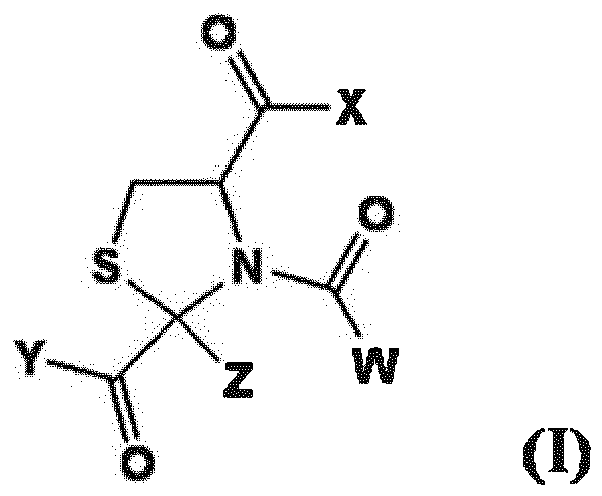 X and Y are each independently OR1 or NHR2 wherein R1 and R2 are each independently a hydrogen atom or a C1-22 alkyl group;Z is a hydrogen atom or a C1-22 alkyl group; andW is a C1-22 alkyl group, a C1-22 alkoxy group or a C1-22 alkylamino group,
and(B) a whitening agent. - The melanin production suppressive agent according to claim 12, wherein (A) the cysteine derivative or a salt thereof is one or more kinds selected from N-acetyl-2-methylthiazolidine-2,4-dicarboxylic acid, and N-acetyl-2-methylthiazolidine-2,4-dicarboxylic acid 2-ethyl ester, and a salt thereof.
- The melanin production suppressive agent according to claim 12 or 13, wherein (B) the whitening agent is one or more kinds selected from hydroquinone and a derivative thereof, ascorbic acid and a derivative thereof, kojic acid and a derivative thereof, a nicotinic acid derivative, a serotonin derivative, a salicylic acid derivative, astaxanthin, α-lipoic acid, calcium pantetheine sulfonate, an extract having a whitening effect, a plant extract having a whitening effect, polyphenol having a whitening effect, unsaturated fatty acid having a whitening effect, peptide having a whitening effect, amino acid having a whitening effect, a nucleic acid derivative having a whitening effect, and alkylphenol having a whitening effect.
- The melanin production suppressive agent according to any of claims 12 to 14, wherein (B) the whitening agent is one or more kinds selected from arbutin, cetyl ascorbyl ether, kojic acid, 4-methoxy salicylic acid, chamomilla recutita extract, ellagic acid, linoleic acid, glutathione, tranexamic acid, and rcinol.
- The melanin production suppressive agent according to any of claims 12 to 15, wherein (A) the cysteine derivative represented by the formula (I) is one or more kinds selected from a (2R,4S)-form, a (2S,4R)-form, and a mixture thereof.
- The melanin production suppressive agent according to any of claims 12 to 15, wherein (A) the cysteine derivative represented by the formula (I) is a (2S,4R)-form.
Applications Claiming Priority (2)
| Application Number | Priority Date | Filing Date | Title |
|---|---|---|---|
| JP2011262164 | 2011-11-30 | ||
| PCT/JP2012/081192 WO2013081147A1 (en) | 2011-11-30 | 2012-11-30 | Whitening cosmetic |
Publications (3)
| Publication Number | Publication Date |
|---|---|
| EP2786741A1 true EP2786741A1 (en) | 2014-10-08 |
| EP2786741A4 EP2786741A4 (en) | 2015-08-26 |
| EP2786741B1 EP2786741B1 (en) | 2018-12-26 |
Family
ID=48535594
Family Applications (1)
| Application Number | Title | Priority Date | Filing Date |
|---|---|---|---|
| EP12853735.4A Active EP2786741B1 (en) | 2011-11-30 | 2012-11-30 | Whitening cosmetic |
Country Status (6)
| Country | Link |
|---|---|
| US (1) | US9308157B2 (en) |
| EP (1) | EP2786741B1 (en) |
| JP (1) | JP5994790B2 (en) |
| KR (1) | KR101628589B1 (en) |
| CN (1) | CN104080438B (en) |
| WO (1) | WO2013081147A1 (en) |
Cited By (4)
| Publication number | Priority date | Publication date | Assignee | Title |
|---|---|---|---|---|
| EP2957275A1 (en) * | 2014-06-20 | 2015-12-23 | Beiersdorf AG | Cosmetic or dermatological preparations with combinations of 4-n-butylresorcin and magnolia bark extract and one or more diols |
| WO2021008823A1 (en) * | 2019-07-12 | 2021-01-21 | Unilever Plc | Stabilization of resorcinol compounds in cosmetic compositions |
| WO2021234005A1 (en) * | 2020-05-22 | 2021-11-25 | Unilever Ip Holdings B.V. | A personal care composition |
| RU2818915C2 (en) * | 2019-07-12 | 2024-05-07 | Юнилевер Глобал Айпи Лимитед | Stabilization of resorcinol compounds in cosmetic compositions |
Families Citing this family (33)
| Publication number | Priority date | Publication date | Assignee | Title |
|---|---|---|---|---|
| WO2013081193A1 (en) * | 2011-11-30 | 2013-06-06 | 味の素株式会社 | Cosmetic containing cysteine derivative and alcohol |
| JP5979154B2 (en) * | 2011-11-30 | 2016-08-24 | 味の素株式会社 | Cosmetics containing cysteine derivatives and surfactants |
| JP6430109B2 (en) * | 2012-11-02 | 2018-11-28 | ロート製薬株式会社 | Composition for external use |
| JP6411717B2 (en) * | 2013-07-31 | 2018-10-24 | 株式会社コーセー | Cosmetics and external preparation for skin |
| EP2875806A1 (en) * | 2013-11-20 | 2015-05-27 | Infinitec Activos, S.L. | Targeted capsules for the delivery of whitening agents in the skin |
| JP6440489B2 (en) * | 2014-12-24 | 2018-12-19 | ライオン株式会社 | Oral composition and oral warming agent |
| CN105078868B (en) * | 2015-09-18 | 2018-03-27 | 皖南医学院 | A kind of nti-freckle emulsion of skin whitening, moisturizing and preparation method thereof |
| KR101826229B1 (en) * | 2015-10-07 | 2018-02-06 | 최봉근 | A Composition comprising extracts, fractions or isolated compounds of Magnolia flower for preventing and treating of periodentitis as an active ingredient |
| JP6783511B2 (en) * | 2015-10-30 | 2020-11-11 | 花王株式会社 | Topical skin agent |
| JP6783512B2 (en) * | 2015-10-30 | 2020-11-11 | 花王株式会社 | Topical skin agent |
| JP6743382B2 (en) * | 2015-12-18 | 2020-08-19 | 味の素株式会社 | External skin preparation |
| WO2017196049A1 (en) * | 2016-05-11 | 2017-11-16 | 씨제이제일제당 (주) | Externally applied composition for skin whitening, containing extract of fermented wheat germ product as active ingredient |
| CN105919828B (en) * | 2016-07-07 | 2019-06-21 | 广州莱丽奇生物科技有限公司 | A kind of Whitening, spot composition, preparation method and applications |
| JP7063567B2 (en) * | 2017-10-02 | 2022-05-09 | ロレアル | Composition containing ellagic acid compound |
| CN108158958A (en) * | 2018-03-19 | 2018-06-15 | 天马(安徽)国药科技股份有限公司 | A kind of efficient whitening and spot eliminating cream with antianaphylaxis function |
| CN108719862A (en) * | 2018-05-16 | 2018-11-02 | 常德炎帝生物科技有限公司 | A kind of production method of nostoc sea sedge |
| CN108653790A (en) * | 2018-05-24 | 2018-10-16 | 广州芬森医学科技有限公司 | A kind of biological dressing of prevention and reduction scar formation |
| CN108721687A (en) * | 2018-05-24 | 2018-11-02 | 广州芬森医学科技有限公司 | A kind of compounding repairs liquid and its preparation method and application |
| CN108743921A (en) * | 2018-05-24 | 2018-11-06 | 广州芬森医学科技有限公司 | It is a kind of to prevent the reparation liquid and its preparation method and application that scar is formed |
| GB201811312D0 (en) * | 2018-07-10 | 2018-08-29 | Nuchido Ltd | Compositions |
| KR102190918B1 (en) * | 2018-08-31 | 2020-12-15 | 씨제이제일제당 주식회사 | An adhesive composition, and preparing method thereof |
| KR102635198B1 (en) * | 2018-11-29 | 2024-02-13 | (주)아모레퍼시픽 | Topical cosmetic composition for skin moisturization and skin tone improvement |
| CN113347968B (en) * | 2019-01-29 | 2025-07-01 | 丸善制药株式会社 | Topicals |
| CN109602663A (en) * | 2019-01-31 | 2019-04-12 | 李新 | A kind of content in freckle cream and preparation method thereof |
| JP7369348B2 (en) | 2019-03-29 | 2023-10-26 | 味の素株式会社 | Oil composition and cosmetics containing the same |
| CN115279893A (en) * | 2020-03-16 | 2022-11-01 | 味之素株式会社 | Method for culturing animal cells |
| US20240216242A1 (en) * | 2021-05-26 | 2024-07-04 | L'oreal | Composition for cleansing and/or removing makeups from keratin materials |
| JPWO2022270554A1 (en) * | 2021-06-23 | 2022-12-29 | ||
| CN113425652A (en) * | 2021-08-18 | 2021-09-24 | 胡宗义 | Method for extracting Garcinia cambogia extract and cosmetic containing extract |
| KR102651353B1 (en) * | 2023-03-14 | 2024-03-26 | (주)프로유화장품 | Composition for anti-oxidation and whitening comprising golden crocus extract, and use thereof |
| CN116158988B (en) * | 2023-03-21 | 2024-09-13 | 江苏仅三生物科技有限公司 | A skin care composition with whitening and anti-aging effects and its application |
| TW202540401A (en) * | 2023-11-24 | 2025-10-16 | 法商賽諾菲公司 | Synthesized thiazolidines as a cysteine delivery method in cell culture feed |
| CN119280100B (en) * | 2024-12-11 | 2025-03-25 | 广州东智盟化妆品有限公司 | Whitening and freckle-removing skin care composition, preparation method and skin care product |
Family Cites Families (5)
| Publication number | Priority date | Publication date | Assignee | Title |
|---|---|---|---|---|
| GB811816A (en) * | 1954-07-16 | 1959-04-15 | Farmaceutici Italia | Heterocyclic hydrazides |
| FR2816838B1 (en) * | 2000-11-17 | 2004-12-03 | Oreal | USE OF DERIVATIVES OF 2-OXOTHIAZOLIDINE-4-CARBOXYLIC ACID AS PRODESQUAMANTS |
| JP5439849B2 (en) * | 2008-02-28 | 2014-03-12 | 味の素株式会社 | Cysteine derivatives |
| JP5378713B2 (en) | 2008-06-19 | 2013-12-25 | 日本理化学薬品株式会社 | Composition for external use |
| JP5327384B2 (en) * | 2010-05-28 | 2013-10-30 | 味の素株式会社 | Cysteine derivatives |
-
2012
- 2012-11-30 KR KR1020147018024A patent/KR101628589B1/en active Active
- 2012-11-30 JP JP2013547255A patent/JP5994790B2/en active Active
- 2012-11-30 WO PCT/JP2012/081192 patent/WO2013081147A1/en not_active Ceased
- 2012-11-30 EP EP12853735.4A patent/EP2786741B1/en active Active
- 2012-11-30 CN CN201280068537.0A patent/CN104080438B/en not_active Expired - Fee Related
-
2014
- 2014-05-28 US US14/288,791 patent/US9308157B2/en active Active
Cited By (5)
| Publication number | Priority date | Publication date | Assignee | Title |
|---|---|---|---|---|
| EP2957275A1 (en) * | 2014-06-20 | 2015-12-23 | Beiersdorf AG | Cosmetic or dermatological preparations with combinations of 4-n-butylresorcin and magnolia bark extract and one or more diols |
| WO2021008823A1 (en) * | 2019-07-12 | 2021-01-21 | Unilever Plc | Stabilization of resorcinol compounds in cosmetic compositions |
| RU2818915C2 (en) * | 2019-07-12 | 2024-05-07 | Юнилевер Глобал Айпи Лимитед | Stabilization of resorcinol compounds in cosmetic compositions |
| EP4427816A3 (en) * | 2019-07-12 | 2025-01-01 | Unilever IP Holdings B.V. | Stabilization of resorcinol compounds in cosmetic compositions |
| WO2021234005A1 (en) * | 2020-05-22 | 2021-11-25 | Unilever Ip Holdings B.V. | A personal care composition |
Also Published As
| Publication number | Publication date |
|---|---|
| JPWO2013081147A1 (en) | 2015-04-27 |
| CN104080438A (en) | 2014-10-01 |
| EP2786741B1 (en) | 2018-12-26 |
| US9308157B2 (en) | 2016-04-12 |
| EP2786741A4 (en) | 2015-08-26 |
| KR101628589B1 (en) | 2016-06-08 |
| US20140271510A1 (en) | 2014-09-18 |
| JP5994790B2 (en) | 2016-09-21 |
| CN104080438B (en) | 2016-12-21 |
| KR20140105799A (en) | 2014-09-02 |
| WO2013081147A1 (en) | 2013-06-06 |
Similar Documents
| Publication | Publication Date | Title |
|---|---|---|
| EP2786741B1 (en) | Whitening cosmetic | |
| JP5439849B2 (en) | Cysteine derivatives | |
| CN108350012B (en) | New sugar derivative gelling agents | |
| US20090203649A1 (en) | Dermatological anti-wrinkle agent | |
| US10144717B2 (en) | Cysteine derivative | |
| US20100280111A1 (en) | Skin external preparations and cosmetics | |
| JP6389308B1 (en) | Topical skin preparation | |
| US20100273877A1 (en) | Emulsified skin external preparations and cosmetics | |
| JP4907137B2 (en) | Hydroxycitric acid derivatives and topical skin preparations containing the same | |
| JP2003300859A (en) | Skin care preparation | |
| JP2025089562A (en) | Skin preparations | |
| ES2291234T3 (en) | USE IN WASTE COSMETICS FROM WINE PRODUCTION. | |
| EP3432858A1 (en) | Medicament | |
| JP4672328B2 (en) | Skin external preparation containing ascorbic acid derivative salt, method for stabilizing skin external preparation, and stabilizer | |
| JP2007099670A (en) | External preparation for skin | |
| JP5047507B2 (en) | Carnitine derivatives and salts thereof, skin external preparations and cosmetics | |
| JP2012131758A (en) | Cosmetic composition | |
| WO2007043339A9 (en) | Carnitine derivative, salt thereof, external skin preparation and cosmetic material | |
| US20190117547A1 (en) | Cosmetic compositions comprising sclareolide | |
| JPH11255632A (en) | Cosmetic composition | |
| JP5918528B2 (en) | Skin preparation | |
| JP2018043946A (en) | Melanogenesis inhibitor | |
| JP2005187466A (en) | Skin care preparation for external use containing salt of higher fatty acid ester of ascorbic acid-2-phosphoric acid ester, method for stabilizing the salt of ester, and stabilizing agent | |
| JP2007254389A (en) | Bleaching cosmetic | |
| JP2005289916A (en) | Ultraviolet absorber and skin external preparation containing the same |
Legal Events
| Date | Code | Title | Description |
|---|---|---|---|
| PUAI | Public reference made under article 153(3) epc to a published international application that has entered the european phase |
Free format text: ORIGINAL CODE: 0009012 |
|
| 17P | Request for examination filed |
Effective date: 20140626 |
|
| AK | Designated contracting states |
Kind code of ref document: A1 Designated state(s): AL AT BE BG CH CY CZ DE DK EE ES FI FR GB GR HR HU IE IS IT LI LT LU LV MC MK MT NL NO PL PT RO RS SE SI SK SM TR |
|
| DAX | Request for extension of the european patent (deleted) | ||
| RA4 | Supplementary search report drawn up and despatched (corrected) |
Effective date: 20150724 |
|
| RIC1 | Information provided on ipc code assigned before grant |
Ipc: A61P 43/00 20060101ALI20150720BHEP Ipc: A61K 8/36 20060101ALI20150720BHEP Ipc: A61K 31/426 20060101ALI20150720BHEP Ipc: A61K 8/60 20060101ALI20150720BHEP Ipc: A61P 17/16 20060101ALI20150720BHEP Ipc: A61P 17/00 20060101ALI20150720BHEP Ipc: A61Q 19/02 20060101ALI20150720BHEP Ipc: A61K 8/44 20060101ALI20150720BHEP Ipc: A61K 8/34 20060101ALI20150720BHEP Ipc: A61K 8/97 20060101ALI20150720BHEP Ipc: A61K 8/64 20060101ALI20150720BHEP Ipc: A61K 8/49 20060101AFI20150720BHEP |
|
| RIC1 | Information provided on ipc code assigned before grant |
Ipc: A61K 8/36 20060101ALI20151001BHEP Ipc: A61K 31/426 20060101ALI20151001BHEP Ipc: A61Q 19/02 20060101ALI20151001BHEP Ipc: A61K 8/60 20060101ALI20151001BHEP Ipc: A61K 8/49 20060101AFI20151001BHEP Ipc: A61K 8/64 20060101ALI20151001BHEP Ipc: A61P 17/00 20060101ALI20151001BHEP Ipc: A61K 8/97 20060101ALI20151001BHEP Ipc: A61K 8/34 20060101ALI20151001BHEP Ipc: A61P 17/16 20060101ALI20151001BHEP Ipc: A61P 43/00 20060101ALI20151001BHEP Ipc: A61K 8/44 20060101ALI20151001BHEP |
|
| STAA | Information on the status of an ep patent application or granted ep patent |
Free format text: STATUS: EXAMINATION IS IN PROGRESS |
|
| 17Q | First examination report despatched |
Effective date: 20161031 |
|
| GRAP | Despatch of communication of intention to grant a patent |
Free format text: ORIGINAL CODE: EPIDOSNIGR1 |
|
| STAA | Information on the status of an ep patent application or granted ep patent |
Free format text: STATUS: GRANT OF PATENT IS INTENDED |
|
| INTG | Intention to grant announced |
Effective date: 20180525 |
|
| GRAS | Grant fee paid |
Free format text: ORIGINAL CODE: EPIDOSNIGR3 |
|
| RIN1 | Information on inventor provided before grant (corrected) |
Inventor name: KURODA, SHINJI Inventor name: TAKINO, YOSHINOBU Inventor name: OKURA, FUMIE |
|
| GRAA | (expected) grant |
Free format text: ORIGINAL CODE: 0009210 |
|
| STAA | Information on the status of an ep patent application or granted ep patent |
Free format text: STATUS: THE PATENT HAS BEEN GRANTED |
|
| RAP1 | Party data changed (applicant data changed or rights of an application transferred) |
Owner name: AJINOMOTO CO., INC. |
|
| AK | Designated contracting states |
Kind code of ref document: B1 Designated state(s): AL AT BE BG CH CY CZ DE DK EE ES FI FR GB GR HR HU IE IS IT LI LT LU LV MC MK MT NL NO PL PT RO RS SE SI SK SM TR |
|
| REG | Reference to a national code |
Ref country code: GB Ref legal event code: FG4D |
|
| REG | Reference to a national code |
Ref country code: CH Ref legal event code: EP |
|
| REG | Reference to a national code |
Ref country code: AT Ref legal event code: REF Ref document number: 1080432 Country of ref document: AT Kind code of ref document: T Effective date: 20190115 |
|
| REG | Reference to a national code |
Ref country code: IE Ref legal event code: FG4D |
|
| REG | Reference to a national code |
Ref country code: DE Ref legal event code: R096 Ref document number: 602012055278 Country of ref document: DE |
|
| PG25 | Lapsed in a contracting state [announced via postgrant information from national office to epo] |
Ref country code: FI Free format text: LAPSE BECAUSE OF FAILURE TO SUBMIT A TRANSLATION OF THE DESCRIPTION OR TO PAY THE FEE WITHIN THE PRESCRIBED TIME-LIMIT Effective date: 20181226 Ref country code: BG Free format text: LAPSE BECAUSE OF FAILURE TO SUBMIT A TRANSLATION OF THE DESCRIPTION OR TO PAY THE FEE WITHIN THE PRESCRIBED TIME-LIMIT Effective date: 20190326 Ref country code: HR Free format text: LAPSE BECAUSE OF FAILURE TO SUBMIT A TRANSLATION OF THE DESCRIPTION OR TO PAY THE FEE WITHIN THE PRESCRIBED TIME-LIMIT Effective date: 20181226 Ref country code: LV Free format text: LAPSE BECAUSE OF FAILURE TO SUBMIT A TRANSLATION OF THE DESCRIPTION OR TO PAY THE FEE WITHIN THE PRESCRIBED TIME-LIMIT Effective date: 20181226 Ref country code: LT Free format text: LAPSE BECAUSE OF FAILURE TO SUBMIT A TRANSLATION OF THE DESCRIPTION OR TO PAY THE FEE WITHIN THE PRESCRIBED TIME-LIMIT Effective date: 20181226 Ref country code: NO Free format text: LAPSE BECAUSE OF FAILURE TO SUBMIT A TRANSLATION OF THE DESCRIPTION OR TO PAY THE FEE WITHIN THE PRESCRIBED TIME-LIMIT Effective date: 20190326 |
|
| REG | Reference to a national code |
Ref country code: NL Ref legal event code: MP Effective date: 20181226 |
|
| REG | Reference to a national code |
Ref country code: LT Ref legal event code: MG4D |
|
| PG25 | Lapsed in a contracting state [announced via postgrant information from national office to epo] |
Ref country code: GR Free format text: LAPSE BECAUSE OF FAILURE TO SUBMIT A TRANSLATION OF THE DESCRIPTION OR TO PAY THE FEE WITHIN THE PRESCRIBED TIME-LIMIT Effective date: 20190327 Ref country code: RS Free format text: LAPSE BECAUSE OF FAILURE TO SUBMIT A TRANSLATION OF THE DESCRIPTION OR TO PAY THE FEE WITHIN THE PRESCRIBED TIME-LIMIT Effective date: 20181226 Ref country code: AL Free format text: LAPSE BECAUSE OF FAILURE TO SUBMIT A TRANSLATION OF THE DESCRIPTION OR TO PAY THE FEE WITHIN THE PRESCRIBED TIME-LIMIT Effective date: 20181226 Ref country code: SE Free format text: LAPSE BECAUSE OF FAILURE TO SUBMIT A TRANSLATION OF THE DESCRIPTION OR TO PAY THE FEE WITHIN THE PRESCRIBED TIME-LIMIT Effective date: 20181226 |
|
| REG | Reference to a national code |
Ref country code: AT Ref legal event code: MK05 Ref document number: 1080432 Country of ref document: AT Kind code of ref document: T Effective date: 20181226 |
|
| PG25 | Lapsed in a contracting state [announced via postgrant information from national office to epo] |
Ref country code: NL Free format text: LAPSE BECAUSE OF FAILURE TO SUBMIT A TRANSLATION OF THE DESCRIPTION OR TO PAY THE FEE WITHIN THE PRESCRIBED TIME-LIMIT Effective date: 20181226 |
|
| PG25 | Lapsed in a contracting state [announced via postgrant information from national office to epo] |
Ref country code: IT Free format text: LAPSE BECAUSE OF FAILURE TO SUBMIT A TRANSLATION OF THE DESCRIPTION OR TO PAY THE FEE WITHIN THE PRESCRIBED TIME-LIMIT Effective date: 20181226 Ref country code: PT Free format text: LAPSE BECAUSE OF FAILURE TO SUBMIT A TRANSLATION OF THE DESCRIPTION OR TO PAY THE FEE WITHIN THE PRESCRIBED TIME-LIMIT Effective date: 20190426 Ref country code: CZ Free format text: LAPSE BECAUSE OF FAILURE TO SUBMIT A TRANSLATION OF THE DESCRIPTION OR TO PAY THE FEE WITHIN THE PRESCRIBED TIME-LIMIT Effective date: 20181226 Ref country code: ES Free format text: LAPSE BECAUSE OF FAILURE TO SUBMIT A TRANSLATION OF THE DESCRIPTION OR TO PAY THE FEE WITHIN THE PRESCRIBED TIME-LIMIT Effective date: 20181226 Ref country code: PL Free format text: LAPSE BECAUSE OF FAILURE TO SUBMIT A TRANSLATION OF THE DESCRIPTION OR TO PAY THE FEE WITHIN THE PRESCRIBED TIME-LIMIT Effective date: 20181226 |
|
| PG25 | Lapsed in a contracting state [announced via postgrant information from national office to epo] |
Ref country code: SK Free format text: LAPSE BECAUSE OF FAILURE TO SUBMIT A TRANSLATION OF THE DESCRIPTION OR TO PAY THE FEE WITHIN THE PRESCRIBED TIME-LIMIT Effective date: 20181226 Ref country code: RO Free format text: LAPSE BECAUSE OF FAILURE TO SUBMIT A TRANSLATION OF THE DESCRIPTION OR TO PAY THE FEE WITHIN THE PRESCRIBED TIME-LIMIT Effective date: 20181226 Ref country code: SM Free format text: LAPSE BECAUSE OF FAILURE TO SUBMIT A TRANSLATION OF THE DESCRIPTION OR TO PAY THE FEE WITHIN THE PRESCRIBED TIME-LIMIT Effective date: 20181226 Ref country code: EE Free format text: LAPSE BECAUSE OF FAILURE TO SUBMIT A TRANSLATION OF THE DESCRIPTION OR TO PAY THE FEE WITHIN THE PRESCRIBED TIME-LIMIT Effective date: 20181226 Ref country code: IS Free format text: LAPSE BECAUSE OF FAILURE TO SUBMIT A TRANSLATION OF THE DESCRIPTION OR TO PAY THE FEE WITHIN THE PRESCRIBED TIME-LIMIT Effective date: 20190426 |
|
| REG | Reference to a national code |
Ref country code: DE Ref legal event code: R097 Ref document number: 602012055278 Country of ref document: DE |
|
| PG25 | Lapsed in a contracting state [announced via postgrant information from national office to epo] |
Ref country code: AT Free format text: LAPSE BECAUSE OF FAILURE TO SUBMIT A TRANSLATION OF THE DESCRIPTION OR TO PAY THE FEE WITHIN THE PRESCRIBED TIME-LIMIT Effective date: 20181226 Ref country code: DK Free format text: LAPSE BECAUSE OF FAILURE TO SUBMIT A TRANSLATION OF THE DESCRIPTION OR TO PAY THE FEE WITHIN THE PRESCRIBED TIME-LIMIT Effective date: 20181226 |
|
| PLBE | No opposition filed within time limit |
Free format text: ORIGINAL CODE: 0009261 |
|
| STAA | Information on the status of an ep patent application or granted ep patent |
Free format text: STATUS: NO OPPOSITION FILED WITHIN TIME LIMIT |
|
| 26N | No opposition filed |
Effective date: 20190927 |
|
| PG25 | Lapsed in a contracting state [announced via postgrant information from national office to epo] |
Ref country code: SI Free format text: LAPSE BECAUSE OF FAILURE TO SUBMIT A TRANSLATION OF THE DESCRIPTION OR TO PAY THE FEE WITHIN THE PRESCRIBED TIME-LIMIT Effective date: 20181226 |
|
| PG25 | Lapsed in a contracting state [announced via postgrant information from national office to epo] |
Ref country code: TR Free format text: LAPSE BECAUSE OF FAILURE TO SUBMIT A TRANSLATION OF THE DESCRIPTION OR TO PAY THE FEE WITHIN THE PRESCRIBED TIME-LIMIT Effective date: 20181226 |
|
| REG | Reference to a national code |
Ref country code: DE Ref legal event code: R119 Ref document number: 602012055278 Country of ref document: DE |
|
| REG | Reference to a national code |
Ref country code: CH Ref legal event code: PL |
|
| PG25 | Lapsed in a contracting state [announced via postgrant information from national office to epo] |
Ref country code: LI Free format text: LAPSE BECAUSE OF NON-PAYMENT OF DUE FEES Effective date: 20191130 Ref country code: MC Free format text: LAPSE BECAUSE OF FAILURE TO SUBMIT A TRANSLATION OF THE DESCRIPTION OR TO PAY THE FEE WITHIN THE PRESCRIBED TIME-LIMIT Effective date: 20181226 Ref country code: LU Free format text: LAPSE BECAUSE OF NON-PAYMENT OF DUE FEES Effective date: 20191130 Ref country code: CH Free format text: LAPSE BECAUSE OF NON-PAYMENT OF DUE FEES Effective date: 20191130 |
|
| REG | Reference to a national code |
Ref country code: BE Ref legal event code: MM Effective date: 20191130 |
|
| GBPC | Gb: european patent ceased through non-payment of renewal fee |
Effective date: 20191130 |
|
| PG25 | Lapsed in a contracting state [announced via postgrant information from national office to epo] |
Ref country code: IE Free format text: LAPSE BECAUSE OF NON-PAYMENT OF DUE FEES Effective date: 20191130 Ref country code: DE Free format text: LAPSE BECAUSE OF NON-PAYMENT OF DUE FEES Effective date: 20200603 Ref country code: GB Free format text: LAPSE BECAUSE OF NON-PAYMENT OF DUE FEES Effective date: 20191130 |
|
| PG25 | Lapsed in a contracting state [announced via postgrant information from national office to epo] |
Ref country code: BE Free format text: LAPSE BECAUSE OF NON-PAYMENT OF DUE FEES Effective date: 20191130 |
|
| PG25 | Lapsed in a contracting state [announced via postgrant information from national office to epo] |
Ref country code: CY Free format text: LAPSE BECAUSE OF FAILURE TO SUBMIT A TRANSLATION OF THE DESCRIPTION OR TO PAY THE FEE WITHIN THE PRESCRIBED TIME-LIMIT Effective date: 20181226 |
|
| PG25 | Lapsed in a contracting state [announced via postgrant information from national office to epo] |
Ref country code: HU Free format text: LAPSE BECAUSE OF FAILURE TO SUBMIT A TRANSLATION OF THE DESCRIPTION OR TO PAY THE FEE WITHIN THE PRESCRIBED TIME-LIMIT; INVALID AB INITIO Effective date: 20121130 Ref country code: MT Free format text: LAPSE BECAUSE OF FAILURE TO SUBMIT A TRANSLATION OF THE DESCRIPTION OR TO PAY THE FEE WITHIN THE PRESCRIBED TIME-LIMIT Effective date: 20181226 |
|
| PG25 | Lapsed in a contracting state [announced via postgrant information from national office to epo] |
Ref country code: MK Free format text: LAPSE BECAUSE OF FAILURE TO SUBMIT A TRANSLATION OF THE DESCRIPTION OR TO PAY THE FEE WITHIN THE PRESCRIBED TIME-LIMIT Effective date: 20181226 |
|
| P01 | Opt-out of the competence of the unified patent court (upc) registered |
Effective date: 20230512 |
|
| PGFP | Annual fee paid to national office [announced via postgrant information from national office to epo] |
Ref country code: FR Payment date: 20250930 Year of fee payment: 14 |