EP2773751B1 - Cytochrome p450 und seine verwendung für die enzymatische oxidierung von terpenen - Google Patents
Cytochrome p450 und seine verwendung für die enzymatische oxidierung von terpenen Download PDFInfo
- Publication number
- EP2773751B1 EP2773751B1 EP12778111.0A EP12778111A EP2773751B1 EP 2773751 B1 EP2773751 B1 EP 2773751B1 EP 12778111 A EP12778111 A EP 12778111A EP 2773751 B1 EP2773751 B1 EP 2773751B1
- Authority
- EP
- European Patent Office
- Prior art keywords
- alpha
- polypeptide
- terpene
- seq
- sequence
- Prior art date
- Legal status (The legal status is an assumption and is not a legal conclusion. Google has not performed a legal analysis and makes no representation as to the accuracy of the status listed.)
- Active
Links
Images




Classifications
-
- C—CHEMISTRY; METALLURGY
- C12—BIOCHEMISTRY; BEER; SPIRITS; WINE; VINEGAR; MICROBIOLOGY; ENZYMOLOGY; MUTATION OR GENETIC ENGINEERING
- C12N—MICROORGANISMS OR ENZYMES; COMPOSITIONS THEREOF; PROPAGATING, PRESERVING, OR MAINTAINING MICROORGANISMS; MUTATION OR GENETIC ENGINEERING; CULTURE MEDIA
- C12N9/00—Enzymes; Proenzymes; Compositions thereof; Processes for preparing, activating, inhibiting, separating or purifying enzymes
- C12N9/0004—Oxidoreductases (1.)
- C12N9/0069—Oxidoreductases (1.) acting on single donors with incorporation of molecular oxygen, i.e. oxygenases (1.13)
-
- C—CHEMISTRY; METALLURGY
- C12—BIOCHEMISTRY; BEER; SPIRITS; WINE; VINEGAR; MICROBIOLOGY; ENZYMOLOGY; MUTATION OR GENETIC ENGINEERING
- C12P—FERMENTATION OR ENZYME-USING PROCESSES TO SYNTHESISE A DESIRED CHEMICAL COMPOUND OR COMPOSITION OR TO SEPARATE OPTICAL ISOMERS FROM A RACEMIC MIXTURE
- C12P5/00—Preparation of hydrocarbons or halogenated hydrocarbons
- C12P5/007—Preparation of hydrocarbons or halogenated hydrocarbons containing one or more isoprene units, i.e. terpenes
-
- C—CHEMISTRY; METALLURGY
- C12—BIOCHEMISTRY; BEER; SPIRITS; WINE; VINEGAR; MICROBIOLOGY; ENZYMOLOGY; MUTATION OR GENETIC ENGINEERING
- C12N—MICROORGANISMS OR ENZYMES; COMPOSITIONS THEREOF; PROPAGATING, PRESERVING, OR MAINTAINING MICROORGANISMS; MUTATION OR GENETIC ENGINEERING; CULTURE MEDIA
- C12N9/00—Enzymes; Proenzymes; Compositions thereof; Processes for preparing, activating, inhibiting, separating or purifying enzymes
- C12N9/0004—Oxidoreductases (1.)
- C12N9/0071—Oxidoreductases (1.) acting on paired donors with incorporation of molecular oxygen (1.14)
-
- C—CHEMISTRY; METALLURGY
- C12—BIOCHEMISTRY; BEER; SPIRITS; WINE; VINEGAR; MICROBIOLOGY; ENZYMOLOGY; MUTATION OR GENETIC ENGINEERING
- C12P—FERMENTATION OR ENZYME-USING PROCESSES TO SYNTHESISE A DESIRED CHEMICAL COMPOUND OR COMPOSITION OR TO SEPARATE OPTICAL ISOMERS FROM A RACEMIC MIXTURE
- C12P7/00—Preparation of oxygen-containing organic compounds
- C12P7/02—Preparation of oxygen-containing organic compounds containing a hydroxy group
-
- C—CHEMISTRY; METALLURGY
- C12—BIOCHEMISTRY; BEER; SPIRITS; WINE; VINEGAR; MICROBIOLOGY; ENZYMOLOGY; MUTATION OR GENETIC ENGINEERING
- C12P—FERMENTATION OR ENZYME-USING PROCESSES TO SYNTHESISE A DESIRED CHEMICAL COMPOUND OR COMPOSITION OR TO SEPARATE OPTICAL ISOMERS FROM A RACEMIC MIXTURE
- C12P7/00—Preparation of oxygen-containing organic compounds
- C12P7/24—Preparation of oxygen-containing organic compounds containing a carbonyl group
-
- C—CHEMISTRY; METALLURGY
- C12—BIOCHEMISTRY; BEER; SPIRITS; WINE; VINEGAR; MICROBIOLOGY; ENZYMOLOGY; MUTATION OR GENETIC ENGINEERING
- C12P—FERMENTATION OR ENZYME-USING PROCESSES TO SYNTHESISE A DESIRED CHEMICAL COMPOUND OR COMPOSITION OR TO SEPARATE OPTICAL ISOMERS FROM A RACEMIC MIXTURE
- C12P7/00—Preparation of oxygen-containing organic compounds
- C12P7/40—Preparation of oxygen-containing organic compounds containing a carboxyl group including Peroxycarboxylic acids
-
- Y—GENERAL TAGGING OF NEW TECHNOLOGICAL DEVELOPMENTS; GENERAL TAGGING OF CROSS-SECTIONAL TECHNOLOGIES SPANNING OVER SEVERAL SECTIONS OF THE IPC; TECHNICAL SUBJECTS COVERED BY FORMER USPC CROSS-REFERENCE ART COLLECTIONS [XRACs] AND DIGESTS
- Y02—TECHNOLOGIES OR APPLICATIONS FOR MITIGATION OR ADAPTATION AGAINST CLIMATE CHANGE
- Y02P—CLIMATE CHANGE MITIGATION TECHNOLOGIES IN THE PRODUCTION OR PROCESSING OF GOODS
- Y02P20/00—Technologies relating to chemical industry
- Y02P20/50—Improvements relating to the production of bulk chemicals
- Y02P20/52—Improvements relating to the production of bulk chemicals using catalysts, e.g. selective catalysts
Definitions
- the present invention provides the nucleic acid and the amino acid sequences of a cytochrome P450 capable of oxidizing terpene molecules. It also provides a method of oxidizing terpene molecules comprising contacting the cytochrome P450 of the invention with the terpene molecule intended to be oxidized. In particular, said method may be carried out in vitro or in vivo to produce oxidized terpene molecules, which may be used in different technical fields such as for example perfumery and flavoring.
- the present invention also provides an expression vector containing the nucleic acid.
- a non-human host organism or a cell transformed with the nucleic acid is also an object of the invention.
- Terpenes are found in most organisms (microorganisms, animals and plants). These compounds are made up of five carbon units called isoprene units and are classified by the number of these units present in their structure. Thus monoterpenes, sesquiterpenes and diterpenes are terpenes containing 10, 15 and 20 carbon atoms respectively. Diterpenes, for example, are widely found in the plant kingdom and over 2500 diterpene structures have been described (Connolly and Hill, Dictionary of terpenoids, 1991, Chapman & Hall, London). Terpene molecules and their oxidized derivatives have been of interest for thousands of years because of their flavor and fragrance properties and their cosmetic, medicinal and antimicrobial effects.
- Plant extracts obtained by different means such as steam distillation or solvent extraction are used as source of oxidized derivatives of terpene molecules.
- terpene molecules found in plant extracts or obtained by biosynthetic processes are oxidized using chemical and enzymatic processes.
- cytochrome P450s enzymes that catalyzing the transformation of a hydrophobic substrate, such as a terpene molecule, in a more hydrophilic one.
- Cytochrome P450 enzymes form a superfamily of hemoproteins found in bacteria, archaea and eukaryotes. In one of the most common activities, cytochrome P450 acts as a monooxygenase, by inserting one oxygen atom of molecular oxygen into a substrate molecule, while the other oxygen atom is reduced to water.
- This catalytic reaction requires two electrons for the activation of molecular oxygen.
- P450s from eukaryotes use NADPH as the external reductant and source of electrons.
- the two electrons are transferred one at a time to the cytochrome P450 active site and this transfer requires an electron donor protein, a cytochrome P450 reductase (CPR).
- CPR cytochrome P450 reductase
- One CPR is not specific for one cytochrome P450.
- a CPR is the electron donor protein for several P450s in a given organism.
- a CPR from one organism can act as the electron donor protein for P450s from other organisms.
- P450s can also be coupled to a cytochrome b5 protein that can act as the electron donor protein or can improve the efficiency of the electron transfer from the CPR to the P450.
- cytochrome b5 protein that can act as the electron donor protein or can improve the efficiency of the electron transfer from the CPR to the P450.
- P450s and CPRs are generally membrane-bound proteins and are associated with the endoplasmic reticulum. These proteins are anchored to the membrane by a N-terminal trans-membrane helix.
- P450s have low substrate specificity and are therefore able to catalyze the oxidation of many diverse structures such as for example different terpene molecules. Most of these enzymes have a particular regio- and stereo-selectivity with a given substrate but they often produce a mixture of several products from a particular substrate. Such P450s are usually involved in the breakdown and detoxification of molecules such as xenobiotics and are generally found in bacteria and animals. On the other hand, P450s involved in biosynthetic pathways show usually a specificity for certain types of substrates and regio- and stereo-selectivity. This is the case for most plant P450s.
- P450s can be found in nature and particularly in plants.
- One plant genome can contain several hundreds of genes encoding for P450s.
- Many plant P450s have been characterized but considering the extremely large number of P450s present in plants, most of their functions remain unknown.
- cytochromes P450 having a certain percentage of sequence identity with the cytochrome P450 of the present invention have been reported to use terpene molecules as substrates.
- the closest P450s to that of the present invention are P450s from Sorghum bicolor, among which the closest sequence shares 67% identity with the amino acid sequences described herein (Accession number EER94164).
- khusimol which is produced by hydroxylation of zizaene, is one of the key components of vetiver oil and is in itself a valuable perfuming ingredient.
- Oxidation of zizaene using the cytochrome P450 of the present invention provides an advantageous alternative to isolation of khusimol from vetiver oil, which is a difficult and expensive process. To the best of our knowledge, no enzymatic process for the production of khusimol is known.
- Several other valuable perfuming and flavouring ingredients for which no enzymatic synthesis is known to date, can be prepared using the cytochrome P450 of the present invention as will be described below.
- oxygenated terpenes produced by the cytochrome P450 of the present invention are useful for other purposes such as drugs or agrochemical products.
- the cytochrome P450 of the present invention therefore opens a new biosynthetic route to diverse molecules having interesting properties useful in various fields of the industry and being difficult or even impossible to isolate from nature and difficult or impossible to produce by organic synthesis.
- the present invention has the objective to produce oxygenated terpenes while having little waste, a more energy and resource efficient process and while reducing dependency on fossil fuels. It is a further objective to provide enzymes capable of oxidizing terpene molecules, such oxidized products being useful as perfumery and/or aroma ingredients.
- the present invention provides a method to enzymatically oxidize terpenes in an economic, reliable and reproducible way.
- a "cytochrome P450” or a "polypeptide having a cytochrome P450 activity” is intended for the purpose of the present application as a polypeptide capable of catalyzing the oxydation of a terpene molecule to form an oxygenated compound such as an alcohol, an aldehyde, a ketone or a carboxylic acid.
- the cytochrome P450 acts as a mono-oxygenase by adding only one oxygen atom to a terpene compound.
- the ability of a polypeptide to catalyze the oxidation of a particular terpene can be simply confirmed by performing the enzyme assay as detailed in Example 8.
- polypeptides are also meant to include truncated polypeptides provided that they keep their cytochrome P450 activity as defined in any of the embodiments of the invention and that they share at least the defined percentage of identity with the corresponding fragment of SEQ ID NO: 1 or 2.
- the percentage of identity between two peptidic or nucleotidic sequences is a function of the number of amino acids or nucleic acids residues that are identical in the two sequences when an alignment of these two sequences has been generated. Identical residues are defined as residues that are the same in the two sequences in a given position of the alignment.
- the percentage of sequence identity is calculated from the optimal alignment by taking the number of residues identical between two sequences dividing it by the total number of residues in the shortest sequence and multiplying by 100.
- the optimal alignment is the alignment in which the percentage of identity is the highest possible. Gaps may be introduced into one or both sequences in one or more positions of the alignment to obtain the optimal alignment. These gaps are then taken into account as non-identical residues for the calculation of the percentage of sequence identity.
- Alignment for the purpose of determining the percentage of amino acid or nucleic acid sequence identity can be achieved in various ways using computer programs and for instance publicly available computer programs available on the world wide web.
- the BLAST program Tatiana et al, FEMS Microbiol Lett., 1999, 174:247-250, 1999
- the default parameters available from the National Center for Biotechnology Information (NCBI) at http://www.ncbi.nlm.nih.gov/BLAST/b12seq/wblast2.cgi
- NCBI National Center for Biotechnology Information
- One object of the present invention is a polypeptide comprising an amino acid sequence at least 85% identical over its entire length to SEQ ID NO:1 or 2 and having a cytochrome P450 activity, characterised in that the polypeptide capable of catalyzing the oxidation of at least one terpene compound selected from mono- or polycyclic monoterpenes and sesquiterpenes.
- said sesquiterpene or monoterpene comprises at least one methyl group as substituent on a cyclic moiety.
- the cytochrome P450 of the invention oxidizes said methyl substituent to provide a primary alcohol.
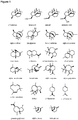
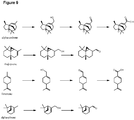
- the terpene compound is selected from the group consisting of zizaene, alpha-cedrene, alpha- longipinene, alpha-funebrene, thujopsene, valencene, beta-chamigrene, alloaromadendrene, alpha-neoclovenene, isosativene, ledene, s-limonene, alpha-humulene, alpha-gurjunene, alpha-pinene, beta-funebrene, R-limonene and beta-pinene. More preferably said terpene compound is selected from zizaene, alpha-cedrene, alpha-funebrene, valencene and thujopsene Most preferably, said terpene compound is zizaene.
- one oxygen atom is added to the methyl group so as to provide a primary alcohol, an aldehyde and/or a carboxylic acid.
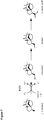
- zizaene is oxidized to khusimol, zizanal and/or zizanoic acid.
- aldehyde and/or a carboxylic acid is formed by further oxidation of the primary alcohol either by the P450 of the invention by one or more enzymes from other families such as for example alcohol dehydrogenases, aldehyde reductases, aldehyde oxidases.
- enzymes from other families such as for example alcohol dehydrogenases, aldehyde reductases, aldehyde oxidases.
- the latter enzymes are for example present in any host organism or cell in which the polypeptide of the invention can be expressed.
- the polypeptide comprises an amino acid sequence preferably at least 89%, preferably at least 90%, more preferably at least 95% and even more preferably at least 98% identical to SEQ ID NO:1 or 2.
- the polypeptide comprises SEQ ID NO:1 or 2. Even more preferably it consists of SEQ ID NO: 1 and 2.
- the sequence also comprises a membrane anchor sequence.
- the sequence represented by SEQ ID NO:1 or 2, or the derivative thereof having the required percentage of identity is the part of the polypeptide that provides the P450 activity.
- the membrane anchor sequence is not involved in the catalytic activity of the enzyme.
- the anchor sequence enables binding to the membrane.
- Suitable anchor sequences depend from the organism in which the polypeptide is expressed and sequences designed for common types of host organisms are known to the person skilled in the art. Any suitable anchor sequence can be used in combination with the polypeptide of the present invention. Therefore, according to one preferred embodiment, the polypeptide comprises SEQ ID NO:1 or 2, combined with a membrane anchor sequence.
- polypeptide of the invention consists of SEQ ID NO:1 or 2, optionally combined with a membrane anchor sequence.
- polypeptide of SEQ ID NO:1 or 2 can preferably be modified in order to improve its solubility in the cytoplasm.
- the polypeptide comprises an amino acid sequence that is a variant of SEQ ID NO:1 or 2 obtained by genetic engineering.
- said polypeptide comprises an amino acid sequence encoded by a nucleotide sequence that has been obtained by modifying SEQ ID NO:3, 4 or the complement thereof.
- the polypeptide having a cytochrome P450 activity consists of an amino acid sequence that is a variant of SEQ ID NO:1 or 2 obtained by genetic engineering, i.e. an amino acid sequence encoded by a nucleotide sequence that has been obtained by modifying any one of SEQ ID NO:3, 4 or the complement thereof.
- Polypeptides encoded by a nucleic acid obtained by natural or artificial mutation of a nucleic acid of the invention, as described thereafter, are also encompassed by the invention.
- polypeptide variants resulting from a fusion of additional peptide sequences at the amino and carboxyl terminal ends are also encompassed by the polypeptides of the invention.
- a fusion can enhance expression of the polypeptides, be useful in the purification of the protein, improve the way the polypeptide can be anchored to a membrane or improve the enzymatic activity of the polypeptide in a desired environment or expression system.
- additional peptide sequences may be a signal peptide, for example.
- the present invention encompasses variants of the polypeptides of the invention, such as those obtained by fusion with other oligo- or polypeptides and/or those which are linked to signal peptides.
- Polypeptides resulting from a fusion with another functional protein such as a protein from the terpene biosynthesis pathway, preferably a terpene synthase, are also encompassed by the polypeptides of the invention.
- a fusion polypeptide comprising both a polypeptide of the invention (having a cytochrome P450 activity) and a CPR.
- the polypeptide is isolated form Vetiveria zizanioides (L.) Nash.
- a nucleic acid encoding a polypeptide according to any of the above-described embodiments is also an object of the present invention.
- the nucleic acid comprises a nucleotide sequence at least 70%, preferably at least 75%, preferably at least 80%, preferably at least 85%, preferably at least 90%, preferably at least 93%, more preferably at least 95% and even more preferably at least 98% identical to SEQ ID NO:3, 4 or the complement thereof.
- the nucleic acid comprises SEQ ID NO:3, 4 or the complement thereof.
- the nucleic acid consists of SEQ ID NO:3, 4 or the complement thereof, optionally together with a nucleotide sequence encoding a membrane anchor sequence.
- the nucleic acid is isolated from Vetiveria zizanioides (L.) Nash.
- nucleic acid of the invention can be defined as including deoxyribonucleotide, or ribonucleotide polymers in either single- or double-stranded form (DNA and/or RNA).
- nucleotide sequence should also be understood as comprising a polynucleotide molecule or an oligonucleotide molecule in the form of a separate fragment or as a component of a larger nucleic acid.
- Nucleic acids of the invention also encompass certain isolated nucleotide sequences including those that are substantially free from contaminating endogenous material.
- the nucleic acid of the invention may be truncated, provided that it encodes a polypeptide encompassed by the present invention, as described above.
- the at least one nucleic acid according to any of the above embodiments comprises a nucleotide sequence that has been obtained by modifying SEQ ID NO:3, 4 or the complement thereof.
- said nucleic acid consists of a nucleotide sequence that has been obtained by modifying SEQ ID NO:3, 4 or the complement thereof.
- nucleic acids comprising a sequence obtained by mutation of SEQ ID NO:3, 4 or the complement thereof are encompassed by the invention, provided that the sequences they comprise share at least the defined percentage of identity with the corresponding fragments of SEQ ID NO:3, 4 or the complement thereof and provided that they encode a polypeptide having a cytochrome P450 activity, as defined in any of the above embodiments.
- Mutations may be any kind of mutations of these nucleic acids, such as point mutations, deletion mutations, insertion mutations and/or frame shift mutations.
- a variant nucleic acid may be prepared in order to adapt its nucleotide sequence to a specific expression system.
- bacterial expression systems are known to more efficiently express polypeptides if amino acids are encoded by a preferred codon. Due to the degeneracy of the genetic code, wherein more than one codon can encode the same amino acid, multiple DNA sequences can code for the same polypeptide, all these DNA sequences being encompassed by the invention.
- the present invention also provides a method for oxidizing at least one terpene compound comprising
- the terpene compound oxidized by the polypeptide of the invention and the polypeptide of the invention itself are as defined in any of the embodiments described above.
- the method can be carried out in vitro as well as in vivo, as will be explained in details further on.
- the polypeptide of the invention to be contacted with the terpene compound and the CPR can be obtained by extraction from any organism expressing it, using standard protein or enzyme extraction technologies. If the host organism is an unicellular organism or cell releasing the polypeptide of the invention into the culture medium, for example when no membrane anchor is present, the polypeptide may simply be collected from the culture medium, for example by centrifugation, optionally followed by washing steps and re-suspension in suitable buffer solutions. If the organism or cell accumulates the polypeptide within its cells, the polypeptide may be obtained by disruption or lysis of the cells and further extraction of the polypeptide from the cell lysate.
- P450s and CPRs comprise a membrane anchor sequence, such as natural P450s and CPRs in plants, they are associated with membranes and are therefore located in the membrane fraction of cells lysates.
- the membrane fraction can be easily separated from the other protein fractions by differential centrifugations of the crude cell lysate using known methods.
- polypeptide of the invention and the CPR can independently be provided in isolated form or as part of a protein extract and is suspended in a buffer solution at optimal pH. If adequate, salts, DTT, NADPH, NADH, FAD, FMN and other kinds of enzymatic co-factors, may be added in order to optimize enzyme activity. Appropriate conditions are described in more details in the Examples further on.
- the terpene compound is then added to the suspension or solution, which is then incubated at optimal temperature, for example between 15 and 40°C, preferably between 25 and 35°C, more preferably at 30°C.
- optimal temperature for example between 15 and 40°C, preferably between 25 and 35°C, more preferably at 30°C.
- the oxidized terpene produced may be isolated from the incubated solution by standard isolation procedures, such as solvent extraction and distillation, optionally after removal of polypeptides from the solution.
- the CPR must be present while the P450 and the terpene compound are in contact.
- step a) of the above-described method comprises cultivating a non-human host organism or cell transformed to express at least one polypeptide of the invention in the presence of a terpene compound to be oxidized under conditions conducive to the oxidation of the terpene compound, said organism or cell further expressing a CPR.
- the terpene compound and the polypeptide are as defined in any embodiment of the present invention.
- the terpene compound to be oxidized is produced by the host organism or cell expressing the polypeptide of the invention.
- the terpene compound is produced in the host organism or cell by a terpene synthase capable of catalyzing the formation of said terpene compound from an acyclic terpene precursor.
- Said terpene synthase can either be produced naturally by the host organism or cell, or where the host organism or cell does not express such terpene synthase naturally, it can be transformed to do so.
- the terpene compound to be oxidized in the case where a host cell is used or when the host organism is a microorganism, can be added to the culture medium of said cell or microorganism.
- the terpene compound will permeate through the membrane of the cell or microorganism, thus being available for reaction with the polypeptide of the invention expressed by said host cell or microorganism.
- the method further comprises, prior to step a), transforming a non human organism or cell with at least one nucleic acid of the invention, so that said organism or cell expresses at least one polypeptide of the invention.
- the polypeptide and the nucleic acid are as defined in any of the embodiments described above.
- Carrying out the method in vivo is particularly advantageous since it is possible to carry out the method without previously isolating the polypeptide.
- the reaction occurs directly within the organism or cell transformed to express the polypeptide.
- P450s For catalytic activity, P450s must be used in combination with a P450-reductase (CPR) which is capable of transferring electrons from NADPH (Nicotinamide adenine dinucleotide phosphate, reduced form) to the P450 active site, so as to reconstitute the P450 activity.
- CPR P450-reductase
- NADPH Natural Acidamide adenine dinucleotide phosphate, reduced form
- the CPR must be present both for carrying out the process in vitro and in vivo.
- the CPR can either be present naturally in the host organism or cell, or such organism or cell can be transformed to express a CPR prior to, simultaneously with or after transformation to express the polypeptide of the invention.
- the host cell or organism is transformed with a fusion polypeptide comprising both the polypeptide of the invention and the CPR.
- the CPR is a plant CPR. Most preferably it is derived from an Arabidopsis thaliana CPR.
- the non-human organism or cell can advantageously be further transformed with at least one gene encoding a polypeptide involved in the metabolism of production of acyclic terpene precursors such as geranyl pyrophosphate, farnesyl pyrophosphate or geranylgeranyl pyrophosphate.
- a polypeptide involved in the metabolism of production of acyclic terpene precursors such as geranyl pyrophosphate, farnesyl pyrophosphate or geranylgeranyl pyrophosphate.
- polypeptides include for example enzymes of the MEP pathway, of the MVA pathway and/or prenyl transferases.
- Transforming a non-human organism or cell with a polypeptide having a cytochrome P450 activity and with a CPR, or with a fusion polypeptide comprising both, in the presence of a terpene compound to be oxidized, as described in any of the embodiments of the invention, is sufficient for the oxidation of the terpene to take place.
- further transformation with at least one enzyme involved in the production of an acyclic terpene precursor and/or of isopentenyl diphosphate (IPP) or dimethylallyl diphosphate (DMAPP) has the advantage of increasing the amount of terpene compound available to be oxidized.
- the organism or cell is meant to “express” a polypeptide, provided that the organism or cell is transformed to harbor a nucleic acid encoding said polypeptide, this nucleic acid is transcribed to mRNA and the polypeptide is found in the host organism or cell.
- express encompasses “heterologously express” and “over-express”, the latter referring to levels of mRNA, polypeptide and/or enzyme activity over and above what is measured in a non-transformed organism or cell.
- the host organism or cell is cultivated under conditions conducive to the production of the oxidized terpene.
- Such conditions are any conditions leading to growth of the host organism or cell.
- such conditions are designed for optimal growth of the host organism or cell.
- optimal growth conditions are provided, such as optimal light, water and nutrient conditions, for example.
- conditions conducive to the production of the oxidized terpene may comprise addition of suitable cofactors to the culture medium of the host.
- a culture medium may be selected, so as to maximize terpene oxidation.
- Optimal culture conditions are known to the person skilled in the art and are not specific to the present invention. Examples of suitable conditions are described in a more detailed manner in the following Examples.
- Non-human host organisms suitable to carry out the method of the invention in vivo may be any non-human multicellular or unicellular organisms.
- the non-human host organism used to carry out the invention in vivo is a plant, a prokaryote or a fungus. Any plant, prokaryote or fungus can be used. Particularly useful plants are those that naturally produce high amounts of terpenes.
- the plant is selected from the family of Solanaceae, Poaceae, Brassicaceae, Fabaceae, Malvaceae, Asteraceae or Lamiaceae.
- the plant is selected from the genera Nicotiana, Solanum, Sorghum, Arabidopsis, Brassica (rape), Medicago (alfalfa), Gossypium (cotton), Artemisia, Salvia and Mentha.
- the plant belongs to the species of Nicotiana tabacum.
- the non-human host organism used to carry out the method of the invention in vivo is a microorganism.
- Any microorganism can be used but according to an even more preferred embodiment said microorganism is a bacteria or fungus.
- said fungus is yeast.
- said bacteria is E. coli and said yeast is Saccharomyces cerevisiae.
- these organisms do not produce the terpene to be oxidized naturally.
- these organisms have to be transformed to produce said terpene. They can be so transformed either prior to, simultaneously with or after transformation with the nucleic acid described according to any of the above embodiments, as explained above.
- Isolated higher eukaryotic cells can also be used, instead of complete organisms, as hosts to carry out the method of the invention in vivo.
- Suitable eukaryotic cells may be any non-human cell, but are preferably plant cells.
- An important tool for transforming host organisms or cells suitable to carry out the method of the invention in vivo is an expression vector comprising a nucleic acid according to any embodiment of the invention.
- a vector is therefore also an object of the present invention, wherein the vector is in the form of a viral vectors, bacteriophages and plasmids.
- an "expression vector” as used herein includes viral vectors, bacteriophages and plasmids. The skilled person is capable of selecting a suitable vector according to the expression system.
- the expression vector includes the nucleic acid of the invention operably linked to at least one regulatory sequence, which controls transcription, translation, initiation and termination, such as a transcriptional promoter, operator or enhancer, or an mRNA ribosomal binding site and, optionally, including at least one selection marker.
- Nucleotide sequences are "operably linked" when the regulatory sequence functionally relates to the nucleic acid of the invention.
- the expression vectors of the present invention may be used in the methods for preparing a genetically transformed host organism and/or cell, in host organisms and/or cells harboring the nucleic acids of the invention and in the methods for producing or making polypeptides of the invention, as disclosed further below.
- a plant or plant cell comprising an expression vector of the invention is also an object of the present invention.
- Recombinant non-human host organisms and cells comprising at least one nucleic acid according to any embodiment of the present invention or an expression vector according to the invention are also very useful tools to carry out the method of the invention.
- Such non-human host organisms and cells are therefore another object of the present invention wherein the non-human host organism is a prokaryote, a fungus or a microorganism.
- such host organism or cell heterologously expresses or over-expresses a polypeptide according to any embodiment of the present invention.
- the non-human host organism or cell further expresses a P450-reductase (CPR), as described above.
- CPR P450-reductase
- the CPR can either be present naturally in the host organism or cell or such organism or cell can be transformed to express a CPR prior to, simultaneously with or after transformation to express the polypeptide of the invention.
- the host cell or organism is transformed to express a fusion polypeptide comprising both the polypeptide of the invention and the CPR.
- the organism or cell is capable of producing the terpene to be oxidized. This is the case when the organism or cell expresses a terpene synthase capable of catalyzing the formation of said terpene. In the case where the host organism or cell does not express such terpene synthase naturally, it can be transformed prior to, simultaneously with or after transformation with the polypeptide having a P450 activity.
- the non-human organism or cell can advantageously be further transformed with at least one gene encoding a polypeptide involved in the metabolism of production of acyclic terpene precursor such as geranyl pyrophosphate, farnesyl pyrophosphate or geranylgeranyl pyrophosphate.
- a polypeptide involved in the metabolism of production of acyclic terpene precursor such as geranyl pyrophosphate, farnesyl pyrophosphate or geranylgeranyl pyrophosphate.
- polypeptides include for example enzymes of the MEP pathway, of the MVA pathway and/or prenyl transferases.
- Types of non-human host organisms and cells of the invention are a prokaryote, a fungus or a microorganism as described in the method for oxidizing a terpene compound.
- transformed refers to the fact that the host was subjected to genetic engineering to comprise one, two or more copies of each of the nucleic acids required in any of the above-described embodiment.
- the term “transformed” relates to hosts heterologously expressing the polypeptides encoded by the nucleic acid with which they are transformed, as well as over-expressing said polypeptides. Accordingly, in an embodiment, the present invention provides a transformed organism, in which the polypeptides are expressed in higher quantity than in the same organism not so transformed.
- transgenic host organisms or cells such as plants, fungi, prokaryotes, or cultures of higher eukaryotic cells.
- Appropriate cloning and expression vectors for use with bacterial, fungal, yeast, plant and mammalian cellular hosts are described, for example, in Pouwels et al., Cloning Vectors: A Laboratory Manual, 1985, Elsevier, New York and Sambrook et al., Molecular Cloning: A Laboratory Manual, 2nd edition, 1989, Cold Spring Harbor Laboratory Press .
- Cloning and expression vectors for higher plants and/or plant cells in particular are available to the skilled person. See for example Schardl et al. Gene 61: 1-11, 1987 .
- transgenic plants Methods for transforming host organisms or cells to harbor transgenic nucleic acids are familiar to the skilled person.
- current methods include: electroporation of plant protoplasts, liposome-mediated transformation, agrobacterium-mediated transformation, polyethylene-glycol-mediated transformation, particle bombardement, microinjection of plant cells, and transformation using viruses.
- transformed DNA is integrated into a chromosome of a non-human host organism and/or cell such that a stable recombinant system results.
- Any chromosomal integration method known in the art may be used in the practice of the invention, including but not limited to recombinase-mediated cassette exchange (RMCE), viral site-specific chromosomal insertion, adenovirus and pronuclear injection.
- RMCE recombinase-mediated cassette exchange
- viral site-specific chromosomal insertion adenovirus and pronuclear injection.
- polypeptide variant as referred to herein means a polypeptide capable of catalyzing the oxidation of a terpene compound of Formula (I) and having a sufficient percentage of sequence identity according to any of the above embodiments.
- Such variant polypeptides are encoded by nucleotidic sequences that have undergone one or more deletions, insertions or substitutions.
- Variants can comprise conservatively substituted sequences, meaning that a given amino acid residue is replaced by a residue having similar physicochemical characteristics.
- conservative substitutions include substitution of one aliphatic residue for another, such as Ile, Val, Leu, or Ala for one another, or substitutions of one polar residue for another, such as between Lys and Arg; Glu and Asp; or Gln and Asn. See Zubay, Biochemistry, Addison-Wesley Pub. Co., (1983 ).
- substitution score matrices such a PAM-120, PAM-200, and PAM-250 as discussed in Altschul, (J. Mol. Biol. 219:555-65, 1991 ).
- polypeptides of the invention can also be subjected to non conservative substitutions, so as to generate more diverse variants, provided that such variants retain the desired cytochrome P450 activity.
- variants can also be produced by deletion and insertion of nucleotide(s) into the nucleic acid sequence encoding for the variant polypeptide.
- Variants of the polypeptides of the invention may be used to attain for example desired enhanced or reduced enzymatic activity, modified regiochemistry or stereochemistry, or altered substrate utilization or product distribution, increased affinity for the substrate, improved specificity for the production of one or more desired compounds, increased velocity of the enzyme reaction, higher activity or stability in a specific environment (pH, temperature, solvent, etc), or improved expression level in a desired expression system.
- a variant or site directed mutant may be made by any method known in the art.
- Variants and derivatives of native polypeptides can be obtained by isolating naturally-occurring variants, or the nucleotide sequence of variants, of other or same plant lines or species, or by artificially programming mutations of nucleotide sequences coding for the polypeptides of the invention. Alterations of the native amino acid sequence can be accomplished by any of a number of conventional methods.
- Polypeptide variants resulting from a fusion of additional peptide sequences at the amino and carboxyl terminal ends of the polypeptides of the invention can be used to enhance expression of the polypeptides, be useful in the purification of the protein or improve the enzymatic activity of the polypeptide in a desired environment or expression system.
- additional peptide sequences may be signal peptides, for example.
- the present invention encompasses variants of the polypeptides of the invention, such as those obtained by fusion with other oligo- or polypeptides and/or those which are linked to signal peptides.
- Vetiver Vetiveria zizanioides (L.) Nash ) plants were obtained from a plant nursery (The Austral Plants Company, Les Avirons, The Reunion Island, France). The plants were cultivated in pots in a green house (Lullier Agronomy research Station, Geneva, Switzerland) and were propagated vegetatively by dividing six months to one-year-old clumps. For harvesting of the roots, the plants were removed from the pots and rinsed with tap water.
- RNA was extracted following the procedure described in Kolosova et al ( Kolosova N, Miller B, Ralph S, Ellis BE, Douglas C, Ritland K, and Bohlmann J, Isolation of high-quality RNA from gymnosperm and angiosperm trees. J.
- the adaptor-ligated double stranded cDNA library was prepared from 1 ⁇ g of mRNA using the MarathonTM cDNA Amplification Kit (Clontech, Takara Bio Europe) following the manufacturer's protocol.
- amino acid sequences from known terpene hydroxylating P450s were selected: a limonene 6-hydroxylase from spearmint (GenBank access No. AAD44150), two limonene 3-hydroxylases from peppermint (GenBank access No. AAD44152 and AAD44151), an epi -aristolochene hydroxylase from tobacco (Genbank access No. AAK62343), a premnaspirodiene hydroxylase from Hyoscyamus muticus (GenBank access No. ABS00393), two limonene hydroxylases from scotch spearmint (Genbank acccess. No.
- AAQ18707 and AAQ18708 a diterpene hydroxylase from tobacco (Genbank access. No. AAD47832) and two members from the CYP71D family, Cyp71D4 from potato (Genbank access. No. CAC24711) and CYP71D6 from chaco potato (Genbank access. No. P93530).
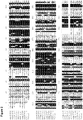
- the sequences were aligned with the ClustalW program ( Thompson, J.D., Higgins, D.G. and Gibson, T.J. (1994); CLUSTAL W: improving the sensitivity of progressive multiple sequence alignment through sequence weighting, position specific gap penalties and weight matrix choice; Nucleic Acids Res. 22, 4673-4680 ).
- the alignment is presented in Figure 2 .
- Those regions include for instance the heme-binding domain flanking the perfectly conserved cystein residue which covalently binds the heme-iron via its thiolate side chain (PFGxGRRICPG motif in our alignment), the so called 'meander' (FxPERF motif in our alignment) presumably involved in the interaction with the redox-partner protein and in the stabilization of heme-protein association, and the I helix region located in the active site on the distal side of the heme ((A/G)GTETSS motif) and involved in proton transfer and oxygen activation.
- Six conserved regions putatively characteristic of plant terpene monooxygenases were thus selected (underlined with arrows in Figure 1 ).
- Hybrid primers containing a 3' degenerated core and a 5' consensus clamp were designed from these regions following the Consensus-Degenerated Hybrid Oligonucleotide Primers (CODEHOP) strategy ( Rose T.M., Schultz E.R., Henikoff J.G, Pietrokovski S., McCallum C.M., and Nenikoff S.; 1998; Consensus-degenerated hybrid oligonucleotide primers for amplification of distantly related sequences; Nucleic Acids Research 26(7), 1628-1635 ) and using the online interface of the computer program available at http://blocks.fhcrc.org/blocks/codehop.html.
- CODEHOP Consensus-Degenerated Hybrid Oligonucleotide Primers
- Oligonucleotides were designed to have a degenerated core of 11 to 15 bases with a maximum degeneracy of 192 and an annealing temperature between 60 and 64°C. Using this approach, three sense primers (P450-Terp-F1 to F3 (SEQ ID NO:5 to 7)) and four anti-sense primers (P450-Terp-R1 to R4 (SEQ ID NO:8 to 11) were designed from the six conserved regions shown in Figure 1 (Table 1).
- Table 1 Terpene-hydroxylase-specific oligonucleotides.
- the sequence of the degenerated core of each primer is indicated in lower case and the consensus clamp is indicated in upper case.
- the nucleotide sequences are indicated from the 5' to the 3' end for the forward primers and from the 3' to the 5' end for the reverse primers.
- the degeneracy in the nucleotides sequences is indicated using the IUPAC one letter code. Primer name Nucleotide sequence and correspond consensus amino acid sequence.
- P450-terp-F1 GPVMHVQLGE (SEQ ID NO:5) 5'-GGCCCGGTGATGCACGTGcarytnggnga-3' P450-terp-F2 PYGDHWRQMR (SEQ ID NO:6) 5'-CCGTACAGCGACCACTGGmrncaratgmg-3' P450-terp-F3 SMTCRAAFG (SEQ ID 5'-GCTCCATGACCTGCCGGdsngcnttygg-3' P450-terp-R1 VIKETMRMH (SEQ ID NO:8) 3'-cannanttyctCTGGTACGCCTACGT-5' P450-terp-R2 ETMRMHPP (SEQ ID NO:9) 3'-ctytgndankcCTACGTGGGCGGC-5' P450-terp-R3 FGLANVYLP (SEQ ID NO:10) 3'-aarccnrancgGTTGCAGATGGAGGGC-5' P450-terp-R4
- the primers described in Example 2 were used for the amplification of P450 cDNA fragments by PCR from the vetiver cDNA library.
- the PCRs were performed using the Advantage ® 2 Polymerase Mix (Clontech, Takara Bio Europe). Each PCR mixture contained, in a total volume of 50 ⁇ L, 5 ⁇ L of Advantage ® 2 PCR Buffer, 200 ⁇ M dNTPs, 200 nM each oligonucleotide primer, 5 ⁇ L of 200-fold diluted cDNA, 1 ⁇ L of Advantage ® 2 Polymerase Mix.
- the following conditions were used for the amplifications:
- CA521 SEQ ID NO:12
- the amino acid sequence deduced from CA521 showed identity as high as 45% with known plant terpene monooxygenases.
- RACE Rapid Amplification of cDNA Ends
- the MarathonTM cDNA Amplification Kit (Clontech, Takara Bio Europe) was used for all RACE experiments.
- Typical RACE reaction mixtures contain, in a final volume of 50 ⁇ l, 5 ⁇ l Advantage ® 2 PCR Buffer (Clontech, Takara Bio Europe), 200 ⁇ M each dNTP, 1 ⁇ l Advantage ® 2 Polymerase Mix (Clontech, Takara Bio Europe), 200 ⁇ M adaptor-specific primer, 200 ⁇ M cDNA-specific primer and 5 ⁇ l of 200 fold diluted adaptor-ligated vetiver roots cDNA.
- Amplification was performed on an Eppendorf Mastercycler Gradiant thermal cycler.
- the thermal Cycling conditions were as follows: 1 min at 94°C, 5 cycles of 30 sec at 94°C and 3 min at 72°C, 5 cycles of 30 sec at 94°C and 3 min at 70°C, 20 cycles of 30 sec at 94°C and 3 min at 68°C. When necessary a second round of amplification was performed using nested oligonucleotides.
- Amplicons with the expected size were cloned into the pCR ® 2.1-TOPO vector (Invitrogen, Carlsbad, CA) and the inserts were subject to DNA sequencing and the sequence compared against the GenBank non-redundant protein database (NCBI) using the BLASTX algorithm ( Altschul, S.F., Gish, W., Miller, W., Myers, E.W., and Lipman, D.J. (1990) J. Mol. Biol. 215, 403-410 ).
- sense and anti-sense oligonucleotides were deduced from the PCR-generated DNA fragments and were used in 3'RACE and 5'RACE: CA521-F1 (SEQ ID NO:13), CA521-F2 (SEQ ID NO:14), CA521-R1 (SEQ ID NO:15) and CA521-R2 (SEQ ID NO:16).
- SA oligonucleotides we obtained a 500 bp fragment (CA635 (SEQ ID NO:17)), sharing an overlap of 176 identical residues with the CA521 fragment.
- This CA635 fragment contained an additional 138 pb coding region, including the stop codon, followed by a 3' un-translated region.
- the 5'RACE provided a 426 bp fragment (CA884 (SEQ ID NO:18)) containing the missing 243 bp coding region at the 5'end.
- Oligonucleotides were designed from the start and stop region of the reconstituted full-length sequence, CA521-start (SEQ ID NO:19), CA521-stop (SEQ ID NO:20), and used as primers for the amplification of the full-length cDNA. This amplification was performed using the Pfu DNA polymerase (Promega, Madison, WI, USA), in a final volume of 50 ⁇ l containing 5 ⁇ l of Pfu DNA polymerase 10X buffer, 200 ⁇ M each dNTP, 0.4 ⁇ M each primer, 2.9 units Pfu DNA polymerase and 2.5 ⁇ l of the 200 fold-diluted vetiver cDNA.
- Pfu DNA polymerase Promega, Madison, WI, USA
- the thermal cycling conditions were as follows: 1.5 min at 95°C; 30 cycles of 45 sec at 95°C, 30 sec at 64°C and 4 min at 72°C; and 10 min at 72°C.
- the PCR products were cloned into the pCR ® 2.1-TOPO vector using the TOPO TA cloning Kit (Invitrogen, Carlsbad, CA) and the DNA sequence was controlled. From the sequencing of several clones, two distinct DNA sequences (VzP521-11 (SEQ ID NO:21) and VzP521-16 (SEQ ID NO:22)) sharing 93% sequence identity, were retained. The deduced amino acid sequences, composed of 513 and 514 residues respectively, shared 89% identity.
- VzP521-11 SEQ ID NO:23
- VzP521-16 SEQ ID NO:24
- Accession numbers, denomination, organism VzP521-11 VzP521-16 EER94164 hypothetical protein, Sorghum bicolor 68% 67% ACF87848, unknown protein
- Zea mays 67% 67% EER96012
- hypothetical protein Sorghum bicolor 65% 65% ACF86186
- unknown protein Zea mays 65% 64% EER96013, hypothetical protein, Sorghum bicolor 65% 64% EER92230
- hypothetical protein, Sorghum bicolor 63% 61% EAY78666 hypothetical protein, Oryza sativa 61% 61% AAP53961, cytochrome P450 family protein, Oryza sativa. 61% 60% BAD17264, putative cytochrome P450, Oryza sativa. 59% 58%
- amino acid sequences identities with the closest publically available and functionally characterized proteins are listed in the table below: Accession numbers, function, organism VzP521-11 VzP521-16 AAD44151, AAQ18706, AAD44152, AAT39473, AAQ18708, limonene hydroxylase, Mentha species. 43 to 45% 43 to 45% AAK62432, premnaspirodiene oxygenase, Hyoscyamus muticus.
- VzP521-11 SEQ ID NO:23
- VzP521-16 SEQ ID NO:24
- the active regions of VZP521-11 and VzP521-16 are represented in SEQ ID NO: 1 and 2, respectively.
- the nucleic acid sequence encoding for these active sequences are represented in SEQ ID NO:3 and 4, respectively.
- the N-terminal sequence of the protein constitute a membrane anchor essential for the membrane localization of these enzymes.
- This part of the protein delimited by a proline-rich domaine (PPGP in 521-11 (SEQ ID NO:23) and 521-16 (SEQ ID NO:24)), is not essential for the control of the specificity of the enzymatic activity. This region can thus be modified by deletion, insertion or mutation without effect on the catalytic activity.
- the modified cDNAs were obtained by PCR as follows. A first fragment corresponding to the membrane anchor region was amplified using the primers Pfus-NdeI (SEQ ID NO:25) and 521_fus_r (SEQ ID NO:26) (with the plasmid P2-2-48 ( Haudenschield et al (2000) Arch. Biochem. Biophys. 379, 127-136 ) as template. Two other fragments were amplified using the primers 521-fus-f (SEQ ID NO:27) and 521-Hind (SEQ ID NO:28) and either the VzP521-11 (SEQ ID NO:21) or VzP521-16 (SEQ ID NO:22) cDNA as the template.
- a second round of PCR was performed using as template the first PCR product and either of the two latter PCR products and as primers Pfus-NdeI (SEQ ID NO:25) and 521-Hind (SEQ ID NO:28). All PCR were performed with the Pfu DNA polymerase (Promega, Madison, WI, USA), in a final volume of 50 ⁇ l containing 5 ⁇ l of Pfu DNA polymerase 10X buffer, 200 ⁇ M each dNTP, 0.4 ⁇ M each primer, 2.9 units Pfu DNA polymerase and 2.5 ⁇ l of the 200 fold-diluted vetiver cDNA.
- the thermal cycling conditions were as follows: 1.5 min at 95°C; 30 cycles of 45 sec at 95°C, 30 sec at 64°C and 4 min at 72°C; and a final step of 10 min at 72°C.
- the two PCR products, VzP521-11-1 (SEQ ID NO:37) and VzP521-16-1 (SEQ ID NO:38), were digested with the Nde I and Hind III restriction enzymes and ligated into the pCWori expression plasmid ( Barnes H.J (1996) Method Enzymol.
- the JM109 E. coli cells were transformed with the 218-521-11 or 218-521-16 expression plasmids. Single colonies of transformants were used to inoculated cultures of 5 mL LB medium containing 50 ⁇ g/mL ampicillin. The cells are grown for 10 to 12 hours at 37°C. The cultures were then used to inoculate 250 mL TB Medium (Terrific Broth) supplemented with 50 ⁇ g/mL ampicillin and 1 mM Thiamine HCL.
- the cultures were incubated at 28°C for 3-4 h with moderate shaking (200 rpm) before 75 mg/L ⁇ -aminolevulinic acid (sigma) and 1 mM IPTG (Isopropyl ⁇ -D-1-thiogalactopyranoside) was added, and the cultures were maintained at 28°C for 24-48h with 200 rpm shaking.
- moderate shaking 200 rpm
- IPTG Isopropyl ⁇ -D-1-thiogalactopyranoside
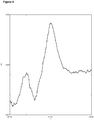
- the expression of the P450 enzymes can be evaluated qualitatively and quantitatively by measuring the CO-binding spectrum ( Omura, T. & Sato, R. (1964) J. Biol. Chem. 239, 2379-2387 ) in the E. coli protein fractions.
- the cells are centrifuged (10 min, 5000 g, 4°C) and resuspended in 35 mL ice-cold buffer 1 (100 mM Tris-HCl pH 7.5, 20% glycerol, 0.5 mM EDTA).
- ice-cold buffer 1 100 mM Tris-HCl pH 7.5, 20% glycerol, 0.5 mM EDTA.
- lysozyme from chicken egg white, Sigma-Aldrich
- the suspension is centrifuged 10 min at 7000 g and 4°C and the pellet is resuspended in 20 mL buffer 2 (25 mM KPO 4 pH 7.4, 0.1 mM EDTA, 0.1 mM DTT, 20% glycerol).
- the suspension is subject to one cycle of freeze-thaw at -80°C, 0.5 mM PMSF (phenylmethylsulfonyl fluoride, Sigma-Aldrich) is added and the suspension is sonicated 3 times for 20 sec.
- the suspension is centrifuged 10 min at 10000 g (to remove cell debries) and the supernatant is recovered and centrifuged 2 hours at 100,000 g.
- the pellet (membrane protein fraction) is resuspended in 2-3 ml of buffer 3 (50 mM Tris-HCl pH 7.4, 1 mM EDTA, 20% glycerol).
- buffer 3 50 mM Tris-HCl pH 7.4, 1 mM EDTA, 20% glycerol.
- the protein fraction is diluted (1/10) in buffer 3 to a final volume of 2 mL.
- Some crystals of sodium dithionite (Na 2 S 2 O 4 ) are added, the sample is divided into two cuvettes and the baseline recorded between 370 and 500 nm. The sample cuvette is then saturated with carbon monoxide and the difference spectrum is recorded.
- the concentration of P450 enzyme can be estimated from the amplitude of the peak at 450 nm using the extension coefficient for the reduced CO complex of 91 mM -1 •cm -1 ( Omura, T. & Sato, R. (1964) J. Biol. Chem. 239, 2379-2387 ).
- CPR P450-reductase
- ATR1 and ATR2 have been identified in Arabidopsis thaliana ( Urban et al (1997) J. Biol. Chem. 272(31) 19176-19186 ). These CPRs have been shown to complement several P450 enzymes from various plant species.
- a cDNA sequence tcATR1-opt (SEQ ID NO:29) encoding for a truncated version of ATR1 (17 N-terminal amino acid deletion
- coli cells can be estimated following the enzymatic reduction of cytochrome C.
- the plasmid pACYC-tcATR1-opt was used to transform B121(DE3) (Novagen) or JM109(DE3) (Promega, Madisson, WI, USA) E. coli cells.
- Culture conditions, protein expression and cell-free protein preparation were made as described in Example 4.
- the proteins are diluted in 1 mL Tris pH 7.4 supplemented with 5 ⁇ M FAD, 5 ⁇ M FMN, 40 mM cytochrome C (sigma-Aldrich), 1 mM MgCl 2 .
- the reaction is initiated by addition of 0.12 mmoles NADPH (Sigma).
- the reduction of the cytochrome C is recorded by measuring the increase of OD at 550 nm over 0.5 to 2 minutes.
- the reductase specific activity (in mUnits/ ⁇ L) was calculated using the following formula: (ODend-ODstrat)/21/time(sec)/Vol( ⁇ L)X60000 (in mUnits/ ⁇ L).
- activity measured with the recombinant ATR1 ranged between 7 and 10 mUnits/mL.
- co-expression of the P450 and CPR proteins in a single host cell is required.
- This co-expresssion can be obtained using two plasmids.
- BL21 StarTM(DE3) E. coli cells (Invitrogen, Carlsbad, CA) were co-transformed with the plasmid pACYC-tcATR1-opt and the plasmid pCW-218-521-11 or pCW-218-521-16.
- Transformed cells were selected on carbenicillin (50 ⁇ g/ml) and chloramphenicol (34 ⁇ g/ml) LB-agarose plates.
- Expression plasmids with a bi-cistronic construct comprising a cDNA encoding for a vetiver P450 and a cDNA encoding for CPR were prepared.
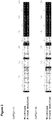
- the constructs were designed to insert between the two coding regions a spacer sequence including a ribosome binding site (RBS) (see Figure 5 ).
- RBS ribosome binding site
- the tcATR1-opt cDNA (SEQ ID NO:29) synthesized with E. coli optimal codon usage (DNA 2.0, Menlo Park, CA, USA) was modified to add at the 5'-end, before the start codon, a 30 bp extension containing the spacer sequence(SEQ ID NO:30) and the RBS sequence.
- the tcATR1-opt cDNA was amplified using the primers 2390-CPR-F2 (SEQ ID NO:31) and 2390-CPR-R2b (SEQ ID NO:32) using the Pfu DNA polymerase (Promega, Madison, WI, USA), in a final volume of 50 ⁇ l containing 5 ⁇ l of Pfu DNA polymerase 10X buffer, 200 ⁇ M each dNTP, 0.4 ⁇ M each primer, 2.9 units Pfu DNA polymerase and 2.5 ⁇ l of the 50 ng of pJ206-tcATR1-opt plasmid.
- the thermal cycling conditions were as follows: 1.5 min at 95°C; 30 cycles of 45 sec at 95°C, 30 sec at 60°C and 4 min at 72°C; and 10 min at 72°C.
- the PCR product was ligated in the pCW-218-521-11 and pCW-218-521-16 plasmids digested by Hind III using the In-Fusion ® Dry-Down PCR Cloning Kit (Clontech, Takara Bio Europe) following the manufacturer instruction.
- the resulting two plasmids pCW-2391-521-11 and pCW-2392-521-16 contain the bi-cistronic constructs consisting of the VzP521-11-1 and VzP521-16-1 sequences respectively followed by the tcATR1-opt sequence.
- E. coli cells were transformed with one of these two plasmids and the membrane protein fractions were prepared as described in Example 4.
- the P450 and CPR expression was verified following the CO-binding spectra and the NADPH reduction assays as described in Examples 4 and 5.
- (+)-zizaene can be performed using whole E. coli cells expressing the vetiver P450s and a CPR (bioconversion).
- Zizaene was prepared using engineered E. coli cells following the method described in the patent WO 2010/134004 and using the sesquiterpene synthase with the sequence accession number HI931369.
- BL21StarTM(DE3) E. coli cells were transformed with the plasmid pACYC-4506 and the plasmid pETDuet-VzZS-opt.
- the plasmid pACYC-4506 contains the genes encoding for the five enzymes of a biosynthetic pathway converting mevalonic acid to FPP: a mevalonate kinase ( MvaK1 ) , a phosphomevalonate kinase ( MvaK2 ) , a mevalonate diphosphate decarboxylase ( MvaD ), an isopentenyl diphosphate isomerase ( idi ) and farnesyl diphosphate synthase (FPS).
- MvaK1 mevalonate kinase
- MvaK2 phosphomevalonate kinase
- MvaD mevalonate diphosphate decarboxylase
- idi isopentenyl diphosphate
- the FPS gene was amplified from S. cerevisiae genomic DNA and ligated in the first multiple cloning site (MCS) of the pACYCDuet-1 and an operon encoding the genes for a MvaK1, a MvaK2, a MvaD and an idi was amplified from genomic DNA of Streptococcus pneumoniae (ATCC BAA-334) and ligated into the second MCS.
- MCS multiple cloning site
- the pETDuet-VzZS-opt contains a codon optimized version of the vetiver (+)-zizaene synthase (as described in SEQ ID NO:11 of WO 2010/134004 ).
- E. coli cells (BL21StarTM(DE3) E. coli cells (Invitrogen Ltd) or JM109(DE3) (Promega)) were transformed with the plasmids pCW-2391-521-11 or pCW-2392-521-16 or cells were co-transformed with the plasmids pCW-218-521-11 or pCW-218-521-16 and pACYC-tcATR1-opt and were grown in TB medium supplemented with 3% glycerol or LB medium supplemented with 1% glucose. The cultures were incubated at 37°C until reaching an optical density of 1. The cultures were then transferred to 28°C, 1 mM IPTG and 74 ⁇ g/ml ⁇ -aminolevulinic acid were added and the culture were incubated for 24 hours.
- the cells were harvested in exponential growing phase, centrifuged and resuspended in 0.5 volume of potassium phosphate buffer 50 mM pH 7.0 supplemented with 5% glycerol or 3% glucose.
- the substrate ((+)-zizaene) was added to a final concentration of 0.5 mg/ml as mixture composed of 10 mg Tween ® 20 (sigma-Aldrich), 10 mg antifoam (Erol DF, PMC Ouvrie, Lesquin, France), 20 mg (+)-zizaene and 1 ml water. The conversion was allowed to proceed for 24 hours at 20°C with moderate shaking.
- the media were extracted with 2 volumes of ethyl-actetate and the extracts were analyzed by GCMS on an Agilent 6890 Series GC system connected to an Agilent 5975 mass detector.
- the GC was equipped with 0.25 mm inner diameter by 30 m SPB-1 capillary column (Supelco, Bellefonte, PA).
- the carrier gas was He at a constant flow of 1 mL/min.
- the initial oven temperature was 50°C (1 min hold) followed by a gradient of 10°C/min to 300°C.
- the identification of the products was based on the comparison of the mass spectra and retention indices with authentic standards and internal databases.
- E. coli cells expressing the vetiver P450s and a CPR were prepared, grown and the bioconversions performed using resting cells in potassium phosphate buffer as described in Example 8.
- the oxidation of sesquiterpene using the P450s from vetiver can also be performed in-vitro using cell lysates or partially purified protein.
- E. coli cells (BL21StarTM(DE3) E. coli cells (Invitrogen Ltd) or JM109(DE3) (Promega)) were transformed with the plasmids pCW-2391-521-11 or pCW-2392-521-16 or cells were co-transformed with the plasmids pCW-218-521-11 or pCW-218-521-16 and pACYC-tcATR1-opt.
- the cells culture conditions, the expression of the proteins and the membrane proteins preparation were as described in Examples 4 and 5. These protein fractions were used for in-vitro conversion of (+)-zizaene or the terpene molecules listed in Example 9.
- Typical assays are composed of 20 to 50 ⁇ L of proteins, 0.4 mg NADPH (Sigma), 5 ⁇ M FAD (Flavin adenine dinucleotide, Sigma), 5 ⁇ M FMN (Flavin mononucleotide, Sigma), 0.05 mg (+)-zizaene in a total volume of 1 mL of 100 mM Tris buffer pH 7.4.
- NADPH-reconstitution system was added and consisted of 25 mM glucose 6-phosphate (Sigma) and 6 mUnits glucose 6-phosphate dehydrogenase (Sigma). Assays were incubated 2 to 12 hours at 30°C. Samples were then extracted twice with one volume of ethyl acetate and analyzed by GCMS as described in Example 8.
- the oxidized products of (+)-zizaene can also be produced in E. coli cells engineered to produce sesquiterpenes from a carbon source such as glucose or glycerol.
- Plasmids were prepared consisting of the pCWori ( Barnes H.J (1996) Method Enzymol. 272, 3-14 ) plasmid containing an operon composed of the P450, the P450-reductase and the terpene synthase. Two plasmids were thus prepared by inserting an RBS sequence and the optimized sequence encoding for the (+)-zizaene synthase (VzZS) after the stop codon of the CPR sequence in the pCW-2391-521-11 or pCW-2392-521-16.
- the VzZS was amplified from pETDuet-VzZS-opt plasmid (as described in WO 2010/134004 ) using the primers 2401-VzZS-F (SEQ ID NO:33) and 2401-VzZS-R (SEQ ID NO:34).
- the PCR was performed using the Pfu DNA polymerase (Promega, Madison, WI, USA), in a final volume of 50 ⁇ l containing 5 ⁇ l of Pfu DNA polymerase 10X buffer, 200 ⁇ M each dNTP, 0.4 ⁇ M each primer, 2.9 units Pfu DNA polymerase and 50 ng of template.
- the thermal cycling conditions were as follows: 1.5 min at 95°C; 30 cycles of 45 sec at 95°C, 30 sec at 60°C and 4 min at 72°C; and 10 min at 72°C.
- the PCR product was purified and ligated in the pCW-2391-521-11 or pCW-2392-521-16 plasmids digested with the Hind III and Ecor I restriction enzymes. This ligation was performed using the In-Fusion ® Dry-Down PCR Cloning Kit (Clontech, Takara Bio Europe) following the manufacturer's instructions.
- the resulting plasmids pCW-2401-521-11 and pCW-2402-521-16 contain an insert consisting of the VzP521-11-1 or VzP521-16-1 sequence respectively, the tcATR1-opt sequence (P450 reductase) and the VzZS sequence ((+)-zizaene synthase) ( Figure 10 ).
- Another expression plasmid was prepared containing two operons consisting of the genes encoding the enzymes for a complete mevalonate pathway.
- a first synthetic operon consisting of an Escherichia coli acetoacetyl-CoA thiolase ( atoB ) , a Staphylococcus aureus HMG-CoA synthase ( mvaS ), a Staphylococcus aureus HMG-CoA reductase ( mvaA ) and a Saccharomyces cerevisiae FPP synthase ( ERG20 ) genes was chemically synthetized (DNA2.0, Menlo Park, CA, USA) and ligated into the Nco I- Bam HI digested pACYCDuet-1 vector (Invitrogen) yielding pACYC-29258.
- the genes of this plasmid encode for the enzymes necessary for the conversion of acetyl-CoA to mevalonate and for a FPP synthase.
- the second operon contains the genes encoding for the four enzymes necessary for the conversion of mevalonate to IPP and DMAPP and was amplified from the plasmid pACYC-4506 (Example 8) using the following primers: 5'-AAGGAGATATACATATGACAAAAAAAAAAGTTGGTGTCGGTCAGG-3' (forward) and 5'-CTTTACCAGACTCGAGTTACGCCTTTTTCATCTGATCCTTTGC-3' (reverse).
- the resulting amplicon was cloned into the Nde I -Xho I digested pACYC-29258 vector using the In-Fusion 2.0 Dry-Down PCR Cloning Kit (Clontech) providing the pACYC-29258-4506 vector.
- OverExpressTM C43(DE3) E. coli cells (Lucigen ® Corporation) were co-transformed with the plasmid pACYC-29258-4506 and the plasmid pCW-2401-521-11 or the plasmid pCW-2402-521-16. Single colonies of transformed cells were used to inoculate 5 mL of LB medium supplemented with carbenicillin (100 ⁇ g/ml) and chloramphenicol (17 ⁇ g/ml).
- the cultures were incubated overnight at 37°C and used to inoculate M9 medium supplemented with 2 g/L yeast extract, 3% glycerol, 10 ⁇ M FeSO 4 , 100 ⁇ g/ml carbenicillin and 17 ⁇ g/ml chloramphenicol.
- the cultures were incubated 6 h at 37°C, cooled down to 25°C and 0.1 mM IPTG, 74 ⁇ g/ml ⁇ -aminolevulinic acid and 1/10 volume dodecane were added.
- the cultures were extracted with 2 volumes of tert -Butyl methyl ether (MTBE) and the extracts analyzed by GCMS as described in Example 8, except for the oven temperature that was initially set at 80°C with one minute hold, followed by gradient of 10°C/min to 300°C.
- MTBE tert -Butyl methyl ether
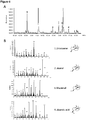
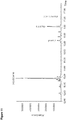
- the sesquiterpene (+)-zizaene and the derived alcohol and aldehyde (khusimol and zizanal) were detected.
- the zizanoic acid was also found as minor product ( Figure 11 ). This experiment shows that, in the engineered cells, the sesquiterpene (+)-zizaene is produced and is oxidized by the heterologous P450 and CPR complex.
- an E. coli cell transformed to express a polypeptide according to the invention is capable of oxidizing terpene compounds such as zizaene, provided that it is used in combination with a P450-reductase.
- the other enzymes with which the E. coli cell is transformed are not essential for such oxidation. Indeed the oxidized terpene is also produced when an E. coli cell is transformed with the cytochrome P450, the reductase and the terpene synthase only, but in lower amount.
- Such other enzymes with which the E. coli cell is transformed are added for the unique purpose of increasing the amount of terpene available as substrate for the cytochrome P450.
Landscapes
- Chemical & Material Sciences (AREA)
- Organic Chemistry (AREA)
- Life Sciences & Earth Sciences (AREA)
- Zoology (AREA)
- Engineering & Computer Science (AREA)
- Wood Science & Technology (AREA)
- Health & Medical Sciences (AREA)
- Genetics & Genomics (AREA)
- Bioinformatics & Cheminformatics (AREA)
- Microbiology (AREA)
- Biotechnology (AREA)
- Biochemistry (AREA)
- General Engineering & Computer Science (AREA)
- General Health & Medical Sciences (AREA)
- General Chemical & Material Sciences (AREA)
- Chemical Kinetics & Catalysis (AREA)
- Medicinal Chemistry (AREA)
- Molecular Biology (AREA)
- Biomedical Technology (AREA)
- Micro-Organisms Or Cultivation Processes Thereof (AREA)
- Enzymes And Modification Thereof (AREA)
- Preparation Of Compounds By Using Micro-Organisms (AREA)
- Peptides Or Proteins (AREA)
Claims (15)
- Polypeptid, umfassend eine Aminosäuresequenz, mindestens 85% identisch über ihre gesamte Länge mit SEQ ID NO:1 oder 2, und aufweisend eine Cytochrom-P450-Aktivität, gekennzeichnet dadurch, dass das Polypeptid imstande ist, mindestens eine Terpenverbindung, ausgewählt aus mono- oder polycyclischen Monoterpenen und Sesquiterpenen, zu oxidieren.
- Polypeptid nach Anspruch 1, dadurch gekennzeichnet, dass das mono- oder polycyclische Monoterpen oder Sesquiterpen mindestens eine Methylgruppe als Substituent an einer cyclischen Einheit umfasst.
- Polypeptid nach Anspruch 2, dadurch gekennzeichnet, dass das mono- oder polycyclische Monoterpen oder Sesquiterpen aus der Gruppe, bestehend aus Zizaen, alpha-Cedren, alpha-Longipinen, alpha-Funebren, Thujopsen, Valencen, beta-Chamigren, Alloaromadendren, alpha-Neocloven, Isosativen, Leden, S-Limonen, alpha-Humulen, alpha-Gurjunen, alpha-Pinen, beta-Funebren, R-Limonen und beta-Pinen, ausgewählt ist.
- Polypeptid nach Anspruch 3, dadurch gekennzeichnet, dass das mono- oder polycyclische Monoterpen oder Sesquiterpen aus der Gruppe, bestehend aus Zizaen, alpha-Cedren, alpha-Funebren, Valencen und Thujopsen, ausgewählt ist.
- Nucleinsäure, codierend das Polypeptid nach einem der Ansprüche 1 bis 4.
- Nucleinsäure nach Anspruch 5, umfassend eine Nucleotidsequenz, mindestens 90% identisch über ihre gesamte Länge mit SEQ ID NO:3, 4, oder dem Komplement davon.
- Expressionsvektor, umfassend die Nucleinsäure nach einem der Ansprüche 5 bis 6, wobei der Vektor in der Form eines viralen Vektors, eines Bakteriophagen oder eines Plasmids ist.
- Nicht-humaner Wirtsorganismus oder Zelle, umfassend mindestens eine Nucleinsäure gemäß einem der Ansprüche 5 bis 6, oder Expressionsvektor gemäß Anspruch 7, wobei der nicht-humane Wirtsorganismus ein Prokaryot, ein Pilz oder ein Mikroorganismus ist.
- Nicht-humaner Wirtsorganismus nach Anspruch 8, wobei der Mikroorganismus eine Bakterie oder Hefe ist.
- Nicht-humaner Wirtsorganismus nach Anspruch 9, wobei die Bakterie E. coli ist und die Hefe Saccharomyces cerevisiae ist.
- Pflanze oder Pflanzenzelle, umfassend einen Expressionsvektor gemäß Anspruch 7.
- Verfahren zum Oxidieren mindestens einer Terpenverbindung, umfassend:a) Inkontaktbringen der Terpenverbindung mit mindestens einem Polypeptid gemäß einem der Ansprüche 1 bis 4 in Gegenwart einer P450-Reduktase (CPR);b) wahlweise Isolieren des oxidierten Terpens, erzeugt in Schritt a).
- Verfahren nach Anspruch 12, wobei die Terpenverbindung aus mono- oder polycyclischen Monoterpenen und Sesquiterpenen ausgewählt ist.
- Verfahren nach Anspruch 13, wobei die Terpenverbindung aus der Gruppe, bestehend aus Zizaen, alpha-Cedren, alpha-Longipinen, alpha-Funebren, Thujopsen, Valencen, beta-Chamigren, Alloaromadendren, alpha-Neocloven, Isosativen, Leden, S-Limonen, alpha-Humulen, alpha-Gurjunen, alpha-Pinen, beta-Funebren, R-Limonen und beta-Pinen, ausgewählt ist.
- Verfahren nach Anspruch 14, dadurch gekennzeichnet, dass die Terpenverbindung aus der Gruppe, bestehend aus Zizaen, alpha-Cedren, alpha-Funebren, Valencen und Thujopsen, ausgewählt ist.
Priority Applications (2)
| Application Number | Priority Date | Filing Date | Title |
|---|---|---|---|
| EP12778111.0A EP2773751B1 (de) | 2011-11-01 | 2012-10-25 | Cytochrome p450 und seine verwendung für die enzymatische oxidierung von terpenen |
| PL12778111T PL2773751T3 (pl) | 2011-11-01 | 2012-10-25 | Cytochrom 450 i jego zastosowanie w enzymatycznym utlenianiu terpenów |
Applications Claiming Priority (3)
| Application Number | Priority Date | Filing Date | Title |
|---|---|---|---|
| EP11187409 | 2011-11-01 | ||
| EP12778111.0A EP2773751B1 (de) | 2011-11-01 | 2012-10-25 | Cytochrome p450 und seine verwendung für die enzymatische oxidierung von terpenen |
| PCT/EP2012/071096 WO2013064411A1 (en) | 2011-11-01 | 2012-10-25 | Cytochrome p450 and use thereof for the enzymatic oxidation of terpenes |
Publications (2)
| Publication Number | Publication Date |
|---|---|
| EP2773751A1 EP2773751A1 (de) | 2014-09-10 |
| EP2773751B1 true EP2773751B1 (de) | 2017-03-01 |
Family
ID=47074728
Family Applications (1)
| Application Number | Title | Priority Date | Filing Date |
|---|---|---|---|
| EP12778111.0A Active EP2773751B1 (de) | 2011-11-01 | 2012-10-25 | Cytochrome p450 und seine verwendung für die enzymatische oxidierung von terpenen |
Country Status (11)
| Country | Link |
|---|---|
| US (1) | US10000773B2 (de) |
| EP (1) | EP2773751B1 (de) |
| JP (2) | JP5993019B2 (de) |
| CN (1) | CN103906834B (de) |
| BR (1) | BR112014010559B1 (de) |
| ES (1) | ES2625861T3 (de) |
| HU (1) | HUE034344T2 (de) |
| MX (1) | MX352318B (de) |
| PL (1) | PL2773751T3 (de) |
| RU (1) | RU2625224C2 (de) |
| WO (1) | WO2013064411A1 (de) |
Families Citing this family (21)
| Publication number | Priority date | Publication date | Assignee | Title |
|---|---|---|---|---|
| ES2625861T3 (es) * | 2011-11-01 | 2017-07-20 | Firmenich Sa | Citocromo p450 y su uso para la oxidación enzimática de terpenos |
| RU2654670C2 (ru) | 2013-09-19 | 2018-05-21 | Фирмениш Са | Способ получения ароматических спиртов |
| CN106460014B (zh) | 2014-05-06 | 2020-10-02 | 弗门尼舍有限公司 | 补身醇合酶及生产补身醇的方法 |
| ES2709926T3 (es) | 2014-12-02 | 2019-04-22 | Firmenich & Cie | Intermedios y procedimiento para la preparación de bloques de construcción de aceite de sándalo |
| CN107849586B (zh) | 2015-04-09 | 2021-11-30 | 弗门尼舍有限公司 | 芳香化合物的生产 |
| GB201601249D0 (en) | 2016-01-22 | 2016-03-09 | Firmenich & Cie | Production of manool |
| US20170191086A1 (en) * | 2015-12-30 | 2017-07-06 | Natura Cosméticos S.A. | Process for the transformation of essential oils comprising linalol |
| WO2017142993A1 (en) * | 2016-02-16 | 2017-08-24 | Manus Biosynthesis, Inc. | Secondary metabolite screening system |
| US10752922B2 (en) | 2016-12-22 | 2020-08-25 | Firmenich Sa | Production of manool |
| CN110691850B (zh) | 2017-06-02 | 2024-07-02 | 弗门尼舍有限公司 | 生产折叶苔醇和/或补身醇的方法 |
| BR112020010924A2 (pt) * | 2018-01-18 | 2020-11-17 | Firmenich S.A. | oxidação de sesquiterpenos catalisada por mono-oxigenase do citocromo p450 |
| BR112020023411A2 (pt) | 2018-05-29 | 2021-03-09 | Firmenich S/A | Método para produzir compostos de albicanol |
| JP2022500018A (ja) | 2018-09-06 | 2022-01-04 | マナス バイオ インコーポレイテッド | ロタンドンの微生物生成 |
| WO2020097588A1 (en) | 2018-11-09 | 2020-05-14 | Ginkgo Bioworks, Inc. | Biosynthesis of mogrosides |
| AT523014B1 (de) * | 2019-10-14 | 2025-09-15 | Pharmgenetix Gmbh | Funktionaler Cytochrom P450 in vitro-Test |
| JP2022553065A (ja) * | 2019-10-25 | 2022-12-21 | ギンゴー バイオワークス, インコーポレイテッド | モグロシドの生合成 |
| CN113544245A (zh) | 2019-12-23 | 2021-10-22 | 弗门尼舍有限公司 | 以生化方式生产的檀香油 |
| CN114507696B (zh) * | 2022-03-15 | 2024-03-15 | 浙江工业大学 | 一种高粱素的制备方法 |
| CN114672425B (zh) * | 2022-04-11 | 2023-09-15 | 湖北工业大学 | 产α-古巴烯的重组酿酒酵母及其应用 |
| CN115536485B (zh) * | 2022-10-14 | 2024-09-10 | 中山大学 | 利用废旧太阳能电池中EVA和PET制备1,7-二表-α-雪松烯的方法 |
| CN120390797A (zh) | 2022-12-22 | 2025-07-29 | 艾瑟拜奥尼克斯公司 | 通过红没药基阳离子的转化形成的Zizaene和其他倍半萜烯的重组生产 |
Family Cites Families (10)
| Publication number | Priority date | Publication date | Assignee | Title |
|---|---|---|---|---|
| GB9825421D0 (en) * | 1998-11-19 | 1999-01-13 | Isis Innovation | Process for oxidising terpenes |
| RU2285044C2 (ru) * | 1999-07-27 | 2006-10-10 | Басф Акциенгезельшафт | Новые цитохром р450-монооксигеназы и их применение для окисления органических соединений |
| JP2005503163A (ja) * | 2001-09-17 | 2005-02-03 | プラント リサーチ インターナショナル ビー. ブイ. | 生物的転化のための植物酵素 |
| US20090031455A1 (en) | 2004-10-14 | 2009-01-29 | Plant Research International B.V. | Terpene hydroxylation |
| KR101444090B1 (ko) * | 2005-07-05 | 2014-09-26 | 더 리젠츠 오브 더 유니버시티 오브 캘리포니아 | 이소프레노이드 변형 효소를 코드화하는 폴리뉴클레오티드및 그것의 사용방법 |
| GB0719620D0 (en) * | 2007-10-08 | 2007-11-14 | Isis Innovation | Mutant Enzymes |
| PL2432877T3 (pl) | 2009-05-20 | 2017-08-31 | Firmenich S.A. | Metoda otrzymywania (+) -zizaenu |
| JP5526381B2 (ja) * | 2009-09-07 | 2014-06-18 | 学校法人近畿大学 | セスキテルペン変換酵素遺伝子及びそれを利用した酸化セスキテルペンの製造方法 |
| MX2012005719A (es) | 2009-11-17 | 2012-07-30 | Basf Plant Science Co Gmbh | Plantas con rendimiento aumentado. |
| ES2625861T3 (es) * | 2011-11-01 | 2017-07-20 | Firmenich Sa | Citocromo p450 y su uso para la oxidación enzimática de terpenos |
-
2012
- 2012-10-25 ES ES12778111.0T patent/ES2625861T3/es active Active
- 2012-10-25 CN CN201280053767.XA patent/CN103906834B/zh active Active
- 2012-10-25 WO PCT/EP2012/071096 patent/WO2013064411A1/en not_active Ceased
- 2012-10-25 US US14/355,840 patent/US10000773B2/en active Active
- 2012-10-25 RU RU2014122157A patent/RU2625224C2/ru not_active IP Right Cessation
- 2012-10-25 PL PL12778111T patent/PL2773751T3/pl unknown
- 2012-10-25 BR BR112014010559-6A patent/BR112014010559B1/pt active IP Right Grant
- 2012-10-25 JP JP2014539289A patent/JP5993019B2/ja not_active Expired - Fee Related
- 2012-10-25 MX MX2014004995A patent/MX352318B/es active IP Right Grant
- 2012-10-25 HU HUE12778111A patent/HUE034344T2/en unknown
- 2012-10-25 EP EP12778111.0A patent/EP2773751B1/de active Active
-
2016
- 2016-08-18 JP JP2016160545A patent/JP6359058B2/ja not_active Expired - Fee Related
Non-Patent Citations (1)
| Title |
|---|
| None * |
Also Published As
| Publication number | Publication date |
|---|---|
| EP2773751A1 (de) | 2014-09-10 |
| PL2773751T3 (pl) | 2017-08-31 |
| RU2014122157A (ru) | 2015-12-10 |
| RU2625224C2 (ru) | 2017-07-12 |
| JP5993019B2 (ja) | 2016-09-14 |
| WO2013064411A1 (en) | 2013-05-10 |
| HUE034344T2 (en) | 2018-02-28 |
| BR112014010559B1 (pt) | 2021-11-16 |
| CN103906834A (zh) | 2014-07-02 |
| CN103906834B (zh) | 2016-11-16 |
| JP6359058B2 (ja) | 2018-07-18 |
| MX352318B (es) | 2017-11-21 |
| ES2625861T3 (es) | 2017-07-20 |
| MX2014004995A (es) | 2014-05-22 |
| US20150218588A1 (en) | 2015-08-06 |
| US10000773B2 (en) | 2018-06-19 |
| JP2014532418A (ja) | 2014-12-08 |
| JP2017042161A (ja) | 2017-03-02 |
| BR112014010559A2 (pt) | 2017-04-18 |
Similar Documents
| Publication | Publication Date | Title |
|---|---|---|
| EP2773751B1 (de) | Cytochrome p450 und seine verwendung für die enzymatische oxidierung von terpenen | |
| US11130972B2 (en) | Method for producing fragrant alcohols | |
| US11807890B2 (en) | Methods for production of oxygenated terpenes | |
| US8703454B2 (en) | Method for producing (+)-zizaene | |
| US11293040B2 (en) | Methods of producing sesquiterpene compounds | |
| Bertea et al. | Molecular evaluation of a spearmint mutant altered in the expression of limonene hydroxylases that direct essential oil monoterpene biosynthesis |
Legal Events
| Date | Code | Title | Description |
|---|---|---|---|
| PUAI | Public reference made under article 153(3) epc to a published international application that has entered the european phase |
Free format text: ORIGINAL CODE: 0009012 |
|
| 17P | Request for examination filed |
Effective date: 20140602 |
|
| AK | Designated contracting states |
Kind code of ref document: A1 Designated state(s): AL AT BE BG CH CY CZ DE DK EE ES FI FR GB GR HR HU IE IS IT LI LT LU LV MC MK MT NL NO PL PT RO RS SE SI SK SM TR |
|
| DAX | Request for extension of the european patent (deleted) | ||
| 17Q | First examination report despatched |
Effective date: 20150908 |
|
| GRAP | Despatch of communication of intention to grant a patent |
Free format text: ORIGINAL CODE: EPIDOSNIGR1 |
|
| INTG | Intention to grant announced |
Effective date: 20160930 |
|
| GRAS | Grant fee paid |
Free format text: ORIGINAL CODE: EPIDOSNIGR3 |
|
| GRAA | (expected) grant |
Free format text: ORIGINAL CODE: 0009210 |
|
| AK | Designated contracting states |
Kind code of ref document: B1 Designated state(s): AL AT BE BG CH CY CZ DE DK EE ES FI FR GB GR HR HU IE IS IT LI LT LU LV MC MK MT NL NO PL PT RO RS SE SI SK SM TR |
|
| REG | Reference to a national code |
Ref country code: GB Ref legal event code: FG4D |
|
| REG | Reference to a national code |
Ref country code: CH Ref legal event code: EP Ref country code: AT Ref legal event code: REF Ref document number: 871380 Country of ref document: AT Kind code of ref document: T Effective date: 20170315 |
|
| REG | Reference to a national code |
Ref country code: IE Ref legal event code: FG4D |
|
| REG | Reference to a national code |
Ref country code: DE Ref legal event code: R096 Ref document number: 602012029286 Country of ref document: DE |
|
| REG | Reference to a national code |
Ref country code: NL Ref legal event code: FP |
|
| REG | Reference to a national code |
Ref country code: LT Ref legal event code: MG4D |
|
| REG | Reference to a national code |
Ref country code: AT Ref legal event code: MK05 Ref document number: 871380 Country of ref document: AT Kind code of ref document: T Effective date: 20170301 |
|
| REG | Reference to a national code |
Ref country code: ES Ref legal event code: FG2A Ref document number: 2625861 Country of ref document: ES Kind code of ref document: T3 Effective date: 20170720 |
|
| PG25 | Lapsed in a contracting state [announced via postgrant information from national office to epo] |
Ref country code: LT Free format text: LAPSE BECAUSE OF FAILURE TO SUBMIT A TRANSLATION OF THE DESCRIPTION OR TO PAY THE FEE WITHIN THE PRESCRIBED TIME-LIMIT Effective date: 20170301 Ref country code: GR Free format text: LAPSE BECAUSE OF FAILURE TO SUBMIT A TRANSLATION OF THE DESCRIPTION OR TO PAY THE FEE WITHIN THE PRESCRIBED TIME-LIMIT Effective date: 20170602 Ref country code: FI Free format text: LAPSE BECAUSE OF FAILURE TO SUBMIT A TRANSLATION OF THE DESCRIPTION OR TO PAY THE FEE WITHIN THE PRESCRIBED TIME-LIMIT Effective date: 20170301 Ref country code: HR Free format text: LAPSE BECAUSE OF FAILURE TO SUBMIT A TRANSLATION OF THE DESCRIPTION OR TO PAY THE FEE WITHIN THE PRESCRIBED TIME-LIMIT Effective date: 20170301 Ref country code: NO Free format text: LAPSE BECAUSE OF FAILURE TO SUBMIT A TRANSLATION OF THE DESCRIPTION OR TO PAY THE FEE WITHIN THE PRESCRIBED TIME-LIMIT Effective date: 20170601 |
|
| PG25 | Lapsed in a contracting state [announced via postgrant information from national office to epo] |
Ref country code: LV Free format text: LAPSE BECAUSE OF FAILURE TO SUBMIT A TRANSLATION OF THE DESCRIPTION OR TO PAY THE FEE WITHIN THE PRESCRIBED TIME-LIMIT Effective date: 20170301 Ref country code: RS Free format text: LAPSE BECAUSE OF FAILURE TO SUBMIT A TRANSLATION OF THE DESCRIPTION OR TO PAY THE FEE WITHIN THE PRESCRIBED TIME-LIMIT Effective date: 20170301 Ref country code: AT Free format text: LAPSE BECAUSE OF FAILURE TO SUBMIT A TRANSLATION OF THE DESCRIPTION OR TO PAY THE FEE WITHIN THE PRESCRIBED TIME-LIMIT Effective date: 20170301 Ref country code: SE Free format text: LAPSE BECAUSE OF FAILURE TO SUBMIT A TRANSLATION OF THE DESCRIPTION OR TO PAY THE FEE WITHIN THE PRESCRIBED TIME-LIMIT Effective date: 20170301 |
|
| REG | Reference to a national code |
Ref country code: FR Ref legal event code: PLFP Year of fee payment: 6 |
|
| REG | Reference to a national code |
Ref country code: SK Ref legal event code: T3 Ref document number: E 24195 Country of ref document: SK |
|
| PG25 | Lapsed in a contracting state [announced via postgrant information from national office to epo] |
Ref country code: EE Free format text: LAPSE BECAUSE OF FAILURE TO SUBMIT A TRANSLATION OF THE DESCRIPTION OR TO PAY THE FEE WITHIN THE PRESCRIBED TIME-LIMIT Effective date: 20170301 Ref country code: RO Free format text: LAPSE BECAUSE OF FAILURE TO SUBMIT A TRANSLATION OF THE DESCRIPTION OR TO PAY THE FEE WITHIN THE PRESCRIBED TIME-LIMIT Effective date: 20170301 Ref country code: CZ Free format text: LAPSE BECAUSE OF FAILURE TO SUBMIT A TRANSLATION OF THE DESCRIPTION OR TO PAY THE FEE WITHIN THE PRESCRIBED TIME-LIMIT Effective date: 20170301 |
|
| PG25 | Lapsed in a contracting state [announced via postgrant information from national office to epo] |
Ref country code: IS Free format text: LAPSE BECAUSE OF FAILURE TO SUBMIT A TRANSLATION OF THE DESCRIPTION OR TO PAY THE FEE WITHIN THE PRESCRIBED TIME-LIMIT Effective date: 20170701 Ref country code: PT Free format text: LAPSE BECAUSE OF FAILURE TO SUBMIT A TRANSLATION OF THE DESCRIPTION OR TO PAY THE FEE WITHIN THE PRESCRIBED TIME-LIMIT Effective date: 20170703 Ref country code: SM Free format text: LAPSE BECAUSE OF FAILURE TO SUBMIT A TRANSLATION OF THE DESCRIPTION OR TO PAY THE FEE WITHIN THE PRESCRIBED TIME-LIMIT Effective date: 20170301 |
|
| REG | Reference to a national code |
Ref country code: DE Ref legal event code: R097 Ref document number: 602012029286 Country of ref document: DE |
|
| PLBE | No opposition filed within time limit |
Free format text: ORIGINAL CODE: 0009261 |
|
| STAA | Information on the status of an ep patent application or granted ep patent |
Free format text: STATUS: NO OPPOSITION FILED WITHIN TIME LIMIT |
|
| PG25 | Lapsed in a contracting state [announced via postgrant information from national office to epo] |
Ref country code: DK Free format text: LAPSE BECAUSE OF FAILURE TO SUBMIT A TRANSLATION OF THE DESCRIPTION OR TO PAY THE FEE WITHIN THE PRESCRIBED TIME-LIMIT Effective date: 20170301 |
|
| 26N | No opposition filed |
Effective date: 20171204 |
|
| PG25 | Lapsed in a contracting state [announced via postgrant information from national office to epo] |
Ref country code: SI Free format text: LAPSE BECAUSE OF FAILURE TO SUBMIT A TRANSLATION OF THE DESCRIPTION OR TO PAY THE FEE WITHIN THE PRESCRIBED TIME-LIMIT Effective date: 20170301 |
|
| REG | Reference to a national code |
Ref country code: HU Ref legal event code: AG4A Ref document number: E034344 Country of ref document: HU |
|
| PG25 | Lapsed in a contracting state [announced via postgrant information from national office to epo] |
Ref country code: MC Free format text: LAPSE BECAUSE OF FAILURE TO SUBMIT A TRANSLATION OF THE DESCRIPTION OR TO PAY THE FEE WITHIN THE PRESCRIBED TIME-LIMIT Effective date: 20170301 |
|
| REG | Reference to a national code |
Ref country code: IE Ref legal event code: MM4A |
|
| PG25 | Lapsed in a contracting state [announced via postgrant information from national office to epo] |
Ref country code: LU Free format text: LAPSE BECAUSE OF NON-PAYMENT OF DUE FEES Effective date: 20171025 |
|
| REG | Reference to a national code |
Ref country code: BE Ref legal event code: MM Effective date: 20171031 |
|
| PG25 | Lapsed in a contracting state [announced via postgrant information from national office to epo] |
Ref country code: BE Free format text: LAPSE BECAUSE OF NON-PAYMENT OF DUE FEES Effective date: 20171031 |
|
| PG25 | Lapsed in a contracting state [announced via postgrant information from national office to epo] |
Ref country code: MT Free format text: LAPSE BECAUSE OF NON-PAYMENT OF DUE FEES Effective date: 20171025 |
|
| REG | Reference to a national code |
Ref country code: FR Ref legal event code: PLFP Year of fee payment: 7 |
|
| PG25 | Lapsed in a contracting state [announced via postgrant information from national office to epo] |
Ref country code: IE Free format text: LAPSE BECAUSE OF NON-PAYMENT OF DUE FEES Effective date: 20171025 |
|
| PGFP | Annual fee paid to national office [announced via postgrant information from national office to epo] |
Ref country code: PL Payment date: 20180910 Year of fee payment: 7 |
|
| PGFP | Annual fee paid to national office [announced via postgrant information from national office to epo] |
Ref country code: NL Payment date: 20181017 Year of fee payment: 7 |
|
| PGFP | Annual fee paid to national office [announced via postgrant information from national office to epo] |
Ref country code: GB Payment date: 20181024 Year of fee payment: 7 |
|
| PG25 | Lapsed in a contracting state [announced via postgrant information from national office to epo] |
Ref country code: CY Free format text: LAPSE BECAUSE OF NON-PAYMENT OF DUE FEES Effective date: 20170301 |
|
| PG25 | Lapsed in a contracting state [announced via postgrant information from national office to epo] |
Ref country code: MK Free format text: LAPSE BECAUSE OF FAILURE TO SUBMIT A TRANSLATION OF THE DESCRIPTION OR TO PAY THE FEE WITHIN THE PRESCRIBED TIME-LIMIT Effective date: 20170301 |
|
| REG | Reference to a national code |
Ref country code: HU Ref legal event code: HC9C Owner name: FIRMENICH SA, CH Free format text: FORMER OWNER(S): FIRMENICH SA, CH |
|
| PG25 | Lapsed in a contracting state [announced via postgrant information from national office to epo] |
Ref country code: TR Free format text: LAPSE BECAUSE OF FAILURE TO SUBMIT A TRANSLATION OF THE DESCRIPTION OR TO PAY THE FEE WITHIN THE PRESCRIBED TIME-LIMIT Effective date: 20170301 |
|
| REG | Reference to a national code |
Ref country code: SK Ref legal event code: TE4A Ref document number: E 24195 Country of ref document: SK Owner name: FIRMENICH SA, SATIGNY, CH Effective date: 20200304 |
|
| REG | Reference to a national code |
Ref country code: NL Ref legal event code: MM Effective date: 20191101 |
|
| REG | Reference to a national code |
Ref country code: DE Ref legal event code: R081 Ref document number: 602012029286 Country of ref document: DE Owner name: FIRMENICH SA, CH Free format text: FORMER OWNER: FIRMENICH SA, GENEVA, CH |
|
| REG | Reference to a national code |
Ref country code: SK Ref legal event code: MM4A Ref document number: E 24195 Country of ref document: SK Effective date: 20191025 |
|
| PG25 | Lapsed in a contracting state [announced via postgrant information from national office to epo] |
Ref country code: AL Free format text: LAPSE BECAUSE OF FAILURE TO SUBMIT A TRANSLATION OF THE DESCRIPTION OR TO PAY THE FEE WITHIN THE PRESCRIBED TIME-LIMIT Effective date: 20170301 |
|
| PG25 | Lapsed in a contracting state [announced via postgrant information from national office to epo] |
Ref country code: NL Free format text: LAPSE BECAUSE OF NON-PAYMENT OF DUE FEES Effective date: 20191101 Ref country code: HU Free format text: LAPSE BECAUSE OF NON-PAYMENT OF DUE FEES Effective date: 20191026 Ref country code: SK Free format text: LAPSE BECAUSE OF NON-PAYMENT OF DUE FEES Effective date: 20191025 |
|
| GBPC | Gb: european patent ceased through non-payment of renewal fee |
Effective date: 20191025 |
|
| REG | Reference to a national code |
Ref country code: CH Ref legal event code: PCOW Free format text: NEW ADDRESS: 7, RUE DE LA BERGERE, 1242 SATIGNY (CH) |
|
| PG25 | Lapsed in a contracting state [announced via postgrant information from national office to epo] |
Ref country code: GB Free format text: LAPSE BECAUSE OF NON-PAYMENT OF DUE FEES Effective date: 20191025 Ref country code: IT Free format text: LAPSE BECAUSE OF NON-PAYMENT OF DUE FEES Effective date: 20191025 |
|
| PGFP | Annual fee paid to national office [announced via postgrant information from national office to epo] |
Ref country code: BG Payment date: 20210920 Year of fee payment: 10 |
|
| PGFP | Annual fee paid to national office [announced via postgrant information from national office to epo] |
Ref country code: ES Payment date: 20211108 Year of fee payment: 10 |
|
| PG25 | Lapsed in a contracting state [announced via postgrant information from national office to epo] |
Ref country code: PL Free format text: LAPSE BECAUSE OF NON-PAYMENT OF DUE FEES Effective date: 20191025 |
|
| P01 | Opt-out of the competence of the unified patent court (upc) registered |
Effective date: 20230518 |
|
| REG | Reference to a national code |
Ref country code: ES Ref legal event code: FD2A Effective date: 20231201 |
|
| PG25 | Lapsed in a contracting state [announced via postgrant information from national office to epo] |
Ref country code: ES Free format text: LAPSE BECAUSE OF NON-PAYMENT OF DUE FEES Effective date: 20221026 |
|
| PG25 | Lapsed in a contracting state [announced via postgrant information from national office to epo] |
Ref country code: ES Free format text: LAPSE BECAUSE OF NON-PAYMENT OF DUE FEES Effective date: 20221026 |
|
| PG25 | Lapsed in a contracting state [announced via postgrant information from national office to epo] |
Ref country code: BG Free format text: LAPSE BECAUSE OF NON-PAYMENT OF DUE FEES Effective date: 20221025 |
|
| PGFP | Annual fee paid to national office [announced via postgrant information from national office to epo] |
Ref country code: FR Payment date: 20250922 Year of fee payment: 14 |
|
| REG | Reference to a national code |
Ref country code: CH Ref legal event code: U11 Free format text: ST27 STATUS EVENT CODE: U-0-0-U10-U11 (AS PROVIDED BY THE NATIONAL OFFICE) Effective date: 20251101 |
|
| PGFP | Annual fee paid to national office [announced via postgrant information from national office to epo] |
Ref country code: DE Payment date: 20250902 Year of fee payment: 14 |
|
| PGFP | Annual fee paid to national office [announced via postgrant information from national office to epo] |
Ref country code: CH Payment date: 20251101 Year of fee payment: 14 |